Where to Stay on Chiloe Island: Hotel & Cava Estancia Rilán
Stay at Chile’s Hotel & Cava Estancia Rilán on Chiloé Island for a warm, refined retreat where cozy seaside rooms, farm-to-table meals and serene coastal vistas invite you to slow down & savor authentic island life.
Published | July 2026
Why You Must Visit Chiloé — A Stay at Hotel & Cava Estancia Rilán
Land of mist and whispered stories, Chiloé is the largest island in the archipelago off Chile’s west coast, cradled by the Pacific. A cool grey veil seems to hang here permanently, softening edges and lending everything an uncanny, almost mythic calm. The island hums with folklore: tales of shape-shifting sea creatures, mischievous witches and otherworldly guardians that give the place a quiet, steady magic.
Beyond its legends, Chiloé brims with color and culture. Bright palafitos — wooden houses on stilts — line the water’s edge like a painter’s palette; bustling handicraft markets offer handwoven woolens and carved souvenirs; and a string of UNESCO-listed wooden churches stands testament to a rich architectural and spiritual heritage. It’s the kind of place that feels both ancient and warmly lived-in.
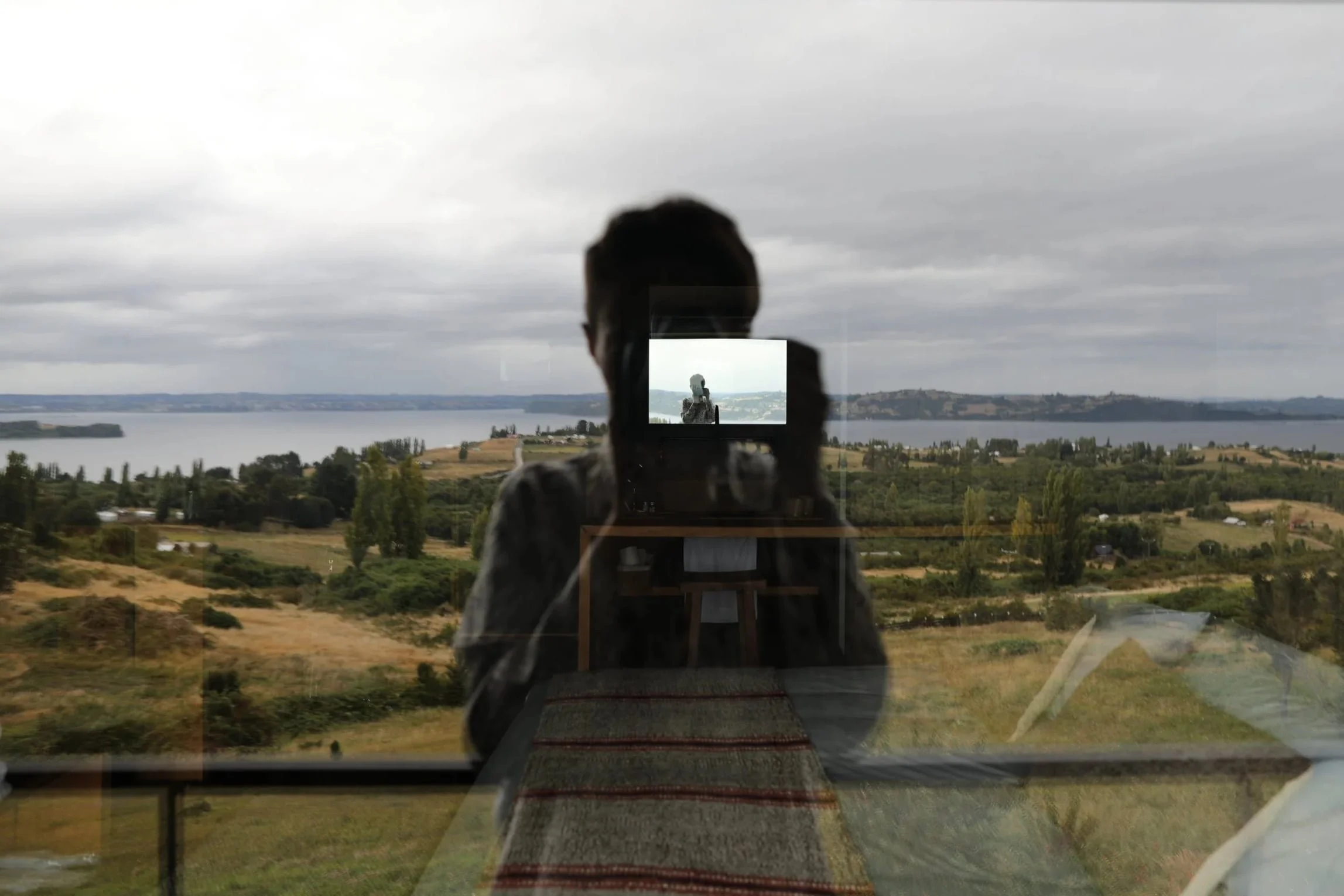
We soaked it all in during a delightful stay at Hotel & Cava Estancia Rilán. Nestled amid rolling pastures and framed by distant hills, the hotel blends rustic charm with thoughtful comfort: rooms warmed by wooden accents, large windows that invite the mist to drift in and cozy common spaces with soft lighting and local textiles.
Mornings begin with a generous breakfast featuring fresh bread, island honey and seafood caught nearby; evenings are best spent in the hotel’s intimate cava, sampling regional wines and stories from the staff — many of whom carry family tales of the island’s myths. From this welcoming base, spend a few days uncovering Chiloé’s best-kept secrets: windswept coasts, secret coves, centuries-old chapels and the small villages where the island’s living traditions are preserved.
At a Glance
📍 Destination: Estancia Rilán in Chiloé, Chile
🕒 Time Needed: 2-3 nights
💰 Budget: Approximately $235 USD/night
🛎️ Hotel Type: Boutique
🌤️ Best Season: Summer (December-February)
☕️ Don’t Miss: Wine & dinner selections
🖤 Perfect For: Design minded nature lovers
My Bibimbap Moment
This stay added: Calm.
Estancia Rilán added the ingredient of calm to my Bibimbap Life. The hotel has a talent for wrapping you in soothing comfort from the moment you arrive. The rolling landscape and the hotel’s use of natural materials set a gentle tone, while welcome drinks, crisp white sheets, glass-roofed showers and delicate dishware add thoughtful, quiet luxuries. Inside, a cozy warmth contrasts beautifully with Chiloé’s frequent rain, creating an atmosphere that’s both restorative and perfectly timed. I left feeling lighter, refreshed and utterly at peace.
My Two-Week Chile Itinerary
This was an ambitious one: two weeks, eight flights, countless buses and taxis, and a ferry to experience just how dramatically Chile changes from north to south. We started in Santiago, traveled all the way north to the Atacama Desert, flew south into Patagonia and finished on Chiloé Island — with Estancia Rilán becoming a much-needed place to slow down toward the end of the trip.
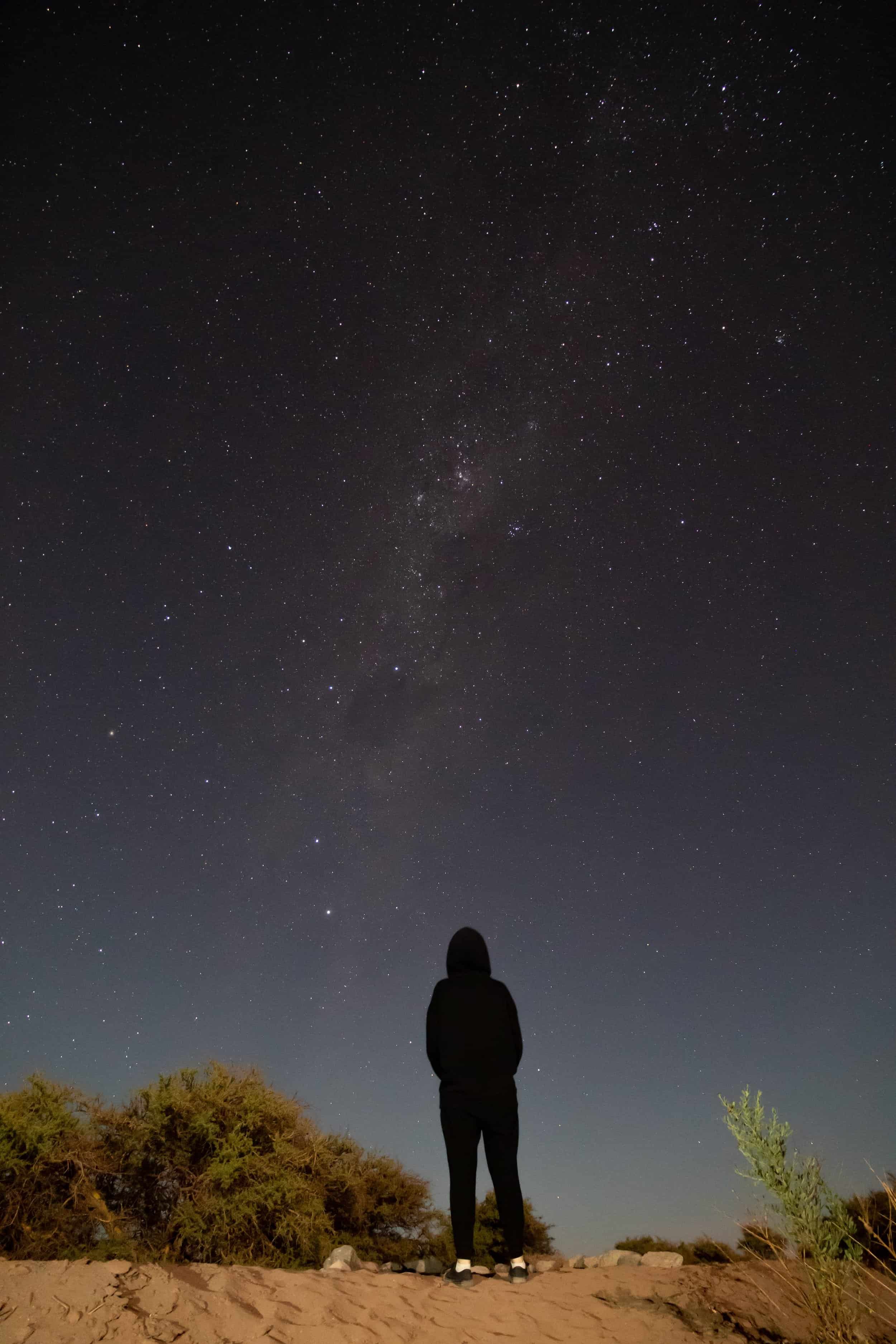
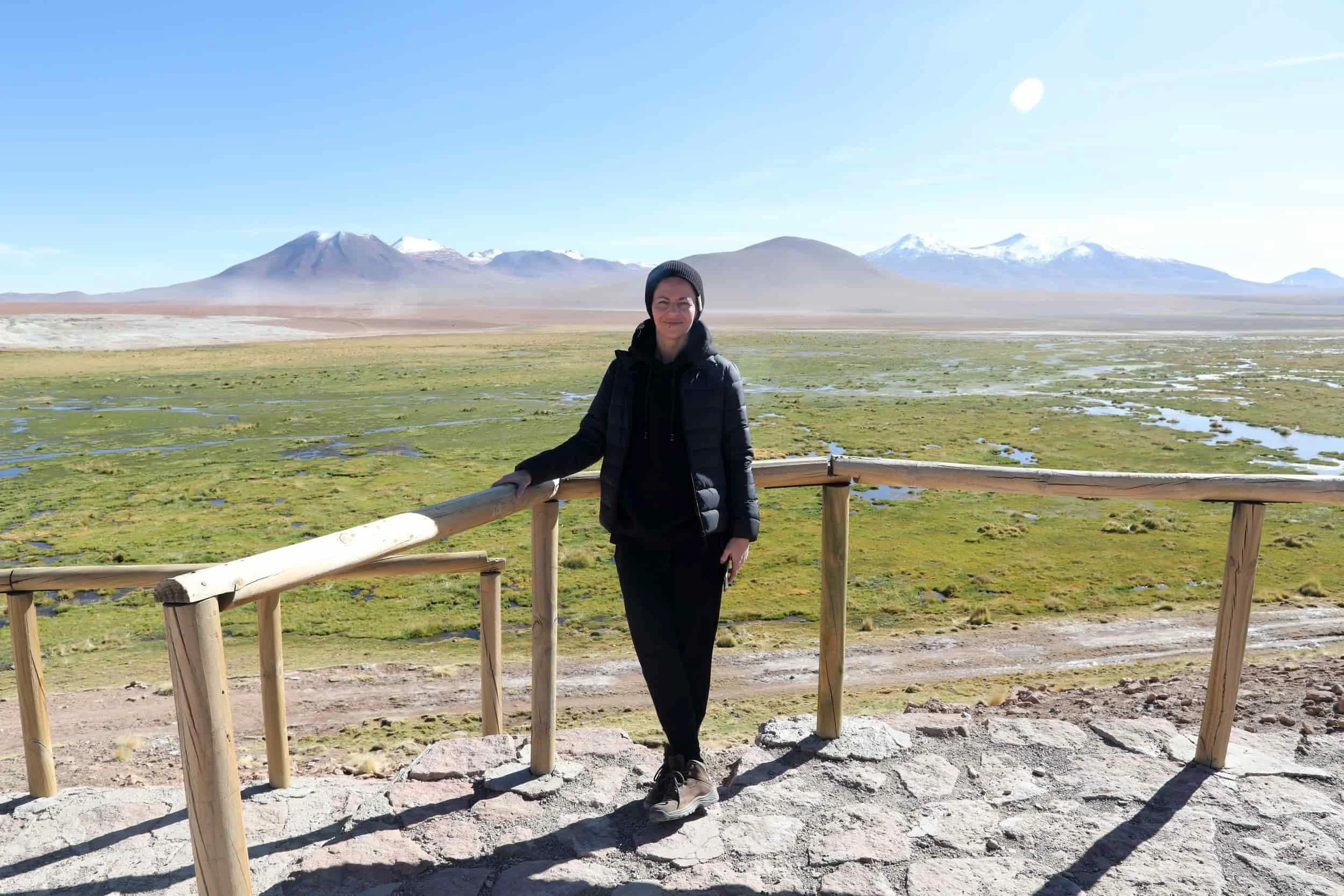
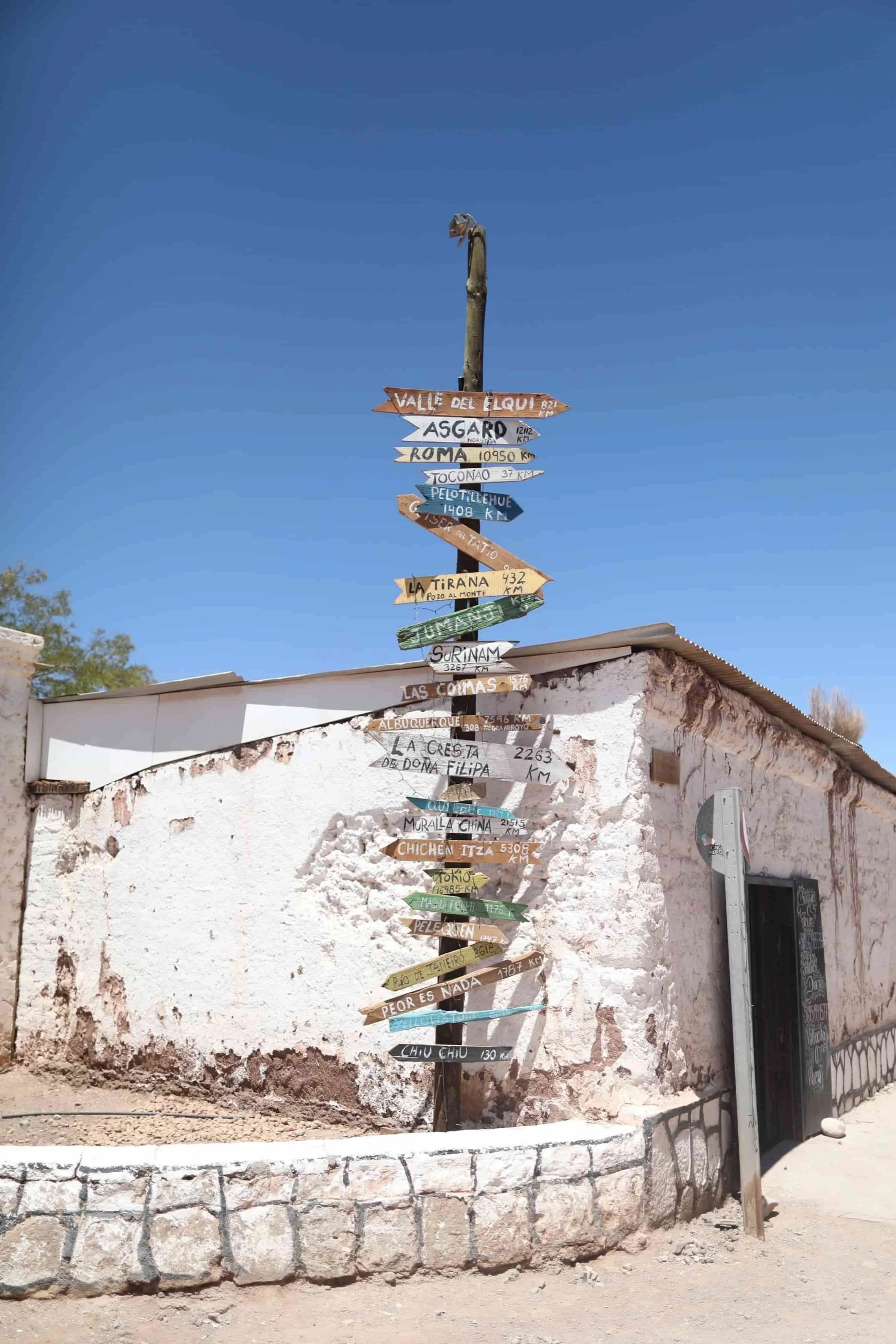
We began in Santiago, with a few days of food, Chilean wine, art and exploring the city before flying north to San Pedro de Atacama. From there, we ventured into the surrounding desert for Chaxa Lagoon, Piedras Rojas, the Altiplanic Lagoons, El Tatio Geysers and Valle de la Luna, along with one of my favorite experiences of the trip: stargazing beneath the Atacama sky.
Then we went from one extreme to another, flying south to Punta Arenas and then into Patagonia. From there, we explored Torres del Paine, where waterfalls, glaciers, lakes and long stretches of open landscape felt worlds away from the desert we'd just left behind.
Our final stop was Chiloé Island, where we based ourselves around Castro and stayed at Estancia Rilán. After so much movement, ending somewhere quiet — surrounded by countryside and water with nowhere we particularly needed to be — was exactly what the trip needed.
It was a lot to fit into two weeks and I wouldn't pretend it was a slow itinerary. But experiencing the Atacama Desert, Patagonia and Chiloé on the same trip gave us an incredible sense of Chile's scale and just how different one part of the country can feel from another.
My route: Santiago → San Pedro de Atacama → Punta Arenas → Torres del Paine → Chiloé Island
Explore
Inside this stay.
Location | Hotel & Cava Estancia Rilan
Address | La Estancia Lote B-1 Península de Rilán, 5700000 Castro, Los Lagos, Chile
Capacity | 8 guest rooms
Cost | Approximately $235 USD/night
Amenities | Breakfast, laundry, Wi-Fi, parking, order-in dining experience from Rucalaf Chiloé
Don’t Miss | Views toward Estero de Castro & handmade goods for sale on-site
Bonus | Meet the house pup, ask for a local guide & enjoy your welcome drink
Must Know | Staff are primarily Spanish speaking & the stay is about a 40 minute drive from downtown Castro
Travel More | Chile Travel Guides
A Charming Place to Stay on Chiloe Island
On Chiloé you can wake up in a cozy wooden cottage beside a peat-smoke fireplace, sleep in a refurbished fisherman's palafito on stilts or choose a boutique eco-lodge that blends into the island’s mossy forests and wetland edges. Farm stays and family-run hosterías offer home-cooked curanto and warm, personal hospitality, while small seaside hôtels provide sweeping views of brackish bays and distant volcanoes.
For a stay that feels quietly luxurious and rooted in local history, consider Hotel & Cava Estancia Rilán: an elegant estancia with polished communal rooms, manicured grounds and an on-site cava where you can taste regional wines and artisanal goods. It’s the kind of place that pairs comfortable refinement with the island’s rustic charm — perfect for slow mornings and long evenings listening to the tides.
Fall Head Over Heels for Hotel & Cava Estancia Rilán
Falling for Hotel & Cava Estancia Rilán is almost a given — and it’s also your first glimpse into the island’s singular charm. The people of the Chiloé Archipelago, known as Chilotes, possess a cultural identity all their own, shaped by Huilliche roots and European (mainly Spanish) influences. Proud keepers of rich traditions, folklore and finely honed craftsmanship, they make Chiloé feel like a place where history and hospitality live side by side.
Chilote mythology — or Chilota — arises from the blending of myths, legends and beliefs that highlight the intimate relationship between the people of Chiloé and the sea. It is a magical world woven from the indigenous religions and knowledge of the Chonos and Huilliche who inhabit the archipelago, and from the stories, superstitions and tales brought by the Spaniards since 1567. From that meeting emerged a unique fusion: a distinct mythology, steeped in mystery and profound respect for the waters that shape island life.

Separated from mainland beliefs and myths by the archipelago’s geographic and historical isolation, Chilota culture flourished into something uniquely enchanting. Even the archipelago’s origin is woven from legend: they say a water god rose from the ocean as a vast serpent, poised to swallow the coastal lowlands of Chile.
Myth and legend in Chiloé are more than tales — they’re woven into everyday life, shaping beliefs, customs and the island’s art. Among the most famous figures is the Caleuche, a phantom ship that slips across the waters by night. The Trauco is a mischievous, dwarf-like spirit said to lure women into the forest and is often blamed for unexpected pregnancies.
Pincoya, a radiant sea goddess, dances to bless the oceans with abundance, her movements promising bountiful harvests from the sea. And Imbunche, a creature crafted by sorcerers, appears as a grotesque, hairy being with a twisted leg and forked tongue — a chilling reminder of darker local myths.
The legends don’t stop there — Chiloé teems with curious and uncanny tales. A few of the most bewitching:
The Origin of the Archipelago: Islands born of a titanic struggle between two serpent deities, Tenten Vilu and Caicai Vilu, whose clash shaped coastlines and currents.
Camahueto: A unicorn-horned, bull-like spirit of the woods, rumored to heal the afflicted and bestow strange luck.
Basilisco Chilote: A serpent crowned with a rooster’s crest, feared for draining the life from those it possesses.
Peuchen: A huge, winged snake said to creep through the night, leaving sickly sheep in its wake.
Millalobo: The sovereign of the sea, a majestic god who governs the waters around Chiloé.
Coipos: Mysterious water-dwelling beings that haunt rivers and lakes, part animal, part myth.
Fiura: A spiteful spirit made of misfortune itself, growing stronger on the taste of fear.
El Cuero: A deceptive shapeshifter that may lie as a cowhide by day and become a monstrous beast by night.
Brujo Chilote: A sorcerer of dark arts, fabled to twist children into Imbunches.
La Condená: The sorrowful tale of a woman punished to an eternity of wandering and woe.
Chucao: A tiny native bird whose bright call is said to herald fortune or ill — listen closely.
Pincoy: The male counterpart to the Pincoya, companion of the sea’s dances and fortunes.
Each name carries a whisper of the island’s wild imagination — half warning, half wonder.
💡 Local Tip | Stroll down to the waterfront in downtown Castro and you'll find a whimsical mix of carved wooden statues — each one a small, mysterious creature of myth and mystery.
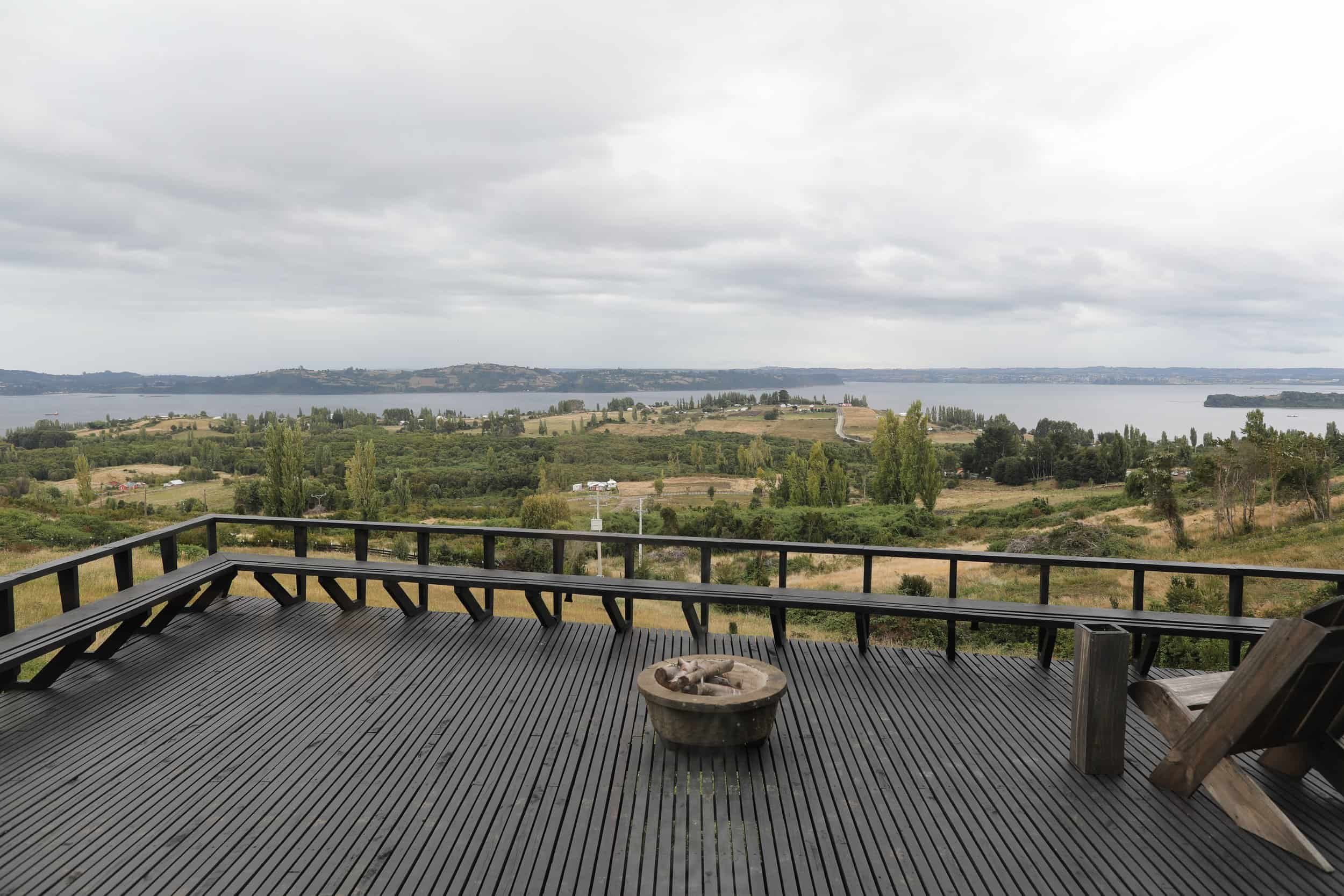
The hotel seems to have emerged from the island’s legends. Driven by a curiosity to discover Chile — its people and traditions — Mónica and Rodrigo, both business engineers, set out to create a place where details come alive and experiences are the true hallmark. They embraced the challenge of pouring all their energy into a project where the landscape is experienced firsthand.
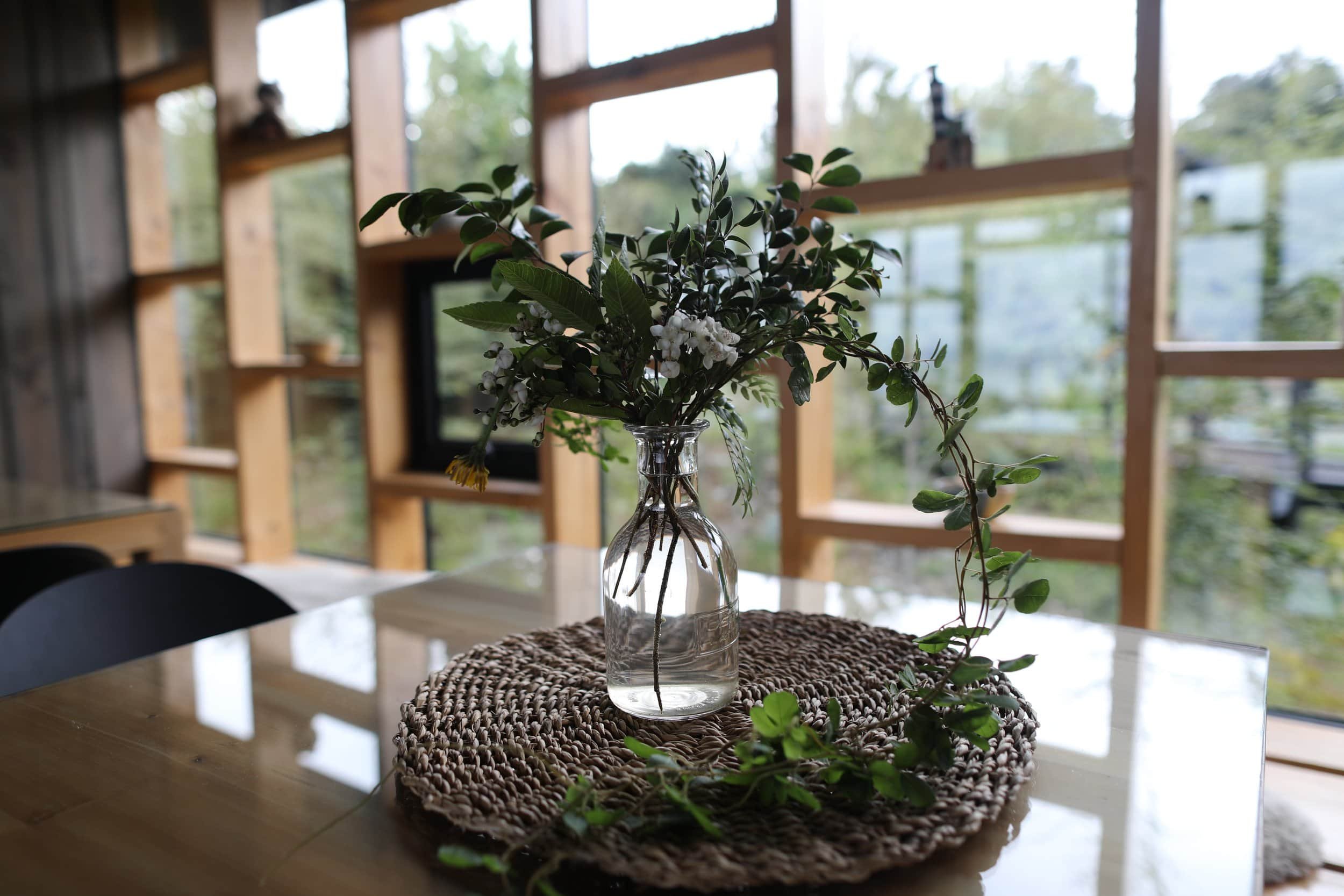
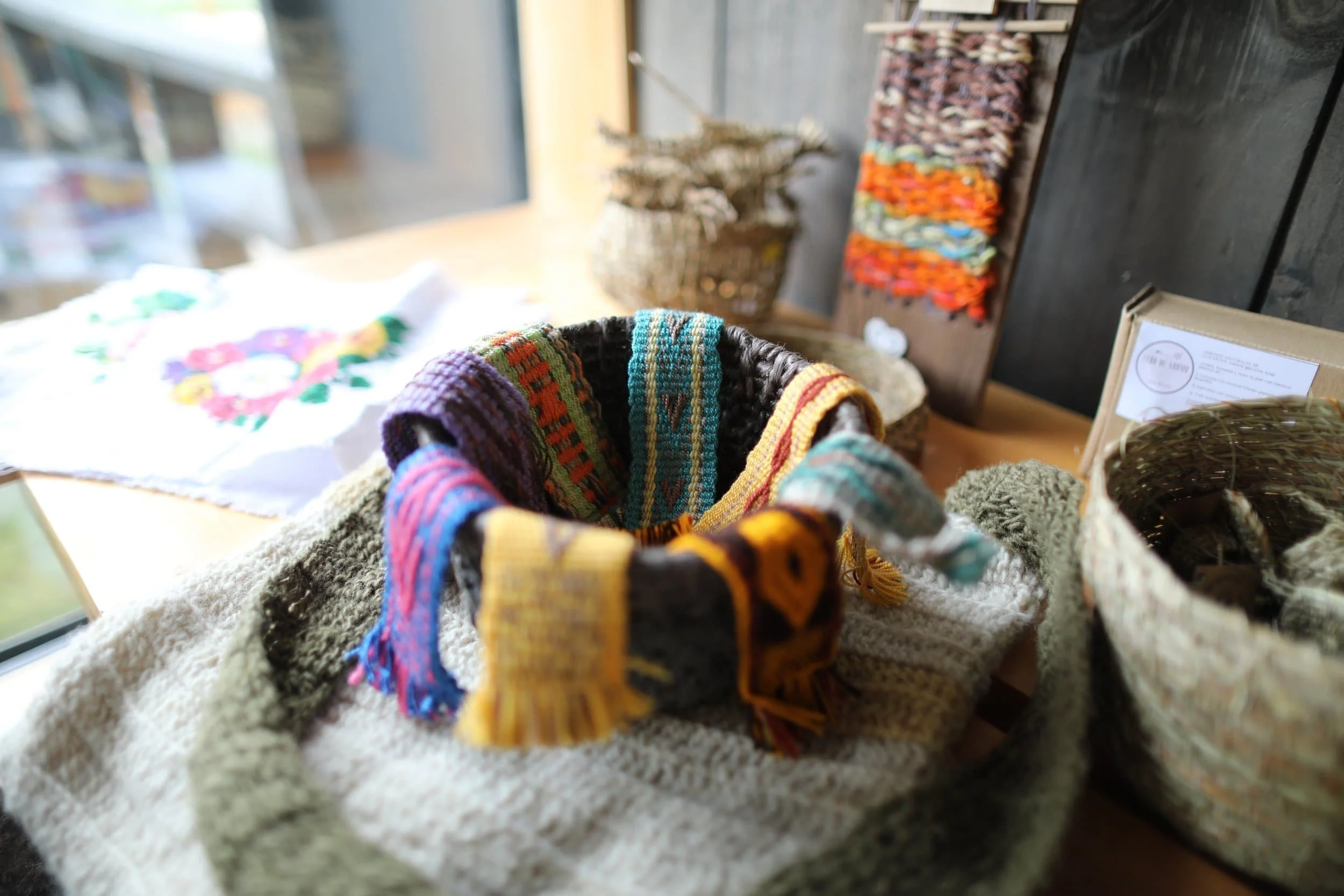
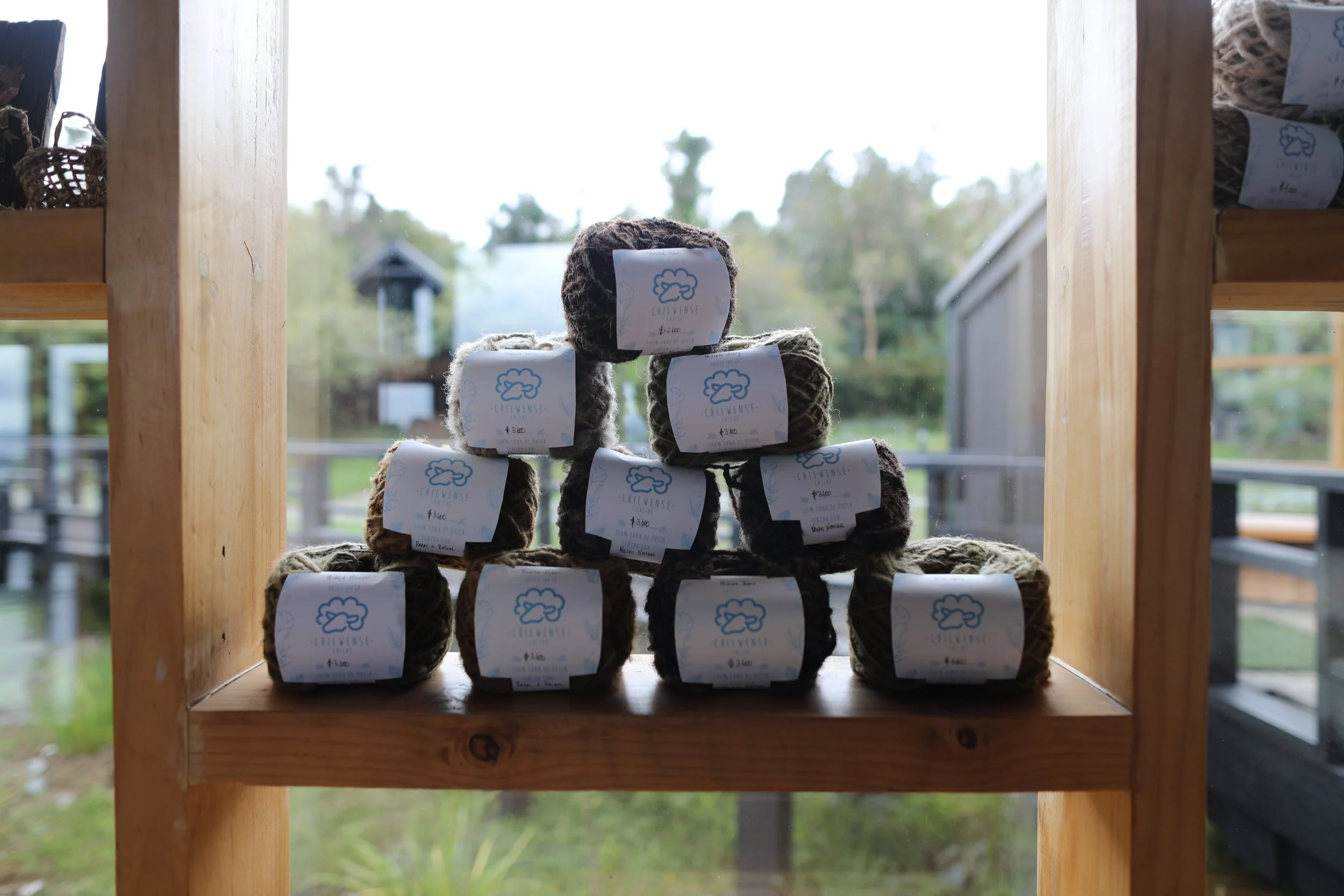
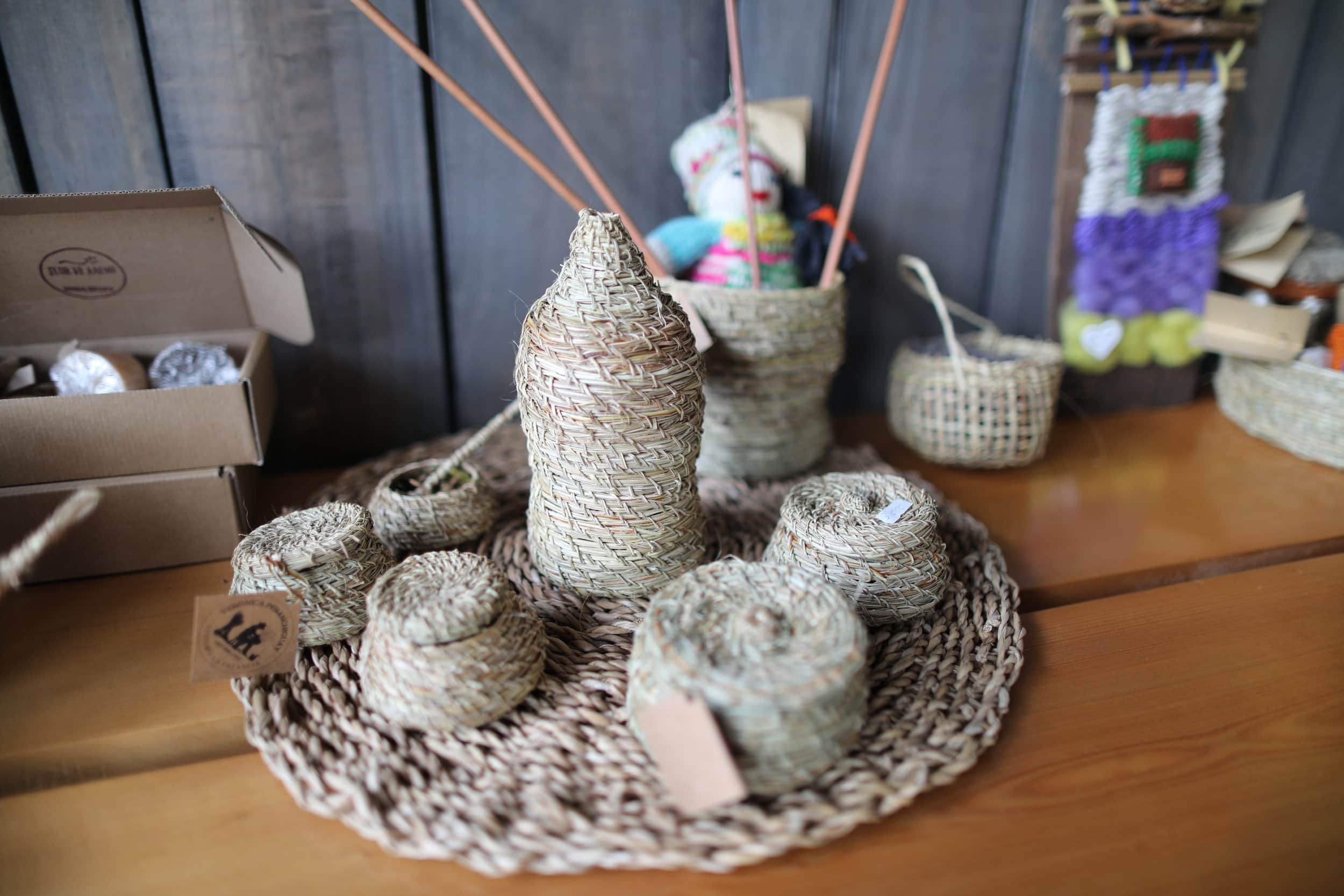
They hoped to become the bridge that reveals Chiloé’s magic — introducing guests to its wild flora and fauna and the warm customs of the south. The experience is designed to spark curiosity, bring delight and rest and leave visitors longing to return and learn more.
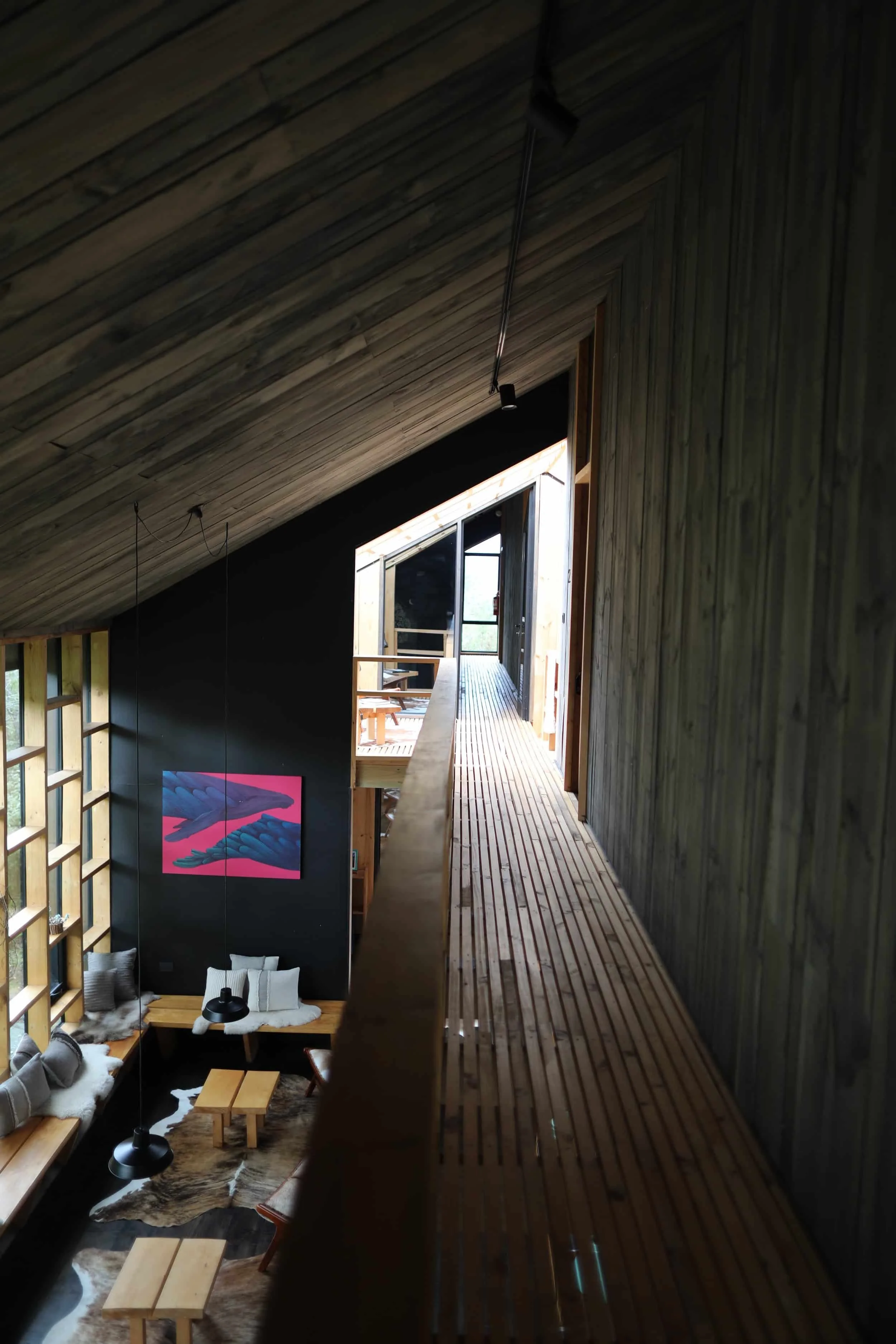
They poured tireless effort into finding the perfect spot, then thoughtfully designed and built a graceful structure that frames the landscape from every angle. Their goal is to create a place that belongs to the community — partnering with local fishermen, artisans, tour guides, restaurants and fellow entrepreneurs to weave services and collaboration into every stay.
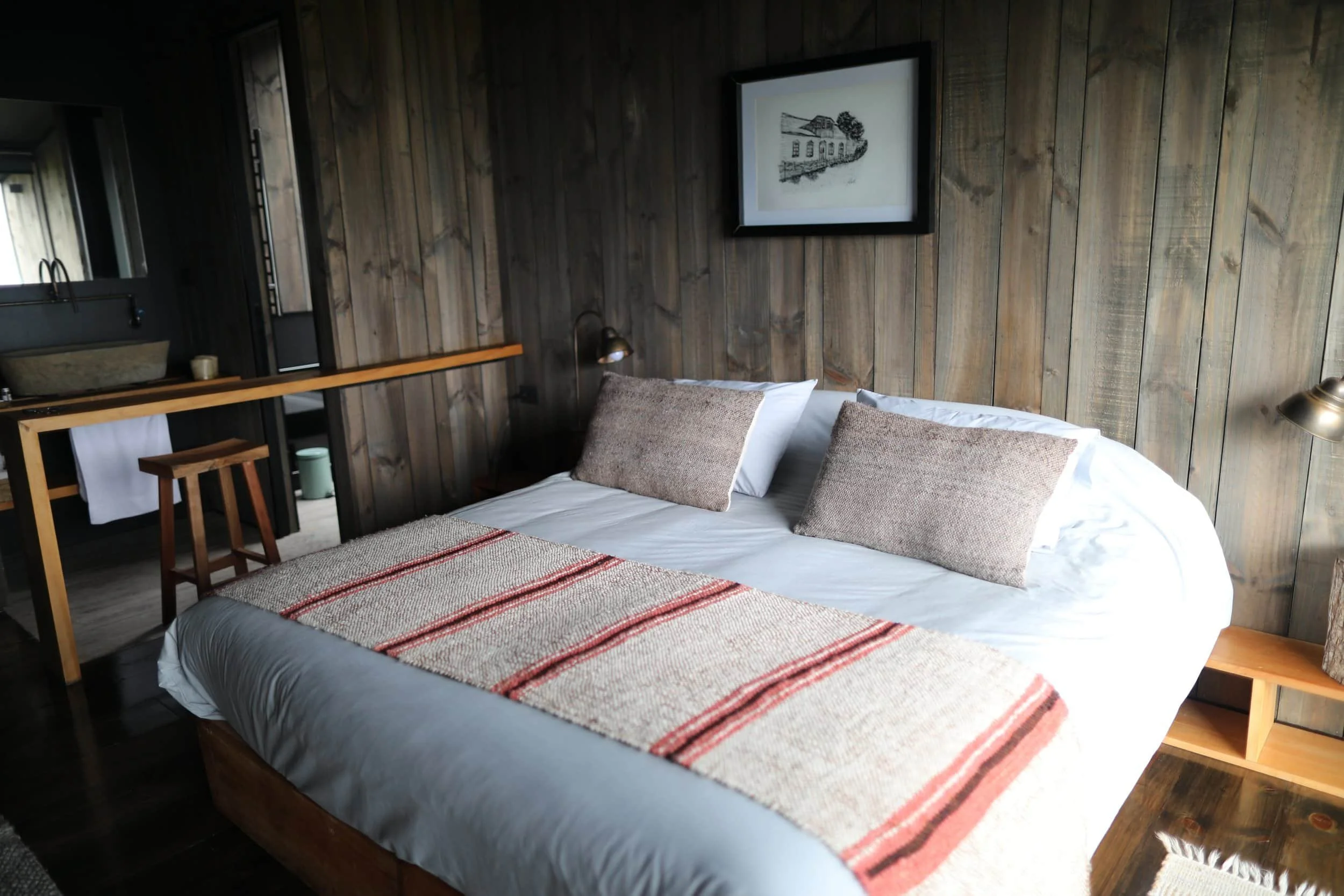
Sustainability and respect for the environment are at the heart of everything the team does. By caring for the land, they honor local resources, wildlife and the surrounding community — and they don’t stop there. They’ve planted nearly 400 trees and shrubs on the property, harvest rainwater, reuse gray water for irrigation, compost and recycle, rely primarily on electric heating and use an all-LED lighting system to keep their footprint light and their impact meaningful.
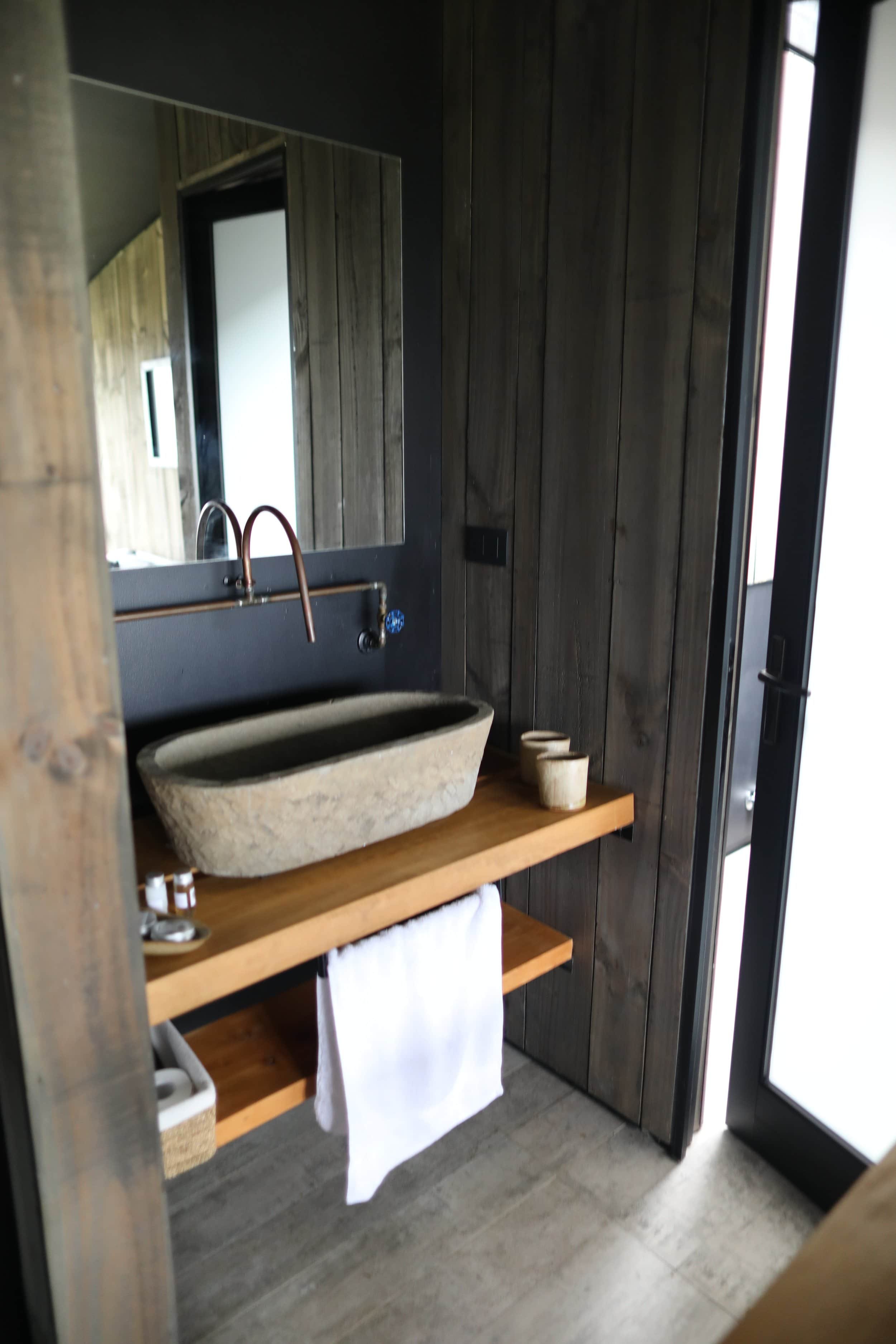
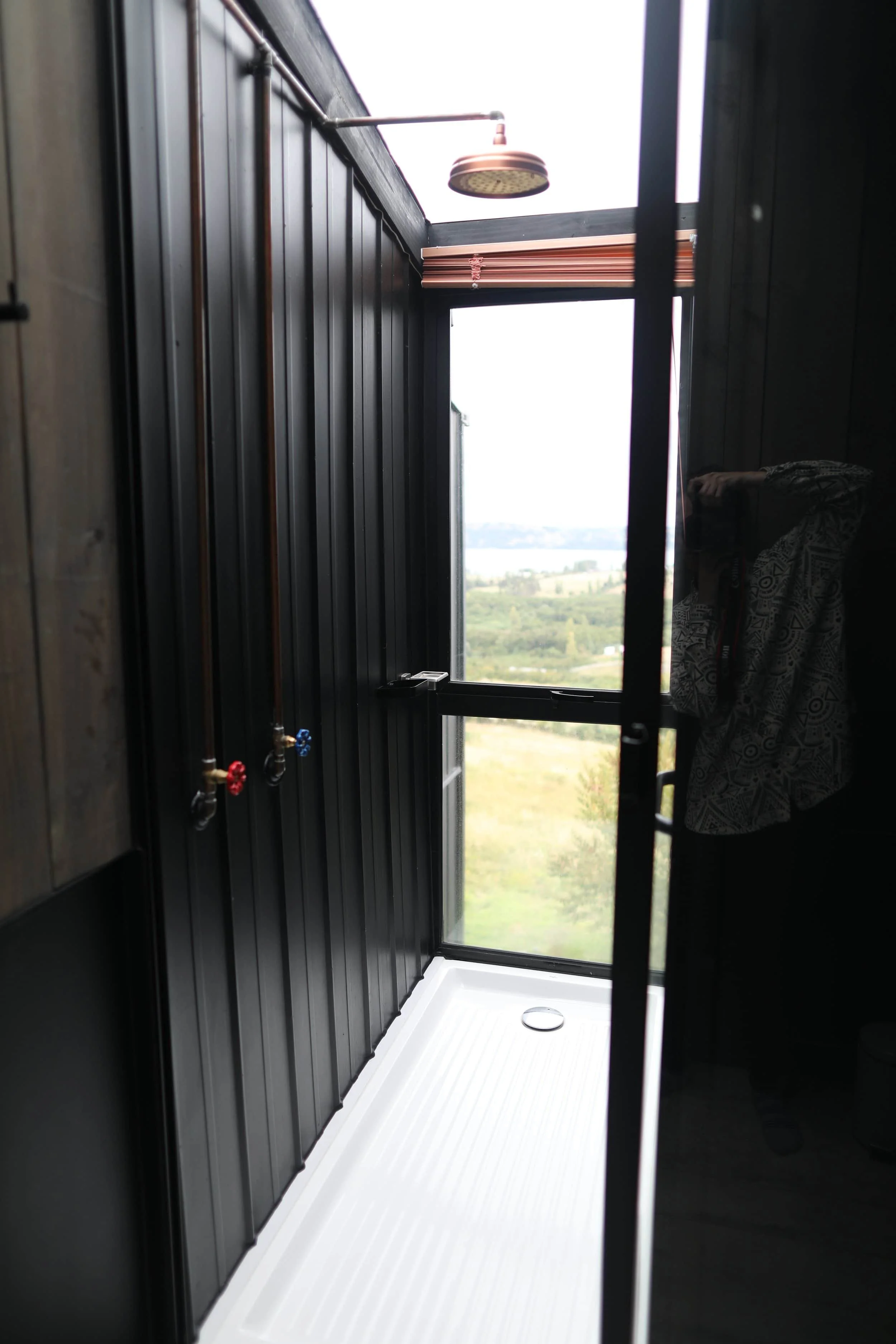
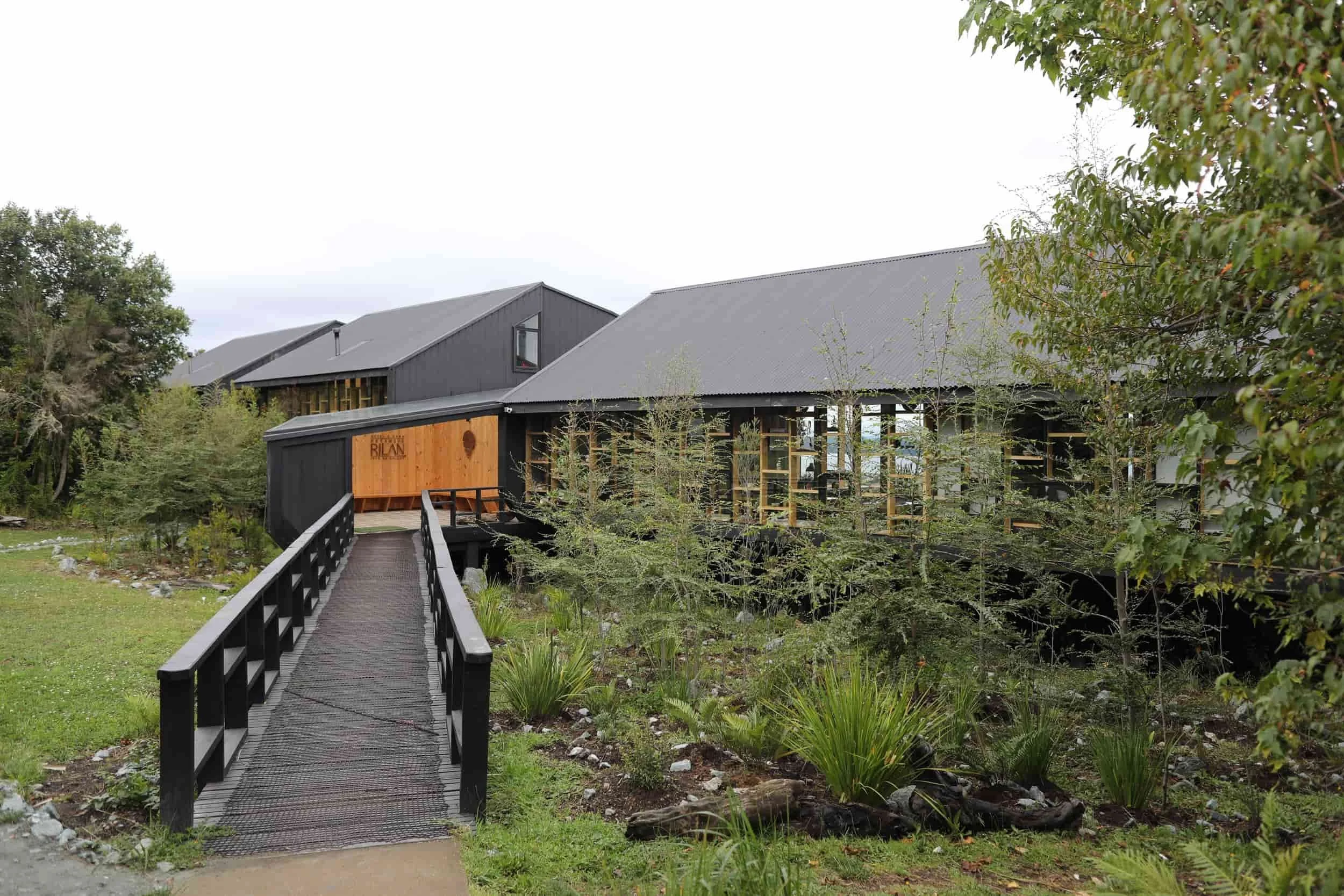
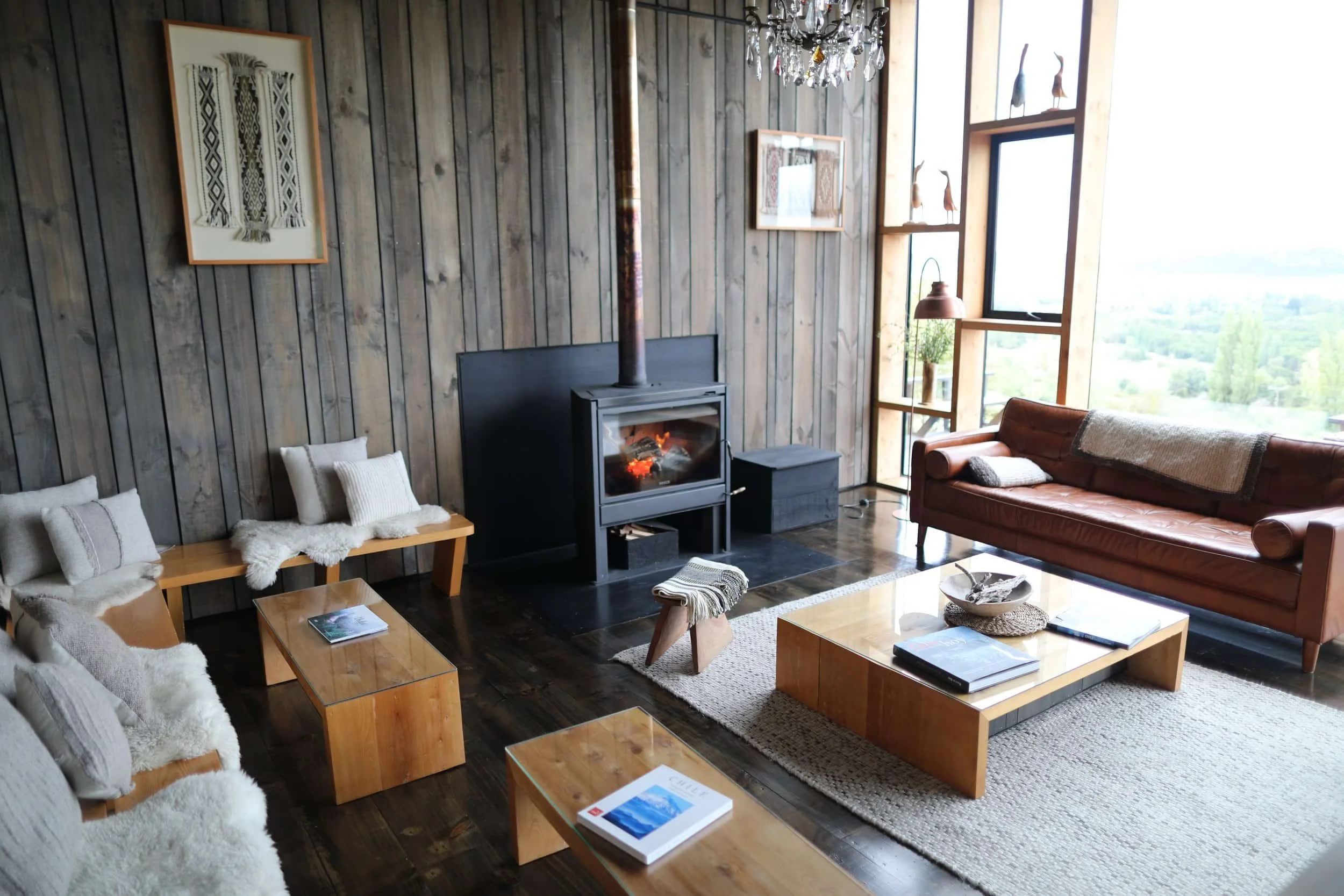
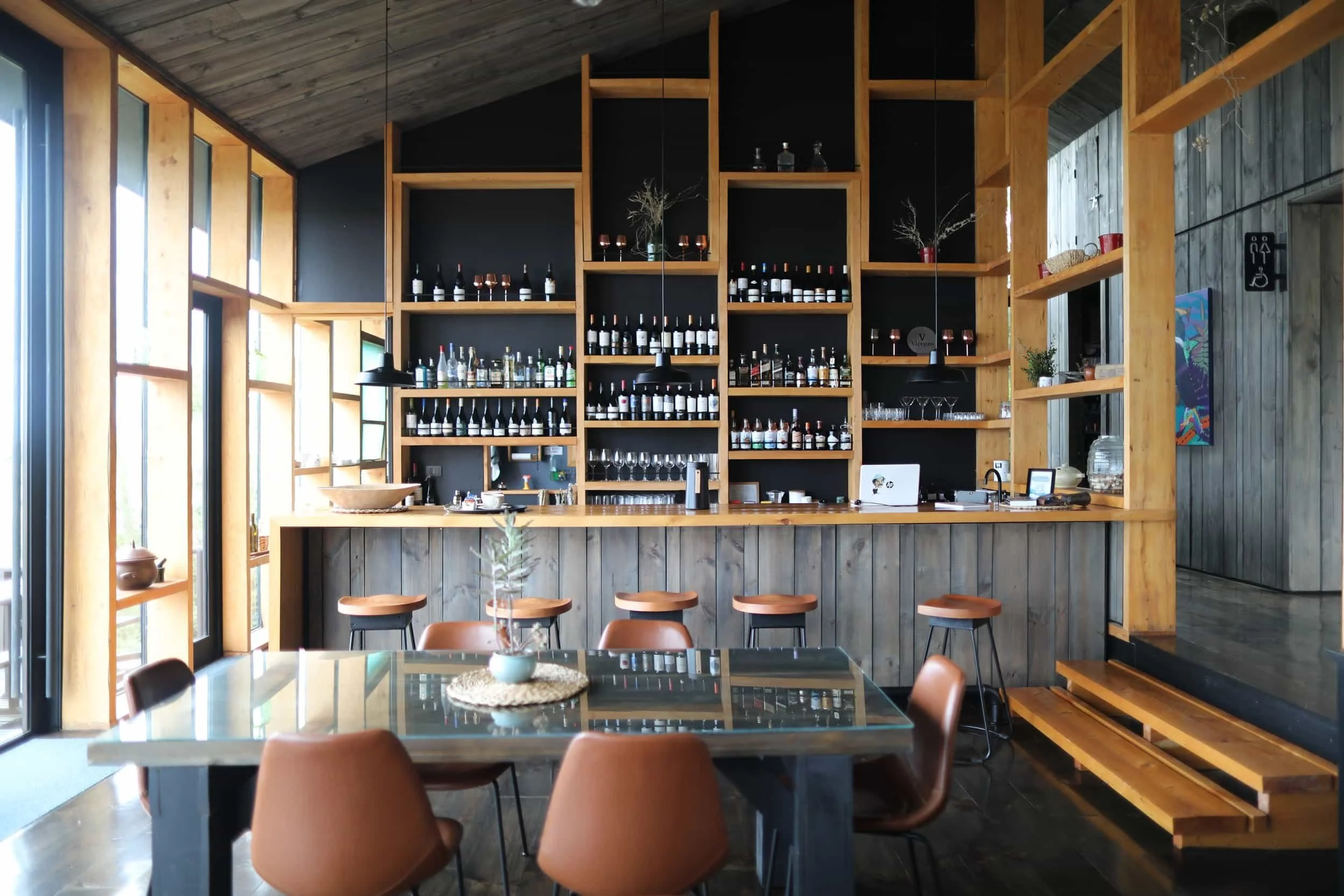
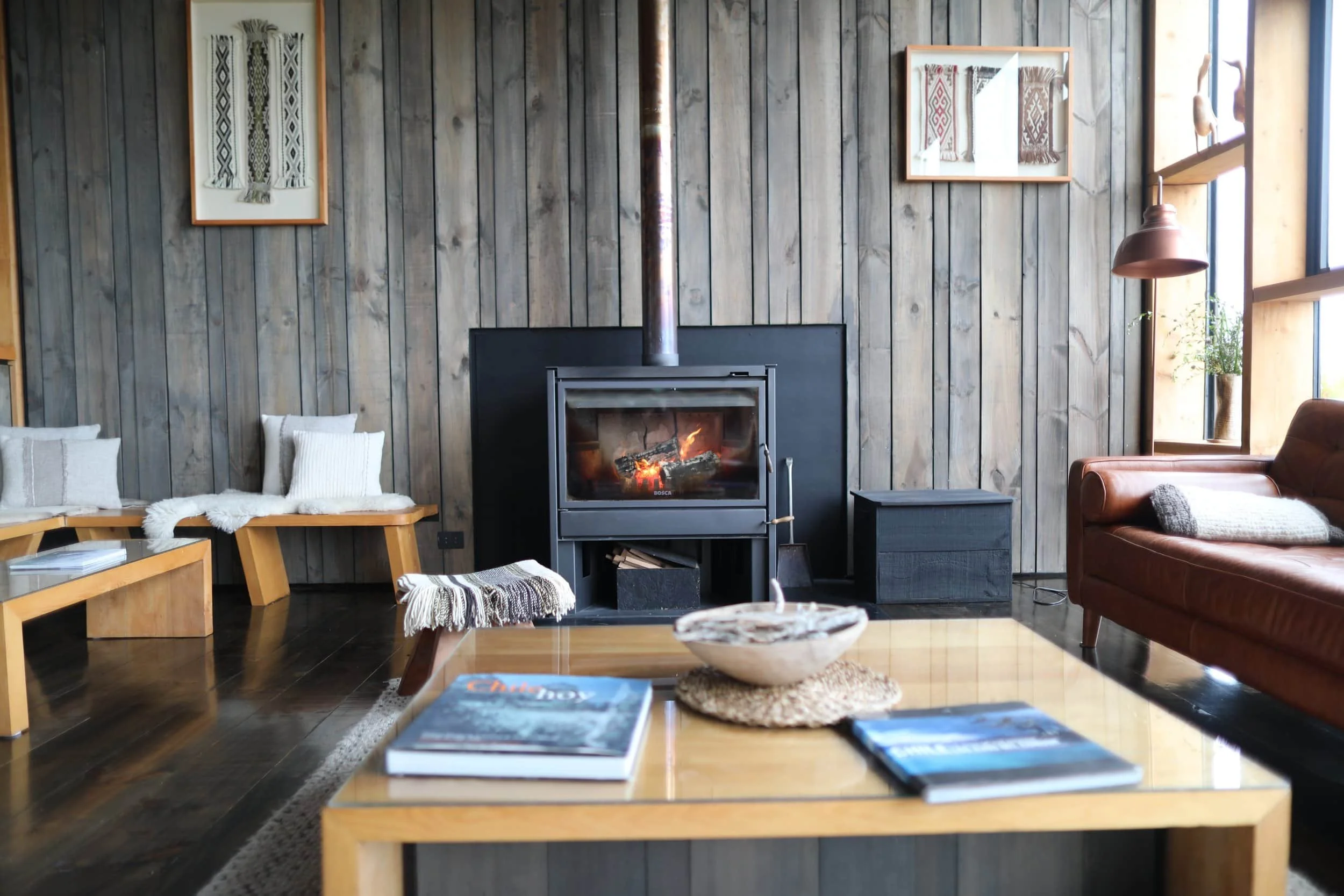
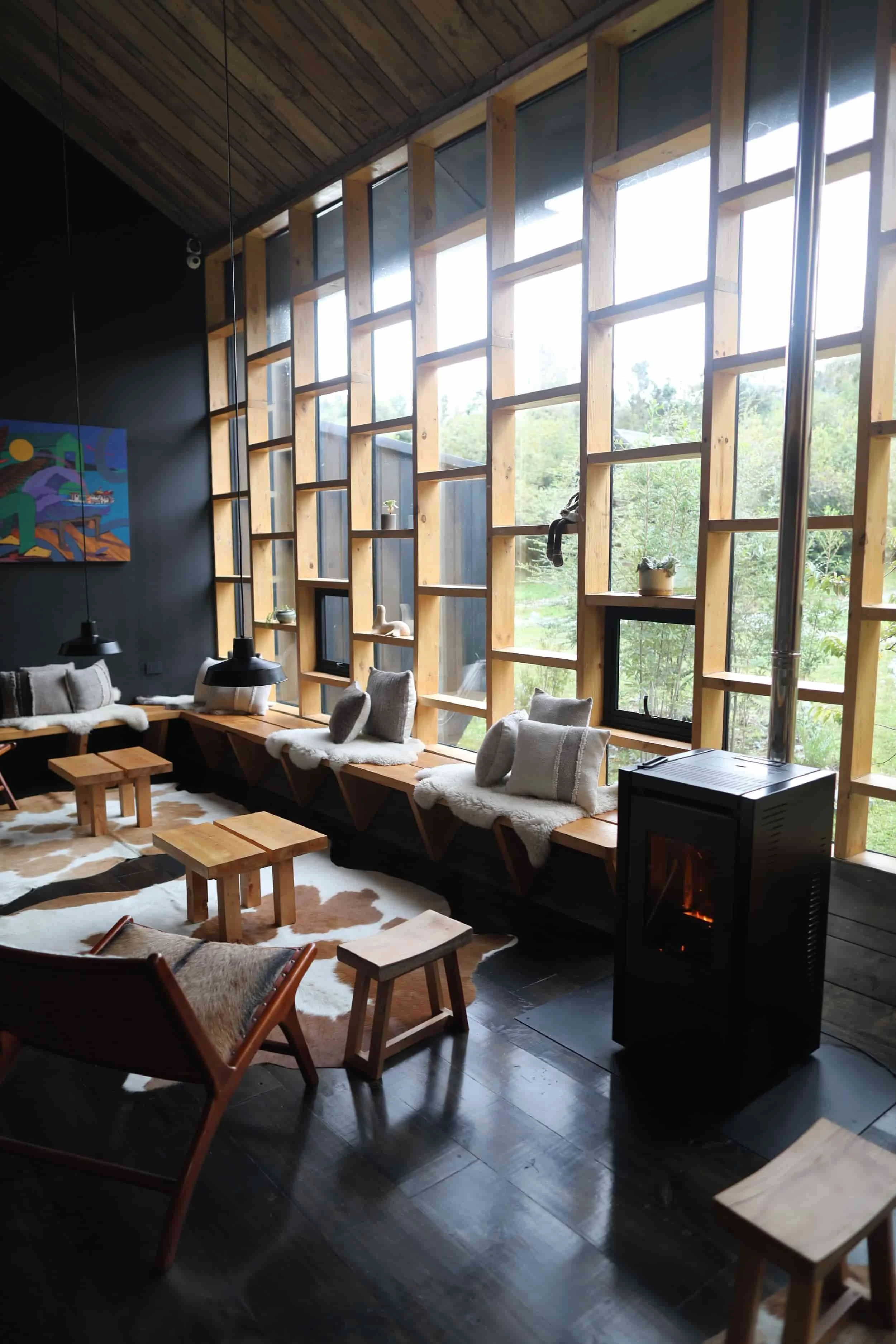
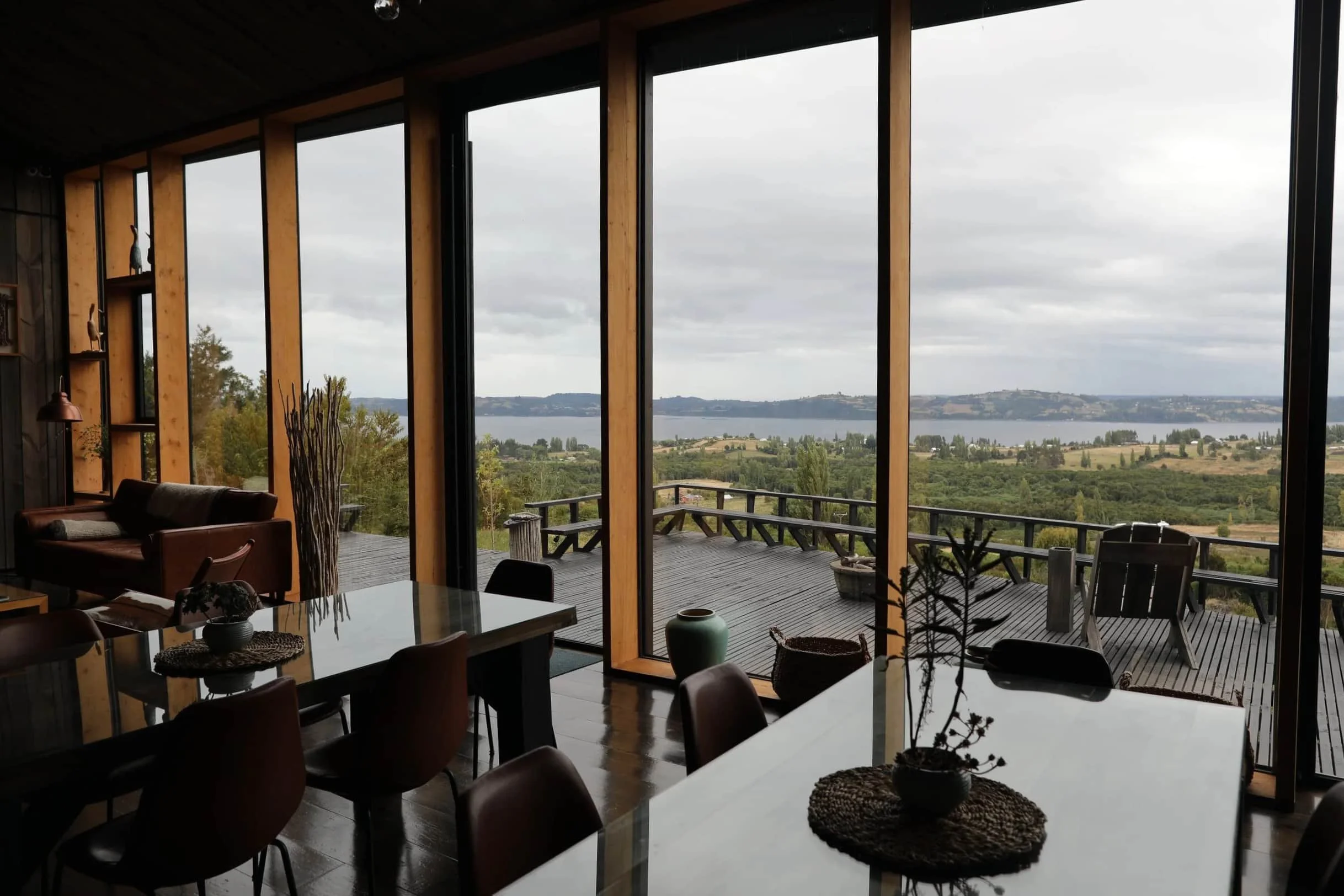
Set across five leafy acres, Hotel & Cava Estancia Rilán has eight cozy rooms and a scattering of inviting living areas where guests can relax and watch the surrounding greenery. The dining room’s warm fireplace creates a snug atmosphere — perfect for sipping a steaming cup of coffee while taking in the dramatic views of La Estancia. The cellar houses 45 wine labels and a selection of bites like cheeses, cured ham and pickles. On sunny days, the large deck and outdoor barbecue offer a delightful spot to linger and soak up the weather.
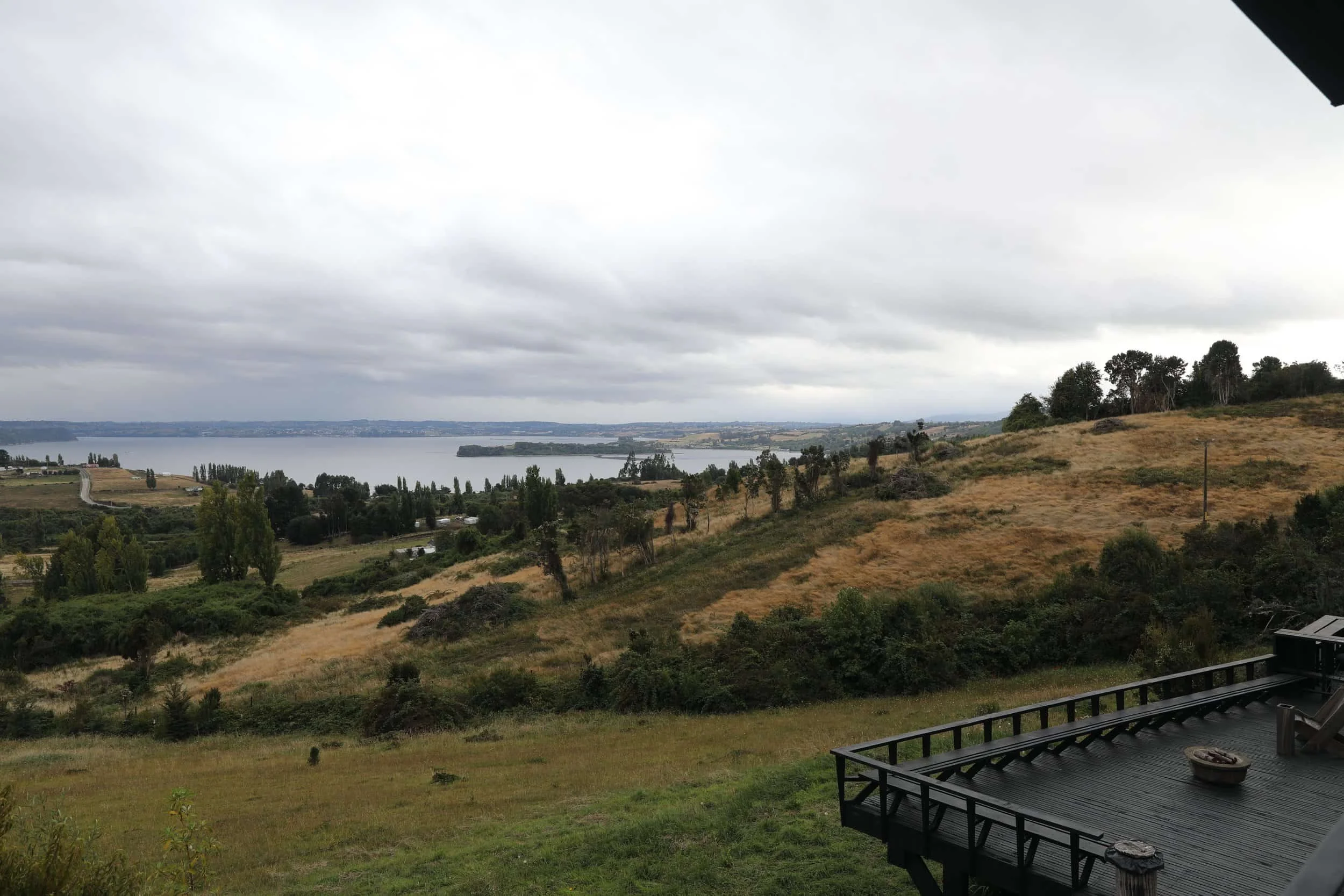
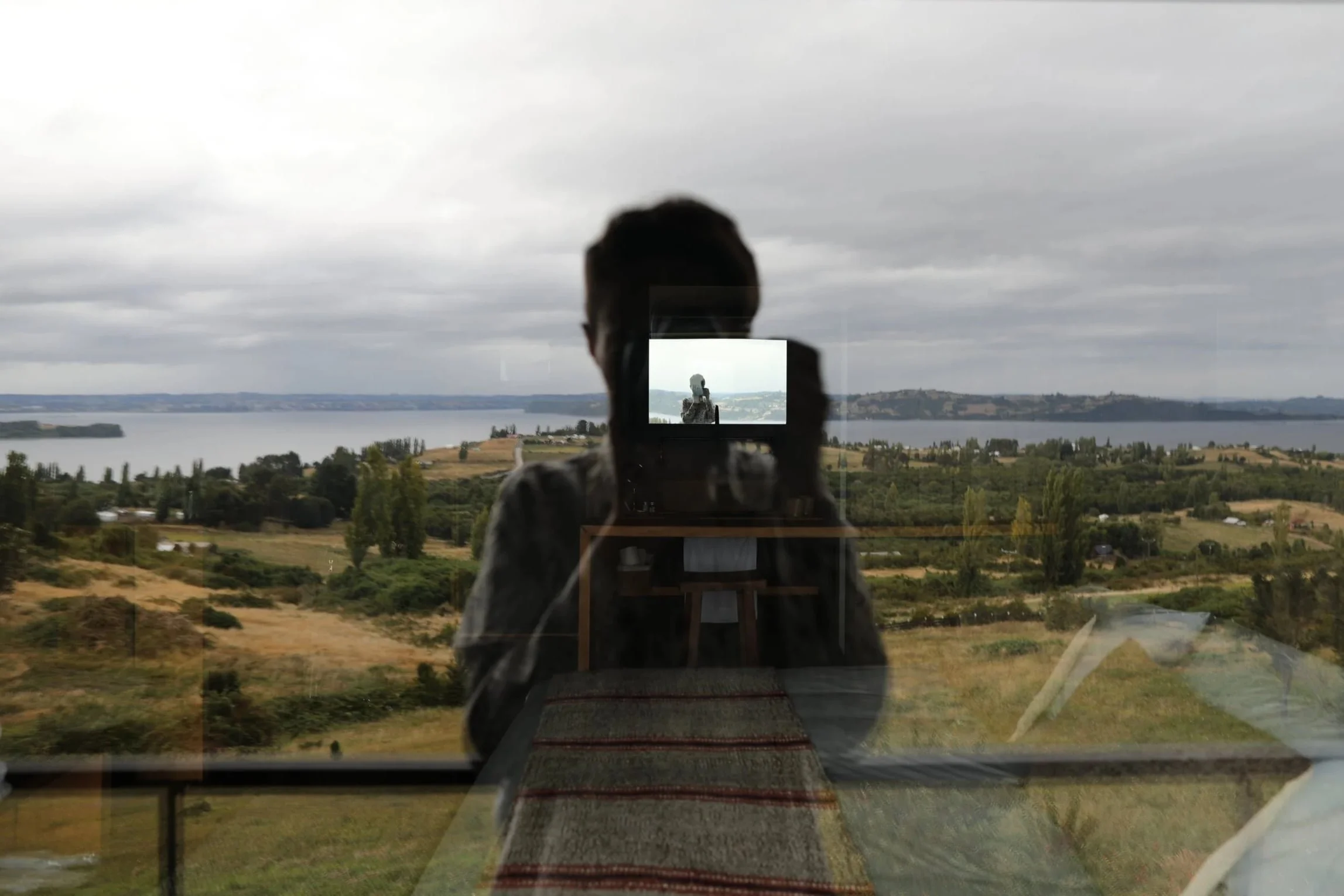

In the loveliest way, this boutique hotel beckons you to discover the island’s finest panoramic vistas and savor an unforgettable stay. Warm, knowledgeable staff are on hand to introduce you to Chiloé’s charming churches, immerse you in local festivals and flavors and guide you to breathtaking landscapes and can’t-miss sights.
⚠️ Good to Know | Most staff are Spanish speaking.
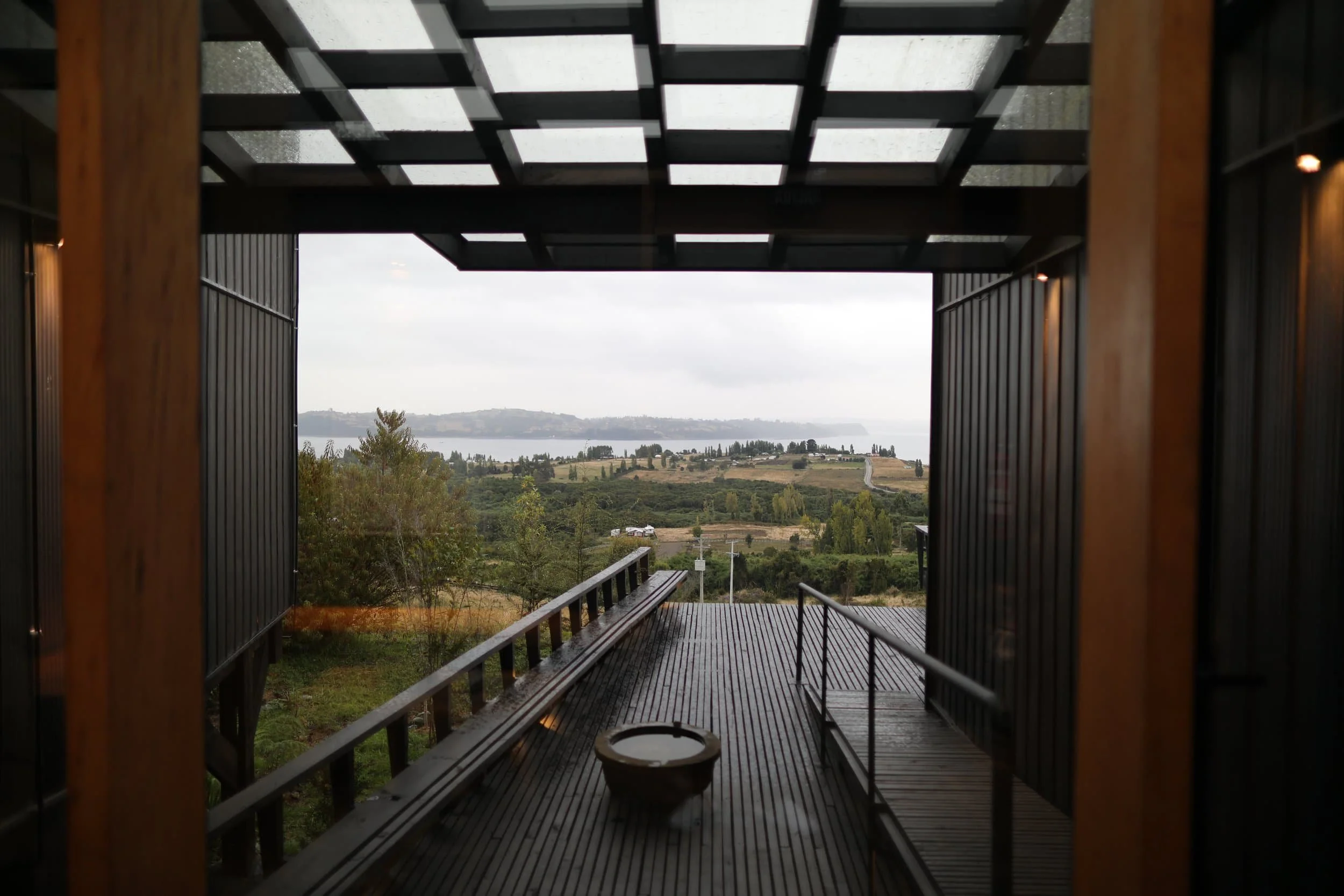
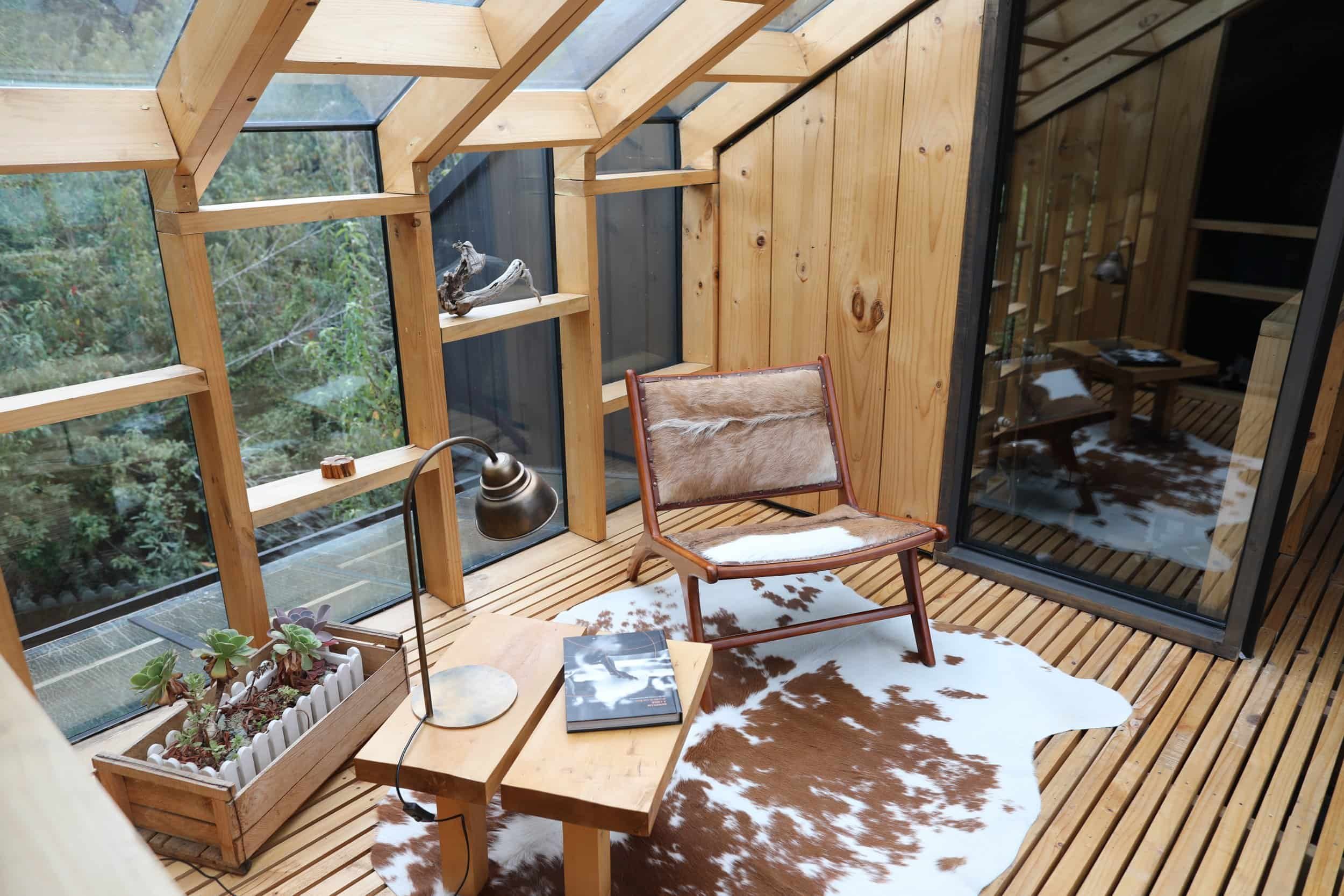
I was utterly enchanted. The hotel sits in the perfect spot, with sweeping 360-degree views of the landscape and its interior is a work of art. Warm communal nooks, crackling fireplaces, endless vistas — every space invites you to linger. Cowhide chairs, sheepskin throws and woven accents add tactile comfort, while wood, stone, leather and fur in a soothing palette of creams, browns and blacks create a cozy, natural feel. Every detail has been carefully considered; each corner reveals a small comforting surprise.
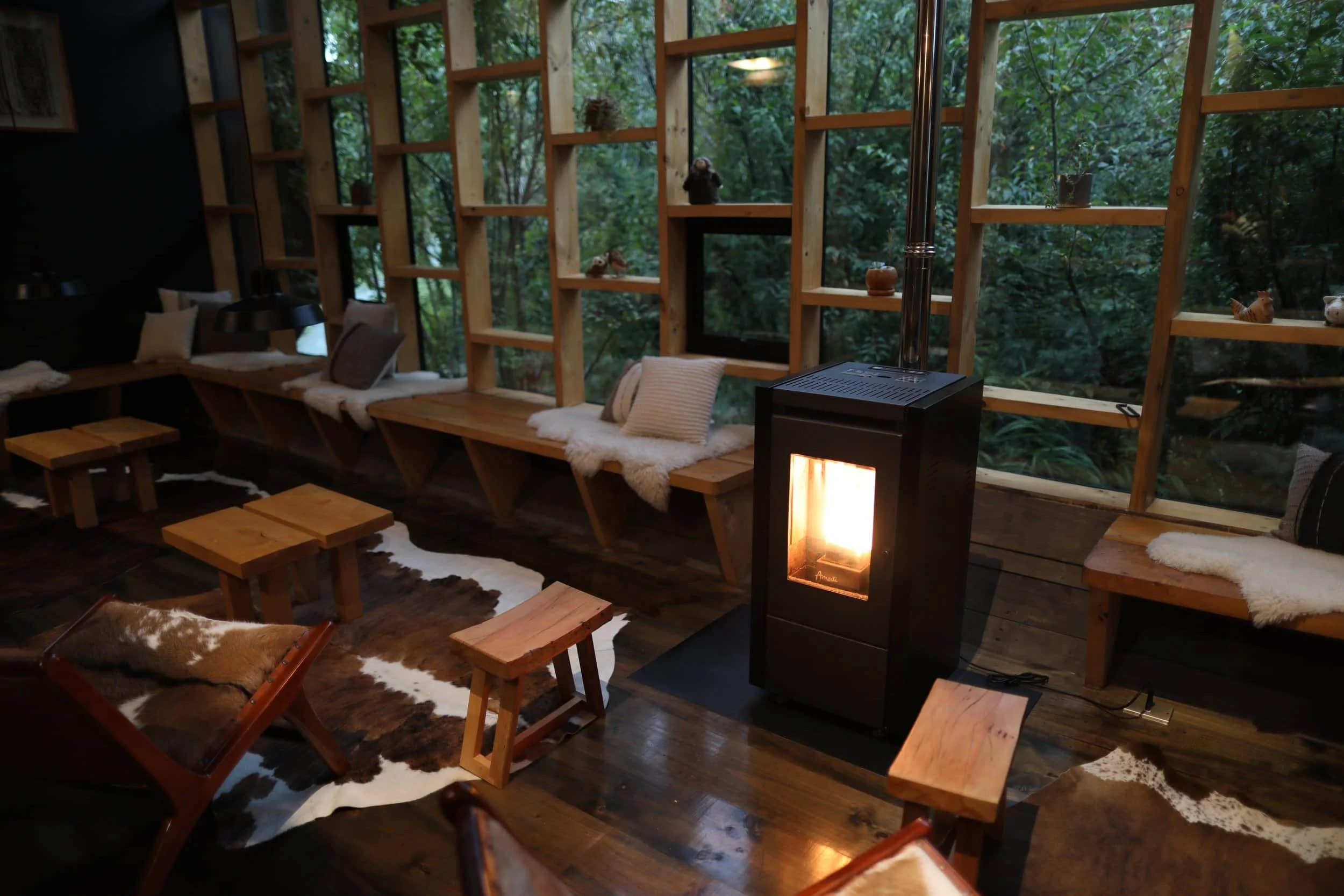
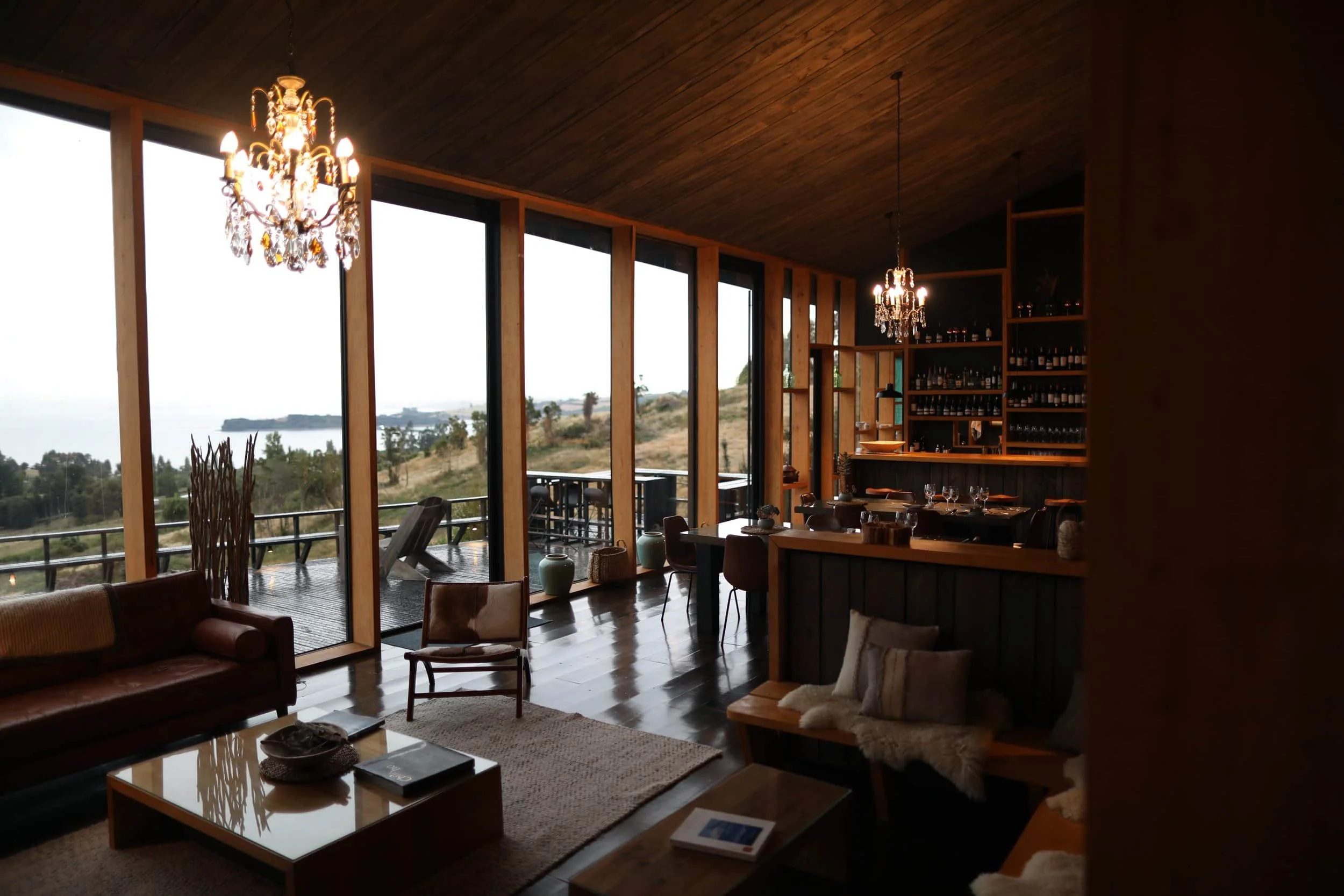
The boundary between inside and out blurred so beautifully that you felt part of the landscape. Our room was stunning — every detail sang of calm. The shower looked out over the water and a glass ceiling above let the sky drift in. I was smitten, already dreading the moment I’d have to tear myself away from this little slice of paradise to explore the island.
Sip a Warm Welcome in the Salon at Estancia Rilán
After a quick tour and a moment to settle in, we drifted down to the main living room for a welcome drink and light bites. Both juices were pressed from local berries: one made with ungi molinae — the Chilean guava berry, sometimes called strawberry myrtle — a fragrant shrub native to Chile and parts of southern Argentina. Almonds and sweet, chewy dates completed the spread.
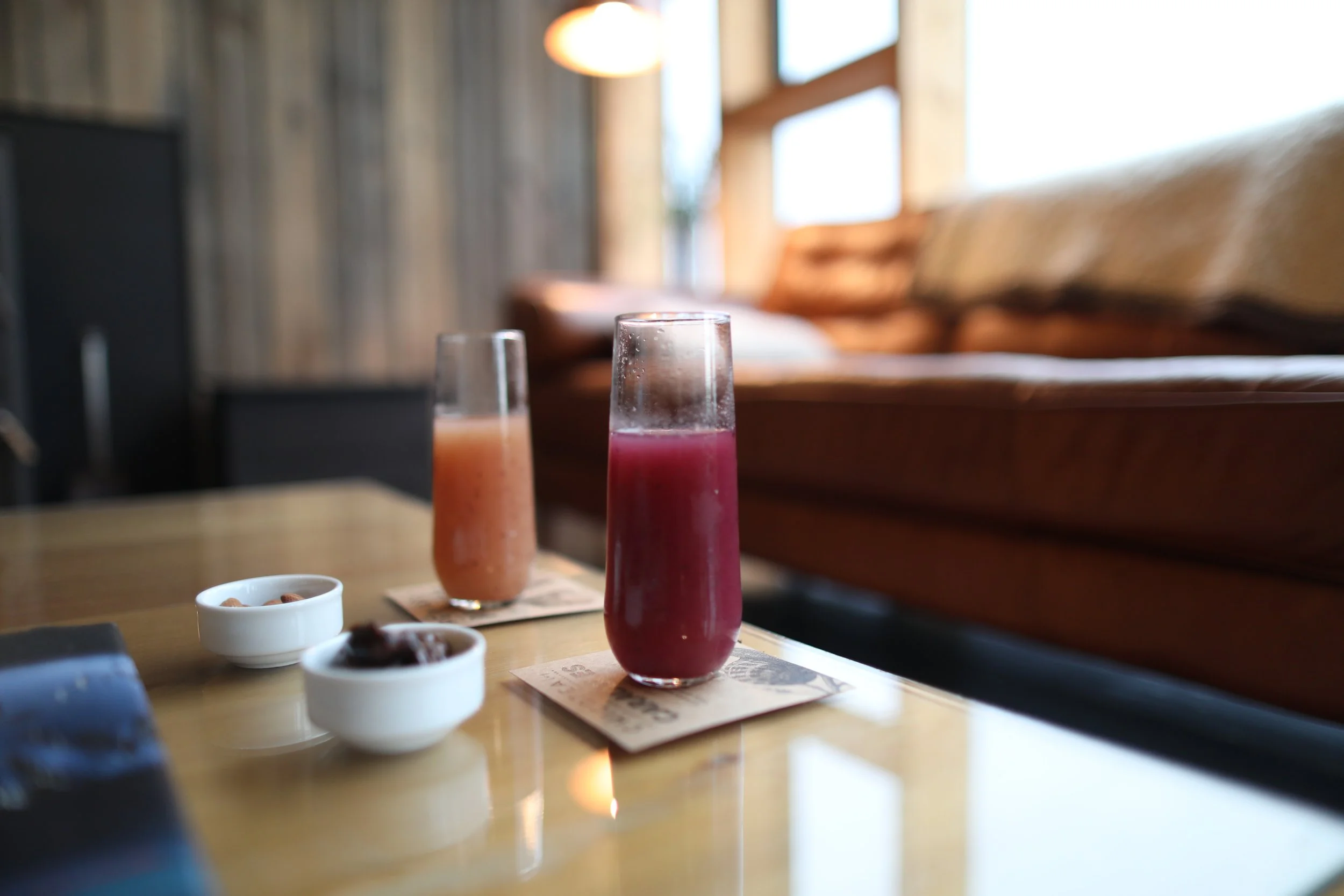
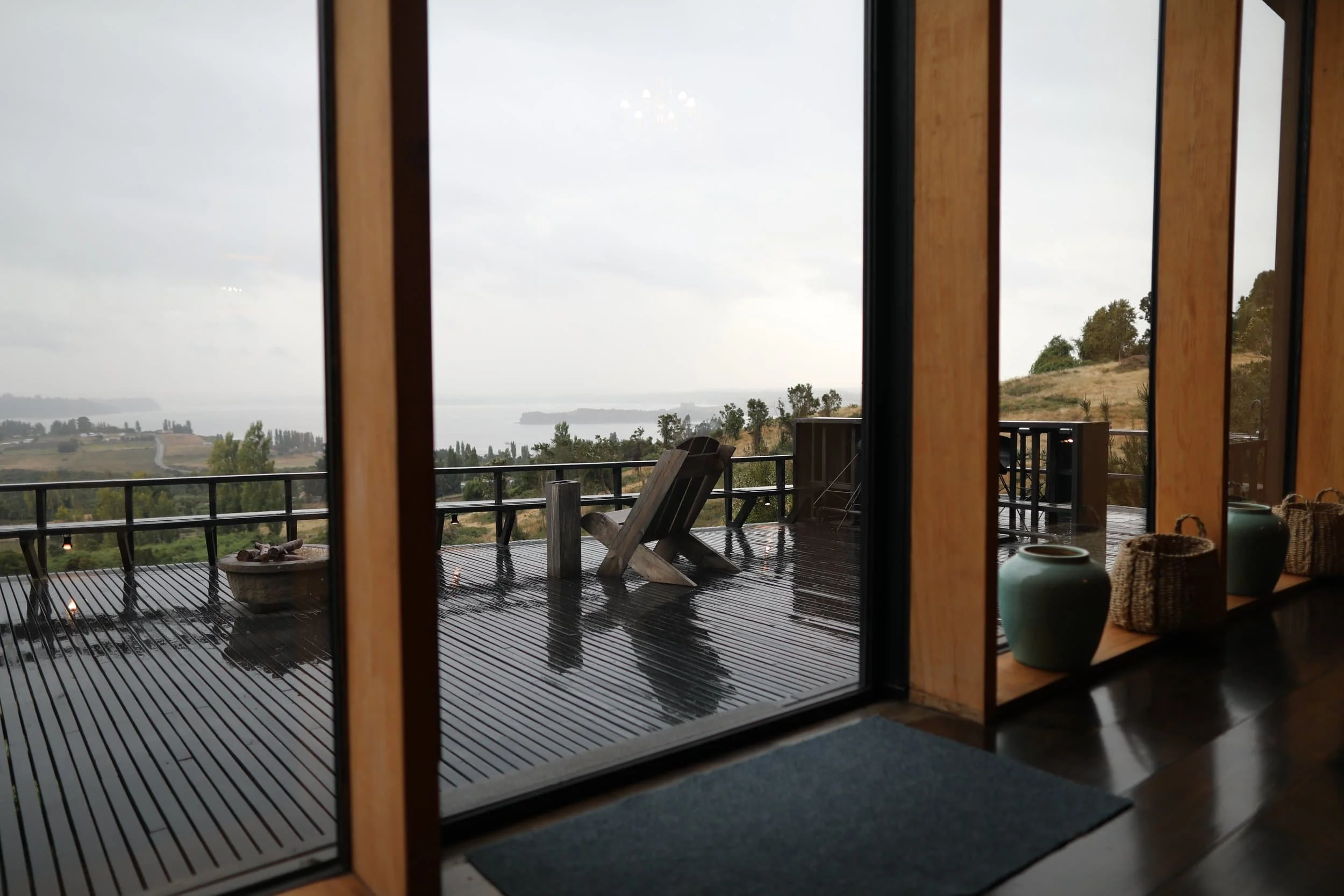
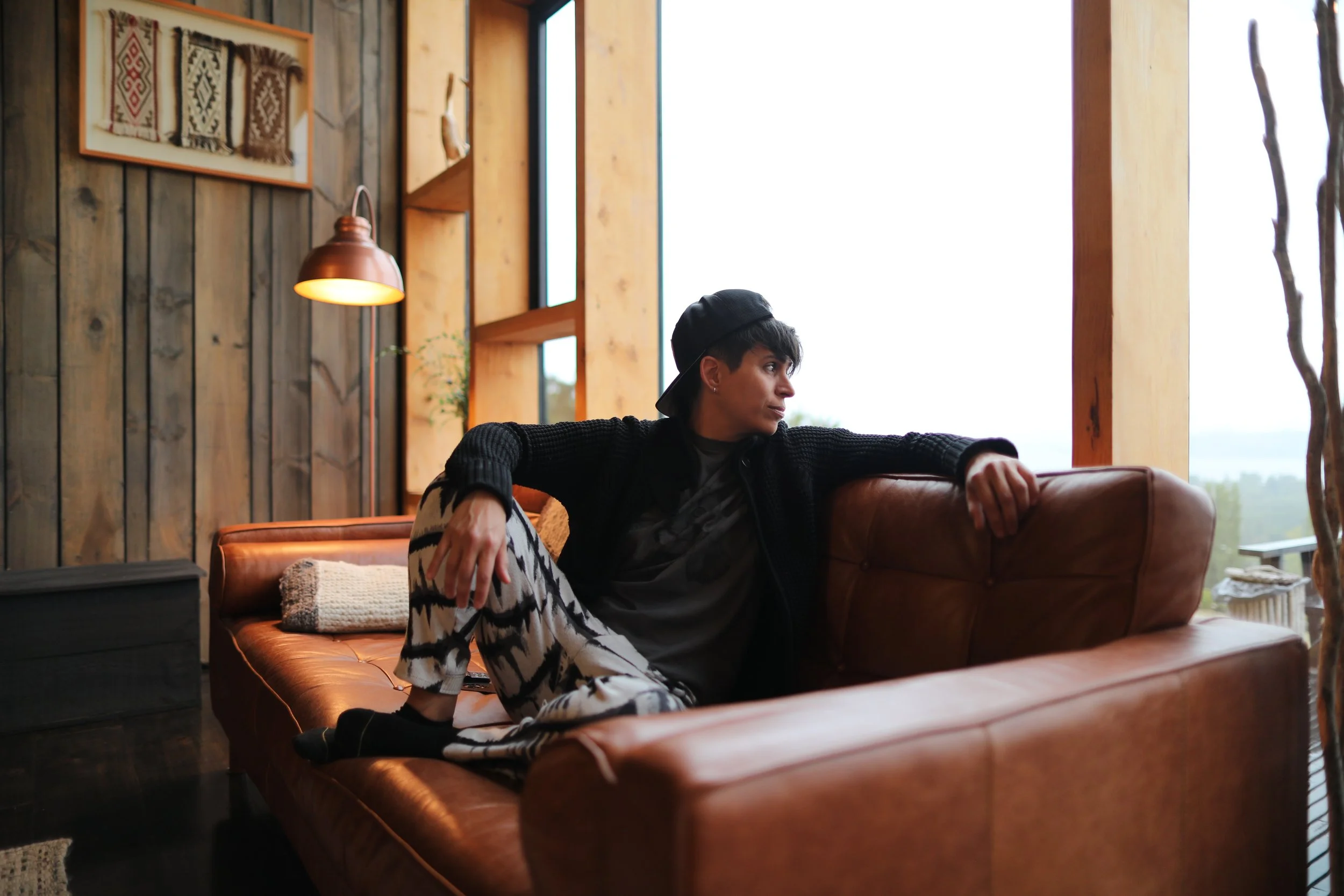
After a long journey to the hotel, it felt wonderful to finally pause and savor the moment. It felt like returning home after a long trip — we had arrived.

Once you arrive in Castro, the days are yours — linger with a leisurely cup and enjoy the views or step outside and let the town’s color, history and local quirks pull you into an easy, charm-filled adventure.
Colorful stilt houses, wooden churches and windswept sea vistas make Castro on Chiloé Island feel like a storybook port town where every street invites exploration; wander the palafitos at high tide and low, photograph the UNESCO-listed wooden churches and stroll the lively mercado to sample curanto — an earthy, smoke-kissed feast cooked in the ground — alongside fresh seafood and local cheeses.
Kayak around sheltered bays or take a boat trip to spot sea lions, penguins and migratory birds, then bike quiet coastal lanes or hike verdant trails through peat bogs and native forests to catch dramatic sunsets.
Don’t miss the island’s folklore: join a craft workshop to learn traditional Chilote weaving or visit artisanal workshops for mapuche-inspired textiles and carved boats, and finish evenings at cozy cafés or pulperías where locals swap tall tales and you can savor slow, homey hospitality.
Savor a Cozy Morning: Breakfast Bliss at Estancia Rilán
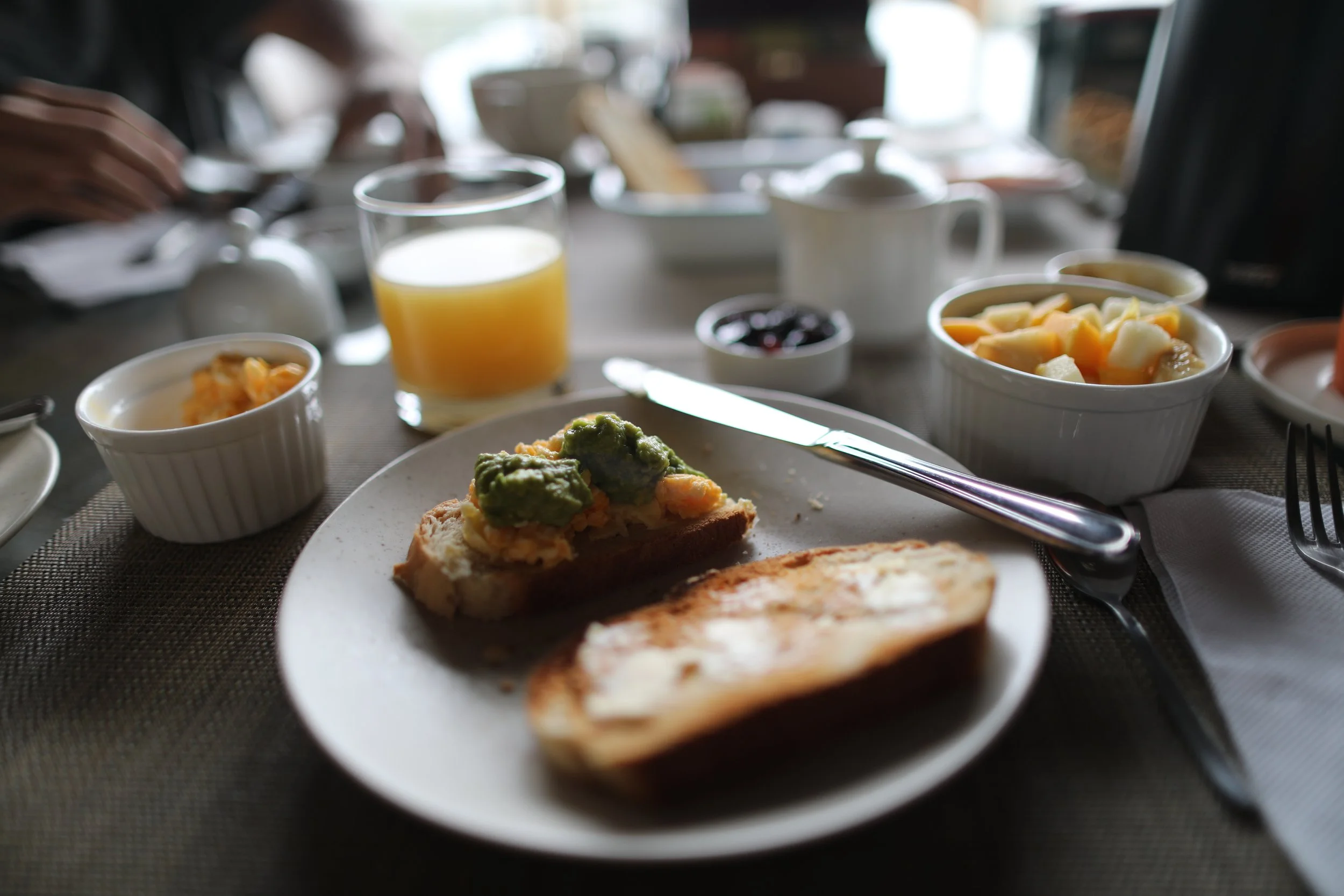
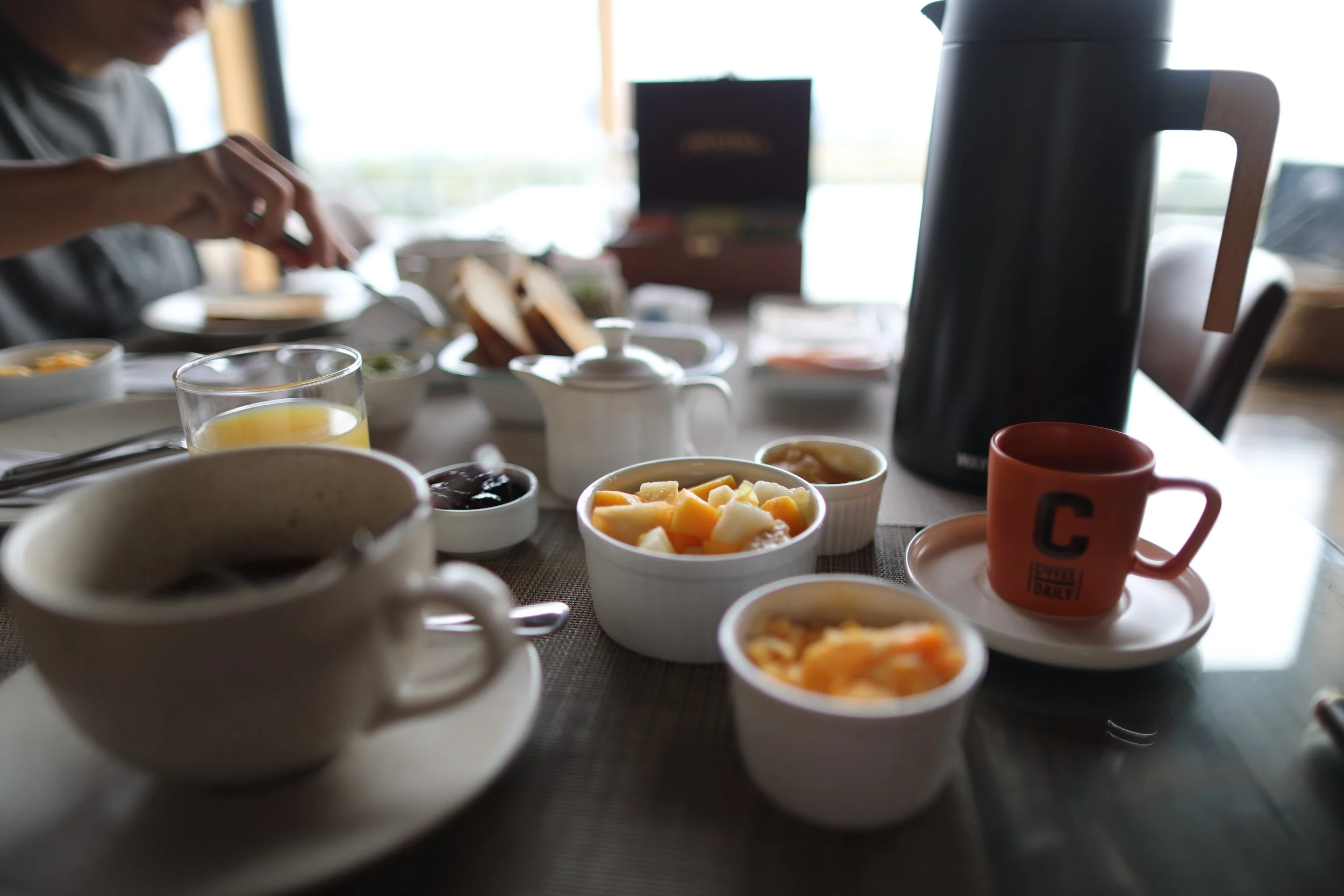
Breakfast at Estancia Rilán arrives in the hotel’s main dining room like a kind invitation. The night before, you’ll be asked to tick off boxes on a little card, choosing the spread you hope will greet you at the table. In the morning, it arrives right on time.
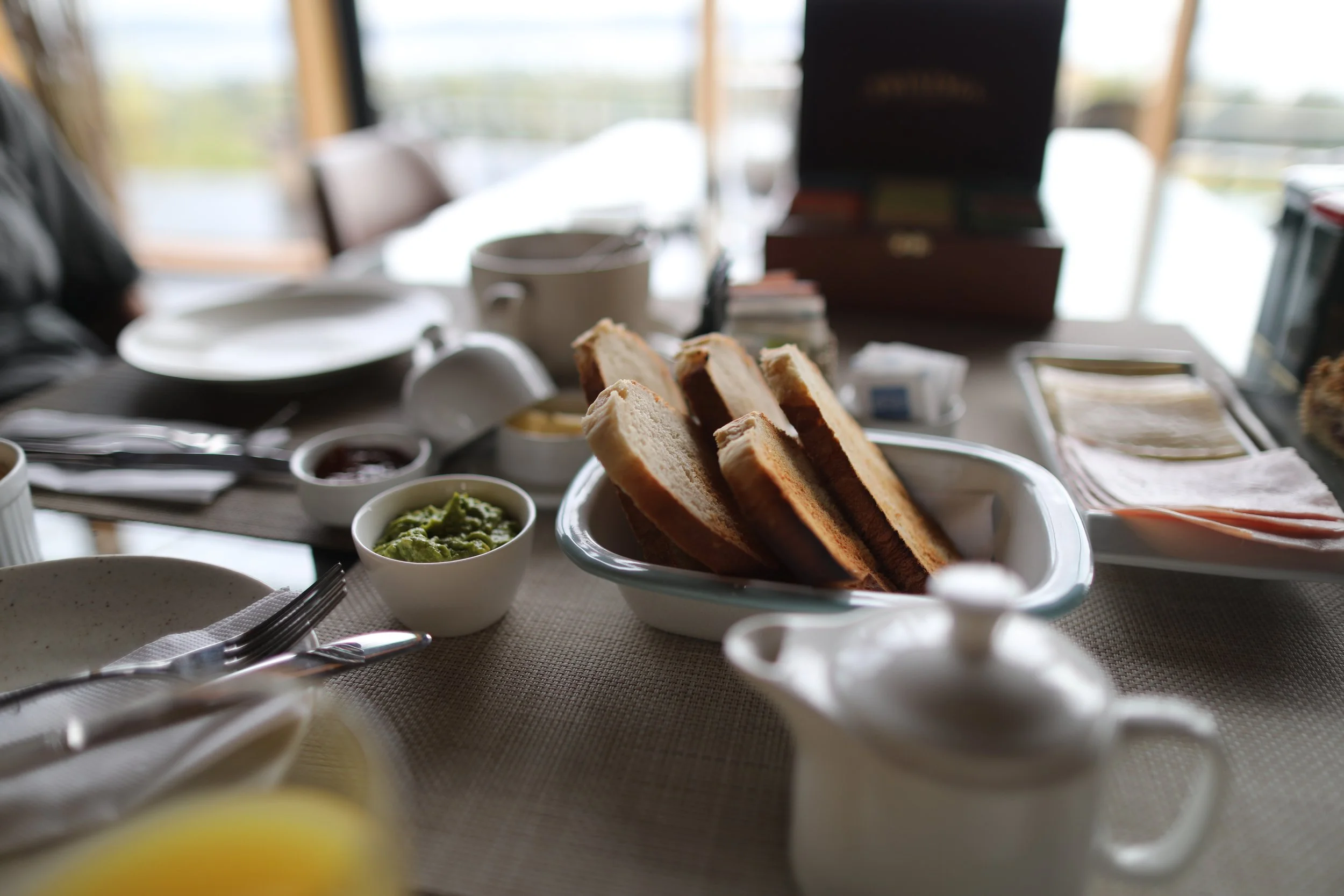
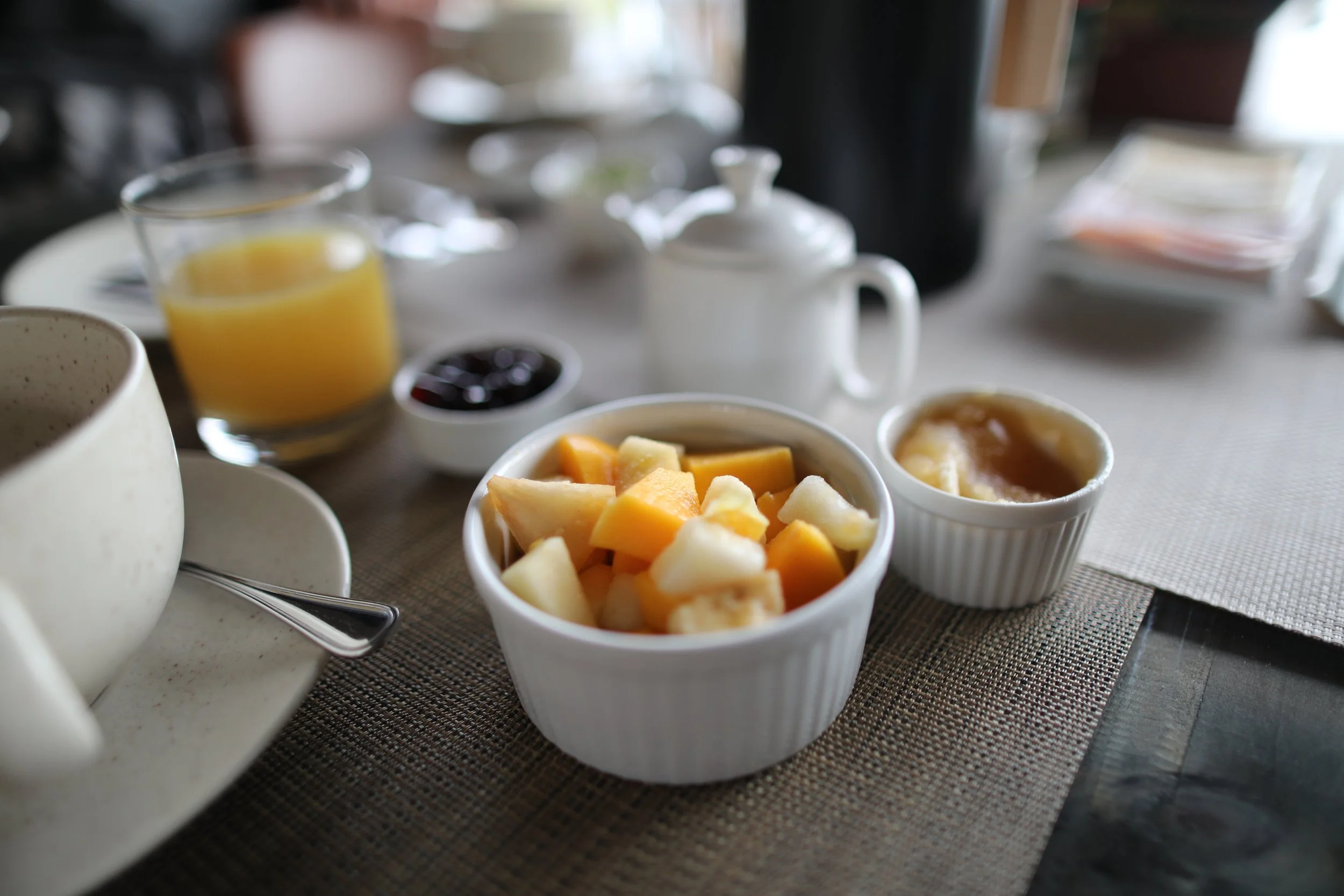
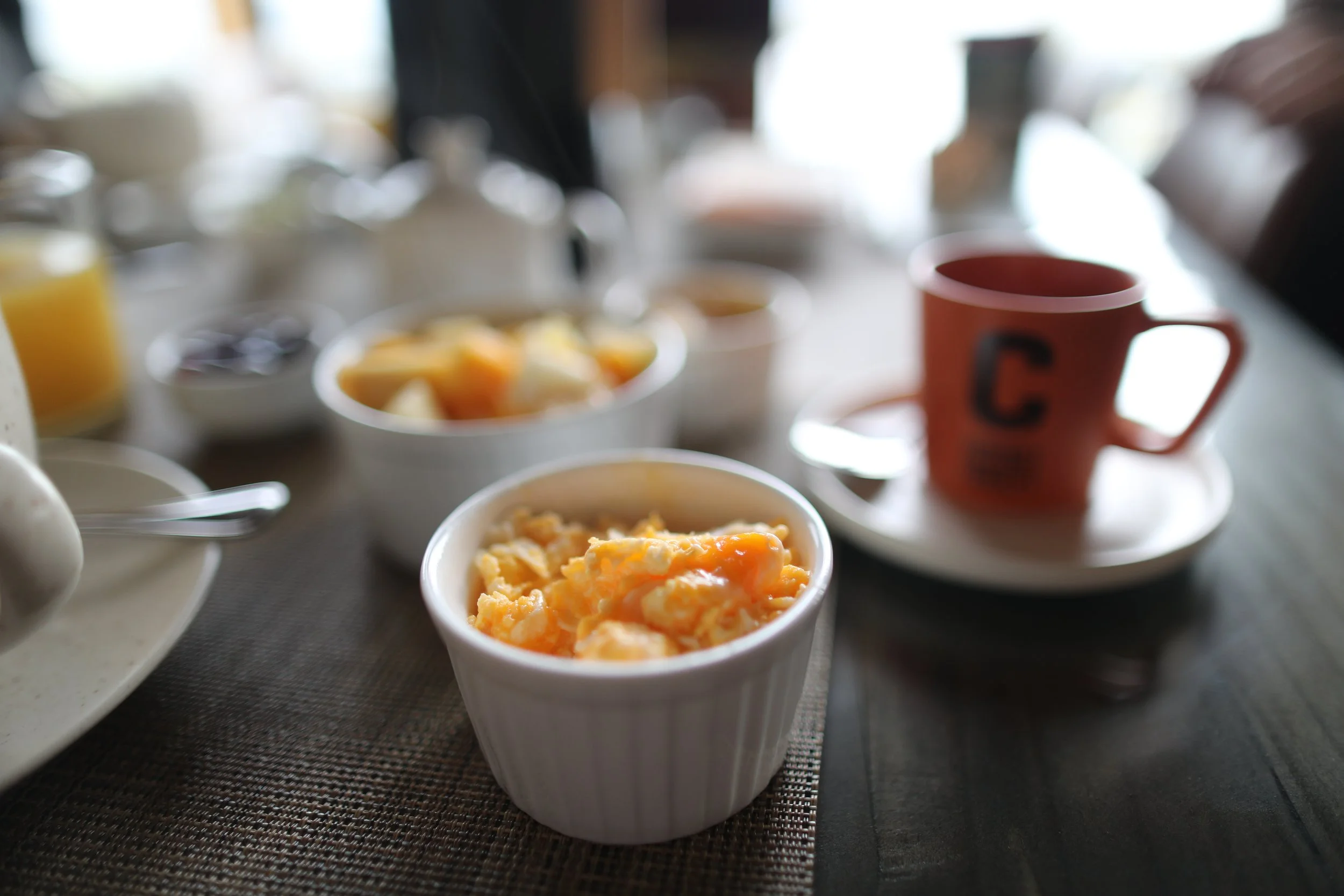

A spread of ham and cheese, golden toast, fluffy scrambled eggs and creamy guacamole waits for you, joined by a bright fruit salad of banana, mango and apple. Small jars hold cherry and guava jam, with butter and honey nearby. Fresh juice, coffee, espresso and milk sit steaming and cool, and — just to tempt you further — a warm berry crumble pie completes the table.
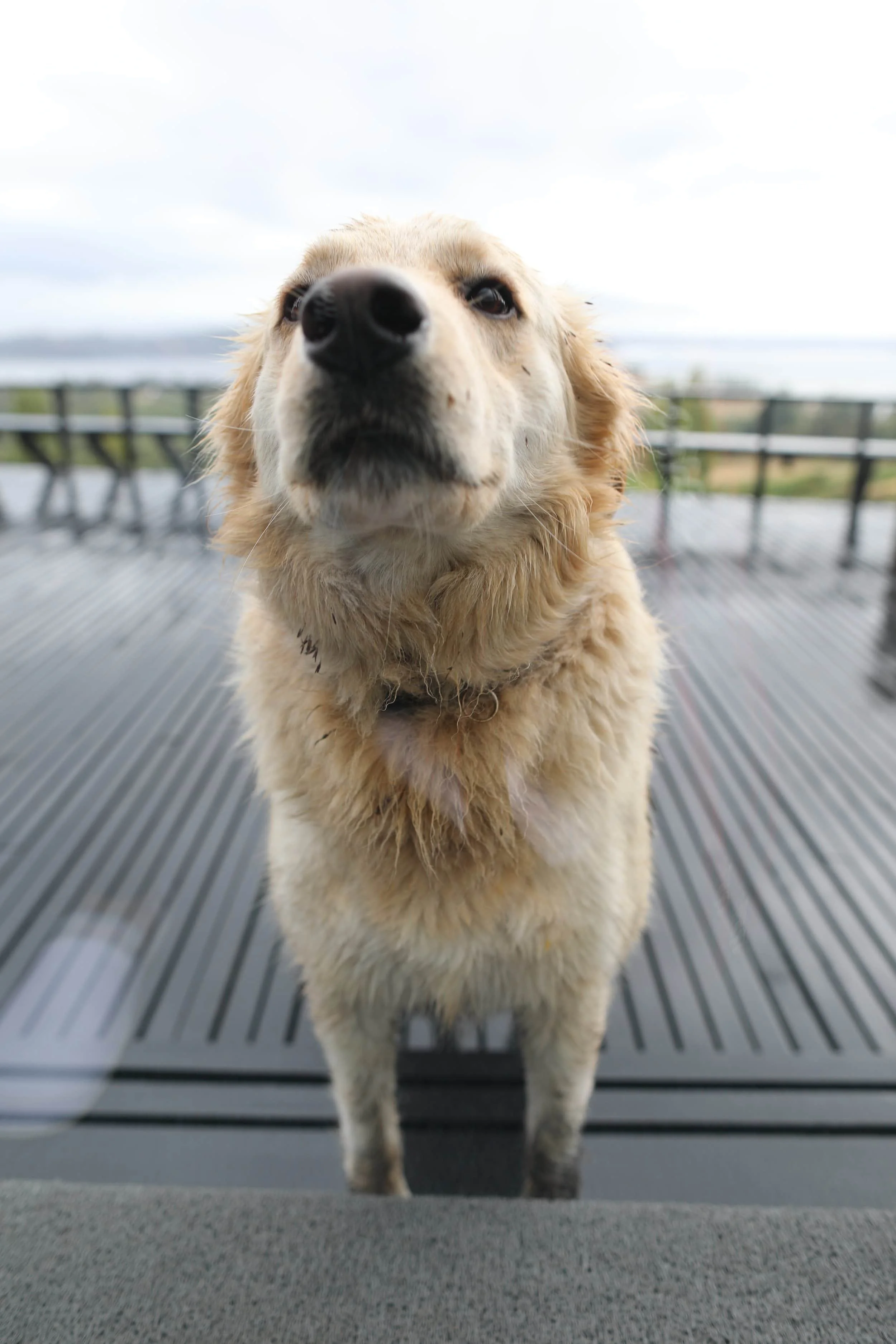
If you’re so lucky, you’ll be greeted by the resident pup — a dripping, rain-kissed fluffball, impossibly cute and utterly irresistible.
If you’re looking to get out and see the island, arrange a tour to Castro with Lili (or any other recommended local guide). Lili is the young woman from the property who cares for the dogs and for $100 USD she’ll show you the island’s highlights and her favorite hidden gems.
☕️ Worth the Detour | Ask staff for a recommendation on a local guide and get exploring.
Our day trip was about to begin. At 10:30 a.m. she met us at the hotel and we set off on the 40‑minute drive from Rilán into town, anticipation buzzing in the car. Explore the Castro guide for the full scoop on each stop — from centuries-old wooden churches and colorful palafitos to charming artisan markets, a mouthwatering lunch and so much more.
Order from Rucalaf Chiloé for an Unforgettable Meal
In the evenings, stay in town for a cozy meal — or return to the hotel and enjoy a quieter kind of delight: takeout. If you’re tired or chilled after a day of exploring, you can cozy up at Hotel & Cava Estancia Rilán with a special dinner delivered from a nearby restaurant. Be sure to pair your meal with a glass from the hotel’s wine cellar — Chilean wines are the best.
💡 Local Tip | Order in from Rucalaf. And I say “takeout” loosely — I would have been stunned if they hadn’t called the chef to the kitchen; the result was sheer perfection.
Round One — A Delicious Dinner with Rucalaf Chiloé
For our evening in, we arranged dinner with Rucalaf Chiloé, a restaurant that brings the flavors of southern Chile and Chiloé to the table. Their dishes celebrate local ingredients and the meeting of sea and countryside, using international techniques to highlight the region’s hearty, unmistakable taste.
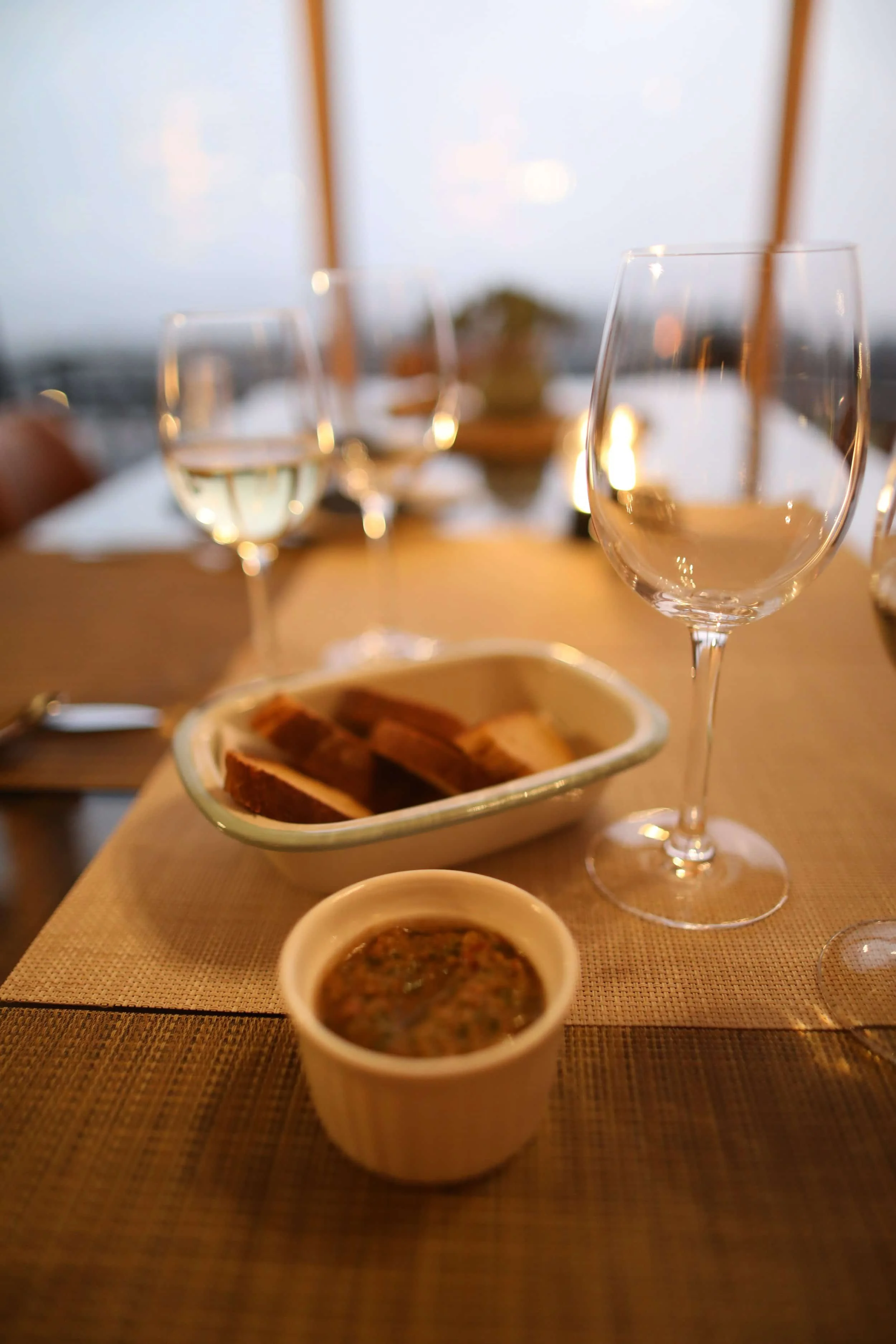
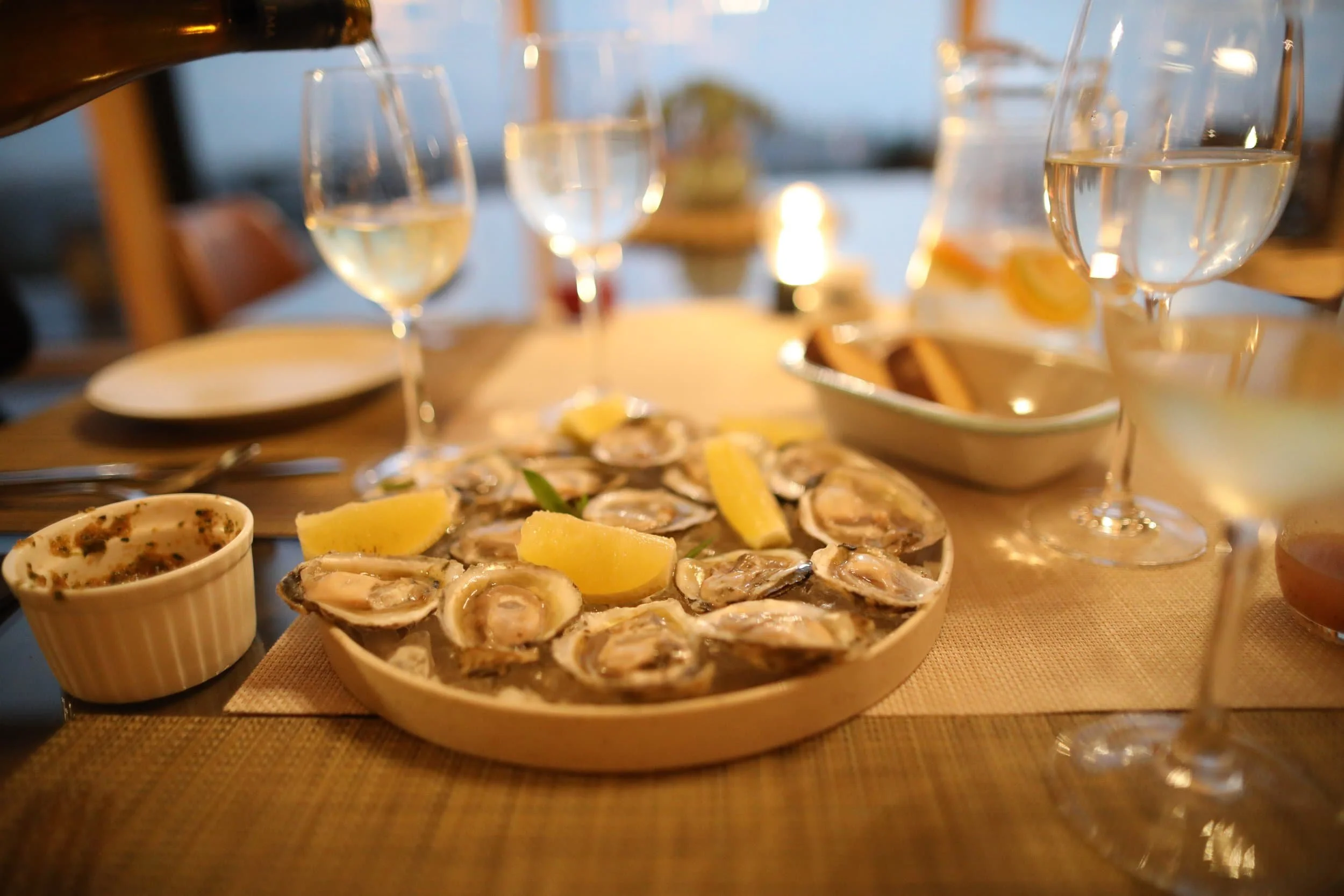
The meal began with warm toasted bread and a vibrant tomato dip, then moved on to the briny delight of freshly shucked, local oysters — each course guided by the day's best seasonal finds.
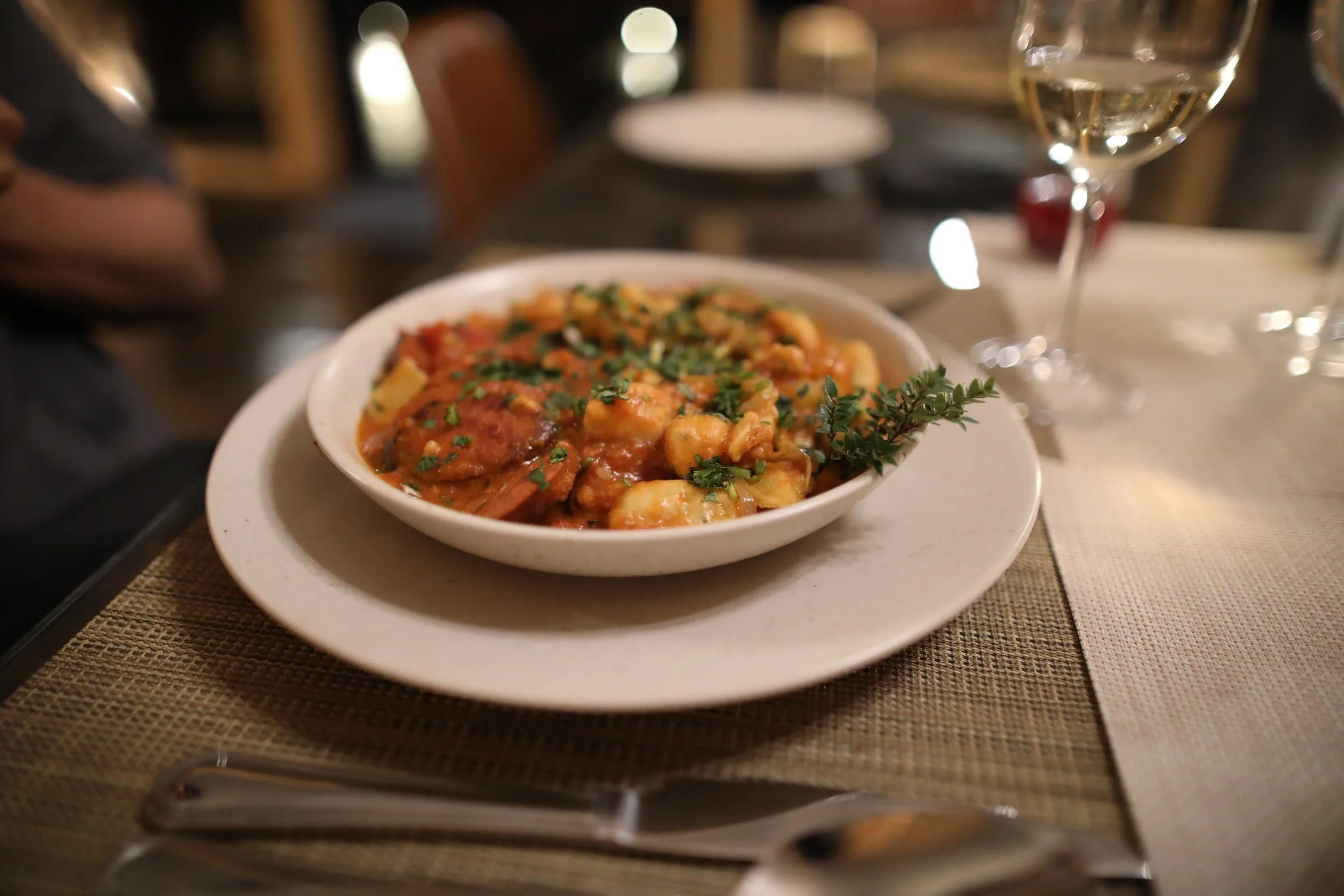
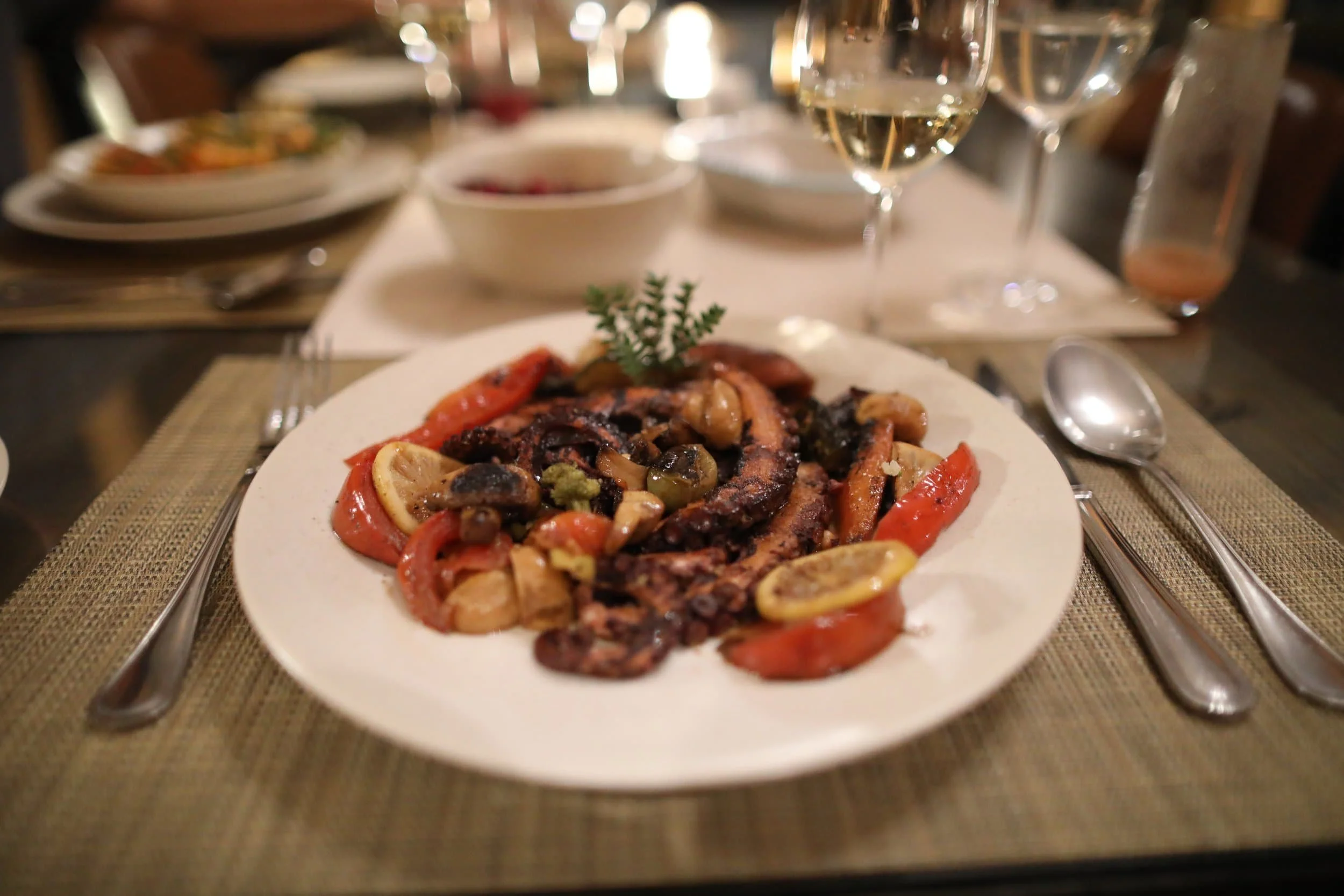
For mains, we shared pillowy gnocchi bathed in a smoky chorizo sauce and a perfectly charred octopus studded with olives and seasonal vegetables, plus a bright beet salad — the octopus was simply unforgettable.
Pudding bathed in stewed calafate berries was my dessert of choice, accompanied by a classic chocolate ice cream crowned with fresh berries. The calafate — Berberis microphylla — is a tiny Patagonian treasure, scattered across Chile and Argentina, and one I fell hopelessly for while I was there. Much like a blueberry, it’s small and deep indigo, packing a bright sweet-tart punch. You’ll find it everywhere — from jams and jellies to decadent desserts — and it’s prized for its healthy qualities. And according to local lore, anyone who tastes a calafate is destined to return to Patagonia.
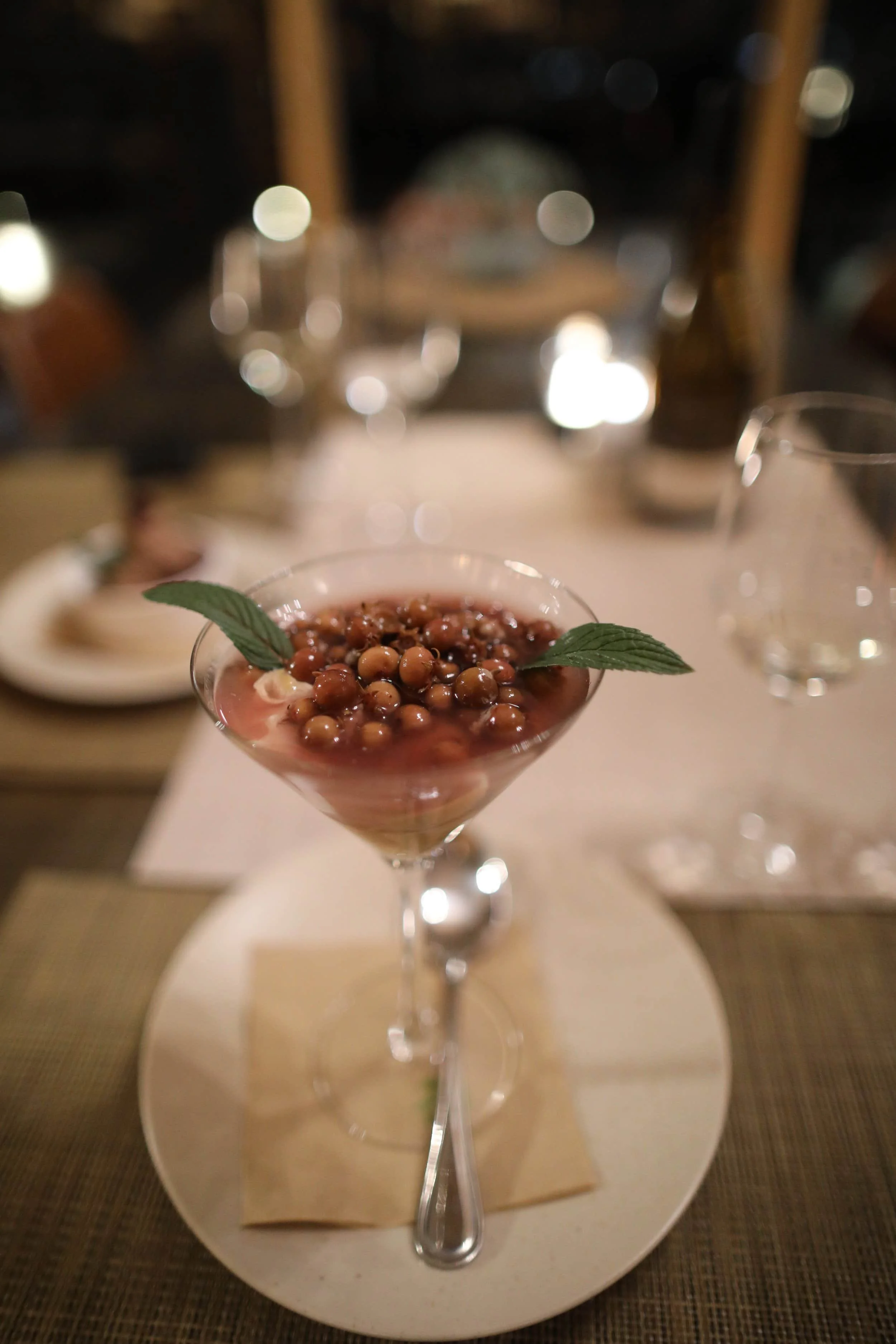
Both were delightful in their own way but the chocolate ice cream stole my heart. The berries on top brought back memories of my grandmother’s raspberry jam spooned over bowls of chocolate ice cream — nostalgia folded into every bite.

Alongside the crisp white wine that accompanied our dinner, we lingered over steaming mint tea sweetened with local honey — a soothing, fragrant finish that felt like a warm embrace.
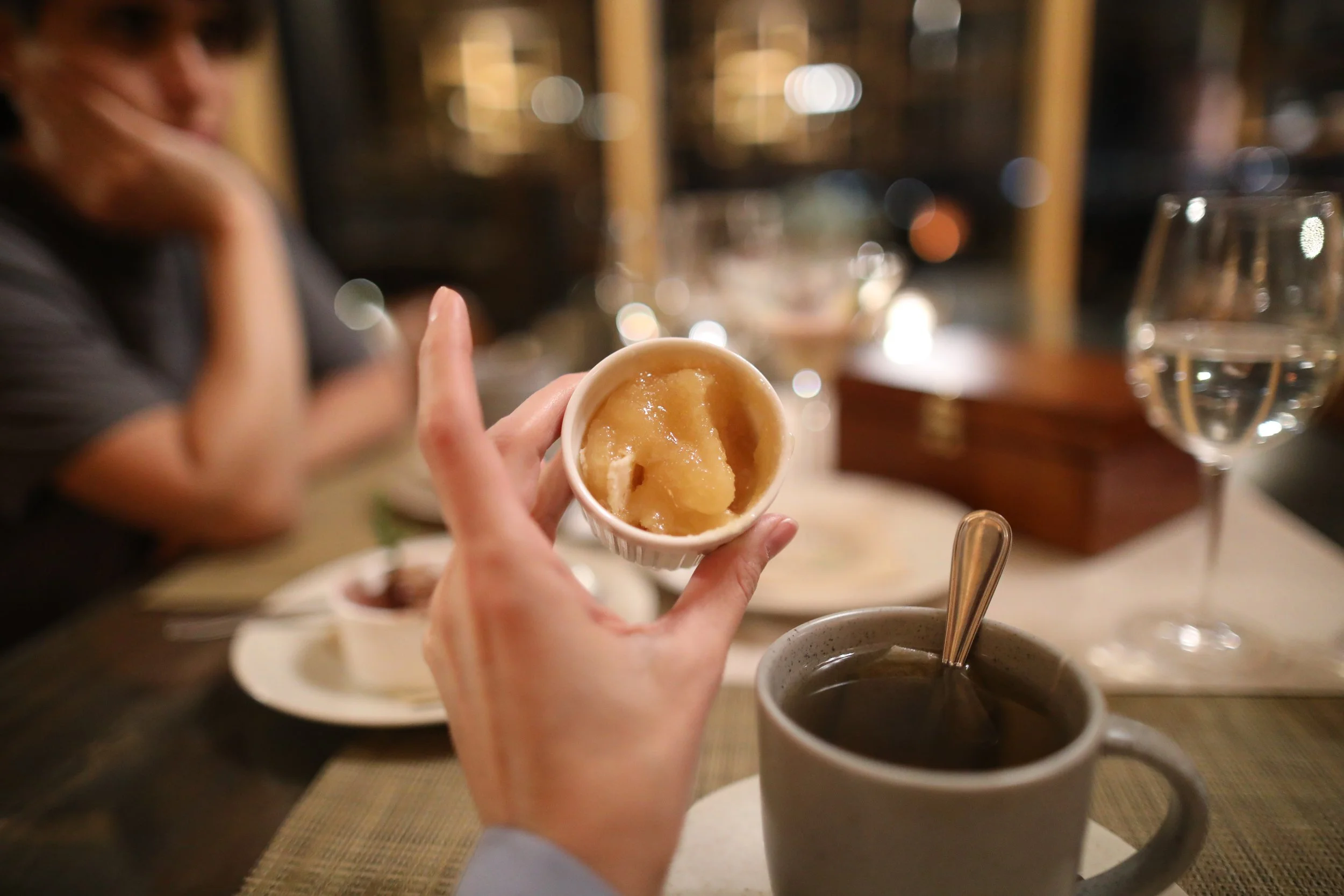
Hard to impress as I am, I found myself genuinely pleased — already eager to see what culinary adventure would come next.
Round Two — A Delicious Dinner with Rucalaf Chiloé
On another evening in, we paused to unwind and ordered dinner again from the neighborhood gem, Rucalaf. The food arrived beautifully presented — so much nicer than takeaway boxes — and being served felt like a small, delightful luxury.
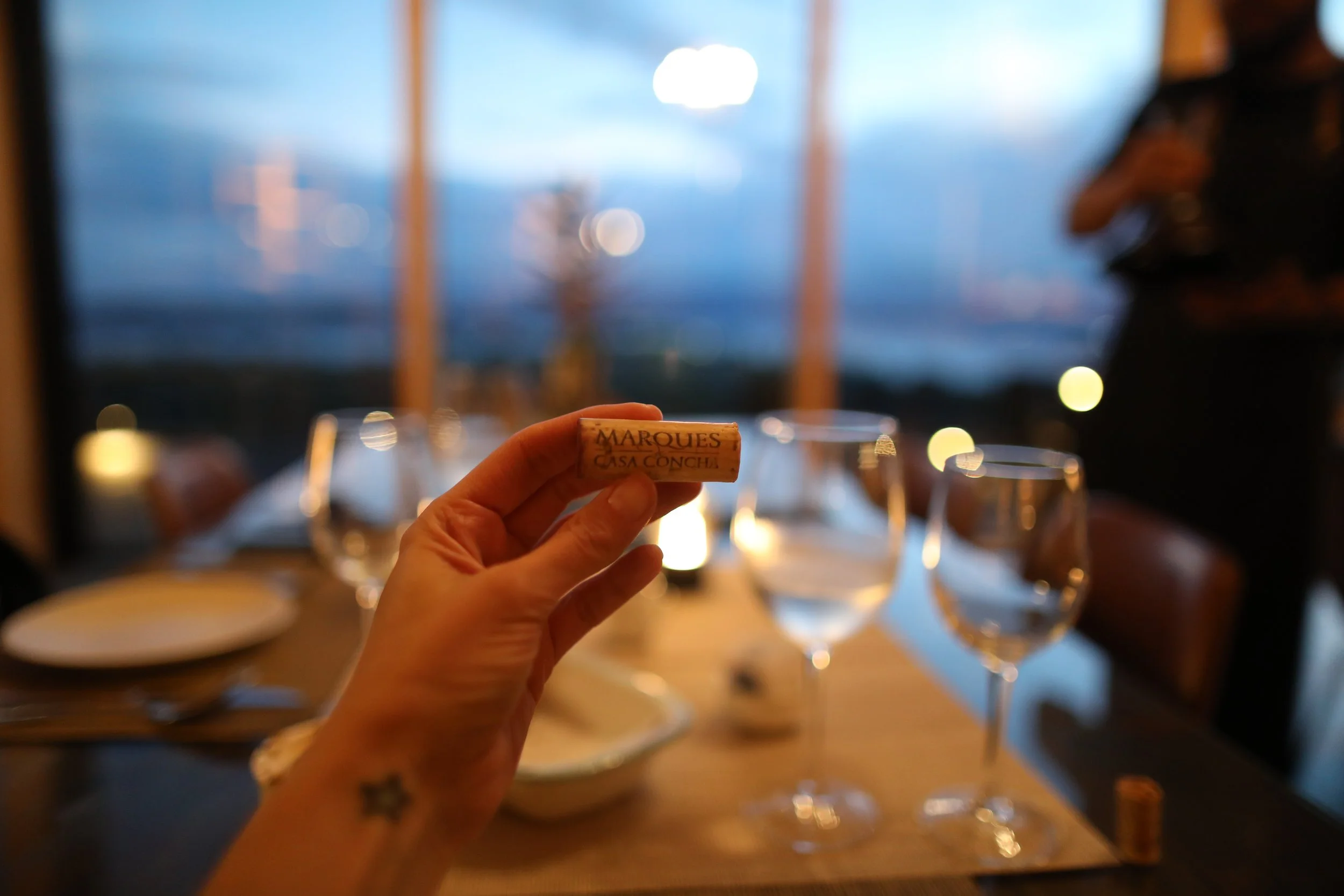

This time, with the seaside day's nostalgia still in the air, I let myself be seduced by the ocean’s flavors while my partner leaned toward richer, meatier tastes. To start, we enjoyed king crab tartare and abalones with green sauce — small bites that perfectly captured the marine essence of our afternoon.
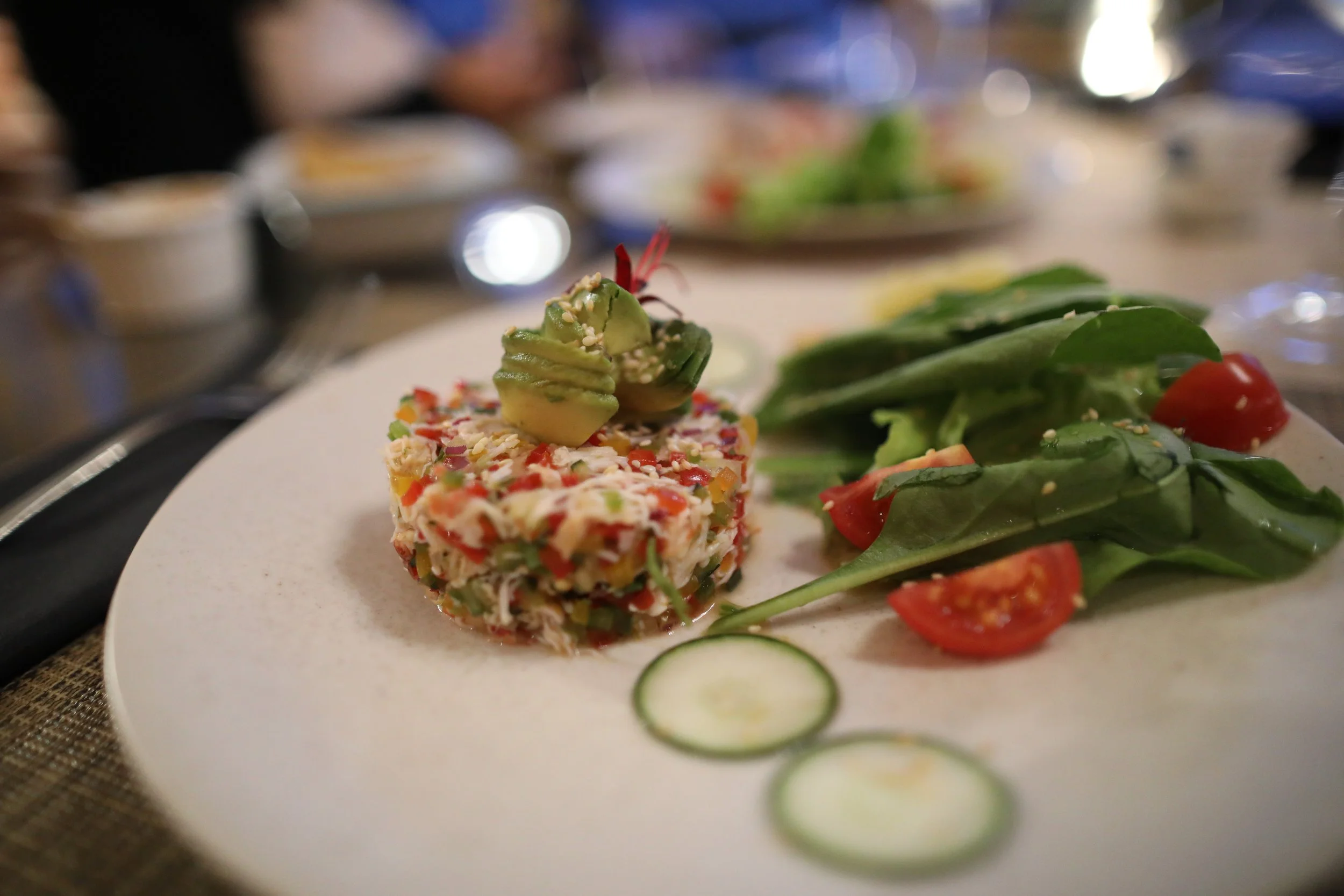
A coveted Chilean delicacy, locos — the local name for Chilean abalone — are tender marine snails found along the rugged coasts of Chile and Peru.
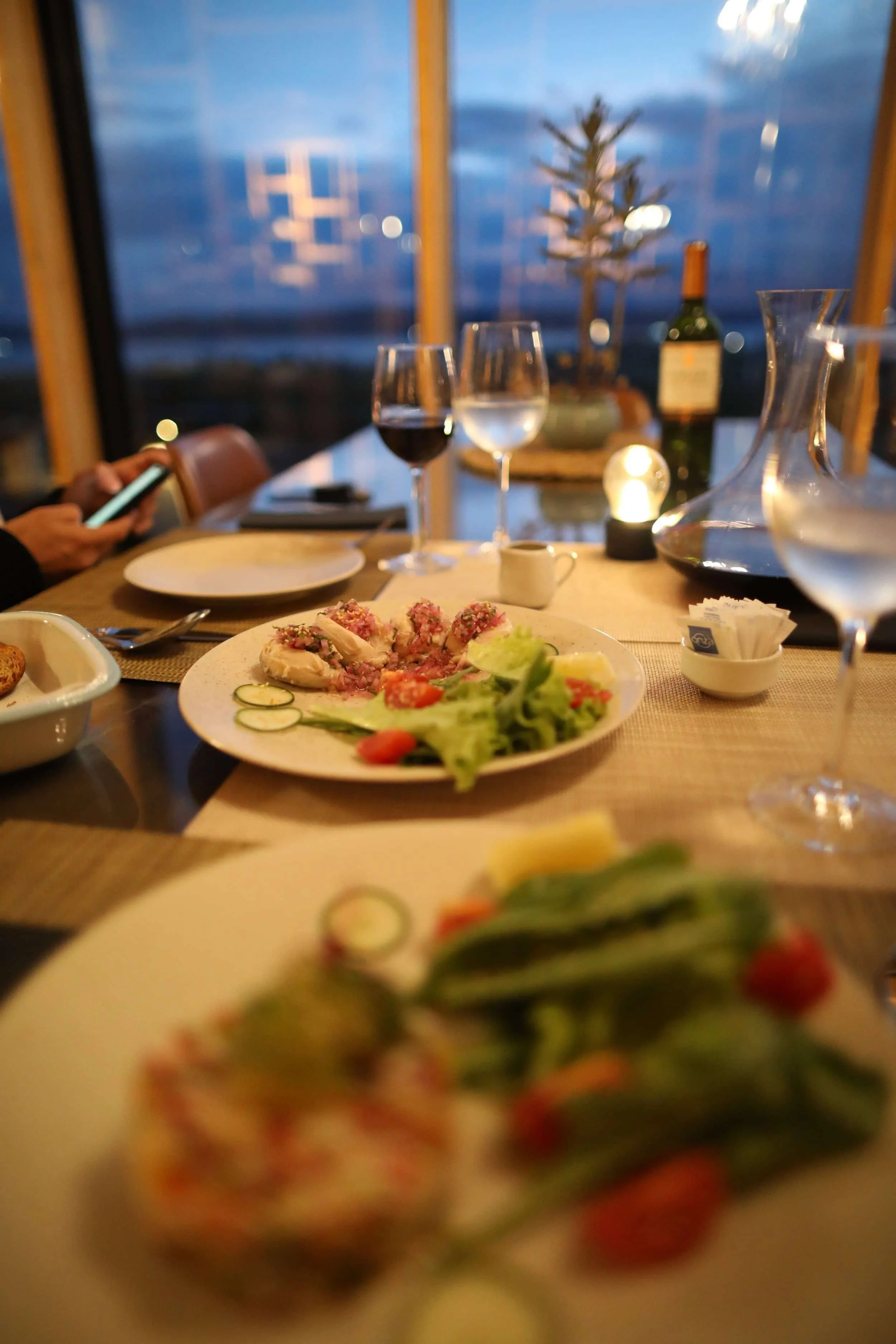
For mains, we tried the cordero asado al vino tinto — succulent roast lamb braised in rich red wine — and fettuccine frutti di mare, a fragrant tangle of pasta overflowing with the sea’s bounty. They were served alongside chapaleles rostizados, golden Chilean dumplings made from potato and wheat flour.
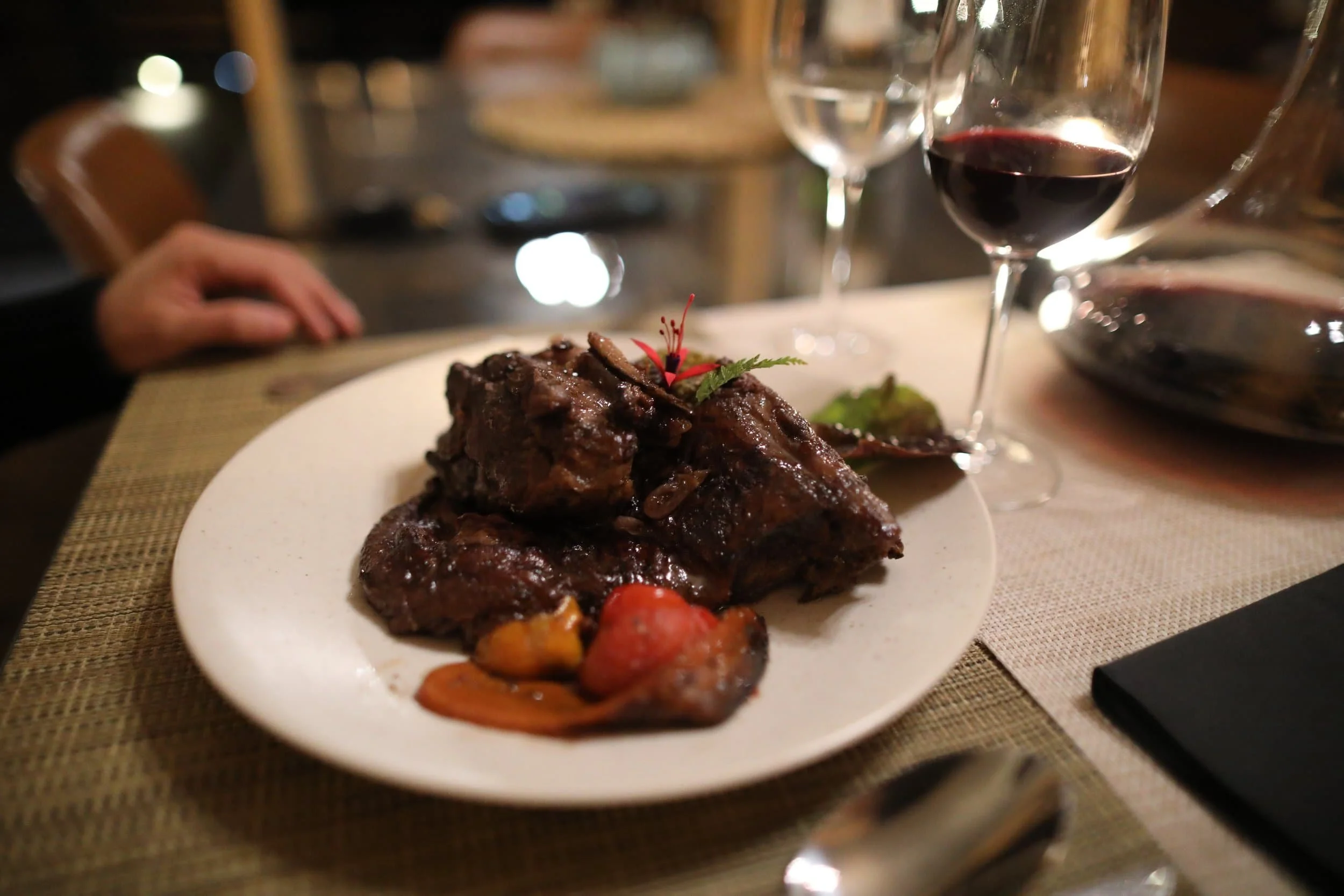
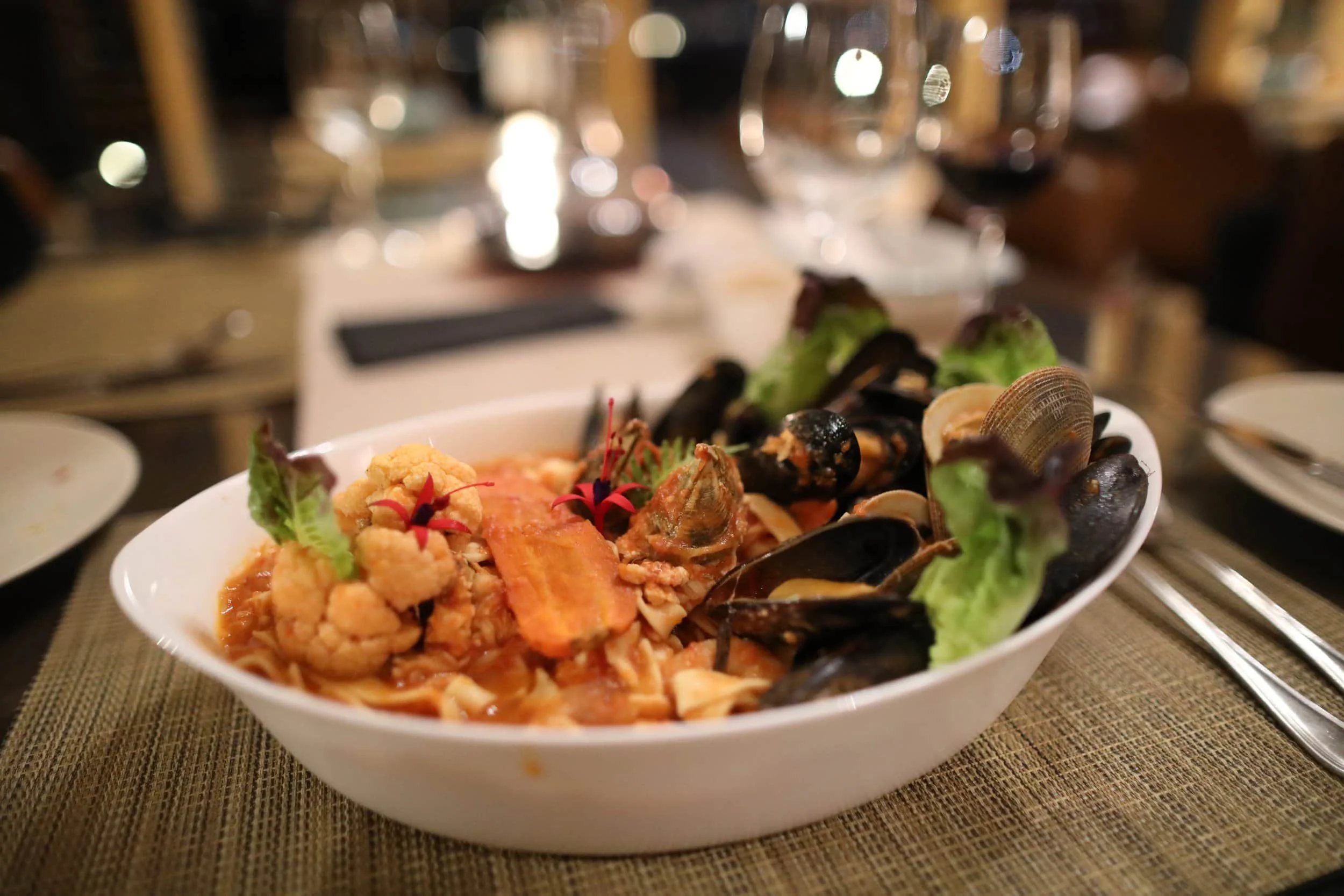
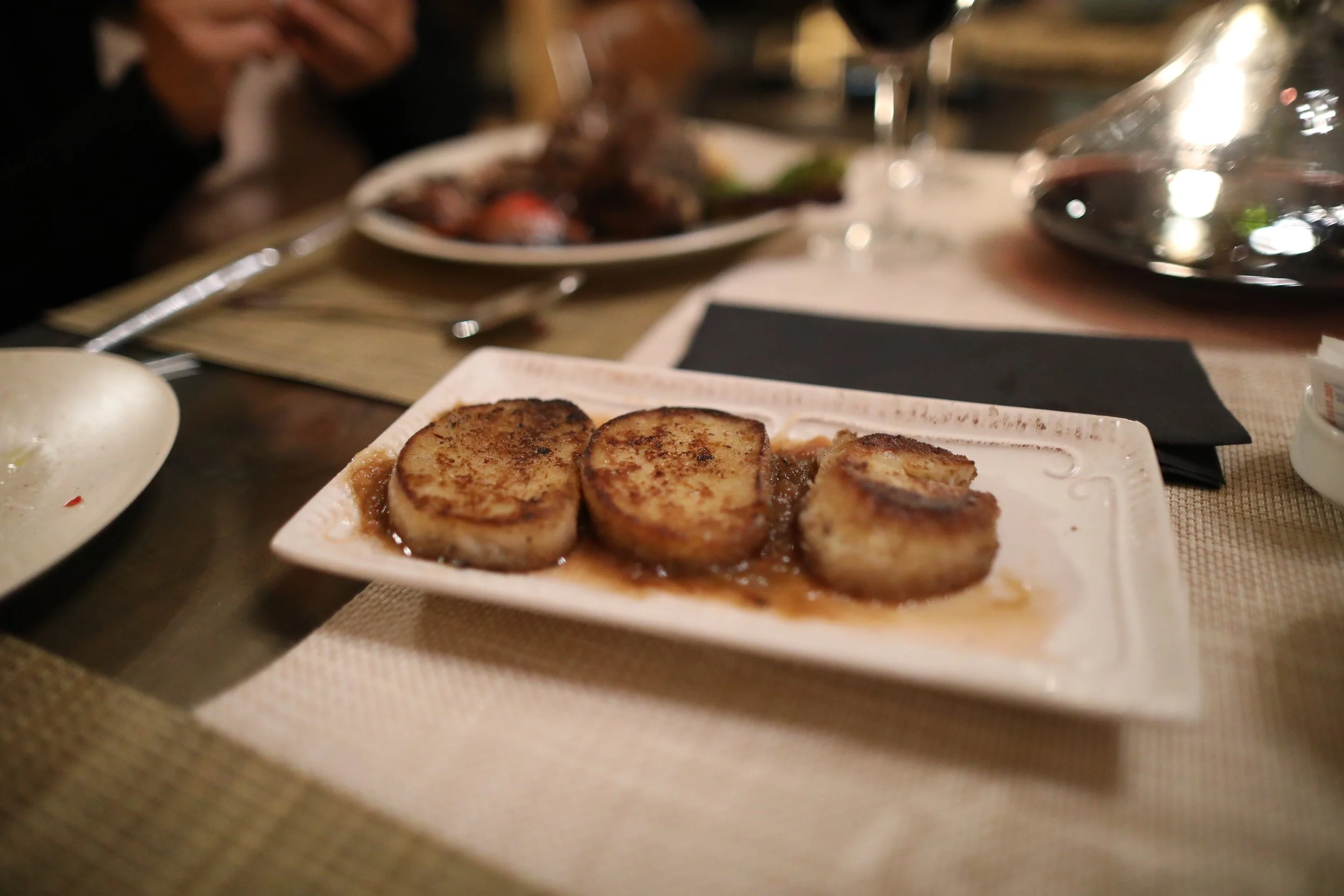
The lamb was exquisite and the seafood pasta was an adventurous dish — beautifully seasoned, if a touch too oceanic for my taste.

For the grand finale: a silky crème brûlée fragranced with rosemary, paired with rich chocolate ice cream crowned in fresh blackberries.
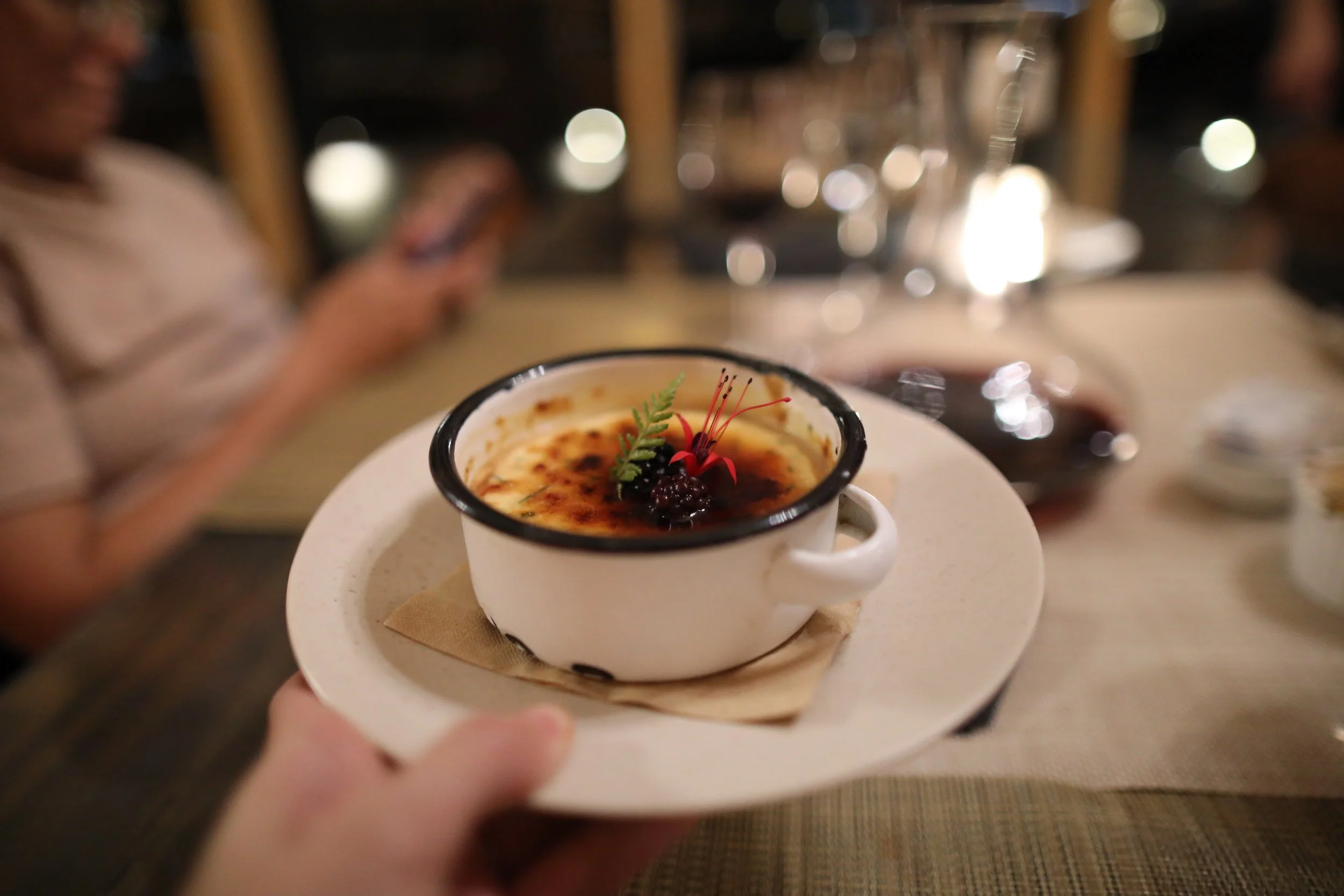
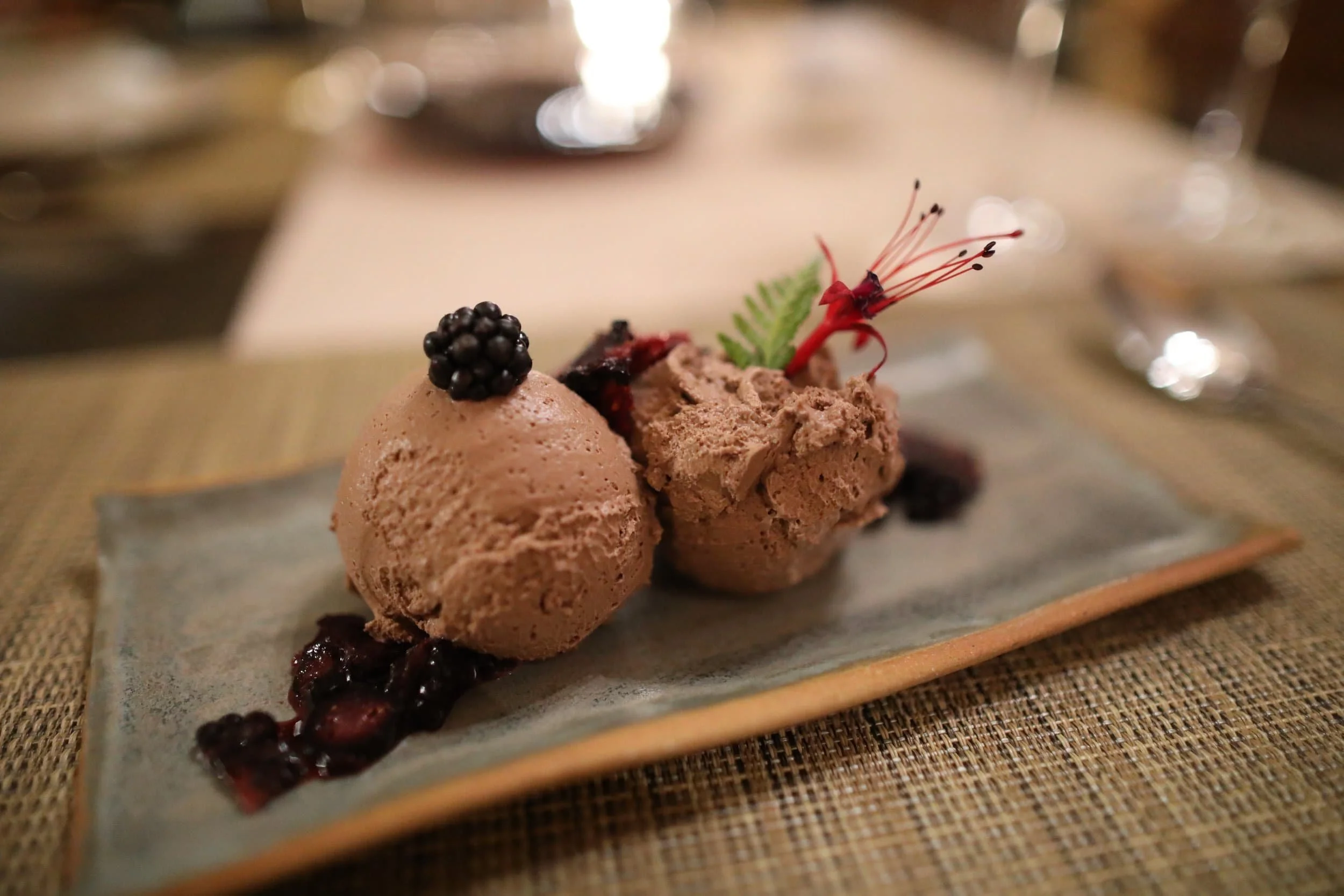
Reflecting back on my time on Chiloé island and Hotel & Cava Estancia Rilán — each morning, soft light filtered through the curtains, turning the wooden beams a warm honey and making every cup of tea feel like a small ceremony; I remember wandering the grounds in a light drizzle, the island’s quiet — church bells, distant sea and the occasional buzz of insects — wrapping around me like a slow, gentle story.
The rooms were cozy and honest, filled with handcrafted details that felt both rooted in local tradition and perfectly made for lingering; evenings found me on the terrace watching the sky deepen while the friendly hosts shared stories and tips that sent us off to discover colorful palafitos and sleepy Castro streets with a sense of welcome.
If you’re drawn to places that encourage slow exploration and offer a warm, authentic stay, book a few nights at Estancia Rilan — you’ll leave with a calmer pace, countless island memories and maybe a recipe or two stored in your heart.
My Bibimbap Moment
Every destination adds another ingredient to our life's recipe, sometimes through a place that seems to exist at a gentler pace. At Estancia Rilán, surrounded by the quiet beauty of Chiloé Island, I found myself settling into the rhythm of the landscape — slower mornings, open skies and a sense that there was nowhere else I needed to be. Here's the ingredient this peaceful corner of Chiloé added to my Bibimbap Life.
Today’s Bibimbap Recipe
🥢 Flavor: Grounded
🌿 Ingredient: Calm
❤️ Best Memory: Cozy nights in, sweeping coastal views and that feeling of — home
🎒 Take With You: Some places remind us that life doesn't always need to move faster. There is something beautiful about slowing down enough to feel where you are.
When I think back on Estancia Rilán, I remember the quiet more than anything else — the landscape stretching out around me, the slower rhythm of the day and the feeling of being removed from the usual rush of life. There was something deeply comforting about that simplicity. Nothing needed to be hurried or filled; the beauty was in letting the day unfold naturally and noticing what was already there. I left feeling a little more settled, carrying with me a quiet appreciation for a life lived closer to the land and its rhythms.
Chiloé Travel Essentials
A stay at Estancia Rilán is less about checking off sights and more about settling into the quieter side of Chiloé. Set on the Rilán Peninsula outside Castro, it gives you countryside, water views and a sense of space while still keeping much of the island within reach.
Having a car makes exploring considerably easier and a little advance planning goes a long way when it comes to distances, weather and where to eat. Give yourself enough time to enjoy the estancia itself, too — this is one of those places where slowing down is part of the reason to stay.
When to Go
Visit Chiloé in the late spring and summer when the island blooms into emerald hills, mild weather invites boat trips among painted palafitos and festivals fill the air with music and seafood feasts.
Summer (January–February): Best weather, warmest temperatures and ideal for seeing penguins.
Off-season (March–December): Fewer crowds but expect heavy rain, strong winds and cooler temperatures.
How to Get There
Landed in Puerto Montt? Hop in a bus or car for a short, scenic drive south to the Pargua ferry terminal, then board the regular vehicle-and-passenger ferry for a breezy crossing to the enchanting island of Chiloé.
By Air: Fly directly to Mocopulli Airport near Castro from Santiago or fly into Puerto Montt and travel by land.
By Ferry: Drive or take a bus to Pargua on the mainland, then take the 30-to-40-minute ferry across the Chacao Channel to the island.
Where to Stay
For easy access to Estancia Rilán and some of Chiloé’s most recognizable sights, base yourself around Castro or the Rilán Peninsula. Castro puts you close to the island’s colorful palafitos, markets, restaurants and historic wooden churches, while staying farther into the countryside gives you a quieter experience surrounded by the landscapes that make Chiloé so special.
Elsewhere on the island, Dalcahue is convenient for artisan markets and connections to smaller islands, Ancud offers history and access to Chiloé’s northern coast and Quellón has a more remote, rugged feel in the south. Each gives you a different perspective on the island but for this trip I loved being surrounded by the countryside near Rilán.
Where I Stayed
For countryside & quiet — Estancia Rilán
This is where I stayed and one of the places that made Chiloé feel so memorable. Set among the rolling fields of the Rilán Peninsula, the estancia feels wonderfully removed from everything, with wide-open views, peaceful surroundings and the kind of slower pace that makes you want to stay awhile. It was also a beautiful base for experiencing the rural side of the island beyond Castro.
Similar Stays I’d Consider
If I were staying somewhere different, I’d still look for a place that feels connected to Chiloé itself — whether through its architecture, landscape or sense of isolation.
For traditional Chiloé architecture — Palafito Entre Mar y Tierra
Built directly over the water in one of Castro’s traditional palafitos, this intimate B&B offers a completely different experience from the countryside around Rilán. I especially like the chance to actually stay within one of the island’s most distinctive architectural traditions, with water views and Castro just outside your door.
For a secluded forest escape — Tree Lodge Chiloé
For something much more remote, Tree Lodge Chiloé trades Castro’s colorful streets for forest, water and wide-open views on Lemuy Island. The treehouse-like setting and intimate scale make this one I'd consider when the goal is to disconnect and make the stay itself part of the experience.
For full nature immersion — Lodge Parque Tepuhueico
The most immersive option of the three, this contemporary timber lodge sits within Parque Tepuhueico surrounded by native forest and overlooking the lake. Stay here if you want to go beyond simply sleeping in nature — the park offers hiking, birdwatching and guided experiences, making the landscape the focus of the stay.
Additional Options
Want more options?
Chiloé is full of small guesthouses, cabins and distinctive stays tucked between the coast and countryside. If none of these quite fit, browse more options around Castro for a convenient base with easy access to the rest of the island.
How to Get Around
Castro is best explored at an easy pace: rent a bicycle to glide between colorful palafitos and seaside plazas or take short rides on local micros for a glimpse of daily island life. Taxis are plentiful and affordable for reaching farther sites like the church of San Francisco or the nearby wetlands, while organized day tours and ferries can carry you to smaller islands and artisan markets. Keep a flexible schedule — part of Chiloé’s charm is letting a slow rhythm and friendly locals decide your next stop.
How Long to Stay
A relaxed two to three days is the sweet spot for exploring Castro, Chiloé — enough time to wander its colorful stilt houses, visit the wooden churches and savor curanto without rushing. Spend mornings strolling the waterfront and artisan markets, afternoons on short island excursions to see palafitos and local craft and evenings lingering over seafood and conversation in a cozy palafito café. If you’re a slow traveler who loves photo stops and island day trips, increase your stay to four days to let Chiloé’s quiet rhythms soak in.
Tours & Days Trips
Explore Chiloe’s magic on boat tours through its misty islands and wildlife-rich channels, then wander Castro’s colorful palafitos and centuries-old churches on a day trip that feels like a folk tale. Each excursion pairs dramatic coastal scenery with warm local traditions, making every hour a discovery.
Looking for Tours & Experiences Around Chiloé?
If you’d like to explore more of the island beyond your stay, a guided experience can be an easy way to discover Chiloé’s distinctive landscapes, villages, wooden churches and local culture — especially if you’re short on time or don’t want to navigate everything on your own.
Good to Know
Expect Changing Weather: Chiloé’s maritime weather can shift quickly, with sunshine, wind and rain all possible in the same day. Keep plans flexible, particularly if you’re spending time outdoors.
Keep Some Cash: Cards are widely useful but having Chilean pesos on hand is helpful for smaller markets, rural businesses and places where electronic payment may not be available.
Distances Can Be Deceptive: Chiloé is larger than it first appears and winding rural roads mean getting between places can take longer than expected. Avoid packing too many stops into a single day.
Things Close Early: Outside Castro and the larger towns, restaurants, shops and services can be limited — especially later in the day. If you’re staying somewhere rural like Estancia Rilán, think ahead about meals and anything you might need before heading back for the evening.
Leave Room for the Unexpected: Some of Chiloé’s charm is found between the major sights — wooden churches, colorful palafitos, fishing villages, roadside viewpoints and small local markets. Give yourself enough flexibility to stop when something catches your eye.

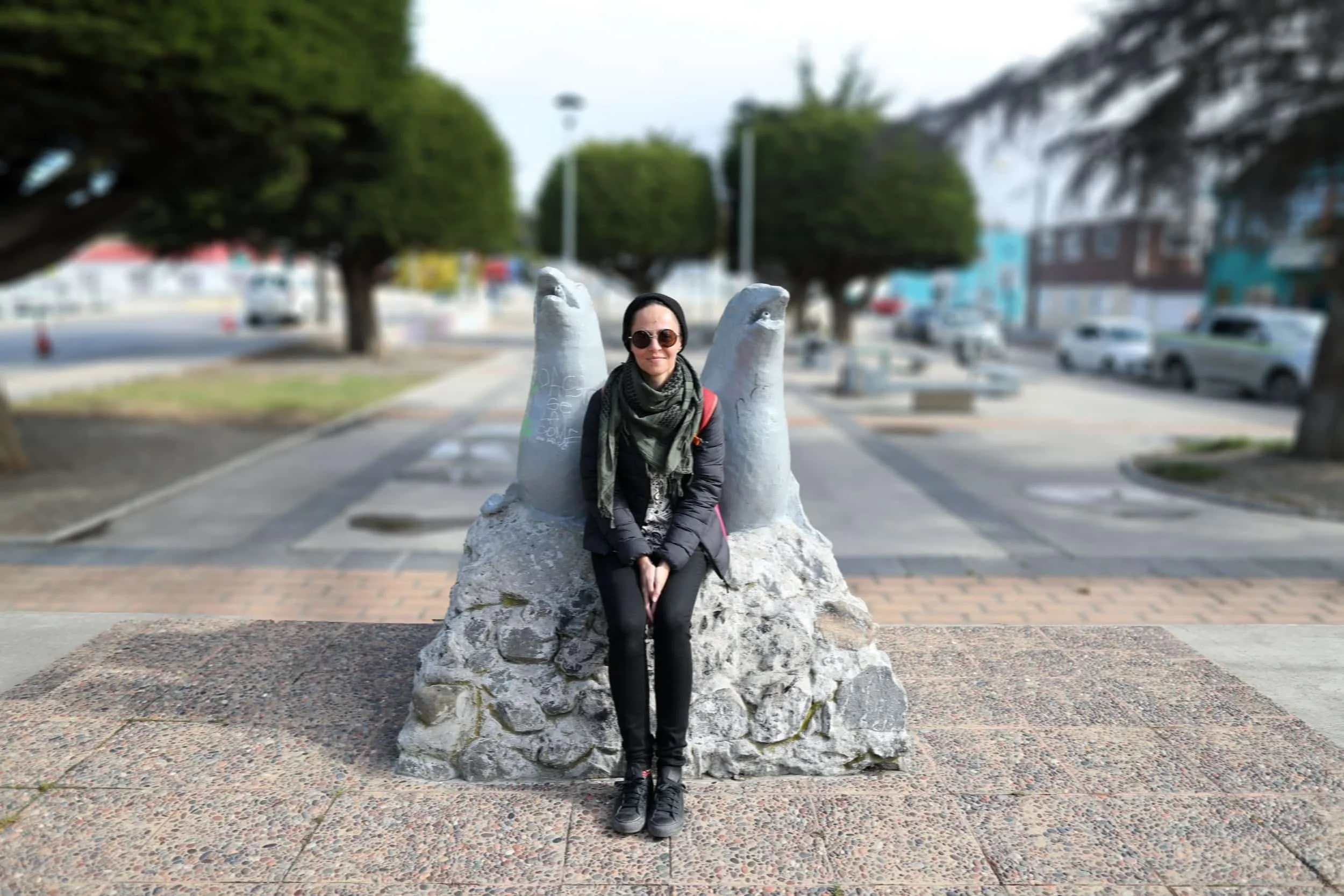

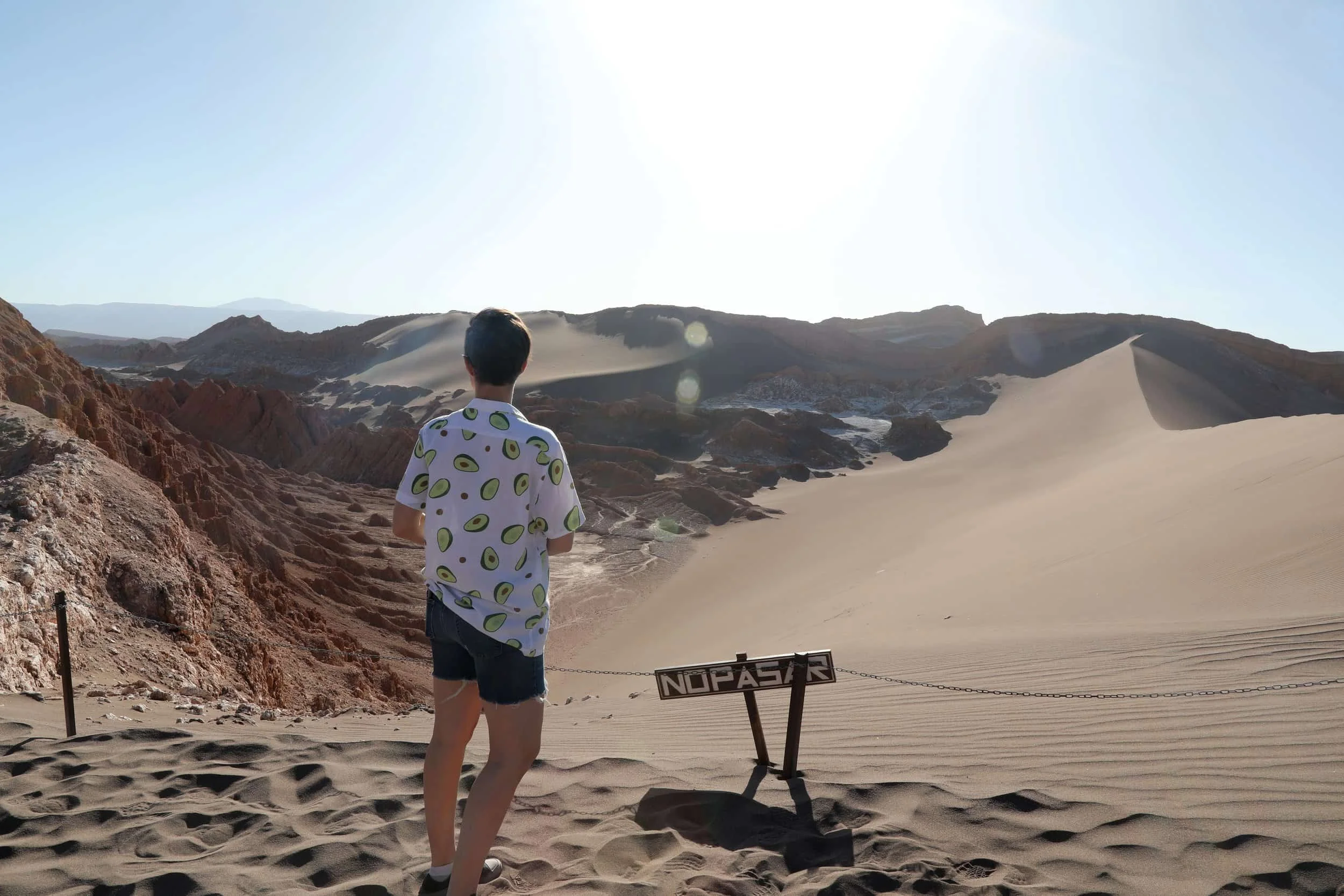


Fall in love with Hotel & Cava Estancia Rilán, a must-visit retreat where the setting becomes part of the stay and every detail quietly celebrates Chiloe Island.