San Pedro de Atacama’s Serene Desert Magic
Best things to do in San Pedro de Atacama: get your fill of the driest desert on Earth with this travel guide.

Discover the Magic of San Pedro de Atacama: Why You Should Go
Chile is one of the most interesting and deliciously diverse countries I’ve had the pleasure of exploring but not without challenges. It’s a long narrow country stretching along South America’s western edge with more than 3,700 miles of Pacific Ocean coastline.
The capital, Santiago, lies in a valley surrounded by the Andes and Chilean Coast Range mountains. To the north is Atacama, the driest place on Earth, and to the south, Patagonia, known for all things outdoors like glaciers, waterfalls, forests, mountains and national parks.
Chile is a land filled with natural wildlife and splendor, tantalizing wine, gorgeously starry skies, pisco sours and folklore galore.
San Pedro de Atacama is a Chilean town and commune in El Loa Province in the Antofagasta Region. The Atacameños were its first inhabitants, developing crafts like basket weaving and ceramic pottery.
The town is located east of Antofagasta and 60 miles southeast of Calama and the Chuquicamata copper mine.
Licancabur Volcano towers over the region which, over centuries was formed around an oasis in the Puna de Atacama, a high arid plateau.
Due to the town’s average altitude of 8,000 feet above sea level, a brief period of acclimatization is required, so it’s necessary to move slow and rest, if you’re feeling off.
Visitors can expect chilly nighttime temperatures and dry arid days and spend time enjoying outdoor activities like trekking, hiking, amateur astronomy, archaeological sightings and even sandboarding.
Two-Week Travel Itinerary
Our time in Chile was quite an undertaking, with eight flights, countless bus and taxi rides and even a ferry. During our two weeks, we explored the central, northern and southern regions.
Upon arrival, we flew into the capital city of Santiago for its Chilean wine, world class cuisine and an undeniable art scene.
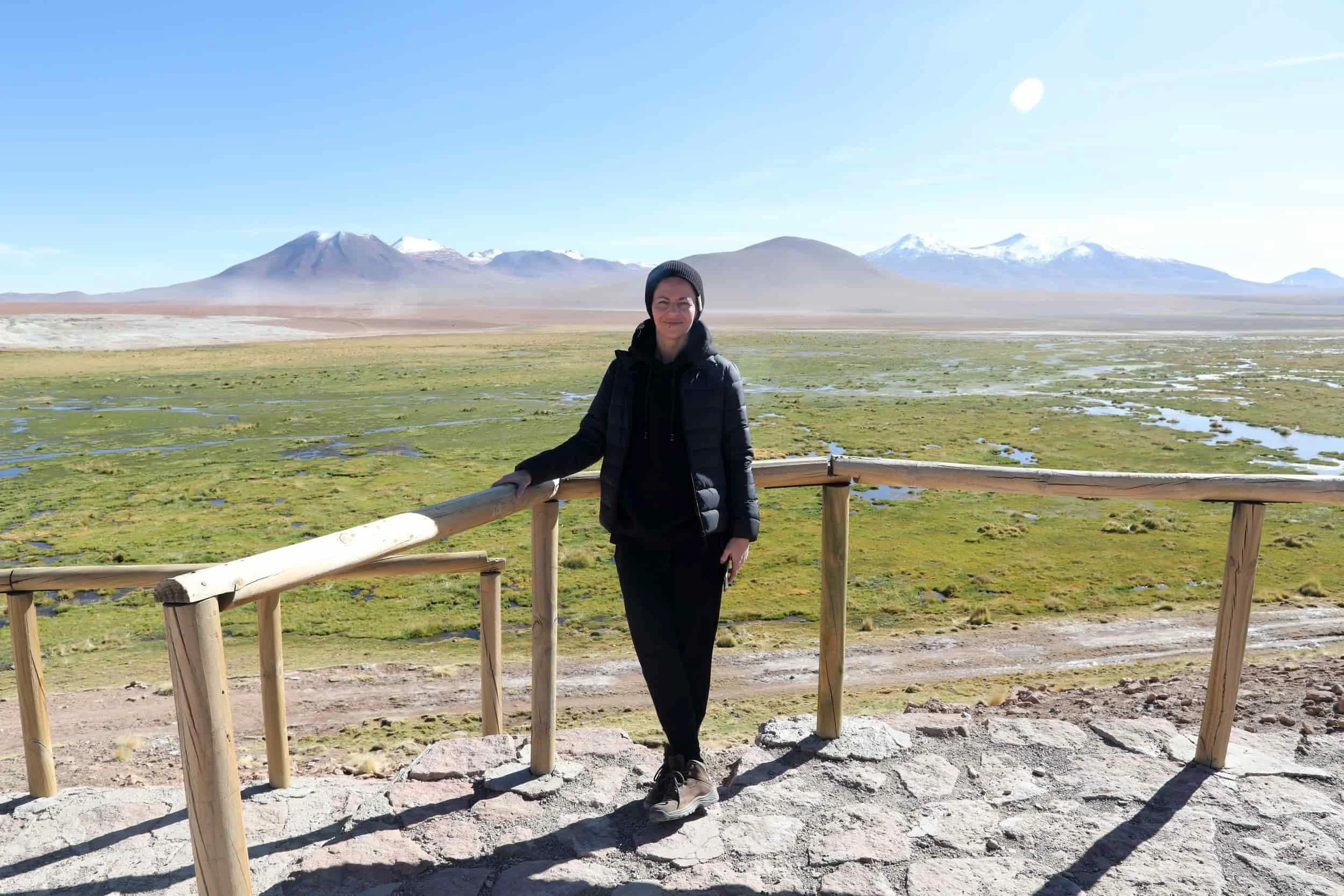
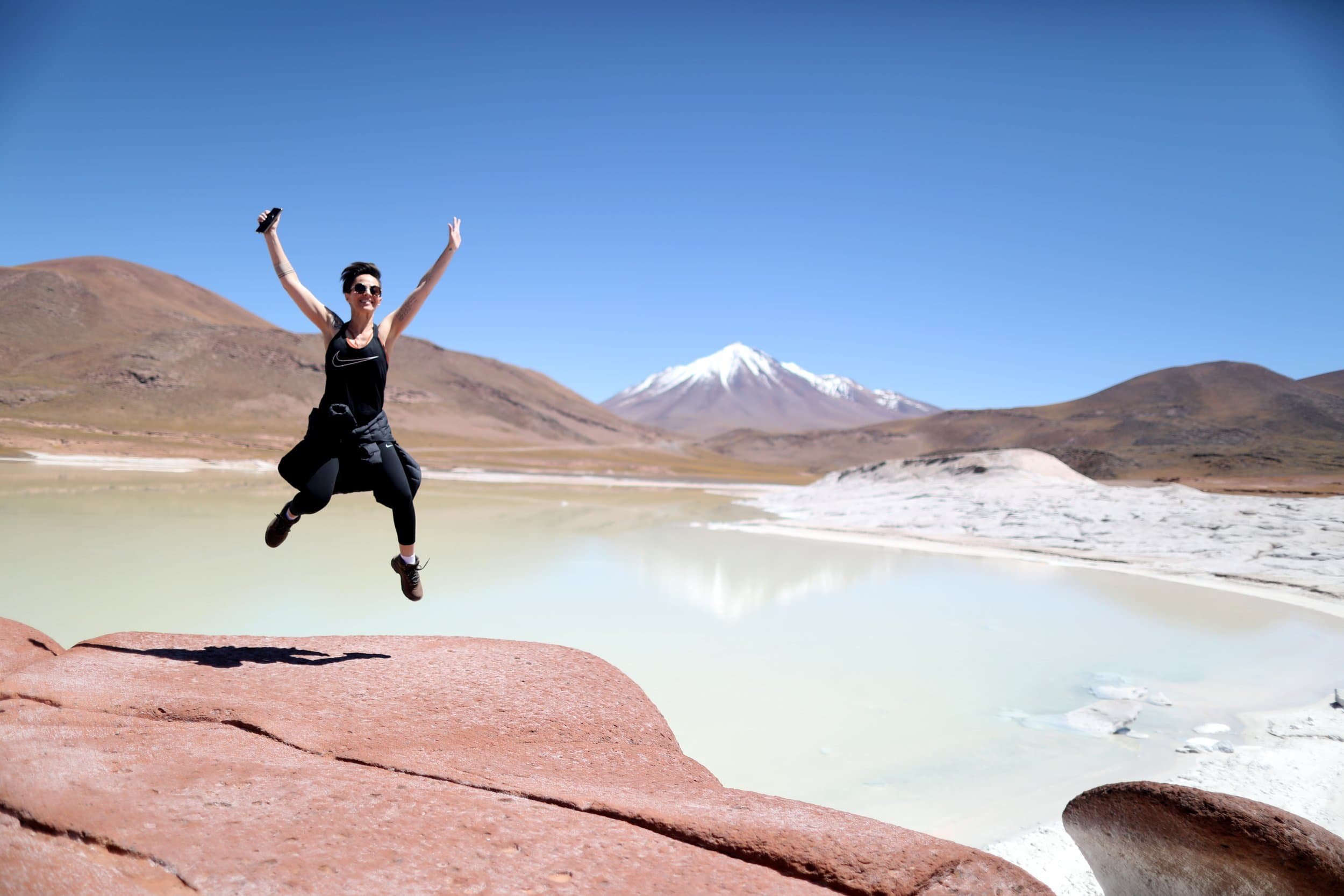
Moving north, San Pedro de Atacama was next on our adventure. In the driest place on Earth, we enjoyed several excursions including Laguna Chaxa, Piedras Rojas and Altiplanic Lagoons for their pink flamingos, red rocks and blue lagoons, the Andes Mountains to experience El Tatio Geysers, northern Atacama to moonwalk at Valle de la Luna and the Atacama Desert to stargaze like you mean it.
From there, we flew to the tip of Chile's southernmost Patagonia region and gateway to Antarctica, Punta Arenas.
Then, it was on to Torres del Paine, Chile’s Patagonia, with an exciting opportunity to witness Patagonia’s waterfalls, icebergs and glaciers.
Finally, our journey led us to Castro on Chiloé Island, land of myth and sea.
What’s Inside | Roadmap
01 | How to get to San Pedro de Atacama
02 | Arrive in San Pedro de Atacama — stay at Casa Solcor Boutique Bed & Breakfast
03 | Feast at Cafe Adobe Restaurant & wander downtown Atacama; grab a drink at Rincon de Sal
04 | Book your Atacama tours; book with Turismo Gato Andino & Horizons
05 | Enjoy local fare & live music at La Picada del Indio
06 | Indulge like locals at Ckunza Tilar; ice cream at Heladería Babalú
07 | Fight fire with fire (& home cooking) at La Conchana
Day Trip | Discover the best day trips from the San Pedro de Atacama series: Flamingos in Pink, Rusty Red Rocks & the Sapphire Lagoons of the Atacama, Steam, Sunlight & Surreal Silence at El Tatio, San Pedro de Atacama Desert Tours: Valle de la Luna & Stargazing Magic in the Atacama
Best Things to Do & Eat in San Pedro de Atacama
Lose yourself in the otherworldly landscapes of San Pedro de Atacama — where salt flats, geysers and star-filled skies create a traveler's dreamscape — and let local guides, hot springs and altitude-brewed sunrises reshape how you see adventure. Pack layers, a thirst for wonder and a camera; this is a place that rewards curiosity with every surreal sunrise and desert night.
01 | How to Get to San Pedro de Atacama
Fly into Santiago’s bright, bustling pulse and let the city’s easy rhythm dissolve into the high, otherworldly silence of San Pedro de Atacama — where salt flats, geysers and starlit deserts make every small detour feel like a quiet revelation.
Plane | Fly from Santiago to Calama for the quickest and most common long-distance route, then continue the journey the final 60 miles to San Pedro de Atacama by bus, shuttle, taxi or private transfer.
The flight from Santiago (SCL) to El Loa Airport in Calama (CJC) takes about two hours and once you land expect another 30 to 60 minutes for baggage and finding your ground transport. The drive from Calama to San Pedro is a scenic 1.5 to 2 hours on the road, which puts the total door-to-door time at roughly four to five hours.
Round-trip fares in low season can be surprisingly reasonable, often between 60,000 and 120,000 CLP (about $75–150 USD), while high season or holiday travel can push fares to 120,000–240,000 CLP (about $150–300 USD). Shared airport shuttles are the budget-friendly choice at 10,000–15,000 CLP one-way ($12–19 USD) and are typically scheduled around flight arrivals, while private transfers run 40,000–80,000 CLP one-way ($50–100 USD) and taxis meter in the 30,000–50,000 CLP range one-way ($38–63 USD).
Book flights in advance to snag the best fares — low-cost carriers serve the Santiago–Calama route — and keep in mind that Calama sits at about7,415 feet altitude and San Pedro is a bit higher at around 7,875 feet. Shared shuttles are economical and convenient for most travelers, neatly bridging the last stretch to town.
Bus | Long-distance buses connect Santiago with northern Chile, offering overnight and daytime services that sometimes run direct to San Pedro de Atacama and other times drop you in Calama for an onward transfer.
Direct trips are uncommon but when available they take about 24 to 28 hours; more typically you’ll ride Santiago to Calama for 24–26 hours, then continue by shuttle for another 1.5–2 hours to reach San Pedro, so expect a door-to-door journey of roughly 25 to 28+ hours depending on connections.
Fares vary by level of comfort: basic reclining (regular or semi-cama) seats cost about 25,000–40,000 CLP (roughly $31–50 USD), while upping the comfort to cama or cama-ejecutivo for long-haul travel runs about 40,000–70,000 CLP (around $50–88 USD); if you need the Calama → San Pedro shuttle, add about 10,000–15,000 CLP ($12–19 USD).
Overnight buses remain a popular budget choice for travelers avoiding flights — pack layers and earplugs, since onboard amenities can be hit or miss — and consider breaking the trip with a stop in La Serena or Antofagasta if you’d rather skip such a very long stretch.
Car | Drive from Santiago and watch the scenery change from vineyards and valleys to rugged desert as you chart your own course northward, stopping whenever a town or lookout tempts you.
Expect roughly 20 to 24 hours behind the wheel between Santiago and San Pedro — about 995 to 1,055 miles — most travelers spread this over two to three leisurely days so they can stretch their legs and linger in interesting spots. Renting a car typically runs 30,000 to 60,000 CLP per day (about $38–75 USD), with three or more days recommended to make the trip worthwhile and fuel for a round trip between Santiago and San Pedro usually falls in the 250,000 to 350,000 CLP range (roughly $310–440 USD), depending on your vehicle’s appetite; tolls and small fees are generally modest but variable.
Because you’ll cross high-altitude passes and travel through desert terrain, make sure your vehicle is properly prepared — bring a 4x4 if you plan on side excursions — and confirm insurance covers the northern regions and whether there are drop-off fees for returning the car in a different city. This self-drive route is ideal for travelers who want the freedom to explore valleys, the Elquí region or take a coastal detour as they make their way north.
Tour | Guided overland tours and train-plus-bus combinations often unfold as multi-day adventures that commonly begin in Santiago, weaving together bus travel, guided stops and occasional private transfers; while trains don’t offer a direct route to San Pedro, they can feature in wider regional itineraries.
Tours typically span three to six days or more, with travel divided into comfortable, manageable stages that let you soak up the landscape without rushing. Budget-friendly group overland options — sharing transport and staying in basic lodgings — usually range from about 200,000 to 450,000 CLP (roughly $250–560 USD) per person, while higher-end guided packages provide more comfort and added amenities for travelers seeking an elevated experience.
02 | Arrive in San Pedro de Atacama — Stay at Casa Solcor Bed & Breakfast
After a lovely time in Santiago, we were ready for our next destination. Waking early to catch an 8 a.m. flight to Calama airport near San Pedro de Atacama, the two hour flight was quick and painless. Once landed, we secured a ride to the desert form a local shuttle company offering round trip transportation to and from San Pedro de Atacama for $25 USD. The drive lasted just over an hour and was fascinating to watch as the landscape ebbed and flowed. Coined the driest place on Earth, the terrain looked incredibly rugged.
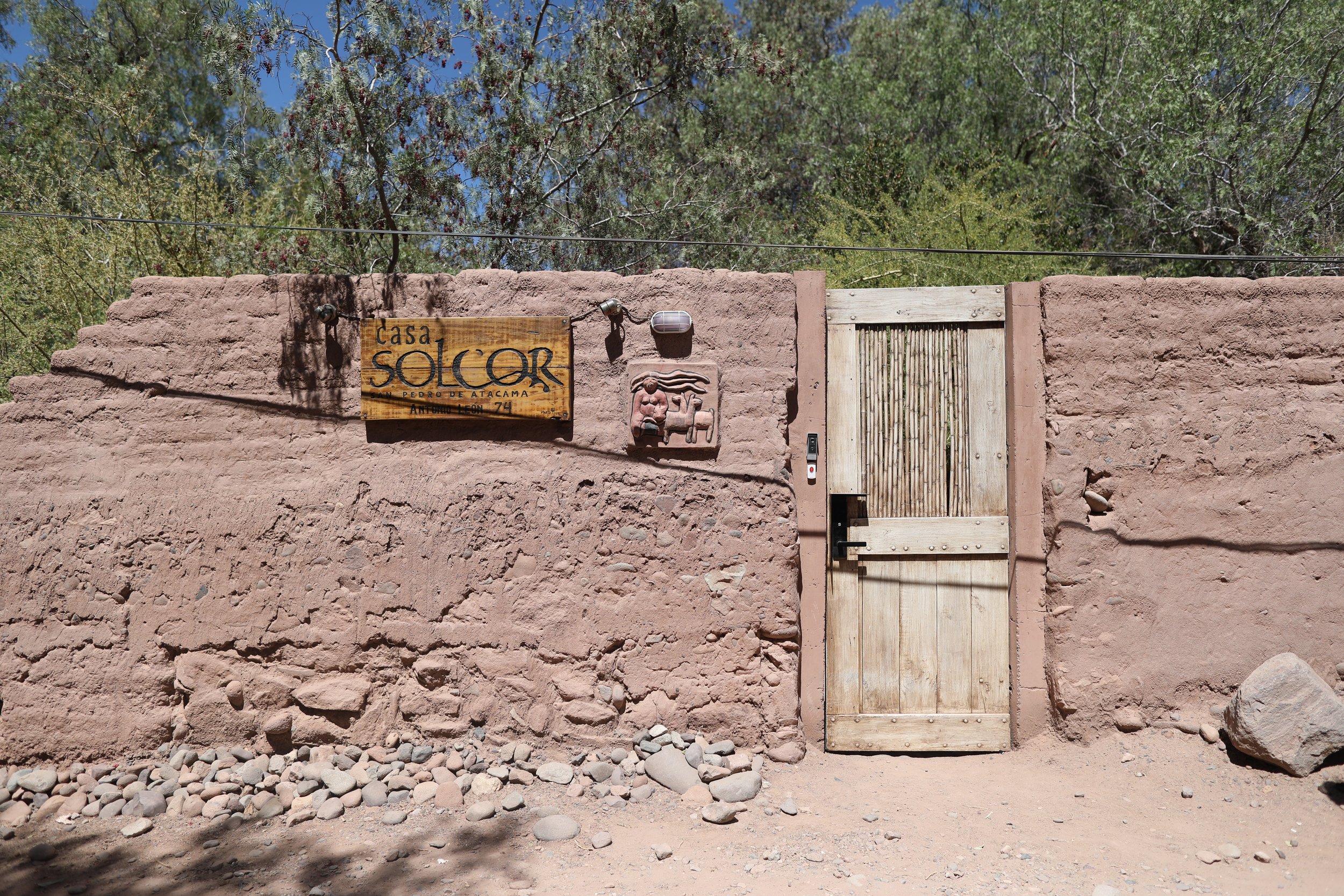
We were kindly delivered to our hotel, Casa Solcor Boutique Bed & Breakfast and after checking in, we spent some time exploring the grounds. My first impression was that it wasn’t as nice as the photos online but we settled in quickly and the space began to grow on me. The feel was modest but quaint and cozy.
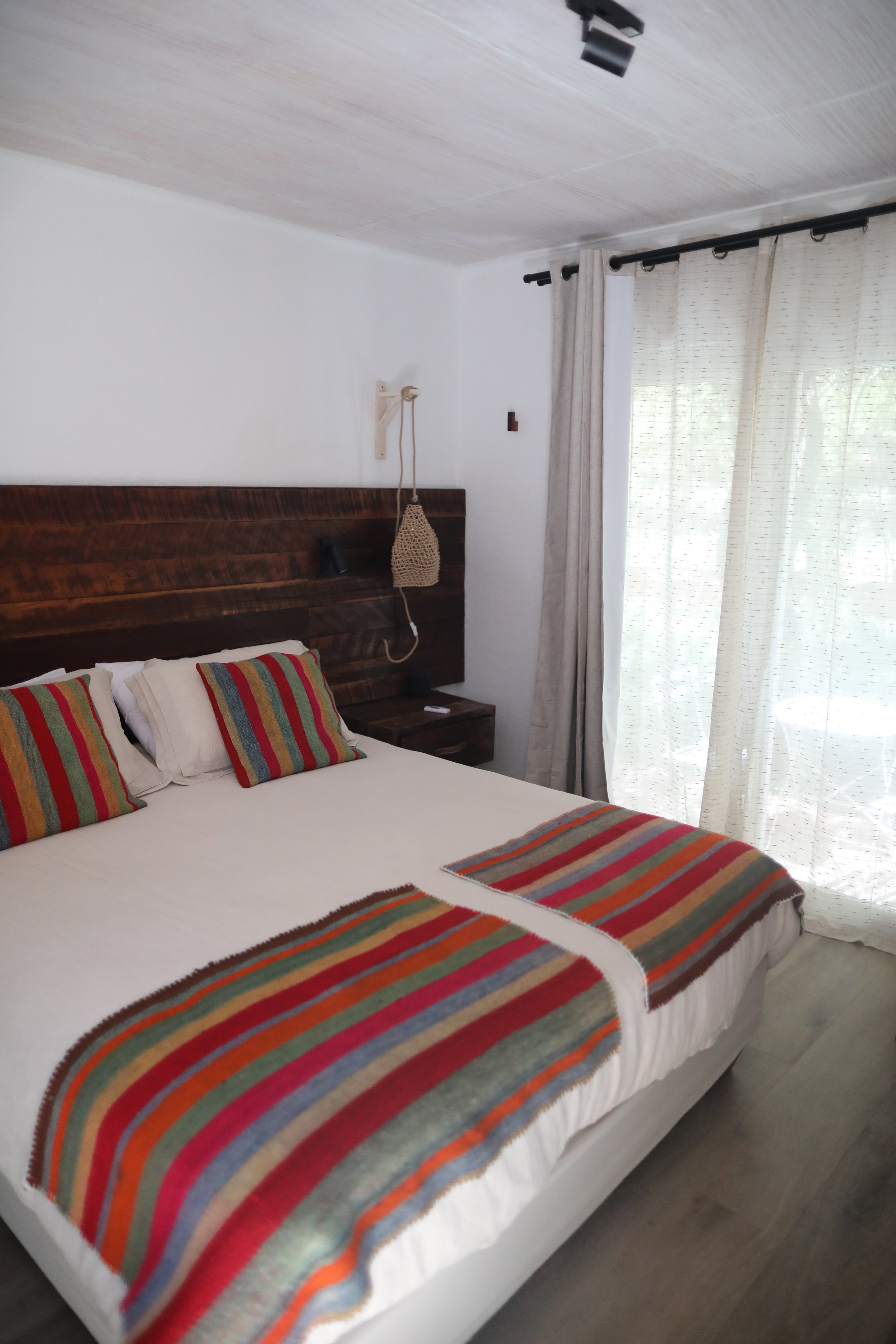
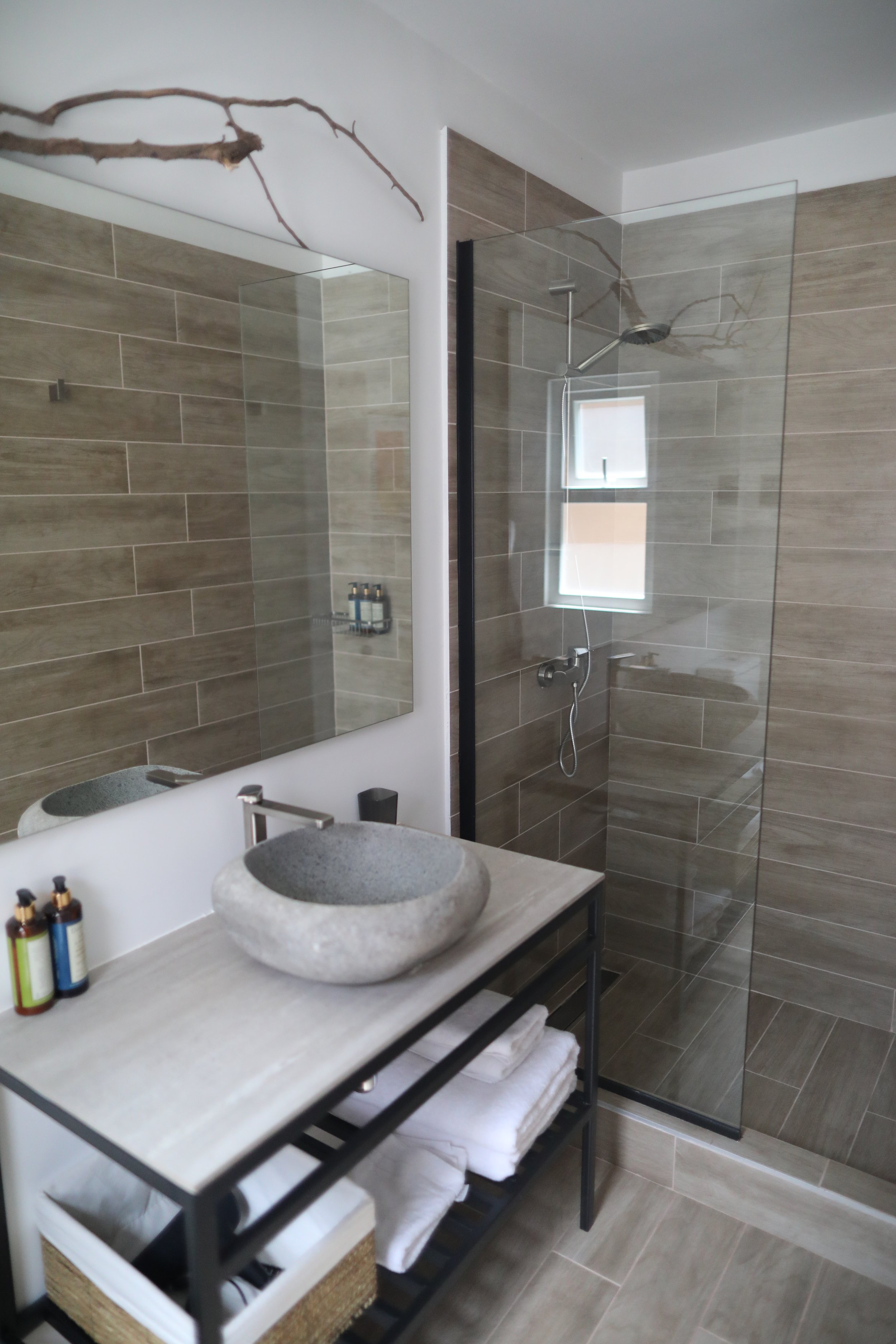
The bedrooms, each with a private bathroom, shower, attached patio and heating were simple but very cute. A public kitchen for everyone’s use opened up onto a beautiful outdoor terrace. The lounges were designed with desert inspired decor including light and airy fixtures made of local natural materials like grasses and other plant life.
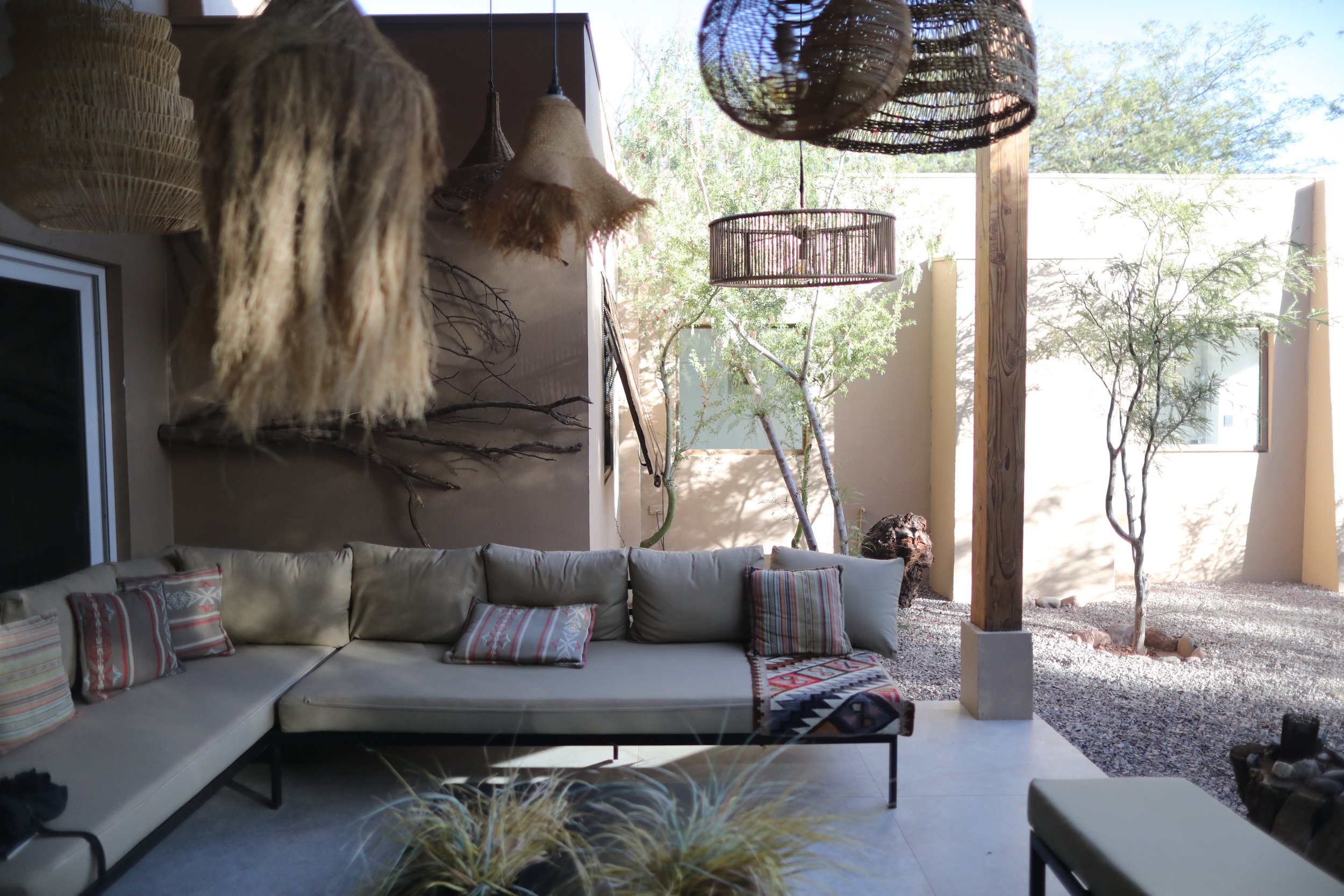
The spacious outdoor terraces felt more like someone’s home than a hotel. They were cozy and warm, soft and comfortable. Casa Solcor also offered free water and snacks and a great spread for breakfast each morning.
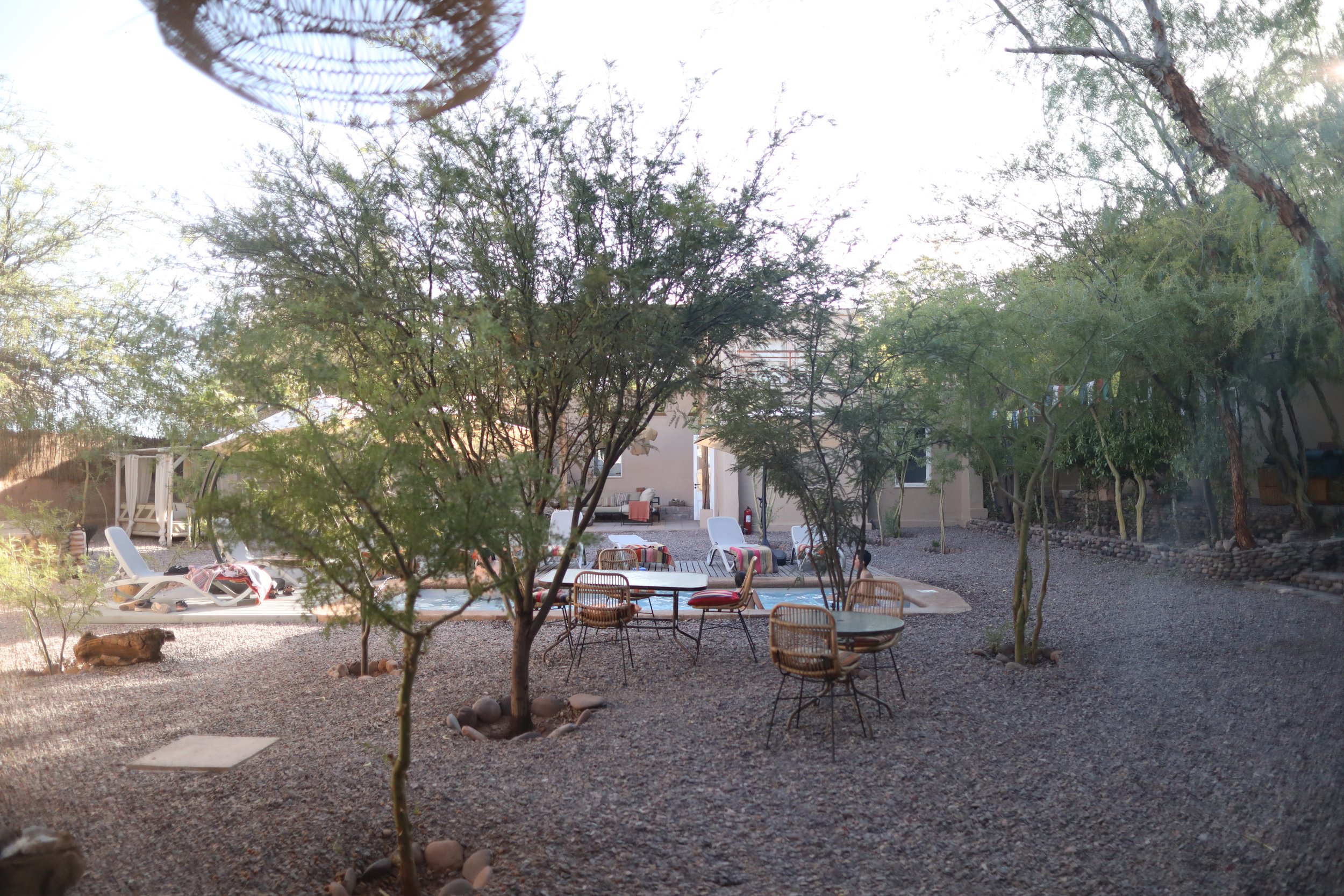
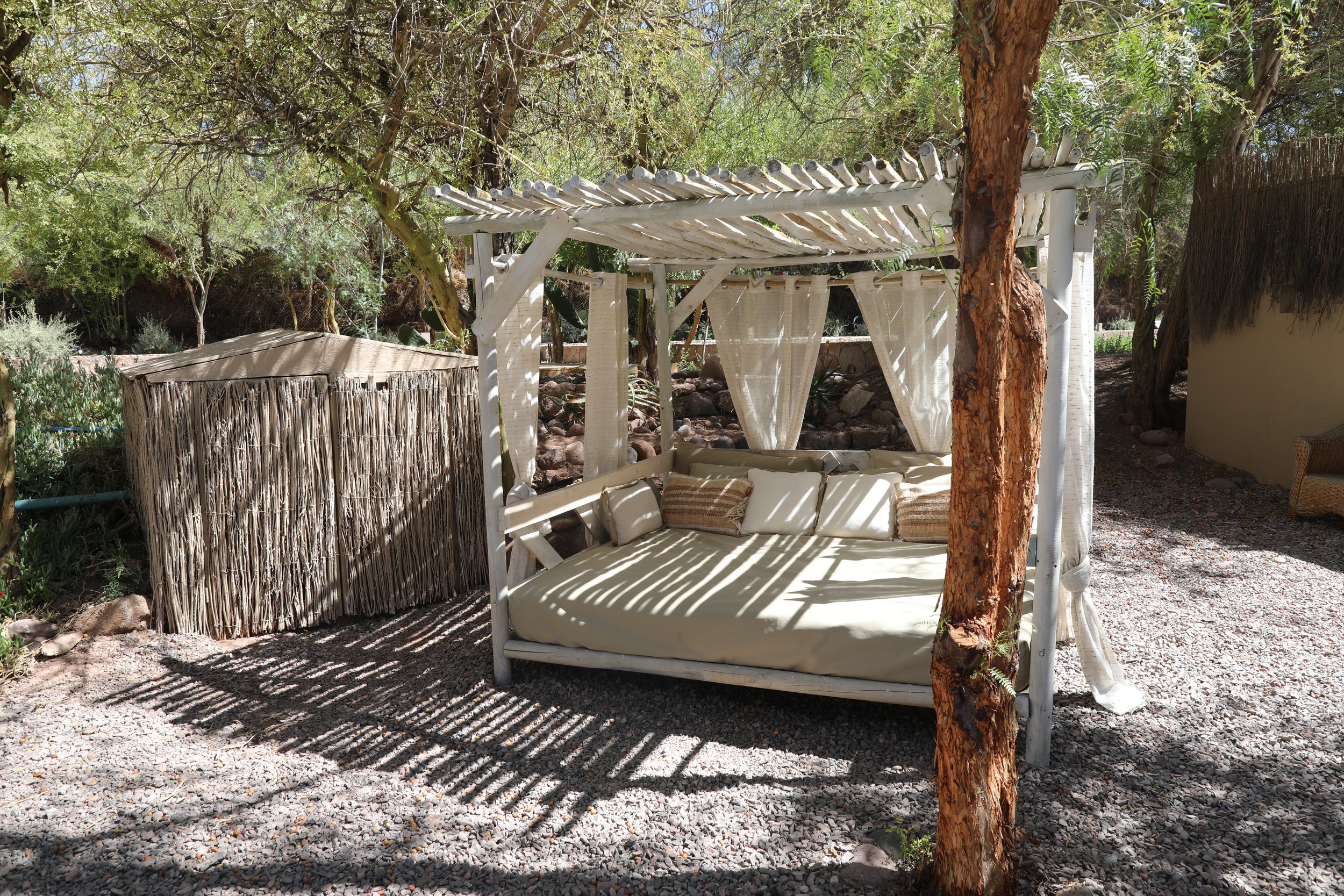
Outdoor cabanas afforded a soft place to relax and rest out of the sun’s reach and barbecue stations were a thoughtful touch. Other amenities included spacious living and dining rooms that opened onto more patio space.
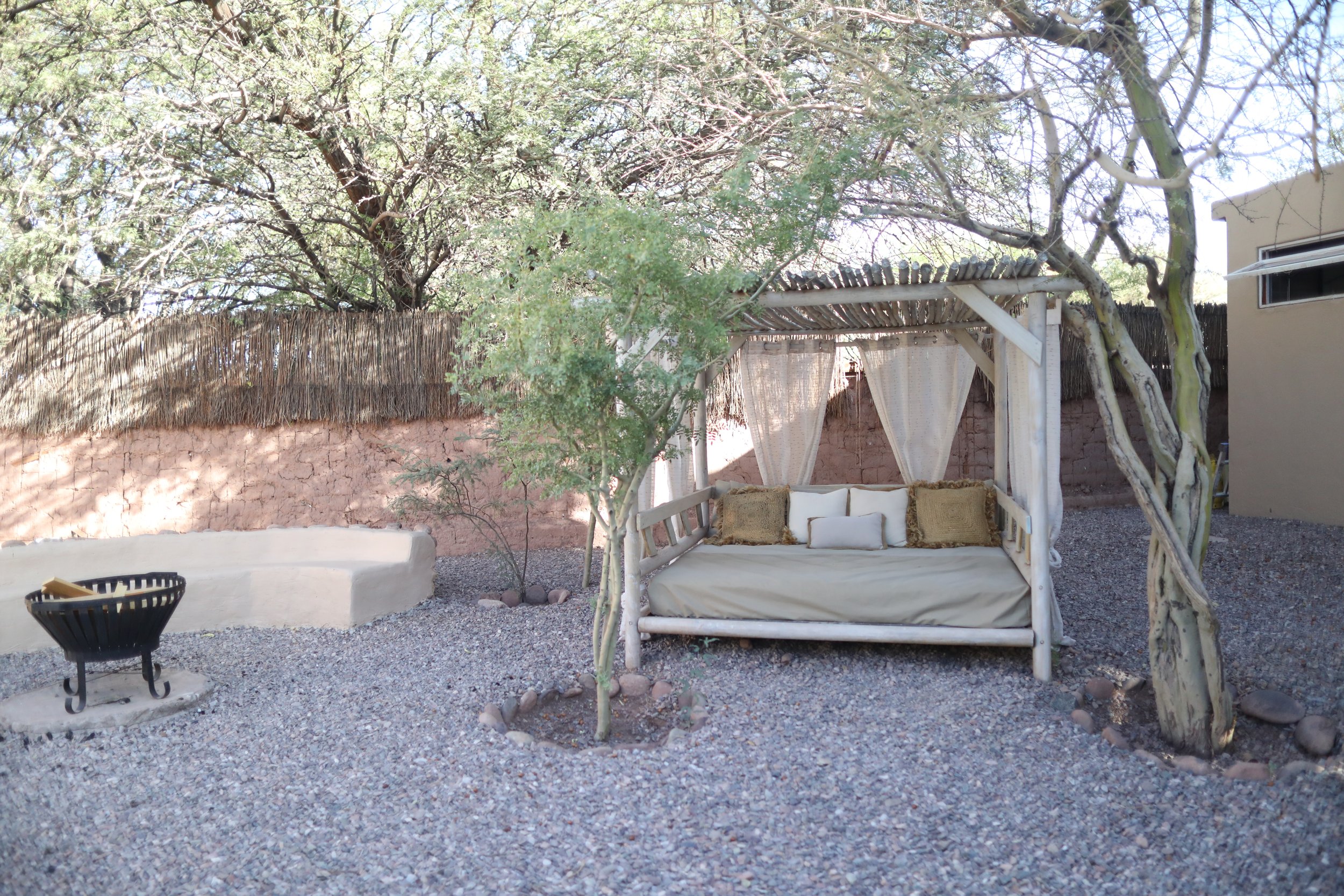
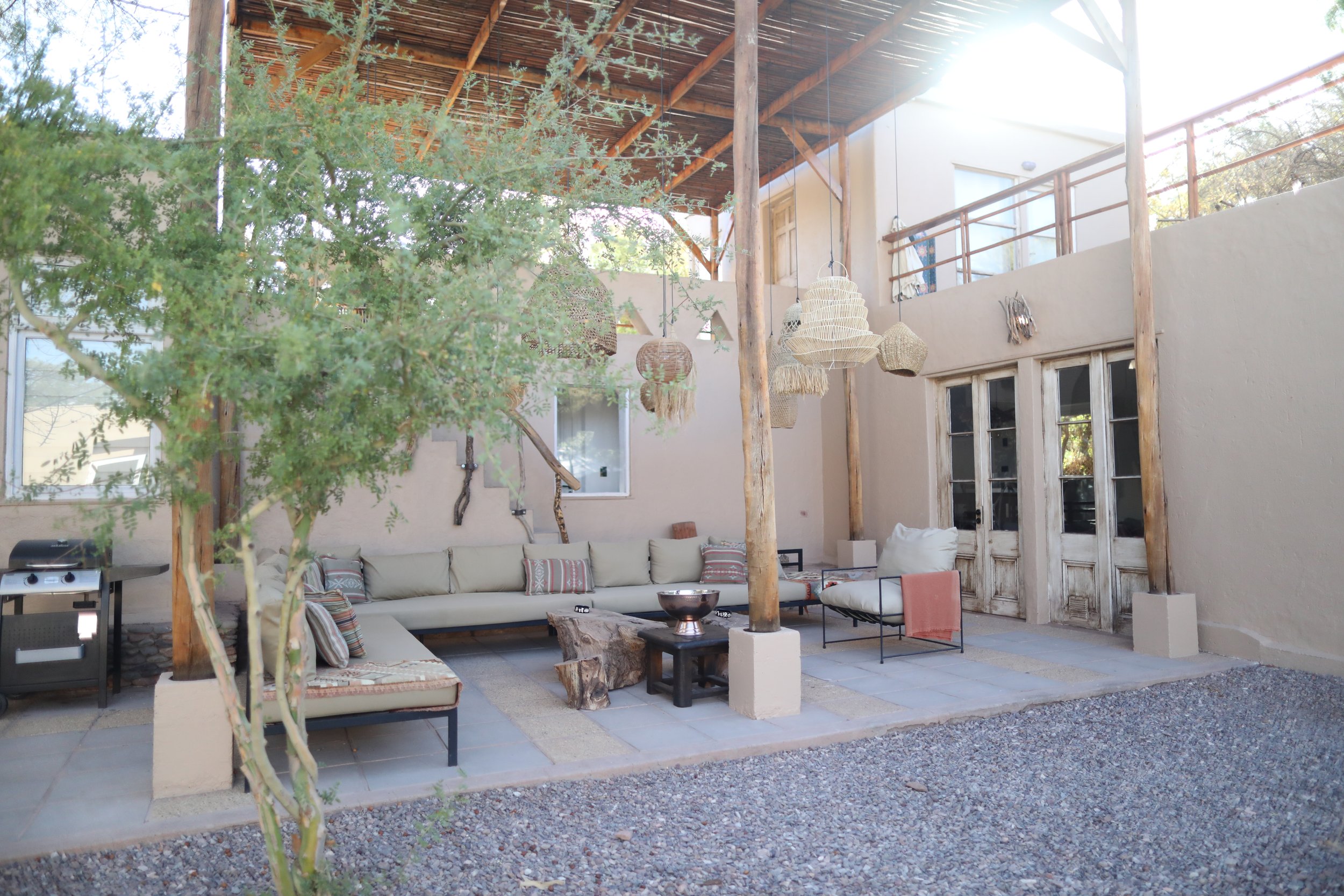
And of course, there was a pool, chilled with cool running water meant to refresh anyone in need.
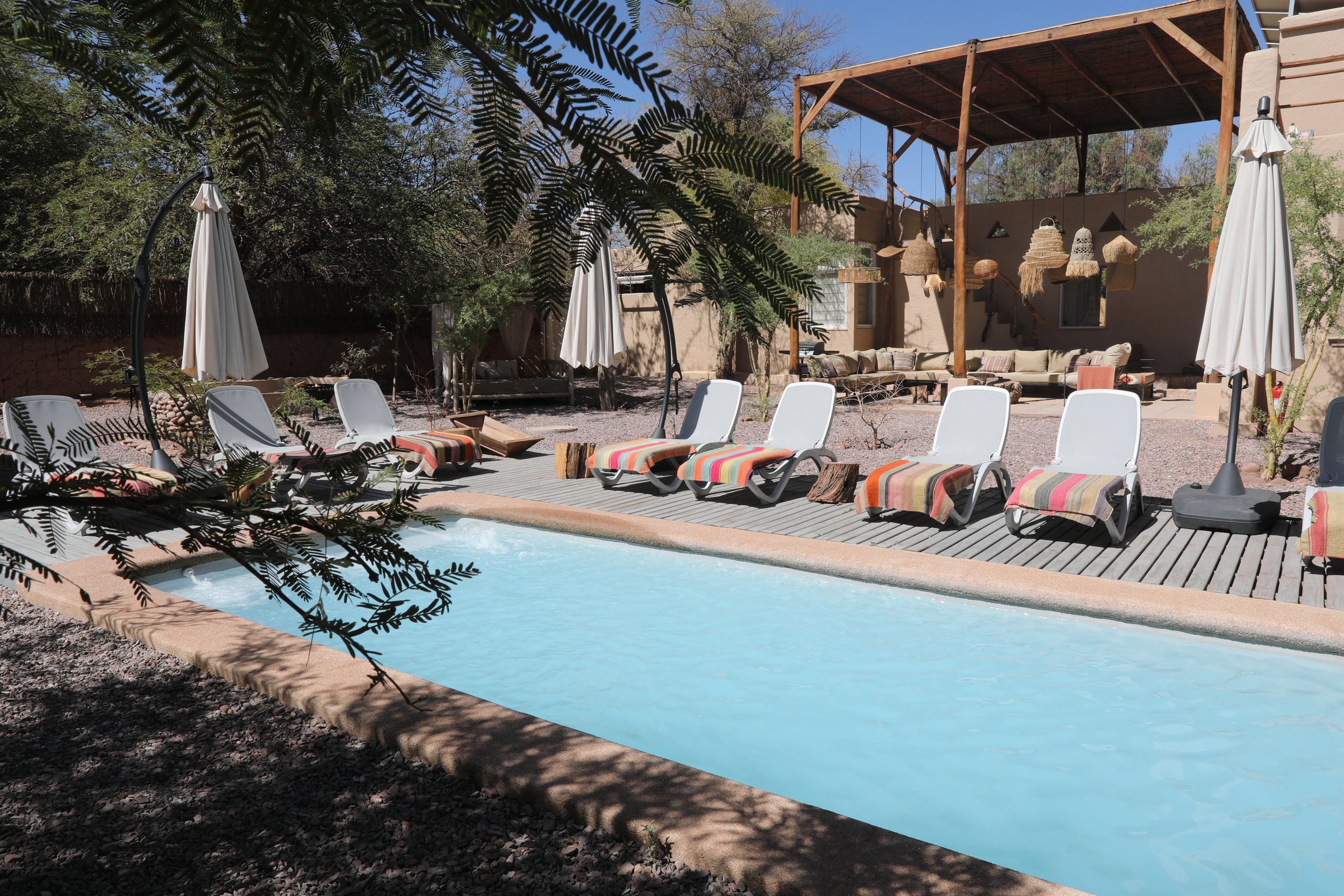
Although small in scale, the pool was crisp and clean and surrounded by a handful of lounge chairs and umbrellas. We were super excited to cool off from the days heat, even just after arriving moments earlier. The weather itself didn’t feel too hot but the dry air was suffocating and unforgiving. Without sunscreen, burning occurred easily, as I learned on our walk into town so don’t forget your slather your ears and neck.
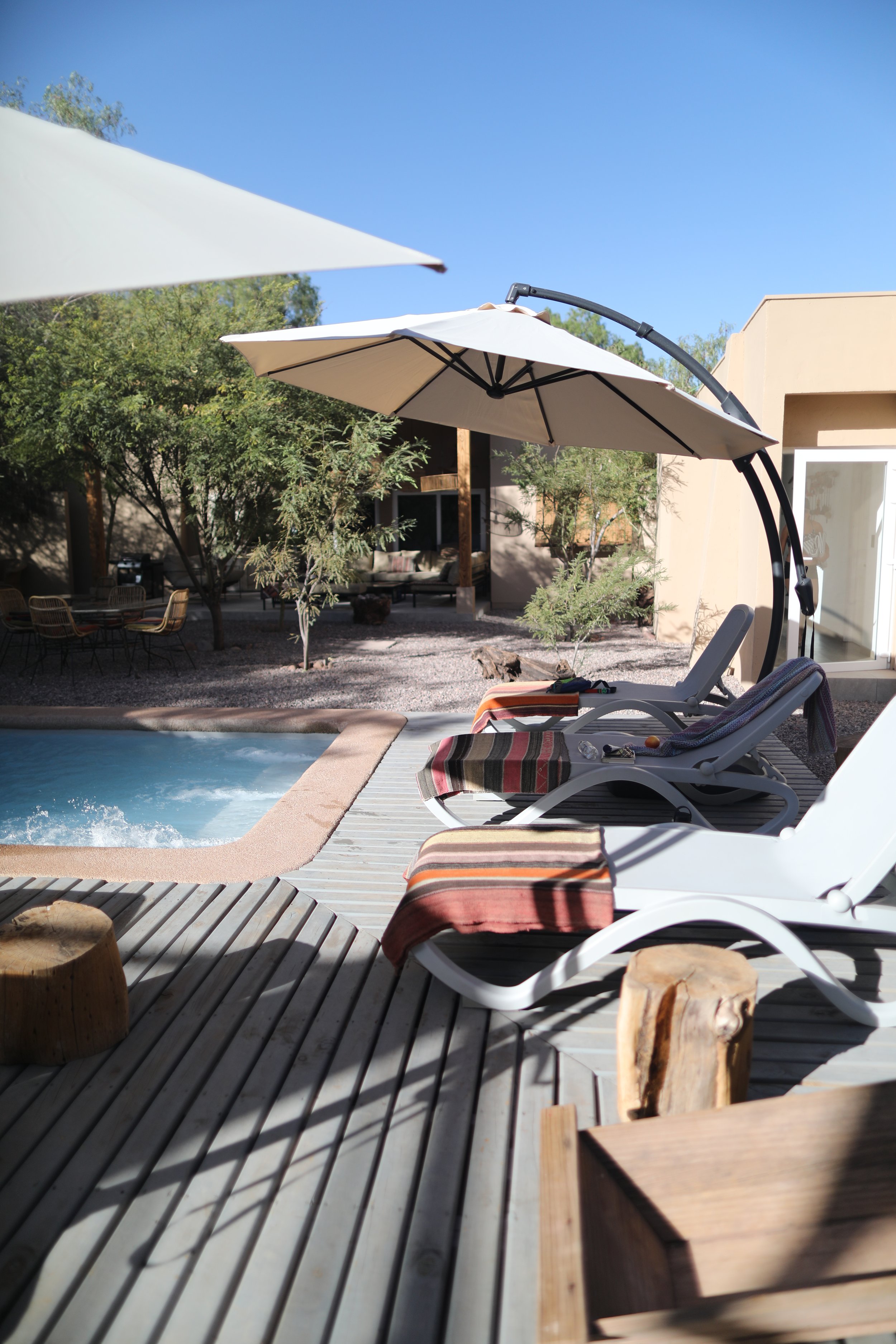
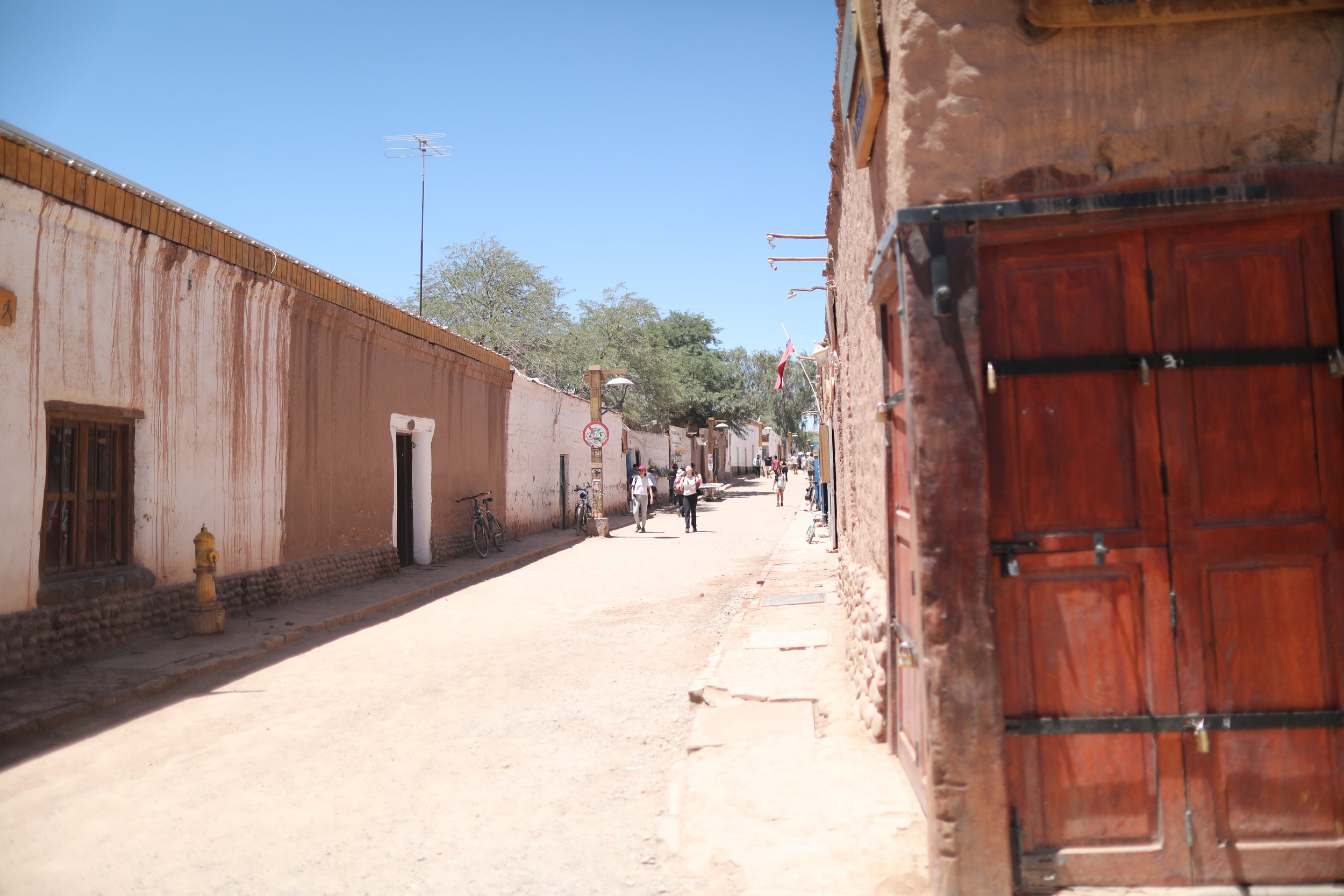
After laying out by the pool for a bit, worried we didn’t have much time to waste, we cleaned up and walked into town, a 15 minute walk by foot down dusty dirt roads.
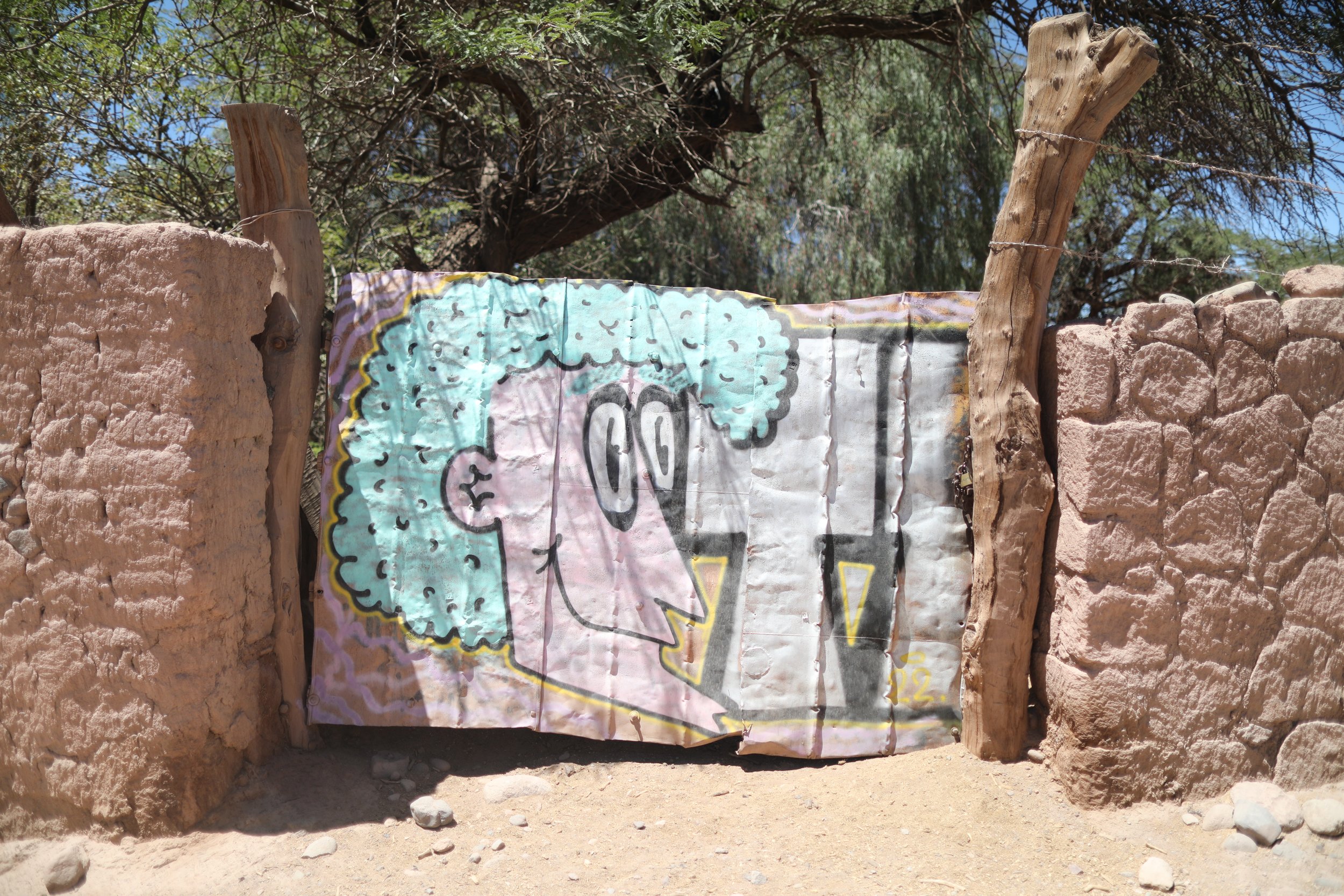
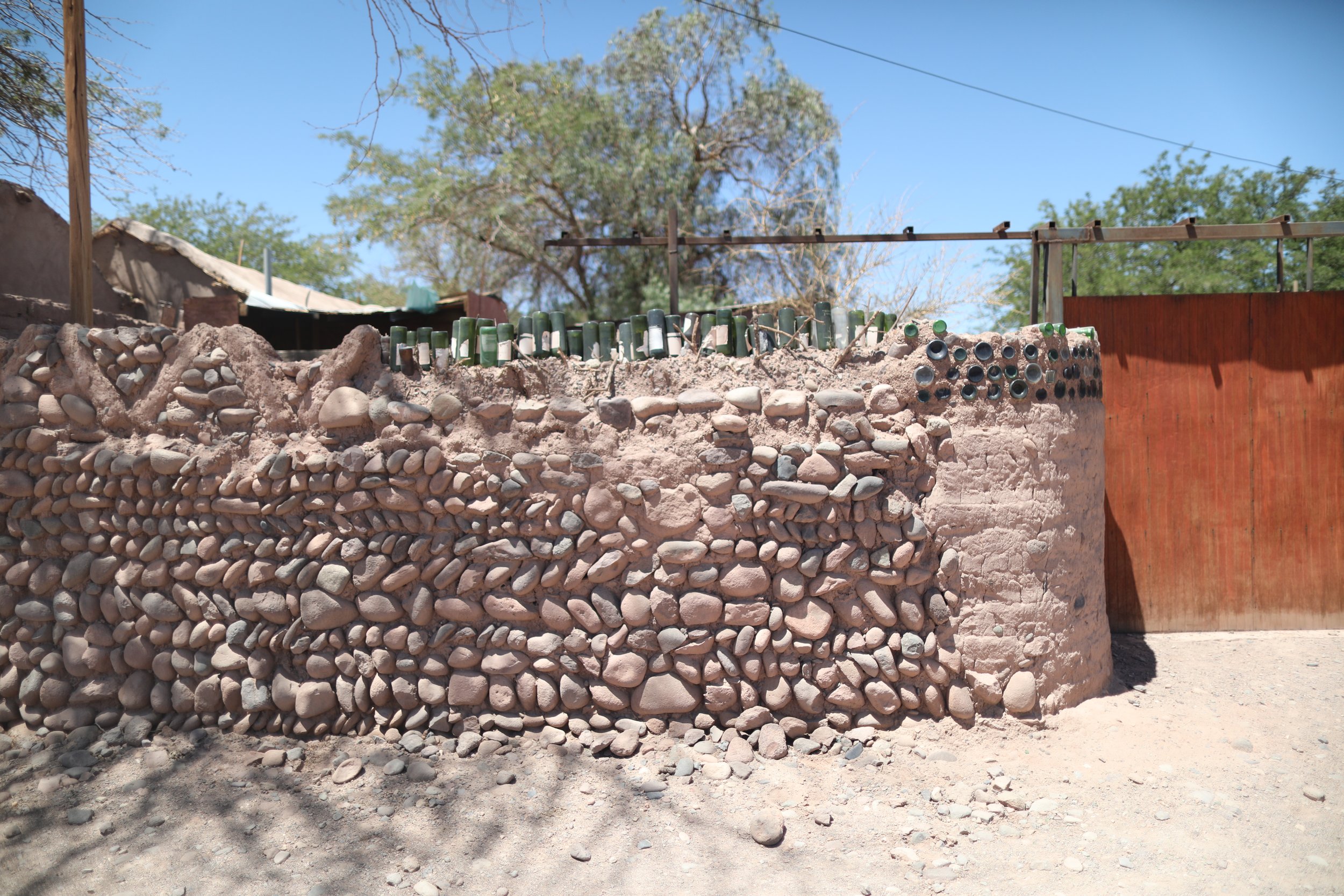
The walk was interesting as so many of the walls were made of natural materials, mostly mud and rocks lined up one after another creating barriers. Artwork spread across many of the gates and even broken bottles were used as both decoration and security.
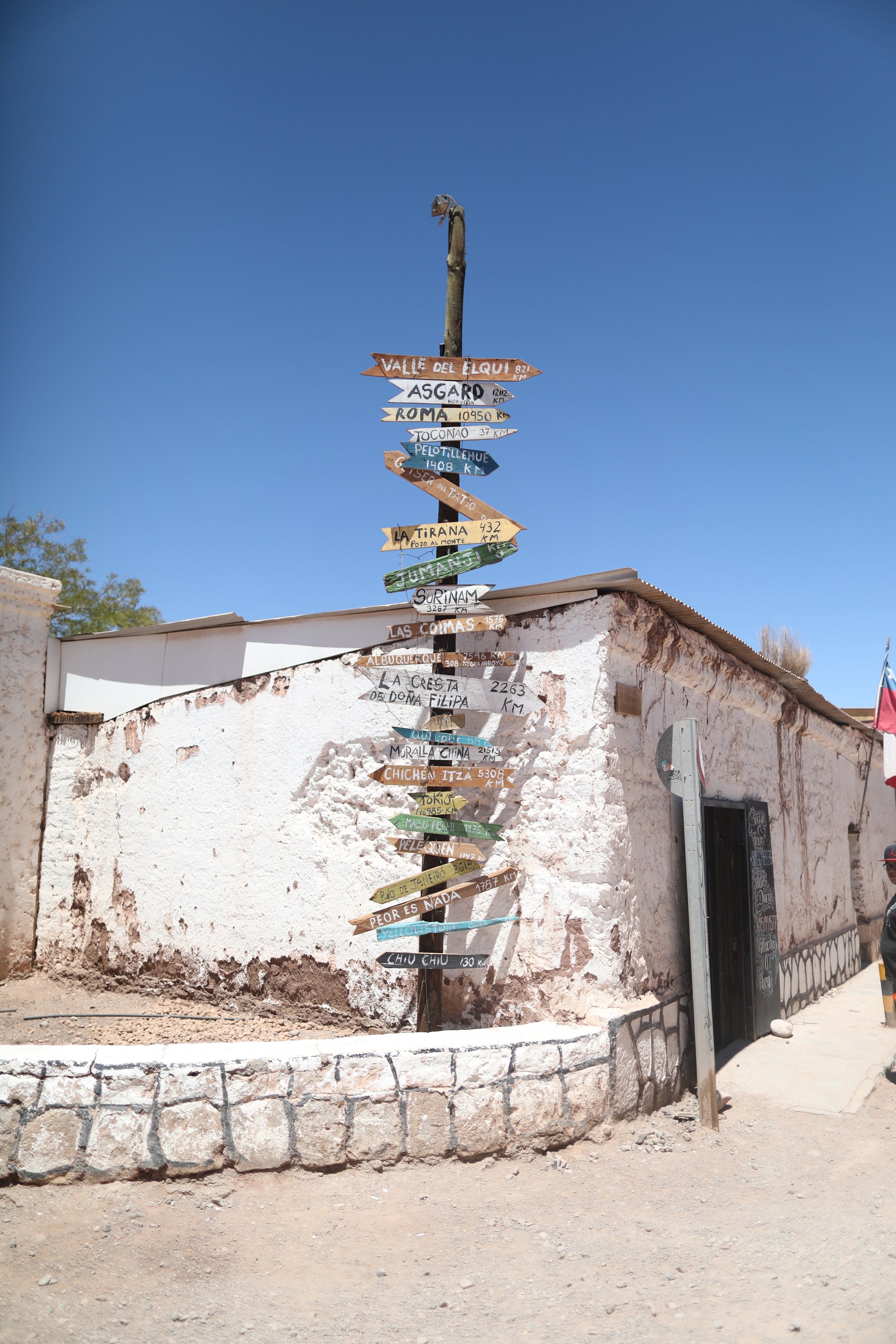
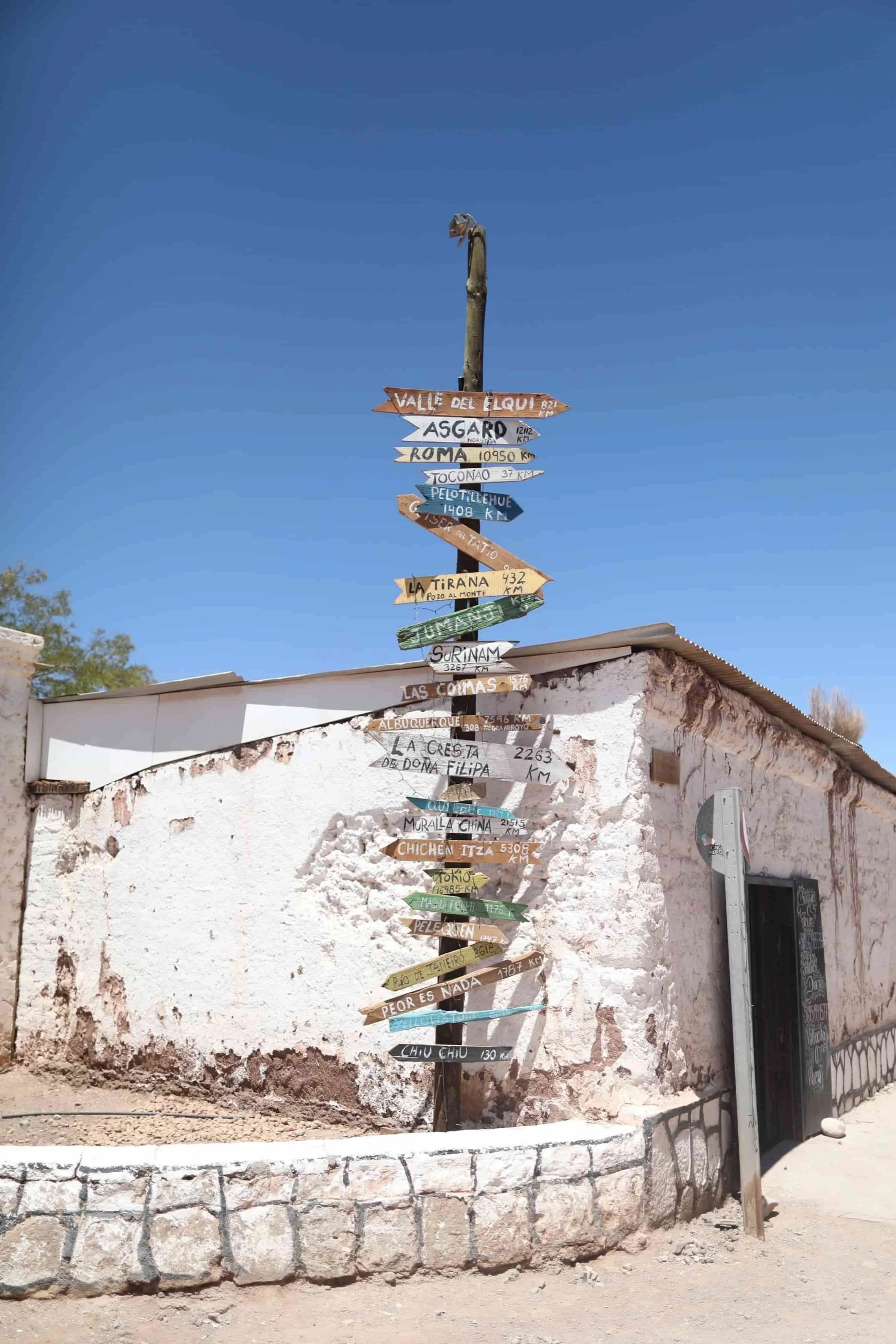
Just as we reached town, a hand painted sign caught my eye. It truly felt like we were at the edge of the world and even some of the locations marked were unrecognizable.
03 | Feast at Adobe & Wander Downtown Atacama
After such a long journey, the intense heat and lack of food were finally getting to us. Even more frustrating, we realized the internet and wifi didn’t work in town, so we wandered blindly into Cafe Adobe Restaurant, a cute spot with an indoor outdoor patio.
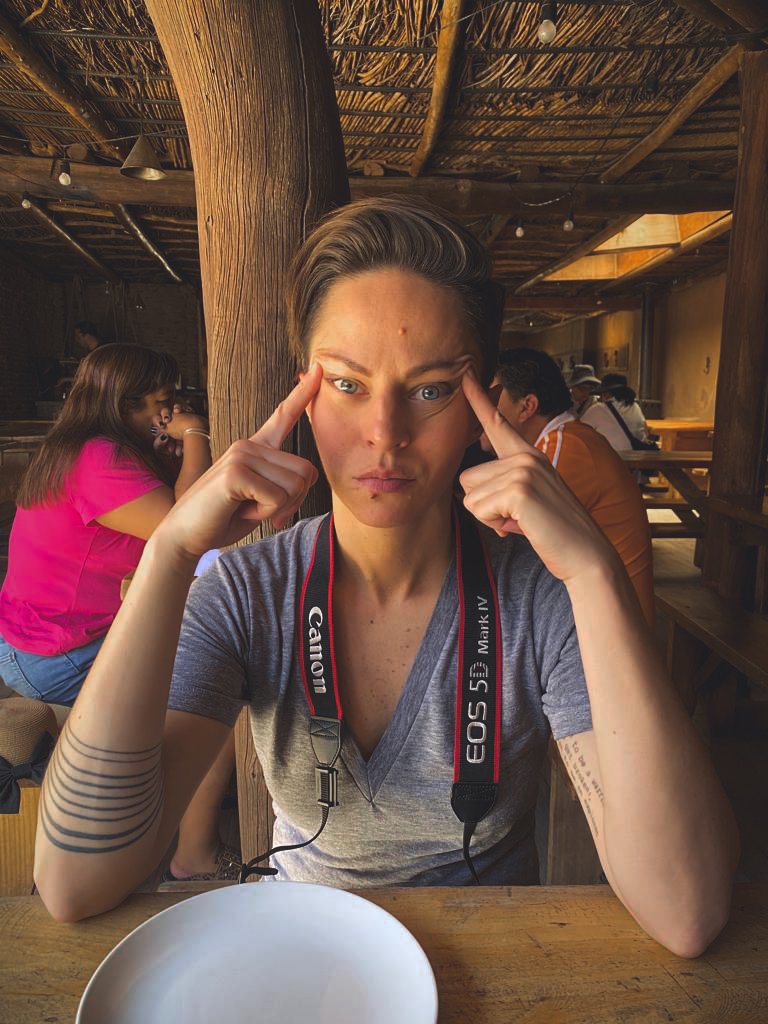
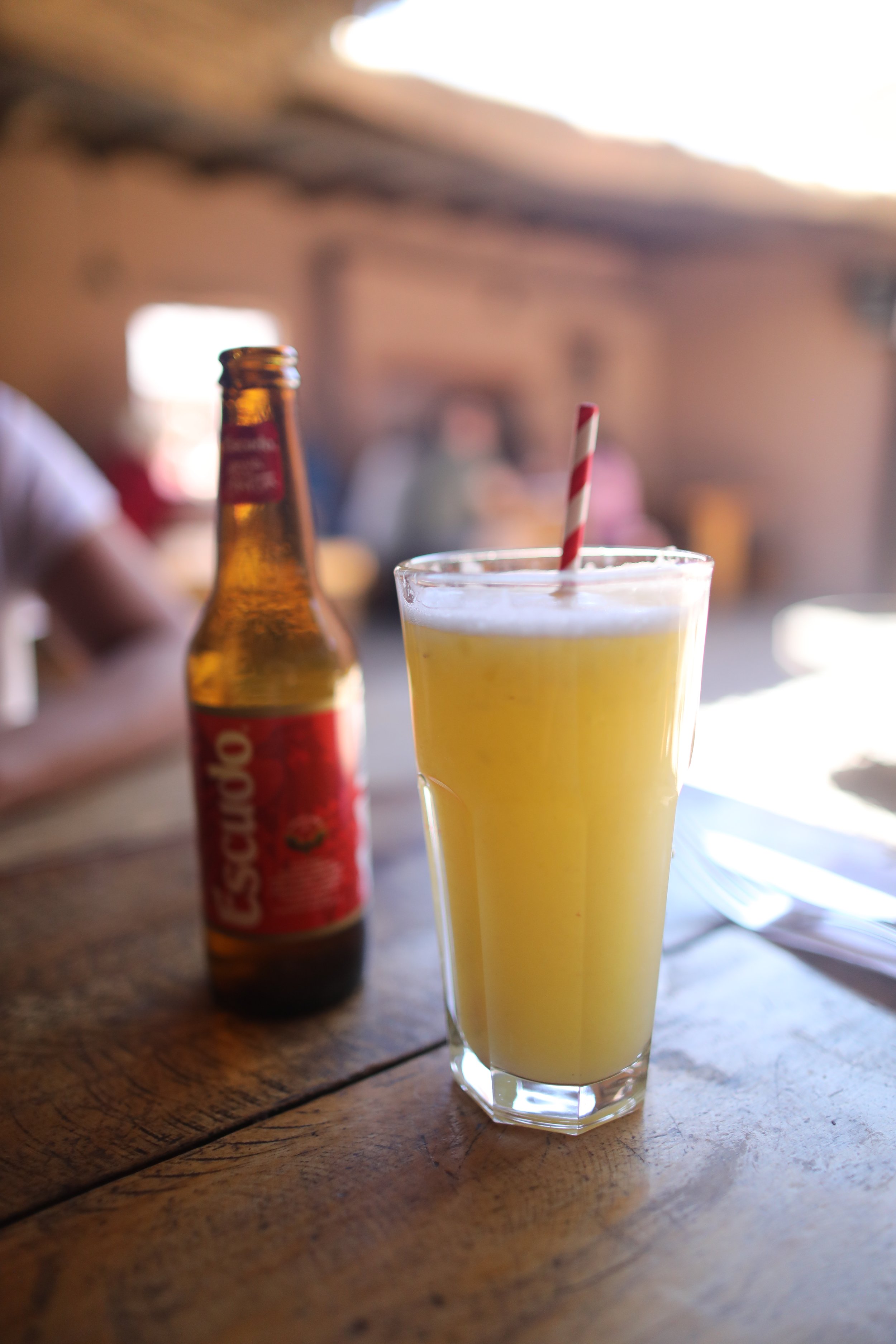
With an international kitchen and a wide variety of food and drinks, we ordered a local Chilean beer called Escudo and fresh watermelon juice, along with a vegetable salad, margarita pizza, fried potatoes and special shrimp dish.
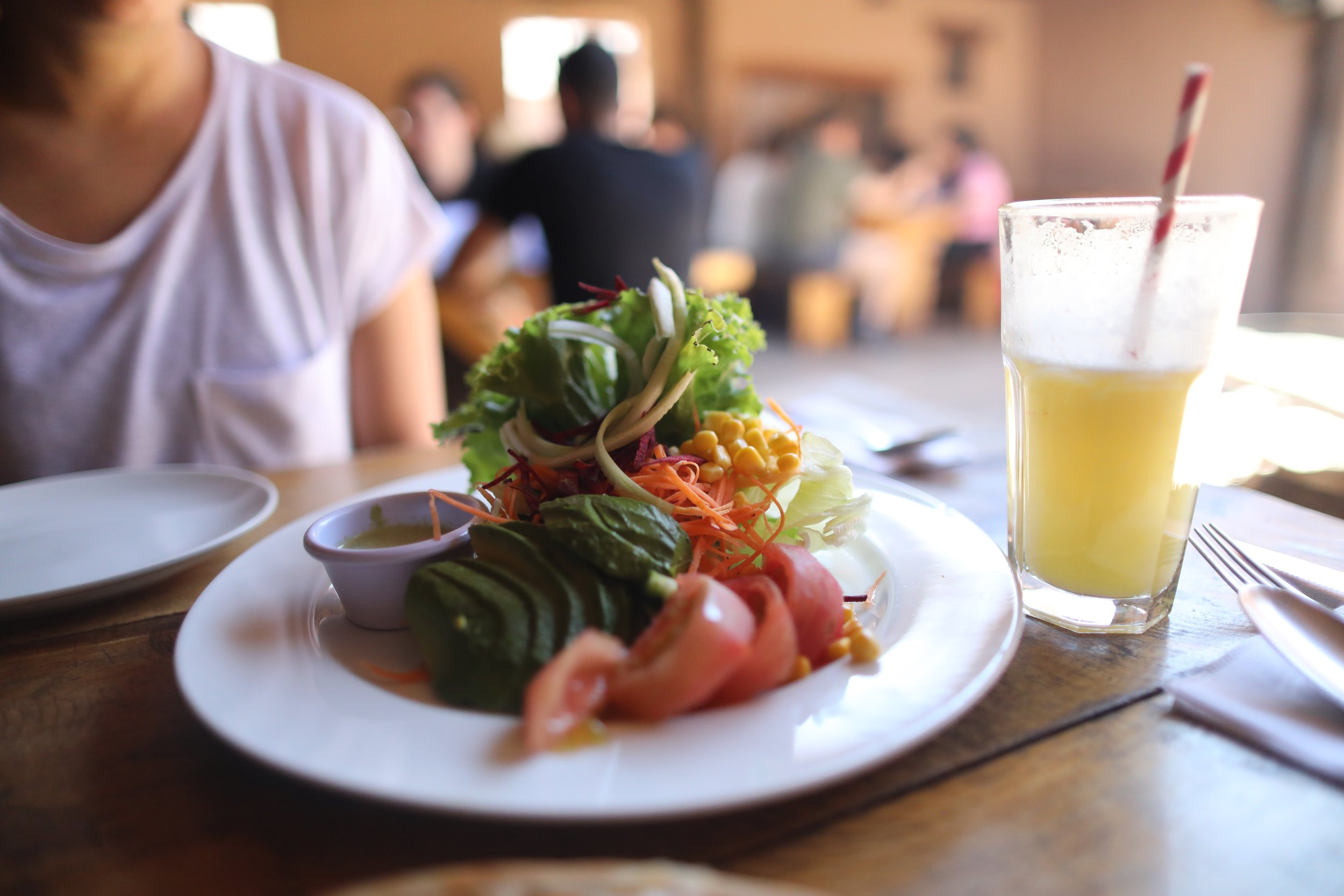
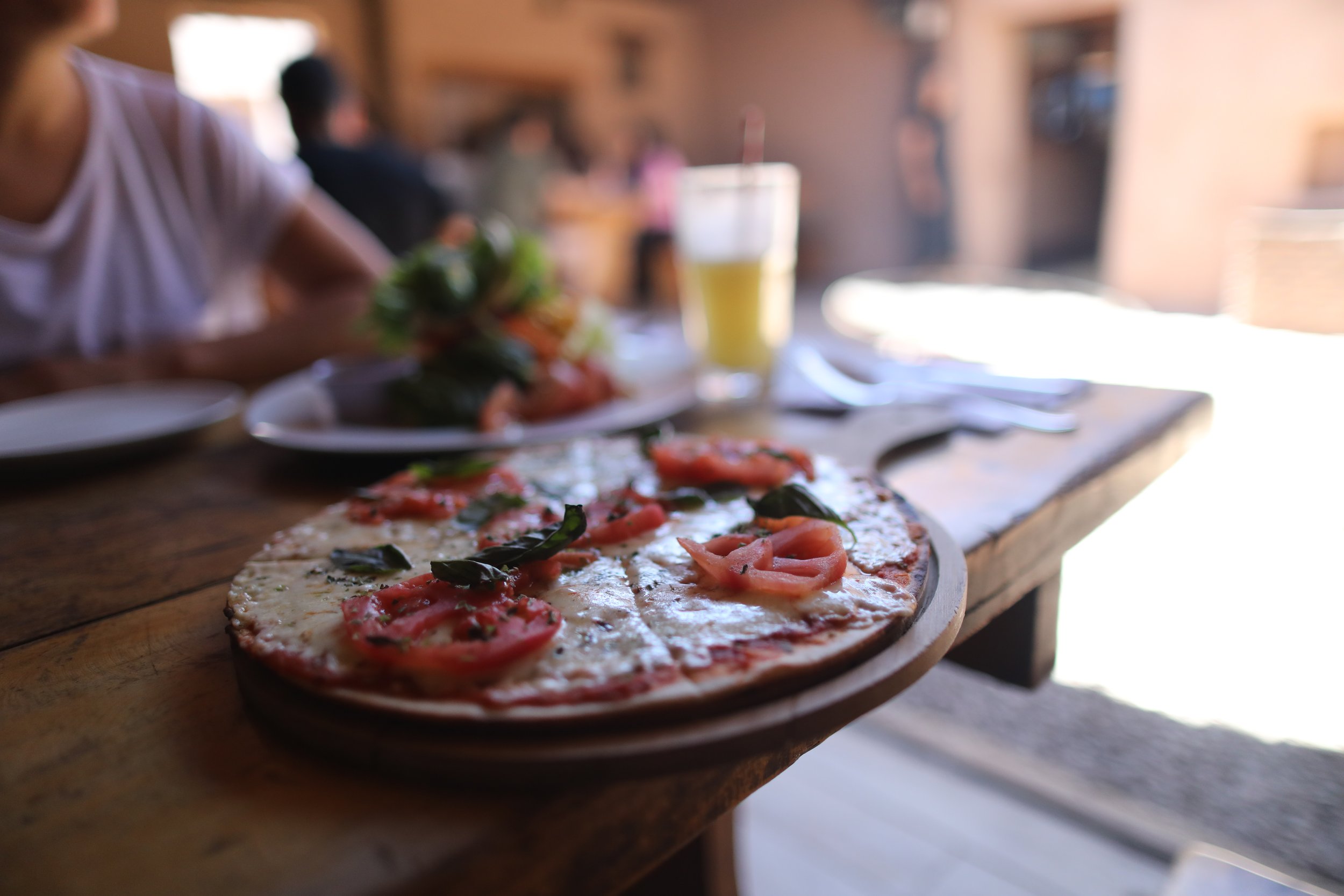
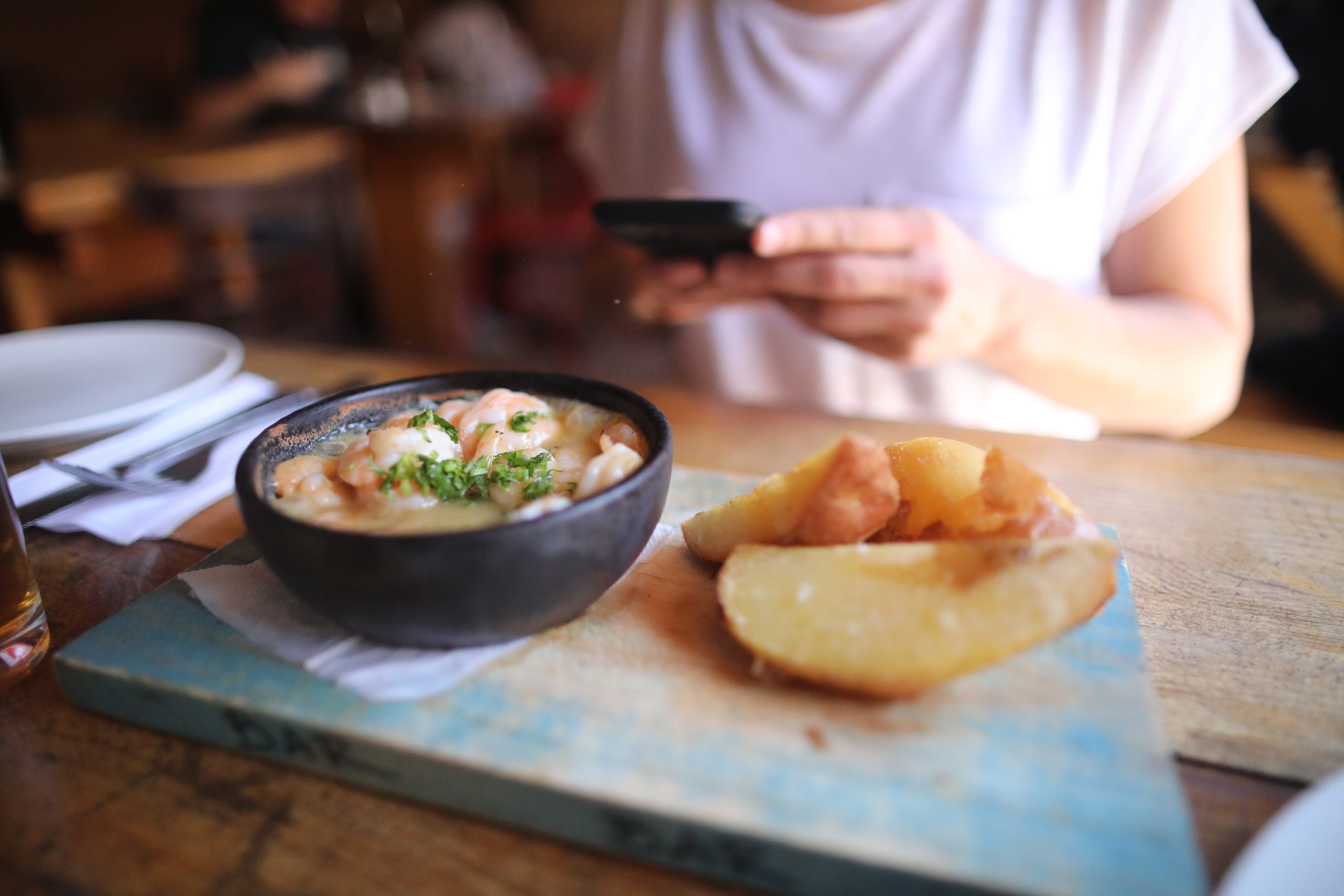
Each of the dishes were tasty and fresh, though the pizza was average. Toward the end of the meal two men set up and began playing live music, both on guitars. The music was a special treat and all in all, our meal was great, though a bit pricey at $75 USD.
04 | Book Your Atacama Tours
In search of booking as many excursions as possible to maximize our time in the desert we made San Pedro de Atacama our home base. Moving between two different tour agencies, Turismo Gato Andino and Horizons, we were able to book everything we had our hearts set on for the next two days but it would be exhausting.
Packed tight, the following day at 6 a.m. we’d head to Laguna Chaxa, Piedras Rojas and Altiplanic Lagoons for an all day excursion. The next day we planned for three tours back to back to back. Before sunrise, we’d travel to El Tatio Geysers, then Valle de la Luna and finally the Atacama Desert for stargazing with an astronomer. The tour prices were affordable and ranged from $40-$90 USD each depending on length and offerings.
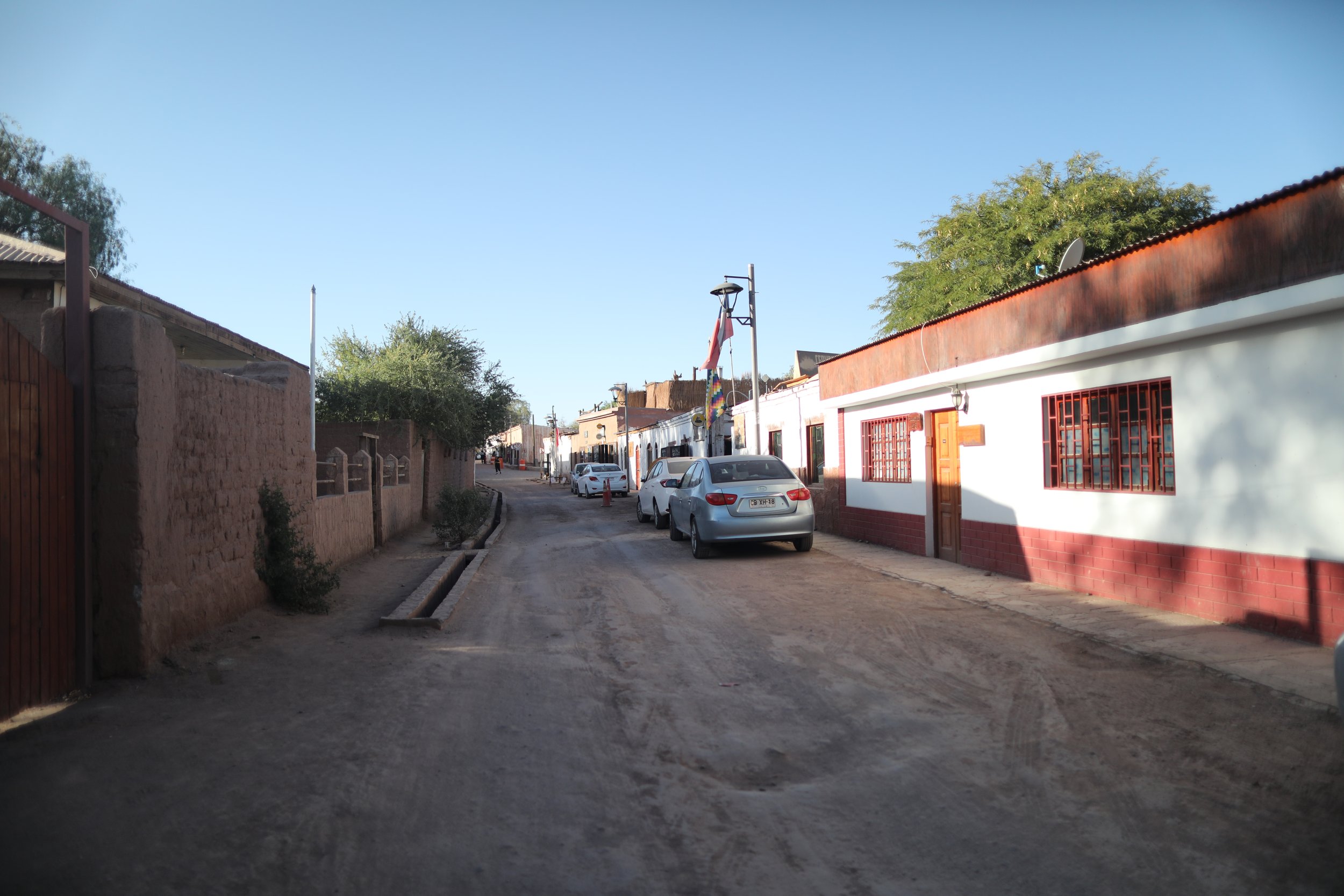
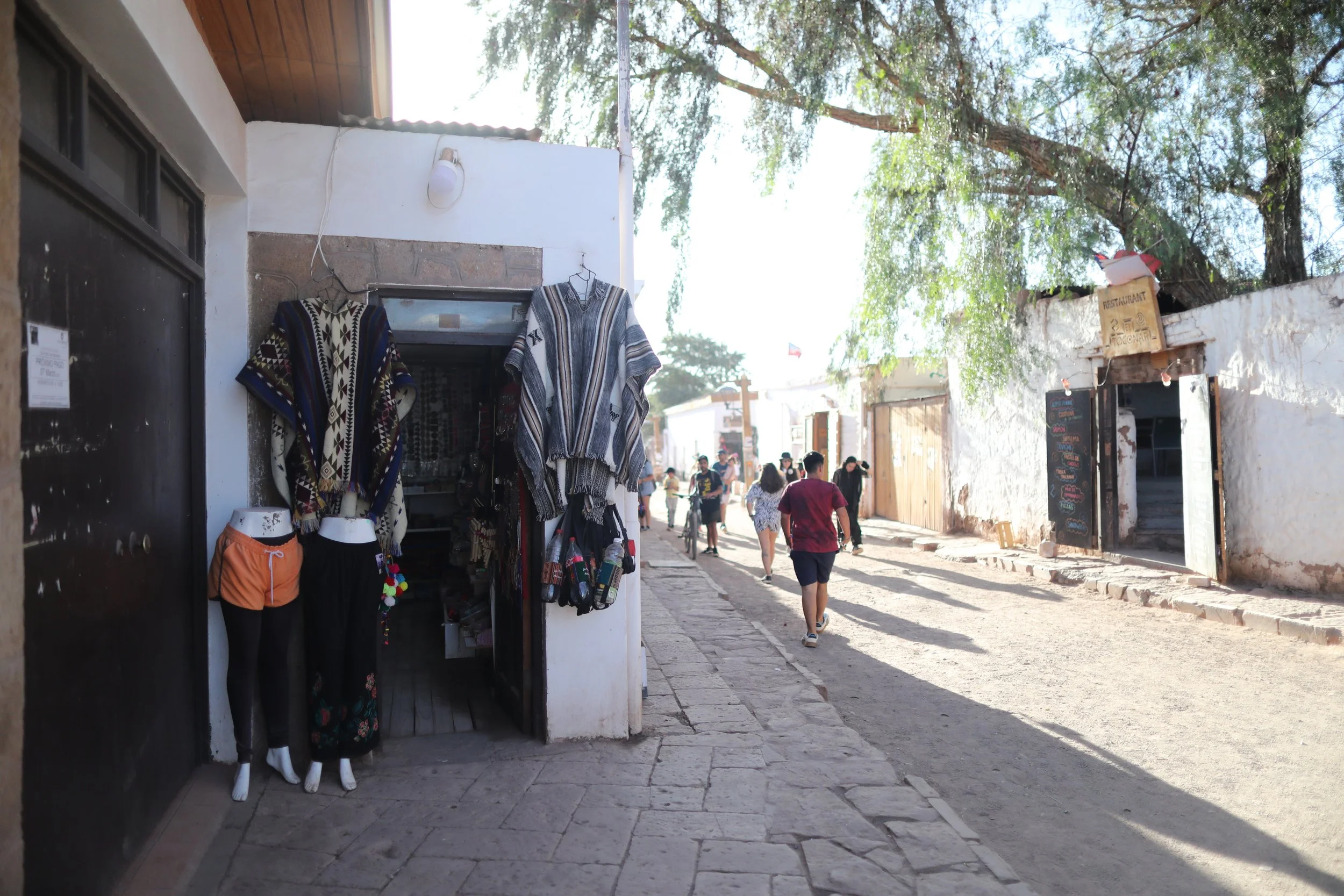
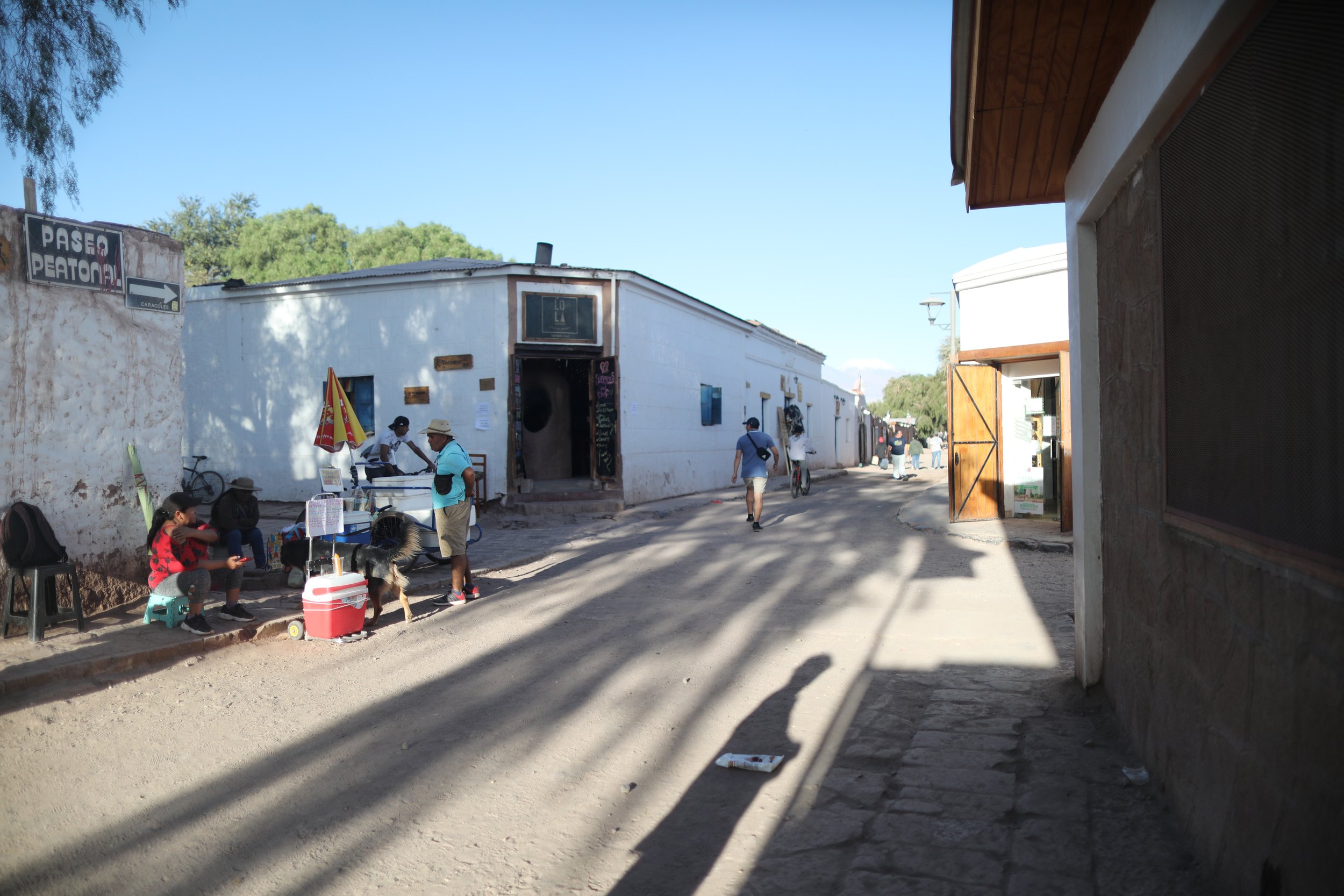
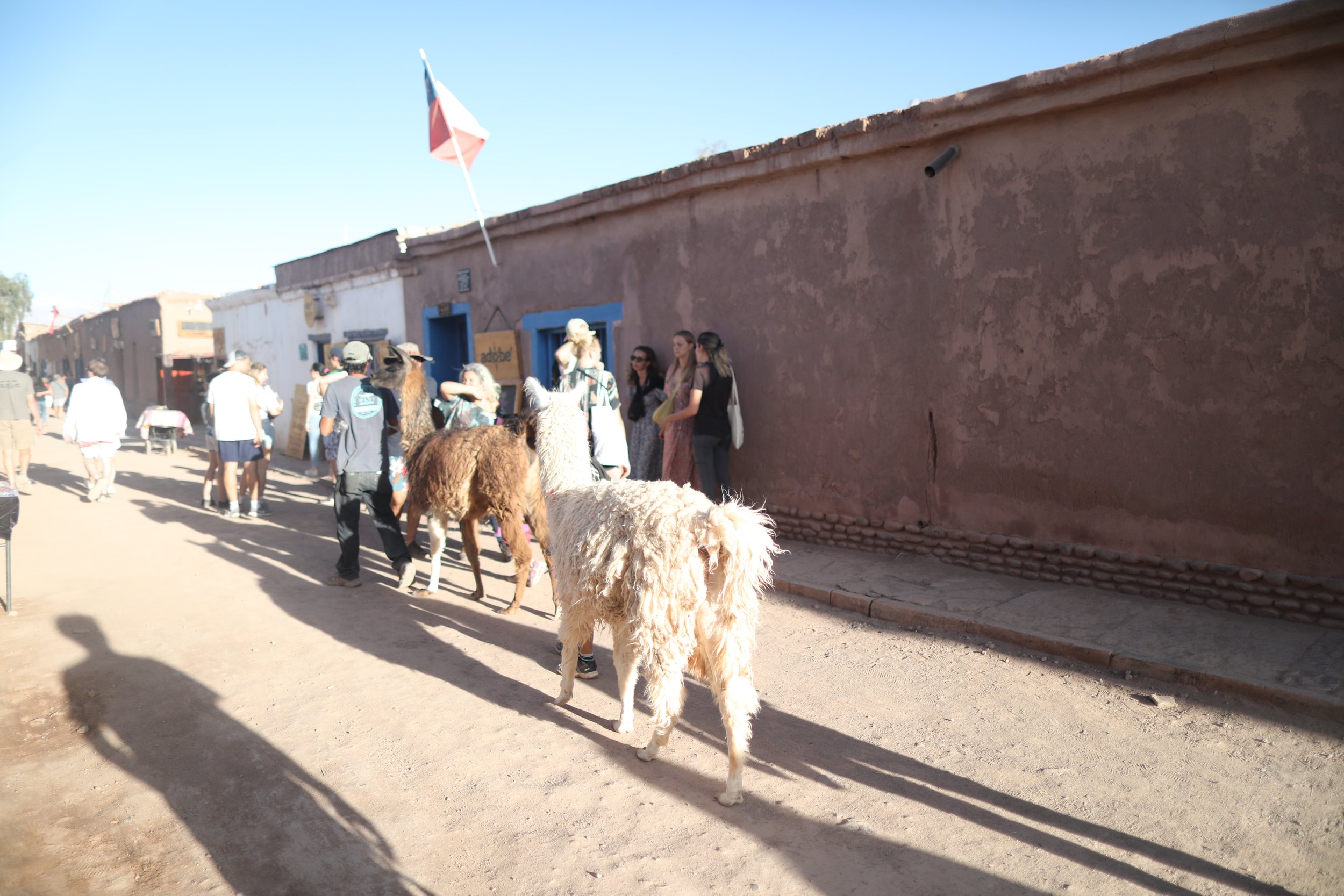
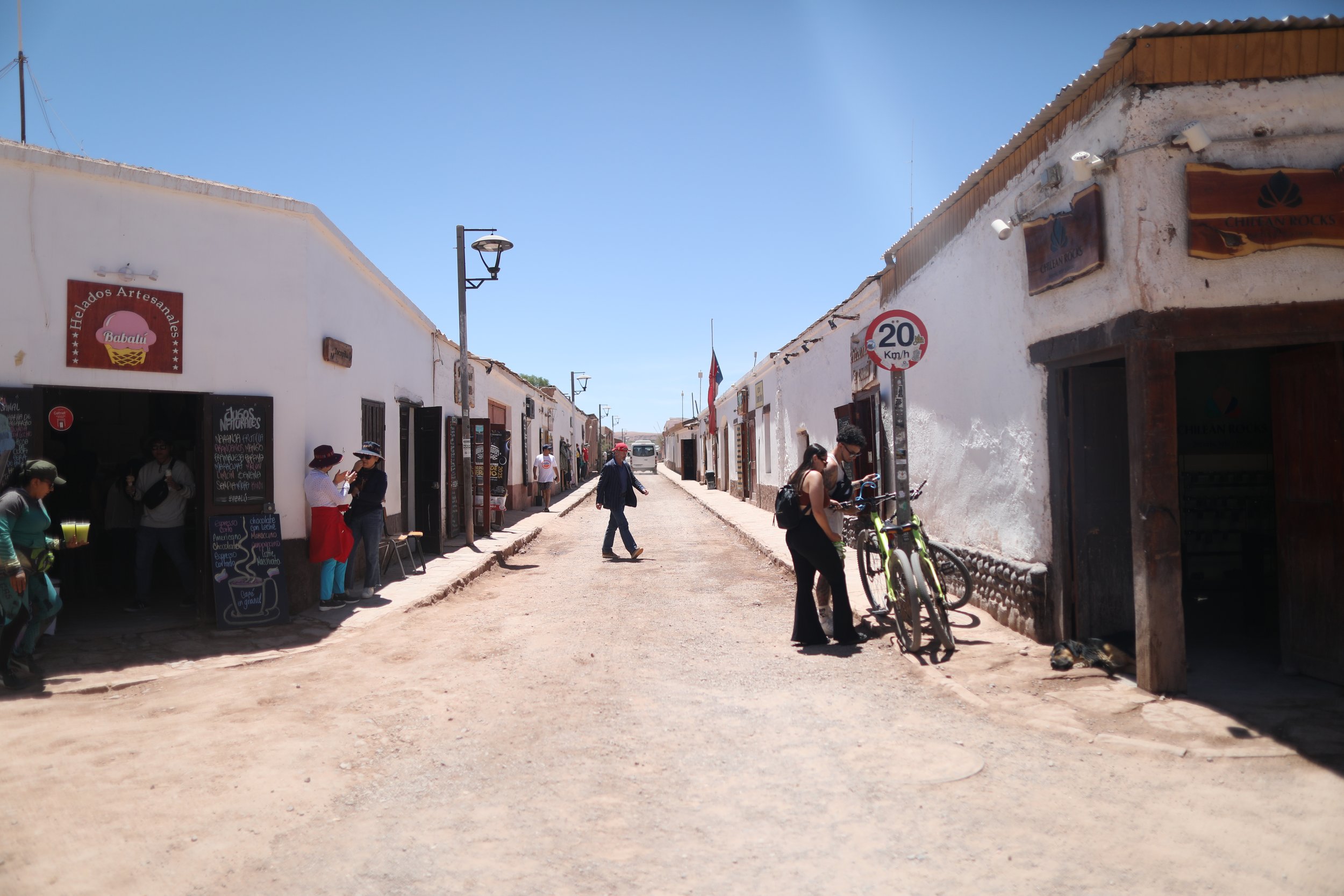
With only around 5,000 locals, the streets of San Pedro de Atacama were fairly quiet. Small groups of tourists, farmers moving animals to and from and the occasional roaming dog were just about all that could be seen as the sun began to set and temperatures cooled in the dusty streets.
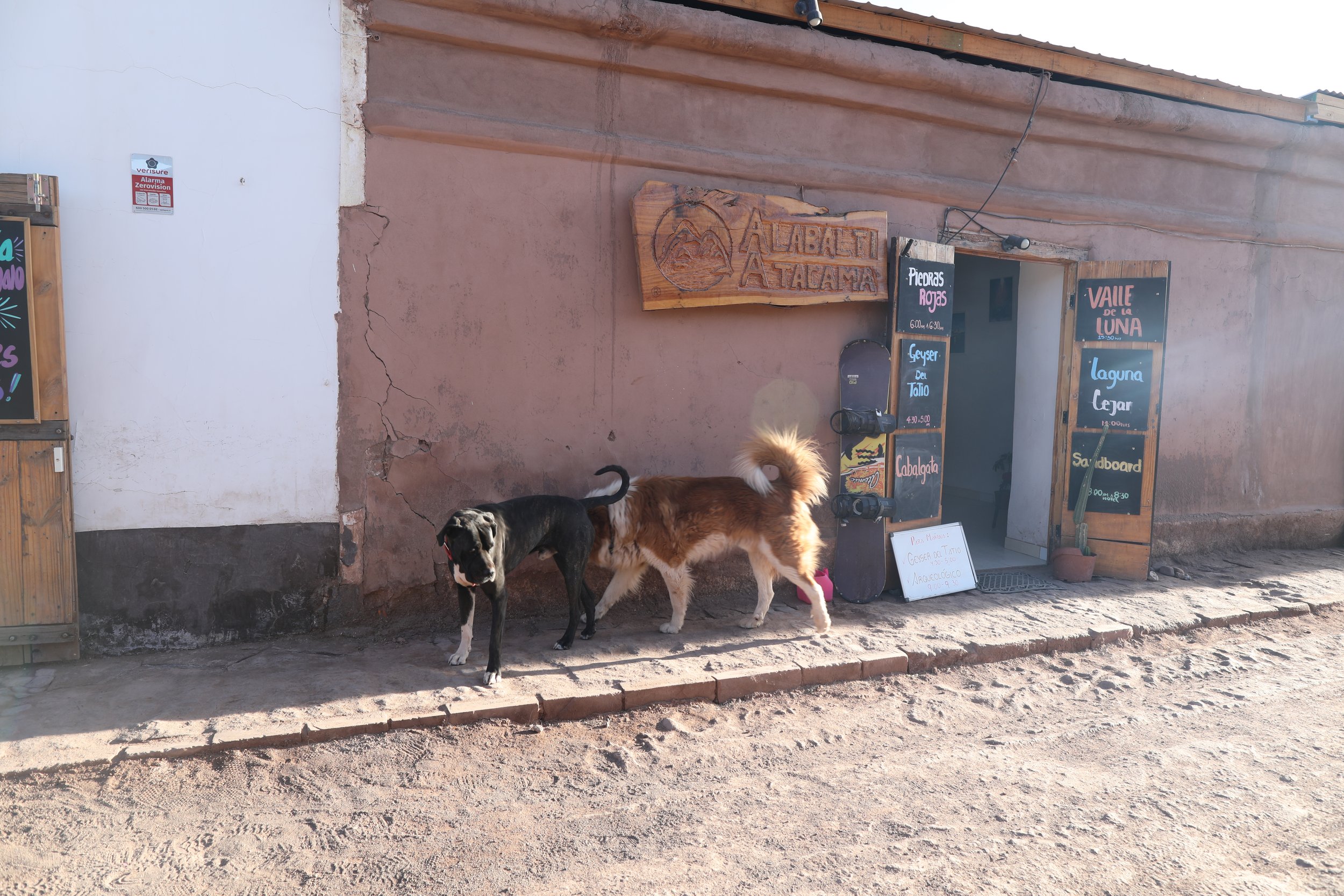
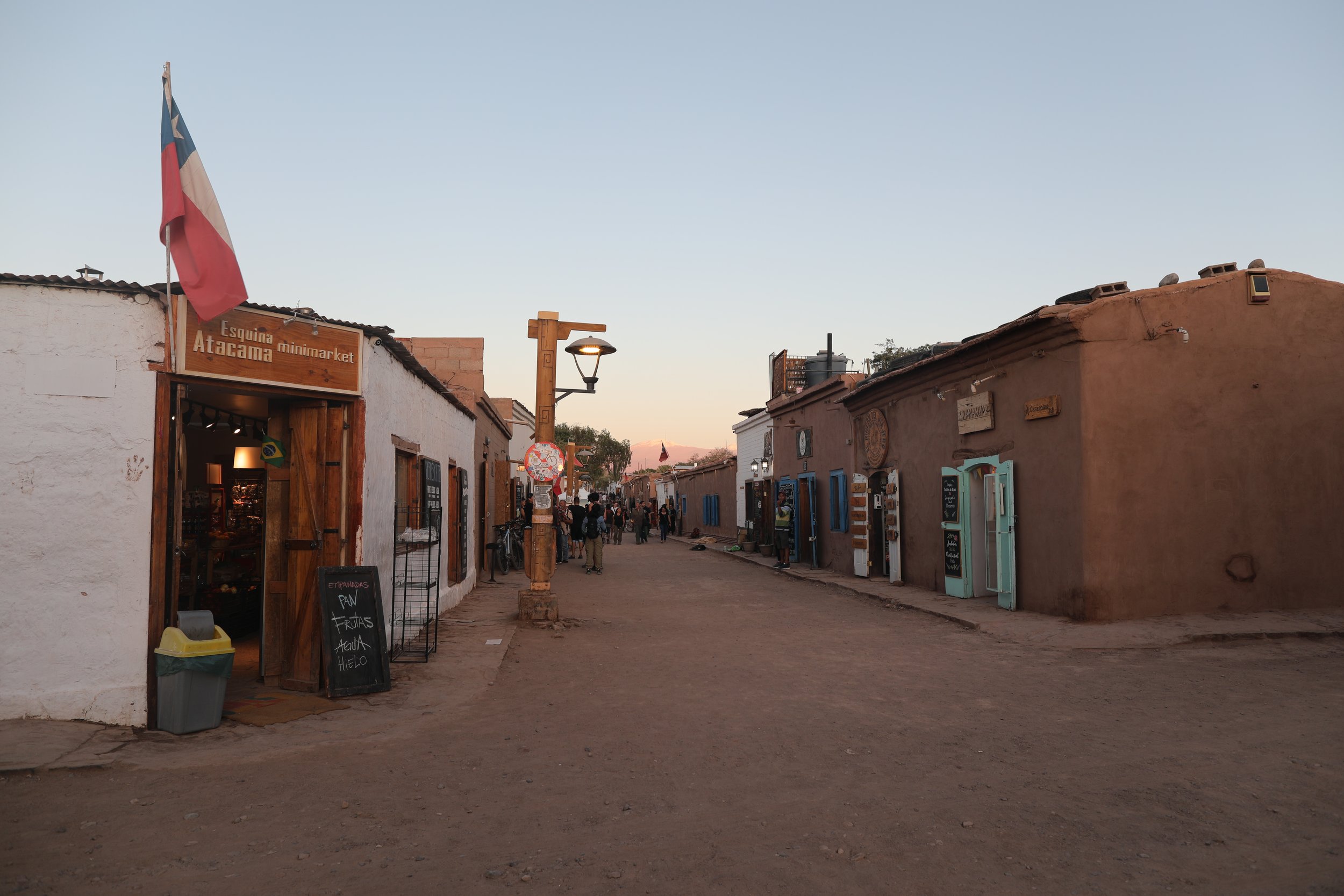
To stay hydrated, we stopped in Rincon de Sal for a local drink of membrillo or quince. A hard fruit that resembles an apple, membrillo is combined with cinnamon and stewed to make a delicious and refreshing juice.
05 | Enjoy Local Fare & Live Music at La Picada del Indio
In the evening, we chose a local spot, one less expensive and touristy than our first meal. Dinner at La Picada del Indio was a great choice and offered seats both inside and out back. Opting for indoor dining, we ordered from the set menu as recommended. It included an appetizer, entree and dessert for $7,000 Chilean pesos or about $8 USD. For our selections, we ordered both mango and melon fruit juice, squash soup, a chicken wrap, two baked chicken dishes with rice and lime green jello with coconut cream topping for dessert.
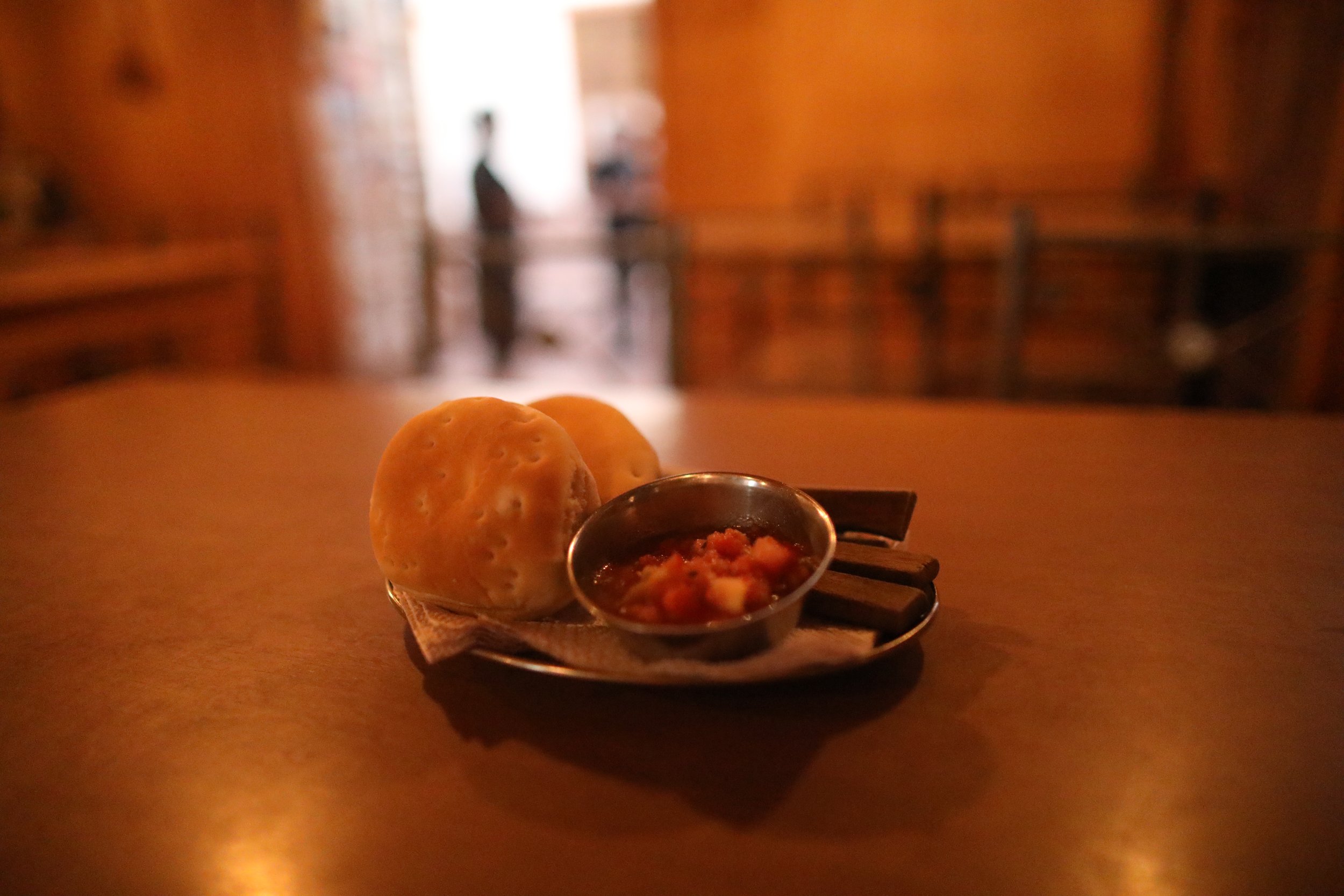
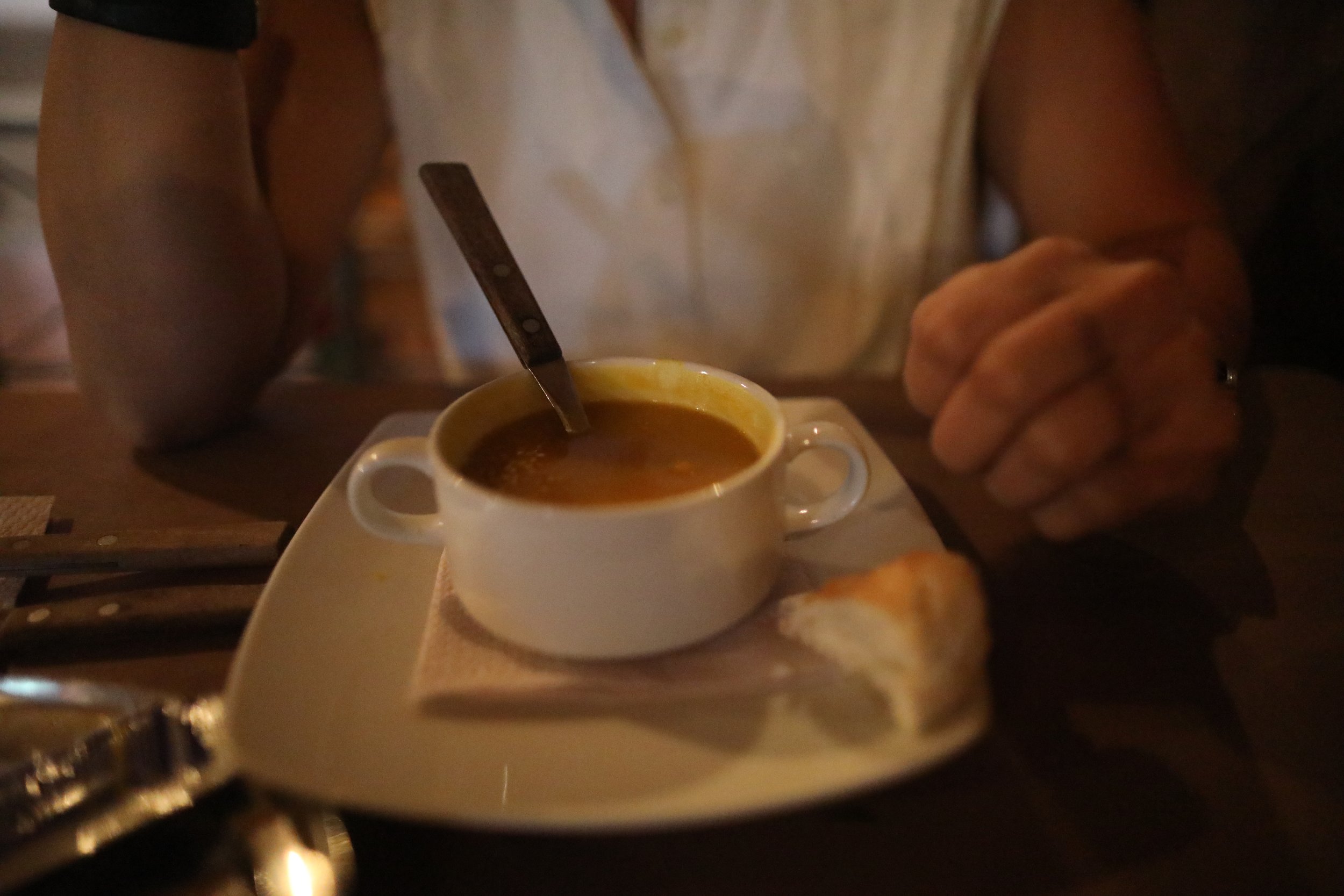
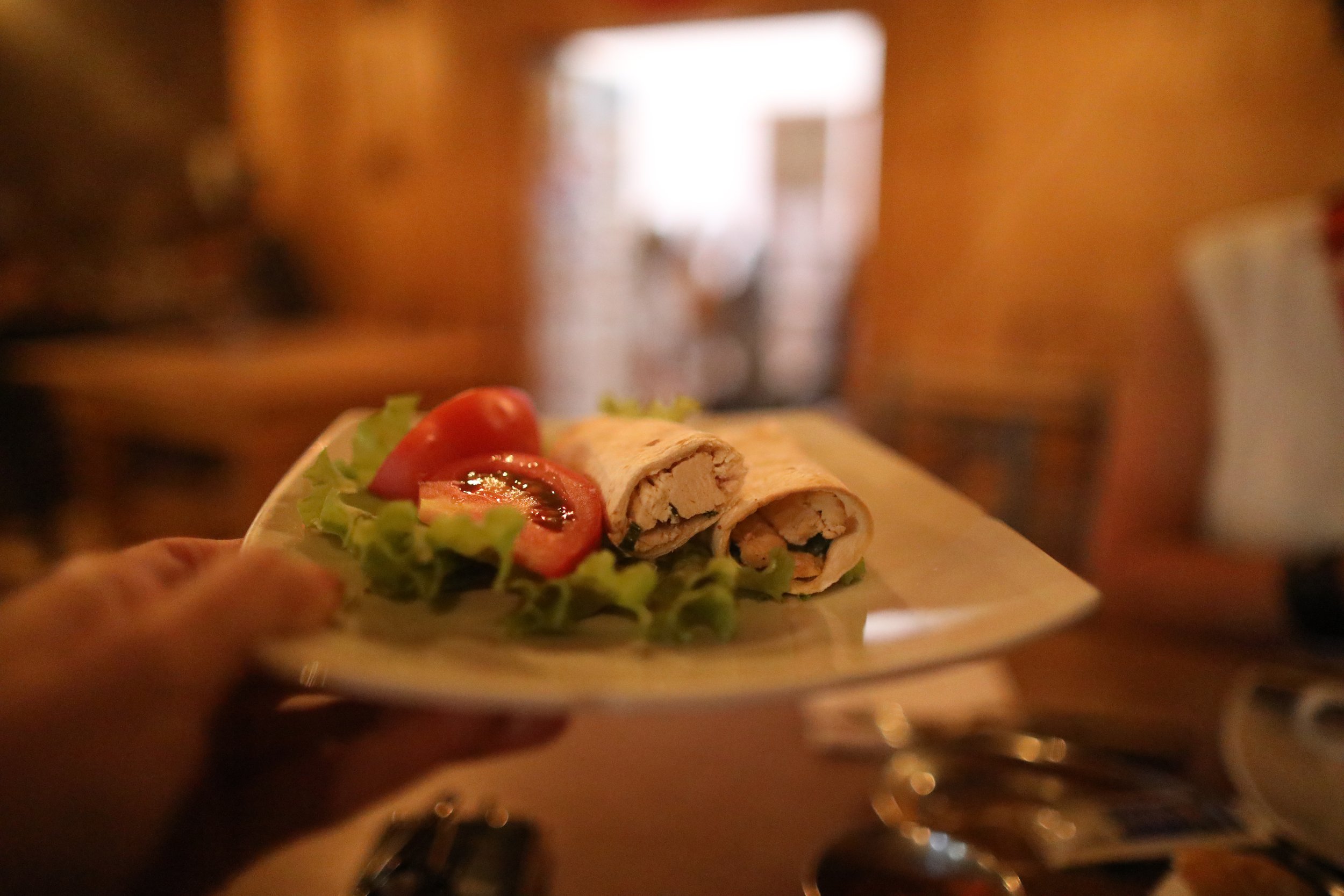
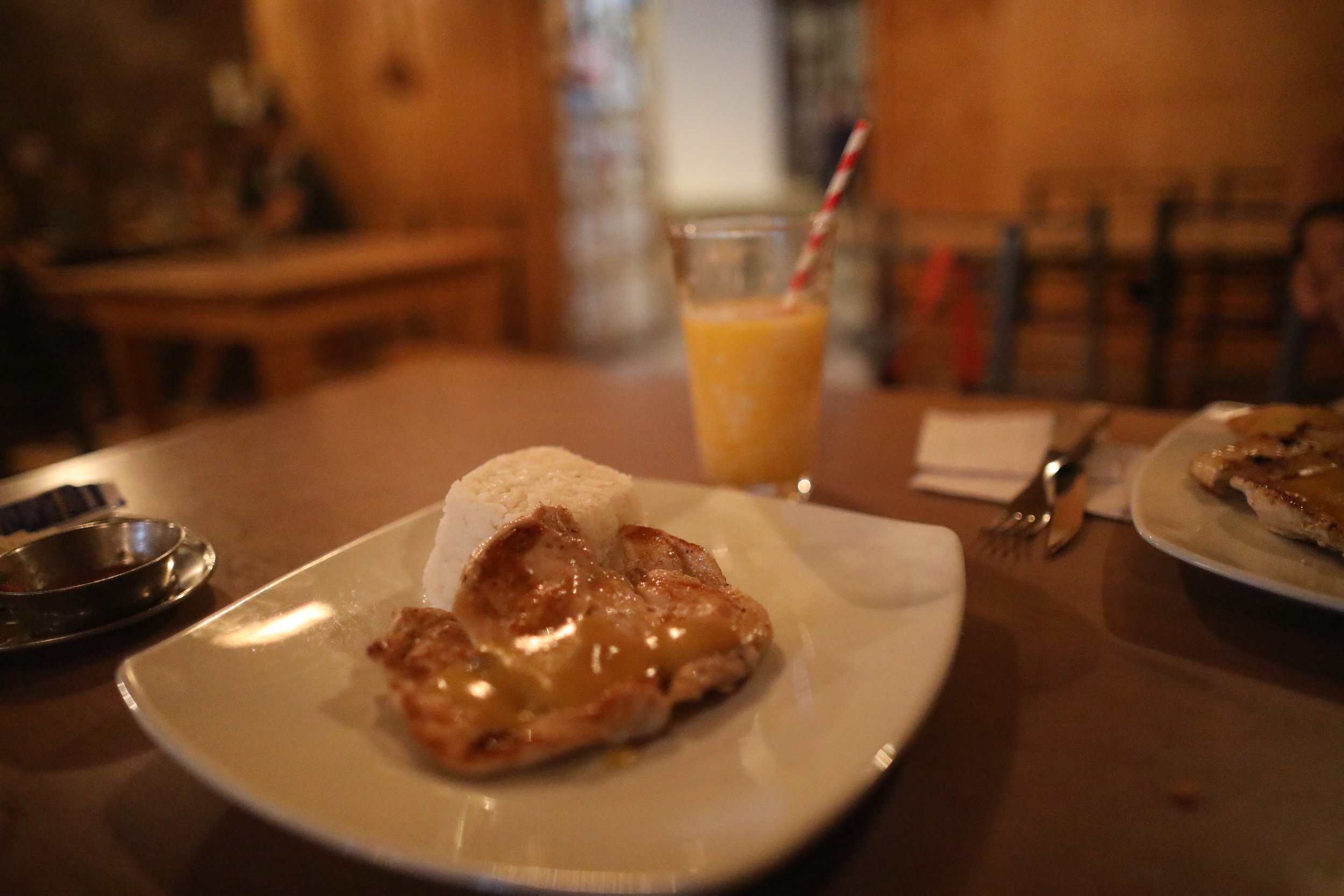
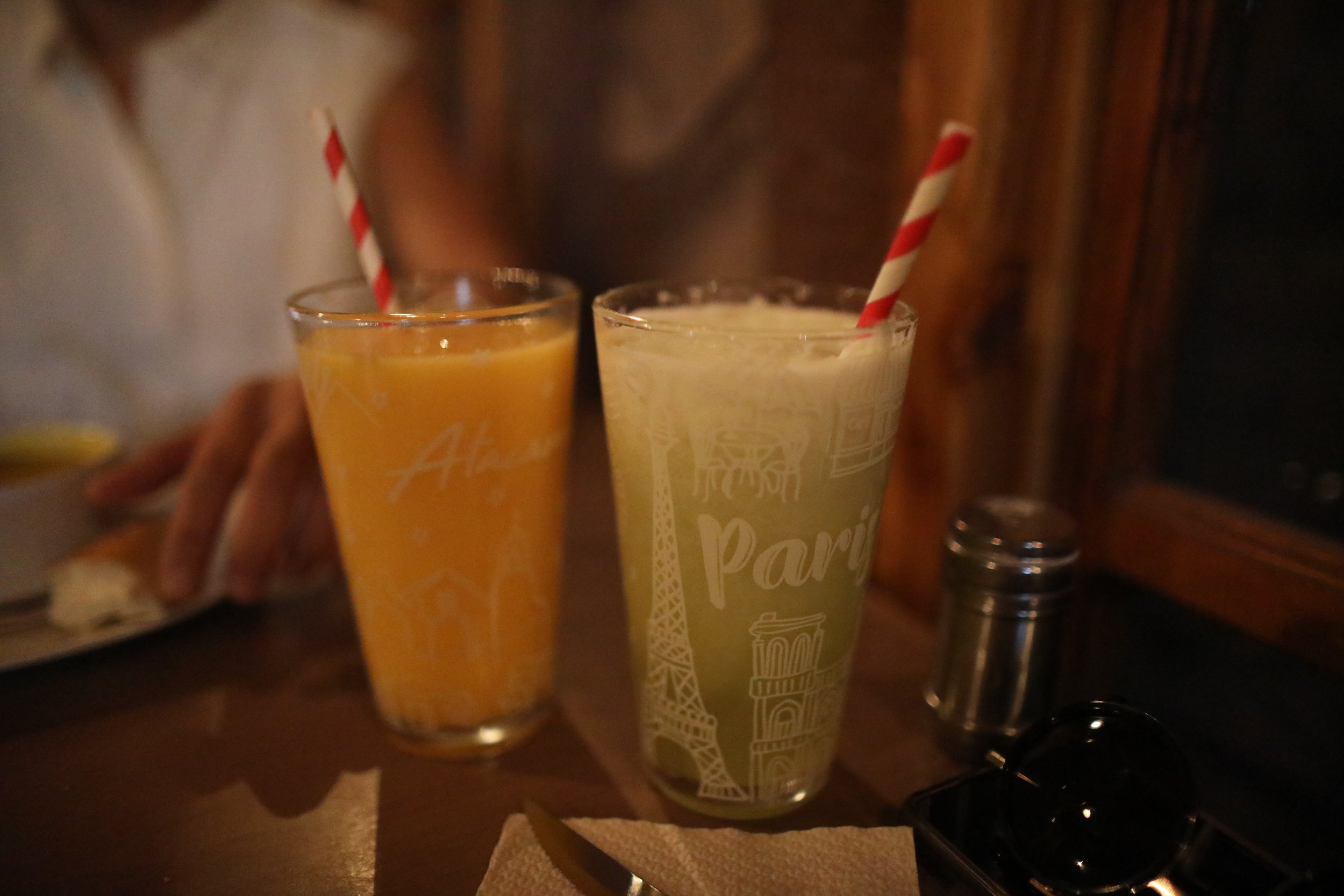
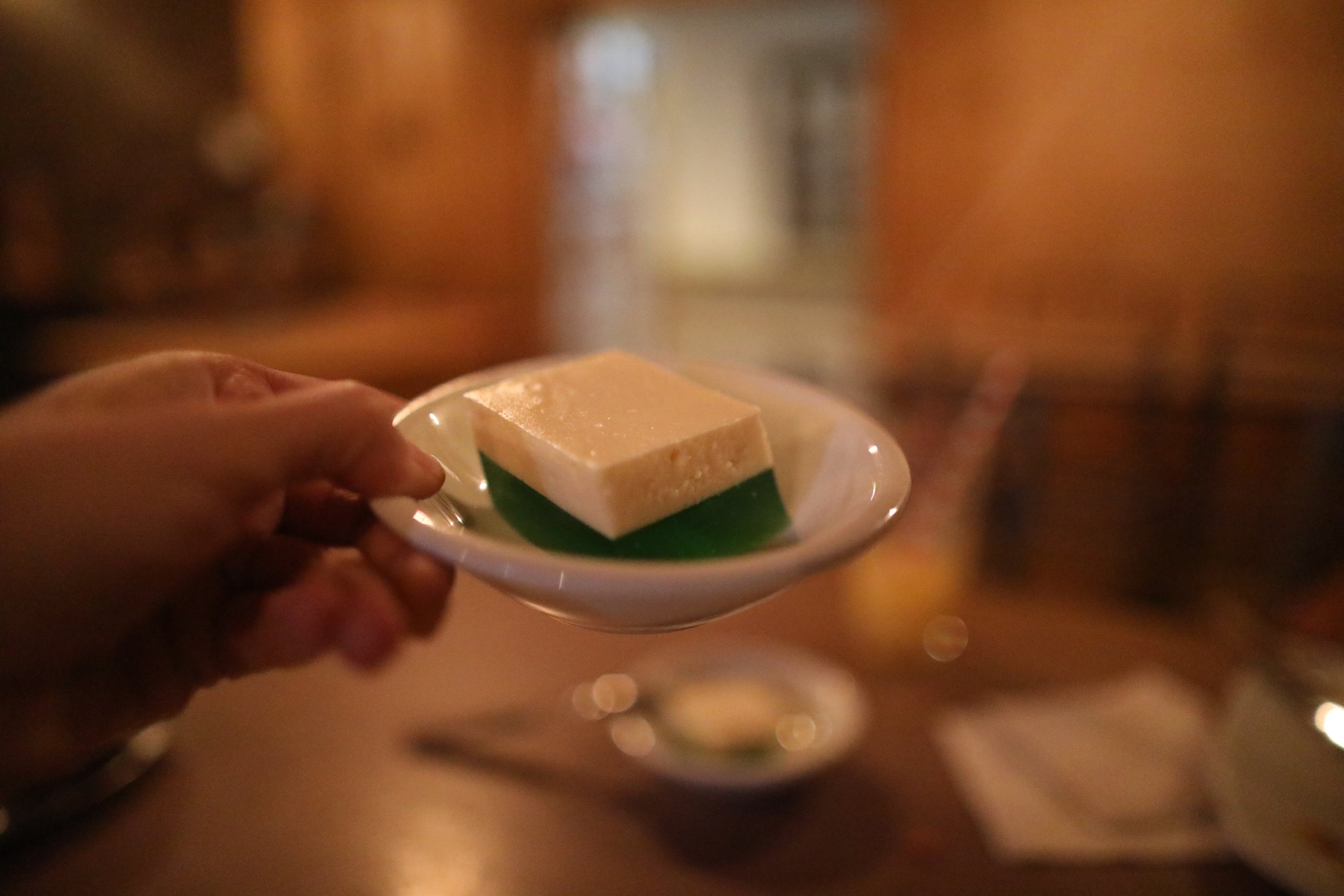
The atmosphere reeked with authenticity, especially as most tables were packed with locals. Halfway through dinner, a few gentlemen came in to entertain the diners with live music. This time, one was on a guitar and the other had a set of small pipes sounding similar to a flute. Feeling lucky, these live performances were something I could get used to. Just make sure you don’t forget to tip the performers on your way out.
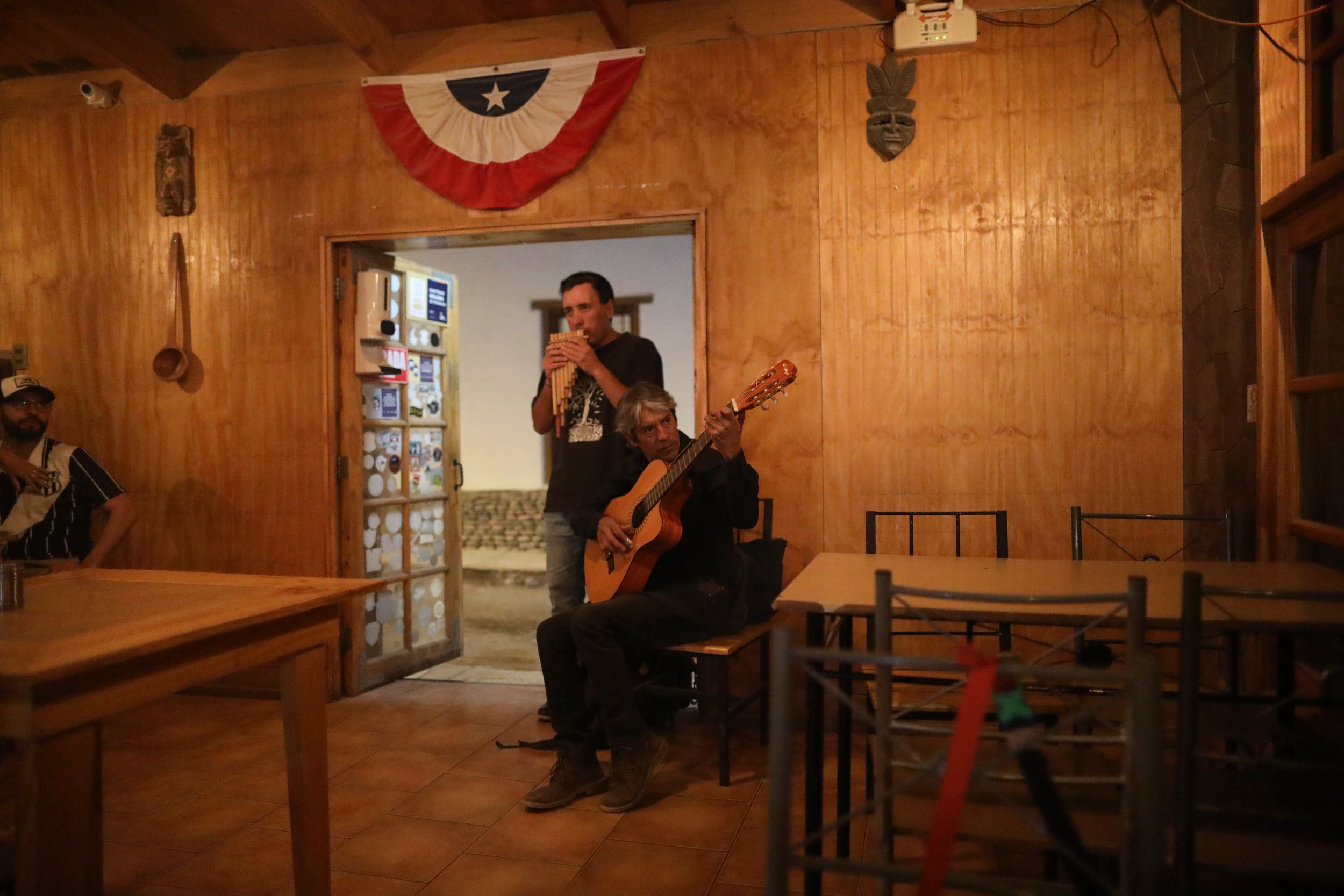
After enjoying a modest but delicious dinner along with the live entertainment, it was time to get some rest for the busy day ahead. In the morning, we’d be exploring nearby sights like Laguna Chaxa, Piedras Rojas and Altiplanic Lagoons.
06 | Indulge Like Locals at Ckunza Tilar
After an incredible tour, we were dropped at the town center. Though tough finding exactly what we wanted without any cell service, we landed on Ckunza Tilar, another local spot but this time, a bit more hip. Dining outside, our eyes were larger than our bellies and we ordered nearly half the menu. It also didn’t help that portion sizes were massive.
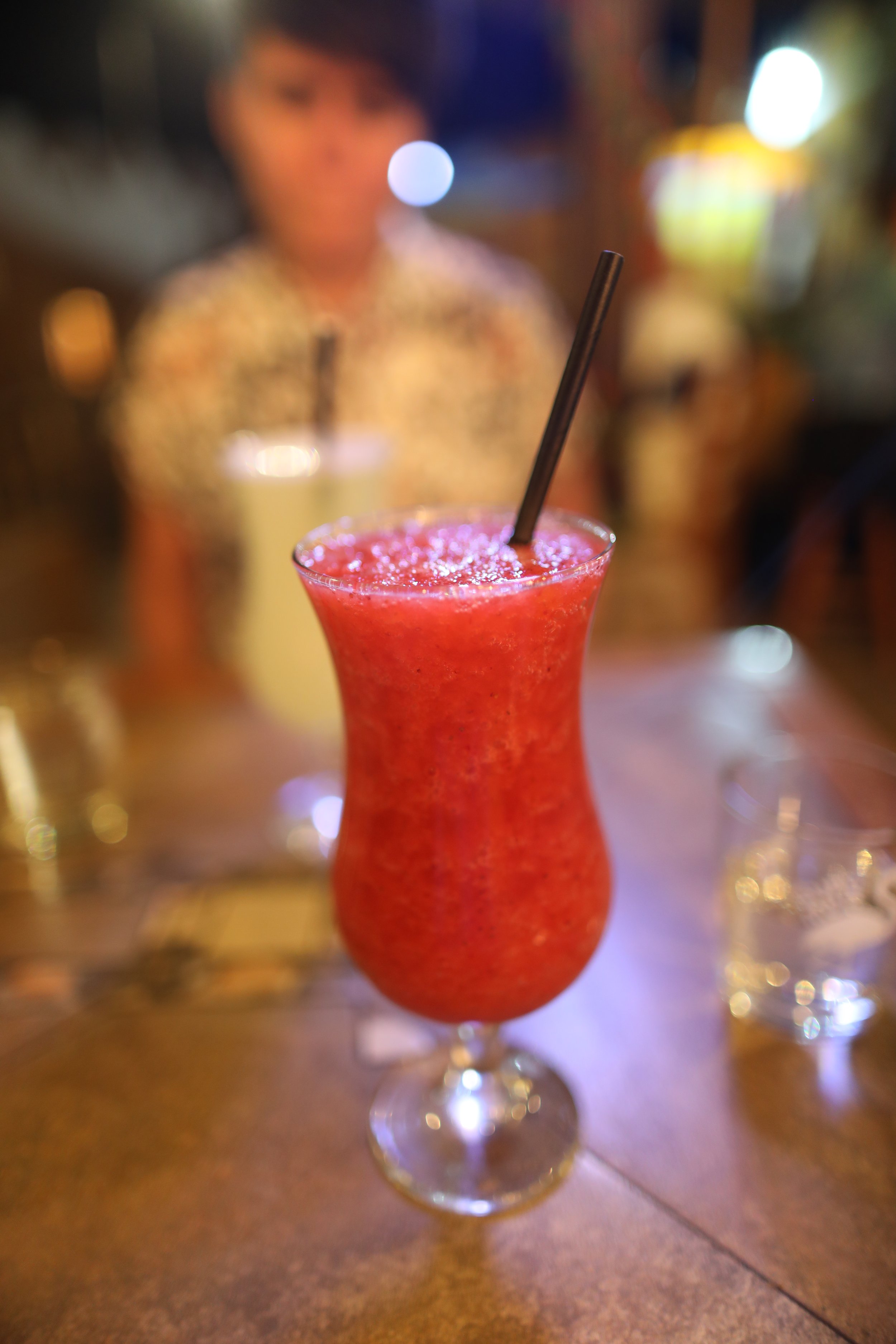
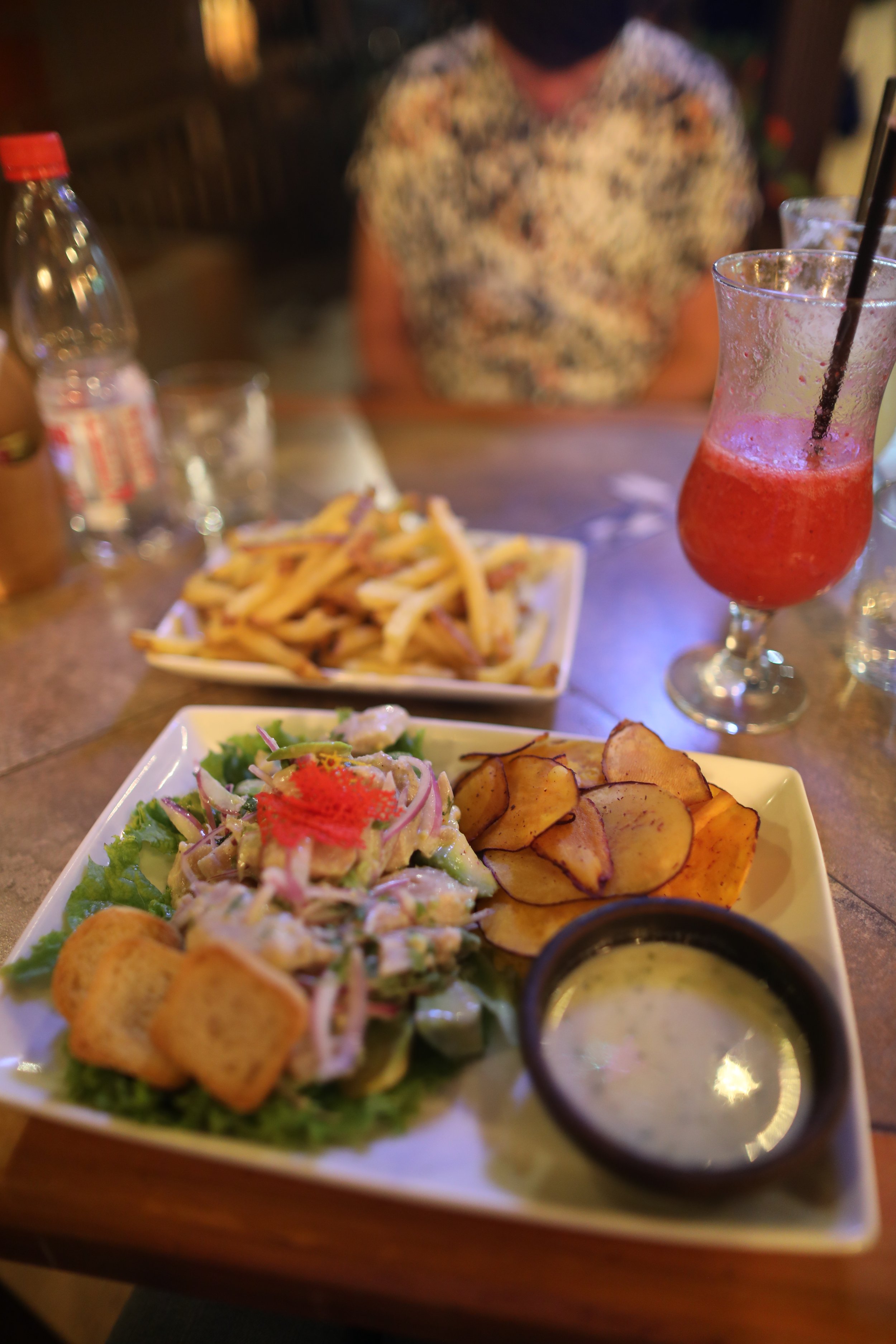
First up were our drinks, fruitilla juice (strawberry) and a bitter ginger lemonade. To eat, a super limey ceviche made with white fish, red onion and avocado, a side of french fries and mixed salad of heart of palm, olives, red onion and avocado. And finally, a traditional dish of steak and potato.
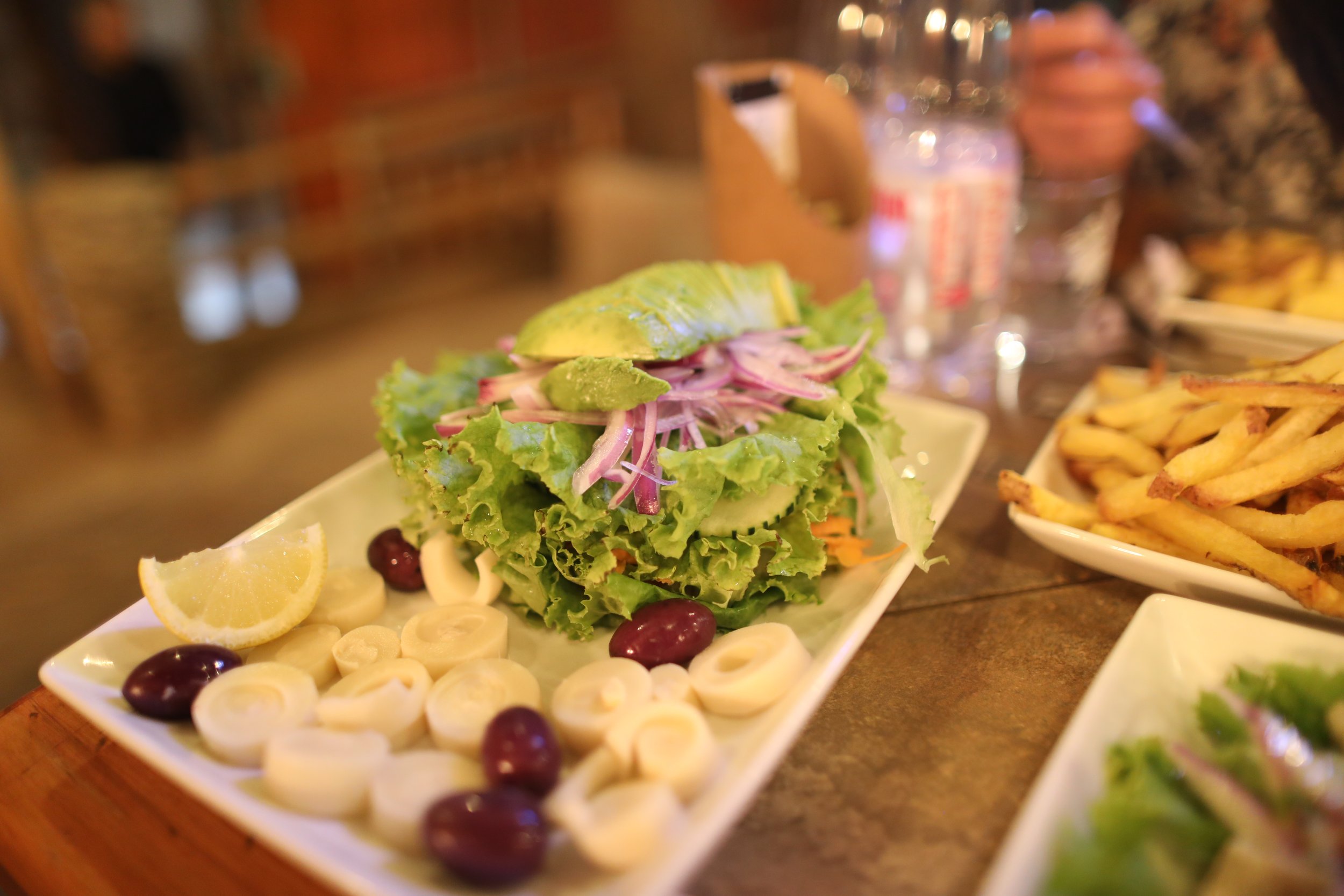
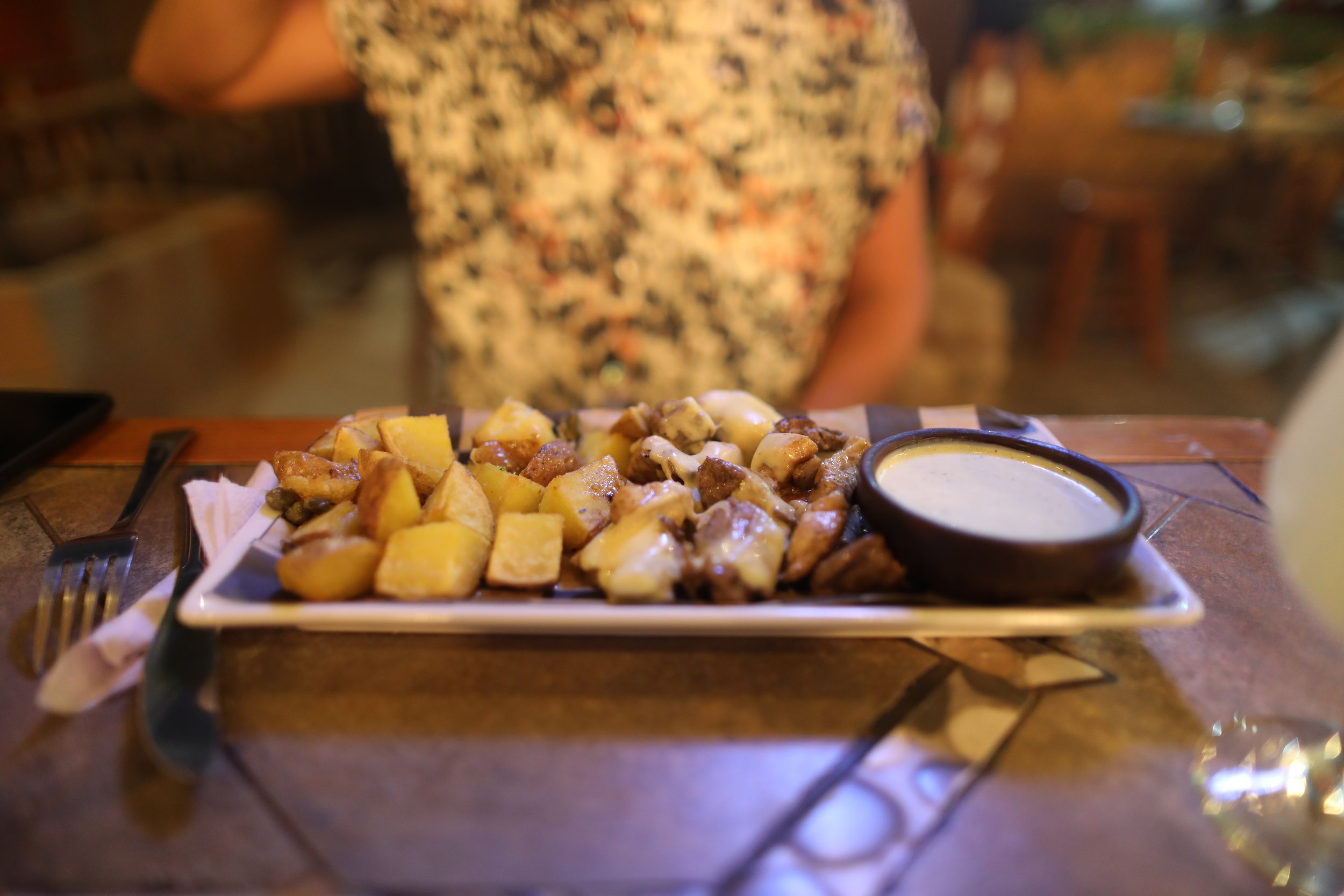
Everything was so tasty and exactly what we needed. Still, we couldn’t help ourselves and ended up at Heladería Babalú for dessert. There were so many incredible flavors that we’d never heard of so trying as many samples as possible felt absolutely necessary.
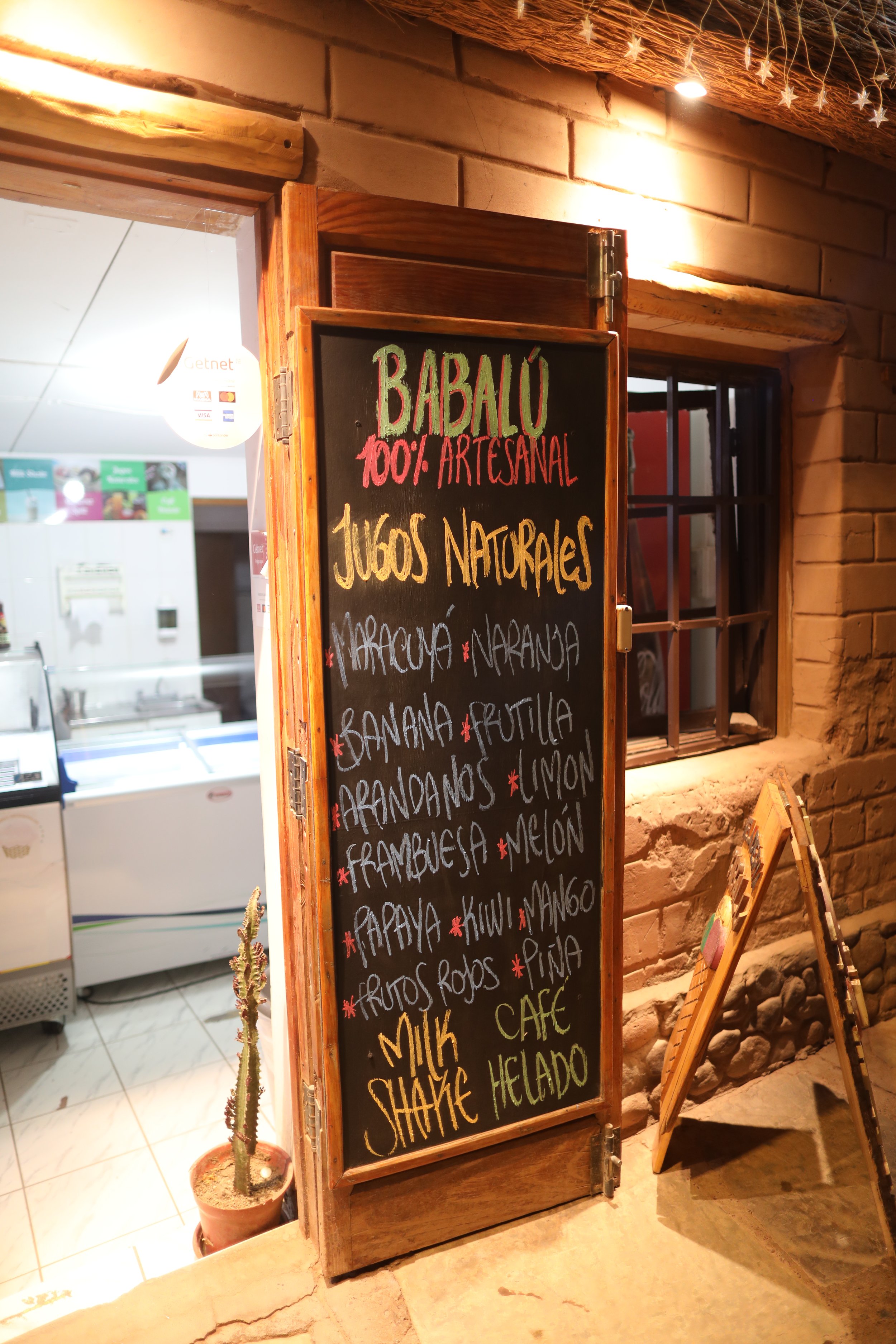
With a handful of traditional flavors and even more unique ones like pisco sour, adenium obesum (desert flower) and green apple, the selections were right up my alley. After selecting two flavors each, we were on our way, enjoying our sweet treat as we walked off our dinner.
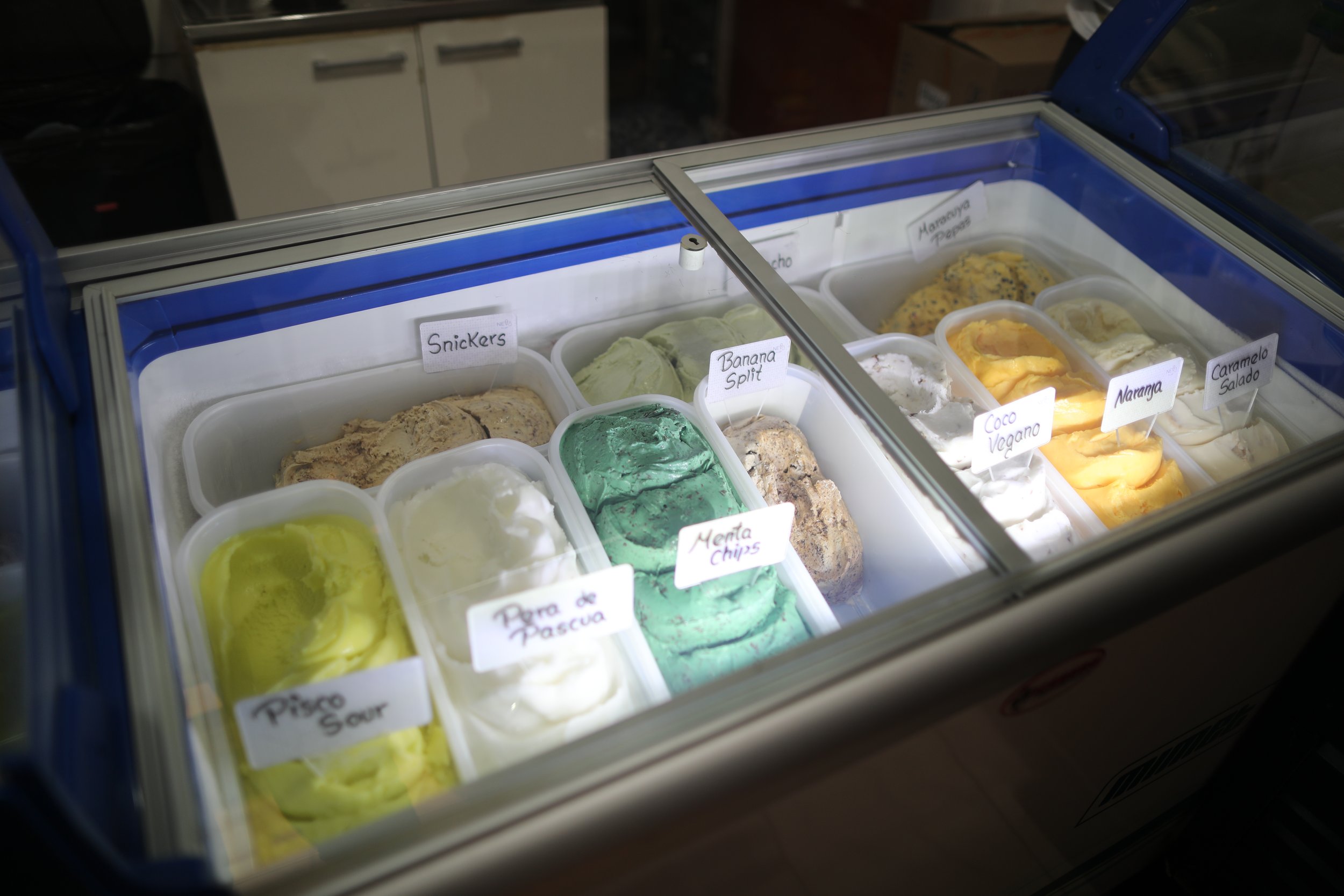
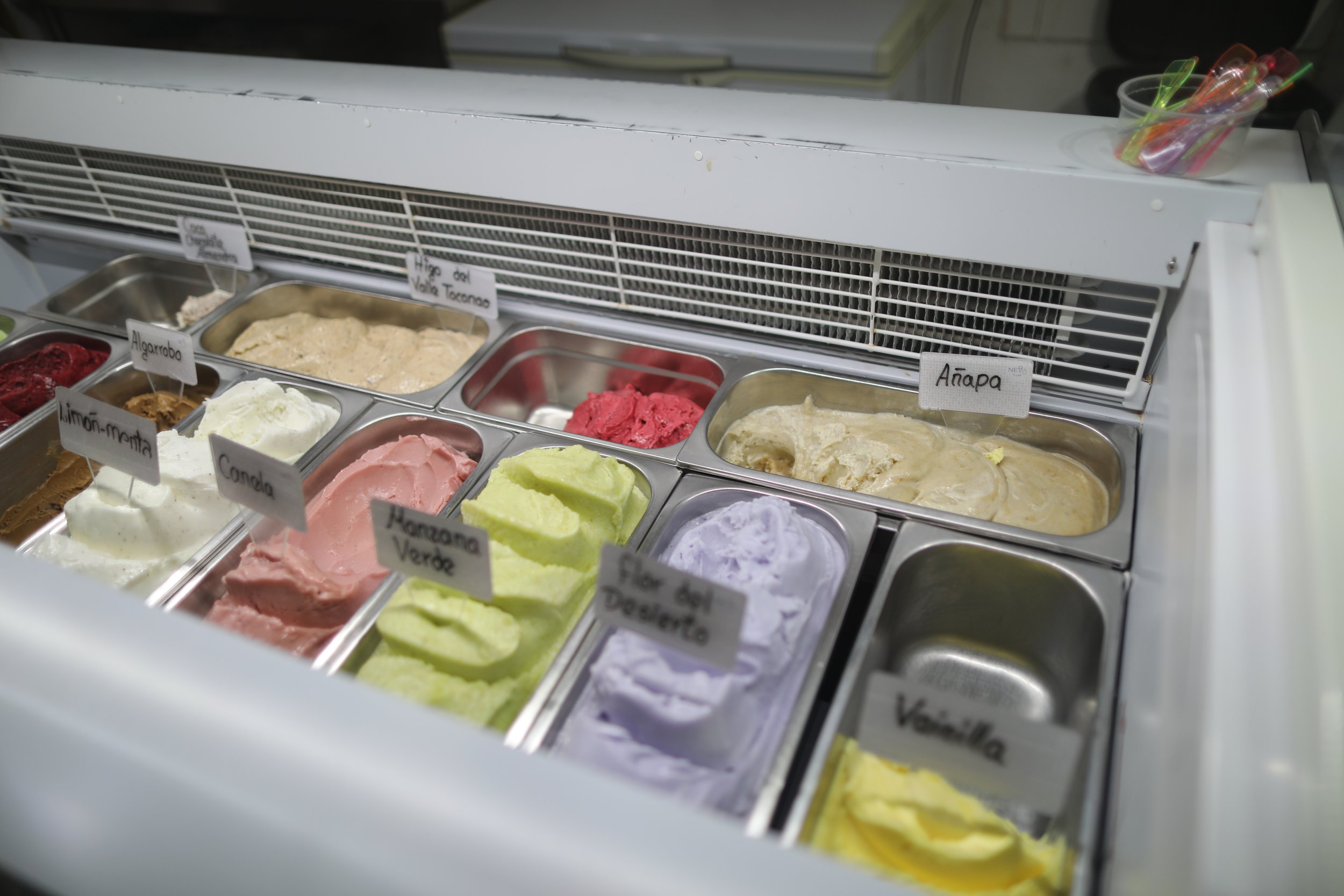
In the early morning hours, we’d venture off to El Tatio Geysers, the third-largest geyser field in the world. A very special excursion, we couldn’t wait to see what was in store for us and prepped our cold weather gear for the chilly experience.
07 | Fight Fire with Fire (& Home Cooking)
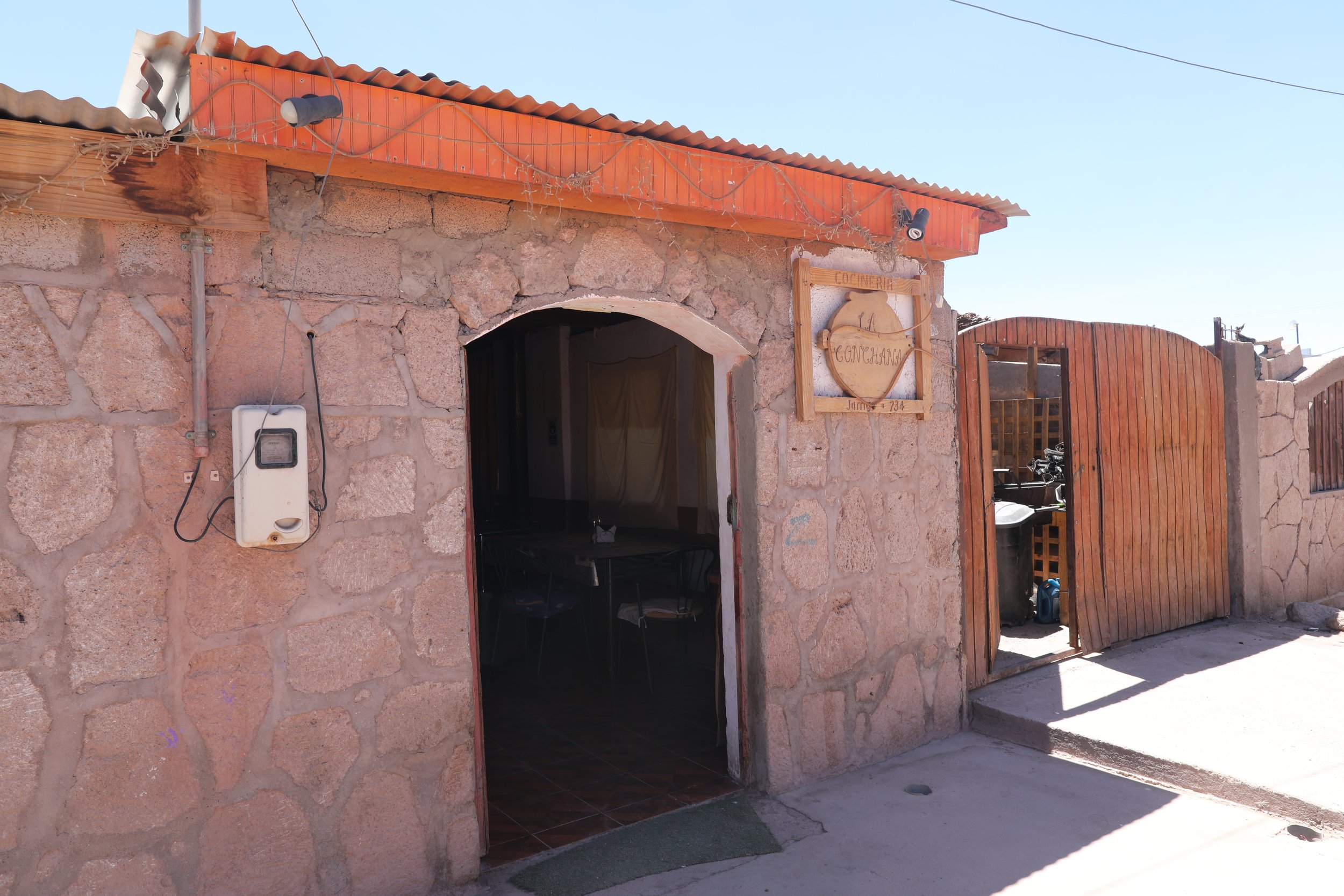
Returning just before lunchtime from the incredible geyser tour and with the afternoon off, we spent a few hours at the pool, lazily napping and indulging in the sun. Once hungry, we made our way over to another local spot called La Conchana. Truly authentic, this place was set in a small hut-like building where we grabbed seats outside on the covered patio.
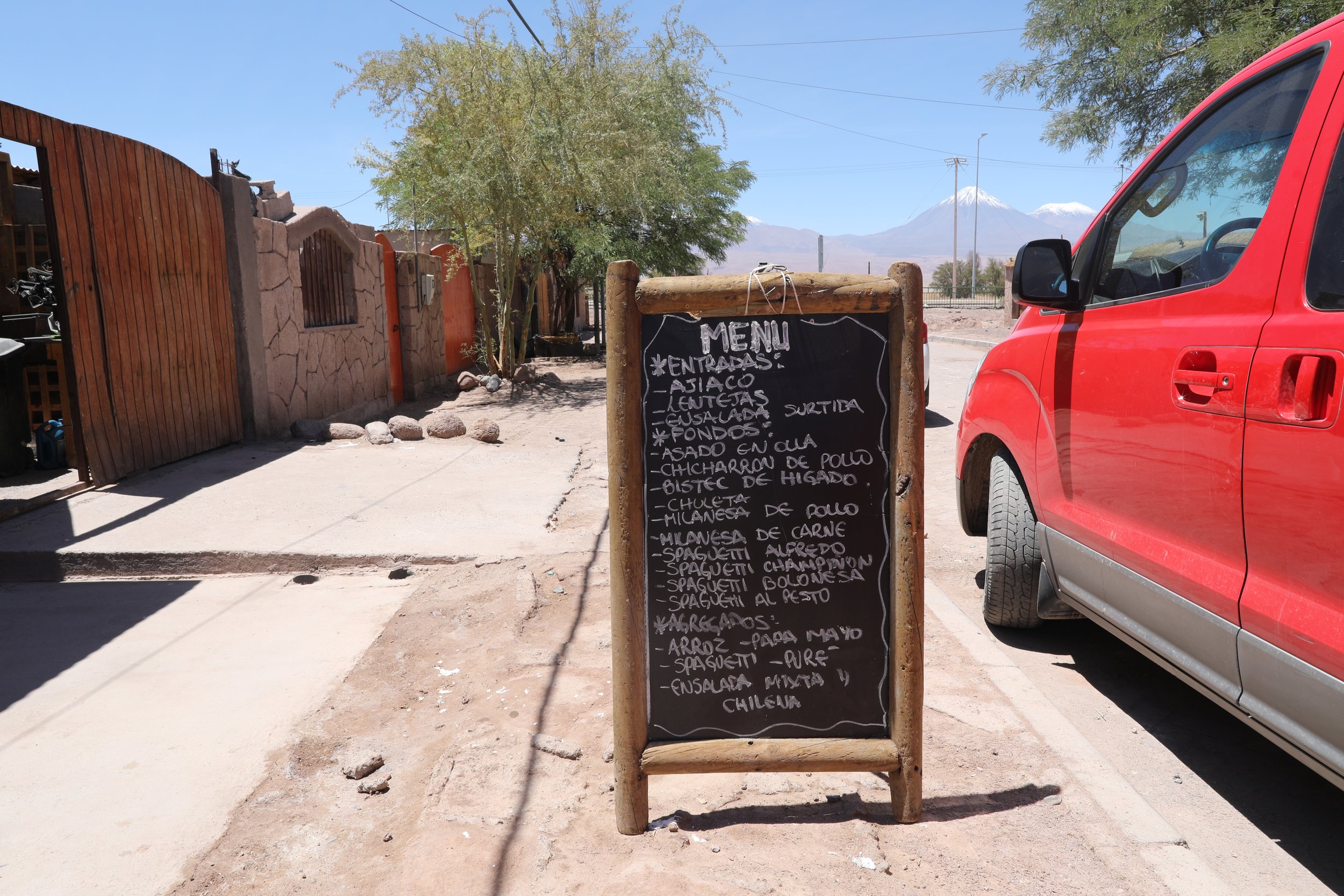
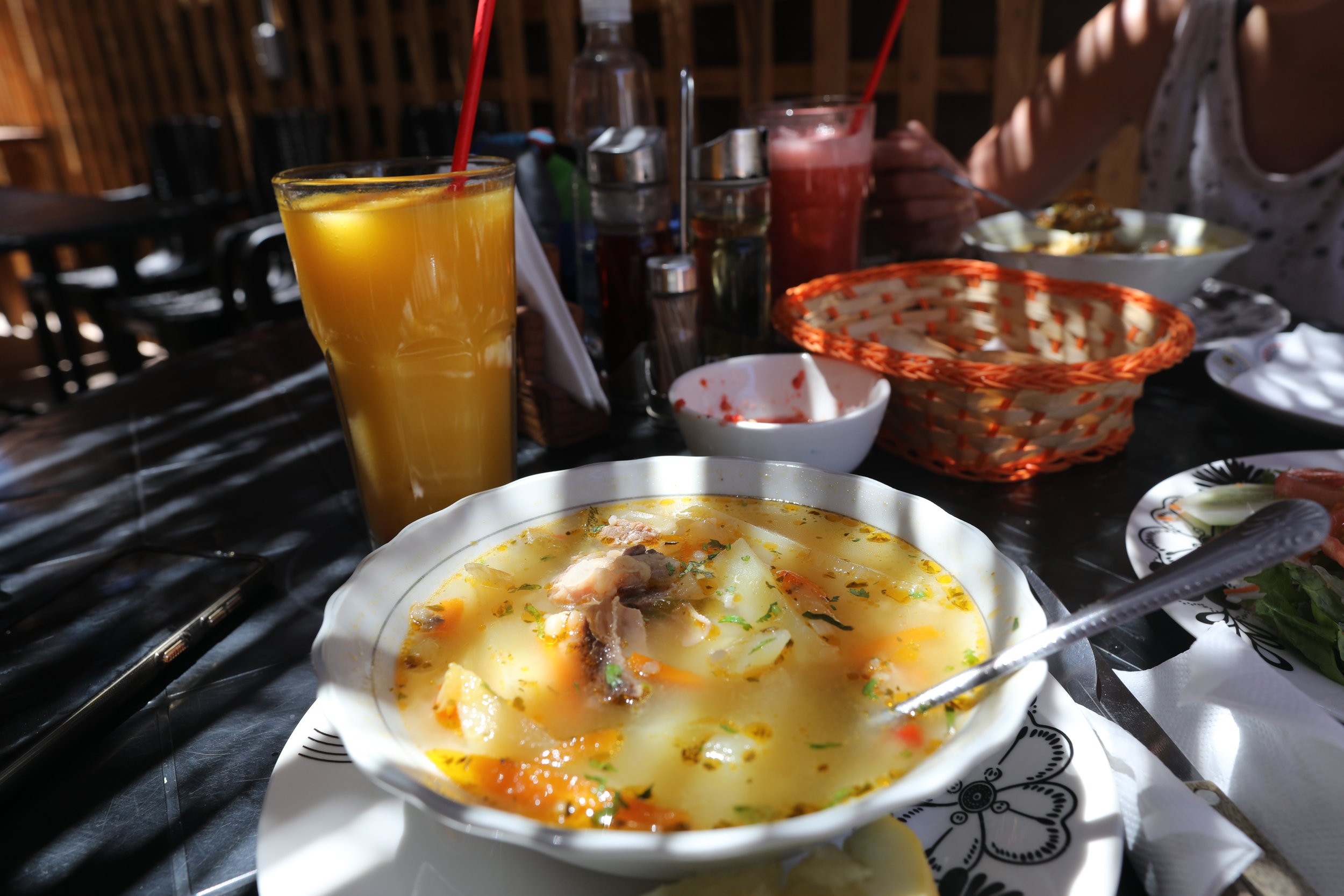
From the small daily menu we selected our order, learning that a few items had already sold out for the day. I chose mango juice and a clear soup with pork, potatoes, squash, onion, rice and carrot, along with a side salad. The soup was delicious, even on a hot day and tasted extra yummy with a squeeze of lemon.
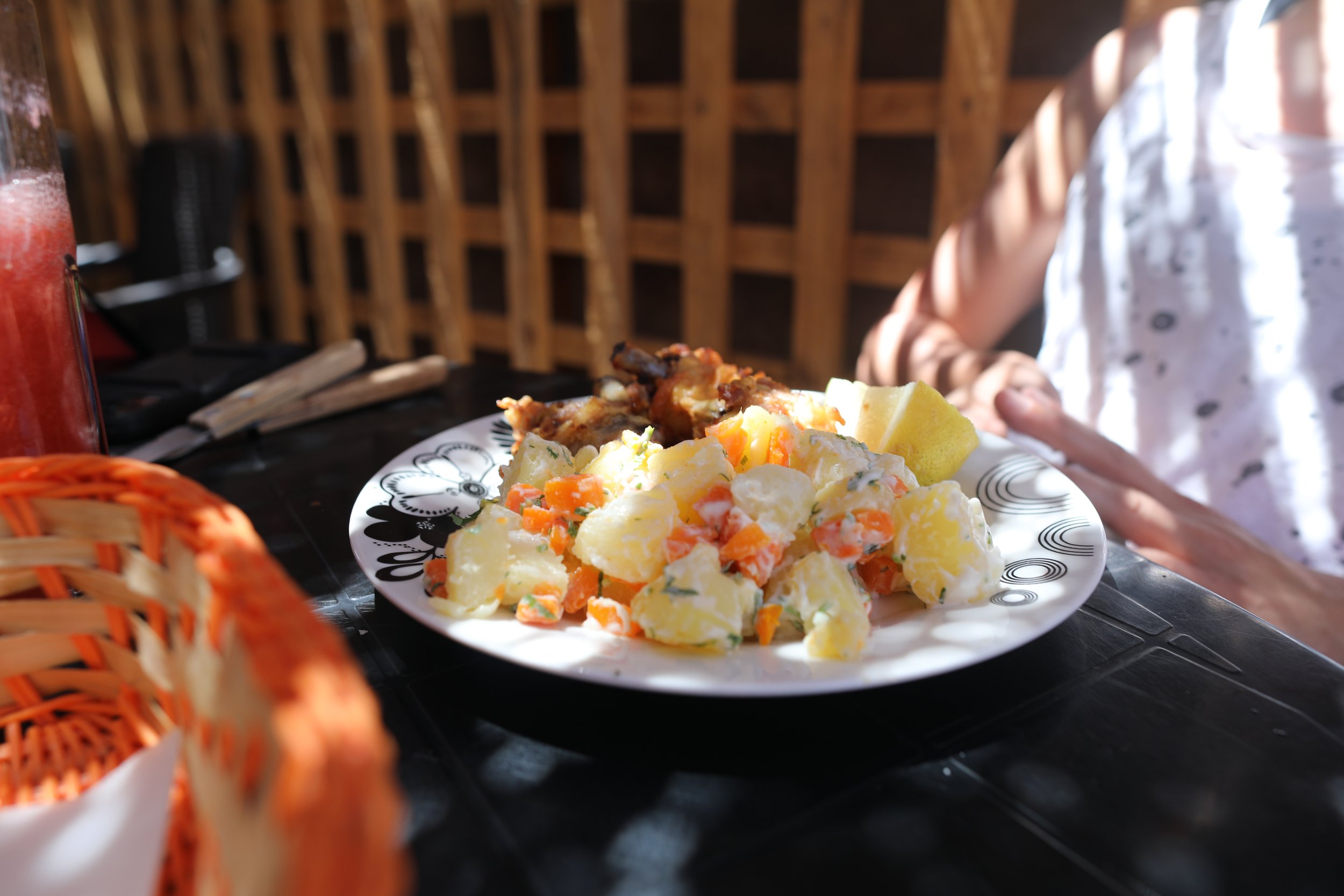
My partner ordered a soup filled with lentils, which was also delicious, and chicharron, or fried pork belly. The entire meal was fantastic and felt like we were being hosted at home in someone’s kitchen the whole time.
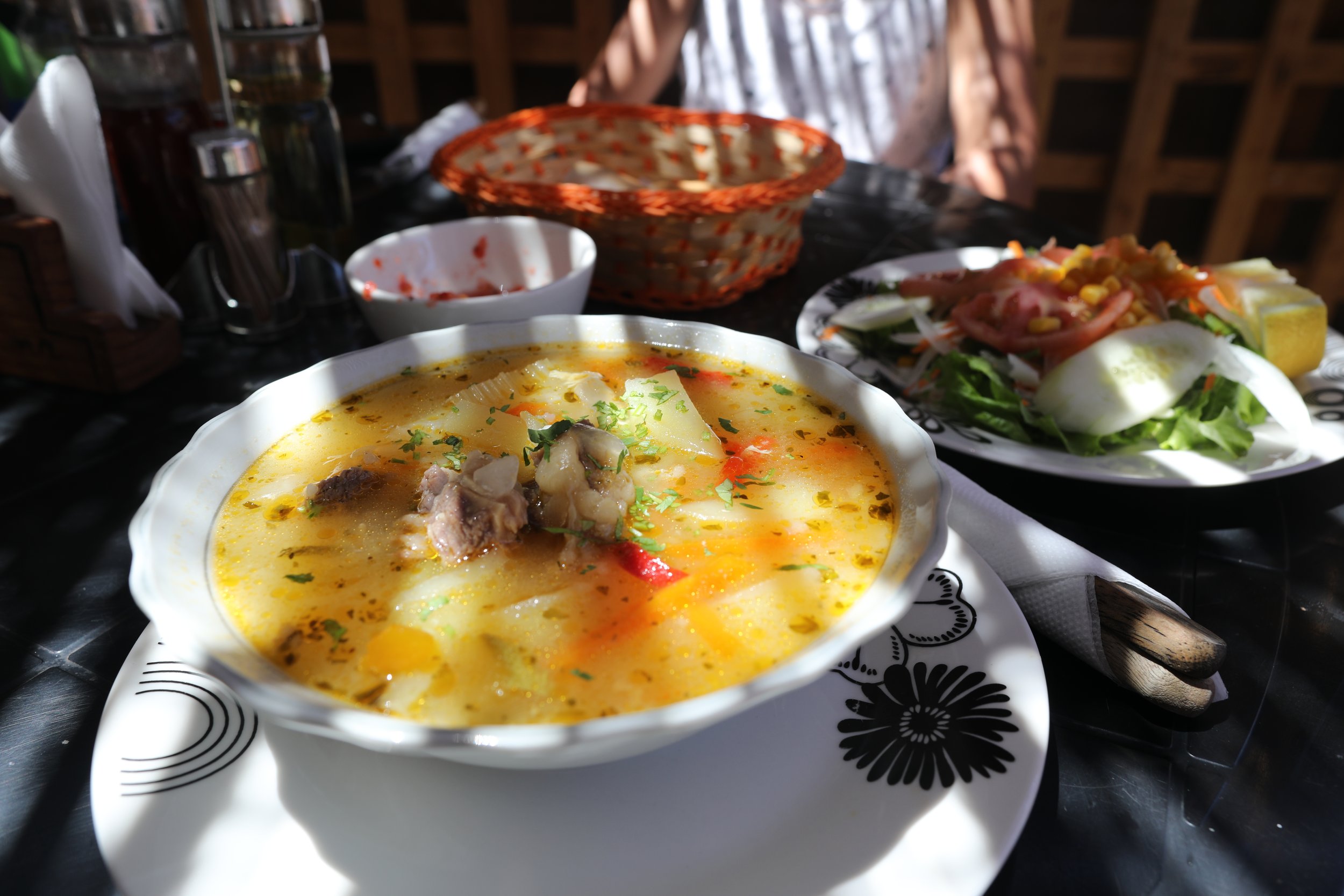
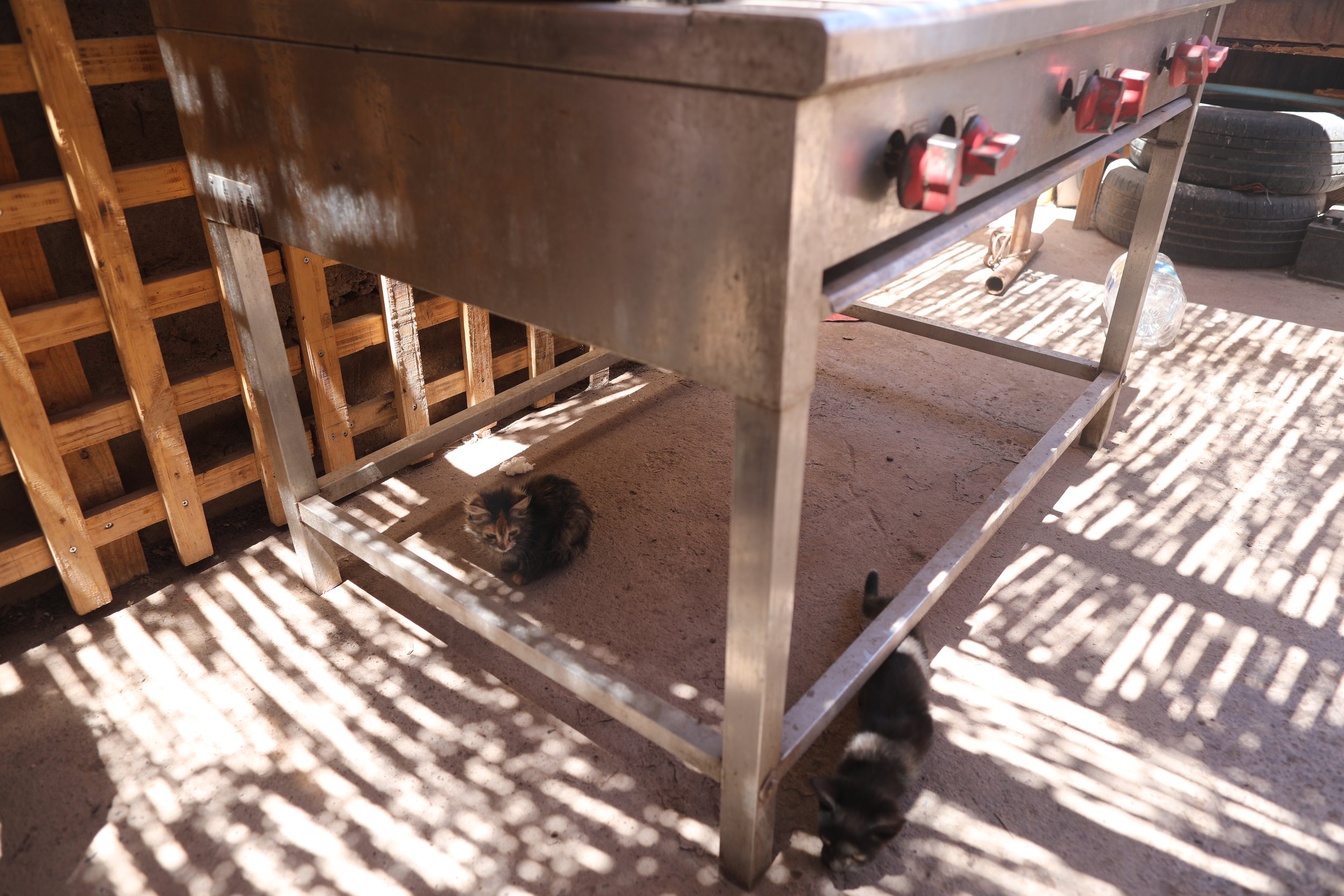
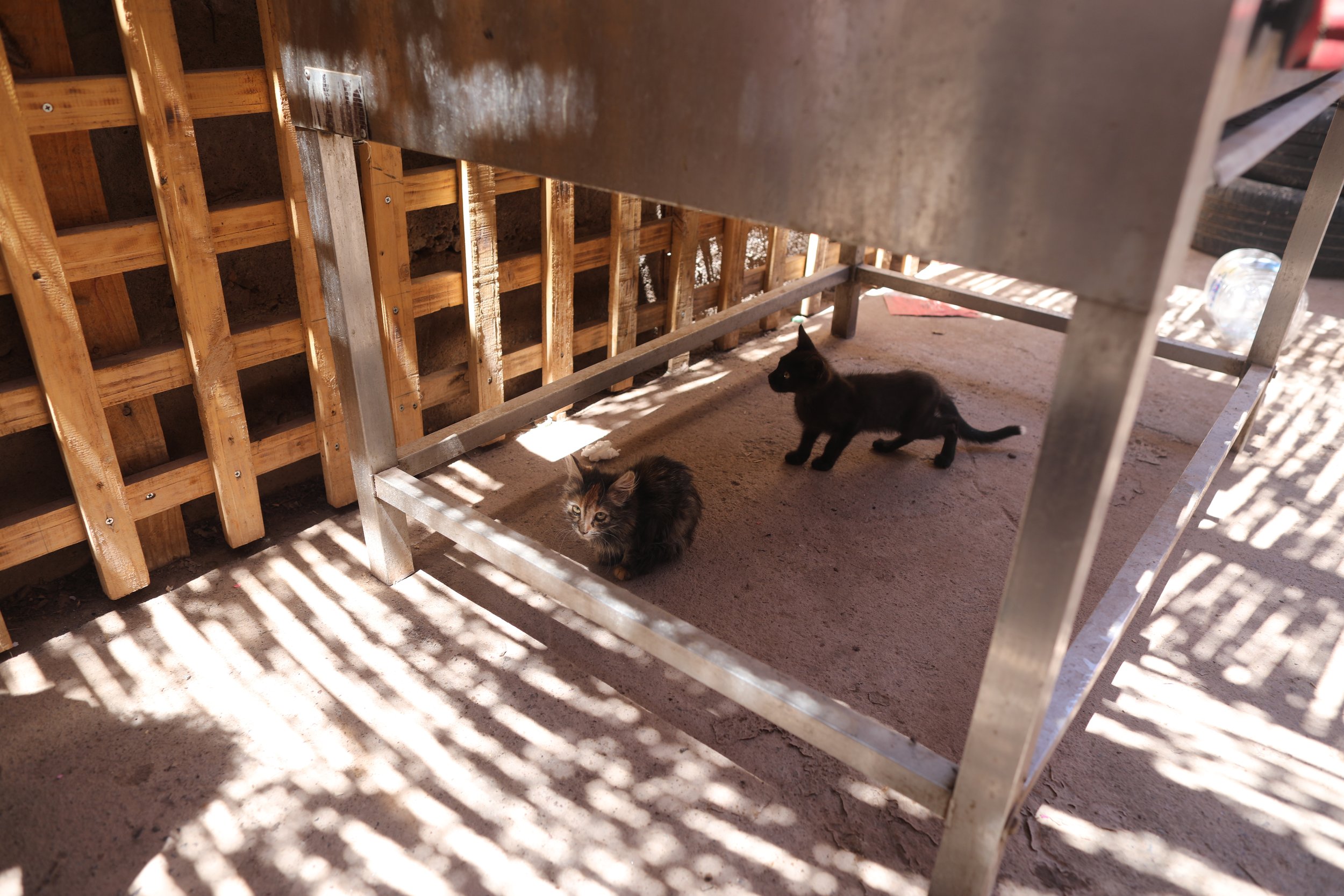
While we ate, there were two tiny kittens playing below our table. Obviously innocent and hungry, it was hard to take my eyes off them even though they were a bit scruffy.
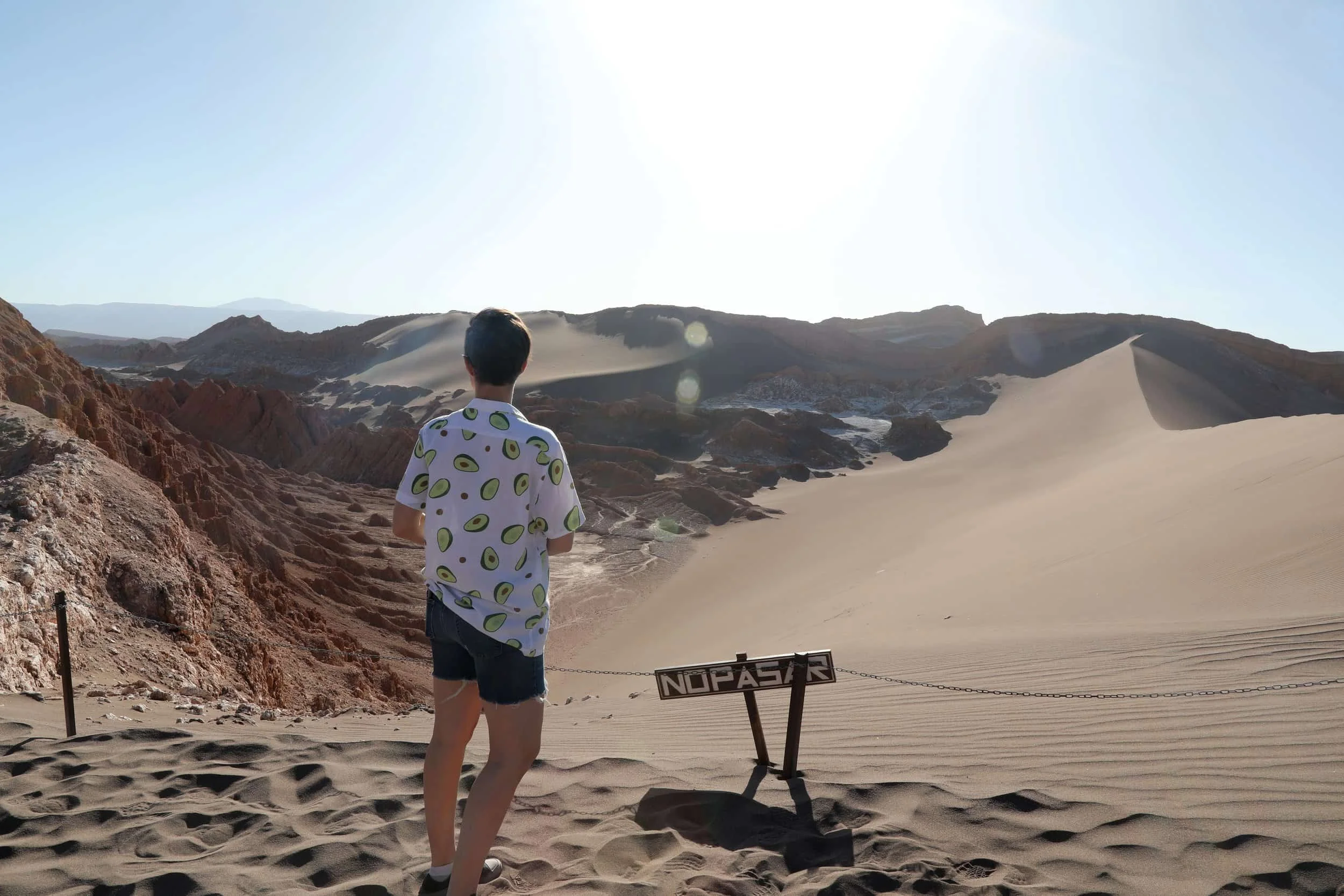
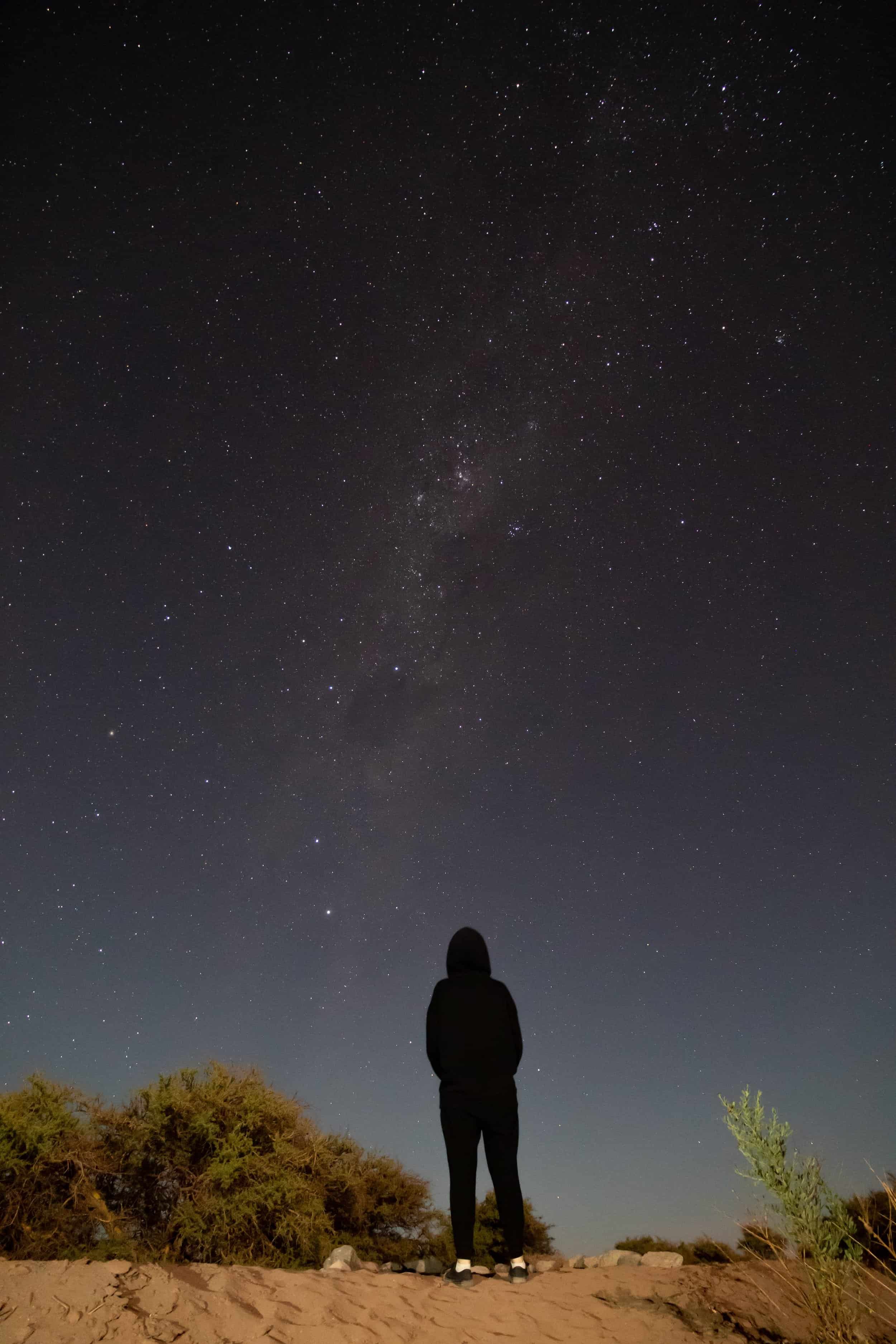
Rushing back to our hotel, we joined our tour to Valle de la Luna just in time. Known as Valley of the Moon, we’d explore its moonlike landscape of dunes, rugged mountains and distinctive rock formations. After that fascinating experience, we’d nap and head out after dark to stargaze in the Atacama Desert.
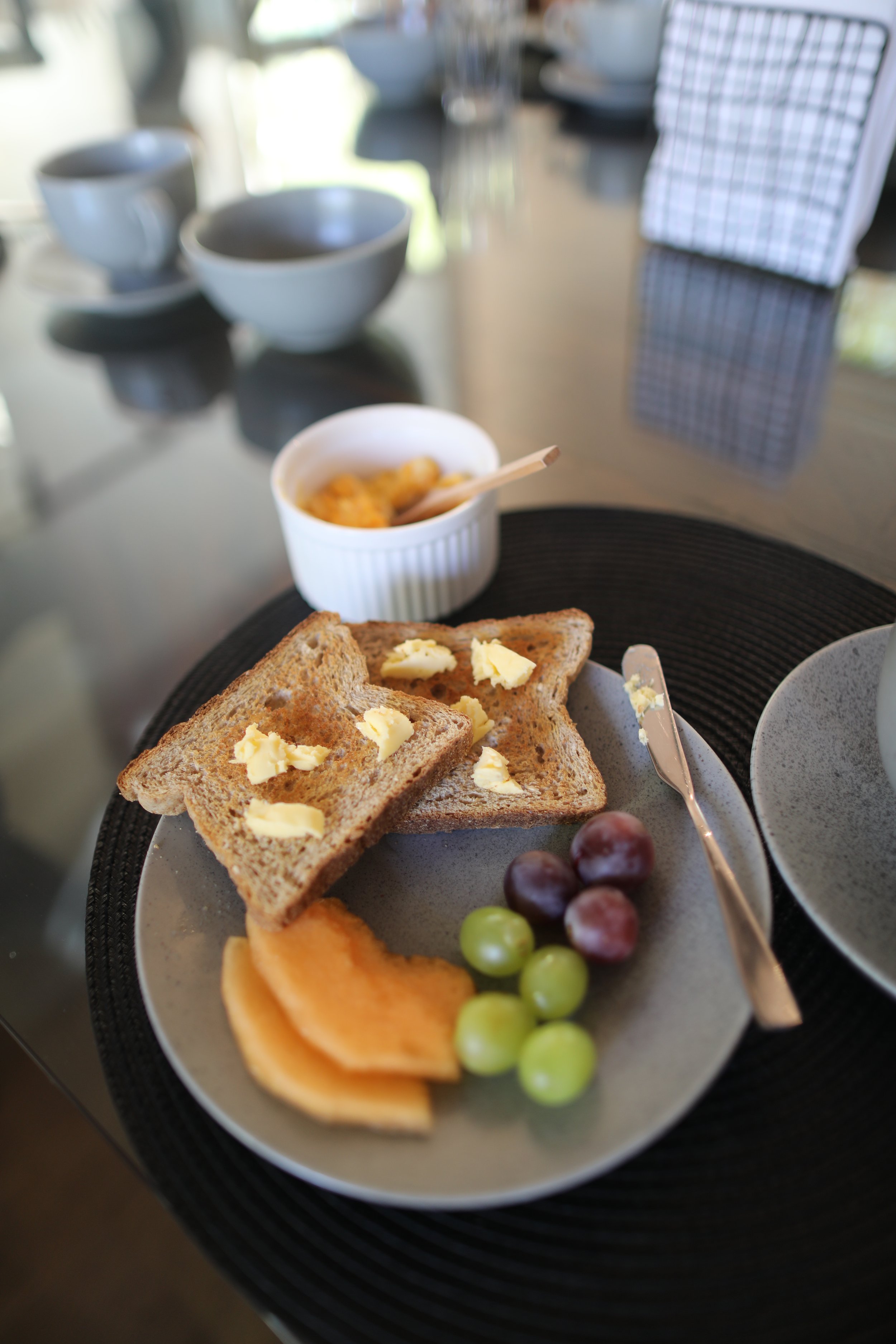
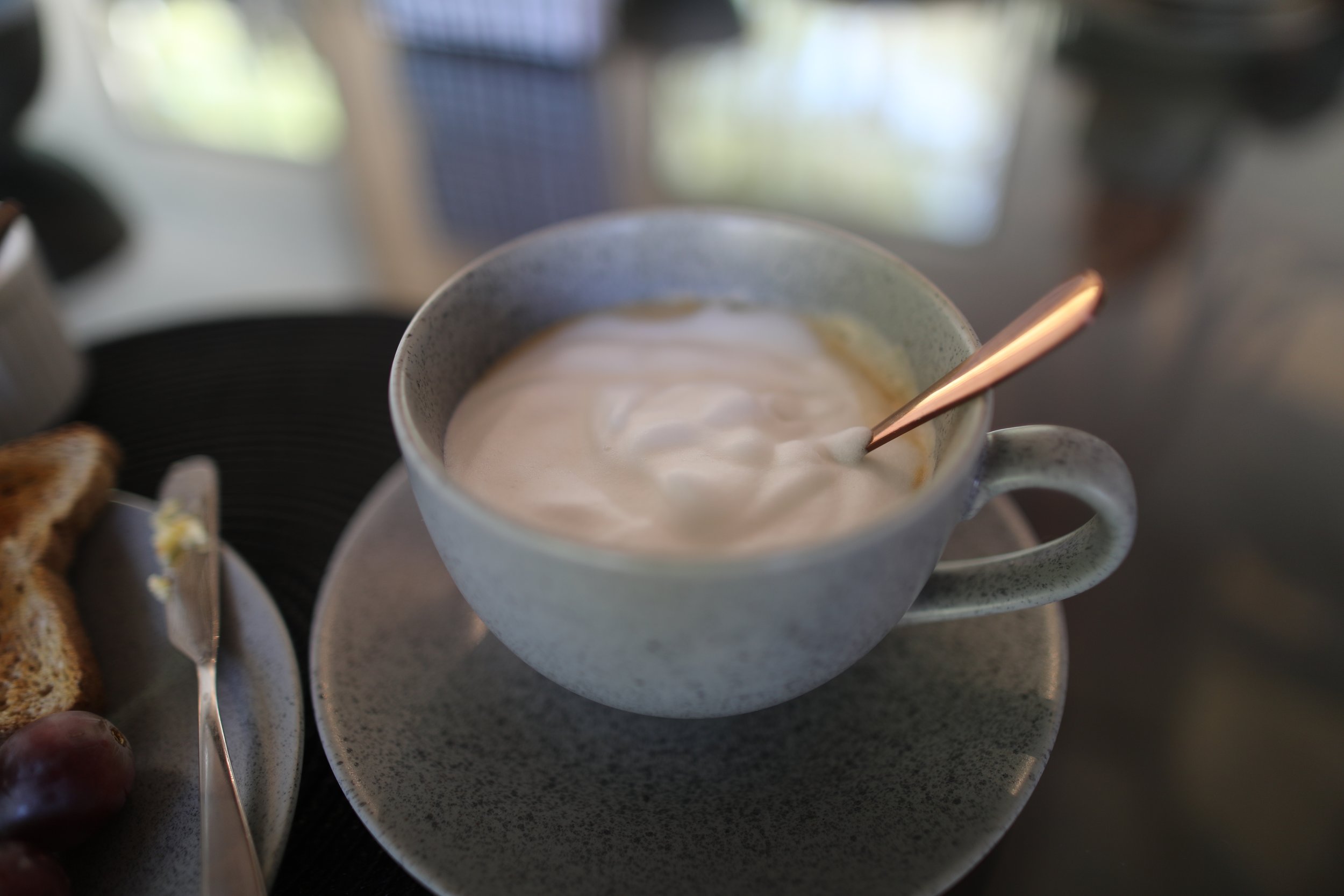
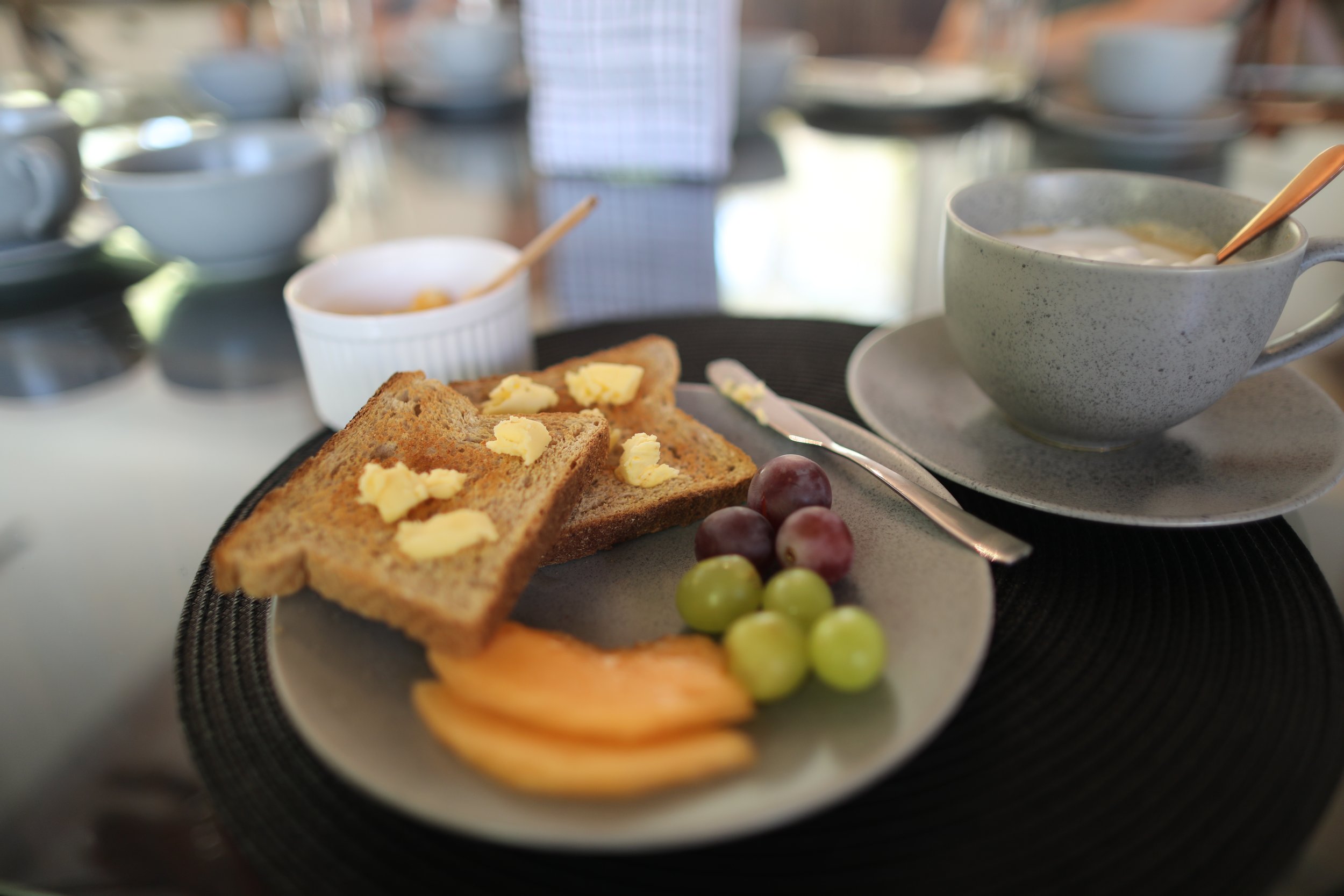
Exhausted the next morning, we only had time for a quick bite to eat at our hotel before heading out once again. A latte, scrambled eggs, toast and fruit was just what we needed for another long and exhausting day of travel.
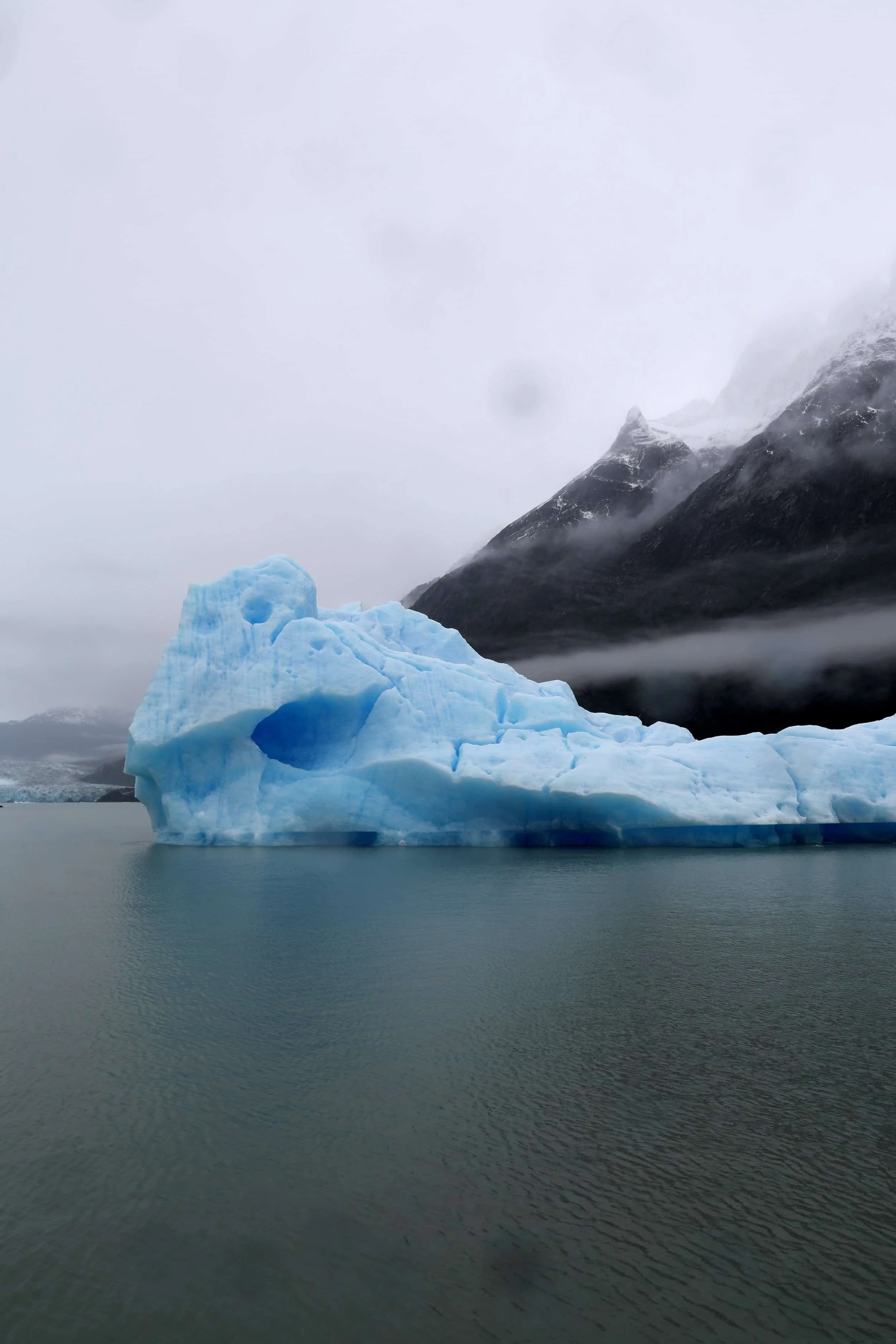
Our shuttle arrived right on time to return us back to the Calama airport an hour away. We’d be flying out of the local airport, through Santiago and then down to Punta Arenas, a city near the tip of Chile's southernmost Patagonia region.


Fall in love with Hotel & Cava Estancia Rilán, a must-visit retreat where the setting becomes part of the stay and every detail quietly celebrates Chiloe Island.