Australia’s Great Ocean Road Tour: A Charming Coastal Escape
Discover one of the world’s most spectacular scenic drives with this travel guide — a curated, joy-filled Great Ocean Road tour to breathtaking vistas, hidden gems & unforgettable detours that turn every mile into a story.
Published | July 2026
Why You’ll Fall for the Great Ocean Road: Coastal Wonders, Wildlife & Endless Photo Ops
Melbourne — likely your home base — unfolds like a storybook filled with art, culture and culinary delights — alleyways splashed with murals and hidden galleries, cafes where baristas pull impeccable espresso and playlist-makers collide, and multicultural plates from dumplings to modern Australian tasting menus — yet the city’s true magic is the drive that steals your breath: the Great Ocean Road.
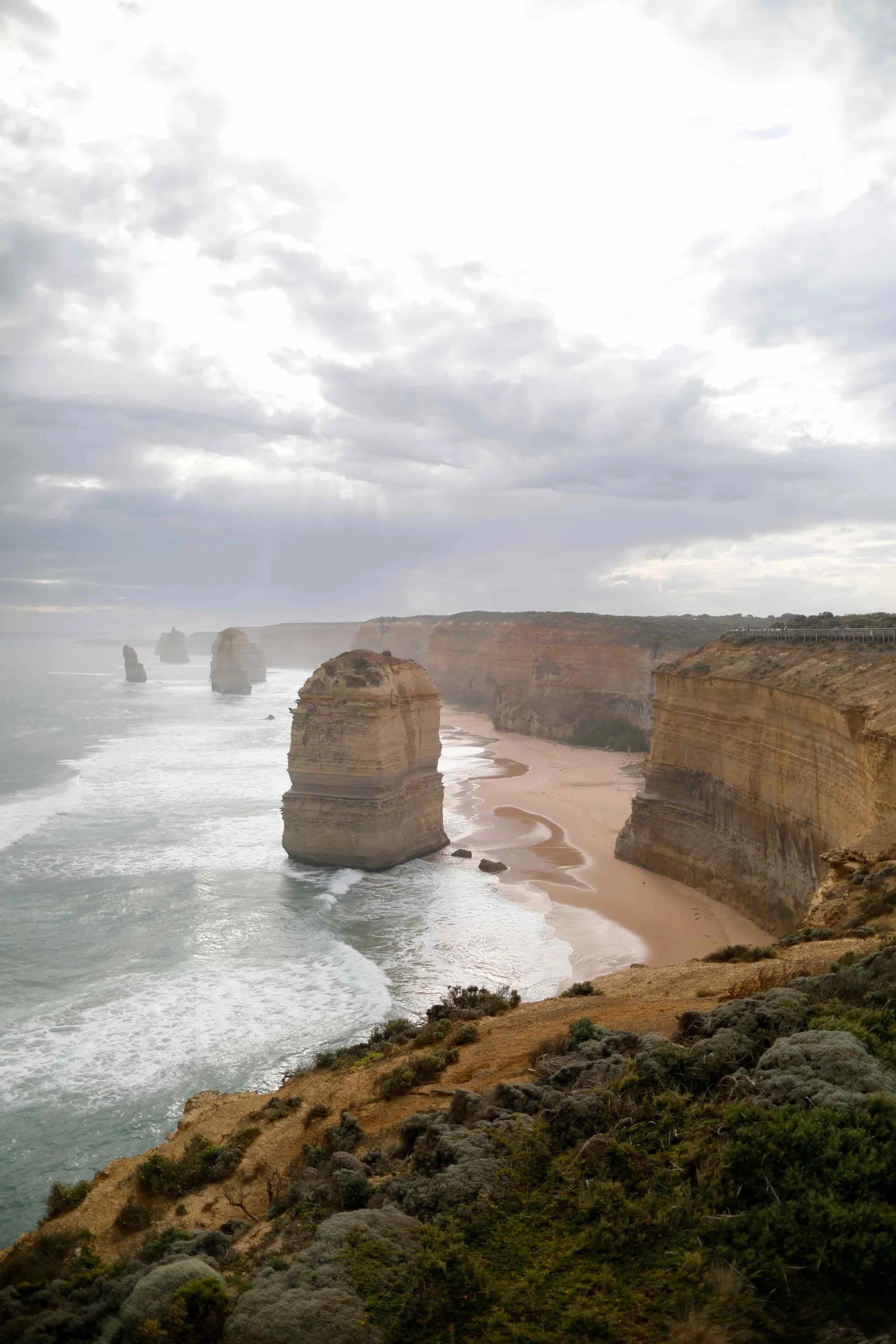
Roll down the windows and let the salty air and eucalyptus scent fill the car as coastal cliffs rise and fall, limestone stacks of the Twelve Apostles standing like weathered guards, windswept beaches perfect for a brisk stroll and quaint seaside towns offering fresh seafood and local wines.
Along the way, stop for a sunrise walk in towering rainforest at Great Otway, snap photos of dramatic surf at Gibson Steps and linger over a picnic of artisan cheeses and pastries at a lookout as the light softens — the city’s creative energy and green spaces feel amplified after a day on this cinematic stretch of coastline, leaving you inspired, well-fed and ready to return to Melbourne’s galleries and gardens with a new appreciation for the wild beauty just beyond its urbanscape.
At a Glance
📍 Destination: Great Ocean Road, Australia
🕒 Time Needed: +/- Full day
💰 Budget: Approximately AU$115-$215 ($80-$150 USD) self-drive or AU$105-$170 ($75-$120 USD) guided bus tour
👟 Walking Level: Mild
🌤️ Best Season: Autumn (March-May)
☕️ Don’t Miss: Tom & Eva and The Razorback
🖤 Perfect For: Nature lovers and landscape photographers
My Bibimbap Moment
This trip added: Wonder.
The Great Ocean Road added the ingredient of wonder to my Bibimbap Life.
A drive down the Great Ocean Road was something I’d dreamt about — and it charmed every hopeful expectation. The ocean’s vastness and the carved, weather-worn stacks feel almost reverent — a reminder that these cliffs are always changing, that even the Apostles will one day tumble and give way to whatever comes next. Standing before it all, I found myself saying very little. Some places don't need explaining; they simply remind us that the world is capable of extraordinary beauty, and that feeling of wonder is something worth holding onto.
I found the quieter corners most enchanting: Loch Ard Gorge, Tom and Eva Lookout and The Razorback have a quiet magic that outshines the famous stacks. With the light softening into sunset, it’s absolute daydream territory.
My Two-Week New Zealand & Australia Itinerary
This trip combined New Zealand’s North and South Islands with Australia’s east and southern coasts, fitting an ambitious amount into roughly two weeks. The Great Ocean Road came toward the end of the trip while I was based in Melbourne — and turned out to be one of my favorite days in Australia.
I started in New Zealand — Auckland, with time to explore the city and a day trip to Waiheke Island for vineyards, food and a much slower pace. From there, I traveled south through Waikato and Rotorua, where glowworm caves, geothermal landscapes and Māori culture gave me a completely different experience of the North Island.
Next came Queenstown on the South Island. Surrounded by Lake Wakatipu and the Southern Alps, it was my base for a few days of mountain scenery, walking and one particularly memorable helicopter flight before I crossed over to Australia.
I started the Australian portion on the Gold Coast, including a trip inland to Tamborine Mountain, before continuing south to Melbourne. I used Melbourne as my base for the Great Ocean Road, spending a full day following the coast through beaches, forest and some of the road’s best-known rock formations and viewpoints.
I finished with a very quick 36 hours in Sydney before heading home — hardly enough time to know the city but enough to make me want to return.
It was a fast-moving itinerary but I loved the contrast: New Zealand’s geothermal landscapes and mountains followed by Australia’s beaches, cities and coastline. And somewhere in the middle of all that movement, the Great Ocean Road gave me an entire day where the journey itself really was the destination.
My route: Auckland → Waiheke Island → Waikato → Rotorua → Queenstown → Gold Coast → Tamborine Mountain → Melbourne → Great Ocean Road → Sydney
Explore
Here’s where the journey will take us.
01 | Great Ocean Road Tour
The Great Ocean Road
Memorial Arch
Cape Patton
Apollo Bay
Melba Gully
Twelve Apostles
Loch Ard Gorge
Tom & Eva Lookout
The Razorback
02 | When to Go
03 | How to Get There
04 | Where to Stay
05 | Tours & Day Trips
06 | Good to Know
Travel More | Australia Travel Guides
Coastal Whispers: A Love Letter to the Great Ocean Road
Wind-swept cliffs, turquoise bays and the dramatic limestone stacks of the Twelve Apostles make the Great Ocean Road a cinematic coastal road trip where every turn feels like a dream come to life. Drive it slowly, stop often and let the wild ocean mend whatever you left behind.
The Great Ocean Road
Winding along Victoria’s rugged southern coast, the Great Ocean Road feels like a story told in sea spray and sandstone. Built by returned soldiers as a memorial to their comrades, the road itself is both a moving tribute and the perfect setting for an unforgettable road trip — one that unfurls dramatic cliffs, wide empty beaches and pockets of emerald rainforest as you go.
Construction began in 1919 and was an enormous feat of manual labour: over 3,000 servicemen worked with picks, shovels and dynamite to carve a ribbon of pavement out of steep coastal escarpments and thorny scrub. Much of the work was done by hand along narrow ledges where waves slammed below and progress often depended on fair weather and sheer muscle.
Camps sprung up along the route and the makeshift communities of workers — many carrying the physical and emotional scars of war — bonded over long days of dangerous work and nights of storytelling. The finished road, completed in sections through the 1920s and 1930s, not only connected isolated coastal towns but also created jobs and hope in a region recovering from wartime loss.
Today, plaques and small memorials along the highway quietly mark its origins, while original stone retaining walls, cuttings and granite tunnels still show the grit of those early builders. Driving it now, you can almost hear the echo of boots on coastal rock: the engineering was simple but exacting, adapted to the wild contours of the shore and respectful of the landscape’s moods.
That juxtaposition — human perseverance etched into an untamable coast — lends the road a certain romance. It’s easy to imagine why, after such toil, the Great Ocean Road became not just a transport route but a piece of national memory.
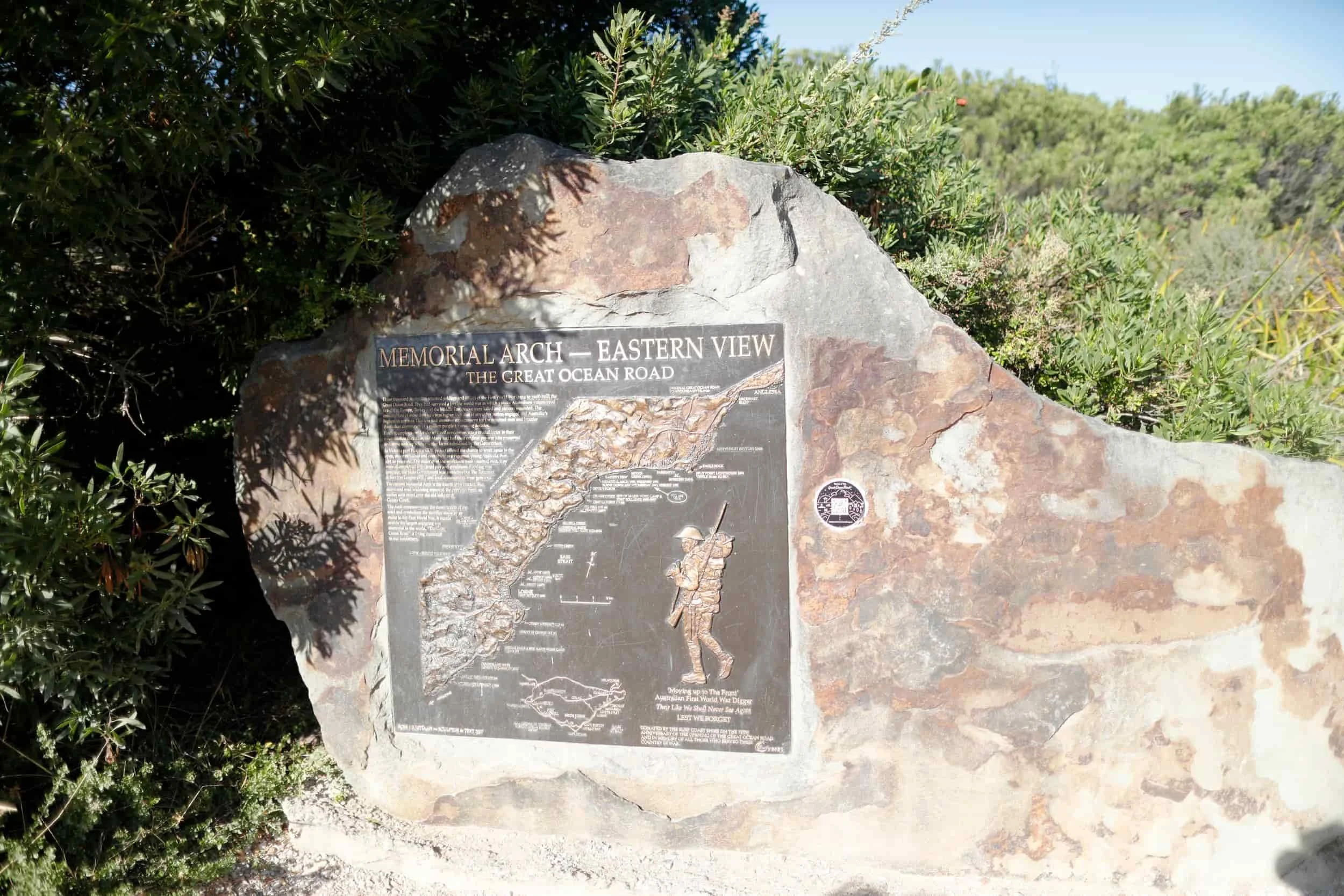
There’s something undeniably charming about tracing the path those returned soldiers made. Stopping at a windswept lookout, you can feel both the raw power of the Southern Ocean and the tender intention behind the road: a memorial that invites people to pause, remember and wander.
Whether you’re chasing an iconic sunset against the Twelve Apostles or lingering on a quiet sand dune, the road offers more than scenery; it offers connection — to history, to landscape and to the small stories tucked into each bend.
There are moments along the drive that stop you in your tracks: the towering limestone stacks of the Twelve Apostles rising from the Southern Ocean, the hauntingly beautiful curve of Loch Ard Gorge, the arched remnants of London Bridge and the delicate sinkholes of The Grotto.
Between these headline sights, you’ll find surf culture with longboard legends and powerful breaks — think Bells Beach’s storied waves — and quiet stretches where koalas sleep in eucalyptus trees and kangaroos graze at dusk. In season, whales drift past the headlands, adding an extra dash of wonder.
Charming coastal towns punctuate the route: Lorne’s laid-back cafés and galleries, Apollo Bay’s fishing-harbor vibe and Port Campbell’s postcard-perfect outlooks. Inland, pockets of green reveal surprises like Erskine Falls, tumbling cool and bright beneath the canopy.
Whether you come for the surf, the scenery, the wildlife or the history, the Great Ocean Road delivers — equal parts dramatic coastline, living memorial and endlessly inviting adventure.
Memorial Arch
Great Ocean Road adventure begins — once you leave the city, you’ll make your way to the eastern start of the road and set off along the breathtaking coastline. Pause for a leisurely morning tea at Maids General Store Anglesea amid the scenery, then continue on to the Memorial Arch, a picture-perfect stop where you can capture one of the route’s most iconic moments.
The Great Ocean Road’s Memorial Arch at Eastern View feels like the perfect place for a first deep breath on a classic Australian road trip. Rising above the seashore, the arch is both a gateway and a quiet conversation piece — an elegant reminder that this isn’t just a pretty drive but a war memorial carved into coastline.
The road is a living war memorial: between 1919 and 1932 thousands of returned servicemen labored by hand to build it. The entire route is often described as the world’s largest war memorial and the arch at Eastern View serves as a concentrated tribute to their effort and sacrifice.
The arch embodies resilience and community. The men who constructed the road endured harsh terrain and severe weather, and the arch’s history of destruction and rebuilding mirrors that same toughness. The current structure was reconstructed in the original style after being lost to vehicle damage and devastating bushfires, most notably the Ash Wednesday fires of 1983.
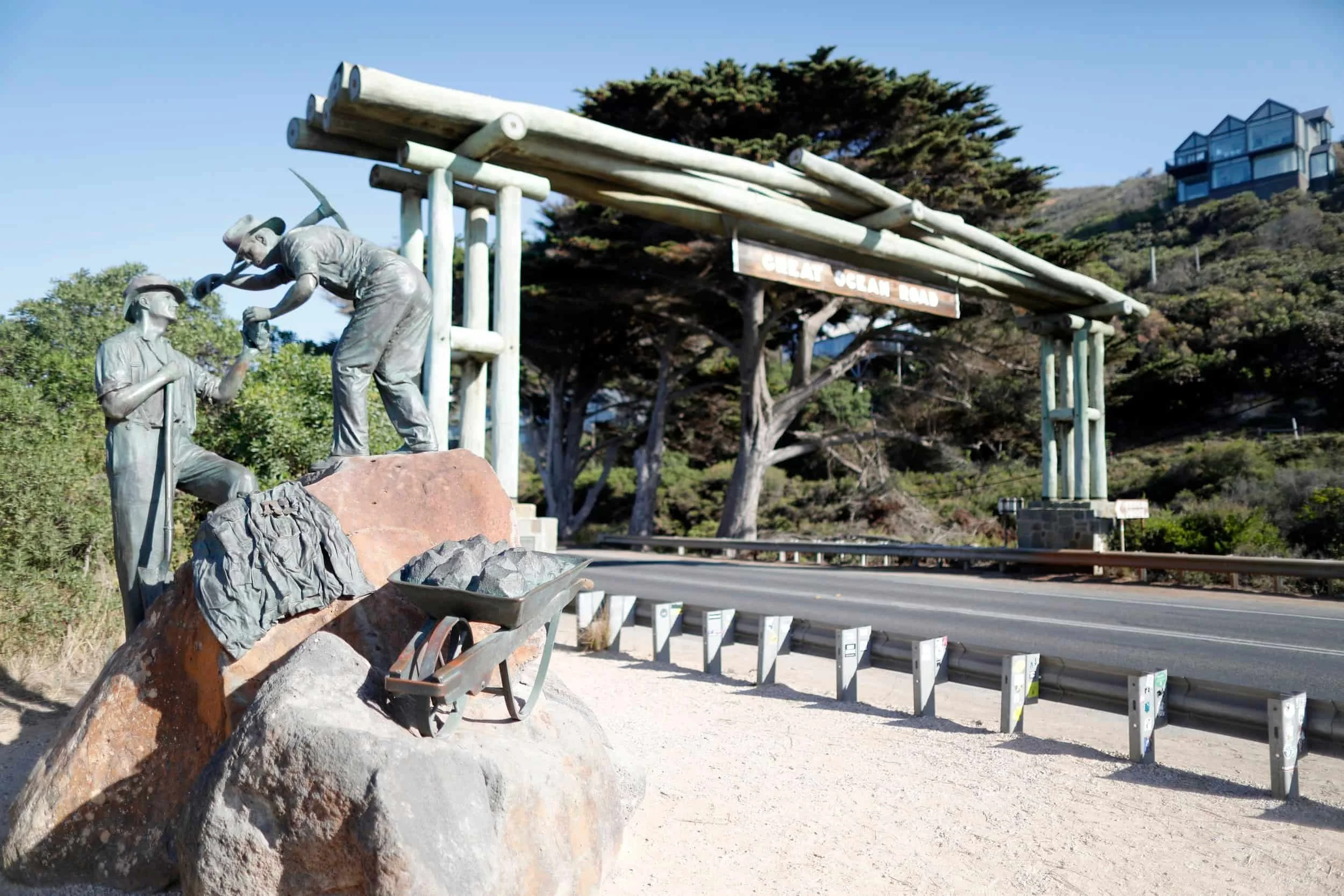
It marks a true gateway to the journey. This is the point where the drive officially begins: pull over and step out, you’re standing where countless travelers have taken their ceremonial first step onto dramatic cliffs, hidden beaches and sweeping ocean views.
The site is a historical touchstone. Plaques and viewing platforms invite reflection on how the road opened up the coast for transport and tourism, reshaping the region’s future while honoring those who returned from war and invested their labor in something enduring.
And while it’s a popular Instagram stop, it offers more than a picture. The arch’s clean lines against blue sky or stormy clouds create a striking composition, while nearby interpretive panels give that photo real historical depth.
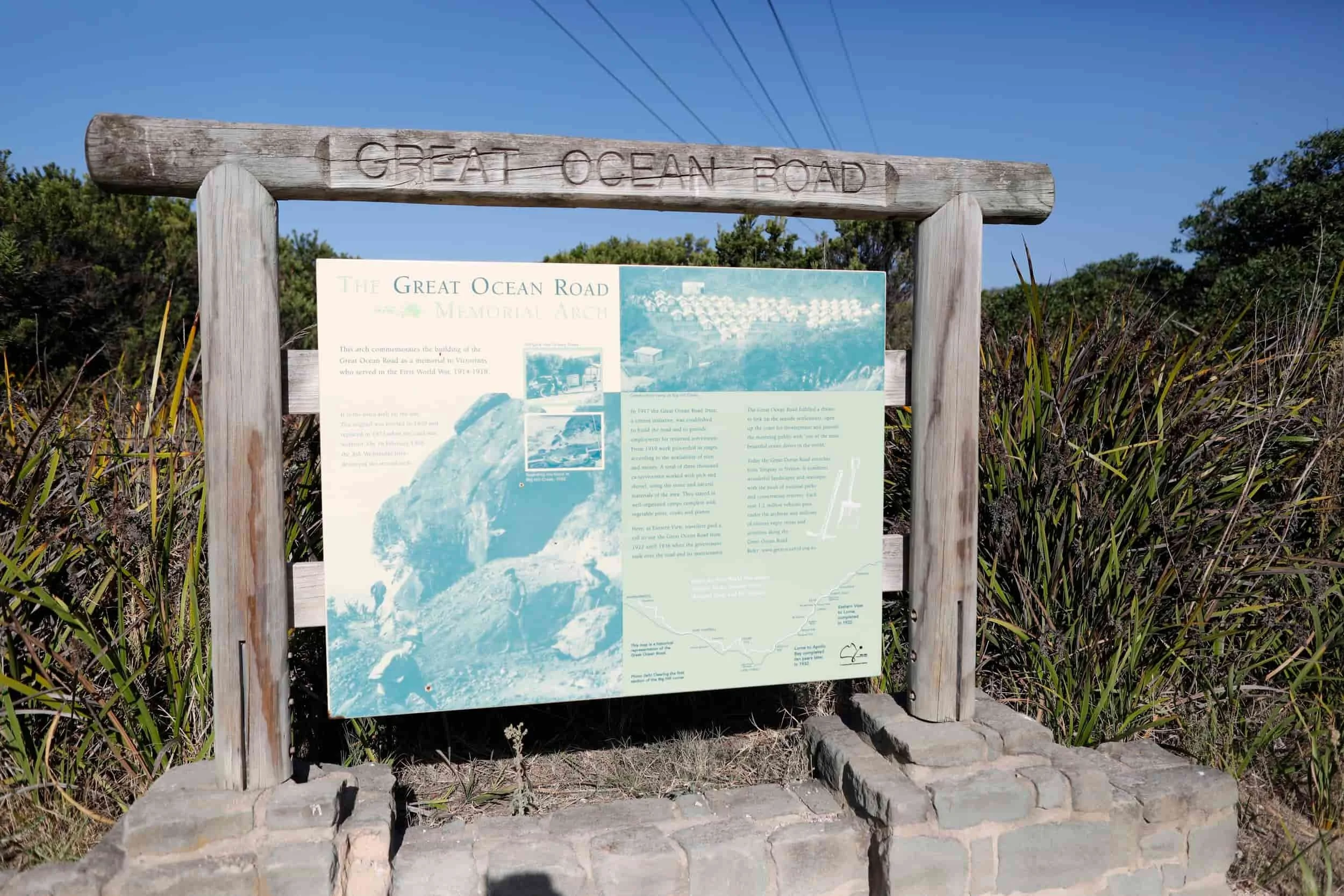
The original timber arch went up in 1939 as a simple but proud marker. Over the decades it was damaged and rebuilt more than once but each time local people restored it, keeping to the original design. The current arch stands as both faithful replica and fresh reminder: memorials, like memories, must be tended.
Arrive early, before the coach crowds, to watch light pool across the surf and to read the stories on the plaques in quiet. Walk the short viewing platform, lift your camera for a classic shot, then linger long enough to imagine the men who shaped this ribbon of road with pick and shovel. It’s a small stop with a big heartbeat — the perfect first act for a Great Ocean Road adventure.
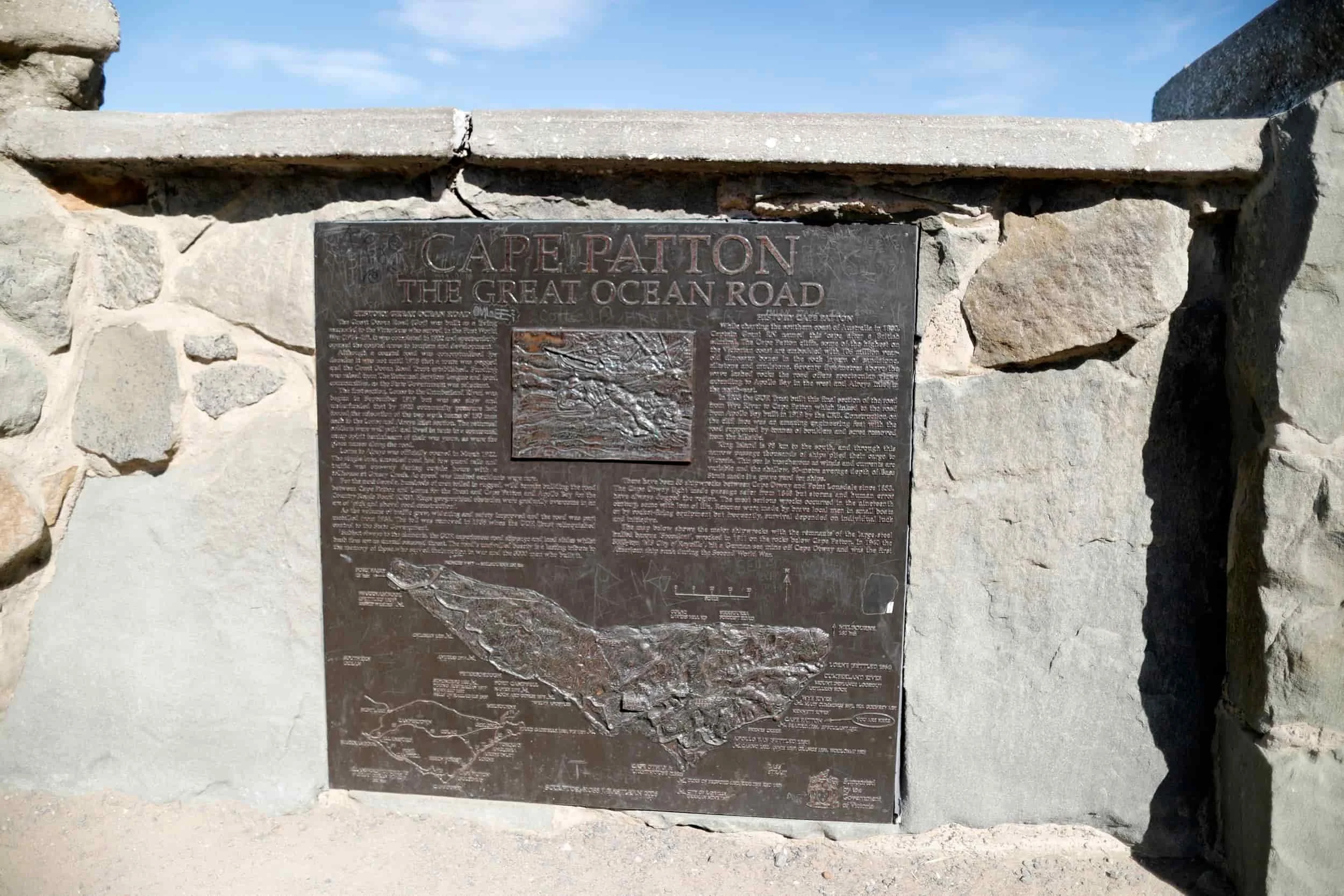
Cape Patton
The Great Ocean Road unfolds like a coastal storybook — cliffside chapters of foaming surf, wind-swept grassland and limestone towers carved by time. Of course, our tour couldn’t stop at every spot on the map — but that doesn’t mean you can’t. Continue reading for some of the top sights you don’t want to miss along Great Ocean Road.
Stand at Teddy’s Lookout above Lorne and you’ll feel the coastline curve away beneath you; from Marriner’s Lookout the sweep of Apollo Bay stretches like a painted horizon. Cape Patton pushes that drama further, its bluff dropping into endless ocean, while Point Addis offers raw, Jurassic-like rockscapes where waves pound ancient stone.
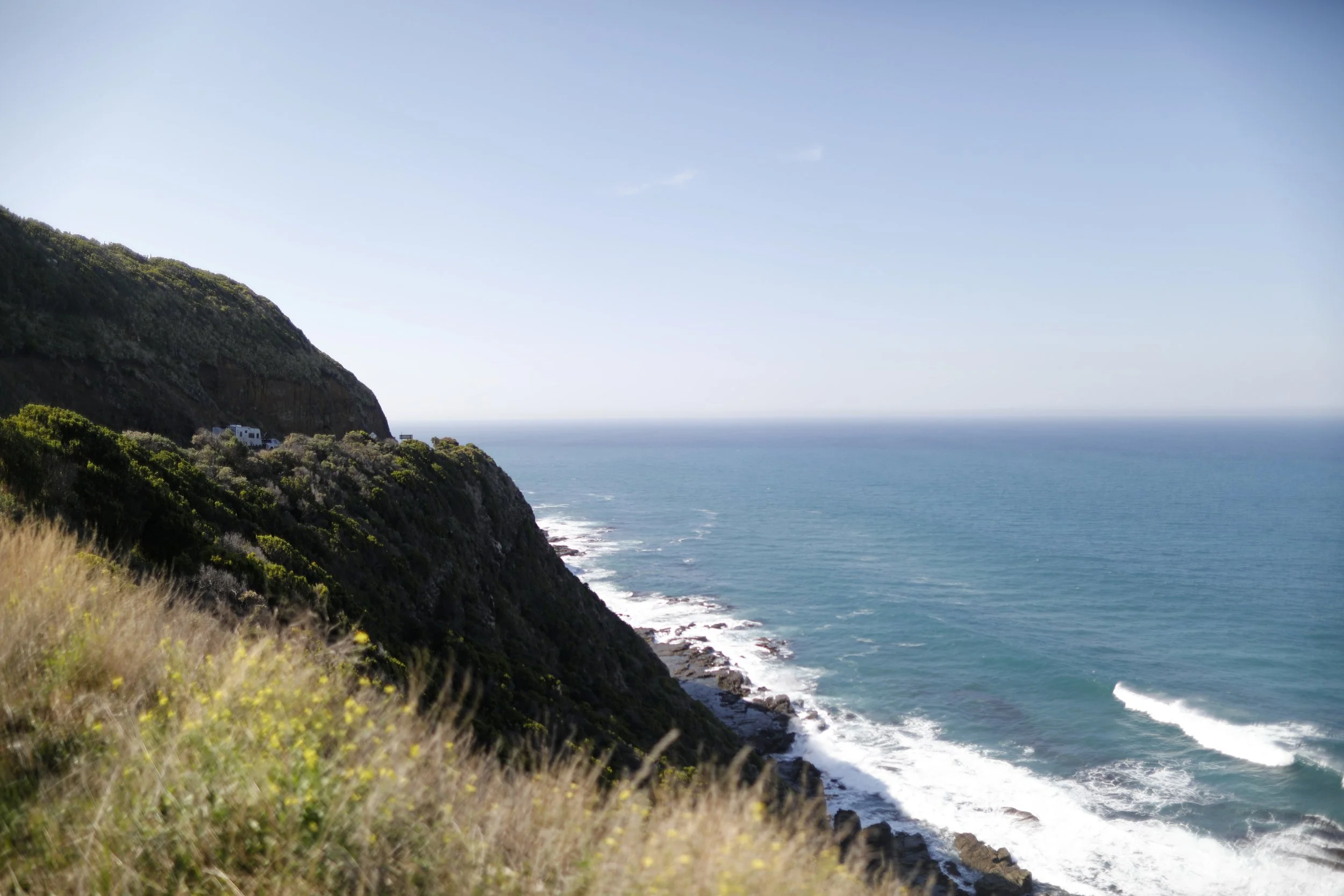
Then there are the landmarks that stop you in your tracks. The Twelve Apostles rise from the sea as towering limestone columns, best admired from the main platform or from the steps at Gibson for a closer, humbling view. Nearby, Loch Ard Gorge holds cliffs, tiny islands and the poignant history of a shipwreck — lookouts named Tom and Eva frame the scene with quiet grandeur. The Grotto surprises with a natural sinkhole and stair-framed window to the ocean, a perfect place for a long, reflective pause.
History and geology meet at London Bridge, where a once-complete arch gave way and left dramatic sea stacks etched into the surf. The Bay of Martyrs and the Bay of Islands stretch along the route with sweeping coastal panoramas that glow at sunset. And at Aireys Inlet, the white-washed Split Point Lighthouse keeps watch, its perch offering commanding views and a sense of seafaring tradition.
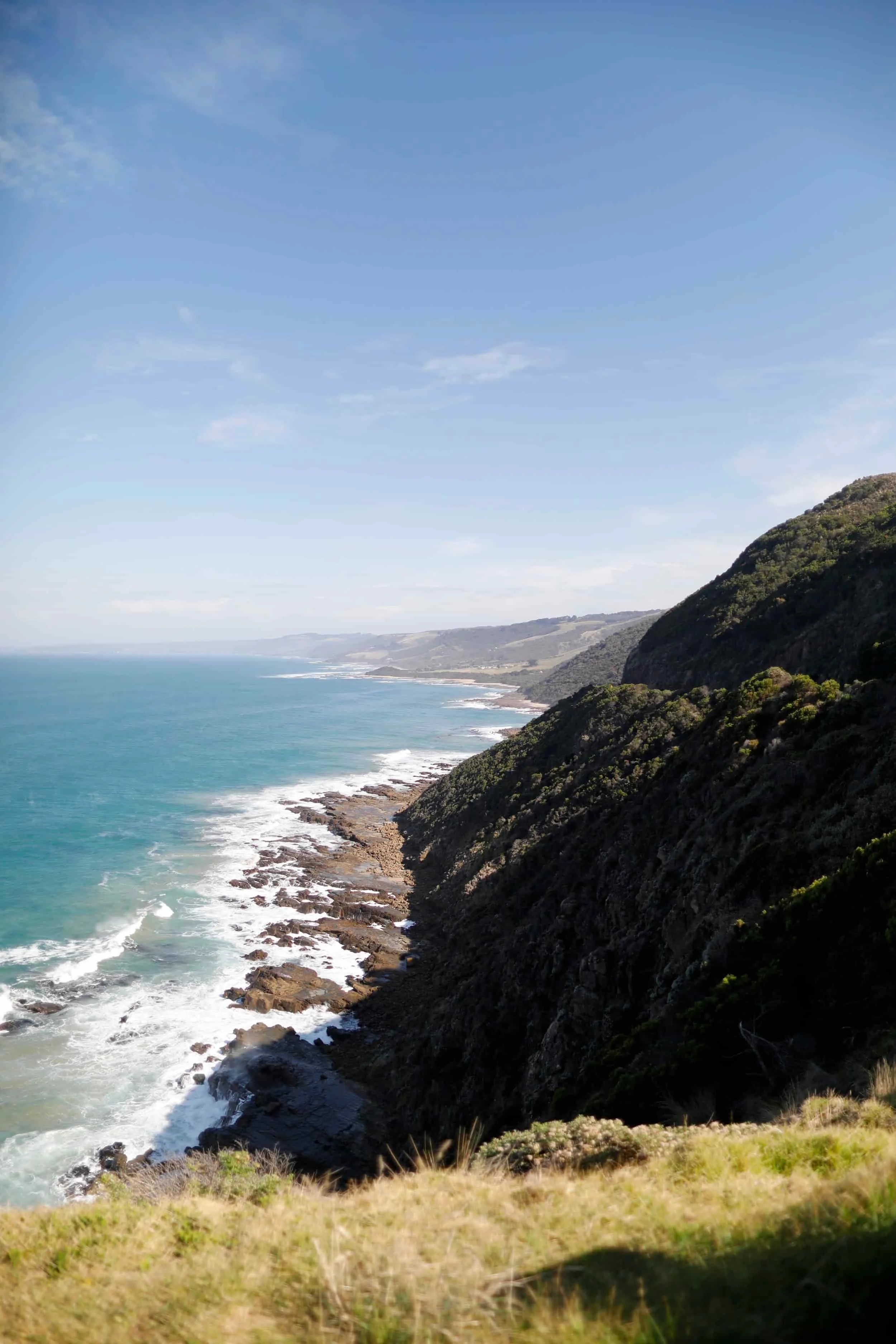
From rip-roaring surf to sheer limestone cliffs, the Great Ocean Road delivers a rich mix of coastal beauty — each lookout and formation a different chapter in a truly unforgettable drive.
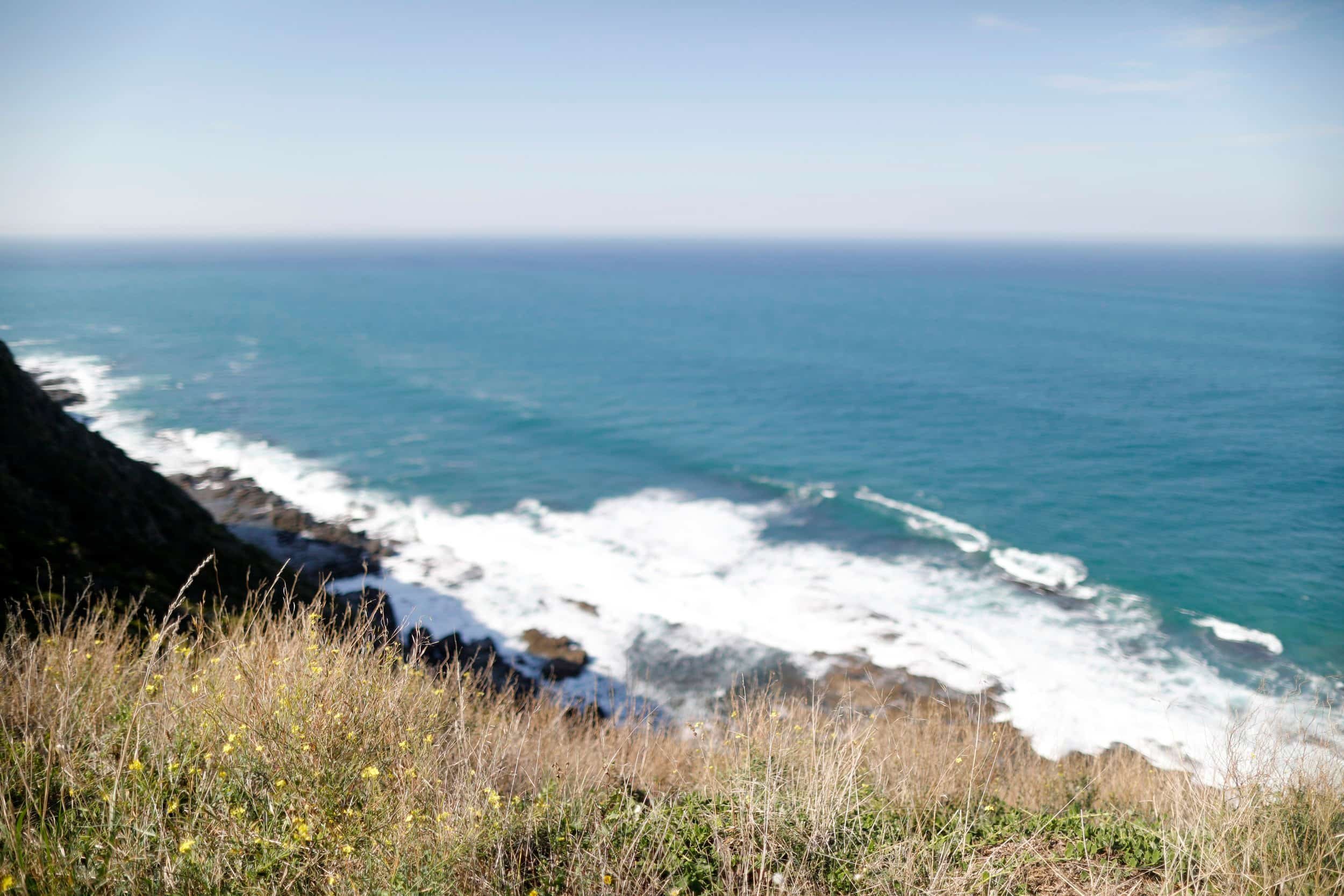
Bells Beach calls to surfers and sunset chasers alike — its rolling swells and cliff-top lookout create a scene equal parts dramatic and serene, where you can watch boards carve the waves while the horizon melts into color. The Memorial Arch stands quietly proud, a stone tribute to the daring effort that carved this road out of rugged coastline; stop, read the plaques, and imagine the hands that made this route possible.
Perched where land meets the endless ocean, Cape Otway Lightstation is Australia’s oldest mainland lighthouse — climb its weathered tower for sweeping views that make every gust of wind feel like you’re part of the story.
Apollo Bay
Apollo Bay charms the moment you turn toward the coast on the Great Ocean Road. This little seaside town feels like a reward after winding cliffside drives and eucalyptus-scented climbs through the Otways. Here, the Southern Ocean meets the foothills of the Otway Ranges and every walk along the golden sand or bluff offers the perfect view — sea foam lacing the shore below, gulls soaring overhead and that calm you only get where forest and ocean collide.
Apollo Bay Highlights: Things to See, Taste & Do on the Great Ocean Road
If you’re part of a tour and only in town for a few hours (or less), dip into some of the local shops and then have your way with some fresh seafood. Quaint surf shops, cozy bakeries filled with sourdough and pastries, artisan boutiques selling local leather and wool and a handful of friendly seafood stalls line Apollo Bay’s main strip, each storefront inviting you to slow down and savor seaside village life. For thoughtful gifts and unique finds, stop in Hawkeye Homewares and Murphie & Co.
But when it comes to Apollo Bay seafood — giddy up.
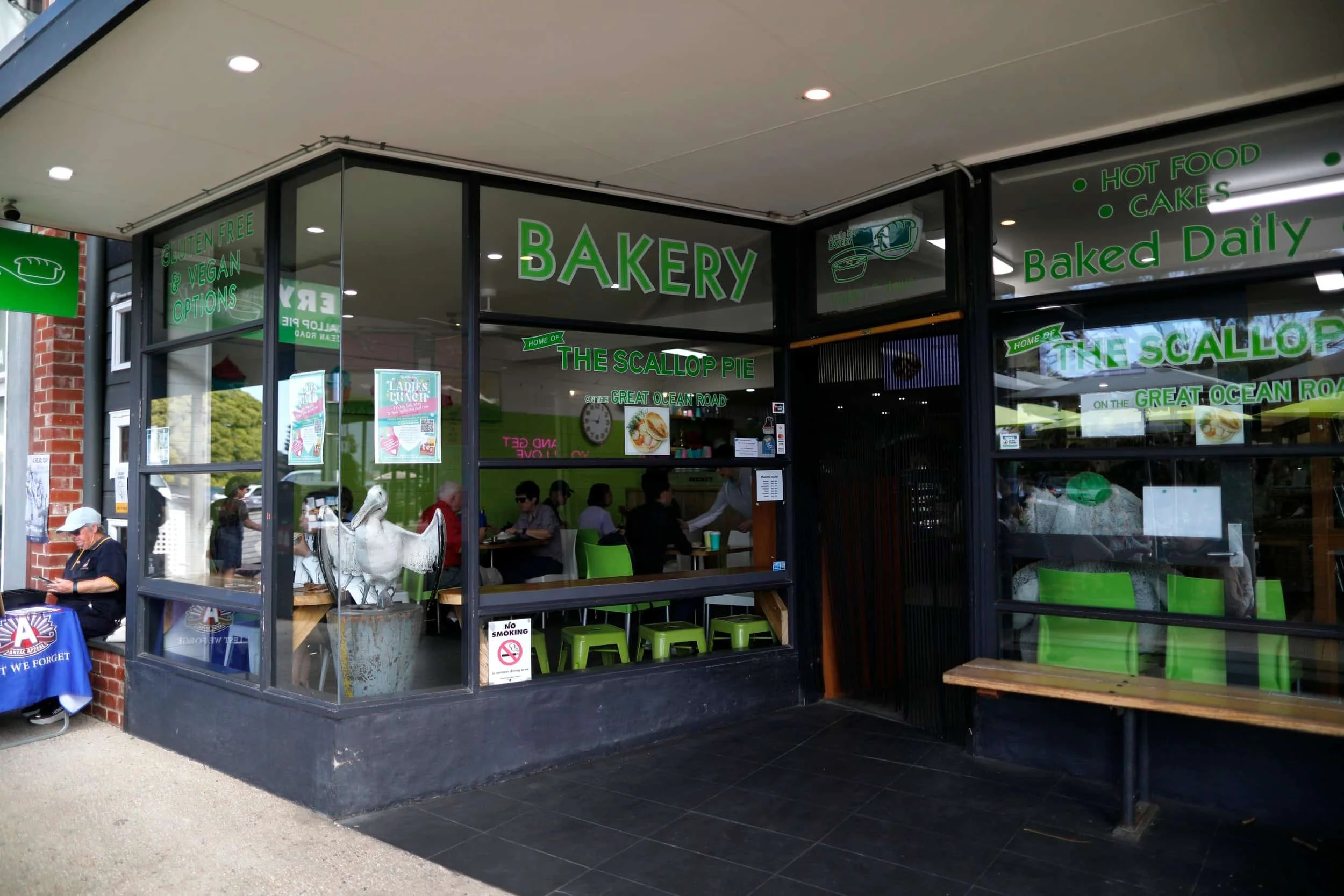
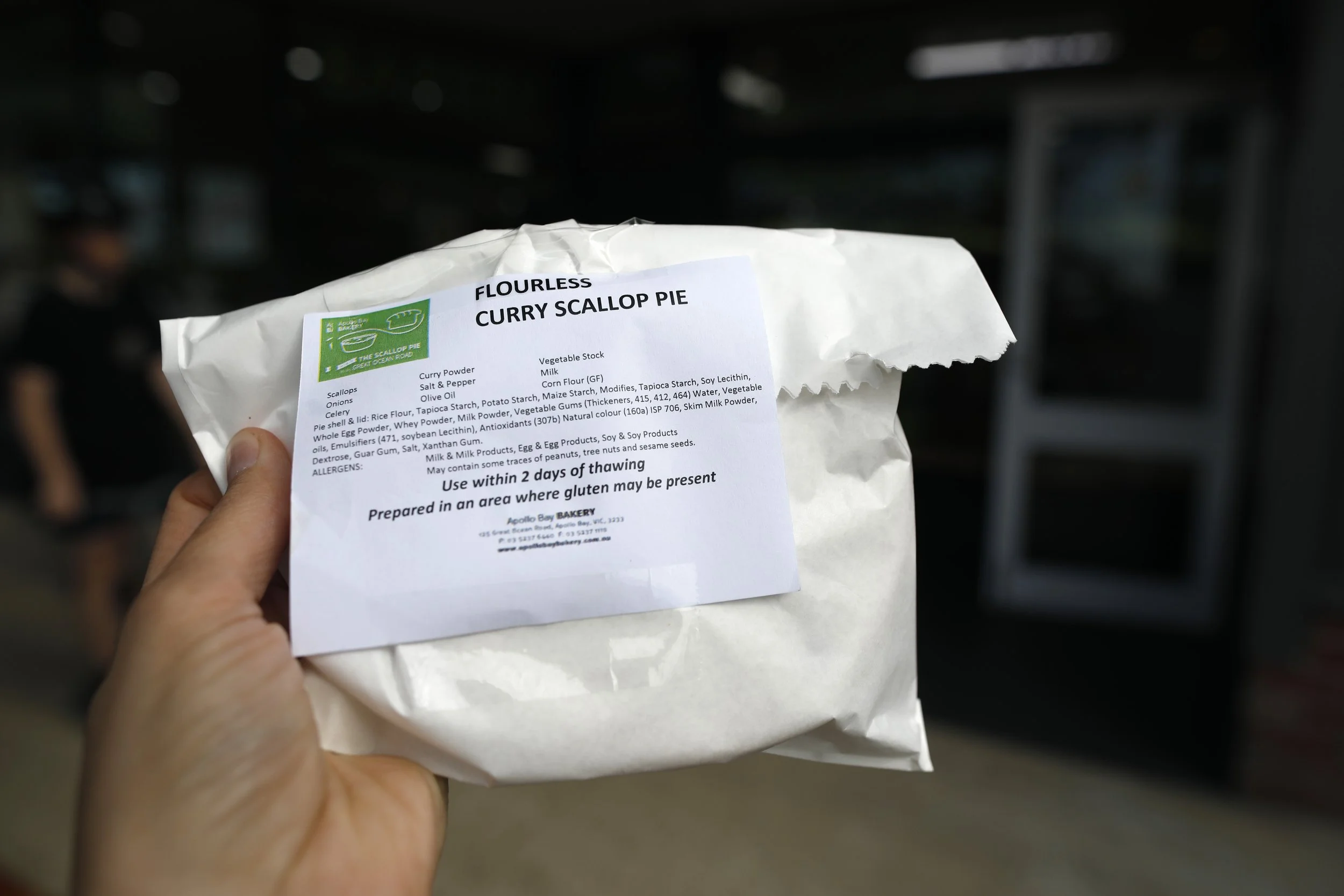
Apollo Bay Bakery — the beloved birthplace of the scallop pie — is pure coastal charm and an absolute must-visit.
This pit stop is where the smell of warm pastry meets salty sea breeze — an irresistible mix. Must-tries include the legendary meat pie (flaky pastry, rich gravy) and the cinnamon rolls still glossy from the oven; don't skip the fresh sourdough and a jammy custard tart for a sweet finish. Expect a steady stream of locals and tourists, quick friendly service and a few outdoor picnic tables where you can nibble while watching waves or planning the next coastal turn. Come hungry and leave with crumbs and a satisfied grin.
💡 Local Tip | Apollo Bay Bakery offers gluten free pies to choose from — just ask.
Home of the southern rock lobster, the small fishing town of Apollo Bay has a big reputation for fresh, local seafood. Here, the seafood feels personal: fishermen hauling in their day’s catch, the local fishmonger calling out recommendations and waterfront restaurants plating crustaceans and fillets that taste of tide and sun. Trust the season, keep preparations simple and let the coast do the rest.
Here’s what to look (and taste) for — what’s in season, how it’s best enjoyed and where to find it.
Southern rock lobster, or crayfish, is the crown jewel. Its meat is firm and sweet with a delicate briny finish that whispers of kelp and current. The season shines from late summer into autumn, when catches are at their peak and every bite tastes like the sea. Keep preparations simple to let that sweetness sing: gently steamed or grilled, served with drawn butter and a squeeze of lemon or presented on a seafood platter where its texture and flavor can be admired. It also elevates pasta, risotto or a rich, velvety bisque.
King George whiting is an Apollo Bay local favorite, with pale, buttery flesh that flakes apart like a perfectly written line of poetry. Its clean, mild profile makes it endlessly versatile — glorious as the classic fish-and-chips when lightly battered, sublime pan-fried in butter or delicately grilled. When it’s ultra-fresh, treat it sashimi-style or douse it in citrus for a bright ceviche. Summer is whiting season; a quick check with your fishmonger about size and freshness will get you the best.
Gummy shark, fondly called “flake” at Australian fish-and-chip shops, is the unpretentious workhorse of the coast. Mild and meaty with a satisfyingly firm texture, it’s the perfect candidate for a beer batter and a seaside picnic. It also takes well to gentle poaching or a quick pan-fry. A day-caught piece of flake is humble and honest — check for that ocean-fresh scent and you’ll know you’ve picked well.
Flathead arrives with pale, delicate flesh that flakes apart softly and fillets with ease. It’s the kind of fish that shines with minimal fuss: pan-fried in butter until the edges crisp, crumbed and golden or kissed by coals on the grill. Its gentle texture also absorbs curry spices and broths beautifully, making it a quietly versatile pantry star. Local fishers bring it in all year, so it’s a dependable choice whenever you’re dining by the water.
Blue swimmer crabs are ephemeral treasures: fragile, sweet meat carrying a subtle, floral brine. When they’re in season, steam and crack them open for dipping into lemon butter, fold the picked meat into springy crab cakes or scatter it through pasta and salads for an elegant hit of ocean freshness. Markets will sell them whole when available and restaurants often celebrate them at their peak.
Prawns and tiger prawns come ashore juicy and sweet, ranging from petite prawns to generous tiger-sized ones. They respond to high heat — or very little cooking — so fire them on the barbecue, grill them until slightly charred or simply boil and serve with a bright aioli or a squeeze of lemon. They’re at home in a classic prawn cocktail, a lively stir-fry or a crisp salad. Seasons shift; a quick question to a local supplier gets you the freshest pick.
Scallops, when they appear, are a special moment: tender, subtly sweet and begging to be seared in butter until a caramelized crust forms. If they’re extraordinarily fresh, think delicate sashimi to let their sweetness sing. Supplies can be limited, so don’t hesitate when you spot them.
Calamari and octopus are part of the seaside rhythm here. Squid grills quickly to smoky perfection or takes a brief flash-fry beautifully; octopus rewards patience — slow-braised or sous-vide until tender or if it’s fresh, char-grill it fast for a smoky bite. Both show how simple technique and respect for the ingredient make the coast’s modest catches taste spectacular.
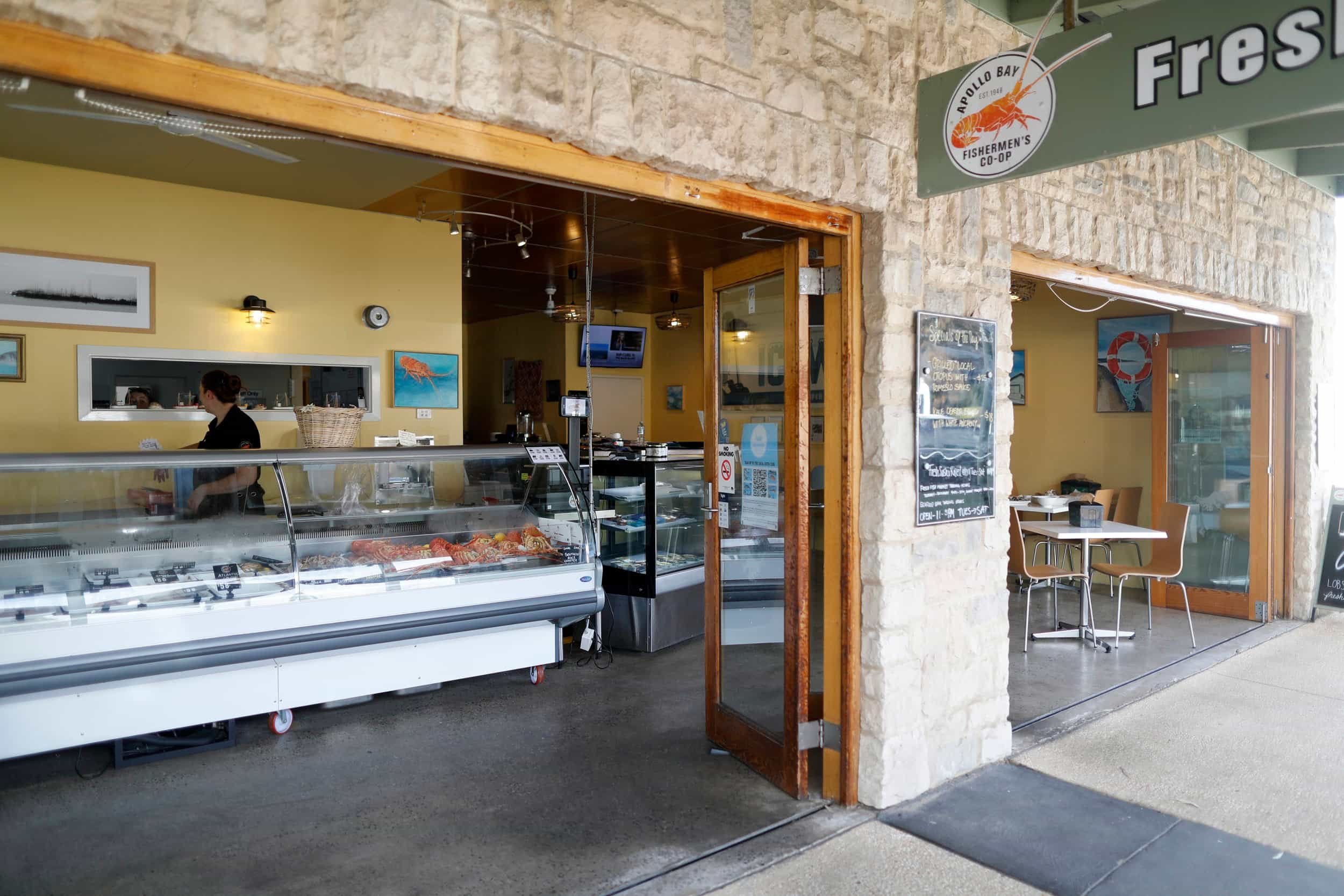
Apollo Bay’s seafood scene feels like a small-town love letter to the ocean: honest, briny and best enjoyed without fuss. For the freshest picks, wander into the fish markets and family-run fishmongers where the day’s catch is displayed on ice and the staff will happily tell you what’s peaked this morning. Down on the wharf and along the waterfront, restaurants often serve fish that’s been hauled in just hours before; ask for the day’s catch and you’re likely to get whatever looked best coming off the boat.
If you want to taste a bit of everything, order a seafood platter. It’s the easiest way to sample Victoria’s bounty — think tender Southern rock lobster when in season, local whiting, sweet prawns, crab and creamy oysters when they’re available. Those platters are made for sharing and for savoring the different textures and flavors in one go.
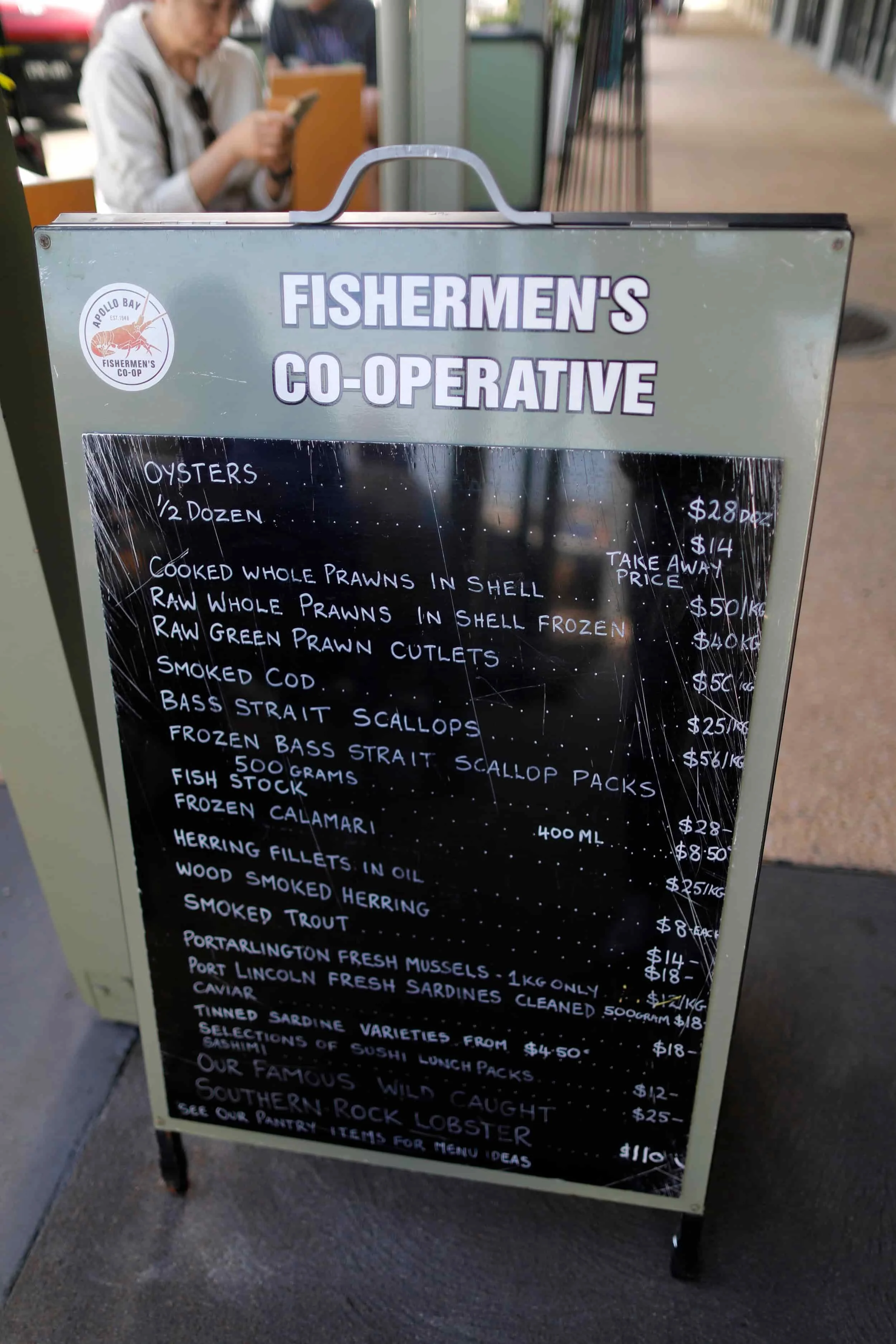
One more local treasure is the Apollo Bay Fishermen’s Co‑Op at 18 Pascoe Street, just a few blocks off the main strip. The catch here is impossibly fresh — place your order, find a spot and wait for the ocean’s bounty to arrive.
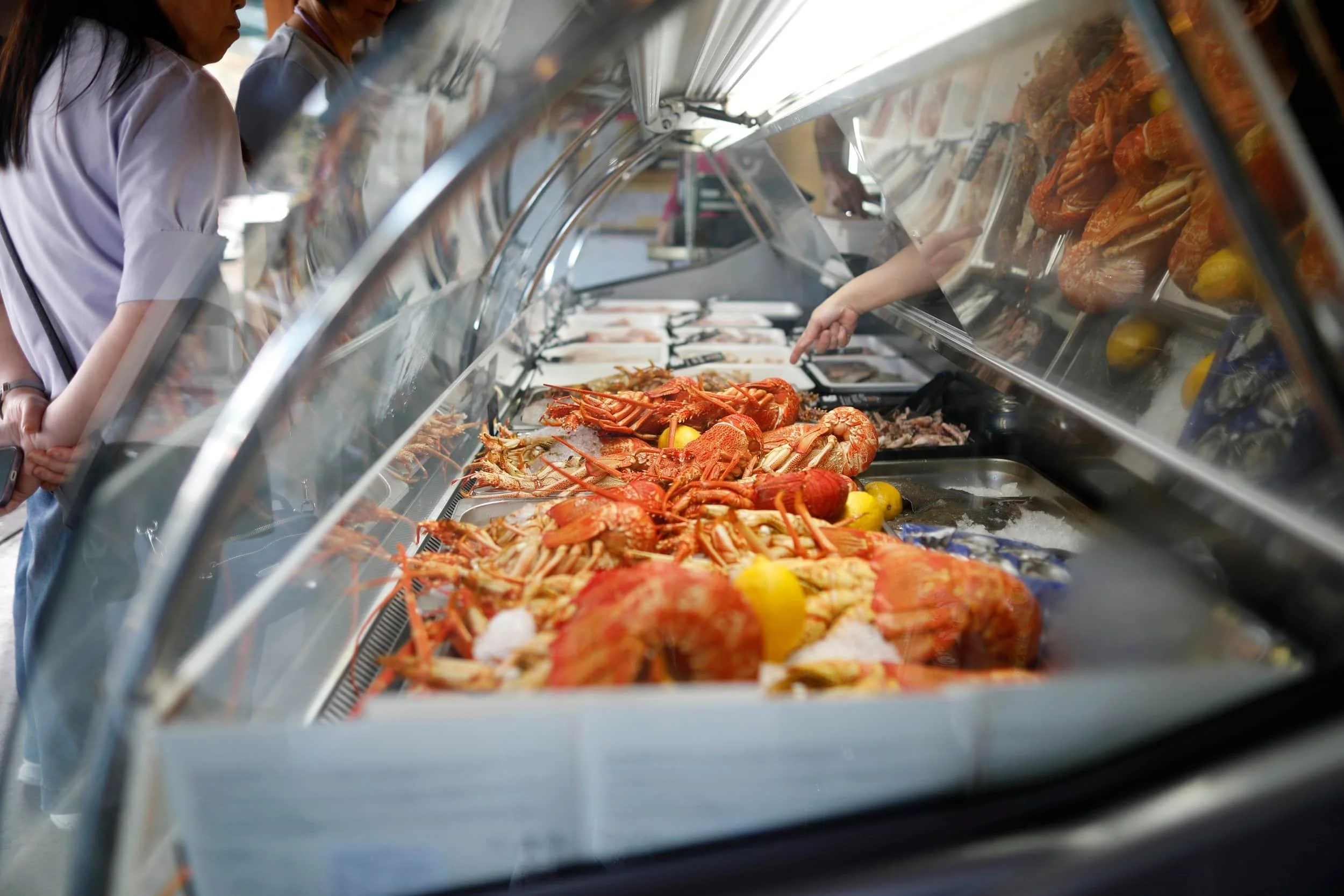
The Apollo Bay Fishermen’s Co‑Op began at the Apollo Bay harbor seventy‑five years ago, when a handful of local fishers joined forces to find buyers for the riches of the Bass Strait: plump abalone, sweet scallops, flaky snapper, gummy shark and our celebrated Southern Rock Lobster. Today, boats still tie up at the last working fishing harbor on the Great Ocean Road, delivering the day’s haul straight to the Co‑Op.
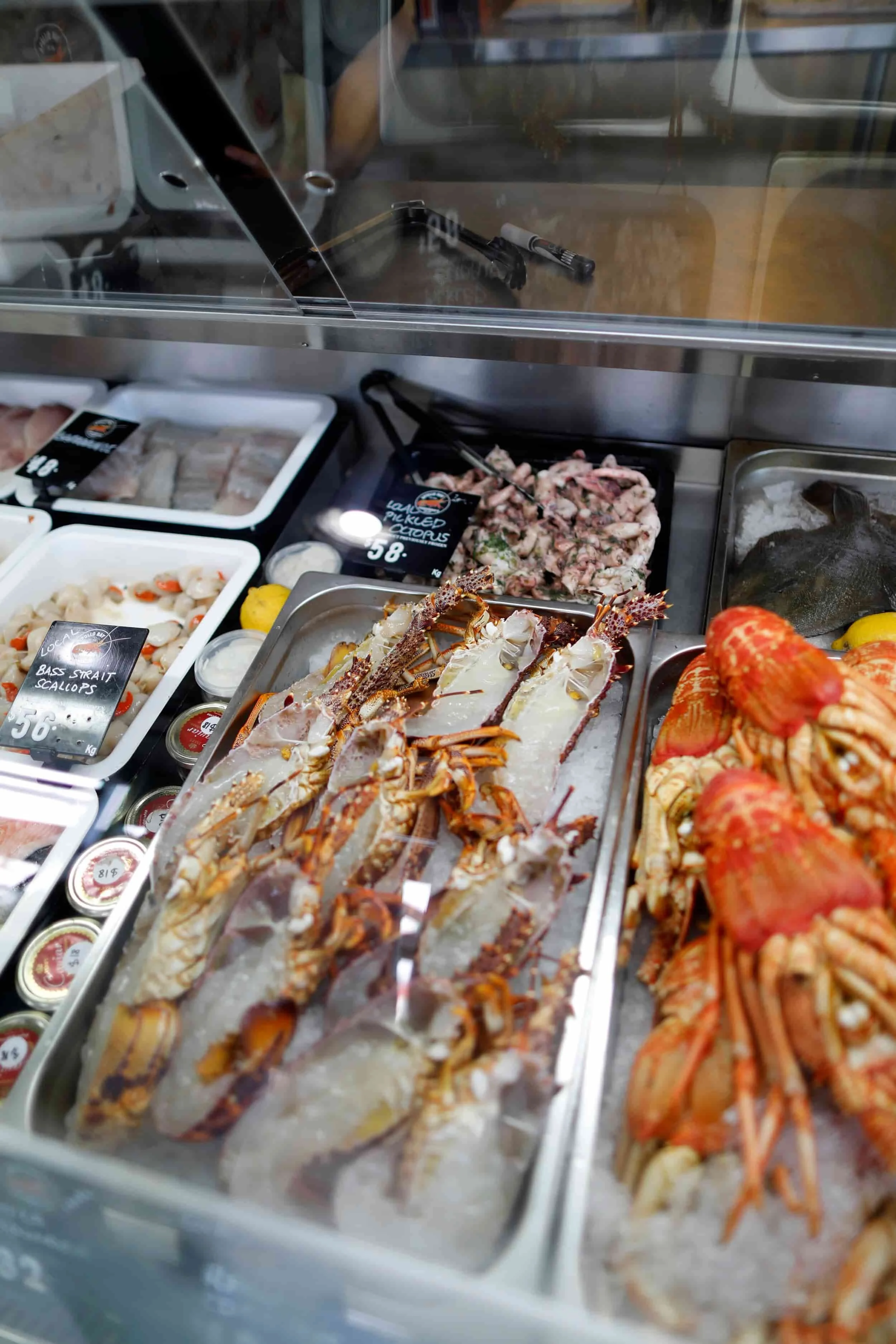
From Southern Rock Lobster and scallops to flake, snapper, octopus and calamari, the Co‑Op brings a rotating bounty from sea to bench, filleting many species on site. Stop in to see the latest catch, watch lobsters being offloaded and savor seafood that quite literally couldn’t be any fresher.
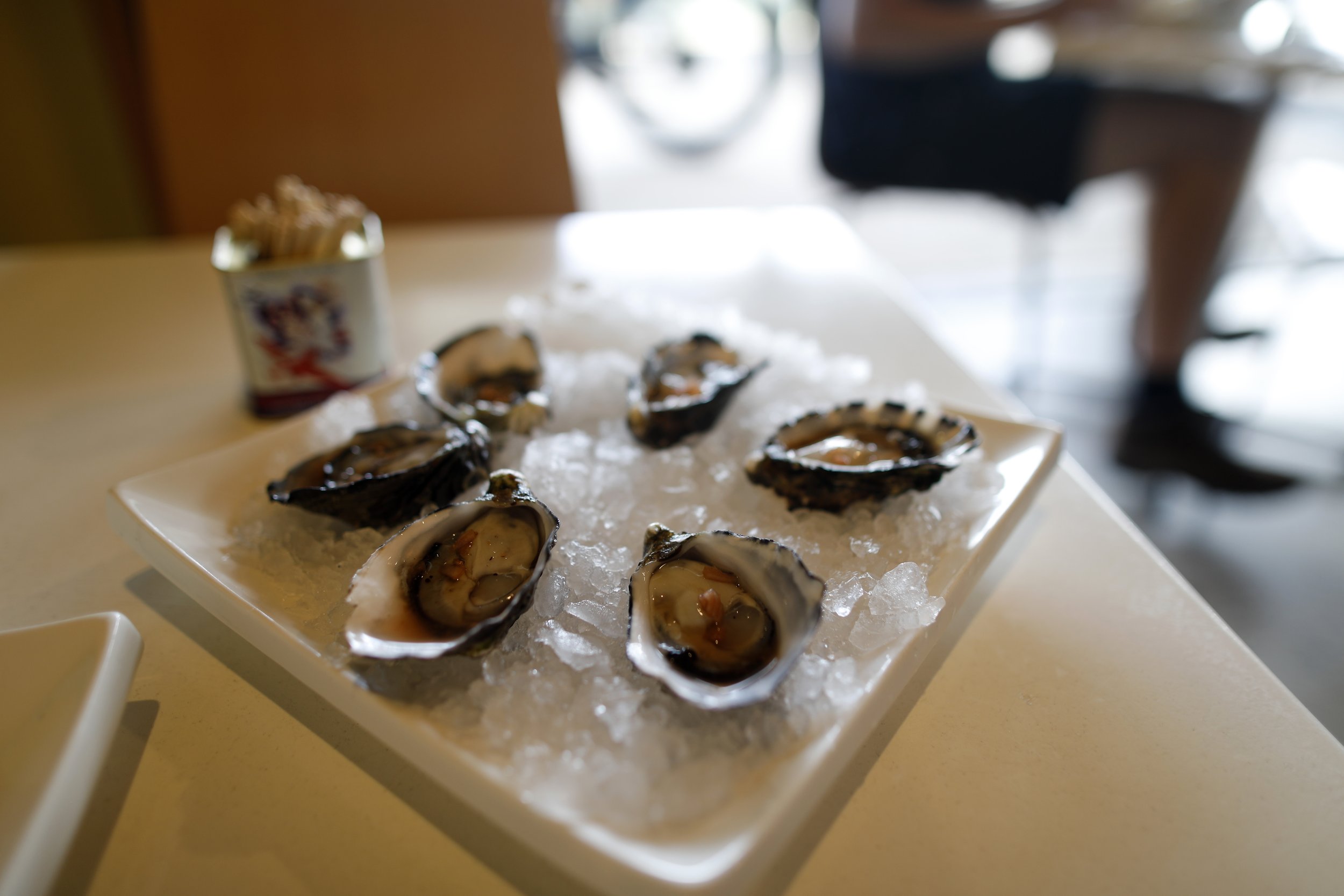
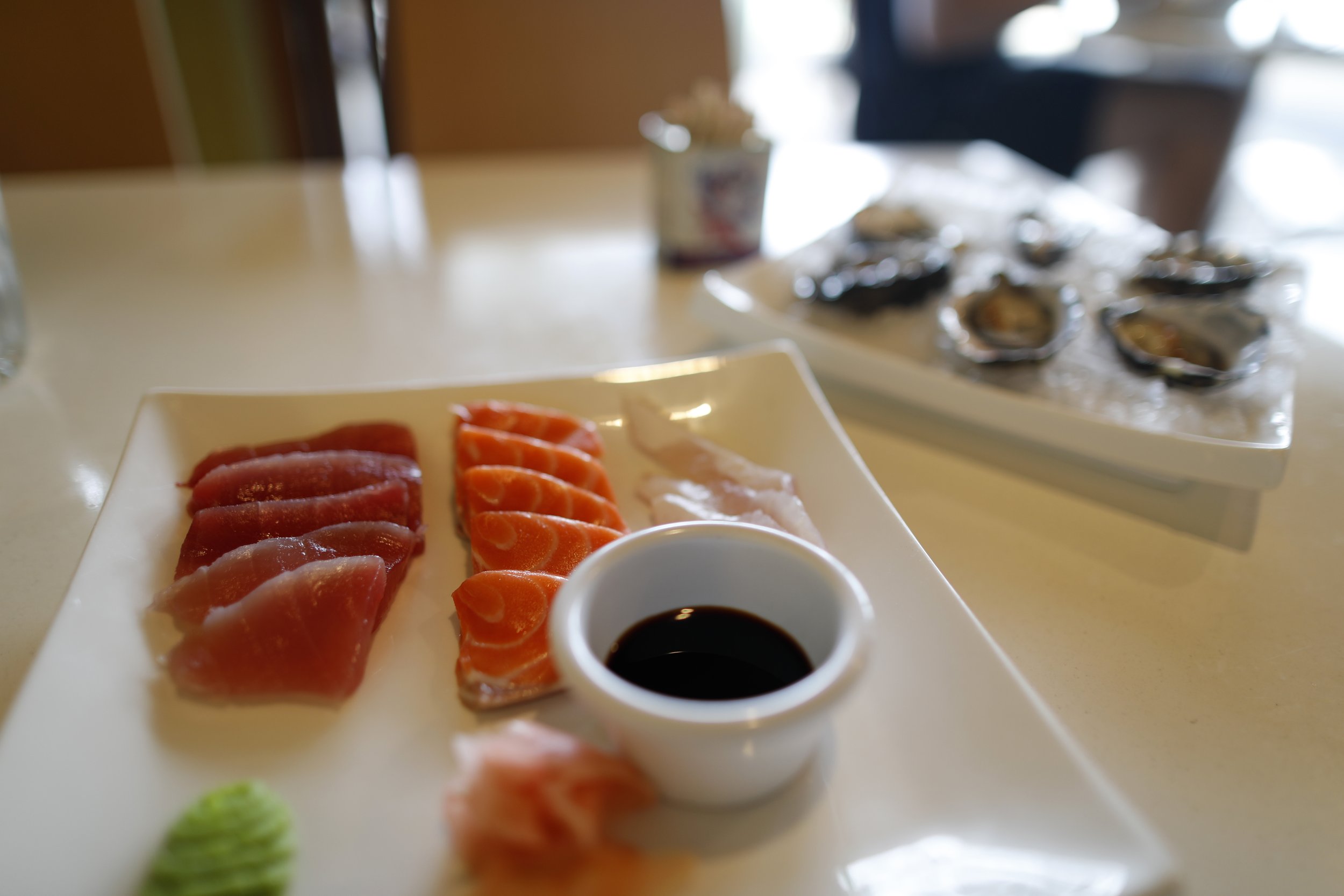
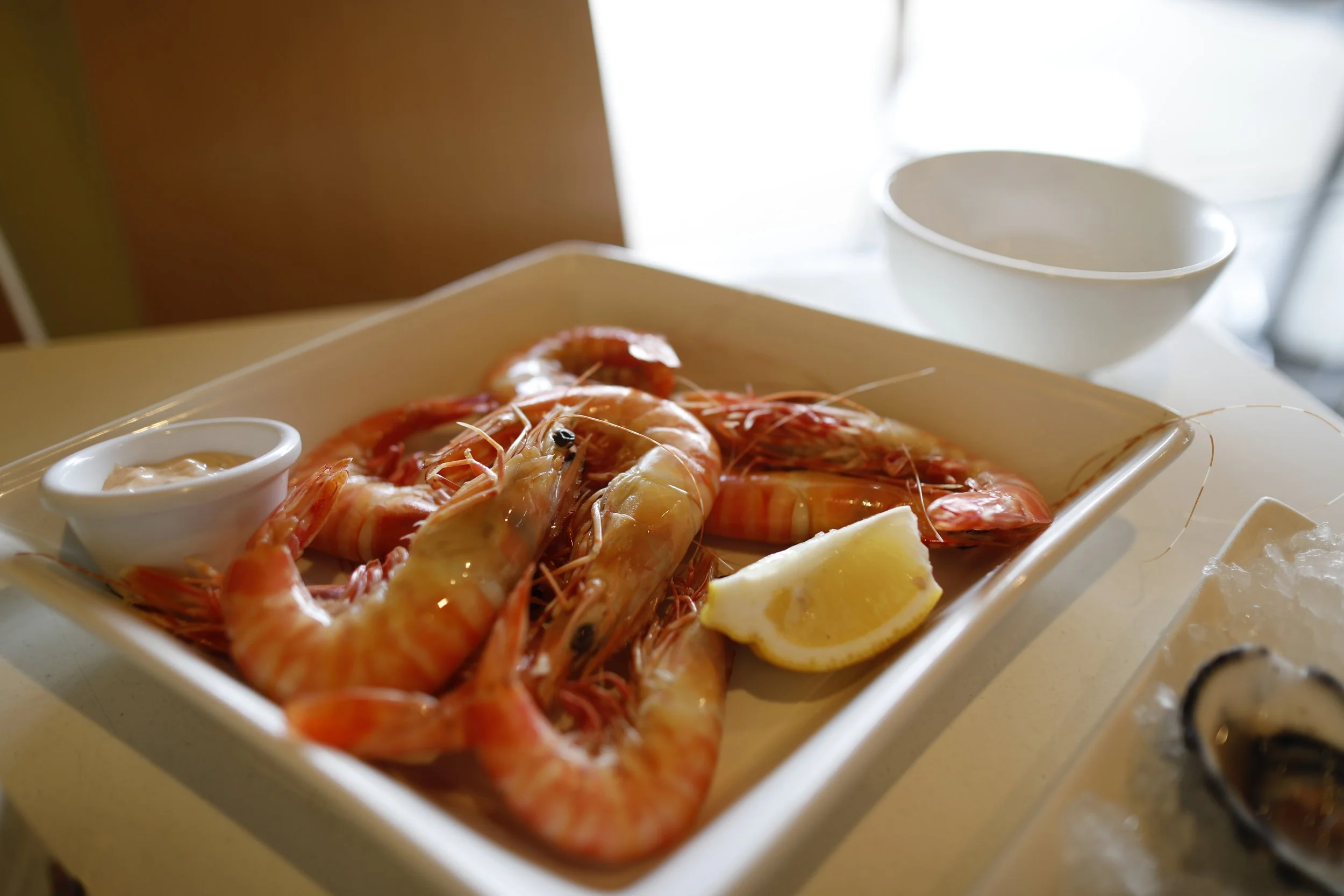
Naturally, I sampled everything. A little tip — if you’ve ordered more than you can eat, plan for takeaway but remember the tour bus won’t keep things chilled. I wound up passing most of my prawns to our guide, who was only too happy to help.
⚠️ Good to Know | Sustainability matters here. Southern rock lobster fisheries are carefully managed with quotas and seasonal closures and local fishmongers can tell you about legal size limits and responsible sourcing. Some species are best avoided out of season, while others are reliably sustainable — so don’t hesitate to ask where your seafood came from.
Things to Do Near Apollo Bay Along the Great Ocean Road
If you have a little extra time and are traveling independently, wander through Apollo Bay — its coastal charm and hidden gems are waiting to be discovered. It’s easy to linger here and this is the spot I wished we had more time to explore.
Mornings are for slow seaside strolls and warming up with a coffee and a freshly baked seafood pie before setting out to explore. The town is wonderfully practical as a base for adventure: lighthouse visits that make you feel small against the sky, rainforest paths such as Maits Rest that thread through ancient ferns and elevated walks like Otway Fly where the canopy opens into a green cathedral. Waterfalls hide in the hills — Hopetoun Falls being a local favorite — surprising you with their sudden thunder after a short, shady walk.
Wildlife sightings add to the magic: seals haul out on rocky islets, koalas nap in eucalyptus branches and a lively chorus of birds fills the mornings. And when hunger calls, Apollo Bay delivers — seafood here is unapologetically fresh, with local favorites served simple and satisfying in the cafés and fish-and-chip shops lining town.
Driving the stretch from Aireys Inlet to Apollo Bay is a highlight in itself: dramatic coastal bends, cliff-top lookouts and that cinematic feeling of road and ocean stretching out forever. If you’re coming from Melbourne, plan on about 2.5 to 3 hours — longer if you stop to drink in the views. Take your time, drive carefully if you’re on your own (the roads are narrow and wildlife is most active at dusk) and book your accommodation early, especially in summer when campers and holiday makers flock here.
There’s a calm kind of magic to Apollo Bay that sneaks up on you the moment the ocean air fills your lungs. Start your adventure with the Great Ocean Walk: set out from Apollo Bay and let the coastline unfold across a multi-day hike that leads you toward the iconic Twelve Apostles. Each morning brings new light on the cliffs and every evening feels earned.
For a different perspective, slip into the treetop world at Otway Fly Treetop Adventures. Strolling through the rainforest canopy, the ferns and ancient trunks feel like companions; for a burst of adrenaline, the zip-line adds a grin-inducing dash of speed to the serenity.
Climb up to Marriners Lookout for sweeping views over the bay where fishing boats and surf meet the horizon — the kind of vista that asks you to linger. Nearby, Split Point Lighthouse stands guard near Aireys Inlet, its weathered walls filled with stories and sea spray, an elegant reminder of the coast’s history.
Apollo Bay is the sort of place that balances unhurried relaxation with the promise of discovery: fresh seafood dinners, quiet beaches and wild, beautiful trails. It’s an essential, soulful stop on any Great Ocean Road journey.
Melba Gully
Next on our Great Ocean Road tour — a nature-kissed pause at the enchanting Melba Gully, the kind of place that makes you slow down without even trying.
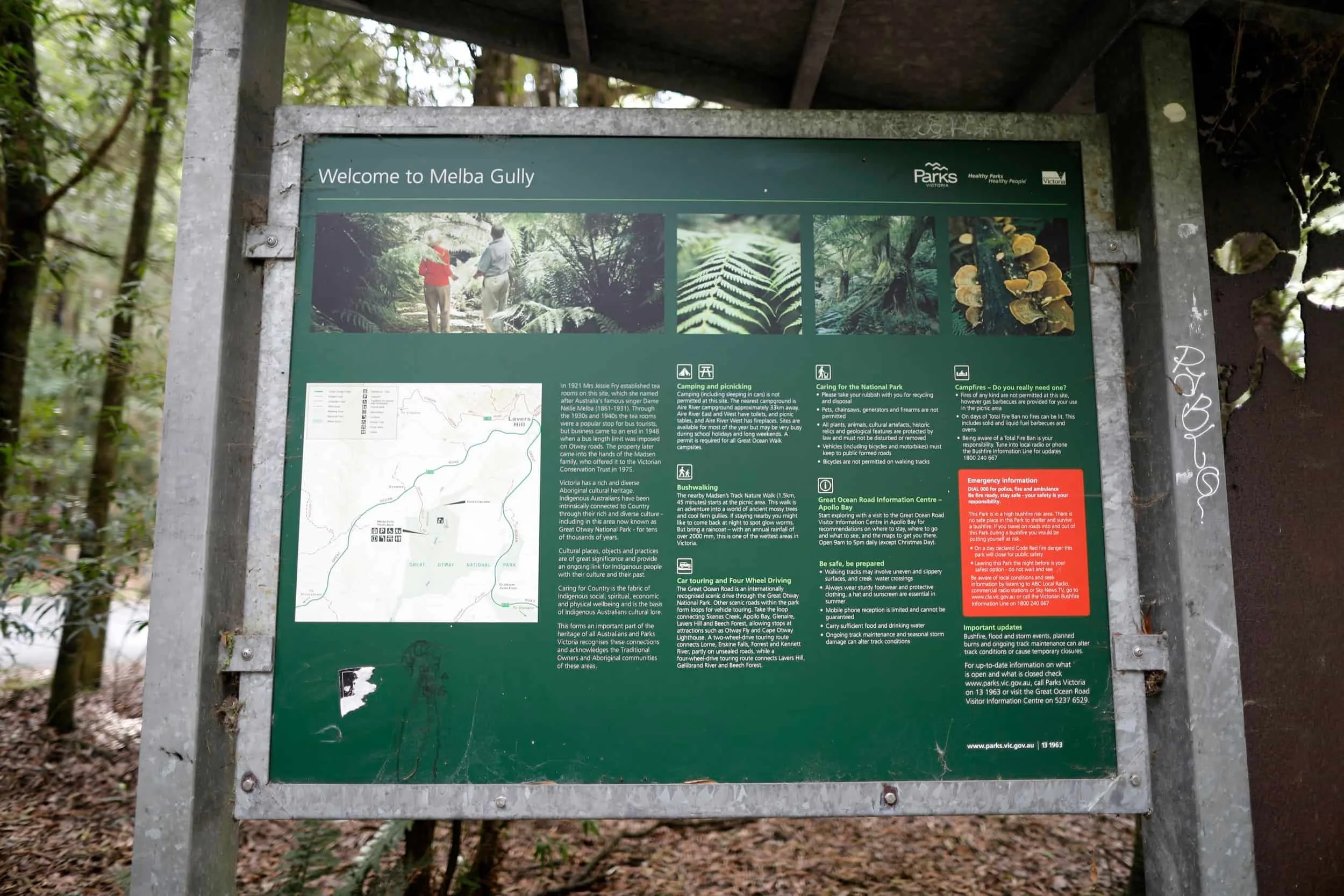
Tucked into the heart of the Otways and often called the "Jewel of the Otways," this pocket of temperate rainforest feels like stepping into a forgotten storybook: thick green canopies, trunks draped in velvet moss and the quiet of ancient Myrtle Beech standing like silent watchers. Daylight here is soft and filtered, the air cool and damp, every fern and frond glistening as if polished by the forest itself.
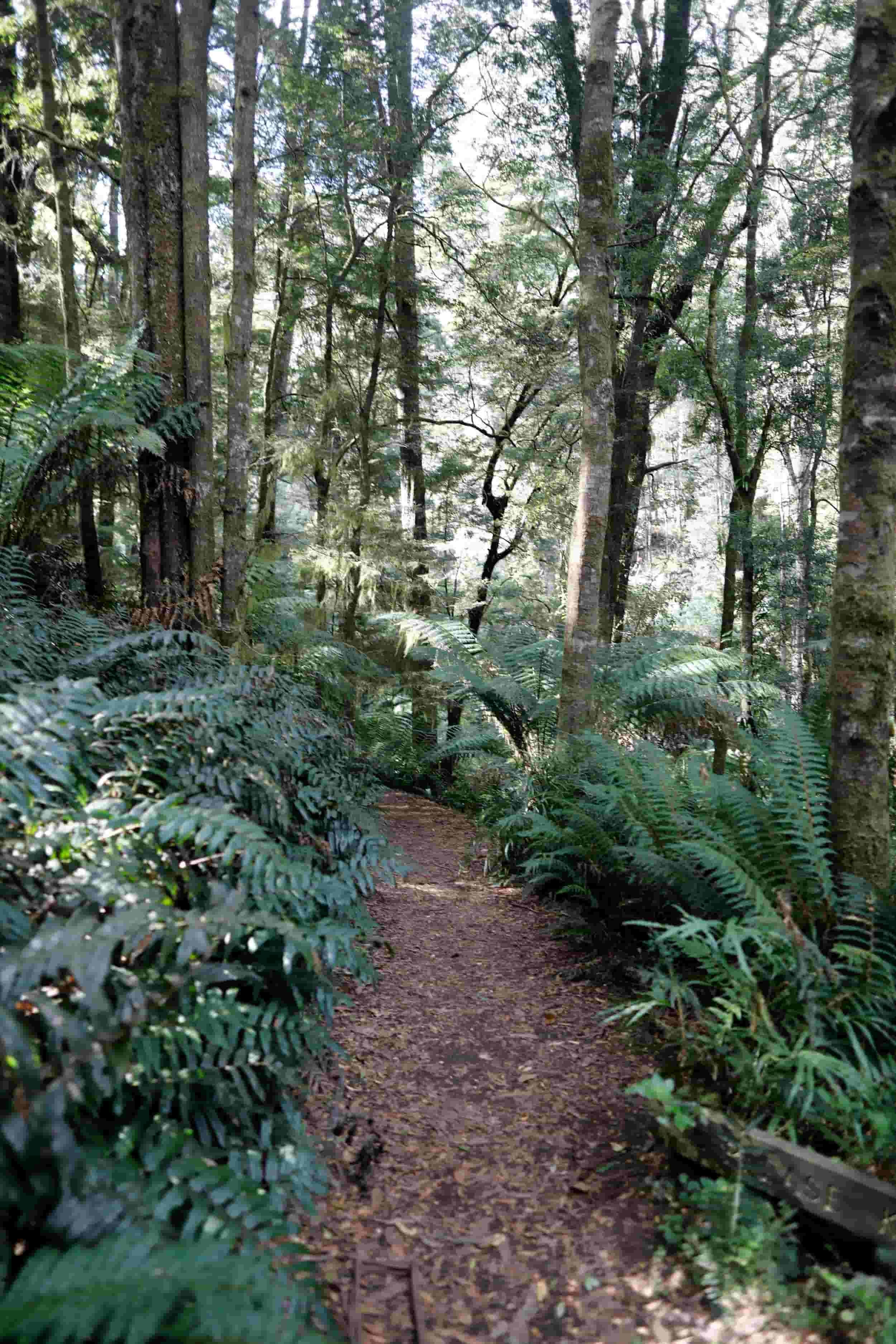
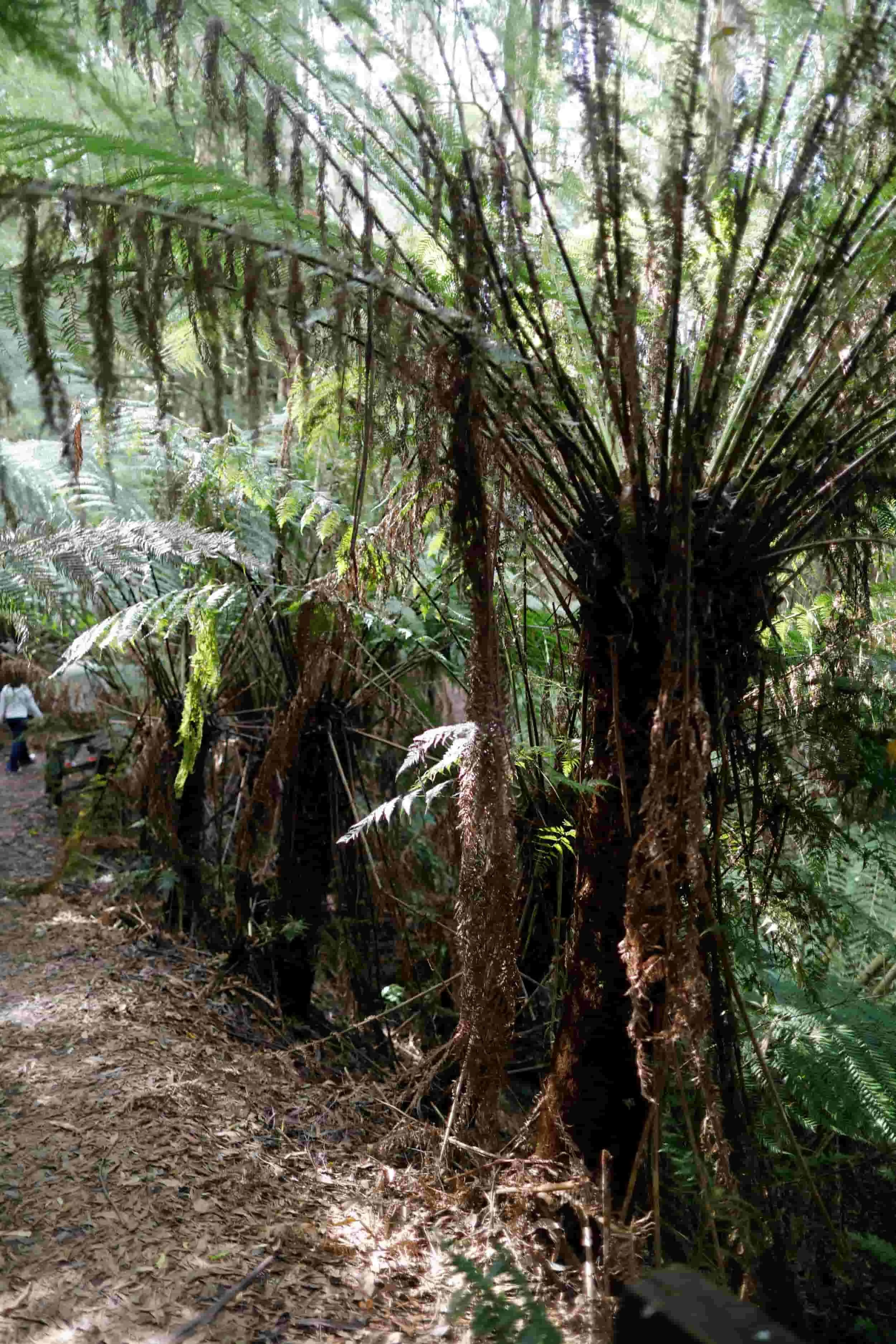
If you’re able, visit in the evening hours. Come evening, Melba Gully shifts from serene to outright enchanted. Along the damp edges of the walking tracks, glow worms — delicate bioluminescent larvae — pin tiny constellations to the darkness. When the night is still and you sit very quietly, those specks of light pulse and shimmer, turning a simple stroll into a private light show.
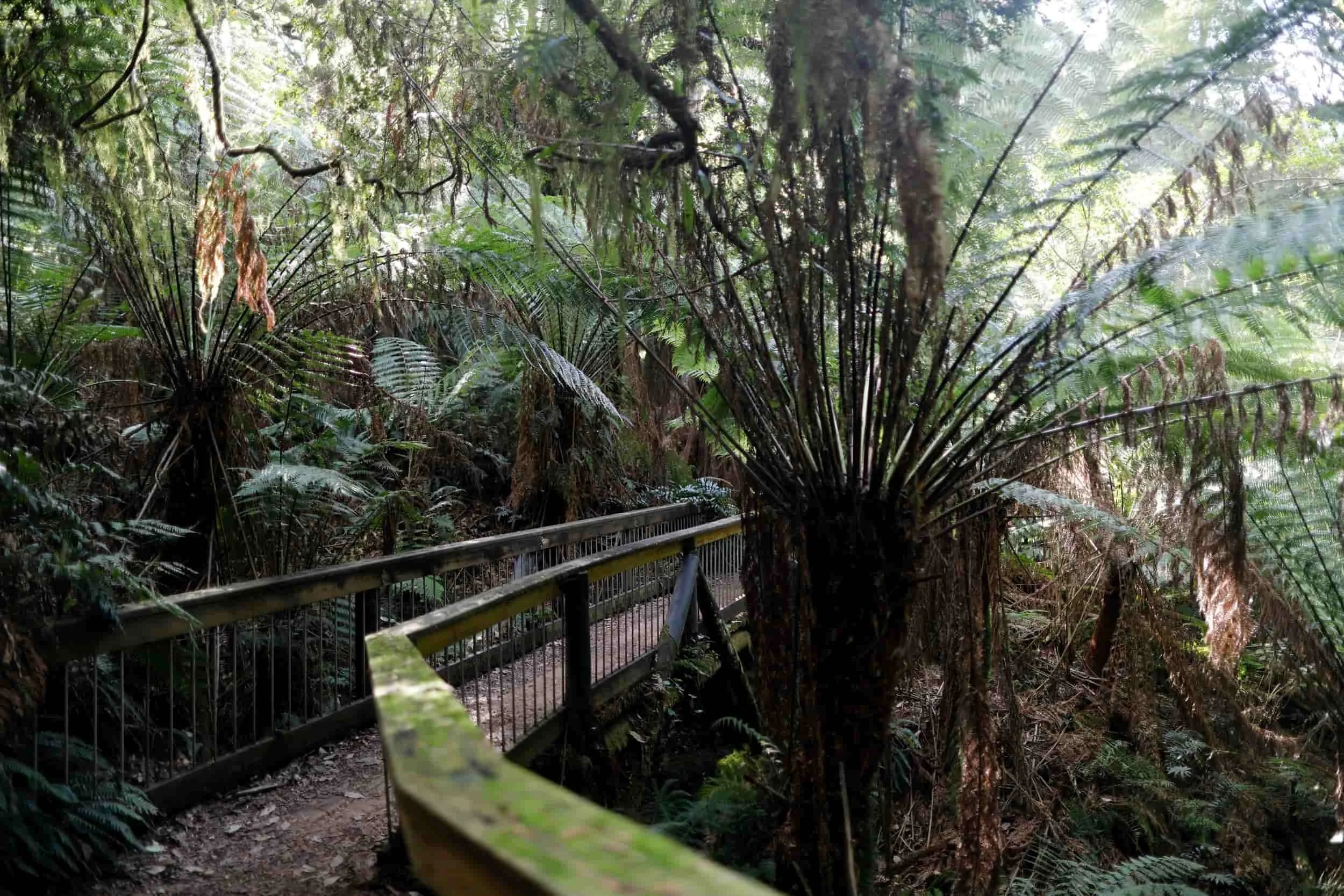
The Madsen’s Track Nature Walk is the perfect introduction: a gentle, family-friendly loop that takes about 30–40 minutes, winding you through the best of the rainforest and setting you up to return after dark for the glow-worm spectacle.
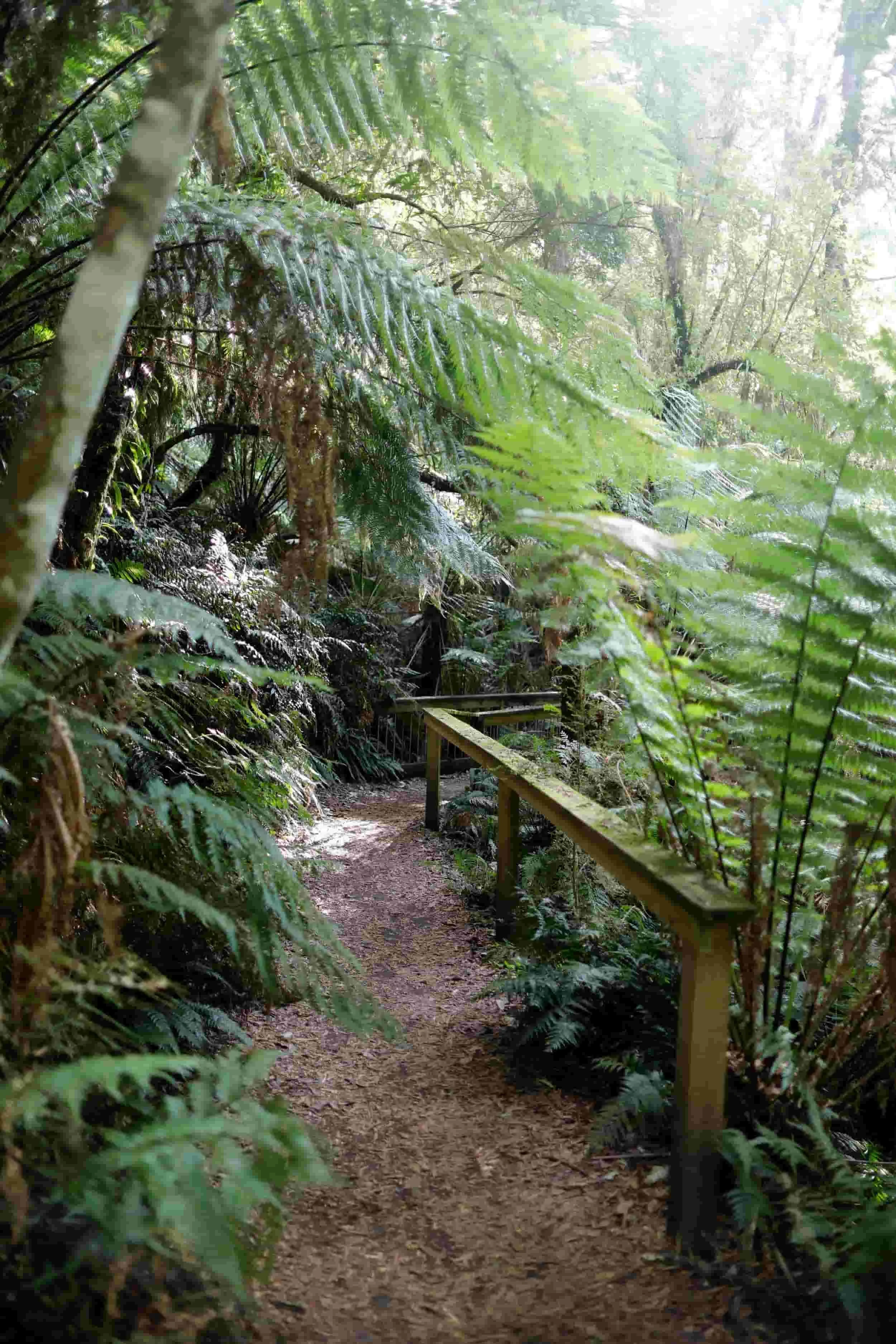
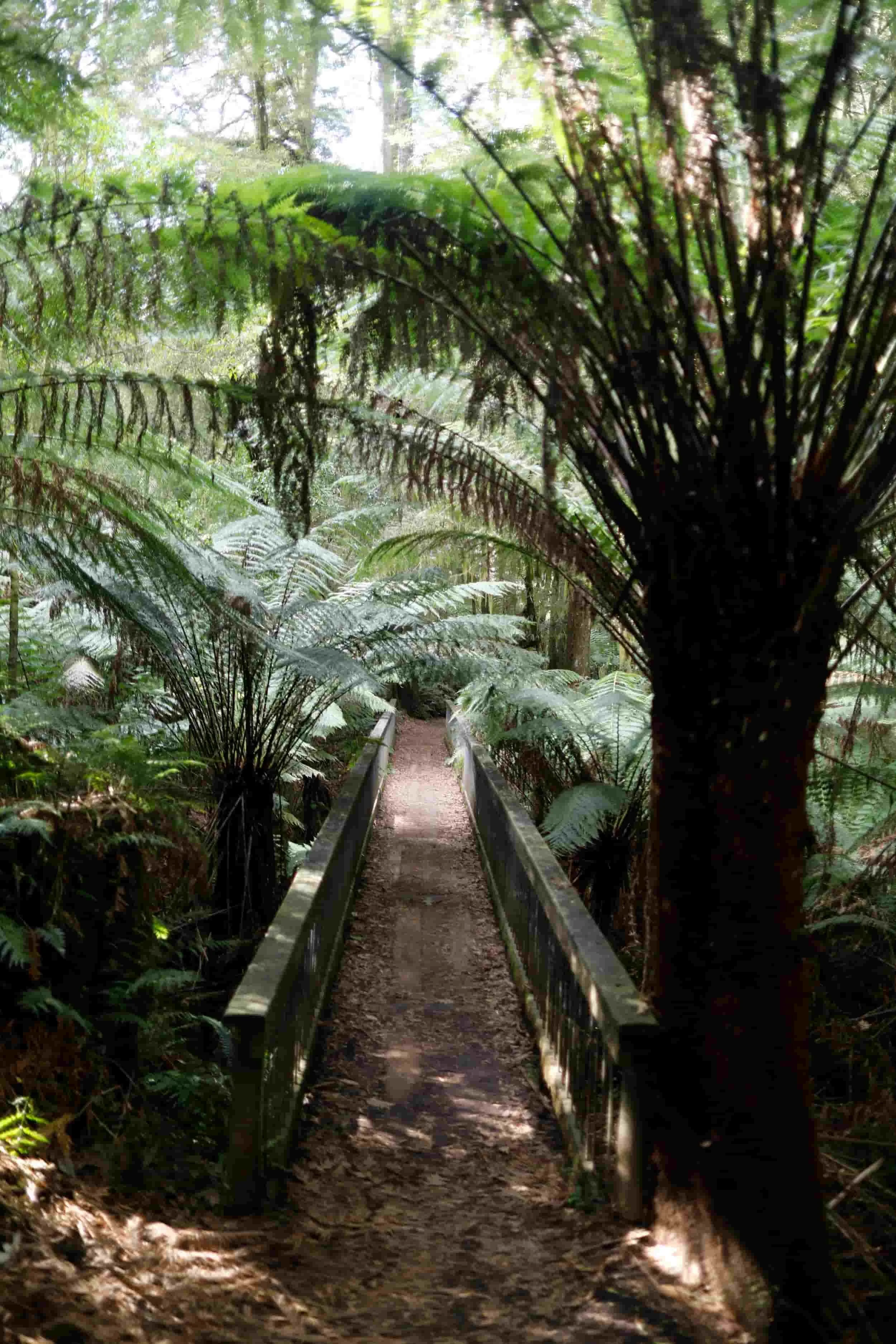
The plant life here deserves its own travel guide: majestic Myrtle Beech and stately Blackwood trees tower over carpets of ferns and thick moss, creating layers of green that feel almost tactile. Birdsong is constant — look out for Superb Fairy-wrens darting through the undergrowth and the cheerful calls of Yellow Robins — and if you’re lucky at dusk or dawn, possums and wallabies may ghost past in the dim light.
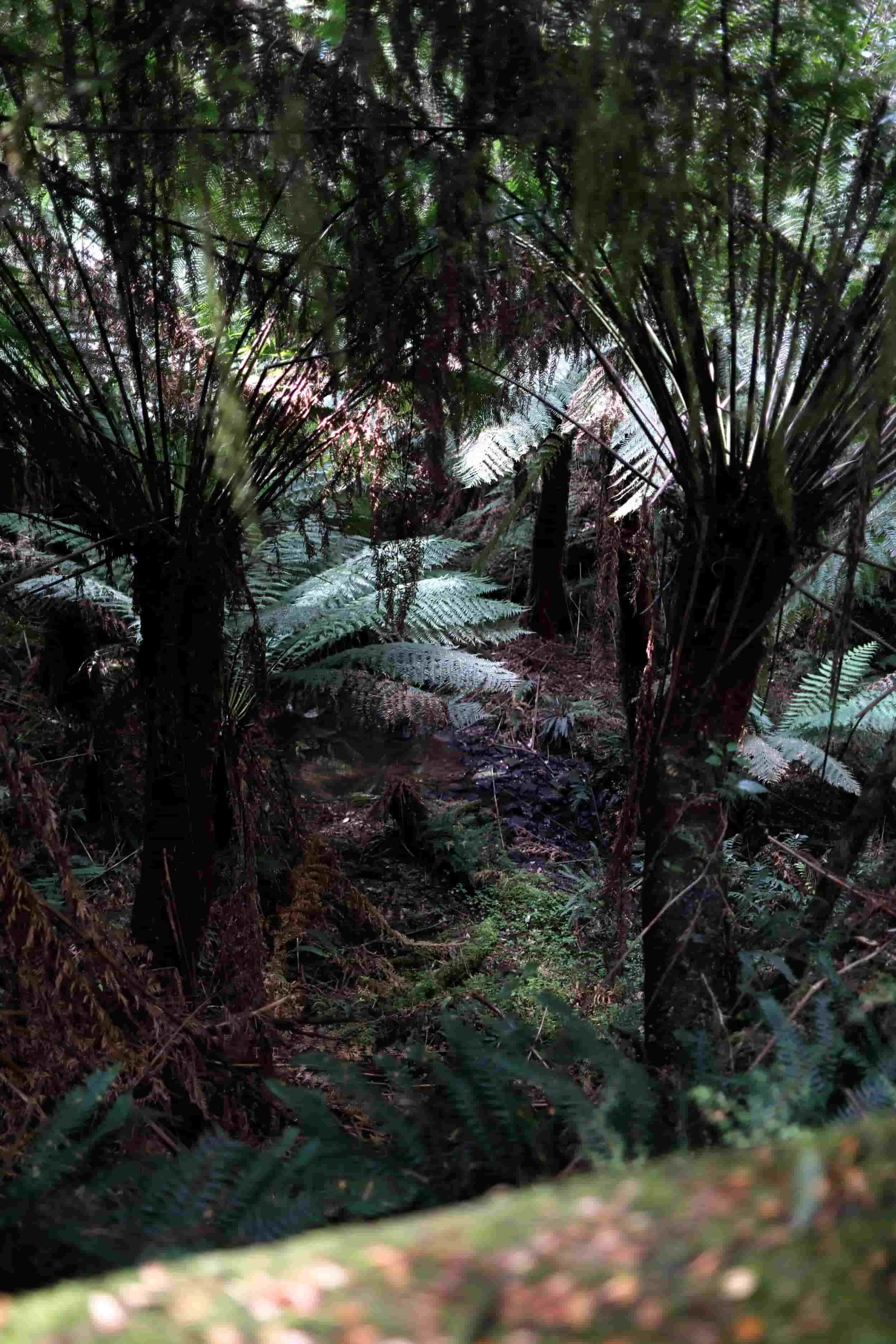
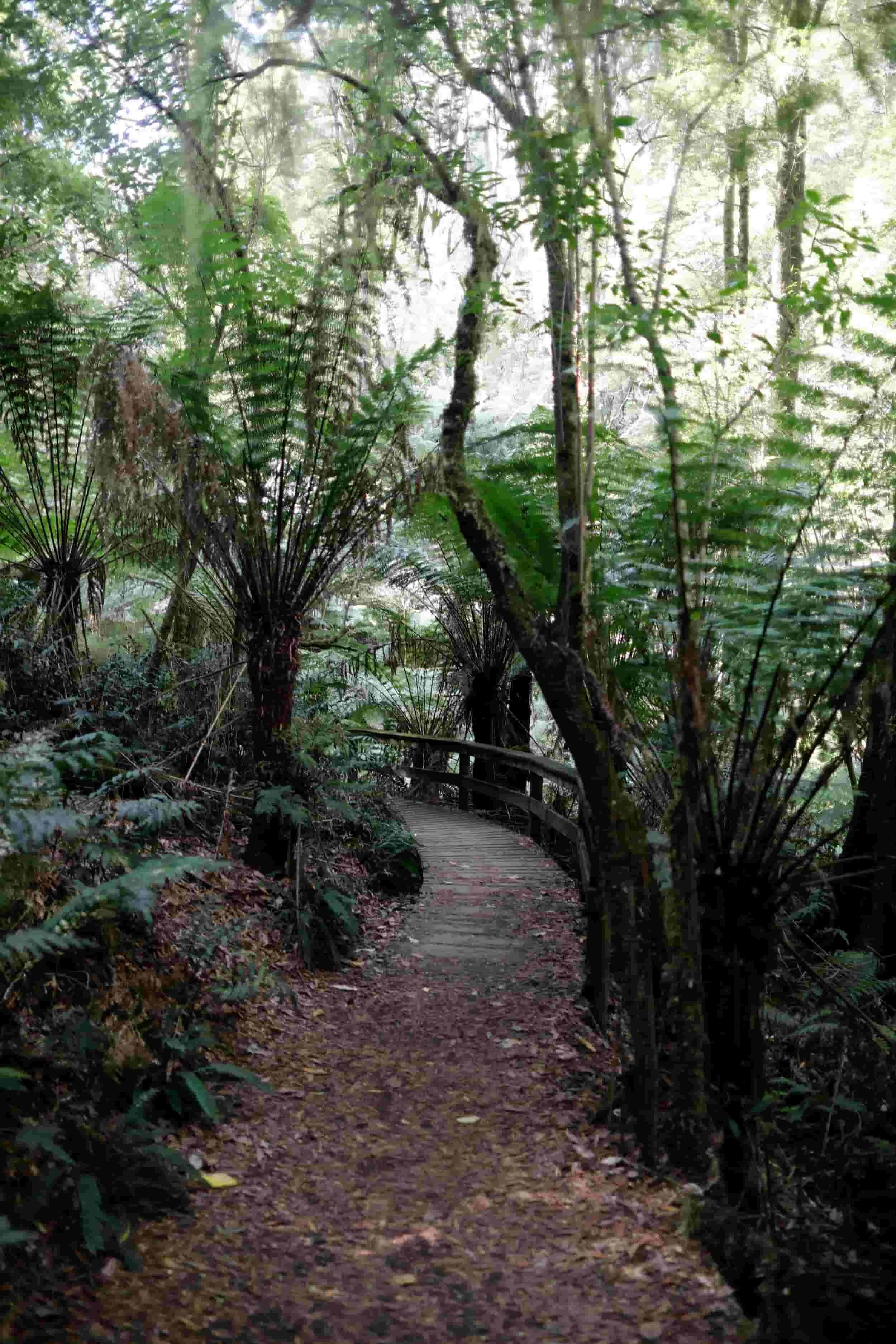
Melba Gully is also a place of living heritage. The land sits within the traditional country of the Eastern Maar and Gunditjmara peoples, and the cultural connections to this landscape run deep. It’s a reminder that these forests hold stories older than our maps and visiting is an opportunity to listen as well as look.
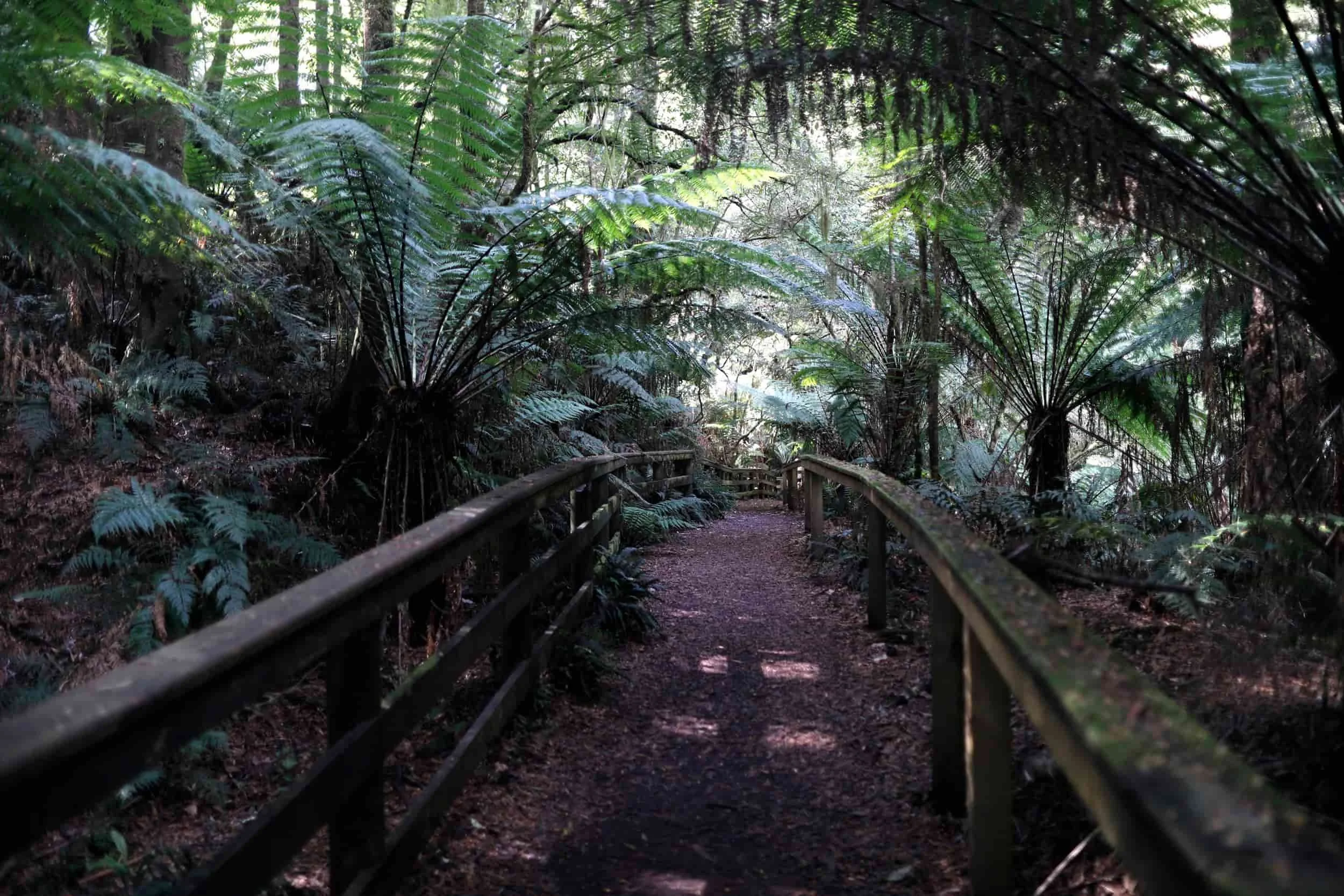
Practical comforts are simple: picnic areas with gas barbecues and toilets make it easy to stay for a few hours, though camping isn’t allowed, so plan to base yourself nearby. The gully is an ideal stop for anyone driving the Great Ocean Road — a cool, green detour from ocean cliffs and wind-swept beaches — and it’s especially magical for photographers, families and anyone who wants to trade noise for moss-silence for a few moments.
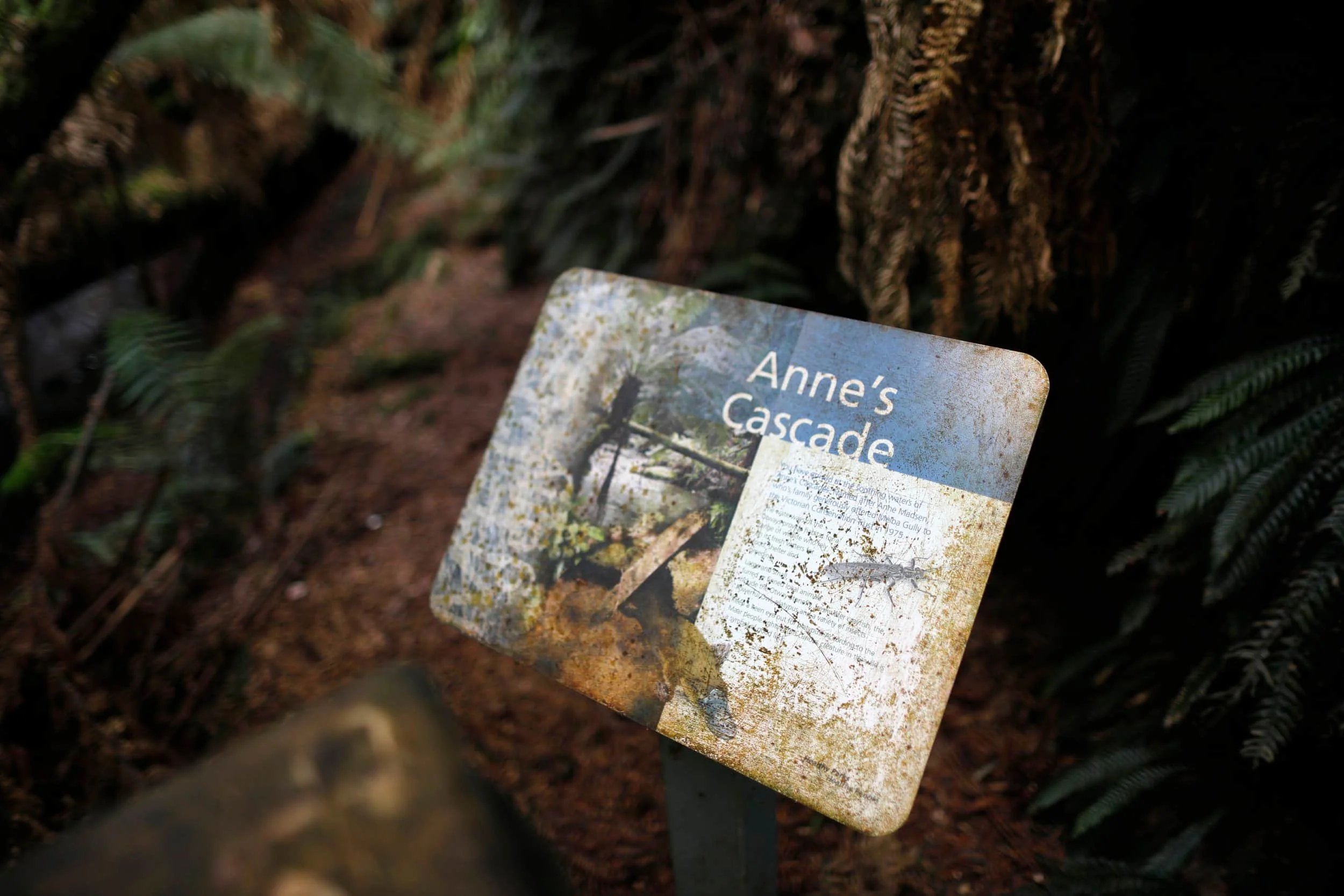
If you go during the evening, bring a light jacket and a headlamp with a red filter or dim setting (so you don’t spoil the glow worms). Visit in the cooler months for the fullest rainforest experience and leave your footprints light — this is a delicate place and its wonder depends on us keeping it that way.
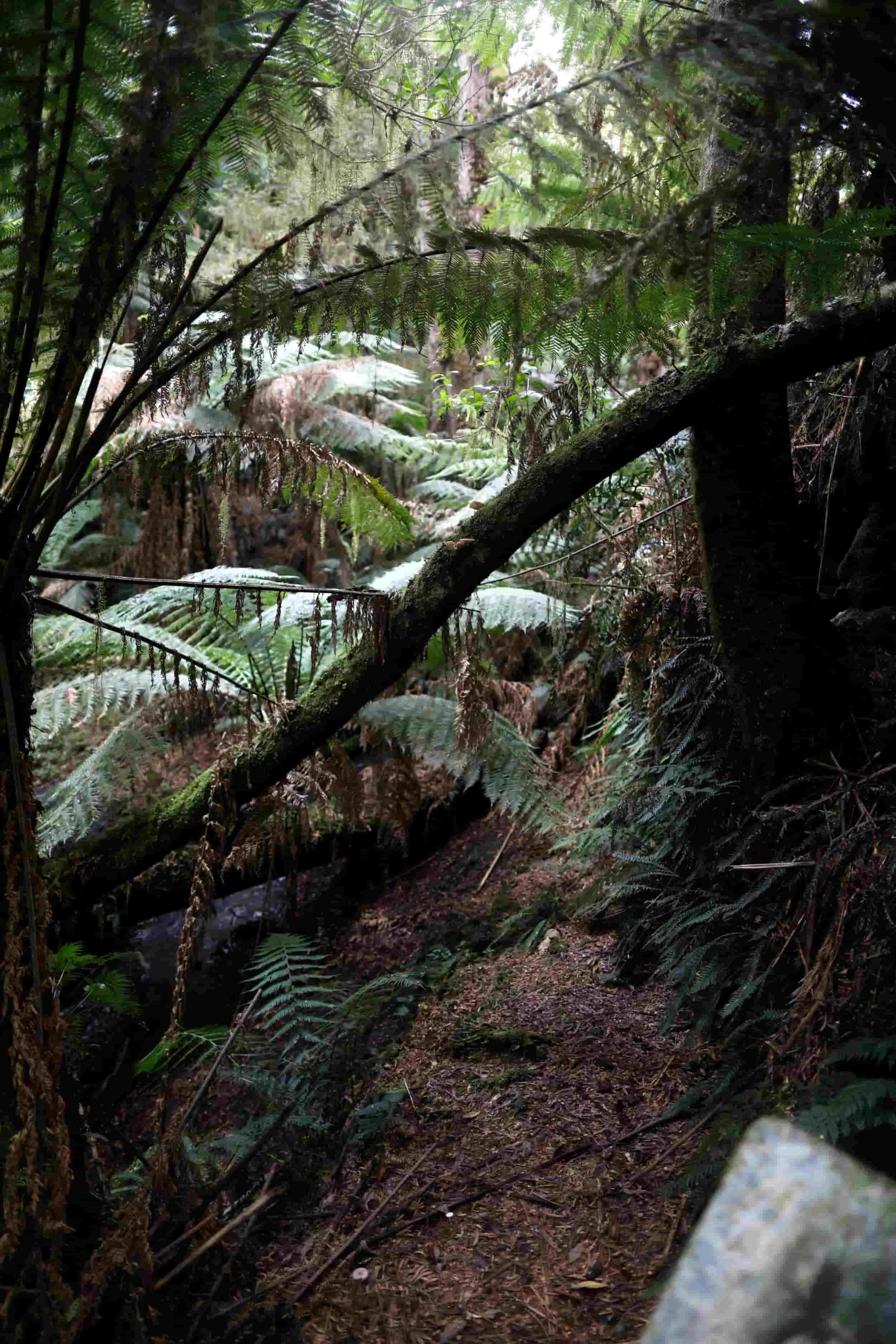
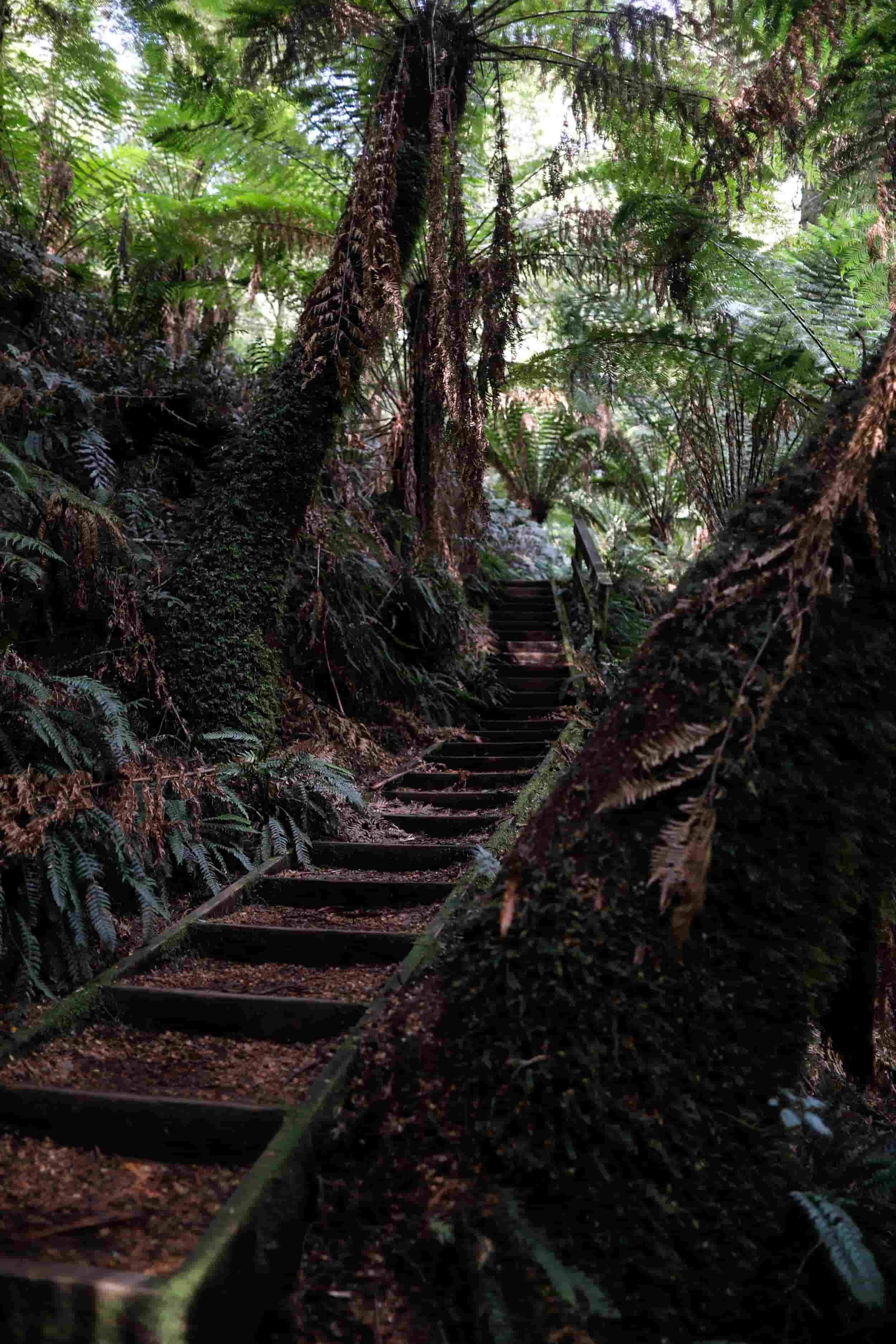
During the tour, we had just enough time to walk the main trail to its graceful waterfall, pause a moment in the cool air, then wander back the same way — enjoying every fern-fringed step.
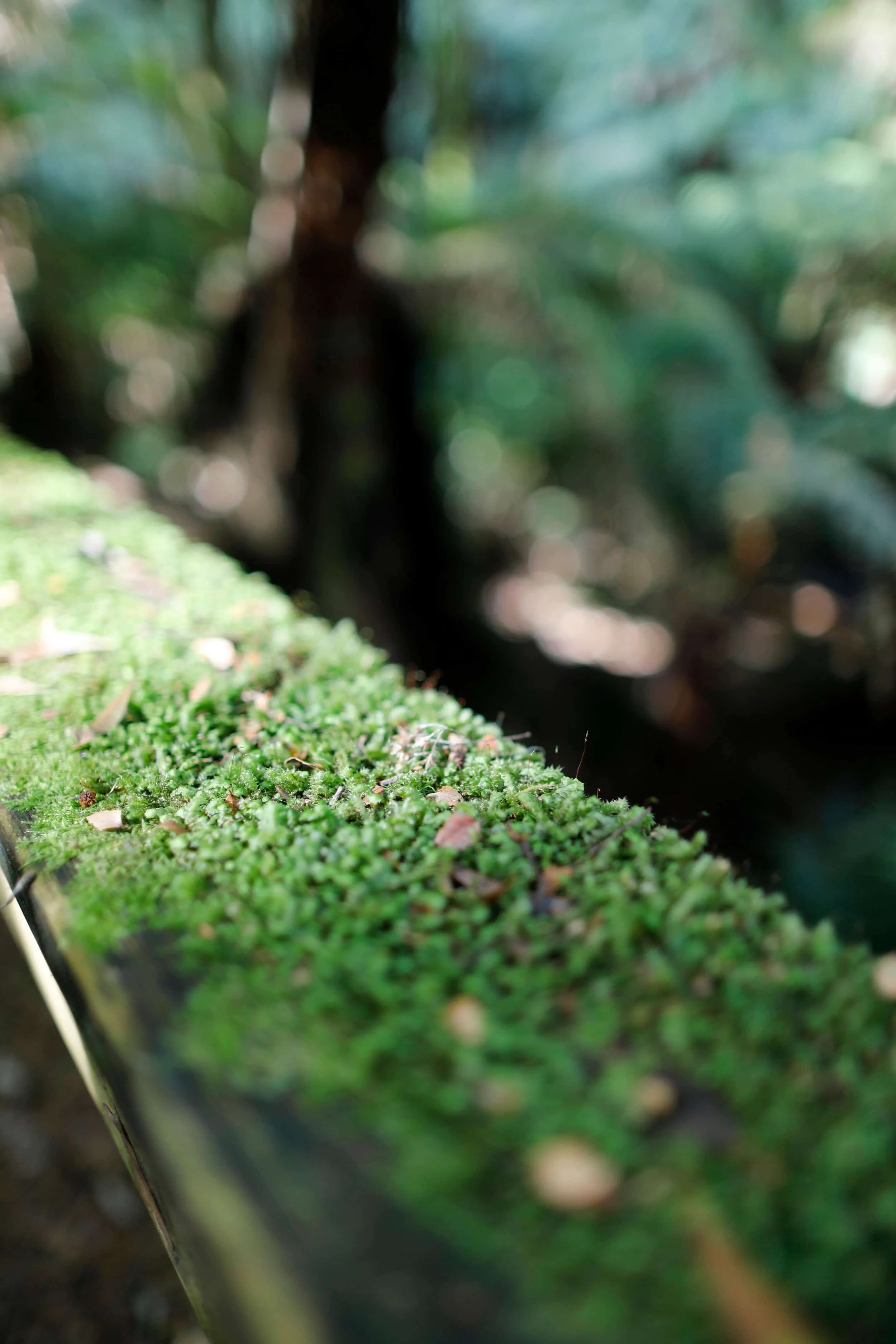
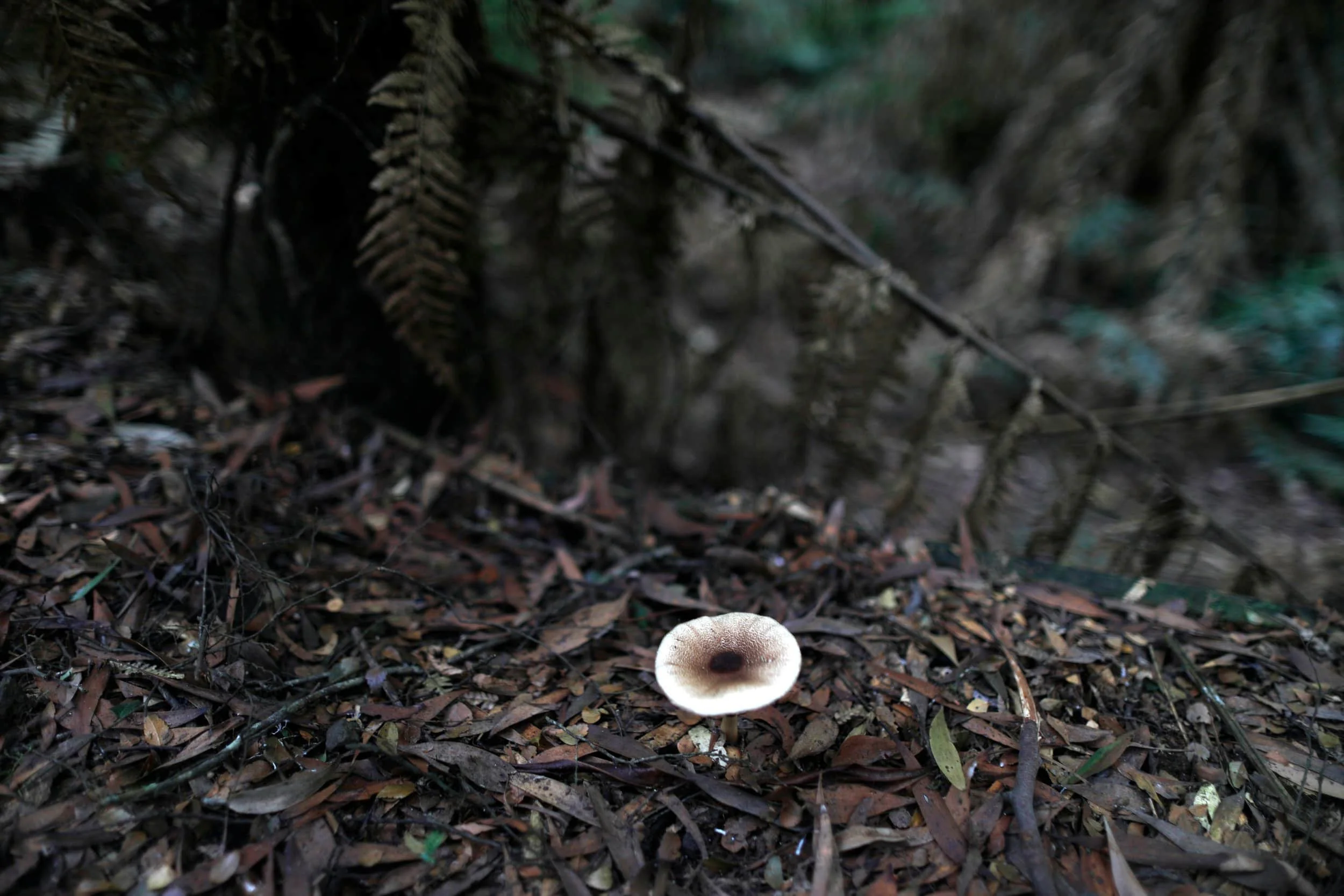
Mostly, I loved how effortlessly you can wander into the Melba Gully rainforest — one moment on the path, the next completely wrapped in emerald ferns and moss, as if you’ve stepped into a secret, living world.
Twelve Apostles
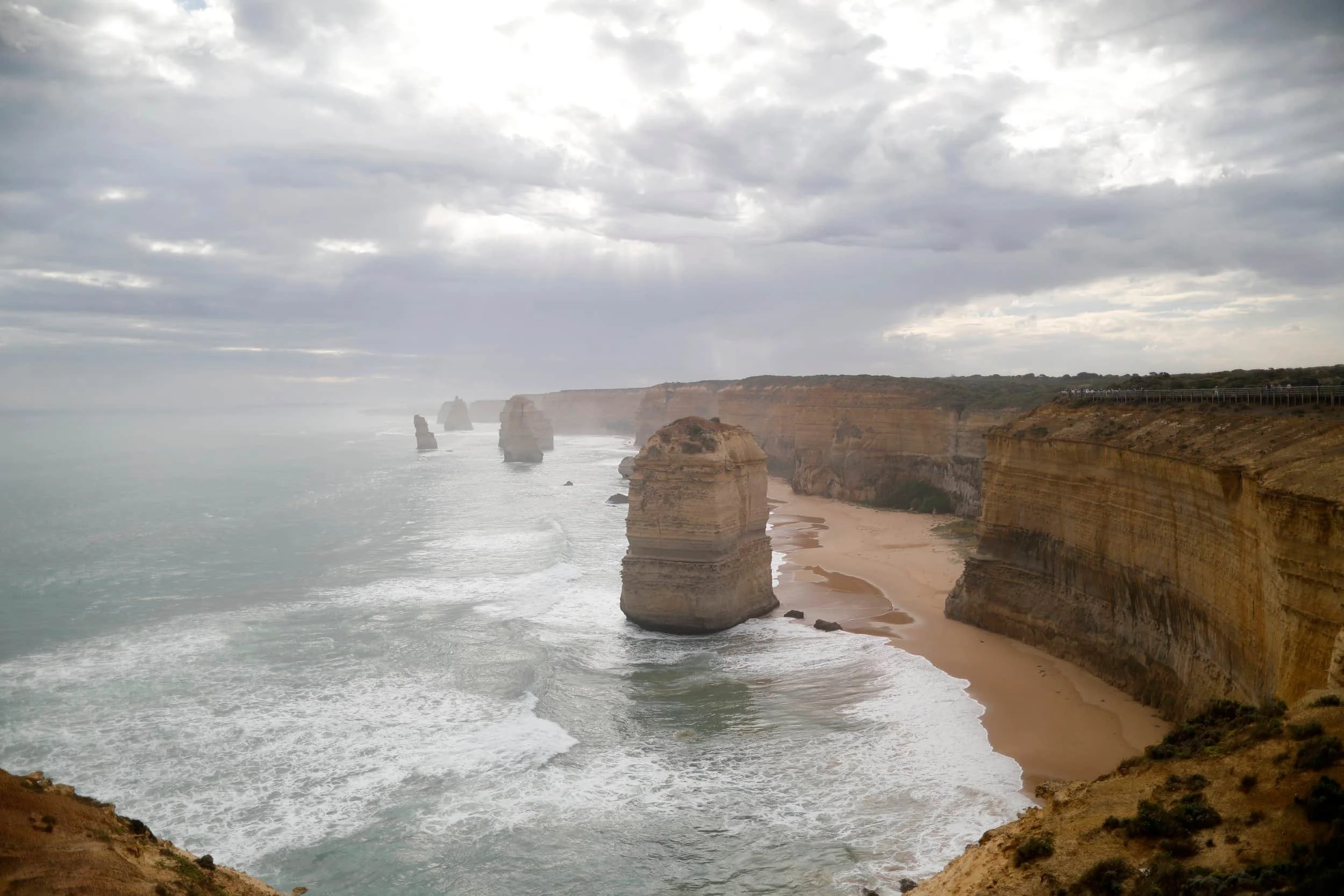
The Great Ocean Road has a way of making you feel very small and very awake at once. Wind whips salt into your hair, the horizon stretches forever and then, as if conjured from a painter’s most dramatic mood, the Twelve Apostles rise out of the Southern Ocean — raw, sun-baked pillars of limestone that have stood as towers for millions of years.
💡 Local Tip: Controversial opinion but if you’re running short on time, skip the Twelve Apostles altogether and head straight to Tom and Eva Lookout and The Razorback. They’re much more dramatic and offer stunning views without the crowds.
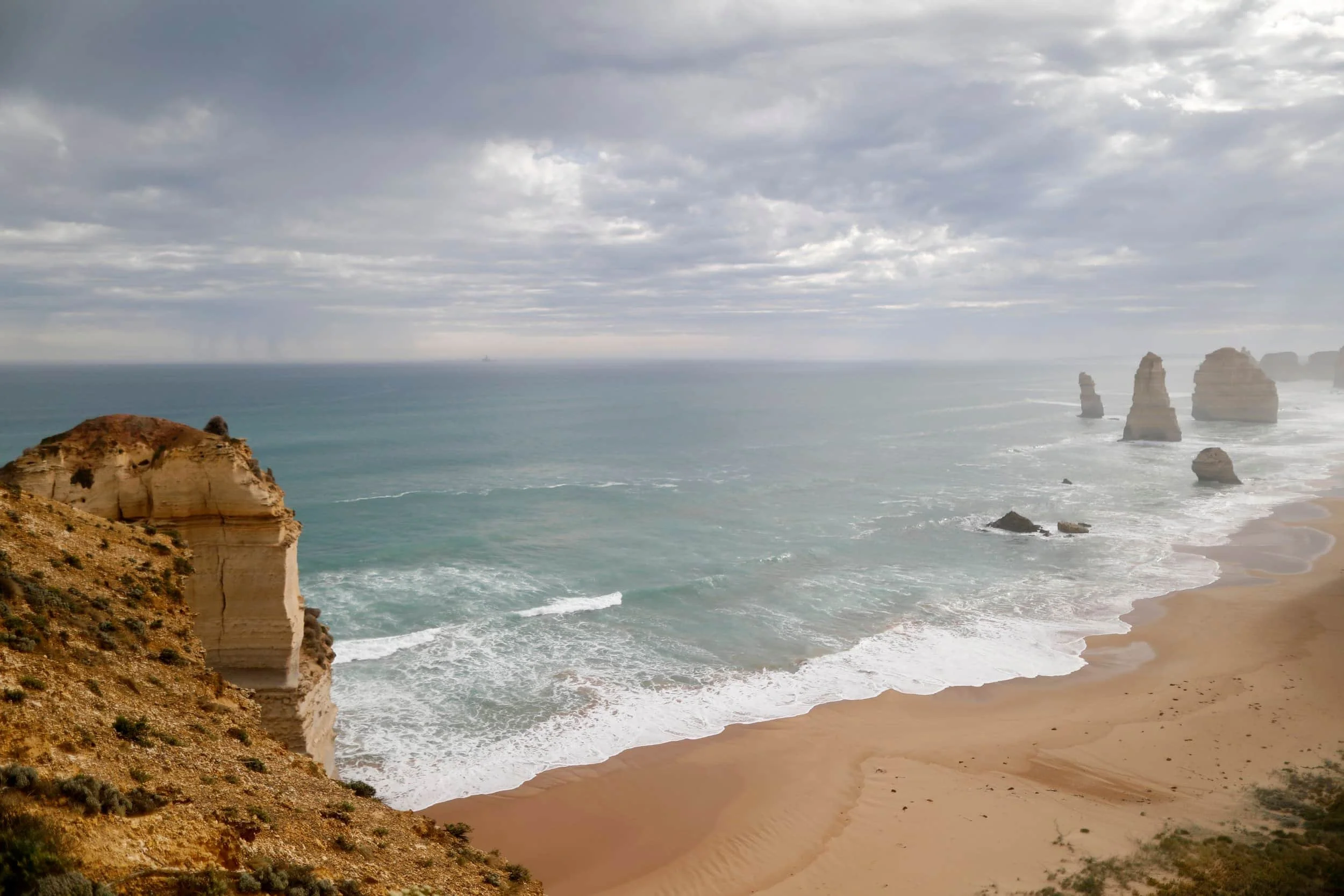
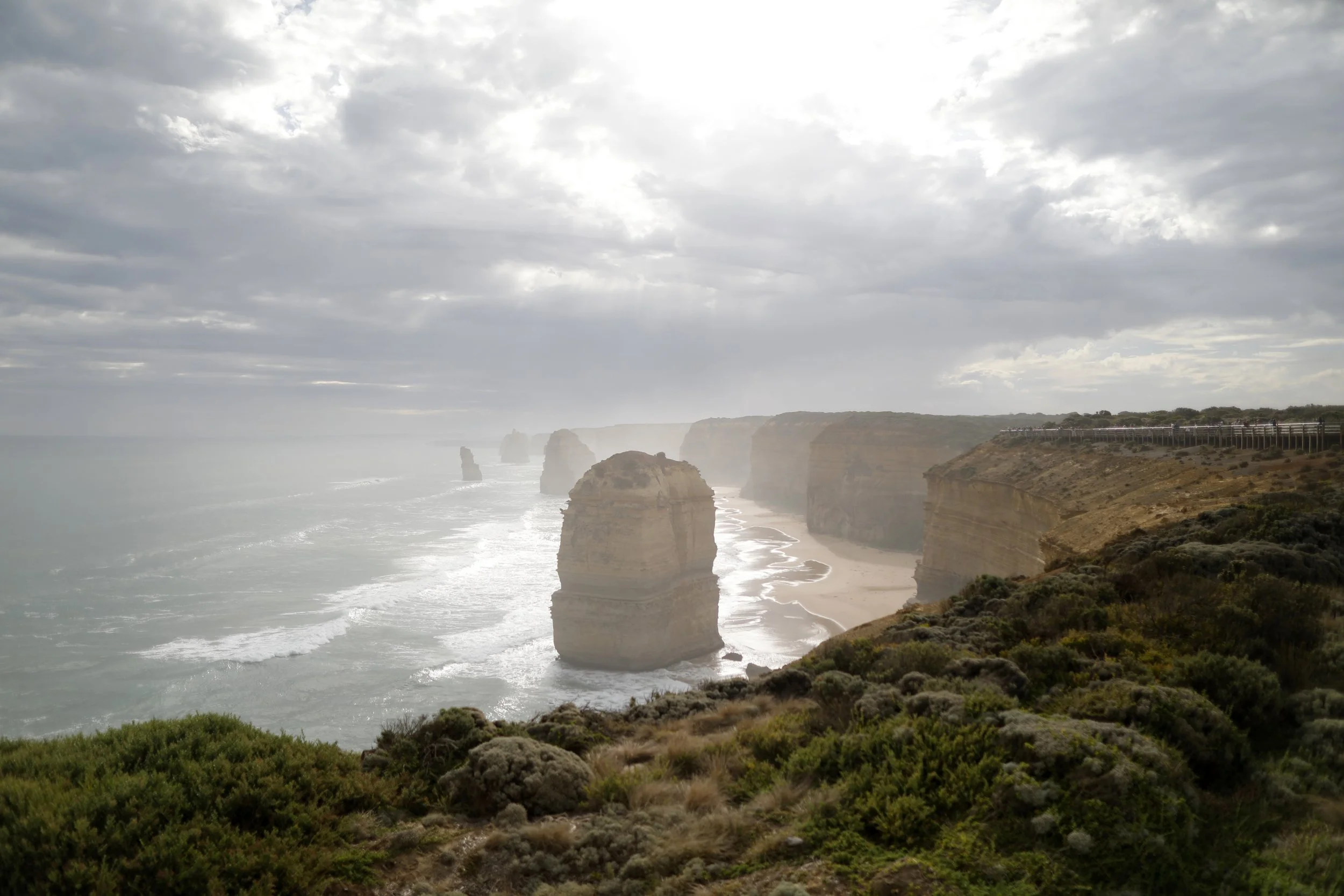
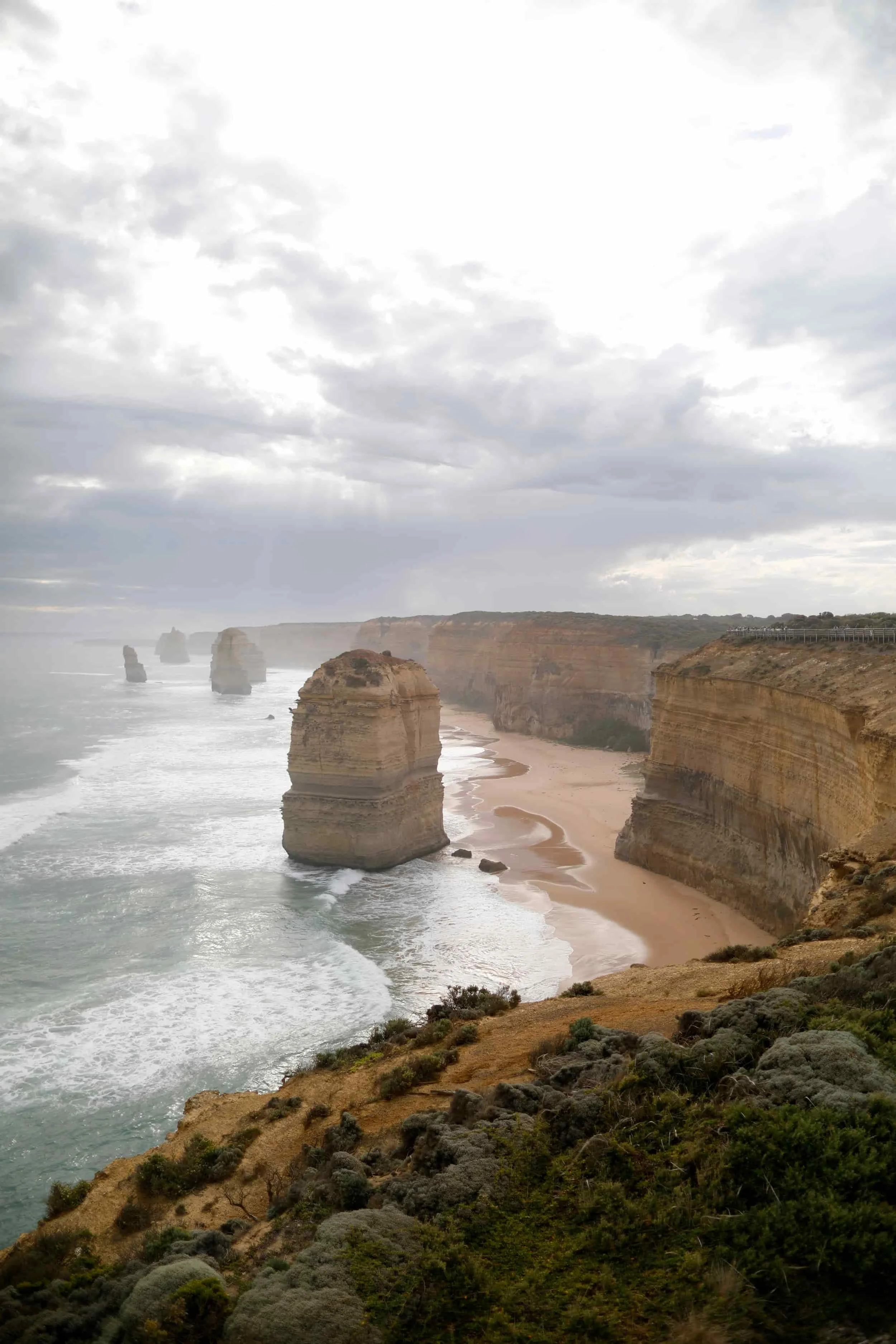
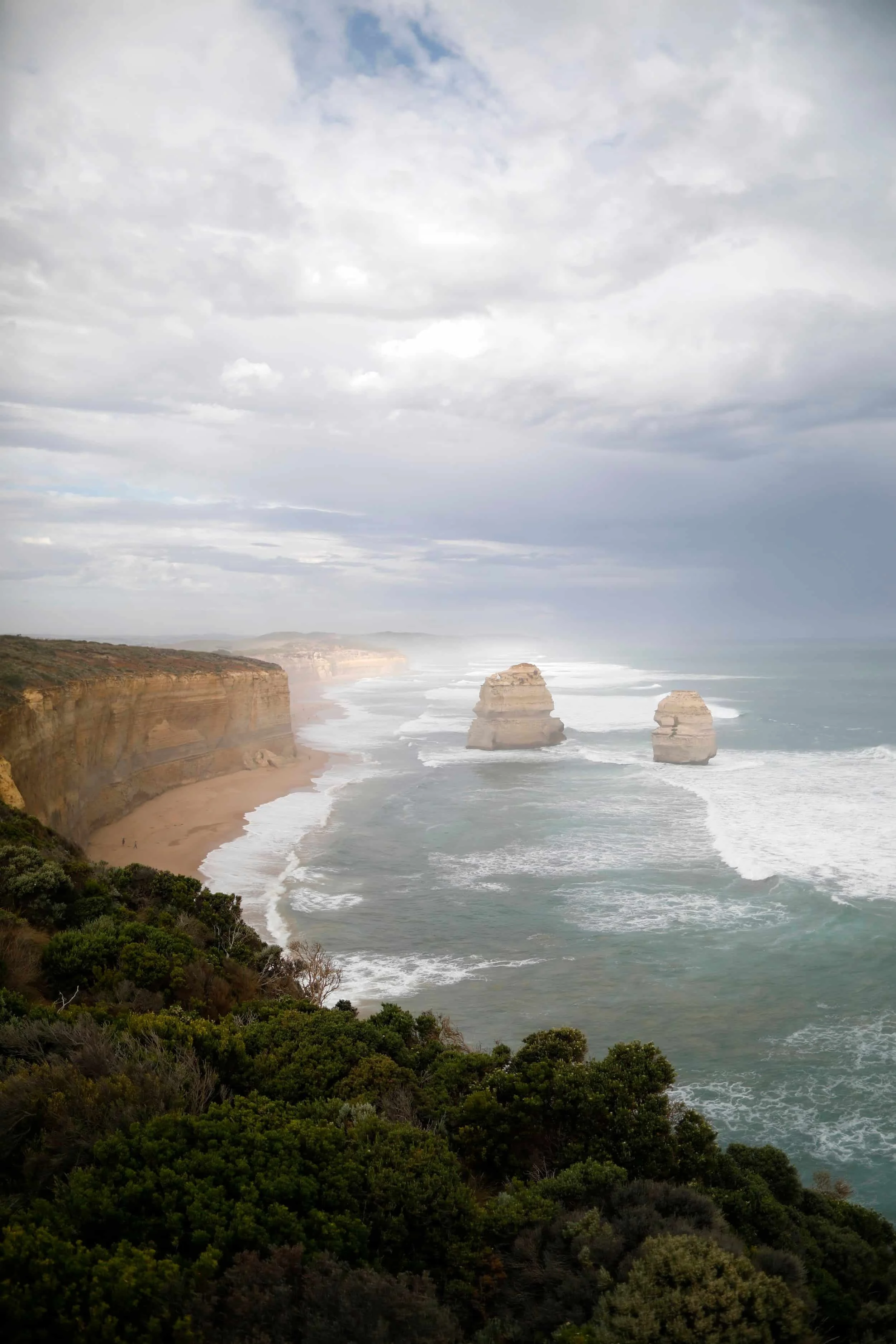
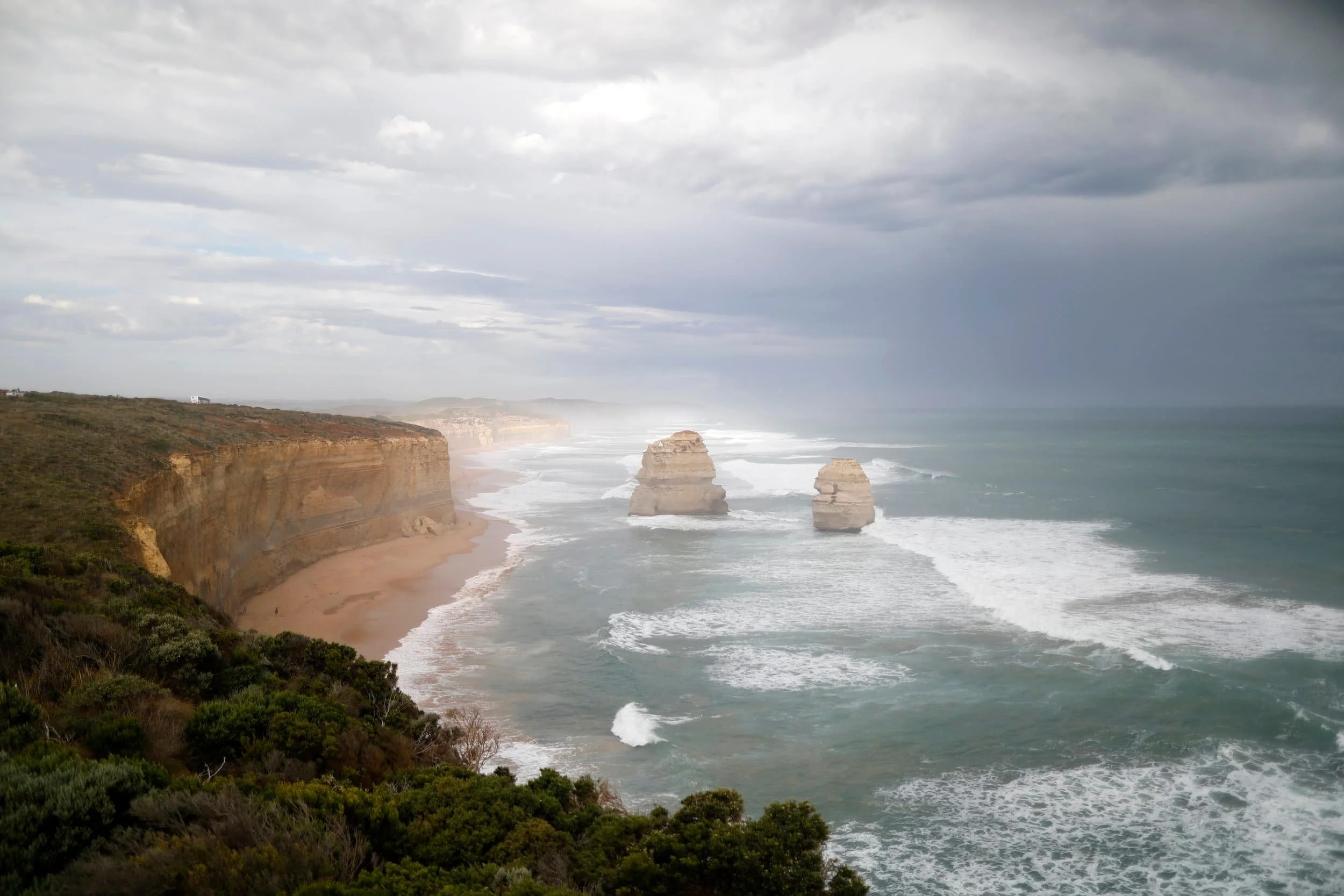
Up close, they are even more impressive than photos suggest. These limestone stacks, once part of a continuous coastal cliff, have been carved and coaxed into towering columns by wind, waves and time. Each pillar tells its own story in layers and colors: at dawn they glow soft gold, by midday they are a warm honey and at sunset they catch fire in intense crimsons and deep ambers. The light turns them into sculptures that are alive and no two visits feel the same.
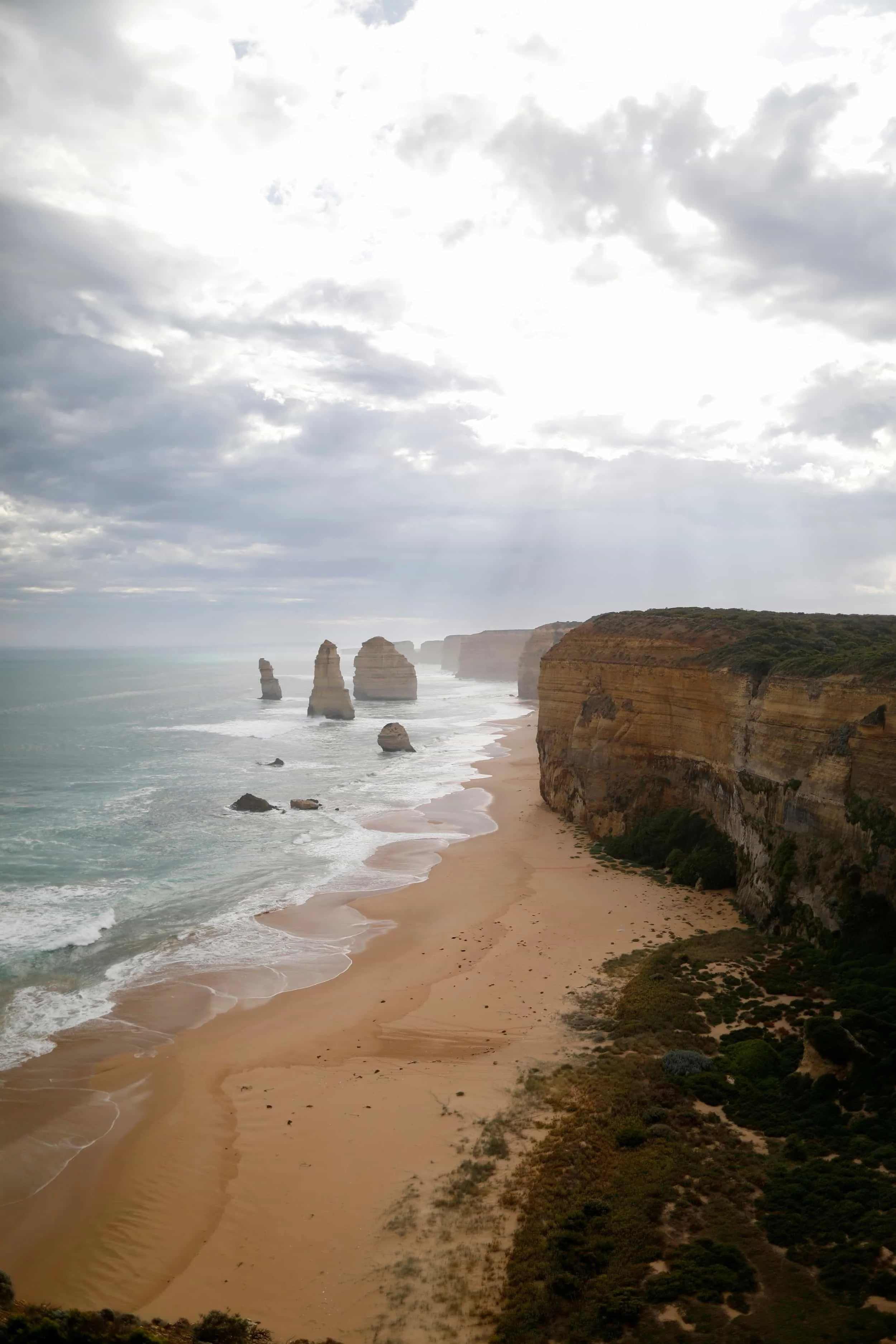
The coastline here feels alive — a sculptor’s studio where waves gnaw at cliffs, arches bloom and fall and the limestone stacks are continually reshaped. In 2005, a towering 164-foot (50‑meter) stack collapsed into the sea and another gave way in 2009, vivid reminders that these majestic formations are fleeting and on a geological timescale. That sense of constant change gives the view a bittersweet urgency: come now because the landscape will not stay the same.
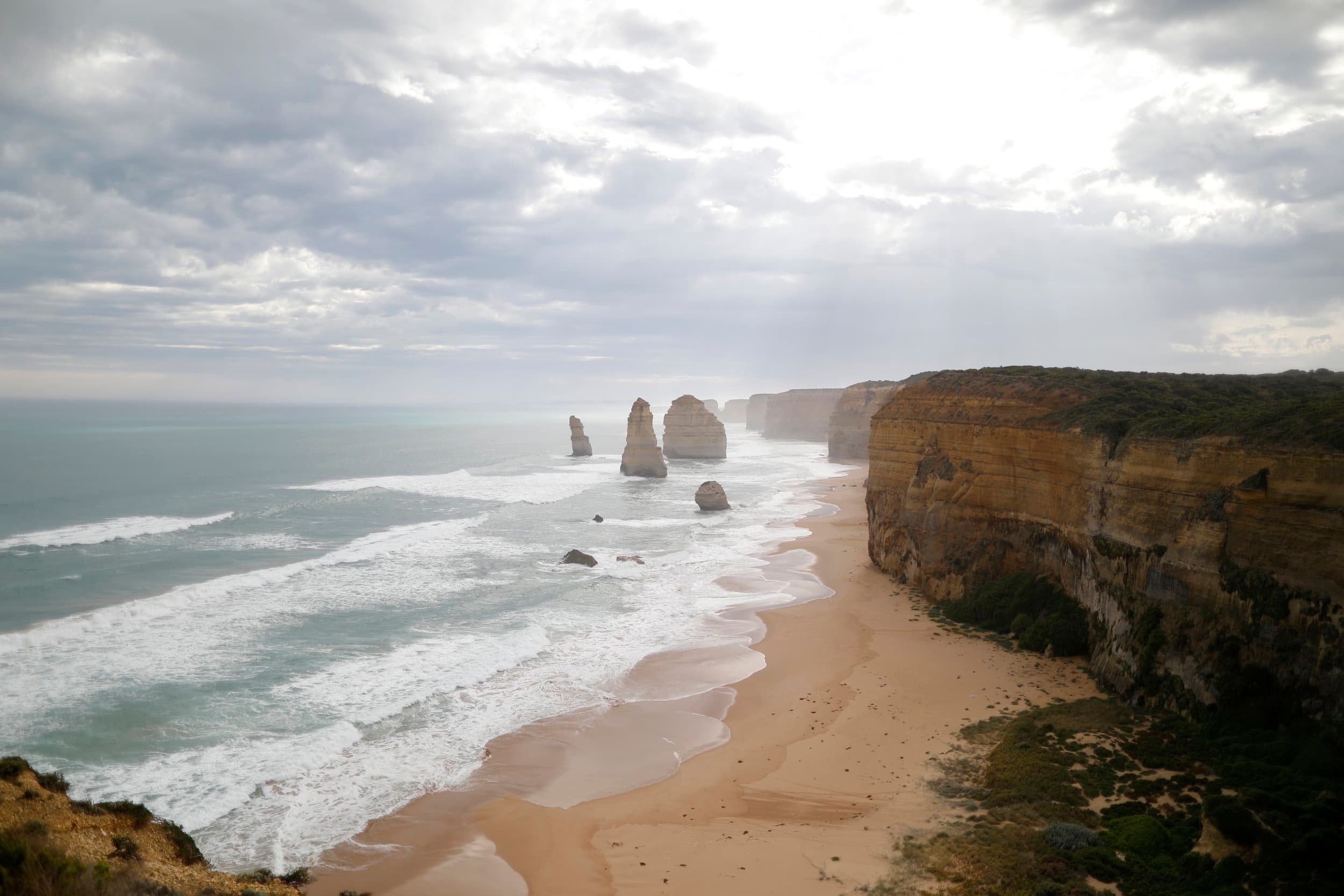
Despite the name “The Twelve Apostles,” there were never truly twelve. Originally dubbed “Sow and Pigs,” the outcrops numbered nine before tourism rebranded them in the 1960s. Recent reports from 2018–2023 put the remaining stacks at seven or eight. Ongoing coastal erosion steadily eats away at the limestone — about 0.8 inch per year — so the number and shape of the Apostles will continue to shift. Seeing them feels like witnessing a work in progress, beautiful because it is impermanent.
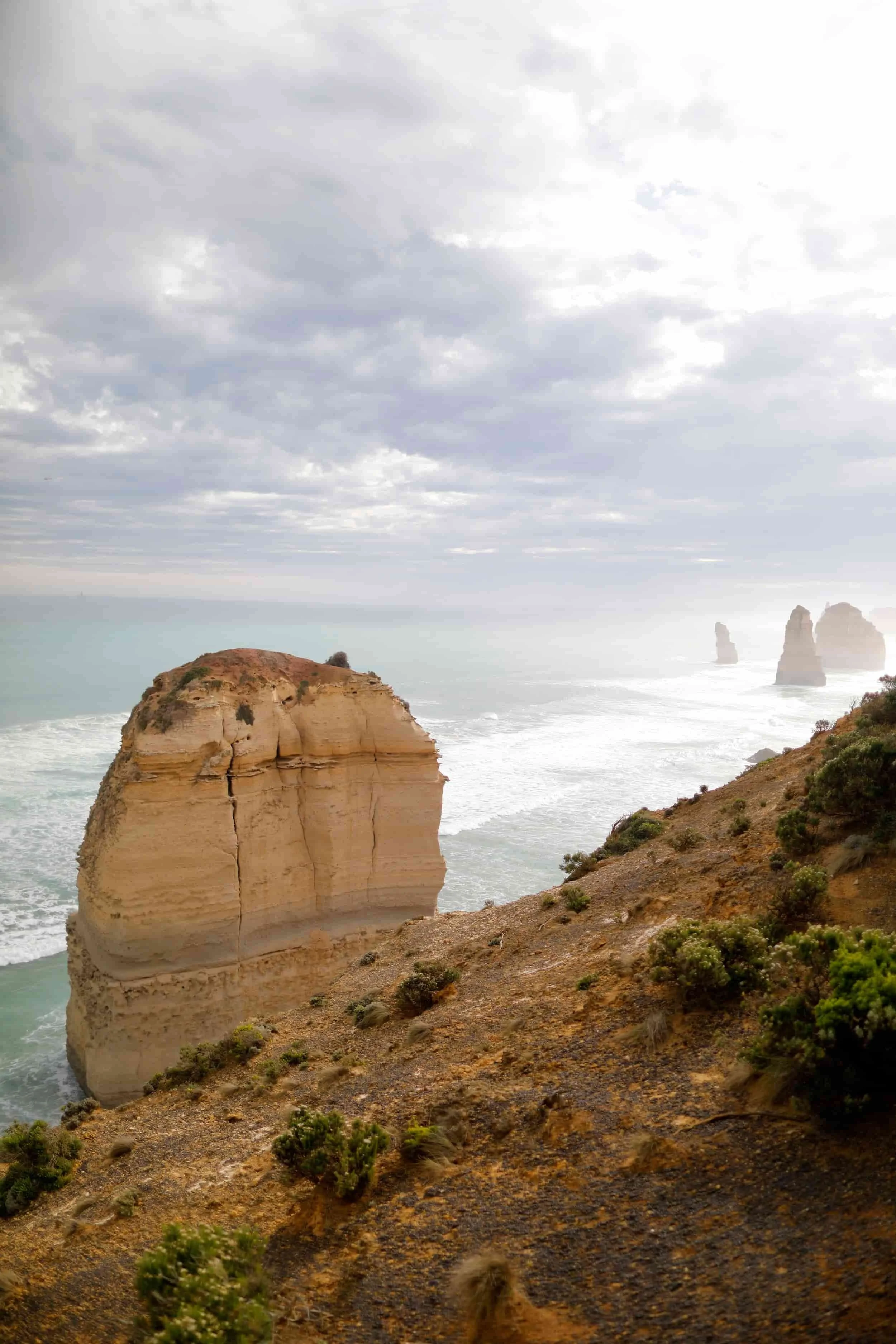
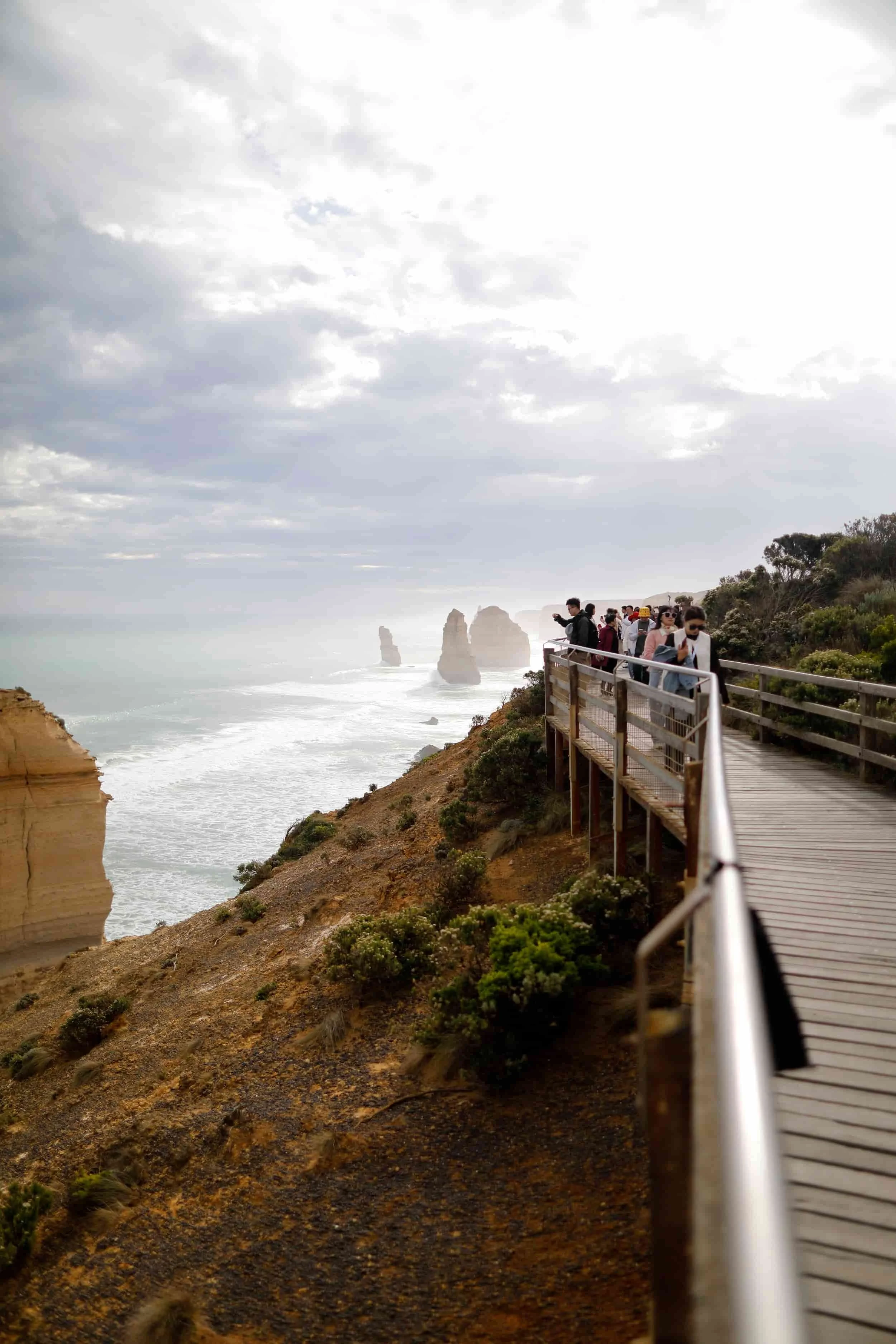
There’s also a human layer to the landscape. The shore near the Apostles is threaded with stories of shipwrecks and survival. Loch Ard Gorge, a short drive along the Great Ocean Road, preserves the tragic tale of the clipper Loch Ard, which was dashed on the coast in 1878. The gorge’s dramatic cliffs and narrow inlet feel cinematic, a place where the sea’s beauty and danger are inescapable and strangely close to one another.
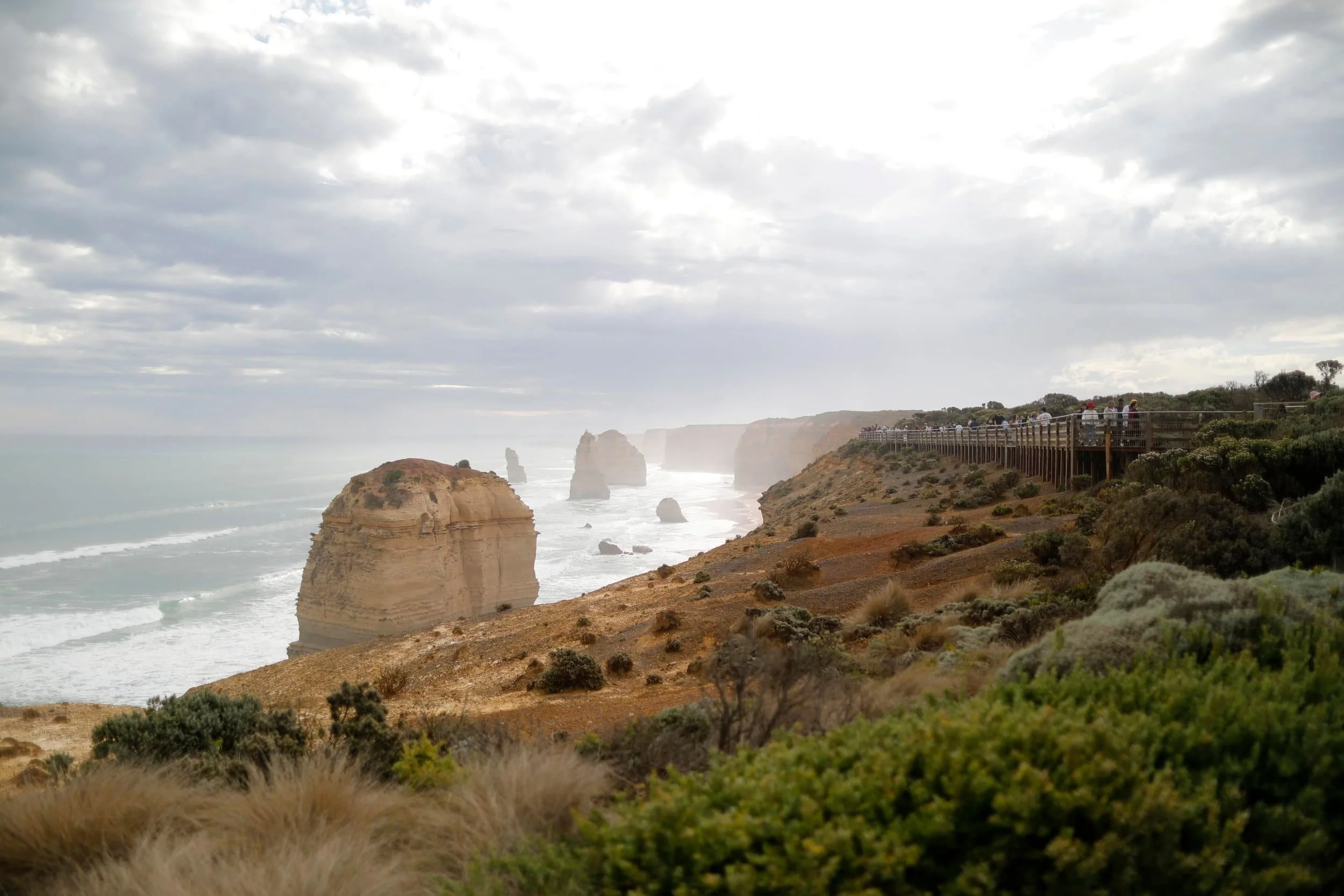
Getting around the site is part of the pleasure. The network of walks along the Great Ocean Walk ranges from gentle viewing-platform strolls to multi-day hikes that trace the coastline’s wild moods. Stand on the wooden platforms and you have the classic postcard view: the Apostles lined up like ancient guardians.
For another perspective, descend the Gibson Steps and let the beach open up beneath those towering cliffs, where the roar of surf and the scent of kelp make the rock faces feel even more monumental. For a soaring outlook, helicopter tours lift you above the swell, revealing the full sweep of the coastline and the patterns of erosion that map the ocean’s patient work.
Wildlife punctuates the scenery. Kangaroos and wallabies often graze near the headlands at dawn and dusk; seabirds soar and cry above the surf; and in winter, southern right and humpback whales migrate close enough to be spotted breaching offshore. Bring a pair of binoculars and patience — these moments feel like secrets the coast allows you in on.
Practical pleasures include the visitor centre, where exhibits deepen your understanding of the rocks, the shipwrecks and the conservation work that helps protect this fragile place. Pause for sunset if you can: as the sky shifts through a riot of colors, the Apostles silhouette themselves against the burning horizon and the sea becomes a mirror of molten light. It’s an elemental, humbling kind of beauty — the kind that sits with you long after you’ve driven off along the curving road, wind in your hair and a salt-tinged memory in your chest.
💡 Local Tip | Don’t let the crowds fluster you — they’re part of the story here. Breathe, slow your pace and let the tide of people drift past. Just keep an eye on the time: the next stops are too incredible to miss and the crowds, thinner.
Loch Ard Gorge
Loch Ard Gorge feels like a place that was carefully carved for storybooks — a fold in the coastline where the wind writes new lines every hour and the sea still keeps the memory of one of Australia’s most haunting shipwrecks. Approaching from the clifftop walk, the view opens into a small crescent of sand framed by towering, honey-colored limestone walls.
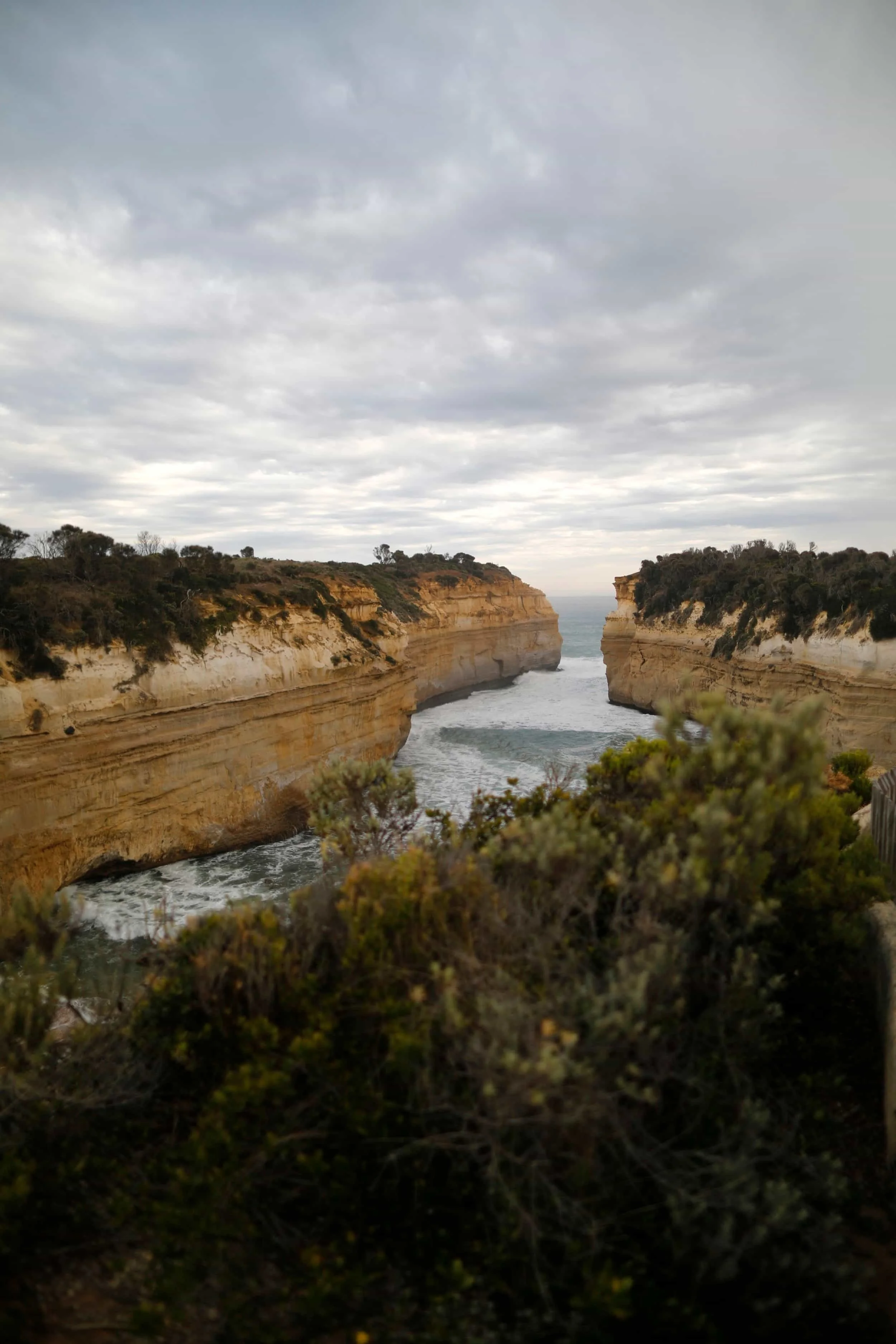
The water here is an impossible turquoise, lapping quietly where two teenagers once staggered ashore after the clipper Loch Ard broke apart in a violent squall in 1878. That tragedy gave the gorge its name and the human story tied to this landscape — the survival of Eva Carmichael and Tom Pearce — still hangs in the air, part of the place’s strange, solemn beauty.
💡 Local Tip | You can climb down to the little sandy cove tucked between tho towering sandstone cliffs but the path was closed when we visited. It looks tempting but swimming isn’t a good idea — the Southern Ocean throws unpredictable, powerful swells and dangerous undertows that make the water unsafe.
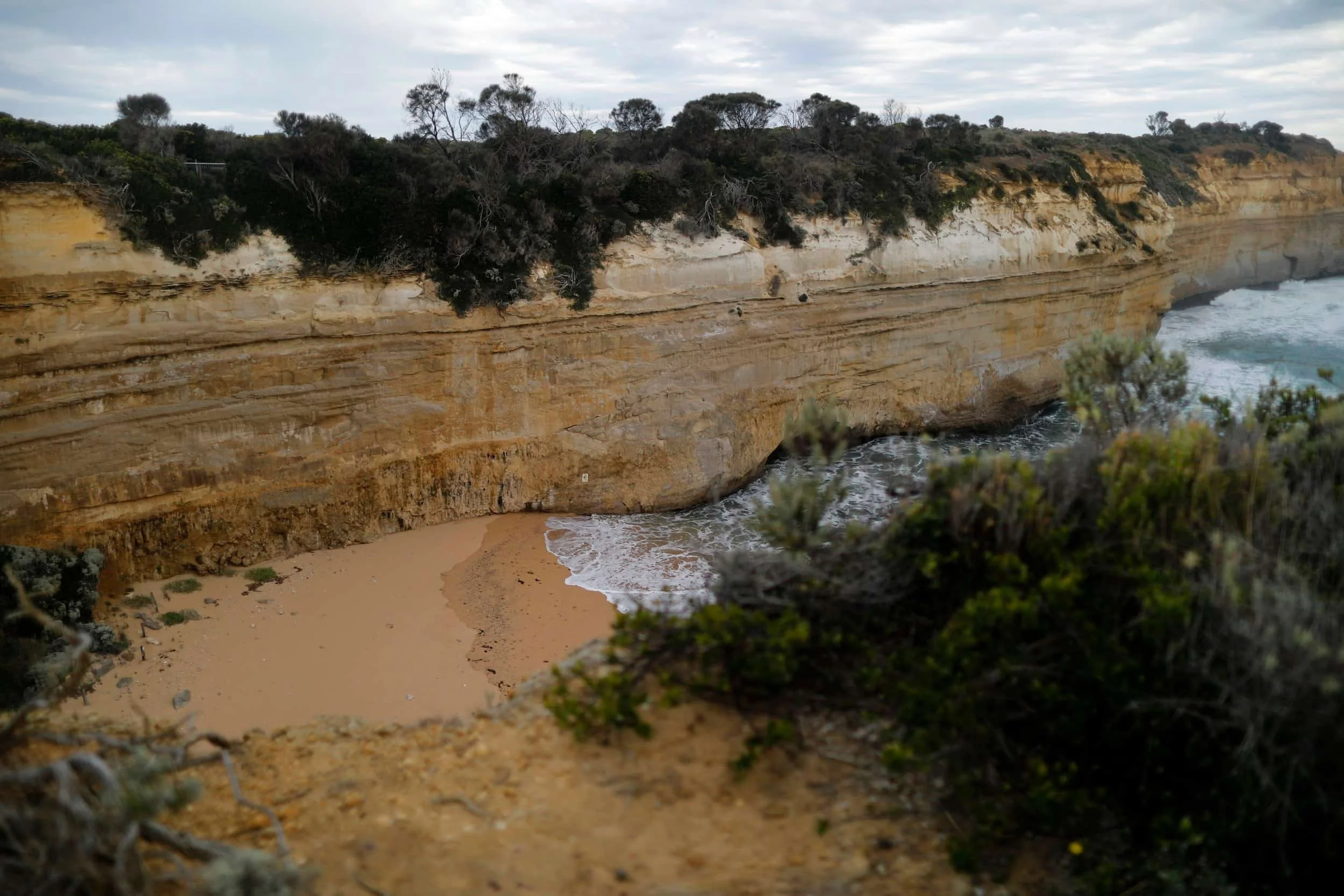
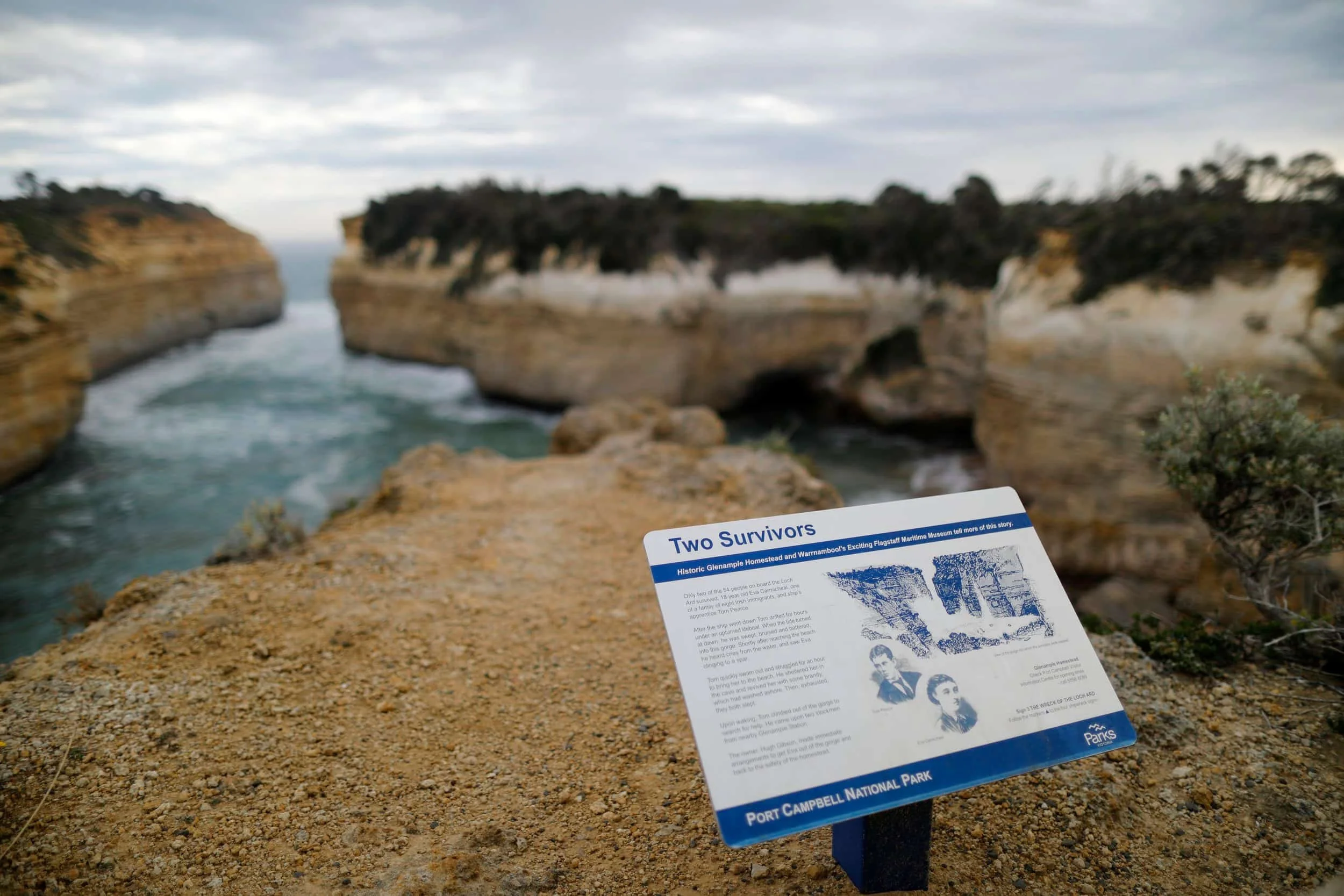
Wandering the trails around the gorge is like following the coastline’s own diary. There are short, well-marked paths that lead to viewpoints overlooking the beach where the survivors landed, to caves hollowed by centuries of waves and to blowholes that sigh and spit when the surf is high.
Look for The Razorback, a narrow spine of rock standing defiantly against the elements and imagine how the Island Archway once stood grandly offshore before erosion brought down most of its arches; the remaining pillars are often referred to as Tom and Eva, a quiet, human-shaped echo of the shipwreck story.
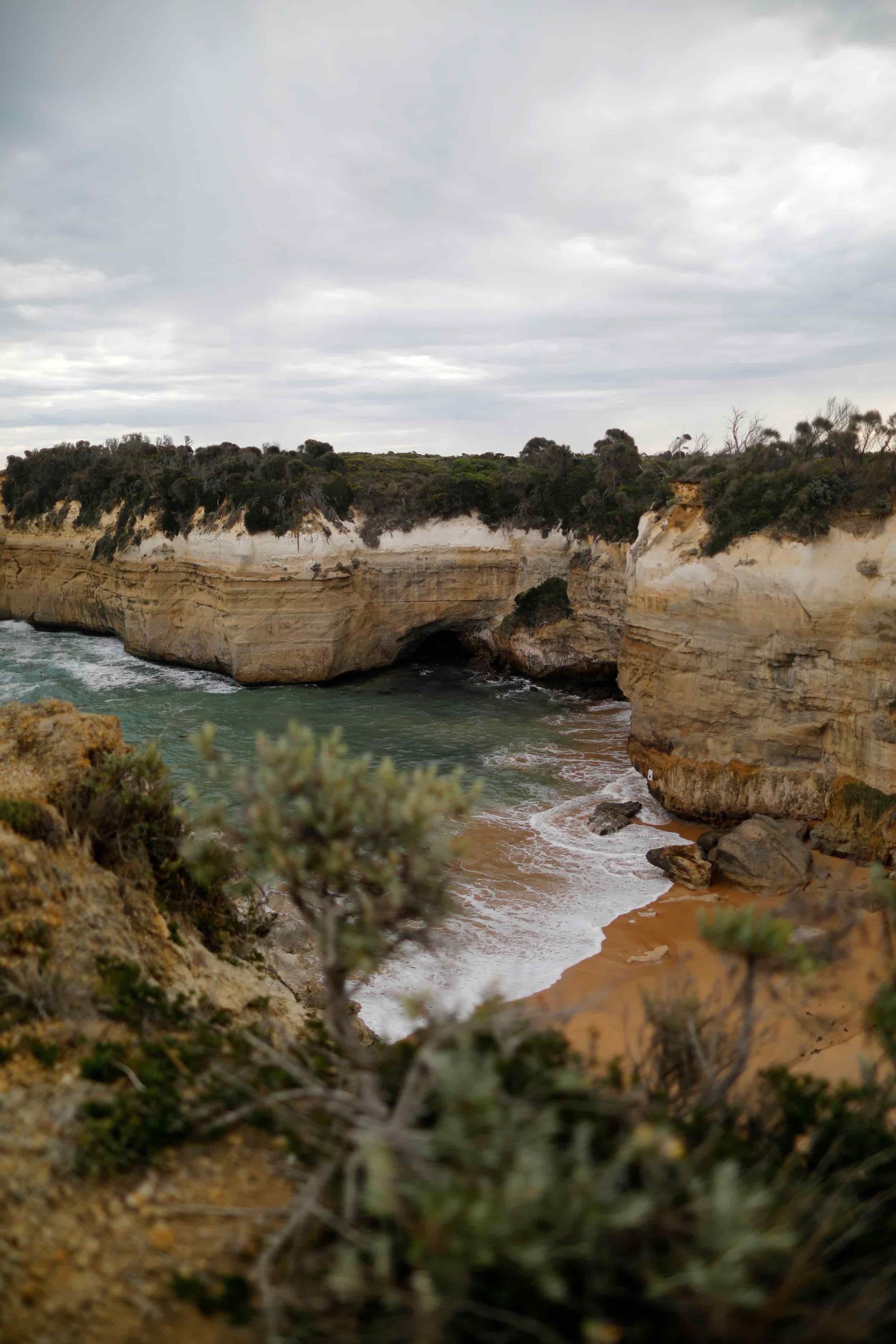
A geology walk unpacks the patient work of time and tide — layers of limestone folded and freckled with fossils, stalwart stacks and the soft, rounded edges the ocean has given them. There’s also a shipwreck walk and a small memorial and cemetery nearby where plaques and markers remember other vessels lost along this unforgiving stretch of coastline, earning it the moniker “Shipwreck Coast.” Together, the routes offer different perspectives: dramatic cliff panoramas, intimate beachside moments and viewpoints that let you watch the surf carve and repaint the shore.
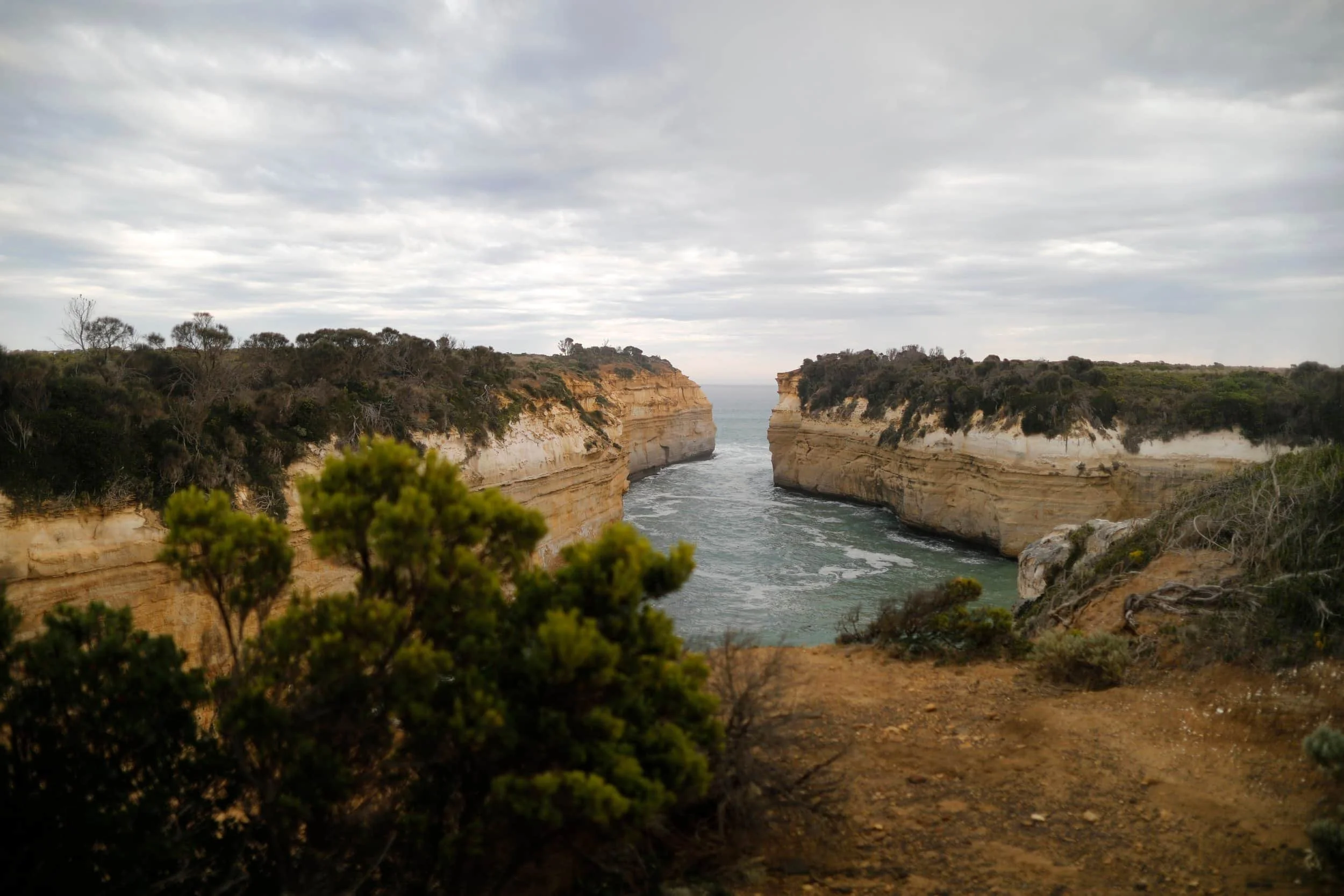
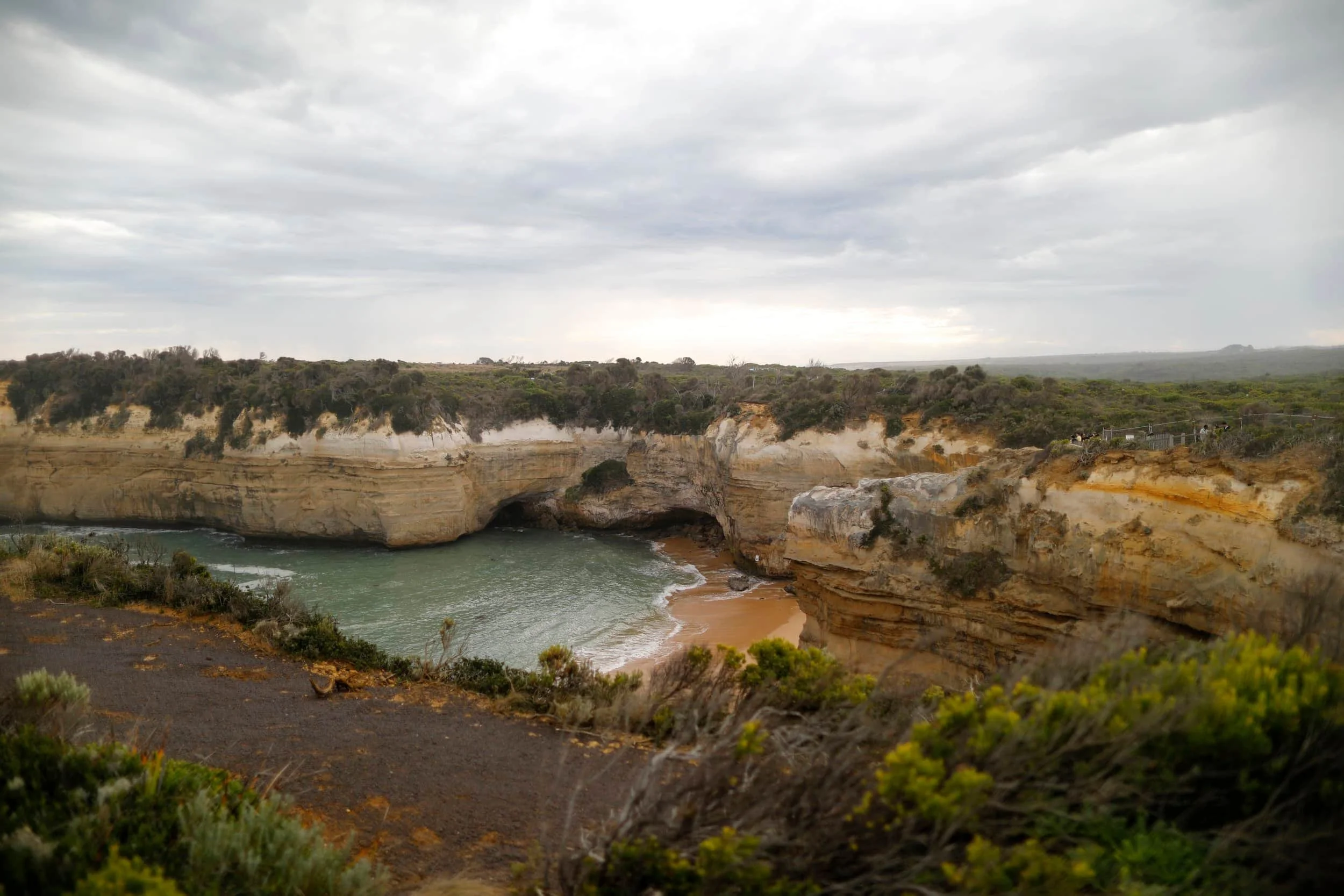
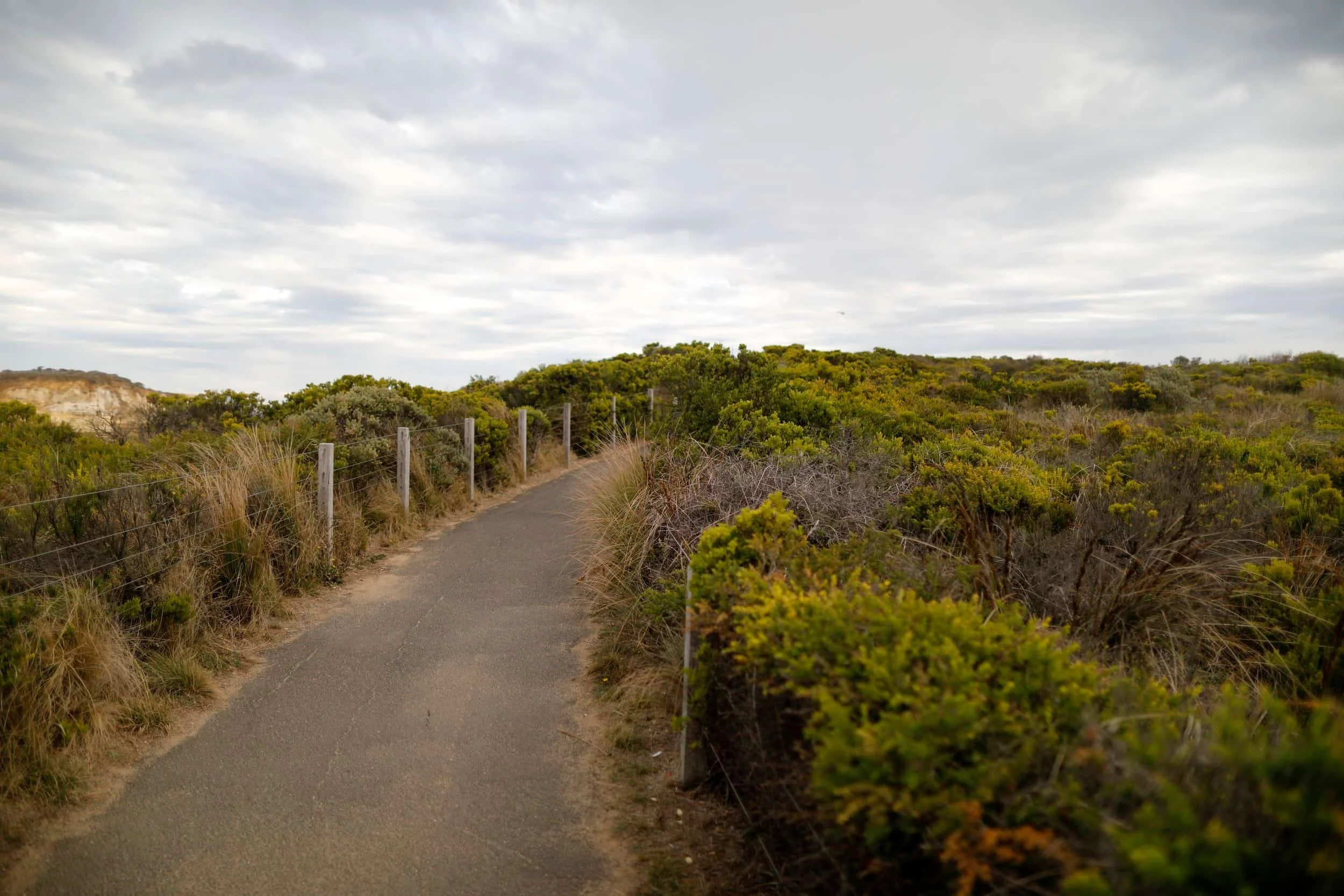
Because Loch Ard Gorge sits only a short distance from the Twelve Apostles, it’s an easy detour on a day exploring the Great Ocean Road — and, many would argue, one of the more emotionally resonant stops. The Apostles draw crowds for their sheer scale but Loch Ard Gorge arrests you with its compact drama: nature’s artistry framed around a deeply human story.
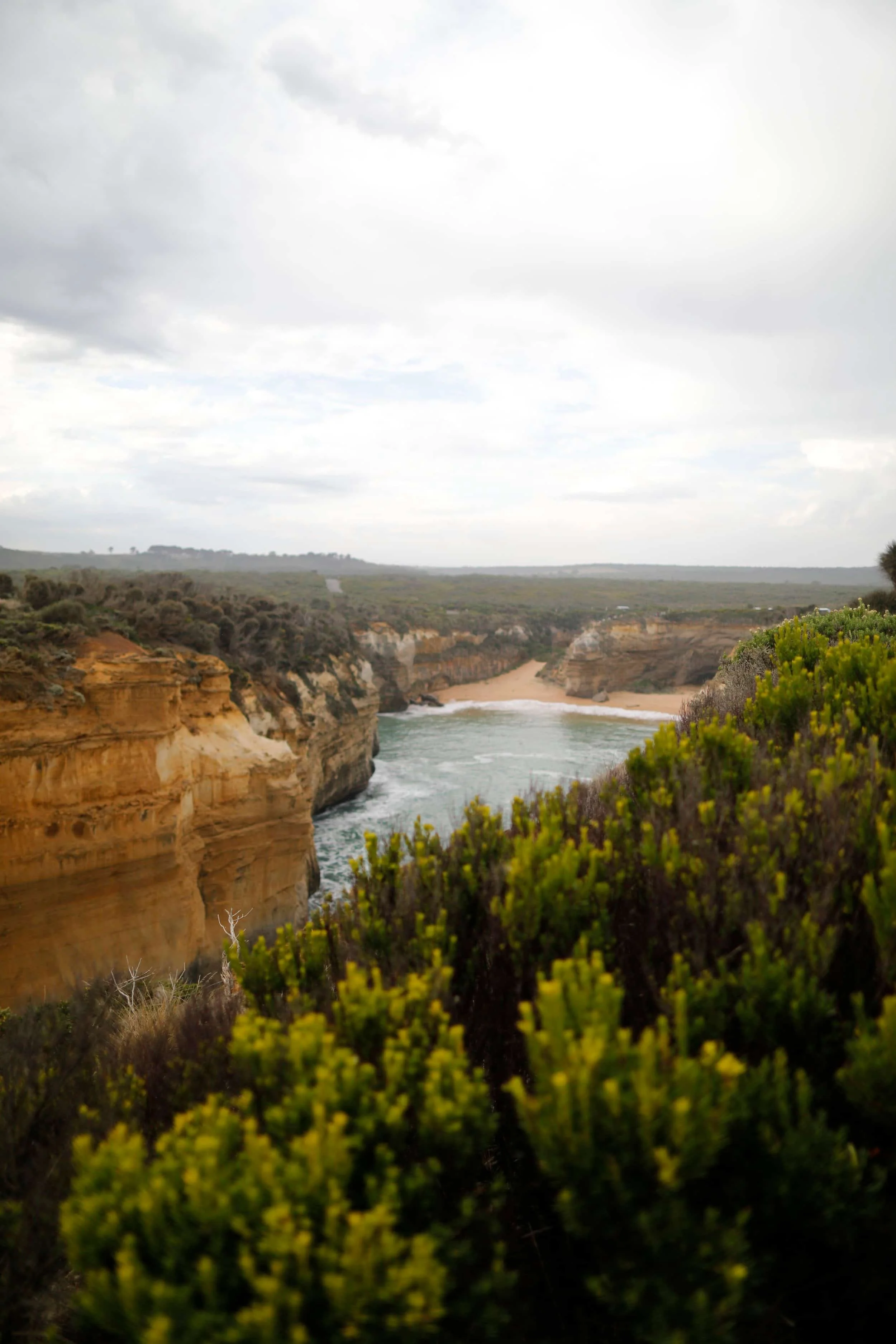
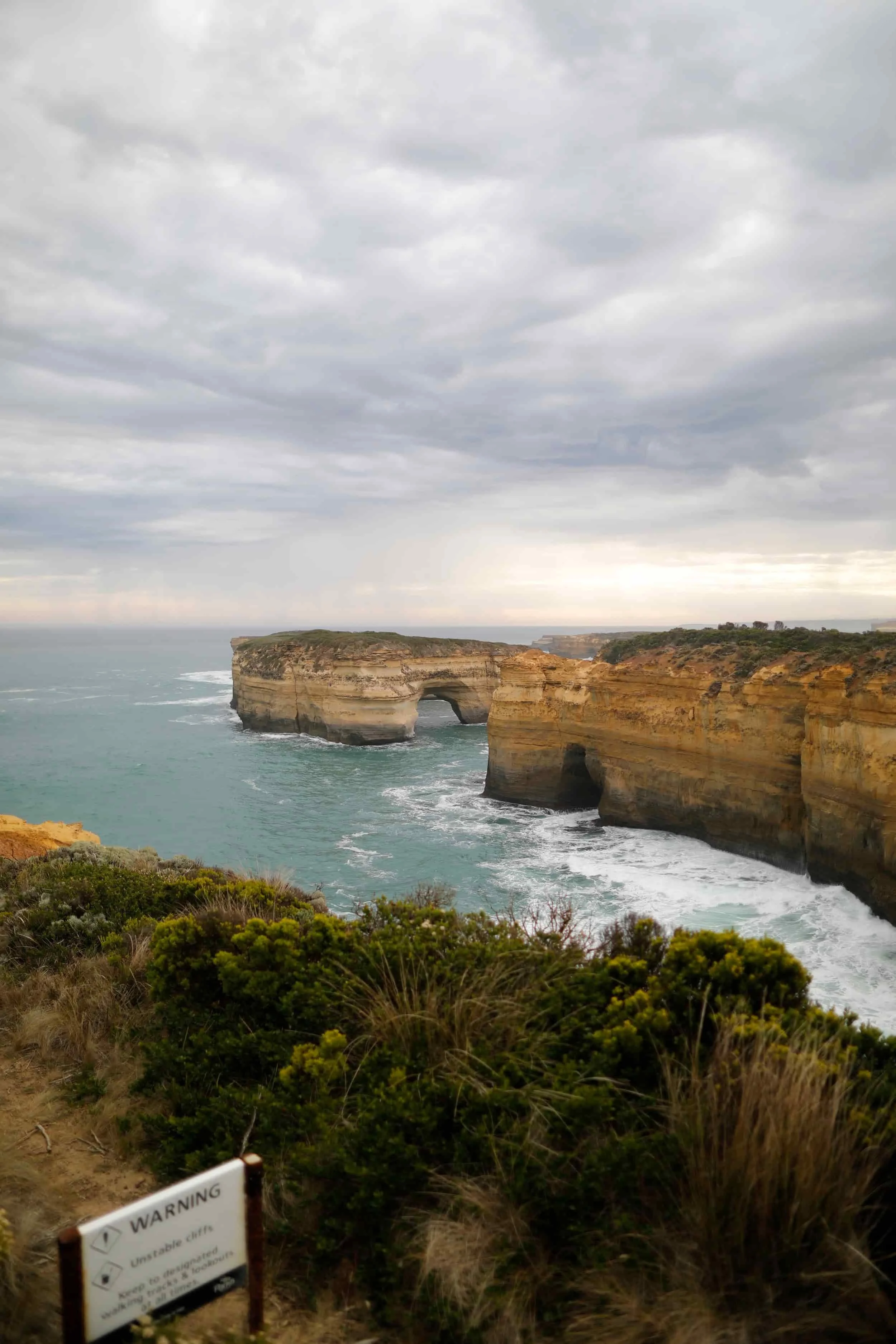
Visit at sunrise or late afternoon when the light softens the limestone into gold and rose, and linger; whether you come for geology, photography or the story, this little inlet manages to feel like both a sanctuary and a stage where the sea keeps retelling a tale of loss, survival and the slow, unstoppable work of erosion.
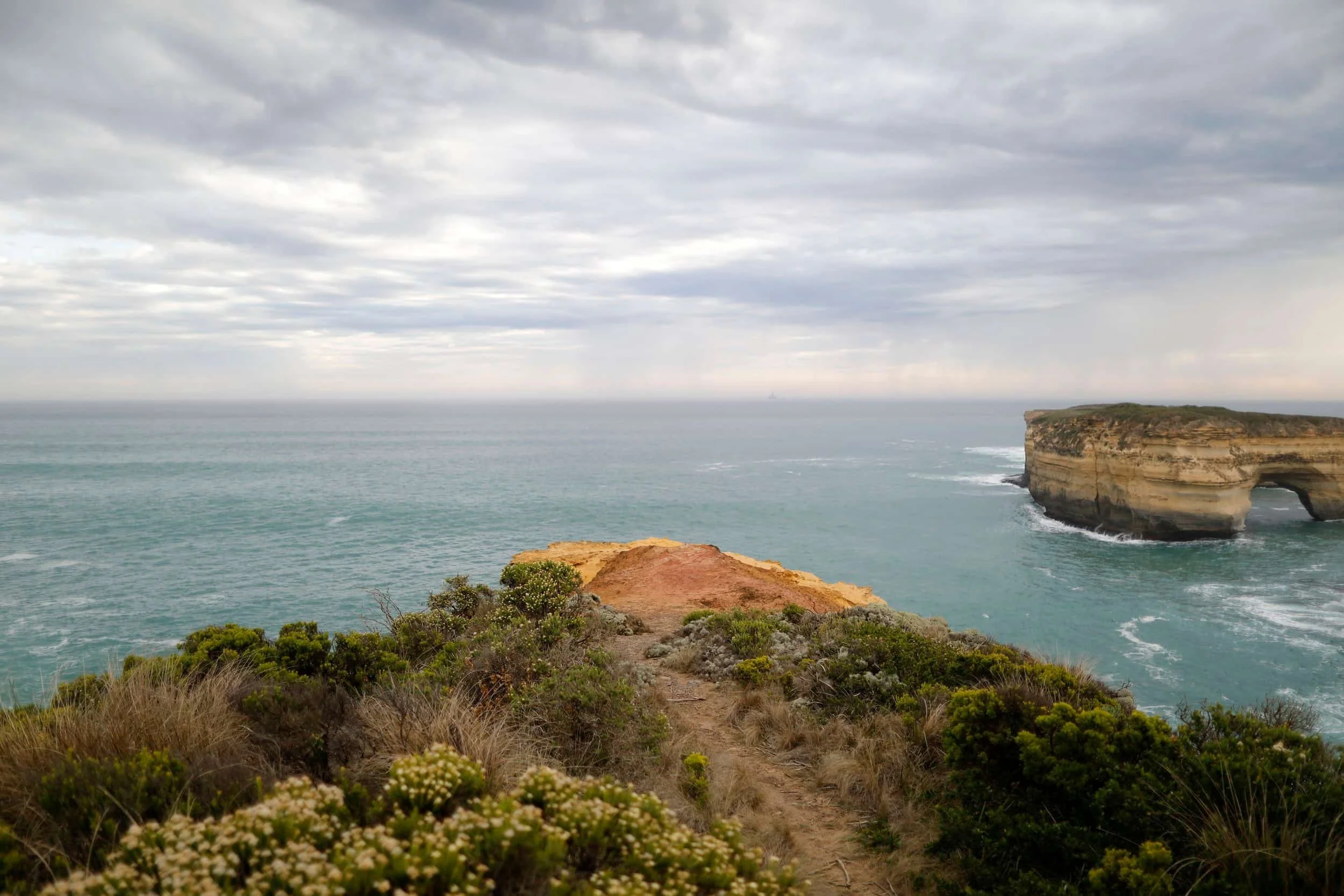
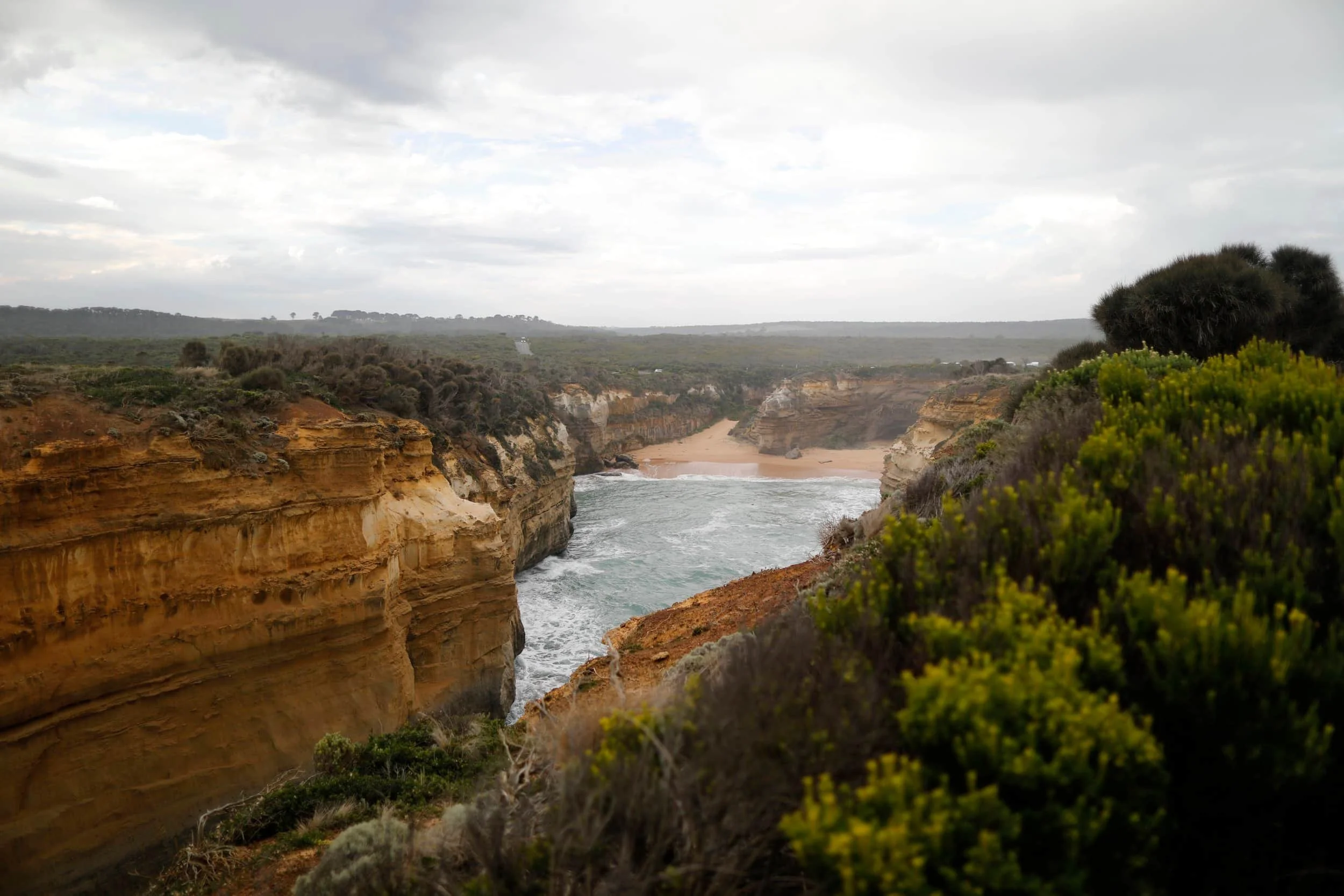
☕️ Worth the Detour | Our guide paused nearby and gave us a choice: linger here and relax or press on to a few more stops. He didn’t exactly sell the latter with much enthusiasm, so a handful of our group opted to stay behind. Take my advice — don’t be one of them. The final sights stole the show; I’d even argue they outshine the Twelve Apostles.
Tom & Eva Lookout
Tom and Eva Lookout sits like a quiet storyteller on the Great Ocean Road, its vantage point offering one of those moments that makes you slow your breathing and really look. Perched above the swirl of the Southern Ocean and the jagged teeth of limestone cliffs, the lookout frames a scene of raw coastal beauty: towering sea stacks, ribbons of white surf and the weathered scar of the collapsed Island Archway — two solitary pillars that locals and visitors have come to call Tom and Eva.
The name itself brings the place to life. It honors Thomas Pearce and Eva Carmichael, the two astonishing survivors of the 1878 Loch Ard shipwreck and that human element adds a calm to the wind and waves. Standing here, you can almost feel the resonance of that story — of loss and survival — threaded into the landscape. History buffs will linger over the plaques and railings, imagining the tragedy that reshaped the coast and the names that have since become part of its map.
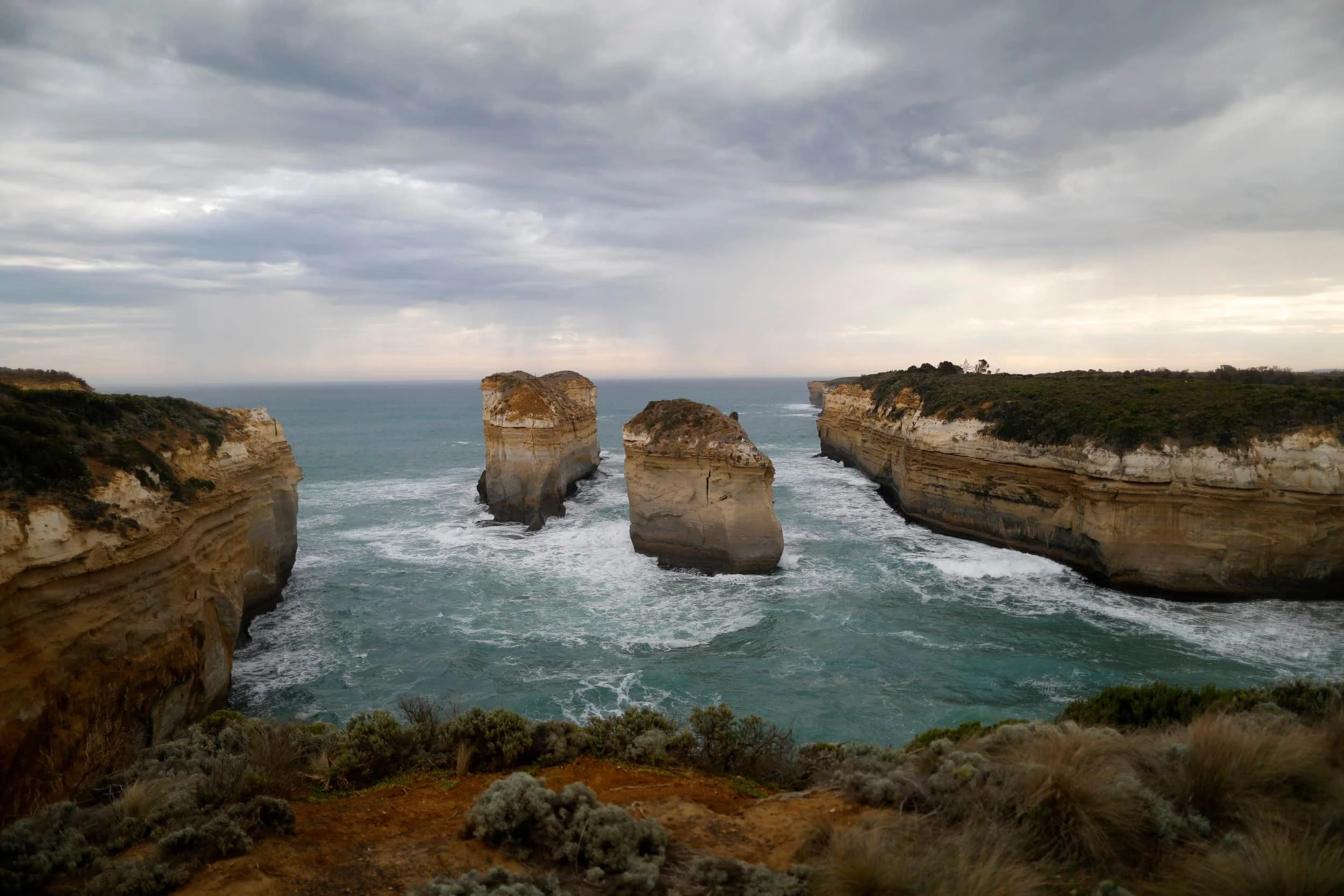
Photographers adore Tom and Eva Lookout for good reason. The viewpoint captures sweeping panoramas that glow golden at sunrise and burn copper at sunset. Angles from the lookout emphasize the cliffs’ layered textures and the sea stacks’ sculpted forms, making every frame feel cinematic. It’s an easy place to experiment with long exposures, silhouettes and dramatic skies, yet it’s equally rewarding for casual snapshots that convey the sheer scale and mood of the shore.
📸 Photo Spot: Tom and Eva Lookout is one of the most dramatic photo ops during the Great Ocean Road tour.
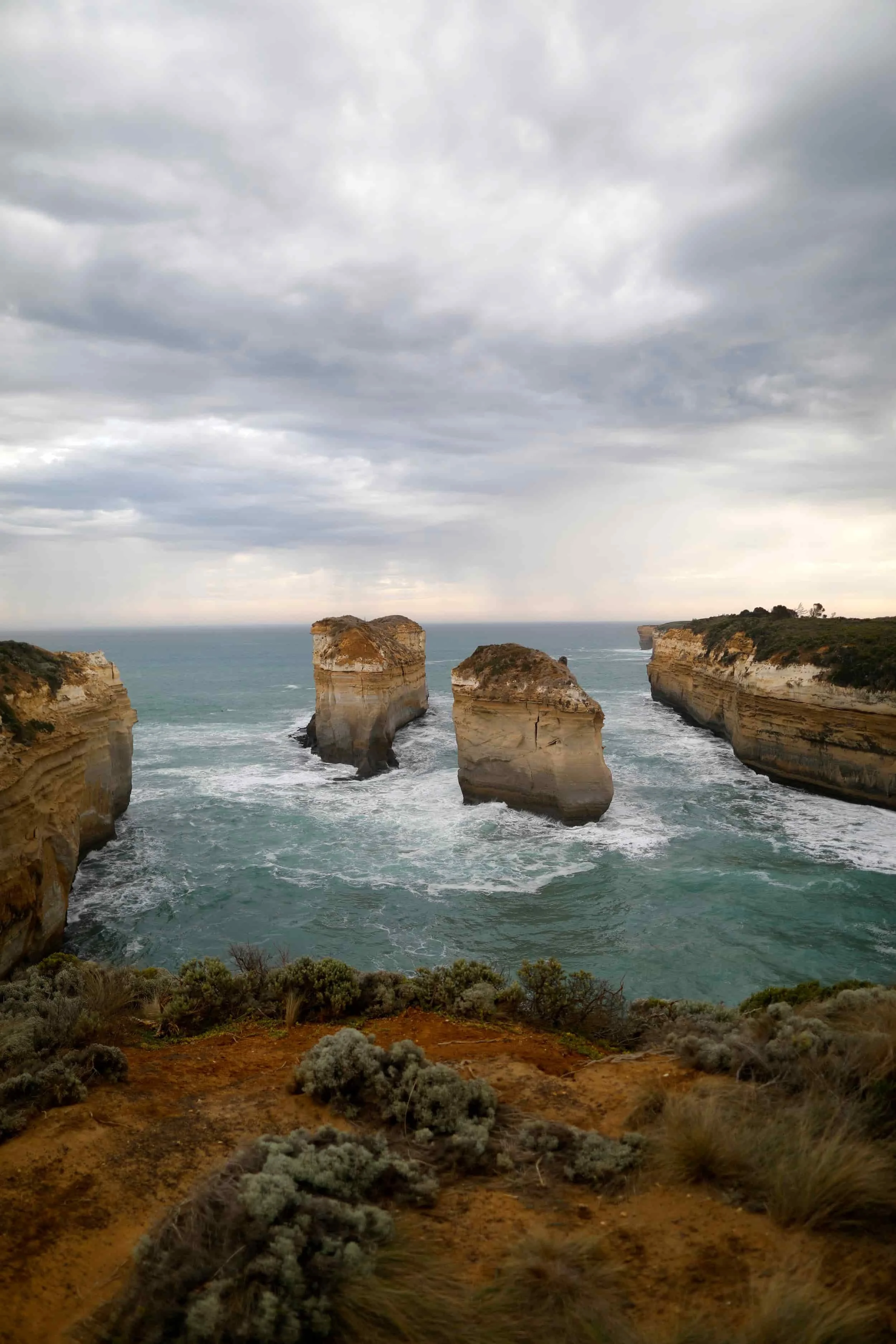
Located within Port Campbell National Park near the small township of Port Campbell, the lookout is a short, gentle stroll from the car park, so families and older visitors can enjoy the view without a long hike. It’s often visited in the same breath as Loch Ard Gorge and the Twelve Apostles but Tom and Eva has an intimate quality of its own: less crowded, quietly reverent and perfectly situated for both reflection and photo-snapping.
If you visit, take a few minutes beyond the postcard shot. Watch the waves carve patterns in the sand below, read the interpretation signs to place the view in historical context and try to catch the light in the hour after dawn or before dusk. Whether you’re a nature lover, a photography enthusiast chasing dramatic coastlines or someone who appreciates the stories hidden in place names, Tom and Eva Lookout rewards the pause.
The Razorback
The Razorback on the Great Ocean Road feels like a mystery the ocean has been keeping — a jagged ribbon of limestone slicing the blue, its spine jutting from the water like some mythic creature surfacing for a breath. Tucked inside Port Campbell National Park and neighbor to the better-known Twelve Apostles and Loch Ard Gorge, the Razorback rewards those who wander off the busiest lookout with a quieter, more intimate encounter with Victoria’s wild coast.
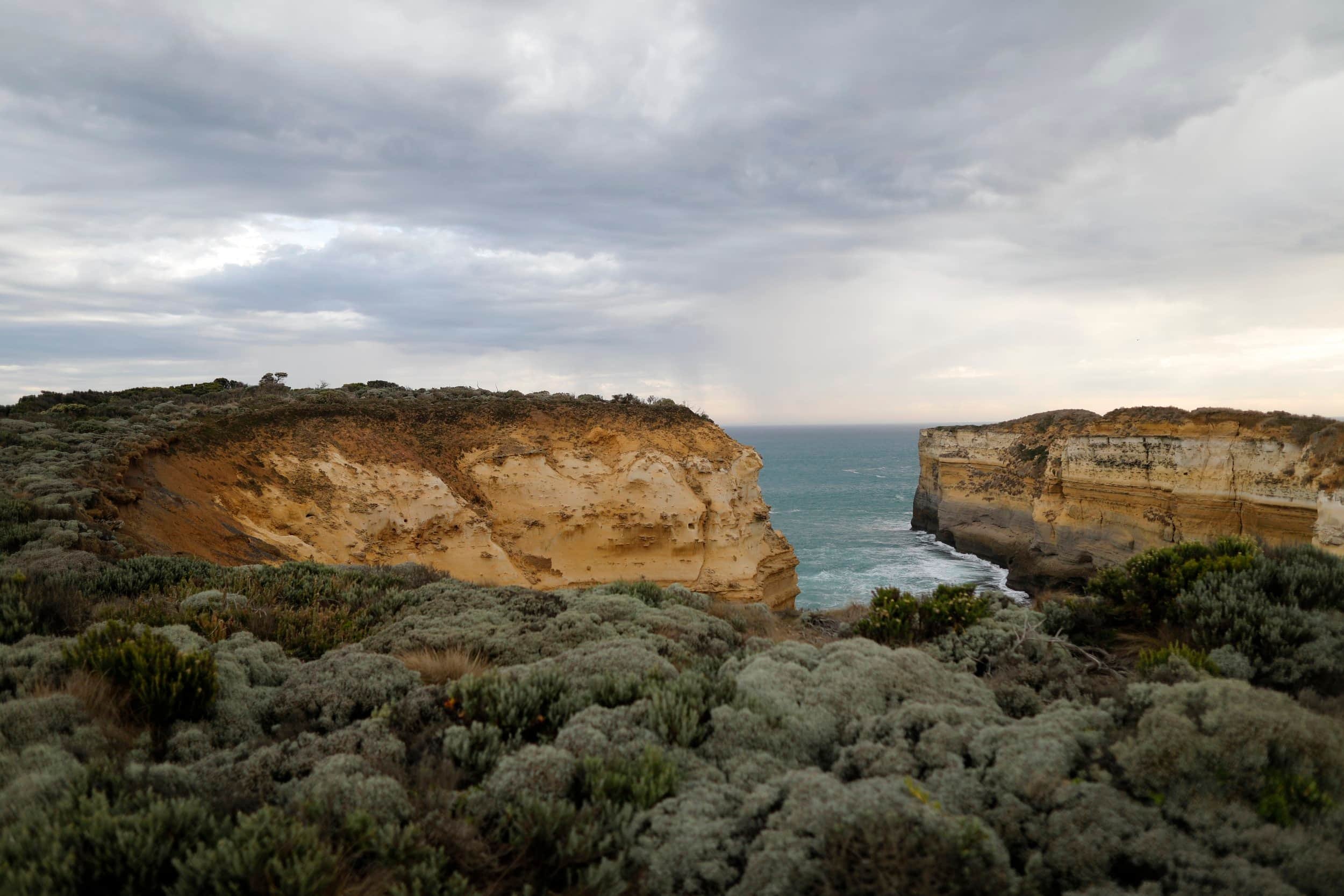
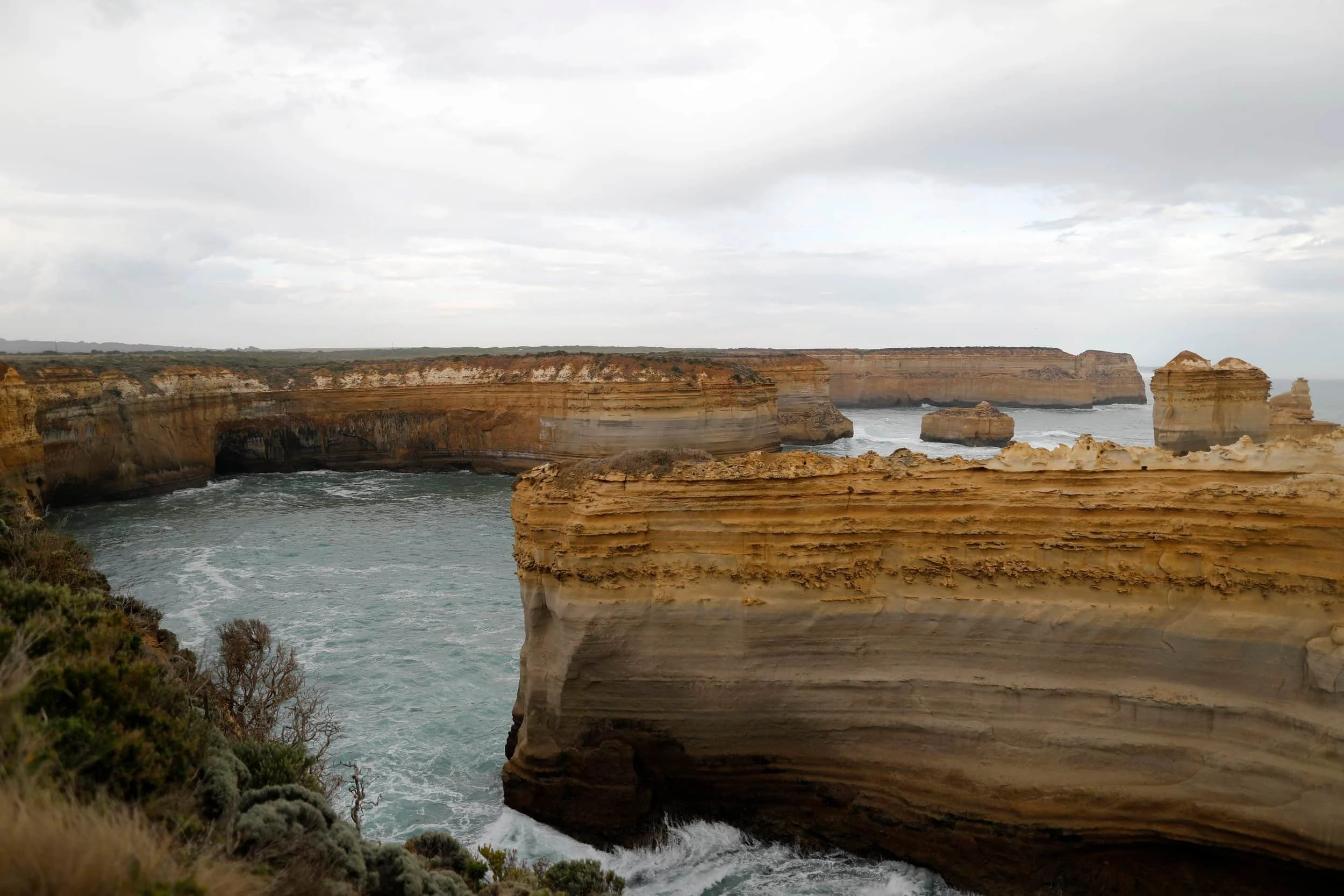
Come at sunrise and you’ll understand why photographers linger here. Morning light kisses the Razorback’s sharp edges, turning weathered limestone to honeyed gold while the Southern Ocean churns below. The formation’s narrow, dramatic profile makes for compositionally satisfying frames: long exposures that blur the tide, crisp silhouettes against an awakening sky and close-up textures that tell stories of wind, salt and time.
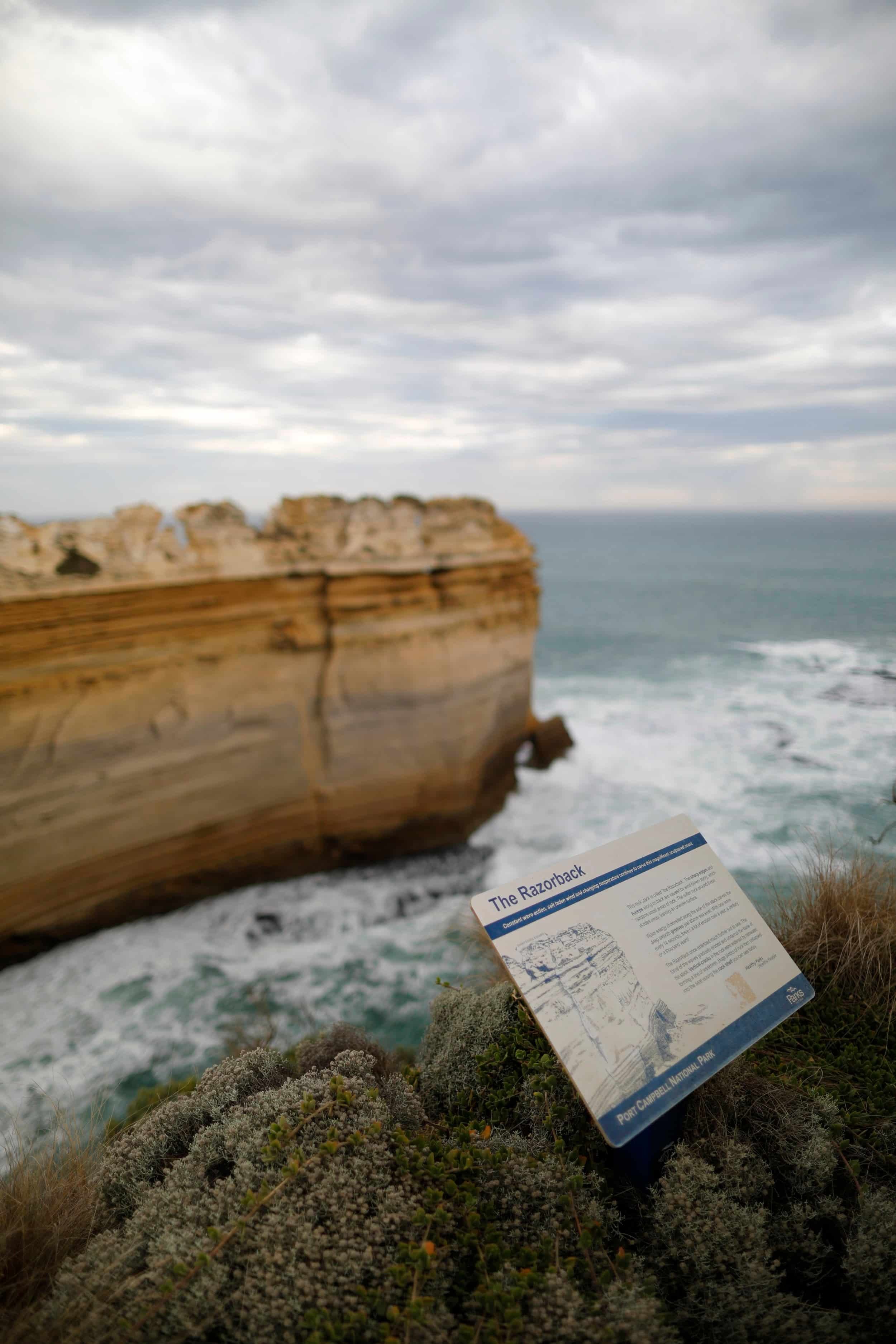
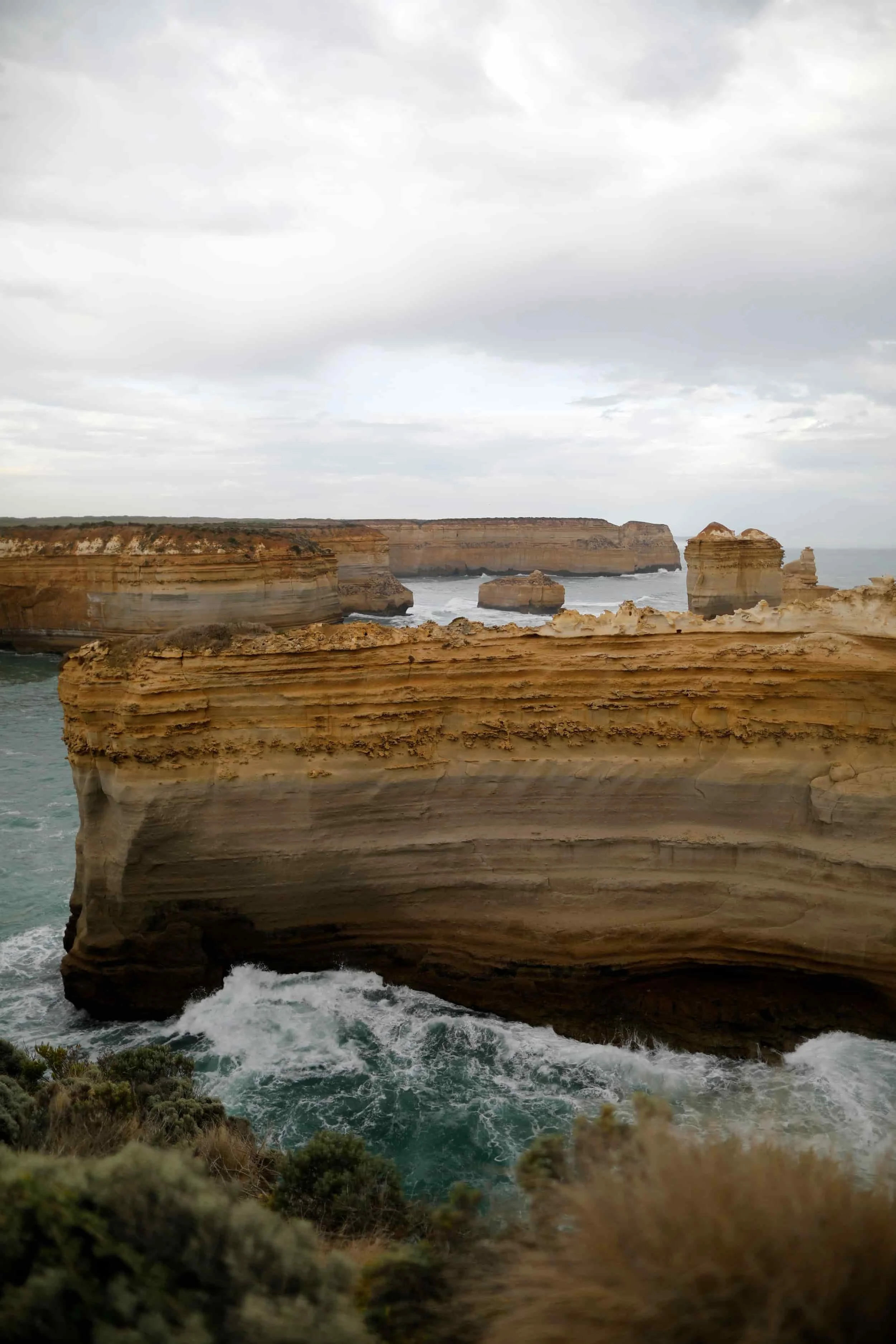
But the Razorback is more than a pretty picture. It’s geology on display — an evolving lesson in coastal erosion where waves and wind laboriously carve caves and arches that hint at the shape this islet once was and the forms it might become. From short, easy paths and paved lookouts, you can drink in sweeping 360-degree views of cliffs, sea stacks and the endless ocean, all without the crowds that cluster at other photo magnets along this road.
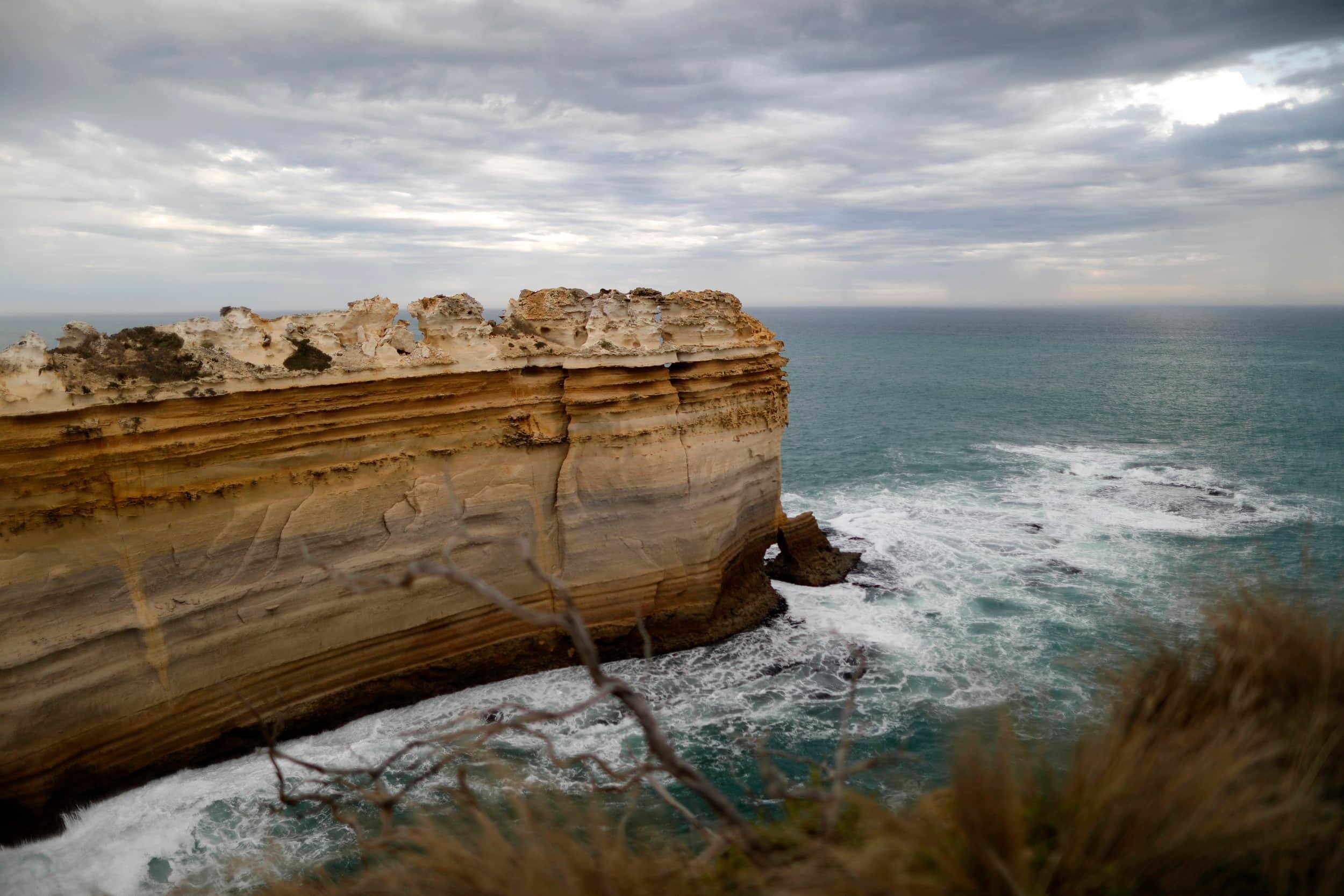
Accessible and dramatic, strange and serenely beautiful, the Razorback offers both a front-row view of nature’s power and a quiet moment to feel small beside something ancient. It’s the kind of place that keeps you standing still, camera forgotten in your hand, simply watching the sea shape the shore.
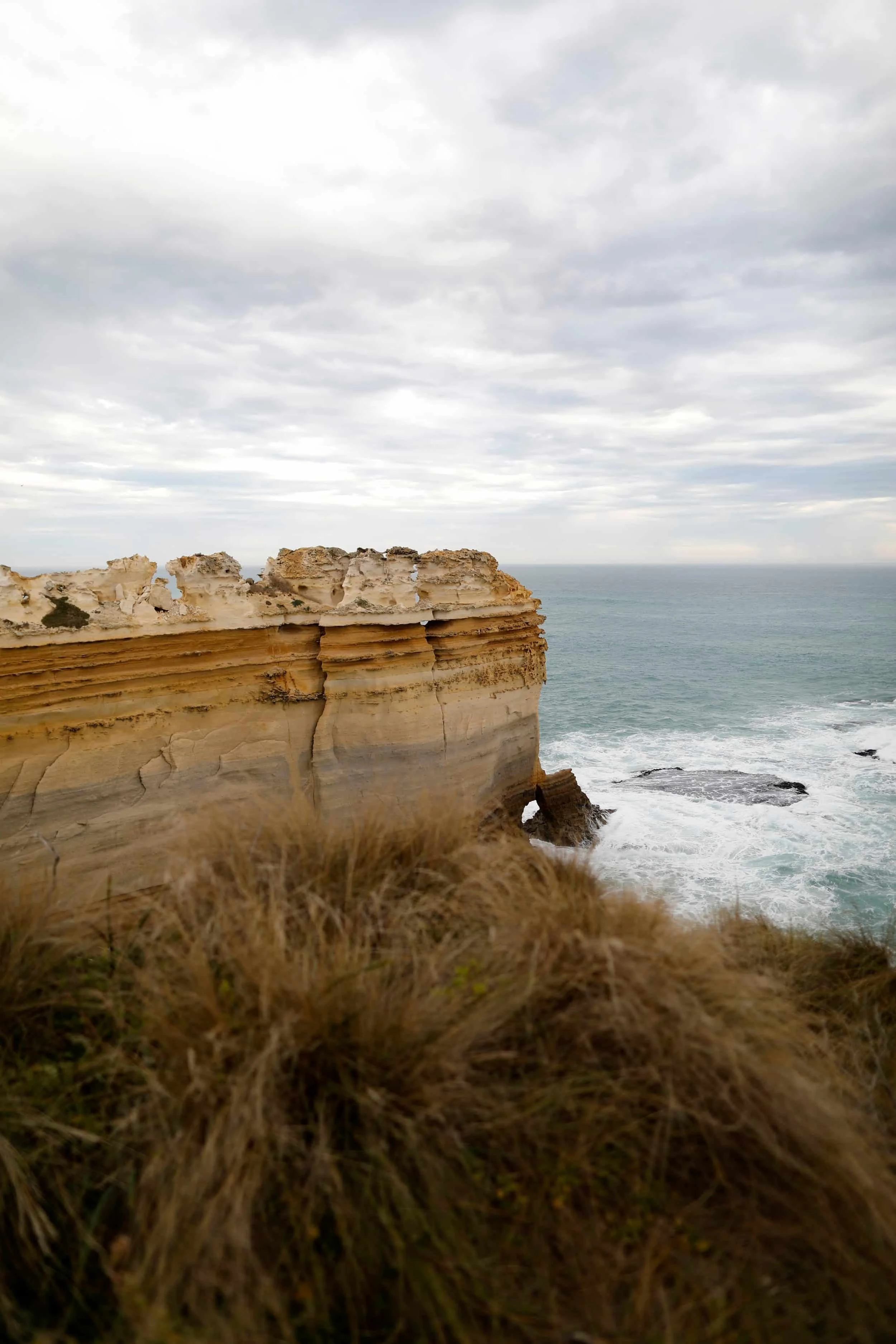
As you stand atop the Razorback, the sea unfolds on both sides, the wind tucks the day’s last light into your coat and the Great Ocean Road seems to breathe, a perfect exhale to end the tour.
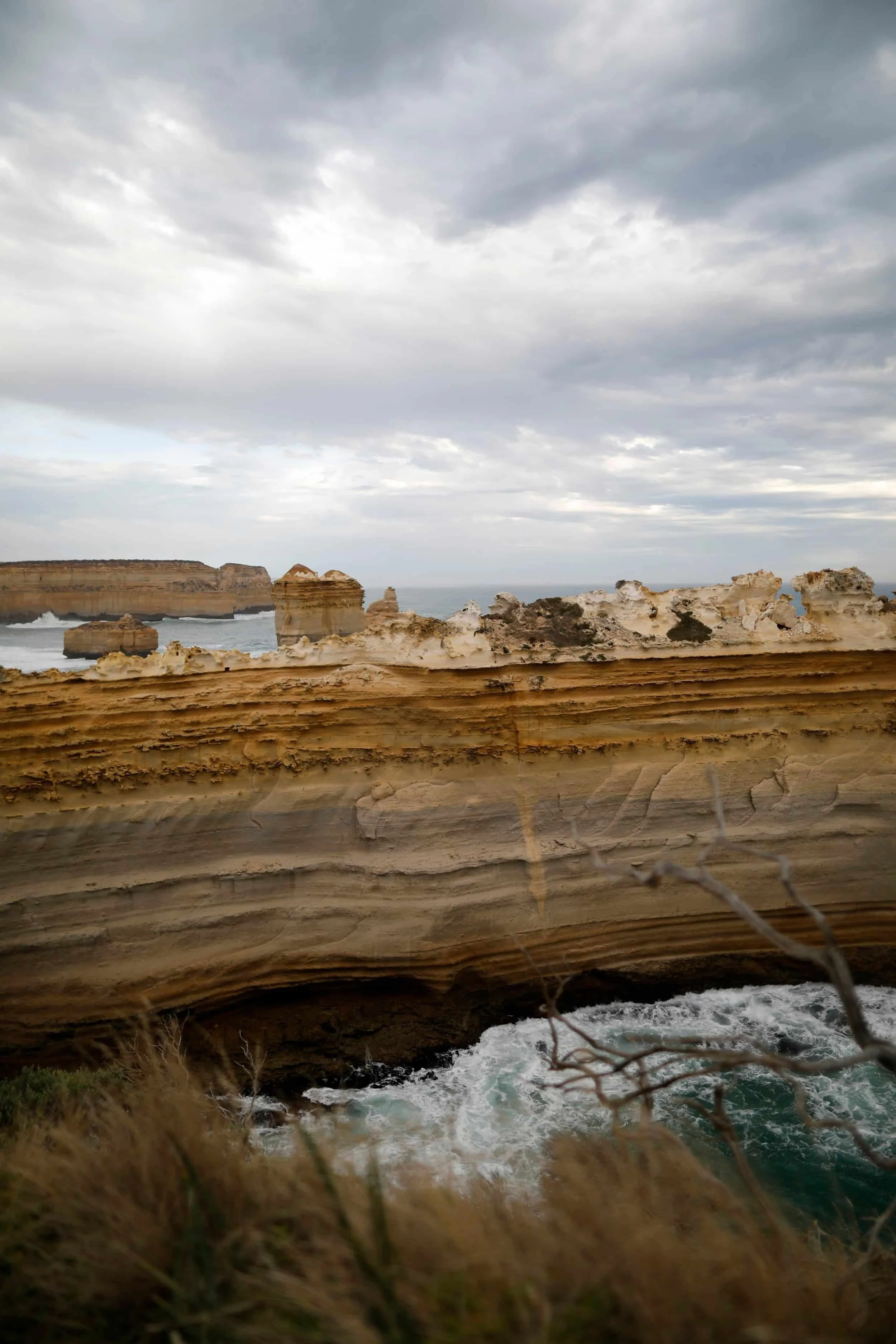
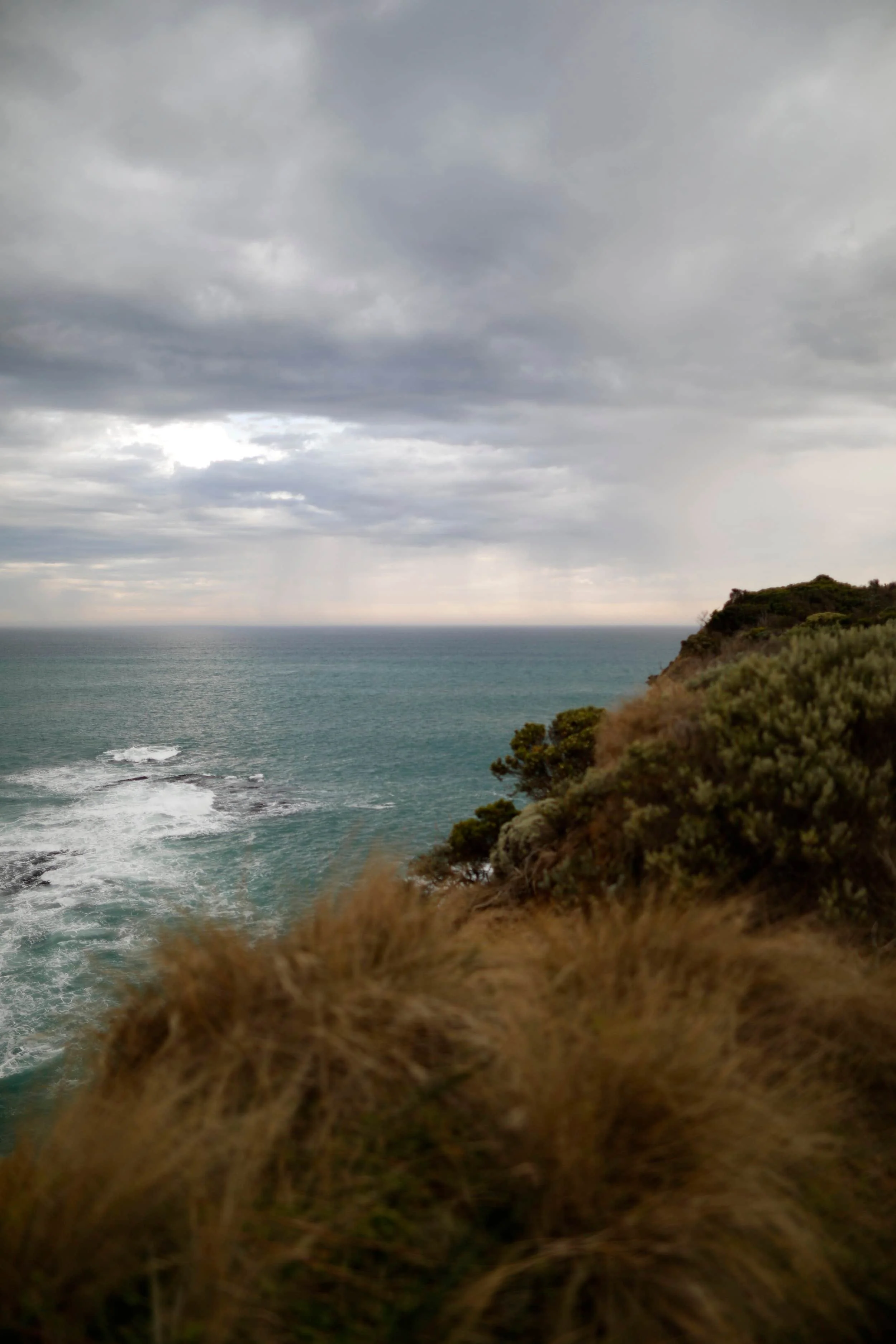
The day winds down along the Great Ocean Road — one of those unforgettable days you’d happily press replay. Every stop charmed me but the final few stole my heart: Tom and Eva Lookout and the Razorback. They’re peaceful respites from the crowds, with even greater beauty and quiet power. Don’t miss them.
My Bibimbap Moment
Every destination adds another ingredient to our life's recipe, sometimes through a landscape that makes everything else feel very small. Driving the Great Ocean Road, I found myself drawn into a coastline of towering cliffs, crashing waves and formations shaped slowly by wind and sea. Here's the ingredient this untamed stretch of Australia added to my Bibimbap Life.
Today’s Bibimbap Recipe
🥢 Flavor: Untamed
🌿 Ingredient: Wonder
❤️ Best Memory: Salt on my lips, wind in my hair and the Southern Ocean hurling itself against those jagged limestone cliffs
🎒 Take With You: Some landscapes don't ask us to do anything except pause, look and remember how extraordinary our world really is.
Some landscapes don't ask to be understood — they simply ask us to pause. The Great Ocean Road is one of those places. Long after the drive ended, what stayed with me wasn't a single viewpoint but the quiet wonder of a coastline shaped by time, wind and sea for millions of years. There was something humbling about standing beside something so immense and enduring, watching the ocean continue its work as it always has. Perhaps that's what made the journey linger — not just the beauty I saw but the feeling of having witnessed something far older and wilder than myself.
Great Ocean Road Travel Essentials
A Great Ocean Road day trip from Melbourne is completely doable but it’s a long day — and a little planning makes a big difference. The distances are greater than they look, there’s plenty worth stopping for along the way and trying to squeeze in everything can quickly turn one of Australia’s most scenic drives into a race.
Decide whether you’d rather drive yourself or join a tour, start early and leave some flexibility for viewpoints, short walks and unexpected stops along the coast. You won’t see everything in a day and that’s okay — the road itself is as much a part of the experience as where you’re headed.
When to Go
The best time to visit the Great Ocean Road is in late spring (October–November), when wildflowers burst into color, the weather is mild and the coastline is at its most golden and dramatic.
Season: Summer (December to February) offers the warmest and clearest weather, though spring (September to November) and autumn (March to April) feature smaller crowds and pleasant conditions. Winter brings cooler, wetter days but very few tourists.
Time of Day: Start extremely early (around 6:00 a.m. or 7:00 a.m.) from Melbourne to maximize daylight and beat tour bus crowds at the major lookouts.
How to Get There
Drive the Great Ocean Road yourself for wind-in-your-hair freedom and secret lookouts or join a guided tour to relax and soak up coastal stories while someone else navigates the bends.
Self-Drive: Rent a car from Melbourne or Avalon Airport. Torquay, the official start, is about a 1-hour and 15-minute drive (70 mi/110 km) from central Melbourne. Reaching the furthest major stop, the Twelve Apostles, takes roughly 4 hours of driving one-way without major stops.
Guided Tours: Book a commercial coach or day bus tour straight from Melbourne if you prefer not to drive the long, winding coastal roads yourself.
Where to Stay
If you’re planning a Great Ocean Road tour from Melbourne, staying in the city gives you plenty to explore before and after your trip. Richmond was my home base and remains one of my favorite areas, with great restaurants, cafés and neighborhood energy while still being close to central Melbourne. Fitzroy and Collingwood are good choices for a creative, design-minded feel, while Carlton mixes historic character with some of the city’s best-known Italian restaurants. If you’d rather be right in the middle of everything, look toward Melbourne CBD or Southbank; for beach access, consider St Kilda.
If you’re driving the Great Ocean Road rather than taking a day tour, you can also spend a night along the route. Torquay makes an easy first stop, while Apollo Bay and Port Campbell let you slow the journey down and spend more time surrounded by the coast rather than rushing back to Melbourne.
Where I Stayed
Where I Stayed — Richmond
My original loft is no longer available but this is the closest alternative I'd consider.
For apartment living in Richmond — SoYa on Davis Apartment Hotel
Sadly, the Richmond loft I stayed in is no longer available but I loved having my own apartment-style space in this part of Melbourne. SoYa offers a similar setup nearby, with contemporary apartments and the freedom to settle in like a local while keeping Richmond and the rest of the city within easy reach.
Where I’d Stay
If I were heading back to Melbourne, I’d stay in one of the inner-city neighborhoods again. These three caught my eye for very different reasons — bold design, neighborhood character and the option to have a little more space.
For bold design — Zagame’s House
A design-driven boutique hotel in Carlton filled with bold artwork, rich finishes and playful interiors. It feels polished without being overly formal, with a location that puts you close to the neighborhood’s restaurants, cafés and Melbourne’s city center.
For art & personality — The Motley Hotel Melbourne
Right in Richmond, The Motley embraces color, pattern, art and texture while weaving the history of its Bridge Road location into the design. I especially like that it feels connected to the creative personality of the neighborhood rather than simply dropped into it.
For space & a neighborhood feel — Quest Collingwood
A good choice if you prefer the flexibility of an apartment without giving up the convenience of a hotel. The modern serviced apartments offer kitchens and more room to spread out, with Collingwood’s restaurants, bars and creative energy just outside.
Additional Options
Prefer a place of your own?
If you’d rather have an apartment, extra space or your own kitchen, I’d start in Richmond. It was my favorite area to come home to and gives you more of a neighborhood experience while keeping central Melbourne within easy reach.
Browse all Richmond vacation rentals →
Want something a little more creative?
Look across the river to Fitzroy, one of Melbourne’s more character-filled neighborhoods, with independent shops, cafés, restaurants, street art and plenty to explore on foot.
Tours & Day Trips
Booking a Great Ocean Road tour from Melbourne feels like reserving a front-row seat to Australia’s most epic coastline: imagine winding along dramatic cliffs, watching waves sculpt limestone stacks at the Twelve Apostles and pausing for eucalyptus-scented tea breaks in sleepy seaside towns — all without the stress of navigating or parking.
A well-chosen tour blends a knowledgeable, friendly guide who shares local stories and wildlife-spotting tips with comfortable transport, thoughtful stops for photography and short walks and a pace that lets you savor both iconic vistas and unexpected hidden gems. Choose an operator that offers small groups, a clear itinerary and flexible pick-up options from central Melbourne, and you’ll transform a long day into a seamless, unforgettable adventure that feels equal parts discovery and relaxation.
Book your Melbourne tour with Sightseeing Tours Australia operated by Ozzie tours — this is the tour group I booked with. Tours operate daily and last roughly 12 hours with a pick-up in Melbourne at 7 a.m. and return around 8 p.m. Pick-ups are typically scheduled at a central location.
Other popular tour companies to book Melbourne based tours like the Great Ocean Road include Hit The Road Tours for reverse itineraries avoiding crowds, Oceania Tours for small eco-focused groups and Bunyip Tours for popular wildlife and nature day trips.
🗓️ Planning Tip | If you’re looking to go it on your own, perhaps rent a car, plan you trip here or follow one of these itineraries.
Looking for More Ways to Experience the Great Ocean Road?
The local tour companies above are a great place to start but if you're looking for more options, you can also browse guided Great Ocean Road experiences — from small-group day trips to longer tours with stops along the coast. It’s an easy way to compare itineraries, prices and what’s included before deciding what works best for your trip.
Good to Know
It’s a Long Day: If you’re visiting the Great Ocean Road from Melbourne in a single day, expect to spend a significant amount of time on the road. You’ll have time for the major stops but not necessarily every beach, trail and viewpoint that catches your eye.
Don’t Trust the Distance Alone: Driving times can be longer than they appear on a map thanks to winding coastal roads, traffic and frequent stops. Build in more time than you think you’ll need.
Cell Service Can Be Patchy: Reception can drop out along more remote stretches of the coast and around national parks. Download maps and anything else you may need before setting out.
Wildlife Is Part of the Drive: Keep an eye out for wildlife along the route, particularly around forested areas, and be especially cautious when driving around dawn and dusk.
Weather Can Change Quickly: Conditions along the coast can shift throughout the day and what you find at the Twelve Apostles may be completely different from the weather you left behind in Melbourne.
You Won’t See Everything: And you really don’t need to. Pick the places that matter most to you and leave a little room for unexpected stops. Some of my favorites — Tom & Eva Lookout and The Razorback — weren’t necessarily the names I knew before setting out.
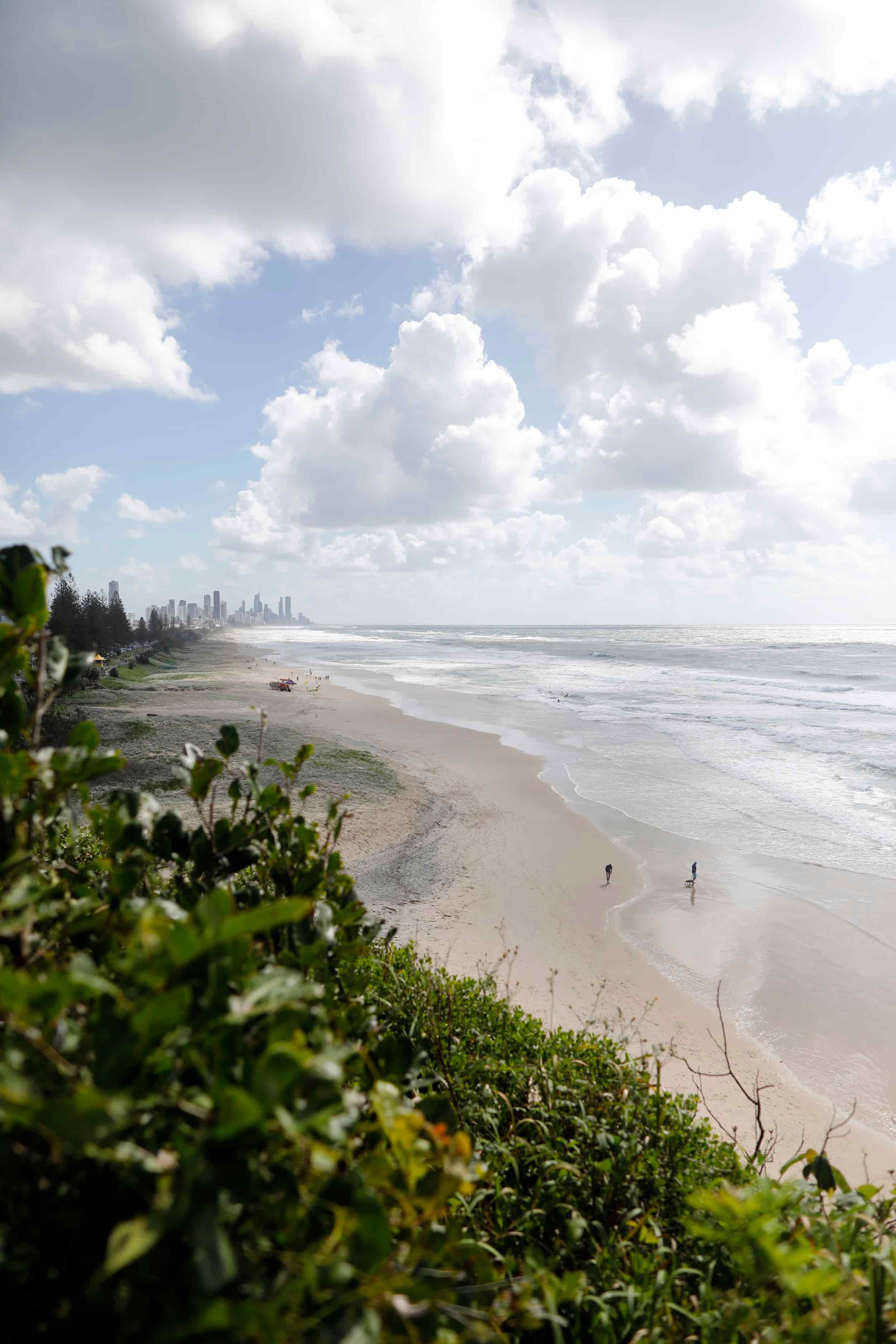
Discover the Great Ocean Road tour — a sun-kissed coastal journey of cliffside vistas, windswept beaches and unforgettable moments that feel otherworldly.