Beyond the Penguins: Hidden Gems in Punta Arenas, Chile
Go beyond the penguins by discovering hidden spots, daily rituals & off-the-beaten-path experiences — a 48-hour deep dive into Punta Arenas — the Gateway to Patagonia.
Updated | October 2026
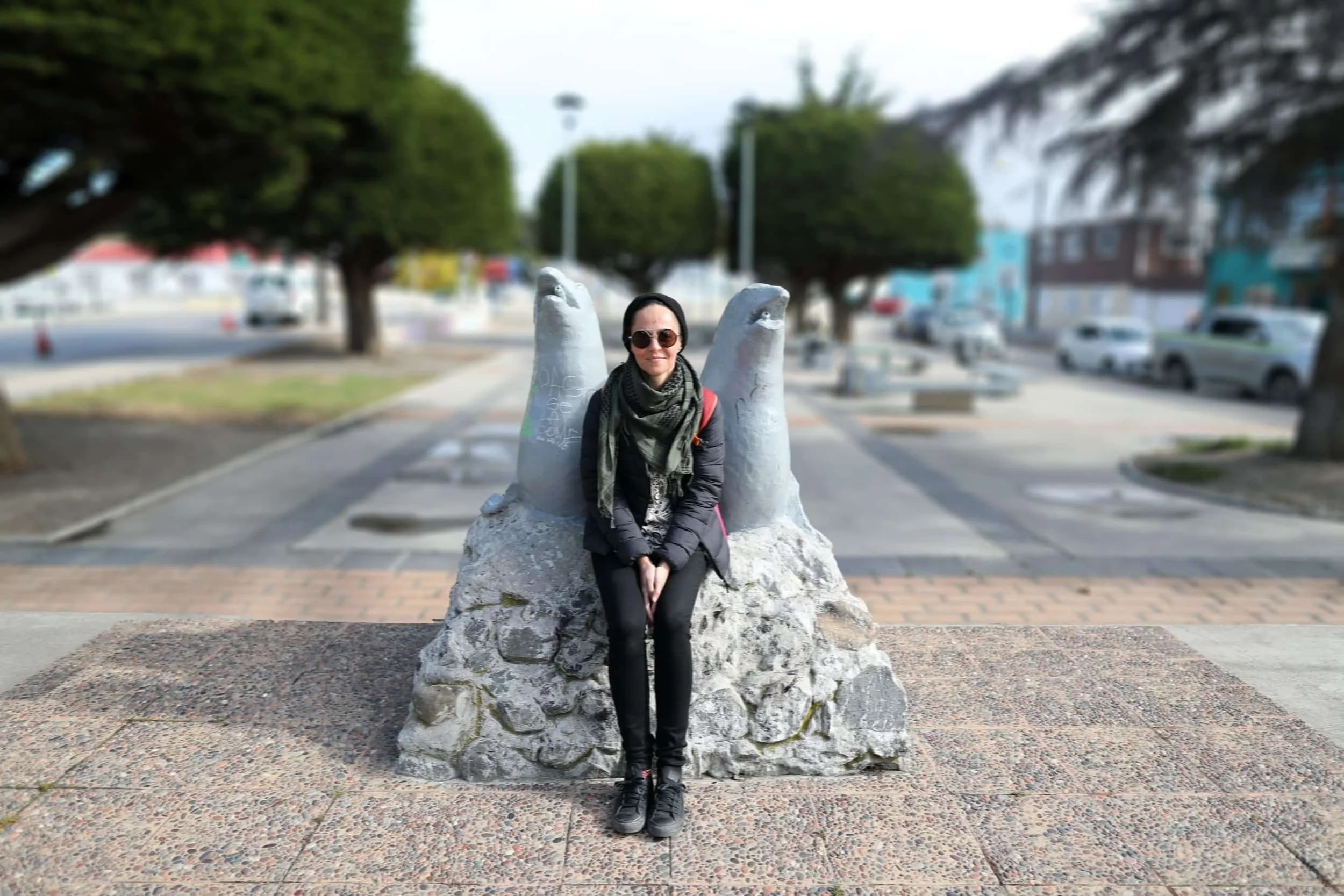
Why Visit Punta Arenas, Chile — More Than a Gateway to Patagonia
At the edge of the Strait of Magellan, Punta Arenas is a natural jumping-off point for exploring southern Patagonia, with Torres del Paine, wildlife excursions and routes toward Antarctica all within its orbit. But it's worth paying attention to the city itself. Historic architecture, colorful streets, waterfront views and a long maritime history give Punta Arenas an identity beyond simply being somewhere you pass through.
Our plans changed almost as soon as we arrived. Patagonian weather and slower-than-expected travel meant penguin colonies and whale watching had to come off the itinerary. Instead, we wandered downtown, explored markets, stopped into cafés and experienced Punta Arenas at a much slower pace than we'd intended.
It wasn't the visit we'd planned, but that became part of its appeal. Punta Arenas gave us a glimpse of everyday life at the edge of Patagonia — and reminded me why leaving a little room in an itinerary isn't always a bad thing.
At a Glance
📍 Destination: Punta Arenas, Chile
🕒 Time Needed: 2-3 days
💰 Budget: 100,000-120,000 CLP/day ($110-$130 USD)
👟 Walking Level: Mild
🌤️ Best Season: Summer (December-February)
☕️ Don’t Miss: Magdalena Island
🖤 Perfect For: History & maritime enthusiasts, wildlife lovers and adventure travelers
My Bibimbap Moment
This trip added: Serendipity.
Punta Arenas added the ingredient of serendipity to my Bibimbap Life. I had imagined this part of the journey differently, with an excursion to Magdalena Island and its penguins but the weather had other plans. Instead, I spent a few unexpectedly lovely days wandering a charming little town, discovering artisanal shops, lingering over incredible food and getting to know a place I might otherwise have rushed through. It wasn't the Patagonia adventure I'd pictured but somewhere between the chilly wind and cozy streets, Punta Arenas became a surprise of its own.
My Two-Week Chile Itinerary
Eight flights, countless buses and taxis and a ferry carried us across Chile in two weeks. It was an ambitious first look at the country, beginning in Santiago, reaching all the way north to the Atacama Desert and then making one enormous leap south to Patagonia.
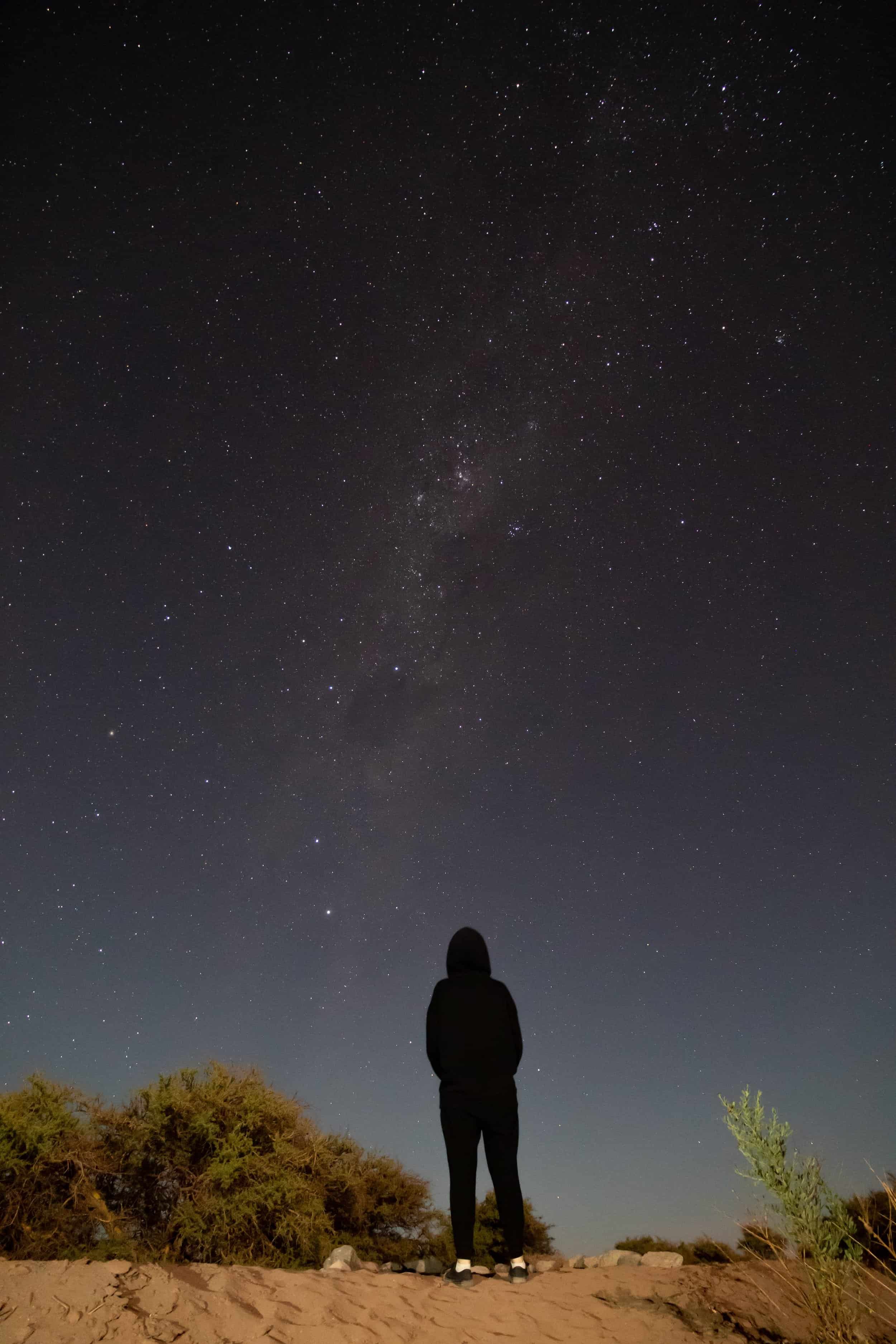
We started in Santiago before flying north to San Pedro de Atacama, where several full days took us to Chaxa Lagoon, Piedras Rojas, the Altiplanic Lagoons, El Tatio and Valle de la Luna. At night, the desert offered something completely different: stargazing beneath one of the clearest skies I’d ever seen, which became one of my favorite experiences of the trip.
Then we flew south to Punta Arenas and suddenly everything changed. The desert gave way to cold air, the Strait of Magellan and the windswept landscapes of southern Patagonia. We had planned wildlife excursions from the city but weather and slower-than-expected travel rearranged those plans. Instead, Punta Arenas gave us some unexpected downtime to wander its streets, visit markets and cafés and experience the city itself before continuing farther into Patagonia.
From there, we traveled into Torres del Paine, where we stayed inside the national park at Las Torres. Weather followed us there too, limiting some of our hiking plans but we still explored the park and made it out onto Grey Lake to see Grey Glacier.
After so much movement, our final stop was Chiloé Island, where Castro and our stay at Estancia Rilán brought a much slower ending to the trip. Looking back, the route wasn't always predictable — and Patagonia certainly didn't cooperate with everything we'd planned — but that became part of experiencing just how dramatically Chile changes from north to south.
My route: Santiago → San Pedro de Atacama → Punta Arenas & Torres del Paine → Chiloé Island
Explore
Here’s where the journey will take us.
01 | Things to Do in Punta Arenas
02 | When to Go
03 | How to Get There
04 | Where to Stay
05 | How to Get Around
06 | How Long to Stay
07 | Tours & Day Trips
08 | Good to Know
Read On | Unforgettable Things to Do in Patagonia — A Traveler’s Guide to Torres del Paine
Travel More | Chile Travel Guides
Unmissable Highlights of Punta Arenas, Chile: Experiences to Add to Your Itinerary
Discover the southern edge of the world through these unforgettable Punta Arenas highlights — from windswept vistas and penguin colonies (that we sadly missed) to rich Patagonian history and vibrant local flavors. Whether you have a few hours or several days, these are the must-do experiences that bring this remote city to life — just make sure you tack on a few extra days to account for poor weather and limited bookings.
Arriving in Punta Arenas from Atacama
Getting from San Pedro de Atacama to Punta Arenas is a reminder of just how long Chile really is. We were essentially traveling from the high desert in the far north to Patagonia in the far south — and getting there took most of the day.
From San Pedro de Atacama, we took a shuttle to Calama Airport, about an hour away, and flew south via Santiago before continuing to Punta Arenas. After landing, a taxi took us from the airport into the city.
If you're following a similar route through Chile, I'd treat this primarily as a travel day rather than trying to squeeze sightseeing in around it. Flight schedules and connections can vary, so leave some breathing room — especially once Patagonia's unpredictable weather enters the equation.
Our route: San Pedro de Atacama → Calama Airport → Santiago → Punta Arenas
Wake Up Coffee & Brunch
For a good breakfast before heading out to explore Punta Arenas, Wake Up Coffee & Brunch was one of our favorite finds. The café was lively and busy when we visited but we didn't have to wait long for a table.

The menu has plenty of substantial breakfast and brunch options alongside coffee, juices and baked goods. And, naturally, I started with a dirty chai, along with freshly squeezed orange juice.

What to Order at Wake Up
Breakfast was a little bit of both ends of the spectrum. The eggs Benedict came with smoked bacon and a cream-cheese element that made it particularly rich, while the avocado toast with poached eggs was simpler and fresher. Between the two, it was more than enough fuel for a cold morning of exploring Punta Arenas.


But don't leave immediately after breakfast.

The pastry case near the counter was packed with cakes, pastries and other sweets, and it was difficult not to take another look on the way out. We eventually gave in and picked up something sweet to take with us for later.
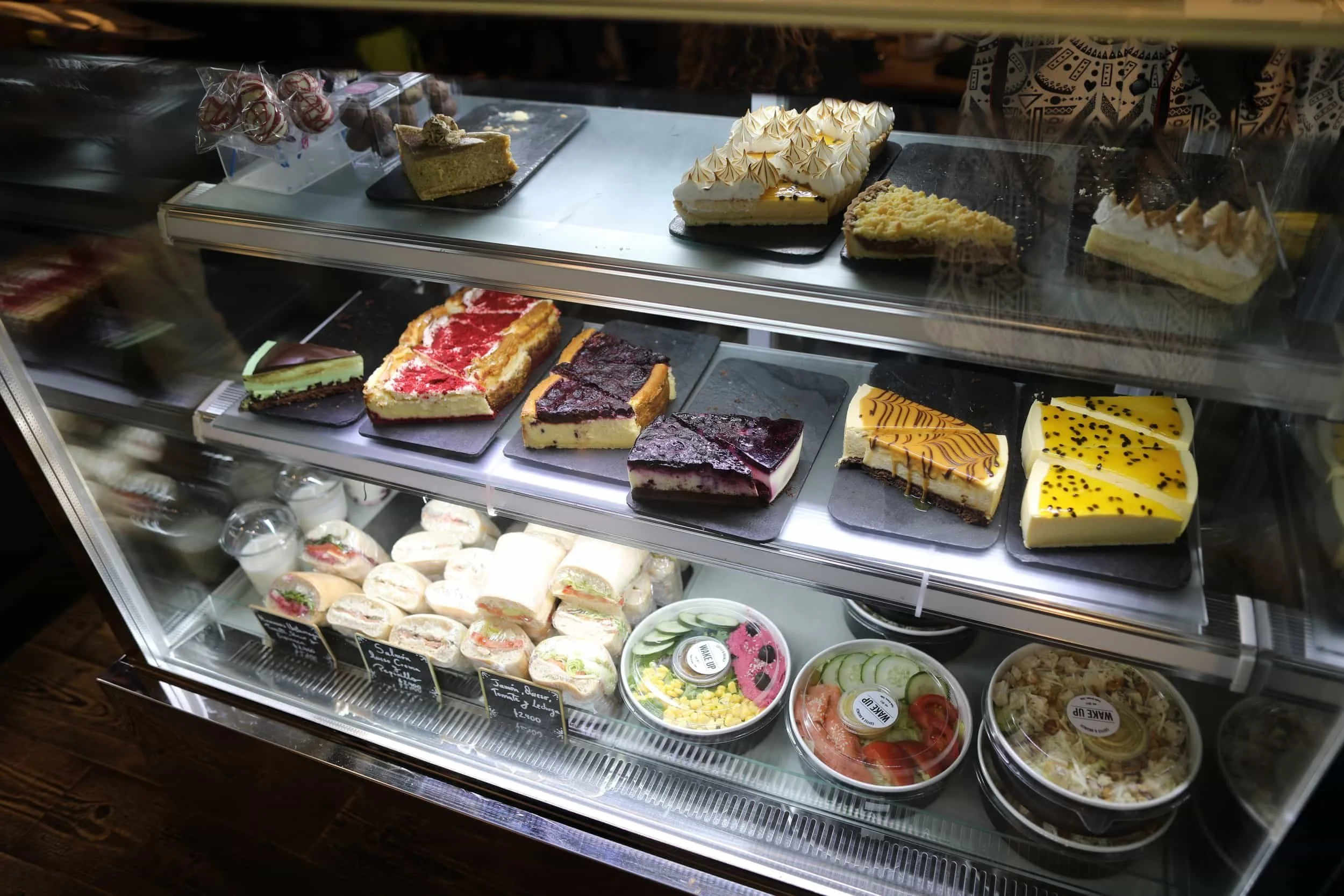
Sometimes that's the best kind of travel planning.

💡 My Tip | Take a look at the pastry case before you leave, even if you're full from breakfast. You can always grab something to go for later in the day.
Downtown Punta Arenas
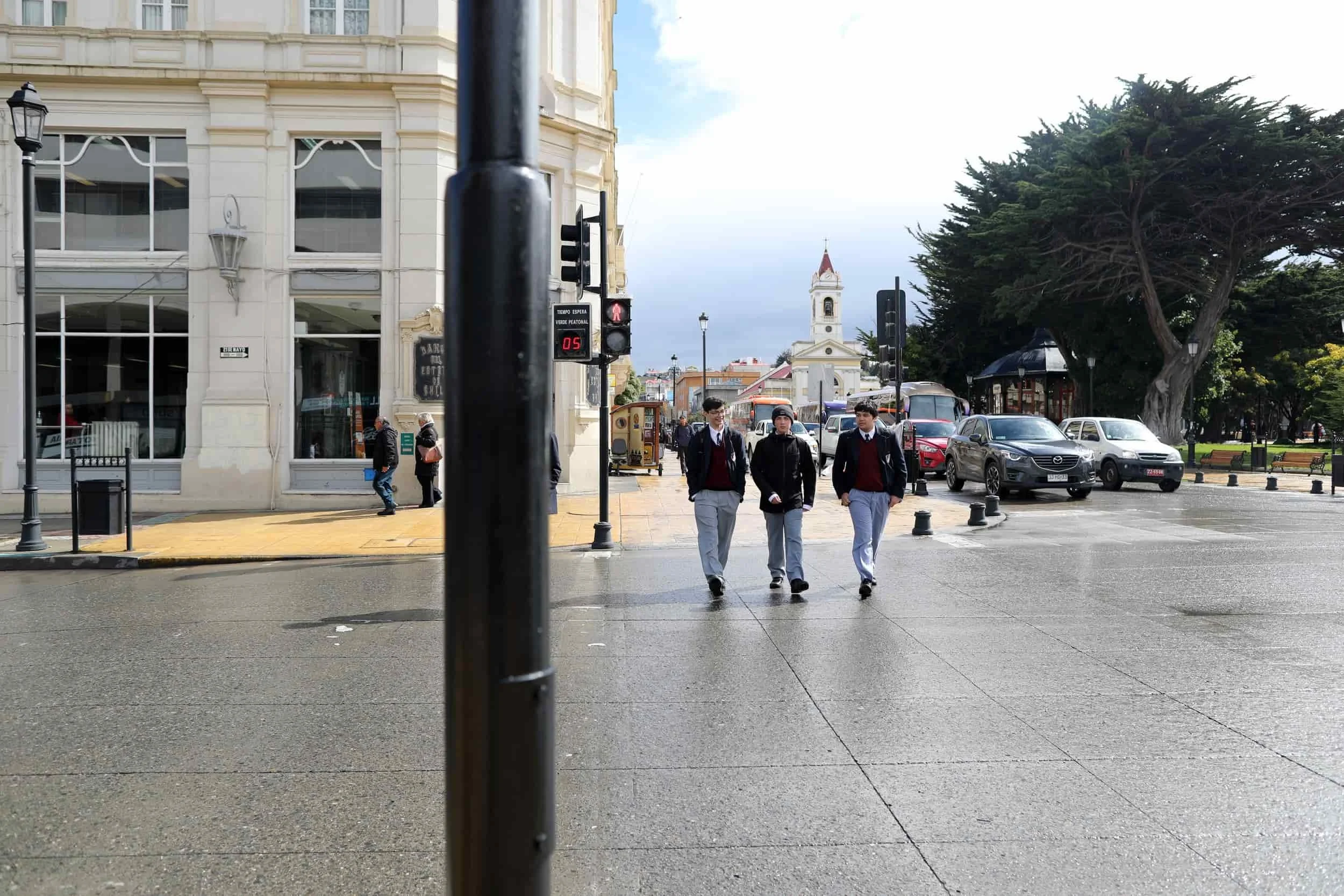
Punta Arenas is compact enough that one of the best ways to get to know it is simply to walk around without much of a plan. After the bigger landscapes of Patagonia, I liked seeing the more ordinary side of life here — students walking through town, people shopping for produce, street musicians and the everyday activity of a small city at the edge of the continent.
The center is easy to explore on foot, with shops, cafés, markets and historic buildings scattered across a relatively small area. The streets can feel surprisingly calm, especially compared with Santiago but there's still plenty happening once you start paying attention.
And then there's the wind. This is Patagonia, after all.

Start Around Plaza Muñoz Gamero
At the center of downtown is Plaza Muñoz Gamero, Punta Arenas' main square and a natural place to begin wandering. The monument to Ferdinand Magellan sits at its center, surrounded by mature trees and some of the city's more prominent historic buildings.
Punta Arenas grew considerably during the late 19th and early 20th centuries as its position on the Strait of Magellan made it an important maritime and commercial center. You can still see traces of that history around downtown, particularly in some of the more ornate buildings surrounding the central streets.
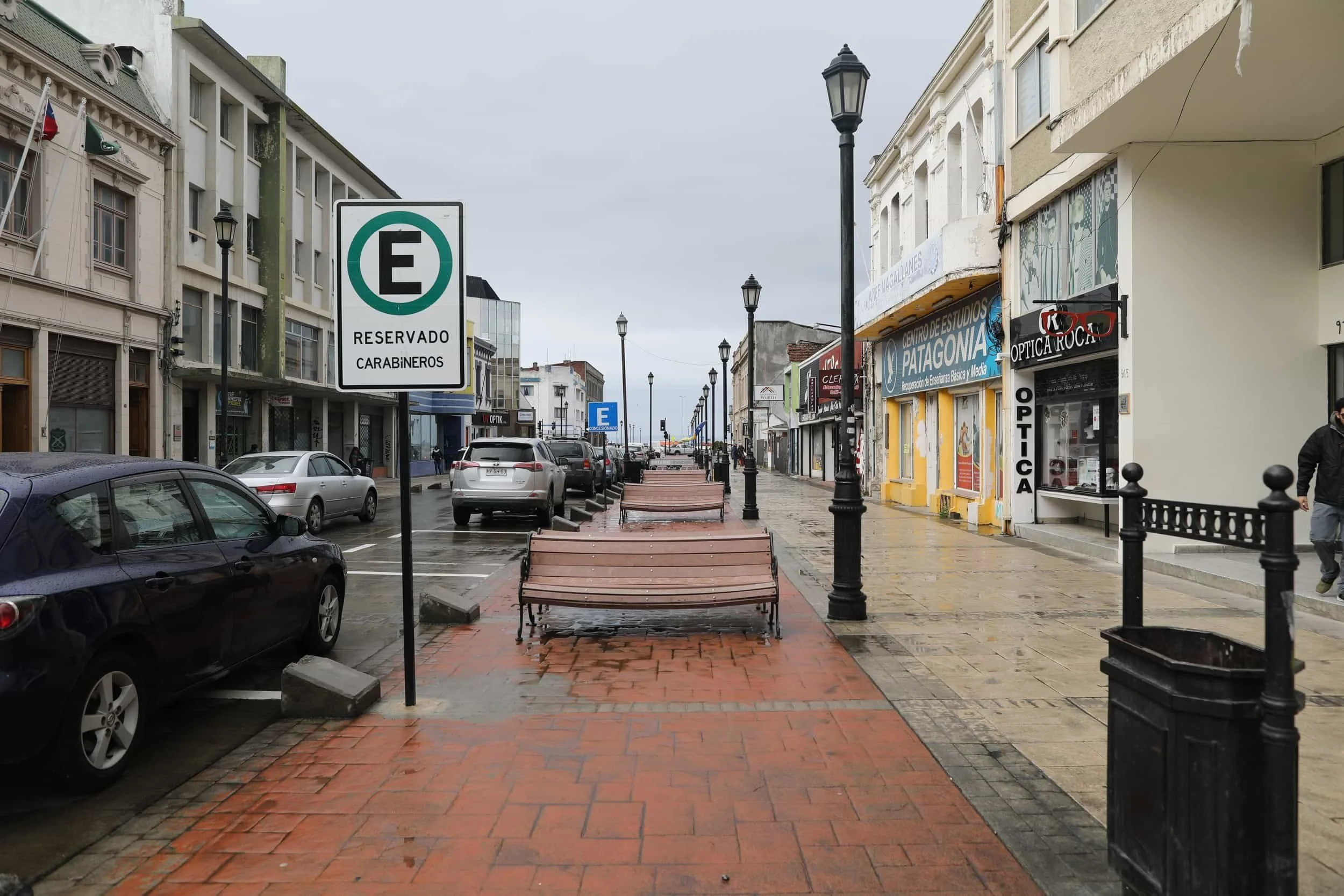
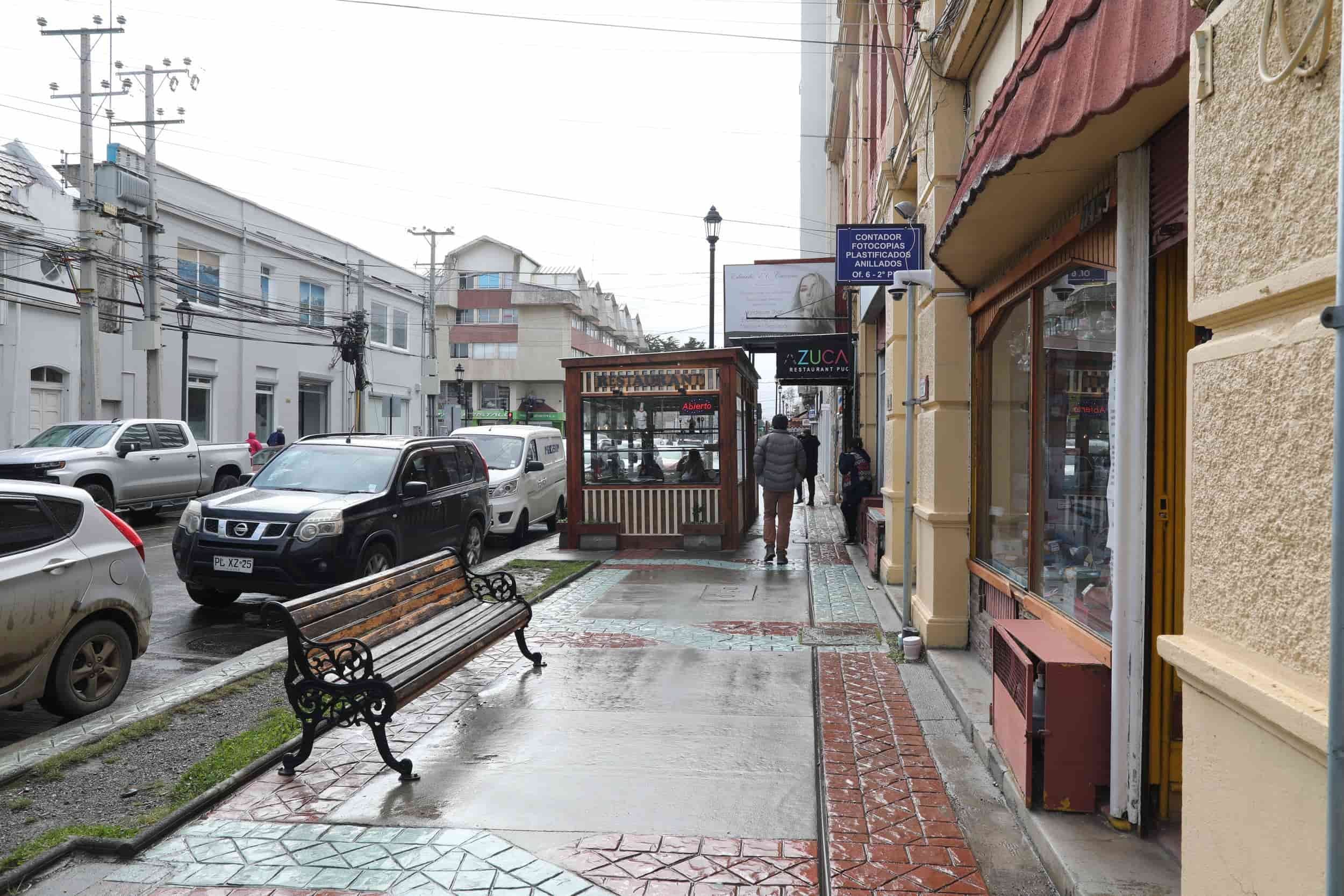
But you don't need to turn the walk into an architecture tour. I enjoyed seeing those grander pieces of the city mixed into streets that are otherwise very much being used for everyday life.
Wander the Markets & Streets
Some of my favorite photographs from Punta Arenas aren't of landmarks at all.
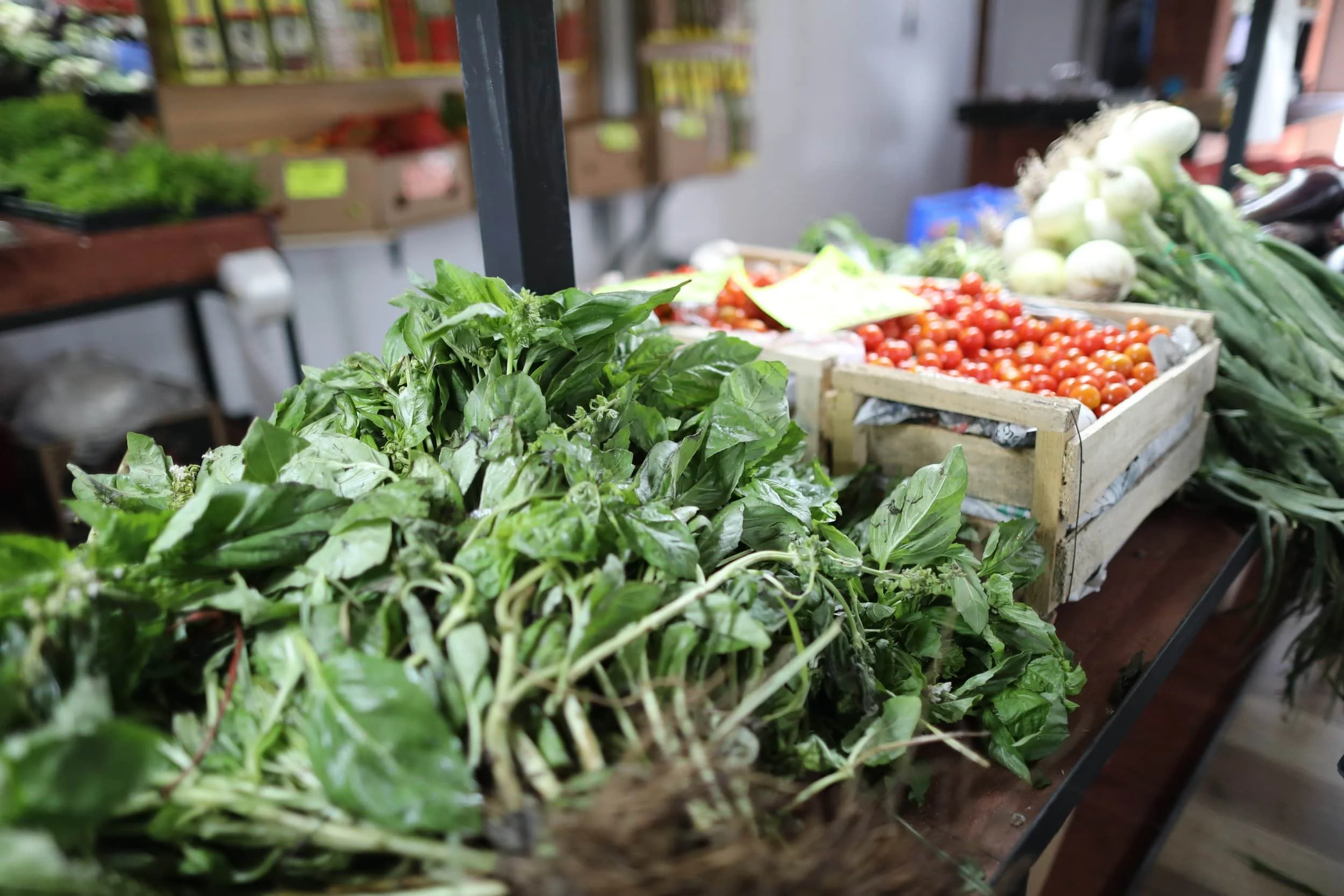
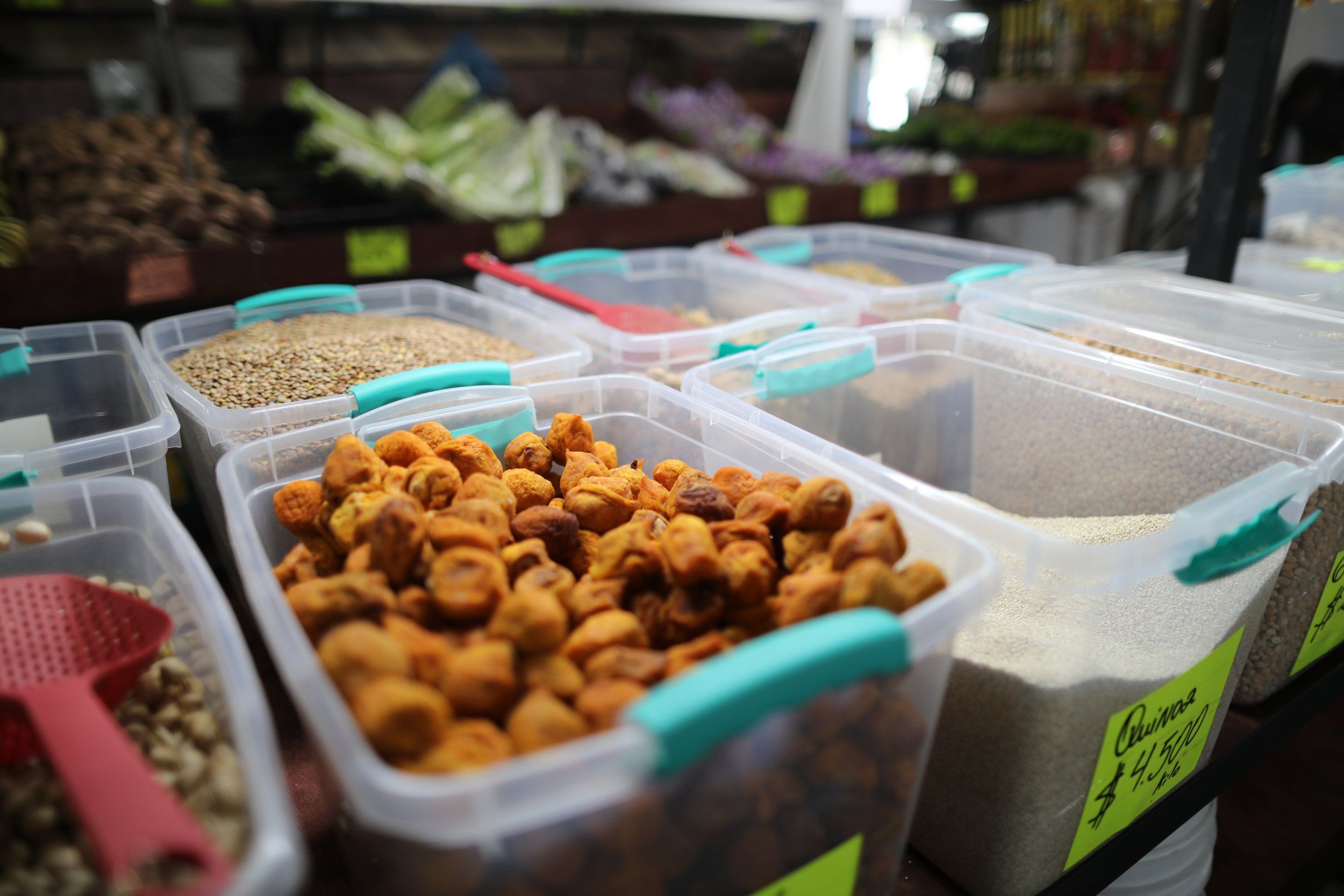
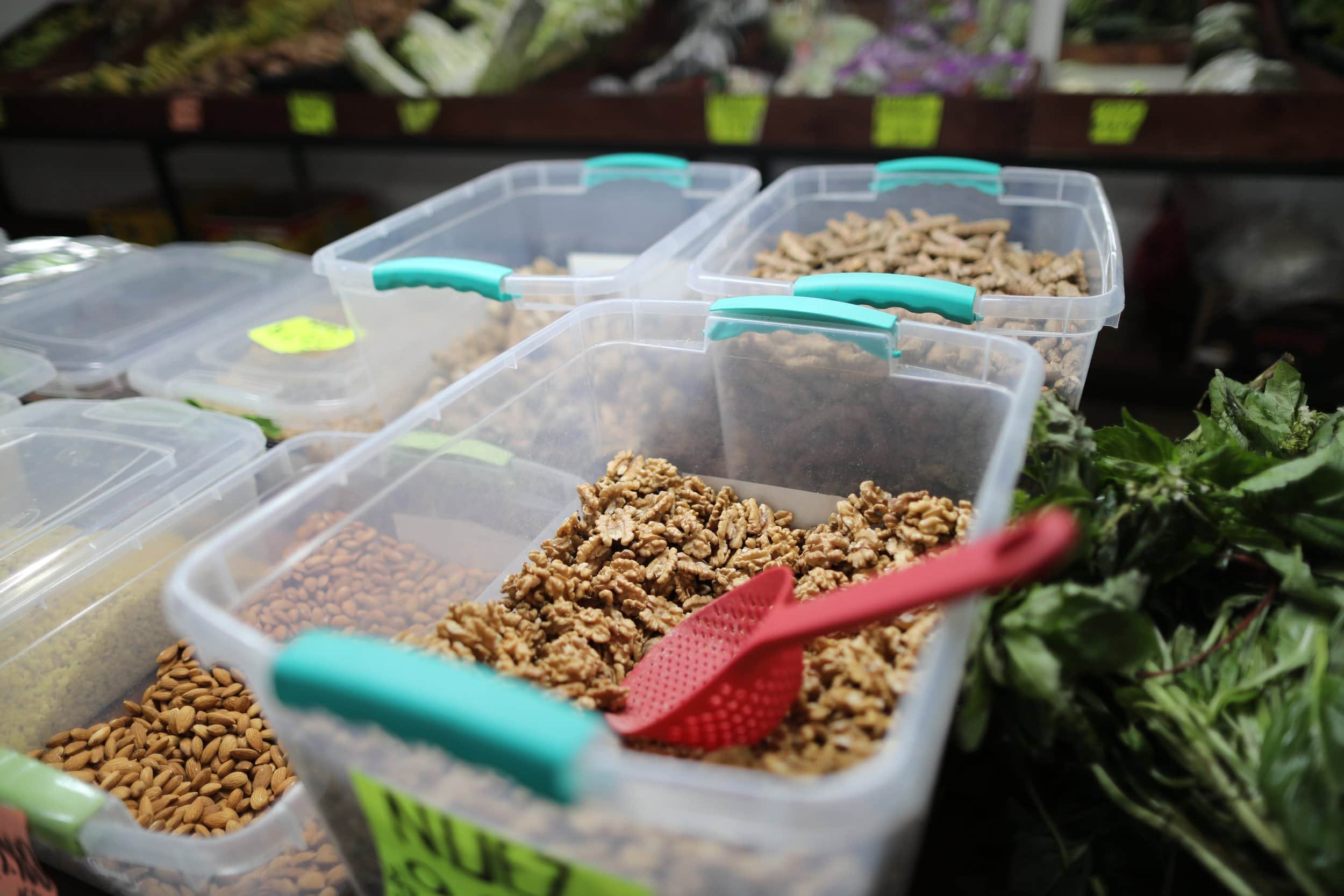
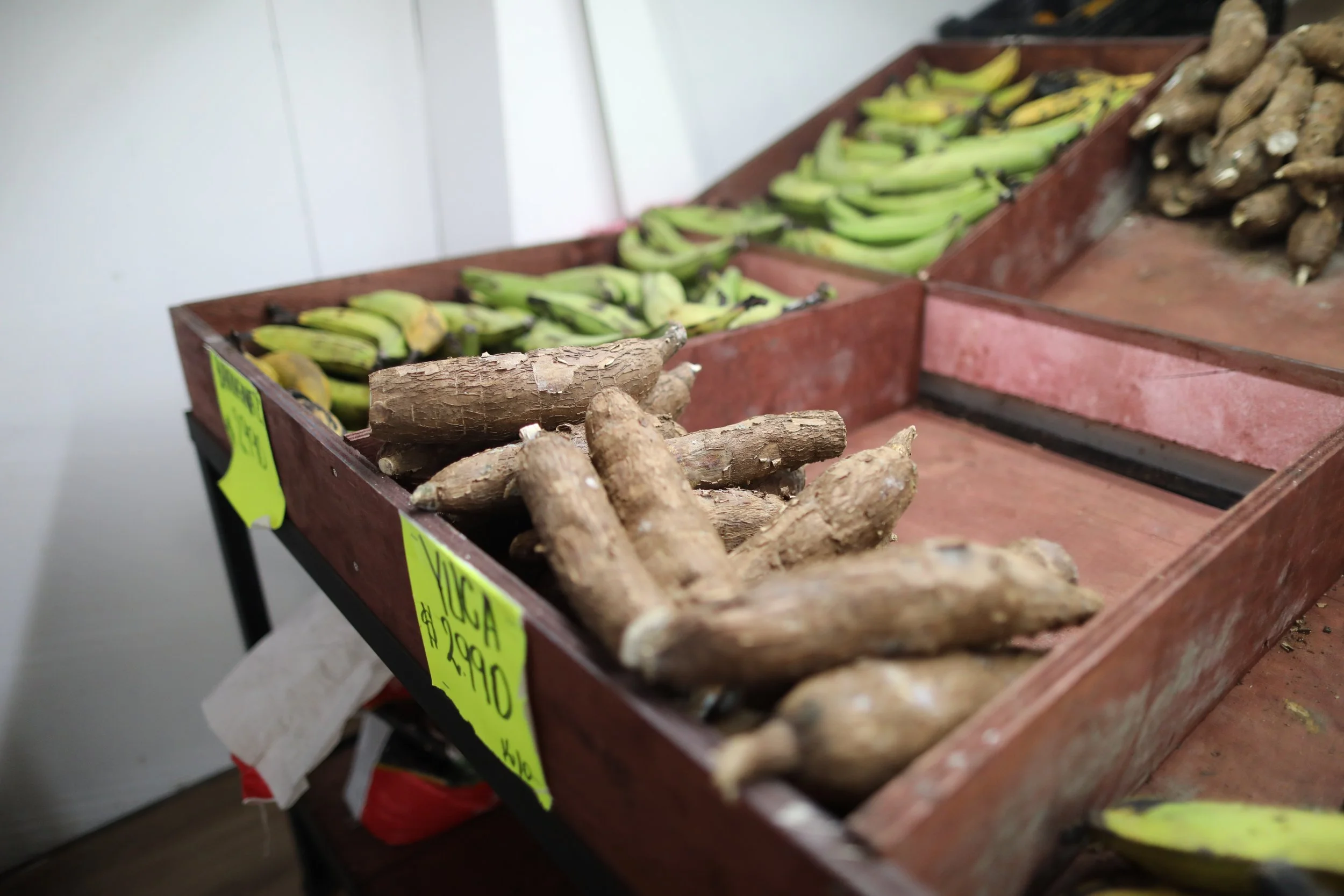
I came across a blind musician playing on the street, students making their way through town and markets piled with fresh produce. Those small scenes probably tell you more about what walking around Punta Arenas felt like than another list of attractions could.
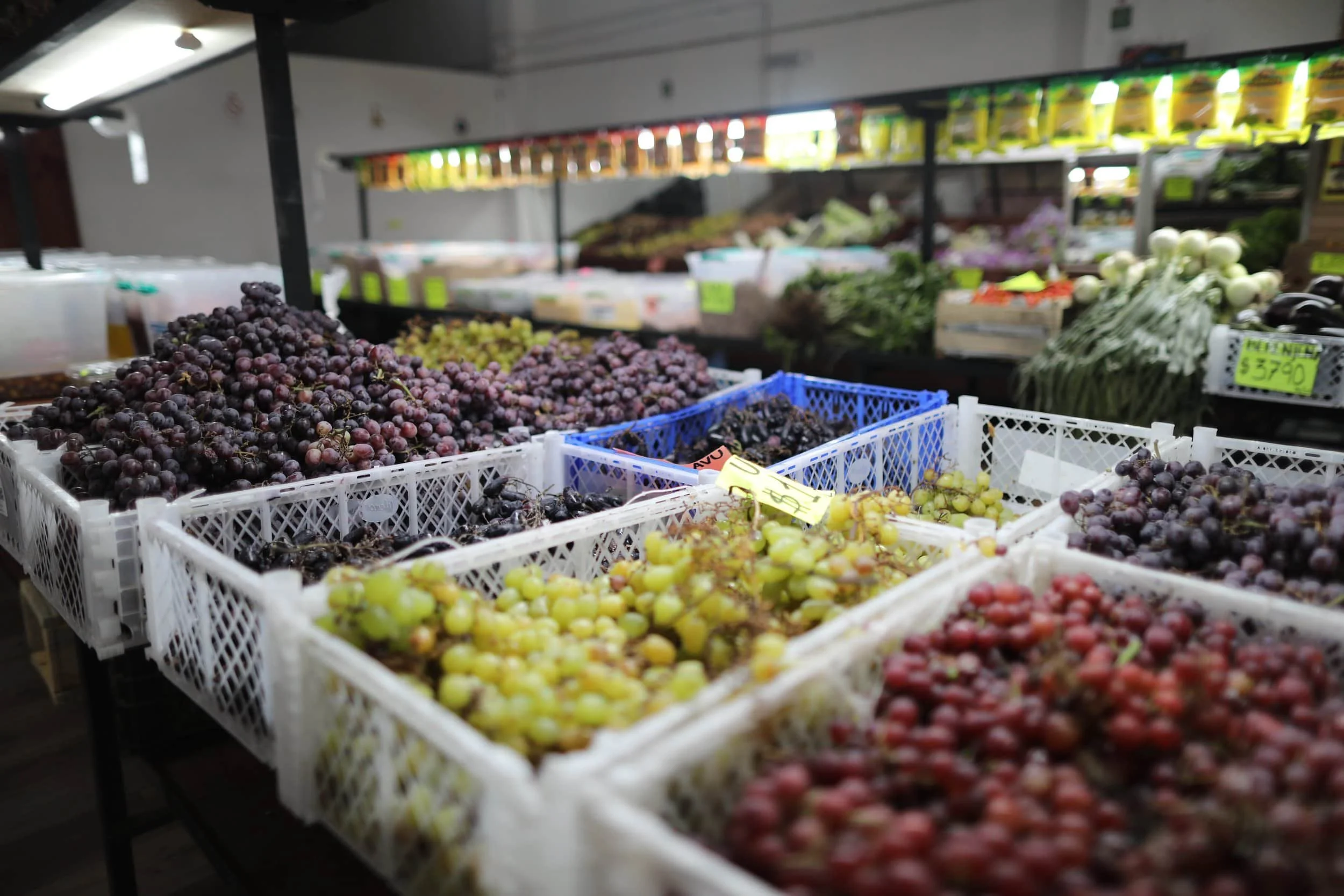
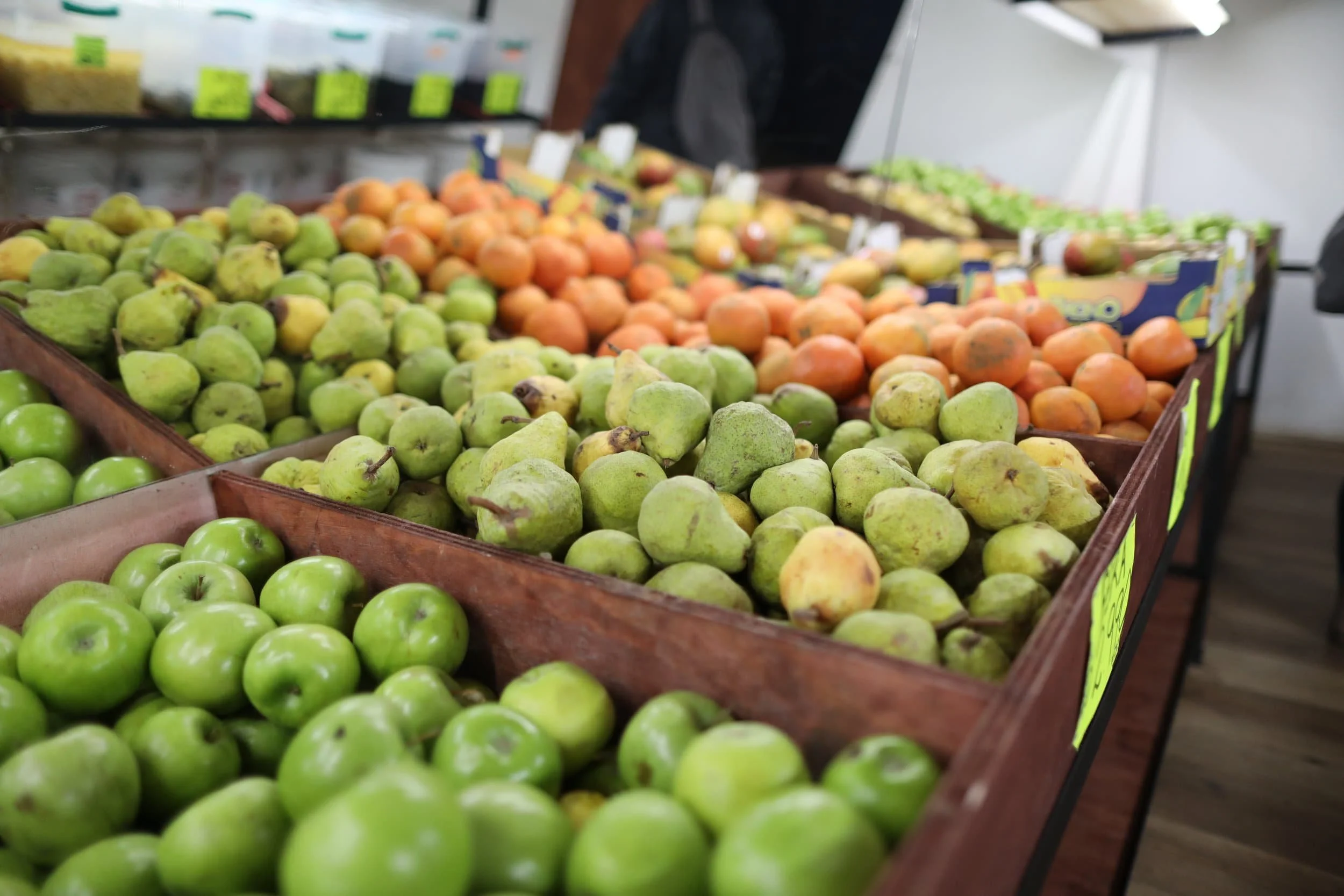
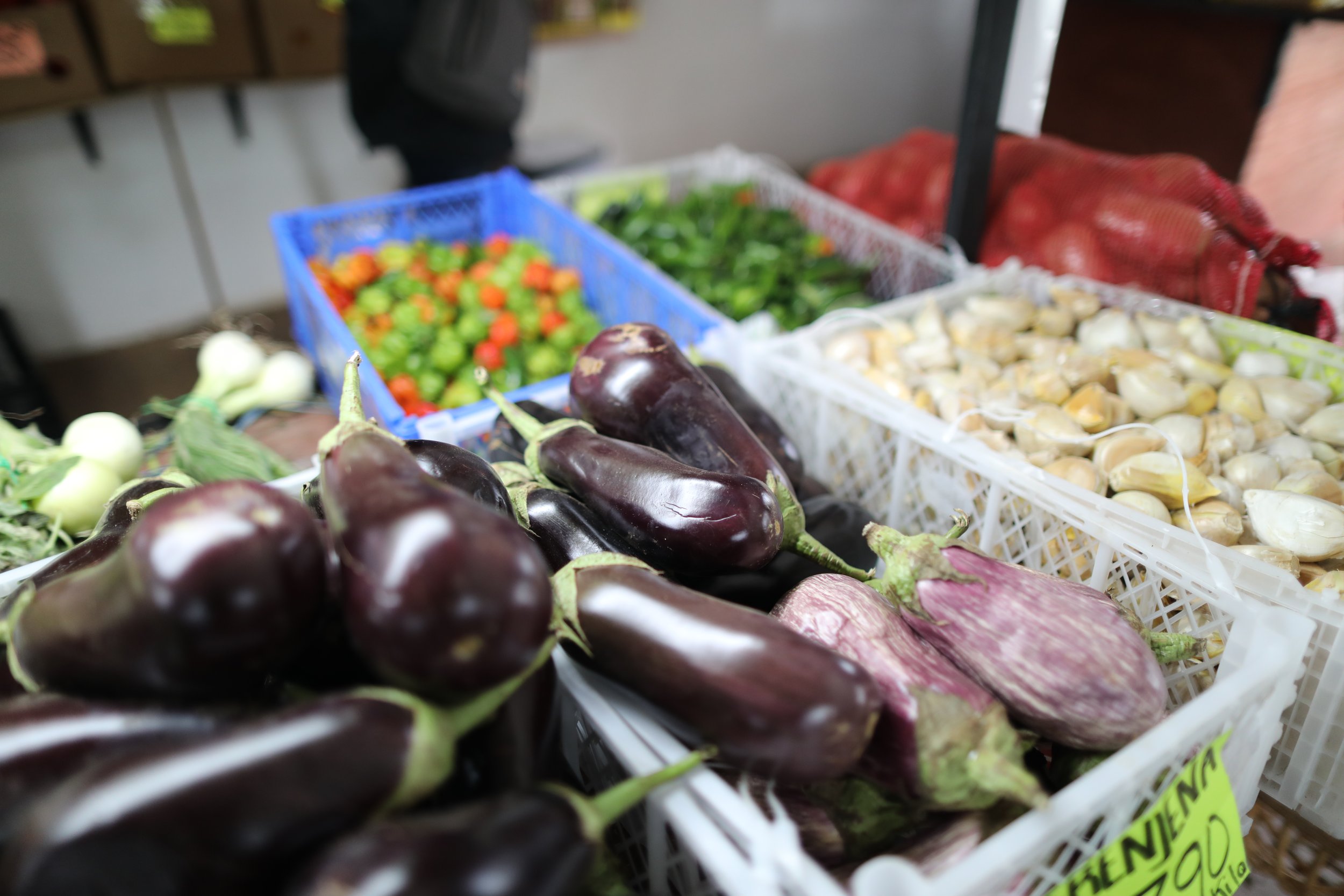
The markets are worth wandering through even if you aren't shopping for anything. Fruit and vegetables bring a surprising amount of color to a city whose surrounding landscape and weather can sometimes feel much more muted.
There are also shops selling souvenirs, woolens and Patagonia-themed goods throughout the center. If you're looking for something genuinely made in the region, it's worth checking its origin rather than assuming everything in a souvenir shop is local.
Remember How Far South You Are
Every so often, something reminds you exactly where you are.
For me, one of those moments was spotting a sign pointing toward Antarctica.
Punta Arenas is closely connected to travel farther south, and throughout the city you'll see references to Antarctica, the Strait of Magellan and the exploratory history of this part of the world. Even if Antarctica isn't part of your trip, that geographic context makes Punta Arenas feel different from other Chilean cities.
You're not just visiting another stop in Patagonia. You're standing in one of the world's southernmost cities, looking toward an entirely different continent.
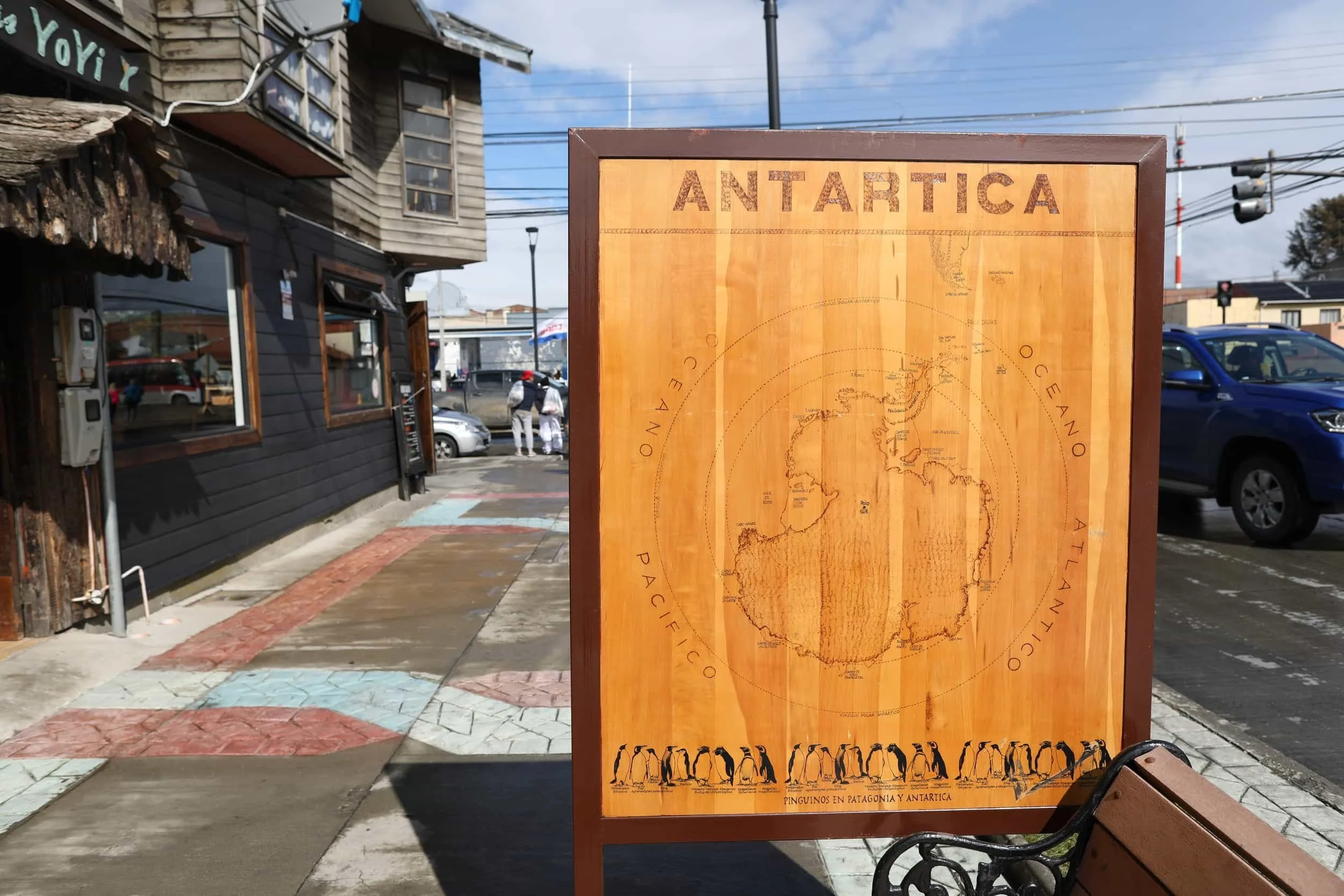
Give Yourself Time to Wander
You could build a checklist of museums, monuments and shops downtown but I don't think you need to.
Some of my favorite time here was simply walking, browsing and seeing what we found along the way. Punta Arenas isn't a city that needs to overwhelm you with sights. Its appeal is quieter: the history, the weather, ordinary street life and the constant awareness that you've traveled a very long way south.
💡 My Tip | Give yourself a few unscheduled hours downtown rather than moving directly from one attraction to another. Punta Arenas is very walkable in the center and some of the most interesting moments are the ones you won't find on a sightseeing list.
Centro Artisanal Handicraft Center
If you're looking for souvenirs in Punta Arenas — or simply need a break from the wind — this indoor handicraft center is worth wandering into while you're downtown.
From the street, the entrance is fairly unassuming but inside you'll find two levels of small stalls packed with souvenirs, clothing and crafts. There was a lot to look through: knitted socks and slippers, sweaters, children's booties, woven pieces, pillows and plenty of little penguins and sheep — a fitting assortment for this far south in Patagonia.
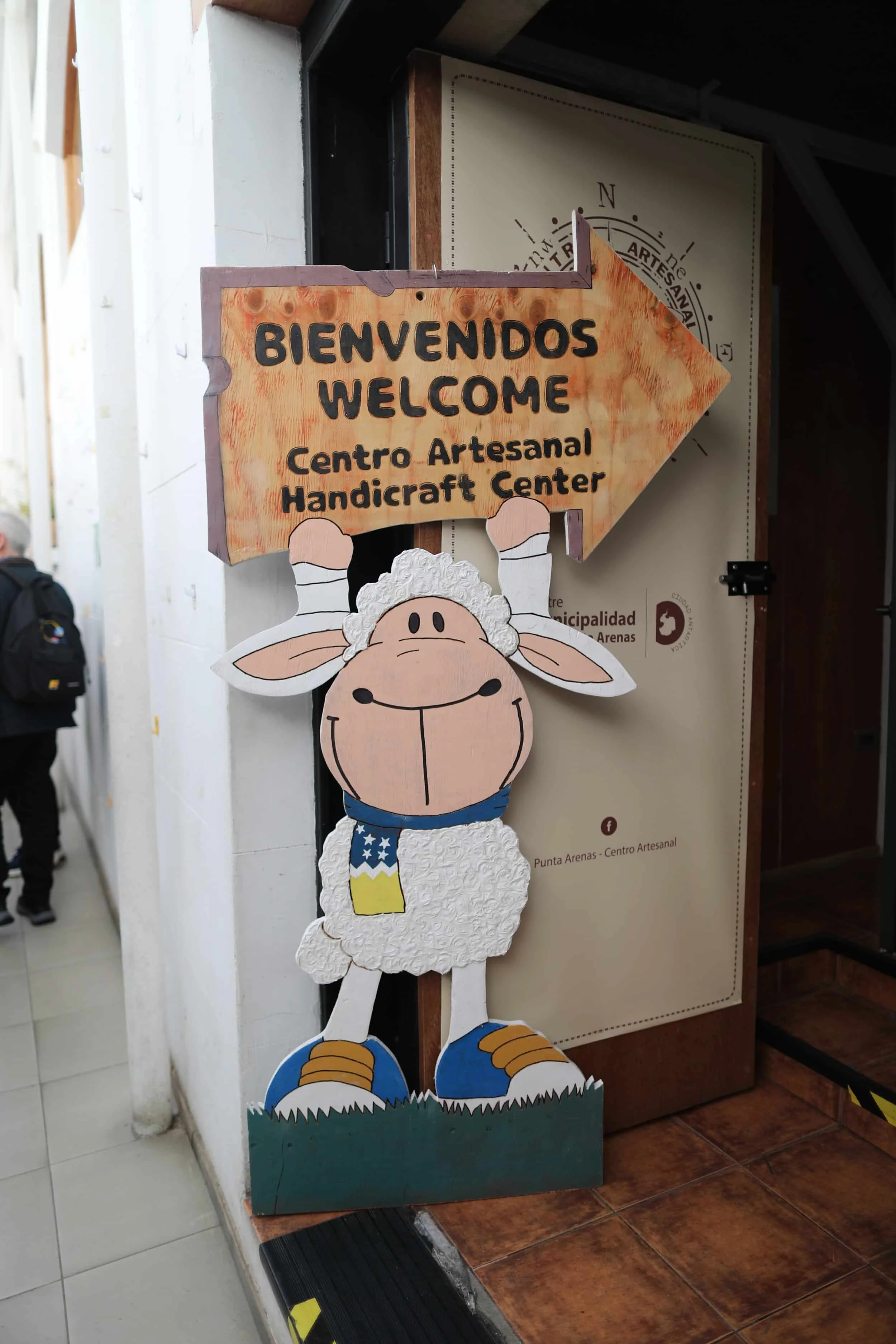
It's the kind of place where browsing is half the fun. Some stalls are packed nearly floor to ceiling, and walking the upper level gives you a view across the collection of little shops below.
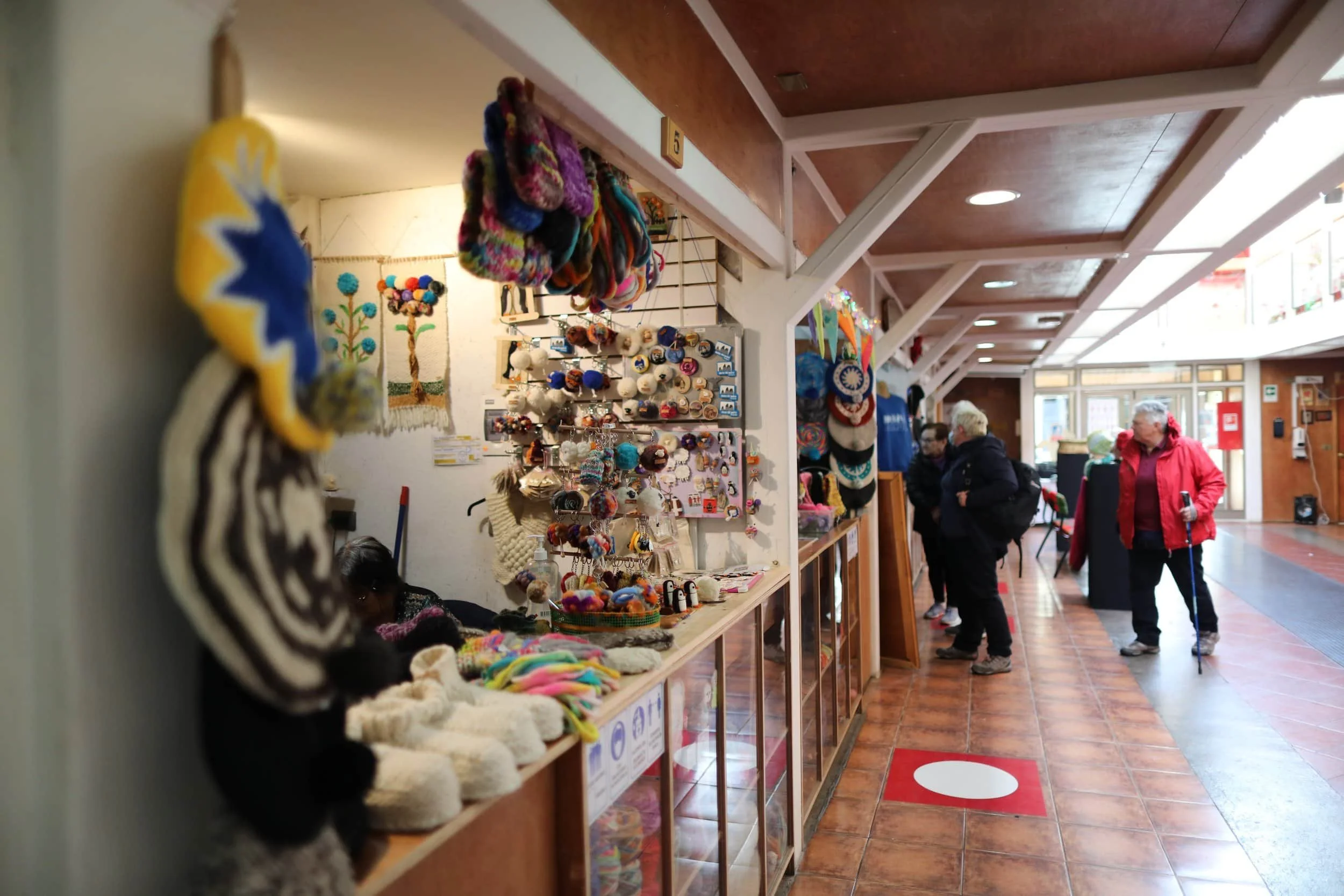

If you're looking for something specifically made in Punta Arenas or elsewhere in Patagonia, I'd ask about its origin rather than assuming everything sold here is locally produced. There's a mixture of merchandise and knowing where something came from makes for a much more meaningful souvenir.
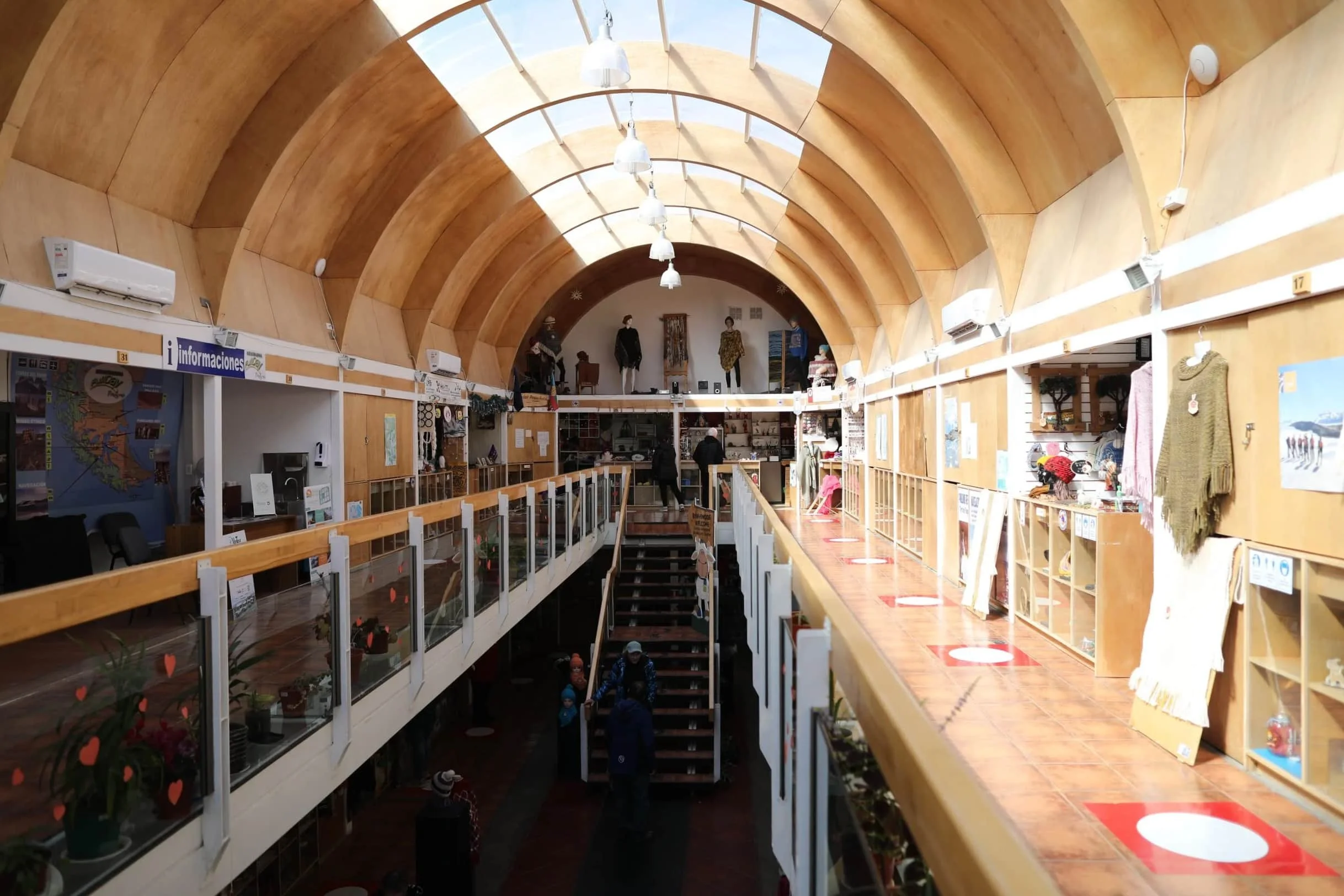
I particularly liked the softer, practical pieces — the kind of things that actually make sense somewhere as cold and windy as Punta Arenas — but there are plenty of smaller keepsakes if suitcase space is already becoming an issue.
💡 My Tip | Walk both levels before deciding what to buy. There's a lot packed into a relatively small space and similar items can turn up at several different stalls. Bring cash for convenience — most stalls do not accept cards.
History & Street Art in Punta Arenas Chile
While wandering through the city, we came across the Monument to General and President Manuel Bulnes, depicted prominently on horseback. Against Punta Arenas' relatively low skyline, it's difficult to miss.
Bulnes served as president of Chile from 1841 to 1851, and his administration played an important role in establishing a permanent Chilean presence along the Strait of Magellan in the 1840s. The monument connects back to a larger part of Punta Arenas' history: its strategic position at the southern edge of the continent and the importance of the strait to Chile.
But the city's streets tell more than one period of its story.
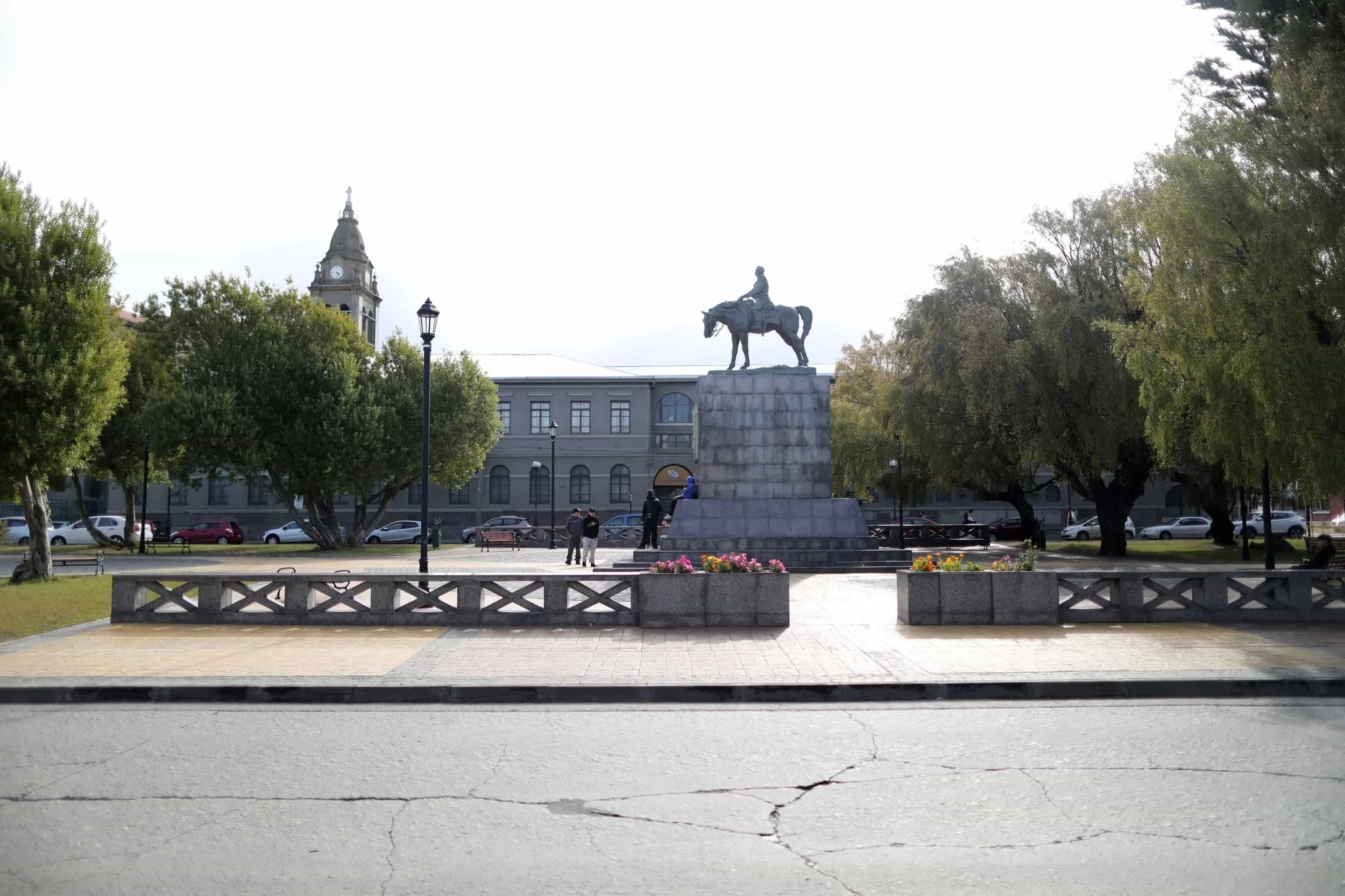
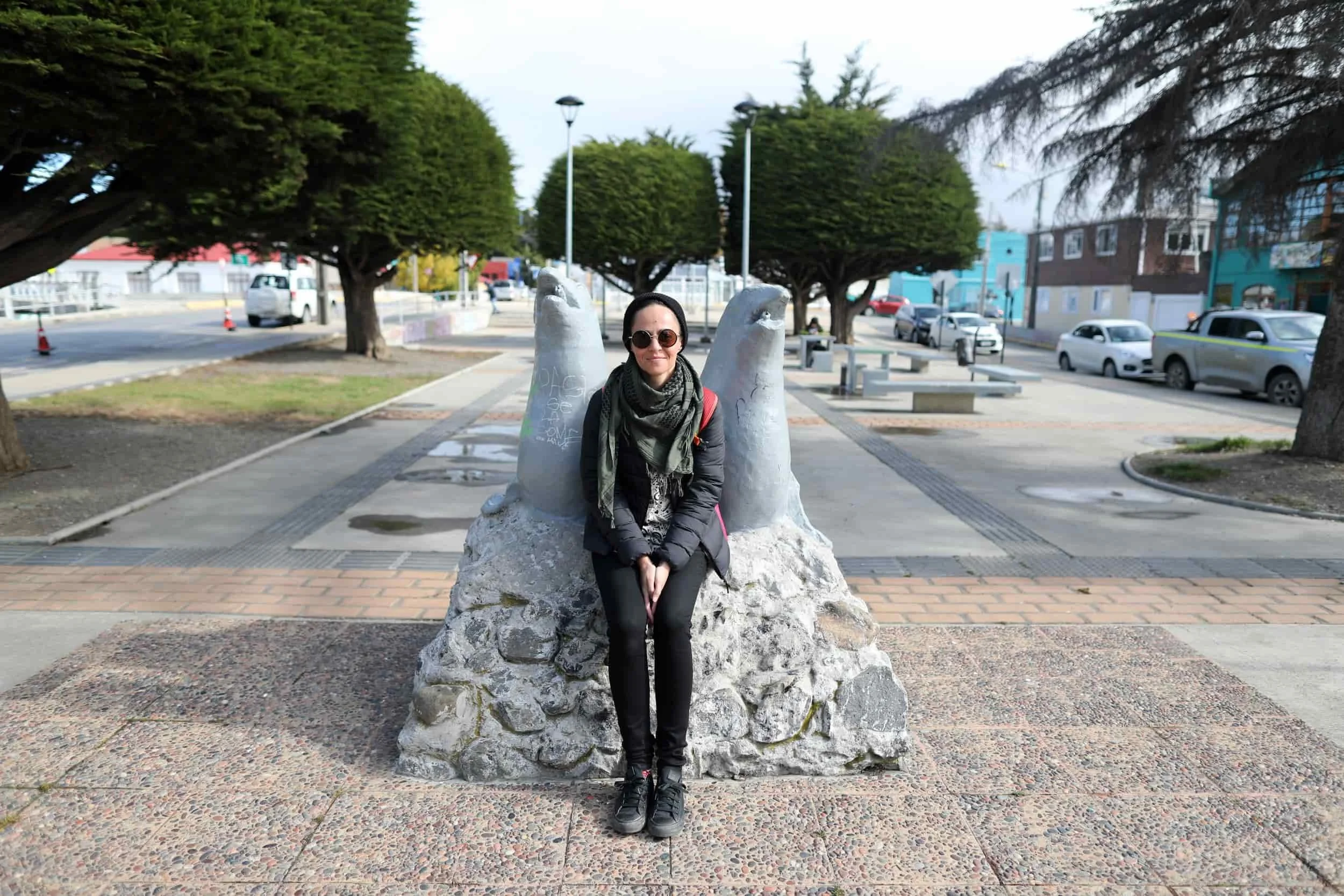
As we continued walking, I started noticing street art scattered among the older buildings and monuments. Murals and smaller pieces added unexpected bursts of color to streets that could otherwise feel fairly subdued.
That contrast was what interested me most: formal monuments commemorating the city's past alongside contemporary artwork occupying the same streets. You don't necessarily need to seek either one out individually. They're simply part of what you begin to notice when exploring Punta Arenas on foot.


This is another reason I'd leave some unscheduled time for walking. Punta Arenas Chile isn't a city I felt needed to be experienced entirely through a checklist of attractions. Some of the more interesting details appeared between the places we were trying to get to.
La Marmita
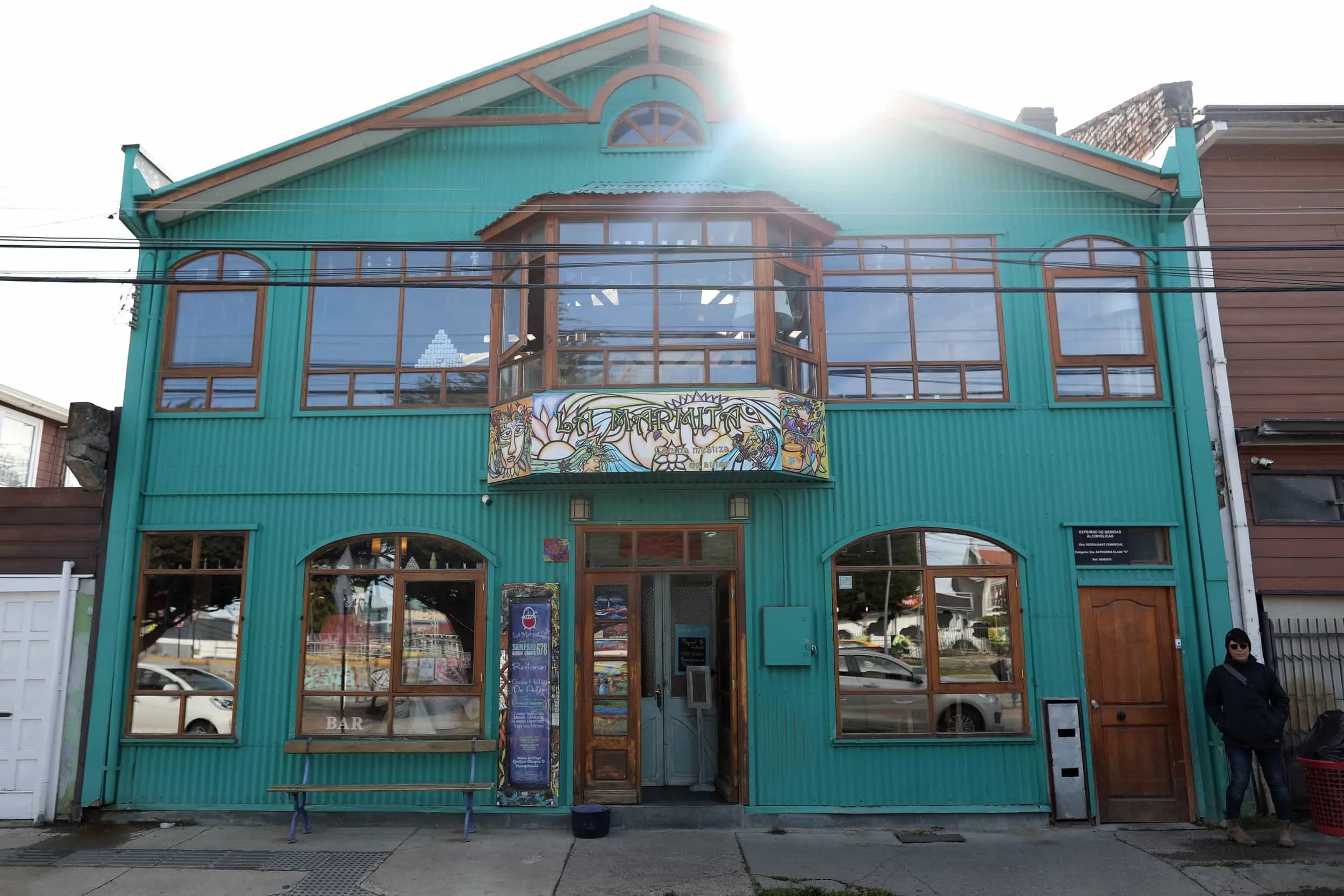
From its colorful exterior to the eclectic little dining room inside, La Marmita doesn't feel like an ordinary restaurant. We stopped for a late lunch and it ended up being one of the most interesting meals I had in Punta Arenas.
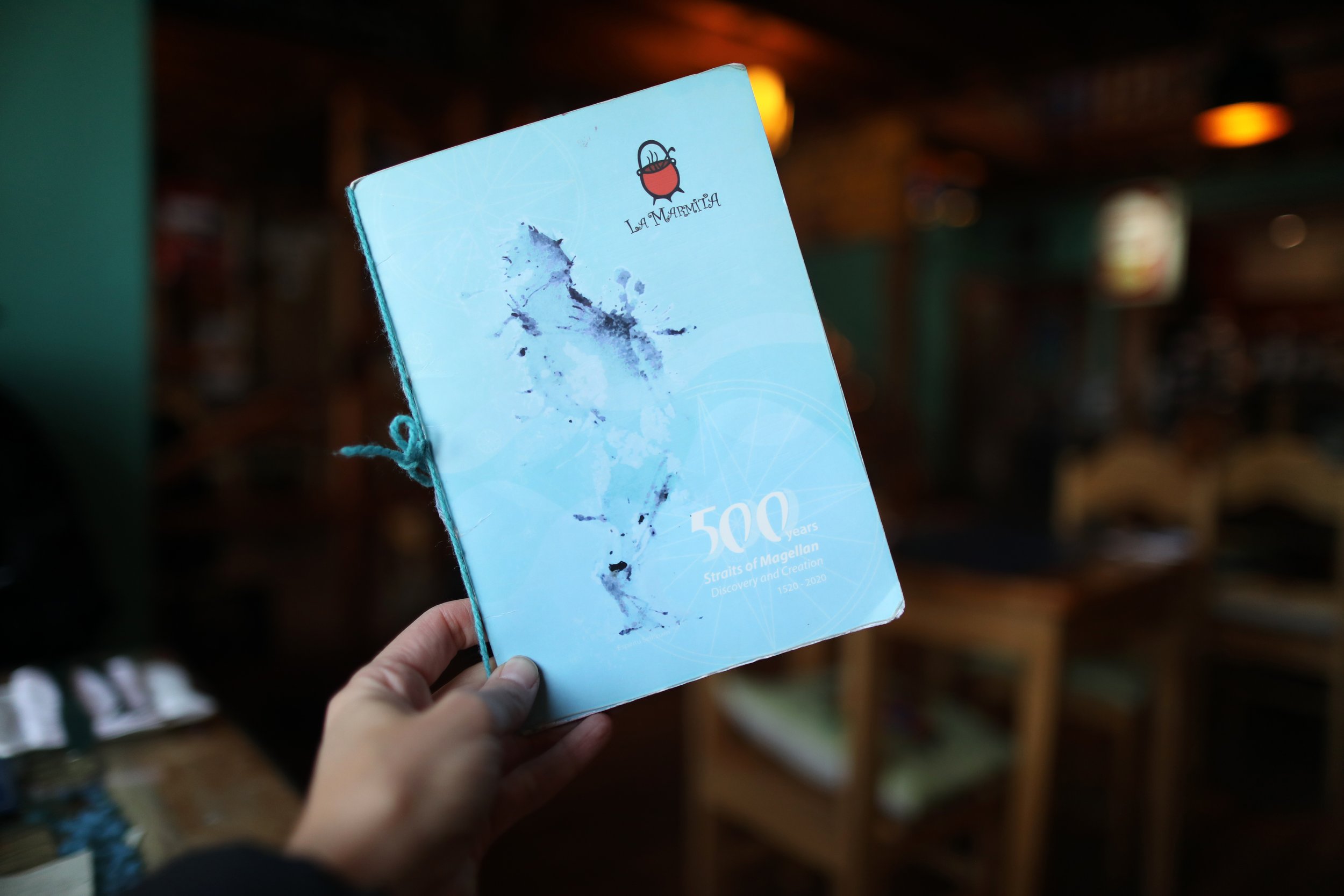
The restaurant is small and cozy, with the kind of interior that gives you plenty to look at while you're waiting for your food. Even the menu made me want to try things I probably wouldn't have ordered elsewhere.
And that became the theme of the meal: order something unexpected.
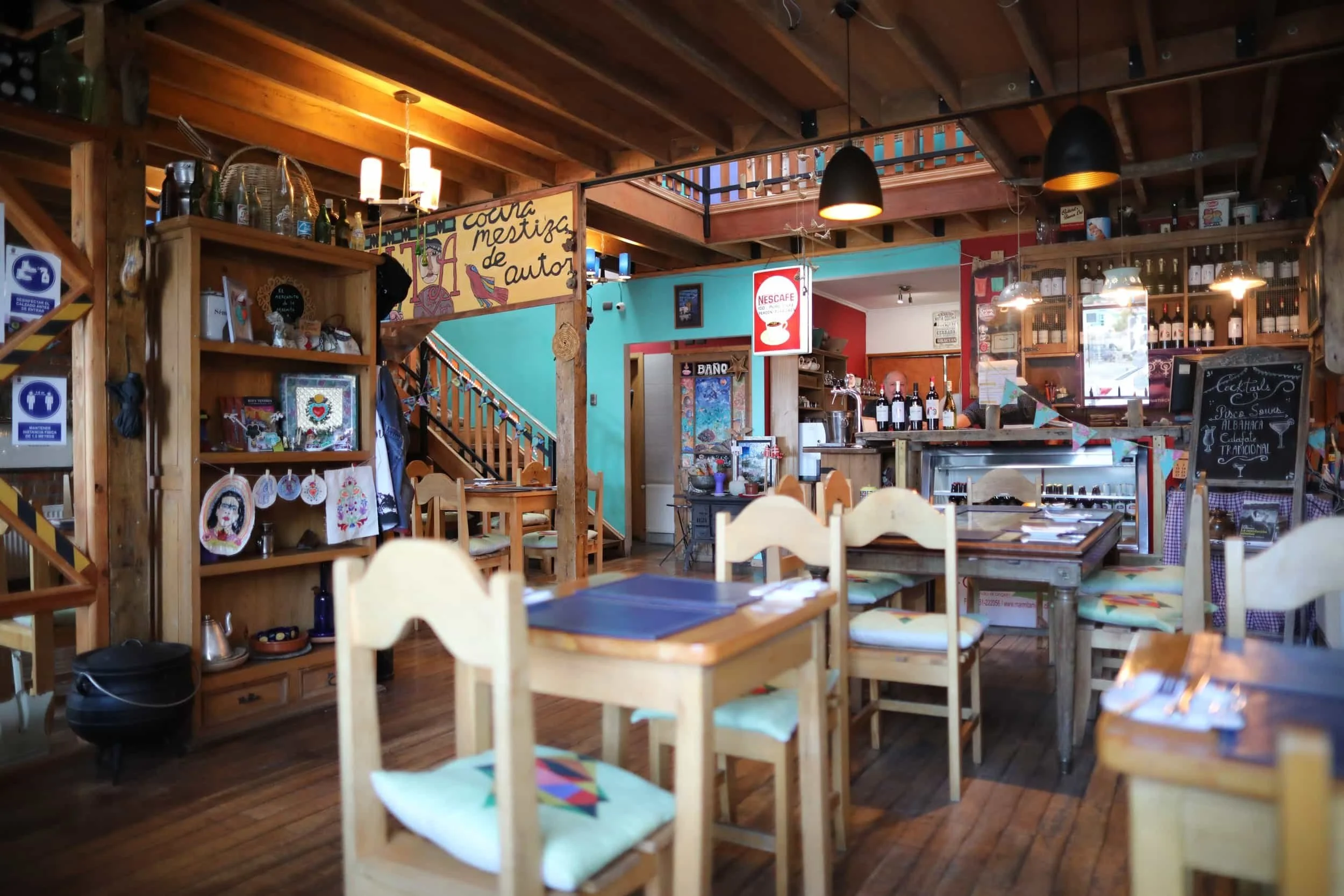
What We Ate at La Marmita
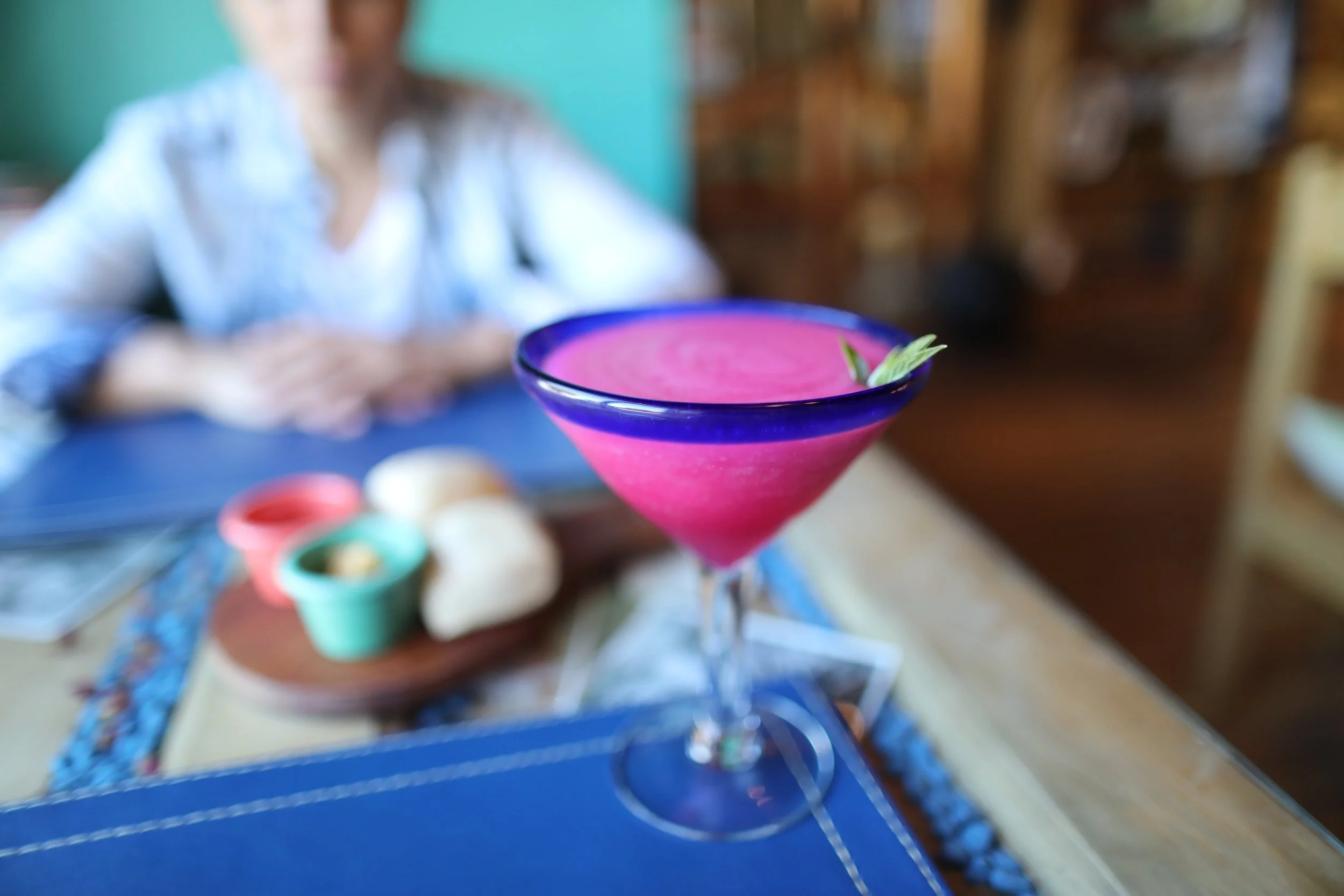
We started with drinks, including an impossible-to-miss bright pink frozen calafate pisco sour. Slushy, fruity and deceptively strong, it was one of my first introductions to calafate — one of Patagonia's characteristic berries — and certainly a memorable one.
Then came the food.
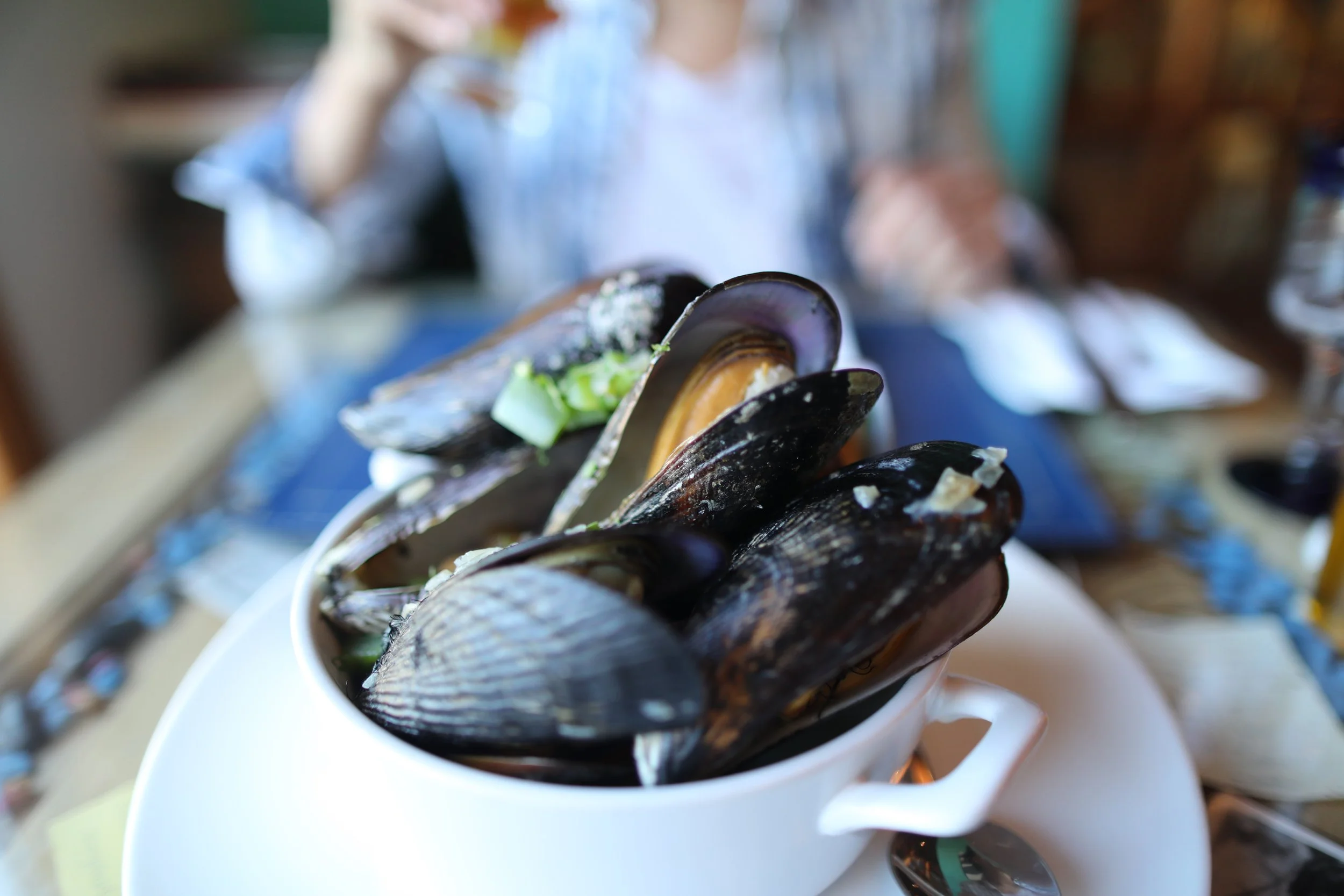
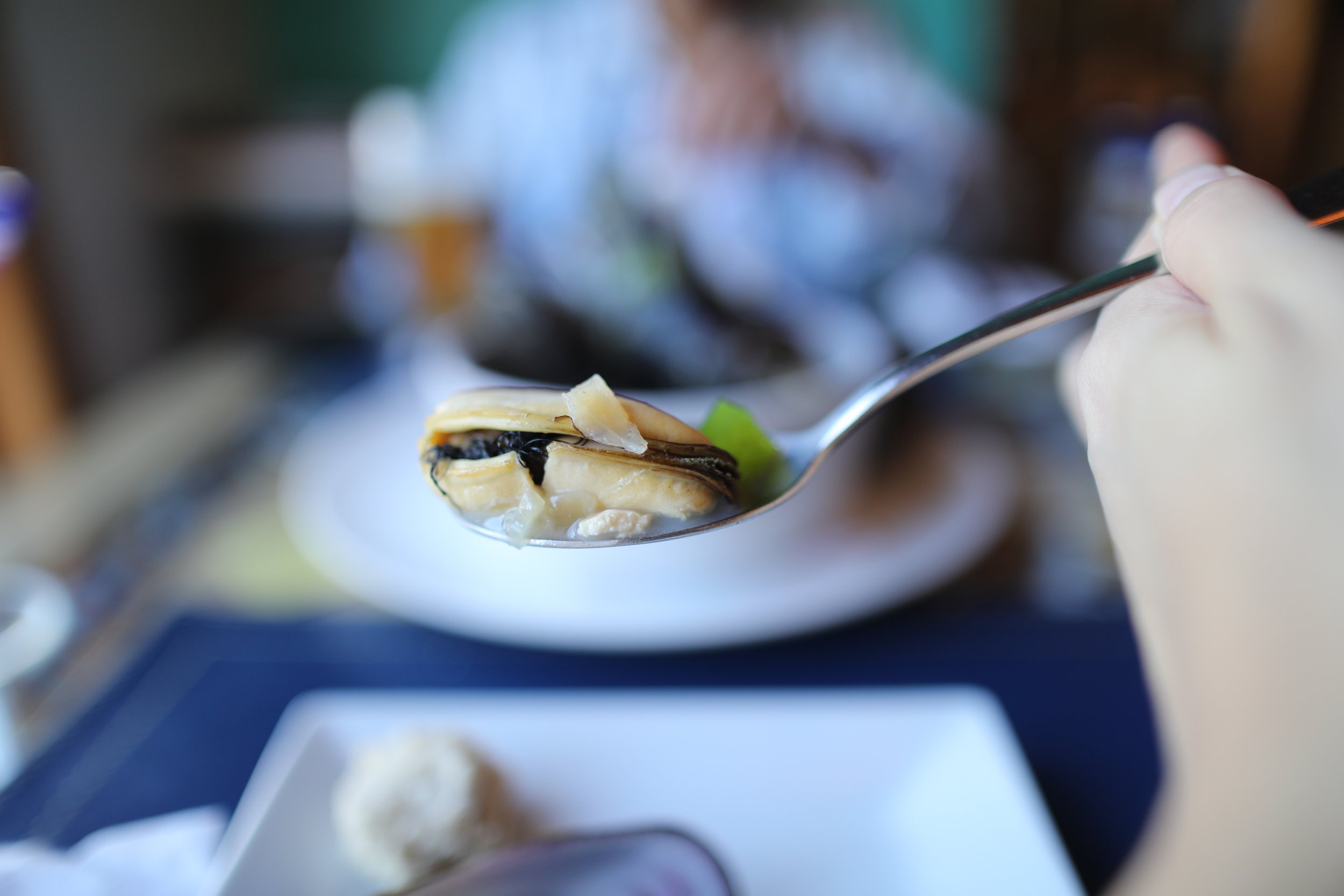
First were enormous mussels served in a white-wine, cream and chile broth. They were plump, fresh and much larger than the mussels I was accustomed to seeing — a fitting dish in a city surrounded by the cold southern waters of Patagonia.
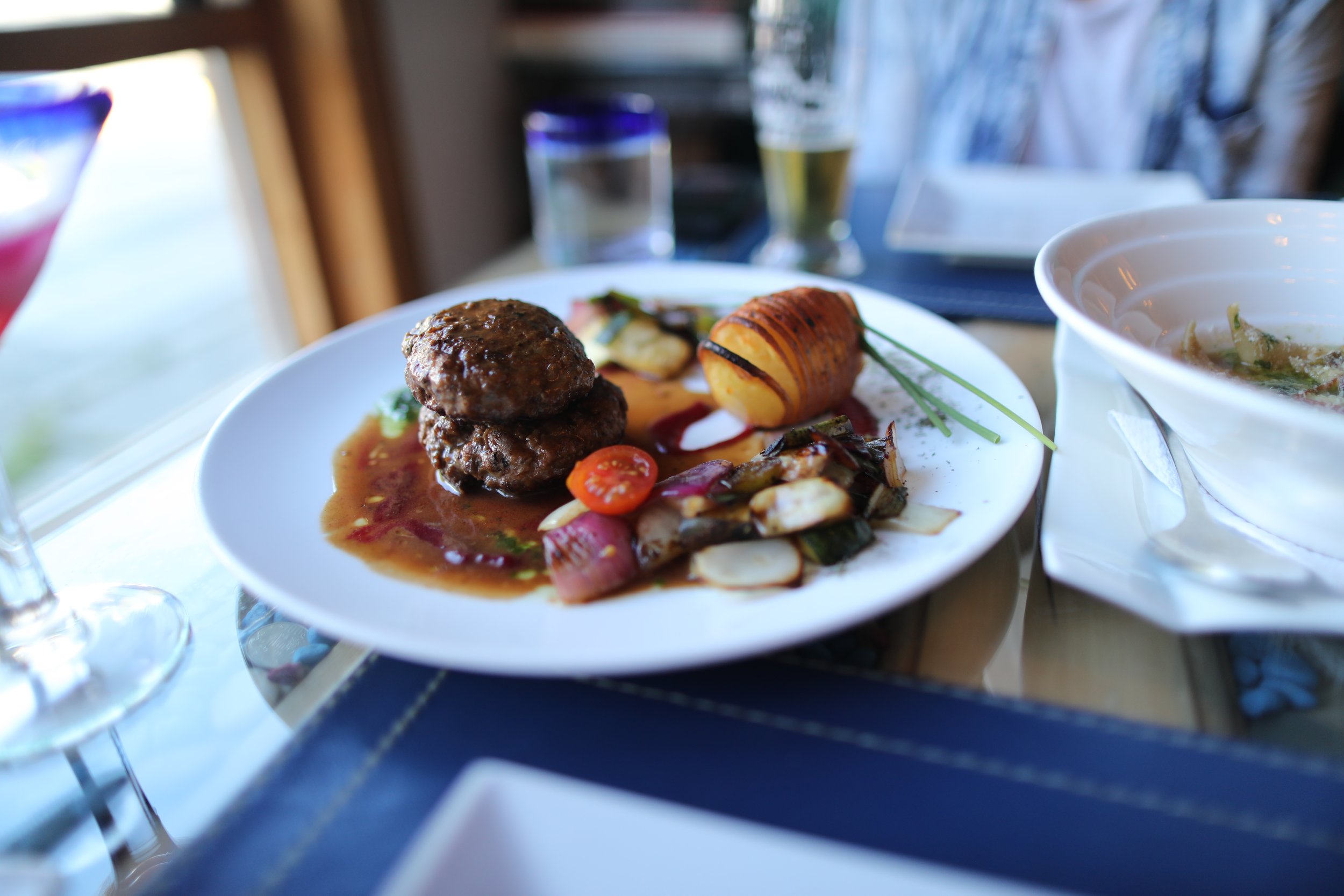
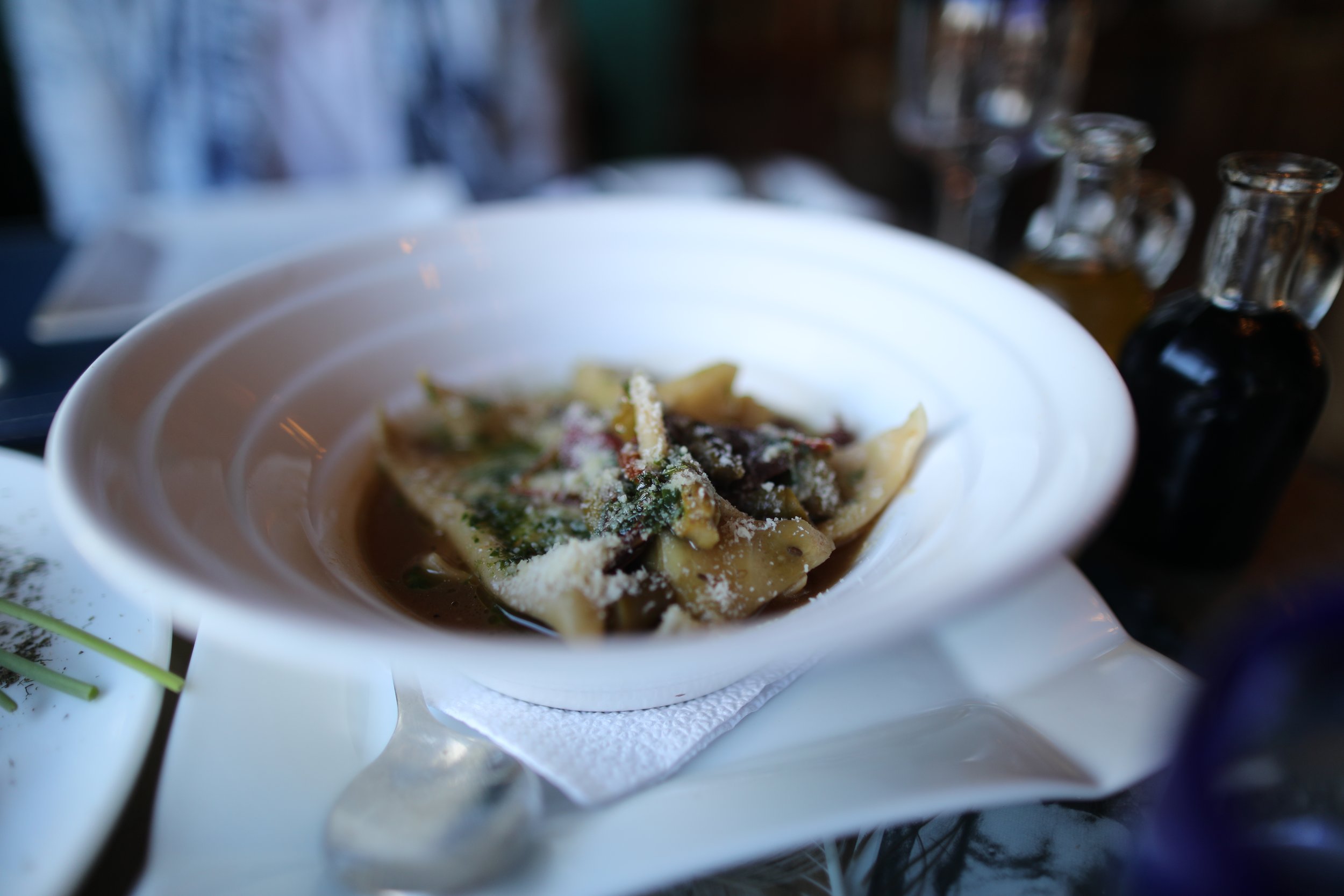
Next we tried alpaca meatballs with roasted potatoes and seasonal vegetables, followed by homemade pastonis: pasta pillows filled with pumpkin and cream cheese, accompanied by artichoke hearts, sun-dried tomatoes and asparagus, with an unexpected touch of cocoa liqueur.
Some of the combinations sounded unusual on paper but that was exactly what made eating here so interesting. Everything tasted fresh, thoughtful and genuinely different from anything else we'd eaten on the trip.
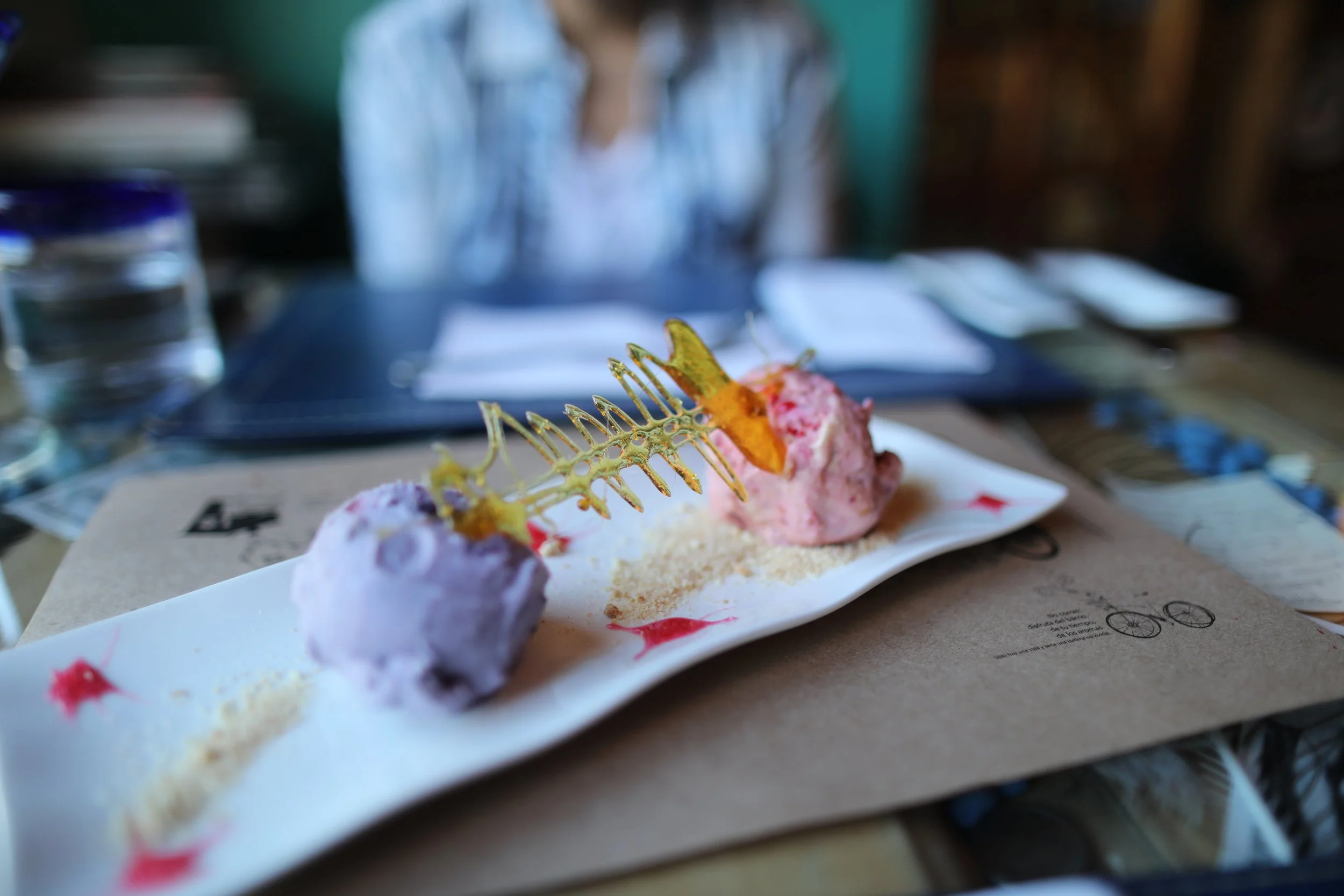
Dessert continued the theme with homemade calafate-and-raspberry meringue ice cream, balancing tart berries with sweetness and bits of crisp meringue.
And then there was the tea.
It arrived in one of the most unusual teapots and cups I'd seen, making even the end of the meal feel like part of the experience. We had an herbal tea with a fresh, minty quality — a quiet finish after a meal full of much bigger flavors.
By the time we left, I'd tried calafate twice, eaten alpaca for the first time and discovered several combinations I never would have thought to order on my own.
That's what I remember most about La Marmita: the entire meal kept surprising me.
💡 My Tip | Come curious and order several different things to share. Some of the more unusual dishes were what made this meal so memorable.
⚠️ Good to Know | La Marmita was cash only when we visited, which caught us a little off guard. Bring enough Chilean pesos to cover your meal rather than assuming you'll be able to pay by card.


What Else to Eat in Punta Arenas
One thing I wish I'd done before arriving in Punta Arenas was learn more about the regional food. We ate incredibly well but afterward I realized how many Patagonian specialties I'd completely missed.
Sitting between the Strait of Magellan and the grazing lands of Patagonia, Punta Arenas has access to ingredients from both sea and land. If I went back, these are some of the foods I'd actively look for.
Centolla (King Crab) | This would be at the top of my list. Centolla is closely associated with Chilean Patagonia and can be served simply or incorporated into dishes like gratins and empanadas. I'm still a little bummed I managed to leave without trying it.
Patagonian Lamb | Look for cordero al palo, lamb slowly roasted over an open fire. It's one of Patagonia's characteristic preparations and another dish I'd make a point of seeking out next time.
Magellanic Toothfish | Known internationally as Chilean sea bass, this rich cold-water fish is another ingredient to watch for on menus throughout southern Chile.
Seafood & Shellfish | This one I at least partially accomplished. The enormous mussels at La Marmita gave me a taste of the region's seafood but there's much more to explore depending on what's fresh and available.
Seafood Empanadas | Empanadas are everywhere in Chile but this far south, look for versions filled with seafood, including centolla.
Calafate Berry | This one I definitely didn't miss. The small Patagonian berry appears in jams, desserts, ice cream and drinks — including both my frozen pisco sour and dessert at La Marmita. Local legend says whoever eats calafate will return to Patagonia, which seems like a perfectly reasonable excuse to try it.
Milcao & Chapalele | These potato-based specialties are more closely connected with Chiloé, where we were heading later in this trip. Rather than specifically seeking them out in Punta Arenas, remember their names if your travels continue north through southern Chile.
If I'd known all of this before my trip, I would have planned a few meals differently. So do what I didn't: learn a few names before you arrive and leave enough room in your itinerary to actually seek them out.
Punta Arenas isn't simply somewhere to pass through on the way to Patagonia's bigger landscapes. Eating here is another way to understand where you are.
Head Toward the Strait of Magellan
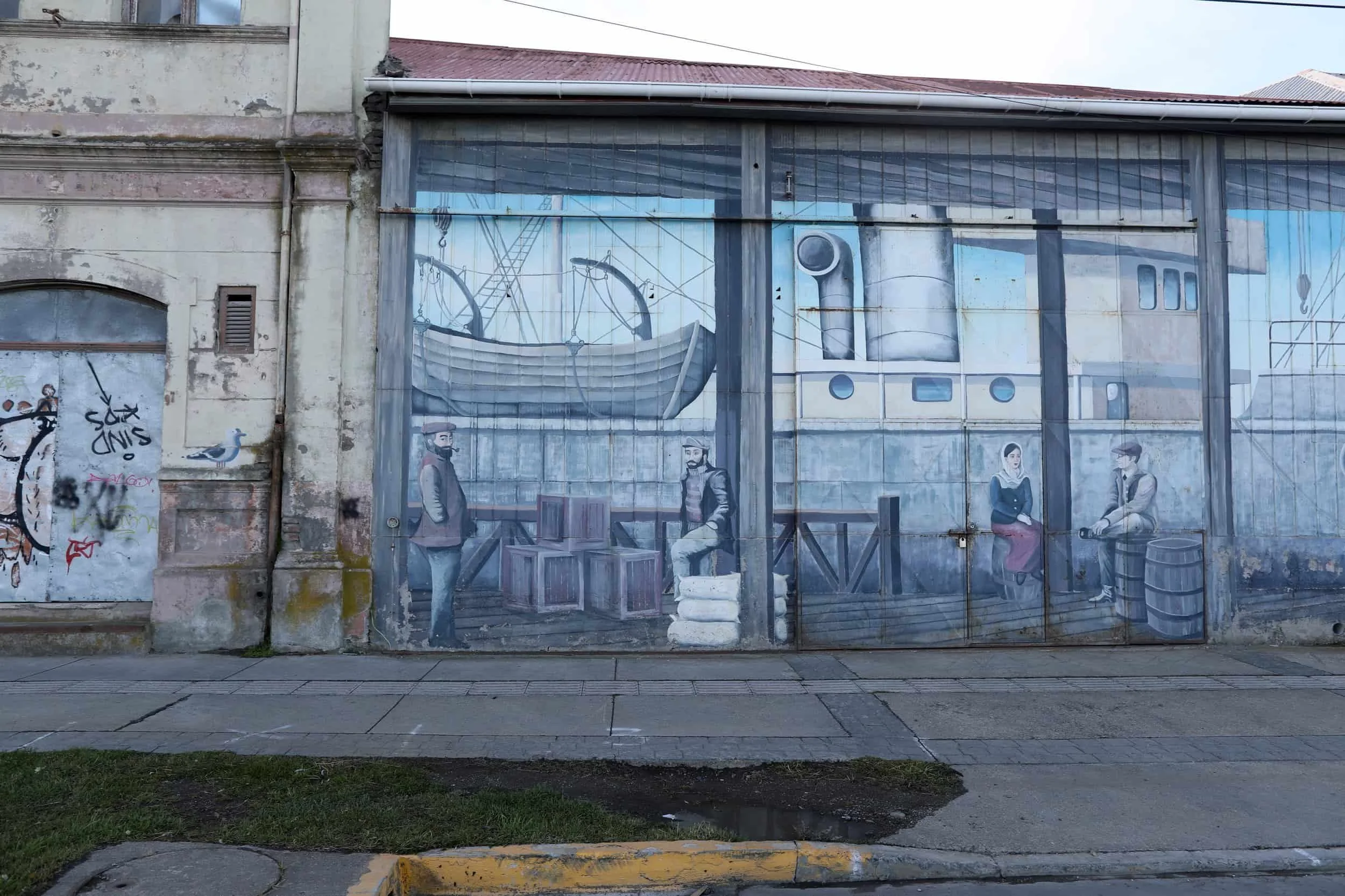
Make your way from downtown toward the waterfront and you'll start to see a different side of Punta Arenas. The streets become a little more industrial, colorful murals appear against utilitarian buildings and, eventually, the Strait of Magellan opens up ahead.
Don't rush straight to the water, though. There’s a worthwhile shopping stop along the way.
Browse La Galería
If you like finding independent shops, art and more contemporary souvenirs, stop at La Galeria before heading to the coast.
The small shop is filled with jewelry, clothing, artwork and creative pieces that feel different from the more traditional Patagonia souvenirs you'll see elsewhere around town. It's a good place to browse if you're looking for something to bring home that doesn't immediately read as a conventional souvenir.
The shop itself is worth looking around, too. Displays, artwork and objects give the interior plenty of personality without feeling overly polished.
From here, continue toward the coast, keeping an eye out for the street art scattered along the way. Against some of the more industrial and shipyard-like surroundings near the water, the murals bring an unexpected layer of color.
Walk the Costanera del Estrecho
Once you reach the Costanera del Estrecho, give yourself some time to walk along the waterfront.
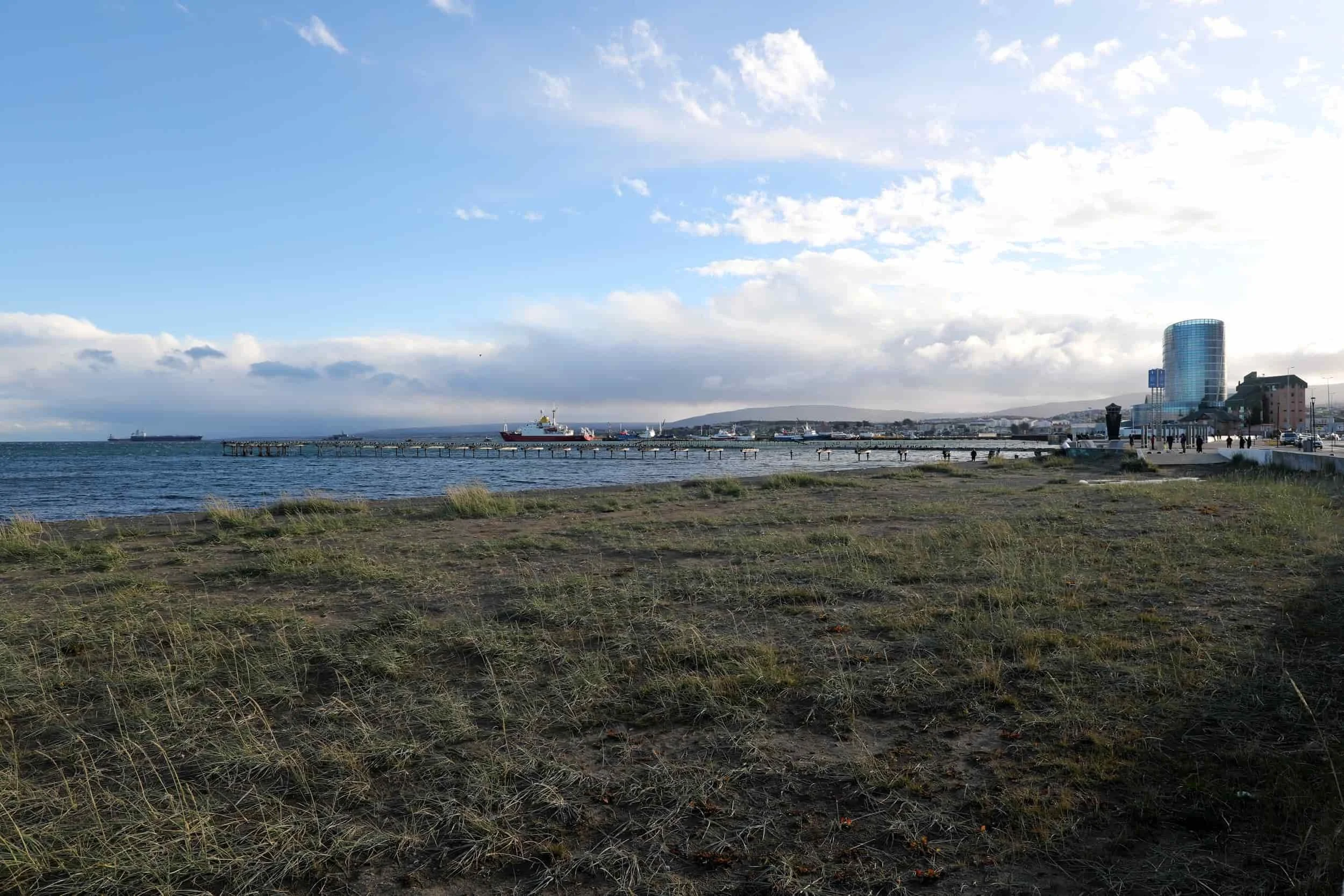
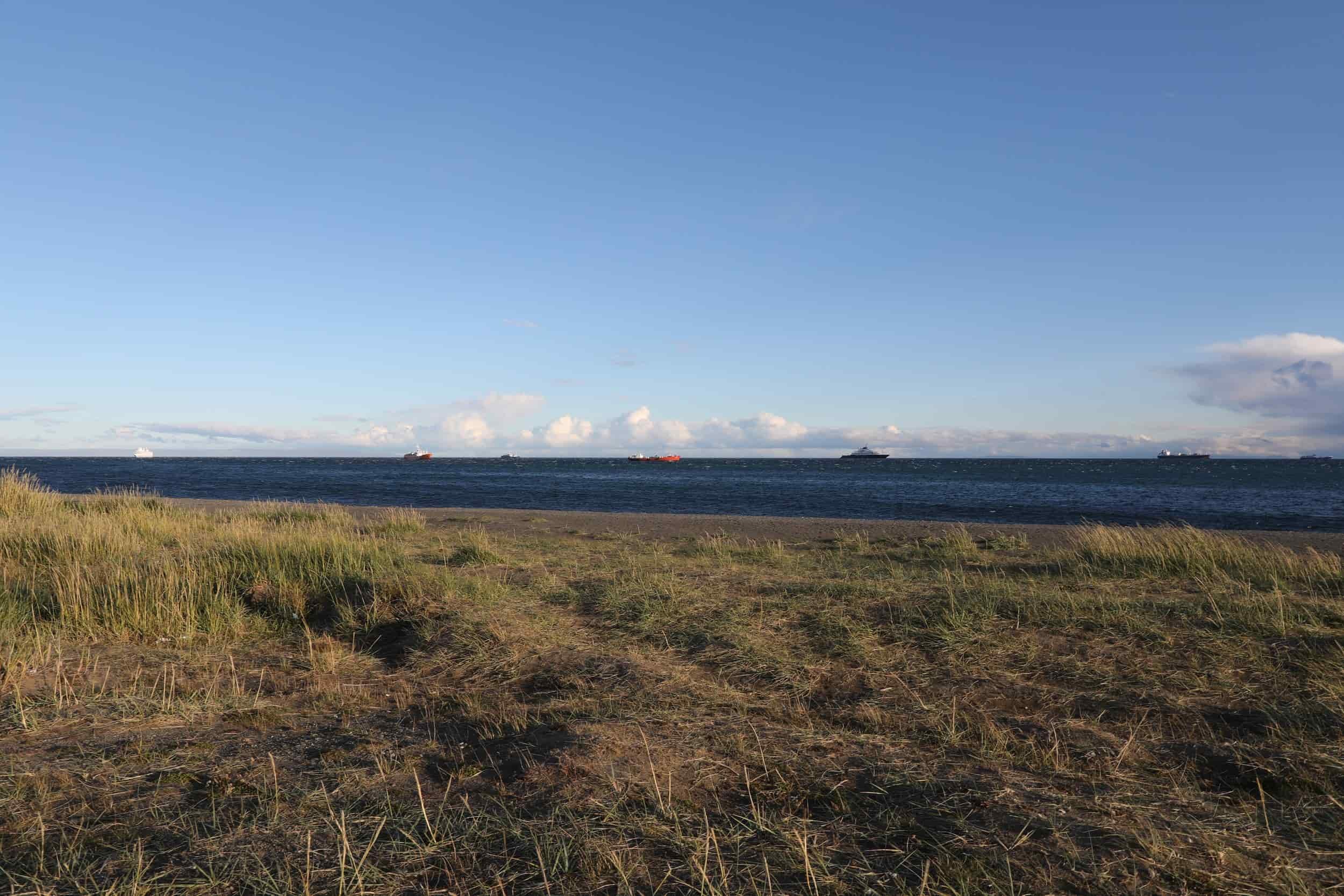
The promenade follows the Strait of Magellan, with open views across the water and monuments, sculptures and signs appearing along the shoreline. After seeing the strait referenced throughout Punta Arenas — in museums, monuments and stories about the city's maritime history — actually standing beside it gives you a much better sense of the geography.
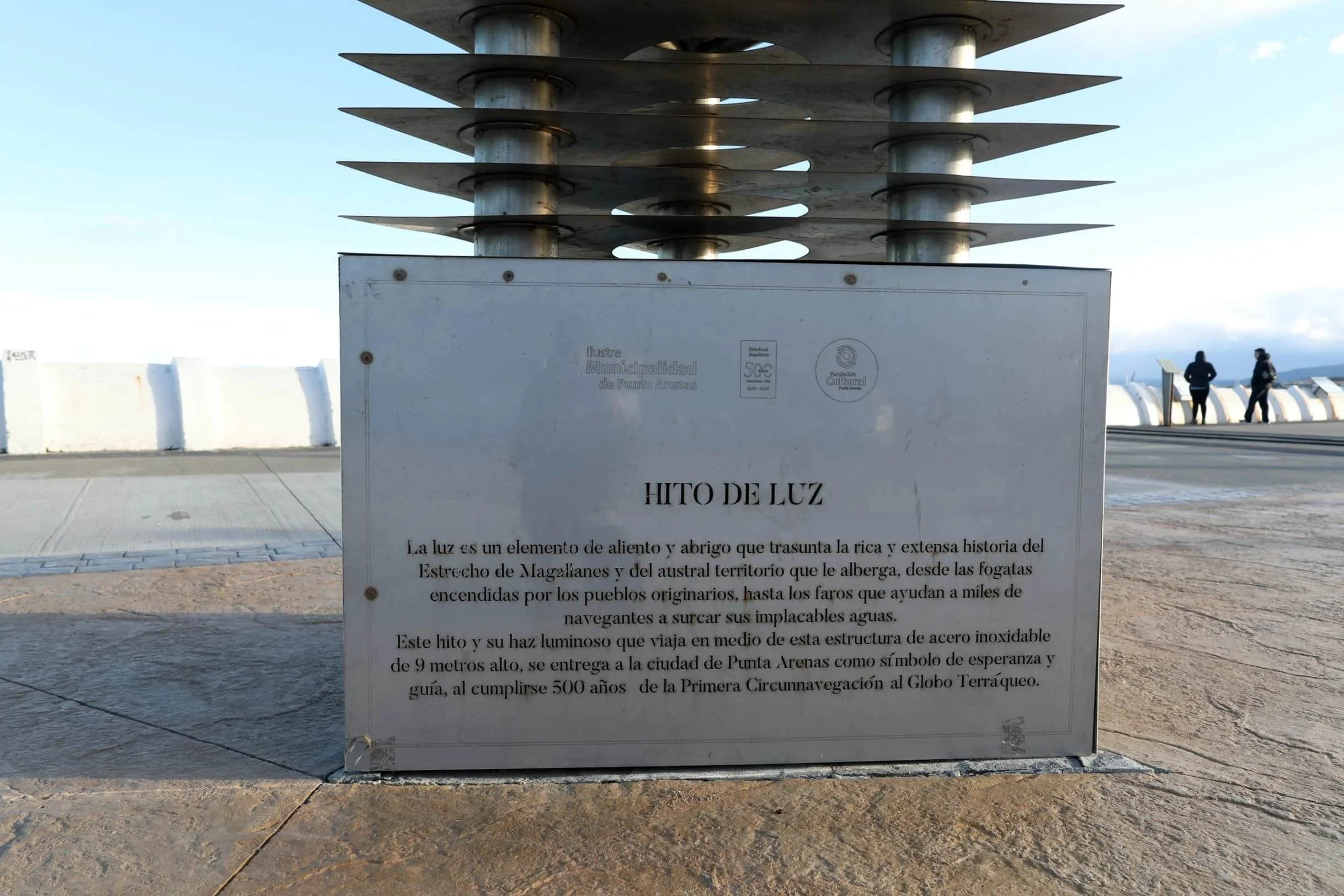
It’s also beautiful. On a sunny day, the water and enormous open sky can make the waterfront look almost inviting.
But do not trust the sunshine.
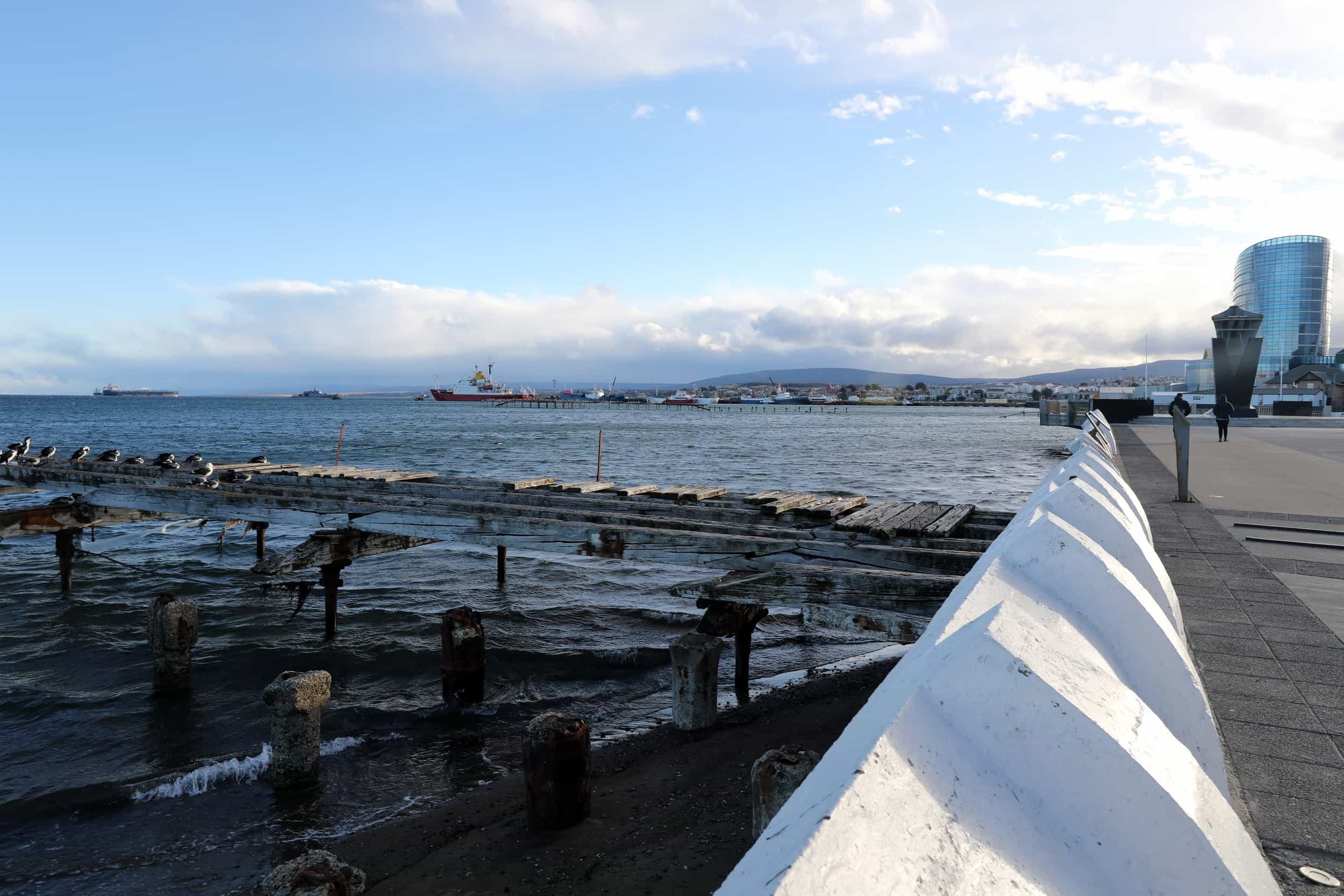
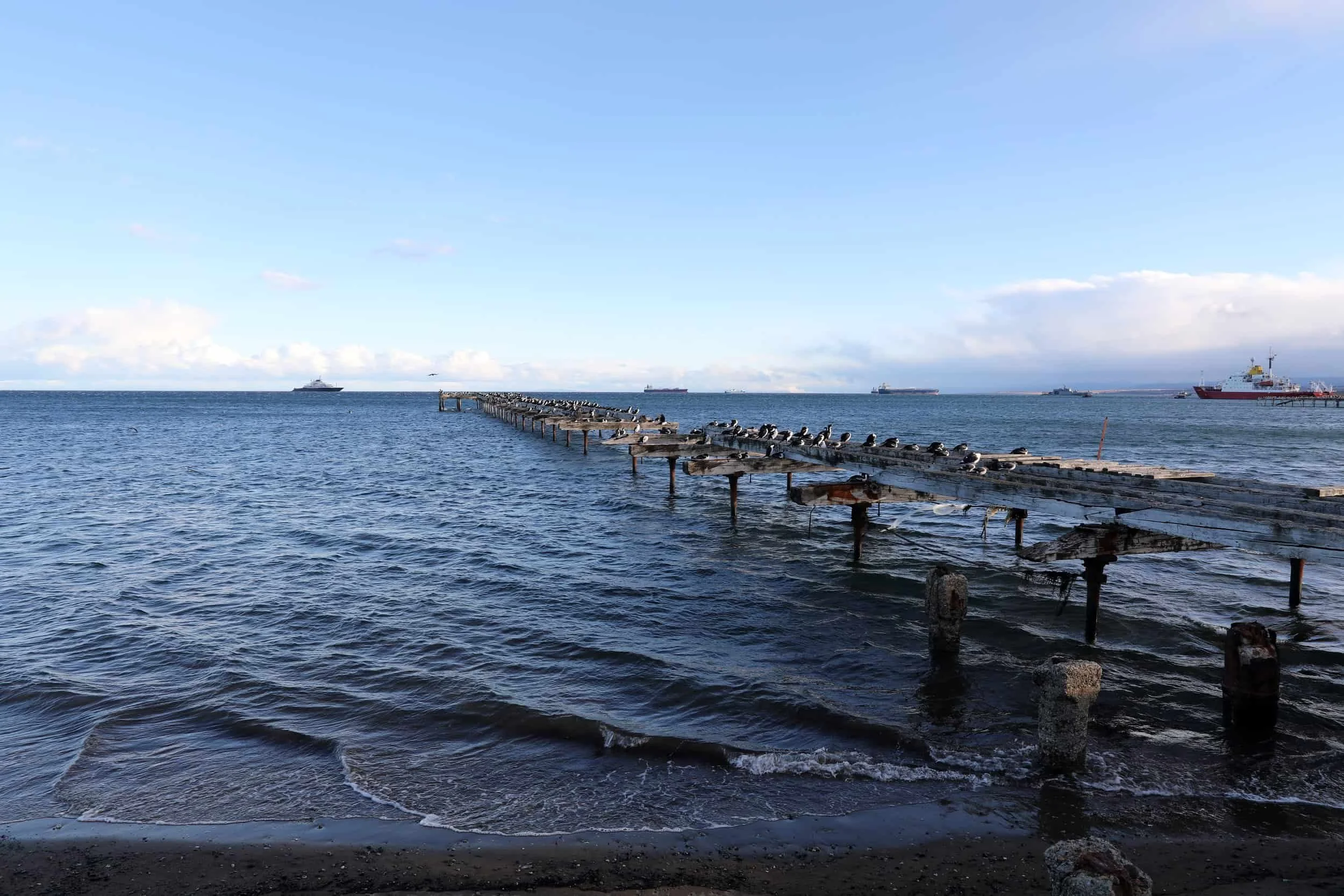
The wind coming off the strait can be absolutely brutal. It was incredibly cold when I visited, despite the blue skies, and the waterfront was one of those places where the photographs looked considerably warmer than it actually felt.
⚠️ Good to Know | Bring a windproof outer layer when exploring the waterfront, even if the weather looks good. When I visited, the sunshine was lovely; the wind was another story.
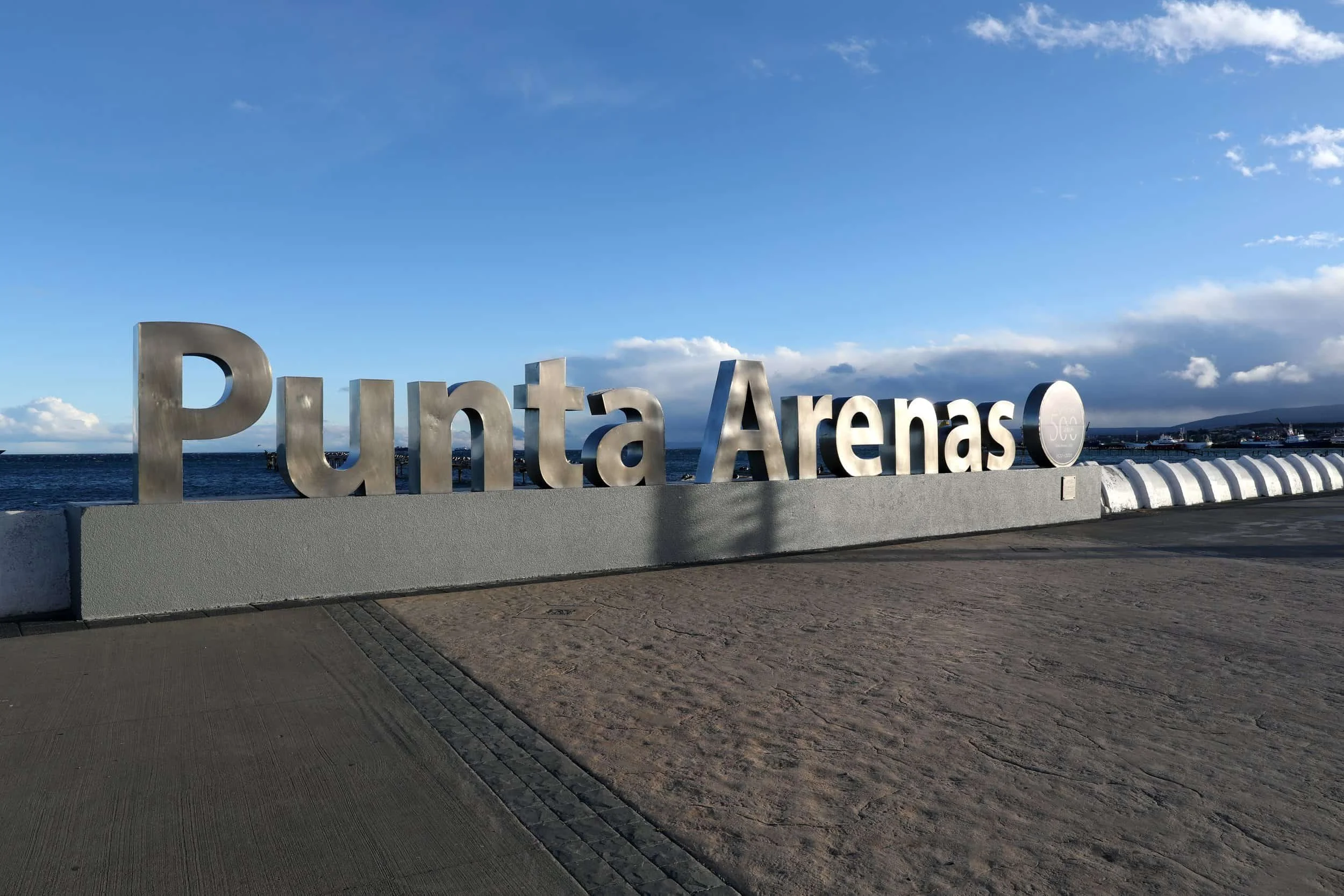
Look for the Waterfront Monuments
As you walk, stop to look at some of the monuments and signs along the Costanera rather than treating the waterfront purely as a scenic walk.
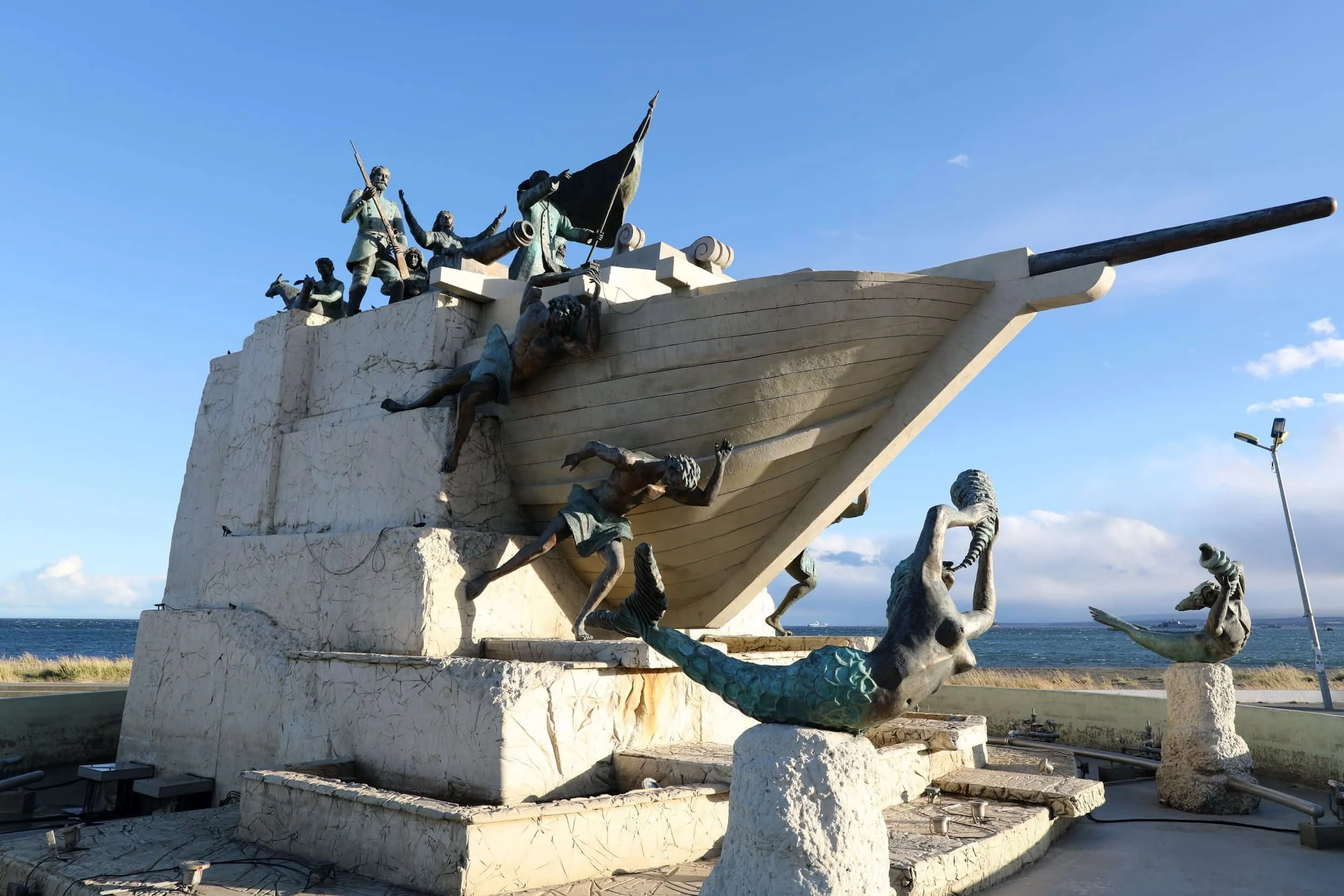
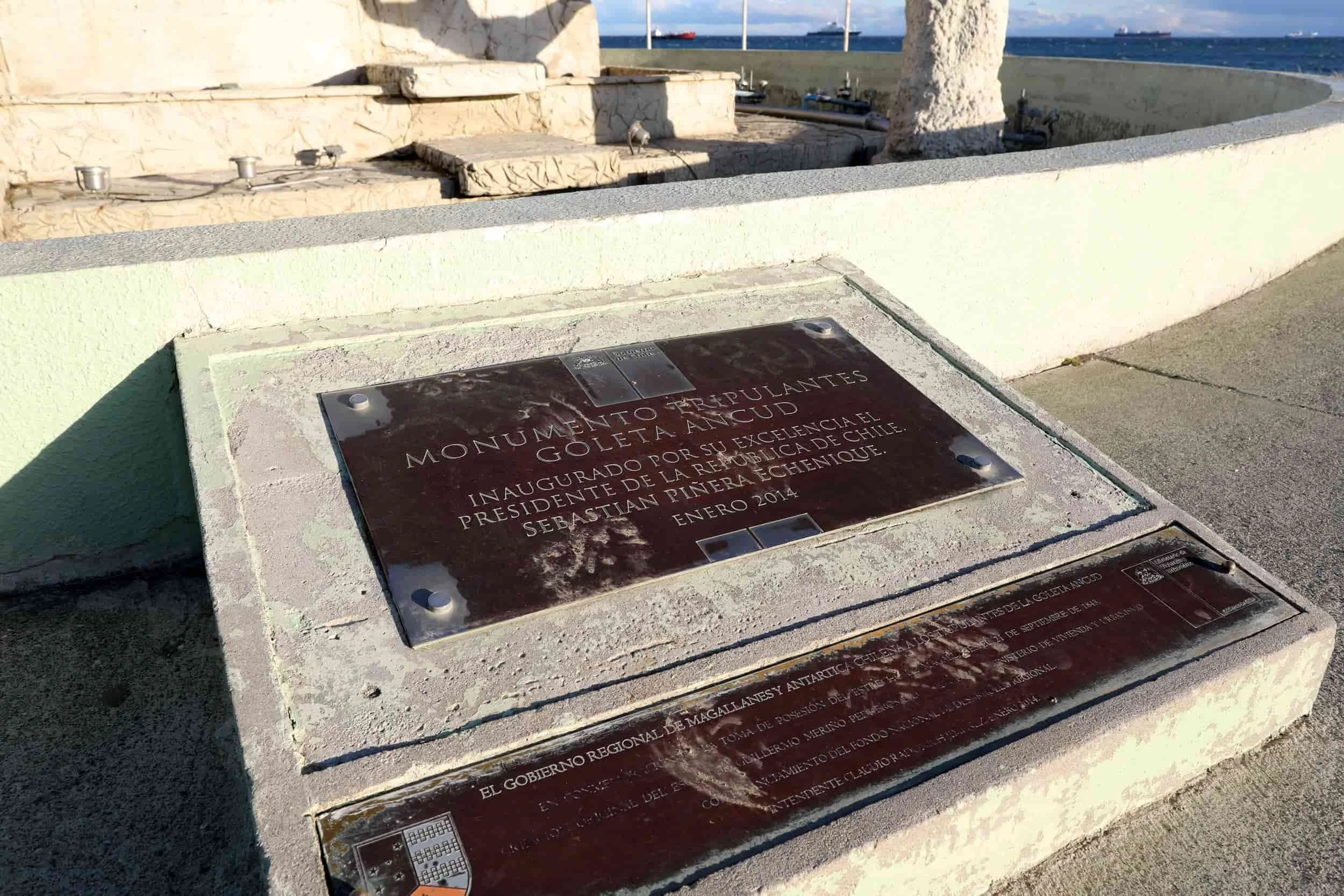
One of the most significant is the Monument to the Crew of the Schooner Ancud, which commemorates the 1843 voyage connected with establishing Chilean possession of the Strait of Magellan.
Its location beside the water makes the story considerably easier to place. Punta Arenas developed because of its relationship with this strait and the monuments along the waterfront continually bring you back to that connection between the city, navigation and the sea.
You don't need to hunt down every marker. Walk the shoreline, read the ones that catch your attention and take in the setting around them.
Look for Murals Along the Way
Keep your camera out as you explore this part of Punta Arenas. Some of the most interesting visual moments aren't necessarily the official monuments.
Murals appear among the streets and more industrial-looking buildings near the coast, including a colorful penguin piece I found along the way. The combination of street art, working waterfront, historical monuments and open water makes this part of the city feel very different from downtown.

And that's really why the Costanera is worth including in your Punta Arenas itinerary. It's not simply somewhere to get a pretty view of the water.
Head here to understand where the city sits.
Standing at the edge of the Strait of Magellan, with Punta Arenas behind you and the water stretching out ahead, puts all of that maritime history — and just how far south you've traveled — into perspective.
Moving On to Torres del Paine
If Torres del Paine is next on your itinerary, give yourself an easy morning before heading to the bus station. The journey involves a connection in Puerto Natales, so this is a good day to start with a proper breakfast rather than trying to squeeze in one last round of sightseeing.
For us, that meant going straight back to Wake Up Coffee & Brunch.

I almost never eat at the same place twice when I travel — there are usually too many new places I want to try — but breakfast here had been that good. We also hadn't found many other morning spots nearby that tempted us away and with the bus station only a few blocks away, a repeat visit made perfect sense.

This time, breakfast included fresh orange and raspberry juices, another dirty chai, Eggs Benedict with smoked salmon and cream cheese and a veggie omelette. Good food, quick service and an easy walk to the bus afterward made it exactly what we needed before moving on.


Getting from Punta Arenas to Torres del Paine
From Punta Arenas, buses head north toward Puerto Natales, the main gateway to Torres del Paine. If you're continuing directly into the national park, pay close attention to the connections and your final drop-off point.
Our route: Punta Arenas → Puerto Natales → Torres del Paine
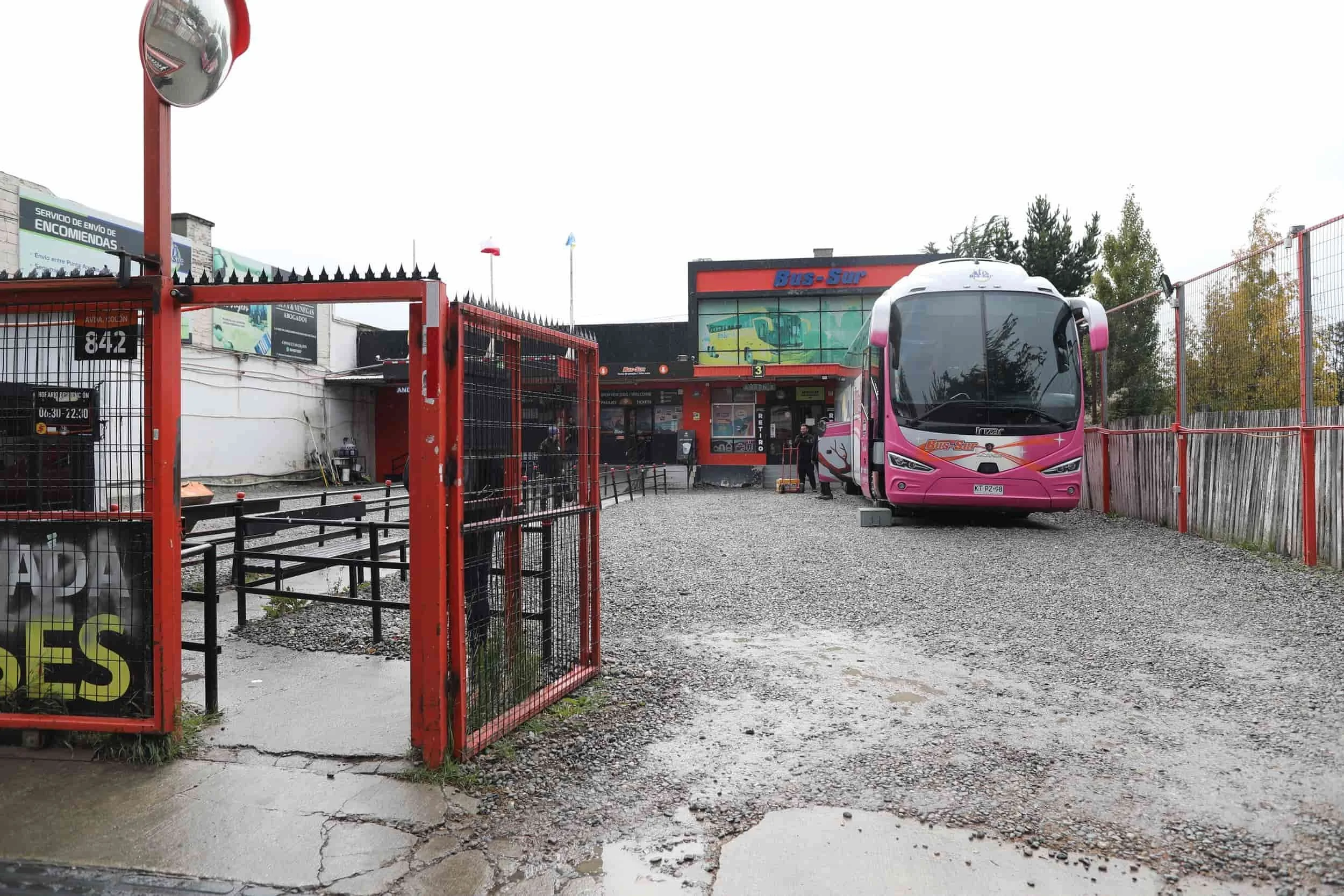
We traveled with Bus-Sur, with roughly three hours between Punta Arenas and Puerto Natales before continuing toward the park.
Because we were staying inside Torres del Paine at Hotel Las Torres, we coordinated our final transportation with the hotel. If you're also staying inside the park, do the same homework before leaving Punta Arenas. Getting to Torres del Paine and getting to your hotel or trailhead are not necessarily the same thing.
The park is enormous and transportation options become much more limited once you're inside. Confirm where your bus stops, what onward transfer you need and whether your accommodation provides transportation.
Check current Bus-Sur routes and schedules →
💡 My Tip | Treat this as a travel day and arrange your final transfer in advance. Grab a good breakfast, get to the station with time to spare and save the adventuring for when you reach the park.
Next Stop: Torres del Paine
Punta Arenas is easy to think of as a gateway to Patagonia but I'm glad I didn't treat it as just somewhere to pass through. Between the food, waterfront, street art and maritime history, there was more here than I expected — and still plenty I didn't get to see.
But now it was time for the place I'd been waiting for.
Next stop: Torres del Paine.
My Bibimbap Moment
Every destination adds another ingredient to our life's recipe and sometimes the most memorable ones come from plans that don't quite go as expected. Punta Arenas was meant to be a brief stop on the way to Torres del Paine but weather kept some of the bigger adventures out of reach. Instead, I found myself charmed by the town itself — its cozy streets, creative shops, incredible food and unmistakable windswept character. Here's the unexpected ingredient it added to my Bibimbap Life.
Today’s Bibimbap Recipe
🥢 Flavor: Windswept
🌿 Ingredient: Serendipity
❤️ Best Memory: All the charm and delicious seafood
🎒 Take With You: Sometimes the plans that fall apart leave room for something unexpected to take their place.
When I think back on Punta Arenas, I don't feel disappointed about what I missed. I remember bundling up against the wind, wandering its colorful streets, finding beautiful handmade pieces and sitting down to meals that made the cold outside feel almost inviting. The penguins will have to wait for another trip but perhaps that's part of the charm. Punta Arenas reminded me that a place doesn't have to be the destination you planned for it to become a place you remember fondly.
Punta Arenas Travel Essentials
Punta Arenas is relatively easy to explore but traveling this far south comes with a few considerations. Weather can change quickly, wildlife and boat excursions are often seasonal and distances across Patagonia are greater than they appear. A little advance planning — especially around tours and onward transportation — can make a big difference.
Here’s what to know about when to go, what to bring, getting there, where to stay and how much time to give Punta Arenas before continuing deeper into Patagonia.
When to Go
The best time to visit Punta Arenas is during the long, luminous days of Patagonia summer — December through February — when mild weather, blooming tundra and whale- and penguin-watching make the region feel like an adventure wrapped in golden light.
High Season (October to March): The optimal window features long daylight hours (up to 18 hours in mid-summer) and milder weather, with temperatures ranging from 40°F to 65°F (4°C to 18°C). Spring (October–November) brings wildflowers, while mid-summer (December–February) is ideal for wildlife and hiking.
Low Season (June to August): Winters are cold, dark and subject to freezing temperatures, heavy snow and high winds, with many tourist excursions shut down.
What to Bring
Punta Arenas can feel colder than the temperature suggests thanks to its strong Patagonian winds and quickly changing weather. Layers are your best strategy, especially if you'll be spending time along the waterfront or heading out on the Strait of Magellan.
Windproof & Waterproof Jacket | Probably the most useful thing to pack. Look for an outer layer that can handle both wind and passing rain rather than relying on a heavy coat alone.
Warm Layers | Bring a fleece, sweater or lightweight insulated layer that you can easily add or remove throughout the day.
Comfortable Walking Shoes | Punta Arenas is very walkable, so comfortable shoes with decent traction are useful for exploring downtown, markets and the waterfront.
Hat & Gloves | Small additions that make a surprisingly big difference when the wind picks up, particularly on boat excursions.
Sun Protection | Patagonia's cool temperatures can disguise how strong the sun is. Sunglasses and sunscreen are worth carrying even on cloudy days.
Day Bag | A small backpack or crossbody is useful for carrying layers, water and anything you need for a day excursion.
Motion-Sickness Medication | If you're prone to seasickness and planning a trip across the Strait of Magellan, bring what works for you. Conditions can be rough and it's better to have it before boarding than try to find it at the last minute.
For us, layers were the big lesson. Punta Arenas may be a city but the wind and rapidly changing conditions make packing more like you're heading into Patagonia — which, of course, you are.
How to Get There
Because of its remote location in southern Patagonia, flying is the easiest way to reach Punta Arenas for most travelers. The city's airport, Presidente Carlos Ibáñez del Campo International Airport (PUQ), connects Punta Arenas with Santiago and other destinations in Chile.
By Air | Direct flights from Santiago to Punta Arenas take roughly 3.5–4 hours with airlines like LATAM or Sky Airline. If you're coming from elsewhere in Chile, you'll often connect through Santiago. On our trip, we flew south from Calama via Santiago after visiting San Pedro de Atacama, turning the journey into essentially a full travel day.
From Puerto Natales | Punta Arenas and Puerto Natales are connected by road, with the journey taking roughly three hours. Regular buses make this a practical option if you're combining Punta Arenas with Puerto Natales or continuing deeper into Patagonia.
From Argentina or Tierra del Fuego | Overland connections are possible if Punta Arenas is part of a larger Patagonia itinerary. Depending on your route, expect border formalities and potentially ferry crossings, so allow considerably more time than the distance on a map might suggest.
By Car | Renting a car gives you more flexibility for a wider Patagonia road trip, particularly if you're continuing toward Puerto Natales or other destinations in southern Chile. Main routes are generally straightforward but distances are long and strong winds and changing weather can slow travel.
From the Airport | PUQ is outside the city center, with taxis and transfers available for the final journey into Punta Arenas. If you're arriving late, arranging your onward transportation or accommodation in advance can make things easier.
Where to Stay
For a first visit to Punta Arenas, I’d stay close to the historic center. The city is compact and being near Plaza Muñoz Gamero puts cafés, restaurants, museums, shops and the waterfront within easy walking distance — particularly useful when the weather makes you less enthusiastic about traveling across town.
Historic Center / Plaza Muñoz Gamero | The most convenient base for a short stay. You'll be able to explore much of central Punta Arenas on foot, with plenty of places to eat and several of the city's main sights nearby. This would be my first choice if you're only staying a few nights.
Costanera / Waterfront | A good alternative if you prefer being closer to the Strait of Magellan, with hotels and apartment-style stays along or near the waterfront. You'll trade some of the historic-center atmosphere for open views and easy access to the Costanera.
Residential Areas | Staying slightly outside the center can offer a quieter, more local-feeling base and often more apartment-style accommodations. It can work particularly well for a longer stay, though you'll likely rely more on taxis, colectivos or rideshares.
Where I Stayed
For a Simple Apartment Stay — My Punta Arenas Airbnb
We stayed in a private apartment during our time in Punta Arenas, which gave us a comfortable home base while our plans shifted around the weather. Having our own space worked particularly well for this part of the trip and an apartment is worth considering if you prefer something more residential than a traditional hotel.
Where I’d Stay
If I were choosing somewhere different in Punta Arenas, I’d look for a smaller property with some personality rather than a conventional hotel. These two stood out for very different takes on Patagonian design.
For Patagonian Character — Hotel Boutique La Yegua Loca
This would probably be my first pick. Set inside a restored 1929 house, La Yegua Loca uses its 15 individually designed rooms to interpret traditional occupations and estancia life in Chilean Patagonia. It's also just a few blocks from the central plaza, with elevated views toward the city and Strait of Magellan.
For a Quiet, Minimalist Stay — Hotel Ilaia
A much calmer design direction, Hotel Ilaia is a small nine-room property about four blocks from downtown. Interiors are simple and minimalist with inspiration drawn from Patagonia, making this appealing if you prefer something understated and intimate.
Additional Options
Prefer a Place of Your Own?
An apartment or vacation rental can be a good fit if you want more space, a kitchen or a quieter residential base. I'd start by looking around the historic center and waterfront so you can still explore much of Punta Arenas on foot.
Browse Punta Arenas vacation rentals →
For a Smaller, More Affordable Stay — Hostal Boutique Puerta Roja
A good alternative if you want the personality of a smaller property without stepping up to one of the more distinctive boutique hotels. Puerta Roja is just outside the immediate center and offers simple private rooms in a small-scale setting; current listings place it about an 18-minute walk from the waterfront.
How to Get Around
Central Punta Arenas is compact and easy to explore on foot, especially around Plaza Muñoz Gamero, the waterfront, markets and many of the city’s historic sights. For places farther from the center, taxis, colectivos and rideshares make it easy to cover the extra distance.
Walking | The best option for exploring downtown. Many of Punta Arenas’ main sights are relatively close together and walking also gives you a better feel for the colorful streets and architecture along the way.
Taxis & Rideshares | Useful for longer distances, airport transfers or when Patagonia’s wind makes walking considerably less appealing. Taxis are readily available around the city, with rideshare services providing another option.
Colectivos | These shared taxis follow established routes around Punta Arenas and are a common, inexpensive way to travel beyond the center. They’re particularly useful if you want a more local alternative to taking a private taxi.
Rental Car | You don't need a car simply to explore Punta Arenas. Consider renting one if the city is part of a larger road trip or you plan to explore independently beyond town. For wildlife and boat excursions, transportation is often arranged as part of the tour.
For our stay, walking combined with taxis was more than enough. Unless you're using Punta Arenas as the starting point for a wider self-drive itinerary, I'd skip the rental car and keep things simple.
How Long to Stay
Plan on 2–3 days in Punta Arenas for enough time to explore the city and add at least one excursion into the surrounding region. If wildlife or boat trips are a priority, an extra day gives you some valuable flexibility if Patagonia’s weather interferes.
1 Day | Enough for the historic center, waterfront, markets and a few of the city’s main sights. It works if Punta Arenas is primarily a stop on your way elsewhere but leaves little room for excursions.
2–3 Days | The sweet spot for most visits. You'll have time to experience Punta Arenas itself while adding something like Isla Magdalena, a Strait of Magellan excursion or another wildlife experience without making the entire stay about getting in and out of the city.
4+ Days | Worth considering if you’re planning multiple wildlife or marine excursions — or simply want a buffer for weather. Boat trips can be delayed or canceled, so an extra day can make a real difference when there's one experience you don't want to miss.
If I were planning it again, I'd give Punta Arenas at least three days. Our weather-related changes meant we missed some of the excursions we'd hoped to take but they also gave us more time to experience the city itself. A little breathing room is particularly valuable this far south.
Tours & Day Trips
Punta Arenas is a natural base for exploring the Strait of Magellan and the wildlife and landscapes of southern Patagonia. Some of the most interesting experiences happen beyond the city itself, from penguin colonies and marine wildlife to remote glaciers and Tierra del Fuego.
Isla Magdalena & Isla Marta | One of the most popular excursions from Punta Arenas takes you across the Strait of Magellan to see the Magellanic penguin colony on Isla Magdalena, often combined with wildlife viewing around Isla Marta. Tours are seasonal and weather-dependent, so this is one experience I'd book ahead if it's important to you. We weren't able to make the trip ourselves — tours were limited and deteriorating weather further complicated our plans. Current excursions typically take around half a day.
Glaciers & the Strait of Magellan | Longer boat excursions venture farther into the surrounding channels for views of glaciers, fjords and remote Patagonian landscapes. Some operators also offer seasonal whale-watching and wildlife-focused trips, so it's worth comparing itineraries based on what you most want to see.
Tierra del Fuego | Full-day and longer excursions can take you across the Strait toward Tierra del Fuego, adding a completely different landscape and another layer of Patagonian history and wildlife to a stay in Punta Arenas.
Booking a Tour
Because many of the best excursions involve boats, wildlife and unpredictable Patagonian weather, I'd book anything you're especially excited about before arriving and leave some flexibility around it. Weather can alter routes or cancel departures entirely — something we learned firsthand.
⚠️ Good to Know | Book most tours 1-2 months in advance and allow extra days for wild weather and cancelled excursions. Specialized wildlife and nature expeditions should be booked 4 to 8 months ahead of time.
For local operators, compare current itineraries and availability directly rather than relying on old schedules or prices:
Solo Expediciones — especially useful for Magdalena Island, wildlife and glacier-focused excursions.
Nomades — broader selection of Punta Arenas and Patagonia excursions.
Howlanders — another option for comparing regional tours and multi-day experiences.
Before You Book
Best Time to Go | Many wildlife and boat excursions are seasonal, with October through March offering longer daylight hours and the main season for experiences like Magdalena Island. December through February is the busiest period, so popular tours are worth booking ahead.
Physical Requirements | Check the activity level before booking. Wildlife cruises and sightseeing excursions generally require less physical effort, while hiking, ice trekking and other adventure-focused tours can be considerably more demanding.
Sea Conditions | Many of Punta Arenas' signature experiences involve crossing the Strait of Magellan, so departures depend on weather and sea conditions. Rough seas can mean a bumpy ride, delays or cancellations. If you're prone to seasickness, come prepared.
Wildlife Rules | Give wildlife plenty of space and follow your guide's instructions in protected areas. Never feed, touch or approach animals simply for a better photo — the experience should happen on their terms.
Looking for More Options?
If the local operators don't fit your schedule or the experience you're looking for, you can compare additional wildlife, sightseeing and day tours departing from Punta Arenas.
Good to Know
Punta Arenas is easy enough to navigate but its location at the edge of Patagonia means weather and timing can have an outsized effect on your plans.
Leave some flexibility for wildlife excursions. Trips to places like Magdalena Island are weather-dependent and strong winds or rough seas can lead to cancellations. Popular excursions can also fill up, so book anything important ahead rather than assuming you'll arrange it after you arrive.
Wind is part of the experience. Punta Arenas is famously exposed and conditions can change quickly. Even when the temperature doesn't look particularly cold, strong wind can make it feel much colder.
Don't treat it only as a transit stop. Many travelers pass through Punta Arenas on their way deeper into Patagonia but the historic center, waterfront, markets and museums make it worth allowing some time for the city itself — something we discovered when our original plans changed.
Keep some Chilean pesos on hand. Cards are widely useful but a little cash can still be handy for smaller purchases and some local businesses.
Plan around Patagonia, not a packed schedule. Flights, boat excursions and overland travel can all be affected by conditions. If you're connecting Punta Arenas with Torres del Paine or another time-sensitive part of your trip, avoid making every connection unnecessarily tight.




Fall in love with Hotel & Cava Estancia Rilán, a must-visit retreat where the setting becomes part of the stay and every detail quietly celebrates Chiloe Island.