Antigua Island: Things to Do — Circumnavigate the Island
Wondering what to do in Antigua? Speed around Antigua’s sun-kissed coastline with this irresistible travel guide — the island’s finest day trip awaits.
Updated | October 2026
Things to Do on Antigua Island — A Day Tour Circumnavigating the Island
Antigua is a small island surrounded by an extraordinary amount of coastline. Known locally as Waladli or Wadadli, it sits within the Leeward Islands, where beaches, sheltered bays and rocky headlands shape much of the experience of being here. Antigua famously claims a beach for every day of the year — and whether or not you intend to count them, it doesn't take long to understand why the water is such a defining part of the island.
There’s history woven into that coastline, too. English Harbour, Nelson’s Dockyard and the remains of old fortifications speak to Antigua’s long relationship with the sea, while fishing boats, marinas and small coves show a more everyday side of island life. From land, these places can feel separate. From the water, they begin to connect.
That’s what made the idea of circumnavigating Antigua by boat so appealing to me. Over the course of a day, the coastline shifts from long stretches of pale sand to green hills, rocky cliffs and small offshore islands. The boat speeds across open water, then slows into protected bays where you can swim, snorkel or step onto the beach. Instead of choosing one corner of Antigua, you get to watch the island unfold around you.
At a Glance
📍 Destination: Antigua — The Xtreme Circumnav Tour
🕒 Time Needed: Full day
💰 Budget: Approximately $200 USD tour
👟 Walking Level: Mild
🌤️ Best Season: Dry season (mid-December-mid-April)
☕️ Don’t Miss: Homemade banana bread
🖤 Perfect For: Beach and water lovers
My Bibimbap Moment
This trip added: Awareness.
Antigua added the ingredient of awareness to my Bibimbap Life. The day was full of everything I love about being near the ocean — racing across the water, swimming and snorkeling, picnicking on Green Island, floating through Nelson's Dockyard and finding beautiful stretches of coastline along the way. But looking back, the experience with the stingrays complicated that perfect picture. At the time, swimming and feeding them felt like an incredible opportunity to get close to wildlife; afterward, I learned more about why these interactions aren't always good for the animals. I left with a little guilt but also with a greater awareness of how even well-intentioned travel experiences can have an impact.
My Two-Week Caribbean Island-Hopping Itinerary
This two-week Caribbean trip was another birthday getaway, taking me across three very different islands: Sint Maarten/Saint Martin, Dominica and Antigua. Rather than covering a huge stretch of the Caribbean, I spent several days in each place, with enough flexibility for weather, slower days and plans that inevitably changed along the way.
I started on Sint Maarten/Saint Martin, exploring both the Dutch and French sides before continuing to Dominica. The change between the islands was immediate: beaches and towns gave way to rainforest, waterfalls, hot springs and winding mountain roads. I rented a car to explore Dominica independently, stayed surrounded by nature at Papaya Creek and took a slow rowboat journey up the Indian River beneath its dense canopy.
Antigua was the final stop and much of my time there was spent exploring the island from different perspectives. I visited the Donkey Sanctuary, took the short boat ride to Laviscount Island to see its giant tortoises and swam with stingrays — but seeing Antigua from the water on a circumnavigation tour offered something completely different. Following the coastline around the island put its beaches, coves and changing landscape into perspective in a way I couldn't get from driving alone.
After the rainforest and adventure of Dominica, Antigua also gave the trip a slower finish: more time by the water, fewer plans and a fitting place to wrap up a birthday spent island hopping.
My route: Sint Maarten/Saint Martin → Dominica → Antigua
Explore
Here’s where the journey will take us.
01 | Xtreme Circumnav Island Tour
Stingray Swim
North Beach on Green Island
Nelson's Dockyard
Pillars of Hercules
Rendezvous Beach
02 | When to Go
03 | What to Bring
04 | How to Get There
05 | Where to Stay
06 | How to Get Around
07 | How Long to Stay
08 | Tours & Day Trips
09 | Good to Know
Read On | Antigua: Where Every Day Feels Like a Beach Day — 365 Shores to Fall For & Off-the-Beaten-Path Antigua Adventures: Shells & Hooves
Travel More | Caribbean Travel Guides
Antigua Tours: Circumnavigating the Antiguan Coastline
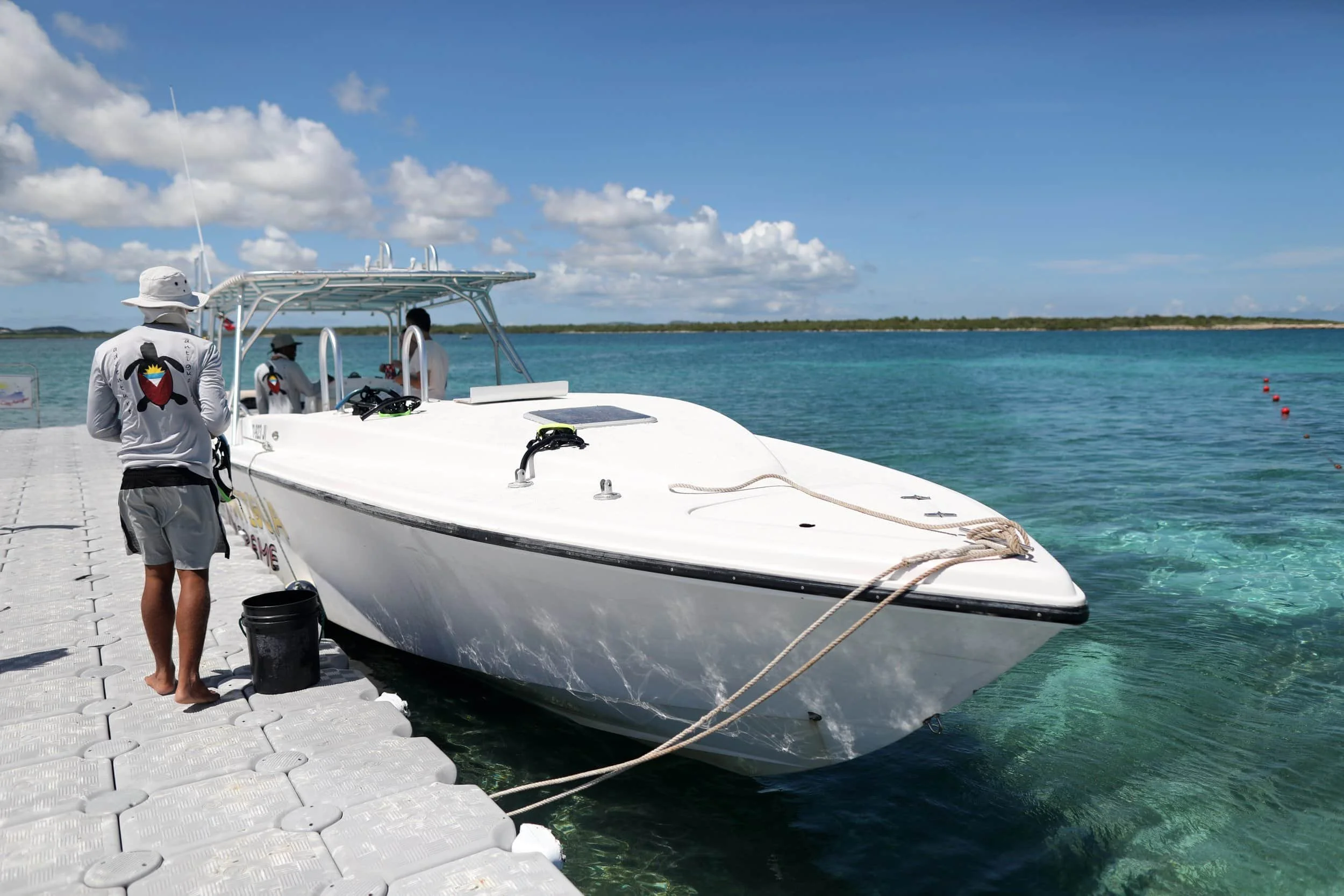
One of the best ways to understand Antigua is from the water. The Xtreme Circumnav with Adventure Antigua circles the island by powerboat, combining a full day of coastline, beaches, snorkeling and stops that show just how varied Antigua looks beyond the resort areas.
From the boat, the landscape constantly changes — sheltered bays, rocky coastline, small offshore islands, beaches and historic landmarks all appear along the route. It’s fast-paced in places, wonderfully slow in others and gives you a perspective on the island that's difficult to get from the road.
For me, the day was also a reminder that a beautiful experience can still include elements worth questioning. I loved seeing Antigua from the water but I feel differently now about one of the wildlife encounters included in the tour.
⚠️ A Note on the Stingray Encounter | The tour I took included an interactive stingray experience where guests entered the water, fed the rays and posed for photos. I participated at the time but I wouldn't choose that kind of wildlife interaction today. I now look for experiences centered on observing wild animals without feeding, touching, handling or otherwise changing their natural behavior. If wildlife is part of a tour you're considering, it's worth looking beyond the photos and asking how that interaction actually works before booking.
Swim with Stingrays
Swimming with stingrays was one of the stops included in my Xtreme Circumnav with Adventure Antigua. At the time, I was excited about getting into the water with them and didn't think deeply about how a wildlife encounter like this might affect the animals.
I participated — including getting close to the rays — and I understand why these experiences are so appealing. Seeing such a large marine animal moving through clear, shallow water is remarkable. But my perspective on wildlife tourism has changed since this trip and today I wouldn't choose an experience built around feeding, touching or otherwise encouraging wild animals to interact with people.
That doesn't erase the experience I had. It changes how I understand it now.
What Are Southern Stingrays?
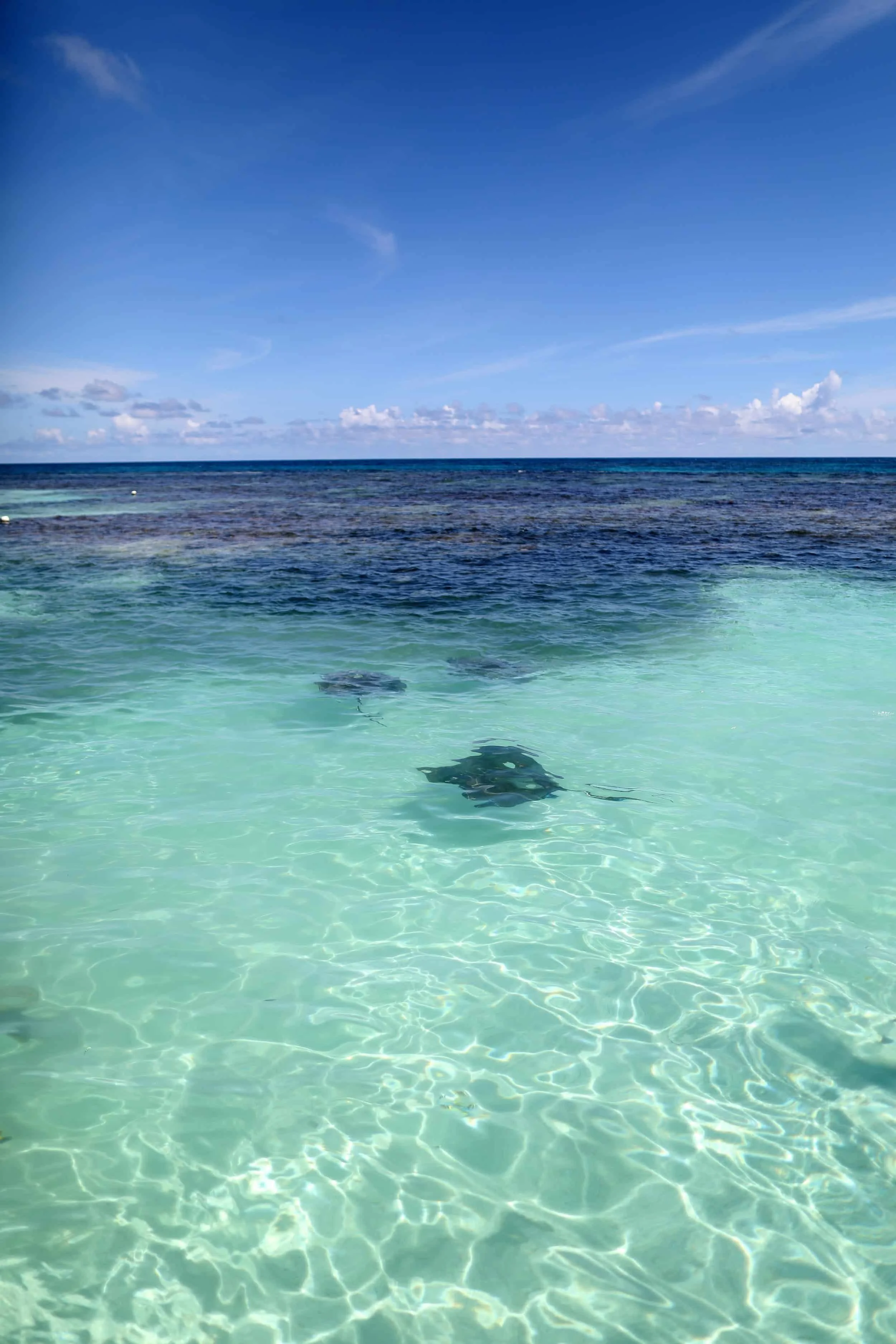
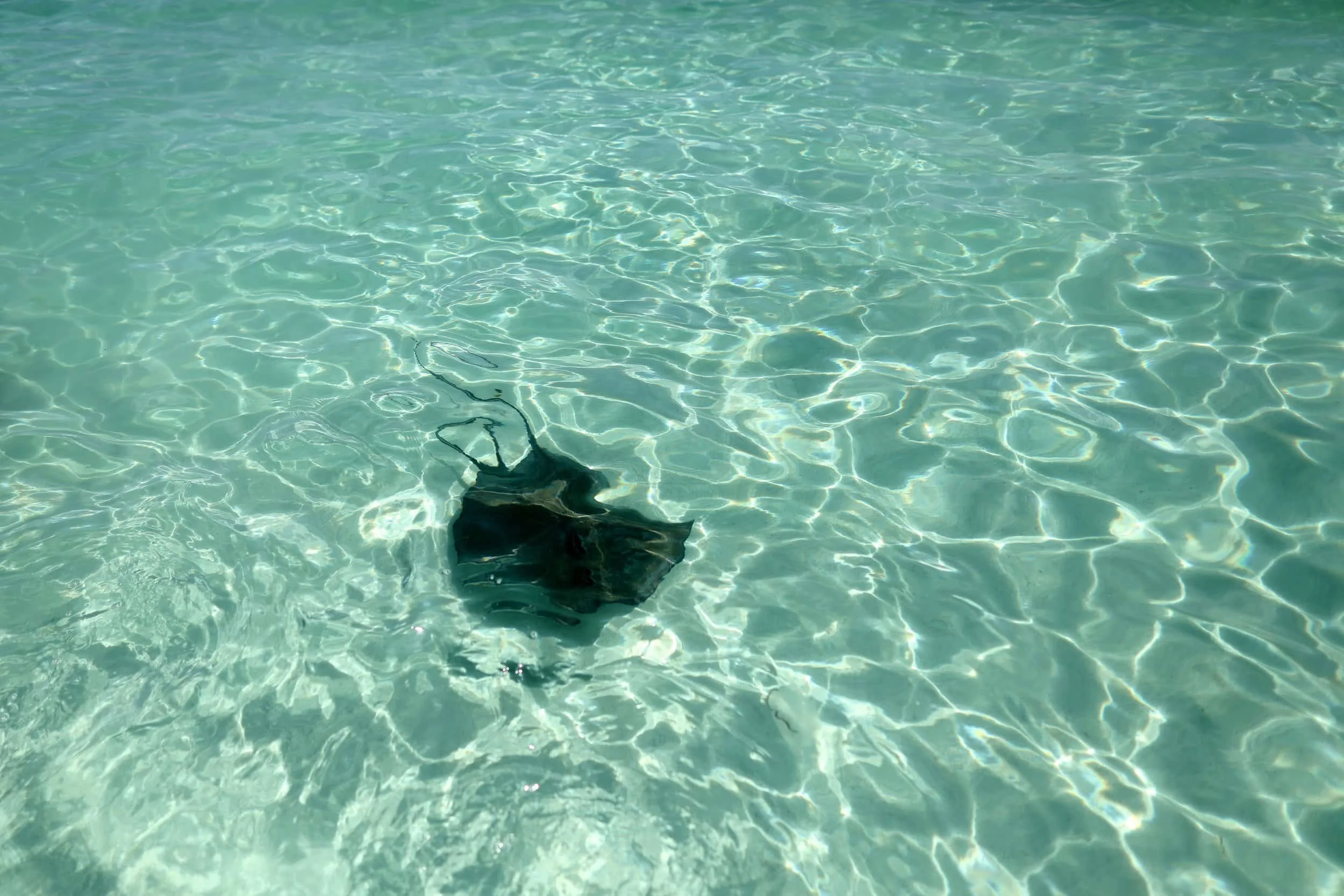
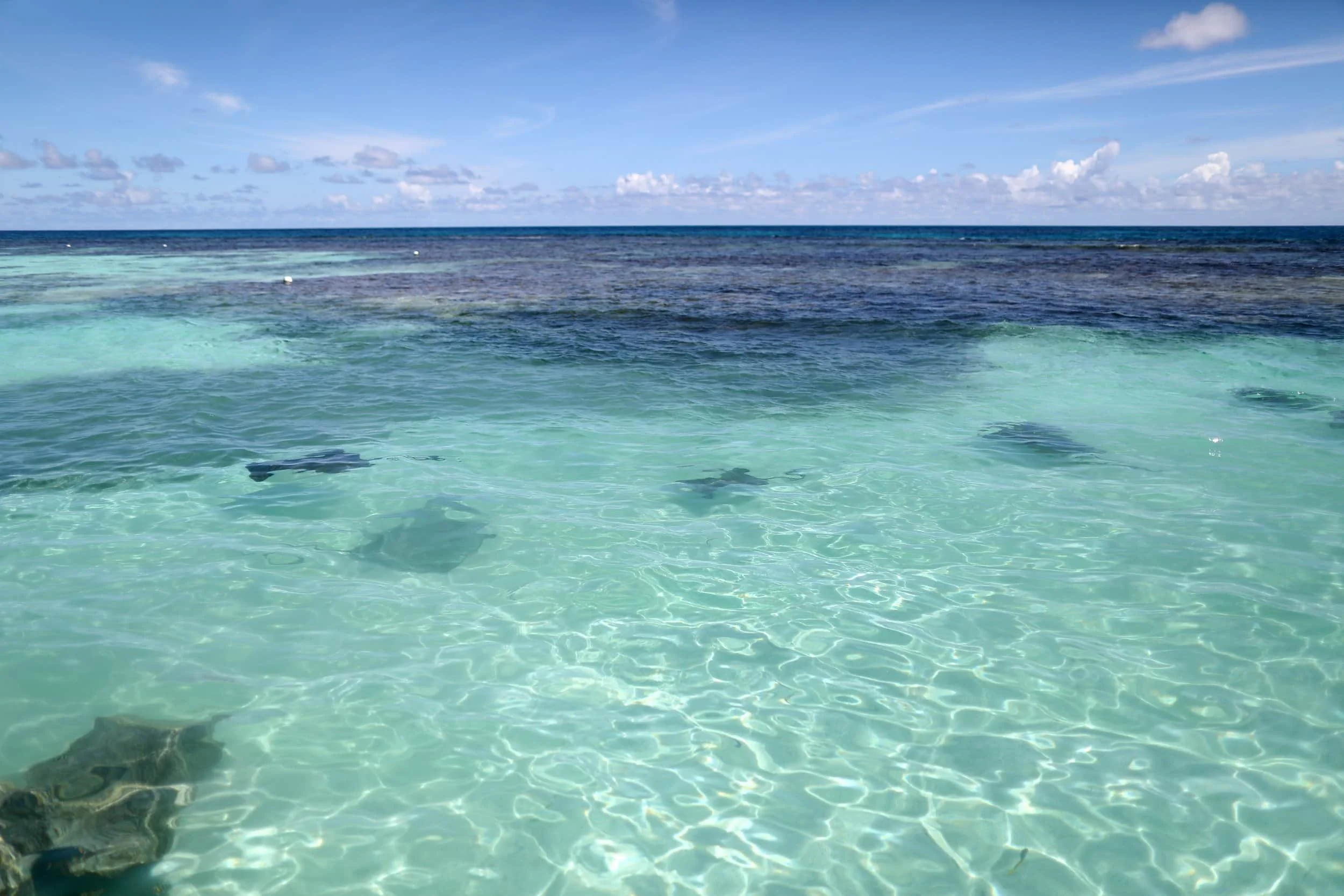
The stingrays commonly encountered in Antigua are southern stingrays, recognizable by their broad, diamond-shaped bodies and long, slender tails. Rather than swimming like a fish, they propel themselves through the water by undulating their large pectoral fins — the movement that gives them their distinctive, almost wing-like appearance.
Their mouths are underneath their bodies, along with openings used to sense prey hidden beneath the sand. In the wild, stingrays forage along sandy bottoms and seagrass beds for crustaceans, mollusks, worms and small fish, sometimes leaving small clouds of disturbed sediment behind them.
The barb on a stingray's tail is primarily a defensive mechanism. Stingrays generally aren't looking for confrontation but they can defend themselves when frightened, restrained or accidentally stepped on.
⚠️ Good to Know | If you're sharing shallow water with wild stingrays, give them space and follow guidance about where it's safe to walk. Don't chase, corner or attempt to touch a ray as it moves away and always shuffle your feet as you move — don’t step.
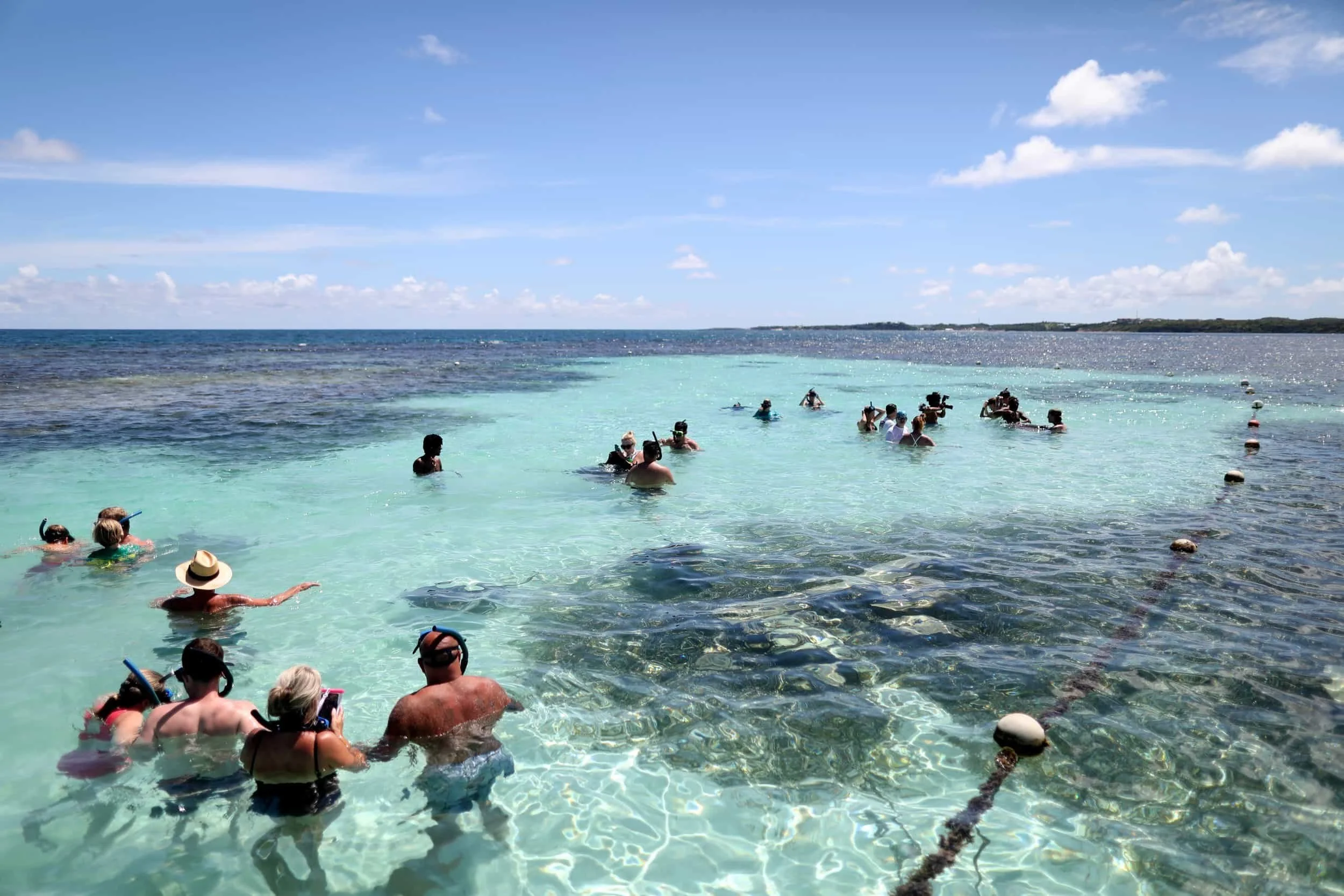
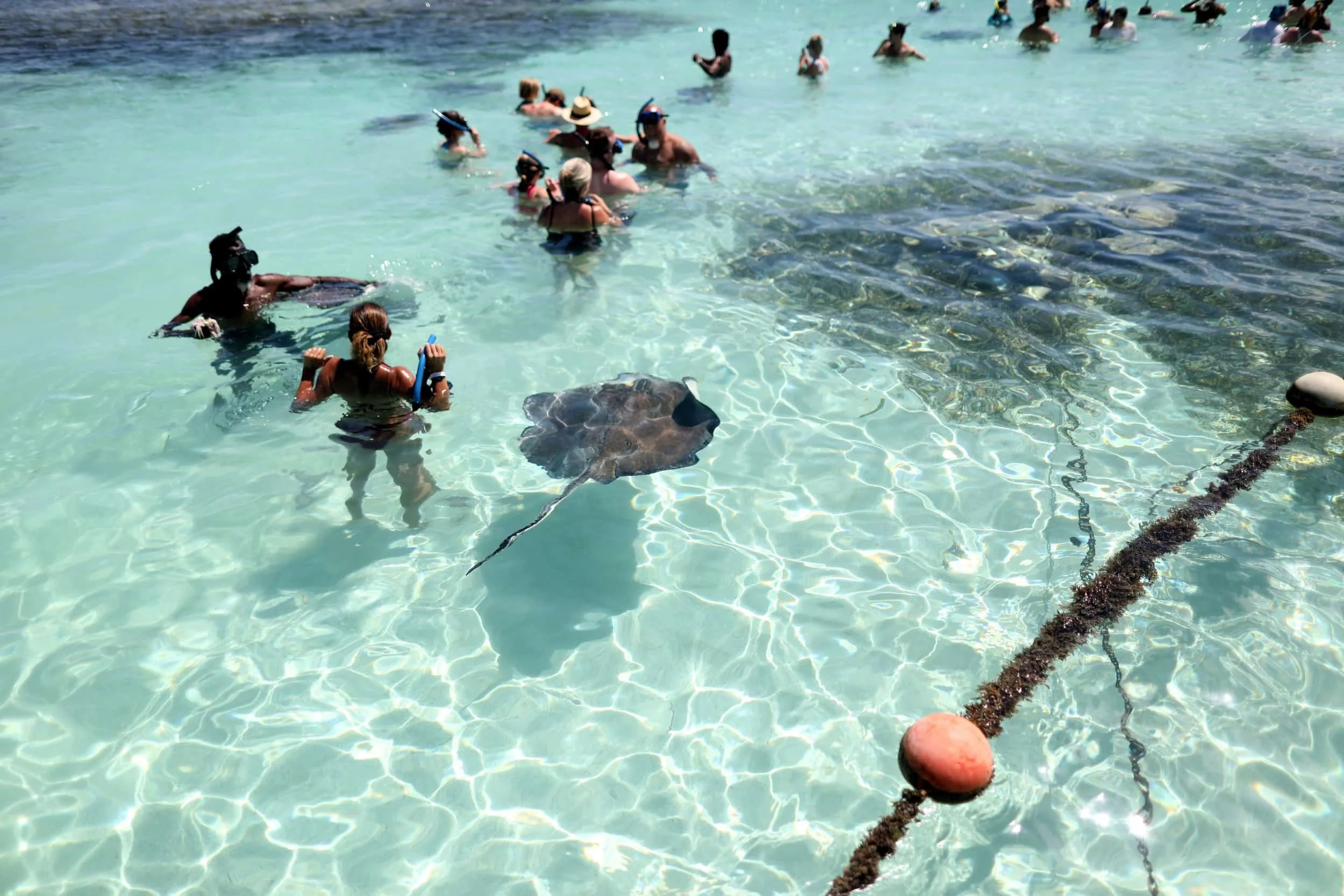
What the Stingray Experience Was Like
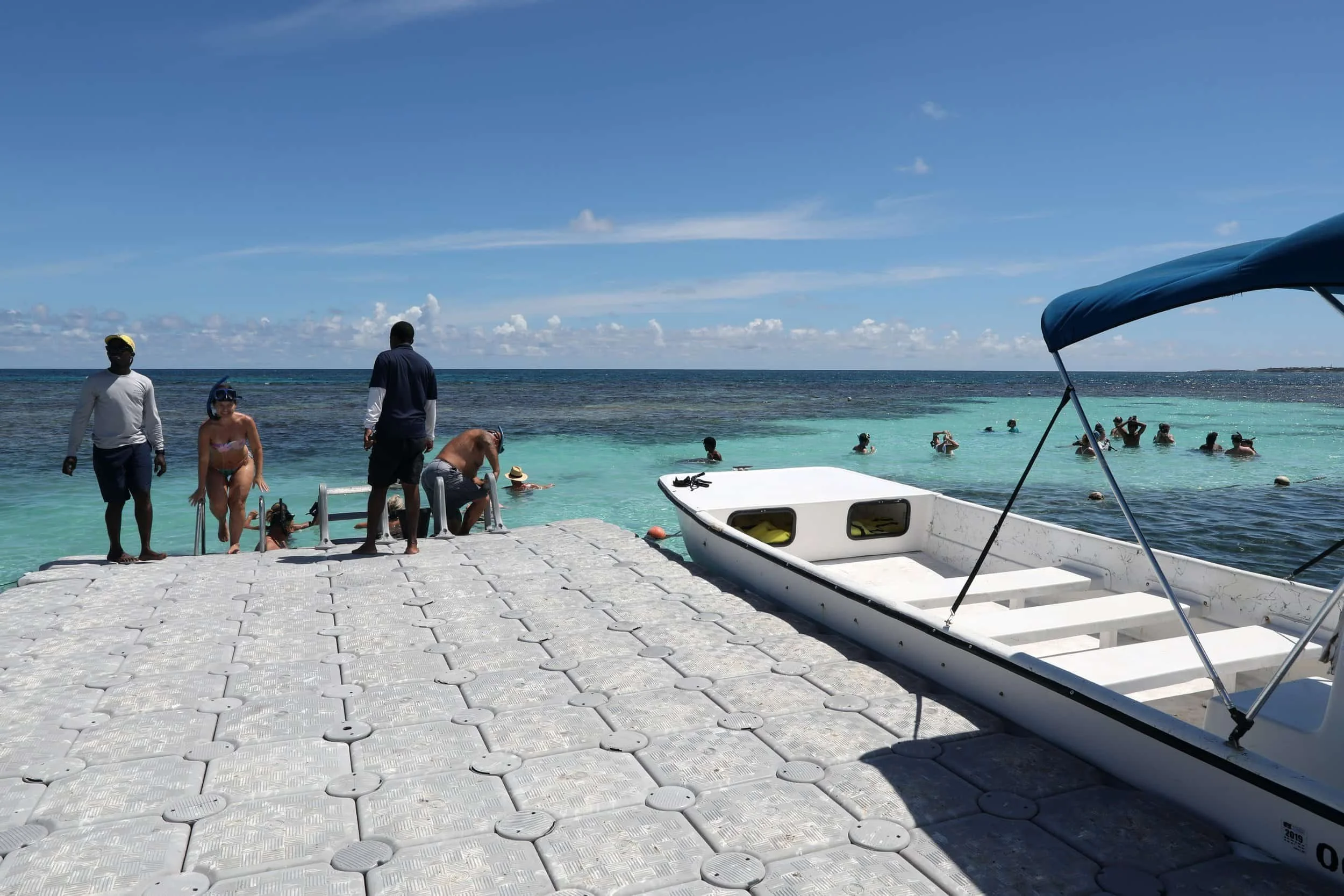
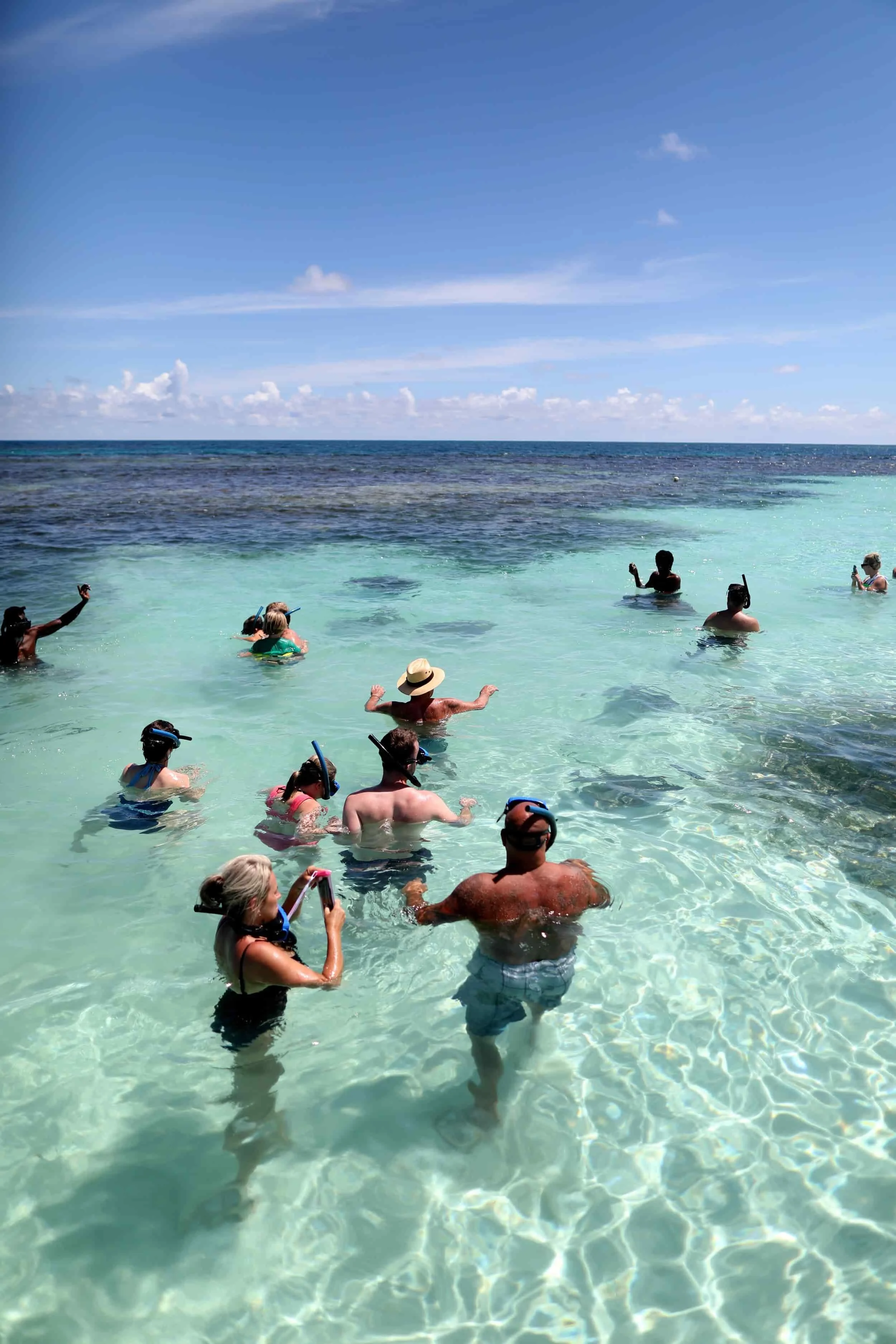
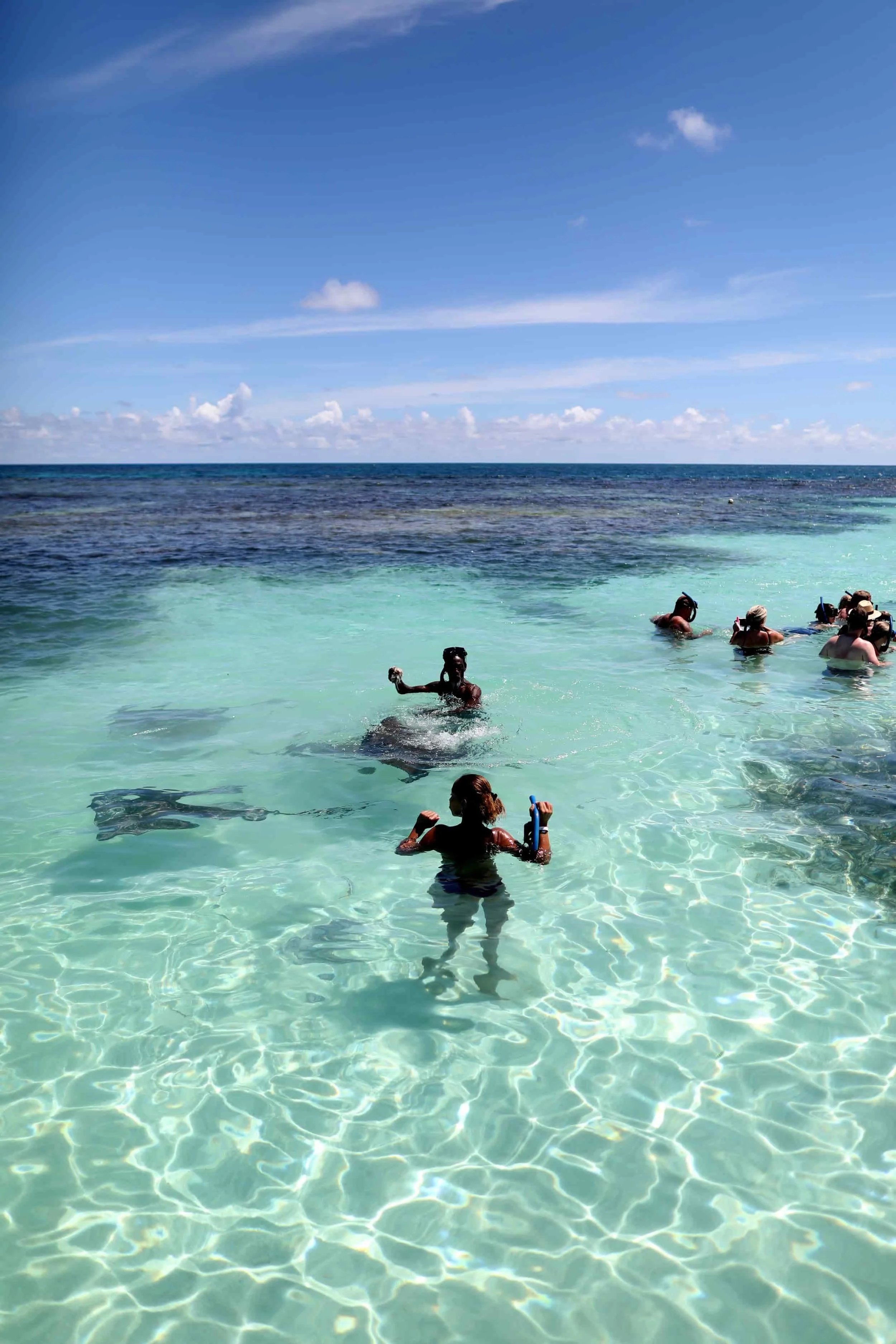
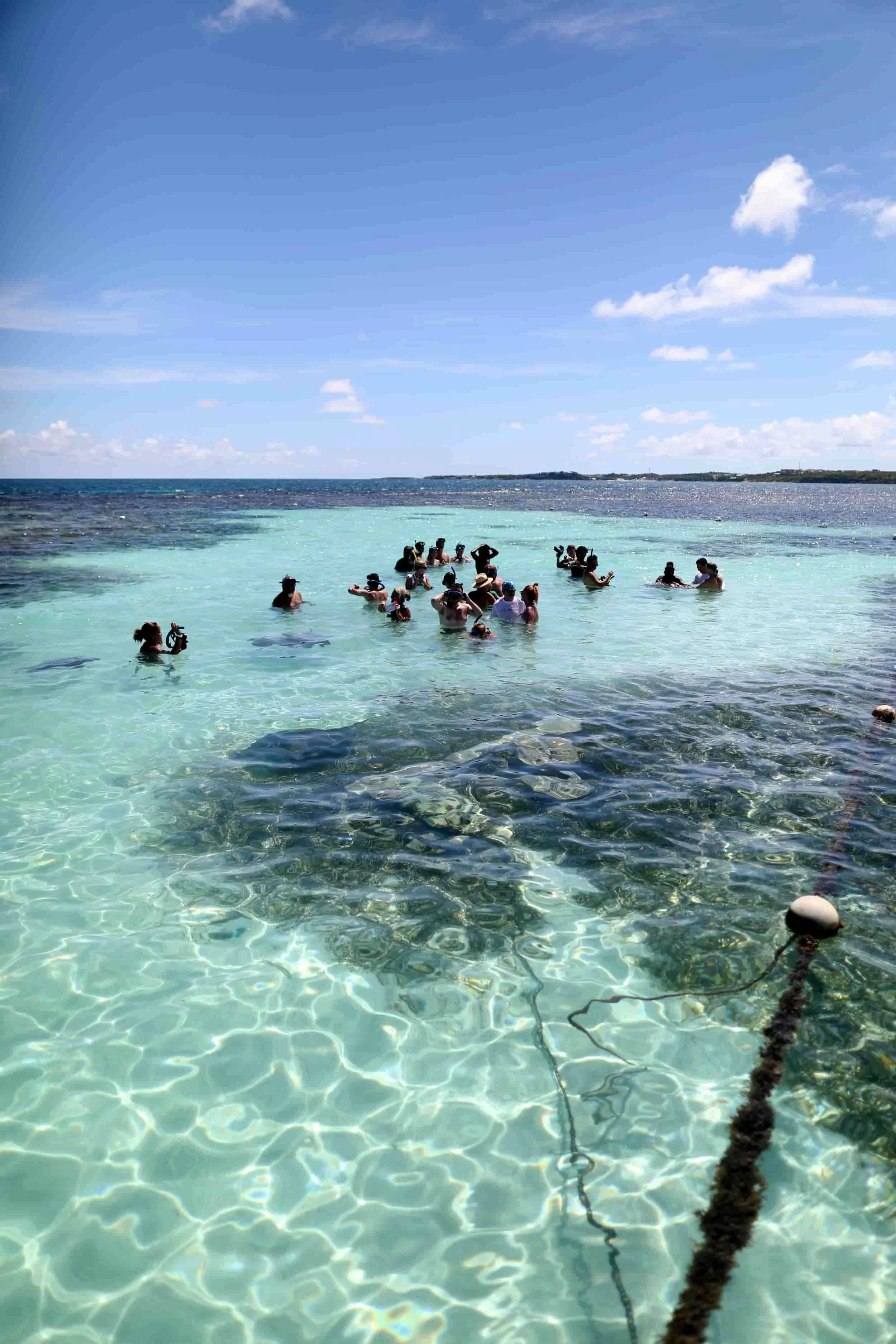
As part of the circumnavigation, our boat stopped for an organized stingray encounter in shallow water. We got off the boat and entered the water, where stingrays moved across the sandy bottom around us.
Up close, what struck me most was how effortlessly they moved. Their bodies seemed to glide through the water, sometimes staying close to the bottom and sometimes passing surprisingly close to us.
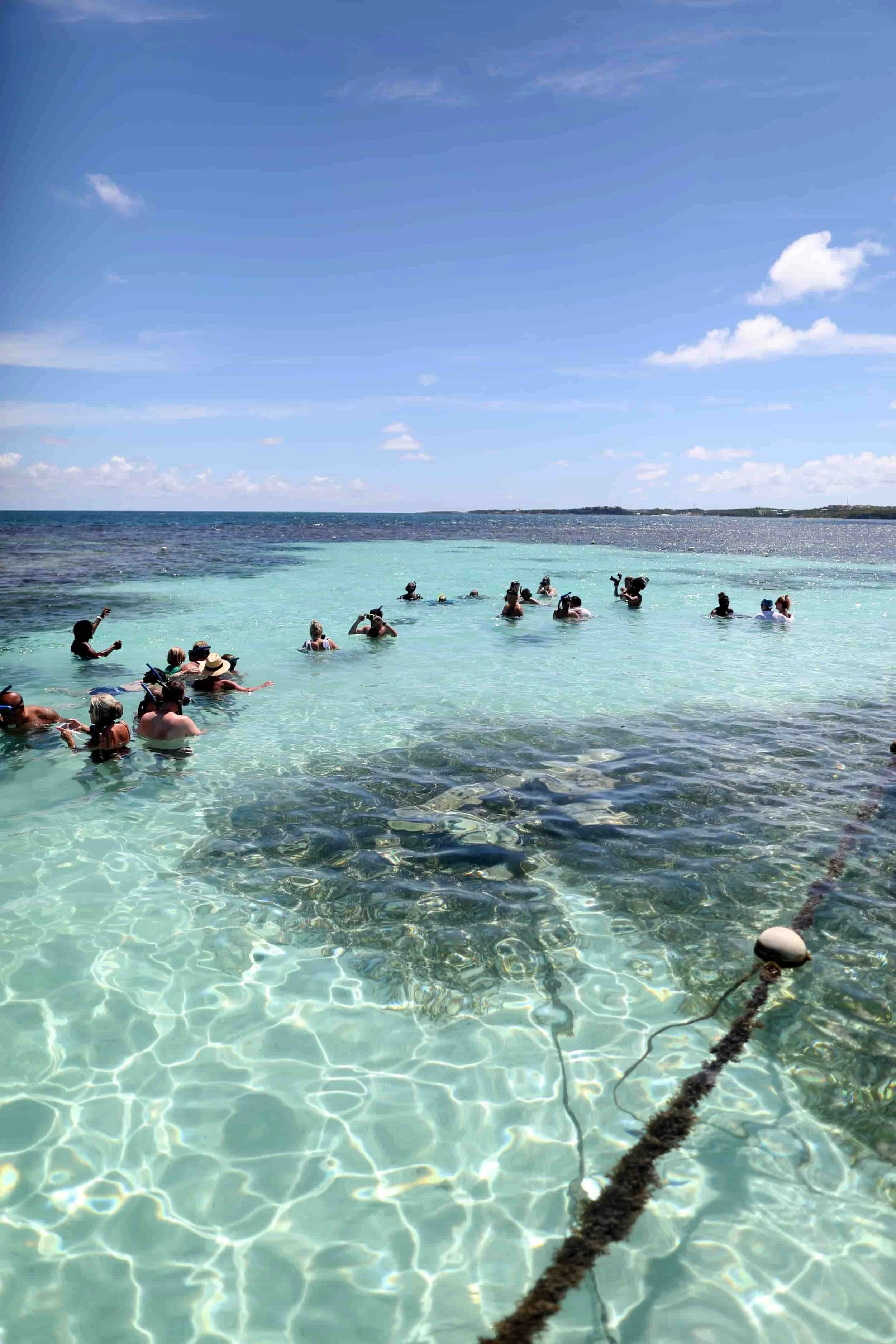
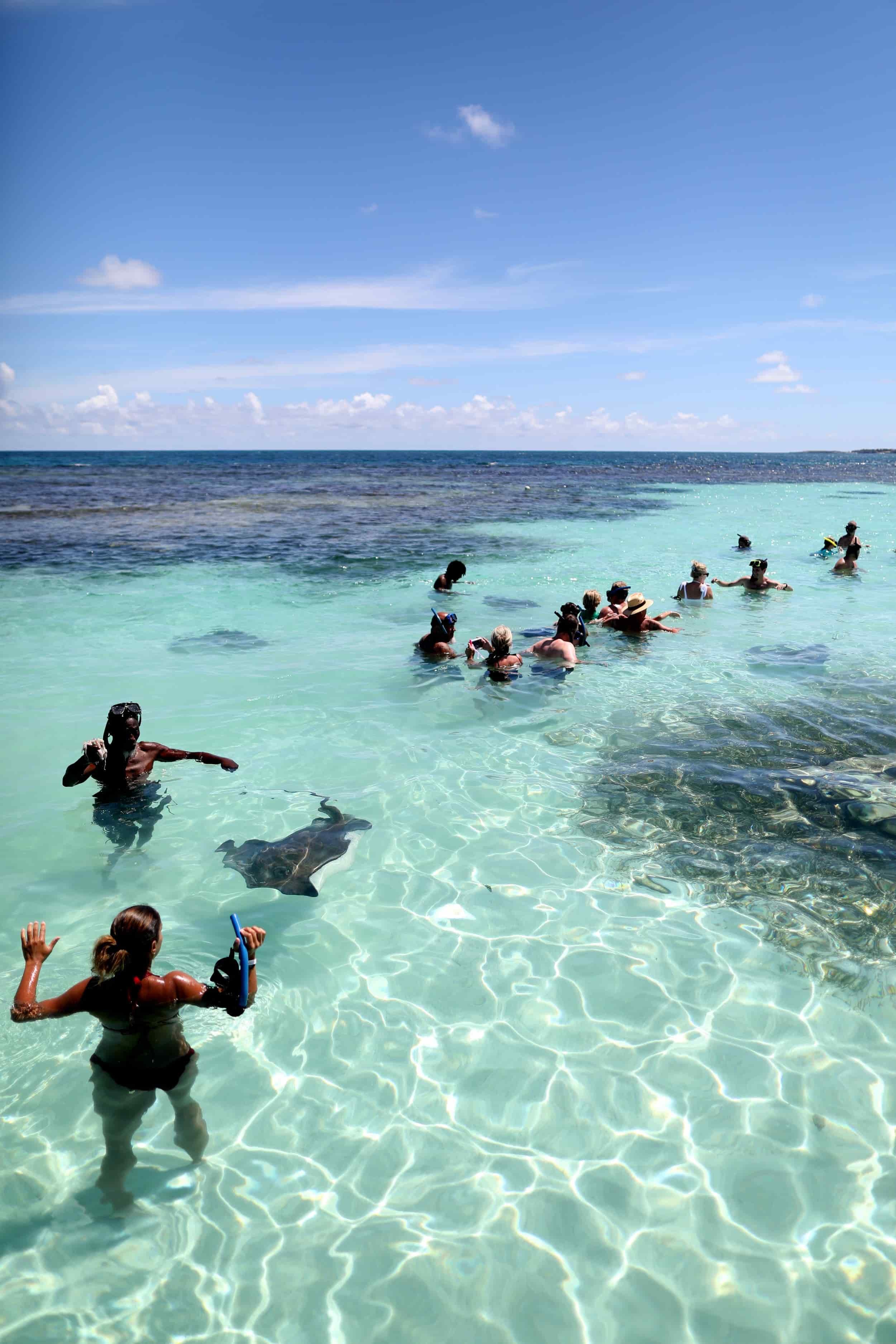
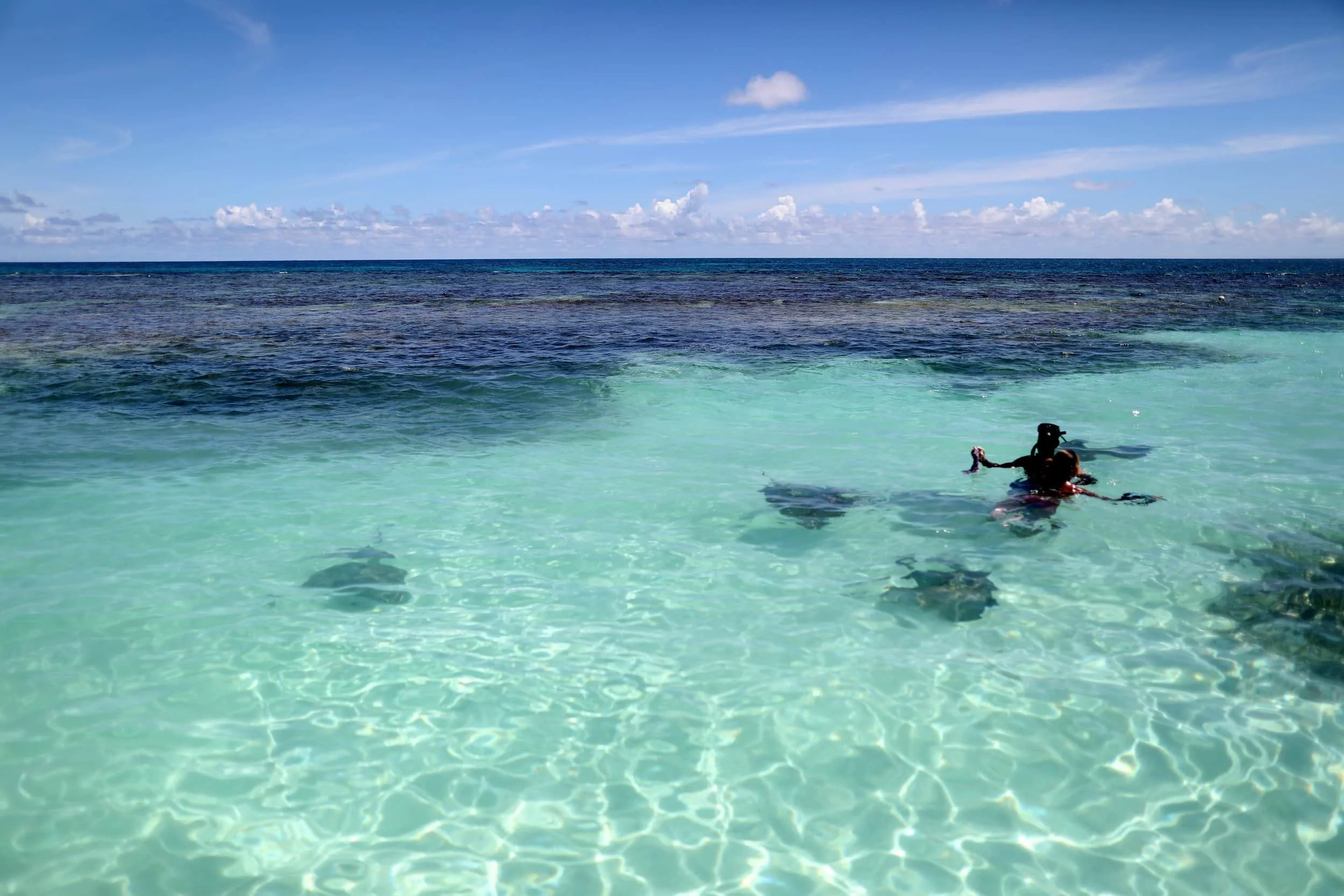
The encounter also involved feeding and touching the rays, something I didn't question much at the time. That closeness was a big part of what made the experience feel so extraordinary then — but it's also the part I think about differently now.
Feeding, Touching & Wildlife Tourism
Regular feeding can change the relationship between wild animals and people. When wildlife begins associating humans or boats with food, it can alter natural foraging patterns and encourage animals to gather repeatedly in areas where tourist interactions take place.
Touching creates another issue: we don't need physical contact to experience wildlife meaningfully. An animal approaching because food is available isn't the same thing as observing that animal behaving independently in its natural environment.
That distinction is something I understand much better now than I did when I took this trip.
⚠️ Good to Know | I wouldn't feed or deliberately touch a wild stingray today, even when an organized tour allows it. If you're comparing Antigua wildlife experiences, ask whether animals are fed, handled or encouraged to approach guests before booking.
How to See Stingrays More Responsibly
Seeing a stingray in the wild can still be an incredible experience. If I were choosing among things to do on Antigua today, I'd look for snorkeling, diving or wildlife excursions centered on observation rather than interaction.
That means giving animals room to choose where they go, not pursuing them for photographs, and avoiding experiences that depend on feeding or touching to guarantee an encounter.
There's actually something more interesting about that uncertainty. You might see a stingray — or you might not. But when one appears beneath you because that's simply where it happens to be, you're watching a wild animal on its own terms.
Looking Back
I don't regret documenting this part of my trip and I don't want to rewrite the experience as though I made choices then that I didn't. Swimming with stingrays was one of the things I did on Antigua and at the time I loved the encounter.
What changed was what I learned afterward.
Travel has a way of doing that. Sometimes an experience you once recommended without hesitation becomes one you look at more critically later. For me, the takeaway isn't that we shouldn't seek out wildlife while traveling — it's that seeing an animal doesn't require interacting with it.
Today, that's the kind of wildlife experience I'd choose.
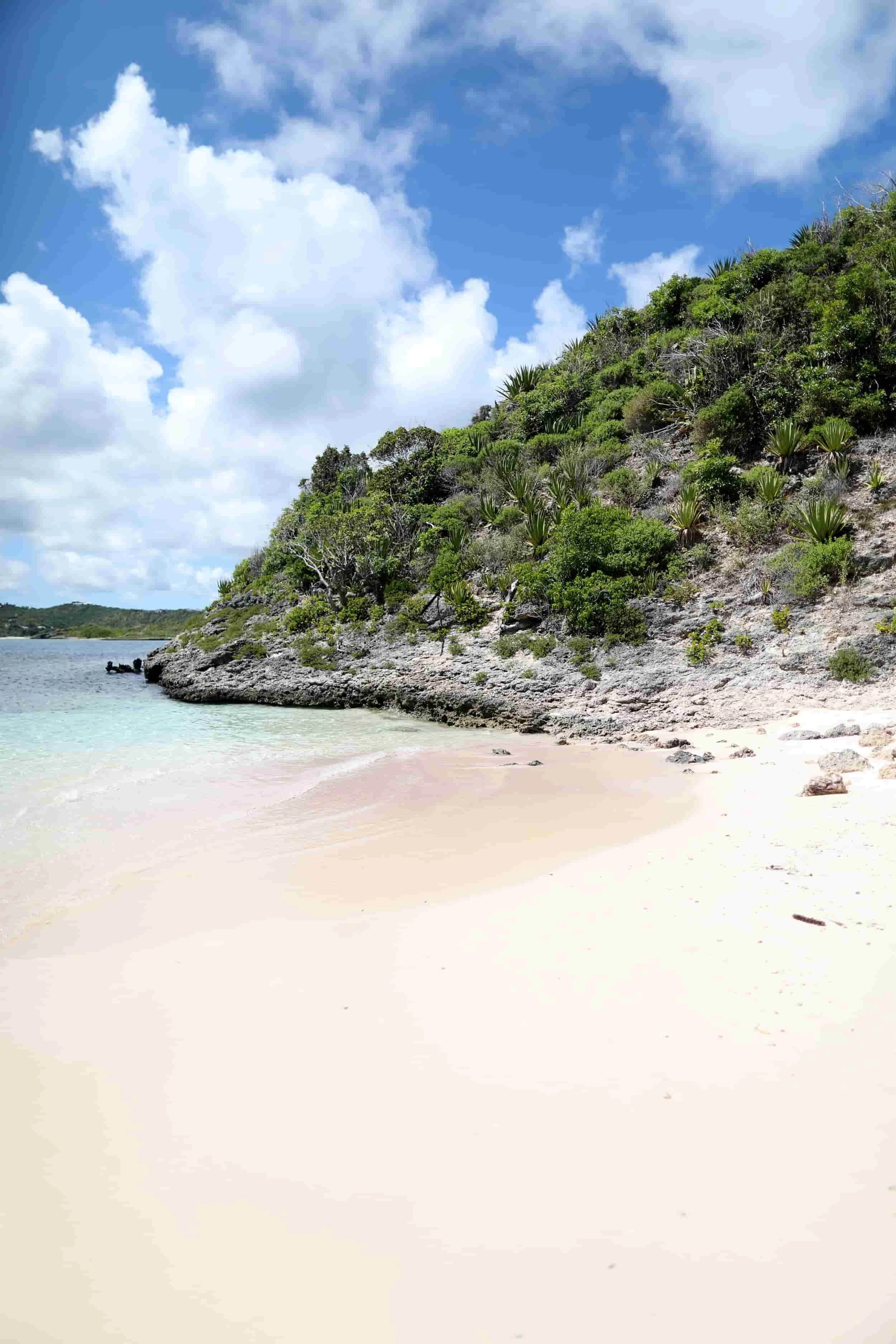
Green Island’s North Beach
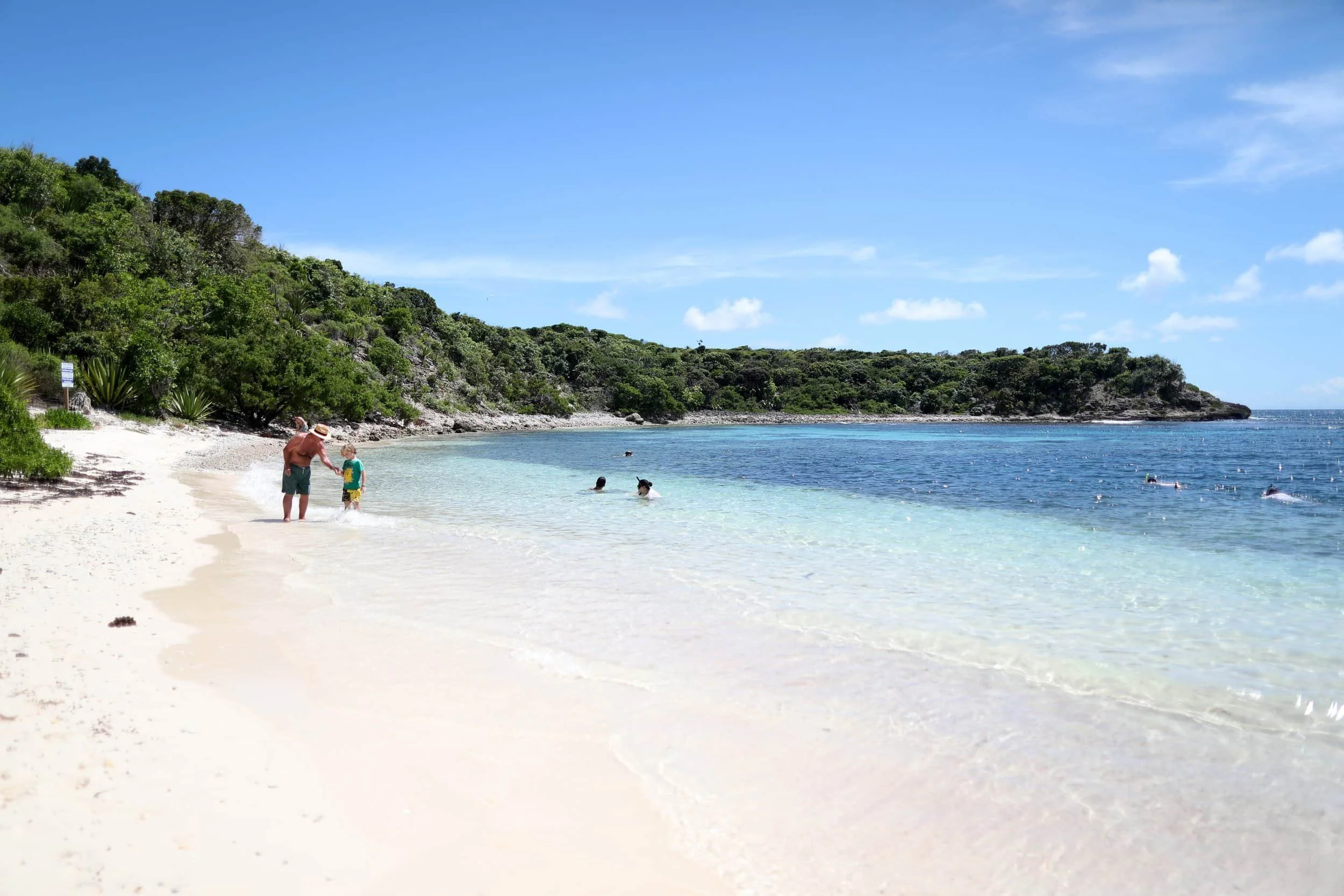
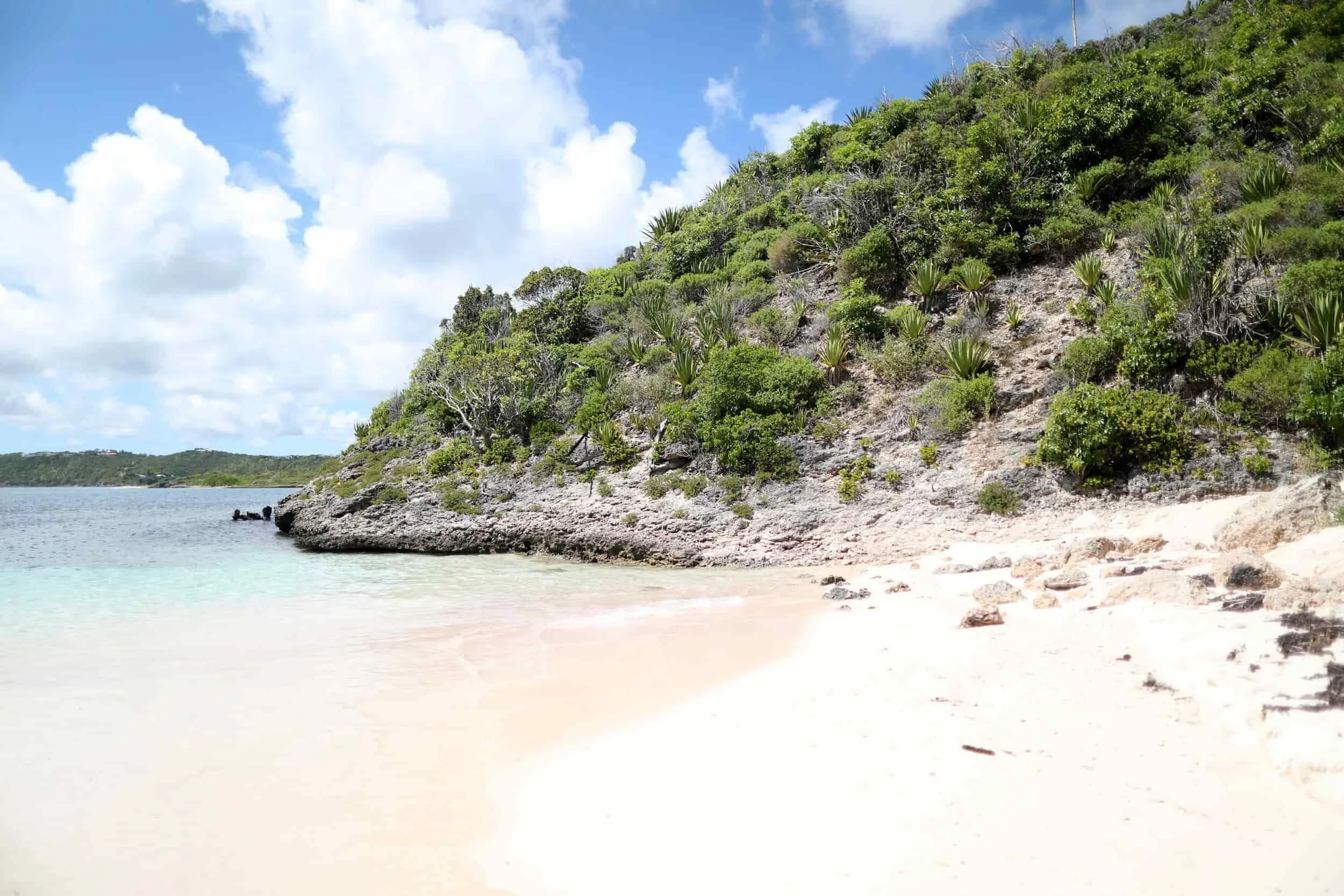
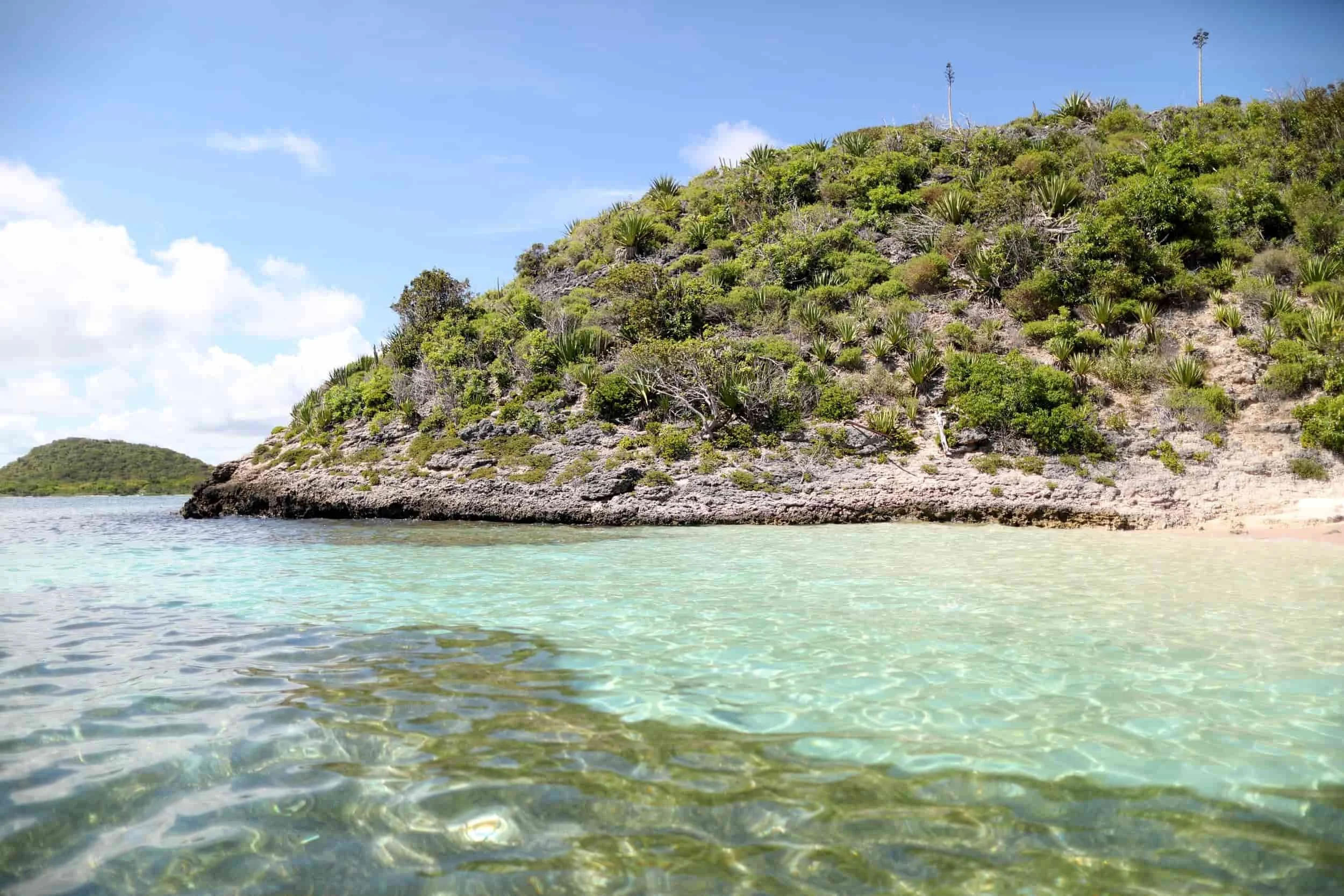
Our next stop was North Beach on Green Island, a small island just off Antigua’s coast. After speeding around the island by boat, pulling up to a quiet stretch of sand felt like a welcome change of pace.
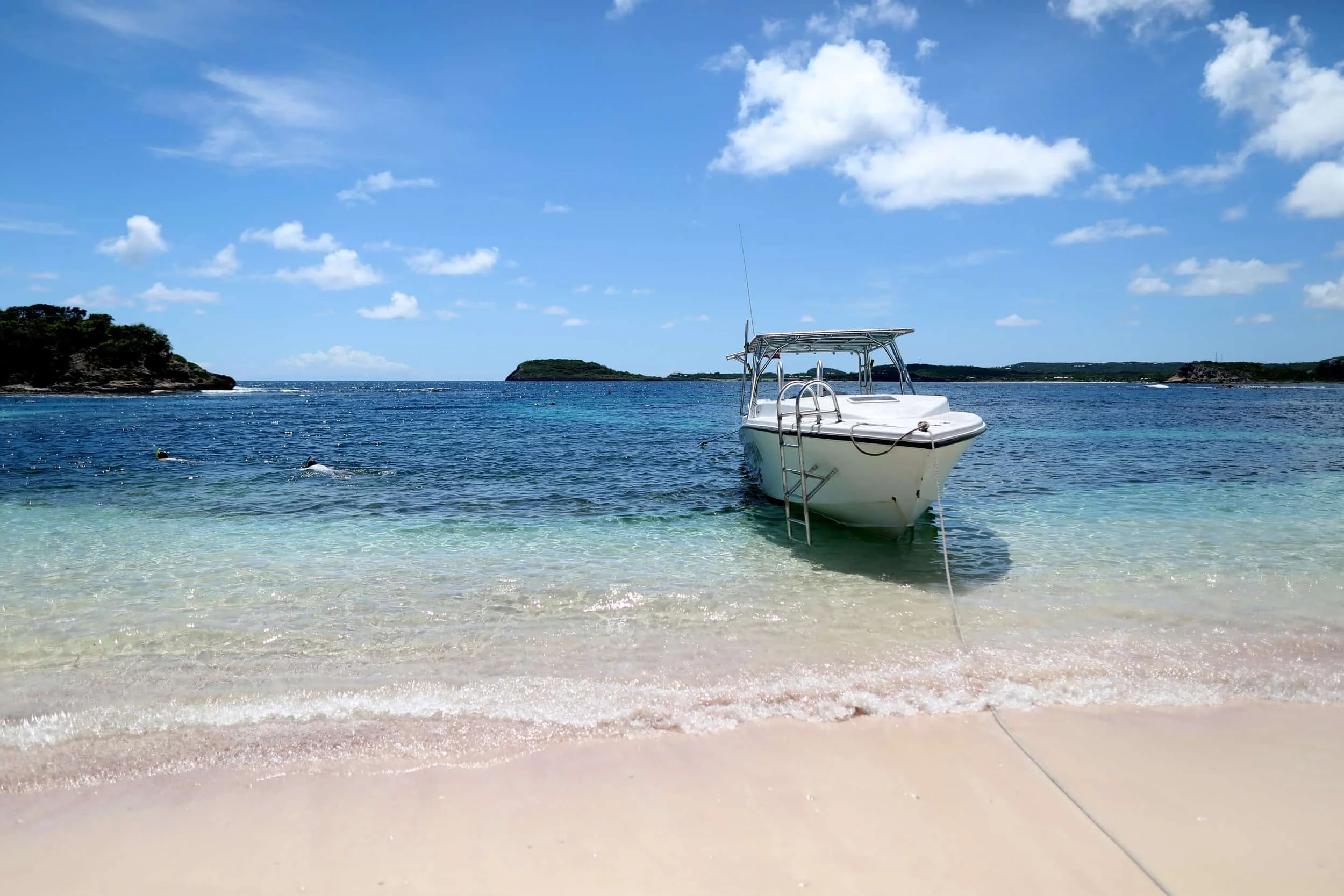
The water here was clear and shallow, making it an easy place to swim or snorkel while the crew set up lunch. There wasn't much of an agenda once we arrived — which was exactly the point. Some people headed into the water while others found a patch of shade or sunbathed on the beach.
I spent most of the stop moving between the water and sand, enjoying having nowhere in particular to be for a while.
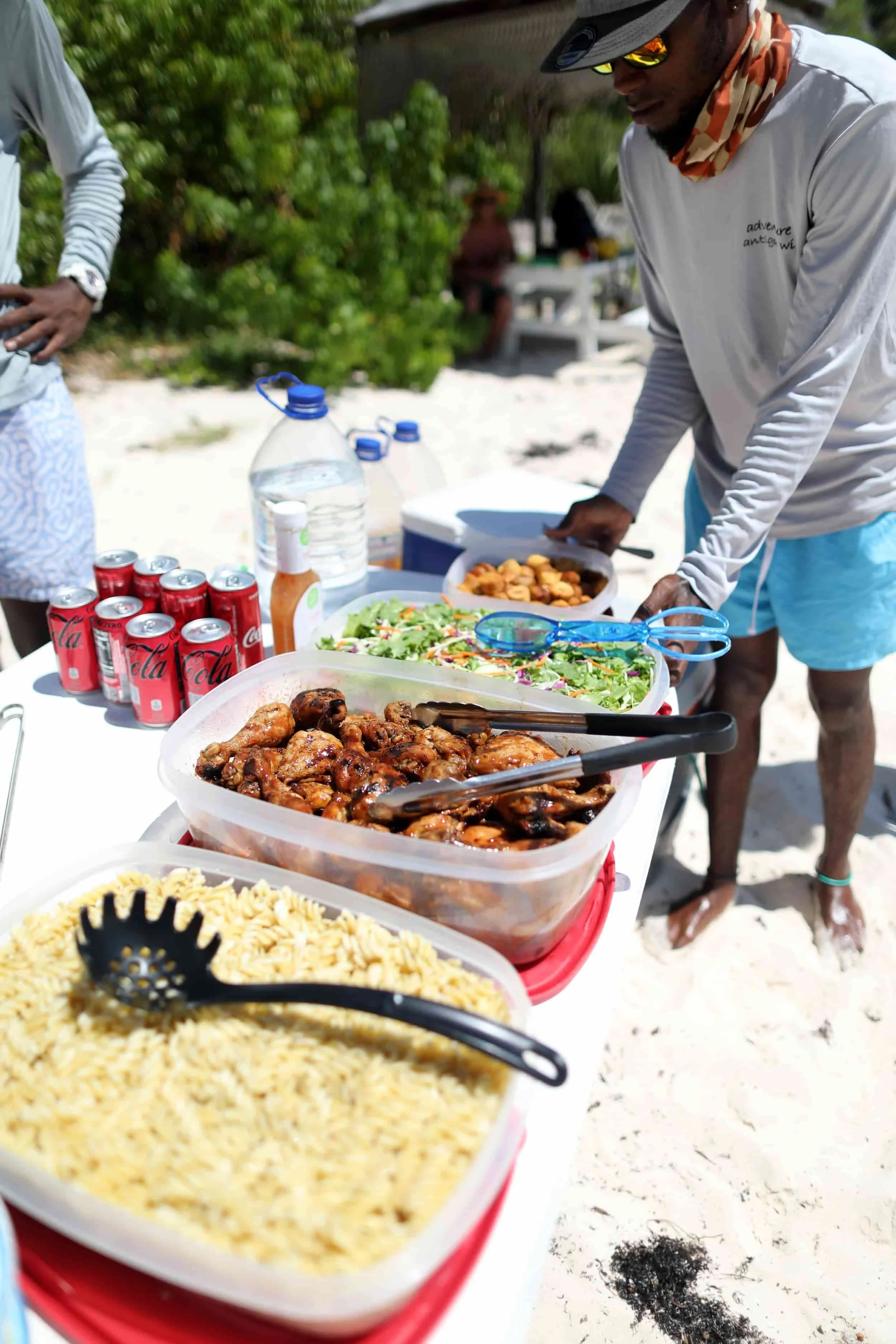
Lunch was served right on the beach: barbecue chicken, pasta, salad and fried plantains. It was simple, filling and exactly what I wanted after a morning spent on the boat and in the water.
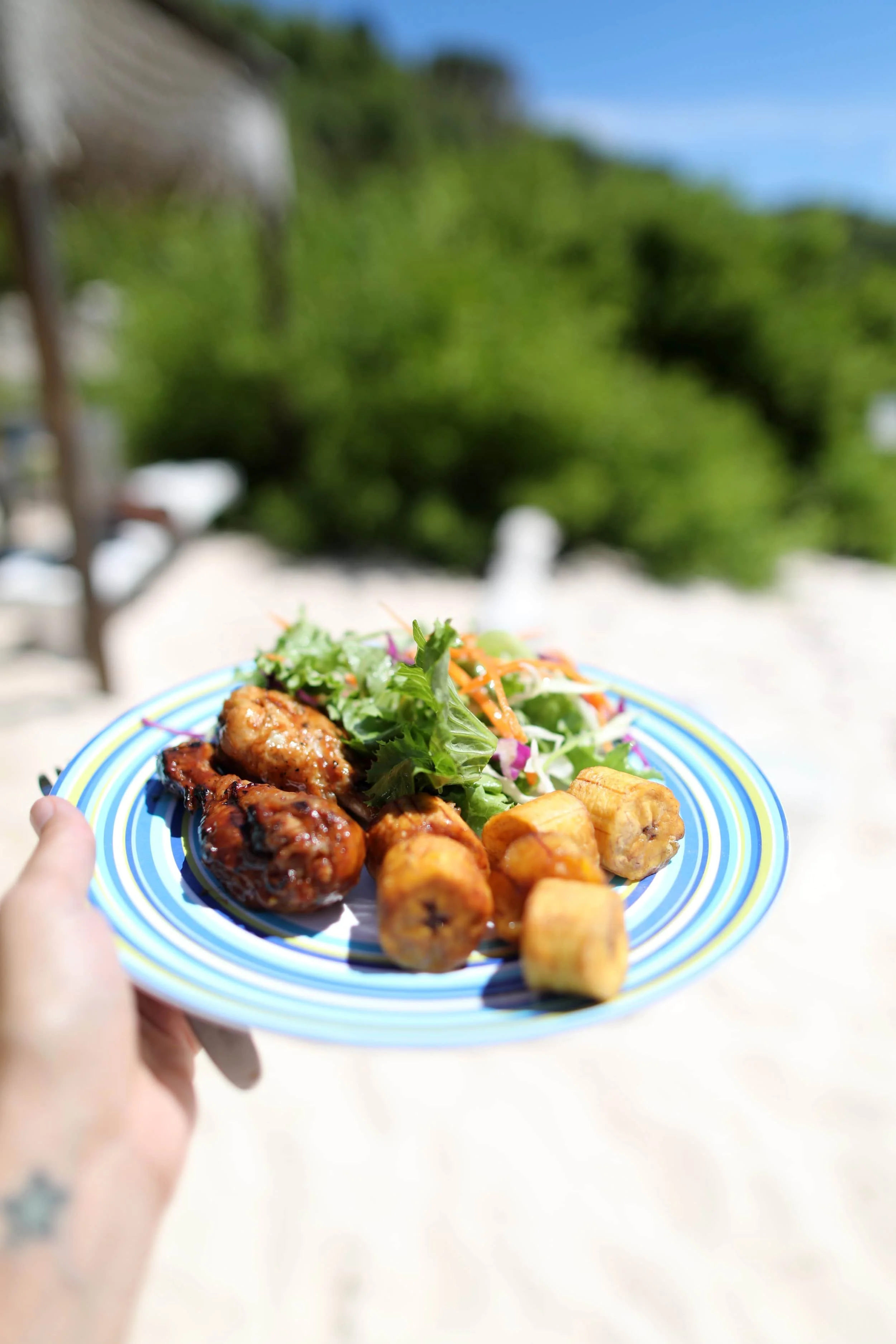
There’s something particularly good about eating lunch barefoot after a swim, still slightly salty from the sea. We found some shade, filled our plates and settled in.
💡 Good to Know | There isn't much shade along parts of North Beach and you'll be exposed to the sun both here and on the boat. A hat, cover-up and sunscreen are especially useful for this full-day trip.
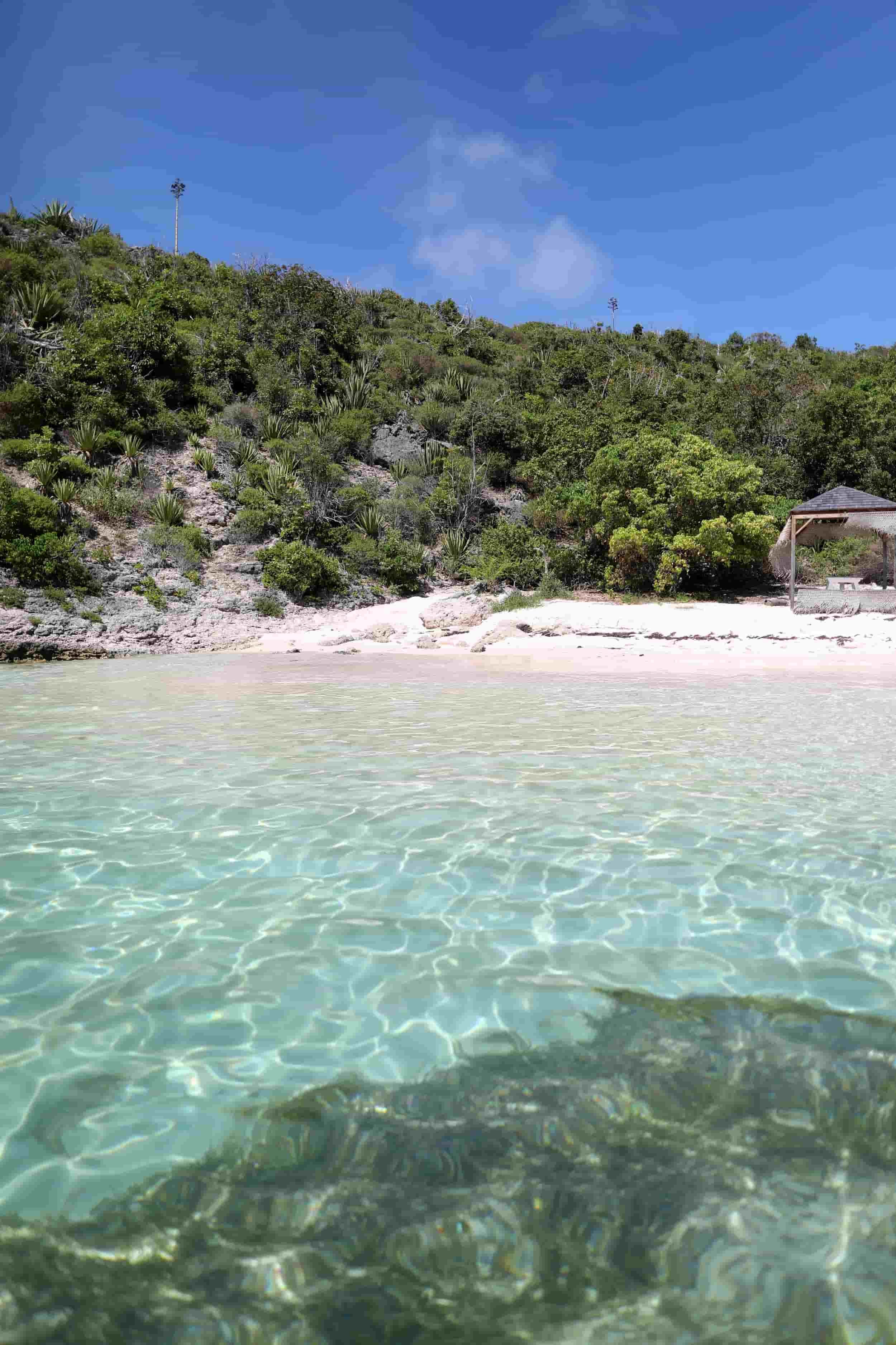
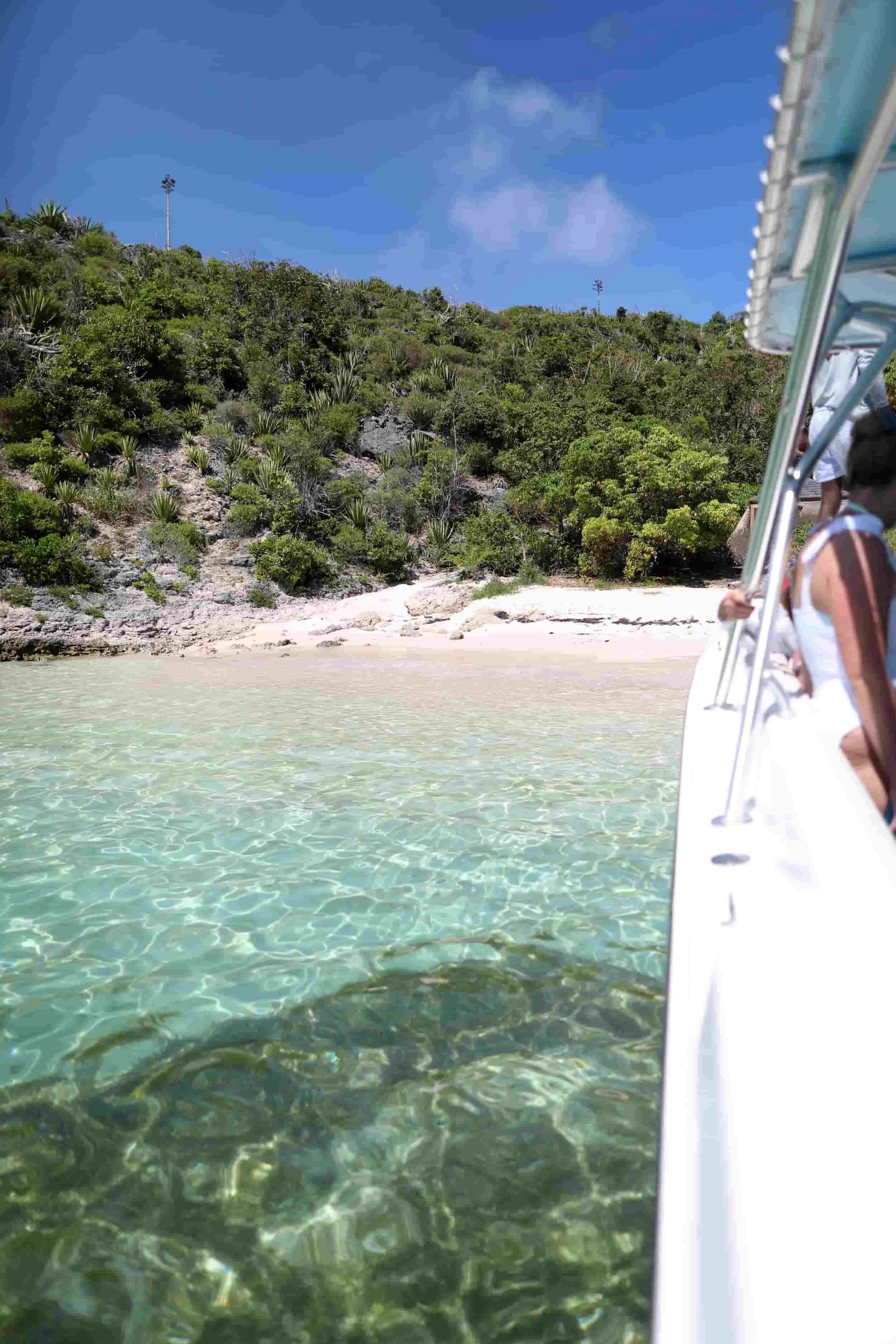
After lunch, we gathered our things and climbed back aboard for the next leg of the circumnavigation. As the boat pulled away, Green Island slowly receded behind us, its narrow strip of pale sand standing out against the water.
I remember looking back from the boat as the beach became smaller in the distance. After a couple of hours swimming, eating and doing very little else, it had been a simple stop — but one of those parts of the day that didn’t need much more than that.
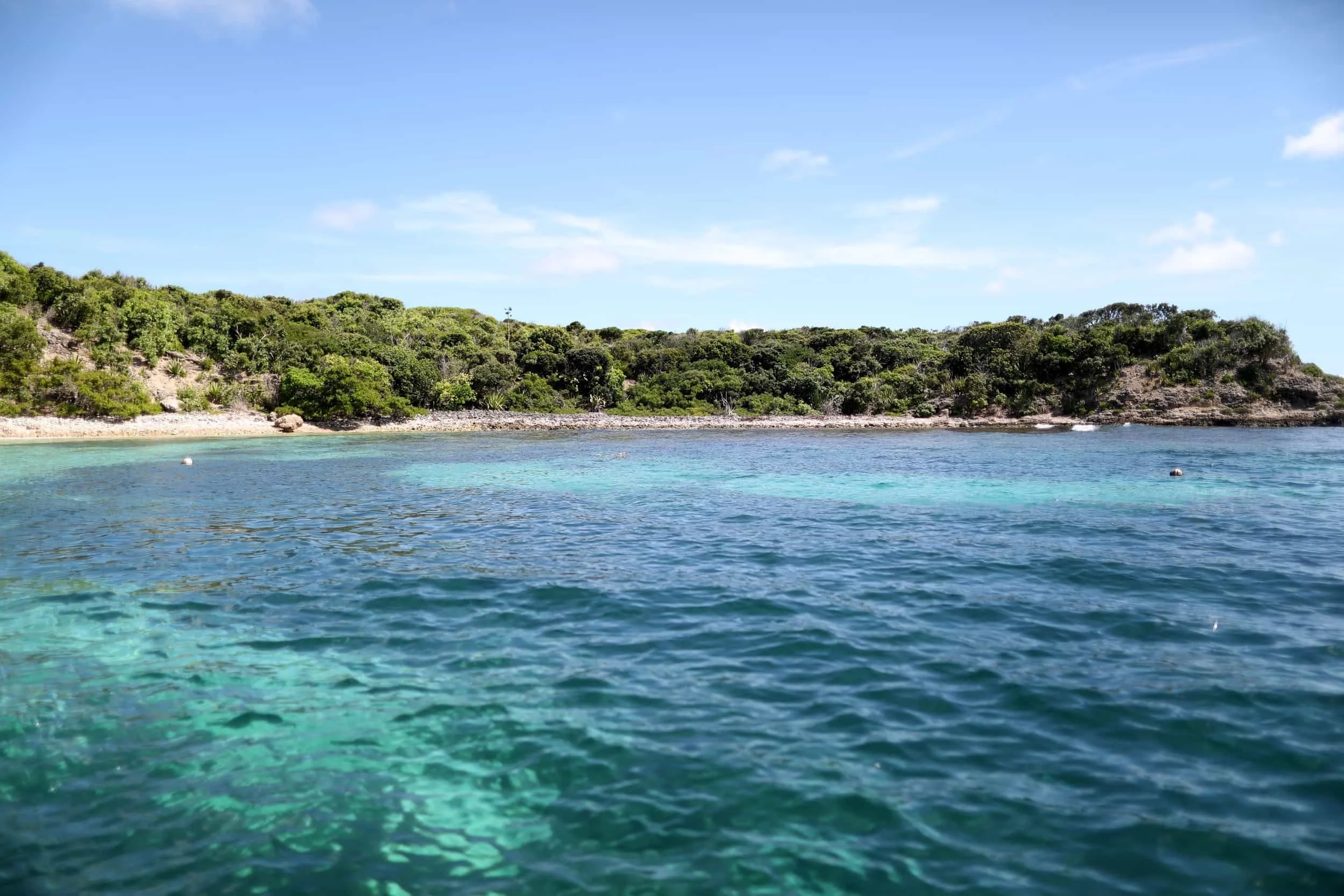
Then the boat picked up speed and we were off toward the next stop.
English Harbour & Nelson’s Dockyard
From the previous stop, we continued south toward English Harbour and Nelson’s Dockyard, one of the most historically significant places on Antigua. Approaching from the water was particularly interesting because the geography of the harbor begins to explain why the British Royal Navy established a base here in the first place.
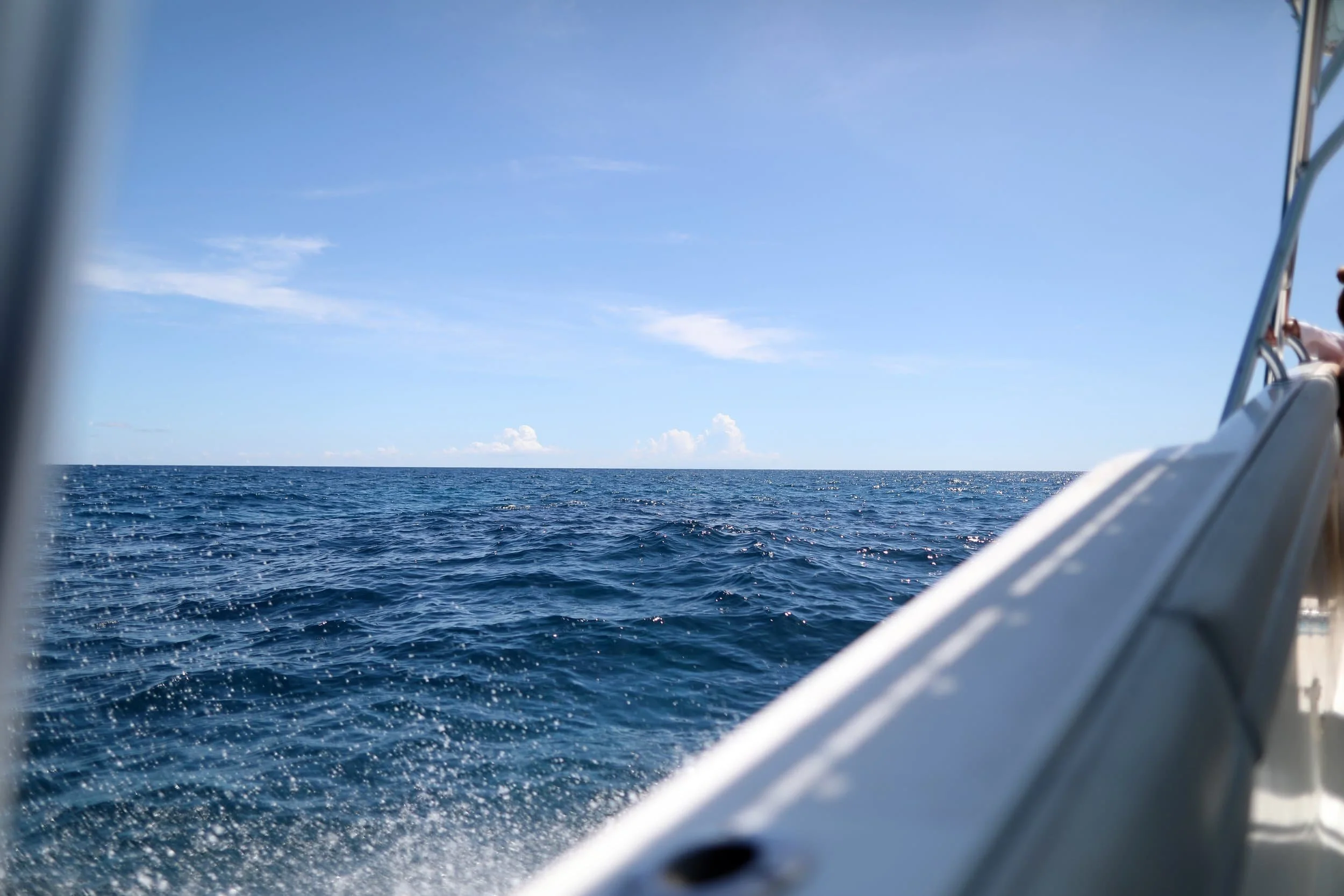
English Harbour is naturally sheltered by the surrounding hills, creating protected anchorage along Antigua’s southern coast. During the age of sail, that made it an important place for ships to anchor, resupply and undergo repairs while operating throughout the Eastern Caribbean.
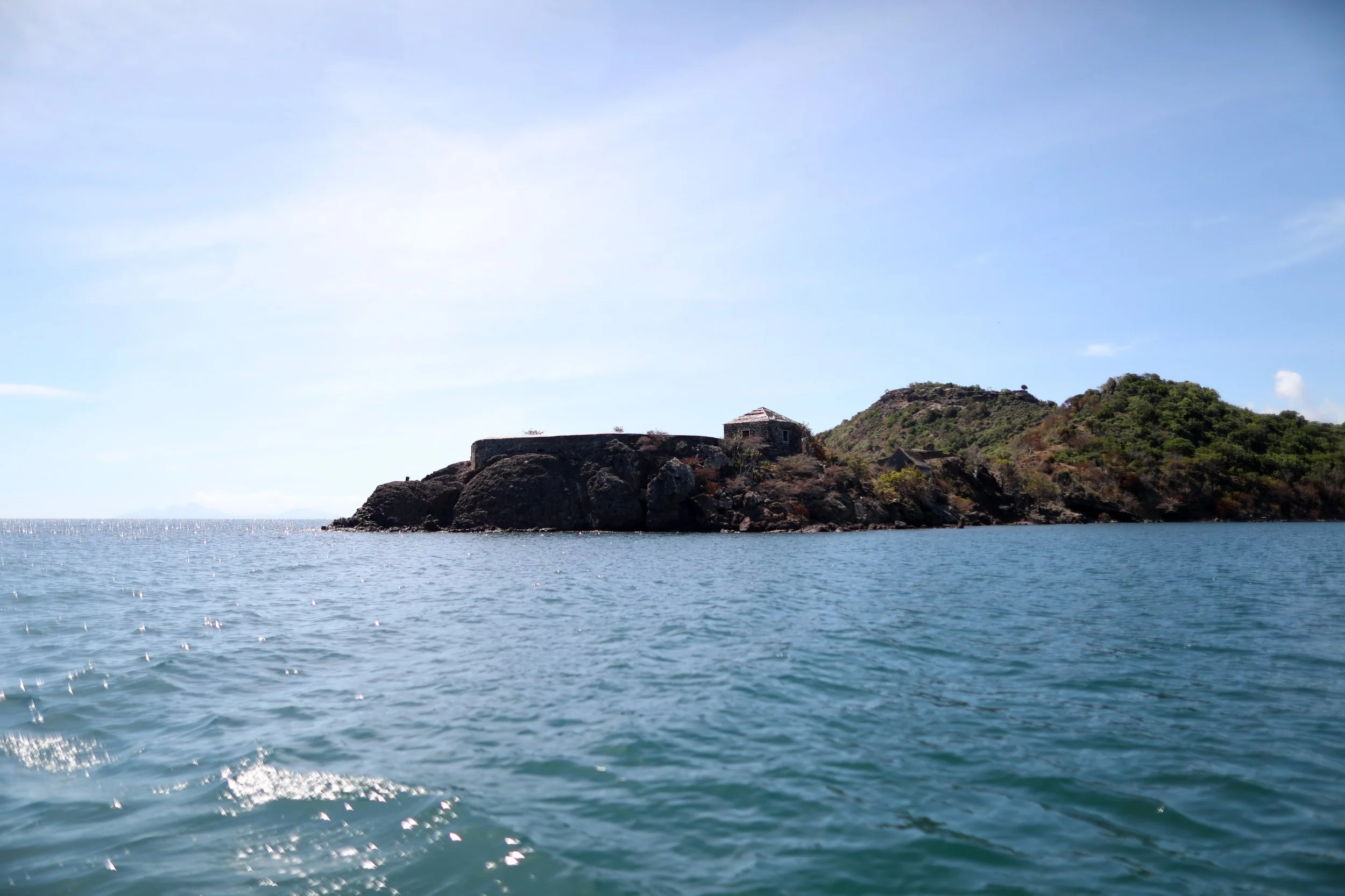
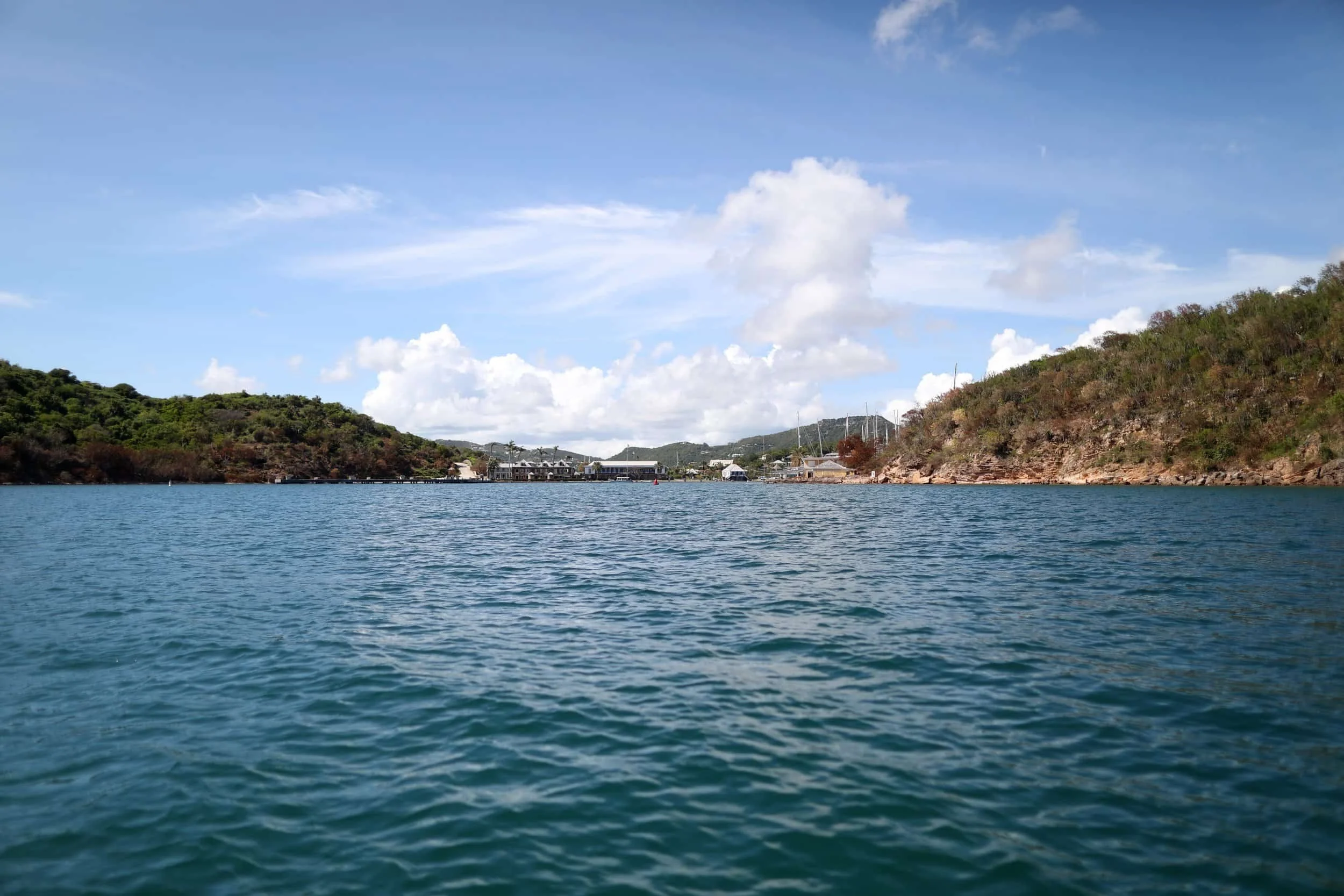
Antigua, Britain & the Caribbean
British colonization of Antigua began in 1632 and over the following decades the island became increasingly valuable within Britain's Caribbean empire. Sugar developed into the dominant industry, with plantations dependent on the forced labor of enslaved Africans. The wealth generated through sugar and Atlantic trade was deeply connected to the colonial system that eventually made Antigua strategically important to the Royal Navy.
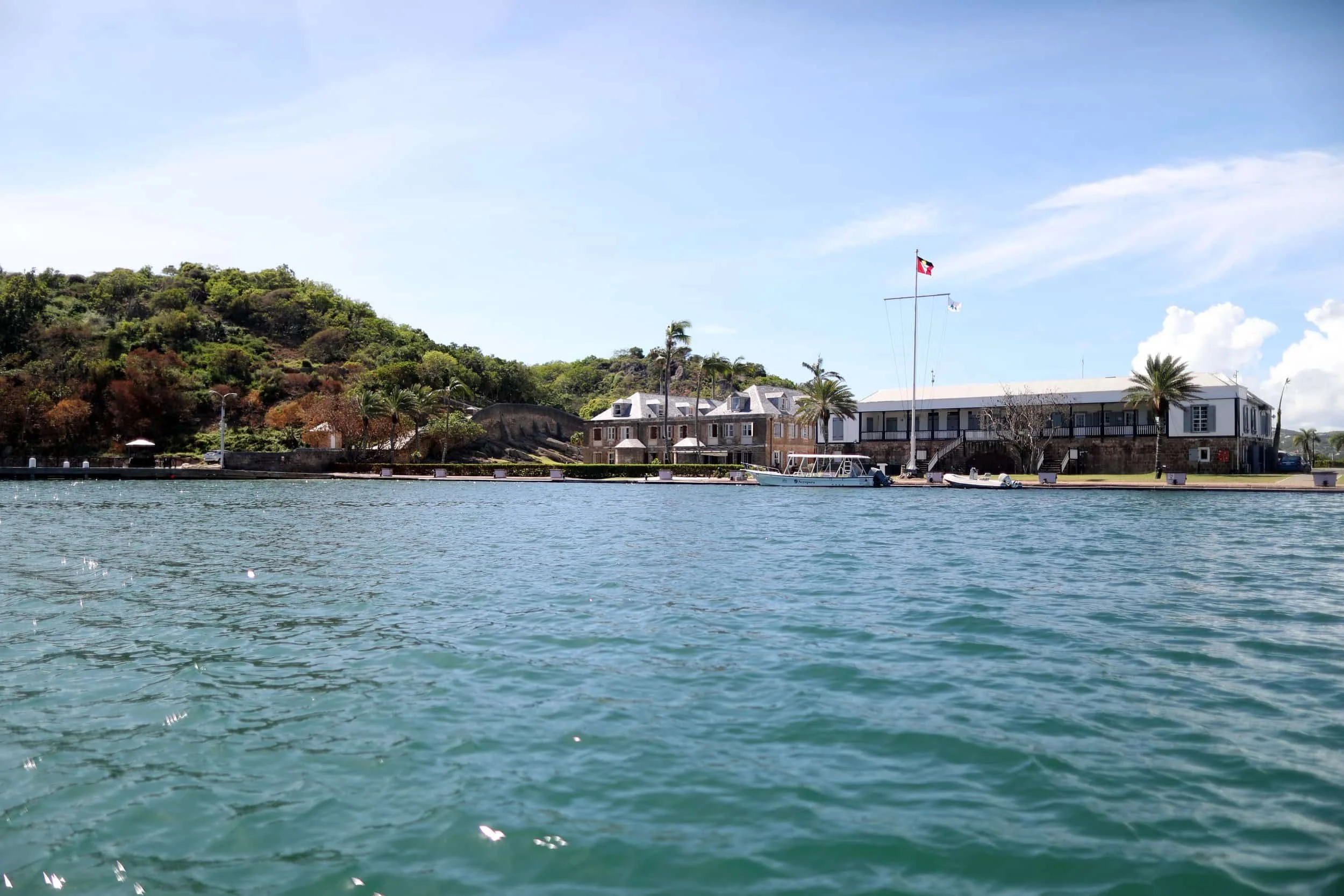
By the 18th century, Britain's interests in the Caribbean required secure places where naval ships could be maintained and supplied. English Harbour's protected location made it particularly well suited to that role.
What eventually became Nelson's Dockyard developed here as a working naval complex, with storehouses, workshops and facilities for maintaining Britain's Caribbean fleet.
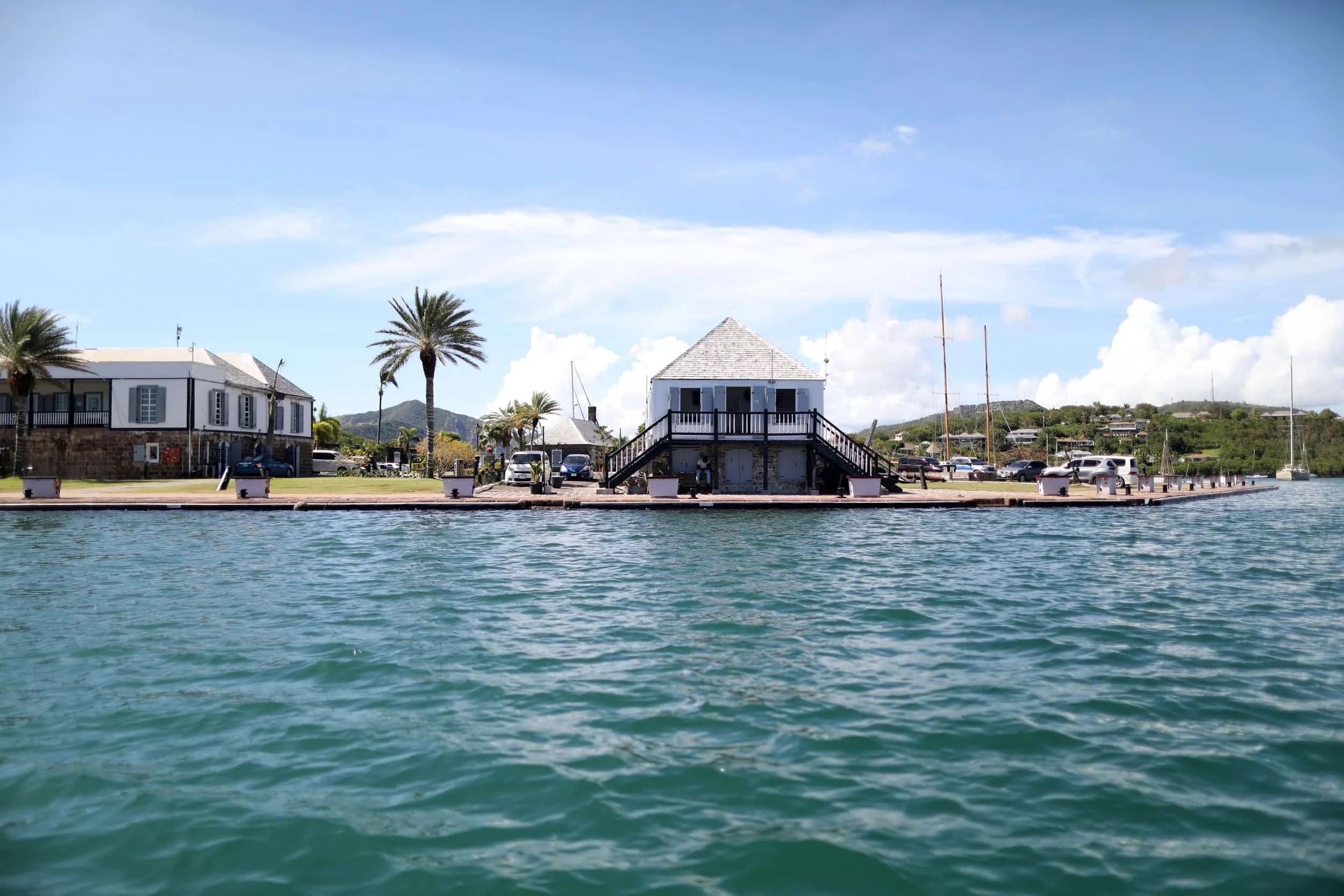
Why Is It Called Nelson’s Dockyard?
The Dockyard takes its modern name from Admiral Horatio Nelson, who served in Antigua in the 1780s while enforcing British maritime and trade laws in the Caribbean. His time here was relatively brief compared with the much longer history of the naval base but his association with English Harbour ultimately gave the site the name it carries today.
The restored Dockyard is now part of Nelson’s Dockyard National Park, preserving an important collection of Georgian-era naval buildings and Antigua's maritime history.
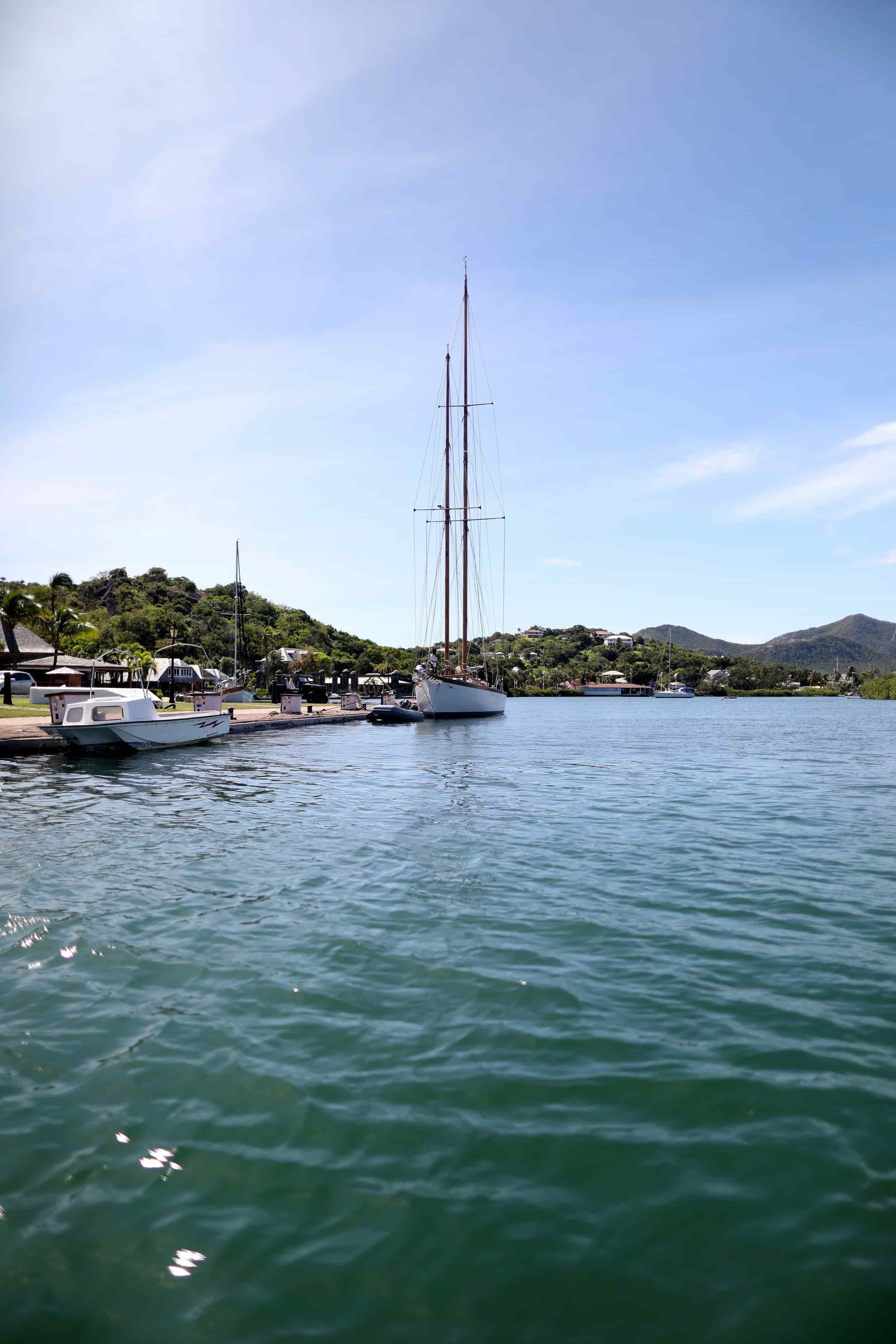
Seeing Nelson’s Dockyard From the Water
Our Xtreme Circumnav didn't bring us ashore here. Instead, we passed through English Harbour by boat while the captain pointed out different parts of the Dockyard from the water.
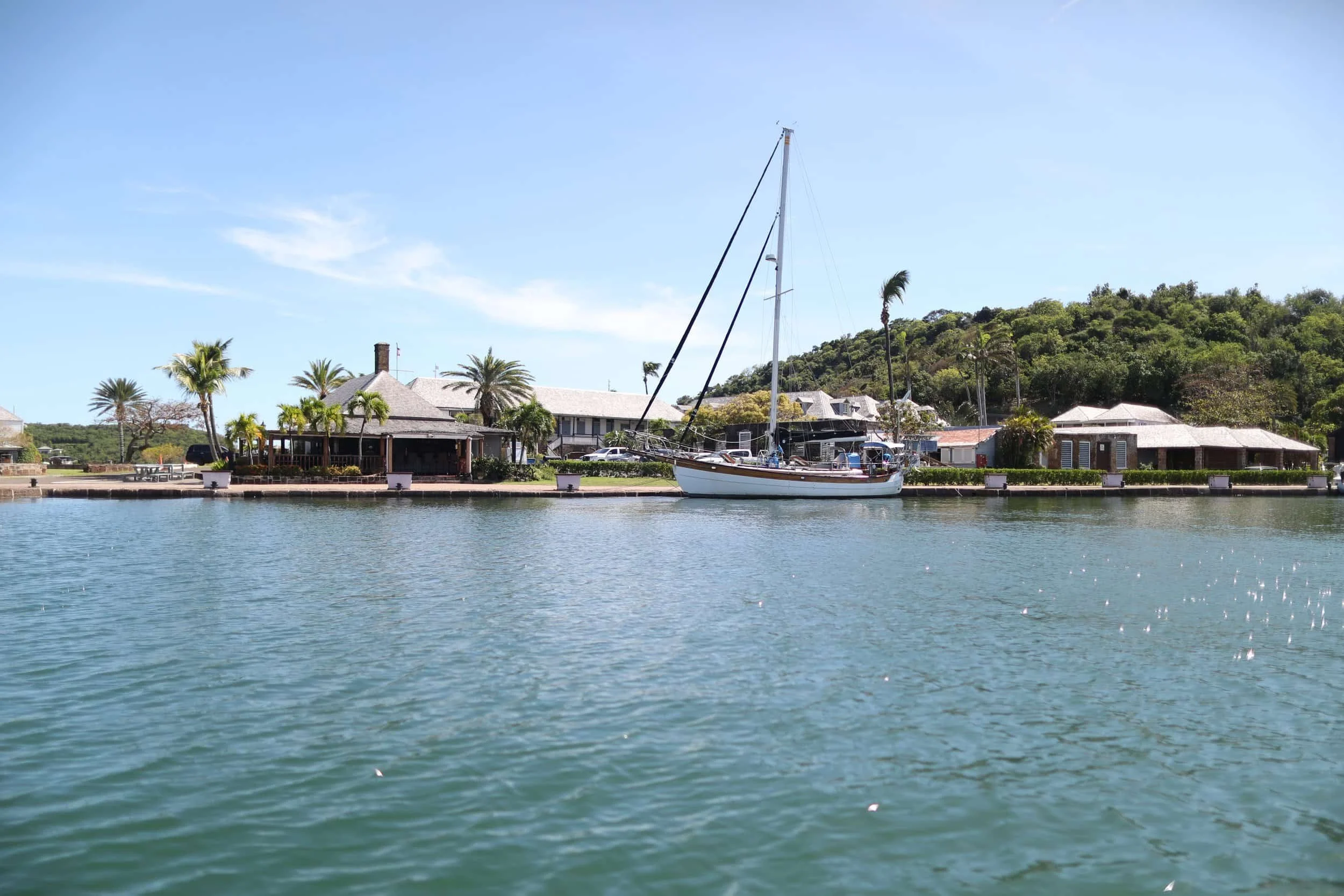
That perspective was one of the things I found most interesting about the stop. From the harbor, you can see the historic buildings gathered along the waterfront and understand their relationship to the water in a way that's less obvious when you're walking between them on land.
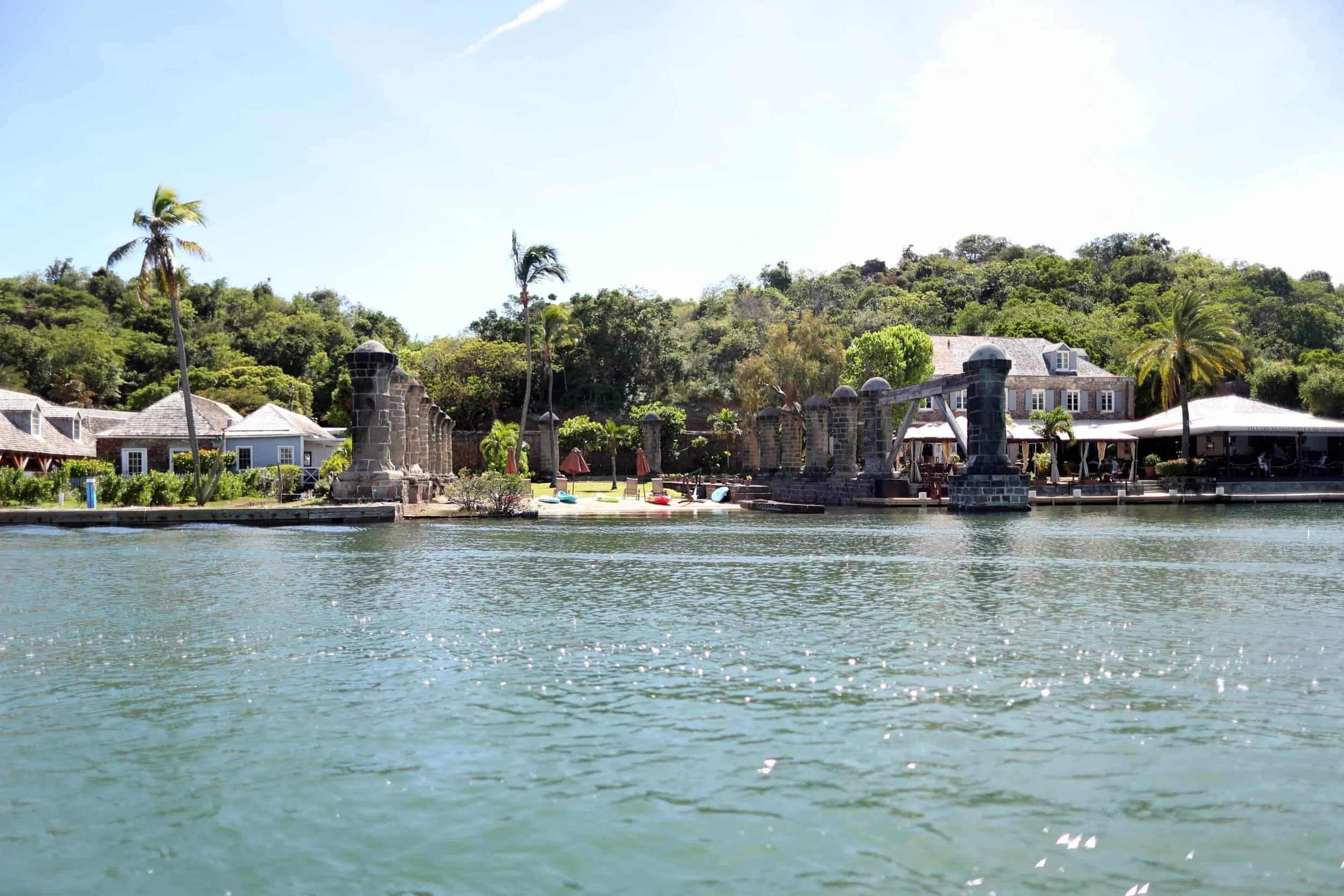
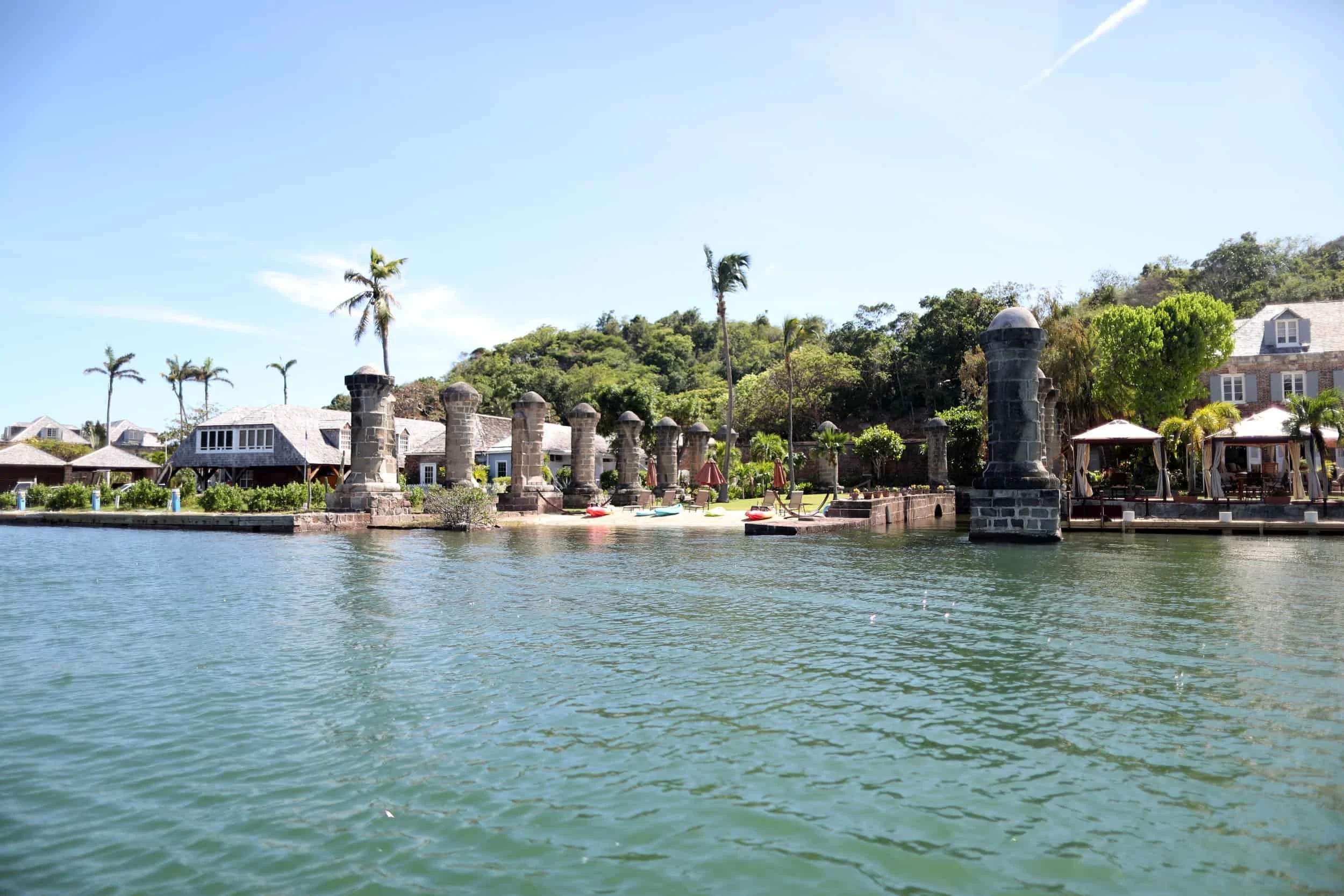
The captain explained how the harbor functioned as a working naval base, with different buildings supporting the repair, provisioning and operation of ships. Looking toward shore as we moved through the harbor, it was much easier to imagine why this particular location became so strategically important.
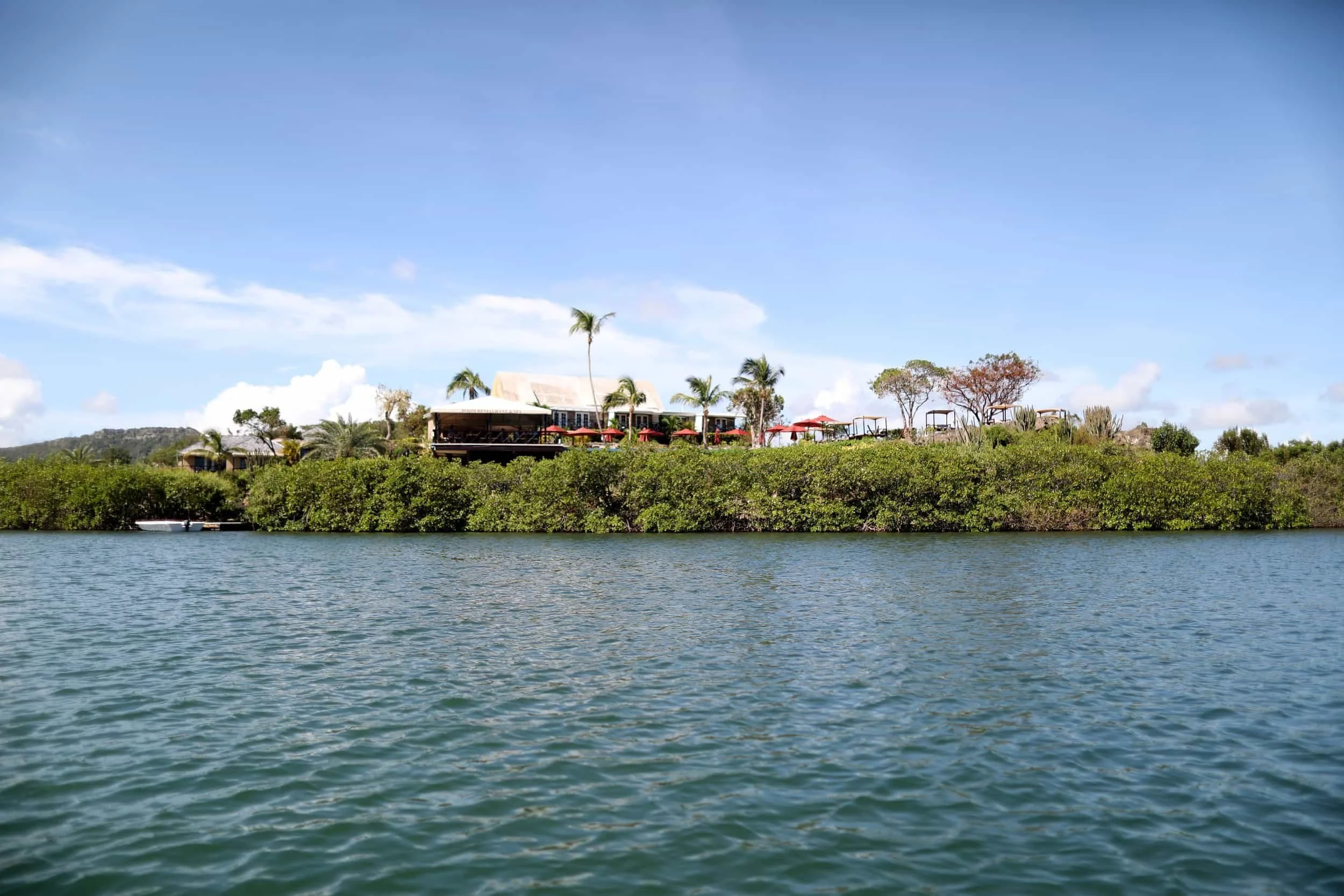
Today, Nelson's Dockyard has a very different life, with historic buildings, museums, restaurants and an active marina occupying the harbor. But arriving from the sea still reveals the fundamental reason the Dockyard exists at all: this is an exceptionally protected place to bring a ship.
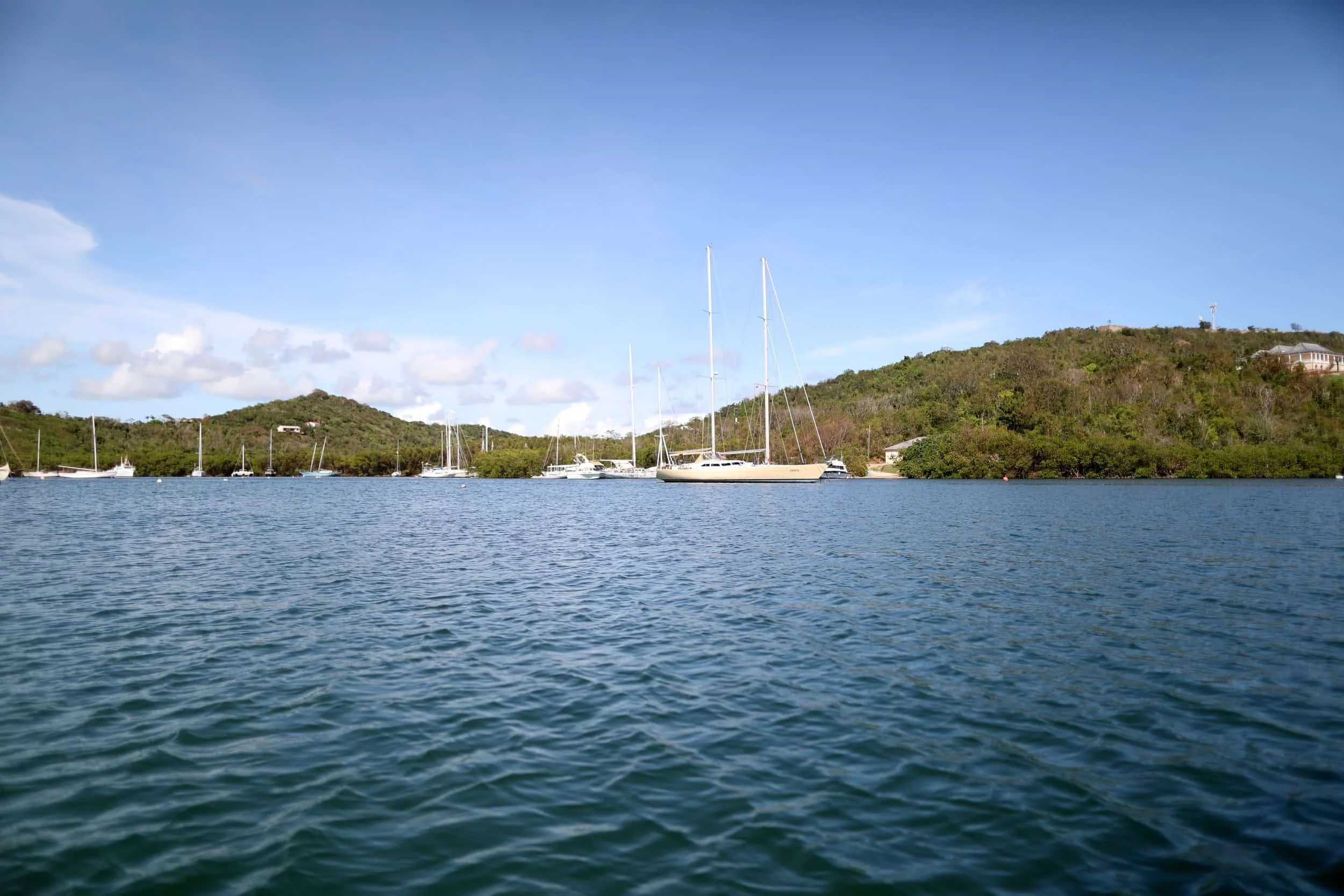
If Antigua's history or architecture interests you, I'd come back separately and explore Nelson's Dockyard on foot. The circumnavigation gives you a great introduction from the water but there's much more here than you can see from the boat.
Pillars of Hercules
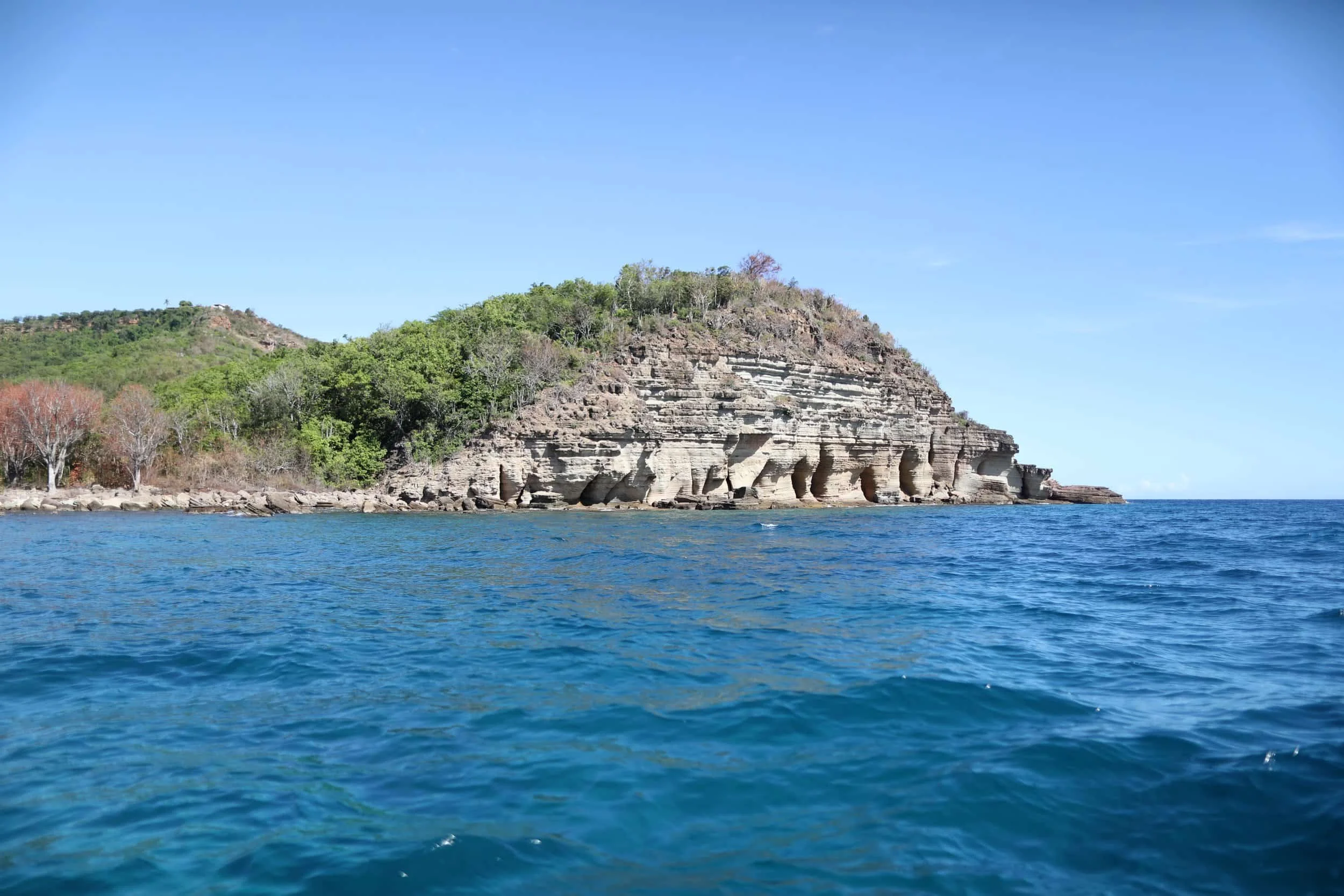
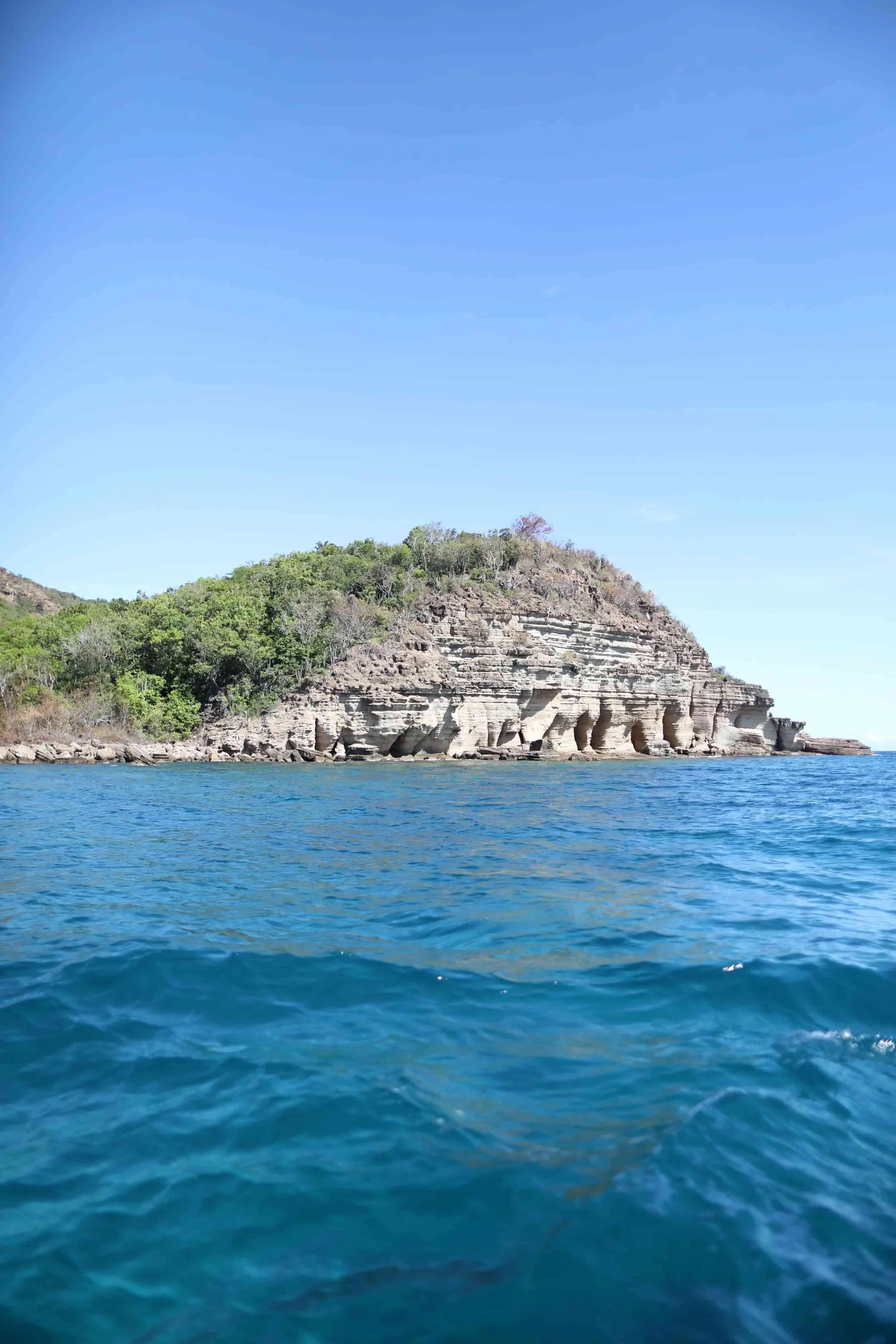
One of the most distinctive things to do on Antigua is see the Pillars of Hercules, a natural rock formation at the entrance to English Harbour. We approached them from the water as part of the Xtreme Circumnav, shortly after passing Nelson’s Dockyard.
From the boat, the name makes sense almost immediately. Years of erosion have carved deep vertical grooves into the rock face, creating a series of natural columns rising directly from the sea. Against the otherwise rugged coastline, the repeated lines are surprisingly architectural — one of those natural formations that looks almost constructed until you get closer.
You can see the Pillars of Hercules from land or water but approaching by boat gives you a particularly good view of their scale and relationship to English Harbour.
Snorkeling at the Pillars of Hercules
This was also our second snorkeling stop of the day. Rather than stepping onto a beach, we entered the open water from the boat and snorkeled near the rock formations.
What makes this area interesting underwater is the same thing that makes it striking above the surface: the geology. Rock continues beneath the water, creating ledges, crevices and changing depths where marine life can find shelter.
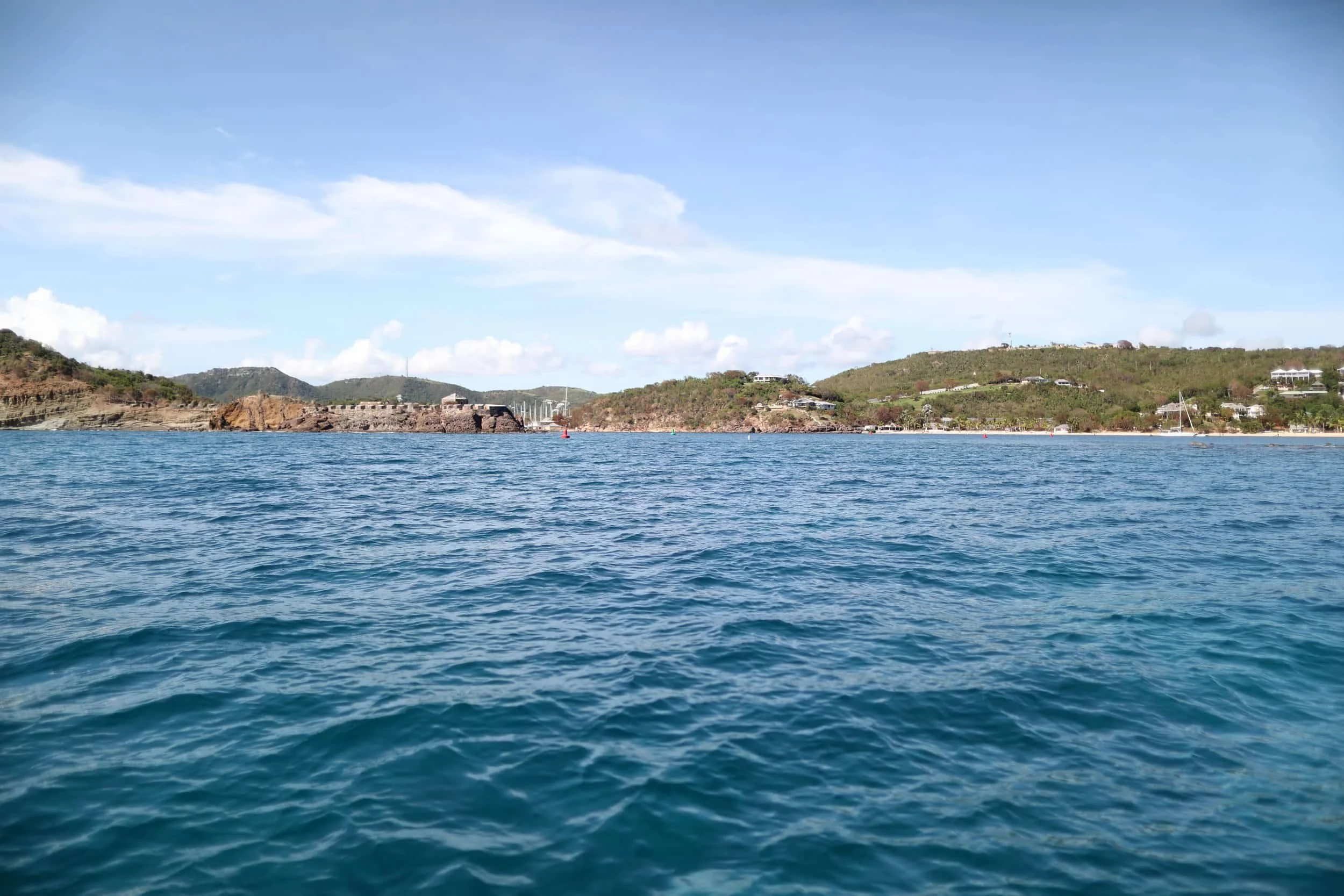
The water was open and deeper than at some of our earlier stops, so this felt like a different kind of swim. Instead of lingering in shallow water close to a beach, we were snorkeling with the coastline rising beside us and the boat nearby.
Conditions ultimately determine what you'll see. Reef fish and other marine life inhabit the rocky coastline around Antigua but snorkeling isn't an aquarium — and I think that's part of the appeal. You get in, look around and see what happens to be there that day.
⚠️ Good to Know | This is open-water snorkeling and currents and visibility can change with sea conditions. Stay within the area identified by your guides and return to the boat if you're uncomfortable with the conditions.
Seeing the Pillars From Land
You don't have to take a boat tour to see the formation. The Pillars of Hercules can also be reached on foot from the Galleon Beach area, making this another option if you're exploring English Harbour independently.
The coastal approach is rocky and exposed, so this isn't somewhere I'd treat like a casual viewpoint. Wear appropriate shoes, pay attention to sea conditions and avoid getting too close to the water when the surf is rough.
If you're already visiting Nelson's Dockyard, English Harbour or Shirley Heights, the Pillars are another way to see how much the geography of this part of Antigua has shaped both its natural landscape and its maritime history.
Rendezvous Beach
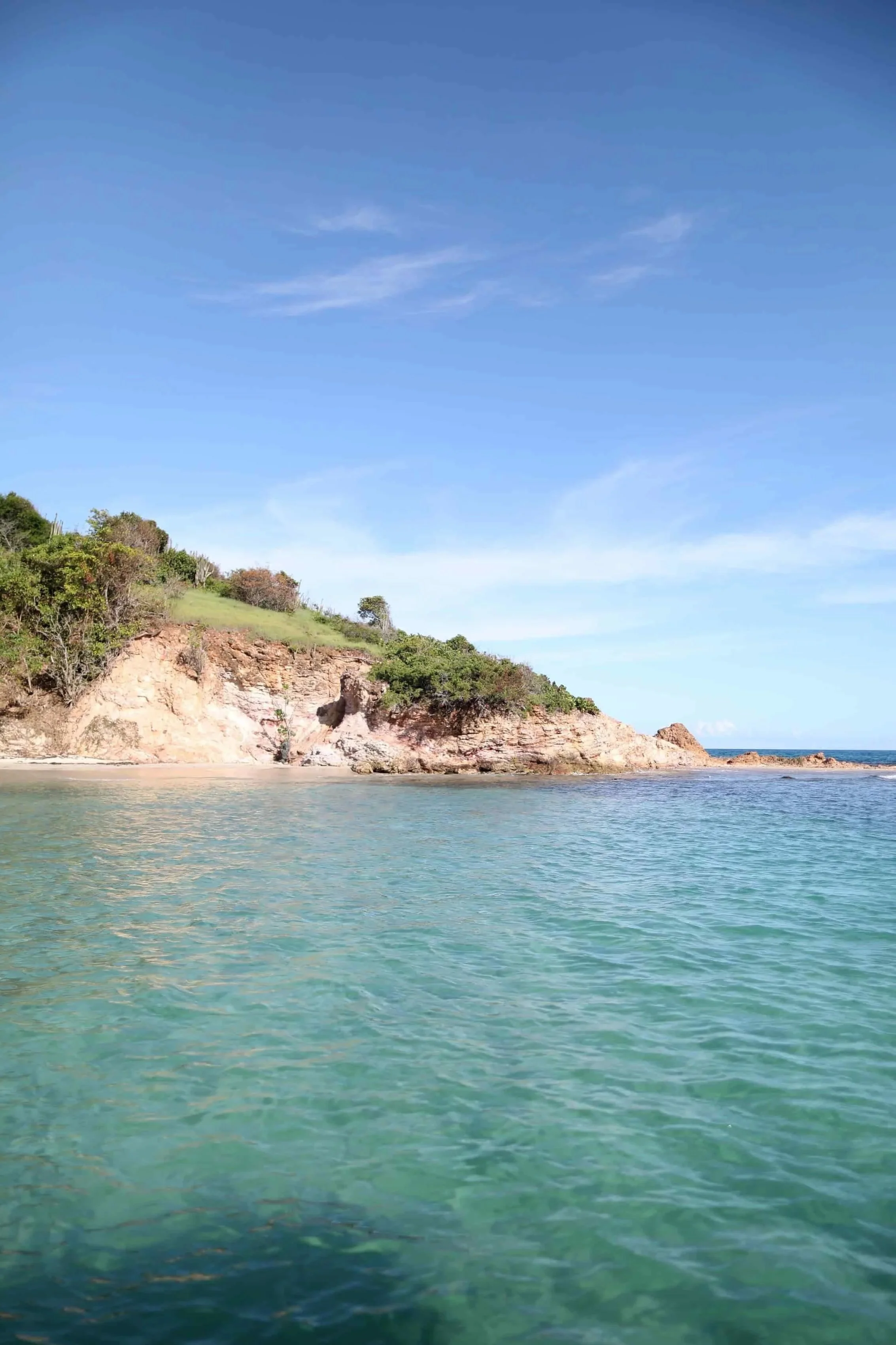
Our final beach stop was Rendezvous Beach, on Antigua’s south coast — and I was particularly happy to see this destination.
Earlier in the trip, I had actually tried to reach Rendezvous Beach by land and failed. I ended up lost on a series of bumpy roads without ever making it to the beach. It turns out that getting here is part of the challenge: Rendezvous is relatively isolated and is most easily reached by boat, although it can also be accessed on foot or by a rough overland route.
So when the beach appeared from the water during our circumnavigation, it felt a little like getting a second chance.
Arriving From the Water
The boat anchored offshore rather than pulling directly onto the beach. We jumped into the water and waded the rest of the way to shore, which was a pretty fitting way to arrive somewhere I'd had so much trouble reaching by land.
Our stop wasn't particularly long but we had enough time to swim, walk along the sand and take in the beach before heading back to the boat.
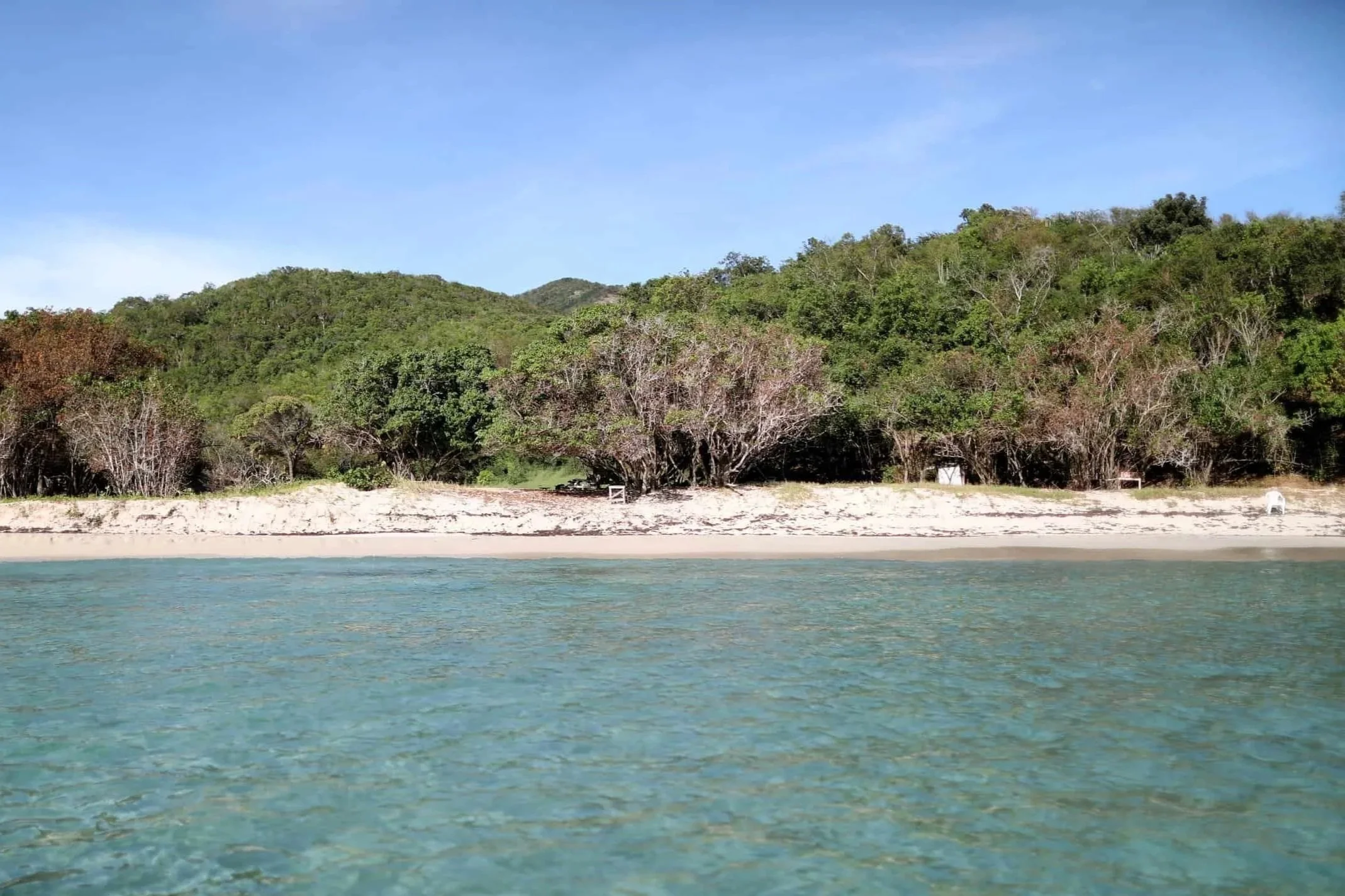
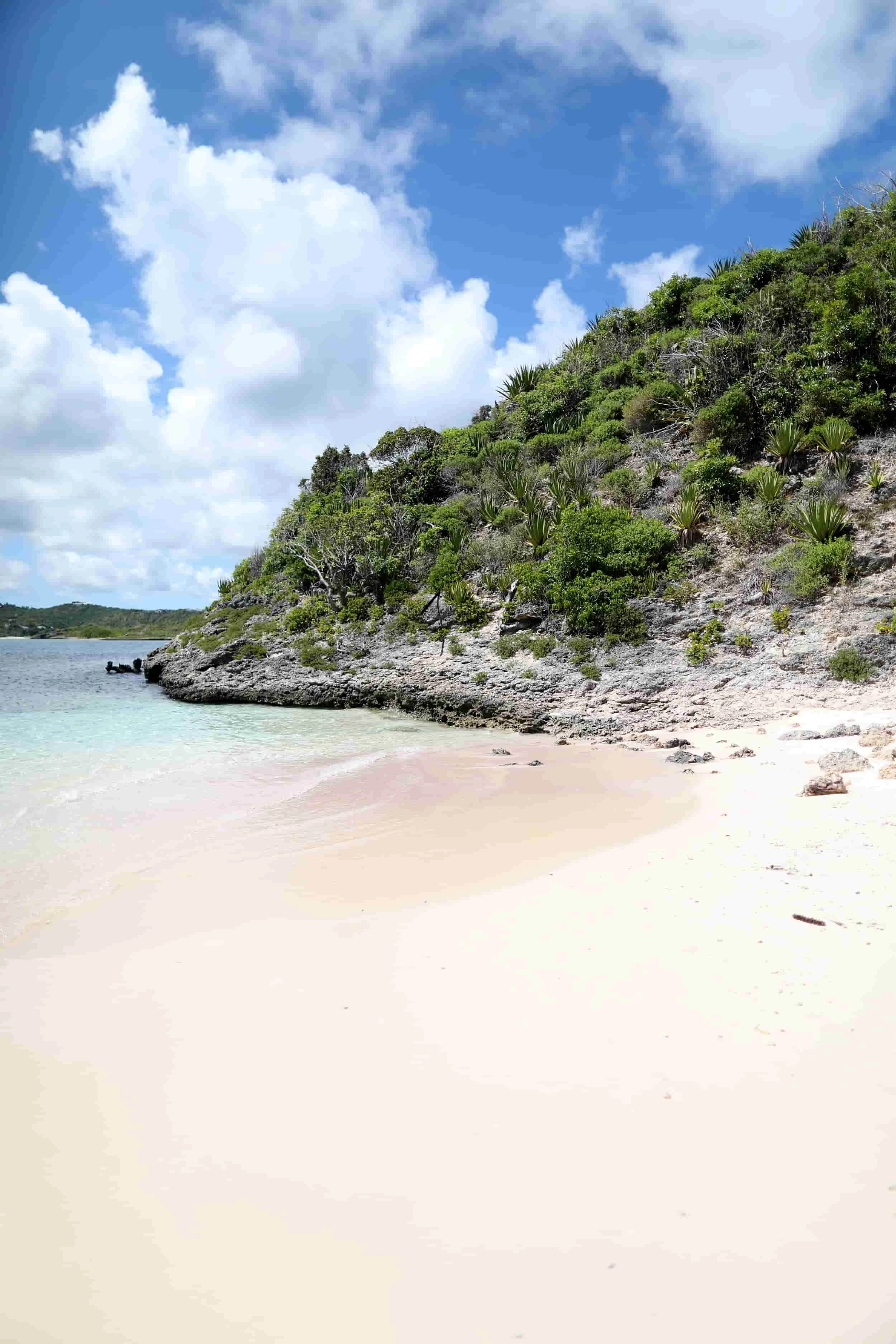
Rendezvous felt noticeably removed from Antigua's more developed beaches. There were no rows of resorts or beach bars around us — just the bay, surrounding hills and a stretch of sand that had been surprisingly difficult for me to find.
That made finally standing on it even better.
💡 Good to Know | Rendezvous Beach is relatively remote. If you're trying to visit independently, research your route before setting out rather than assuming your map will get you there easily. After my unsuccessful attempt by land, I'd choose the boat approach next time.
Cocktails & Banana Bread
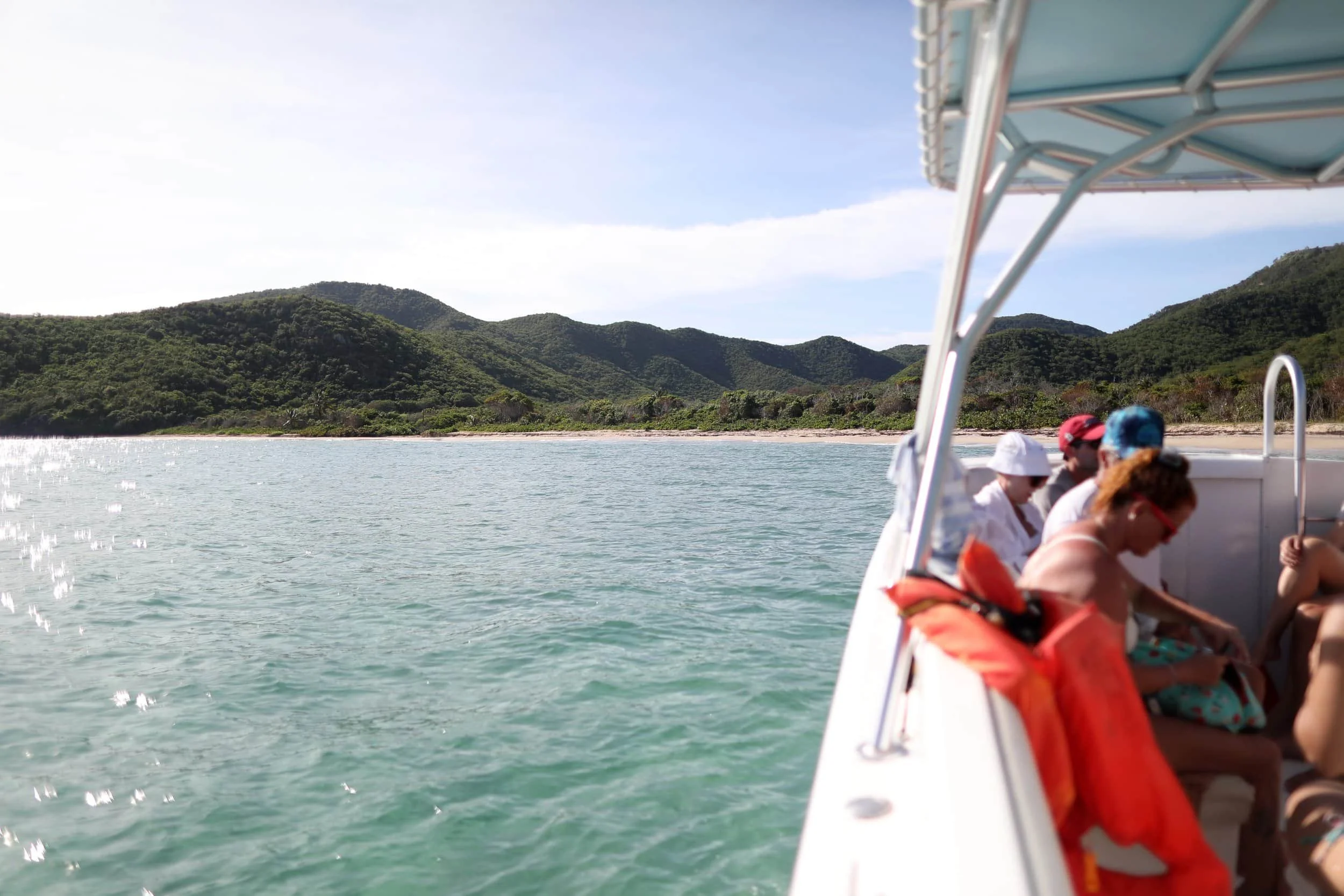
Once we waded back out and climbed aboard, the crew had another surprise waiting: a cocktail and banana bread.
After a full day of speeding around Antigua, swimming and climbing in and out of the boat, sitting down with a drink and a slice of banana bread was a pretty great way to start winding things down.
Nothing elaborate was needed. We had finally made it to Rendezvous Beach, I had a cocktail in hand, there was banana bread — and we still had the ride back along Antigua's coastline ahead of us.
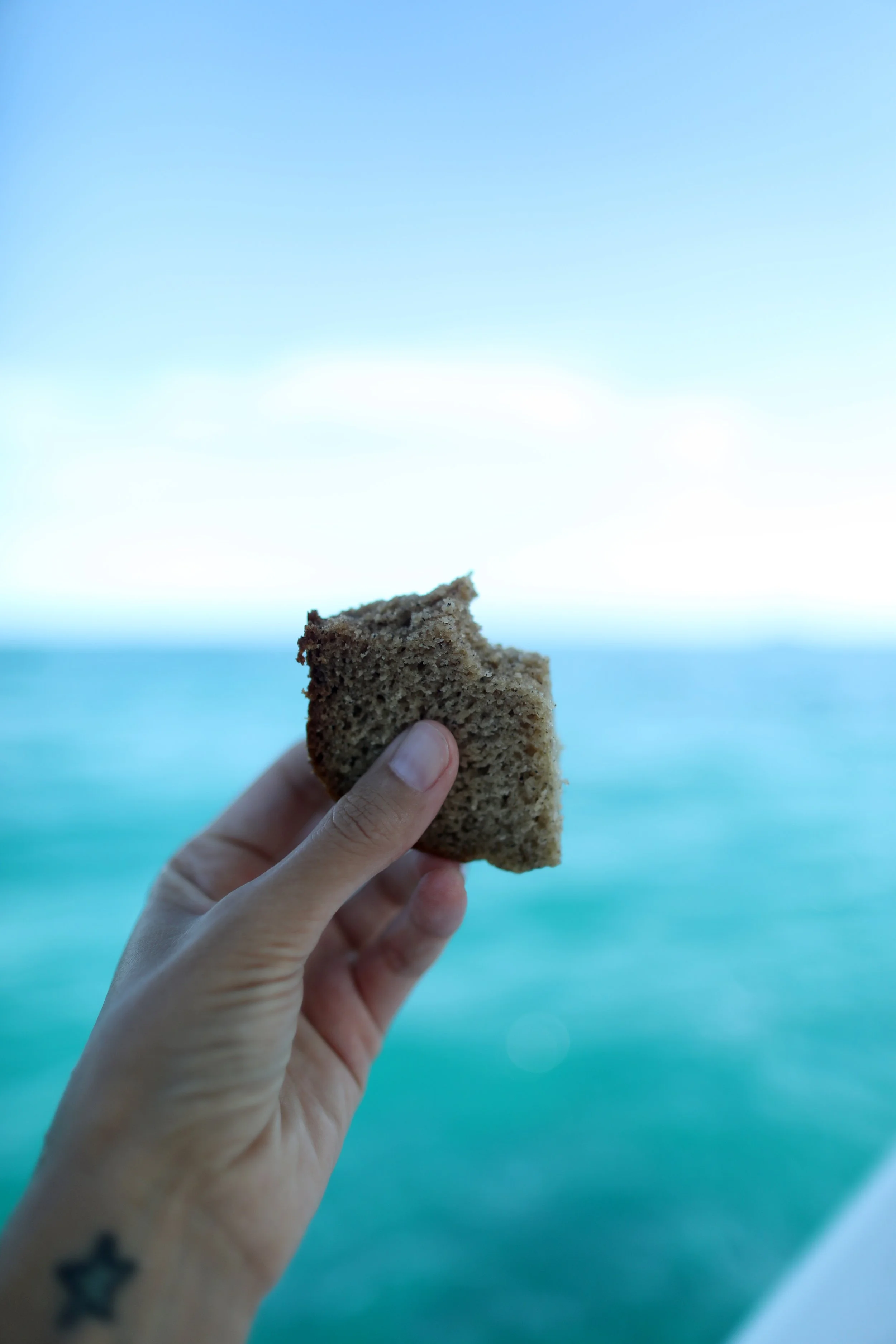
One Last Look at Antigua
As we left Rendezvous behind, the day finally started to feel like it was coming to an end. By then we'd seen Antigua from beaches, open water, protected harbors and snorkeling stops, covering far more of the coastline than I could have experienced from land in a single day.
For all the individual stops, that broader perspective was what I liked most about circumnavigating the island. Places I'd visited — or unsuccessfully tried to visit — suddenly connected when seen from the water.
If you're looking for things to do on Antigua that go beyond choosing a single beach for the day, seeing the island this way gives you a completely different sense of its coastline.
My Bibimbap Moment
Every destination adds another ingredient to our life's recipe, sometimes through the moments we expect and sometimes through the ones that make us pause. Circumnavigating Antigua by speedboat was everything I imagined a Caribbean day could be — warm sunshine, turquoise water, hidden beaches, snorkeling and plenty of time in the sea. But one experience left me thinking a little more deeply about how we interact with the places and wildlife we travel so far to see. Here's the ingredient Antigua added to my Bibimbap Life.
Today’s Bibimbap Recipe
🥢 Flavor: Sun-soaked
🌿 Ingredient: Awareness
❤️ Best Memory: Finally reaching Rendezvous Beach
🎒 Take With You: Good intentions don't always tell the whole story. Sometimes learning more means looking back at an experience differently — and carrying that new understanding forward.
When I think back on that day around Antigua, I remember the exhilaration of speeding across the water, the brilliant Caribbean sun, swimming in quiet coves and the generosity of a homemade slice of banana bread at the end. But I also remember the stingrays and the uneasy feeling that came later when I understood more about those interactions. Both memories belong to the day. Travel isn't always a perfectly polished collection of beautiful moments; sometimes it's a little messier and the things we learn afterward become part of the story too. I'm grateful I know more now than I did then.
Antigua Travel Essentials
Adventure Antigua’s Xtreme Circumnav is a full-day trip around Antigua, combining time on the water with snorkeling, beaches, coastal scenery and stops around the island. It’s a long, active day, so knowing what to bring, what to expect and how the different stops work will make the experience much easier to plan.
One important note before booking: the tour I took included an interactive stingray experience. While I participated at the time, my perspective on wildlife tourism has evolved. I no longer support experiences that rely on feeding, touching or otherwise altering the natural behavior of wild animals, and I encourage travelers to consider those practices when deciding which activities feel right for them.
When to Go
Antigua is warm year-round but December through April is generally the easiest time to plan a full-day boat trip like the Xtreme Circumnav, with drier weather and typically more favorable conditions for swimming and snorkeling.
High Season (Dec–Apr) | Drier weather and lower humidity make this a popular time to visit Antigua and get out on the water. It's also the busiest and most expensive season, so book the Xtreme Circumnav ahead if it's a priority.
Shoulder Season (May–Jun) | A good compromise between weather and crowds, with warm water and fewer visitors. Rain becomes more likely as the season progresses, so keep some flexibility in your plans.
Wetter Season (Jul–Nov) | Expect higher humidity, more frequent rain and a greater chance of tropical storms or hurricanes. Tours may still operate but wind and sea conditions can affect the route or lead to cancellations, so avoid making a boat excursion the one immovable part of your itinerary.
For the Xtreme Circumnav | Regardless of season, check the forecast and current tour status close to departure. This is a full circumnavigation by powerboat, so conditions around Antigua can matter even when the weather looks perfectly good from your hotel.
What to Bring
The Xtreme Circumnav is a full day on and around the water, so pack light but expect to get wet. Sun exposure is also much stronger when you're spending hours out on the boat.
Swimsuit | Wear it rather than packing it — you'll have opportunities to swim and snorkel throughout the day.
Towel | Bring something lightweight and quick-drying that won't take up much room in your bag.
Reef-Conscious Sun Protection | Pack sunscreen along with a hat and sunglasses. A lightweight rash guard or UPF shirt is especially useful for extra coverage during a long day on the water.
Wet-Friendly Shoes | Flip-flops, sandals or other shoes you don't mind getting wet are the most practical choice for getting on and off the boat.
Reusable Water Bottle | Bring your own bottle or cup to cut down on disposable plastic and keep it handy throughout the day.
Small Dry Bag | Useful for protecting your phone, camera, wallet and anything else you don't want getting splashed.
Motion-Sickness Medication | The Xtreme Circumnav uses a powerboat and conditions can vary around the island. If you're susceptible to seasickness, bring whatever works for you and take it before you're already feeling unwell.
Snorkel Gear — Optional | Gear was provided when I took the tour but you can bring your own mask and snorkel if you prefer using equipment you're already comfortable with.
Good to Know | Lunch, drinks and snorkeling equipment were included on my tour, so you don't need to bring much food or gear of your own. Confirm current inclusions with Adventure Antigua before setting out, as tour details can change.
How to Get There
Getting to Antigua is relatively straightforward and once you're on the island, you'll need to make your way to Jolly Harbour for the Xtreme Circumnav departure.
Getting to Antigua | Fly into V.C. Bird International Airport (ANU), Antigua’s main international airport. Direct and connecting flights link the island with the United States, Canada, the UK and other Caribbean destinations.
Getting to the Xtreme Circumnav | Adventure Antigua’s Xtreme Circumnav departs from Jolly Harbour on the west coast of the island. Depending on where you're staying, you can get there by rental car or taxi. If you're arranging a taxi, make sure your driver knows you're heading to the Adventure Antigua departure point rather than simply Jolly Harbour.
Driving Yourself | I had a rental car in Antigua, which gave me the flexibility to get to Jolly Harbour independently and continue exploring the island on my own schedule. Allow a little extra time to find the correct meeting point once you arrive at the marina.
Tour Transfers | Check with Adventure Antigua when booking to see whether pickup or transfer options are available from your accommodation. Meeting points and transportation arrangements can change, so confirm the latest instructions directly before your tour.
Good to Know | Treat the Xtreme Circumnav as a full-day outing and arrive with plenty of time before departure. Antigua's roads can take longer than expected, particularly if you're coming from the opposite side of the island.
Where to Stay
Where you stay in Antigua can make a noticeable difference in how much time you spend getting around the island. For this particular experience, Jolly Harbour is especially convenient because the Xtreme Circumnav departs from here but English Harbour, Dickenson Bay and the quieter west and south coasts each offer a very different kind of stay.
Jolly Harbour | The most convenient choice for the Xtreme Circumnav and a good all-around base on Antigua’s west coast. You'll have beaches, restaurants, shops and the marina nearby, with Jolly Beach just outside the harbor.
English Harbour & Nelson’s Dockyard | My pick if you want more history and character. This part of the island combines restored historic architecture, sailing culture, restaurants and easy access to Nelson’s Dockyard and Shirley Heights. You'll have farther to travel for the Xtreme Circumnav but there's more here to explore beyond the beach.
Dickenson Bay | A good choice if you want a traditional beach stay with plenty of resorts, restaurants and water activities nearby. It's convenient to St. John's and the airport but farther from Jolly Harbour.
West & South Coasts | Best if your priority is a quieter beach escape rather than having everything within walking distance. You'll find smaller coves, resorts and more secluded stays scattered along the coast but having a rental car or arranging taxis makes exploring considerably easier.
Where I Stayed
For a Barefoot Beach Escape — Conch Beach Cabins
I stayed at Conch Beach Cabins, a small collection of rustic wooden cabins directly on Turners Beach on Antigua’s southwest coast. This is the kind of Caribbean stay I love — simple, intimate and connected to where you are, with the beach just steps from your door rather than somewhere beyond a sprawling resort.
The cabins have outdoor rain showers, private loungers and breakfast included next door but no TVs — which feels pretty appropriate when this is your view. The southwest coast also put me within relatively easy reach of Jolly Harbour for the Xtreme Circumnav.
Where I’d Stay
If Conch Beach Cabins isn’t quite what you’re looking for, these are a couple of smaller Antigua properties that caught my eye. I’d choose less by traditional hotel amenities and more by which part of the island you want to come home to.
For a Quiet Beach Cottage — Galleon Beach Resort
Near English Harbour, Galleon Beach Resort offers individual cottages along Galleon Beach. I like that it combines the privacy and relaxed feeling of a vacation rental with easy access to the restaurants, history and sailing culture around English Harbour. With snorkeling just offshore, it’s especially appealing if you want more time in the water.
For an Easy Beachfront Base — Buccaneer Beach Club
On Dickenson Bay, Buccaneer Beach Club is a small property with suites and cottages set among tropical gardens. Kitchenettes, direct beach access and a pool give you a little more independence than a traditional resort, making this a good option if you want the convenience of the northwest coast without staying at one of Antigua’s larger properties.
Additional Options
Prefer a Place of Your Own?
A vacation rental is another good way to stay in Antigua, especially if you prefer having more space or want to choose your base around a particular beach or part of the island. Apartments, cottages and small homes are scattered across Antigua, so it’s worth comparing rentals alongside the smaller hotels.
Browse all vacation rentals in Antigua →
For History & Character — Admiral’s Inn and Gunpowder Suites
If I were going to splurge a little more, Admiral’s Inn and Gunpowder Suites would be high on my list. Set within Nelson’s Dockyard, the property occupies restored historic buildings around the harbour, combining architectural character with gardens, waterfront views, restaurants and a pool. This is the one I’d choose if where you stay is part of the Antigua experience, rather than simply somewhere to sleep.
How to Get Around
Antigua is relatively small but beaches, towns and attractions are spread across the island, and getting between them can take longer than the distance suggests. For this trip, having a rental car gave us the most flexibility, including getting ourselves to Jolly Harbour for the Xtreme Circumnav.
Rental Car | The best option if you want to explore independently. Driving is on the left side of the road and some smaller roads can be narrow, uneven or potholed. You don't necessarily need an SUV but a vehicle you're comfortable driving on less-than-perfect roads is helpful.
Taxis | A good alternative if you don't want to drive. Taxis are readily used for airport transfers, beaches and getting between different parts of the island. If you're using one to reach the Xtreme Circumnav, arrange your ride to Jolly Harbour with enough time before departure.
Public Buses | Local minibuses connect St. John's with many towns and villages and can be an inexpensive way to get around but they're less practical when you have a specific tour departure time or want to explore several places in one day.
For the Xtreme Circumnav | We drove ourselves to Jolly Harbour. If you're staying elsewhere on Antigua, check the distance to the marina before tour day and confirm your meeting point and departure time in advance.
How Long to Stay
The Xtreme Circumnav is a full-day experience, so plan for it to be your main activity that day. Between the boat ride, snorkeling, swimming and stops around the island, I wouldn’t schedule anything significant afterward.
For Antigua itself, I’d give yourself at least four to five days, especially if you want to combine the tour with beaches, English Harbour, Nelson’s Dockyard and some of the island’s smaller experiences without rushing.
3 Days | Enough for a quick introduction, with one full day dedicated to the Xtreme Circumnav and the remaining time for a beach and a few highlights.
4–5 Days | The sweet spot for a first visit. You can devote a day to the boat tour while still having time to explore different parts of the island and leave some room for slower beach days.
1 Week | Best if you want Antigua to actually feel like a Caribbean escape rather than an itinerary to work through. You'll have time for the Xtreme Circumnav, other experiences and plenty of unplanned time by the water.
My Take | Don't put the Xtreme Circumnav on your arrival or departure day. It's a long day on the water and leaving a little flexibility also gives you more room if weather or sea conditions affect your plans.
Tours & Day Trips
The Xtreme Circumnav gives you a full day on the water but Antigua is worth exploring from land, too. If you have a few extra days, consider adding an experience that shows you a different side of the island — its history, food, landscapes or marine life.
Wildlife & Stingray Experiences
Antigua is known for its stingray encounters, including experiences where visitors can swim alongside southern stingrays in shallow water. I participated in one of these encounters when I visited but my perspective on wildlife tourism has changed since then.
Today, I look for wildlife experiences centered on observing animals in their natural environment rather than feeding, touching, handling or encouraging interaction for photographs. If you're considering a stingray experience, I'd ask how the animals are approached and whether their natural behavior is altered as part of the encounter.
For something less interactive, look for wildlife-focused snorkeling or marine tours where the experience is about observing what you encounter rather than guaranteeing contact with a particular animal.
Browse Antigua snorkeling & marine tours →
Beyond the Water
Nelson's Dockyard & English Harbour | A guided history or walking tour is a great complement to a day at sea, particularly if you're interested in Antigua's architecture and maritime history. Nelson's Dockyard, English Harbour and nearby Shirley Heights can easily fill much of a day.
Island Tours | If you don't have a rental car, an organized island tour can be an easy way to connect Antigua's historic sites, viewpoints, villages and beaches without worrying about navigating the roads yourself.
Hiking & Nature | Antigua has trails ranging from relatively easy coastal walks to more challenging hikes through the island's hills. A local guide can add context about the landscape, plants and history while taking some of the guesswork out of finding the right trail.
Food & Culture | Market visits, food tours and cooking experiences are another way to get beyond the beach. These are especially worth considering if you want to learn more about Antiguan ingredients and everyday culture rather than adding another sightseeing stop.
Snorkeling & Marine Tours | If one day on the water isn't enough, smaller snorkeling excursions let you spend more time around individual reefs and bays rather than circumnavigating the entire island. Look for operators that discourage touching coral, feeding wildlife or otherwise interfering with marine life.
Explore more Antigua tours & experiences →
Before You Book
For wildlife and marine experiences in particular, I pay more attention now to how the experience is run, not simply what animals or places a tour promises you'll see. Smaller groups, knowledgeable local guides and an emphasis on observation over interaction are all things I'd look for.
For any tour, confirm where it departs, whether transportation is included and how much time you actually need. Antigua isn't huge but getting across the island can take longer than the map suggests.
⚠️ Good to Know | For more information on Antigua and Barbuda’s sustainable tourism development, take a look at the island’s Green Initiatives. The site is also a treasure trove of information for all things Antigua and Barbuda.
If you’d like to support local agencies, browse tours here — Adventure Antigua, Dive Caribe and Scooter Snorkeling.
Good to Know
A few practical details are worth knowing before spending the day on the water — or exploring more of Antigua around your tour.
Drive on the Left | Antigua follows left-hand traffic. Give yourself a little time to adjust if you're accustomed to driving on the right, particularly on smaller roads and at intersections.
Bring Some Cash | The official currency is the Eastern Caribbean dollar (XCD), although US dollars are also commonly accepted. Cards are useful in many places but having some local currency or small bills on hand is helpful for smaller businesses and purchases.
Reduce Single-Use Plastics | Antigua and Barbuda has introduced restrictions on several single-use plastic and Styrofoam products. A reusable water bottle and tote bag are easy additions to your packing list and useful throughout the trip.
Cover Up Away From the Beach | Swimwear is fine at the beach or on the boat but throw on a cover-up or regular clothing before heading into towns, shops and restaurants. It’s an easy way to be respectful of the setting beyond the resort areas.
Give Yourself More Time Than the Map Suggests | Antigua may look compact but winding roads and local traffic can make journeys slower than expected. This is particularly important on tour day — you don't want to be racing across the island for a boat departure.
Boat Plans Depend on Conditions | Weather on land doesn't always tell you what conditions will be like around the entire island. Because the Xtreme Circumnav spends a full day on the water, wind and sea conditions can affect the experience, route or schedule. Confirm the tour is operating as planned before heading to Jolly Harbour.
A Note on Wildlife Encounters
My approach to wildlife tourism has changed since this trip. I participated in the stingray encounter included in my tour at the time but today I choose experiences that allow animals to behave naturally — without feeding, touching, handling or pursuing them for an interaction or photograph.
Travel gives us the opportunity to see wildlife in extraordinary places but access doesn't always mean interaction. When I book now, I look for experiences built around observation, education and respect for the animal's natural behavior.
Wondering what to do in Antigua? Wander Antigua’s sanctuaries where wise tortoises and calm donkeys graze beneath palms. Meet, learn and support the animals.