El Tatio Geysers: Exploring Atacama Chile at Sunrise
Discover the otherworldly beauty of El Tatio Geysers in Atacama Chile, where rising steam, geothermal wonders and a dramatic Andean sunrise make for an unforgettable adventure.
Updated | October 2026
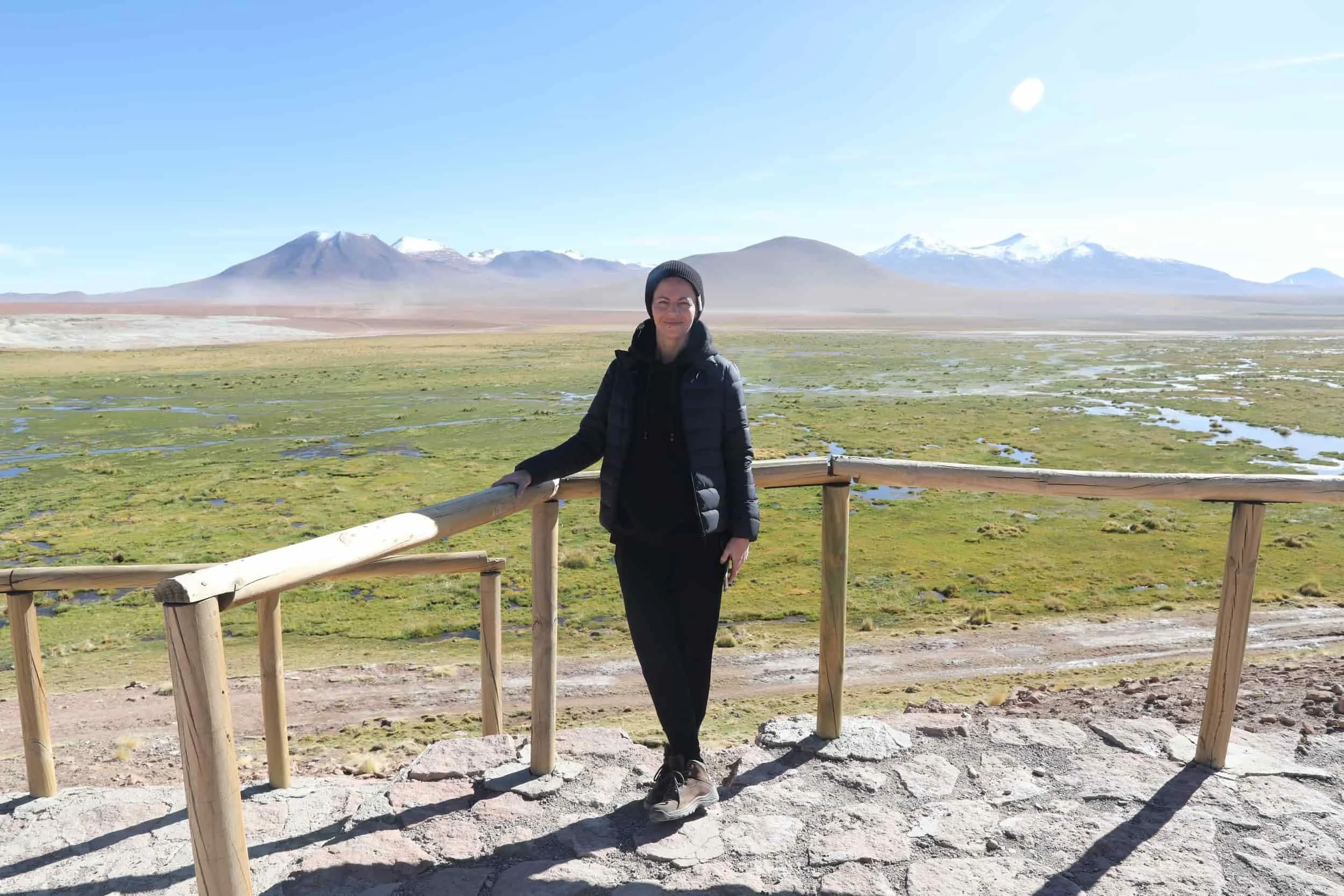
Why Visit El Tatio: Sunrise Steam & Otherworldly Landscapes
There are few places quite like El Tatio Geysers, where the earth seems to come alive beneath a vast Andean sky. Hidden high in the mountains of Atacama Chile, roughly 55 miles (90 km) from San Pedro de Atacama, this extraordinary geothermal field is a landscape of contrasts — freezing mountain air, boiling water and clouds of steam rising from the rugged desert floor.
Arriving before sunrise is part of the magic. As the first light spills across the mountains, dozens of steaming vents hiss, bubble and erupt against the cold morning air, creating an almost surreal atmosphere. The landscape shifts with every passing minute, from shadowy silhouettes to golden light filtering through the steam. It's a raw, beautiful reminder of the powerful forces shaping our planet and one of the most memorable experiences you can have in the Atacama Desert.
At a Glance
📍 Destination: El Tatio Geysers, Atacama Chile
🕒 Time Needed: Half-day tour (6–7 hours)
💰 Budget: CLP 40,000–75,000 ($45–$80 USD) per person
👟 Walking Level: Easy to moderate
🌤️ Best Season: Year-round (April–October for dramatic steam)
🌄 Don't Miss: Sunrise over the steaming geyser field
🖤 Perfect For: Nature lovers and curious adventurers
My Bibimbap Moment
This experience added: Fascination.
Some places are so extraordinary that simply seeing them isn't enough. You want to understand how they work, what created them and why they exist. El Tatio Geysers was one of those places for me. Walking among clouds of steam as the sun rose over the Andes, watching the earth bubble and hiss beneath my feet, I was completely captivated by the landscape and the powerful forces shaping it. Pure fascination.
Our guide's infectious enthusiasm made the experience even more memorable, turning an already incredible sunrise into a morning of discovery. And with beautiful stops and a wonderful meal along the way, the entire excursion became one of my favorite experiences in Chile.
My Two-Week Chile Travel Itinerary
Two weeks in Chile took us from the energy of Santiago to the surreal landscapes of the Atacama Desert and the wild beauty of Patagonia. With eight flights, countless road transfers and a few ferry rides, it was an ambitious itinerary but the incredible diversity of landscapes made every journey worthwhile.
We began in Santiago, exploring its restaurants, art and wine culture before flying north to San Pedro de Atacama. Here, we spent several days discovering the desert's extraordinary landscapes, from the salt flats of Chaxa Lagoon and the red rock formations of Piedras Rojas to the brilliant blue Altiplanic lagoons. We watched the sunrise among the steaming El Tatio Geysers, explored the lunar terrain of Valle de la Luna and experienced an unforgettable night of stargazing beneath the Atacama sky.
From the desert, we traveled south through Punta Arenas and into Torres del Paine National Park, where we stayed within the park surrounded by dramatic peaks, waterfalls and glaciers. Our final destination was Chiloé Island, with its colorful coastal villages, distinctive wooden churches and rich cultural traditions providing a beautiful contrast to the landscapes we'd experienced along the way.
Our route: Santiago → San Pedro de Atacama → Punta Arenas → Torres del Paine → Chiloé Island
Explore
Here’s where the journey will take us.
01 | El Tatio Geysers Tour
02 | When to Go
03 | How to Get There
04 | Where to Stay
05 | How to Get Around
06 | How Long to Stay
07 | Tours & Day Trips
08 | What to Bring
09 | Good to Know
Day Trips | Flamingos in Pink, Rusty Red Rocks & the Sapphire Lagoons of the Atacama, San Pedro de Atacama Desert Tours: Valle de la Luna & Stargazing Magic in the Atacama
Explore More | San Pedro de Atacama’s Serene Desert Magic
El Tatio: Where the Earth Comes Alive
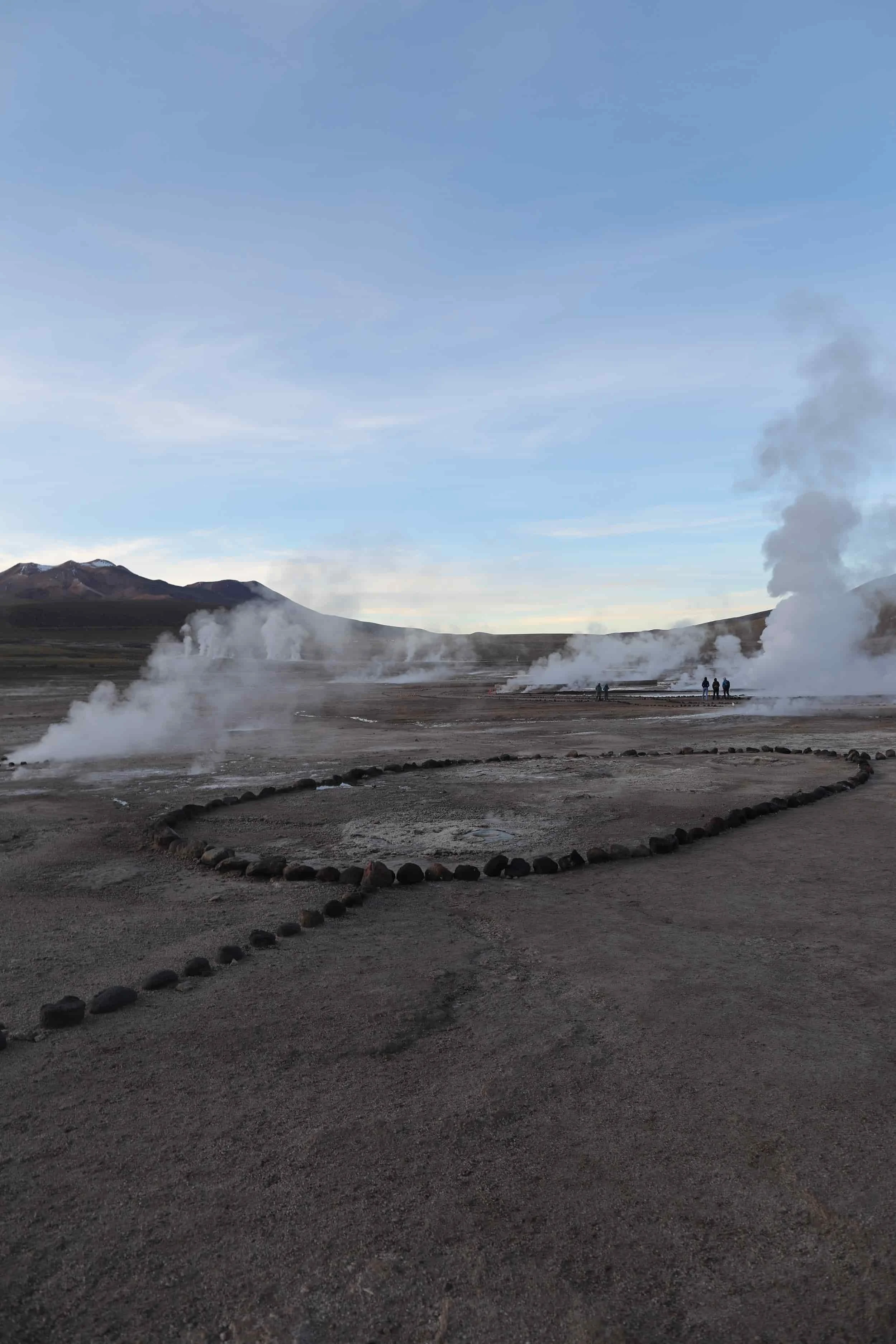
High in the Andes, El Tatio Geysers reveal a landscape unlike anywhere else in Atacama Chile. Before sunrise, clouds of steam rise from the rugged earth, drifting through the freezing mountain air as bubbling pools and geothermal vents come alive beneath the vast Andean sky.
As the first light reaches the mountains, the entire landscape begins to transform. Steam catches the golden morning light, shadows stretch across the rocky terrain and the sounds of hissing water fill the stillness. Walking among these remarkable geothermal formations is both surreal and fascinating, offering an unforgettable glimpse into the powerful natural forces at work beneath the surface.
Here's what to expect from an El Tatio geysers tour from San Pedro de Atacama, including the extraordinary sunrise experience and beautiful stops along the way.
Arriving at El Tatio Geysers Before Sunrise
An El Tatio geysers tour begins long before sunrise in San Pedro de Atacama, with an early departure into the high Andes. The journey takes you from the quiet desert town into a remote mountain landscape, where the geothermal activity is especially dramatic in the freezing morning air.
For our excursion, we arranged a tour through local operators at Turismo Gato Andino and traveled with our guide, Favio, and driver, José. Their knowledge and enthusiasm would make the experience even more memorable.
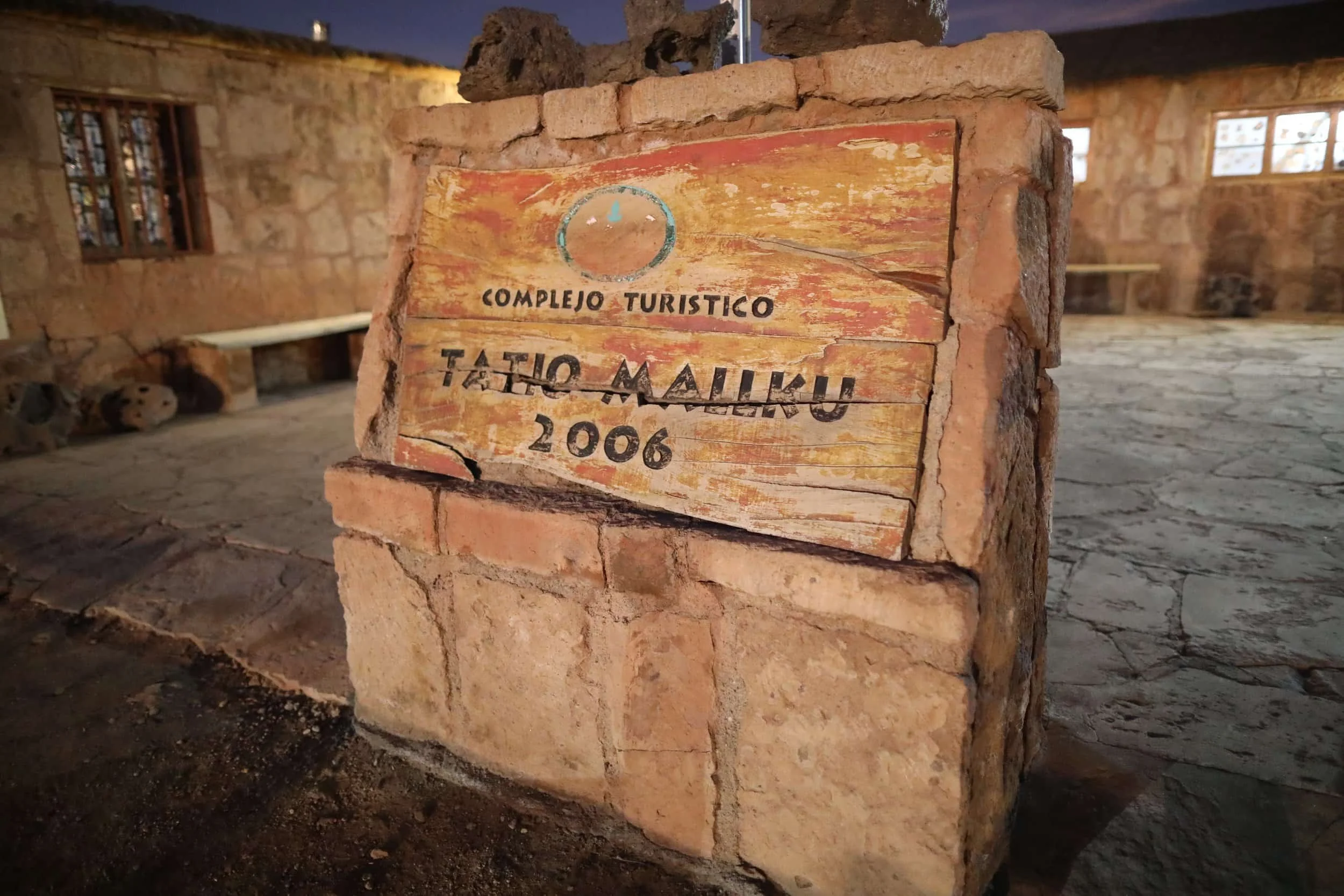
Most sunrise excursions leave San Pedro de Atacama in the early morning, allowing time for the roughly 90-minute drive into the mountains. The landscape gradually changes as the road climbs toward El Tatio, trading the desert town for rugged high-altitude terrain.
Our pickup was around 6 a.m., while the town was still quiet. By the time we reached the entrance, the sleepy atmosphere had given way to excitement — and a quick scramble for the restrooms and warmer clothing.
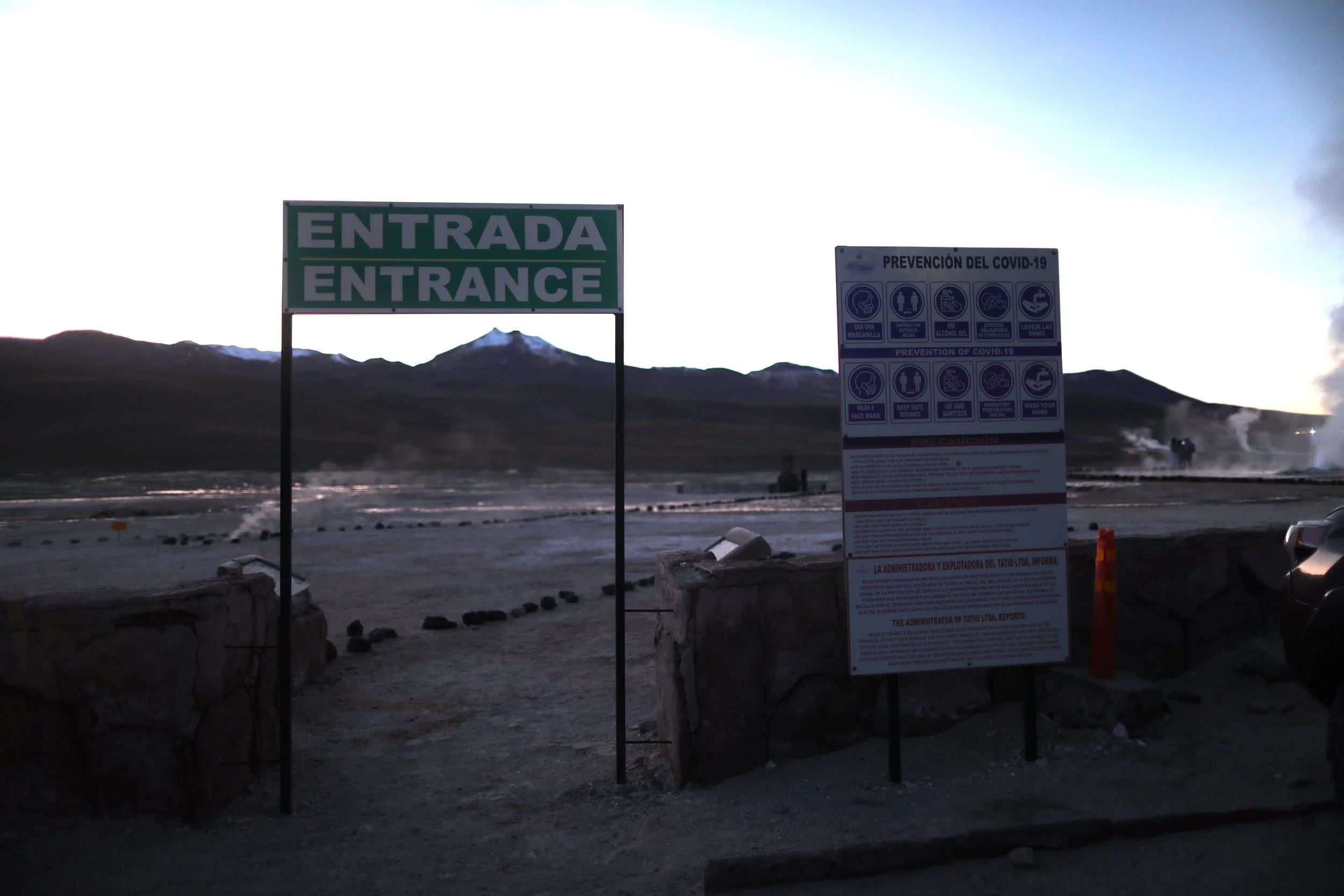
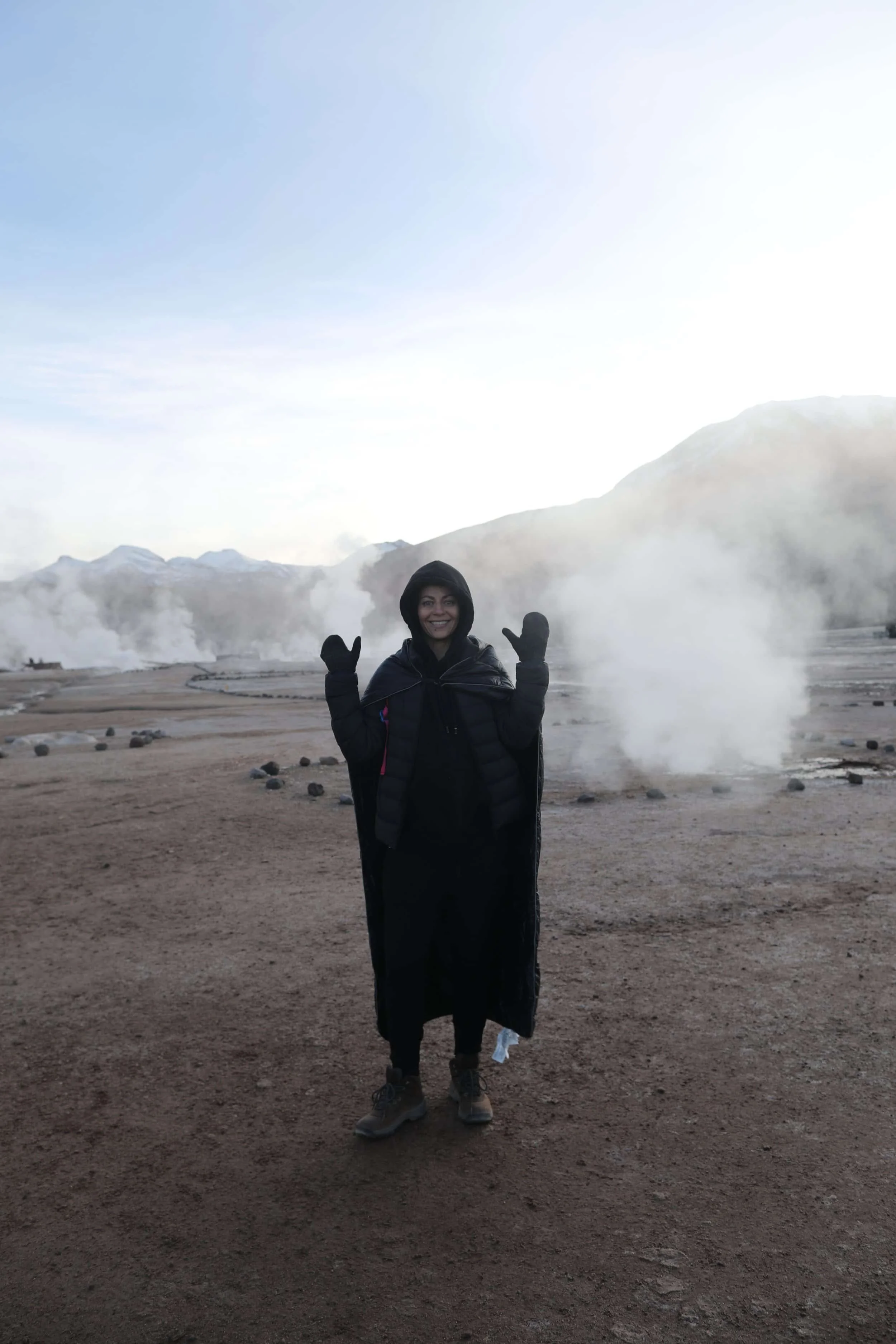
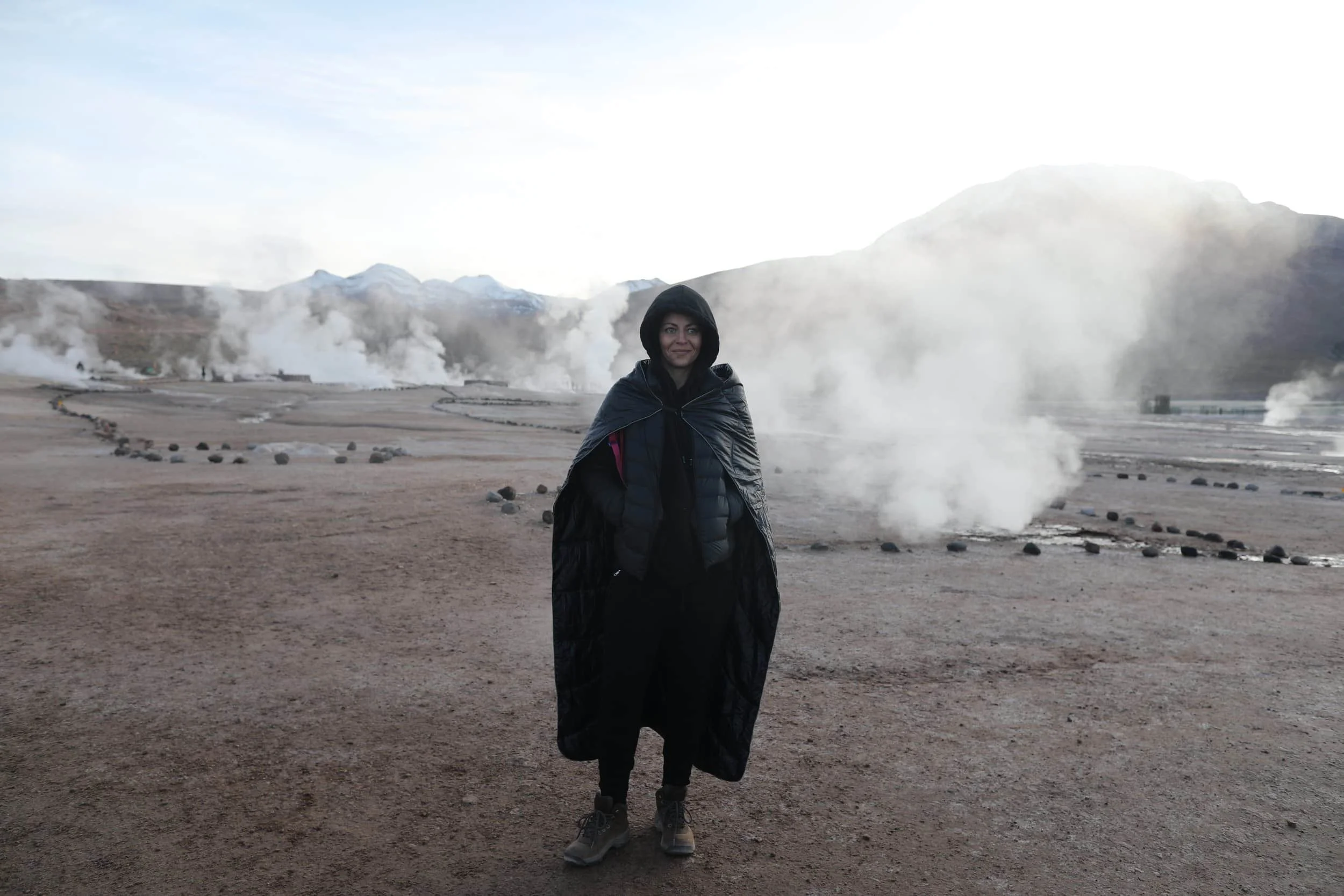
At approximately 14,170 feet (4,320 m) above sea level, El Tatio is one of the highest geothermal fields in the world. Temperatures before sunrise can fall below freezing, even when the afternoons in San Pedro de Atacama are pleasantly warm.
The cold is part of what makes the experience so extraordinary. Against the dark mountain landscape, the first clouds of steam begin to appear, hinting at the geothermal activity waiting beyond the entrance.
ℹ️ Good to Know | Dress for winter temperatures, even if you're visiting the Atacama Desert in a warmer season. Bring a warm jacket, gloves, a hat and layers you can remove as the morning progresses. At this elevation, it's also important to stay hydrated, move at a comfortable pace and allow time to acclimatize to the altitude before your excursion.
Exploring El Tatio: A Landscape of Steam & Sunrise
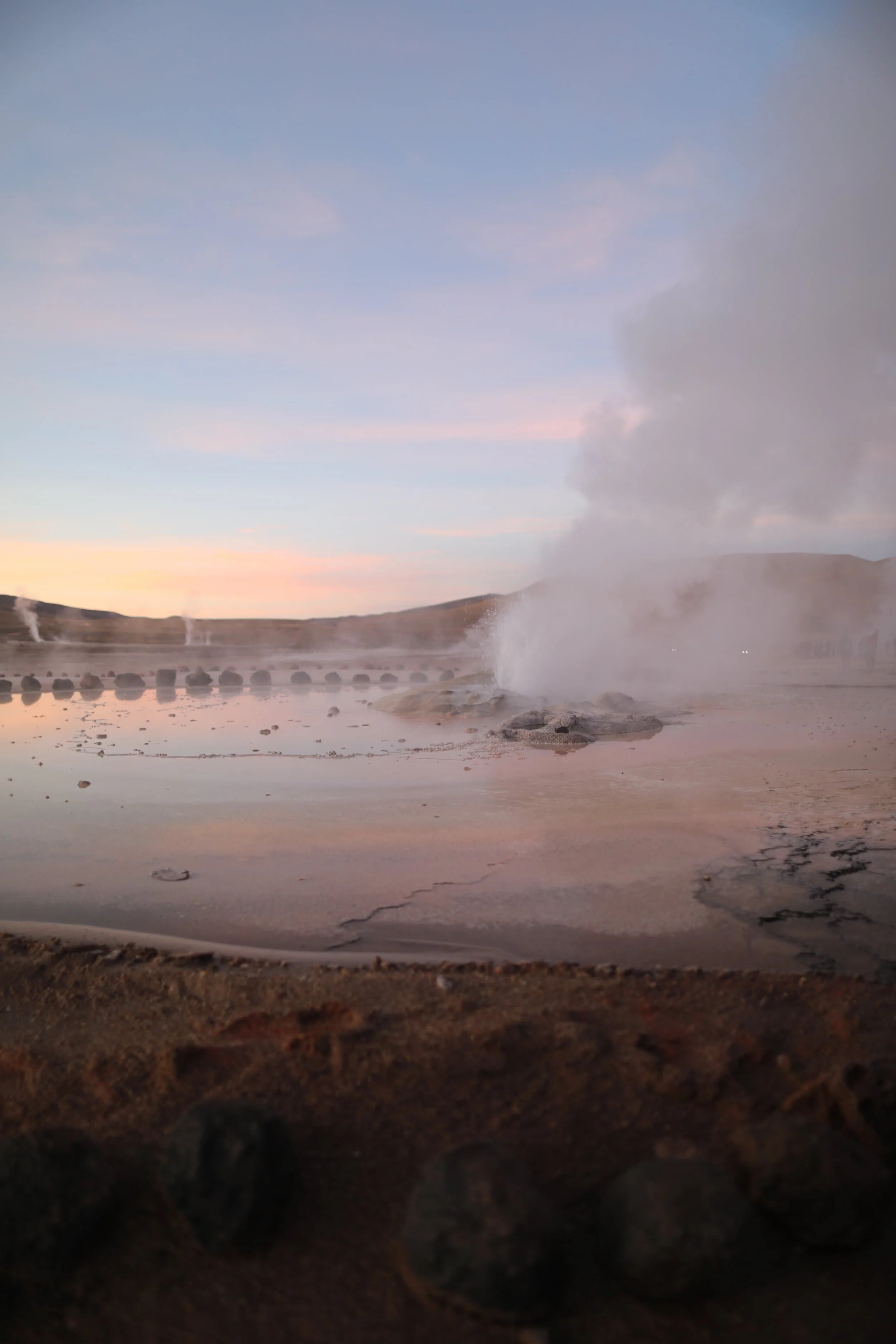
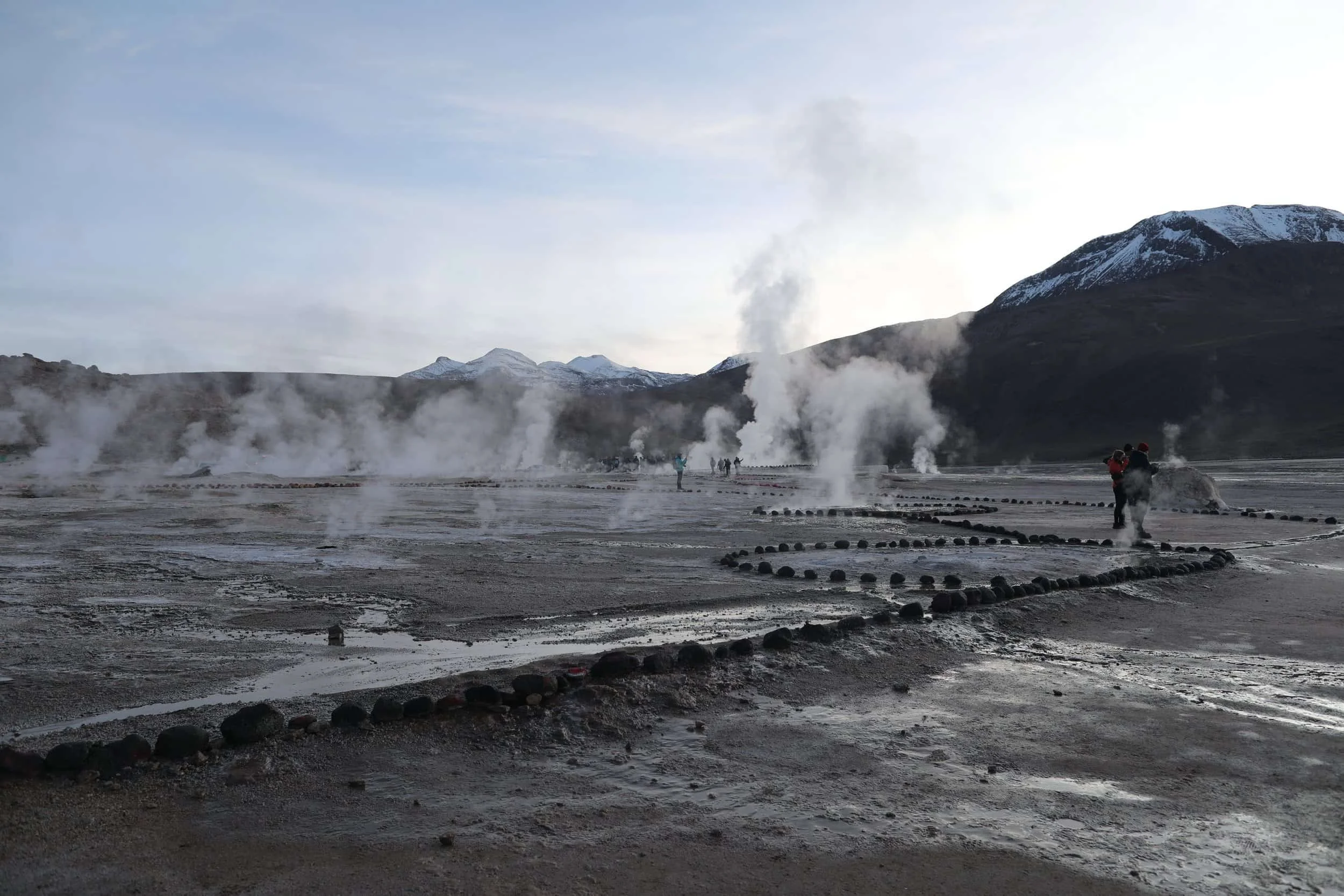
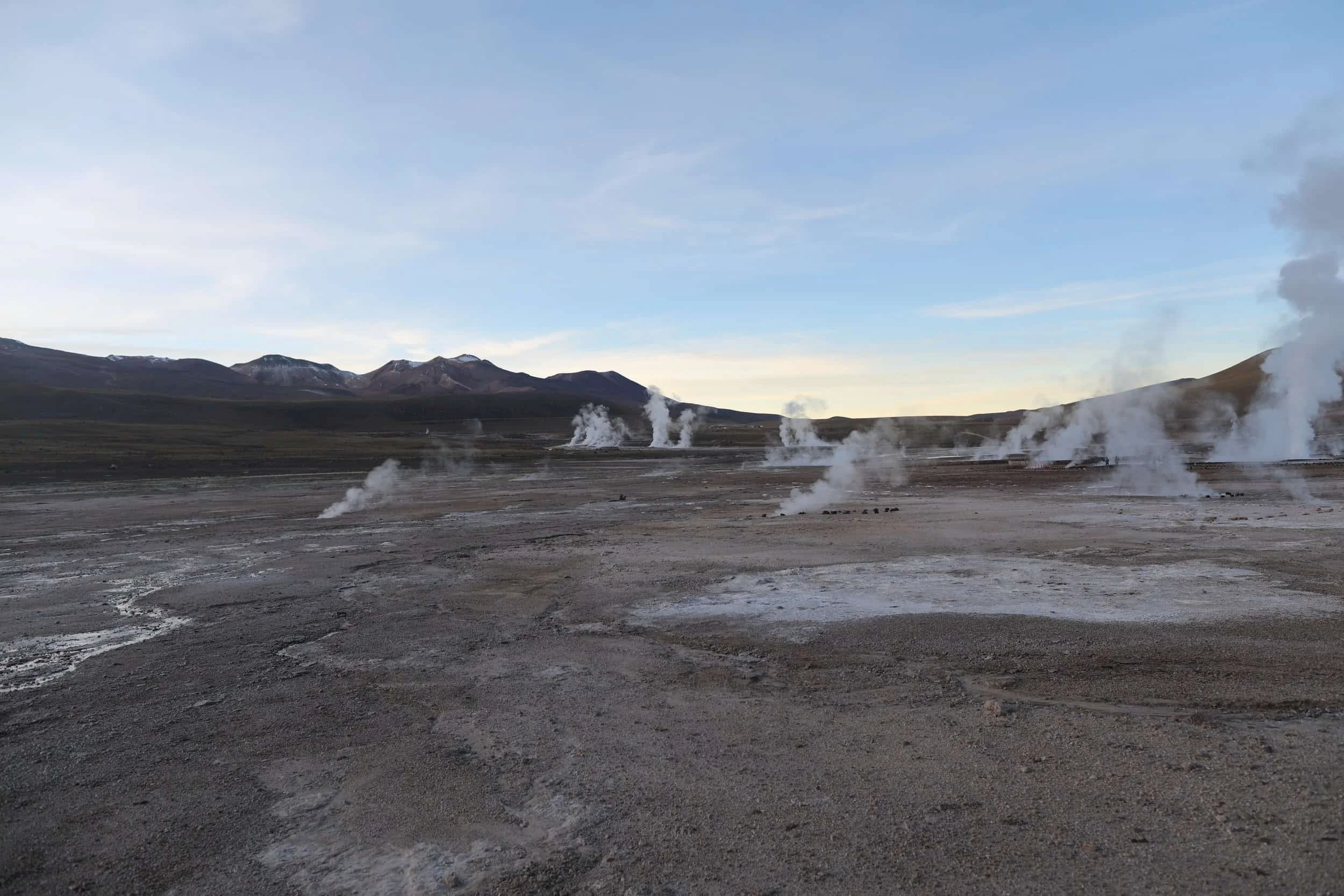
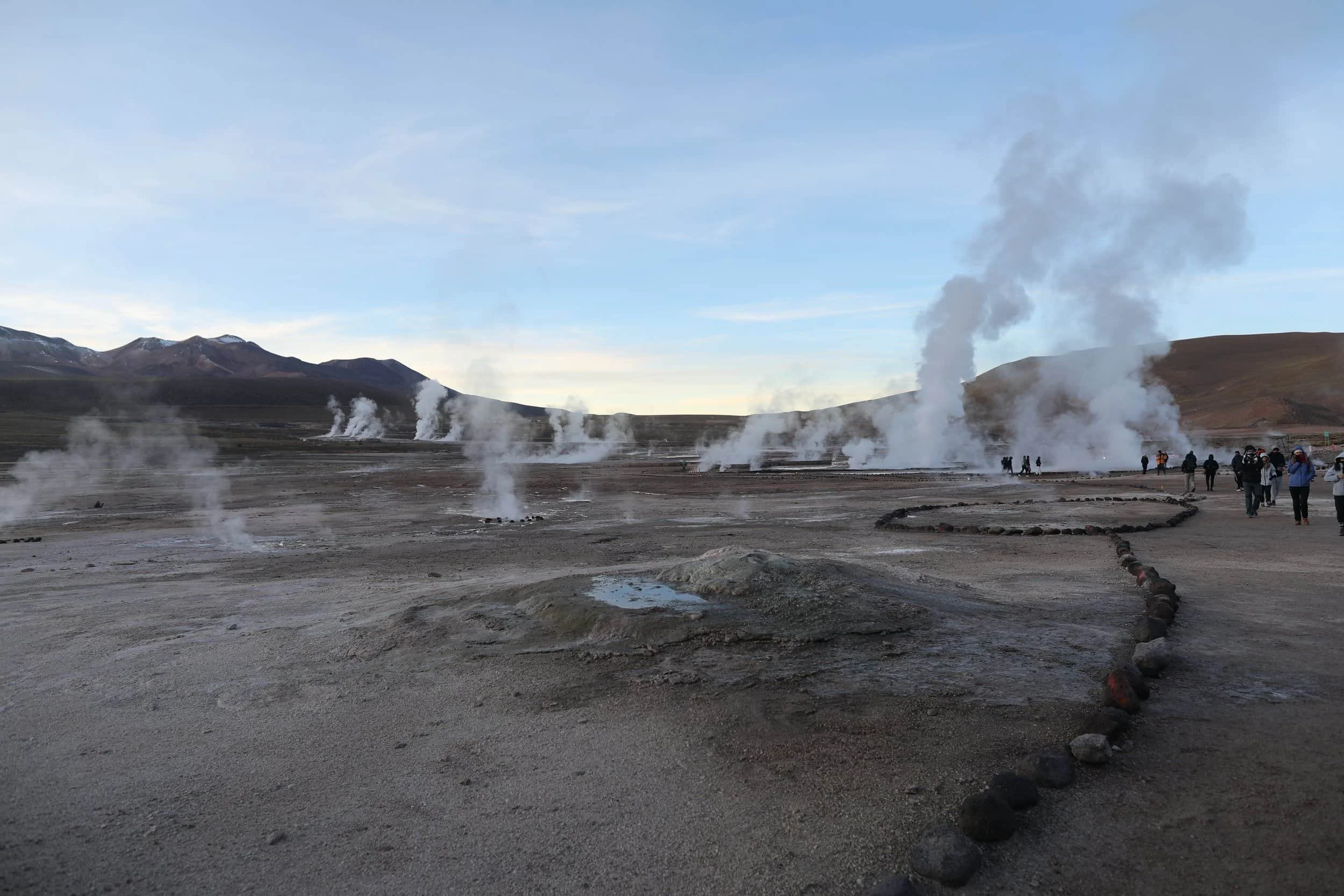
At El Tatio Geysers, the earth seems to come alive beneath the vast Andean sky. Clouds of steam rise from the rocky ground, drifting across the mountain basin as bubbling pools and geothermal vents release their heat into the freezing morning air.
The contrast is extraordinary: towering mountains, delicate plumes of vapor and powerful bursts of geothermal activity unfolding across an otherwise quiet landscape. It's one of the most fascinating natural experiences in Atacama Chile, particularly as the first light begins to reach the Andes.
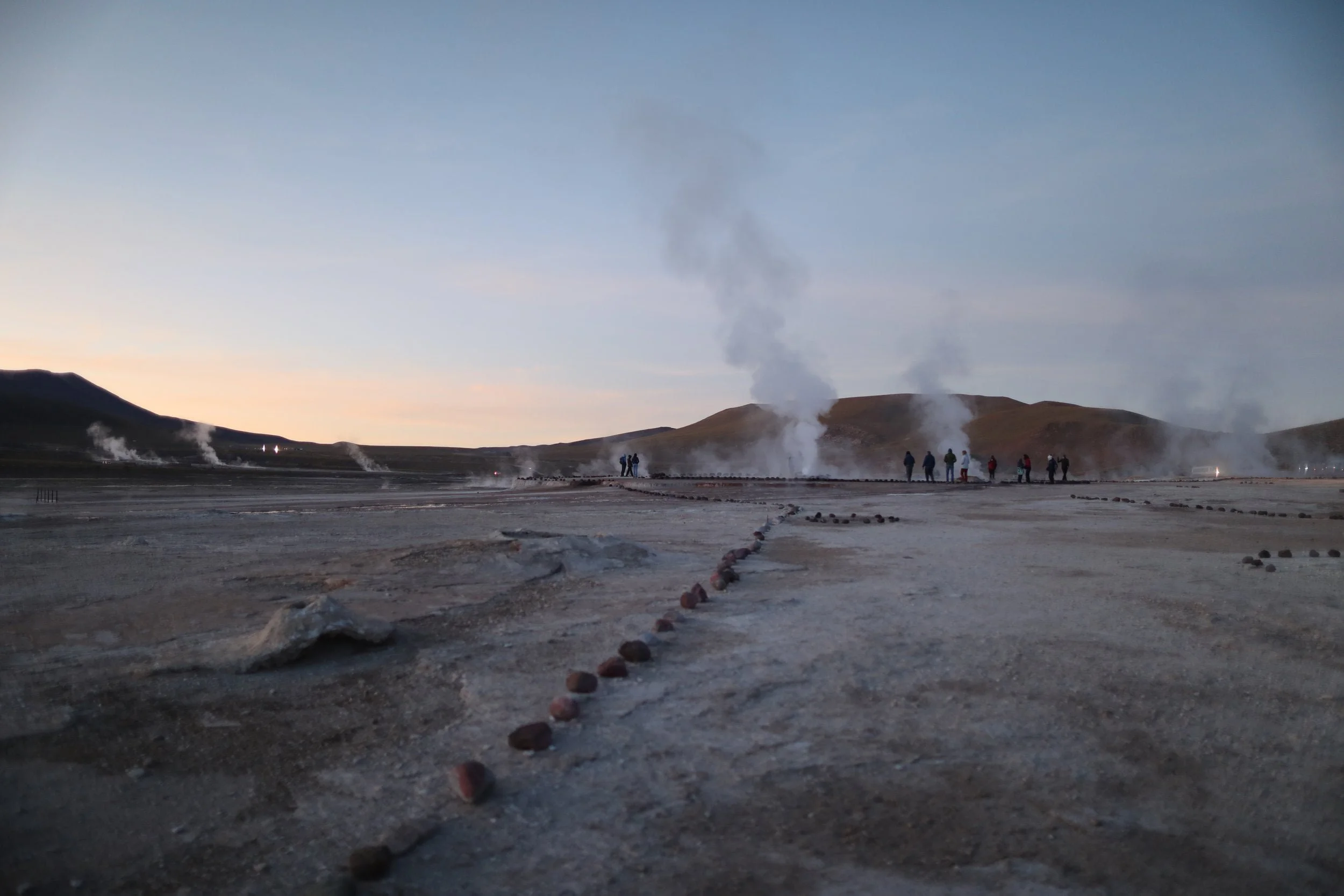
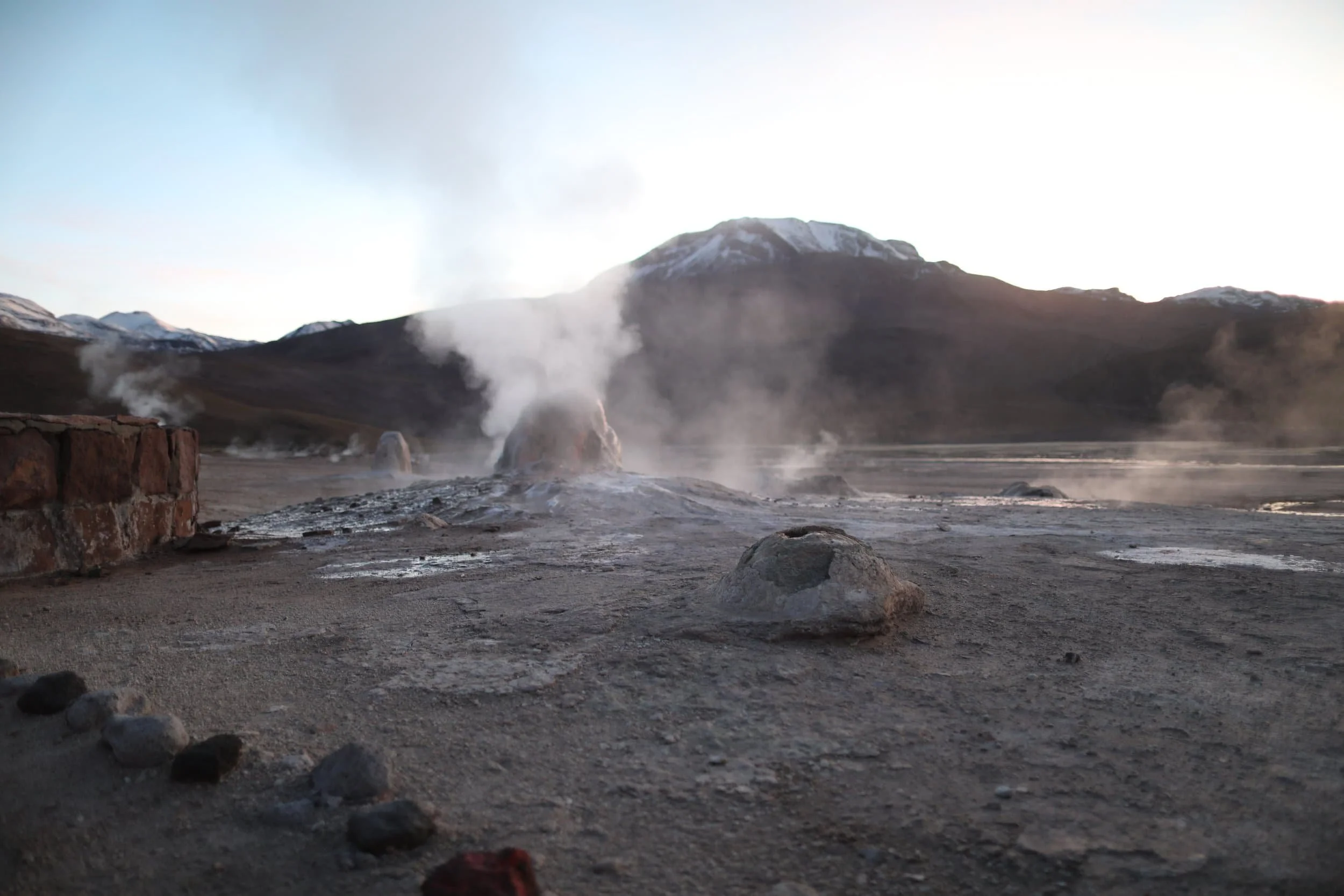
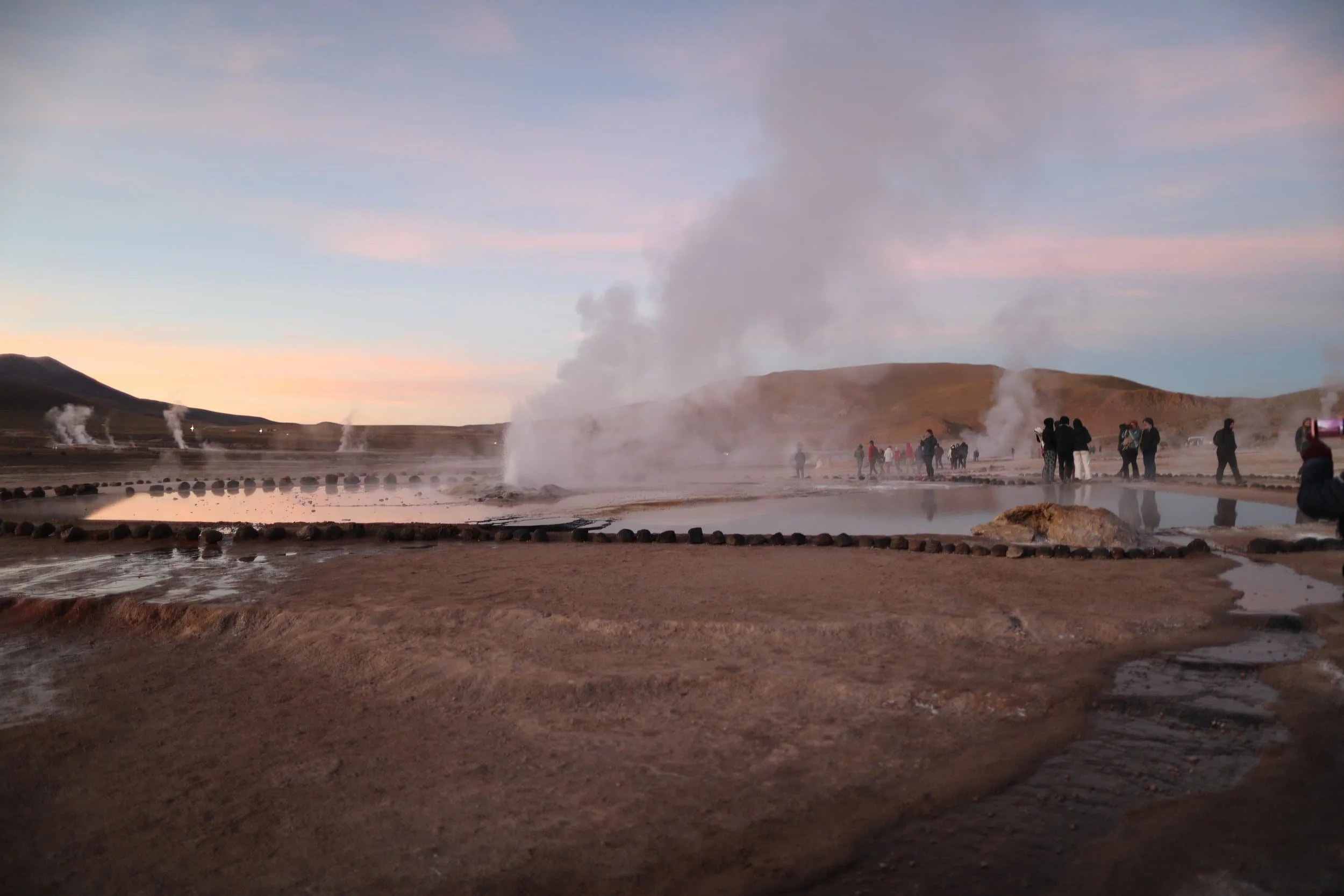
Marked pathways wind through the geyser field, offering close views of steaming openings, bubbling water and unusual mineral formations. Some vents release a continuous stream of vapor while others remain quiet before suddenly bursting into activity.
Listen for the hissing steam and bubbling water, and watch how the drifting clouds continually reshape the landscape. Even when the geysers aren't erupting, there's an incredible amount of movement beneath the surface.
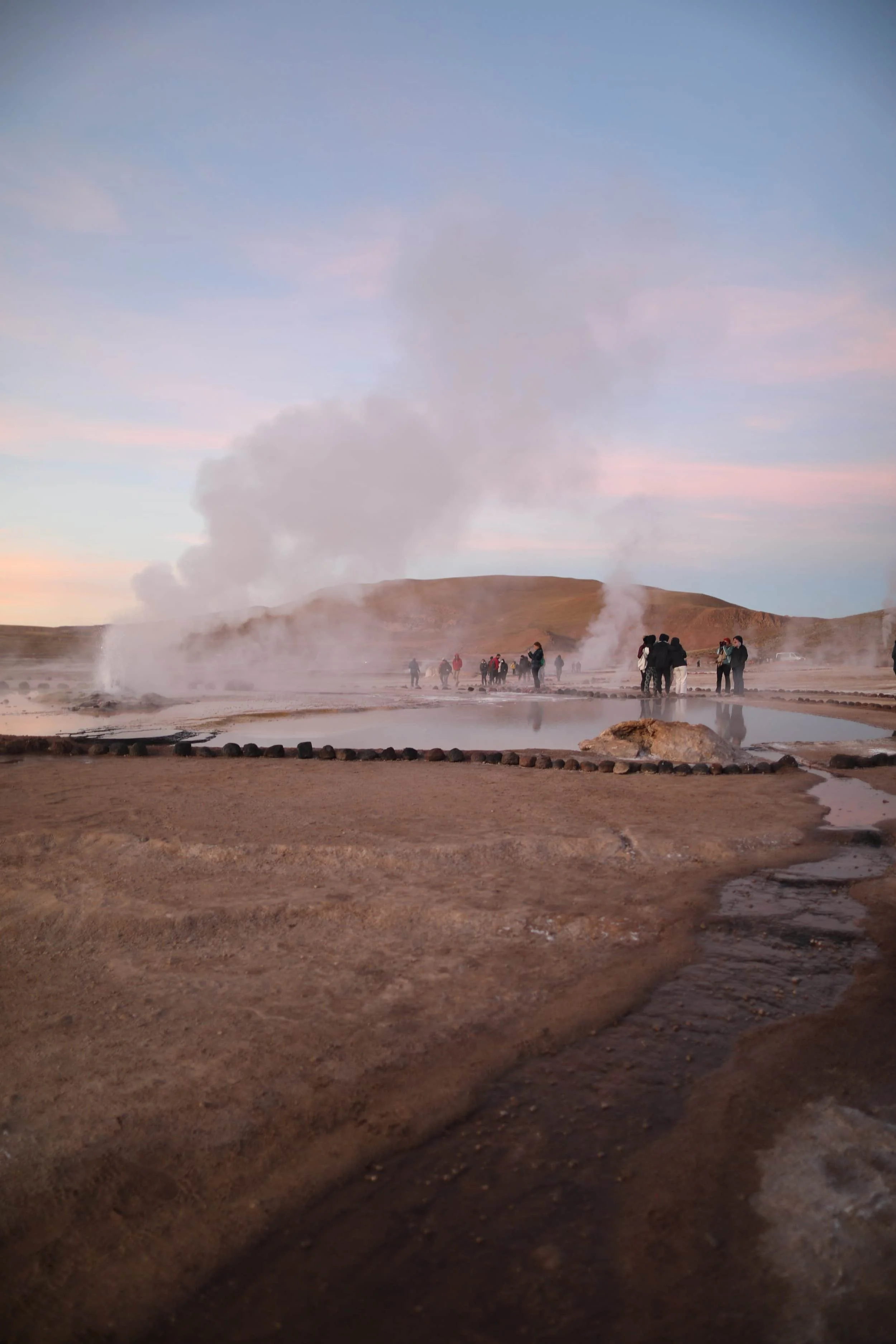
With more than 80 active geysers, El Tatio is one of the world's largest geyser fields and the largest in the Southern Hemisphere.
Rather than a single dramatic attraction, the site is an entire geothermal landscape. Geysers, hot springs and steam vents are scattered across the basin, each behaving differently depending on the underground conditions. The variety makes exploring the field especially rewarding, with something new to discover around almost every turn.
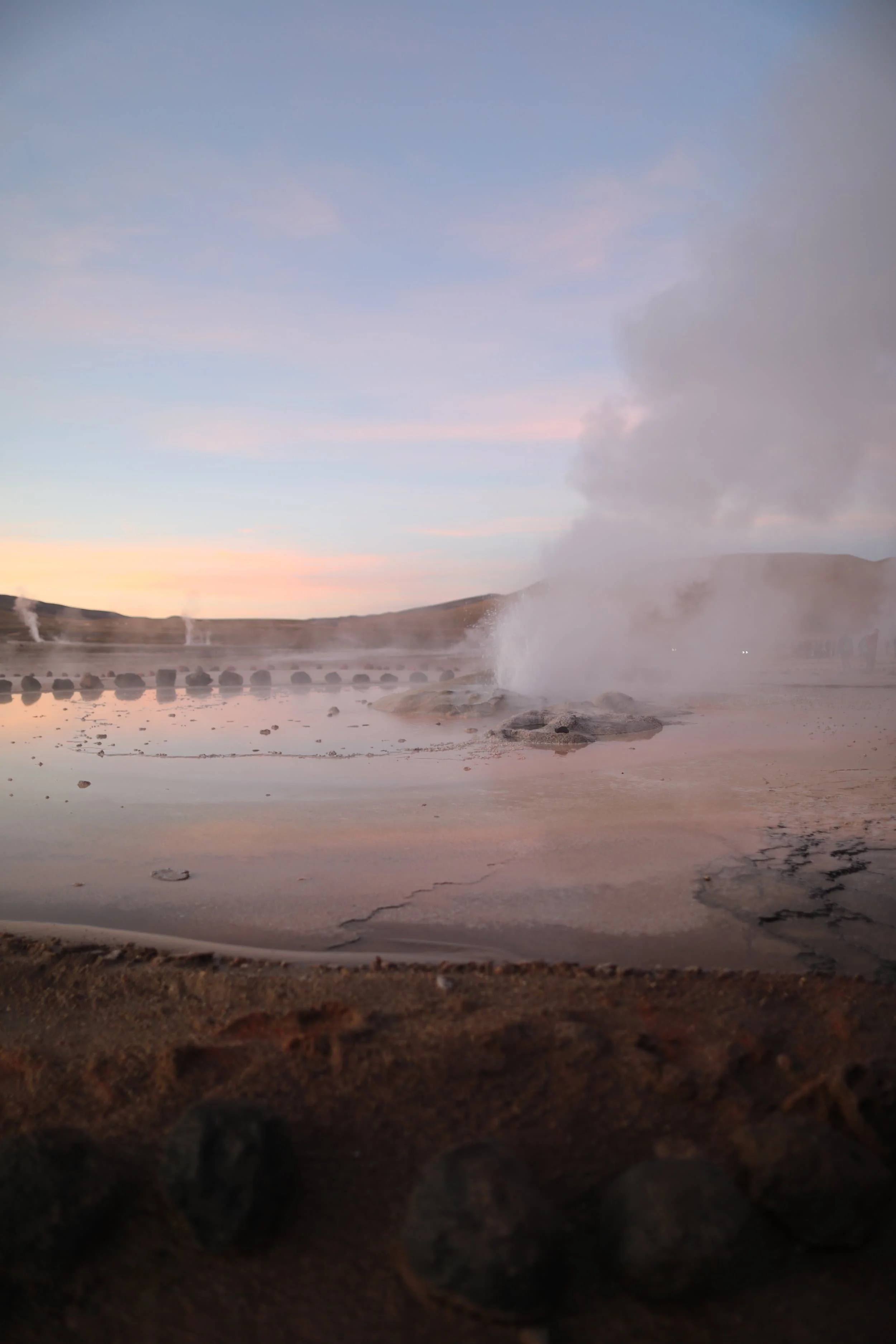
Sunrise brings a remarkable transformation. Golden light begins to filter through the clouds of steam, illuminating the mineral-covered ground and casting long shadows across the rocky terrain.
The freezing air makes the vapor especially visible, creating the enormous white plumes that have become synonymous with El Tatio Geysers. As the sun climbs higher and the air warms, the steam gradually becomes less dramatic, revealing more of the surrounding Andean landscape.
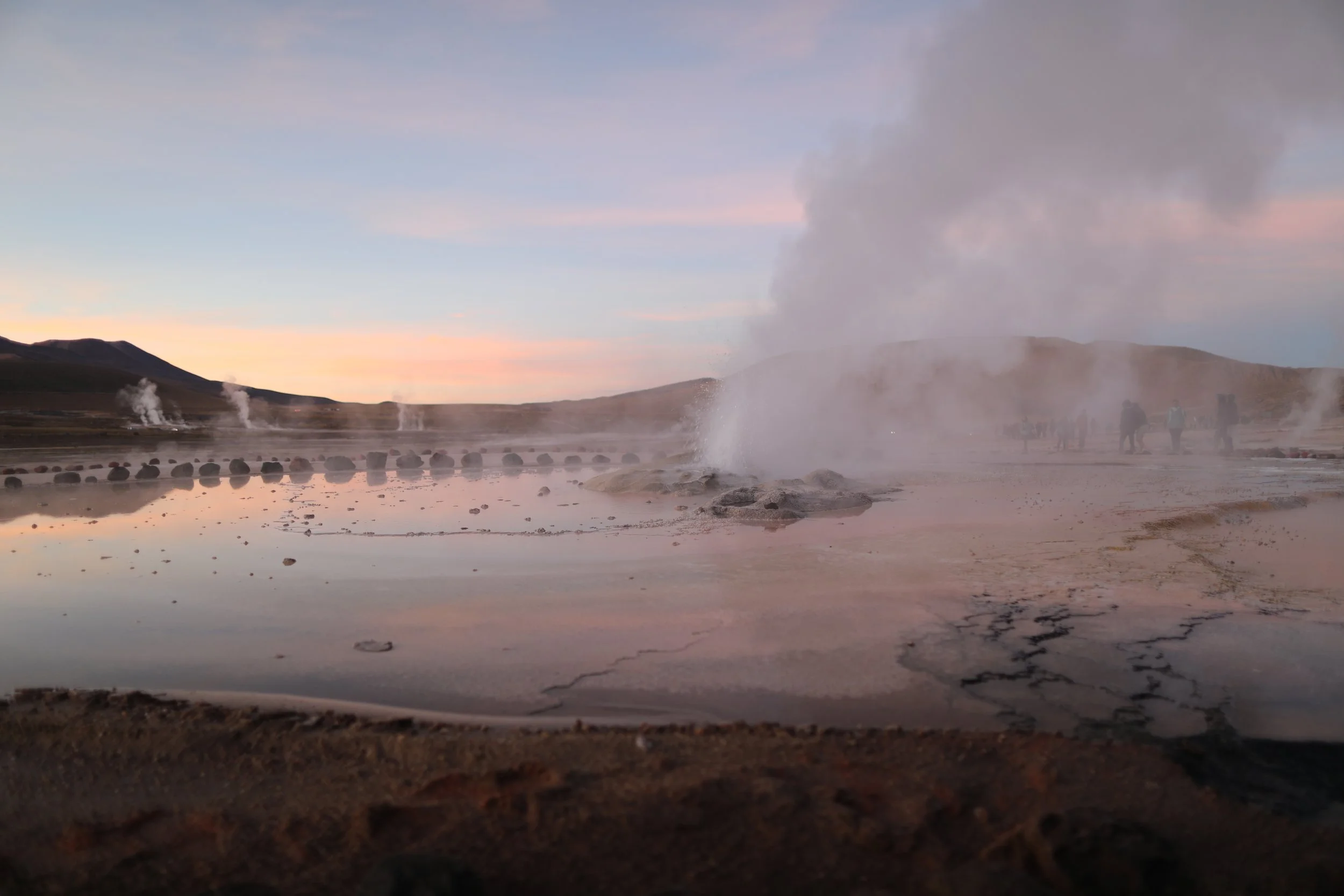
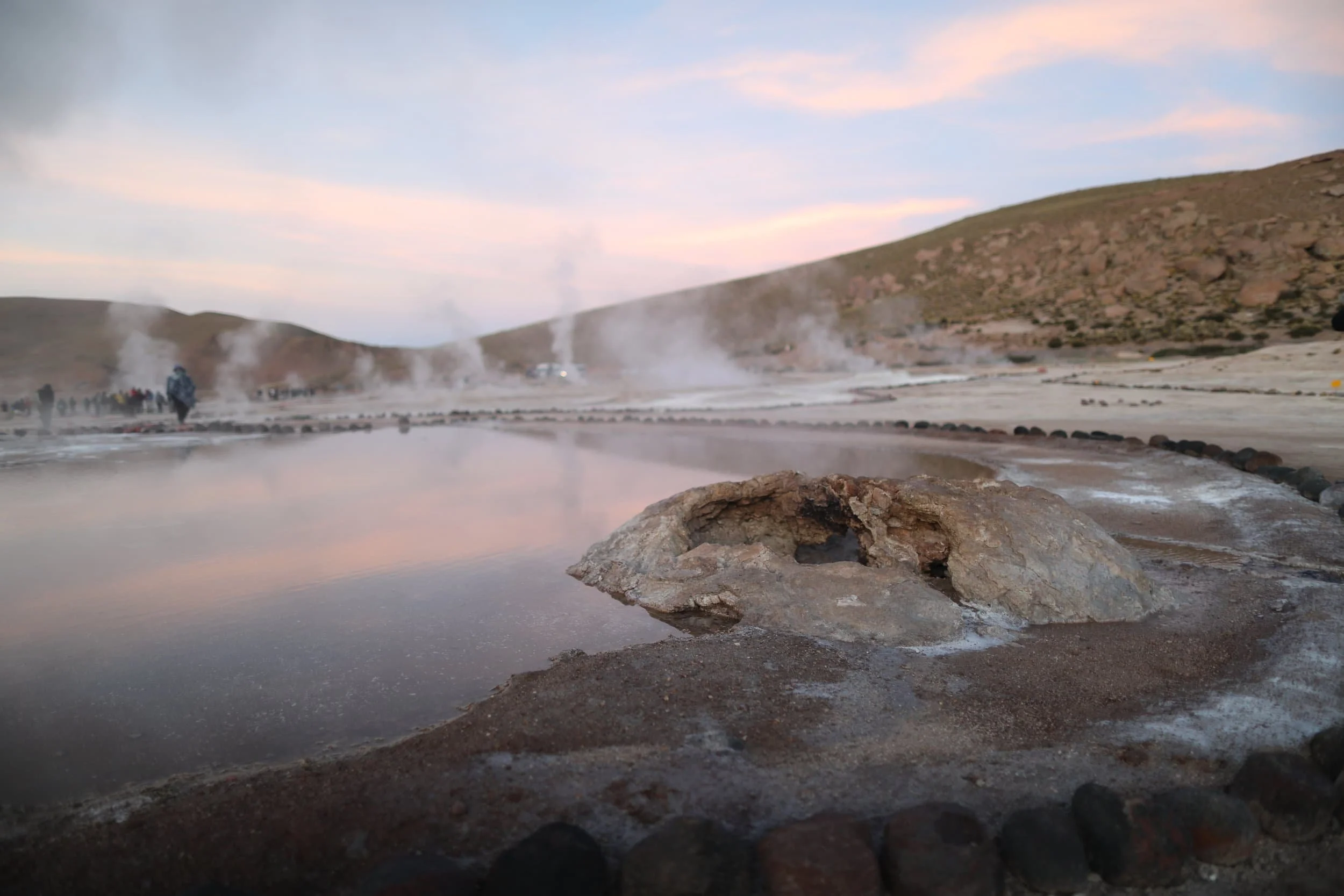
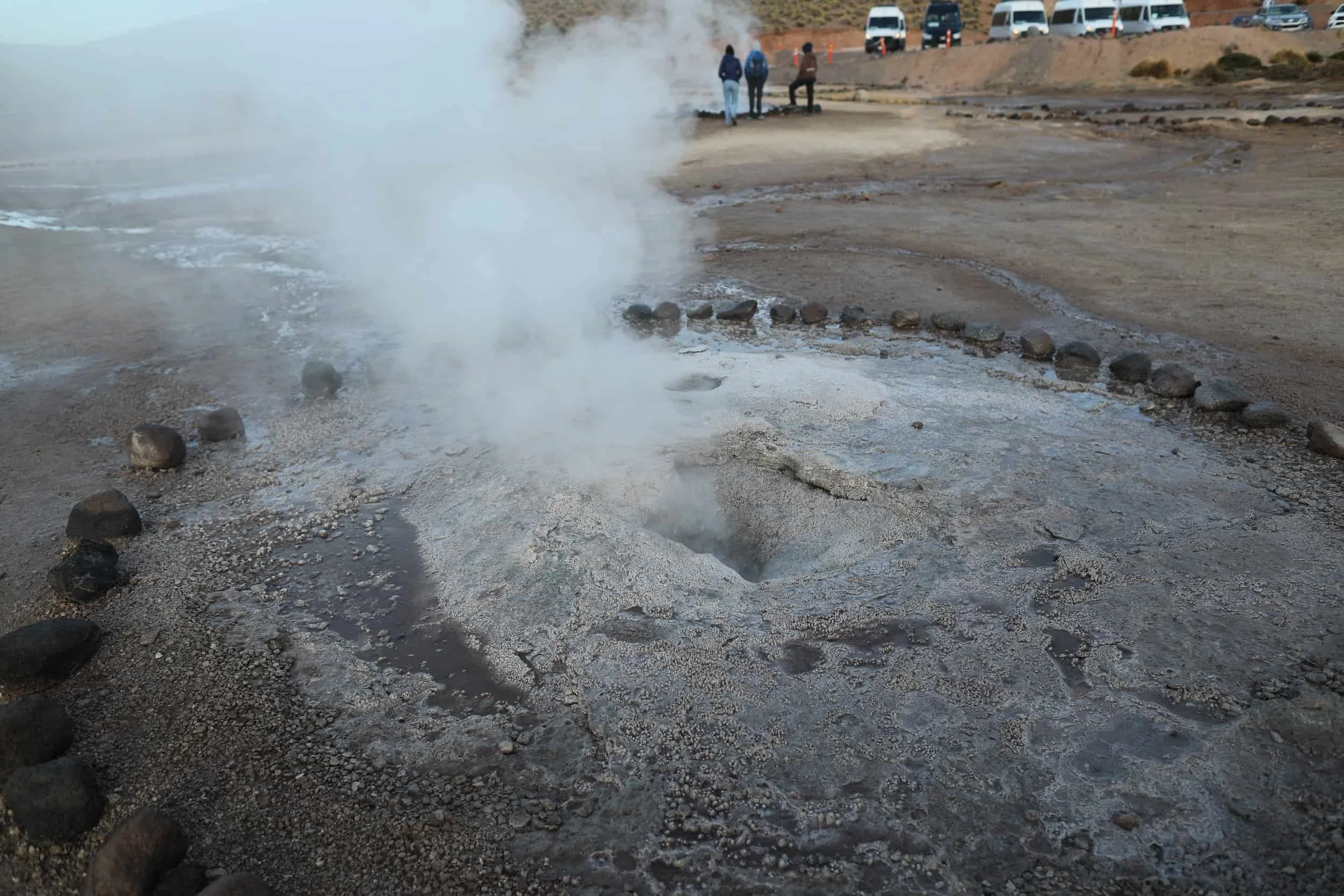
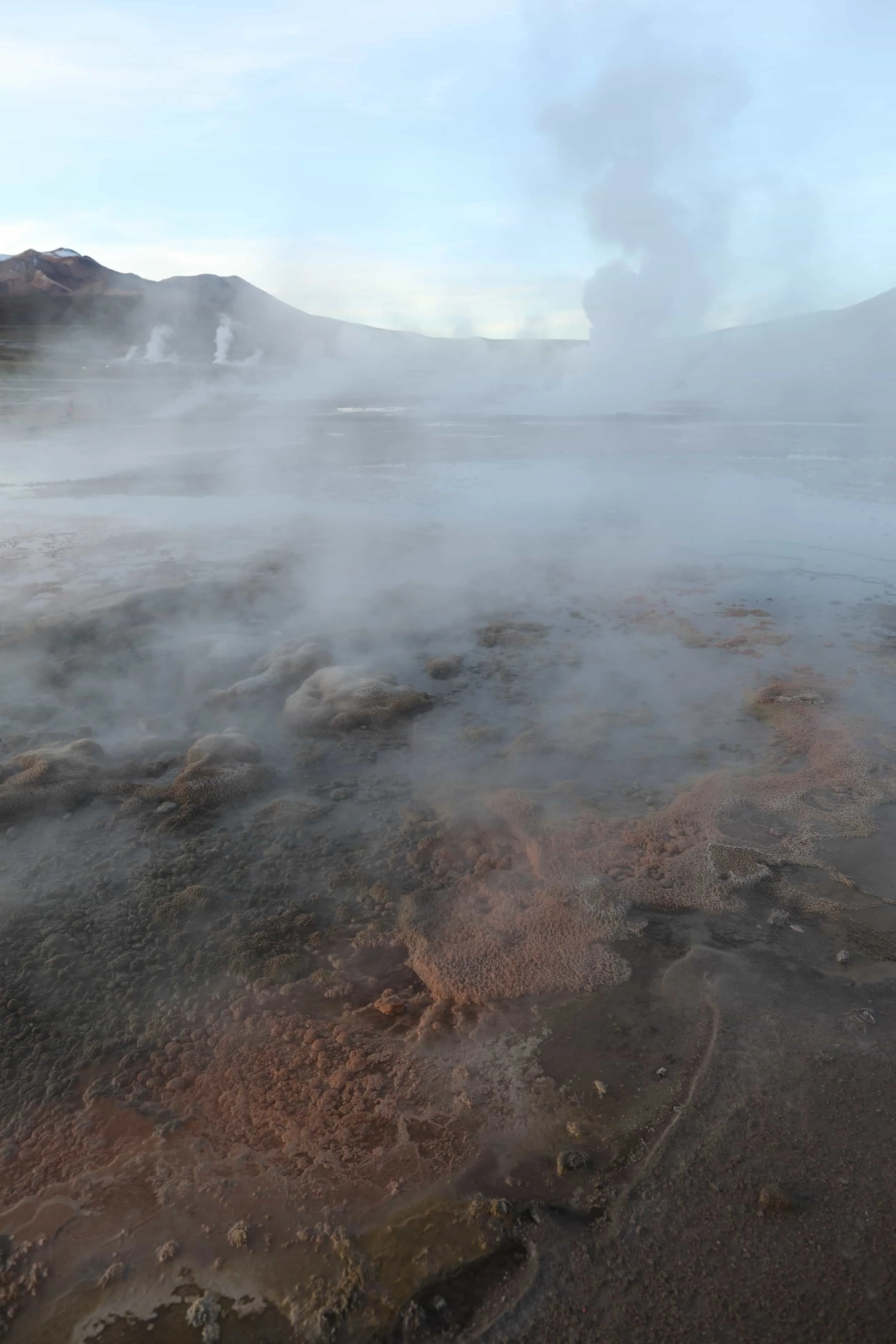
Beyond the towering steam clouds, some of El Tatio's most beautiful features are found much closer to the ground. Mineral-rich water creates delicate rims around thermal pools, intricate crusts along narrow channels and unusual formations that appear almost sculpted.
Look for the subtle differences in texture and color. Some surfaces are smooth and pale while others are rough, porous or layered, revealing the gradual accumulation of minerals over time.
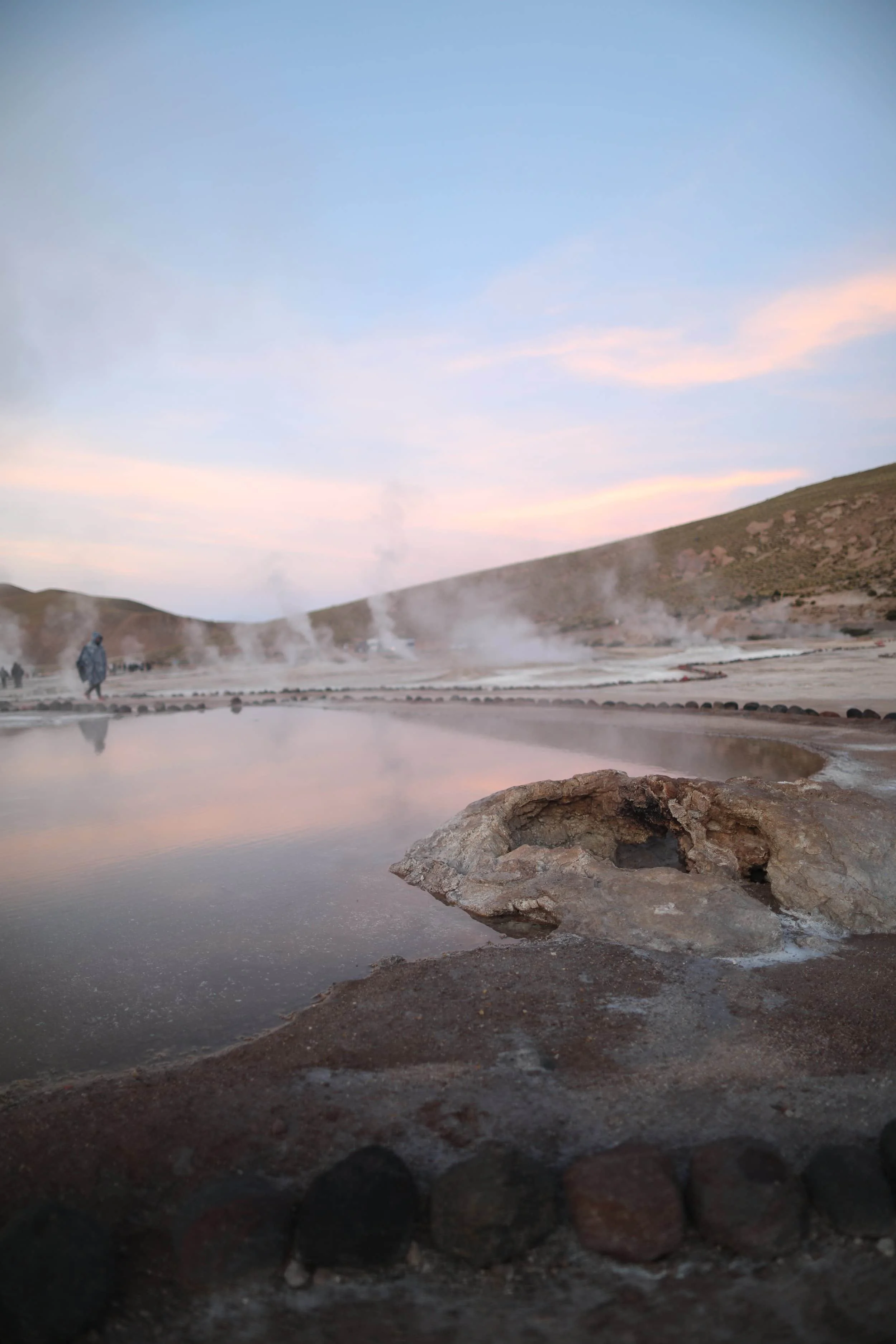
Many of these formations are made from silica-rich deposits known as sinter. As geothermal water rises to the surface and cools, dissolved silica gradually separates from the water and accumulates around pools and vents.
Over time, these deposits build terraces, delicate mineral crusts and distinctive rims. Their intricate shapes are created through the continuous interaction of heat, water and mineral content — a slow process producing extraordinary natural forms.
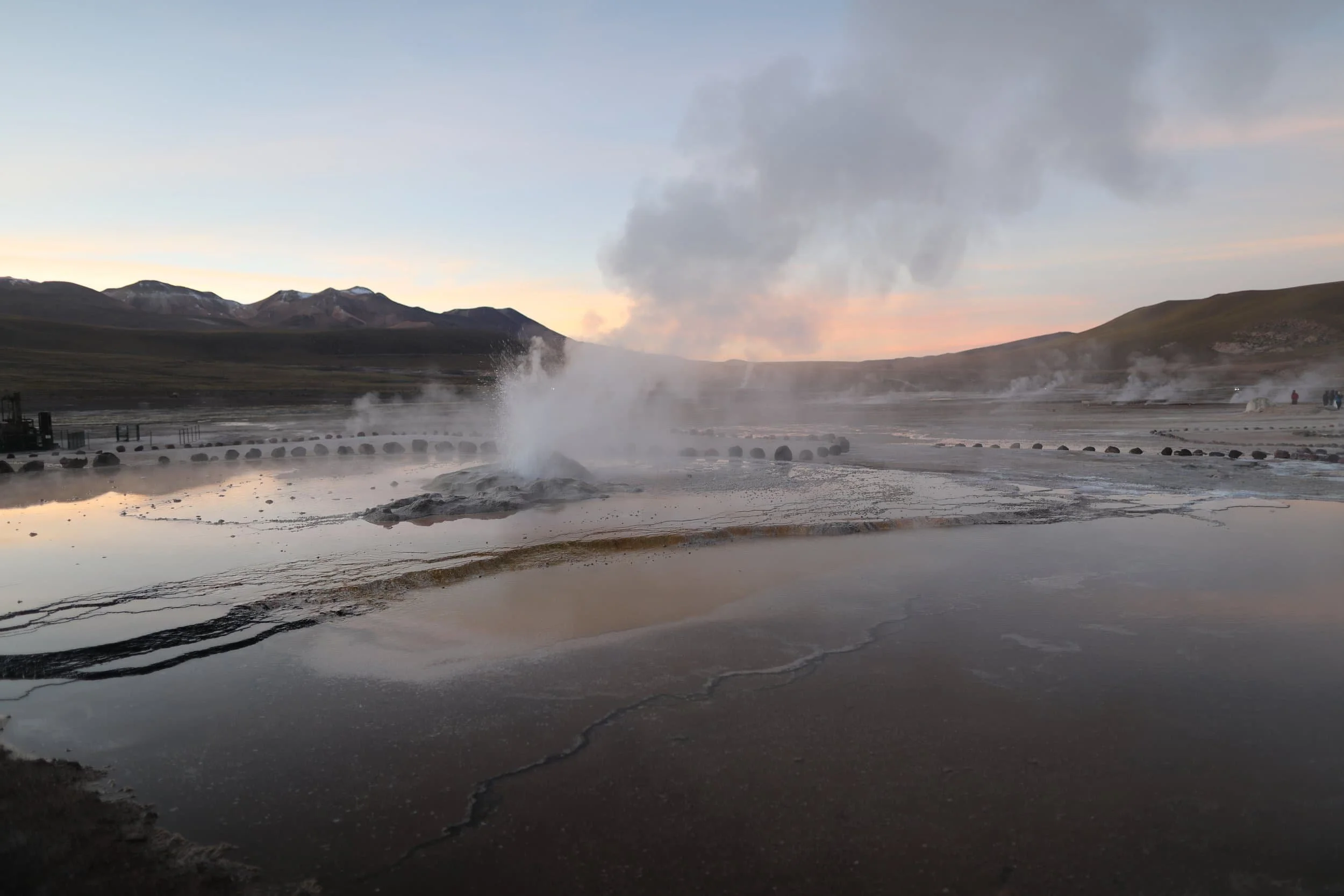
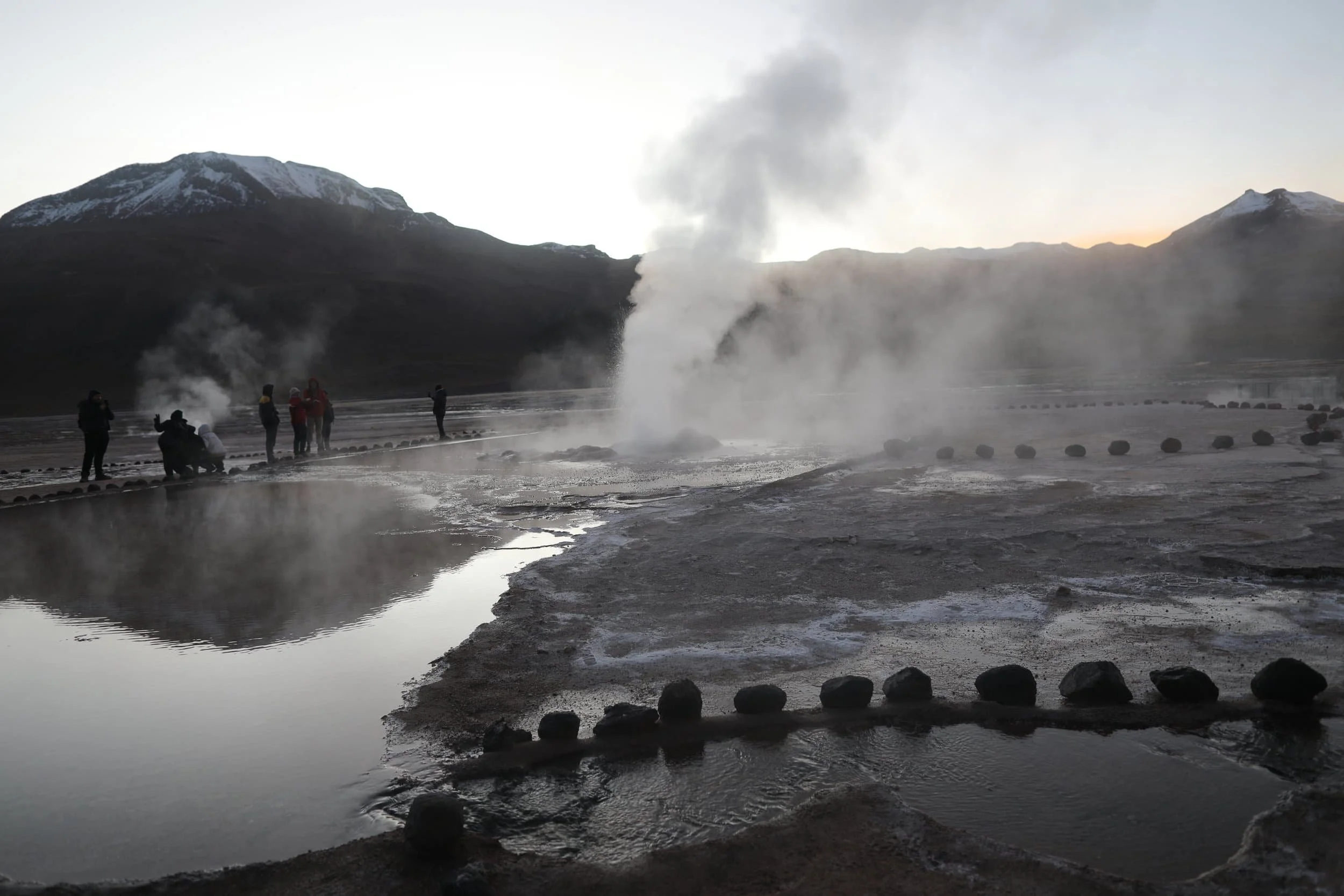
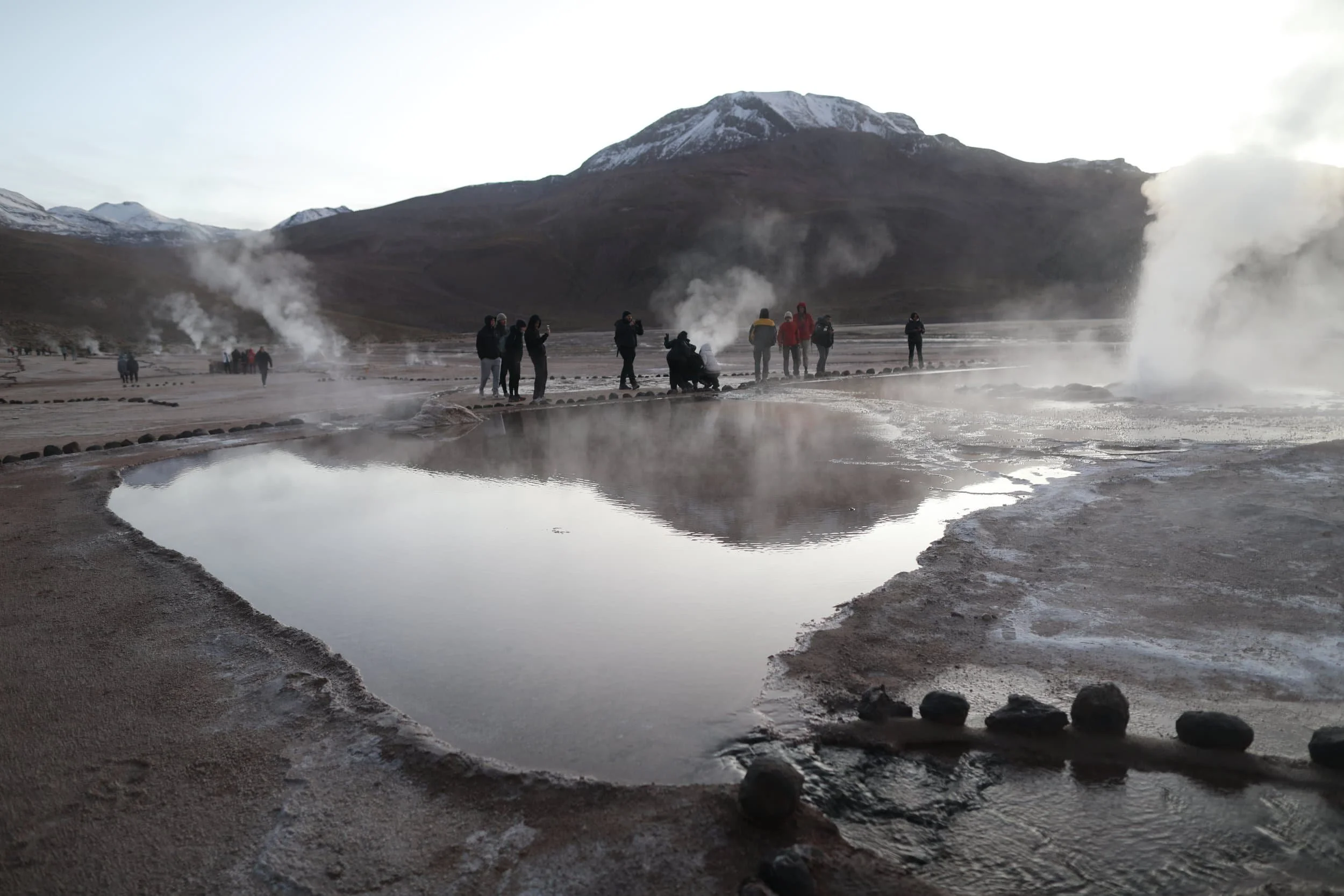
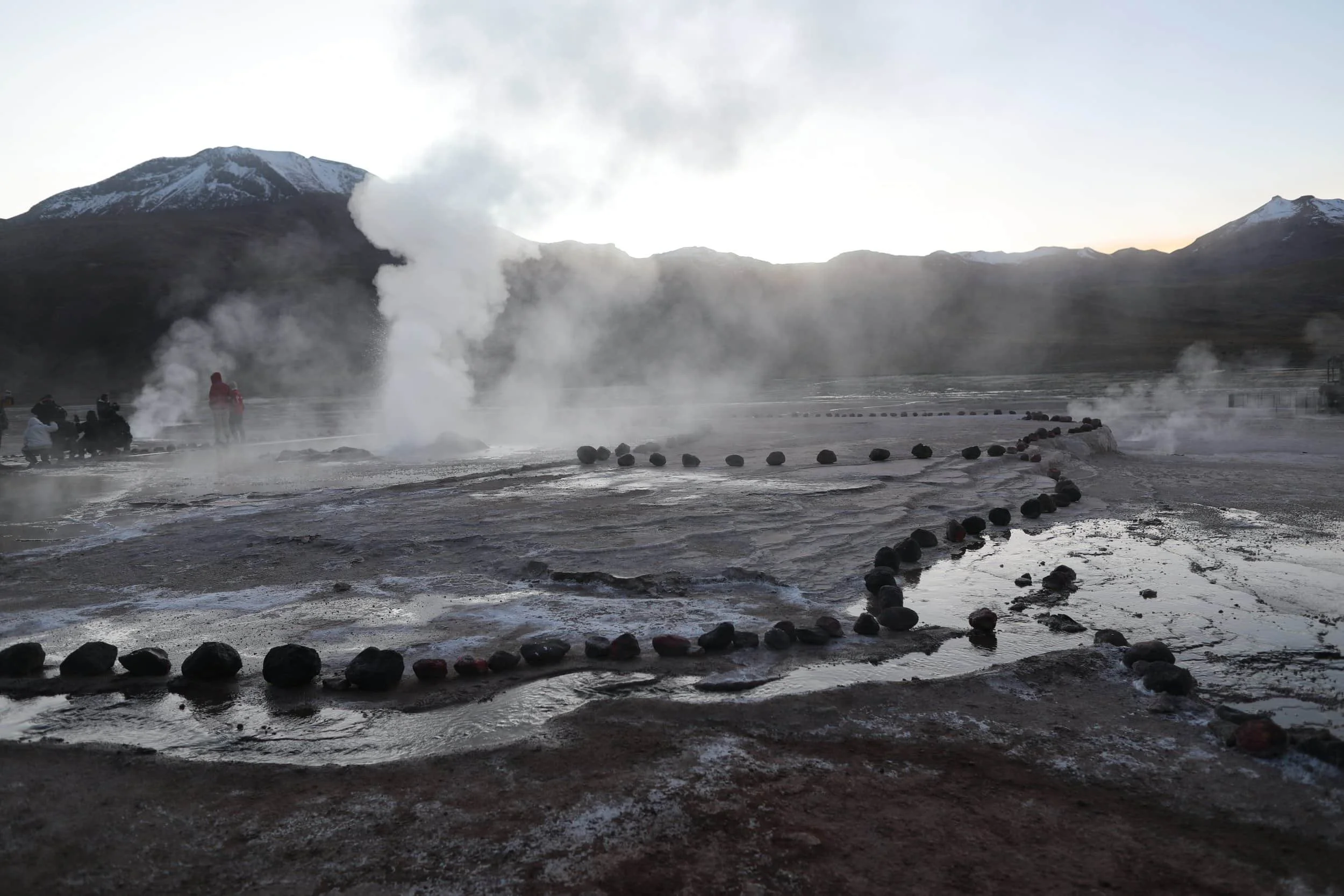
The mineral formations offer an unexpected study in natural design. Thin edges overlap like delicate layers of stone, tiny channels carve their way through the deposits and repeating patterns emerge wherever water moves across the surface.
It's worth slowing down to appreciate these details. Against the immense scale of the Andes, the smallest formations reveal an entirely different kind of beauty, shaped by repetition, movement and time.
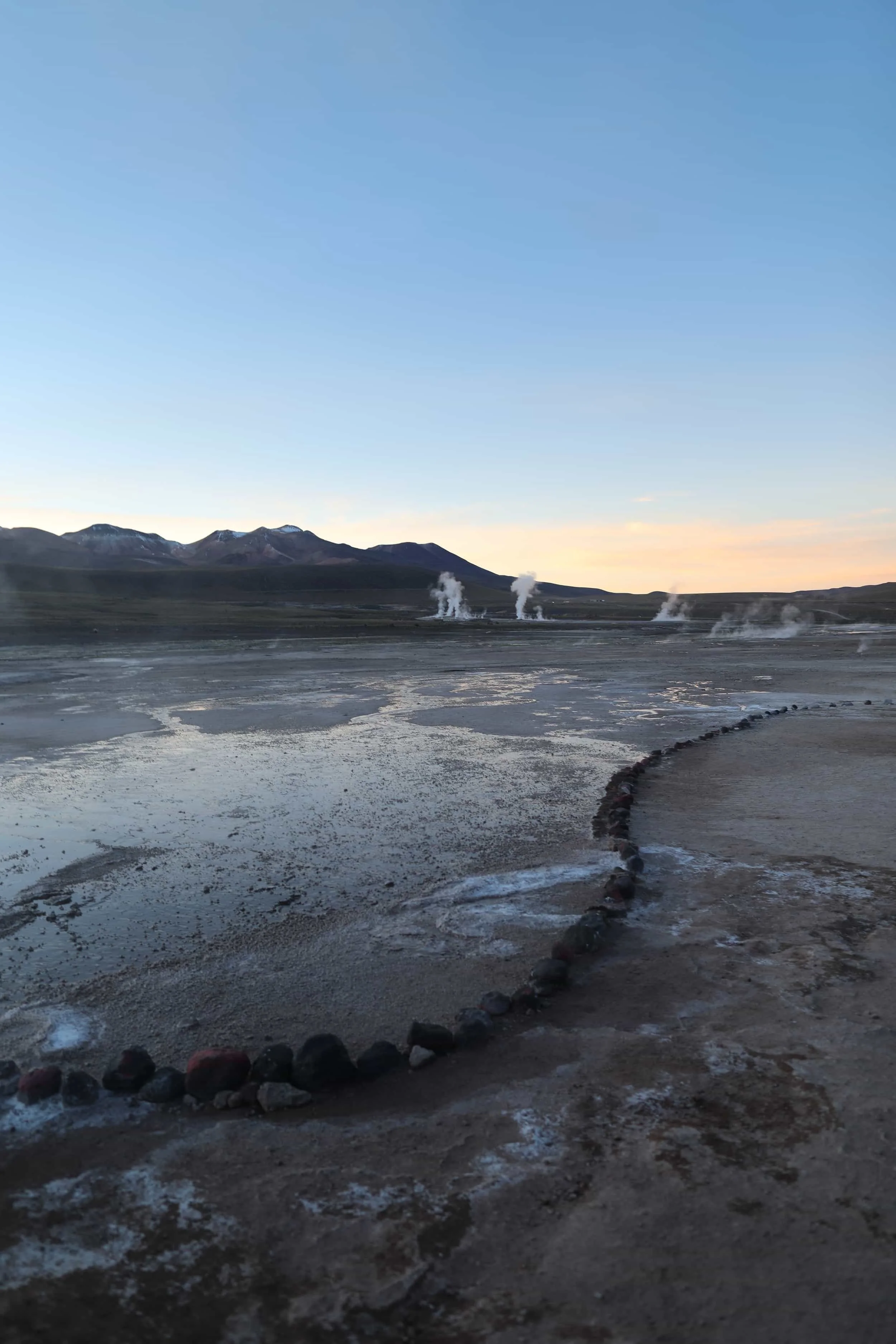
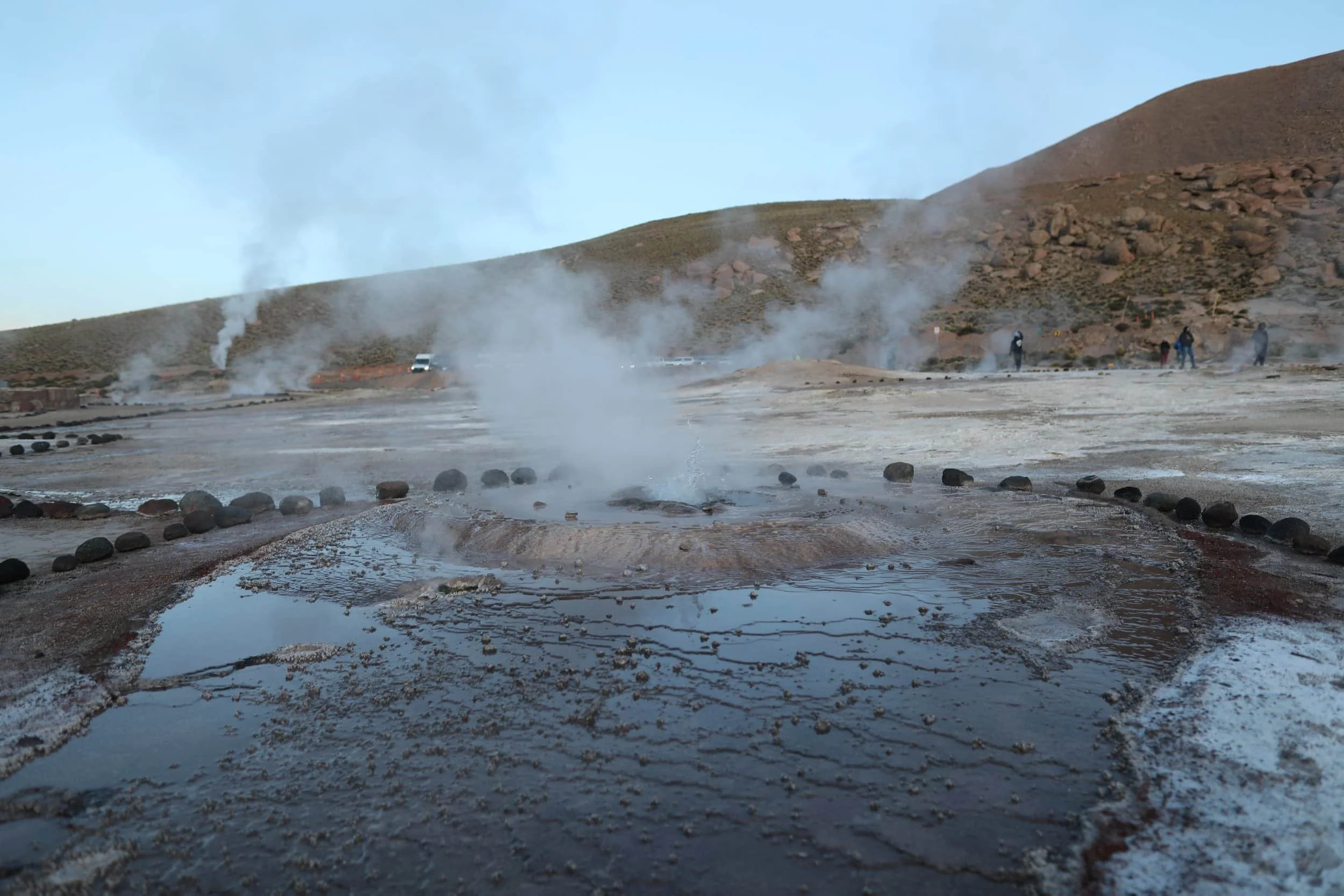
Not every geothermal opening is technically a geyser. Fumaroles primarily release steam and volcanic gases, while hot springs bring heated water to the surface. Geysers are distinguished by their intermittent eruptions of water and steam.
These features may appear side by side, yet each reveals something different about the movement of water and heat underground. Understanding their differences makes the landscape even more interesting to explore.
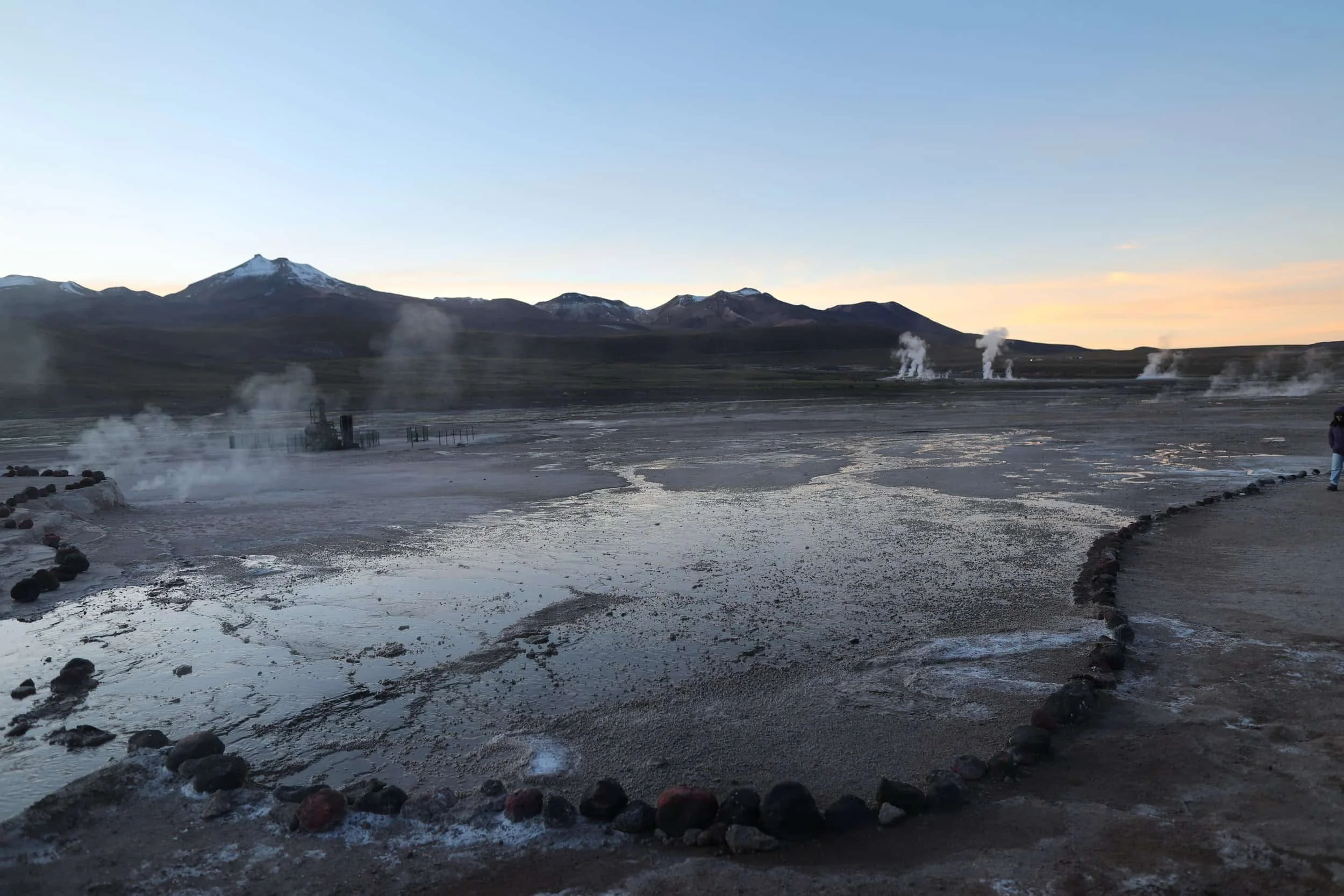
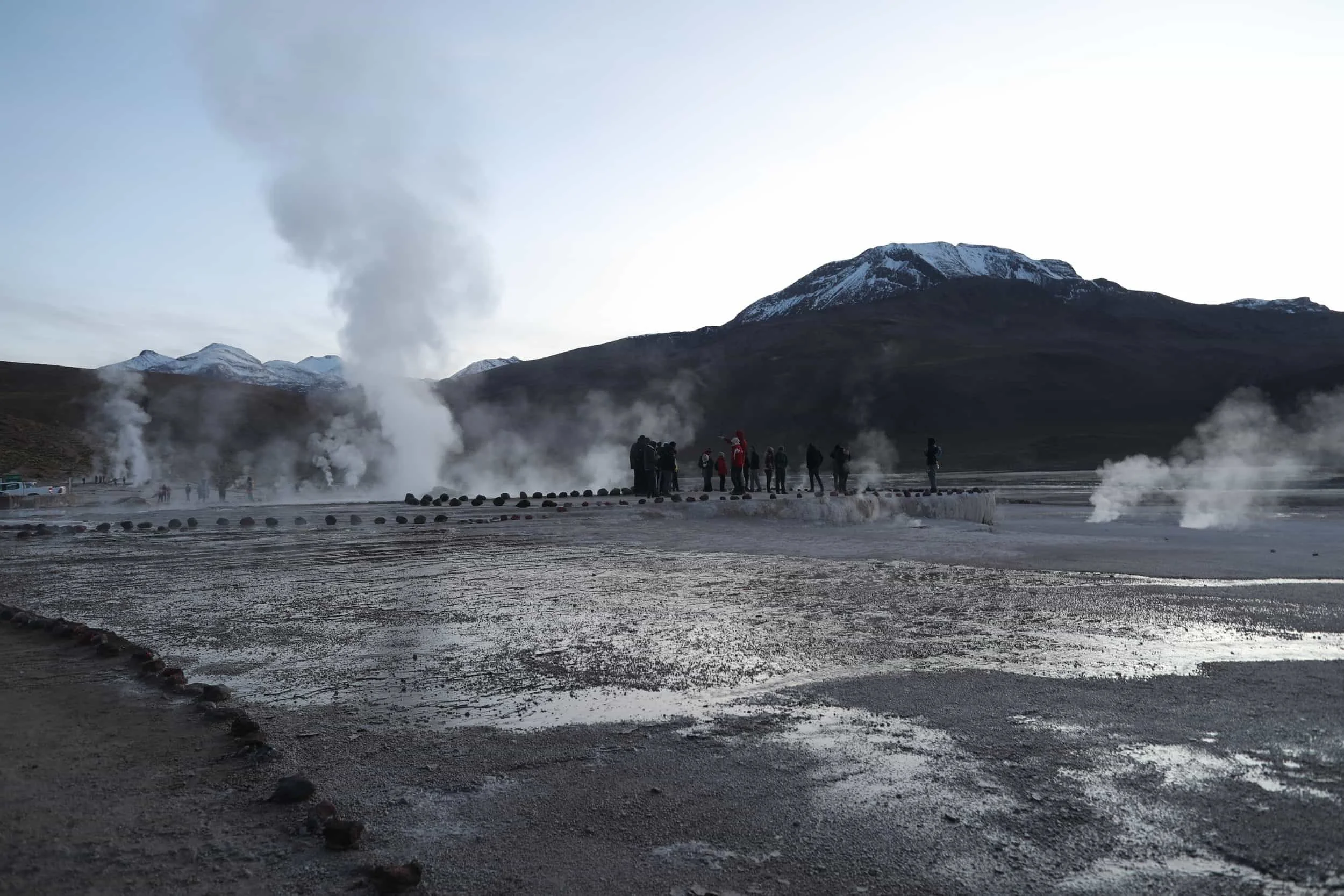
The atmosphere at El Tatio changes constantly with the light and temperature. Before sunrise, dense clouds of steam can partially conceal the landscape, turning distant vents into silhouettes against the mountains.
As the morning progresses, the scene becomes clearer. Individual pools, mineral terraces and rocky formations emerge from the vapor, revealing details that were hidden just moments earlier. It's a landscape that rewards both patience and curiosity.
Even within this harsh geothermal environment, specialized forms of life can survive. Heat-tolerant microorganisms inhabit certain thermal waters and mineral-rich surfaces, sometimes contributing to the colors and textures around the pools.
These microscopic communities are particularly fascinating because they thrive under conditions that would be inhospitable to most living organisms. Their presence reveals another layer of complexity beneath El Tatio's seemingly barren landscape.
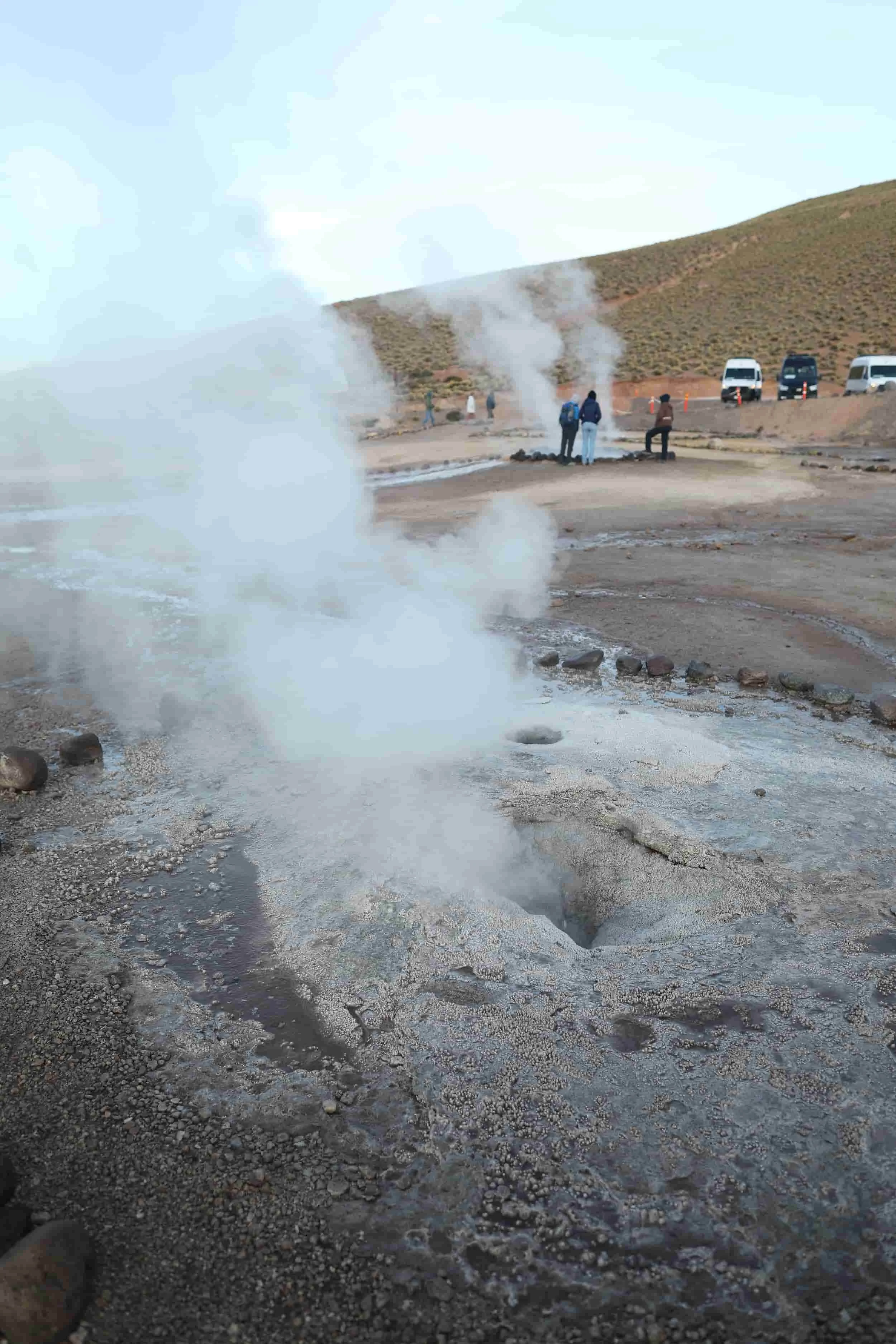
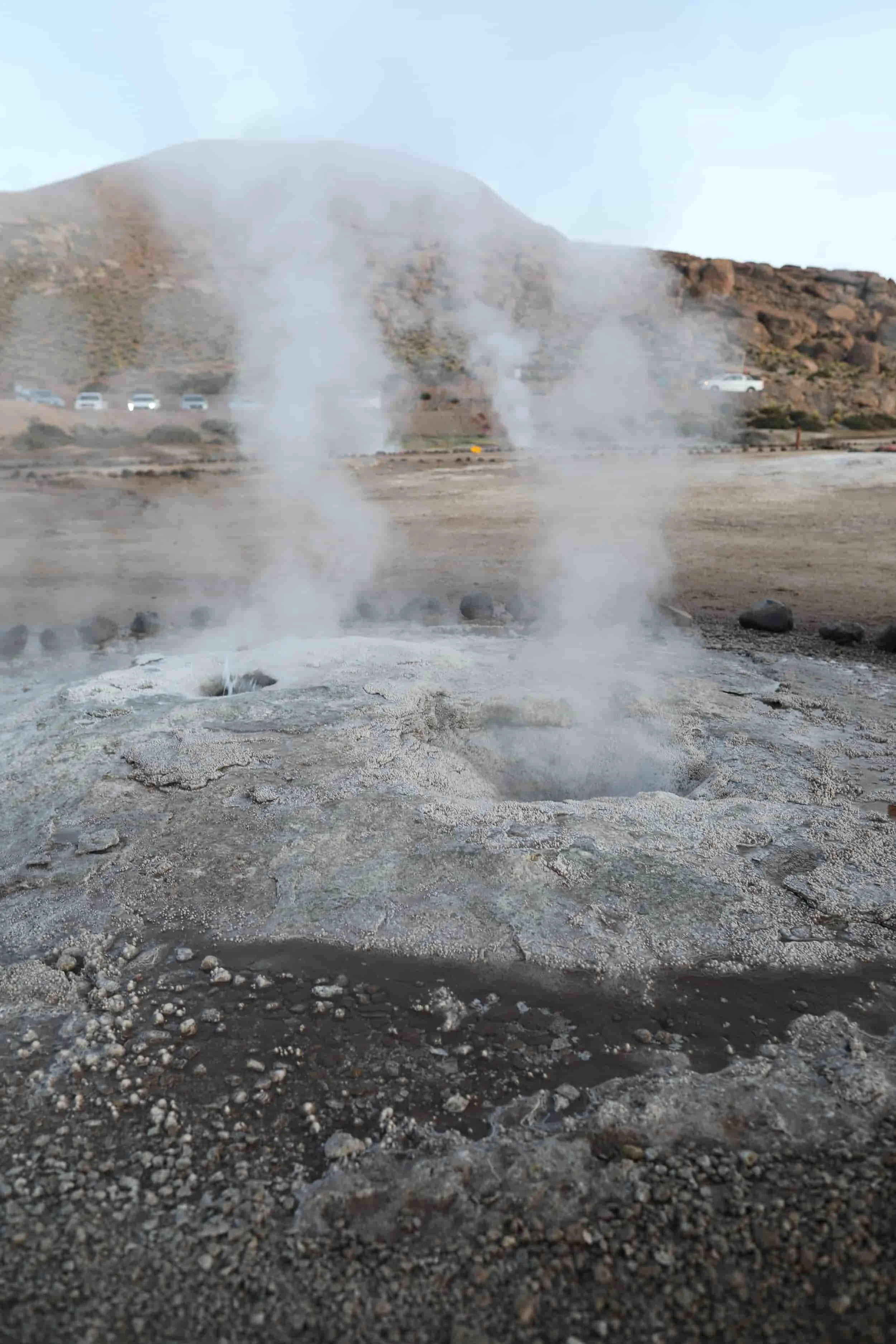
The geothermal formations are beautiful but they're also part of an active and potentially dangerous environment. Water and steam can reach scalding temperatures, and seemingly solid mineral crusts may conceal unstable ground beneath them.
Stay on the designated pathways and observe the pools and vents from a safe distance. These boundaries protect visitors while helping preserve the delicate mineral formations that make El Tatio so remarkable.
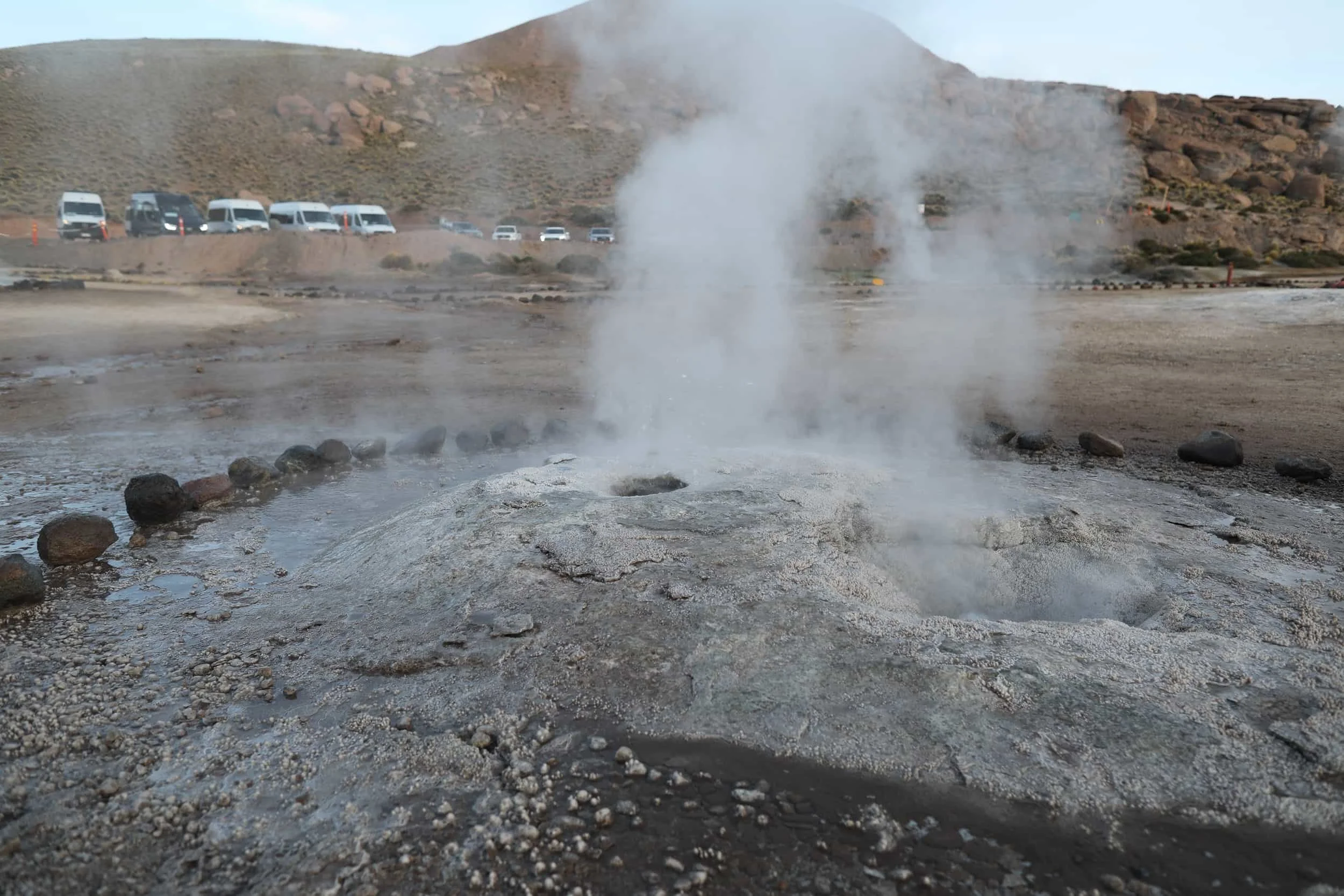
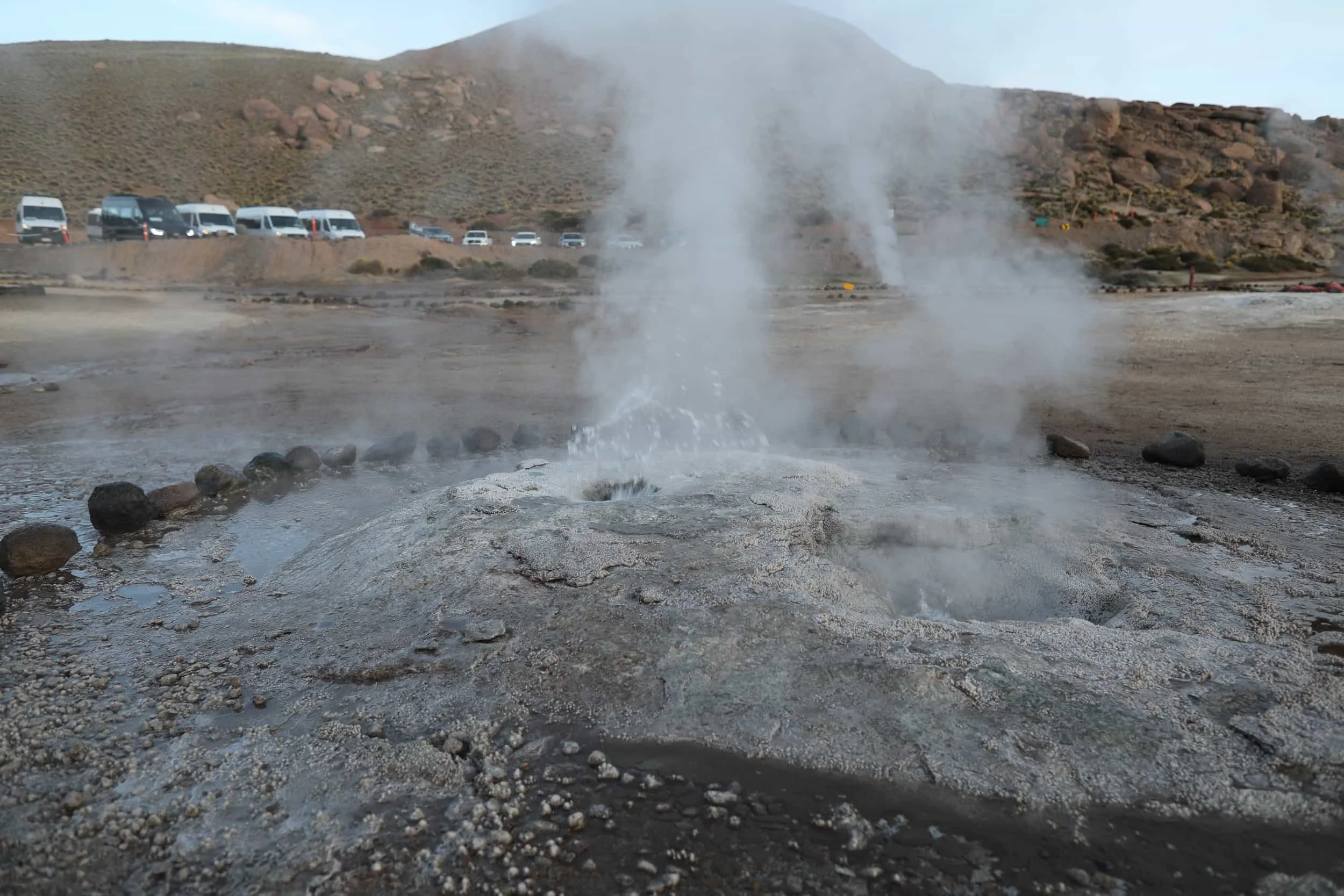
What makes El Tatio so compelling is the contrast between its enormous scale and its intricate details. Towering steam clouds draw your attention from across the basin but a closer look reveals bubbling water, delicate mineral deposits and subtle patterns created by geothermal activity.
The landscape is spectacular to witness, yet understanding the forces behind it adds an entirely different dimension to the experience. That's where a knowledgeable local guide can make all the difference.
Beneath the Surface: Discovering El Tatio with Favio
There's much more to El Tatio Geysers than the spectacular steam rising above the landscape. Beneath the rocky surface lies a complex geothermal system, where underground water, volcanic heat and pressure work together to create the extraordinary activity visible above.
A knowledgeable guide can transform the experience from simply admiring the geysers into discovering how they work. Our guide, Favio, was particularly memorable. His infectious enthusiasm and curiosity brought the geology to life, making every bubbling pool and steaming vent feel like another fascinating discovery.
The process begins with water from rain and melting snow seeping into the surrounding volcanic terrain. As it travels through fractures in the rock, geothermal heat warms the water deep underground. Pressure builds within the system, eventually forcing hot water and steam back toward the surface.
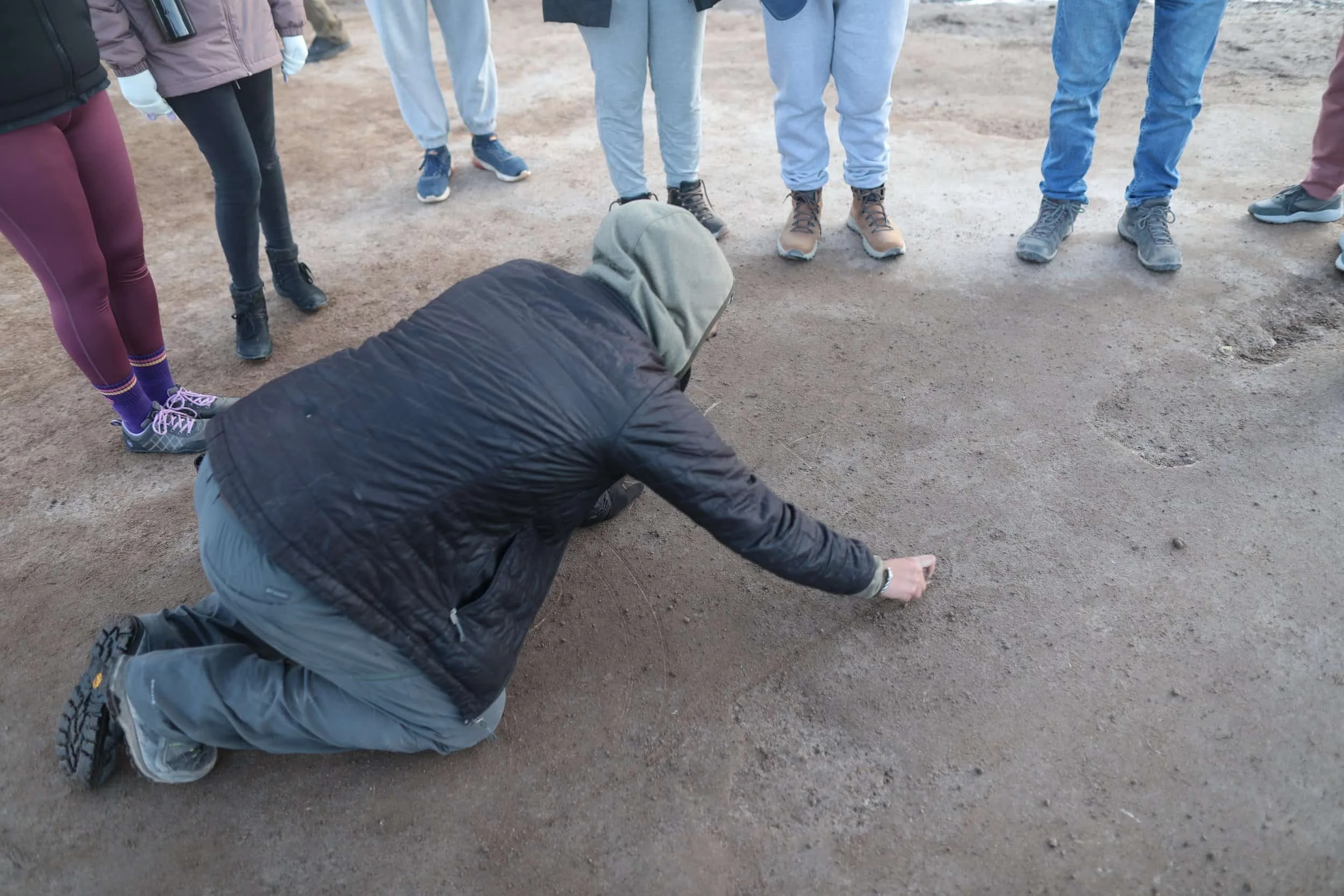
One of my favorite memories was watching Favio kneel down and sketch diagrams directly into the dirt to illustrate this hidden process. His simple drawings made the complicated science surprisingly easy to understand, especially with the geysers bubbling and hissing all around us.
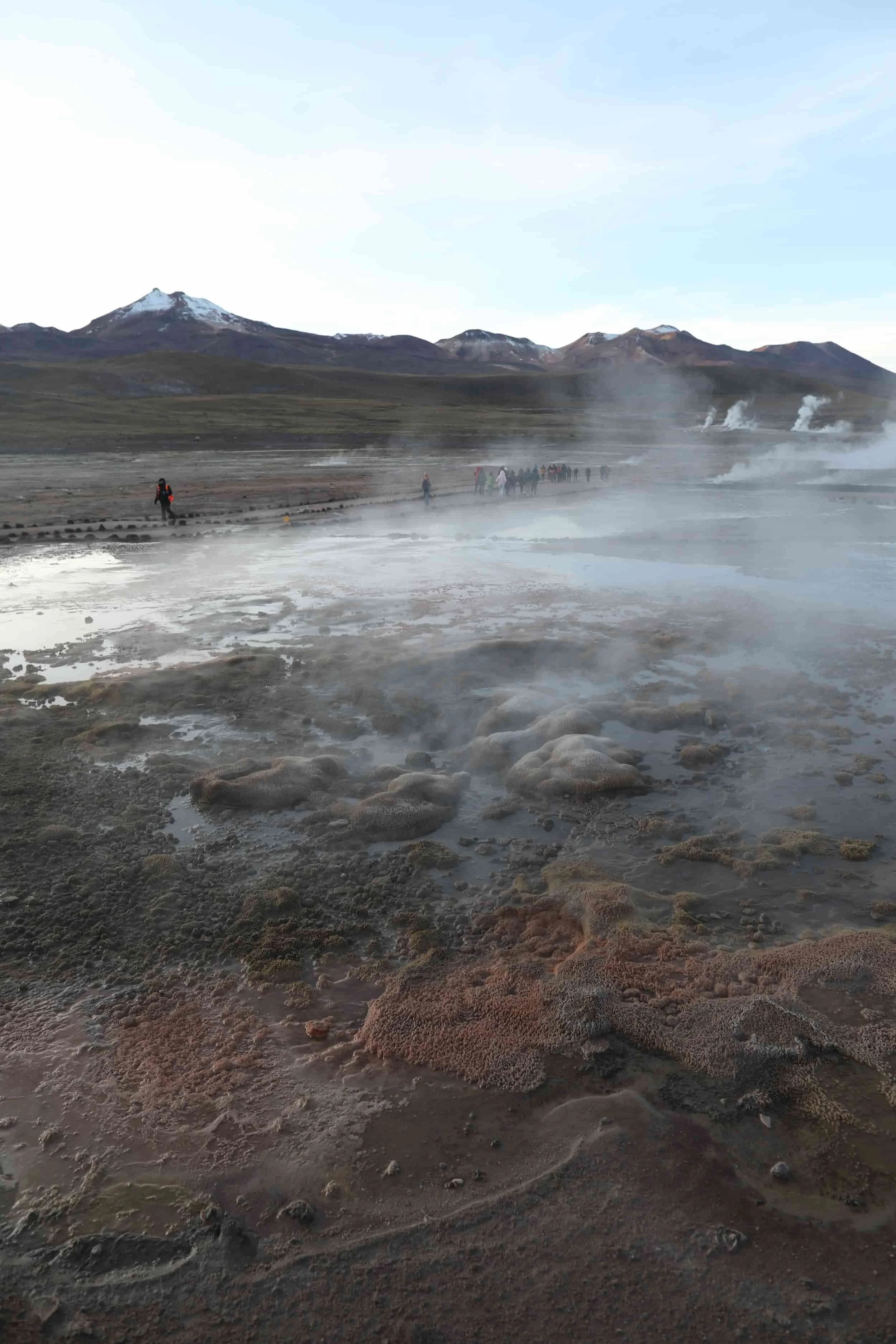
El Tatio sits within the Central Volcanic Zone of the Andes, where the region's volcanic history continues to influence the landscape through heat stored beneath the surface.
Although the surrounding mountains may appear quiet, groundwater circulates through a network of fractures and underground channels, interacting with this geothermal energy. The result is an extraordinary concentration of hot springs, fumaroles and geysers, each providing a glimpse into the powerful natural processes shaping the region.
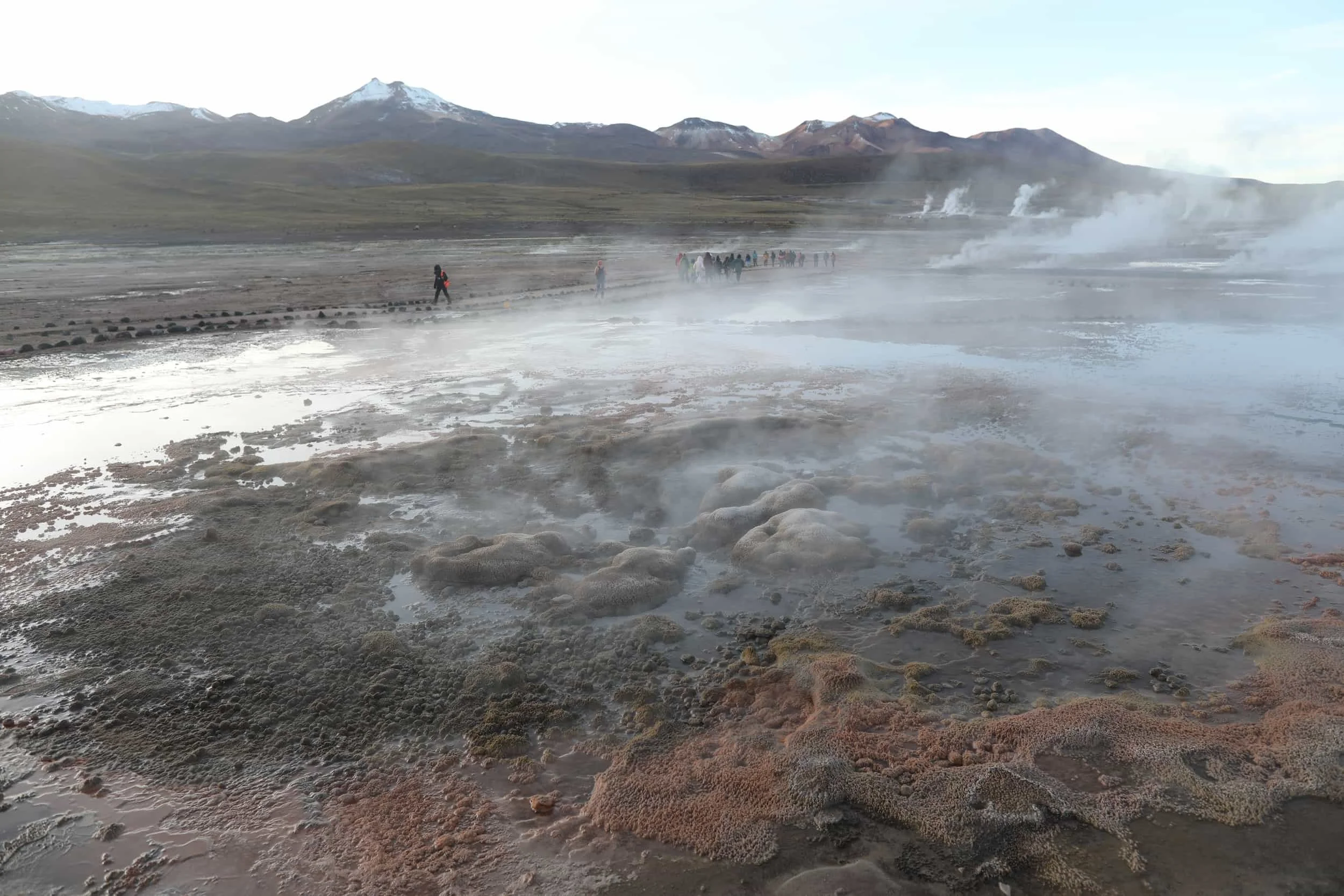
Unlike hot springs that release water more continuously, geysers depend on particular underground conditions that allow pressure to accumulate. As trapped water heats, some of it can become superheated under pressure. When that pressure suddenly drops, part of the water flashes into steam, forcing a mixture of water and vapor upward through the geyser's opening.
After an eruption, the underground system gradually refills and heats again. Depending on its structure and water supply, a geyser may erupt at relatively predictable intervals or behave much less consistently.
Some geysers at El Tatio follow surprisingly regular eruption cycles, making them especially fascinating to observe. If you have time, choose an active geyser and watch how its behavior changes rather than moving immediately to the next formation.
One particular geyser captured my attention with its almost mechanical rhythm. It erupted for approximately seven minutes, settled for five and then began again. Watching that cycle unfold, with Favio explaining the pressure and water movement beneath the surface, was one of the most fascinating moments of the excursion.
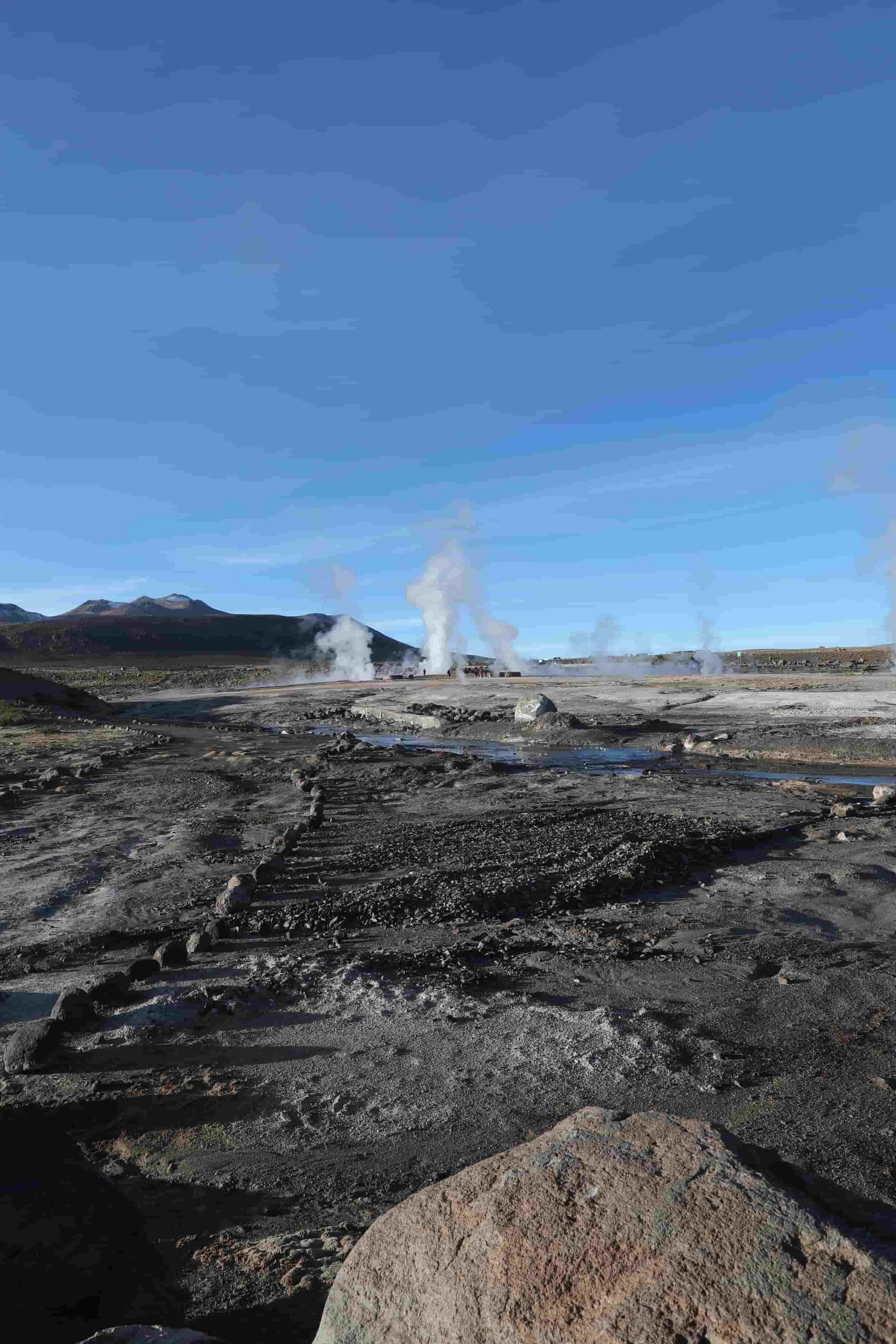
The geothermal activity at El Tatio extends well beyond the most visible vents. Heat moves through the underground rock and water systems, sometimes creating warmer areas even where the surface appears relatively ordinary.
Favio demonstrated this during our excursion, identifying a particular area where we could experience the warmth rising from beneath the ground under his supervision. Against the freezing Andean air, the contrast was remarkable — a simple but memorable reminder of the energy hidden below.
ℹ️ Good to Know | Never test the ground or touch geothermal water independently. Thin mineral crusts can conceal dangerously hot water and unstable surfaces. Always remain within designated visitor areas.
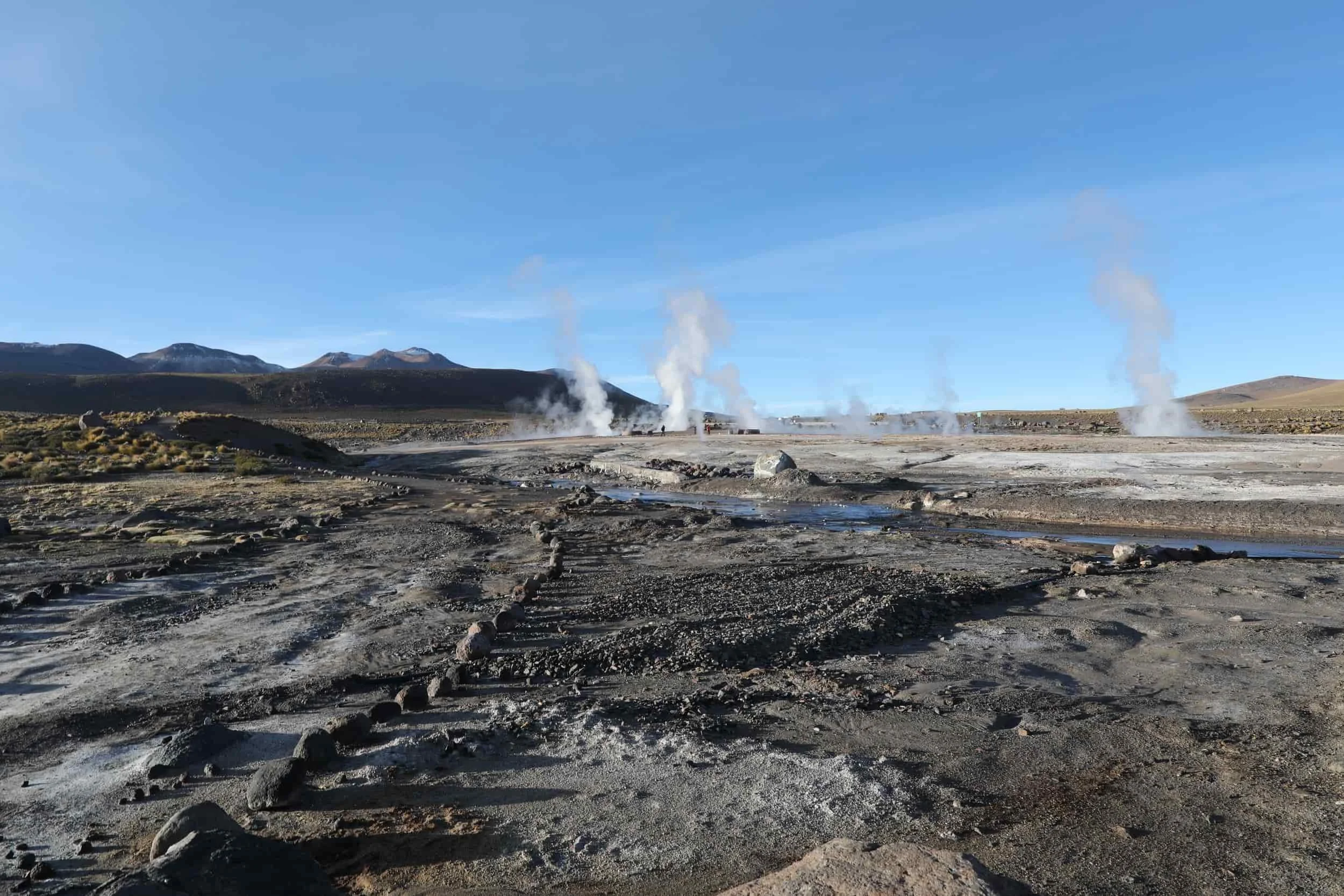
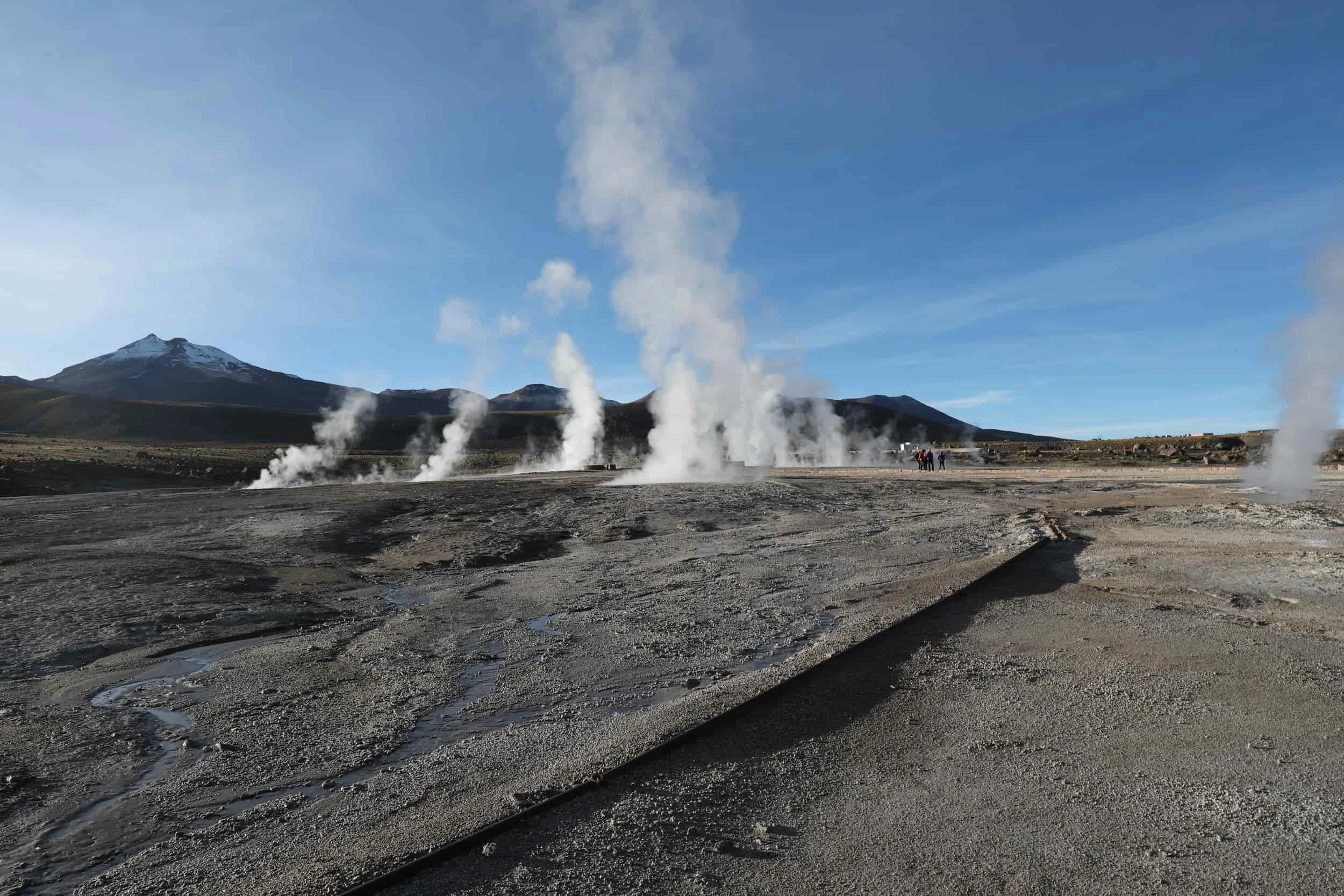
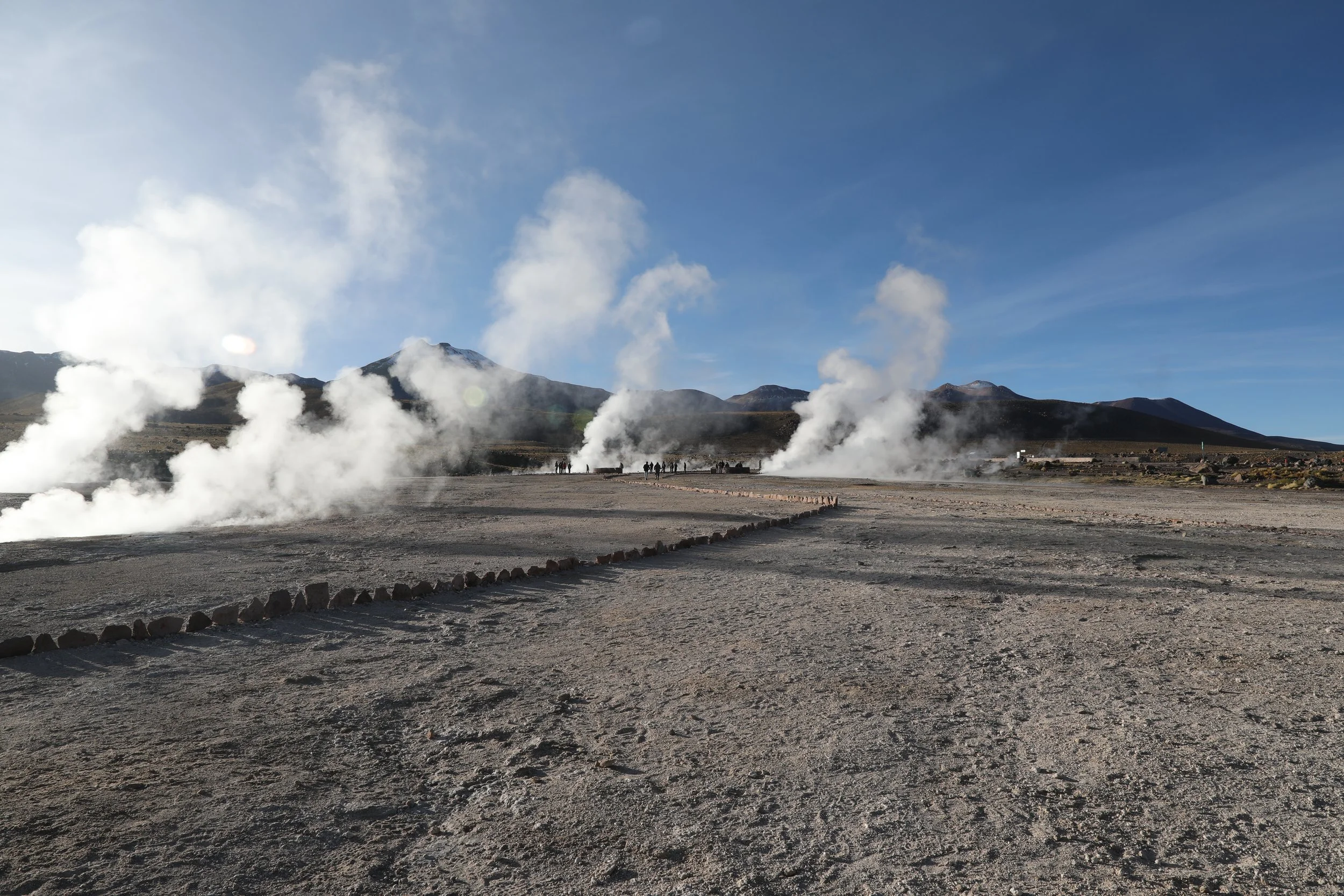
As the morning light grows stronger, the dramatic steam clouds begin to soften, revealing more of the surrounding mountains and mineral-covered terrain. The geysers remain active but the changing atmosphere offers a different perspective on this extraordinary landscape.
El Tatio is a place that rewards curiosity. Its beauty is immediately apparent but the geology, delicate mineral formations and surprising rhythms of the geysers reveal something even more compelling beneath the surface.
For me, Favio's enthusiasm was what made the experience especially memorable. His explanations turned an already remarkable morning into an opportunity to discover just how fascinating the natural world can be.
The Assassin Geyser: El Tatio's Most Dramatic Display
Among the many geothermal formations at El Tatio Geysers, one stands apart for its sheer scale and intensity. Known as the Assassin Geyser, this imposing feature releases enormous clouds of steam from a cavernous opening in the earth, creating one of the most dramatic sights in the field.
Its ominous nickname hints at the dangers of geothermal activity but from a safe viewing area, the spectacle is extraordinary. The contrast between the rugged mineral-covered ground and the towering white steam makes this one of El Tatio's most memorable formations.
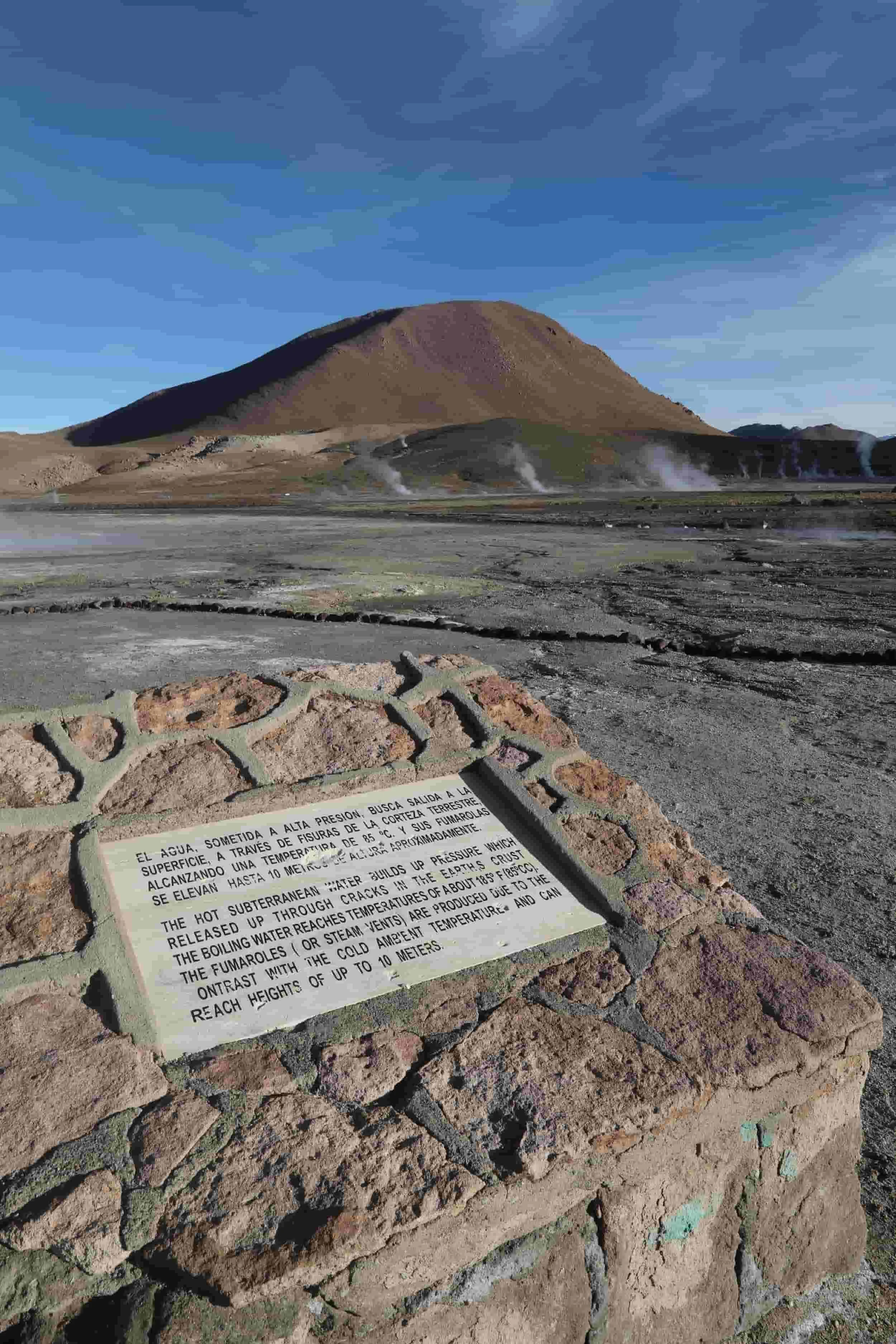
The Assassin's name is a reminder that geothermal landscapes are as powerful as they are beautiful. Scalding water, intense steam and unstable ground can create serious hazards, particularly around large, active vents.
Safety barriers help establish a viewing distance from which visitors can appreciate the geyser without approaching its dangerous opening. Even when the activity appears relatively calm, the conditions beneath the surface can change unexpectedly.
ℹ️ Good to Know | Respect all barriers and designated viewing areas. Never approach a geothermal vent for a closer photograph, even when it appears inactive.
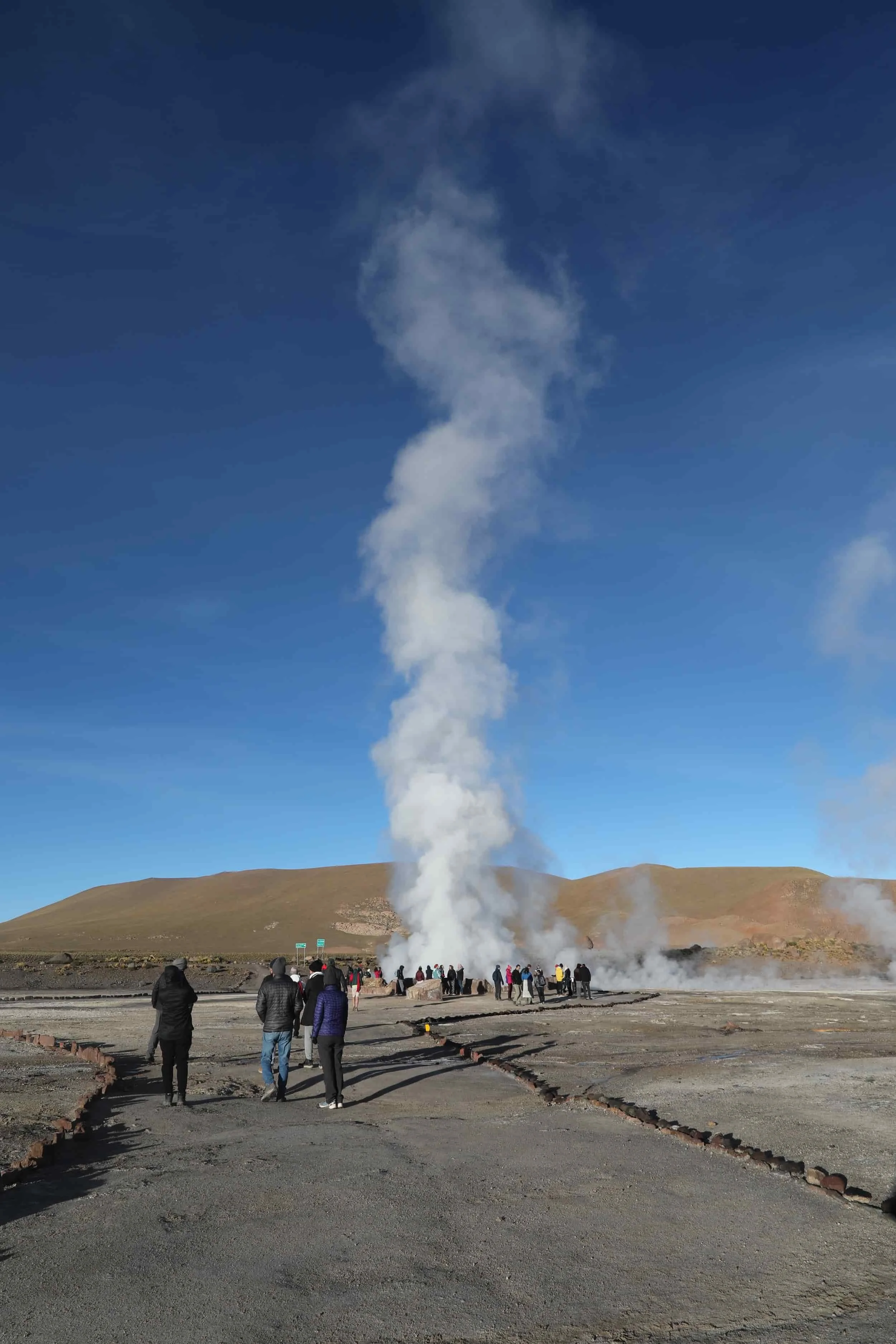
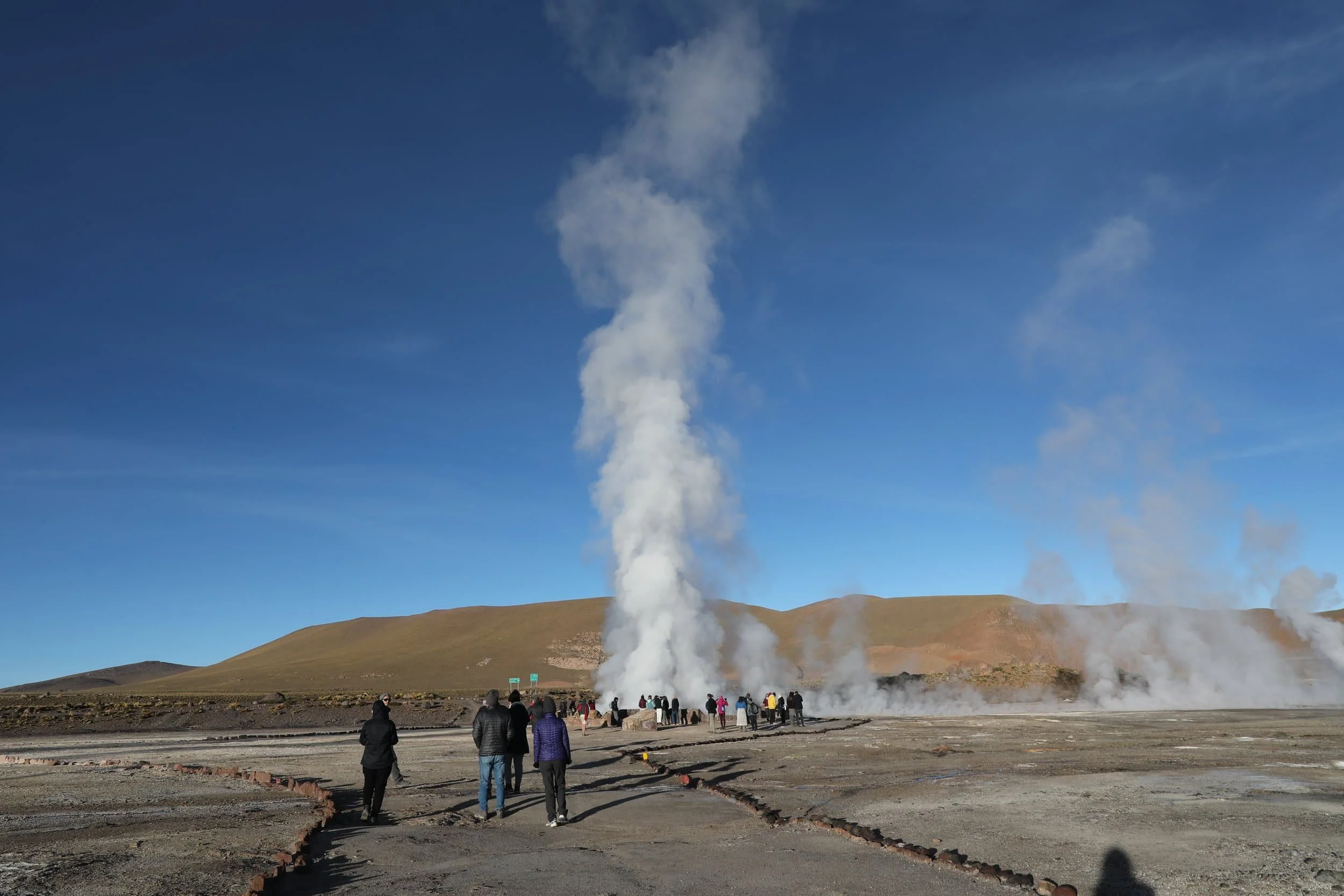
The first thing that captures your attention is the sheer volume of steam. Dense white clouds surge upward before spreading across the landscape, sometimes concealing the geyser's opening entirely.
As the vapor shifts with the wind, the enormous formation appears and disappears behind its own steam. The effect is mesmerizing, particularly against the stark mountains and brilliant morning sky.
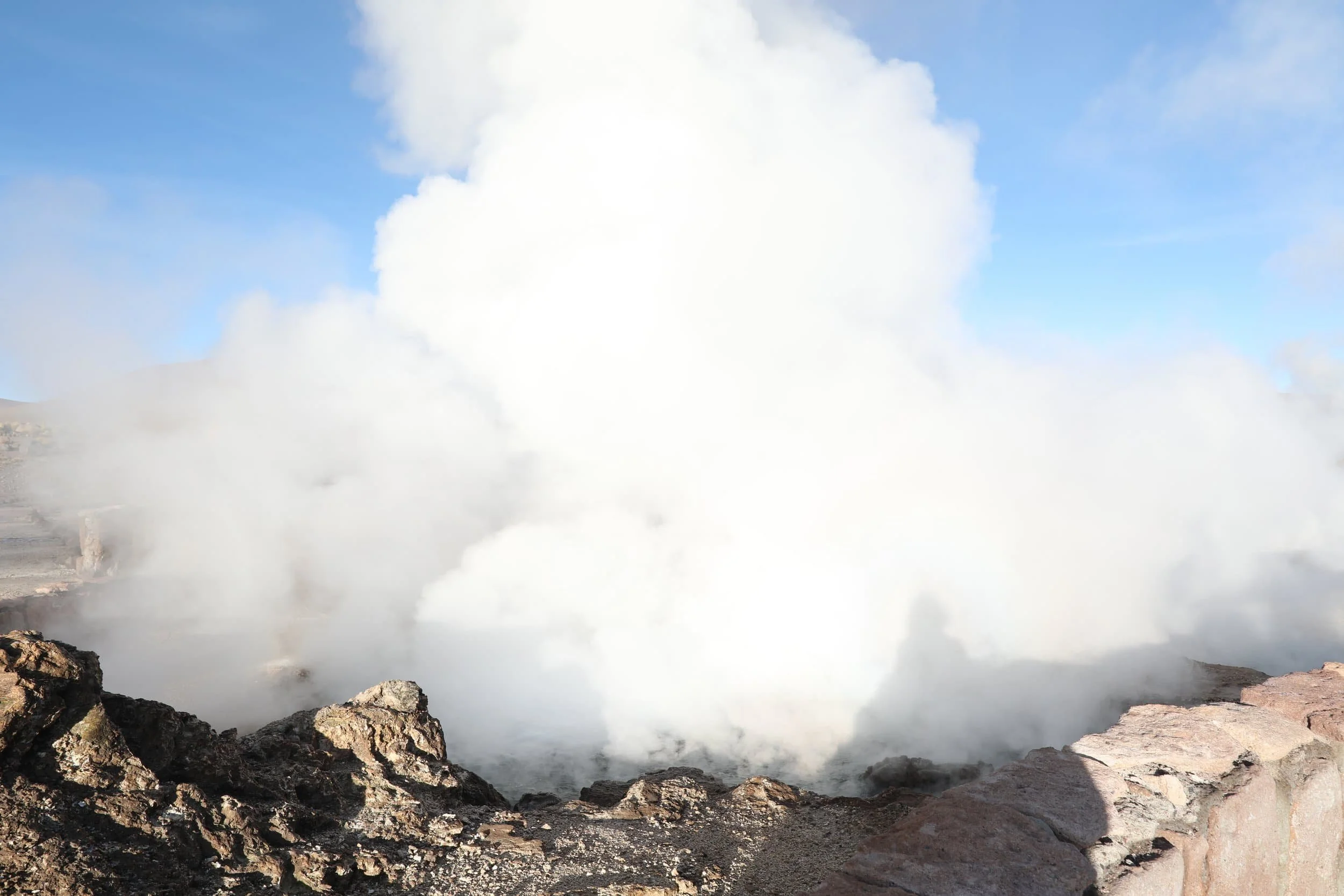
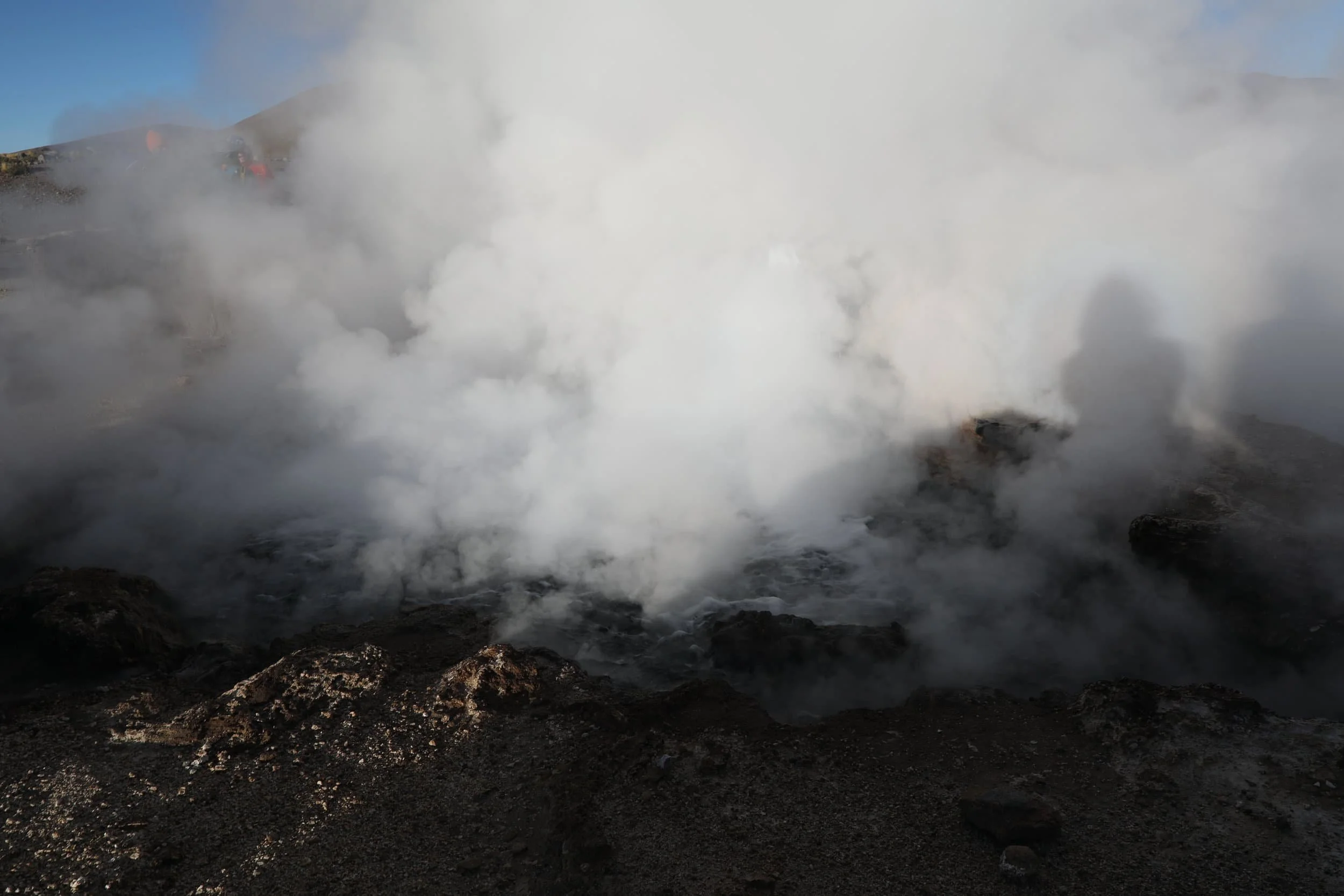
When the steam clears, the geyser's opening reveals an extraordinary scale. Dark, mineral-stained walls surround a deep, cavernous mouth, creating a dramatic contrast with the pale deposits and drifting vapor around it.
Look closely at the edges of the formation. Years of geothermal activity have shaped the surrounding mineral surfaces into irregular layers, revealing the gradual changes created by heat, water and time.
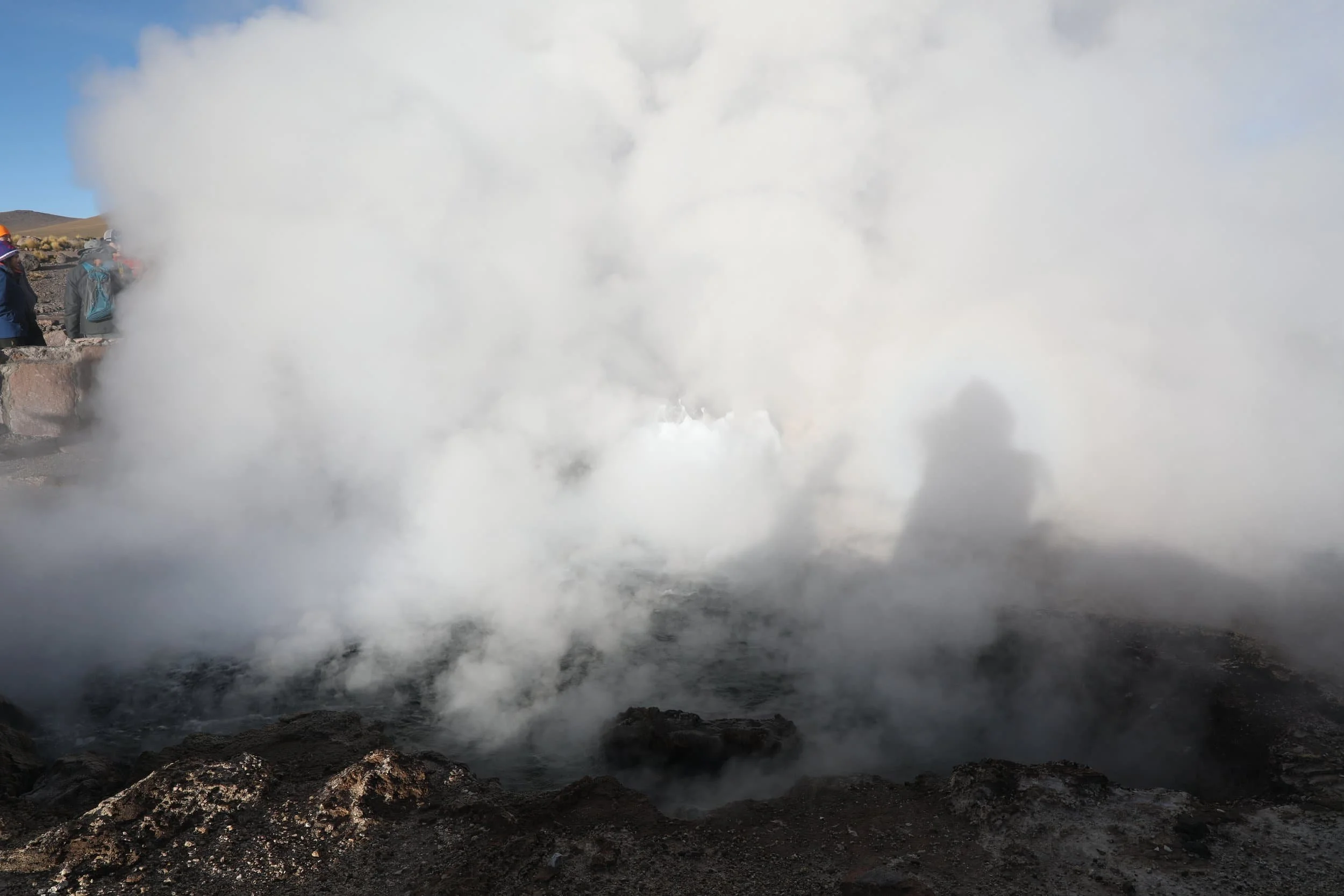
The Assassin's activity is a powerful demonstration of the energy hidden beneath Atacama Chile. Hot water and steam rise through the underground geothermal system, escaping through the geyser's enormous opening.
Unlike the smaller vents scattered throughout El Tatio, the scale of this formation makes the movement particularly dramatic. Steam rolls upward in thick columns, occasionally revealing glimpses of turbulent water below.
It's an extraordinary reminder that the seemingly solid landscape is anything but still.
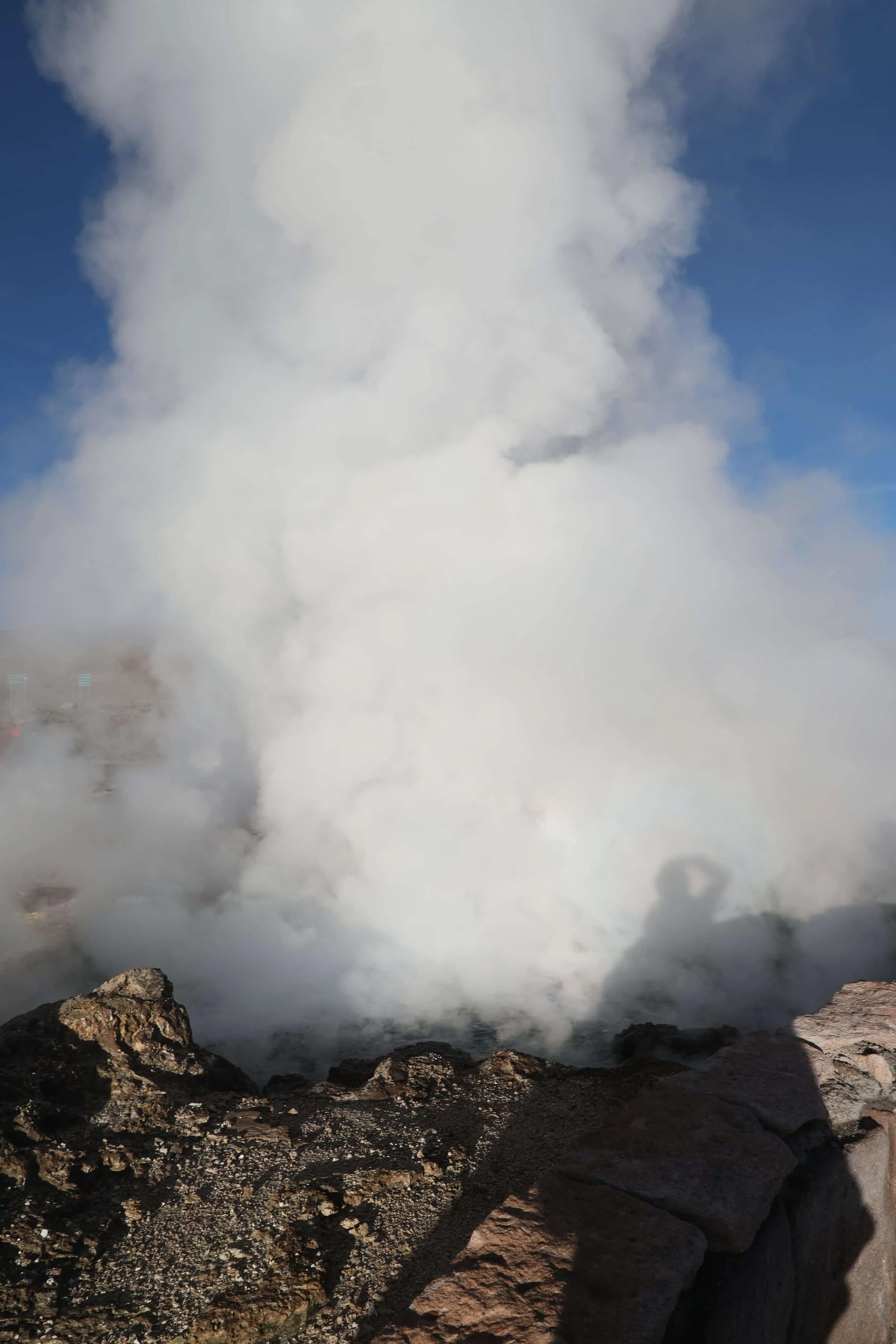
Watching the Assassin is an experience of constantly changing visibility. One moment, the opening is almost completely hidden behind a curtain of steam. The next, the wind carries the vapor aside, revealing the dark interior and churning water beneath.
Listen for the deep bubbling and hissing that accompany the activity. The combination of sound, movement and enormous scale gives this particular geyser a presence unlike the smaller formations nearby.
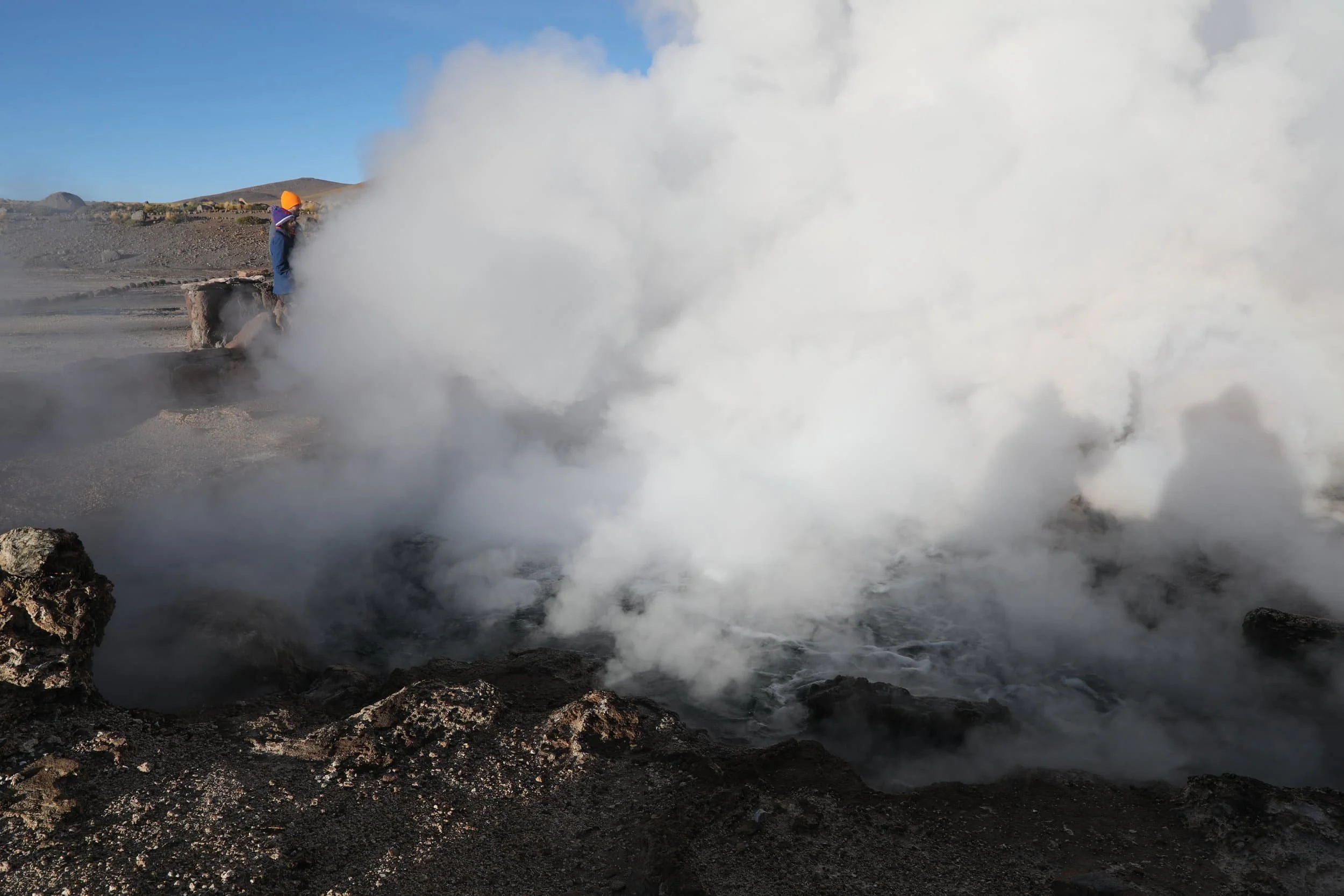
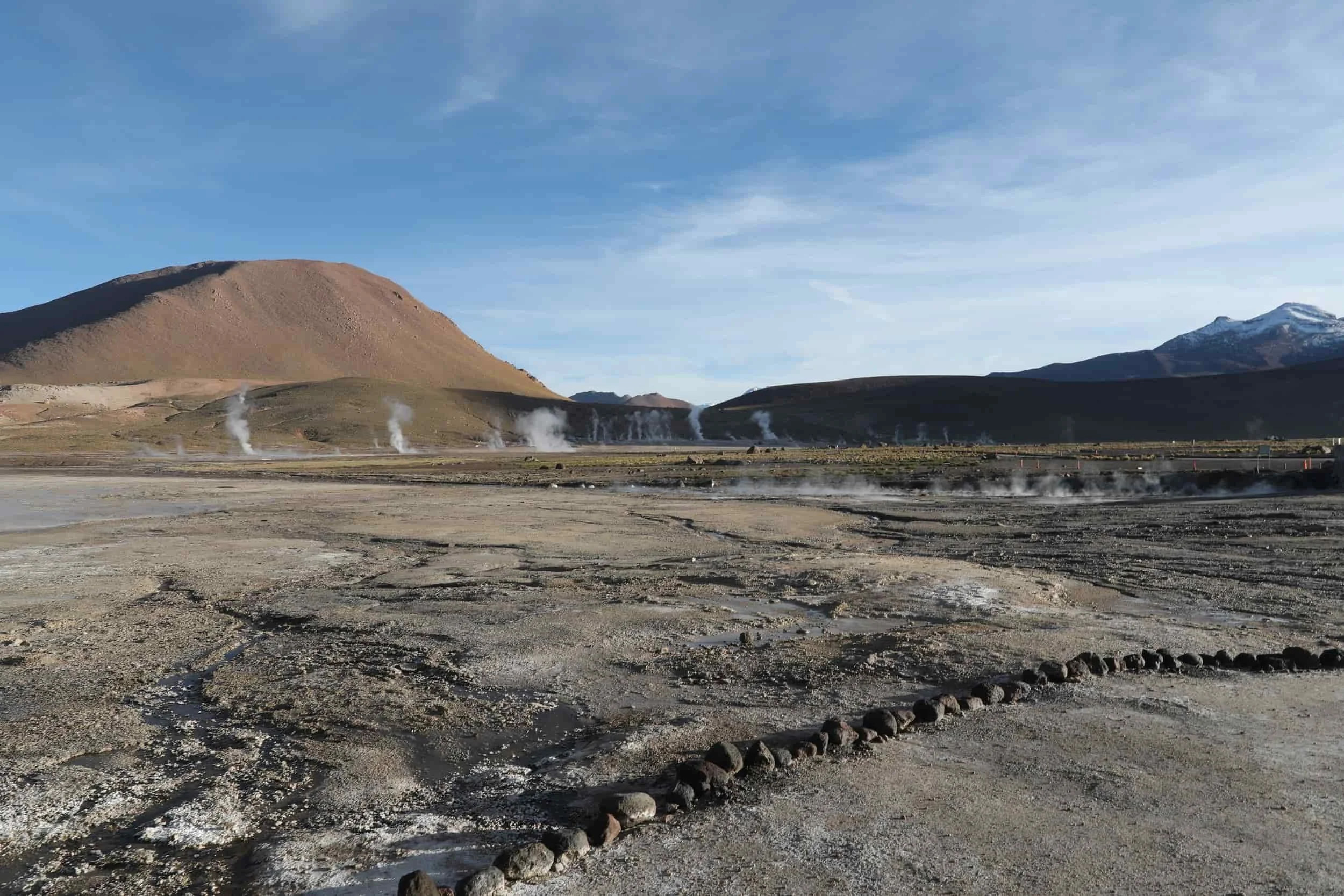
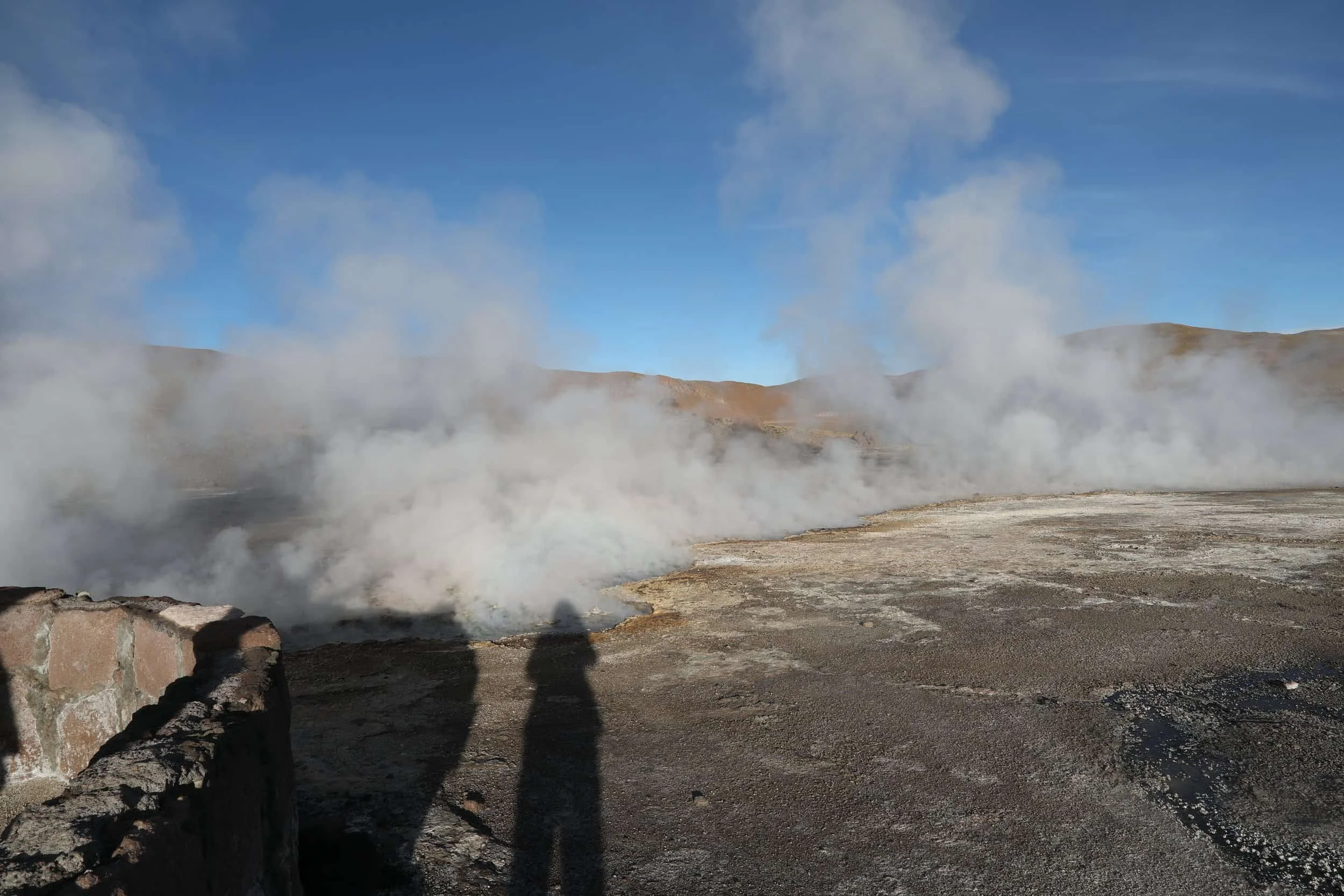
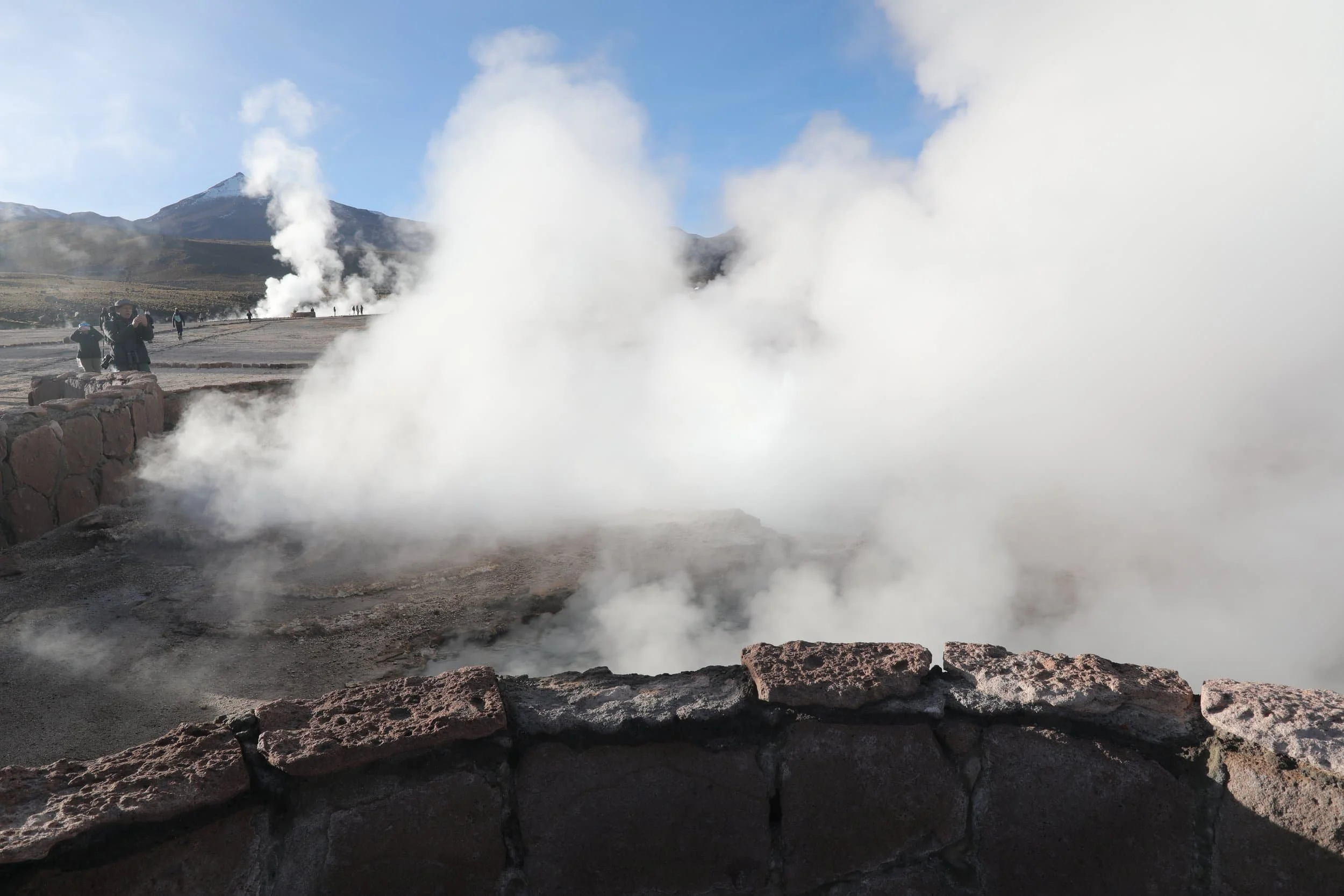
Near the Assassin, other thermal features reveal how varied the geothermal landscape can be. Smaller pools and steaming openings may appear less dramatic but they are connected to the same underground system of heat and circulating water.
Some thermal bathing areas at El Tatio have been subject to restrictions or closures, making it important to follow current site guidance rather than assuming that a pool is safe to enter.
The experience here is best enjoyed by observing the activity from designated areas and appreciating the extraordinary natural forces on display.
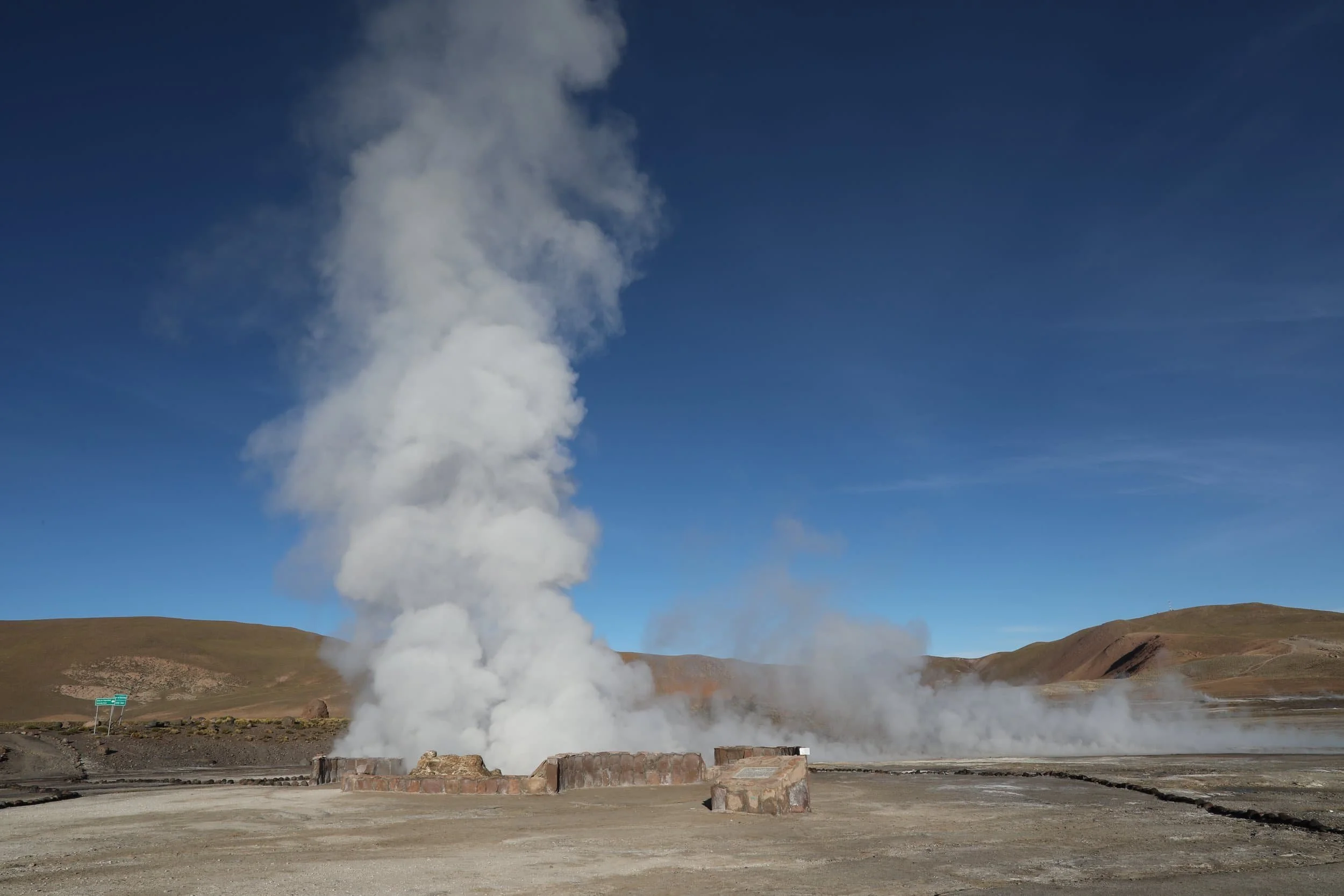
The Assassin Geyser offers a fitting finale to the geothermal experience at El Tatio. Its immense opening, turbulent activity and towering clouds of steam bring the extraordinary power of this landscape into sharp focus.
For me, watching these geysers erupt was a first, and the Assassin was particularly captivating. There was something almost hypnotic about the shifting steam and the glimpses of boiling water beneath it.
After a morning of freezing temperatures, fascinating discoveries and unforgettable scenery, the journey continues into the surrounding Andean highlands — with a welcome breakfast stop and more beautiful landscapes still to come.
Breakfast in the Andean Highlands: A Peaceful Wetland Stop
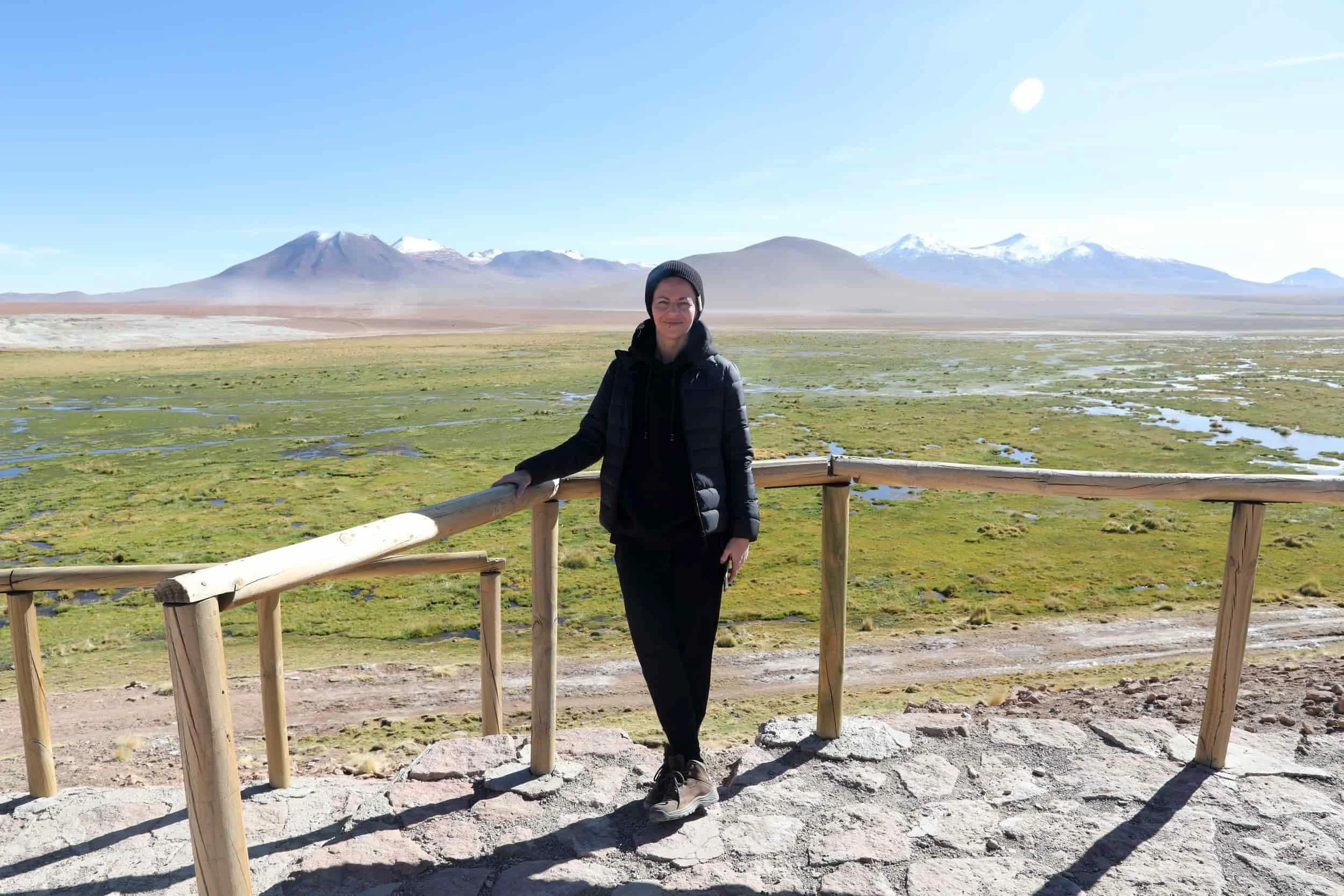
After the extraordinary geothermal activity at El Tatio Geysers, the surrounding Andean highlands offer an entirely different kind of beauty. Small wetlands appear among the rugged mountains, where shallow water, hardy grasses and open skies create peaceful pockets of life within the otherwise arid landscape.
Many El Tatio geysers tours include a breakfast stop in this remarkable setting, offering a chance to warm up, enjoy the scenery and discover another side of Atacama Chile.
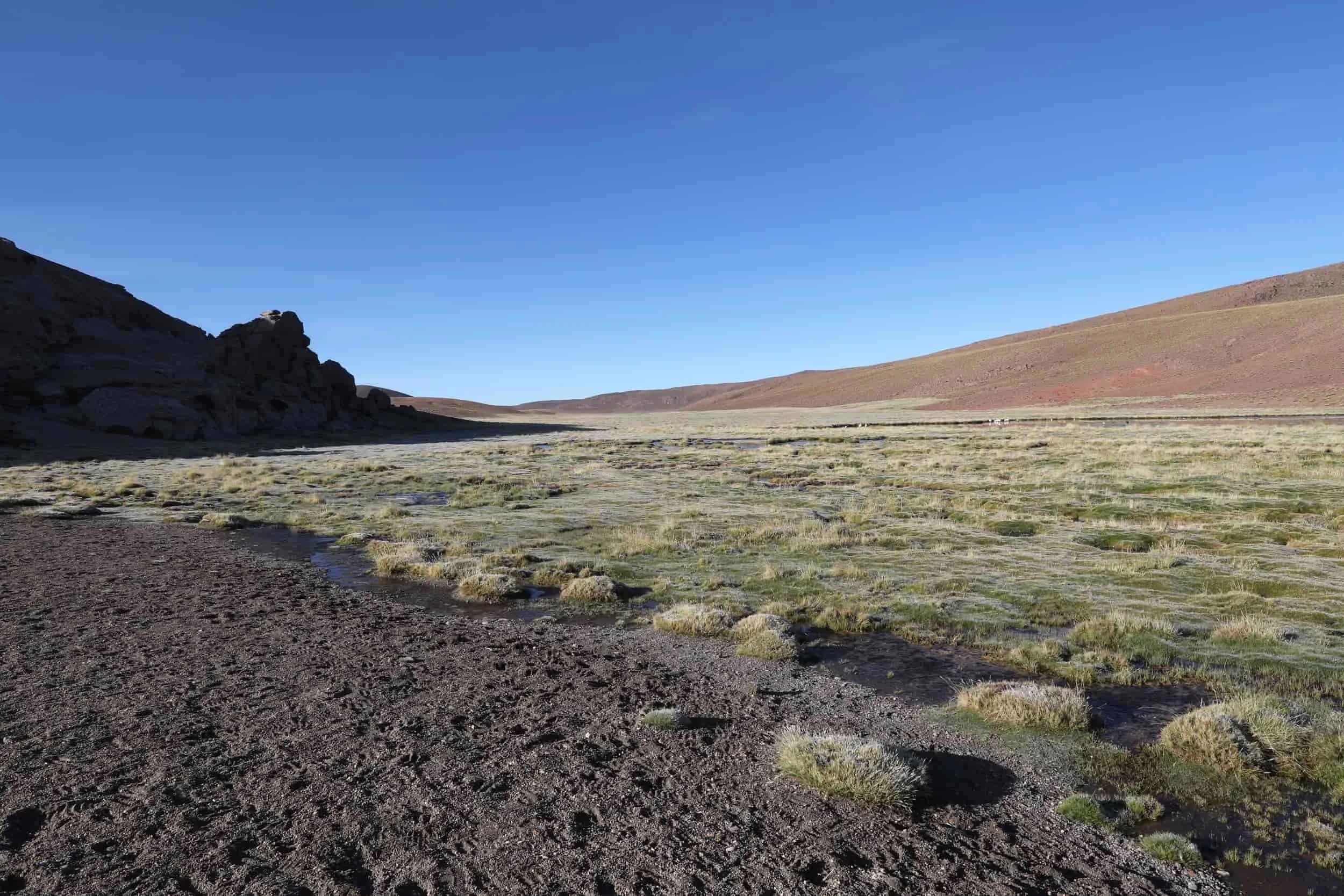
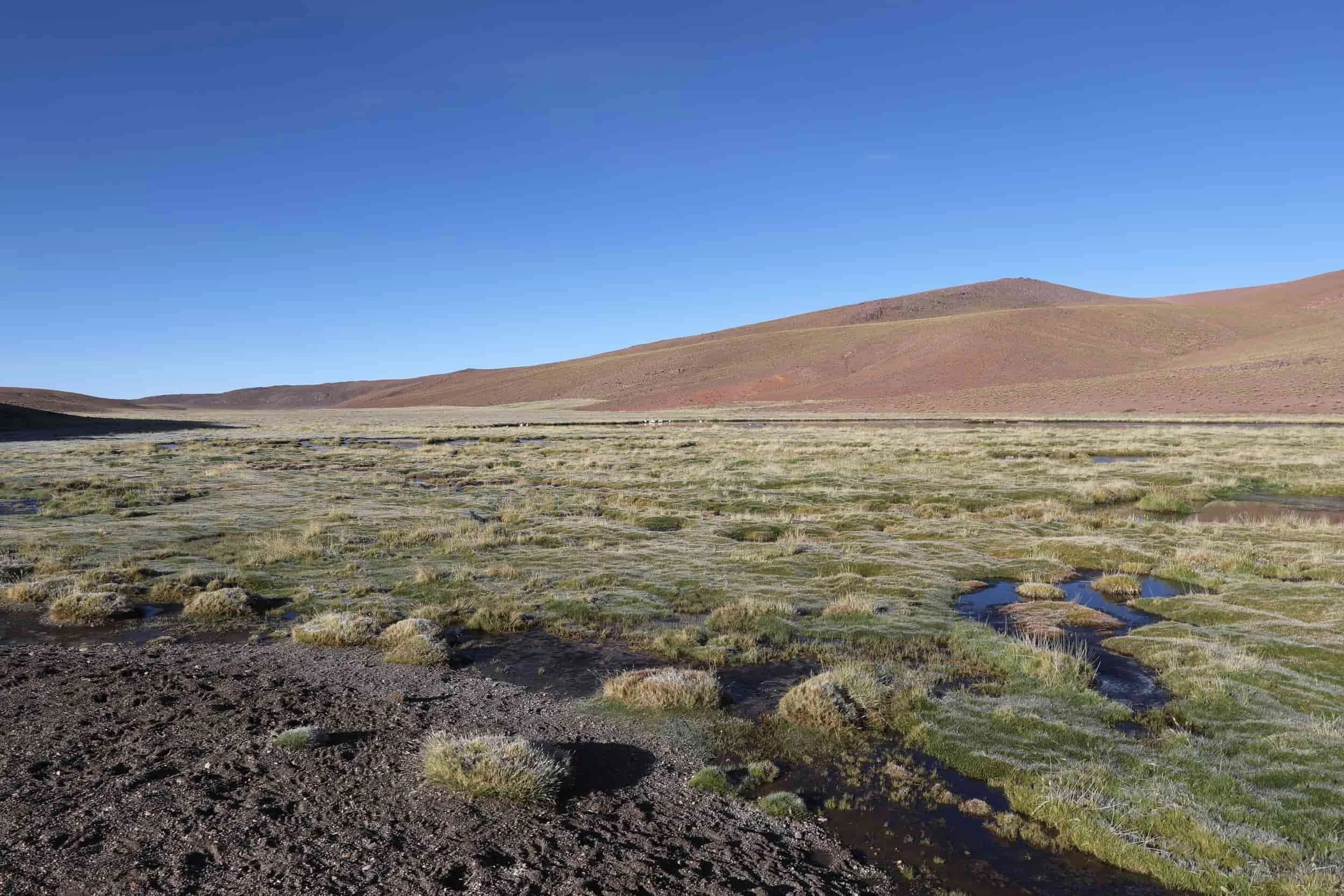
The transition from the steaming geyser field to the quiet wetlands is striking. Instead of hissing vents and clouds of vapor, the landscape is filled with tufted grasses, still water and broad mountain views.
At this elevation, even a small amount of water transforms the environment. Vegetation gathers along the marshy edges, introducing unexpected color and texture against the surrounding rocky terrain.
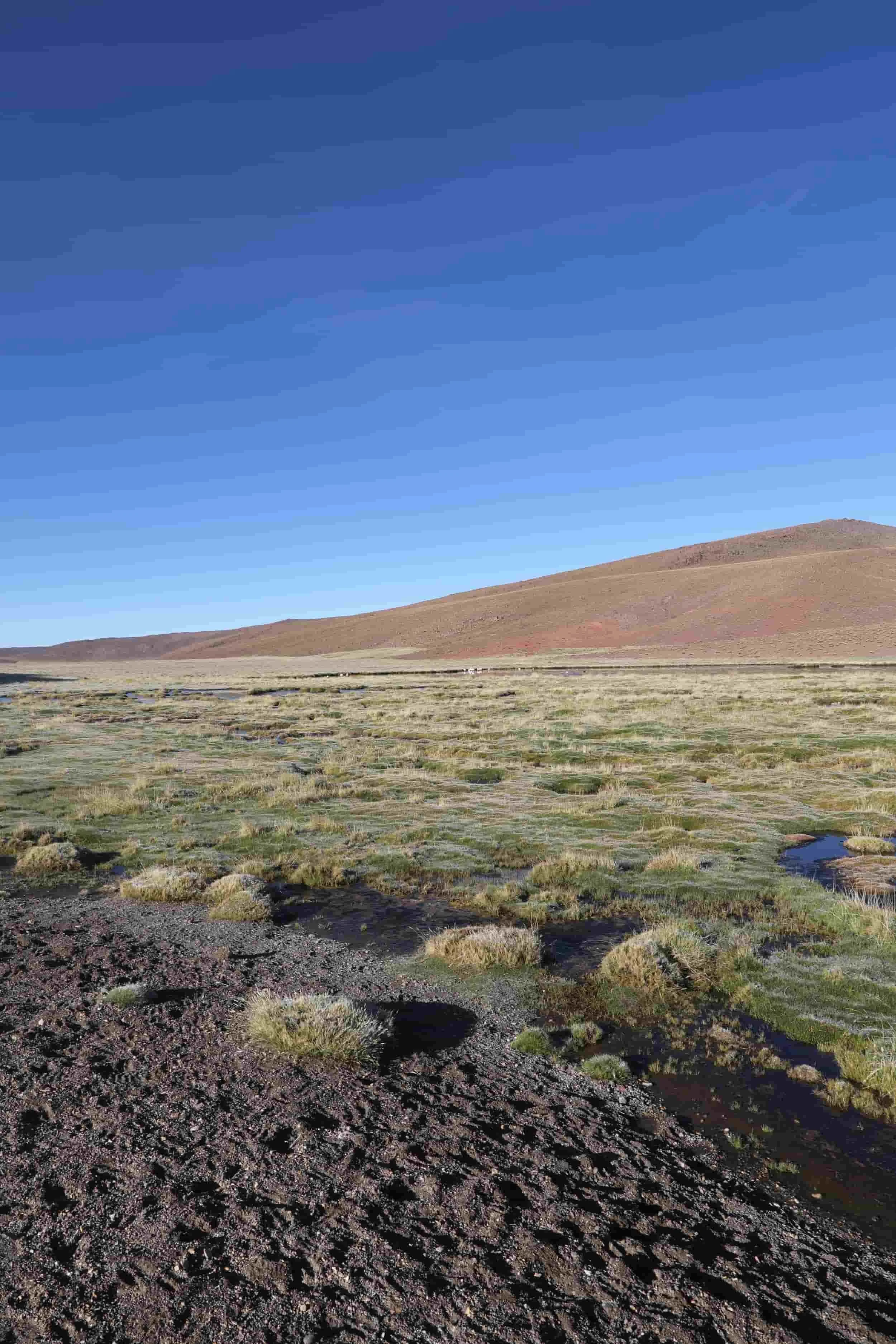
High-altitude Andean wetlands, often known as bofedales, are important ecosystems that support wildlife in an otherwise dry and challenging environment. Fed by groundwater, springs or seasonal meltwater, these marshy areas provide moisture and grazing habitat for species adapted to life in the Altiplano.
Their green and golden grasses create beautiful contrasts with the muted colors of the mountains, making even a brief stop worth taking the time to appreciate.
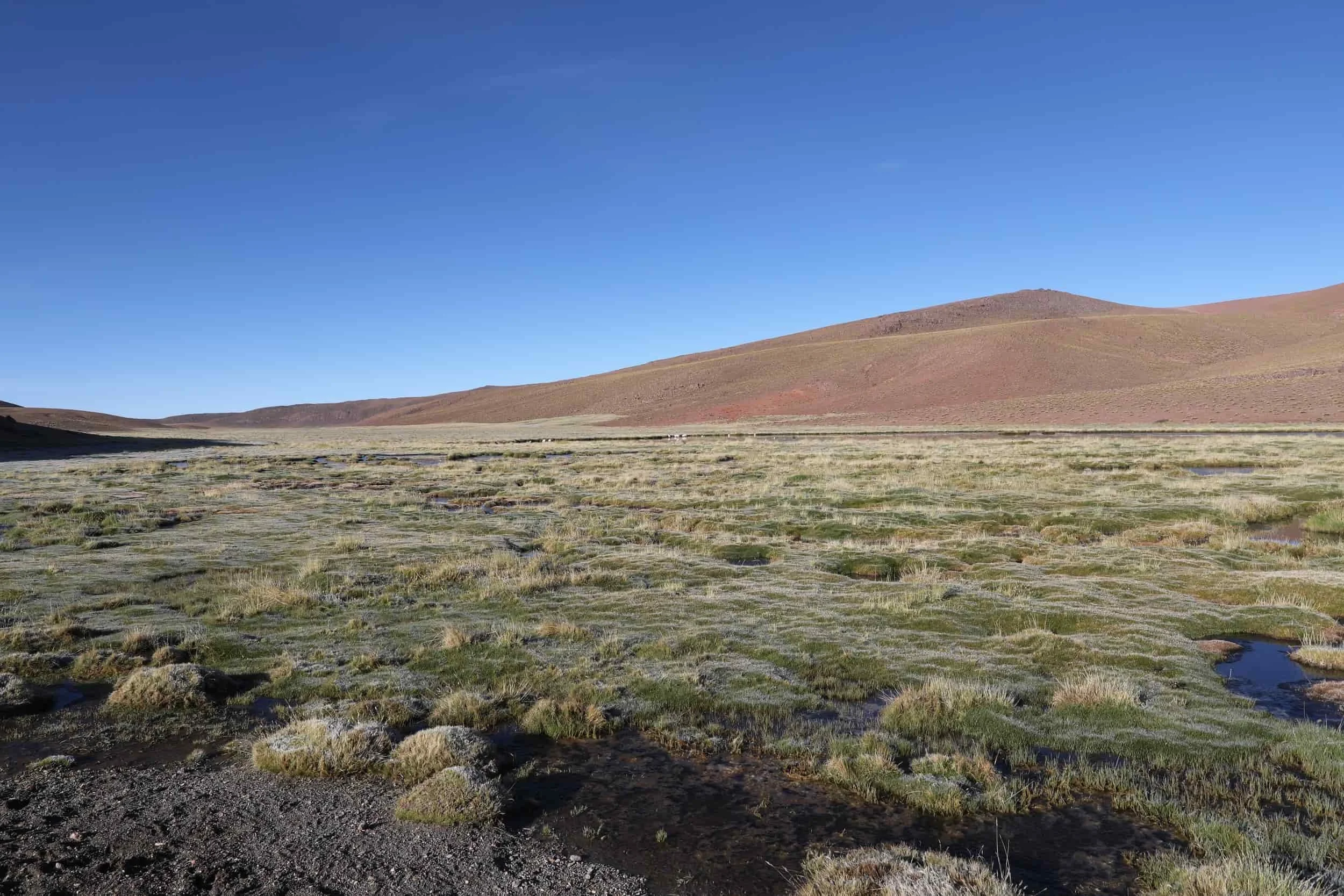
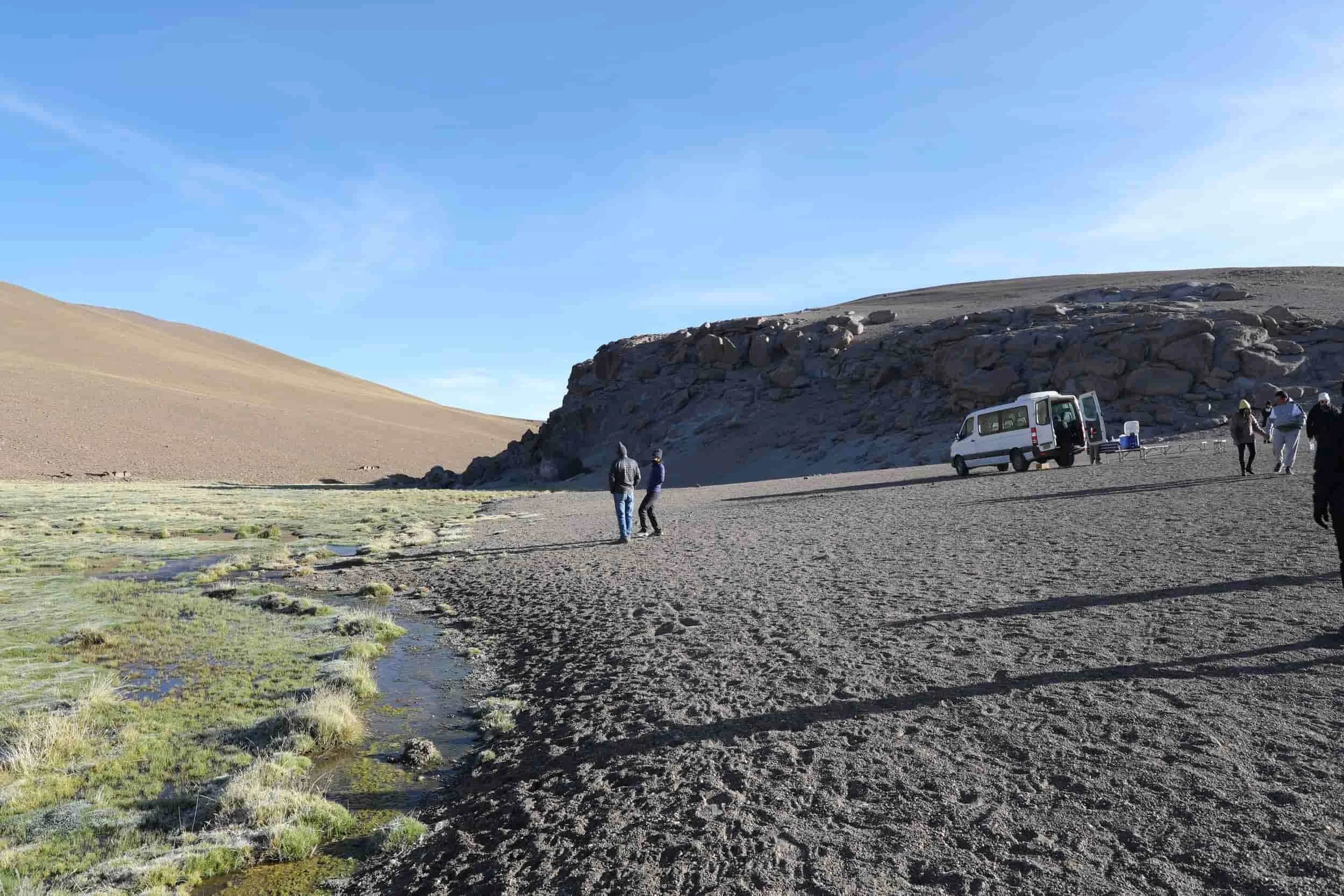
Look closely at the wetland's edges and you'll notice a landscape shaped by water on a much smaller scale. Shallow channels wind through dense grasses, creating irregular patterns and subtle reflections beneath the open sky.
These natural textures offer a quieter kind of beauty than the geysers, with soft vegetation and gently moving water replacing the dramatic mineral formations of the geothermal field.
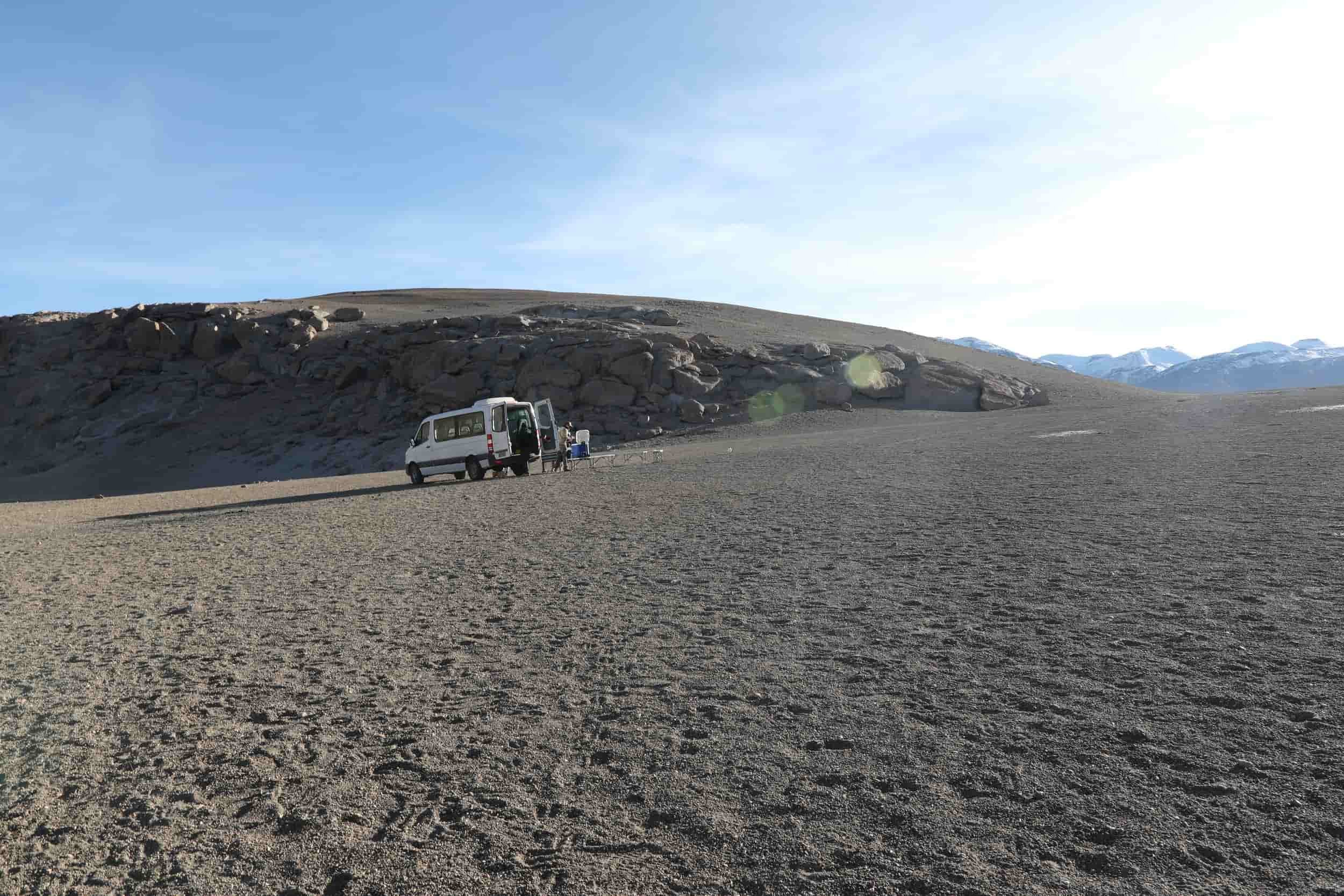
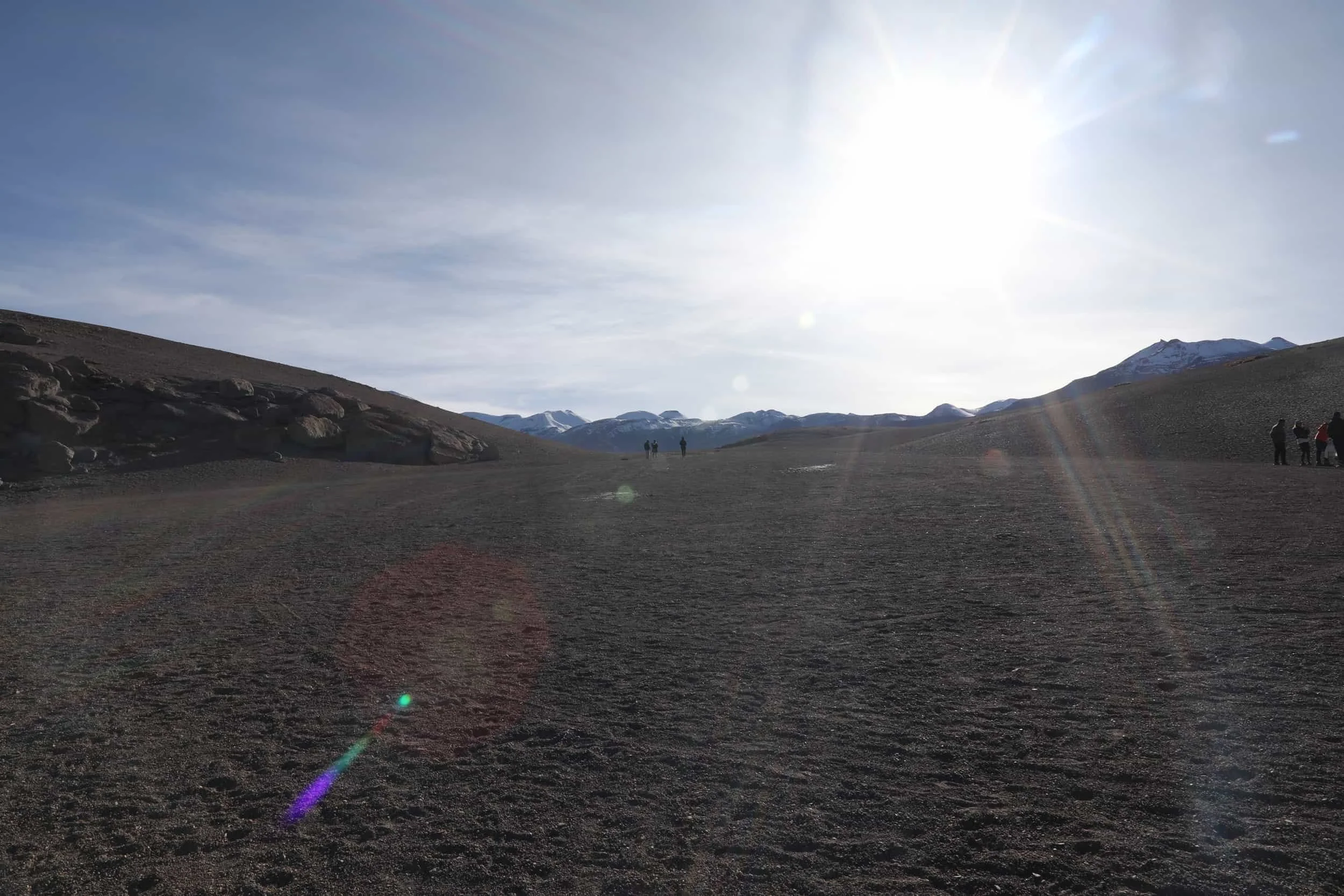
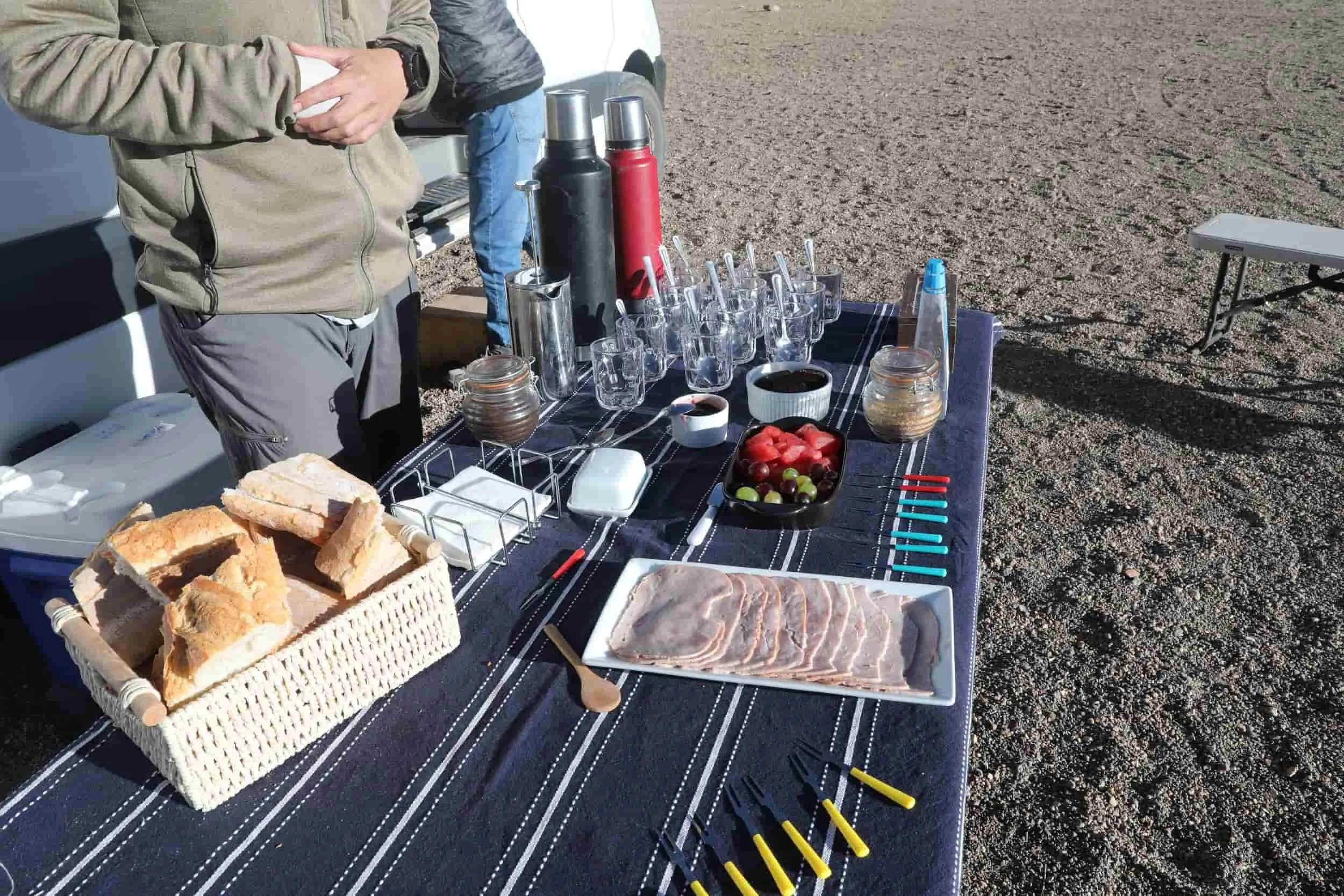
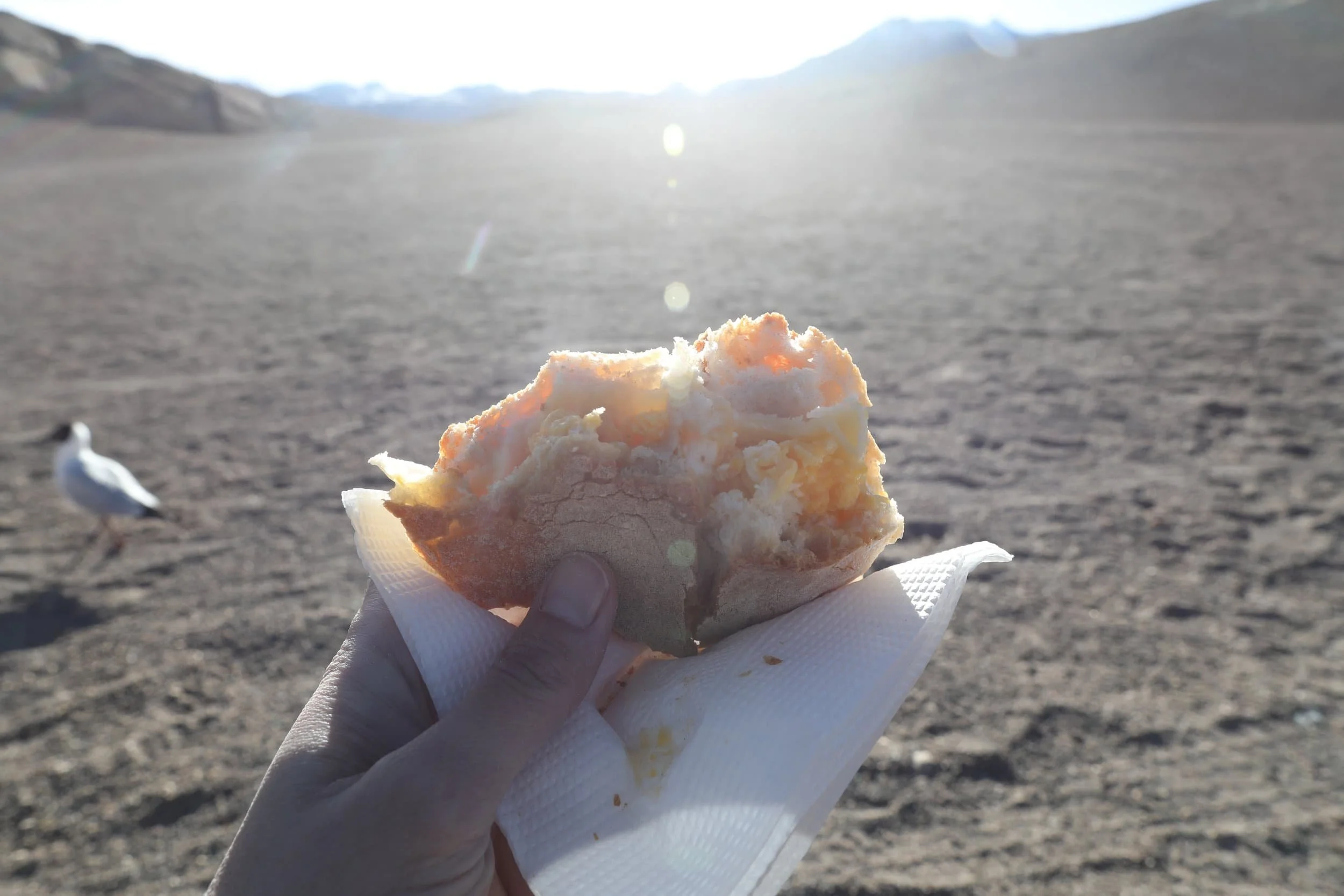
Breakfast is a welcome part of an early El Tatio geysers tour, especially after spending the coldest hours of the morning outdoors. Tour operators may serve a simple spread of bread, eggs, fruit and hot drinks, although the menu varies by provider.
Our stop was particularly memorable because of the beautiful setting. Enjoying breakfast surrounded by the Andean landscape felt like a wonderful reward after the early departure and freezing temperatures.
The surrounding mountains give the wetland an extraordinary sense of scale. Low vegetation spreads across the valley floor while the rugged slopes rise in the distance, their earthy colors shifting with the morning light.
It's a landscape that invites you to slow down. After the constant movement and energy of the geysers, the open space and quiet atmosphere feel especially peaceful.
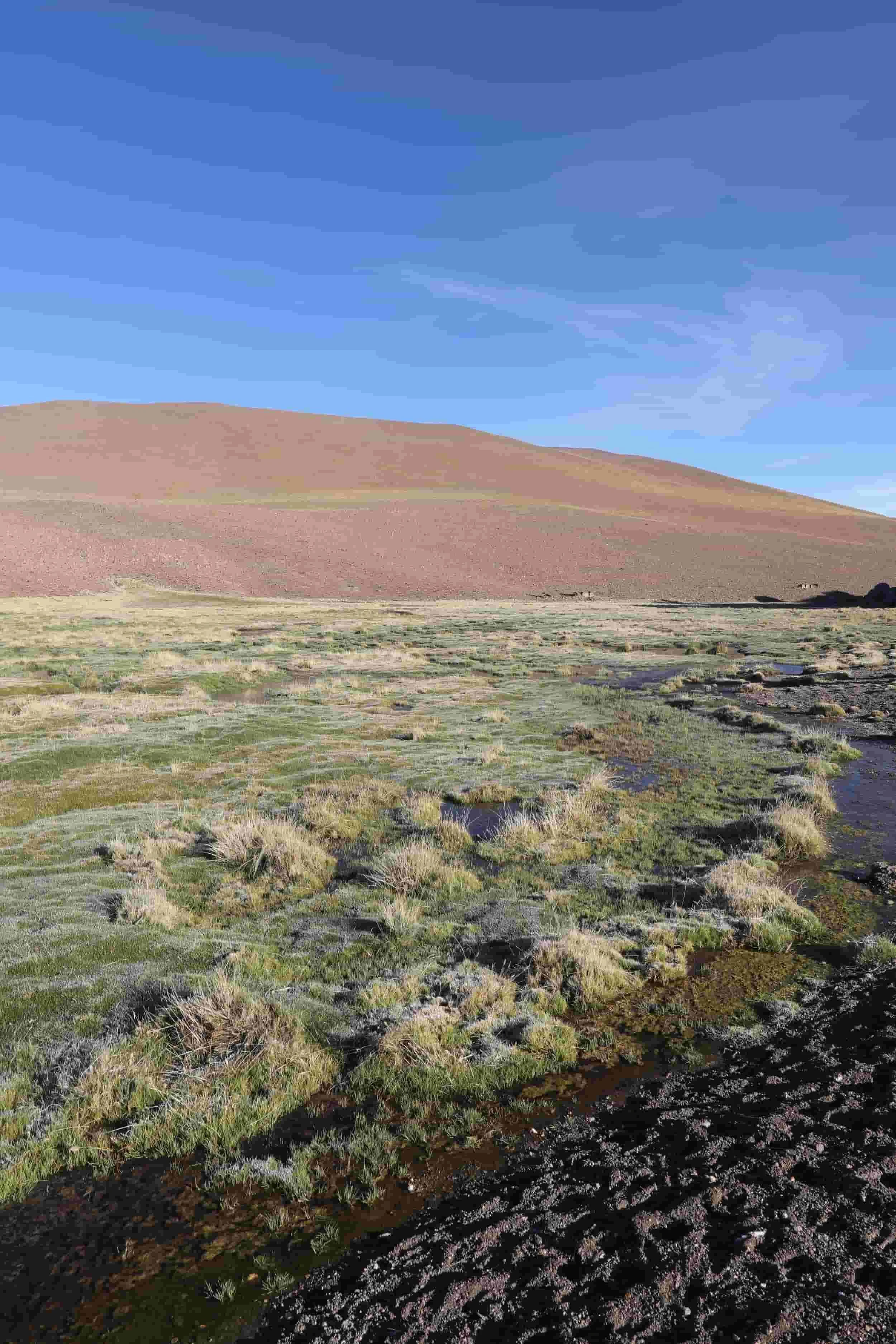
Despite the harsh climate, Andean wetlands are remarkably important habitats. Their grasses and shallow waters provide food and shelter for birds and other wildlife, while the surrounding highlands support animals adapted to the thin air and extreme temperatures.
Keep an eye out for flamingos and vicuñas, two of the most beautiful animals you might encounter in this extraordinary landscape. During our breakfast stop, we were lucky enough to spot both — flamingos adding unexpected flashes of pink to the wetland and graceful vicuñas roaming the surrounding highlands. It was such a lovely surprise and made an already memorable morning even more special.
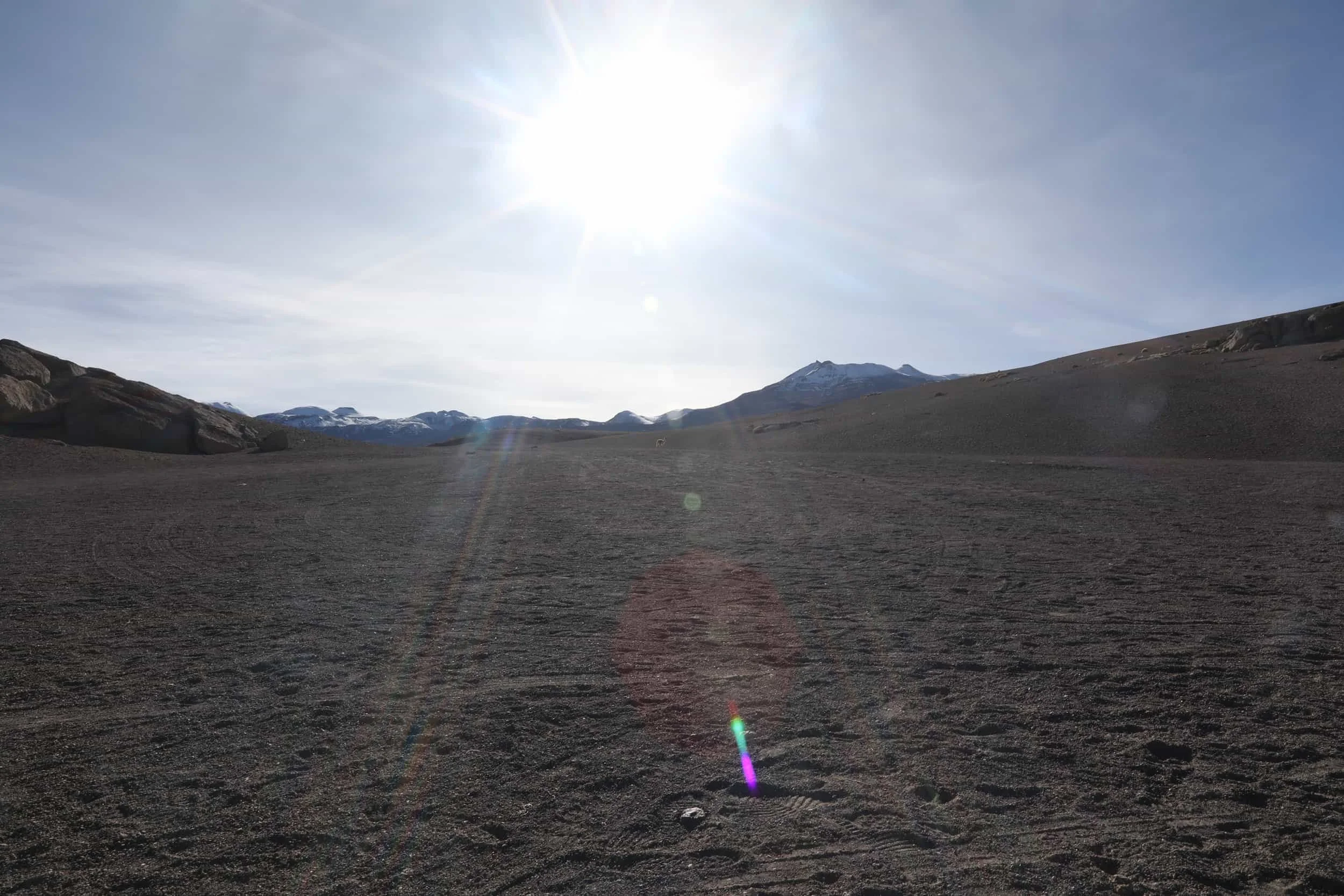
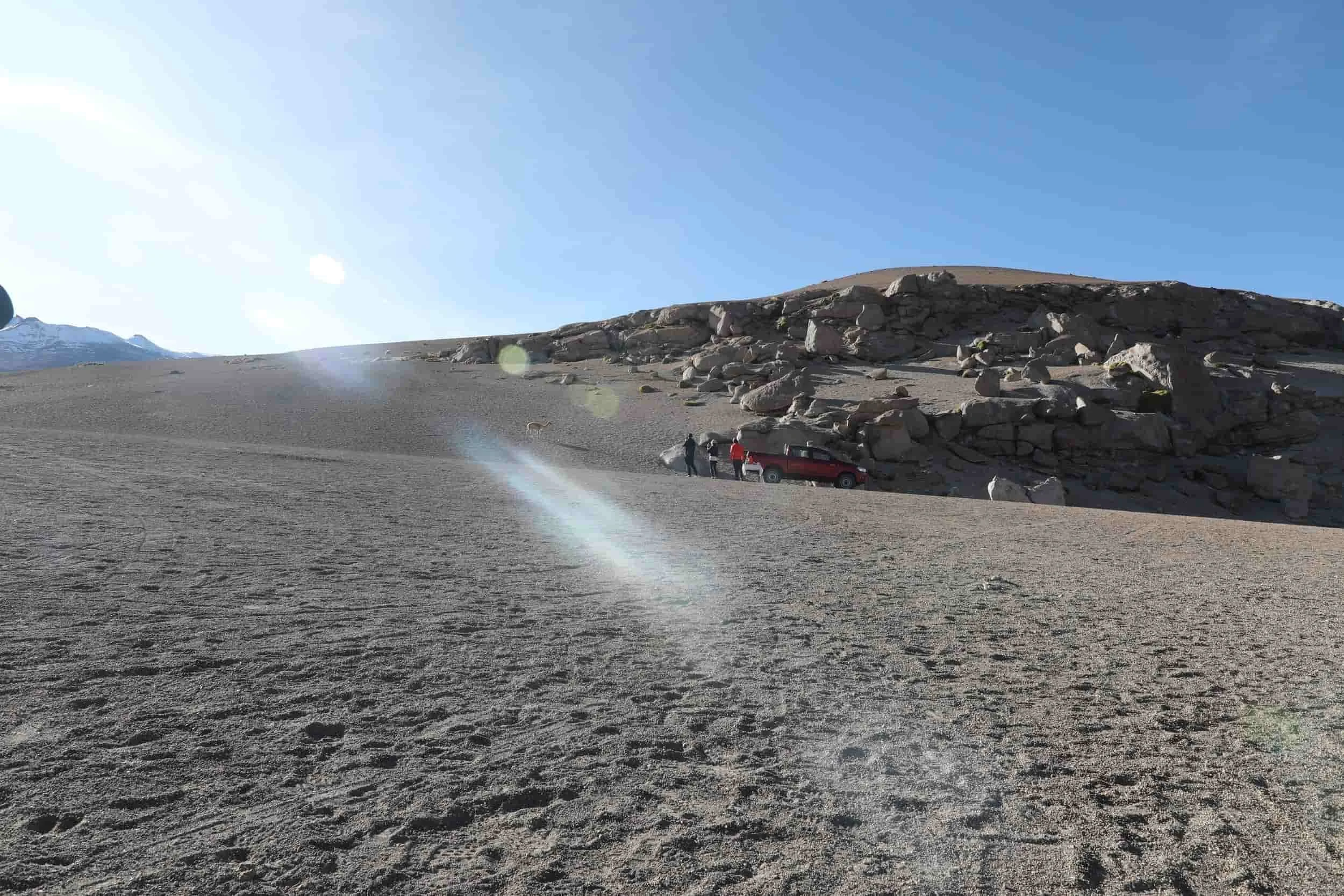
One of the most interesting qualities of these wetlands is how their appearance changes across the landscape. Dense patches of green vegetation give way to golden grasses, shallow pools and exposed earth, creating a natural patchwork of color and texture.
Against the immense backdrop of the Andes, these smaller patterns become particularly beautiful. It's another example of how the landscapes surrounding San Pedro de Atacama reward a closer look.
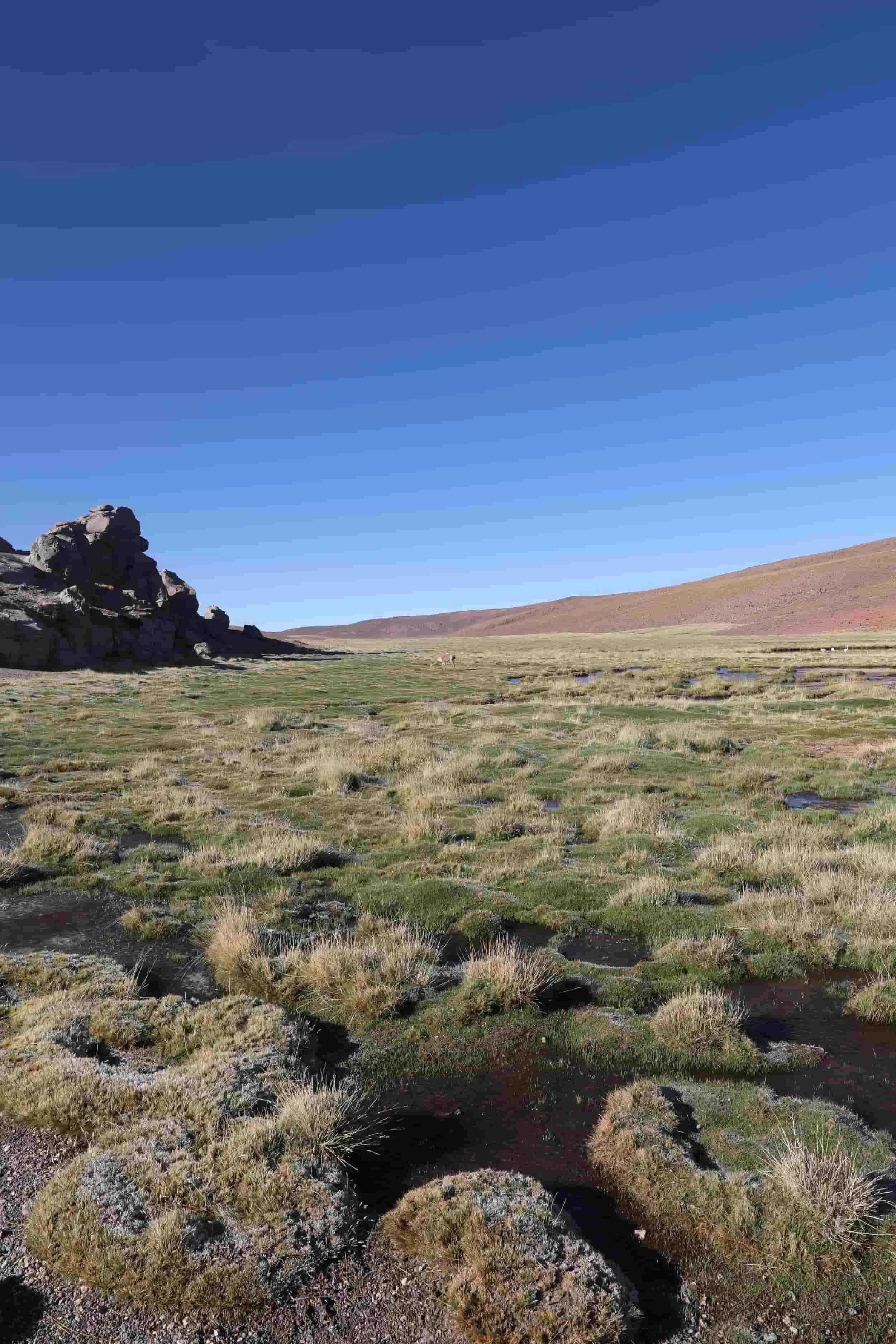
ℹ️ Good to Know | High-altitude wetlands are delicate ecosystems. Avoid walking across marshy vegetation or disturbing wildlife, and follow your guide's instructions about where to stop and explore. The ground may be saturated even when the surrounding terrain appears completely dry.
If your El Tatio geysers tour includes breakfast outdoors, keep a warm layer handy. The sunshine may be stronger by this point but the mountain air can still feel chilly.
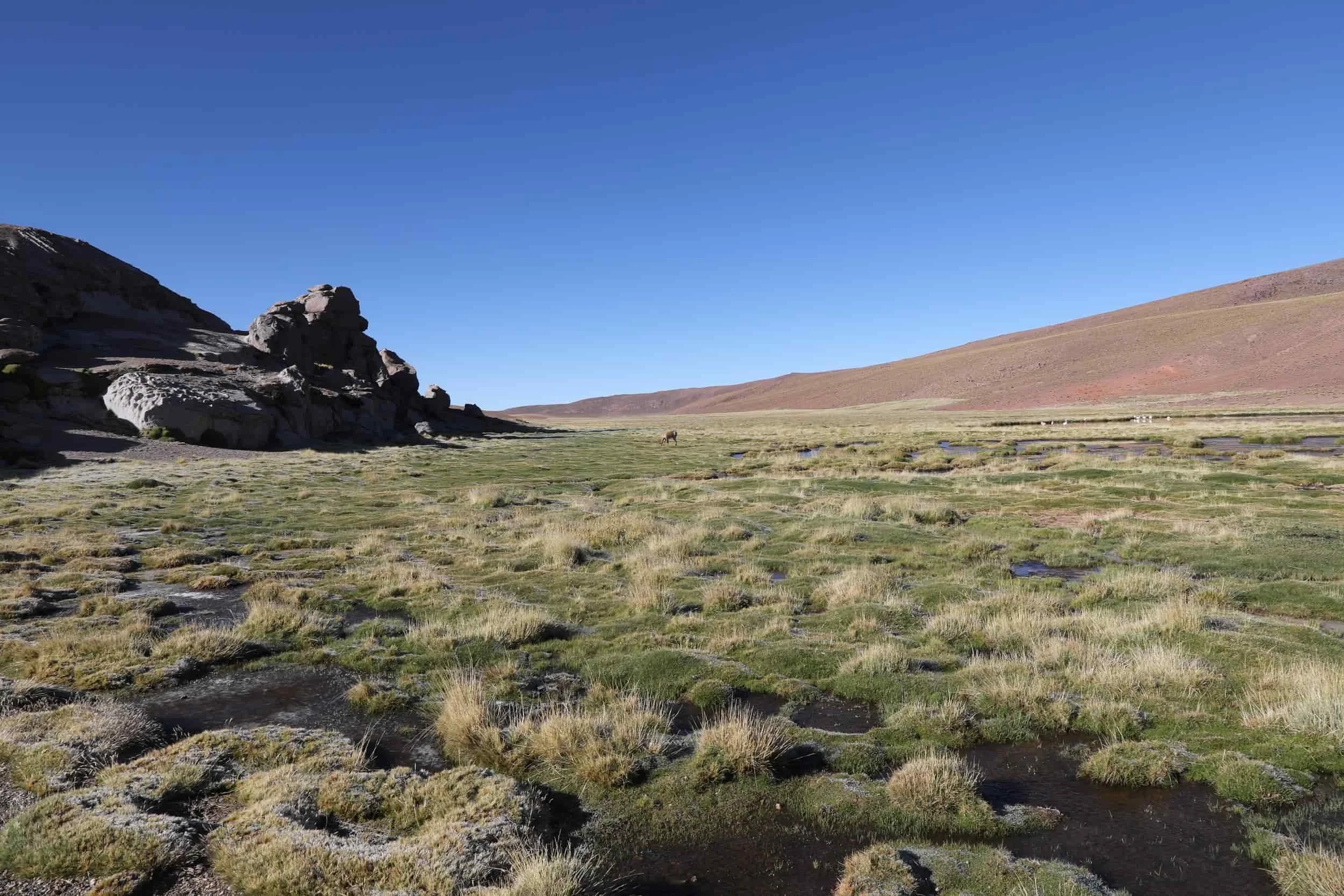
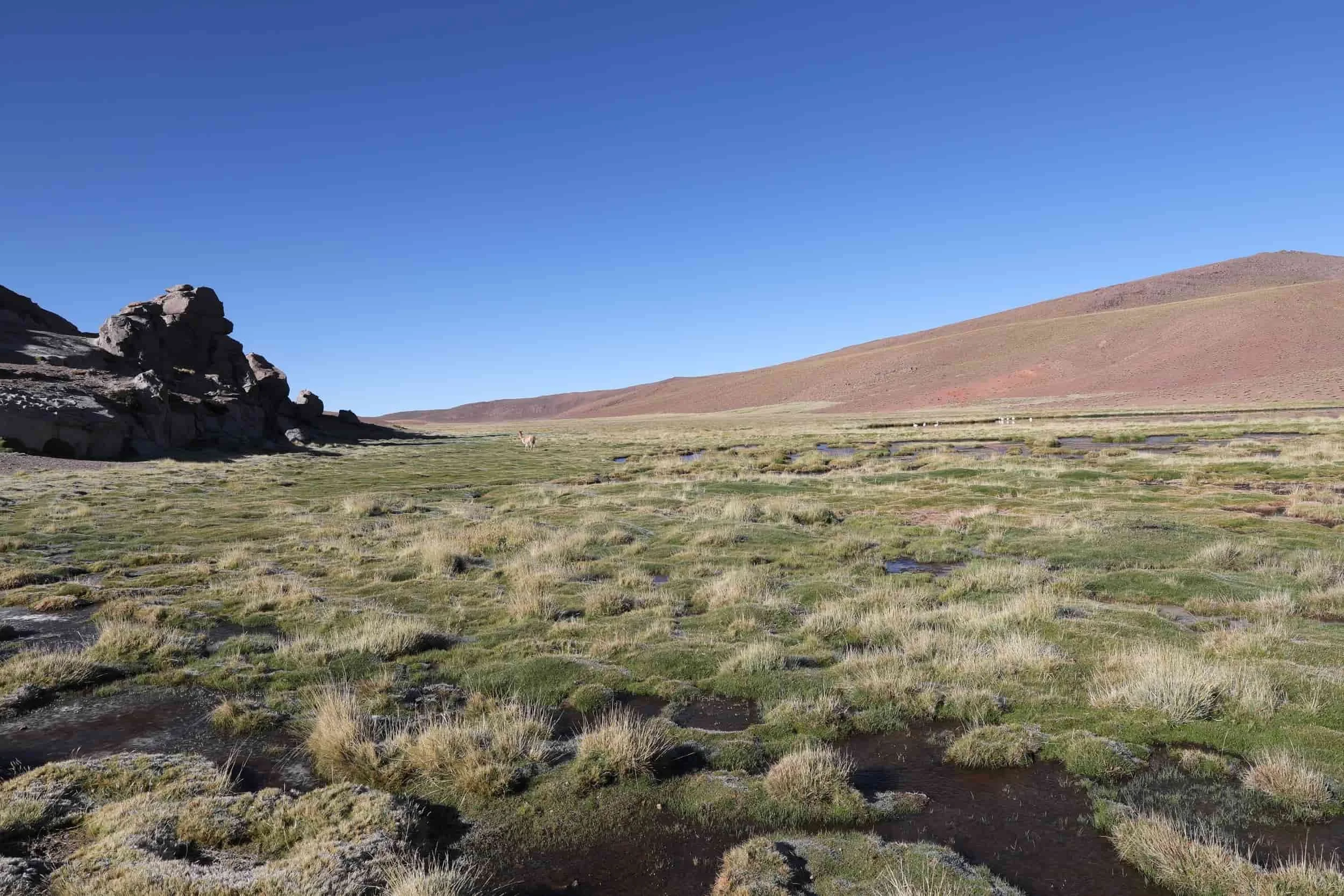
A breakfast stop in the Andean wetlands reveals a gentler side of the Atacama Desert, where water and vegetation bring unexpected life to the high-altitude landscape.
For me, this was part of what made the El Tatio excursion so memorable. The experience extended far beyond the geysers themselves, with each stop revealing another beautiful and fascinating aspect of the Andes.
And as the journey continues through the highlands, there's still more to discover beyond the marsh.
Discover Vado Río Putana: A Hidden Andean Landscape
Beyond the steaming geysers and peaceful wetlands, Vado Río Putana reveals another extraordinary side of the Chilean Andes. From Mirador Putana, the landscape opens into a broad high-altitude valley, where the Putana River winds through green wetlands and shallow lagoons beneath a dramatic backdrop of volcanic peaks.
The contrast is beautiful. Water introduces unexpected ribbons of color and life to an otherwise rugged landscape, while the surrounding mountains create an incredible sense of scale.
The river originates from springs along the slopes of Putana Volcano, eventually joining other waterways within the larger Andean watershed. From the viewpoint, the intricate network of water, vegetation and volcanic terrain is particularly striking.
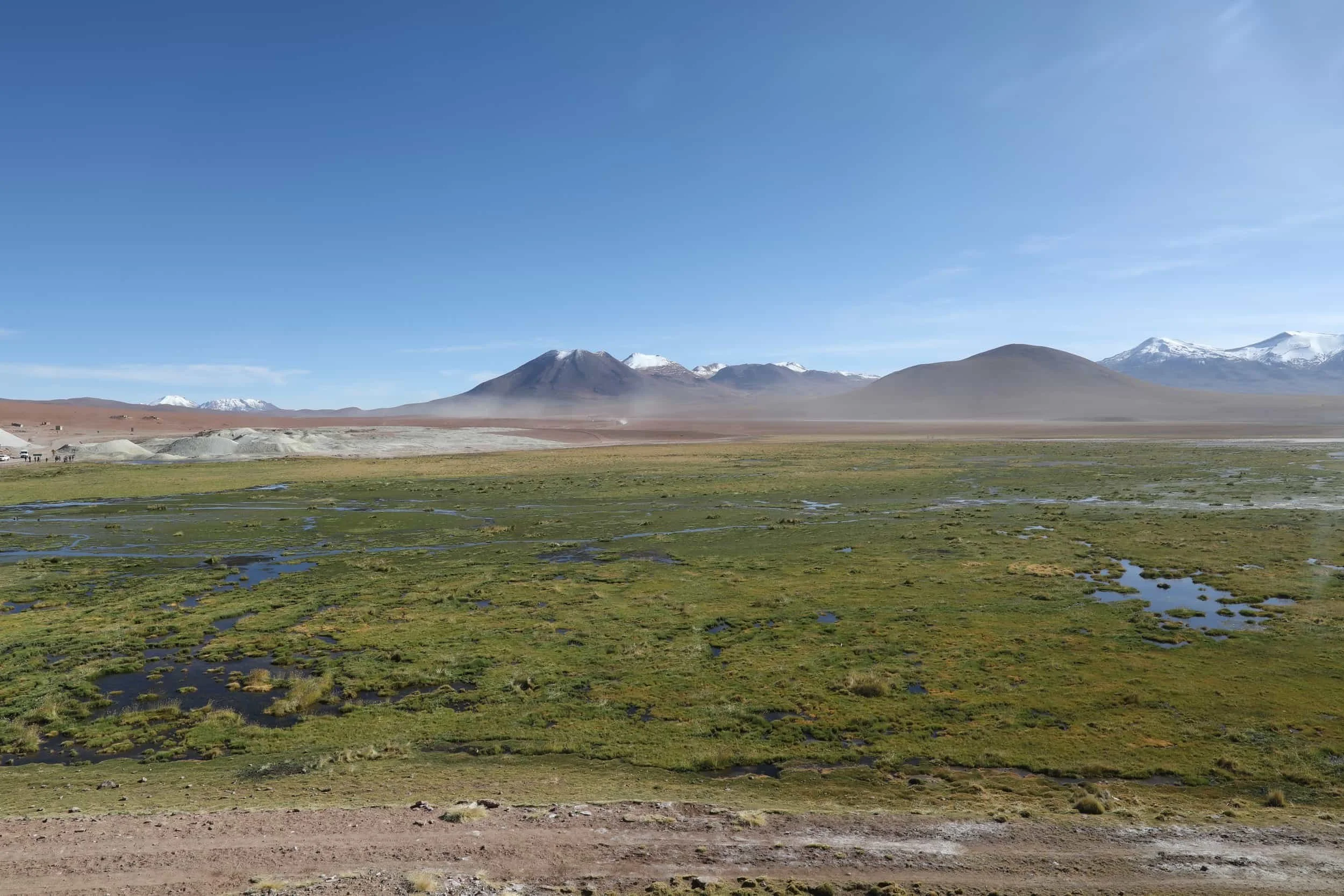
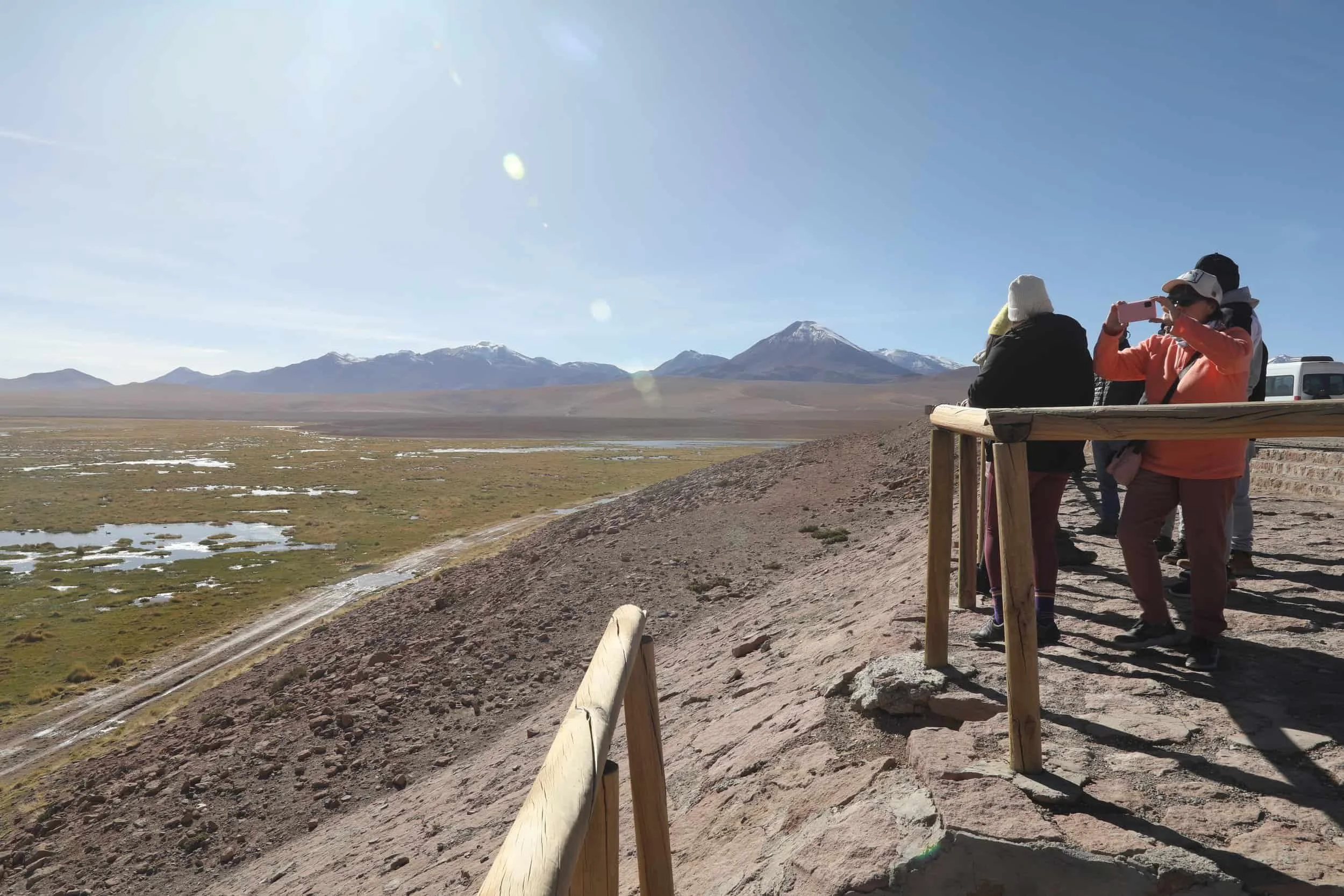
The scenery around Vado Río Putana is dominated by the imposing presence of Putana Volcano, a stratovolcano near the Chile–Bolivia border. Also associated with the name Jorquencal, the volcano rises above the highlands with a rugged silhouette that makes a dramatic backdrop for the wetlands below.
Look toward its summit and you may notice faint plumes of vapor rising from the crater, evidence of the volcanic activity that continues to shape this remarkable region.
Below, the wetland's greens and golden grasses stand out against the muted earth tones of the mountains, creating a landscape rich in natural color and contrast.
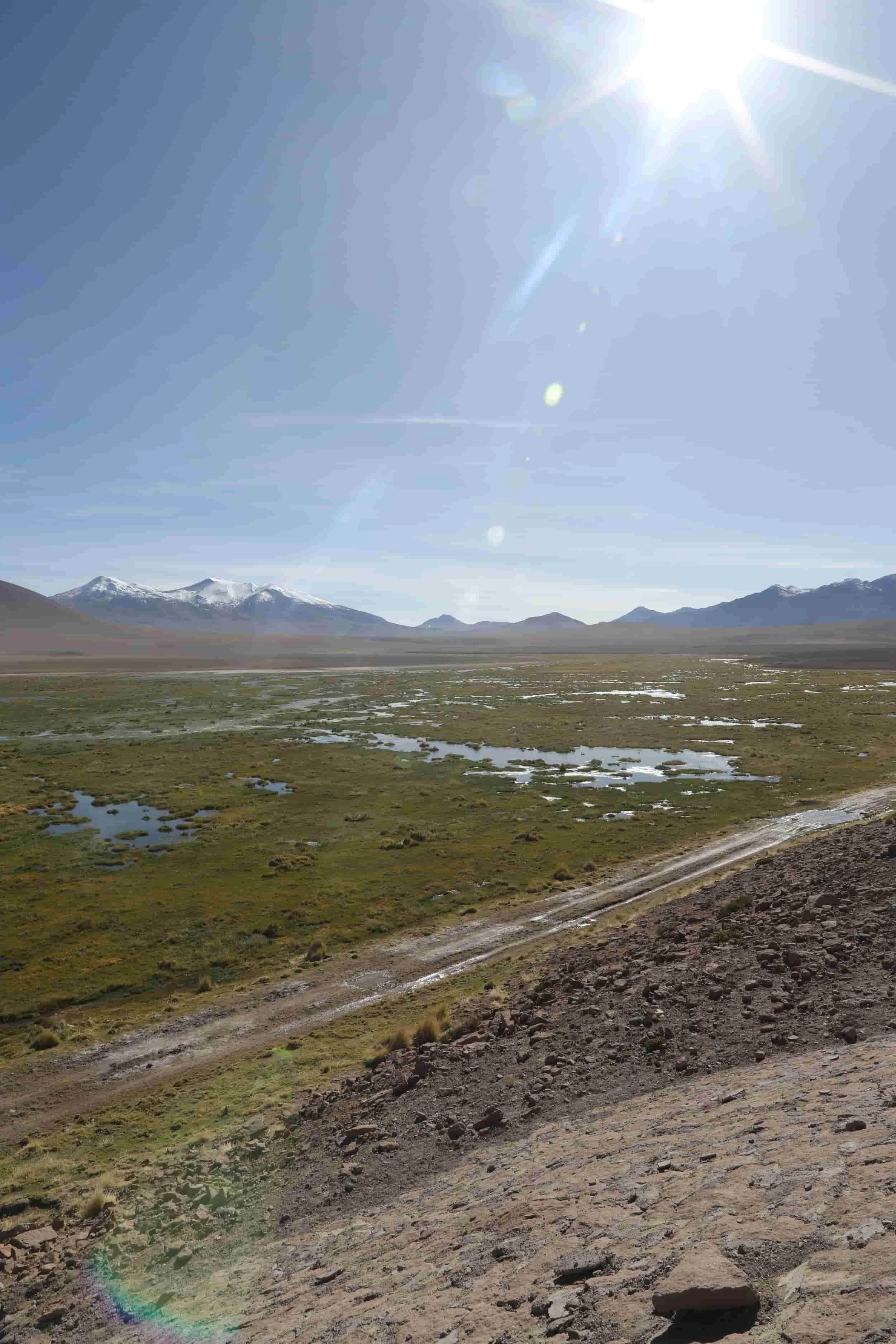
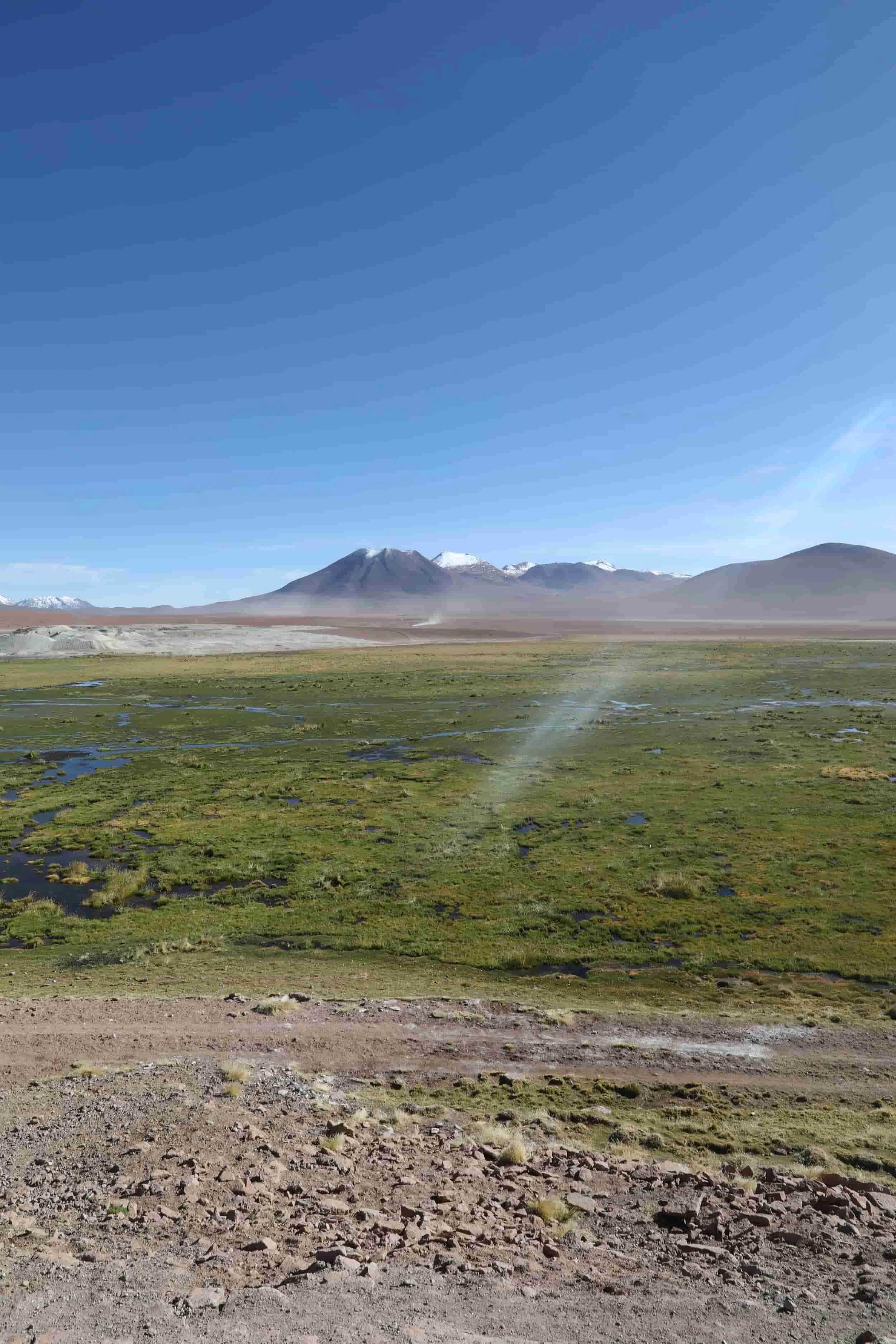
The Putana region also carries traces of a more industrial past. Sulfur mining once took place around the volcano, particularly during the twentieth century, when volcanic deposits were extracted from the harsh mountain terrain.
Although those operations have ended, remnants of the activity remain part of the area's history. It's an interesting contrast to the quiet landscape today, where volcanic slopes, mineral-rich ground and high-altitude vegetation tell a much older geological story.
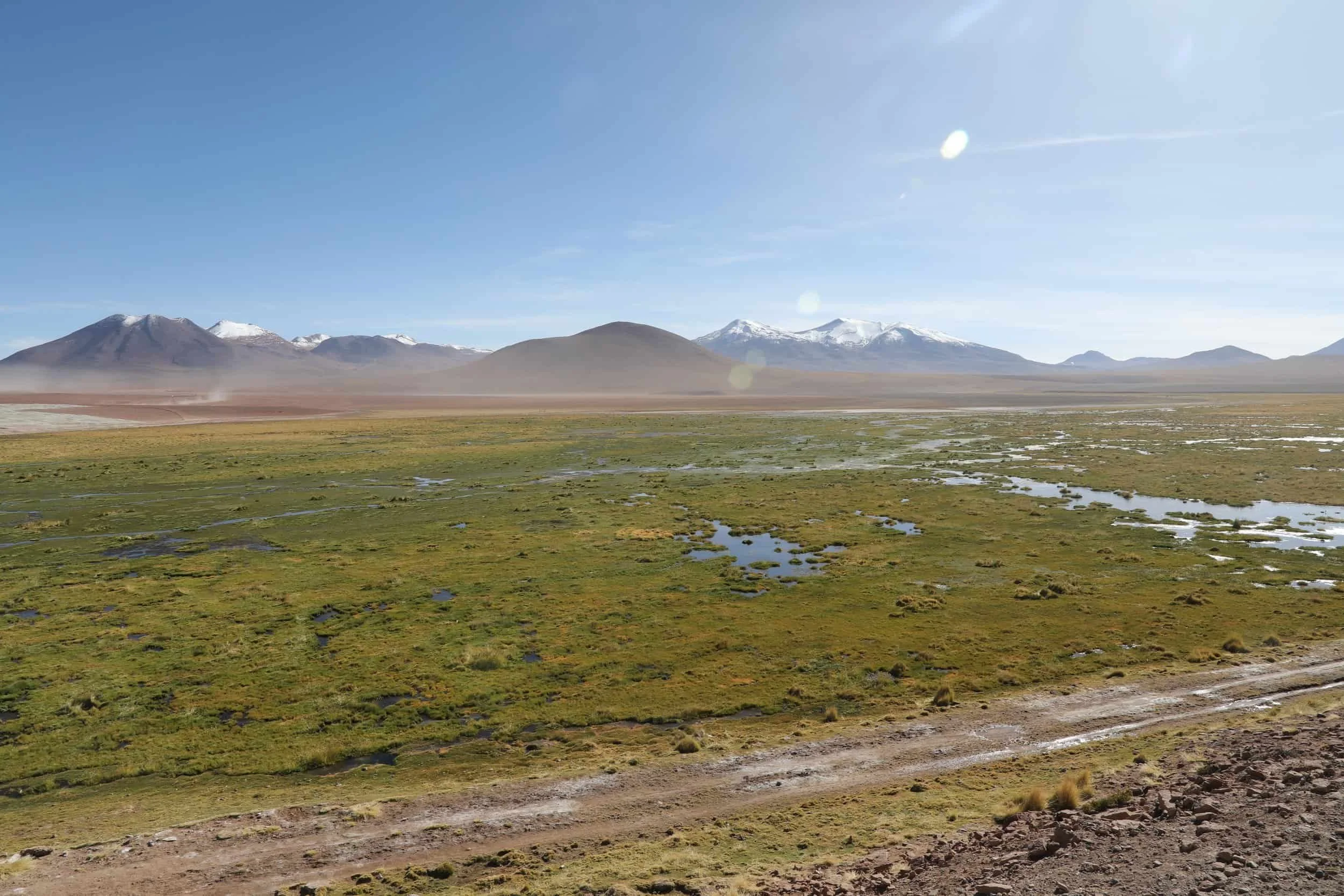
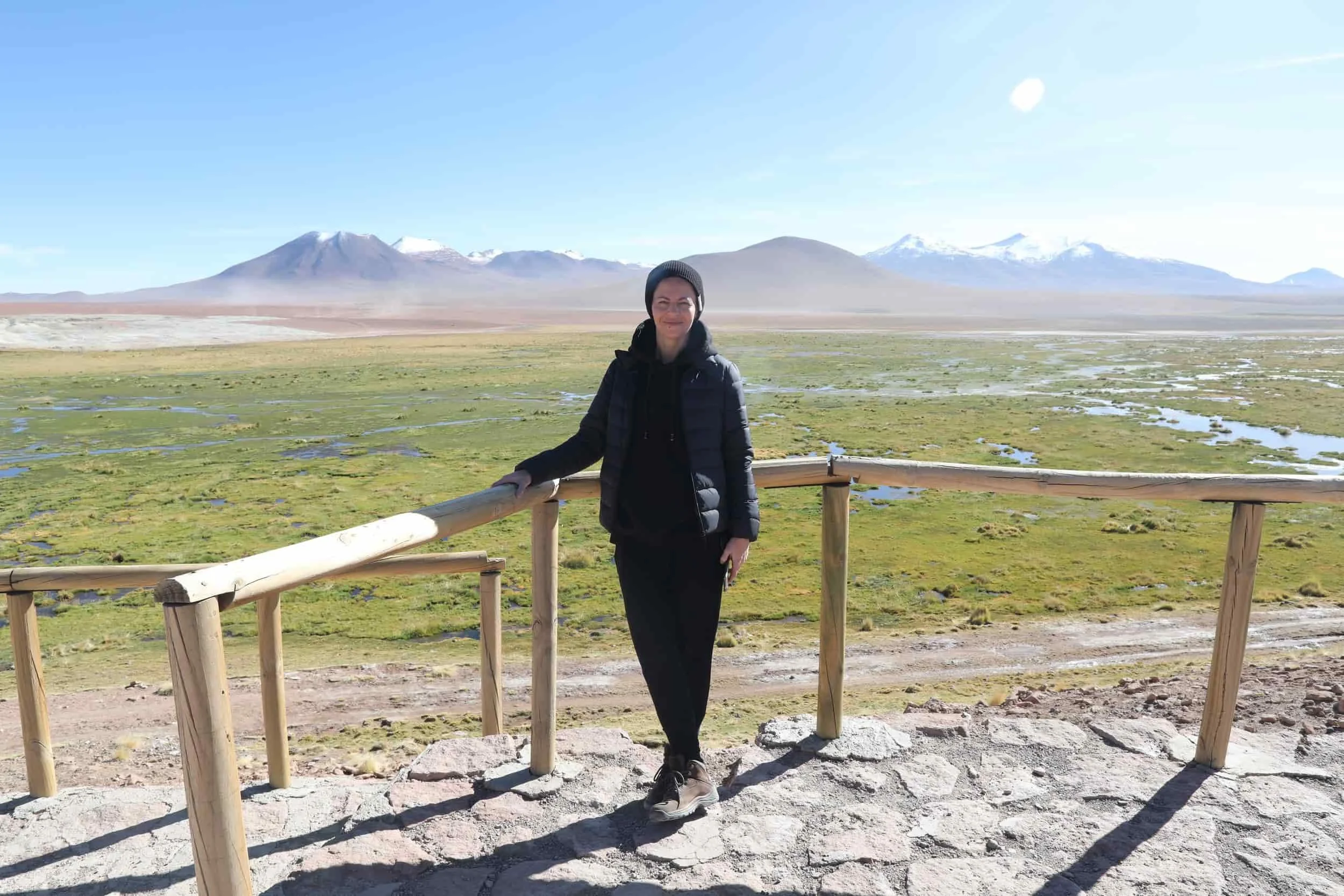
Vado Río Putana is a beautiful reminder of how much variety exists within Atacama Chile. In a region known for its extraordinary dryness, the presence of flowing water creates small but vital habitats for wildlife and vegetation.
From the viewpoint, the river's winding course and the surrounding volcanic landscape form a remarkable composition of color, texture and scale. It's worth taking a few moments to appreciate the scenery before continuing through the highlands.
And nearby, the wetlands and lagoons offer another opportunity to discover one of the Andes' most elegant residents: flamingos.
Flamingo Lagoons: A Splash of Color in the Andes
Among the rugged mountains and earthy tones of Atacama Chile, the high-altitude lagoons offer an unexpected burst of color. Shallow water reflects the vast Andean sky while elegant flamingos wade through the wetlands, their soft pink feathers creating a beautiful contrast against the surrounding landscape.
These peaceful lagoons are a wonderful addition to an El Tatio geysers tour, revealing another side of the region's remarkable natural diversity. After the dramatic steam and volcanic terrain of the geyser field, the quiet beauty of the water and wildlife feels especially captivating.
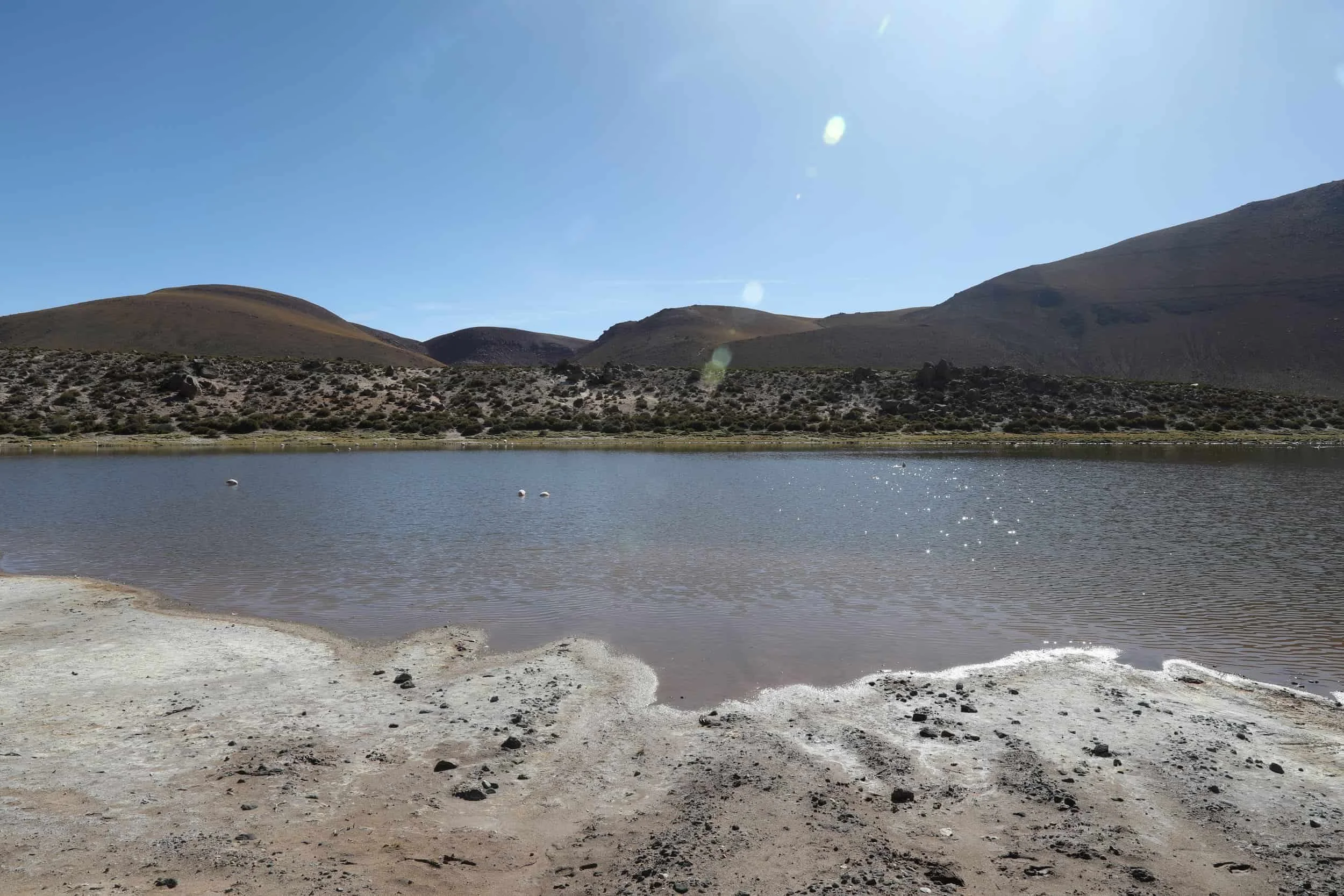
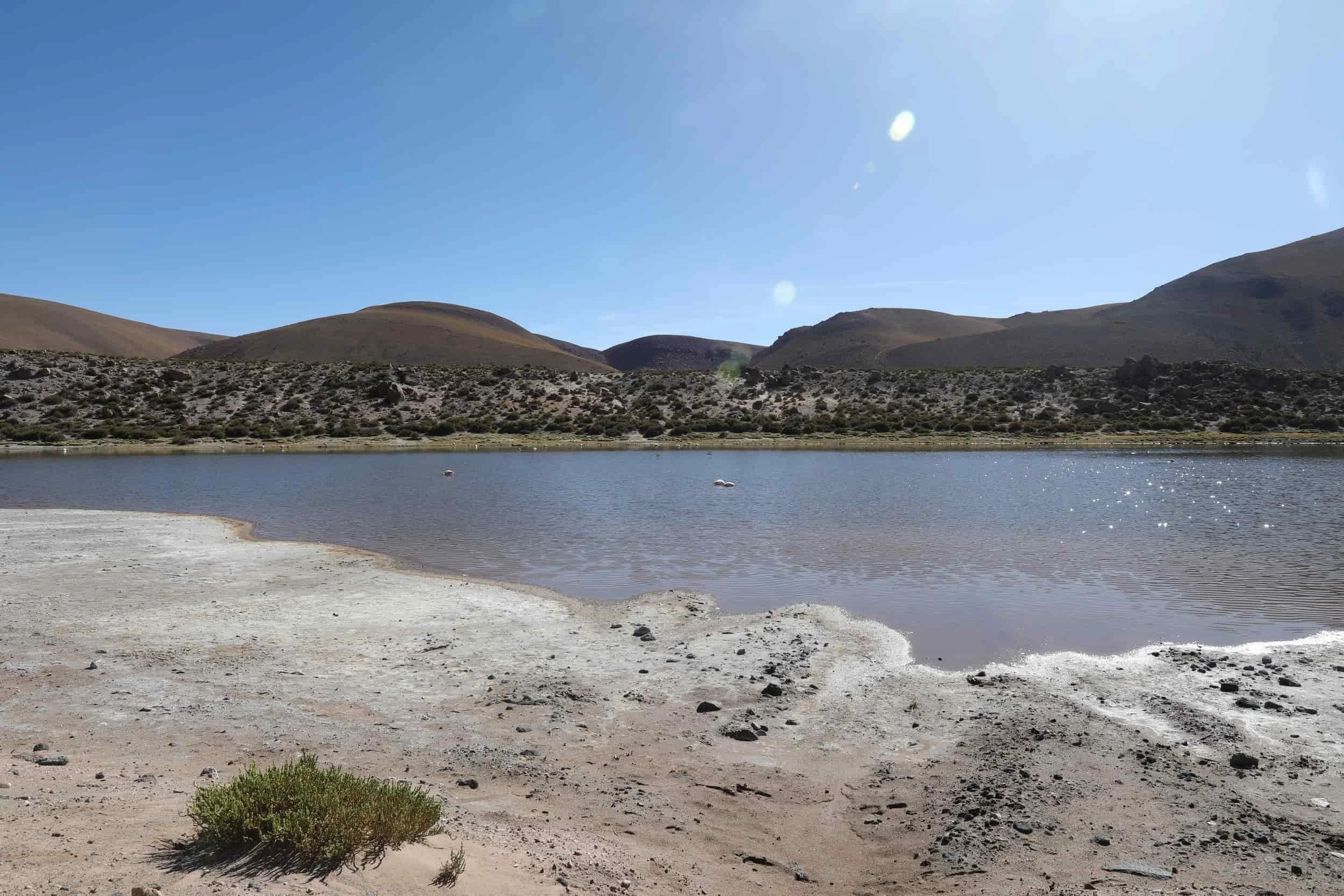
The high-altitude wetlands of the Andes provide important feeding habitats for flamingos, which use their specialized bills to filter tiny organisms from the water. Depending on the location and season, the region supports several species, including the Andean flamingo, Chilean flamingo and James's flamingo.
Look for their graceful movements as they wade through the shallows, occasionally dipping their heads beneath the surface to feed. Against the still water and distant mountains, even their smallest movements become part of the landscape's quiet beauty.
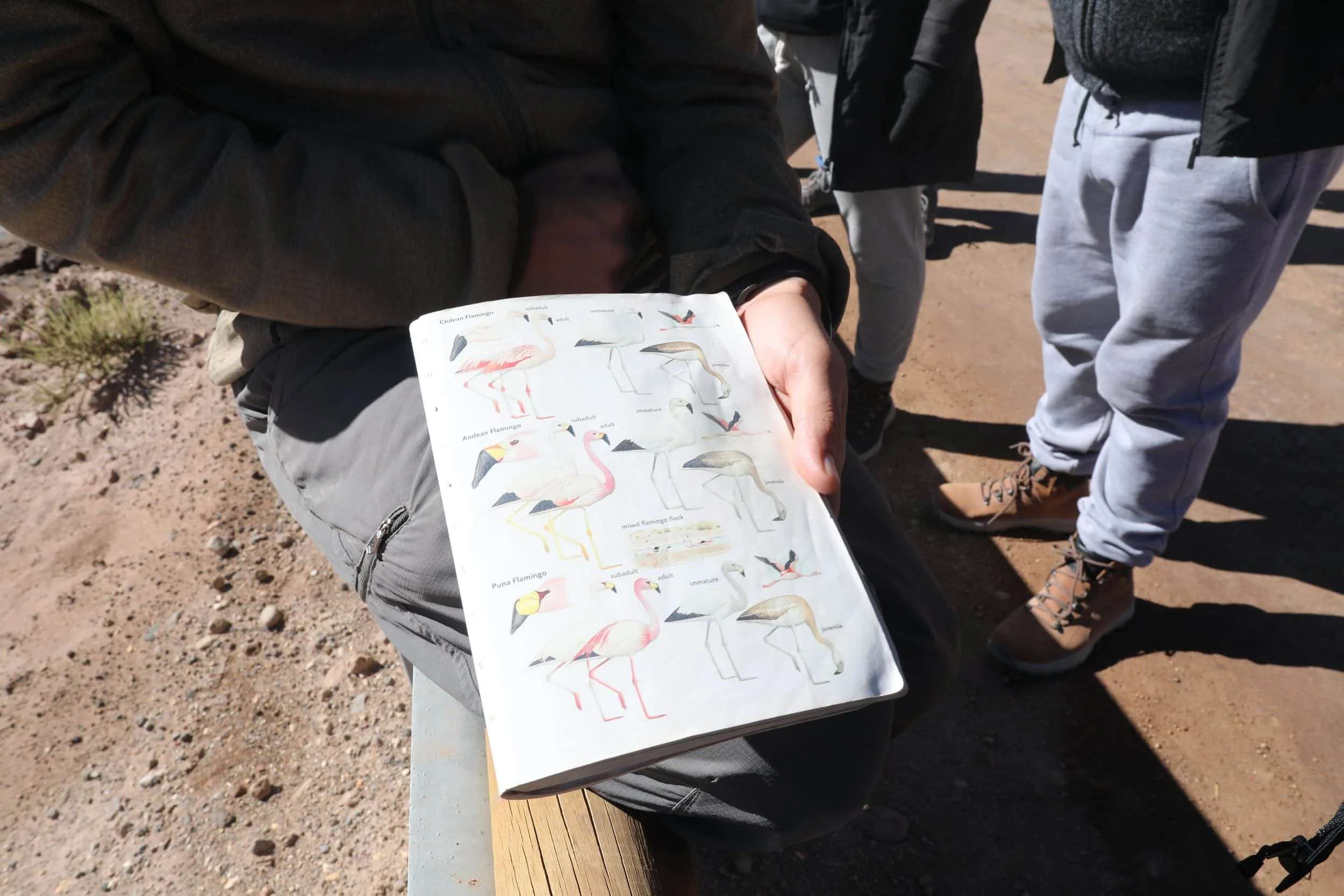
There's something particularly memorable about seeing flamingos in such an unexpected setting. Their delicate silhouettes and beautiful coloring stand out against the immense scale of the Andes, offering a striking contrast to the powerful geothermal activity experienced earlier in the morning.
For me, these wildlife encounters were among the loveliest surprises of the excursion. From the first flamingos spotted near breakfast to the graceful birds gathered around the lagoons, each sighting revealed another fascinating layer of the Atacama landscape.
It's a peaceful and beautiful way to round out a morning filled with extraordinary natural discoveries.
My Bibimbap Moment
El Tatio was one of those rare experiences that felt extraordinary from beginning to end. The freezing morning air, the shifting clouds of steam and the first golden light spilling across the Andes created an atmosphere unlike anything I'd experienced before. Yet what stayed with me wasn't just the beauty of the landscape but the excitement of discovering what was happening beneath its surface.
Our guide's passion, the fascinating geothermal activity and the unexpected beauty of the surrounding highlands made the entire excursion unforgettable. It was a reminder of how rewarding travel can be when you allow yourself to be completely captivated by a place.
Today's Bibimbap Recipe
⚡ Flavor: Electric
🌿 Ingredient: Fascination
❤️ Best Memory: Walking among the steaming geysers at sunrise, watching the landscape come alive as the first light reached the Andes
🎒 Take With You: Follow your curiosity. Sometimes the most extraordinary places become even more remarkable when you discover the forces and stories behind them.
What stays with me most about El Tatio is how completely absorbed I was in the experience. Every bubbling pool, rising plume of steam and unexpected burst of geothermal activity seemed to reveal something new. Even the surrounding landscape felt full of discoveries, with our guide bringing an infectious enthusiasm to every stop.
Fascination was the ingredient this experience added to my Bibimbap Life. It reminded me that some of the most memorable travel moments aren't simply about witnessing something beautiful but about feeling genuinely excited to learn more about the world around us.
El Tatio Geysers Travel Essentials
Visiting El Tatio Geysers is one of the most memorable experiences in Atacama Chile but the remote location and extreme elevation make a little planning essential. Most visitors join an early morning tour from San Pedro de Atacama, traveling roughly 55 miles (90 km) into the Andes to reach the geothermal field around sunrise. Expect freezing temperatures before dawn, even when the desert below is warm, and give yourself time to acclimatize to the altitude before visiting. Allow around six to seven hours for the excursion, particularly if your tour includes breakfast and stops at the beautiful high-altitude wetlands and lagoons along the return journey.
When to Go
El Tatio Geysers can be visited year-round, although the experience changes with the seasons.
April through October generally offers colder, drier mornings and particularly dramatic steam clouds, with clearer skies often providing beautiful sunrise views. November through March brings warmer daytime temperatures but the Andean summer can also produce afternoon storms, occasional snowfall and road disruptions, particularly during the Altiplanic winter in January and February. Regardless of the season, temperatures at the geyser field can fall well below freezing before sunrise.
The best time of day is early morning, ideally arriving around sunrise (approximately 6:00–7:30 a.m., depending on the season). The contrast between the freezing air and hot geothermal vents makes the steam especially visible, while the first golden light creates an extraordinary atmosphere across the mountains. Most guided tours depart San Pedro de Atacama between 4:30 and 6:00 a.m. to reach the field during this spectacular window.
ℹ️ Good to Know | If you're visiting during the Andean summer (January–March), check weather and road conditions before departure. At this elevation, sudden changes in weather are possible at any time of year, and tours may be delayed or canceled for safety.
How to Get There
Reaching El Tatio Geysers begins in San Pedro de Atacama, a small desert town surrounded by some of northern Chile's most extraordinary landscapes. Most travelers arrive through Calama before heading into the Andes, where winding mountain roads lead to the steaming geothermal field at over 14,000 feet (4,270 m).
Air: Fly into El Loa Airport (CJC) in Calama, approximately 60 miles (100 km) from San Pedro de Atacama. Direct flights from Santiago take around two hours, followed by a 1–1.5-hour shuttle or private transfer to town.
Bus: Regular buses connect Calama with San Pedro de Atacama in approximately 1.5 hours. Long-distance services also operate from other northern Chilean cities.
Guided Tour to El Tatio: The most convenient option is an early morning El Tatio geysers tour from San Pedro, approximately 55 miles (90 km) away. Tours generally depart before sunrise, with a 1.5–2-hour drive into the Andes, and often include breakfast and stops at the surrounding wetlands and lagoons.
Car to El Tatio: Self-driving is possible but the high altitude, winding mountain roads and changing weather conditions make the journey more demanding, especially before dawn. A suitable vehicle and careful preparation are essential.
ℹ️ Good to Know | Spend at least a day or two acclimatizing in San Pedro before visiting El Tatio, which sits at approximately 14,170 feet (4,320 m).
Where to Stay
San Pedro de Atacama is the best base for exploring El Tatio Geysers and the surrounding desert, with accommodation ranging from simple guesthouses to boutique hotels and peaceful desert retreats. Staying near the town center makes it easy to walk to restaurants, shops and tour operators, while properties a little farther out often offer more space, quieter surroundings and a welcome escape from the heat. With El Tatio tours departing before sunrise, it's worth confirming pickup arrangements with your accommodation or tour operator in advance.
Where I Stayed in San Pedro de Atacama
For a Peaceful Desert Retreat — Casa Solcor Boutique Bed & Breakfast
We stayed at Casa Solcor Boutique Bed & Breakfast, just outside the center of San Pedro de Atacama, and it was nearly perfect. The peaceful atmosphere, lovely pool, comfortable lounging areas and delicious breakfast made it a wonderful place to unwind between excursions. Town was only about a 10–15-minute walk away, although the desert heat made that short distance feel considerably longer during the day. For us, the tranquility and space were well worth it, especially after an early morning exploring El Tatio.
Where I'd Stay in San Pedro de Atacama
If I were planning another visit, these are a few places I'd consider for their thoughtful design, inviting atmosphere and convenient locations. Each offers something slightly different, from intimate boutique accommodations to a peaceful retreat after a day — or night — exploring the desert.
For a Quiet Boutique Stay — Hotel Pascual Andino
A welcoming boutique hotel with just 10 rooms, located one block from San Pedro's main street. Adobe-style walls, warm wood finishes and private patios reflect the region's architectural character, while a seasonal pool and included breakfast make it a comfortable place to recharge. It's an appealing option if you prefer smaller accommodations while keeping restaurants and tour meeting points within easy walking distance.
For Design & Desert Atmosphere — Hotel Desértica
One of San Pedro de Atacama's more distinctive design-focused stays, Hotel Desértica occupies a former Atacameño orchard just a short walk from the town center. Its circular guest rooms take inspiration from traditional local construction, creating an interesting relationship between architecture and landscape. With a pool, inviting outdoor lounges and an on-site restaurant, it's particularly appealing for travelers who appreciate thoughtful design and a peaceful place to return to after exploring the desert.
Additional Options
For a Historic Boutique Splurge — Hotel Terrantai
Located in the historic center of San Pedro de Atacama, Hotel Terrantai occupies a restored 19th-century property that celebrates the region's traditional architecture. Adobe, stone, wood and local craftsmanship give the interiors a strong sense of place, while contemporary comforts make it a welcoming retreat after a long morning in the Andes. Its central location is particularly convenient for walking to restaurants, exploring town and meeting tour operators.
Prefer a Place of Your Own in San Pedro?
A private apartment, casita or vacation rental can be a great alternative, especially if you're staying several days or prefer a little more independence. Having your own kitchen and outdoor space can make it easier to settle into the slower rhythm of desert life between excursions. Look for somewhere within walking distance of the town center if you won't have a rental car, and confirm tour pickup arrangements before booking, particularly for an early morning visit to El Tatio.
How Long to Stay
Allow approximately 6–7 hours for an El Tatio Geysers tour from San Pedro de Atacama, including the early morning drive, time exploring the geothermal field and the return journey. Most tours depart before sunrise and return by late morning or early afternoon, often stopping for breakfast and visits to the beautiful Andean wetlands and lagoons along the way.
While El Tatio itself is a half-day excursion, plan to spend at least 3–4 days in San Pedro de Atacama to explore the surrounding desert, enjoy other experiences like Valle de la Luna and allow time to acclimatize before heading into the high Andes.
ℹ️ Good to Know | Avoid scheduling El Tatio for your first morning in San Pedro. Giving yourself a day or two to adjust to the altitude makes for a more comfortable visit.
Tours & Day Trips
There are plenty of ways to explore El Tatio Geysers and the surrounding Atacama Desert, with San Pedro de Atacama serving as the main starting point for guided excursions. Most El Tatio tours depart before sunrise to catch the geothermal field at its most dramatic, when clouds of steam rise into the freezing morning air. Many also include breakfast and scenic stops at high-altitude wetlands and lagoons along the return journey.
Beyond the geysers, the Atacama Desert offers an incredible variety of experiences, from the sculptural landscapes of Valle de la Luna and colorful Piedras Rojas to salt flats, Andean lagoons and stargazing beneath exceptionally clear skies. Guided tours are especially useful for reaching remote destinations where road conditions, altitude and long distances can make independent travel more challenging.
For this trip, we explored El Tatio with our guide Favio, whose knowledge of the geothermal landscape added so much to the experience. His explanations of the geysers, mineral formations and volcanic activity made the visit far more fascinating than simply walking through the steaming landscape on our own.
Want to Experience El Tatio Geysers at Sunrise?
A guided sunrise tour is one of the best ways to experience El Tatio, especially if you'd rather leave the early morning mountain drive to someone familiar with the route. Look for excursions that include time to explore the geyser field, breakfast in the Andes and stops at the surrounding wetlands and lagoons. Small-group tours can offer a more personal experience, particularly if you enjoy asking questions and learning about the landscape.
Explore El Tatio Geysers sunrise tours →
Want to Discover More of the Atacama Desert?
There's much more to Atacama Chile than its famous geysers. From the dramatic rock formations of Valle de la Luna to the high-altitude beauty of the Altiplanic lagoons, each excursion reveals a different side of this extraordinary region. Whether you're drawn to geology, wildlife, photography or stargazing, guided day trips make it easy to experience more of the desert while staying in San Pedro de Atacama.
What to Bring
Visiting El Tatio Geysers means preparing for two very different climates in a single morning. Temperatures can fall well below freezing before sunrise, even when San Pedro de Atacama is warm during the day. As the sun rises, the high-altitude landscape warms quickly, making layers essential for staying comfortable throughout the excursion.
Warm Layers: A thermal base layer, fleece or sweater and insulated jacket are essential for the freezing early morning temperatures. A windproof outer layer is especially helpful.
Hat, Gloves & Scarf: You'll appreciate these while exploring the geyser field before sunrise, particularly when the wind picks up.
Comfortable Walking Shoes: Wear sturdy, closed-toe shoes with good traction for uneven, rocky and occasionally damp terrain.
Sun Protection: Bring sunglasses, sunscreen and SPF lip balm. UV exposure is particularly strong at this elevation, even on cold mornings.
Water & Snacks: Carry plenty of water and a few snacks, especially if breakfast isn't included in your tour.
Camera or Phone: The contrast between rising steam, colorful mineral deposits and golden morning light makes El Tatio an incredible place for photography. Keep spare batteries warm, as cold temperatures can drain them quickly.
ℹ️ Good to Know | Dress for the freezing conditions at El Tatio rather than the daytime temperatures in San Pedro. You'll likely be removing layers as the morning progresses.
Good to Know
A visit to El Tatio Geysers is unforgettable, but the remote location, high elevation and active geothermal landscape make a few extra precautions worthwhile.
El Tatio sits at approximately 14,170 feet (4,320 m) above sea level. Spend a day or two acclimatizing in San Pedro before visiting, stay hydrated and avoid strenuous activity if you're feeling unwell. If you experience significant altitude symptoms, tell your guide immediately.
The ground surrounding geysers and thermal pools can be unstable, with dangerously hot water and steam just beneath the surface. Never step beyond marked areas or touch geothermal features.
Check whether the geothermal park entrance fee is included in your tour price or must be paid separately. Payment requirements can change, so confirm with your operator beforehand.
Restrooms and basic visitor facilities may be available near the geothermal field but don't expect extensive services, shops or restaurants at this remote location.
Freezing temperatures, strong winds and occasional snow can affect the mountain roads. Tours may be delayed or canceled when conditions are unsafe.
The surrounding wetlands and highlands are home to flamingos, vicuñas and other animals adapted to this fragile environment. Observe from a distance and avoid disturbing their habitat.
✨ Don't Miss | Take a moment to look beyond the geysers themselves. The surrounding Andes, mineral-rich ground and unexpected pockets of wetland greenery are just as remarkable as the steam rising from the earth.
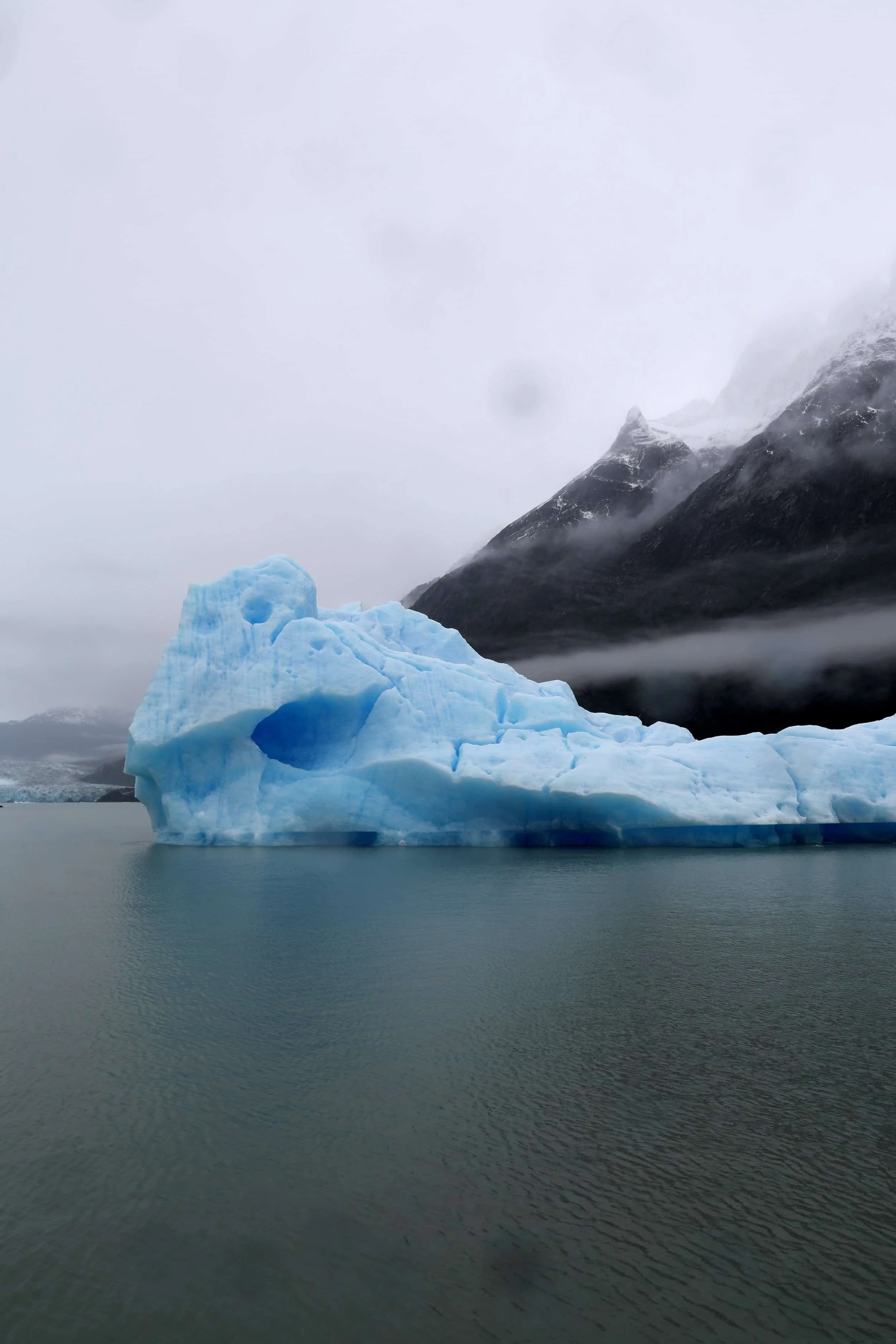



Fall in love with Hotel & Cava Estancia Rilán, a must-visit retreat where the setting becomes part of the stay and every detail quietly celebrates Chiloe Island.