Discover Dominica Island: Nature Isle of the Caribbean
Discover Dominica, the Caribbean’s untouched “Nature Isle,” where misty mountains, hot springs, cascading waterfalls & vibrant Creole culture invite you to explore raw beauty & restorative adventure.
Updated | July 2026
Discover Dominica Island: Nature’s Best-Kept Secret for Adventure & Calm
Dominica — daa·muh·nee·kuh — feels like nature turned up to eleven. Jagged mountains drop into emerald valleys, steam rises from bubbling hot springs and waterfalls plunge through thick, breathy rainforest into shadowed gorges. It’s one of the most unspoiled places I’ve seen: raw, wild and insistently beautiful.
Roseau, the capital, isn’t immaculate — and that’s part of its charm. Bright timber houses tilt playfully along narrow streets, market stalls pour fragrant dishes into the air and the soundtrack of calypso, reggae and zouk is carried by smiling locals. The feeling here is down-to-earth and lively — warmly human even when the infrastructure is not.
The island’s history is layered and deep. Long before European charts, waves of peoples shaped its story: Ortoroid visitors from South America around 3100 BC, Arawaks by 400 AD and later the Kalingo — known to outsiders as the Caribs — who called the island Waitukubuli. Columbus arrived on a Sunday in 1493 and renamed the island, inadvertently overlooking the name already sung by its people. Centuries of resistance followed as Spanish, British and French ambitions clashed; the Kalingo eventually retreated to the northeast, preserving part of their homeland in the Kalingo Territory.
Dominica won independence from Britain in 1978 and once rode a banana boom. Today, its greatest riches are the wild places themselves: no glossy resorts but crystalline diving sites, dramatic mountain trails and eco-tours that celebrate the very wilderness that makes Dominica unforgettable.
💡 Local Tip | Stay wide awake for the approach — the landing into Dominica is one of the most magical I’ve ever seen. The lush mountains, jagged coastline and sudden flashes of emerald make it feel like you’re descending into a hidden tropical kingdom.
At a Glance
📍 Destination: Dominica Island
🕒 Time Needed: 4-7+ days
💰 Budget: $415-945 XCD/day ($155-$350 USD)
👟 Walking Level: Mild to strenuous
🌤️ Best Season: Dry season (December-April)
☕️ Don’t Miss: Ti Kwen Glo Cho Hot Springs
🖤 Perfect For: Nature and adventure lovers
My Bibimbap Moment
This trip added: Connection.
Dominica added the ingredient of connection to my Bibimbap Life. I fell in love with the island not just because of its extraordinary landscapes but because of the feeling of being part of its everyday rhythm. Renting a car and finding my way around, eating local food, talking with people, wandering through town and ending the day soaking in the warm waters of Ti Kwen Glo Cho all made the island feel wonderfully lived-in. Even the places that didn't impress me — like the botanical gardens — became part of getting to know Dominica as it really is. I wasn't simply passing through its beautiful scenery; I was beginning to understand the character of the place and the people who call it home.
Two-Week Travel Itinerary
Every six months, I intentionally carve out two full weeks (plus the weekends) and set off on a solo adventure. With a full-time job, it’s really the only way that offers me a chance to see this wild world we live in. My short travel window packs in as much as I can but I still enjoy moving like a local — savoring markets, cafes and quiet corners — and taking down time when I need it.
Of course, I check off a few must-see sights but what I cherish most are the unscripted moments: the delightful detours, chance conversations and little surprises that make travel sing. Below, is my two-week Caribbean island-hopping itinerary — easy to adapt for other destinations, just leave a little room for the unexpected.
A birthday and a pocketful of free weeks called for something memorable, so I answered with an island-hopping adventure across the Caribbean. I landed first on Sint Maarten/Saint Martin, where two worlds kiss at the equator — on the Dutch side, sun-scorched beaches shimmer, parrots chatter like mischievous locals and zip lines promise a rush of wind and grin-inducing heights; cross the invisible border to the French north — affectionately “Coconut Island” — and you’ll find lazy cafés serving espresso with a side of European nonchalance and streets that invite unhurried wandering.
Next, came Dominica, a wild, green heart of the region: waterfalls that roar like nature’s percussion, steam rising from secret hot springs and emerald gorges carved with ancient patience. I drifted down the Indian River — mist curling around the mangroves — feeling like an extra in a daring film, the same river that lent magic to Pirates of the Caribbean.
I wrapped up the trip on Antigua, a real-life postcard where beaches are spun from the softest white sand, tortoise sanctuaries move at their own dignified pace and crystal-clear shallows host slow, surreal swims with stingrays that feel like a brush with the ocean’s gentlest souls.
Explore
Here’s where the journey will take us.
01 | Arrive
02 | First Impressions
03 | Downtown Roseau
Tropical Blendz
Cassava Man
Epic Bar & Restaurant
Lacou Melrose House
04 | Dominica Botanic Gardens
05 | Ti Kwen Glo Cho Hot Springs
06 | Depart Dominica ♡
07 | The Essentials | When to Go, How to Get There, Where to Stay, What to Do & More
Stay | Where to Stay on Dominica Island: A Rainforest Retreat
Read On | What to See in Dominica: A Solo Hike to Middleham Falls & Best Things to Do in Dominica: Indian River Boat Tour
Things to Do in Dominica: Discover the Charms of Dominica Island
Dense emerald rainforests, hot spring whispers and a coastline that roars with volcanic pride — Dominica is the kind of island that invites you to get delightfully lost and come back lit from the inside out. Venture off the beaten path here and every trail, river and crater feels like a secret told just to you.
In this guide, I’ll share the essentials of Dominica — what to expect, the coziest spots to eat, the must-see adventures and the island’s overall vibe. Don’t miss the Dominica Travel Guides series for deeper dives into specific excursions and destinations, from hidden waterfalls to serene boat cruises to unforgettable hikes.
01 | Arrive in Dominica — Pick Up Your Rental & Take the Scenic Drive to Roseau
Arriving is half the adventure — once you’re there, it’s time to unwind and get acquainted. A green lullaby, Dominica overflows with humid air fragrant with cocoa and bay-leaves, friendly smiles guiding you toward a tangle of misty trails, volcanic pools and the easy rhythm of island life. Let’s dive in.
When Caribbean Plans Change: Charming Ways to Pivot When the Weather Has Other Ideas
Tropical storms have a way of turning the smoothest travel plans into a lesson in improvisation. I learned that the hard way on Sint Maarten when my connection to Guadeloupe evaporated — not just my flight but the entire airline’s service to the island seemed to vanish. No alternative flights, no helpful updates. I had to pivot fast.
Instead of waiting for something that might never appear, I rerouted straight to Dominica, the very island I’d planned to visit after Guadeloupe anyway. It felt like a small act of rebellion against the weather. I booked a last-minute ticket for $320 USD and updated my accommodation plans on the fly. I’d briefly considered taking a ferry to Guadeloupe but it’s off-season and crossings were scarce, so altering plans felt like the only reliable option.
My new flight was delayed by an hour but the 50-minute hop that followed was worth every minute of uncertainty. From the air, Dominica looked like a folded map of greens and blues — a dramatic reminder that sometimes the best travel stories begin with a detour.
⚠️ Good to Know | Expect cancelled and delayed flights if you’re planning to island hop in the Caribbean — build in some extra time and be ready to pivot if you get unexpected news.
Touch Down in Dominica — Pick Up Your Rental
Flying into Dominica feels like plunging into the green heart of the planet — a patchwork of misty mountains and untouched jungle unfurls beneath the plane. Immigration is shockingly quick; the tiny airport in Marigot feels more like a village checkpoint than an international hub.
Your next decision — to book a rental or not? Because I arrived in the evening, dark began to settle in quickly and I realized I hadn’t quite figured out my island plans yet. I went with my gut and walked straight to the lone car rental counter. Taxis tend to hover at arrival but after that, they disappear into the island’s wild calm, never to be seen again.
💡 Local Tip | Renting a car on Dominica island isn’t optional — it’s the only way to truly explore the island’s hidden valleys, remote waterfalls and winding coastal roads at your own pace.
Dominica is defiantly, gloriously undeveloped. And small islands always bring travel puzzles, especially in the off-season when services thin out. Thank goodness I snagged a rental — it was literally a lifesaver. By the time I climbed into it, night had fallen and the air outside was eerily still. The car cost was $96 XCD ($35 USD) a day for the week — a bargain for freedom on an island where public transport is whisper-thin.
Driving here likely means flipping everything you know: left-side roads, the driver’s seat on the opposite side of the vehicle. Even the shoulders in Dominica are often nothing more than deep ditches carved to channel the heavy rain. My first few minutes behind the wheel were white-knuckle tense and the map seemed to point toward the jungle rather than civilization. I drove into the rainforest, rain pattering on the roof, following a narrow ribbon of road that worsened the closer I got to my lodging.
⚠️ Good to Know | In Dominica, vehicles travel on the left and many roads are lined with deep ditches, so use caution.
Stay Overnight at Bruno’s Atlantic Breeze Cabin & Drive Across the Island
If you arrive in Dominica in the evening and plan to stay on the other side of the island, consider spending the first night in Atkinson — a small town located near the airport and make the few hour drive the next morning. I booked the night because of my last minute travel changes and the urge not to drive across the island in pitch black.
Consider staying with Nakita at Bruno’s Atlantic Breeze Cabin — a short 20-minute drive from the airport, near Atkinson. After a long, bumpy ride, collapse into the bed and let the chorus of the jungle sing you to sleep: distant frogs, rustling leaves and the breath of the island itself. In the morning, lift the curtain and see what wild world has been waiting just outside your door.
After the sun rises, drive across the island at your own pace, the kind of slow travel that lets the light change around you. On the way out, ravenous and buzzing with anticipation for the day, swing by Pagua Bay House | Bar & Grill — a few minutes drive from the cabin.
Pagua Bay sits high on a hill, part of a hotel complex, with a pool that seems to float toward the ocean. There, you can eat with a panorama: turquoise water, stray sails on the horizon and a steady cool breeze that makes the whole scene feel cinematic. Food tastes better when the view is that good and it’s likely your first real taste of the island.
⚠️ Good to Know | The menu — and the price tags — are in Eastern Caribbean dollars. Six independent nations and two British overseas territories use the XCD$: Antigua and Barbuda, Dominica, Grenada, Saint Kitts and Nevis, Saint Lucia and Saint Vincent and the Grenadines — Anguilla and Montserrat, meanwhile, are British Overseas Territories. If you’re island-hopping, it’s worth keeping a few XCD$ coins handy — and maybe holding on to your change when you switch islands.
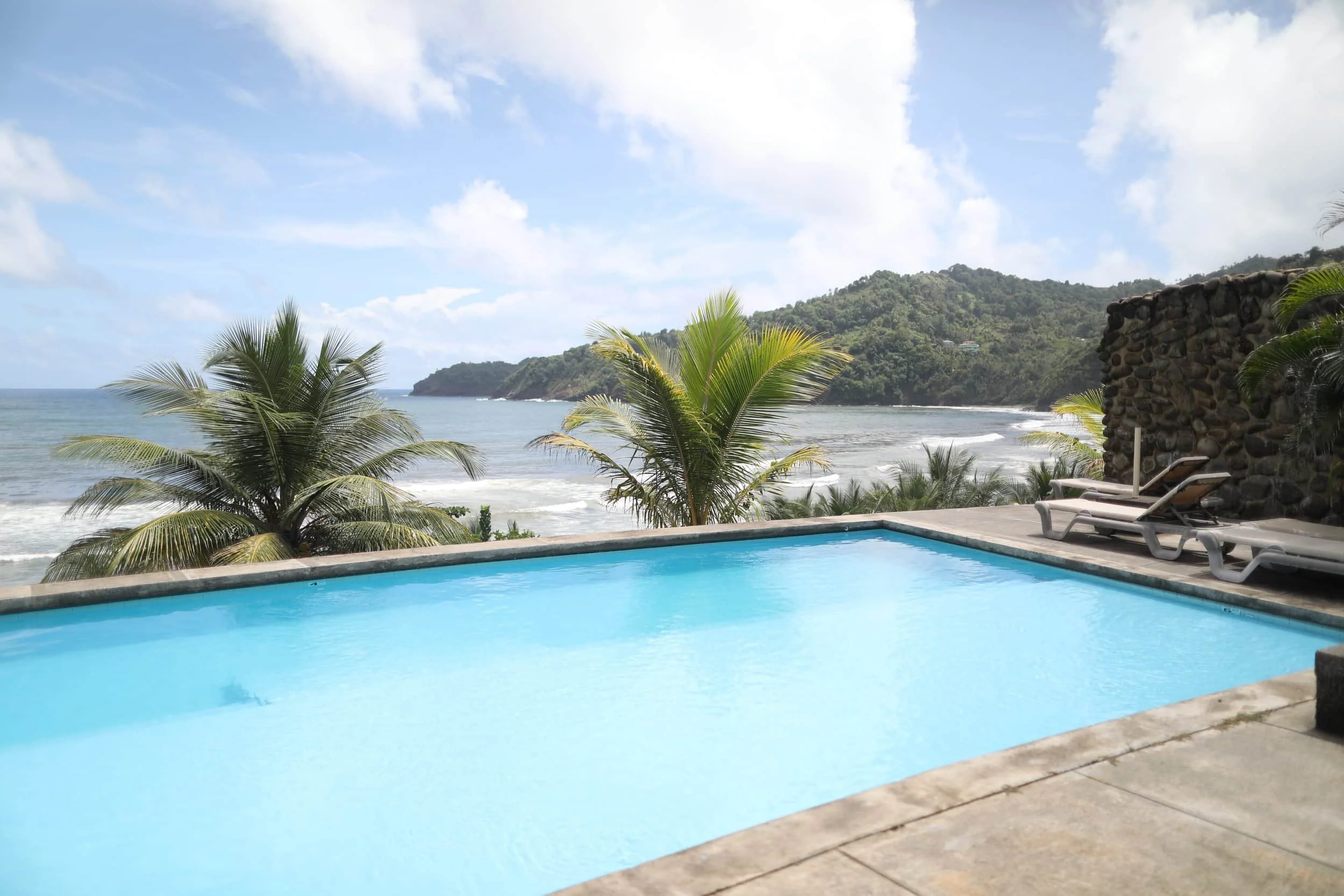
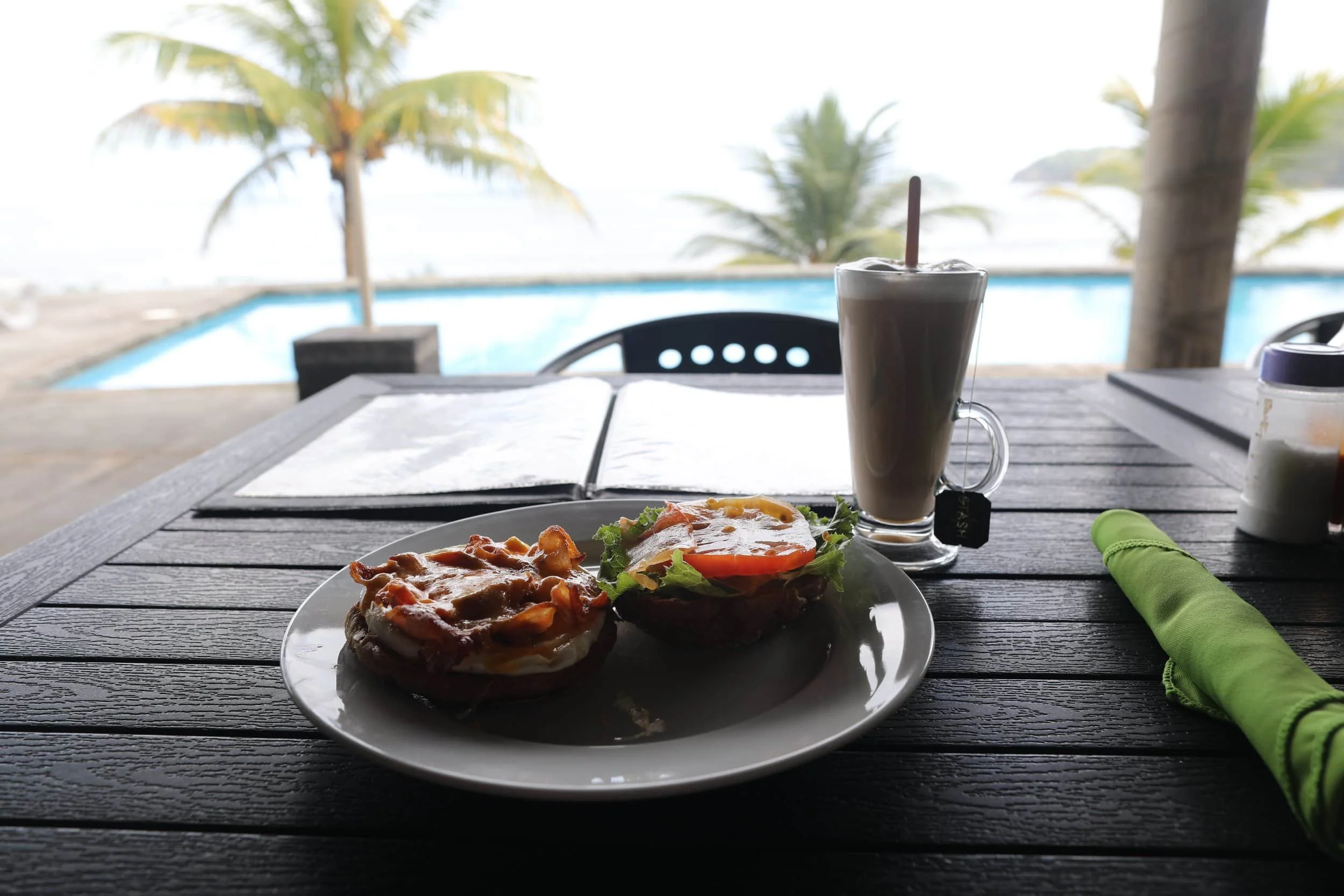
Grab a warm chai latte or hot coffee and a bagel sandwich piled with crisp bacon, melty cheese, crunchy lettuce and tomato. The sandwich is built on a homemade everything bagel — gloriously soft with that perfect chewy bite and a sprinkle of sesame, poppy and onion on top. To balance the savory, order fresh juice — try starfruit blended with golden apple — bright, tart and incredibly refreshing. All of this comes to about $20 USD, a small price for a delicious morning pick-me-up on the road.
Back on the dirt road again, it’s likely you’ll spot a few locals looking for a ride. I spotted two women thumbed out to the world and couldn’t help but pull over. They climbed in with easy smiles, clearly used to island hospitality, though I could tell they were a little surprised to see a solo female driver. Their company turned a simple ride into a small, warm exchange of stories and laughter that felt quintessentially local.
💡 Local Tip | Locals often look to hitch a ride if you’re passing in a rental. Feel free to stop and help out — I found it one of the best parts of my time on the island.
02 | Get Acquainted with Dominica Island: First Impressions
Fall for Dominica the moment mist from its emerald waterfalls kisses your face — wild, unfiltered and impossibly alive. Dominica greets you with warm, open people and slow, spirited driving, cats lounging on every corner, an abundance of bugs and cascading waterfalls at every turn, and a quiet Sunday rhythm when many places close up.
Smitten at First Sight: Falling for Dominica's Wild Charm
As for first impressions of Dominica, those unfolded the moment I stepped off the plane and into the island’s green chaos.
Driving here is an adventure in itself. The roads twist like vines, hugging steep slopes and, at times, flirting dangerously close to deep roadside ditches. Locals weave confidently — stopping in the middle of the lane, squeezing past on impossibly narrow stretches — so if you’re behind the wheel, go slow, be patient and expect the unexpected. Google Maps can be charmingly unreliable; when it glitches, pull over and ask a local for directions and don’t forget to bring a car charger for your phone.
Cats are everywhere, slinking along stone walls and sunning themselves in village squares. They lend a small, intimate rhythm to island life.
People here are warm and open. Conversations begin easily — over a cup of coffee, a shared smile or directions — and that friendliness makes exploring the island feel less like tourism and more like joining a community. Expect to pick up a few local hitchhikers if you’re driving.
I know they say it’s rivers but waterfalls are Dominica’s signature: some are a few minutes’ hike from the road and feel almost like private postcards, while others demand a full-body adventure — river crossings, steep climbs and careful footing — to reach secluded, thunderous pools. Each one has its own personality; some are gentle and photogenic, others raw and awe-inspiring.
The bugs — Dominica’s jungle inhabitants — are not to be underestimated. Bring real, heavy-duty bug spray and use it liberally. I came away with plenty of souvenir bites to remind me that this place is gloriously wild. Check local shops for all natural bug creams.
Sundays are quiet — many restaurants, shops and grocery stores are closed — even public transport shuts down. Expect excursions to run but plan for your meals a head of time.
Island time — Dominica island unfolds slowly and schedules are suggestions.
In short: slow down, ask for help, follow the locals’ lead, chase waterfalls and don’t skimp on insect repellent. Dominica rewards curiosity and a willingness to get a little dirty.
03 | Discover Downtown Roseau: A Stroll Through Culture, Cafés & Hidden Gems
One of the best things to do on Dominica island is wander the lively streets of downtown Roseau, the nation's capital perched between emerald mountains and the sparkling Caribbean Sea. Rolling into town for breakfast means navigating crowded, one-way streets and hunting for scarce parking — plan to circle a bit. A handy lot perched above the main drag makes a good starting point; a short walk downhill brings you to the heart of the morning bustle.
Island time: a gentle reminder that on this stretch of coast the day unfolds slowly and schedules are suggestions.
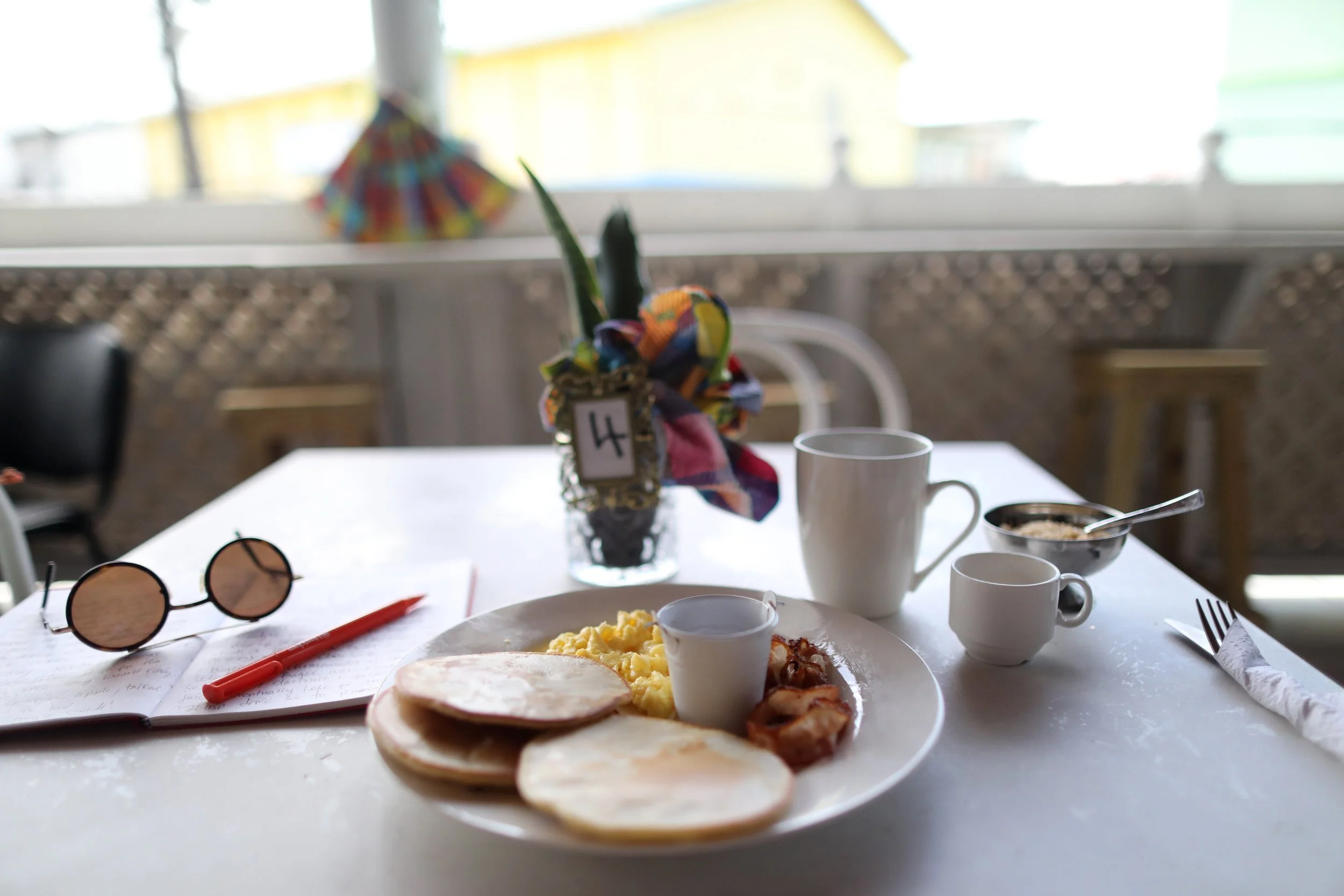
Tropical Blendz is a no-frills spot where locals and travelers gather over strong coffee. The breakfast menu is classic island comfort: pancakes, bacon, eggs and milk. The bacon is crisp, the eggs cooked to order and the coffee does the job of waking you up. The pancakes, while flavorful, come out on the firmer side with a texture that leans toward chewy — almost like a waffle cone. Overall, a solid breakfast stop that captures the easygoing rhythm of the town and a great place to start your morning.
You’ll catch moments of life in Dominica all around you. Just when I wasn’t looking for it, local charm found me: a little girl poised with a gold chained purse and vibrant purple top struck an utterly adorable pose as I ate — a small, tender moment I slipped into my memory.

Across the street, the air pulses with rhythm — drums and shakers weaving a lively soundtrack through the air. Enjoy the sounds during breakfast as a warm breeze moves between the tables, carrying the music closer and turning the simple act of eating into a small, shared moment with the island.
The flavors on my plate match the scene’s warmth and spontaneity: a satisfying, budget-friendly meal for just $40 XCD (about $15 USD). Locals and visitors nod along to the beat and for a few minutes the street feels like a backyard party where food, music and breeze come together to define the morning.
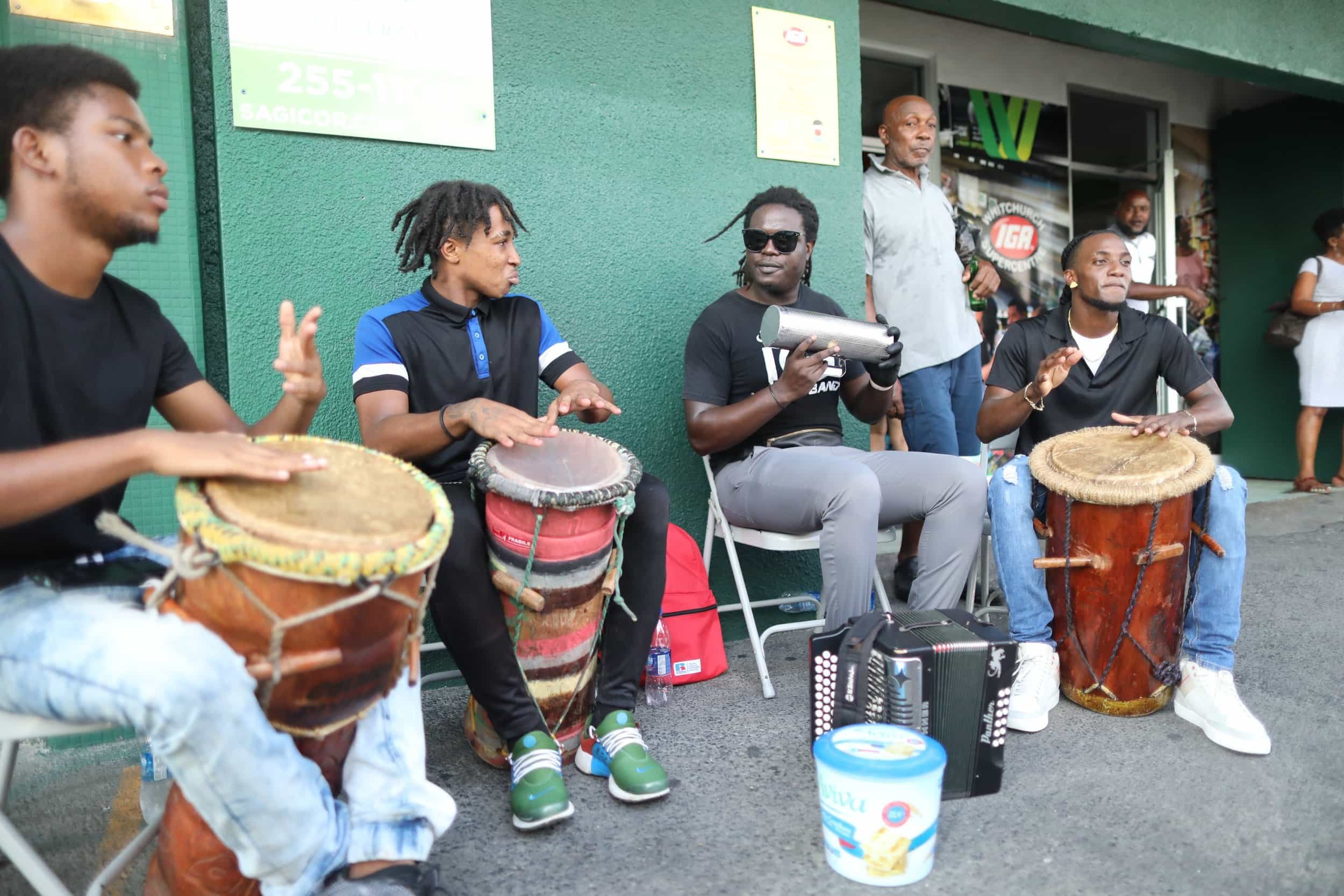
At street level, the air fills with rhythm — a welcome invitation to pause and listen. A group of musicians play on the corner, their hands and percussion weaving upbeat, infectious patterns. The four boys play bongos with surprising precision and energy, trading complex beats and quick solos that drew smiles from passersby.
Music in Dominica reflects the island’s Caribbean heartbeat: a blend of African-derived rhythms, French and Creole influences and indigenous elements. You’ll hear calypso, cadence-lypso and bouyon flavors threaded through street performances, carnival sounds and spontaneous jam sessions. Hearing local percussionists improvise on street corners gives a vivid, immediate sense of how central music is to everyday life here — lively, communal and impossible to ignore.
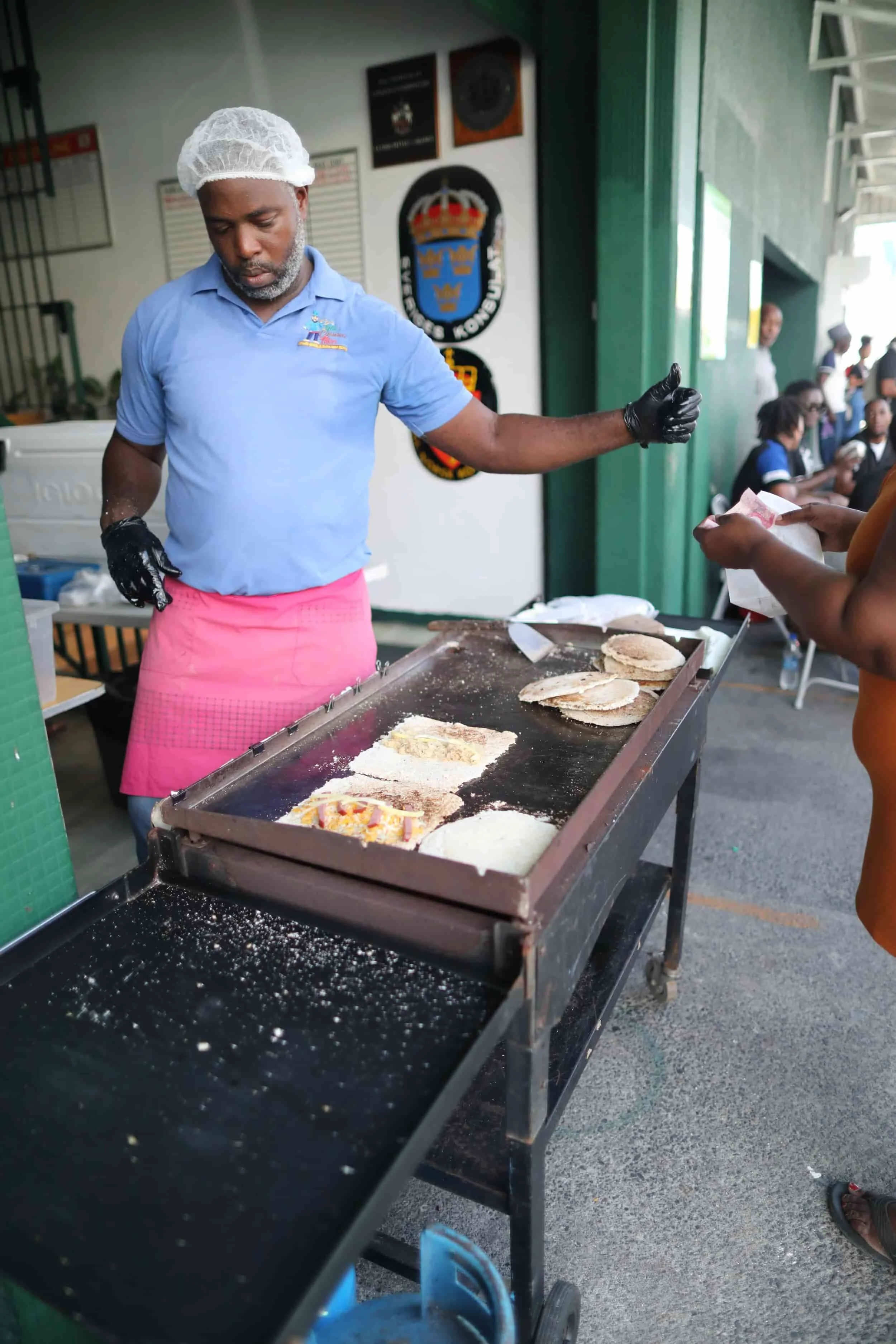
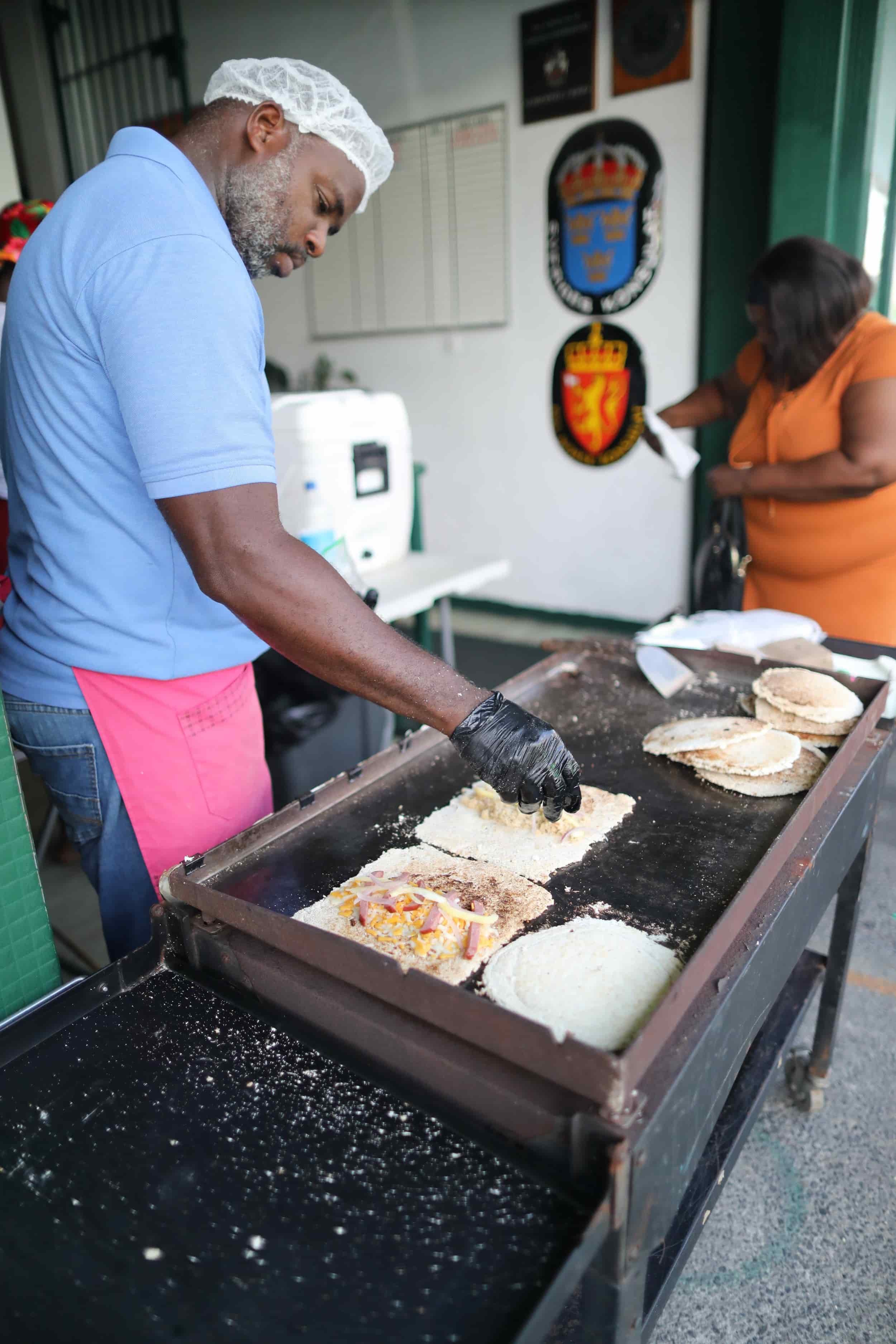
Nearby, you can find yourself a tiny piece of heaven: cassava bread with coconut from the Cassava Man. He works slowly and deliberately, flattening dough made from grated cassava, folding in just the right amount of grated coconut, then pressing it on a hot griddle until the edges caramelize into a satisfying crisp while the interior stays chewy and tender. The flavor is gentle and comforting — a pale, nutty sweetness with a whisper of coconut — perfect with a cup of local coffee or simply on its own. At $6 XCD (about $2 USD) it feels like a steal: rustic, handcrafted and rooted in island tradition.
Cassava is everywhere in Dominica’s culinary history. The islanders turn this hardy root into staples and snacks: tien-bla (cassava dumplings), farine (toasted cassava meal) and the thin, paper-like breads that travelers can buy warm from vendors. Cassava bread’s texture can range from delicate and flaky to satisfyingly dense, depending on how it’s prepared; here, the Cassava Man struck a delightful balance — chewy core, crispy rim. Eating it is like getting a small, edible lesson in Dominica’s resourcefulness and the way simple ingredients become memorable dishes.
💡 Local Tip | If you find yourself wandering Dominica’s markets, seek out cassava bread — ask for it with coconut. Watch how it’s made and take a moment to enjoy it while it’s still warm; the contrast of heat, chew and crisp makes for one of those small but perfect travel moments.
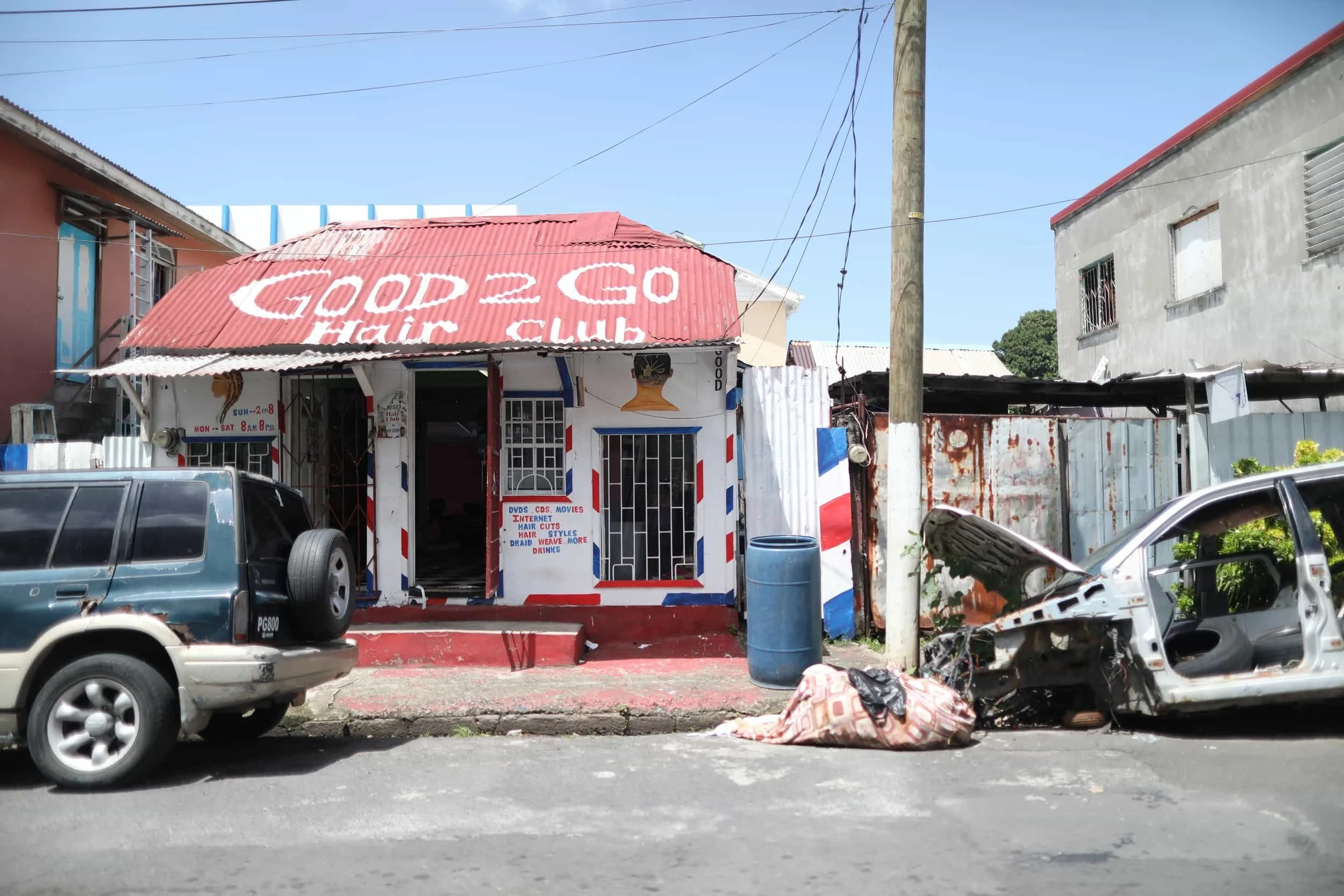

Roseau sits where the Roseau River meets the Caribbean Sea, framed by steep, forested hills and volcanic ridges. The city’s compact layout reflects its colonial past: narrow streets, colorful wooden Creole houses with verandas and French and British architectural influences mingled with modern concrete structures. The harbor remains a focal point for activity, with fishing boats, ferries and cruise ships arriving against a backdrop of green mountains that hint at the island’s dramatic interior.
Despite its small size, Roseau is a lively cultural hub. Market Square pulses with local life — vendors sell fresh tropical fruits, root vegetables, spices and seafood, while artisans offer crafts and souvenirs. Nearby, the Dominica Museum presents exhibits on the island’s Kalinago heritage, colonial history and natural environment, helping visitors understand how culture and ecology are deeply intertwined here. St. George’s Anglican Church and the Roseau Cathedral are notable landmarks that illustrate the city’s historical layers.
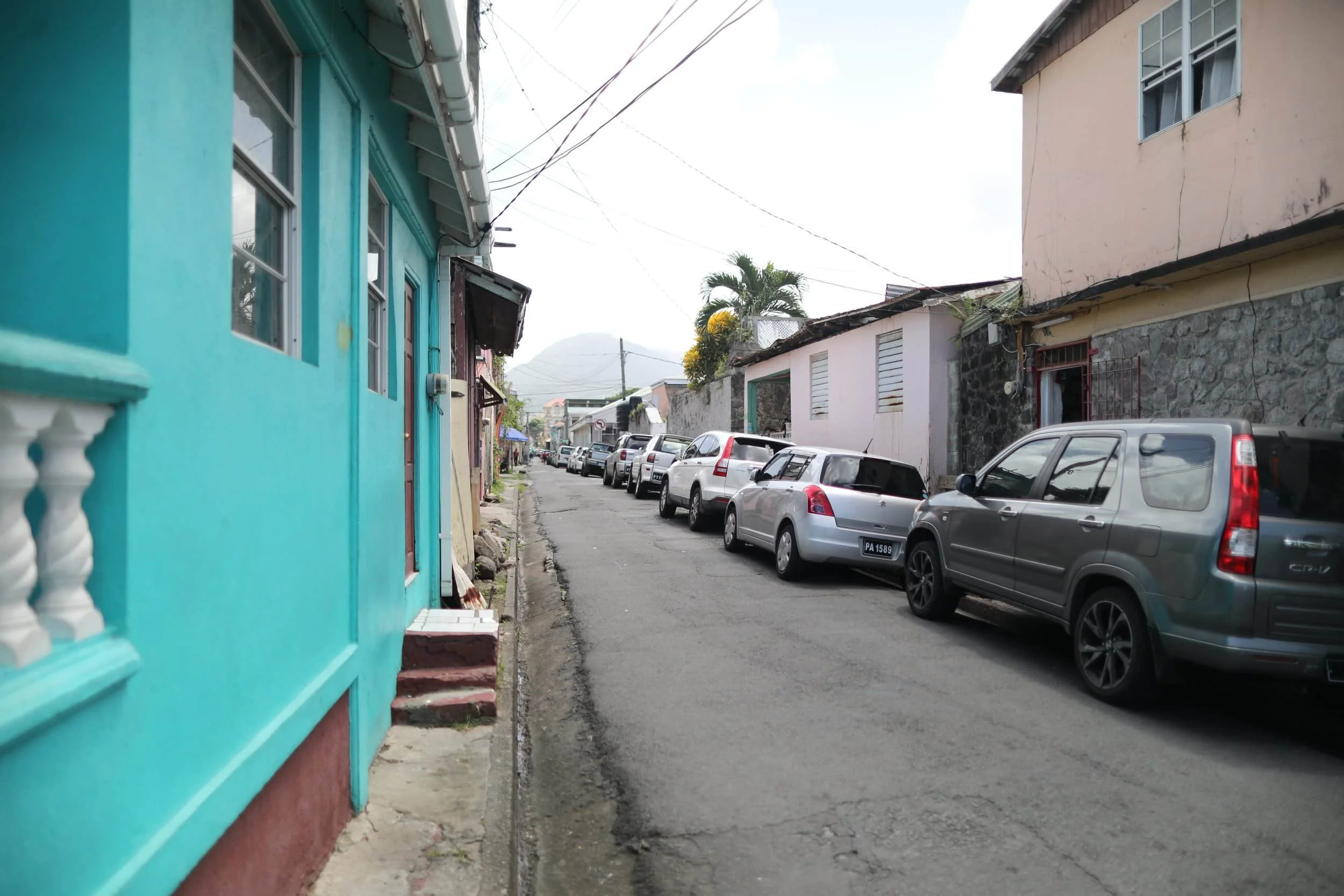
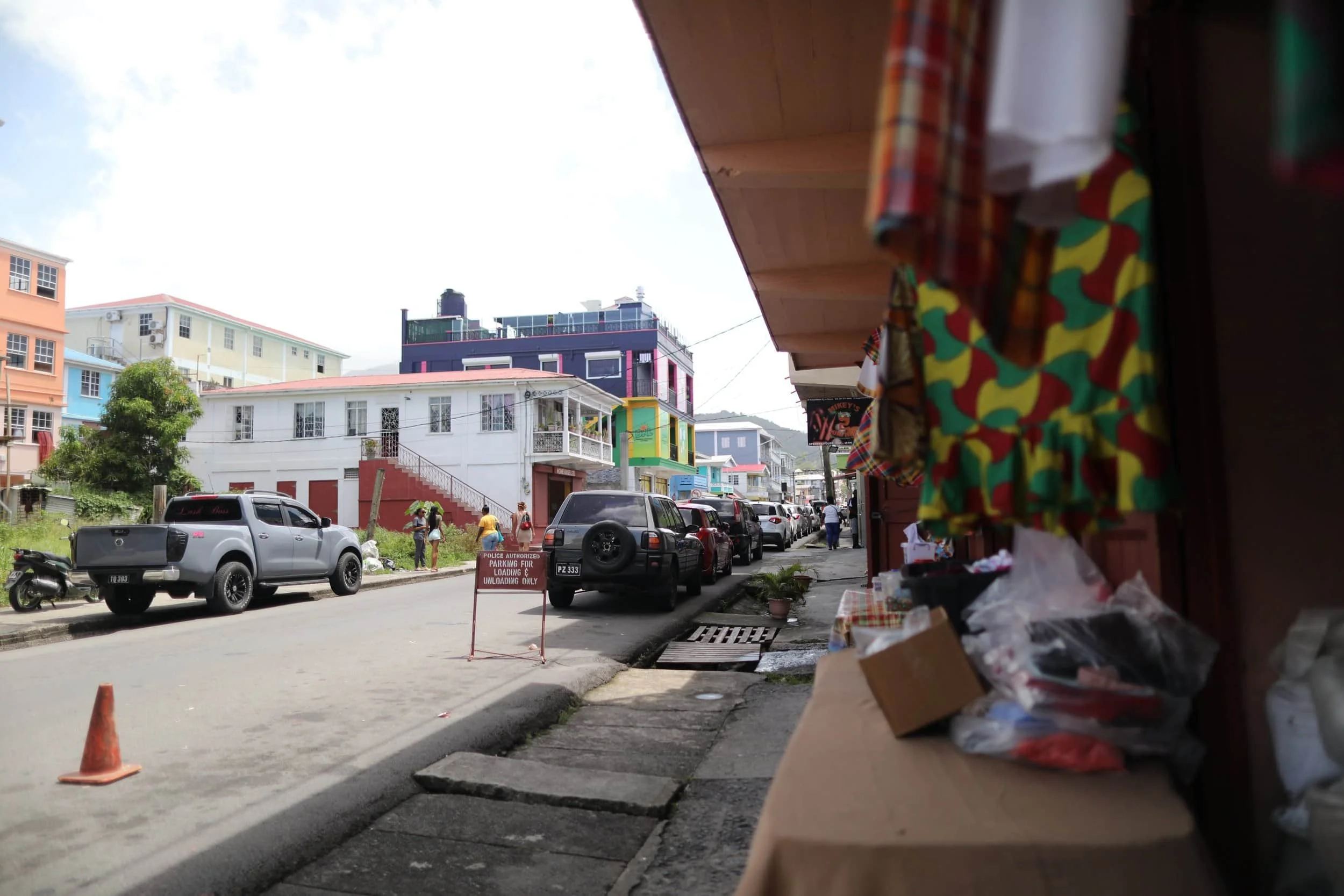
Roseau also serves as the gateway to Dominica’s renowned natural attractions. From the city, it’s easy to reach world-class hiking, including trails that lead to Boiling Lake areas, waterfalls and hot springs within Morne Trois Pitons National Park, a UNESCO World Heritage site. Ecotourism operators based in Roseau organize river tubing, whale-watching and guided rainforest treks, making the capital a practical and welcoming launch point for exploring the island’s rugged interior.
Everyday life in Roseau combines tradition and resilience. The city has rebuilt repeatedly after hurricanes and volcanic events and community ties remain strong. Cafés, small restaurants and rum shops offer local flavors — mountain-grown coffee, fresh fish and callaloo, and Creole stews — while cultural events, music and Carnival celebrations bring neighborhoods together. For travelers seeking a compact urban center that opens immediately onto unparalleled natural landscapes and authentic local life, Roseau is a memorable introduction to Dominica.
💡 Local Tip | Pick up some local coffee from the market if you like spiced blends — Dominica’s brew still haunts my mornings: so naturally sweet that no sugar is needed. My favorite flavors were cinnamon and vanilla.
Evening meals in Roseau often come in big contrasts — sometimes simple and comforting, other times a touch indulgent and refined.
At Epic Bar & Restaurant, a neon sign proclaims its location but at first glance, it looks like anything other than a restaurant. Crowds cluster at the bar, laughter and clinking glasses filling the room, while a thumping soundtrack pushes through the doorway and spills into the street. The scene feels electric — part neighborhood hangout, part late-night party — so even if the menu isn’t obvious, the atmosphere suggests an experience worth staying for.
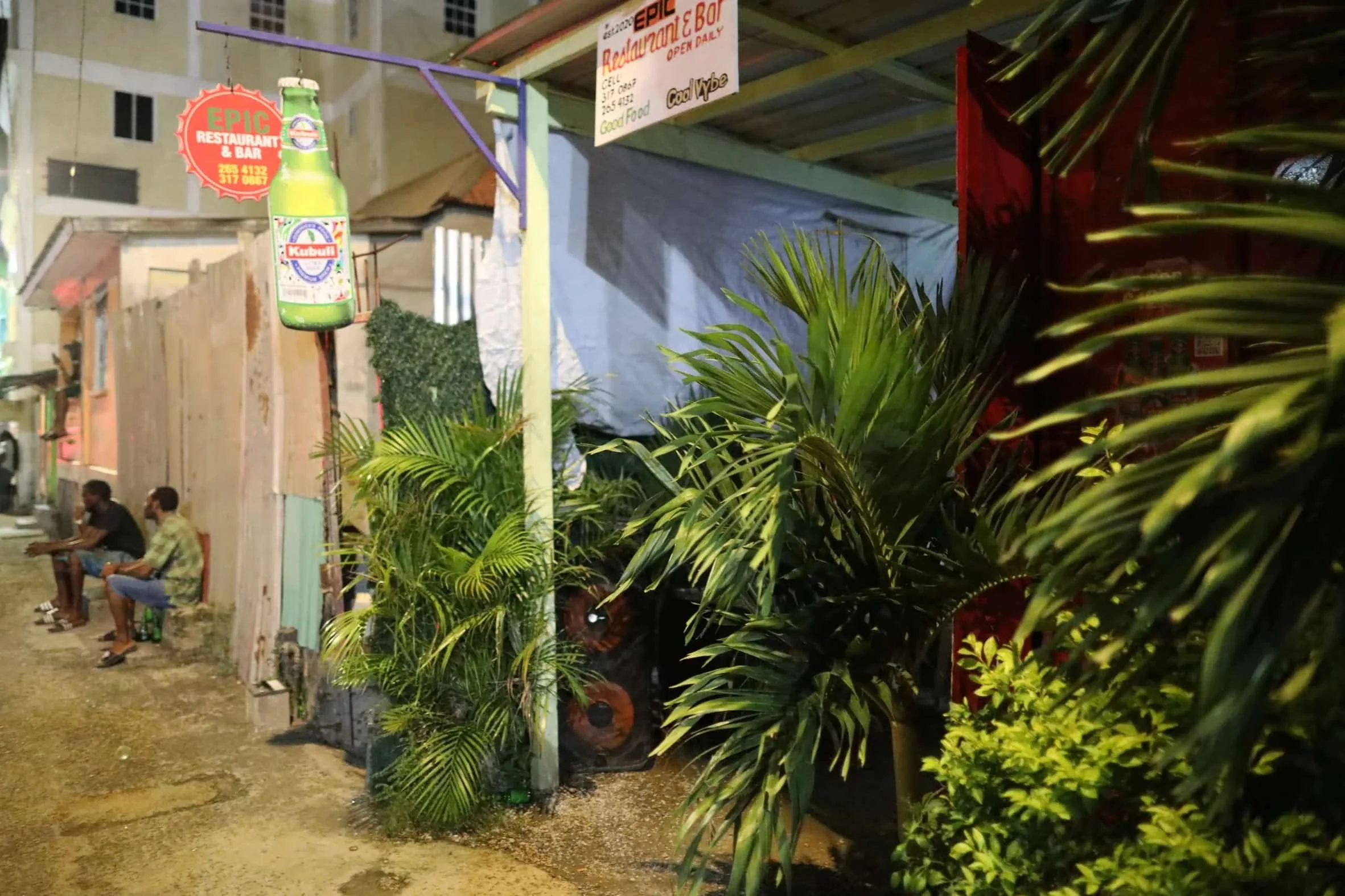
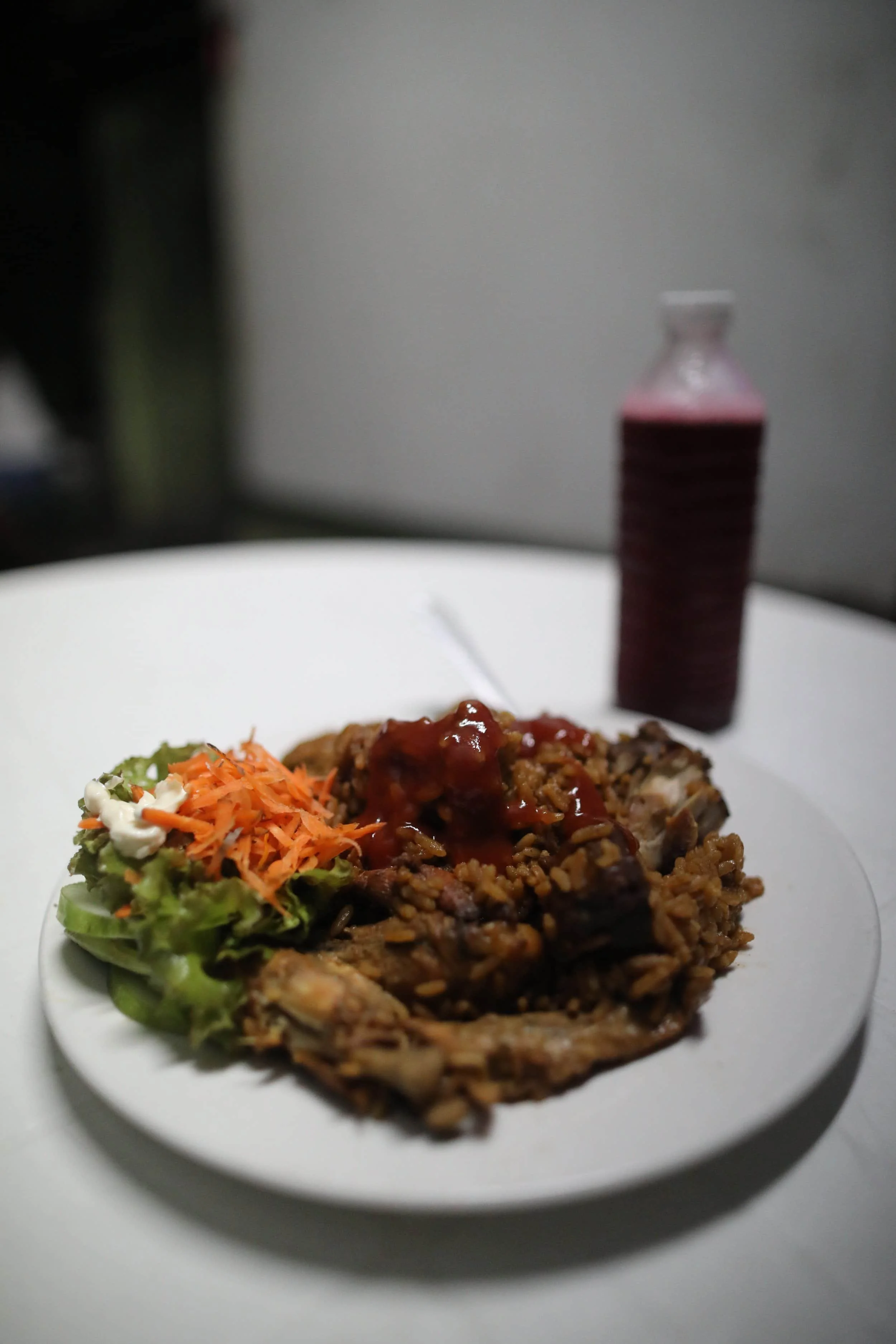
The makeshift bar serves up the only meal on offer: simple roasted chicken, fluffy rice and a crisp salad — accompanied by a deep crimson glass of sorrel juice. In the Caribbean, sorrel juice is more than a refreshment; it’s a seasonal ritual. Made from the calyces (sepals) of the roselle hibiscus (Hibiscus sabdariffa), the drink’s tart, floral flavor is steeped and sweetened, often scented with ginger, clove or a splash of rum.
Historically, sorrel became tied to Christmastime because the roselle plant traditionally produces its calyces during that season, making the bright, ruby-hued beverage a holiday staple across islands. Together, the hearty plate and the sharp, spiced sorrel creates a perfectly balanced introduction to Caribbean flavors.
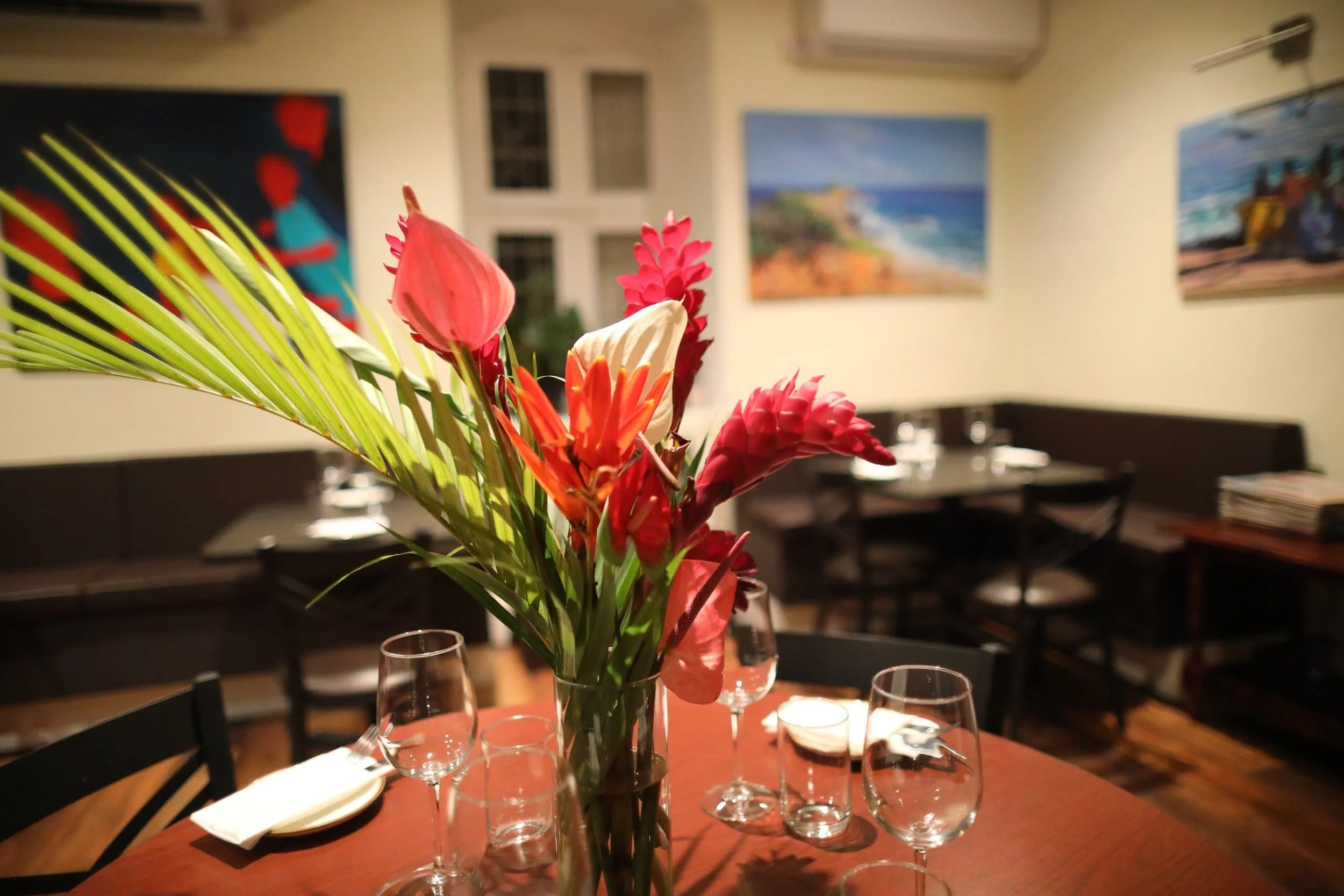
On the other hand, Lacou Melrose House is standout for anyone seeking a refined dining experience on Dominica island. Tucked into a charming historic building, this upscale French-inspired restaurant blends elegant presentation with local Caribbean flavors. The dining room feels intimate and polished — white linens, soft lighting and thoughtfully arranged table settings set the tone for a relaxed, special-occasion meal.
The menu leans on classic French techniques but uses fresh, island-sourced ingredients: imagine perfectly seared fish with a bright citrus beurre blanc, goat-cheese-stuffed peppers drizzled with local honey or a rich duck confit paired with roasted root vegetables. Daily specials often showcase seasonal catches and produce from nearby farms, so there’s always something new to try.
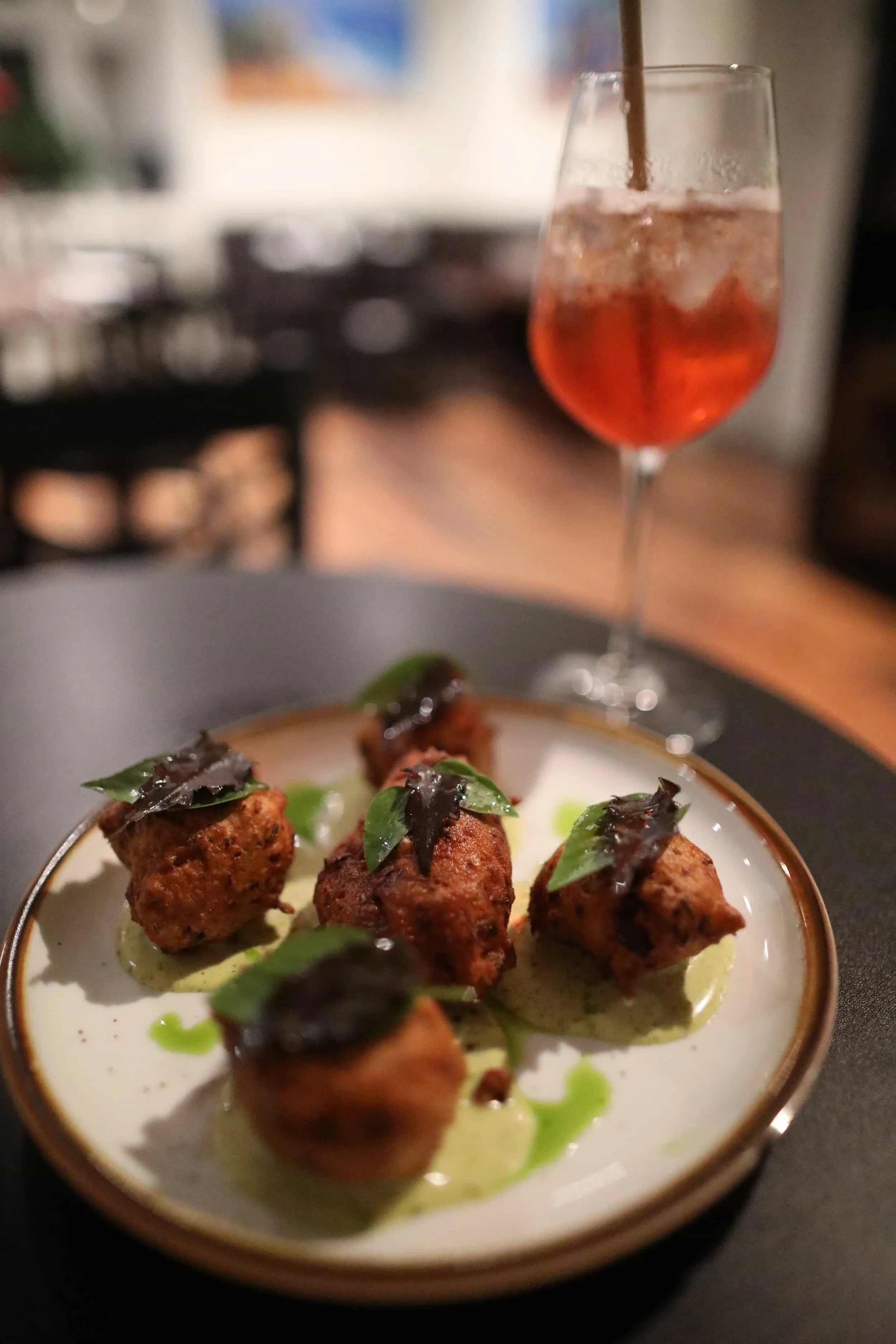
A mini celebration of island flavors, begin with a sorrel spritzer — bright, tart sorrel syrup fizzes up with sparkling water and a splash of wine — it arrives in a chilled glass, the kind of drink that instantly cools you and primes your palate. The appetizer follows in a playful manner: golden accras bathed in a creamy coconut-lime sauce, each bite a perfect balance of crunchy exterior and tender, seasoned interior, delicate marlin fritters, puffed and fried to airiness, their smoky seafood flavor lifted by citrusy notes.
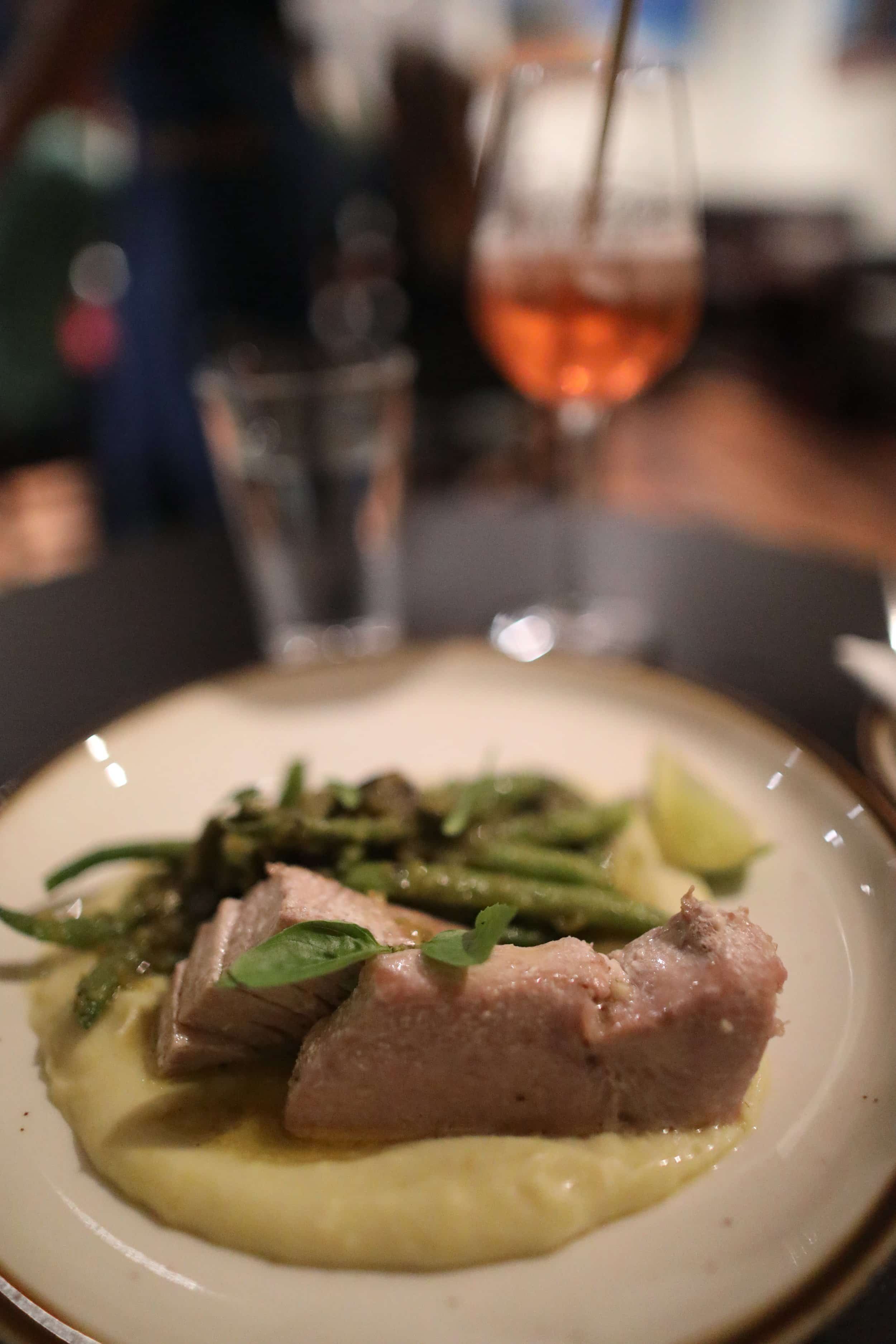
For the main, oven-roasted tuna takes center stage, seared just enough to keep the center tender and flush with ocean taste. It rests atop a silky white sweet potato purée, surrounded by crisp green beans and tender okra, a simple arrangement that lets each ingredient shine. Rich, bright and comforting in turns — the whole meal feels thoughtfully composed and deeply satisfying. The damage is about $190 XCD ($70 USD), a fair price for a meal that tastes like a small tour of the island’s best.
Service is attentive without being fussy; servers are knowledgeable about wine pairings and happy to recommend dishes based on your preferences. For dessert, expect elegant plates — think caramelized bananas with rum-soaked cake or a silky chocolate ganache topped with a tropical fruit compote.
One thing’s for sure, Lacou Melrose House offers a sophisticated, memorable taste of Dominica with a French flair — a must-try on Dominica island.
04 | Wander the Enchanting Paths of Dominica Botanic Gardens
Dominica Botanic Gardens located in Roseau Valley is one of the oldest botanical gardens in the Caribbean. Established in 1889, it was originally developed to support agricultural research and to introduce economically useful plants to the island.
Over the decades, the garden evolved from a colonial experimental station into a public green space and conservation site, reflecting shifts in Dominica’s priorities: from cash-crop experimentation to biodiversity preservation, environmental education and cultural heritage. Its history is intertwined with colonial agricultural policy, local horticultural practice and more recent efforts to protect native and endemic species threatened by development and invasive plants.
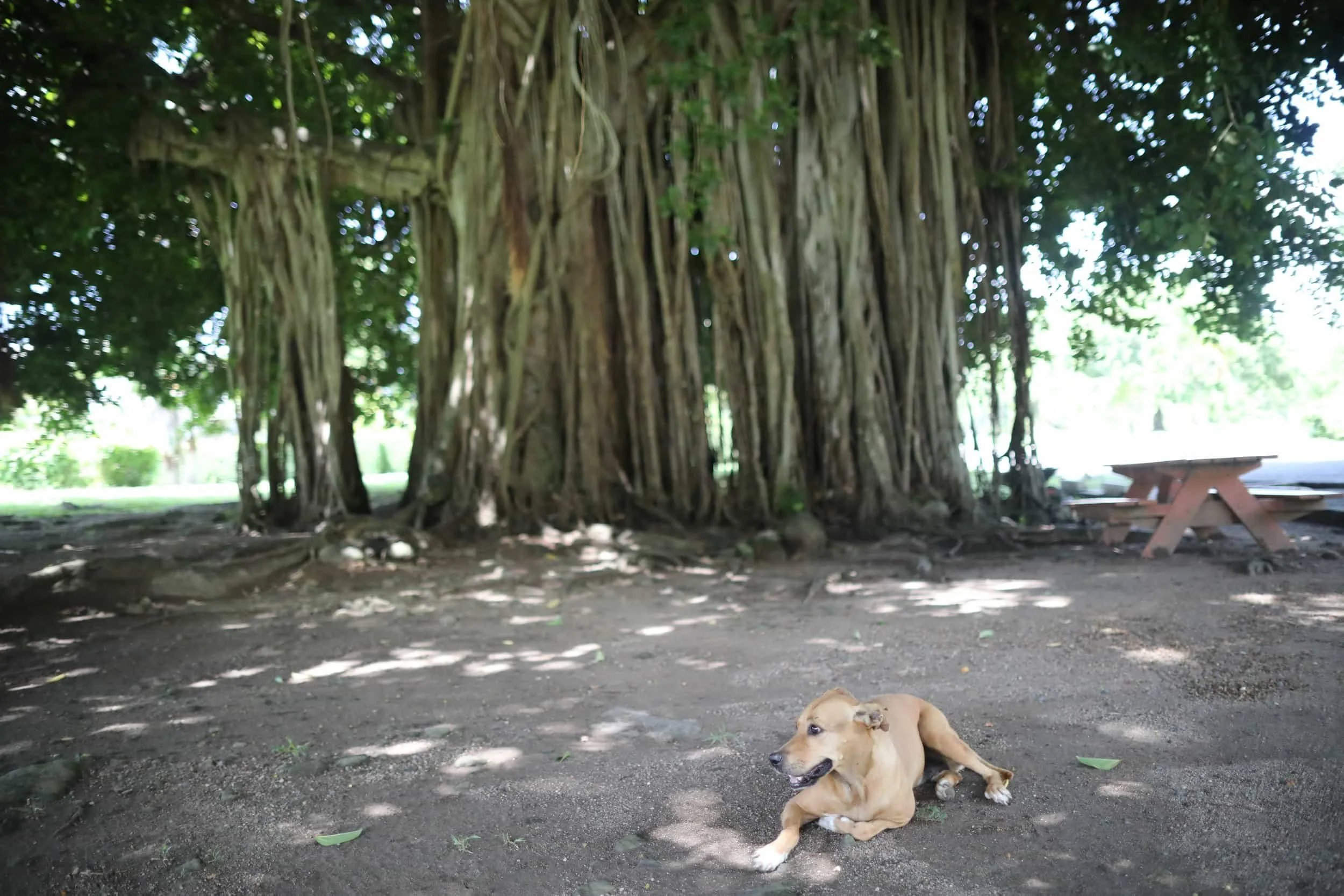
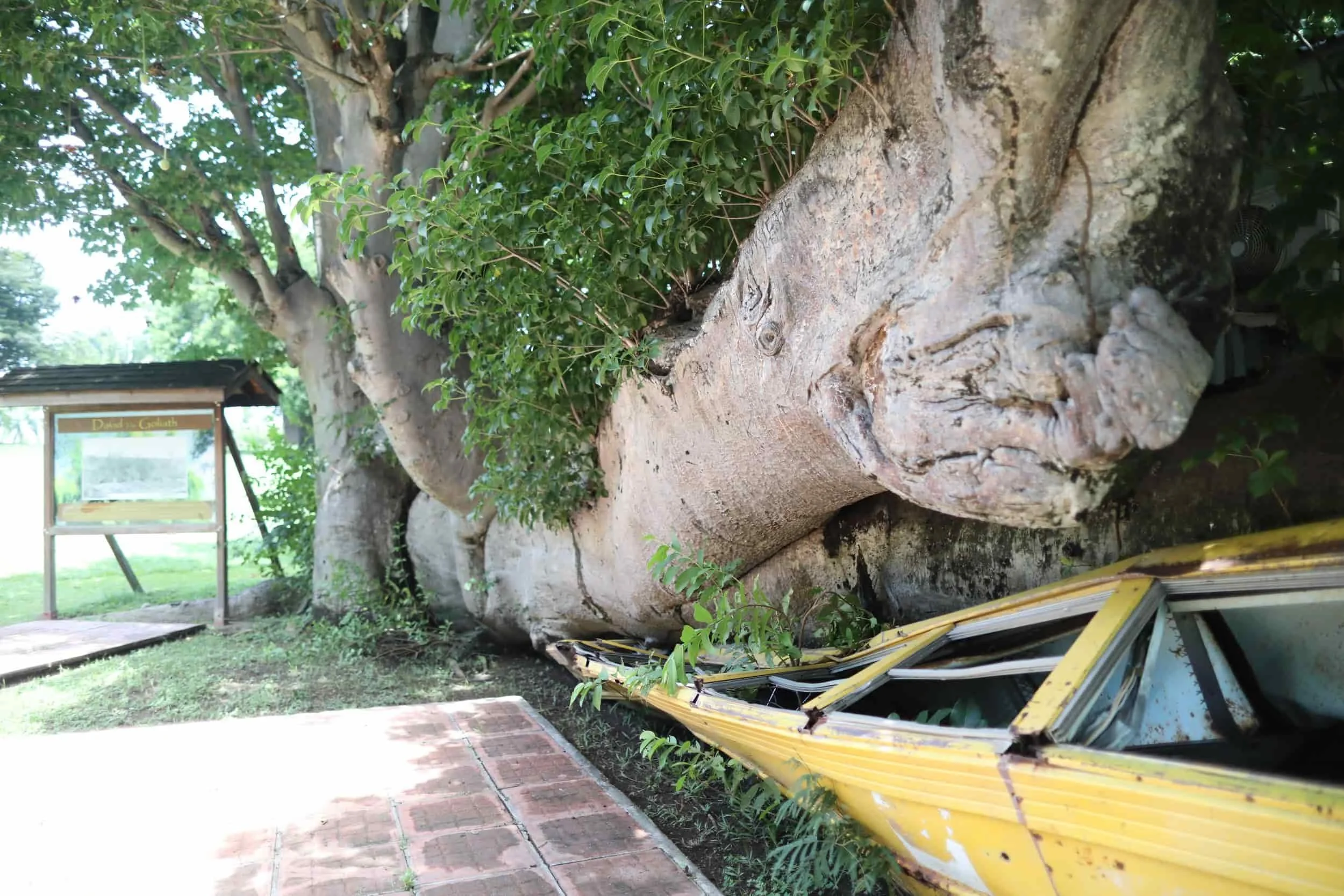
⚠️ Good to Know | Full disclosure — these gardens aren’t my top pick. As someone who adores botanical havens all over the world, this one felt a bit understated. It's lovely for a leisurely stroll through green, peaceful paths but if you came hoping for jaw-dropping plant life and floral displays, you might be slightly underwhelmed. The major highlight is a bus smashed under a massive baobab tree (and the local pups).
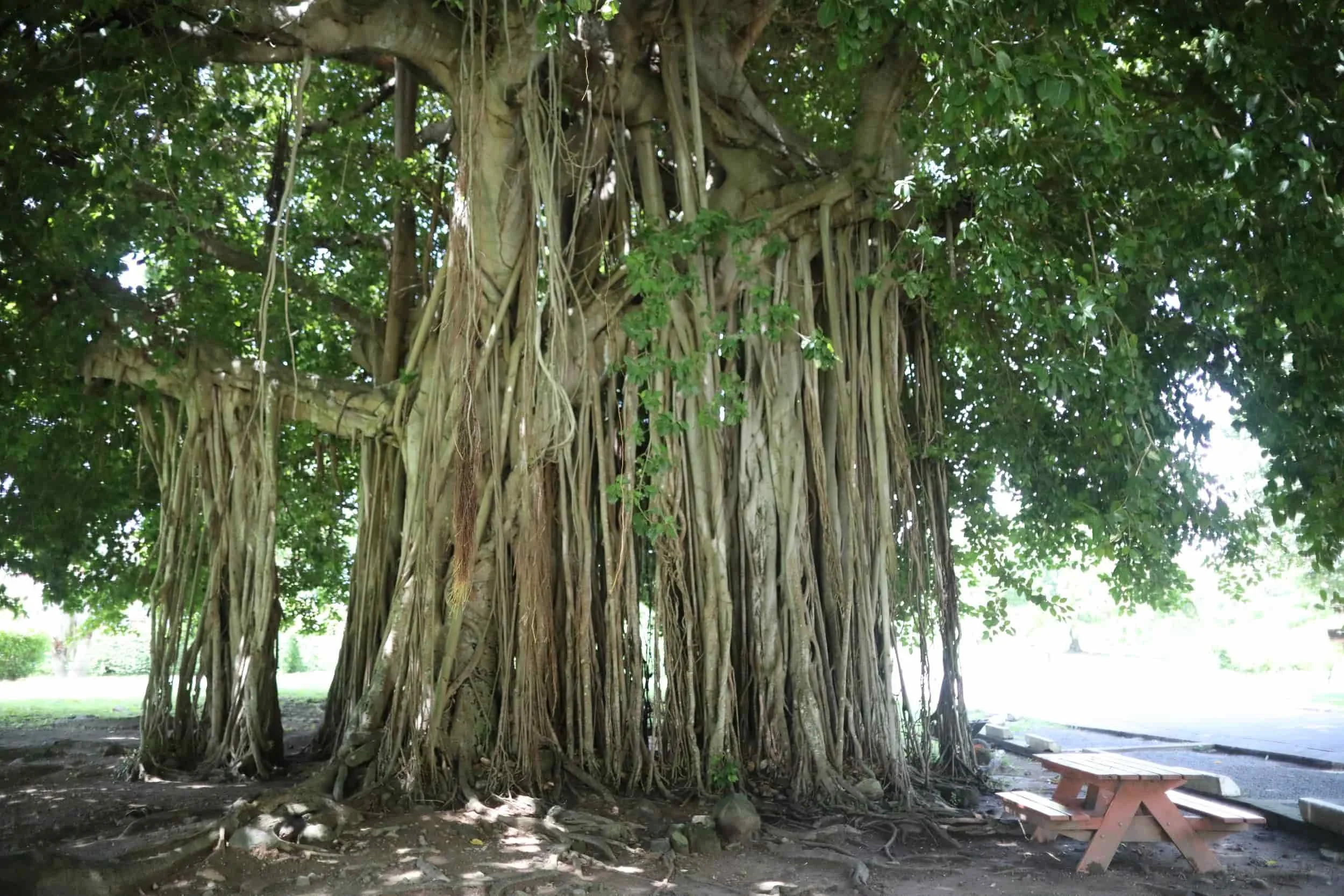
The grounds are compact but dense with botanical variety, laid out along shaded paths that wind beneath mature trees and through carefully arranged beds. Visitors encounter a mix of native Caribbean flora, useful tropical species and ornamental plantings: towering Caribbean cedar and mahogany, breadfruit and coconut groves, heliconias and gingers in splashy color and a range of ferns and palms that give the garden a layered, rainforest-like feel.
Informational labels and small interpretive areas help explain the ecological and historical significance of many specimens, while benches and gazebos provide quiet spots to absorb the ambience of the valley. The garden’s modest scale makes it particularly accessible for casual walkers and families and it functions both as a living museum and a serene urban retreat.
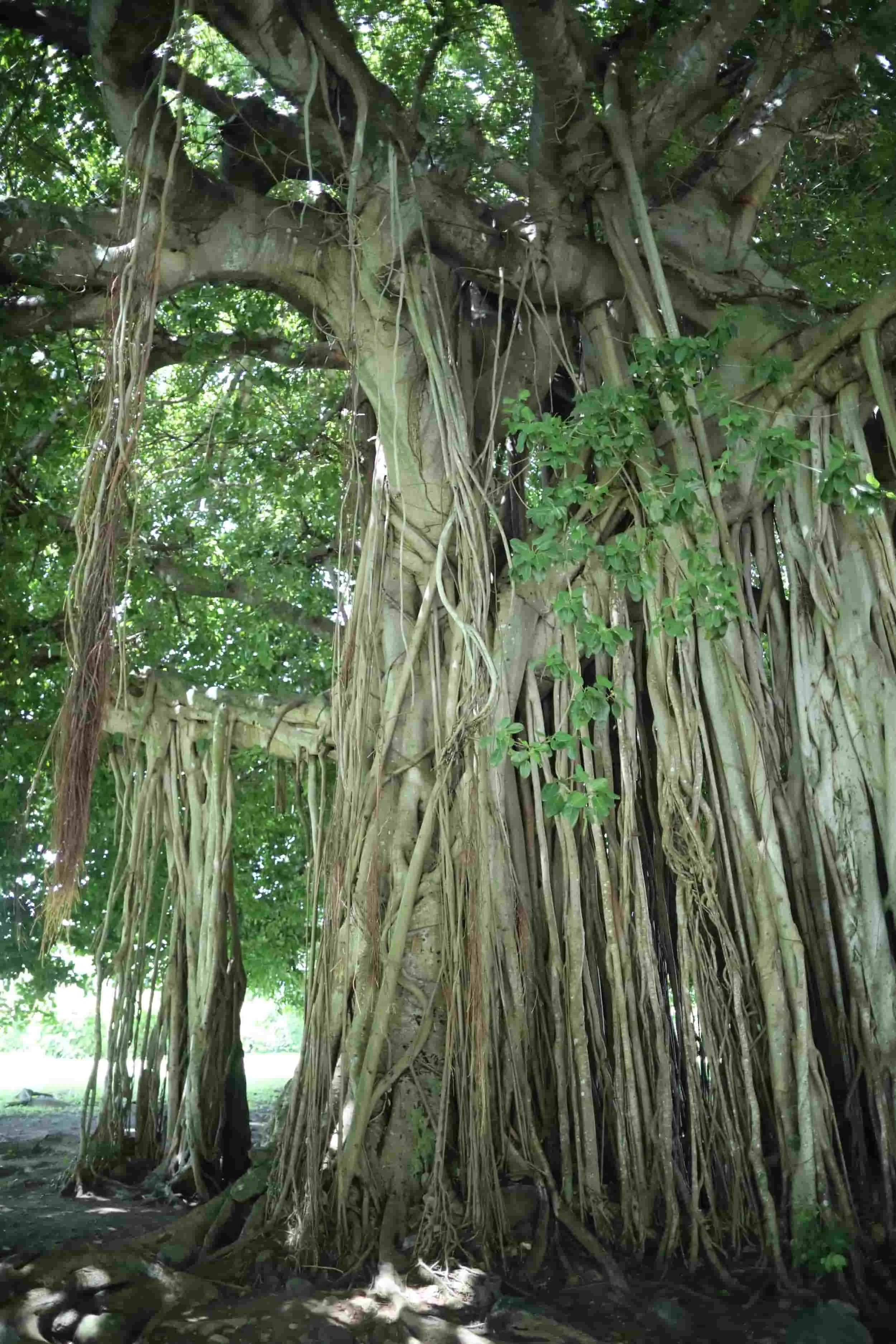
A flattened school bus tucks beneath the sprawling limbs of a baobab tree feels — at first, feels like a surreal art installation rather than a relic of catastrophe. In the gardens, that crushed bus arrests you the moment you round the path — a startling, melancholy monument to Hurricane David, which tore through the island on August 29, 1979.
The story behind the sight is stark and simple: a massive baobab was toppled during the storm and came down on an empty, parked school bus, compressing its frame into an almost unrecognizable slab of metal. No one was inside when it happened, a small mercy that sits unspoken beside the wreckage.
Garden keepers chose not to remove the bus; instead they left it where the tree had fallen, allowing the pair — tree and vehicle — to remain as a raw, tangible reminder of nature’s sudden violence and the island’s capacity to endure.
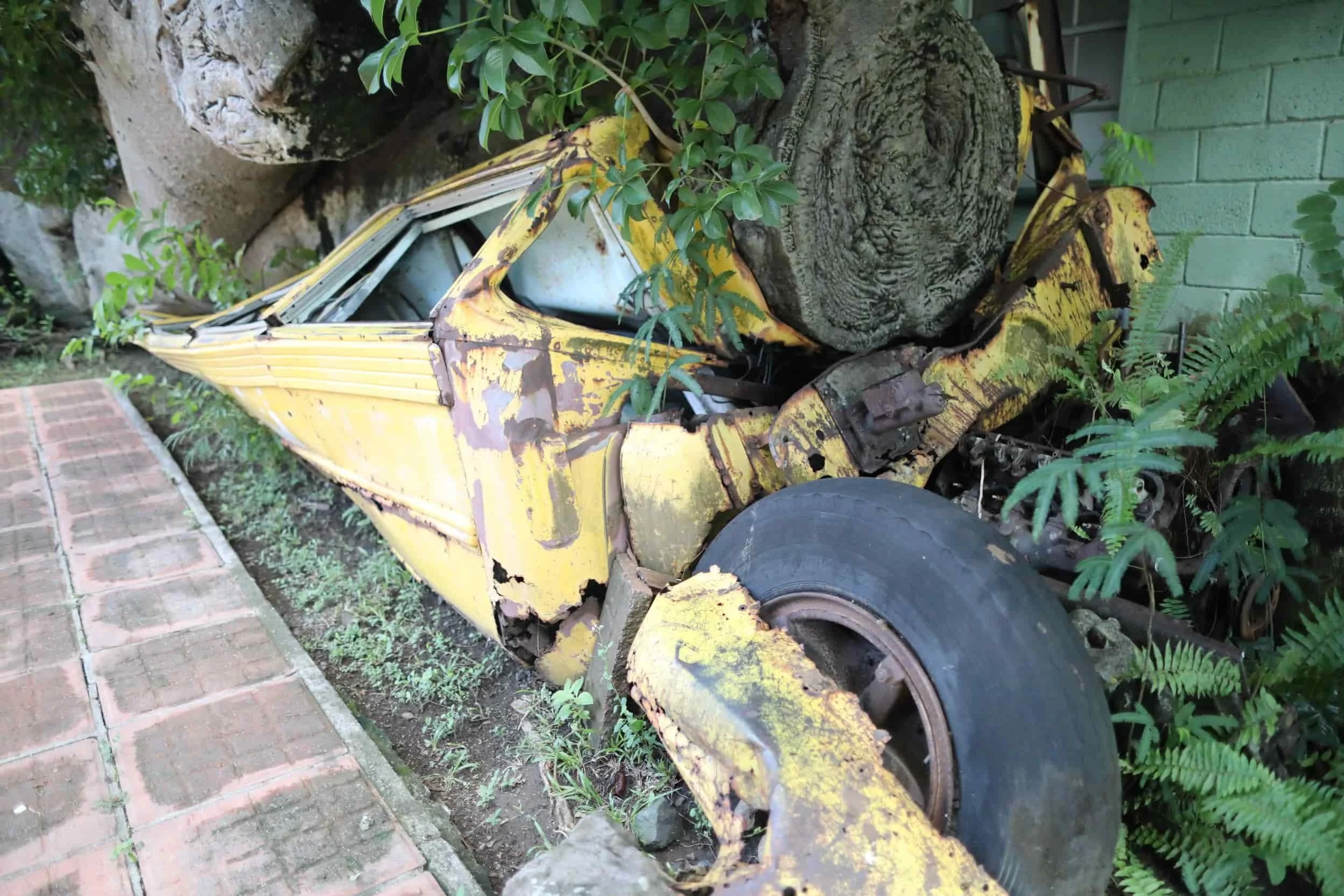
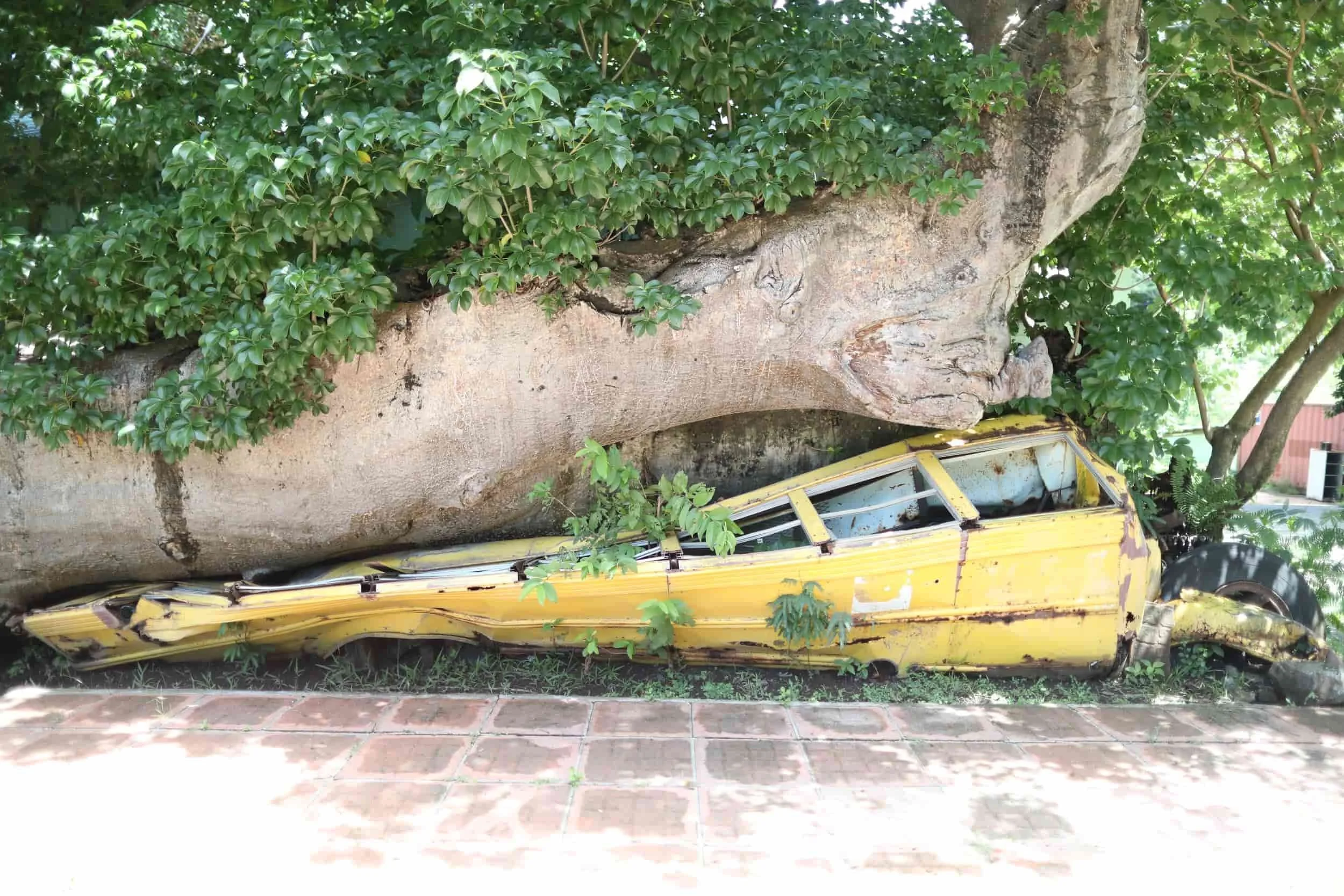
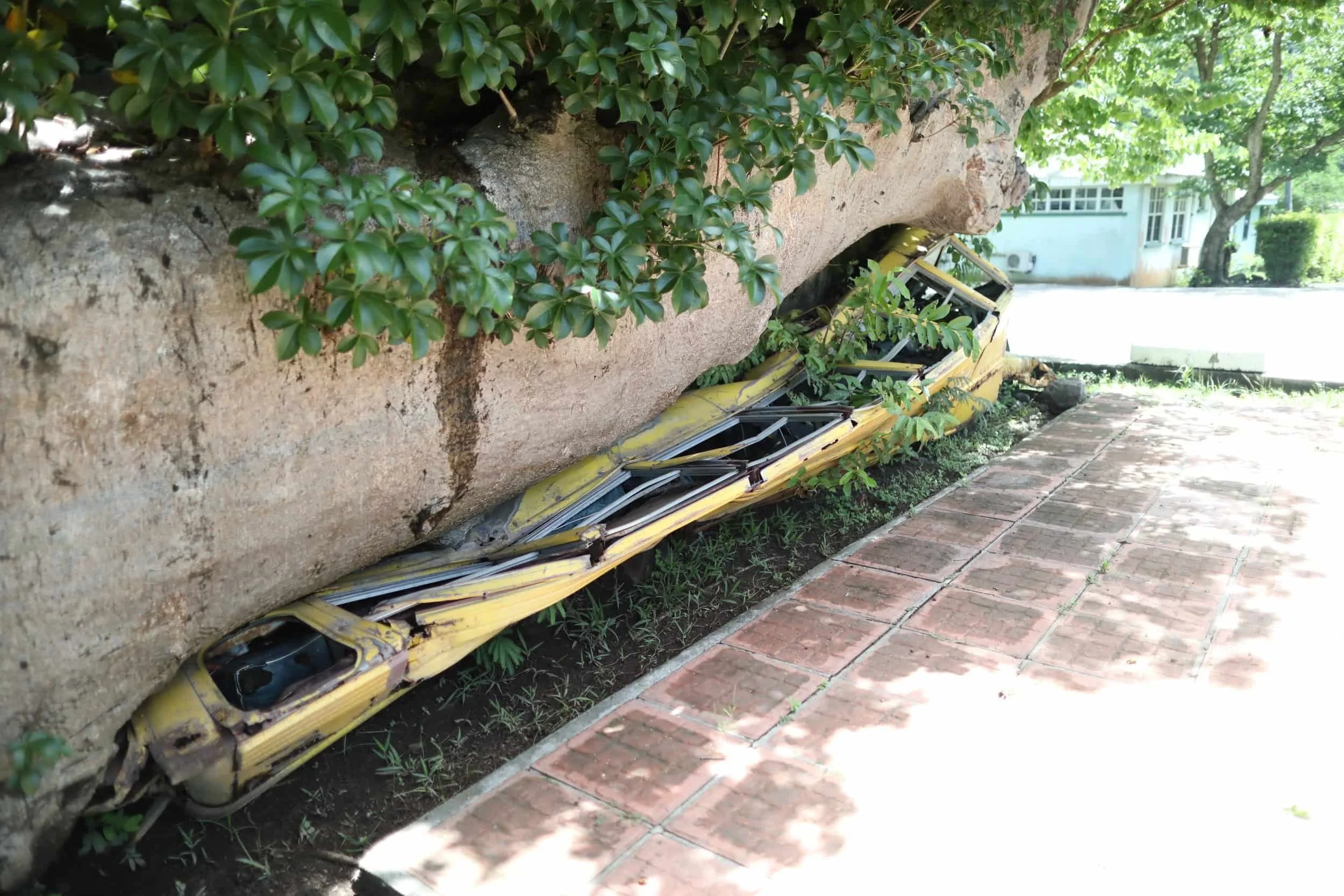
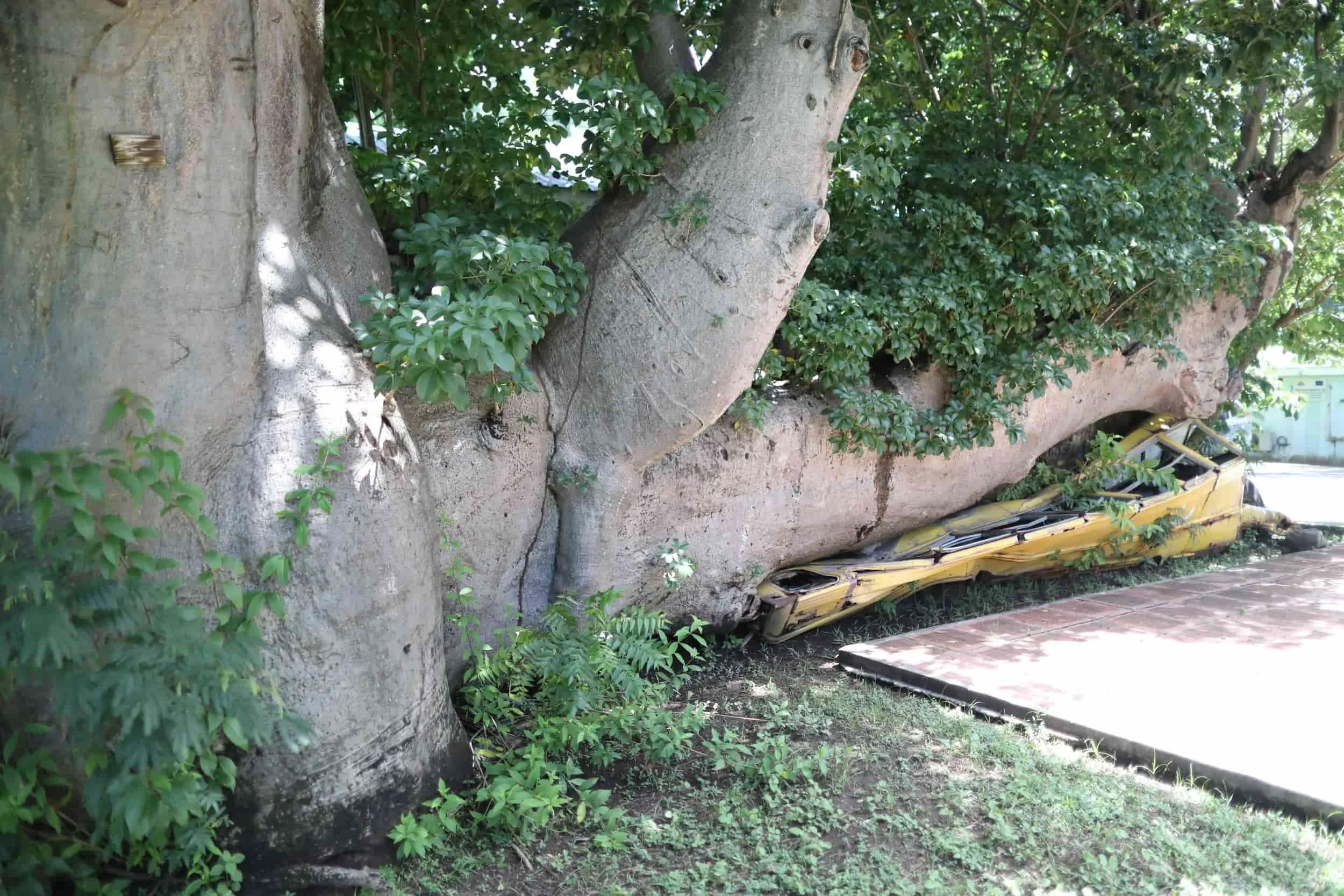
For visitors wandering the shaded avenues near Roseau, the scene is oddly poetic. The bus, now a popular photo stop, is half swallowed by roots and shadow, its ruined contours softened by time and foliage. It compels a pause: to reflect on the force that can flatten human constructs in an instant and to admire the quiet resilience of a place that has rebuilt itself around that memory.
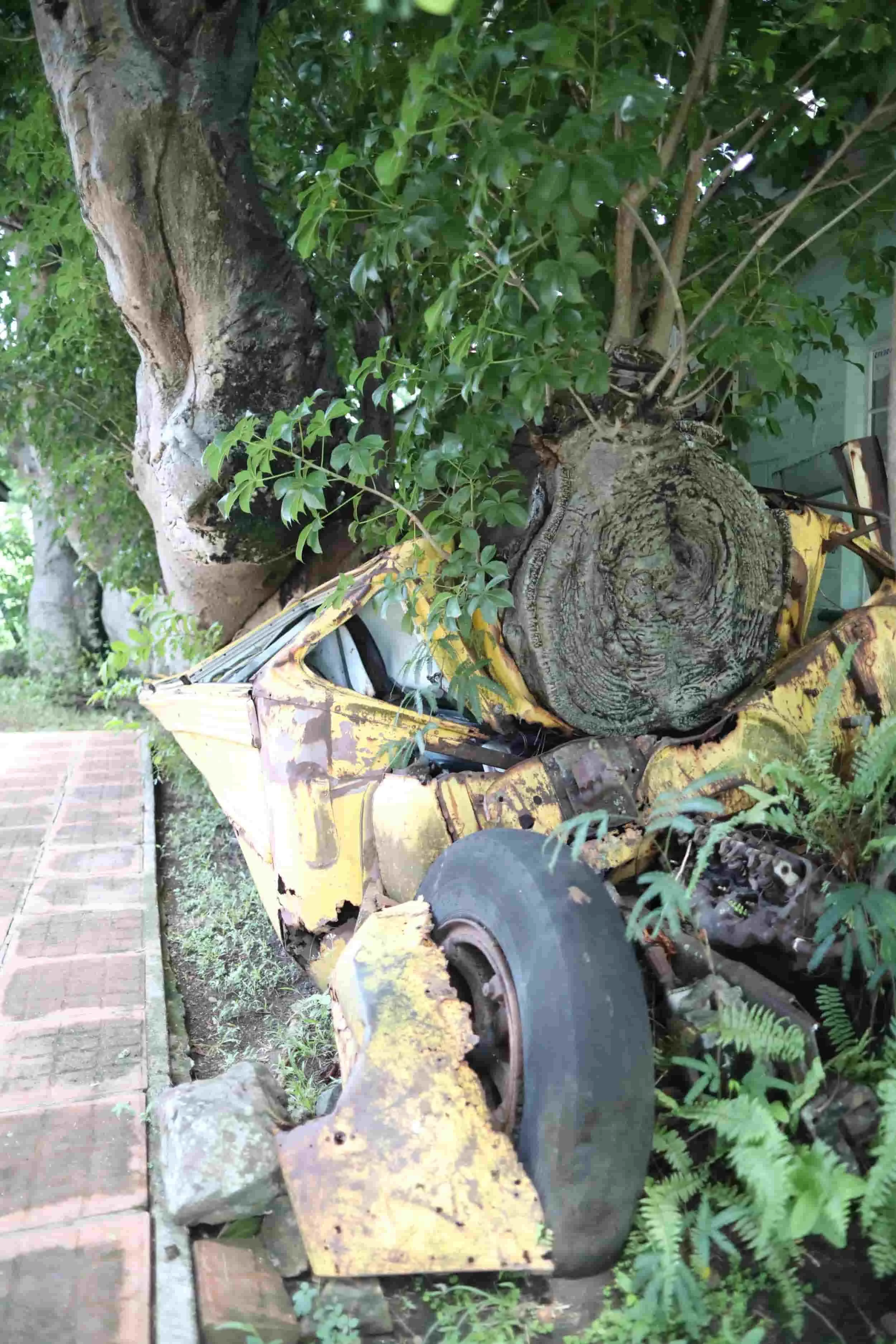
Today, the Dominica Botanic Gardens remains a modest but meaningful destination for visitors seeking botanical interest, cultural context and a peaceful green space in the Valley of Roseau. Its history, plant collections and even the crushed bus together form a layered story — of colonial agriculture and modern conservation, of human vulnerability and ecological recovery — that captures much of what makes Dominica distinctive: a strong relationship between people and the natural world, expressed in both living collections and the artifacts that become part of the landscape.
05 | Soak & Unwind at Wotten Waven’s Ti Kwen Glo Cho Hot Springs
Dominica’s hot springs are a quietly powerful draw for travelers seeking geothermal healing tucked into the island’s lush, volcanic interior. Unlike the highly developed spa complexes found elsewhere, Dominica’s springs are primarily natural and often accessed through short hikes or local roads that lead to steamy pools set against a backdrop of rainforest, rivers and volcanic rock.
The water is mineral-rich, warm to hot depending on the source and reputed locally for therapeutic properties that soothe aching muscles and stiff joints — an appealing complement to the island’s more active pursuits like hiking, canyoning and diving.
The most famous of these sites are the hot springs of Wotten Waven. Wotten Waven is a lush village in Dominica's Roseau Valley, celebrated as the Caribbean's hot spring capital. Here, you’ll find several pools with varying temperatures carved into natural rock terraces and a small village atmosphere where local vendors may offer simple food and crafts.
Bathing is communal and relaxed; visitors are asked to respect local customs, rinse off before entering and be mindful of temperature differences between pools. The nearby volcanic features and sulfur-tinged steam create a distinctive sensory experience — earthy smells, rhythmic bird calls and the constant sound of flowing water.
Within Wotten Waven, there are a few major players when it comes to hot springs. They include:
Screw's Sulphur Springs | Known for its rustic, jungle-like ambiance and multiple tiered pools of varying temperatures.
Ti Kwen Glo Cho | Translating to "little corner of hot water," this popular spot features hot mineral baths, mud pools and beautiful botanical gardens. Entry is typically around $10 USD per person.
Tia's Hot Spa & Bongo Baths | Two other highly rated options that offer intimate, locally-run settings perfect for deep relaxation and therapeutic mud baths.
Winding up from the coast into the green folds of Wotten Waven, the road becomes a slow, winding promise of escape. Google Maps falters here — its blue dot swallowed by steep switchbacks and narrow lanes — so expect to trade screen instructions for local knowledge. Pull over, ask for directions and let the town point you upward.
⚠️ Good to Know | Plan on getting lost en route to Ti Kwen Glo Cho — Google Maps won’t be your savior. Pull over, flag down a local and ask for directions; it’s only polite to expect they might ask for a lift in exchange.
Keep climbing until the air cools and the rumble of traffic fades. At the top, tucked into the hillside, Ti Kwen Glo Cho hot springs emerges like a hidden retreat: mineral-rich pools steaming against the mountain backdrop, simple facilities softened by tropical greenery. Sink into the warm, restorative water and let the bumpy journey slip away — this is the kind of place where map errors become stories and the real route is the one you discover on foot and by conversation.
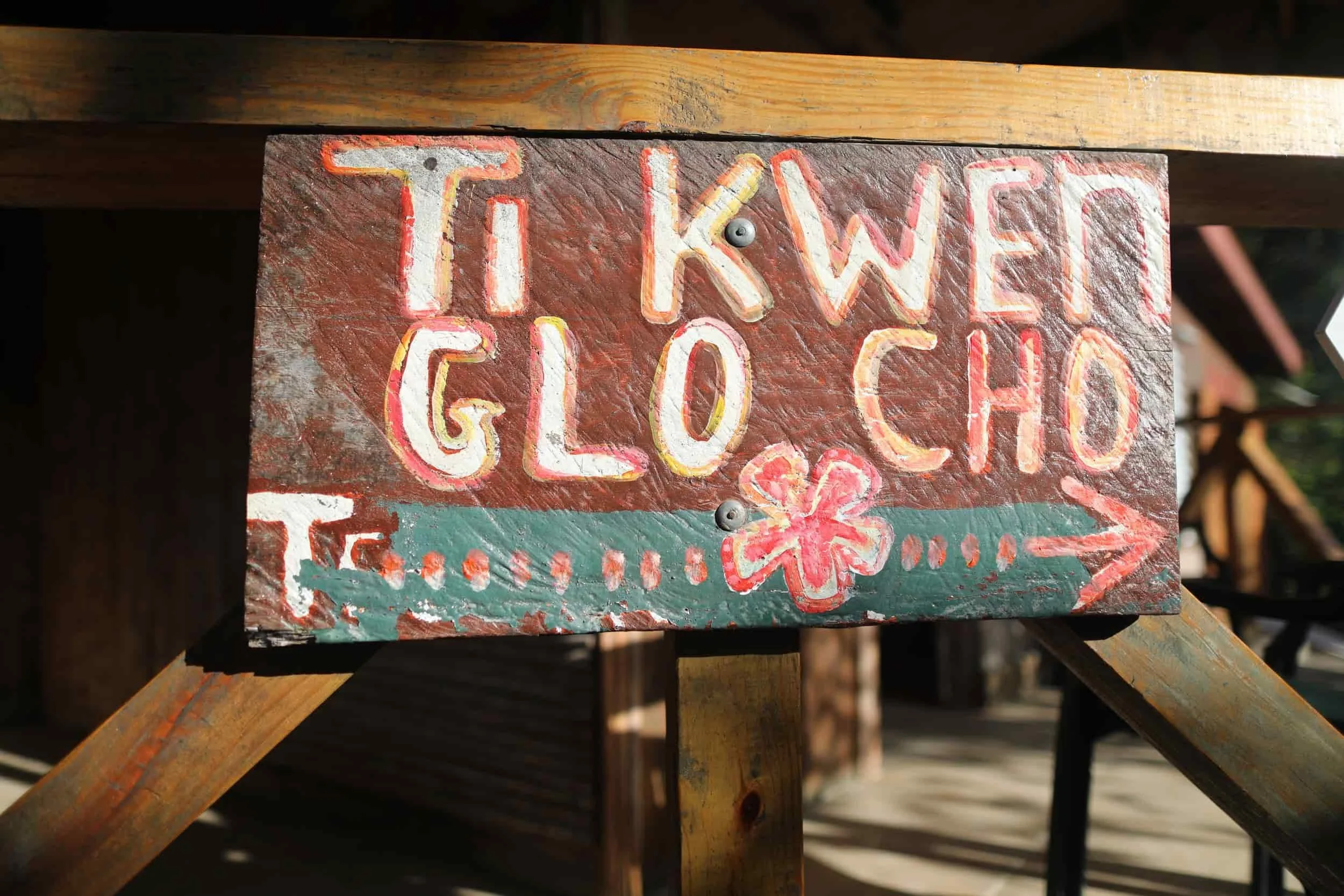
Ti Kwen Glo Cho is a small, family-run hot spring and bathing complex set amid Dominica’s lush interior. Located near the island’s central plateau, it sits in a rainforest valley where the constant humidity and tropical canopy create a steamy, restorative atmosphere. The site is popular with locals and visitors seeking geothermal bathing paired with a quieter, less commercialized experience than some better-known Caribbean resorts.
Entry is straightforward and modestly priced — $25 XCD or $9 USD; there’s a small admission desk where attendants handle cash payments. Visitors should expect basic facilities: changing rooms, outdoor showers and simple lockers or shelving for belongings. The staff are friendly and practical, offering guidance about pool temperatures and safety. Because the site is natural and grassroots in feel, bring water shoes or sturdy sandals, insect repellent and a towel. Showers with cold water are usually available to rinse off after soaking.
The grounds are intimate and shaded by tall trees and tropical plants. Pathways are stone or compacted dirt and lead you between pools, a small picnic area and viewing spots overlooking the stream that runs nearby. There’s a sense of being tucked into the landscape rather than being on a manicured lawn; moss, ferns and endemic plant life are part of the charm.
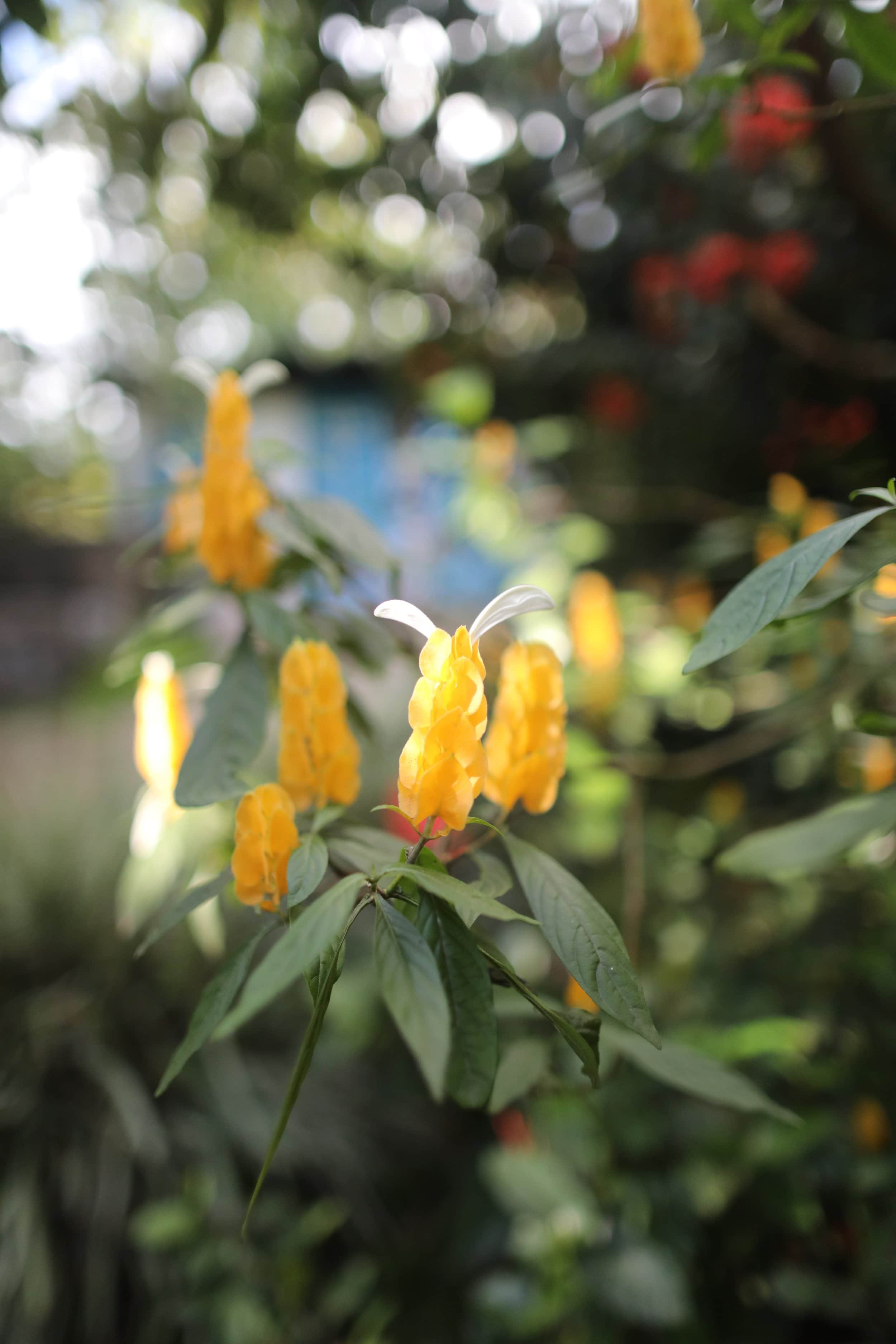
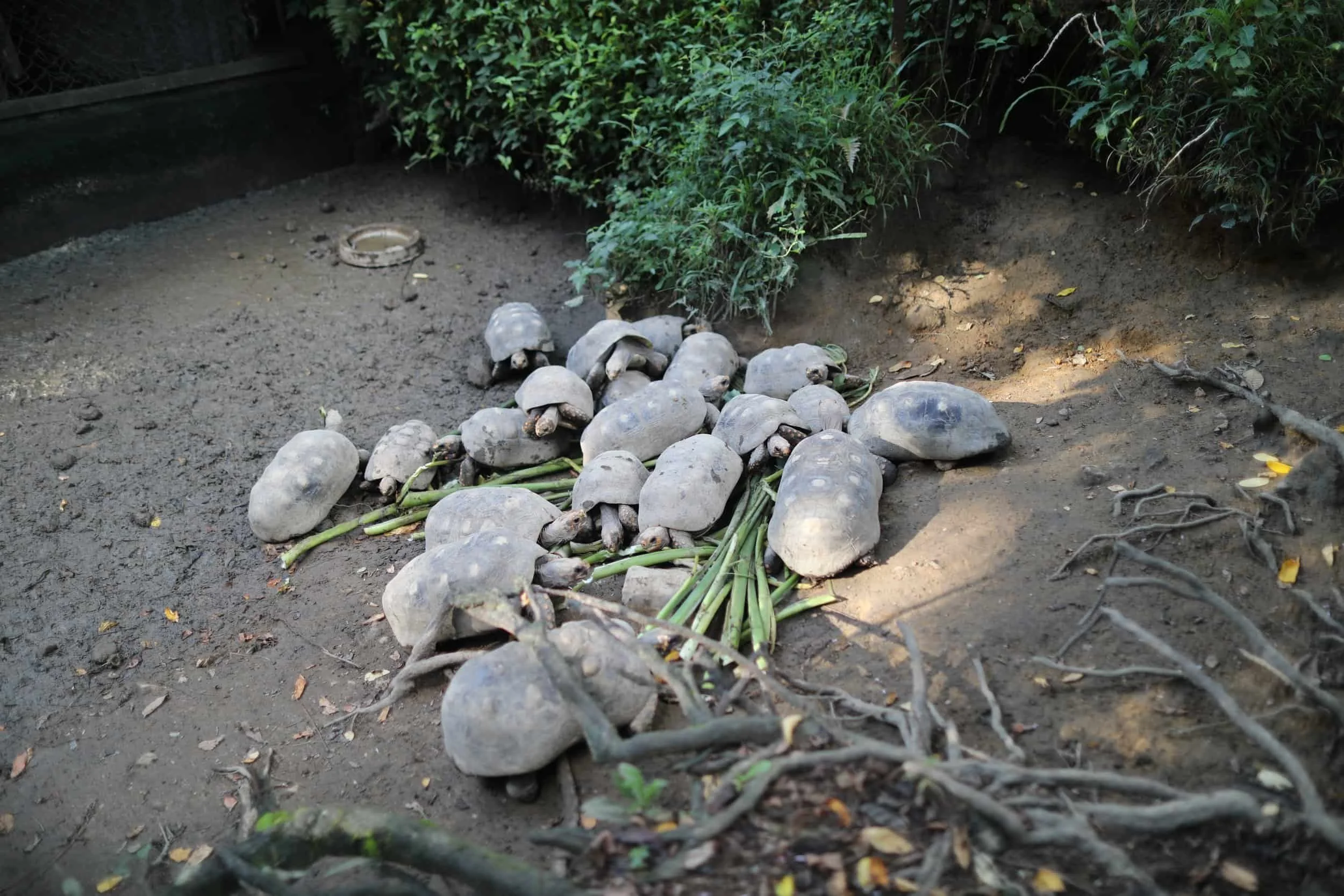
Beyond the wild animals and insects that roam free, the property also hides a charming little menagerie — a small, curated mini-zoo that delights with unexpected encounters.
Ti Kwen Glo Cho’s mini zoo is a compact, carefully tailored area showcasing native and domestic animals integral to the island’s culture and ecology. Located within the center’s grounds — known primarily for its cultural performances and workshops — the mini zoo complements the visitor experience by offering close-up encounters that highlight local fauna, conservation themes and traditional uses.
From the zoo, wander to the thermal springs, where a mix of pools invites you to hop between temperatures and moods. Float in a steaming basin, then cool off in a crisp plunge; linger in a shaded grotto or soak under open sky. Give yourself the luxury of time — let each change of water and atmosphere slow your pace and sharpen your senses.
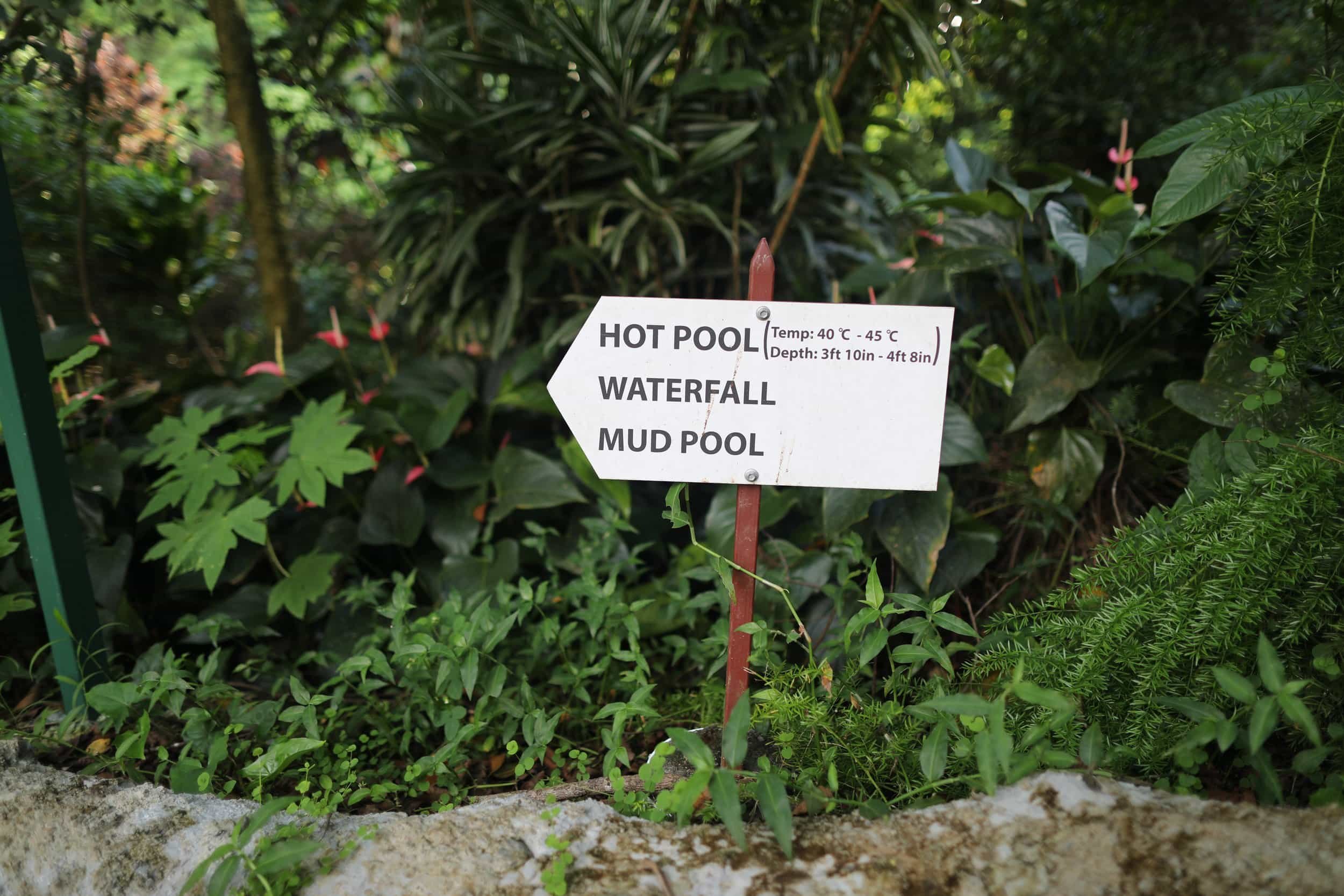
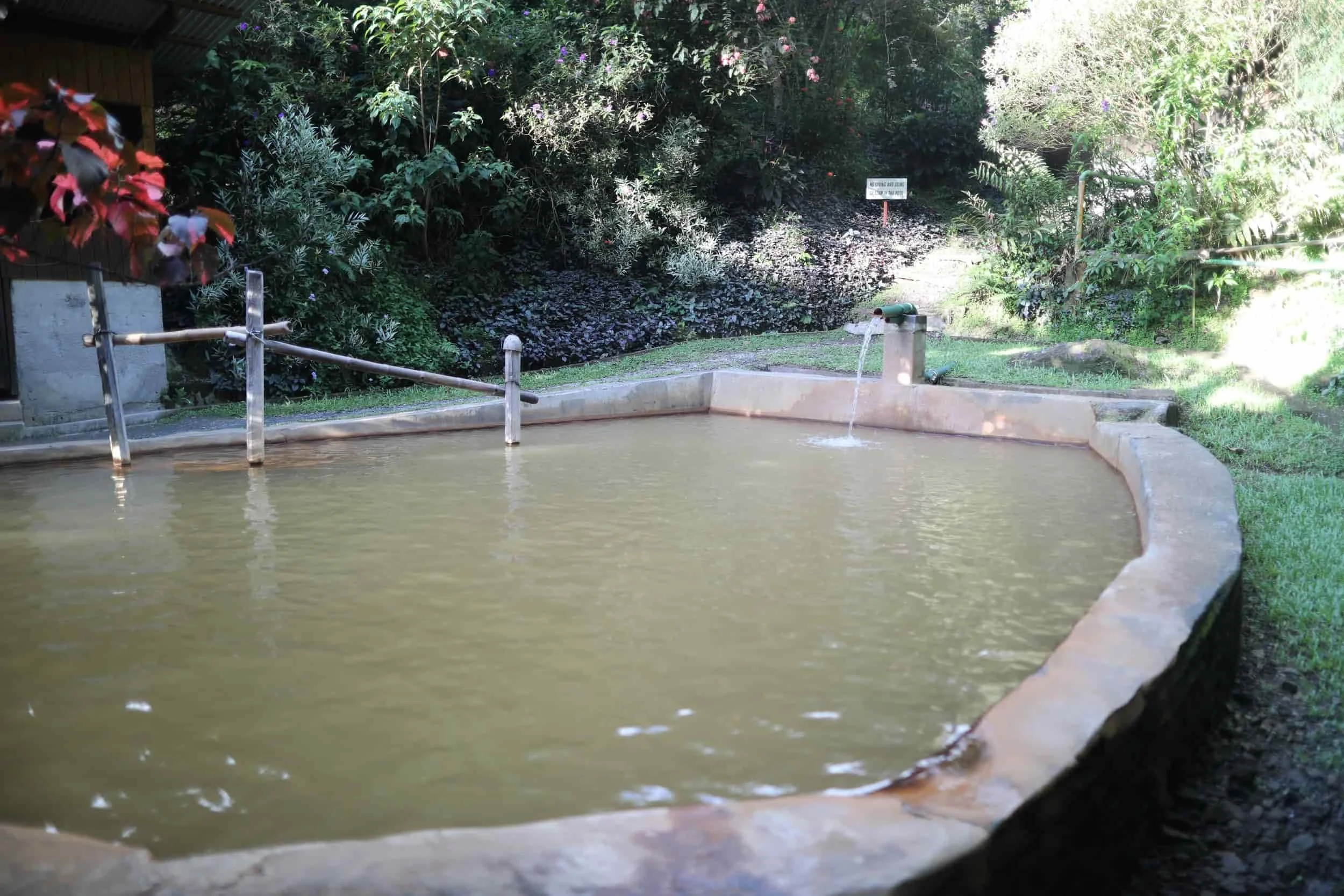
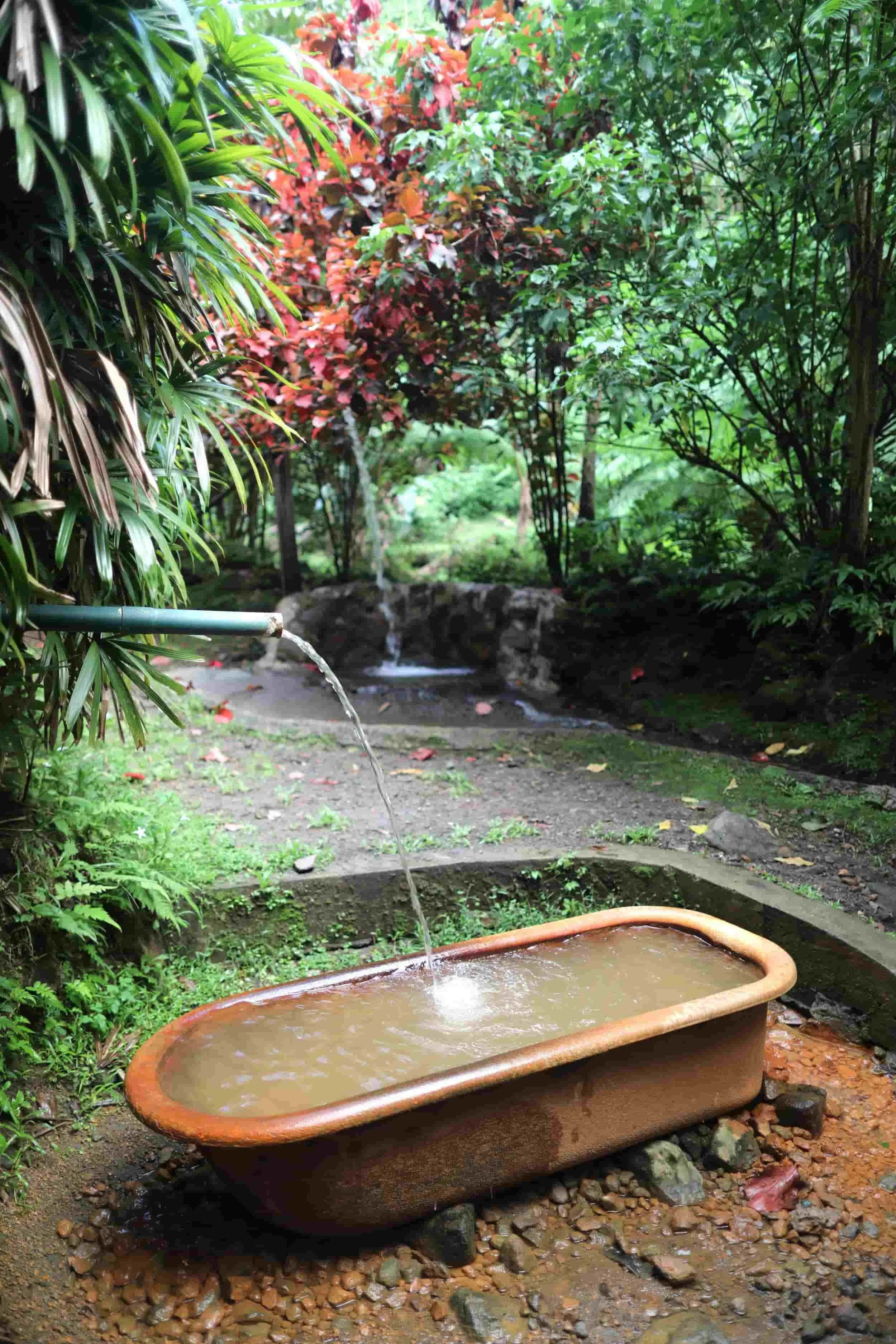
My first dip was the hottest spring — a vast, steaming pool that hissed like a living thing. The heat was intense, almost daring me to step in and for a heartbeat I hesitated; once I plunged in, though, the warmth melted into pure bliss. The water carried a rusty red hue, echoing the color of the surrounding soil, as if the earth itself had tinted the spring.
⚠️ Good to Know | Mind your footing as you enter each spring pool — the steps can be unexpectedly steep and slick, turning a simple step into a small adventure.
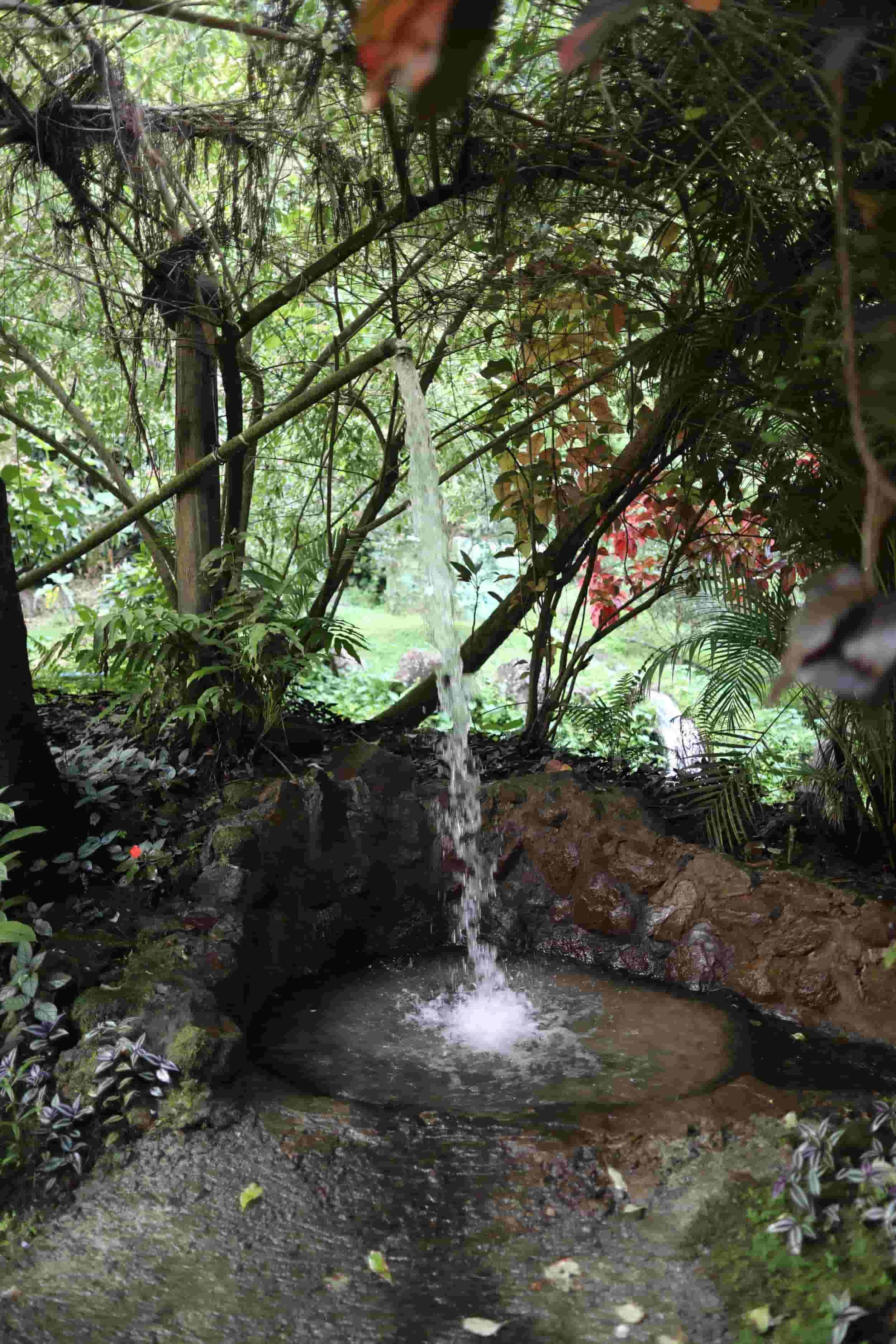
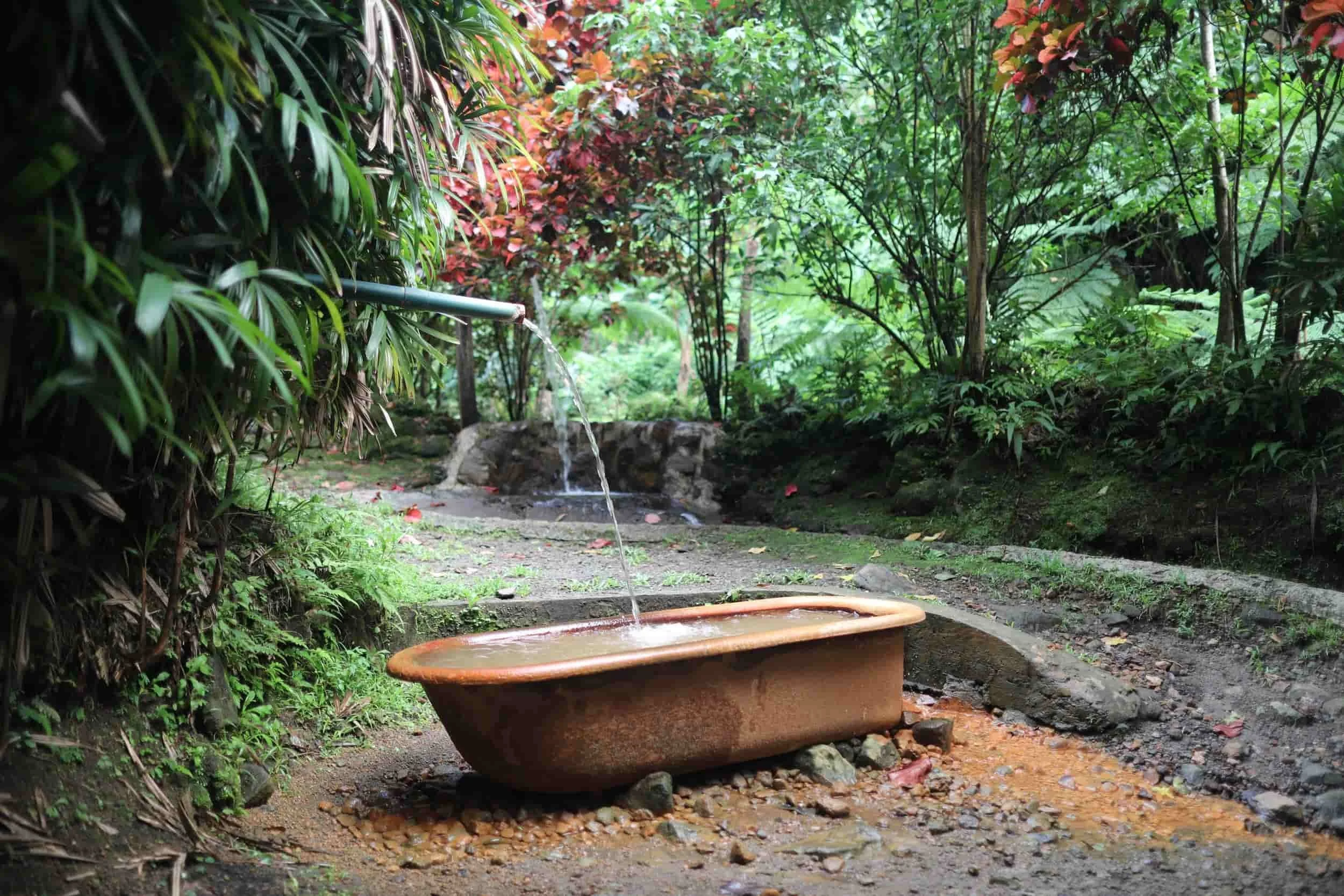
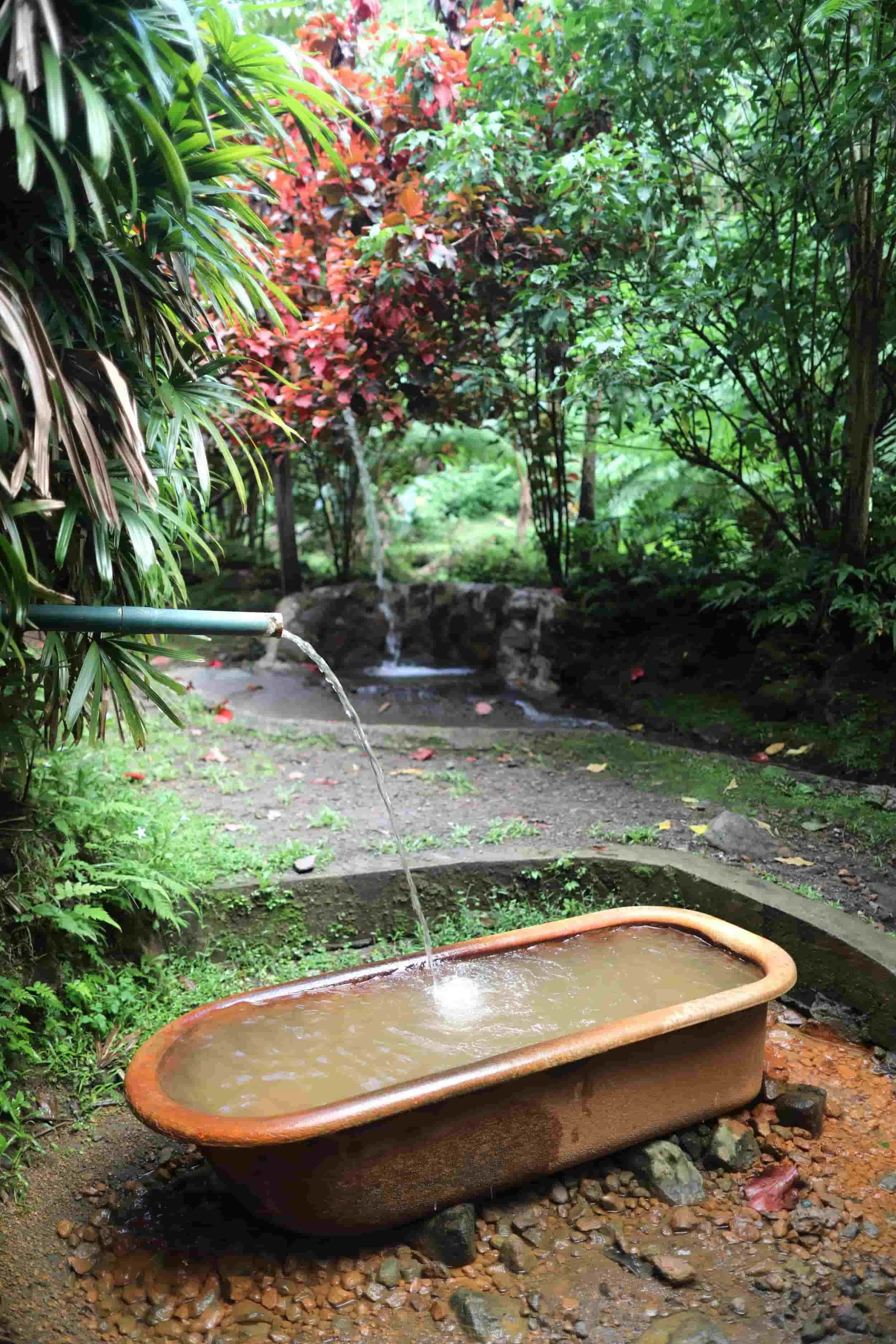
A little farther along, I discovered a clever bathing setup: a crisp, cold shower head perched above a terraced landscape and a deep rusted tub slowly filling with steaming water. Stepping under the chill and then sinking into the warm embrace of the bath felt indulgent — a brief, invigorating reset followed by pure, lingering comfort. The contrast between the two made the whole ritual feel luxuriously deliberate.
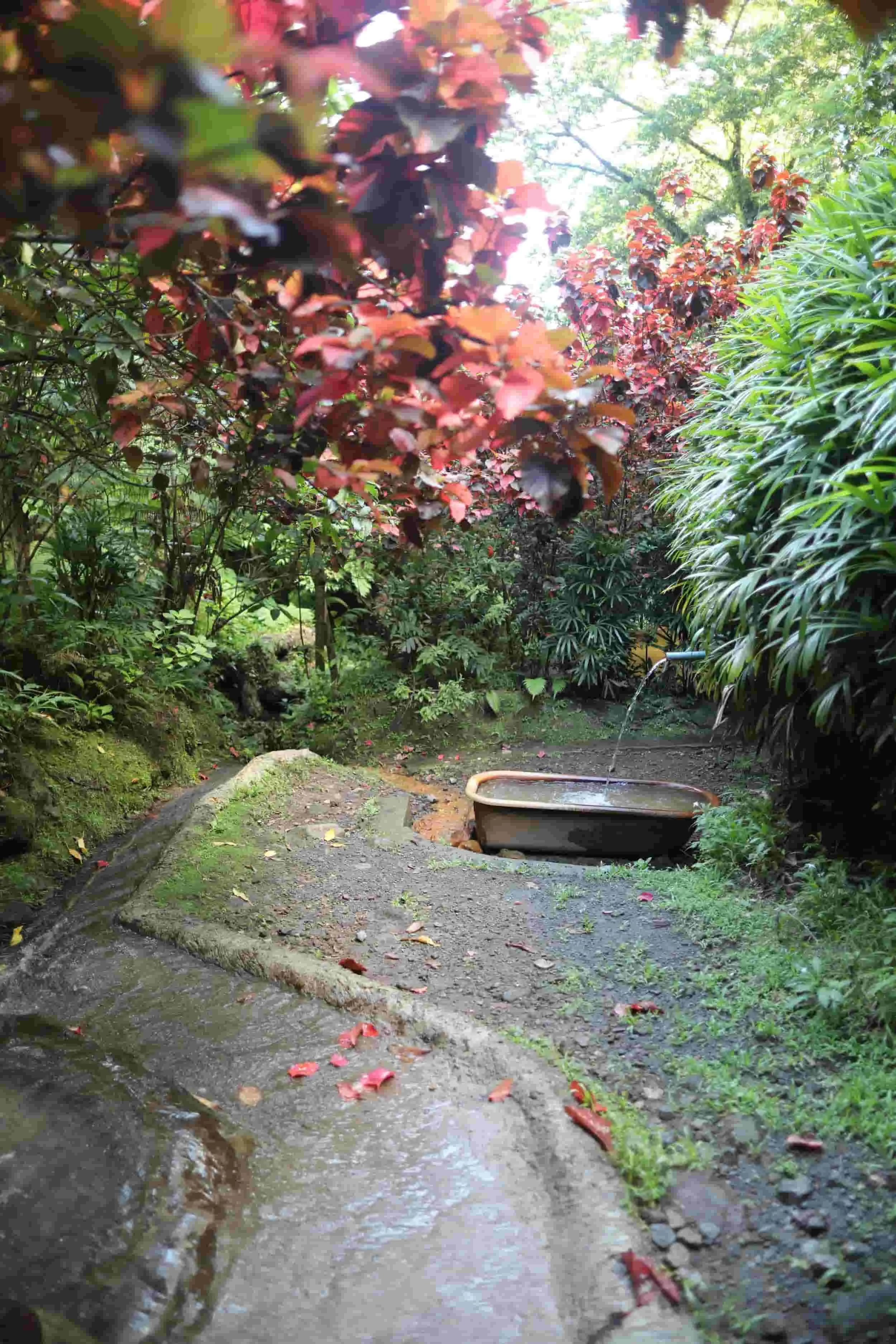
Back and forth, I moved between the two contrasting elements. Warm bathwater laps against you, then a rush of glacial spring pours in from the earth — a sudden, electric contrast that wakes every sense and leaves you impossibly refreshed.
Autumn brings a softer light and cooler breezes that make the island’s hot spring feel especially restorative. Nestled amid rainforests and volcanic landscapes, the thermal pools offer a quiet, elemental experience: steaming mineral-rich water, the scent of damp earth and foliage and the steady soundtrack of birds and distant waterfalls.
Eventually, you sink into the warm embrace of Ti Kwen Glo Cho’s springs, your pace and thoughts softening until you feel almost part of the landscape. There’s a hush that settles around you — I’m convinced soaking there alone quieted my mind and lifted my spirits.
There’s also a cleansing quality to the experience. The heat draws sweat and with it a sense of shedding: fatigue, pollutants, a little bit of the city’s grit. You can almost imagine the minerals sinking into the skin, small gifts from the earth that support the body in ways both tangible and subtle.
And if you inhale the warm steam — especially on a cool morning — the air itself is a balm. Congestion eases, nasal passages open and breathing becomes effortless in a way that makes you appreciate the simple pleasure of a clear breath.
Note: Specific mineral composition and temperatures at Ti Gwen Glo Cho will determine the exact benefits; check on-site information for mineral content and recommended bathing practices.
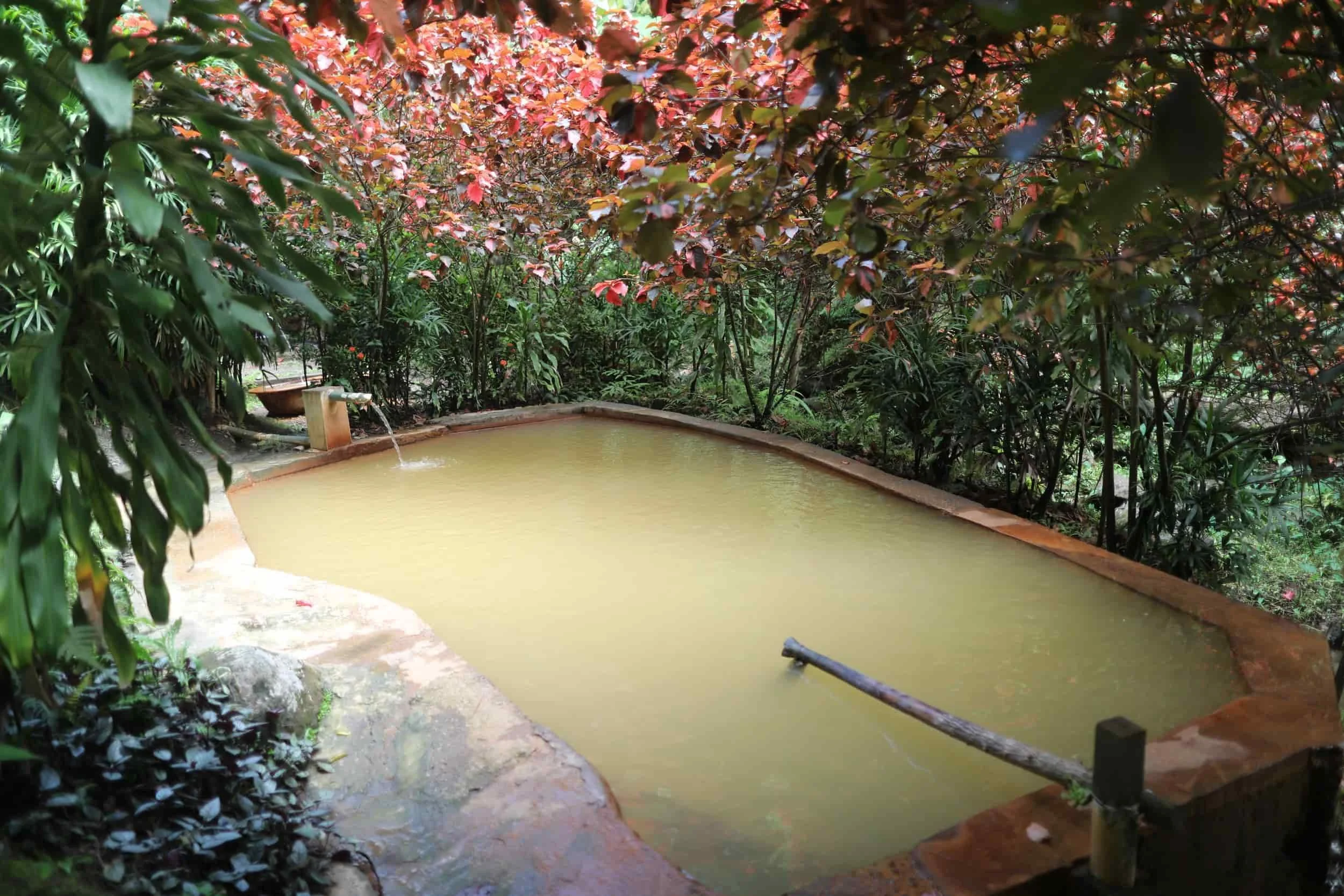
I lingered longest in the warm pool, letting the gentle heat unknot my muscles after my morning hike. Steam curled around me as I floated, eyes half-closed, savoring that perfect, post-trek bliss where every ache seems to wash away. Nearby was a mud pool — tempting — but I resisted. I already felt so clean and content; the thought of emerging gloriously messy would have spoiled the calm I’d earned.
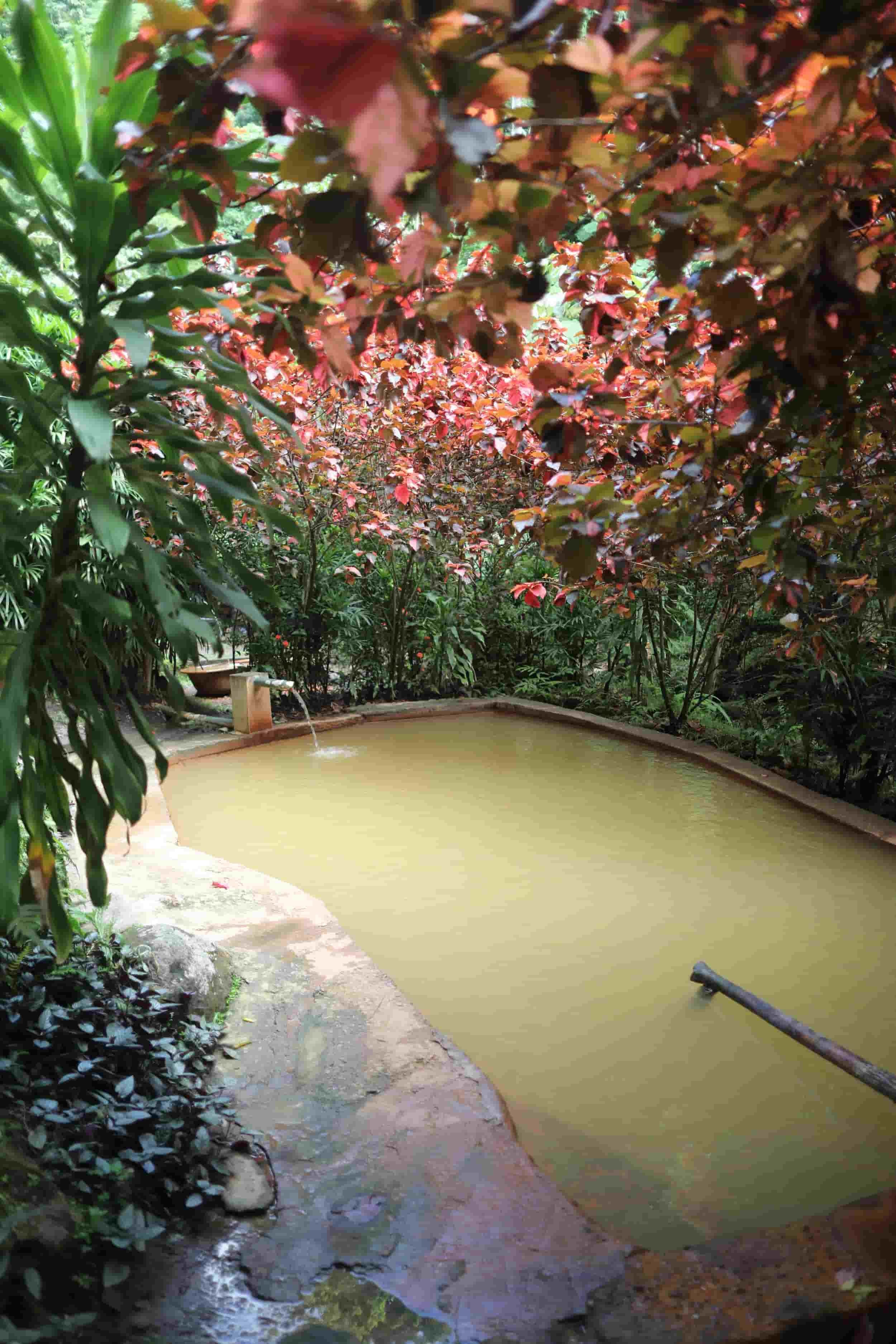
Dipping in the hot springs often pairs well with visits to other geothermal and nature sites on the island. Many travelers combine a soak with a trip to Middleham Falls, the Boiling Lake hike in Morne Trois Pitons National Park or a dip in freshwater pools along scenic river trails. Accessibility varies: some springs are reachable by car with short walks, while others require guided treks. Local guides not only ensure safe access but also share cultural and geological context that deepens appreciation of Dominica’s unique volcanic landscape.
⛑️ Safety & Comfort Tips | Don’t stay in the hottest pools too long, hydrate between soaks and use cool showers to regulate body temperature. Be respectful of locals and other guests — conversation tends to be low-key and many visitors come for quiet rejuvenation. If you plan to visit during the wet season, check for access updates because heavy rains can affect trails and water clarity.
In all, Ti Kwen Glo Cho offers an authentic thermal-bathing experience set in Dominica’s wild interior — simple, mineral-rich pools, rainforest sounds and a grounded, community-focused atmosphere — it’s truly one of the best thing to do in Dominica.
After the spa steam clears and you wring the last traces of mineral-rich water from your hair, grab a bite at a favorite local hangout — River Rocks Bar & Grill, tucked right on the riverbank. The place has that easy, lived-in charm: wooden tables scarred by summers of laughter, strings of bulbs casting a warm glow and the soft clink of glasses blending with the water’s murmur.
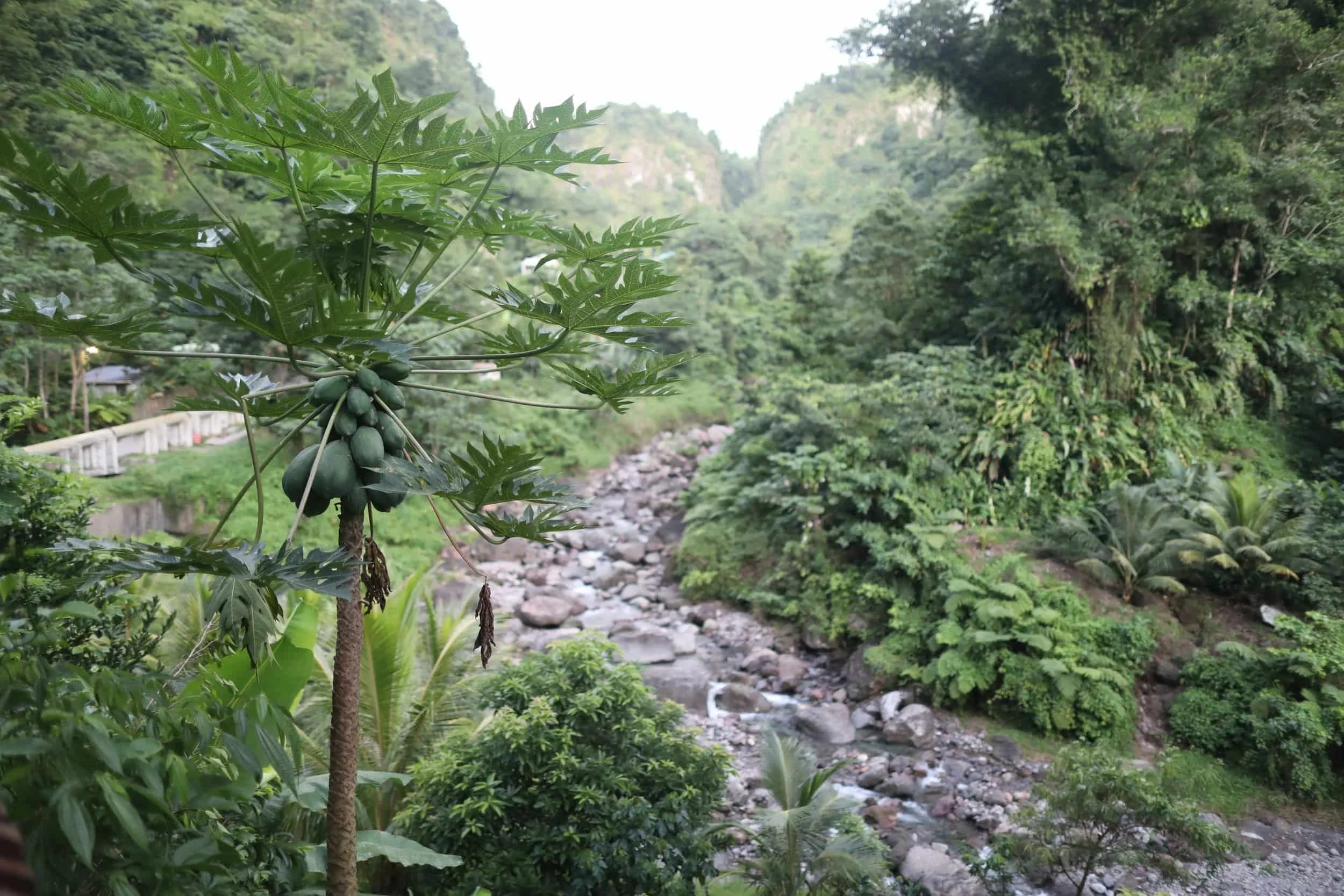
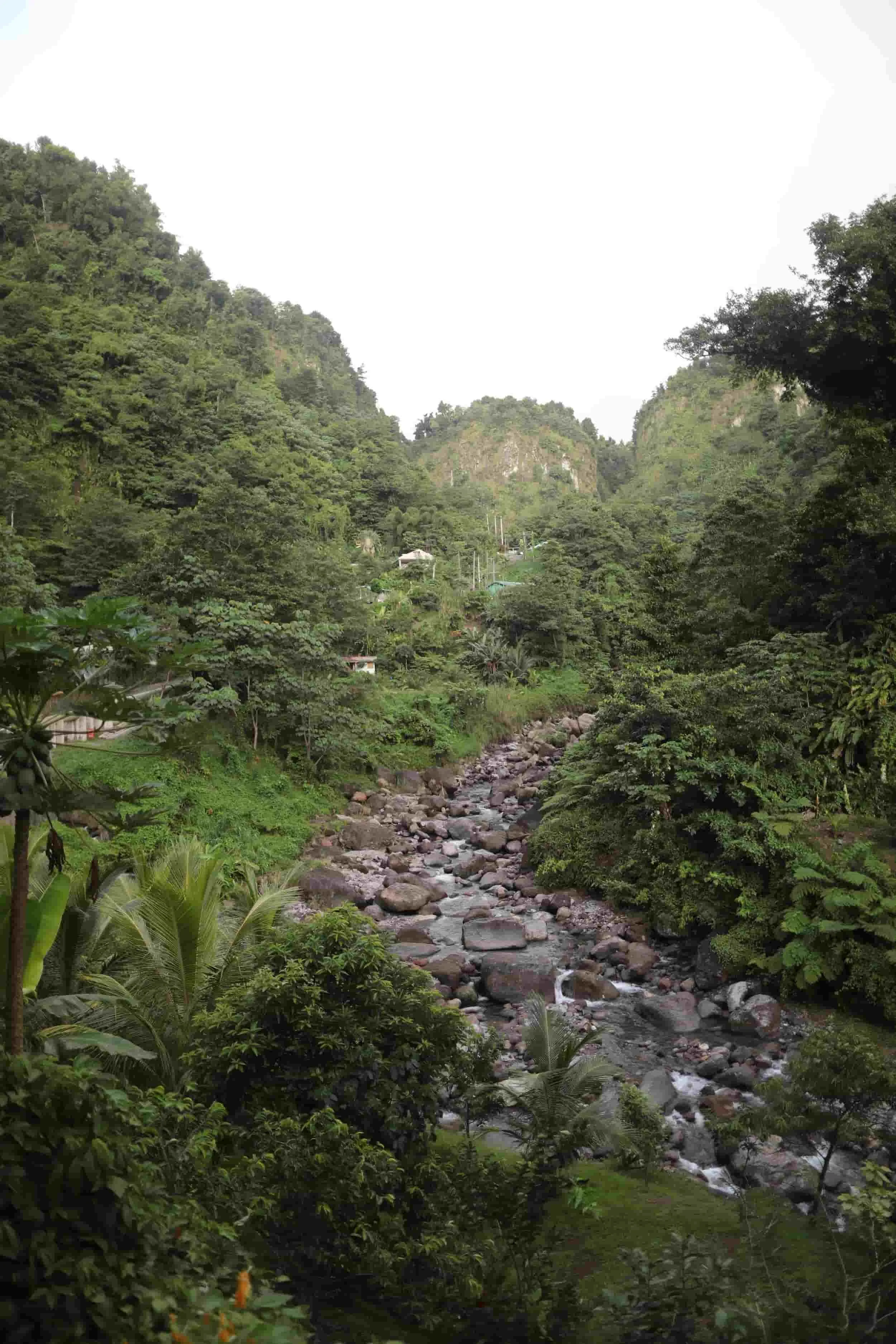
River Rocks Bar & Grill perches above the river with the mountains as its backdrop — a view that already feels like the main course. Order what’s available, cocktails included. When the plates arrive, your eyes will widen: each dish is a massive, artful landscape, colors and textures arranged as thoughtfully as the scenery beyond the open patio.
The tuna steak is smothered in a vivid red sauce, surrounded by a generous spread of provisions — tangy coleslaw, fluffy rice, caramelized sweet potatoes, ripe plantains and an assortment of hearty starches. The plate is enormous; you’ll be lucky if you can bring yourself to finish it. Flavor-wise it’s enjoyable, though I was undecided about smothering seafood in such a rich sauce.
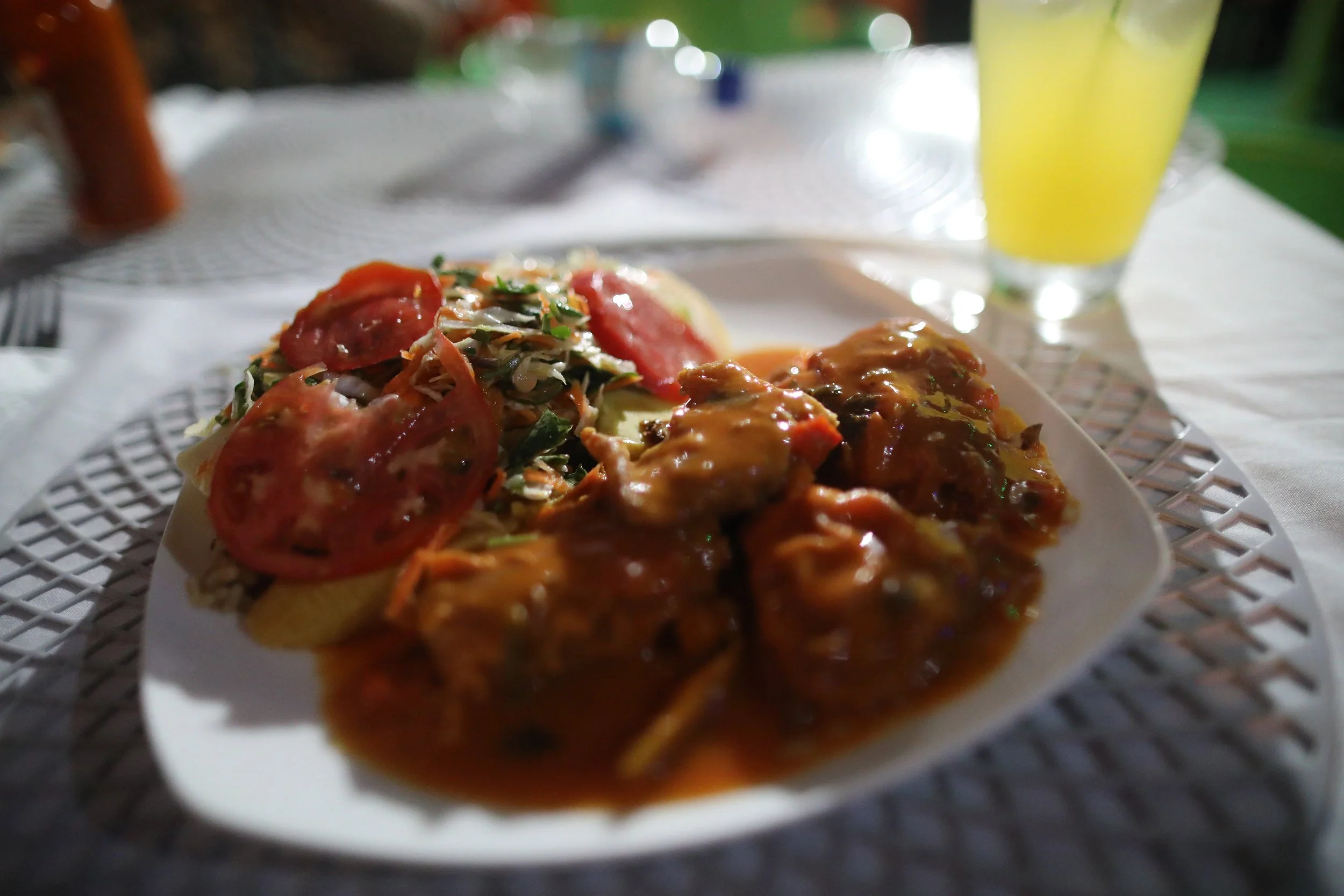
During my visit, I enjoyed the meal with a gentleman named Bert I’d met at the hot springs. He insisted on picking up the bill, waving away my protests with a grin. Before I left, he leaned in and dropped a final recommendation: Titou Gorge. “Go tomorrow,” he said. “It’s the perfect way to end your trip.” I could already imagine the turquoise water framed by towering cliffs — the ideal last-day adventure in Dominica.
💡 Local Tip | Make sure you experience the thrill of Titou Gorge. Find details in a travel guide coming soon.
06 | Depart the Lush Land of Dominica Island
The road back to Marigot unfolds beneath a bright, restless sky as the rental car hums along the coastal route — an hour of island scenery folding by: lush hills, corrugated rooftops and the occasional roadside market where life moves at a different pace. Returning the car feels like closing a small chapter: keys handed over, a last look at the harbor, then the quick shuffle of airport routines and the anticipation of a short flight across open water.
☕️ Worth the Detour | Continue your Caribbean island-hopping escape — picture turquoise coves, hidden beaches and a rum punch toast in Antigua.
For me, a memorable moment came unexpectedly on the roadside: two young men in their twenties, thumbs out and smiles hopeful, waiting for a lift. Picking them up turned a routine transfer into a tiny exchange of worlds. They were warm and easy to talk to, grateful for the ride and eager to share bits of their lives. They’d never left the island — not for lack of curiosity but because money was tight. Their livelihoods were a mix of odd jobs: carpentry one week, helping on farms the next, taking whatever work turned up to stretch a living across family and community needs.
Their stories were a reminder that travel isn’t only about destinations and flights; it’s about the people who live between them, the everyday resilience that keeps islands humming and the small human connections that make a journey richer. Boarding the plane for Antigua, the conversation lingered — an unexpected souvenir from the road.
My Bibimbap Moment
Every destination adds another ingredient to our life's recipe and sometimes it's not a single experience that stays with us but the feeling of settling into a place. In Dominica, I loved the simple rhythm of getting around by car, wandering downtown, finding good food, meeting locals and slowing down enough to enjoy the island between adventures. This guide is about those everyday moments — the places that helped me get to know Dominica beyond its famous waterfalls and hiking trails. Here's the ingredient the island added to my Bibimbap Life.
Today’s Bibimbap Recipe
🥢 Flavor: Easygoing
🌿 Ingredient: Connection
❤️ Best Memory: Unwinding at Ti Kwen Glo Cho hot springs
🎒 Take With You: Some places stay with us because of what we saw. Others stay because of how it felt to be there. Dominica gave me a little of both.
Looking back on my time in Dominica, it's the feeling of the island that comes back first. The conversations, the food, the winding drives, the little discoveries around town, the warmth of the people and those wonderfully ordinary moments between the big adventures. Even a stop that didn't live up to expectations became part of the story of getting to know the island. Dominica never felt like a place I was simply checking off a list. It felt like somewhere I was getting to know, one meal, conversation, road and quiet afternoon at a time. And somewhere along the way, I fell completely in love with it.
The Essentials
Dominica — the Caribbean’s “Nature Island” (not to be confused with the Dominican Republic) — is renowned for its rugged rainforests, volcanic peaks and some 365 rivers. It’s a haven for eco-tourists and hikers rather than for resort-style sunbathing. English is the official language; the currency is the Eastern Caribbean dollar (XCD), though US dollars are widely accepted.
How to Get There
To reach Dominica island, fly into Douglas-Charles Airport or Hewanorra International Airport in Saint Lucia and take a short connecting flight to Dominica's Melville Hall or Canefield Airport or arrive by ferry from Guadeloupe, Martinique or Saint Lucia.
Air: Direct flights from the US arrive daily through Miami (DOM airport is about a 1-hour drive to the capital, Roseau).
Ferry: Regional connections via L'Express des Îles link Dominica to Martinique, Guadeloupe and St. Lucia.
When to Go
The best time to visit Dominica is during the dry season from December to April, when trails are drier, sea conditions are calmer and festivals and wildlife viewing are at their peak.
Dry Season (Dec–April): Best weather, lower humidity and ideal for hiking.
Festival Season (October/Carnival): Visit in October for the World Creole Music Festival or pre-Lenten Carnival (Feb/March) for vibrant culture.
Rainy Season (June–Nov): Higher risk of tropical storms, though nature is at its greenest.
Where to Stay
Roseau's lively waterfront and the lush Emerald Valley are ideal for first-time visitors, while the tranquil Cabrits and Scotts Head suit nature lovers — accommodations range from cozy guesthouses and beachfront cottages to eco-lodges tucked into rainforest hills and a few luxury villas for a splurge.
Roseau & Soufriere (South): Best for culture, whale watching, diving at Champagne Reef and soaking in Wotten Waven hot springs.
Portsmouth (North/West): Quieter coastal vibe, close to Indian River tours and Cabrits National Park.
East Coast (Rosalie/La Plaine): Rugged, dramatic and home to secluded eco-resorts nestled right in the jungle.
How to Get Around
The best way to get around Dominica is to embrace the island’s slow rhythm — hire a local driver or rent a 4x4, follow winding coastal roads and river-carved trails and let surprise stops at waterfalls and village eateries set the pace.
Rental Car: Gives you the most freedom but you must buy a local driving permit (approx. $11 USD) and a 4x4 vehicle is strongly recommended for rugged terrain. Note, this permit is usually part of your rental experience.
Taxis & Minibuses: Privately owned local buses (marked with an "H" on the license plate) offer cheap fixed-route transport between towns.
Tips for Renting a Car on Dominica Island
Renting a car on Dominica island is essential for exploring the island’s rugged interior, hidden waterfalls and remote beaches at your own pace.
Why | Dominica is a mountainous, rainforest-covered island with limited and infrequent public transport; having a car lets you reach hot springs, hiking trailheads and coastal villages on your own schedule.
Basics | Choose a 4x4 or high-clearance vehicle whenever possible — many roads are unpaved, steep and narrow. Plan to provide an international driver’s license or your home country license (check with the company), a passport for ID and a credit card for the security deposit. Inspect the vehicle carefully for scratches, dents and tire condition before accepting it and take photos. Confirm what’s included: unlimited or limited mileage, insurance type, roadside assistance and fuel policy.
Where | Rental desks are found at Douglas-Charles Airport (Melville Hall) and in Roseau; smaller operations also exist in Portsmouth. Well established local agencies and family-run companies tend to be the norm — they often have better knowledge of road conditions and can offer flexible pickup/drop off. International brands are less common; prioritize reputable local providers with clear contracts and positive recent reviews. Hotels and guesthouses frequently partner with trustworthy local renters and can arrange a vehicle for you if you prefer a recommendation.
How | Popular local and independent car rental companies in Dominica include Valley Rent A Car, Yadah Car Rental, Courtesy Car Rental, Kingdom Car Rentals and Happy Car Rentals. I went with Happy Car Rentals and was, well, very happy.
Best Practices | Book in advance during high season (December–April) to secure a 4x4. Ask about emergency contacts and whether a spare tire and jack are provided. Drive defensively, use low gears on steep stretches and avoid driving at night outside main towns due to limited street lighting and potential livestock or pedestrians on the road. Keep cash ready for tolls or informal fees in remote areas. Fill up whenever you can — fuel stations are sparse in the interior. Return the car with the agreed fuel level to avoid penalty charges.
Costs | Expect daily rates for compact cars to start around $150 XCD (Eastern Caribbean dollars) — roughly $55–$60 USD — and 4x4s or SUVs around $250–$300 XCD ($95–$115 USD) per day, depending on season and vehicle age. Weekly rentals often offer discounts. Insurance, additional drivers and airport pickup can add to the final cost, so request an all-inclusive quote.
Other Considerations | Road conditions can change quickly after heavy rain; check recent local reports before setting out. If you plan to cross rivers or tackle very rough tracks, confirm that the rental cover permits off-pavement driving. Be mindful of environmental responsibility: stick to marked roads and respect local communities.
Finally, allow extra travel time between points — distances may be short on a map but slow to cover because of terrain. Renting a car gives you the freedom to discover Dominica’s best sights on your own terms, as long as you prepare for the island’s unique driving conditions.
💡 Local Tip | My experience — I got around the island fairly well in a smaller car, though there were definitely a few sticky spots that kept things interesting. Pack a cigarette lighter USD adapter and car charger for your phone — you’ll thank yourself. Parking is mostly roadside or in small lots, usually free. You’ll also see locals thumb a ride to work or errands; if you’re willing, stopping to lift someone can lead to warm conversations and a peek into island life. Remember the island is remote, so don’t count on Google maps working perfectly.
What to Do on Dominica Island
Get to know some of its top sights — the boiling lakes of Morne Trois Pitons, the thunderous Trafalgar Falls, the lush Emerald Pool and the otherworldly Champagne Reef where volcanic vents create a bubbling underwater paradise.
Top Sights & Best Things to Do in Dominica
Though this guide isn’t a blow-by-blow of every postcard-perfect sight or a checklist of must-sees — think of it more as a locals’ hello, a friendly introduction to Dominica, I would like to map out the island’s best experiences to see what peaks your interest. Me — I kept my own pace relaxed and skipped a few of the big-ticket excursions but having the full picture allows you to decide which adventures deserve your time — because there’s no shortage.
Continue to learn more about the heavy hitters.
Morne Trois Pitons National Park | 4–6 hours — Expect a lush, otherworldly landscape of steaming fumaroles, crater lakes and steep rainforested ridges. Hike to the Boiling Lake on a full-day trek that passes through the Valley of Desolation where sulfur vents puff and the air smells faintly of minerals. Shorter options include trails to Emerald Pool and Titou Gorge, with moss-draped trees and cool waterfall swims.
What to Know: Trails can be muddy and slippery, proper hiking shoes and a guide for Boiling Lake are strongly recommended; check weather and park permits in advance.
Trafalgar Falls | 1.5–2 hours — Expect twin cascades plunging into a fern-lined gorge; walk down a staircase viewpoint for the classic look and continue to riverbank spots for spray-soaked selfies.
What to Know: There is a modest entrance fee and small roadside stalls selling snacks; wear water-friendly shoes and be cautious near the edges.
Boiling Lake | 6–8 hours (full-day guided hike) — Expect a dramatic, steaming crater lake set in a volcanic amphitheater, with rocky, often muddy trail sections and panoramic views into the interior of the island.
What to Know: This is a challenging hike that requires a guide, early start, layered clothing, plenty of water and be prepared for variable weather and strong smells from geothermal vents.
Scotts Head & Soufrière | 2–3 hours — Expect a scenic drive down to the narrow peninsula at Scotts Head Point where the Caribbean Sea meets the Atlantic; great snorkeling and dramatic cliffsides. Soufrière offers hot springs and mud baths in a tropical setting.
What to Know: Road access narrows near the point; bring reef-safe sunscreen for snorkeling and modest change for local vendors or small entrance fees.
Champagne Reef | 1–3 hours (snorkeling/diving) — Expect an underwater spectacle where geothermal vents release tiny bubbles that rise through the coral, creating a champagne-like effect. Invisible steam creates warm pockets and unusual marine life encounters.
What to Know: Best experienced with a local dive or snorkeling operator who knows the sites and currents; use reef-safe sunscreen and follow guide instructions to protect coral.
Morne Diablotins | 6–10 hours (trail climbs vary) — Expect Dominica’s highest peak, steep jungle ascents, cloud forest ecosystems, rare bird sightings like the Sisserou parrot and rewarding summit vistas.
What to Know: This is a strenuous trek requiring good fitness, proper gear, plenty of water and ideally a local guide; weather can change rapidly at altitude.
Mero Beach & Batibou Beach | 2–4 hours — Expect black sand and golden stretches framed by lush hills; Batibou is often quieter and great for relaxed beach walks, cliffside vistas and picnic stops.
What to Know: Facilities are limited — bring food, water and shade; currents can be strong in some areas so swim with caution.
Freshwater Lake | 1–2 hours — Expect a peaceful crater lake surrounded by primary forest, boardwalks and endemic plants; good for birdwatching and quiet reflection.
What to Know: Cooler temperatures and mist are common; limited facilities mean bring insect repellent and a light jacket.
Indian River | 1–2 hours (boat or kayak) — Expect a tranquil, mangrove-lined river made famous by its cinematic use; glide under low-hanging branches, spot herons and crabs and enjoy the slow-moving, reflective water.
What to Know: Tours are usually led by local guides who share folklore and natural history; wear sun protection and a light rain jacket in case of showers. Make sure to stop by Bush Bar.
Mawhuma Falls & Syndicate Nature Trail | 2–4 hours — Expect a combination of cascading waterfalls and family-friendly rainforest walks that showcase Dominica’s diverse plant life and small cascades ideal for cooling off.
What to Know: These are more accessible options for less-experienced hikers; bring mosquito repellent and water shoes for easier river crossings.
Wotten Waven & the Sulphur Springs | 1–2 hours — Expect natural hot pools and therapeutic mud baths set in a verdant valley, perfect for relaxing after hiking.
What to Know: Some pools are developed with simple facilities; modest fees may apply and it’s polite to rinse off before entering public pools.
Cabrits National Park & Fort Shirley | Half-day to full-day — Expect colonial military ruins with commanding views over Prince Rupert Bay, mixed forest trails and opportunities to explore restored barracks and history exhibits.
What to Know: Guided tours enrich the historical context; bring sun protection for exposed sections of the fort.
Local Markets & Roseau City | 1–3 hours — Expect colorful fruit and vegetable stalls, fresh fish, local spices, and friendly vendors.
What to Know: Carry cash, go early for peak selection and try local fruits like dasheen and green figs.
North Kaligo Region | Half-day to full-day — Expect rugged coastal scenery, secluded beaches and dense rainforest trails with opportunities for waterfall swims, birdwatching and meeting small fishing communities.
What to Know: Travel is by rugged road or guided 4x4, so plan for bumpy conditions and variable weather. Bring sturdy shoes, water, insect repellent and a sense of adventure; hire a local guide to access hidden trails and learn about Kaligo's cultural history.
With only a handful of days in Dominica, you’ll barely scratch the surface of its wild wonders — and this shortlist doesn’t even touch the tiny, tucked-away treasures waiting down unmarked paths. The good news? The island is delightfully compact, so getting from a waterfall hike to a seaside village is easier than you’d think; rent a car for the most freedom, hire local drivers for rough roads and leave time to wander without a strict schedule.
Other Important Essentials
On Dominica, the Eastern Caribbean dollar fills pockets while Kwéyòl and English mingle in warm conversation, each word carrying the island’s stories.
Currency: Eastern Caribbean Dollar (XCD), though US dollars are widely accepted.
Language: English is official, though Antillean Creole is spoken locally.
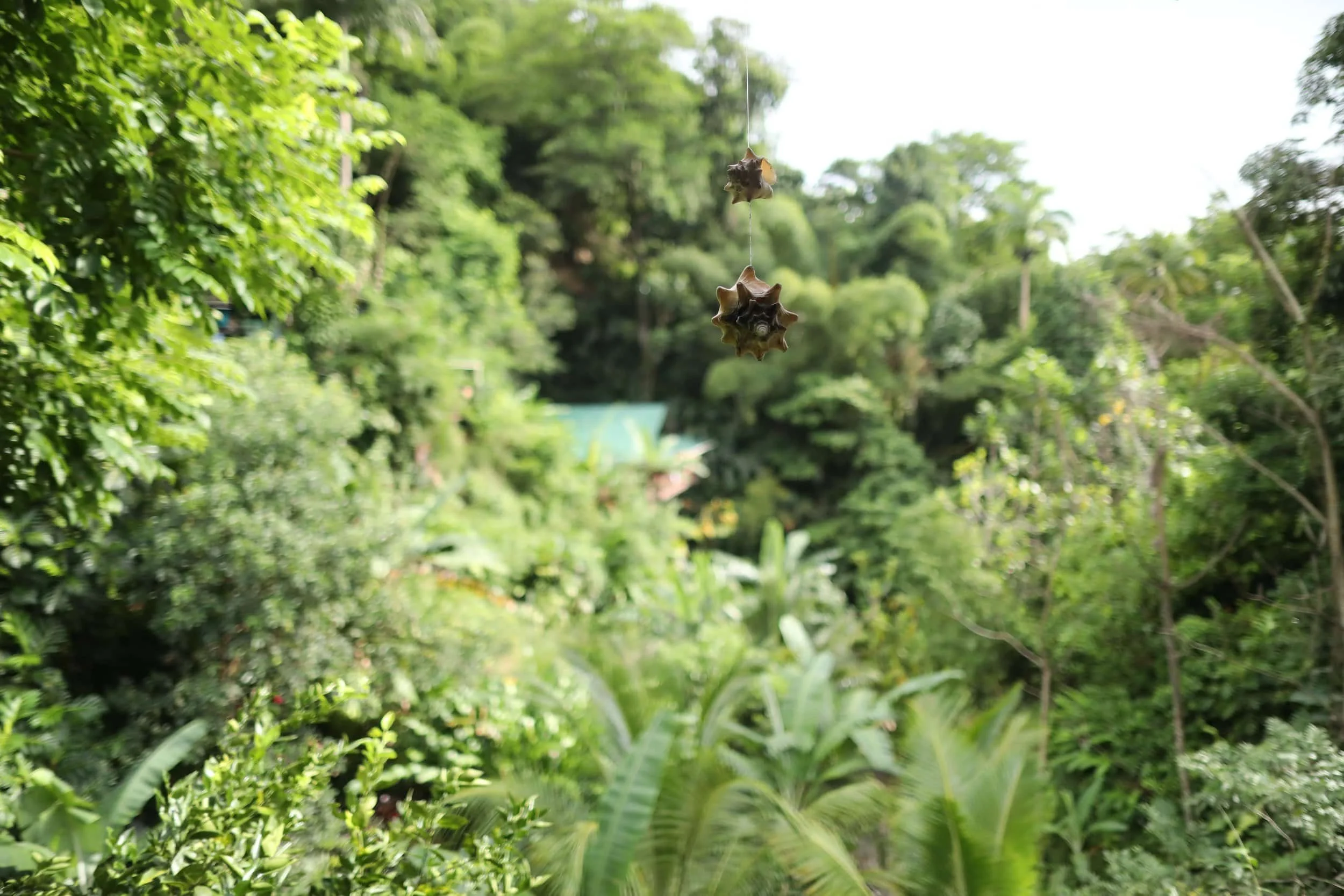
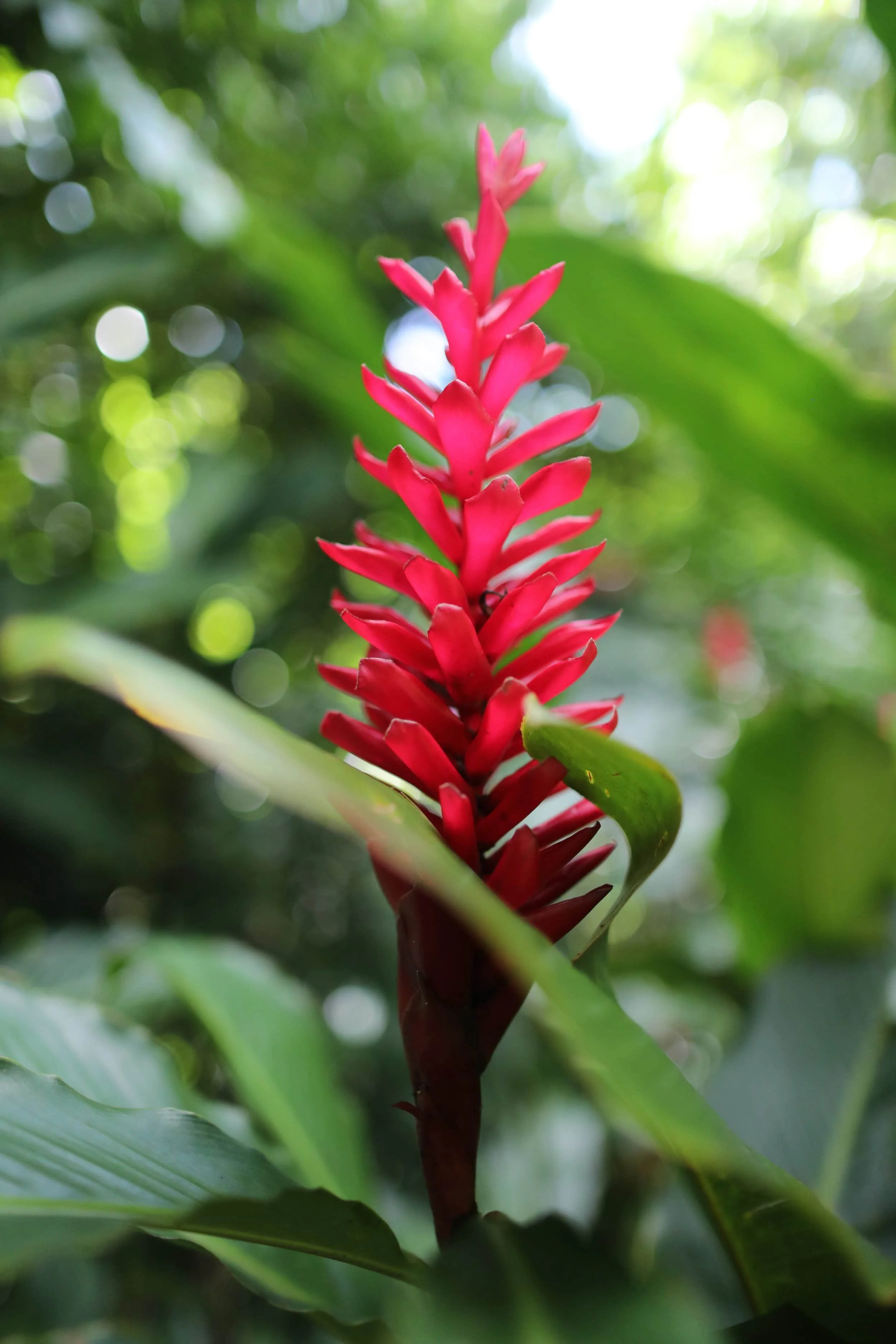
Best things to do in Dominica: Drift down Indian River in a tranquil boat, glide through whispering mangroves, listen for rare birds and soak in island stories.