Monaco in a Day: A Whirlwind Romance With the French Riviera's Playground
Best things to do in Monaco: unveil a glamorous blend of Mediterranean beauty, historic architecture & compact, cosmopolitan atmosphere with this travel guide.
Why Visit Monaco
Monaco — the tiny, glittering Principality on the French Riviera — sits wedged between France and the Mediterranean, a stone’s throw from Italy’s Liguria. On the tail end of traveling through Europe for two weeks, I used nearby Nice as my base, making the short coastal hop to Monaco to explore its famous harbor, winding streets and fascinating museums. Despite its compact size, the country packs a lot into its sun-drenched coastline and staying nearby made it an easy, irresistible day trip.
Tiny Monaco feels like a film set dressed in couture: a shiny pocket of excess lined with grand casinos (ironically off-limits to locals), designer boutiques, Michelin-starred tables, exclusive clubs, marinas packed with super yachts and streets where luxury cars outnumber ordinary ones. Each spring, the principality transforms into the world’s most glamorous racetrack — the Circuit de Monaco — where the Formula One Grand Prix has roared around its narrow, cliffside corners since 1929. Imagining race cars thread past pastel façades and through tight tunnels is one of those moments that has you holding your breath.
Despite the spectacle, Monaco’s scale surprises. It’s the second-smallest country after Vatican City and the most densely populated nation on earth, a city-state squeezed between sea and steep hills. The population mosaic is equally striking: native Monégasque people are actually a minority, making up roughly 22% of residents, while French, Italian and British nationals contribute large slices of everyday life. Strolling Monaco’s promenades or slipping into a hidden café, you quickly sense a cosmopolitan hum — a tiny nation with global tastes and an appetite for the finer things.
Two-Week Travel Itinerary
As for my European holiday, it concluded in sparkling Monaco after beginning amid the historic streets of London, England.
From London, I boarded a train to Wales, pausing in Cardiff — the “City of Arcades” — before following the rugged coastline westward to the pale houses and sandy coves of Tenby. A short flight returned me to the English Channel to explore the Isle of Jersey, a self-governing British Crown Dependency with windswept cliffs and quiet harbors.
Keeping it moving, a ferry carried me the fourteen miles across the Channel to France, where I overnighted in the walled port of Saint-Malo. Traveling south, I wandered through Nantes, the elegant “City of the Dukes.” I continued by catching flight across the country to the sun-drenched Promenade des Anglais in Nice, soaking up the Mediterranean atmosphere.
A swift 30-minute taxi ride delivered me to Monaco, a tiny sovereign playground on the French Riviera — all glitz, palm-lined casinos and dramatic harbor views squeezed into less than one square mile.
What’s Inside | Roadmap
01 | Travel to glamorous Monaco from Nice (croissants, first)
02 | Grab a nourishing bite at Seaside Juicery
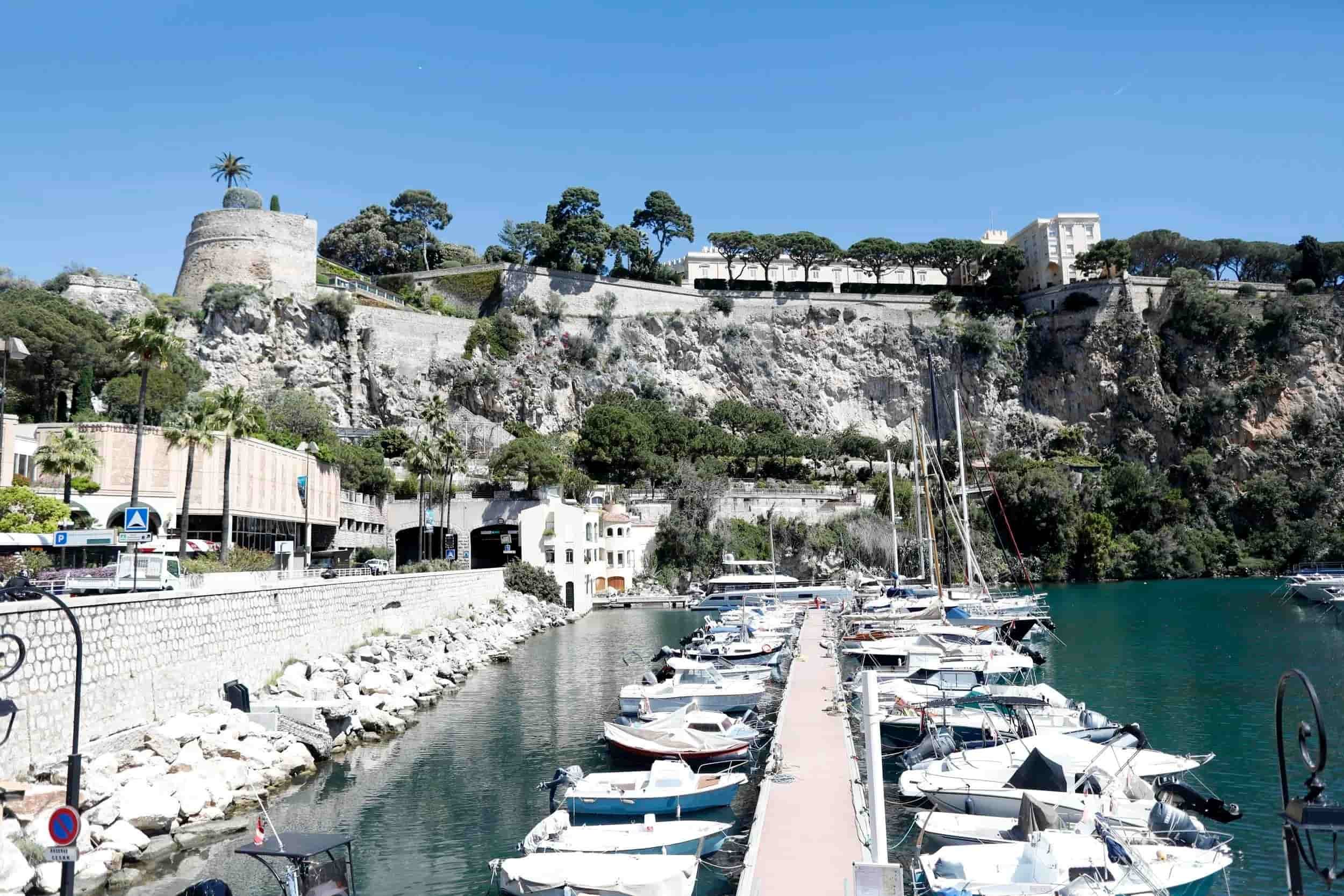
03 | Discover Port de Fontvielle
04 | Explore Le Palais de Monaco
05 | Admire Monaco’s Sainte-Dévote Cathédrale
06 | Dive into Musée Océanographique de Monaco
07 | Sample classic Italian flavors in Monaco-Ville — pizza!
08 | Wander Monaco City & sample special treats at La Maison du Limoncello
09 | Explore the hills of Monaco
10 | Travel to Nice from Monaco
Day Trip | If you’re looking for a day trip to Nice, check out Nice la Belle: Top Picks & Charming Things to Do in Nice
Read On | For a cozier peek into Fontvieille’s delights & a deeper dive into the Musée Océanographique’s wonders, explore Monaco by the Sea: A Tiny Principality’s Maritime Charm
Most Charming Things to Do in Monaco
Monaco dazzles with its compact blend of glamour and seaside serenity: luxury yachts bob in a sunlit harbor while narrow, winding streets reveal quiet cafes and hidden gardens. The principality’s mix of Belle Époque architecture, high-end boutiques and meticulously kept public spaces creates an elegant, lived-in charm rather than a staged spectacle. Cultural touches — from the historic Monte Carlo Casino to intimate museums and the roar of the Grand Prix — give Monaco a lively, unmistakable personality concentrated into a walkable, postcard-perfect setting.
01 | Whisk Away to Glamorous Monaco but First, Savor Croissants in Nice
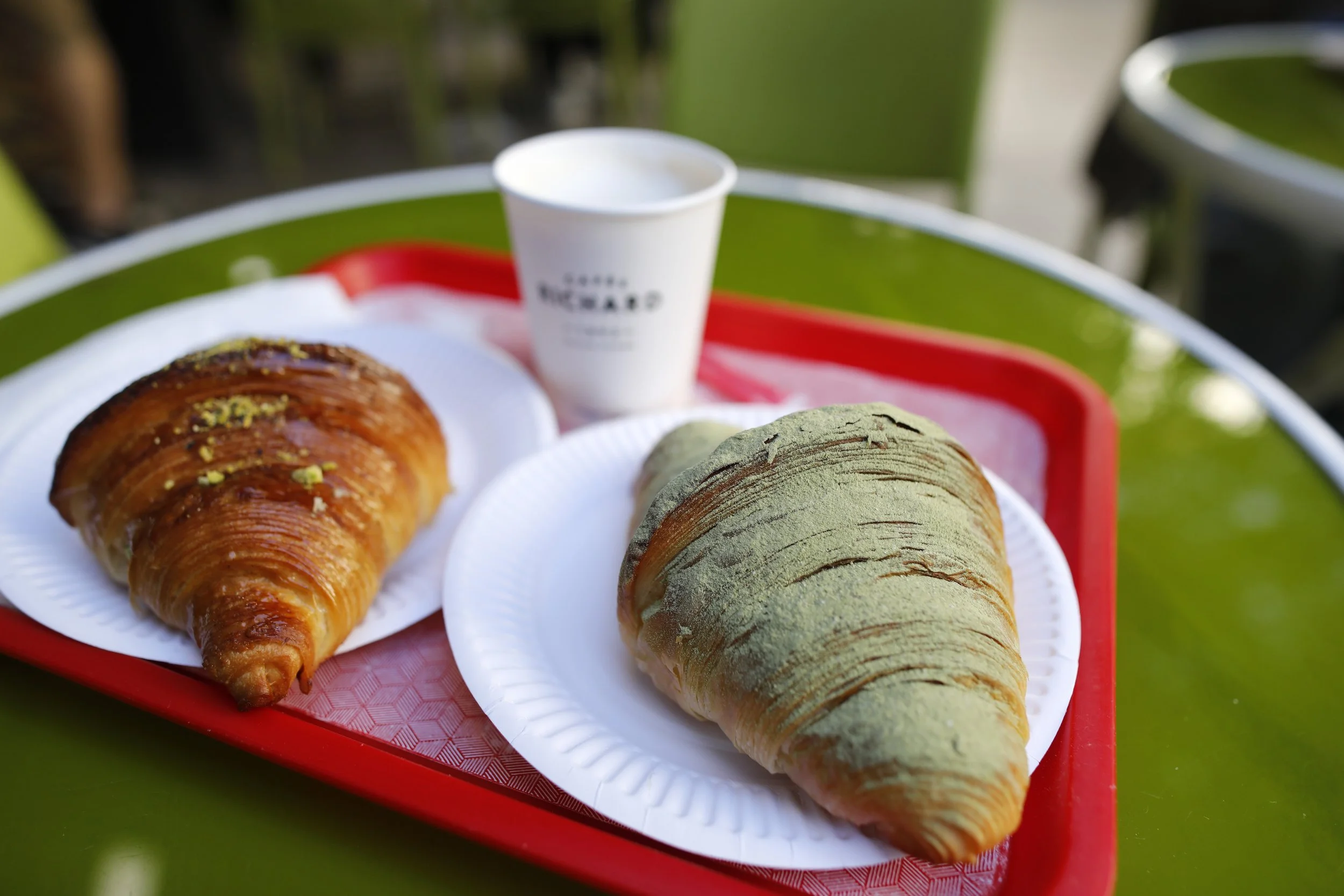
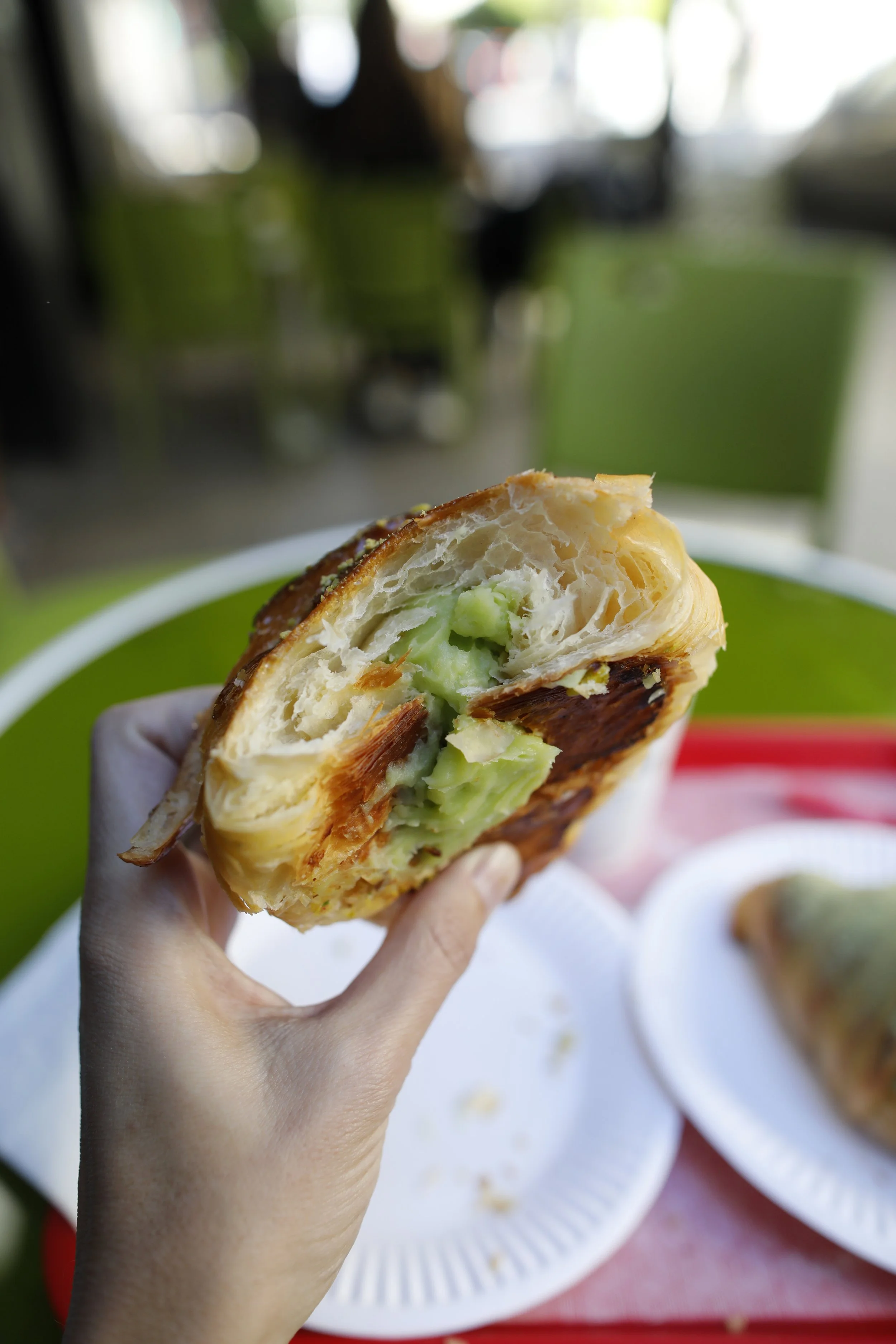
Excited for a day trip to Monaco and blissfully unaware that a simple train ride would whisk me there (rather than a pricey Uber), I began the day at Bakery by Michel Fiori (La Boulangerie Par Michel Fiori) in the Jean-Médecin quarter, just north of Old Town in Nice. This beloved patisserie offers an irresistible selection of pastries — flaky croissants, buttery pain au chocolate and delicate fruit tarts — perfect for a quick breakfast before setting off. Just be prepared to wait in line.
Tip | Try the pistachio and matcha varieties.
From Jean-Médecin, make your way to Nice-Ville station and catch a regional TER train toward Monaco. The ride is short, scenic and straightforward, hugging the Mediterranean coast and offering glimpses of rocky coves, seaside villas and small resort towns that feel quintessentially Provençal. Trains run frequently, making Monaco an easy day trip for those based in Nice.
Tip | Hop on the train from Nice to Monaco — it’s effortless, scenic and far kinder to your wallet than a taxi.
If you prefer not to catch a train, hail an Uber or flag down a taxi to get into Monaco. An Uber runs about $45 — pricier than expected — but the ride is smooth and surprisingly enjoyable, that is, until you reach the narrow, tangled streets of Monaco.
Approaching Monaco from the French Riviera, expect slow-moving traffic at the border, though it usually keeps flowing. Roads are narrow, winding and often one-way — carved into the cliffs or running through tunnels — so driving can feel tight and scenic at once.
Practical transport notes:
Ride-hailing and taxis: Monaco restricts Uber and most taxi bookings unless you’re a guest at certain luxury hotels, so don’t rely on requesting a ride while inside the principality. Drop-offs by private car are generally possible but arranging pickups can be difficult.
Train option: For an easy and inexpensive exit, take the local train back to Nice — tickets are around €5 and the service is frequent.
Border walking: If you absolutely need an app-based ride, you can walk out to the French side of the border where requesting one is permitted but reception can be spotty.
Passport and border formalities:
In many cases, you won’t be asked for a passport when crossing into or out of Monaco but carry one anyway — it’s the safest option if authorities request ID or if you’re taking onward international travel.
02 | Nourish Yourself at Seaside Juicery
Seaside Juicery makes a great first stop for a light bite and coffee before a day of exploring. This plant-based spot specializes in cold-pressed smoothies and nourishing meals that don't compromise on flavor. Try the matcha bowl for a refreshing, antioxidant-rich start and pair it with a dirty chai made with oat milk for a creamy, energizing pick-me-up. The menu suits a range of dietary preferences, making it an easy choice for travelers seeking healthy, quick fare.
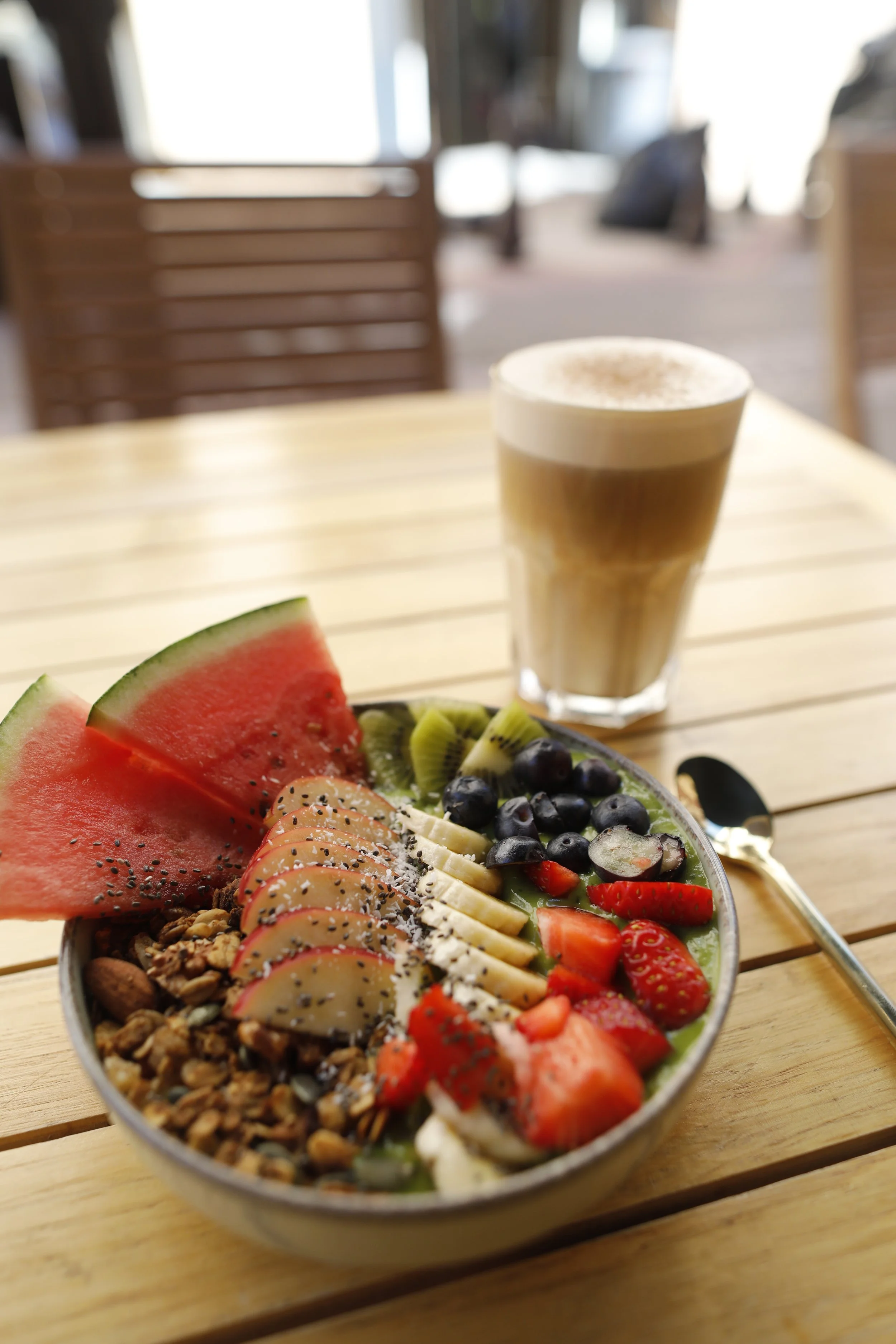
A vibrant matcha bowl brimming with fresh fruit, crunchy granola and nutty chia seeds delivers a lively blend of textures and bright, layered flavors. Yes, please.
03 | Set Your Sights on Port de Fontvielle
Wandering aimlessly is often the best way to discover a new place and the first neighborhood to appear is Fontvieille, the southernmost ward in the Principality of Monaco. Known for its marina, modern architecture and serene waterfront promenades, Fontvieille offers a quieter contrast to Monaco’s more famous glitz. Strolls here reveal landscaped parks, boutique shops and sweeping views of yachts docked along the harbor, making it an ideal starting point for exploring Monaco’s subtler charms.
Italian engineer Gianfranco Gilardini and architect Manfredi Nicoletti transformed this district between the 1970s and ’90s, crafting a bold waterfront neighborhood that blends modernist lines with Mediterranean charm. Nestled against Port de Fontvieille, it opens onto sweeping water views and a parade of elegant yachts, making every stroll feel like a scene from a seaside film.
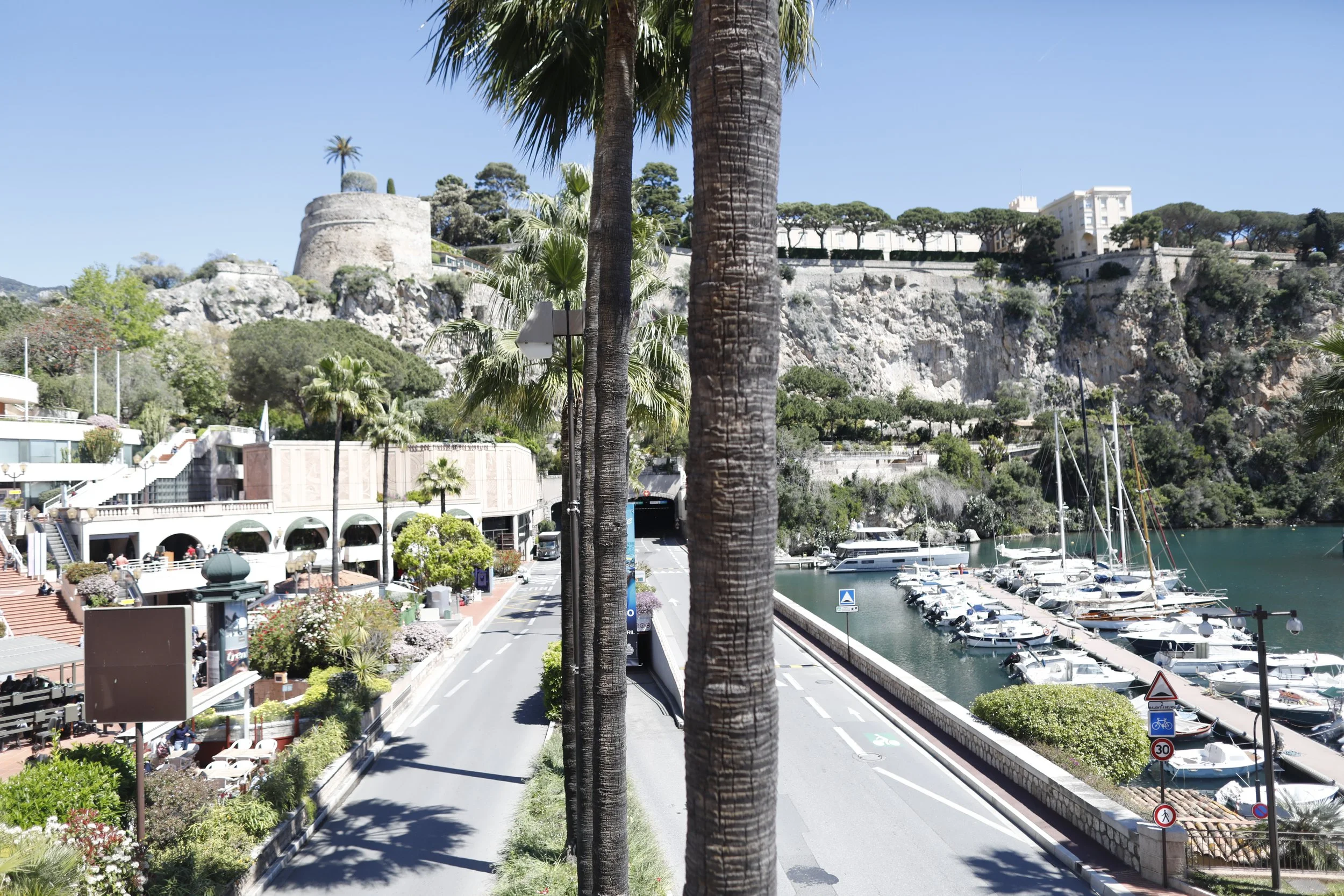
Built on reclaimed land under Prince Rainier III, this tidy pocket of waterfront blends practical marina life with surprising cultural and leisure highlights. The port has a low-key marina atmosphere. Unlike the grand yachts of Port Hercule, it feels quieter and more intimate, with a mix of yachts, pleasure crafts and fishing boats set against stylish apartment buildings and gardens.
A flat promenade circles the marina, making it perfect for relaxed walks or morning runs; from several vantage points you can frame views of the Rock of Monaco, the Palace and the cliffs toward Cap d’Ail. The compact layout keeps cafés, shops, the small marina museum and residential areas all within easy walking distance, making it an appealing base for those who prefer a less touristy side of Monaco.
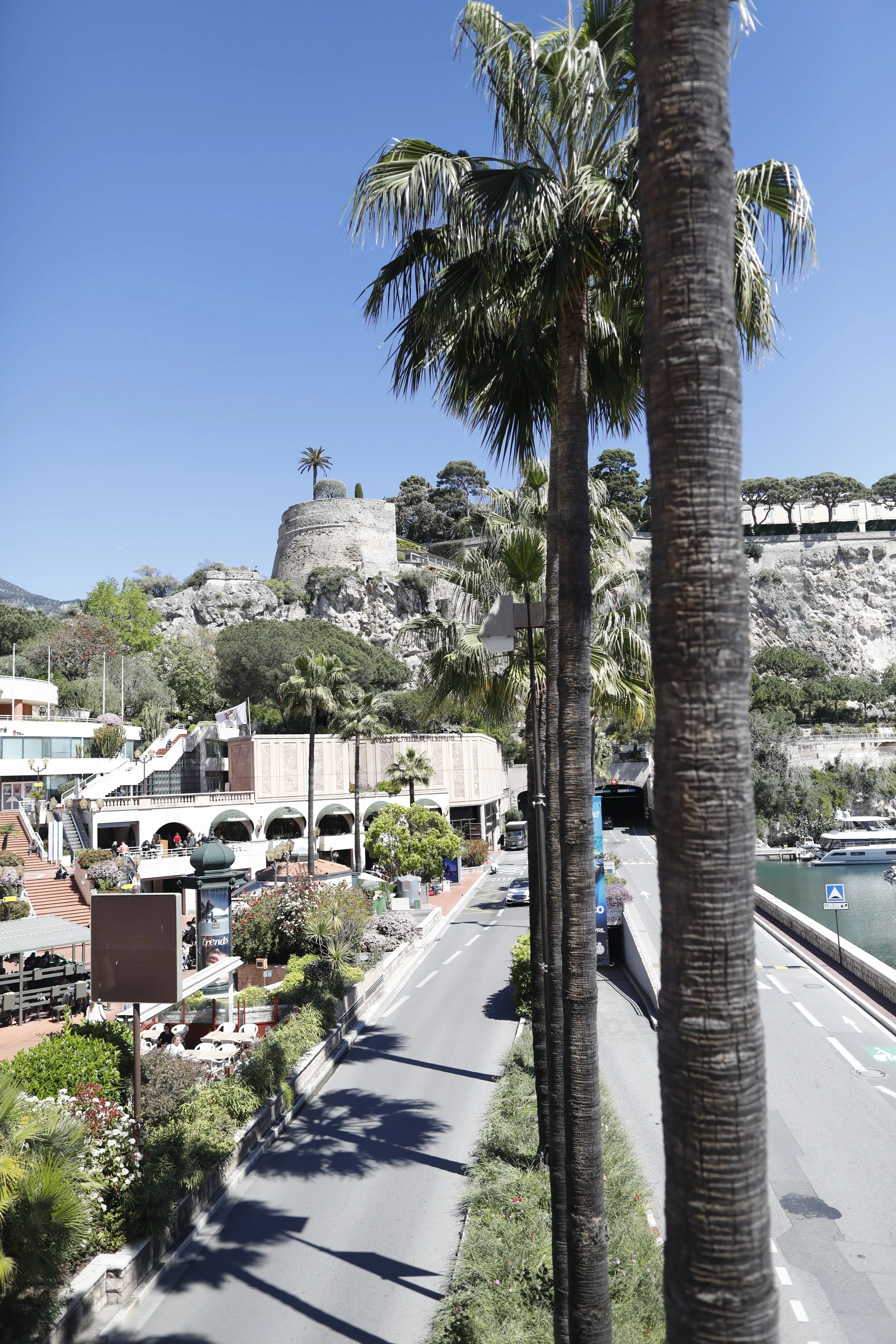
The port’s highlights and things to do are many: explore the marina and waterfront promenade, relax on nearby beaches, visit the oceanographic museum and local markets, enjoy seafood at waterfront restaurants, take boat tours or stroll through the charming streets to discover shops and galleries.
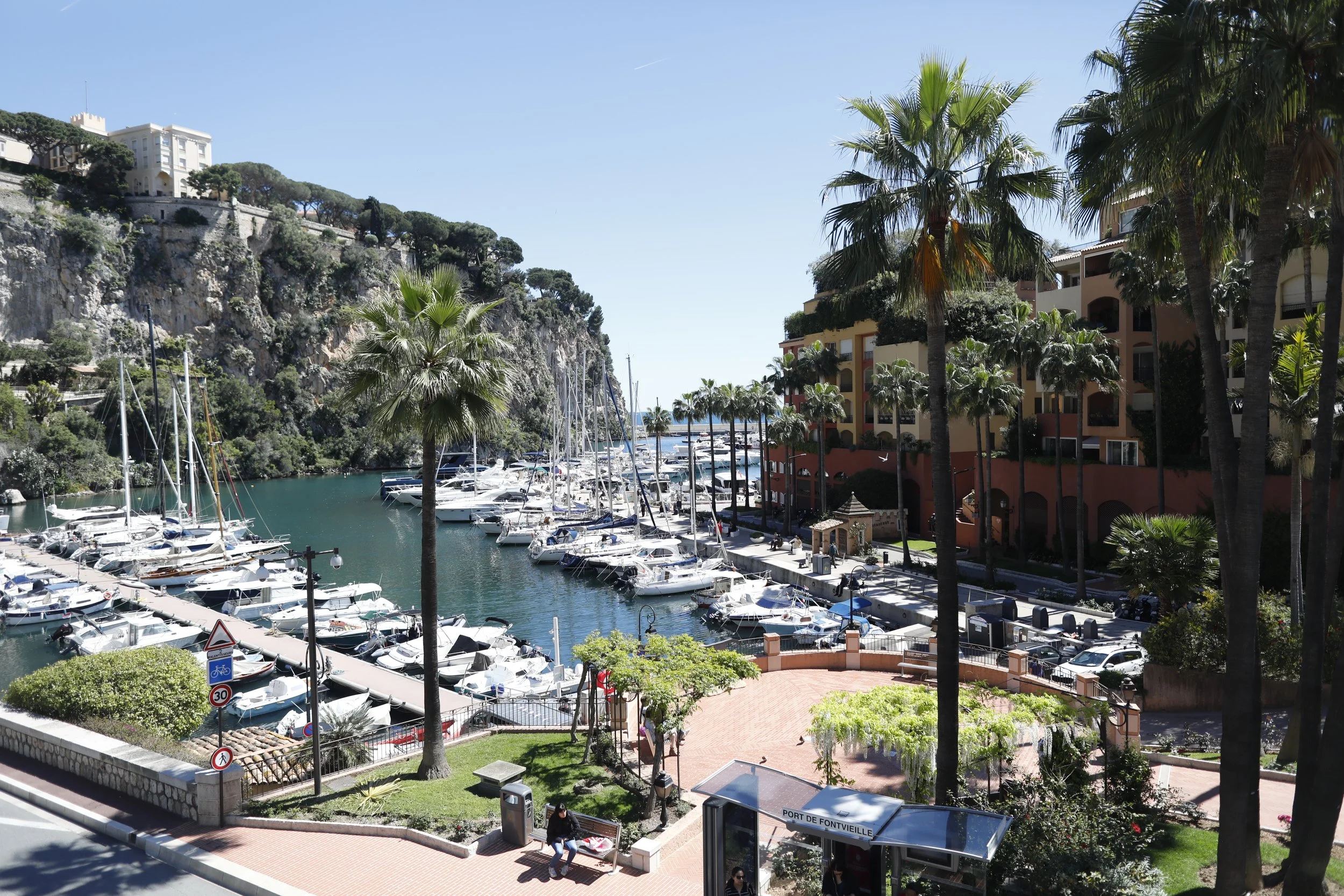
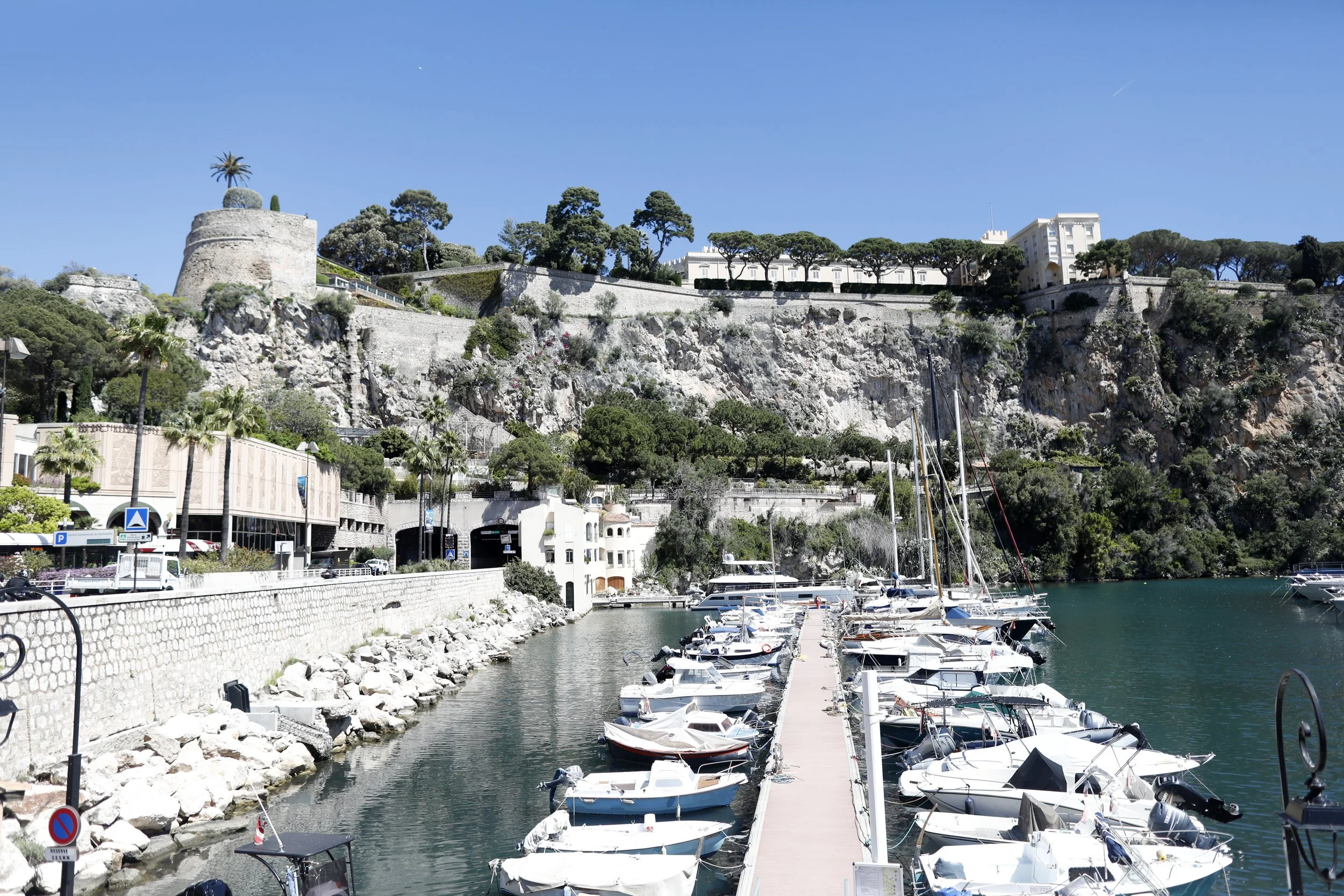
And though Monaco is famously pricey, this area offers a gentler side where dining and shopping can be more affordable than the luxury boutiques and high end cuisine of Monte Carlo. For meals, favor the seaside cafés that specialize in simple Mediterranean and Niçoise fare— fresh seafood, crisp salads and light pastas. Many of these spots cater to locals, so prices tend to be more everyday and relaxed than in the tourist-heavy districts.

Think of the port as layers — waterline, promenade, terraces and distant viewpoints.
The port’s compact harbor is organized with clear vertical and horizontal layers that shape how you experience its maritime charm. Understanding these levels and the sight lines they create, helps you choose the best vantage for strolling, photography or simply soaking in the atmosphere. Each level tells a different story: tactile details at the docks, lively scenes along the quay and broad context from above.
Tip | Climb the various stairways and pathways to uncover every vantage point the harbor has to offer. Getting lost is not optional.
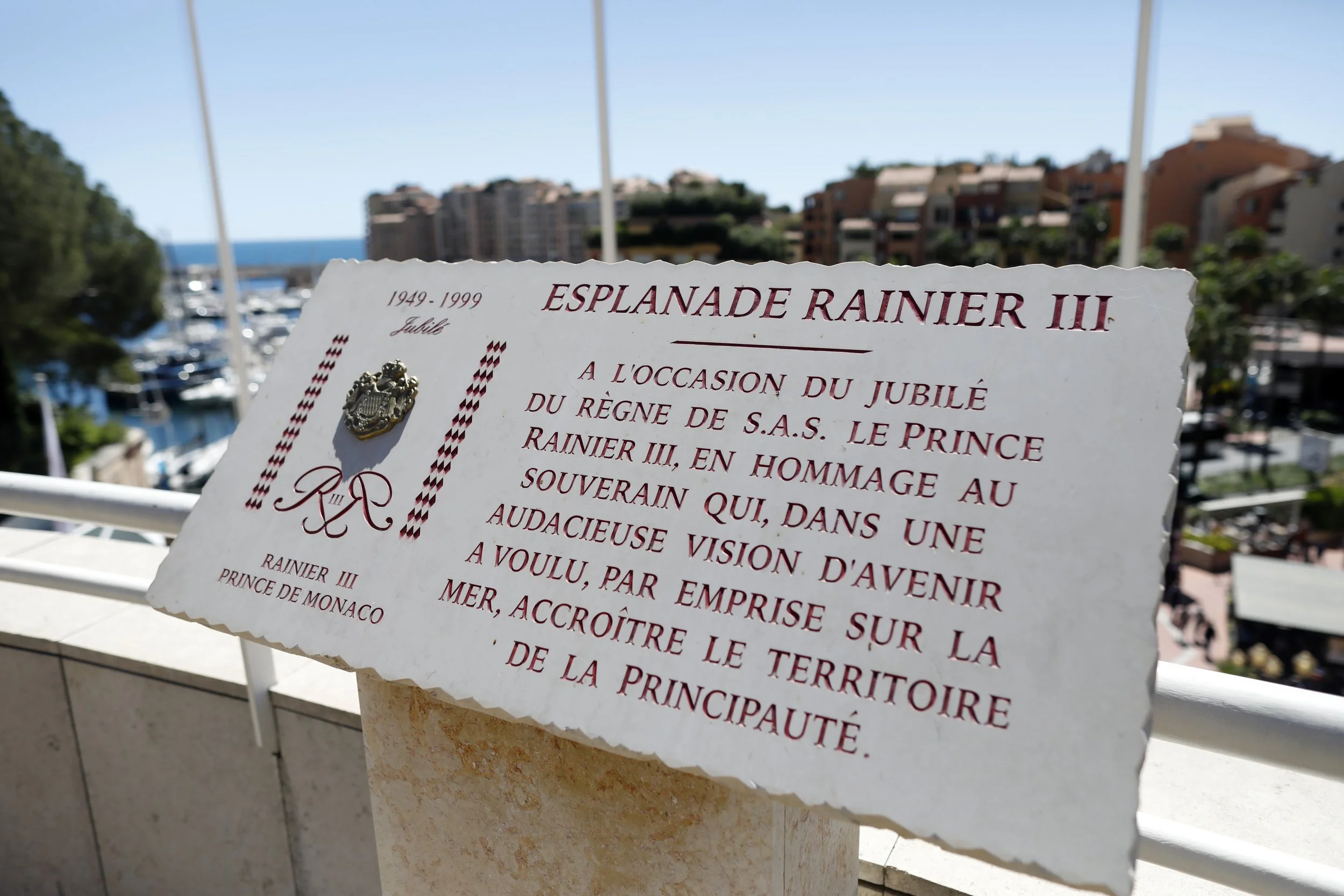
High above the port, the Esplanade Rainier III is a waterfront promenade that runs along the harbor between the Casino Square area and the Monte-Carlo Bay/Fontvieille vicinity. Named for Prince Rainier III, it offers sweeping views of the Mediterranean, impressive marina, landscaped gardens and easy access to several major attractions. It’s also a popular area for strollers, joggers and relaxed sightseeing.
The sun drenched promenade is home to a well known sundial that not only tells time but indicates the day and month, offering visitors a unique landmark with picturesque views over the yacht port, adjacent to the Jardin Animalier (Monaco’s zoo). This tranquil, well-maintained public space serves as the perfect spot to relax and admire the harbor or honor the late Prince Rainier III.
04 | Glimpse Royal Splendor: Le Palais de Monaco Revealed
Perched above the bay, the old town atop Le Rocher (The Rock) offers sweeping vistas from a higher vantage point. The paths to the summit weave in and out on multiple levels, so finding the right route can be a bit tricky; many visitors leave the waterfront and climb the backside of the cliff. A long, stone-paved walkway ascends to the hilltop, opening onto a broad plaza where panoramic views of the coastline and town unfold.
Tip | The path climbs sharply — mind each step.
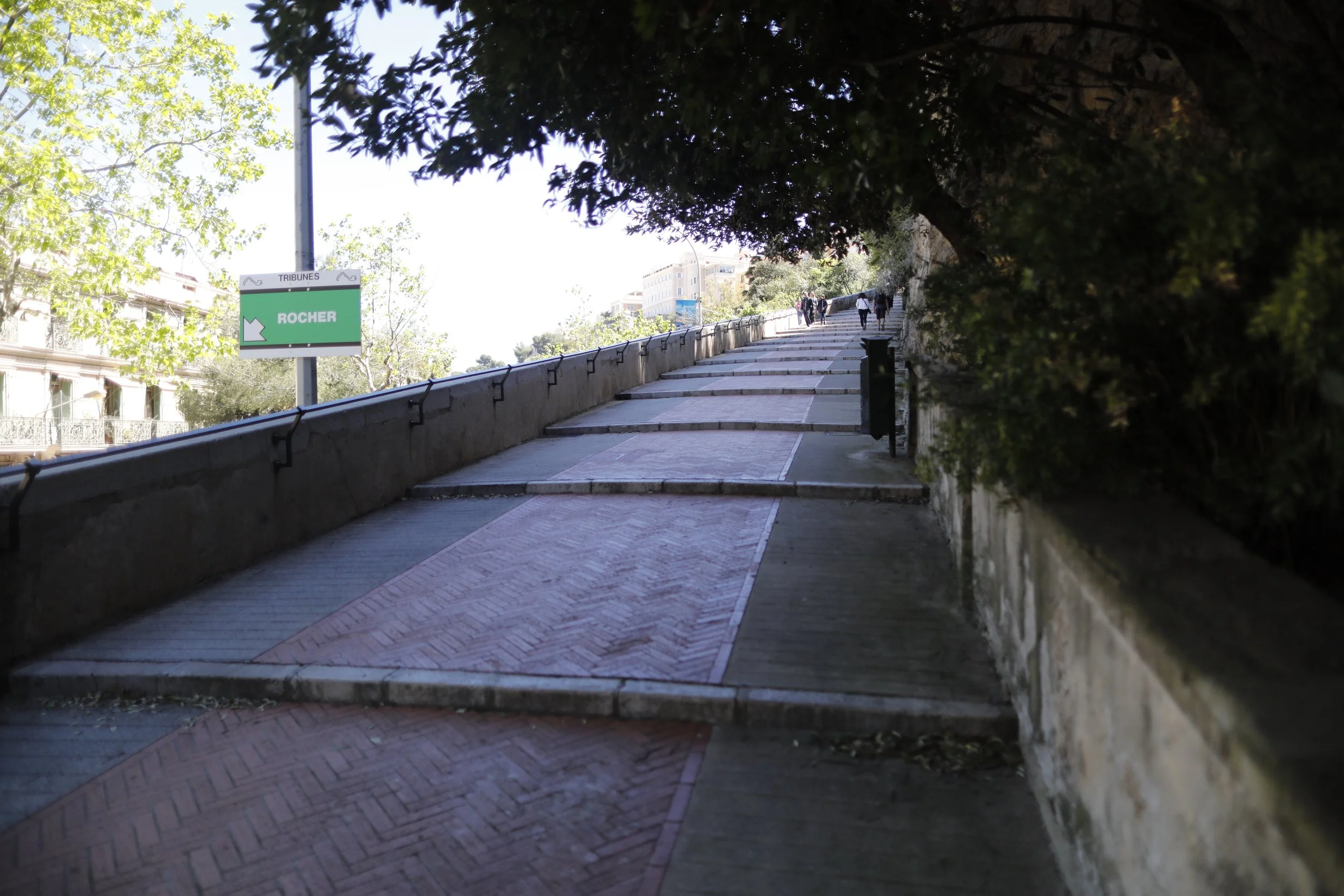
A compact, dramatic cliff rising from the Mediterranean, Le Rocher forms the historic heart of the principality. And at just a few acres, it packs centuries of history, royal ceremony, narrow medieval streets and stunning vistas into a walkable area that contrasts sharply with Monaco’s modern skyline of luxury towers and casinos.
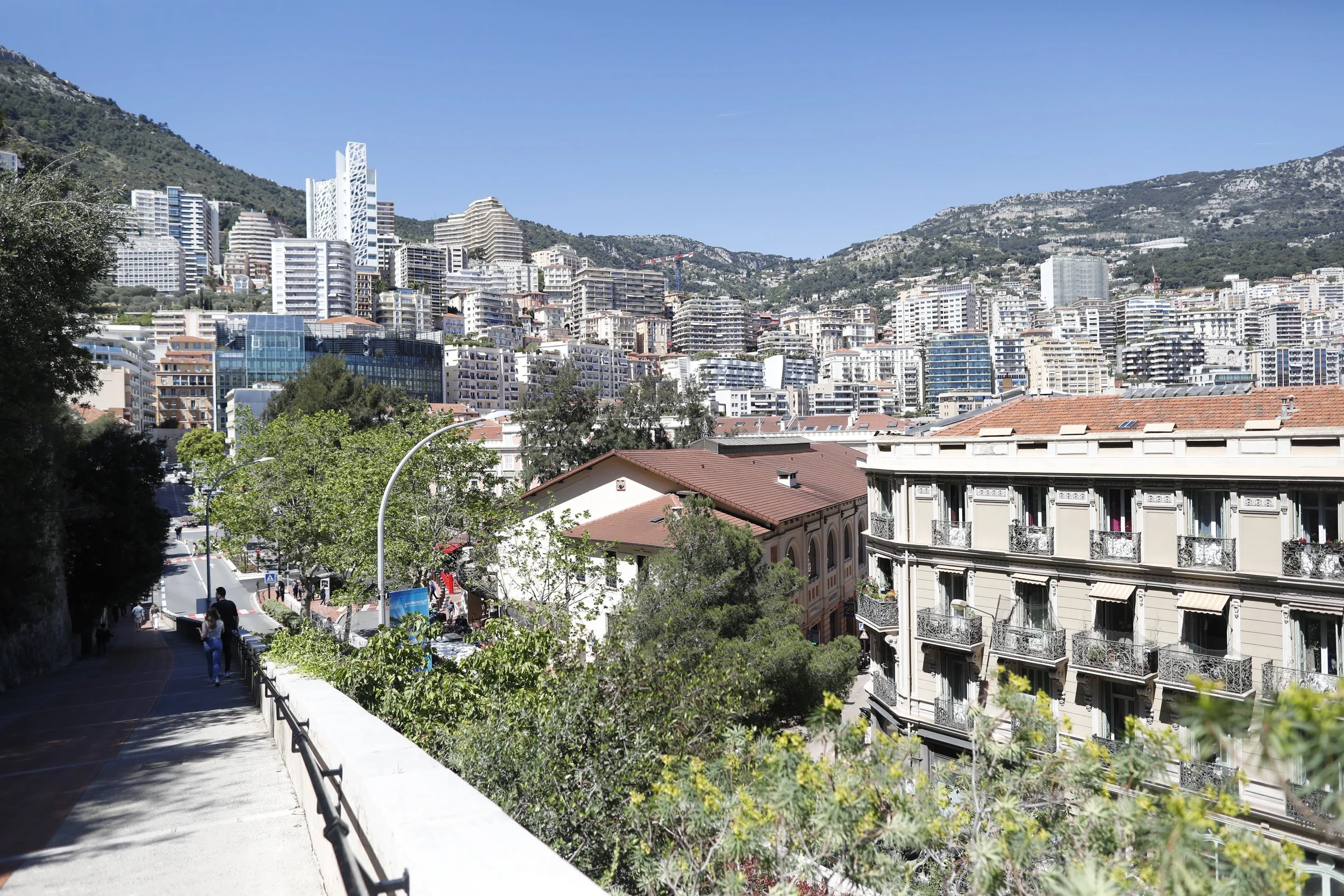
You can tick off the main highlights in 2–3 hours but linger longer to lose yourself in a museum, over coffee or simply soak up the spectacular coastal views. Wander from the Prince’s Palace across the winding lanes of Monaco-Ville to the Cathedral of Saint Nicholas, then descend to the Oceanographic Museum — each stop offers its own dose of history, art and drama. Add in the endless promenades and lookout points and you’ll find plenty of reasons to stay a while.
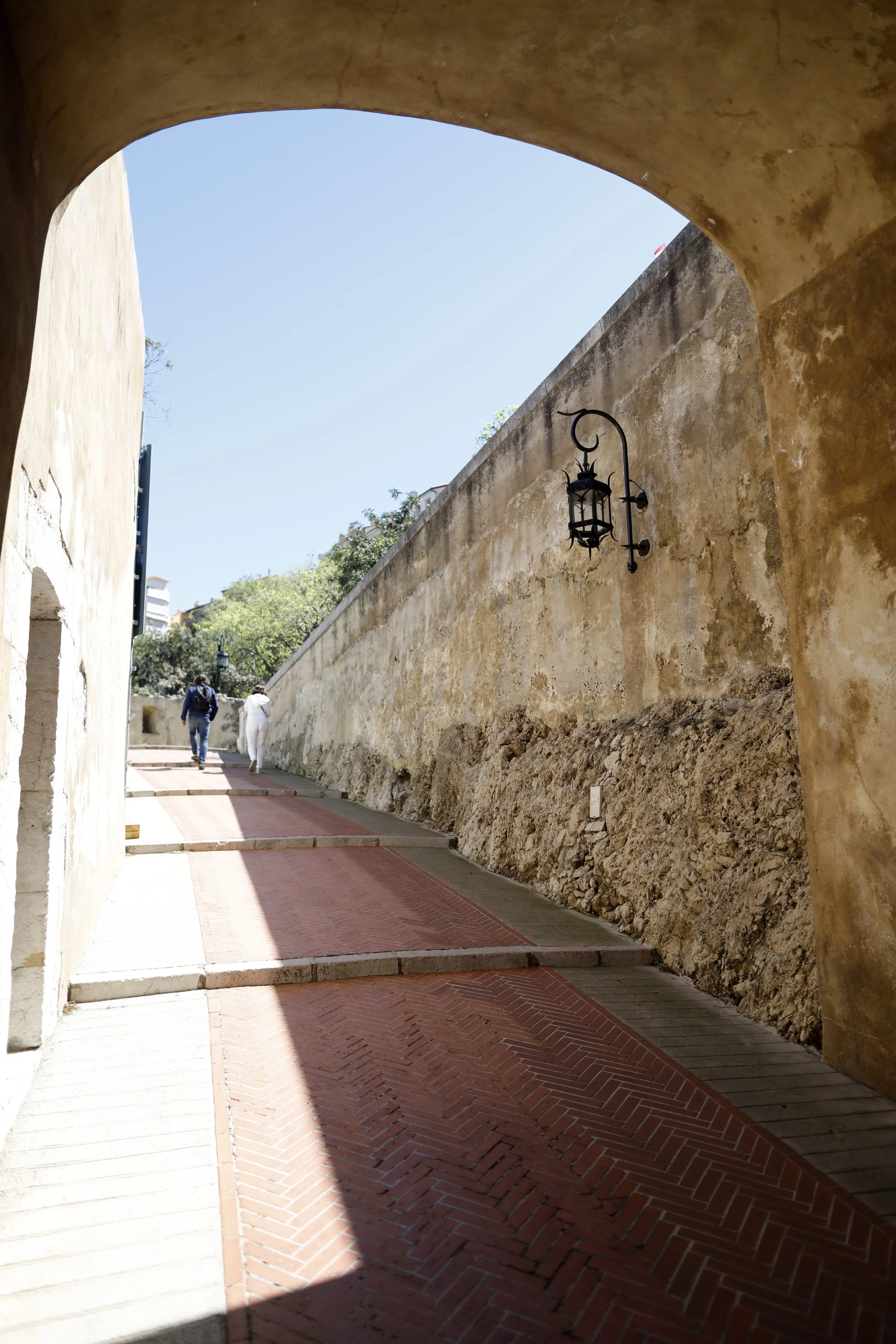
History and monarchy, maritime heritage and scenic beauty, it’s the best place to sense the principality’s past and present in close proximity — ancient walls beside modern luxury and quiet alleys that open onto spectacular Mediterranean views. For travelers interested in culture and history rather than gambling and nightlife, Le Rocher is the essential Monaco experience.
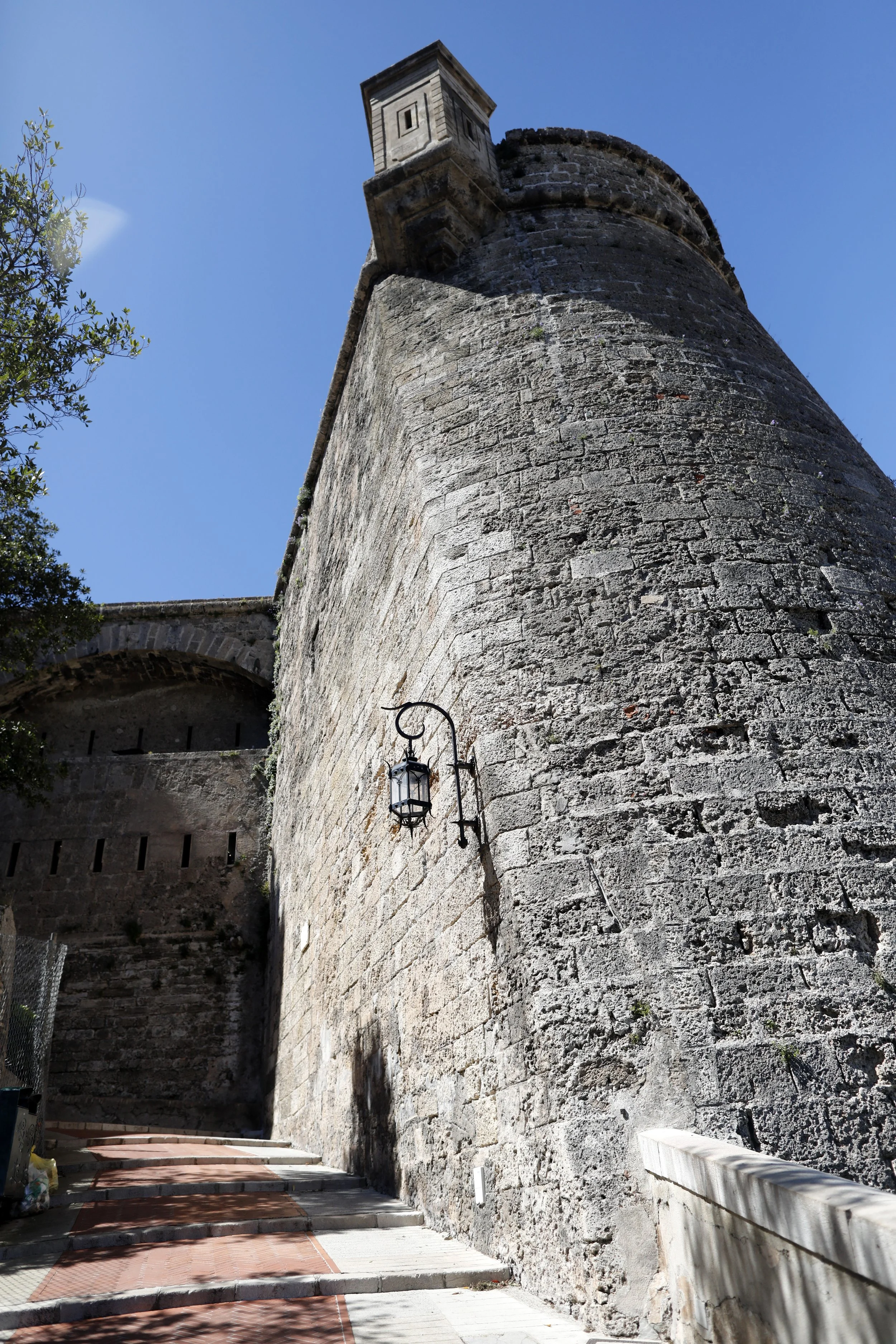
As you climb the winding path toward the cliff, fragments of the Prince's Palace of Monaco gradually reveal themselves — stone balustrades, a flash of gilded crest and the palace’s terraced silhouette rising against the sky.
At the crest, a small, dignified monument, the Hommage des Colonies Étrangères au prince Albert Ier stands as a quiet testament to early 20th-century international respect and maritime curiosity. Erected to honor Prince Albert I — a passionate oceanographer and explorer — the monument reflects the prince’s scientific connections. Its stone figure and surrounding plaques mark not just homage from foreign colonies but also Monaco’s role as a crossroads for maritime research, diplomacy and cultural exchange during an age of growing maritime knowledge.
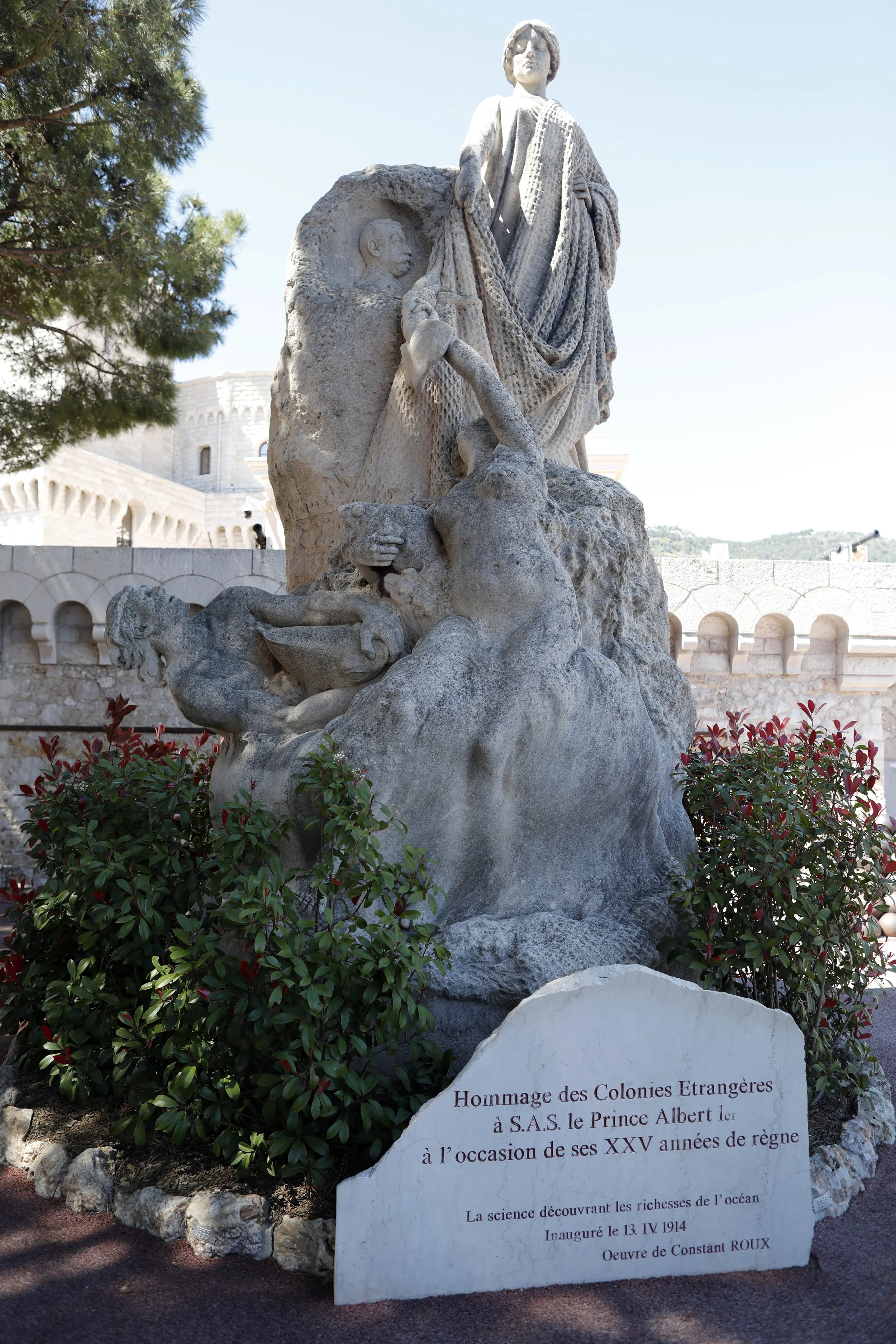
Experiencing the monument feels like stepping into a pocket of history amid Monaco’s glitz. The site is modest in scale, so it’s best appreciated at a slow pace: take time to read the inscriptions, observe the sculptural details and imagine the era when explorers charted unfamiliar coasts and shared specimens and data across empires. The placement on the seafront is intentional — the ocean that inspired Prince Albert’s work remains visible, a reminder that memories from the land are connected to the sea's mysteries.
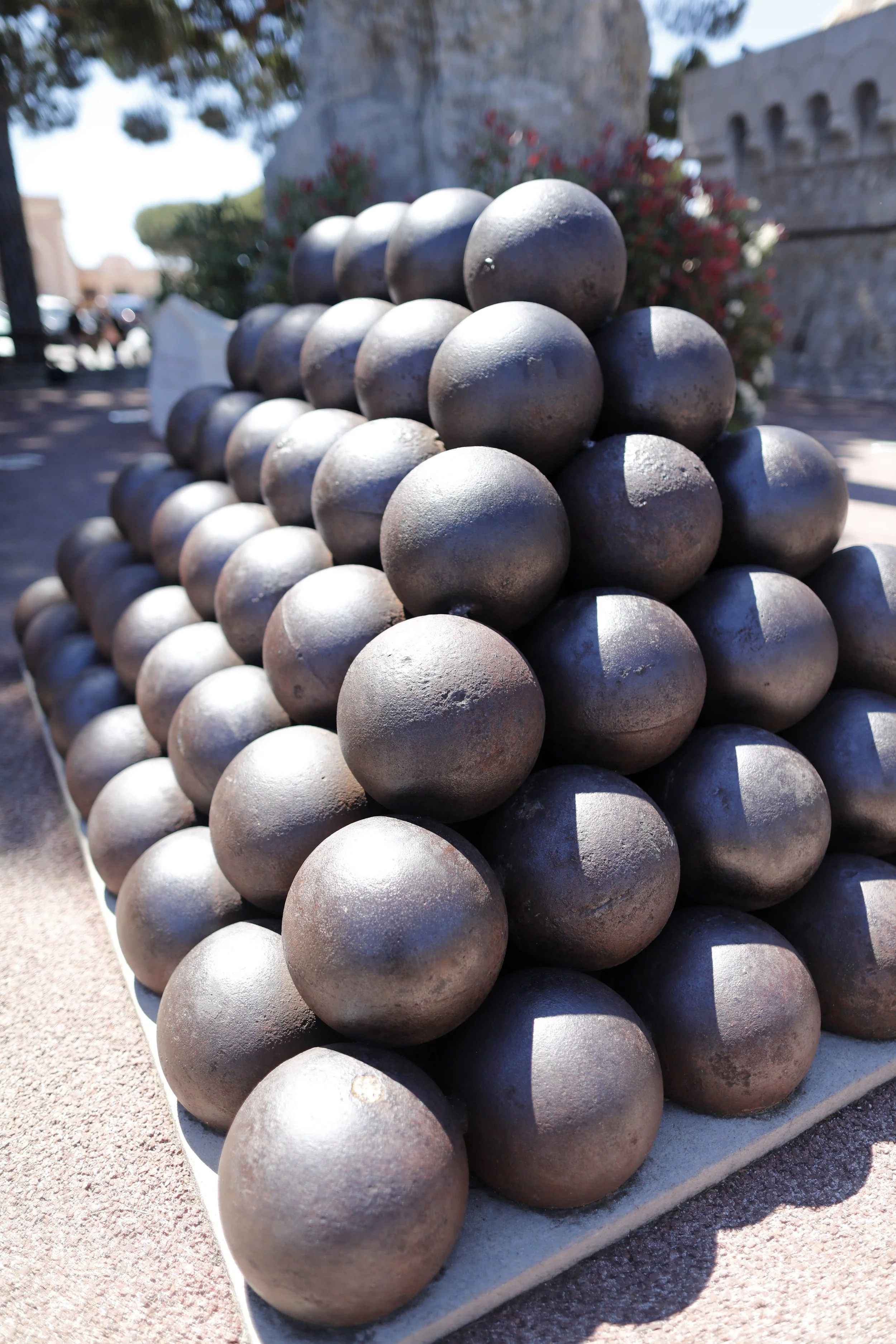
The monument pairs well with a broader walking route through Monaco’s historic quarter. After a pause here, continue toward the Oceanographic Museum to see the legacy of Prince Albert’s scientific efforts brought to life with specimens, archives and exhibits. For travelers interested in history and quiet moments of reflection, the Hommage des Colonies Étrangères au prince Albert Ier is a subtle but meaningful stop.
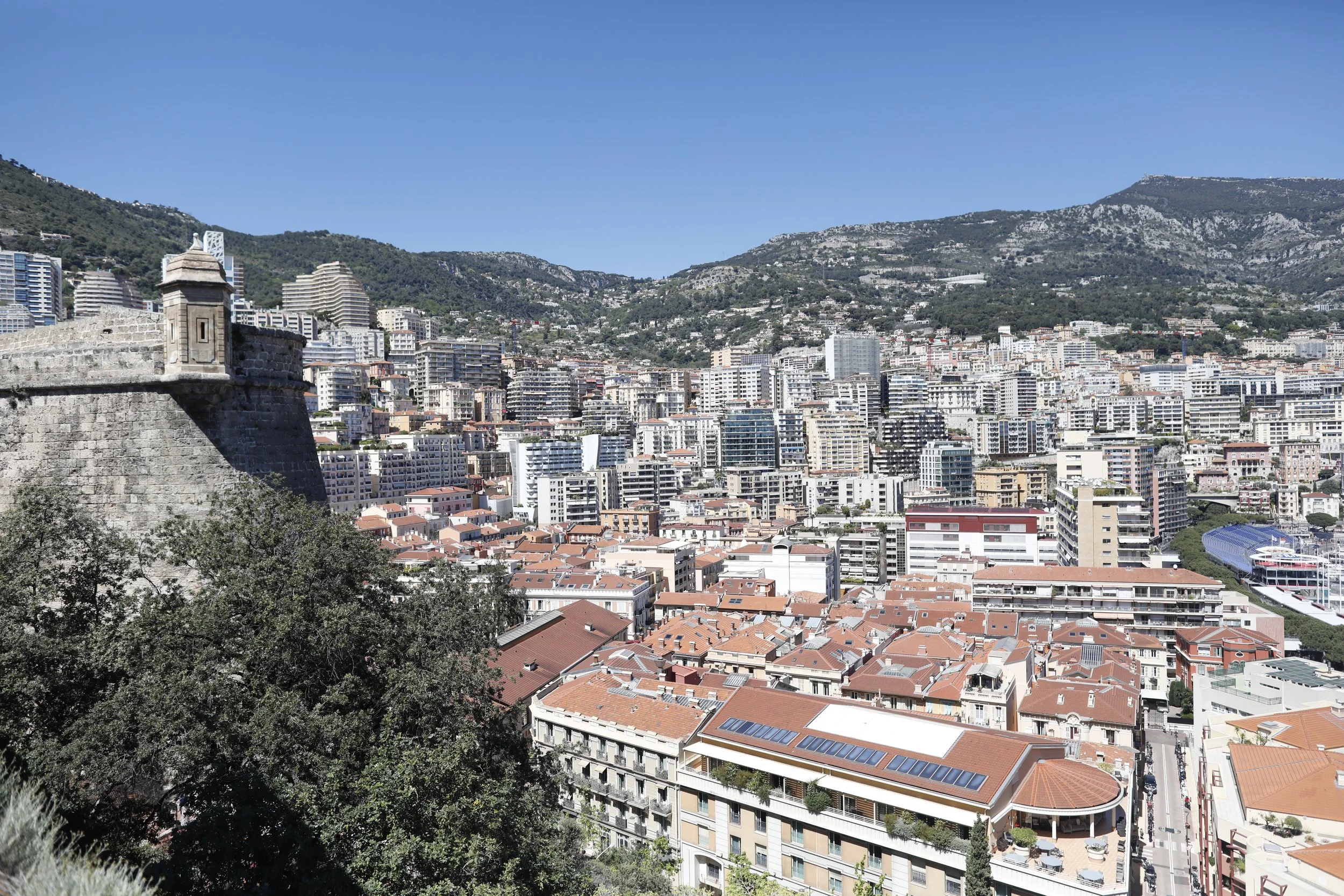
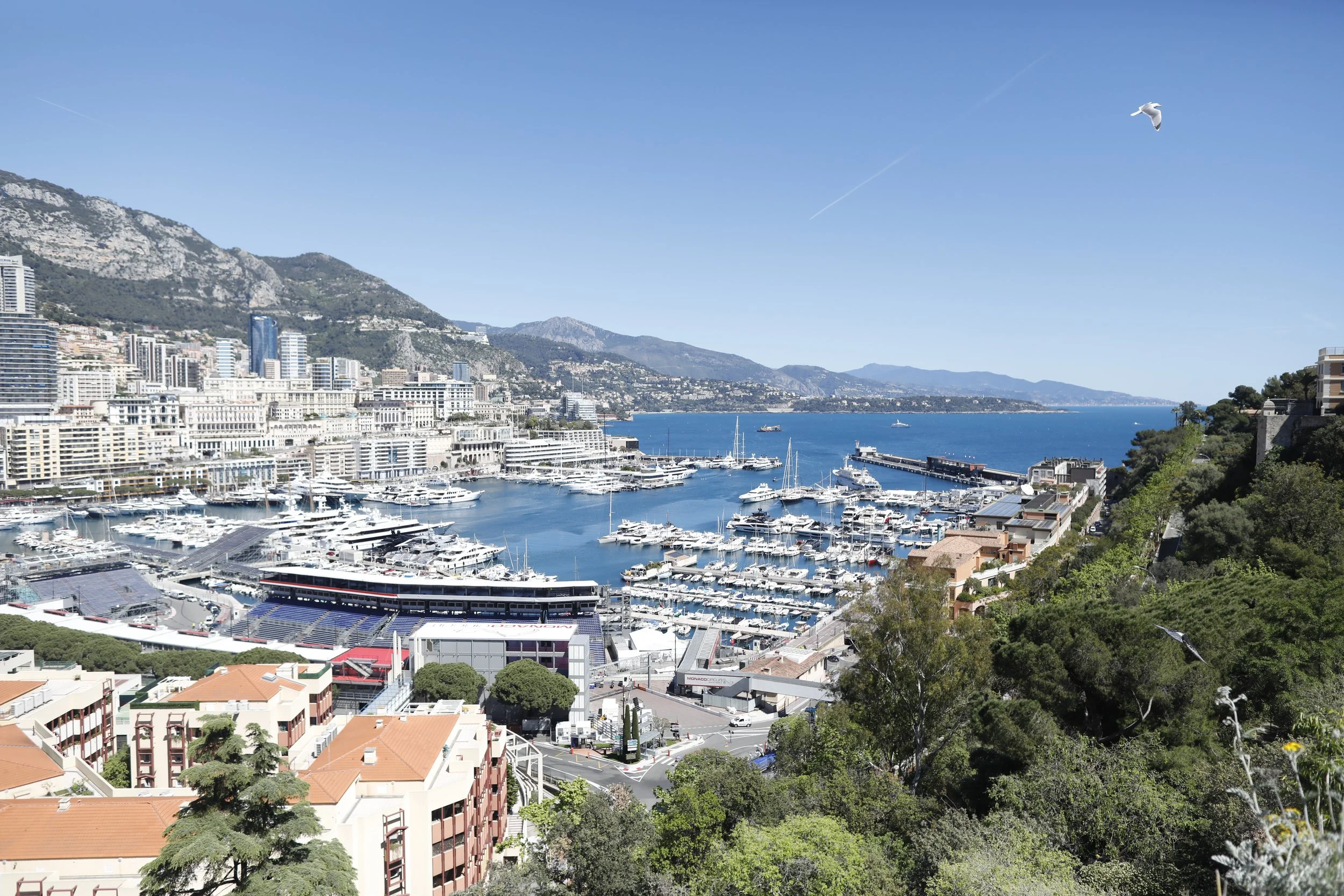
From the cliff-top promenade, Port Hercules unfolds in a broad, cinematic sweep. Sunlight glances off the gleaming hulls parked like beads on a necklace, while super yachts — sleek, white and impossibly large — cluster near the main quay. The curve of the harbor frames layers of activity: small fishing boats bobbing gently, charter launches slicing across glassy water and crew moving with efficiency and purpose. From Le Rocher, the port feels like a living postcard—ordered and luxurious, yet animated by the daily rhythms of boats and people, with the entire scene laid out beneath the watchful rise of the city.
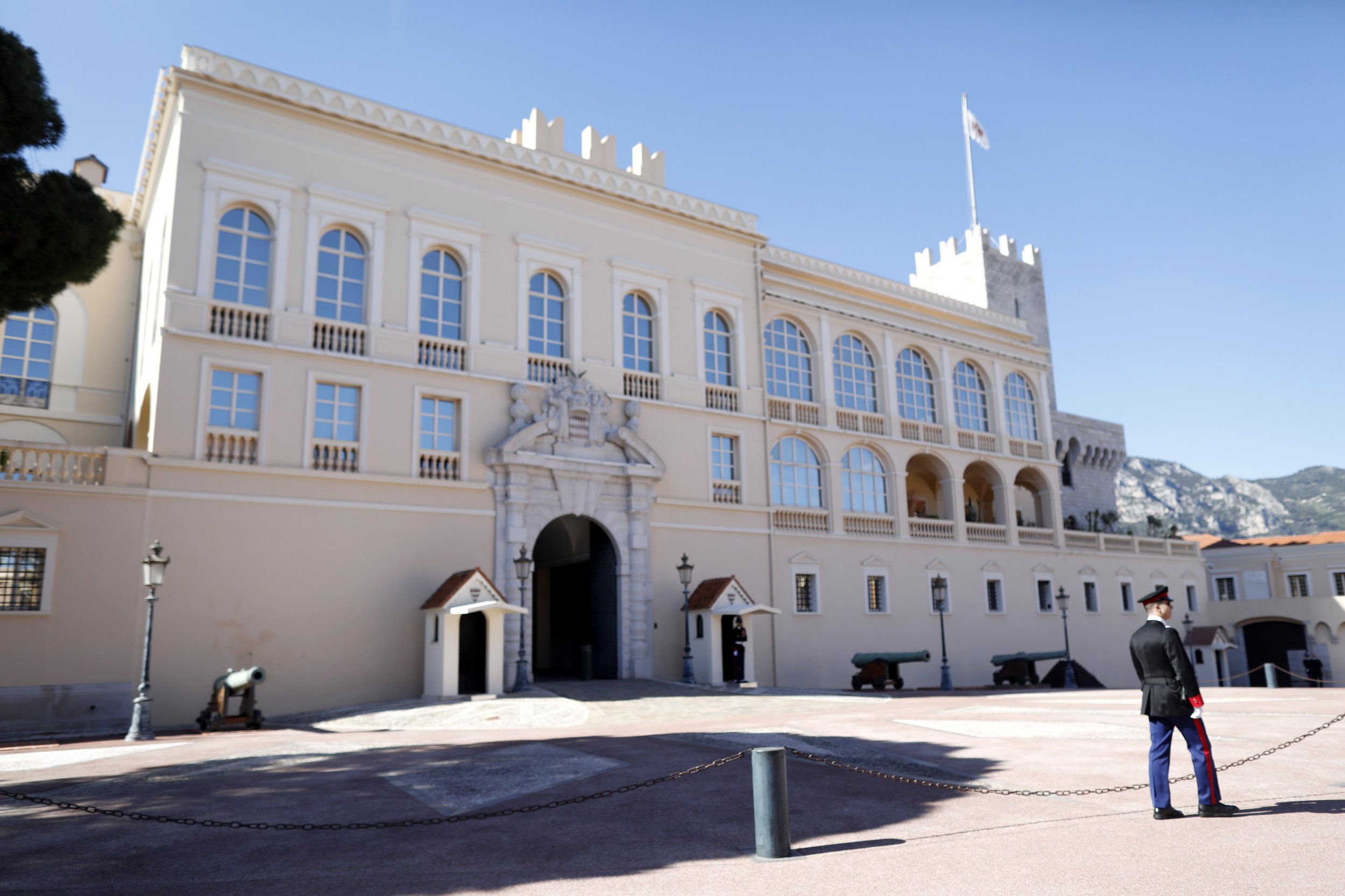
Resting on the rocky bluff with the Mediterranean spilling out beyond it, the Prince’s Palace — Le Palais de Monaco — anchors one side of the old town like a storybook fortress. Down the sun-slanted slope to the right, the sea shimmers; to the left, a lacework of narrow lanes unfurls into Monaco-Ville, a medieval tangle of cafés, galleries and weathered stone that only begs one to get lost. It surely doesn’t take much for this compact quarter to win over hearts.
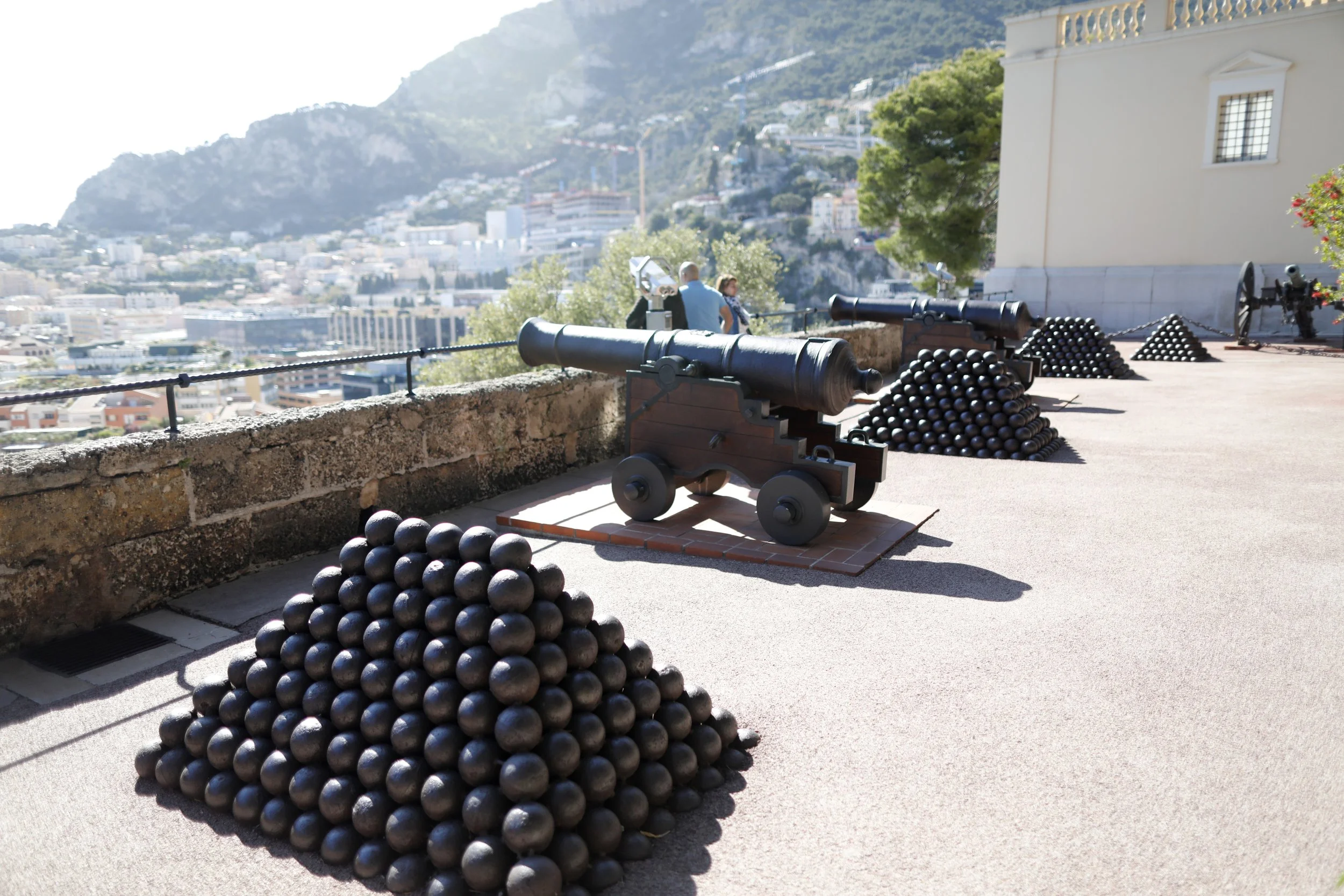
Up close the palace is quietly imposing rather than ostentatious. Its walls began life in 1191 as a Genoese fortress, and you can still sense the centuries of sieges and power plays in its stone and stairways. Today, it’s the official home of Prince Albert II — and the stronghold of the Grimaldi family, one of Europe’s most enduring dynasties, who first slipped into power here in 1297. Walking around the ramparts, you can feel the sweep of history: salt air, creaking flags, the slow, steady presence of a place that’s watched the Mediterranean change course while it kept its post.
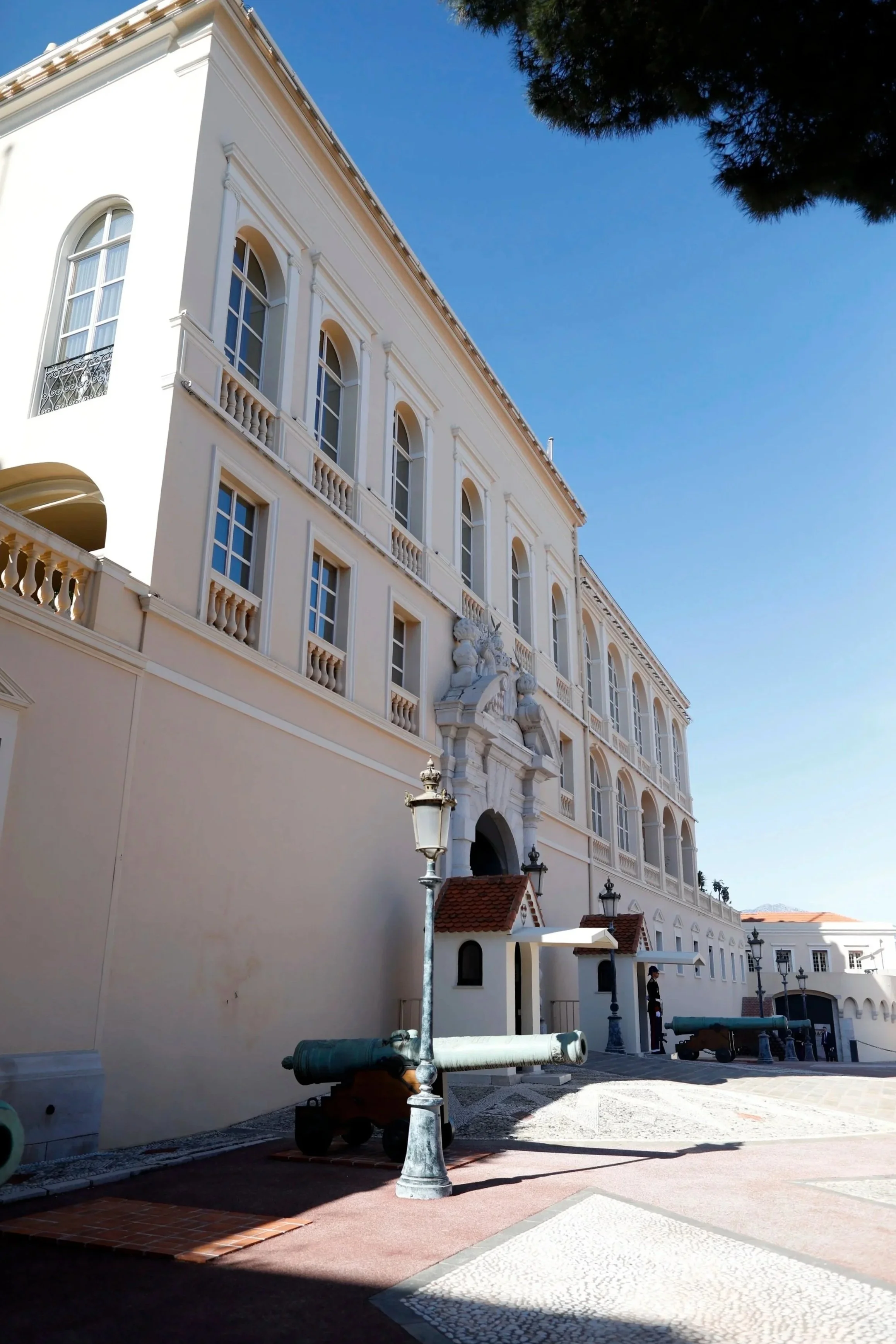
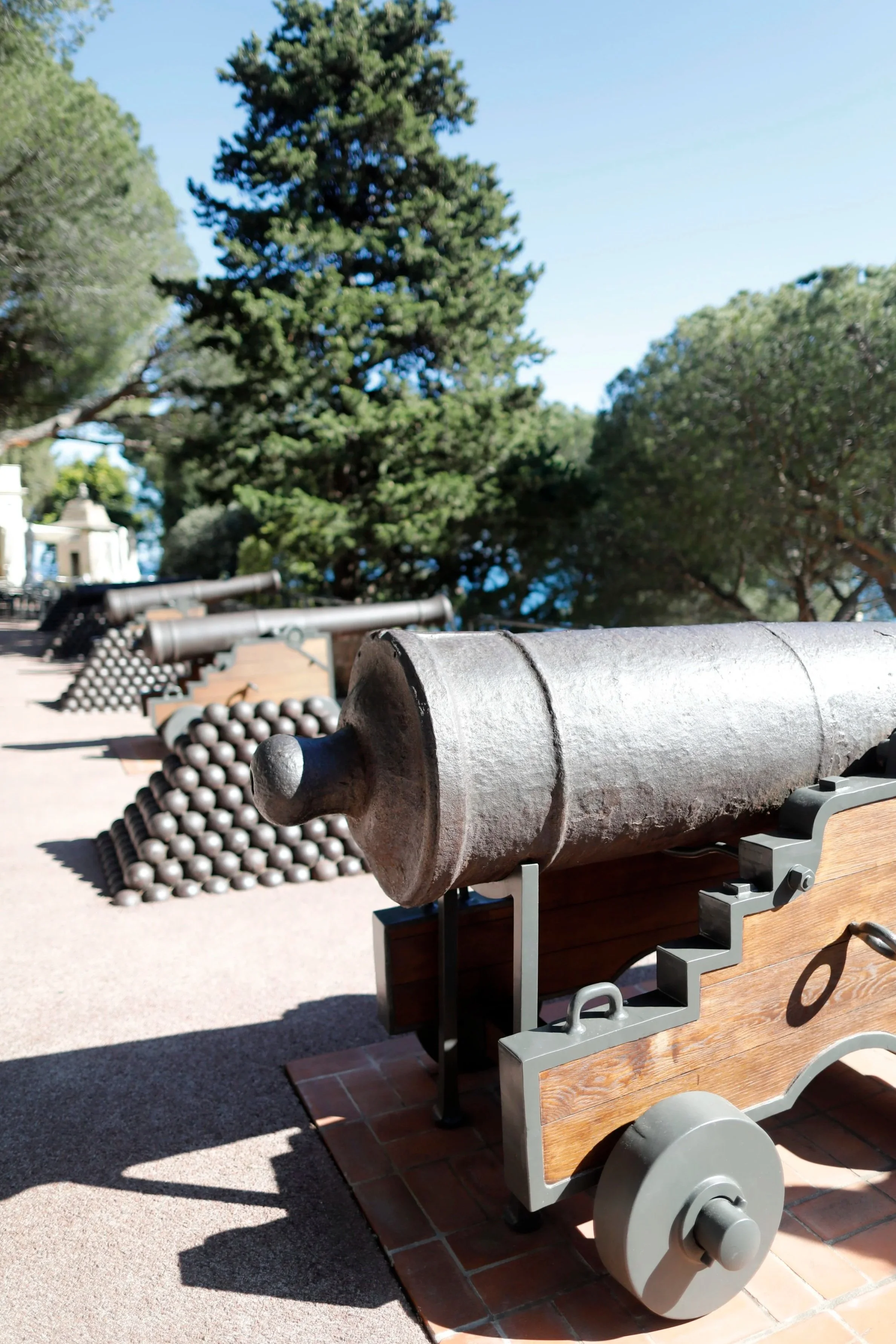
Learning about the Palace gives travelers insight into Monaco’s history, ceremonial life and monarchy. With sheltered fortifications since at least the 12th century, the palace feels like a living timeline. You can stand where defenders once watched the sea, imagining layers of history pressed into the stone. The Grimaldi family and their presence has molded the place ever since seizing the Rock; every corridor and courtyard carries traces of a lineage that has used this site as home and stronghold for more than seven centuries.
Walk the exterior and you’ll notice how the palace refuses to belong to a single era. Beneath the Renaissance and classical facades lie medieval foundations, while inside, sumptuous 19th-century interiors speak to the Belle Époque remodel that refreshed the palace’s public face. The juxtaposition of severe ramparts and ornate salons makes the building feel both fortified and ceremonial.
Beyond architecture, the palace has always been more than a residence. It’s functioned as a seat of government, a stage for statecraft and a persistent symbol of Monaco’s independence and continuity under the Grimaldi dynasty. Visiting here isn’t just sightseeing; it’s stepping into a continuous story of power, refinement and survival written in stone, plaster and fresco.
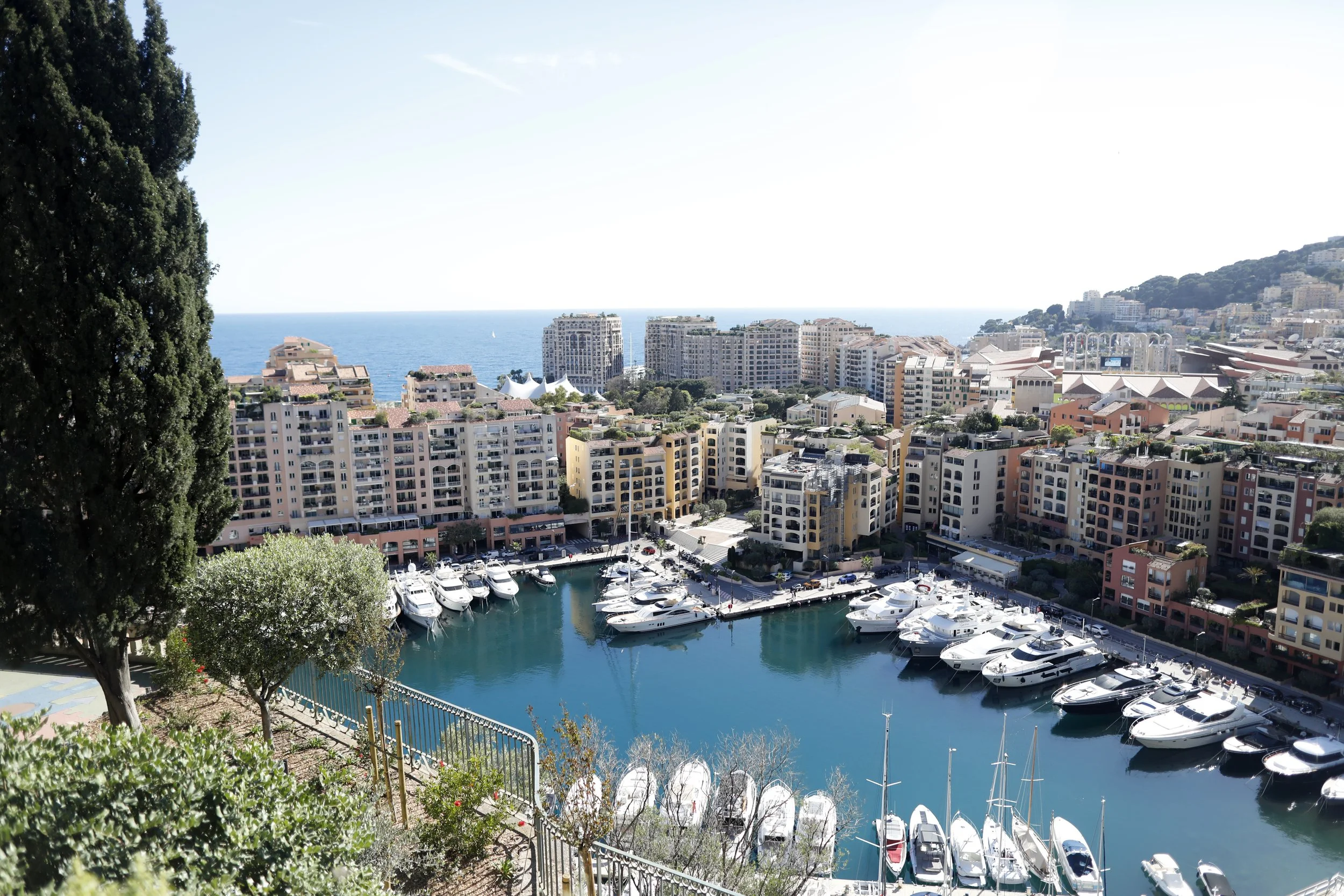
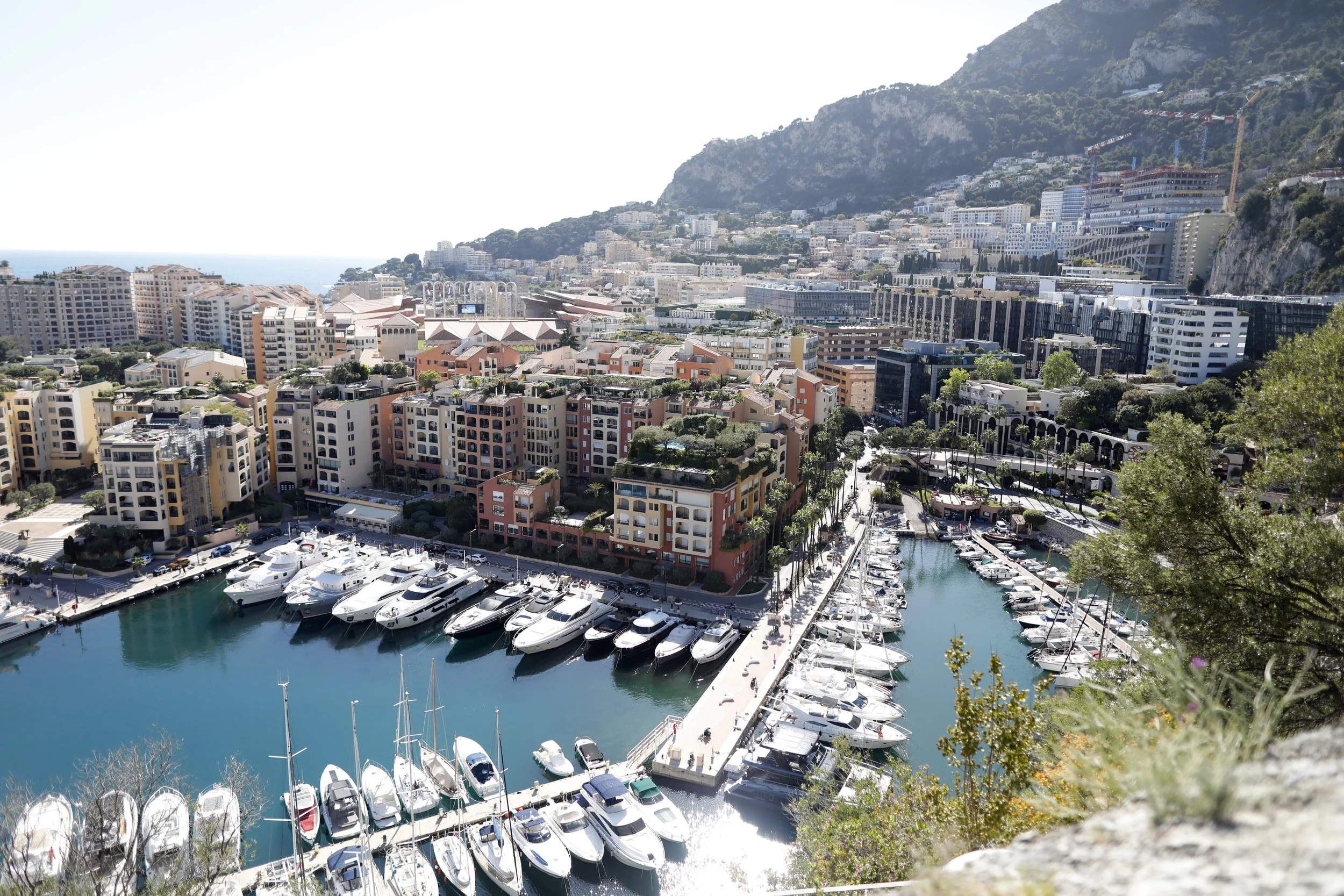
If time allows, explore the Prince’s Palace and step into a storybook of royal life. When the State Apartments open to the public, usually during the summer months, you can wander through rooms that shimmer with history: frescoed ceilings, woven tapestries, period furniture and the official reception spaces that once hosted rulers and dignitaries. Whether you join a guided tour or explore on your own, the Throne Room and Throne Hall are showstoppers and the richly decorated salons invite you to imagine the lives that unfolded there.
The Cour d’Honneur, the palace’s main courtyard, is a striking architectural space where official ceremonies are often held. Its grand proportions and formal layout make it easy to picture processions and state occasions taking place against that elegant backdrop.
If your timing aligns, don’t miss the Changing of the Guard. The brief ceremony usually occurs around 11:55 a.m., though the exact time can vary. It’s a popular, free-to-watch event that’s easy to squeeze into a morning of sightseeing and adds a touch of ceremonial flair to your palace visit.
For some of the best views in Monaco, head to the palace’s terraces and Palace Square. From these vantage points you can frame the harbor and the cityscape below — the mix of luxury yachts, terraced buildings and cobalt sea is a photographer’s dream, especially in the warm light of late afternoon.
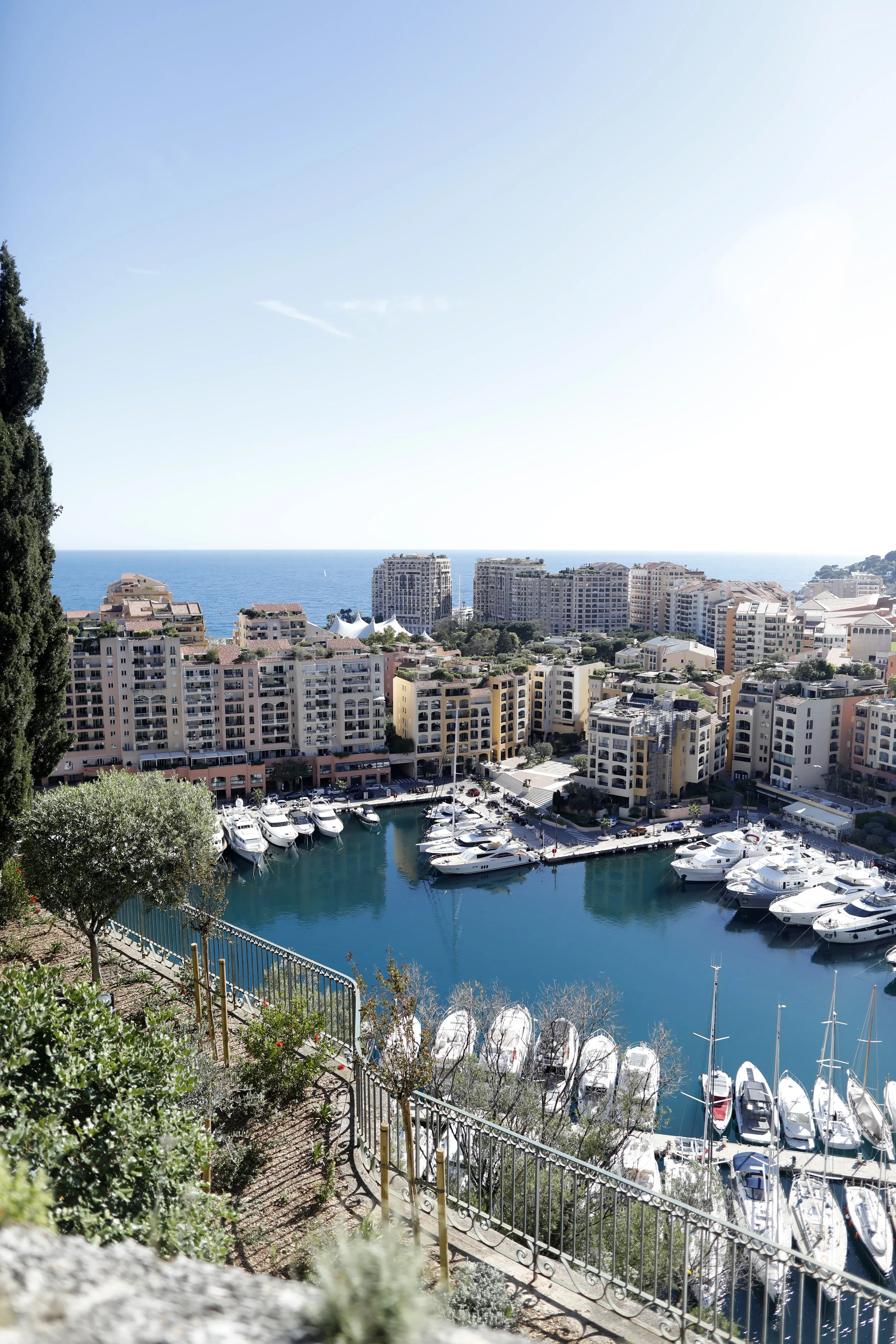
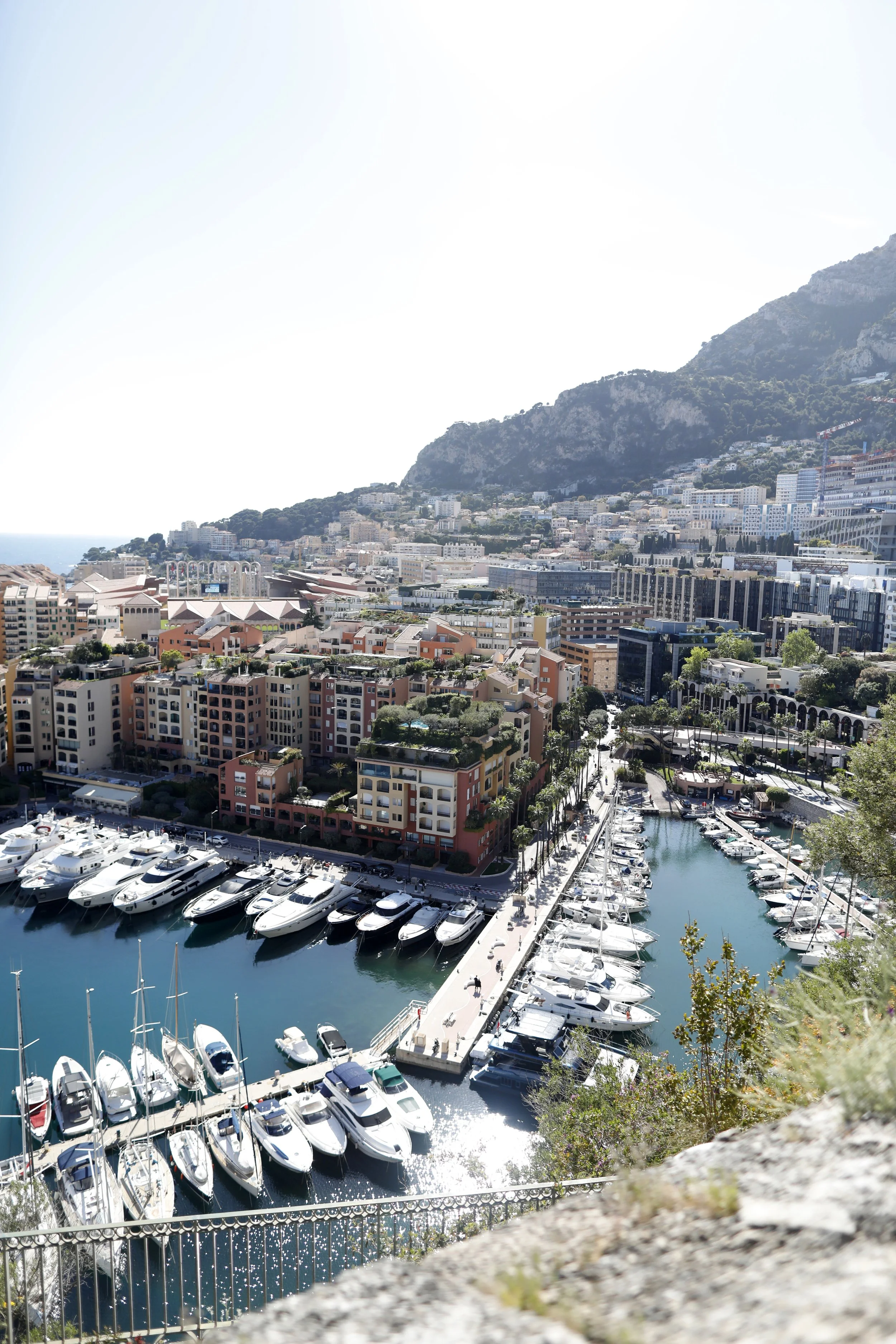
Wandering the Palace and its grounds on a summer afternoon is pure enchantment but don’t worry if you’re off season; Monaco has more than 300 days of sunshine each year. The site usually welcomes visitors from late June through early October, though exact dates and hours shift from year to year — check the seasonal schedule before you plan your trip so you don’t arrive to locked gates.
During peak season the queue can stretch, so it’s recommend to buy tickets ahead, if possible, or arrive early to beat the crowds.
Be prepared for the terrain. The Palace sits amid steep streets and cobbled, uneven paths, which lend it charm but can be challenging if you have limited mobility. Some areas are simply not easy to reach, so plan your route and expectations accordingly.
Photography is part of the fun here but rules vary between indoor and outdoor spaces. Exterior shots are generally fine and make for great travel photos; interior photography is often restricted, so watch for signs and follow staff directions to avoid awkward moments.
You’ll go through basic security checks on arrival and the dress code is casual but respectful — especially during official events. A bit of mindfulness in what you wear and how you behave helps keep the experience pleasant for everyone.
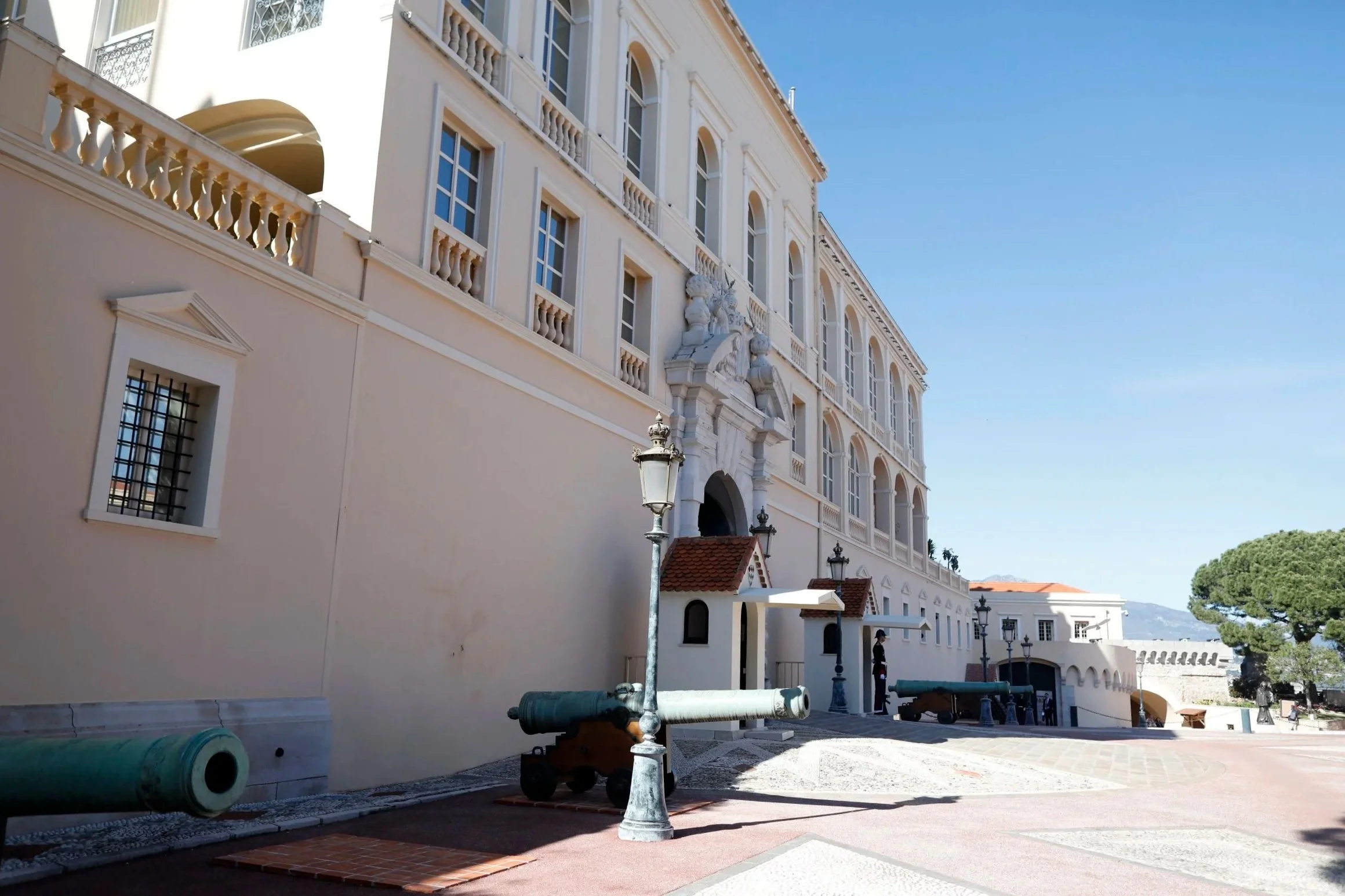
There’s something gently vivid about arriving at the Palace: the stone terraces, the view down over the harbor and the slow shuffle of guards on the ramparts. If you’re planning to include a Palace visit in your Monaco itinerary, there are a few easy ways to make the stop feel like part of a day rather than just a box checked.
For a half-day outing, pair the Palace with a slow wander through Monaco-Ville. After the guided tour or self-guided visit, let the neighborhood unfold on foot: the Romanesque silhouette of the Cathedral, the dramatic aquamarine façade of the Oceanographic Museum and the maze of narrow, medieval lanes where tiny shops and bakeries hide. Pause at a charming café for a café crème and a people-watching break, then make your way back toward the waterfront.
If your reason for travel is photography, time the Palace visit for golden hour. Late afternoon light slants across the terraces and gilds the palace walls, melting into warm tones over the harbor and the clustered yachts below. Come prepared with a wide-angle lens for the sweeping cityscape and a zoom for tighter frames of the balconies and guard detail; the changing light makes even familiar angles look cinematic.
For a fuller day that captures the contrasts of Monaco, start at the Palace and work your way down toward the harbor. Follow the cliffside streets to Casino Square to glimpse the city’s glamour, then continue along the promenade to the Jardin Exotique. The succulent terraces and panoramic viewpoints there offer a green counterpoint to the stone and sea and together these stops — historic palace, glittering casino district and lush botanical garden — give you a compact, satisfying glimpse of Monaco’s layers.
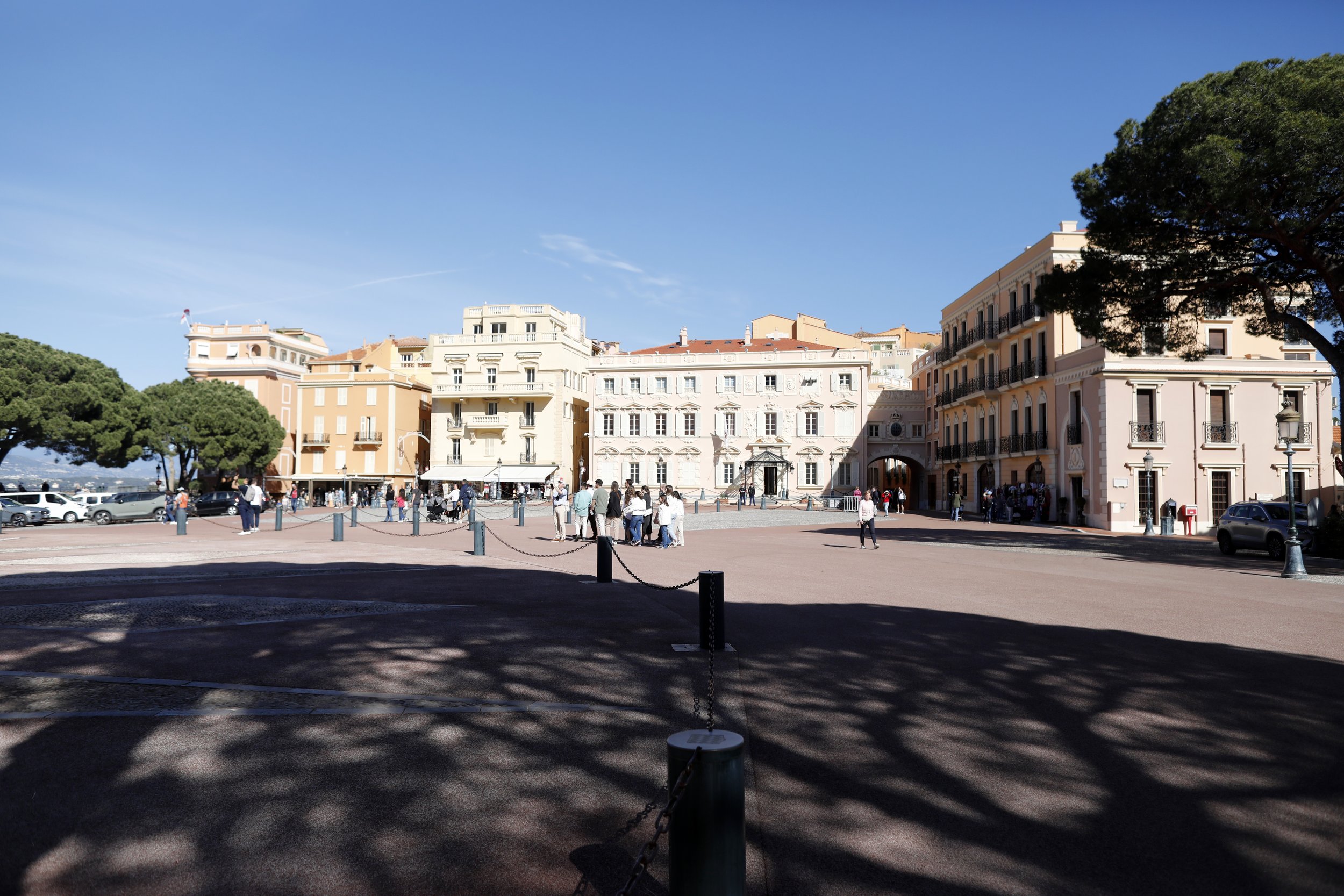
Most of all, the Palace isn’t just a lavish façade — it’s the heartbeat of the principality. Towering above the harbor, it traces Monaco’s story from its medieval roots through centuries of dynastic rule to the ceremonial rituals that still punctuate life here. Walking its courtyards or stepping inside its state rooms ties you directly to that continuity: you feel the weight of tradition alongside the pageantry that keeps Monaco in the world’s spotlight.
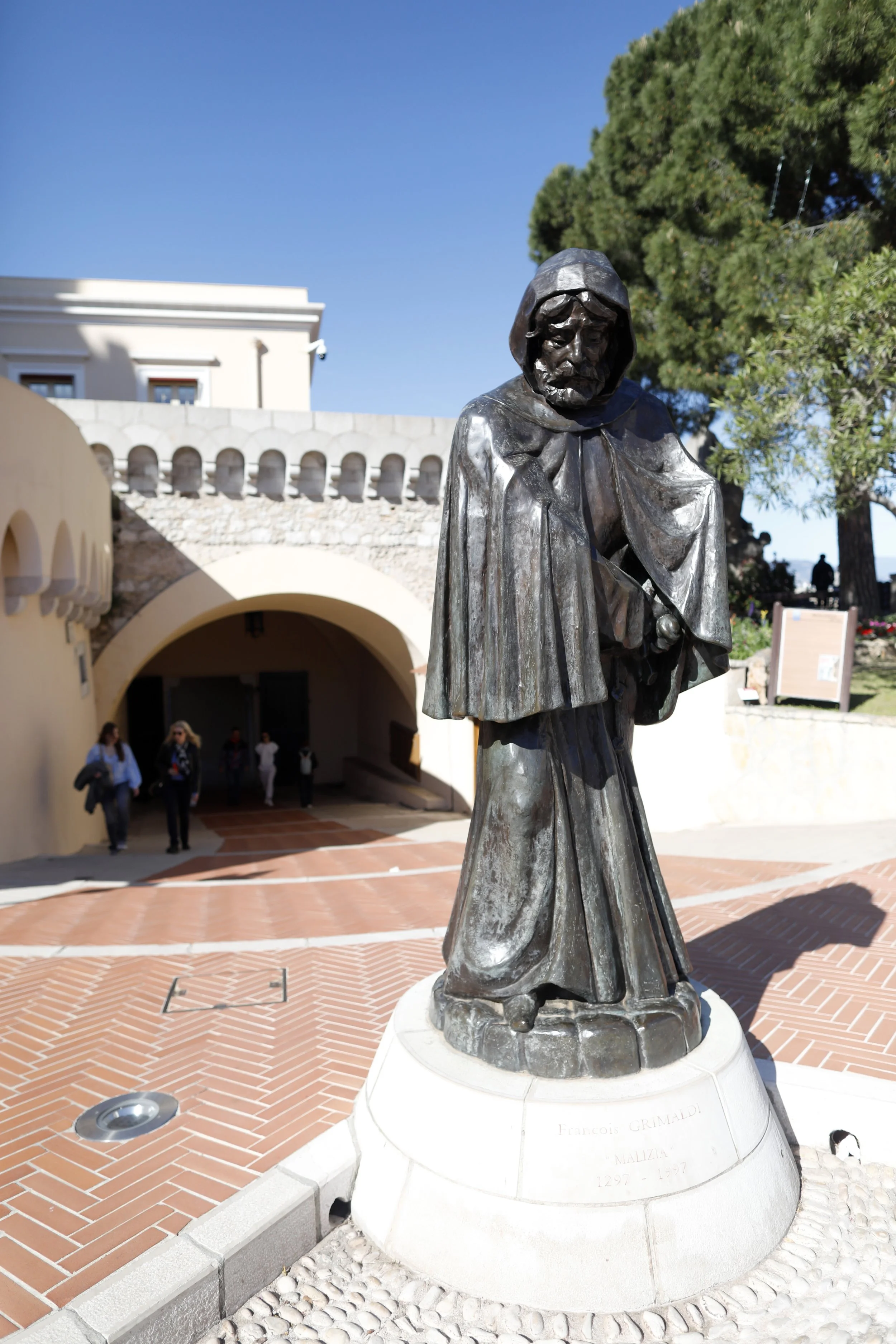
As you stroll past the Prince’s Palace, imagine the centuries that cling to those stone walls. Not all of Monaco feels like a fairy-tale — bougainvillea-draped villas, sleek yachts and streets that gleam with the calm confidence of old money. Wander beyond the sunlit façades and manicured promenades and you’ll find a darker thread woven into Monaco’s history — a piece of local lore that adds an unexpectedly Gothic note to the picture-perfect scene.
Locals and guidebooks sometimes whisper about an old legend tied to the Grimaldi dynasty. The tale goes back to the 13th century: Prince Rainier I is said to have abducted and assaulted a woman and in retaliation she became a witch who cursed his line. According to the story, no member of the royal family would ever find lasting true love.
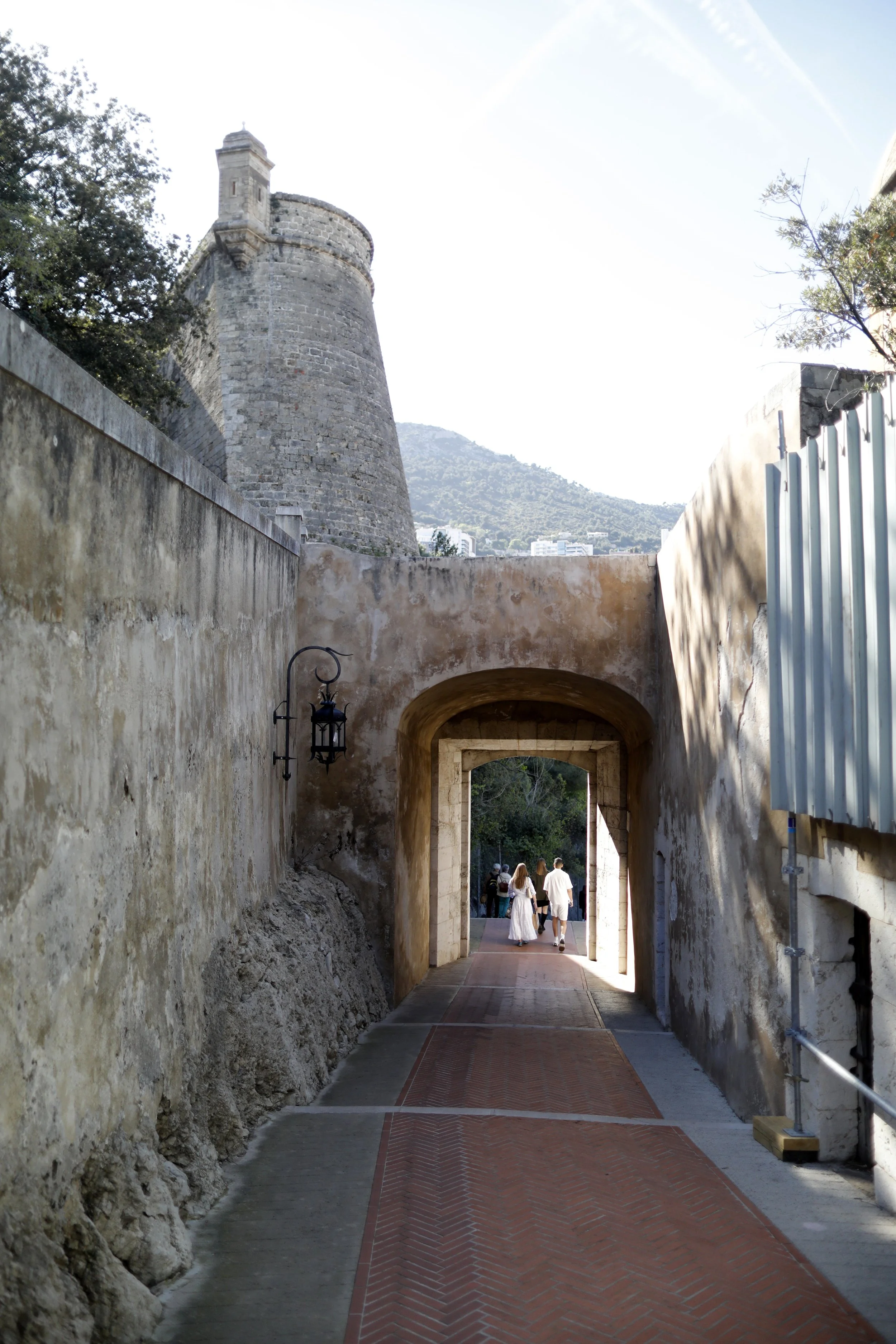
It’s the kind of story that tastes of myth and history in equal measure — part moral fable, part explanation for the unexplained. When you look at Monaco’s modern headlines, the legend gains an eerie resonance: scandals, short-lived romances and sudden tragedies have periodically plagued the Grimaldis, leaving the public and press to connect dots between past and present. Whether you believe in curses or chalk it up to coincidence, the narrative gives a certain gravity to the palace’s sunlit terraces and ceremonial flags.
For travelers, this is one of those cultural touch points that transforms a visit into something more than sightseeing. Standing on the palace esplanade, you can take in the panorama of the harbor and the principality’s impossible density of beauty and wealth — and at the same time feel the weight of stories that refuse to be entirely cheerful. It’s a reminder that every glamorous destination carries shadows: legends that explain, scandalize or simply complicate the glossy surface.
When you plan your trip to Monaco, pair the usual checklist — casino, harbor walk, Japanese garden — with a moment to listen to the local lore. Ask a guide about the old tales or pick up a history book at the palace museum. The result is a fuller, more textured travel experience: one that appreciates both Monaco’s sunlit elegance and the darker folklore that haunts its history.
05 | Honor Monaco’s Sainte-Dévote Cathedral
Aloft like a guardian at the edge of Monaco-Ville, the Cathédrale de Monaco—officially the Cathedral of Our Immaculate Lady and formerly known as the Cathedral of Saint Nicholas—anchors the old town with quiet, dignified presence. Locals often call it simply the Cathedral de Monaco. Its stone façade and twin bell towers rise from a raised plaza that offers sweeping views down toward the Mediterranean and the narrow lanes of the Rock, making it a natural stop on any walk through Monaco’s historic quarter.
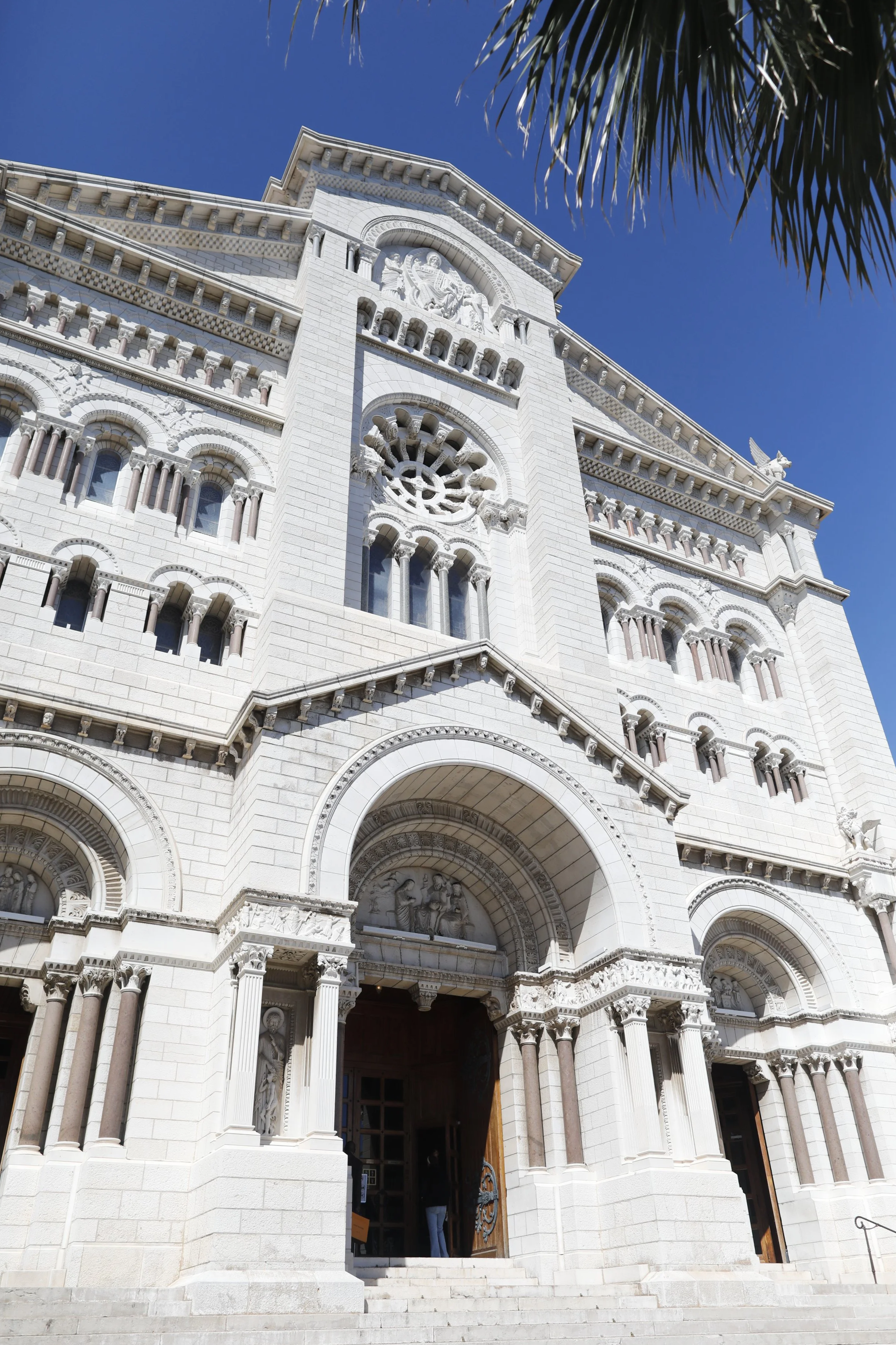
The cathedral’s exterior is a study in Romanesque-Byzantine style built from white Carrara marble and local stone, giving it a luminous, slightly pinkish tone in late afternoon light. The west front features a large rose window and a modest portico framed by columns and sculpted capitals.
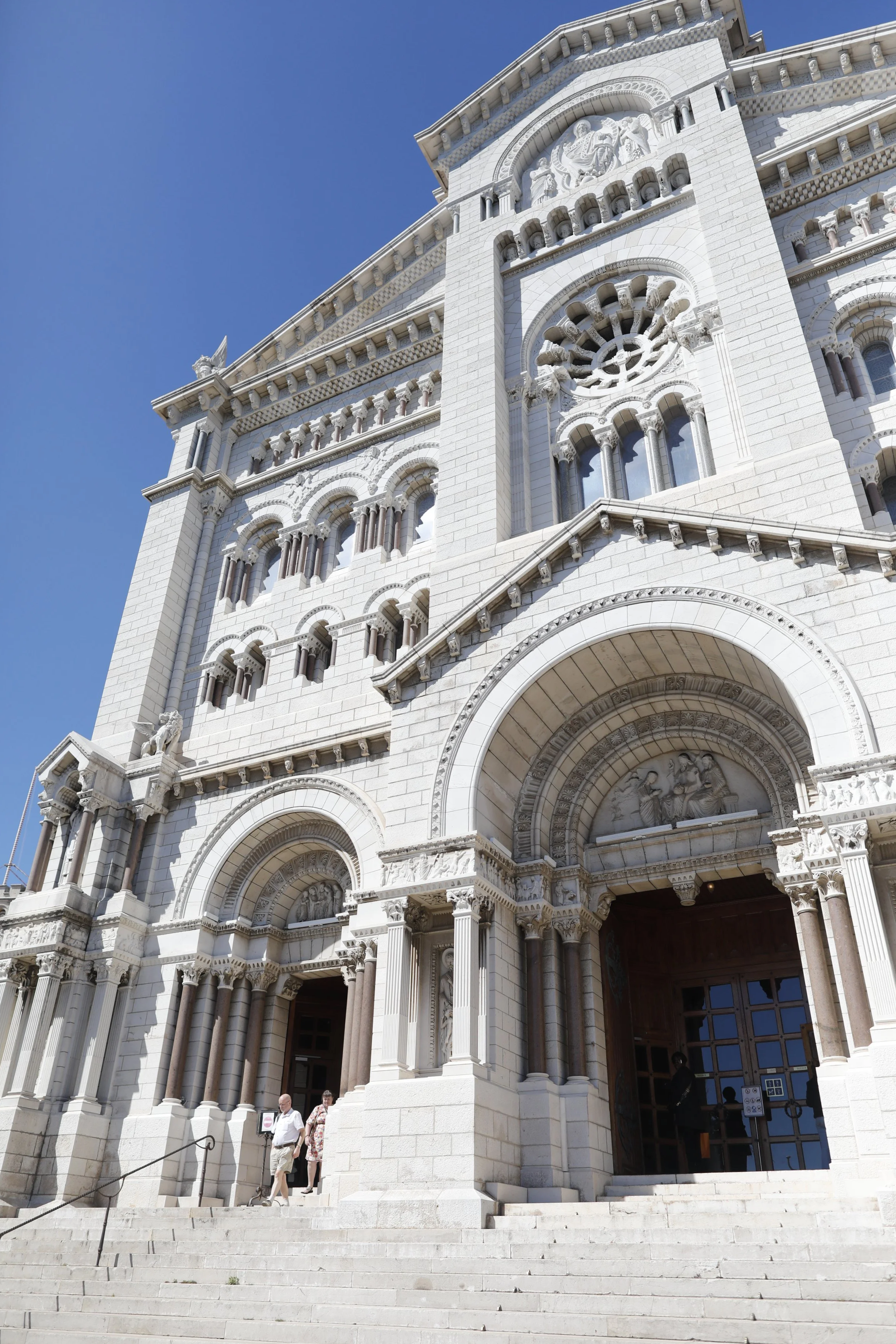
Look for carved reliefs around the doors and the inscription above the entrance marking the cathedral’s dedication. Steps lead up to the main entrance and surrounding the building, you’ll find planted palms and Mediterranean shrubs, which together with low stone walls create a serene courtyard where visitors pause for photos or a quiet moment before entering.
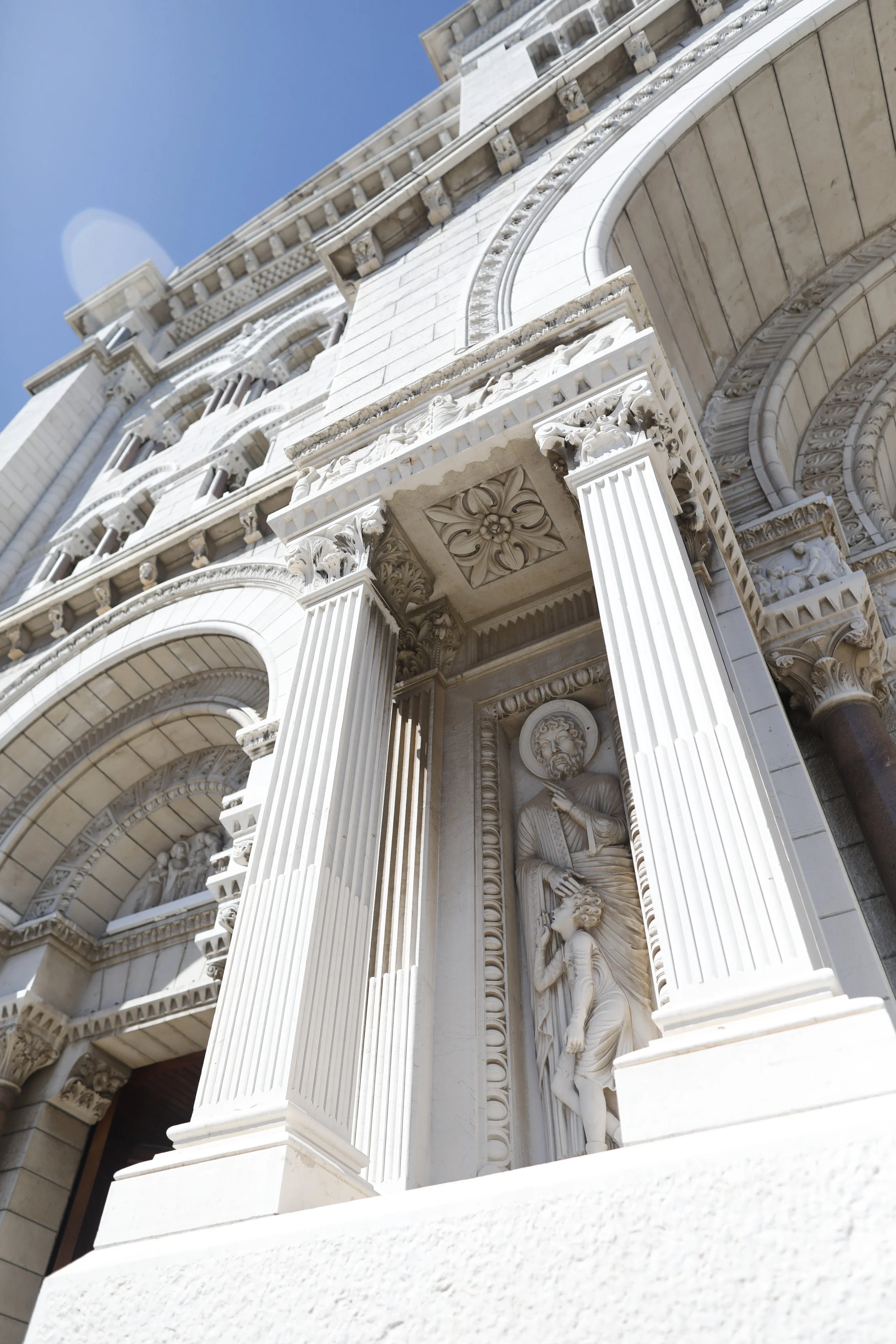
Inside, the cathedral surprises with an airy yet intimate atmosphere. Warm marble floors and intricately inlaid mosaics guide you beneath vaulted ceilings in soft hues. Light filters through stained-glass windows, creating gentle pools of color across chapels and tombs. The high altar is ornate but not overly so, flanked by smaller side altars and devotional spaces where locals and pilgrims kneel to pray.
Many of the cathedral’s aisles and chapels contain tombs and memorials; the most visited are the chapels and graves of the Grimaldi family. Soft lighting and rows of votive candles lend a contemplative tone: you can light a candle for roughly €2, a small ritual visitors often join to remember loved ones. These candles burn day and night, casting a steady, warm glow that highlights marble plaques and carved epitaphs.
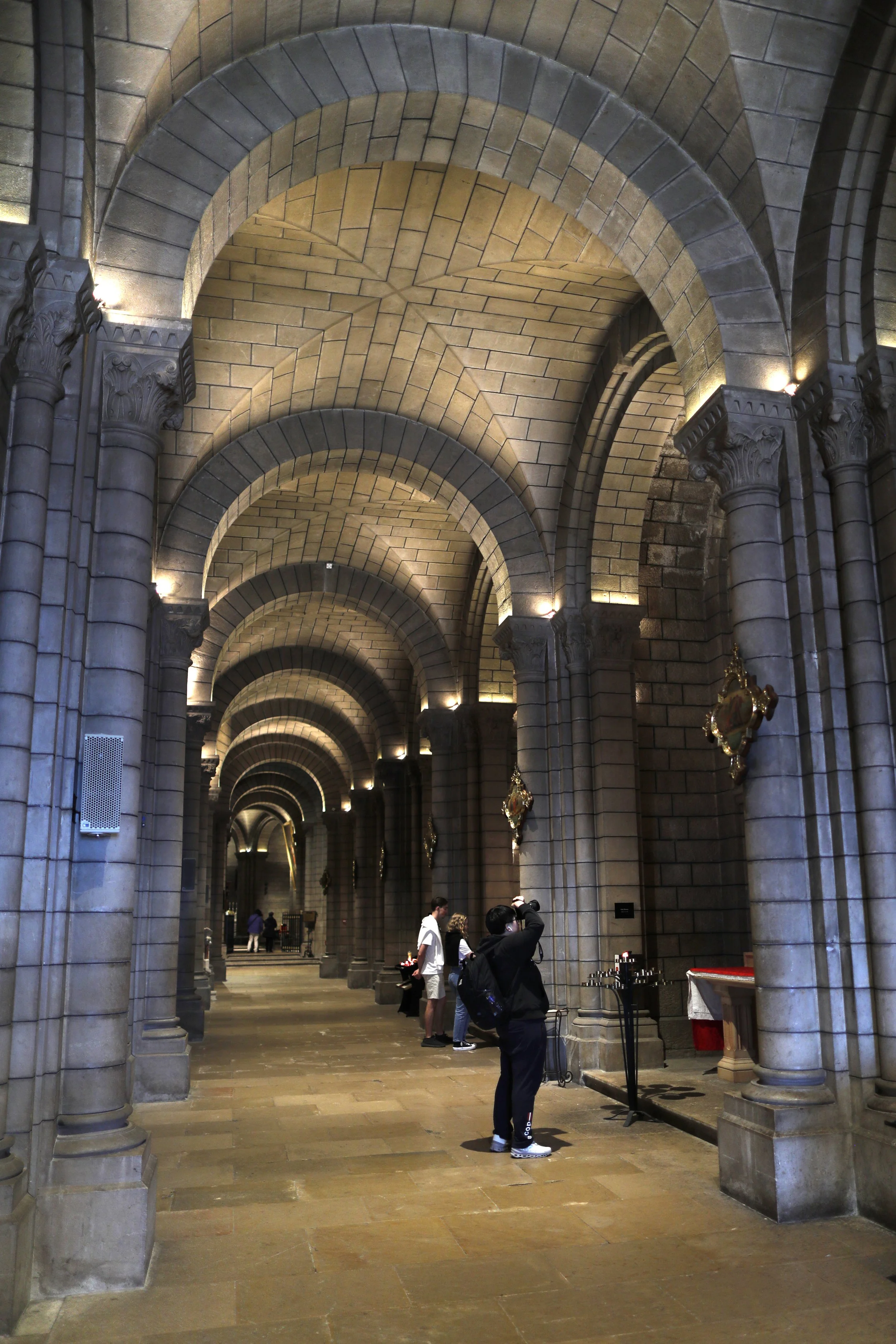
Consecrated in 1911, the current structure stands on the site of several earlier churches dating back to the 13th century. Over centuries, the cathedral evolved alongside the principality itself, reflecting architectural influences common to the Mediterranean region. Its most significant modern role has been as the principal church for the Archdiocese of Monaco and the spiritual home of the ruling family.
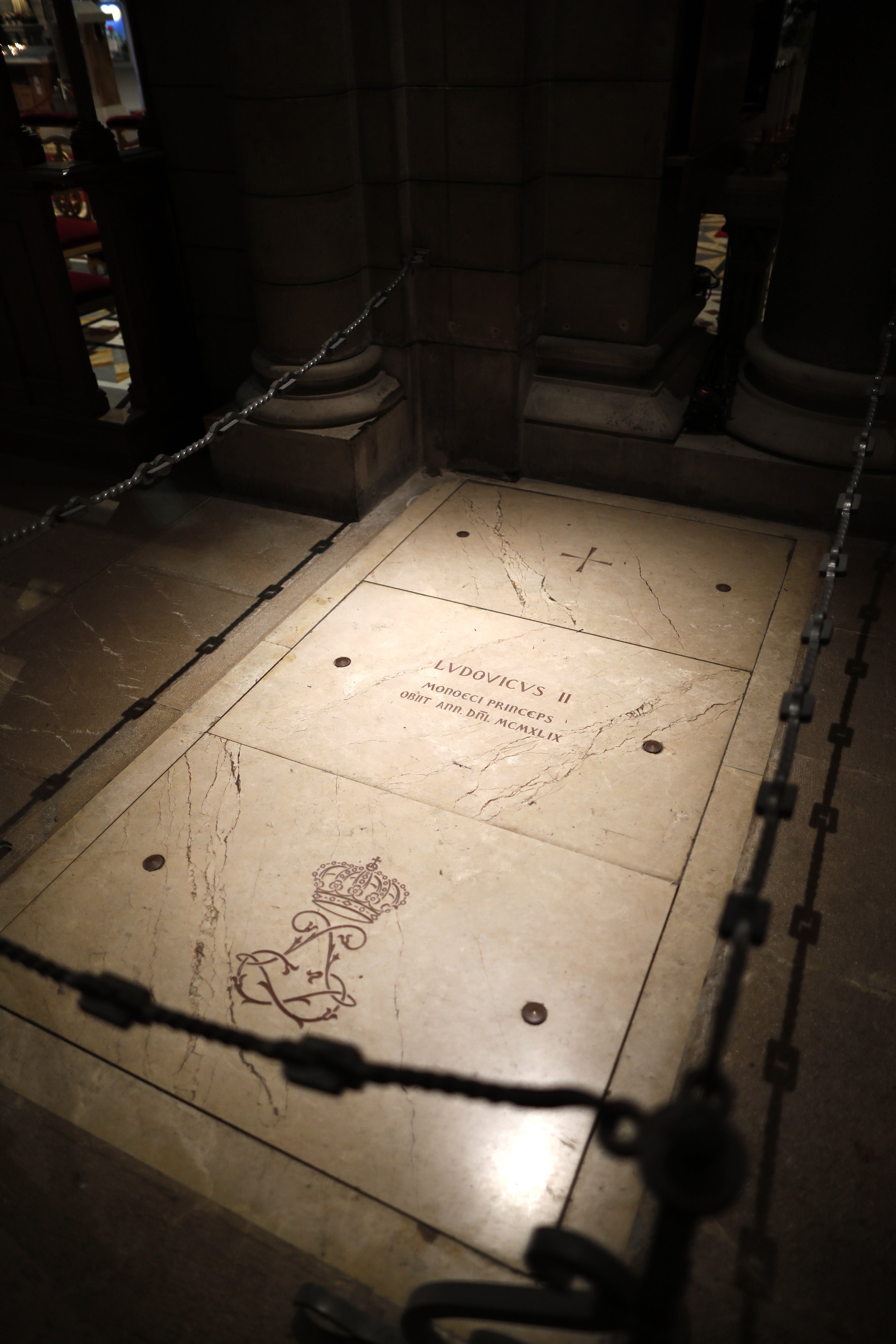
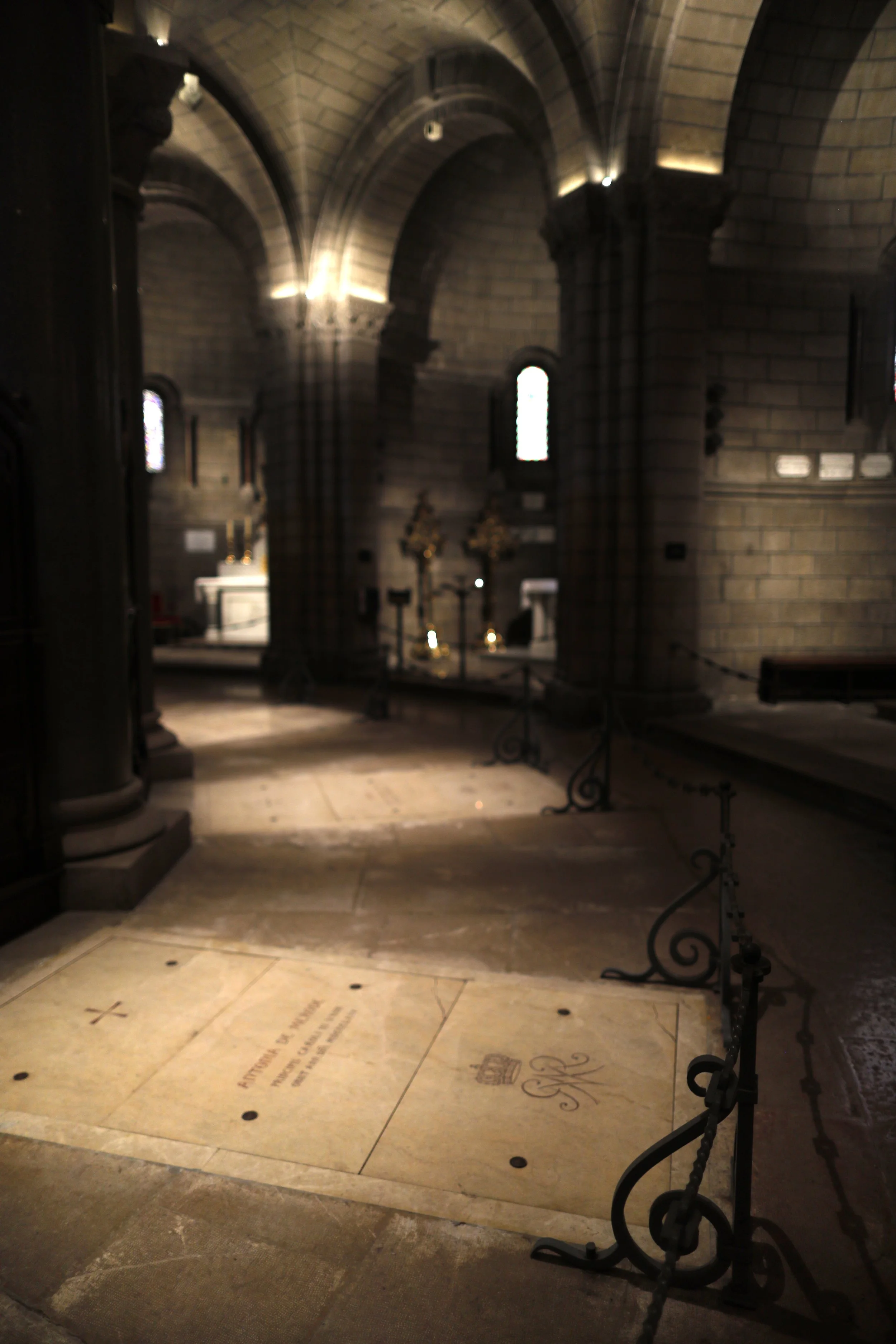
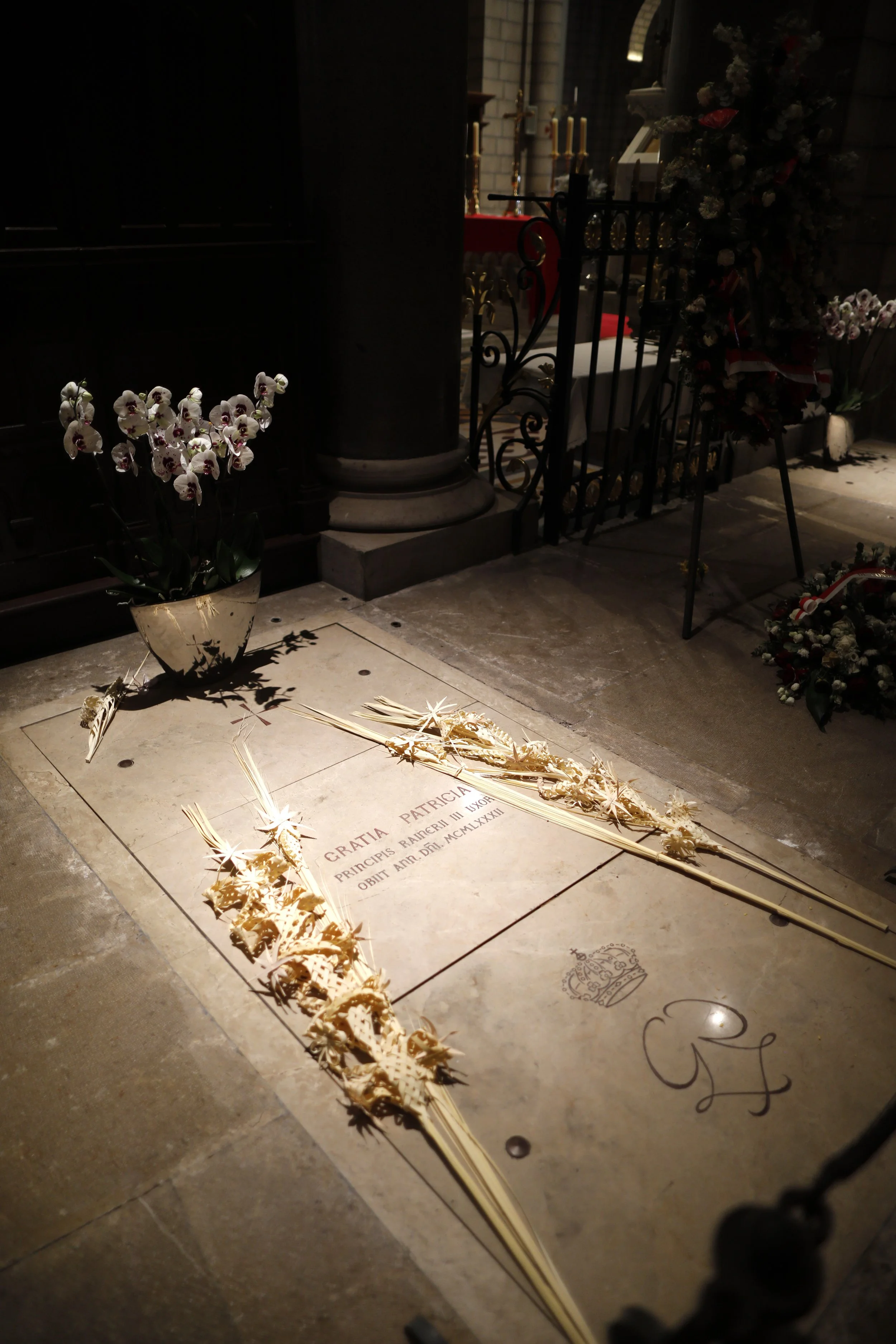
The cathedral is also the final resting place for many members of the Grimaldi dynasty, including Prince Rainier III and the beloved Princess Grace (Grace Kelly). Their simple yet dignified tombs attract quiet crowds of visitors paying respects and leaving floral tributes.
Visit the cathedral early in the morning or late in the afternoon to escape the large groups and enjoy the marble bathed in soft, atmospheric light. Dress modestly — shoulders and knees covered — out of respect, as this is still an active place of worship. If you’d like to pause and participate in a quiet ritual, bring a few euro coins to light a votive candle; the simple act is a meaningful way to slow down and connect with the cathedral’s living traditions.
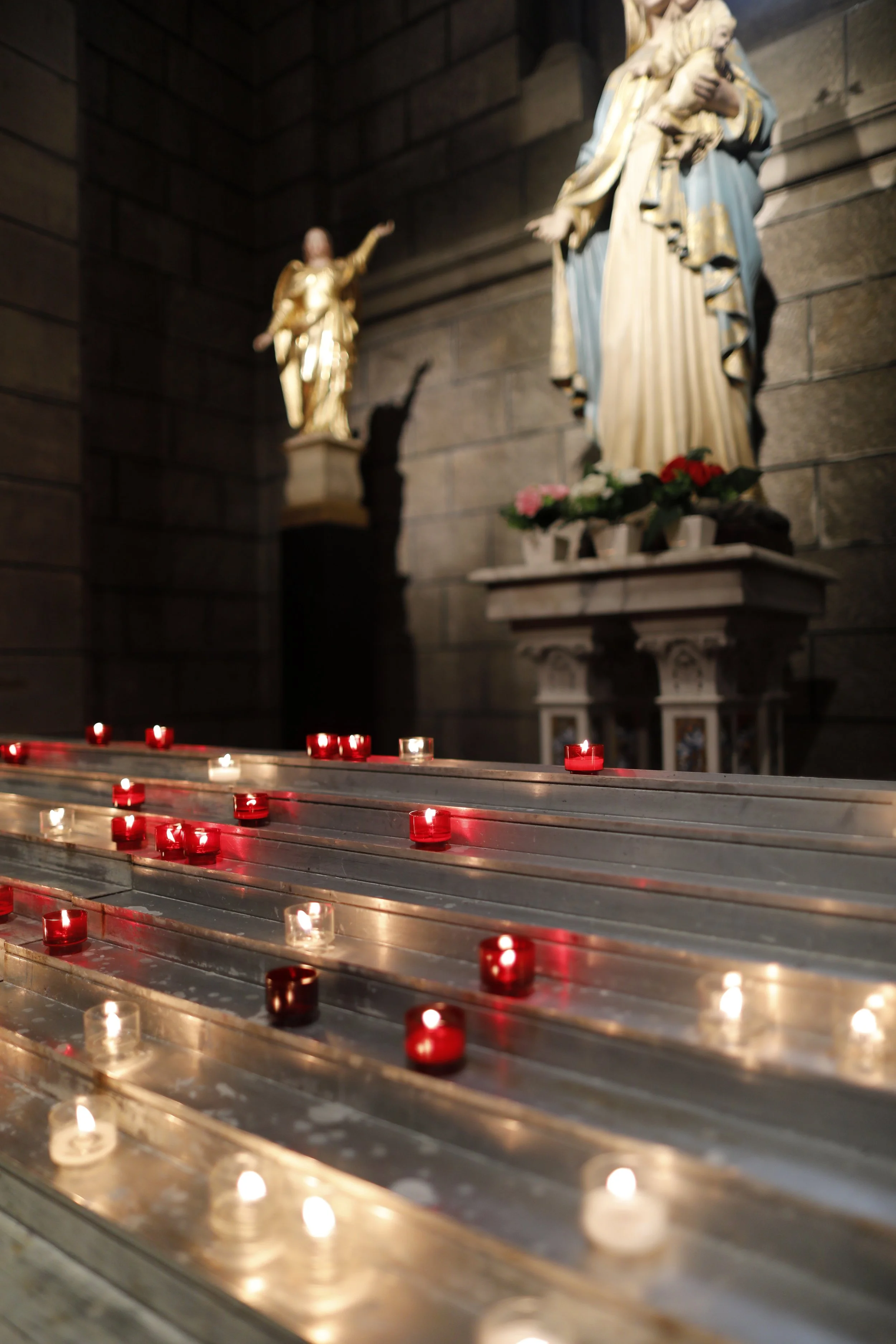
The Cathédrale de Monaco is more than an architectural landmark; it’s a living link between Monaco’s past and present—where history, faith and the daily life of the region quietly converge.
06 | Plunge Into Musée Océanographique de Monaco
Placed at the fringe of a labyrinthine neighborhood, the Musée Océanographique de Monaco is an arresting marine science museum that delivers well beyond its outward appearance. Set within a cliffside palace with sweeping views of the Mediterranean, it marries historic grandeur with state-of-the-art aquariums and displays, offering an unforgettable encounter for anyone intrigued by ocean life.
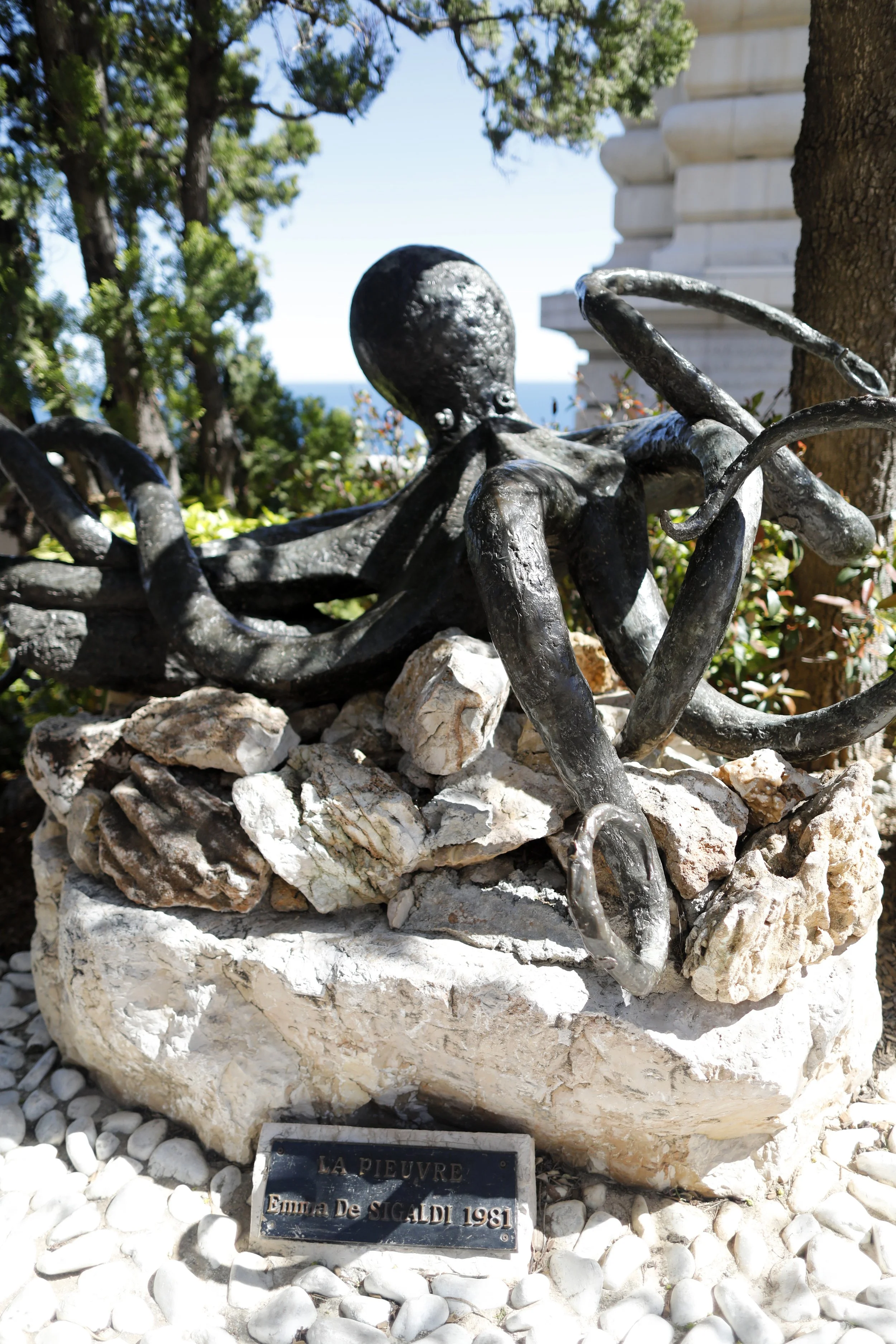
Set aside a few hours to explore the main galleries, which feature in-depth exhibits on marine ecosystems, conservation efforts and the development of oceanography. The aquariums steal the show: colorful reef displays, a hands-on touch pool and expansive tanks filled with local Mediterranean species alongside more exotic creatures. The venue is designed for a leisurely, immersive experience — perfect for photographers, families and those curious about marine science.
Tip | Allow 1.5–3 hours to explore depending on interest level and whether you join a guided tour or see temporary exhibits.
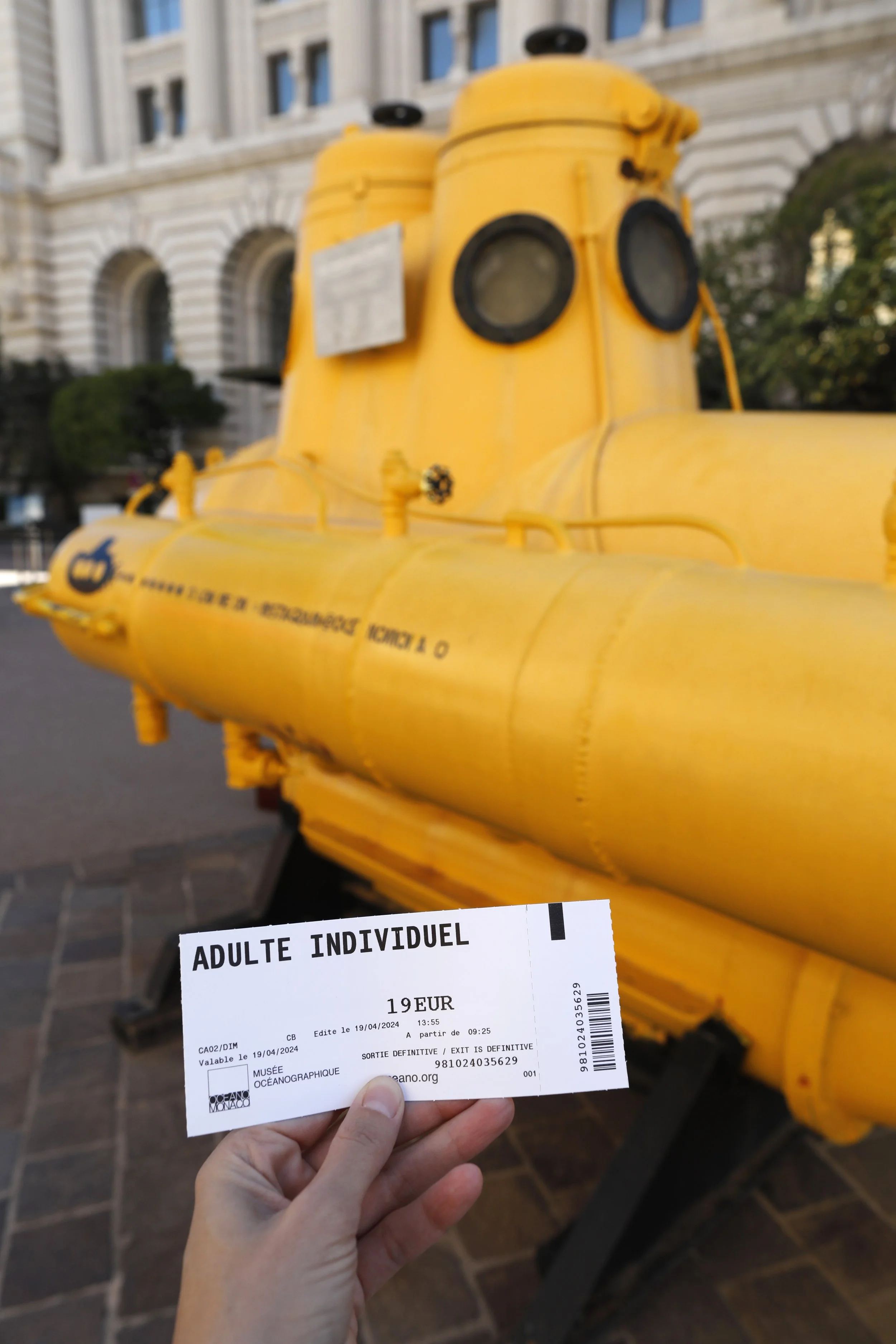
For €19, the museum’s first floor immerses guests in “A Sailor’s Career,” an evocative homage to Prince Albert I. The exhibit showcases his scientific contributions, displaying items from L’Hirondelle — the prince’s trailblazing research yacht — complete with its shipboard laboratory. Aboard vessels like this, observations were made that helped unravel the causes of anaphylaxis, research that culminated in Dr. Charles Richet receiving the Nobel Prize in 1913.
Beneath the surface, the museum unfolds into an aquatic realm that resembles a living encyclopedia. As I explored the lower floors, tanks and displays teemed with life — about 4,000 fish species and over 200 invertebrate families — thoughtfully organized to evoke both Mediterranean and tropical sea habitats.
Tip | Dress in layers; some aquarium galleries are cool and humid.
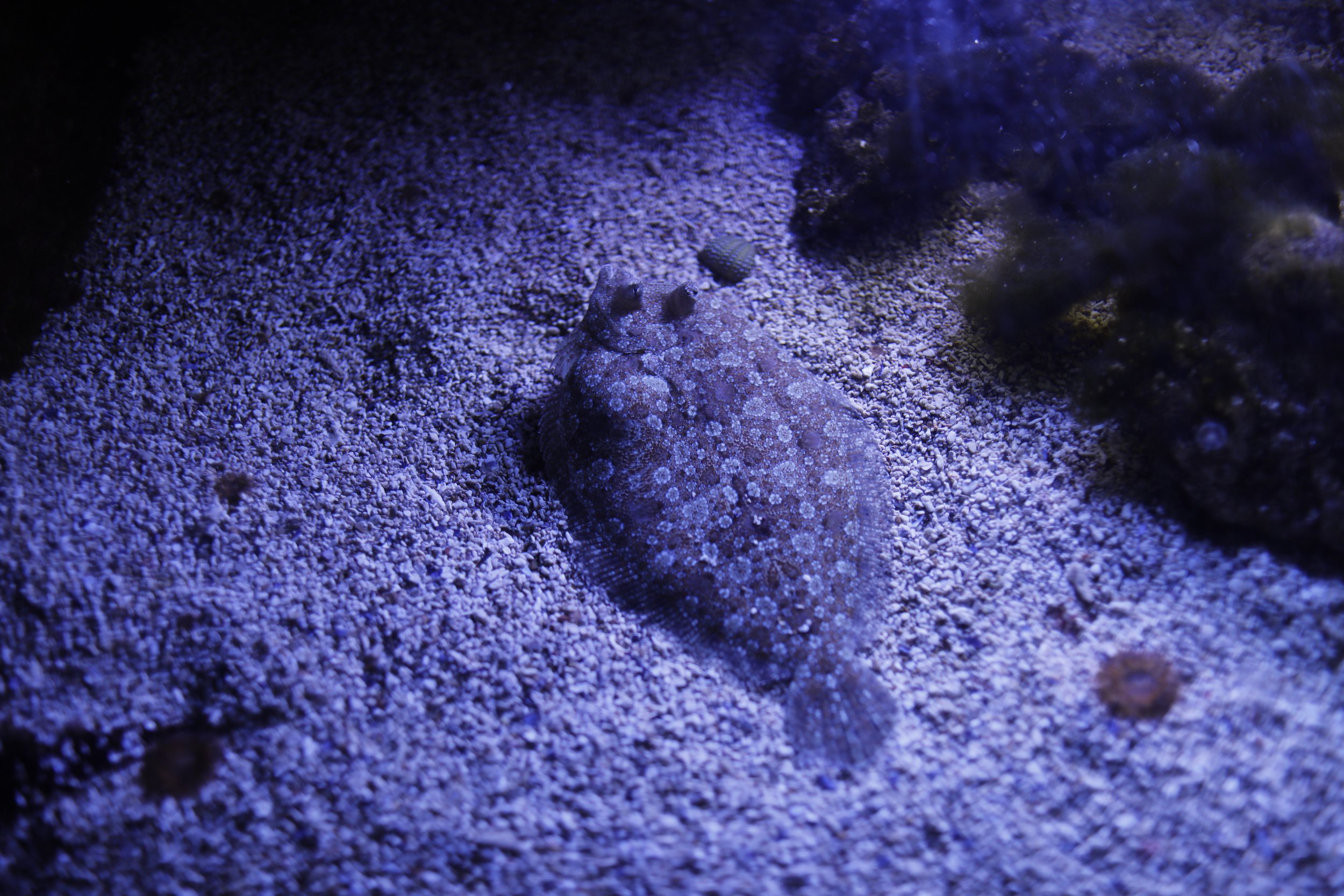
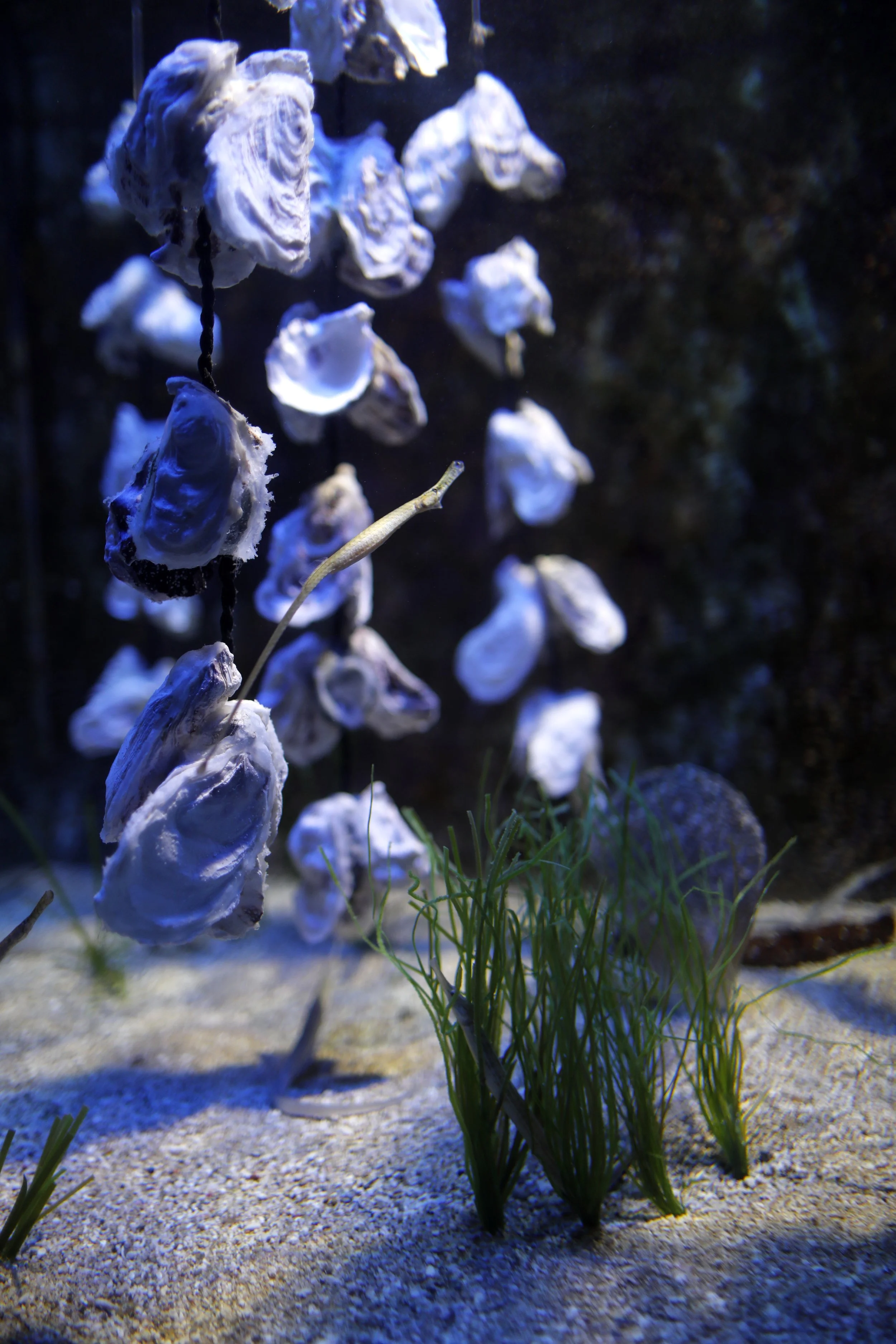
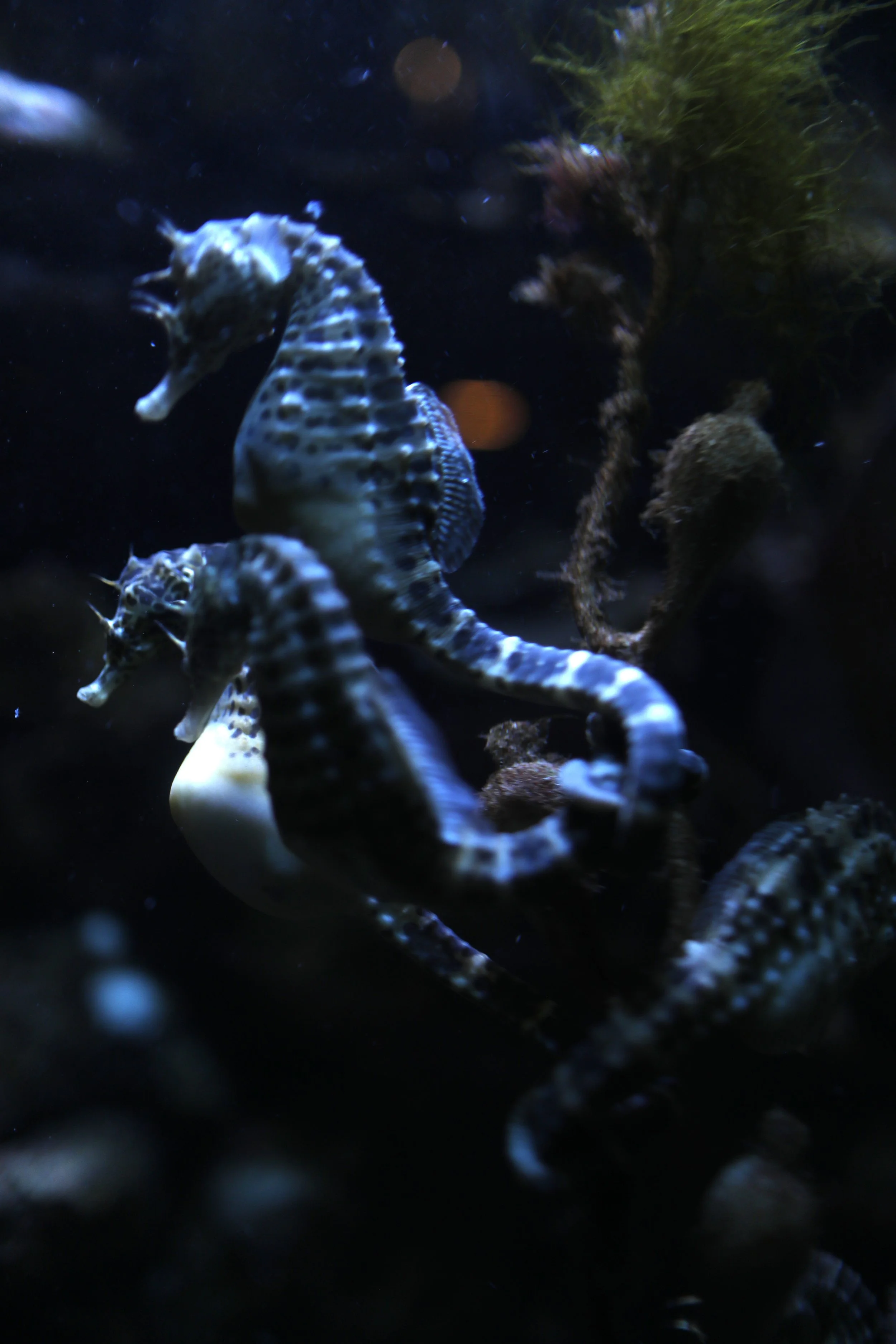
Strolling through the aquarium feels like stepping into another world. Seahorses hover like miniature ballerinas, starfish cling to rocky surfaces and graceful rays trace slow patterns across sandy bottoms. Massive glass tanks showcase sharks and eels in commanding silence, while smaller displays reveal jellyfish pulsing with hypnotic rhythm alongside bright sea urchins and bulbous sea cucumbers. Crabs and lobsters scuttle across tank floors, turtles glide with deliberate calm and schools of glittering fish move in seamless, synchronized formations. Around every bend, a new and unexpected creature appears — a gentle but persistent reminder of the ocean’s astonishing diversity and its delicate fragility.
The jellyfish exhibit offers a subtly entrancing experience, blending educational displays with a reflective, nearly meditative ambiance. Low light, precisely controlled currents and shifting colored illumination reveal the creatures at their most elegant — pulsing, gliding and curling through the water as though part of a choreographed dance.
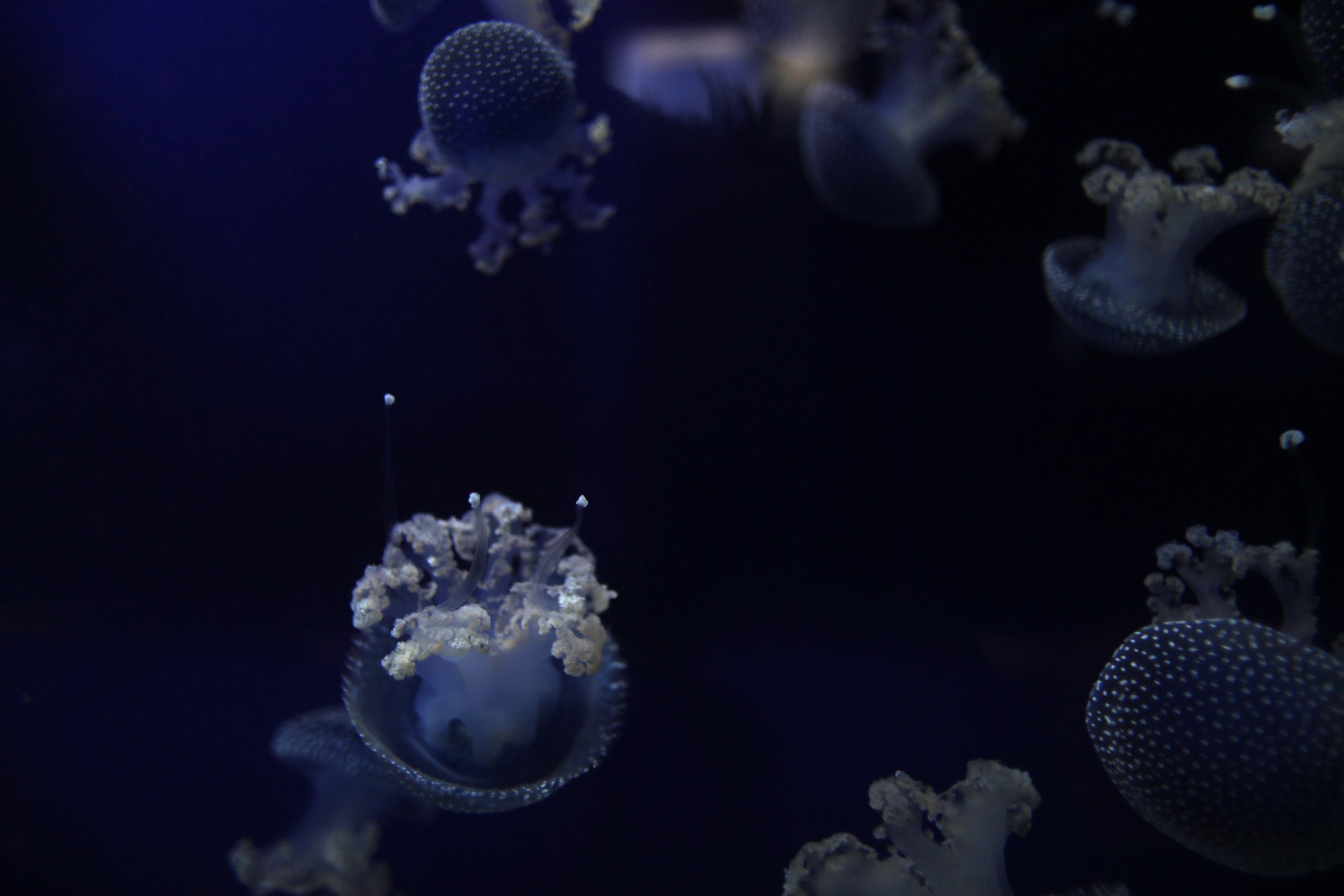
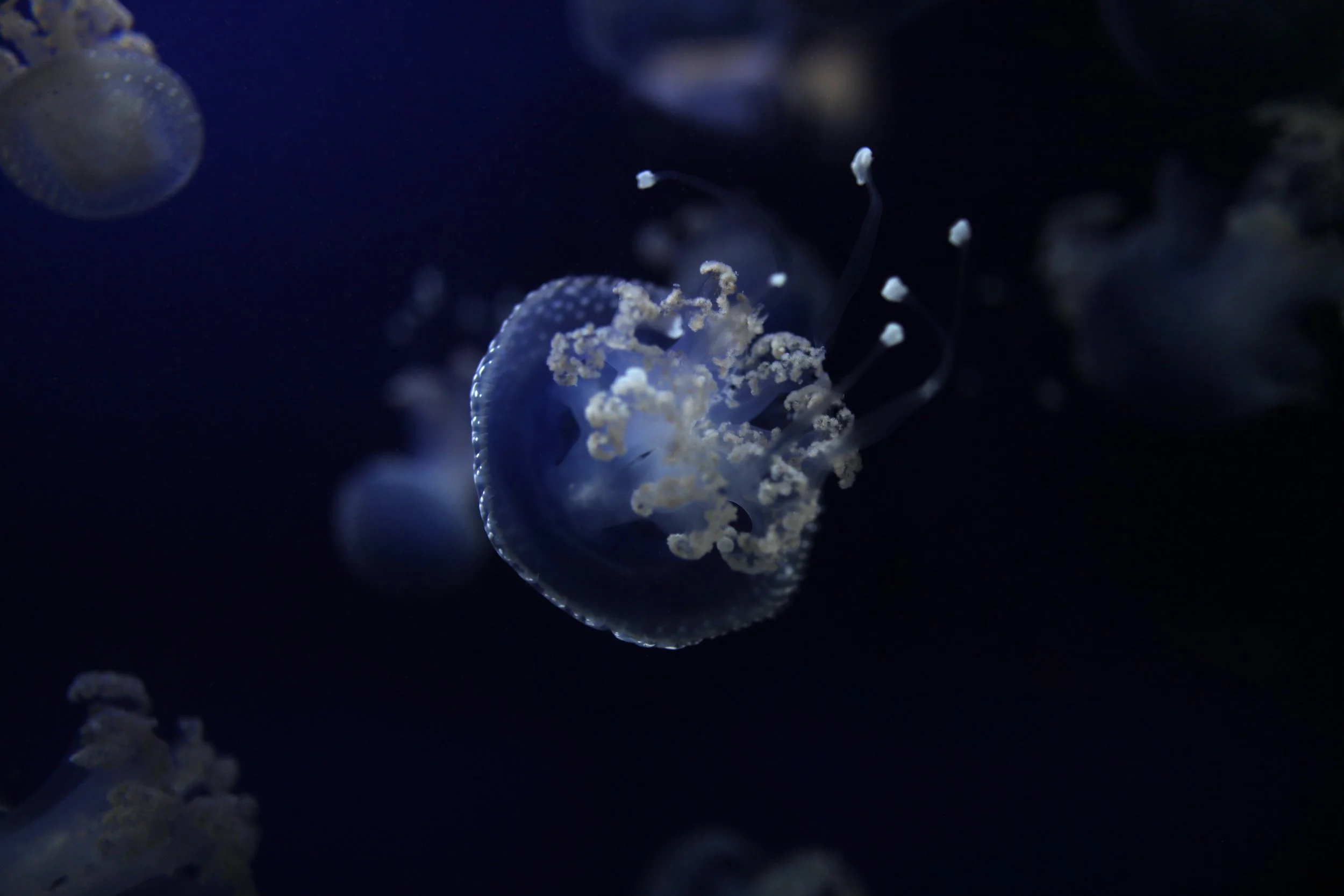
Moon jellies float like ghostly moons, their translucent bells pulsing gently as delicate tentacles ripple in silent choreography. Comb jellies scatter starlight — tiny cilia catching and fracturing beams into brief, rainbowed glints. Upside-down jellyfish rest bell-down, their feathery arms unfurling skyward like coral gardens turned upside down. The exhibit continually refreshes its cast with regional and seasonal species, so the tanks shift in texture and hue, revealing new movements, patterns and surprises with every visit.
The jellyfish display delivers more than mere aesthetics: it showcases delicate, ancient creatures in ways that spark questions about ocean ecosystems and how human activity affects them. Whether you're drawn to marine biology, the history of science or just seeking a quiet, reflective museum experience, the jellyfish are a highlight — and mine to admire above all.
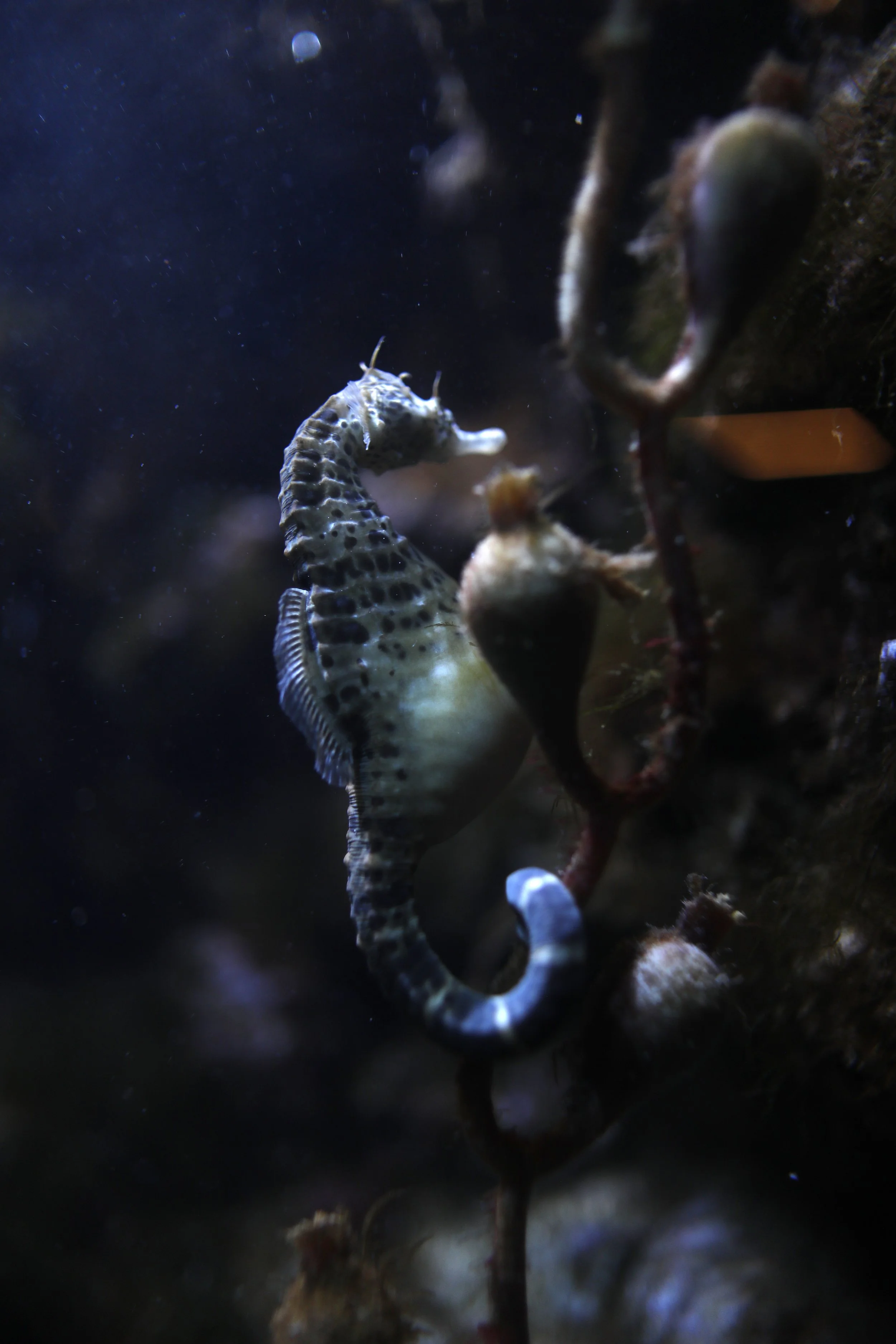
If you can tear your gaze away from the entrancing jellyfish, the rest of the museum unfolds an even richer array of wonders.
Spacious aquarium galleries feature large tanks of Mediterranean and tropical species. Visitors view colorful schools, groupers, rays, moray eels and living coral from walkways and clear panels; the shark tunnel and larger tanks impress with their scale and diversity. Historic exhibition rooms preserve early 20th‑century display cabinets, dioramas, taxidermy and scientific instruments, recalling the institution’s original natural history role.
Rotating exhibitions feature topics like marine conservation, oceanography, sea-inspired art or specific species, with current schedules listing in-depth shows and multimedia. When open, touch pools and hands-on displays let visitors handle sea urchins, starfish and other invertebrates, while interactive kiosks explain oceanography and conservation in accessible terms.
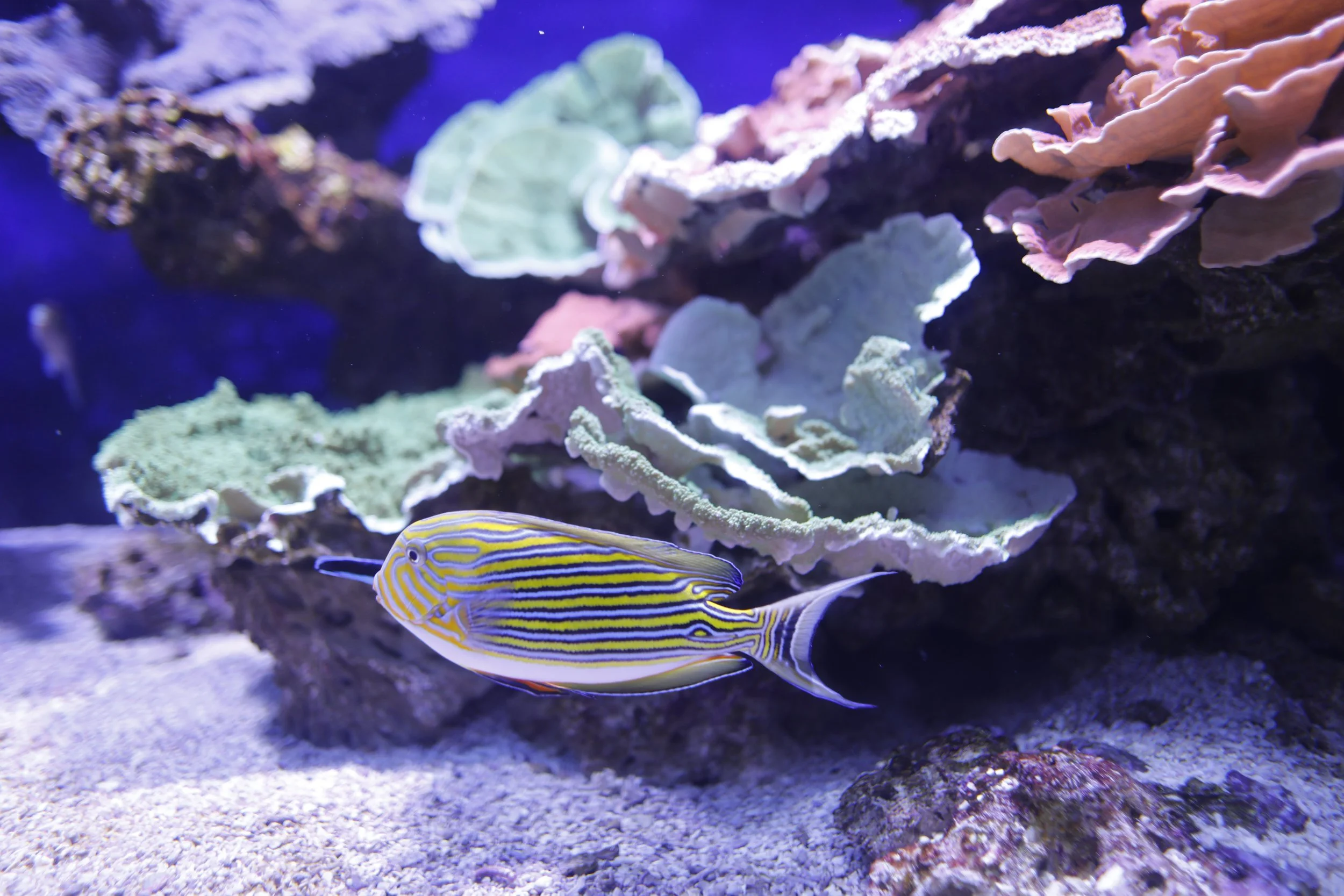
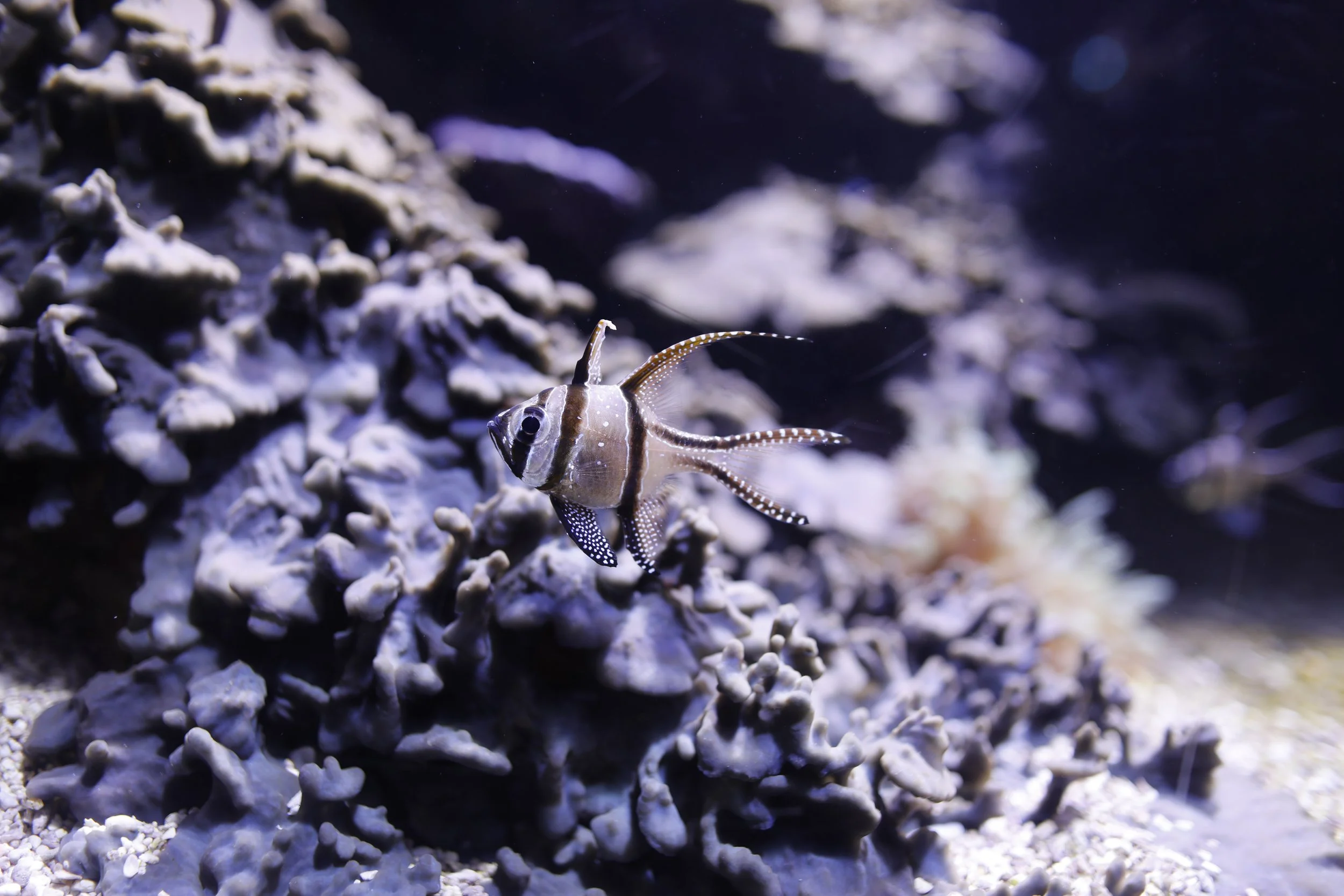
Exhibits on deep-sea and rare species highlight obscure, bioluminescent creatures and the methods scientists use to study them, featuring odd specimens from oceanographic expeditions. Rotating and permanent collections — preserved samples, skeletons and curated materials — demonstrate taxonomy, anatomy and the history of marine science.
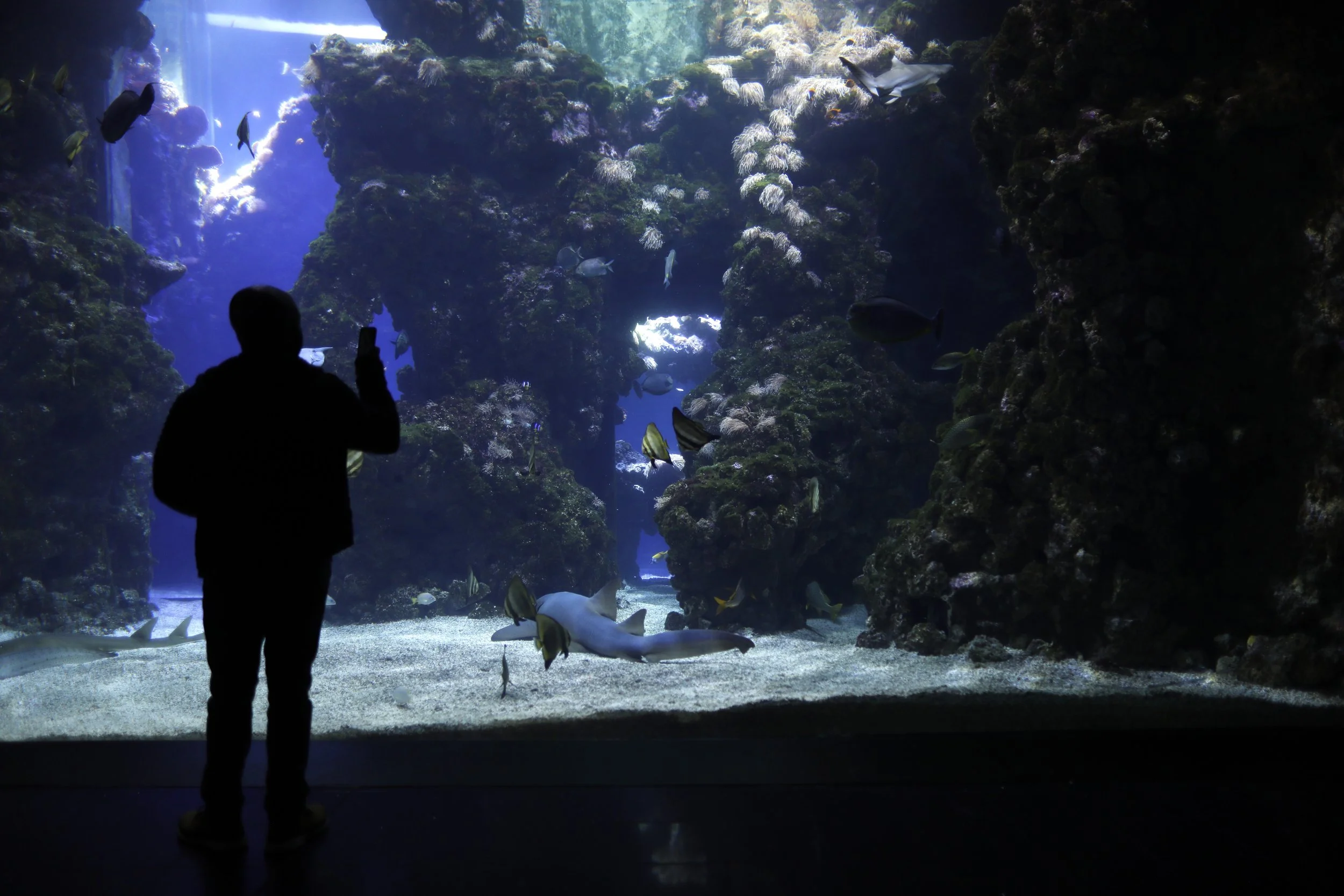
The Musée Océanographique delights with unexpected charm. Grand, historic spaces and long-standing scientific exhibits coexist with bright, contemporary aquariums — an ideal blend for those intrigued by marine creatures, oceanography and conservation. Stroll through cabinets of curiosities, observe colorful reef inhabitants drifting under striking skylights and depart with a renewed respect for the ocean and the research that safeguards it.
07 | Taste Classic Italian Flavors in the Romantic Streets of Monaco-Ville
Moving deeper into the narrow cobblestone streets of Monaco-Ville reveals a quiet, timeless corner of the neighborhood. Stone buildings lean close, their facades punctuated by small boutiques, galleries and sun-dappled cafés. The atmosphere is unhurried; visitors drift along at their own pace, soaking up views of pastel shutters, ornate ironwork and the occasional glimpse of the sea between rooftops.
In the late afternoon, those wandering the district often pause to refuel at one of the neighborhood’s intimate eateries. Cafés here offer light plates and classic French-Mediterranean fare — think fresh salads, crusty bread and seafood delicacies — served on terraces where the fading light softens the surrounding architecture. It’s an ideal time to sit, watch locals and tourists pass by and enjoy a relaxed bite before continuing the exploration of Monaco-Ville’s hilltop lanes and historic sights.
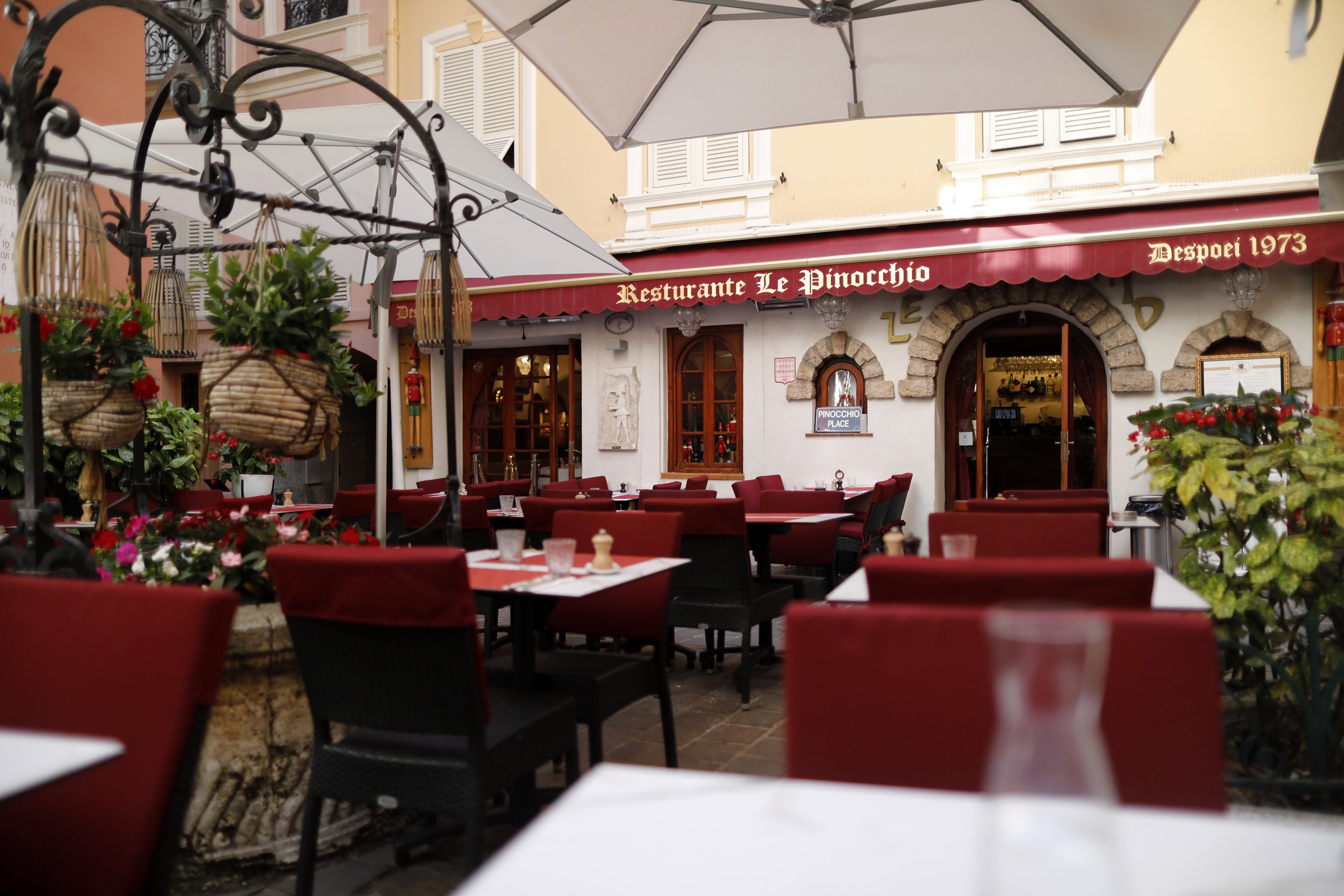
Choosing a lunch spot in Monaco-Ville can be overwhelming — countless cafés and restaurants line the streets, each promising something tempting. For a straightforward, satisfying option, consider Le Pinocchio Monaco, a long-standing pizzeria that’s been part of the neighborhood for decades.
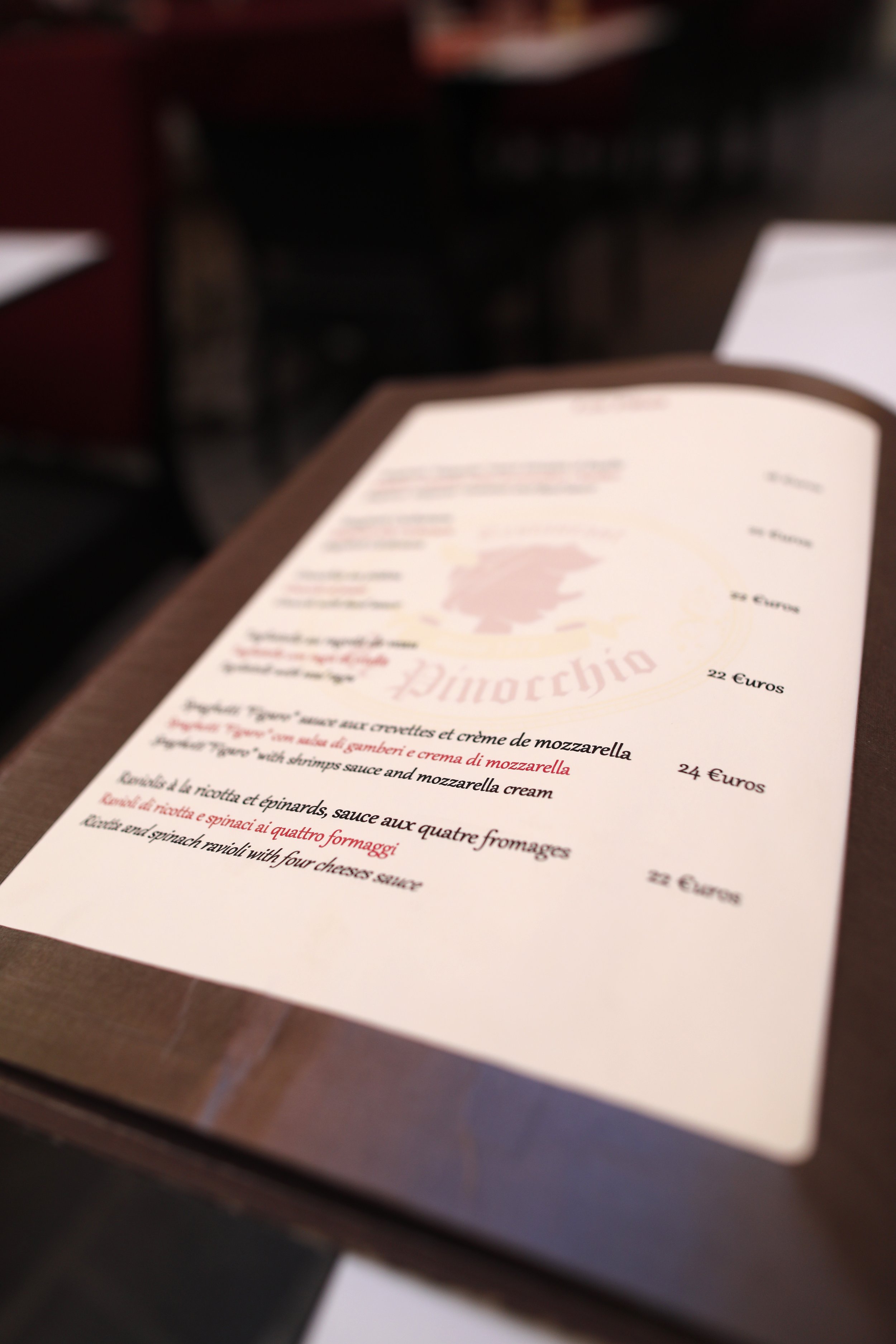
Its pizzas are simple and delicious, offering good value without a lofty price tag. Diners should note that service can be hit-or-miss, a common point in reviews but the restaurant’s relaxed atmosphere and enduring presence make it a reliable choice for a casual meal during a day of sightseeing.
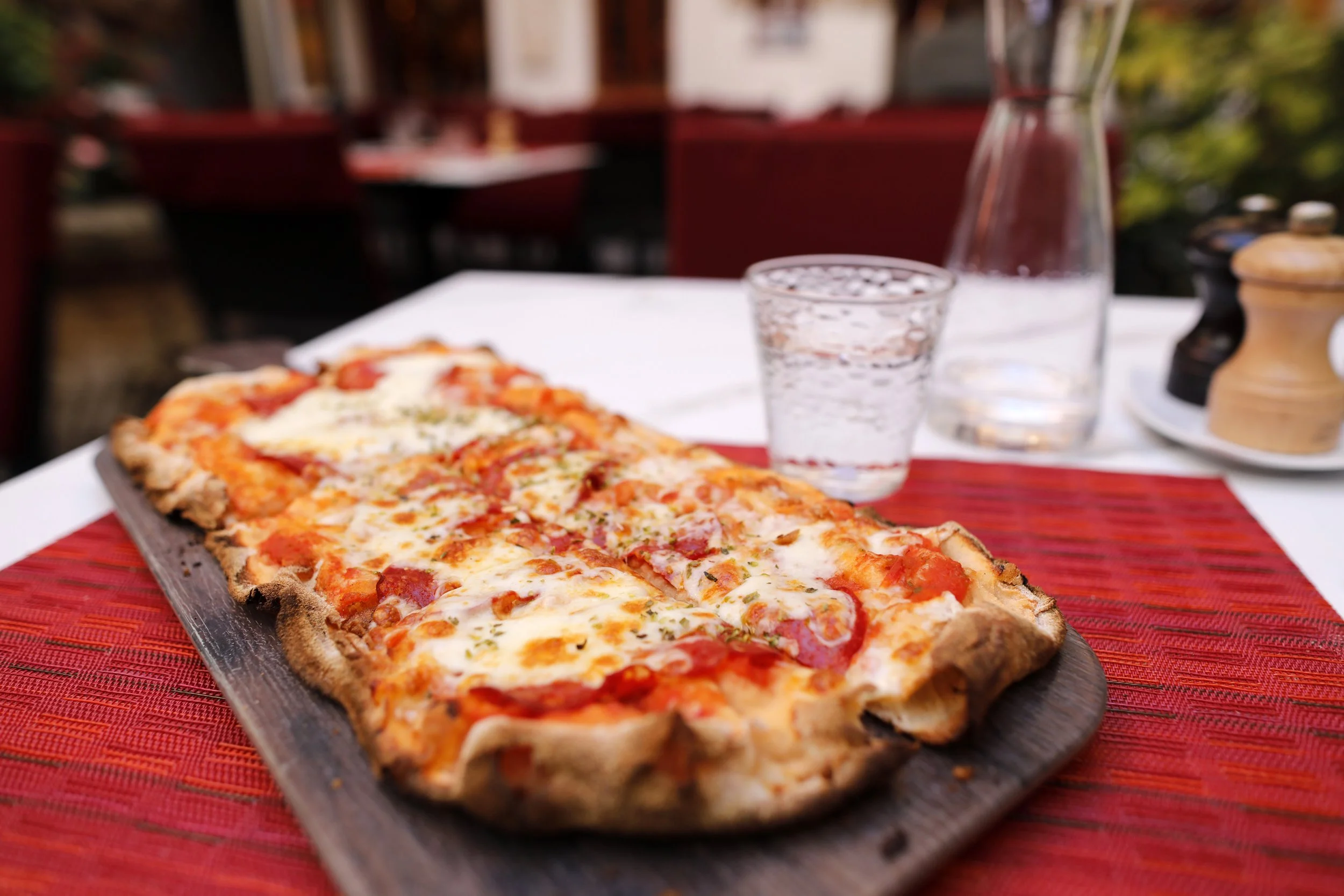
Either way, the pizza turned out to be a delightful accident — a perfect, crispy miracle — though the staff looked a bit put out when I asked to box up the leftovers.
08 | Stroll Monaco City & Sample Special Treats at La Maison du Limoncello
Strolling through Monaco City is an exercise in elegant contrasts: narrow medieval lanes that climb toward a stately palace, balconies overflowing with flowers and the distant glint of super yachts in the harbor. From many vantage points, you can catch sudden glimpses of the sea, its blue cutting across the cityscape and drawing your eye toward the busy port.
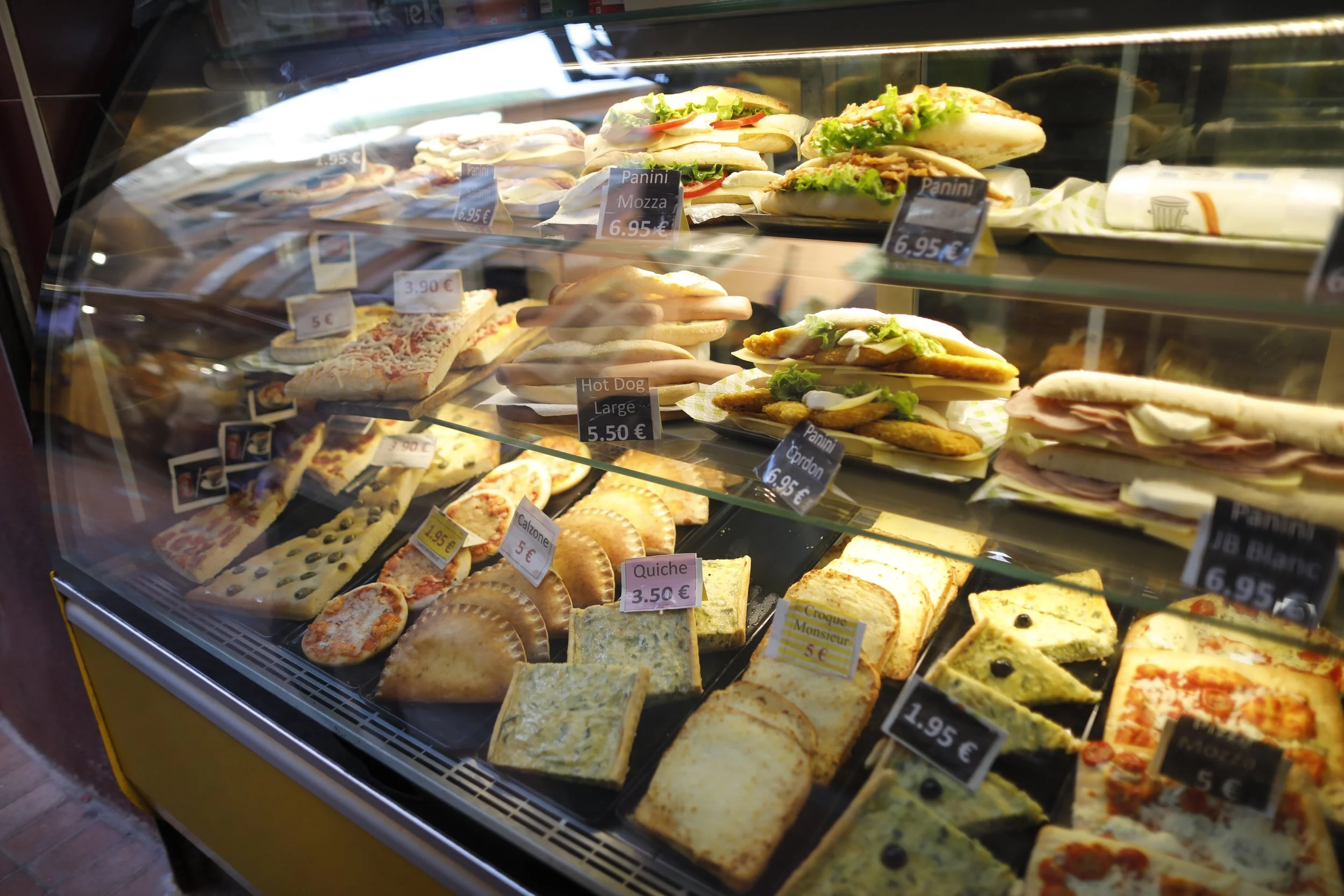
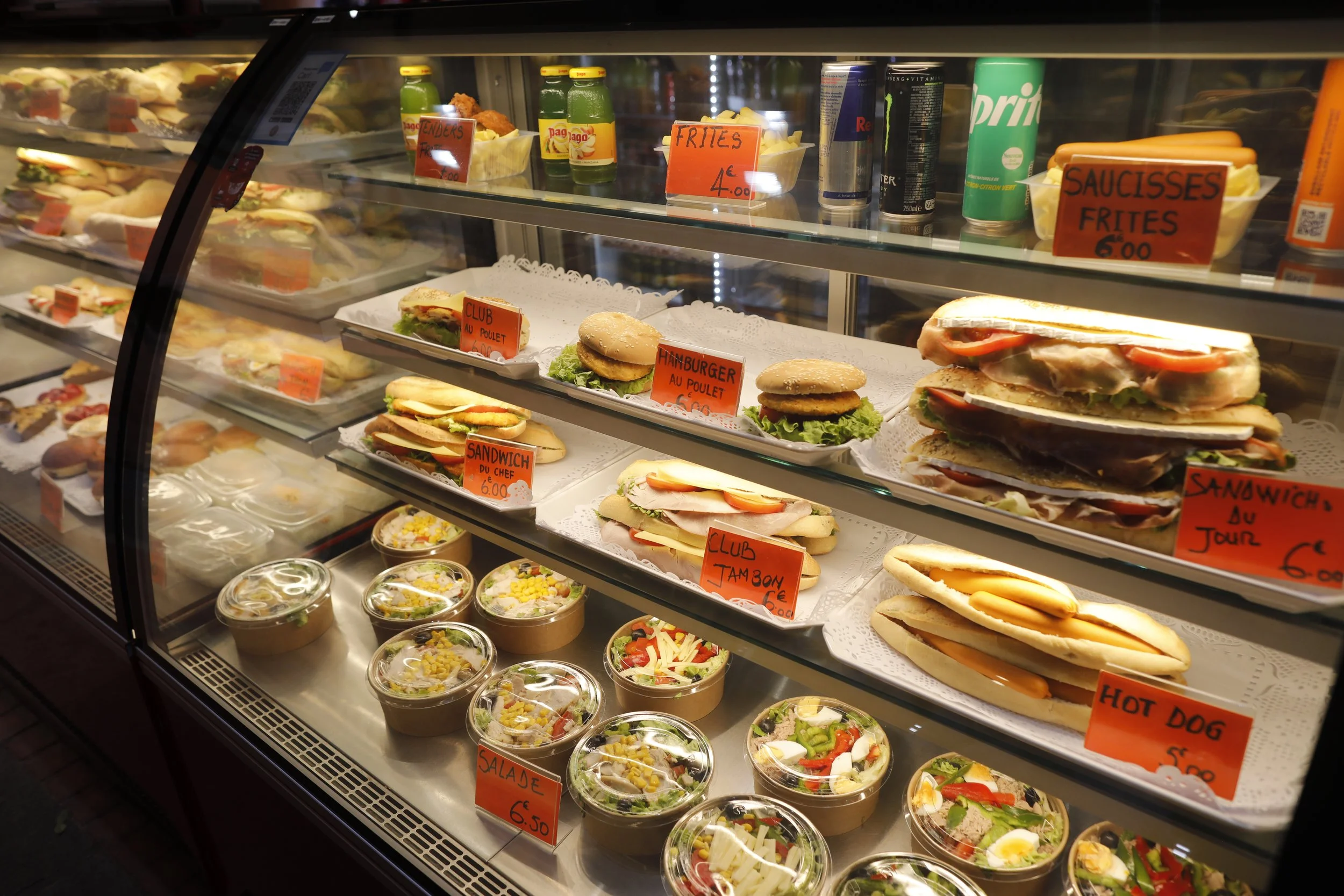
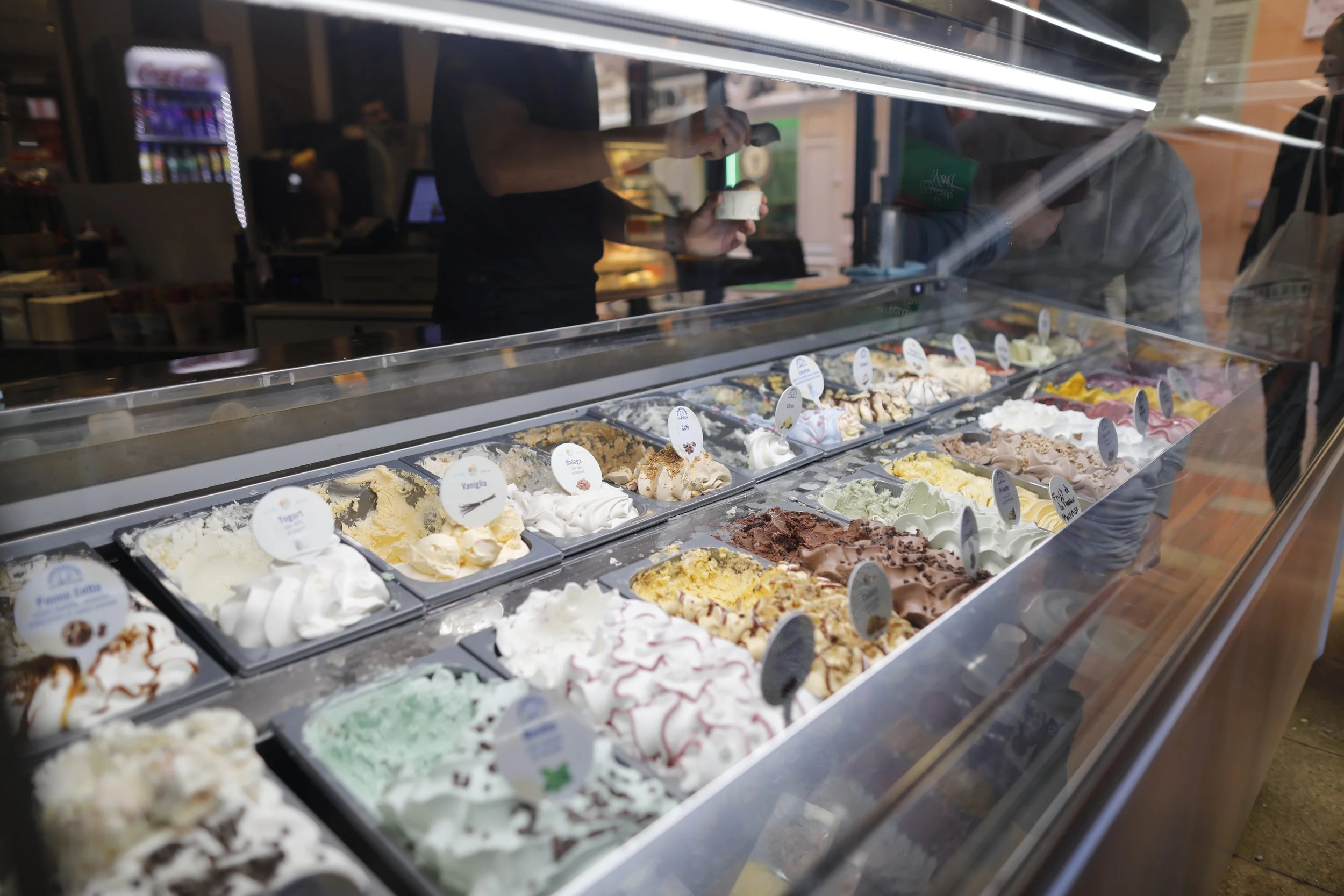
Wander past pastel-painted façades, small boutiques and cafés that spill onto the pavement. The streets are mostly pedestrian-friendly, which makes it easy to drift without a map. Pause for an ice cream or coffee in a tiny café on Rue Basse or Rue Princess Caroline; the quality is quietly good rather than showy. And don’t be surprised if you’re pulled into La Maison du Limoncello.
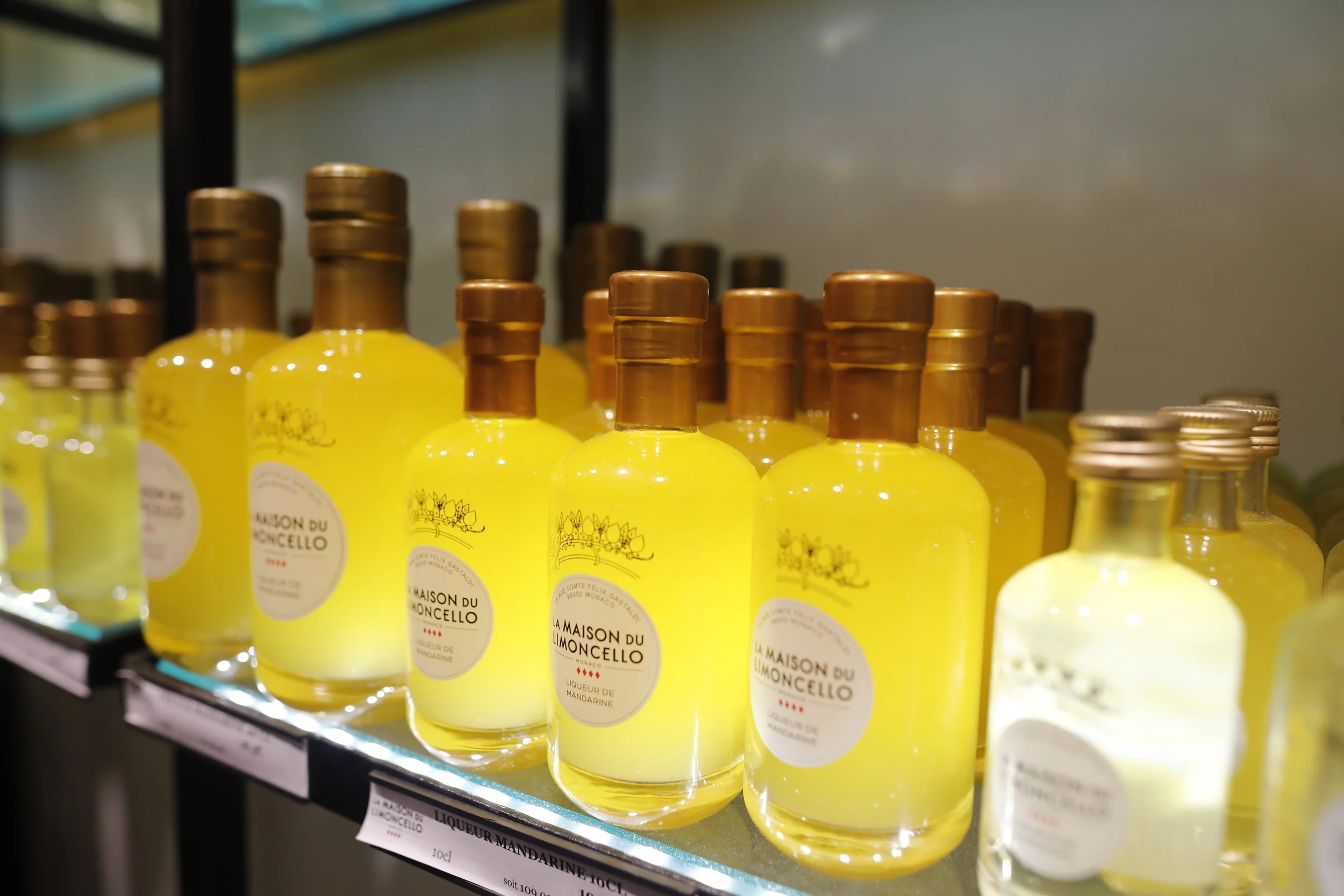
Tucked away on a sunlit side street, La Maison du Limoncello is a boutique devoted entirely to the bright, aromatic world of limoncello. Shelves are lined with beautifully designed bottles of the iconic lemon liqueur alongside jars of honey, pots of jam and an array of chocolates infused with citrus. The shop’s host greets visitors with warm attentiveness, guiding them through tastings and explaining the origins and production of each item.
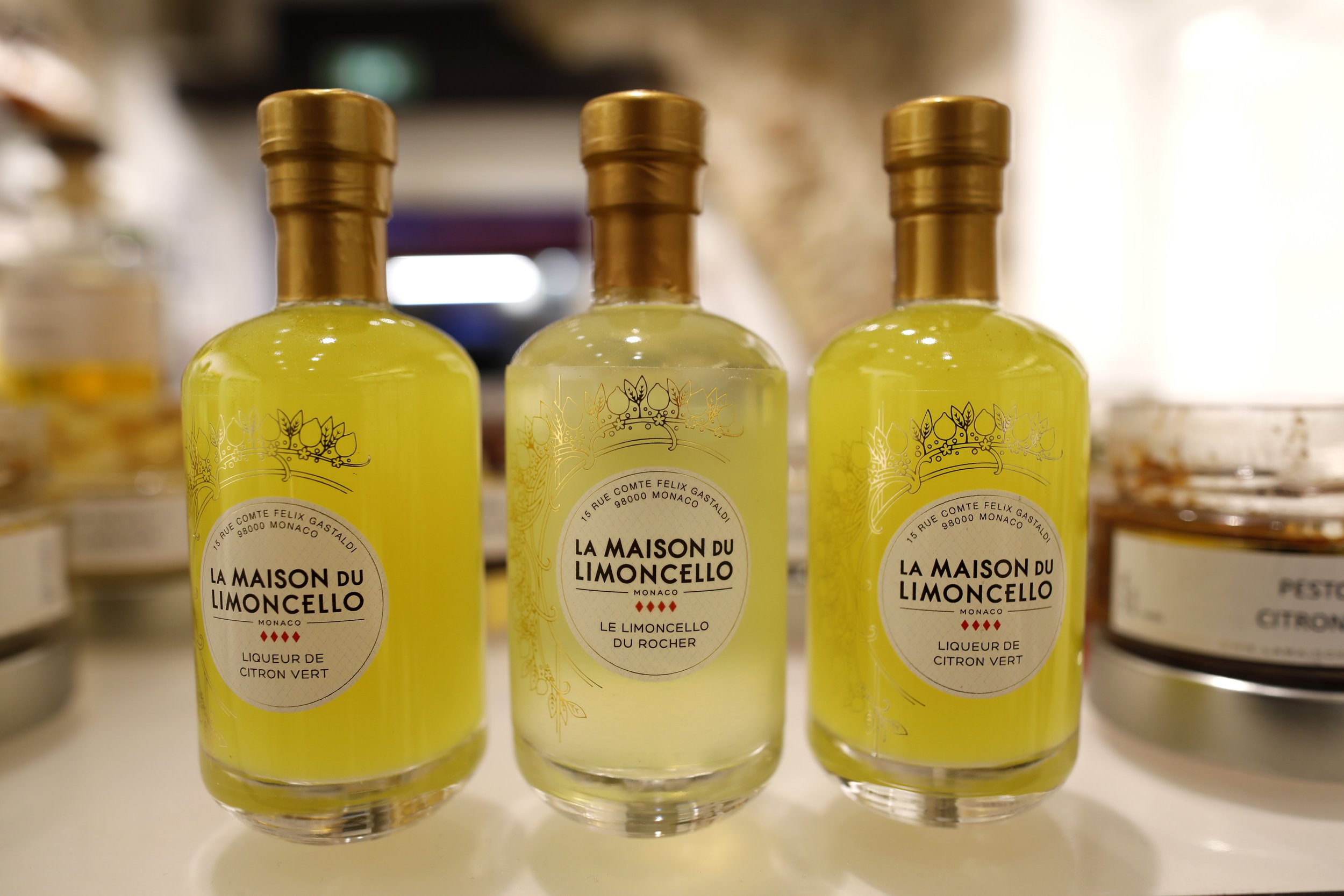
Sampling reveals a surprising variety: zesty limoncello in different strengths, delicate honeys with subtle floral notes and preserves that balance sweet and tart. The presentation and hands-on hospitality make it easy to discover new favorites — many travelers leave with bags heavier than expected, having stocked up on gifts and personal treats — myself included.
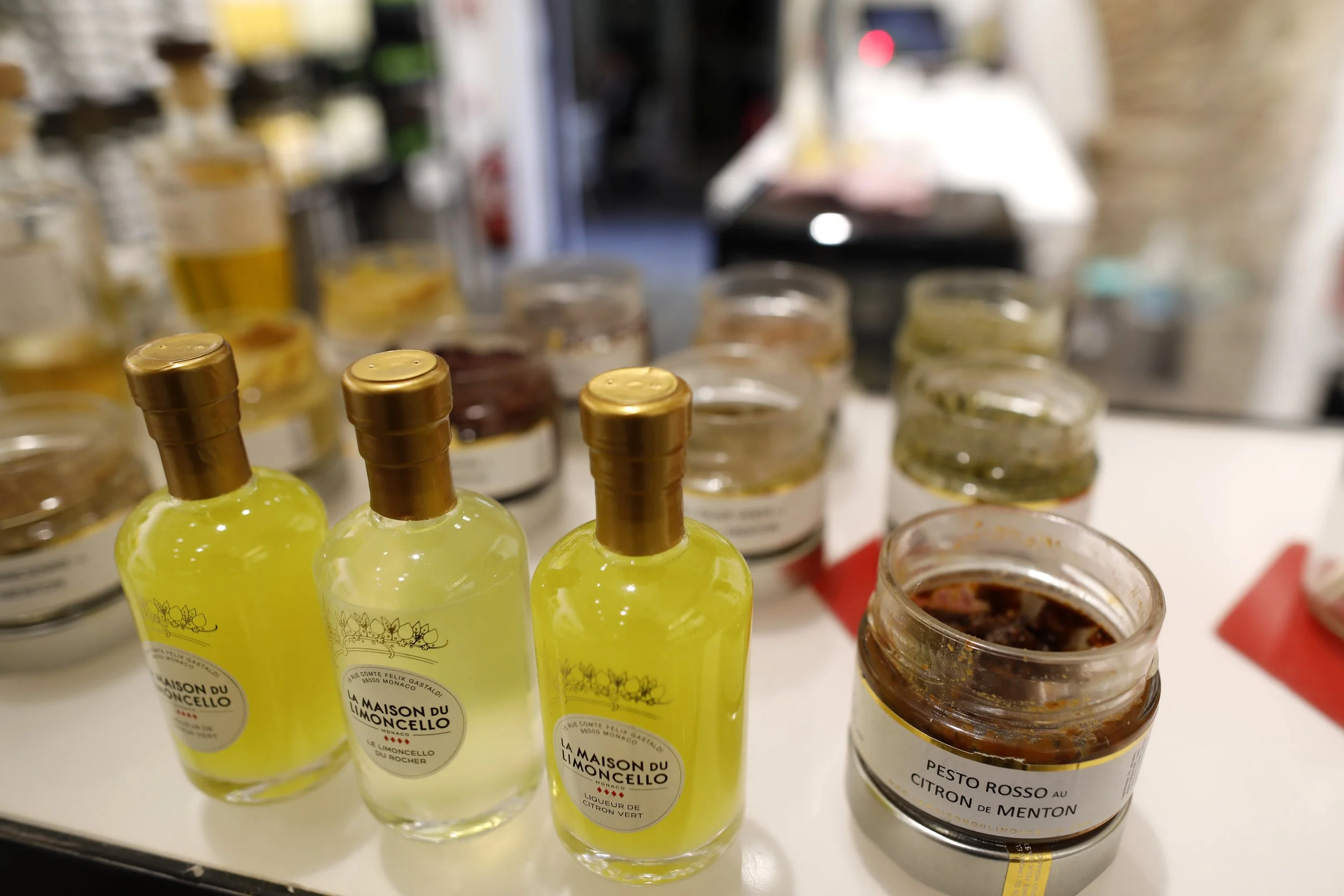
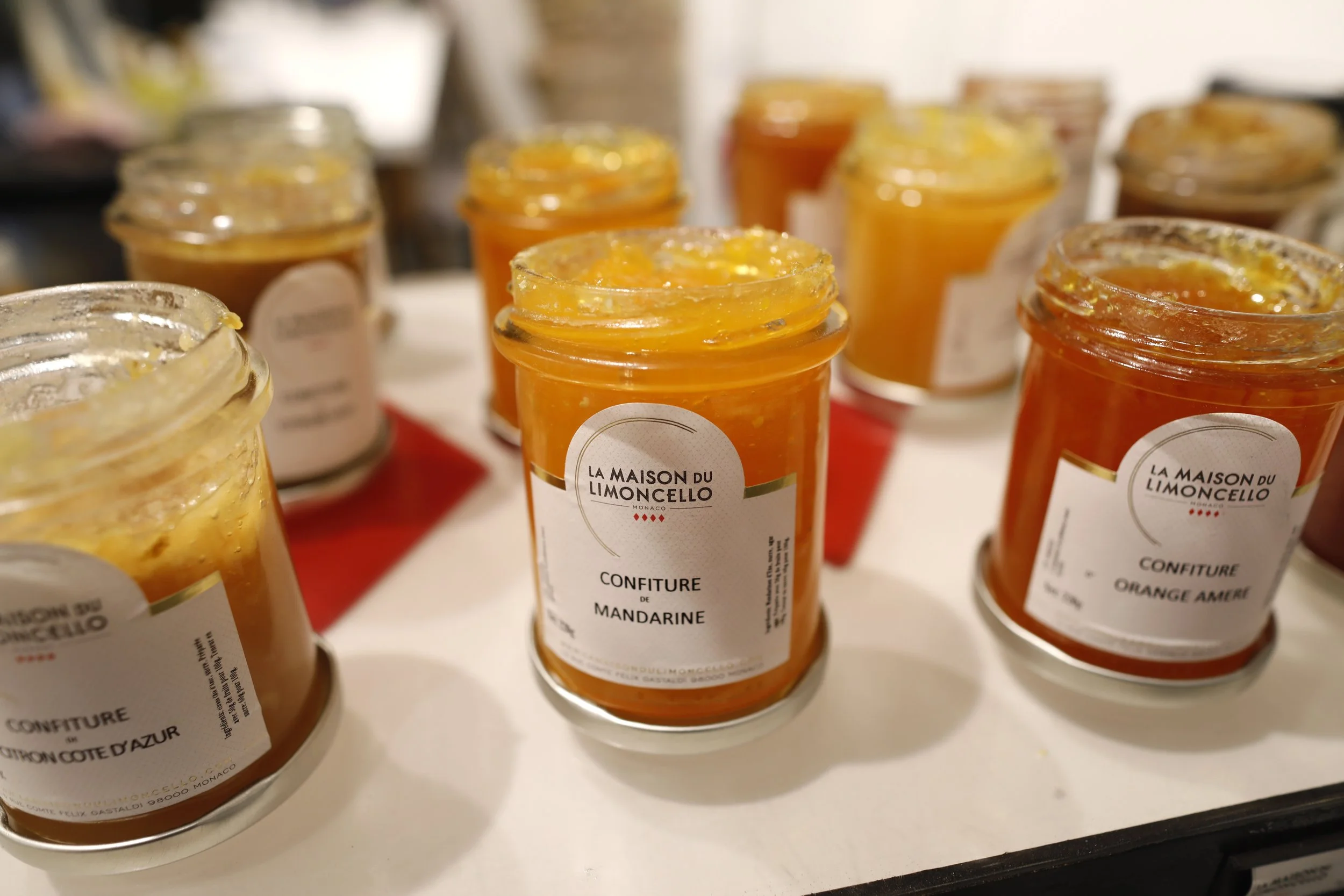
For anyone exploring the neighborhood, La Maison du Limoncello is a small, fragrant stop that captures the sunny spirit of the region in edible form. And it proves that Monaco City is never rushed but never dull. It’s a compact blend of history, everyday life and the unmistakable sheen of luxury — a place where small streets lead to big views and quiet corners reveal subtle charms.
09 | Get Lost in the Hills of Monaco
Getting lost in Monaco can feel like an attraction of its own.
This compact principality is layered in a way few cities are, with streets, promenades and alleyways stacked one above another. Navigating by a flat map proves misleading: it’s hard to tell which “level” a path occupies and routes that look continuous on paper often dead-end in reality. Sidewalks sometimes dissolve into stairwells or sheer drops, leaving pedestrians to rely on public elevators or sudden flights of steps to change altitude. One moment you might be wandering along a harbor-level promenade; the next, after stepping into an elevator, you emerge several levels higher amid terraces and view points that would have been impossible to reach by the original route.
That vertical complexity rewards exploration. Though finding parks and monuments can be tricky, the confusion leads to unexpected discoveries — tucked-away gardens, rooftop viewpoints and intimate lanes that don’t appear on guidebook itineraries. Embrace the detours: carry a sense of direction, wear comfortable shoes for sudden stairs and allow extra time. Getting turned around in Monaco often ends with a memorable vista or a quietly charming corner that makes the circuitous route worthwhile.
Tip | Prepare to wander Monaco’s often confusing, winding streets — comfy shoes recommended and build in extra time to savor the surprises you’ll find. Oh, and don’t be surprised if some treasures remain elusive — Monaco’s winding lanes have a knack for keeping secrets.
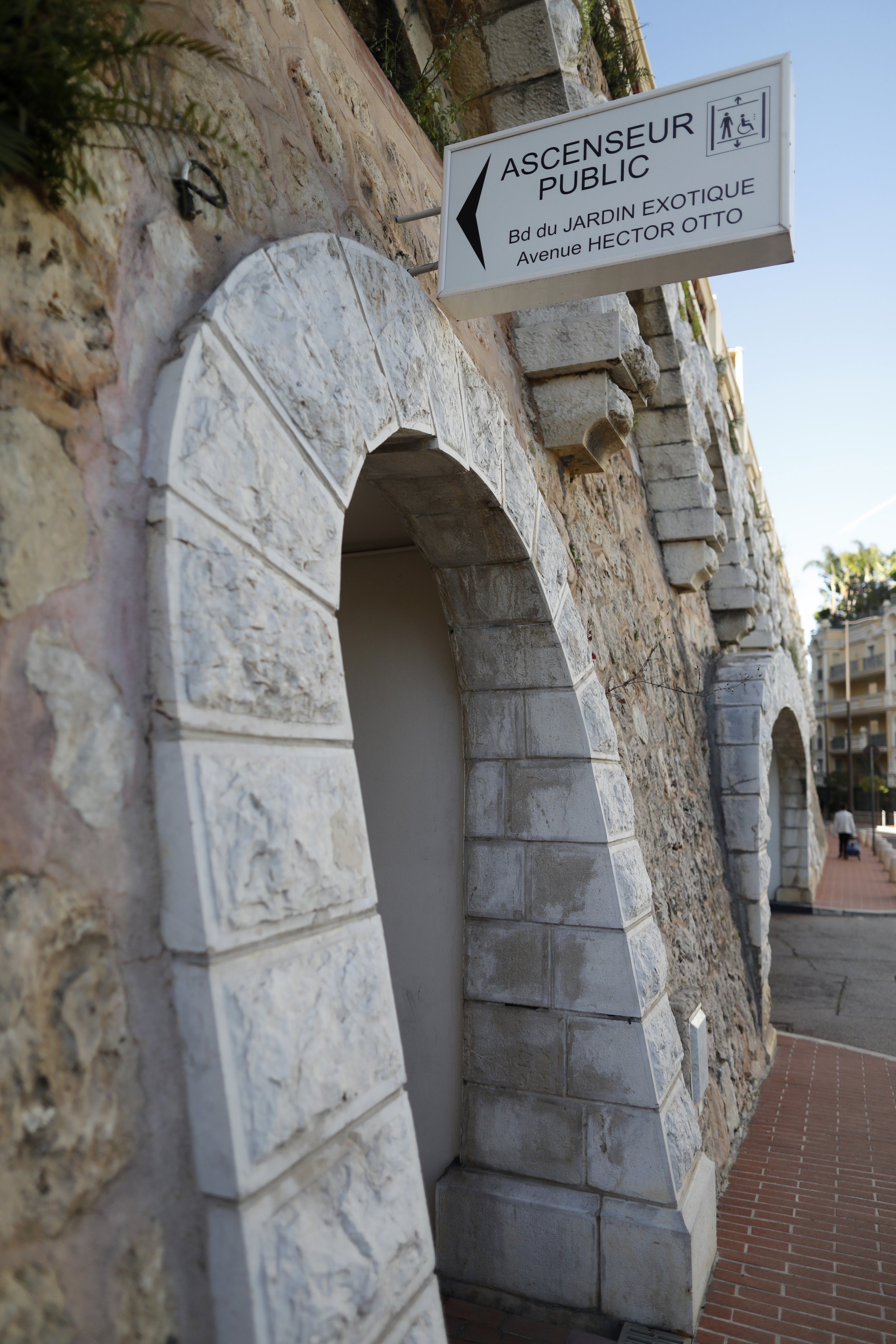
One of my discoveries — Jardin Exotique is a striking cliffside garden featuring a vast collection of succulent and arid plants, especially cacti, set against dramatic Mediterranean and sea views. Planted on limestone terraces, the garden’s winding paths and cascading displays showcase species from the Americas, Africa and Madagascar, arranged to take advantage of microclimates and natural rock formations.
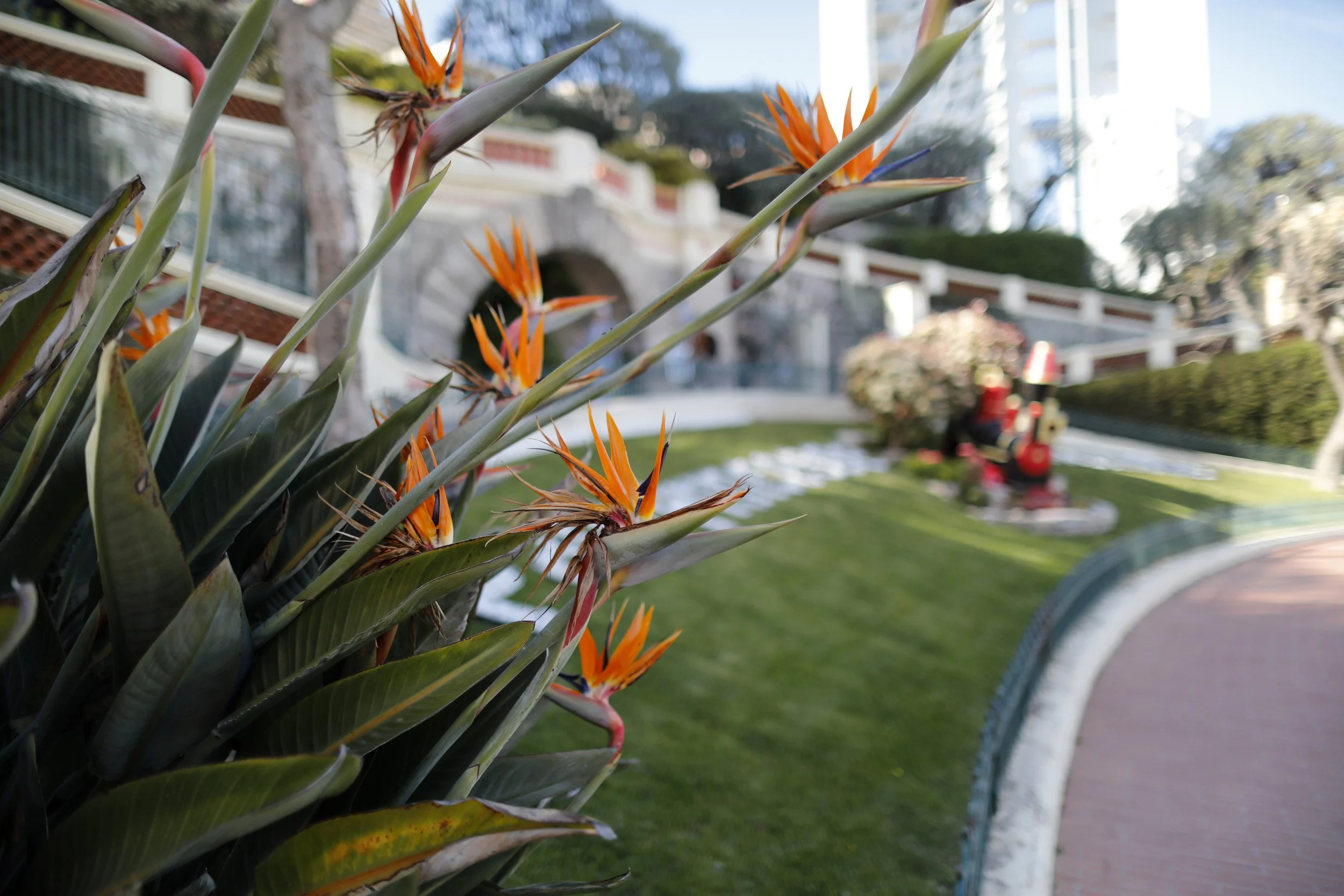
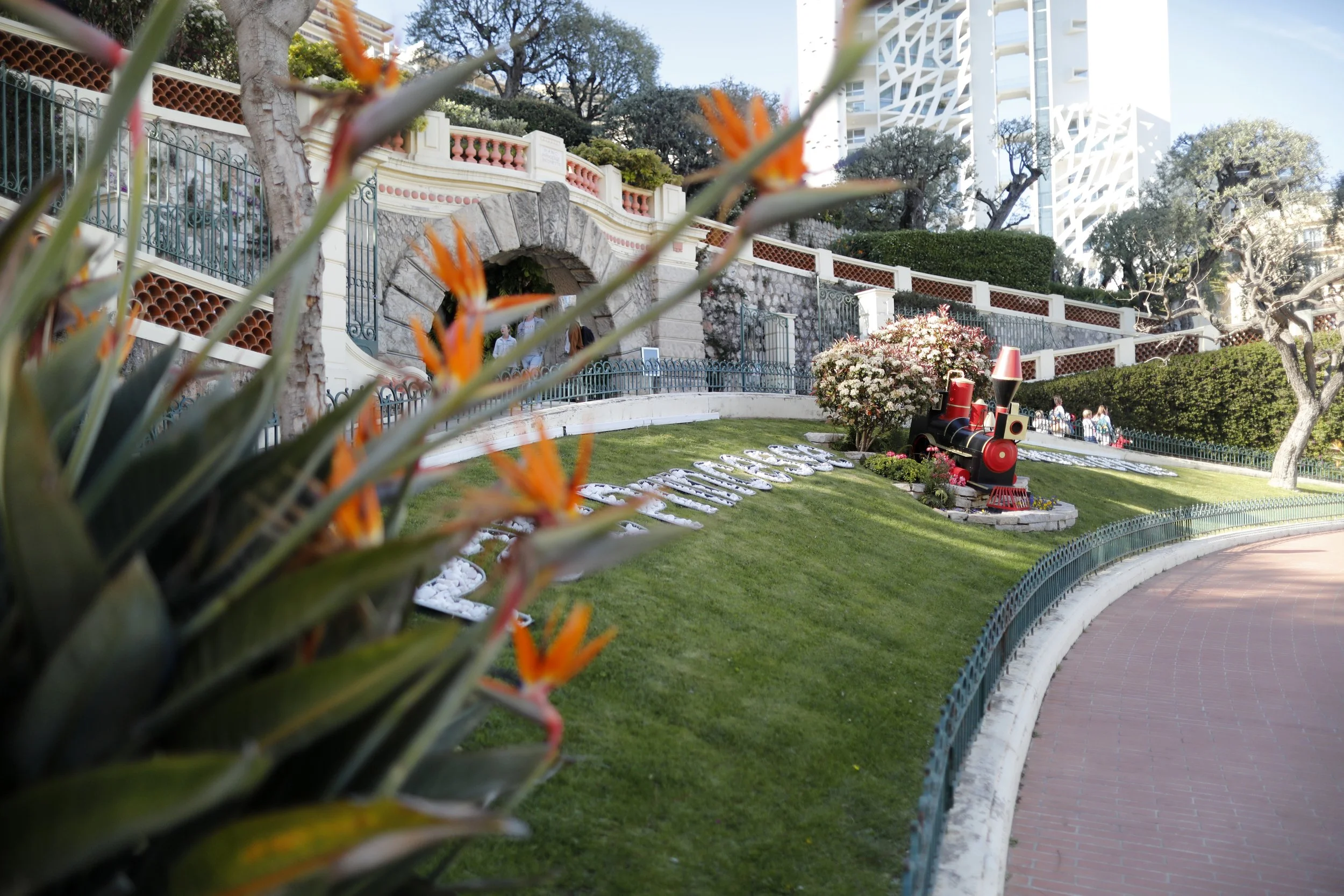
A highlight is the cave museum beneath the garden (which, sadly, I missed), where guided tours lead down to the Grotte de l’Observatoire — a deep limestone cavern with impressive stalactites and stalagmites. The site also includes a modern visitors’ center with a small exhibition on geology and plant adaptation, plus terraces offering panoramic overlooks of Monaco and the coastline.
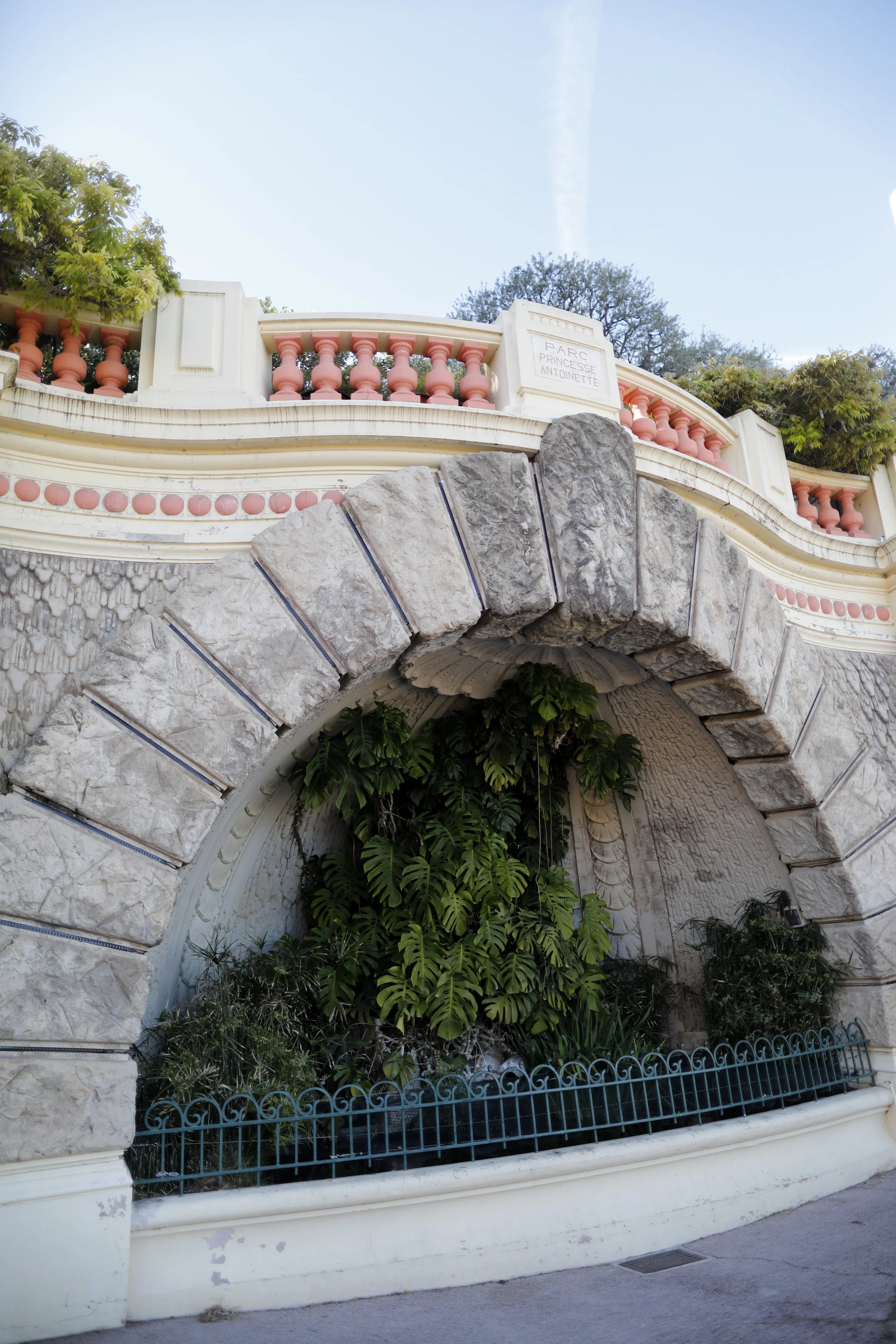
Jardin Exotique is accessible by a steep, scenic walk or by car and is best visited in spring or early summer when many succulents are in bloom. It’s a peaceful, stunning spot ideal for short hikes, plant lovers and anyone wanting a quiet natural escape from Monaco’s urban bustle.
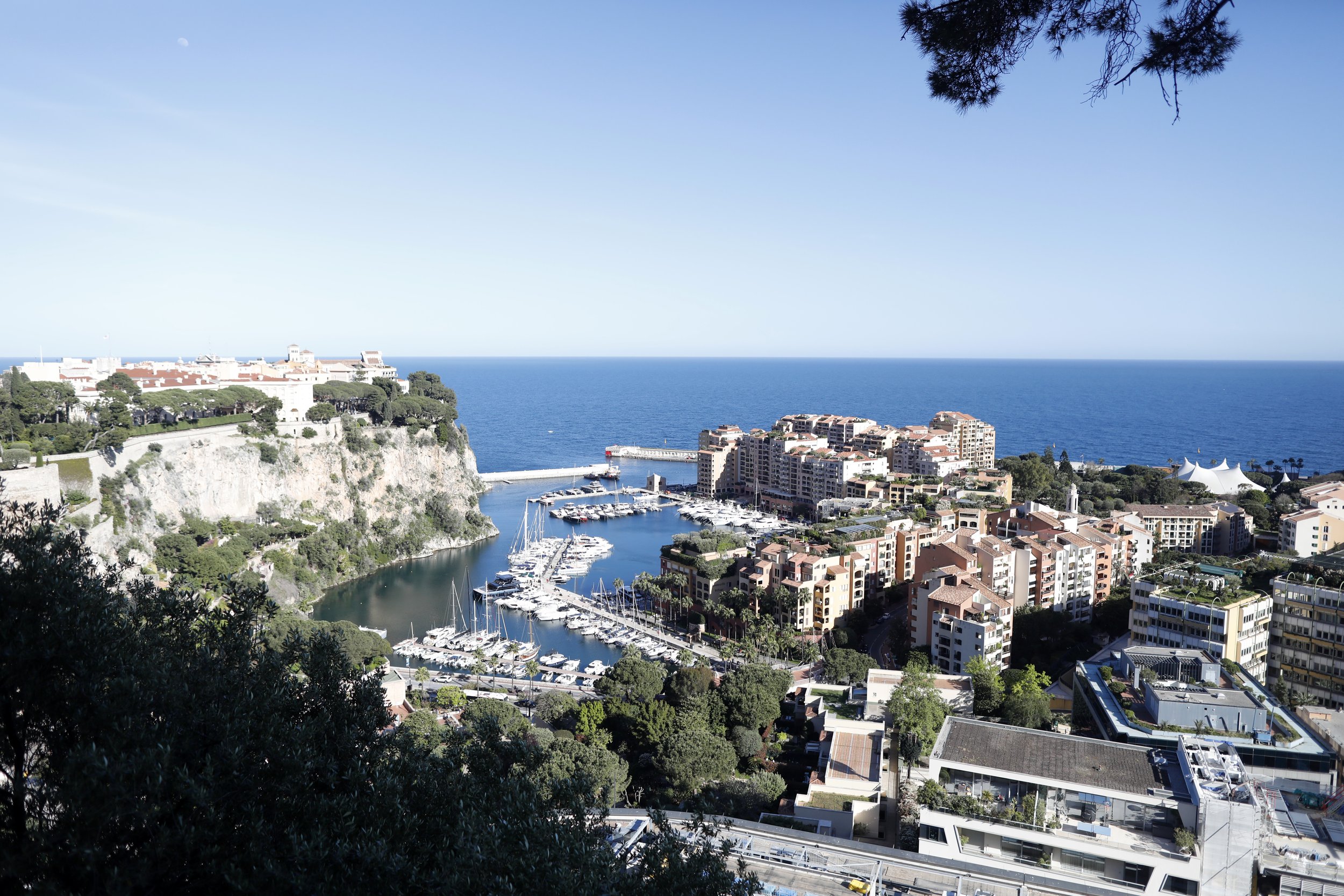
Perched above the glittering harbor, the views from the hills of Monaco unfold in a cinematic sweep: terraced gardens and muted facades tumble down toward a sapphire Mediterranean dotted with yachts, while the region’s compact grid of streets and the curving Formula 1 circuit stitch urban elegance into the natural coastline; beyond, rugged headlands and distant French Riviera towns melt into a hazy horizon.
The steep pathways winding through Monaco’s hills rise sharply from the narrow streets, demanding careful footing as they thread between delicate villas, manicured gardens and sweeping views. Cobbled steps and paved switchbacks climb past fragrant pockets of rosemary and bougainvillea, offering sudden glimpses of below and the glimmering skyline of Monte Carlo.
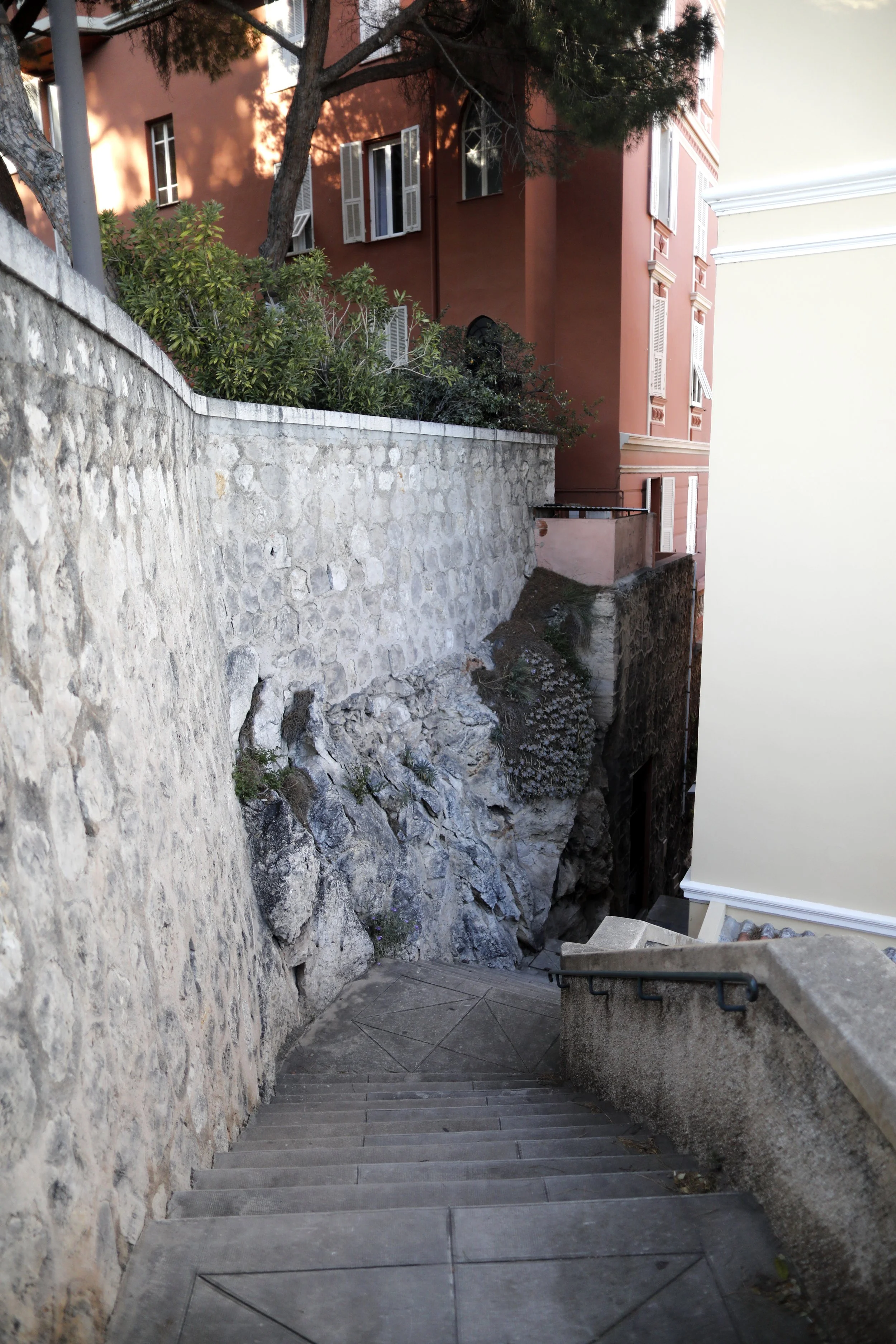
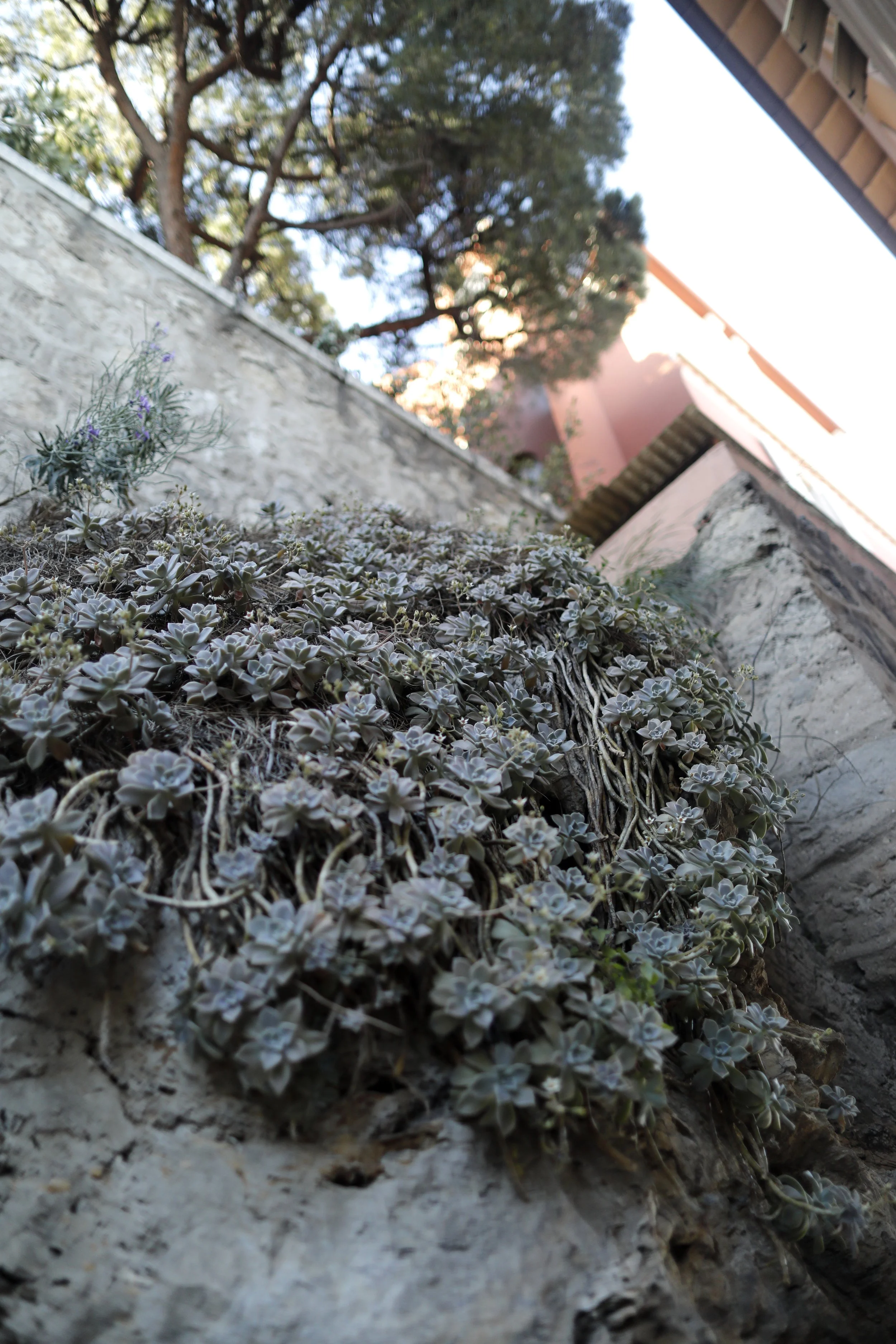
The gradient sharpens with each turn, rewarding the exertion with quiet viewpoints, tucked cafés and the occasional ornate handrail where the tired pause to catch their breath.
10 | Say Au Revoir to Monaco & Fall in Love with Nice
After a day of delightful discoveries in Monaco, bid the principality a fond au revoir. Heading back to your home base — say, Nice? Skip the traffic and enjoy the coastal views by train. Just a stone’s throw away and utterly unmissable, Nice is a must see and in my opinion, the perfect home base to visit Monaco.
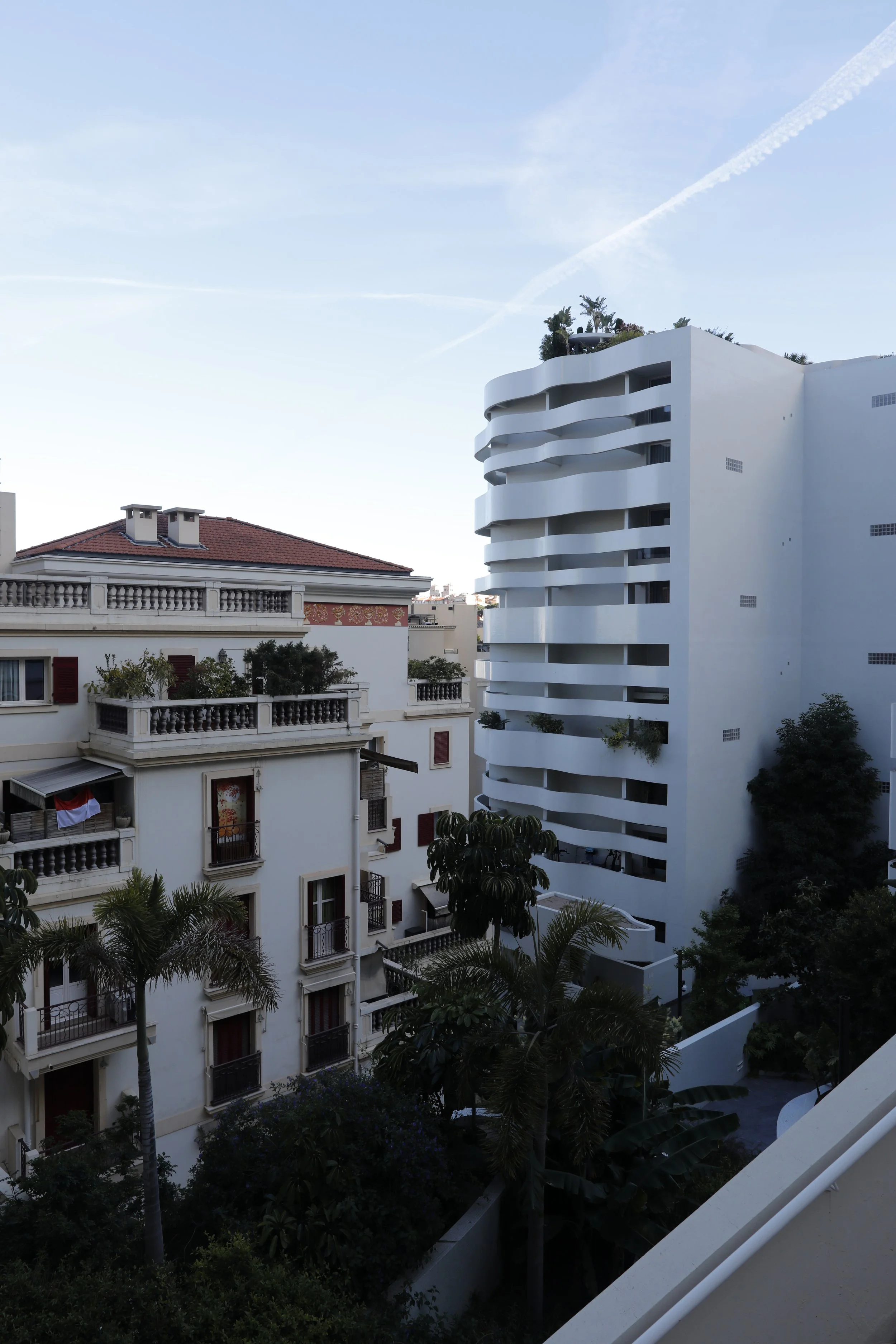
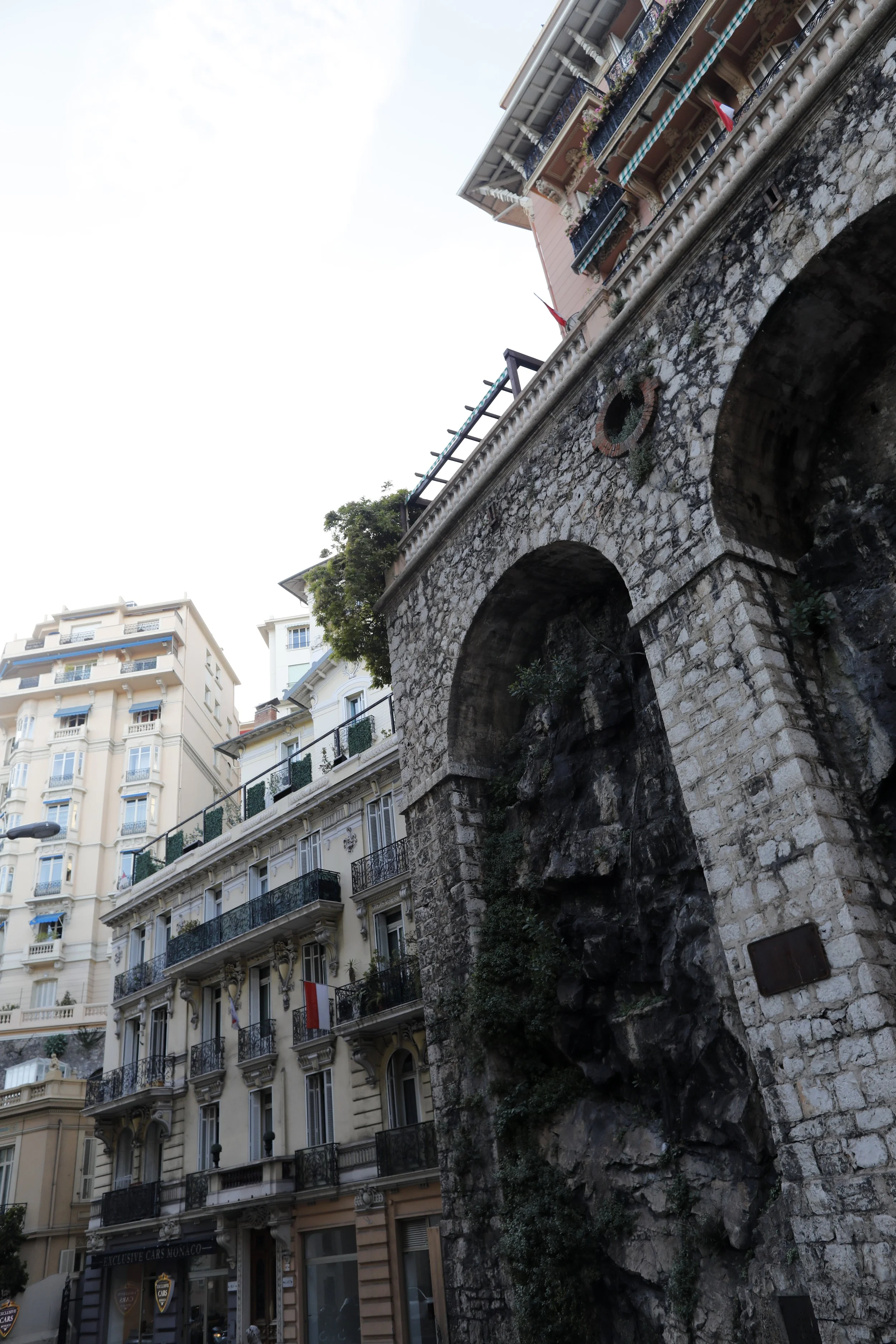
From the heart of Monte-Carlo, it’s a pleasant walk to Gare de Monte‑Carlo; follow Avenue de la Madone or Boulevard d’Italie toward the waterfront and you’ll see the compact station near the Casino district.
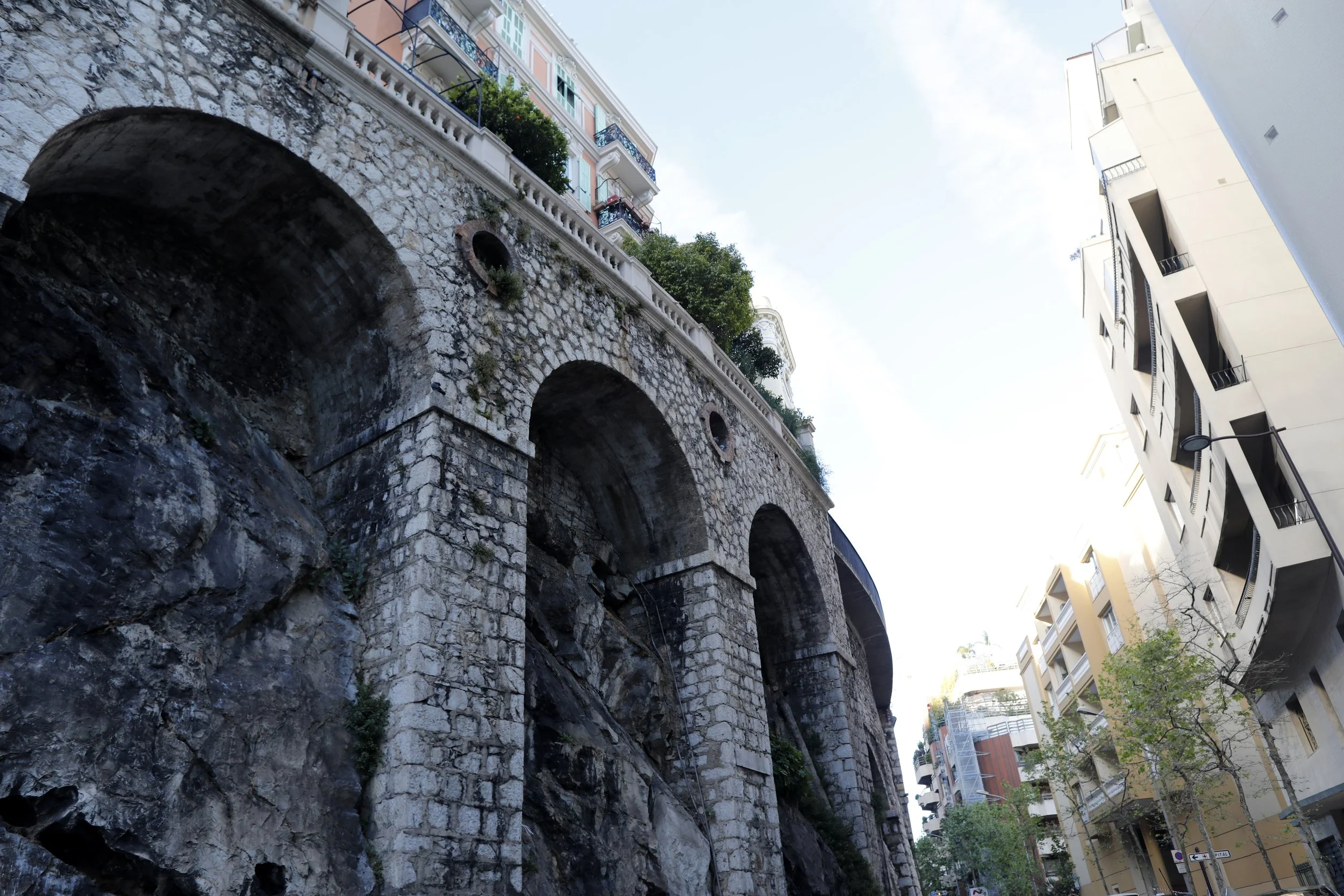
At the ticket counter or machines, buy a one-way ticket to Nice — tickets are inexpensive and can also be purchased via regional rail apps or at SNCF machines. Board any TER (regional) train heading west toward Nice; trains run frequently, roughly every 15–30 minutes depending on time of day.
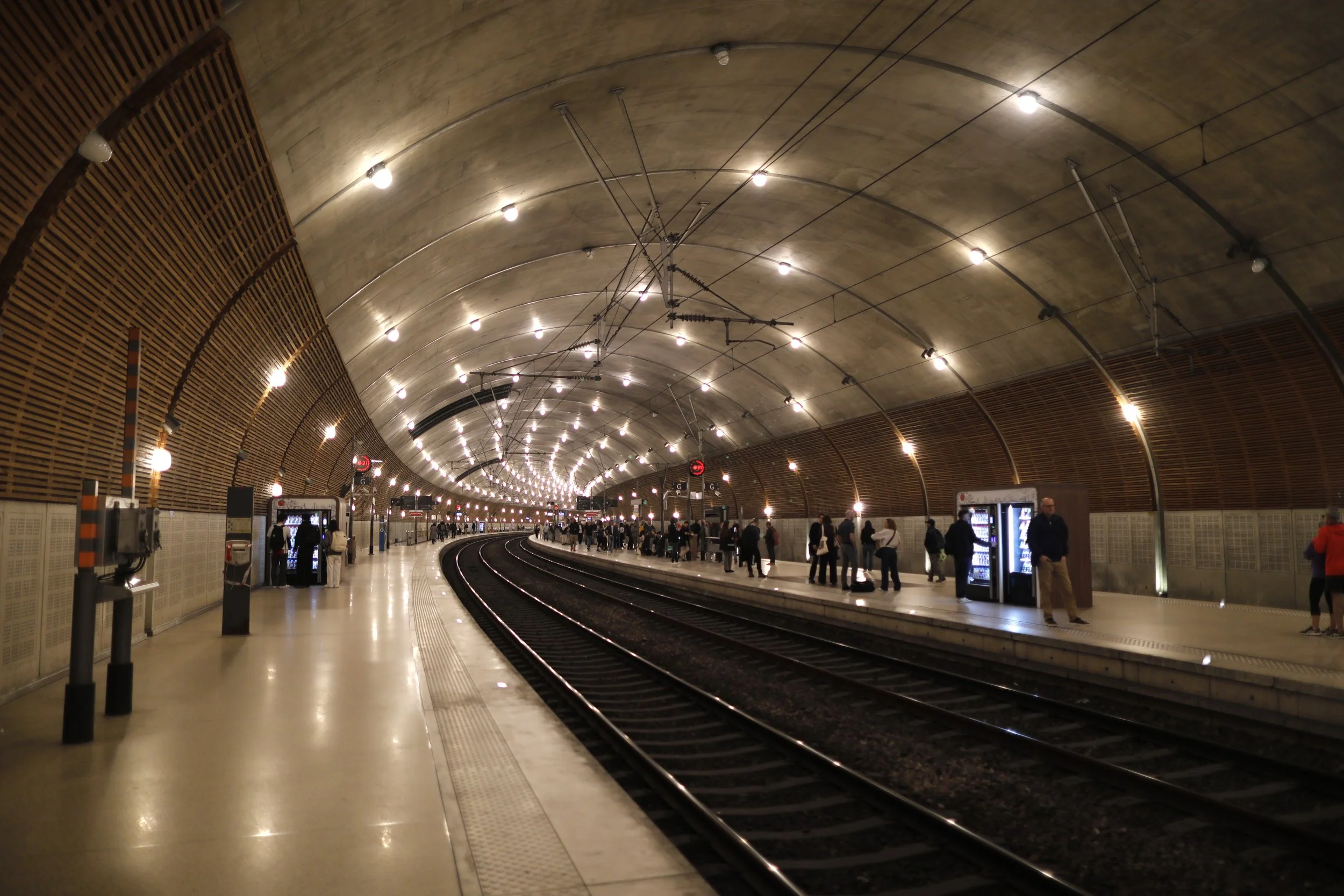
The coastal route is scenic: the train skirts the Mediterranean, so grab a window seat if you want sea views and cliffside villages slipping by. The journey takes about 20–25 minutes.
Tip | Trains can get packed so hop on quickly to secure a seat.
When the train pulls into Nice, get off at Nice‑Ville (the main station). From there, you can connect to buses, trams or walk into the old town — it's only a 10–15 minute stroll to Place Masséna and the Promenade des Anglais.
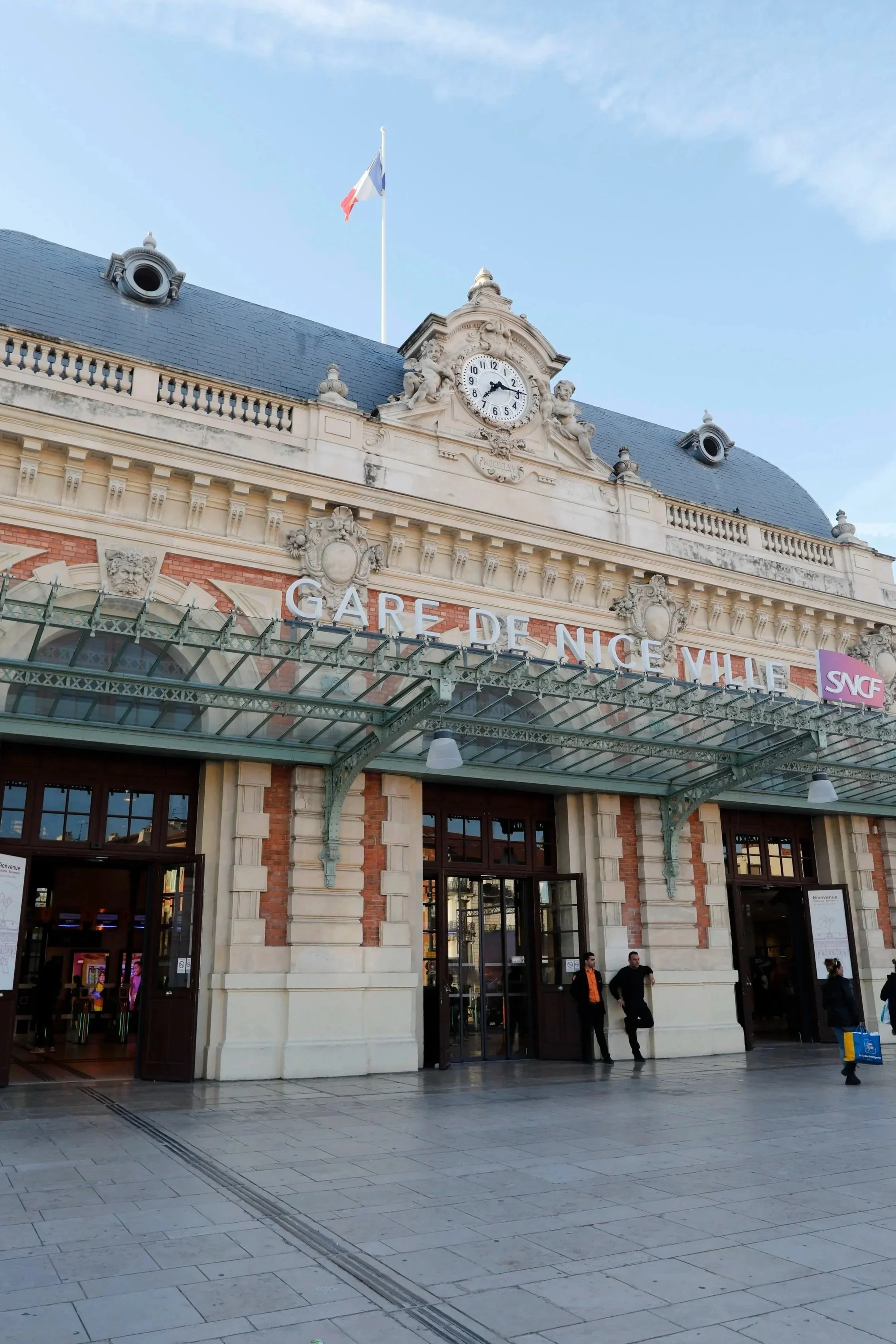
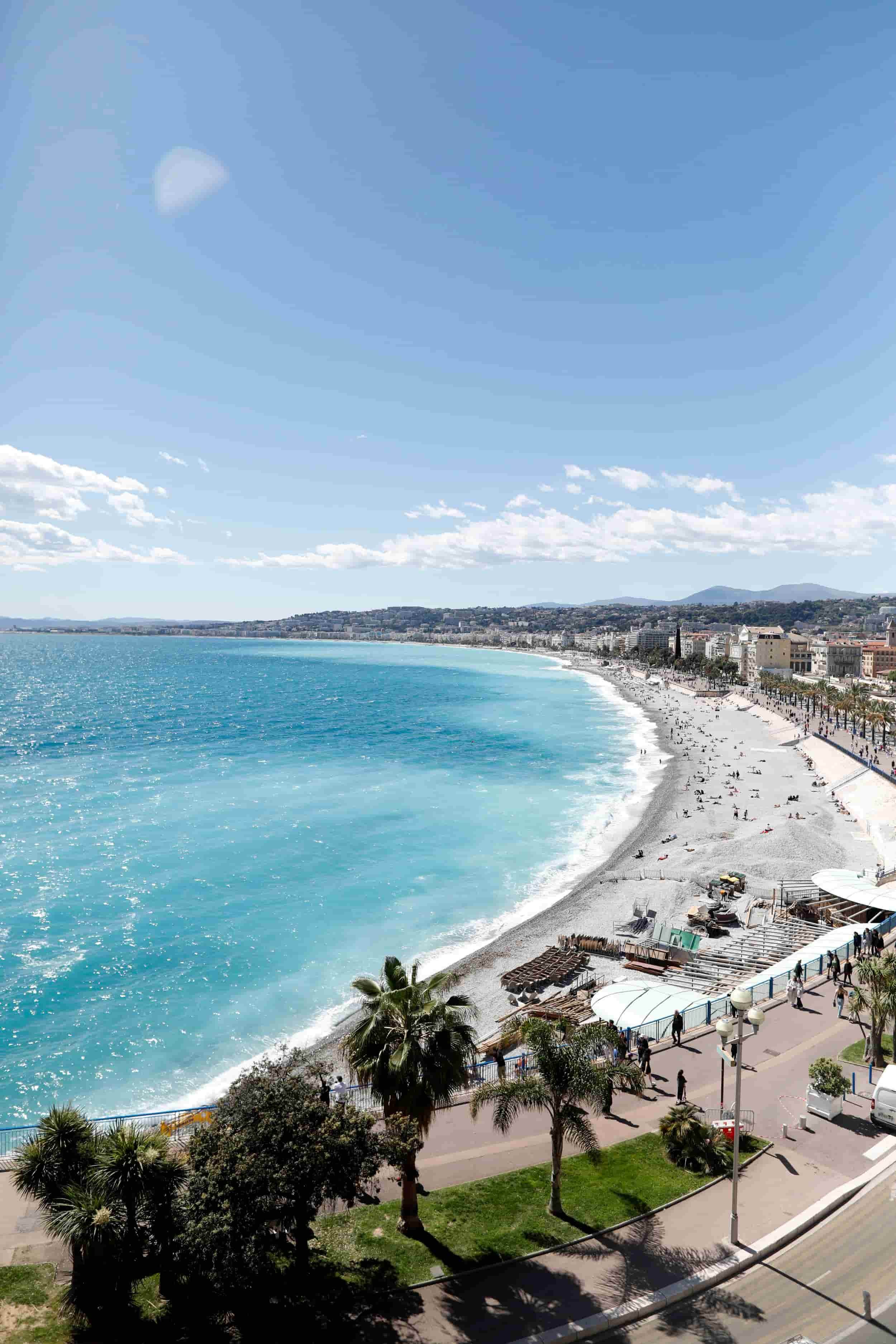
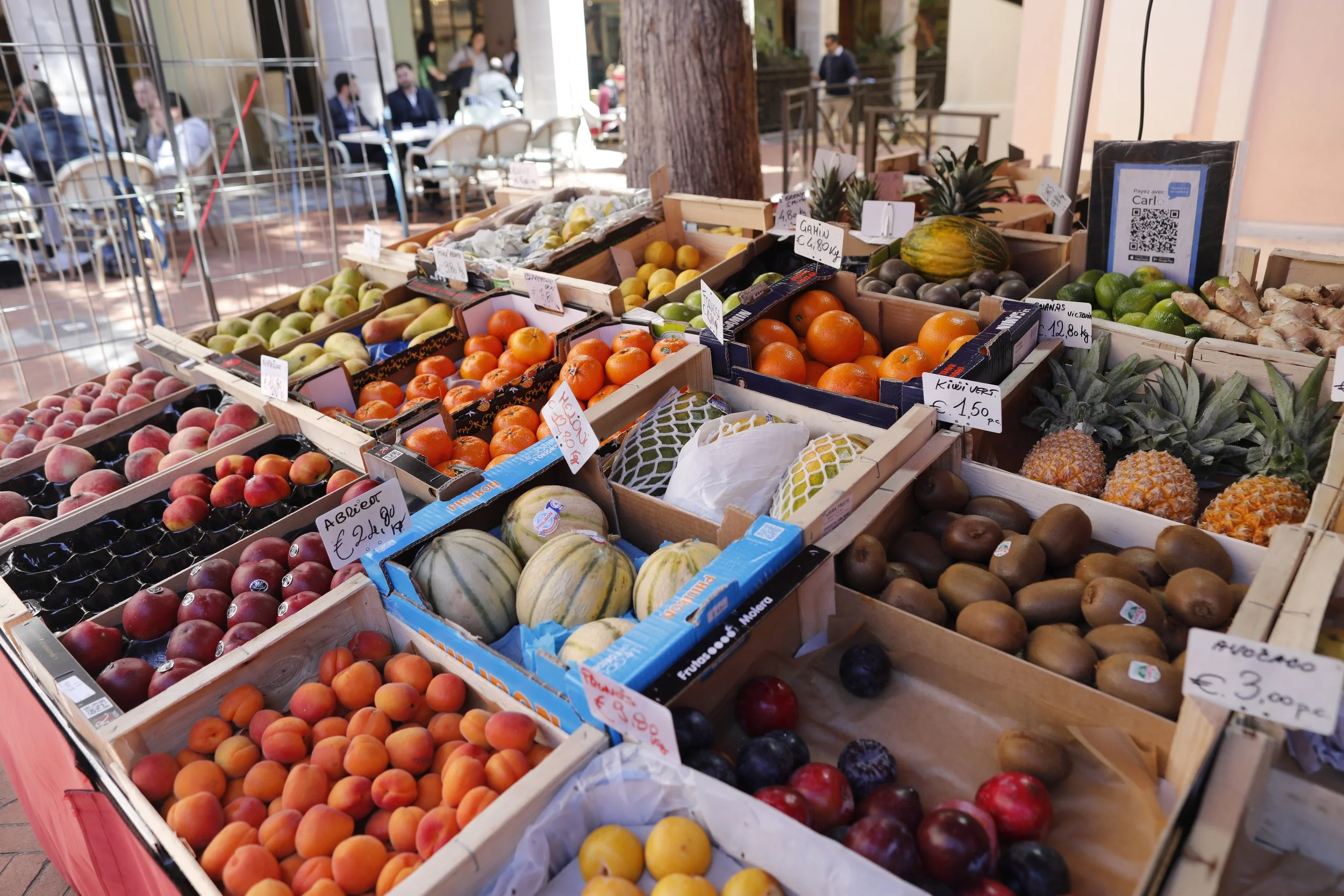
Nice unfolds along the Promenade des Anglais with sunlit palms, delicate façades and the steady rhythm of waves against the pebble beach. Morning markets in the Old Town offer fragrant soccas (flatbread), fresh fruit and stacks of native herbs beneath narrow, winding streets. Afternoon museum visits reveal Belle Époque art and regional history, while café terraces provide the perfect pause for people-watching and a glass of rosé. As evening falls, the seafront lights and a gentle Mediterranean breeze creates an elegant, relaxed atmosphere to stroll or dine.