Nantes, France: Not So Hidden Hidden Gems & Things to Do
Discover the best things to do in Nantes, France with this travel guide that leads you through whimsical island machines, sunlit riverfronts, cozy cafés brimming with Breton charm & not-so-hidden hidden gems worth exploring.
Updated | October 2026
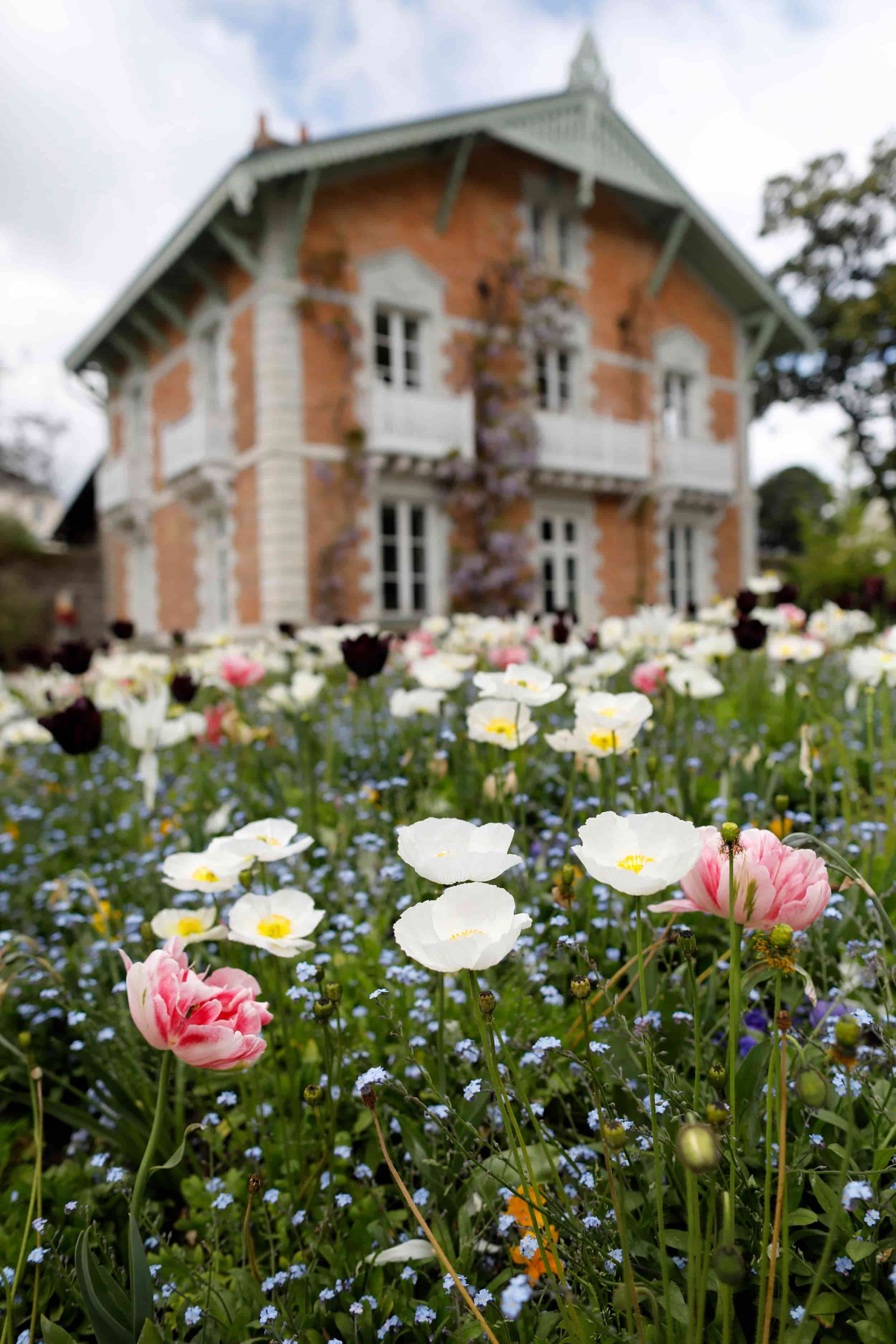
Why You'll Fall for Nantes
Nantes is the kind of French city that surprises you with its imagination.
Set along the Loire River in western France, Nantes brings together centuries of history, beautiful architecture and a wonderfully inventive creative spirit. It's a place where medieval streets lead to elegant 19th-century shopping arcades, historic landmarks sit alongside contemporary art and an enormous mechanical elephant can become the highlight of your afternoon.
Once an important port and industrial center, Nantes has transformed parts of its historic landscape into spaces for art, culture and experimentation. That layered identity gives the city a personality quite different from the more familiar destinations on a typical French itinerary.
Wander through the old streets around Place du Bouffay, explore the Château des Ducs de Bretagne or admire the intricate architecture of Passage Pommeraye. Then cross over to Les Machines de l'Île, where Jules Verne-inspired mechanical creations bring an entirely different kind of imagination to life.
What makes Nantes special is the way it embraces both its history and its creativity. There's plenty of traditional French charm but also a playful, unexpected side that makes exploring feel like a series of little discoveries.
It was one of the most memorable stops on my two-week European adventure, particularly because of that mix of architecture, art and unconventional design.
If you love cities with character, beautiful spaces and a willingness to be a little different, Nantes deserves a place on your France itinerary.
At a Glance
📍 Destination: Nantes, France
🕒 Time Needed: 3 days
💰 Budget: €150-€300/day ($170-$350 USD)
👟 Walking Level: Mild
🌤️ Best Season: Summer (June-September)
☕️ Don’t Miss: Les Machines de l'Île
🖤 Perfect For: Art and whimsey enthusiasts, history buffs and food and wine fanatics
My Bibimbap Moment
This trip added: Whimsey.
Nantes added the ingredient of whimsy to my Bibimbap Life. I loved how effortlessly the city seemed to blend its history with imagination. The Château des Ducs de Bretagne and Passage Pommeraye offered beautiful glimpses into its past, while the Jardin des Plantes brought a quieter kind of beauty and Les Machines de l'Île completely upended my expectations of what a city could be. There was something wonderfully unexpected about it all — art and architecture, history and invention, grandeur and playfulness existing side by side. Nantes was one of those places that kept making me stop and think, how did I not know about this?
My Two-Week European Travel Itinerary
Two weeks might not sound like much time to explore Europe but with a little planning and a willingness to embrace the unexpected, it's amazing how much you can experience. This particular adventure took me through England, Wales, the Channel Islands and France, with Nantes becoming one of my favorite surprises along the way.
The journey began in London, England, where centuries of history meet contemporary culture, iconic architecture and an incredible mix of food, art and neighborhoods. From there, I traveled by train into Wales, beginning in Cardiff, where the elaborate interiors of Cardiff Castle and beautiful Victorian and Edwardian shopping arcades offered a fascinating glimpse into the city's history and design.
Continuing west, I reached Tenby, a colorful seaside town with pastel-painted buildings, sandy beaches and a distinctly different pace. Its coastal setting was a lovely contrast to the cities I'd explored earlier in the trip.
After returning briefly to London, I flew to Jersey, a self-governing Crown Dependency in the English Channel. Dramatic coastlines, historic fortifications and a strong sense of island identity made it an intriguing stop, even if my time there was shorter than originally planned.
A ferry then carried me to Saint-Malo, France, where stone ramparts, narrow streets and the atmosphere of a historic walled city made for a memorable evening. From there, I continued to Nantes, trading the coastal scenery for a city full of architectural character, creative spaces and unexpected discoveries. Between its historic streets, elegant Passage Pommeraye and wonderfully imaginative Les Machines de l'Île, Nantes brought an entirely different energy to this part of the journey.
The final stretch took me south to Nice, where colorful architecture, Mediterranean views and vibrant food culture introduced another side of France. A day trip to Monaco, with its dramatic coastal setting and unmistakable glamour, rounded out an itinerary filled with contrasting landscapes, cultures and experiences.
My route: London → Cardiff → Tenby → Jersey → Saint-Malo → Nantes → Nice → Monaco
What I loved most about this route was the variety. In just two weeks, I experienced historic cities, coastal villages, island landscapes, creative architecture and the Mediterranean — all without needing every destination to feel like the last.
Explore
Here’s where the journey will take us.
01 | Things to Do in Nantes
02 | When to Go
03 | How to Get There
04 | Where to Stay
05 | How to Get Around
06 | How Long to Stay
07 | Tours & Day Trips
08 | Good to Know
Travel More | France Travel Guides
Exploring Nantes, France: Historic Streets & Creative Surprises
There's something wonderfully unexpected about exploring Nantes. One moment you're admiring centuries-old architecture and the next you're discovering an imaginative installation or a contemporary space that gives the city's industrial past an entirely new purpose.
For me, that contrast was one of the pleasures of wandering through the city. From historic landmarks and elegant passageways to playful public art, Nantes offers plenty of reasons to slow down, look a little closer and see where the streets take you.
My journey here began with a brief stop in Saint-Malo, a beautiful walled city on France's northern coast. I only had an evening to explore but its stone ramparts and atmospheric streets left me wishing I'd planned more time. If your itinerary allows, it's worth considering as an additional stop.
From there, it was on to Nantes and a mix of architecture, history, creative discoveries and a few memorable surprises along the way.
Arriving in Nantes & Homemade Soba
Arriving at Gare de Nantes from Saint-Malo, the city is fairly easy to navigate by public transportation. A short bus ride brought me to my Airbnb in a charming historical residential building, although figuring out the ticketing system took a little more patience than expected.
ℹ️ Good to Know | Remember to validate your ticket when boarding public transportation. I learned this the hard way when ticket inspectors came aboard. Check current ticketing options through Naolib before traveling.
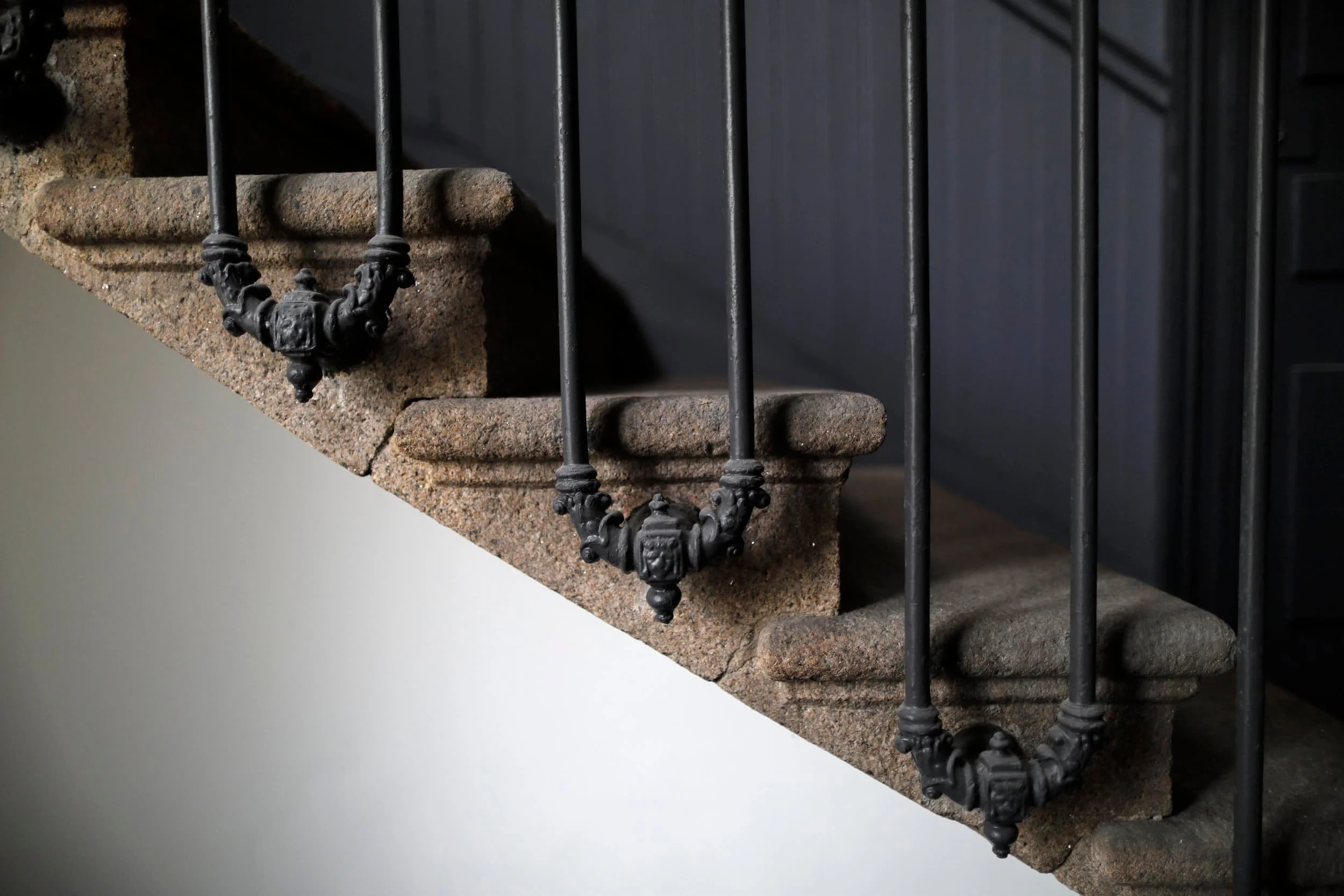
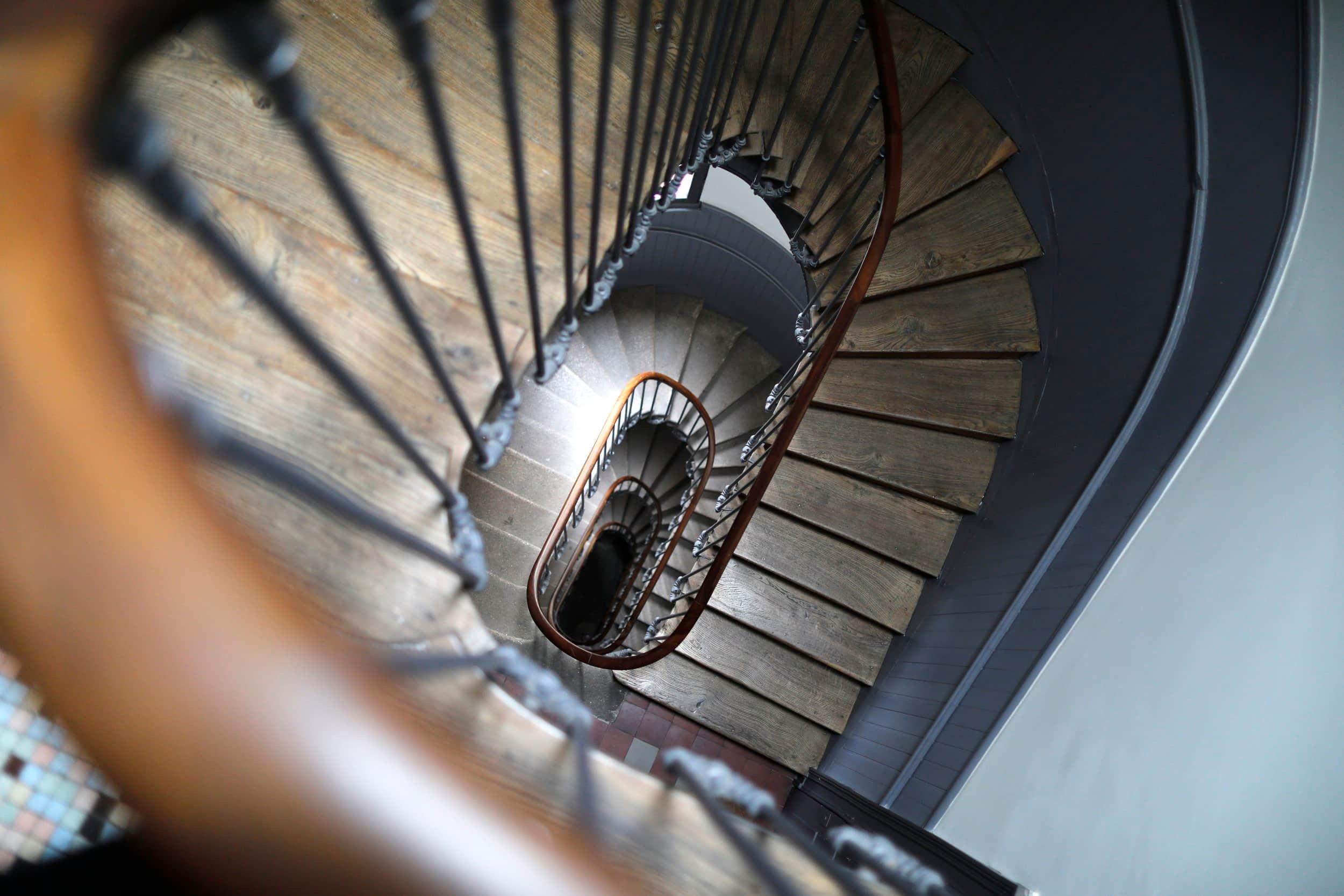
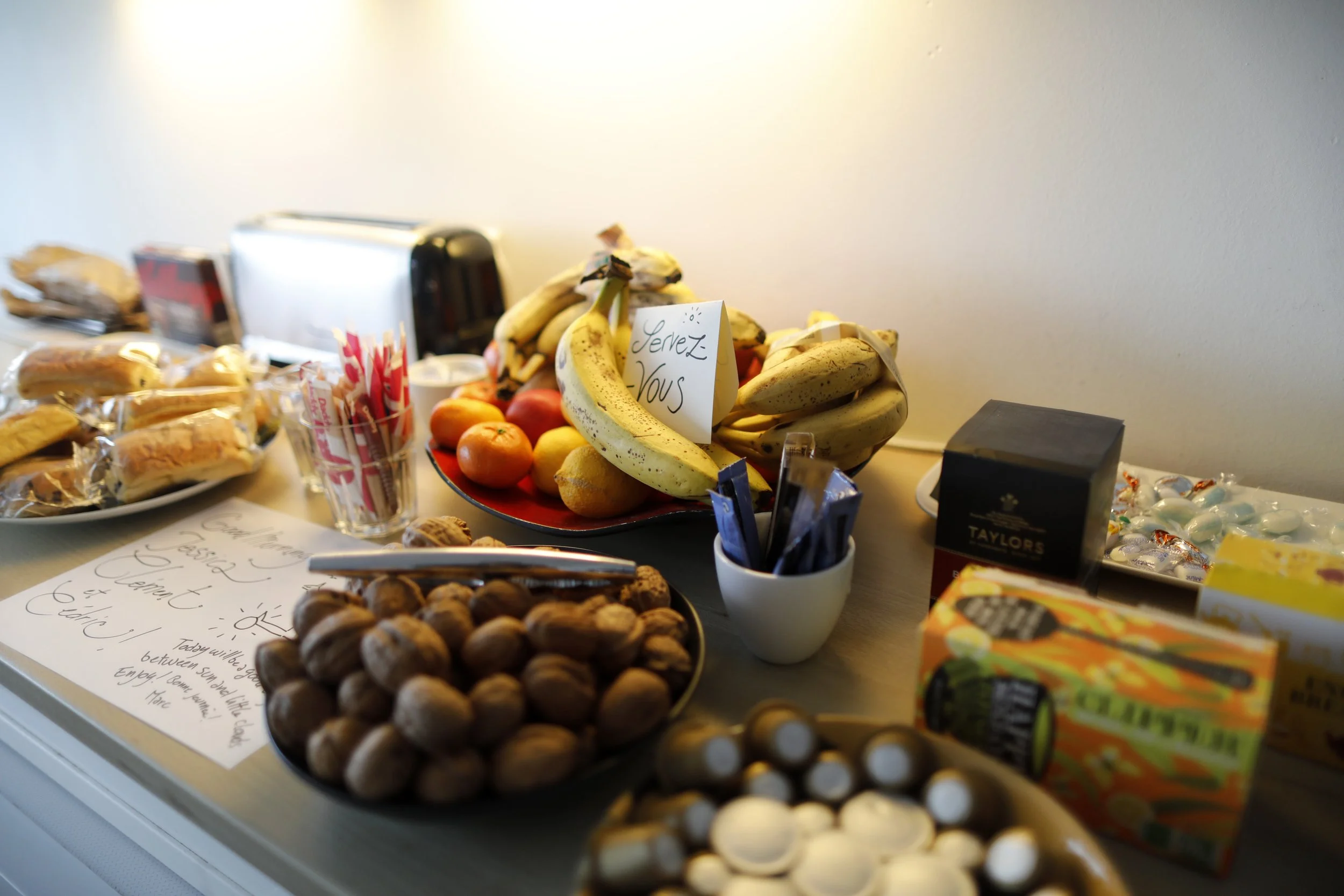
Four flights of stairs and no elevator weren't quite the welcome I'd imagined but upstairs was a thoughtful little spread of fresh fruit, bread, nuts, coffee and tea, along with a handwritten note from my host. It's one of the things I enjoy about staying in someone's home — the small details that make a place feel personal.



Finding lunch proved slightly more complicated. In France, many restaurants close between lunch and dinner, and arriving hungry in the late afternoon can leave you with fewer choices than expected.
Soba et Sarrasin
If you're looking for something beyond traditional French food, Soba et Sarrasin is a small Japanese-inspired shop specializing in handmade buckwheat noodles.
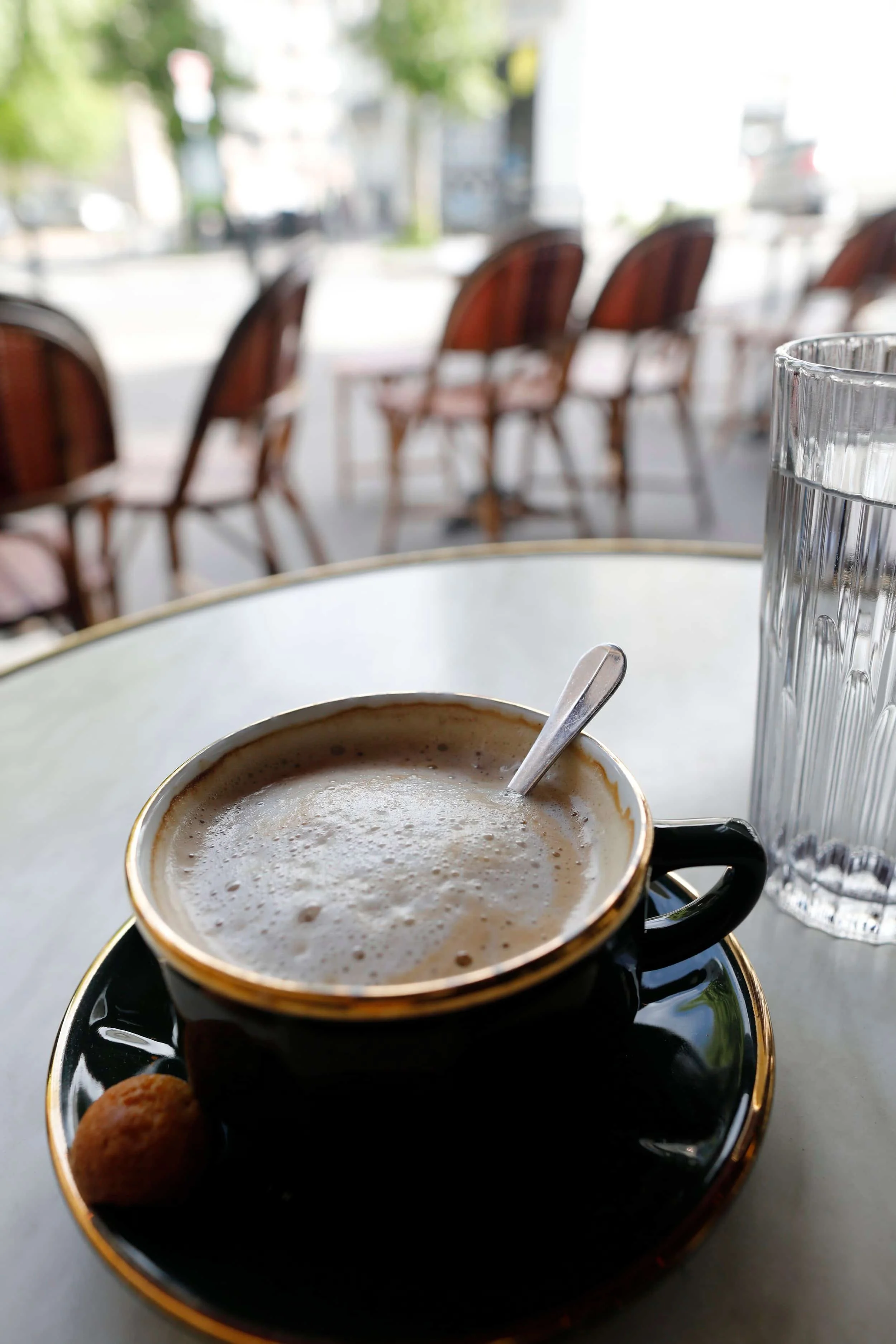
The chilled, gluten-free soba came with avocado, pickled carrots and ginger, golden beets and feta, followed by red bean mochi for dessert. With no seating inside, a neighboring café became the spot to enjoy it over a café crème.
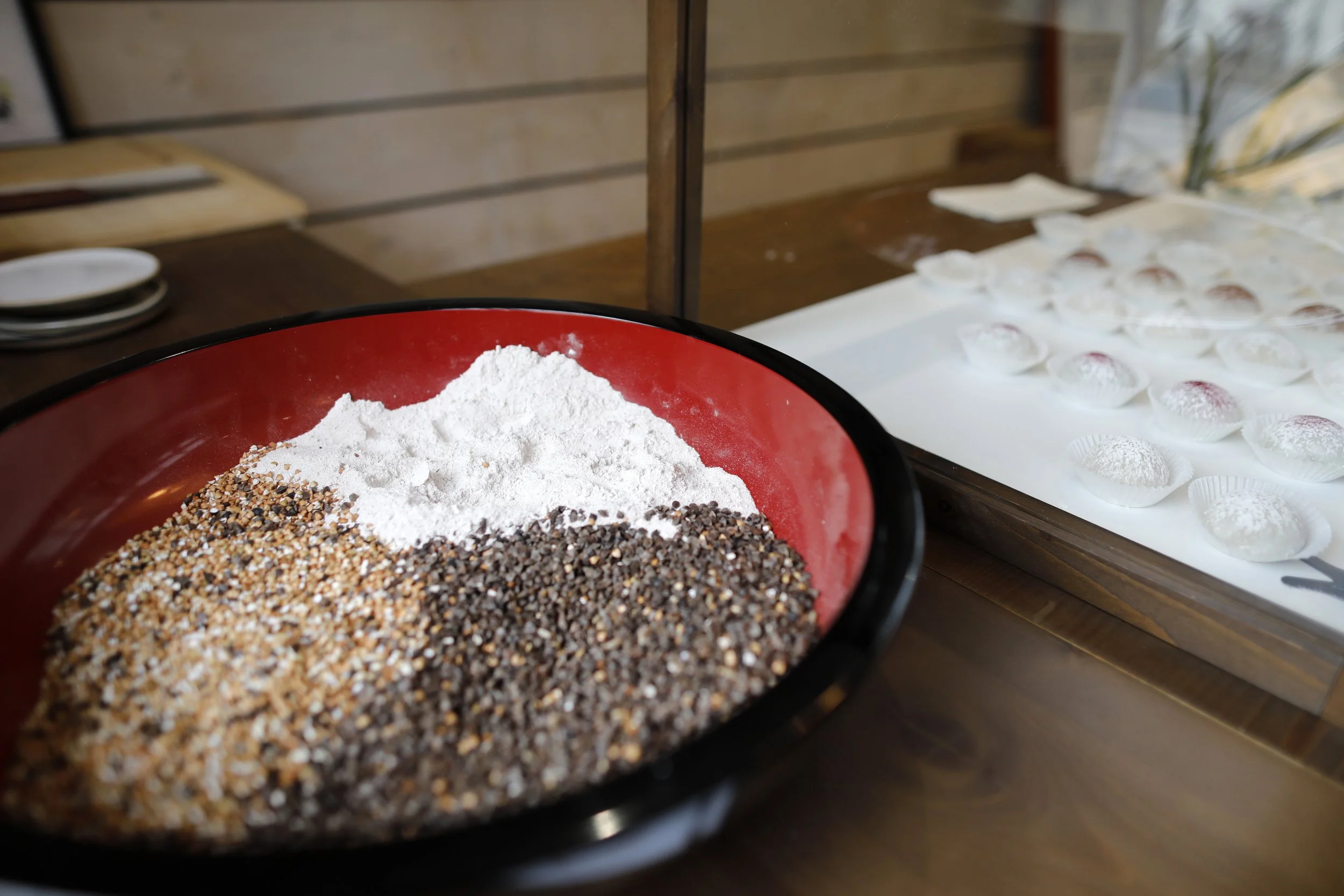

But what I liked most, beyond the food, was the thoughtful simplicity of the place. The owner was warm and patient, and the noodles were served in reusable glass containers rather than disposable packaging. Once finished, you simply brought the container back.
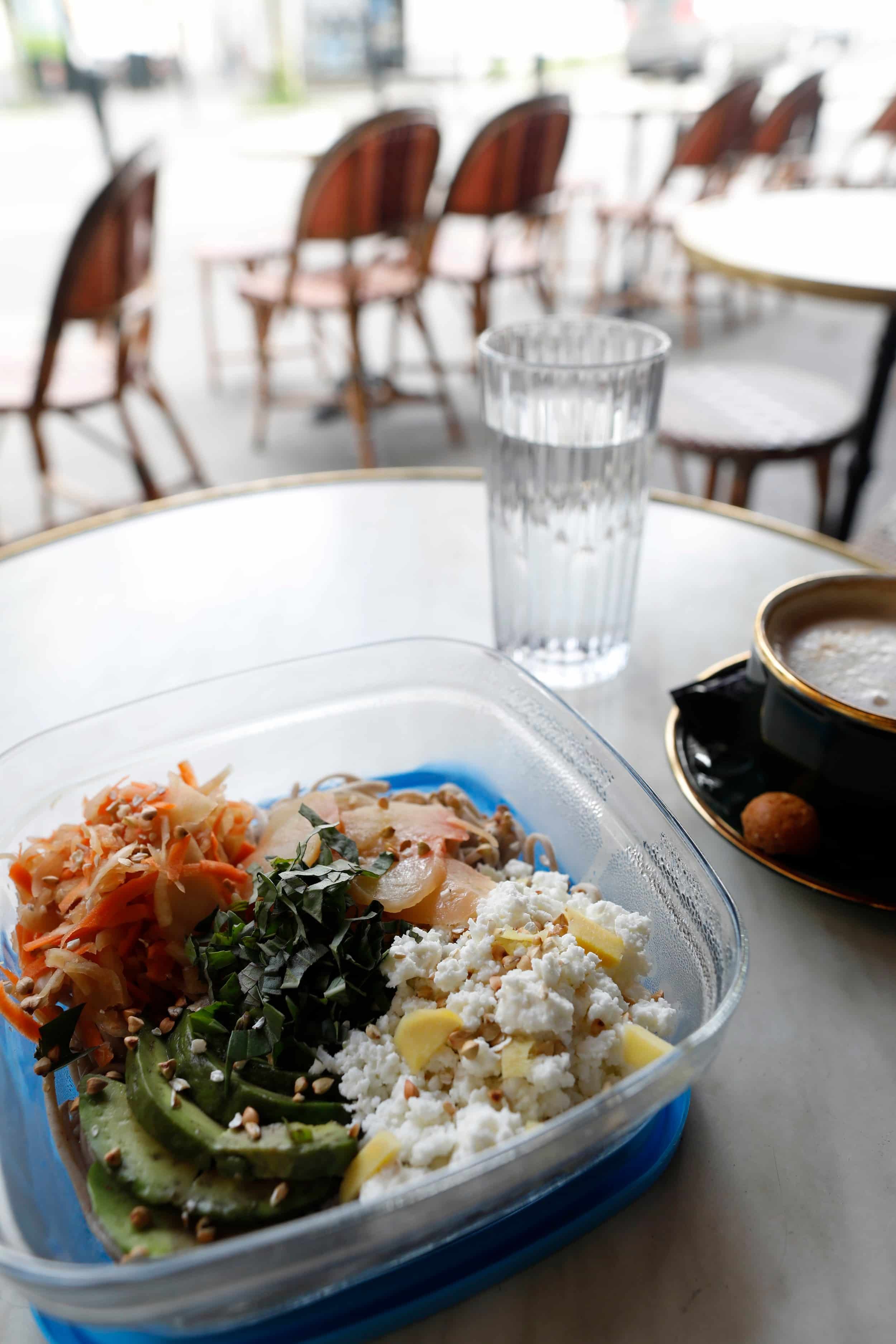
It was an unexpected first meal in France but a very good introduction to Nantes — good food, a friendly exchange and a small design detail that made the experience stand out.
Les Machines de l'Île
A morning exploring Nantes is easily paired with breakfast at Sugar Blue, a small neighborhood café with a relaxed atmosphere and a menu of fresh, thoughtfully prepared food. The avocado toast with scrambled eggs, vegetables, pine nuts and feta made for a satisfying start before heading toward the river.

Along the way, Basilique Saint-Nicolas is worth a look for its striking Gothic Revival architecture and intricate stonework.
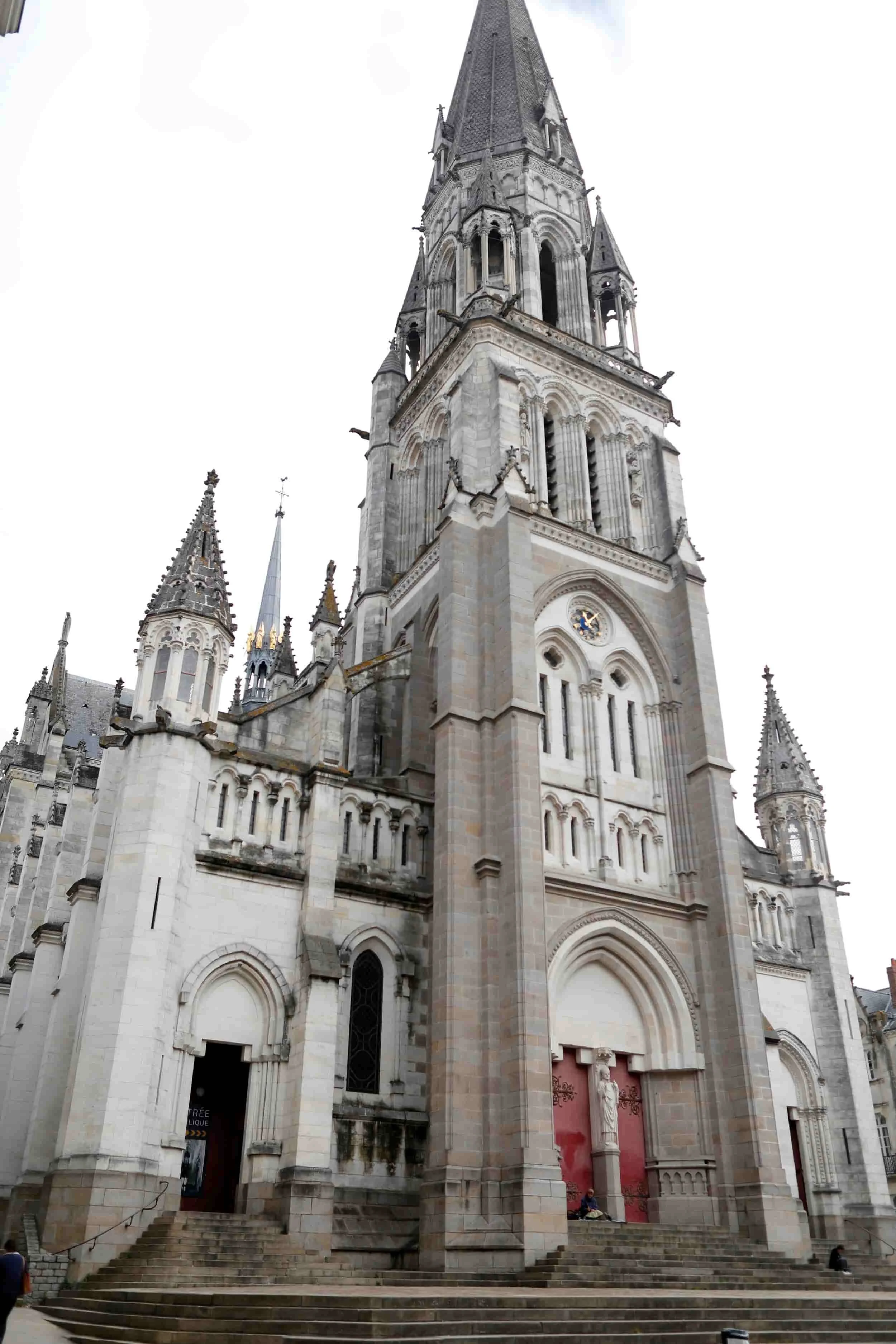
Nearby, Place Royale opens into an elegant pedestrian square, centered around the ornate Fontaine de la Loire.
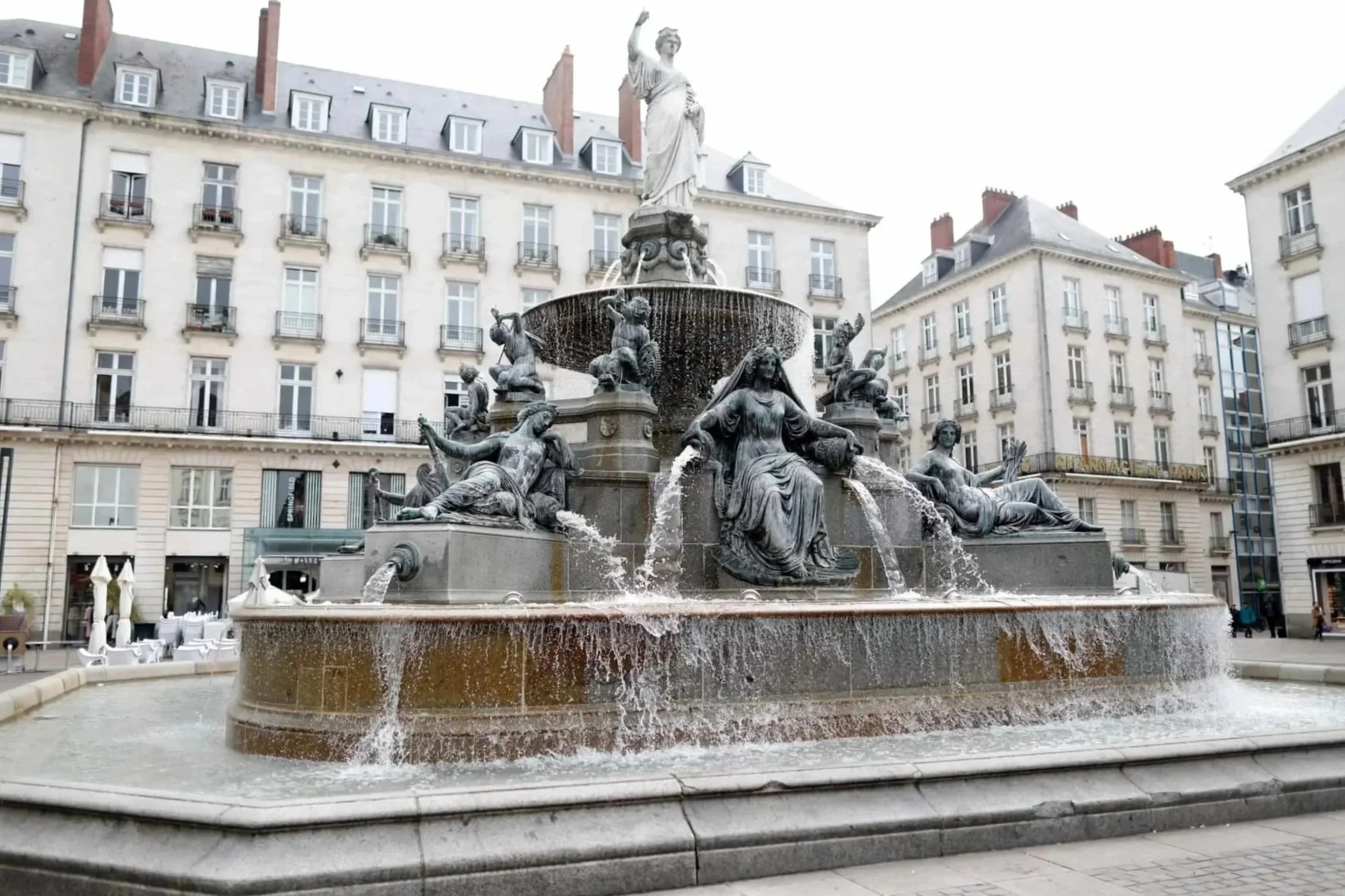
Both offer a glimpse of Nantes' architectural character before the scenery shifts toward the city's former industrial waterfront.

Where Art, Engineering & Imagination Meet
Across the Loire, Les Machines de l'Île is one of Nantes' most extraordinary attractions, bringing together art, engineering and a remarkable sense of imagination.
Created by François Delaroziere and Pierre Orefice, the project draws inspiration from the fantastical worlds of Jules Verne, the inventions of Leonardo da Vinci and Nantes' shipbuilding history. Set within the former shipyards, it's a fascinating example of how an industrial landscape can take on an entirely new identity.
This was the experience I'd been looking forward to most, and it didn't disappoint.
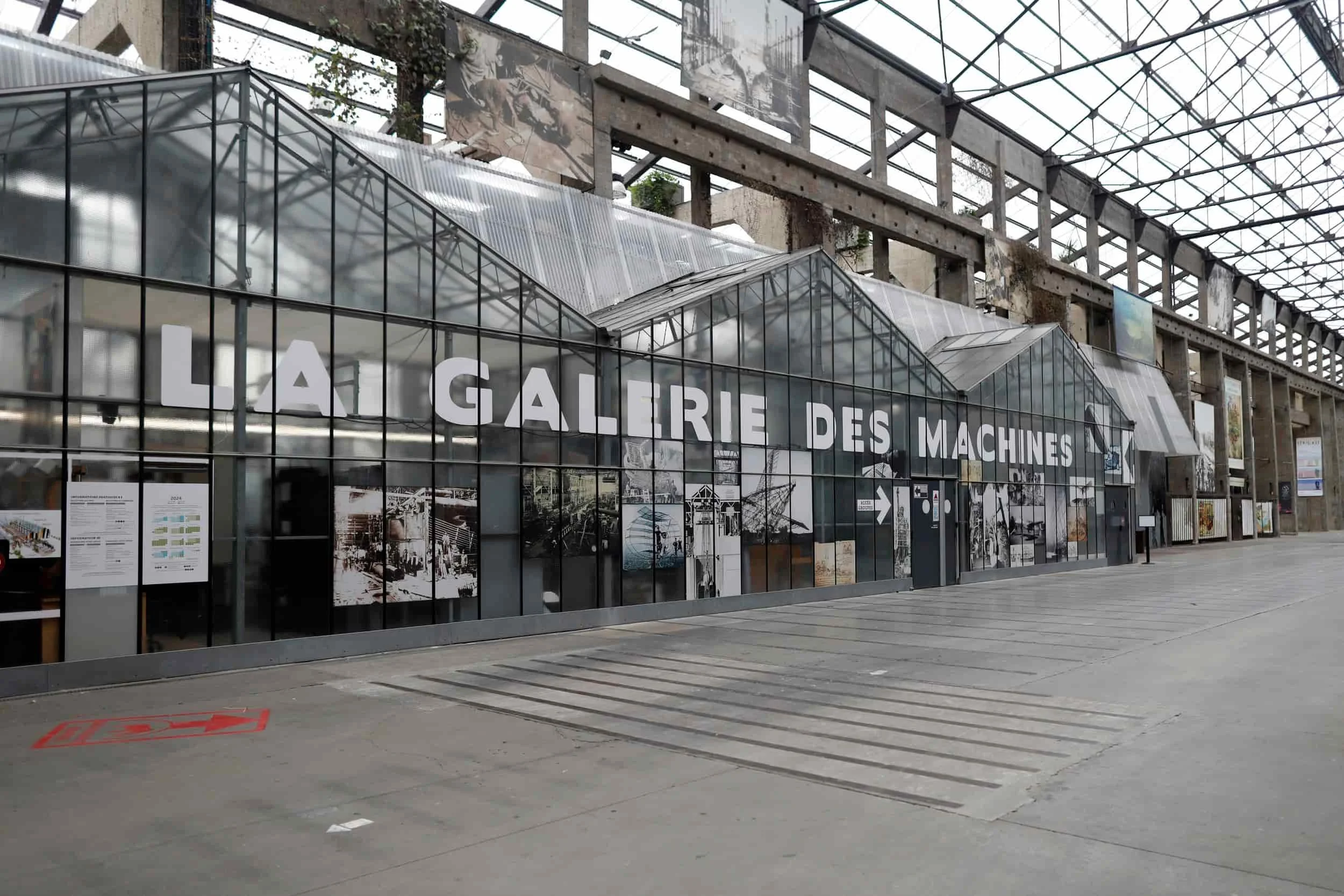
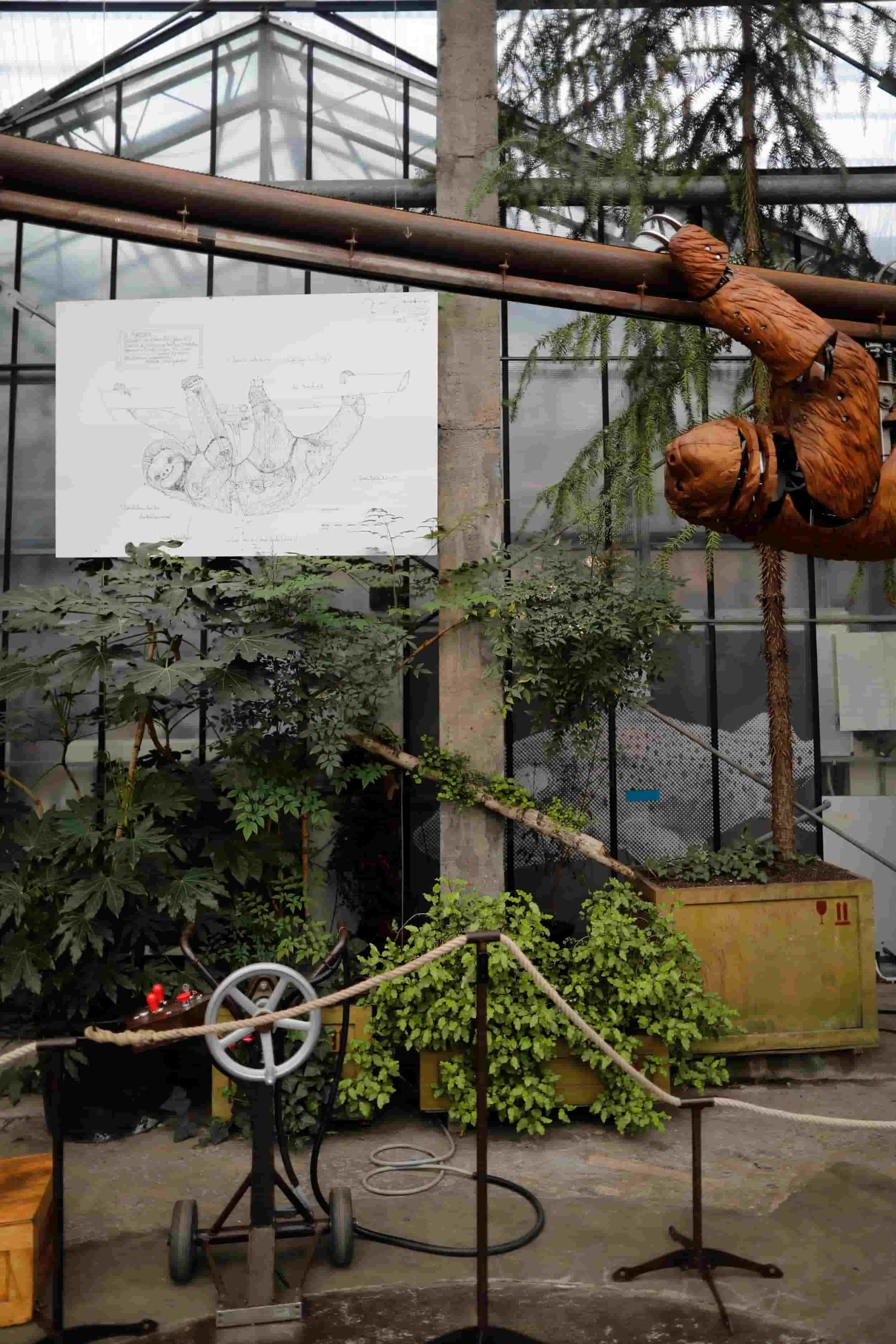
Inside the Galerie des Machines, enormous mechanical creatures come to life through demonstrations led by skilled machinists. Visitors gather as articulated limbs move, gears turn and intricate mechanisms reveal the engineering behind each creation. Among the highlights were a mechanical sloth, an imposing spider and the ambitious Heron Tree project, whose models and drawings offered a glimpse into an extraordinary vision for the future.
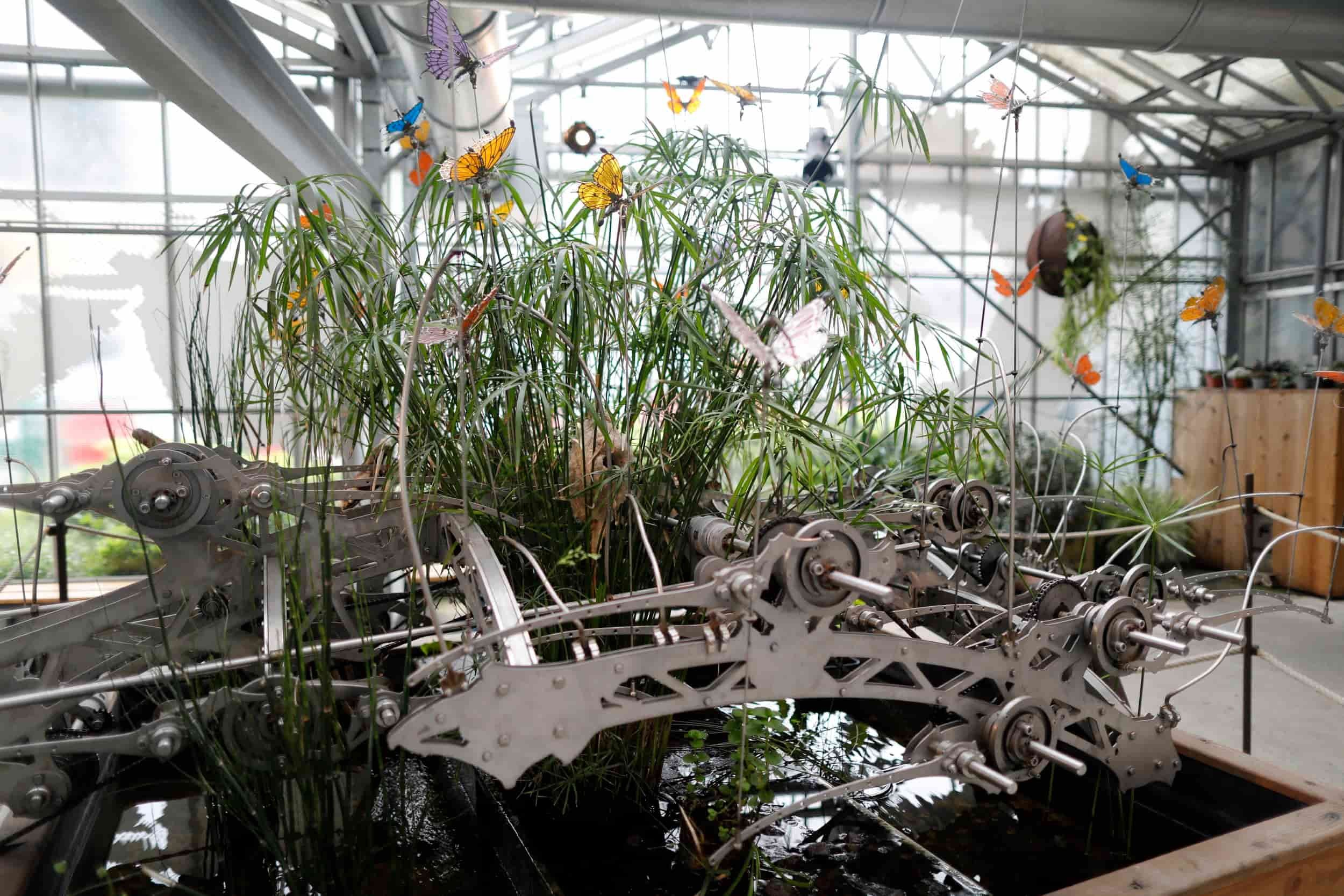
As a designer, I particularly loved seeing the creative process on display. Early sketches, technical drawings and exposed mechanisms made the craftsmanship just as interesting as the creatures themselves.
Outside, the enormous Grand Éléphant was every bit as impressive. Although I didn't ride it, watching this towering mechanical animal move through the former shipyards was incredible. The scale, movement and engineering are difficult to appreciate until you see it in person.
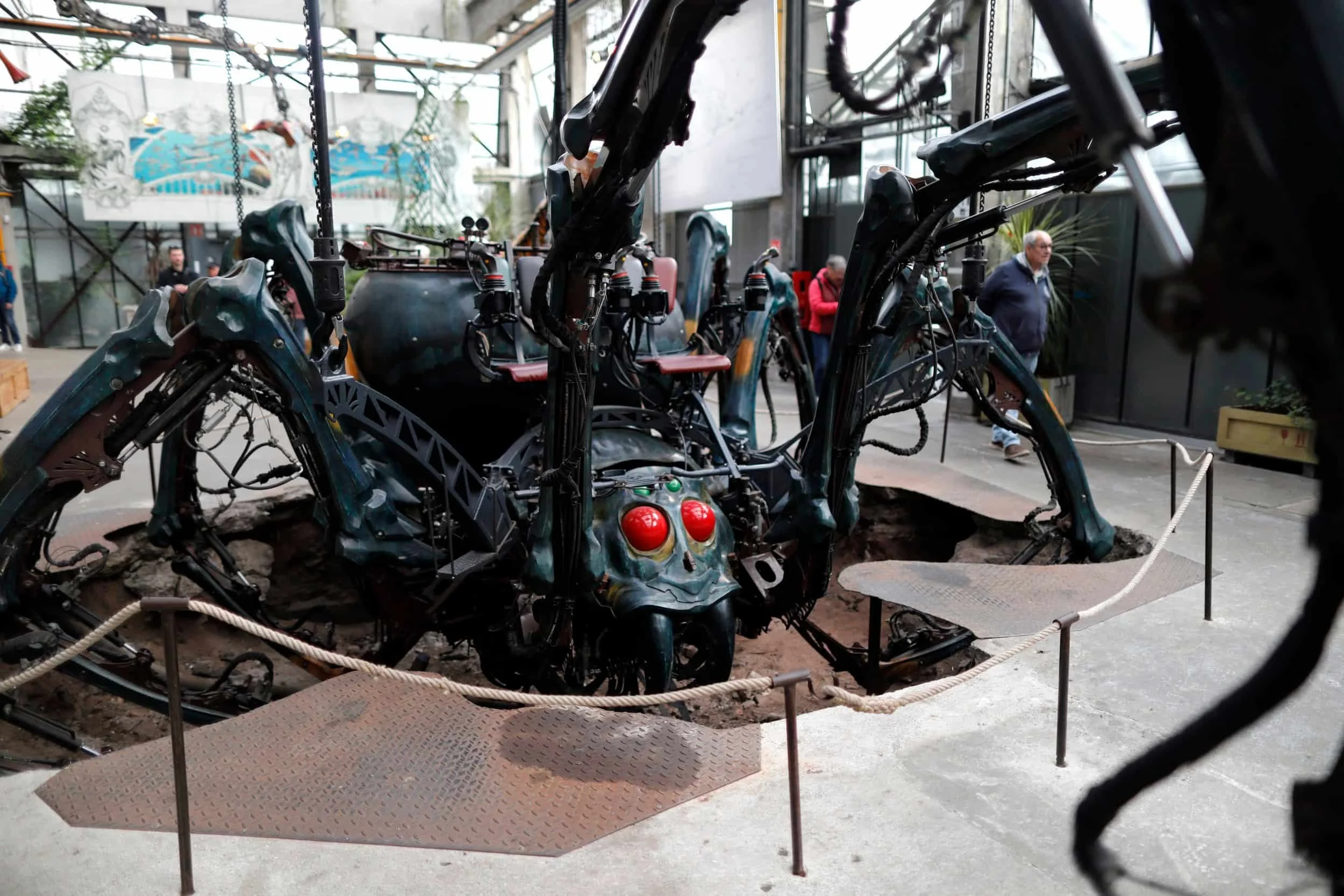
Another unexpected favorite was the little secret garden tucked into the grounds. Away from the spectacle of the machines, this quieter, green space offered a completely different atmosphere. I loved it just as much as the mechanical creations themselves, a reminder that sometimes the smaller discoveries leave an equally strong impression.
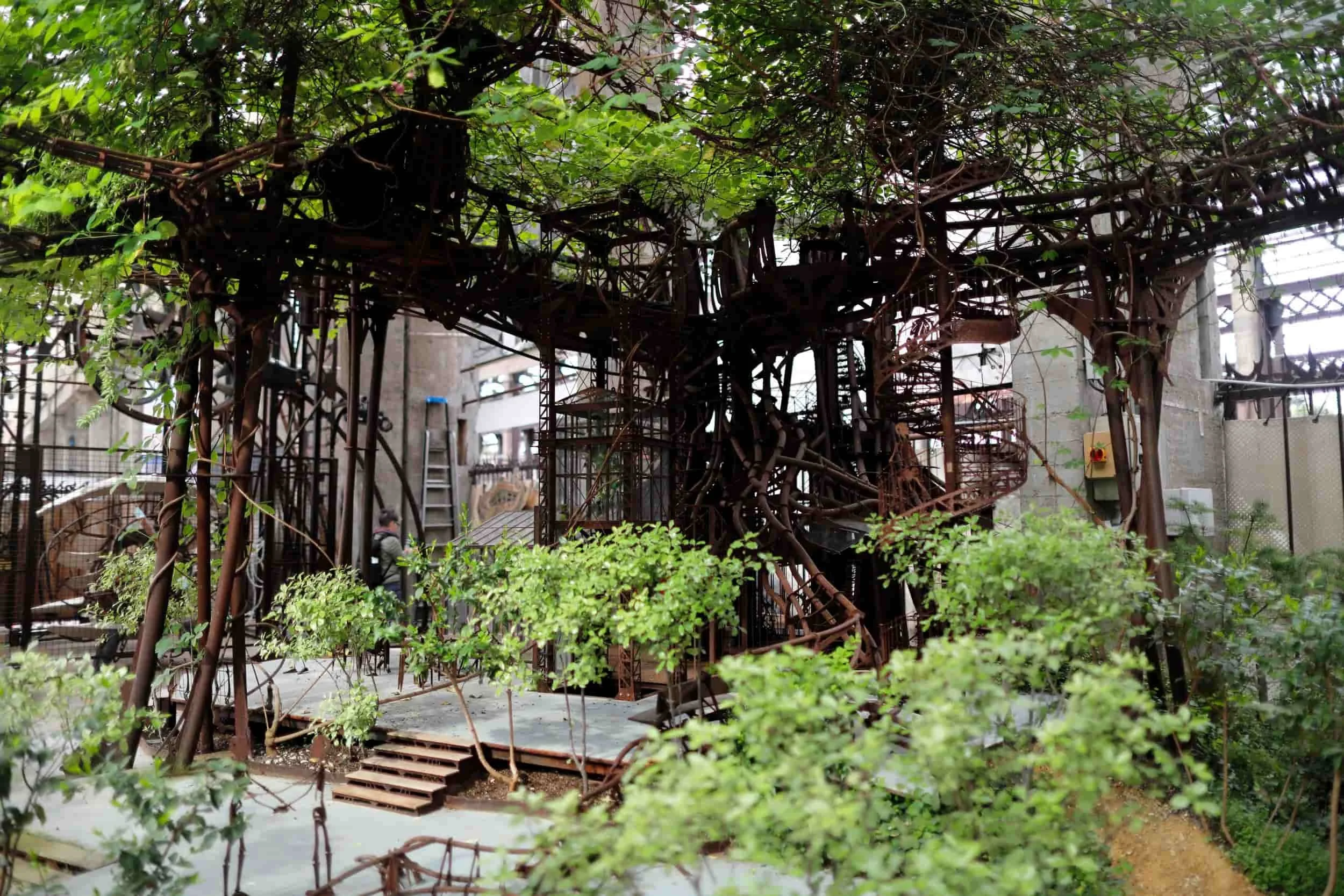
The site is also home to the elaborate Carrousel des Mondes Marins, a fantastical multi-level carousel inspired by Jules Verne's underwater worlds. Unfortunately, it wasn't open or visible during my visit but it's another attraction worth looking into when planning your own.
Les Machines de l'Île is easily one of my favorite experiences in Nantes. Between the extraordinary mechanical creations, the industrial setting and the unexpected garden, there's a wonderful mix of imagination, design and discovery.
✨ Don't Miss | There's so much more to discover at Les Machines de l'Île. A dedicated guide exploring the incredible mechanical creations, imaginative design and my experience visiting is coming soon to My Bibimbap Life.
ℹ️ Good to Know | Book tickets in advance through the official website to avoid long lines. You'll need to select a specific time slot and the gallery, elephant rides and carousel have separate schedules and ticketing options.
Château des Ducs de Bretagne
In the heart of Nantes' historic center, Château des Ducs de Bretagne is one of the city's most impressive architectural landmarks. Once home to the Dukes of Brittany, the château brings together the imposing defenses of a medieval fortress with the elegance of an early Renaissance palace.
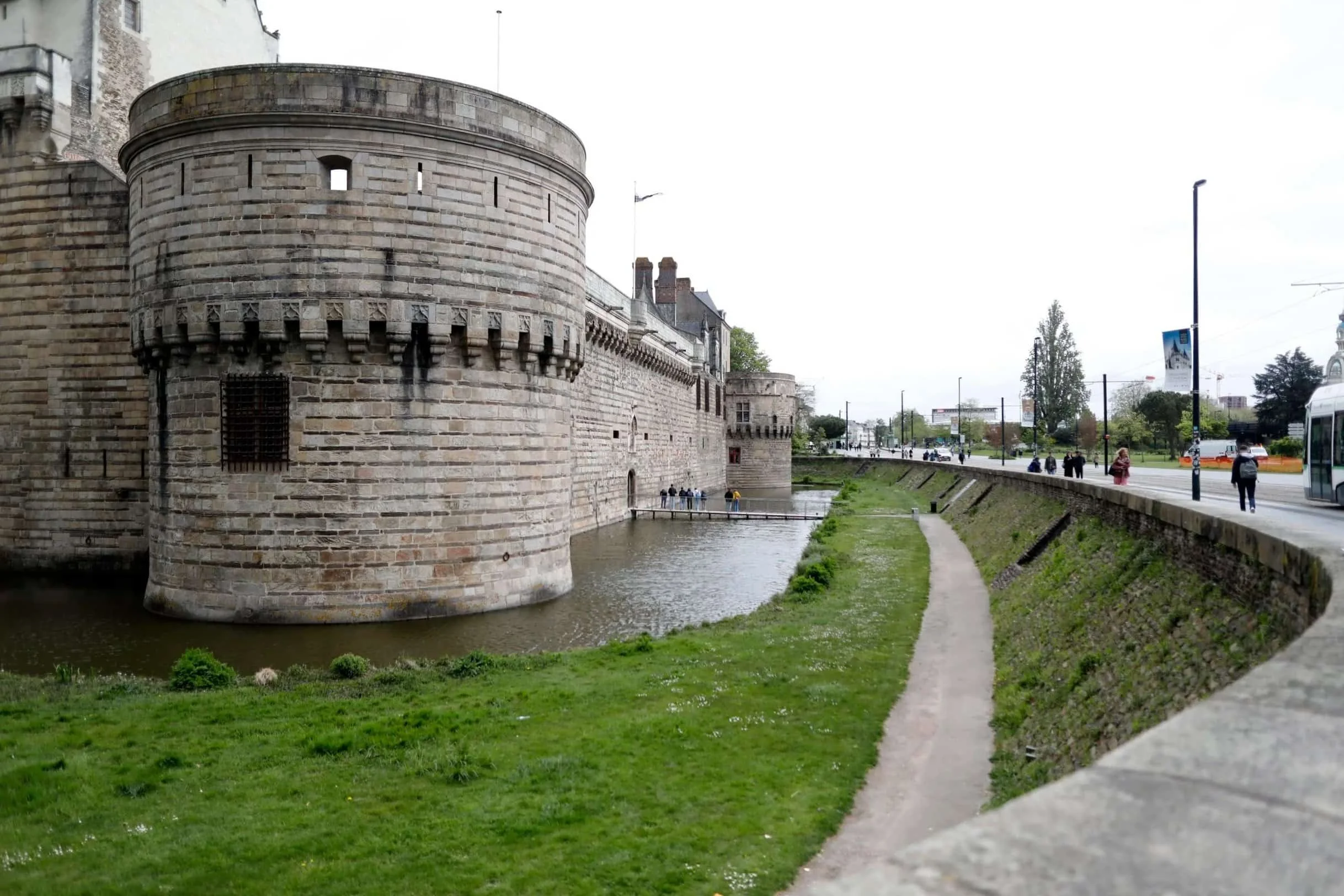
Approaching the castle, its massive stone walls and fortified towers rise above a wide moat, with grassy banks that have become a popular place for locals to relax. It's an interesting contrast — a structure built for protection now surrounded by peaceful green space in the middle of the city.
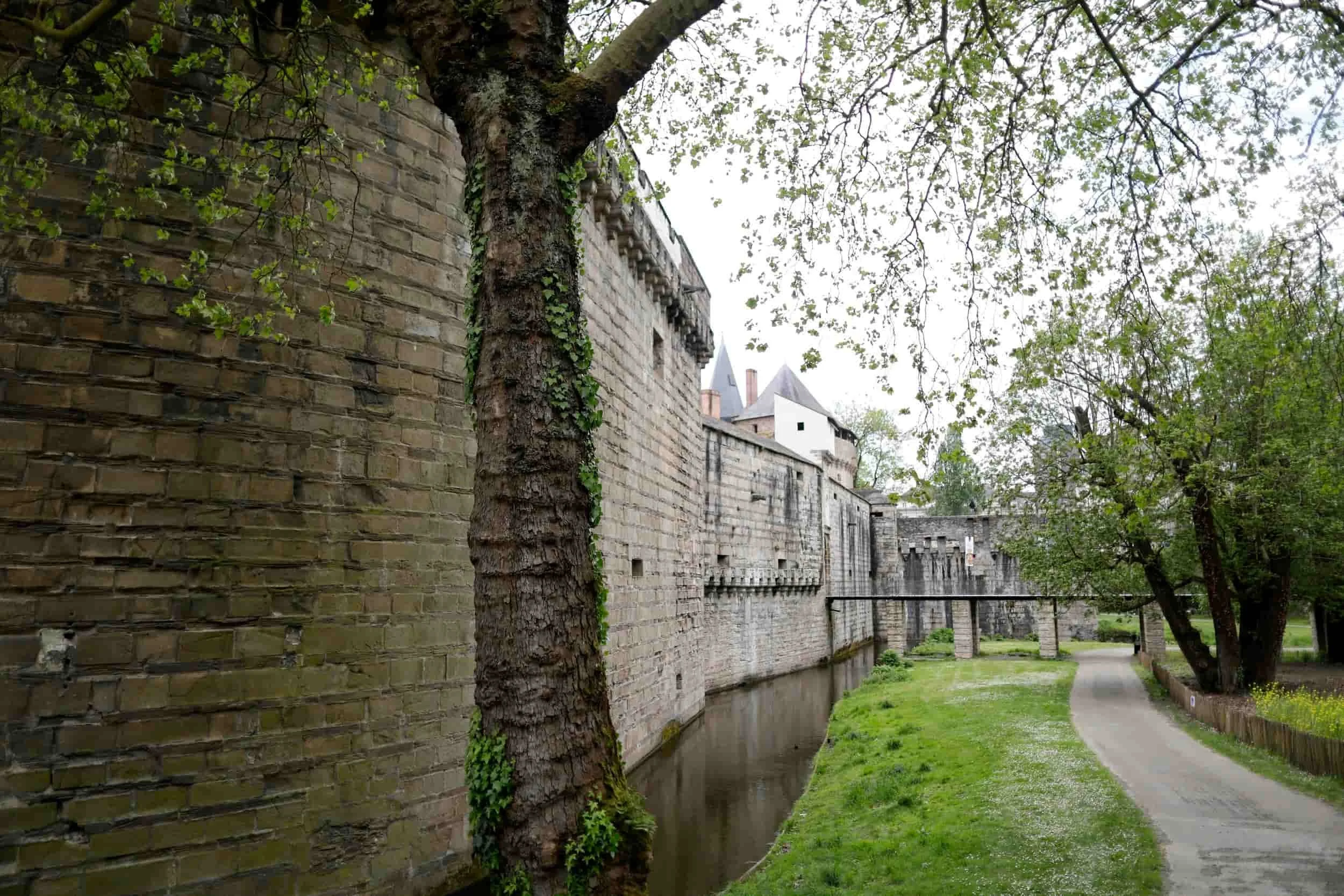
The château's present form was largely shaped in the late 15th century by François II, the last Duke of Brittany, and his daughter Anne of Brittany, who later became Queen of France. What makes the architecture particularly interesting is the transition between the defensive exterior and the more refined buildings within.
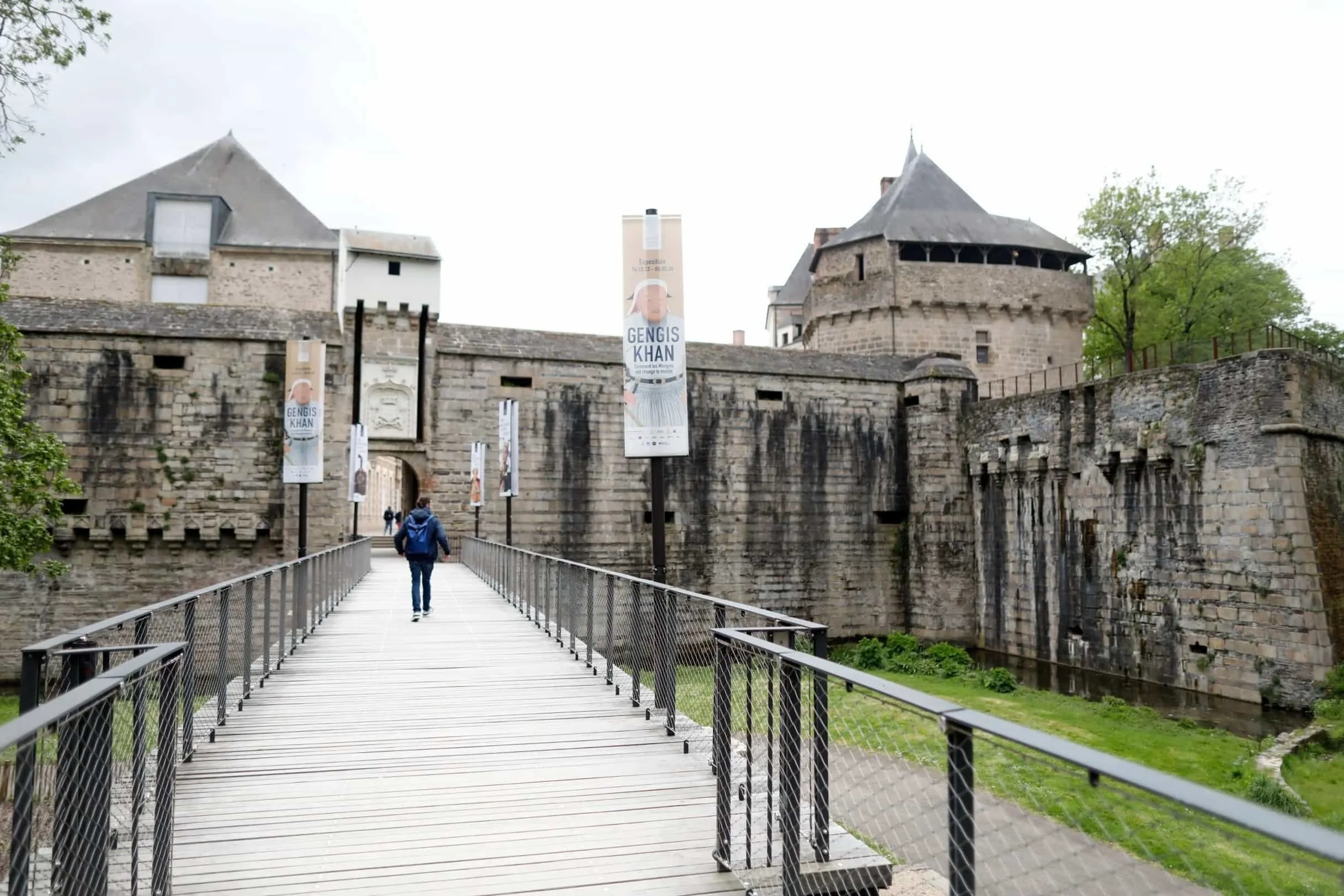
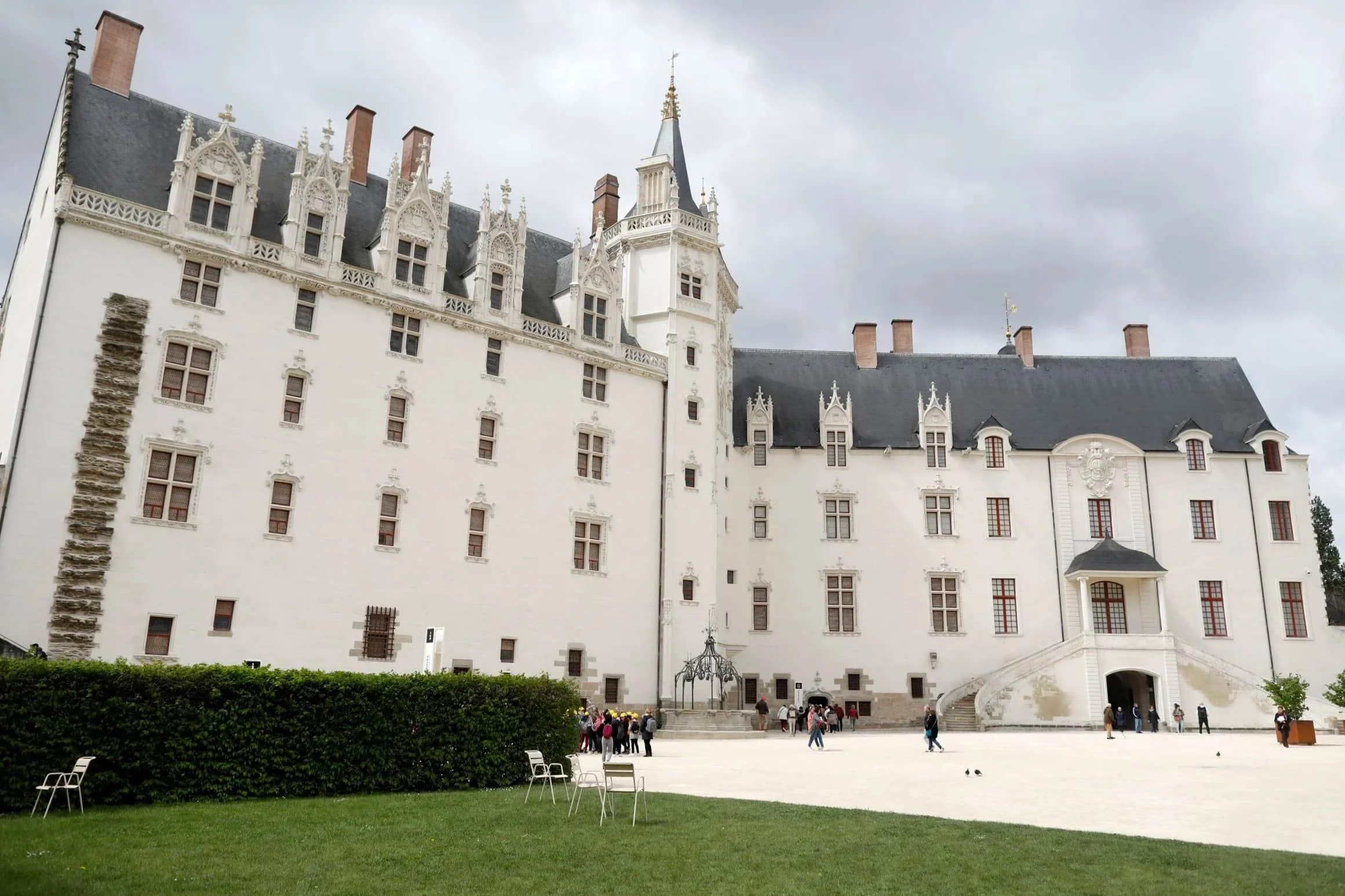
Crossing the drawbridge into the courtyard reveals ornate stone façades, delicate carvings and beautiful Renaissance loggias. These covered, open-air galleries introduce a sense of lightness to the architecture, quite different from the heavy stone fortifications outside.
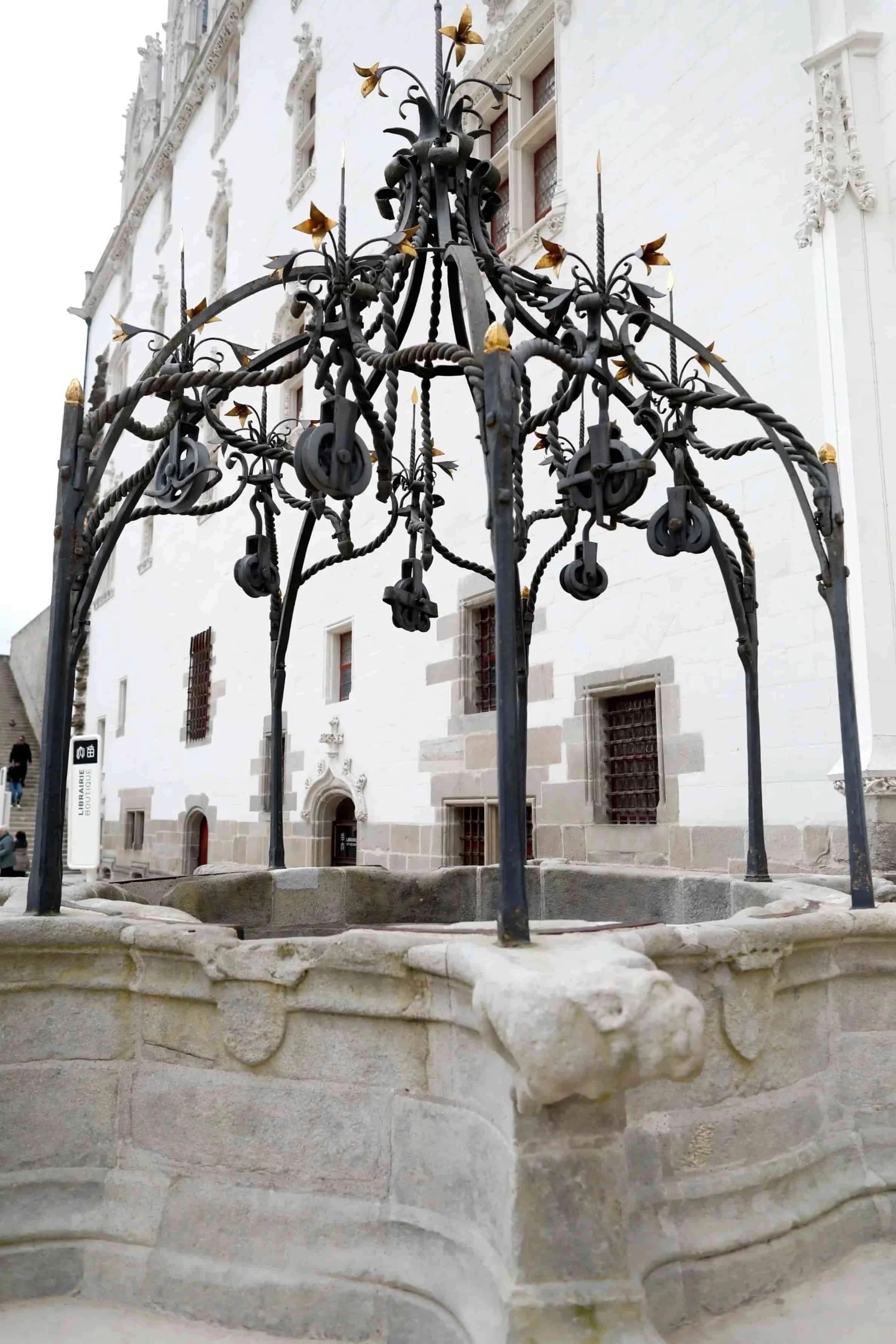
One of my favorite details was the historic courtyard well, with its elaborate iron framework, thirteen pulleys and sculpted animals decorating the granite base. It's an unexpected piece of craftsmanship that could easily be overlooked among the larger buildings.
The château also houses the Nantes History Museum, which explores the city's development, including its maritime history and involvement in the Atlantic slave trade. Although I spent my visit wandering the grounds and admiring the architecture, I regret not making time to explore the museum.
💡 My Tip | Don't make my mistake and skip the museum. The château's grounds and courtyard are worth visiting on their own but the exhibitions offer a deeper understanding of Nantes and the history behind its beautiful architecture.
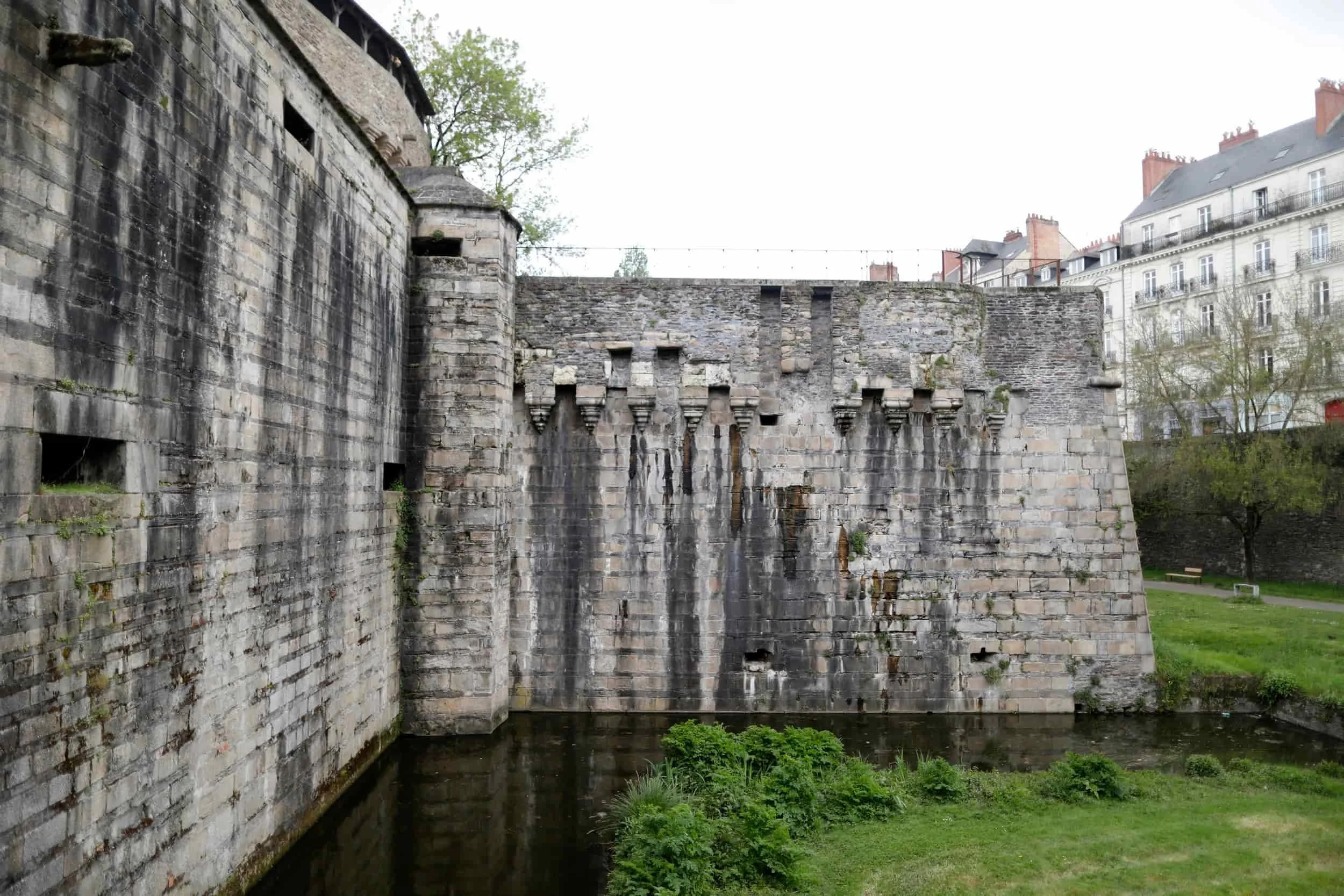
For anyone interested in history, architecture or simply discovering a quieter side of Nantes, the château is an essential stop. Its layers of medieval and Renaissance design offer a fascinating glimpse into the city's past.
✨ Coming Soon | A closer look at Château des Ducs de Bretagne is on the way, exploring its fascinating history, architectural details and the stories behind one of Nantes' most iconic landmarks.
Jardin des Plantes
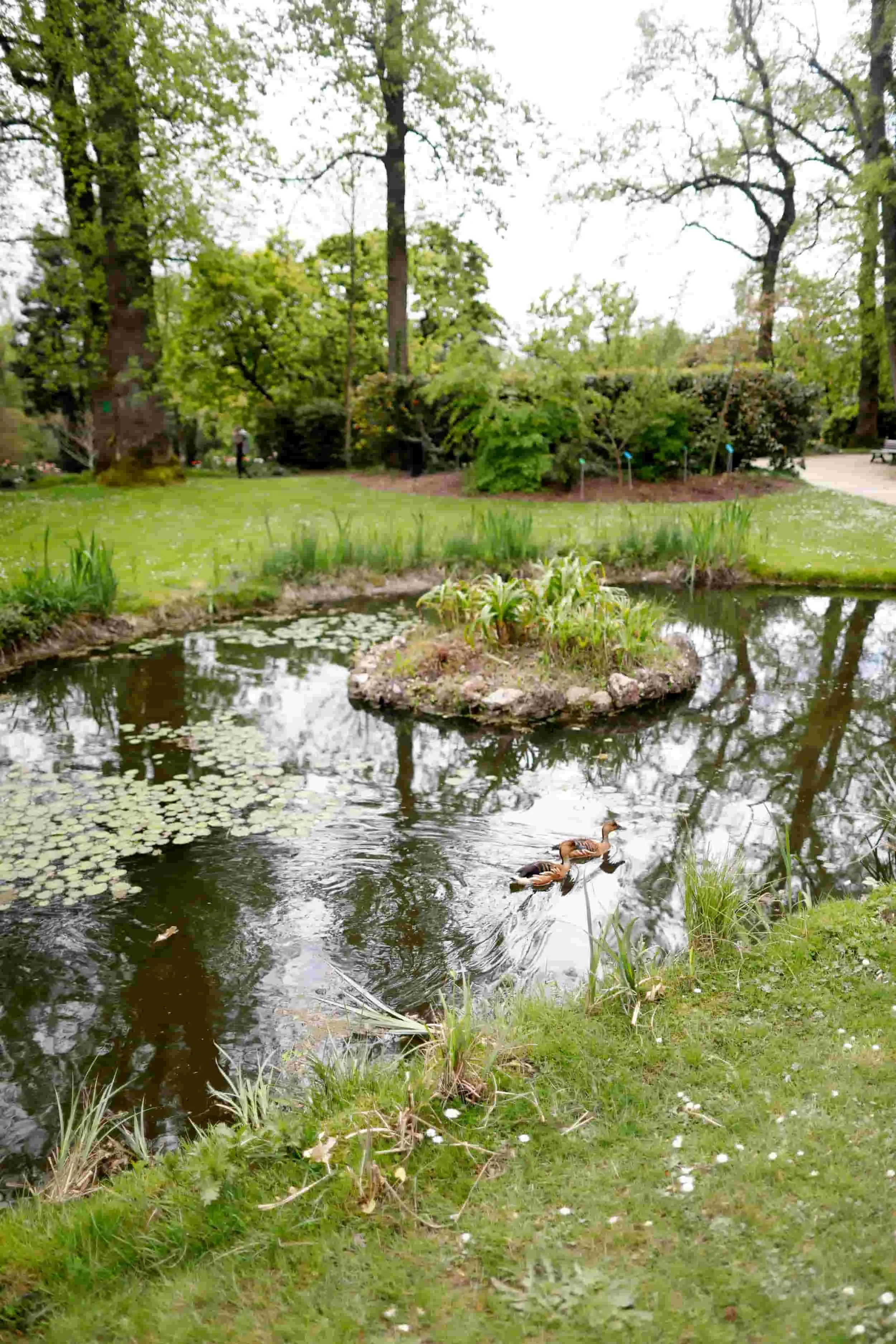
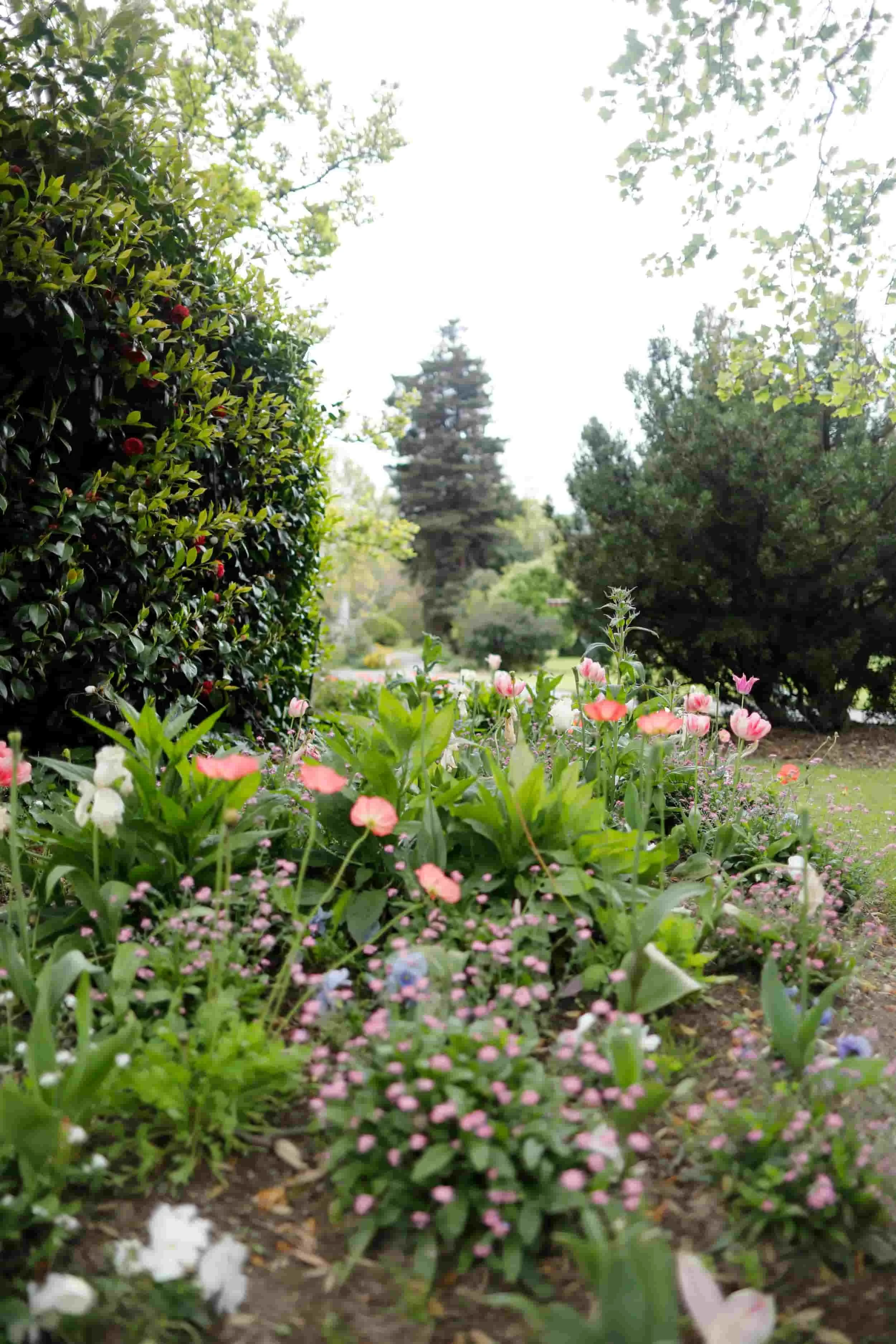
Just a short walk from Gare de Nantes, Jardin des Plantes offers a welcome change of pace from the city's busy streets. With winding pathways, historic greenhouses, beautiful botanical collections and unexpected works of art, it's much more than a traditional city park.
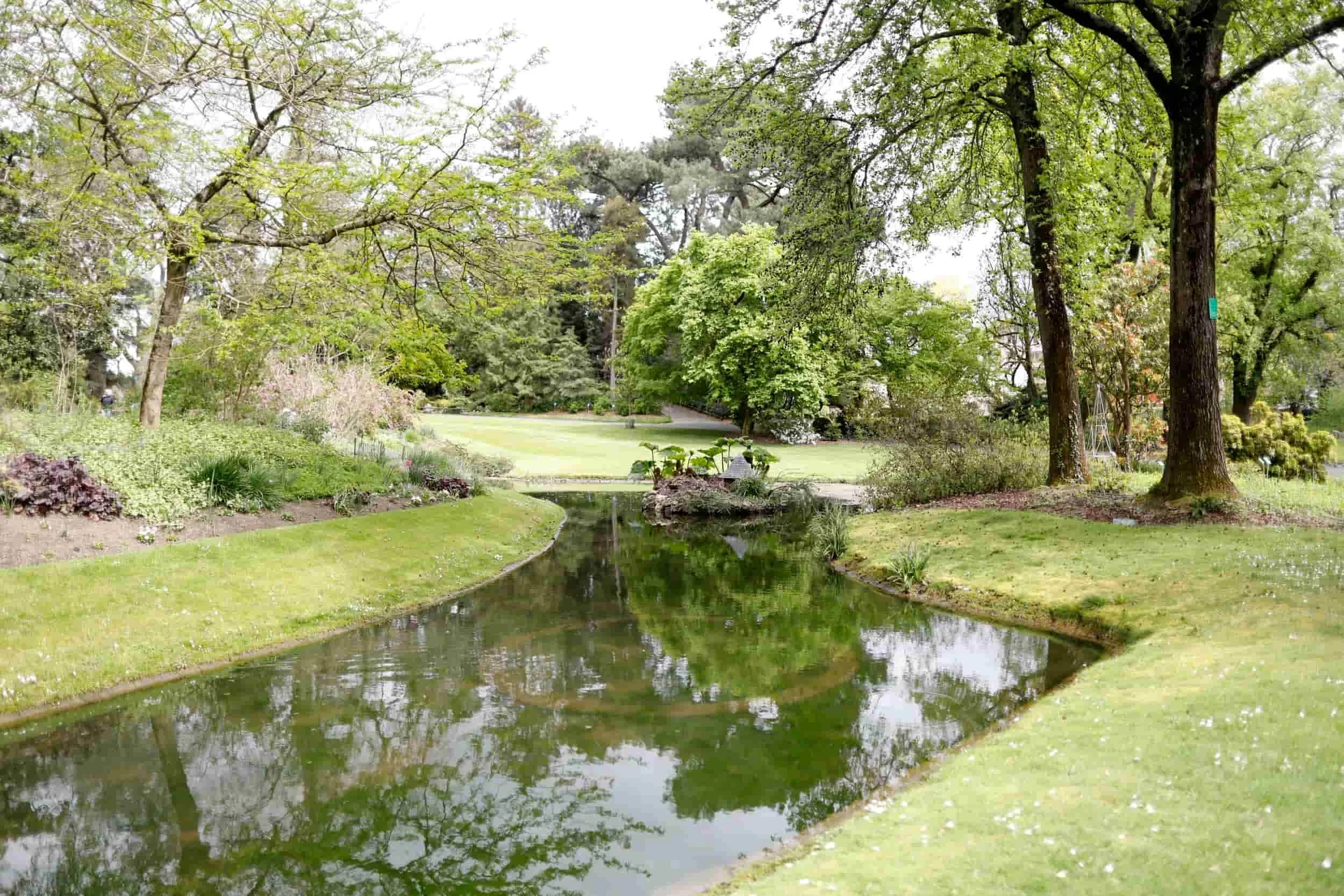
Originally established in 1635 as a medicinal garden, Jardin des Plantes has grown into one of France's notable botanical gardens. Today, its landscaped grounds bring together centuries of horticultural history with a playful, contemporary approach to public space.
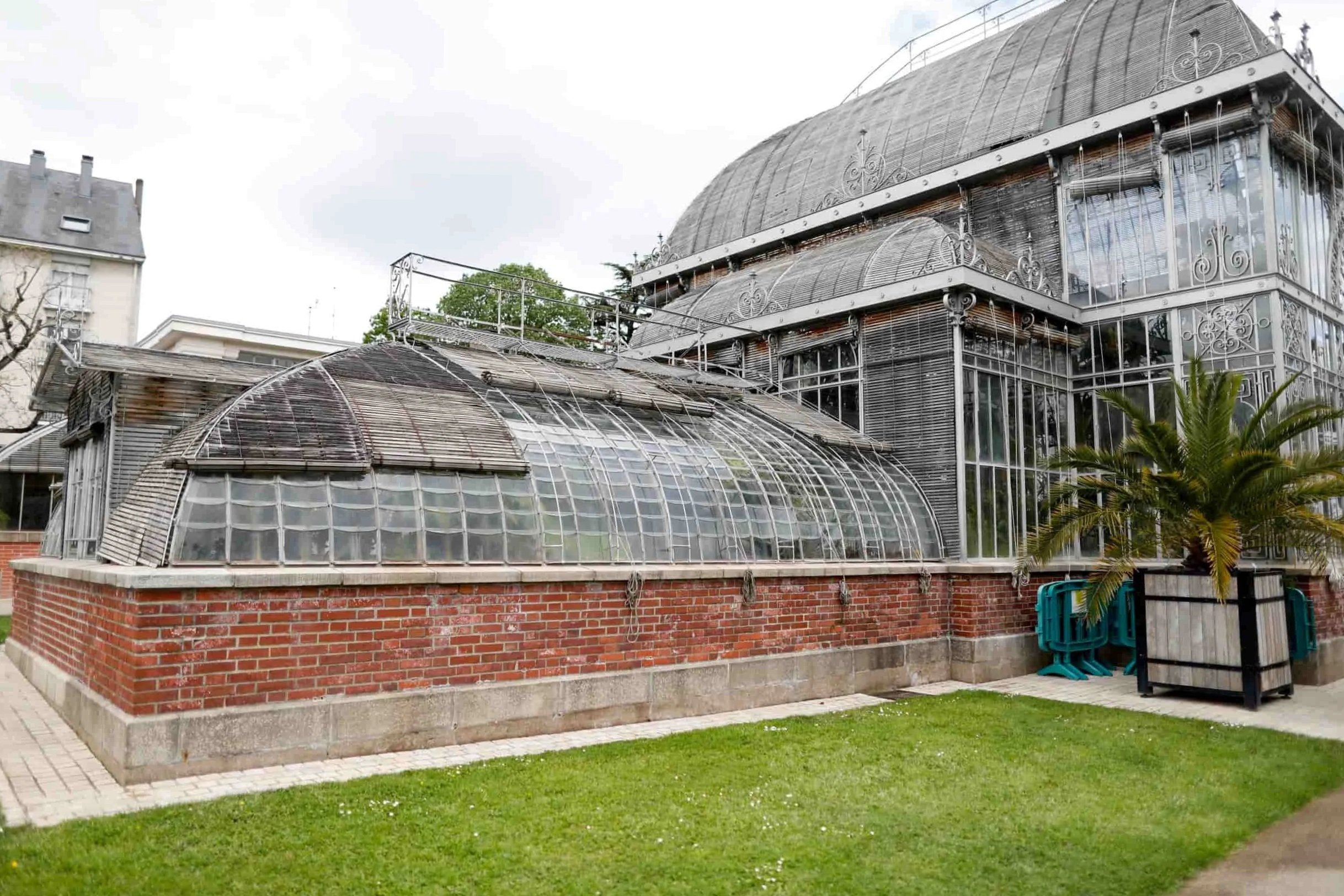
Among its architectural highlights is the Palmarium, a 19th-century greenhouse with a red-brick base, elegant ironwork and a sweeping glass roof. I was particularly drawn to the building itself, although unfortunately it was closed during my visit, along with several other greenhouse spaces undergoing renovations.
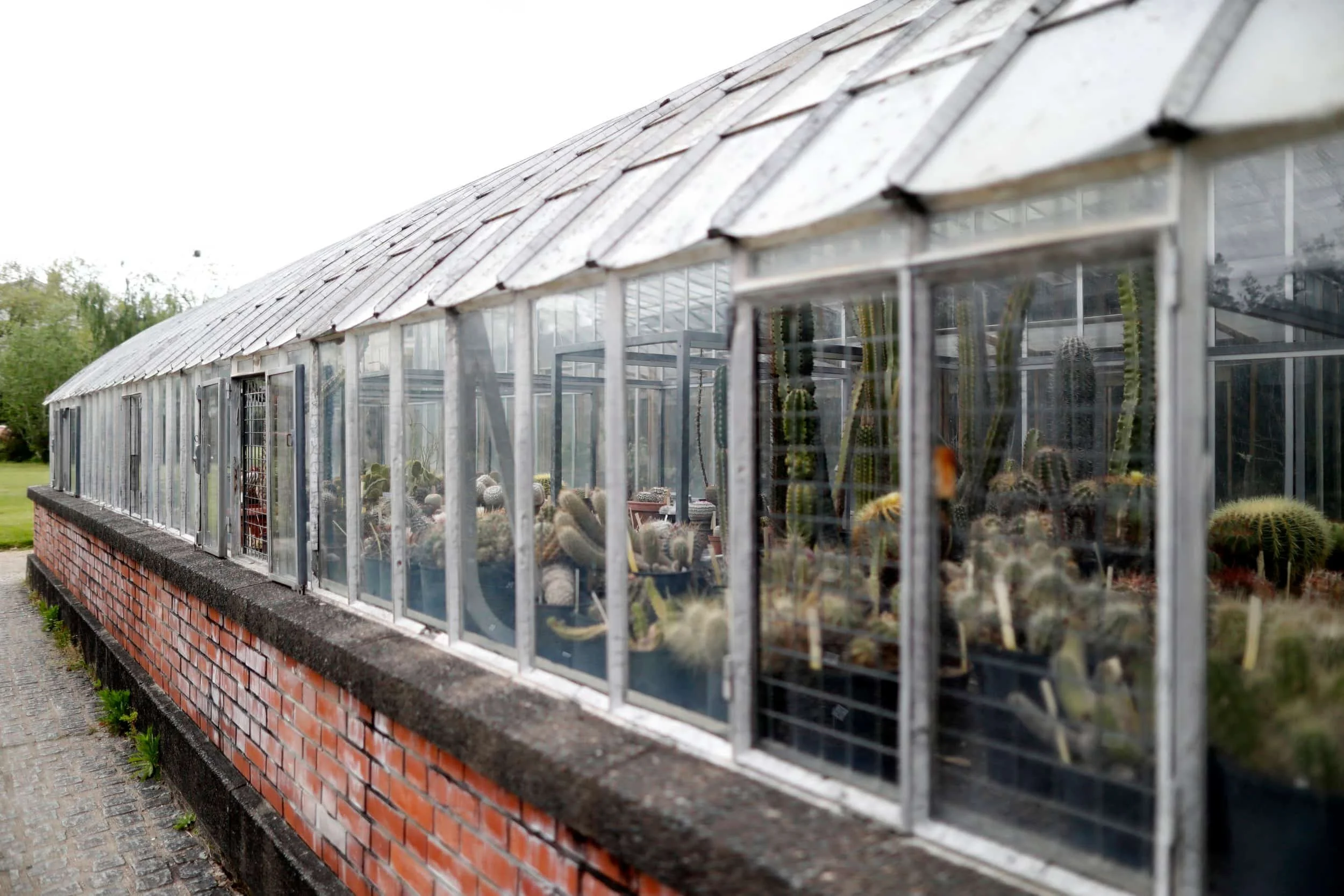
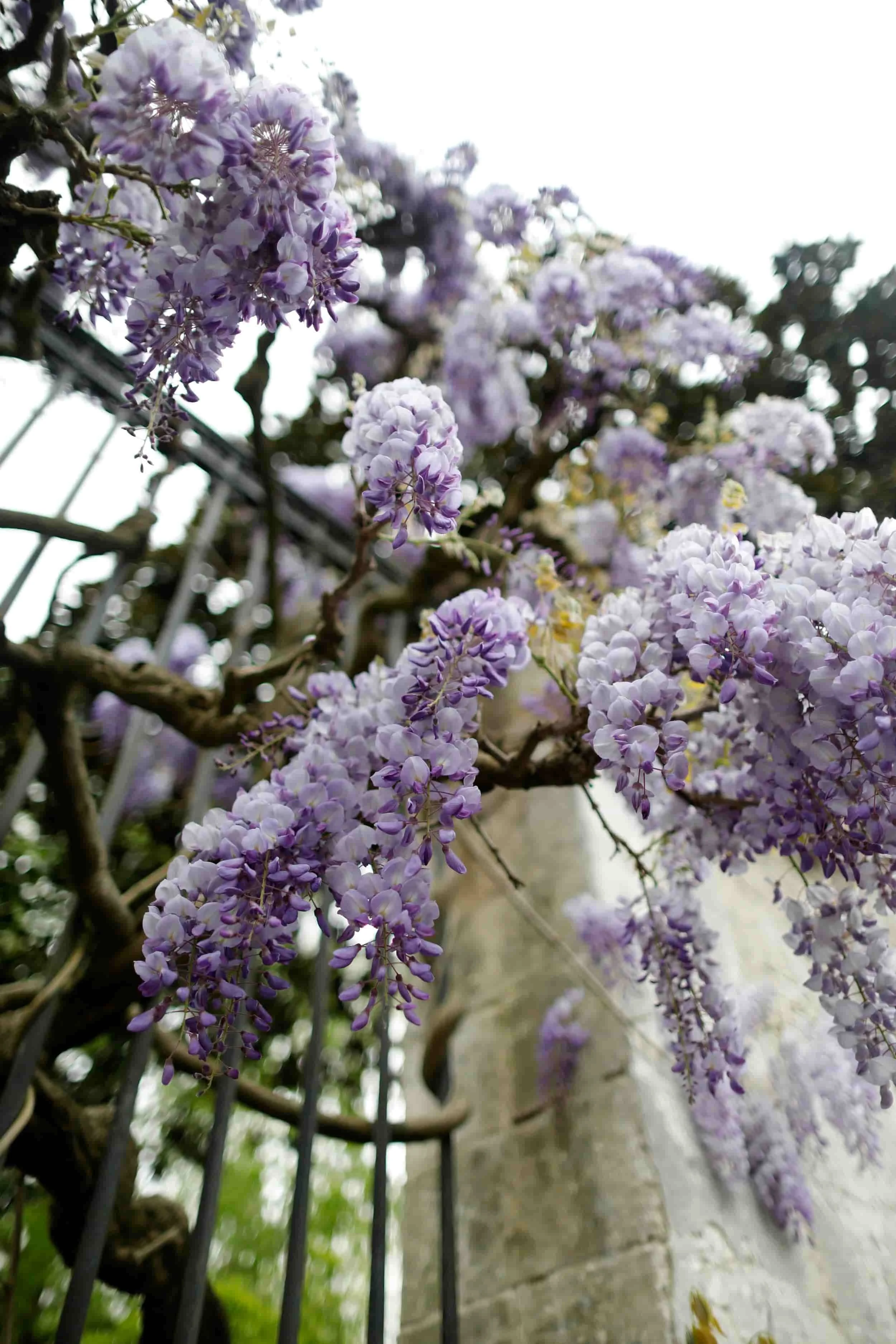
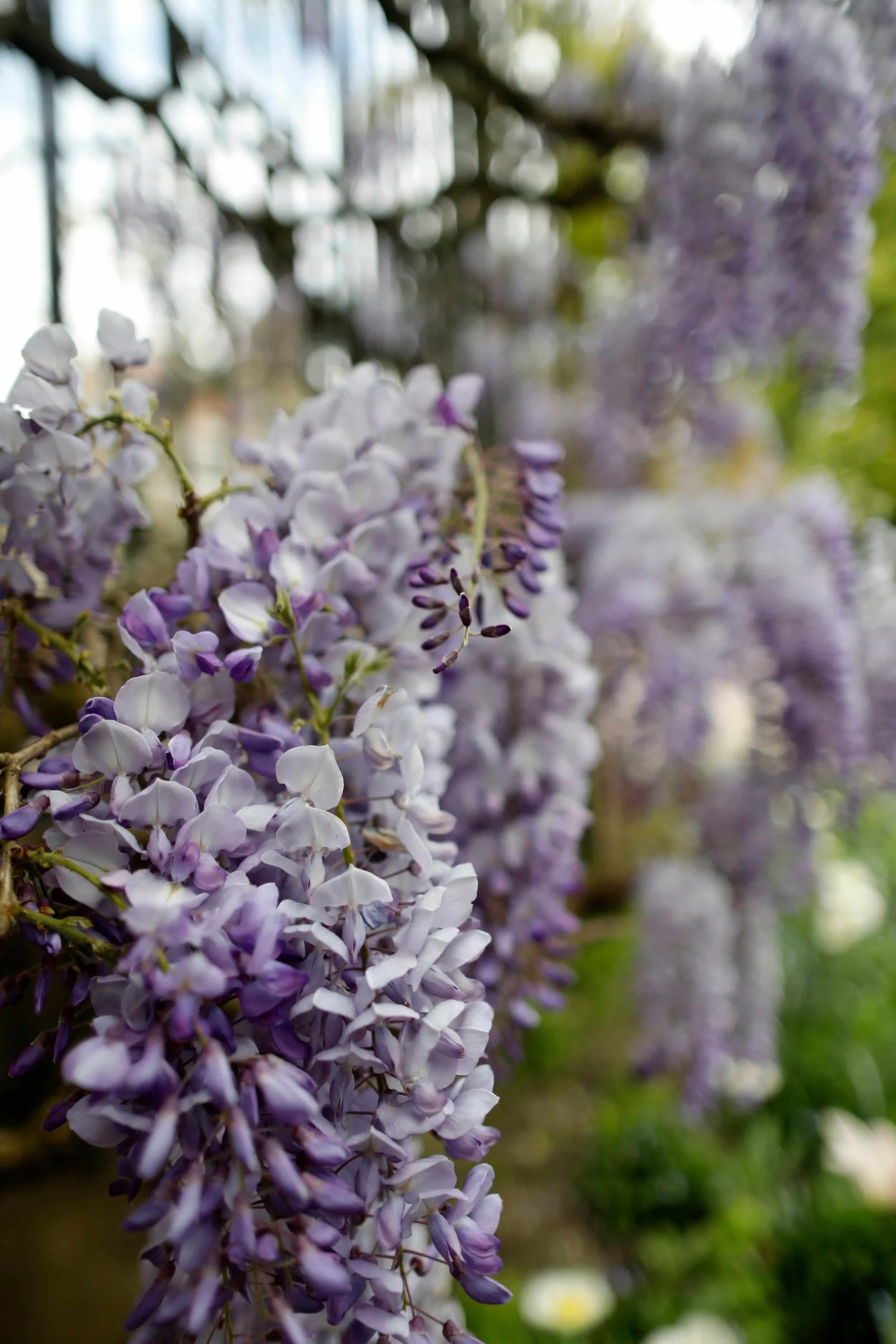
Even without access to the interiors, there was plenty to enjoy. One of my favorite sights was the enormous lilac bushes spilling over the entrance gates, their purple blossoms tumbling across the ironwork and stone pillars. Throughout the gardens, labeled plants, shaded benches and quiet pathways invite visitors to slow down and explore at their own pace.
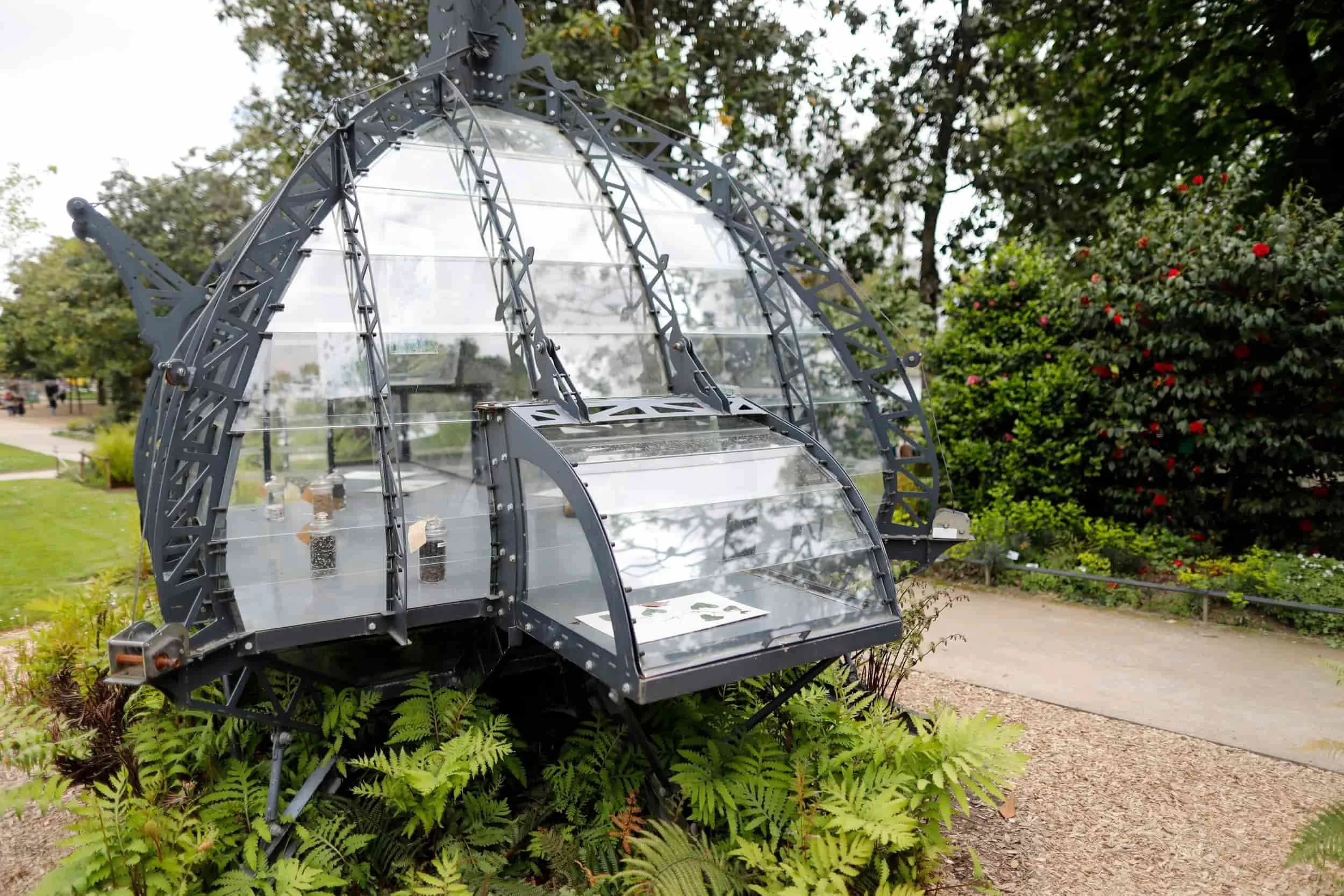
What makes Jardin des Plantes especially interesting is its collection of whimsical art installations, including oversized characters by French artist Jean Jullien. Tucked among the greenery, these playful figures bring an unexpected sense of humor to the landscape. It's another example of Nantes' ability to weave contemporary creativity into its historic spaces.
For me, the best part was simply wandering without much of a plan, stopping to admire the flowers, discovering little pieces of art and finding a quiet place to watch the world go by. After the spectacle of Les Machines de l'Île, it was a different but equally enjoyable side of Nantes.
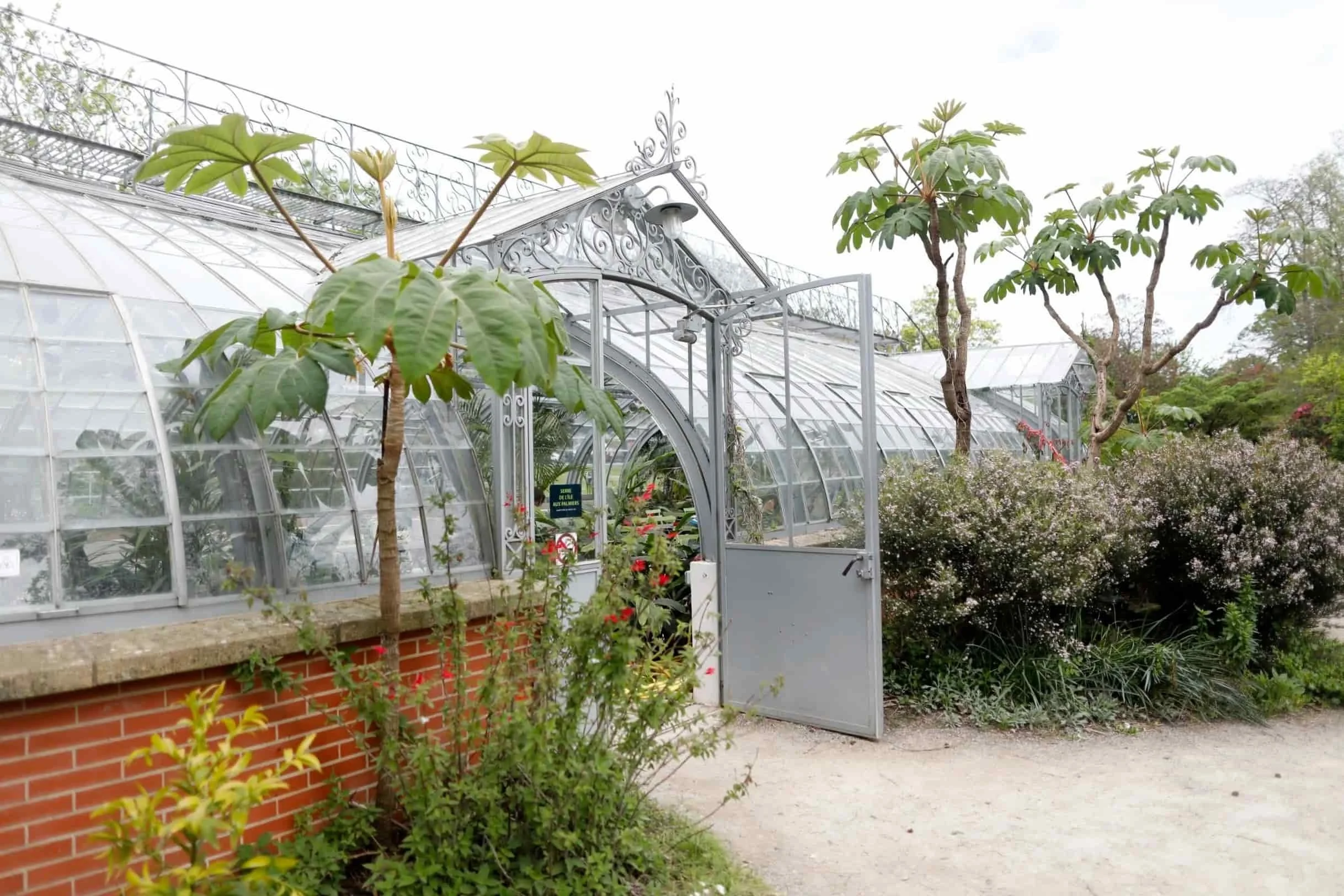
Whether you're interested in botanical gardens, architecture, photography or simply finding a quiet place to spend an afternoon, Jardin des Plantes is worth including in your Nantes itinerary.
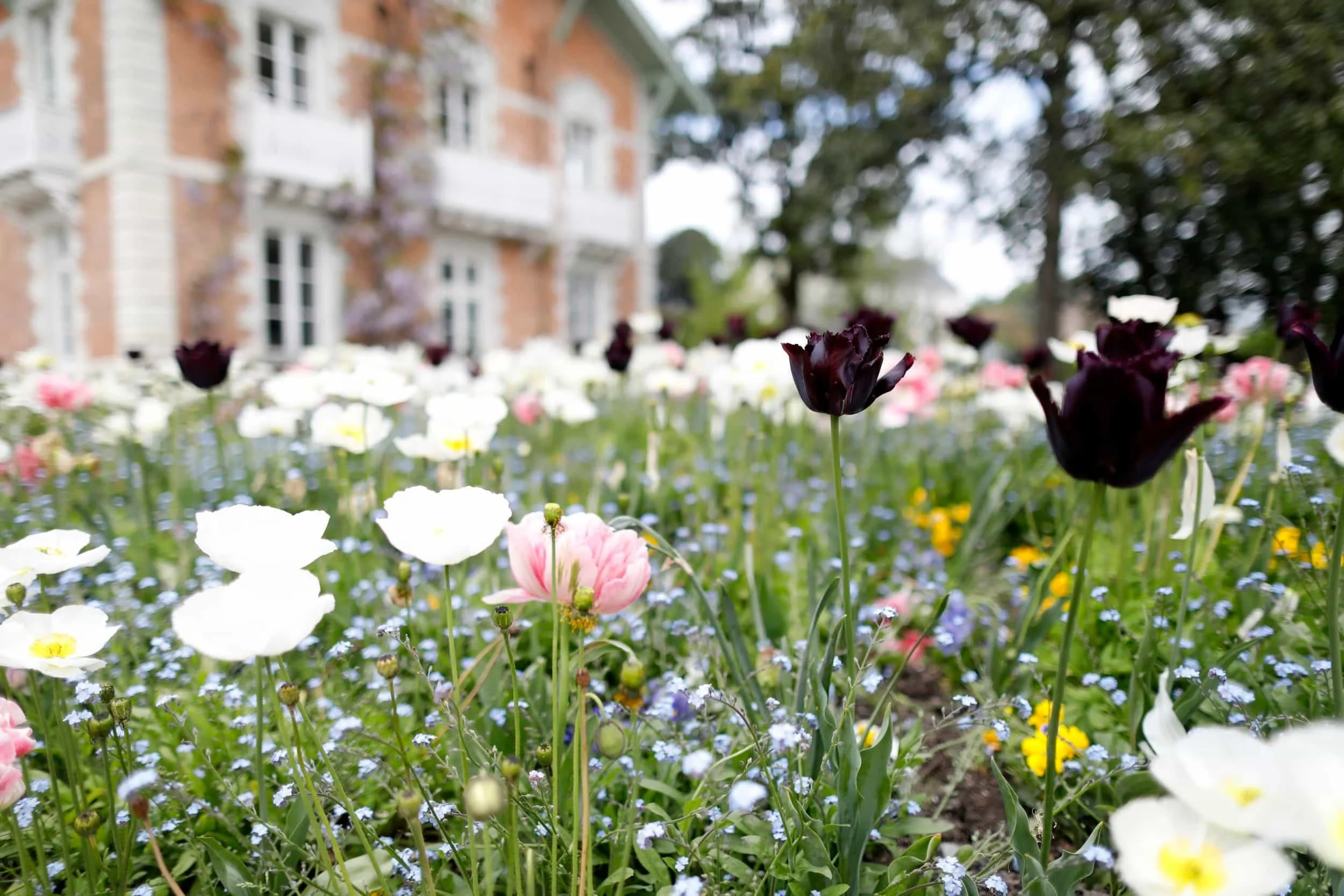
ℹ️ Good to Know | The gardens are generally free to explore but greenhouse access and opening hours can vary. Check the official visitor information before visiting, particularly if you're hoping to see the Palmarium or other indoor collections.
Traveling Carnival
Sometimes the most memorable discoveries are the ones you haven't planned. During my visit to Nantes, a traveling carnival had taken over part of the city, filling the streets with colorful rides, games, food stalls and the familiar sounds of a fairground.
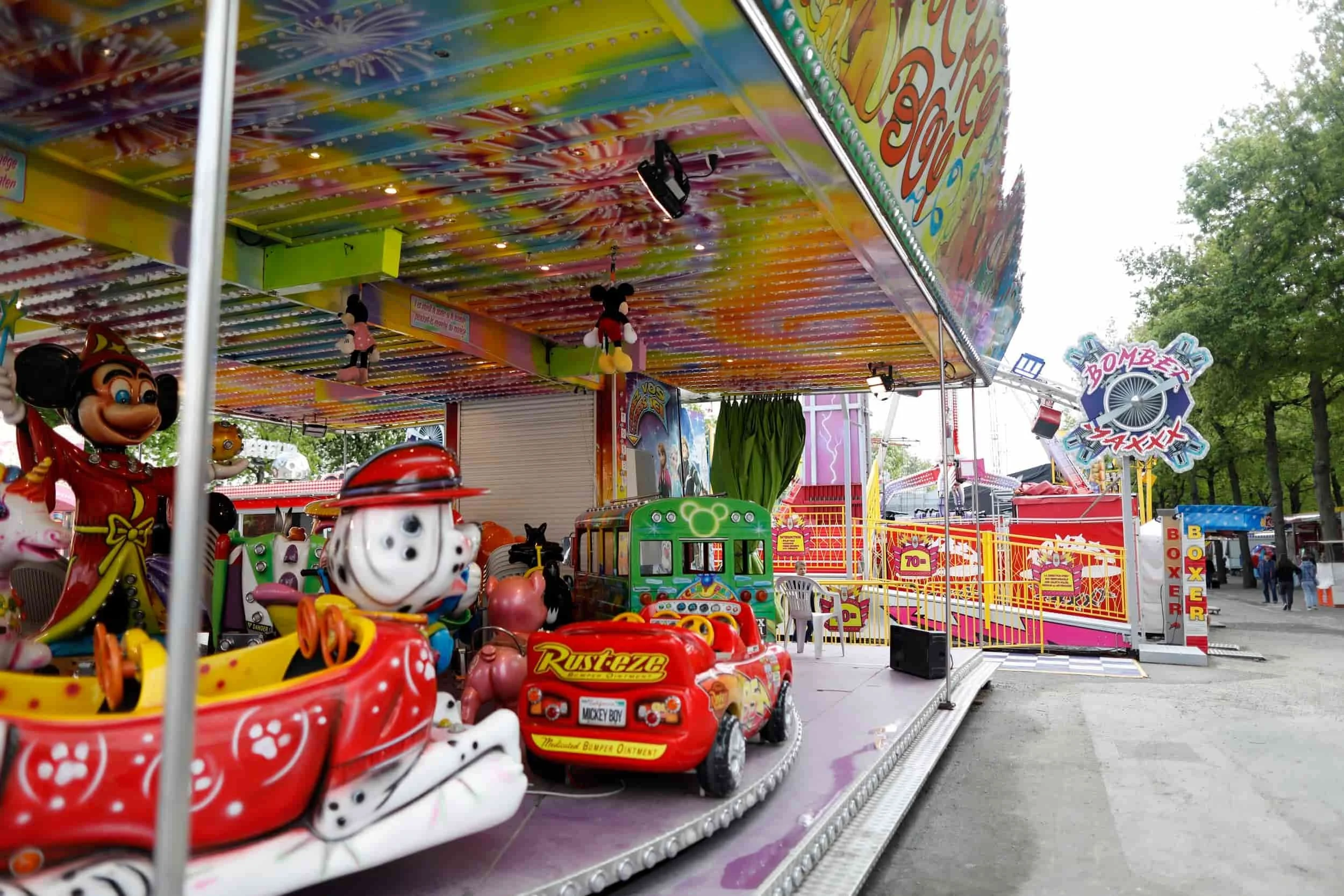
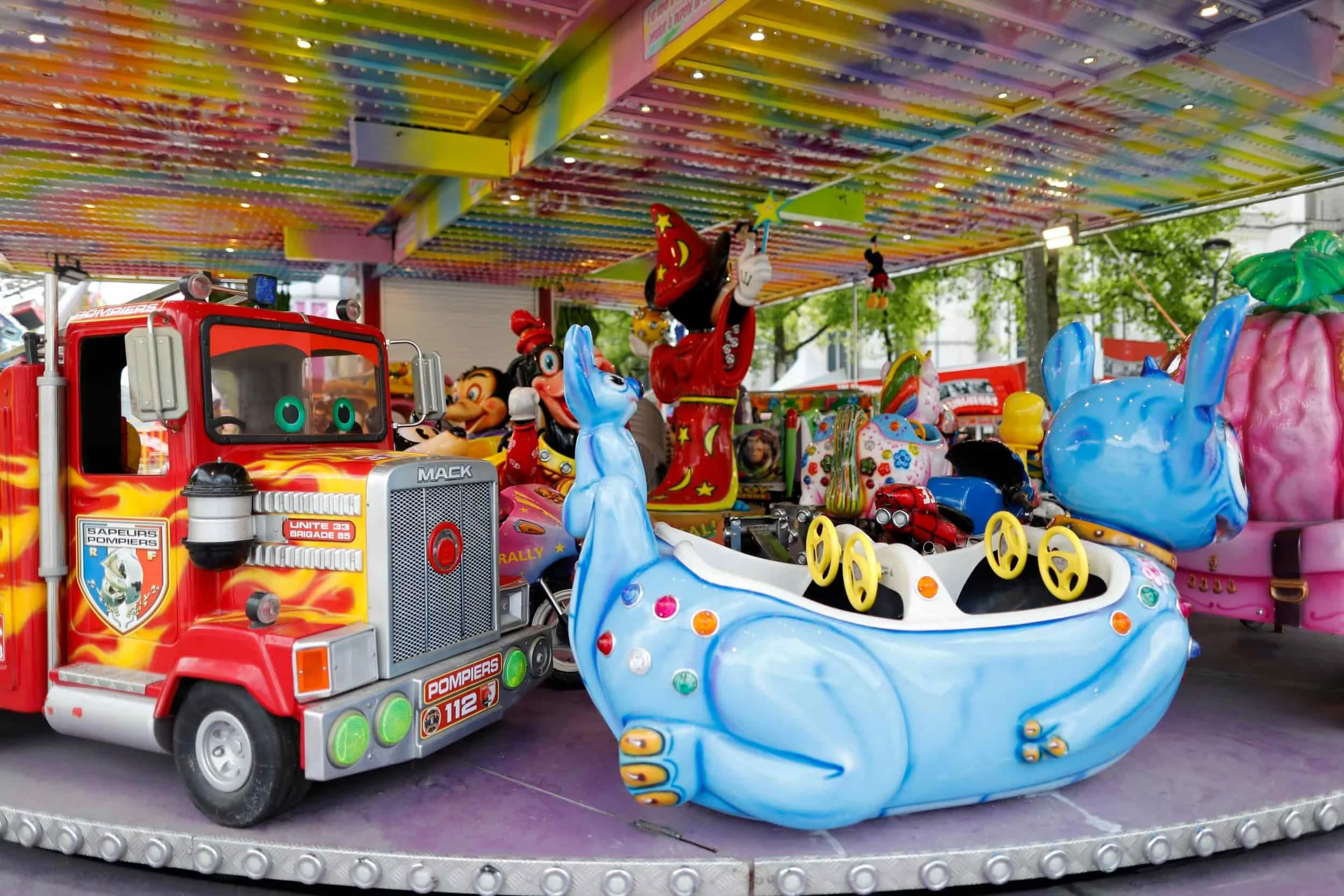
Unlike the larger Carnaval de Nantes, known for its elaborate parades and festivities, this was a smaller, temporary fair with a nostalgic charm of its own. There was something fun about finding all those bright lights and spinning rides tucked into the surrounding city streets.


And, of course, no carnival is complete without something sweet. I temporarily abandoned my gluten-free intentions for a warm beignet generously covered in Nutella. At €4, it was a little indulgence I was more than happy to make.

ℹ️ Good to Know | Traveling fairs are temporary, so you may not encounter one during your visit. If you do, they're a fun addition to an afternoon spent exploring Nantes.
Le Bouffay — Nantes' Old Town
Nantes' historic center is a wonderful place to explore on foot, with winding cobblestone streets, beautiful architecture and small shops tucked between centuries-old buildings. The lively Le Bouffay district is at the heart of it all, offering a glimpse into the city's medieval past alongside its more contemporary character.
One of the area's most impressive landmarks is Cathédrale Saint-Pierre-et-Saint-Paul, a striking example of Flamboyant Gothic architecture. Construction began in 1434 and continued for more than four centuries, resulting in an elaborate pale-stone façade framed by two imposing towers.
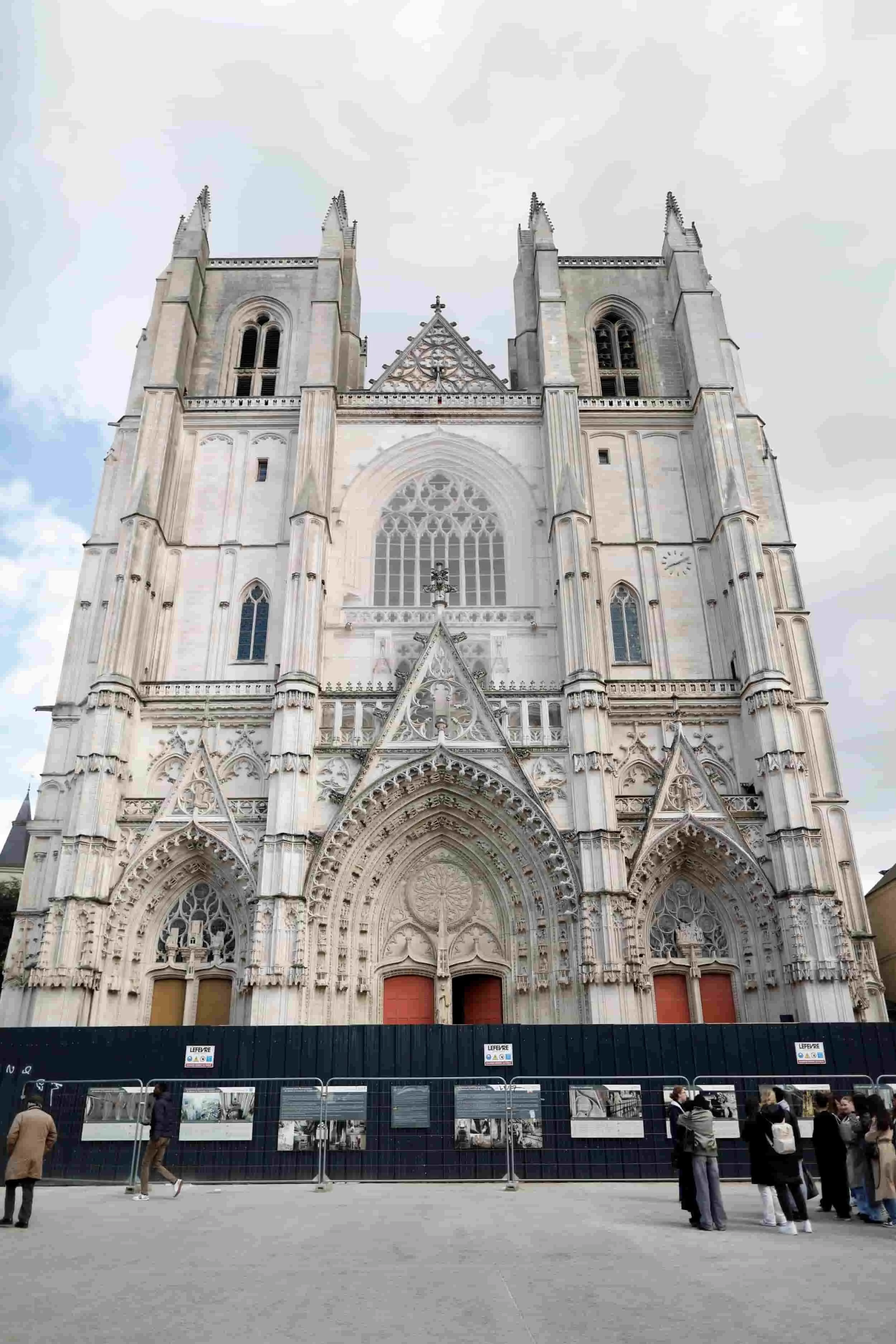
The cathedral was closed during my visit following a devastating fire in 2020, so I wasn't able to explore the interior. Even from outside, though, the intricate stonework and enormous scale were worth admiring. The cathedral reopened in 2025, making it possible for visitors to experience more of its architecture today.
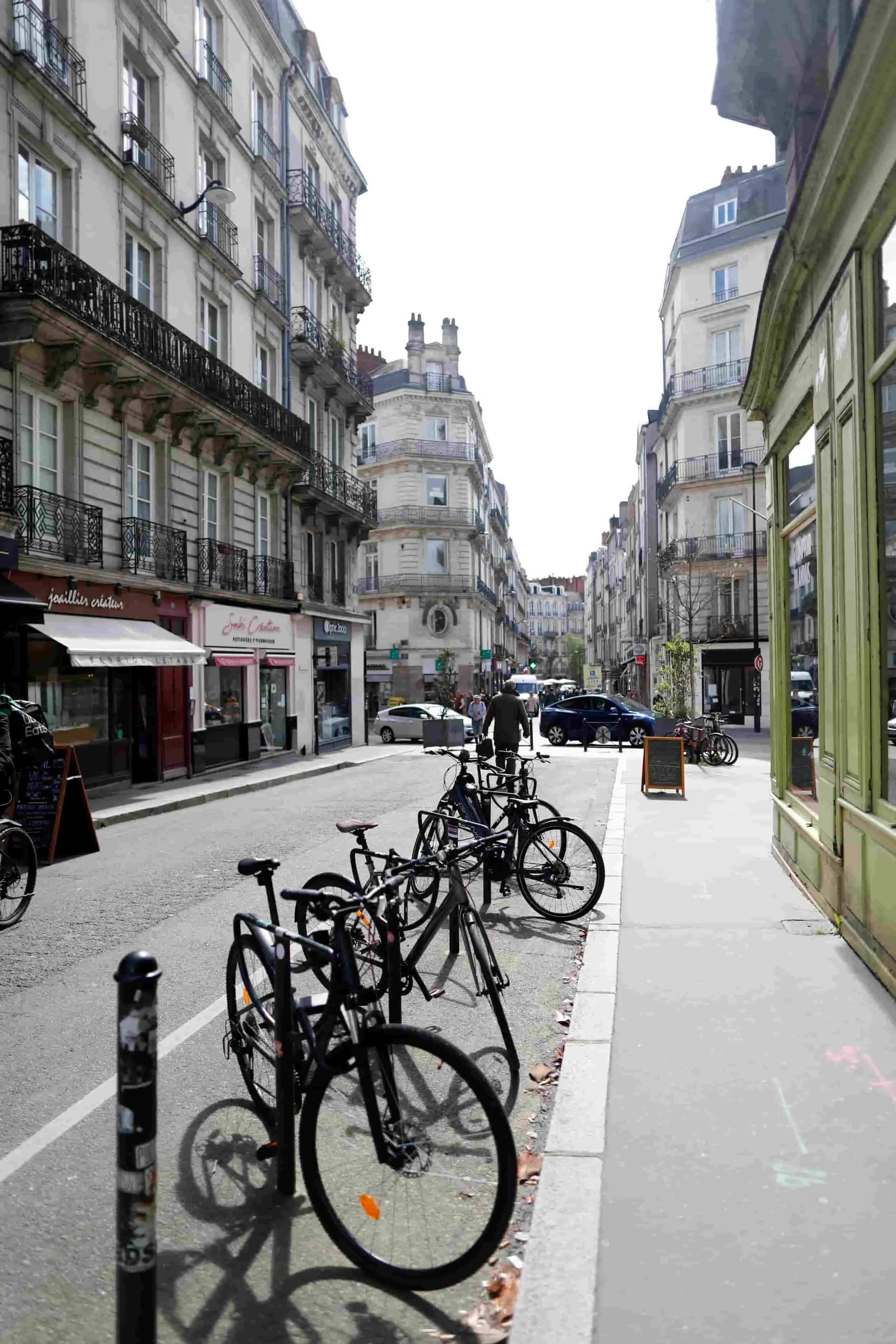
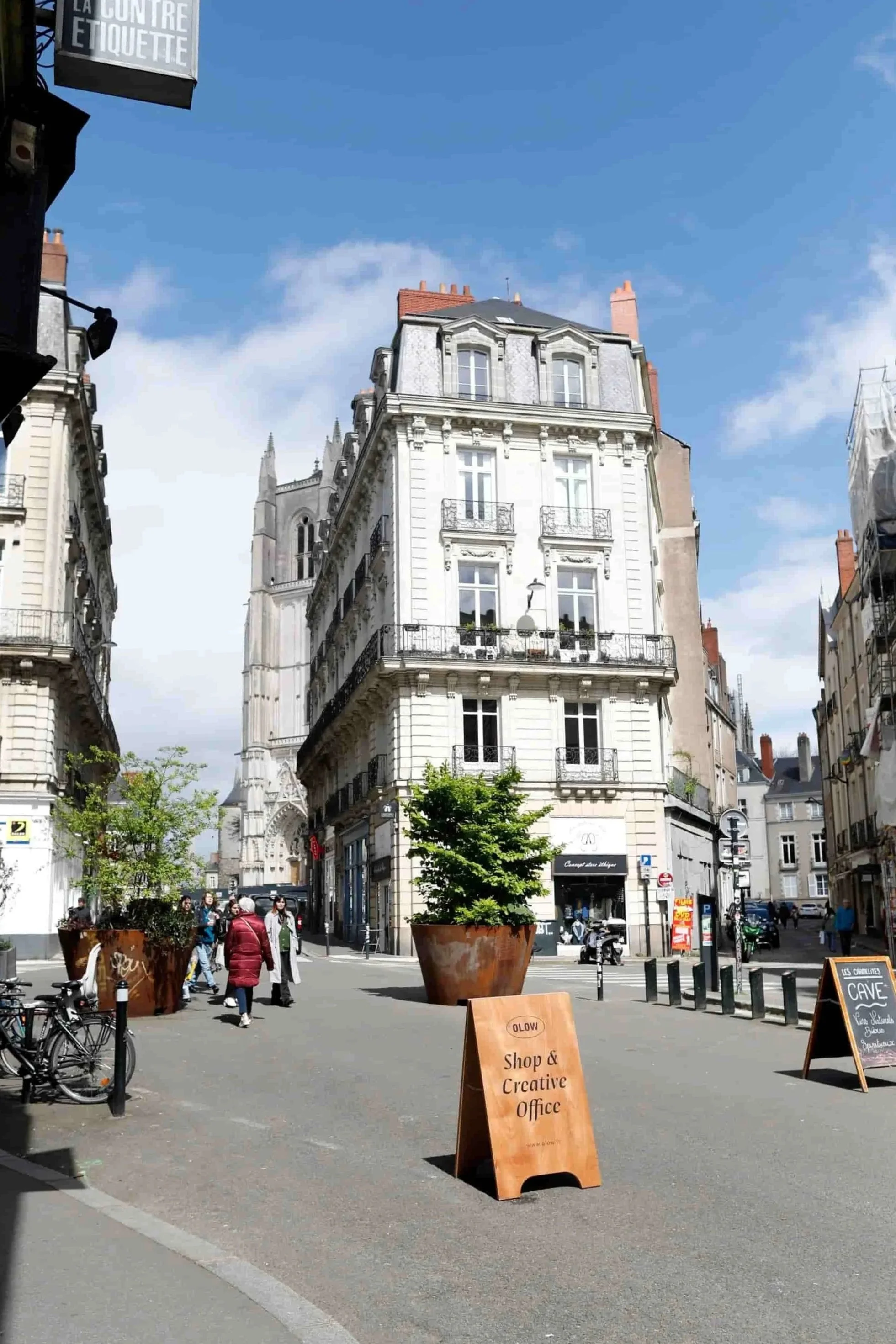
Beyond the cathedral, Le Bouffay is best explored without much of an itinerary. Half-timbered houses, narrow streets and elegant limestone façades create an interesting mix of medieval and Renaissance architecture, while cafés, boutiques and little squares bring plenty of everyday life to the neighborhood.
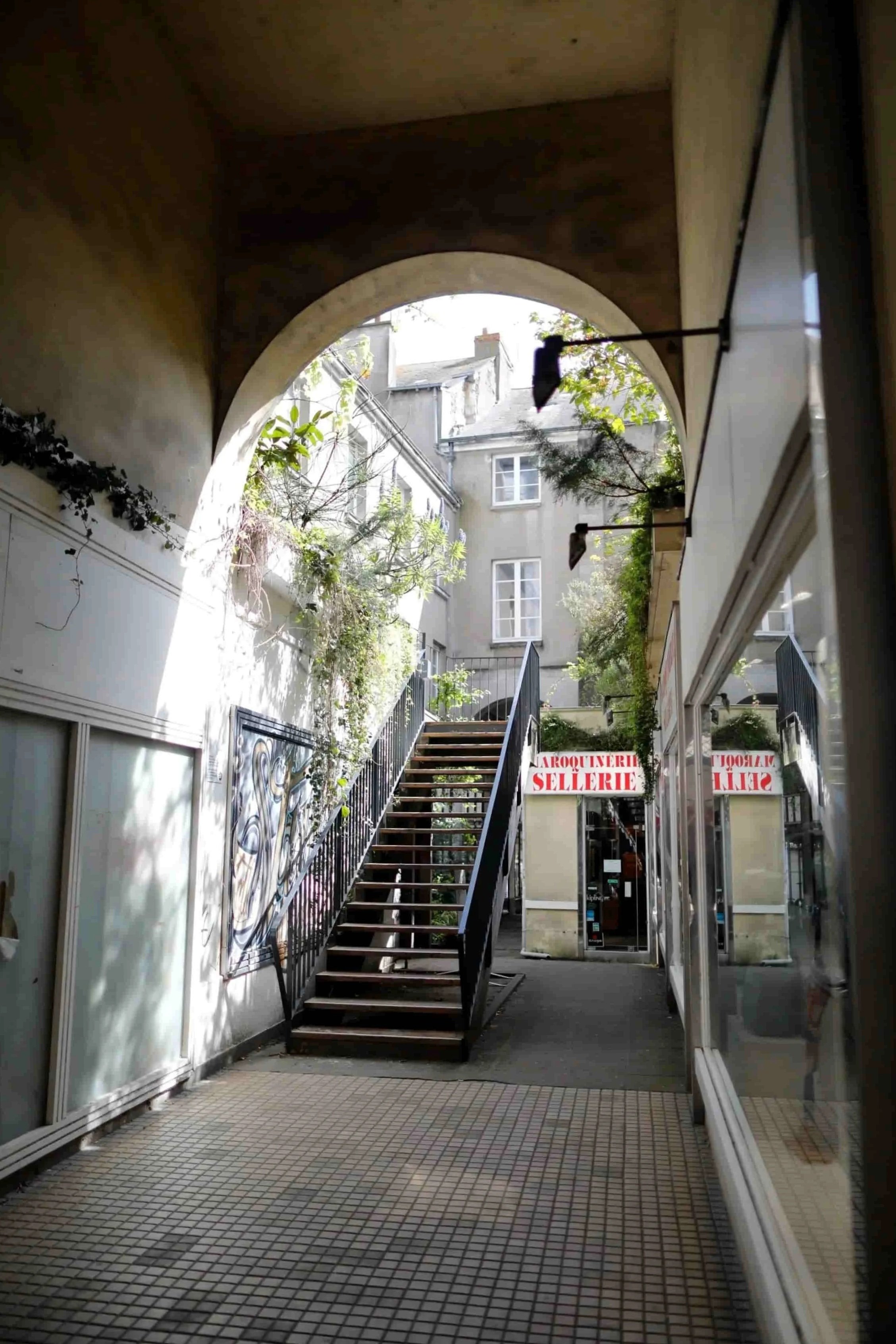
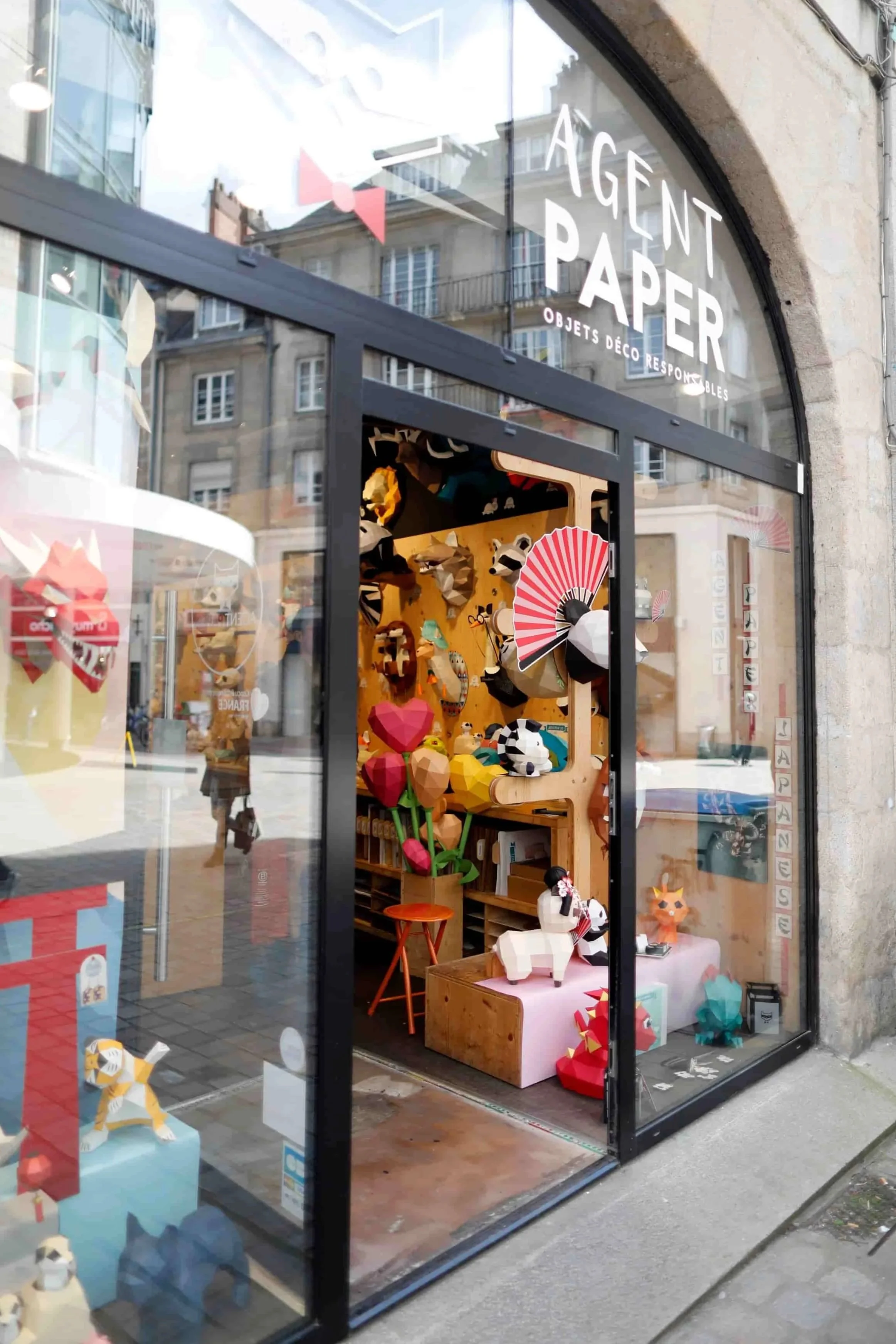
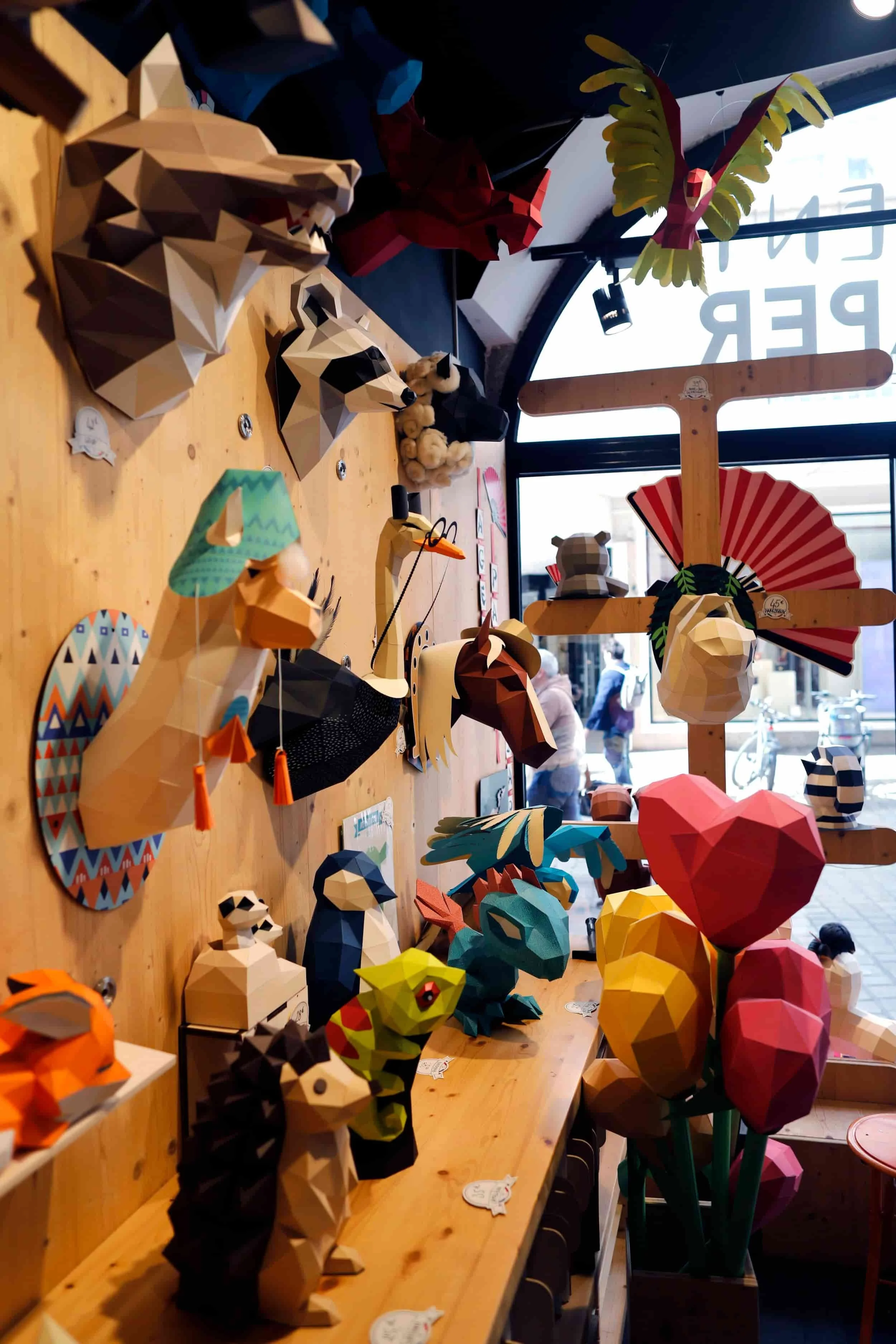
One shop that caught my attention was Agent Paper, with its creative collection of paper goods, playful origami and clever designs. I was tempted to bring something home but knowing it would have to survive the rest of my travels, I reluctantly left empty-handed.
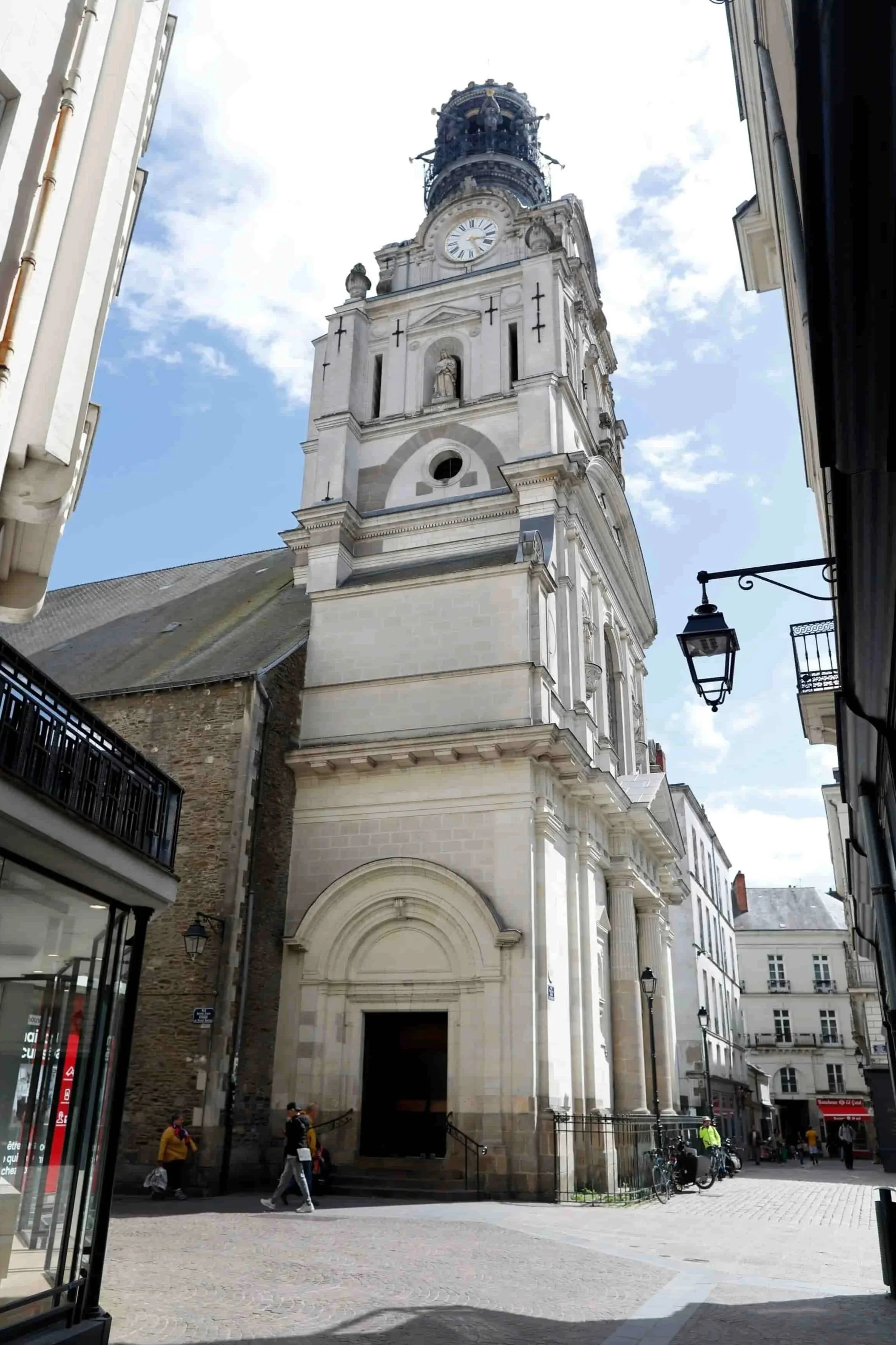
Another architectural highlight is Église Sainte-Croix, a historic church with an interesting mix of classical, Baroque and neo-Gothic details. Its distinctive bell tower, crowned with trumpet-blowing angels, is particularly worth noticing. Nearby, the covered Passage Sainte-Croix adds another layer to the neighborhood's creative character through its cultural exhibitions.
Between the historic architecture and unexpected little shops, Le Bouffay is the kind of neighborhood where it's worth leaving some time to simply wander.
Passage Pommeraye
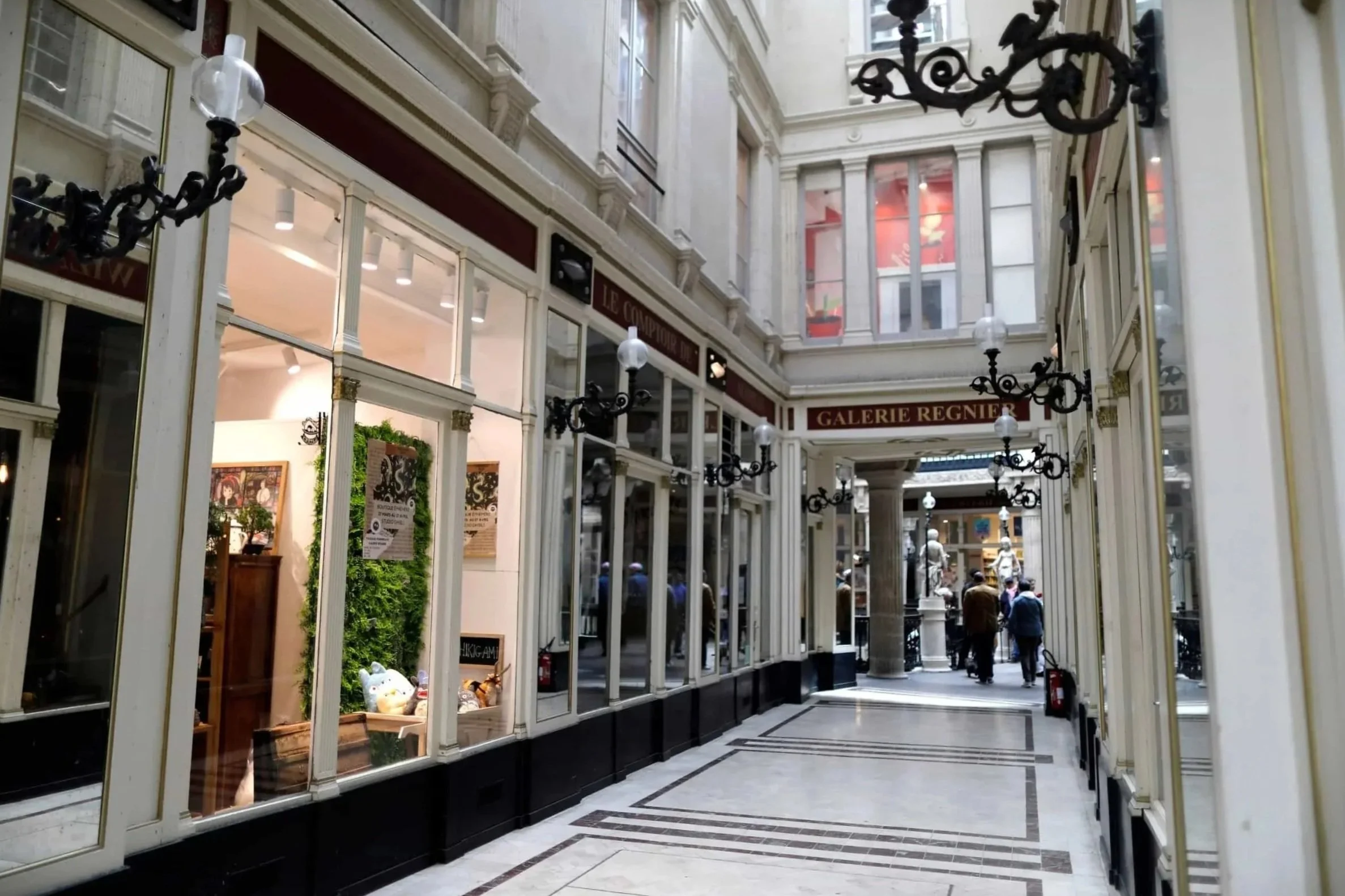
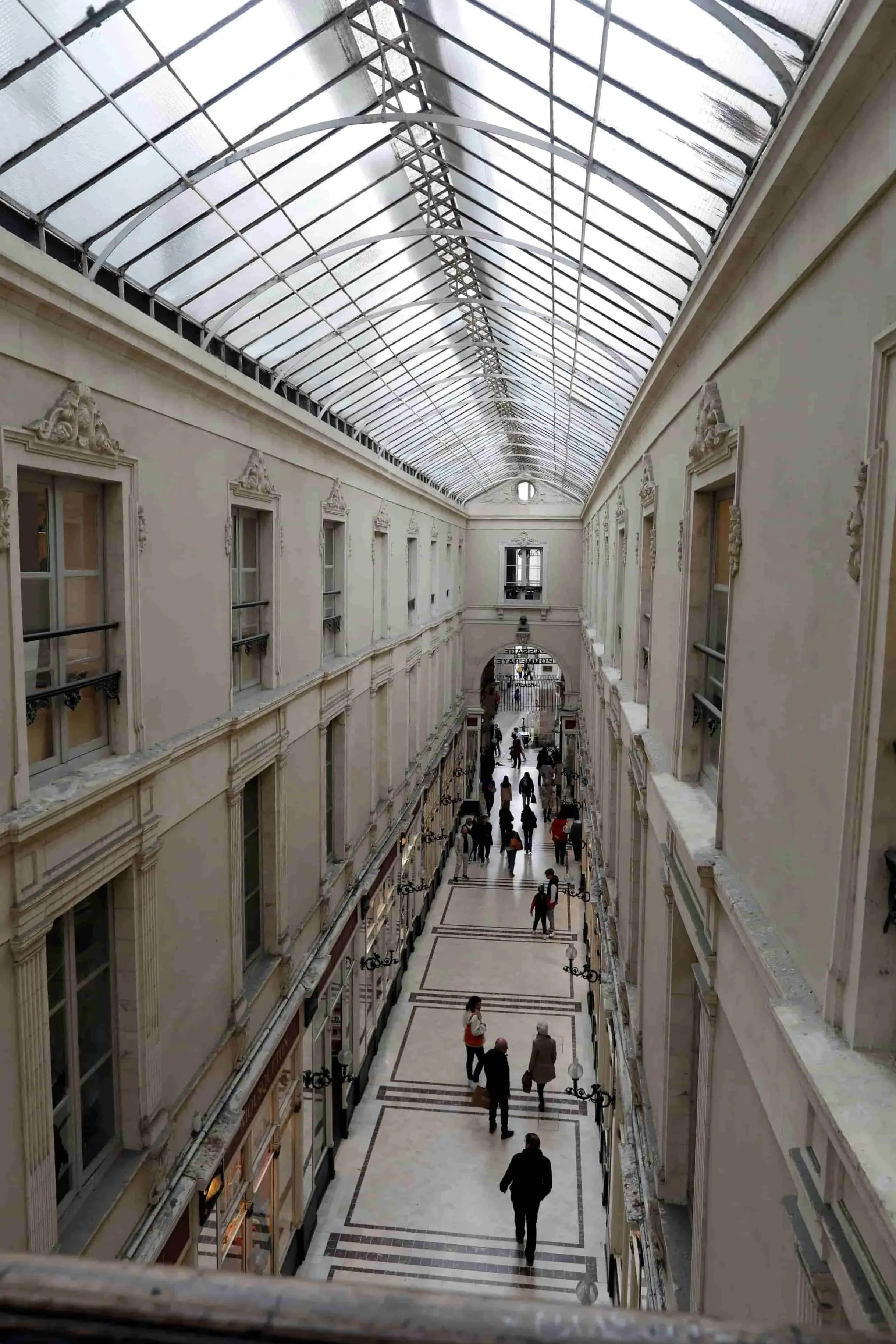
Tucked between the streets of central Nantes, Passage Pommeraye is a beautiful example of 19th-century shopping arcade architecture. Built between 1840 and 1843, the covered passage connects rue Santeuil with rue de la Fosse, transforming a steep change in elevation into one of the city's most memorable interior spaces.
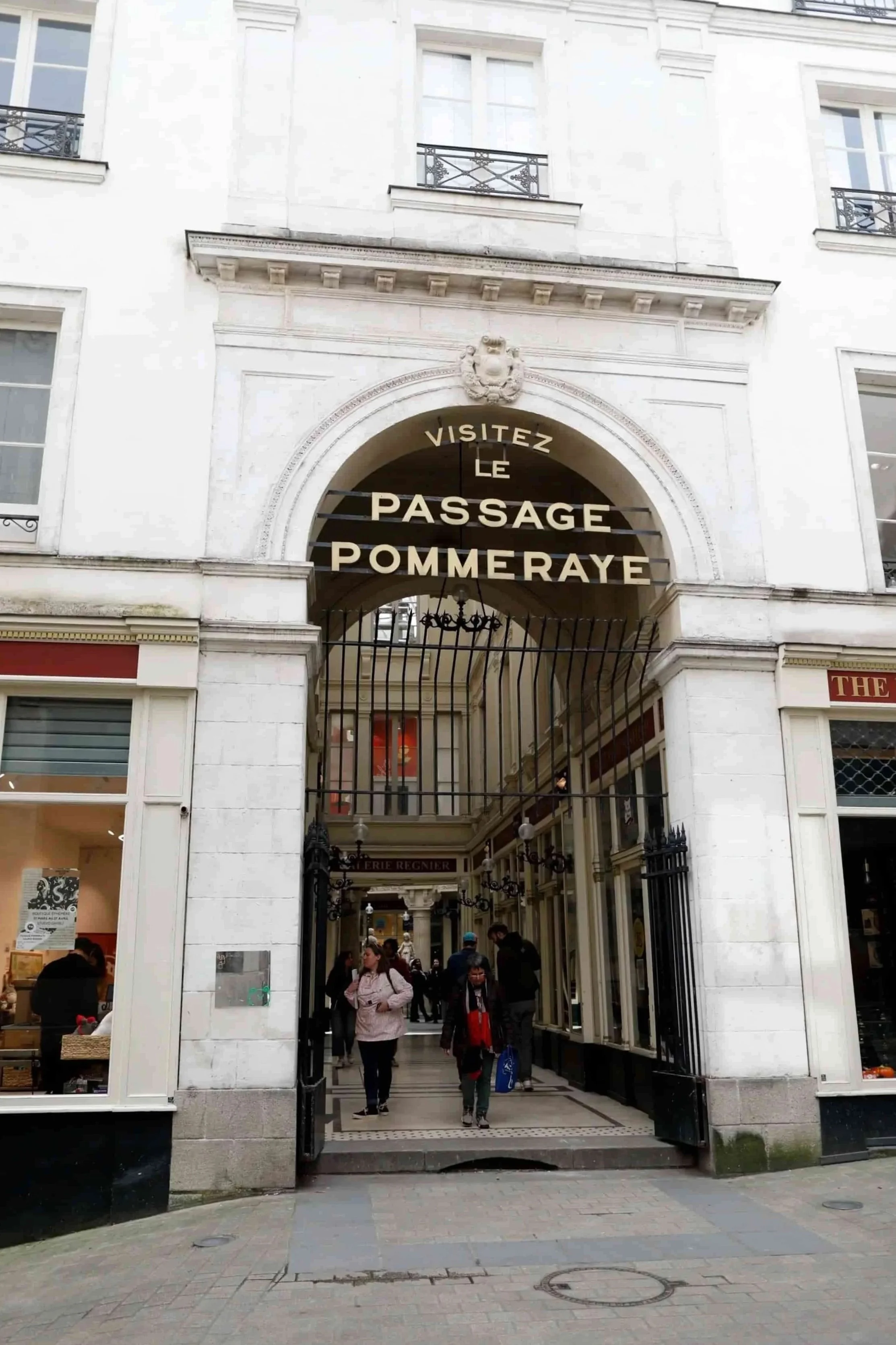
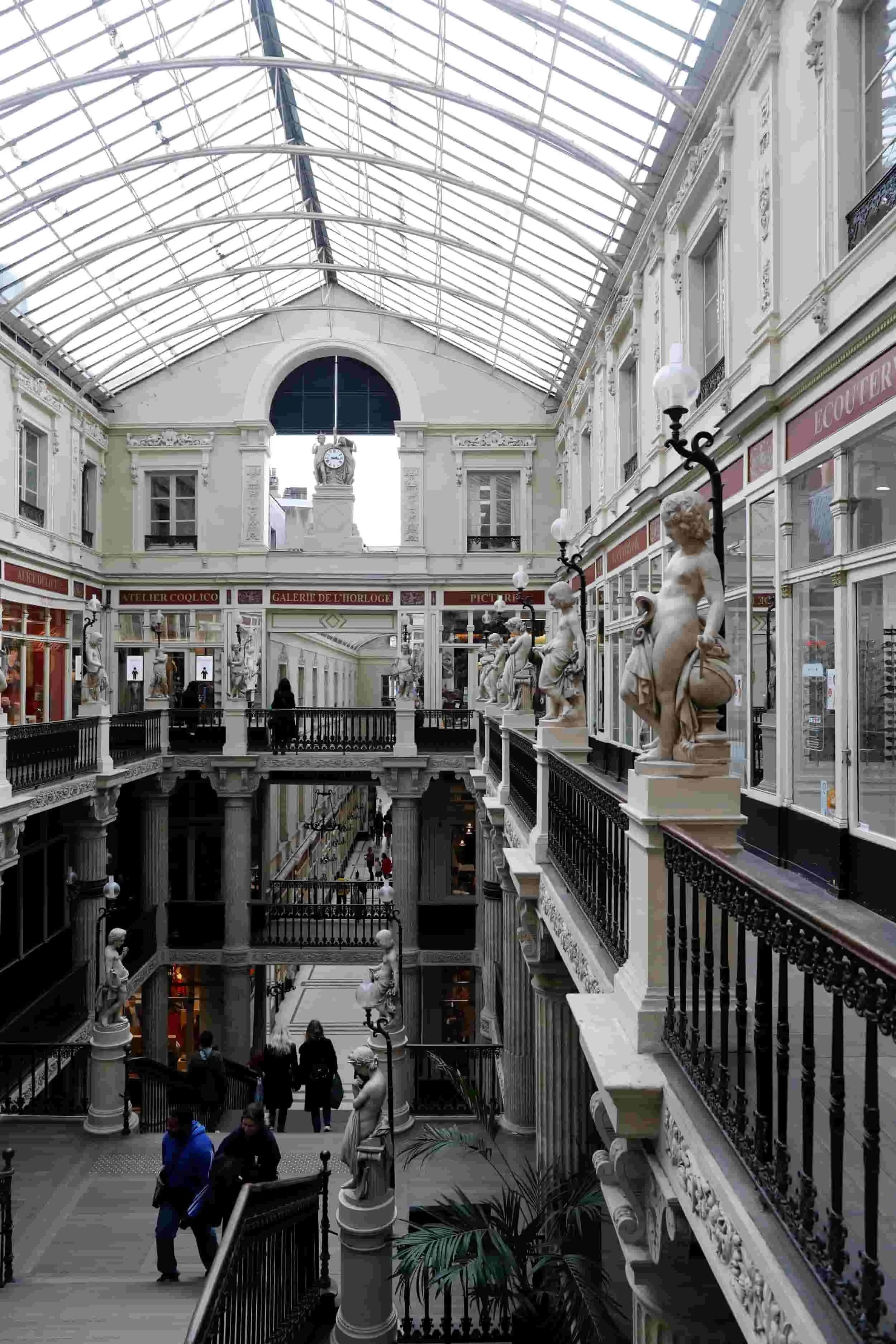
From the street, the entrance is surprisingly understated. A narrow corridor draws you inside before opening onto an elaborate, three-level arcade connected by a grand central staircase. The transition is part of what makes the experience so interesting — you don't quite anticipate the scale of the space until you're standing in it.
Ornate iron railings, sculpted figures and Corinthian columns frame the staircase, while the glass roof allows natural light to filter through the different levels. As you move through the passage, the changing perspectives reveal new details in the architecture.
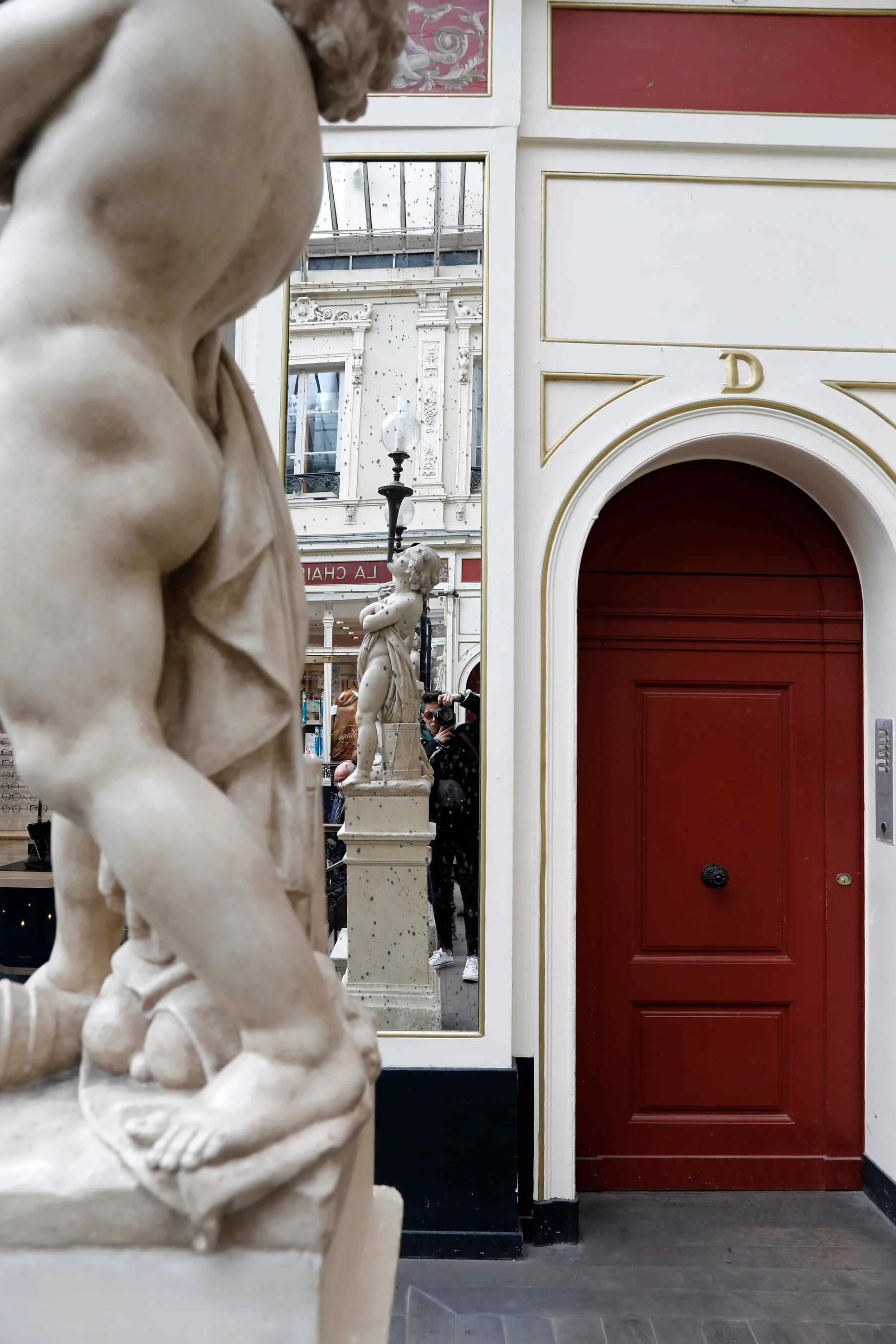
I particularly loved the rich wine-red tones, graceful arches and slender mirrors, some showing their age in the most beautiful way. There's a richness to the materials and craftsmanship that makes the passage worth exploring even if you have no intention of shopping.
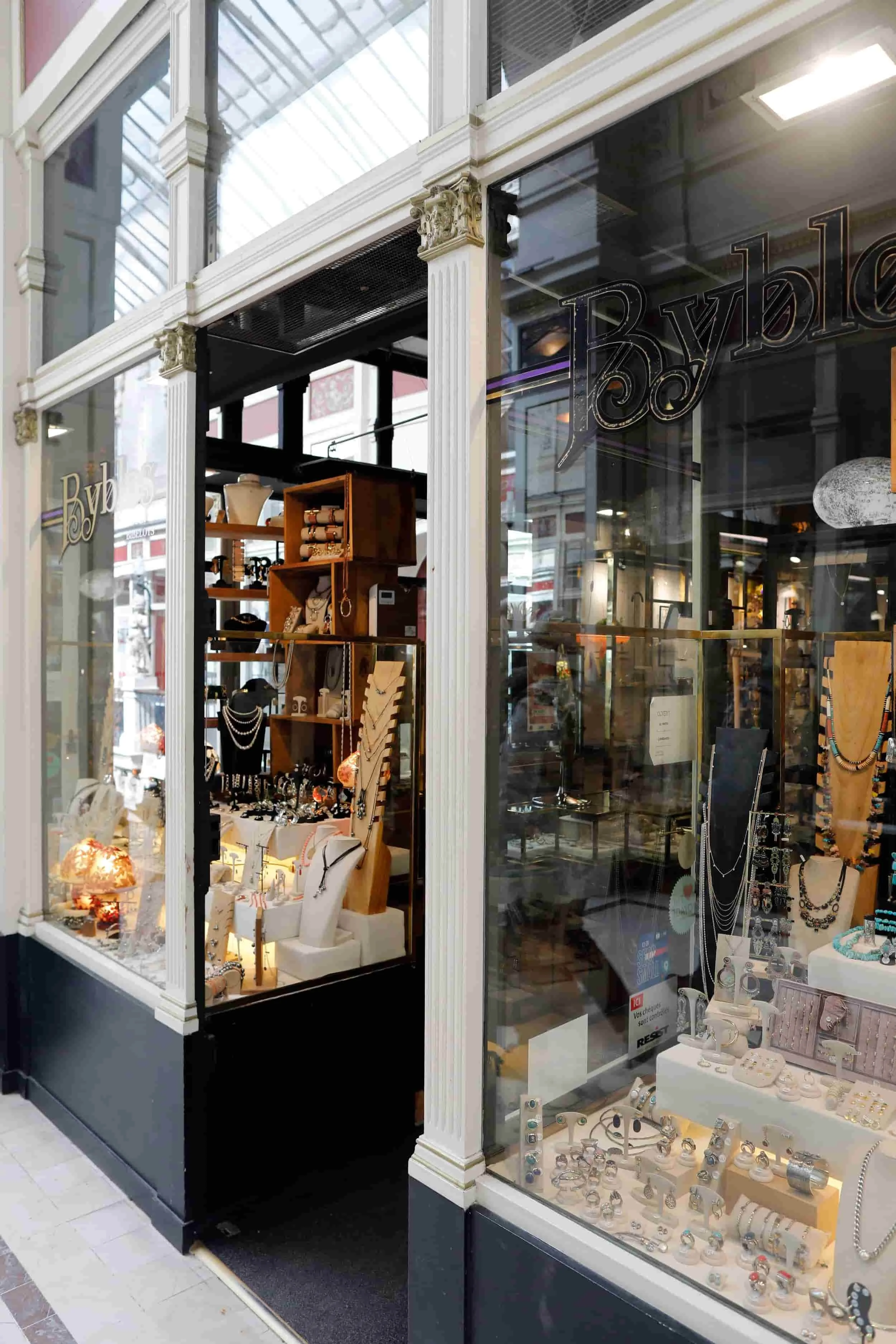
Of course, the boutiques are part of the experience too. Among the little shops I wandered into, Byblos, a costume jewelry boutique, was a particular favorite.
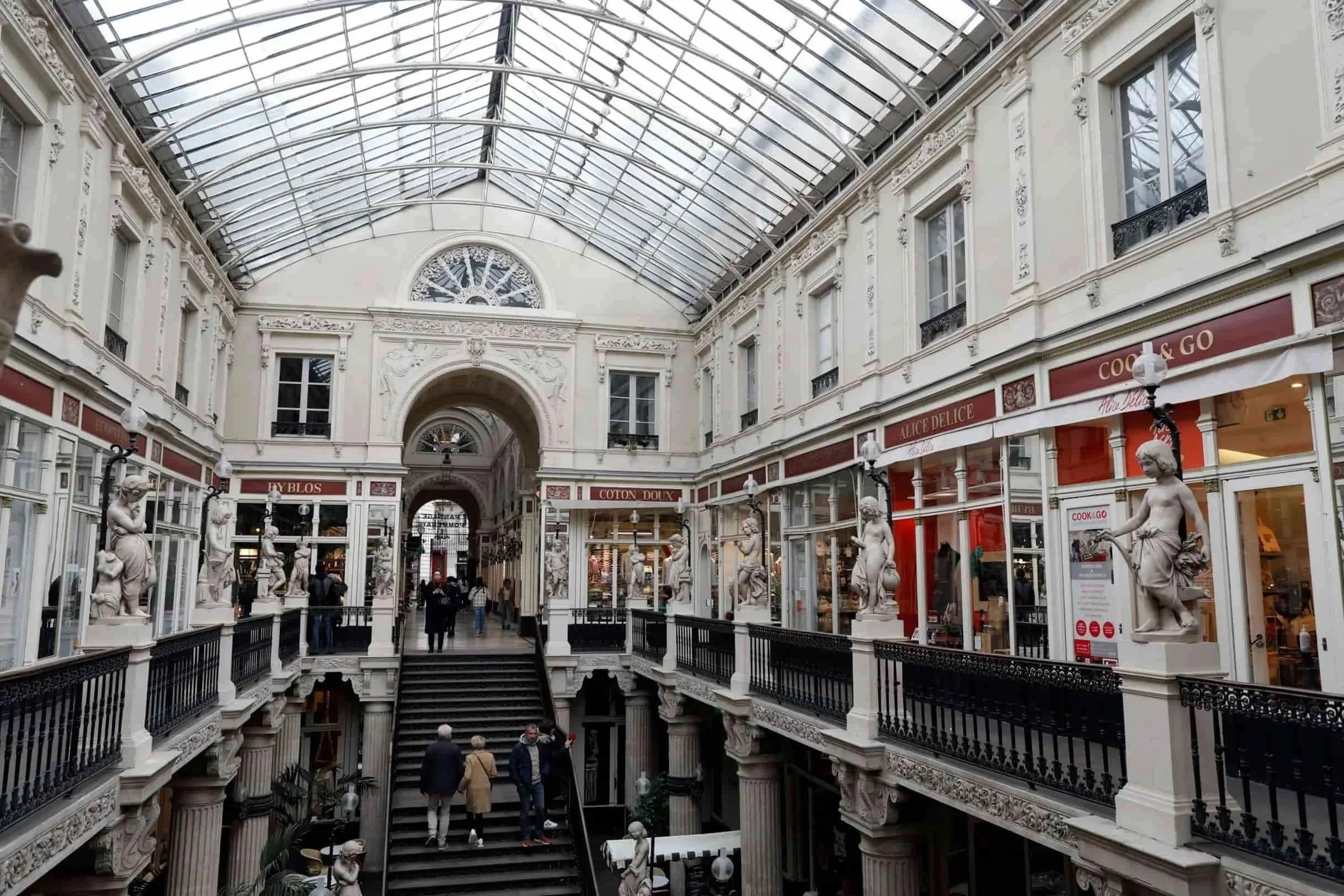
For anyone who appreciates architecture, interiors or discovering beautiful spaces tucked into the fabric of a city, Passage Pommeraye is worth making time for. It's one of those places where the building itself is the main attraction.
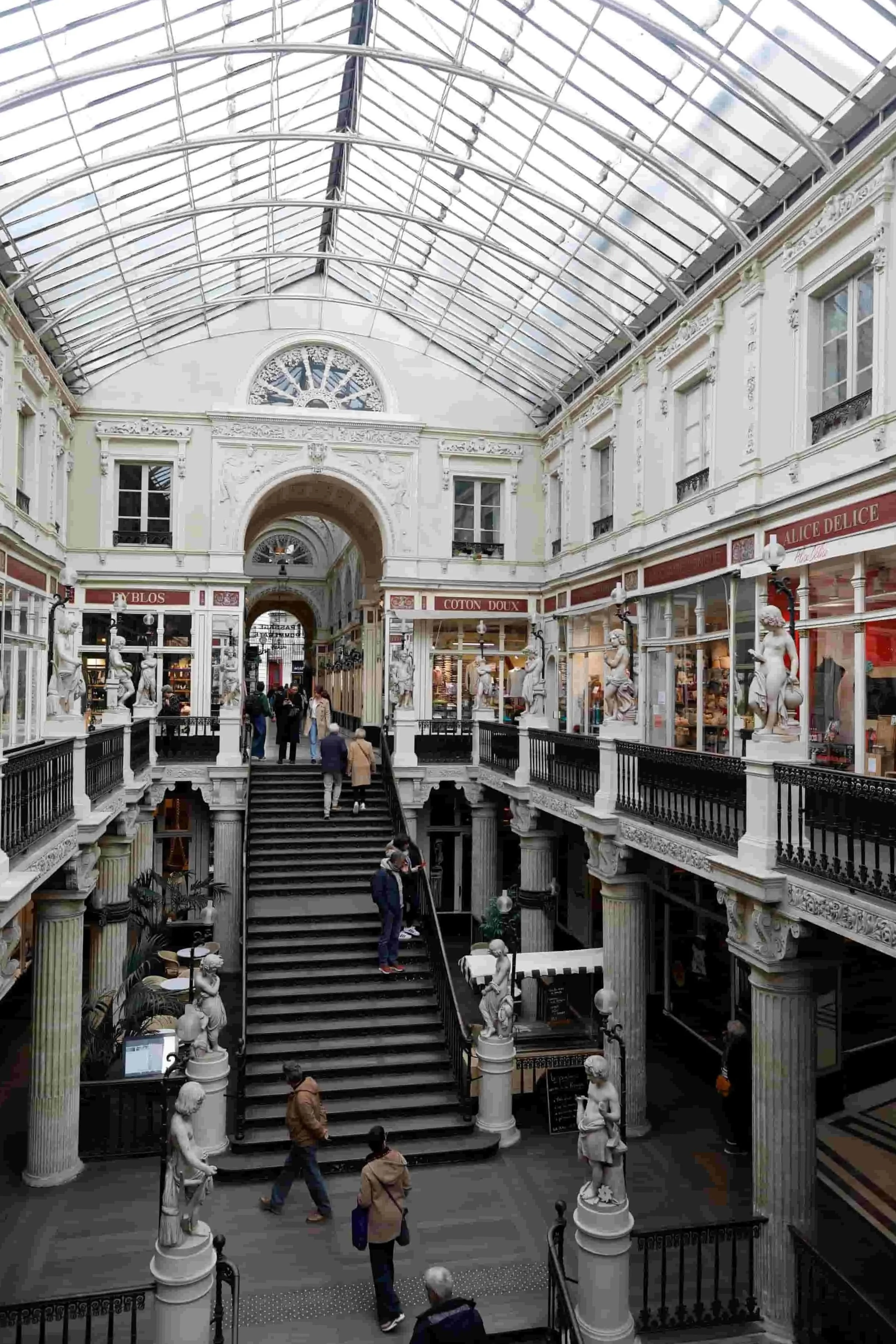
A jewel of 19th-century elegance, the Passage Pommeraye was built from 1840 to 1843 and links rue Santeuil with rue de la Fosse. Named for its visionary developer, Louis Pommeraye, this glass-roofed arcade sits tucked between the city’s façades like a secret waiting to be discovered — its entrance easy to overlook unless you know to look for that hint of light and ornament peeking out from the street.
My Bibimbap Moment
Every destination adds another ingredient to our life's recipe and sometimes the best discoveries are the ones we never knew we were looking for. Nantes surprised me at nearly every turn — a historic château, beautiful gardens, elegant passages and an enormous mechanical elephant that felt like something out of a dream. Walkable, creative and full of stories, the city had a personality all its own. Here's the ingredient Nantes added to my Bibimbap Life.
Today’s Bibimbap Recipe
🥢 Flavor: Quirky
🌿 Ingredient: Whimsey
❤️ Best Memory: Exploring the secret tropical greenhouse at Les Machines de l'Île, alongside The Great Elephant
🎒 Take With You: Some of the most memorable places are the ones that leave a little room for imagination. Don't underestimate the joy of finding something wonderfully strange around the next corner.
When I think back on Nantes, I remember being continually surprised by it. Around one corner was a centuries-old château; around another, an enormous mechanical creature, beautiful gardens or an ornate passageway that felt like a little secret. I loved that the city could be historic without feeling stuck in the past and artistic without losing its everyday charm. Of everything I saw, Les Machines de l'Île may still be one of the most fascinating places I've ever visited — not simply because it was unusual but because it captured something I felt throughout Nantes: the freedom to imagine a place differently.
Nantes Travel Essentials
Nantes is a lively, creative city where historic architecture, imaginative art and unexpected discoveries come together. Just 2.5 hours from Paris by train, it's an easy destination for a long weekend, with many of the main attractions within walking distance of the historic center. Give yourself two or three days to explore Les Machines de l'Île, Château des Ducs de Bretagne, Jardin des Plantes and the charming streets of Le Bouffay without rushing. May through September offers generally pleasant weather and free public transportation on weekends makes getting around even easier. Leave a little time to wander beyond the main sights, as some of Nantes' most interesting details are the ones you stumble upon along the way.
When to Go
Late spring through early autumn (May to September) is an ideal time to visit Nantes, with generally mild to warm weather, longer days and plenty of opportunities to enjoy the city's parks, outdoor cafés and riverside spaces.
Summer (July to August) is particularly interesting for Le Voyage à Nantes, an annual art and culture event that brings creative installations and exhibitions into public spaces across the city. Follow the green line painted along the streets to discover artworks, architectural landmarks and unexpected corners of Nantes.
Spring and early autumn (May–June and September) are lovely alternatives if you prefer fewer crowds and comfortable temperatures for exploring on foot.
How to Get There
Nantes is well connected to Paris and other major French cities by rail, making the train one of the easiest ways to arrive. If you're traveling from farther afield, Nantes Atlantique Airport offers another convenient option, with a direct shuttle connecting the airport to the city center.
By Train: High-speed TGV trains connect Paris Montparnasse to Gare de Nantes in approximately 2–2.5 hours, with additional connections from other French cities. Booking in advance can help secure lower fares.
By Air: Nantes Atlantique Airport (NTE) is located southwest of the city center, approximately 20–30 minutes away by airport shuttle, depending on traffic. Taxis and other local transportation options are also available.
✈️ Travel Tip | Gare de Nantes is conveniently located near the historic center and Jardin des Plantes, making it easy to begin exploring shortly after arriving. Check train schedules and fares through SNCF Connect.
From Saint-Malo: If you're traveling through Brittany or arriving in France by ferry from Jersey, Nantes is accessible by train from Gare de Saint-Malo, typically with a connection in Rennes. Allow approximately 2.5–3.5 hours for the journey, depending on your connection.
✈️ Travel Tip | If you're changing trains in Rennes, double-check your departure platform and destination before getting off. I learned the importance of following the actual train itinerary rather than relying on someone else's directions after accidentally leaving my train a stop too early.
Where to Stay
Nantes has a good mix of historic neighborhoods, lively central districts and quieter riverside areas. For a first visit, staying near the historic center makes it easy to explore on foot but there are plenty of appealing alternatives depending on the atmosphere you're looking for.
Historic Center/Bouffay: Ideal for first-time visitors who want to be close to the cathedral, château, cafés and pedestrian streets. A convenient base for exploring Nantes' main attractions on foot.
Graslin/Commerce: A lively, central area with elegant architecture, restaurants, theaters and excellent public transportation connections. Particularly convenient for dining and evening activities.
Île de Nantes: A more contemporary, creative neighborhood with interesting architecture, riverside walks and easy access to Les Machines de l'Île. A good choice for design enthusiasts and families.
Erdre Quays: A quieter, more residential setting with leafy streets, waterfront paths and green spaces. Ideal for travelers who prefer a little distance from the busiest areas while remaining connected to the center by tram.
Trentemoult: A colorful former fishing village across the Loire, known for its narrow lanes, brightly painted houses and relaxed waterfront atmosphere. A lovely alternative for a slower-paced stay, although getting into central Nantes requires a river crossing or other transportation.
Where I Stayed
For Great Views and a Neighborhood Feel — My Nantes Airbnb
I stayed in a lovely Airbnb in Hauts de Graslin, with incredible views, a great location and a few unexpected quirks — including a shower right in the bedroom. It was a charming, slightly unconventional space that made for a memorable stay.
This accommodation is currently unavailable to book.
Where I’d Stay
If I were choosing somewhere to stay in Nantes again, I'd look for a smaller hotel with interesting design, a little character and a location that makes exploring on foot easy. The city has some lovely historic architecture, so I'd be drawn to a property that reflects that personality rather than a conventional hotel. These three offer different experiences, from richly layered interiors to a quieter garden setting.
For a Playful, Contemporary Stay — ChaChaCha Hôtel
For something more approachable, ChaChaCha Hôtel has a fun, contemporary personality without feeling overly polished. Inspired by music and dance, the hotel combines simple, modern rooms with a relaxed café and coworking space. Its location near Gare de Nantes is especially convenient if you're arriving by train and I like the idea of having an easy, comfortable base for exploring the city.
For a Quiet Stay Surrounded by Greenery — Hôtel Cœur de Loire
If I wanted somewhere a little removed from the busiest streets, Hôtel Cœur de Loire would be worth considering. This small hotel sits in a residential neighborhood north of the center, with an enclosed garden and rooms overlooking the greenery. It's a simpler, more understated option but the peaceful setting and neighborhood atmosphere are exactly what would appeal to me after a full day of exploring.
Additional Options
For a Design-Lover's Splurge — Maison Maubreuil
If I were treating myself to something special in Nantes, Maison Maubreuil would be high on my list. This intimate boutique hotel near Nantes Cathedral has individually designed rooms inspired by art and cultures from around the world. The interiors are bold, eclectic and full of unexpected details — exactly the kind of place I'd enjoy exploring as much as the city itself.
Prefer the Space and Flexibility of an Apartment?
If you'd rather have a kitchen, a little more room or the feeling of living in a neighborhood, a vacation rental is worth considering. Look around Bouffay or Graslin for a central base or explore the Erdre quays for something quieter and more residential. Apartments can be particularly appealing for longer stays or travelers who prefer a more independent experience.
How to Get Around
Nantes is a relatively easy city to explore, with a walkable historic center and a well-connected public transportation network. The Loire River runs through the city, separating the historic center from Île de Nantes, while the Erdre River winds north through quieter, greener neighborhoods. Most central attractions are accessible on foot, with trams, buses and river shuttles making it easy to explore farther afield.
On Foot: Walking is one of the best ways to discover central Nantes, particularly around Bouffay, Place Royale, Passage Pommeraye and Château des Ducs de Bretagne. Expect pedestrian streets, occasional cobblestones and plenty of interesting architecture along the way.
By Tram & Bus: Nantes has an extensive public transportation network operated by Naolib, connecting the historic center, Île de Nantes and surrounding neighborhoods. Trams are particularly convenient for longer distances and regular public transportation services are free on weekends.
By Bicycle: Nantes has a growing network of cycling routes including paths along the Loire and Erdre. Bike rentals and the city's Naolib Vélo services offer another way to explore beyond the historic center.
By River Shuttle: The Navibus connects parts of the city across the Loire including the colorful village of Trentemoult. It's a practical transportation option that also offers a different perspective of Nantes from the water.
✈️ Travel Tip: Remember to validate your ticket when boarding public transportation including when transferring between services. Check routes, fares and current schedules through Naolib before heading out.
How Long to Stay
Two to three days is ideal for exploring Nantes at a comfortable pace, giving you enough time to experience the city's main attractions while leaving room for its smaller discoveries.
One Day: Focus on the highlights including Les Machines de l'Île, Château des Ducs de Bretagne and the historic streets of Le Bouffay. It's possible to see quite a bit on foot, although you'll need to be selective.
Two to Three Days: The ideal amount of time for a first visit. Explore Jardin des Plantes, Passage Pommeraye and the city's creative neighborhoods without rushing, with plenty of time for cafés, museums and wandering along the Loire.
Four or More Days: A longer stay allows you to explore beyond the historic center, visit the colorful riverside village of Trentemoult, spend more time in Nantes' museums or take a day trip into the surrounding Loire-Atlantique region.
Tours & Day Trips
Nantes is an easy city to explore independently, particularly around the historic center, but guided experiences can offer a different perspective on its architecture, history and creative culture. Walking tours introduce the stories behind landmarks such as Château des Ducs de Bretagne and the old streets of Le Bouffay, while food and wine experiences offer a closer look at the region's culinary traditions.
If you have more time, the surrounding Loire-Atlantique region is worth exploring. The vineyards of Muscadet, the Italian-inspired architecture of Clisson and the seaside town of Pornic offer opportunities to venture beyond the city, whether independently or as part of an organized excursion.
Want to Discover More of Nantes?
From historic walking tours and local food experiences to river cruises and cultural attractions, there are plenty of ways to explore beyond the main sights. A guided experience can be particularly worthwhile if you're interested in the city's architectural details, creative history or discovering places you might otherwise overlook.
Good to Know
Nantes has a creative spirit that extends well beyond its museums and major attractions. From a painted green line guiding visitors through the city to regional food traditions and unexpected public art, a few local details can make exploring even more interesting.
The Green Line: Follow the green line painted along the pavement as part of Le Voyage à Nantes, connecting architectural landmarks, public artworks and lesser-known corners of the city. It's a fun way to explore on foot, although checking the route map is helpful if you're short on time.
Local Food: Nantes is known for regional specialties such as beurre blanc, a rich butter sauce traditionally served with fish, Gâteau Nantais, a rum-and-almond cake, and Muscadet, a crisp white wine from the surrounding vineyards. Buckwheat galettes are another Breton favorite worth trying, particularly if you're looking for gluten-free options, although fillings and preparation methods vary.
Dining Hours: Many restaurants close between lunch and dinner, sometimes reopening around 7 p.m. Check opening hours in advance, especially if you're arriving hungry in the late afternoon.
🌍 One Last Thing | Nantes was once the historic capital of Brittany and although it's now part of the Pays de la Loire region, its Breton heritage remains an important part of the city's identity. You'll find traces of that history in its architecture, food traditions and the stories behind Château des Ducs de Bretagne.
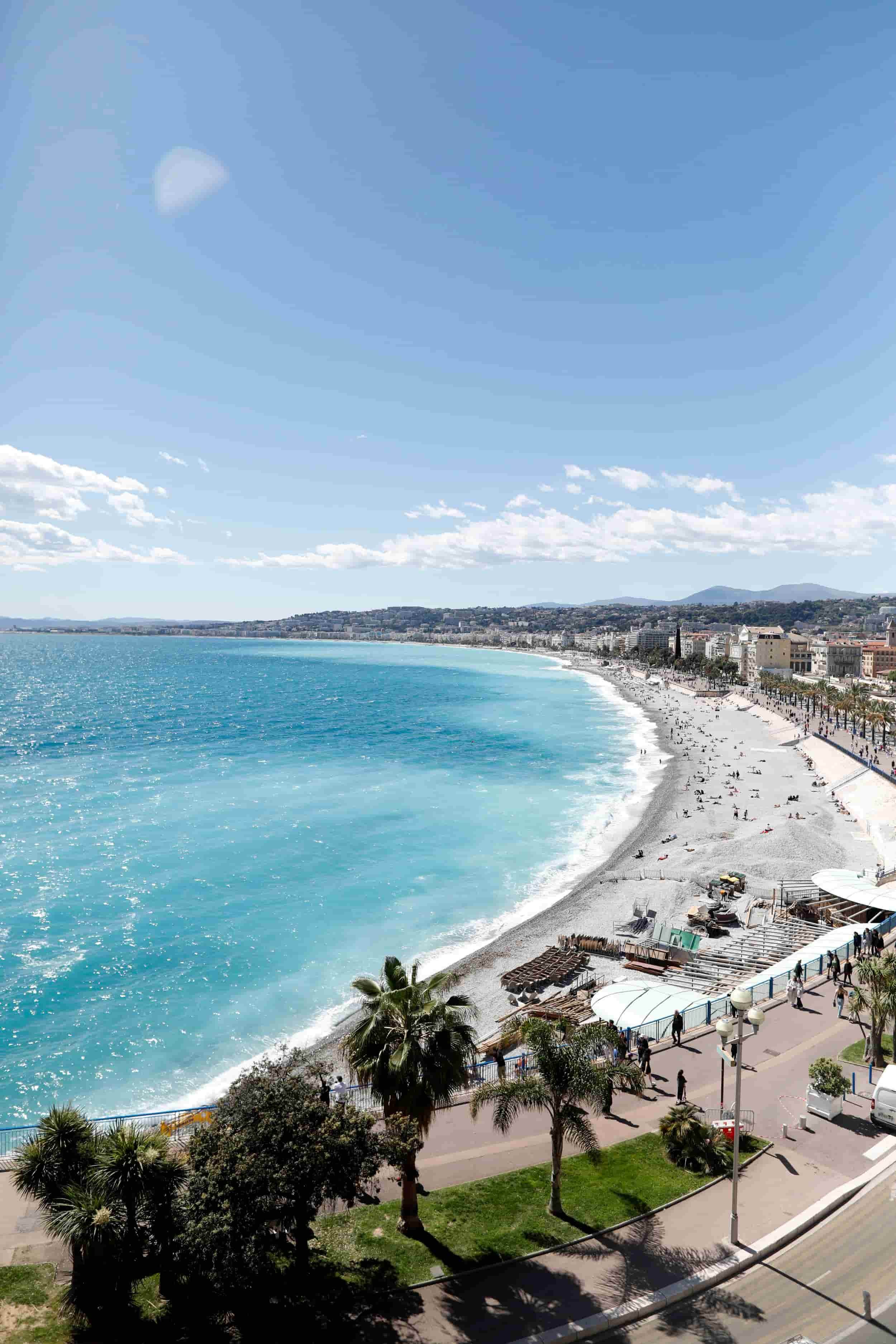
A personal guide to where to eat in Nice, France, from sunny café breakfasts and local specialties to markets, pastries and memorable meals worth seeking out.