Nice la Belle: Best Things to Do in Nice, France
Best things to do in Nice: uncover a captivating, sun-drenched coastal city with pastel Belle Époque architecture, pebbled beaches & a lively culinary scene with this travel guide.
Updated | June 2026
Why Visit Nice — Ways to Fall in Love with the French Riviera
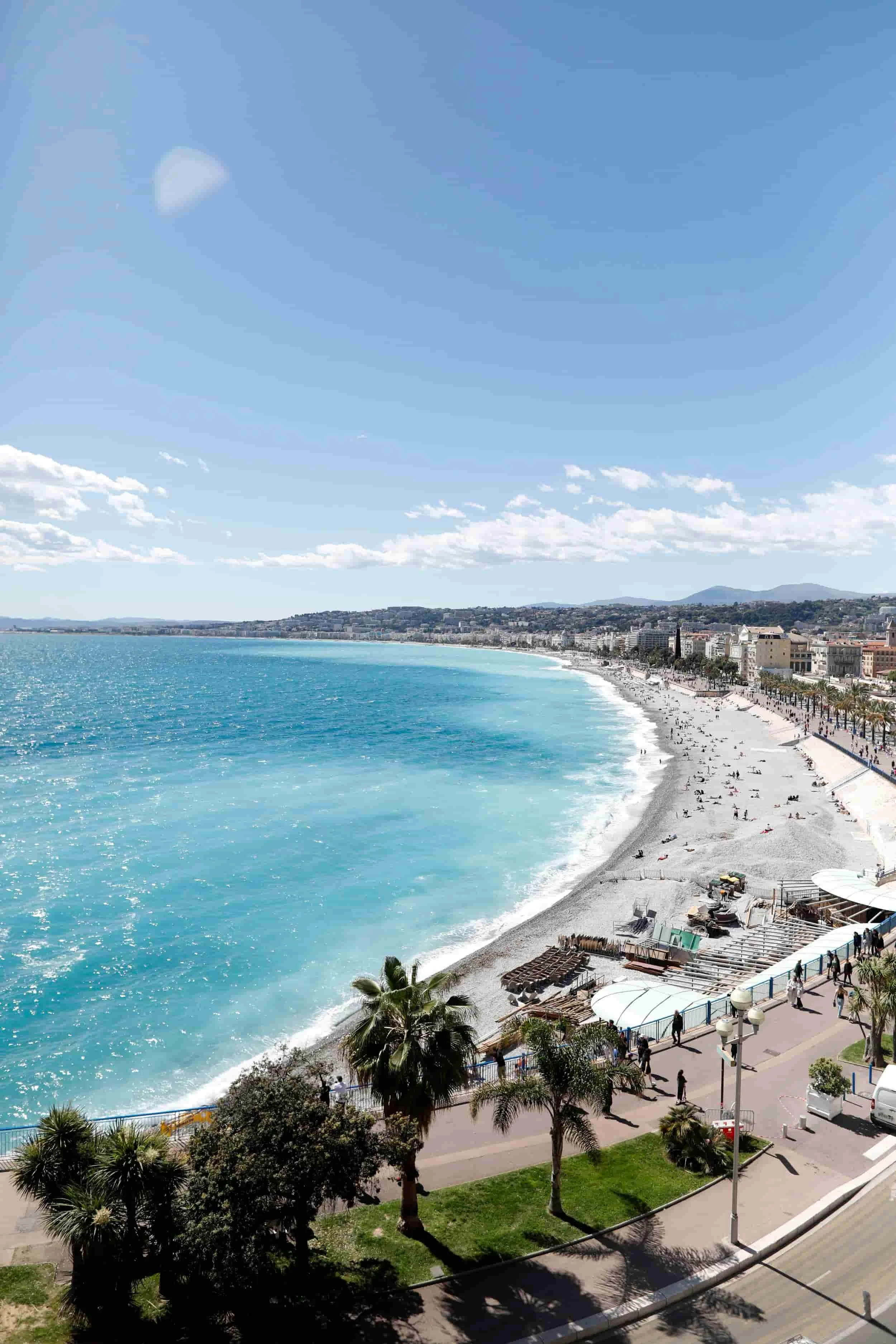
Nice, the capital of Alpes-Maritimes on the French Riviera, perches along the pebbled Baie des Anges. Founded by the Greeks and later favored as a 19th-century retreat for Europe’s elite, the city — known as “Nice la Belle” — draws visitors with its mild climate, luminous Mediterranean light and a cuisine that blends French, Italian and regional flavors. Long a magnet for artists and travelers, Nice invites slow strolls along the Promenade des Anglais, market discoveries and meals that capture the coast’s sun-soaked character.
At a Glance
📍 Destination: Nice, France
🕒 Time Needed: 3 days; 4-5 for French Riviera
💰 Budget: €55-€200+/day
👟 Walking Level: Mild to moderate
🌤️ Best Season: Shoulder season (September, May and June)
☕️ Don’t Miss: Castle Hill and Old Town
🖤 Perfect For: Culture enthusiasts, nature lovers and foodies
My Bibimbap Moment
This trip added: Presence.
Nice added the ingredient of presence to my Bibimbap Life. There was something about the Mediterranean sunshine, leisurely meals and colorful streets that encouraged me to slow down instead of rushing to the next attraction. I found myself lingering a little longer at cafes, taking in the sea breeze and appreciating the simple rhythm of daily life. Nice reminded me that travel isn’t always about seeing more — sometimes it’s about experiencing more. When we give ourselves permission to be fully present, even the quietest moments can become the ones we remember most.
My Two-Week England, Wales, Jersey, France & Monaco Itinerary
This two-week trip took me from London through Wales and the Channel Islands before continuing into France and ending on the French Riviera. It covered a lot of ground but traveling largely by train and ferry made much of the journey feel surprisingly connected — and each stop was completely different from the one before it.
I started in England — London, before taking the train west to Wales — Cardiff, followed by the seaside town of Tenby. From there, I briefly returned to London before flying to Jersey, where a few days of island life gave the trip another change of pace.
Next came France. A ferry brought me to Saint-Malo, where an unexpected overnight stay inside the walled city ended up being one of my favorite surprises of the trip. From there, I continued to Nantes, a city I knew relatively little about beforehand and ended up loving for its mix of historic architecture, art and wonderfully unexpected creativity.
For the final stretch, I flew south to Nice, where I spent several days exploring the city, eating my way through Niçoise food and enjoying a much slower Mediterranean pace. After moving through so many places over the previous two weeks, Nice was a particularly good place to finish — there was plenty to see but I was just as happy wandering through the Old Town, stopping at markets and spending time along the water.
I also used Nice as my base for a day trip to Monaco, an easy addition to a few days on the Côte d’Azur and yet another completely different experience packed into the same trip.
It was an ambitious two weeks but I loved how dramatically the journey changed along the way — from London and the Welsh coast to island life, northern France and finally the Mediterranean. Nice came almost at the end and after all that movement, it was somewhere I was very happy to slow down.
My route: London → Cardiff → Tenby → Jersey → Saint-Malo → Nantes → Nice → Monaco
Explore
Here’s where the journey will take us.
01 | Things to Do in Nice
02 | When to Go
03 | How to Get There
04 | Where to Stay
05 | How to Get Around
06 | How Long to Stay
07 | Tours & Day Trips
08 | Good to Know
Where to Eat | Where to Eat in Nice France: Cafés, Markets & Hidden Gems
Day Trip | What to Do in Monaco — French Riviera Gems, Gardens & Coastal Charm & What to See in Monaco: A Tiny Principality’s Maritime Charm
Travel More | France Travel Guides
The Best Things to Do in Nice
Discovering Nice feels like wandering into a watercolor painting — sunlit promenades, pastel façades and the steady pulse of the Mediterranean. Mornings begin with coffee and warm croissants at a corner café, then a leisurely stroll along the Promenade des Anglais watching locals and visitors glide by. Explore Old Town's narrow alleys to find fragrant markets, hidden squares and shutters painted in every shade of Provencal blue. Climbing Castle Hill rewards you with sweeping views of the bay and a reminder that Nice balances relaxed seaside charm with vibrant, layered history.
Promenade des Anglais
Quintessentially Nice — a leisurely stroll along the waterfront ranks among the loveliest things to do in Nice.
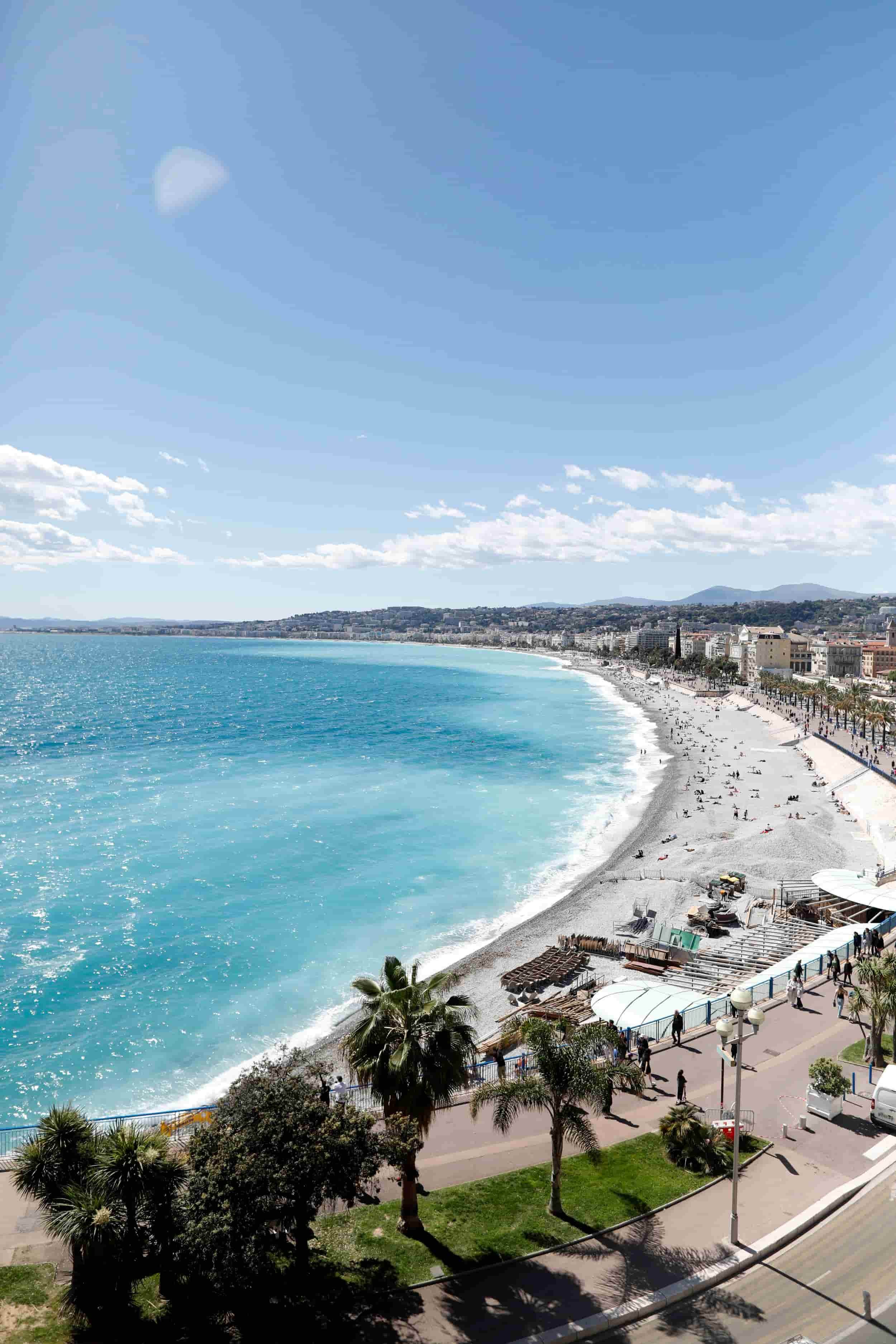
Promenade des Anglais runs like a sunny ribbon along Nice’s Baie des Anges, a wide sweep where the city meets the Mediterranean. Lined with graceful palm trees and Belle Époque facades, the promenade is as much a public stage as it is a thoroughfare: locals and visitors stroll, jog, rollerblade and cycle beneath a sky that often seems impossibly blue.
The wide esplanade separates the lively city streets from the pebble beach below, offering benches, cafés and patches of shade where people congregate to savor the sea air and watch the light shimmer across the water.
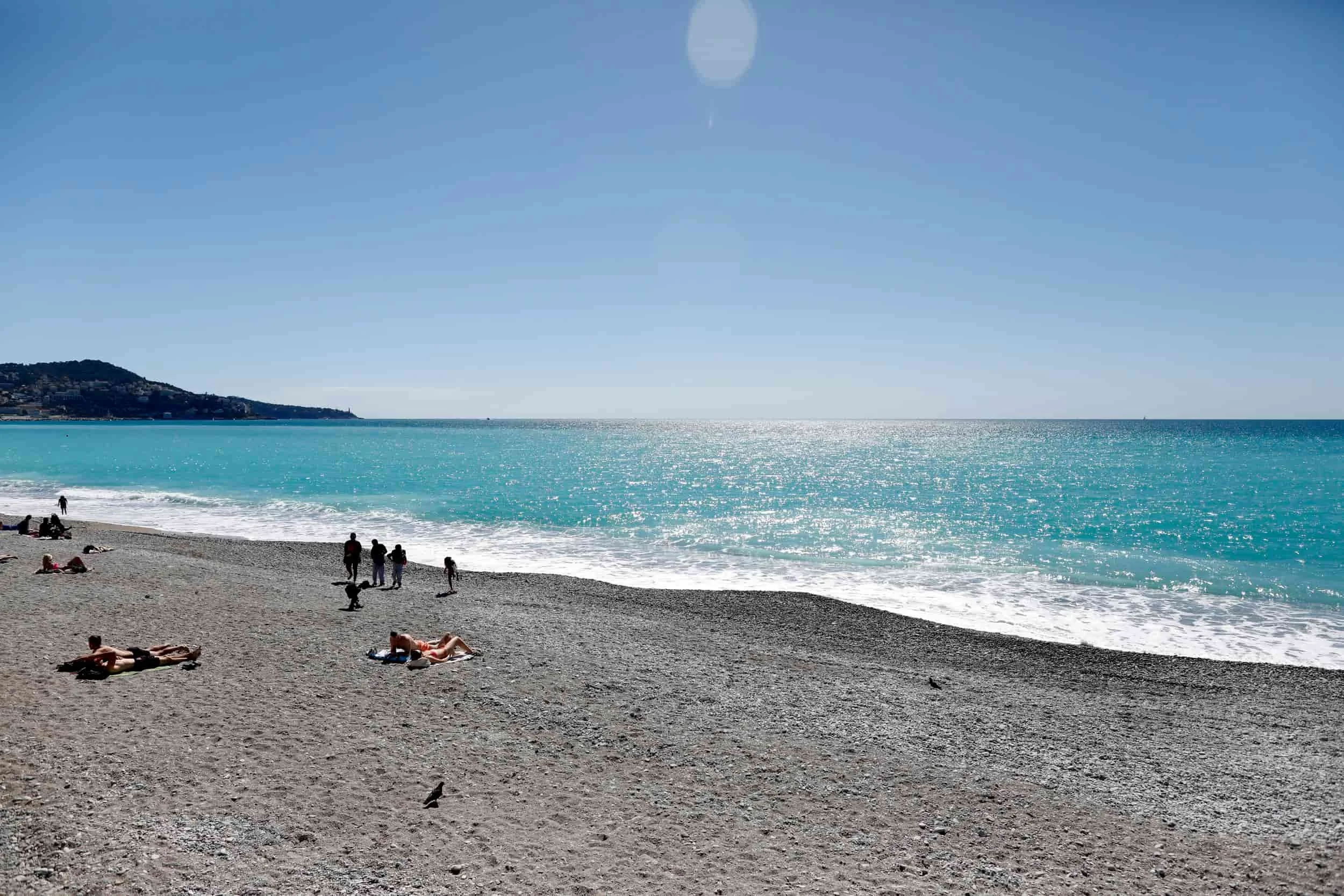
The beachfront itself is a study in contrasts. Unlike sandy shores elsewhere, Nice’s beach is composed of smooth pebbles that chime underfoot and give the water a crystalline clarity. Swimmers step carefully down gentle stone inclines into cool, clear water that deepens quickly, making early swims feel like slipping into bowl full of jewels.
Boat traffic and distant cliffs frame the horizon and the frequent gentle swell makes for pleasant, rhythmic tides rather than dramatic surf. On sunny days, the bay sparkles and the air fills with the scents of sunscreen, sea salt and espresso from nearby cafés.
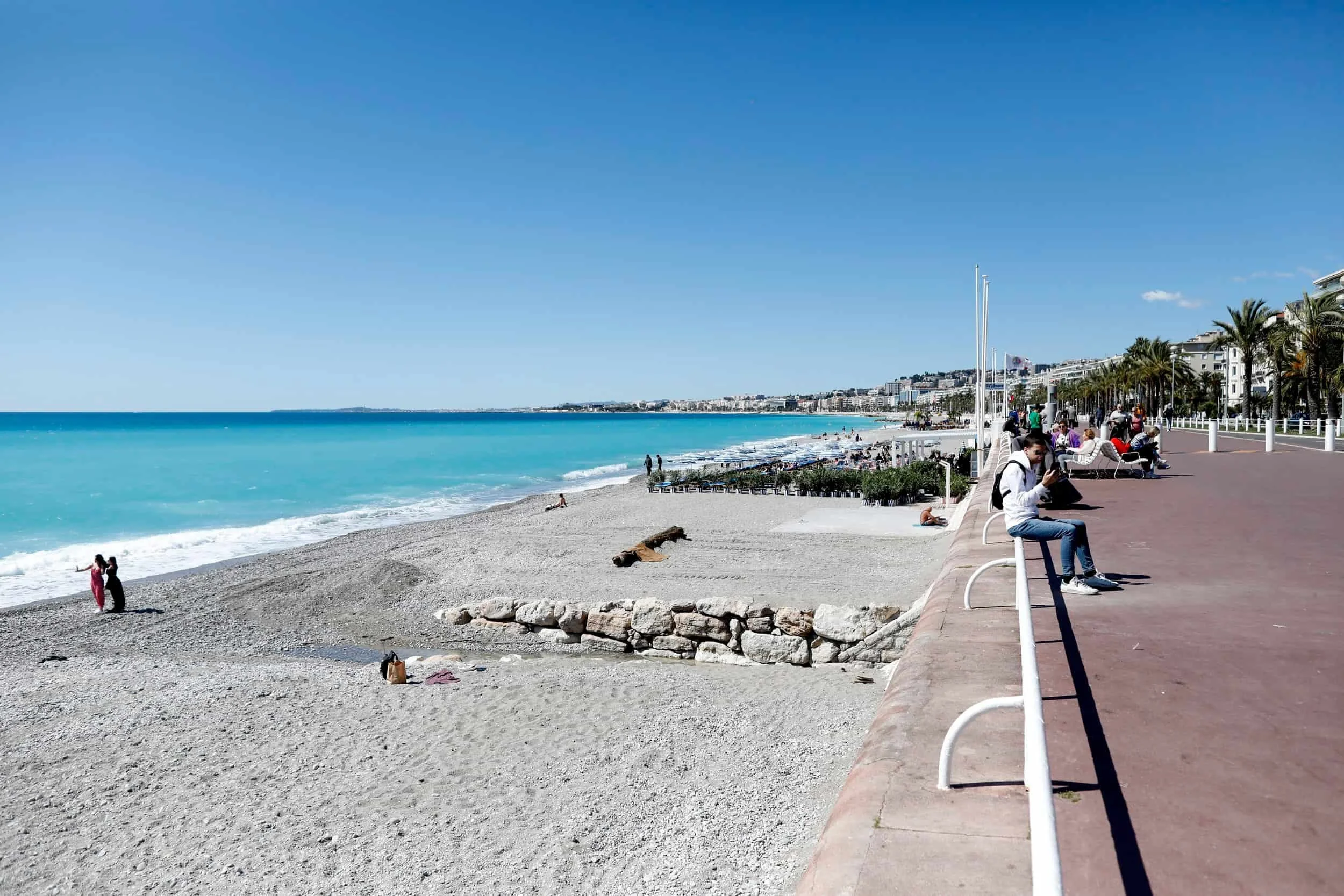
Sunbathing along the Promenade des Anglais is a sociable, relaxed ritual. Locals spread towels directly on the pebbles or rent loungers from private beach operators; in either case, there’s a certain democratic ease to how people stake out their spots.
Families, couples and solitary readers coexist in close but unintrusive proximity, sharing the same bright light and the slow tempo of holiday afternoons. The pebbles make for a firmer, warmer surface than sand and after a morning of swimming the stones themselves retain the sun’s heat into the evening, inviting long, slow rests.
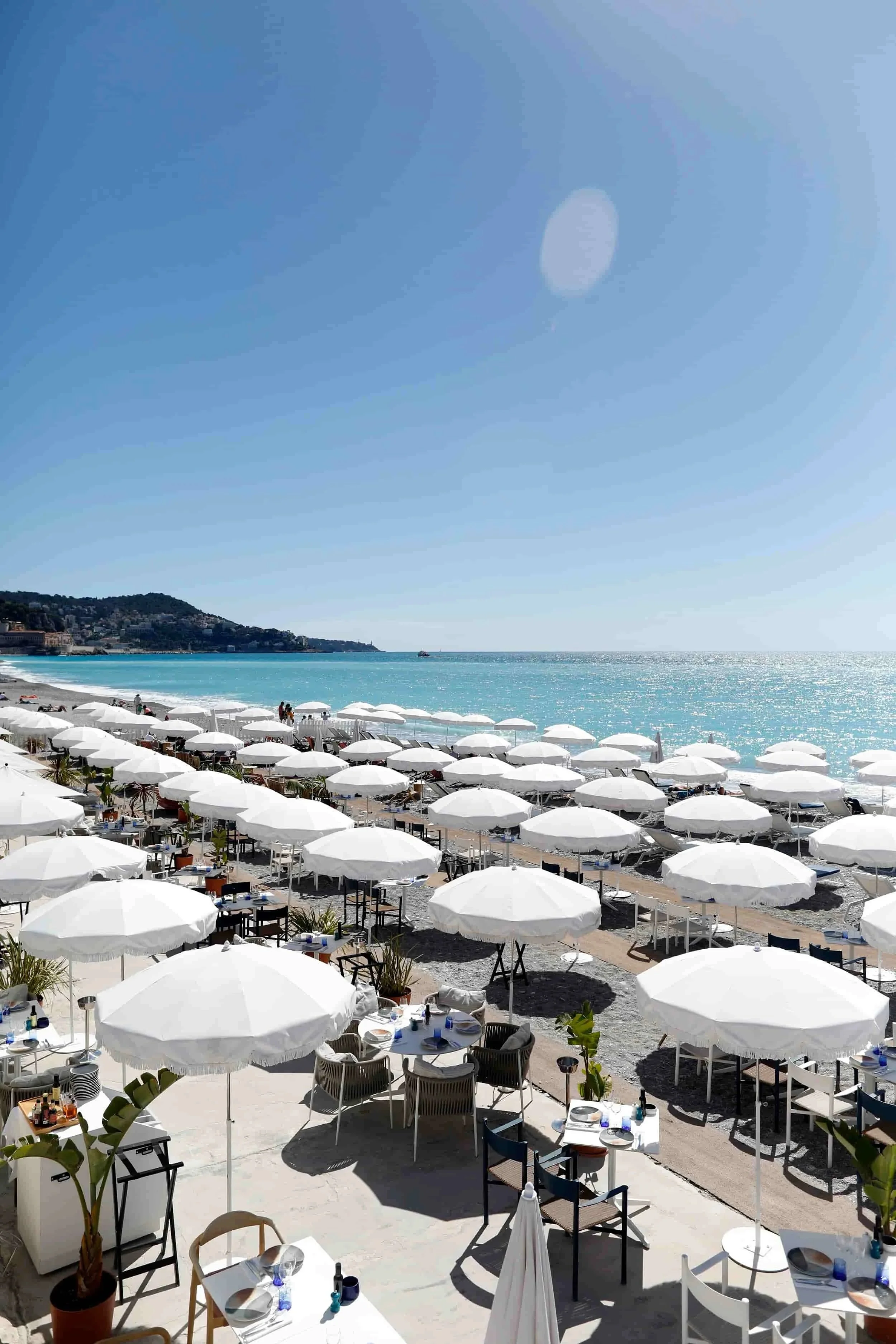
Colorful umbrellas animate the shoreline, providing much-needed relief from the intense Provençal sun. Rows of umbrellas — striped, solid, pastel — create a graphic canopy that punctuates the neutral tones of stone and sea. Many belong to private beach establishments that offer waitstaff, showers and sun beds, turning part of the beach into a discreetly luxurious strip; others are simple personal parasols planted by picnickers and solo sun seekers.
The umbrellas also serve as informal markers in the landscape, helping friends find one another across the expanse of pebbles and creating pockets of shade where conversation can linger without the glare.
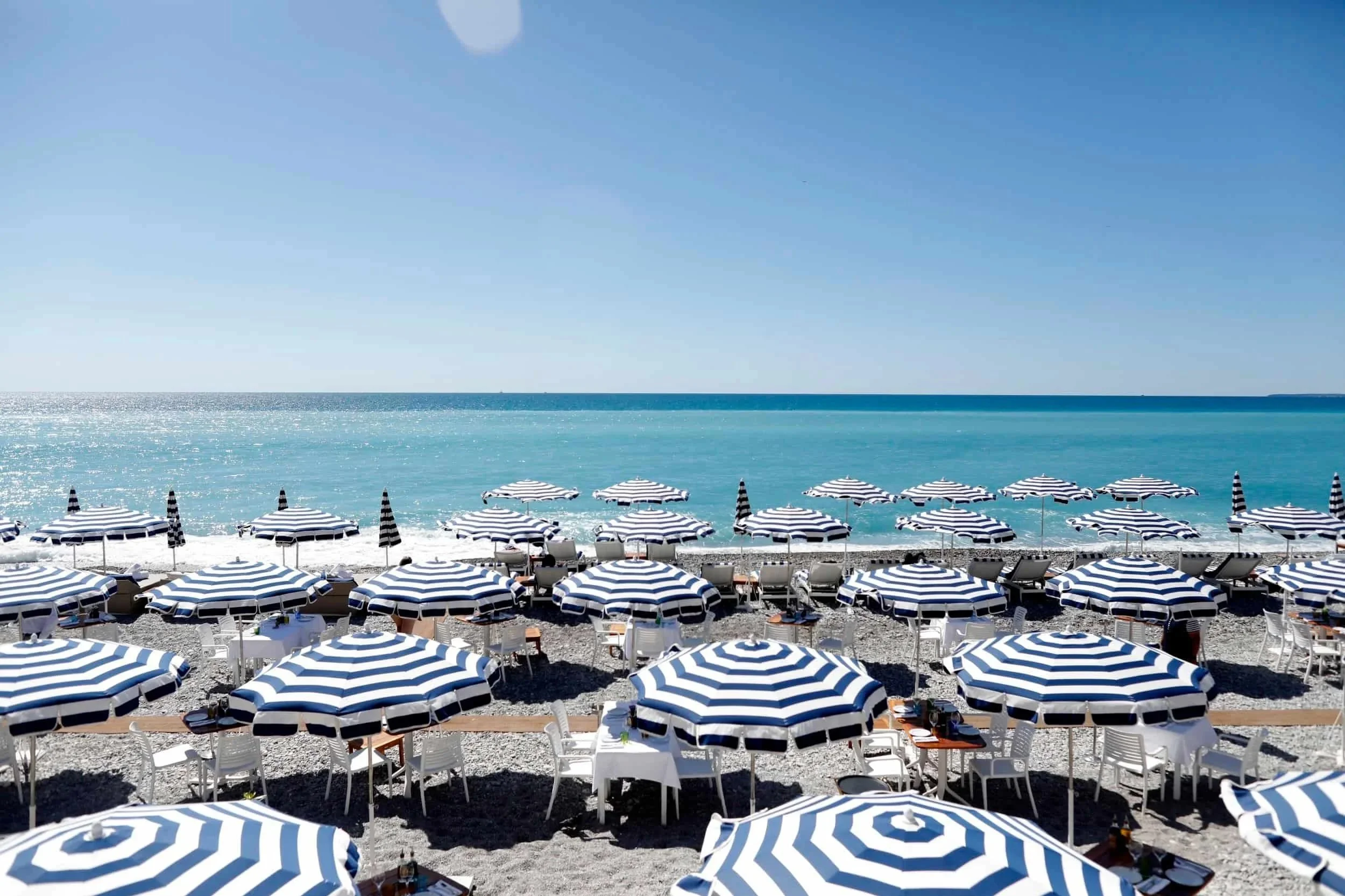
Evenings along the Promenade des Anglais shift the atmosphere gently: the sun lowers, the air cools and the beachfront takes on a softer palette. Beachgoers gather to watch the light flatten across the water and the umbrellas, once bright and busy, stand as quiet silhouettes. Promenade cafés and kiosks begin to glow and the scent of grilled food drifts up from near the shore.
Whether for a noonday swim or a sunset stroll, the Promenade des Anglais and its beachfront rituals — sunbathing on warm pebbles, the ordered color of umbrellas, the easy rhythm of sea and city — offer a distinctly Nice experience that blends seaside leisure with urban charm.
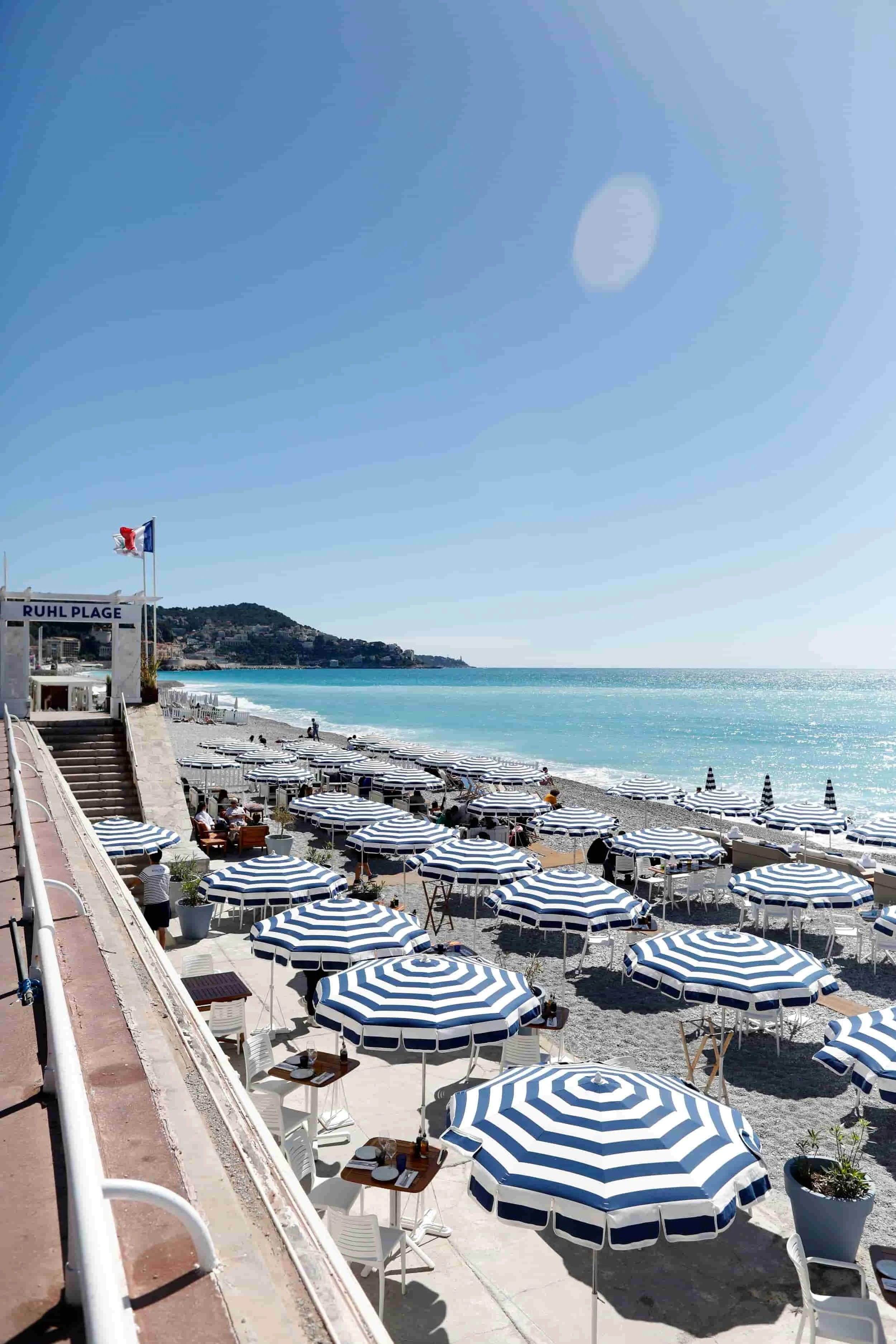
Wandering a few steps from its palm-lined stretch brings you to an elegant mix of seaside charm and Provençal life. Stroll east to the pebbled beach and the colorful jetty life of Quai des États‑Unis or drift toward Old Town (Vieux Nice) where narrow lanes spill into busy markets, pastel façades and the fragrant Cours Saleya flower and food market.
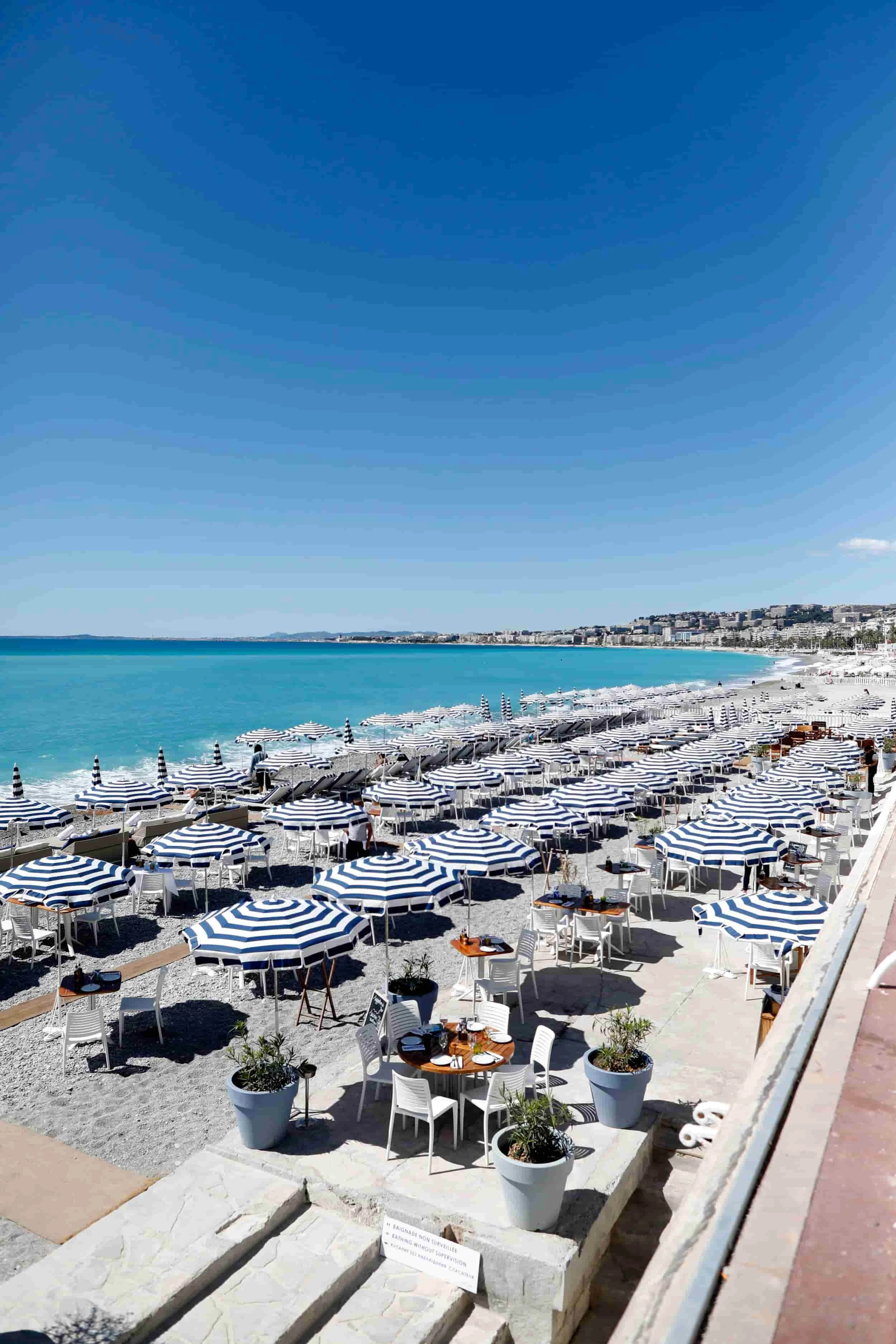
A short climb up Castle Hill (Colline du Château) rewards you with sweeping views of the Baie des Anges and shaded gardens perfect for a picnic. Art lovers will find the Musée Marc Chagall and Musée Matisse nearby, while the Opéra de Nice and Place Masséna offer elegant architecture and lively public spaces. End your wander with a café terrace facing the sea — simple, timeless pleasures that make this stretch of the Côte d’Azur unforgettable.
Place Masséna & Fontaine du Soleil
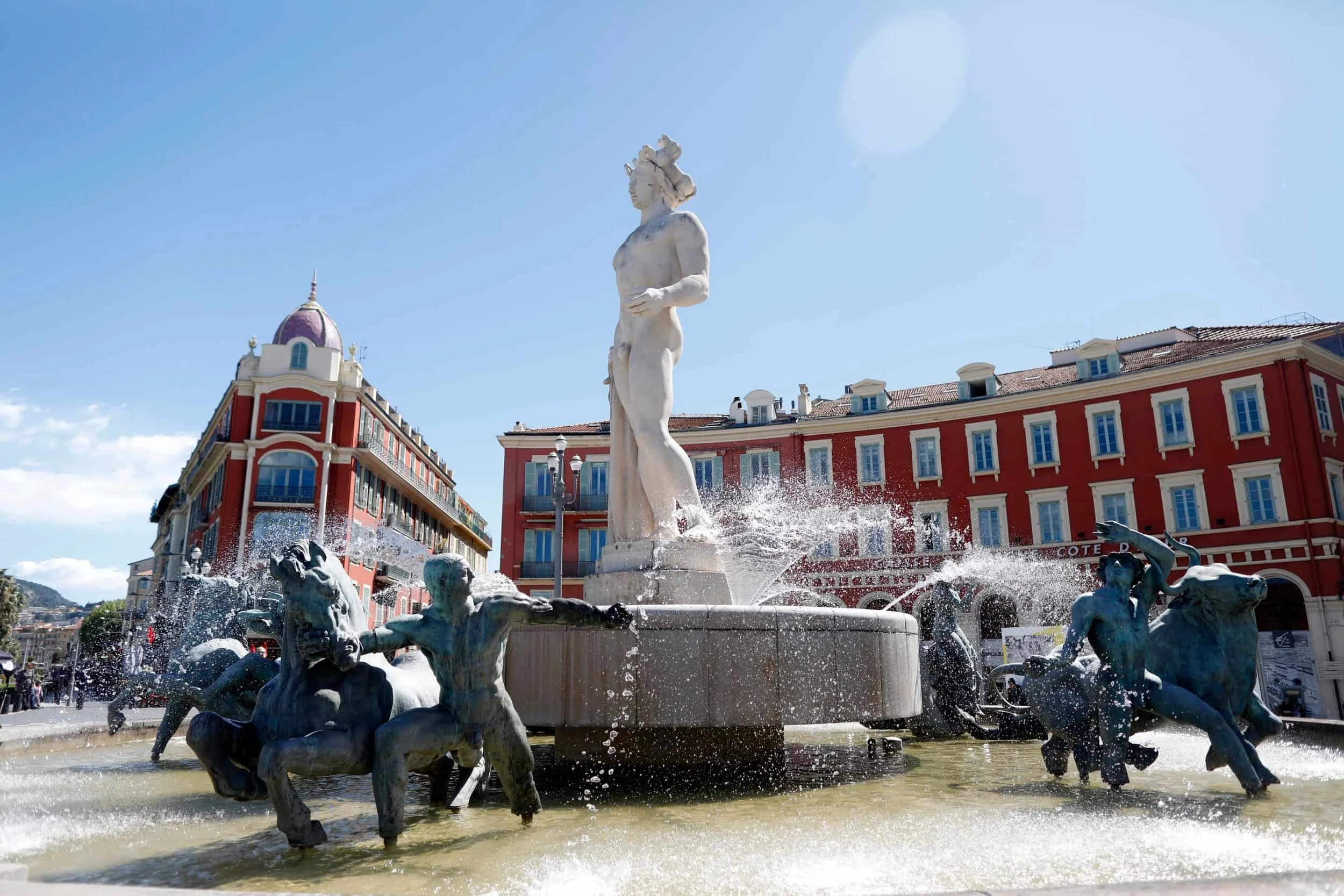
Place Masséna sits at the pulsing heart of Nice, where the city’s Mediterranean light throws gold across red-and-ochre facades and palms sway along pedestrian boulevards. Place Masséna, with its broad, checkerboard paving and elegant arcades, feels like a stage set for daily life: locals hurry past cafés and boutiques, children race around the square and evening brings a slow parade of couples and strollers enjoying the sea breeze.
Dominating the square, the Fontaine du Soleil anchors that scene with a lively blend of classical grandeur and Riviera warmth. Sculpted in bronze, the central figure — an imposing depiction of Apollo — commands attention, sunlight glinting off his outstretched form. Around him, allegorical figures and smaller bronzes create a conversational cluster of art that invites both admiration and a sense of playful curiosity. The fountain’s water dances quietly, offering a cool, reflective counterpoint to the square’s bustling energy.
Together, Place Masséna and the Fontaine du Soleil capture Nice’s charm: a mix of history and everyday life, art as a backdrop to the simple joys of sunlit streets, seaside air and people watching. They’re a small, elegant reminder that here, beauty is part of the city’s rhythm, not just its ornament.
In the square, an arresting contemporary installation presents a row of life-sized bronze men perched atop slender poles, each figure suspended above the plaza as if caught between sky and city. The sculptures, part of a temporary public art program, transform the square’s classical symmetry and red façades into a stage for quiet meditation on presence, motion and the human silhouette.
The figures are realistic but stylized, their poses varied — some standing, some in tentative stride, others balanced on one foot — conveying a subtle narrative of suspended action. From a distance, they read as a single architectural rhythm, marking the plaza’s axis and drawing the eye upward. Up close, details of posture, clothing folds and facial expressions invite closer inspection, revealing small differences that suggest individual stories despite the uniformity of material.
Material and placement amplify the installation’s impact. Bronze gives the men a permanence and weight that contrasts with their precarious perch; the poles, thin and elegant, create a visual tension between stability and imbalance. Installed at varying heights, the sculptures engage with the sky and the surrounding urban fabric — pedestrians, palm trees, street lighting and the arcades — so that the figures shift in relation to light and viewpoint over the course of the day.
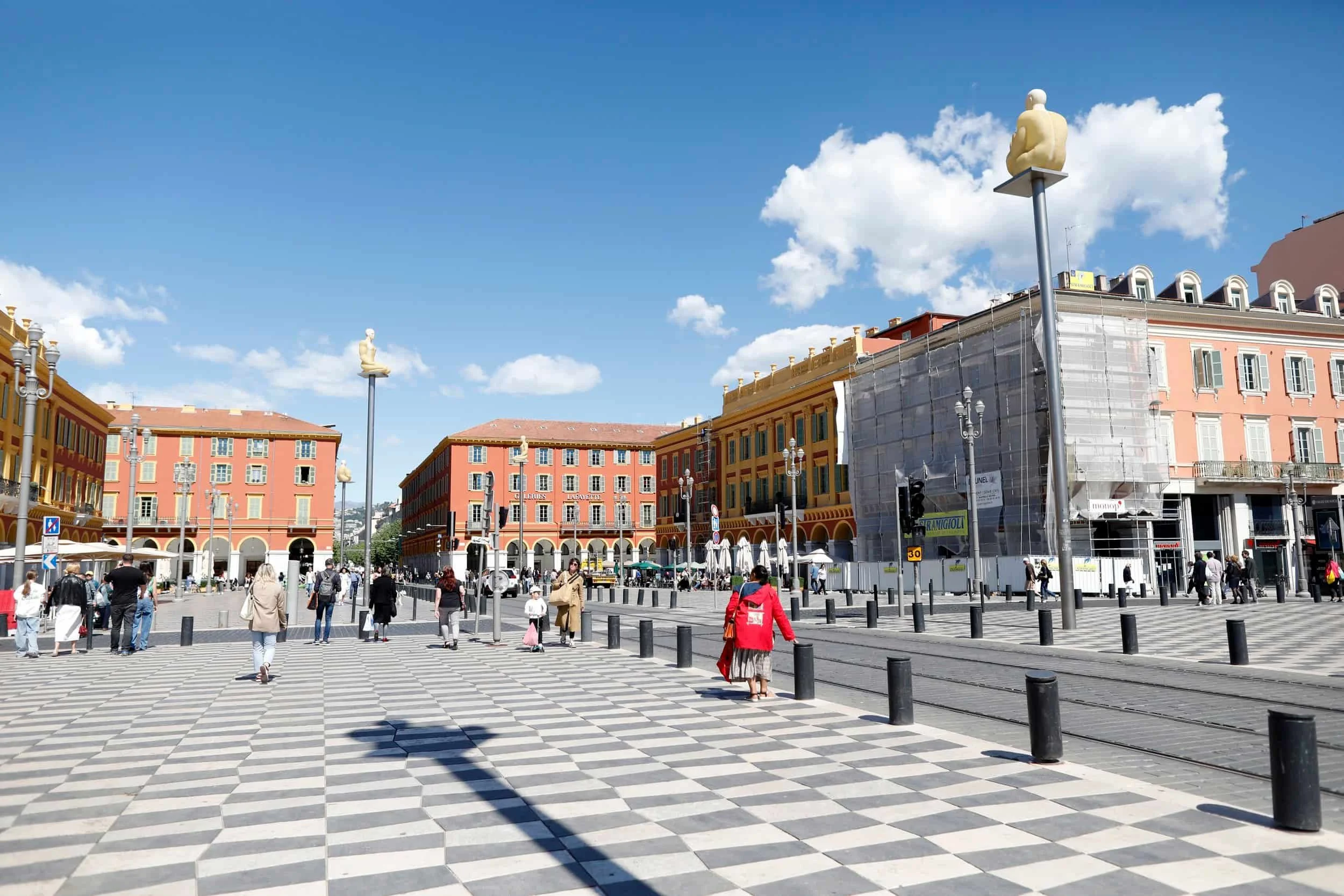
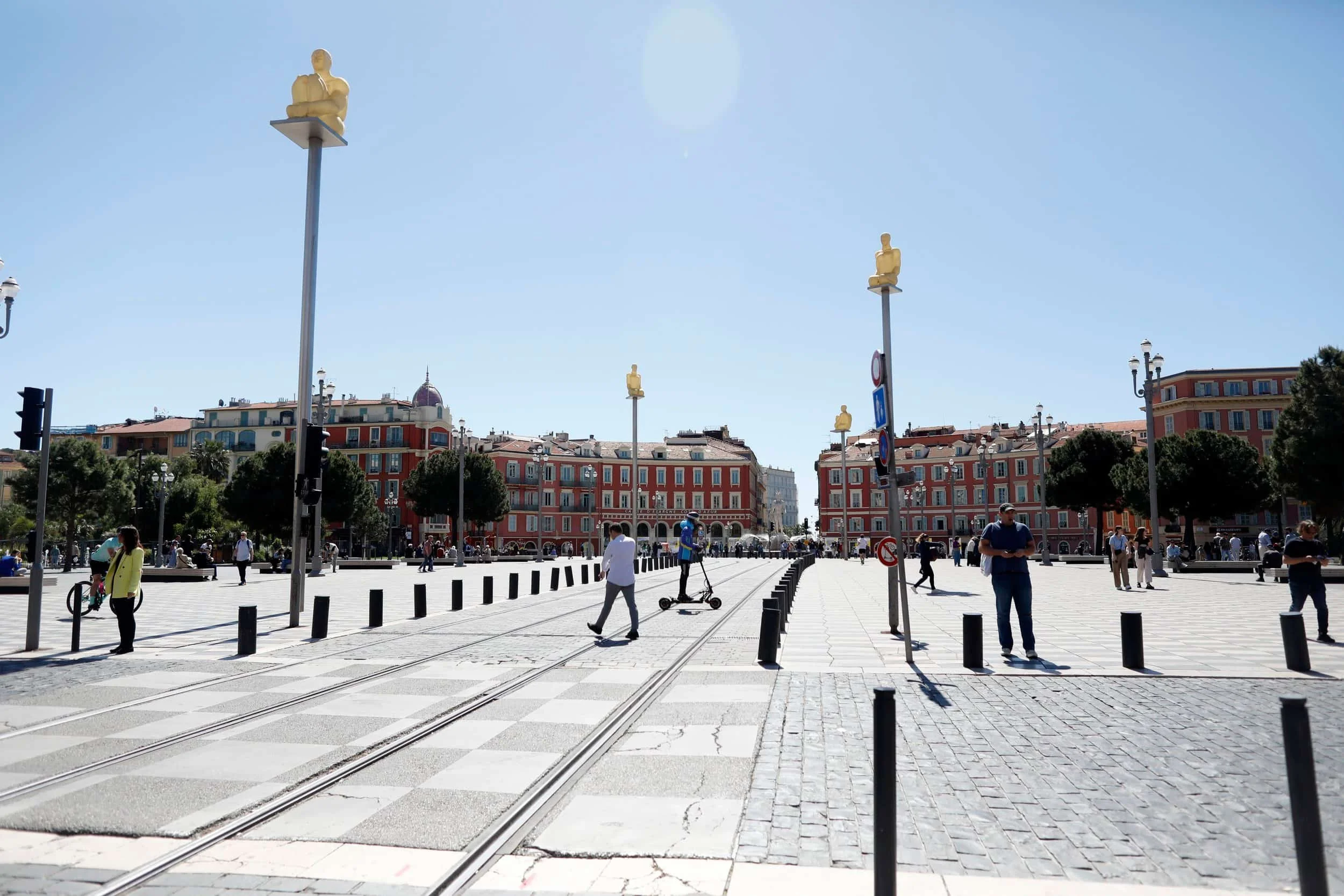
Conceptually, the work explores themes common to public sculpture: visibility, anonymity and the relationship between the individual and public space. By elevating human figures above ground, the artist alters typical sight lines and invites visitors to consider how people occupy and define shared environments. The height creates a gentle distance that both isolates the figures and makes them visible to people across the square, encouraging reflection rather than interaction.
The installation’s placement in Place Masséna is significant. This central, heavily trafficked site — traditionally a crossroads of civic life — becomes a stage for a quiet human chorus, prompting passersby to pause. At night, lighting transforms the silhouettes into stark, theatrical forms; by contrast, daylight reveals texture and nuance.
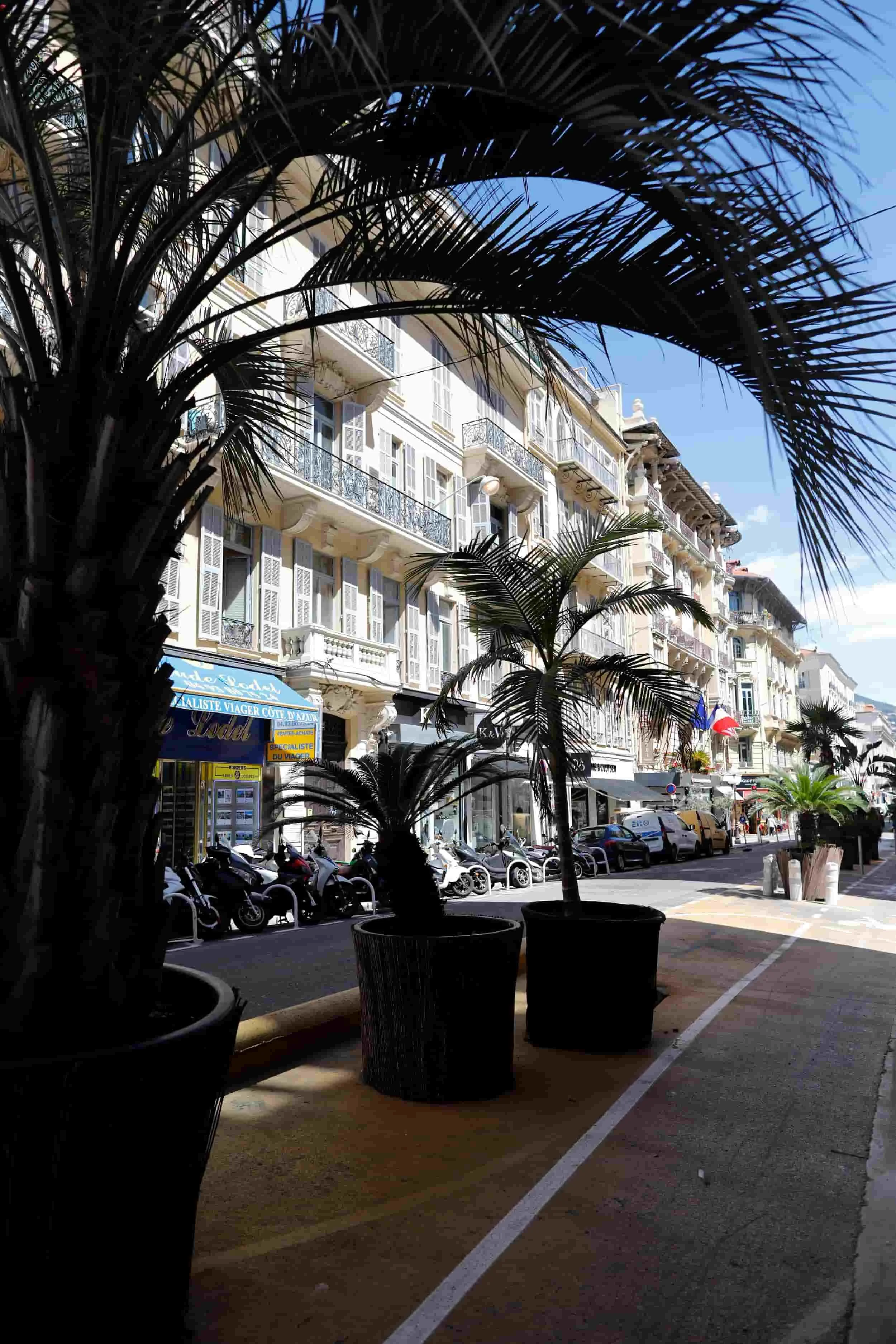
The square is surrounded by a pleasant mix of shopping options that suit both leisurely browsers and practical shoppers. Just off the square, pedestrianized avenues like Rue Jean Médecin and Avenue Jean Médecin offer mid-range French and international brands — think ready-to-wear clothing, shoe shops and cosmetics stores. For department store variety, Galeries Lafayette is an easy walk away and stocks fashion, accessories and a curated selection of local beauty products.
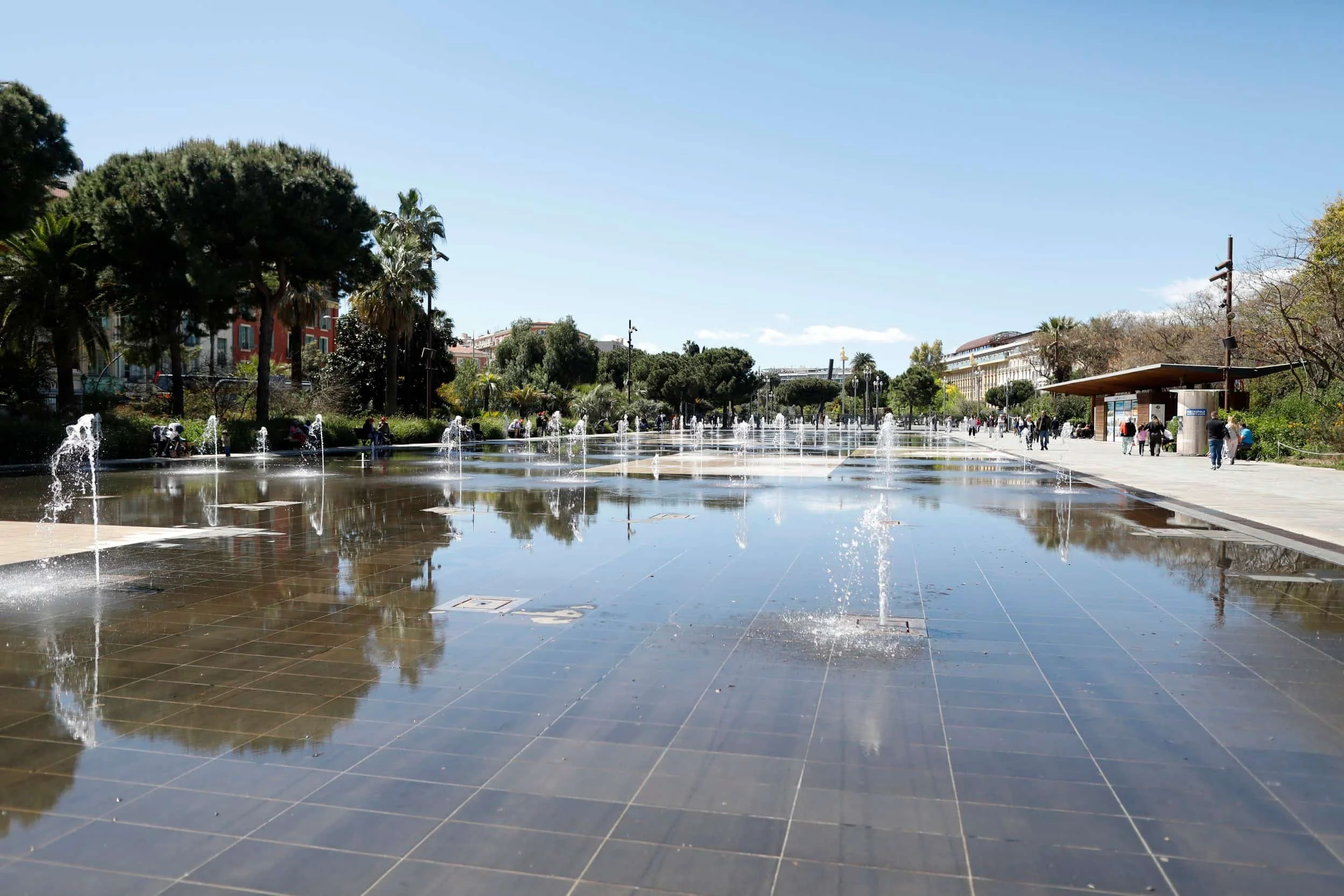
For a relaxed shopping experience, the area around the Promenade du Paillon features small concept shops and cafés where you can pause between stores. On market days, nearby open-air markets add fresh produce, flowers and crafts to the mix, making the shopping scene around Place Masséna a balanced blend of mainstream retail and charming local finds.
Cours Saleya Marché aux Fleurs
Discover one of my favorite things to do in Nice — stroll old town’s pop up markets for fresh finds and local treats.
Vieux Nice — Nice’s Old Town — is a compact, fragrant, sunlit maze of narrow lanes, painted shutters and baroque churches that feels like a village tucked inside a city. Walkable and vivid, it’s the heart of local life: morning markets, lingering lunches, impromptu music and small shops filled with goods you’ll want to take home.
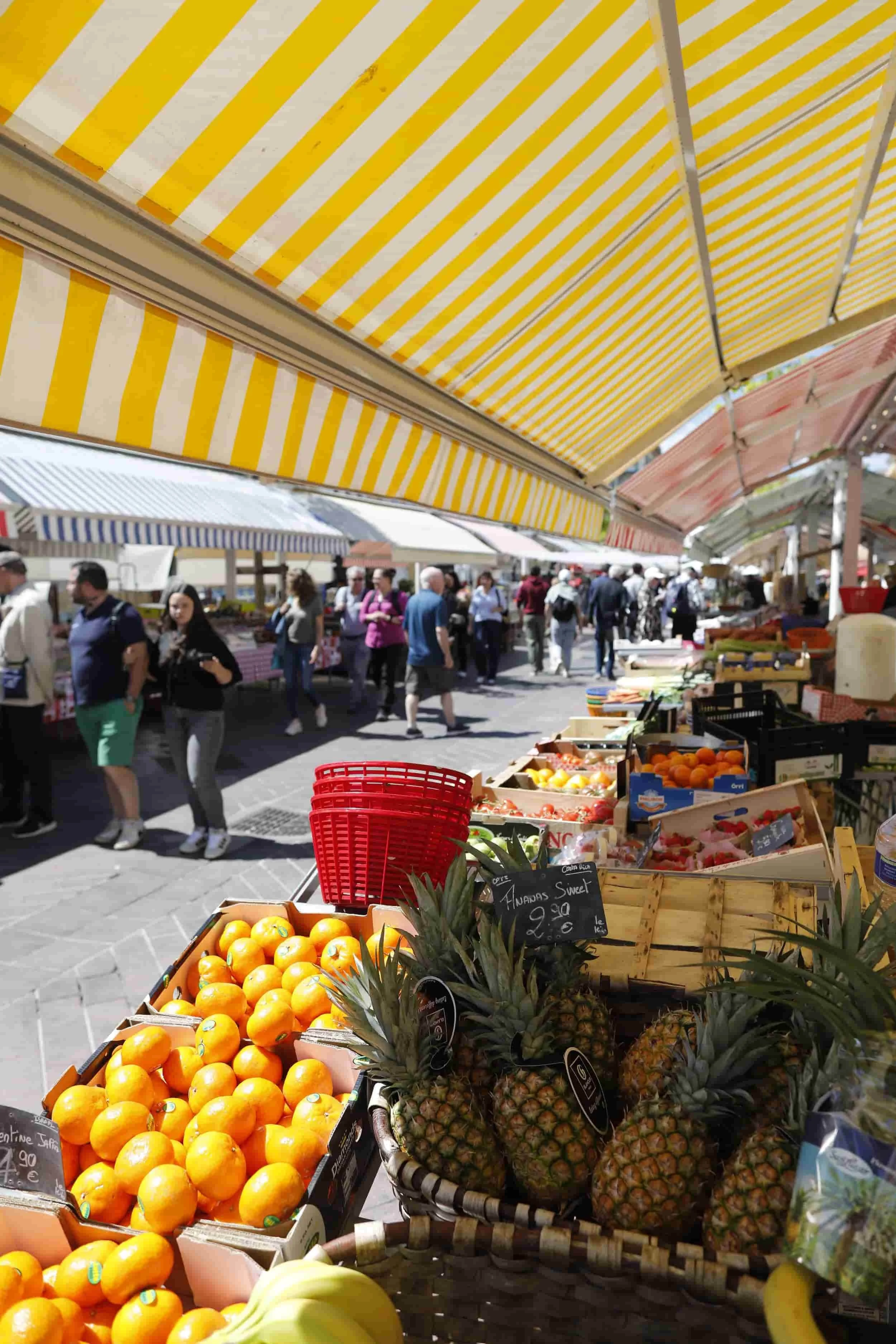
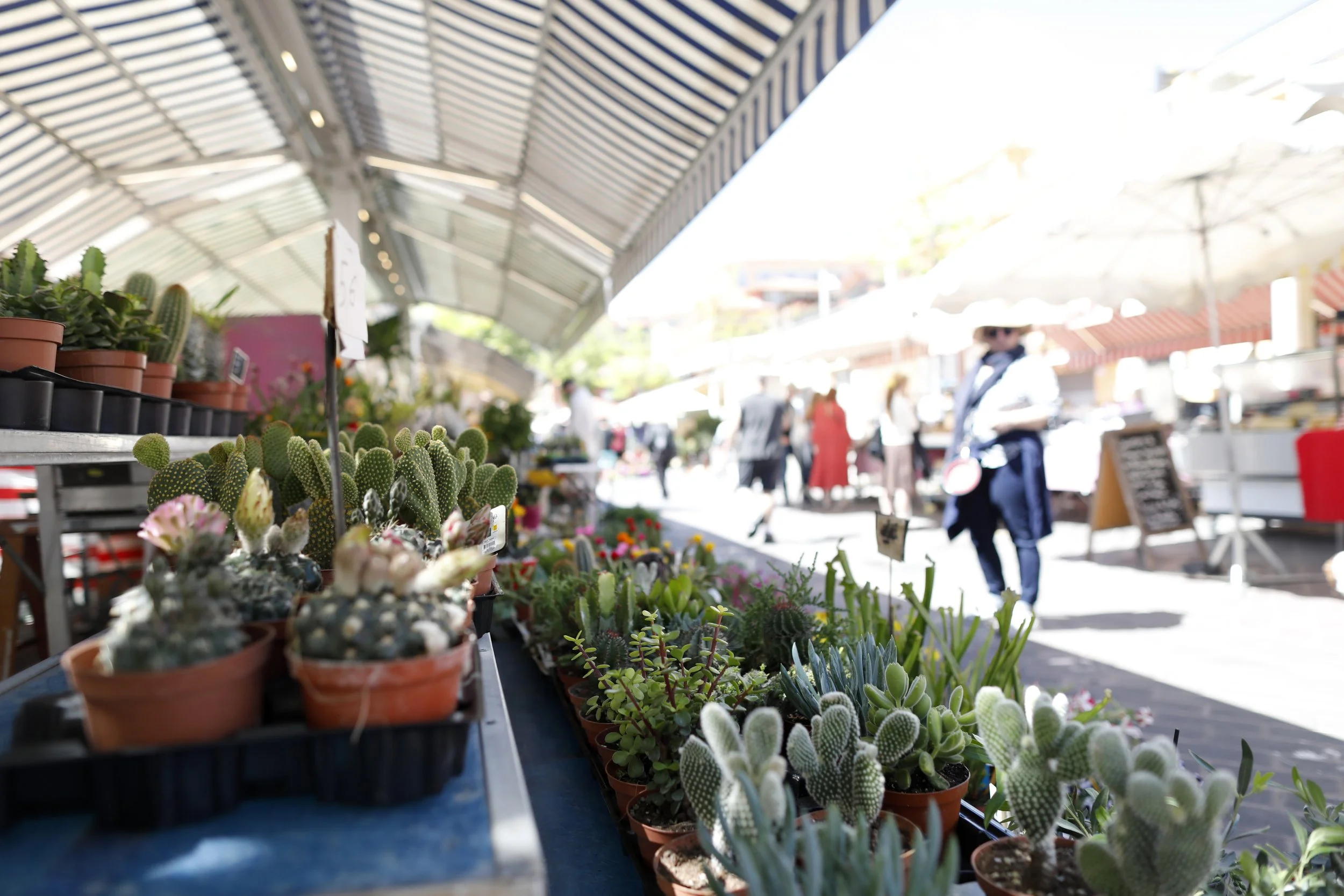
Cours Saleya is the pulsing main artery. By day, it hosts the famous Marché aux Fleurs (flower market), where stalls explode with color and scent: bunches of roses, lavender, mimosas in season, cut greens and olive branches. Vendors arrange bouquets with practiced ease while bees and tourists drift between them.
The market typically runs Tuesday to Sunday — roughly 6:00 a.m.–5:30 p.m. — but closes early on Sunday and is busiest mid-morning. On Mondays, the space transforms into an antiques and flea market from 7:00 a.m.–6:00 p.m., a great time to browse vintage posters, silverware and small decorative finds.
💡 Local Tip | Arrive early for the best selection and cooler temperatures.
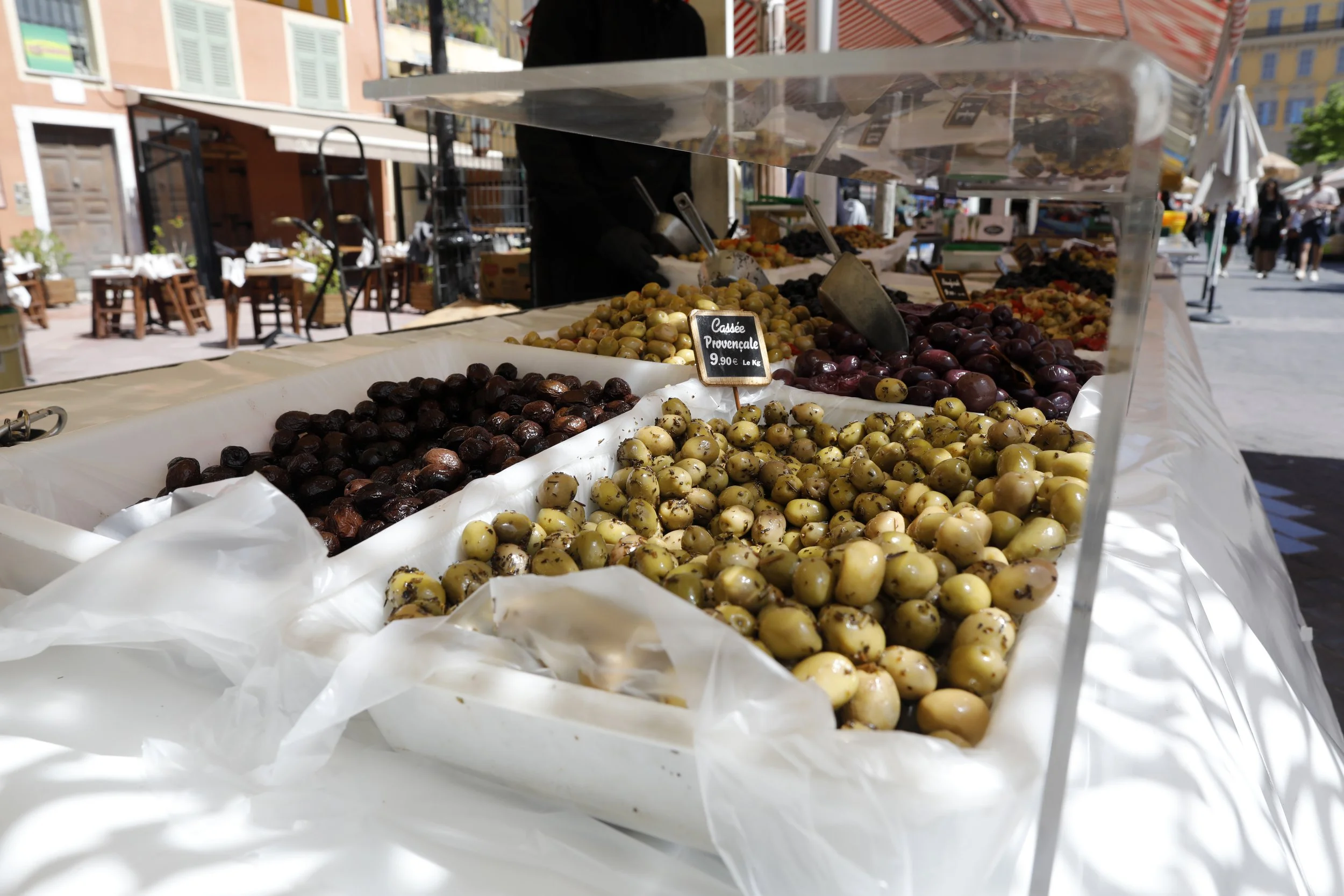
Near Cours Saleya and the surrounding alleys, you’ll find cafés and bistros serving Niçoise specialties. Try socca — a chickpea pancake crisp at the edges — from a street vendor; pissaladière, a savory onion-and-anchovy tart; and salade niçoise in its classic form (omit if you prefer to avoid anchovies or use the local variations). For sweet bites, look for tourte de blettes (a savory-sweet chard tart unique to Nice) and citron confit products reflecting the region’s lemons.
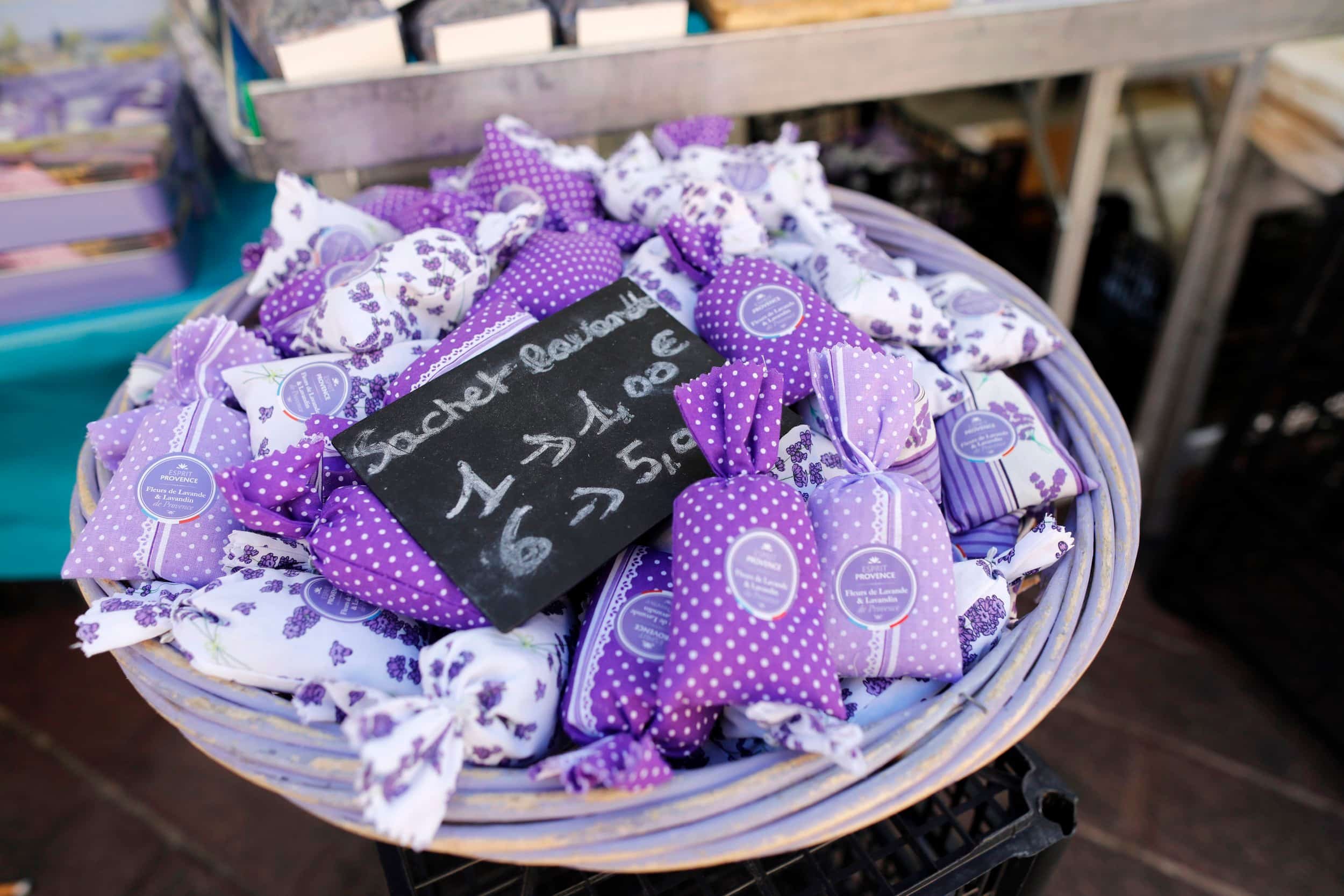
Shops sell Provençal staples: fragrant soaps (savon de Marseille and artisanal olive-oil soaps), jars of tapenade and pesto, locally produced honey, candied fruits, olive oils, sea-salt blends and tins of anchovies and sardines. Look for small ateliers offering lavender sachets, hand-painted ceramics and brightly patterned textiles.
Many shops in Vieux Nice are open roughly 10:00 a.m. – 7:00 p.m., with hours extending in summer; some bakeries and cafes open much earlier (7:00 a.m. or earlier) and select restaurants stay open late into the evening.
💡 Local Tip | Many small vendors accept only cash or prefer it; ATMs are available nearby but carry some euros for purchases under €10–€15.
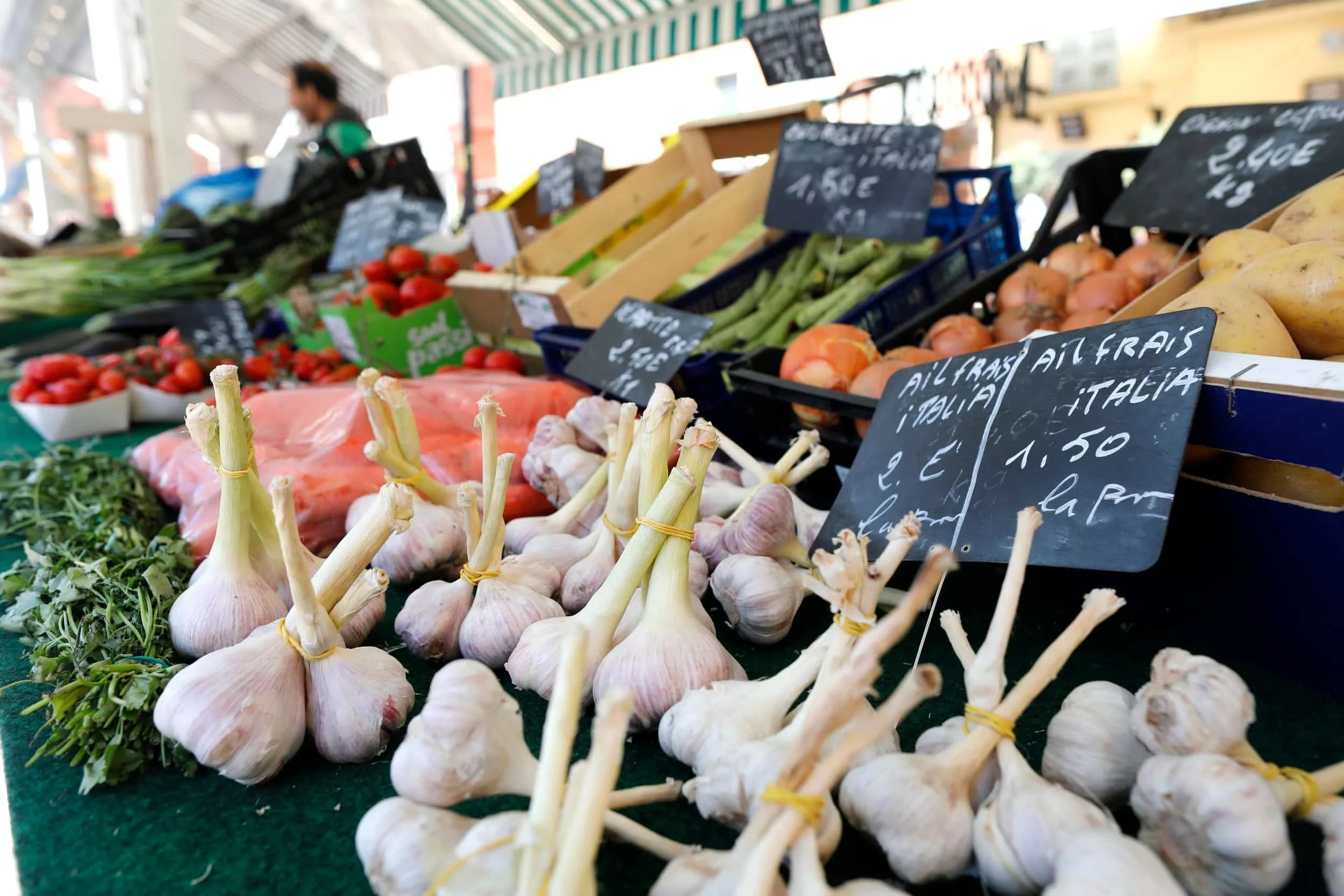
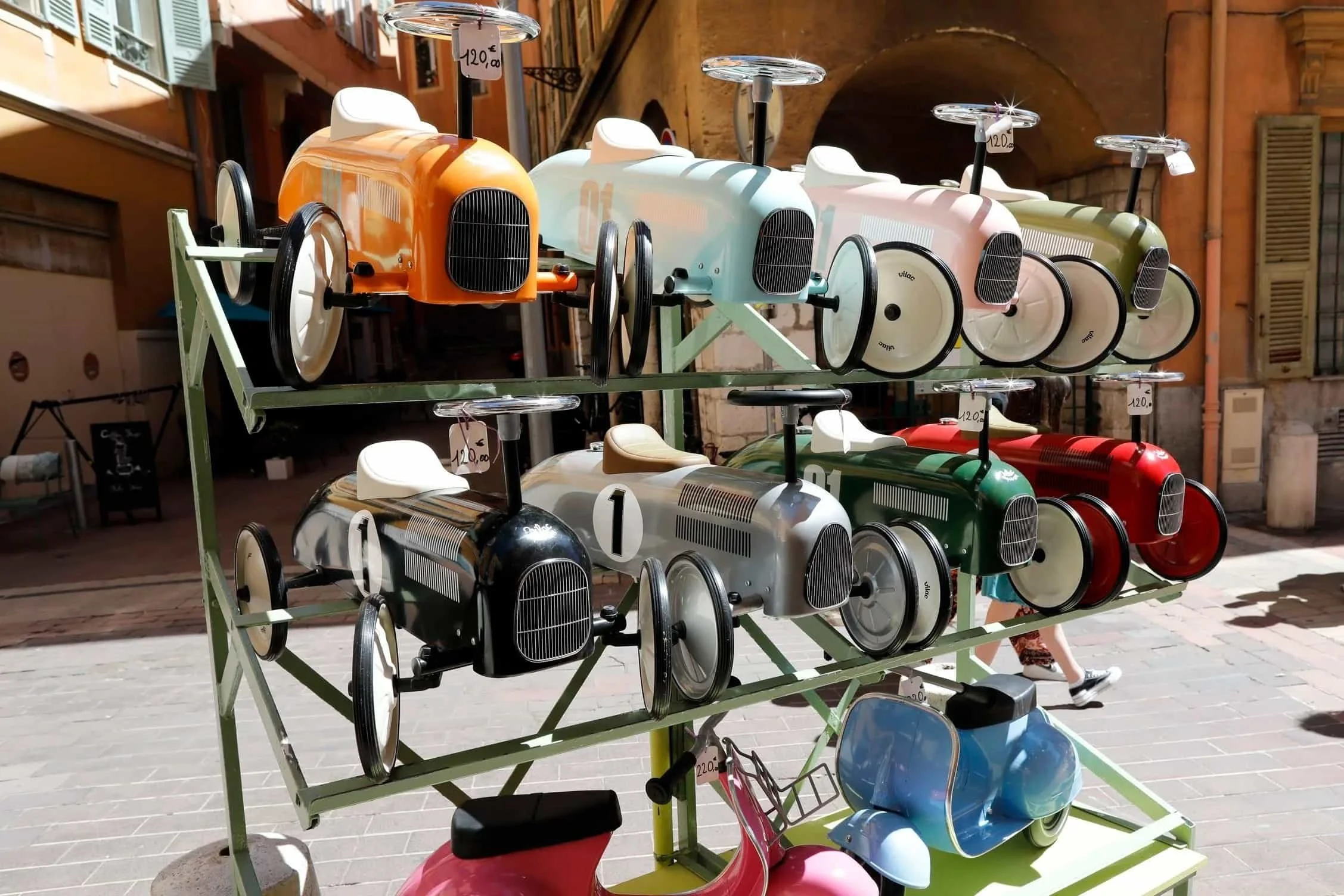
Old town is full of small galleries and craft studios tucked down side streets. You’ll find local painters, ceramicists and jewelers selling one-off pieces. If you want to take a workshop, ask at a gallery or tourist office for pottery, perfume or cooking classes — short sessions are often arranged for visitors.
⚠️ Good to Know | Nice’s cobblestones and narrow alleys reward comfortable shoes while exploring.
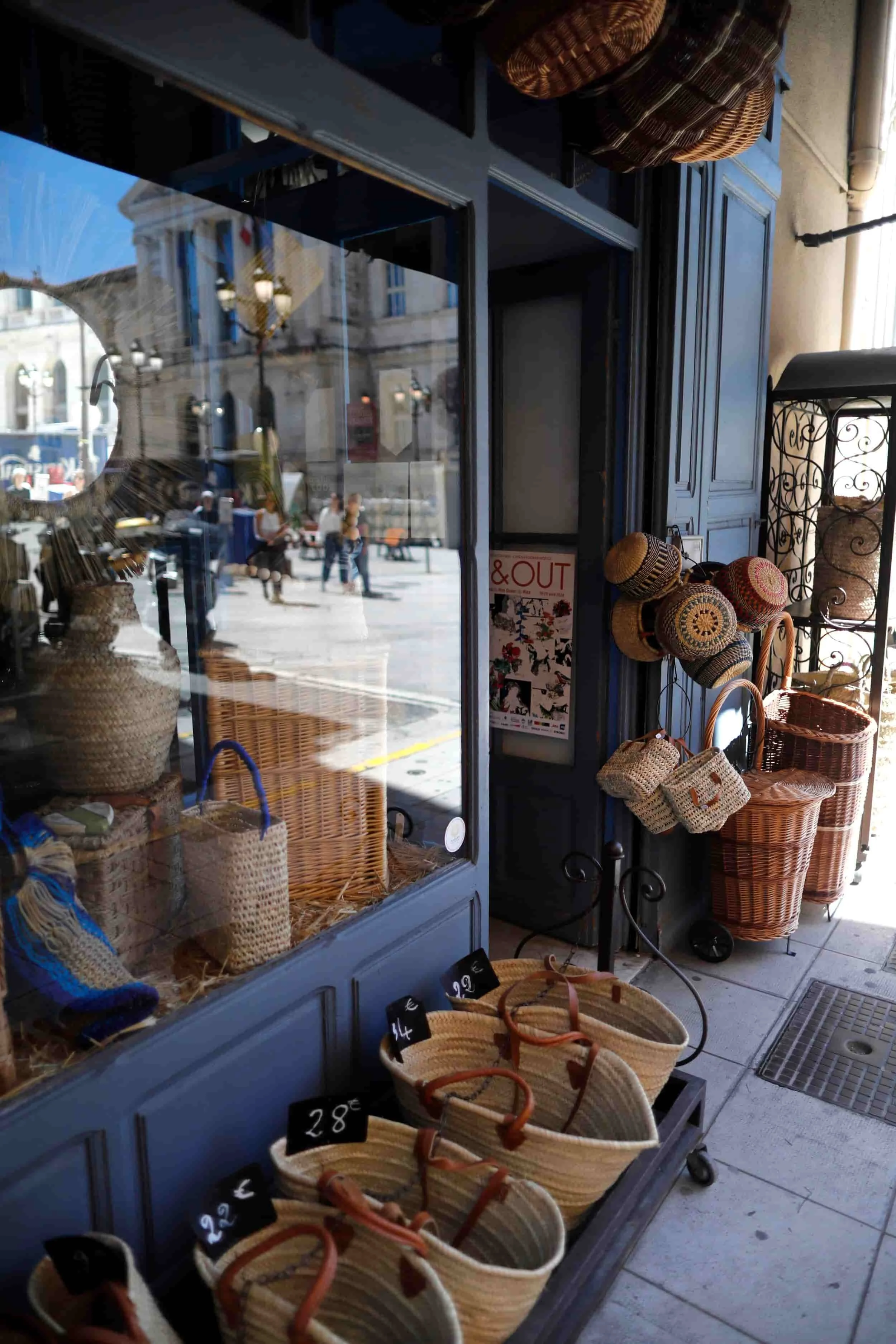
Narrow streets and sunlit squares also reveal a wealth of handmade treasures reflecting Provence’s crafts and Mediterranean flair like leatherwork, woodcraft and paper goods. Stalls and boutique shops favor small-batch, locally made goods over mass-produced souvenirs. Seek out artisans in side streets or markets to find unique, responsibly made items with a direct connection to the region.
If only my suitcase had been a bit more generous.
As daylight softens, the old town’s air cools and the alleyways glow under warm lamplight. Restaurants fill for long dinners; sidewalk tables invite slow conversation over local rosé or a pastis (specific anise-flavored aperitif celebrating the Mediterranean lifestyle of Nice). Street musicians often play in squares and the atmosphere is relaxed — convivial rather than upscale, making Vieux Nice a place to stay awhile.
Nice Cathedral & Place Rossetti
Place Rossetti opens like a sun-drenched fantasy: the Cathédrale Sainte-Réparate presides over the square, its pale stone glowing as morning light spills across terraces and gelato carts. Sink into a café chair, latte in hand and watch the slow choreography of locals and travelers — shopkeepers sweeping, lovers lingering, children darting after pigeons — while scoops of pistachio and blood-orange punctuate the air with sweetness.
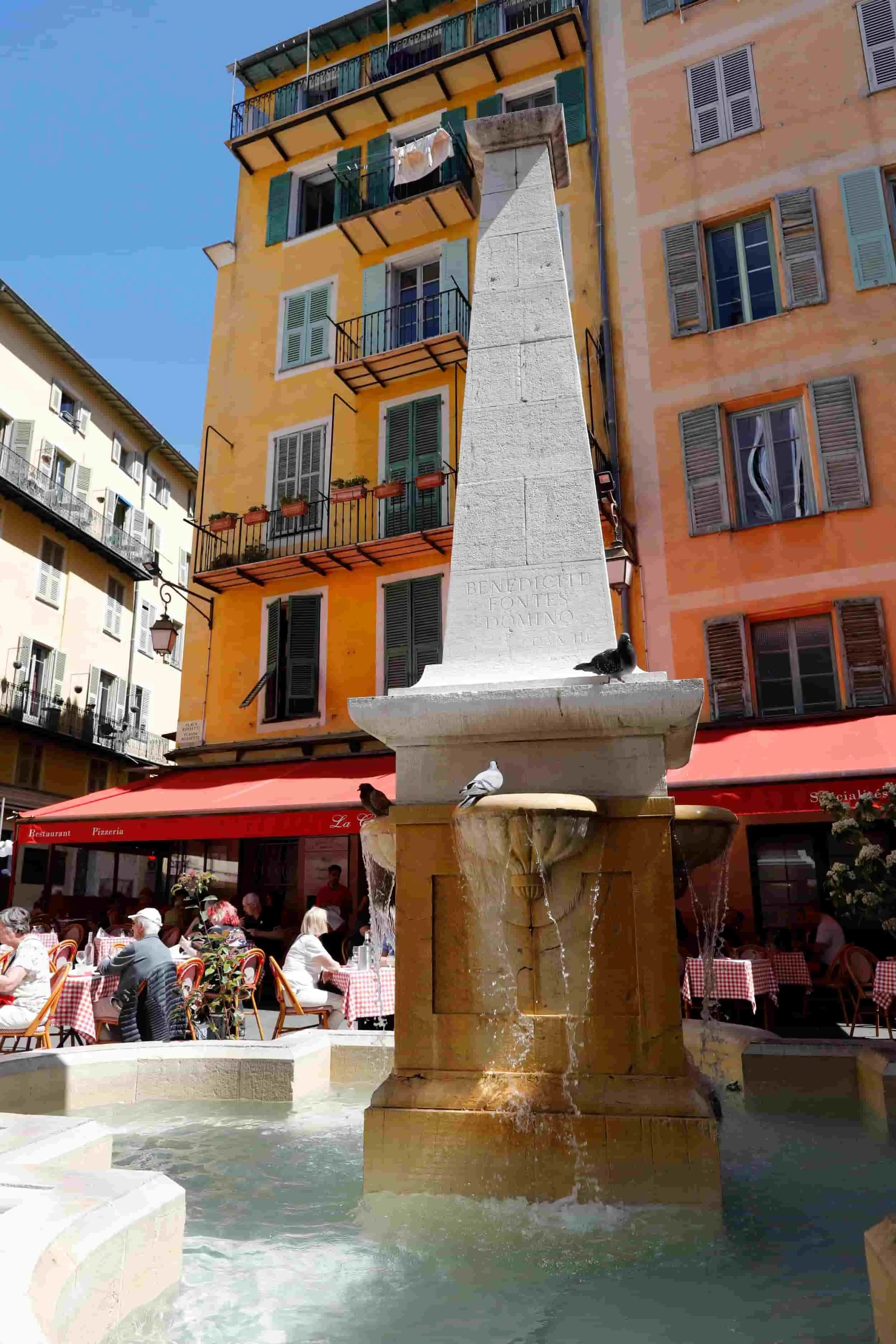
Cathédrale Sainte-Réparate, commonly called Nice Cathedral, stands in the heart of Vieux Nice. Its compact Baroque façade of cream and ochre faces the bustling square lined with cafés and narrow alleys, making the cathedral both a visual anchor and a daily magnet for locals and visitors. The bell towers rise above the dense urban fabric, visible from several vantage points in the old town and the cathedral’s proximity to the Mediterranean gives it a lively, sunlit character that distinguishes it from inland counterparts.
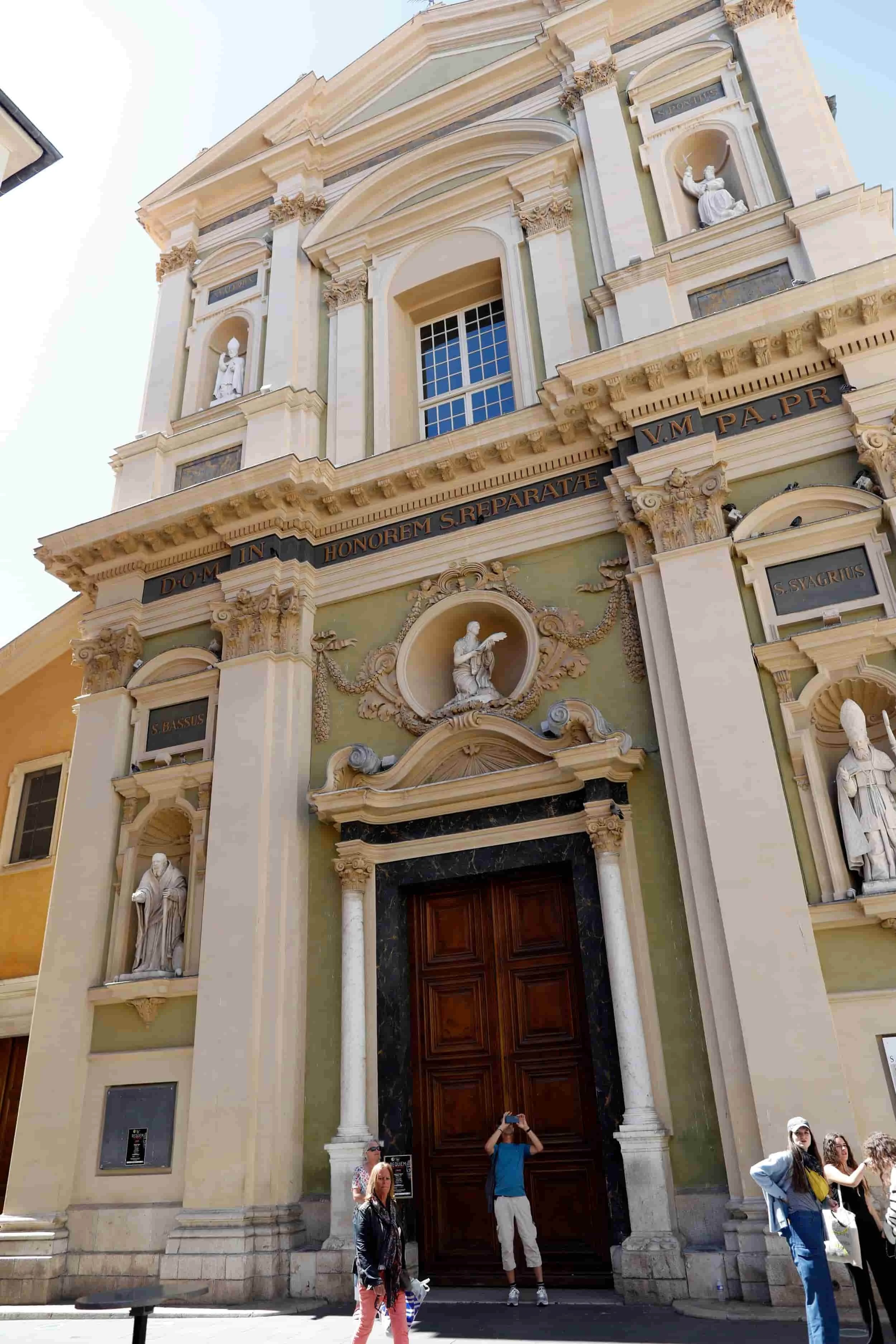
The site has hosted a church since the early medieval period but the present structure dates mainly from the 17th century, completed after successive campaigns of rebuilding and enlargement. It was consecrated in 1699 and dedicated to Saint Reparata, a young martyr venerated as the city’s patron saint.
Over centuries, the cathedral has absorbed artistic and architectural influences from Genoese, Piedmontese and Provençal sources; its Baroque decor and the richly ornamented façade reflect the Catholic Counter-Reformation taste for dramatic, didactic church design intended to inspire devotion.
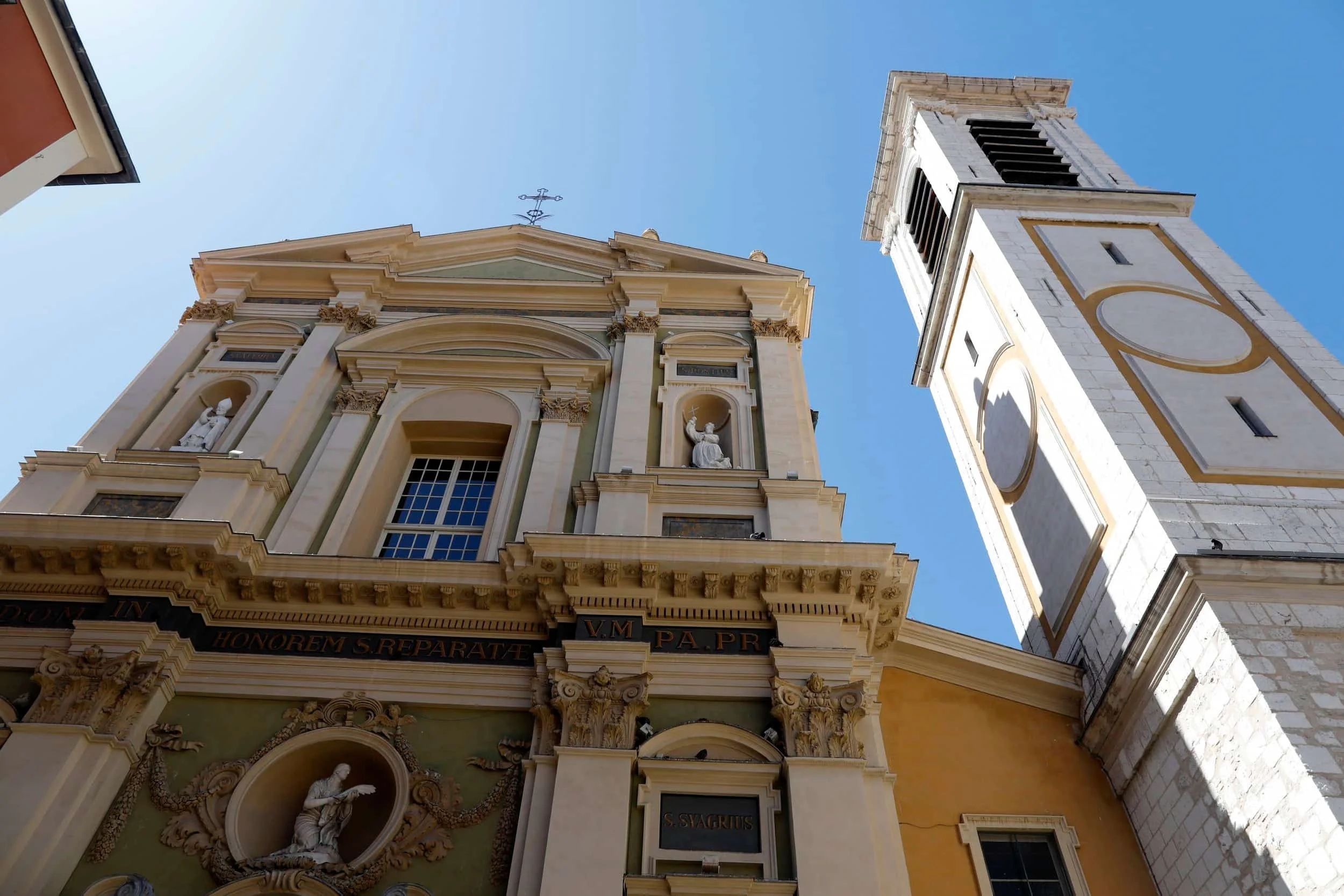
The cathedral remains an active Roman Catholic parish church and the seat of the Bishop of Nice. It hosts regular Masses, sacraments and diocesan ceremonies, while also serving as a cultural venue for concerts and religious festivals — especially the feast of Saint Reparata and local processions that animate the old city. As both a spiritual center and community landmark, it functions day-to-day as a place of worship, prayer and civic identity.
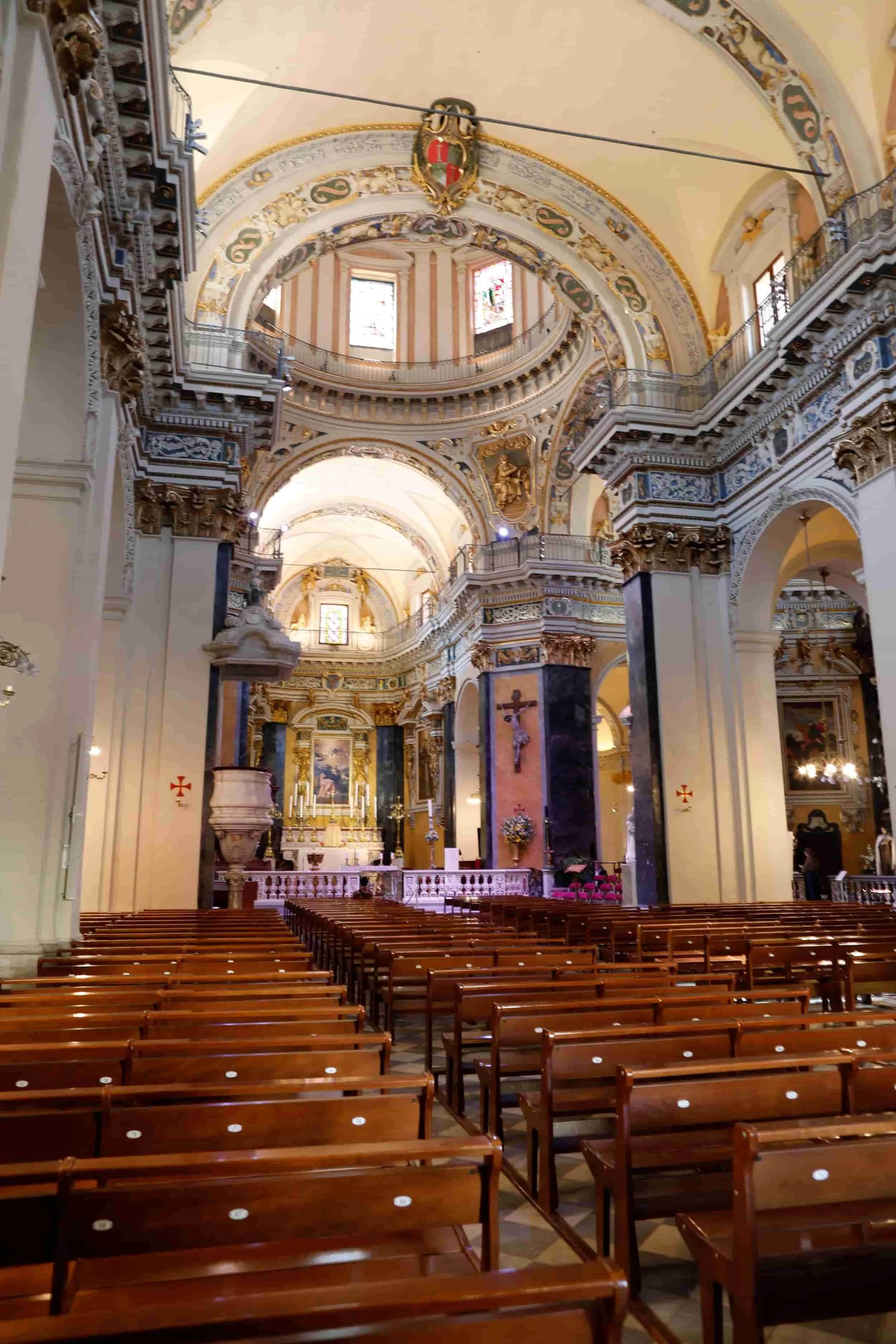
Inside, the cathedral reveals an intimate but richly appointed Baroque interior. A central nave with side chapels leads to a high altar set beneath an ornate baldachin; frescoes and stucco work cover ceilings and vaults, often depicting scenes from the life of Christ and the martyrdom of Saint Reparata. Marble altarpieces, gilded woodwork and marble floors contribute to a sense of ornate devotion on a modest urban footprint.
Notable works of art include paintings by local and Italian artists from the 17th and 18th centuries and the sacristy and crypt preserve ceremonial objects and relics tied to the cathedral’s long history. Visitors commonly stop to admire the detailed chapels, the play of light through stained glass and the overall harmony between the cathedral’s richly decorative interior and the lively square outside.
From there, the city’s heartbeat quickens along Rue Droite and Rue de la Préfecture. These pedestrian lanes hum with life, their narrow facades packed with boutiques, bakeries exhaling warm bread and tiny wine shops that invite you in with the promise of a perfect bottle and an impromptu chat. Every doorway seems to offer a story; every window displays a little temptation.
A leisurely 10–15 minute walk downhill brings you to the old port, where the salt breeze and the clap of ropes create a soundtrack entirely its own. Seafood restaurants line the quay, their terraces spilling into the light, offering plates of shellfish and fried fish that taste of the sea. Fishing boats bob gently in the harbor and sitting by the water feels like being in on a local secret.
Yet, the real magic hides in the side streets: tiny chapels tucked away from the bustle, quiet courtyards where sunlight filters through foliage and unexpected frescoes that catch you by surprise. Make time to wander without a map — those tucked-away corners are where the city’s softer, quieter stories live.
Castle Hill — Colline du Château
Castle Hill (Colline du Château) sits like a quiet, emerald jewel above the city — the kind of place that makes you pause and rearrange your pace. Reaching its peak is half the fun as there are several ways depending on your preference and it’s one of the best things to do in Nice.
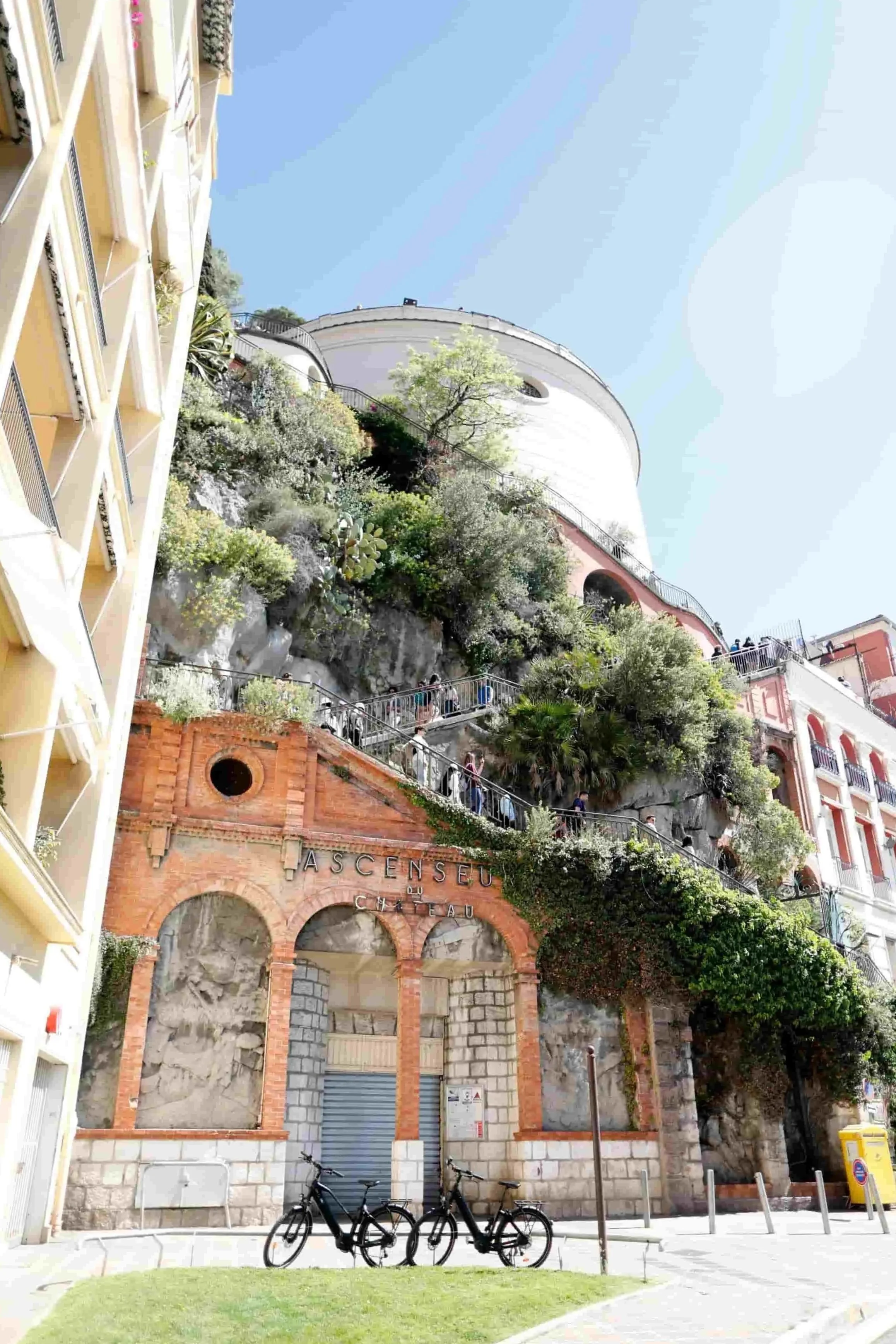
The simplest approach is to walk up the winding paths from the Vieux Nice side (back side), letting the city slow behind you. The route threads through shaded groves and stone steps, each bend teasing a new angle of the Baie des Anges. If you’re lucky, the air carries the faint scent of rosemary and sea salt. Midway up, families picnic on terraced lawns; kids run with kites while locals practice tai chi under pines. It’s a wonderfully unpretentious slice of local life.
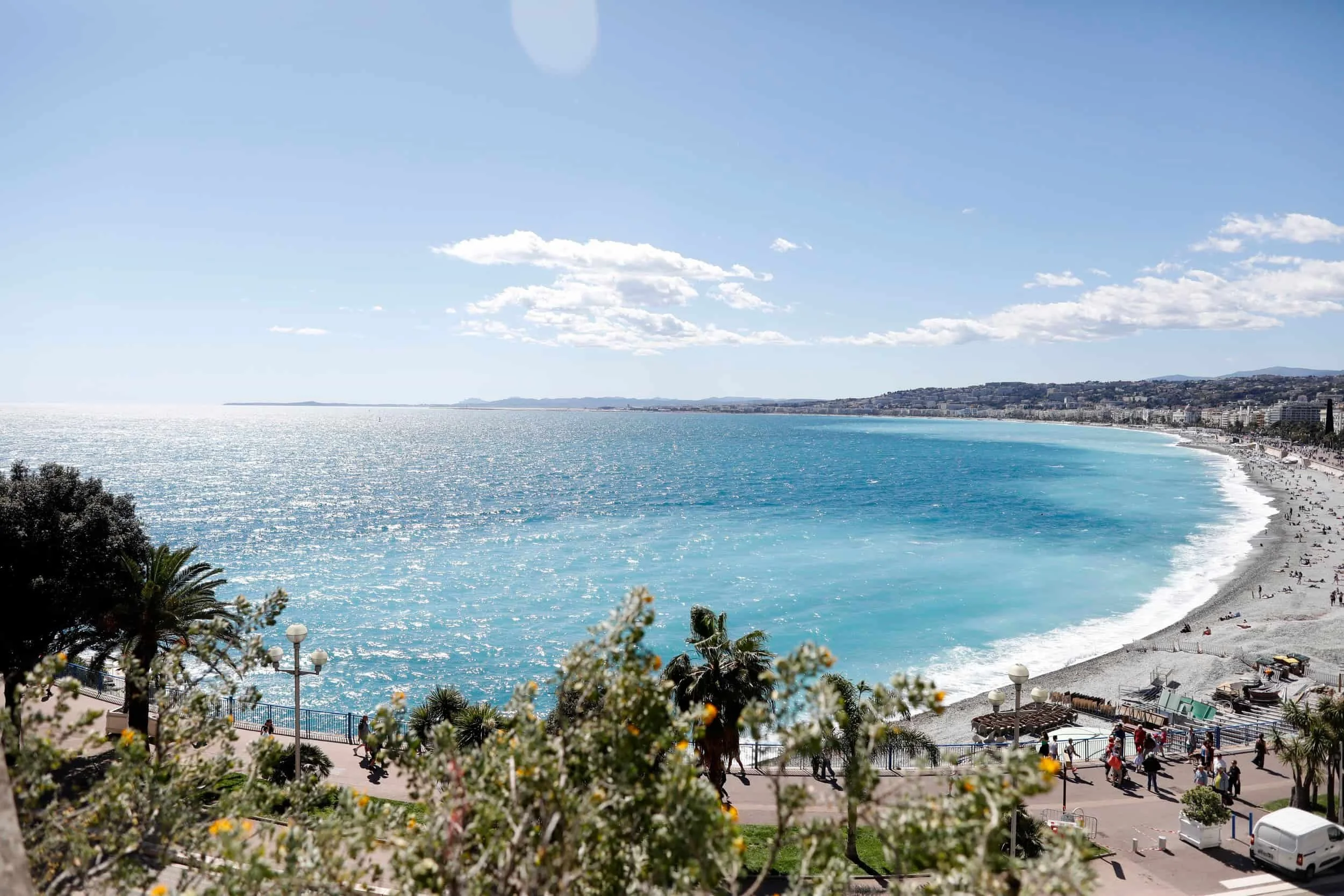
From the Promenade des Anglais, you can’t miss it: a green mound crowned with trees and the gentle silhouette of ruins. Climb it for the view, stay for the atmosphere with a steep set of stairs leading directly to the viewpoint. If you’re not up for a long walk or steep incline (200+ stairs), take the tourist train (Petit Train de Nice) from the Promenade des Anglais or the free elevator (ascenseur) from the end of Quai des États-Unis.
Tucked between sunlit pastel façades and the fragrant terraces of Nice’s Old Town, the Ascenseur du Château (Castle Hill Elevator) feels like a clever postcard come to life. It’s less a grand attraction and more a tiny, perfectly French convenience: a glass-and-steel lift that carries you from the bustling harbor level up to the hilltop Parc du Château in under a minute bypassing the long stairs.
Step inside and you’re treated to a brief vertical panorama — glimpses of the Promenade des Anglais, the cobalt sweep of the Baie des Anges and the rust-colored roofs of Vieux Nice — before the doors open onto cobbled paths, shaded pines and the park’s main viewpoints.
The hill itself rewards the lift’s convenience: viewpoints cascade outward, offering postcard-ready scenes of the Mediterranean, the port and the city’s winding lanes below. For travelers, it’s the kind of small delight that makes a day of wandering feel effortless.
💡 Local Tip | The ascenseur is an easy alternative to the steep climb if you’re carrying luggage or exploring on a hot day. It’s quick, convenient and charmingly efficient — just the kind of little urban perk that makes Nice feel both leisurely and wonderfully well-designed. Just double check that it’s operating — it wasn’t on my visit.
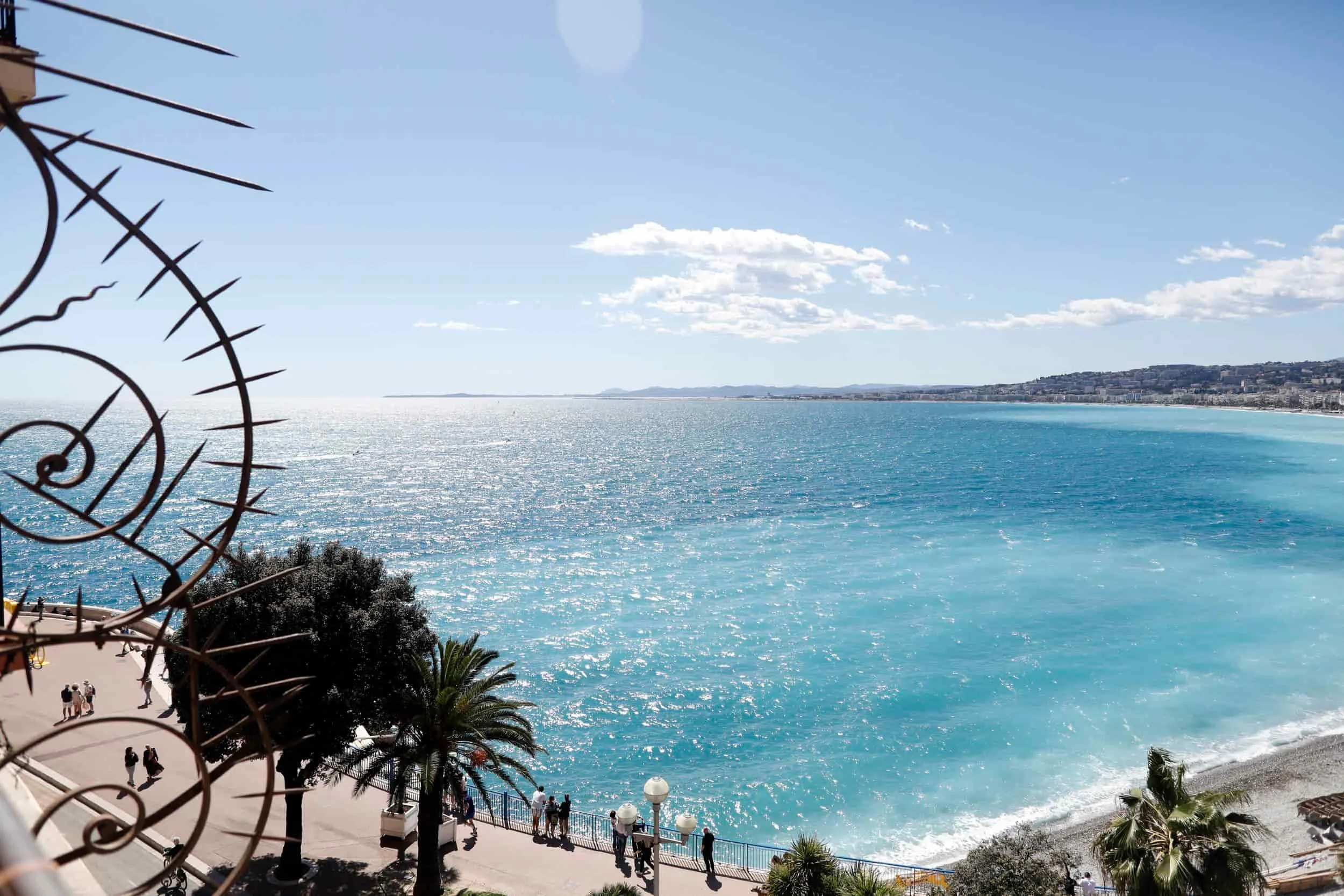
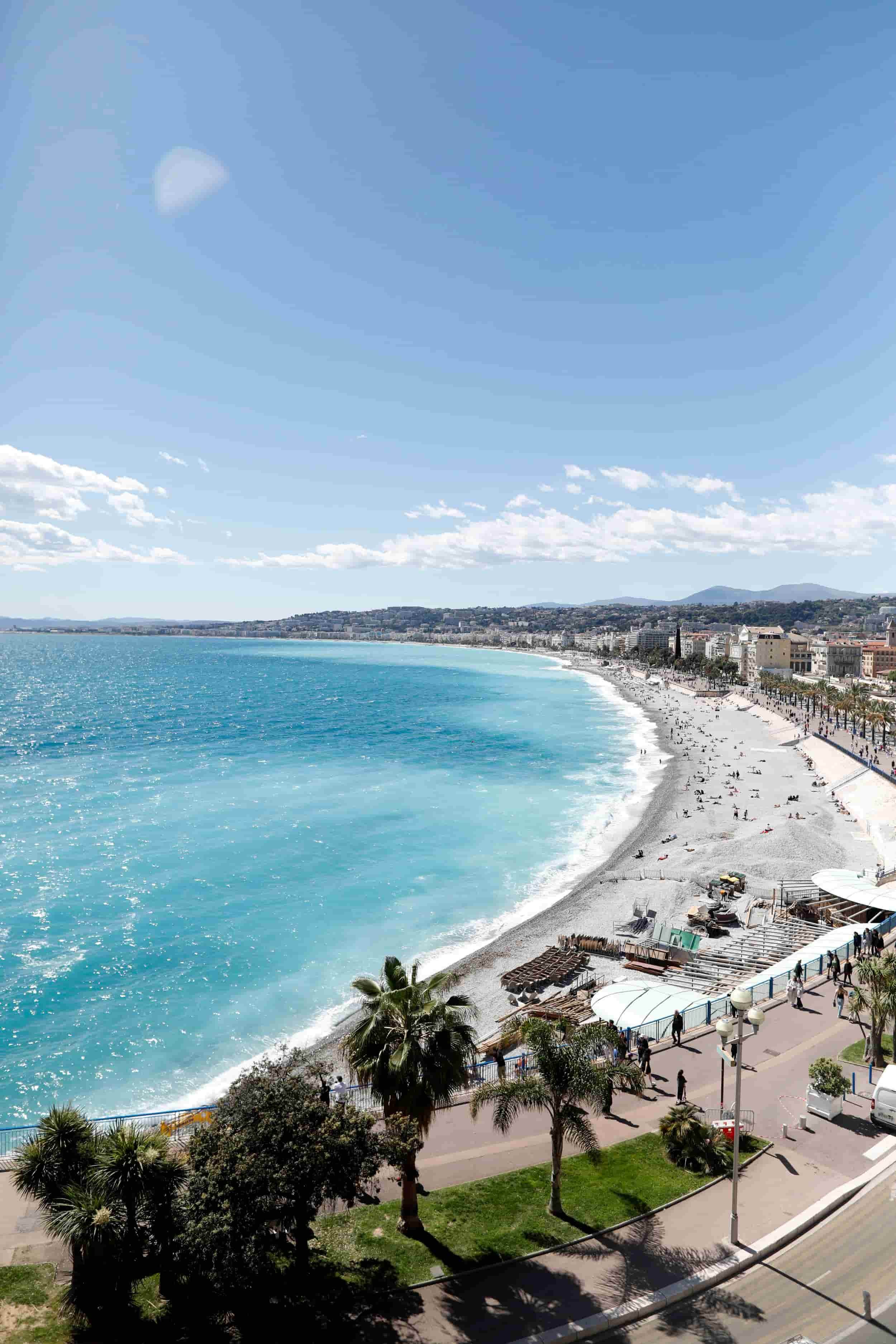
No matter how you reach the top, the panorama unfolds beautifully: the glittering curve of the bay, the red-tiled roofs of Old Town and the strip of beach lined with colorful umbrellas. On a clear day, the Mediterranean is an impossible, bright blue — a color that photographs never quite capture. Early morning light softens the pastel facades, while late-afternoon sun turns the water to molten sapphire. It’s an ideal spot for photographers, daydreamers and anyone who likes their aperitif with a view.
📸 Photo Spot | Be sure to pause atop Castle Hill to capture the sparkling azure waters below.
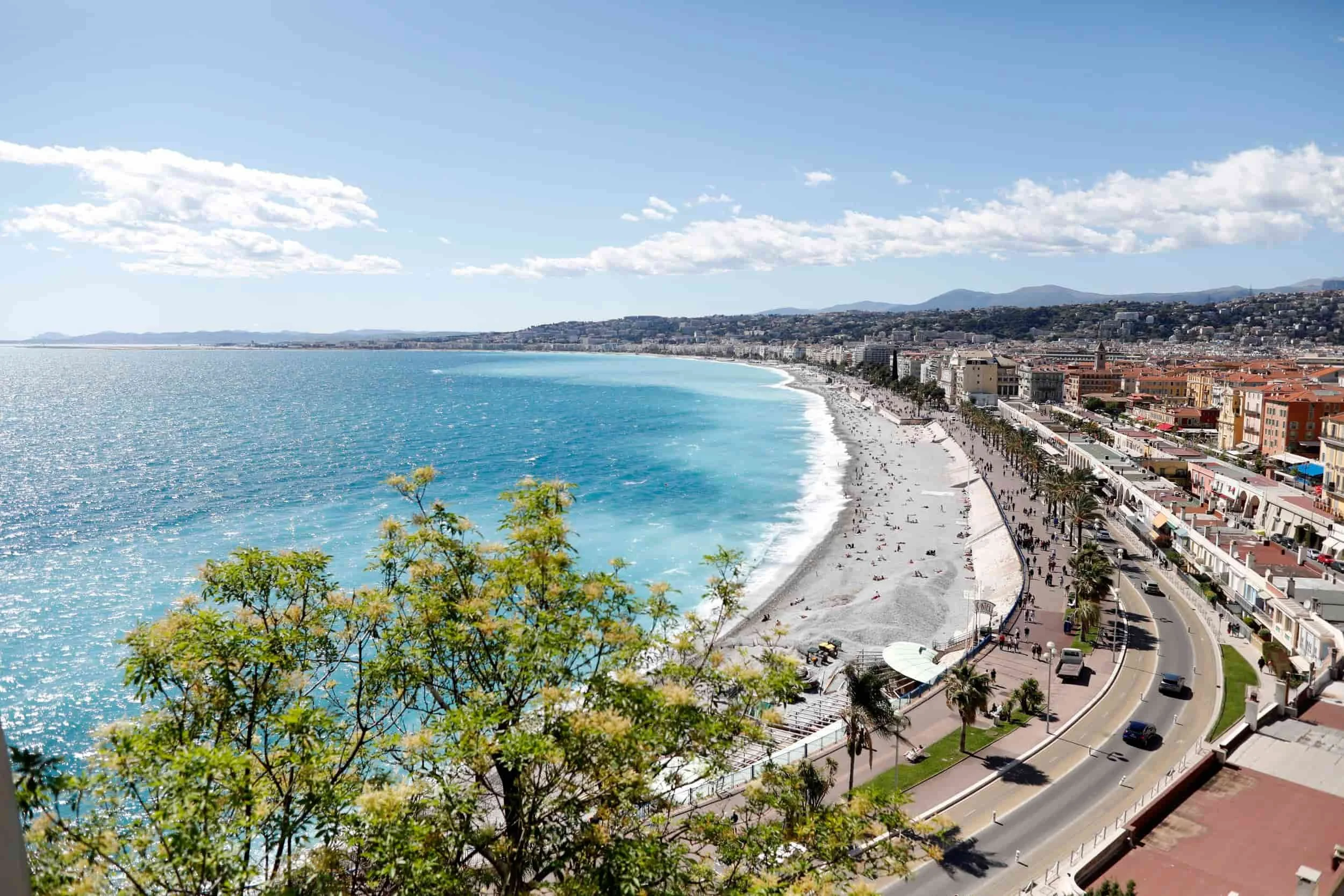
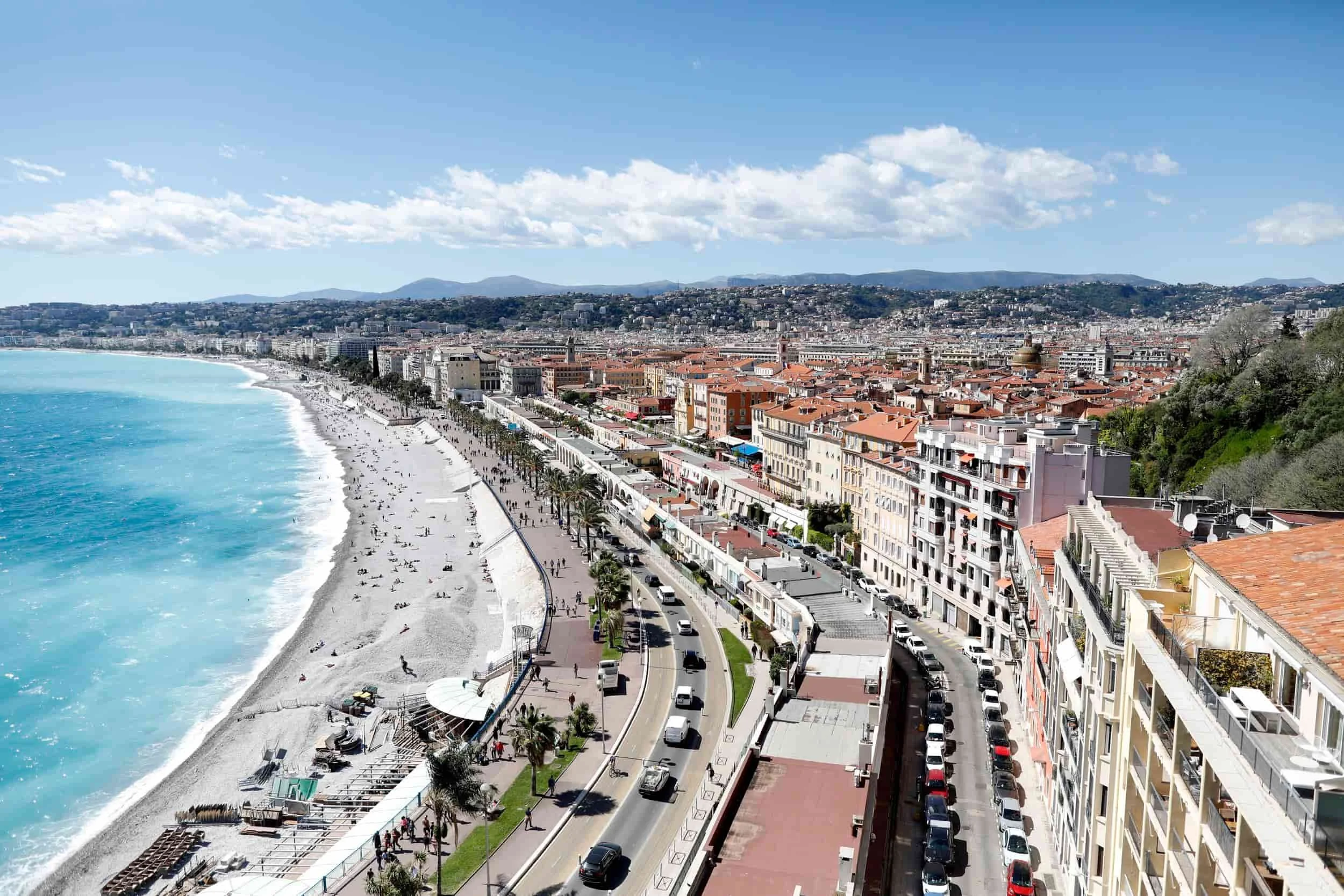
Beyond the vistas, Parc du Château is a calm, charming place to wander: shaded paths lead to quiet benches, landscaped terraces and sculptures hint at the old château’s history and a surprisingly dramatic urban waterfall provides a soothing soundtrack as children dart between ruins, pigeons scatter and couples linger.
Find a sunny perch for a picnic of fresh baguette, cheese and a bottle of rosé or arrive in the early morning or late afternoon for the best light and fewer people; at sunset the city glows and the sea steals every shade of pink and gold while solo travelers read quietly to the Mediterranean breeze.
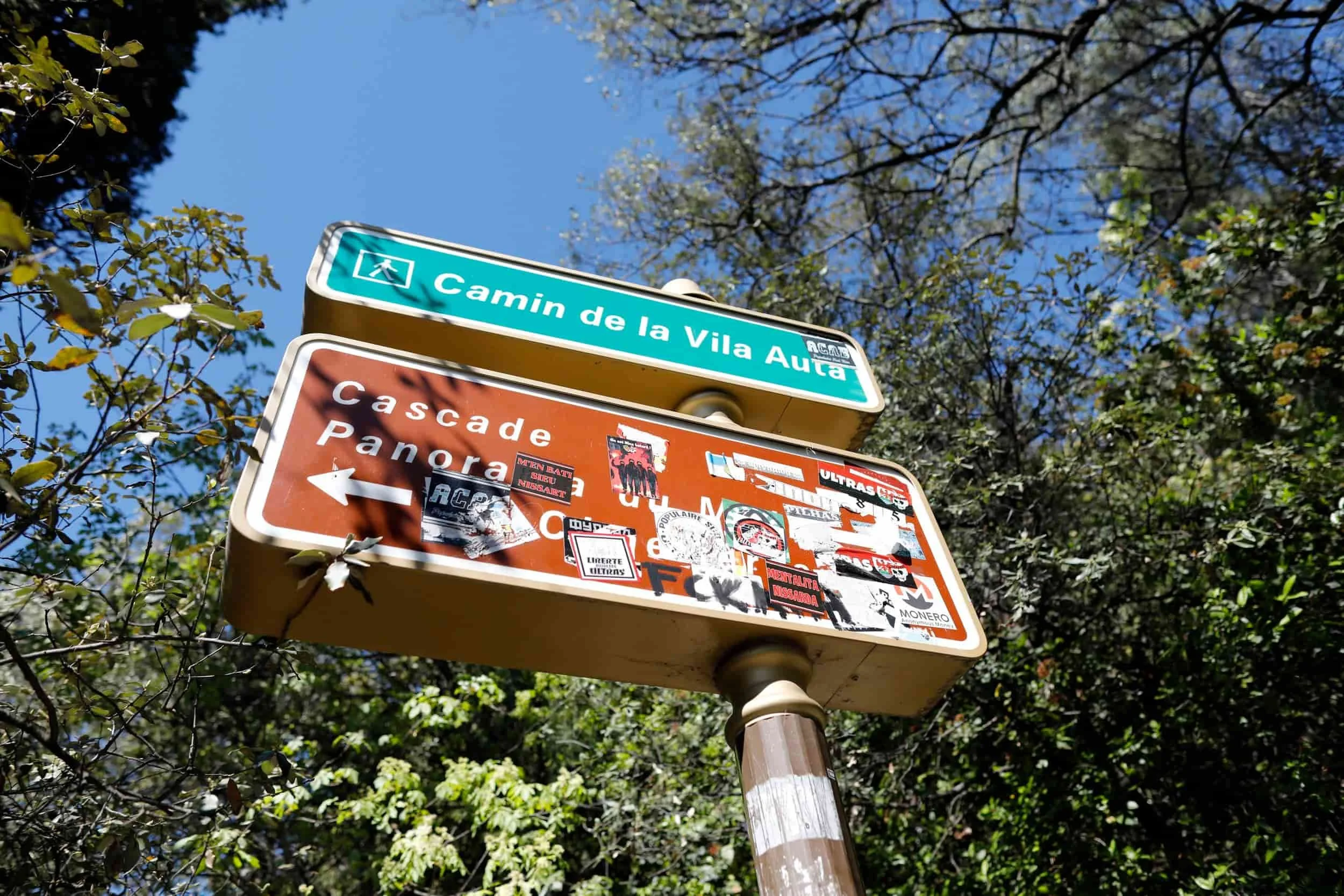
An easy escape from the bustle, the summit livens up in high season with entertainers and snack stalls, yet quieter paths let you hear only cicadas and the distant hum of scooters. You’ll also catch slices of local life: vendors selling cold drinks, friendly dogs on leashes and the occasional live tune drifting up from below.
⚠️ Good to Know | Colline du Château is small but unforgettable — a calm, cinematic pause that captures the very best of Nice; wear comfortable shoes for the stairways and the sometimes steep, uneven paths, bring a light layer for the breeze and a bottle of water and aim for early morning or late afternoon to avoid peak crowds and catch the softer light.
Whether you’re after sweeping photos, a peaceful pause or a glimpse of Nice from above, Castle Hill rewards with charm rather than grandiosity — a peaceful overlook that perfectly evokes the easy, sunlit feeling of the Côte d’Azur.
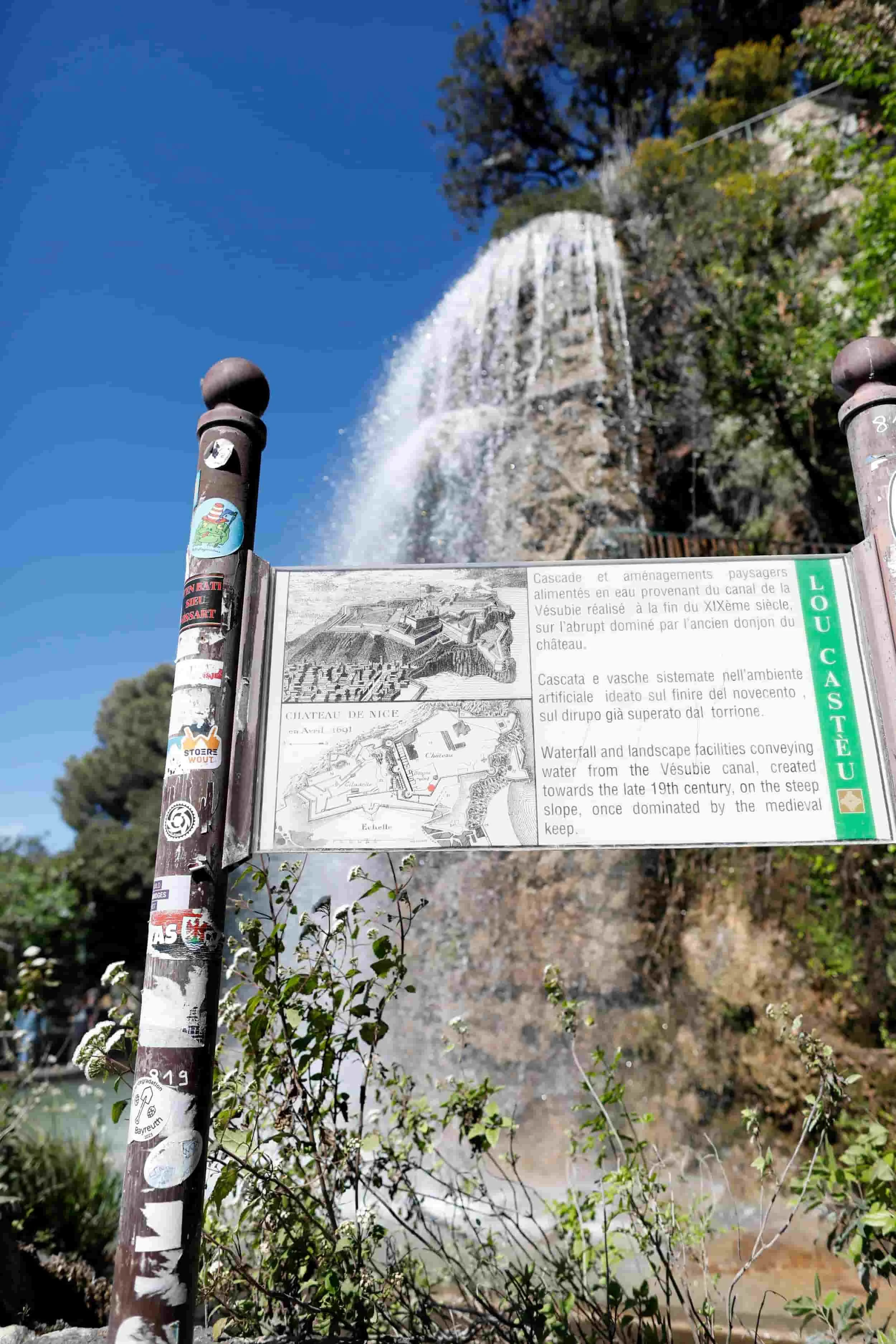
Perched at the summit of Castle Hill, Nice’s little waterfall feels like a secret the city only half meant to keep. Tucked among palms and pines, it cascades modestly over rugged stone into a shallow pool, where sunlight fractures into tiny gold coins and pigeons preen with the sea’s breeze tumbling up the slope.
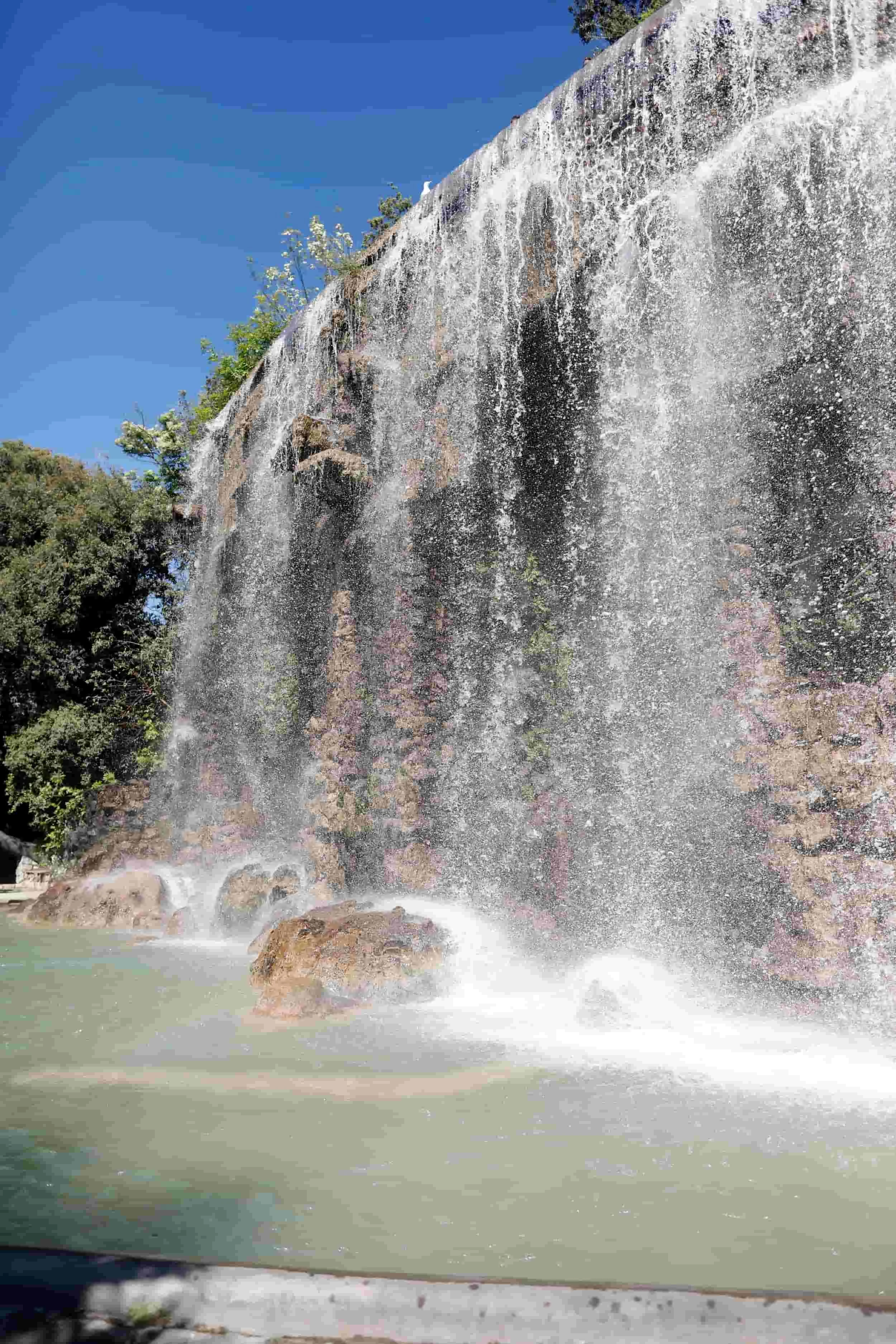
The approach is half the charm: narrow paths lined with bougainvillea and benches that invite a slow pause. From below you can already hear the soft, reassuring rush — a small, steady applause that welcomes you away from the clamor of the Promenade des Anglais.
At the top, the sound blends with chatter in multiple languages, the distant honk of scooters and an open view that spills across the Baie des Anges. It’s a compact, gentle spectacle rather than a thunderous drop, which makes it perfectly suited to Castle Hill’s picnic-ready lawns and sunlit terraces.
📸 Photo Spot | Climb to the lookout above the waterfall — that's where the bay reveals its most breathtaking, photo-worthy views.
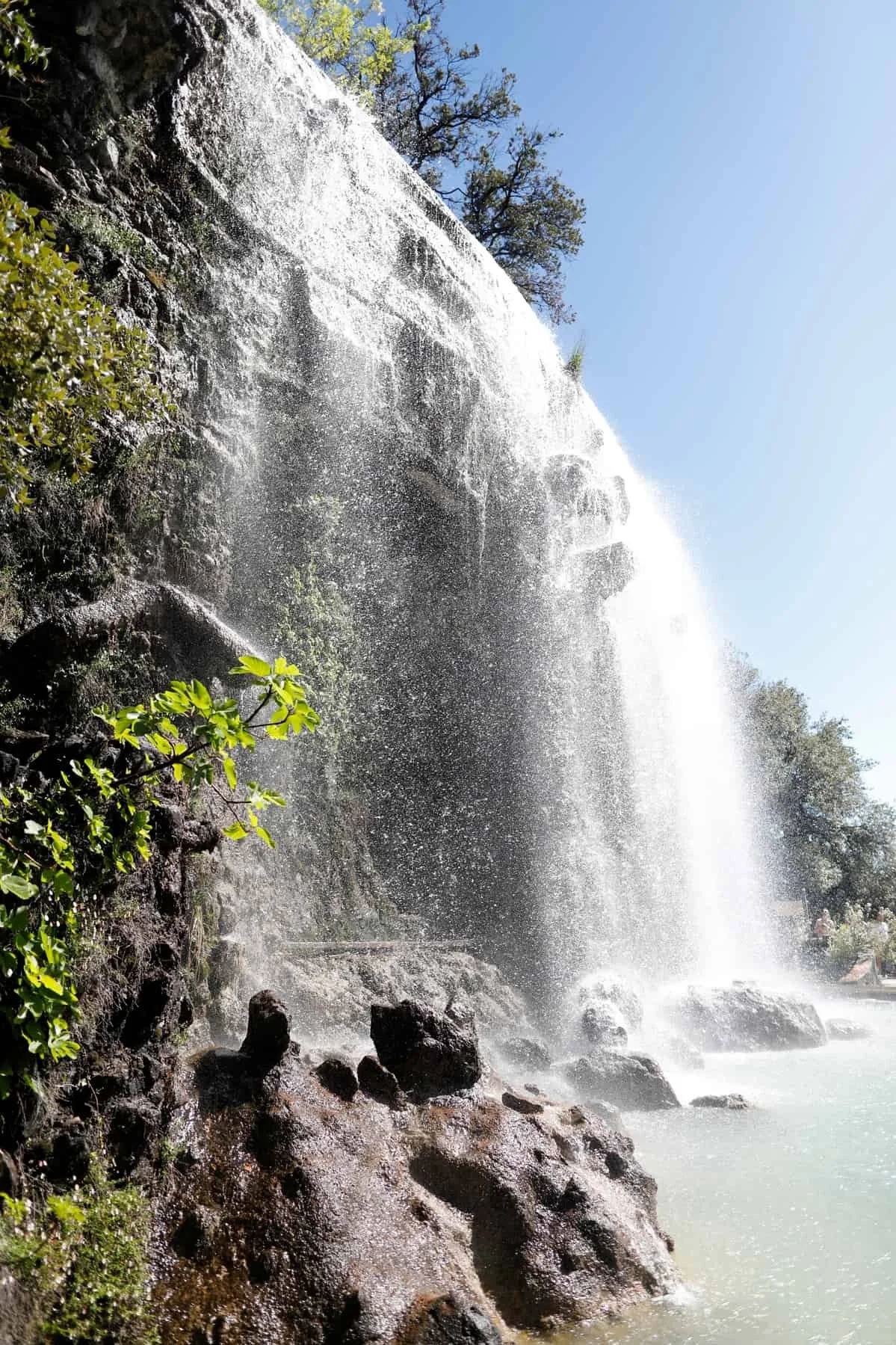
In late afternoon, the waterfall takes on a cool calm, while mornings give it a lively sparkle. Either way, it’s one of those small urban surprises that turns a classic sightseeing route into a perfect memory — an easy, refreshing pause above the city where earth, water and sky briefly conspire to slow you down.
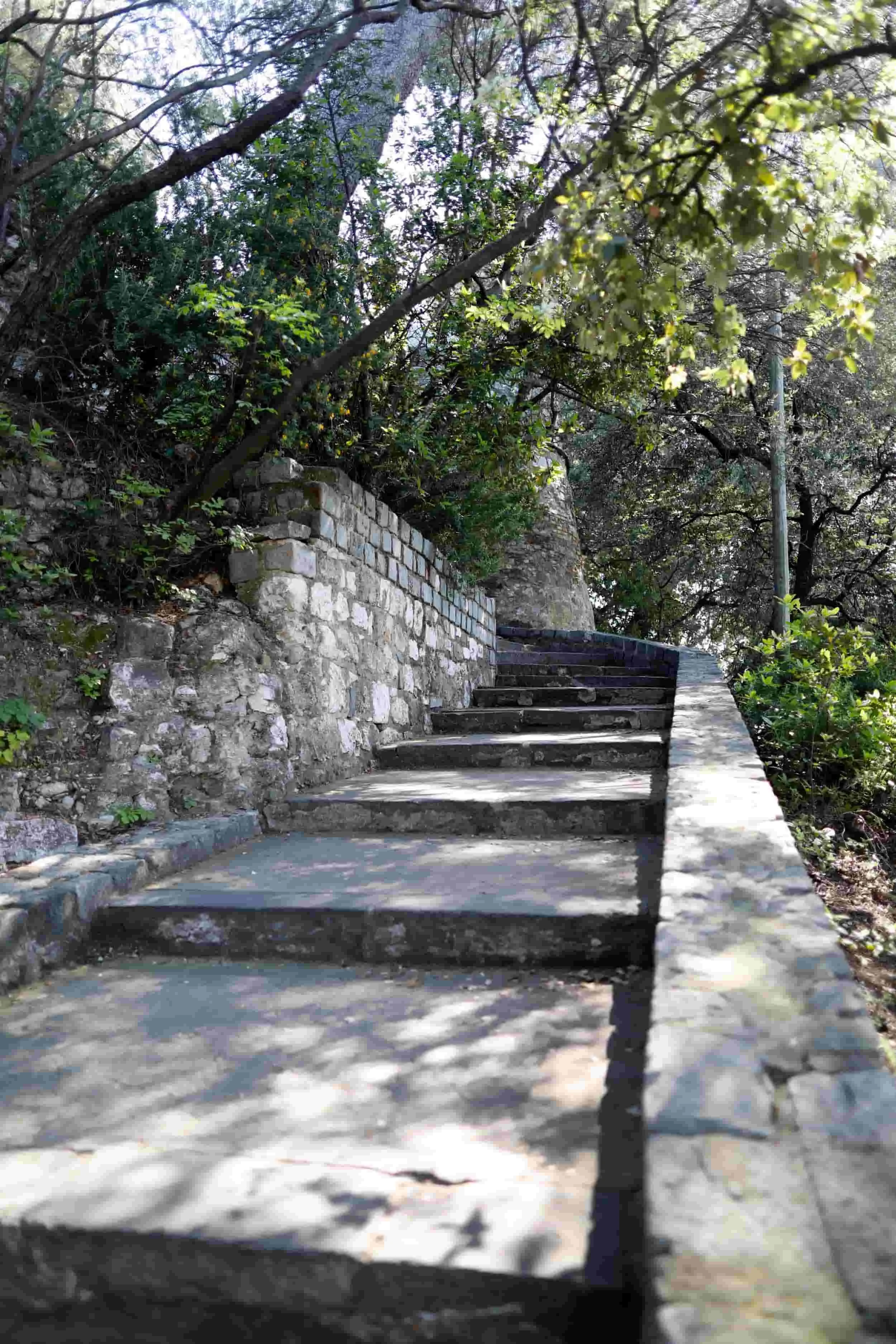
The climb from the old port side is a gentle, sun-warmed succession of stairs and paths threaded with Mediterranean pines. At the summit, the view rewards every breath: terracotta roofs spilling toward the sea, the port slicing through the cobalt water and the city’s pale facades shining like a scattering of shells. There’s a small, peaceful cemetery tucked under shady trees and the remains of an old fort that lend the place a quiet, slightly melancholy charm.
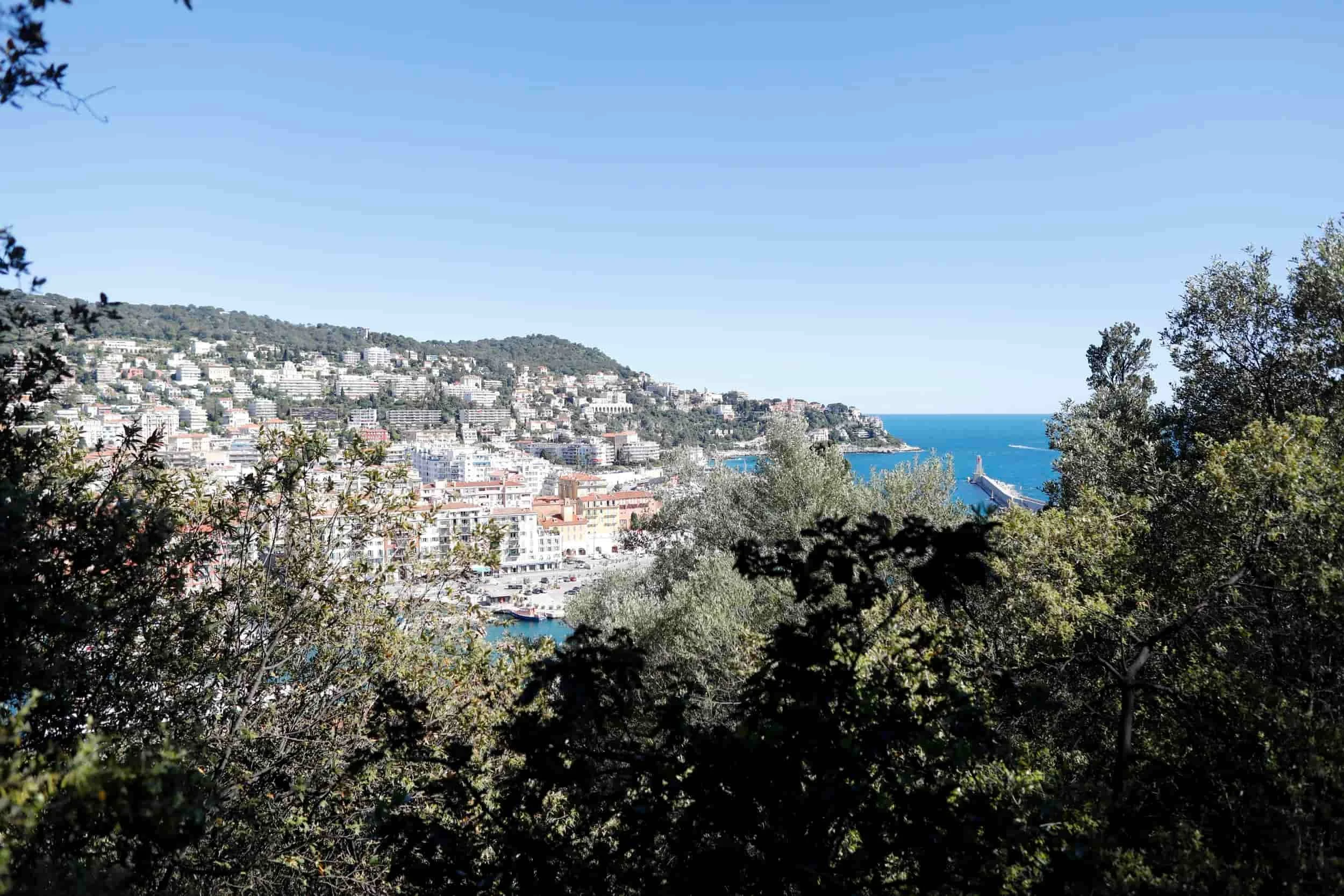
Instead of returning the way I came, I hiked down its backside, toward the neighborhood of Libération. The descent is a nice swap of perspectives — less tourists, more daily life. Narrow lanes open to local bakeries and markets where shoppers balanced baguettes and bouquets; stray cats doze on stoops; laundry flutters above the street. The gradient is kinder on the knees than it looks and the route threads through pockets of greenery and friendly squares.
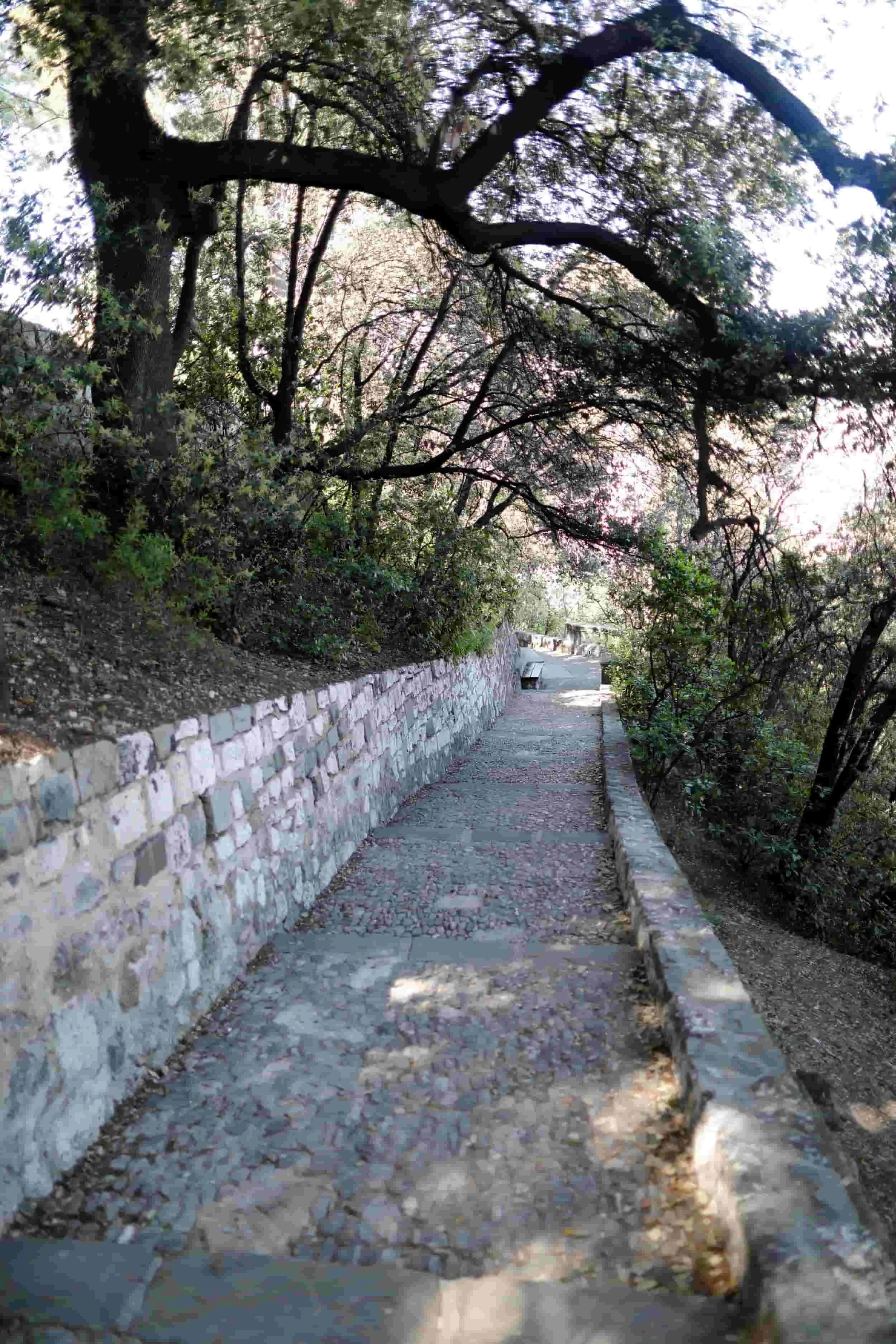
Hiking down the quieter side feels like returning to the real Nice — the city that lives outside guidebooks, with ordinary rhythms and small, beautiful details. By the time I reached the bottom, my feet were tired and my map was dotted with new favorite spots: a sunny bench, a tiny patisserie, a view framed by cypress.
Climbing Castle Hill gives you the classic panorama; descending the other side gives you the city’s heart. Both are worth the short, sweet effort and among the best things to do in Nice.
Place Garibaldi & Rue Bonaparte
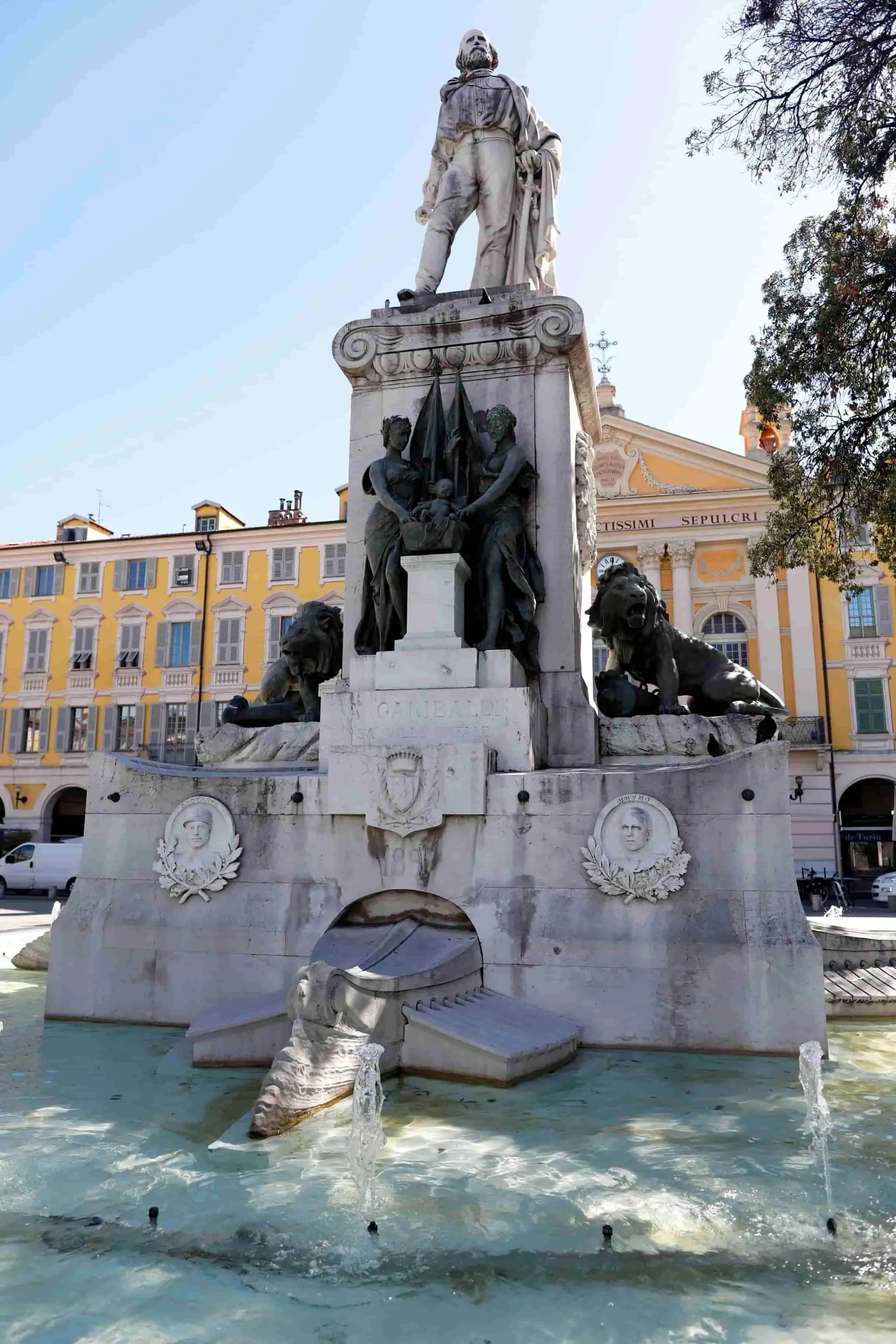
Place Giuseppe Garibaldi sits like a sunlit pause in the heart of Nice — a lively square where everyday life unfolds with effortless charm. Around the central fountain, locals and visitors gather on low stone walls and café terraces, watching scooter traffic ripple past and parents shepherding strollers. The fountain itself is modest but perfectly suited to the square’s easy rhythm: water tinkling, pigeons bathing and the late-afternoon light turning the spray into tiny, glittering fragments.
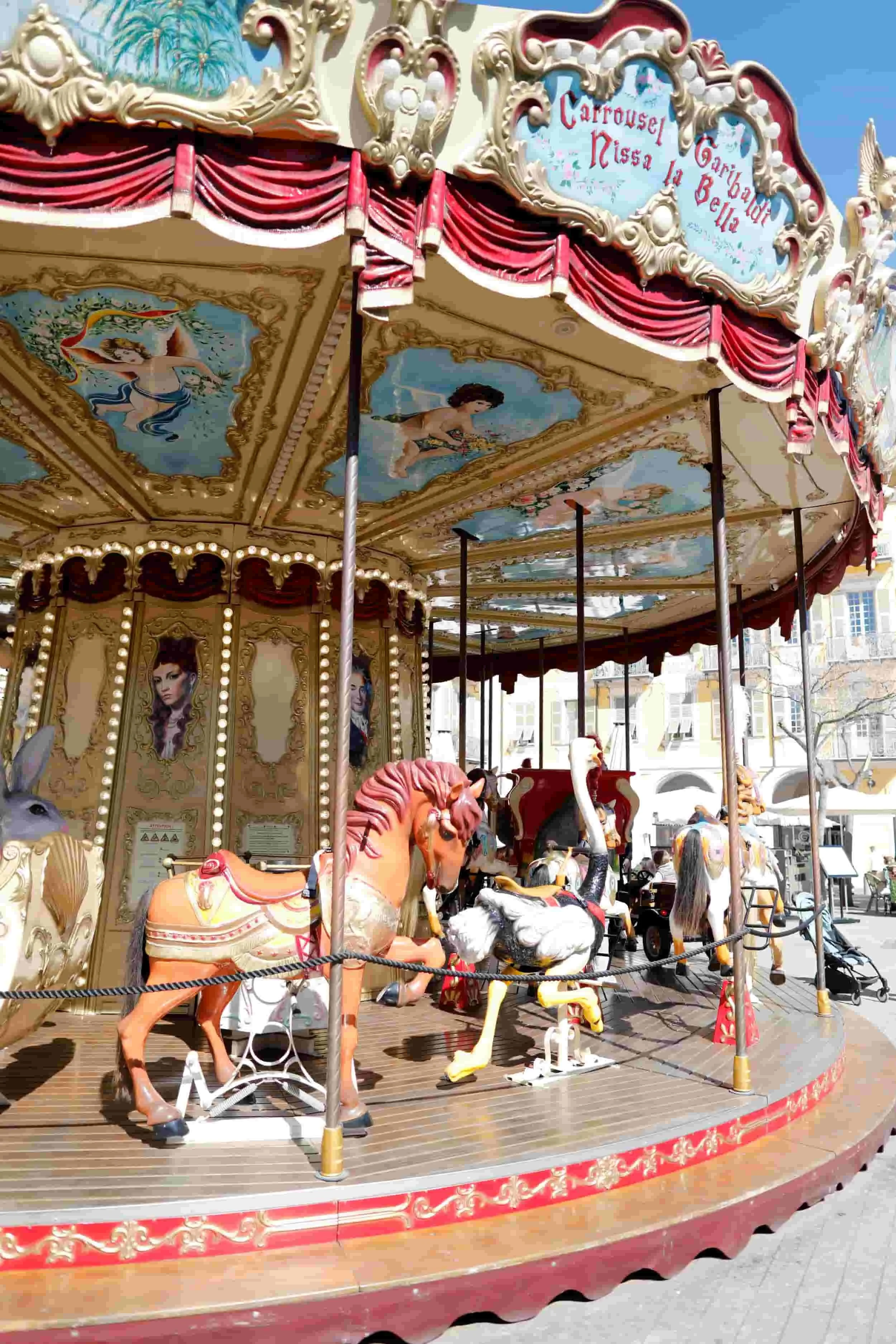
The carousel at Place Giuseppe Garibaldi is a charming, vintage-style attraction tucked into the square’s lively atmosphere. Its painted horses and ornate panels glow in the sun, offering a nostalgic contrast to the surrounding cafés and busy market stalls. Riding or simply watching the carousel feels like a brief, whimsical pause amid the neighborhood’s everyday rhythm.
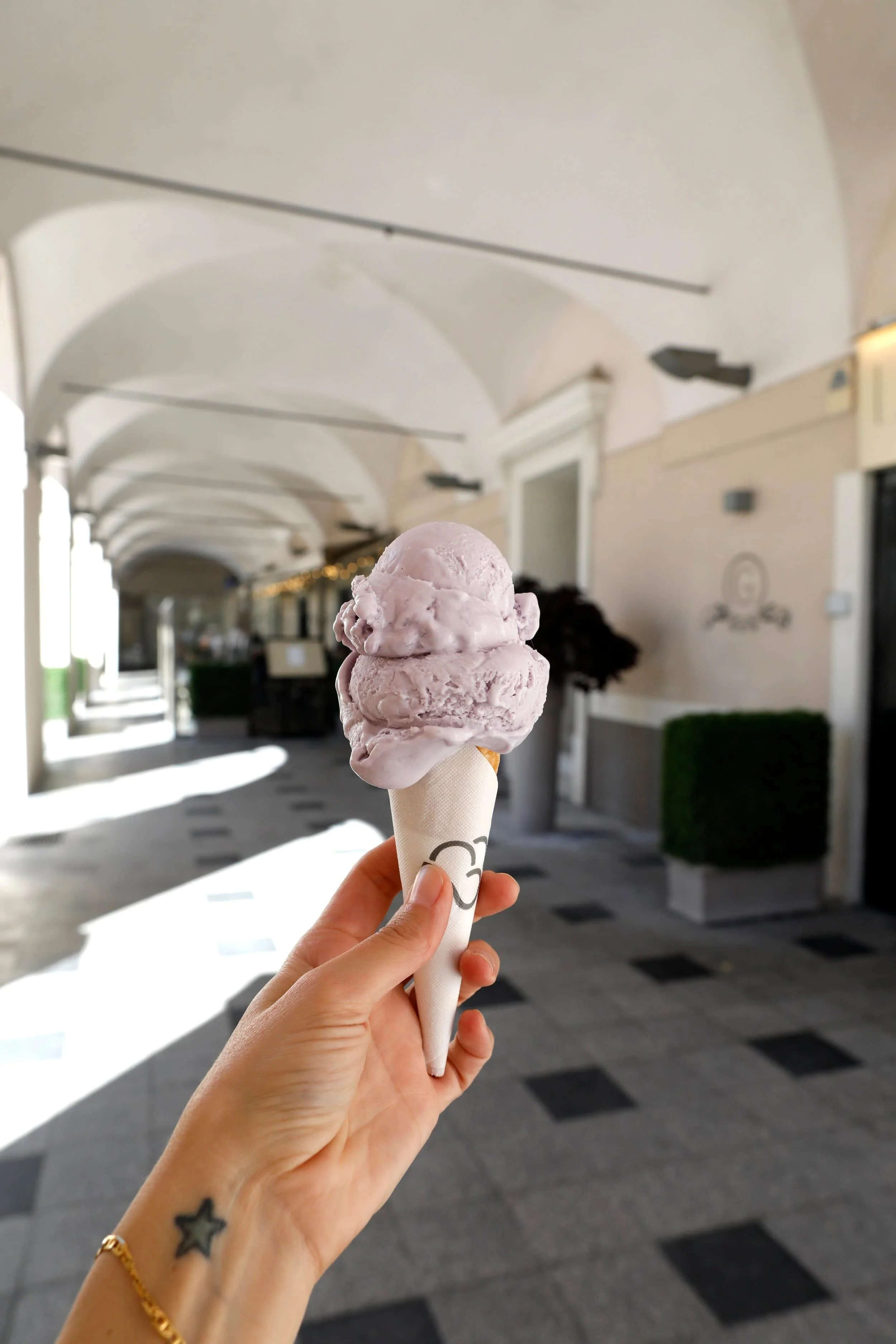
The surrounding streets are filled with small shops and lively markets but one simple pleasure stands out: grabbing ice cream. There’s an ice cream window nearby at AZZURRO Artisan Glacier that serves impossibly creamy scoops in classic and inventive flavors like lavender. Walking away with a cone, you can wander the square’s sun-warmed pavement and let the gelato melt slowly as you soak up the scene — a perfect excuse to slow down and people-watch.
Rue Bonaparte, which angles off the square, is known as a welcoming, queer-friendly pocket of Nice. It has a relaxed, inclusive vibe where cozy bars and eclectic cafés invite long conversations over wine or coffee. In the evenings, the street glows with soft lights and easy laughter, a neighborhood where diversity feels natural and celebrated.
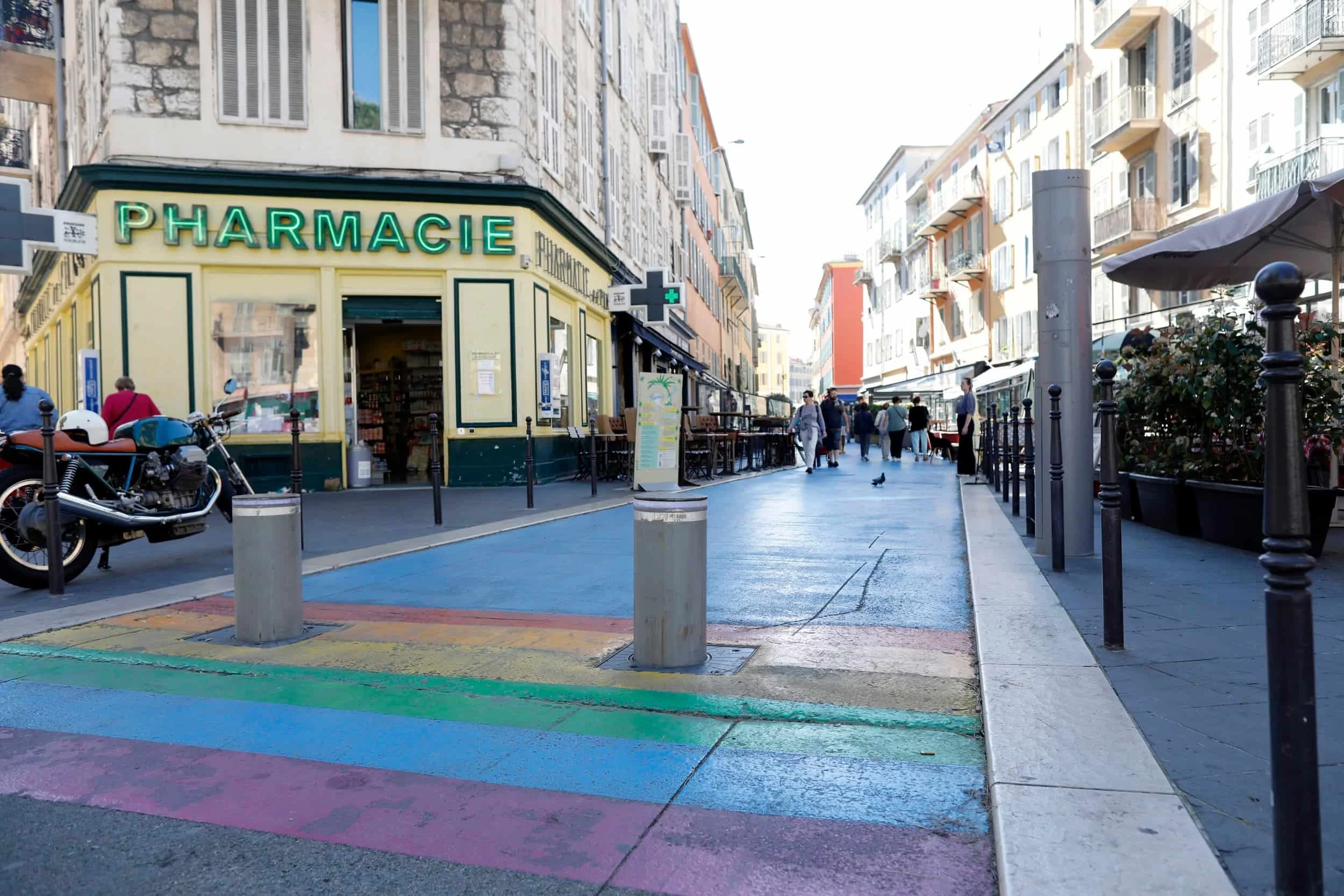
Place Giuseppe Garibaldi is less about grand monuments and more about atmosphere: a lively little hub where fountain spray, melting ice cream and the open, friendly spirit of Rue Bonaparte come together to make a few minutes — or an afternoon — feel especially charming.
My Bibimbap Moment
Every destination adds another ingredient to our life's recipe, sometimes through a feeling that arrives quietly and stays with us. In Nice, it was easy to slip into the rhythm of the Mediterranean — wandering colorful streets, lingering over good food and letting the sunshine and sea set the pace. Here's the ingredient Nice added to my Bibimbap Life.
Today’s Bibimbap Recipe
🥢 Flavor: Sun-kissed
🌿 Ingredient: Presence
❤️ Best Memory: Slow afternoons exploring cobblestone streets and cafes
🎒 Take With You: Take time to savor the ordinary. A sunny afternoon, a walk by the water and a good meal can be just as memorable as any bucket list adventure.
When I think back on Nice, I remember the warmth of the sun, the blue of the Mediterranean and the easy charm of days spent simply wandering. There was something about the city that made me want to linger a little longer — to sit, look around, savor a meal and notice the small details unfolding around me. Nothing felt particularly urgent. Nice left me with the feeling that sometimes the best way to experience a place is simply to be there, fully, and let the moment be enough.
Nice Travel Essentials
Nice is an easy city to explore at your own pace, with many of its best-known sights concentrated around the waterfront and Old Town. Give yourself a few days to wander rather than trying to check everything off at once — walk the Promenade des Anglais, climb up for views over the bay, browse the markets and leave time for the squares, side streets and café stops you find along the way.
Comfortable shoes are essential, especially around the hills and cobbled streets, and the city’s excellent public transportation makes it easy to venture farther out when you’ve had enough walking. Nice also works beautifully as a base for the wider French Riviera, so leave a little room in your itinerary for exploring beyond the city.
💡 Local Tip | Try a morning marché for fresh Provençal produce, respect the relaxed pace of dinnertime (late evenings are common) and brush up on simple French phrases — locals appreciate the effort.
When to Go
The best time to visit Nice is in late spring, late April to May, when jasmine-scented evenings, sun-dappled promenades and balmy sea breezes make the city feel slow and sunlit.
Shoulder Season (September-October & May-June): Best balance of warm swimming weather, fewer crowds and lower prices.
Peak Summer (July-August): Hottest weather and lively beach clubs but maximum crowds and highest prices.
Winter (December-February): Mild weather and budget-friendly, highlighted by the February Carnival.
How to Get There
Fly into Nice Côte d'Azur Airport for a sun-drenched arrival just minutes from the Promenade des Anglais or glide in by train on the scenic TGV line that threads the sparkling French Riviera.
By Air: Fly into Nice Cóte d’Azur Airport (NCE) located just 4 miles southwest of the city center.
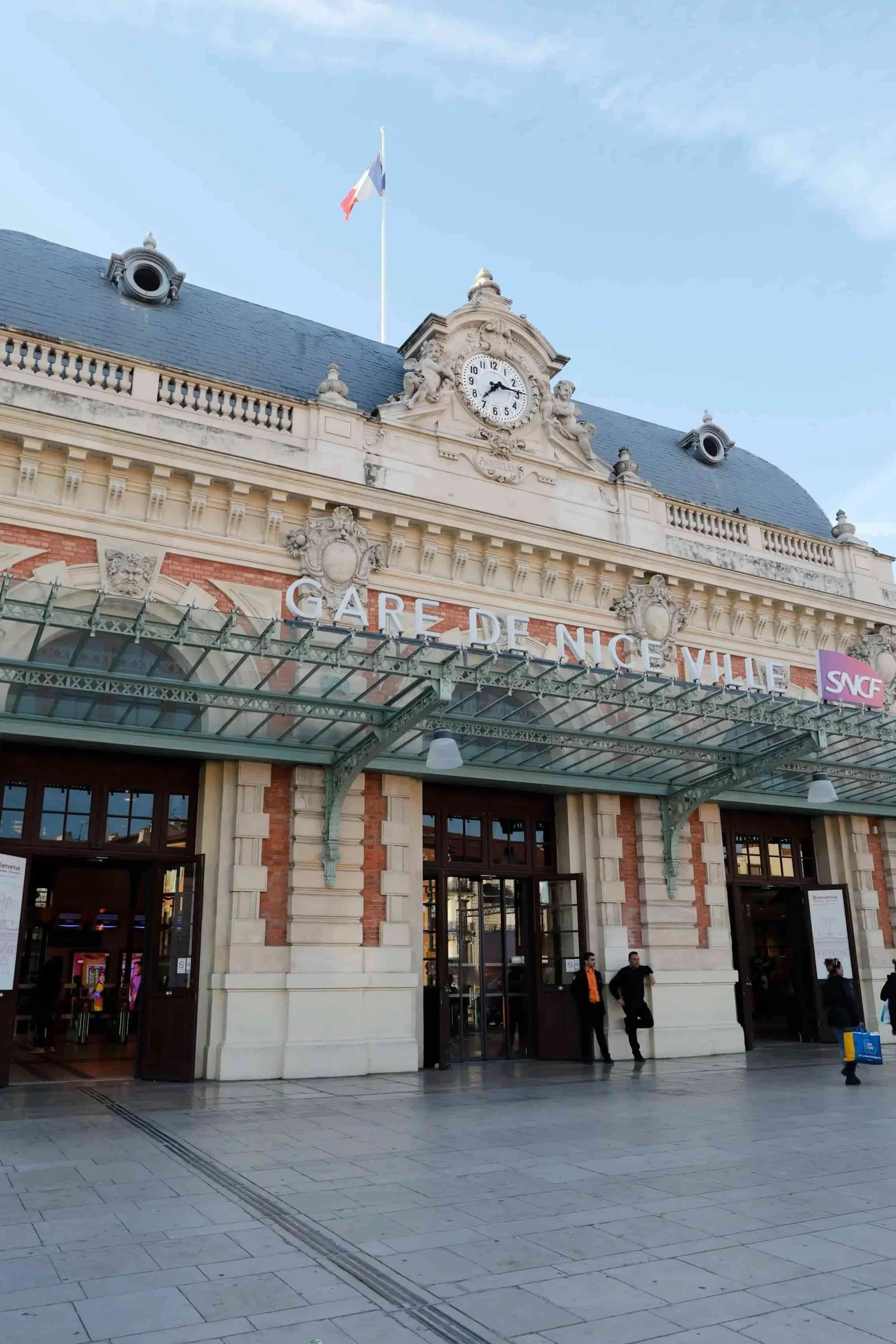
By Train: Arrive at Gare de Nille-Ville in the city center via high-speed TGV trains from Paris or regional trains along the coast.
Where to Stay
Where you stay in Nice mostly comes down to whether you want to be in the middle of the action or experience a quieter neighborhood. Vieux Nice puts you closest to the Old Town, Cours Saleya, Castle Hill and the waterfront, making it an easy choice for a first visit when you want to explore primarily on foot. Around the Promenade des Anglais, you’ll have the sea just outside your door along with easy access to the center.
For something a little more residential, look toward Libération or the Musicians’ Quarter, where you’ll still have convenient tram and train connections without being directly in the busiest tourist areas. The Port is another good option for restaurants, waterfront walks and easy access to both the Old Town and destinations farther east along the Riviera. Wherever you choose, Nice is compact and well connected enough that you don’t need to stay directly beside every sight to explore the city easily.

Where I Stayed
For design, space & a furry roommate — Architect-Designed Apartment
I stayed in a beautifully designed apartment that gave me much more space than a traditional hotel room and felt like having my own little home in Nice. The thoughtful interiors were an obvious bonus for me but the real star may have been Neomaya, the resident cat — a silk-coated beauty with impossibly long fur and mesmerizing green eyes. I’ve somehow been lucky enough to have a furry companion on many of my travels, and Nice continued the tradition.
Where I’d Stay
If I were choosing somewhere different next time, I’d still prioritize character over a big conventional hotel. These two appeal to me for different reasons — one for its intimate neighborhood setting and the other for the flexibility and central location of apartment-style living.
For neighborhood charm — Villa Saint Hubert
This small Belle Époque hotel near Libération feels like a lovely alternative to staying in the busiest parts of central Nice. The intimate scale, garden and historic character give it more personality than a typical city hotel, while nearby tram connections make it easy to reach Vieux Nice and the waterfront when you’re ready to explore.
For apartment-style living — Maison Lamartine
Maison Lamartine combines the independence of an apartment with the ease of a hotel, with bright, thoughtfully designed spaces and kitchenettes that make settling in for a few days especially appealing. Its central location puts you within walking distance of Vieux Nice and many of the city’s main sights, while the nearby train station makes day trips along the Riviera especially easy.
Additional Options
Prefer a place of your own?
If you’d rather have more space, a kitchen or simply somewhere that feels a little more like home, Nice has plenty of vacation rentals throughout the city. Look around Vieux Nice for atmosphere and walkability, Libération for a more neighborhood feel or the Port for easy access to the waterfront and Old Town.
Browse vacation rentals in Nice →
Ready for a serious splurge? — Hôtel du Couvent
If there’s one place in Nice I’d be tempted to build a trip around, it’s Hôtel du Couvent. Set within a restored 17th-century convent in Vieux Nice, the property layers historic architecture, gardens and beautifully restrained interiors with an incredible location tucked into the Old Town. It’s unquestionably a splurge but for a special stay where the architecture and hotel experience are part of the trip, this would be the dream.
How to Get Around
Nice is compact and easy to explore without a car, especially if you’re staying near the center.
Walk: This is the best way to experience Vieux Nice, the Promenade des Anglais, Cours Saleya and many of the city’s main sights. Just be prepared for some hills and stairs around Castle Hill.
Tram & Bus: Nice’s tram and bus network is useful when you want to venture beyond the center or simply give your feet a break. It also connects the city with the airport and surrounding neighborhoods.
Bike: Bikes and e-bikes are another easy way to cover more ground, particularly along the waterfront, where dedicated cycle routes make riding especially pleasant.
Train: For exploring beyond Nice, regional trains are one of the easiest options. From Nice-Ville you can quickly reach places like Antibes, Cannes, Monaco, Menton and other towns along the Riviera.
Taxi & Rideshare: Useful for late nights, luggage or anywhere that isn’t convenient by public transportation.
Car: You won’t need one for Nice itself. Consider renting a car only if you plan to explore smaller villages or inland areas that are harder to reach by train or bus; traffic and parking can make having one in the city more trouble than it’s worth.
For most trips, a combination of walking, public transportation and regional trains is all you’ll need.
How Long to Stay
Nice is perfectly savored in about three days — enough time to wander the Promenade des Anglais, browse the Cours Saleya market and soak up the city's art and seaside charm. If you want to stretch your stay, four to five days lets you explore nearby gems like Èze, Villefranche-sur-Mer and Menton at a relaxed pace.
I stayed about three days but wish I'd taken more time to venture beyond Nice and Monaco; I would have loved another 1–2 day trips to discover quieter coastal villages and hilltop views.
Tours & Day Trips
The best overall day trips from Nice for classic Riviera beauty are Monaco, Èze and Antibes, while the most unique and off-the-beaten-path experiences are the Train des Merveilles, the Verdon Gorge and the hidden pedestrian village of Peillon. Nice’s central location and excellent rail infrastructure make it an ideal base to explore everything from glitzy coastal principalities to dramatic mountain canyons.
⚠️ Good to Know | If you want to experience the charm of Nice and enjoy several unforgettable day trips, check out the Offline Love program — where Japanese singles unplug and find romance in the beautiful setting of Nice. It’s truly enchanting and gives a great perspective on nearby towns.
Monaco & Monte Carlo
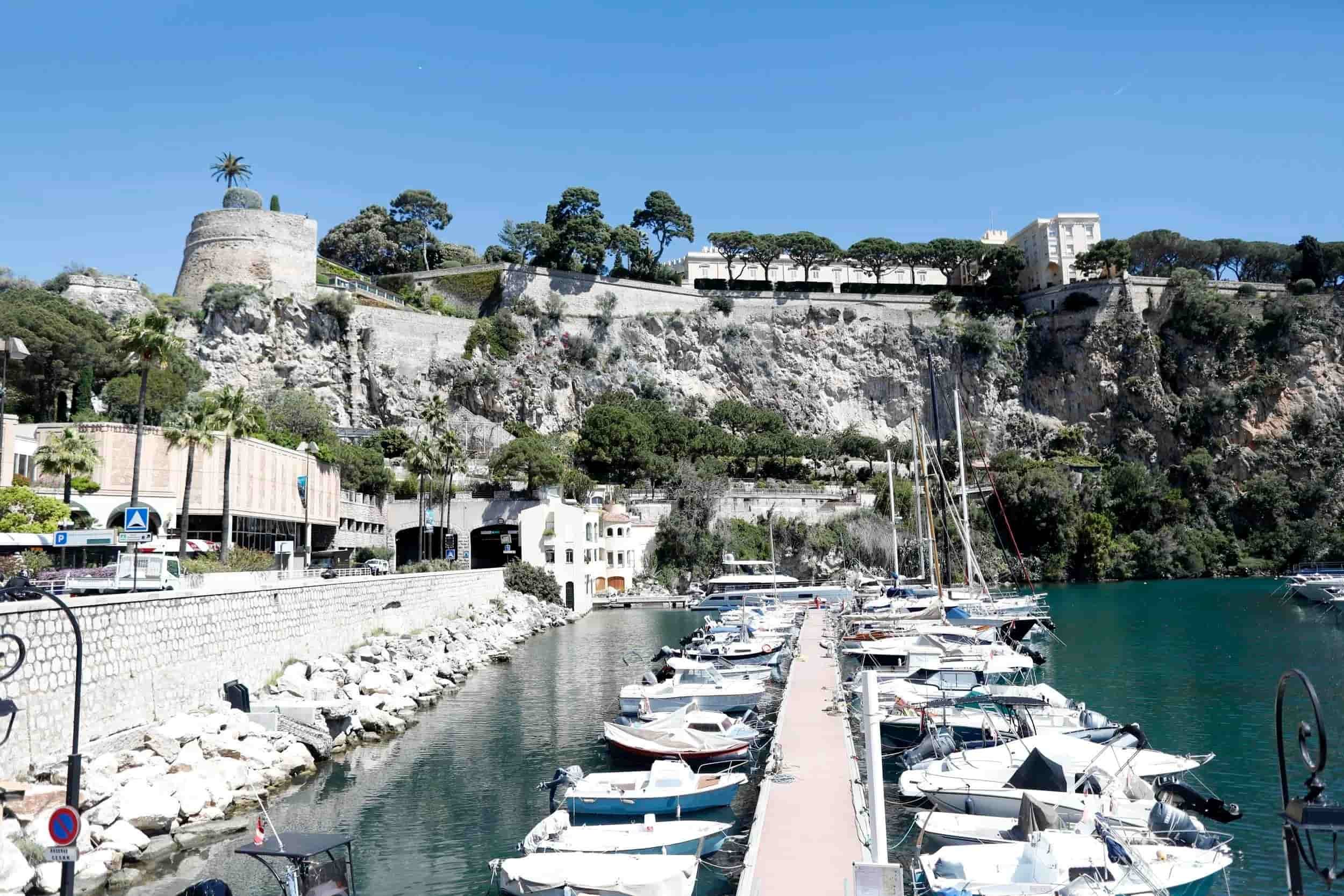
Monaco and Monte‑Carlo are just a 20‑minute train ride from Nice, where luxury is on full display — from the Prince’s Palace changing of the guard and the glittering superyachts in the harbor to the iconic, opulent Casino de Monte‑Carlo.
Beyond the glamour, Monaco’s Old Town provides a quieter, timeless contrast with narrow, winding streets, pastel facades and cozy cafés that invite slow strolls and quiet discovery. Compact yet effortlessly elegant, the principality also offers manicured gardens, cliffside viewpoints and a slick, cosmopolitan atmosphere that makes for an unforgettable half‑day escape.
Monaco is an easy addition to a stay in Nice, and a guided day trip takes the planning out of getting there. Many tours also include stops along the French Riviera, giving you a chance to experience more of the coast while still leaving plenty of time to explore Monaco itself.
Èze Village
Èze Village sits perched on a rocky hilltop between Nice and Monaco, a timeless medieval gem with narrow cobblestone lanes, stone houses draped in bougainvillea and panoramic views of the Mediterranean. Wander the winding alleys to discover artisan shops, galleries and fragrant gardens, then climb to the Jardin Exotique for dramatic vistas of the glittering coastline.
The village’s quiet, car-free streets invite slow exploration — pause at a café terrace to watch the light shift over the sea or visit the charming Église Notre-Dame de l’Assomption with its distinctive Baroque interior. Despite its popularity with day-trippers, Eze retains an intimate, old-world atmosphere that makes it a perfect stop for travelers seeking beauty, history and a moment of calm on the French Riviera.
Note: Take the bus directly to Èze Village, as the train station sits at sea level and requires a grueling uphill hike.
Antibes
Antibes is a storied port town framed by 16th-century ramparts, home to Europe’s largest superyacht marina and the Picasso Museum set in a graceful seaside chateau. It retains a relaxed, authentic Provençal market atmosphere, with narrow lanes, fragrant food stalls and lively local life. Beyond its cultural draws, Antibes offers sandy beaches and scenic coastal walks that showcase the Riviera’s timeless charm.
Menton
Perched on the Italian border, Menton is celebrated for its unique microclimate, fragrant citrus groves and a string of vividly colored pastel façades that brighten the waterfront. The town’s sheltered position gives it milder winters and abundant sunshine, making it ideal for growing lemons and other citrus fruits that have shaped local cuisine and festivals. Strolls along the promenade reveal Baroque architecture and intimate gardens, while lively markets and seaside cafés showcase Menton’s blend of Provençal charm and Italian flair.
Villefranche-sur-Mer
Only a three-minute train ride east of Nice, Villefranche-sur-Mer boasts a sheltered, deep natural harbor, a 16th-century citadel and the sandy Plage des Marinières — far more comfortable for swimming than Nice’s pebble shores. Stroll the colorful waterfront, linger in the old town’s narrow lanes and enjoy waterfront cafés with sea views that capture the Riviera’s timeless charm.
Train Des Merveilles
The Train des Merveilles climbs from sea level into the high Alps, winding through loops, viaducts and tunnels as it ascends. It pauses at medieval mountain villages such as Tende and Saorge, giving travelers an alpine experience that contrasts sharply with the nearby coastal scenery.
The route itself is a highlight: dramatic panoramas of rugged peaks, deep gorges and terraced valleys unfold from the carriage windows, while the charming stations feel like stepping back in time. Whether you’re after photography, hiking or simply a peaceful escape, the Train des Merveilles delivers a uniquely immersive mountain journey.
Verdon Gorge
Known as the "Grand Canyon of Europe," the Verdon Gorge is a vast limestone ravine carved over millennia, its steep cliffs plunging to striking emerald-green waters below. Visitors can rent kayaks on Lake Sainte-Croix to paddle into the gorge’s dramatic scenery or venture to nearby Moustiers-Sainte-Marie, a picturesque village famed for its delicate faience pottery and the curious gold star that hangs suspended between two cliffs above the town. The area also offers scenic hiking routes and panoramic viewpoints that show off the gorge’s breathtaking scale and vivid colors.
Peillon
Peillon is a medieval “perched village” seemingly frozen in time. Unlike the highly commercialized towns nearby, it’s entirely pedestrian, virtually crowd-free and dramatically clings to a narrow cliffside ridge. Its stone lanes, shaded courtyards and centuries-old buildings invite slow exploration, offering quiet views over the valley and a rare sense of stepping back into a gentler past.
Ventimiglia
A quick 50-minute train ride takes you across the Italian border to Ventimiglia, a charming coastal town where the language, flavors and pace of life change almost instantly. The town is best known for its huge Friday open-air market — a busy maze of fresh produce, leather goods and lively bargaining — and its many authentic trattorie serving simple, perfectly made pasta. Ventimiglia’s sunlit promenades, historic lanes and seaside cafés make it an ideal half-day escape when you crave a taste of Italy near the border.
Grasse
Grasse, the historic perfume capital of the world, invites you to design your own custom scents amid fragrant ateliers and centuries-old perfume houses. Pair it with nearby Tourrettes-sur-Loup, a charming fortified village famed for cultivating violets — here you can sample artisanal violet ice cream and wander narrow lanes lined with flower-filled terraces.
Ready to Explore Beyond Nice?
Nice makes an easy home base for seeing more of the French Riviera. Whether you’re drawn to seaside villages, hilltop towns, glamorous Monaco or the landscapes of Provence, a day trip lets you experience a little more of the region without having to pack up and move on.
Good to Know
The Beach: Nice’s beaches are covered in smooth pebbles rather than sand. A lightweight towel or beach mat makes lounging much more comfortable and water shoes are worth bringing if you plan to swim.
Dining Hours: Lunch is generally served around noon to 2:00 p.m., while dinner tends to start later, with many restaurants getting busier around 8:00 p.m. Look for fixed-price menu du jour options at lunch for an affordable way to try local dishes.
Markets: If Cours Saleya is on your list, go earlier in the day when the market is at its liveliest. Market schedules vary by day, so check what's running during your visit.
The Sun: The Mediterranean sun can be surprisingly strong, especially along the waterfront and during the warmer months. Bring sunscreen and water if you’ll be spending much of the day walking.
Public Restrooms: Don’t count on finding a restroom everywhere you go. Museums, restaurants and cafés are often your easiest option, so take advantage when you have the chance.

A personal guide to where to eat in Nice, France, from sunny café breakfasts and local specialties to markets, pastries and memorable meals worth seeking out.