9 Essential Peru Travel Tips for First-Timers - What to Know
Peru travel tips: Wander ancient Inca trails, savor vibrant street food & let the Andes & Amazon weave unforgettable stories into your journey.
Published | June 2026
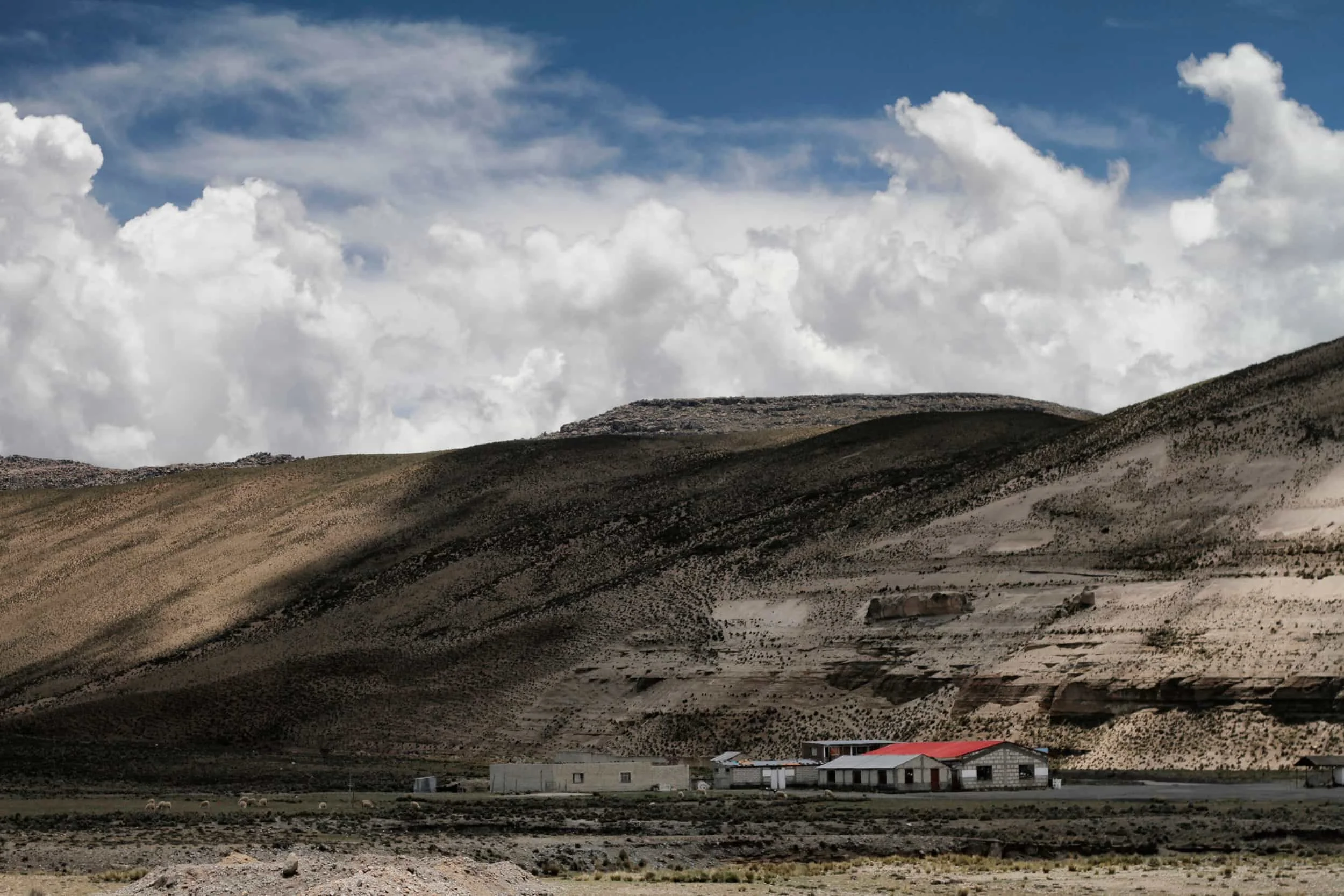
Why You Should Visit Peru — Mystical Mountains, Vibrant Markets & Centuries-Old Flavors
Peru is a feast for the senses — from mist-wrapped Machu Picchu and the Andean highlands to the vibrant markets of Cusco and the culinary wonders of Lima. Trek through ancient Inca trails, float on the reflective waters of Lake Titicaca and marvel at the biodiversity of the Amazon rainforest. Rich in history, culture and flavor, Peru offers unforgettable adventures at every turn.
What captivated me about Peru is the surprising charm and wild diversity tucked into every town. On my tour, not a single stop felt skippable — each place had its own magic — and traveling with my dear Peruvian friend from grad school made the whole experience even more unforgettable.
At a Glance
📍 Destination: Peru
🕒 Time Needed: 2 weeks
💰 Budget: S/100-500/day ($30-$150 USD)
👟 Activity Level: Mild to strenuous
🌤️ Best Season: Varies; shoulder seasons (April, October & November)
☕️ Don’t Miss: Machu Picchu, Huacachina and ceviche
🖤 Perfect For: Adventure seekers, foodies and history lovers
My Bibimbap Moment
This trip added: Openness.
Peru added the ingredient of openness to my Bibimbap Life. Every new destination revealed a different side of the country — from dramatic mountain peaks and colorful cities to coastal deserts, vibrant markets and unforgettable meals. No two places felt the same and that constant change reminded me that the beauty of travel lies in letting go of expectations. Peru taught me to embrace contrast, welcome the unexpected and remain open to the many ways a place can surprise you. Sometimes the greatest gift a destination offers isn't a single unforgettable moment — it's a completely new perspective on how diverse our world can be.
My Two-Week Peru Itinerary
I spent two weeks traveling through Peru with my friend Esau, who’s Peruvian, which gave me a perspective on the country I never could have planned on my own. Alongside the places I already hoped to see, I got his recommendations, local knowledge and a much more personal introduction to Peru along the way.
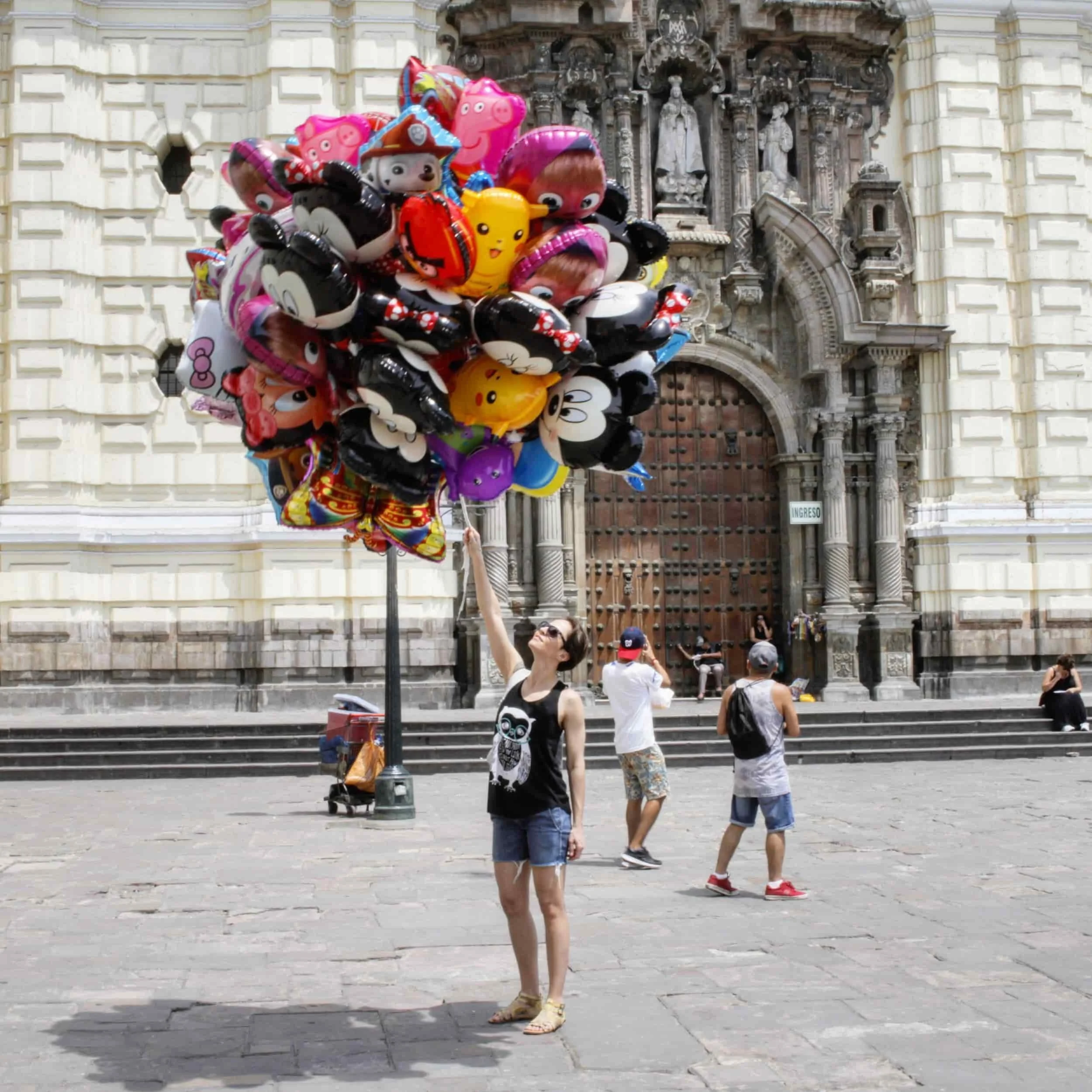
We started in Lima, where I had about 24 hours to explore the capital before we continued south. From there, we traveled to Paracas for its desert coastline and rocky islands, followed by Huacachina, where we traded the coast for enormous sand dunes, dune buggies and an evening at the tiny desert oasis.
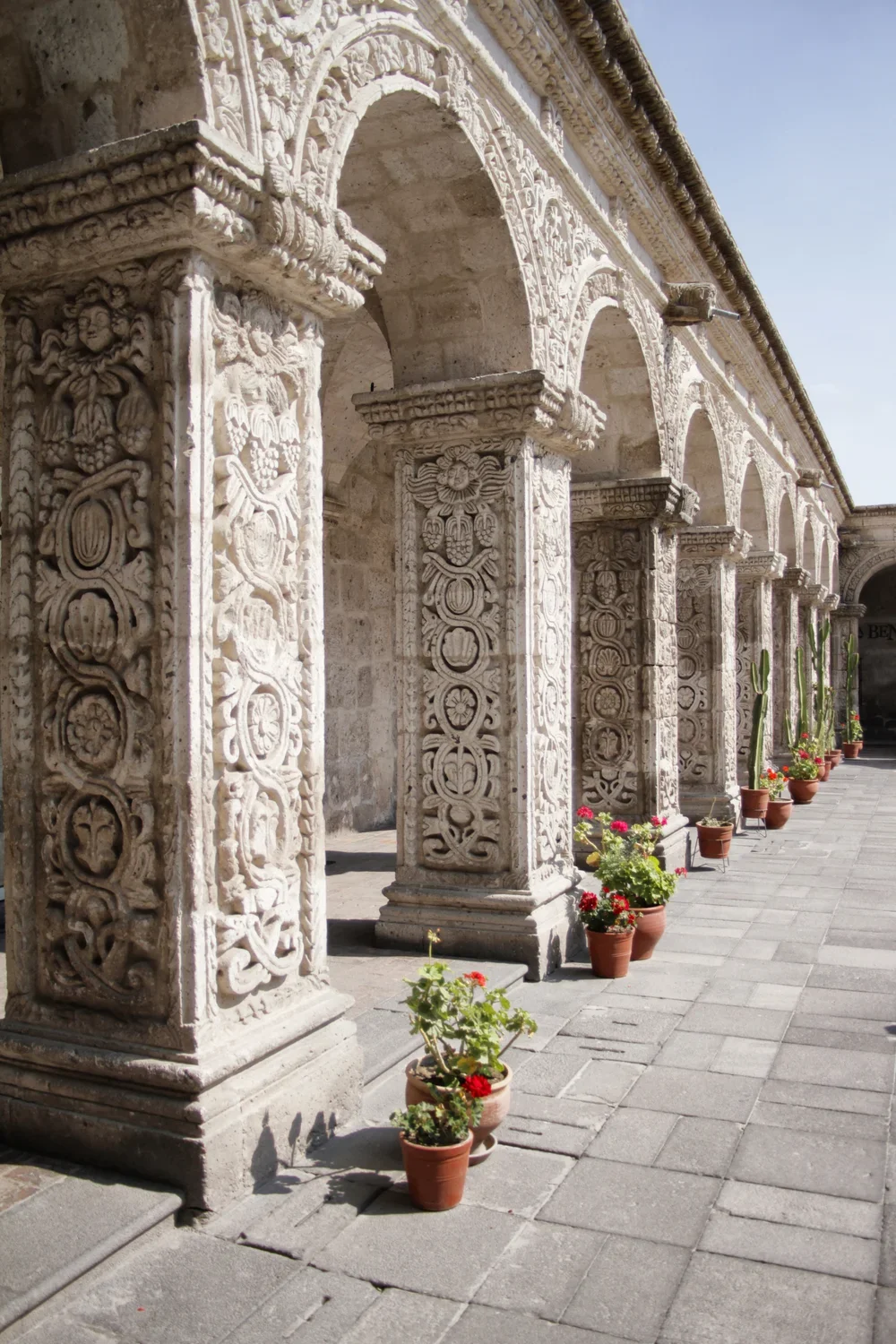
Next came Arequipa, with its distinctive white sillar architecture and historic center. We also used the city as our base for a trip to Colca Canyon, where one of the highlights was watching Andean condors soar above the canyon.
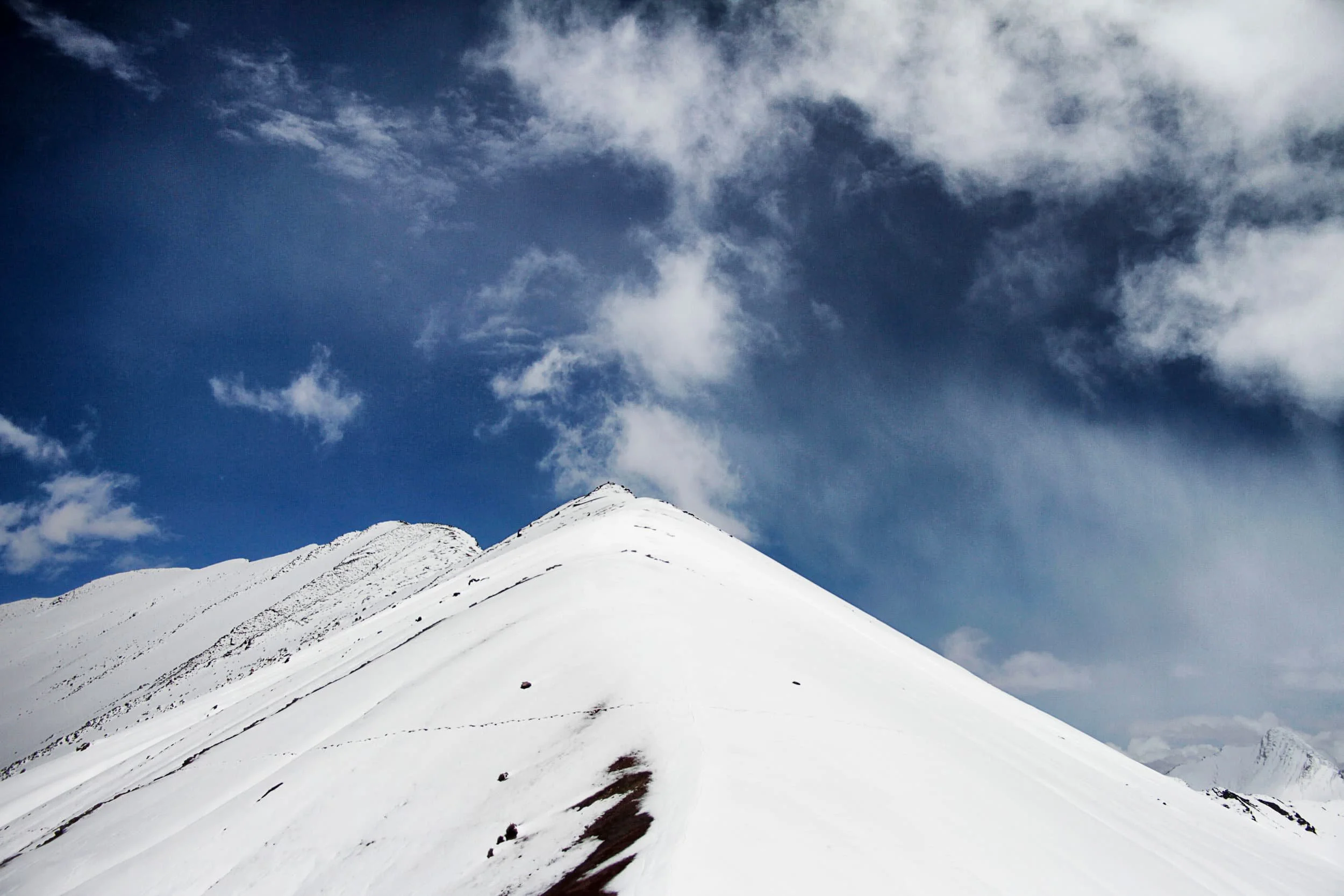
From there, we headed into the highlands and Cusco, which became our base for exploring several of the places I had most wanted to experience in Peru. We traveled through the Sacred Valley, including Pisac and Ollantaytambo, and I ventured out alone for a day trip to Rainbow Mountain. What was supposed to be a challenging hike turned into something else entirely when severe weather washed away the only road off the mountain, leaving our group stranded and beginning a very long, very unexpected journey back to Cusco. That's a story for another guide.
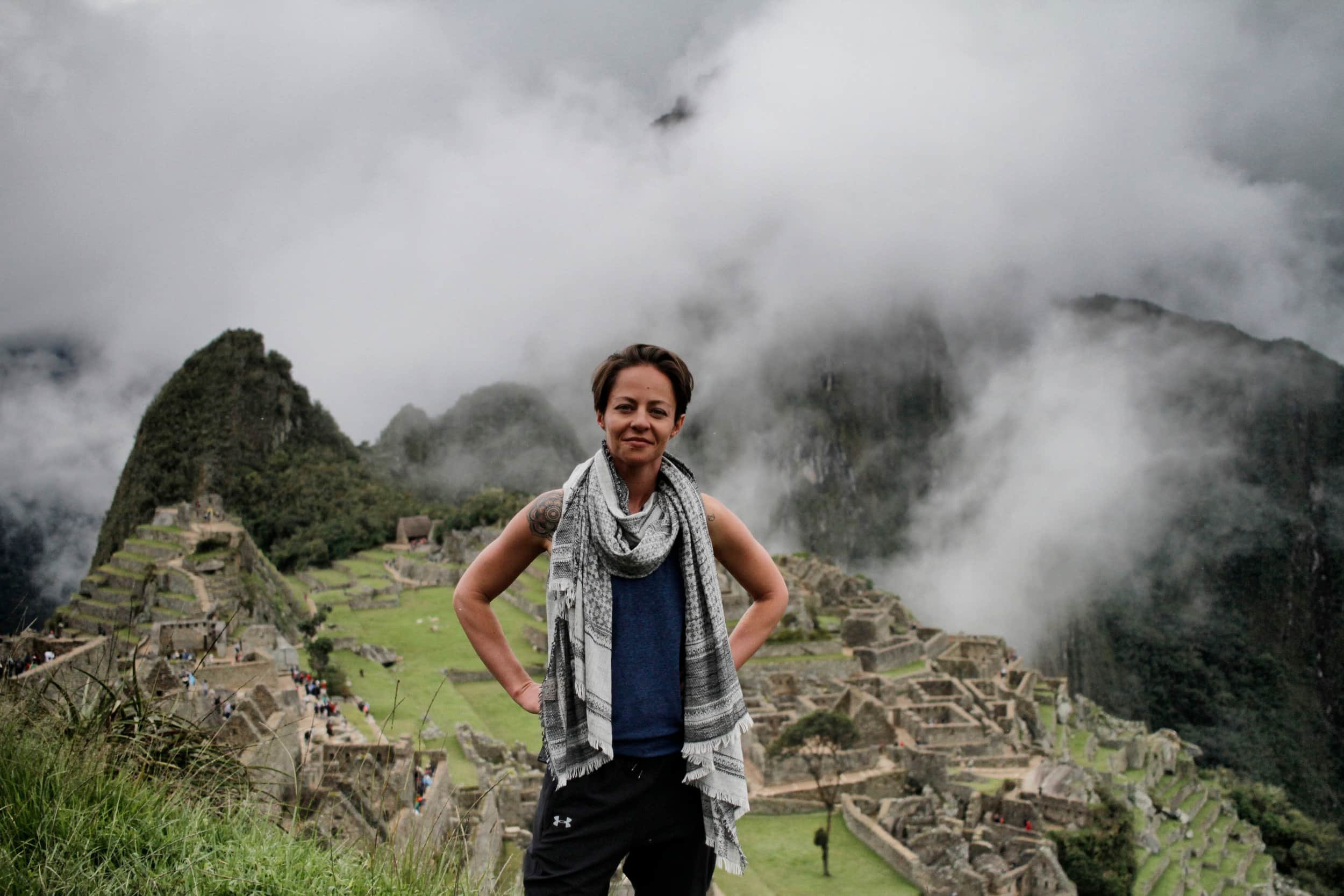
And finally, Machu Picchu. There was no grand pilgrimage or multi-day trek for me: I took the bus. And I'm perfectly happy to admit it. Seeing Machu Picchu for the first time was no less extraordinary because of how I got there.
It was an ambitious two weeks but the route gave me an introduction to several very different sides of Peru: the city and coast around Lima, the desert farther south, Arequipa and Colca Canyon and finally the Andes around Cusco and Machu Picchu. Having Esau there to share his country with me made the experience even more meaningful.
My route: Lima → Paracas → Huacachina → Arequipa → Colca Canyon → Cusco → Sacred Valley → Rainbow Mountain → Machu Picchu
Explore
Everything you need to travel smarter and experience Peru more deeply.
01 | Altitude Sickness
02 | Killer Shopping & Artisanal Goods
03 | Extreme Geography
04 | Wild Weather & High UV
05 | Ceviche & Other Delicious Bites
06 | Inca Engineering (More than Machu Picchu)
07 | Unavoidable Tummy Bug
08 | Andean Camelids
09 | The Essentials — Best Time to Visit, Entry, Currency, Language & More
Travel More | Peru Travel Guides
Peru Rules — What to Know Before You Go to Peru
Peru is a thrilling mix of dramatic landscapes, from high Andean plateaus to Amazonian jungle and windswept coastal deserts, where extreme geography and weather make every day an adventure beyond Machu Picchu; be ready for altitude sickness at high elevations and the near-certainty of a tummy bug but reward yourself with world-class ceviche, impressive Inca engineering and artisan textile markets overflowing with color and craftsmanship.
01 | Altitude Sickness
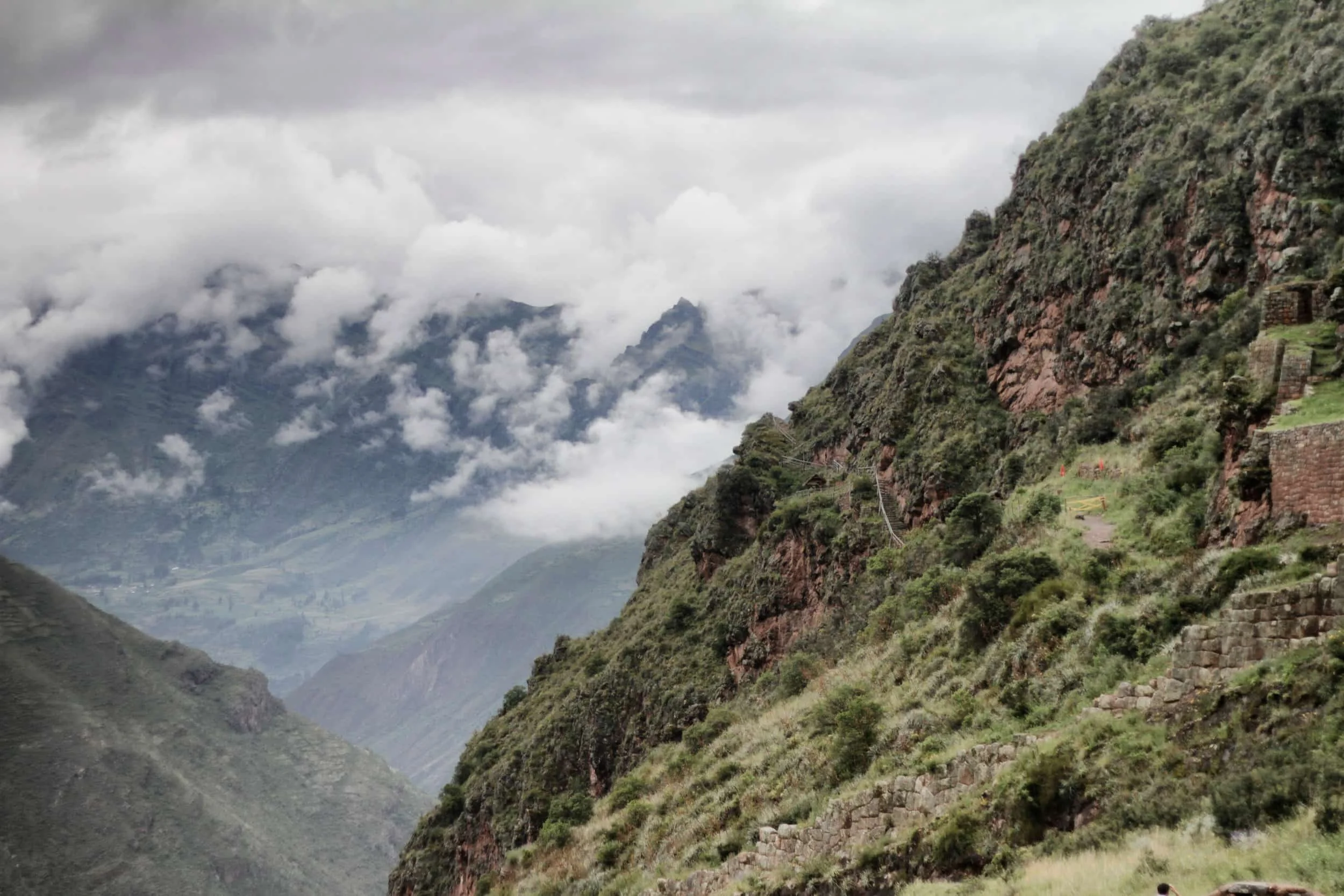
Arriving in Peru, especially when you climb from Lima to Cusco, Puno or the high-altitude towns around Lake Titicaca and the Colca Valley, altitude sickness can sneak up as a fluttering dizziness, pounding headache or breathless fatigue — a reminder that the air is thinner and your body needs time to adjust.
Locals offer gentle, time-tested comforts: sipping warm coca tea (mate de coca) through the day, chewing a leaf or two, resting and moving slowly, staying hydrated with water or electrolyte drinks and avoiding heavy meals and alcohol for the first 48 hours.
For many travelers these simple remedies, paired with gradual ascent and plenty of patience, turn what could be an ordeal into a mild, manageable part of the highland experience.
⚠️ Good to Know | Take it slow: spend a day or two in a mid-elevation town to acclimate, stay well-hydrated, avoid alcohol and heavy meals and consider a prophylactic acetazolamide after consulting your doctor. If symptoms like persistent headache, nausea or shortness of breath appear, descend right away.
02 | Killer Shopping & Artisanal Goods
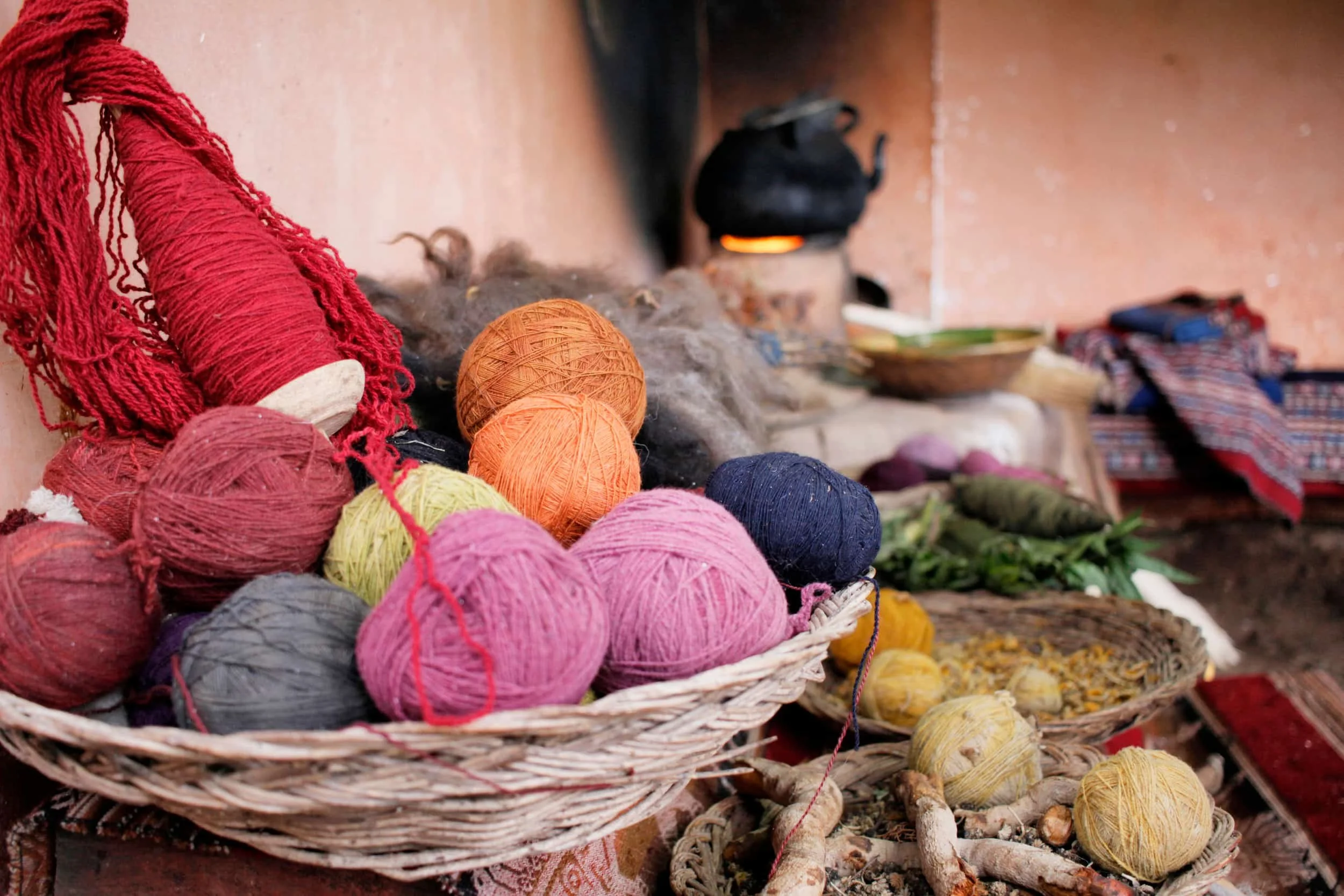
Peru is a treasure trove for shoppers who want objects that carry place, history and craft. Anything alpaca is the star: soft sweaters, blankets, scarves and hats made from baby alpaca or royal alpaca feel warm without bulk. The best places to find high-quality alpaca goods are Cusco and the Sacred Valley, as well as Arequipa for more refined, locally dyed pieces. Expect to pay anywhere from $20–$40 USD for a simple scarf to $100–$300 USD for a well-made sweater from an artisanal workshop; prices rise for pure baby alpaca and for pieces with fine hand-finishing.
⚠️ Good to Know | Buying directly from cooperative stalls or small workshops supports local families and helps preserve traditional spinning and dyeing techniques.
Textiles and woven goods are everywhere in Peru, woven with bright natural dyes and age-old patterns that represent community identity. Shop markets in Cusco, Pisac and Chinchero for handwoven blankets, ponchos, table runners and tapestries. Artisanal production is often communal and slow — woven on backstrap or pedal looms — so look for irregularities that mark authenticity. Simple placemats or small runners can be $10–$25 USD; larger handwoven pieces or intricately patterned ponchos are commonly $50–$200 USD.
💡 Local Tip | Bargaining is normal in tourist markets but do so respectfully: a modest counteroffer recognizes the artisan’s labor while keeping negotiation friendly.
Chullos — the colorful, ear-flapped knitted hats with tassels — make a perfect souvenir: practical for mountain weather and delightfully photogenic. You’ll find excellent hand-knit chullos in highland markets around Cusco and Puno; those from rural Quechua or Aymara knitters often use local alpaca and natural dyes. Prices range from $8 USD for a machine-made trinket to $25–$60 USD for authentic hand-knit chullos. Wearing one is a nod to Andean heritage but it’s good etiquette to ask about origin if an item is marketed as “traditional.”
Peru’s single-origin coffee and cacao are among the country’s understated gems. For coffee, head to the northern and central highland regions like Cajamarca, Amazonas and the cloud forests near Chanchamayo for beans with floral acidity and complex fruit notes. Bags of specialty coffee from cooperatives often run $8–$15 USD for 250g; higher-grade micro-lots cost more. Cacao from San Martín and the Amazon yields exceptional chocolate; buy dried cacao beans or single-origin chocolate bars in Lima’s specialty shops and local chocolate ateliers.
⚠️ Good to Know | Purchasing coffee and cacao directly from small producers supports sustainable agriculture and, increasingly, fair-trade practices.
Maras pink salt is a uniquely Peruvian staple: harvested from terraces near the town of Maras in the Sacred Valley, its delicate rosy hue and mineral notes are perfect for finishing dishes. Small jars or bags from market vendors cost around $3–$8 USD; larger artisan-packed jars are more.
Pisco, Peru’s national grape brandy, is both a culinary gift and a cultural one. Bottle shops in Lima, Arequipa and Ica carry a range from affordable house piscos ($8–$15 USD) to premium bottlings and aged piscos ($25–$60+ USD). When buying pisco, look for single-varietal piscos and inquire about regional styles — Pisco’s identity is tied to the coast, especially the Ica and Pisco valleys.
Silver jewelry in Peru blends pre-Columbian motifs and contemporary design. Arequipa and Cusco boutiques, as well as Lima’s artisan markets, offer sterling silver pieces set with Andean stones like lapis, turquoise and agate. Expect prices from $20 USD for small earrings to $150+ USD for unique, handcrafted statement pieces — higher for recognized silversmiths.
Retablos — small painted wooden altarpieces or portable shrines — are a joyful, baroque expression of Andean folk religion and storytelling. Ayacucho is the standard place to buy retablos, where workshops produce everything from modest family-sized pieces ($40–$100 USD) to elaborate multi-figure scenes that can cost several hundred dollars. Each retablo is a narrative: saints, everyday life and fused myths carved into a box and painted with rich, narrative detail.
Pucara bulls — distinctive painted ceramic bulls from the Pucará region near Lake Titicaca — are a beloved household charm often placed on roofs or in homes to symbolize prosperity and protection. Small bulls are inexpensive ($5–$15 USD), while larger, hand-painted examples or sets can reach $50–$120 USD depending on detail and age. Buying these objects in Puno or Juliaca connects you to Aymara pottery traditions and the iconography of the altiplano.
Across all purchases, remember the cultural context: many handcrafted goods in Peru are not merely commodities but expressions of history, identity and community. Woven textiles carry ancestral patterns and techniques passed down through generations; when you buy a shawl or a belt you’re supporting weavers who preserve Andean stories and language through color and stitch.
Coffee and cacao purchases can be a direct line to smallholder farmers whose sustainable practices and cooperative models sustain local economies and ecosystems. Ceramics, silverwork and retablos reflect regional rituals and beliefs, and even commercial souvenirs often incorporate symbols with deep local meaning.
To honor that cultural richness, ask about origin and technique, seek out fair-trade or cooperative-verified sellers, favor direct-market stalls or family workshops over mass-produced kiosks and be open to learning the story behind an item. Not only will you take home a more meaningful keepsake, you’ll help ensure those traditions — and the people who keep them alive — thrive.
03 | Extreme Geography
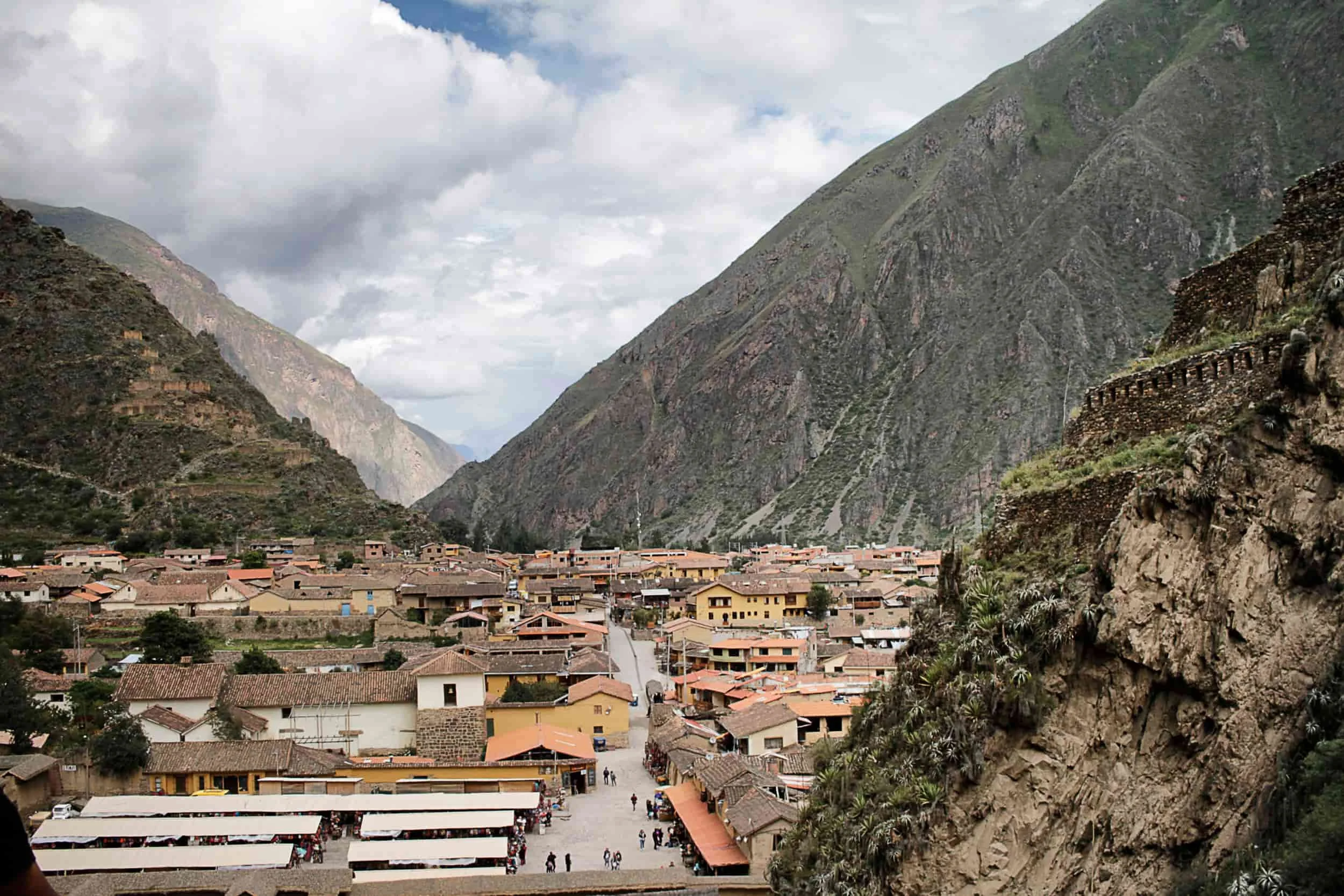
Peru is a country of dramatic contrasts: razor-back Andes ridges rising above 20,000 feet, the lush Amazon Basin sinking into humid lowlands and a narrow Pacific coastal desert baked by cool seas and frequent mist. In the south and central highlands, you'll find jagged peaks, high-altitude plateaus (the Altiplano), deep canyons like Colca and Cotahuasi and the world-famous Machu Picchu perched on a steep cloud-forested ridge.
East of the mountains, the terrain softens into whitewater rivers, terra firme rainforest and oxbow lakes that hold a staggering diversity of life. Along the coast, sand dunes, rocky headlands and the Humboldt Current create a cool, arid landscape with sudden pockets of green oasis towns and cliffs that harbor guano islands.
The geography also drives adventure types: high-altitude trekking and mountaineering in the Cordillera Blanca and Huayhuash; canyoning, paragliding and condor watching in Colca Canyon; jungle lodges, river expeditions and wildlife spotting in Manu and Tambopata; and sandboarding or coastal cycling along the Paracas Reserve and the Ica desert.
Each zone demands different preparations. For high-altitude routes, acclimatization matters as much as gear — schedule several gradual gain days, carry a pulse oximeter if you like data and pack layers, a warm down jacket, windproof shell and sturdy waterproof boots. For multi-day treks bring a quality sleeping bag rated to at least 0°C (32°F), sun protection (high UV is real above 3,000 meters) and hydration supplies; consider altitude medication.
In the Amazon, prioritize lightweight, breathable clothing that covers arms and legs, a reliable insect-repellent with DEET or picaridin and a good rain jacket. Waterproof dry bags and zip-locks are lifesavers for electronics and documents on boat transfers. Vaccinations and antimalarial advice should be checked well before travel and packing a basic first-aid kit and any personal medications is essential.
On the coast and deserts, strong sun protection, a brimmed hat and reusable water bottle are key — temperatures can swing and UV reflection off sand is intense. Wherever you go in Peru, plan for sudden weather shifts, buy travel insurance that covers evacuation for remote areas and respect local advice: guides, porters and lodge operators know microclimates and routes far better than any map. With thoughtful preparation, Peru’s extreme geography becomes an invitation rather than an obstacle, turning each transition from mountain to jungle to sea into a memorable part of the journey.
04 | Wild Weather & High UV

Peru’s weather can feel like a character in its own right — dramatic, changeable and impossible to ignore. From the fog-draped coast of Lima to the sun-baked altiplano around Puno and the emerald humidity of the Amazon, extremes are part of the country’s personality.
One morning you might be watching mist lift off terraced hills near Cusco; by midday, the sun pours down with a brightness that seems almost indecent. These contrasts make every landscape vivid but they also demand respect: Peru’s altitude and clear skies amplify the sun’s power and UV levels routinely climb into the very high to extreme range, especially at higher elevations — some of the most extreme UV in the world.
High UV means more than a quick sunburn — it changes how you plan your day. Lightweight, long-sleeve clothing with a tight weave, a broad-brimmed hat and high-SPF sunscreen are essential, whether you’re wandering the Inca Trail or exploring colonial streets. Sunglasses with good UV protection are crucial; the thin air at altitude gives your eyes less protection from scattered and reflected rays.
⚠️ Good to Know | Hydration and layering are equally important: intense solar heating by day can give way to chilly evenings and dry mountain air increases fluid loss without you always feeling it.
The weather’s extremes can be part of the joy of Peru if you prepare for them. Time outdoor activities for early morning or late afternoon when the sun is less fierce, seek shaded breaks during midday and be mindful of altitude acclimatization — sun exposure and altitude together can wear on your energy.
With a little planning and respect for the elements, Peru’s luminous skies become an ally: they lend color to sunsets, define the sharp silhouettes of mountains, and make every photograph — and every memory — brilliantly vivid.
05 | Ceviche & Other Delicious Bites
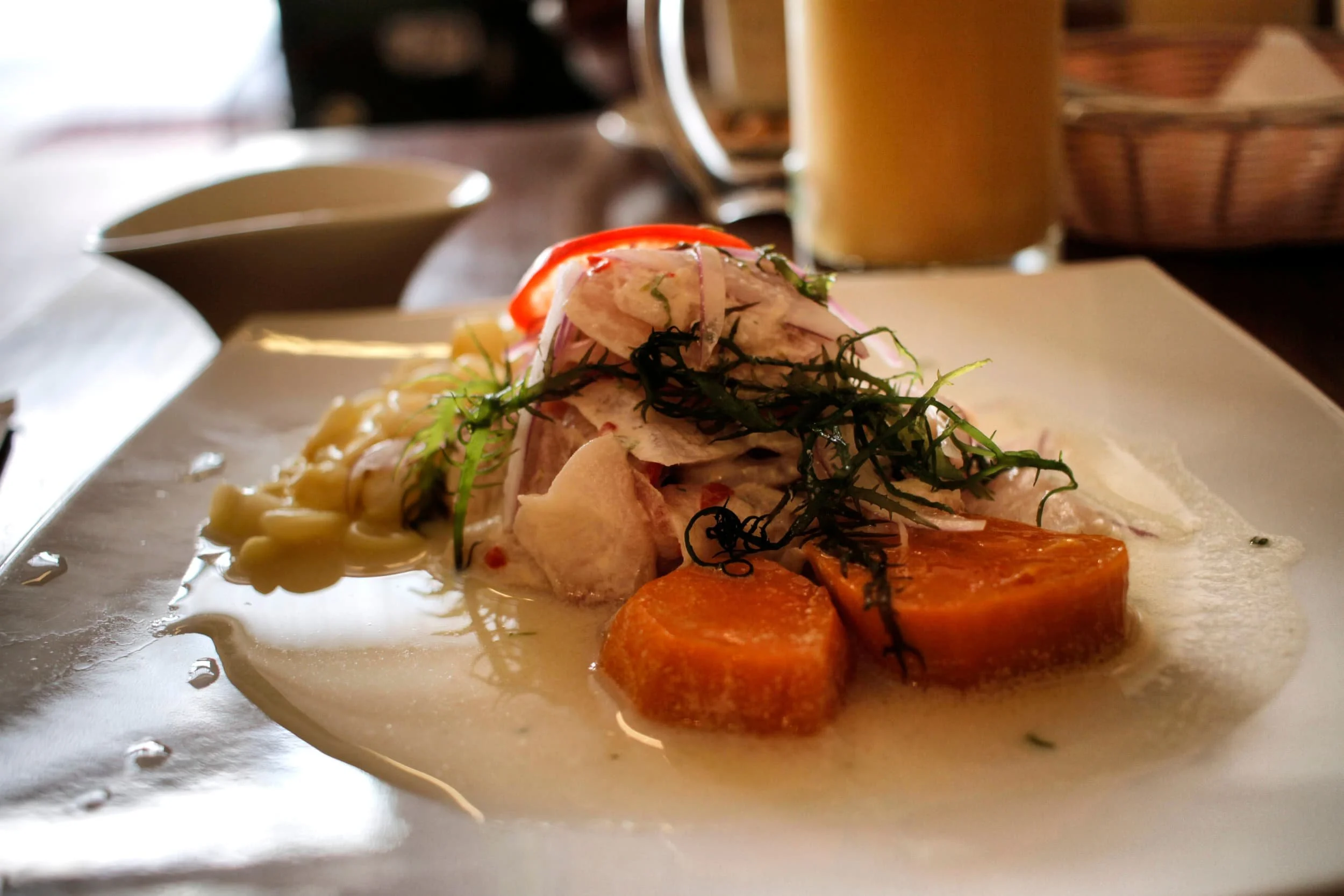
Peru is one of those rare places where food reads like a vivid map: coast, highlands and jungle each bring their own voices to the table. At the center of that chorus is ceviche — fresh fish or seafood cured in bright lime juice, tossed with sliced red onion, aji amarillo or rocoto for heat and finished with cancha (toasted corn) and a few slices of sweet potato. It’s bright, clean and astonishingly immediate — a perfect match for Lima’s cool Pacific breezes and the country’s long fishing tradition.
The best ceviche can be found in simple, bustling cevicherías and family-run restaurants across the coast. In Lima, neighborhoods like Miraflores and Barranco host both iconic classic spots and modern takes; expect to pay roughly $8–$18 USD for a generous plate at a reputable sit-down place, while smaller market stalls and neighborhood joints often serve excellent ceviche for $4–$8 USD. Along the northern coast and in port towns, you’ll find equally outstanding ceviche made with local catches and sometimes served with exotic regional twists; prices there can be even more affordable.
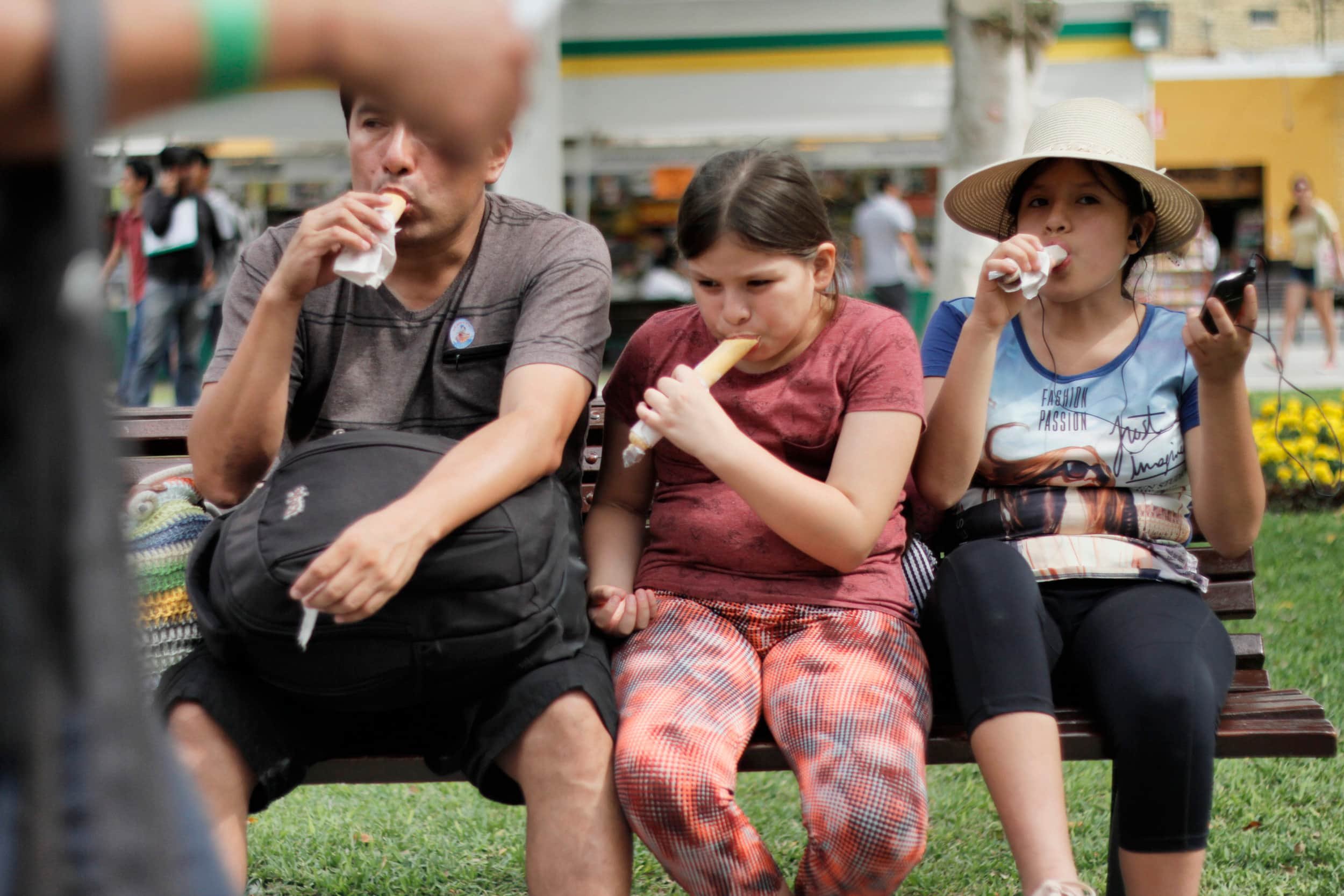
Peru’s food scene goes far beyond ceviche. In the highlands, hearty dishes like lomo saltado and aji de gallina (“hen’s chili”) showcase the country’s fusion of indigenous ingredients with Spanish and Asian influences. Street food is vibrant and varied: anticuchos (grilled skewers, often beef heart) sizzle at night markets, empanadas and tamales warm morning markets and papa rellena (stuffed fried potatoes) make for a satisfying snack on the go. Prices for street eats are very traveler-friendly — many items cost between $1 and $4 USD.
Don’t miss the unique beverage culture. In Andean regions, you’ll find refreshing quinoa drinks (sometimes sweetened with fruit or spices) and chicha morada, a purple corn-based drink spiced with cinnamon and cloves — both are deeply rooted in local agriculture and tradition. A glass of chicha morada or a homemade quinoa drink at a market stall generally runs about $0.50–$2 USD, making them an inexpensive way to taste Peru’s flavors. For something warmer, try a cup of coca tea if you’re adjusting to altitude in the highlands (yes, this comes from the same plant that produces cocaine).
Eating in Peru is as much about where you sit as what’s on the plate: seaside cevicherías, crowded market stalls or cozy highland kitchens each reveal different stories. With fresh seafood, ancient grains like quinoa and a centuries-deep palette of spices and ingredients, Peru offers food that’s joyful, surprising and accessible at almost every budget.
06 | Inca Engineering (More than Machu Picchu)
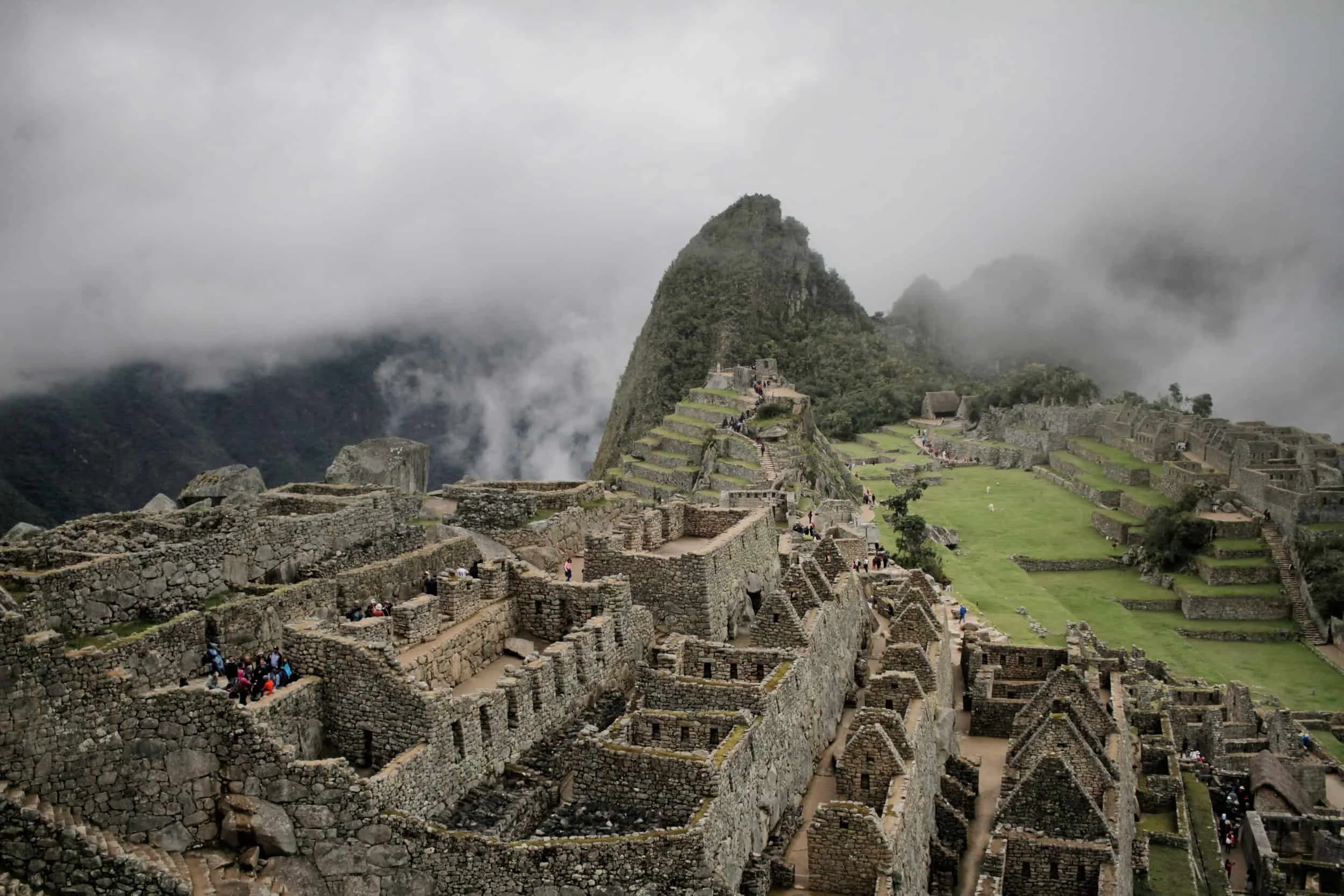
In the steep folds of the Andes and along the rugged Pacific coast, Inca engineering emerges as a quiet, enduring marvel — equal parts practicality and poetry. Stone terraces ripple down mountainsides like frozen waves, their precisely angled walls reclaiming otherwise unusable slopes for agriculture.
Aqueducts and canals thread across valleys, carrying melted water from highland glaciers to fields and settlements below. The Incas sculpted their environment with an eye for permanence: massive stone blocks fit together with such exactitude that mortar is unnecessary and structures built centuries ago still stand against seismic tremors and relentless weather.
You can see these feats across Peru, from the iconic citadel of Machu Picchu on a ridge above the Urubamba Valley to the quieter, equally impressive sites of Ollantaytambo, Pisac and Tipón in the Sacred Valley near Cusco.
At Machu Picchu, terraces and a sophisticated drainage network reveal how the city managed runoff and agricultural production at altitude. Ollantaytambo showcases an urban plan with fortifications and waterworks integrated into the natural landscape. Tipón is celebrated for its ceremonial fountains and impeccably graded channels that demonstrate advanced hydraulic engineering — the water here flows with a controlled elegance that feels almost choreographed.
☕️ Worth the Detour | Don’t miss the Twelve-Angled Stone — a little marvel tucked into a Cusco wall that’s perfect for pausing and snapping a photo.
Inca engineering reached its height during the 15th and early 16th centuries, under the expansion of the Inca Empire (Tawantinsuyu). Yet its roots run deeper, building on centuries of Andean ingenuity and local traditions. The Incas integrated knowledge from diverse ecological zones — coastal deserts, high puna, cloud forest — creating a cohesive system that supported millions of people across varied terrain. Their constructions were not merely technical: they reflected cosmology and social organization, aligning roads, terraces and temples with sacred mountains, astronomical markers and administrative needs.
The significance of these works extends beyond their original utility. They represent a holistic approach to sustainability — maximizing agricultural yield, conserving water and mitigating landslides and erosion — lessons with clear relevance today.
Walking among those stones, you feel the layered history: skilled stonemasons, coordinated labor systems and a worldview that wove environment and society together. Visiting these sites offers both a tangible appreciation of ancient skill and a reminder of humanity’s enduring capacity to shape landscapes thoughtfully and resiliently.
07 | Unavoidable Tummy Bug
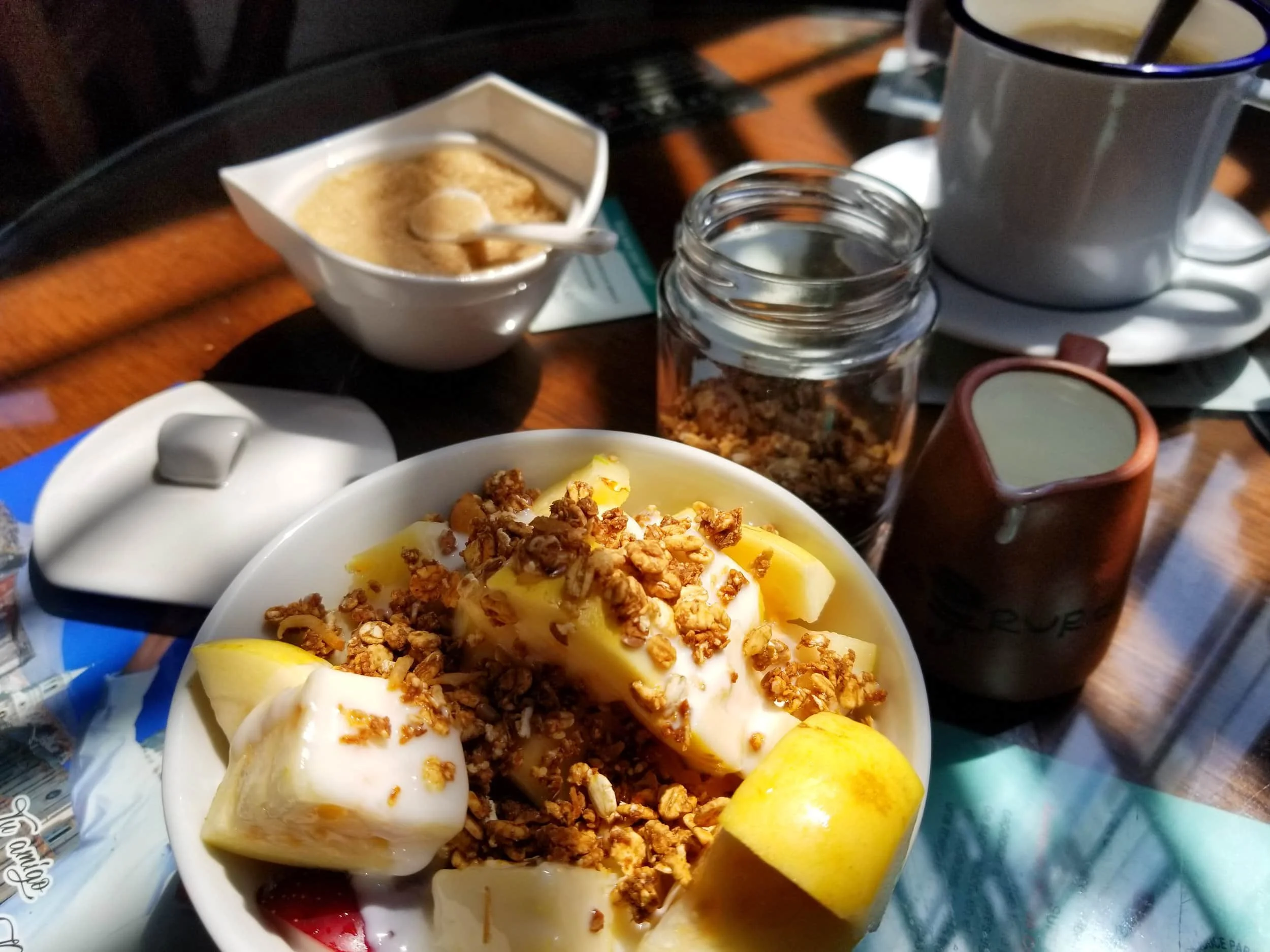
Getting the tummy bug in Peru is almost a rite of passage (I should know) — one too many sips of fresh-pressed juice or a perfectly ripe ceviche can send your stomach on a temporary adventure of its own — and honestly, sometimes it’s just unavoidable.
The bug often arrives like an unwelcome souvenir — through tap water and ice, raw and street foods or a casual touch of contaminated hands — so a little caution turns into your best travel companion.
If it happens, don’t panic: head to a local pharmacy for rehydration salts, anti-diarrheal meds or a short course of antibiotics if needed (pharmacists are used to helping travelers) or carry a small travel first-aid kit with those basics so you’re prepared.
Rest, sip plenty of clean fluids and stick to bland foods for a day or two but don’t let it rob you of the joy of Peruvian cuisine — order that causa or lomo saltado when you feel up to it; a little caution with drinks and raw produce, and a pocketful of remedies, will keep your adventures on track.
⚠️ Good to Know | To avoid the tummy bug, focus on drinking bottled water, eating steaming hot foods, avoiding raw fruit and veggies and practicing good hand hygiene.
08 | Andean Camelids
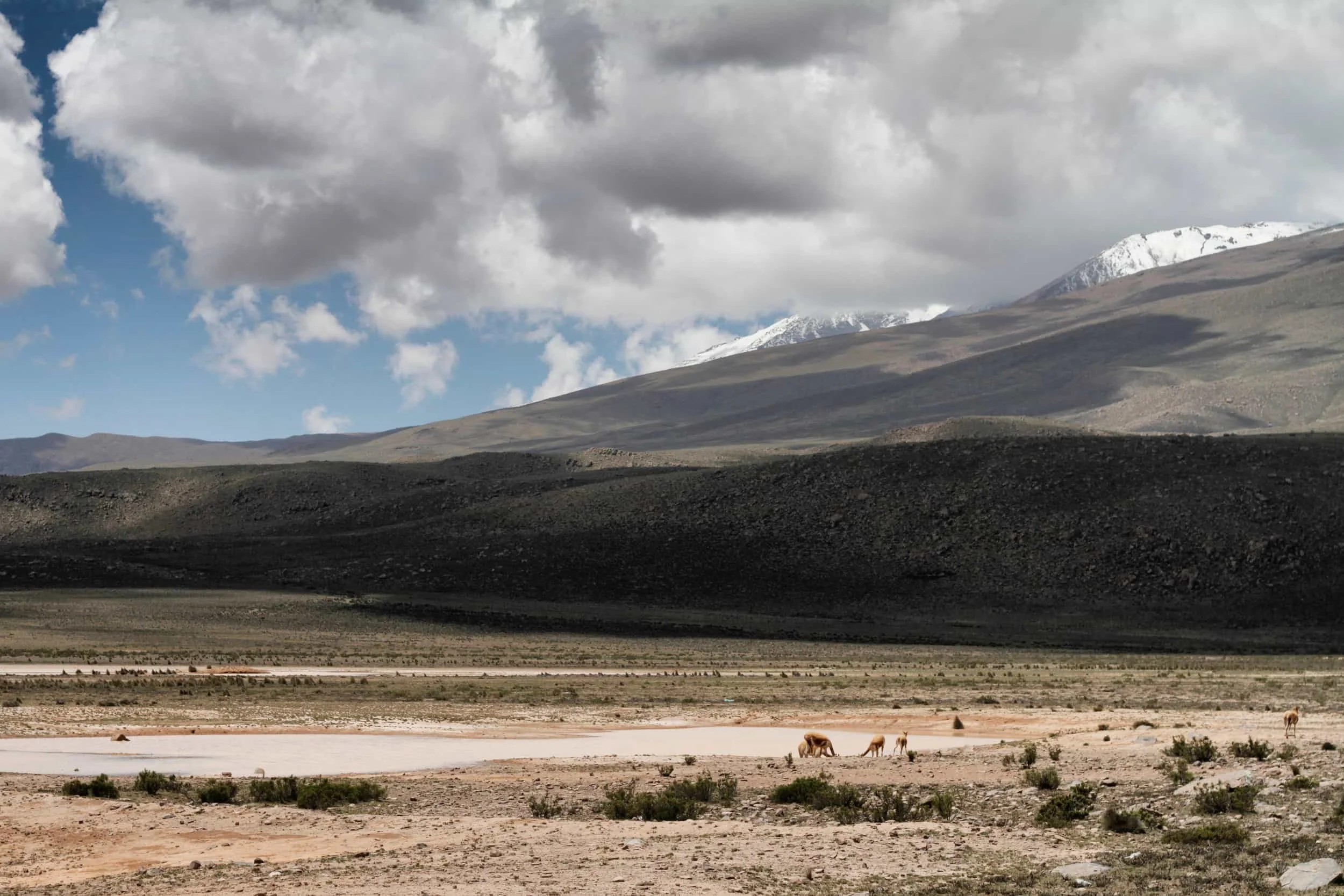
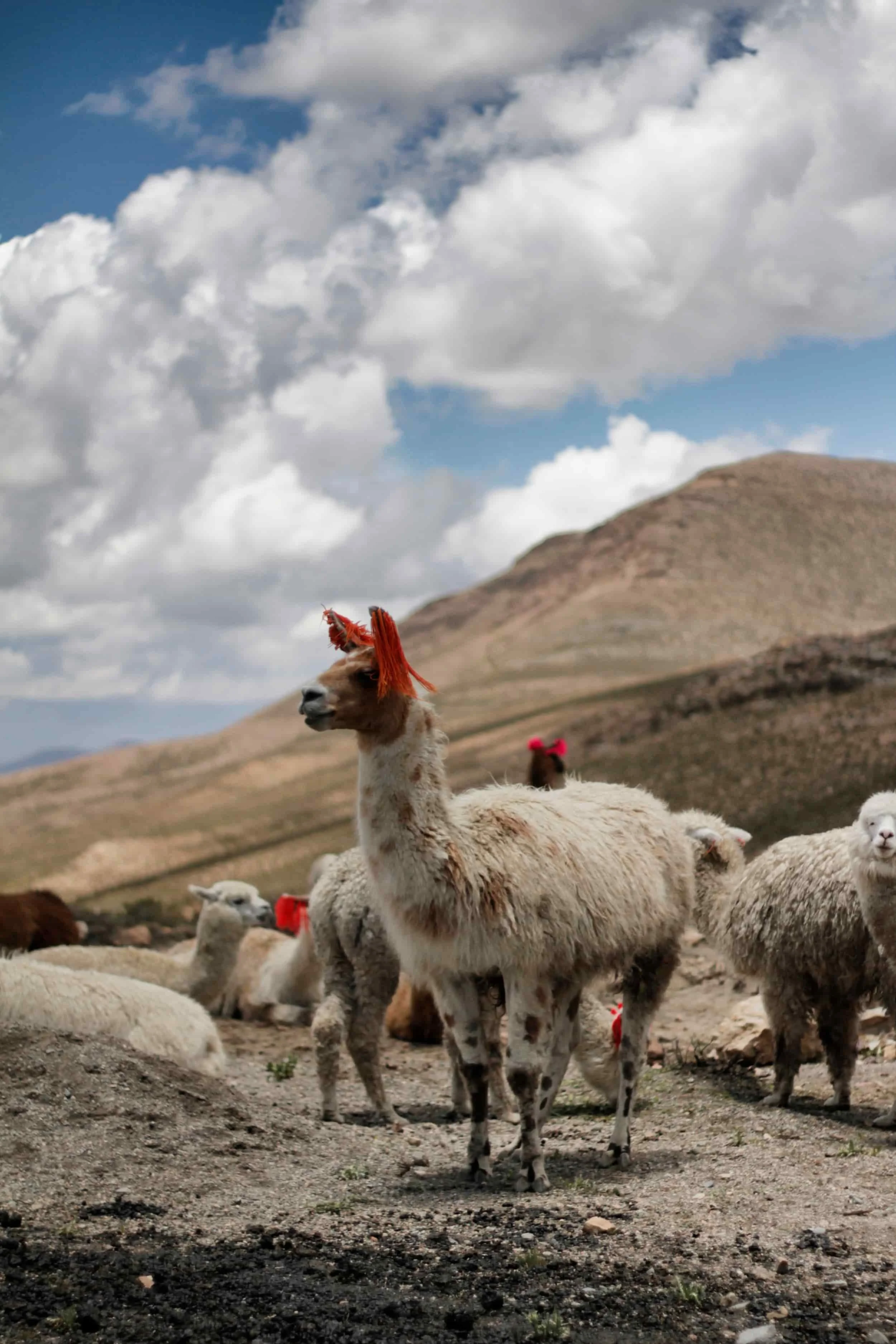
They’re everywhere! Peruvian Andean camelids — the llama, alpaca and vicuña — feel like links to the highlands, each with a distinct personality and place on the landscape. Feed an alpaca or llama with a steady hand and a smile — unless you want a curious nibble on your fingers, a surprise spit (or kick) or a quick swipe at your snack-filled bag that leaves you shocked (and a little extra careful).
Llamas, tall and surefooted, stand as gentle guardians of mountain trails and community life, used for pack work and often seen grazing near rural villages; alpacas, smaller and soft-eyed, are prized for their luxurious fleece and are easy to spot at places like Alpaca World and countless family-run farms around Cusco and the Sacred Valley; vicuñas, the wild and delicate natives of higher puna grasslands, move with quick, elegant steps and produce the finest fiber in the world, protected in national reserves and found in wild herds above 13,000 feet.
Visit Machu Picchu and you may spot llamas or alpacas casually roaming the terraces, adding a quietly charming presence to the ruins' grandeur. Beyond their uses — pack animals, fiber producers and cultural symbols woven into Andean life and textiles — these camelids are notable for their social bonds, low environmental impact compared with many livestock and the central role they play in local livelihoods and heritage.
My Bibimbap Moment
Every destination adds another ingredient to our life's recipe and sometimes it's the sheer range of a place that stays with us. Peru seemed to offer a new version of itself at every turn — colorful markets, dramatic landscapes, changing weather, warm encounters and flavors that lingered long after the meal. Here's the ingredient this vibrant country added to my Bibimbap Life.
Today’s Bibimbap Recipe
🥢 Flavor: Vibrant
🌿 Ingredient: Openness
❤️ Best Memory: Witnessing Machu Picchu — a dream come true
🎒 Take With You: Don't let a destination fit into a single story. Stay open to its many landscapes, cultures, flavors and perspectives — you'll discover that the richest experiences are often found in the contrasts.
Peru left me with more questions than answers and I think that's exactly why it has stayed with me. Every region felt like an entirely different world — new landscapes, new flavors, new traditions and new ways of seeing life. Just when I thought I understood the country, it revealed another layer. Looking back, I don't remember Peru as one place but as a collection of vivid moments that somehow belong together. Maybe that's what I'll carry with me most: a quiet reminder that the world is far too diverse to fit into a single story and that's what makes exploring it so endlessly rewarding.
Peru Travel Essentials
Peru is one of those destinations where a little preparation can make a big difference. Between high-altitude cities, long travel days, wildly different climates and some experiences that need to be booked well in advance, this isn't necessarily a trip I'd recommend figuring out entirely as you go.
My own journey took me from Lima and the desert landscapes of Paracas and Huacachina to Arequipa, Colca Canyon, Cusco, the Sacred Valley, Rainbow Mountain and finally Machu Picchu. Along the way, there were buses and flights, altitude adjustments, changing weather, incredible food and more than a few things I wish I'd understood before arriving.
So this guide is less about telling you where to go and more about helping you travel Peru better once you've decided to go. From altitude and transportation to money, packing, food and the practical details that can catch you off guard, these are the Peru travel tips I'd want to know before doing it all again.
When to Go
The best time to travel to Peru is during the dry season, from May to September, when clear skies reveal Andean peaks and trekking trails are at their most inviting. Coastal escapes and cultural cities like Lima are pleasant year-round but visiting the Sacred Valley and Machu Picchu is especially magical in the crisp, sunlit months. For fewer crowds and a touch of green on the hills, consider shoulder months — April and October — you'll get great weather with a softer, more intimate feel.
Entry Into Peru
Most visitors enter Peru with little trouble. Citizens of the United States, Canada, the European Union, Australia and many other countries can stay visa-free for tourism for up to 90 days (some passports are granted up to 183 days). Travelers from a small number of countries must obtain a visa in advance — check Peru’s official requirements for your nationality before you book.
Tourist visas for those who need one generally cost around $40–$160 USD, depending on nationality and type; confirm the current fee with the nearest Peruvian consulate as rates can change. Make sure your passport is valid for at least six months from your arrival date, carry proof of onward travel and have a printed address for your first night. Expect a brief customs and immigration conversation at Lima’s airport — often the warmest first hello to the Andes and the Amazon.
Check official site for visa and travel information here.
Currency
Peru’s currency, the sol, carries warm, earthy confidence that celebrates the nation’s rich history. Compared with major global currencies, the sol is stable and modestly valued, offering good purchasing power for travelers while reflecting Peru’s steady economic growth and regional role. For visitors, it feels practical and personable: easy to use, widely accepted and very much a part of everyday Peruvian life.
Language
Spanish is the official language of Peru and is spoken by the majority but the country’s linguistic mix also proudly includes Quechua and Aymara as recognized official languages in areas where they predominate, along with dozens of Amazonian indigenous languages that reflect Peru’s rich cultural diversity.
Money
Money in Peru revolves around the sol; while big cities accept cards at many shops and restaurants, smaller towns, markets and remote sites are largely cash-only. Carry a mix of small-denomination soles for buses, taxis and market purchases, and keep a backup credit card or two tucked separately. ATMs are common in Lima and Cusco but can be scarce at high elevations or in rural areas and card skimming exists — use ATMs inside banks when possible and notify your bank before travel to avoid unexpected holds.
Navigation
Getting around feels like part of the adventure. Domestic flights knit the country quickly between Lima, Cusco, Arequipa and Iquitos, while long-distance buses are comfortable and often the most scenic — and slow — way to travel. In cities, ride-share apps and metered taxis work well, though agreeing on a price before a short taxi ride in smaller towns is standard.
When exploring archaeological sites, walking and local minibuses are common; trails at altitude mean you should plan routes with realistic time and fitness expectations. Allow extra time for road travel — Peruvian roads can be winding and weather affects schedules — and always check recent local advice for mountain passes and seasonal conditions.
⚠️ Good to Know | Use extreme caution in remote areas as roads are often cliffside and not always the safest. A bus full of tourists tumbled off a cliff during my visit; my Peruvian friend warned against this: often times, locals can say it’s okay to travel someplace when in fact, it’s not.
Where to Go
From the busy coastal capital of Lima, where colonial plazas and world-class cevicherías meet fog-kissed Pacific views, to the windswept bird and sea sanctuary of Paracas with its red cliffs and boats bobbing toward the Ballestas Islands, Peru offers an irresistible mix of towns to explore.
Arequipa’s white-sillar architecture and grand volcano silhouette offer cool mountain charm and rich picantería traditions, while the otherworldly oasis of Huacachina invites dune-boarding thrills and pastel sunsets over rolling sand seas — add to that the cobbled magic of Cusco, the sacred stillness of Ollantaytambo, the highland markets of Pisac, the tropical warmth of Iquitos on the Amazon and the lakeside serenity of Puno on Titicaca, and you have a country stitched together by diverse landscapes, timeless history and small-town personalities that beg to be wandered slowly.
Packing
Packing for Peru means being ready for dramatic shifts: coastal warmth, Andean chill and Amazonian humidity. Layers are your best friend — breathable shirts, a warm mid-layer and a windproof outer shell. Comfortable, well-broken-in walking shoes are essential for cobbled streets and hiking trails; consider ankle support if you plan on uneven or high-altitude treks.
If you’ll trek, include a light sleeping liner, quick-dry socks, sun protection and a reusable water bottle with a reliable purification method for rural stretches. Insect repellent and a lightweight, packable rain jacket are crucial for jungle or rainy-season travel.
Bring photocopies of important documents stored separately from originals and a small first-aid kit tailored to altitude-related needs like acetazolamide if you’re prone to altitude sickness. Bring a Type A/C adapter and a smile — Peru uses 220V outlets, so check your charger before plugging in.
Best Practices
Best practices in Peru mix common-sense safety with cultural respect. Stay hydrated and pace yourself at altitude — ascending gradually and resting the first day in places like Cusco or Puno reduces the risk of altitude illness. When sampling the irresistible street food, choose busy stalls with high turnover for freshness.
Tipping is customary for good service: around 10% in restaurants where service isn’t included, small tips for guides and drivers and a few soles for porters or helpful staff. Be mindful of local customs — ask before photographing people, especially in rural or indigenous communities and remove your hat when entering churches.
Keep valuables close and use hotel safes when available; blending in and traveling with a simple demeanor reduces unwanted attention.
Is Peru Safe for Solo Travel
Peru can be a wonderfully safe place for solo travel — especially for women — if you go in informed and stay mindful of your surroundings. Cities like Cusco, Arequipa and Lima’s well-known districts are used to tourists and offer plenty of guided tours, hostels and women-friendly guesthouses; sticking to daylight hours for wandering, using registered taxis or ride apps and blending into local dress will reduce unwanted attention.
Rural areas and big buses require a bit more planning — book reputable transport, keep valuables discreet and share your itinerary with someone back home. Trust your instincts, prioritize common-sense precautions (avoid isolated streets at night, carry a copy of your passport and have emergency contacts handy) and you’ll likely find Peru’s warm people, dramatic landscapes and rich culture make it a rewarding and manageable solo destination.
Key Phrases
A few key phrases in Spanish make a big impression and ease everyday interactions. “Buenos días” (good morning) and “por favor” (please) open doors and smiles. “¿Cuánto cuesta?” (How much does this cost?) and “¿Me puede ayudar?” (Can you help me?) are useful in markets and transit.
If you need to slow your pace for altitude, “Estoy un poco mareado/a” (I’m a little dizzy) and “Necesito descansar” (I need to rest) communicate your condition quickly. For directions, “¿Dónde está…?” (Where is…?) and “A la derecha/izquierda” (to the right/left) help keep you moving.
With sensible money habits, clear plans for navigation, thoughtful packing, respectful practices and a handful of Spanish phrases, Peru unfolds with warmth and ease. Expect surprises, savor the flavors and let the country’s variety reward your curiosity.



Peru travel tips: Pack layers for dramatic weather, carry cash for artisan finds, travel slow to acclimatize, respect local customs and savor fresh ceviche.