Best things to do in Lima: experience a rich culinary scene, historic colonial architecture & vibrant cultural heritage with this travel guide.
Why You’ll Fall in Love with Lima: Reasons to Visit Peru’s Coastal Gem
If you look into Peru at all, you’ll quickly spot the big names: Machu Picchu, the Amazon and zesty Pisco sours. But those highlights are just the opening notes. Peru is a vivid, welcoming country full of traditions, texture and surprises — so much so that a few weeks barely scratches the surface. Every town has its own voice, its own color; as I traveled from the capital down the coast and inland, each stop outshone the last. My best advice: leave time to linger in a few places and savor what makes each one special.
Lima unfurls like a sunlit storybook where colonial balconies whisper history, the Pacific breeze carries the tang of ceviche and colorful street art animates every neighborhood from Miraflores to Barranco. Mornings are for wandering the cliffside Malecón, watching surfers ride silver waves below and locals practicing tai chi, while afternoons melt into leisurely café conversations over rich Peruvian coffee and picarones. Museums and pre-Columbian collections reveal a deep, layered past but it's the warm hospitality — neighbors chatting on corners, markets overflowing with lucuma and ají amarillo and impromptu live music — that truly gives the city its pulse. Whether you're chasing sunsets over the ocean or discovering a tucked-away courtyard, Lima feels like a place that slowly, happily teaches you how to savor itself.
Two-Week Travel Itinerary
My own trip to Peru began with a personal invitation from a close Peruvian friend, so with two weeks and an eager itinerary, we set off. I landed in Lima and spent a brisk 24 hours there before heading down the coast to Paracas — rocky islands, sun-baked deserts and standout moments like the Ballestas Islands and Paracas National Reserve.
Next, came Huacachina: a dreamy desert oasis where sunsets set the great sand dunes aglow and a glittering lagoon sits framed by swaying palms — picture a scene straight from a postcard. Then, we wandered into Arequipa, the “White City,” its elegant colonial buildings carved from pale volcanic sillar that feel at once grand and gently sunlit. Between bites of the city’s irresistible food, I lost myself in history at the Monastery of Santa Catalina and beneath the soaring arches of the Basilica Cathedral.
From Arequipa — the gateway to Colca Canyon — I took a solo day trip into a landscape that feels carved by time itself. One of the world’s deepest canyons, Colca is where condors wheel on thermal winds above ancient agricultural terraces, where traditional villages dot the rugged slopes and where every turn tempts you to trek or raft into the wild.
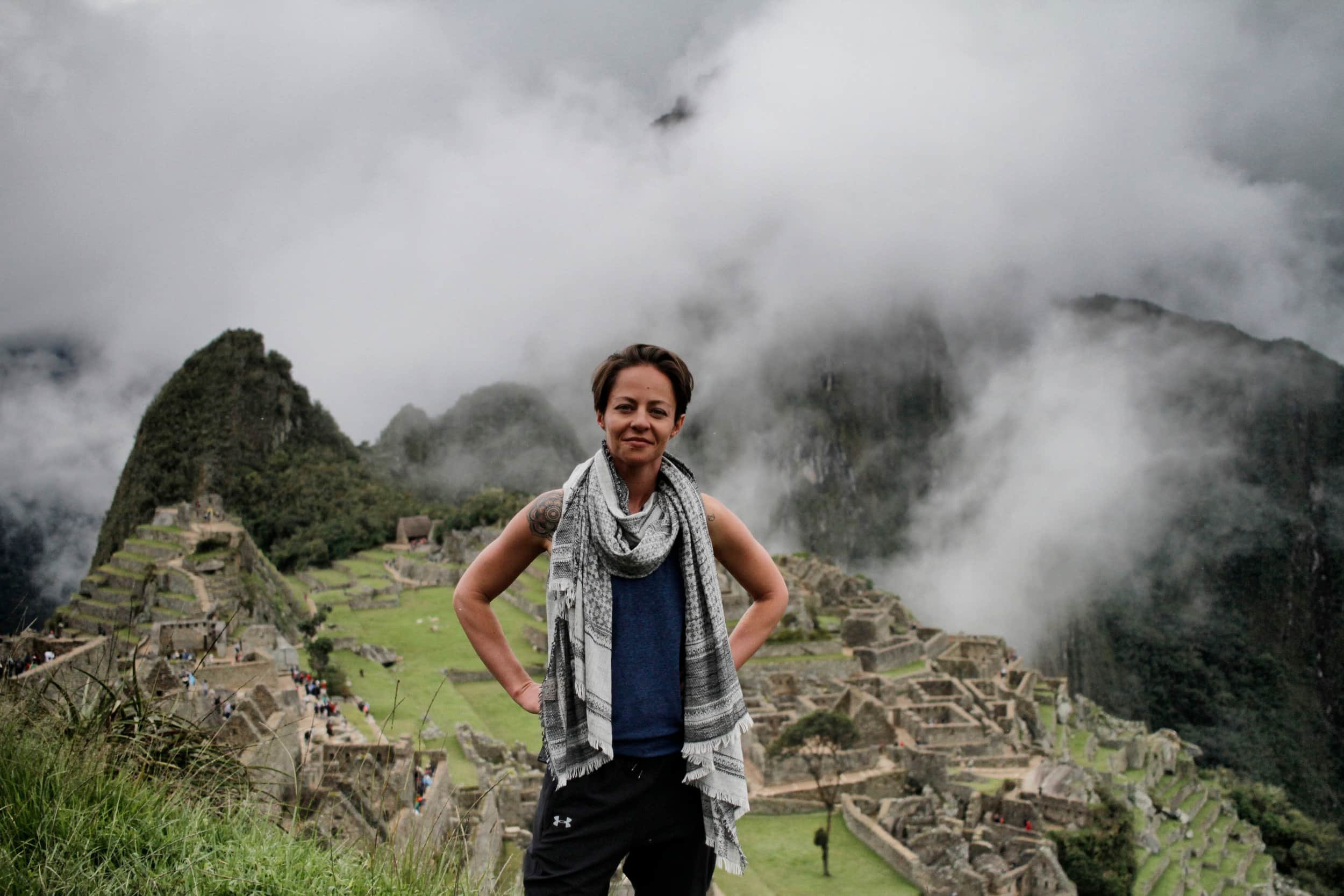
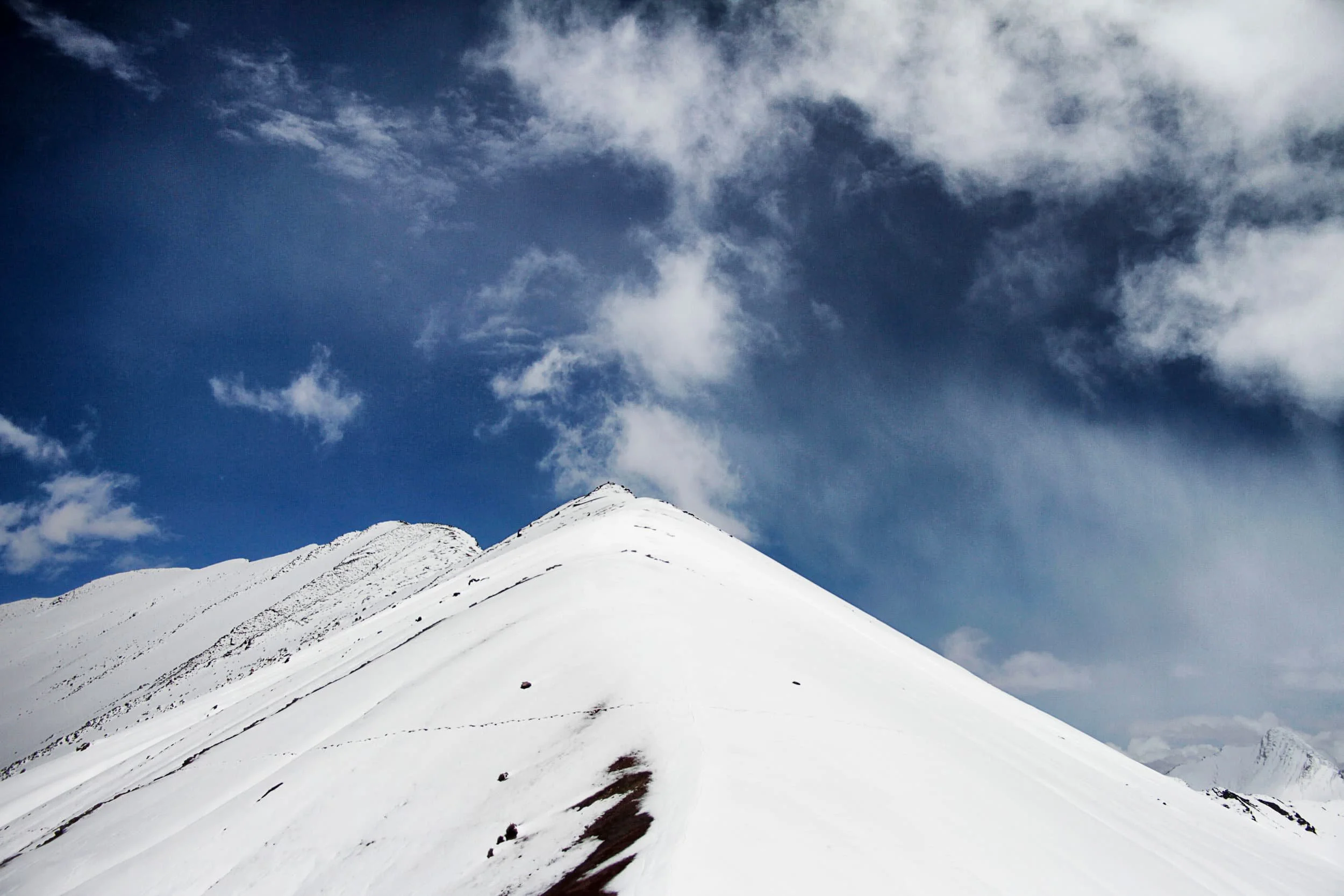
Next stop: Cusco, the storied heart of the Inca Empire, where stonework from two worlds — Inca precision and Spanish colonial flourish — meets in bustling plazas alive with Andean culture. Based there, I braved the dizzying colors of Rainbow Mountain in a hair-raising near-miss, wandered the Sacred Valley’s highland charms and finally stood, breathless, before the timeless majesty of Machu Picchu.
What’s Inside | Roadmap
01 | Touch down in lively Lima
02 | Dive into traditional Peruvian flavors
03 | Soak up seaside splendor at Miraflores
04 | Wander through Lima’s enchanting Plaza de Armas
05 | Sip a Pisco sour & dance the night away
Read On | Find all your Peru travel guides here — Peru Travel Guides
Irresistible Things to See, Taste & Do in Peru’s Coastal Capital
Lima hums with coastal charm — where colonial plazas, colorful street art and world-class ceviche mingle beneath a Pacific fog. Wander the Miraflores cliffs at sunset, linger over coffee in Barranco’s bohemian lanes and let the city’s layered history surprise you at every turn.
01 | Touch Down in Lively Lima
My journey couldn’t have started more smoothly. I left Chicago O’Hare and touched down in Panama for a brief, effortless layover with Copa Airlines, then continued on to Lima. Copa’s attentive service and the little in-flight meals made the time between takeoff and touchdown pleasantly comfortable.

Arriving well past midnight, I waited almost an hour for my luggage to appear — a small test of patience after a very long day of travel. Luckily, my Peruvian friend, Esau, had already arranged a taxi to take me into downtown Lima and the promise of a warm bed and a few late-night snacks felt like the sweetest reward.
02 | Dive Into Traditional Peruvian Flavors
Sleeping in just enough to feel refreshed, we set out in search of our first meal of the day. Esau and I strolled toward Miraflores, the sun-kissed neighborhood perched above Lima’s Pacific edge. On the way, we bumped into a tiny pop-up market where handmade treasures — woven textiles, quirky ceramics and sun-faded postcards — beckoned from little stalls.
And every Sunday, the main boulevard turns into a pedestrian playground: cars give way to people. Rollerbladers hum past, cyclists ring their bells and families wander at ease, all soaking up a flawless day by the sea.

Initially, it wasn’t easy to find a proper meal — getting my bearings in a new country always throws me for a day or two. The streets are lined with tourist traps serving pricey, watered-down versions of local dishes and since this was my first Peruvian meal, I wasn’t about to settle for anything inauthentic. After a little wandering, we slipped into a traditional restaurant with tables pressed up against the sidewalk, where the hum of the street felt like part of the menu.

Lomo saltado: tender strips of beef tossed with juicy tomatoes and crisp onions, piled over steaming rice and a scatter of golden French fries. Each bite hits with tangy, savory comfort — simple ingredients elevated into something unforgettable. You can find it on nearly every menu here, so prices swing widely; today we splurged — nearly 30 soles (about $10 USD) — and it was worth every penny for that perfect mouthful of Peru.
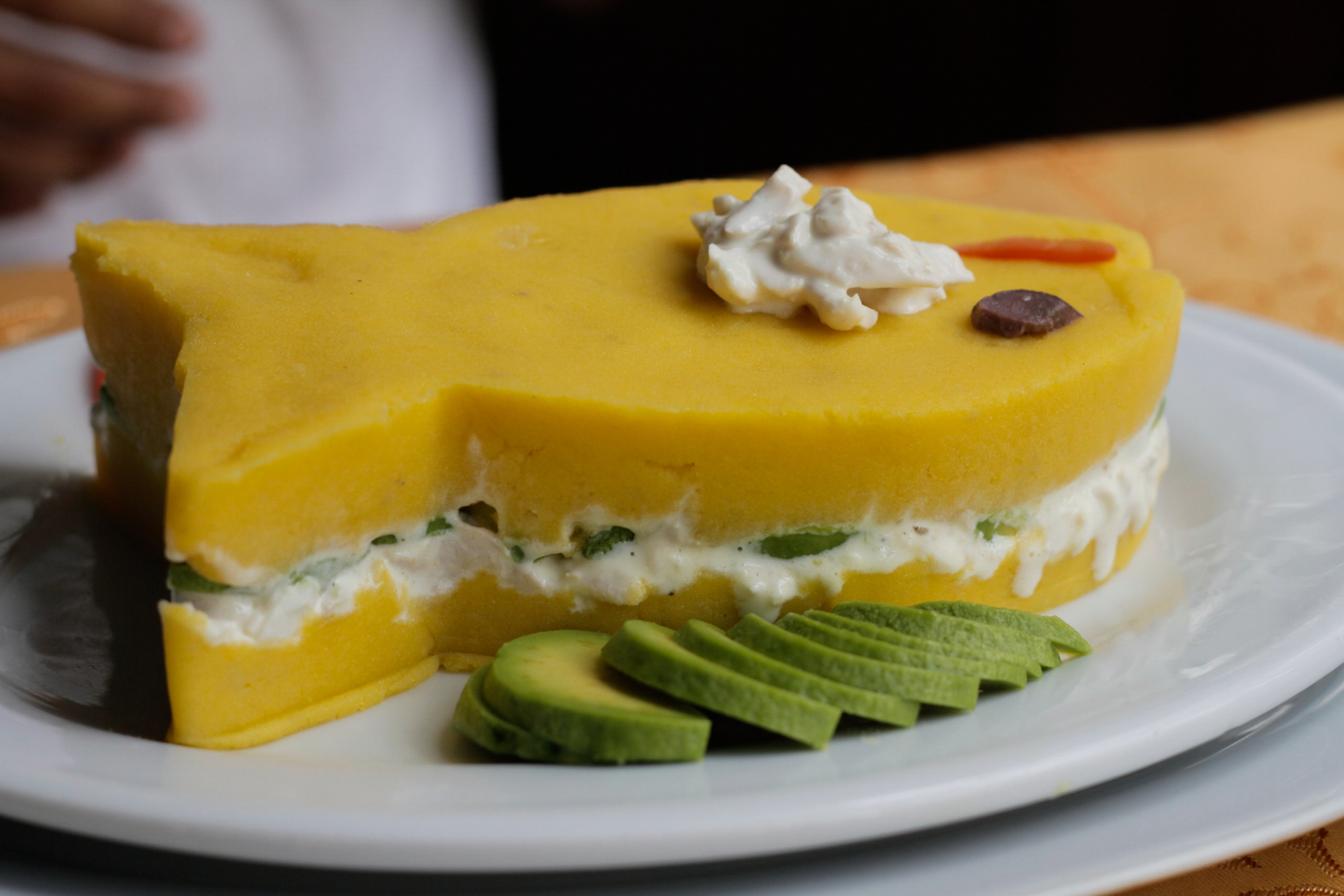
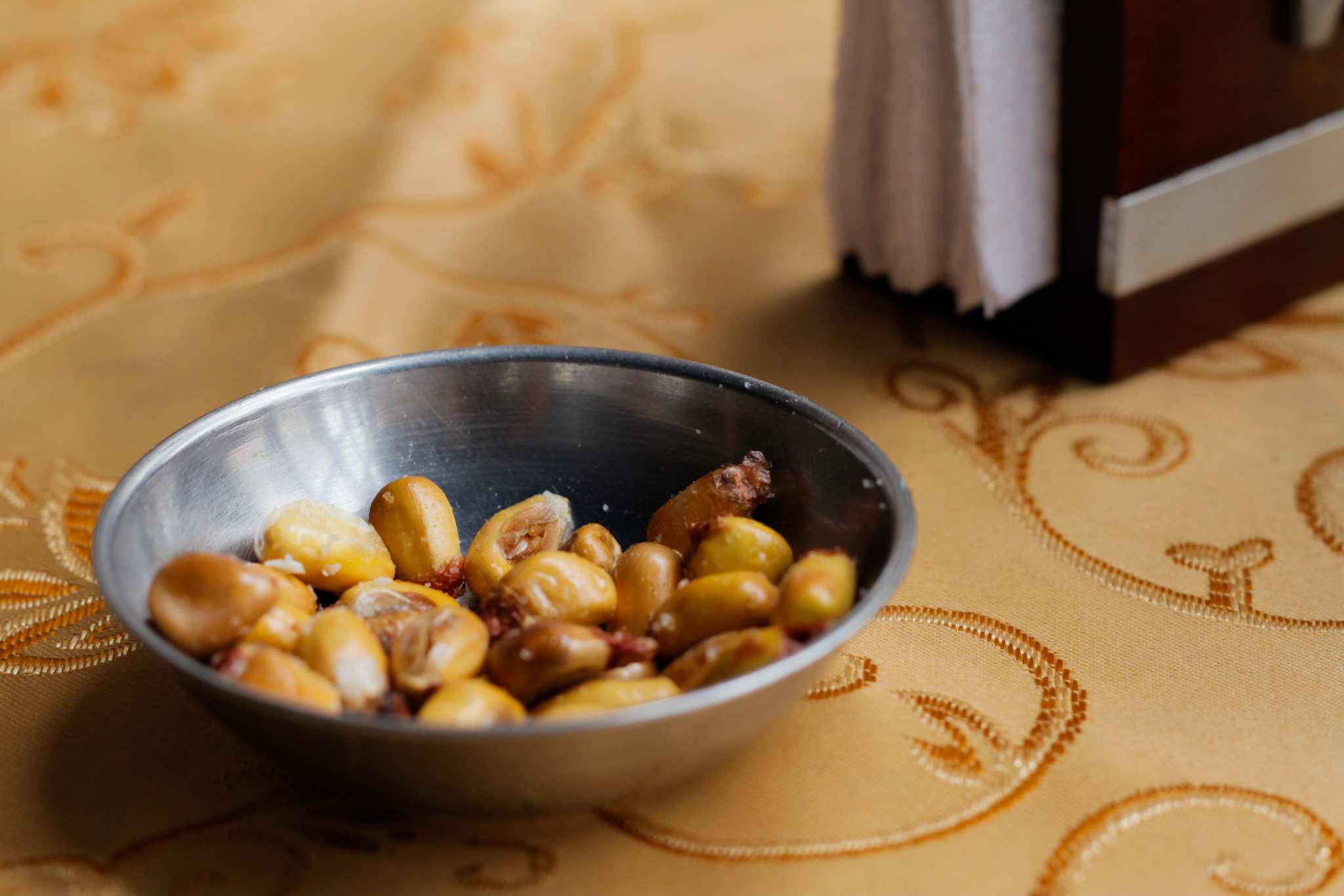
Another Peruvian favorite: a chilled, layered potato-and-fish dish called causa. Silky mashed potatoes, brightened with aji amarillo and lime, cradle a creamy filling — often tuna or other seafood — for a perfect balance of spice, citrus and comfort. On the side, a bowl of cancha serrana — toasted corn nuts — crackly and salty, the ideal crunchy counterpoint as you chat and sample the flavors.
03 | Soak Up Seaside Splendor at Miraflores
Perched on cliffs above the Pacific, Miraflores is known for its sun-drenched coastal parks, dramatic ocean views and the breezy Malecón perfect for winding walks and paragliding. The neighborhood blends upscale shopping and lively markets with cozy cafés serving ceviche and Peruvian coffee, while colorful street art and well-kept gardens give the area a cheerful, welcoming vibe. Bustling Larcomar overlooks the sea for sunset cocktails and the friendly mix of modern comforts and coastal charm makes Miraflores a beloved gateway to Lima’s culture and cuisine.

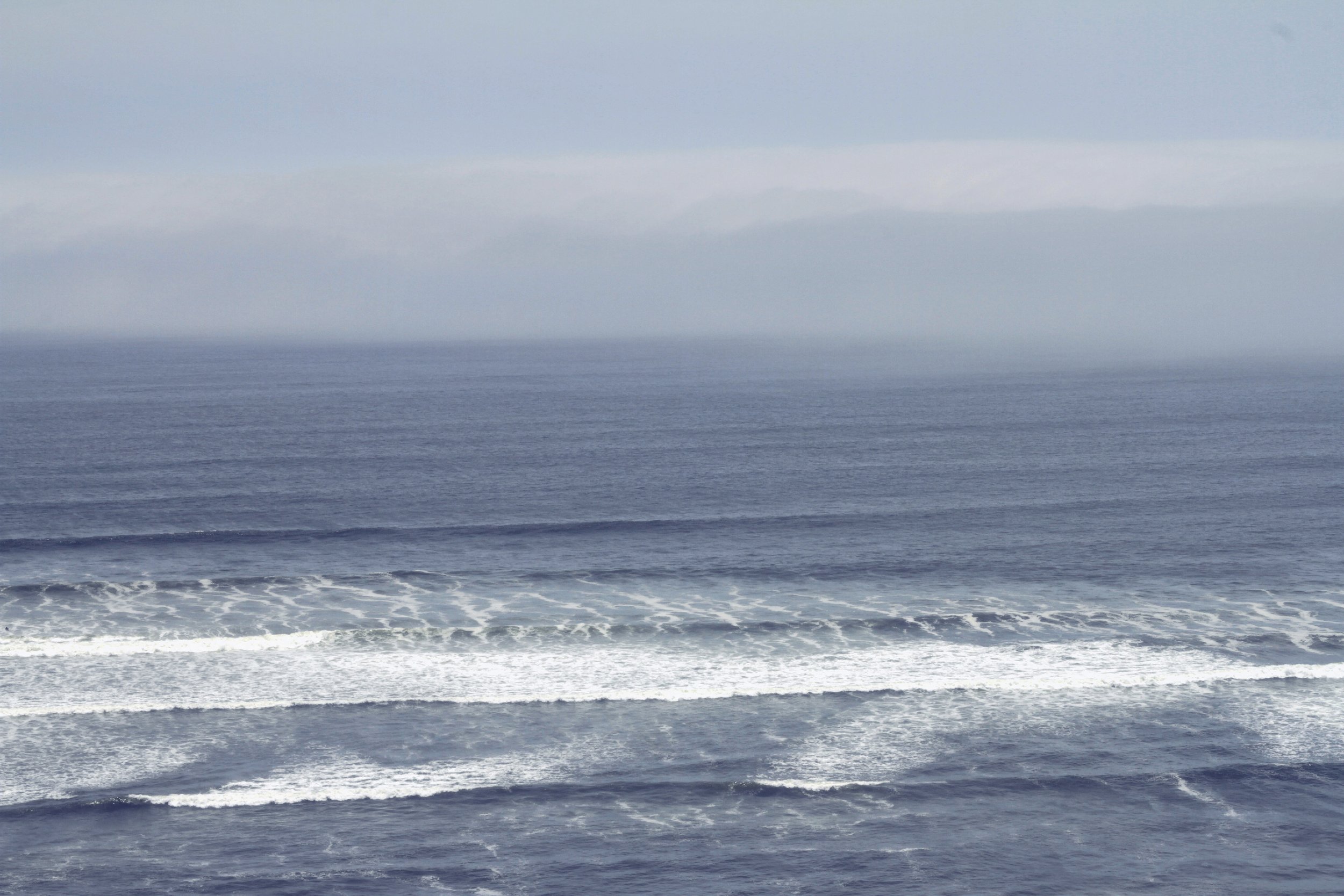
Near the water’s edge the Pacific unfurls in muted, misty strokes. We strolled toward the coast, wrapped in fog that softened the world into a watercolor. Despite the haze, the shoreline was quietly stunning — a blend of rugged cliffs and silver sea. The ocean looked churning and restless, yet it teemed with surfers, bobbing and paddling like a patient flock. Wave after wave marched in, carrying riders toward the sand in a steady, hypnotic rhythm.
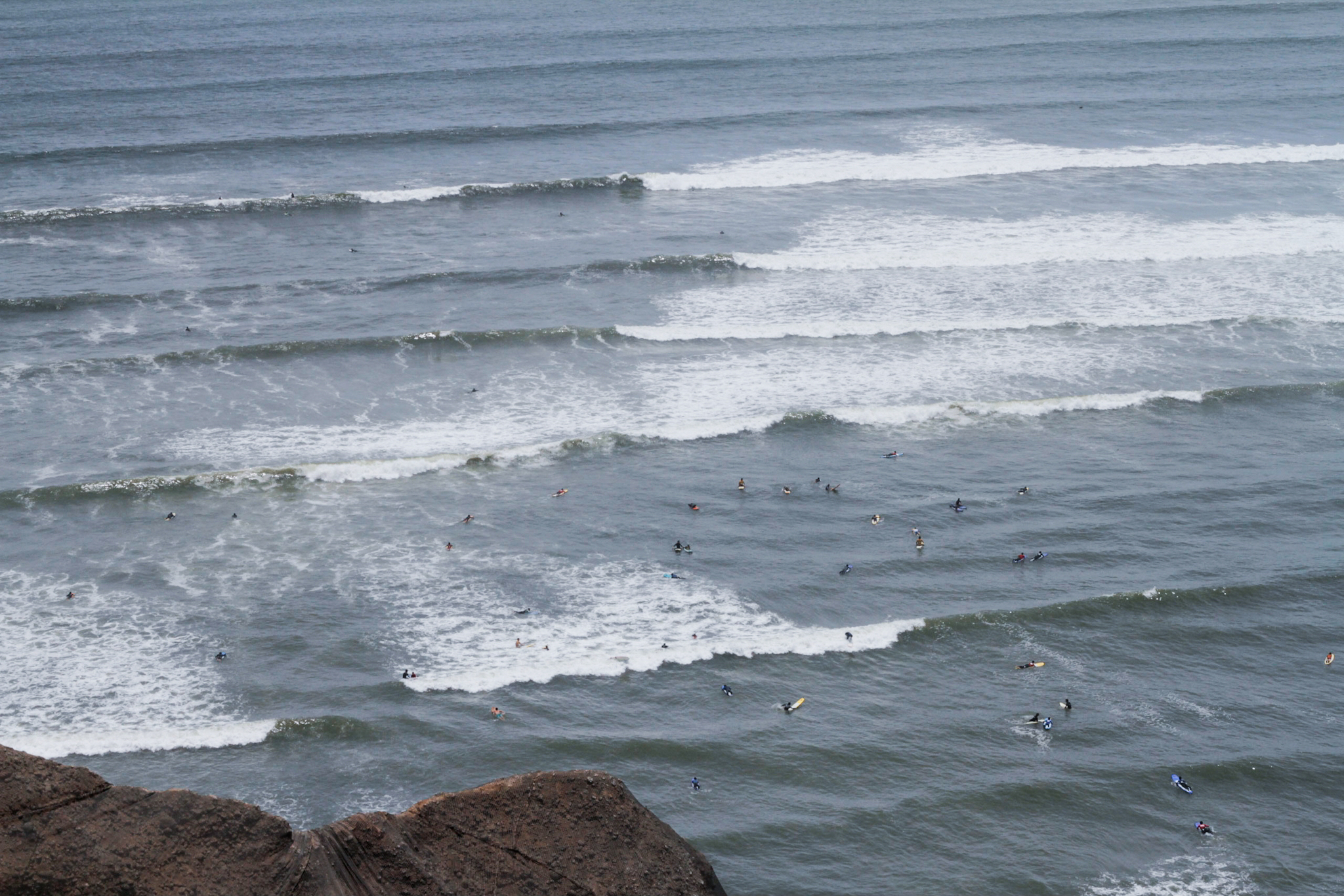
Tip | Be sure to slather on sunscreen — I’d soon discover that in Peru the sun is serious business, even under a blanket of clouds.
04 | Wander Through Lima’s Enchanting Plaza de Armas
After wandering the windy coast, the route leads into the heart of the old city: Plaza de Armas de Lima. The square greets like a stage set — rich with character, every stone and balcony telling a story. Encircling the plaza are elegant Spanish colonial buildings: the Government Palace with its graceful façade, the towering Cathedral of Lima and the ornate Archbishop’s Palace. The whole historic center feels like a living museum — no wonder it’s a UNESCO World Heritage gem. Time is spent lingering, soaking up the details and the slow, timeless rhythm of the place.

The plaza, founded in 1535 by Francisco Pizarro, has been the heart of Peru’s capital for nearly five centuries. Once a sandy square where conquistadors, indigenous people and merchants converged, it grew into a grand civic stage framed by the Cathedral, the Government Palace and colonial balconies that whisper stories of viceregal pageantry. Today, the plaza blends fountains, stately trees and street life, offering a serene spot where Lima’s layered past meets the rhythms of modern city life.

Just beyond the shadow of the Cathedral of Lima, a maze of side streets unfolds — each one a promise of discovery. Tiny shops spill their wares onto the sidewalks, eclectic museums peek through weathered doorways and restaurants beckon with the warm glow of afternoon light. As we drifted down the lanes, a burst of color drew us in: a lively market brimming with stuffed animals, a joyful sea of reds and pinks that felt like a small celebration tucked into the heart of the city.

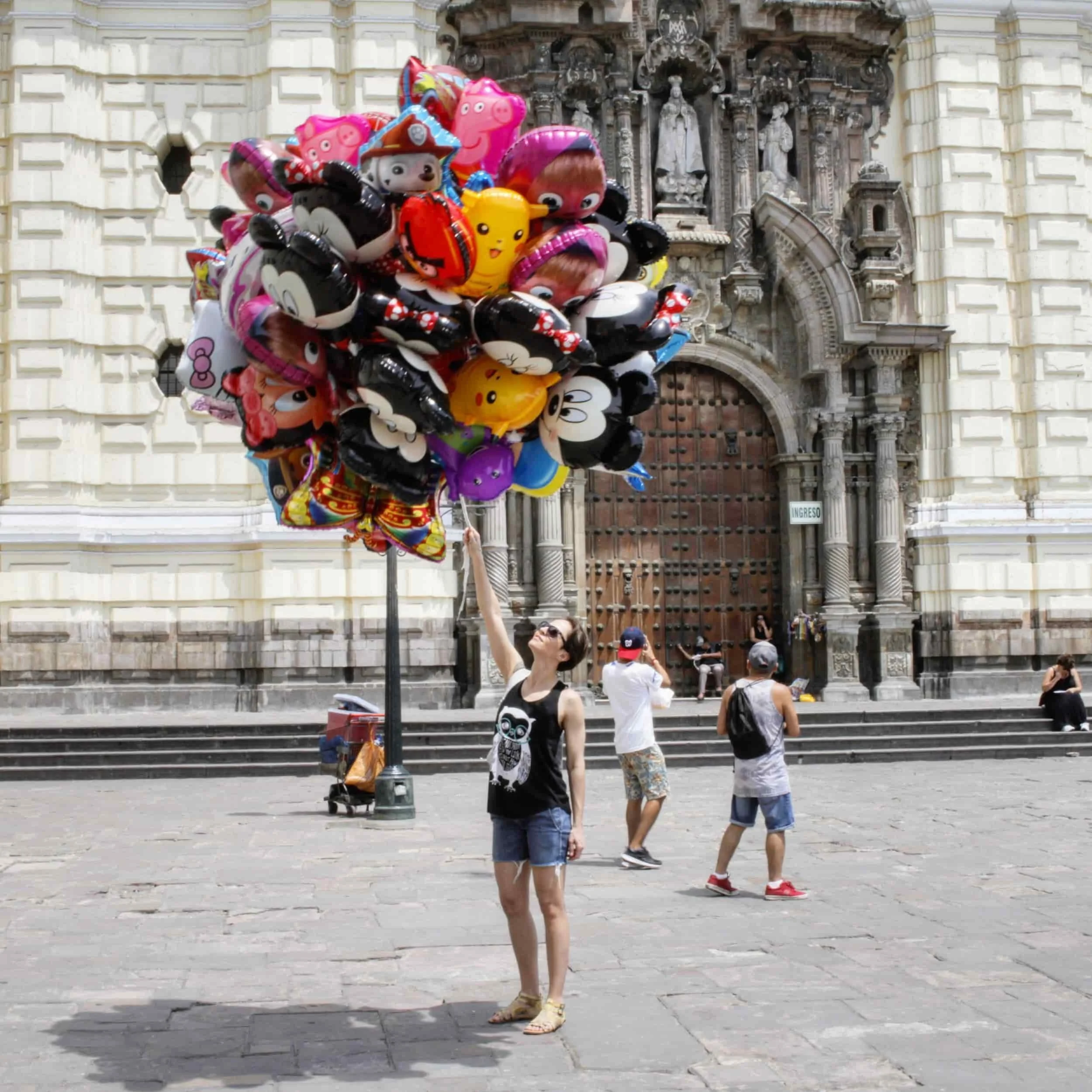
Next, wander toward the Monastery of San Francisco. Tours are available but the courtyard often buzzes with visitors, so prepare to wait your turn or linger outside instead. Overhead, flocks of birds sweep and spiral through the air, dipping playfully into the plaza and weaving between the stone buildings — an impromptu dance that makes the whole scene feel quietly alive.

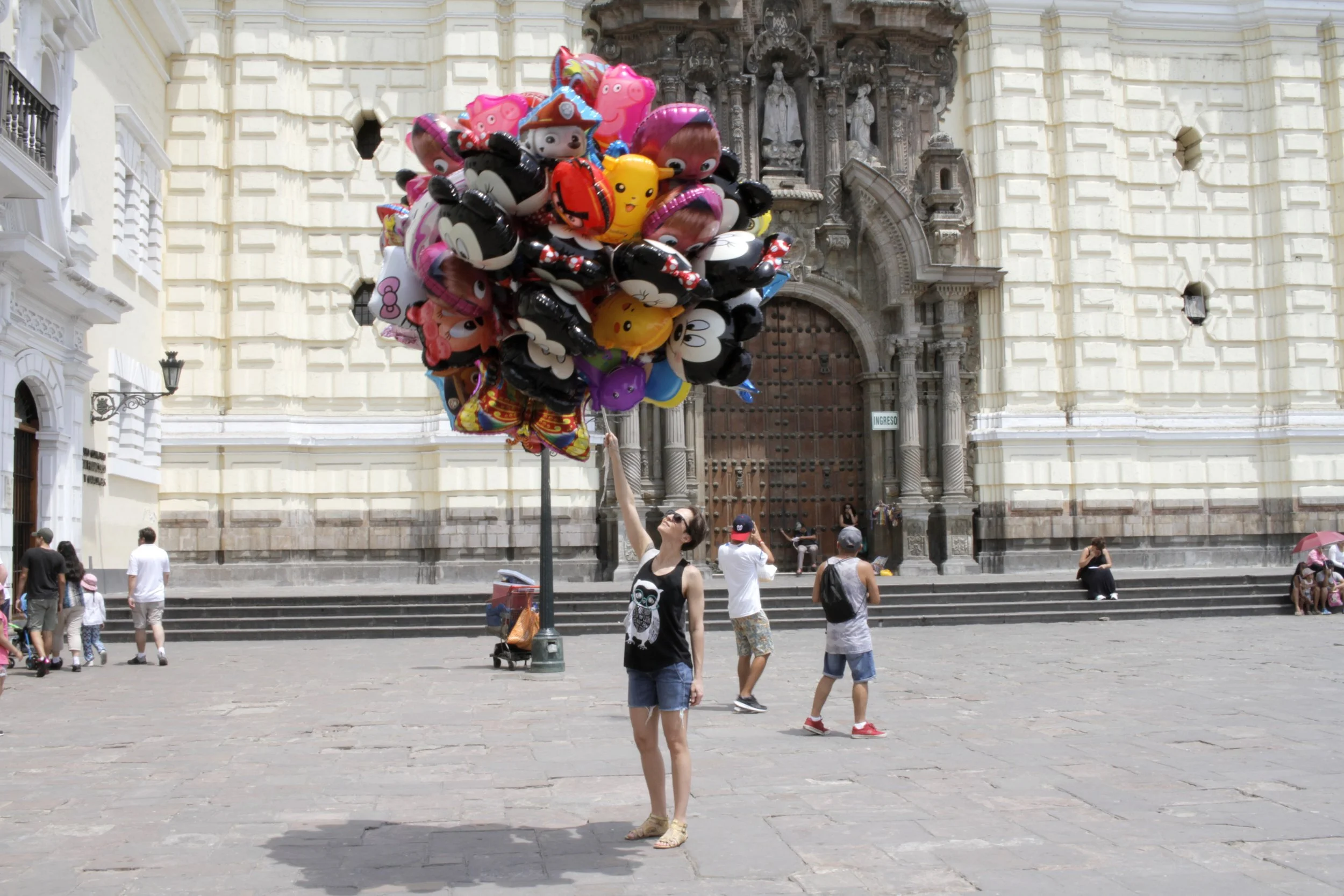
If you don’t wander inside, take a minute to make your own little photo shoot. We persuaded a balloon seller to let us borrow his colorful bunch for a single sol — thirty cents — and posed like it was ours. That playful idea was all my local friend’s; it turned a simple moment into one of our favorite memories.
Tip | Ask a local vendor if they’d be willing to allow a pose for a whimsical photo — just offer up a few soles.
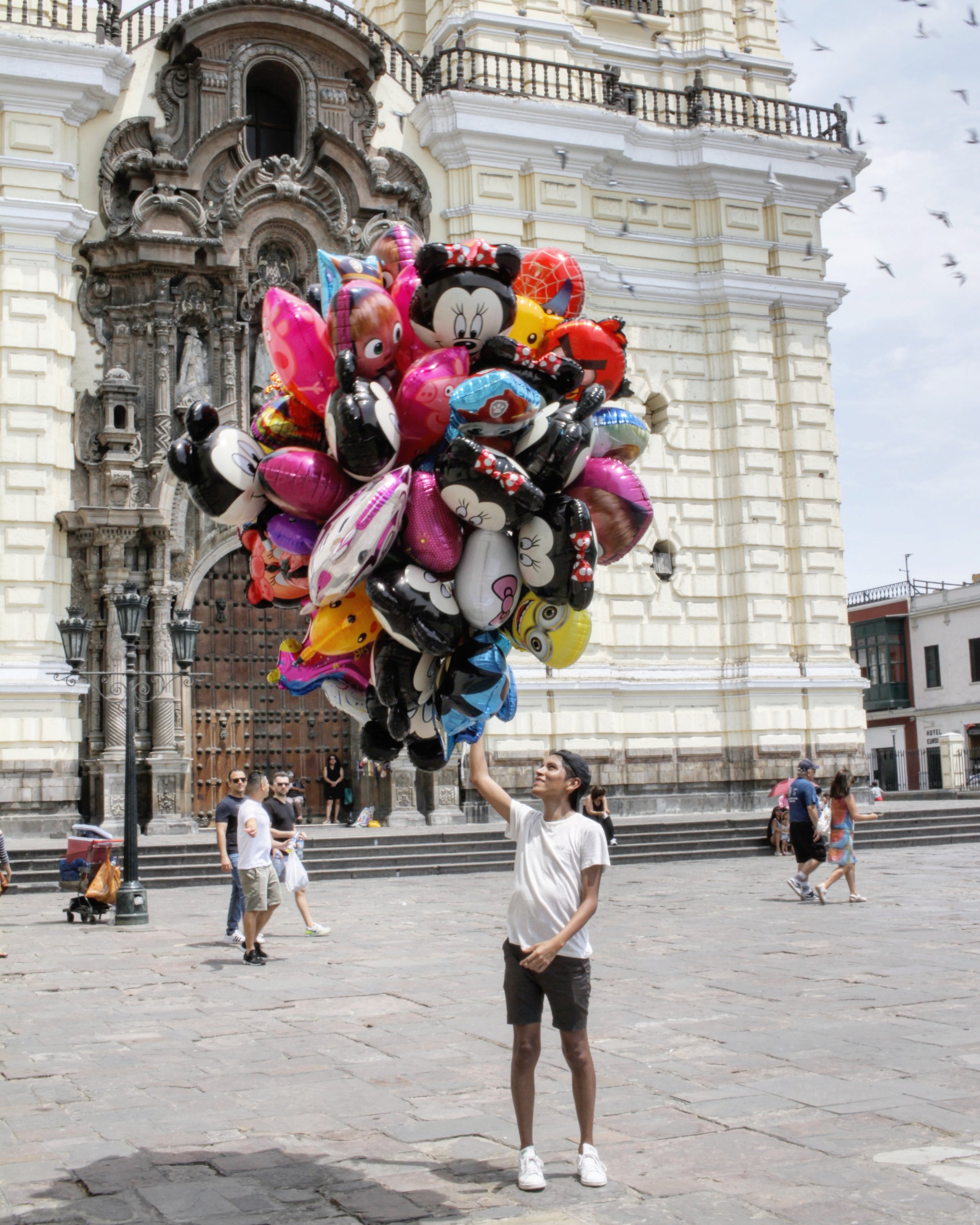
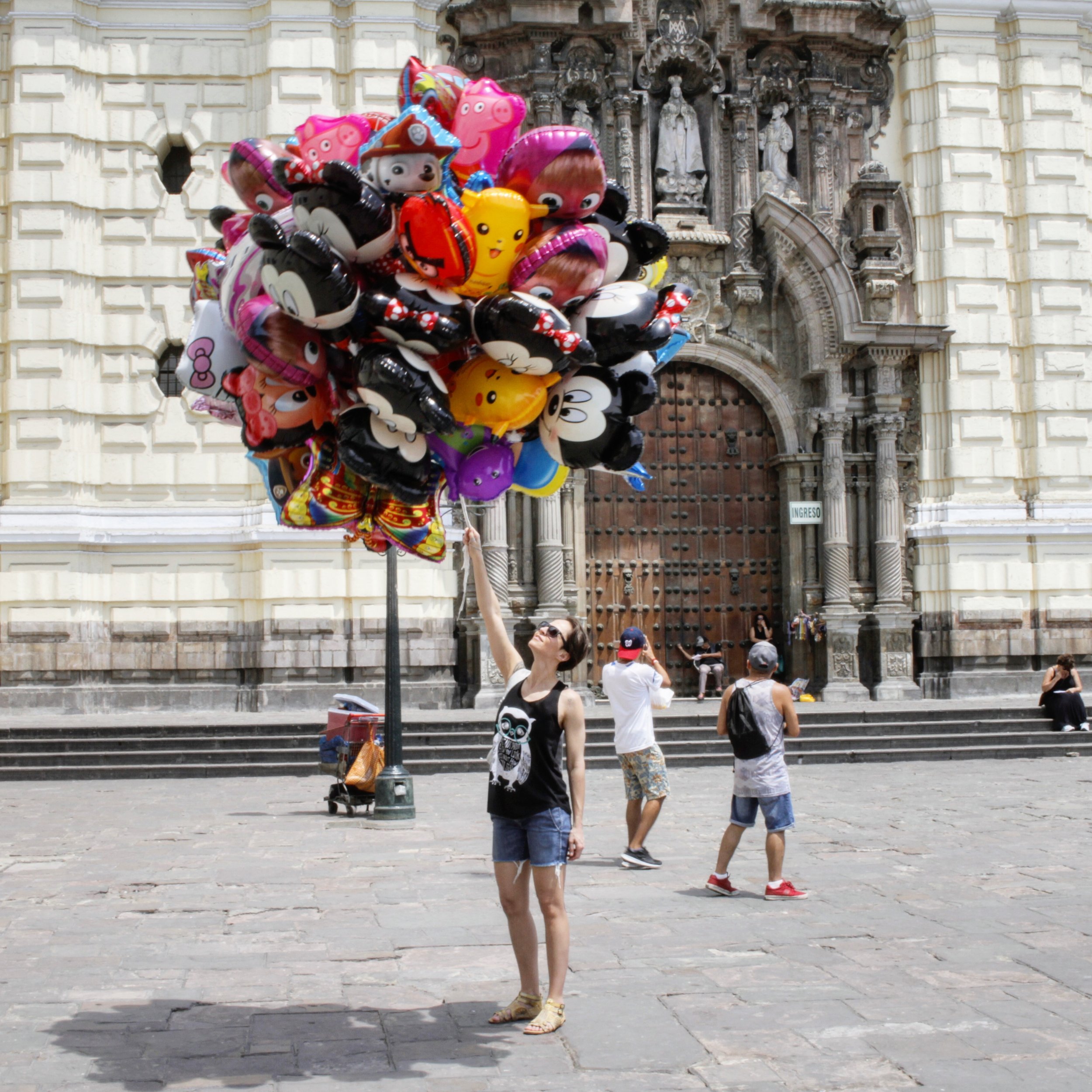
Just down the block, a cozy spot called La Tapada was calling our names with the warm glow of its open storefront. Inside, the menu felt like a love letter to Peru — heirloom recipes, bright flavors and that familiar hum of conversation. I had been waiting all day for ceviche, the seaside staple that never fails to make my heart skip a beat.
Peruvian ceviche arrives with a little theater: delicate slices of fish cured in a flood of lime juice until it turns opaque, flecked with sliced red onion and a scatter of cilantro. Here, they served it the traditional way — nestled next to a mound of tender sweet potato and a handful of large-kernel corn (choclo), whose milky pop balances the citrus tang. A few strips of crunchy cancha or a sprinkle of toasted corn added texture and a whisper of nori-like seaweed on top lent a salty, oceanic finish. It was extra limey — just the way I like it — bright, clean and impossibly addictive.

Ceviche usually carries a bit of a premium — unless you’re in a tiny seaside town where fish is practically jumping onto your plate. In inland cities like Cusco, where the catch has traveled a long way, it’s best to steer clear unless you’re sure it’s fresh. At La Tapada, we paid 30 soles (about $10 USD) for a bright, tangy plate that felt worth every penny.
And do treat yourself to one of Peru’s irresistible smoothies — the fruit is incredible. Just remember the water: tap water isn’t safe to drink here. Bottled water is easy to find but fruits and salads may have been rinsed in tap water. I learned that the hard way during my trip and while I wouldn’t change the experience, it’s a helpful caution to keep in mind.
Tip | When grabbing seafood in Peru, follow the tide: choose restaurants near the shore or places that clearly source their catch locally — freshness makes all the difference. And a friendly reminder for fellow travelers: produce may have been rinsed in water that’s not ideal for visitors’ stomachs. When in doubt, peel fruit, opt for cooked vegetables or ask how they’re prepared to keep your adventures smooth and tasty.
05 | Sip a Pisco Sour & Dance the Night Away
Jet-lag finally caught up with us, so we ducked inside for a short nap before the evening’s plans. Later, Esau and I met one of his high school friends in Miraflores for dinner and wandered over to Mangos, a stylish Peruvian seafood spot perched in the Larcomar complex.
I kicked things off with the classic Pisco Sour — a frothy, citrusy welcome to the night — and, for a first-time culinary adventure, tried beef liver. While the dishes didn’t quite top my favorite Peruvian meals, the setting more than made up for it. We picked a table on the patio and watched the coastline unfurl beneath us, a ribbon of lights shimmering against the Pacific. It felt like the city putting on a quiet performance just for us.
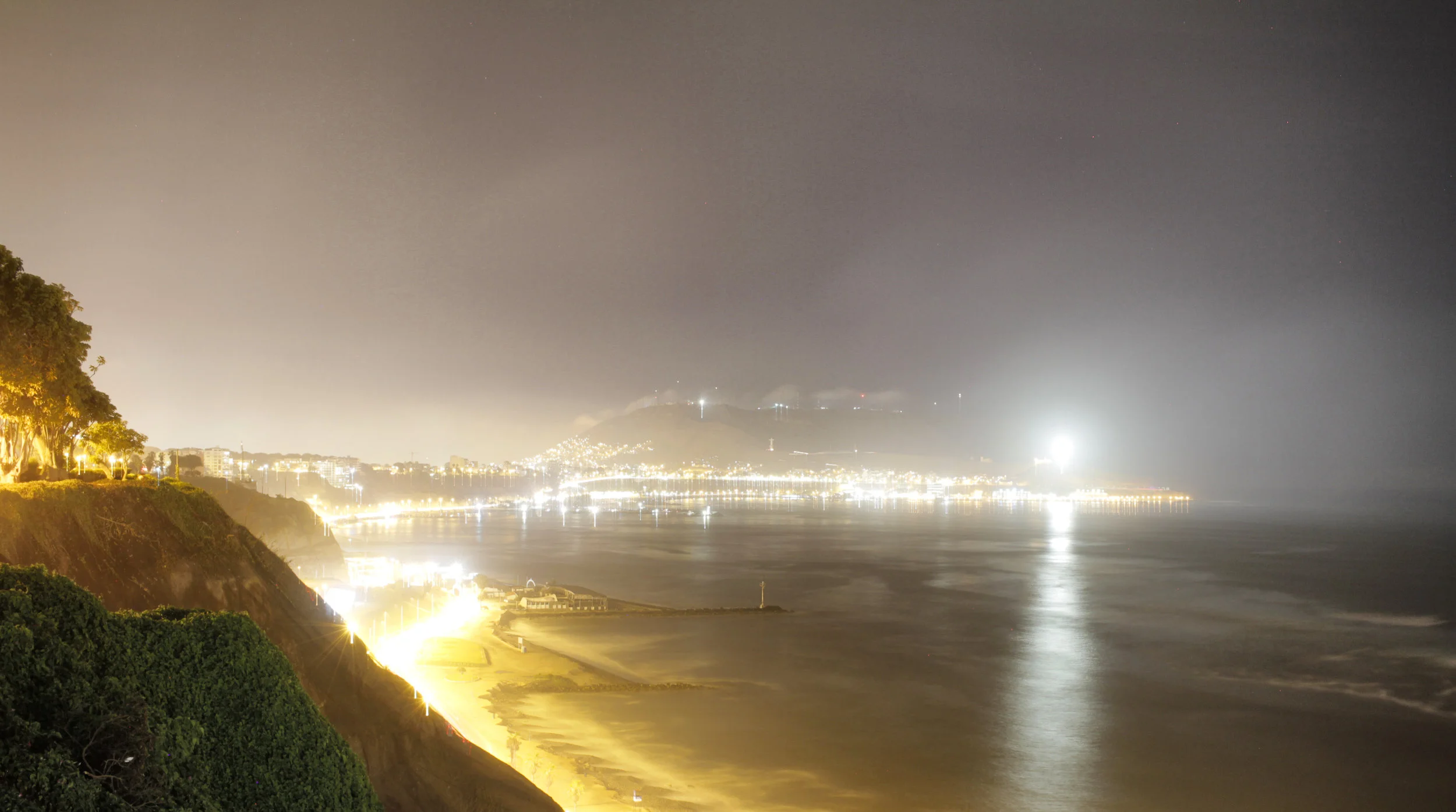
We finished dinner and drove down to the beach just south of Miraflores, only to find a small, rather tired stretch of sand — not the postcard coastline we’d imagined. The real, picture-perfect beaches aren’t in Lima; they lie a few hours south along the coast. So we turned our evening another way and wandered into the main plaza of Miraflores.
The park was lively: a little open market clustered in the center, stalls selling handmade trinkets and local treats. Nearby, a crowd had gathered around musicians playing Peruvian tunes. Before long people were dancing — not polished performers but joyful, spontaneous dancers — spinning and clapping with contagious enthusiasm. It was one of those moments that makes travel feel alive: simple, noisy and full of warmth.

A few more of Esau’s friends drifted in and we headed to ValeTodo DownTown — a buzzy, popular gay club that thrums with upbeat Latin pop. The place spills over with energy: multiple dance floors, colorful lights and the occasional drag set that turns the night electric. But the thing that surprised me most wasn’t the music or the performances — it was how few people were actually holding drinks. Esau laughed and explained that here, people come to the club to dance, not to drink like back home. What a refreshing concept.
The vibe was playful and light; it felt less like a scene and more like a big, communal party. Esau also pointed out something interesting about Peruvian culture: even in a room full of gay people, public displays of flirtation were minimal. Everything felt wonderfully platonic — friendly, knowable and a little restrained in a way that made the space feel safe and comfortable.
The crowd skewed male — maybe 80% — with the rest women, and despite the packed floors, there was a certain casualness to it all. We danced until about 1 a.m., then stumbled out into the warm night, full of music, laughter and some truly excellent people-watching.
The next morning, we packed up and drove down the coast a few hours to Paracas, the perfect antidote to a night of neon and salsa: salt air, quiet beaches and a slower pace.


Peru travel tips: Pack layers for dramatic weather, carry cash for artisan finds, travel slow to acclimatize, respect local customs and savor fresh ceviche.