What to See in Dominica: A Solo Hike to Middleham Falls
Discover Dominica’s highest waterfall on a rewarding rainforest trek — expect a rugged, soul-stirring adventure & a breathtaking payoff with a hike to Middleham Falls, one of the best things to do in Dominica.
Updated | June 2026
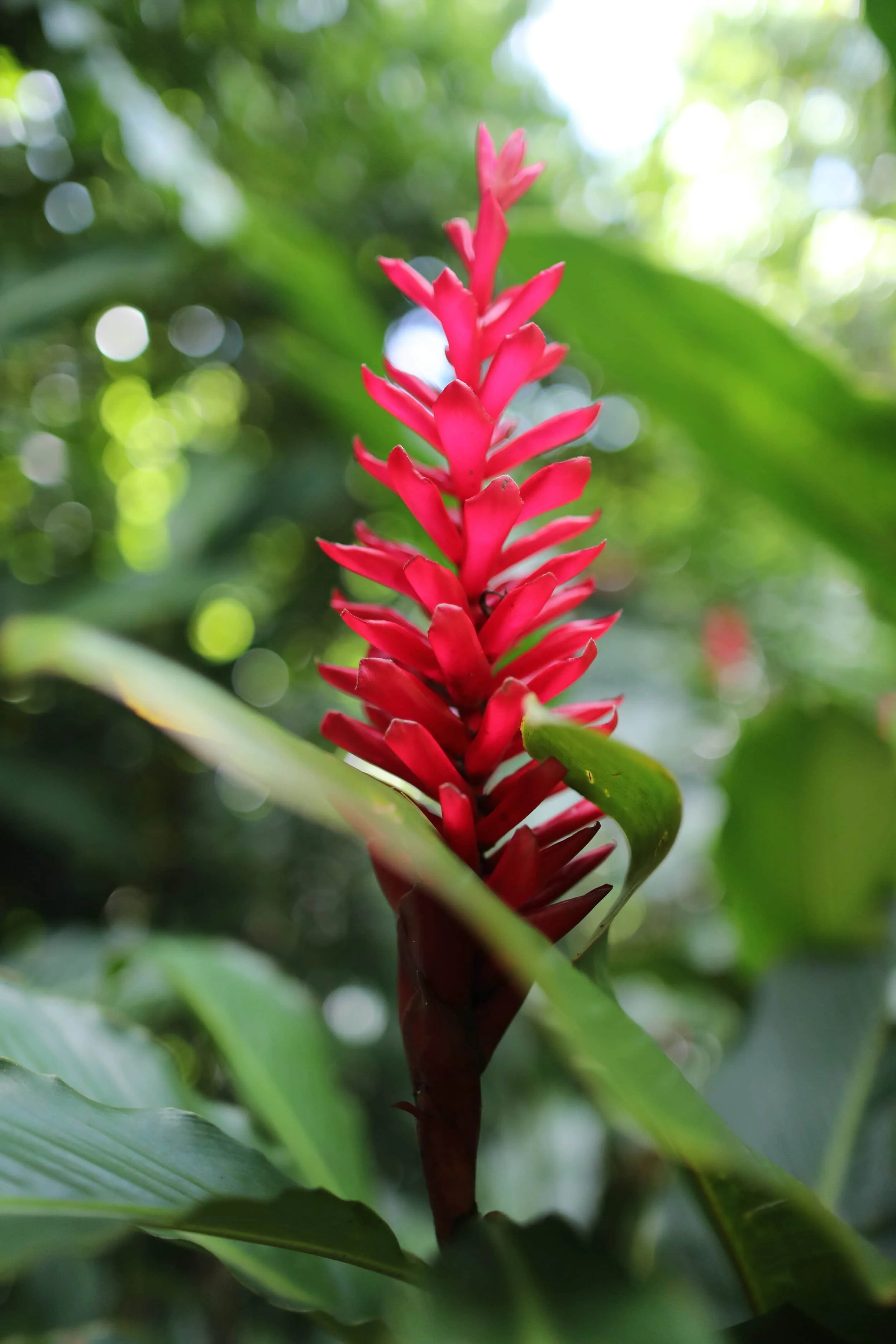
What to See in Dominica — An Island of Lush Rainforests, 365 Rivers & Volcanic Drama
Dominica — pronounced daa·muh·nee·kuh — is a emerald-streaked, mountainous jewel in the Caribbean where nature puts on a show in every direction. Steam rises from hot springs, waterfalls plunge into emerald pools and thick tropical rainforest folds into dramatic gorges; it feels wonderfully, thrillingly untamed.
Roseau, the capital, may be a little rough around the edges but its streets brim with color: timber houses painted in cheerful hues, warm smiles from locals, irresistible food and music that pulses through the air — calypso, reggae and zouk. Its history, sadly, carries harsher notes but the island’s beauty and lively culture more than make you fall under its spell.
The story of Dominica reads like a map threaded by time. First came the Ortoroids from South America around 3100 BC, followed by the Arawaks in about 400 AD and later the fierce Kalingo — whom Europeans called “Caribs” — around 1400. When Columbus arrived on a Sunday in 1493, he gave the island a new name and overlooked the Kalingo’s original, beloved name: Waitukubuli.
After centuries of resisting Spanish, British and French encroachment, the Kalingo people retreated to the island’s rugged northeast, preserving their culture in what is now the Kalingo Territory. Dominica finally gained independence from Britain in 1978 and briefly found prosperity through its banana trade. Today, the island has shifted its gaze to a different kind of treasure: its untamed natural beauty. Dominica leans into tourism — inviting visitors to dive crystal waters, hike verdant trails and join eco-tours that celebrate the island’s wild heart.
Dominica itself is worth the trip — beyond the Middleham Falls hike, the island is a rich mix of volcanic peaks, hot springs and vibrant Creole culture. If you’re drawn to untamed nature and authentic experiences, this waterfall hike is one of those rare adventures that delivers both scenery and soul.
At a Glance
📍 Destination: Middleham Falls, Dominica
🕒 Time Needed: 2-3 hours roundtrip
💰 Budget: $5 USD (EC$14) single site
👟 Walking Level: Moderate to somewhat strenuous
🌤️ Best Season: Dry season (December-May)
☕️ Don’t Miss: Flora and fauna
🖤 Perfect For: Nature lovers
My Bibimbap Moment
This trip added: Perseverance.
Each adventure brings something new — Middleham Falls added the ingredient of perseverance to my Bibimbap Life. The trail wasn't always easy but every muddy step and steep climb made arriving at the waterfall feel that much more rewarding. Standing before its powerful cascade, surrounded by untouched rainforest, I was reminded that some of life's greatest rewards aren't the easiest to reach. Nature has a way of teaching patience, resilience and trust in the journey — and sometimes the most breathtaking views are the ones we have to work for.
My Two-Week Caribbean Island-Hopping Itinerary
This two-week Caribbean trip took me across three very different islands: Sint Maarten/Saint Martin, Dominica and Antigua. Rather than trying to cover a huge stretch of the Caribbean, I spent several days in each place — enough time to explore while still leaving room for slow mornings, unexpected stops and days without much of a plan.
I started on Sint Maarten/Saint Martin, experiencing both the Dutch and French sides of the island before flying to Dominica, where the trip changed completely. Beaches gave way to steep mountain roads, dense rainforest, hot springs, rivers and what felt like an endless supply of waterfalls.
Dominica was the most active part of the trip. I stayed at Papaya Creek and spent my days exploring the island’s rainforest, rivers and waterfalls — including a hike to Middleham Falls and a quiet trip down the Indian River. There was much more scattered around the island, from hot springs and swimming holes to places like Titou Gorge, and getting between them often became part of the experience itself.
I finished in Antigua, where the pace slowed again. I visited the island’s donkey sanctuary and giant tortoises, swam with stingrays and left plenty of time for the beach before heading home.
What I loved most about this route was how little the three destinations felt alike. Sint Maarten/Saint Martin brought two cultures together, Dominica pulled me into the landscape and Antigua gave me somewhere to slow down at the end.
My route: Sint Maarten/Saint Martin → Dominica → Antigua
Explore
Here’s where the journey will take us.
Location | 15.3569° N 61.3310° W Laudat, Saint George, Dominica
Height | 200-275 feet
What to Bring | Hiking shoes, swimsuit, bug spray, water
Duration | Allow 2-3 hours round trip
Distance | 3-4 miles round trip
Difficulty Level | Moderate to somewhat strenuous
When | Dry season (December to May)
Cost | $5 USD (EC$14) single site or $20 USD for the week; buy site pass at most sites, tour agencies or online here
Stay | Where to Stay on Dominica Island: A Rainforest Retreat
Travel More | Dominica Travel Guides
A Lush Waterfall Hike Worth the Journey — It’s Exactly What to See in Dominica
One of the best things to do in Dominica — the hike to Middleham Falls is a not so breezy trail that leads to a cool, tumbling cascade tucked into lush rainforest. The path winds through ferns and towering trees, opening onto a refreshing plunge pool where mist moves in sunbeams. Perfect for a short adventure: bring sturdy shoes, a swimsuit and time to sit and listen to the falls.
Discover an effortful 1.7-mile out-and-back trail near Laudat, Saint George — perfect for a refreshing escape. Moderately challenging and typically completed in about 1 hour to 1 hour 30 minutes each way, the path rewards you with lush rainforests and the pleasant company of fellow hikers during busy season (almost none when it’s quiet), making it an inviting spot for both solo reflection and shared adventure.
About Those Falls, the Tallest Waterfall in Dominica
On the hunt for the best Dominica waterfalls? Your search ends here — prepare to fall for cascades that steal the breath and your heart.
The tallest in Dominica, Middleham Falls plunges from a dramatic volcanic cliff into a deep, fern-lined pool in the Morne Trois Pitons National Park on Dominica’s lush west-central spine. Tucked near the village of Laudat, the falls are part of a landscape where steep ridges and misty cloud forest give way to rivers that have carved the volcanic terrain over millennia. Arriving at the falls feels like stepping into a dream of raw Caribbean wilderness: dense greenery, the constant hush of falling water and the cool, mineral-rich air that carries a faint scent of earth and wildflowers.
The waterfall is fed primarily by the Boeri River, which gathers water from the highland springs and rainfall that are common in Dominica’s wet, mountainous interior. Rain that falls on the surrounding peaks and plateaus funnels into tributaries and streams, joining forces as they race downhill before slipping over the basalt lip at Middleham. The volume and intensity of the falls vary with the seasons — after heavy rains the cascade gains a thunderous power, while during drier spells it becomes a gentler, more contemplative ribbon of water.
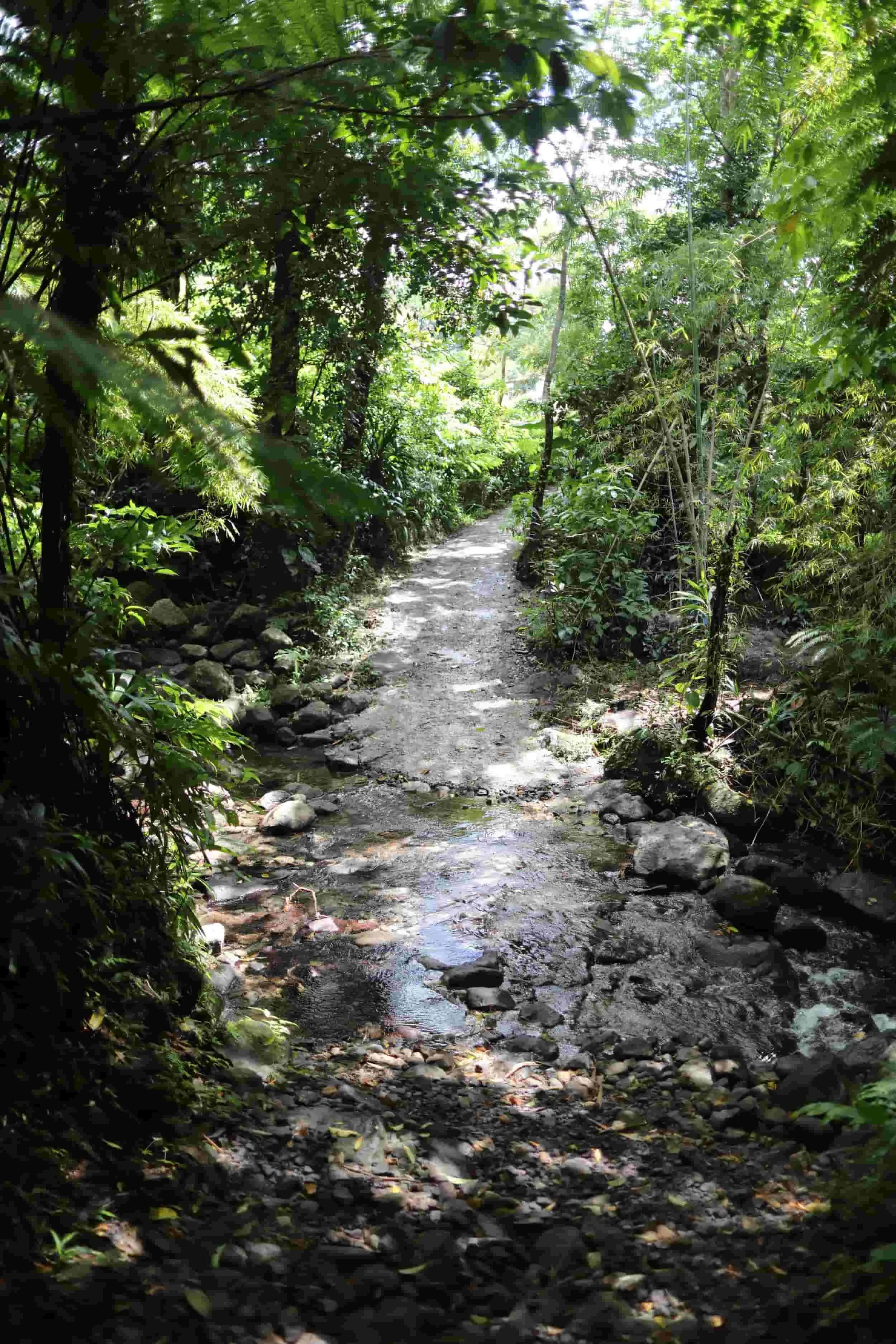
Accessing Middleham Falls is an adventure in itself: a moderate hike through muddy trails, over rooty steps and across small stream crossings, with viewpoints framed by giant tree ferns and stands of bamboo. Along the way, you’ll see the island’s rich biodiversity — orchids tucked into trunks, bright heliconias and endemic bird species calling from the canopy. At the base, the pool invites a refreshing dip for those comfortable with natural swimming spots, though swimmers should always be mindful of currents and submerged rocks.
The Trail Experience
A dappled, moderately challenging trail winds through humid rainforest and over slippery roots and rocky stream crossings, rewarding the breathless hiker with a thunderous, mist-kissed curtain of water.
Difficulty: Moderate to somewhat strenuous due to steep dirt steps, slippery tree roots, rocky paths and stream crossings
The Waterfall: Drops between 200 to 275 feet (61 to 84 meters) into a cool canyon pool
Conditions: Heavy rain can make the river crossings and mud dangerous, so checking local weather is vital
Trek Deep Into the Rainforest to Middleham Falls — The First Stretch
The hike to Middleham Falls begins just below the visitor center on the left-hand side. Almost immediately you cross a small creek, then the trail climbs steadily for about 45 minutes, threading through dense jungle with some short, steeper pitches, descents and stair-steps.
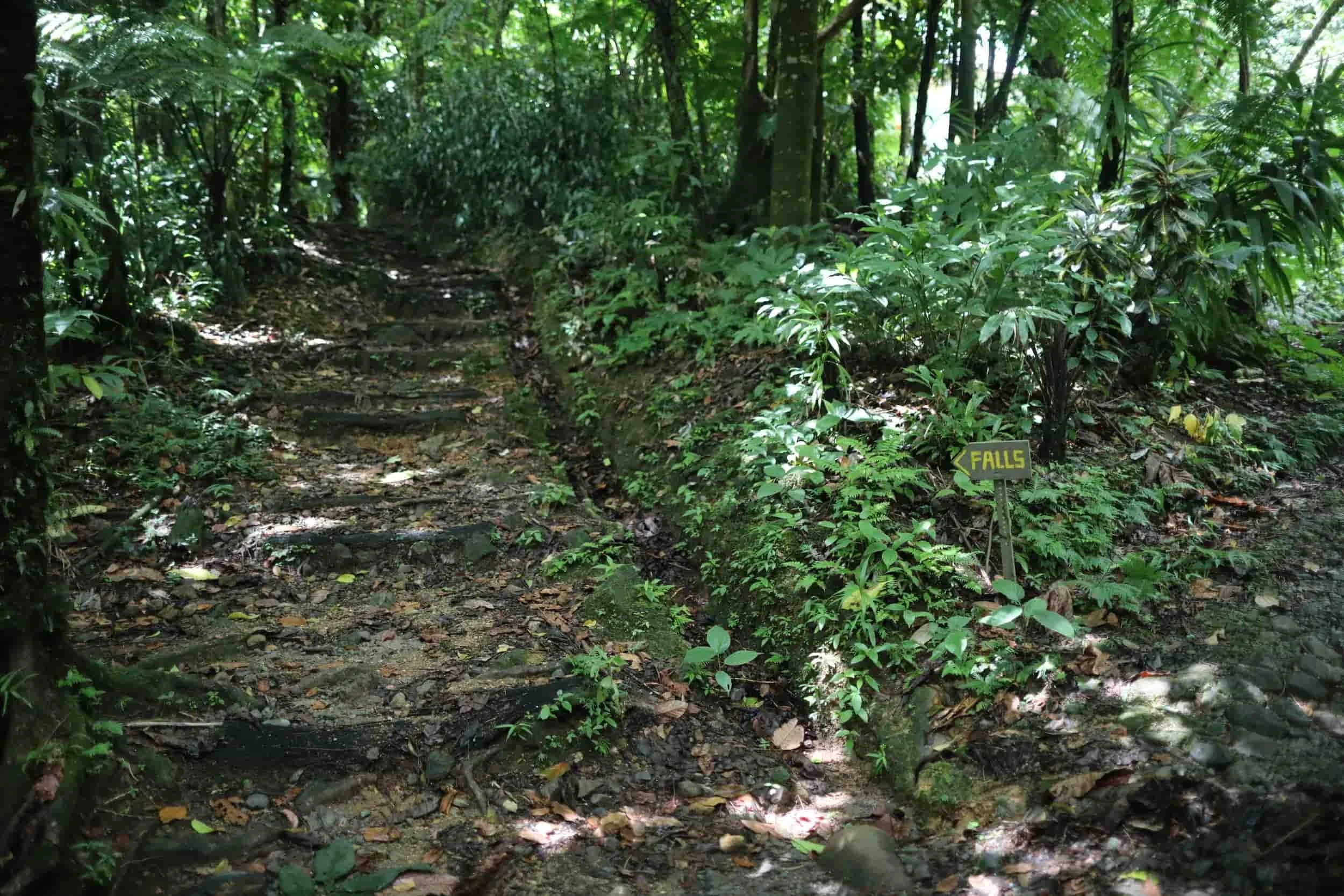
A narrow ribbon of packed earth threads between ferns and moss-covered boulders, cool morning light pouring in through a lacework of branches. Each step crunches softly on centuries of leaves and the air smells of wet stone and green things — a clean, mineral scent that makes the city feel distant.
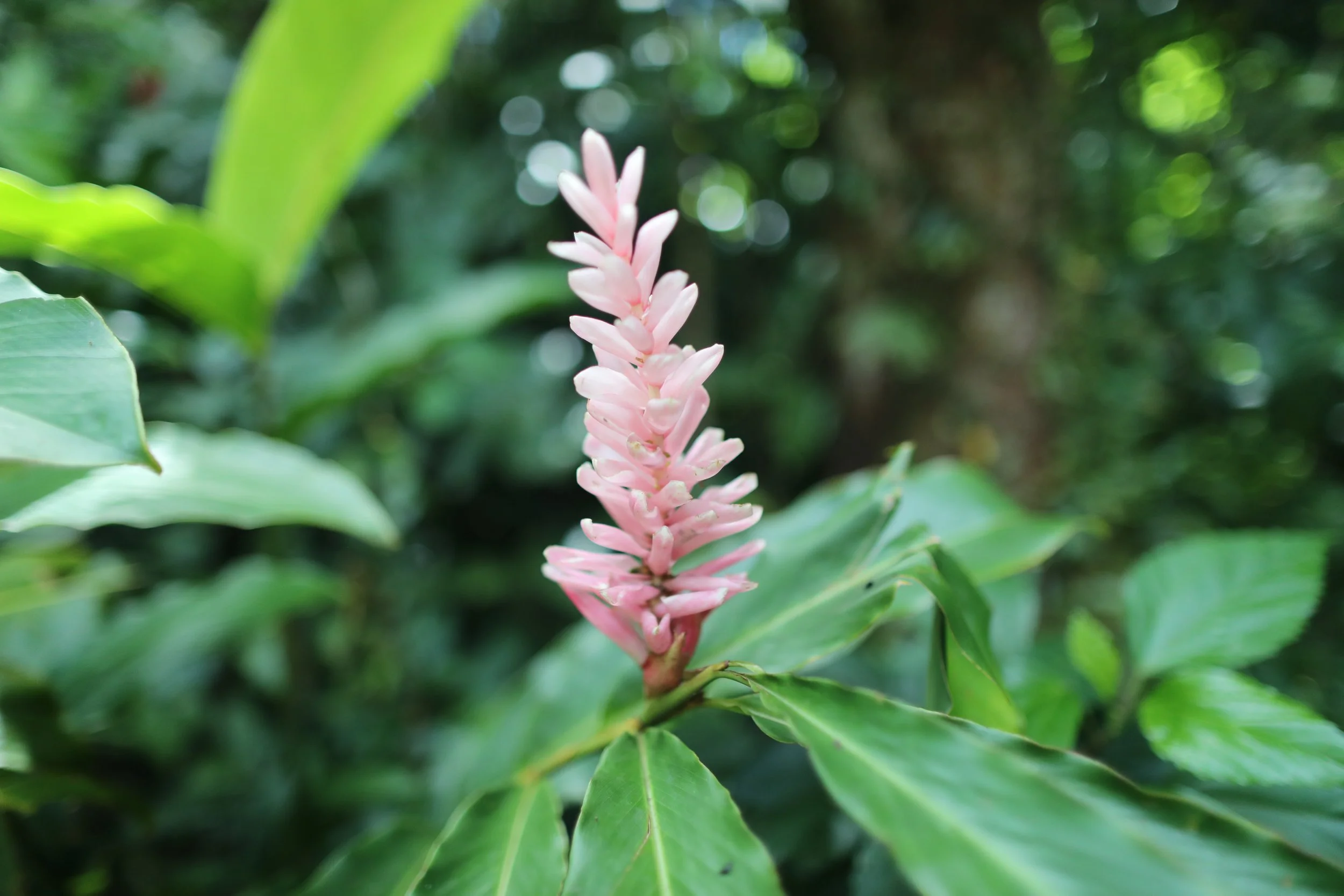
There’s a quiet that encourages small, delighted noises: the thud of your boots, the soft puff of breath, the occasional chatter of a bird that seems as eager as you are. You’ll find occasional clearings that offer brief breathers and glimpses of the canopy. The hike begins.
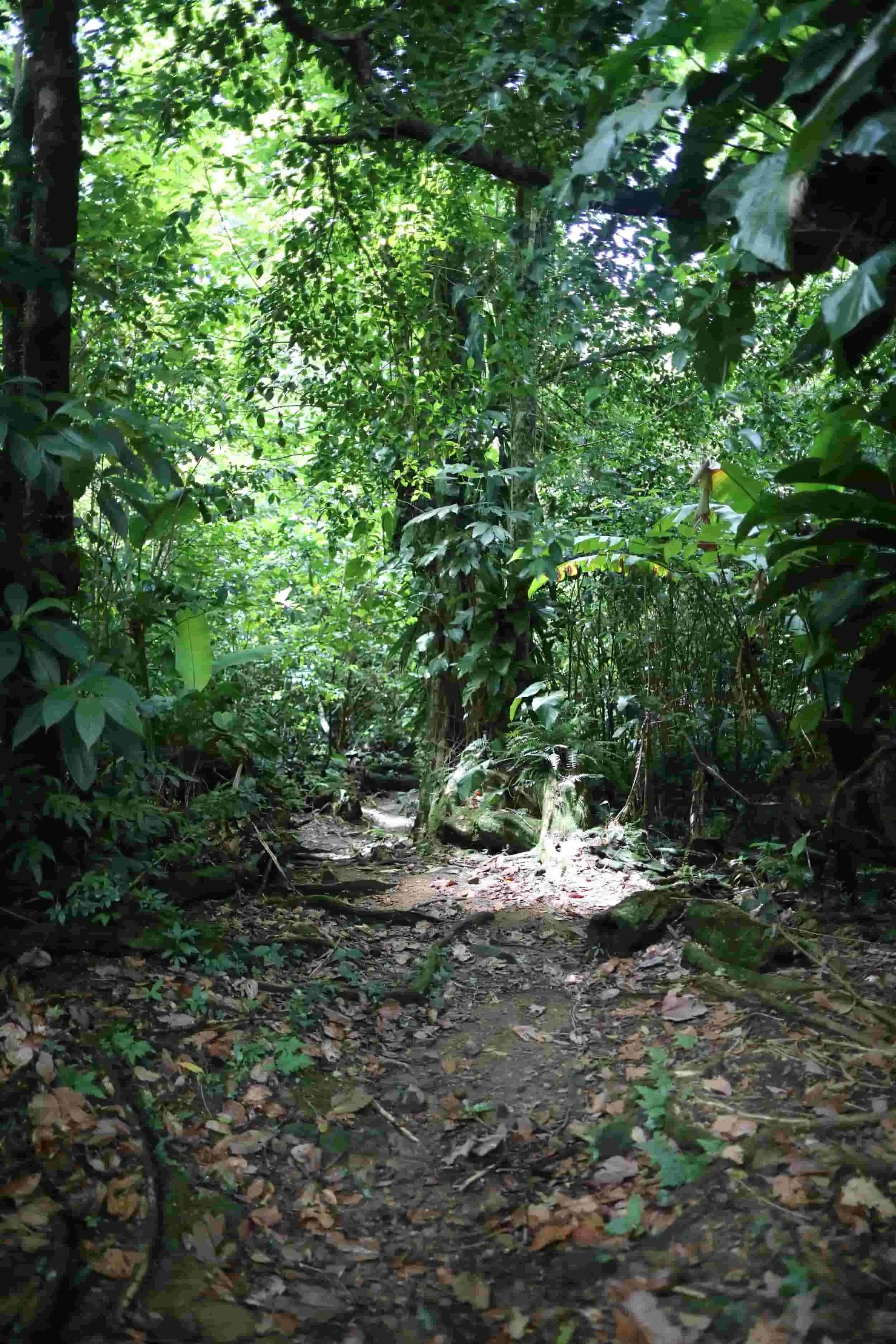
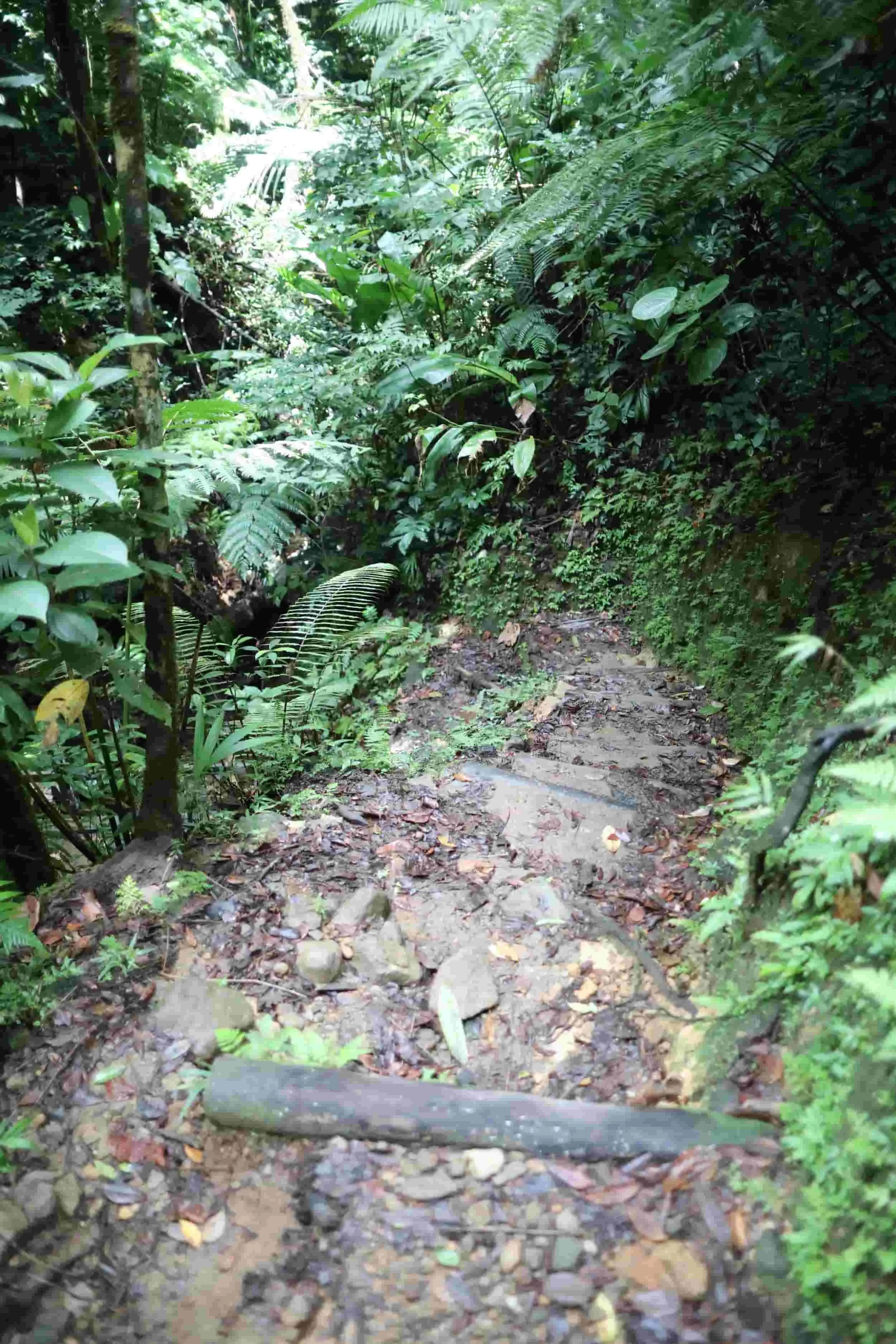
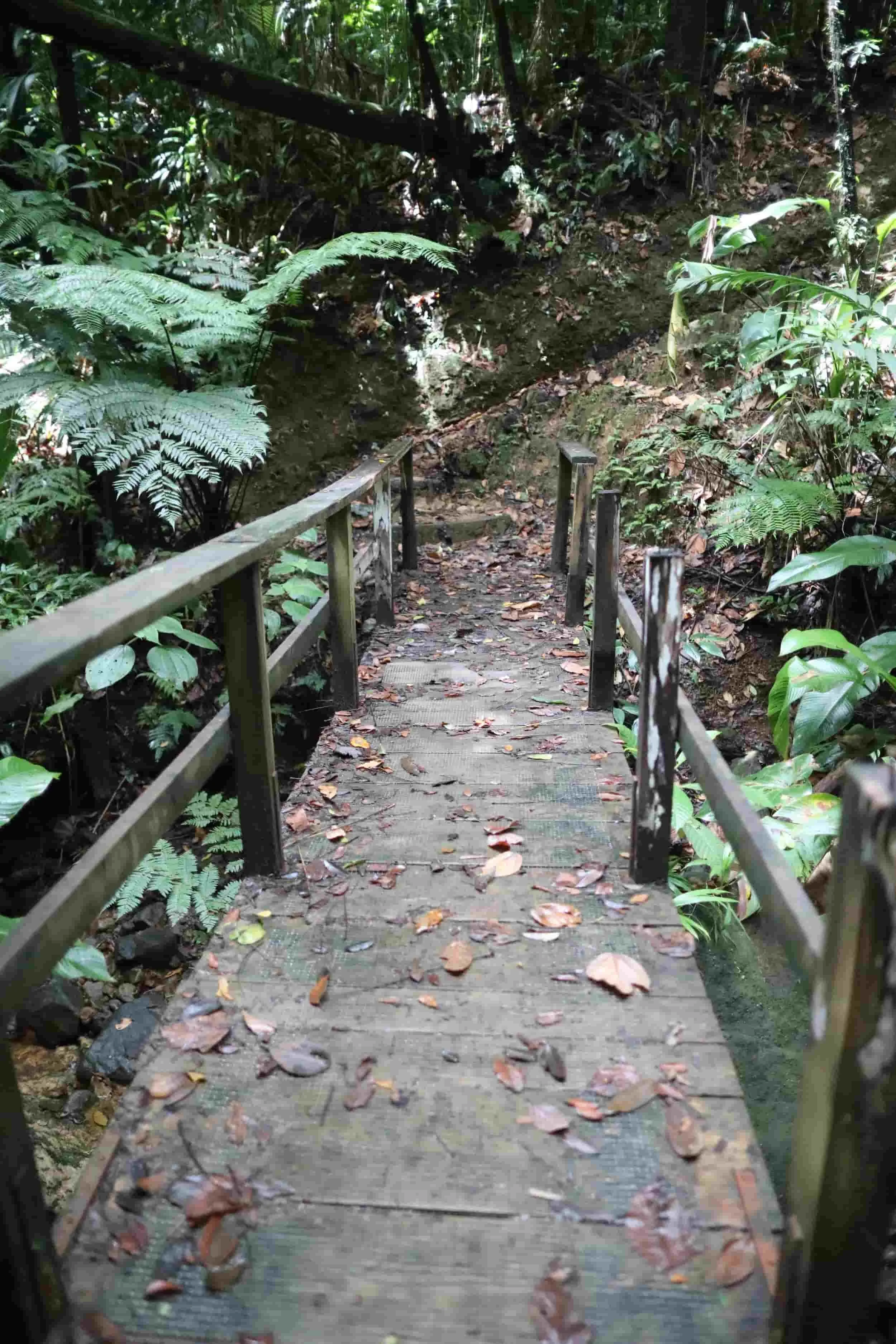
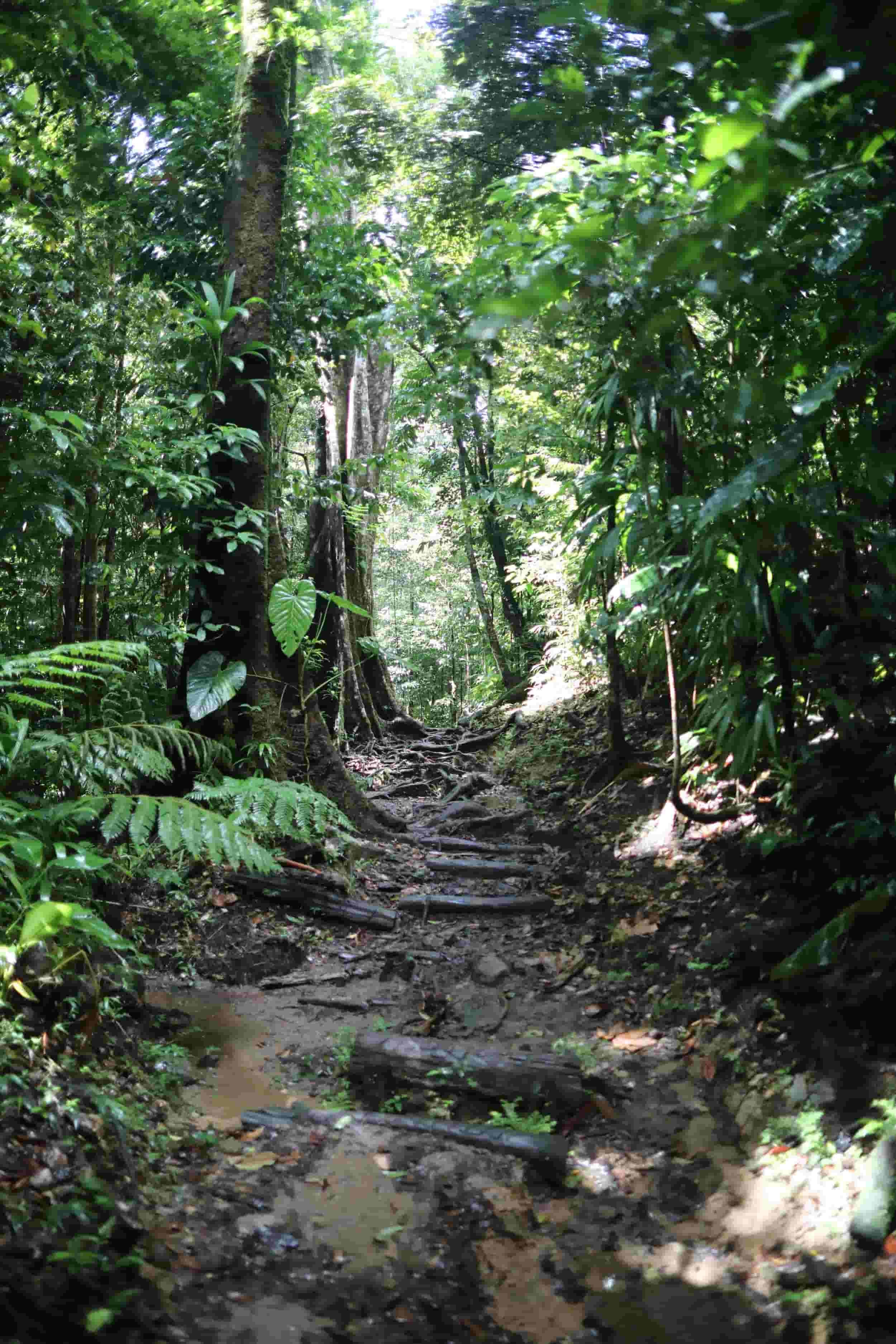
During my visit, a recent storm left the route littered with fallen logs, exposed roots, slippery rocks and deep mud in places. Trail crews have built crude steps from packed earth and logs to ease the steepest sections but much of the path remains soggy and uneven — expect a few slips if you’re not careful.
⚠️ Good to Know | Expect soggy ground and muddy boots if your visit occurs during rainy season (June to November).
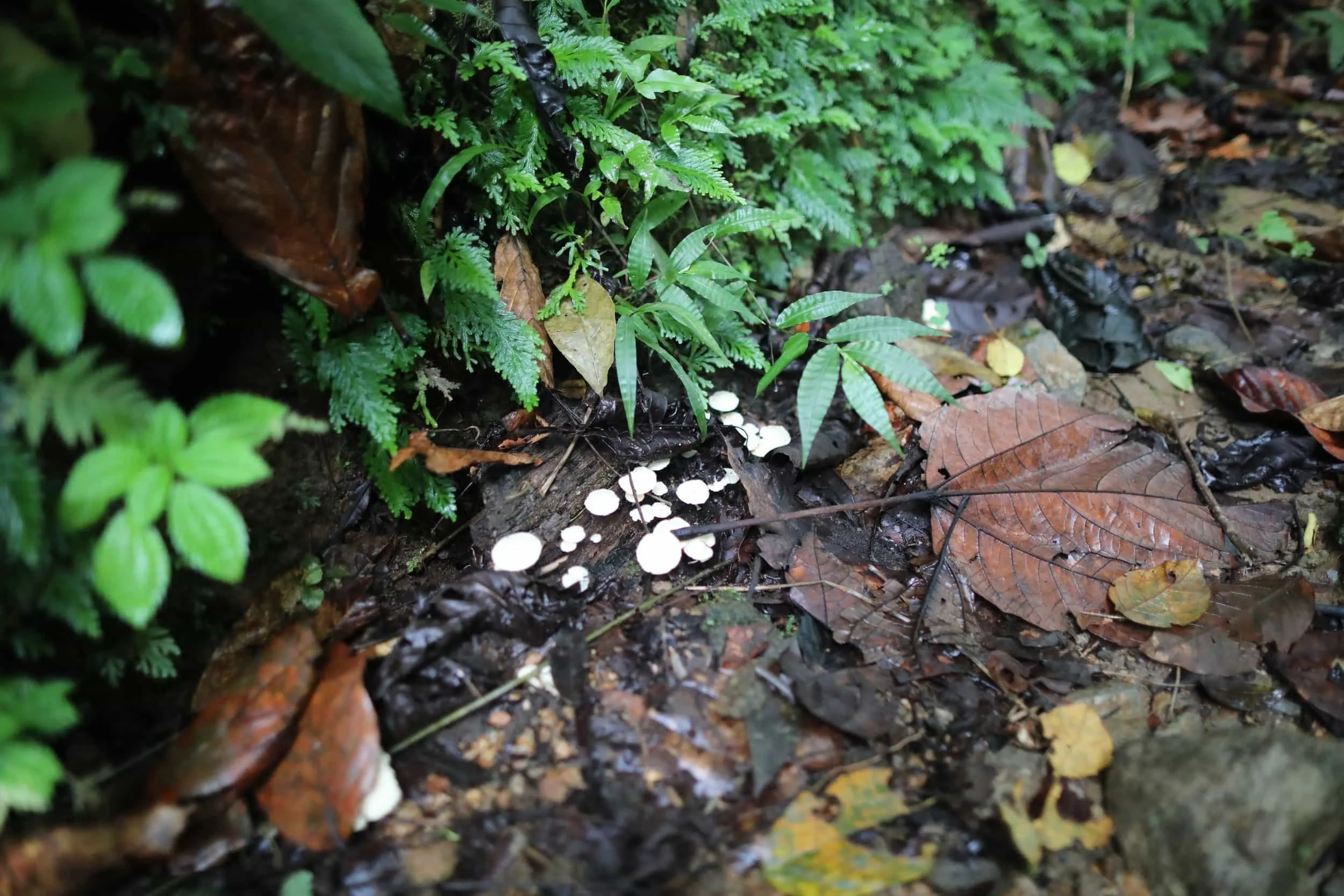
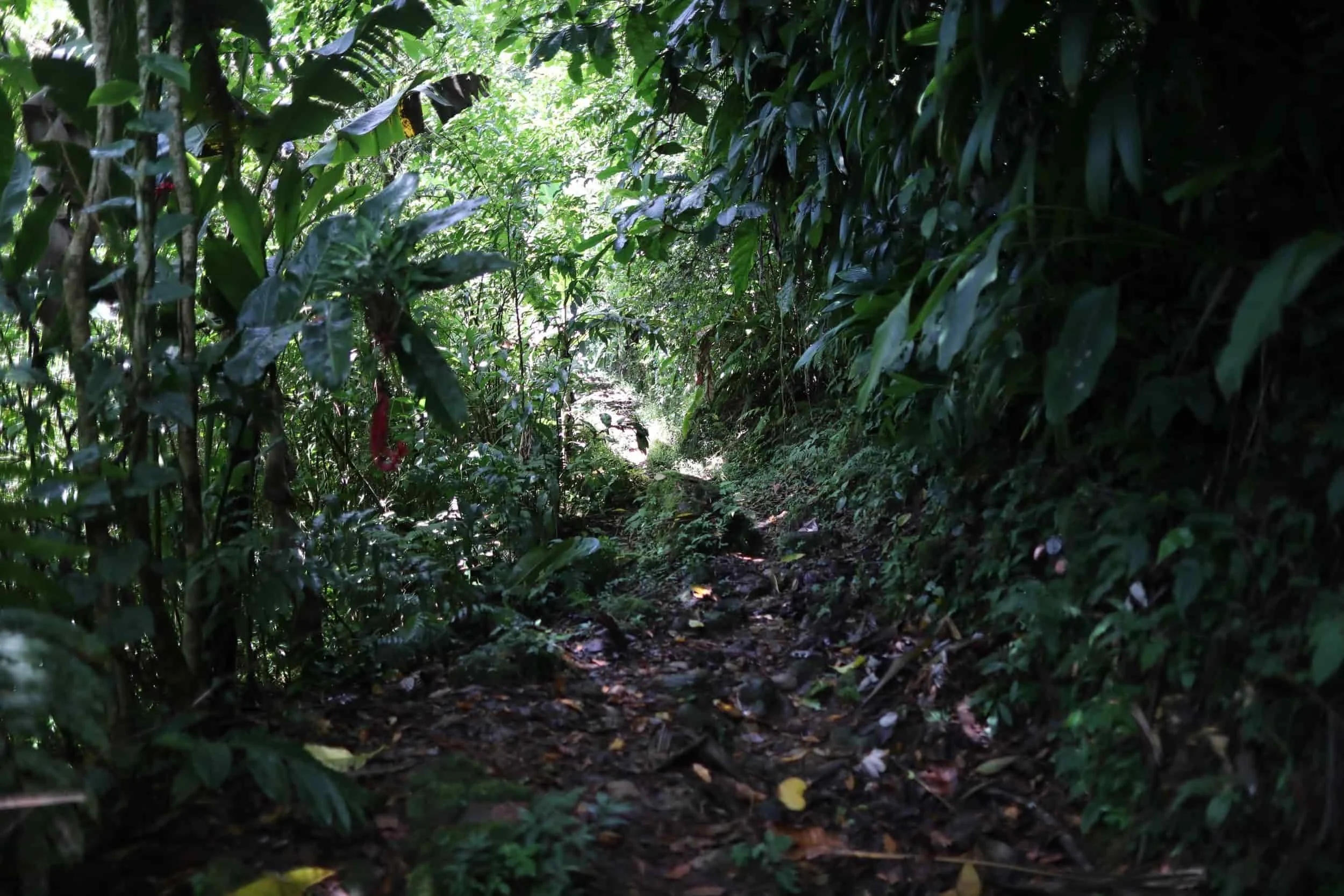
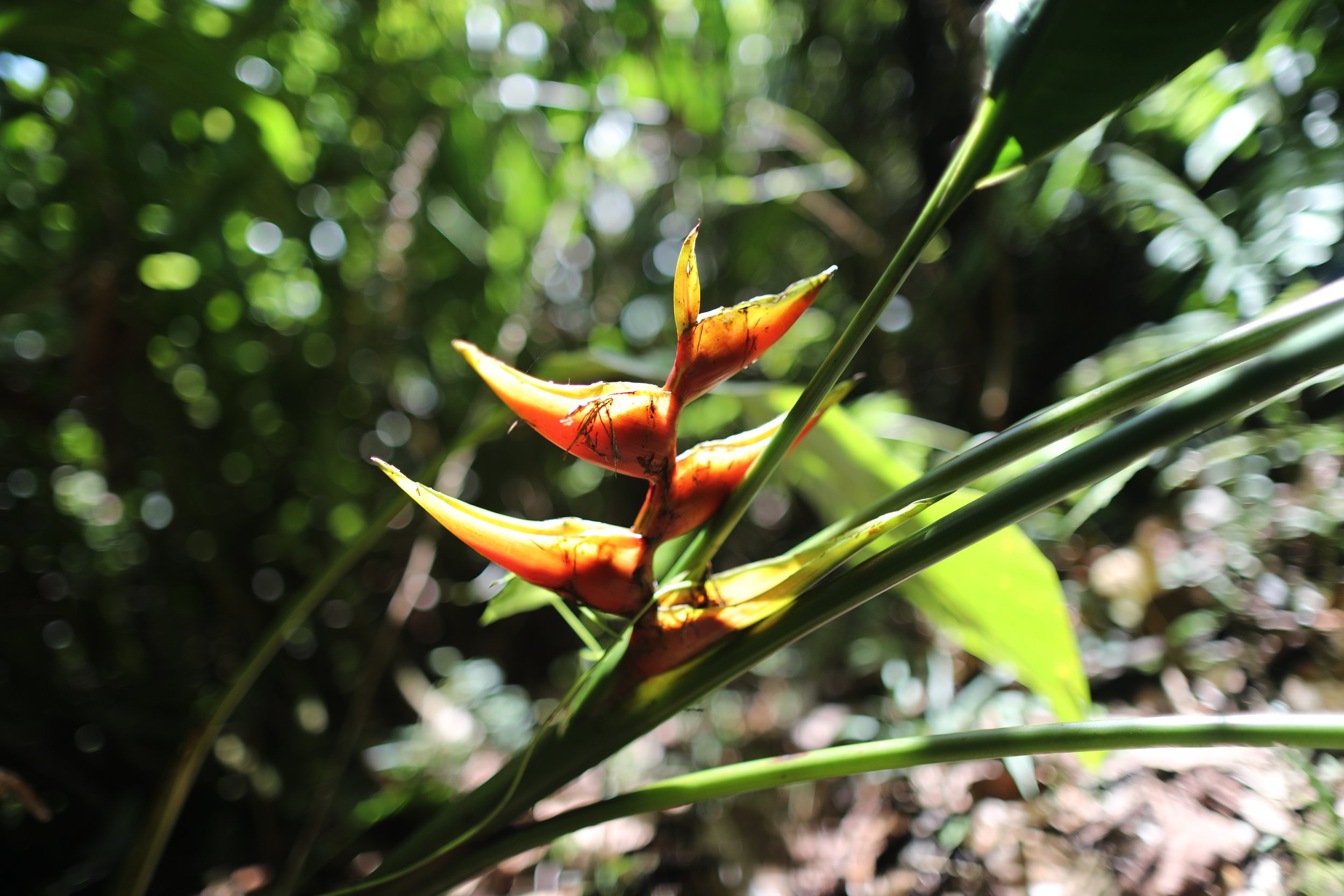
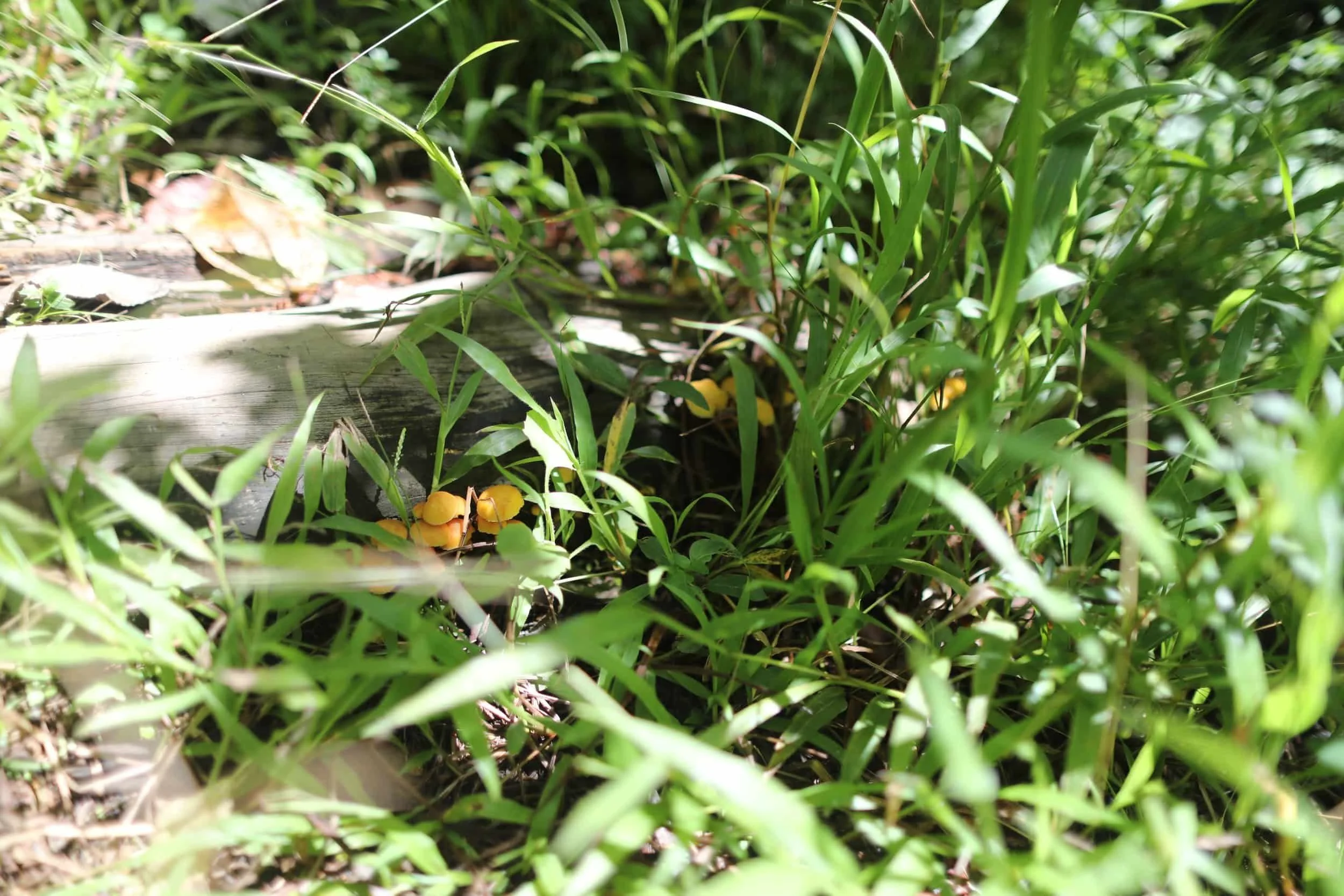
The hike unfolds like stepping into a living, green cathedral. The trail is moderately difficult (strenuous in some spots), winding through what feels like the island’s most pristine, dense rainforest — ferns, towering trees and tiny blooms crowding the path as if eager to share their secrets.
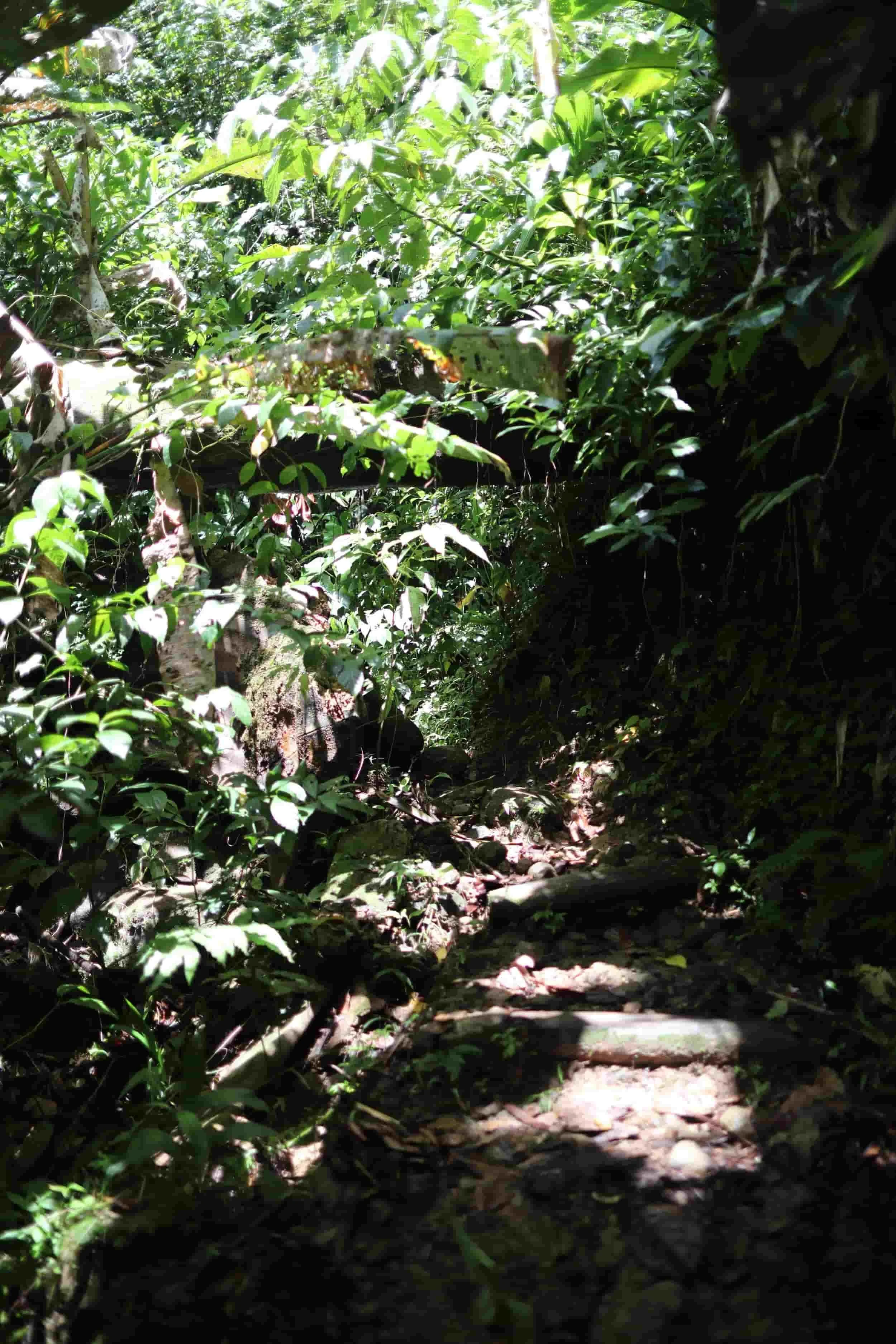
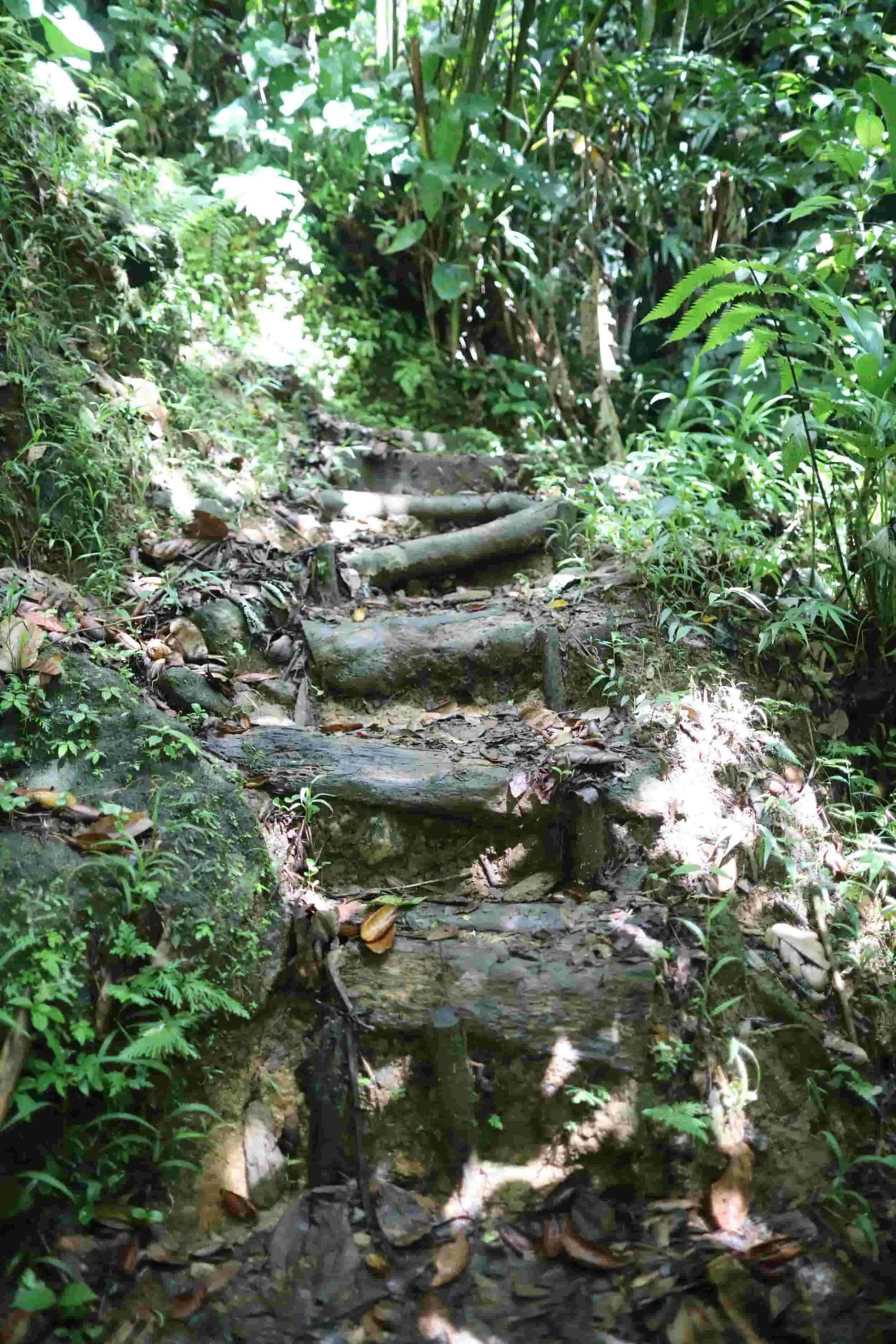
The round-trip is about four miles and the outward leg climbs steadily, negotiated by a succession of log steps. They’re well marked but many are uneven, steep and sometimes glazed with mud, so go slow and steady.
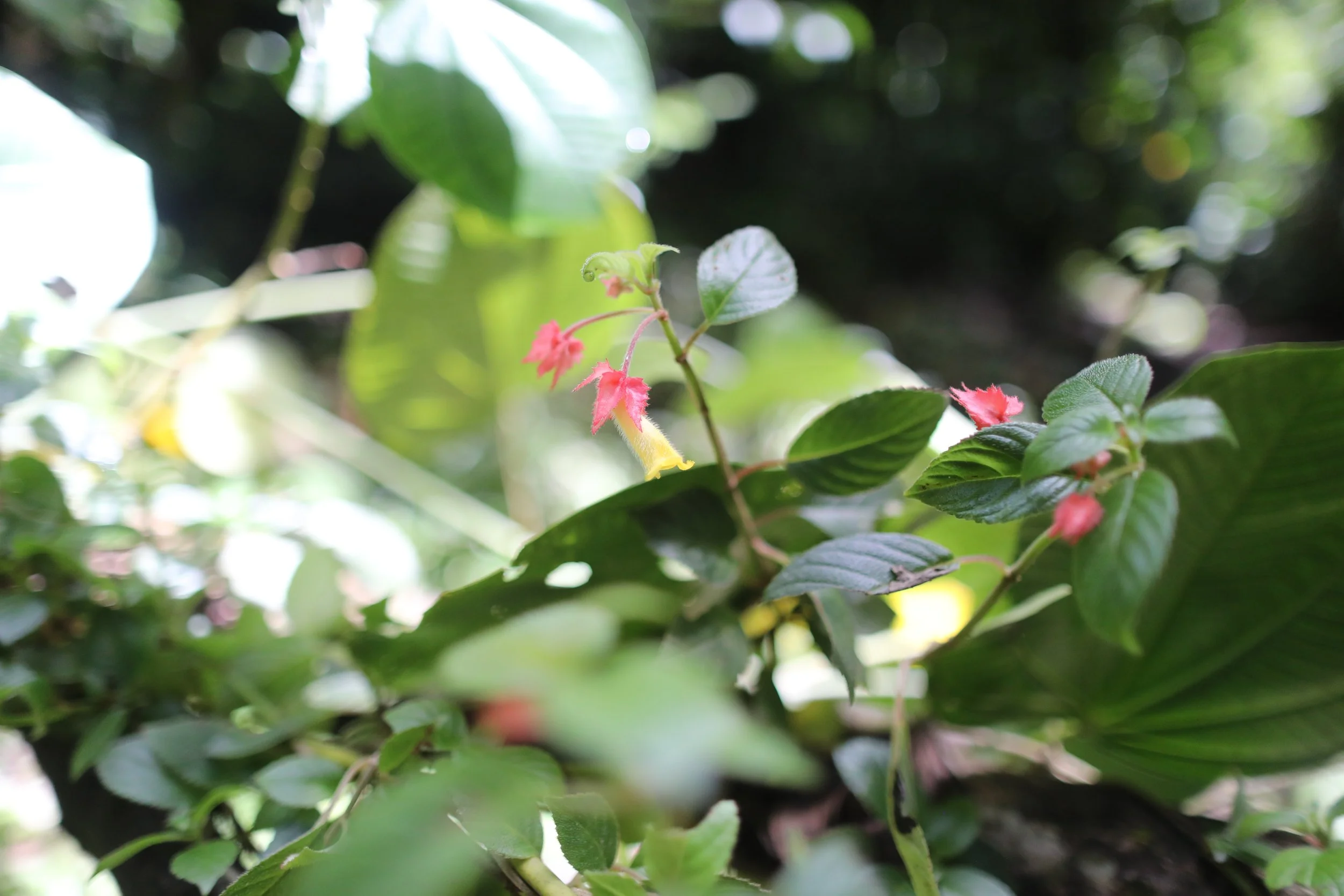
Expect the air to be warm and thick with humidity — the kind that makes every breath feel lush and alive. Between the climb, the chorus of rainforest life and the sudden glimpses of sunlight through the canopy, reaching the falls feels like a well-earned reward.
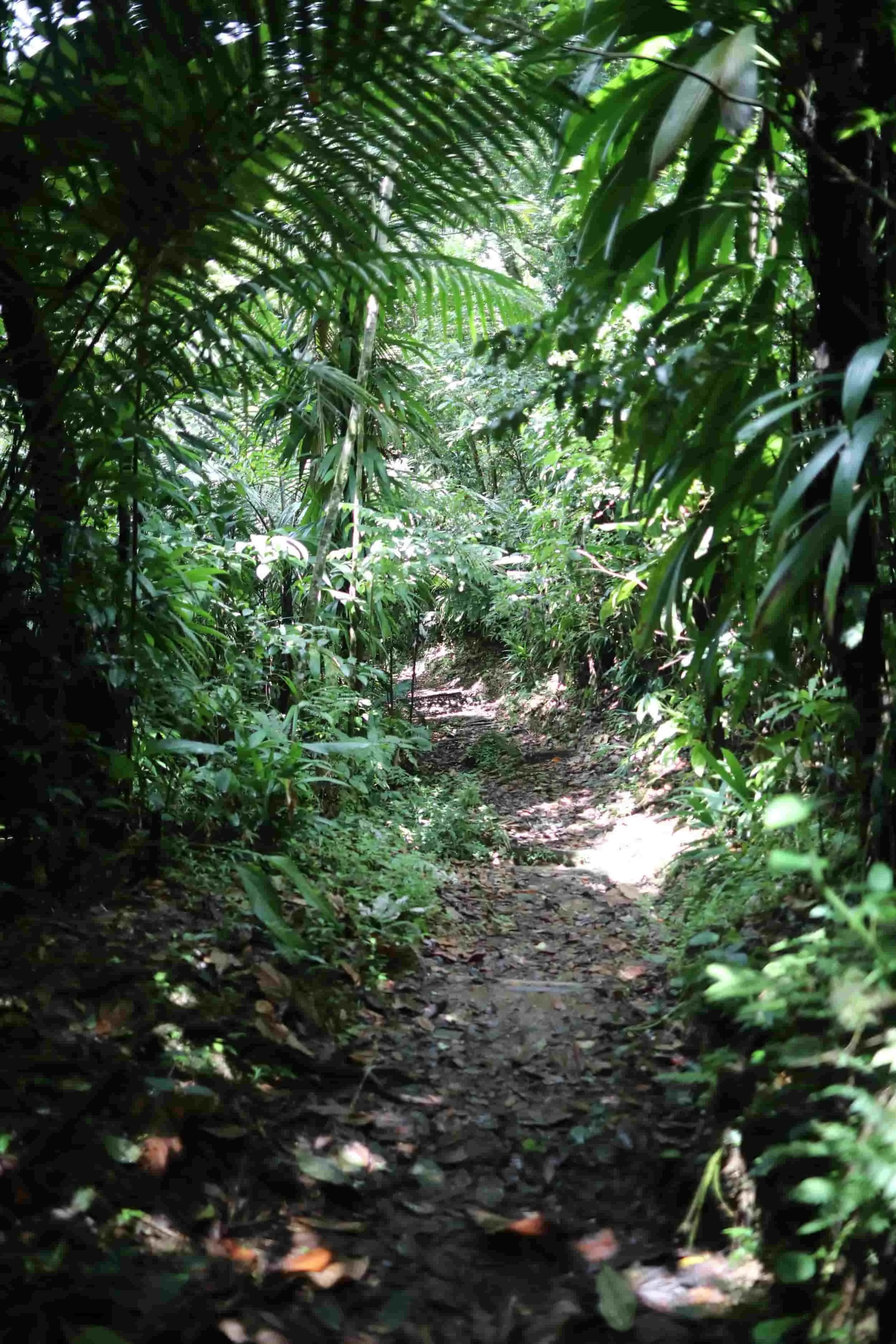
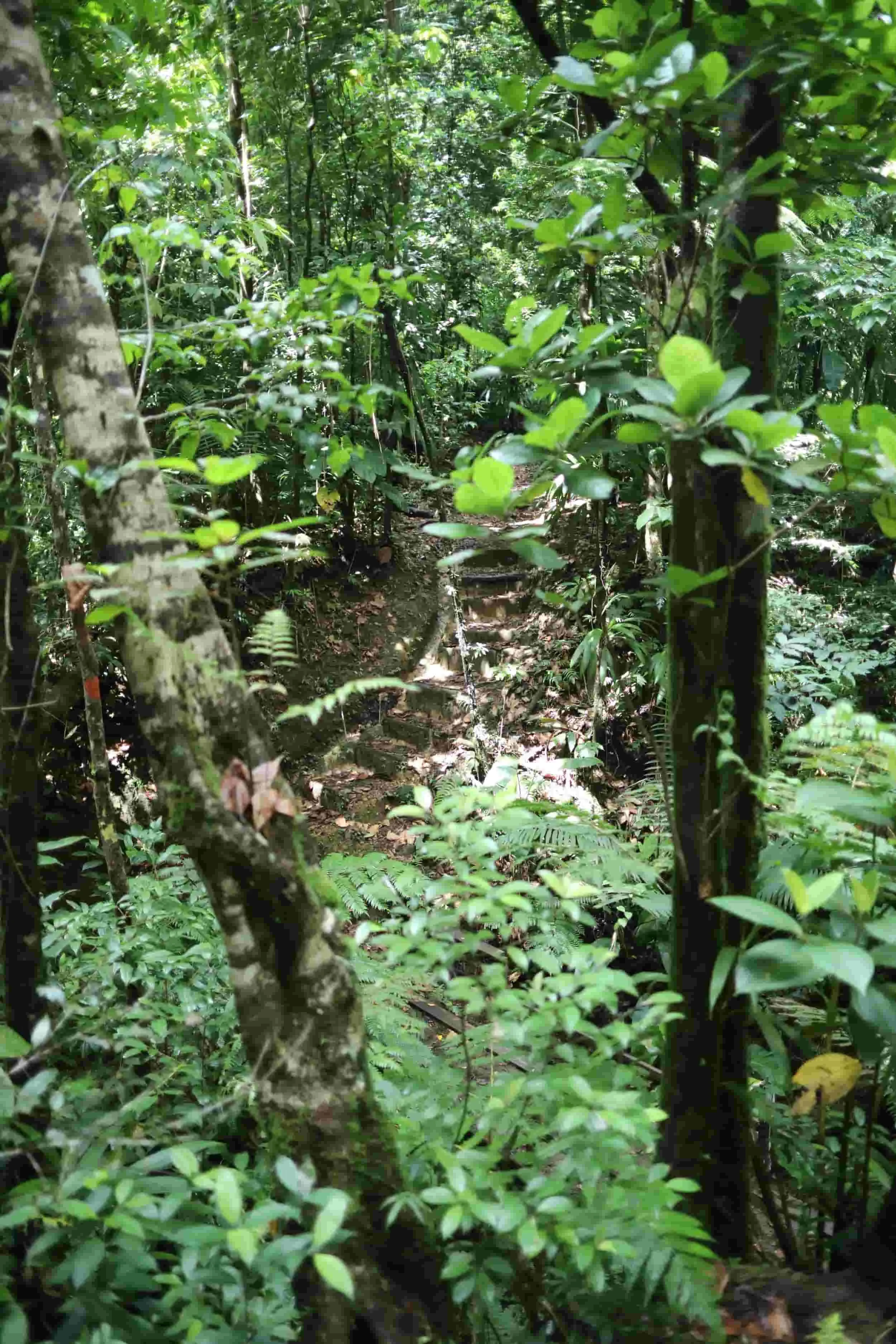
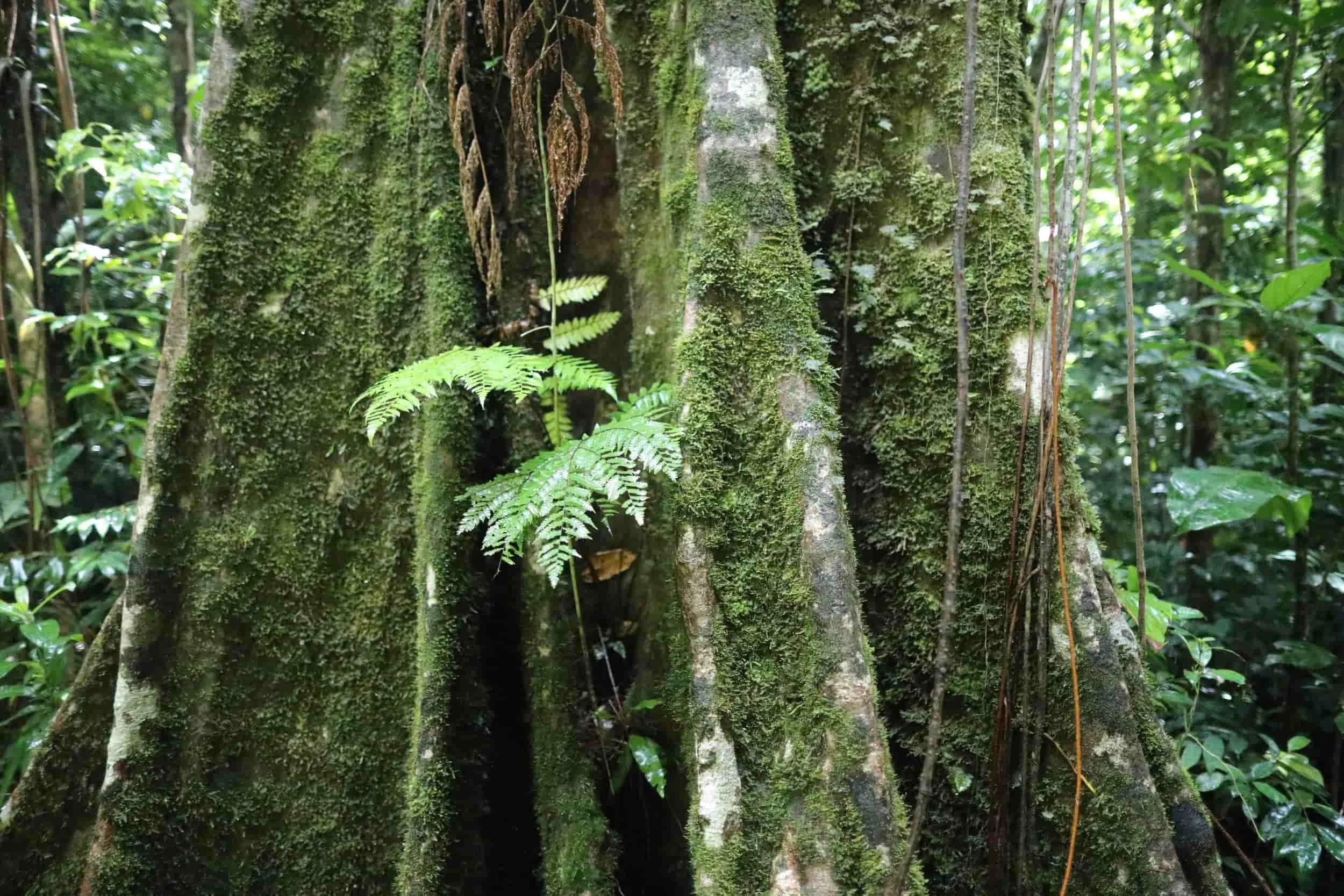
Moss-draped tree ferns unfurl like emerald umbrellas along the trail to the falls, their fronds catching dew from the morning mist. The path threads through a canopy of tropical hardwoods — gommier, carapa and the occasional flamboyant — where dappled light reveals carpets of mushrooms and bromeliads clinging to trunks and branches.
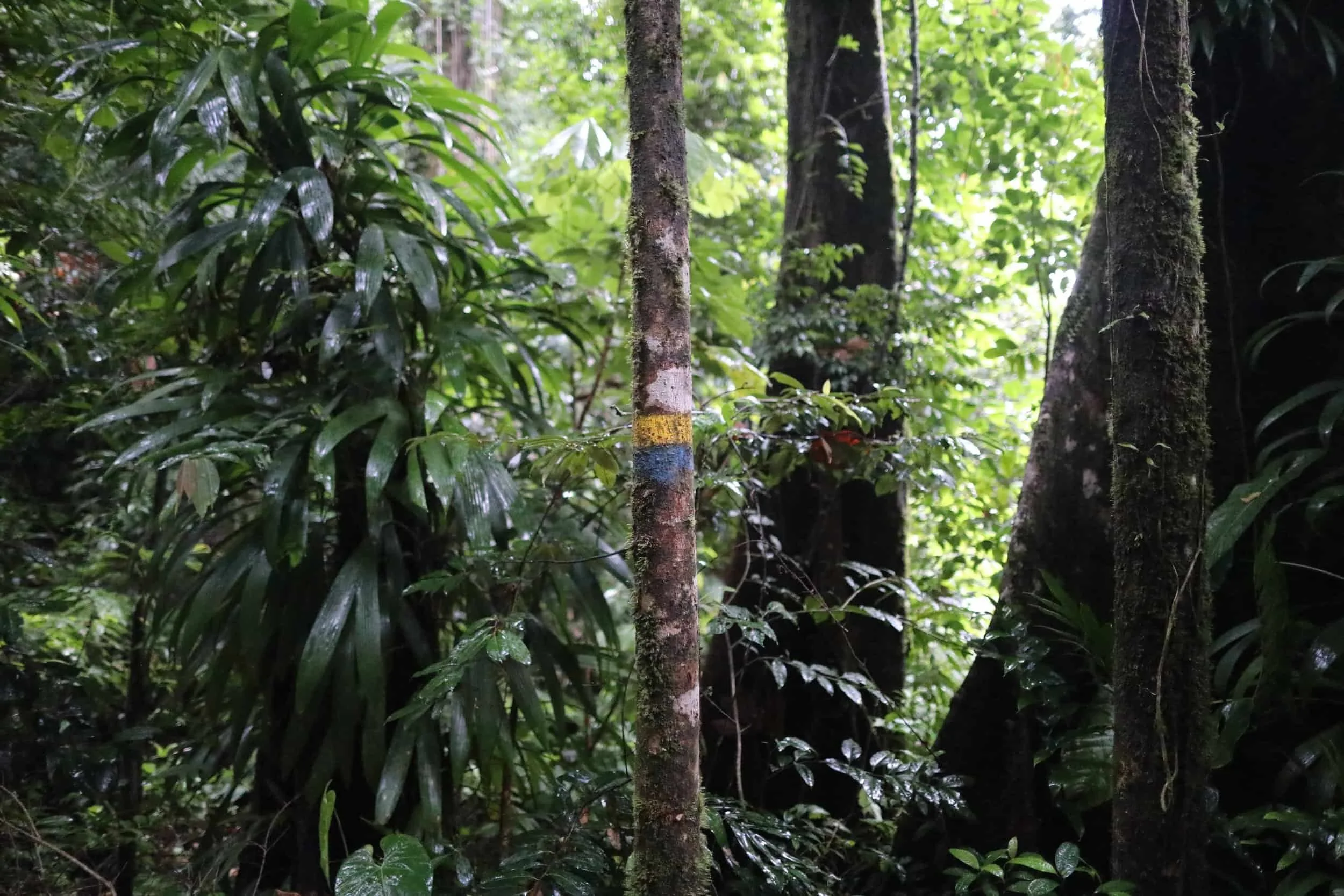
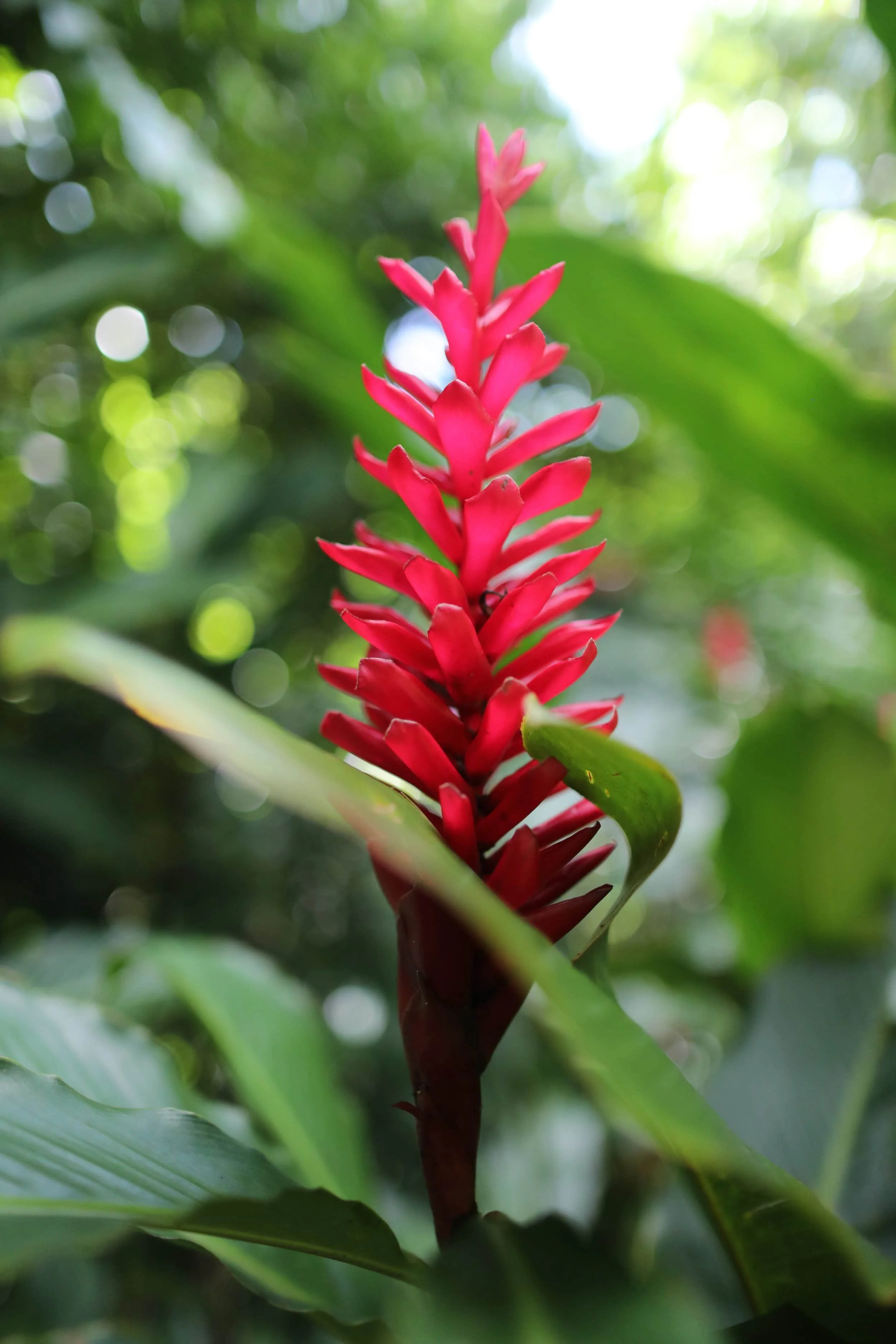
You’ll notice soft, spongy cushions of liverworts and lichens underfoot and on rocks, proof of the forest’s constant humidity. Fragrant ginger and wild heliconia punctuate the green with bursts of red and orange and at certain turns you might find cacao seedlings sheltered beneath the canopy, remnants of Dominica’s agroforestry past.
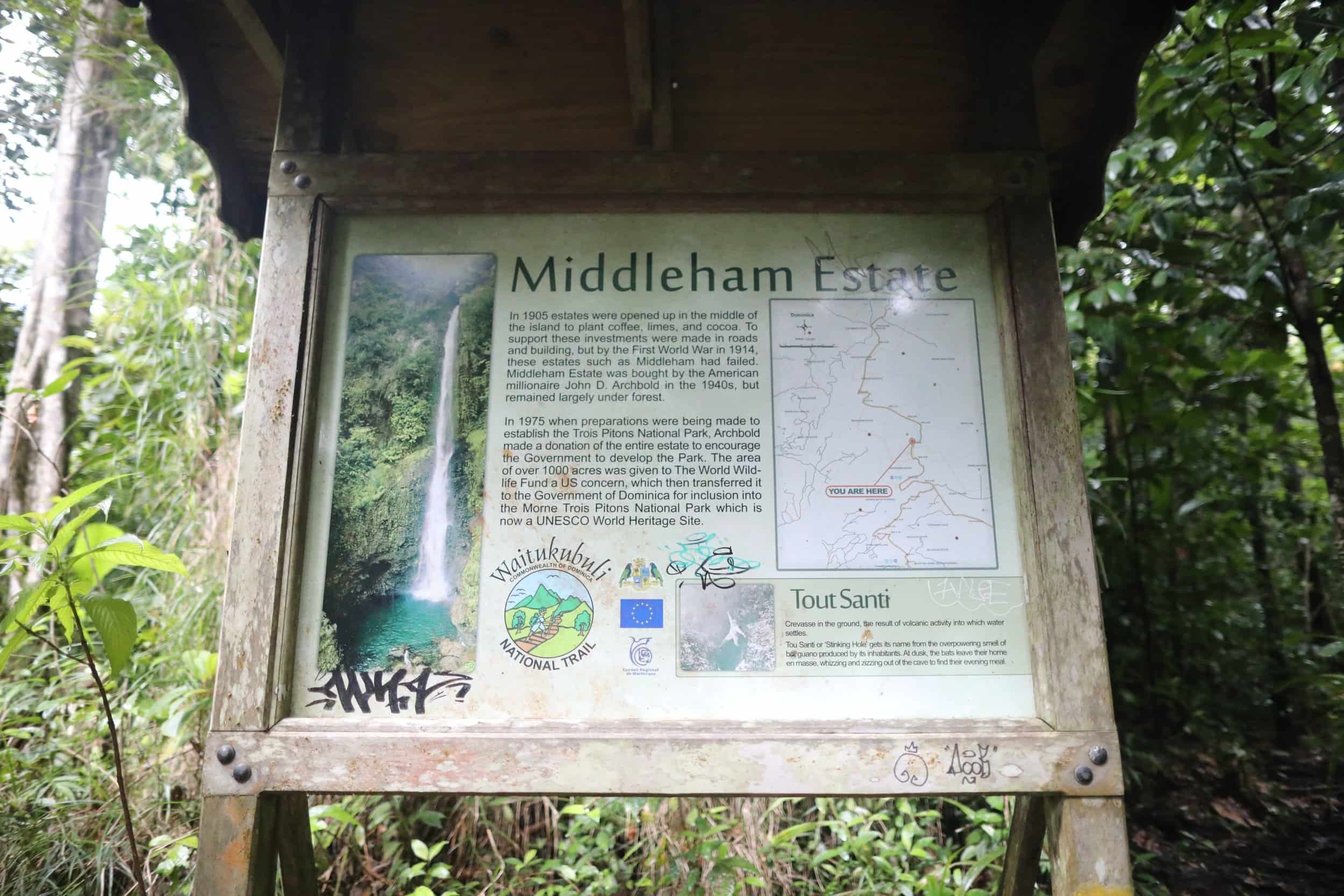
In 1905, estates were established in the island’s interior to cultivate coffee, limes and cocoa. Roads and buildings soon sprang up to support the venture but by the outbreak of World War I in 1914 many of these enterprises — including Middleham Estate — had failed. In the 1940s, the estate found a new owner in American millionaire John D. Archbold, yet much of the land quietly reverted to forest.
In 1975, as plans took shape to create Trois Pitons National Park, Archbold made a generous gesture: he donated the entire estate to help spur the government’s conservation efforts. More than 1,000 acres were entrusted to the World Wildlife Fund and then transferred to the government of Dominica, becoming part of Morne Trois Pitons National Park — today celebrated as a UNESCO World Heritage site.
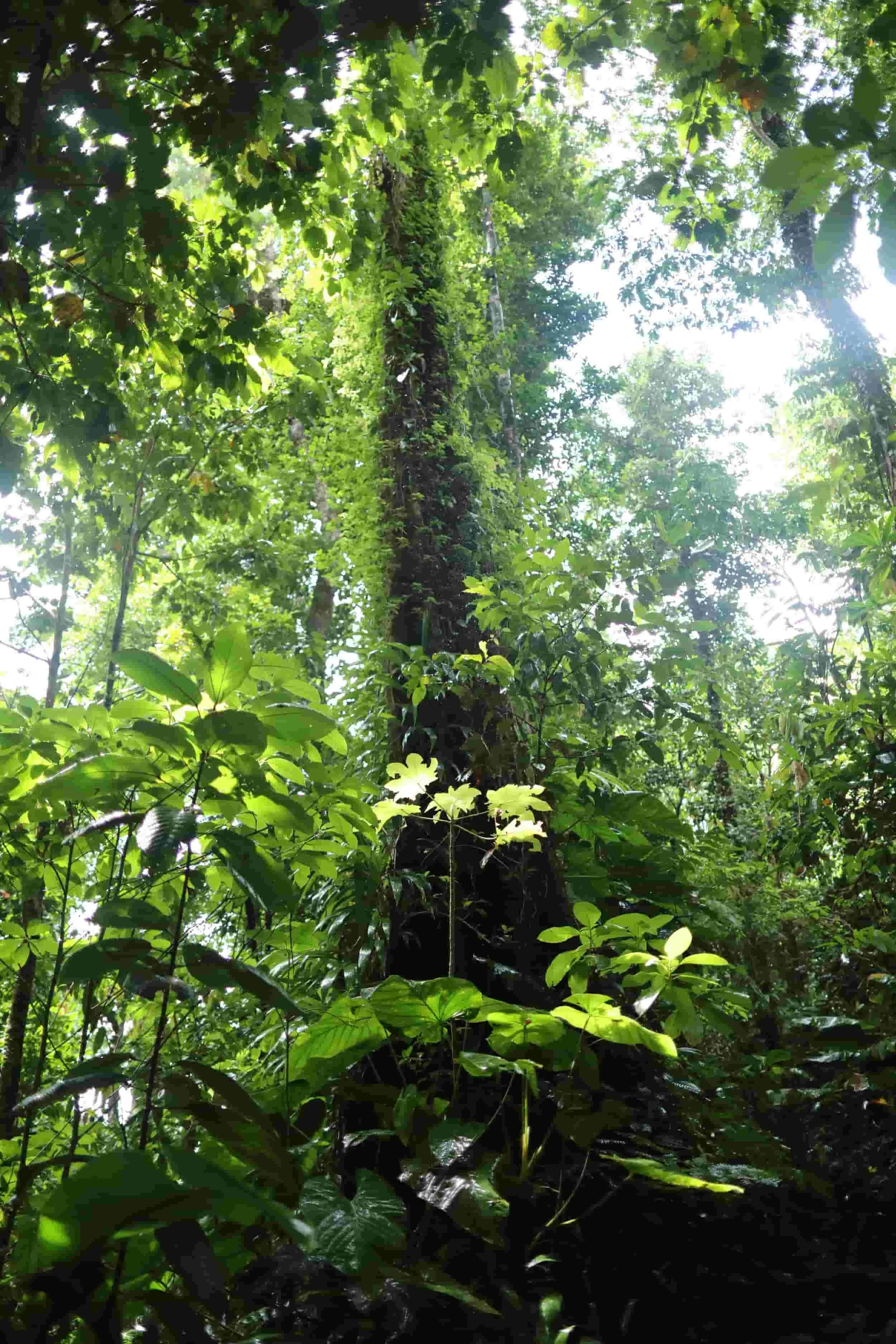
Here, birdsong is a constant companion: the raspy calls of the rufous-throated solitaire, the sharp whistles of the bananaquit and if you’re lucky, the eerie, melodic notes of the Sisserou parrot echoing from higher ridges. Hummingbirds — both the tiny Antillean and the less common purple-throated — hover near tube-like flowers, wings a blur as they sip nectar.
In quieter stretches, you may catch the rustle of an agouti (rodent species related to the guinea pig) slipping through fallen leaves or the cautious movement of a red-rumped racer snake threading across the trail; both are part of the island’s resilient variety of life. Along the way, I enjoyed the curious flora and fauna — playful crabs scuttling by, delicate butterflies fluttering past and sturdy mushrooms popping up like tiny forest umbrellas.
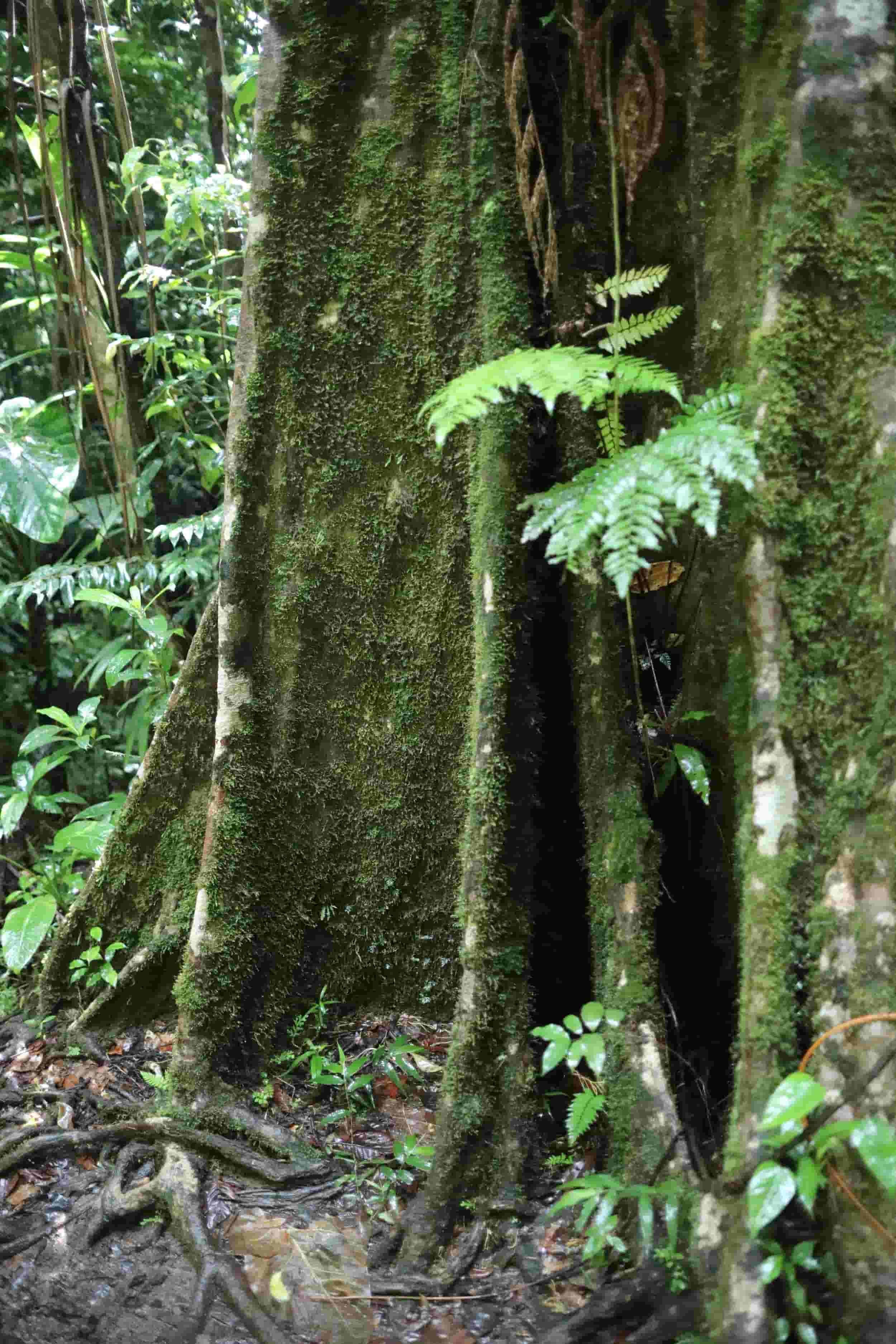
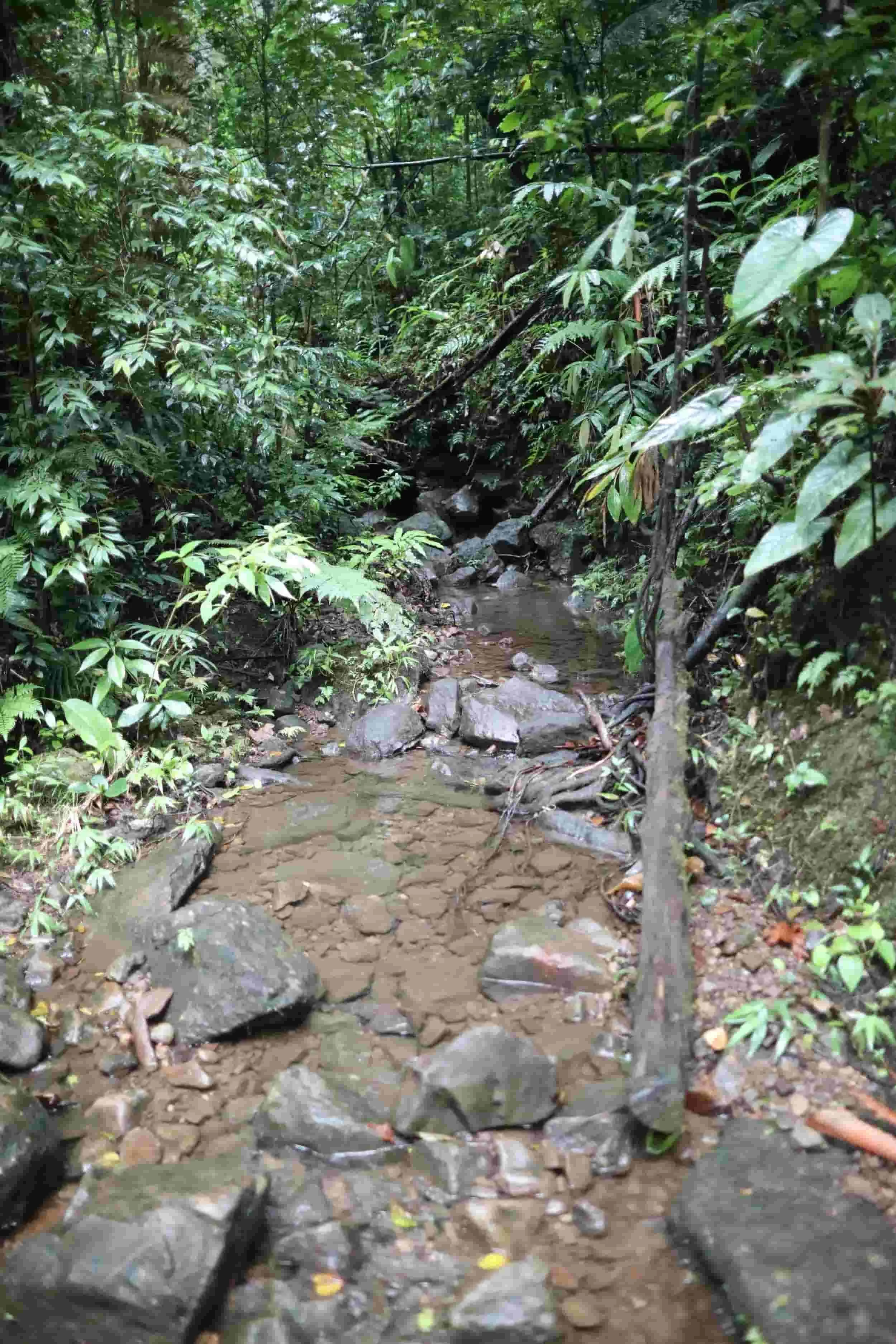
Nearer the falls, the ecosystem shifts to a soggier, fern-dominated zone. Freshwater shrimp and small tadpoles patrol shallow pools, while damselflies and dragonflies patrol the air with iridescent flashes. The spray zone supports rare mosses and small endemic plants that thrive where most things don’t.
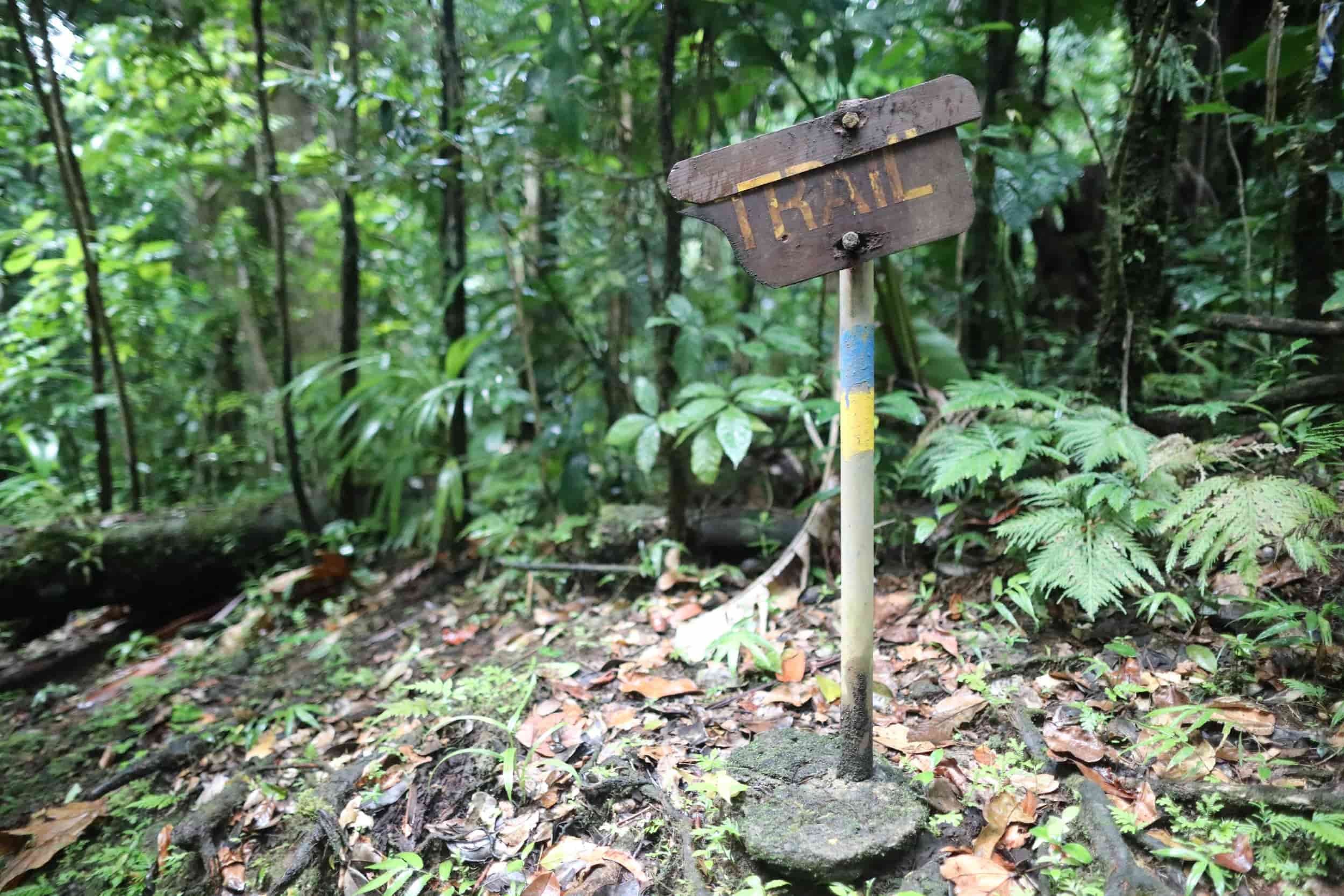
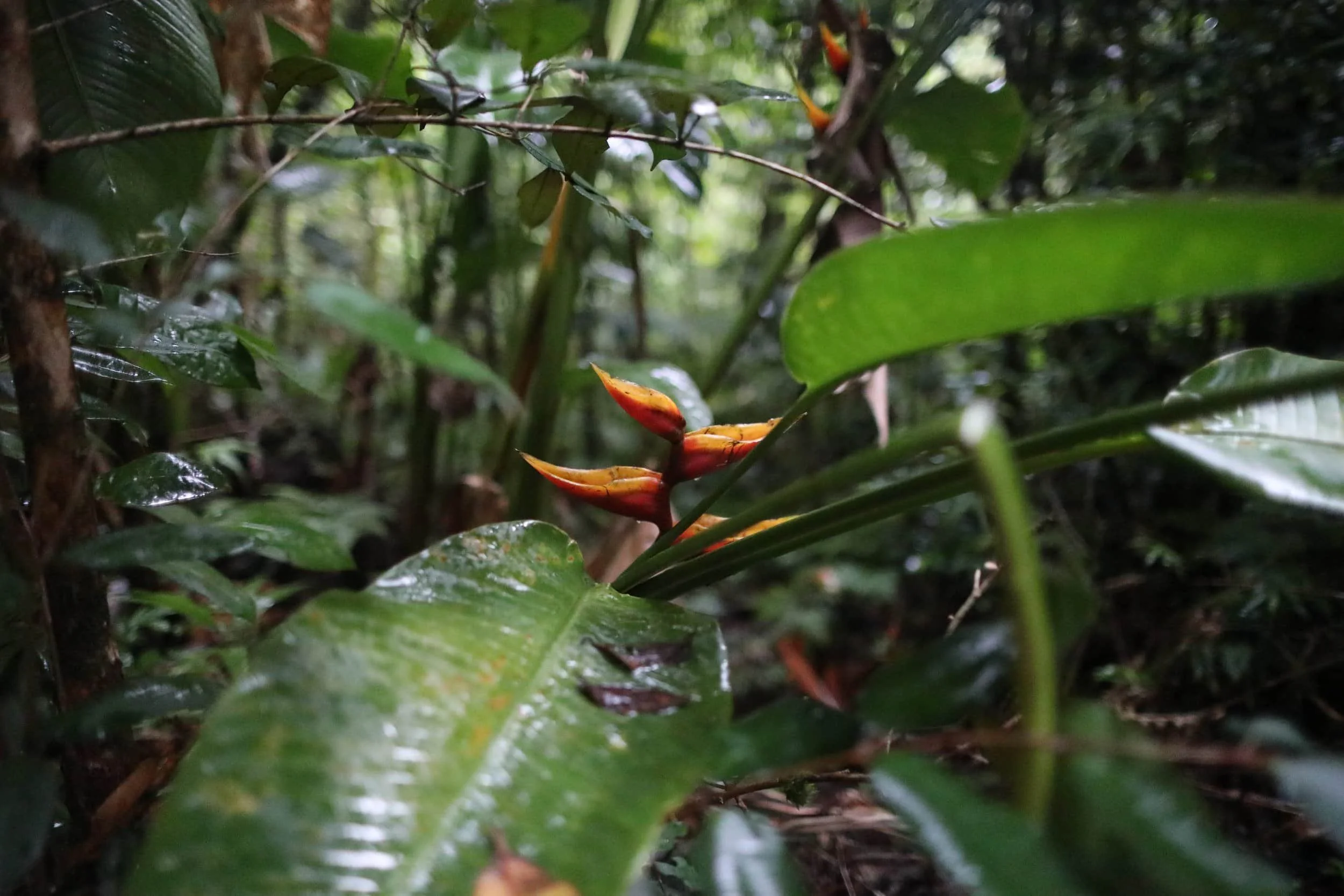
At the base of the falls, mist creates a tiny microclimate: air tastes of mineral-rich water and damp earth and the constant hiss creates a watery chorus that blends with the wildlife — an immersive reminder that Dominica, the Nature Island, keeps its wild heart intact.
Hike the Last Stretch to Middleham Falls — Conquer the Final Descent to the Cascade
The hike to Middleham Falls begins with an easy-to-moderate stretch — about 45 minutes of gentle climbing through lush rainforest, the sounds of birds and running streams all around. You’ll eventually reach a fork where the trail splits three ways. I hesitated; it wasn’t obvious which was correct, so I used a bit of deduction and picked the leftmost path. Lucky choice — the right fork veers off to a 100 mile (161 km) trail and the straight-ahead route stretches on like a seemingly endless route, so left it is.
⚠️ Good to Know | When you reach the small wooden gazebo, take the left-most trail to continue to the falls.
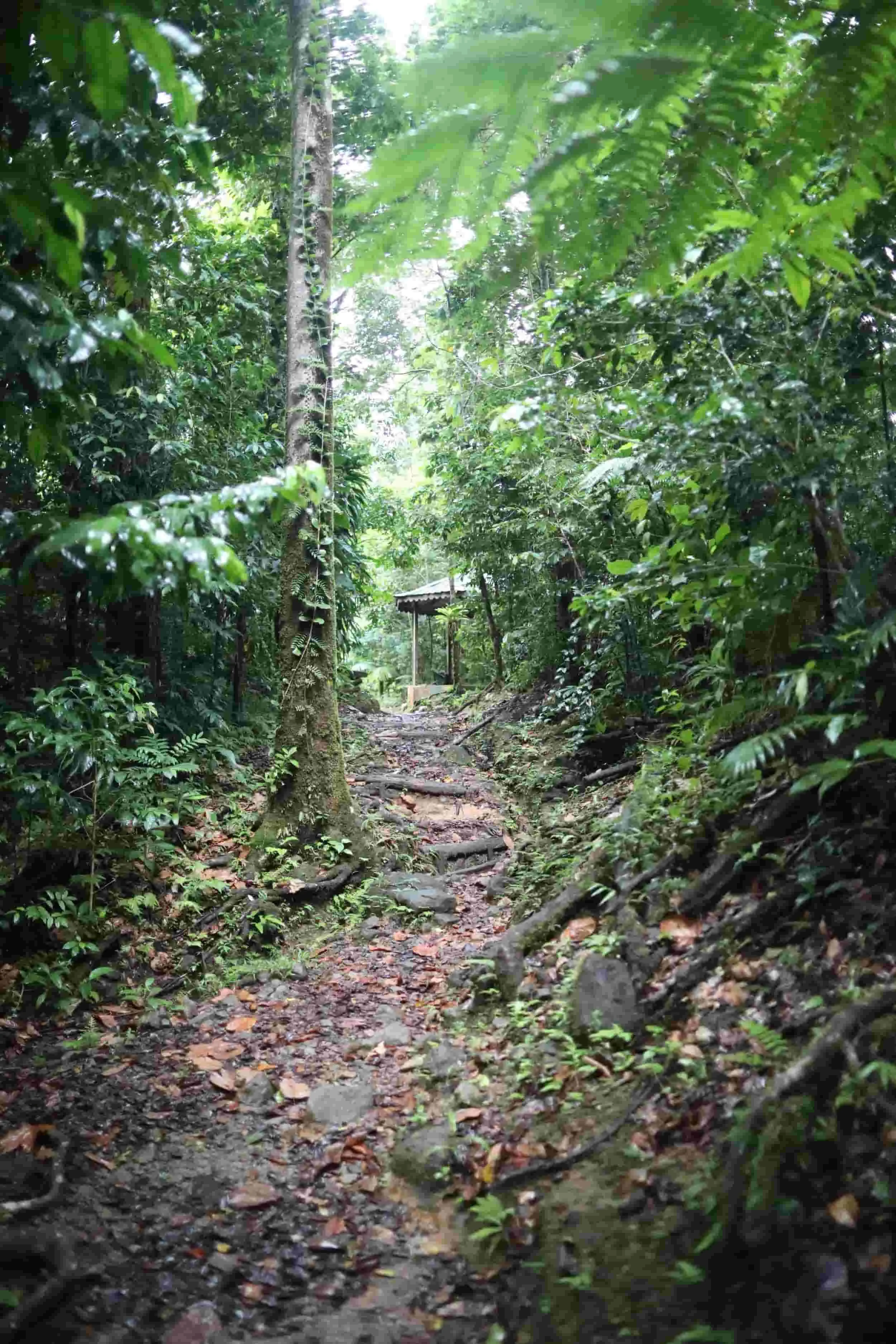
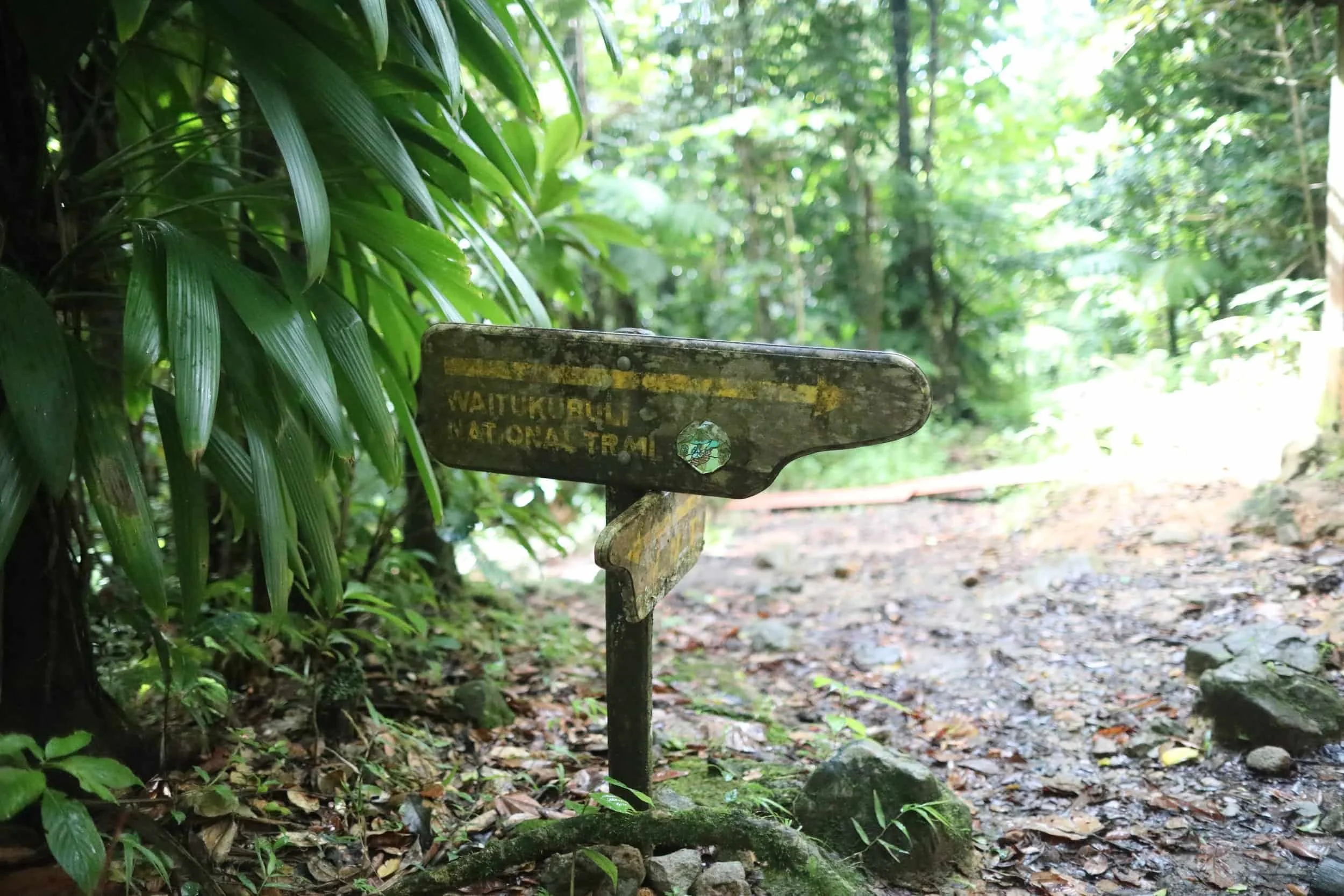
The right fork leads on to the Waitukubuli National Trail — the Caribbean’s very first long-distance walking path. Winding 115 miles (185 km) across Dominica, it sweeps from the volcanic tip of Scott’s Head in the south up to the fortified forests of Cabrits National Park in the north.
Carved into 14 walkable segments (each roughly a day’s journey), the trail invites both multi-day adventurers plotting a two-week odyssey and casual walkers seeking a single, unforgettable day hike. Along the way, you’ll sink into Dominica’s warm local culture, encounter vibrant wildlife and lose yourself in emerald rainforests that feel enchanted at every turn.
Waitukubuli National Trail is a delicious mix of terrains — coastal promenades, steamy volcanic fields and emerald, mountainous jungle — each segment offering its own small wonder, so choose wisely:
Segment 1 | Scott’s Head to Soufrière — A breezy coastal opener with sweeping bay views that set the tone.
Segment 2 | Soufrière to Bellevue Chopin — Walk among volcanic scars and the scent of sulfur, a raw, otherworldly landscape.
Segment 3 | Bellevue Chopin to Wotten Waven — Enter rainforests threaded with hot springs and rivers, steaming and alive.
Segment 4 | Wotten Waven to Pont Cassé — Climb along mountain ridges where the air sharpens and the vistas widen.
Segment 5 | Pont Cassé to Castle Bruce — Descend into lush valleys and hop river crossings framed by vivid greenery.
Segment 6 | Castle Bruce to Hatton Garden — Travel through farming villages and skirt the shoreline, a mix of culture and sea breeze.
Segment 7 | Hatton Garden to Emerald Pool — Reach cascading waterfalls and the heart of deep rainforest, a cool, hidden oasis.
Segment 8 | Emerald Pool to Castle Bruce — Push through tougher jungle terrain — thick, wild and wonderfully untamed.
Segment 9 | Castle Bruce to Petite Soufrière — Move into Kalinago country and coastal forests where tradition meets tide.
Segment 10 | Petite Soufrière to Saint Sauveur — Tackle steep ridges and pass through quiet, isolated villages.
Segment 11 | Saint Sauveur to Hatton Garden — Meander through rural landscapes with gentle river dips to refresh your steps.
Segment 12 | Hatton Garden to Diablotin Peak — A stern ascent up Morne Diablotin rewards you with alpine-like achievement.
Segment 13 | Diablotin Peak to Syndicate — Traverse northern rainforests where parrots and other wildlife make lively company.
Segment 14 | Syndicate to Cabrits National Park — The finale arrives at the northern coast, closing the journey with sea air and parkland calm.
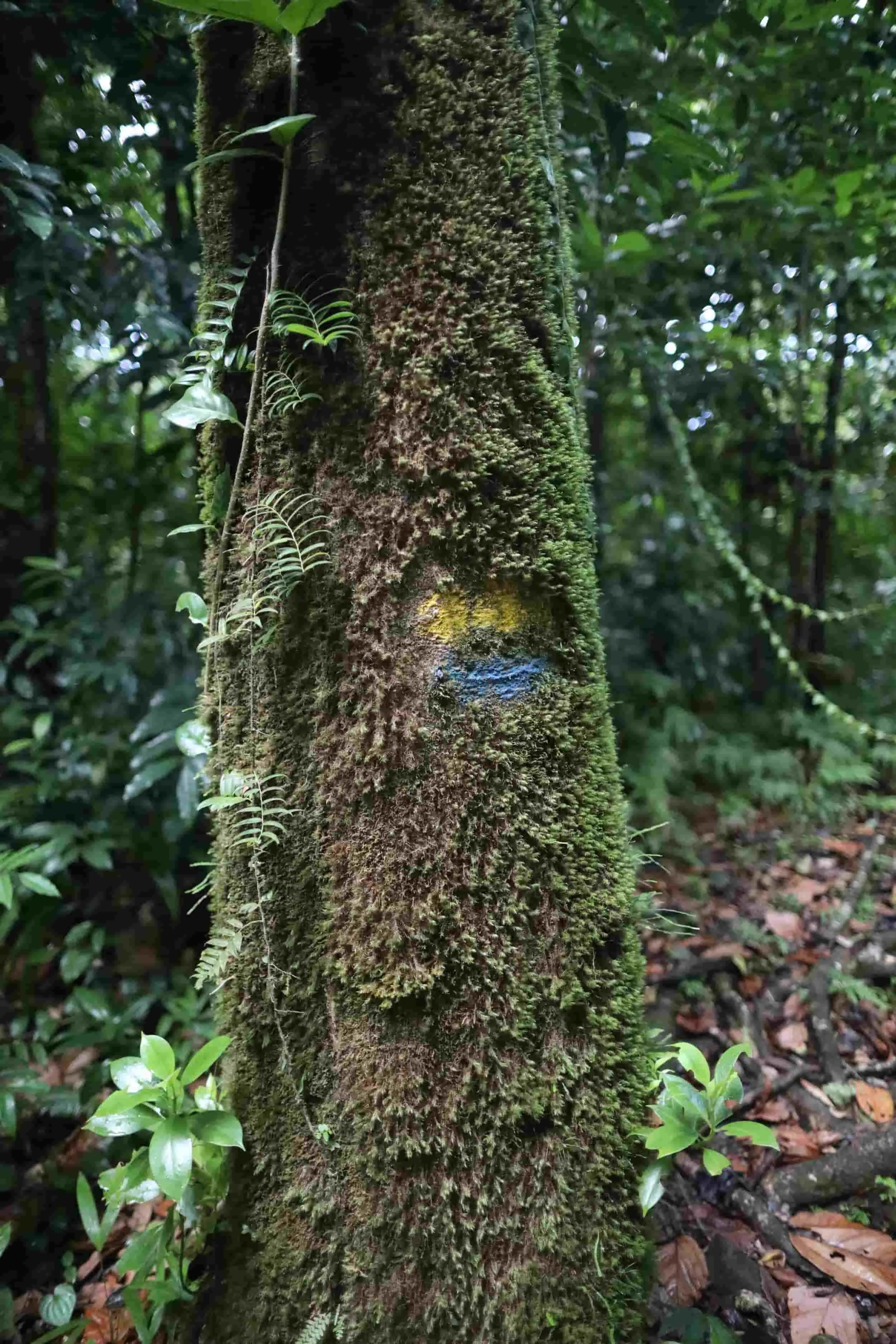
But if the 100 mile walk isn’t on your itinerary, don’t worry. Continue to the left and keep an eye out for trail markers — look for half covered mossy yellow and blue blazes on nearby trees. They’ll guide you along, though don’t be surprised if they show up irregularly.
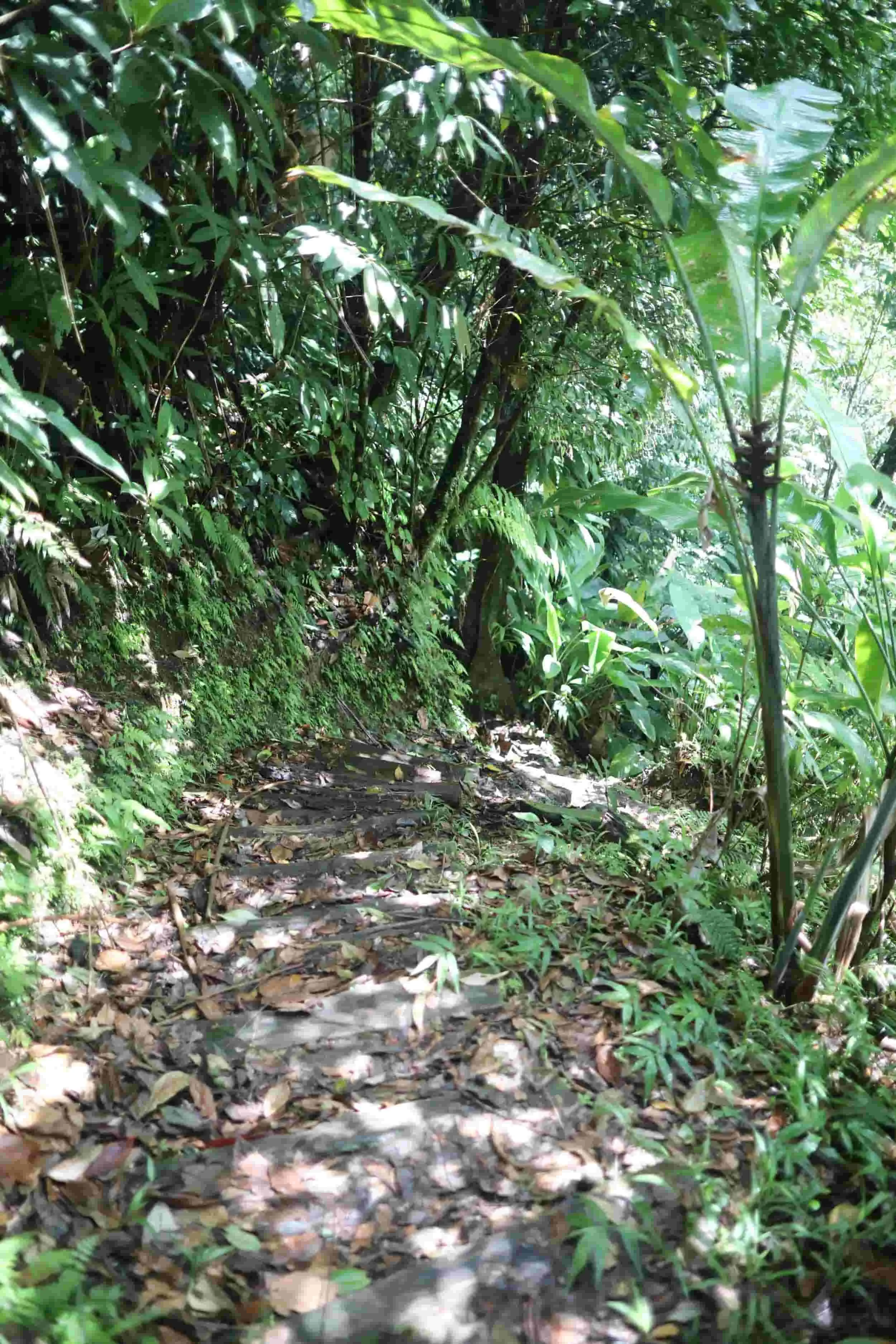
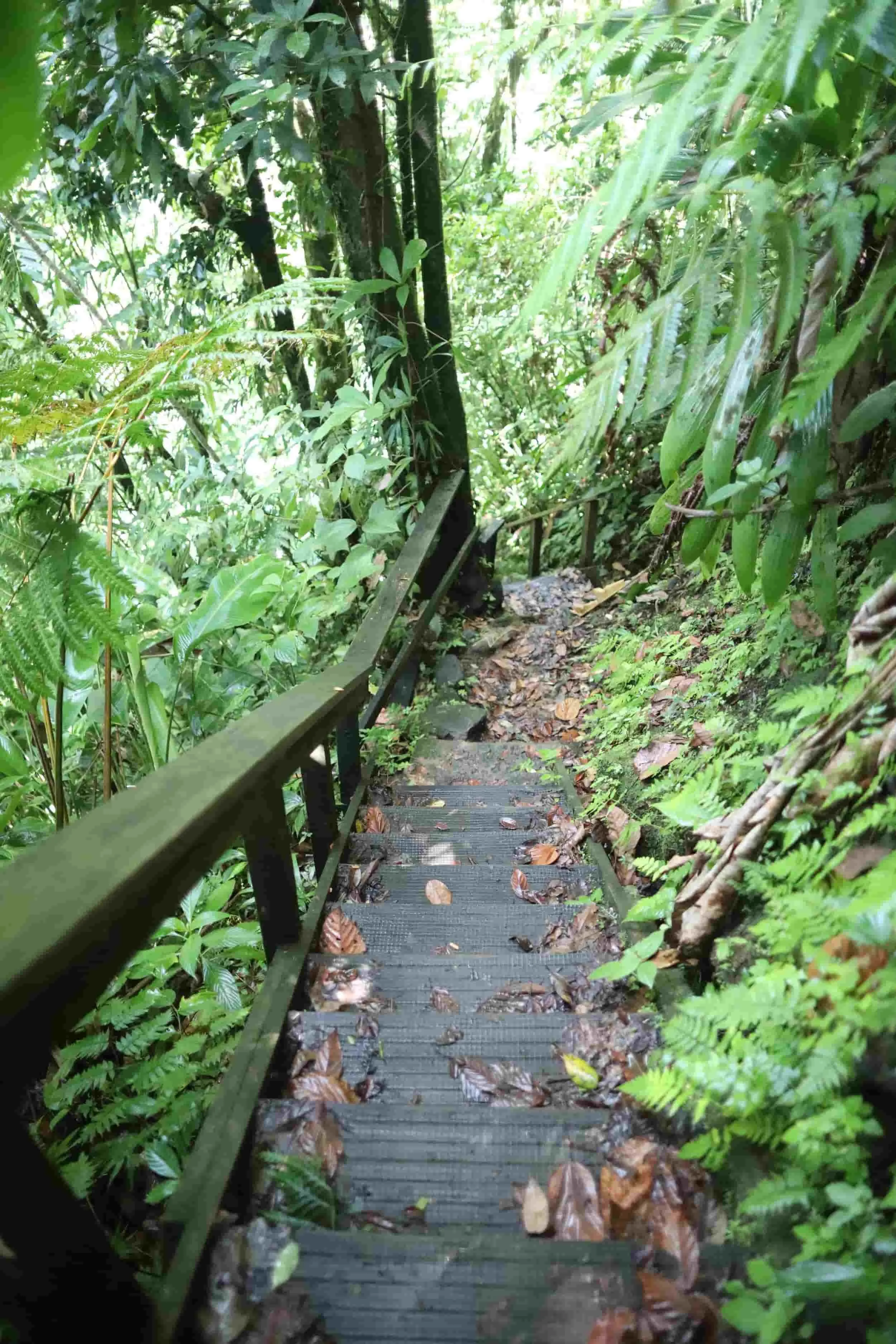
After the split, the route descends for roughly 15–20 minutes. That’s where I passed three others hiking the trail, going in the opposite direction; these were the first and only hikers I encountered during my adventure.
Shortly after a set of wooden stairs, it appears the trail ends but don’t stop: step across the creek over a large pile of rocks and boulders and head for the small clearing visible on the far side. The crossing doesn’t look like an obvious footpath but the clearing is your landmark.
⚠️ Good to Know | At this point, you might begin to lose the trail and feel a surge of disappointment (I had a tiny worry that a solo hike might have been a bad idea) — until you slow down, breathe in the forest and let your steps follow intuition. Stay calm and curious and the path to the falls will reveal itself.
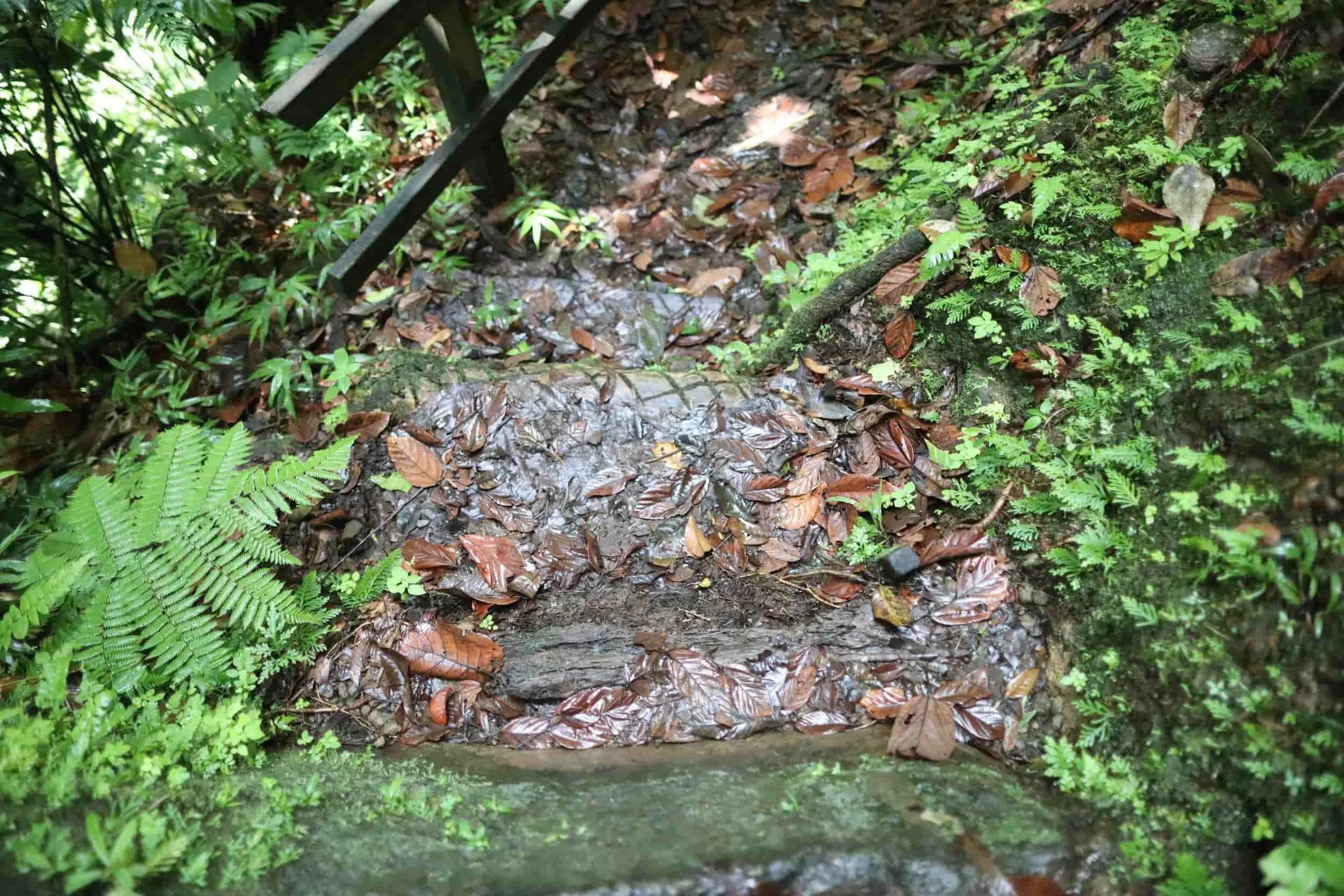
Tall, rain-darkened trees arch overhead while light filters through ferns and heliconias in scattered, green-gold pools. The air is cool and damp, perfumed with wet earth and the sweet tang of wild ginger. Each step over gnarly roots and smooth river stones feels like a slow conversation with the island — patient, generous and quietly insistent that you notice small things: a bright beetle, the flash of a bananaquit, the gentle rush of a stream that will gather itself into something larger. It’s that last stretch before the tallest falls in Dominica come into view.
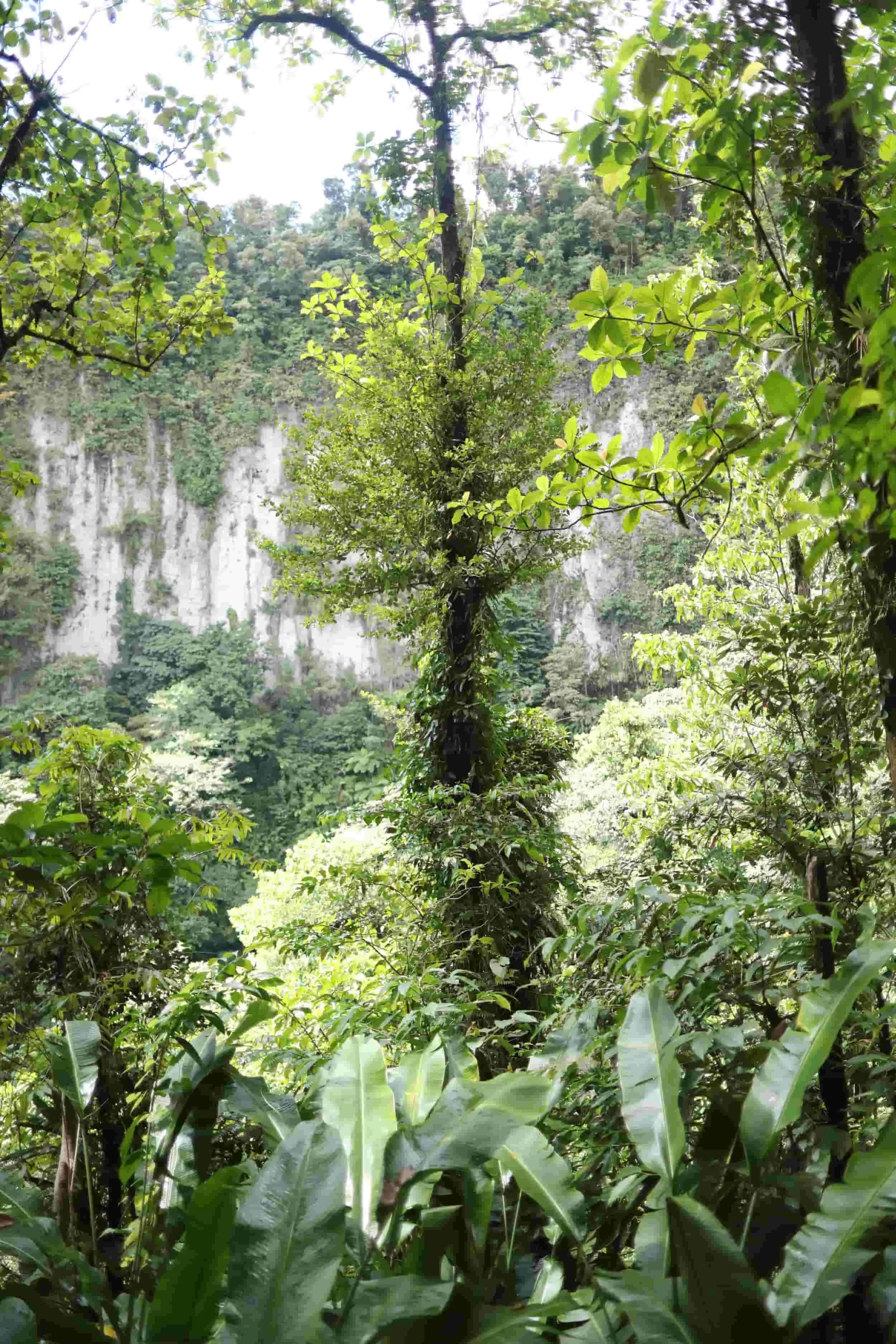
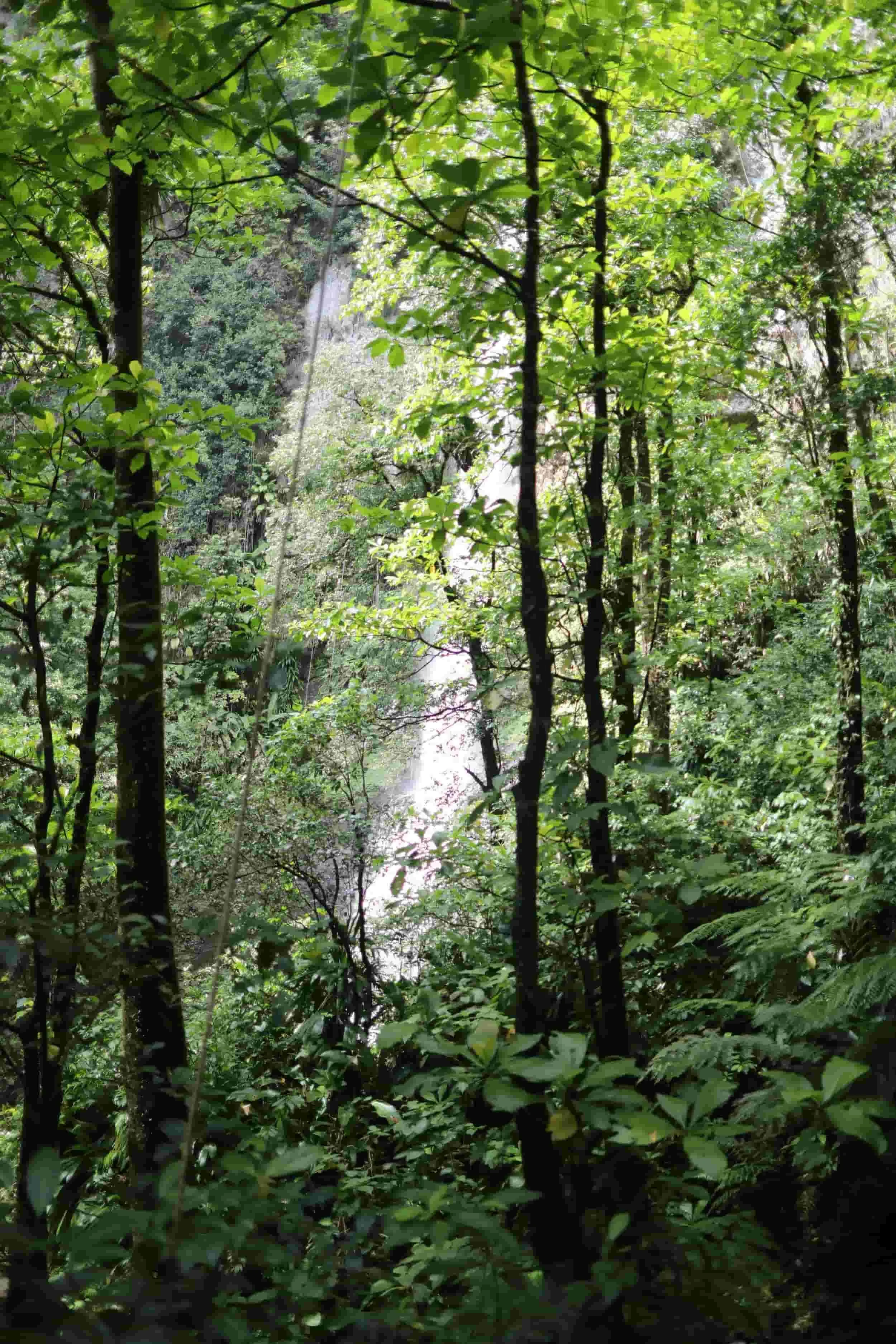
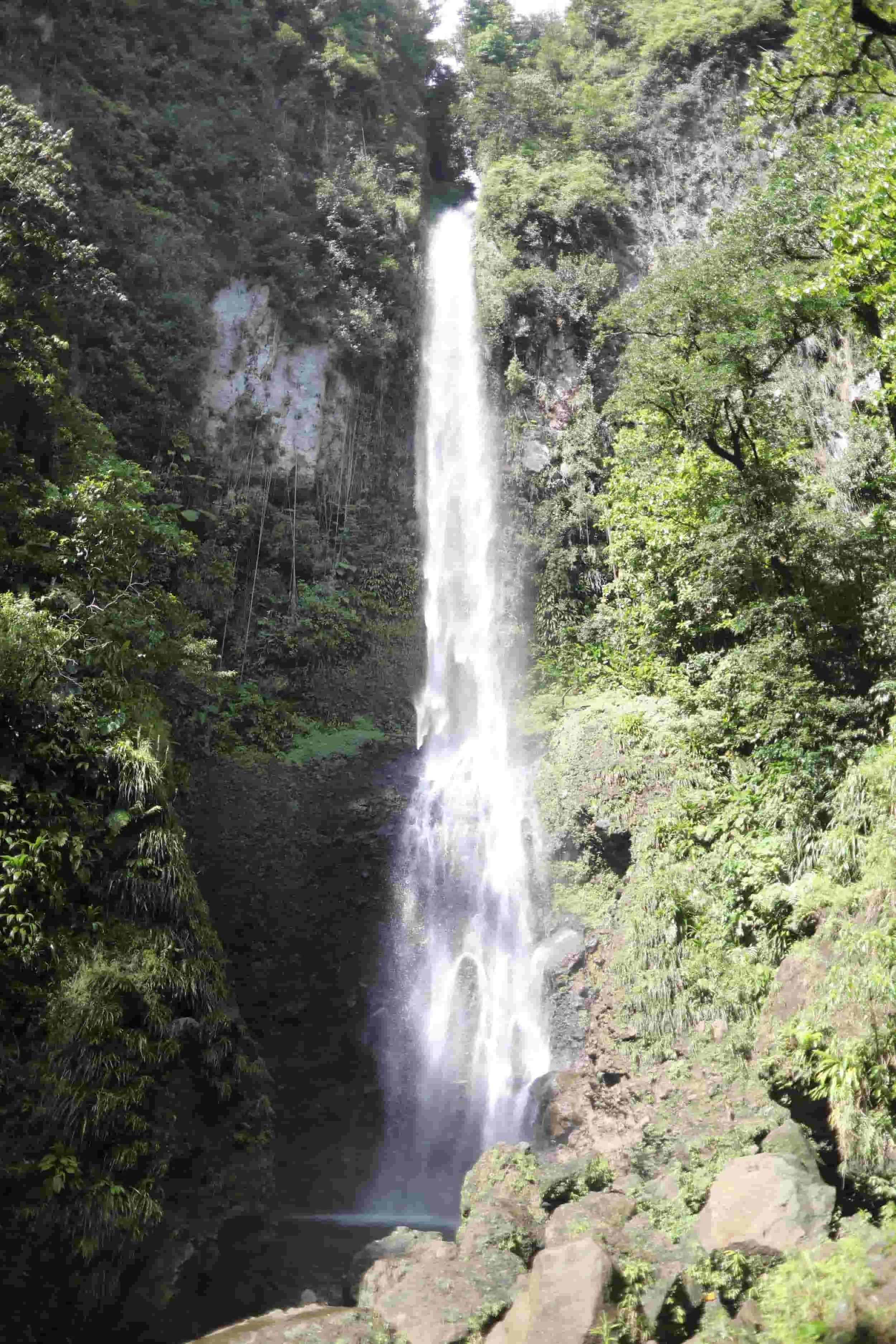
When they do, it’s the kind of sight that makes you pause in the middle of the path, breath catching not from the climb but from the sudden scale and serenity. Middleham plunges from a cliff face in a single silver thread hundreds of feet, striking the plunge pool with a steady, musical thunder. Mist hangs in the gorge and rainbows sometimes form in the spray, landing like little, improbable bridges. Surrounding vegetation — broad-leafed trees, mossy boulders and pockets of lichens — frames the water so perfectly it feels almost composed.
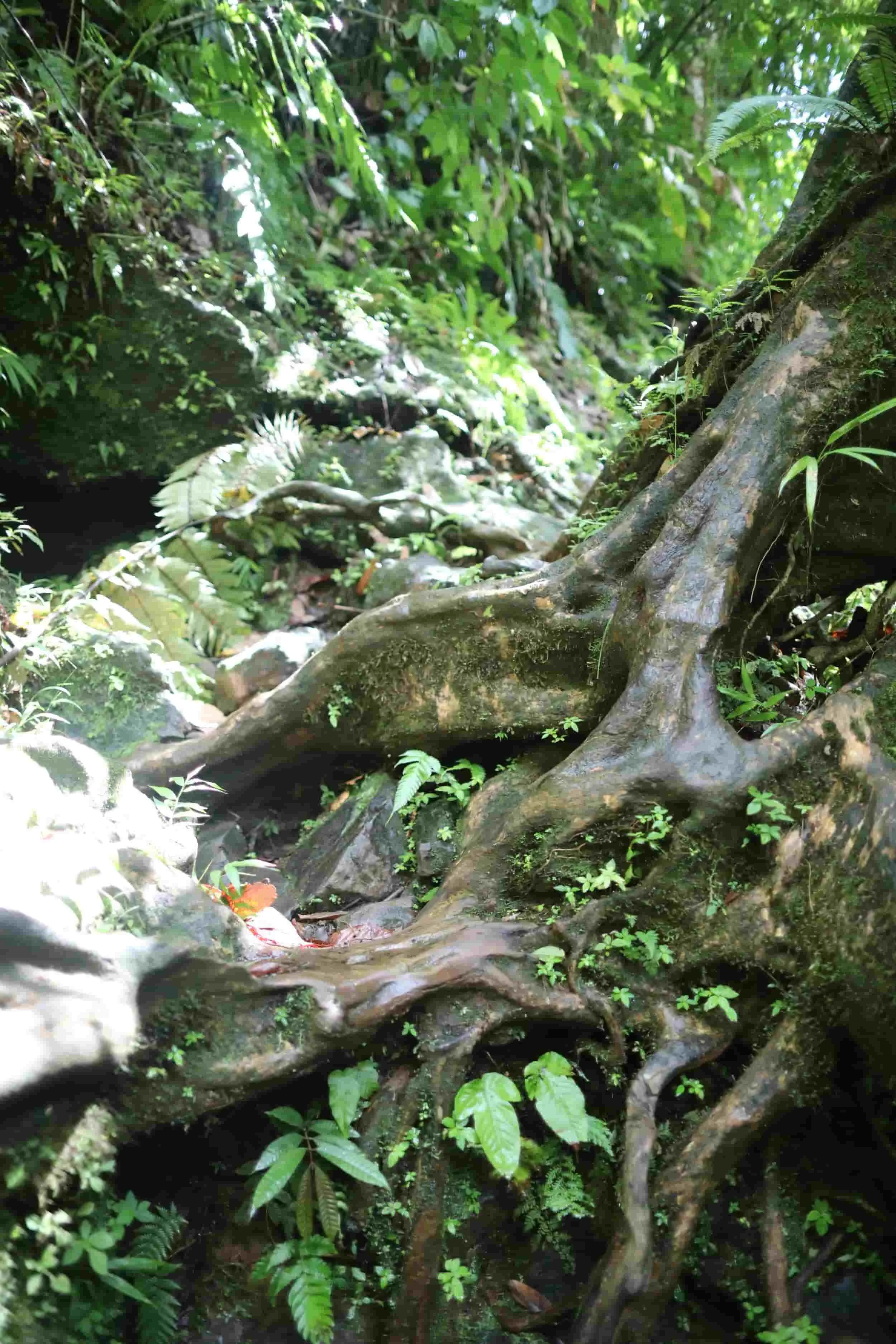
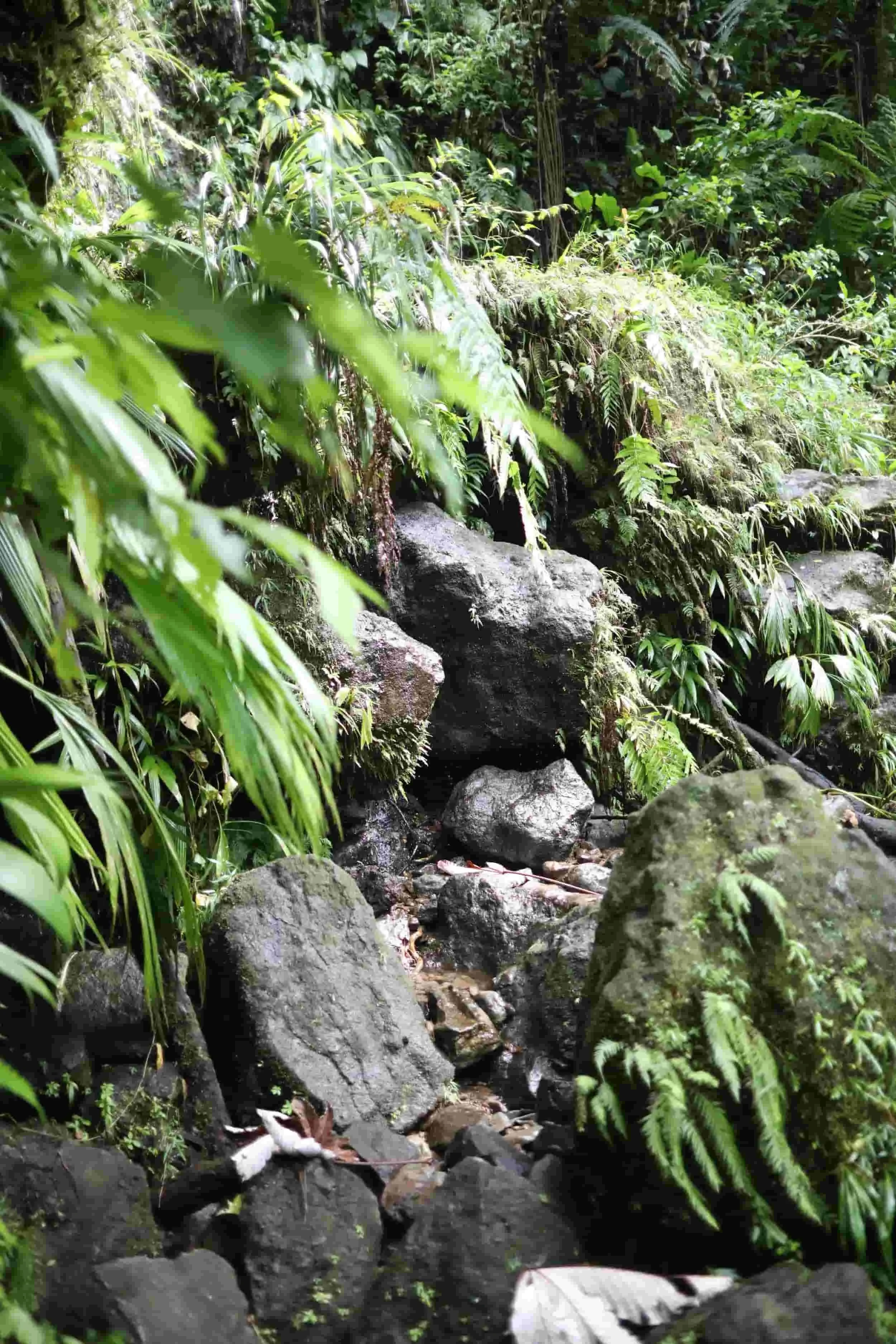
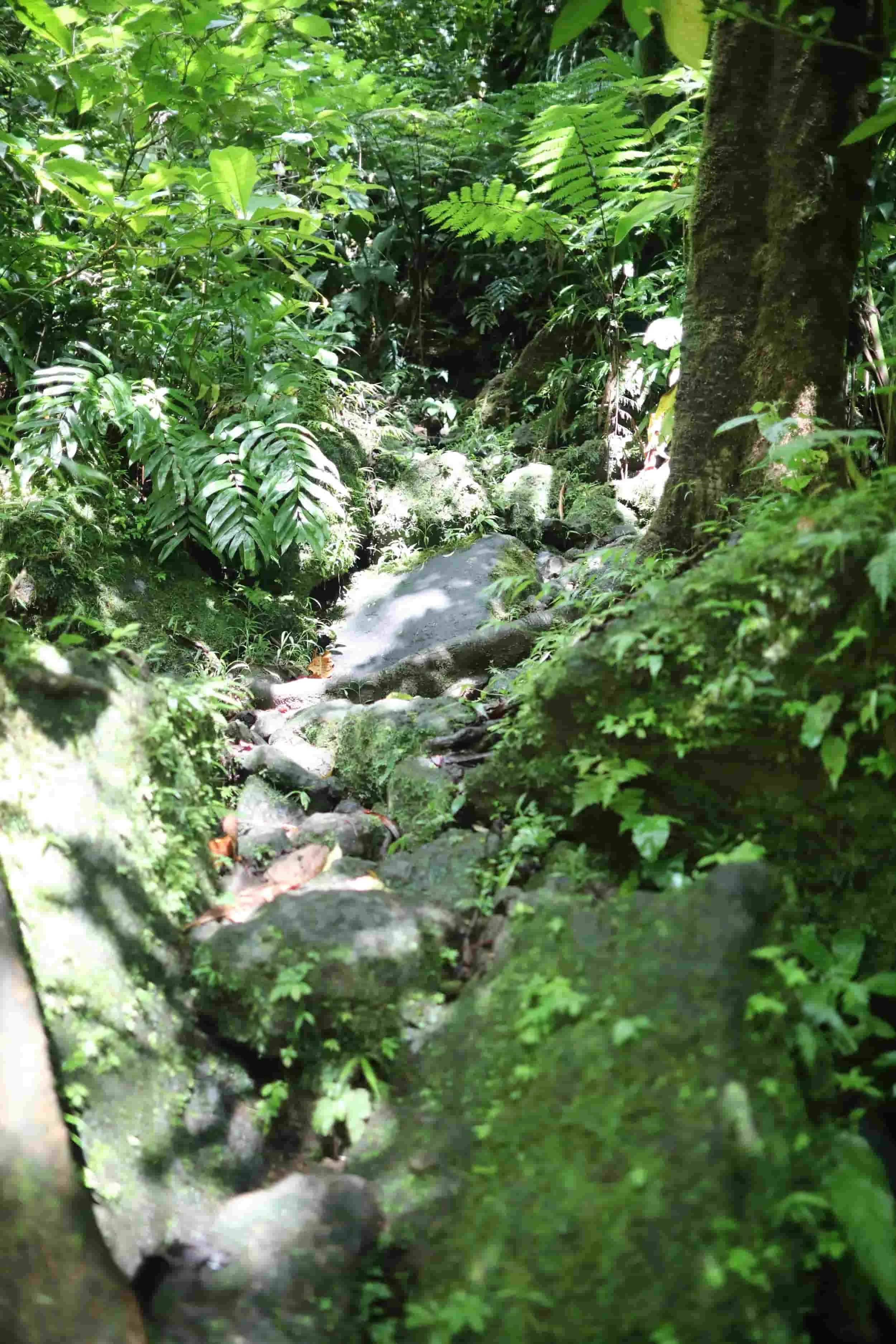
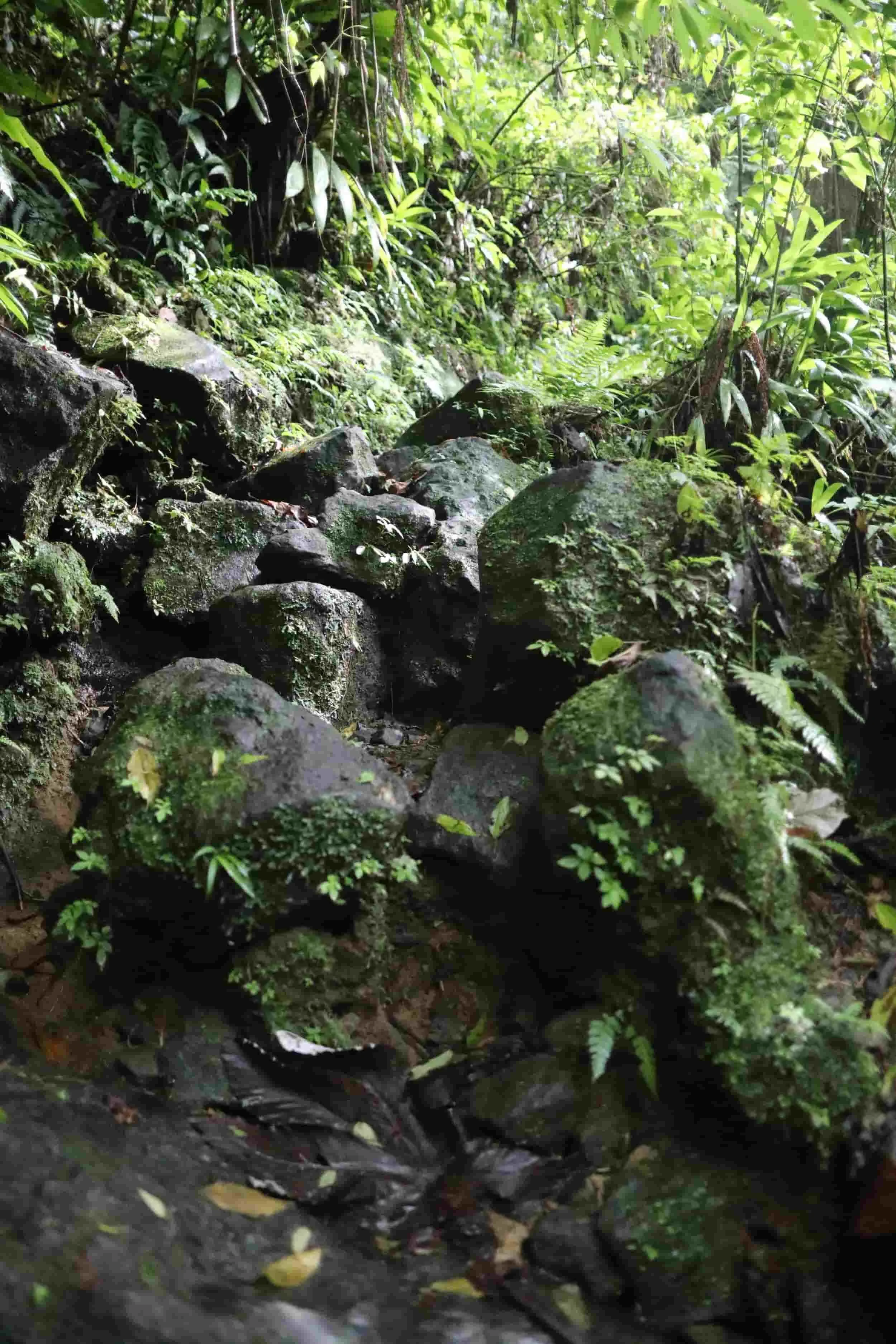
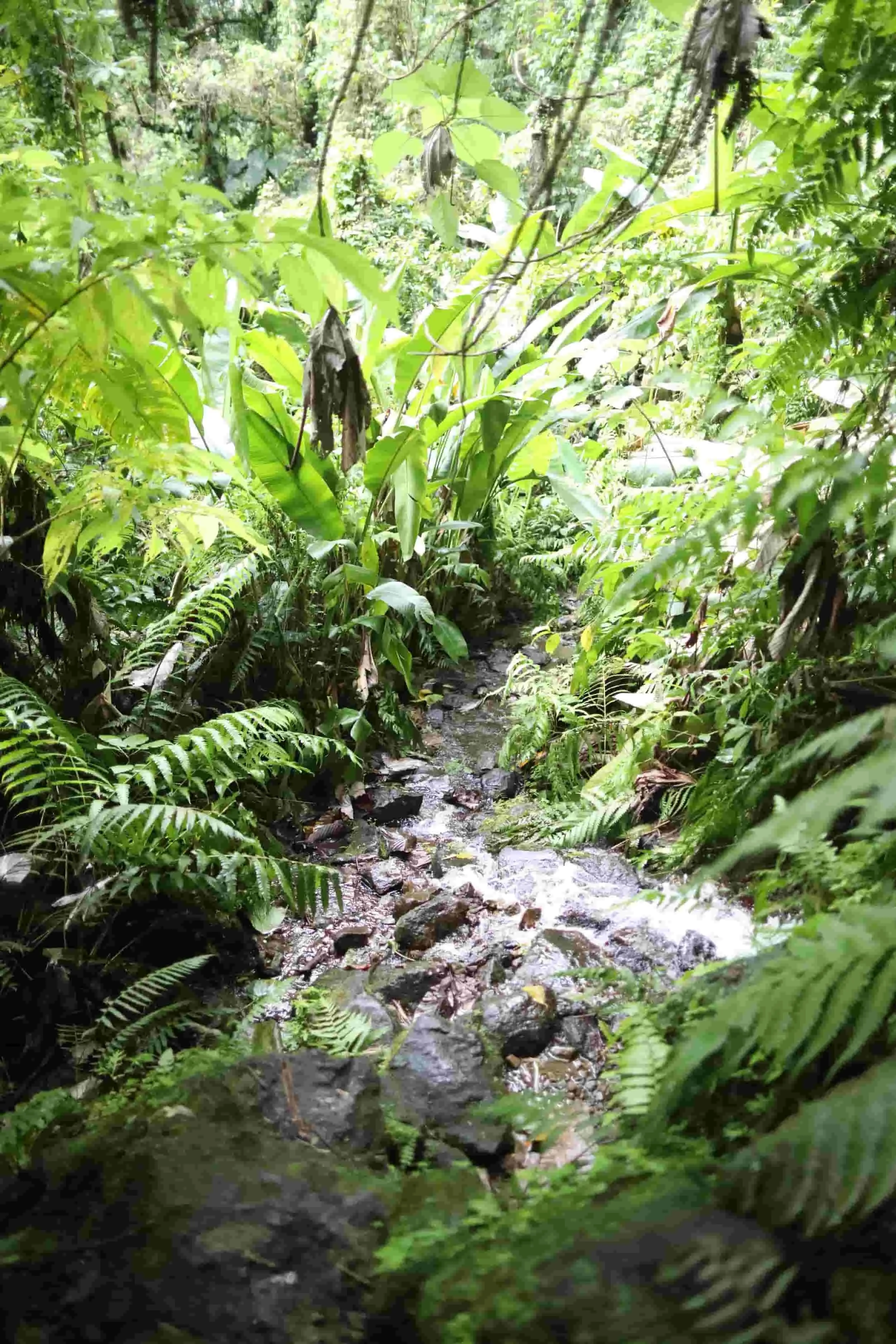
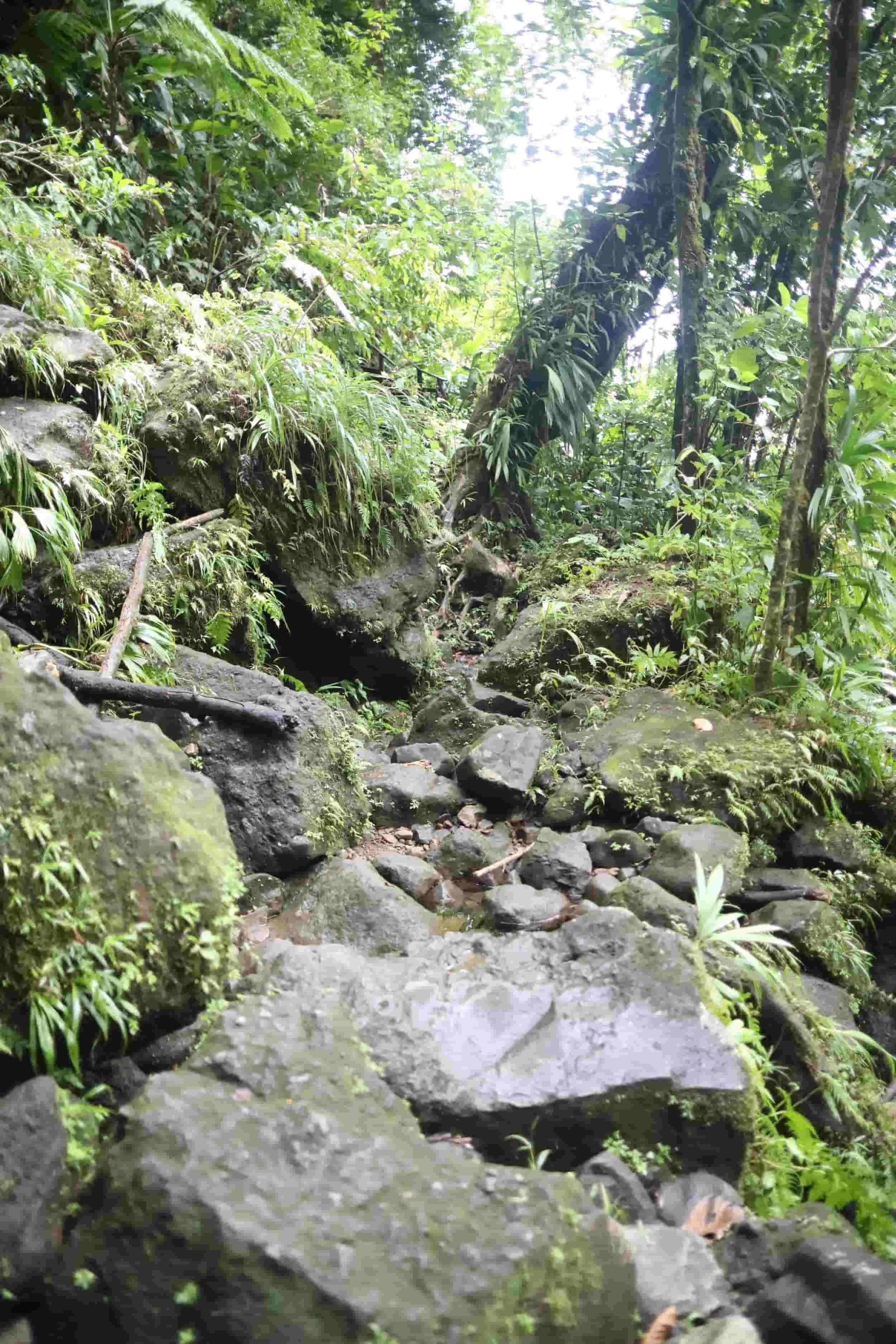
The trail drops steeply, so watch your step as you make your way down. That descent opens onto a viewing platform with an up-close look at the 200+ foot cascade — Dominica’s tallest — and plenty of flat rocks where you can sit and soak it in. Middleham Falls — a spectacular, misty curtain of water dropping straight into a jungle pool, that pool continuing to drop even further into yet another.
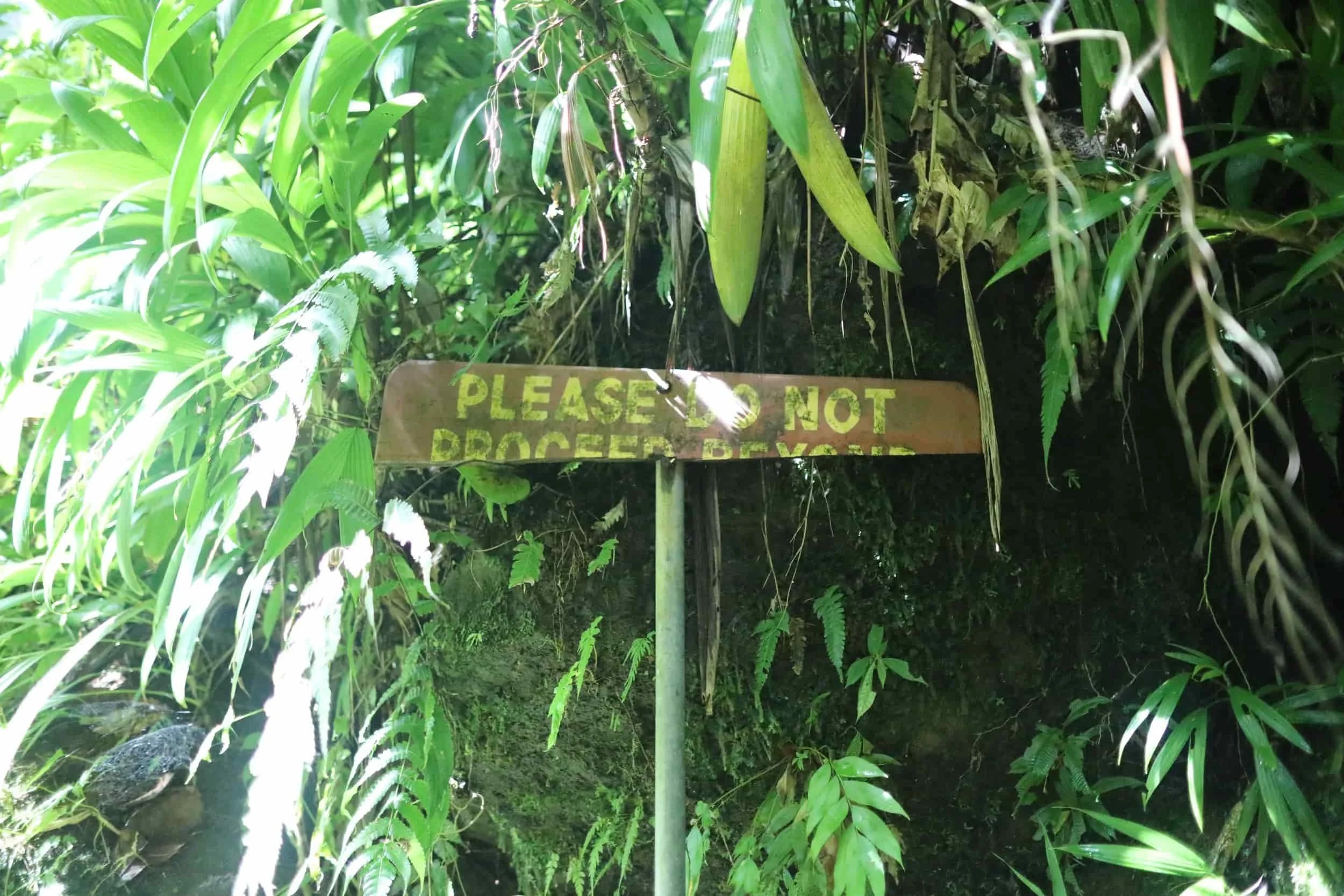
⚠️ Good to Know | Be prepared for steep, tricky sections and very slippery rocks — especially after rain. Good hiking shoes with reliable grip and a trekking pole are helpful for stability. Bring insect repellent and a dry bag for electronics; the humid, mossy trail rewards patience with one of Dominica’s most dramatic waterfalls.
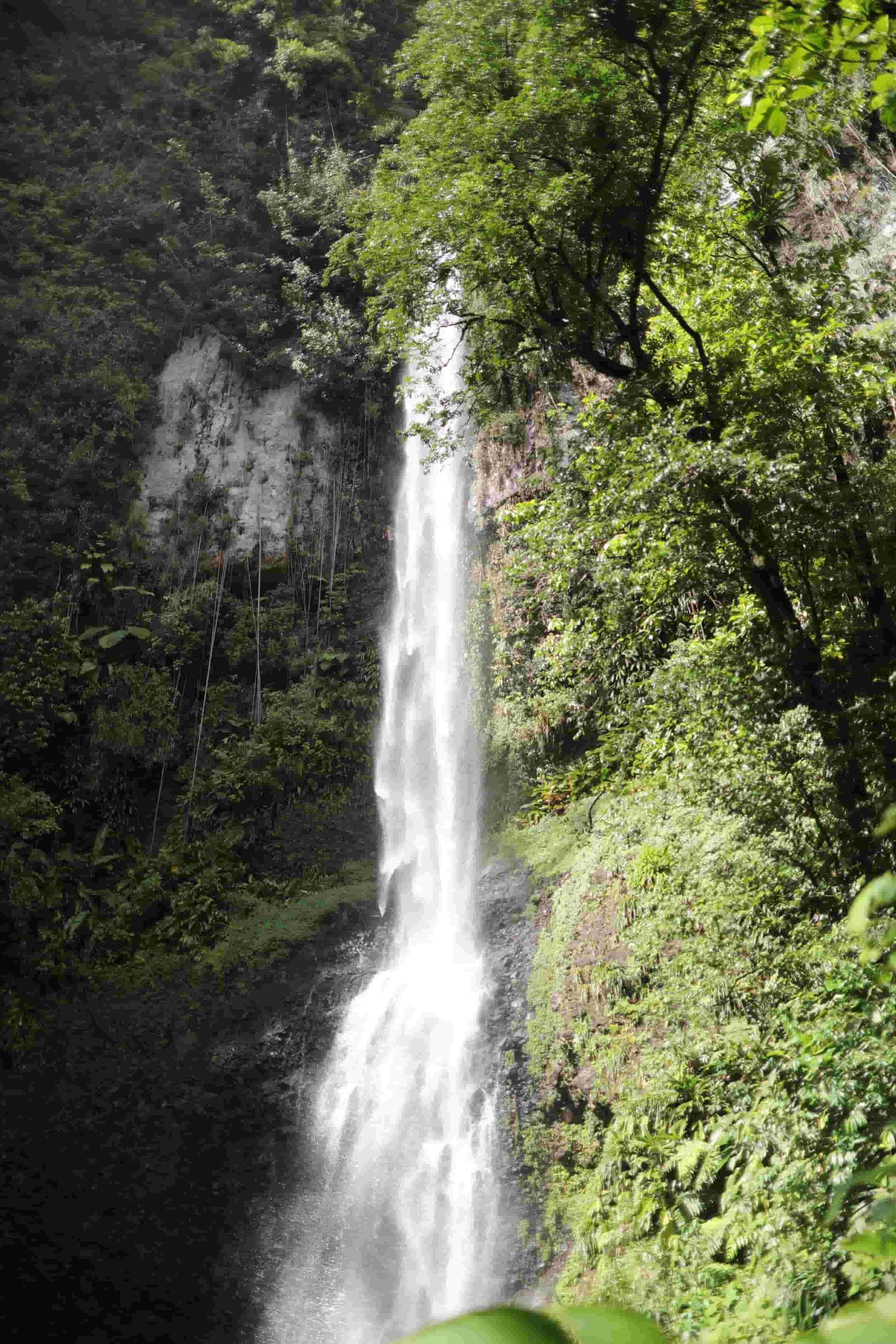
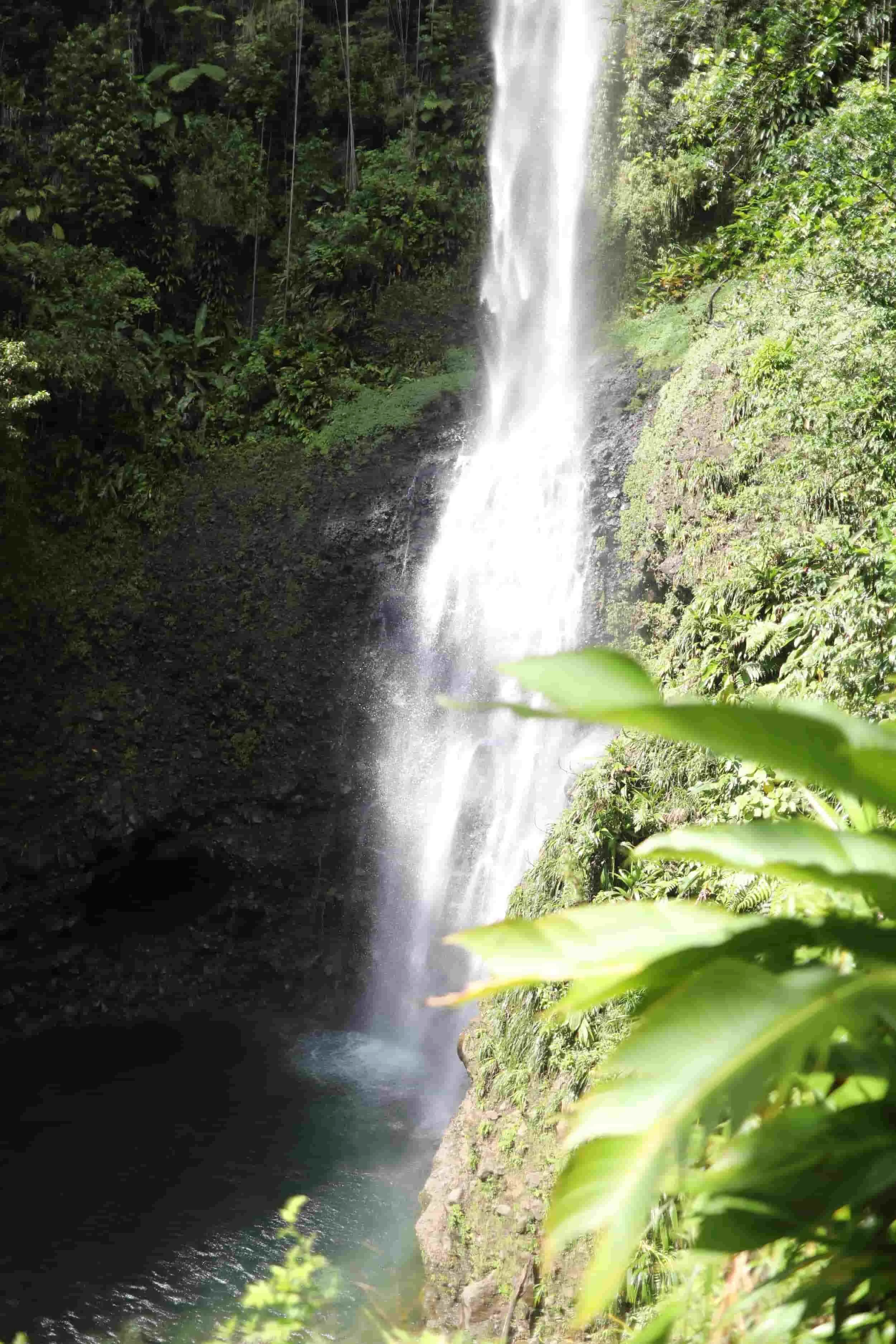
A rewarding payoff: a dramatic cascade framed by basalt cliffs and a cool plunge pool perfect for a quick, refreshing dip. If you’re feeling adventurous, a steeper scramble leads down to a string of pools set a little farther from the falls.
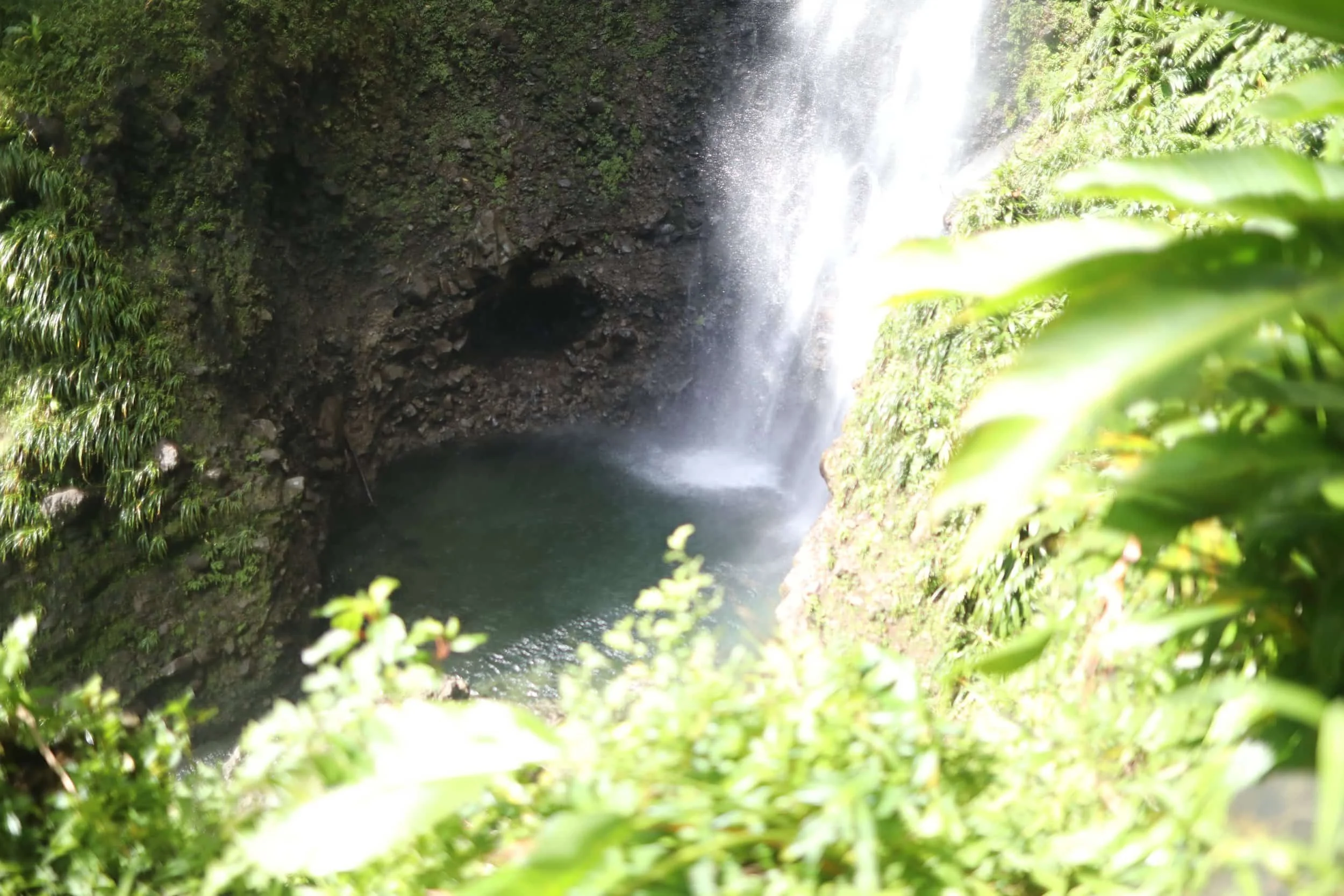
The pool can be deep near the falls and slippery at the edges, so enter cautiously. And though I read the path is easy to follow and well marked, I didn’t find that to be the case and was too afraid to risk twisting an ankle, alone so deep in the forest. Ultimately, I chose to skip the swim.
Standing at the edge of the pool, you can feel the island’s heart beat a little faster: the water cool against your skin, the echo of the waterfall bouncing off basalt walls, the chorus of frogs and birds that seem to celebrate the place as much as you do. There’s a quiet here that’s not empty; it’s full of movement, life and the kind of deep calm that stays with you long after you’ve left the trailhead.
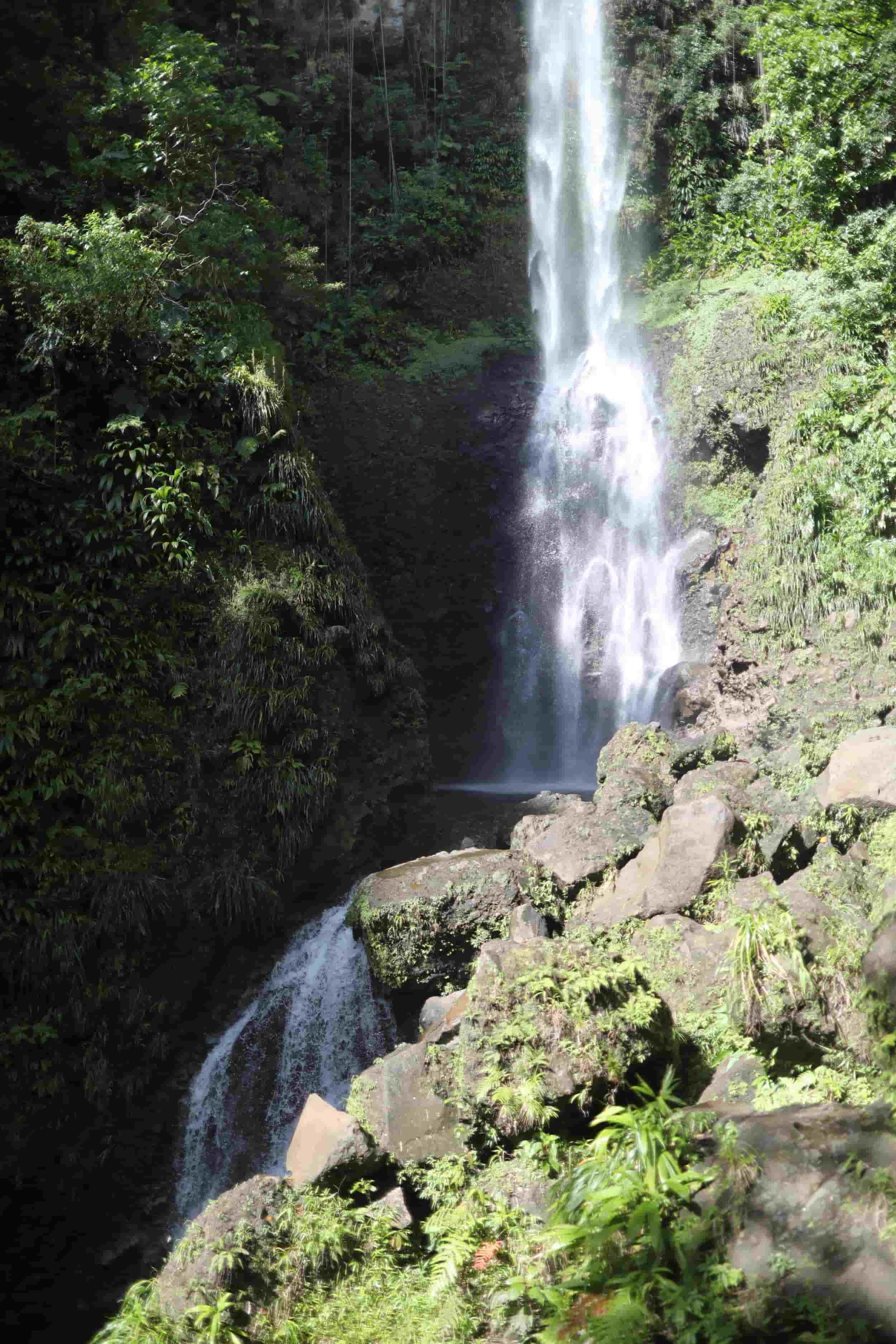
The falls stole my breath — I could have stayed there forever, even if a swim wasn’t in the cards this time. I lingered, letting the mist and the roar settle into me, then reluctantly began the return. Heading back felt gentler, the path familiar and comforting and with each step my shoulders eased.
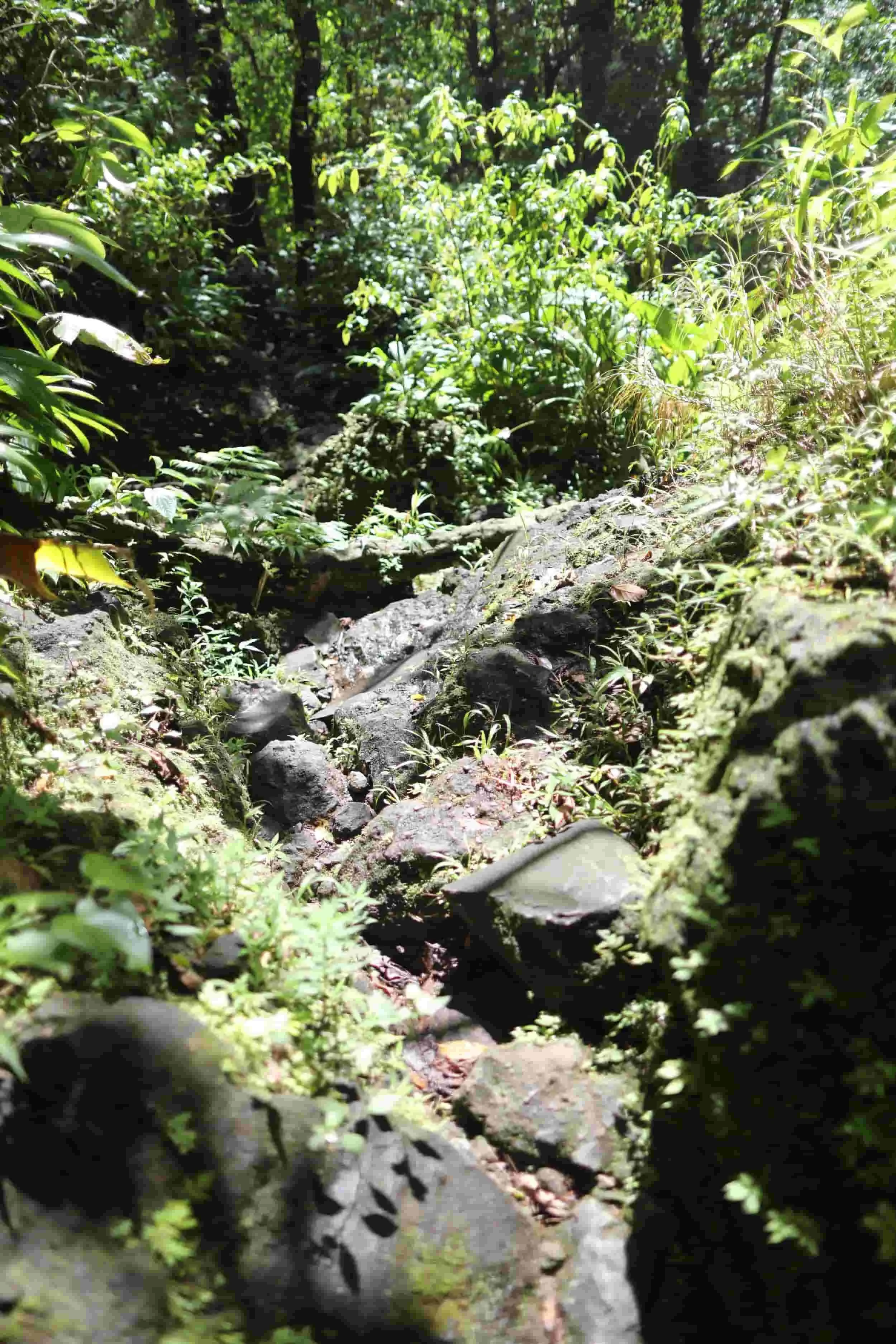
Walking back, boots splashing through shallow streams, you carry more than wet clothes — you carry a quiet, bright snapshot of Dominica that lingers in the memory. I emerged from the forest unscathed, grinning; of all the rainforest walks I did in Dominica, this one was by far the most unforgettable.
Practical Tips for Hiking Middleham Falls, A Must-See in Dominica
If you’re wondering what to see in Dominica, don’t miss Middleham Falls — just take a moment to prepare so you arrive ready to enjoy every breathtaking drop. Footwear really matters here. Proper hiking shoes with good grip are strongly recommended over tennis shoes and boots with ankle support will make the ascent more comfortable and safer. Bring a walking stick or trekking poles if you have them; they’re incredibly helpful on the muddier, root-strewn stretches.
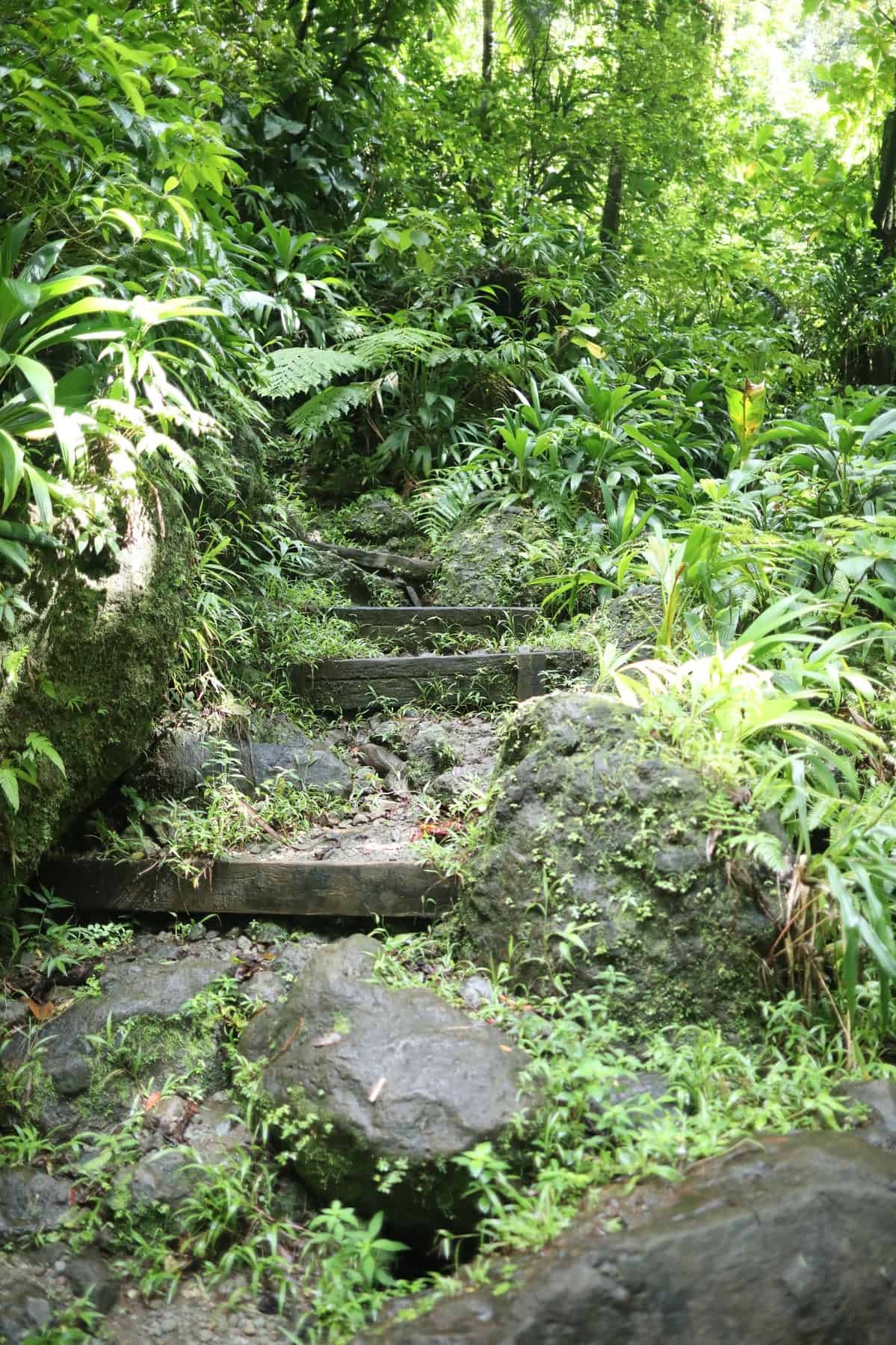
Make your hike to Middleham Falls unforgettable with these tips:
Choose sturdy hiking shoes or boots with good ankle support to keep each step confident and comfortable.
Bring trekking poles to steady your balance when the trail turns muddy and playful.
Tuck a bottle of water, a handful of snacks and a lightweight rain jacket into your pack so you’re ready for surprises.
Smooth on insect repellent and slip into leggings if leeches are a worry — little comforts that make a big difference.
Set out early to enjoy cooler temperatures and quieter paths and tread lightly so the trail stays beautiful for others.
Plan extra time for slow sections, photo stops and for taking in the jungle sounds.
With the right preparation, the steep, jungle climb becomes part of the adventure — and Middleham’s waterfall makes every muddy step worth it. Just make sure to pause now and then along the hike to soak up the stunning, storybook beauty of Morne Trois Pitons National Park.
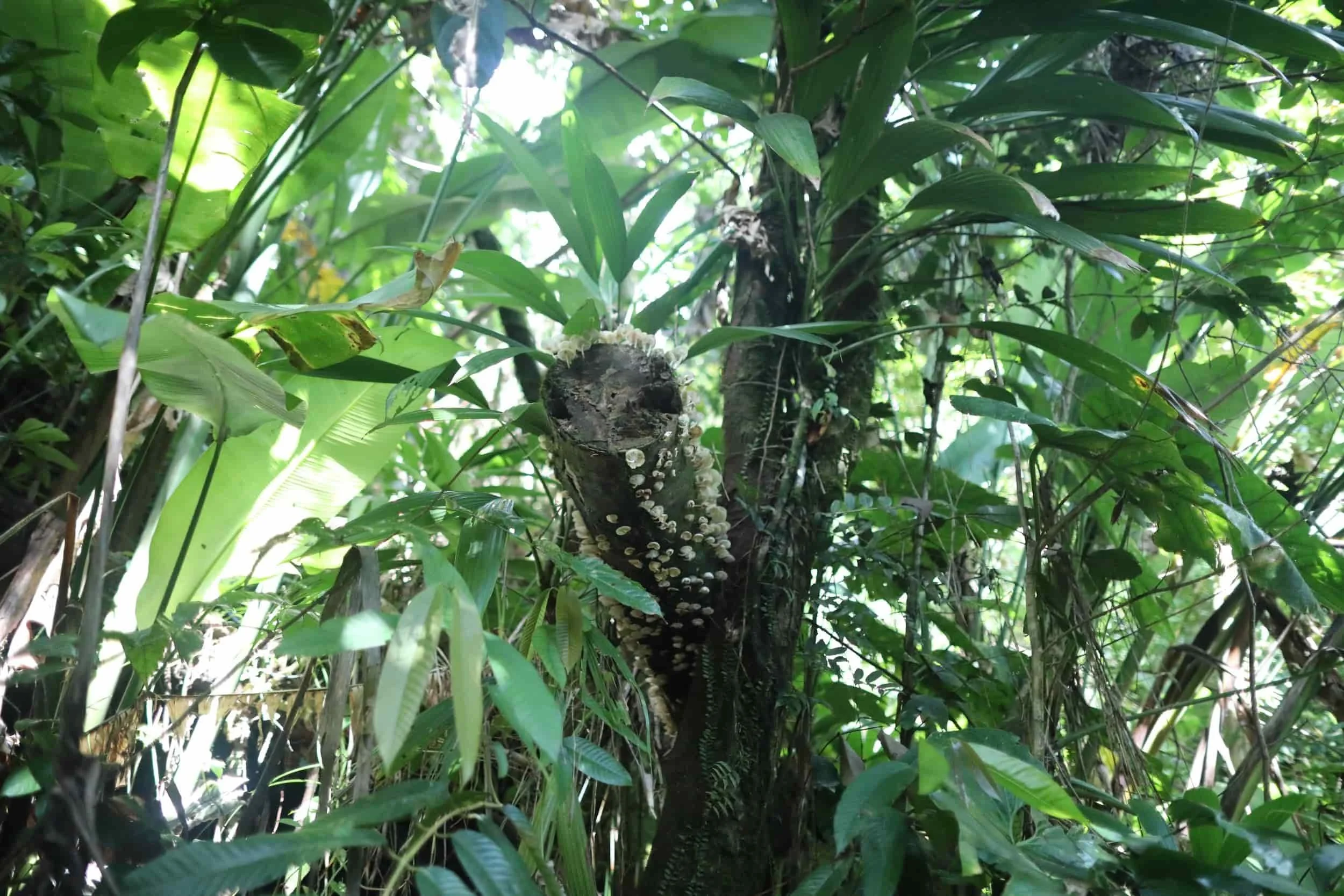
Middleham Falls is Dominica at its rawest — a place where muddy trails, towering rainforest and a thunderous waterfall come together to reveal nature in its wildest form.
My Bibimbap Moment
Every destination adds another ingredient to our life's recipe, sometimes asking a little more of us before revealing what lies beyond. The trail to Middleham Falls was muddy, humid and beautifully untamed, winding through the dense rainforest before finally opening onto one of Dominica's most spectacular waterfalls. Here's the ingredient this wild corner of the island added to my Bibimbap Life.
Today’s Bibimbap Recipe
🥢 Flavor: Wild
🌿 Ingredient: Perseverance
❤️ Best Memory: Finally seeing the falls peak through the trees — I made it!
🎒 Take With You: The most rewarding journeys often ask the most of us. Don't shy away from the muddy paths — they're often the ones leading somewhere extraordinary.
When I think back on Middleham Falls, I remember the mud under my shoes, the thick rainforest around me and that feeling of wondering how much farther there could possibly be to go. Then the trees opened and the waterfall appeared, making every slippery step feel worth it. There was something satisfying about having to work a little for the view — not because the journey was easy but because the landscape felt so wonderfully untouched. Middleham Falls left me with the kind of memory that stays vivid: muddy, humid, wild and completely worth the effort.
Middleham Falls Travel Essentials
Knowing a few essential tips before hiking to Middleham Falls in Dominica turns a good adventure into a great one: aim for the dry season or early morning hours to avoid slippery trails and afternoon downpours, arrange local transport or a guided transfer since the falls are accessed via rough rural roads, wear sturdy shoes and a lightweight rain jacket, bring plenty of water, insect repellent and a waterproof bag for your phone and camera and consider hiring a local guide — they know the best routes, safety spots and stories about the area.
When to Go
Best time to go: Dry season from December to May
The best time to hike Dominica’s Middleham Falls is early morning during the dry season, roughly December through May, when the trail is drier, the jungle is quieter and the light through the rainforest canopy turns the waterfall mist to silver; start just after sunrise to enjoy cooler temperatures, fewer people and the chorus of birds waking up, and aim for a weekday visit if you can — by midday the trail can be muddier and the pool below busier but an early trek rewards you with the peaceful roar of the falls, emerald pools and the feeling that the island is sharing a secret just for you.
If you’re planning to hike to Middleham Falls during the wet season, keep an eye on the forecast — showers can turn the trail into a slippery, muddy challenge very quickly. After a storm, the path can be thick with clay, roots and uneven sections, so wear sturdy, grippy footwear, bring trekking poles or a walking stick for extra balance and allow extra time for slow, careful footing.
Consider going with a local guide who knows which sections are safest after rain and pack a dry change of clothes and waterproof protection for your camera — because when the clouds clear, the waterfall and surrounding rainforest are utterly magical.
What to Bring
Middleham Falls is a proper rainforest hike, so come prepared for heat, humidity, mud and the occasional downpour. Wear sturdy hiking shoes with good traction and lightweight, quick-drying clothing and bring a reusable water bottle, insect repellent, sunscreen and a light waterproof jacket. A small dry bag or waterproof pouch is useful for protecting your phone and camera and I’d pack a swimsuit and small towel if you’re hoping to cool off near the falls. Most importantly, expect the trail to be wet and slippery in places — this is one hike where good shoes really do matter.
How to Get There
Middleham Falls is located within Morne Trois Pitons National Park in Dominica’s rainforest interior, near the village of Laudat. From Roseau, allow roughly 30–40 minutes by car depending on road conditions and where you’re starting.
By Car: Renting a car gives you the most flexibility but expect narrow, steep and winding roads as you head into the mountains. The final approach to the trailhead can be rough, particularly after heavy rain, so check current road conditions before setting out and choose your vehicle accordingly.
Taxi or Driver: If you’re not comfortable driving Dominica’s mountain roads, hiring a local driver is an easy alternative. Your accommodation can usually help arrange transportation and confirm the best current access point for the trail.
Guided Tour: Middleham Falls can also be visited with a local guide or as part of a hiking tour, which takes care of transportation and adds some useful context about the rainforest along the way. I’ve included tour options later in this guide.
Trail Access: Middleham Falls is within a protected national park, so a site or park pass may be required. Check current access, fees and trail conditions before your visit, particularly after heavy rain.
When I visited, construction near the access road made the final approach more complicated than expected and I relied on locals to point me in the right direction. Conditions may have changed since then, so I’d confirm the latest access information locally rather than relying entirely on Google Maps.
Where to Stay
For hiking Middleham Falls, I’d stay somewhere in the Roseau Valley, particularly around Trafalgar or Laudat. This lush interior puts you close to the trail as well as Trafalgar Falls, Titou Gorge, hot springs and some of Dominica’s other best-known natural sights. Laudat takes you deeper into the mountains and closer to the hiking trails, while Trafalgar gives you a little easier access back toward Roseau.
If you prefer restaurants, markets and a more convenient base for exploring different parts of the island, Roseau is another good option. You’ll be farther from the rainforest but still within easy driving distance of Middleham Falls and the surrounding Roseau Valley.
For this particular trip, though, I’d choose the valley. Dominica is one of those places where waking up surrounded by rainforest feels like part of the experience.
Where I Stayed
For a budget-friendly nature escape — Papaya Creek (Coconut Garden)
This is where I stayed in Dominica and one of those places that felt like part of the trip itself—a quiet, tucked-away escape surrounded by lush greenery, with a stream running through the property and an easygoing, intimate feel that suited the island perfectly.
Where I’d Stay
For a Middleham Falls trip, I’d keep looking toward Dominica’s rainforest interior — somewhere that makes it easy to get an early start on the trail and gives you a peaceful place to come home to afterward.
For another rainforest escape — Cocoa Cottage
Surrounded by tropical gardens in the Roseau Valley, Cocoa Cottage puts you close to Middleham Falls as well as Trafalgar Falls, the hot springs and several of Dominica’s other interior hikes. I especially like that it keeps the immersed-in-nature feeling I loved about Papaya Creek while being well positioned for a hiking-focused stay.
For riverside comfort — Sabifi River Resort
Tucked into the lush Fond Melle river valley, Sabifi River Resort offers a little more comfort without losing the connection to nature that makes staying in Dominica so special. With just a handful of rooms, river and garden views and an on-site Caribbean restaurant, it feels intimate and immersed in the landscape — a great choice if you want a peaceful retreat between days spent chasing waterfalls and hiking through the rainforest.
Additional Options
Want more options?
Look for stays around Roseau, Trafalgar and the Roseau Valley if you want to keep Middleham Falls and Dominica’s rainforest interior within easy reach.
Browse all stays on Dominica Island →
Ready for a serious splurge? — Coulibri Ridge
If you want to turn your time in Dominica into something truly special, Coulibri Ridge is the splurge. This secluded, sustainability-minded retreat pairs striking contemporary architecture with expansive Caribbean views, beautiful pools and a setting designed around the surrounding landscape. It’s far from the budget-friendly side of Dominica but for a milestone trip or a few nights of pure indulgence, this is the one I’d have on my wish list.
How to Get Around
Renting a car is the easiest way to explore Dominica independently, especially if you plan to visit waterfalls, hiking trails and other natural sights scattered around the island. Roads can be narrow, steep and winding, so give yourself more time than the distance on a map might suggest and drive cautiously, particularly after rain.
If you’d rather not drive, taxis and driver-guides are a good alternative for reaching trailheads and more remote sights. Local minibuses connect major towns and are inexpensive but their informal schedules and limited reach make them less practical for a hiking-focused day.
For Middleham Falls, I’d choose a rental car, arrange a driver or join a guided tour rather than relying on public transportation. That gives you much more flexibility around trail conditions, weather and how long you want to spend at the falls.
How Long to Stay
For Middleham Falls itself, allow roughly 2–3 hours for the hike and time at the waterfall, giving yourself enough room to take the trail slowly, stop along the way and enjoy the falls once you arrive. Trail and weather conditions can affect your pace, so I wouldn’t plan this one too tightly. With transportation from Roseau and time to explore elsewhere in the Roseau Valley, it can easily become a half-day outing.
For Dominica as a whole, I’d give yourself at least five to seven days. Spend a few days exploring the rainforest interior — Middleham Falls, Titou Gorge, Emerald Pool and the Waitukubuli Trail — then leave time for the coast, snorkeling, whale watching and some of the island’s quieter beaches.
With ten days, you can slow down considerably, adding village visits, hot springs around Wotten Waven, boat trips and plenty of time for Creole food and unplanned stops along the way. Even three days can work if you focus on one part of the island but Dominica is one place where having extra time pays off.
Tours & Day Tips
Dominica offers a range of tours from easy coastal drives and snorkeling excursions to challenging rainforest hikes and volcanic exploration. Popular options include guided waterfall treks — like the lush Middleham Falls hike through primary rainforest — marine trips to see whale and dolphin pods, hot springs and sulfur spa tours around volcanic areas and cultural village tours that highlight Kalinago heritage. Adventure seekers can book canyoning, river tubing and multi-day trekking packages, while relaxed travelers often choose birdwatching and scenic boat tours along the island’s coasts.
Want to Experience Middleham Falls for Yourself?
If you’d rather explore with a local who knows the trails, a guided experience can be a great way to hike to Middleham Falls while discovering more of Dominica’s lush rainforest along the way. Many tours pair the falls with other natural highlights, making it easy to turn the hike into a fuller day of exploring.
Explore Middleham Falls tours and experiences →
Ready to Explore More of Dominica?
Middleham Falls is just one of the island’s many wild corners. If you’re looking for what to experience next, there are plenty of ways to explore — from rainforest trails and hidden waterfalls to hot springs, snorkeling and adventures along the coast.
Good to Know
Trail Conditions: Middleham Falls is a rainforest hike, so expect roots, rocks, elevation changes and plenty of mud, particularly after rain. The trail can become slippery quickly and conditions may change with the weather.
Difficulty: The hike is moderately challenging rather than a casual walk. Give yourself time, especially on the steeper sections, and remember that the humid tropical conditions can make the trail feel more strenuous than the distance alone suggests.
Trail Pass: Middleham Falls is part of Dominica’s protected natural landscape and visitors may need a site or trail pass for access. Check current requirements before setting out, as passes and entrance arrangements can change.
Local Guides: The established trail can be hiked independently but a local guide can add considerably more context about the rainforest, plants and wildlife along the way. A guide may also be worth considering after heavy rain or if you’re uncomfortable hiking unfamiliar tropical trails on your own.
At the Falls: Facilities are limited once you’re on the trail, so plan accordingly and carry out everything you bring in. The rocks around the waterfall can be particularly slick, so take your time once you reach the water.
Discover Ti Kwen Glo Cho, where Dominica Island’s volcanic landscape meets lush tropical gardens, naturally heated pools and an unexpectedly memorable escape.