Dune Buggy Rides & Wine Tastings in Huacachina
Best things to do in Huacachina: discover the magic of this rare South American oasis framed by a shimmering lagoon, swaying palms & towering sand dunes with this travel guide.

Escape to Huacachina: Peru’s Enchanting Oasis of Dunes & Sunset Magic
Peru feels like a storybook stitched from many landscapes. One minute, you’re tracing the stonework of an ancient Inca citadel at Machu Picchu; the next, you’re sampling bright ceviche and savory lomo saltado in a bustling market. The country’s palette runs wide: the emerald tangle of the Amazon, the serrated silhouette of the Andes and the mysterious Nazca Lines etched into desert plains. History and craftsmanship are everywhere — handwoven textiles bright as sunsets — and the drinks don’t disappoint, from smooth brandy to the tangy kick of pisco.
Huacachina is a tiny, dreamlike escape on the edge of southwestern Peru. Tucked just west of Ica, this desert oasis circles a jewel-green lagoon said to have healing powers, fringed by stately palm trees. Cafés and bars perch on the water’s edge, perfect for slow afternoons, while outside the village massive dunes pulse with energy as dune buggies roar and launch across the sands.
Two-Week Travel Itinerary
My two-week Peru adventure began in Lima, where I spent 24 hours exploring the city with my Peruvian friend, Esau. Lima is a fascinating collage — pre-Inca ruins sit alongside modern neighborhoods and the coastline bristles with life. From there, we sailed out to Paracas, a stretch of rocky islands and desert beaches that feel both rugged and tropical. Then came Huacachina: adrenaline-fueled dune buggy rides by day and relaxed wine tastings by night.
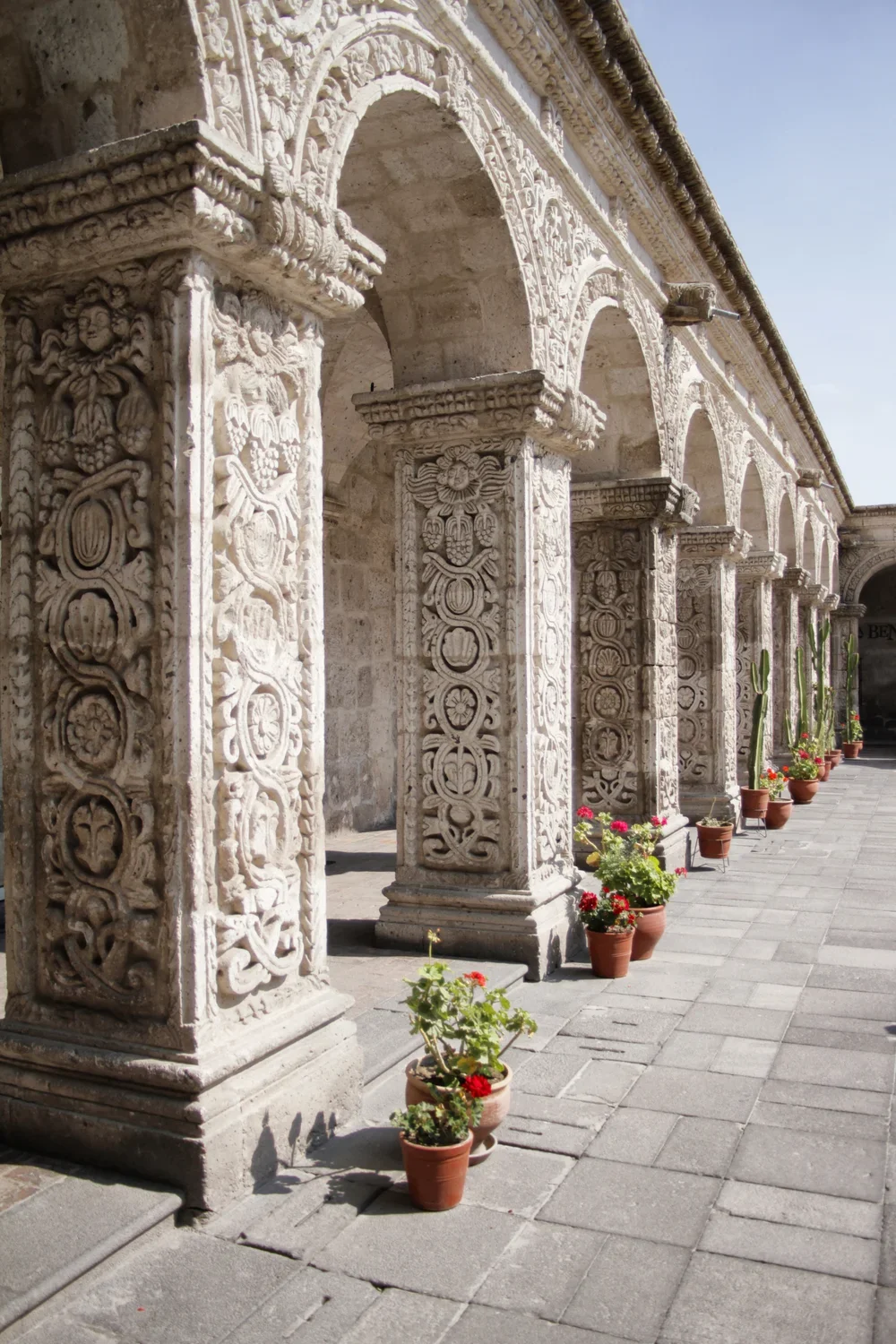
Next up was Arequipa, the “White City,” whose buildings glow from volcanic sillar stone and whose historic center is quietly grand. A day trip to Colca Canyon followed, a chance to stand at the rim of one of the world’s deepest canyons and watch condors ride the thermals.
Finally, the highlands. Cusco, once the heart of the Inca Empire, became our base for the Sacred Valley. We explored Pisac and Ollantaytambo, felt the altitude in the cool mountain air and I even had a harrowing near-miss on Rainbow Mountain that I’ll never forget. The trip culminated with the pilgrimage every traveler dreams of: hiking into Machu Picchu and walking among those timeless stones as the morning light unfolded over the Andes.
What’s Inside | Roadmap
01 | Arrive in magical Huacachina
02 | Marvel at Huacachina’s real‑life desert oasis
03 | Hold on tight for a sunset dune adventure
04 | Enjoy a charming visit to Tambo de Tacama — South America’s oldest winery
05 | Wander the streets of San Jose & Ica
Read On | Find all your Peru travel guides here — Peru Travel Guides
Enchanting Adventures in Huacachina
Nestled around a shimmering oasis in the Peruvian desert, Huacachina feels unreal, where vibrant palms and sunset-drenched sand dunes frame every moment. Glide across glassy water by paddleboat, then race down towering dunes by sandboard or buggy for an unforgettable mix of serene relaxation and heart-racing adventure.
01 | Arrive in Magical Huacachina
After a few dreamy days in Paracas, make your way to the enchanting oasis of Huacachina. Huacachina is a tiny desert oasis village built around a natural lagoon, tucked into the sand dunes just outside the city of Ica. And with some of the tallest sand dunes in South America, the town is a popular spot for sandboarding and dune buggy rides that send adrenaline seekers sliding and jumping down slopes at sunset.
But, first things first — Esau and I rose with the sun to pack and check out. With warm chicken tamales tucked under our arms and steaming coffee from a cozy café, we felt fit for the road ahead.

The bus from Paracas to Huacachina takes about an hour — often crowded but cozy enough to nap. Be careful with your belongings; later, I discovered a sad surprise: my favorite sneakers had vanished from my overhead bag.
Tip | Keep a close eye on your things and tuck a tiny lock onto your bag when you can — better safe than sorry.
The first stop is Ica, a quick pause in a nearby town, and minutes later the bus rolls into Huacachina. Stepping off the bus, find a stay in town. Our stay, The Upcycled Hostel, is located just outside town, so we hopped into a motor taxi for five soles and were on our way.
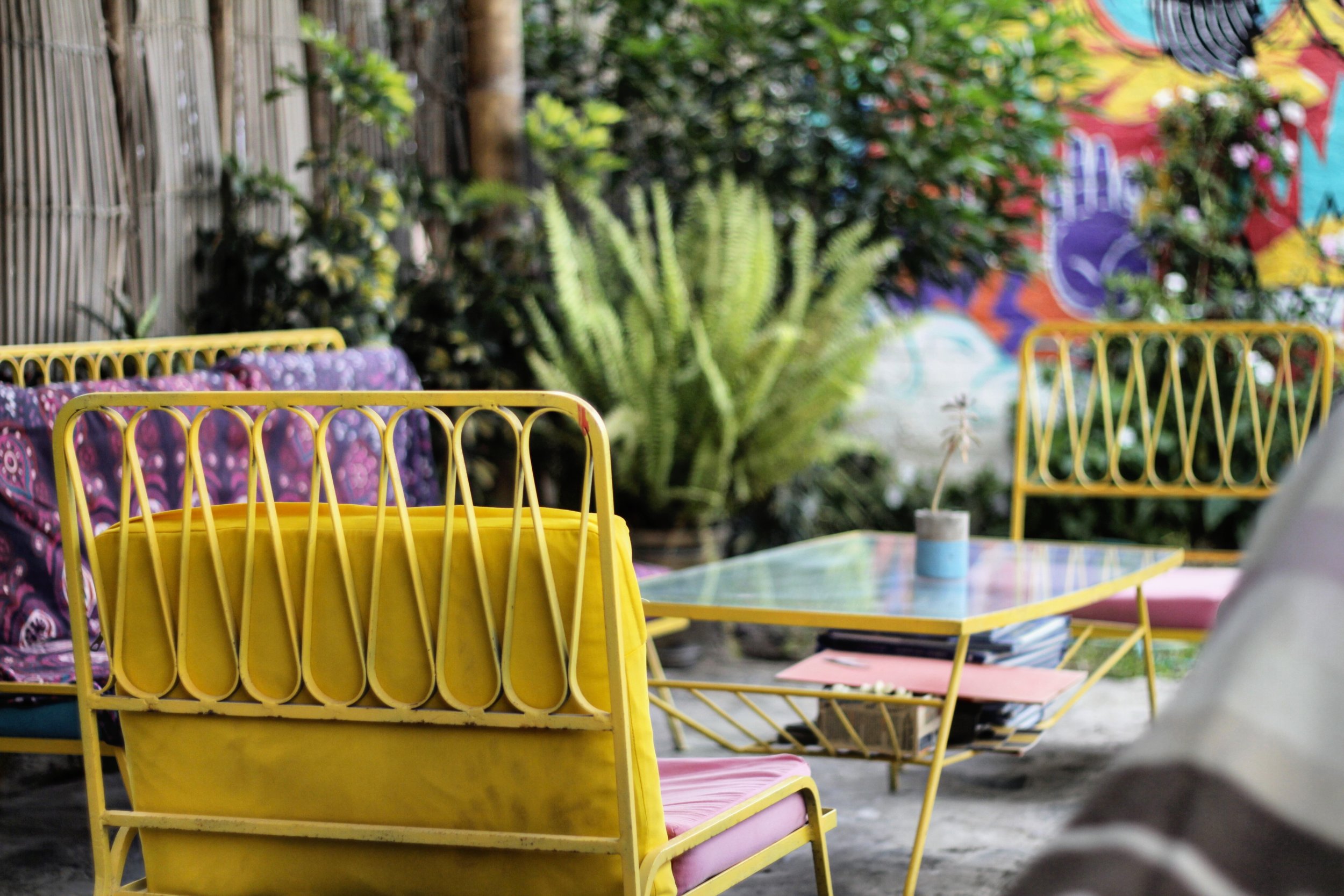

The Upcycled Hostel feels delightfully charming and snug, set against a stunning backdrop of endless sand dunes. Everywhere you look are sweeping, golden hills beneath a brilliant blue sky. The place has a warm, family-run vibe — everyone is friendly and genuinely helpful, which makes the stay feel even more special.

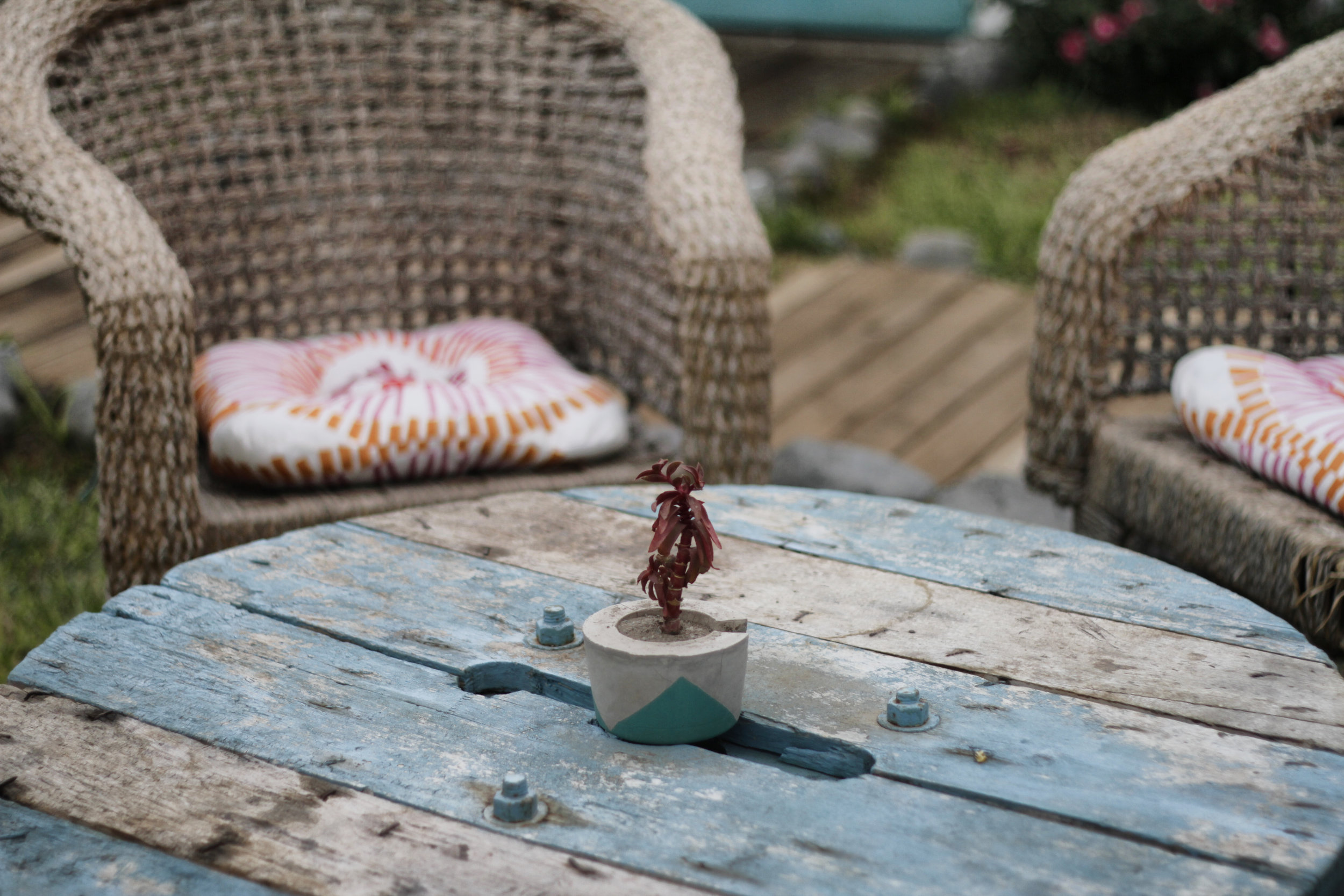
The space feels spotless and the private rooms are delightfully spacious, with everything one could possibly need. The showers run hot — just don’t linger too long or the water fades. A light breakfast greets you each morning and the WiFi is reliable. The hostel offers plenty of outdoor nooks to unwind, plus a refreshing swimming pool.

And if you’re lucky, you’ll make some fury friends during your stay. A dog and a few cats wander the grounds; a sweet black cat snuck into our room to cuddle, unwilling to leave.
At check-in, the hostel tipped us off that dune tours fill up fast, so you either pay a little extra to book at your stay or shoot back into town for a cheaper rate. Esau and I were already planning to go into town for lunch, so we decided to hunt down a deal — landing a two-hour sunset tour for 30 soles (about $8 USD) — booking it for that very evening.
Tip | Book your dunes tour in advance, either in town or at your stay.
02 | Marvel at Huacachina’s Real‑Life Desert Oasis
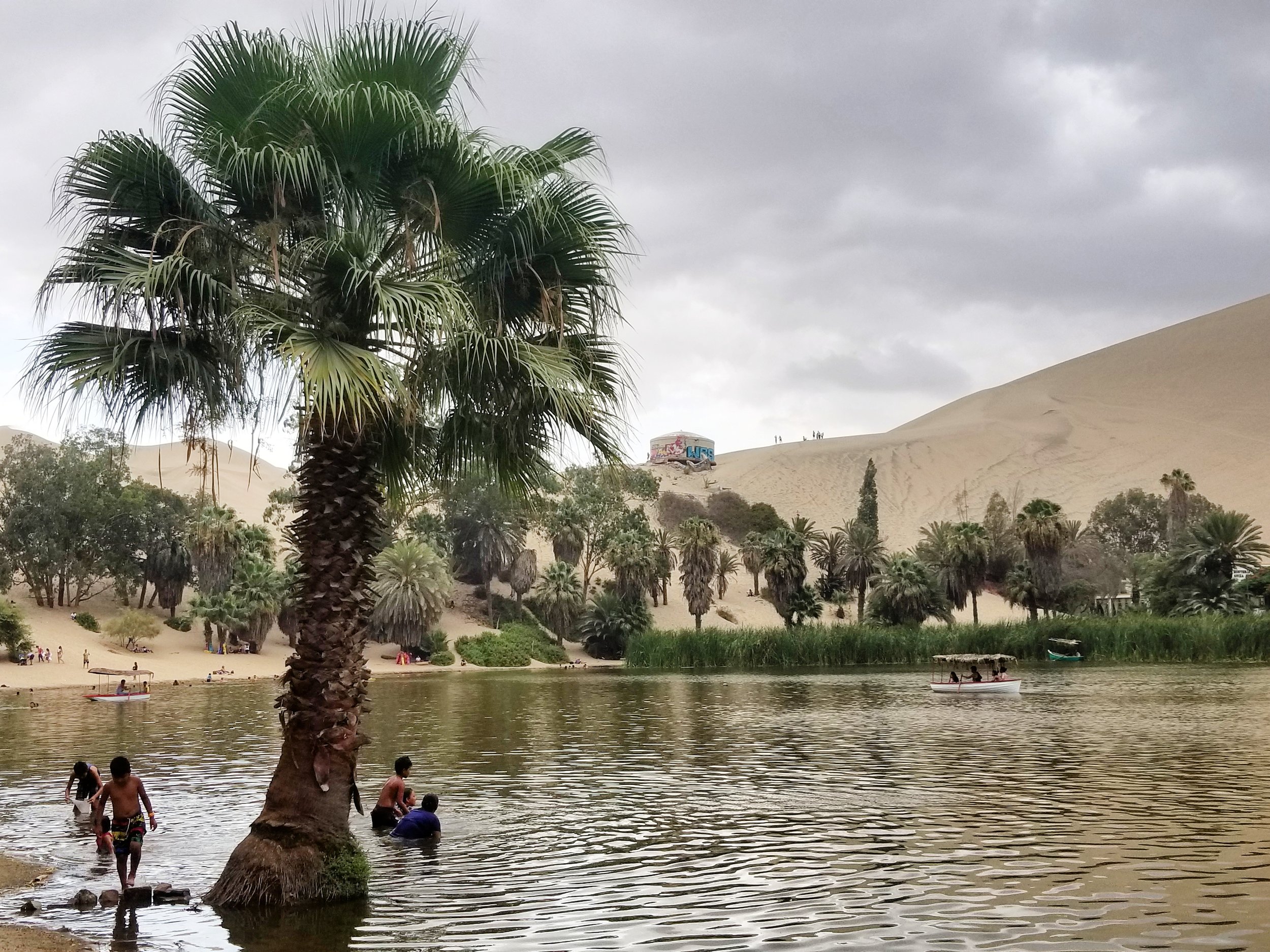
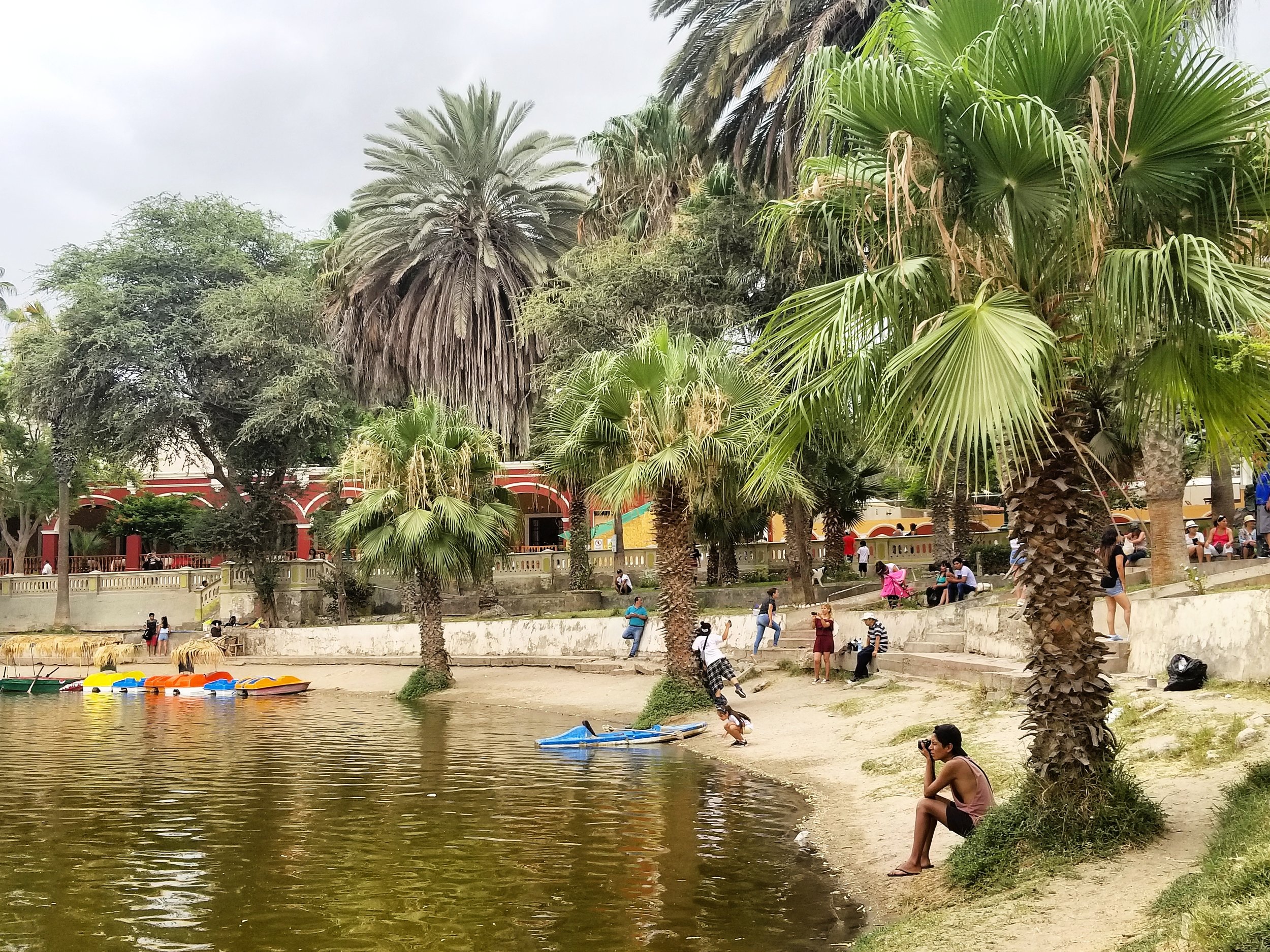
With some spare time on our hands, stumble into a magical oasis tucked into the heart of town. Towering palms lean over a glassy lagoon and vast dunes rise like golden cliffs beyond. Paddle boats drift lazily while children splash along the shoreline, laughter spilling into the warm air. It feels utterly unreal — like a scene lifted from a storybook. Aladdin might have felt right at home.

One of South America's rare natural oases, Huacachina Lagoon shimmers a rich, forest green — its waters long believed to hold healing powers that draw visitors hoping relief from aches like arthritis and rheumatism. The lagoon’s pear-shaped pool is fed by underground aquifers and, despite the arid surroundings, supports palm trees and a handful of hotels and restaurants that give the place a postcard-perfect, micro-resort feel.

Once a mid-20th-century playground for Peru’s well-heeled, the town still wears its past like a well-tailored suit — grand old villas and elegant façades line its streets. Around them, a lively mix of bars and cafes gives the place a warm, active pulse, making this tiny, out-of-the-way spot feel like a delightful surprise in the middle of nowhere.
According to the “Weeping Woman” legend, a heartbroken princess, fleeing a hunter after the loss of her beloved, wept until her tears pooled into a shimmering lagoon — and the sweep of her mourning cloak spread out across the land as soft, rolling sand dunes. A sculpture of a woman near the water nods to that romantic myth.

Our dunes tour didn’t start until 4 p.m., which left us the perfect window to hunt for something to eat. Esau and I wandered away from the oasis toward the town’s entrance, where the vibe was quieter and the prices still belonged to the locals.

The menú del día included chicken seco with rice, salad and chicha morada for ten soles ($3 USD). Esau enthusiastically recommended it: he loves the sauce and it's a dish that's hard to find. The sauce — a flavorful mix of onion, ají, garlic and cilantro — turned out to be truly delicious. Plus, one of my favorites in Peru — chicha morada — that sweet, velvety purple corn drink that feels like a little celebration in a glass.

Note, the bargain “el menú” prices don’t always extend to tourists, so it’s good to be aware.
Tip | Ask around for “el menu” which means local prices and authentic food — the daily set menu.
03 | Hold on Tight for a Sunset Dune Adventure
When we bought our tickets, Esau and I pleaded for the very front seats of the buggy — we wanted the full, roller-coaster thrill. So naturally, we were the first to leap in and grin at the view.
Tip | For clothing, choose lightweight, breathable pieces — think airy long sleeves and relaxed pants — to keep sun and sand at bay. Slip into closed-toe shoes for better grip and bring layers to handle sudden temperature changes. Don’t forget sunglasses, a fitted hat and plenty of sunscreen. And a friendly warning: sand will find its way into every nook and cranny.
Tip | If you’ve invested in a pricey camera, give it a little extra care — wind whips sand into every crevice and can ruin it in an instant. Keep it packed away until your buggy stops.

Anticipation buzzed through us but a sweet little girl selling soda and water charmed us right out of our impatience as we waited.
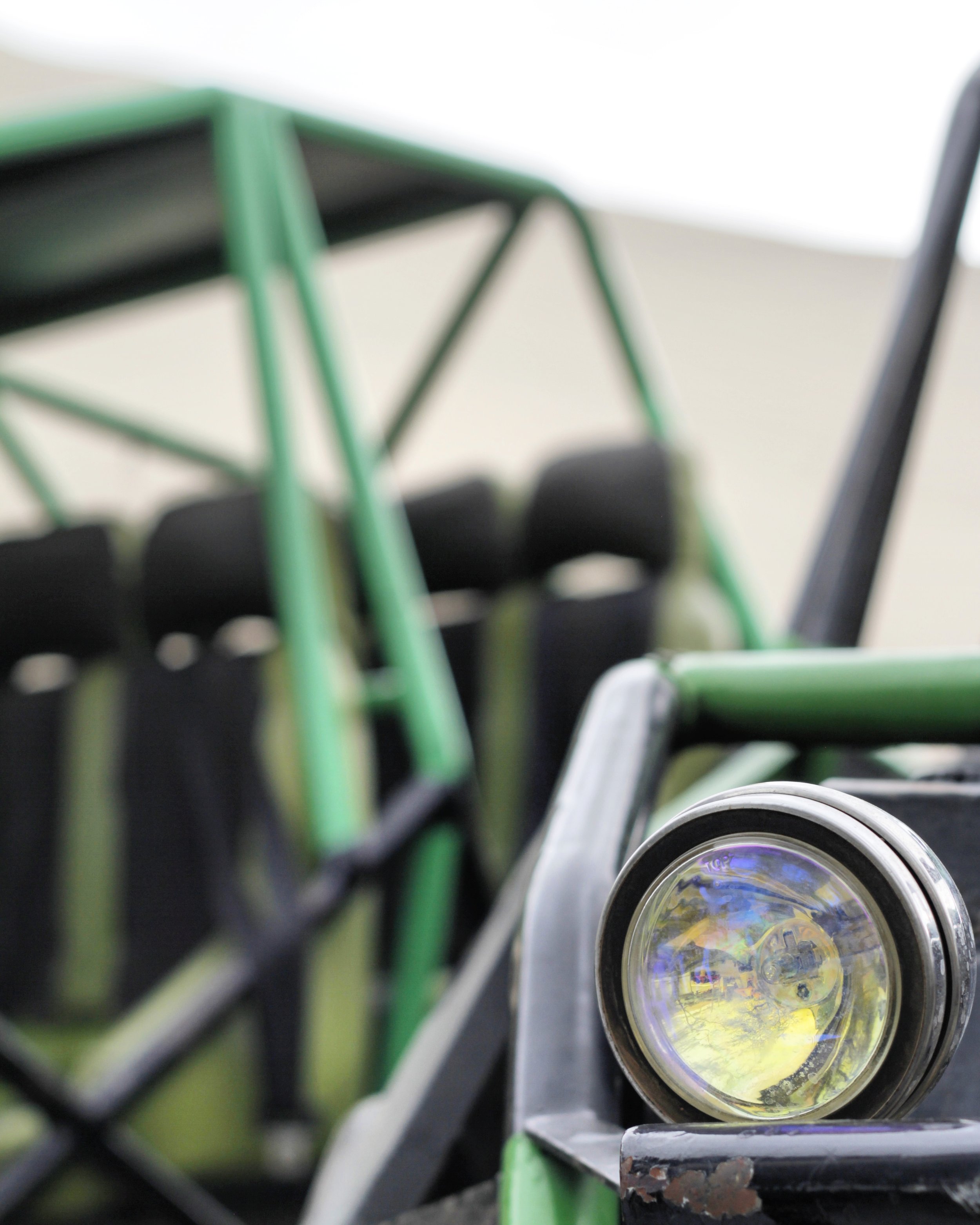
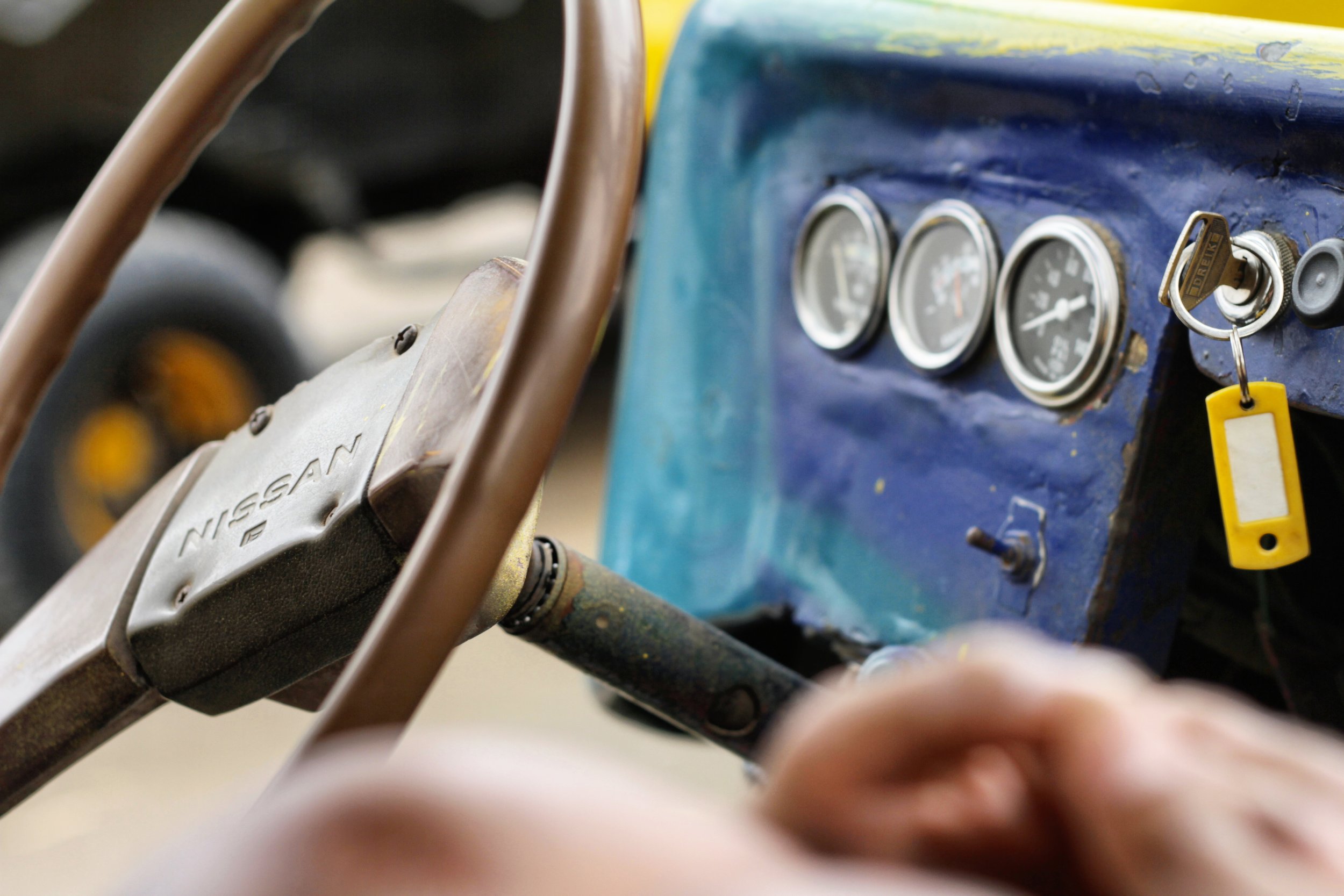
After what felt like an eternity of bustling activity, our dune buggy was at last full and revving to go. I was glad I’d packed sunglasses — sand was definitely going to be airborne — and slipped into comfy clothes, just in case we decided to try sand‑boarding.
Tip | Leave the swimsuits for the beach; sand has a talent for getting into all the wrong places.

As the sun dipped low, the buggies queued like eager steeds, each one steering toward the open desert. Our driver eased off at first, then grinned and nudged the throttle — and we glided into a joyous rush. The dunes soared so high that we needed a “running start” to crest them; otherwise, we’d simply tumble back down.

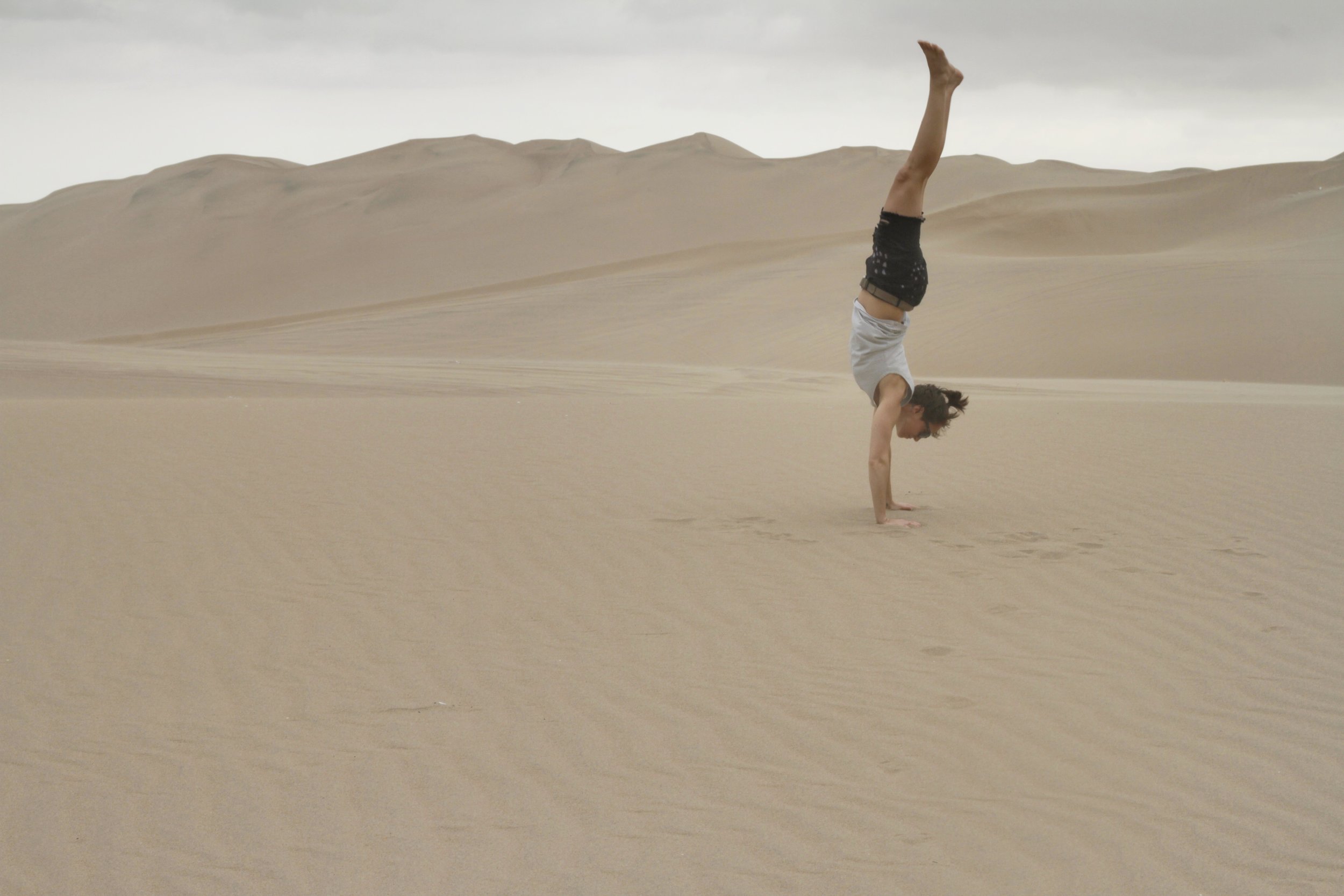
The best part was when the path crested, the world seemed to tumble away beneath you, sending your stomach vaulting up into your throat with a delighted little gasp. Our driver loved to keep us on our toes — just as we reached the summit, he'd casually point the other way, grinning, so the sudden plunge would sneak up on us and spark fresh laughter.

With each dune we topped, the buggy seemed to lift us into the air and for a heartbeat we were suspended above the sand. Our loose seatbelts were the only things tethering us to our seats, which made the whole thing feel deliciously reckless. I was grinning like a kid the entire time, though Esau looked a little pale — he clung on as if his life depended on it, which only made the moment funnier.

A few times he’d halt the buggy so we could spill out, breathe in the air and steady our fluttering nerves. Eventually, we stopped so riders could take to the dunes with sand boards, though Esau and I decided to play around on the hills, camera in hand, soaking up the light and the wide, whispering views.
Tip | If you have the chance, give sand boarding a go — it’s a rush (even though I regrettably didn’t give it a go).

In hindsight, I wish I'd given it a try — it looked utterly delightful and like a once-in-a-lifetime chance. If you do, follow these tips:
Bring a bandana and a sense of adventure — Huacachina’s dunes are sun-drenched and ready for play. Start on a beginner slope with an instructor, lean back to control speed and tuck your toes to avoid hot sand. Try both sand boarding standing and sitting — sitting is faster and easier to learn, standing feels like flying.
Tip | Solo riders — stay hydrated, go at golden hour for softer sand and stunning light and leave time to watch the desert turn pink as the sun sets.

Being swiftly deposited into the heart of the desert felt pure magic — an endless sea of creamy dunes rolling away in every direction, sunlit and utterly enchanting.
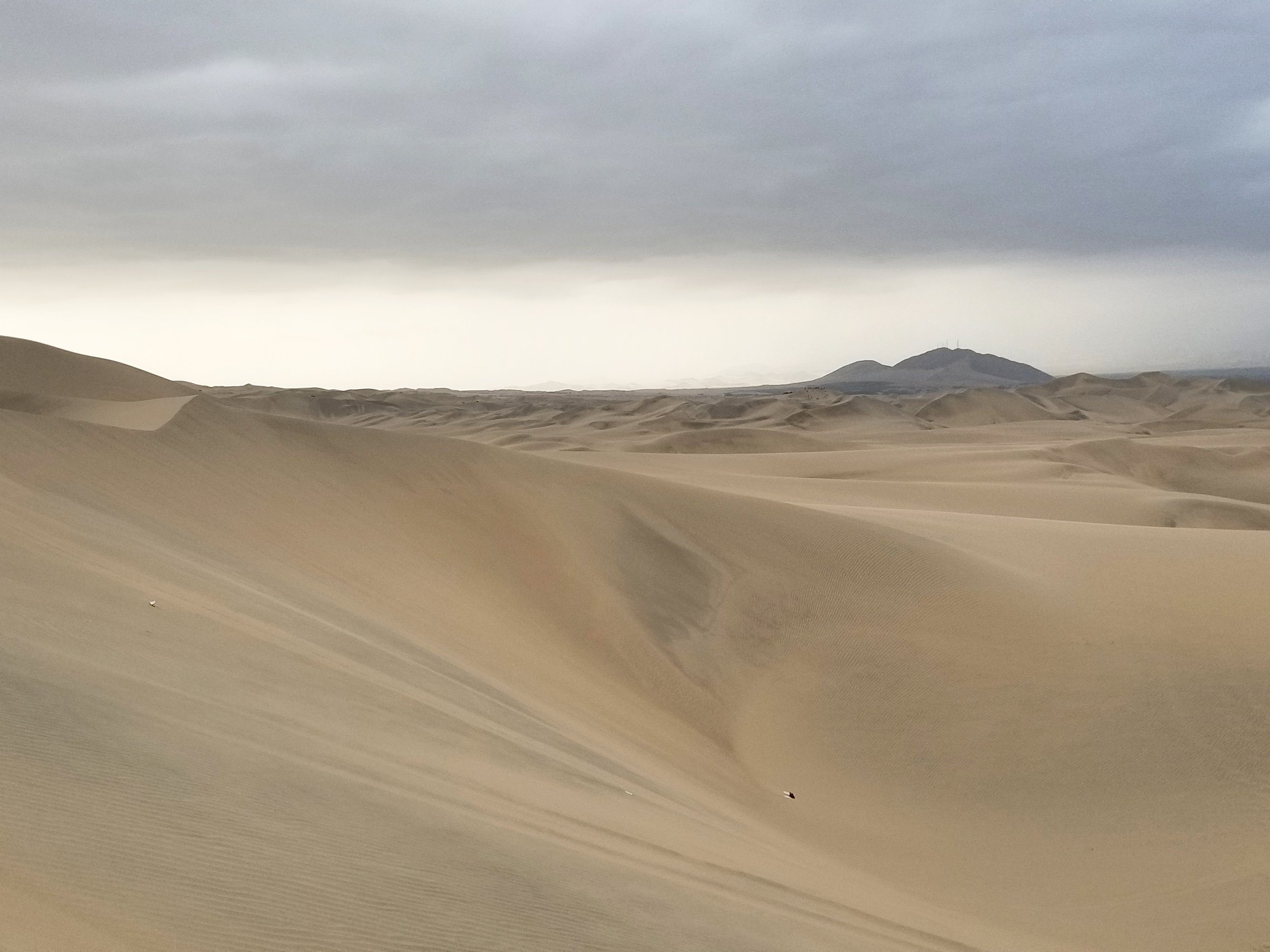
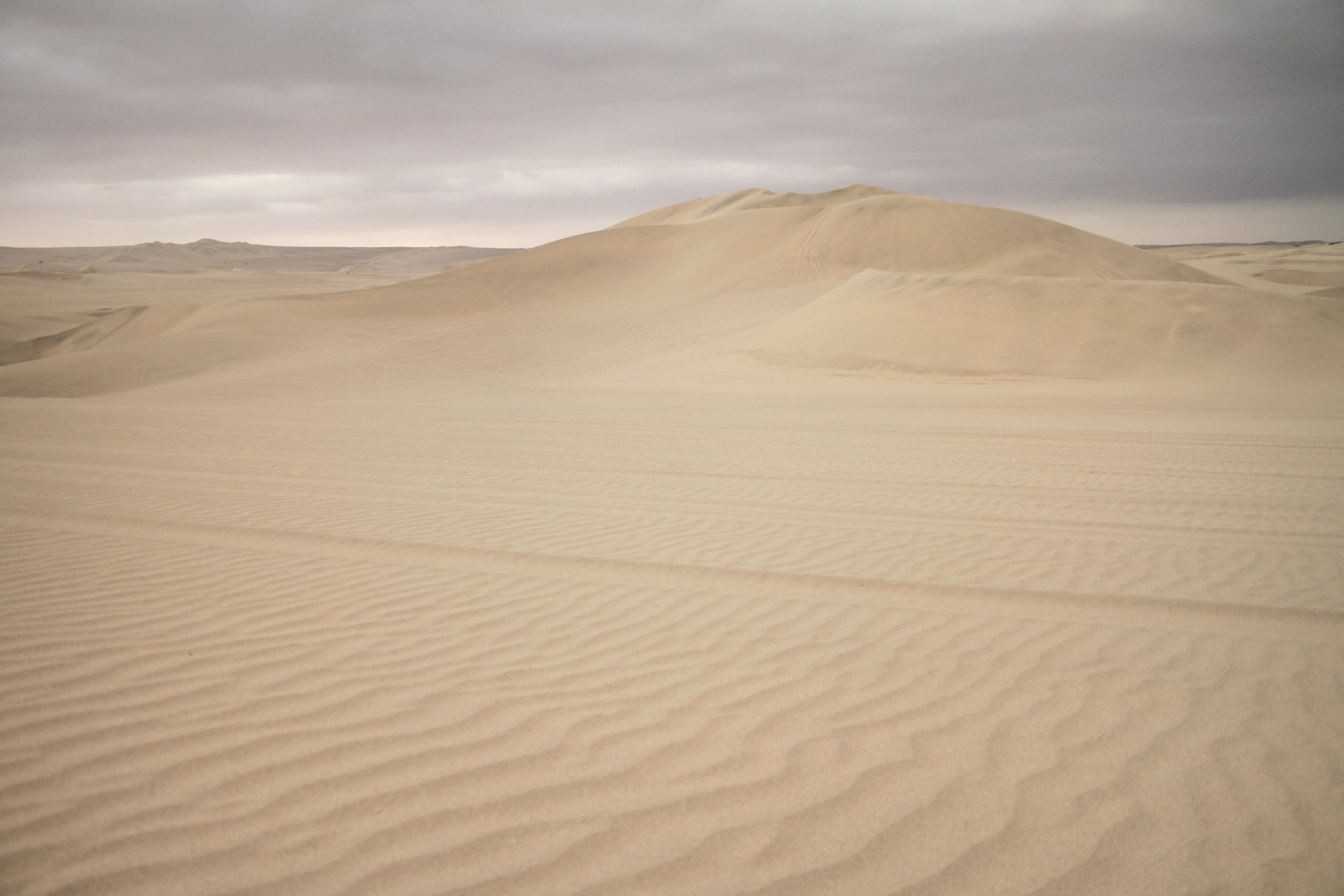
Wind teases the dune crests, sending playful flecks of sand swirling through the air until you’re dusted from crown to soles, every pocket and crease filled with tiny golden grains.

Every so often, a lone buggy would glide across the horizon, then flirt with the edge of a great dune before tumbling out of sight like a wink and a wink returned.

As the day slowed, the tour eased to a gentle close. We could have headed back to town but we lingered among the dunes, sinking into warm sand and watching the sun slip behind the hills. The sky put on a show — lavenders, peaches and molten orange streaked across the horizon, dotted with soft, pillowy clouds — until daylight melted into a quiet, glowing dusk.


After sunset, Esau and I wandered back into town and stumbled upon a cozy local place serving beef with rice and potatoes for eight soles ($2.50 USD) — comfort food done right. To cap the evening, we climbed up to Moskito, a rooftop bar with a view that looked straight over the lagoon. They had a two-for-one cocktail deal; I couldn’t resist the maracuyá twist on a classic Pisco sour for 15 soles ($4.50 USD). The drinks were delicious and the view was the perfect nightcap, through service was terribly slow.
The next morning, we planned to explore the nearby sights before heading to Arequipa. Our best travel option was an overnight bus departing Ica at 9 p.m., which left us a whole day to linger and discover.
04 | Enjoy a Charming Visit to Tambo de Tacama — South America’s Oldest Winery
First thing in the morning, Esau and I shared a light breakfast at the hostel — eggs, bread, juice and tea — before checking out and heading into Ica to hunt for an ATM, leaving our luggage at the hostel.
Tip | Huacachina is tiny, so don’t expect any cash machines there. Try the nearby town of Ica.
As we drove through Ica, I was glad we’d chosen to stay in Huacachina. Ica felt hectic and crowded, full of cars and people — quite a contrast to the sleepy oasis. From there, we caught a taxi to Tacama, the oldest winery in South America. The distance was short — under 10 miles — but the journey dragged on, winding through traffic and bouncing over dusty roads.
Tip | Haggle over taxi fares; we ended up paying more than we should have. The cost from Ica to Tacama should be $6 - $8 USD.

Tacama offers several tours to suit different interests. The midday traditional tour — the only one in English — lasts about 50 minutes and costs 10 soles ($3 USD). For those curious about history and architecture, there’s a shorter 40-minute tour for 25 soles. Since Tacama is one of the few surviving haciendas in the region, both options promise a slice of living history and you can even combine them if you want the full experience.
Esau and I went for the traditional tour, which walks you through the entire winemaking process and ends with a tasting. An introductory video sets the scene, sharing Tacama’s long vineyard story. The estate cultivates 23 grape varieties and uses 18 of them in its wines, producing both reds and whites. They also make pisco — a local distilled spirit of 42–44% alcohol — an essential part of Peru’s drinking culture.

After the video, the group steps into the processing area where workers sort glossy grapes. You’ll learn about fermentation and admire the enormous barrels that cradle the wine.

During the wine tasting, guests sample three varieties that span from dry and tannic to delightfully sweet. Also, sip Pisco from tiny shot glasses — every moment feeling simply wonderful.
05 | Wander the Streets of San Jose & Ica
When the tour ended, Esau and I hitched a ride with a handful of fellow travelers into San José, a cozy little town close by. We wandered its sleepy streets, then settled in for a comforting meal — steaming soup, tender beef in a savory sauce and a side of beans — the kind of simple food that tastes like a warm hello.

The streets were sparsely dotted with people, making those peaceful hours together feel unexpectedly lovely.

Esau asked around and found that a little "collectivo" would be turning the corner any minute.
Tip | Hop into a collectivo to get around — a shared taxi or small bus that’s delightfully cheap and inevitably full of local color. It’s an easy, budget-friendly way to travel that lets you ride with others while soaking up a slice of everyday life.
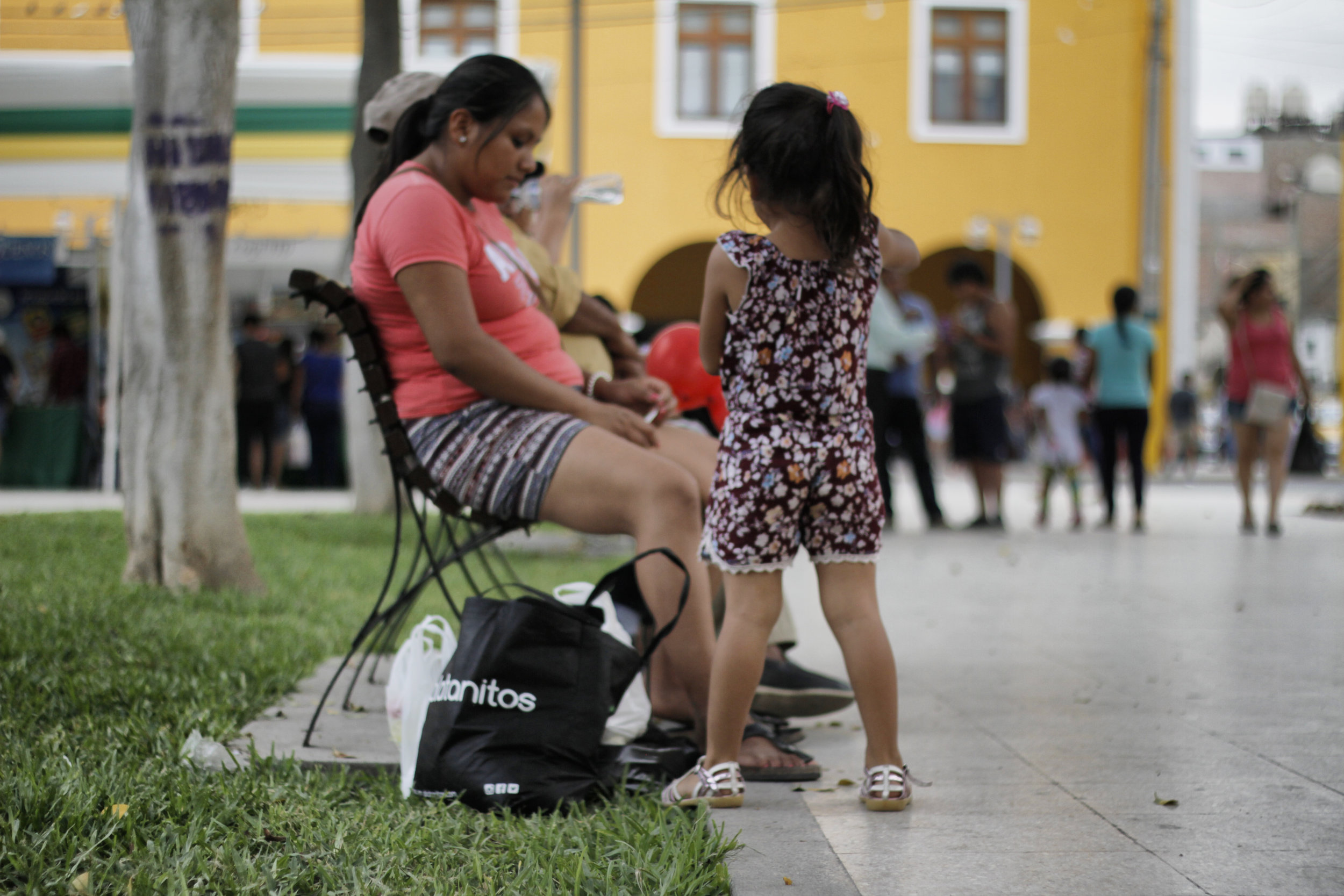
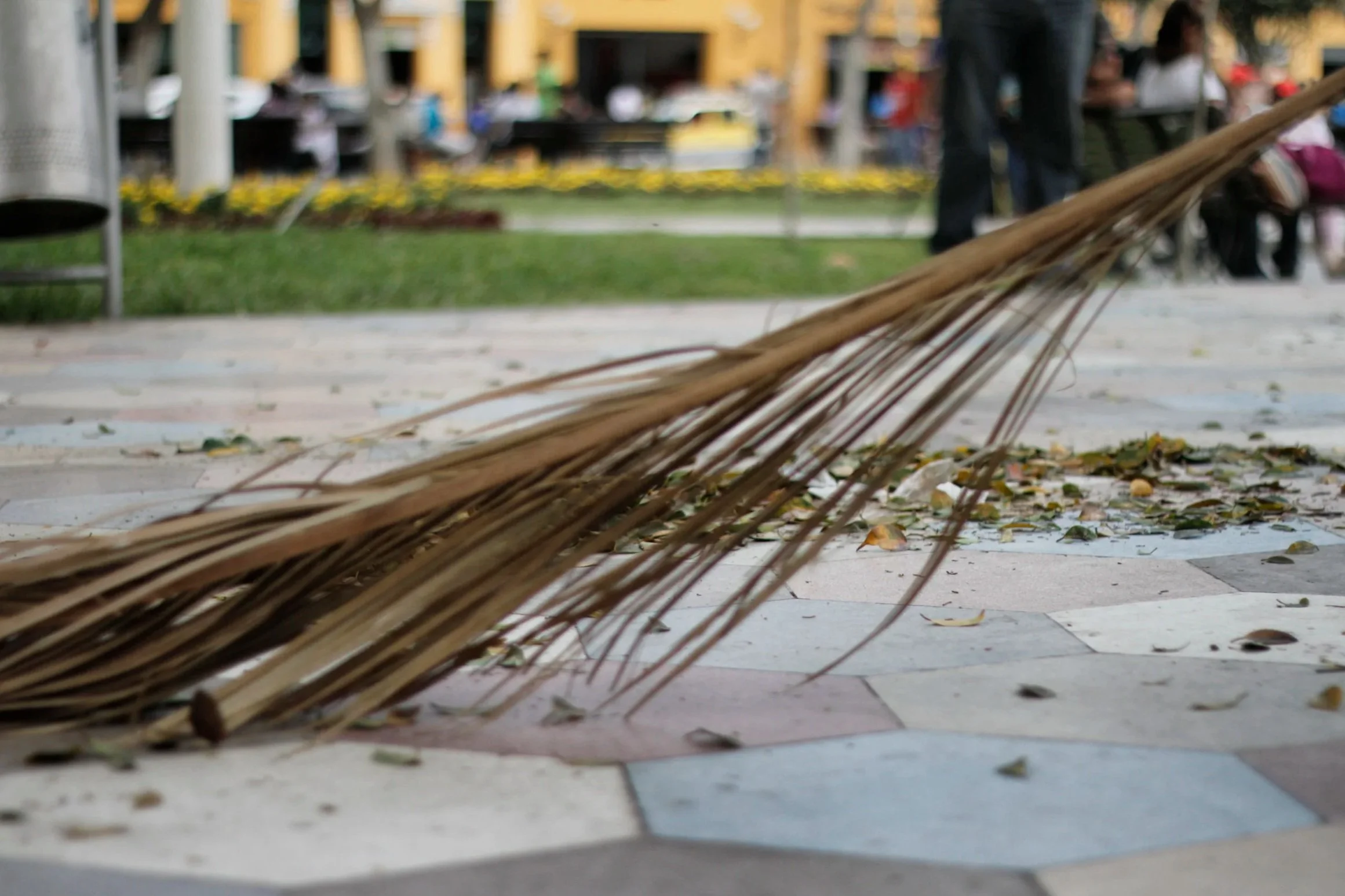
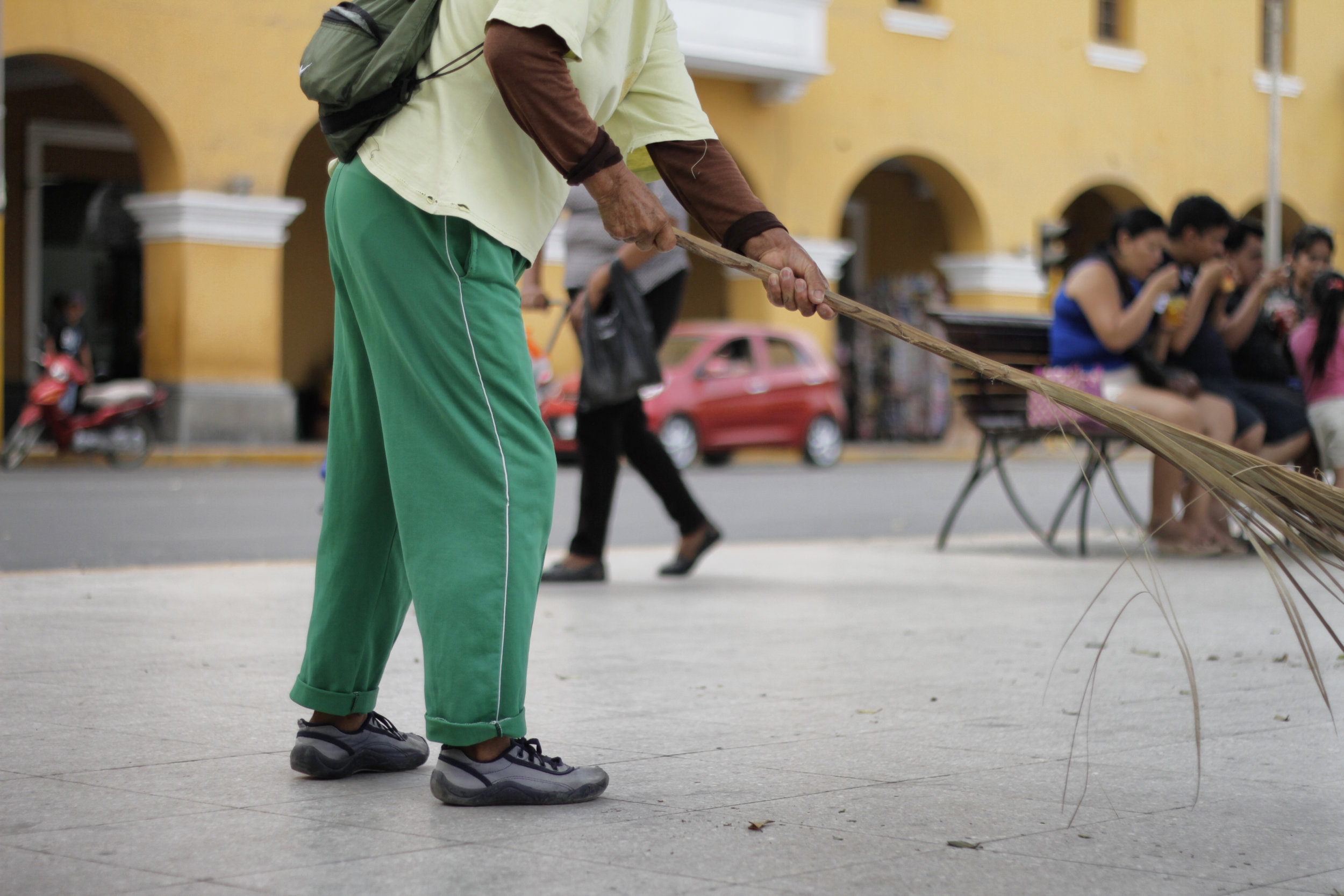
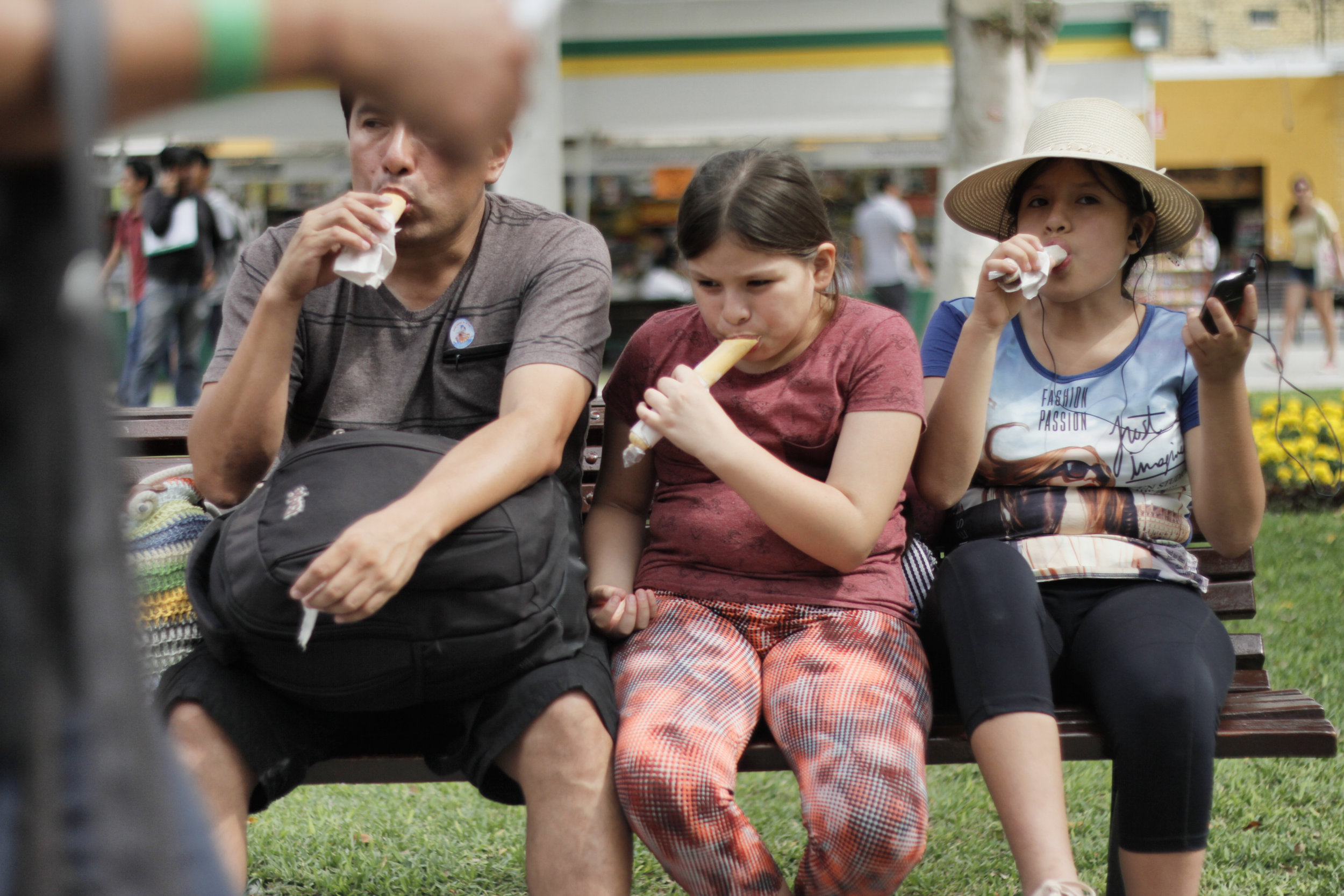
Back in Ica, we strolled through the sunlit main plaza before hopping into a taxi back to our hostel for six soles (about $1.75 USD). We wasted a few lazy hours there, then prepared for our 9 p.m. overnight bus.
Esau and I took another taxi to the bus station, where our reserved Cruz del Sur seats for 100 soles (about $30 USD) awaited. The double-decker wasn’t terrible, just a bit snug. They handed out a late dinner and a modest breakfast — nothing to write home about but it did the trick. Stormy weather had me waking through the night as the bus hugged tight, twisty mountain roads. I was oddly grateful the windows were fogged and dark; it let me lean back and surrender to the motion. Twelve hours later, we rolled into Arequipa safe and sound.


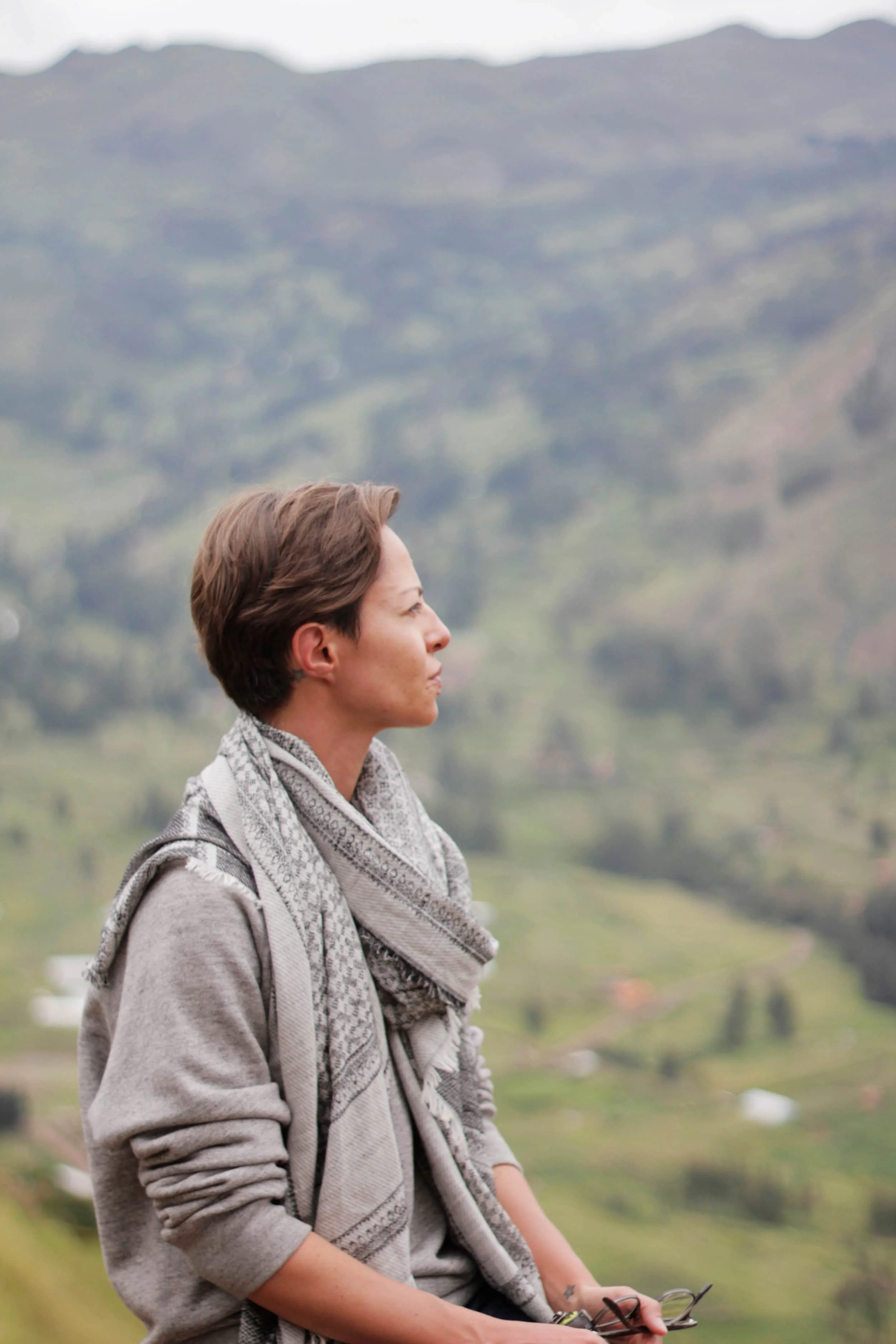
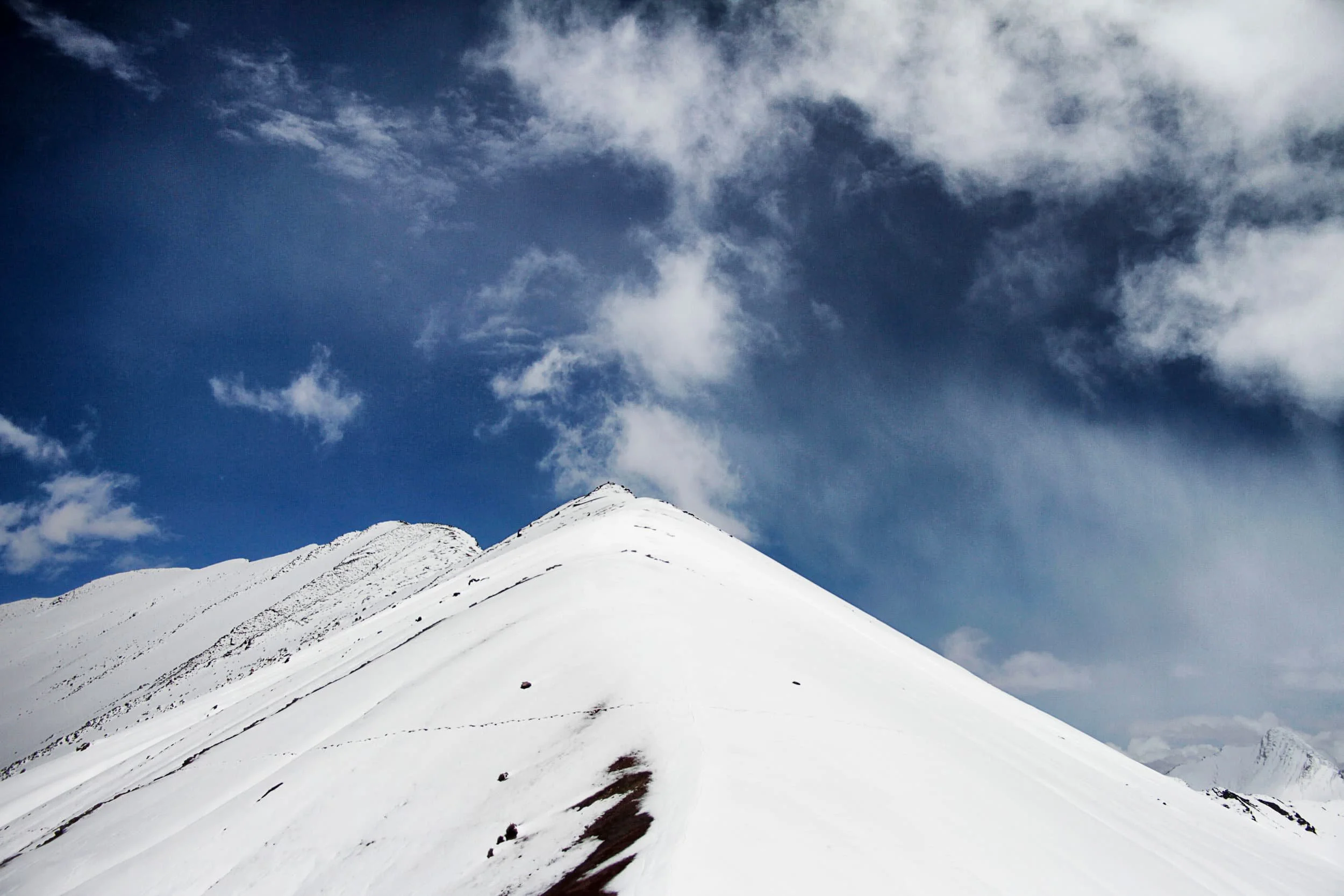
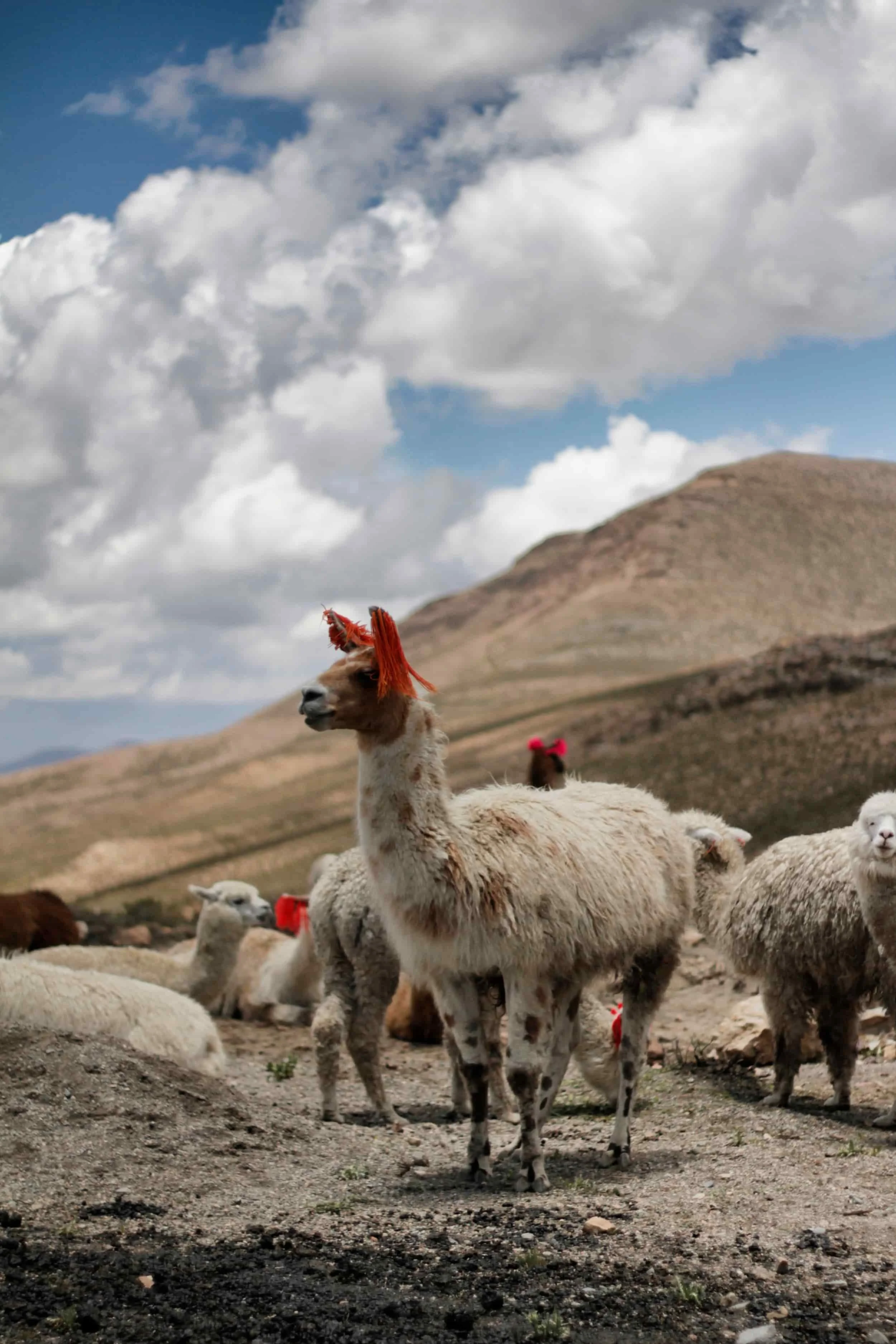



Peru travel tips: Pack layers for dramatic weather, carry cash for artisan finds, travel slow to acclimatize, respect local customs and savor fresh ceviche.