Local Gems & Foodie Adventures in the UK’s Iconic Capital
Unearth London’s culinary soul & hidden market gems with this travel guide.
Landing in London was my first stop on a two week European adventure and its culinary scene was booming. London truly upends expectations — what many imagine as a city of stodgy pubs and predictable roast dinners is actually a restless, inventive food metropolis where immigrant flavors, pop-up creativity and Michelin-level innovation collide on every corner. From late-night Bangladeshi curries and vibrant Nigerian jollof stalls to refined Korean tasting menus and zero-waste bakeries, the culinary landscape refuses to be boxed into a single stereotype; even neighborhoods known for their history hide micro-restaurants and food markets pushing boundaries. The result is a city that feels both comfortingly familiar and thrillingly new, where the next great bite is as likely to come from a converted shipping container stall as from a dining room with linen napkins.
On top of food in the traditional sense, London mixes in countless specialty markets, secondhand shops and the like.
Its shopping scene is a treasure trove for lovers of specialty markets and secondhand finds. Expect artisan food stalls and seasonal produce, bustling vintage and designer markets with haggle-friendly stalls, long rows of antiques ranging from mid-century furniture to costume jewelry and flower markets that turn a stroll into a sensory feast. Neighborhood secondhand shops offer curated vintage, rare records and upcycled fashion, while pop-up maker markets and book-focused stalls make it easy to discover rare volumes. Sustainable, character-filled shopping experiences are plentiful and endlessly rewarding.
England’s sprawling capital is also a global mosaic of culture, art and history. Its metropolitan area — home to nearly 15 million people — ranks as the largest in Western Europe. For some 2,000 years London has grown along the River Thames, winding southeast toward the North Sea. The City of London, born in the Roman era, still sits at its historic heart, while the nearby City of Westminster houses the nation’s government and parliament. Over centuries, Greater London expanded outward, absorbing Middlesex and parts of Surrey, Kent, Essex and Hertfordshire, stitching together villages and estates into a dynamic urban whole.
Today, the city’s greatest strength is its contrasts: medieval alleyways and stately palaces sit side-by-side with contemporary skyscrapers, world-class museums, intimate galleries and street-food stalls — making London a place where history and modernity, local and global, comfortably coexist. Markets spill with life, trendy neighborhoods pulse with creativity and a global smorgasbord of food awaits on every corner. Scattered parks, riverside walks and tree-lined avenues soften the cityscape — London is, in effect, an urban forest with a metropolitan soul.
Me: Two weeks, western Europe and a suitcase full of curiosity.
I started in London, England — the beating, iconic heart of the UK — then boarded a train to Wales, where I wandered through Cardiff’s maze of vintage arcades before following the rugged coastline west to the pastel-hued seaside village of Tenby. Back in the air from London, I touched down on the Isle of Jersey — a self-governing British Crown Dependency with its own island rhythm — then sailed across the English Channel to spend a night in the tidal-walled port of Saint-Malo in France. From there, I continued to Nantes, the atmospheric “City of the Dukes,” before flying south to the sunlit French Riviera. In Nice, I soaked up La Belle’s promenade life and slipped across to Monaco for a day of glitz and tiny-country charm.
What’s Inside | Roadmap
Central London | Overwhelm your senses at Borough Market, get historic at Victorian Leadenhall Market, breakfast at Mama’s Café, rehydrate at National Portrait Gallery & snack on toasted nuts along River Thames
North London | Indulge on Georgian cuisine at Iberia
East London | Shop & eat at Old Spitalfields Market & get funky at Brick Lane
South London | Enjoy a classic Full English Breakfast at Terry’s Café & dine at Singaporean Restaurant, Sentosa
West London | Wander Leicester Square, Seven Dials Market & Apple Market, caffeinate at 26 Grains in Neal’s Yard & slurp oysters at Parsons
An Overview | London's tastiest finds & shopping treasures
Read | Discover London’s soul in London Unveiled: A Charming Journey Through the City’s Iconic Art & Culture — and trace its story in UK’s Iconic City of London: From Roman Ruins to Royal Palaces — both coming soon
A Local Guide: Hidden Gems & Best Bites
London's food scene is a deliciously diverse playground where centuries-old markets sit side-by-side with vibrant street food hubs, serving everything from classic pie and mash to spicy Caribbean jerk. Wander between bustling stalls, artisanal bakers and pop-up chefs to discover unexpected flavors and cozy neighborhood cafés that make every meal an adventure. For shoppers, London’s bustling markets and resale scene offer everything from vintage designer gems and quirky antiques to sustainably minded preloved fashion, where haggling and serendipity make every purchase feel like a small victory.
Roam Borough Market: A Riot of Flavors & Frenzy
The first step into Borough Market is a small surrender: to the crush of voices, to the warm, yeasty scent of fresh bread, to the bright, chaotic palette of fruit and flowers spilling from wooden stalls. Sunlight filters through the patchwork of glass and corrugated roofs, catching on copper pans and the glossy skin of ripe plums. Heat from grills and ovens mingles with the cold, briny perfume of seafood, creating an immediate sense of place that’s both lively and intimate.
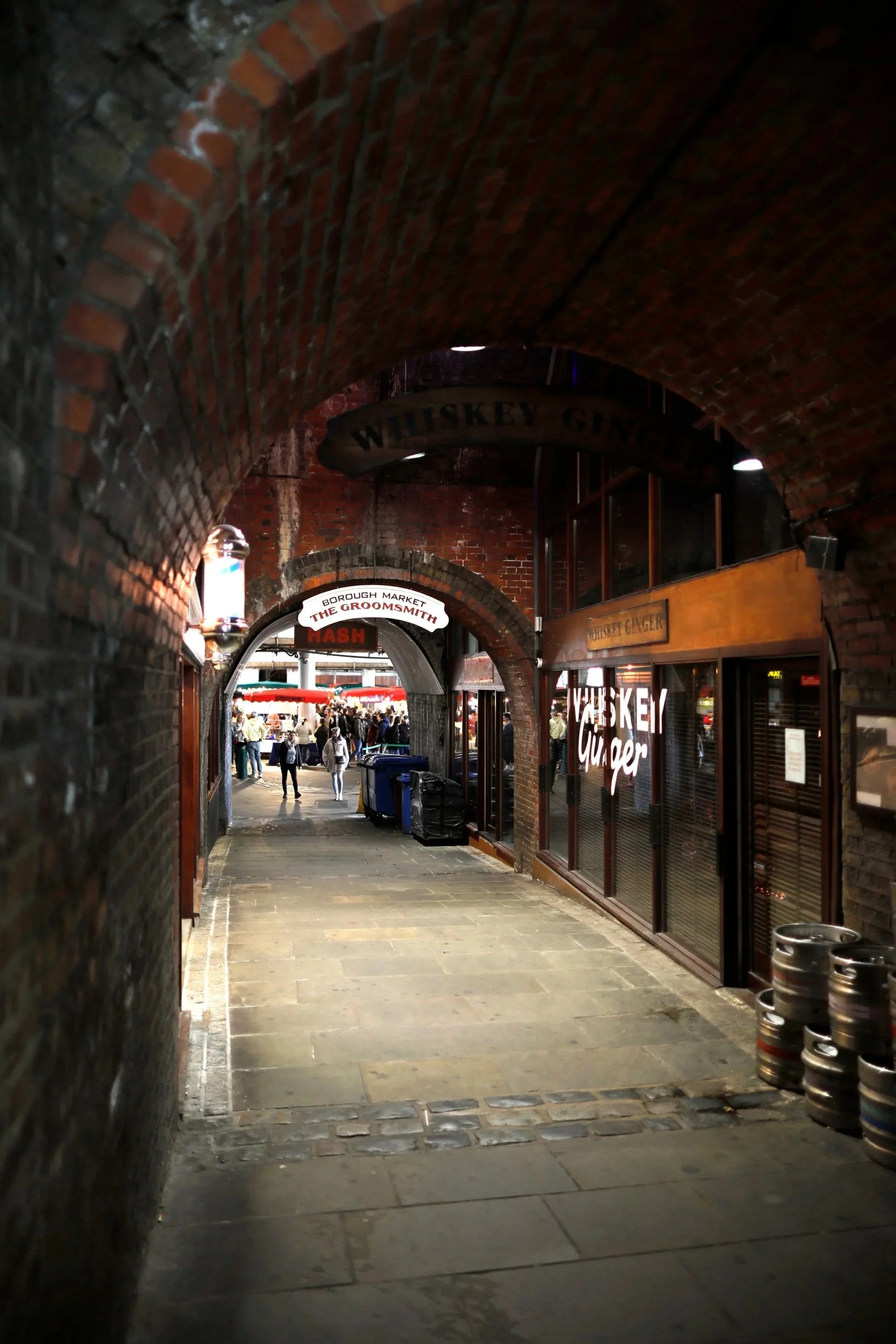
Crowds move around you in purposeful tangles — commuters grabbing lunch, tourists pausing with cameras, market regulars chatting with vendors. Vendors call out samples and recommendations in practiced, friendly cadences: a piece of artisan cheese, a sliver of cured meat, a spoonful of chutney. Hands reach over baskets for oranges dusted with a powdery bloom, for steaming pies wrapped in flaky crusts, for jars of honey that catch the light like amber.
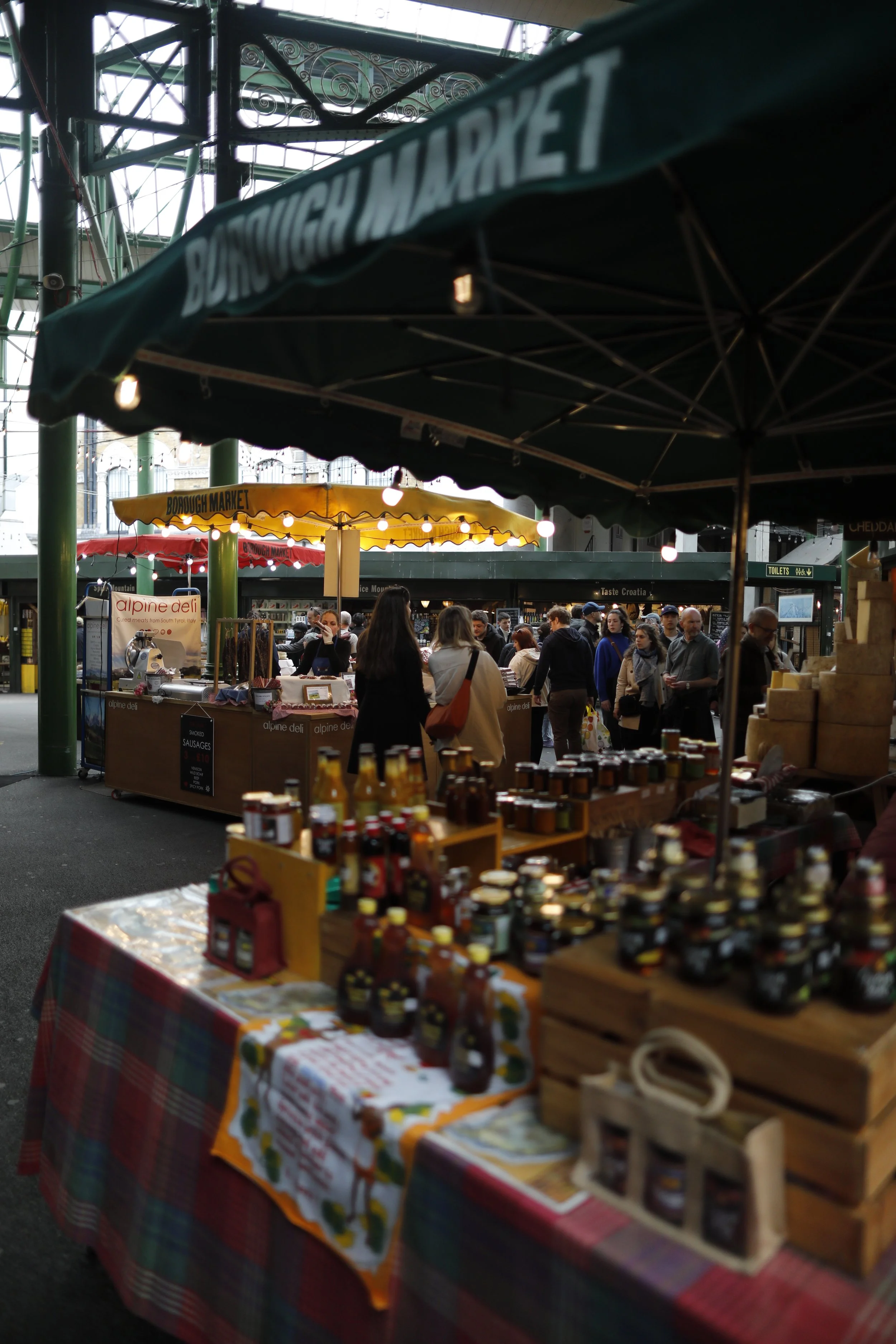
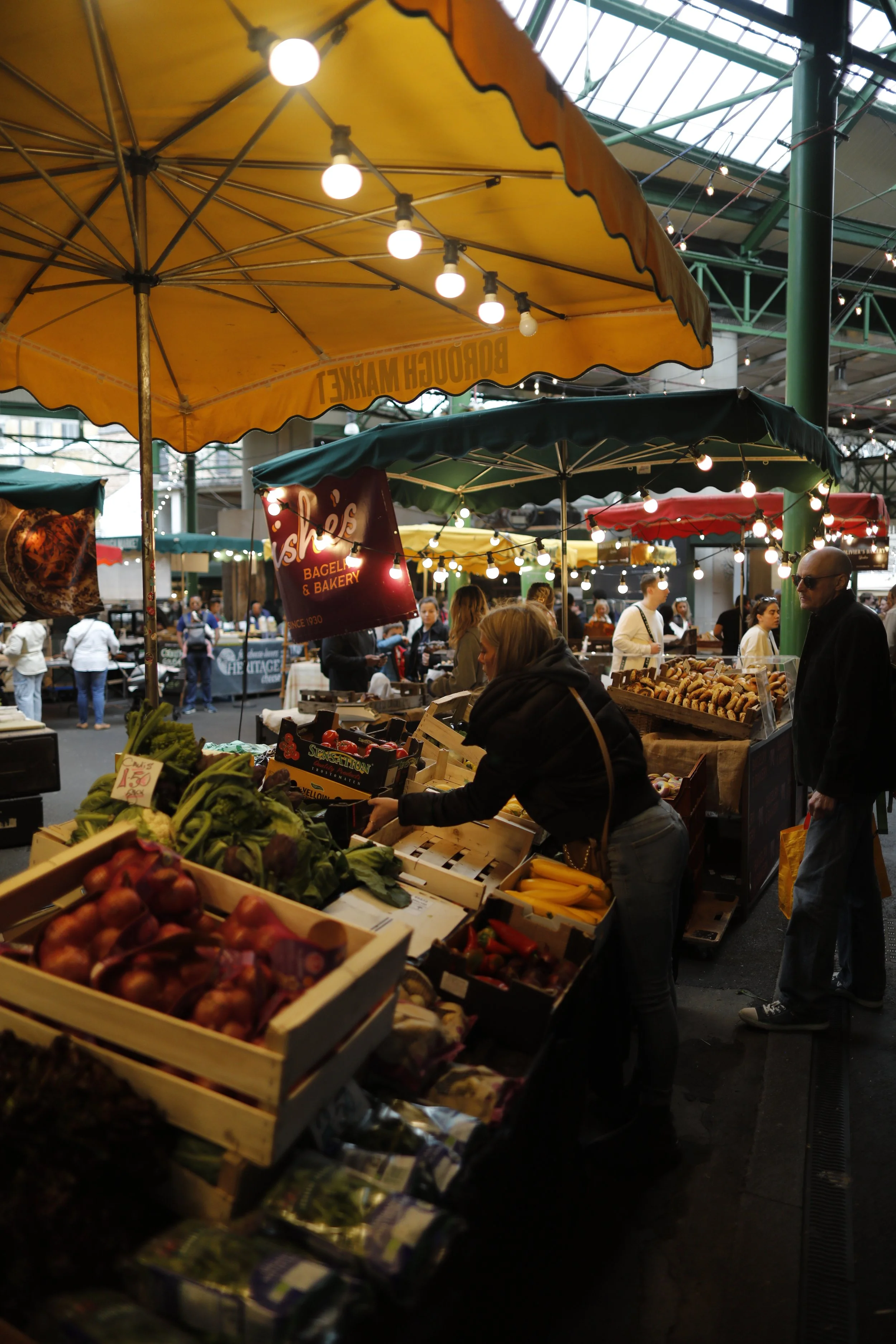
There’s a strong alignment of craft and story here. Each stall carries a backstory — family-run charcuteries, single-producer olive oils, bakers whose breads have been shaped by generations. You can hear accents from across the UK and beyond, and the product labels often read like short manifestos about provenance, technique and seasonality. It feels less like a retail space and more like a curated conversation about food.
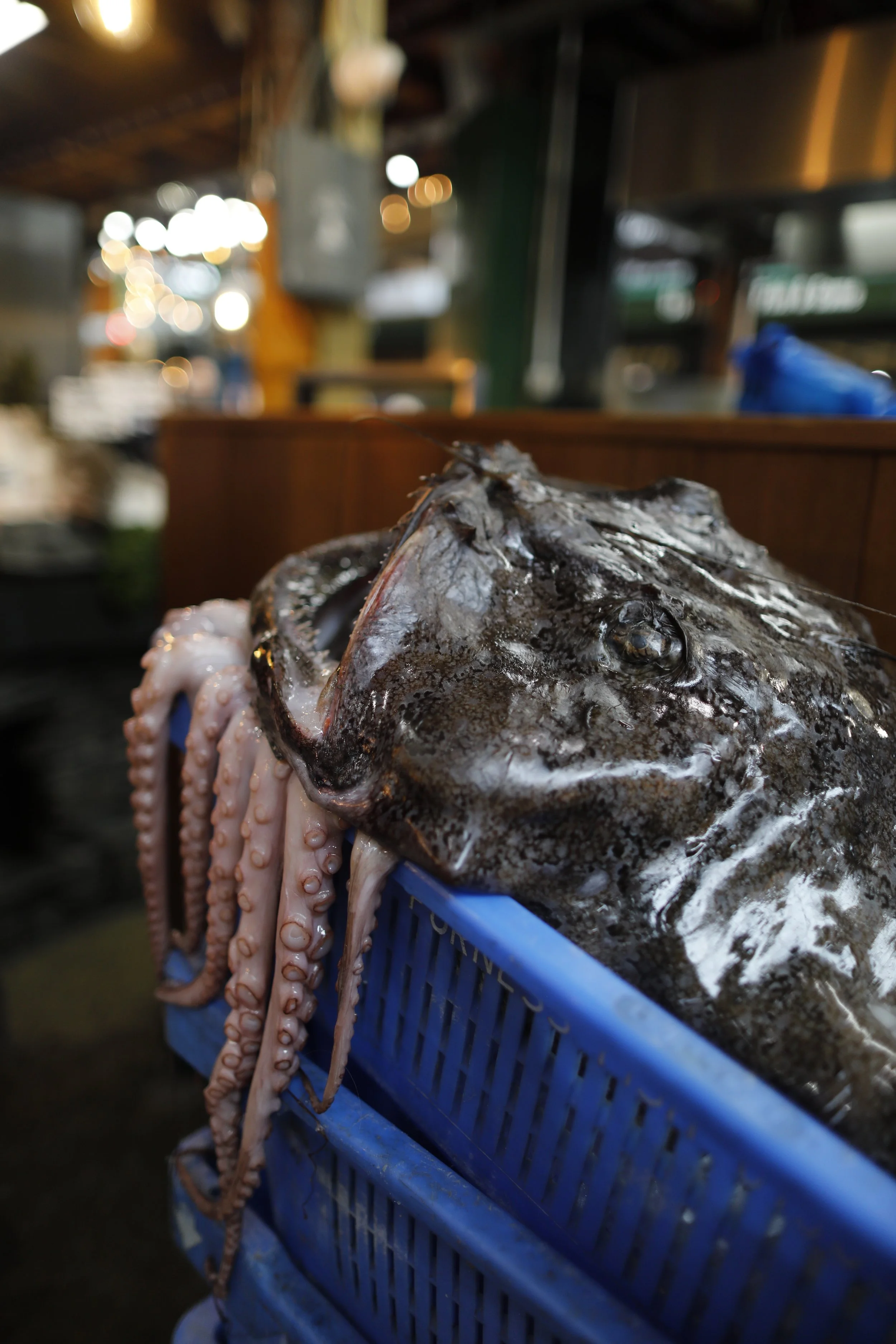
Moving deeper, the market’s rhythm changes. The clamor of the main aisles softens into pockets of quieter indulgence: a corner dedicated to spices where the air tastes of cumin and smoked paprika, a row of coffee stalls where baristas tamp with ritual focus. Occasional benches and ledges offer brief respites — good places to watch the ebb and flow while sampling something warm and fragrant.
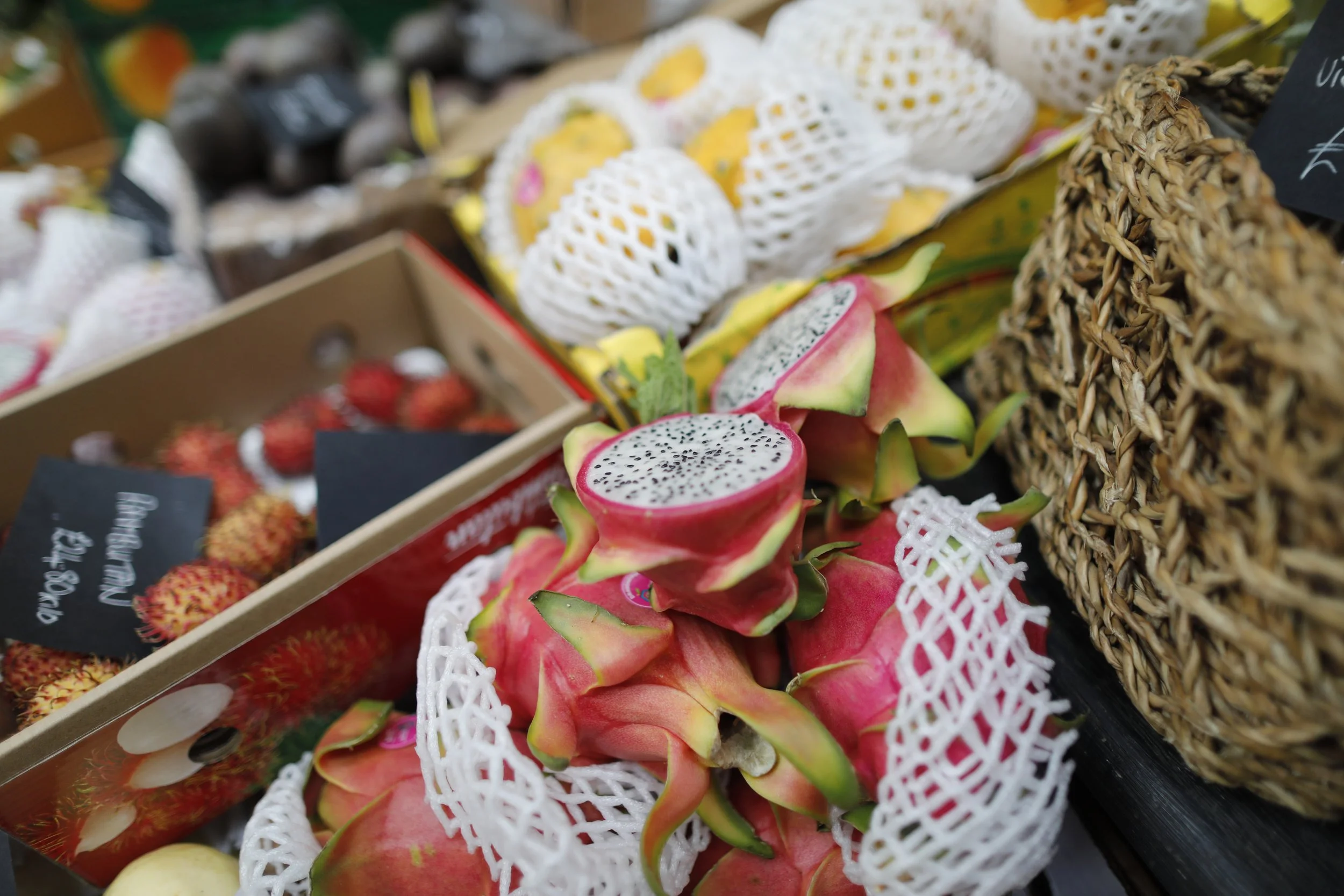
Walking through Borough Market is sensory and social in equal measure. It’s about the textures and flavors you discover and the small interactions that make those discoveries feel personal: a vendor telling you how best to use a rare salt, a baker offering a warm sample of a new roll, a butcher explaining the cut. The market is both a destination and a living, working neighborhood hub — noisy, delicious and quietly full of histories.
The market is one of London’s oldest and most celebrated food markets, nestled beneath the railway arches near London Bridge. Its narrow lanes and vaulted ironwork create an atmospheric setting where traders sell a mix of artisan, specialty and everyday produce. From pristine seafood and prime cuts to seasonal fruit and vegetables, the market showcases high-quality ingredients sourced locally and from around the world. The bustling stalls, aromatic cooking and friendly banter between sellers and customers make visiting feel like stepping into a living culinary museum.
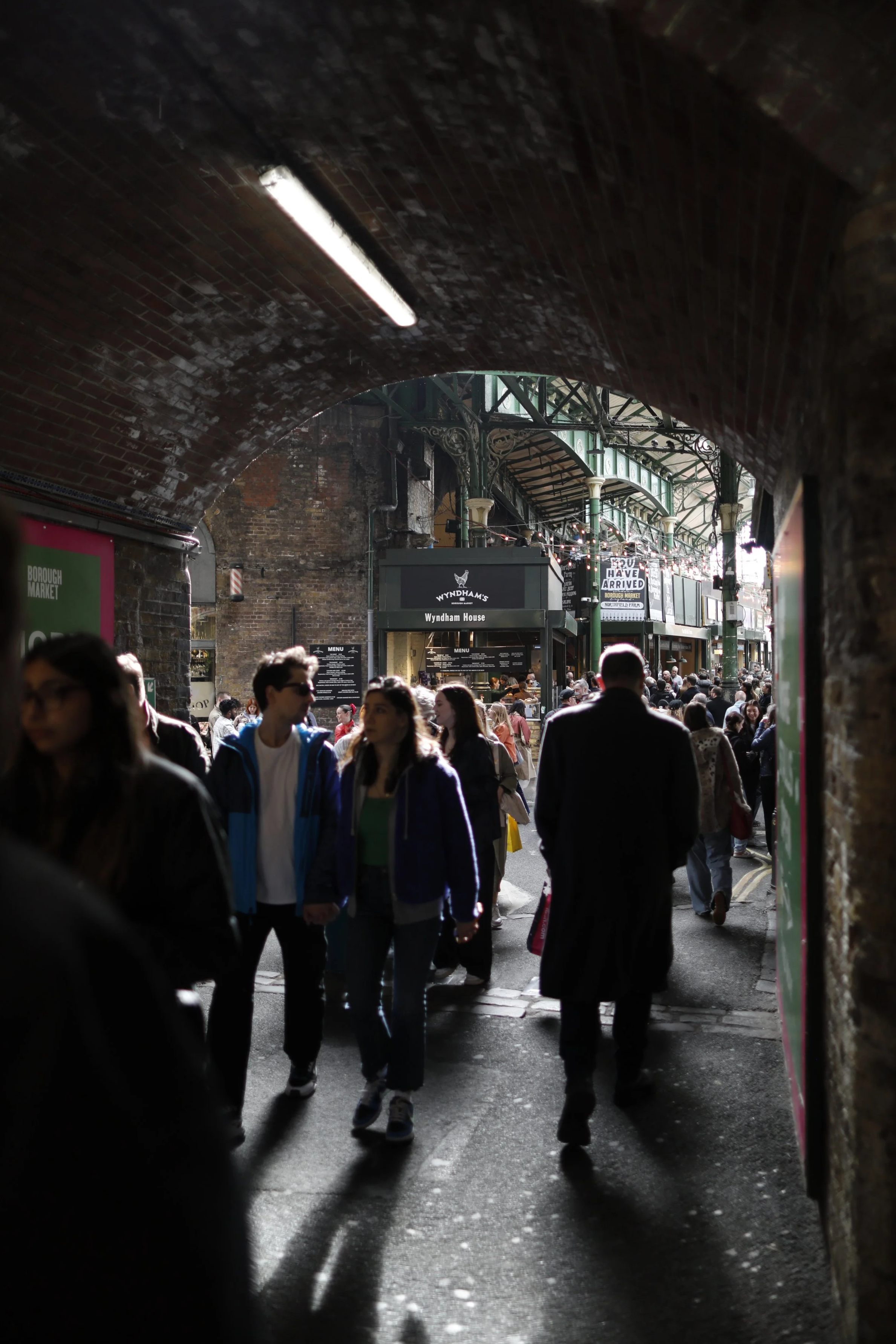
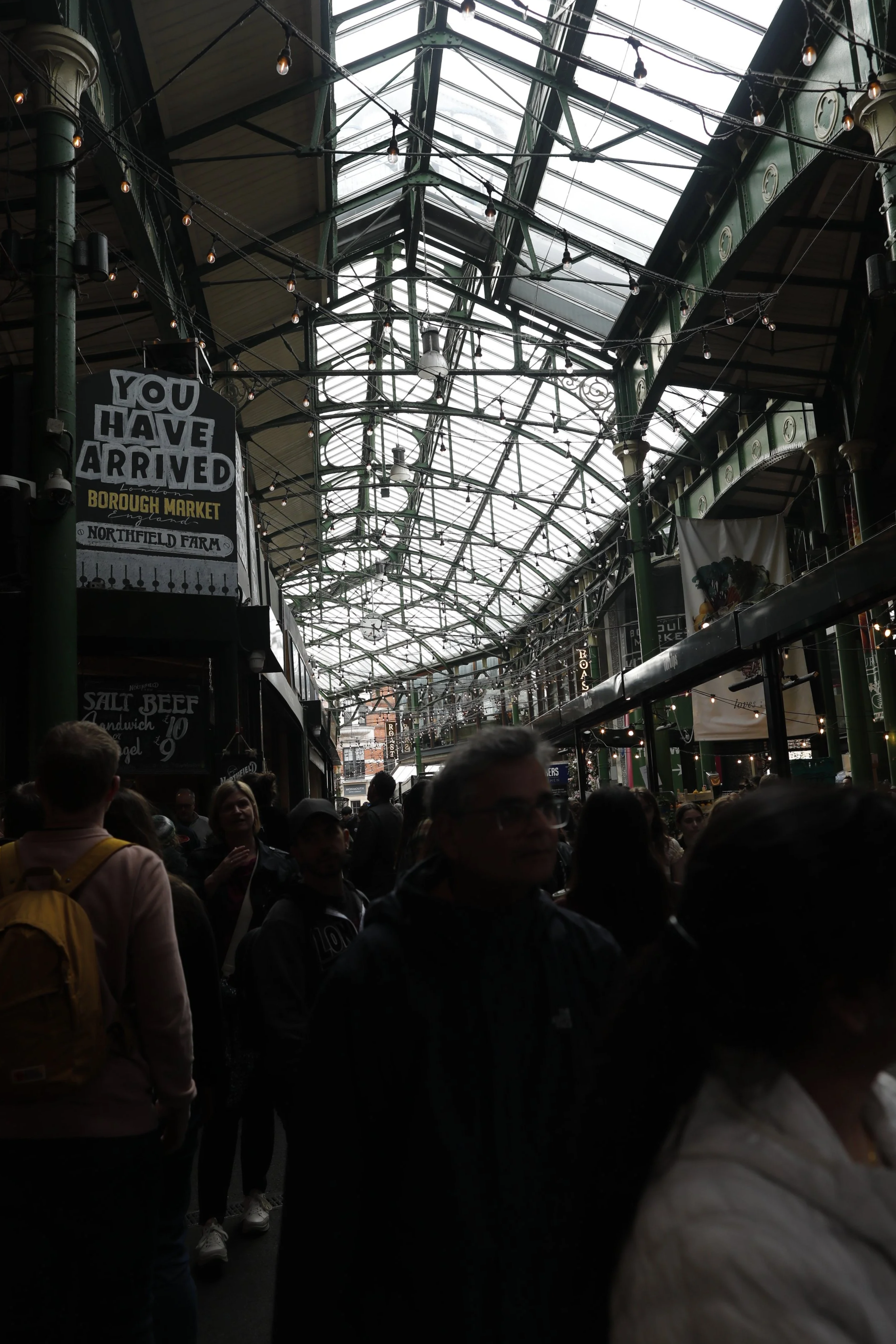
What makes Borough Market exceptional is its blend of tradition and innovation. Longstanding purveyors maintain time-honored methods — cheesemongers aging British and European cheeses, butchers offering rare cuts — while newer vendors bring global flavors and contemporary small-batch products. This balance means you can pick up a perfectly aged cheddar, sample Ethiopian coffee and try inventive street food all in one visit. The market’s dedication to provenance and seasonality also means food lovers can discover lesser-known varieties and learn directly from producers.
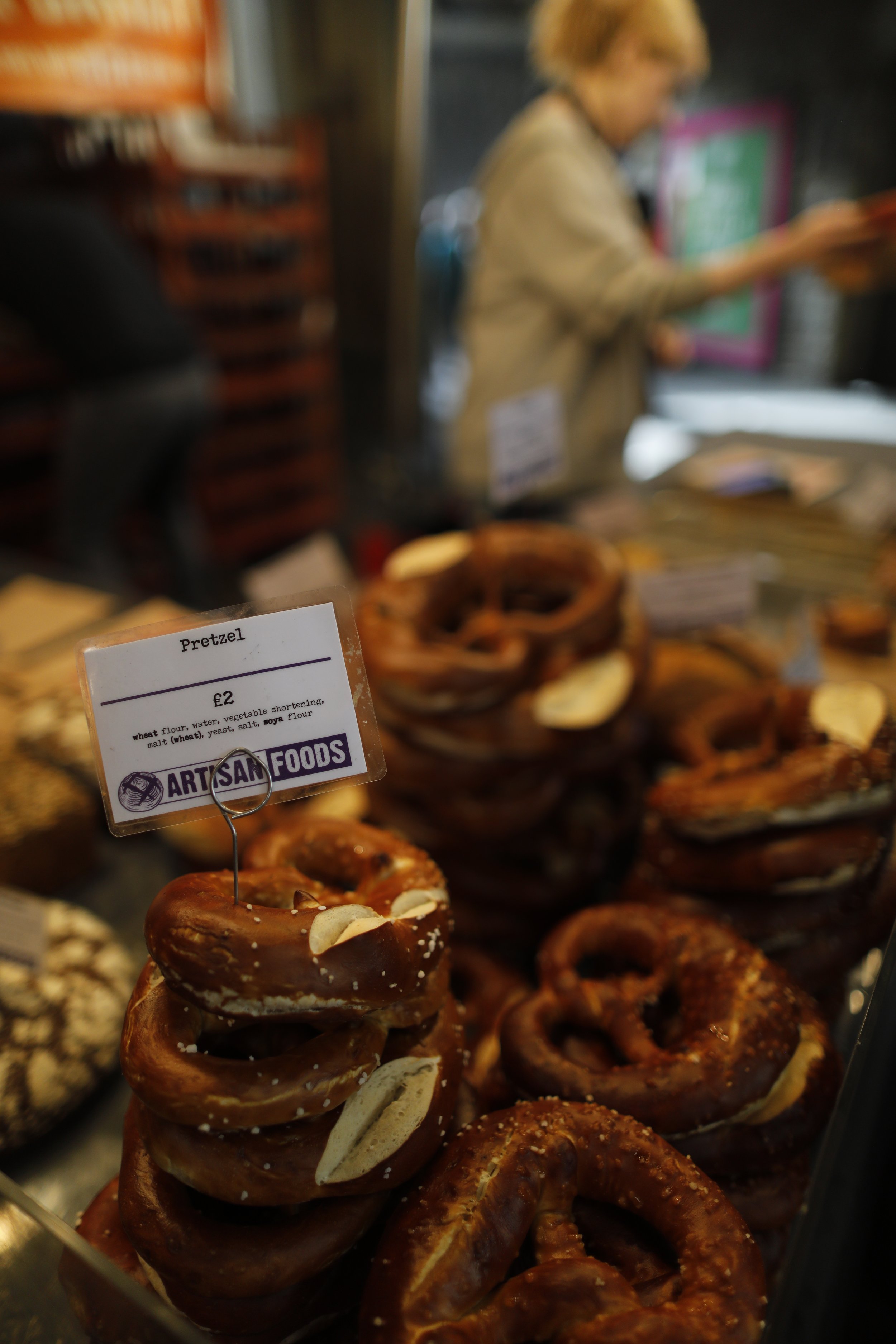
Beyond shopping, Borough Market is a social and educational hub. Chefs, food writers and home cooks mingle, sharing tips or recommending pairings; many stalls offer tastings and demonstrations that make the experience interactive and informative. The market’s location — close to cultural landmarks like Southwark Cathedral and the Tate Modern just across the river — makes it an ideal stop on a wider exploration of London. Whether you’re buying ingredients for a home-cooked meal or sampling international street food, Borough Market delivers a vibrant, tactile and delicious snapshot of the city’s evolving food scene.
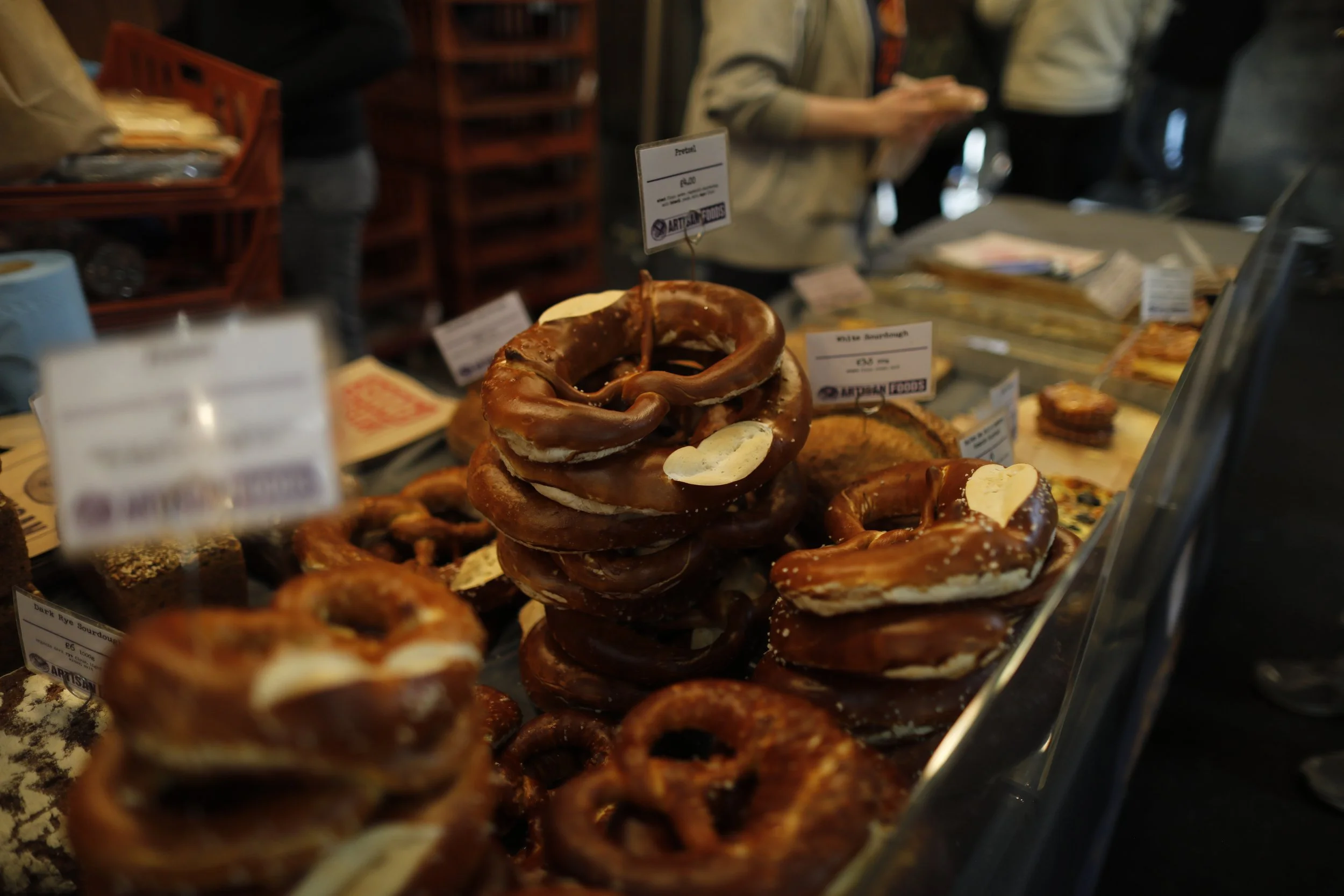
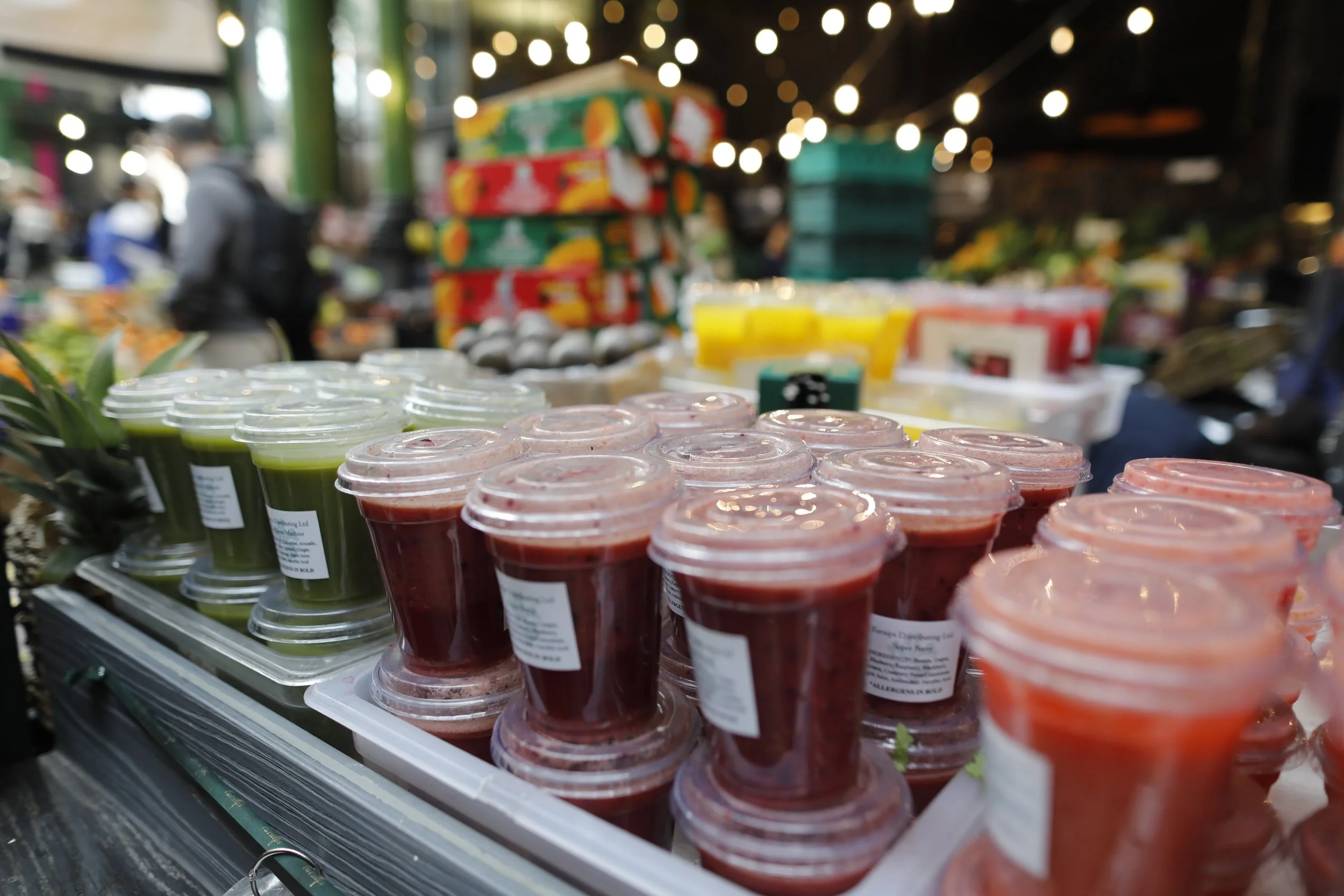
One of London’s liveliest food destinations — where aisles brim with fresh juices, sizzling street-food stalls from around the world and an endless parade of sweets, donuts and oversized pretzels, the atmosphere is electric and often overwhelming: stalls attract long queues, a clear sign of local favorites and time-tested vendors.
Highlights include colorful juice stands offering combos like apple, banana and strawberry — a ready-made refresher after weaving through the crowd — alongside hot offerings ranging from Indian curries and samosas to European cheeses and artisan breads. Sweet-tooth temptations are everywhere, from glazed donuts to pastries piled high on display.
Expect throngs of people and a lively, sensory overload; navigating the market is part of the experience. Prices reflect the central location and quality: juices commonly run around $6 USD, while a giant pretzel or similar grab-and-go snack might cost about $2 USD.
Tip | Go early to avoid the busiest times, follow the queues to discover standout vendors and come hungry — Borough Market is best explored by sampling a little of everything. Oh, and dive in. All I can say, is that I wish I tried more.
Admire the Historic Leadenhall Market
Leadenhall Market feels like stepping back through centuries of London history. Tucked beneath graceful Victorian arcades and a sweeping glass roof, this covered market is a mosaic of boutiques, independent specialty shops, cafés, restaurants and atmospheric pubs. Intricate wrought ironwork, painted timber beams and jewel-toned stained glass filter the light, casting a warm glow over the stone steps and uneven cobbles that trace the market’s lanes.
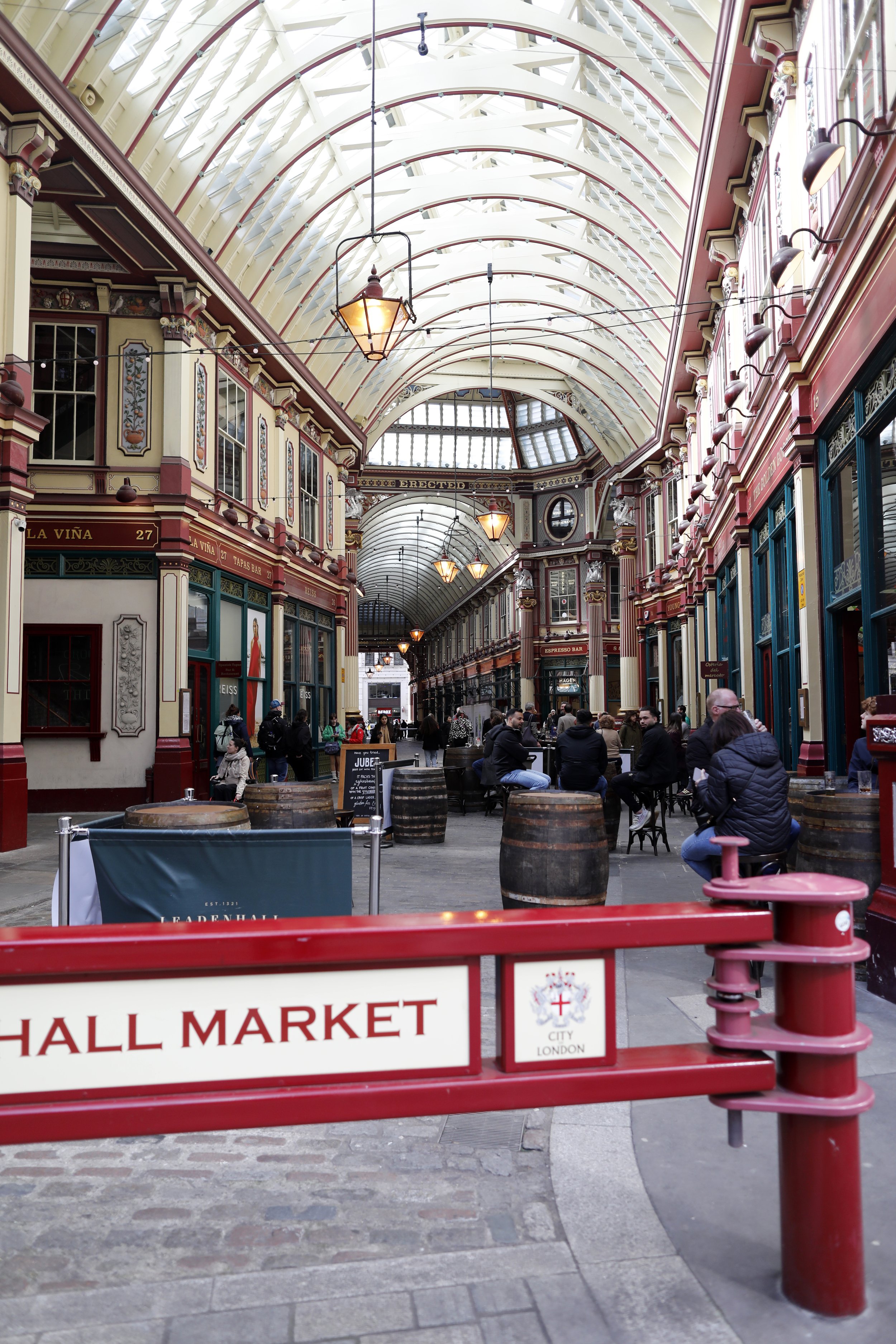
Though the present-day market opened in the late 19th century, its story runs much deeper: the site has been a focal point for trade since the 14th century and sits on the footprint of a Roman forum. You can still sense that layered past in small details — weathered plaques, narrow alleys that hint at medieval street patterns and long-established family businesses tucked into historic shopfronts.
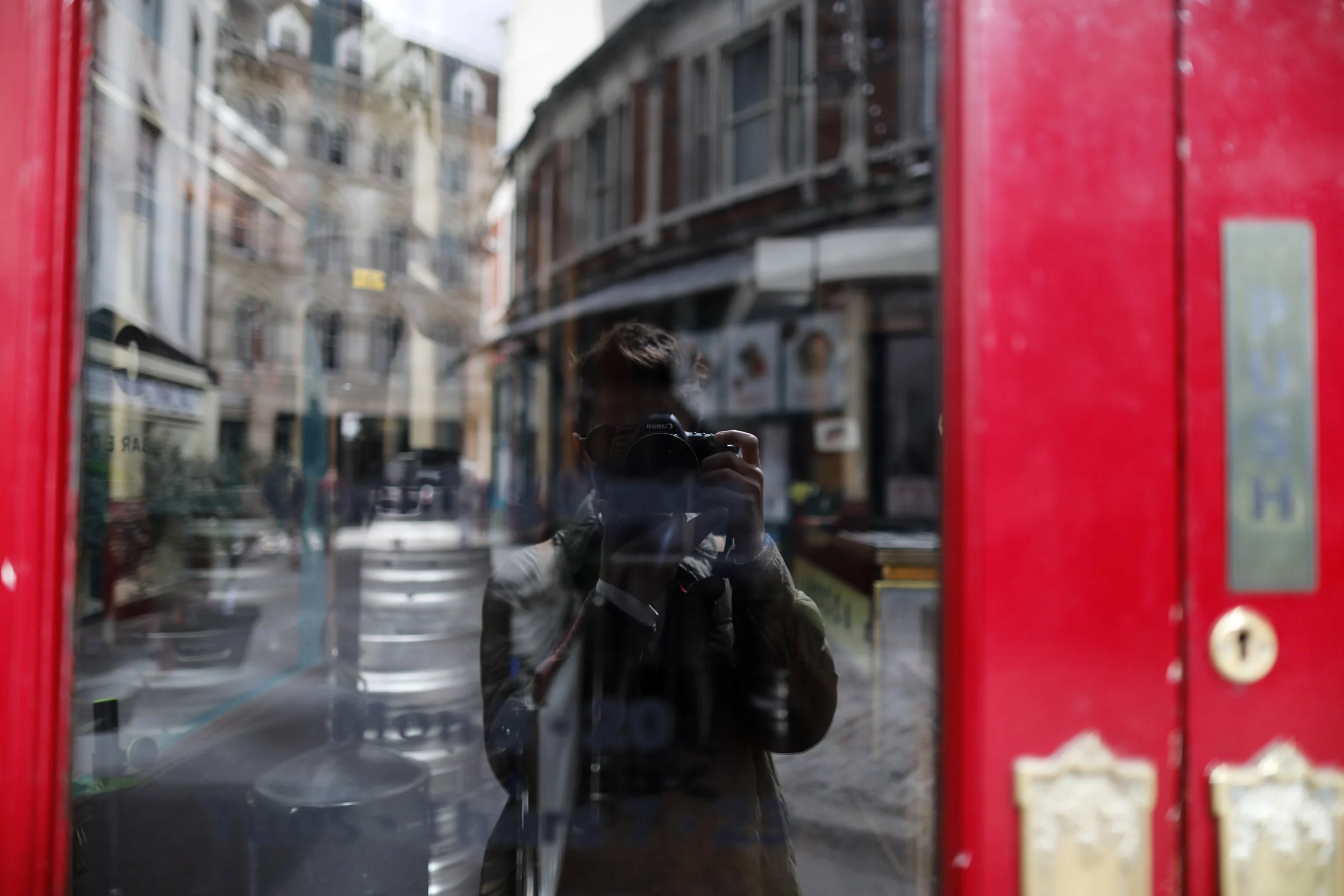
Visit during quieter hours to appreciate the architecture and soak in the atmosphere: the hush amplifies the clang of a distant delivery, the murmur of conversations over coffee and the echo of footsteps on cobbles. At busier times, the market buzzes with office workers and visitors, bringing the space to life with a modern energy that complements its historic charm. Whether you’re hunting for artisanal goods, pausing for a pint in a centuries-old pub or simply admiring the craftsmanship above, Leadenhall Market is a must-see stop for anyone exploring the city.
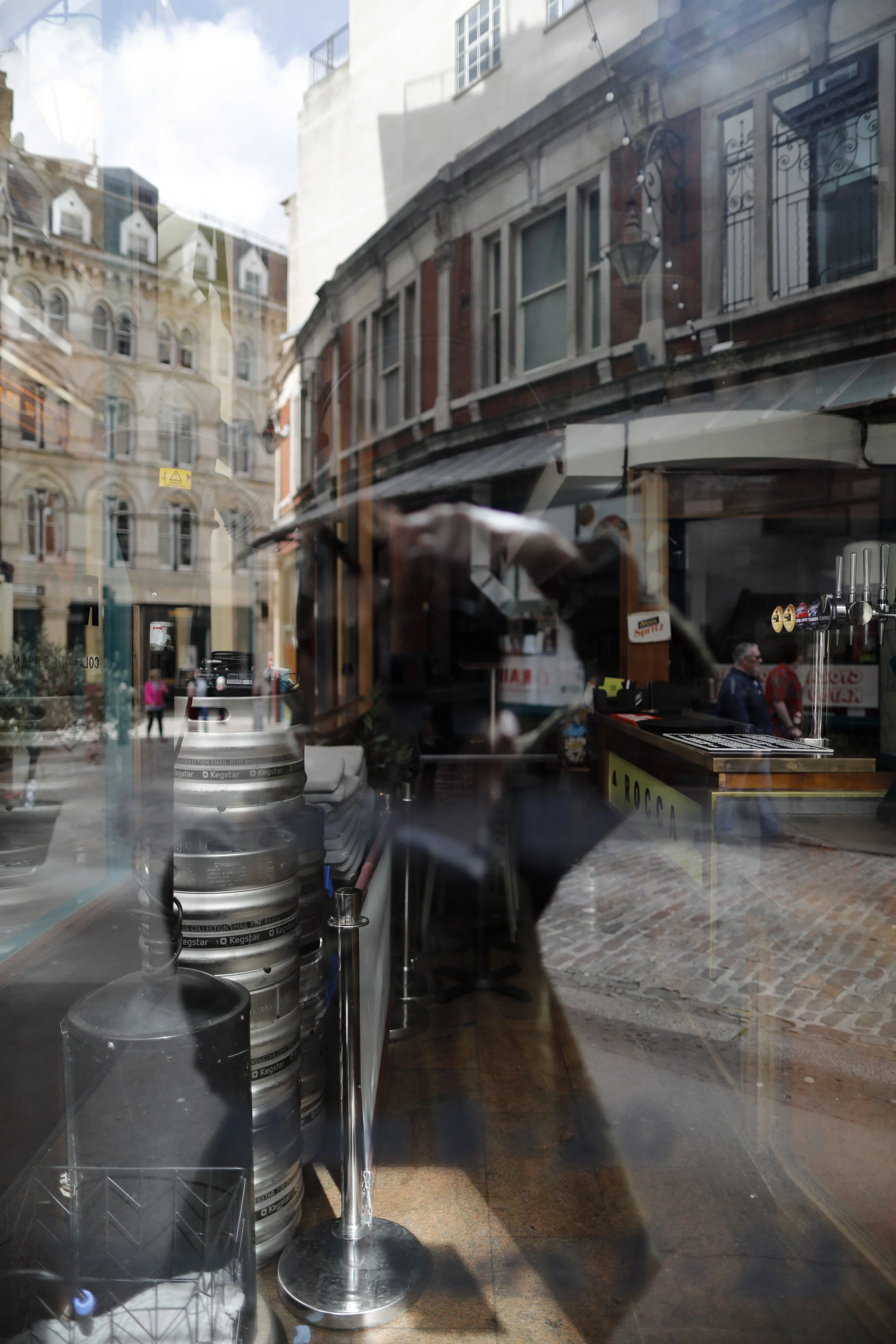
A few minutes from Leadenhall Market, you'll find classic British fare and global flavors. Start with a pie-and-mash shop for a traditional London meal, then head to Cornhill and Fen Court for artisanal bakeries and specialty coffee. Eastcheap and Gracechurch Street offer salt beef sandwiches, Turkish kebabs and modern European small plates, with vendors selling cheeses, charcuterie and seasonal pastries nearby. Side streets hide quality fishmongers and oyster bars, plus craft chocolatiers and patisseries for sweet treats. Evenings bring compact cocktail bars and gastropubs near St. Mary Axe—making the Leadenhall area a dense, rewarding food neighborhood.
Breakfast at Mama’s Café
A morning at Mama’s Café unfolds quietly, the kind of spot that feels like a local secret. The tiny kitchen hums gently — only a few other patrons during breakfast service — creating a calm, unhurried atmosphere perfect for easing into the day.
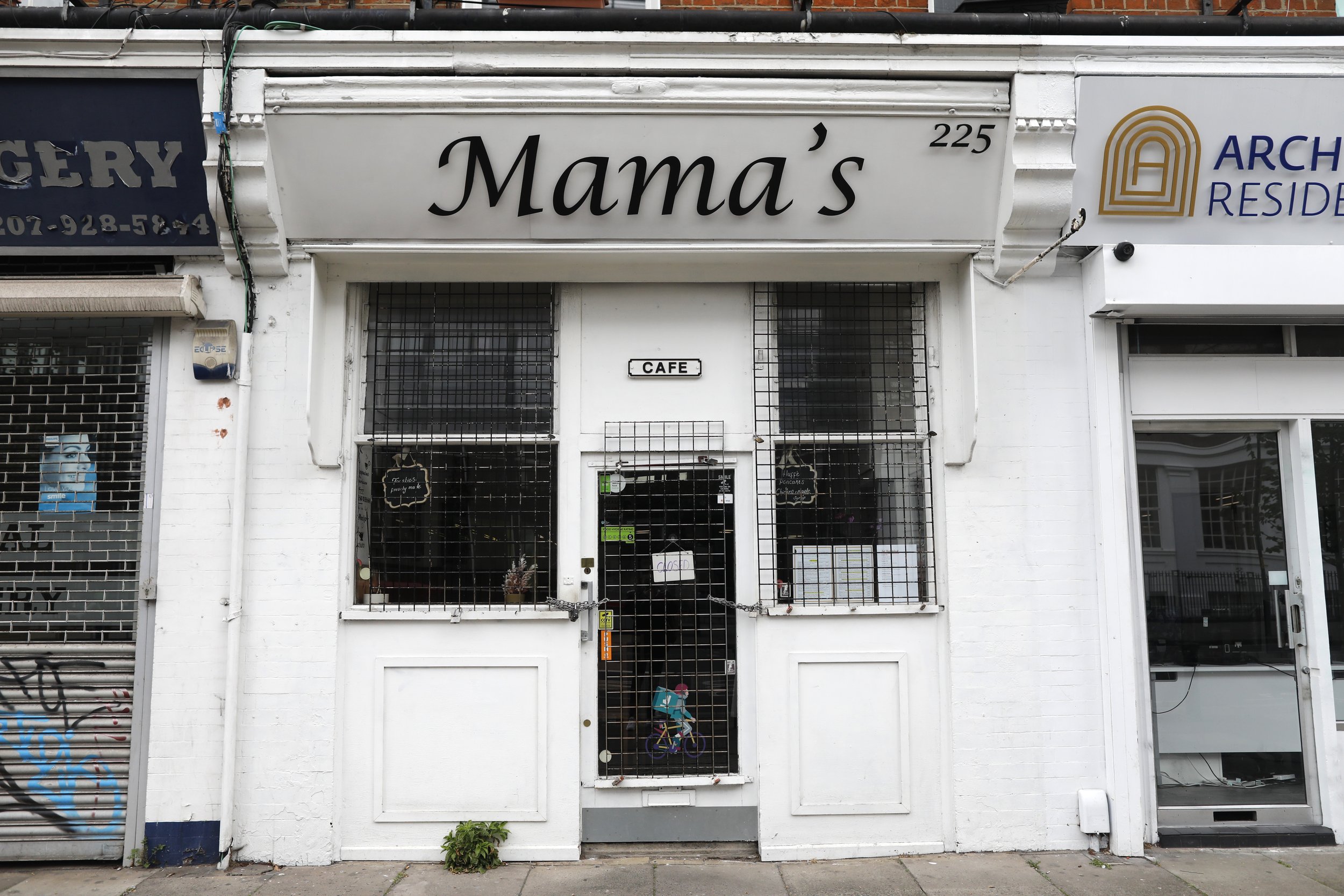
Your pancake craving might go unanswered (they weren’t on the menu during my visit) but the café does a solid classic breakfast: a latte paired with a simple sandwich of egg and ham (or bacon), plus a side of crispy hash browns.
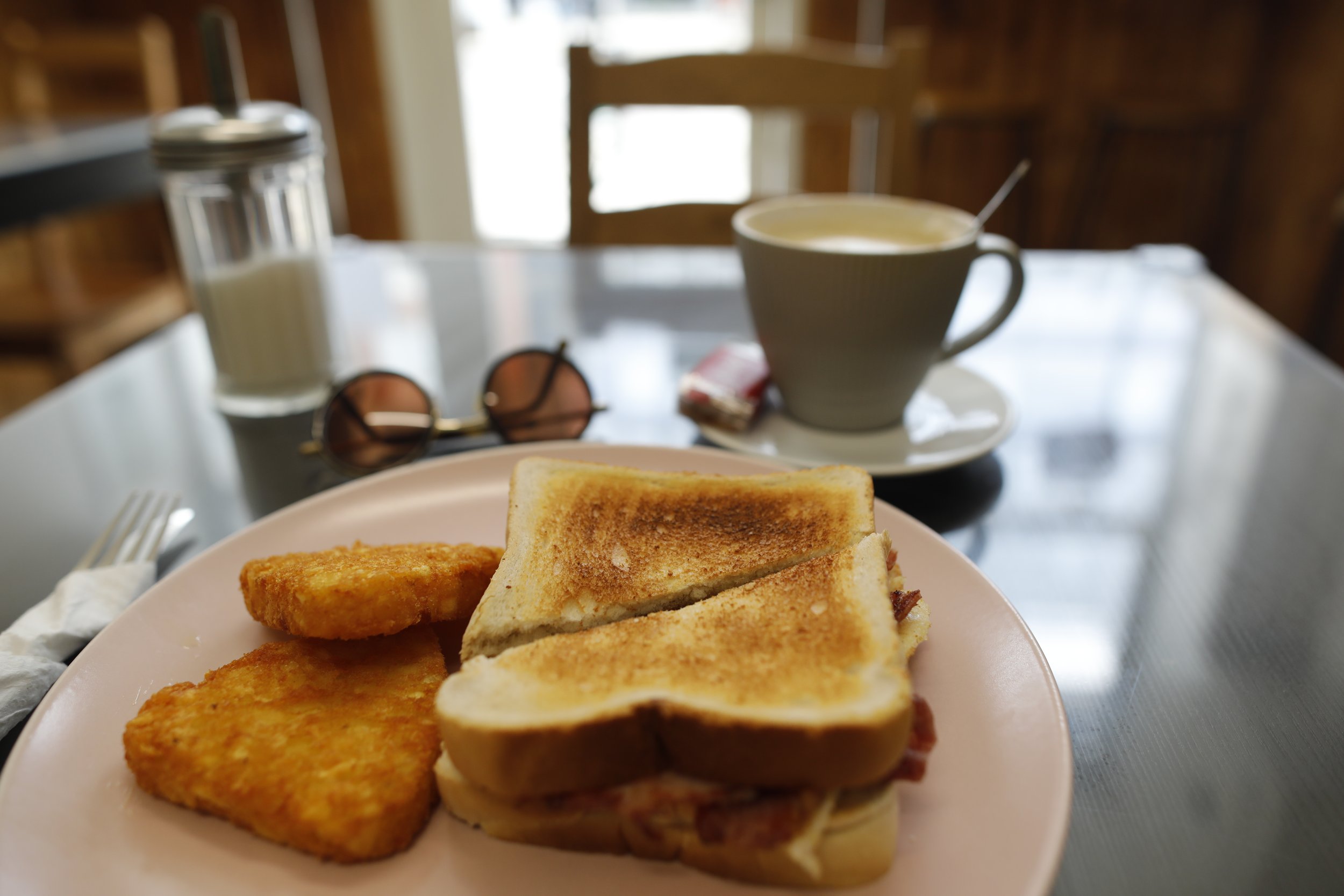
Nothing flashy, just honest, well-made comfort food that sets the tone for exploring the neighborhood.
Grab Matcha at National Portrait Gallery
A stop at the National Portrait Gallery rewards visitors with a compact but richly layered exploration of Britain’s cultural history through portraiture. Founded in 1856 and often cited as the first national public gallery devoted solely to portraits, the museum traces the faces and stories of historically important and famous British figures across centuries.
Located in Trafalgar Square’s lively cultural quarter, the gallery’s collection spans oil paintings, photographs, drawings and sculptures, offering a timeline of changing styles and social values. Highlights include Tudor and Stuart monarchs alongside writers, scientists, activists and contemporary celebrities — each portrait acting as a window into the era it represents. The displays balance canonical works with surprising pairings and rotating exhibitions, so even repeat visits can feel fresh.
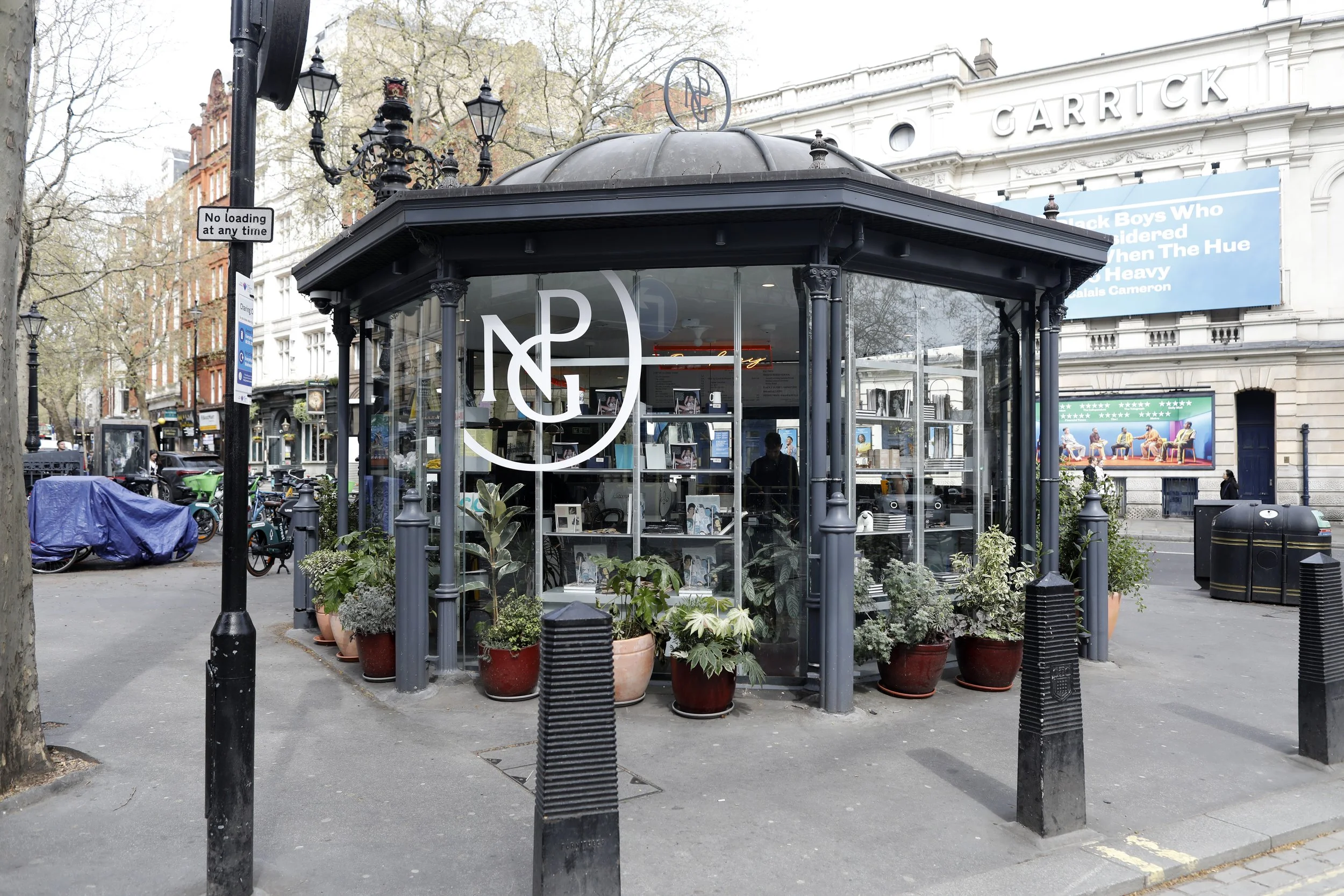
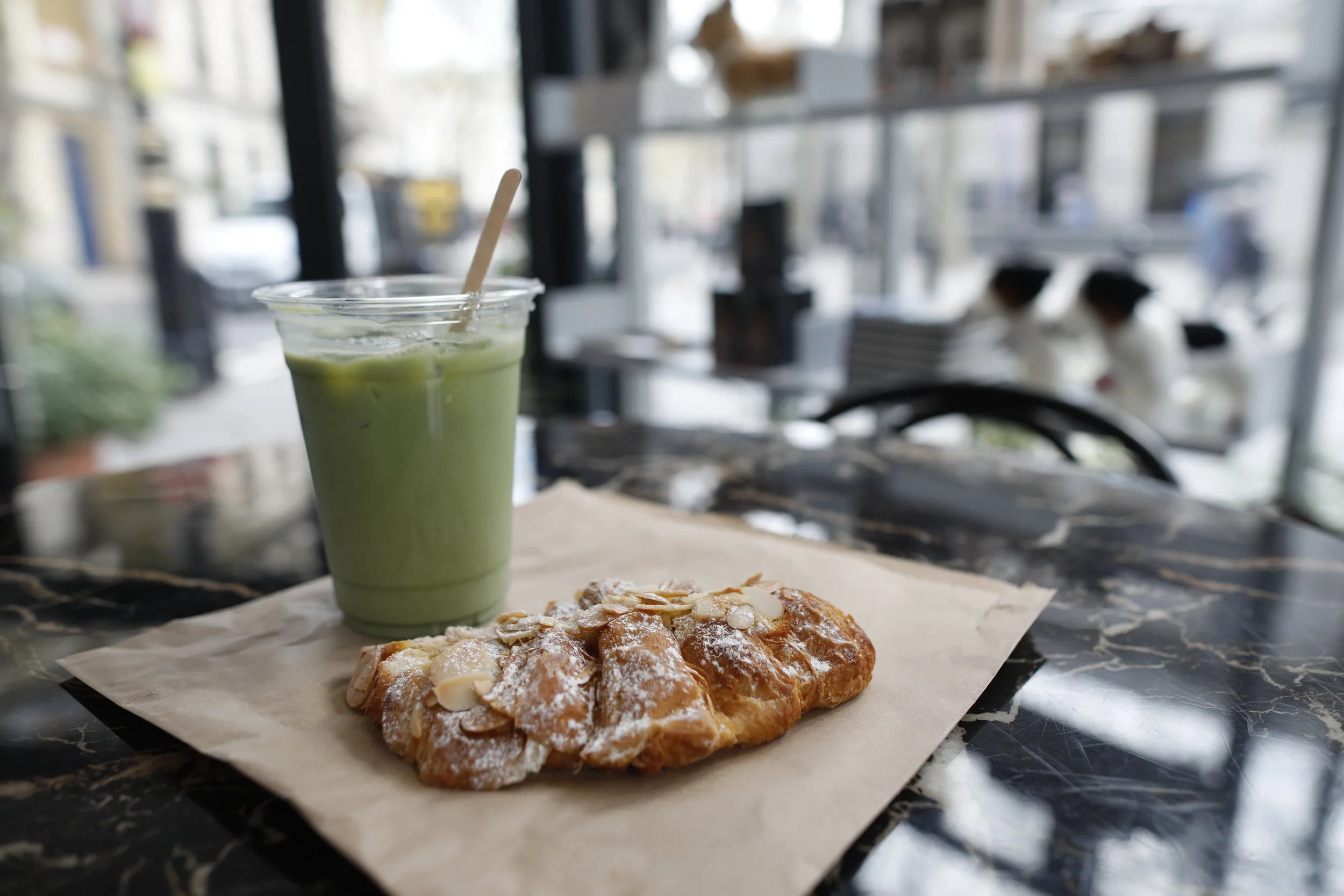
A cozy café behind the gallery welcomes visitors with the comforting aroma of fresh coffee and warm pastries. The Portrait Pavilion Café is a quaint spot with a relaxed, greenhouse atmosphere. It’s an ideal place to pause after exploring the exhibits — order a creamy matcha latte and pair it with a flaky almond croissant for a perfectly balanced treat. Indoor seating invites lingering over conversation or a book, while a few outdoor tables offer a pleasant view of the nearby plaza, making it a lovely stop for both a quick pick-me-up and a slow, indulgent break between museum visits.
Read | For a deeper dive into the National Portrait Gallery, watch for my upcoming piece, London Unveiled: A Journey Through the City's Iconic Art & Culture — coming soon.
Snack on Toasted Nuts Along River Thames
The River Thames winds through the heart of London, a ribbon of history threaded with bridges, barges and riverside paths. Walking along its embankments — from the stately sweep by Westminster to the lively South Bank — you can feel centuries of commerce and culture, boats drifting past iconic skylines and quiet stretches where swans and city life coexist.
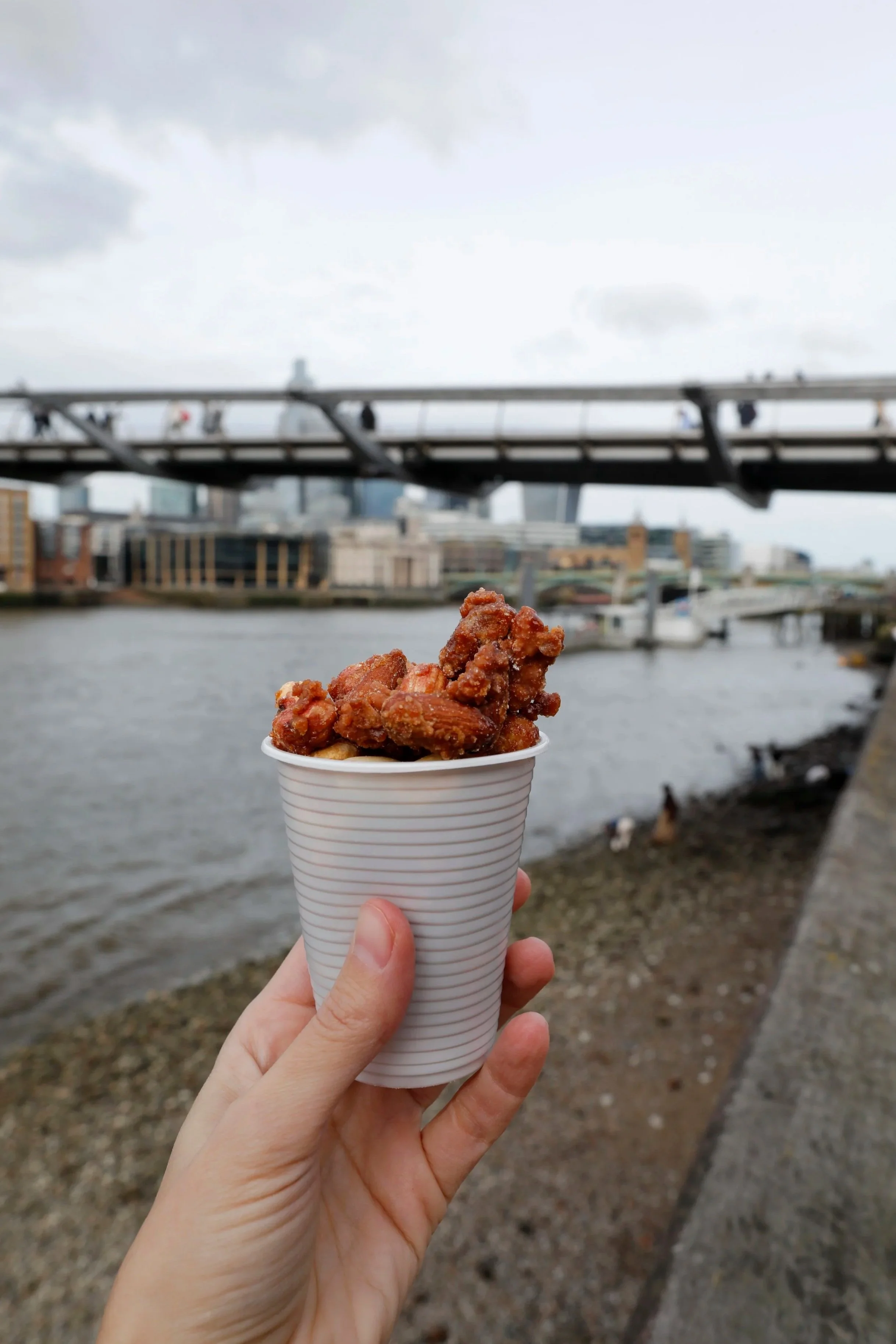
Grabbing roasted honey peanuts and almonds by the river is a simple, joyful ritual. The warm, sticky-sweet glaze and crunchy roast are perfect to munch on while watching the water sparkle. Pack a small paper cone or pick them up from a nearby market stall, find a bench or a grassy bank and let the nutty aroma and sugary shine be a tiny, delicious pause amid the city’s flow.
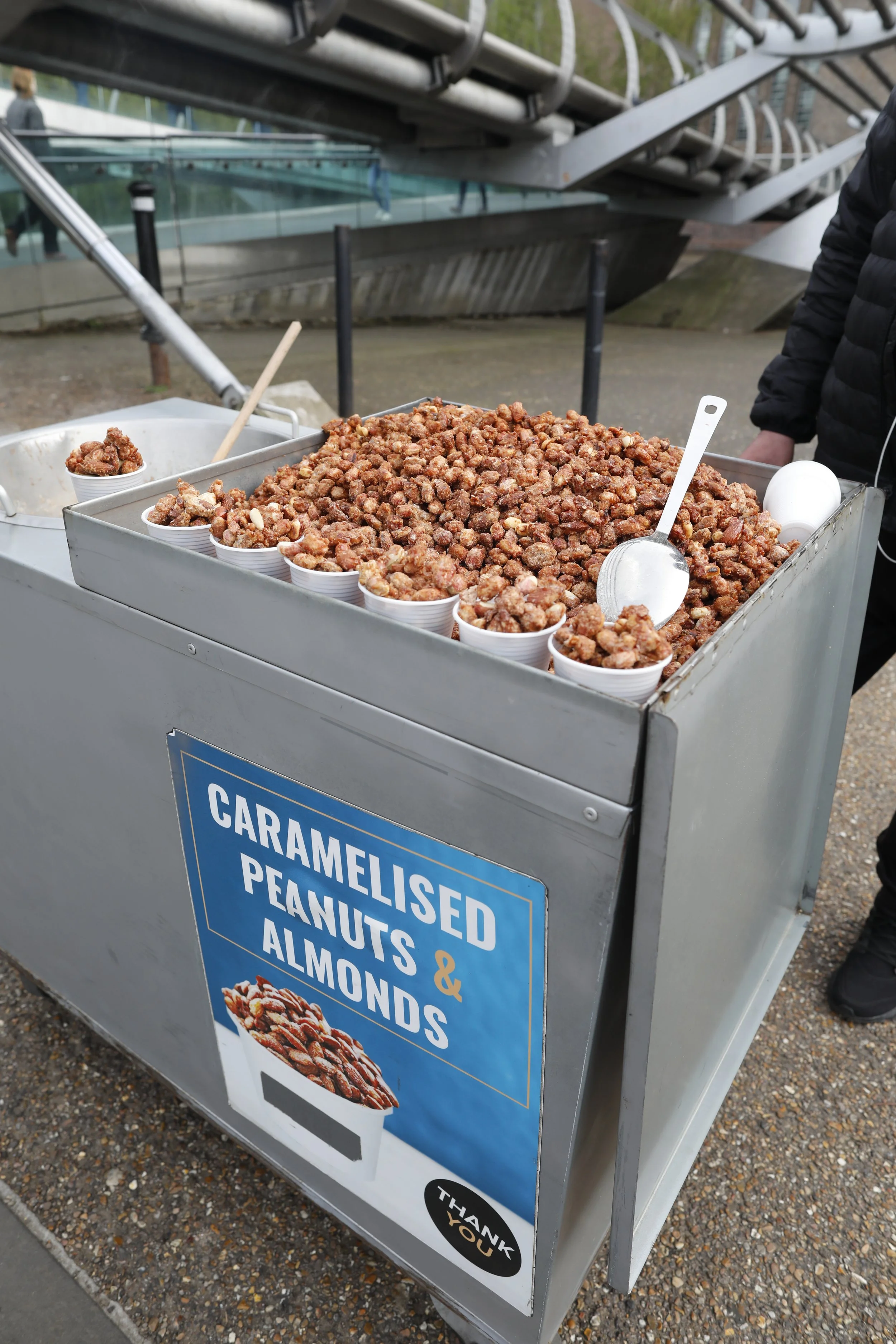
Street food in London is a quick, delicious way to taste the city. Whether you’re on a tight schedule between museums or wandering late-night markets, small street snacks capture local flavors and international influences in bite-sized form.
Here’s what to try (unless you’re avoiding gluten):
Fish and chips cones: Classic battered fish served in a paper cone with thick chips — portable, warm and satisfying.
Scotch eggs: Hard or soft-boiled eggs wrapped in seasoned sausage, breaded and fried. They’re a hearty snack to eat on the go.
Pie and mash portions: Mini meat pies with mashed potato and a splash of parsley liquor — traditional and comforting.
Sausage rolls: Flaky pastry around spiced sausage meat; easy to eat while walking.
Banh mi or bao buns: London’s vibrant Vietnamese and Taiwanese stalls offer handheld sandwiches and steamed buns filled with pickled veg and savory proteins.
Falafel wraps and kebabs: Middle Eastern stalls serve crisp falafel or grilled meats with sauces and salad for a filling, portable snack.
Churros and doughnuts: Sugary fried treats that pair well with hot chocolate or coffee during colder days.
Crepes: Sweet or savory crepes folded to-go — Nutella and banana or ham and cheese are common choices.
Poffertjes or mini pancakes: Often sold at markets and fairs, small and dusted with powdered sugar for a light sweet bite.
Street sweets and roasted nuts: Candied almonds, toffee apples and other small confections are common at outdoor markets and holiday stalls.
Some of the best places to find snacks include Borough Market, where you can pick up everything from small bites to more substantial plates. Camden Market offers eclectic stalls with global flavors, perfect for late-afternoon grazing. Brick Lane is known for its diverse offerings, including bagels, curries and falafel. Along the Southbank, you can stroll by the river and sample rotating street-food vendors and food trucks. Also keep an eye out for pop-up markets and food halls on weekends and during seasonal events for a concentrated variety of tasty options.
Street snacks in London are a convenient, flavorful way to experience the city’s food scene without committing to a full meal. They reflect London’s multicultural identity and are perfect for quick refueling between sightseeing, shopping or commuting.
Gorge on Georgian Cuisine at Iberia
A standout option, Iberia, is a Georgian restaurant with a cozy street-front presence. A small window table provides just enough people-watching without the bustle of the main dining room. The meal opens with tolma: vine leaves tightly rolled around minced beef and rice, served in a bed of cream and herbs. The rolls arrive warm, their tender leaves yielding to a savory filling that balances earthy, meaty depth with a gentle tang from the cream. It’s a comforting starter, traditional and unpretentious — an ideal introduction to Georgian flavors.
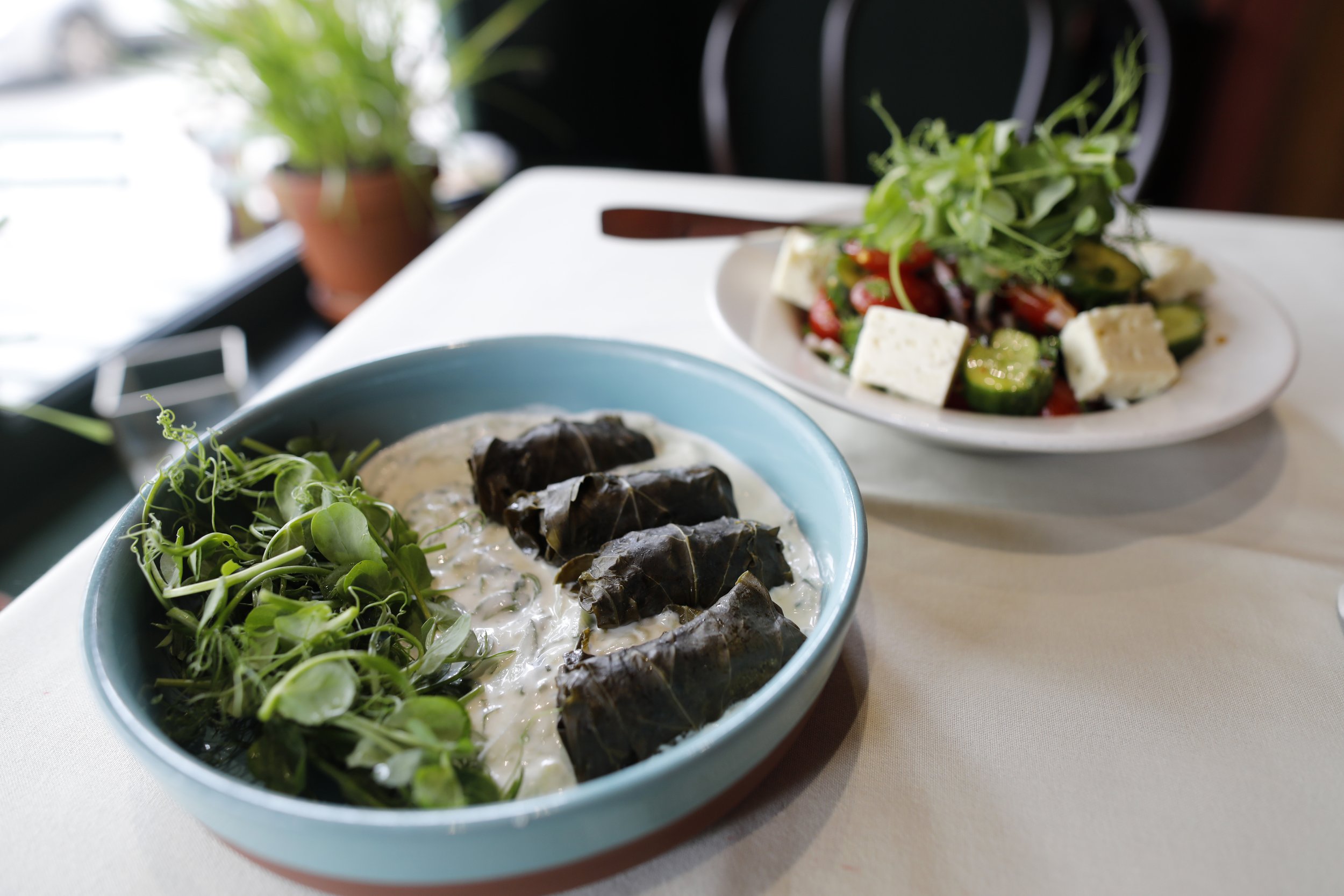
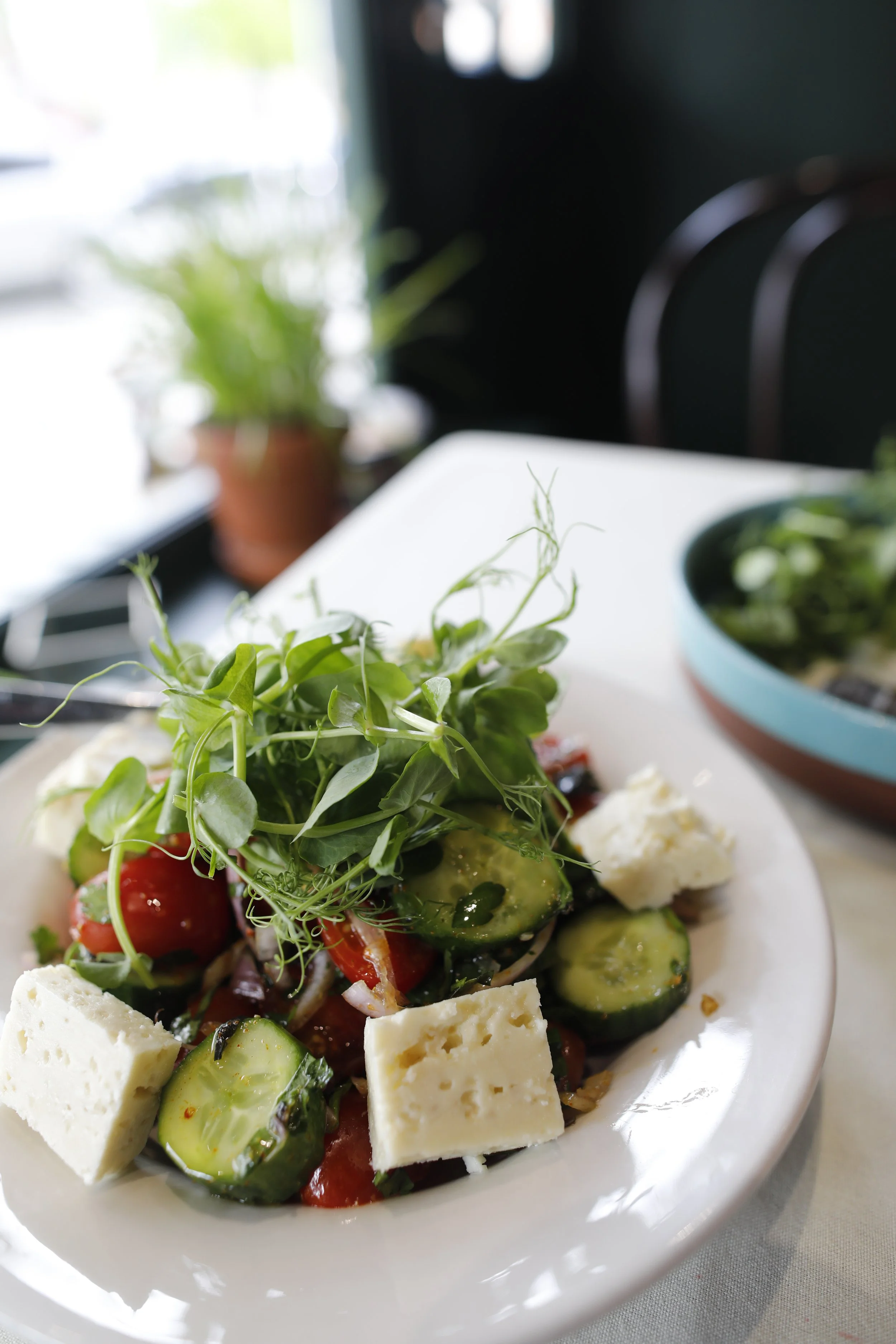
For something brighter, dive into a crisp salad of fresh tomatoes, cool cucumbers and tangy sheep’s cheese.
Give in to the dumplings that crowd every other table — they’re the obvious temptation. The Georgian classic appears plump and proud, stuffed with a savory blend of beef and pork, each one a tiny, soupy parcel of comfort.
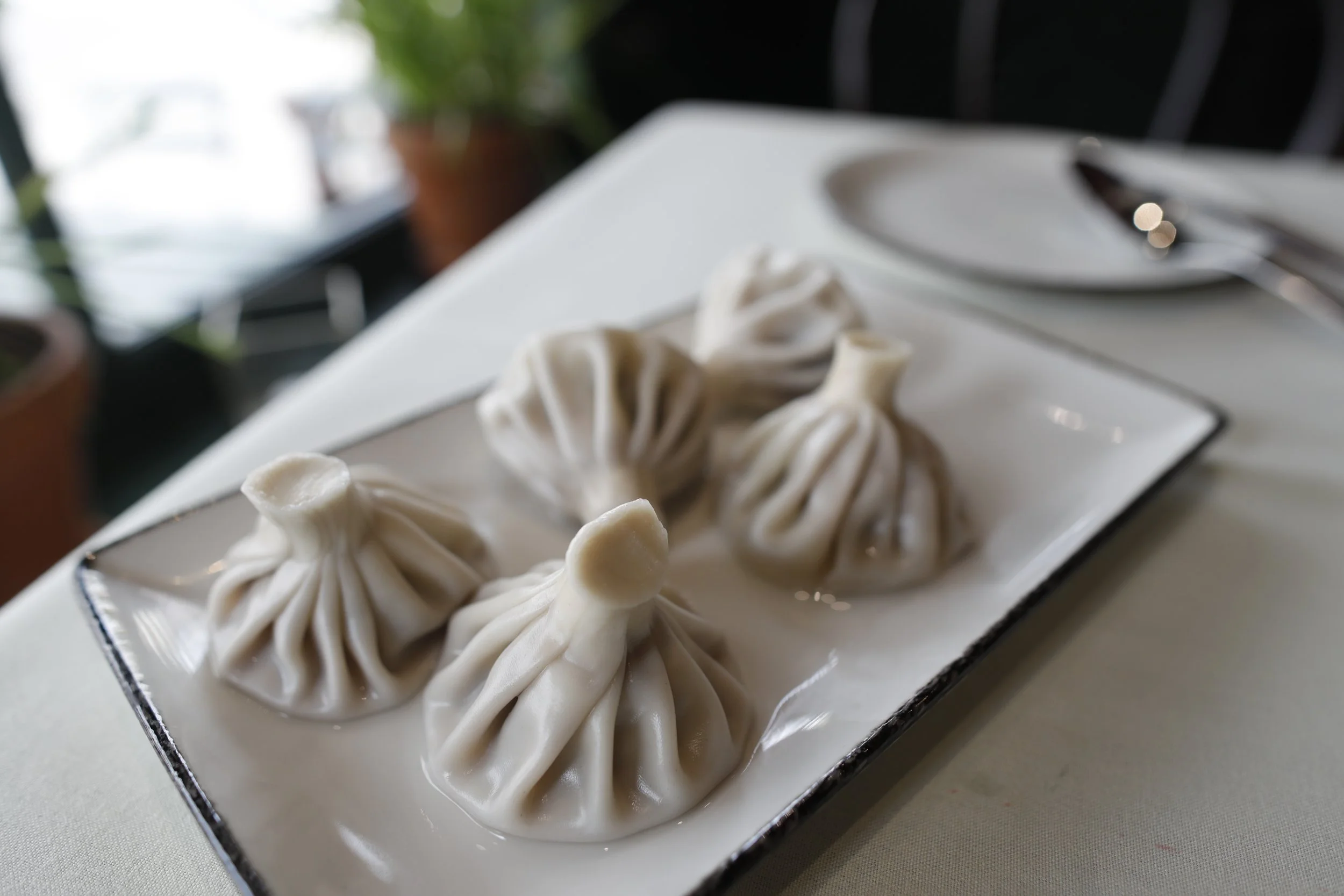
The technique matters: nibble the bottom first while keeping a grip on the top and have a spoon at the ready to catch the golden broth that spills out. Done right, each dumpling delivers a burst of rich, steaming flavor.
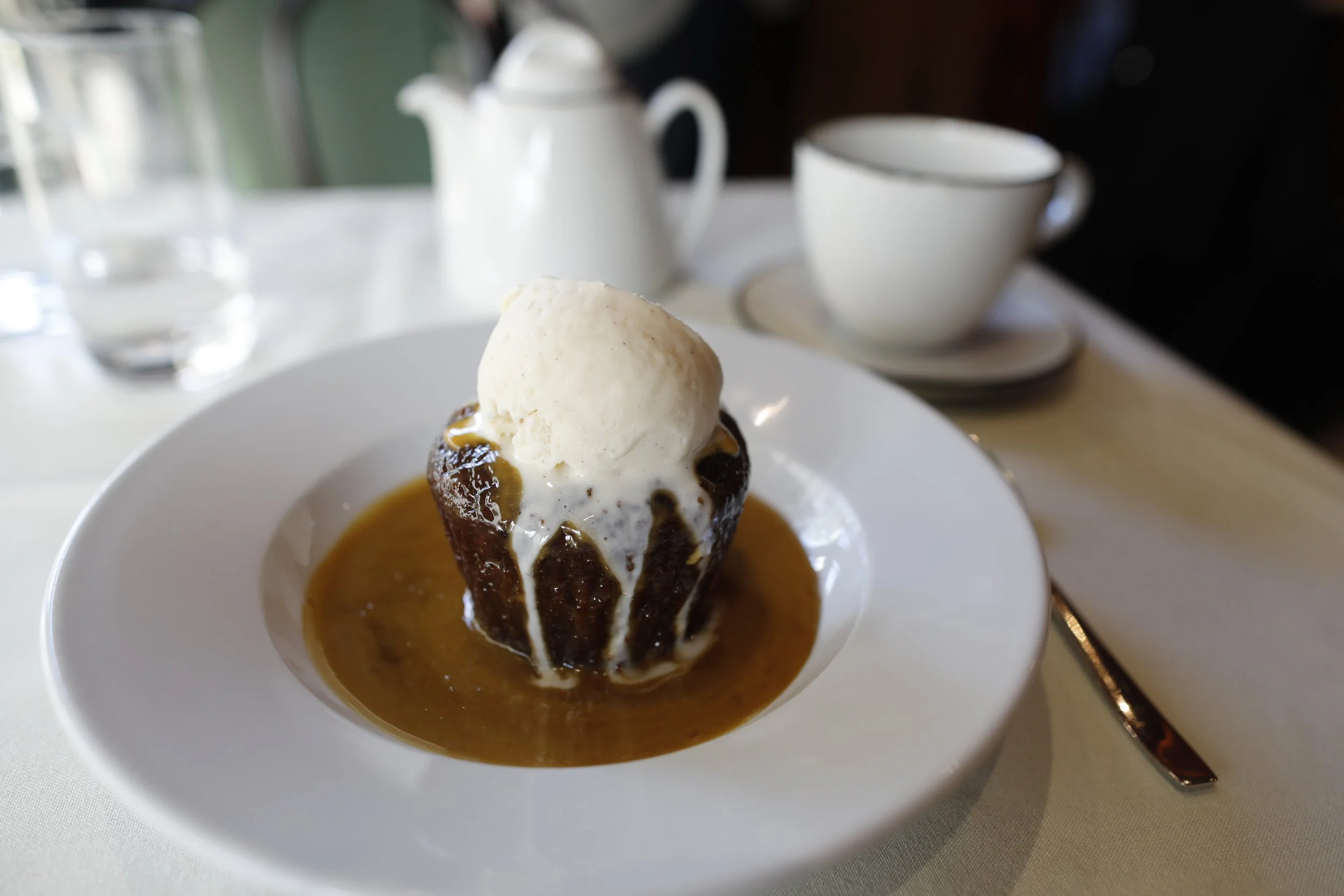
Totally unnecessary but utterly irresistible, order the caramel cake crowned with a scoop of creamy ice cream and a steaming cup of mint tea.
Shop & Eat at Old Spitalfields Market
Spitalfields Market is one of East London’s most charming indoor-outdoor markets. Nestled in the London Borough of Tower Hamlets, the market is packed with independent vendors offering clothing, jewelry, homewares, art, gourmet goods and an array of sweet treats and street food. Part flea market, part curated bazaar, it’s an ideal place for people-watching, grabbing a coffee and wandering among endless stalls of intriguing finds.
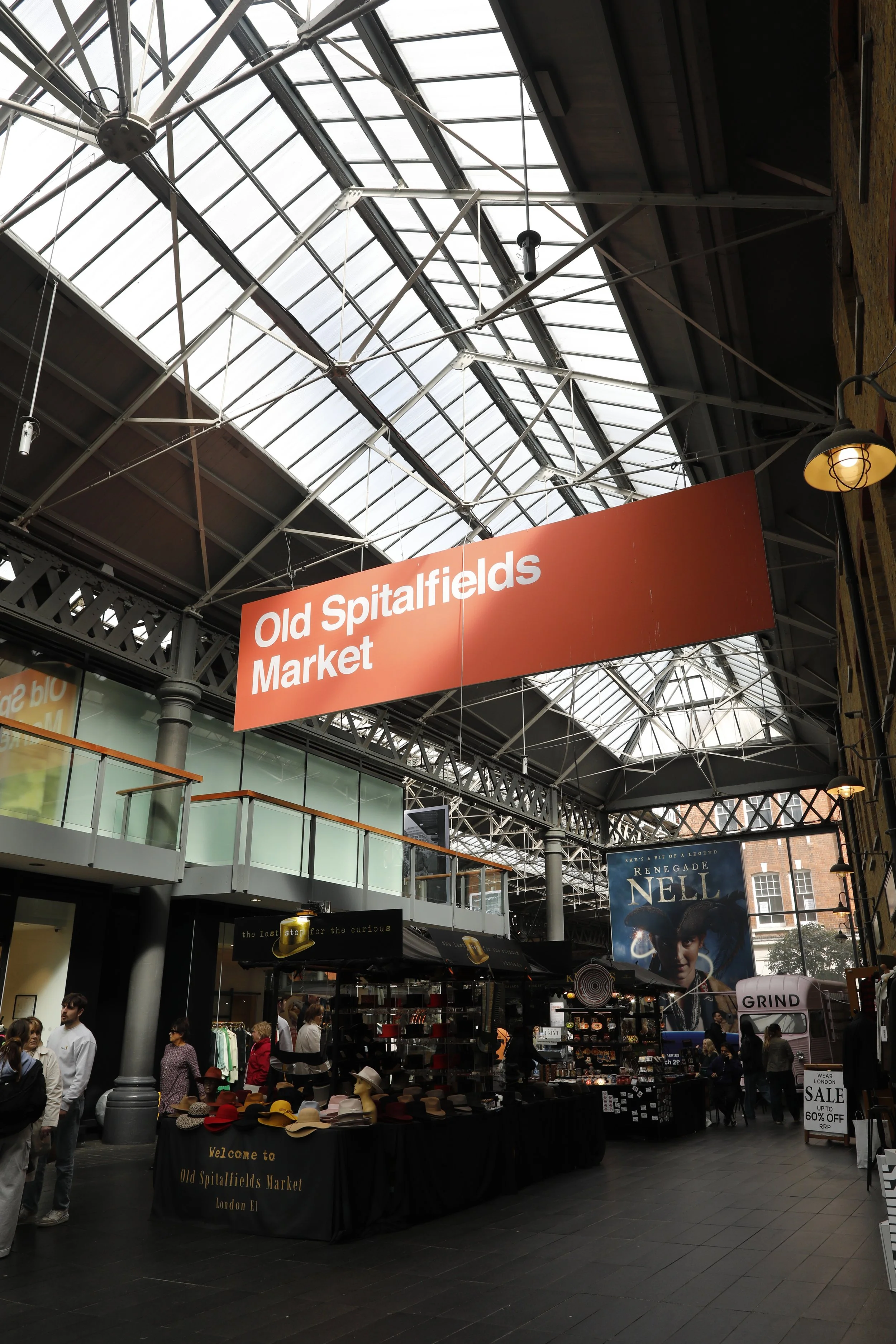
Spitalfields Market sits at the crossroads of London’s layered past and its bustling present. Its origins reach back to the 17th century when the area around the Bishop of London’s spittle — hence “SpitalFields” — became a site of market activity and lodging for pilgrims and traders. The market evolved through waves of immigration and industry: Huguenot weavers settled here in the 18th century, bringing silk and craft skills; later Irish and Jewish communities added new trades and flavors; by the 19th and early 20th centuries the area was known for tailoring and cap-making. Decline and neglect in the postwar years led to regeneration efforts in the 1980s and 2000s that restored the market’s Victorian and Georgian buildings while reimagining the space as a hub for food, fashion and independent retail.
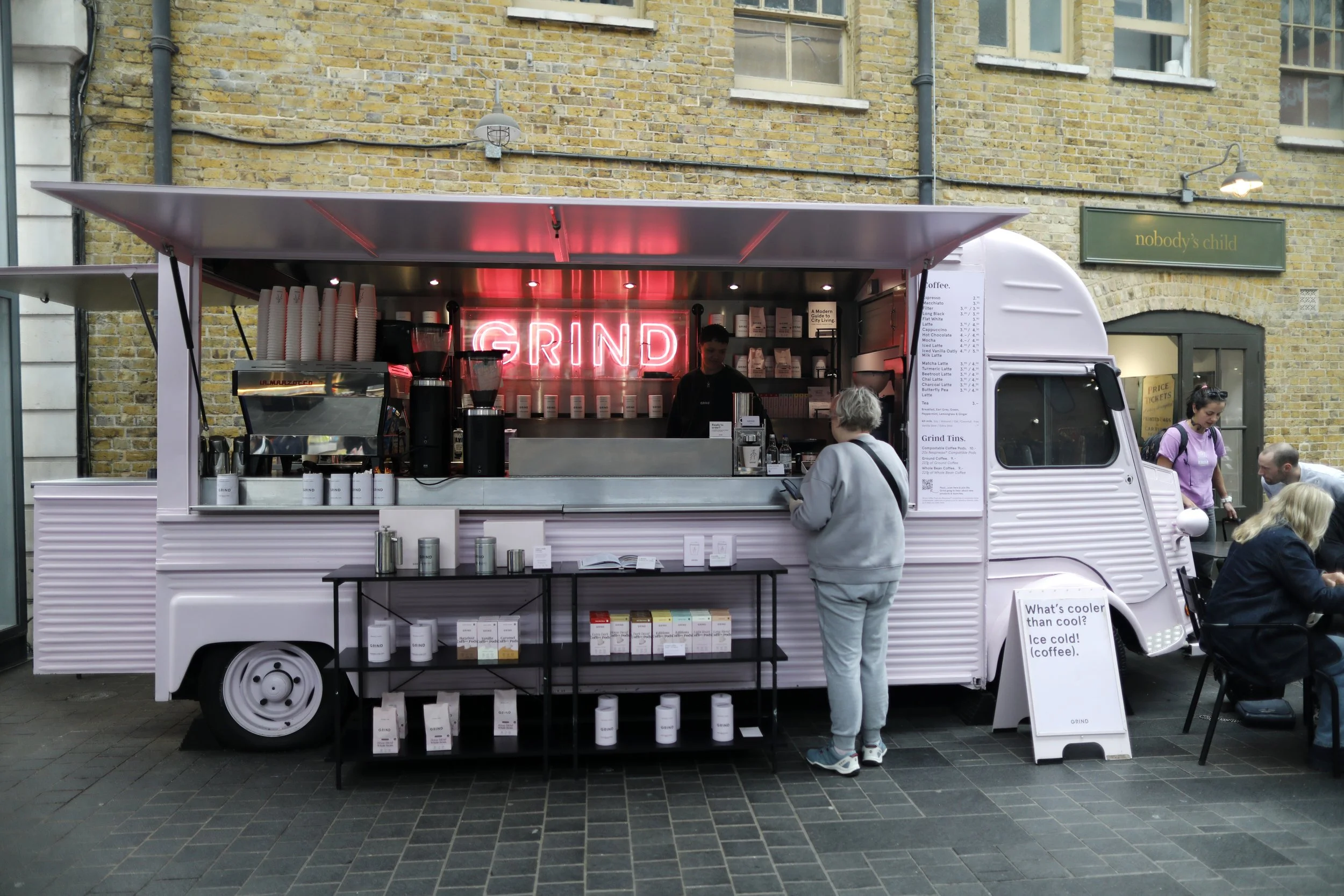
Today, the market offers a compact, lively mix of stalls, shops and eateries that reflect both its historical roots and contemporary London tastes. Under the restored roof you’ll find designers and vintage sellers, curated boutiques offering handcrafted goods, contemporary art and lifestyle shops, plus regular weekend market traders selling antiques, prints and unique fashion finds. The food scene is a major draw: street-food vendors and cafés serve a rotating global menu — everything from modern British plates to Ethiopian coffee, wood-fired pizzas and inventive Asian street food — mirroring the area’s multicultural heritage. Special events, pop-ups and seasonal markets (holiday fairs, art markets) give visitors fresh reasons to return.
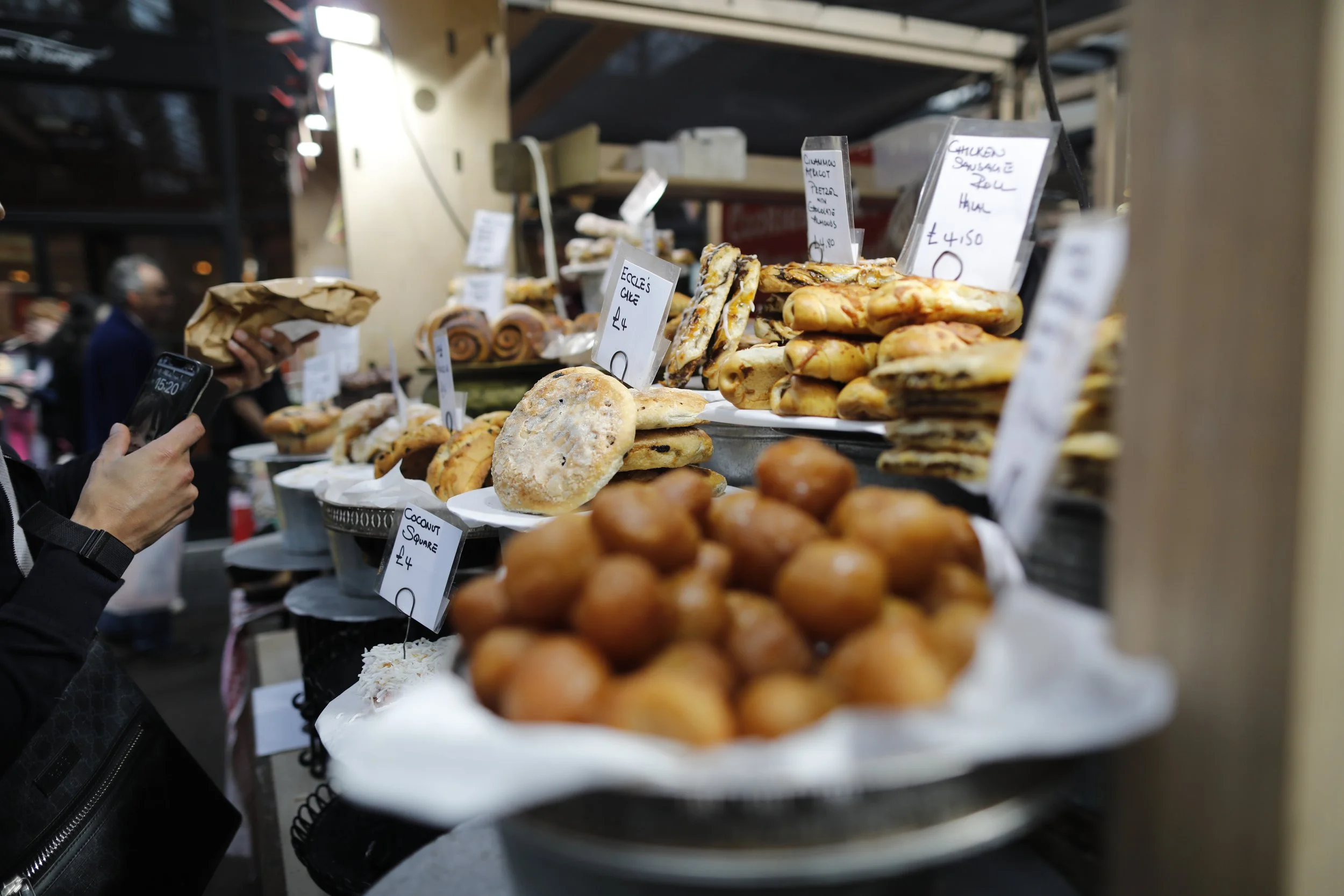
What makes Spitalfields so popular is its layered character: it’s both a historic site and a living marketplace that adapts quickly to trends without losing a sense of place. Its central location near Liverpool Street and Shoreditch makes it an easy stop on a city walk, while the atmospheric cobbled streets, preserved architecture and nearby galleries create a sense of discovery that many purpose-built shopping centers lack.
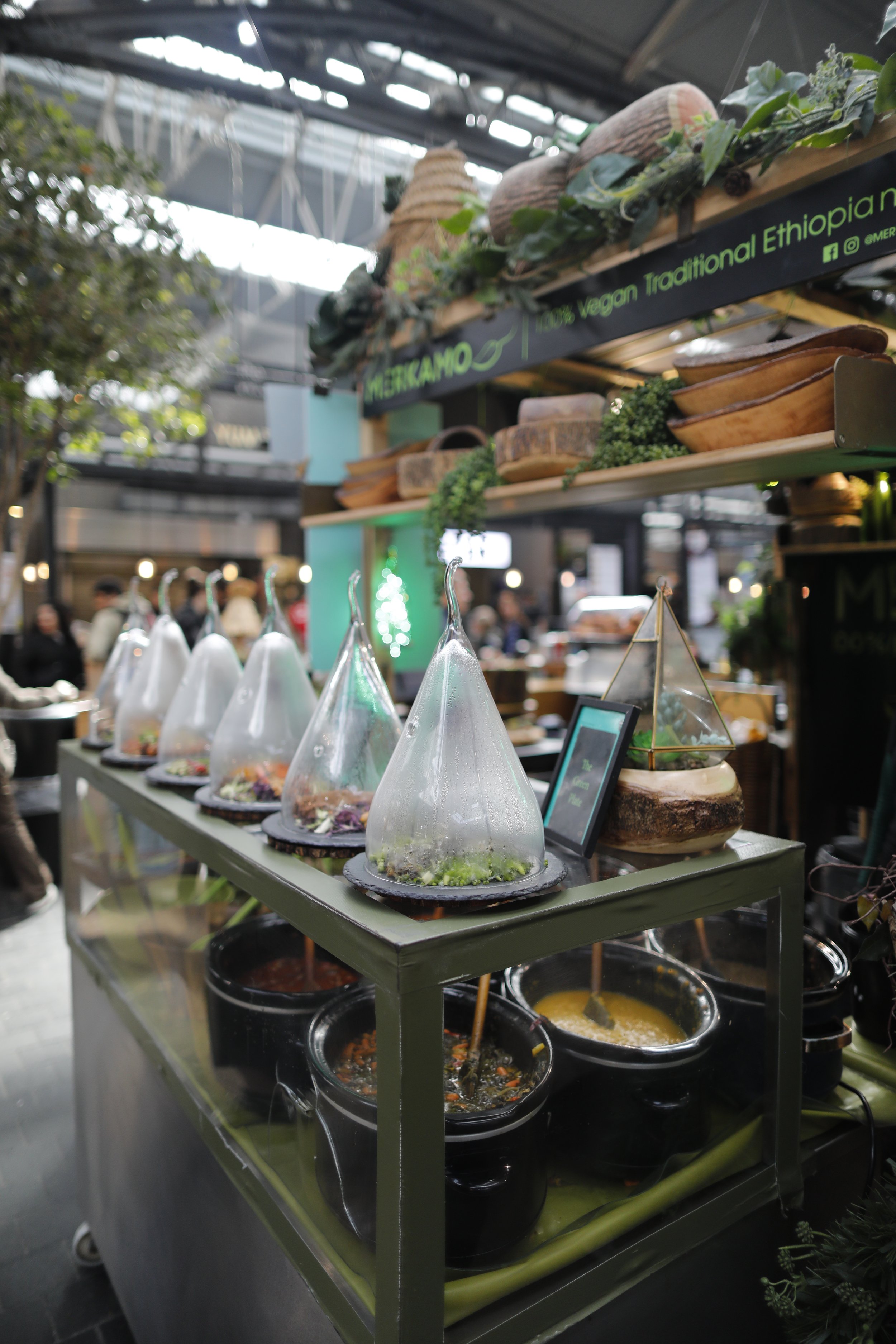
For shoppers and food lovers, the curated mix of independent makers and small-scale traders promises finds you won’t see on the high street; for history and culture seekers, the market’s story is visible in the buildings, street names and continuing diversity of traders. Whether you’re hunting antiques, sampling new flavors or just watching London life unfold, Spitalfields balances tradition and reinvention in a way that feels distinctly local.
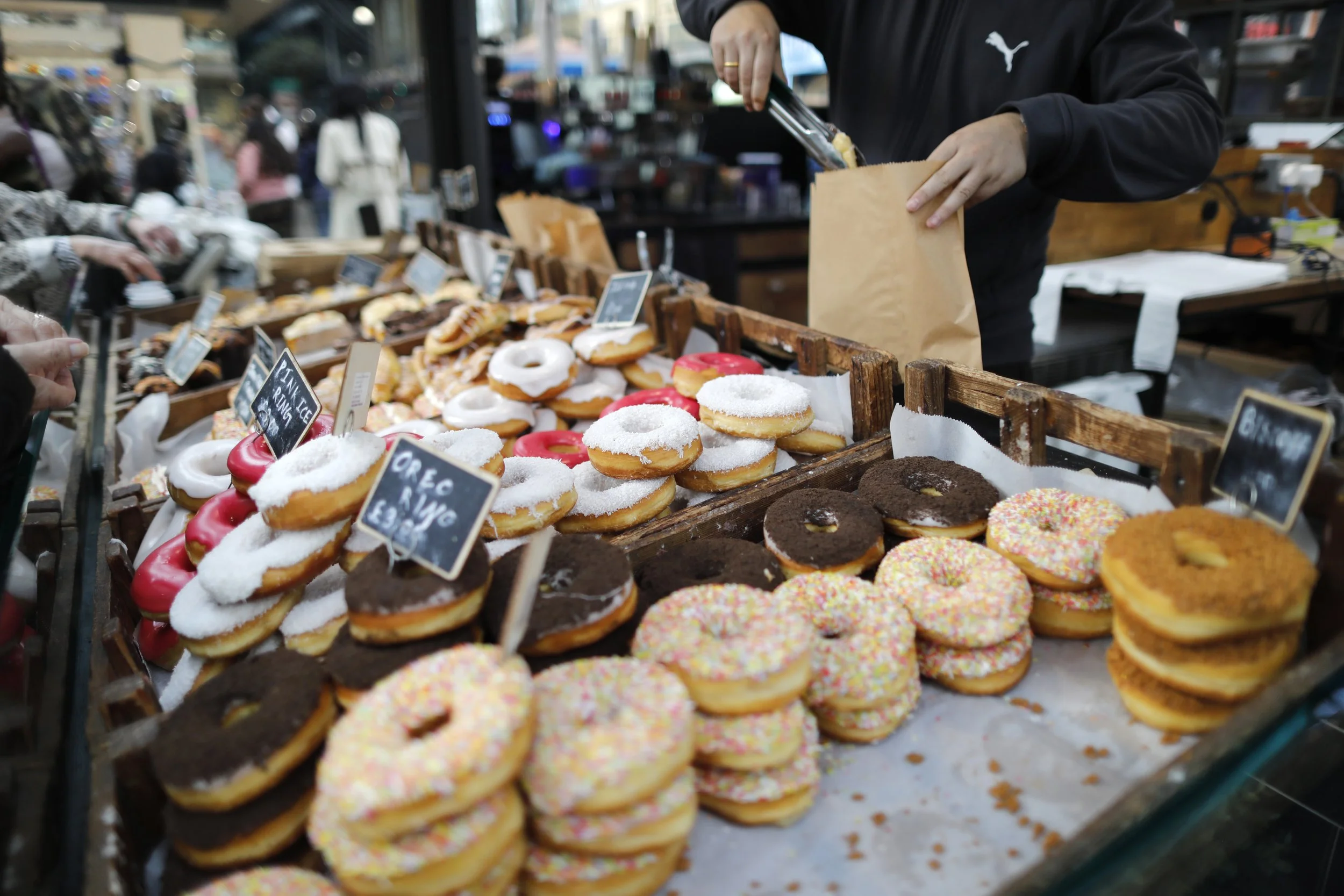
Around the market’s perimeter you'll find a lively mix of eateries and small storefronts — from eyeglass boutiques to barbershops and beauty salons — each adding its own local flavor. Behind the stalls, a broad lawn invites visitors to linger and relax, while twenty bronze elephants, scattered like quiet guards, punctuate the space with playful charm.
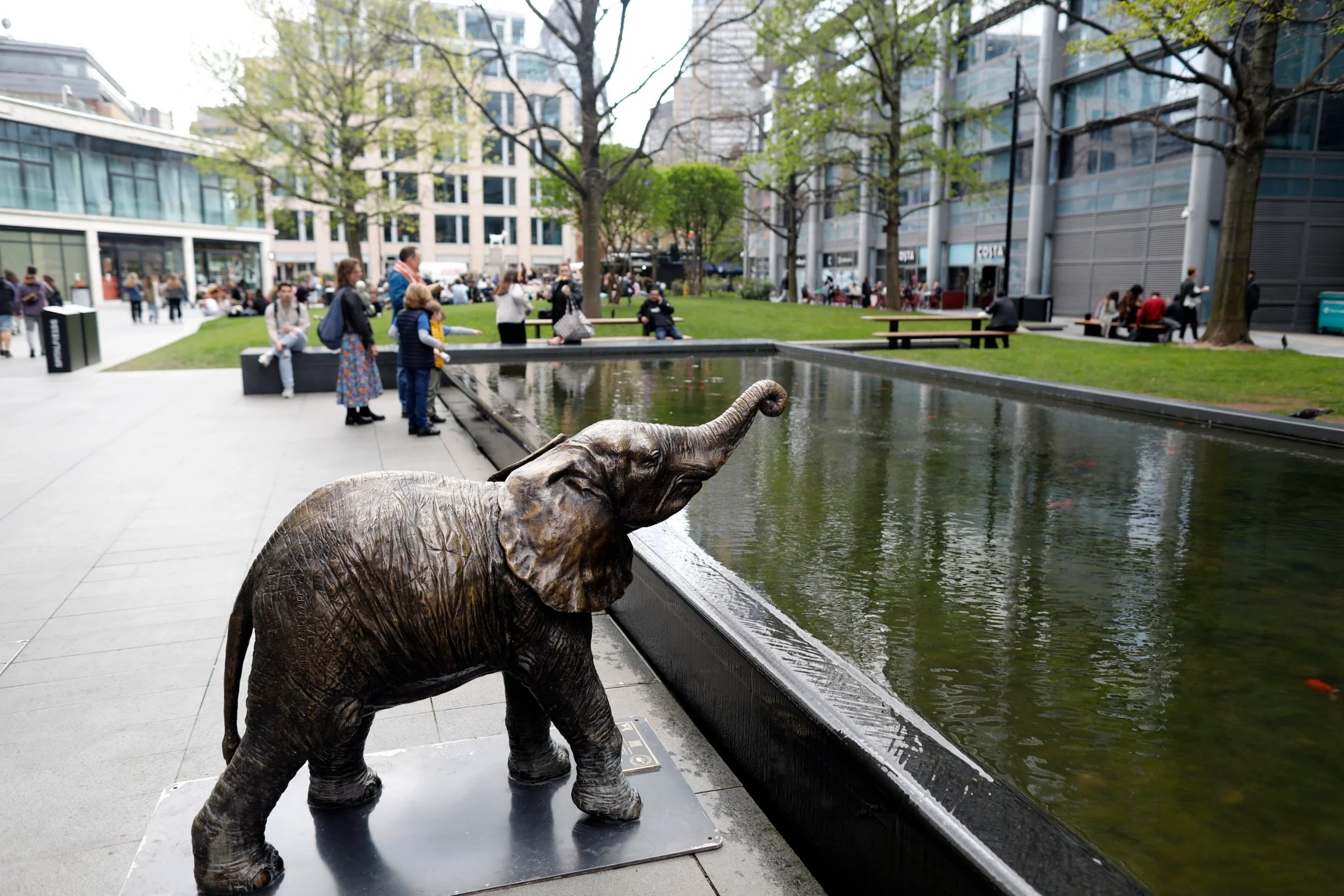
The "Herd of Hope" installation by artists Gillie and Marc features a graceful assembly of bronze elephants that blend public art with themes of unity and resilience; each life-sized figure is meticulously detailed — wrinkled skin, expressive eyes and poised trunks — inviting passersby to pause and reflect amid the market's bustle. Positioned to encourage interaction and photo opportunities, the herd creates a gentle, whimsical presence that contrasts with the surrounding urban architecture while evoking conservation and community spirit. By placing these familiar yet majestic animals in a busy London setting, the artists transform everyday space into a moment of shared wonder and a reminder of our collective responsibility to protect wildlife and nurture hope.
Rudy’s Pizza sits just outside the market and is an easy stop while wandering the neighborhood, especially if you want a slower paced meal.
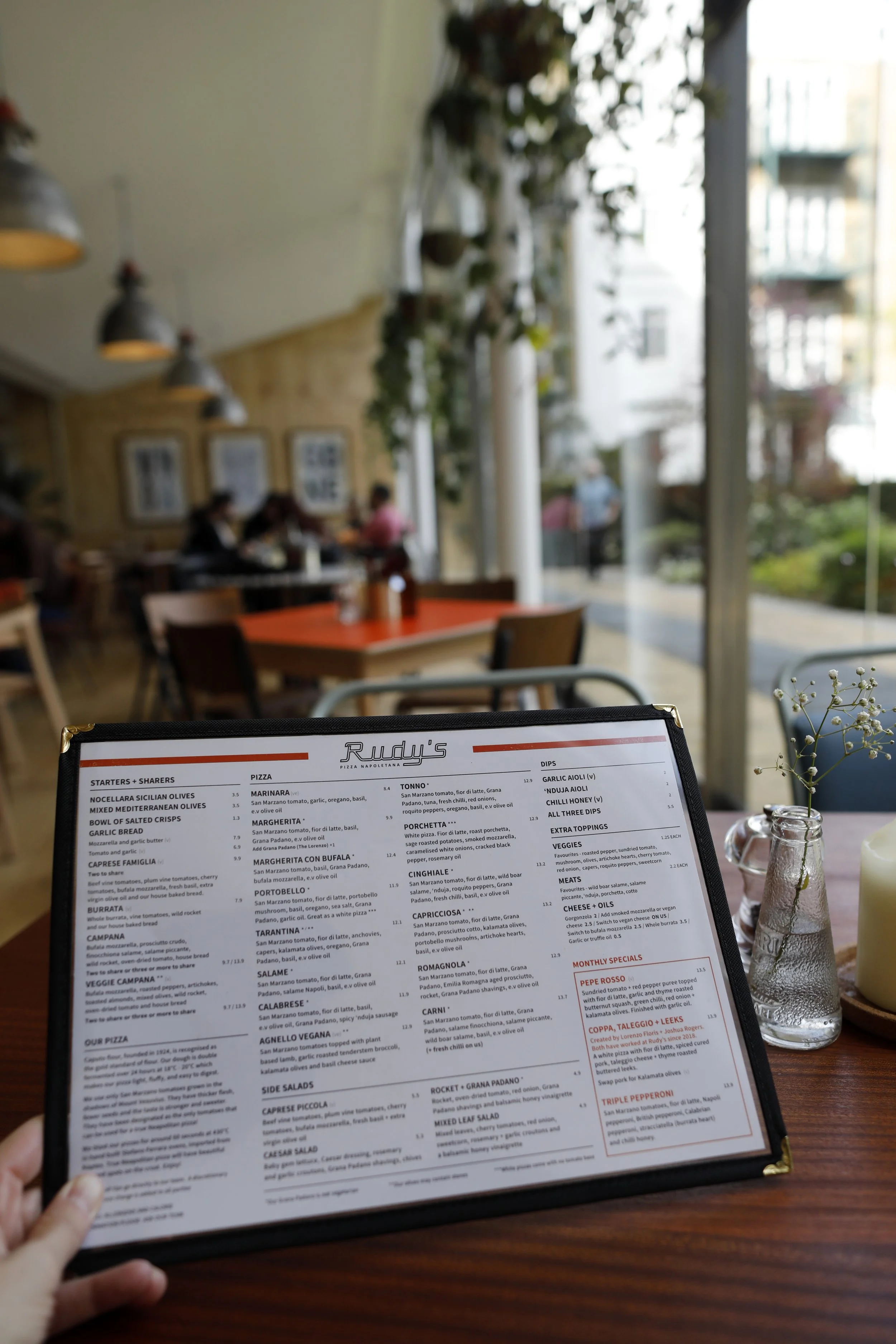
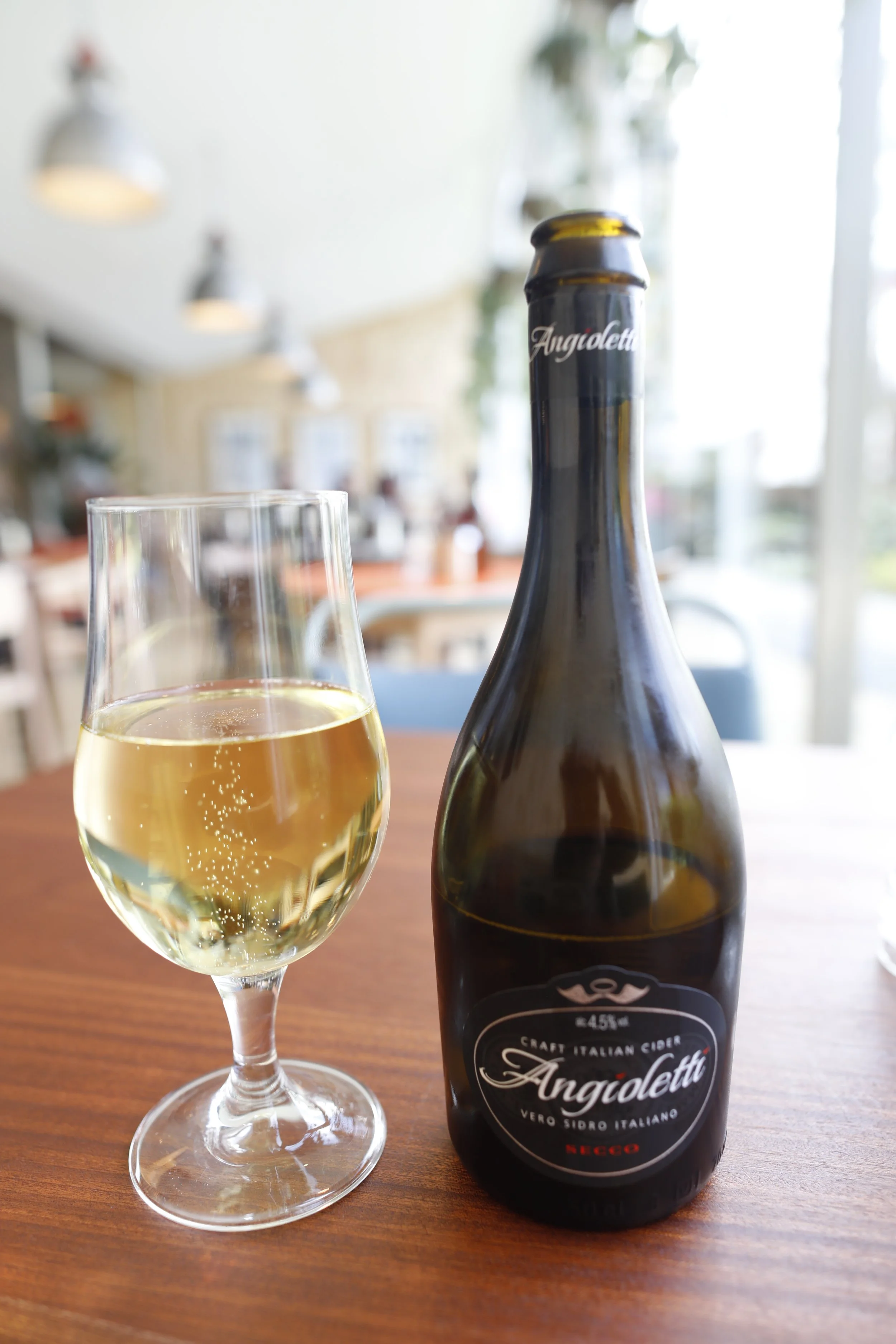
The margarita pizza is a standout: a thin, blistered crust made with Caputo flour, tangy tomato, fresh mozzarella and just the right kiss of basil. Pair it with a craft Italian cider like Angioletti for a bright, refreshing contrast — the combination feels both simple and meticulously balanced.
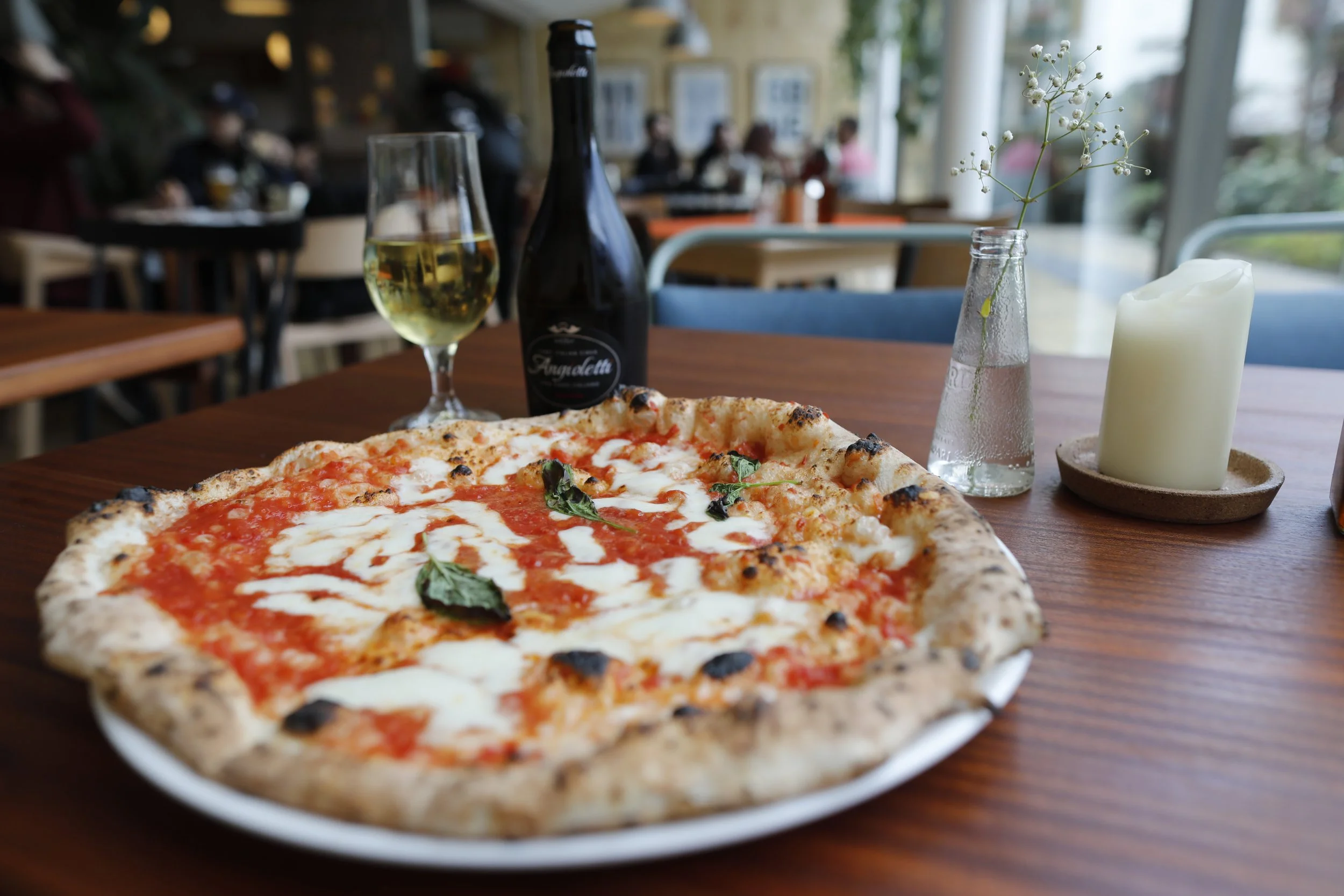
Expect vibrant flavors that linger; this is the kind of slice that inspires conversation and the occasional daydream afterward.
Get Funky at Brick Lane
From the buzzing edges of Spitalfields, flow toward Brick Lane, weaving past a parade of vintage shops, street art-clad walls and steaming food stalls that hint at the neighborhood’s layered history and lively present.
Brick Lane, tucked into the heart of London’s East End, pulses with a unique blend of history, culture and contemporary edge. Once a hub for Huguenot weavers in the 17th and 18th centuries, later home to Irish and Jewish immigrant communities, it has evolved into an emblem of multicultural London. The street’s architecture and alleyways reflect that layered past — Georgian terraces and old warehouses sit alongside converted galleries and modern street art — creating a textured urban landscape that feels both lived-in and constantly changing.
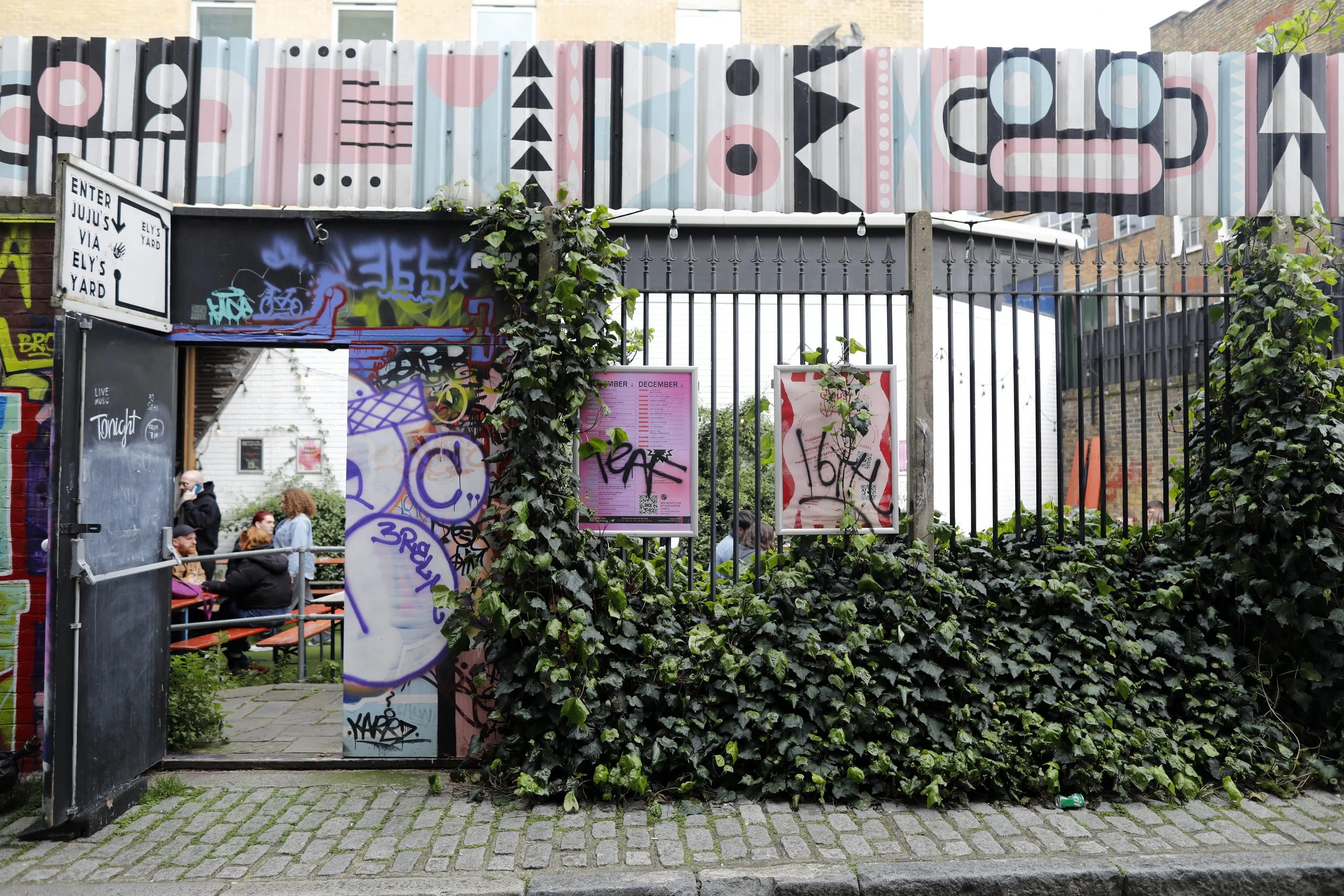
Today, Brick Lane is best known for its vibrant food scene, where Bangladeshi curry houses stand shoulder-to-shoulder with creative cafes and pop-up kitchens. On any given afternoon or evening the aroma of spices mixes with the smell of fresh coffee and baked goods, making the street a magnet for food lovers. Weekend markets spill into adjacent streets and courtyards, offering everything from vintage clothing and vinyl records to handmade jewelry and international street food, making it easy to spend hours meandering and discovering small, unexpected finds.
Art and creativity are practically stamped into Brick Lane’s identity. Large-scale murals and smaller stencil pieces decorate shutters and brickwork, created by both locally rooted artists and internationally known street-art figures. Galleries and independent shops showcase contemporary art, design and fashion, while music venues and cafes host emerging performers. That creative energy coexists with more traditional cultural markers — synagogues, old bakeries and community centers — so a walk along Brick Lane feels like a conversation between past and present.
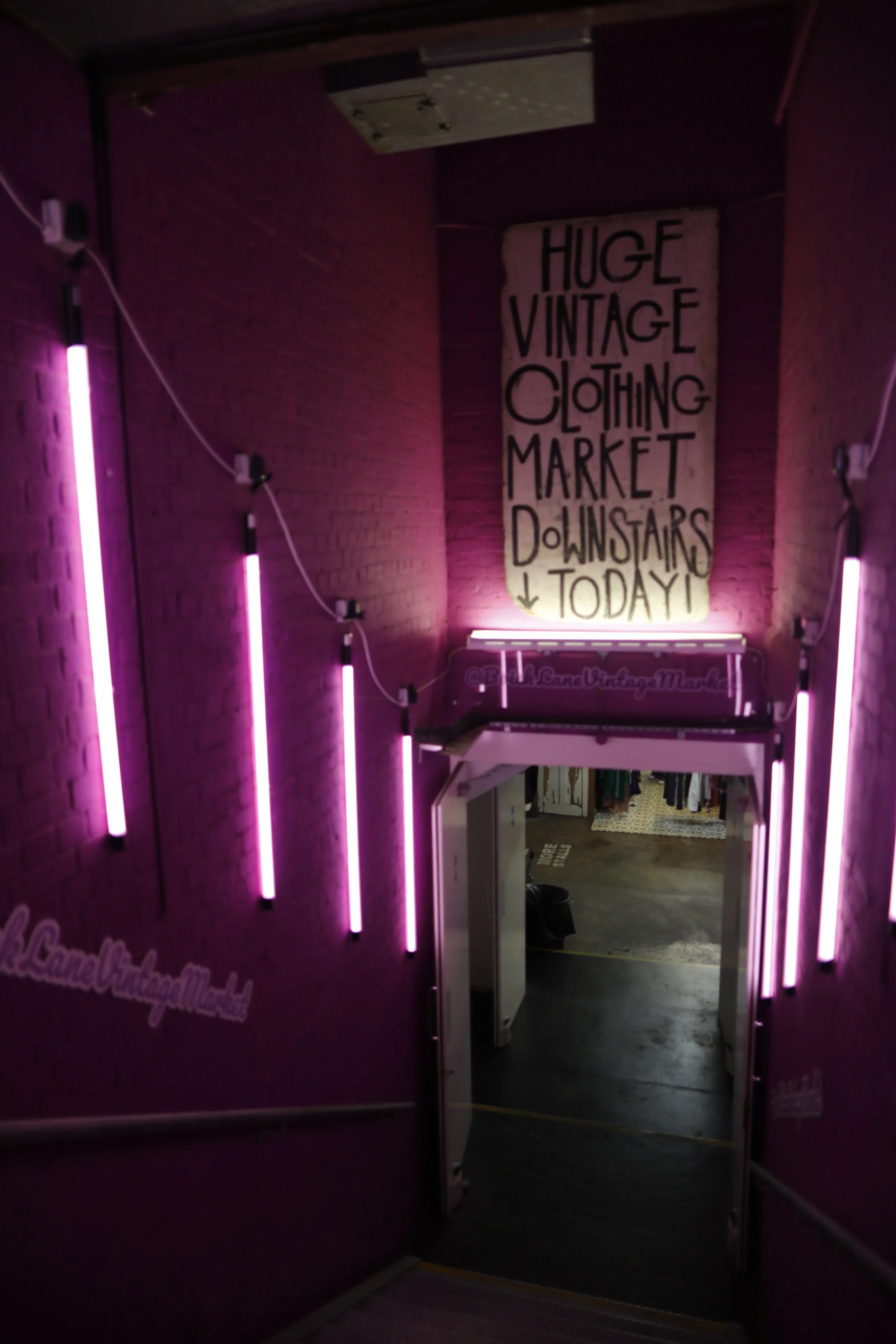
The area is a vibrant destination for vintage fashion, lined with an eclectic mix of independent shops and lively flea markets that draw collectors and style hunters alike. The area’s vintage scene ranges from compact basement boutiques brimming with curated finds to larger market stalls where racks overflow with retro coats, band tees and designer secondhand pieces. Visitors can browse for everything from carefully restored 1940s garments to 1990s streetwear and unique statement items like racing jackets or military surplus.
Key spots include the bustling Brick Lane Market on Sundays, where traders sell clothing, accessories and homewares alongside street food and antiques and several specialist shops tucked into side streets and basements offering a more curated experience. Many of these underground or cellar stores are known for mixing new and used items, creating unexpected combinations and excellent opportunities for one-of-a-kind discoveries. Whether you’re hunting for a kitschy souvenir or a standout piece to add to your wardrobe, Brick Lane’s vintage quarter is a must-visit for anyone interested in fashion history and sustained style.
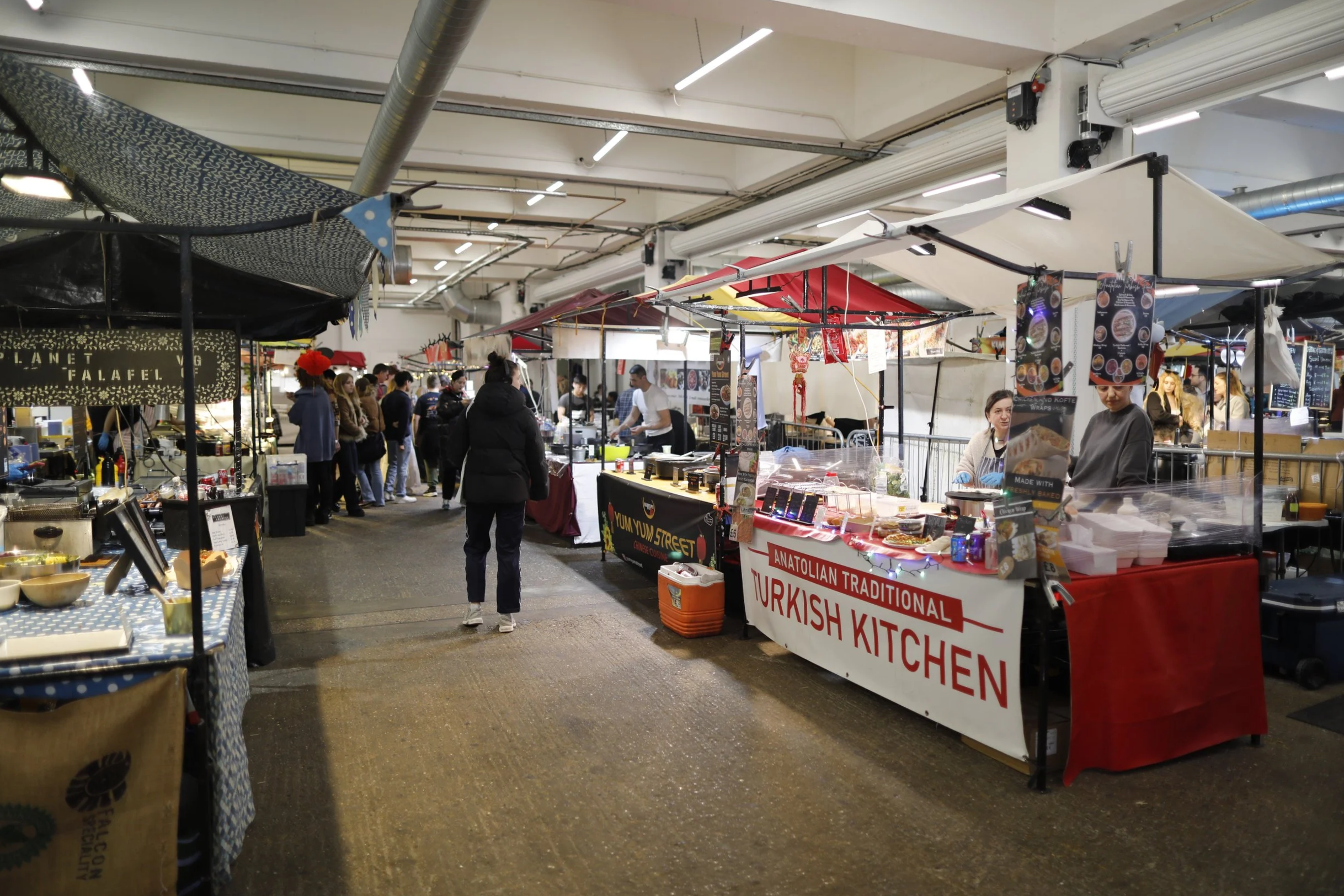
Tucked into this lively neighborhood, the stretch pulses with eclectic energy. Colorful graffiti and small art installations line the sidewalks, while an irresistible mix of independent shops and food stalls beckon from every corner. Broccoli Street — one of the area’s main arteries — buzzes with activity: crowds weaving between bakeries and bagel counters, intimate leather boutiques and specialty shops devoted to wine, cheese and spirits. Street artists set up pop-up displays with “Pay what you like” signs, offering everything from punk and hip-hop-inspired pieces to vintage finds. The result is a deliciously chaotic blend of tastes, sounds and styles that makes wandering here a highlight of any city visit.
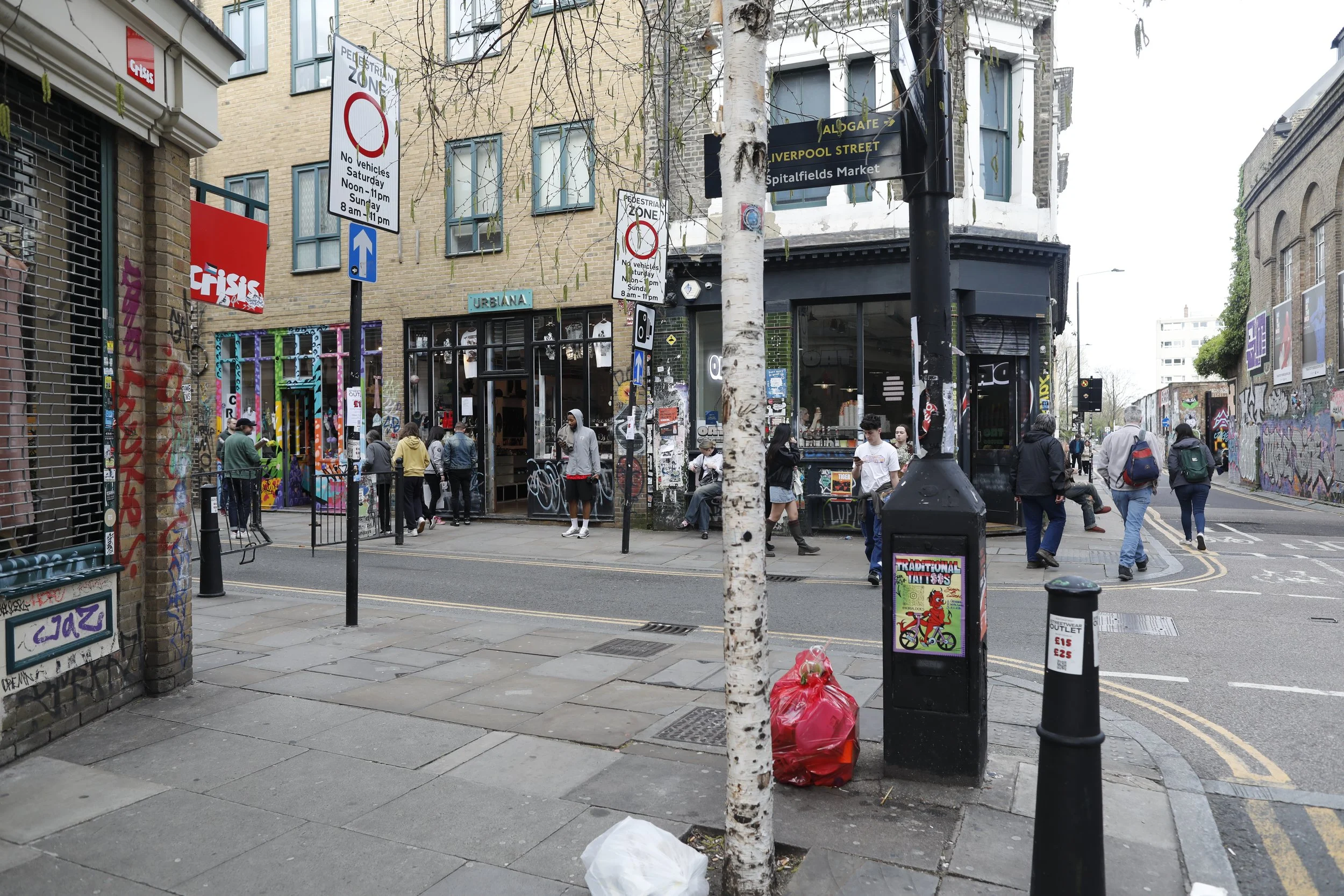
Visiting Brick Lane is an exercise in sensory contrasts: crowded and quiet, gritty and polished, affordable and boutique. It’s a place where local life and tourism intersect, where you can sample a classic curry, browse an antique stall or pause by a vivid mural and feel the city’s ongoing reinvention. Whether you’re after food, art, shopping or simply the atmosphere of a diverse urban neighborhood, Brick Lane delivers a distinctive slice of London life.
Savor a Classic Full English at Terry’s Café
Slow mornings open up the neighborhood around Elephant Crossing, a lively outdoor enclave dotted with a handful of cafés and restaurants. One popular spot offers a tempting breakfast but during my visit, eggs were off the menu, so Mercato Metropolitano was postponed for another day. Instead, morning crowds funnel toward Terry’s Café London, a cozy alternative for a relaxed breakfast.
Tip | Get there early and expect to wait in line but order a coffee while you wait.
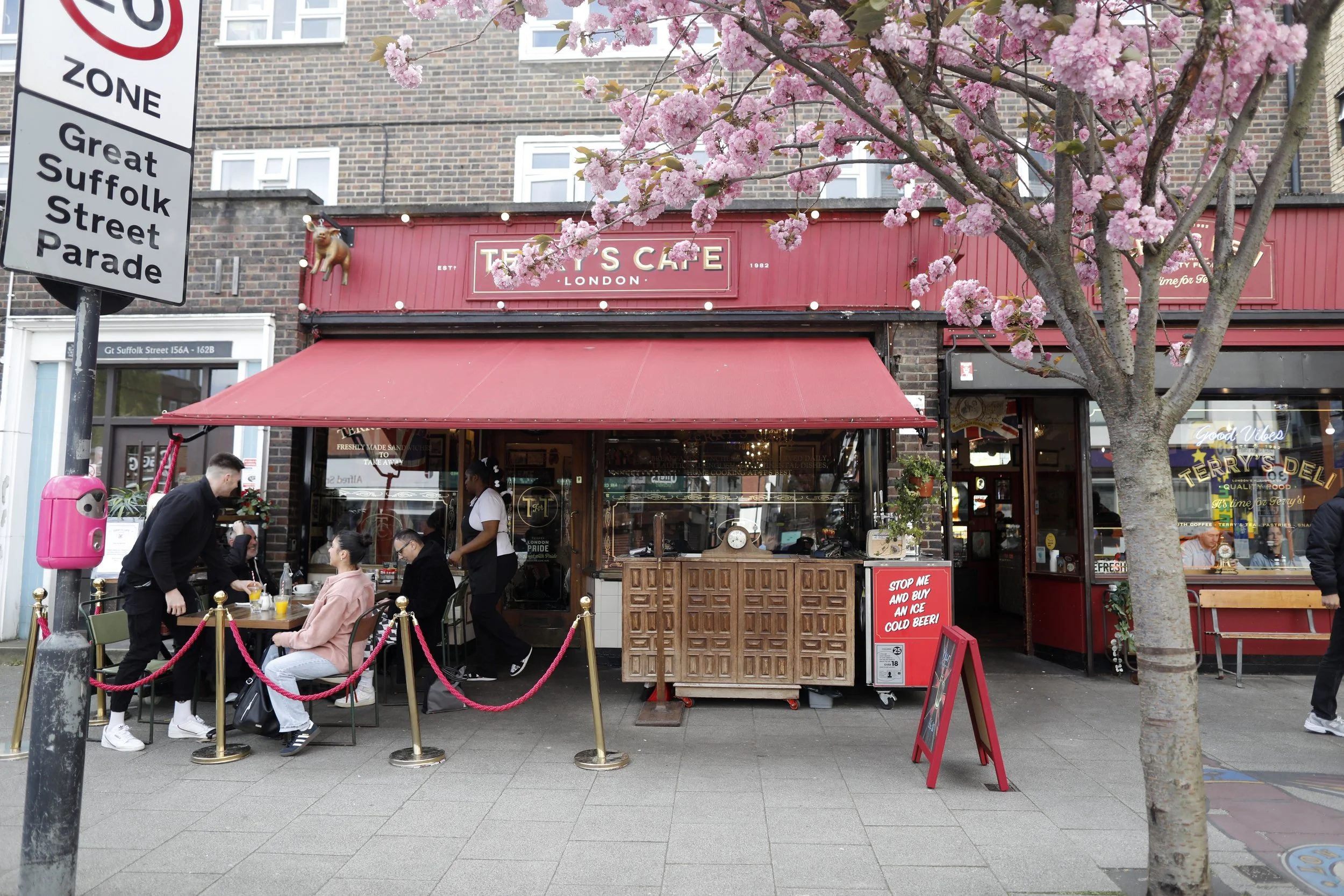
The morning at Terry’s Café moves with the cheerful rhythm of a well-loved neighborhood spot. Even on a Sunday at 11 a.m., the place hums — steady streams of people, the comforting clink of dishes — an unmistakable sign that locals and visitors alike keep returning. Pop your name on the waitlist, settle onto the bench outside and let the street unfold: cyclists glide past, pigeons meander and the city’s cadence feels like a gentle prelude to the meal ahead.
To soften an estimated 30–45 minute wait, a thoughtful server appears with a warming reprieve: a dirty chai latte, its cardamom and cinnamon notes mingling with steamed milk, the perfect spicy-sweet companion for people-watching. It’s the kind of small hospitality that turns waiting into part of the experience.
When a table is ready, the kitchen rewards patience handsomely. The Blowout arrives as a hearty celebration of the English breakfast — two fried eggs with runny yolks, crisp toast, bacon and sausage, a generous serving of bubble and squeak (those fried mashed potatoes and spinach named for the sound they make on the grill), baked beans and a bright pineapple sunset smoothie to cut through the richness. Each component tastes thoughtfully cooked and unapologetically plentiful: classic, comforting and unapologetically satisfying.
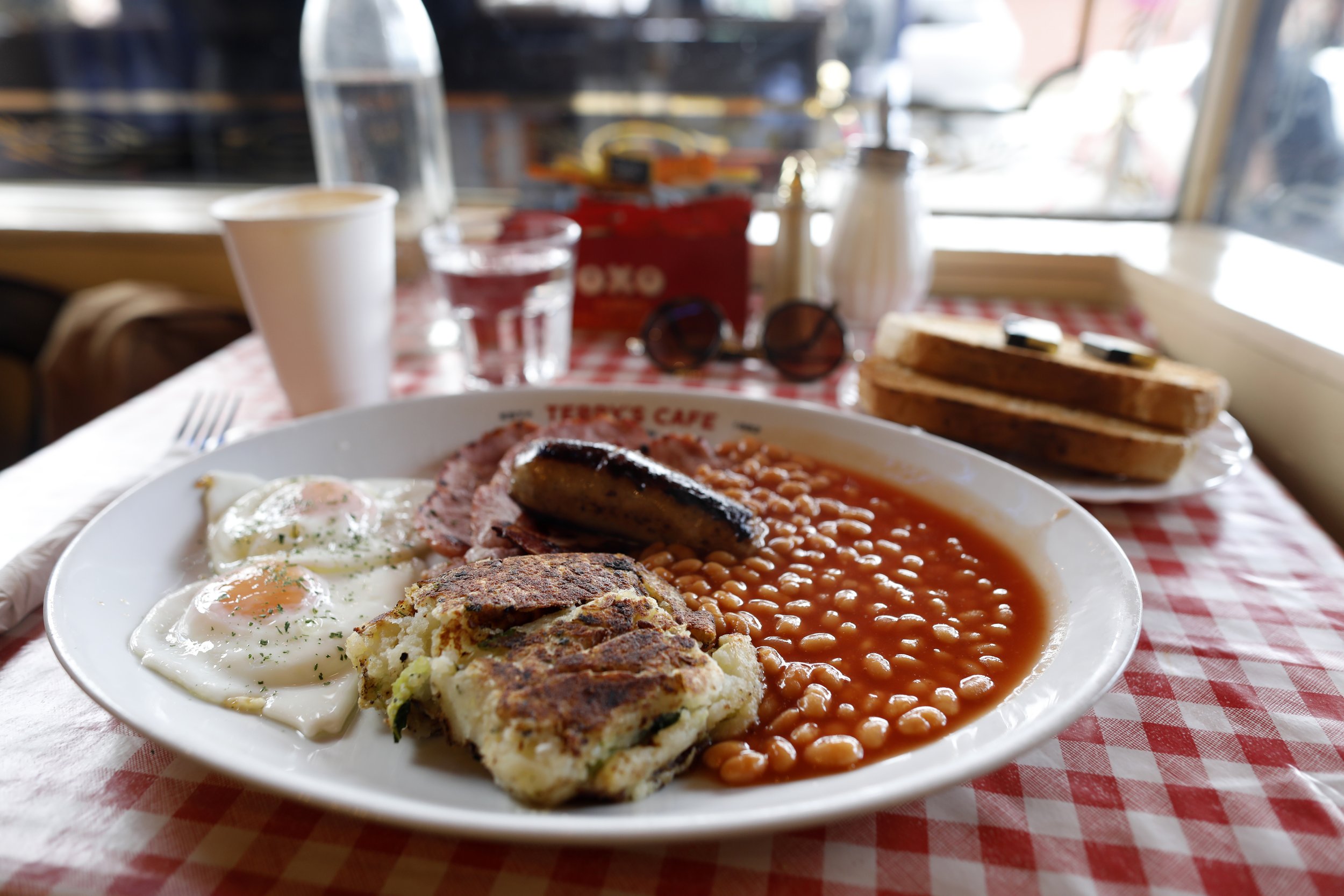
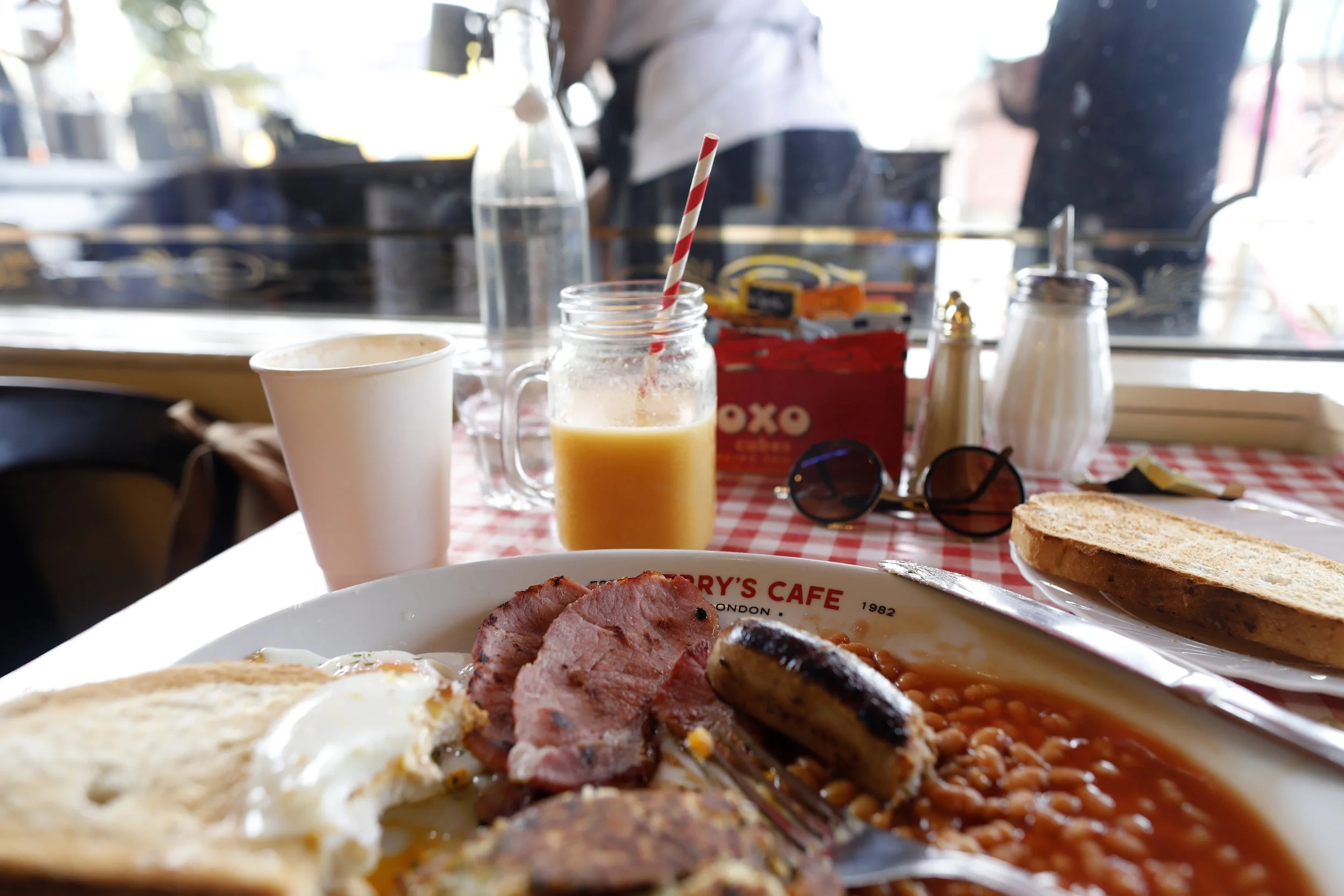
It’s a proper introduction to a traditional English breakfast — large enough to linger over and priced at about £25. Whether you’re easing into a lazy London morning or fueling up for a day of wandering, Terry’s offers a warm, bustling take on a timeless morning ritual.
A classic English breakfast in London is a hearty, savory ritual that brings together fried eggs, back bacon, sausages, grilled tomatoes, sautéed mushrooms, baked beans and buttered toast or fried bread — often finished with a slice of black pudding and a steaming pot of strong tea; whether eaten in a cozy café, a bustling greasy spoon or a hotel dining room, it’s designed to fortify you for a full day of exploring the city, reflecting both traditional British flavors and the everyday comfort of a well-loved meal.
Feast at Singaporean Restaurant, Sentosa
Just off St. Saviour’s Estate lies a charming neighborhood perfect for wandering: compact streets lined with cozy cafés, lively wine bars and a string of inviting restaurants. For travelers looking for an evening meal, the area offers a particularly pleasant surprise in the form of a popular Singaporean spot called Sentosa.
Tip | Stroll down Bermondsey Street in the London Bridge area — it's delightfully charming, full of pretty shops, cozy cafes and unexpected little treasures.
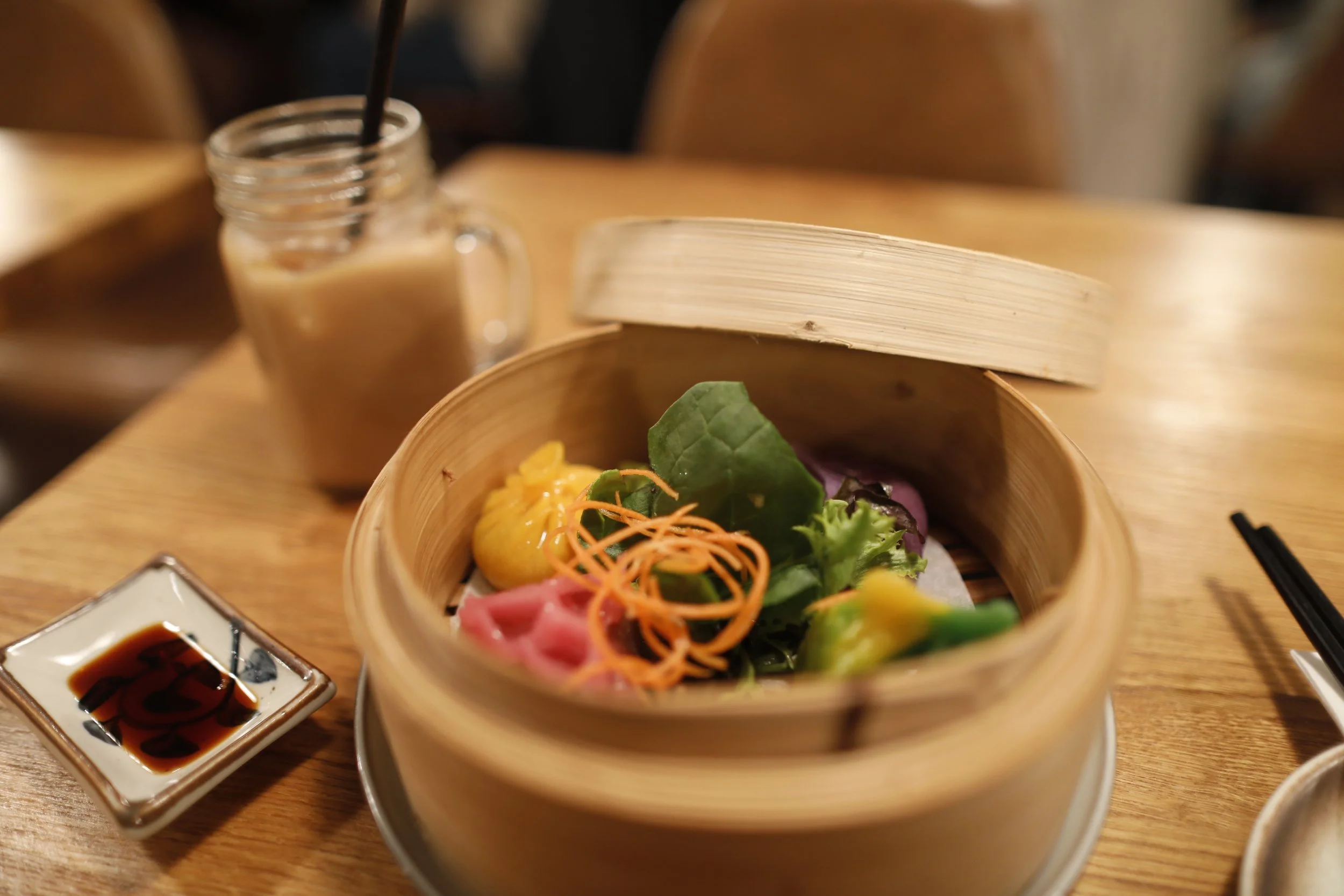
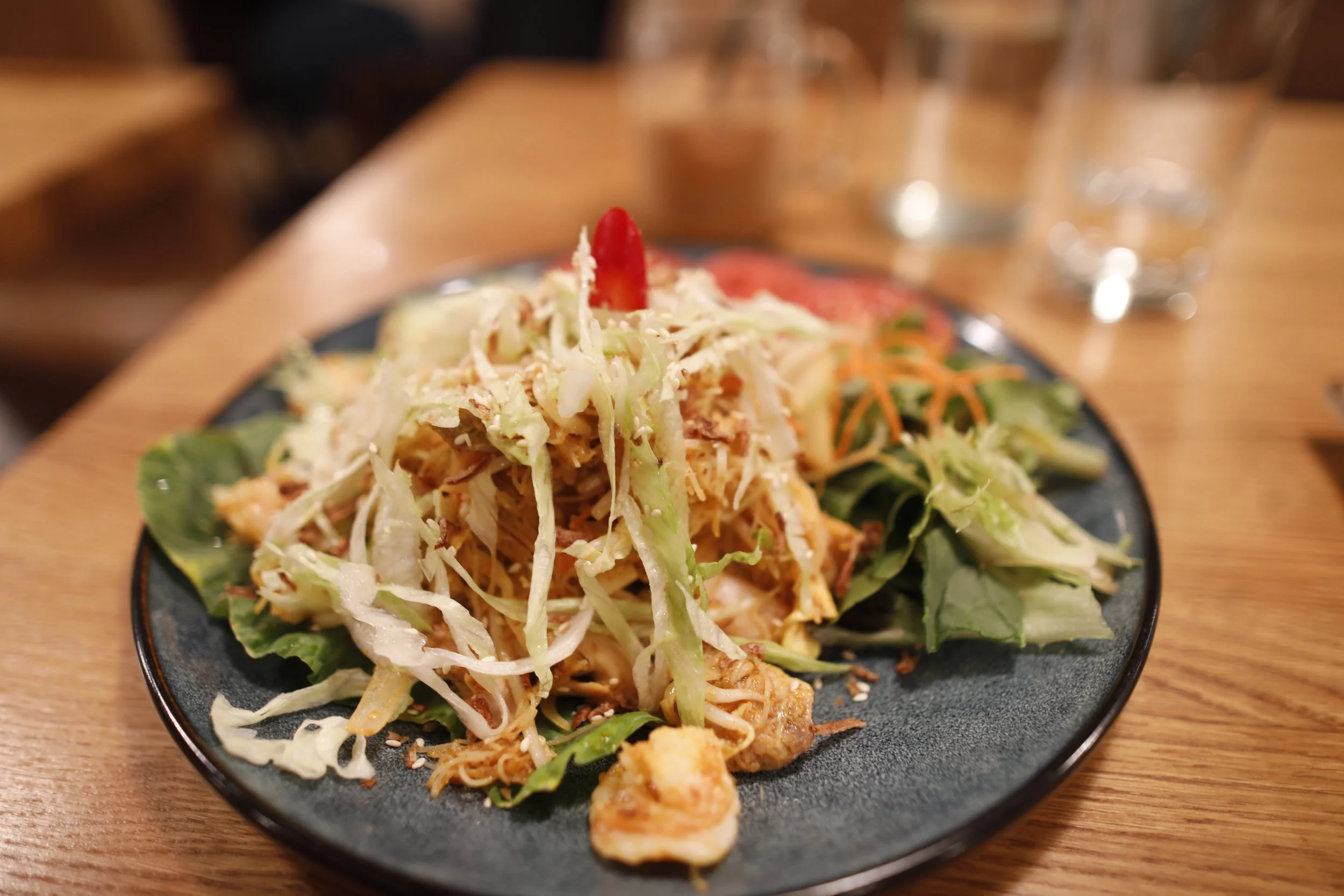
Sentosa draws a steady crowd, the sort of busy that signals both quality and atmosphere. The menu features authentic regional flavors — start with a refreshing Malay-style iced milk tea (teh tarik/teh ais) and order a variety of dim sum served in lotus leaf and steamed to tender perfection. Vegetable options like mushroom-and-corn dim sum sit alongside classic kimchi-filled parcels for a mix of textures and spice. For a heartier main, Singaporean-style noodles are a standout: rice vermicelli tossed with prawns, chicken and egg, delivering the sweet-savory balance Singaporean and Malaysian cuisine is known for.
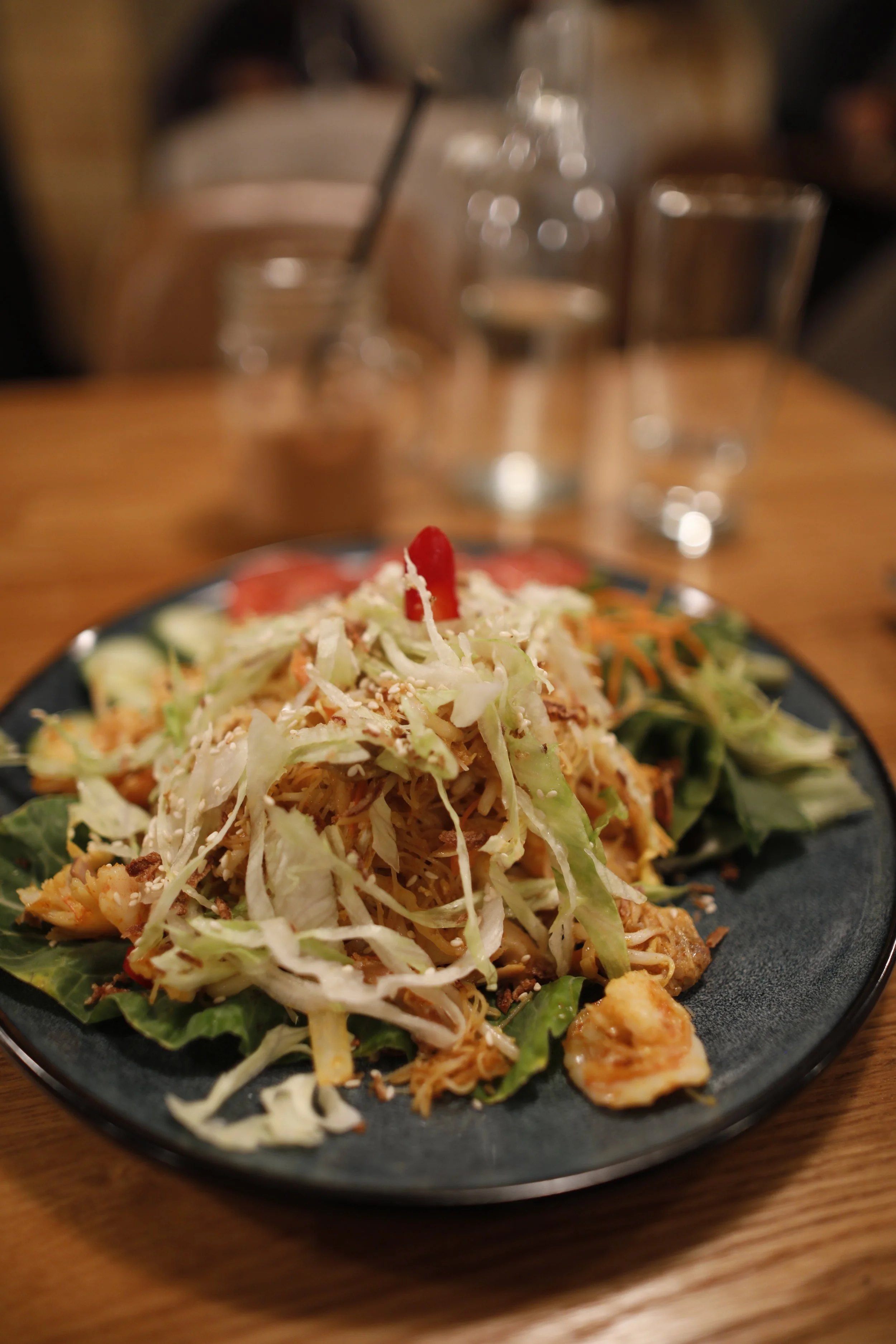
Sentosa is a delightful choice for dinner in this pocket of St. Saviour’s Estate — great food, lively atmosphere and a menu that showcases Singaporean comfort dishes ideal for sharing.
Wander Leicester Square, Seven Dials Market & Apple Market
Leicester Square offers a quieter side of the city — a compact green oasis amid the bustle, perfect for people-watching. Street performers, film posters and a steady stream of international visitors lend the plaza a lively, cosmopolitan hum but beyond the small park and the theatrical buzz there isn’t much to linger for. It’s a pleasant spot to pause, soak up London’s tourist energy and watch the city’s characters drift by before moving on to more rewarding corners of the West End.
Wandering the maze of streets around Seven Dials Market and Neal’s Yard reveals a lively slice of London where food, color and character collide. Start at Seven Dials Market, a bustling indoor food hall pulsing with aromas from wood-fired pizza to fragrant curries, where communal tables invite chance conversations with fellow food lovers. From there, meander through narrow cobbled lanes lined with independent boutiques, vintage shops and theatrical posters — reminders of the West End’s creative energy.
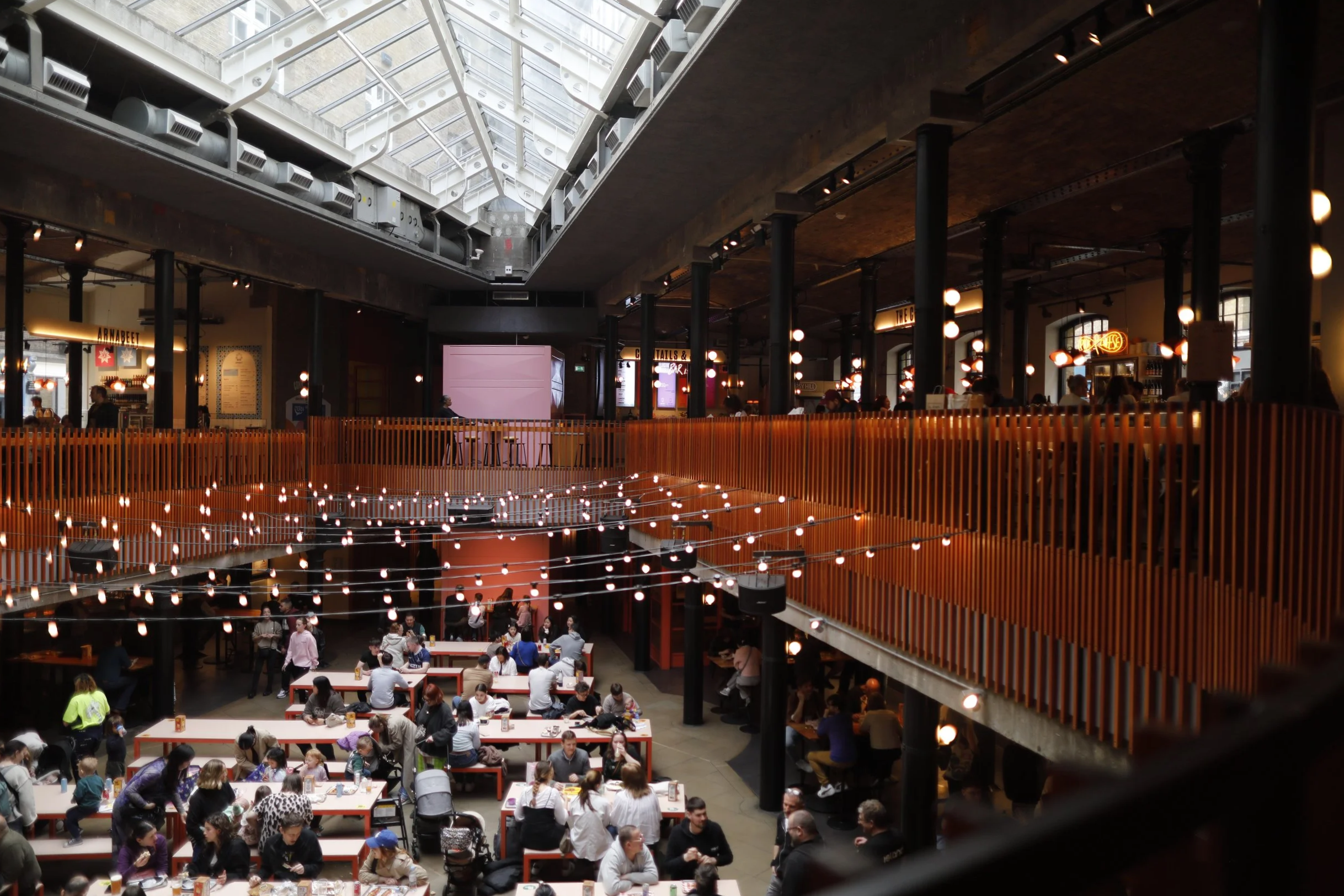
Apple Market in Covent Garden is a cheerful hive of independent stalls, quirky boutiques and tempting eateries set beneath a striking glass-and-iron canopy. Stroll the cobbled lanes and you’ll find handcrafted goods, vintage curios and art prints rubbing shoulders with artisanal food vendors and cozy cafés.
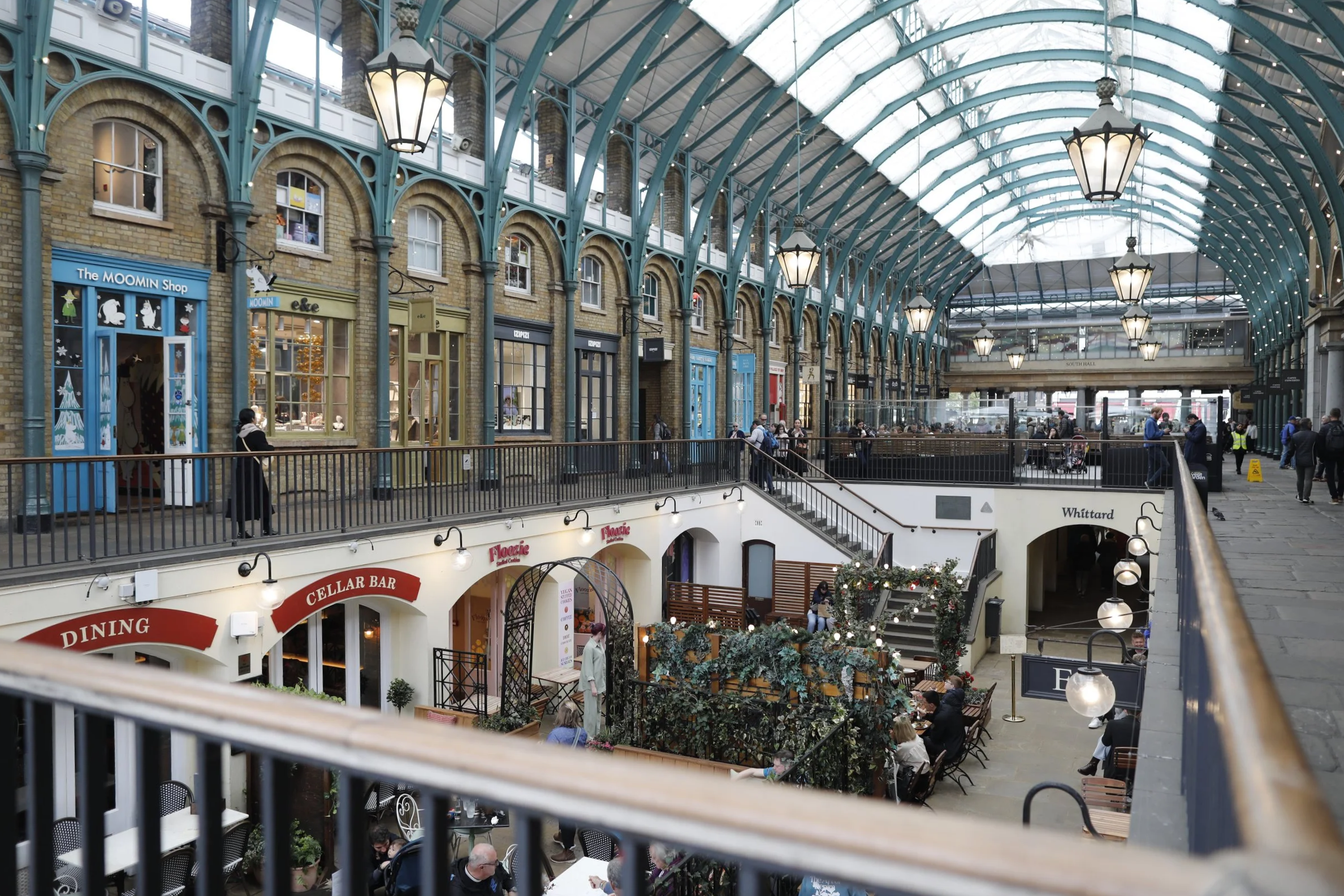
It’s another lively spot for people-watching and picking up unique souvenirs, though its polished charm feels a touch more tourist-ready than some of the quieter, more tucked-away neighborhoods you might visit nearby.
Caffeinate at 26 Grains in Neal’s Yard: A Small Alley with a Big Story
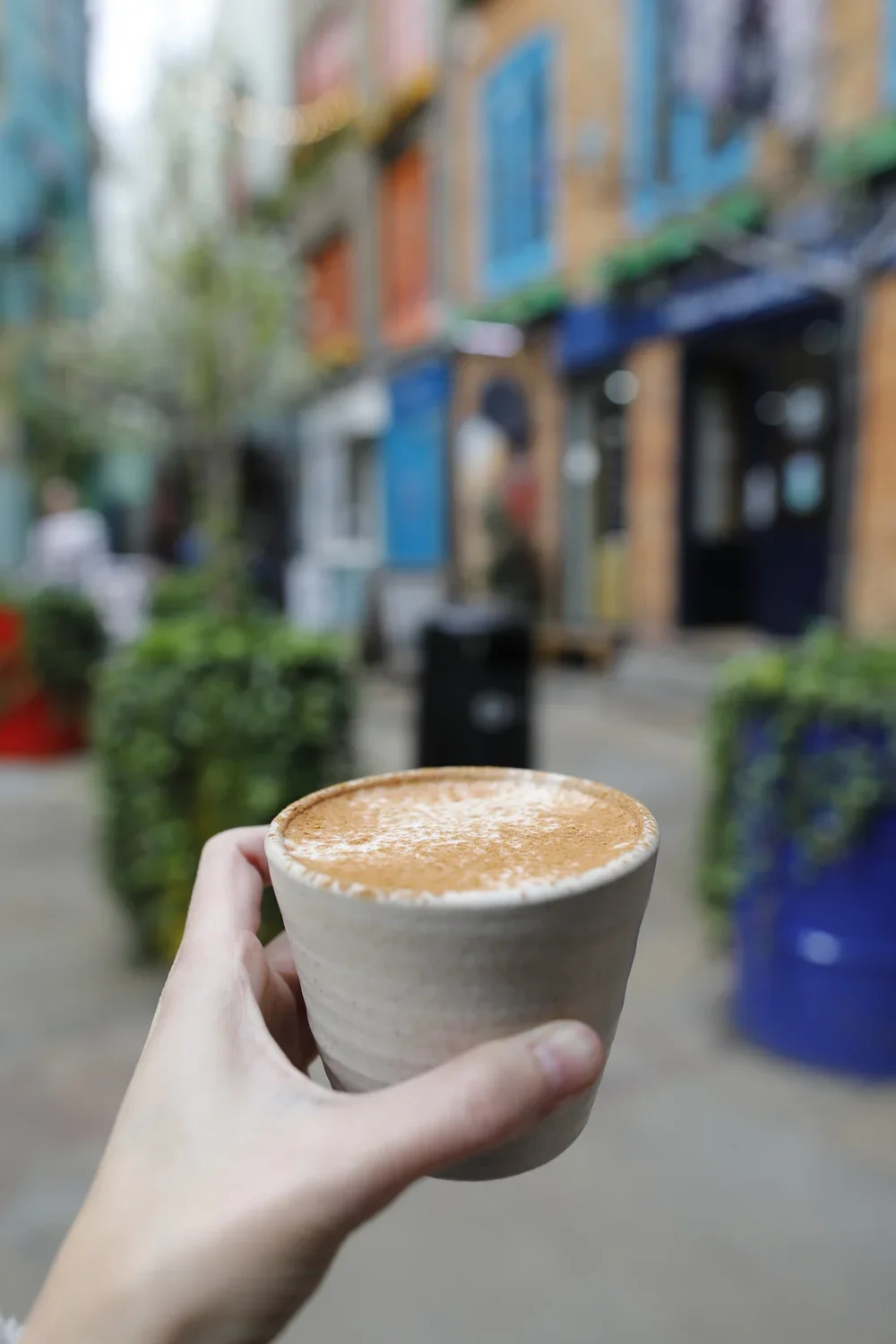
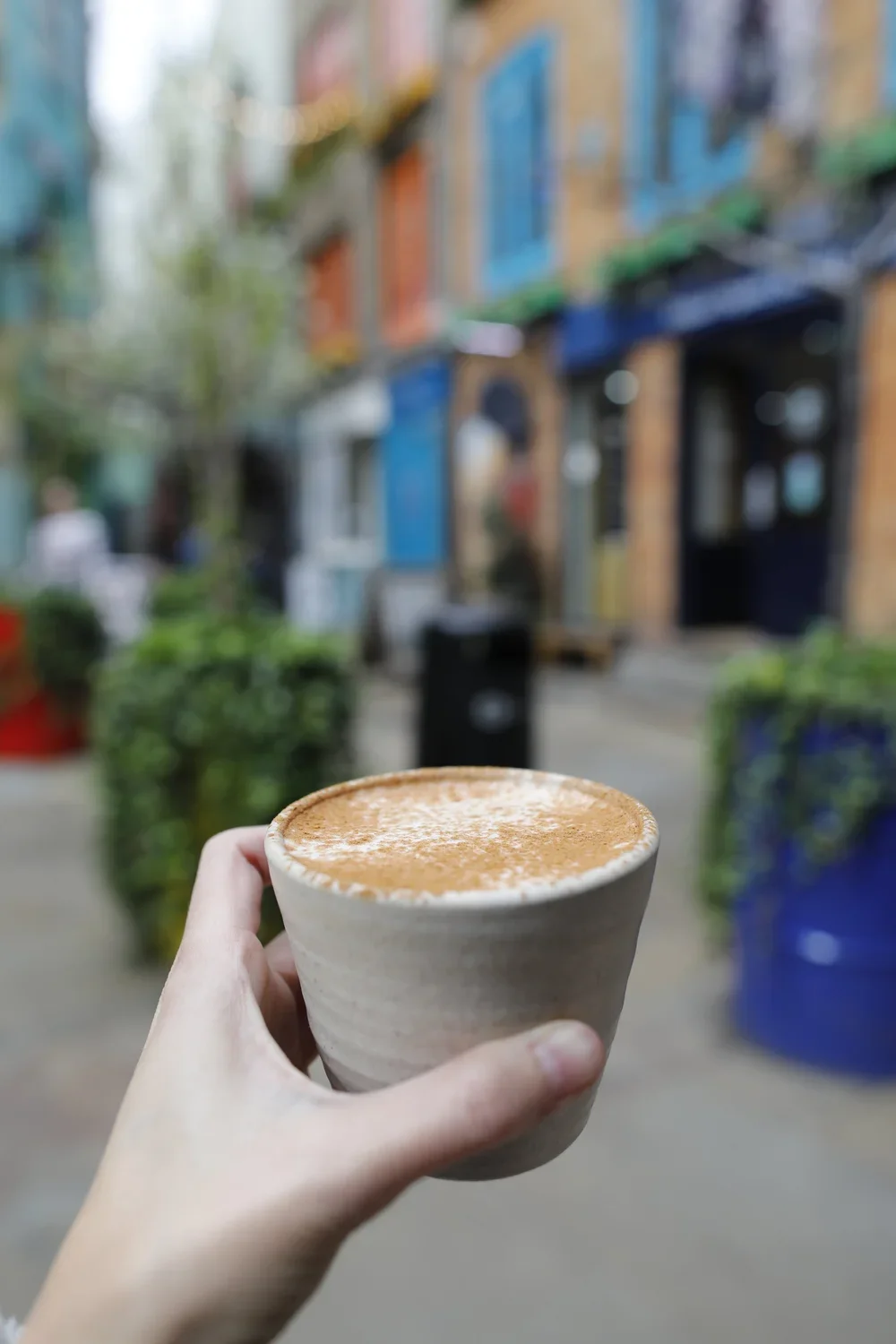
A short stroll brings you to Neal’s Yard, a pocket of cheerful alleys painted in candy-bright hues. This tiny courtyard feels like a secret garden: café terraces spill onto the paving, herbal apothecaries display their wares and the air carries blends of fresh coffee and citrus soaps. It’s the perfect spot to pause, people-watch and refuel before exploring more of Covent Garden’s eclectic streets. Whether you’re hunting for unique bites, artisanal finds or just a photogenic corner of London, the area around Seven Dials Market and Neal’s Yard delivers textured city life in compact, irresistible doses.
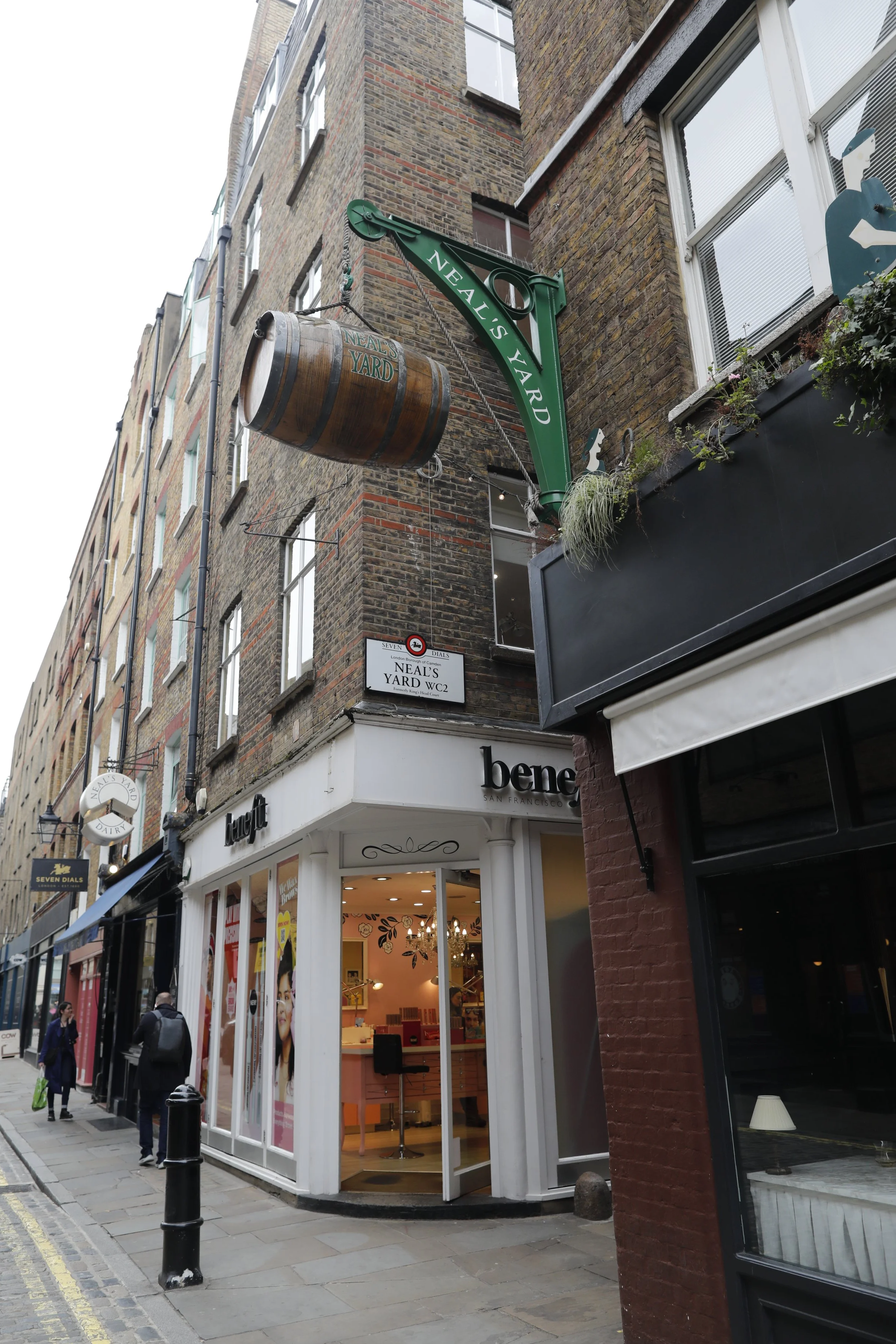
Tucked away in the heart of Covent Garden, Neal’s Yard is the kind of place you stumble into and then want to tell everyone about. It’s a compact, colorful courtyard — painted facades, potted plants and independent shops — that feels like a hidden pocket of London. But its charm is more than surface-deep: Neal’s Yard has a layered history that links 17th-century urban development, 20th-century community activism and the rise of Britain’s health-food and alternative-lifestyle movements.
Neal’s Yard takes its name from Thomas Neale, a 17th-century Member of Parliament and entrepreneur who acquired land in the Covent Garden area in the late 1600s. Neale played a part in the expansion of London, developing parcels of land and holding various public contracts; his name stuck to the narrow alleys and yards that structured the neighborhood. In the 18th and 19th centuries, the area around Neal’s Yard was typical of London’s mixed urban fabric: workspaces, small manufacturers and service yards supporting the markets and theaters of Covent Garden.
By the mid-20th century, much of this part of London had become run-down. The industrial and market-related trades that once animated the streets had diminished. Many of the small yards and passages, including the one that would later be called Neal’s Yard, were little more than service alleys and storage spaces — practical, not picturesque. Buildings were altered piecemeal and there was little coordinated attention to preservation or public amenity.
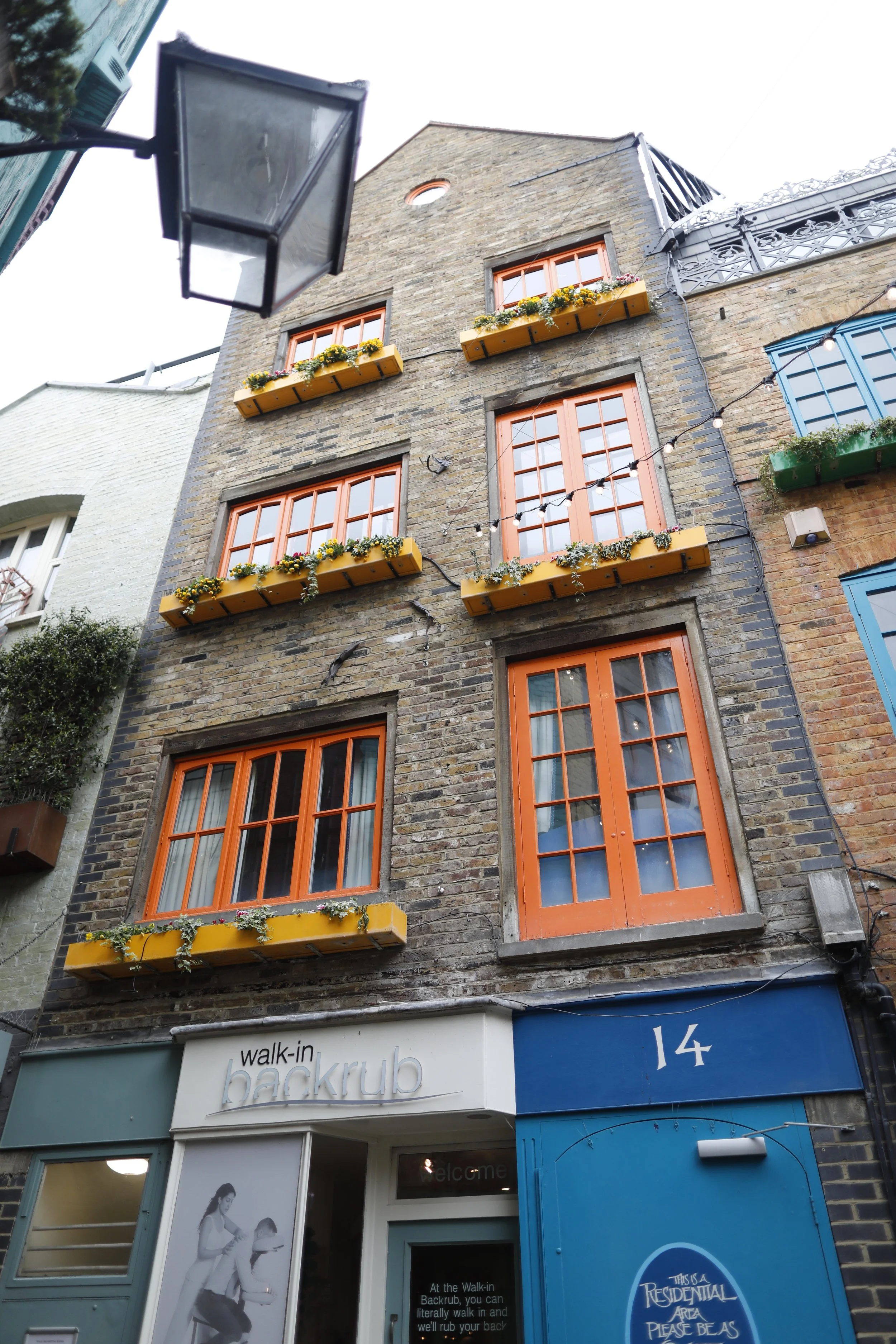
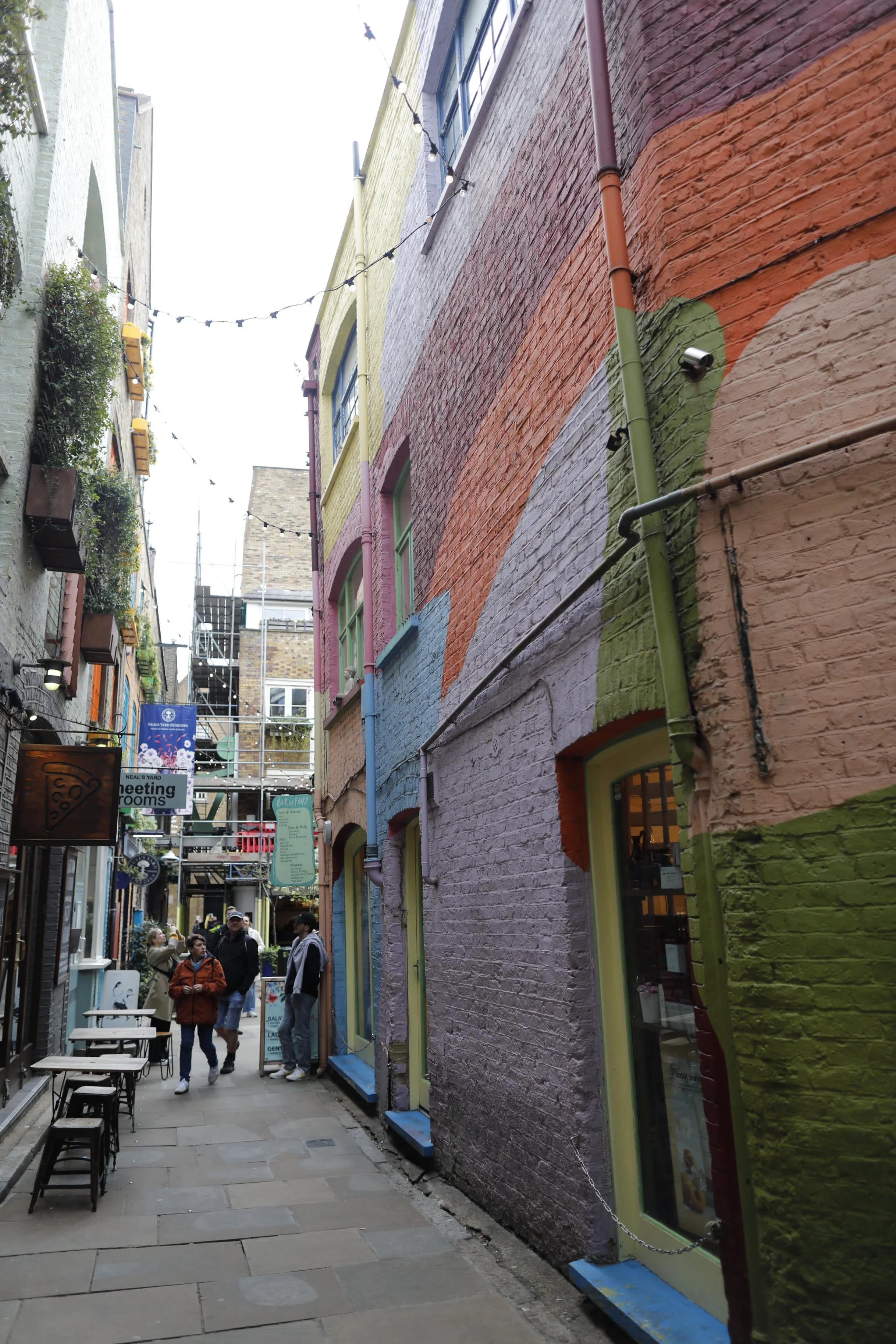
The turning point for Neal’s Yard came in the 1970s, driven by artists, activists and small entrepreneurs seeking affordable space and community. In 1976, Nicholas Saunders — an entrepreneur and early proponent of natural foods and alternative lifestyles — leased a derelict warehouse at 2 Neal’s Yard and opened the Neal’s Yard Wholefood Warehouse (later Neal’s Yard Remedies). Saunders’ vision went beyond retail: he wanted a hub for community, health and sustainable living.
Alongside Saunders’ venture, other creative occupants arrived: health-food shops, a complementary medicine clinic, a community café and small studios. The residents began painting the facades in bright colors, planting tubs and window boxes and turning the once-neglected yard into a lively communal space. Their efforts had practical roots (making their working environment pleasant) but also political resonance: this was part of a broader grassroots movement reclaiming urban spaces for cooperative, small-scale enterprise rather than large commercial redevelopment.
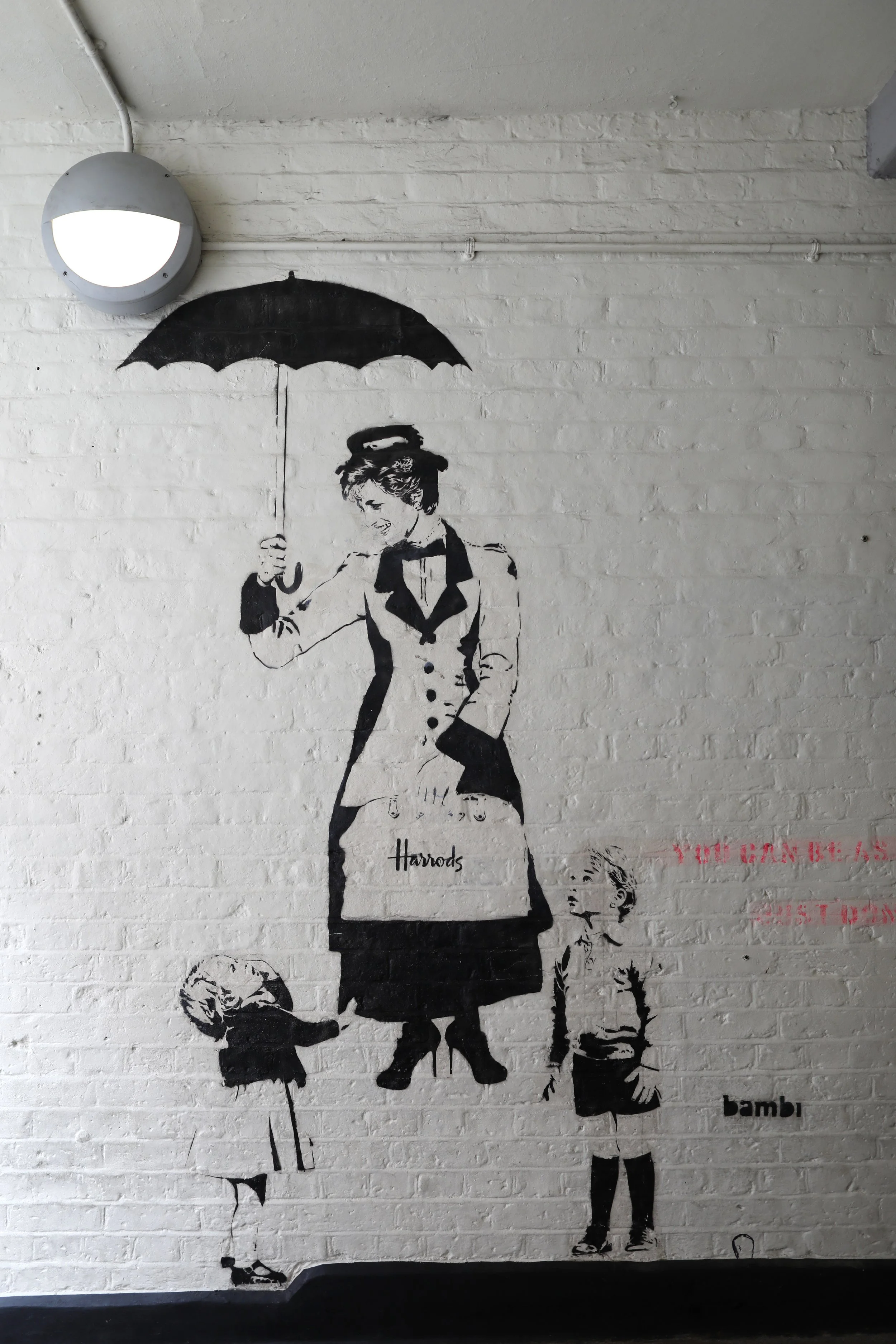
As Neal’s Yard’s reputation grew, so did foot traffic. Tourists seeking offbeat London corners, students from nearby institutions and locals drawn to cafes and independent shops made the yard a popular stop. Over time the independent, DIY aesthetic softened as businesses expanded and the area became more established. Some original grassroots groups moved on, while more formal small businesses filled the spaces. Despite that commercialization, Neal’s Yard retained an intimate scale and an atmosphere distinct from the surrounding West End.
Neal’s Yard’s physical character is modest but telling. It is not a grand square but a tight cluster of small buildings and alleys. The yard exemplifies how London’s network of mews, yards and courts formed functional, human-scale urbanism — spaces for service industries, artisans and small shops. The colorful facades and planting are a modern overlay but the underlying grain — courtyards tucked behind main streets — reflects centuries of urban layering.
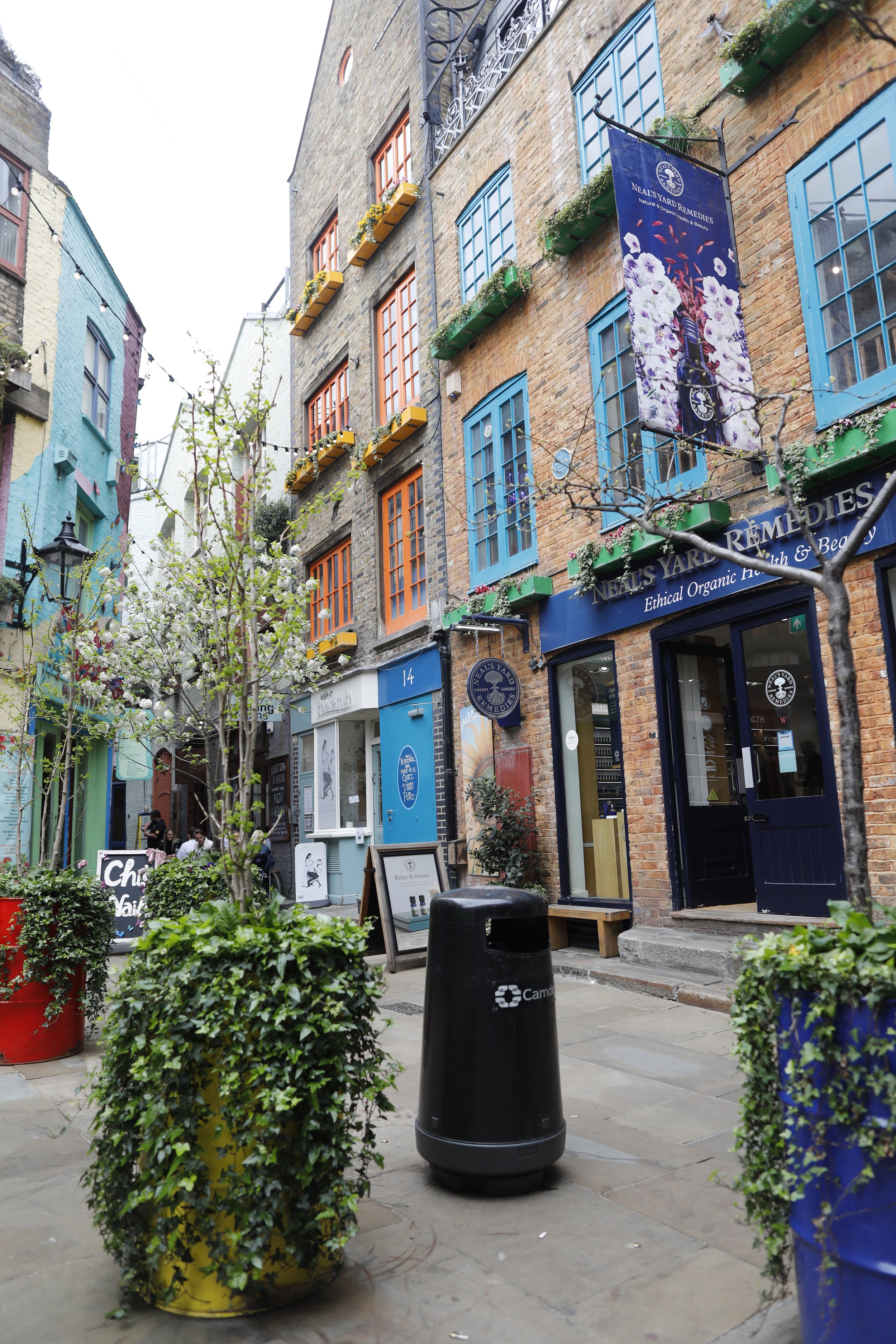
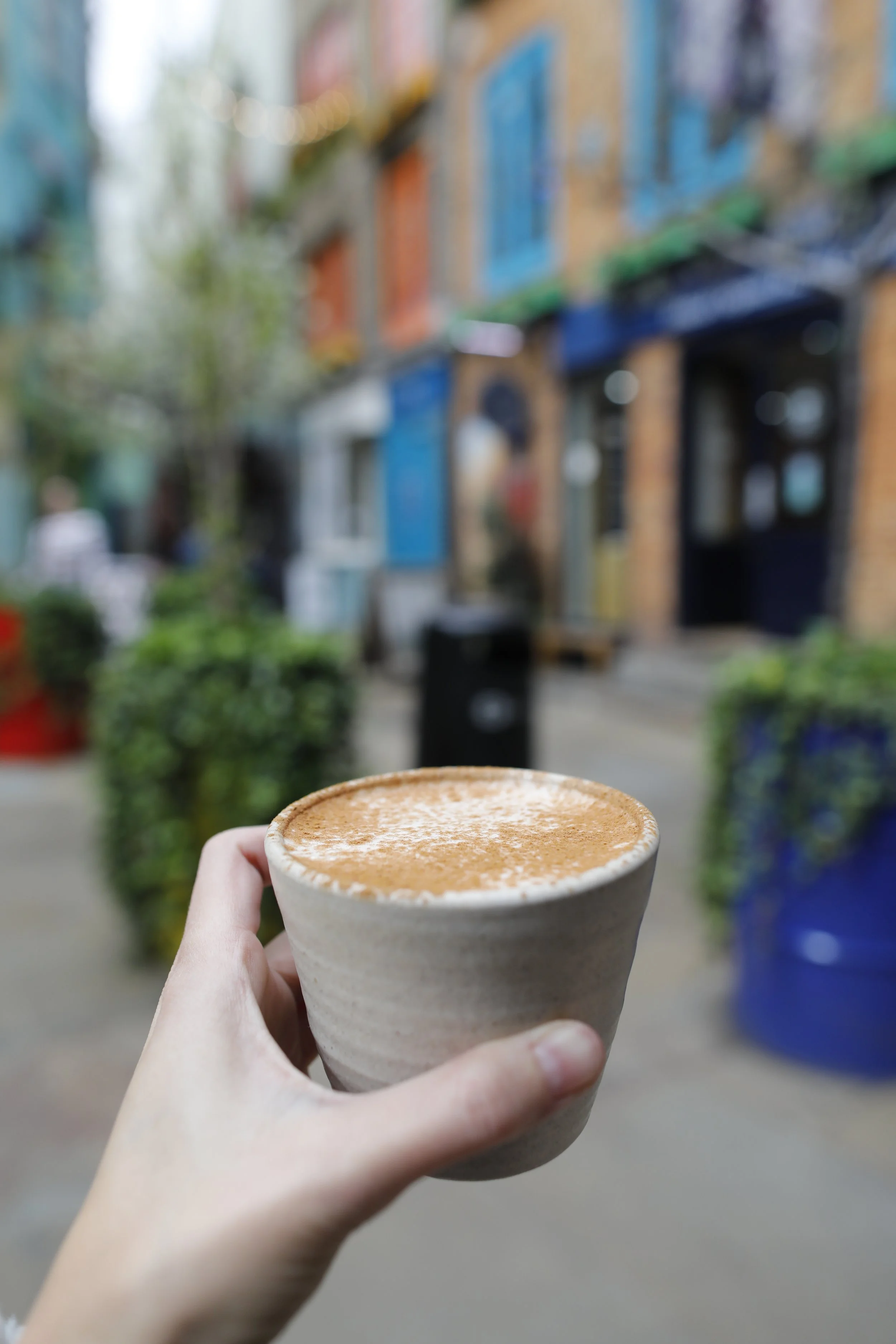
Walking into Neal’s Yard today, you’ll find colorful buildings, a handful of shops and cafés and a small, sunlit courtyard where locals and visitors linger over coffee, street performers pop up on sunny afternoons and the scent of fresh pastries and eucalyptus drifts through the air. Order a chai latte at 26 Grains and pause to relax — a warm, spiced comfort in a sunlit corner of the courtyard.
Slurp Oysters at Parson’s
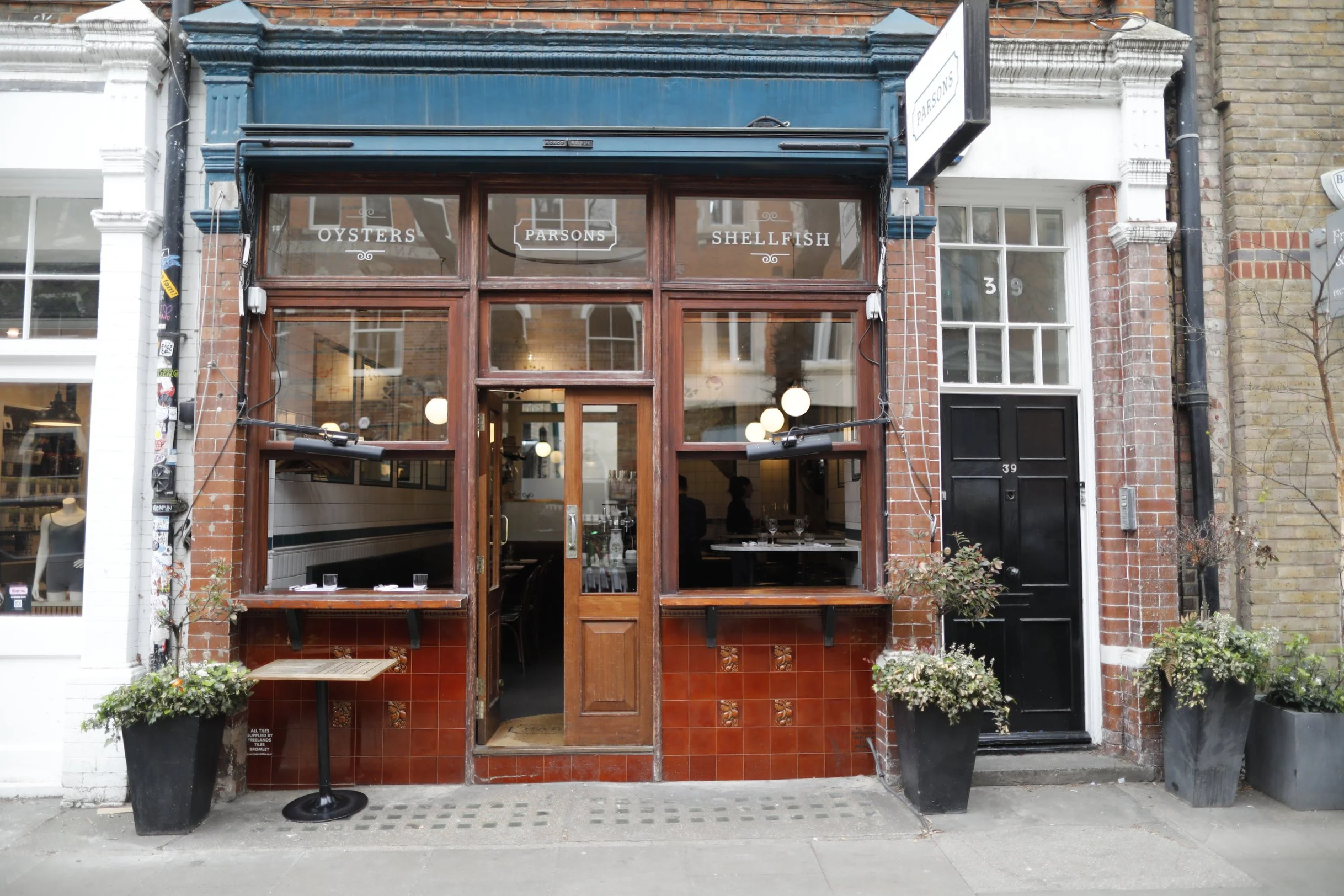
Then, seafood at Parson’s — settle onto a barstool by the front window, the city’s breeze slips in as one small, perfect plate after another lands before you. The conversation pauses for bites, salt and citrus cuts through the air, while the street outside moves like a slow movie beyond the glass.
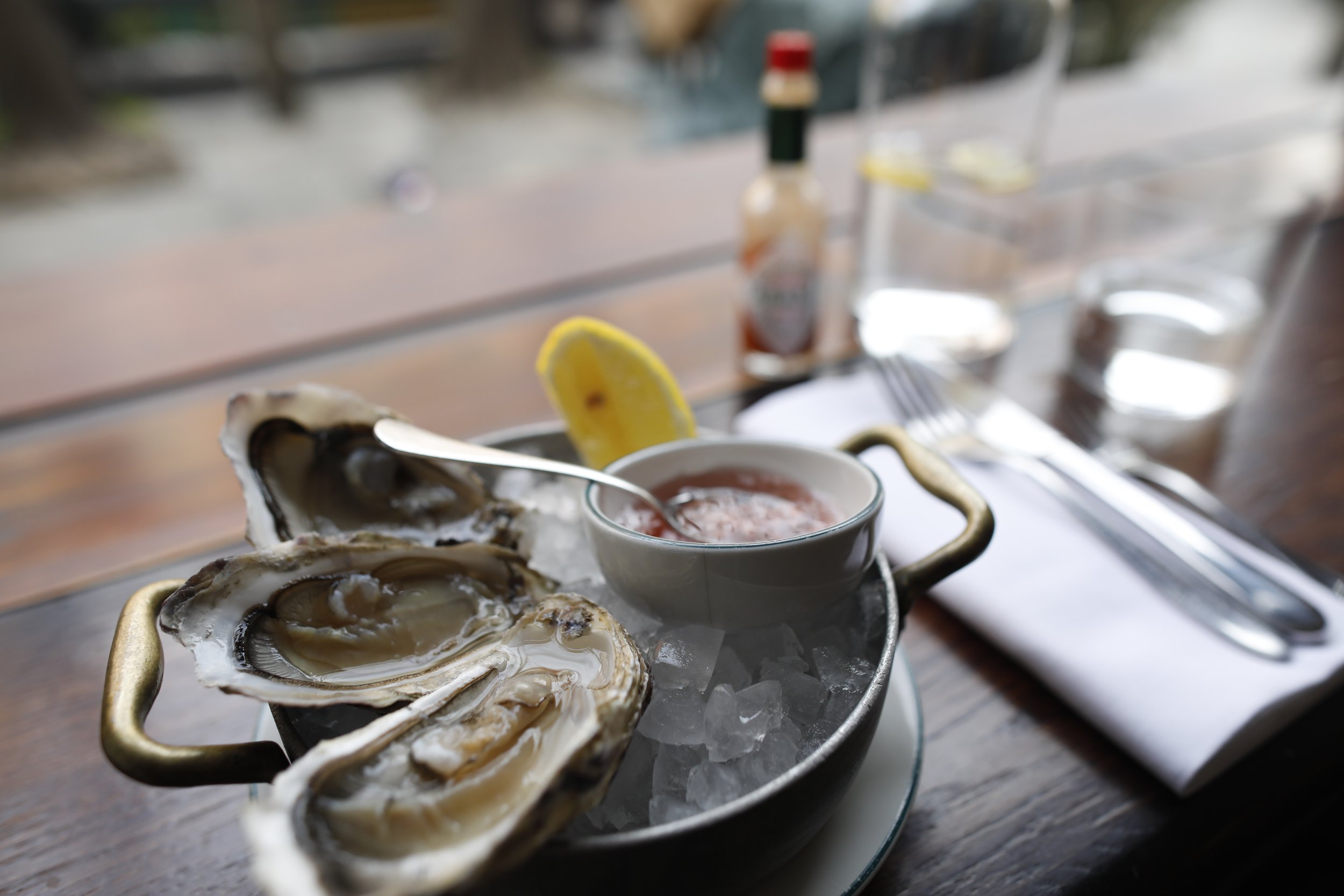
Three Jersey rock oysters arrive on a bed of crushed ice, their briny sweetness sets the tone for the plate.
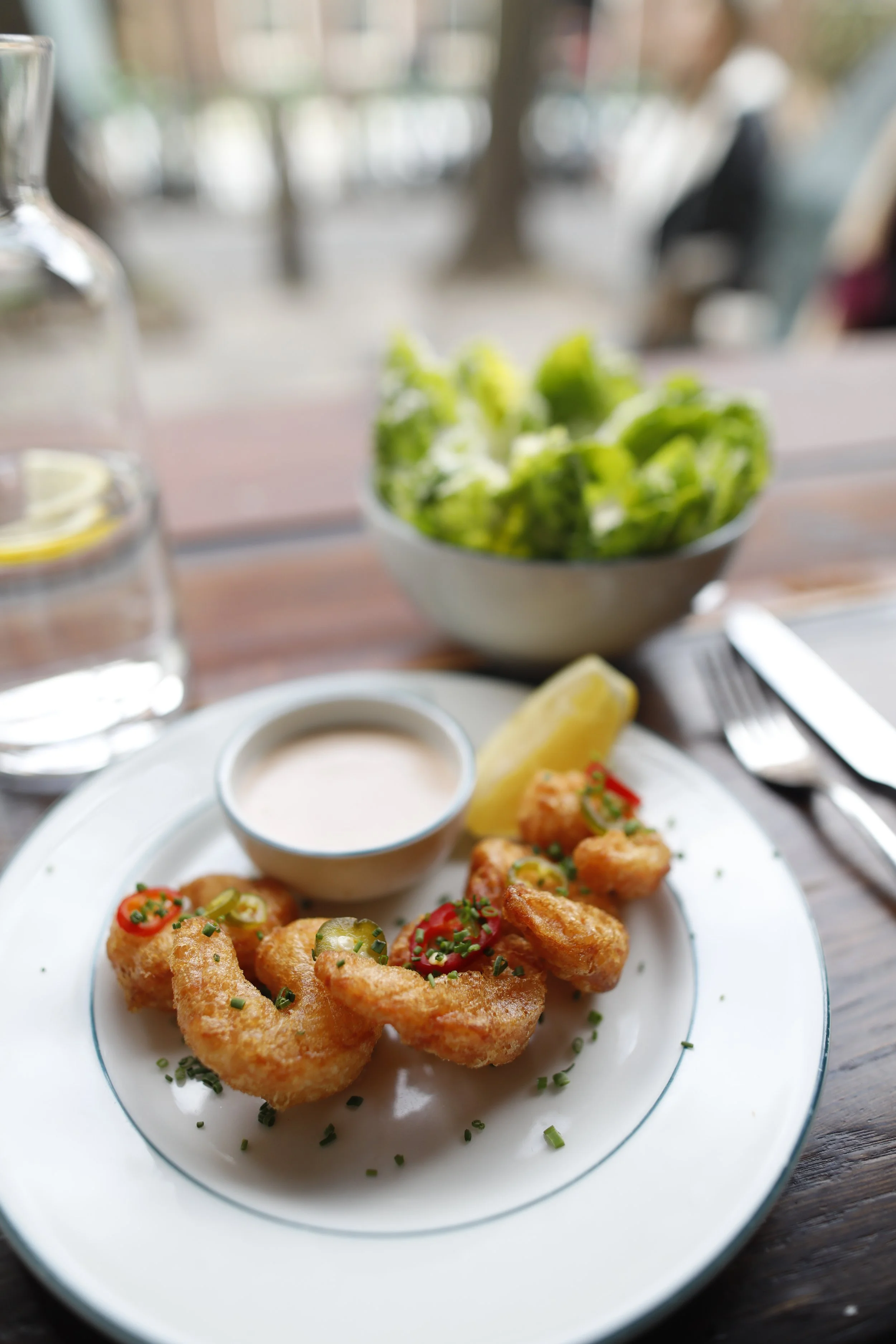
Crisp, golden king prawn fritters follow, their crunchy shells give way to tender, juicy prawns. A baby gem salad dressed in honey-mustard vinaigrette and scattered with slivers of Parmesan adds a bright, tangy counterpoint.
Every bite is satisfying but the oysters steal the show — briny, chilled and utterly irresistible.
An Overview: London's Tastiest Finds & Shopping Treasures
One layer at a time, London reveals itself as a true global mosaic — a city where the streets hum with dozens of languages and the food scene maps the world. Walk a few blocks and you’ll hear Spanish and German, snippets of Japanese, Mandarin and Korean and other tongues that are harder to place. Each language seems to have its own culinary counterpart: tiny restaurants representing specific regions and cooking traditions, from Nepalese momos and Indian thalis to Colombian arepas, Korean barbecue and Italian trattorie.
What’s striking is the range: familiar comfort dishes sit alongside utterly new flavors and preparations you may never have encountered before. The city’s neighborhoods sprawl widely but getting around is straightforward — easy walking routes connect lively streets and buses and trains make hopping between districts simple. For anyone who loves exploring food and culture, London feels like an open invitation to wander, taste and discover.
And it’s just the same for shopping. From luxury boutiques in Mayfair to bustling street markets in Camden and Brixton, London offers a shopping scene where global designers sit alongside independent artisans and vintage dealers. Neighborhoods reflect cultural diversity through specialty food stores, Afro-Caribbean and South Asian textiles and contemporary pop-ups that celebrate emerging creatives.
With only a handful of days in London, my culinary and shopping escapades barely scratched the surface but if I’m lucky enough to get the chance to return, I plan to eagerly work my way through the full list below and revisit my favorites.
Culinary | London’s culinary map is delightfully diverse but a few neighborhoods stand out for food lovers: Soho buzzes with late-night eateries, inventive small plates and a vibrant mix of international cuisines; Borough Market offers an unrivaled mix of fresh produce, artisanal cheeses, international street food and passionate vendors in a bustling historic setting; Shoreditch combines trendy cafés, craft coffee and inventive modern British and global fusion; Brixton offers a rich Afro-Caribbean scene alongside a lively market and new-wave restaurants; Marylebone and Fitzrovia serve up refined bistros and timeless gastropubs for classic British fare; and Chinatown/Leicester Square is perfect for dim sum, late-night Chinese and pan-Asian options. Each area brings its own atmosphere and specialties, making London a city where you can hop neighborhoods to sample radically different tastes within a short Tube ride.
Markets | Borough Market, Camden Market, Portobello Road Market and Old Spitalfields are among the best places to hunt for food, antiques, fashion and atmosphere in London: Borough Market near London Bridge is the go-to for fresh produce, artisanal foods and buzzing weekday lunches; Camden Market by the Regent’s Canal offers eclectic vintage clothing, international street food and alternative crafts; Portobello Road Market in Notting Hill is famous for its Saturday antique stalls and colorful neighborhood vibe; and Old Spitalfields Market combines independent designers, street eats and weekend events in a covered, historic setting — add Maltby Street Market for a smaller, gourmet-focused experience and Greenwich Market for arts, crafts and maritime charm to round out a market tour that covers food, fashion, antiques and local designers.
Flowers | London’s best flower markets offer a vibrant, fragrant slice of the city where seasonal blooms, rare tropical specimens and everyday bargains come together. Columbia Road Flower Market, held every Sunday in East London, is the most famous — stacked stalls, bustling crowds and a lively atmosphere perfect for finding cut flowers, potted plants and gardening advice. New Covent Garden Market, open to trade and the public at certain times, supplies florists across the capital and is the place to go for wholesale prices and huge varieties. Pimlico Road and Marylebone’s boutique shops provide beautifully curated bouquets and specialty plants for those seeking design-led arrangements, while Greenwich and Spitalfields host smaller weekend markets that pair flowers with local crafts and street food.
Shopping | From high-end couture on Bond Street to eclectic finds in Camden Market, London offers shopping for every budget: luxury seekers can browse flagship stores and designer boutiques in Mayfair and Knightsbridge, including world-renowned department stores with personal shopping services; mid-range shoppers will enjoy Oxford Street and Regent Street’s mix of international brands and concept stores, plus stylish independent shops in Shoreditch and Notting Hill; bargain hunters can sift through vintage clothes, vinyl and unique crafts at Portobello Road and Spitalfields Markets or score discounted goods at outlet malls and Westfield’s sale racks; for foodies and gift-givers, Borough Market and the many artisanal markets across the city provide gourmet treats at varied price points, while weekly markets, charity shops and pop-up sales ensure there’s always something affordable and unexpected no matter your wallet.