Waiheke Vineyard Tour: Sip Coastal Wines & Island Views
Explore Waiheke Island’s sun-drenched vineyards on a delicious wine tour, savoring glass after glass of New Zealand’s remarkable wines.
Updated | June 2026
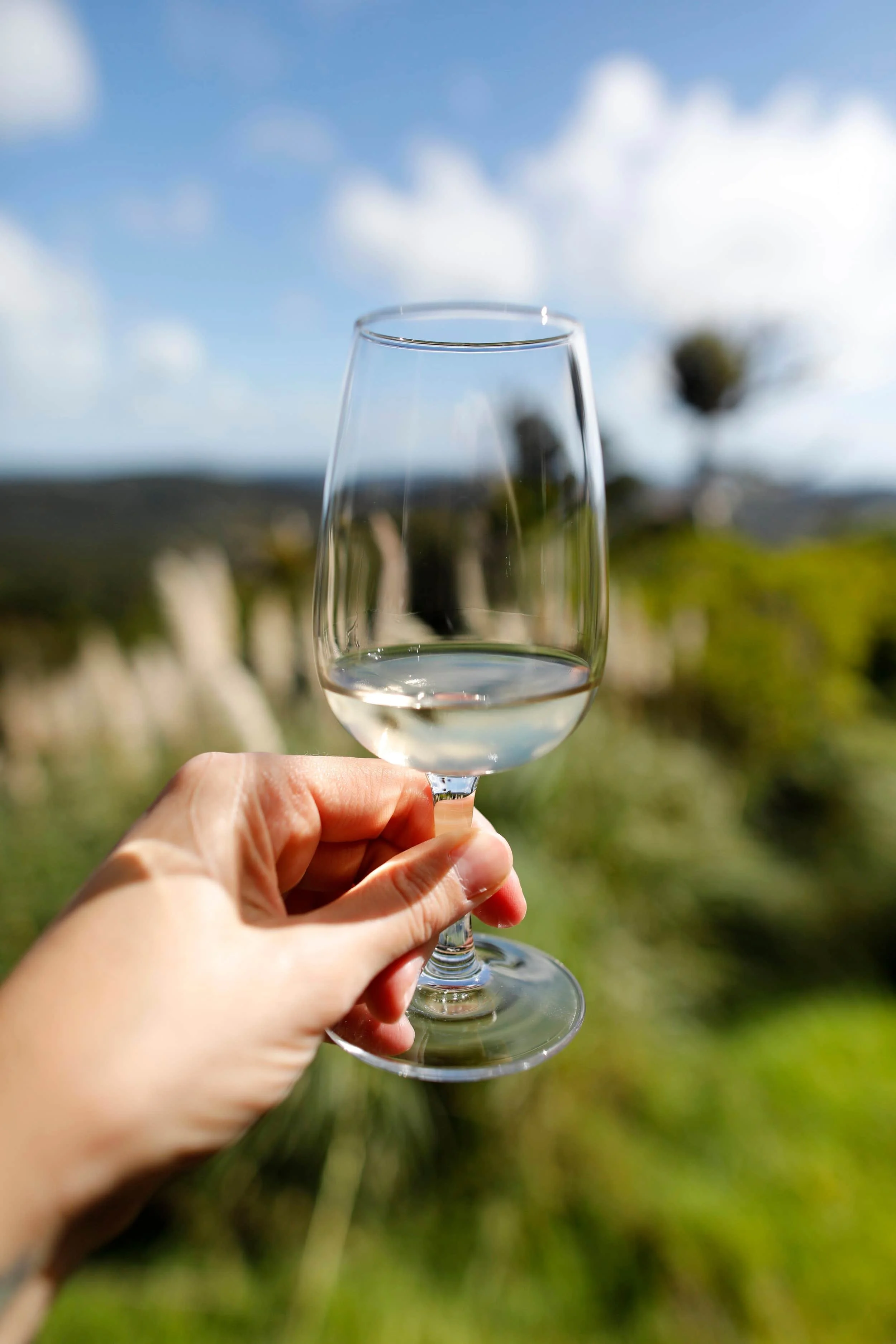
Why Visit the Island — Waiheke Vineyard Tours & Day Trips from Auckland
New Zealand’s Waiheke Island is what dreams are made of — just a 40-minute ferry ride from Auckland, yet a world away — with rolling vineyards draped over gentle hills and sea-salted breezes that make every glass taste of the ocean. The island’s wine scene is intimate and generous: boutique estates serve up crisp sauvignon blancs and velvety pinot noirs alongside adventurous blends and award-winning Syrahs, often poured on terraces overlooking native pōhutukawa and turquoise bays.
Tastings here are as much about conversation and slow afternoons as they are about terroir; winemakers are approachable, stories flow as freely as the pours and the food — from wood-fired pizzas to sumptuous seafood platters — feels designed to elevate each sip. Whether you bike between cellar doors, linger for sunset at a clifftop vineyard or pick a vineyard picnic spot shaded by olive trees, Waiheke’s wines make for a relaxed, memorable escape where landscape and flavor fall perfectly in step.
At a Glance
📍 Destination: Waiheke Island, New Zealand
🕒 Time Needed: Full day
💰 Budget: NZ$140-210 ($80-$120 USD) guided tour, plus NZ$60 ($35 USD) round-trip ferry ride
👟 Walking Level: Mild
🌤️ Best Season: Summer (December-February) or Autumn (March-May)
☕️ Don’t Miss: Fresh seafood and stunning views
🖤 Perfect For: Nature lovers and wine enthusiasts
My Bibimbap Moment
This trip added: Savoring.
Waiheke Island added the ingredient of savoring to my Bibimbap Life. It wasn’t simply about tasting wine — it was about appreciating the experience surrounding it. From rolling vineyards overlooking the sea to long conversations shared over local food and wine, everything encouraged me to slow down and enjoy the moment without feeling rushed. Waiheke reminded me that life’s greatest pleasures are often meant to be savored rather than hurried through. Like a good meal or a memorable glass of wine, some experiences become richer when we give them our full attention.
My Two-Week New Zealand & Australia Itinerary
This was my first trip to New Zealand and Australia, combining New Zealand’s North and South Islands with a quick run along Australia’s east and southern coasts. It was an ambitious two weeks but it gave me a first look at an incredible variety of landscapes, cities and experiences across both countries.
I started in Auckland, which became my base for exploring the surrounding region. One of my first trips beyond the city was a day on Waiheke Island, an easy ferry ride away but an immediate change of pace. I spent the day among vineyards, good food and coastal scenery before returning to Auckland that evening.
From there, I traveled south through Waikato to the Waitomo Glowworm Caves, then continued to Rotorua and Te Puia for geothermal landscapes and an introduction to Māori culture.
Next came Queenstown on New Zealand’s South Island, where I spent a few days exploring the town, Lake Wakatipu and the surrounding mountains — including one particularly memorable helicopter flight near Glenorchy.
From New Zealand, I continued to Australia, starting on the Gold Coast with a trip inland to Tamborine Mountain before heading south to Melbourne. I used Melbourne as my base for a full-day drive along the Great Ocean Road, then finished the trip with a very quick 36 hours in Sydney.
It was a fast-moving introduction to this part of the world and two weeks certainly wasn't enough to see everything. But between islands and vineyards, glowworm caves, geothermal landscapes, mountains, beaches and cities, it gave me a pretty incredible first look at both countries — and plenty of reasons to return.
My route: Auckland → Waiheke Island → Waitomo → Rotorua & Te Puia → Queenstown → Gold Coast → Tamborine Mountain → Melbourne → Great Ocean Road → Sydney
Explore
Here’s where the journey will take us.
01 | Honey Bones in Auckland
02 | Ferry to Waiheke Island
03 | Waiheke Island Vineyard Tour
04 | Ferry to Auckland
05 | When to Go
06 | What to Bring
07 | How to Get There
08 | Where to Stay
09 | How to Get Around
10 | How Long to Stay
11 | Tours & Day Trips
12 | Wineries & Reservations
13 | Good to Know
Travel More | New Zealand Travel Guides
Sipping Sunshine: Perfect Waiheke Vineyard Tours
A day on Waiheke Island is a little slice of paradise just a short hop from the city — sun-drenched vineyards, salty sea breezes and unforgettable wine tastings make it the ideal escape for a magical day trip from Auckland.
Sip sunlit Pinot and crisp Sauvignon on Waiheke Island, where boutique vineyards, sea-breeze patios and storybook views turn every glass into a seaside celebration. Wander vine-lined paths between intimate cellar doors, meet passionate local winemakers who'll share behind-the-scenes tales and tasting tips and linger over platter-style lunches of fresh oysters, artisanal cheeses and olive oils sourced from the island.
Take a guided tasting tour to discover lesser-known varietals and aging techniques or set your own pace with a bike or ferry-and-shuttle hop between estates. As the afternoon light softens, settle on a sun-drenched terrace with a chilled glass in hand and watch ferries glide across the Hauraki Gulf — the perfect backdrop for a toast to slow, island time.
Honey Bones in Auckland
But first, breakfast. Sunlight slants across a long wooden table at Honey Bones, where the chatter of nearby parents and their children make the morning feel cheerfully communal. Watch the scene unfold while savoring a steaming dirty chai and the café’s celebrated Merguez breakfast — a favorite during my stay.
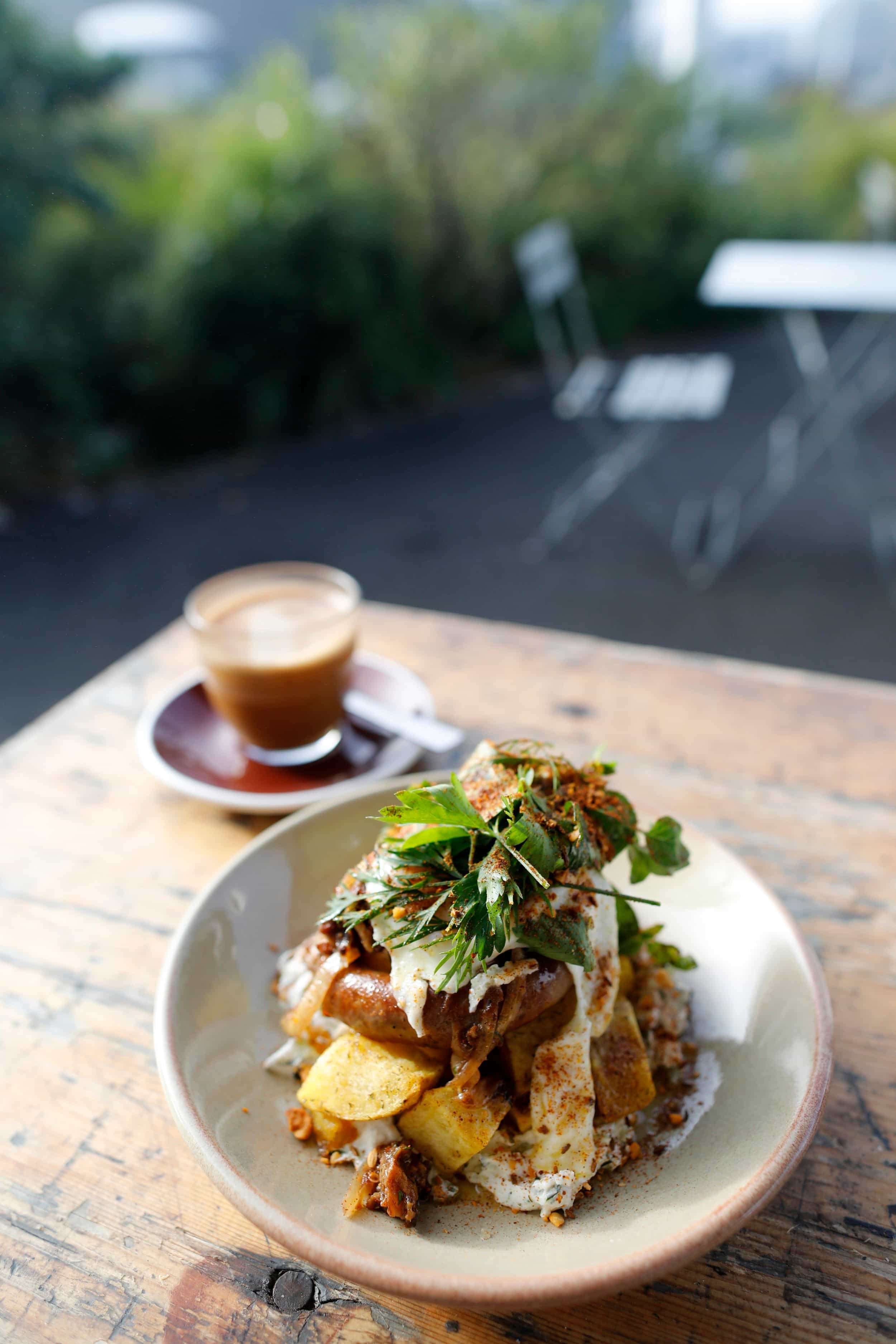
Housed in a Turkish-inspired cafe, Honey Bones quickly earns its reputation as one of the city’s best breakfast stops. Delightfully gluten-free, the Merguez bowl arrives as a larger than expected masterpiece: crispy fenugreek potatoes, spicy Merguez sausage, baharat-roasted eggplant, cooling tzatziki, a scattering of dukkah and a sunny fried egg perched on top. Each bite balances rich, crispy and crunchy textures with bright, salty flavors — familiar elements recombined into something entirely new and utterly memorable.
Ferry to Waiheke Island
A short Uber ride brings you to Auckland’s downtown ferry terminal, where you can buy a walk-up return ticket to Waiheke Island from Fullers360. Boats leave about every 30 minutes, drifting in a little earlier than departure time. With ticket in hand, join the friendly queue and wait for the next ferry to arrive.
⚠️ Good to Know | Expect to pay NZ $62 ($35 USD) for a return adult ticket (walk-up or standard) and about NZ $31 ($18 USD) for a one-way ticket, with travel times of 35-45 minutes. Option to book in advance to be safe, especially during summer and weekends.

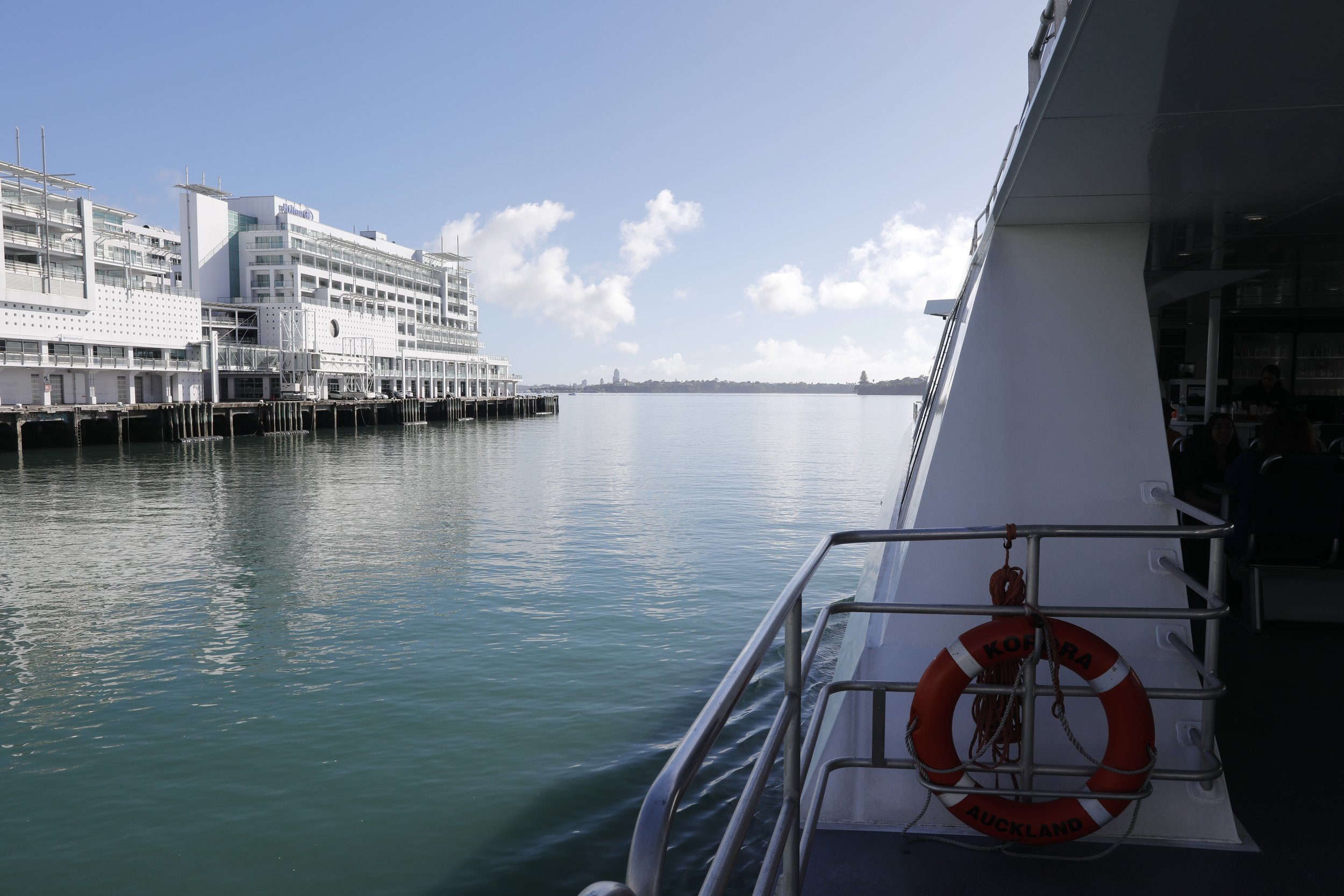
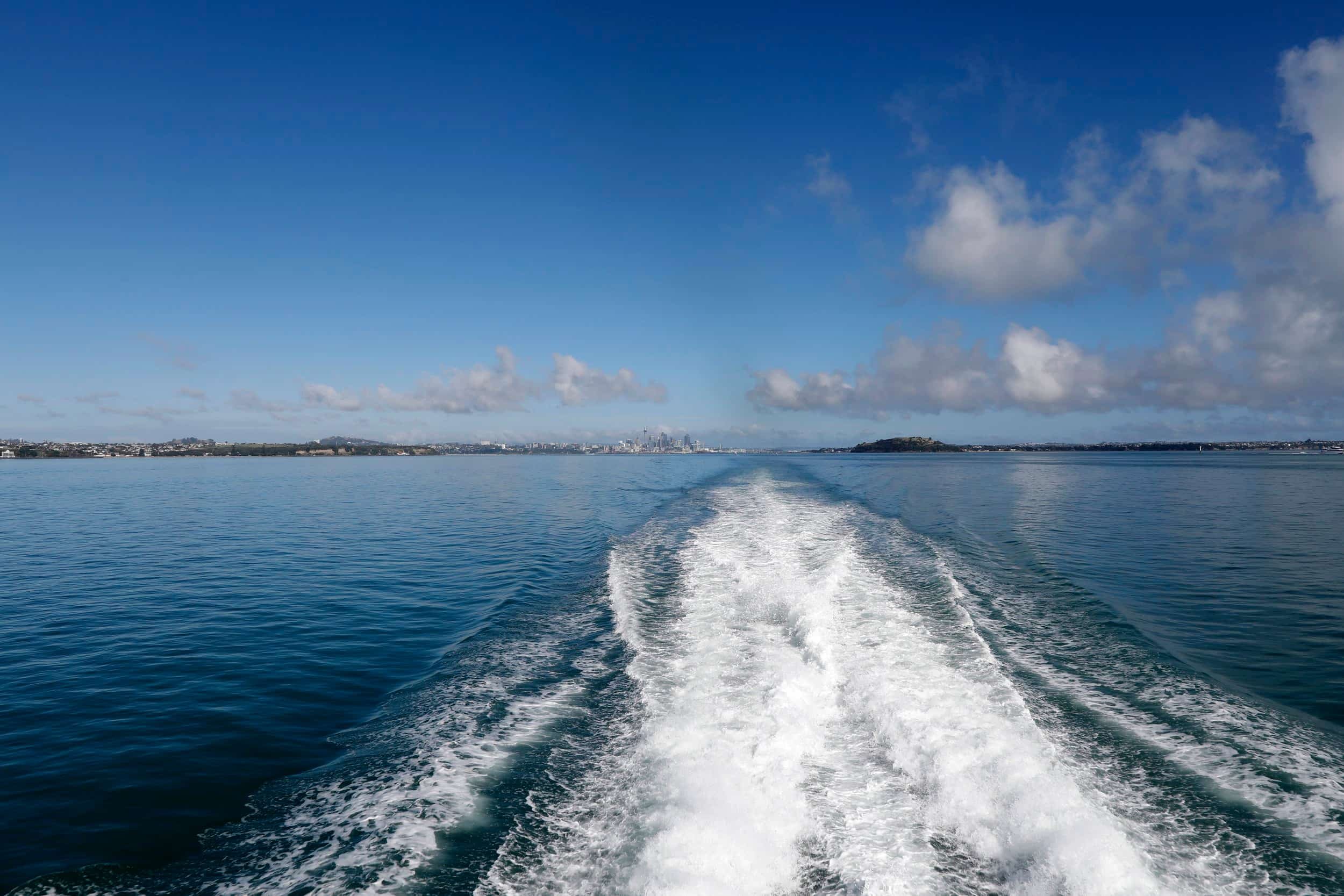
When the boat slips in, board quickly: there’s a cozy enclosed cabin below and an inviting open deck above. Start at the stern to watch the city recede — skyscrapers shrinking into postcard views — then make your way up when the sun tempts you. The top deck is a perfect spot for sky-and-sea panoramas until the breeze turns brisk; when it does, tuck down to the sheltered edges of the main level and keep the view alive from a comfier spot.
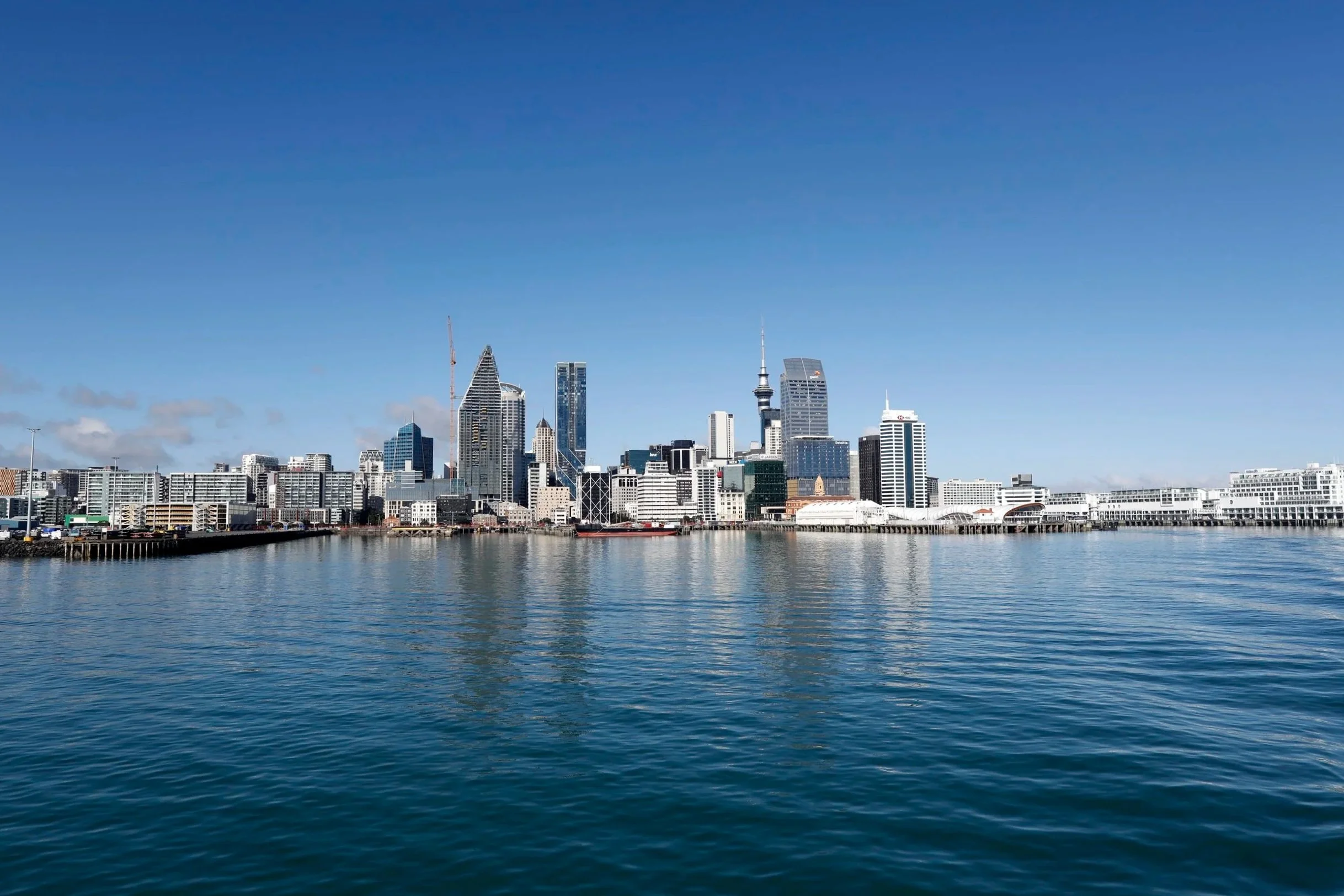
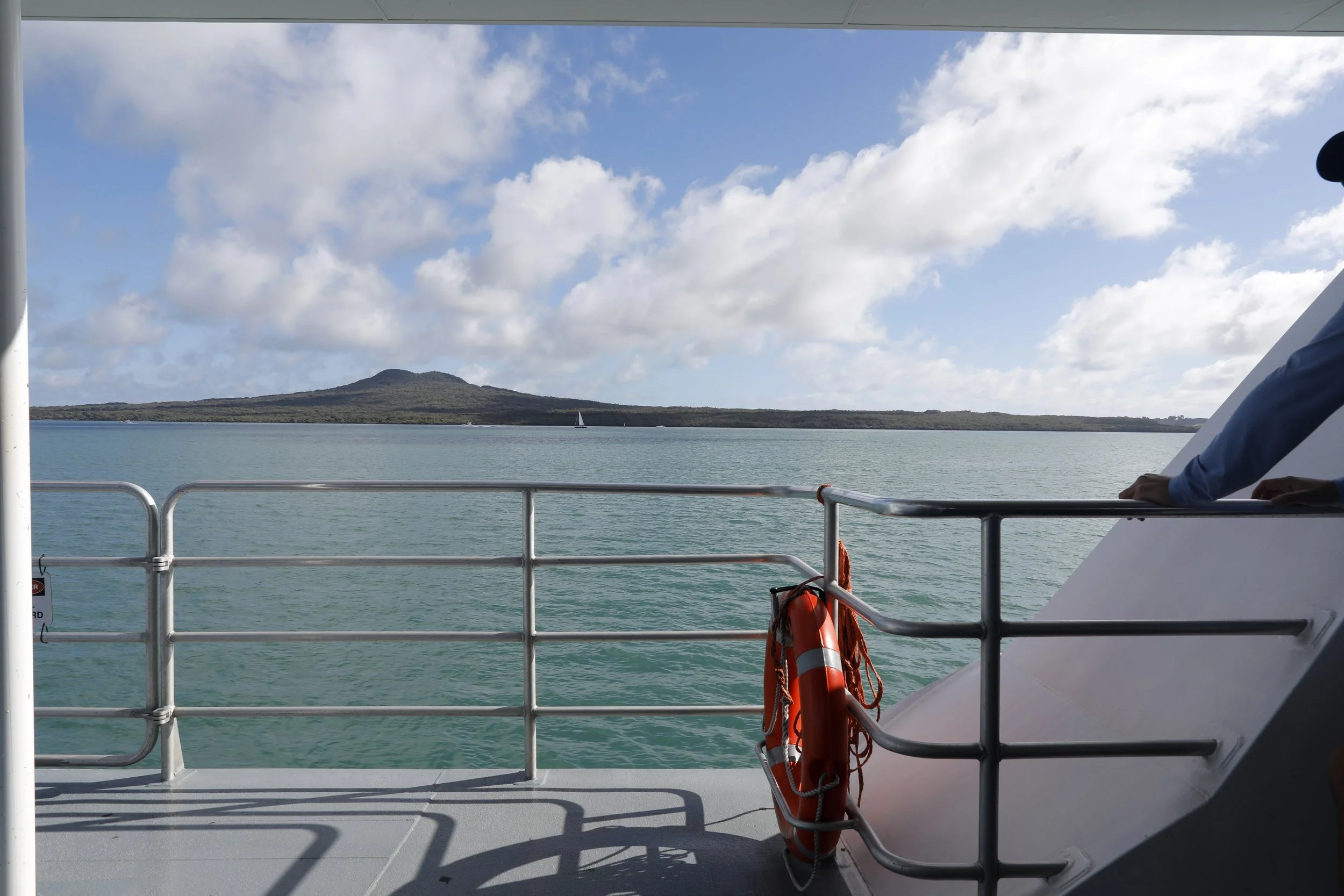
The skyline unfurls like a confident watercolor — glass towers and volcanic cones punctuating the city’s soft green edges — while the harbor sparkles with a scatter of sails and ferries that wink in the sun. From the ferry deck, Auckland feels both intimate and grand: the CBD (Central Business District) looms in dignified clusters, Rangitoto’s crater silhouette holds a quiet, ancient watch and suburbs slope gently toward the sea as if pulled by tides.
Salt air and distant gull calls sharpen each detail, and as the boat angles toward Waiheke, the city recedes into a mix of light and shadow, promising an afternoon of vineyards, beaches and slow, sun-drenched discoveries.
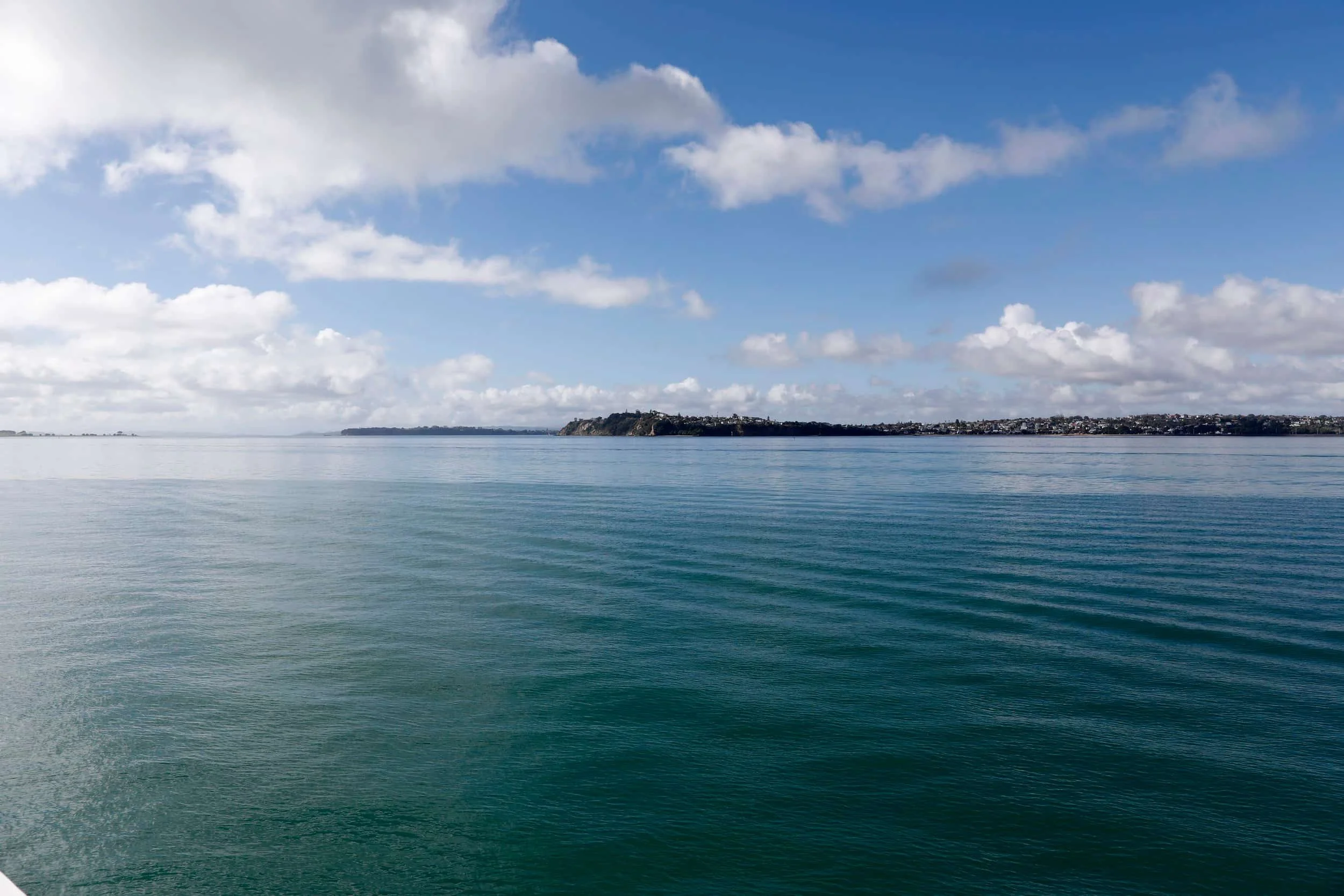
The crossing takes about 45 minutes, a calm, scenic stretch that steers past Rangitoto Island — a near-perfect volcanic cone rising from the Hauraki Gulf, its jagged silhouette growing clearer as you close the distance. On deck, there’s always a low hum of anticipation: cameras come out, wind tugs at scarves and conversations drift between guidebook tips and the click of phones. The ferry’s wake falls away in tidy white ribbons and gulls float overhead, sometimes dipping to follow the boat as if hoping to escort you to shore.
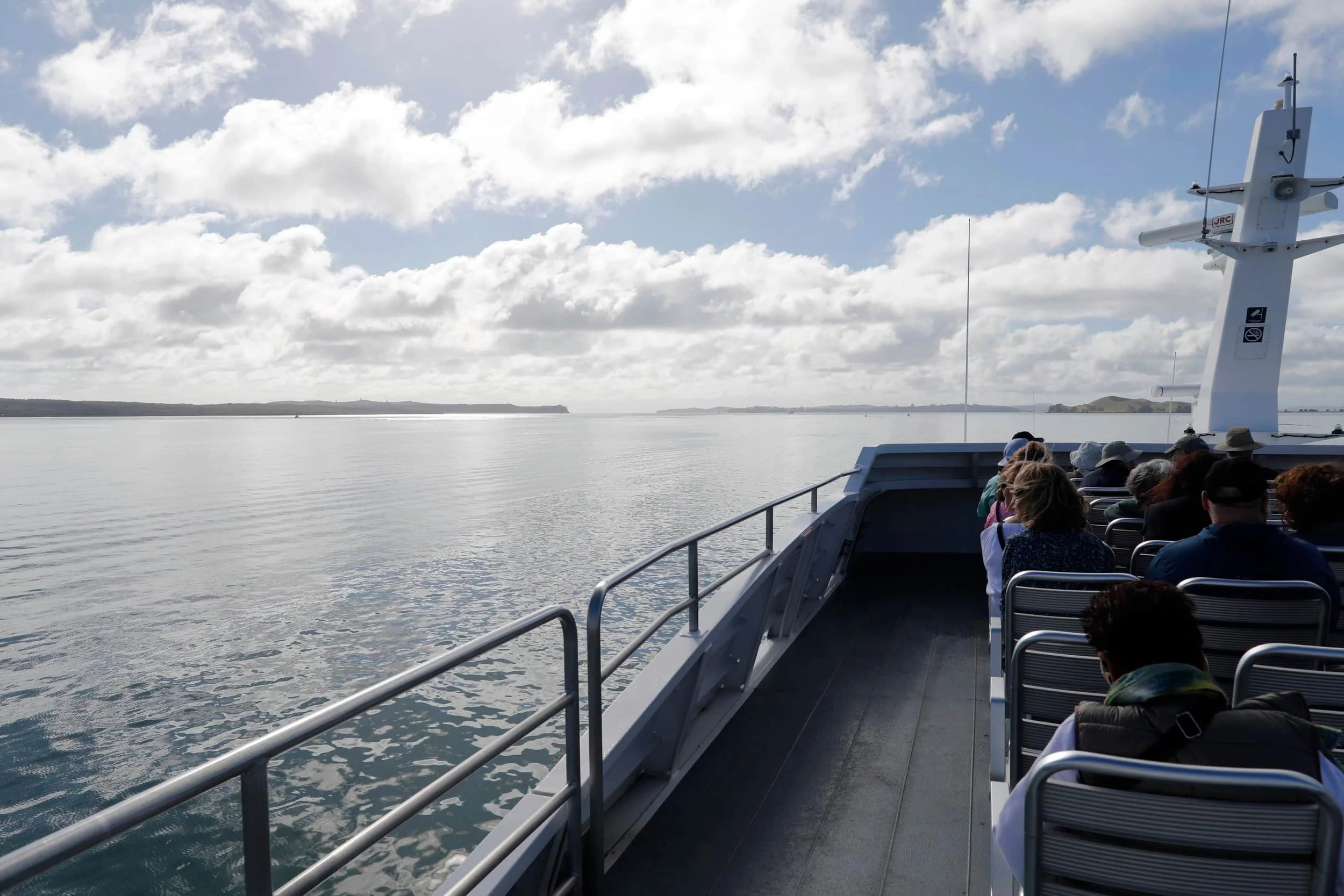
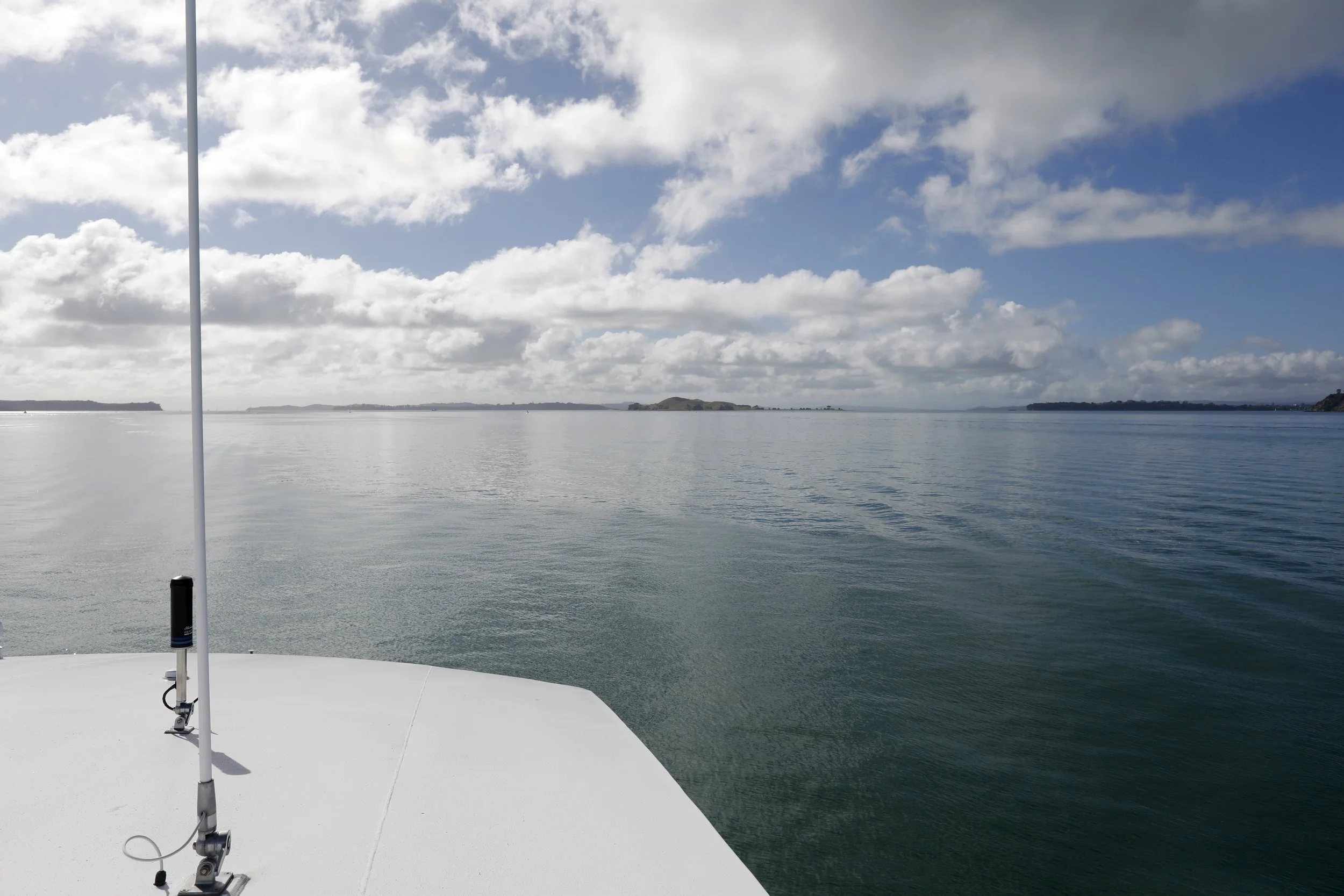
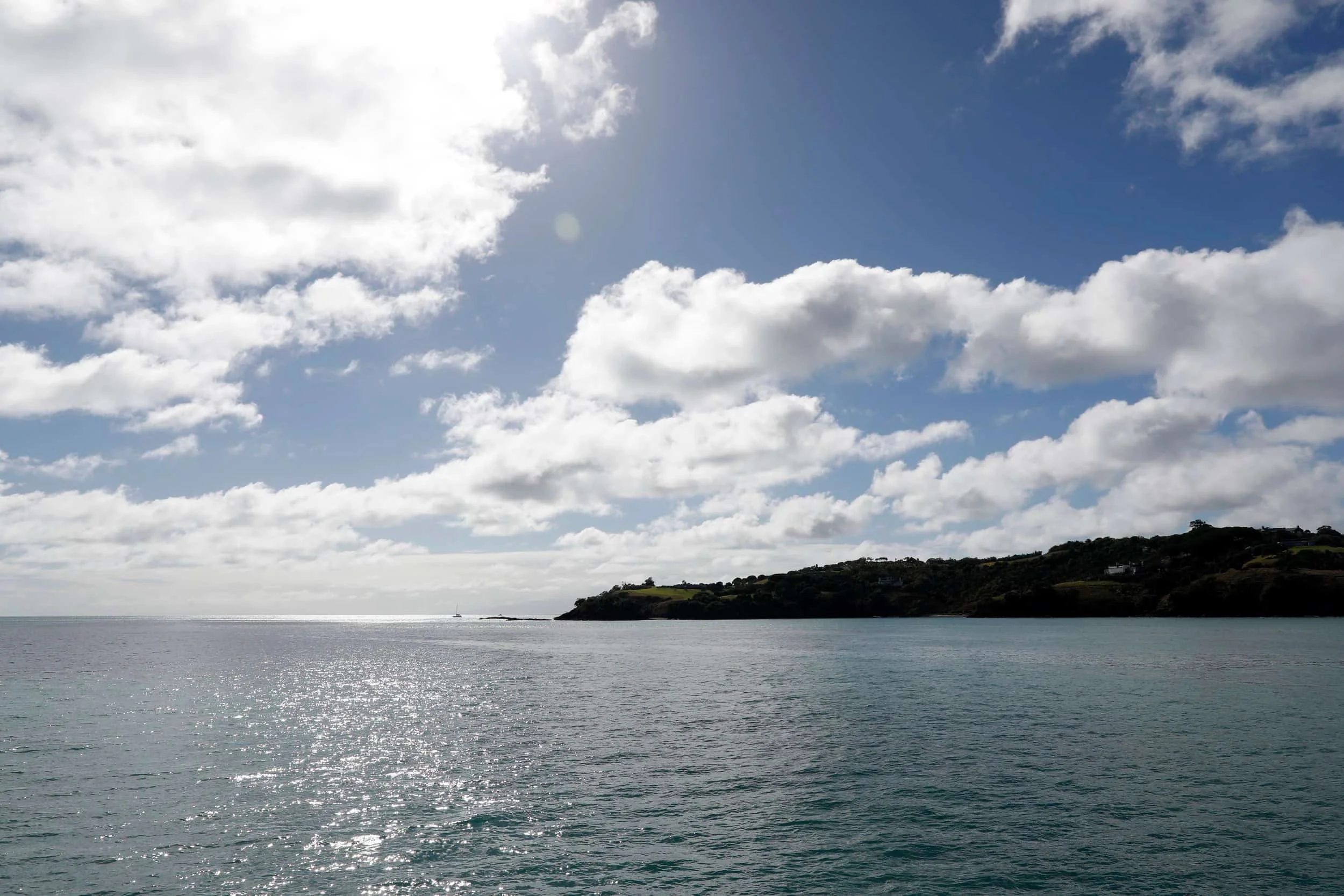
Waiheke Island sits in the Hauraki Gulf and feels much larger than its 35 square miles. Rolling hills, native bush, olive groves and terraced vineyards define its landscape; rocky coves and sandy beaches fringe the coastline, while secluded bays open to sweeping views of the Hauraki Gulf and distant Auckland skyline. The island’s compact size makes it easy to explore in a day, though its relaxed pace and abundance of tasting rooms and trails invite a slower stay to enjoy Waiheke vineyard tours.
Visitors arrive ready to wander — from gentle coastal walks like the Oneroa to Blackpool loop to more challenging hikes up Stony Batter, where historic World War II tunnels sit amid panoramic ridgelines. Wine is a central draw: boutique vineyards produce crisp whites and cool-climate reds and most offer laid-back cellar doors where you can pair tastings with wood-fired pizzas or small plates. Art galleries, craft shops and studio spaces are sprinkled through Oneroa and little beachside villages, giving the island a creative, community-minded vibe.
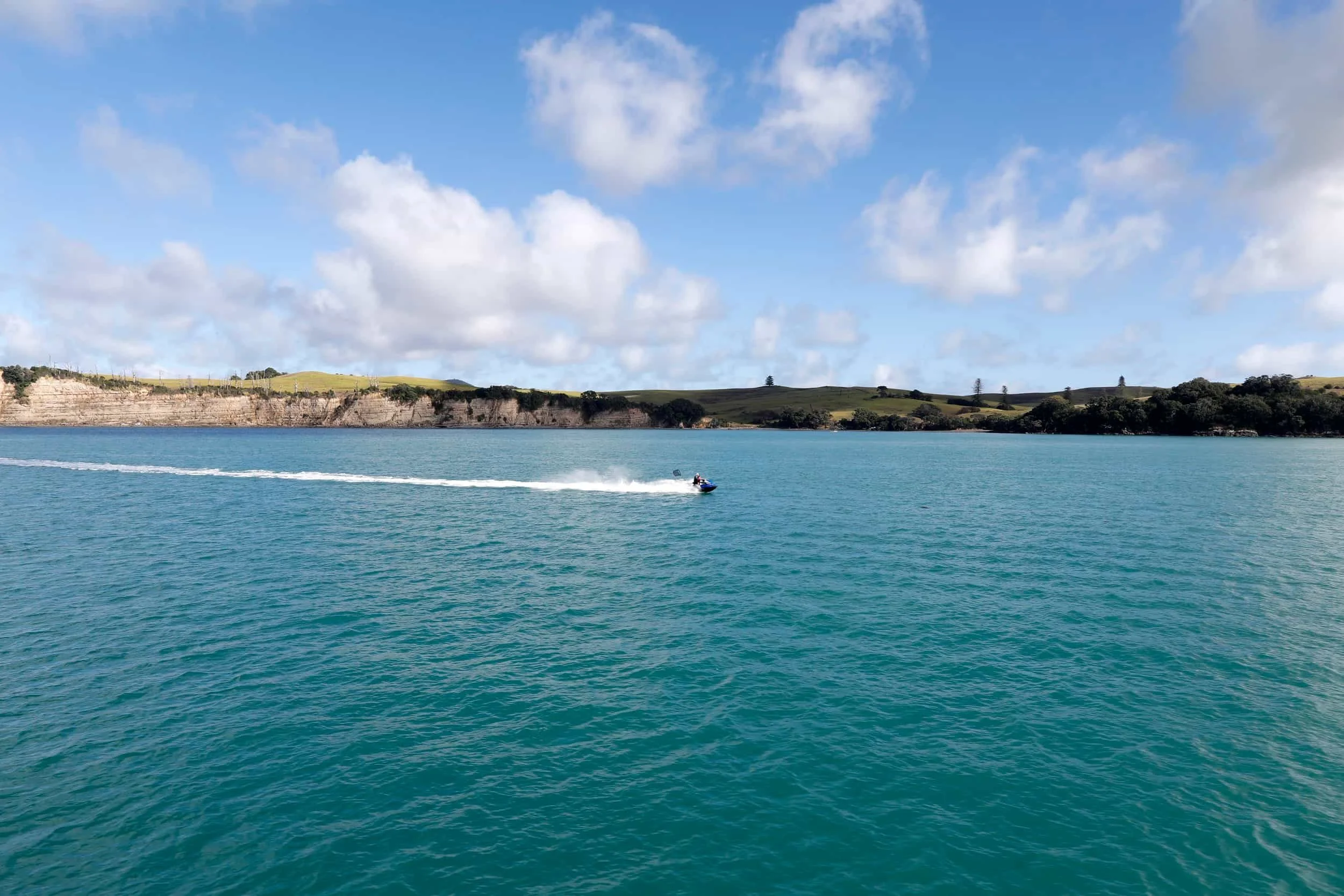
Beaches are part of Waiheke’s charm: palm-lined Onetangi Beach is perfect for sunbathing and long walks, while quieter coves like Little Oneroa or Palm Beach invite snorkeling and calm swims. Cycle routes and scooter rentals make exploring between vineyards, beaches and viewpoints easy and local ferries plus a small network of buses keep navigation simple without a car.
Evenings on Waiheke are gentle — sunset over the water, fresh seafood at a harbor side table and the easing quiet of an island that balances sophistication with a laid-back, nature-first spirit.
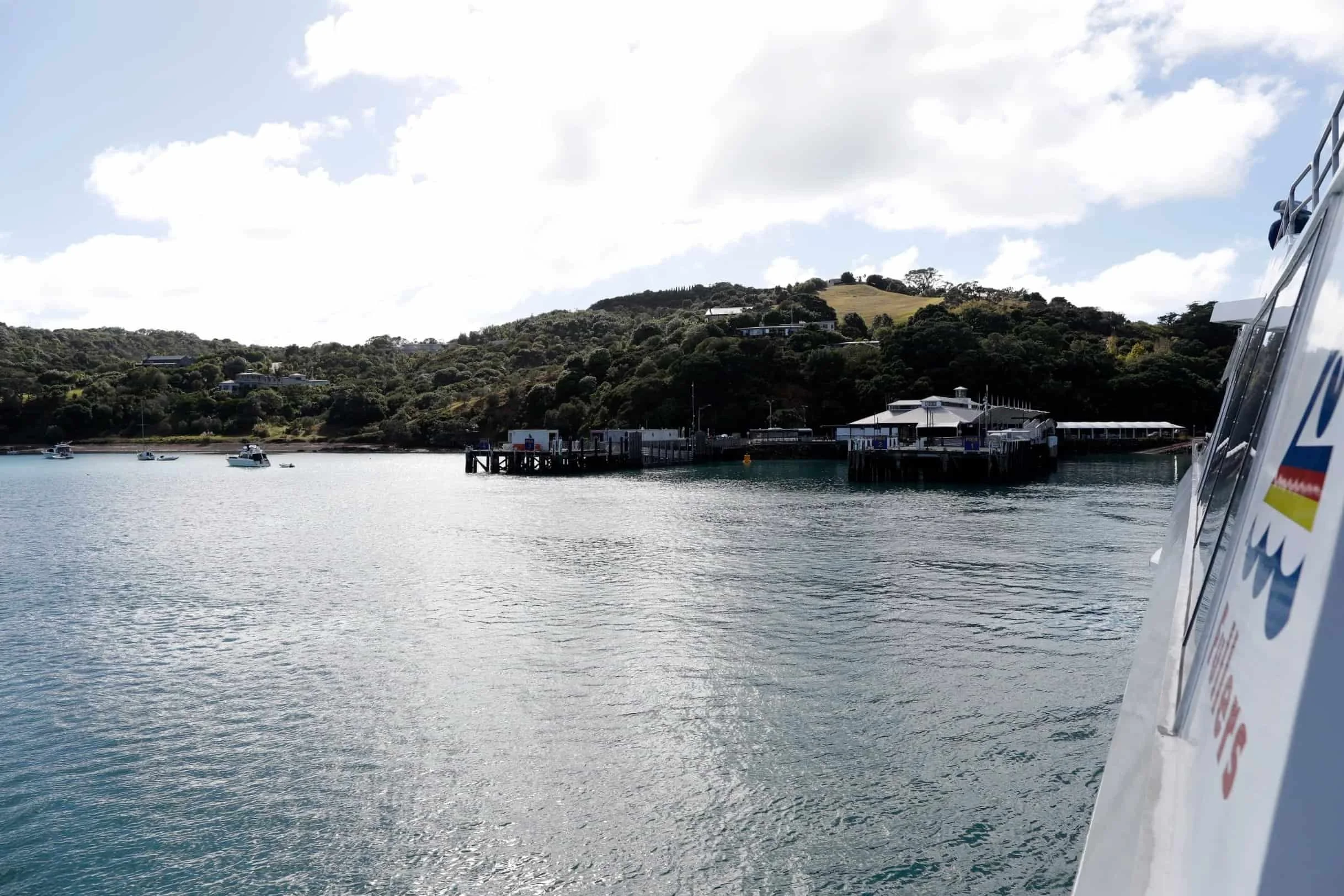
Arrivals can be a little staggered when another ferry is unloading but the terminal’s wooden planks and salt-creased air feel welcoming rather than inconvenient. Once ashore it’s easy to connect with your guide and the rest of the group. On my trip, the mix included a gentleman from Malaysia and a small Russian contingent — their friendly chatter and easy banter gave the morning a travel-buddy energy, even if not everyone was there for wine tasting. Otherwise, luggage and laughter move at the same pace: unhurried, curious.
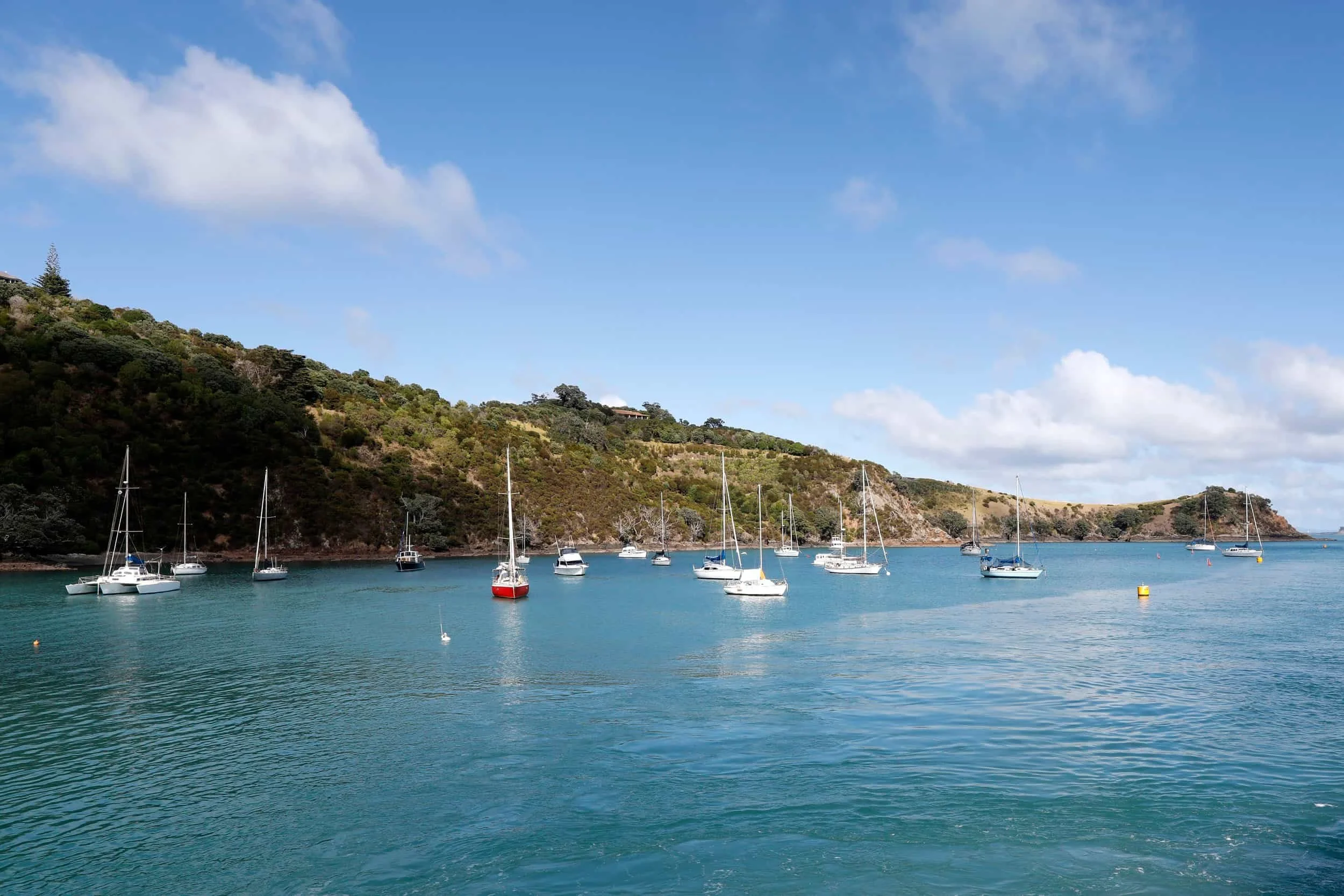
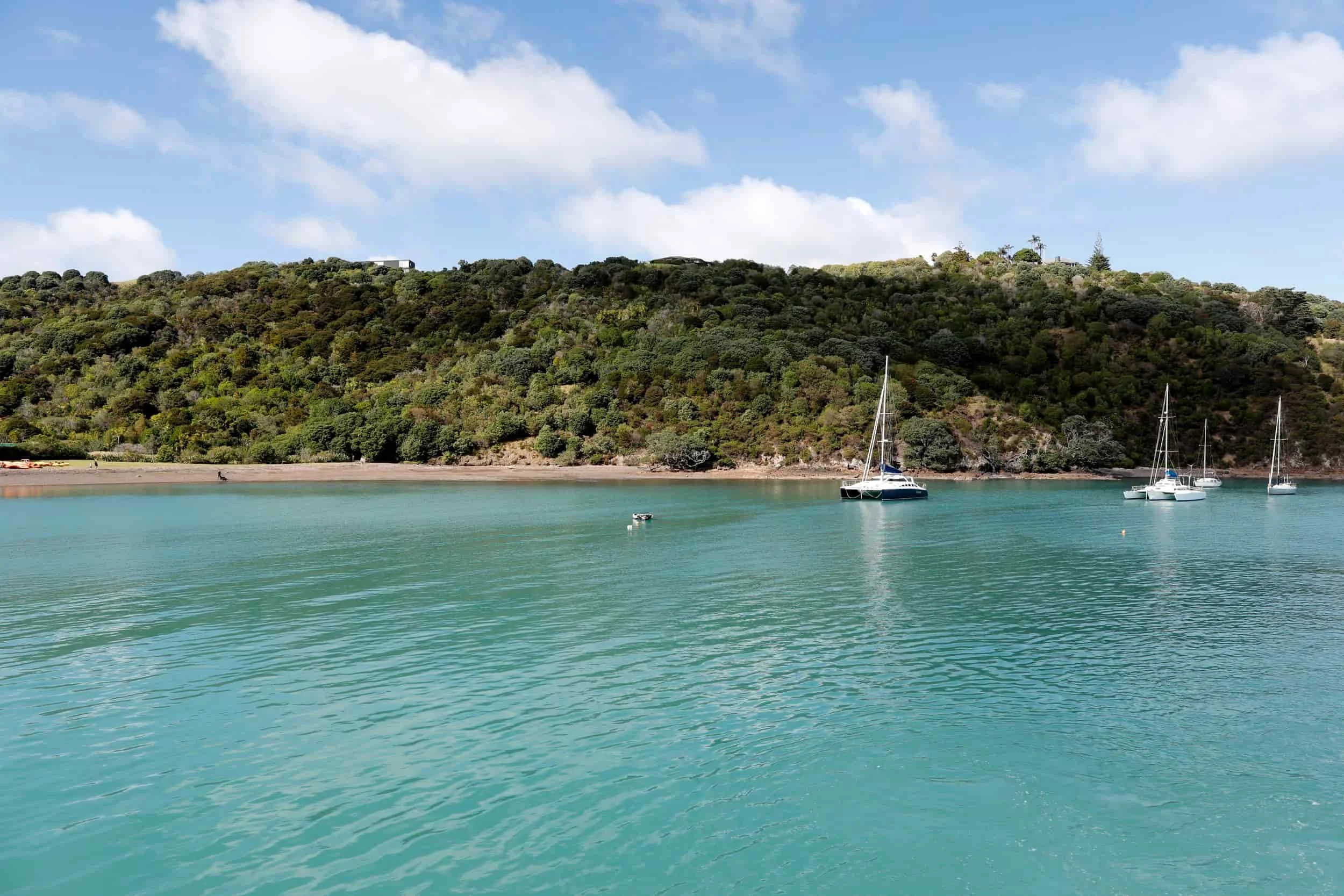
Coming into the bay is quietly dramatic. The shoreline opens like a stage set; boats of all sizes drift in the shimmering light and the island’s eucalyptus scents ride the breeze. Beaches are scattered with oyster shells, like evidence of a seaside feast left behind on the sand. Signposts along the shore promise dolphin and orca sightings, though that day the wildlife was more modest — a group of ducks bobbed through the shallows, industrious and oddly entertaining.
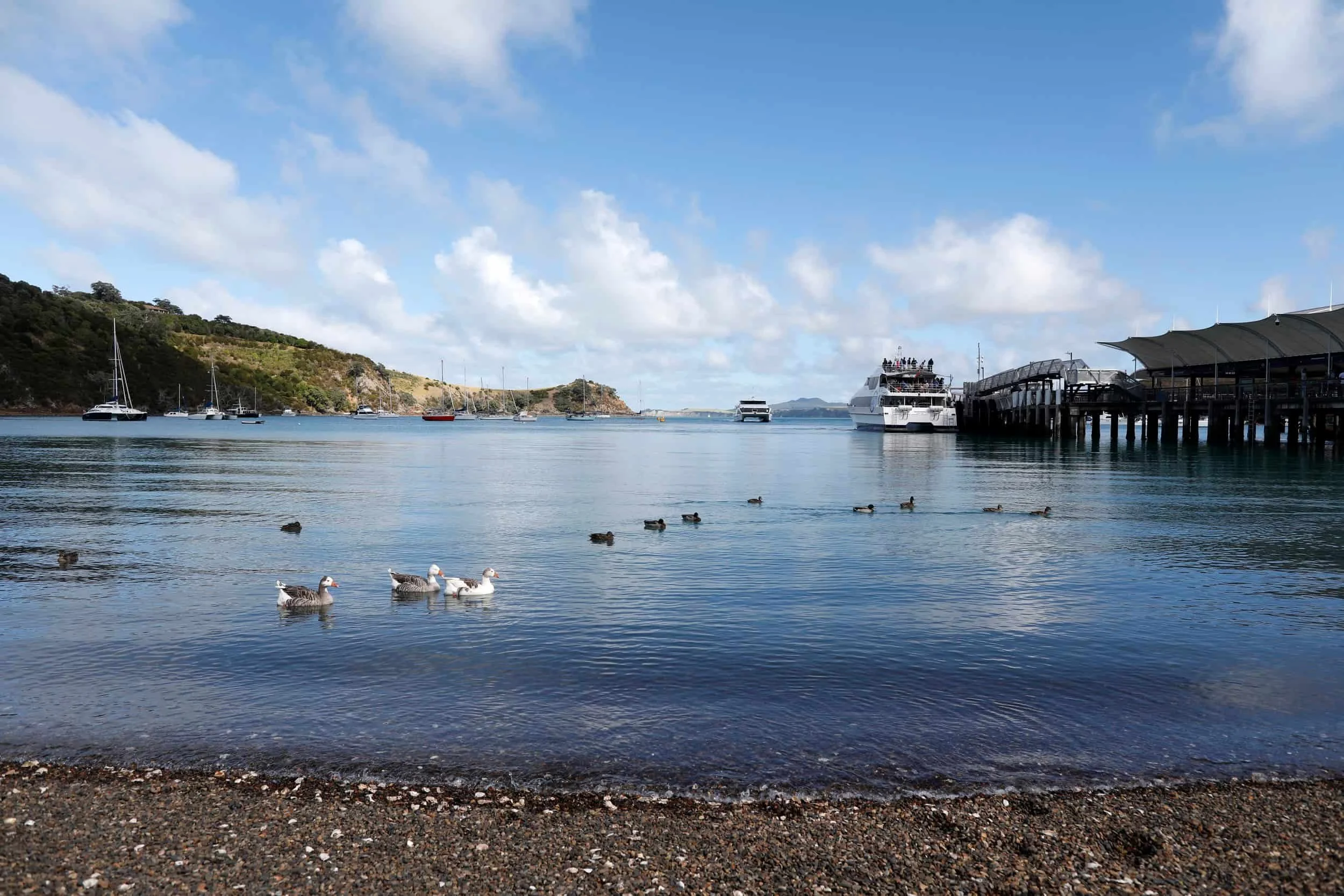
The small details make the arrival memorable: the creak of ropes as crew secure the ferry, the sun catching on the water in a hundred fractured mirrors, the slip of seawater against the hull as you step off. The bay itself frames the island in a way that makes everything ahead feel possible — leisurely tastings, quiet coves and long walks with salt on your skin. Even without grand wildlife encounters, the crossing and the first moments on Waiheke set the tone for a very good day: relaxed, scenic and gently promising.
⚠️ Good to Know | Waiheke Island charms — expect to want to see more. I might suggest staying overnight or even heading back for a second day. Just keep in mind, weather can be difficult and ferries back to Auckland aren’t promised. Waiheke vineyard tours are a must on the island.
Mudbrick Vineyard & Restaurant
Spot your tour guide and pile into the van with your group; wind your way into town toward Mudbrick Vineyard & Restaurant — the first stop on your Waiheke vineyard tour. Known for its sun-drenched terraces, intimate tasting rooms and sweeping views of the water, Mudbrick feels like a slice of Provençal calm tucked into the heart of your seaside destination. As you step out, the air smells faintly of crushed herbs and warm stone — an immediate invitation to slow down and enjoy.
⚠️ Good to Know | Tours that visit multiple vineyards often shuffle the tasting order depending on weather, group size, traffic and which cellar doors are ready to welcome you — so expect a leisurely, flexible day that follows the best flow of the island.
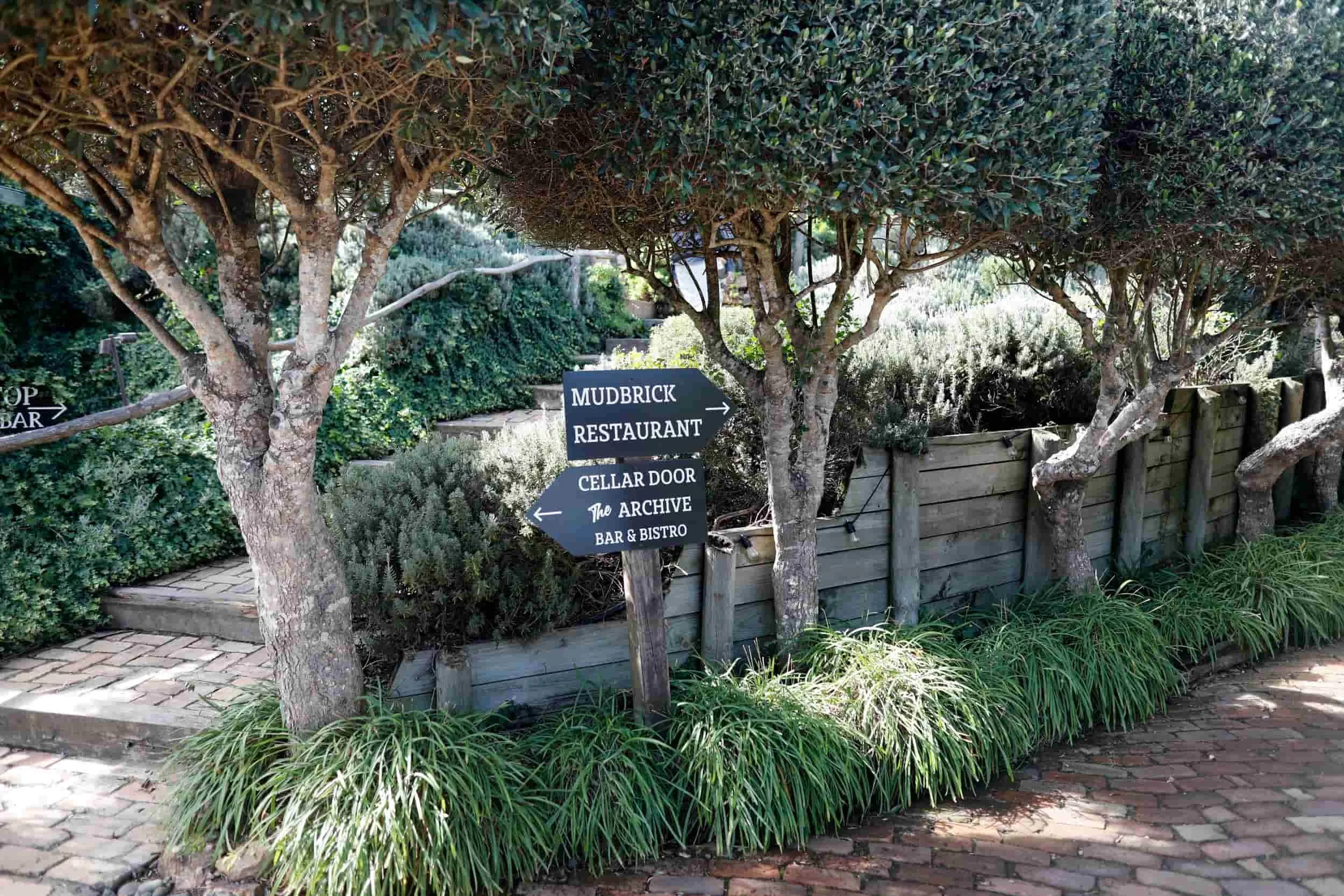
Mudbrick is more than a place to drink wine; it’s a story in clay and vine. The estate’s mud brick buildings, sun-baked and honey-colored, hold a comforting, old-world charm that makes the whole vineyard feel like a small village curated just for lingering afternoons. Vines ripple across the hills like a green quilt and the layout encourages wandering: a shaded pathway here, a hidden bench there, each new vantage point offering a different view of the bay below.
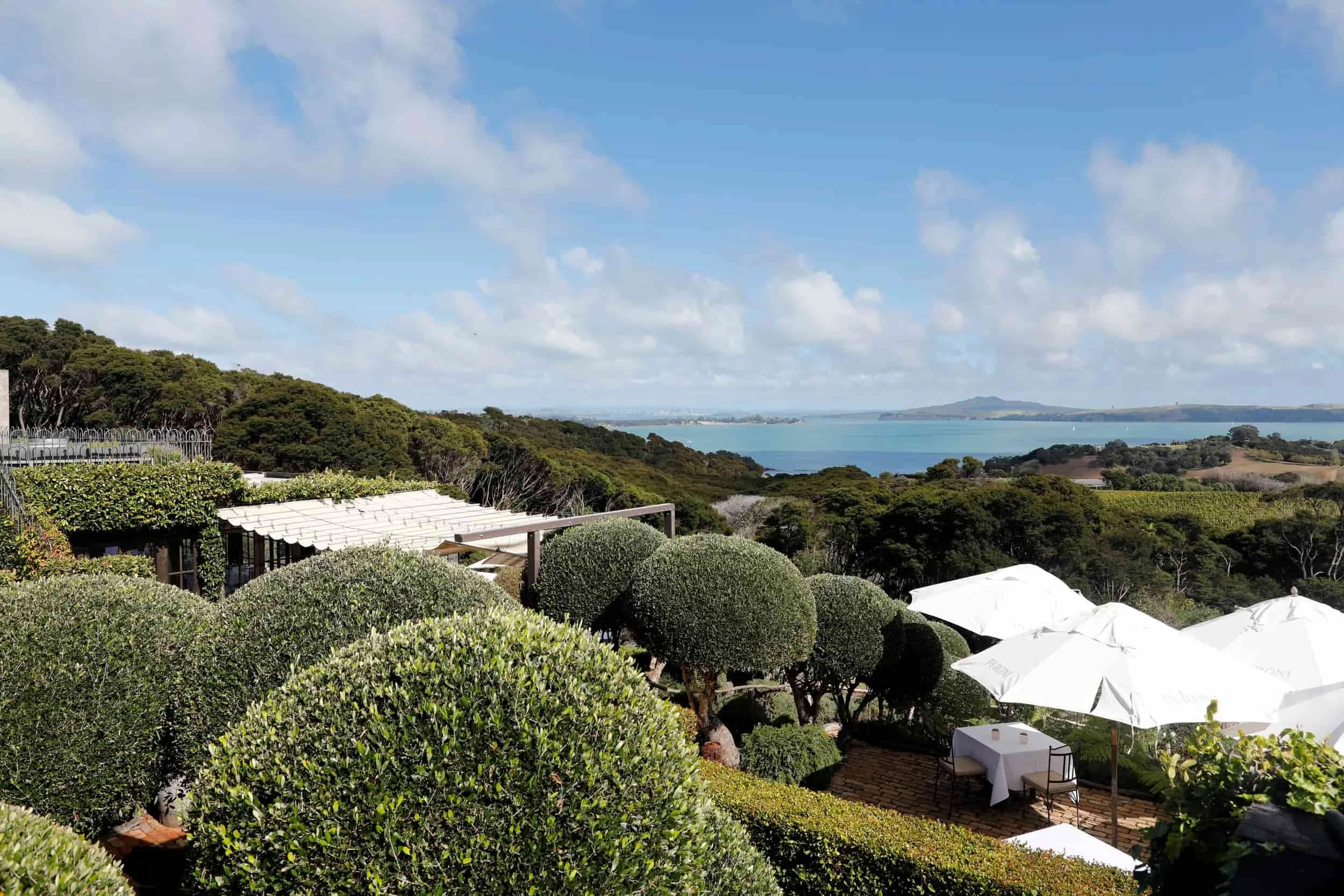
The winery produces wine by blending traditional craftsmanship with careful vineyard management on its terraced slopes, focusing on small-batch fermentation to preserve terroir-driven character; grapes are hand-harvested at optimal ripeness, gently pressed and fermented in a mix of stainless steel and seasoned oak to balance freshness and complexity, with winemakers monitoring temperature and lees contact to shape texture and mouthfeel.
⚠️ Good to Know | Lees contact, or sur lie aging, is the gentle art of letting wine rest on its spent yeast after fermentation. The time softens texture, deepens complexity and gifts the wine with creamy, nutty and savory notes. Often found in white wines — think Chardonnay, Muscadet and Champagne — sur lie aging rounds out the body and lends greater stability with an elegant, quiet flourish.
The estate emphasizes minimal intervention — limited filtration and judicious use of sulfur — to let varietal nuances shine, while barrel aging is used selectively to add structure and subtle spice without overwhelming fruit. Throughout production, sustainability practices such as water-efficient viticulture and integrated pest management support grape quality and long-term soil health, resulting in wines that reflect the maritime climate, mineral soils and meticulous attention from vine to bottle.
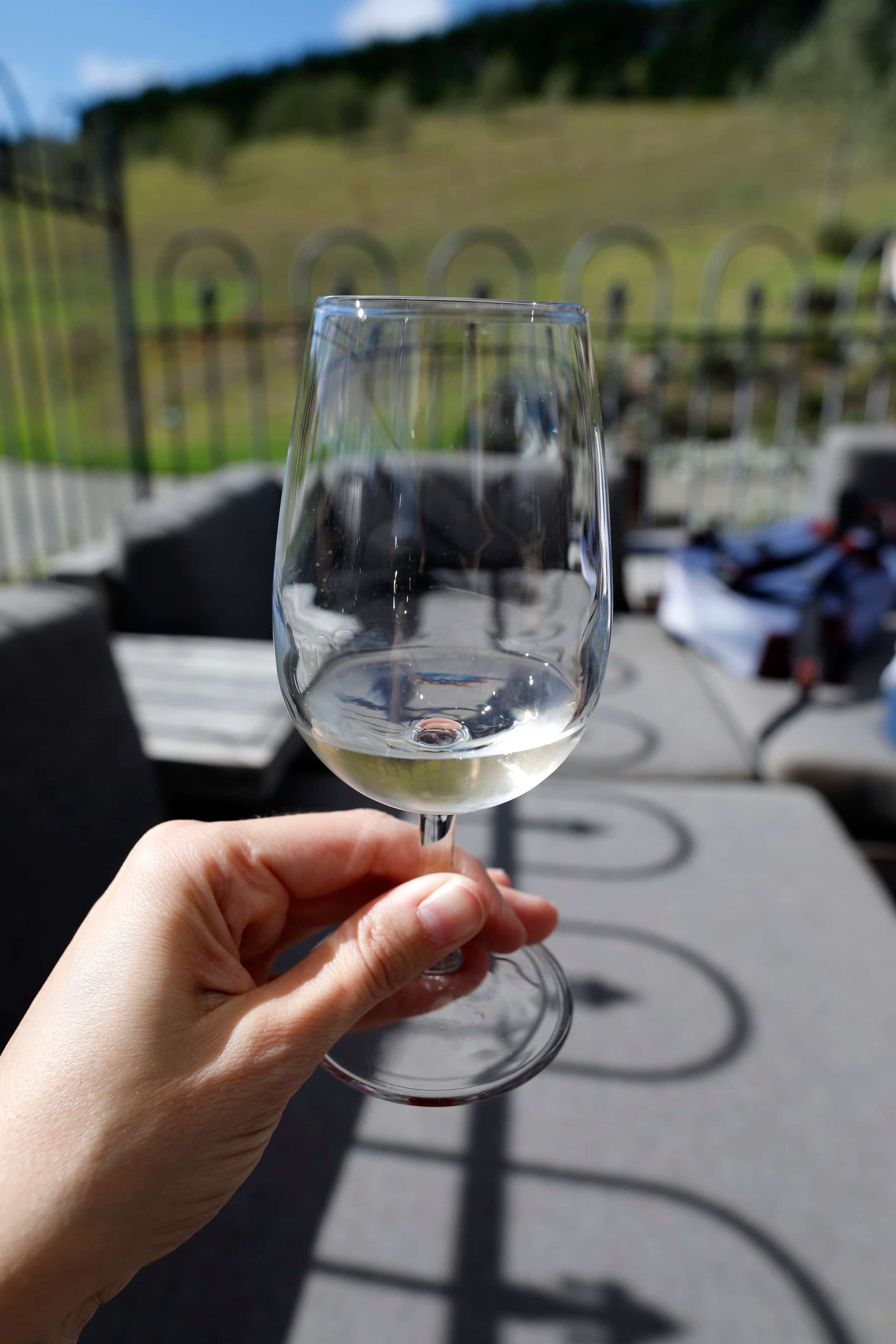
Our group settled at a shaded table with a view of sculpted rows of vines tumbling toward the glittering Hauraki Gulf and ordered the tasting. The view from the patio stole my breath before the first sip did — sweeping blue of the bay, the patchwork of vineyards and Auckland’s skyline a distant promise on the horizon. We sank into low lounge chairs and let the breeze carry the vineyard’s quiet energy while we waited for our host.
A woman arrived carrying a tray of bottles and instantly made the moment feel like a small, private ceremony. She introduced each wine with the kind of warm, confident knowledge that made you trust every word she said. As we tasted, she threaded stories about the region into the technical notes — which grapes favored these hills, how the seasons shape the tannins and why practical choices like screw tops matter as much as terroir.
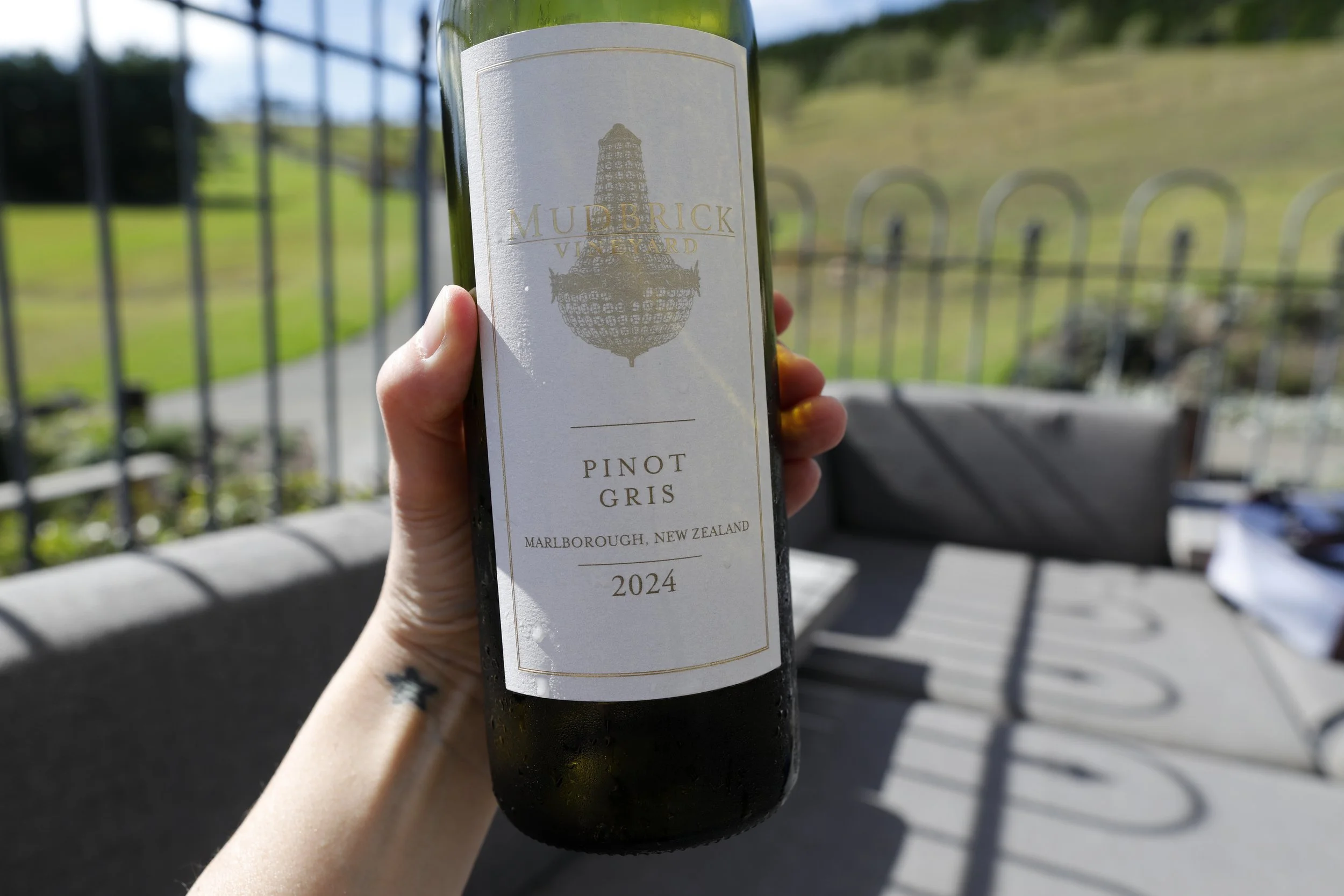
She explained that much of the vineyard’s production stays local; these wines are made for New Zealand tables more than for export. Like many New World producers here, they prefer screw caps — partly a practical response to history. New Zealand stepped into winemaking later than the Old World and never built the same ties with traditional cork suppliers. Corks, she told us, can be a real headache: leakage and spoilage affect a surprisingly high portion of bottles and for wines meant to age, cork failure or “cork rot” can ruin months or years of careful work.
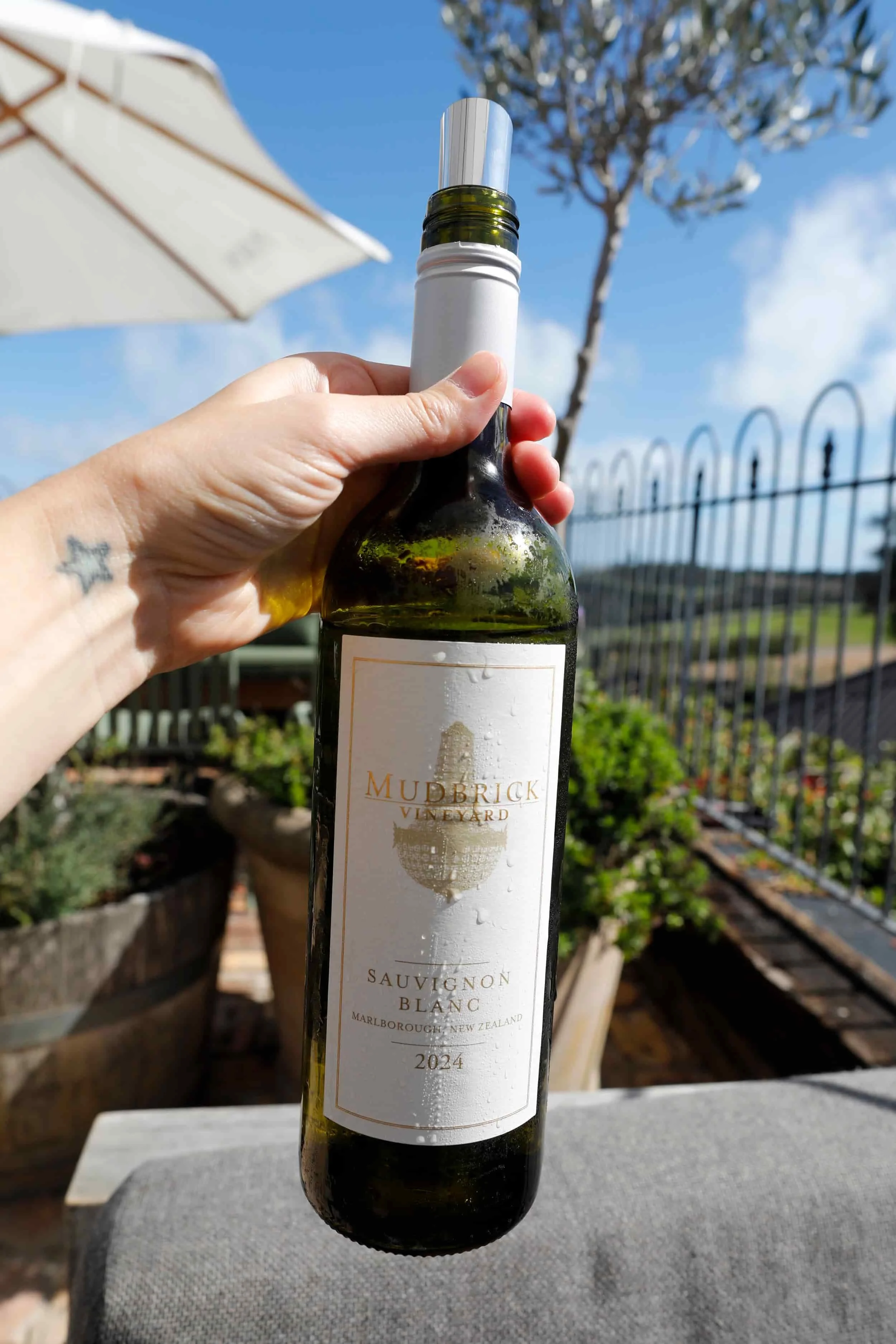
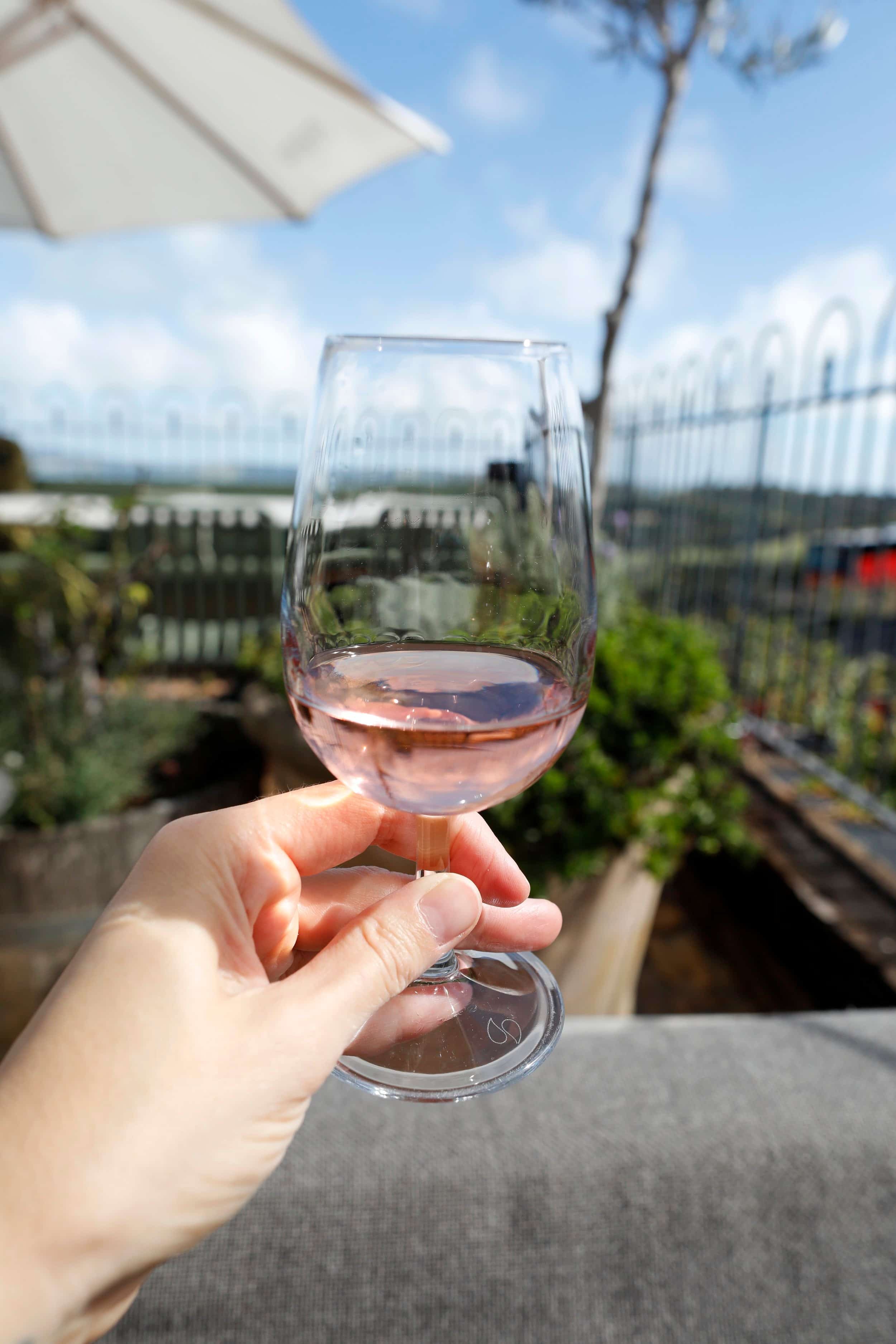
That practical note didn’t make tasting any less romantic. If anything, knowing the mechanics behind the bottle made each pour feel more deliberate. We learned how dry seasons push growers to harvest earlier, producing smaller yields but often more concentrated flavors.
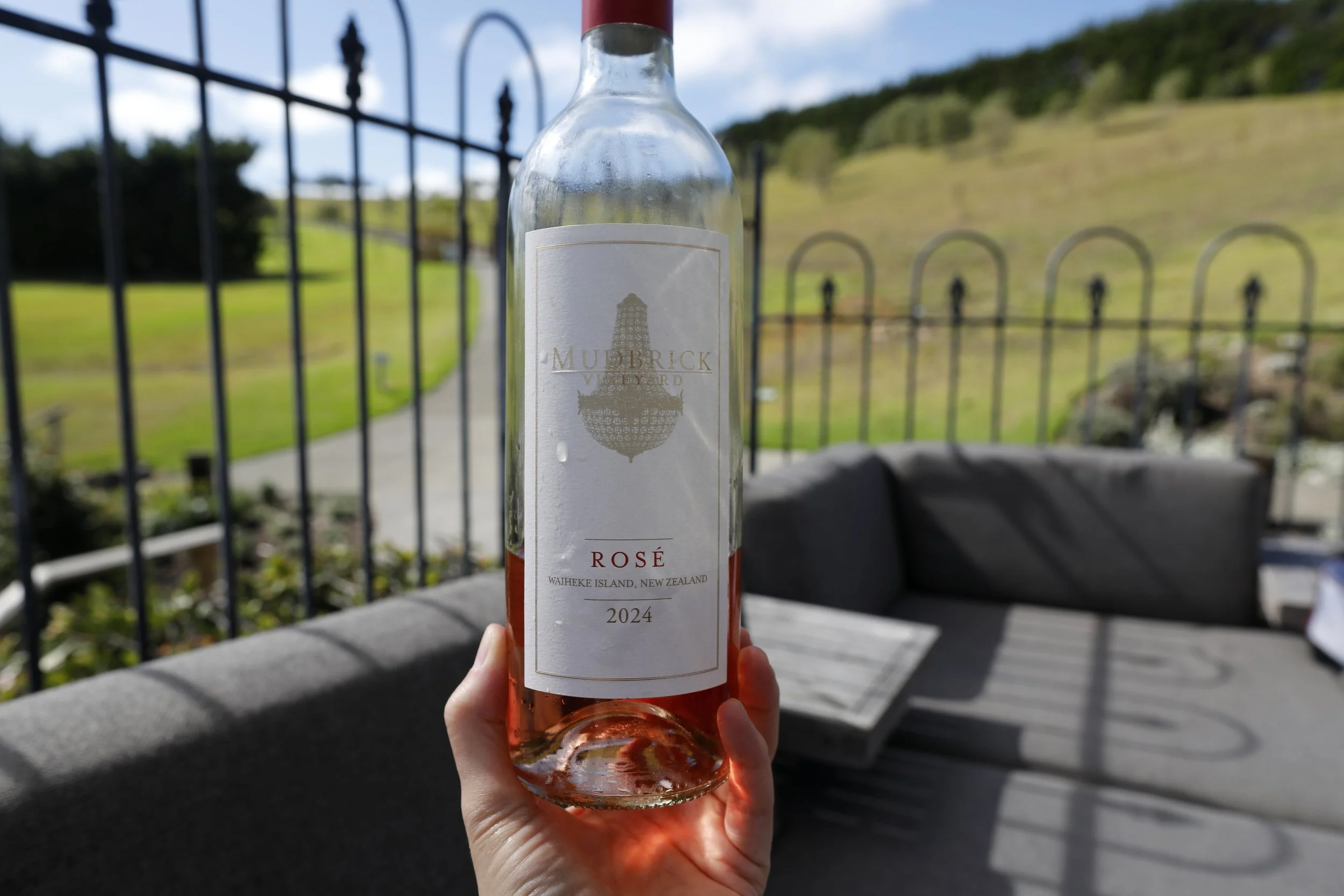
She described techniques like leaving grape skins on longer to deepen color — a simple choice that can nudge a wine toward a rosé’s pink glow or lend red wines a richer hue. Blending entered the conversation too: adding different grape varieties to round out structure or add floral or fruity notes, a kind of culinary combination that results in a signature house style.
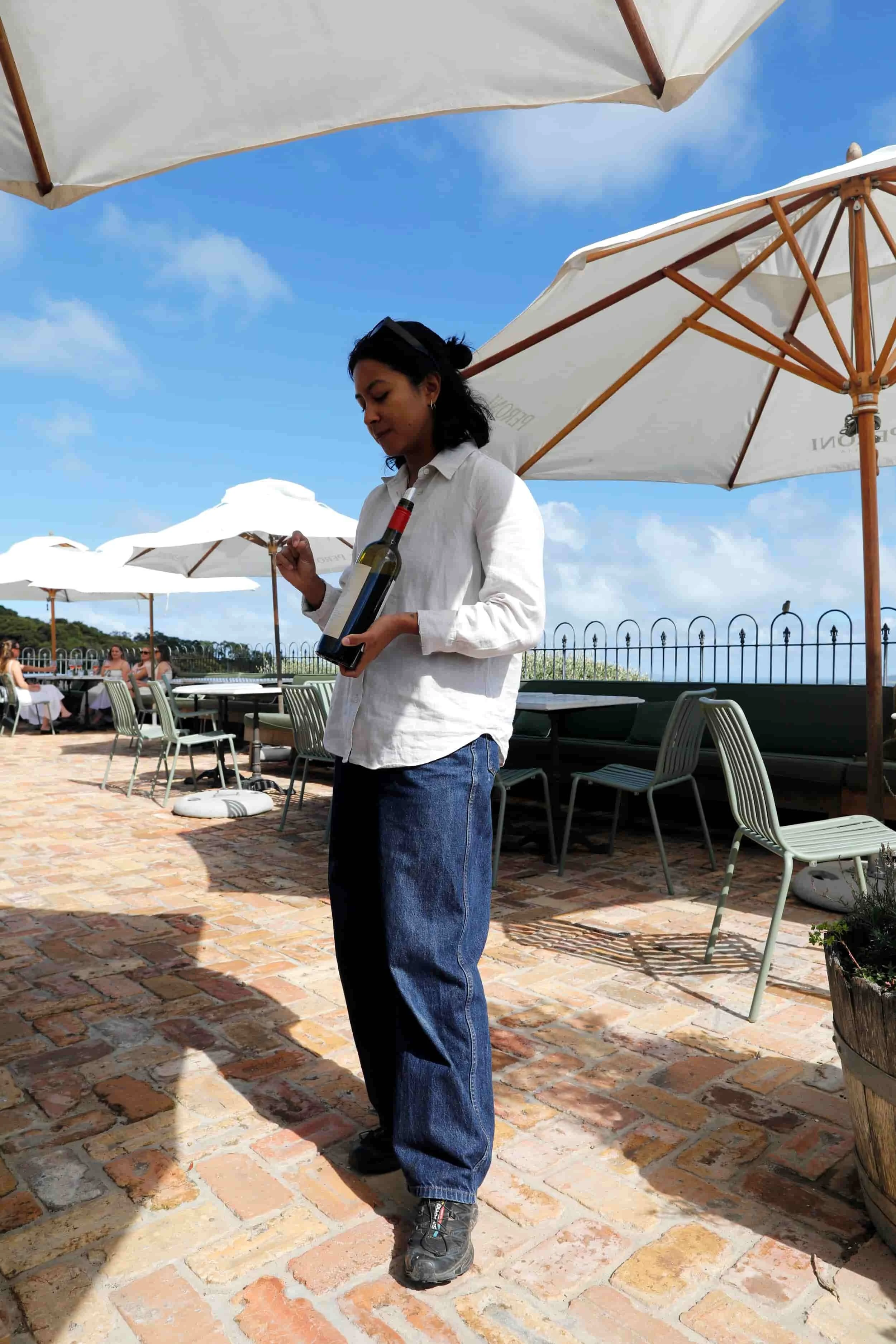
Between sips, the landscape kept stealing the show — each glass seemed to capture a sliver of the bay’s light. The tasting felt less like a lesson and more like a conversation with a place you could almost taste: bright sea air, sun-warmed vines and the careful, pragmatic choices that shape every bottle — the perfect example of Waiheke vineyard tours.
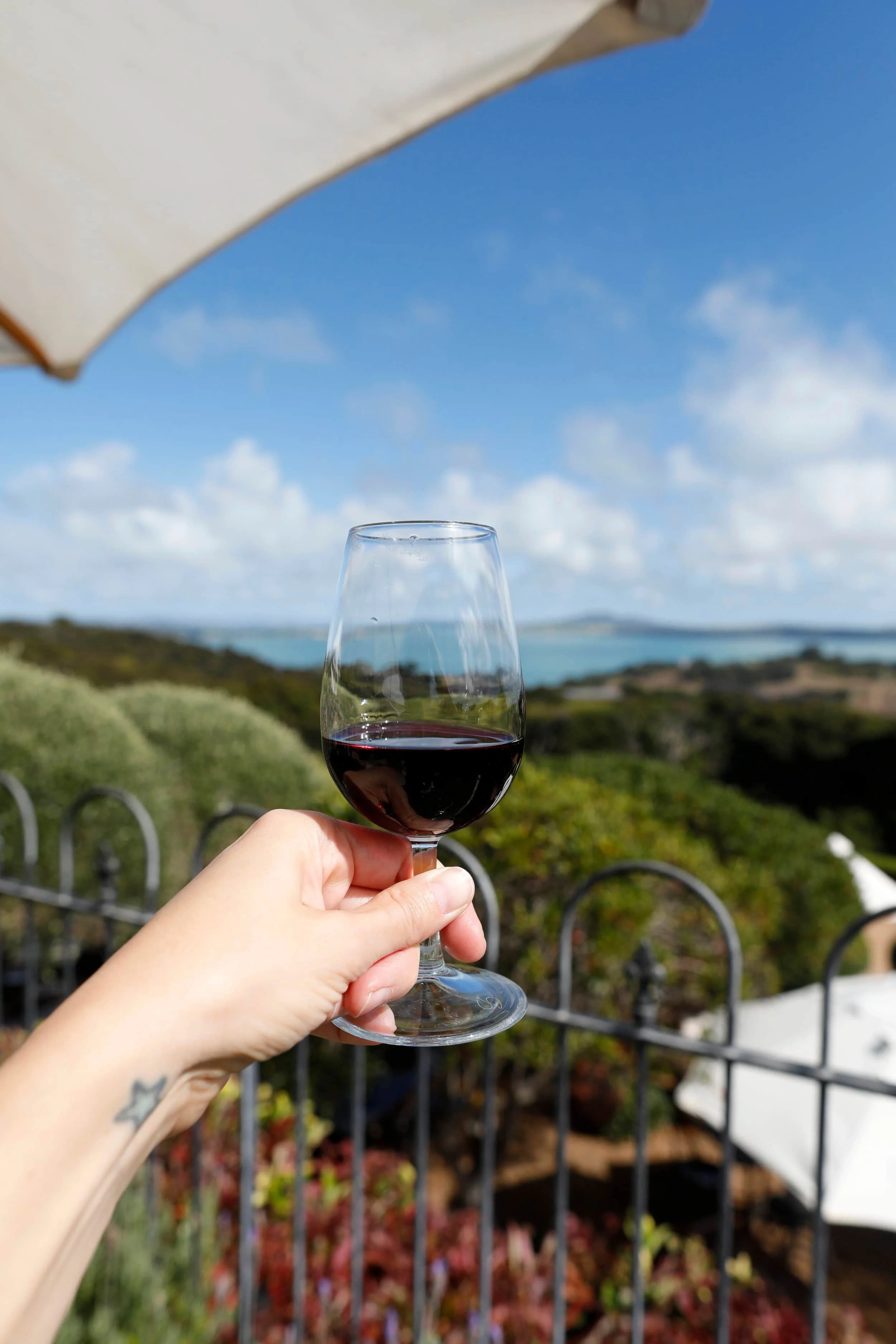
What we tried:
Pinot Gris 2024 Marlborough | Silky and bright, with a perfume of pear and white flowers. It had that cool-climate crispness balanced by a gentle, almost savory finish — the kind that makes you reach for another sip and tell another story.
Sauvignon Blanc 2024 Marlborough | Zesty and expressive, pebbly citrus and green herbs leapt from the glass. It tasted like Marlborough sunshine bottled: lively, clean and perfect with oysters or the salty breeze on the terrace.
Rosé 2024 Waiheke Island | Pale, blushing and floral — summer in a glass. Notes of wild strawberry and crushed rose petals, with a dry, refreshing backbone that makes it easy to wander back to the vineyards and keep talking.
Red (very rare, only about 30,000 bottles this vintage) | A small-production wine born of a tough season. The scarcity alone made the pour feel important; on the palate it was concentrated and honest, darker fruit framed by savory, earthy notes — a testament to the ways weather and soil pour themselves into each bottle.
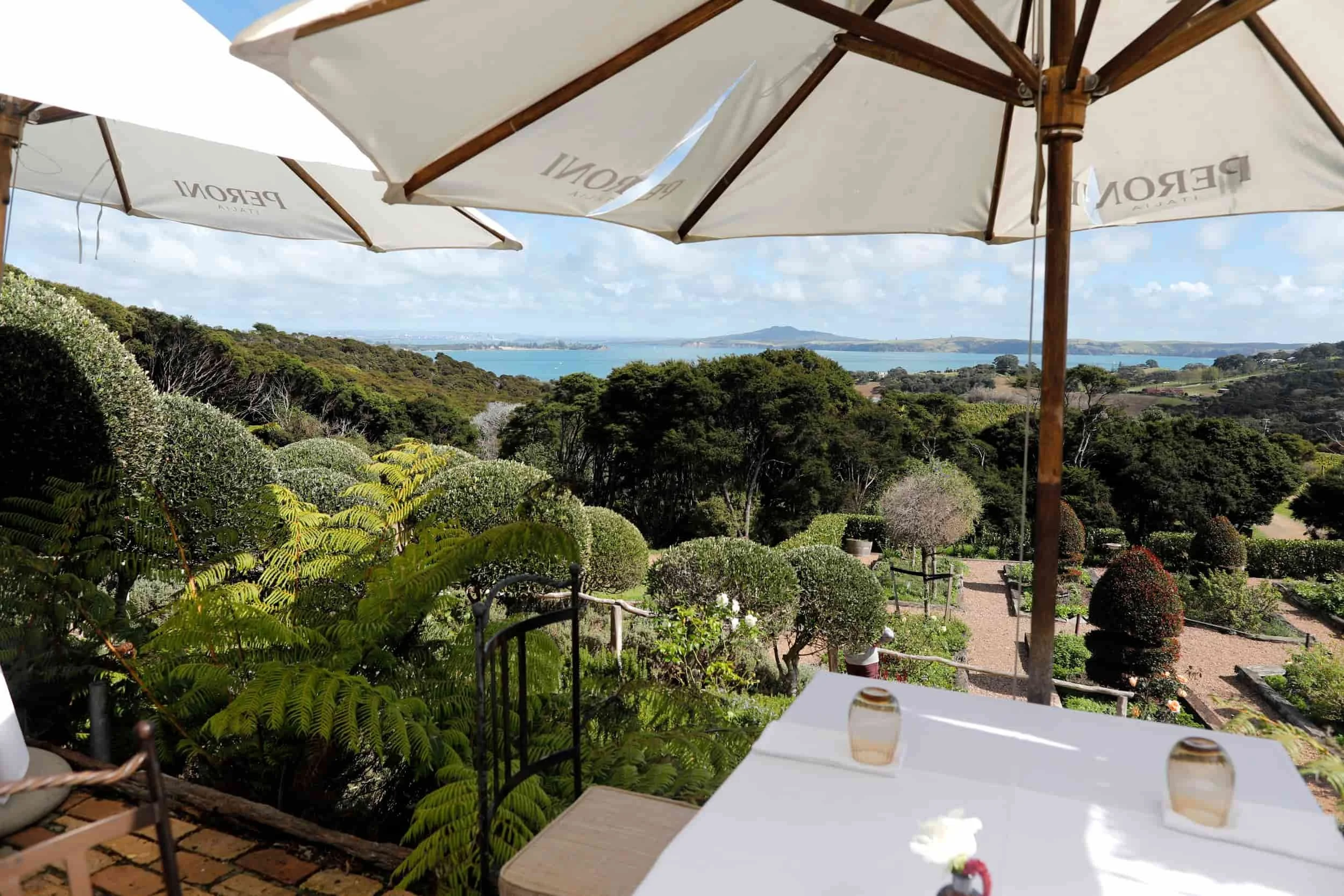
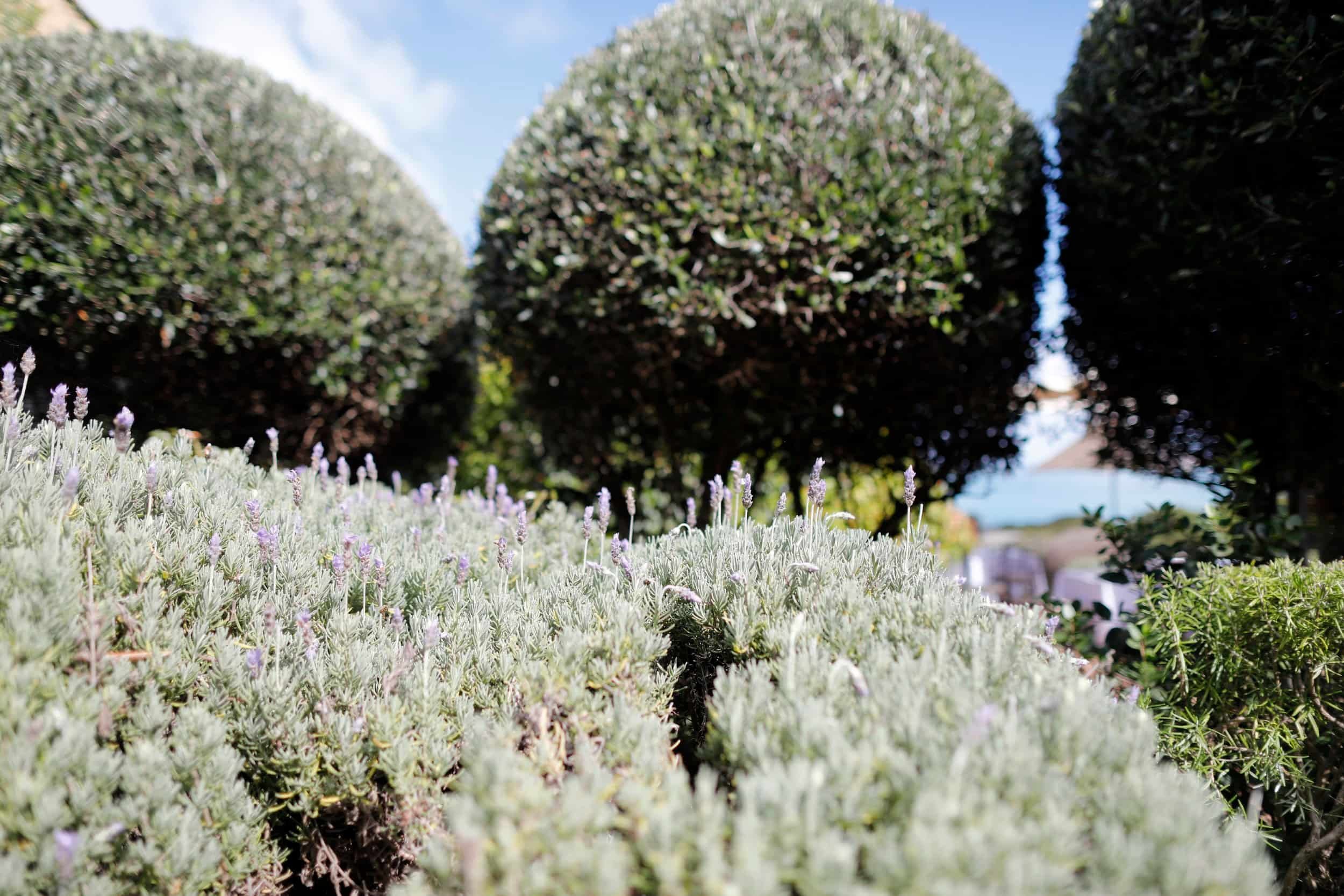
A reminder at the tasting table: wineries sometimes sell grapes to other producers and vintages vary considerably year to year. Even the same wine made the same way can be entirely different depending on the season — a humbling and fascinating aspect of winemaking that keeps every visit (and taste) unique.
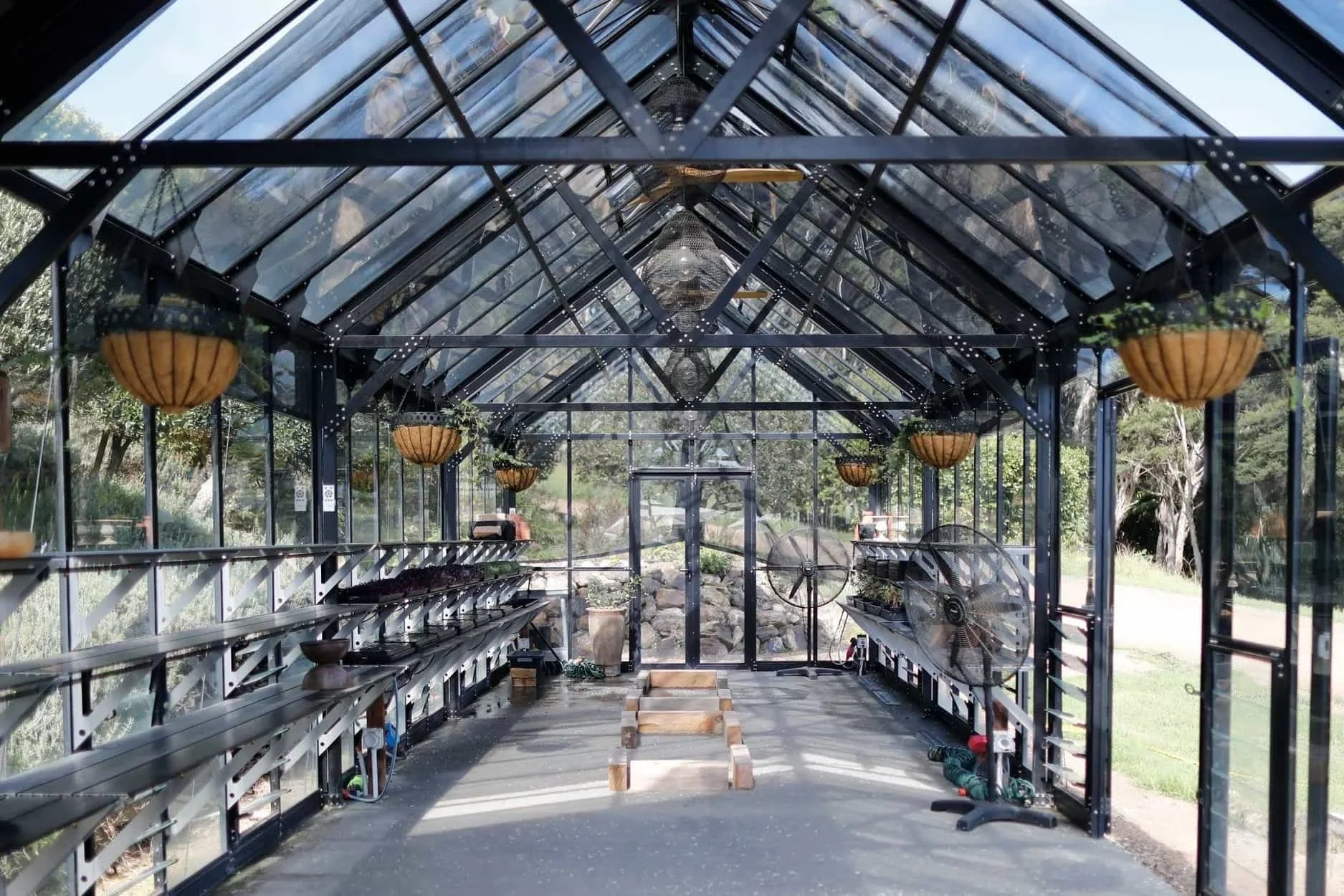
After the tasting, I had a few moments to explore the grounds. The greenhouse is a sunlit, glass-walled retreat filled with lush herbs and citrus trees that scent the air and complement the estate’s Mediterranean-inspired dining. It feels intimate and vibrant — a cozy spot to sip wine surrounded by greenery and vineyard views.
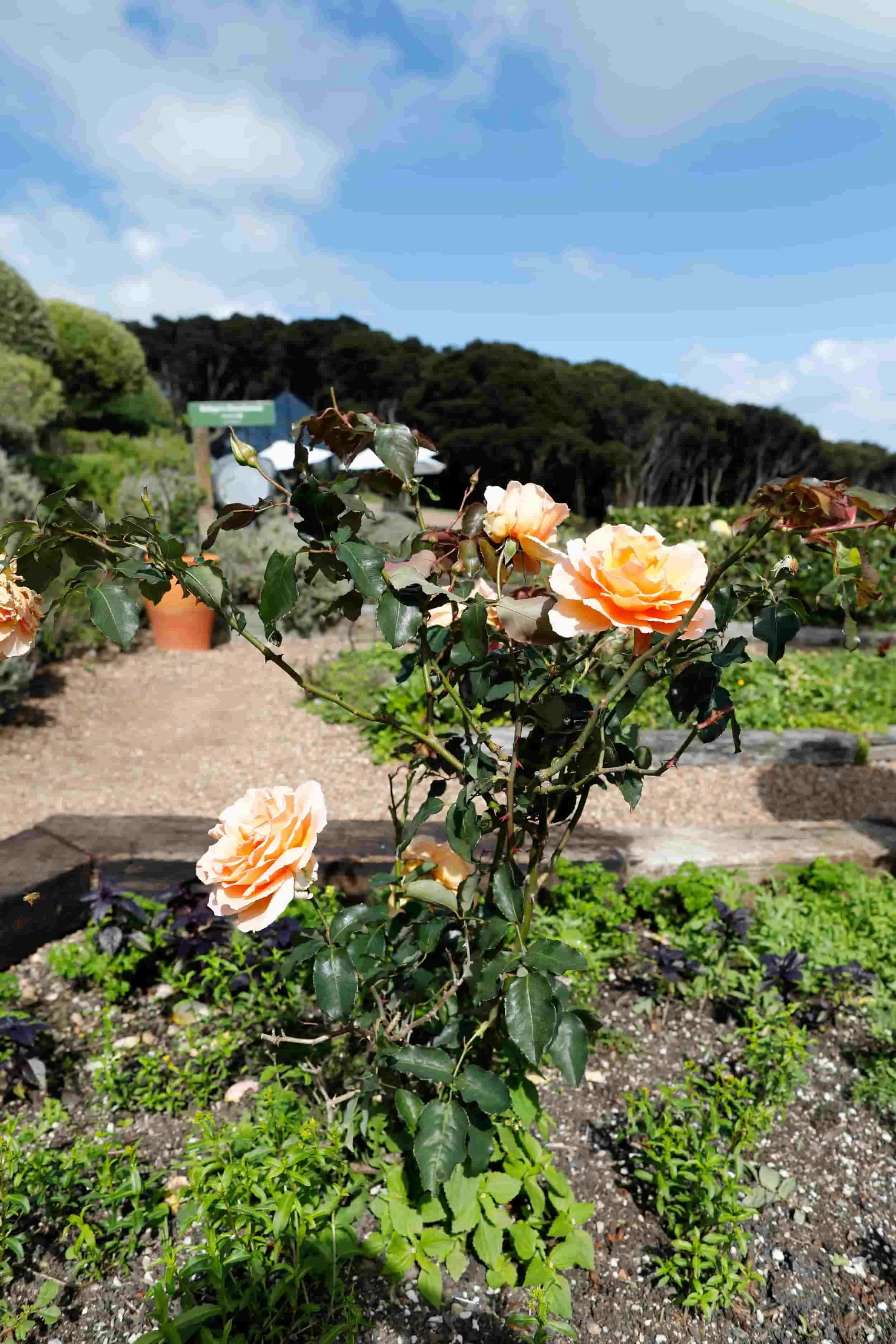
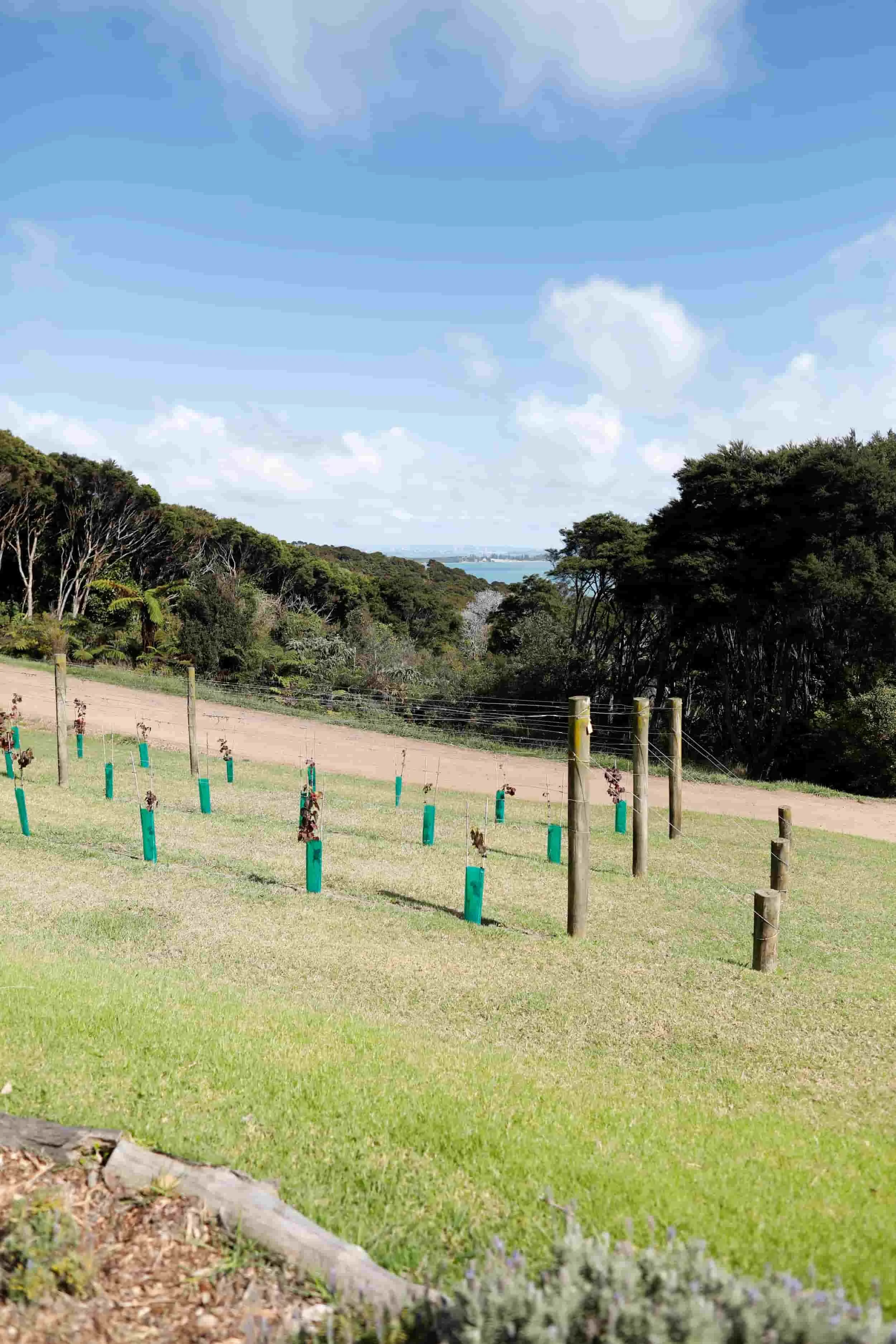
Mudbrick acts as a quietly proud storyteller — generous pours, earnest winemaking and a setting that invites you to linger. If you find yourself on Waiheke, bring an empty afternoon and a patient appetite for slow conversation. Mudbrick should be one of your top choices on a Waiheke vineyard tour.
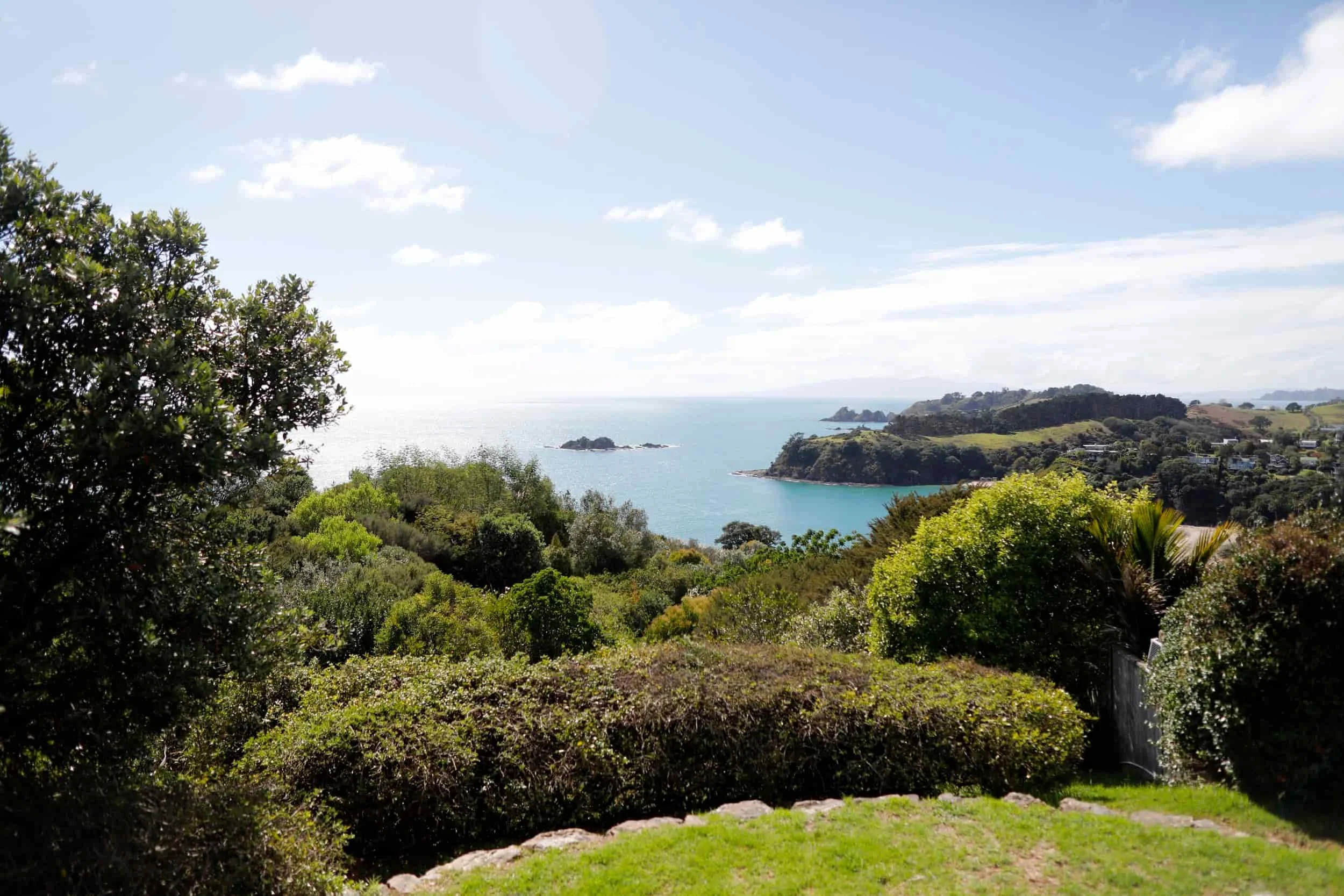
☕️ Worth the Detour | Afterward, drive up to the lookout above Palm Beach. The panorama is cinematic: a ribbon of soft sand edged by turquoise water, the island’s contours folding into the distance.
Batch Winery
Make Batch Winery your next Waiheke wine stop — a sunlit estate where a chic, relaxed restaurant overlooks rolling vineyards and the sparkling gulf. Wander the hillside paths between rows of vines, breathe the salt-tinged air, then settle on the terrace with a glass and a plate of locally sourced fare while the island’s gentle slopes and distant water provide the view.
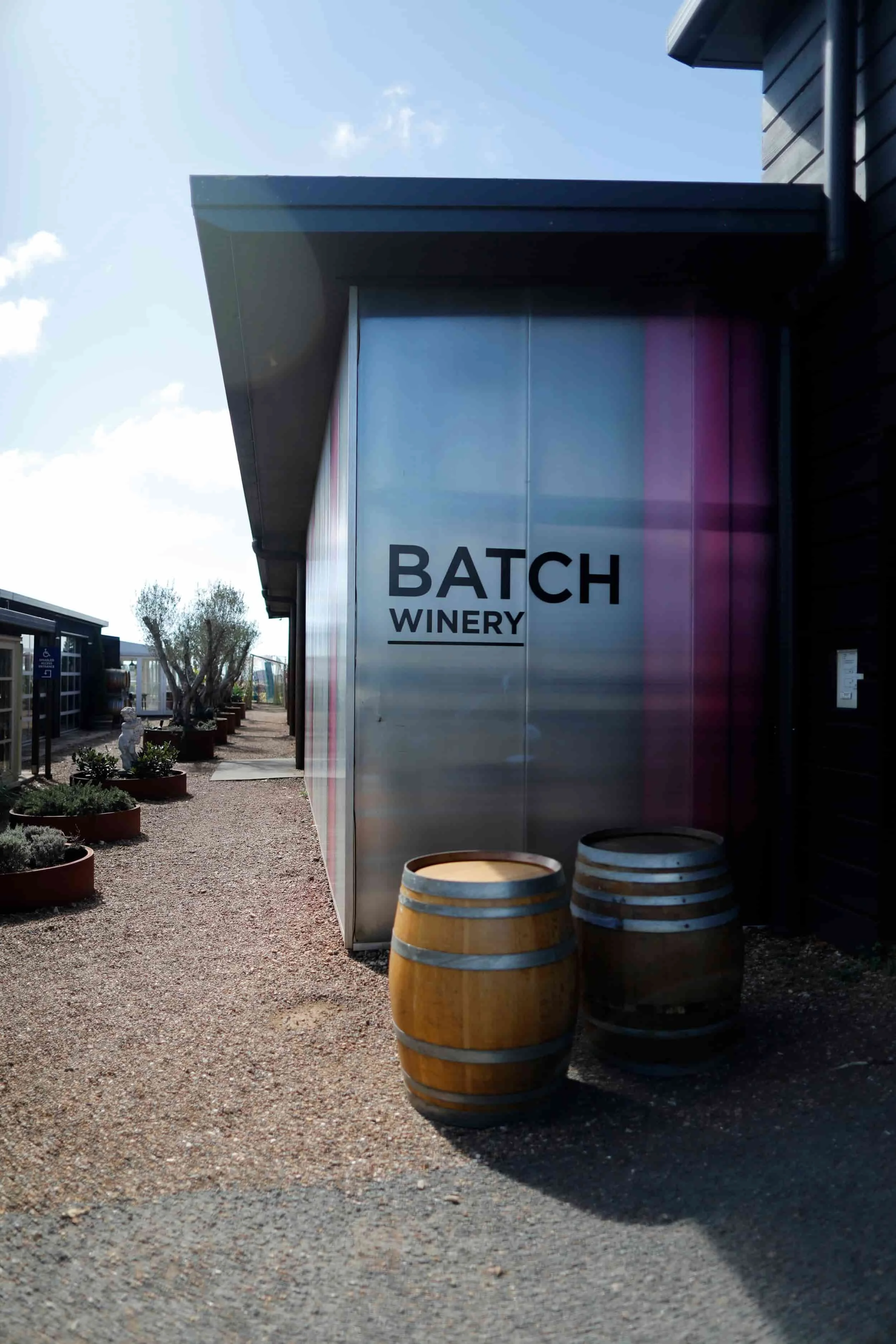
Batch Winery is a little slice of paradise — elegant and inviting both indoors and out. Sunlight pours through the open dining area, seamlessly spilling onto the terrace and hillside where vines and sea breezes mingle. The plates are as photogenic as they are tasty: generous charcuterie boards piled with cured meats, artisanal cheeses and crusty breads that beg to be sampled.
We enjoyed our tasting in a cozy nook with sweeping views across the rear of the estate, the perfect backdrop for slow sips and relaxed conversation.
⚠️ Good to Know | Slide in an order for a little something as soon as you arrive — there won’t be much time but after a few glasses of wine you’ll be glad you did, even if it’s a few bites of pita or herb covered olives.
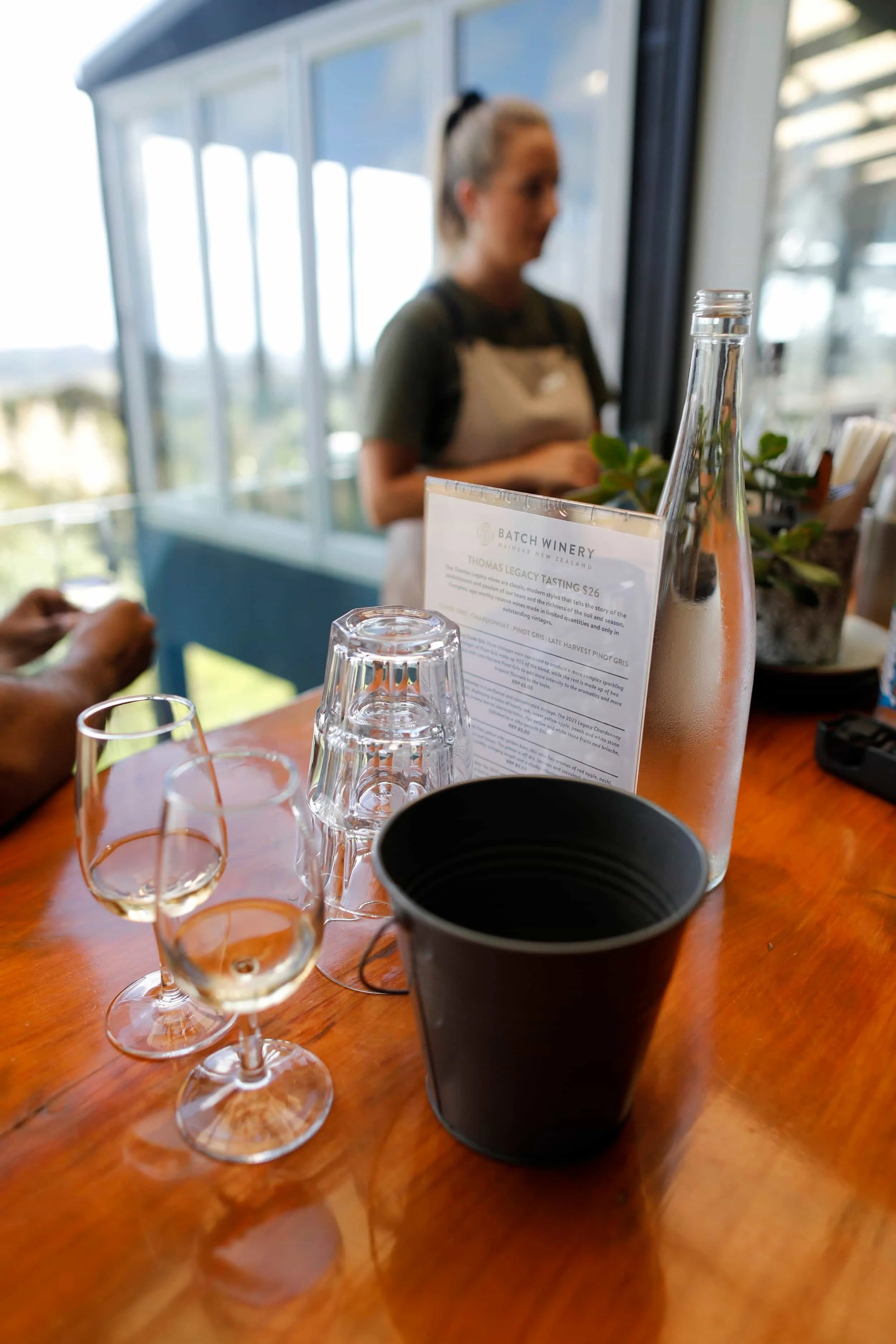
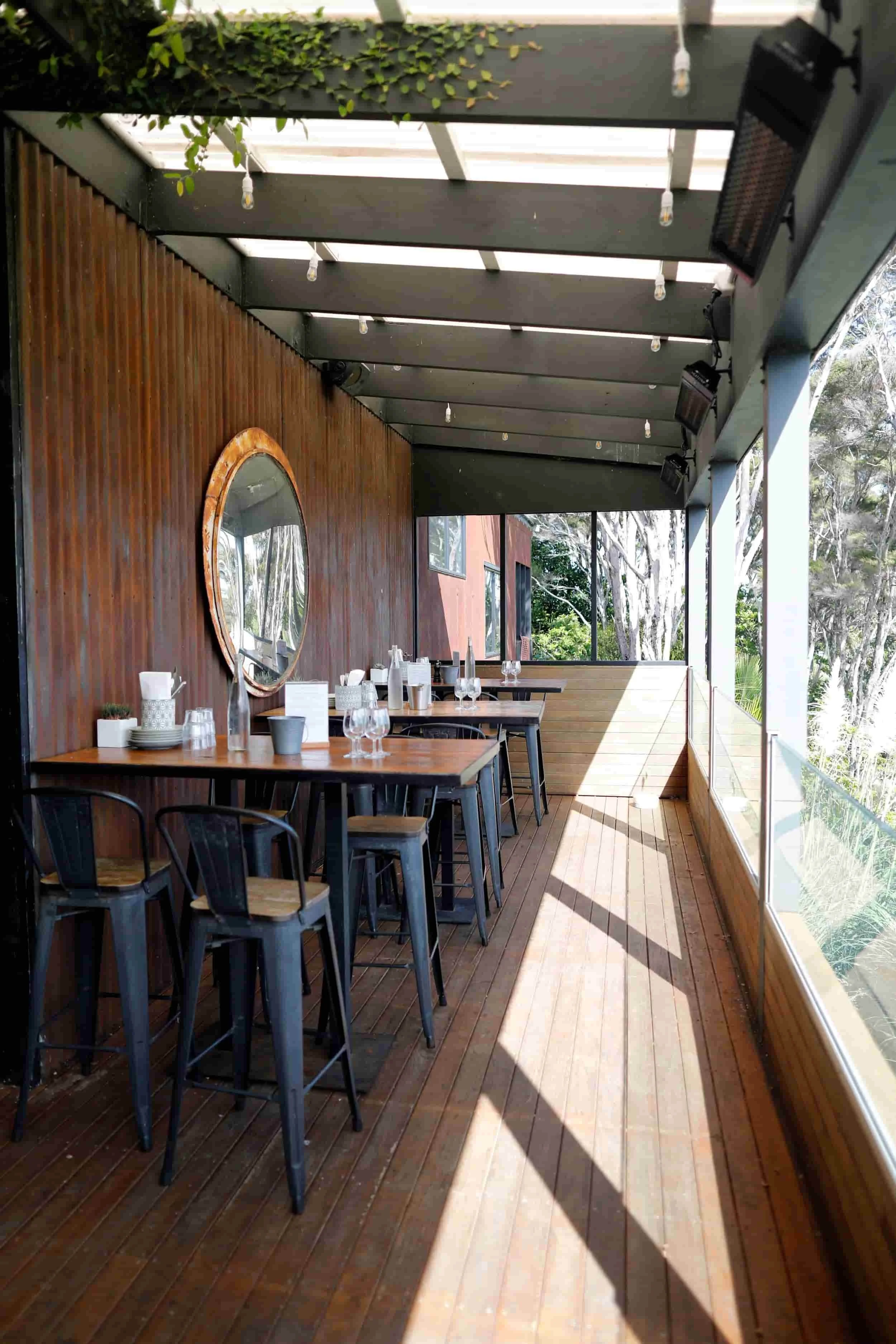
The Estate: Estate Thomas Vineyard Established in 1998, Thomas Vineyard occupies three and a half hectares on steep, north-facing slopes of Carson’s Hill. The site is planted predominantly to Chardonnay, with small, carefully tended parcels of Syrah and Pinot Gris. The vines root into low-fertility, iron-rich clays derived from weathered Jurassic bedrock, which stress the vines just enough to concentrate fruit and flavor.
Several aspects across the slope create microclimates within the block, giving wines layered intensity and real complexity. Persistent sea breezes carry a fine saltiness that the team often describes as an umami whisper — a characteristic that lifts and lengthens the palate.
Margaret Reeve Lane Vineyard Planted in 2006, this intimate two-hectare block sits on a steep, north-facing slope with mature plantings of Syrah alongside classic Bordeaux varieties. The poor pink clay soils are mineral-rich and low in vigor, ideal for producing small berries with concentrated flavor. Coupled with Waiheke’s temperate, maritime climate, these conditions yield grapes that form the backbone of Batch’s premium range: structured, mineral-driven wines with freshness and poise.
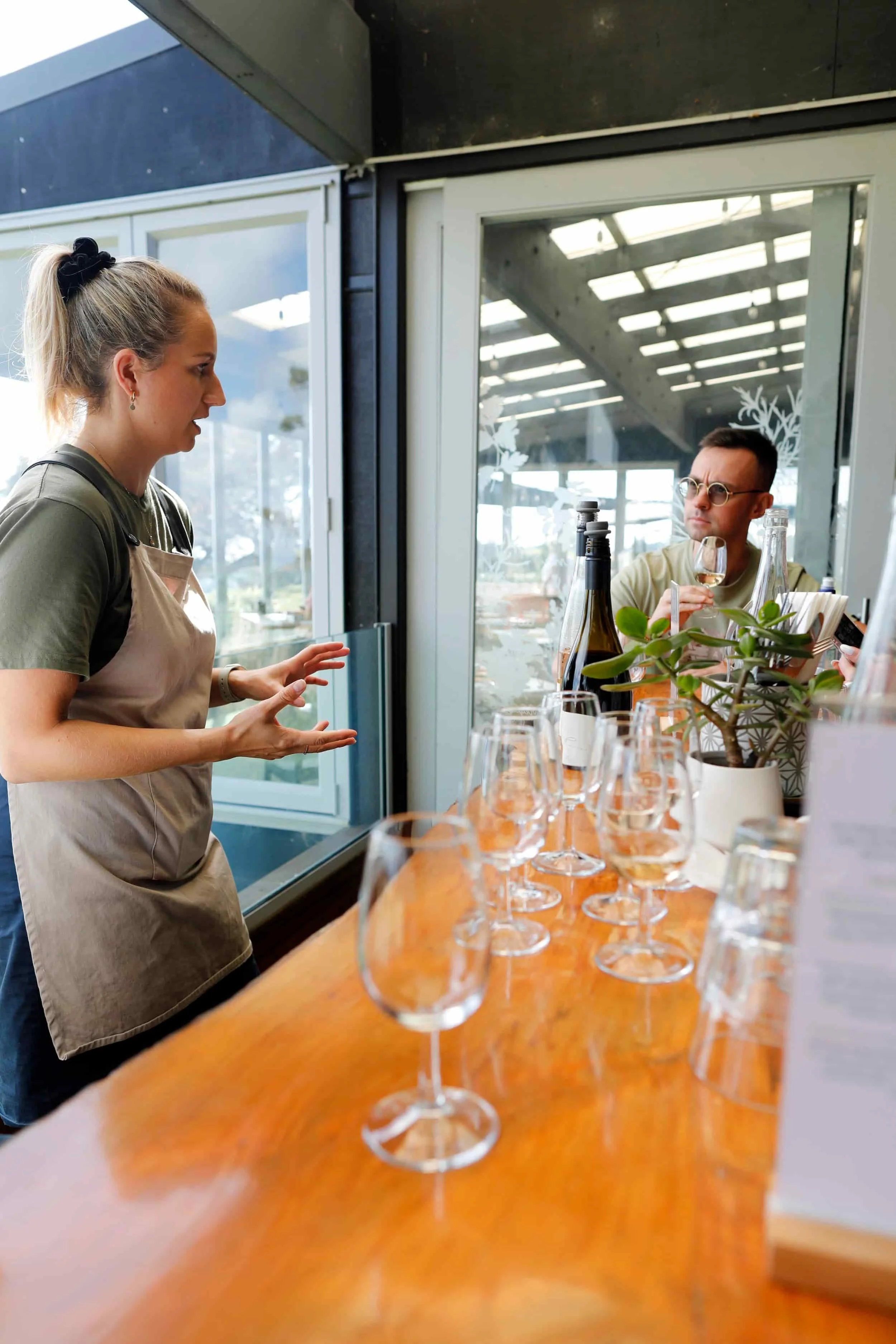
Producing wine on a small island in the Hauraki Gulf is a hands-on, weather-wise labor of love. The Batch team farms manually where necessary, responding to the season’s moods — wind, sun and salt — to coax out purity and depth. The resulting wines are a direct expression of the estate: reflective of diverse soils, the character of each vine parcel and the seasonal challenges the team overcomes. Expect distinctive, concentrated wines with tension and nuance — wines that speak of place, patience and practical devotion.
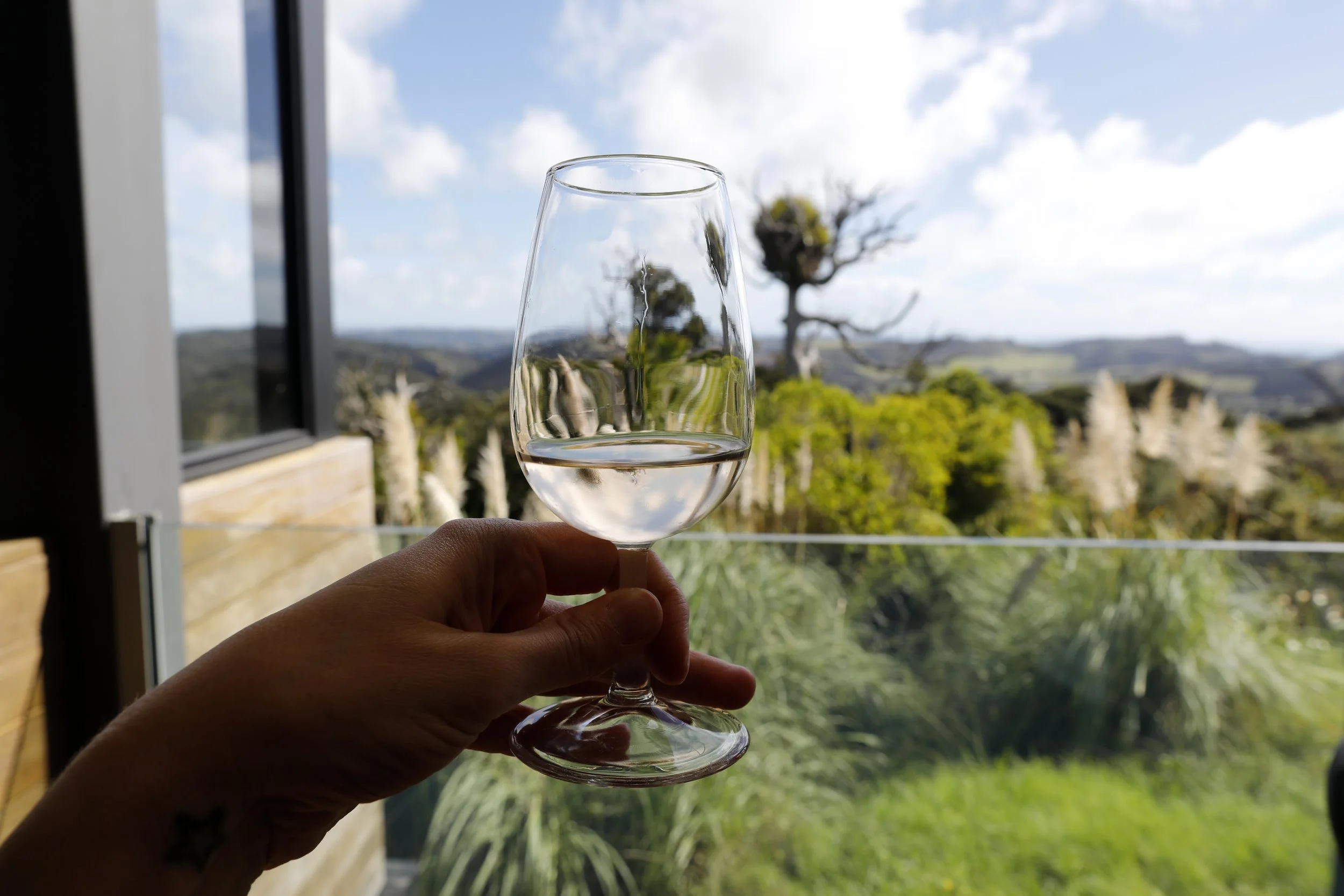
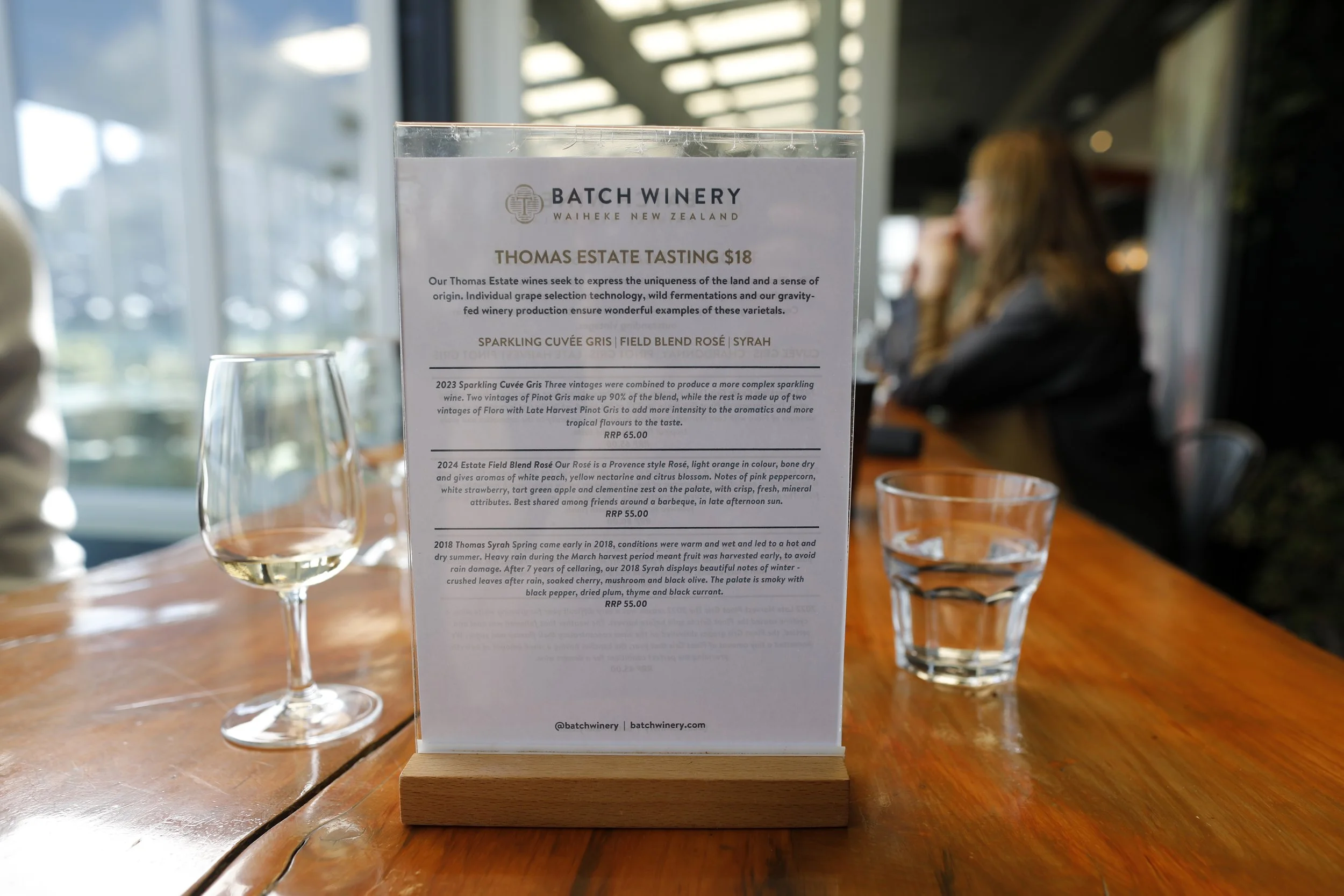
Three delightful wines take center stage at the Thomas Estate tasting:
Sparkling Cuvée Gris 2023 | A thoughtful blend of three vintages, this sparkling brings added complexity from its layered assembly. Ninety percent of the wine is Pinot Gris from two vintages, balanced by two vintages of Flora and a touch of Late Harvest Pinot Gris. The Late Harvest component lifts the aromatics and introduces a hint of tropical ripeness to the palate.
Field Blend Rosé 2024 | A provincial-style rosé with a pale orange hue, bone-dry and bright. It offers aromas of white peach, yellow nectarine and citrus blossom, while the palate presents pink peppercorn, white strawberry, tart green apple and clementine zest, finishing with crisp, mineral clarity. Perfect for sharing with friends around a backyard barbecue in the late afternoon sun.
Syrah 2018 | An early, warm spring in 2018 led to a hot, dry summer, and rains in March pushed an early harvest to protect the fruit. After seven years in the cellar, this Syrah reveals autumnal, after-rain character — crushed leaves, soaked cherry, mushroom and black olive. The palate is smoky and savory, with black pepper, dried plum, thyme and black currant.
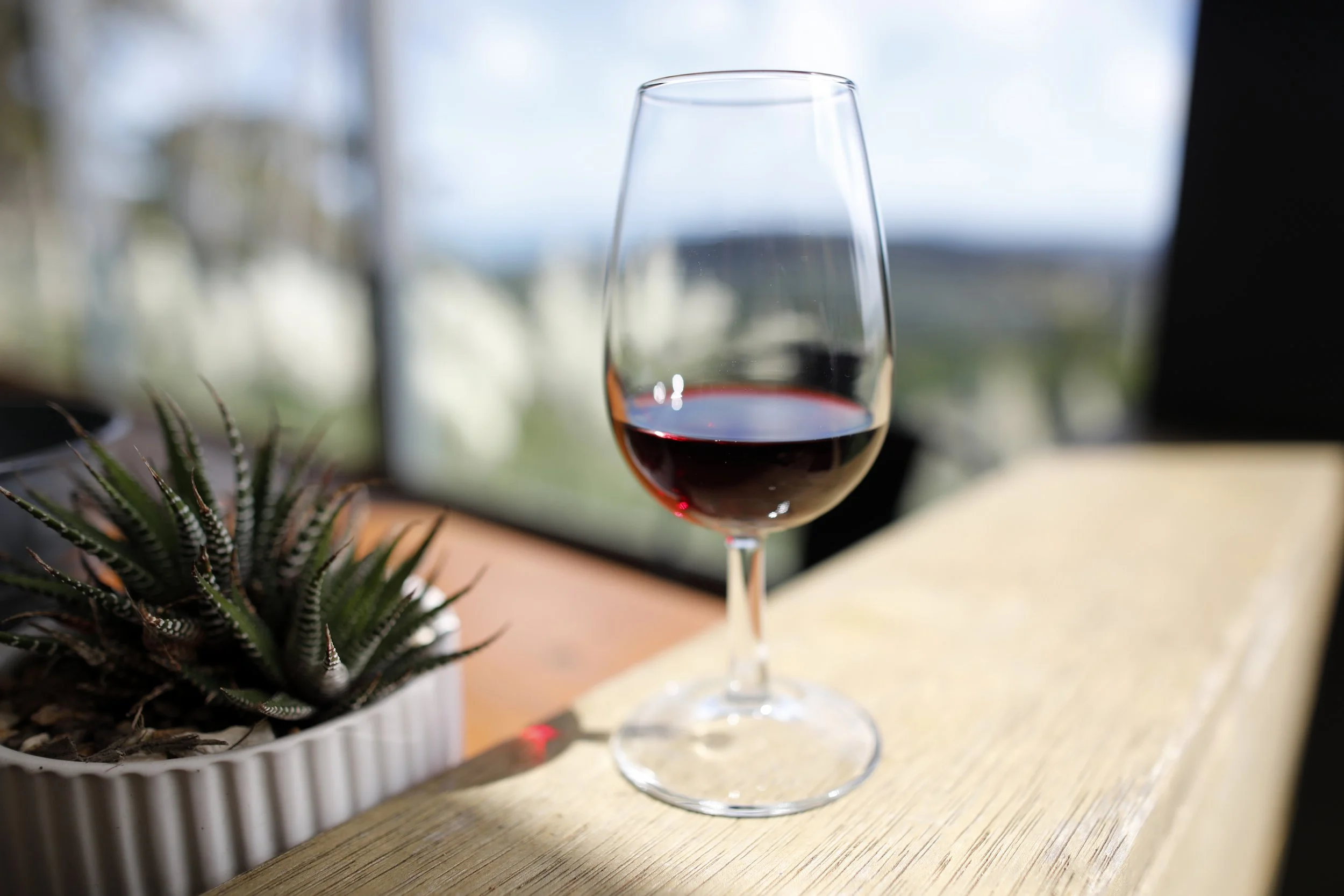
This wine tasting was an absolute highlight of the Waiheke vineyard tour — the pours were delicious and the setting is simply gorgeous. Highly recommend.
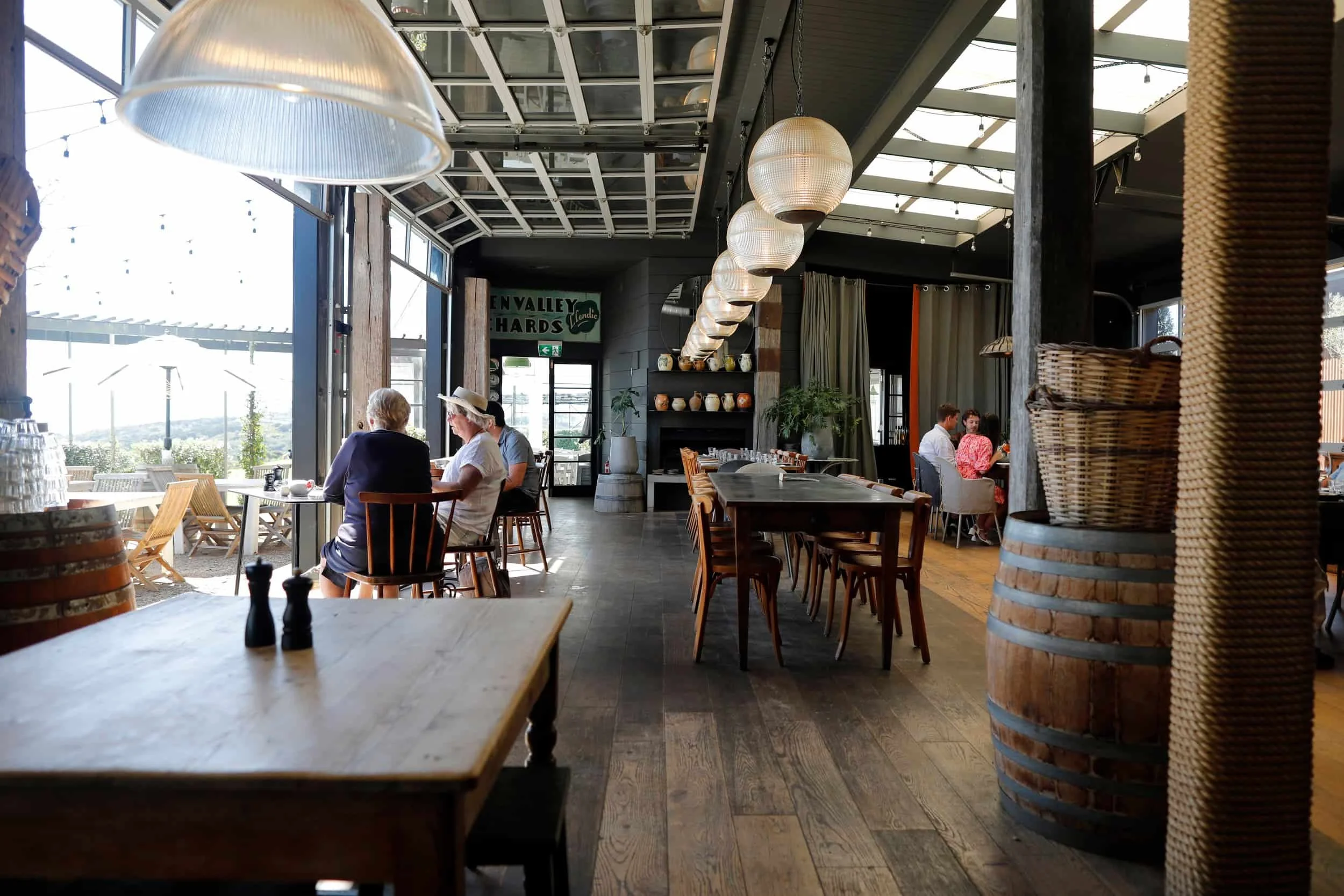
And with so many expressive wines to explore, I paired them with a small snack: briny mixed olives and crispy gluten-free crackers.
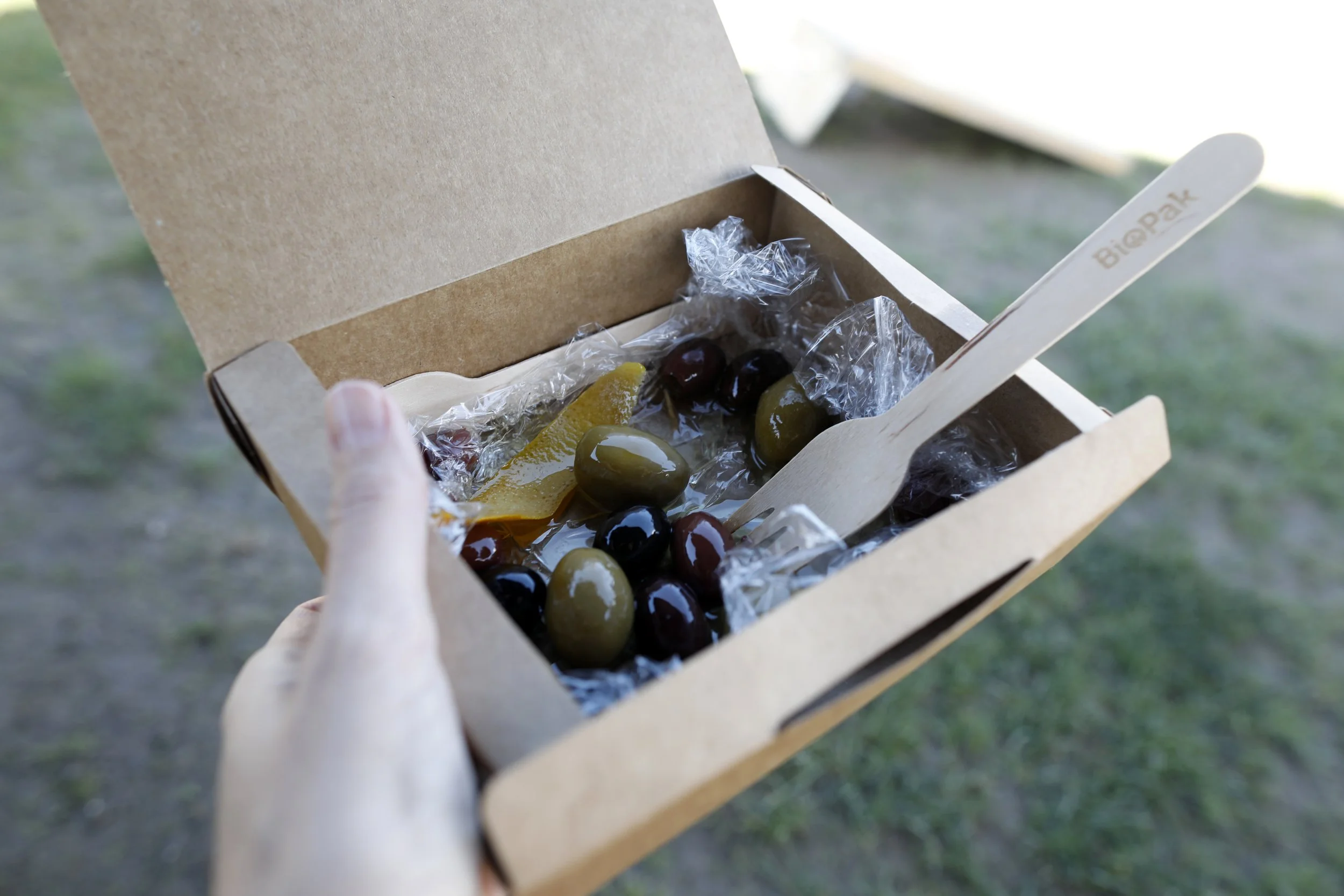
Visitor notes:
Reserve a table at the restaurant for lunch or a late-afternoon tasting to fully enjoy the views and the food-wine pairings.
Guided tastings and estate walks are available by arrangement, perfect for learning about the hillside terroir and the meticulous, small-scale farming that shapes each bottle.
Pack a light jacket; Waiheke’s sea breezes can be brisk even on sunny days.
Wild Estate - The Untamed Winery
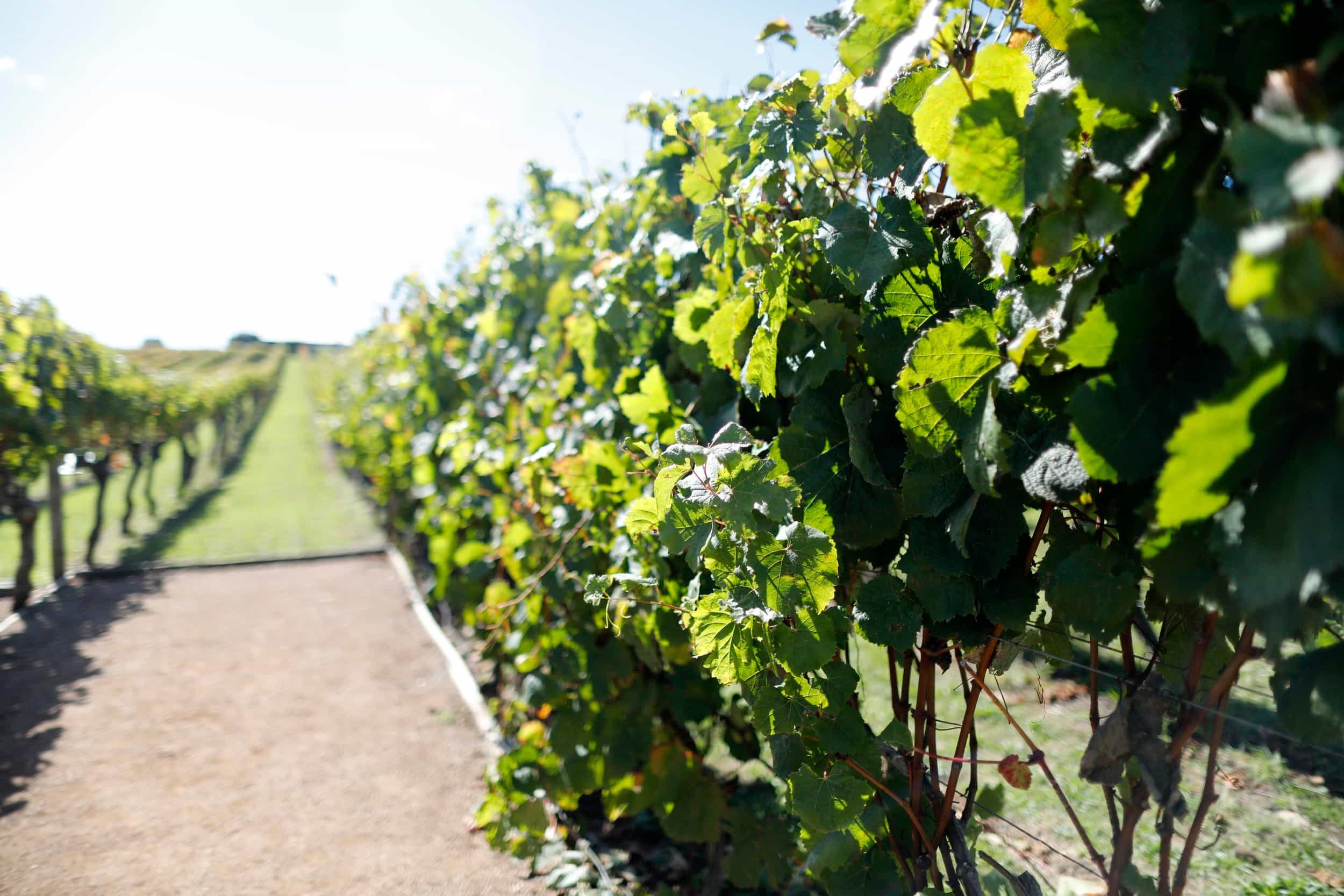
For our third wine tasting on the Waiheke vineyard tour, we landed at Wild Estate — The Untamed Winery. This stop promised wine and lunch and delivered a lively buzz unlike any of the quieter estates we’d visited. The place was pulsing with a hot pepper and salsa showdown that proved a little too riotous for my taste but the energy was infectious. We chose a table outside, tucked near the vines and let the vineyard breeze and clinking glasses take over.
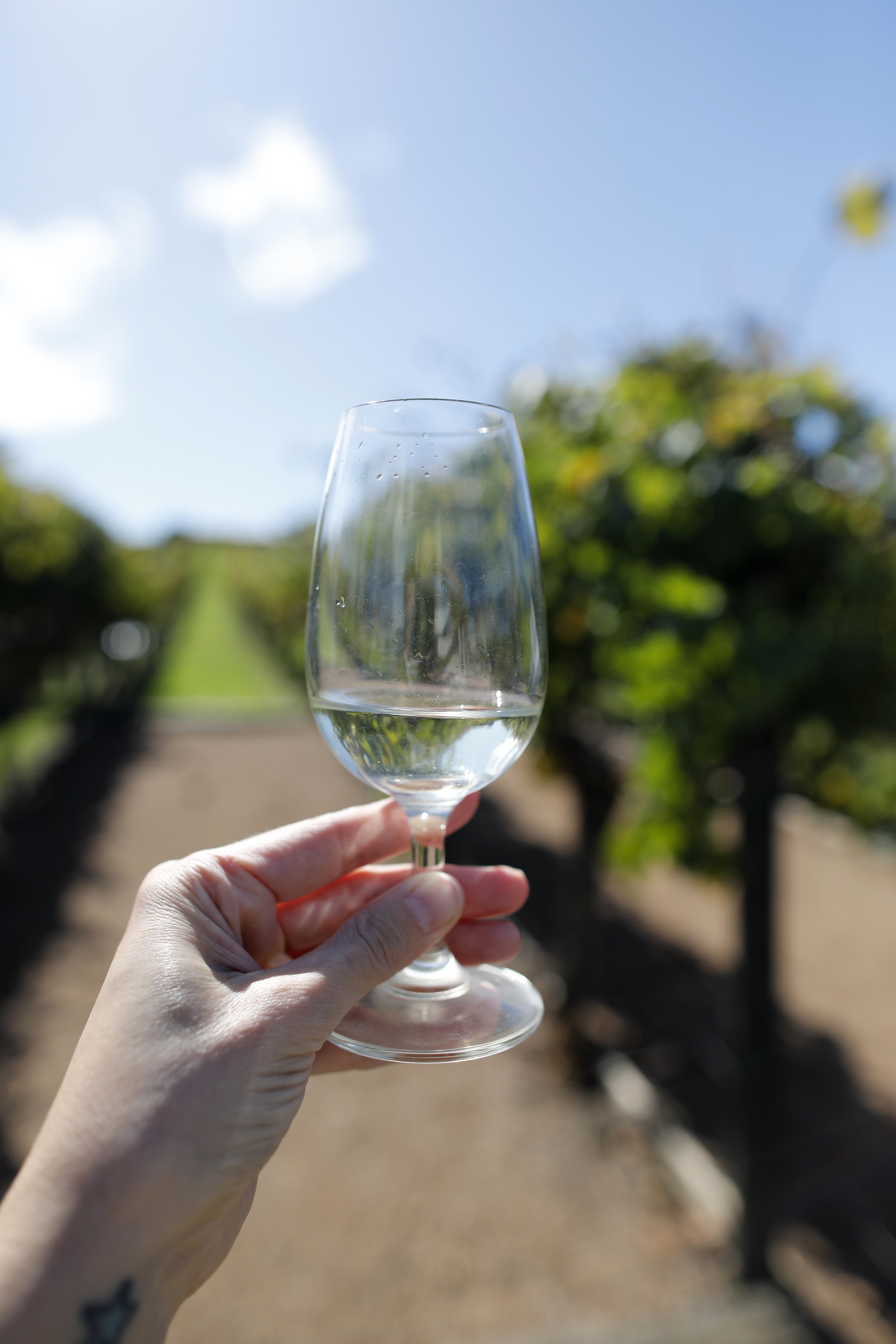
Our host appeared with a warm smile, filling each glass in turn as we strolled between the long rows of sunlit vines.
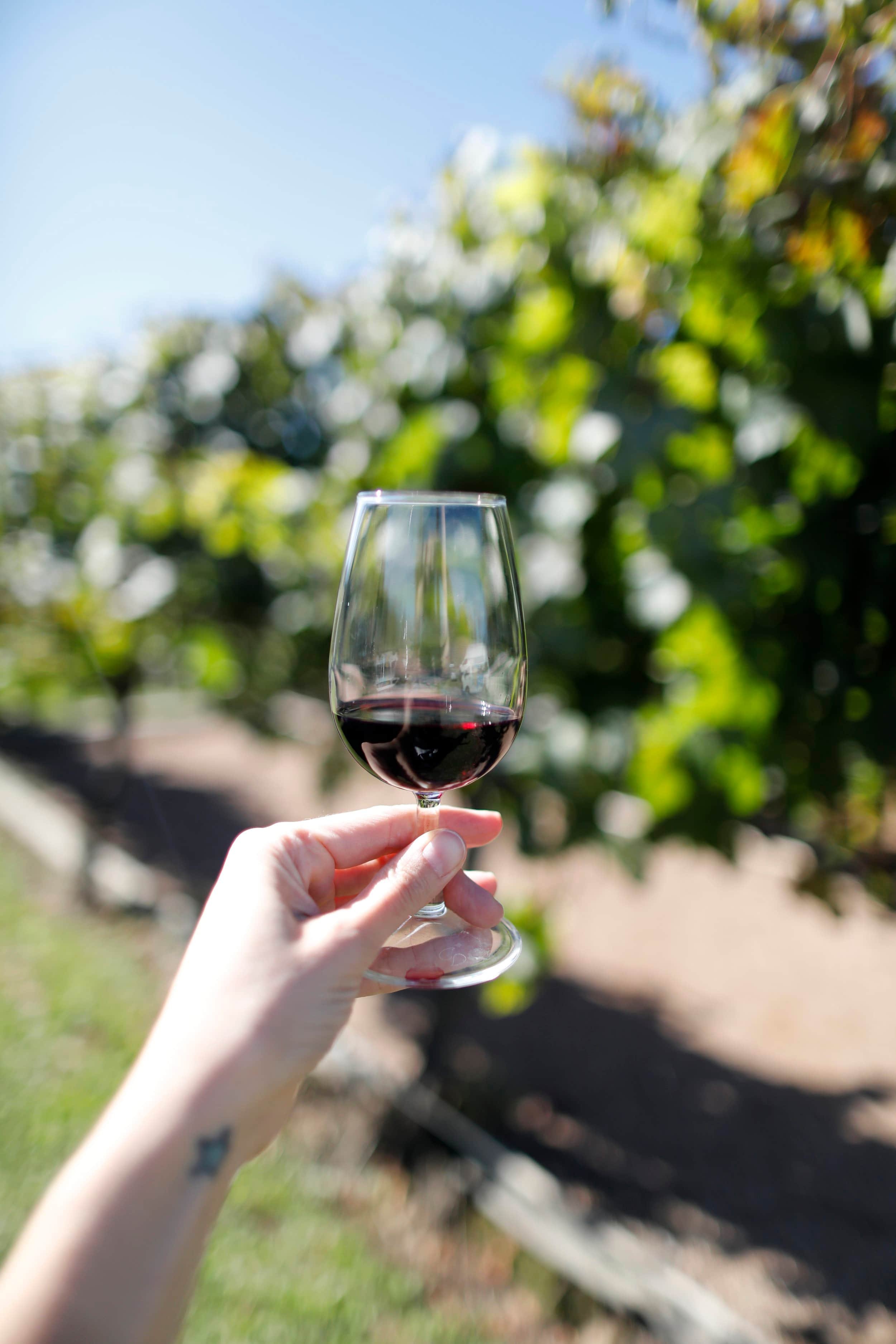
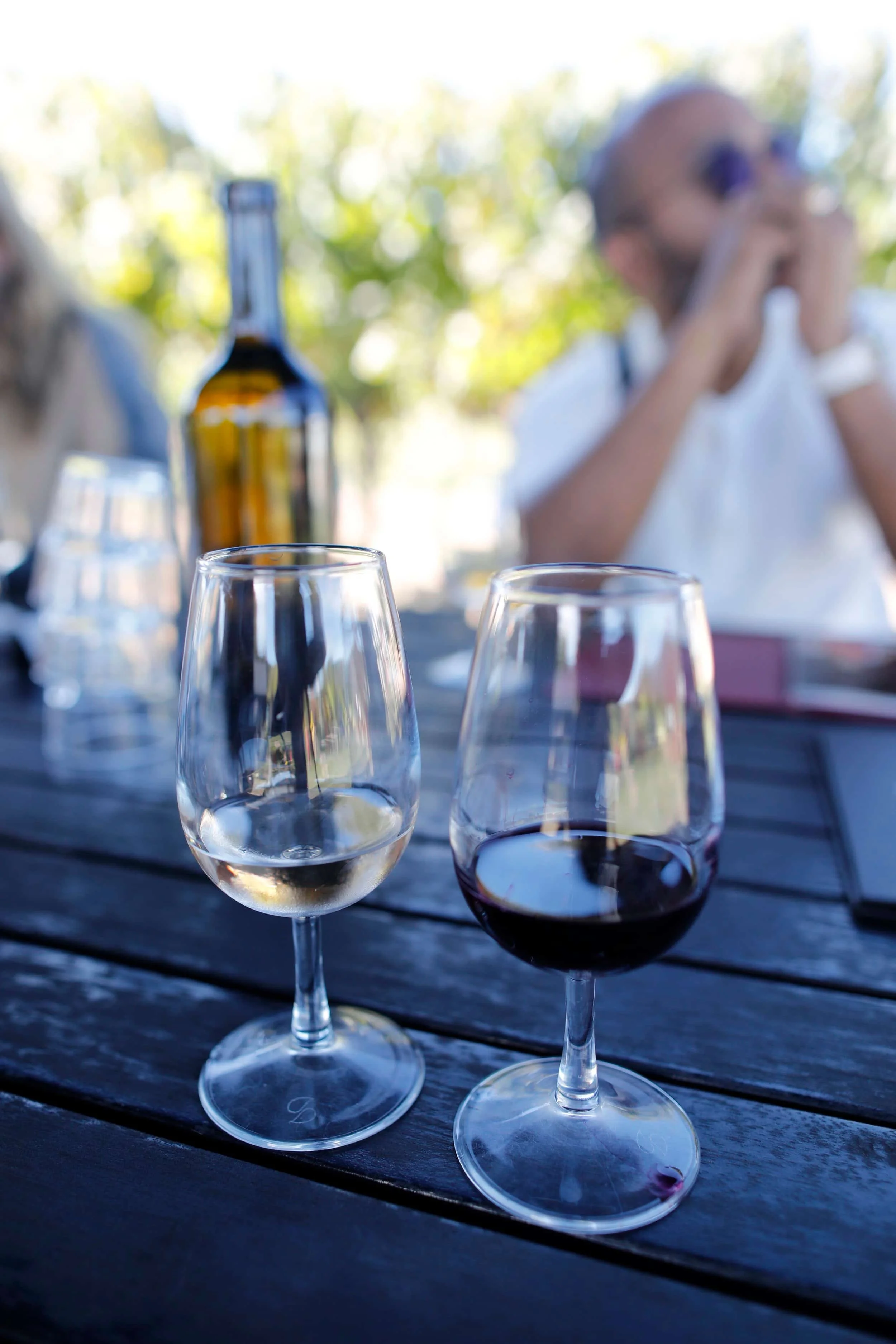
For the wine tasting, we sampled:
Sauvignon Blanc 2024 Marlborough | A zesty, sunlit glass — think bright grapefruit, fresh-cut grass and a hint of minerality that sings of New Zealand’s cool coastal breezes. It’s an effervescent companion for seafood or lazy afternoons, crisp and impossibly refreshing.
Rosé 2024 Waiheke Island | Blushes with island warmth: delicate strawberry and peach aromas framed by saline notes and a soft, lingering finish. Light-bodied and graceful, it’s the perfect sip for sunset on a porch or a picnic under gum trees.
Wildling 2022 Waiheke Island | Carries more weight and character — earthy berry, leather and wild herb notes weave together with mature tannins and a smoky backbone. Rustic yet refined, it begs for a long conversation over grilled lamb or a plate of aged cheese.
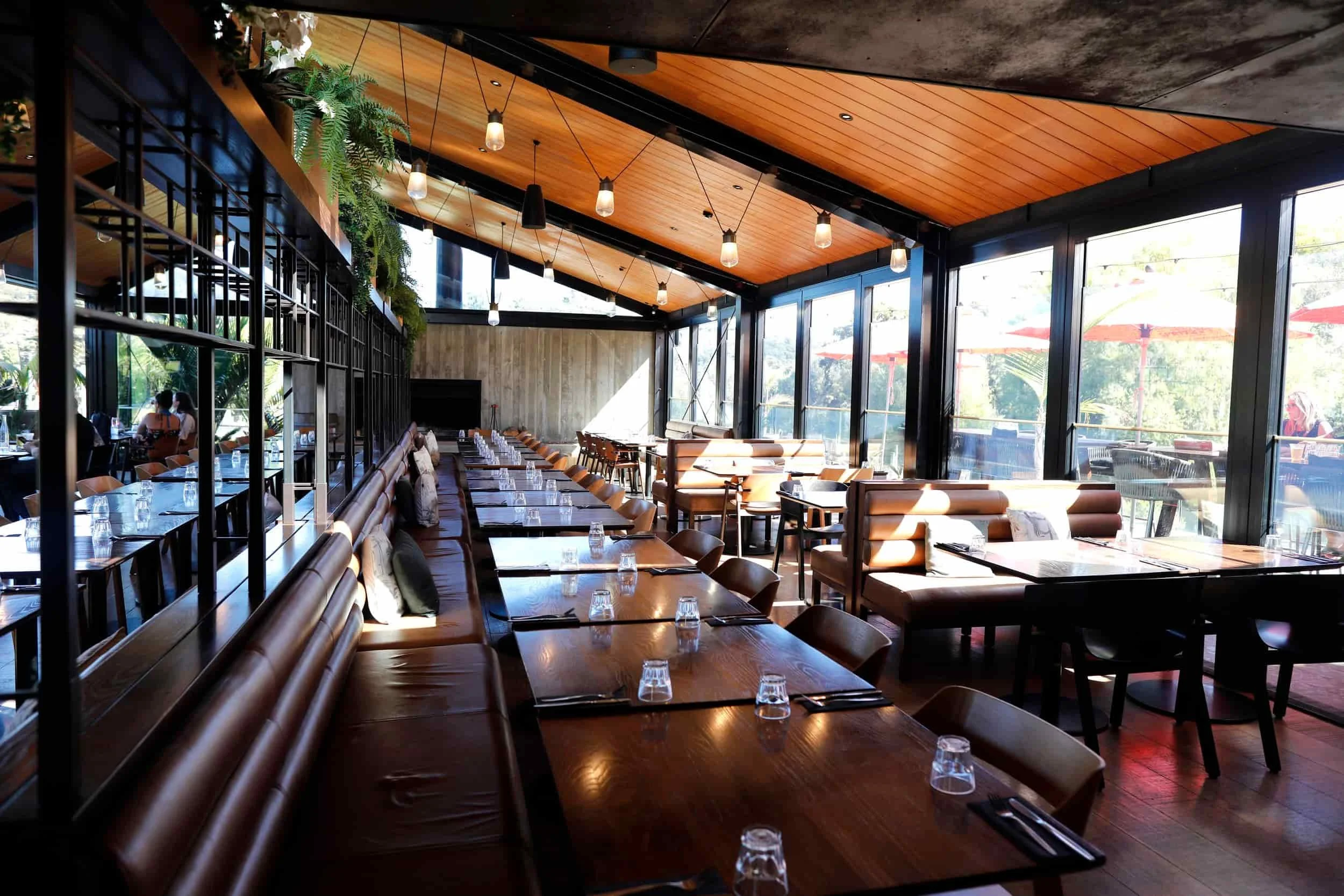
After a breezy introduction to the wines on the tasting, our guide slipped back into the restaurant to attend to other tasks. The indoor outdoor dining area stretched on for ages, packed with dozens upon dozens of tables — and almost every single one was humming with guests.
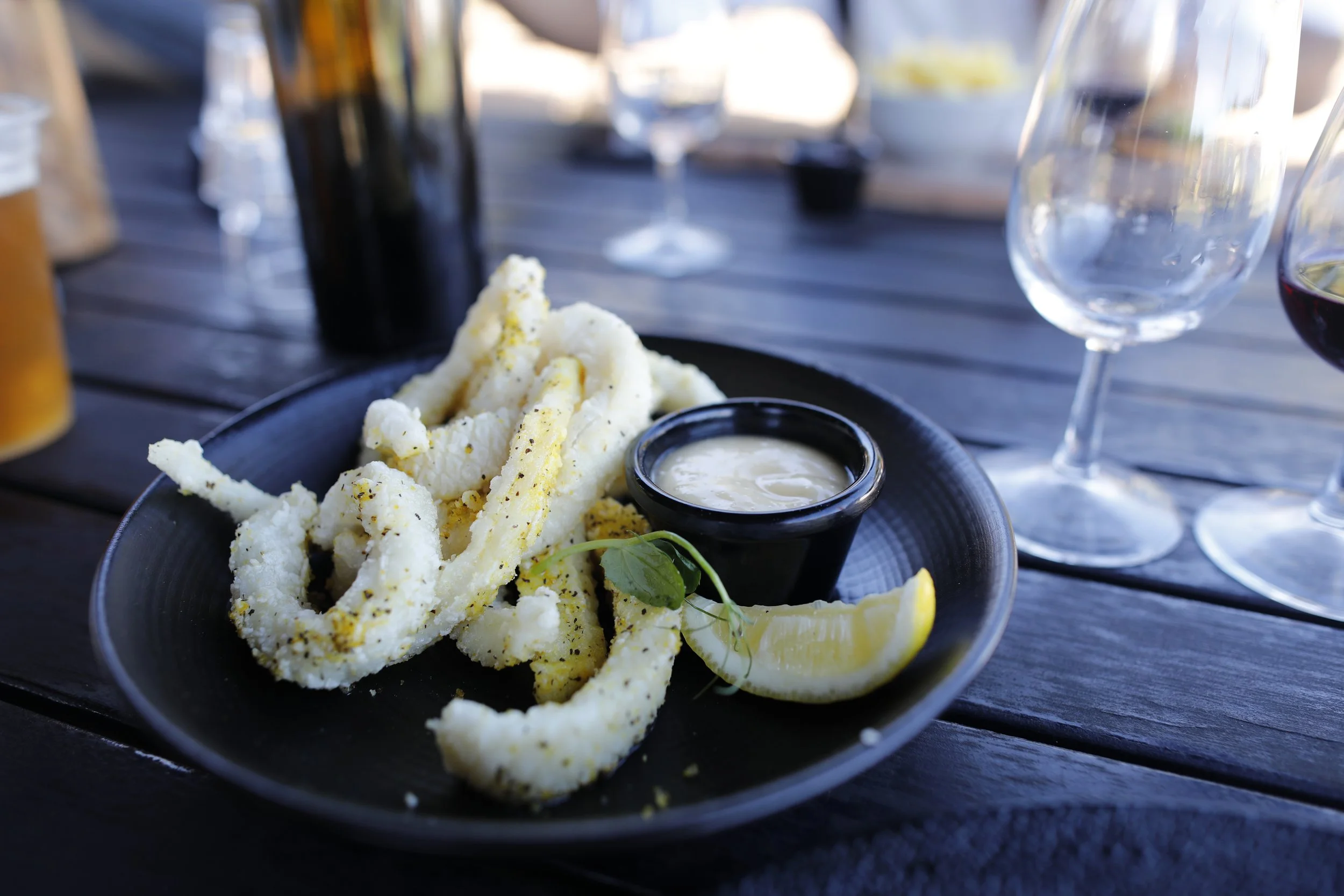
To eat, sink a fork into the flash-fried squid — light, crisp ribbons dusted with lemon pepper and salt, perfectly brightened by a silky yuzu aioli.
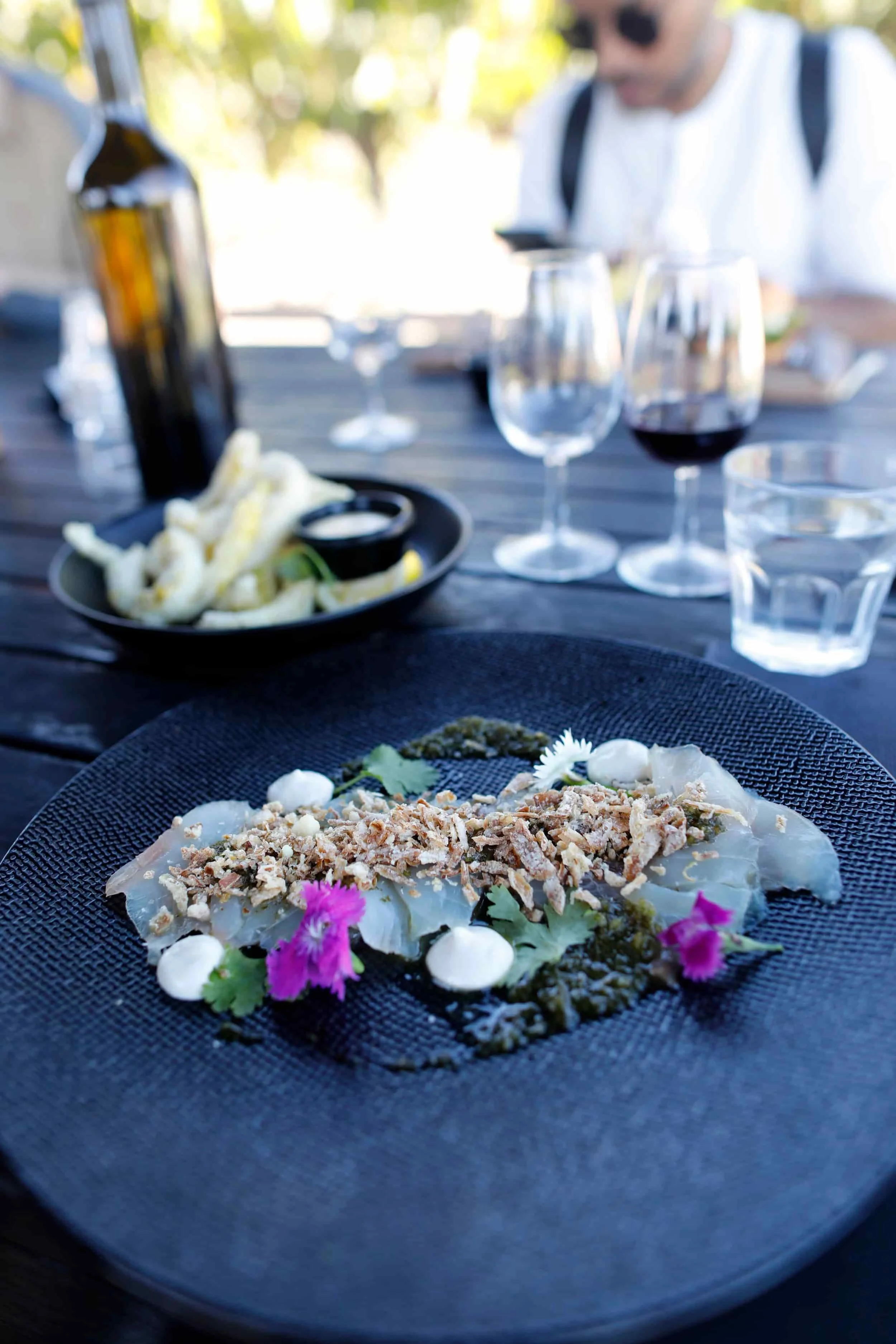
Or savor the wild fish crudo: pristine market-caught slices mingling with green chili, tangy nam jim, cool coconut gel and a scattering of crispy shallots and coriander for a chorus of textures and flavors — my personal favorite.
After lunch, there was time to explore the grounds, grab another drink or chat with new friends and fellow travelers.
But, anxious to keep our adventure rolling, I gently nudged the group along.
Onetangi Beach
After a leisurely long lunch on our Waiheke vineyard tour, we slipped away for a quick visit to Onetangi Beach — a peaceful stretch on the island that felt like a private pause in the day. The sand was soft and warm underfoot; I dug my toes in and watched sunlight scatter across the water.
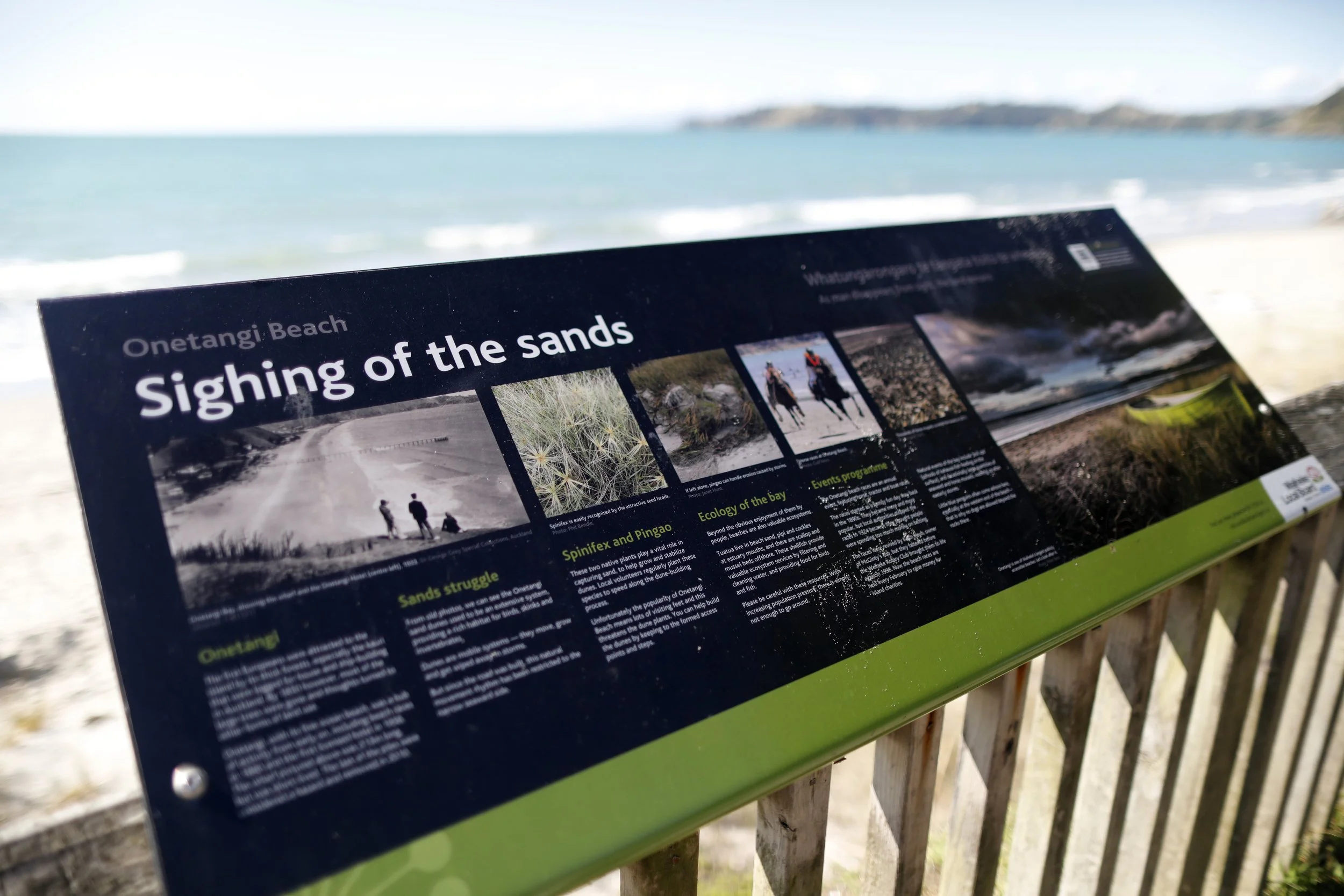
The sea here is unusually calm for an open bay, gently cradling the shoreline so waves arrive as slow, lapping ripples rather than fierce crashes. The water was cool enough to refresh without jarring the relaxed, post-lunch mood.
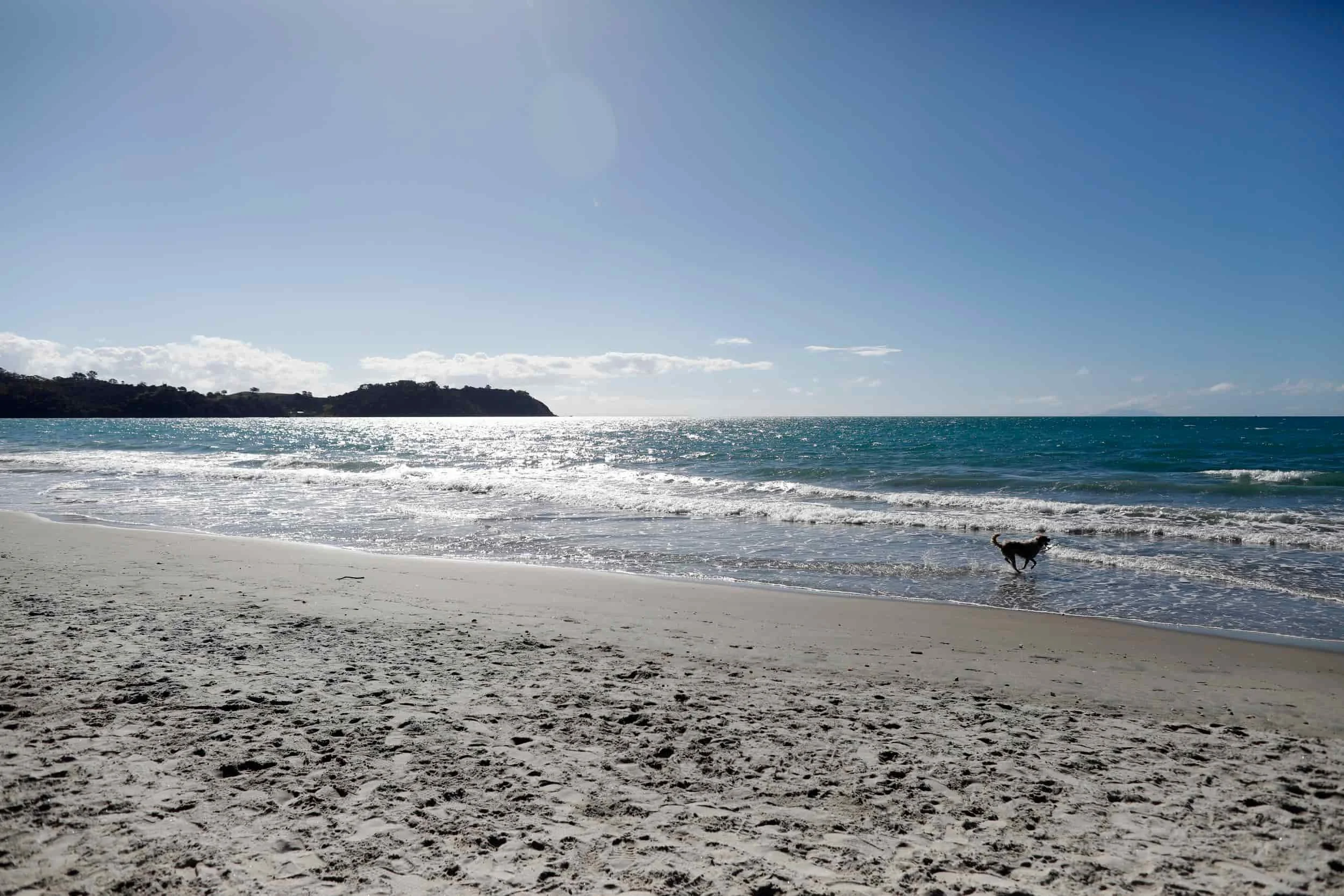
Onetangi faces northwest, which helps shelter it from stronger southerly winds and heavy surf that hit other parts of the island. That protection gives the beach a family-friendly, easygoing atmosphere: parents chat on towels while children build sandcastles at the tide line, swimmers glide through the shallow water and a handful of surfers wait for the occasional playful swell.
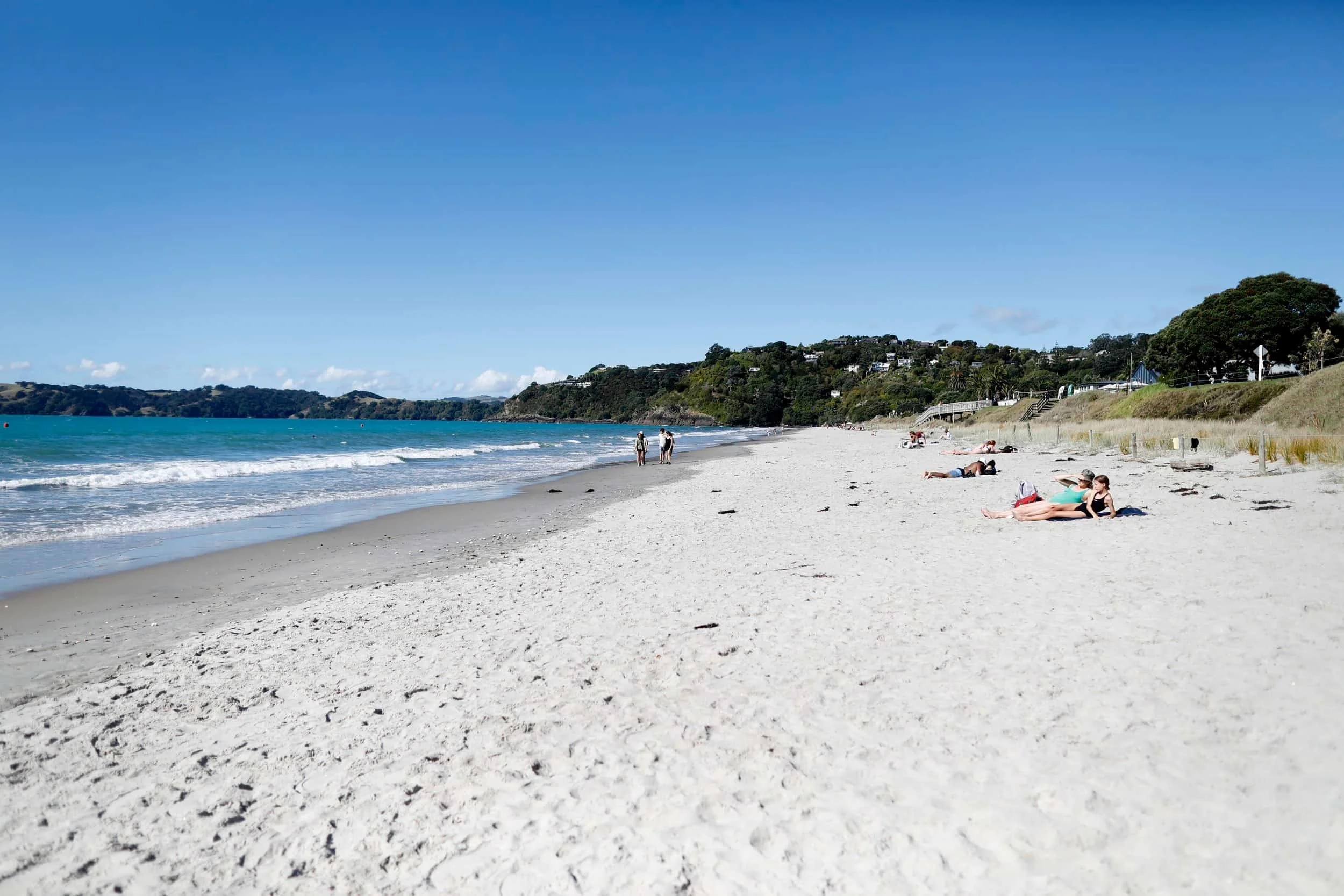
Framed by grassy dunes and low headlands, dotted with sunbathers and picnickers, the scene feels both postcard-perfect and comfortably local. Even a brief visit here slows the pace of the day and leaves you a little more rested (and sun kissed).
Postage Stamp Winery
Our final stop along the Waiheke vineyard tour was the tranquil Postage Stamp Winery, a tiny gem tucked into Waiheke’s rolling hills. True to its name, Postage Stamp is a curated collection of high-quality, boutique wines sourced from a handful of small, artisan vineyards across the island. The place has an intimate, understated charm — no flashy tasting room, just shady vines, a low-key outdoor seating area and winemakers who clearly love what they do.
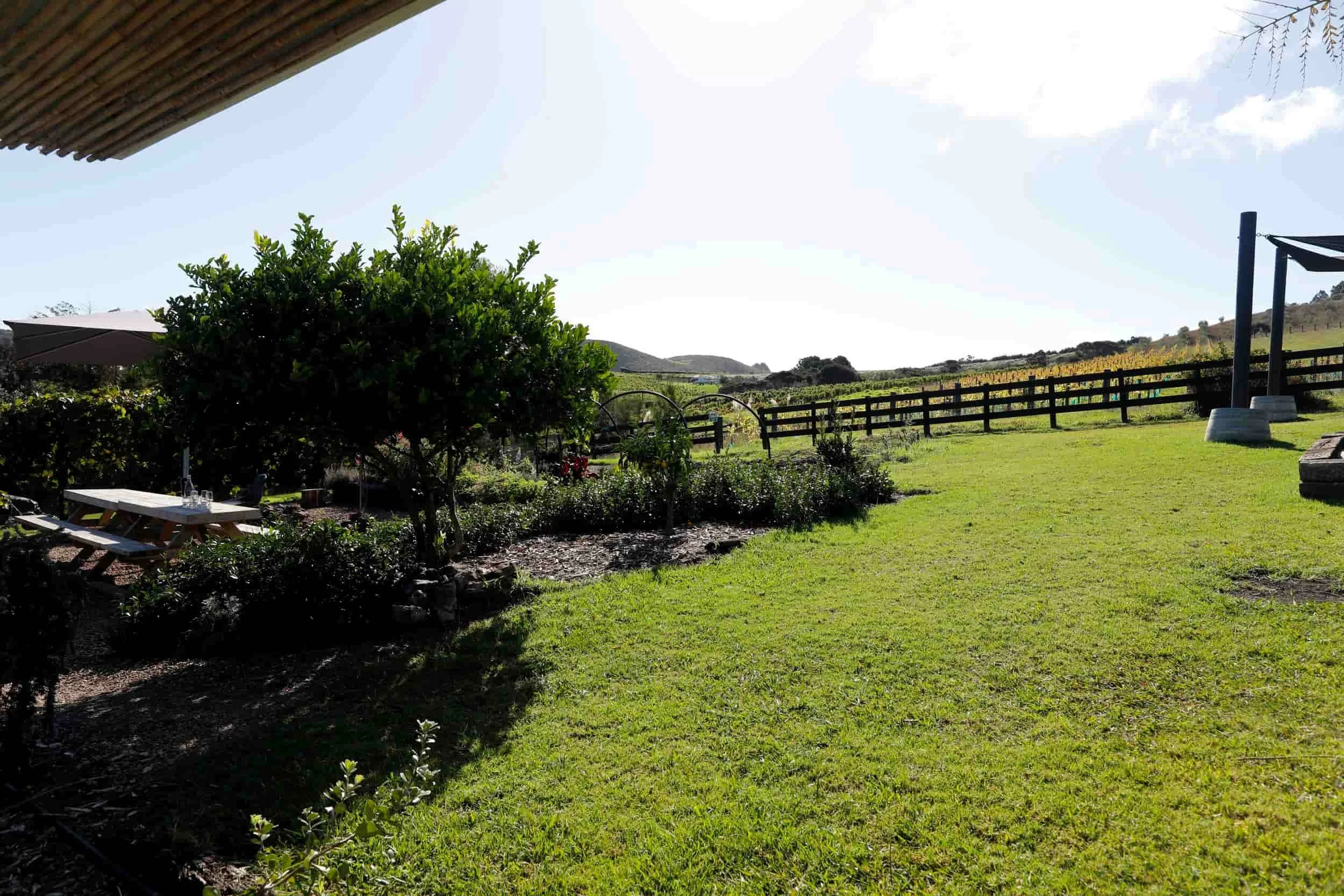
We settled into the cool shade for our tasting. The flight featured four wines, each with its own personality (at this point, I was a bit tipsy and missed one of the varieties):
Vagabond 2023 Sparkling Chardonnay | A crisp, lively pour with bright acidity and mineral notes that spoke of the island’s terroir.
Genevieve 2024 Rosé | Delicate pink, fragrant with summer berries and a lovely, dry finish that made it dangerously easy to sip.
Pohutukawa | A distinctive wine named after New Zealand’s iconic Christmas tree; floral top notes and a warm, rounded palate that felt like a coastal breeze in a glass.
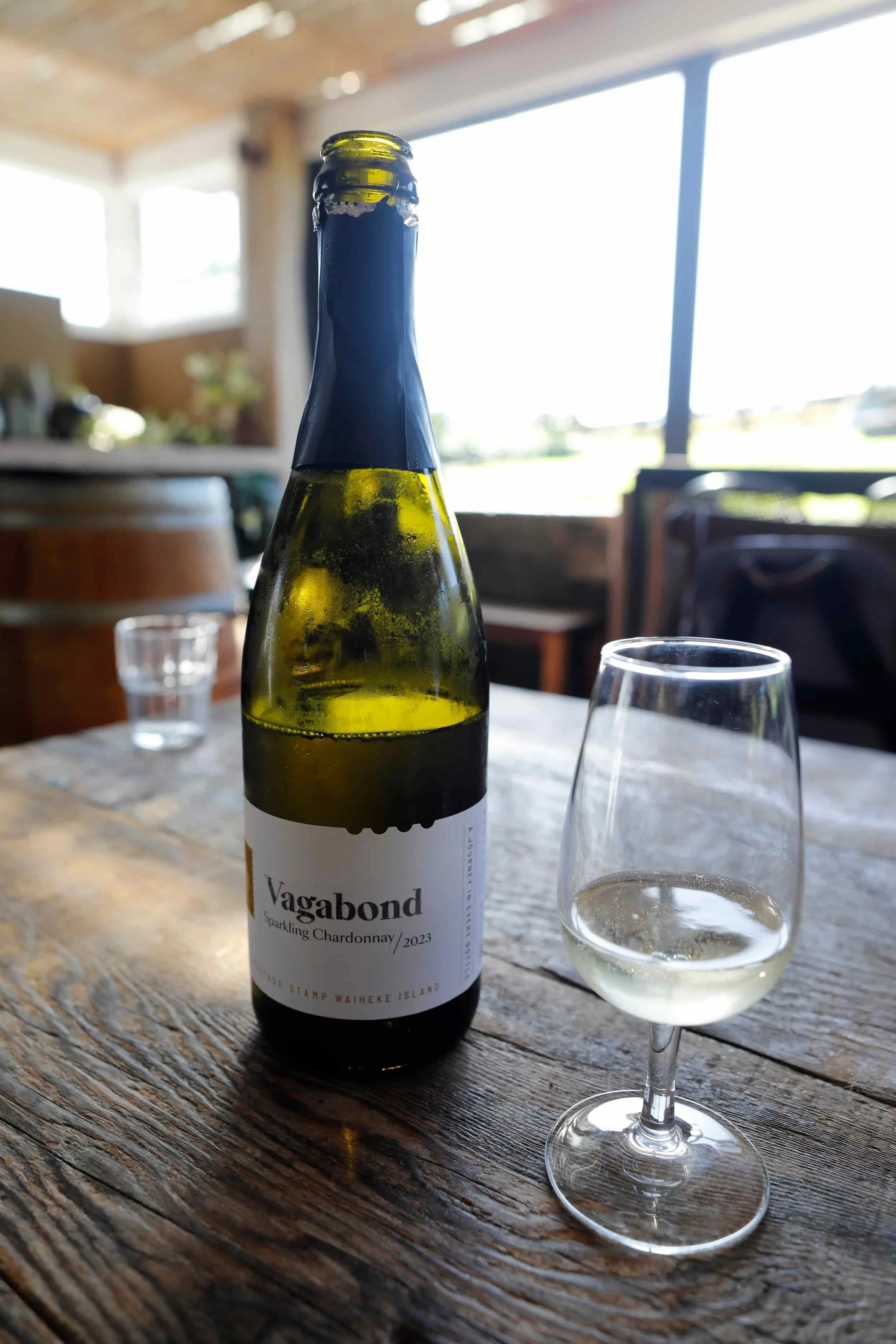
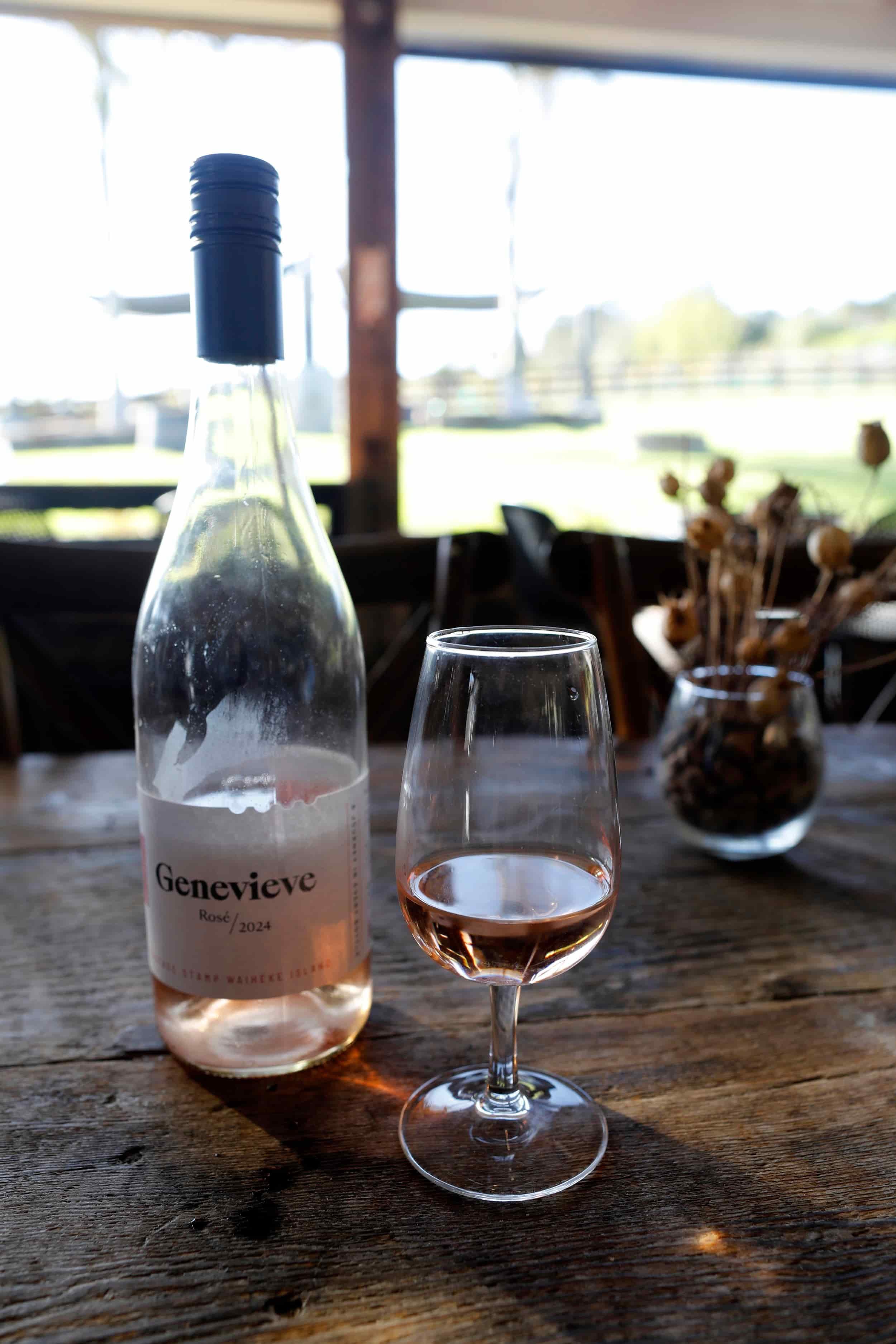
The tasting felt unhurried and personal; the staff shared stories about the vineyards and the hands-on approach behind each bottle, which made the wines taste even better. And if I’m being truthful, it had been a long day — we were delightfully tipsy and flirting with the idea of a very long nap — which is why the details of our fourth wine tasting have slipped from my memory.
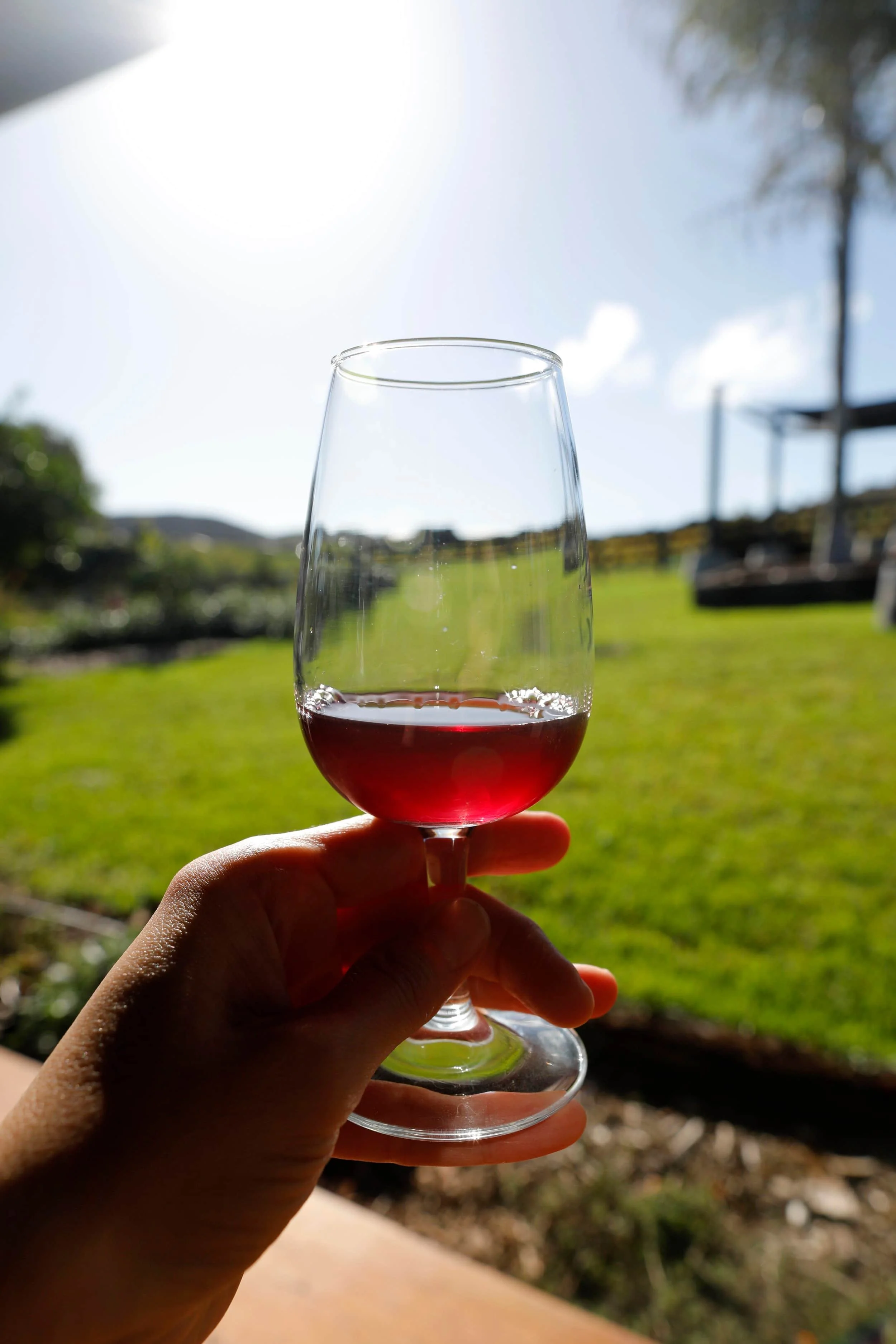
Still, Postage Stamp Winery was the most charming of all — easy, casual and relaxed — the perfect way to end the day.
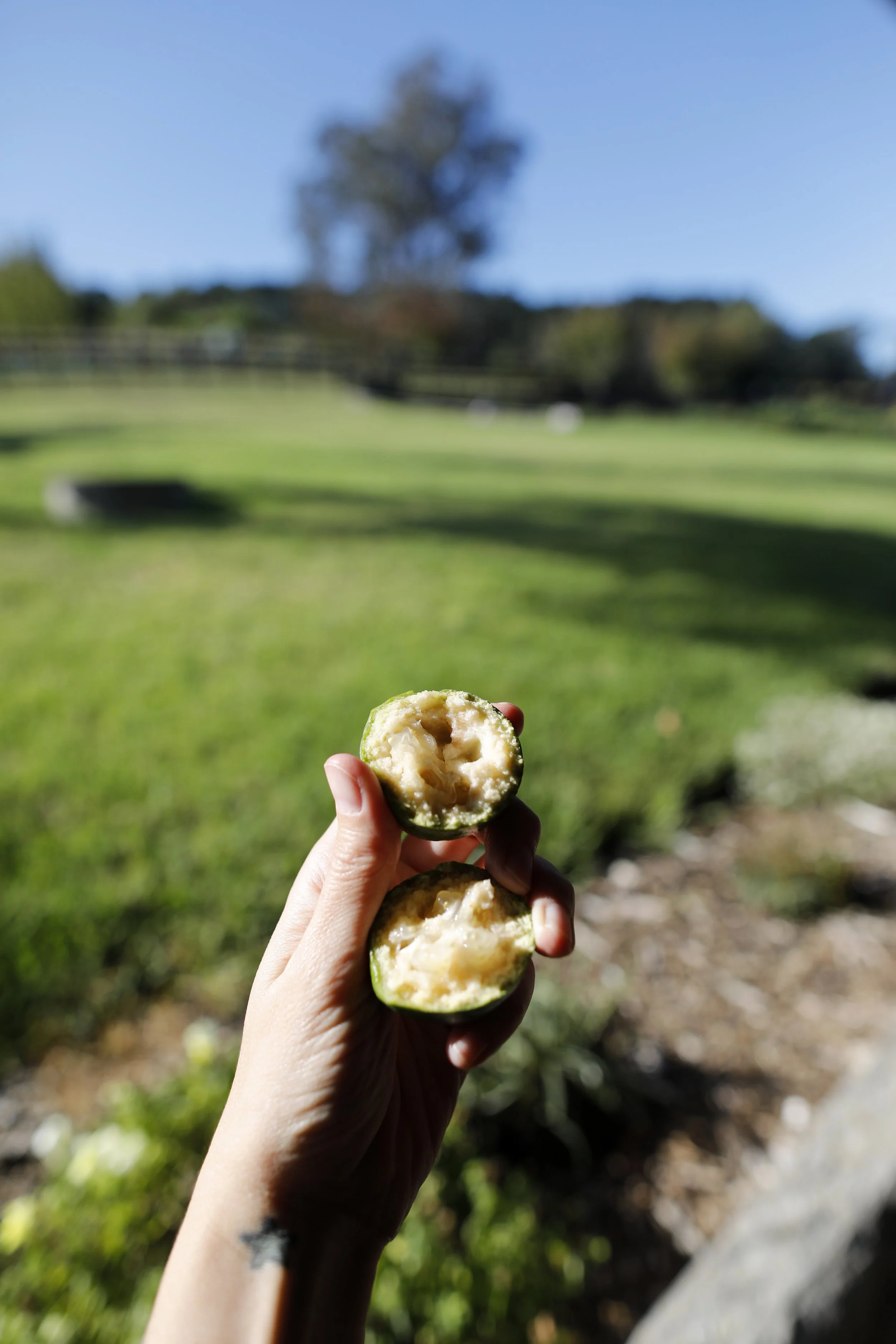
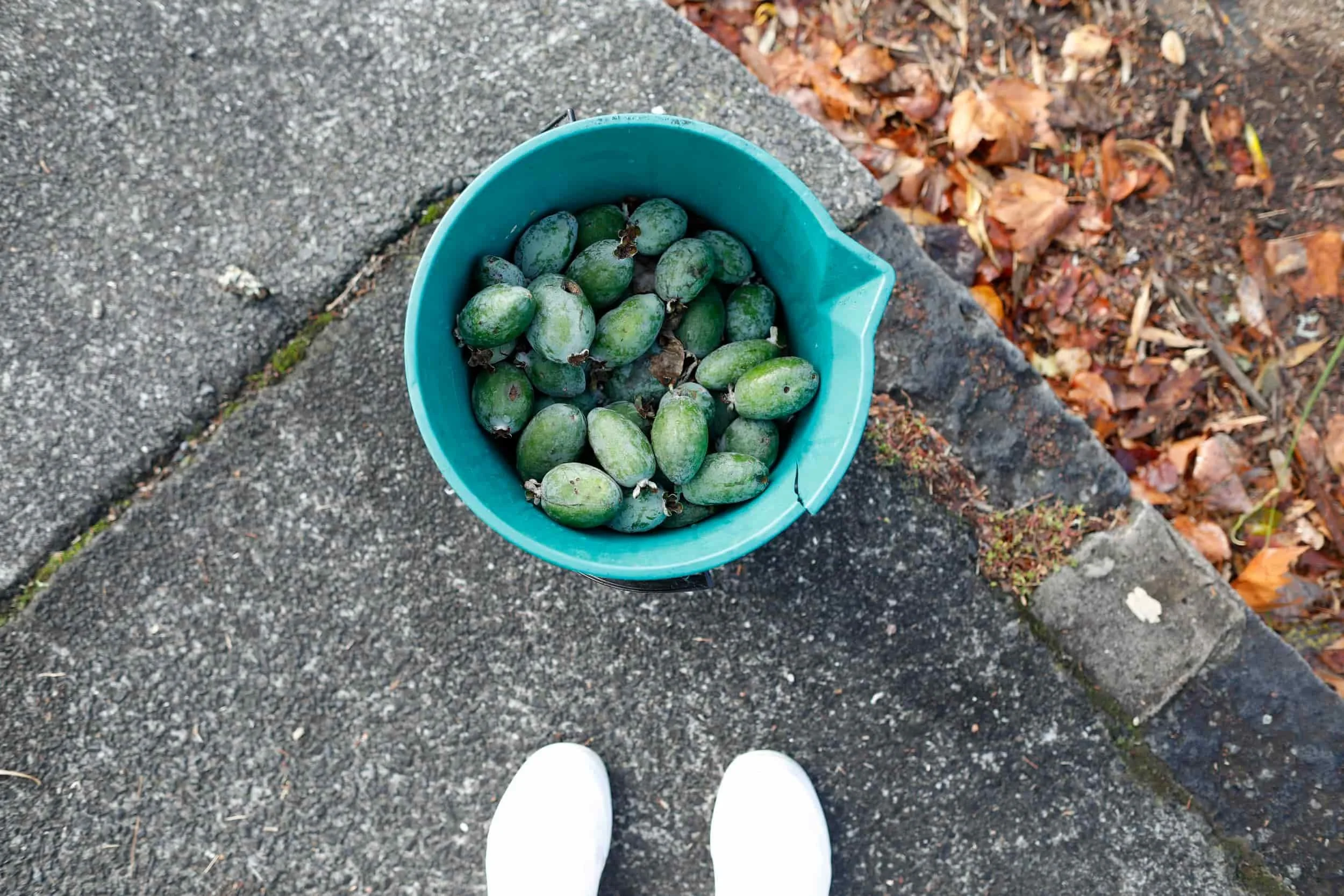
Plus, we grabbed a few feijoas to snack on. Feijoas, a beloved New Zealand treasure, taste like a sunny cross between pear and guava with a fragrant, floral aroma that brightens any afternoon. Their slightly gritty texture and tangy-sweet flesh make them perfect eaten fresh, stirred into yogurt or folded into rustic tarts.
Sail Back to Auckland — Waiheke Vineyard Tour Complete
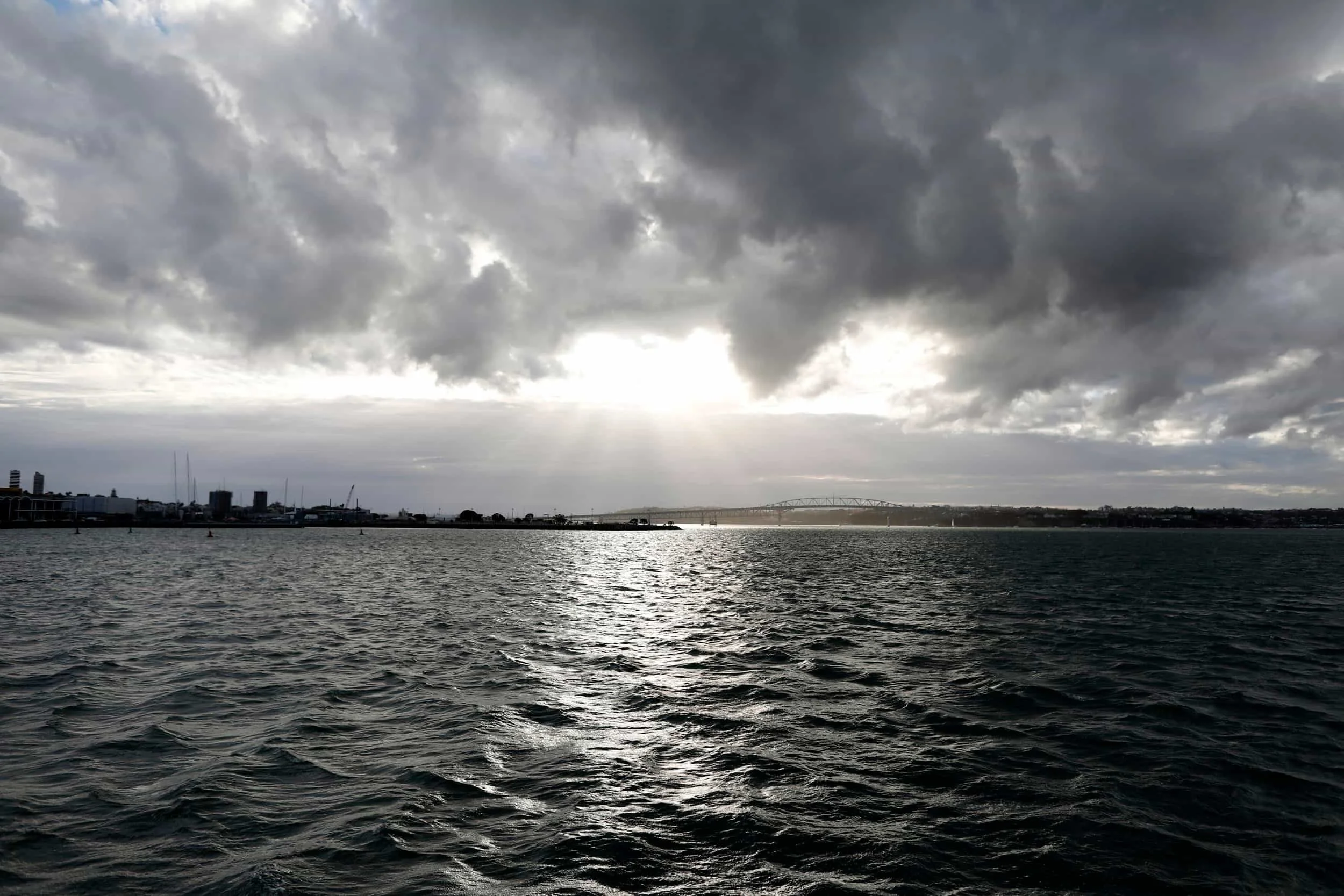
The tour finishes around 4 p.m.; you can either stay on or head for the ferry back to Auckland. The boat this time was noticeably smaller and the sky had taken on a heavy edge — a storm was rolling in and the air turned brisk. I felt oddly triumphant to have caught the last ferry; apparently they cancel rides when the weather gets rough, so timing really does matter out here.
⚠️ Good to Know | If you stay on the island long enough, you risk missing the last ferry, so plan accordingly, especially when weather isn’t cooperating.
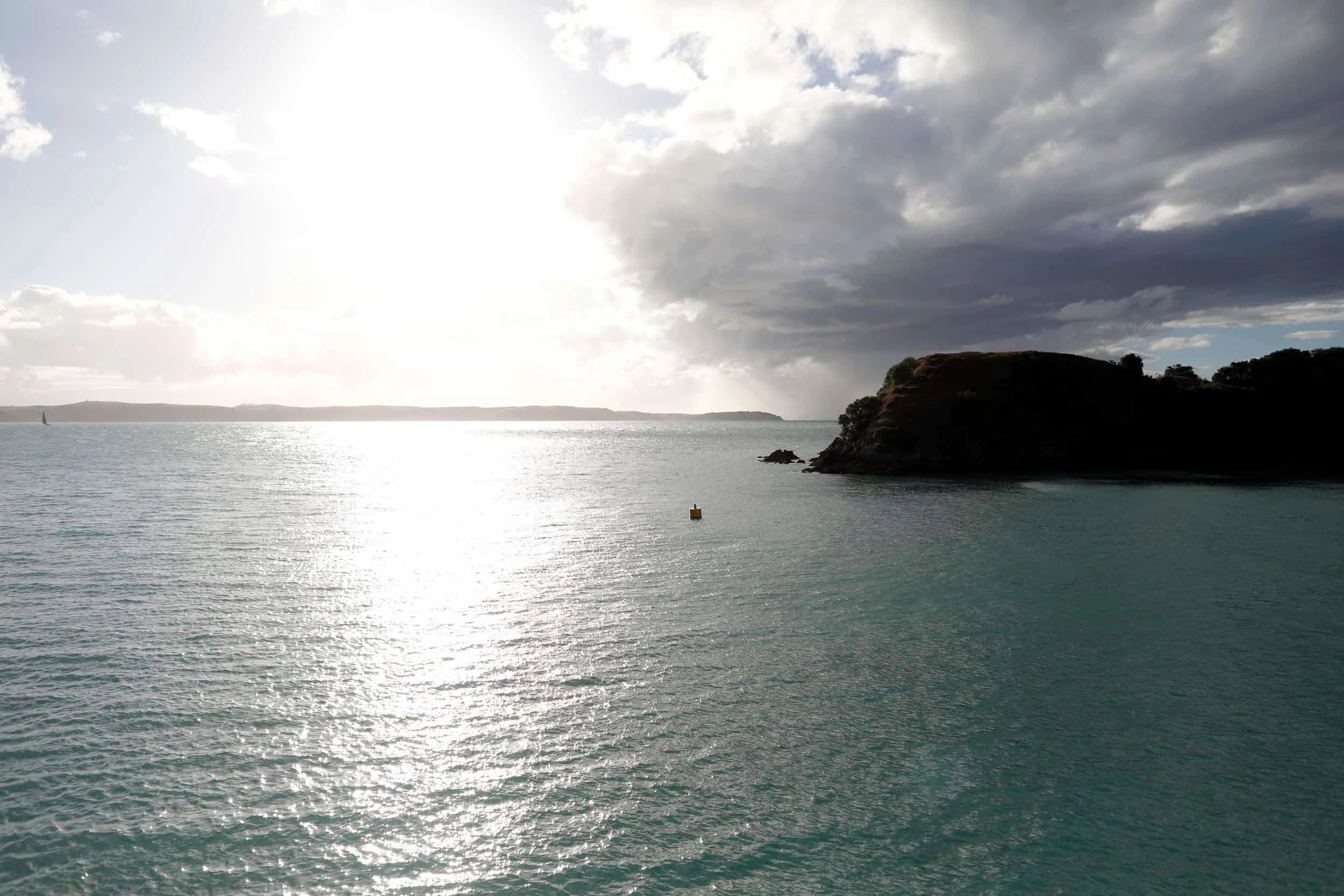
Salt air sharpened and the crew moved with quiet purpose while passengers leaned into the wind and the thrill of a small, bracing storm. Lights along the deck winked on, the city skyline a distant promise and for a moment the world felt deliciously unsettled — alive, bracing and somehow exactly where you wanted to be. With luck, we made it back to shore just as it began to rain.
All in all, the Waiheke vineyard tour was incredibly enjoyable, though it had its uneven moments. Some stops felt a touch rushed while others lingered longer than necessary. I would have loved small bites alongside the wine tastings — I found myself a little tipsy and famished by the end; the morning portion left me especially hungry.
A few wineries skimmed on pour sizes and storytelling, which was disappointing because the setting begged for more personality and context. Four winery visits does felt ambitious; two or three would have been ideal, paired with a different kind of stop — a waterfall, a local shop or a scenic lookout would have balanced the afternoon beautifully.
That said, the first two wineries and last were lovely — great flavors and more engaging experiences — and they’re the moments I’ll savor most. I left wanting more of the island: its hidden corners, slower pacing and the next time I’ll be sure to carve out extra hours to explore beyond the vineyards.
⚠️ Good to Know | Think about touring the island at your own pace rather than with a group and space out tastings between more interesting stops like strolling coastal trails to hidden beaches, sampling local olive oils and craft fare at boutique producers and soaking in sweeping Gulf Harbor views from art-filled galleries and hilltop lookout points.
My Bibimbap Moment
Every destination adds another ingredient to our life's recipe, sometimes reminding us that there's just as much joy in lingering as there is in exploring. On Waiheke Island, between vineyard views, good wine, and the warmth of a leisurely afternoon, I found myself settling into the simple pleasure of taking my time. Here's the ingredient Waiheke added to my Bibimbap Life.
Today’s Bibimbap Recipe
🥢 Flavor: Toasted
🌿 Ingredient: Savoring
❤️ Best Memory: Sipping wine overlooking Oneroa Bay
🎒 Take With You: Life isn’t only about reaching the next milestone. Make time to slow down, gather around a table and savor the people, places and moments that make life rich.
When I think back on Waiheke, I remember the sun on the vineyards, glasses raised over long conversations and the easy pleasure of having nowhere else I needed to be. There was something wonderfully unhurried about the day — tasting, wandering, laughing and letting one beautiful moment lead into the next. Waiheke reminded me that some experiences aren't meant to be rushed through or checked off. They're meant to be savored, slowly and completely, until the afternoon feels like a memory before it's even over.
Waiheke Travel Essentials
A vineyard day on Waiheke Island is an easy escape from Auckland but a little planning goes a long way. The ferry ride is part of the experience, and once you arrive, the island’s rolling hills, coastal views and scattered wineries make having transportation arranged especially helpful if you plan to taste. Give yourself a full day to slow down, visit a few vineyards and enjoy lunch rather than trying to squeeze in too much. Comfortable shoes, layers and a little room in your schedule for an extra glass of wine — or an unexpectedly beautiful view — are all you really need.
Book wine tastings, vineyard lunches and guided tours in advance, particularly if there are specific wineries you don’t want to miss. Many offer scheduled tasting times and availability can be limited, especially during busy periods. With your ferry, transportation and winery reservations sorted ahead of time, you can spend the day doing what Waiheke does best: good wine, beautiful views and absolutely no reason to rush.
When to Go
Late spring through early summer — November to January — is the sweetest time to visit Waiheke Island for a wine tour, when sunlit vineyards, balmy sea breezes and freshly opened vintages make every tasting feel like a celebration.
Summer (December-February): Warmest weather, long sunny days and vibrant beach views but it is the busiest peak season.
Autumn (March-May): Grape harvesting is underway, weather is still mild and crowds are smaller, making it ideal for a relaxed wine experience.
Winter (June-August): Cool and quiet; some vineyards close or have limited weekday hours, though ferry service continues.
What to Bring
A day of wine tasting on Waiheke Island doesn’t require much but you’ll likely spend plenty of time outdoors and moving between vineyards. Wear comfortable shoes for wandering vineyard grounds and bring sunscreen, sunglasses and a light layer for the ferry ride or changing weather. A reusable water bottle is especially useful between tastings and I’d leave a little room in your bag if you’re tempted to bring a favorite bottle home. Most importantly, bring your ID and have your ferry details handy so the wine can be the only thing you need to think about once you arrive.
How to Get There
Catch a ferry from downtown Auckland — settle into the breeze, sip a coffee on deck and in under and hour you’ll glide into the sunlit vineyards and sandy coves of Waiheke Island.
Ferry Crossing: Catch a 40-to-45-minute passenger ferry from Auckland's downtown terminal (Pier 13 or 14) to Matiatia Wharf on Waiheke Island via Fullers360 or Island Direct. Ferries run daily, usually every 30 to 60 minutes and cost around $40–$50 NZD round-trip.
⚠️ Good to Know | The coordination and cost of your ferry tickets are often separate from booked tours — verify with your tour operator.
Where to Stay
If you’re visiting Waiheke Island as a day trip, Auckland makes an easy home base. Stay around Auckland Central or the waterfront for convenient ferry access, Ponsonby or Grey Lynn for cafés, restaurants and more of a neighborhood feel or Parnell for historic architecture, galleries and easy access to the city center. You can enjoy Auckland before and after your vineyard day, then hop on the ferry and let the island feel like a little escape from the city.
But if wine, beaches and slowing down are the main reasons for your trip, I’d seriously consider spending a night or two on Waiheke itself. Oneroa gives you cafés, galleries, restaurants and easy access to the ferry, while Onetangi puts you closer to vineyards and one of the island’s best-known beaches. Staying overnight also means you don’t have to structure the entire day around the return ferry — you can linger over dinner, watch the sun go down and experience the island after many of the day-trippers have headed back to Auckland.
Where I Stayed in Auckland
For a quiet neighborhood stay — Garden Studio
This is where I stayed in Auckland — a cozy little studio tucked into a residential neighborhood away from the busiest parts of the city. I liked having a quieter place to come home to while still being close enough to explore Auckland, and the simple studio setup made it an easy, comfortable base for the trip. Plus, Grey Lynn quickly became one of my favorite areas in Auckland.
Where I’d Stay in Auckland
If I were choosing somewhere different in Auckland, I’d still look outside the big conventional hotels for smaller stays with personality and a strong sense of place.
For character & creative design — The Convent Boutique Hotel
Set inside a former convent, this small boutique hotel mixes the building’s historic bones with eclectic art, bold interiors and plenty of personality. Its Grey Lynn location also gives you more of a neighborhood feel while keeping central Auckland within easy reach.
For a polished boutique splurge — Hotel Fitzroy curated by Fable
A more refined option in Ponsonby, Hotel Fitzroy occupies a beautifully restored historic villa with an intimate, residential feel. It’s the one I’d consider if I wanted something special without sacrificing the neighborhood character that makes this part of Auckland so appealing.
Where I’d Stay on Waiheke
For a peaceful island escape — Hidden Valley Waiheke
Tucked into the hills above Palm Beach, Hidden Valley offers just a handful of self-contained suites with private decks, kitchen facilities and leafy valley views. I like that it feels quiet and removed without leaving you completely isolated — you can walk to Palm Beach, while a nearby bus makes it easy to explore more of the island without necessarily needing a car. It feels like an especially good choice if you want a few days to settle into Waiheke rather than simply visit for the day.
Additional Options for Waiheke
Ready for a serious splurge? — Delamore Lodge
Perched above Owhanake Bay with sweeping views across the Hauraki Gulf, Delamore Lodge is the kind of place that could easily become part of the reason for visiting Waiheke. The intimate luxury lodge pairs beautifully considered spaces with an infinity pool, spa and a strong focus on food and local wine — including experiences built around vineyard visits and long, leisurely meals. It’s unquestionably a splurge but for a special trip where wine, food and slowing down are the point, this would be the dream.
Want to stay on Waiheke Island?
If the vineyards are more than a day trip, staying overnight lets you experience a completely different side of Waiheke. Look around Oneroa for restaurants, shops and easy ferry access or Onetangi for beaches, vineyards and a slower pace. I’d especially consider this for a wine-focused trip — you can spend the day tasting without feeling like you're racing back to Auckland at the end of it.
How to Get Around
Waiheke is relatively small but its vineyards, beaches and villages are spread across the island — and the hills can make distances feel longer than they look. If wine tasting is the focus of your day, I’d plan your transportation ahead so no one has to worry about driving.
Bus: Public buses connect the Matiatia ferry terminal with Oneroa, Onetangi and other parts of the island, making them an affordable option if you’re exploring independently. They work best when the wineries you want to visit are close to established routes.
Taxi or Private Driver: A good choice if you already know which vineyards you want to visit and prefer to set your own schedule. For a group, splitting a driver can also make this surprisingly practical.
Bike or E-Bike: Waiheke can be beautiful to explore on two wheels but remember that the island is hilly and some roads are narrow. An e-bike makes the terrain considerably easier and works best if you’re mixing a few vineyard stops with beaches and sightseeing.
Guided Wine Tour: For a vineyard-focused day, this is probably the easiest option. Transportation is handled for you, the itinerary is already organized and you can enjoy the tastings without thinking about how you’re getting to the next stop.
If you’re staying around Oneroa, walking is easy for cafés, shops and nearby beaches. For exploring the vineyards and the rest of the island, I’d rely on a tour, bus or driver rather than trying to do everything on foot.
Tours & Day Trips
With a Waiheke wine tour reserved, the morning is gloriously simple: find a cozy spot for breakfast, then catch the local ferry. The guide will be waiting on the island around 10:30 a.m., leaving the rest of the day open to sunlit vineyards and leisurely tastings.
⚠️ Good to Know | Book your tour and begin the adventure — let the ferry carry you over on your own dime. My tour included visiting four wineries by bus, which sounded fun in theory but felt a touch rushed; a calmer choice would be to pair two to three relaxed tastings with a leisurely wander around the island. It’s easy to do on your own: arrange a bit of local transport, slow down and savor the day — or book a slower paced tour.
Prefer a Slower Day on Waiheke?
I’ve linked the exact tour I took above but four winery stops can make for a pretty full day. If you’d rather take things at a slower pace, consider a tour with fewer tastings and more time to enjoy each stop, the scenery and the island itself.
Explore Waiheke Island wine tours and experiences →
Looking for More Ways to Experience Waiheke Island?
Wine may be one of Waiheke’s biggest draws but there’s much more to explore. From food and vineyard experiences to scenic tours, beaches and outdoor adventures, take a look at the different ways to experience the island and find one that fits your kind of day.
Wineries & Reservations
Waiheke’s top estates — each a sun-soaked patch of vines, sea views and warm cellar-door welcomes — are best enjoyed by booking ahead so you can savor every glass without the worry of missing a moment.
Top Estates: Iconic stops include Mudbrick Vineyard, Cable Bay Vineyards, Tantalus Estate and Man O' War Vineyards.
Book Ahead: Cellar door tastings and lunch spots book out weeks in advance during peak season. Expect tasting fees ranging from NZ $20 to $40 ($10-$25 USD) per person, which are sometimes waived if you buy bottles.
Good to Know
Waiheke may be an island but its wine scene is surprisingly diverse. The warm, relatively dry maritime climate and varied soils have helped the island build a reputation for Syrah and Bordeaux-style red blends, alongside Chardonnay and other varieties. Many vineyards are small, independently run and beautifully integrated into the landscape, so visiting is as much about the setting, food and views as the wine itself. Don’t feel like you need to race between wineries — a slower day with a few well-chosen stops feels much more in keeping with Waiheke.
A North Island must-do: Rotorua’s Te Puia — powerful geysers, bubbling mud pools and sacred Maori crafts stir the senses and spirit with unforgettable warmth.