What to Do in Auckland: Charming Local Picks for First-Timers
Wondering what to do in Auckland: discover the city’s laid-back zest — ferry-sliced harbors, volcanic cones & charming neighborhoods — with this travel guide.
Updated | June 2026
Things to Do & See in Auckland — What Not to Miss
Nicknamed the "City of Sails," Auckland sparkles with boats — more than 135,000 of them — making it the most nautically blessed city on earth. The city hums with a delightful mix of sea-spray energy and cultured calm — start at the waterfront where the Viaduct and Wynyard Quarter invite you to stroll past cafés, sailboats and lively markets.
Catch the ferry to Devonport for a charming village feel, boutique shops and panoramic views of the skyline against Rangitoto’s volcanic silhouette; if you’re feeling adventurous, hiking Rangitoto’s lava fields at sunset is sublime. Back in the city, the Auckland Domain and its Wintergardens offer a serene escape among native trees and Victorian glasshouses, while nearby Parnell brims with art galleries, cozy brunch spots and elegant boutiques.
For the full Auckland experience, don’t miss the sky-high vantage of the Sky Tower — it puts the city, harbor and surrounding islands into perspective — and make time to explore the cultural heartbeat at Te Papa (for a broader New Zealand fix head to Wellington) or the Auckland War Memorial Museum for Maori and Pacific collections. Take a short boat ride to the Hauraki Gulf islands for beaches and wildlife or sample the city’s diverse food scene from fresh seafood on the harbor to inventive fusion plates that reflect Auckland’s multicultural spirit.
It’s also the sweetest nudge to pause, step back and let curiosity lead you deeper into a place.
⚠️ Good to Know | Full confession: I missed a few of these spots — not by choice, just the way my planning fell into place. If I find myself back in Auckland, I’ll happily fill in the gaps and give those sights the attention they deserve.
At a Glance
📍 Destination: Auckland, New Zealand
🕒 Time Needed: 3 days
💰 Budget: Approximately NZ$250-$450/day ($150-$265 USD)
👟 Walking Level: Mild to moderate
🌤️ Best Season: Shoulder seasons; Autumn (March-May) and Spring (September-November)
☕️ Don’t Miss: Auckland Museum
🖤 Perfect For: Nature lovers, foodies, culture seekers and adventure fans
My Bibimbap Moment
This trip added: Possibility.
Auckland added the ingredient of possibility to my Bibimbap Life. I spent my days exploring neighborhoods, lingering in cafés and enjoying the city's relaxed rhythm, believing I'd experienced much of what it had to offer. It wasn't until later that I discovered the waterfront, island ferries, volcanic hikes, gardens and museums I'd completely missed. Surprisingly, that realization didn't leave me disappointed. It reminded me that the best cities are never fully experienced in a single visit. Instead of feeling complete, Auckland left me with something even better — a reason to return and the comforting thought that there will always be more to discover.
My Two-Week New Zealand & Australia Itinerary
Auckland was where this entire two-week adventure began — and my first introduction to New Zealand. After flying in from Los Angeles, I had a few days to explore the city before the trip started moving quickly south through New Zealand and eventually across to Australia.
Auckland turned out to be an easy place to begin. I explored its neighborhoods, waterfront, cafés and shops but some of my favorite experiences took me beyond the center. A ferry ride across the Hauraki Gulf brought me to Waiheke Island, where vineyards, good food and a much slower pace made it feel much farther from the city than it actually was.
From Auckland, the trip became considerably more ambitious. I headed south through Waikato for the Waitomo Glowworm Caves, continued to Rotorua and Te Puia, then flew to the South Island for a few days surrounded by the mountains and lake of Queenstown.
Australia made up the second half of the journey. I started on the Gold Coast, traded the beach for rainforest on Tamborine Mountain, then continued to Melbourne and the Great Ocean Road. Somehow, I also squeezed in 36 hours in Sydney before heading home.
Looking back, Auckland feels less like one stop among many and more like the place where I first got my bearings. It introduced me to New Zealand at a gentler pace before the caves, geothermal landscapes, mountains, beaches, rainforest and road trips that followed.
My route: Auckland → Waiheke Island → Waitomo → Rotorua & Te Puia → Queenstown → Gold Coast → Tamborine Mountain → Melbourne → Great Ocean Road → Sydney
Explore
Here’s where the journey will take us.
01 | Things to Do in Auckland
02 | When to Go
03 | How to Get There
04 | Where to Stay
05 | How to Get Around
06 | How Long to Stay
07 | Tours & Day Trips
08 | Good to Know
Day Trip | Waiheke Vineyard Tour: Sip Coastal Wines & Island Views & North Island Must-Dos: Rotorua’s Geothermal Heart — Te Puia
Travel More | New Zealand Travel Guides
What to Do in Auckland — A Guide to the City’s Best Experiences
Auckland’s mix of sparkling harbors, volcanic cones and leafy neighborhoods gives the city an effortlessly charming vibe, where urban sophistication meets relaxed seaside living. From vibrant waterfront cafes to quiet bush walks, it’s a place that feels both cosmopolitan and warmly approachable — best explored like a local.
Ponsonby Street
Exploring Auckland like a local means a casual wander is in order. Charming things to do can be found around every corner and Ponsonby Street is the perfect place to start.
Wandering along Ponsonby Street reveals a quieter, more intimate side of Auckland’s trendy precinct — the kind of avenue where small discoveries feel like happy accidents. Tucked among the boutiques and cafés are a handful of local gems that reward a slow stroll.
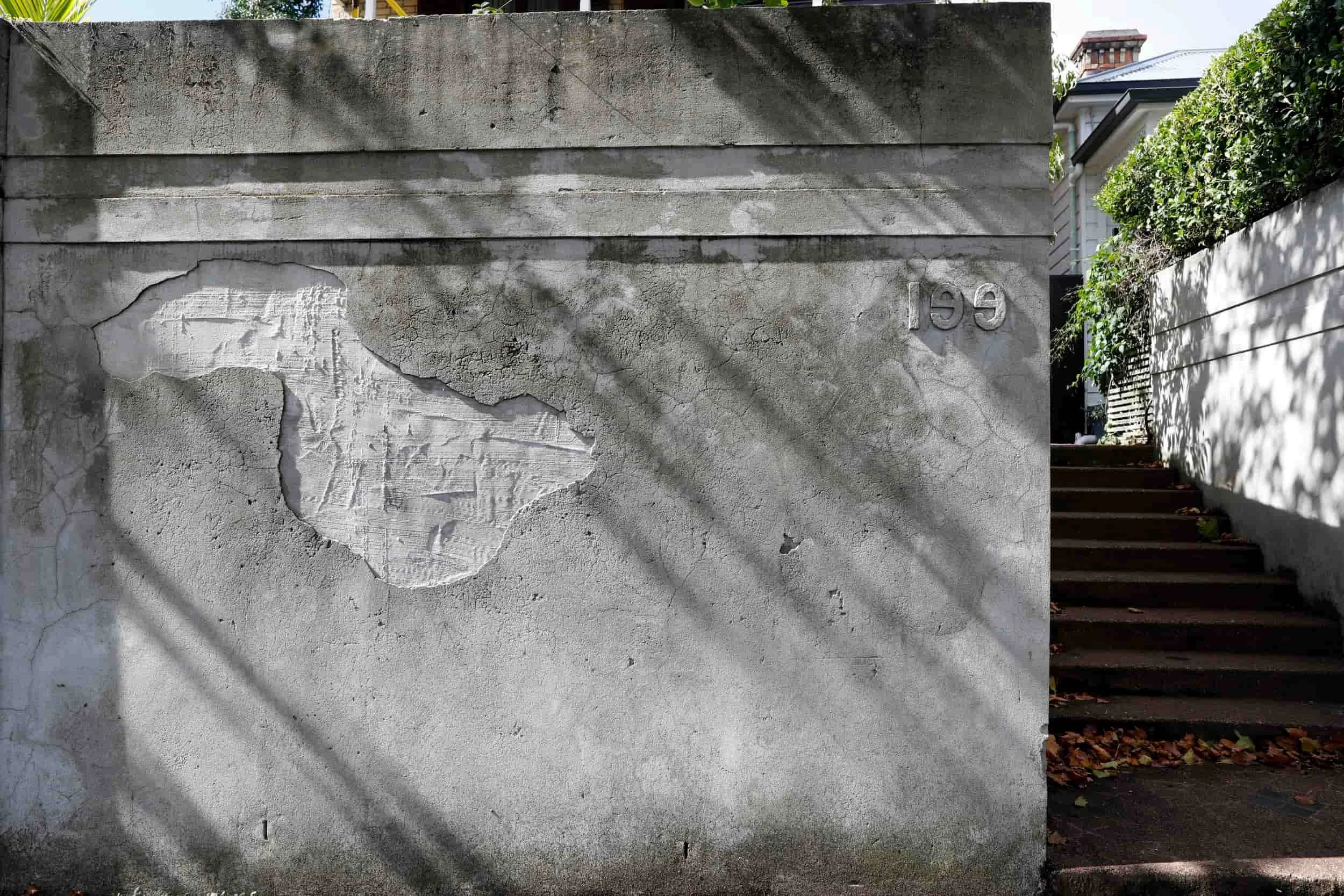
Tucked between a busy café and a quiet florist, Everyday Needs feels like the neighborhood's cheerful confidante — shelves lined with neatly labeled scents and oils, colorful stacks of hand towels and luxuriously soft cream-colored waffle robes and toiletries that encourage gentle moments self care.
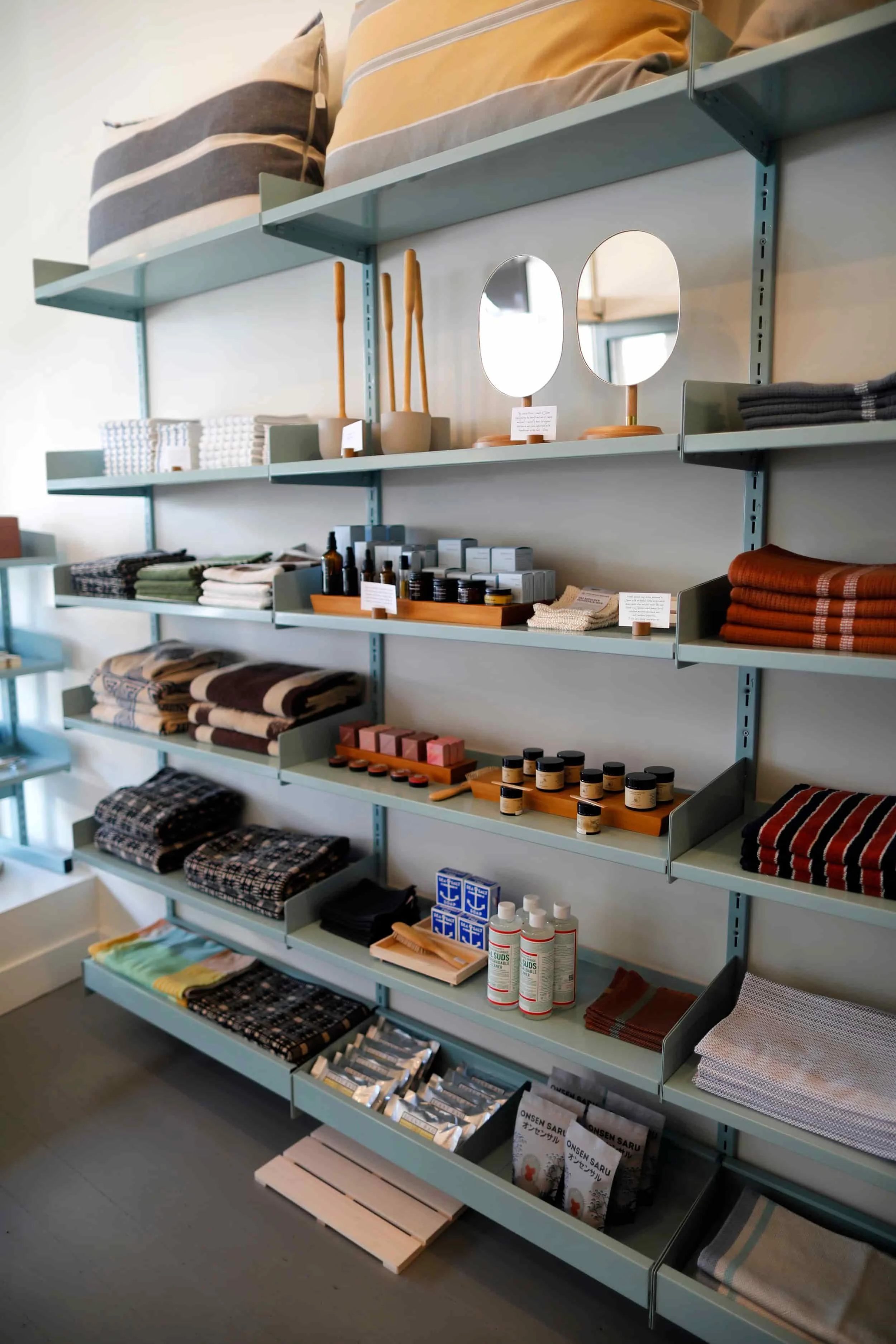
One of the most beautifully curated shops I’ve ever seen, Everyday Needs is one of those stores that makes you want to rethink your kitchen and bathroom (and the rest of your life) in the best way. Shelves and displays overflow with beautiful textiles and ceramics sourced from places as varied as Japan and South Africa.
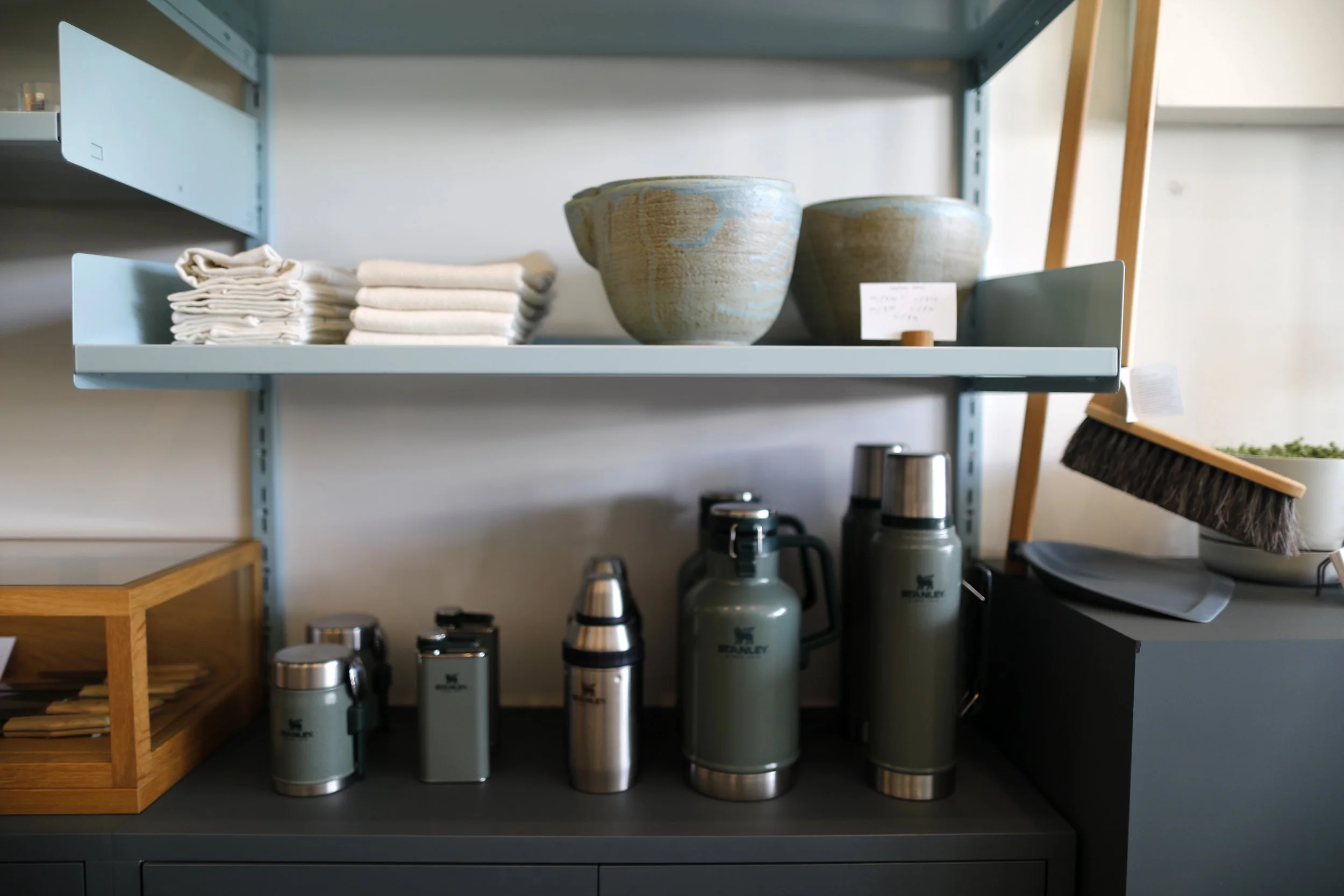

Mornings, the bell over the door rings with the footsteps of commuters picking up tiny indulgences; afternoons bring tourists finding the perfect small gift; evenings see others grabbing last-minute specialties.
The owner stocks little comforts from around New Zealand and the rest of the world: body oils, creams and tinctures and compact throw pillows that come in cheerful patterns. Warm, practical and quietly charming, this shop feels like the kind of place that makes city living just a bit easier and a lot more friendly.
I couldn’t resist taking home a few towels by Mungo — just a taste of the store’s lovely range that begs to be explored.
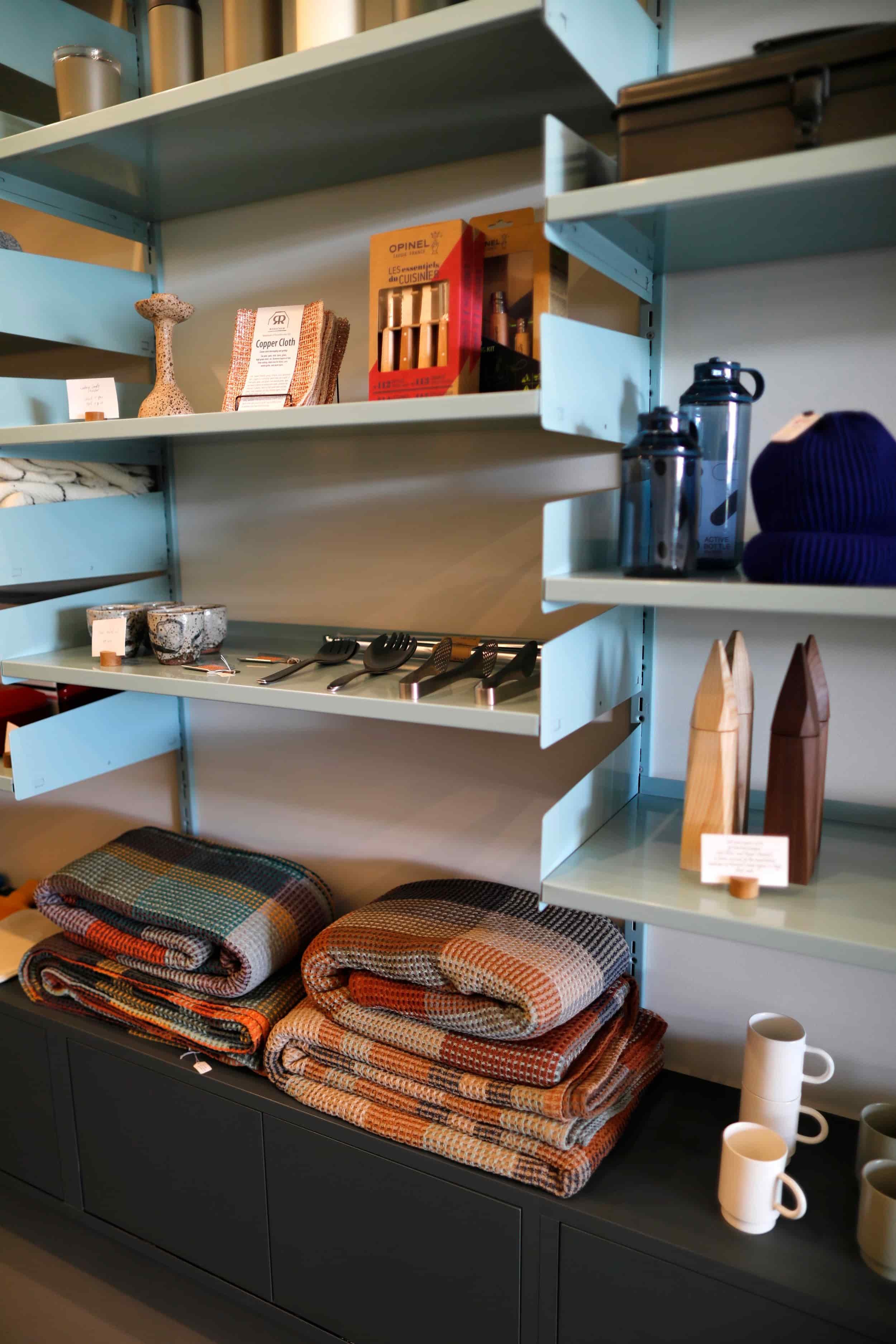
Another charming store (and now one of my staples), AS Colour, caught my eye: a label built around deliciously soft cotton basics. The pieces are astonishingly well-priced and super comfortable; a five-for discount made it irresistible, so a small stack of tees came home in my bag. Comfortable, versatile and made for everyday wear — it’s exactly what a travel wardrobe needs.
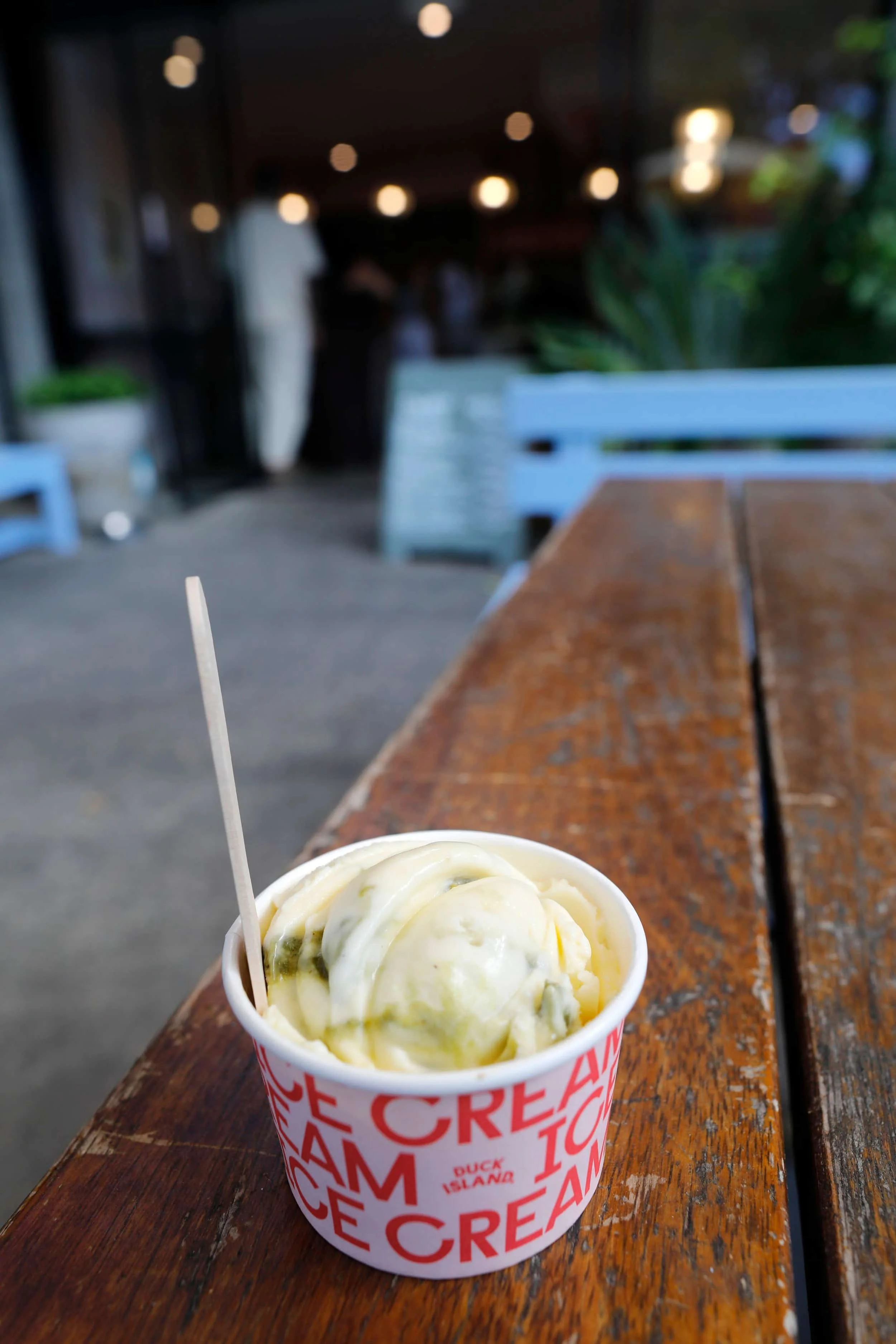
And for something sweet, Duck Island Ice Cream proves worth the queue. The pistachio honey flavor is unexpected — more nuanced than the usual, with a subtle sweetness that lingers. Ponsonby may move at an easy pace but its small delights make every detour worthwhile.
Auckland Zoo
Auckland Zoo sits on the leafy slopes of Western Springs, a serene green island just west of downtown Auckland. Its central location makes it easy to reach by car, public transit or a pleasant walk from nearby neighborhoods. The zoo is open daily; typical hours are 9:30 a.m. to 5:00 p.m., with last entry usually about 30 minutes before close. Seasonal variations and special events can affect opening times, so it’s a good idea to check ahead if you’re planning a visit on a holiday or during school breaks.

The layout of Auckland Zoo feels intentionally human-scale and intimate. Paths meander through varied habitats, from native bush plantings to purpose-built multi-species precincts. Exhibits are grouped thematically rather than strictly by continent, which encourages discoveries as you wander: you might move from the forested native area showcasing New Zealand wildlife to the lush, humid Asian precinct and then on to open savannah-style enclosures. Benches, viewing platforms and informative signage are placed thoughtfully along the routes, making it easy to linger without feeling rushed.
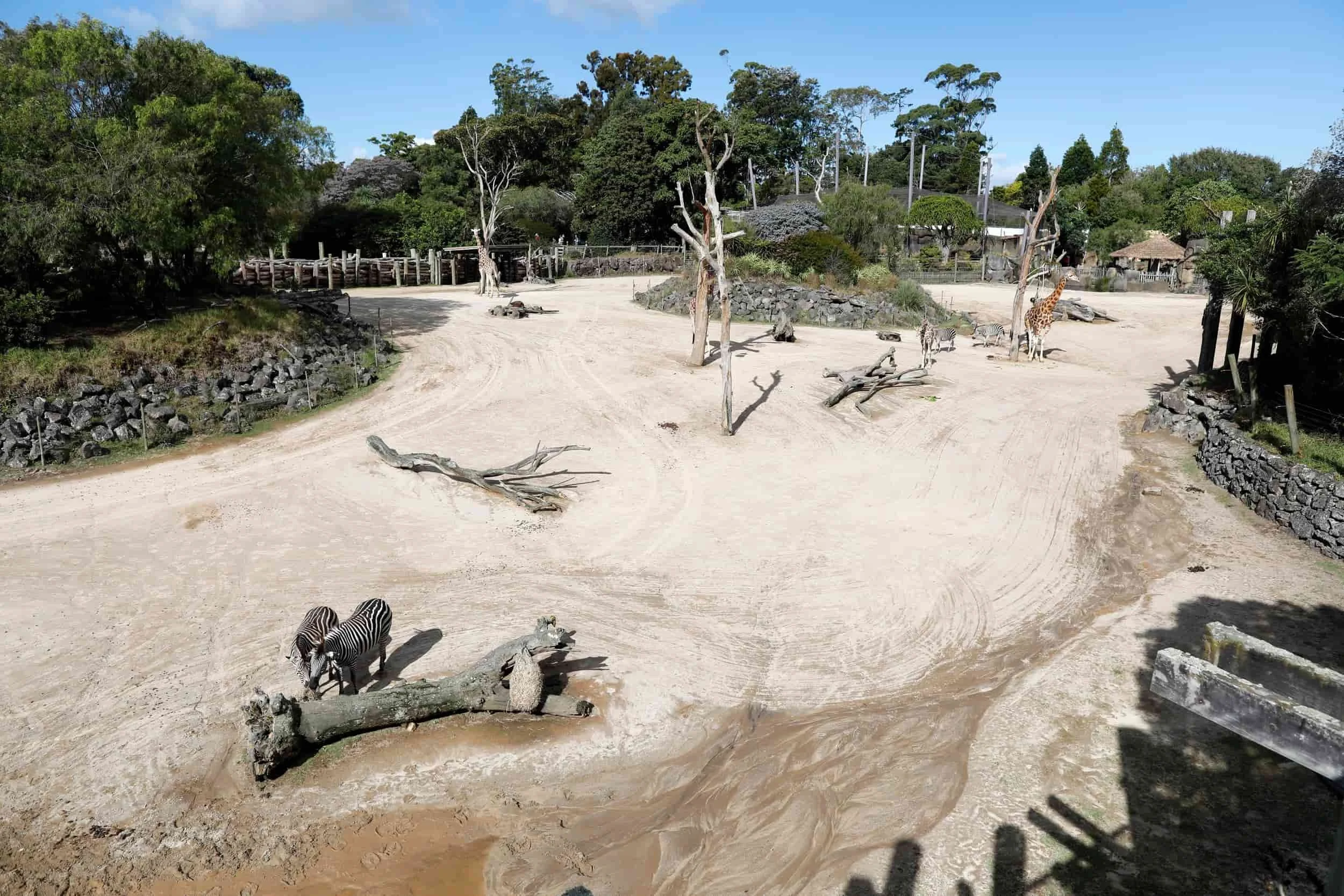
Animal highlights are varied and engaging. The white-crowned cranes and the cheeky kea show-off avian charisma, while the kiwi are a quiet, almost mystical draw — viewing them usually happens in a dim, specially designed space that respects their nocturnal nature.
The zoo’s big cats have impressive spaces that allow for close observation of their grace and the otters and meerkats provide lively, family-friendly entertainment with their constant motion and social antics. For conservation-minded visitors, the native species displays — such as tuatara and local forest birds — offer insight into New Zealand’s unique biodiversity and the zoo’s role in protecting it.
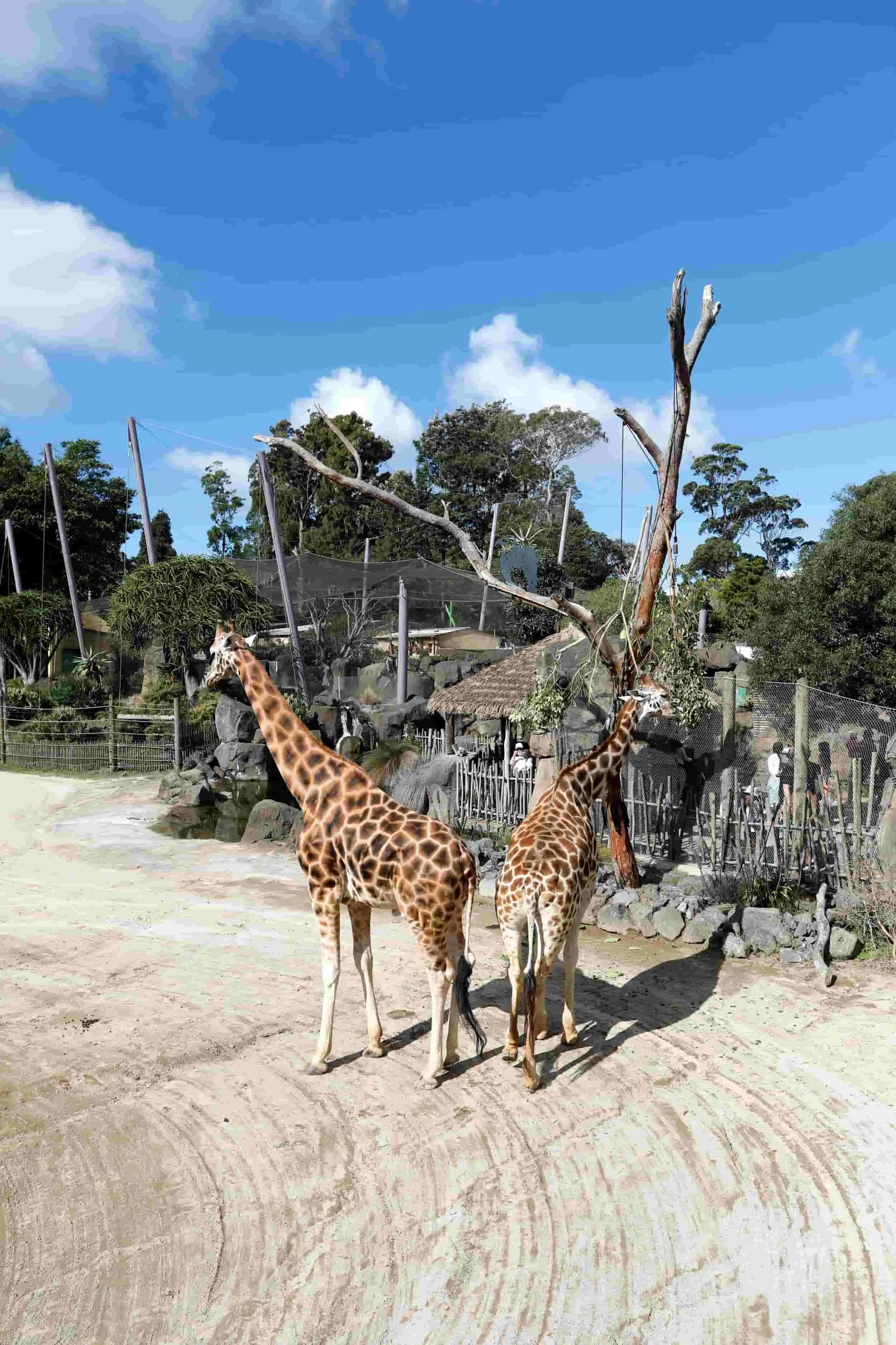
Beyond animals, the zoo’s visitor amenities are welcoming. A café and picnic spots provide pleasant places to rest and interactive exhibits and keeper talks give depth to the experience for children and adults alike. Accessibility is generally good, with paved paths and accessible viewing points, though some steeper, bushy sections retain a natural feel. Whether you’re planning a relaxed half-day or a more focused wildlife day, Auckland Zoo has a comfortable rhythm that invites curiosity and thoughtful connection with the natural world.
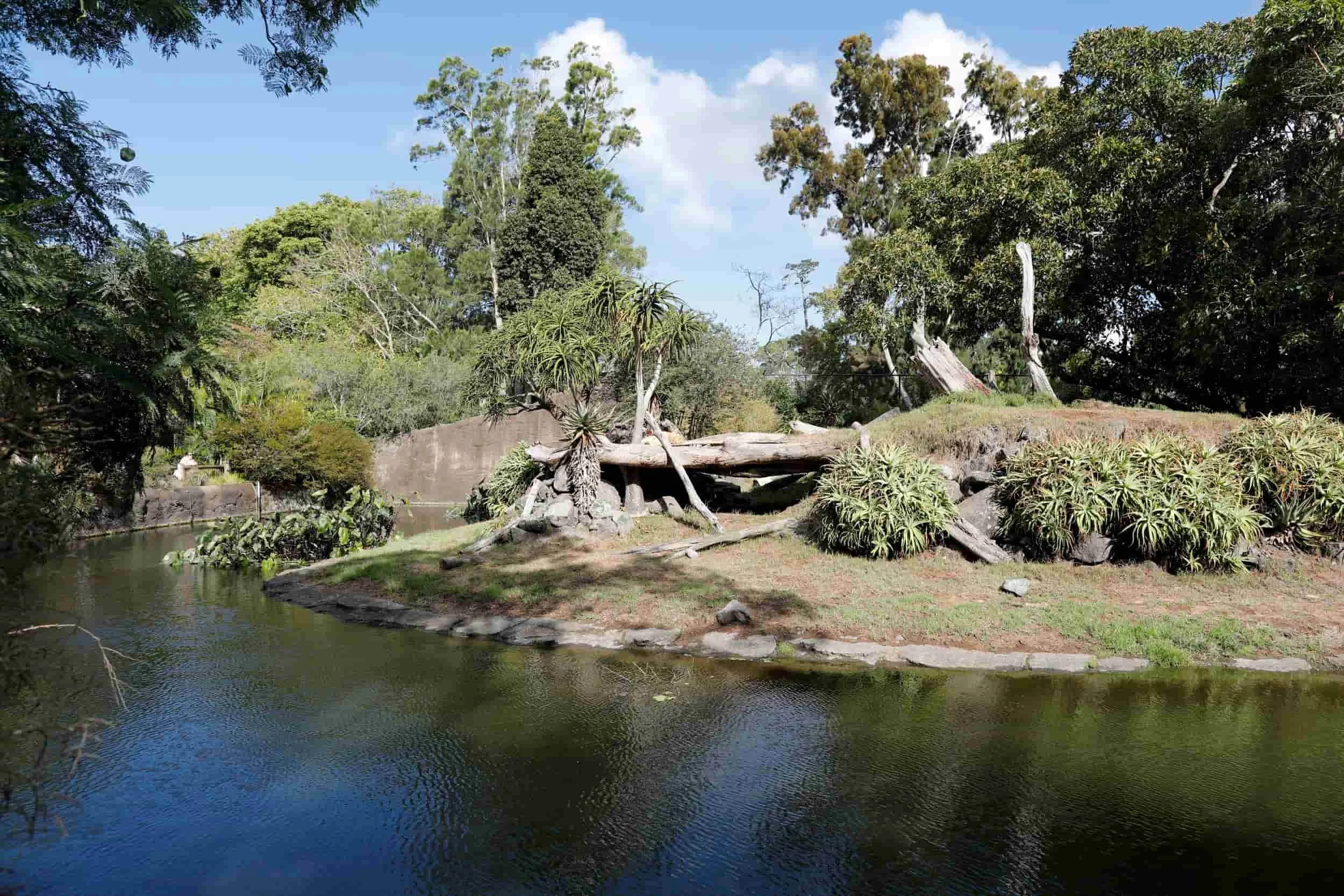
Arriving in the late afternoon leaves only a few hours to explore but the layout — neat, clearly signposted tracks — makes it easy to see a lot in a short time. Wander the themed trails one by one: a sun-drenched Australian Outback, then African grasslands and more.
Giraffes stretch their elegant necks, zebras flash their stripes and big cats — lion and tiger — lounge with that inevitable, regal indifference. Baboons chatter, birds fill the air with color and calls and the aquariums hold calm, drifting fish. The pace feels relaxed but full of small surprises.
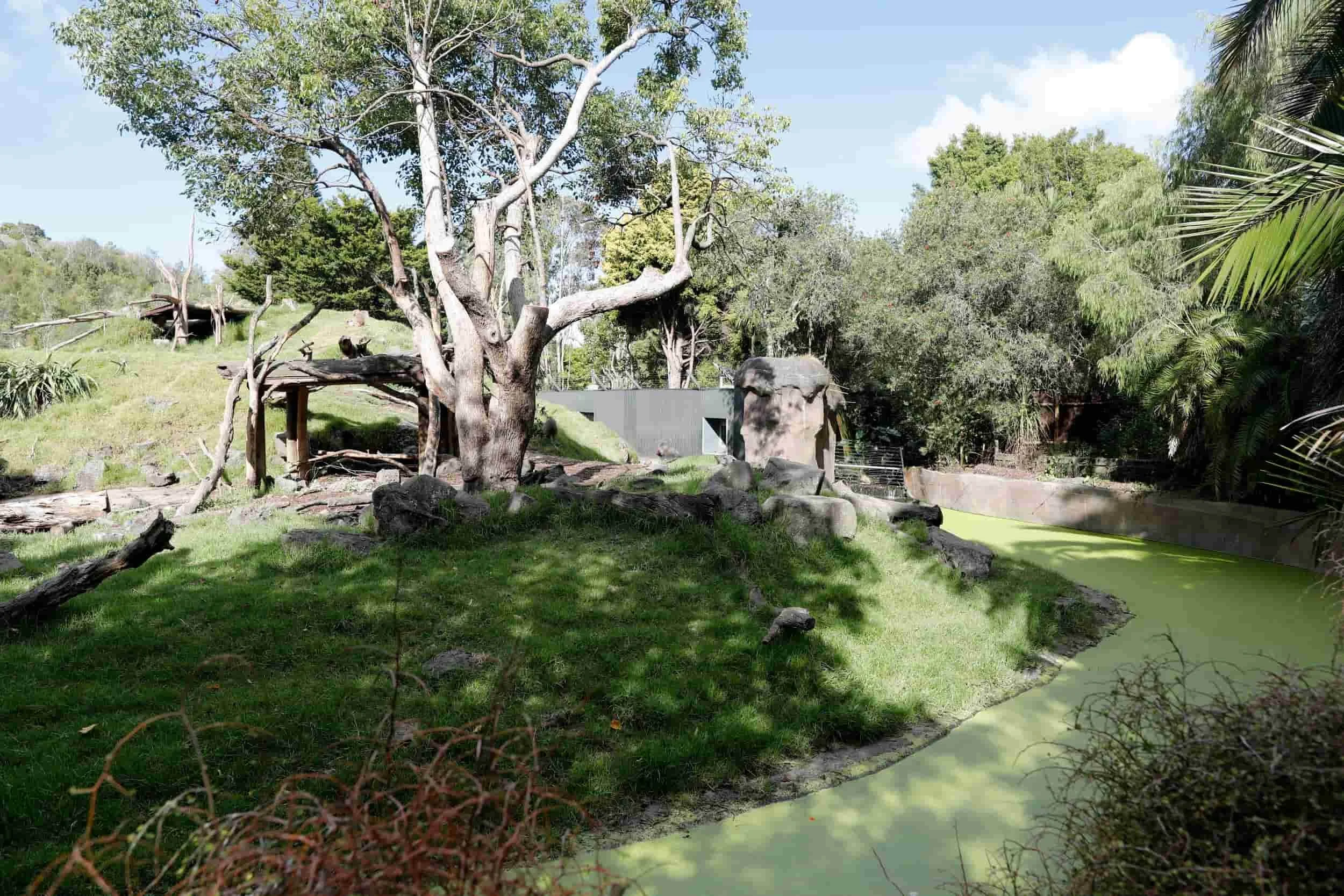
The rhinoceroses are gentle giants with surprisingly expressive eyes, each step a quiet reminder of ancient landscapes. Watching them wallow in the mud or forage with slow, deliberate grace feels like a peaceful lesson in patience and presence. Their deep, rumbling breaths and the soft twitch of their ears feels intimate — an easy, humbling connection to a world much larger than our own.
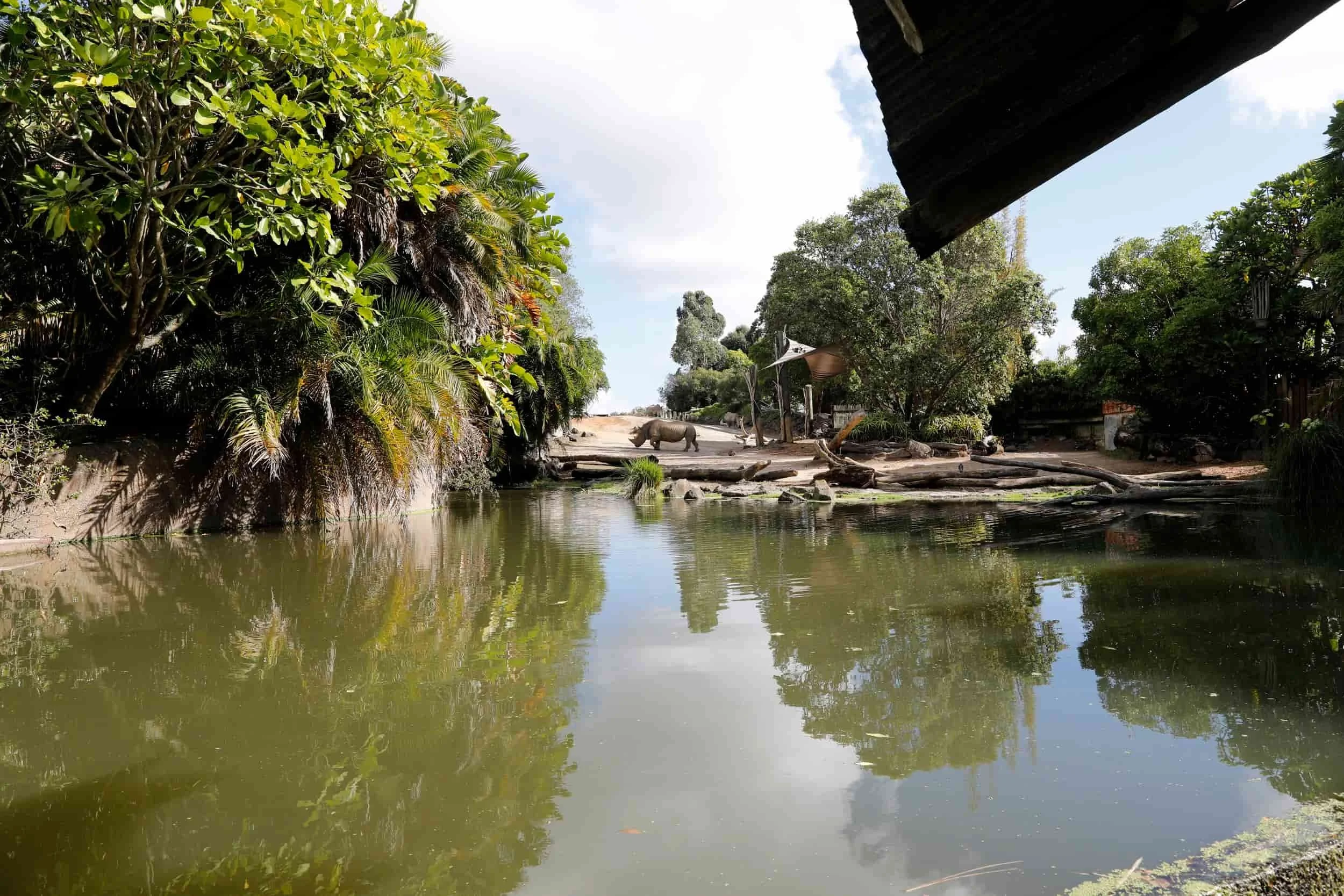
The zoo’s bird collection shines with a chorus of colors and calls, from the stately takahē — an icon of New Zealand’s conservation success — to vivid lorikeets darting through leafy aviaries. Wandering past wetland exhibits, you’ll spot elegant Australasian bitterns and clever little weka exploring the undergrowth. Each enclosure highlights species’ unique behaviors and local conservation stories, making the birds not just beautiful to watch but meaningful ambassadors for habitat protection.

A gentle wooden bridge spans a lush pocket of jungle, its planks warmed by dappled sunlight. The air carries the earthy scent of moss and tropical blooms as curious orangutans swing and amble among the branches, their slow, deliberate movements full of quiet personality. Pausing on the bridge, visitors feel wonderfully close to these soulful animals and the miniature rainforest that surrounds them.
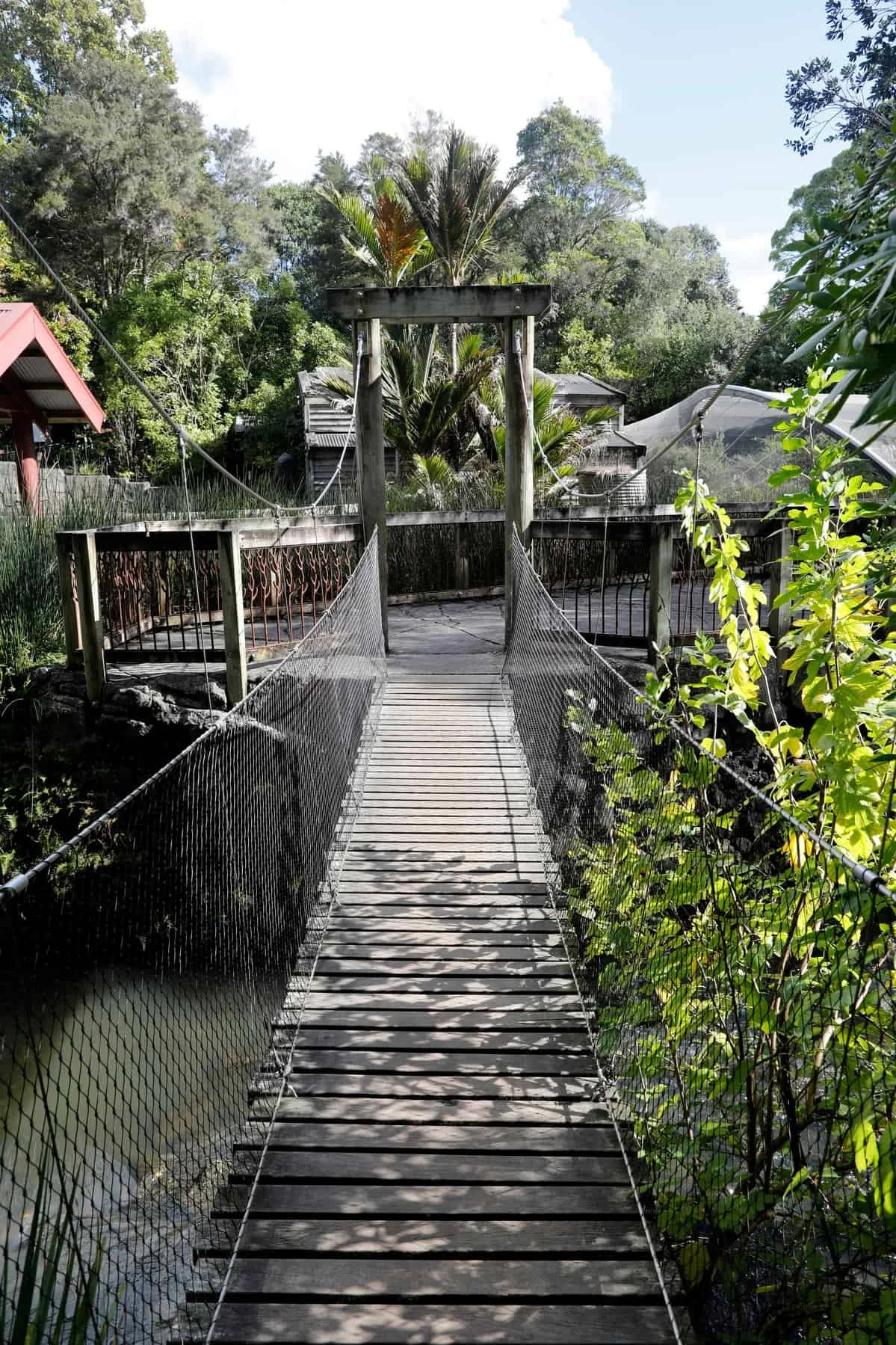
Winding like a secret, the jungle-like trails feel instantly alive — a canopy of leaves dappling the path, vines brushing the shoulder and distant animal calls weaving into the air. Each bend reveals lush pockets of habitat where native and exotic plants mingle, inviting slow footsteps and curious glances. It’s the kind of walk that makes city noise fade, replacing it with the quiet thrill of discovery and the gentle reminder that wild things can exist just beyond our everyday streets.
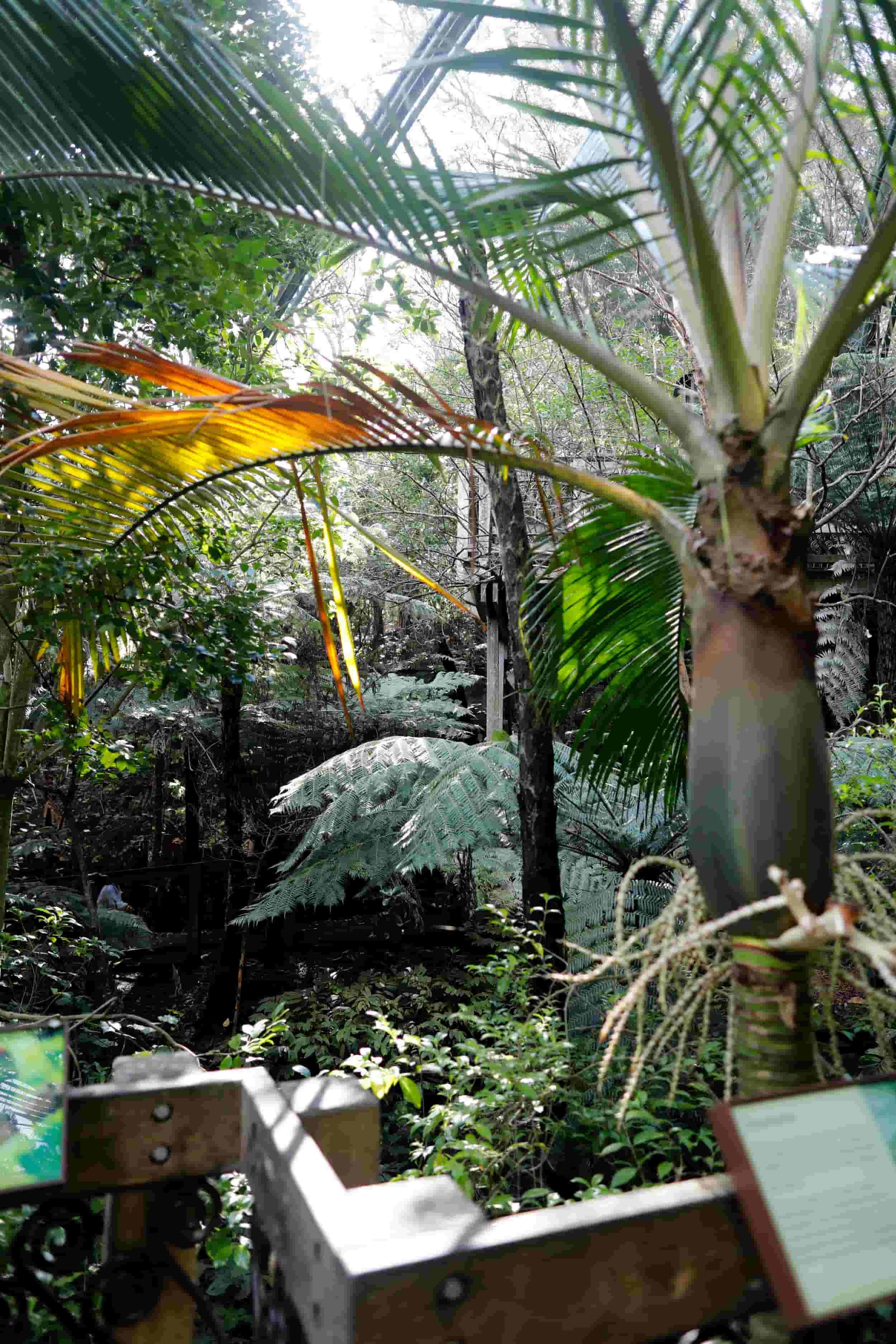
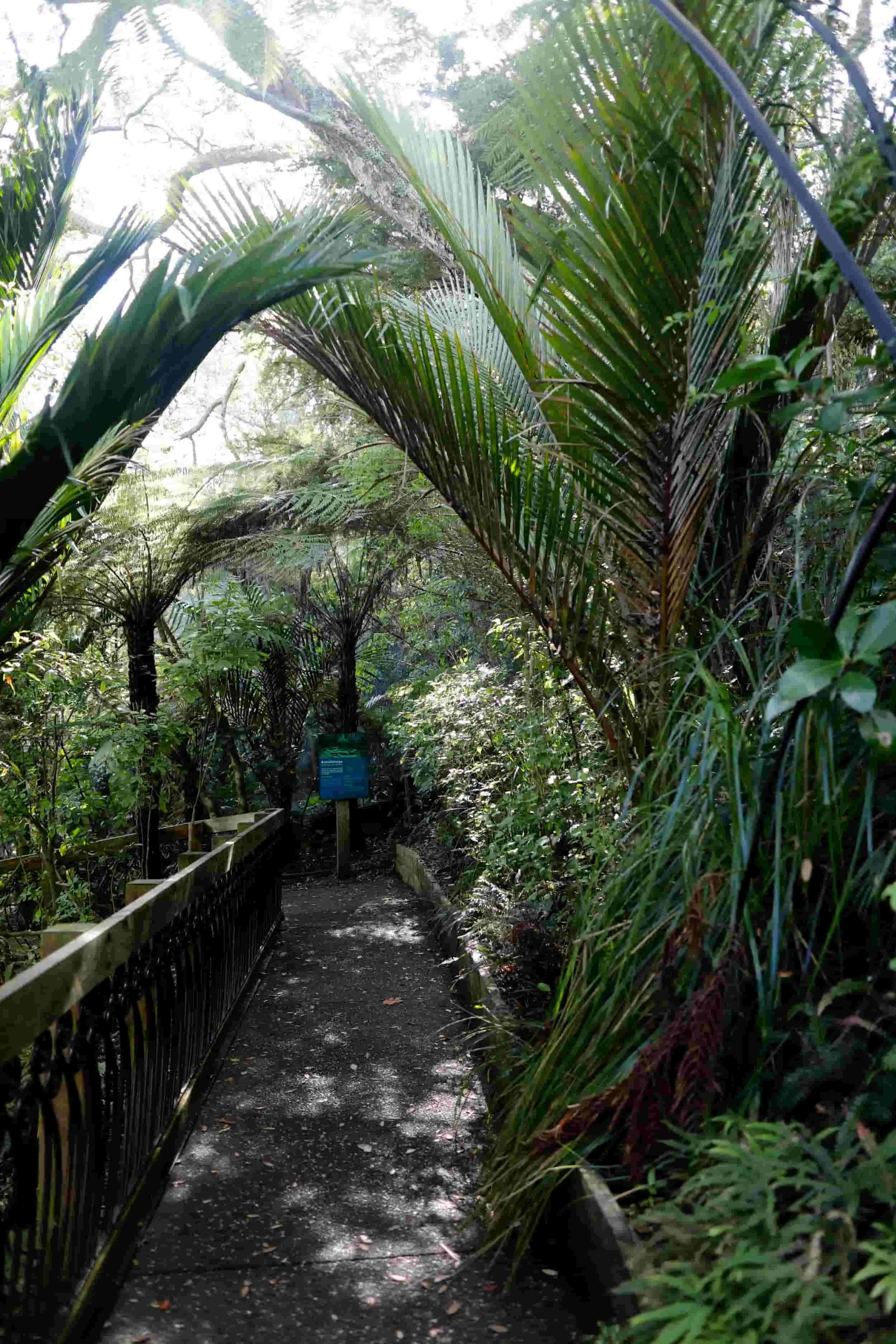
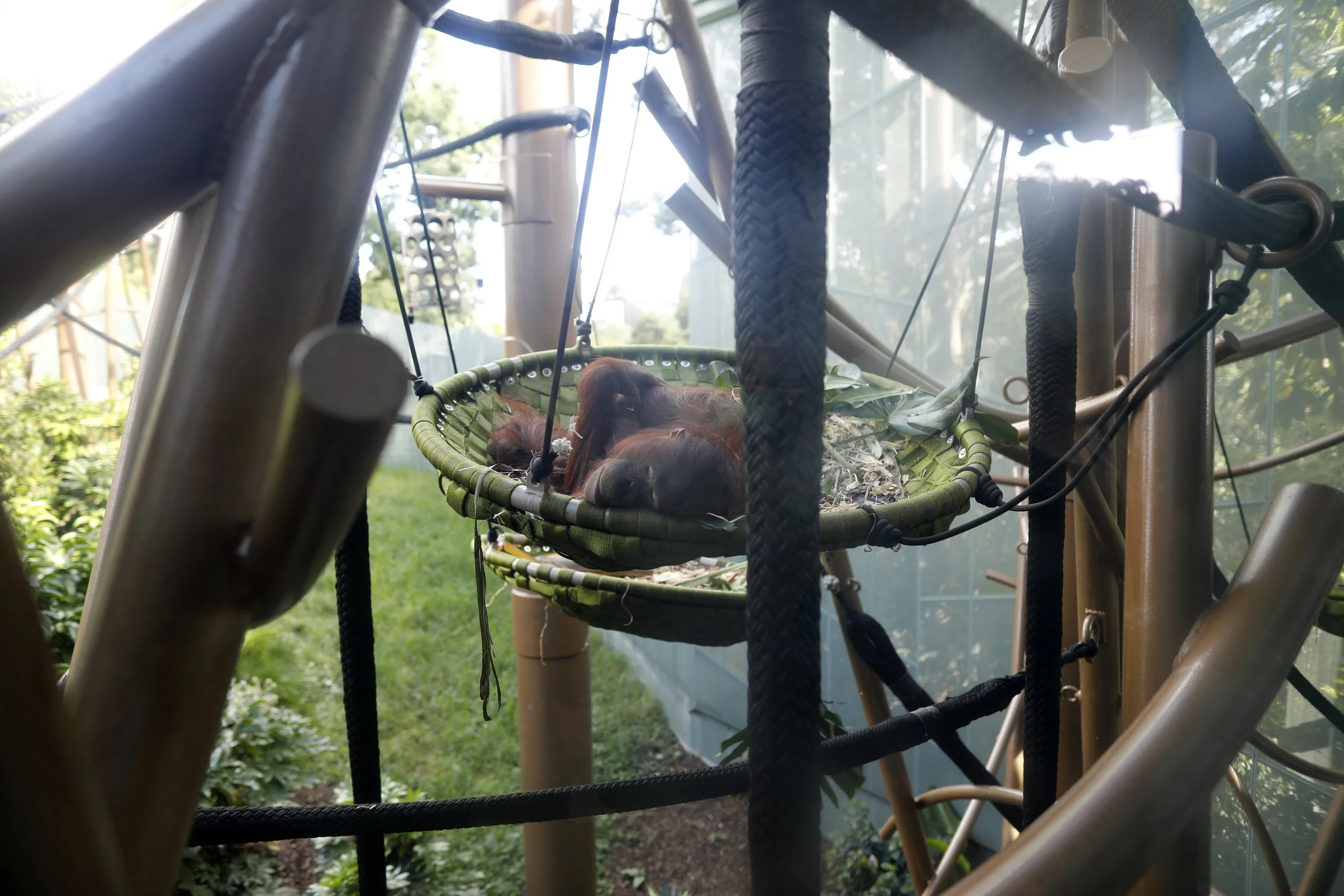
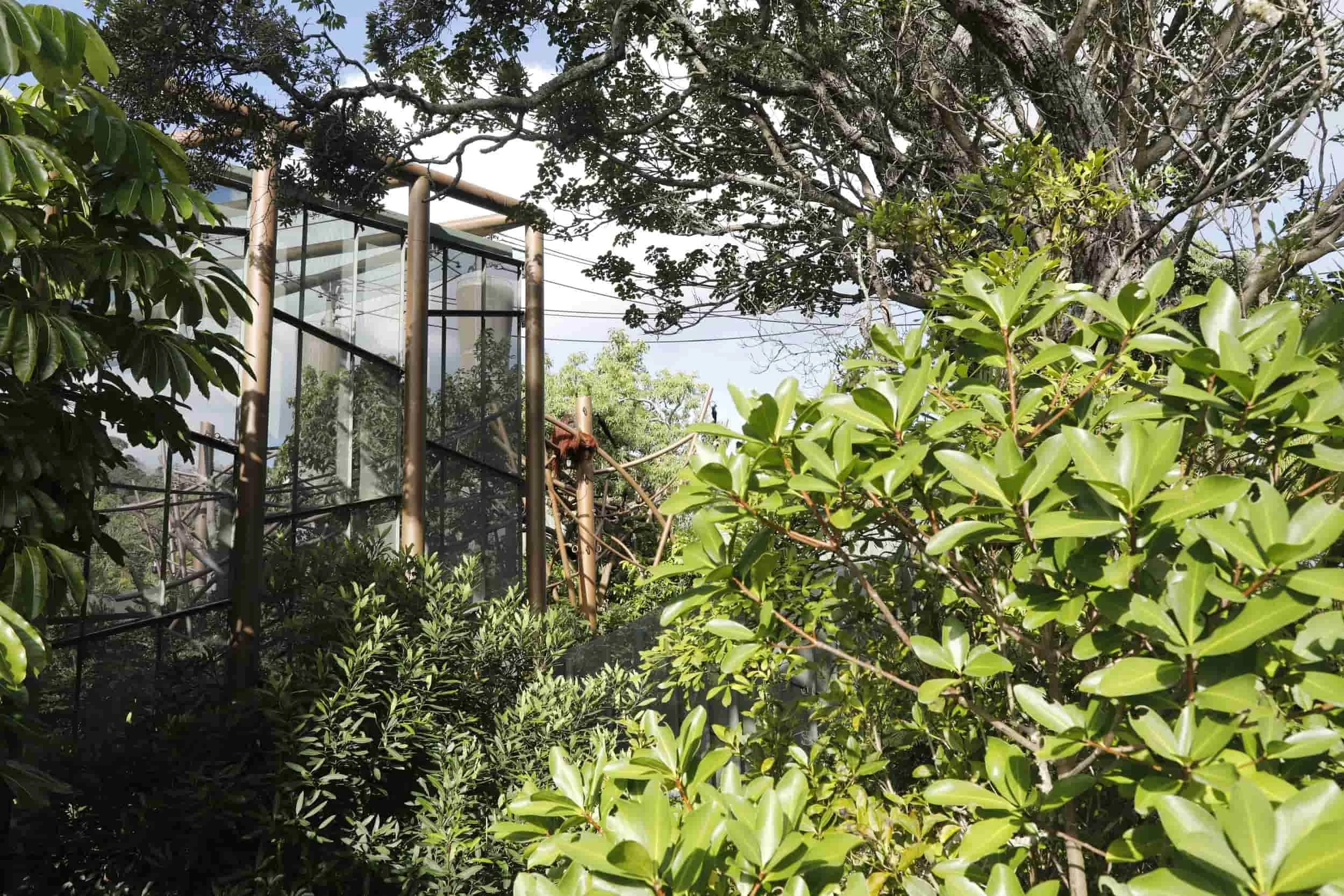
The orangutans move with quiet, curious grace — slow-swinging through ropes and pausing to study visitors with soulful, clever eyes. Their rust-red coats catch the sunlight and their gentle, thoughtful manner makes every moment feel like a private, tender performance. Watching them interact — sharing leaves, grooming or simply lounging in the shade — is a peaceful reminder of intelligence, patience and the fragile beauty worth protecting.
Other monkey species add lively splashes of personality to the enclosures — mischievous capuchins with clever hands that inspect every nook, soft-eyed spider monkeys swinging with graceful acrobatics and the social chatter of squirrel monkeys that sounds like a tiny rainforest chorus. Each species carries its own charm: inquisitive faces, playful antics and moments of quiet grooming that reveal strong family bonds.
The brolga moves like a graceful dancer — long legs stepping with deliberate elegance, plume-tipped wings unfurling in a proud, slow ballet. Up close, its curious eyes and soft, trumpet-like calls hint at a playful intelligence, while the subtle crown of feathers gives it an almost regal air. Watching it strut and preen in the warm sunlight is a quiet reminder of the wild poetry tucked into city life.
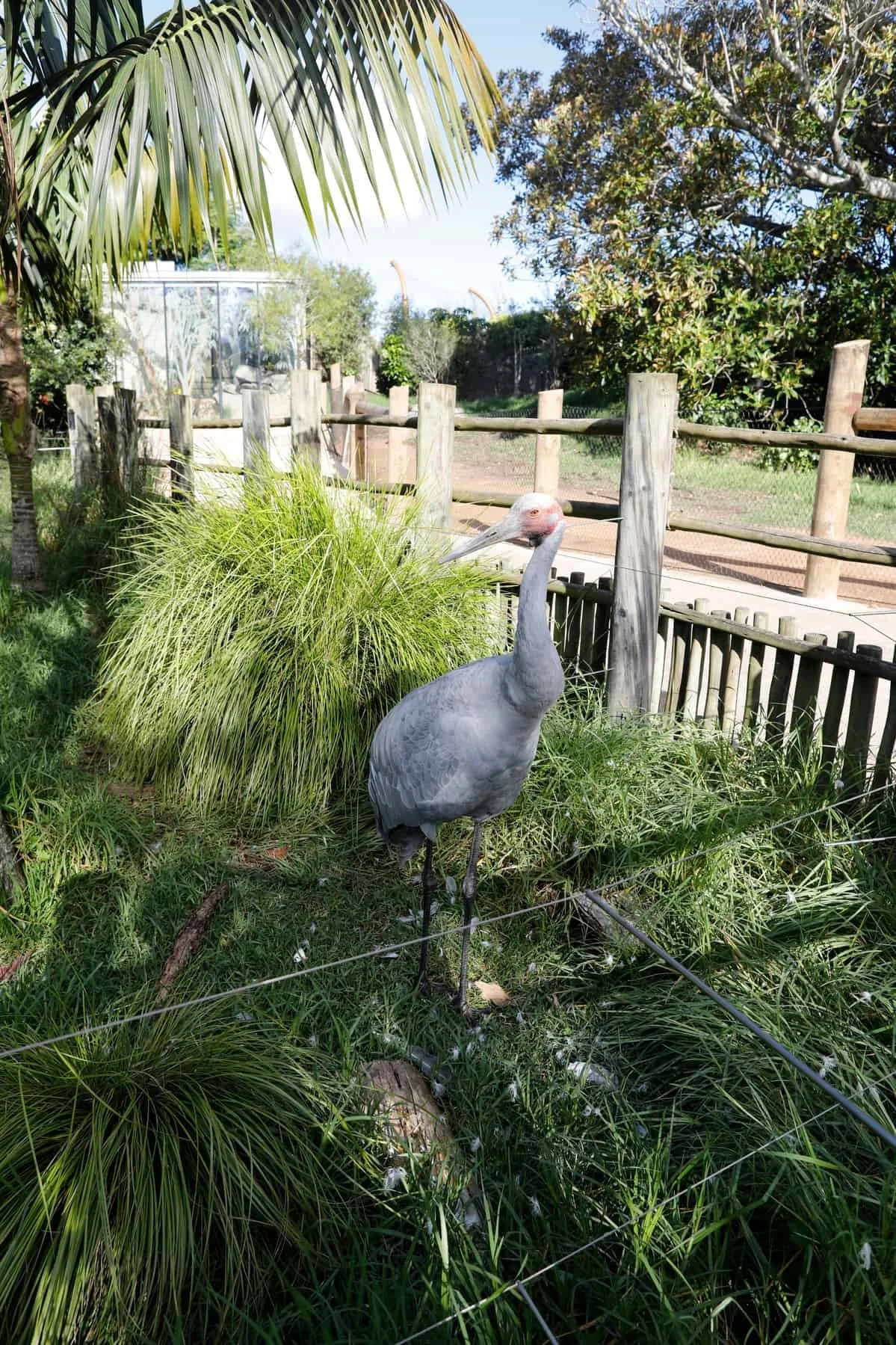
A stroll through Auckland Zoo feels curious and intimate — wide-eyed animals, thoughtful habitats and friendly keepers make every corner unexpectedly joyful. It’s equal parts education and wonder, perfect for families, solo explorers or anyone who still believes in the small, simple delight of seeing wildlife up close.
Grey Lynn
Grey Lynn is a charming, leafy neighborhood in central Auckland known for its relaxed village vibe and vibrant community life. Tree-lined streets showcase tidy Edwardian and Victorian villas, many with colorful gardens and characterful façades that hint at the area's history. On a sunny weekend, local cafes and bakeries overflow with neighbors sipping coffee and swapping stories, while boutique shops and artisan stores offer a curated mix of design, vintage finds and local crafts.
💡 Local Tip | Wandering through Auckland’s enchanting neighborhoods is one of the city’s best things to do.
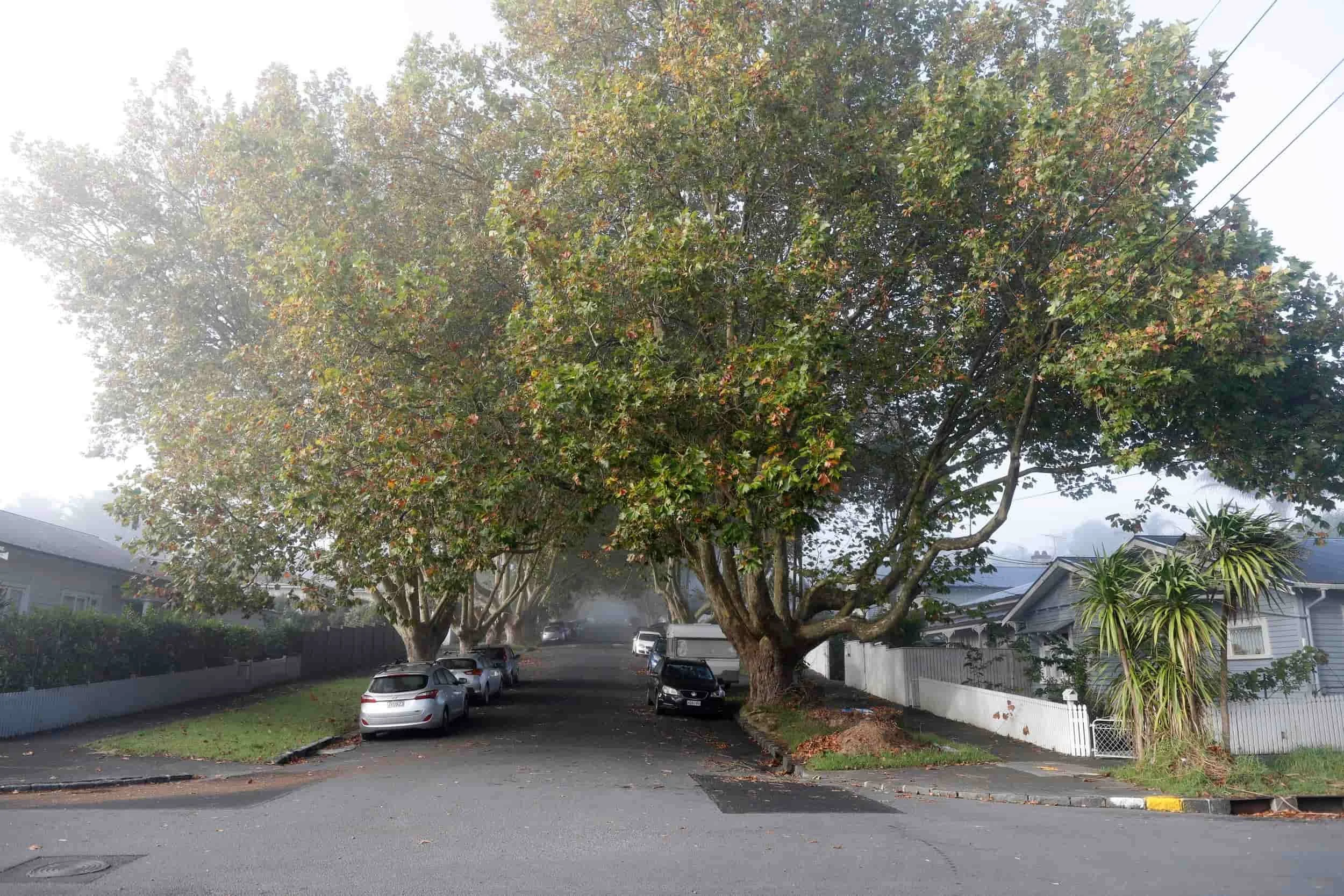
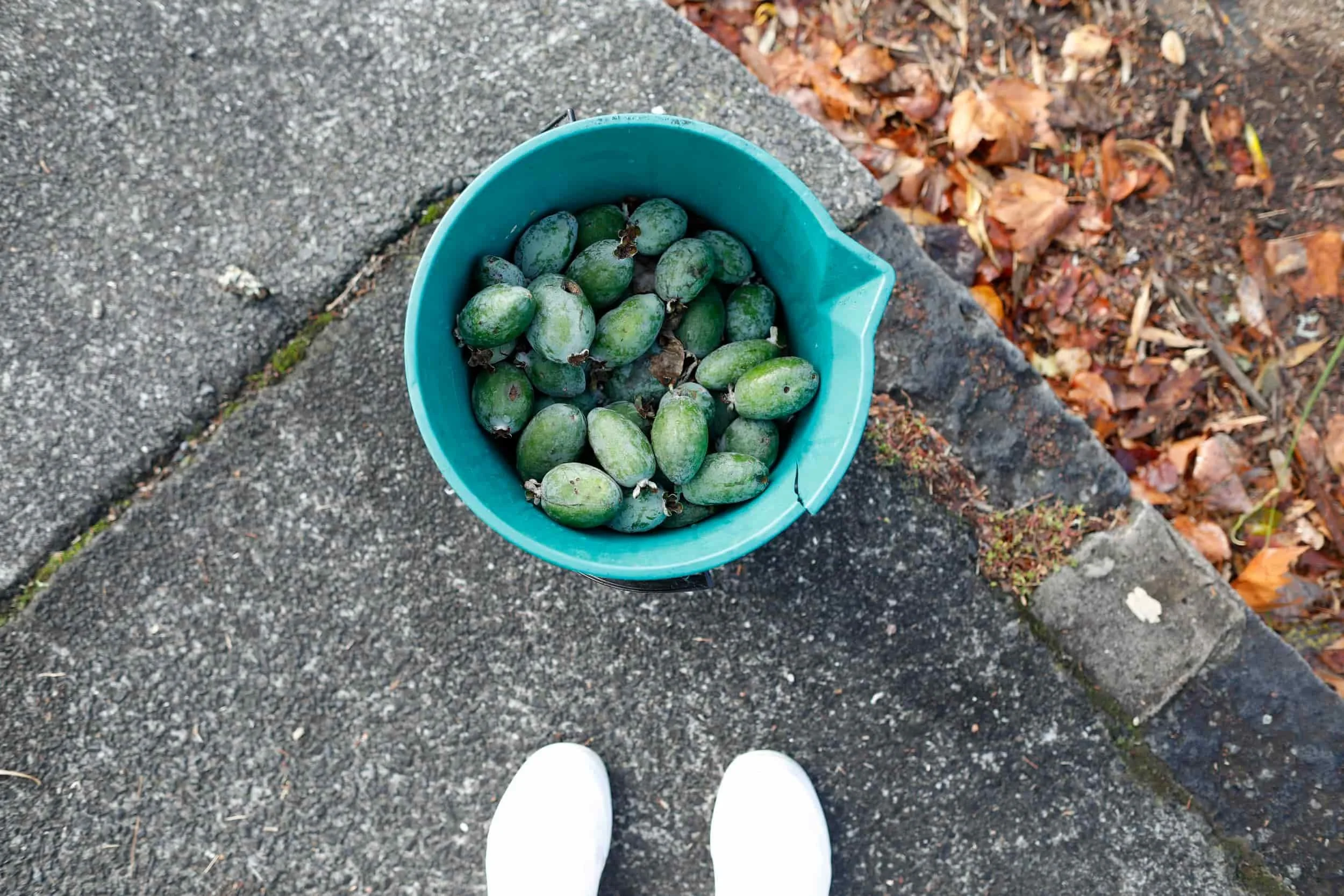
You’ll also find the feijoa — residents leave buckets full on the sidewalks open for grabs. Abundant in autumn, the feijoa (pineapple guava) releases a heady, floral aroma the moment you slice it open. Its gritty, honeyed flesh tastes like a sunny mash‑up of pear, pineapple and citrus — perfect straight from the skin or stirred into a weekend crumble (nostalgic and classic hot dessert of stewed fruit topped with a crunchy mixture of flour, butter, sugar and oats).
Western Park and Grey Lynn Park provide green, open spaces for picnics, dog-walking and community events. The area has a creative streak — street art and small galleries add splashes of color — and a strong sense of local pride evident in community markets and festivals.
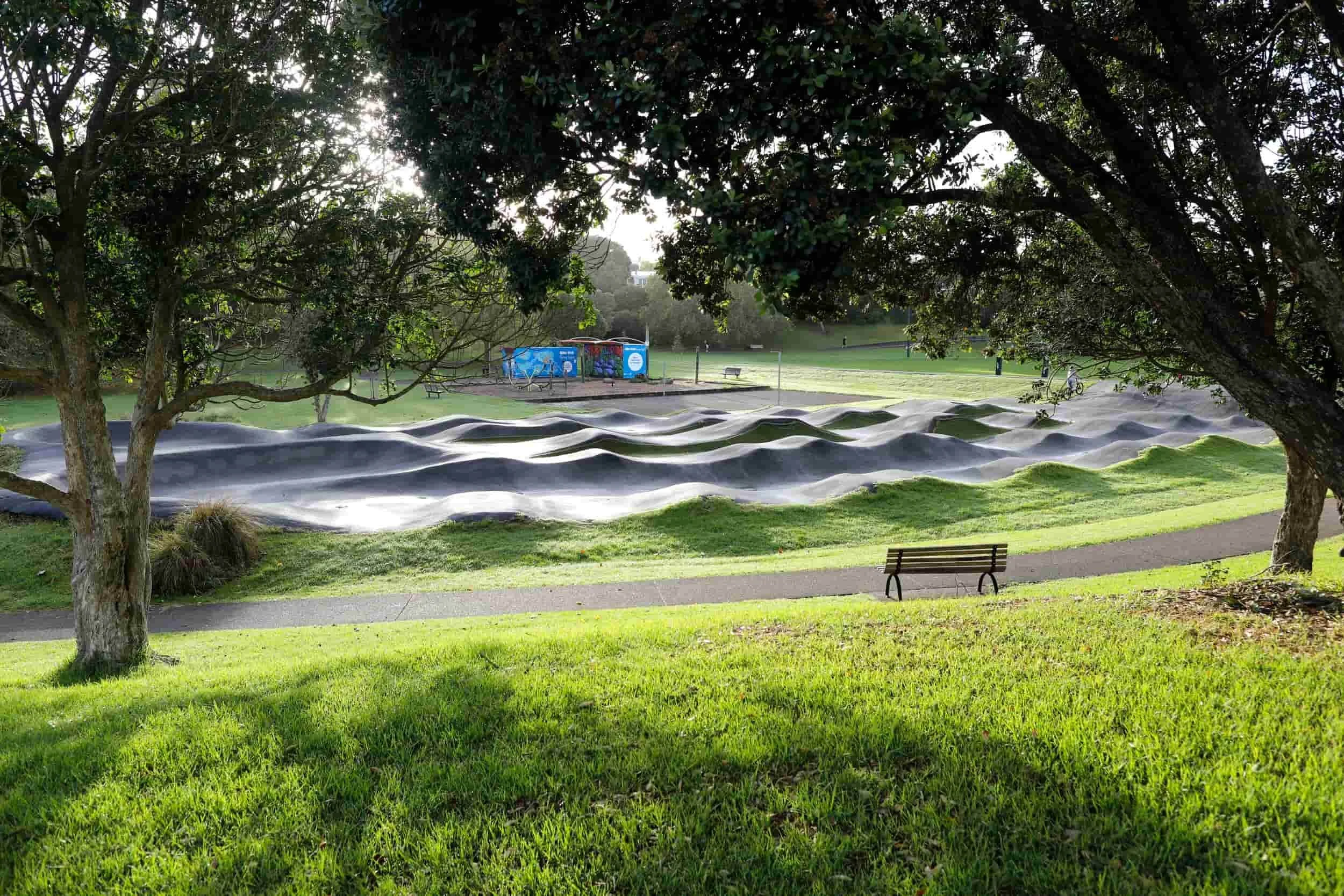
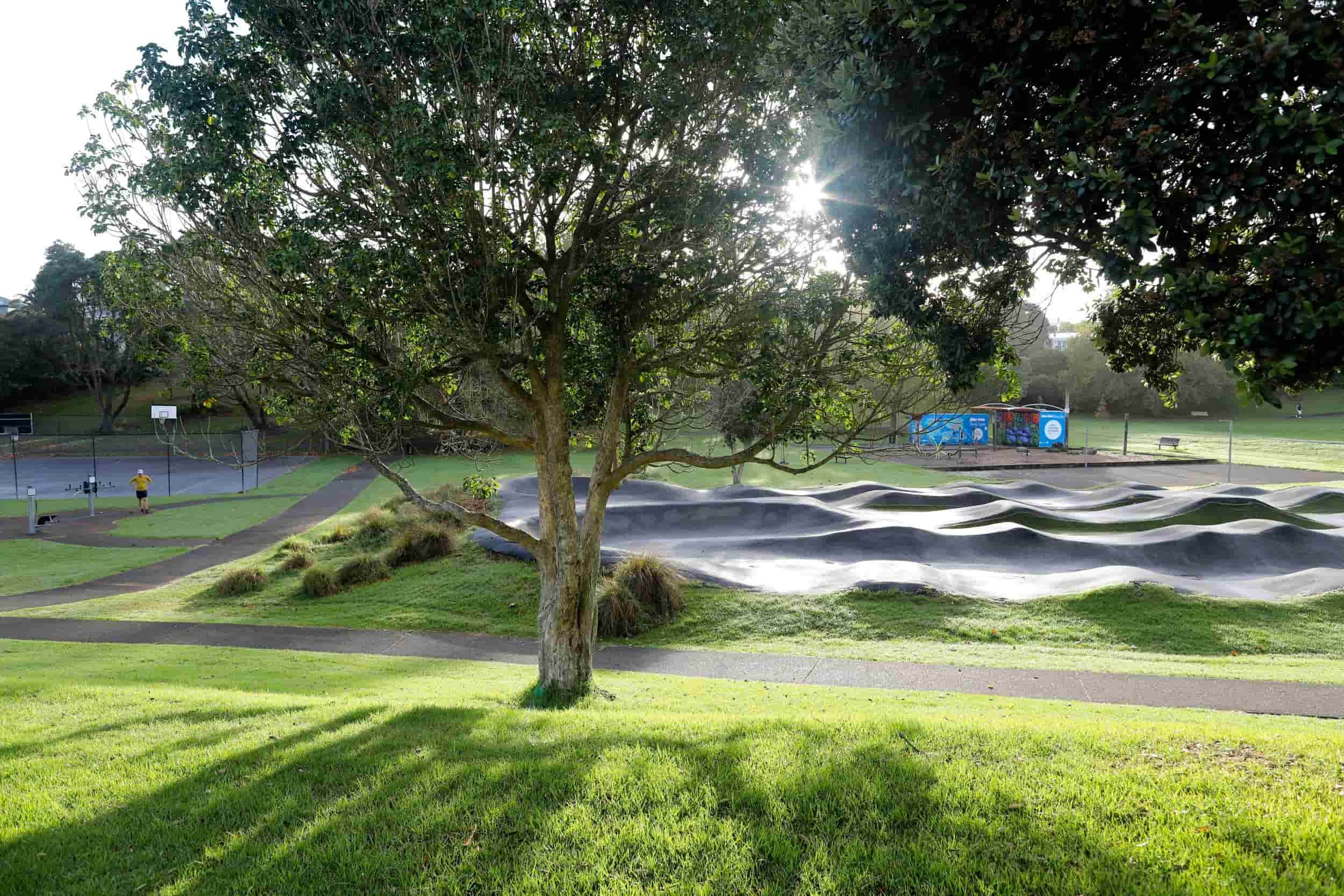
Easy to reach from Auckland’s central city, Grey Lynn is both a peaceful residential retreat and a lively cultural pocket, perfect for leisurely strolls, relaxed brunches and discovering local life.
💡 Local Tip | Don’t miss Honey Bones in Grey Lynn — go for coffee, breakfast or brunch and stay to people-watch.
K’ Road
Short for Karangahape Road, K’ Road hums with contrast — a mix of secondhand shops, eclectic homewares stores and boutiques stocked with Southeast Asian finds. By day, some storefronts wear their grit openly, lending the street a slightly seedy, lived-in character that feels part of its identity. This is Auckland’s red-light and queer precinct, where coffee shops, galleries and vintage racks crowd the sidewalks and unexpected discoveries await around every corner.
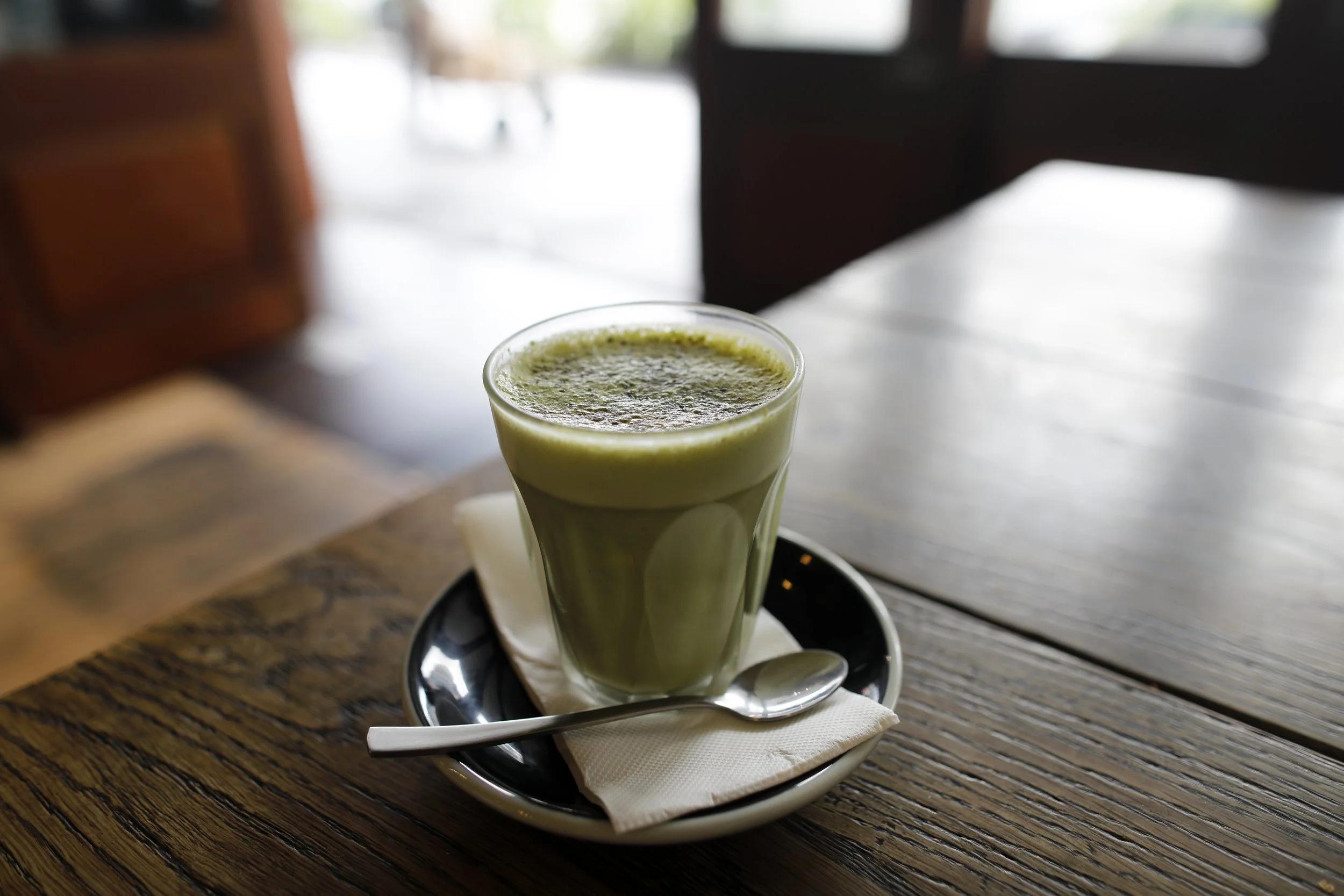
One bright spot is the Scullery Café (temporarily closed): a hip, industrial spot that stands out not only for its aesthetic but for a genuine commitment to reducing waste. A matcha latte here feels like a small, conscientious treat.
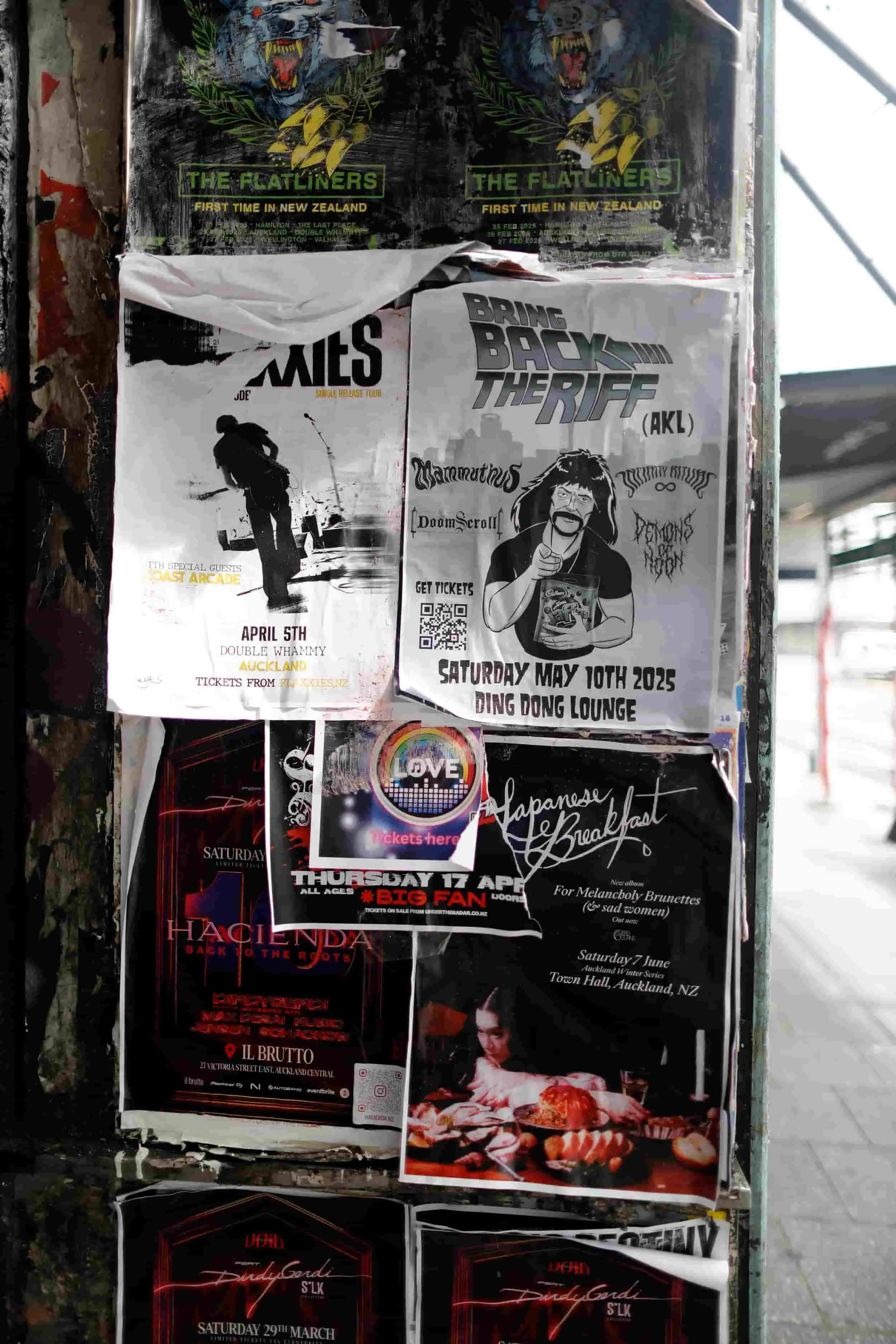
Ambient music drifts from open doors — a low thump of house from one club, a languid vinyl set in a café, a busker’s saxophone wet with late-afternoon light — and it all blends into K’ Road’s soundtrack. Narrow sidewalks give way to sudden pockets of light: a tiny florist arranging proteas and wild eucalyptus, a window display of hand-thrown ceramics stacked like little cities, a shopfront crowded with bright sarongs, brass incense burners and woven baskets from Southeast Asia.
Signs are hand-painted or neon; some facades are smudged with layers of past lives, posters for gigs curling at the edges. You’ll see a thrift store where jackets with seventies collars hang beside pristine 1990s designer pieces and next door a boutique where minimalist copper lamps sit against walls of inky blue.
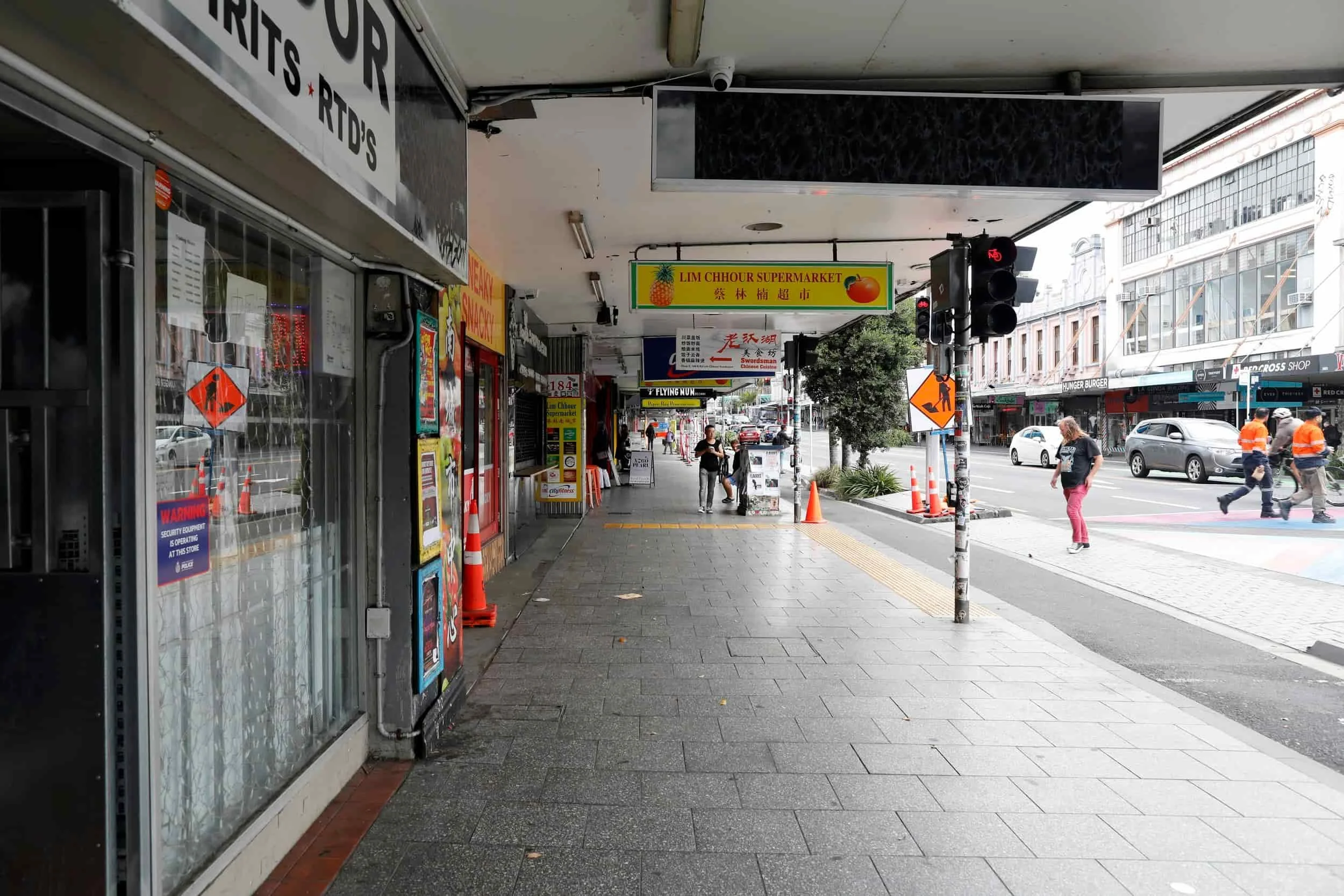
People move through the street with a relaxed, slightly theatrical air. Students with paint-splattered backpacks debate lunch plans; locals wave to familiar faces and pick up a custard square from the bakery; tourists with camera straps pause to inspect a mural of a woman crowned in ferns.
Performers rehearsing lines or touching up makeup in café mirrors are as much part of the scene as skateboarders weaving through cyclists. Conversations drift between English, te reo Māori, Korean, Mandarin and snippets of Pacific and Southeast Asian languages — a linguistic collage that matches the goods on sale.
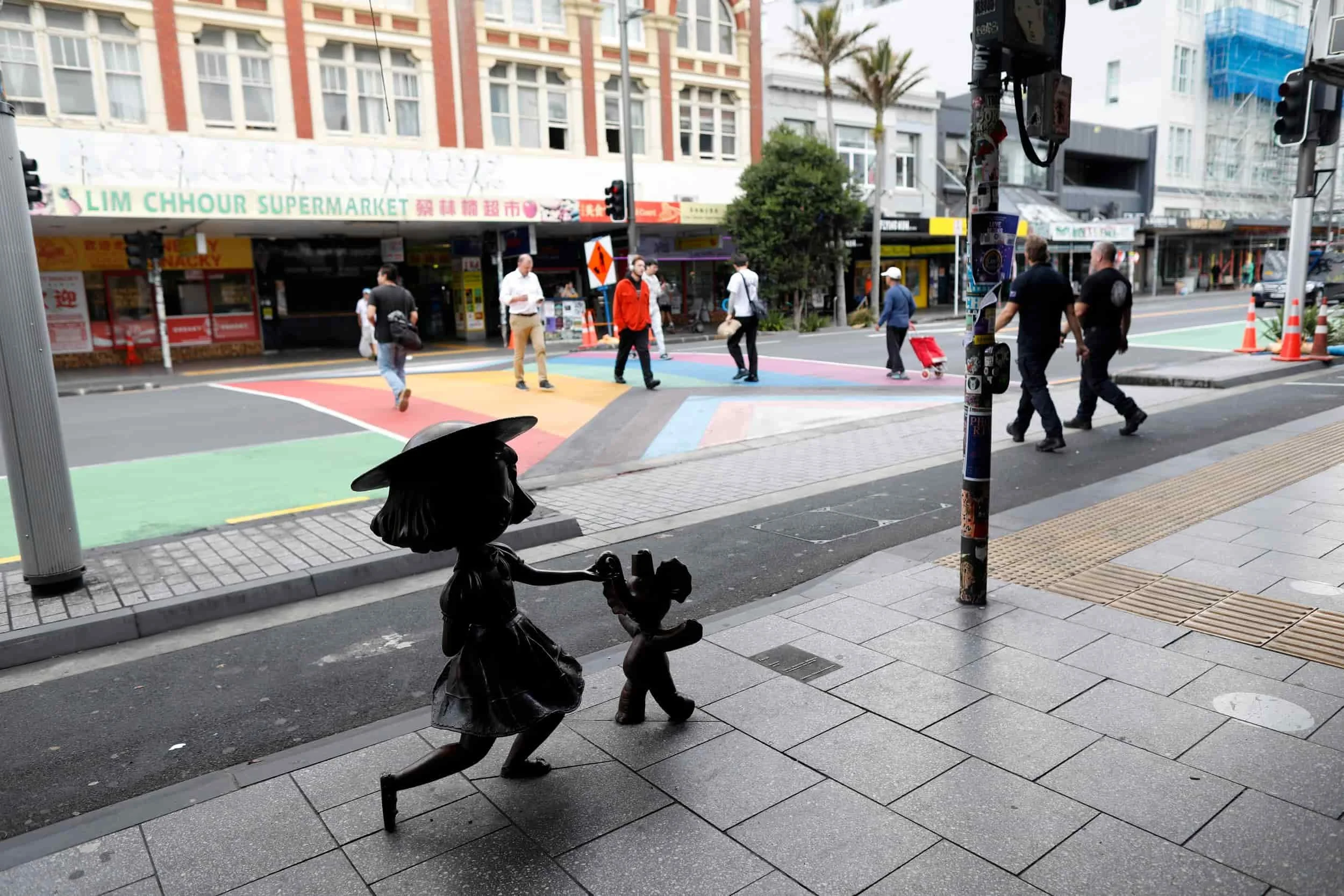
Bars hide behind unmarked doors and staircases, some with velvet ropes and some with the baked-on intimacy of basement rooms where live bands warm up and voices carry softly as the afternoon eases toward evening. Galleries are often modest, perfect for a slow wander: prints of urban landscapes, photographs capturing Pacific life, experimental installations that reward a longer look.
Cafés invite lingering: wooden tables scarred by years of elbows and laptops, baristas cradling single-origin espresso, house-made kimchi or a fragrant pandan cake on offer. Afternoon light spills through the soft clouds, catching dust in the air and lending everything an almost grungy, moody vibe.
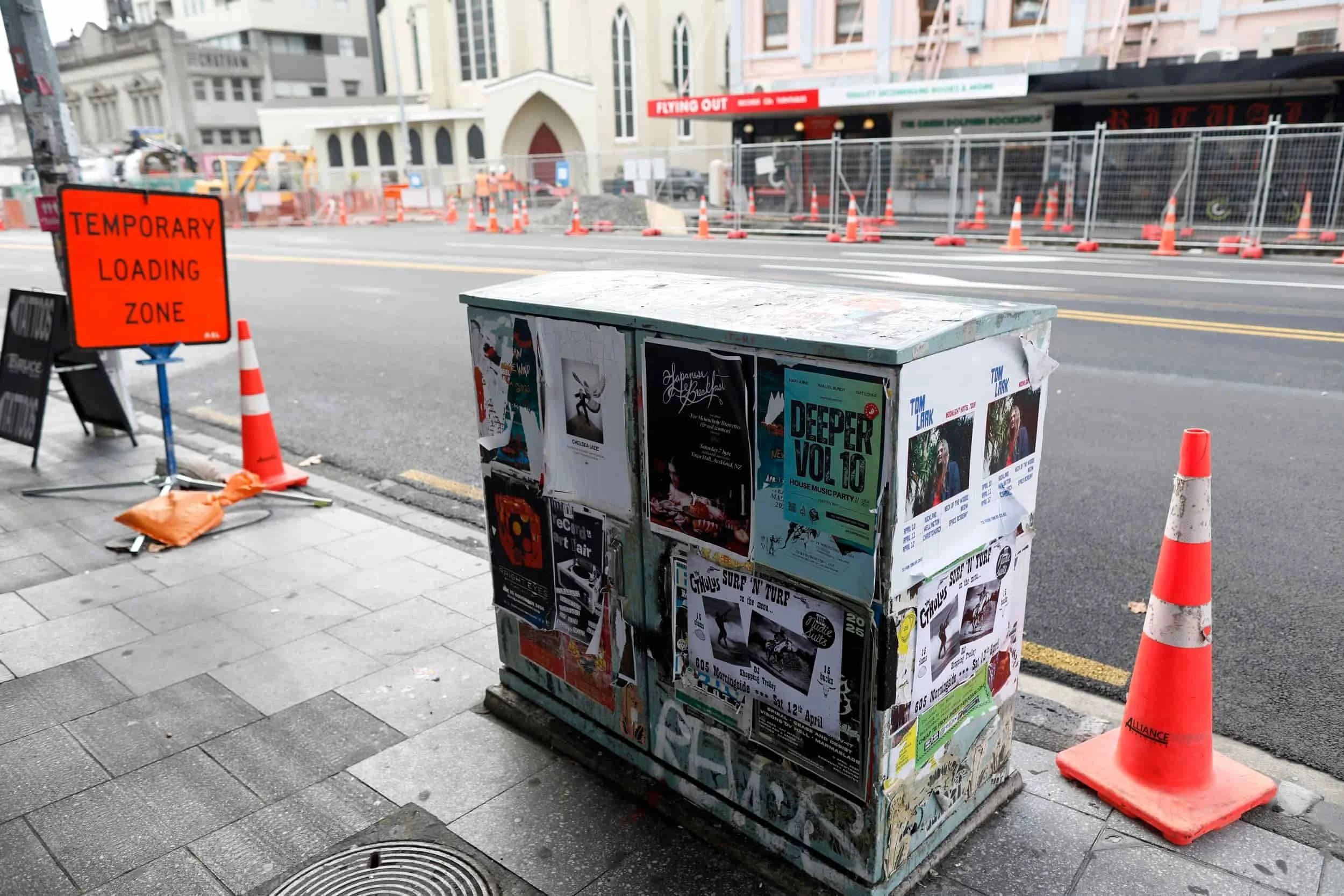
Street food options are as varied as the shops — dumpling joints with steam fogging their windows, a Thai eatery serving sticky mango rice, falafel stands with bright tahini and bakeries with flaky croissants and savory buns. Small groceries brim with ingredients hard to find elsewhere in Auckland: jars of fish sauce with labels in Vietnamese, fresh Asian greens bundled with elastic bands and packets of spices stacked like little promises of home cooking.
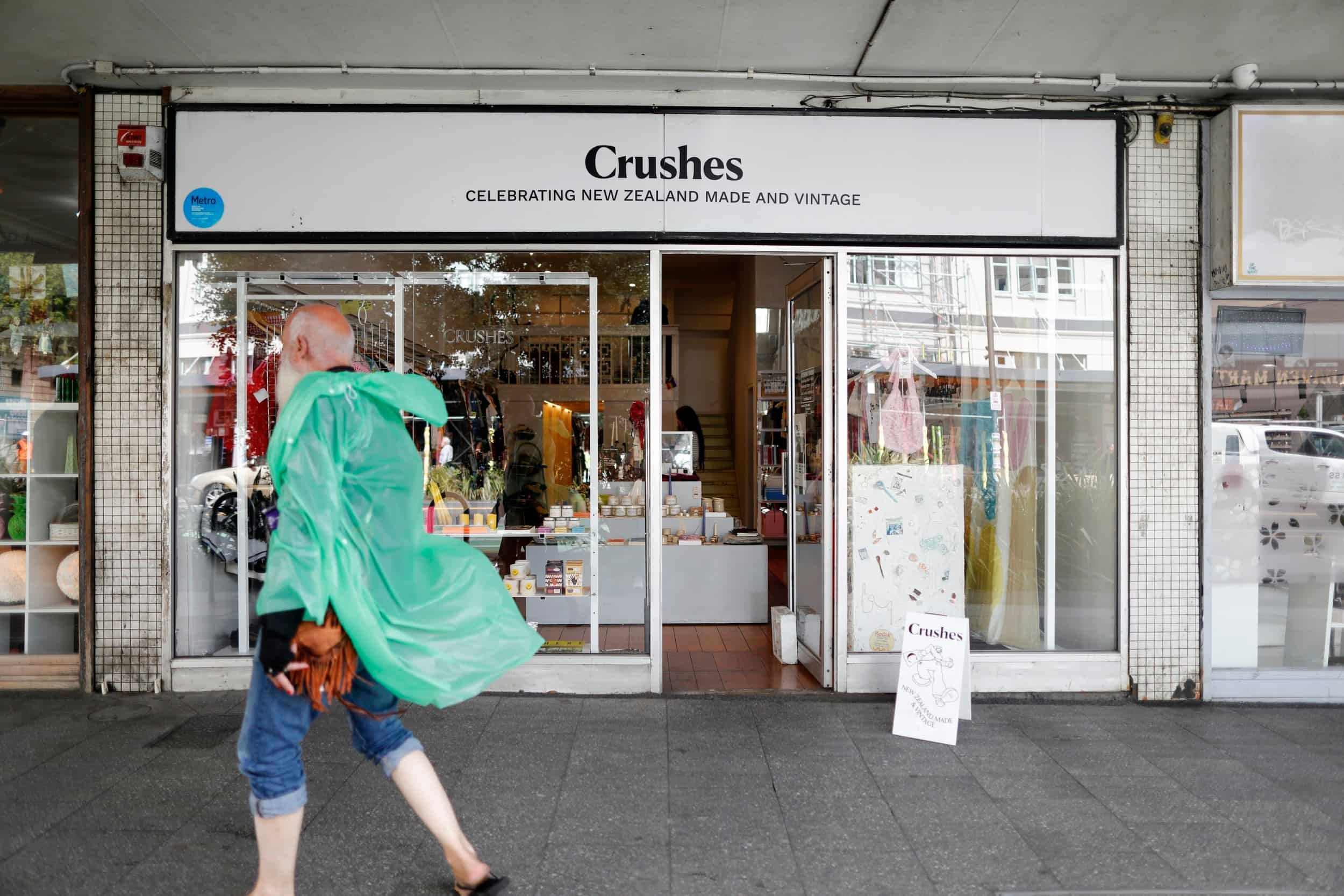
Murals and stickers crop up everywhere: slogans about queer rights, portraits of local activists and bursts of abstract color. The afternoon light softens painted surfaces, bringing out textures and tones that a harsher midday sun would wash away. There’s a welcoming roughness to K’ Road — an authenticity that comes from being a place where different communities have carved out space for themselves.

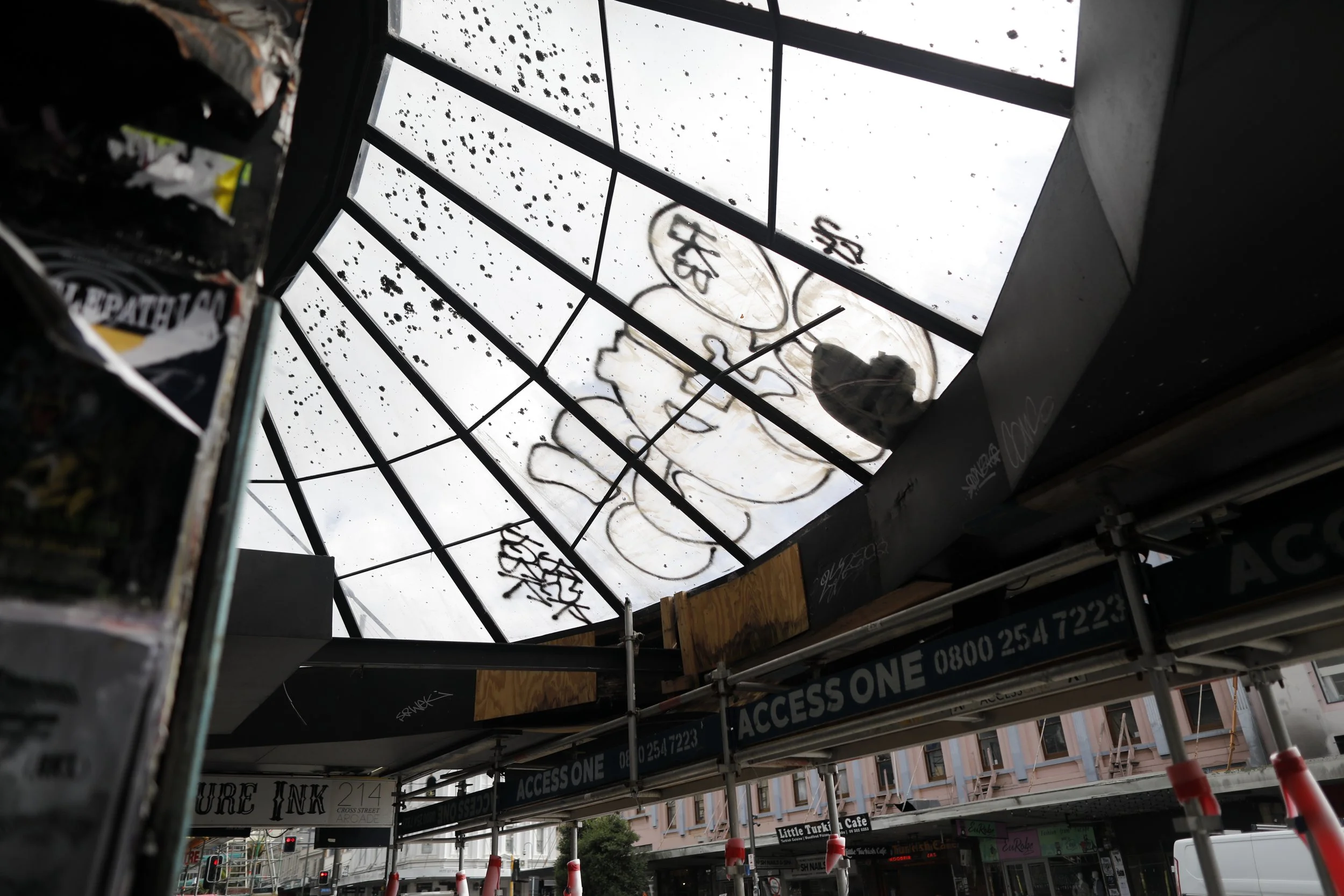
St Kevin’s Arcade, a two-story shopping center dating back to 1924, is a delightful pocket of variety — restaurants, boutiques and curious services tucked under a charming old roof. Toward the back sits Bestie Cafe, a lively neighborhood haunt where the crowd ranges from suited professionals to those lingering over a slower morning.
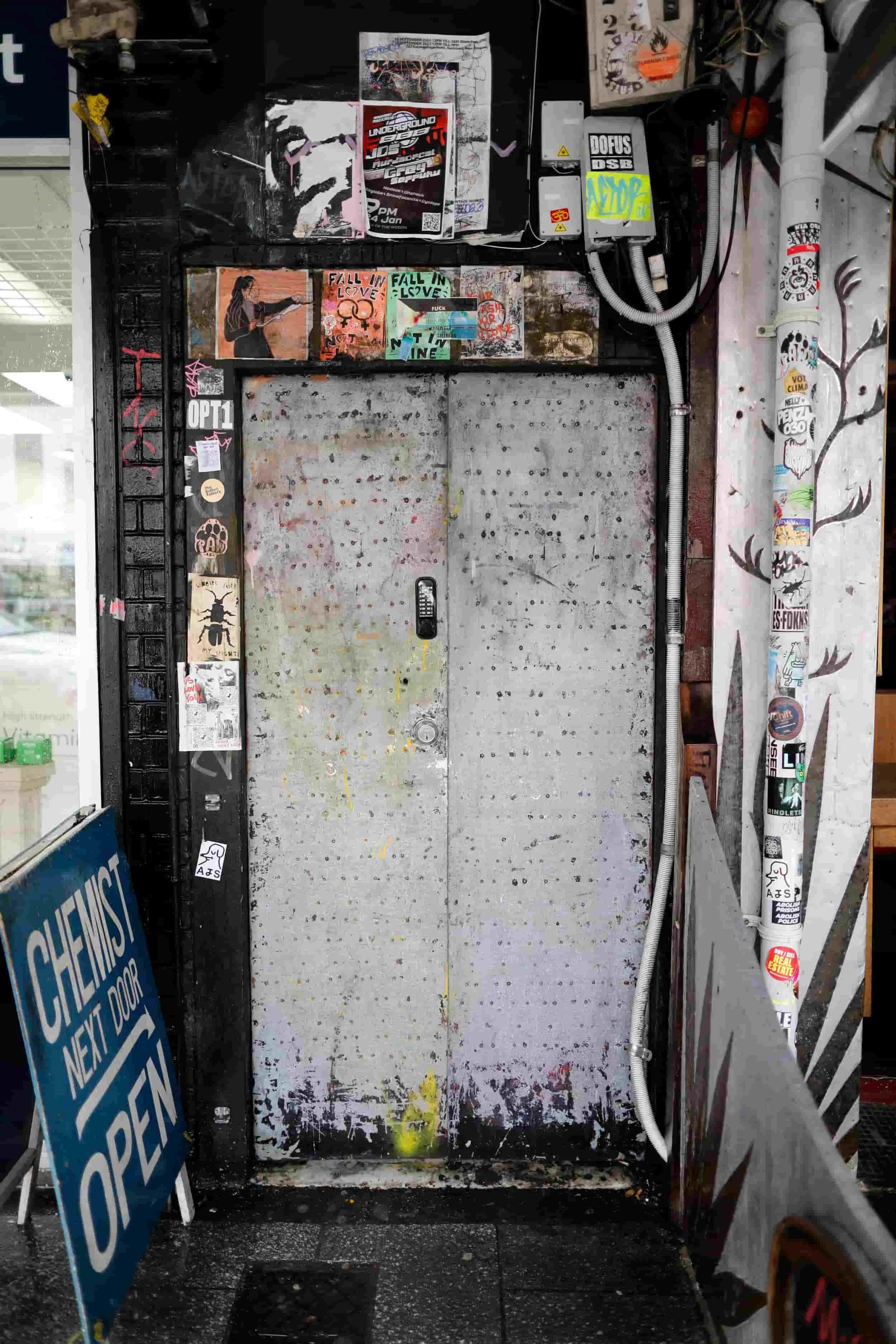
K’ Road is not polished but that’s part of its appeal — a neighborhood that wears its edges and rewards the curious with character, conscientious cafés and a lively mix of people and places.
Auckland Art Gallery
In the heart of downtown, Auckland Art Gallery Toi o Tāmaki is Auckland’s principal public gallery and a treasure trove for anyone curious about art from Aotearoa and beyond. Housed in an elegant stone-and-glass building that bridges historic and contemporary architecture, the gallery holds New Zealand’s most extensive collection of national and international works and regularly welcomes major traveling exhibitions — so there’s always something new to discover.


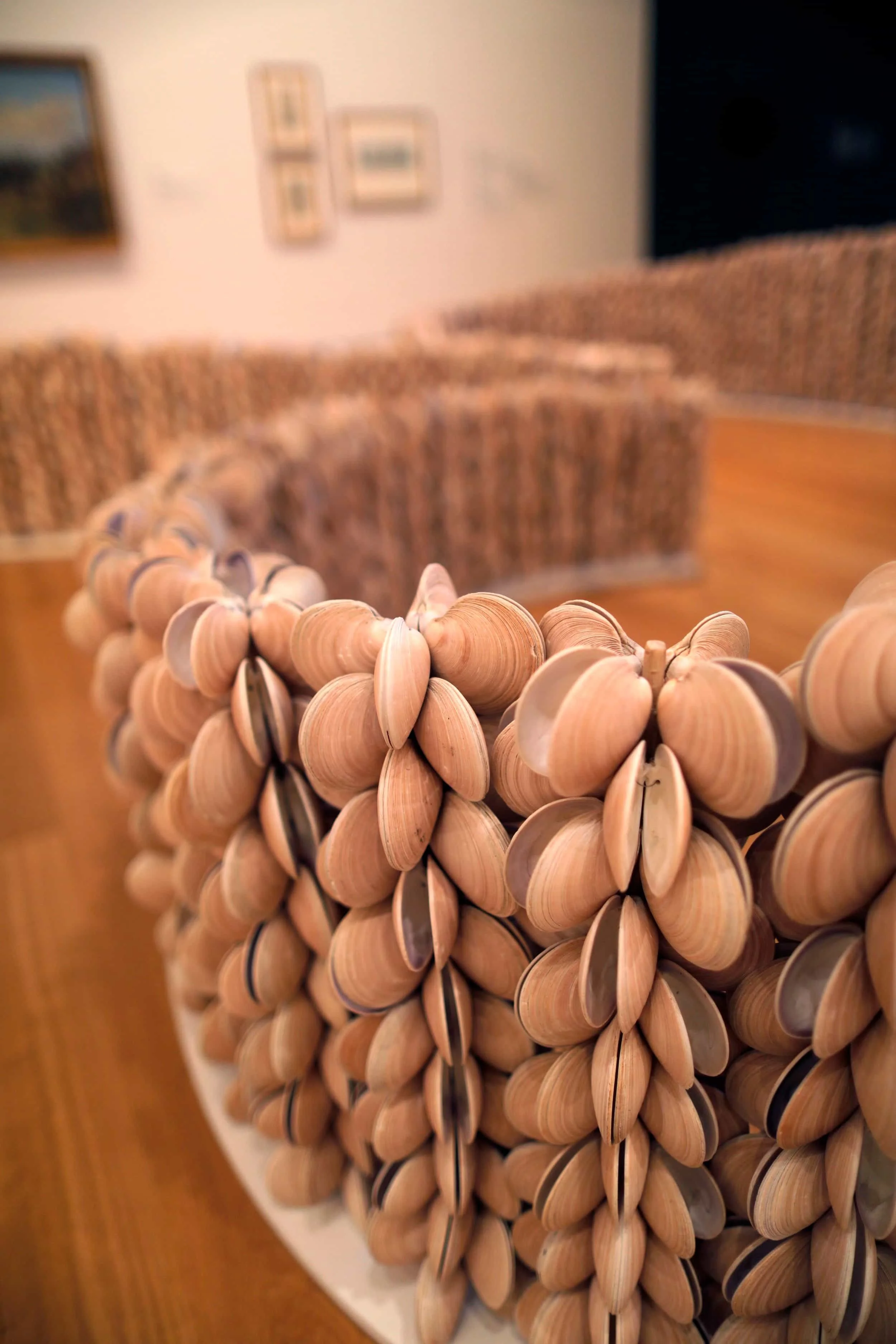
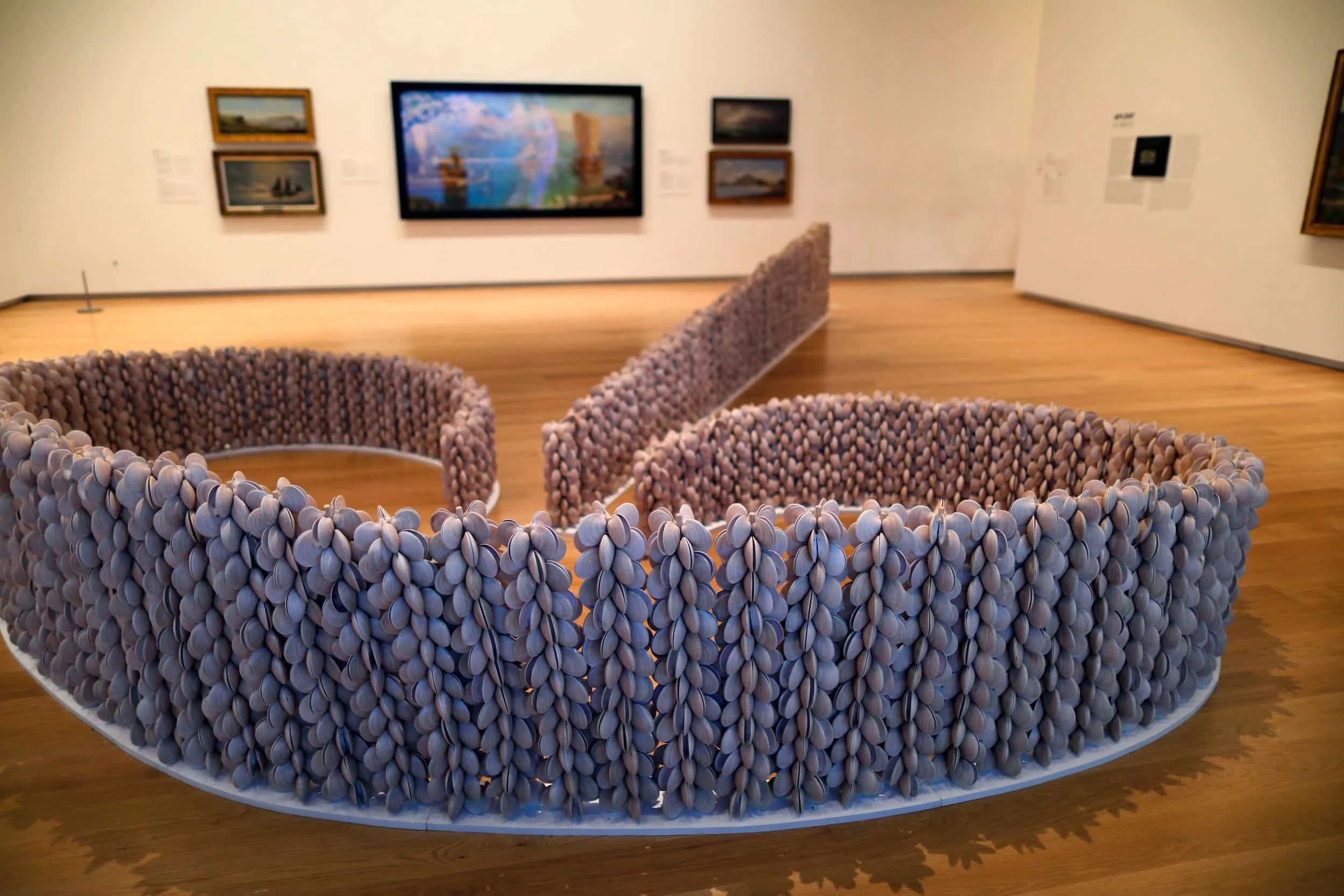
One of the gallery’s most enchanting areas is the ground floor, where ocean-inspired works evoke the city’s seaside setting. Paintings and installations pull from marine life — from graceful octopuses rendered in yarn to sculptural totems that echo rhythms of tide and tide pools. These pieces create a watery promenade through which visitors can wander, pausing to admire details that suggest movement, depth and the peculiar intimacy of life beneath the waves.
Upstairs, photography that documents Māori tā moko (traditional tattooing) offers a powerful counterpoint. The photographs focus on the patterns, faces and stories behind the marks — close-ups that reveal line work, the texture of skin and the cultural meanings encoded in each curve and spiral. The images feel both intimate and ceremonial, a reminder of how tattooing carries identity, whakapapa (fundamental Māori concept of genealogy, lineage and descent) and personal narrative.
Tā moko is the traditional Māori art of tattooing, distinguished by intricate curvilinear patterns and bold, rhythmic lines that map personal identity, whakapapa, social status and life achievements onto the skin; designs vary by region and whānau (family) and are applied in ways that reflect the wearer’s gender and role.
Men often received full facial moko and extensive body markings while women commonly bore moko kauae (chin tattoos) and moko on the lips and hands — with motifs such as koru (spirals) symbolizing new life and growth, mana (authority) indicated through progressive patterns and arcing ridges denoting rank and ancestral connections.
Beyond aesthetic expression, tā moko is a living language of cultural memory and resurgence, performed and interpreted in ceremony by tohunga tā moko (master practitioners) who steward protocols, meaning and the continuity of tradition.
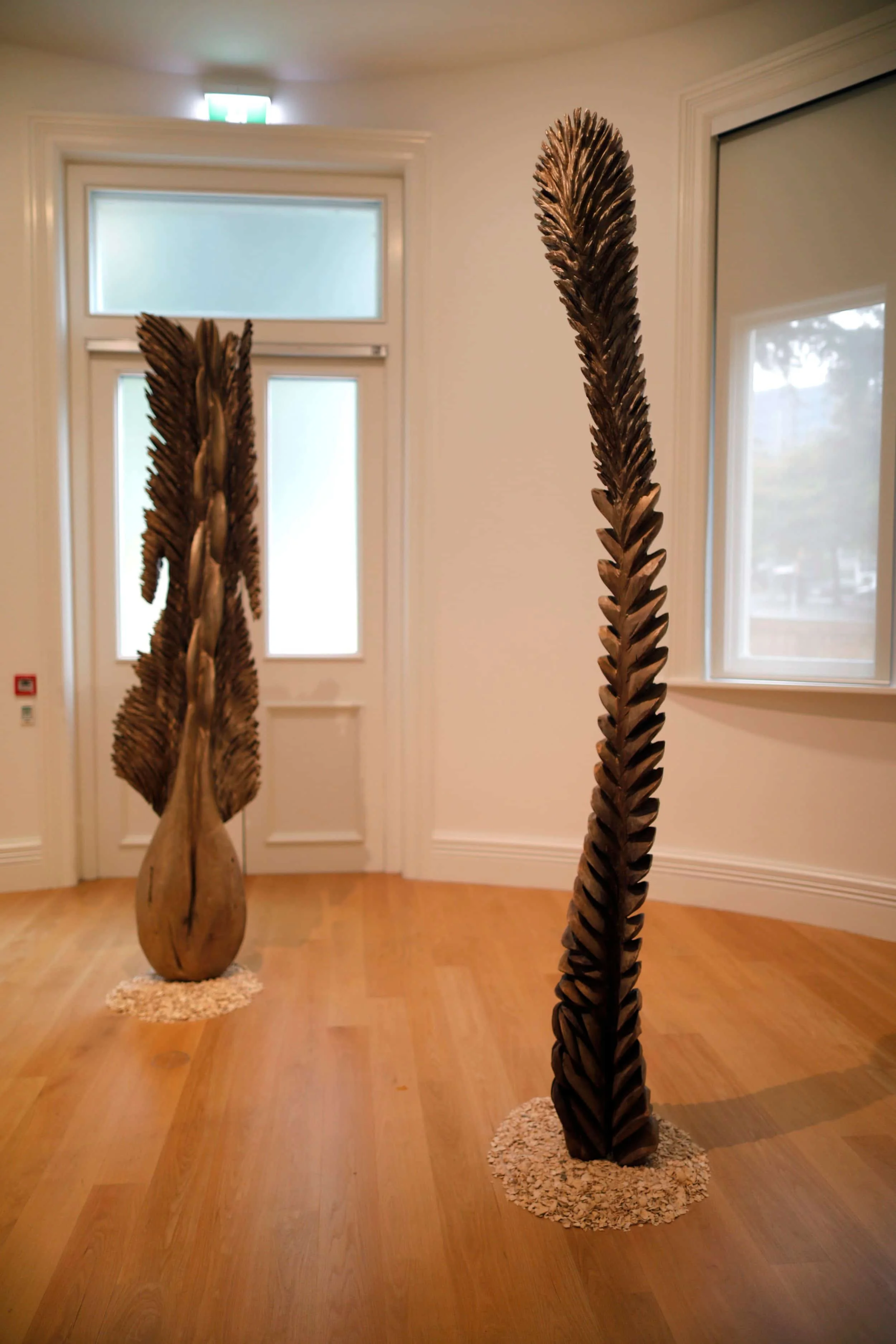
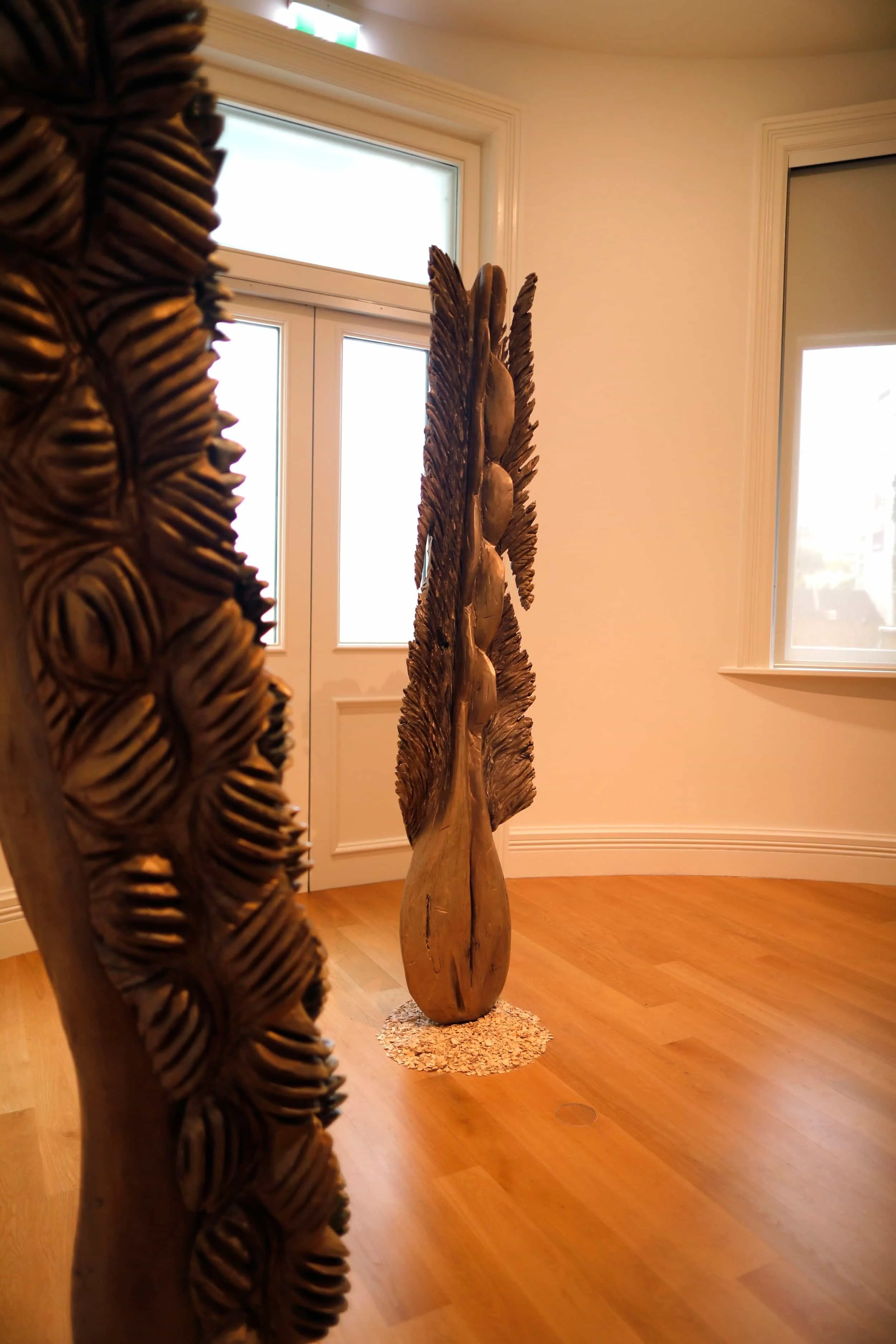
My favorite pieces had to be the ocean-inspired works — their grand scale, intricate detail and use of natural materials felt like a tide sweeping you in. And the Tā moko? Absolutely spellbinding. The images and stories of the Māori and their tattooing tradition held me so completely that I didn’t take a single photo of my own.
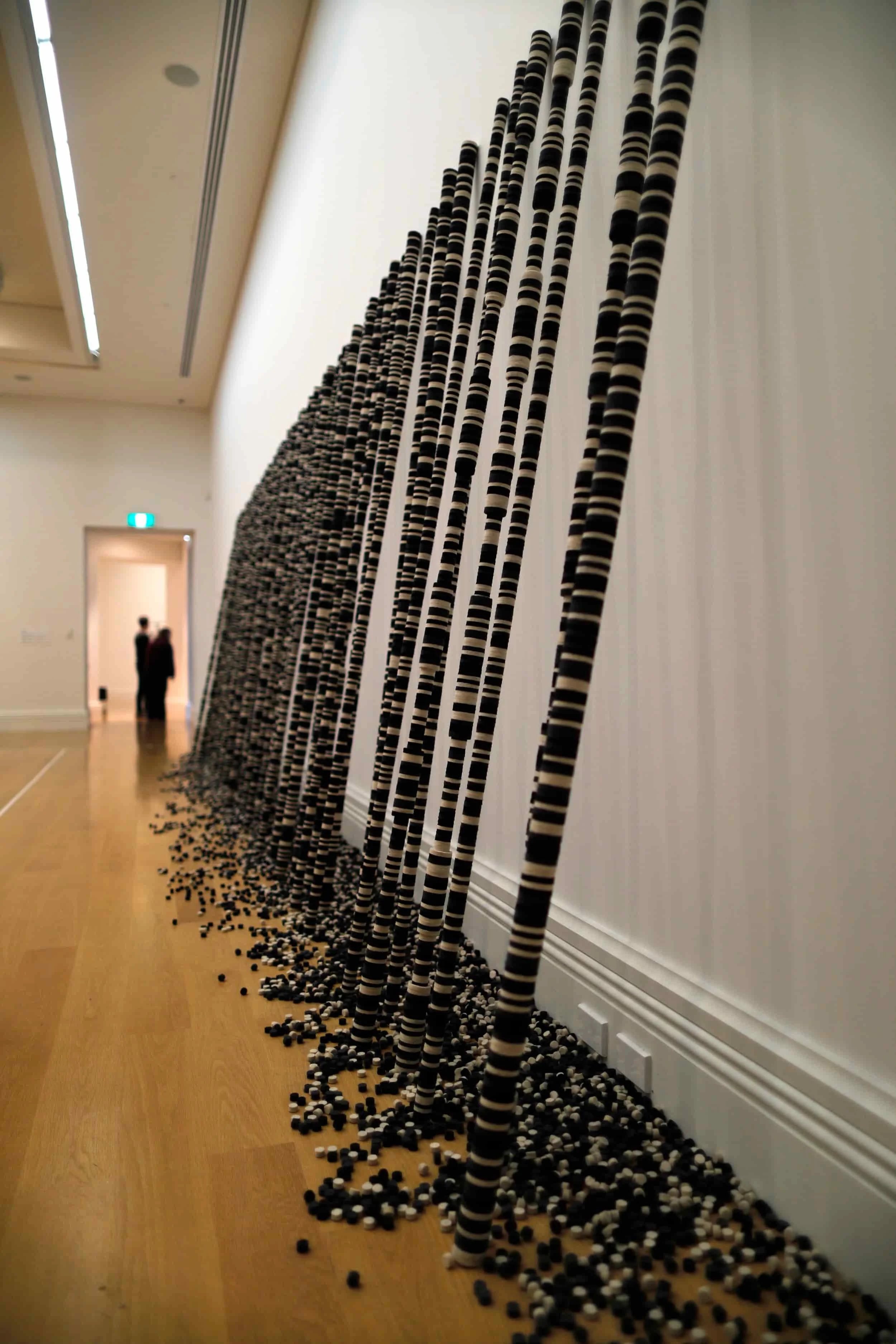
Beyond these highlights, the gallery’s collection is wide-ranging: contemporary New Zealand painters and sculptors sit alongside international masters and rotating exhibitions bring fresh perspectives from overseas museums and artists.
For a relaxed visit, allow time for a café break in the gallery’s light-filled spaces and a browse through the shop, where thoughtful catalogues and art-inspired gifts make excellent reminders of a day spent immersed in creativity. Whether you’re an art novice or a devoted gallery-goer, Auckland Art Gallery Toi o Tāmaki rewards slow looking and curiosity and is one of the most charming things to do in Auckland.


In sixty minutes you can take in a few standout works and slip into one or two rooms of a temporary exhibition, getting a clear sense of the gallery’s personality and a handful of memorable pieces. A quick pass through the main New Zealand and Pacific collections will let you spot notable artists and iconic works, though you won’t have time for slow, label-by-label reading or lingering contemplation. The building’s flow also makes it possible to glimpse selected sculptures and a few themed displays if you keep a steady pace.
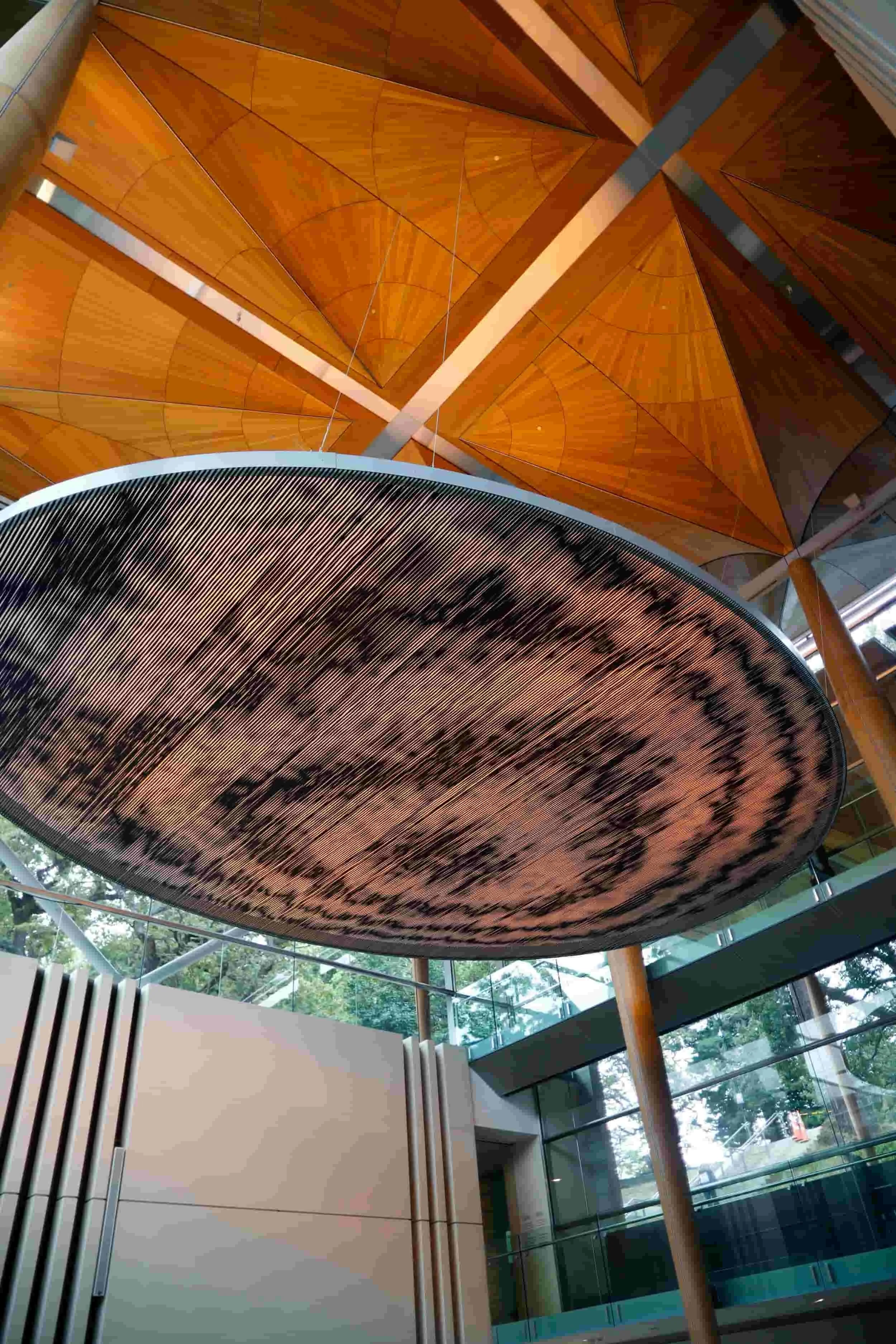
Plan to stay two to three hours if you love art, want to read every wall text or intend to explore several temporary shows. Guided tours, talks or workshops — and a relaxed coffee in the gallery café — will add time. Bring extra minutes if you hope to photograph, sketch or sit quietly with a piece.
CBD: Downtown Auckland
Downtown Auckland hums with a compact energy that feels both modern and laid-back — a place where sleek glass towers meet waterfront cafes and pockets of unexpected greenery. Start at the Sky Tower, which dominates the skyline; whether you take the elevator up for panoramic views, dine in the rotating restaurant or test your nerve on the SkyWalk, it’s an unmistakable introduction to the city.
Wander the central streets and you’ll find a mix of boutique shops, international restaurants and small galleries. Queen Street is the main artery for shopping and people-watching, lined with department stores, independent retailers and cafés perfect for lingering over a flat white. Off Queen Street, the Britomart precinct offers stylish boutiques and a weekend farmers’ market atmosphere, while nearby Commercial Bay blends upscale dining with cutting-edge architecture.
For culture, of course, the Auckland Art Gallery Toi o Tāmaki is compact but impressive, housing both contemporary New Zealand works and international pieces. The Aotea Centre and Civic Theatre host concerts, plays and films — check the schedule for pop-up performances and festivals. Ponsonby, just west of downtown, is worth a short stroll for its lively restaurants, vintage stores and vibrant nightlife.
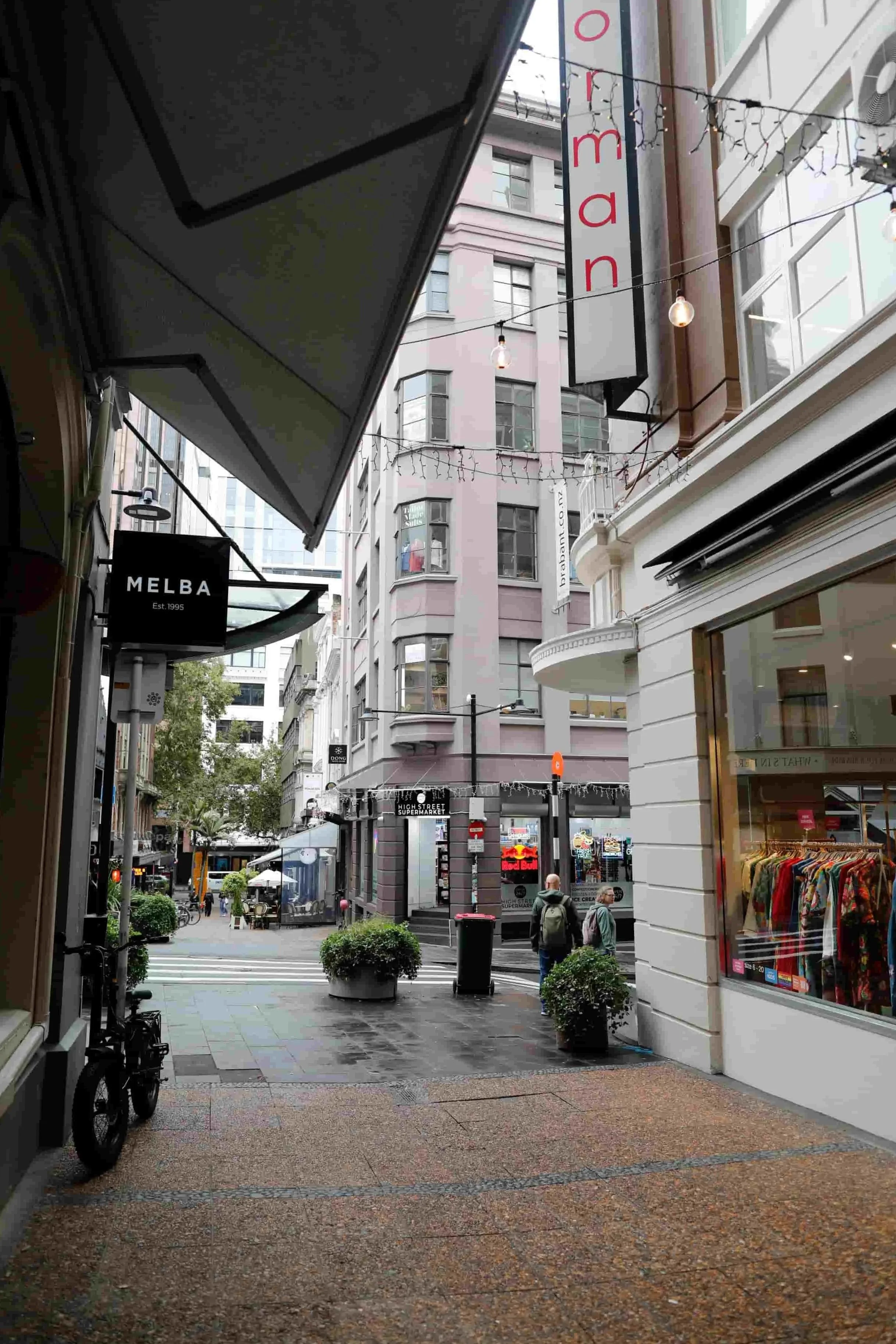
The waterfront is one of downtown’s best assets. Take a leisurely walk along the Viaduct Harbour and Wynyard Quarter to watch yachts, grab seafood at alfresco eateries or join a harbor cruise to see Rangitoto Island rising from the Hauraki Gulf. Wynyard’s park spaces and public art make it ideal for picnics or a relaxed afternoon with a view.
Food options are diverse and excellent: food courts and casual eateries serve everything from hawker-style Asian fare to contemporary Kiwi cuisine, while fine-dining spots spotlight local seafood and seasonal produce. Don’t miss trying a modern take on Māori and Pacific flavors when you can.
Getting around downtown is easy on foot, though ferries and frequent buses connect to suburbs and nearby islands. If you have a little time, hop on a ferry to Devonport for charming streets, seaside walks and hilltop views back to the city.
⚠️ Good to Know | Expect more active adventures in New Zealand to carry steep price tags — but Auckland’s mellow vibe nudges toward keeping the itinerary lively. Sometimes, a few well-chosen tours are the best way to make a quiet city feel like an unfolding story.
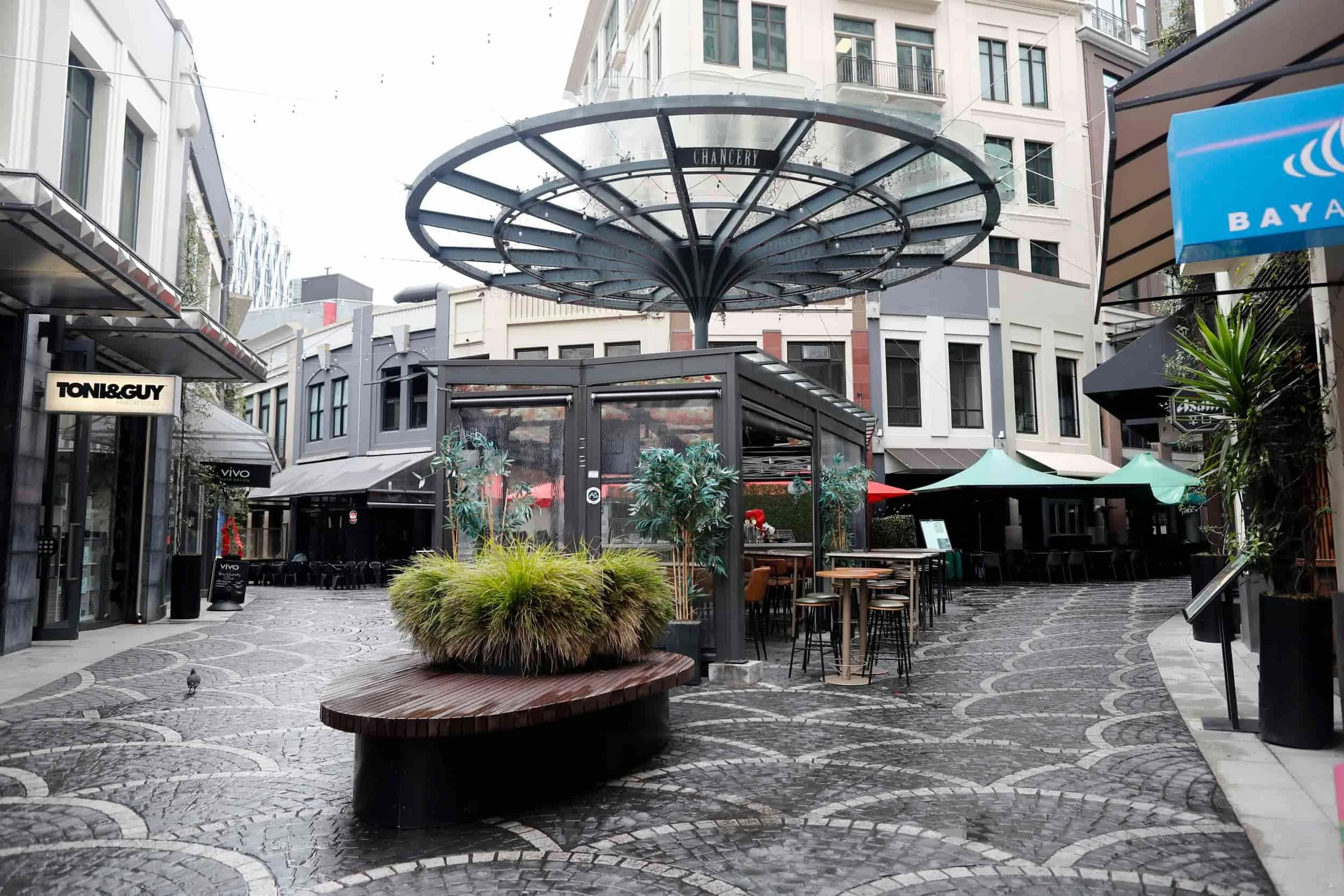
Strolling through the downtown streets feels like wandering through a tiny culinary atlas — storefronts line with Korean barbecue, fragrant Vietnamese kitchens and cozy Chinese eateries tempting passersby. After a leisurely round of window-shopping, I was drawn to Vie Coffee & Vietnamese Street Food by one irresistible promise: pho.
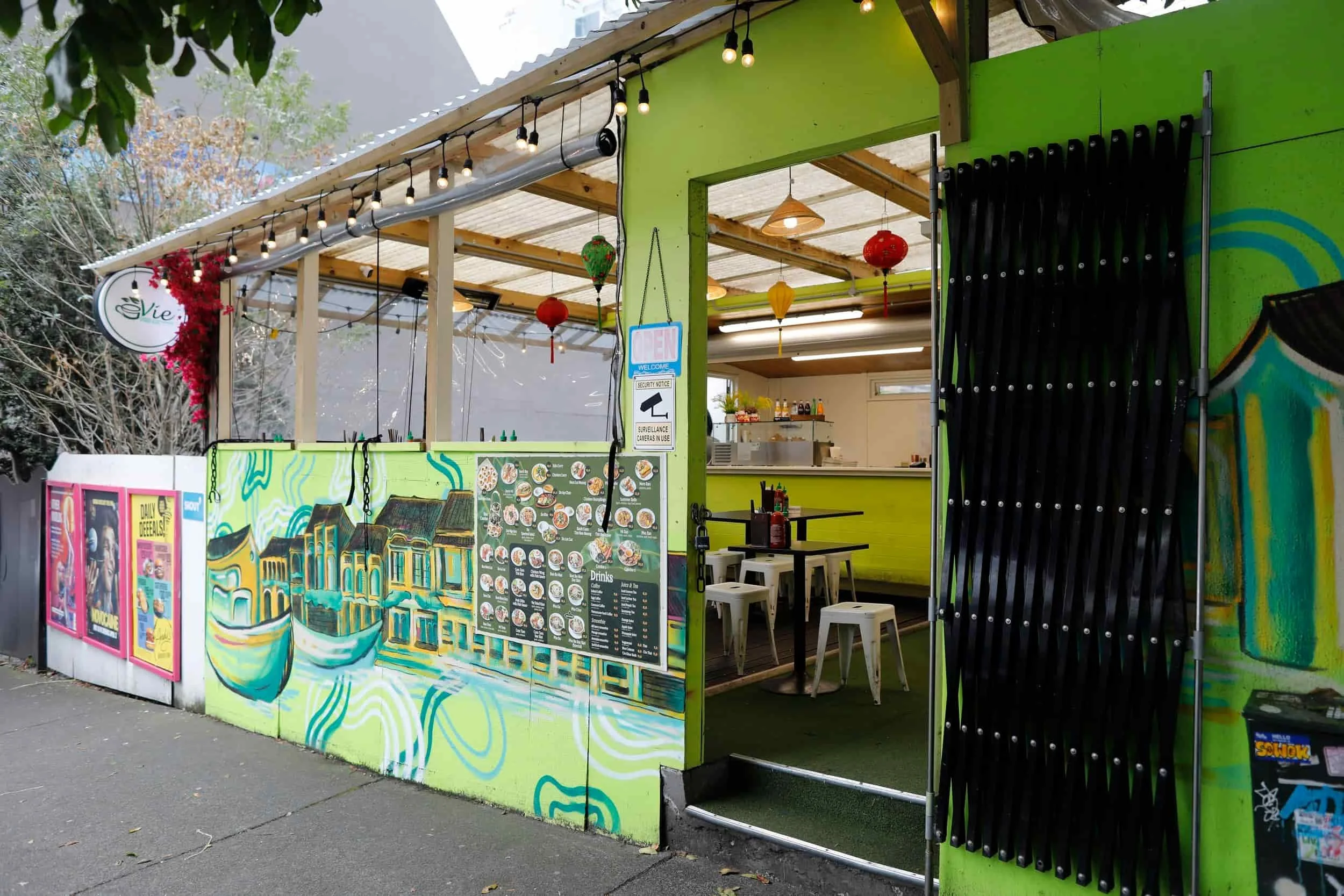
The bowl arrives steaming and inviting. The broth is rich and deeply flavored, wrapping the wider-than-usual noodles in a comforting warmth. The meat is pleasantly thick-cut yet tender and juicy, offering satisfying bites between sips. If there is one small protest, it’s the scarcity of greens — a few more herbs and crisp veggies would brighten the bowl perfectly. Still, it’s a very enjoyable stop for anyone craving authentic Vietnamese comfort food in the heart of downtown.
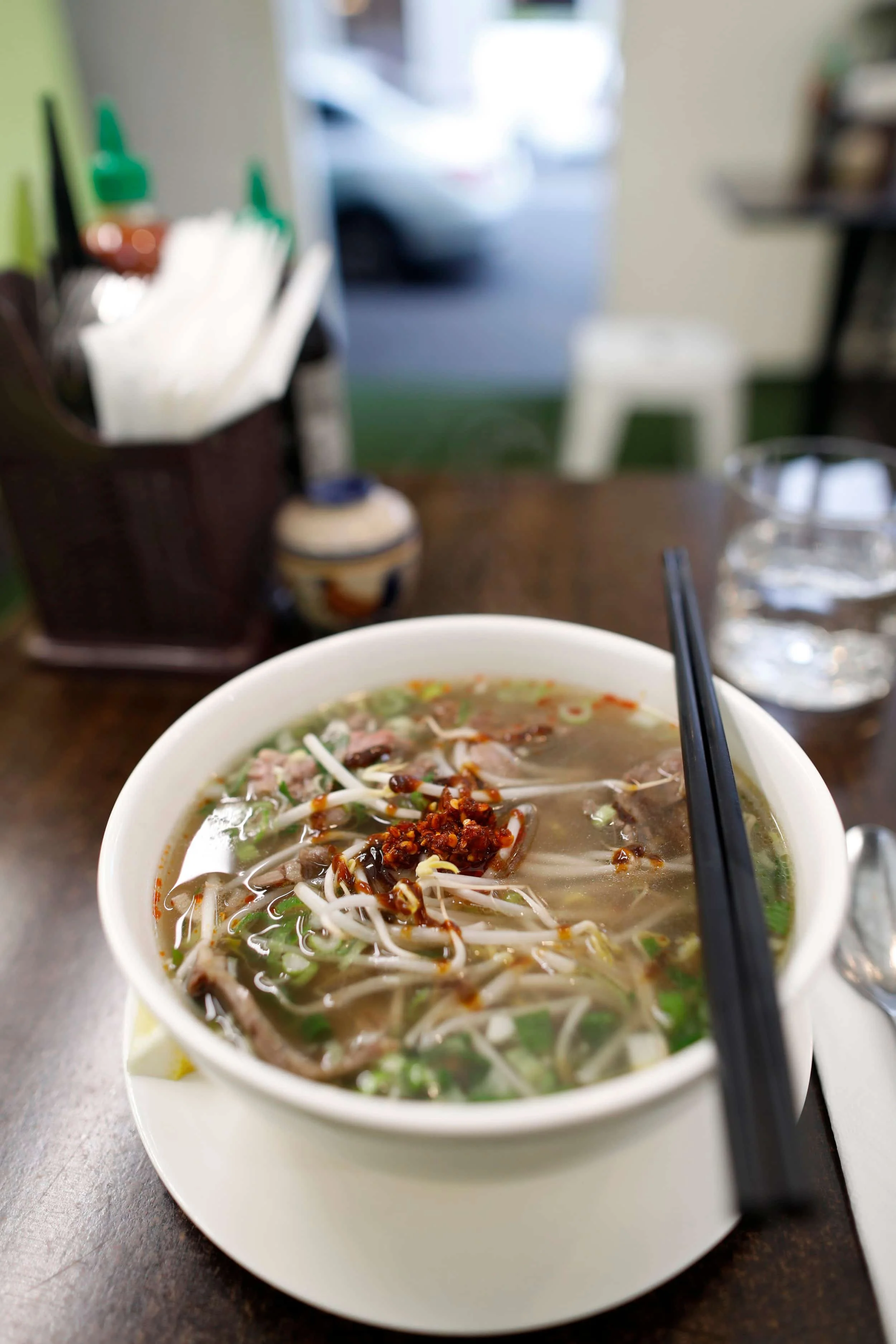
Outside, a sliver of the Sky Tower rises above Auckland like a needle stitching the skyline together. At 1,076 feet (328 meters), it’s impossible to miss — part observation deck, part restaurant, part telecommunications mast — and utterly magnetic from every angle.
Step onto the glass-floored observation levels and the city spreads beneath you: 360-degree views that sweep from the Waitematā Harbour out to the Hauraki Gulf and, on clear days, as far as the Coromandel Peninsula. There’s a gentle choreography to choosing how high you want to go: the main deck offers satisfying panoramas, the sky deck pushes you higher and for the adventurous there’s the SkyJump — a controlled, heart-racing 630 feet (192 meter) descent — and the SkyWalk, an exposed promenade around the tower’s outer ledge.
If you prefer something slower, settle into a cafe or the revolving restaurant and watch the light change over the city with your meal. Tickets for the general observation deck are usually in the NZ$20–40 ($12-$24 USD) range for adults; access to upper levels, sunset slots or the thrill experiences like SkyJump and SkyWalk carry a premium.
For the clearest, far-reaching views aim for mid-morning or late afternoon when haze is minimal. Sunset is glorious but busier and often pricier and nights reveal a different, glittering personality as the city lights come alive. Weekdays outside school holidays are the quietest moments to visit.
Buy tickets online to lock in your preferred time and often nab a small discount. Keep an eye on the forecast — high winds or low clouds can close off the sky-high attractions. Once you’re done, wander back toward the pho shop or extend your outing with a stroll around the Viaduct Harbour or down Queen Street. The Sky Tower is a perfect anchor for a downtown afternoon: part spectacle, part vantage point, all Auckland.
Admittedly, I skipped the Sky Tower — now, I can’t help wishing I’d gone up to steal a few more breaths of that Auckland skyline.
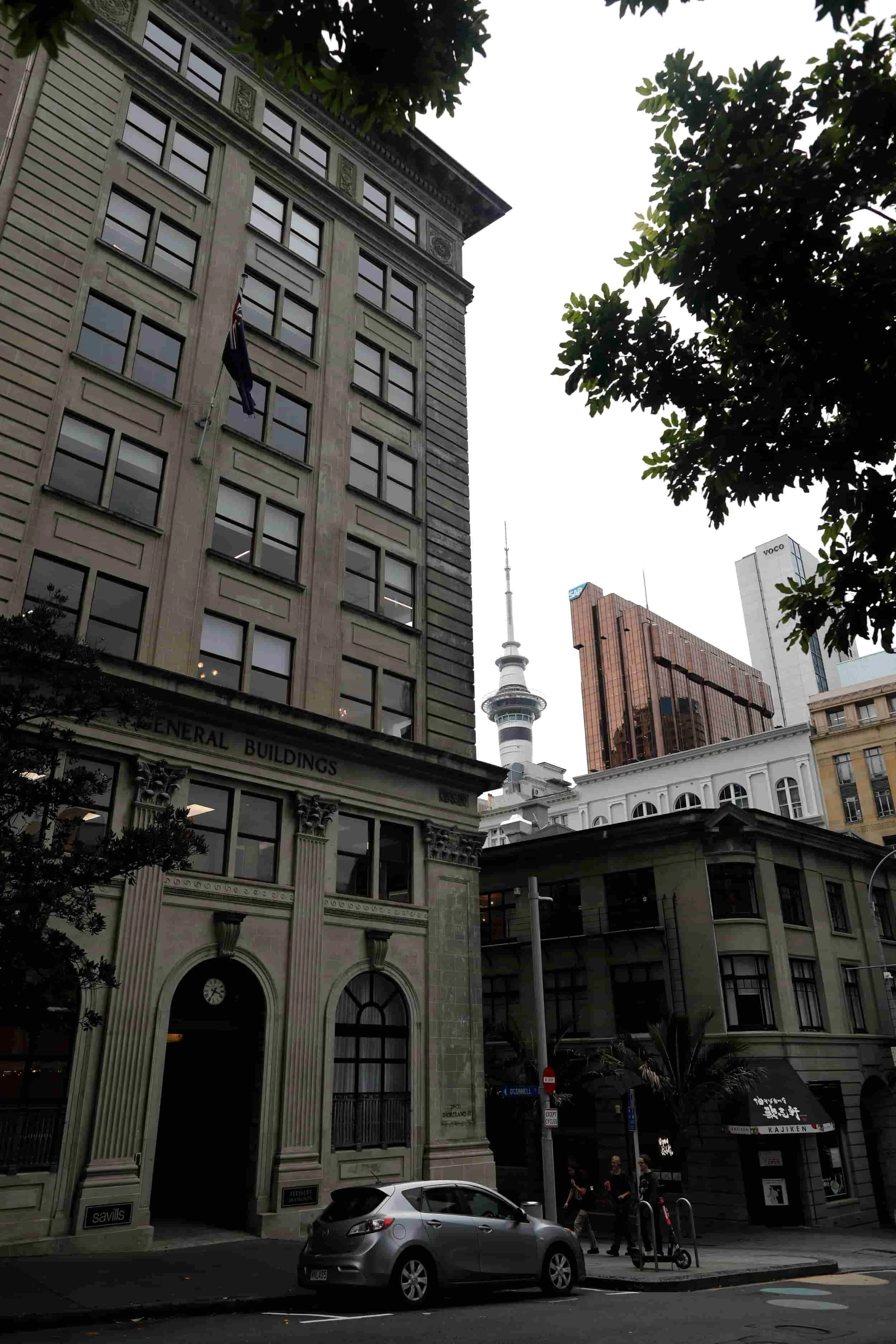
Discovering what to do in Auckland means uncovering a mix of vibrant city life, coastal adventures and cultural gems — from strolling the Viaduct and sampling craft brews to hiking volcanic cones, exploring Māori and Pacific Island art and chasing sunsets along rugged west-coast beaches.
The city itself is quietly beguiling — calm and easy to get around, with a friendly, old‑school feel that puts you at ease. There’s a suburban warmth to it, the kind of place where locks feel optional and people move at a relaxed pace. Venture into downtown and a different energy appears: spirited shopping streets, a lively cultural mix and an upbeat urban buzz.
Auckland is home to parks and greenery everywhere, a surprising number of babies and dogs (many happily off leash) and inviting community gatherings like the Sunday farmers’ market I stumbled on near my go‑to breakfast spot. For anyone picky about food, gluten‑free options are plentiful, which makes exploring the café scene all the more pleasant. Most of all, Auckland strikes a lovely balance between peaceful neighborhood charm and the spirited life of a growing city but it’s best explored slow and steady, like a local.
My Bibimbap Moment
Every destination adds another ingredient to our life's recipe and sometimes it comes from what we didn't expect. Auckland welcomed me with charming neighborhoods, cozy cafés and a pace that made it easy to simply wander. Only later did I realize just how much more the city still had waiting for me. Here's the ingredient it added to my Bibimbap Life.
Today’s Bibimbap Recipe
🥢 Flavor: Inviting
🌿 Ingredient: Possibility
❤️ Best Memory: All the green
🎒 Take With You: Some places don't leave us feeling finished — they leave us looking forward to the next chapter.
Looking back, I don't think of Auckland as a city I finished — I think of it as a city I began. I remember slow mornings in cafés, wandering leafy neighborhoods and discovering little moments that never appeared in a guidebook. Knowing how much I didn't see hasn't taken away from those memories; if anything, it has made the city even more meaningful. Auckland reminded me that travel isn't about seeing everything. Sometimes, it's about leaving a place with enough curiosity to imagine what the next visit might hold.
Auckland Travel Essentials
Auckland is an easy city to arrive in but its size — and everything worth exploring beyond the center — means a little planning goes a long way. Where you stay can affect how much time you spend getting around and some of the best additions to a city stay, including Waiheke Island, require venturing farther afield. Here’s what to know about when to go, where to stay, getting around and how much time to give Auckland.
When to Go
Visit Auckland between November and April when the weather turns golden and the city hums with outdoor markets, harbor sails and long, sunlit evenings perfect for exploring.
Summer (December – February): Warmest weather and long sunny days but peak crowds and highest prices.
Autumn/Fall (March – May): Warm sea temperatures, gorgeous foliage and fewer tourists.
Winter (June – August): Cooler, rainier and budget-friendly for city stays.
Spring (September – November): Mild temperatures and blooming landscapes.
How to Get There & Entry Requirements
Fly into Auckland via direct flights from major gateways worldwide or connect through nearby hubs, then breeze through immigration with a valid passport, an ETA or visa as required for your nationality and proof of onward travel — welcome to Aotearoa!
Flights: Land at Auckland Airport (AKL), located about 12 miles (20 km) south of the central business district.
NZeTA: Apply online or via the app through Immigration New Zealand at least 72 hours before flying.
Visitor Levy: Pay the International Visitor Levy (IVL) alongside your NZeTA checkout.
Biosecurity: Declare all food, outdoor gear and biological items strictly on arrival to avoid heavy fines
Where to Stay
For my style of travel, I’d choose one of Auckland’s residential neighborhoods over the CBD. I stayed in Grey Lynn, which gave me more of a neighborhood experience while still keeping central Auckland within easy reach. The area has cafés, restaurants and local shops nearby, and I liked being able to return somewhere that felt removed from the busiest parts of the city.
Nearby Ponsonby is another strong option if you want more restaurants, cafés and independent shops within walking distance, while Parnell offers a quieter setting with historic architecture and easy access to Auckland Domain. Across the harbor, Devonport has a relaxed seaside feel and ferry connections back to the city.
If convenience is your main priority, the CBD, Viaduct Harbour and Wynyard Quarter put you closer to major sights, the waterfront and ferry terminals. But if you enjoy getting a feel for everyday life beyond the city center, I’d look first at Grey Lynn, Ponsonby or Parnell — and happily choose Grey Lynn again.
Where I Stayed
For a quiet neighborhood stay — Garden Studio
This is where I stayed in Auckland — a cozy little studio tucked into a residential neighborhood away from the busiest parts of the city. I liked having a quieter place to come home to while still being close enough to explore Auckland, and the simple studio setup made it an easy, comfortable base for the trip. Plus, Grey Lynn quickly became one of my favorite areas in Auckland.
Where I’d Stay
If I were choosing somewhere different in Auckland, I’d still look outside the big conventional hotels for smaller stays with personality and a strong sense of place.
For character & creative design — The Convent Boutique Hotel
Set inside a former convent, this small boutique hotel mixes the building’s historic bones with eclectic art, bold interiors and plenty of personality. Its Grey Lynn location also gives you more of a neighborhood feel while keeping central Auckland within easy reach.
For a polished boutique splurge — Hotel Fitzroy curated by Fable
A more refined option in Ponsonby, Hotel Fitzroy occupies a beautifully restored historic villa with an intimate, residential feel. It’s the one I’d consider if I wanted something special without sacrificing the neighborhood character that makes this part of Auckland so appealing.
Additional Options
Prefer a place of your own?
A vacation rental is particularly appealing in Auckland if, like me, you’d rather stay in a residential neighborhood than right in the city center. I’d start around Grey Lynn, Ponsonby or Parnell for more of a neighborhood feel while keeping the city within easy reach.
Browse Auckland vacation rentals →
Want more options?
If you’re looking for something specific, browse more stays to find the location, style and price point that works best for your trip.
How to Get Around
Auckland is spread out, so how you get around will depend quite a bit on where you stay and what you want to see. Buses and trains cover much of the city, while ferries are part of the experience here — not just transportation — with easy connections from downtown to places like Devonport and Waiheke Island.
If you stay in a neighborhood like Grey Lynn or Ponsonby, expect to combine walking with public transit or the occasional rideshare rather than walking everywhere. A rental car isn't necessary for exploring central Auckland and can be more hassle than it's worth if you're mostly staying within the city.
I’d save the car for days when you want to venture farther beyond Auckland. For my style of trip, walking, public transit and ferries make the most sense in the city, with a car or organized tour for destinations farther afield.
Tours & Day Trips
Day trips from Auckland offer a mix of volcanic landscapes, coastal charm and cultural experiences perfect for a short escape. Top options include a ferry to Waiheke Island for wineries and beaches, a day exploring the geothermal wonders and Maori culture at Rotorua or a scenic drive to the black-sand beaches and surf town vibes of Piha.
Looking for More Ways to Experience Auckland?
If you have a little extra time, a guided experience can be an easy way to see another side of Auckland and its surroundings. From food and culture to the waterfront, nearby islands and landscapes beyond the city, there are plenty of options depending on how you want to spend your day.
Explore Auckland tours and experiences →
Want to Spend a Day on Waiheke Island?
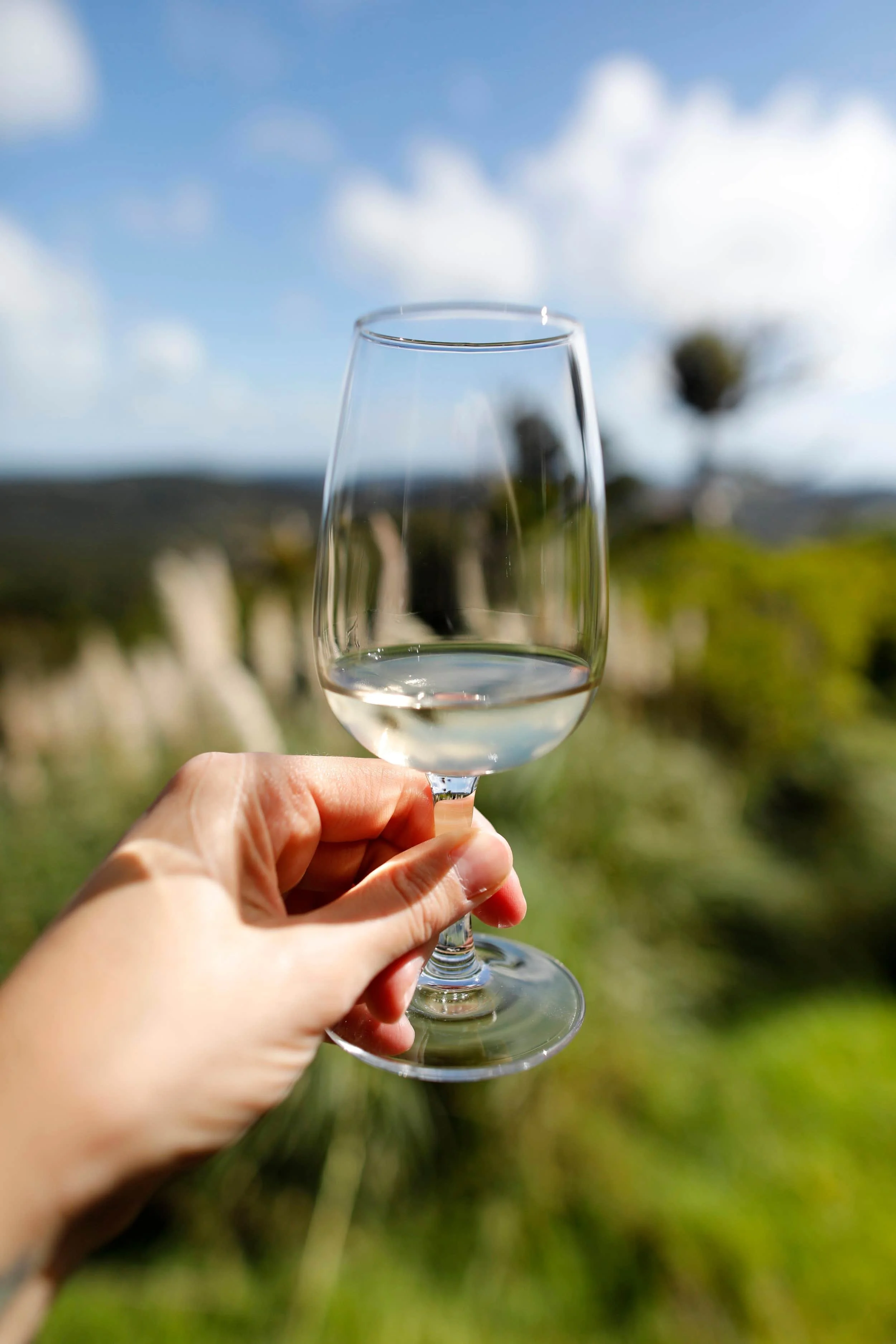
This is the exact tour I took from Auckland, with four winery stops packed into one day. I loved getting out to Waiheke and experiencing the island this way, though I’ll admit — four wineries can be a lot. If you’re up for a full day of tastings, it’s an easy way to experience several vineyards without worrying about transportation.
See the Waiheke Island wine tour I took →
Want to See Waitomo & Rotorua in One Day?
This is the exact day tour I took from Auckland, combining the Waitomo Glowworm Caves with Rotorua and Te Puia. It’s definitely a full day but if you’re short on time, it’s an easy way to experience the glowworm caves, Rotorua’s geothermal landscape and Māori culture without having to coordinate the driving and logistics yourself.
Good to Know
Auckland is an easy city to settle into but its geography, weather and location can catch first-time visitors off guard.
Auckland is bigger than it feels. The city spreads across a large area, with neighborhoods, beaches and ferry destinations extending well beyond the center. Build a little extra time into your plans rather than assuming everything will be within walking distance.
The weather can change quickly. Auckland’s maritime climate means sunshine and rain can easily share the same day. A light rain layer is useful even when the forecast looks promising.
Take the sun seriously. New Zealand experiences strong UV levels, including on cooler or cloudy days. Sun protection is worth thinking about year-round, especially if you're spending the day walking or out on the water.
Ferries aren't just for sightseeing. Auckland's relationship with the water is a big part of experiencing the city. Places like Devonport and Waiheke Island are easily reached across the harbor, so it’s worth looking beyond the mainland when planning your time.
Cards are widely accepted. New Zealand uses the New Zealand dollar (NZD) and card payments are common. It’s still useful to carry a small amount of cash but you generally won’t need much of it.
Tipping isn't expected. Tipping isn't a standard part of New Zealand culture, although you can always leave something for particularly good service.
Eating well is surprisingly easy. One thing I particularly loved about Auckland was its food culture. Cafés tend to lean fresh and health-conscious without feeling overly precious about it and I found gluten-free options much easier to come by than in many destinations. There’s also a great brunch and coffee culture, so leaving a few mornings open to simply find a neighborhood café is well worth it.
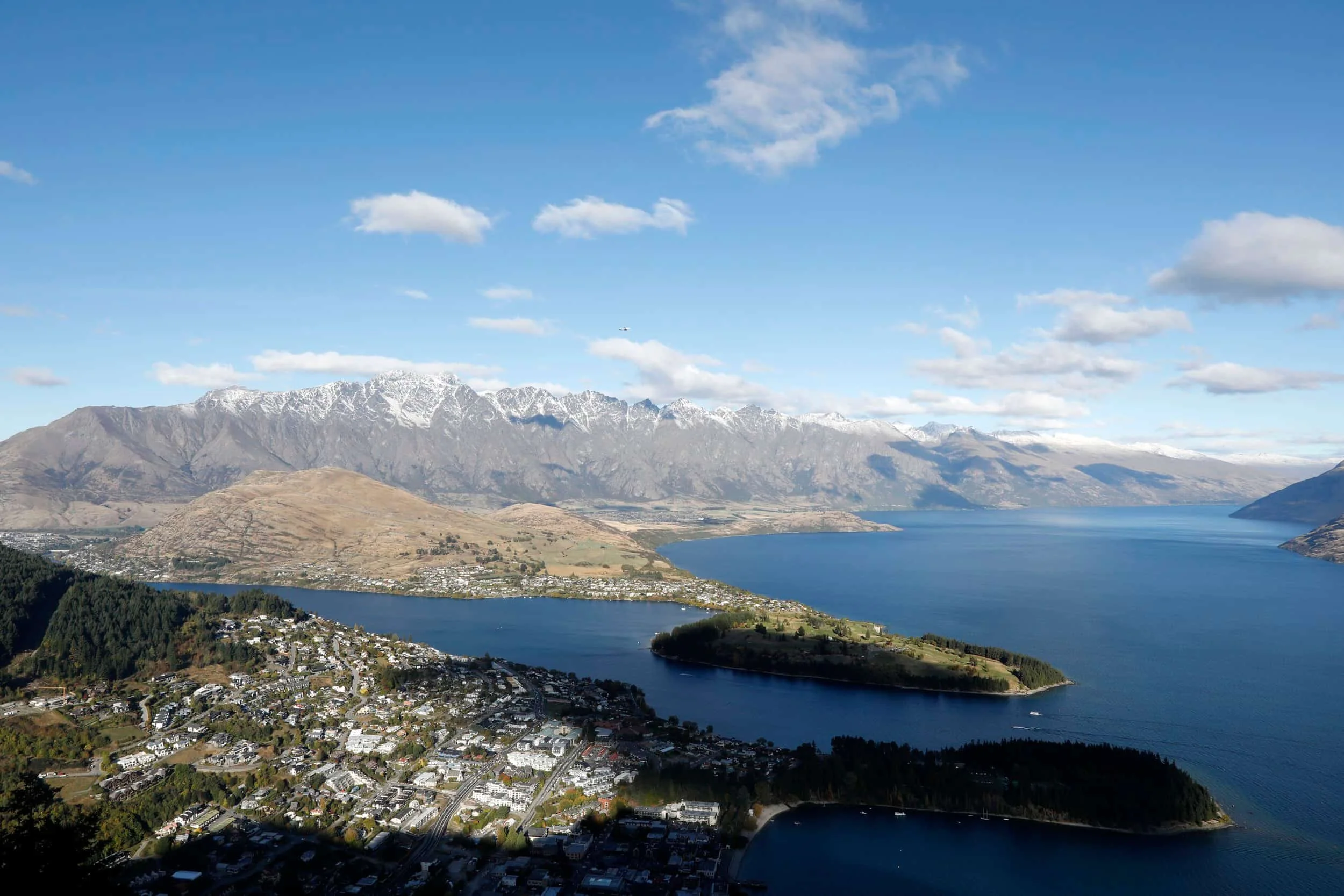
A North Island must-do: Rotorua’s Te Puia — powerful geysers, bubbling mud pools and sacred Maori crafts stir the senses and spirit with unforgettable warmth.