What to Do in Monaco — French Riviera Gems, Gardens & Coastal Charm
Discover what to do in Monaco: unveil a glamorous blend of Mediterranean beauty, historic architecture & compact, cosmopolitan atmosphere with this travel guide.
Updated | October 2026

Why You’ll Fall for Monaco
Monaco has a reputation that arrives long before you do: superyachts, grand casinos, Formula One, designer boutiques and an extraordinary amount of wealth packed into one tiny principality on the Mediterranean.
And yes, all of that is there.
Monaco is the second-smallest country in the world, squeezed between France and the sea, yet somehow it holds glamorous Monte Carlo, a royal palace, historic Monaco-Ville, two harbors, museums, gardens and entire neighborhoods climbing the steep coastline. Every May, its already narrow streets become part of one of Formula One's most famous circuits.
But the spectacle wasn't what made me fall for Monaco.
What surprised me was how much else there was to discover. Le Rocher rises above the water with centuries of history packed into its narrow streets. The Oceanographic Museum seems almost impossibly perched against the cliff. Gardens and terraces appear between dense layers of buildings, while stairways, elevators and tunnels negotiate a city built dramatically between rock and sea.
And then there is the water.
Monaco's relationship with the Mediterranean is everywhere — from the yachts gathered in its harbors to Prince Albert I's legacy of oceanographic exploration and the viewpoints that continually pull your attention back toward the coast. Even in one of the most densely developed places I've visited, the sea never feels very far away.
That's what makes deciding what to do in Monaco more interesting than I expected. You can absolutely come for the casino, cars and glamour but look beyond them and you'll find a place shaped just as much by history, topography, architecture and the Mediterranean.
I arrived expecting Monaco to be impressive.
I didn't expect it to be so interesting.
At a Glance
📍 Destination: Monaco
🕒 Time Needed: 1 day
💰 Budget: €85-€130/day trip ($100-$150 USD) or €215-€350/overnight ($250-$400 USD)
👟 Walking Level: Mild
🌤️ Best Season: Spring (April-May) or Autumn (September-October)
☕️ Don’t Miss: Le Rocher de Monaco
🖤 Perfect For: Foodies, history buffs, luxury lovers and car fans
My Bibimbap Moment
This trip added: Unexpected.
Monaco added the ingredient of unexpected to my Bibimbap Life. I knew Monaco for its reputation but what I found was something far more charming and layered than the image I had in mind. I loved wandering through Monaco-Ville, discovering the cathedral and palace, strolling around Port de Fontvieille, visiting the Oceanographic Museum and finding pockets of greenery at the Jardin Exotique. Add in a farmers market, tasty food and a little limoncello and the day felt surprisingly warm and approachable. It was the history, nature and everyday details that stayed with me most — not the luxury I had expected to define the place.
My Two-Week England, Wales, Jersey, France & Monaco Itinerary
Monaco came at the very end of a two-week journey that moved from Britain to the Channel Islands, across France and finally down to the Mediterranean.
The trip began in England — London, followed by Cardiff and Tenby in Wales. From there came the less conventional part of the route: a flight to Jersey, followed by a ferry across to France — Saint-Malo, and a stop in Nantes before flying south to Nice.
My route: London → Cardiff → Tenby → Jersey → Saint-Malo → Nantes → Nice → Monaco
I used Nice as my base for the final stretch, which made Monaco an easy day trip rather than another hotel change. After so much movement earlier in the trip, there was something particularly appealing about waking up in Nice, heading east along the Mediterranean and finding myself in an entirely different country before lunch.
Monaco is only a short distance from Nice but it doesn't feel like an extension of it. The dense city climbs dramatically from the water, yachts fill the harbors and historic Monaco-Ville sits high on Le Rocher above it all. For such a tiny country, there's an extraordinary amount packed into the landscape.
If you're wondering what to do in Monaco as part of a French Riviera trip, one full day gives you enough time for a surprisingly varied introduction. That's how I experienced it — arriving from Nice in the morning, exploring on foot and returning to Nice that evening.
And after two weeks crossing countries, coastlines and cities, Monaco turned out to be a very good finale.
Explore
Here’s where the journey will take us.
01 | Things to Do in Monaco
02 | When to Go
03 | How to Get There
04 | Where to Stay
05 | How to Get Around
06 | How Long to Stay
07 | Tours & Day Trips
08 | Good to Know
Day Trip | Nice la Belle: Best Things to Do in Nice, France
Explore More | Monaco Travel Guides
What to Do in Monaco — Places Worth Exploring
For such a tiny country, deciding what to do in Monaco comes with a surprising number of choices. Historic Monaco-Ville sits high above the Mediterranean, Monte Carlo brings the grandeur Monaco is famous for and between them you'll find gardens, museums, waterfront promenades and two very different harbors.
Much of Monaco can be explored on foot but its steep terrain, stairways and different levels make wandering here more interesting than the map might suggest. From royal history and ocean exploration to Belle Époque architecture and superyachts, these are the places that made my day in Monaco worth the trip from Nice.
Getting to Monaco from Nice
Monaco is so close to Nice that visiting another country can easily become part of a day exploring the French Riviera.
I didn't fully appreciate just how easy the journey was before I went. I took an Uber from Nice to Monaco, assuming it would be the simplest option. It worked but once I discovered how quick, easy and inexpensive the train was, I regretted spending the extra money.
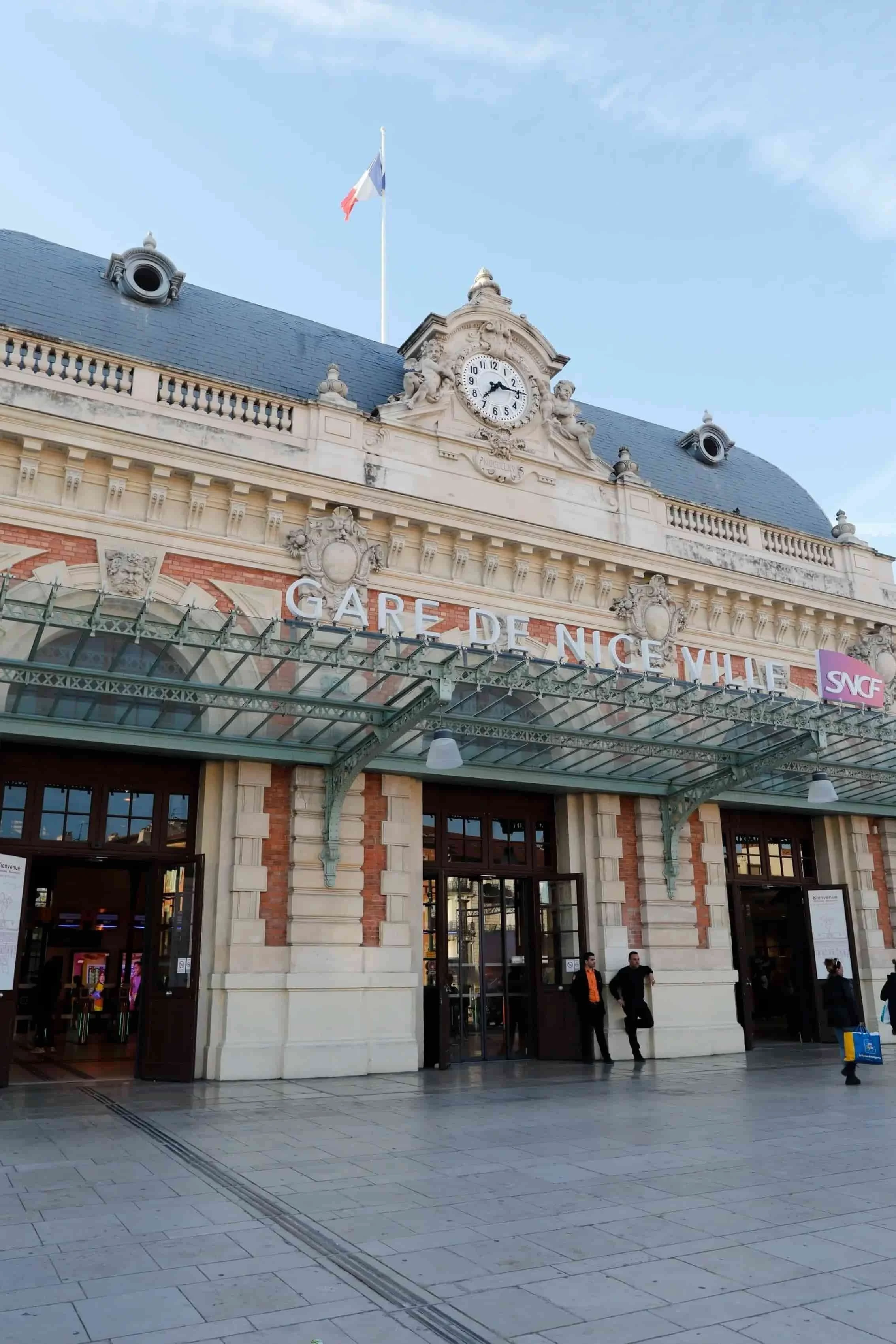
For the return trip, I took the train from Monaco back to Nice instead — and immediately realized that's what I should have done from the beginning.
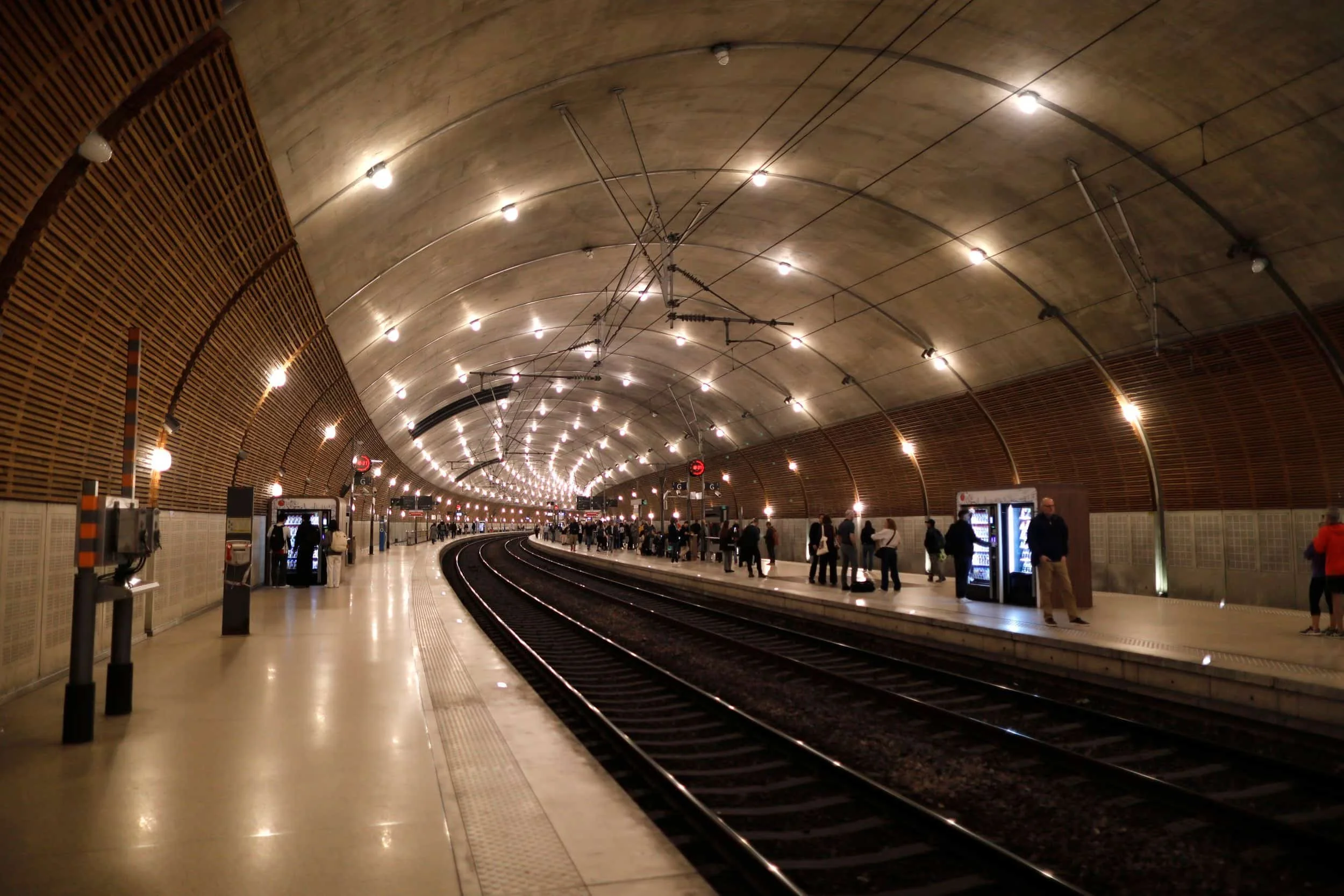
The train also removes the need to think about traffic or parking once you reach Monaco, leaving you free to arrive and start exploring.
💡 My Tip | Learn from my mistake and take the train. It's the option I'd choose now for a day trip between Nice and Monaco; we'll get into the practical details in How to Get There below.
Seaside Juicery
For a lighter start before exploring Monaco on foot, Seaside Juicery in La Condamine is an easy stop for smoothies, bowls, coffee and other plant-based options.
The matcha bowl, topped with fresh fruit, granola and chia seeds, pairs nicely with an oat milk dirty chai — fresh, filling and enough to fuel a few hours of Monaco's hills, stairs and winding streets.
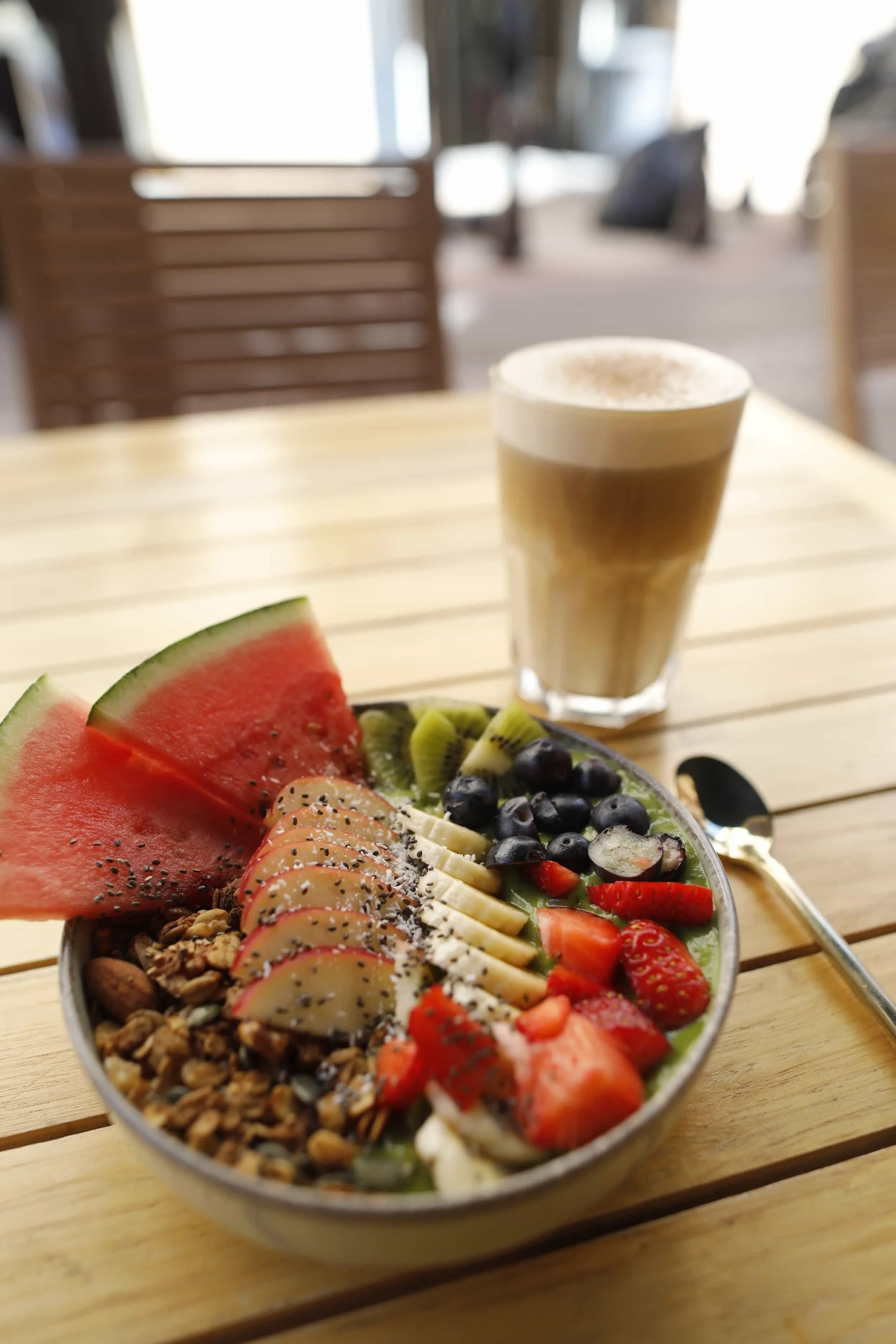
It's a casual stop rather than somewhere that needs to become a major part of the itinerary but it works well before heading toward the waterfront and beginning the day's exploring.
💡 My Tip | Monaco may be tiny but you'll cover more ground — and more elevation — than the map suggests. Start with a decent breakfast and wear comfortable shoes.
Port de Fontvieille
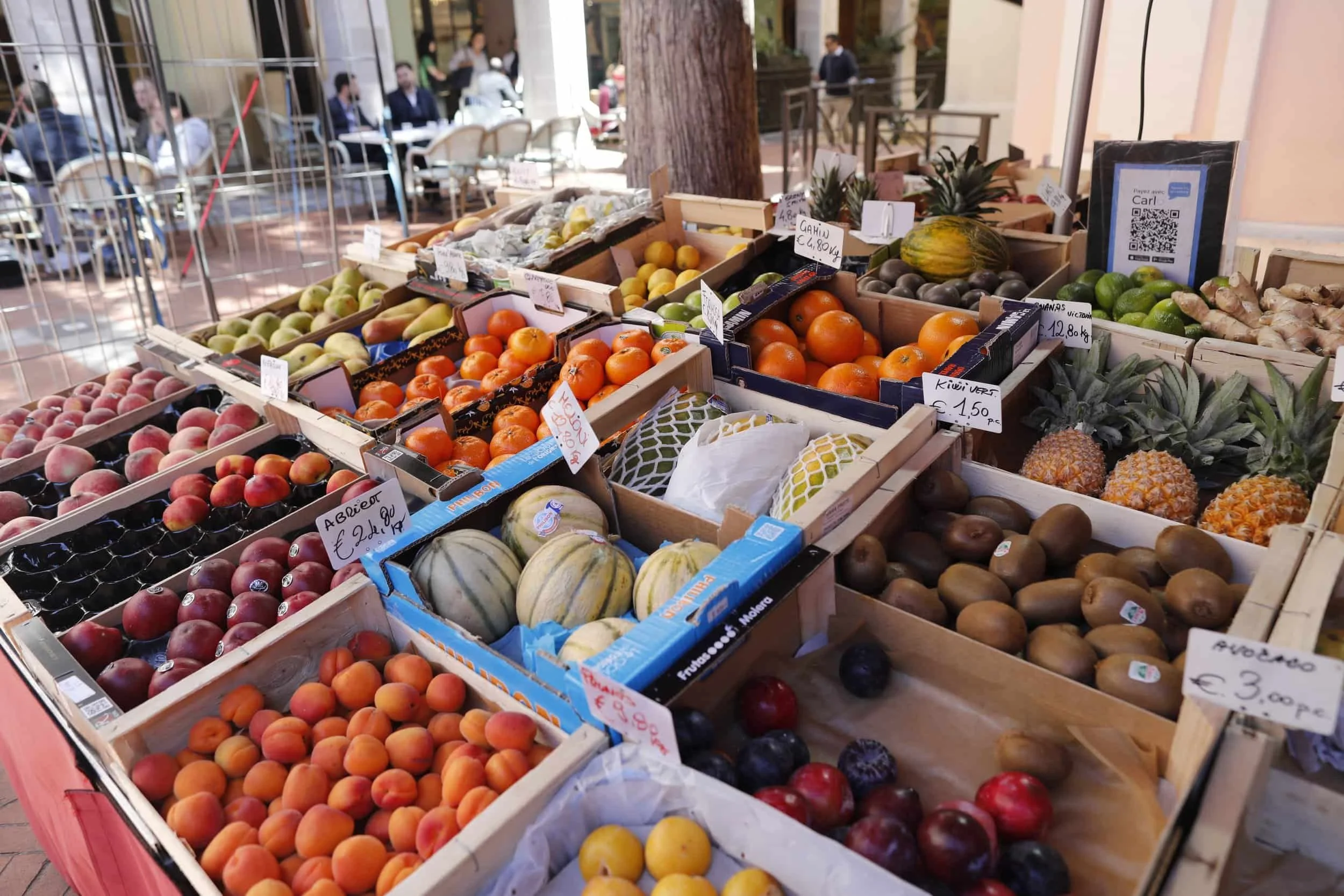
Before reaching Port de Fontvieille, keep an eye out for the little market on the opposite side of the bay. It's the kind of everyday stop that's easy to pass by, with colorful fruit and produce adding a much more ordinary layer to a place better known for yachts and luxury.
You’ll likely pass it naturally as you make your way toward the waterfront, so take a few minutes to wander through before continuing around the harbor.
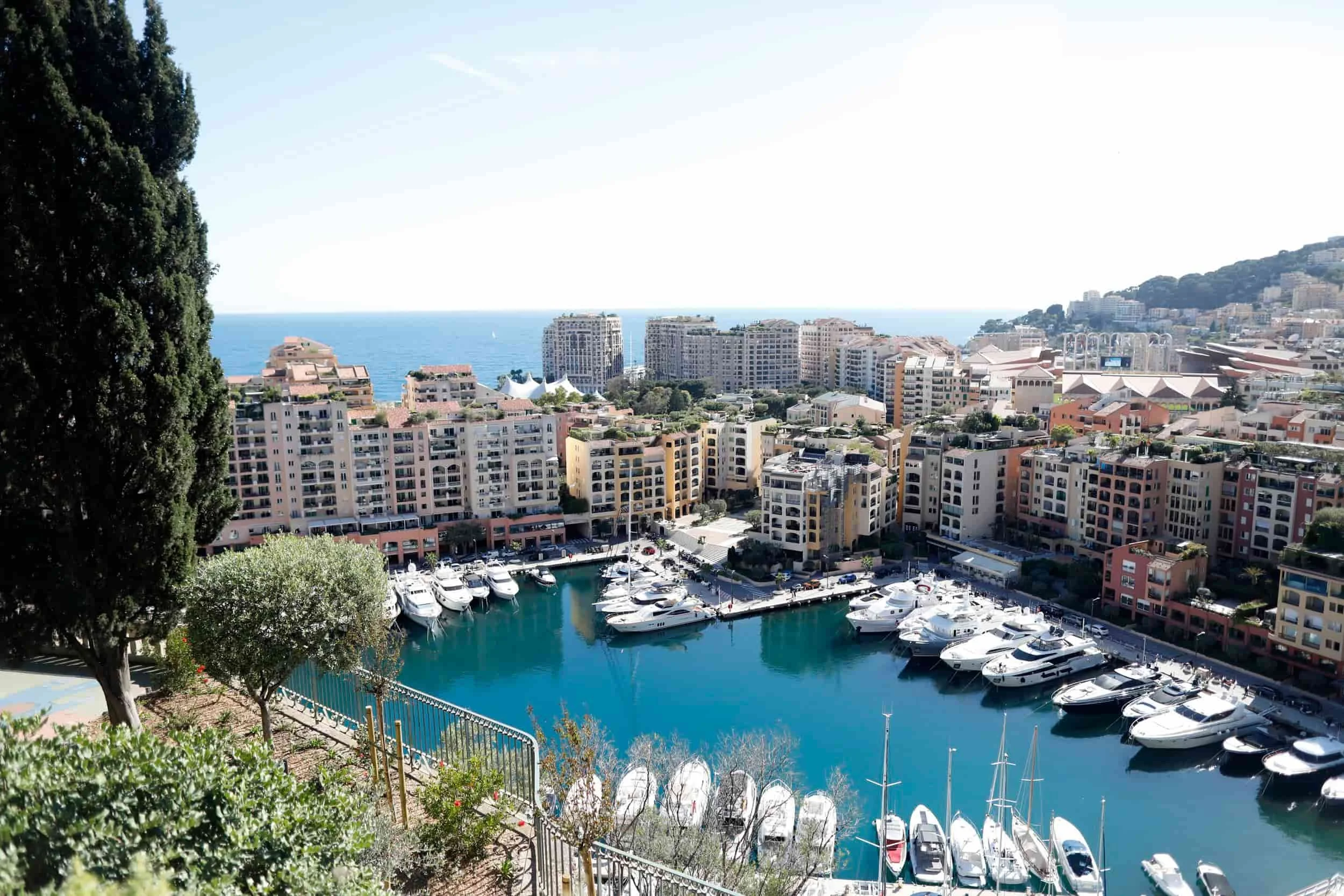
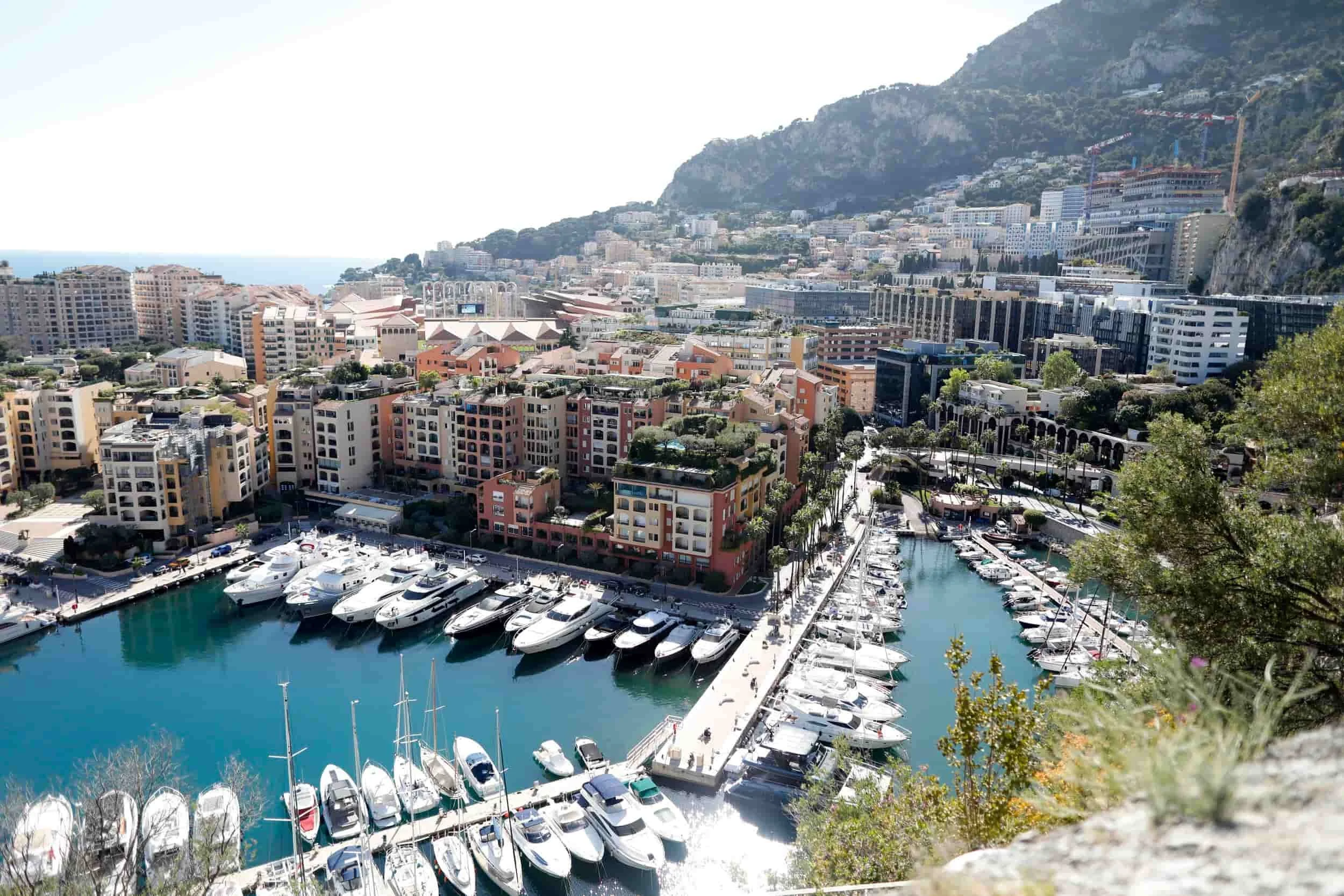
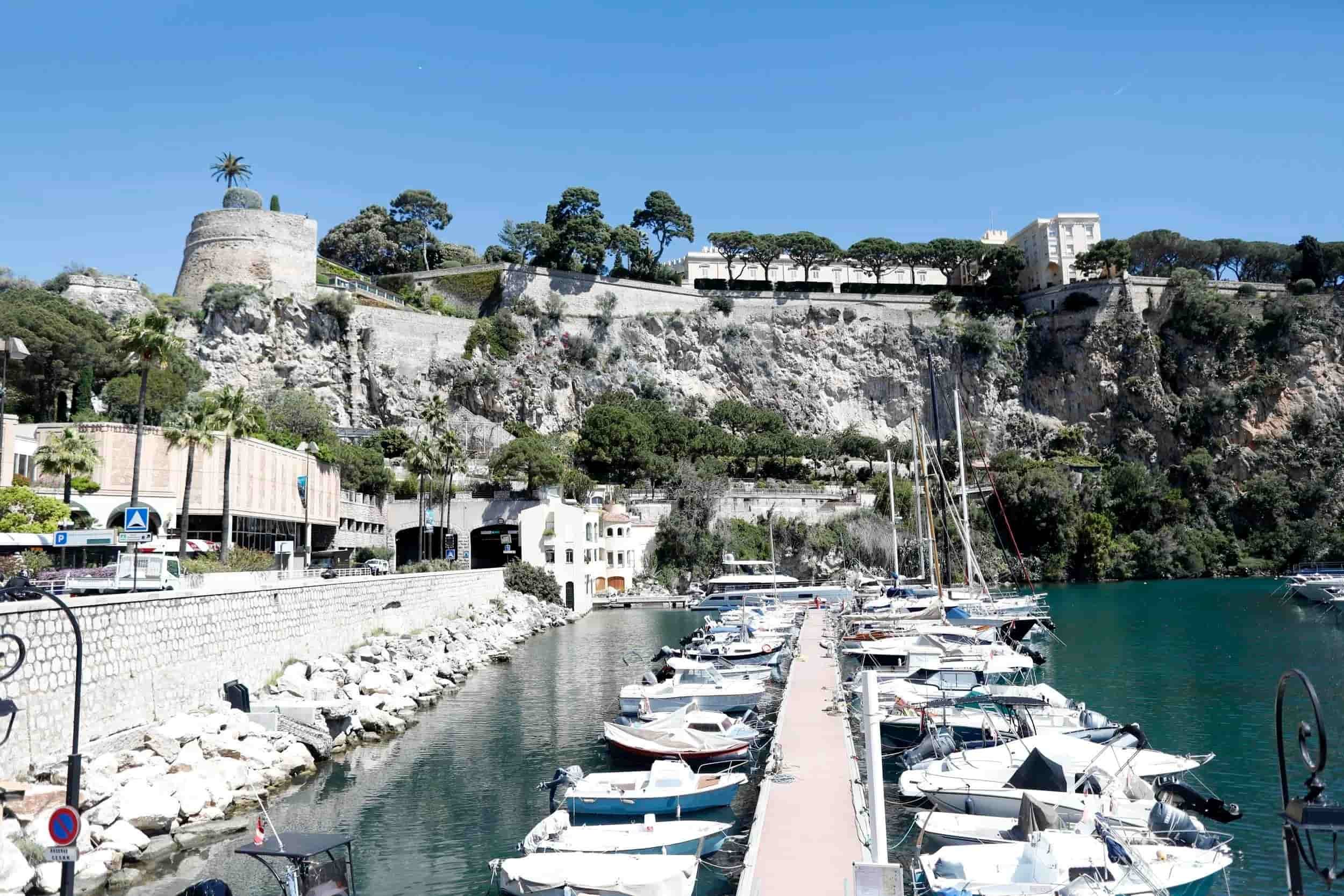
Port de Fontvieille itself sits tucked beneath Le Rocher, surrounded by apartments, gardens and steep cliffs, with boats gathered below the historic old town rising dramatically above.
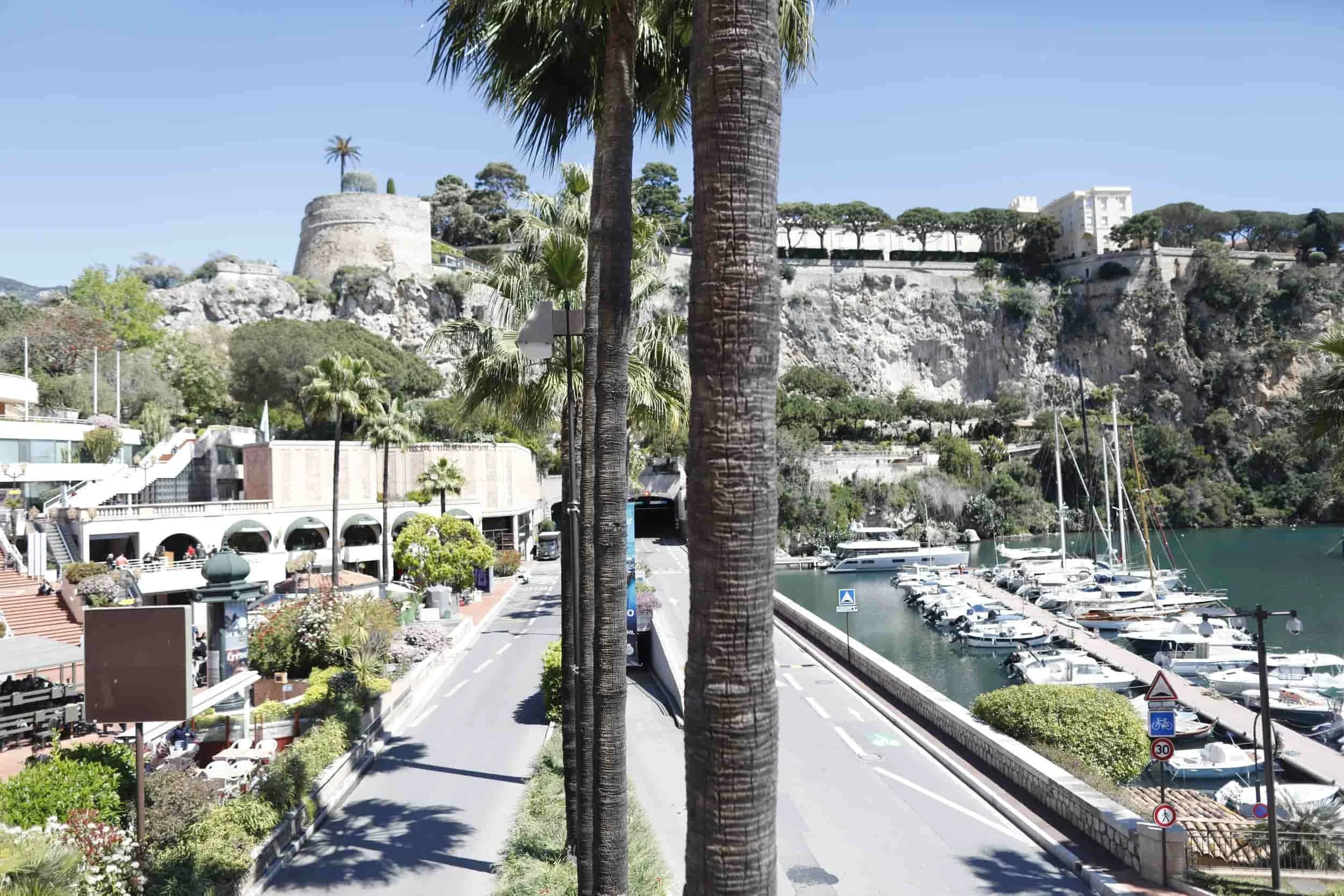
What makes Fontvieille particularly interesting is that much of the surrounding district didn't exist until the 20th century. Built largely on land reclaimed from the Mediterranean under Prince Rainier III, it was Monaco's answer to a very real problem: how does one of the smallest countries in the world create more space when there is almost nowhere left to build?
That relationship between land, water and density becomes much easier to understand when you're standing here.
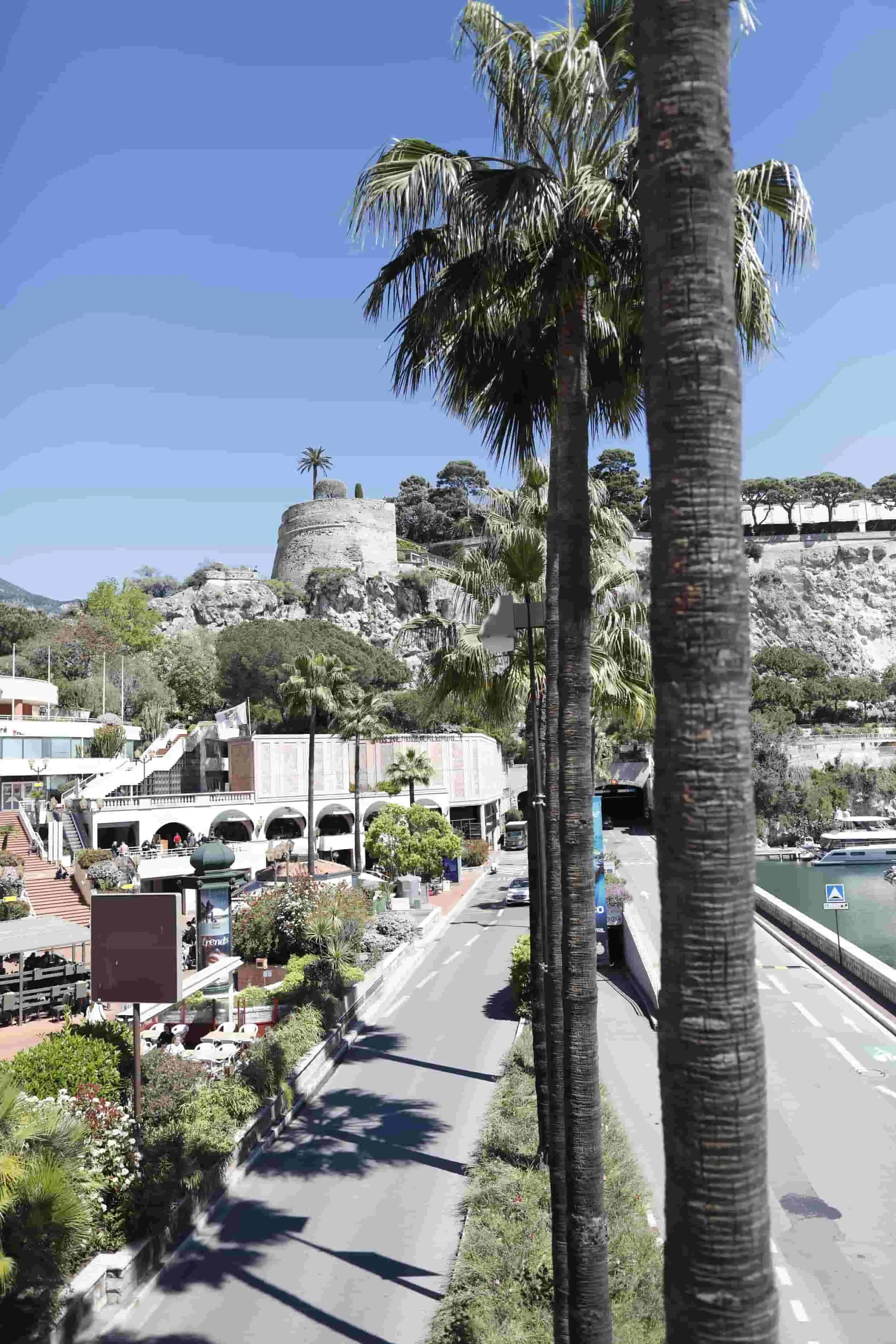
At water level, the marina feels surprisingly intimate. Boats line the harbor, apartment buildings wrap around the waterfront and Le Rocher rises sharply above it all. Take some time to follow the promenade before beginning the climb toward the levels above.
Because in Monaco, where you stand changes everything.
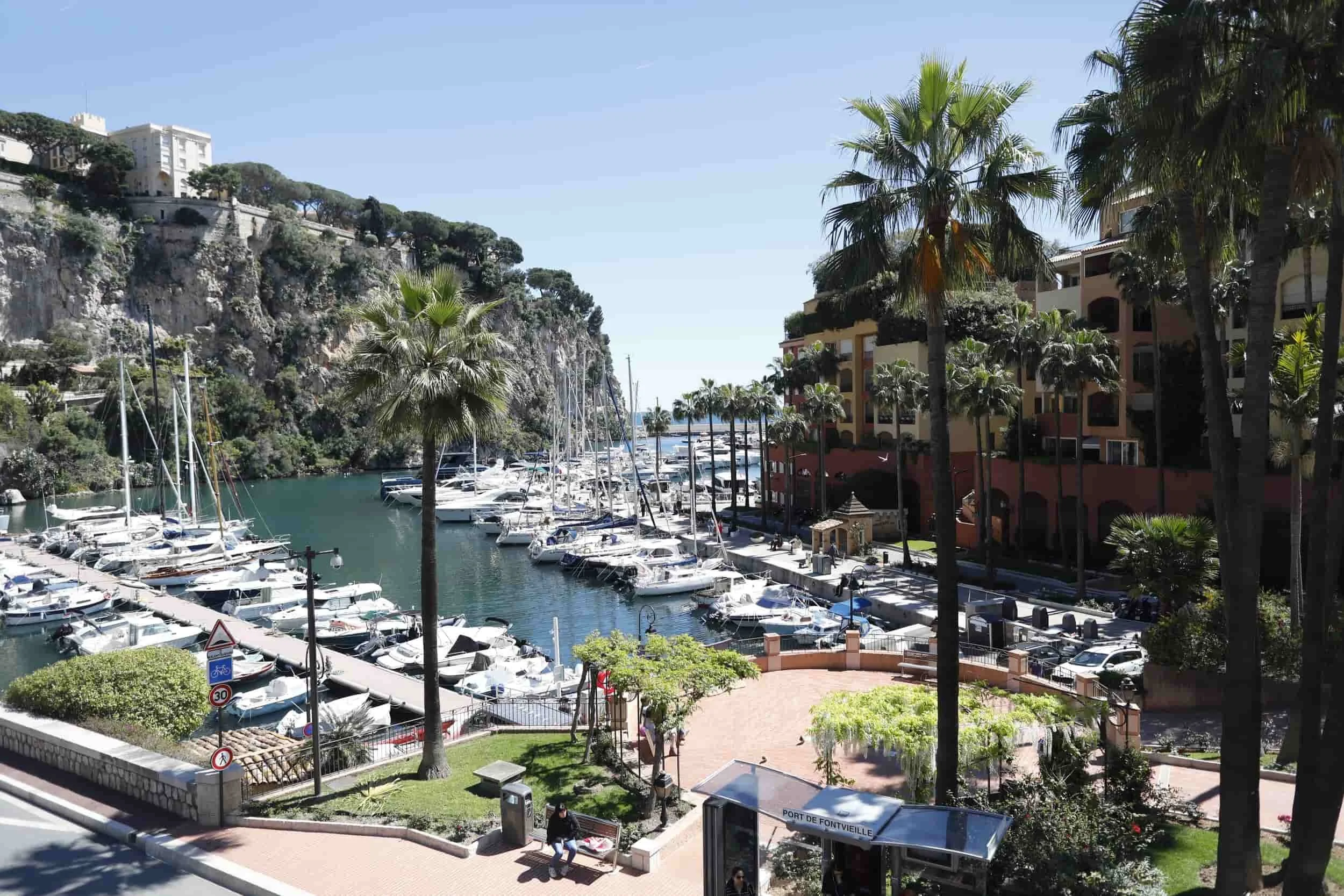
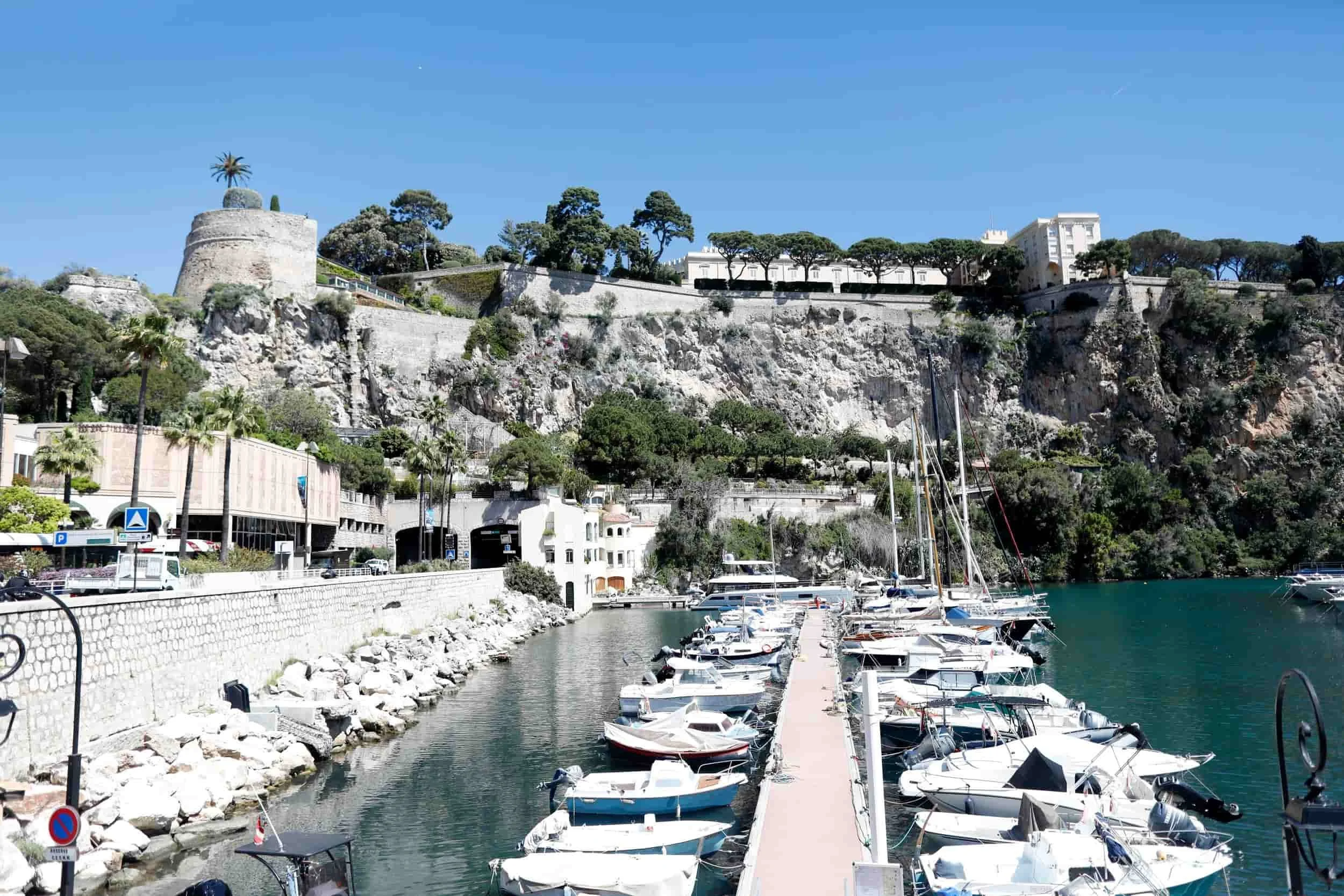
Paths, stairways, tunnels and passageways connect different elevations, gradually revealing new views as you climb. From one level, Port de Fontvieille is all boats and water; from another, the marina becomes part of a much larger composition of cliffs, buildings, gardens and Mediterranean coastline.
It's one of the places where Monaco's compact footprint starts to feel much more complicated than it looks on a map.
Esplanade Rainier III
Continue upward to Esplanade Rainier III, where the experience of Fontvieille shifts again.
From above, the harbor that felt enclosed at water level opens beneath you. The curve of the marina becomes clearer, boats shrink into the landscape and the dense layers of Fontvieille reveal just how dramatically this part of Monaco fits between cliff and sea.
Seeing the harbor from both elevations is what makes this little part of Monaco particularly interesting. At the waterfront, you're surrounded by it; from the esplanade, you can finally understand how all the pieces fit together.
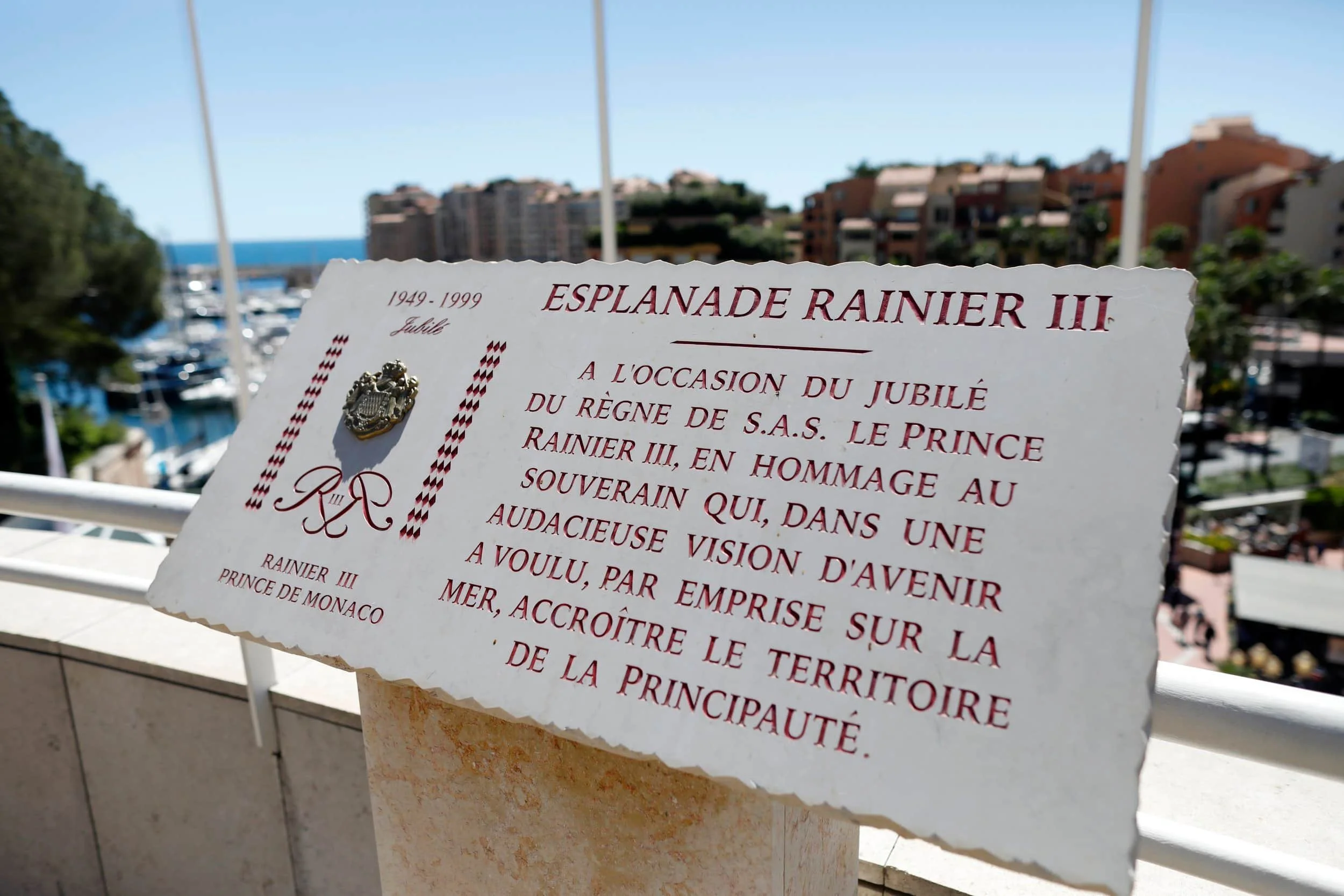
And after wandering through the market, following the edge of the bay and gradually working your way upward, the view feels less like a standalone lookout and more like the final perspective on a place you've just walked through.
💡 My Tip | Don't experience Port de Fontvieille from only one level. Start around the waterfront, then follow the paths and stairs toward Esplanade Rainier III for the view from above. Monaco makes much more sense when you see it from different vantage points.
Prince’s Palace of Monaco
Reaching the Prince’s Palace of Monaco begins with the climb up Le Rocher, the rocky promontory that forms the historic heart of Monaco.
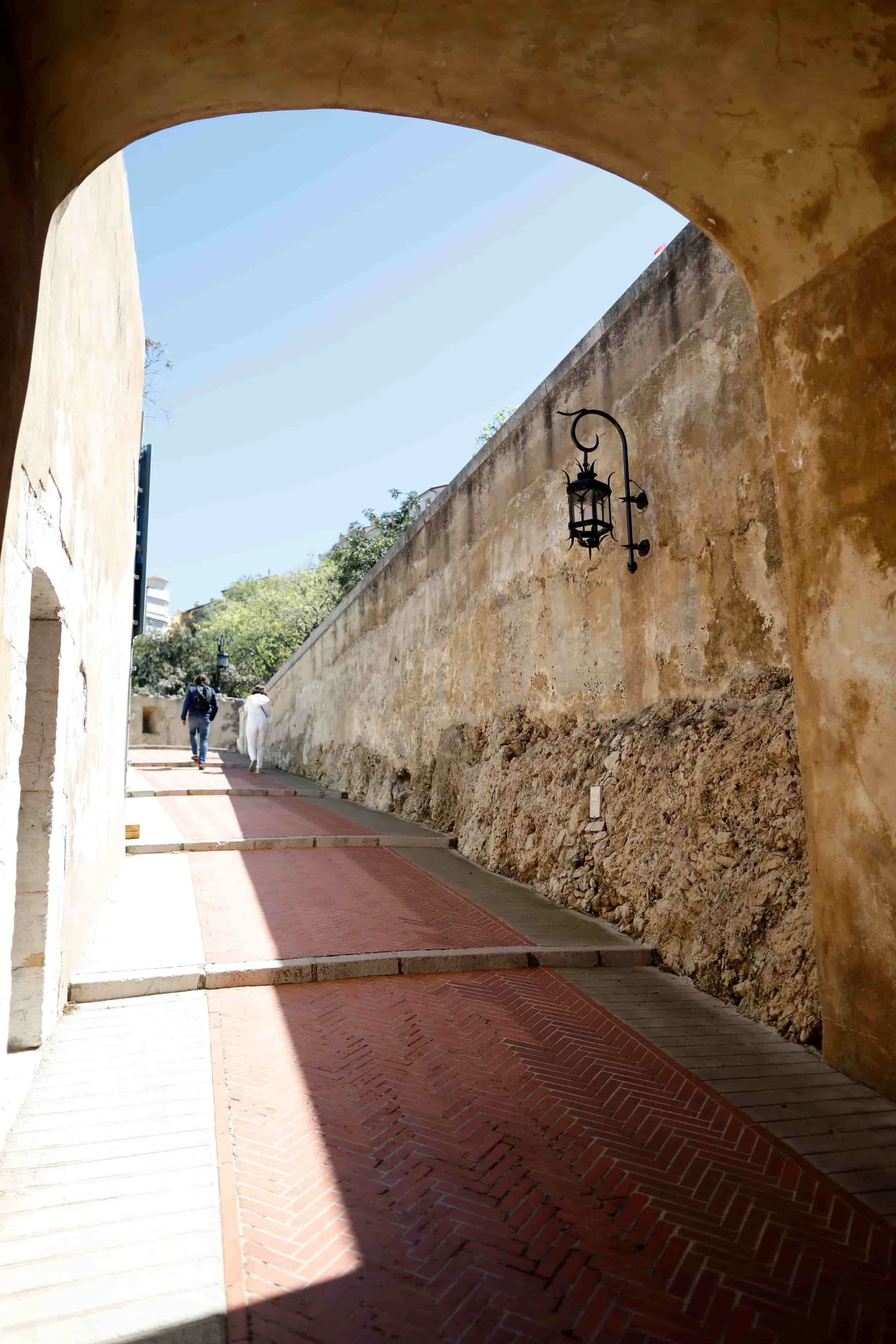
The route rises steadily from the waterfront toward Monaco-Ville, with the Mediterranean appearing between buildings as you gain elevation. It’s a good introduction to just how vertical Monaco really is — and a reminder that distances that look short on a map can involve considerably more climbing than expected.
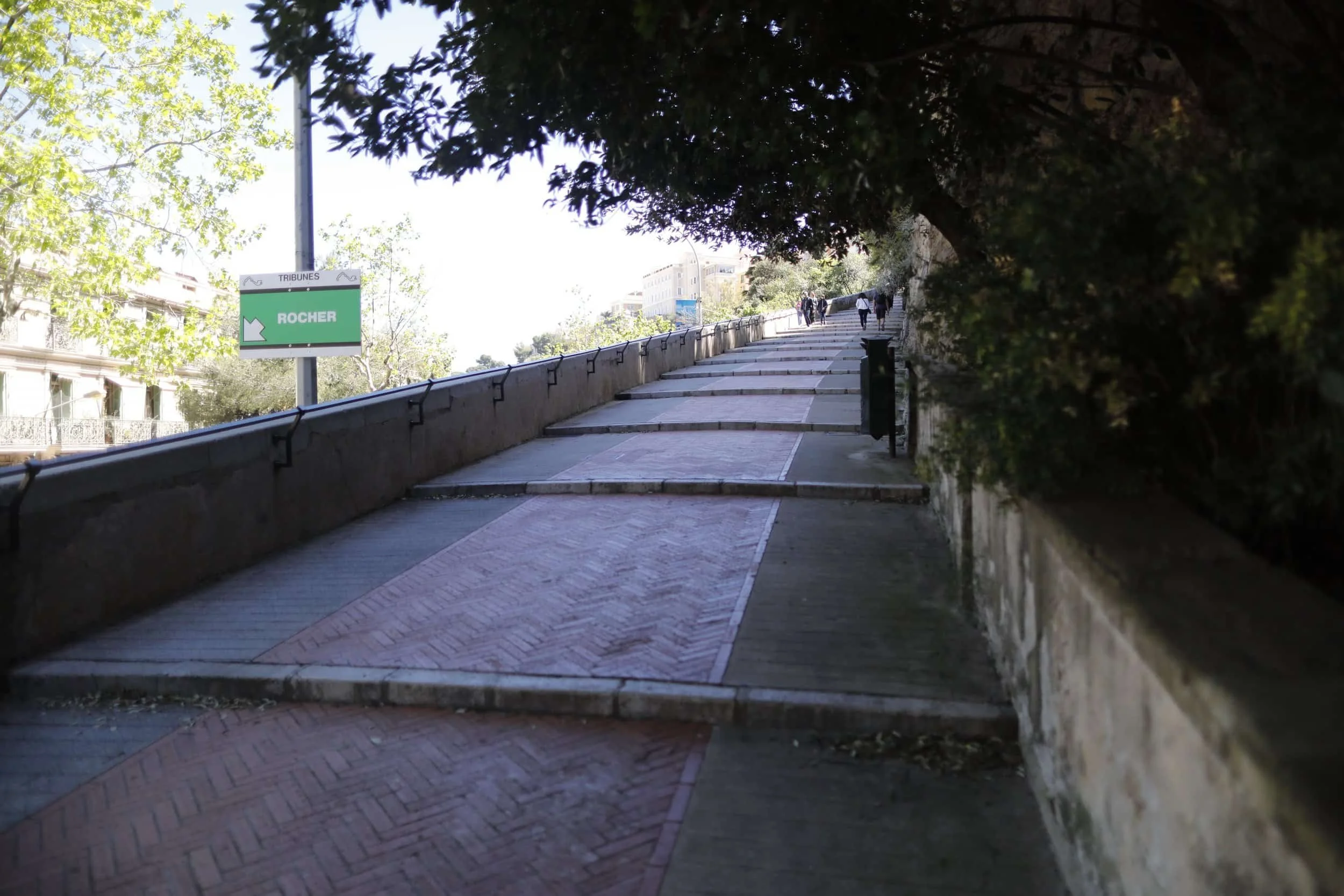
Once at the top, don’t head directly for the palace.
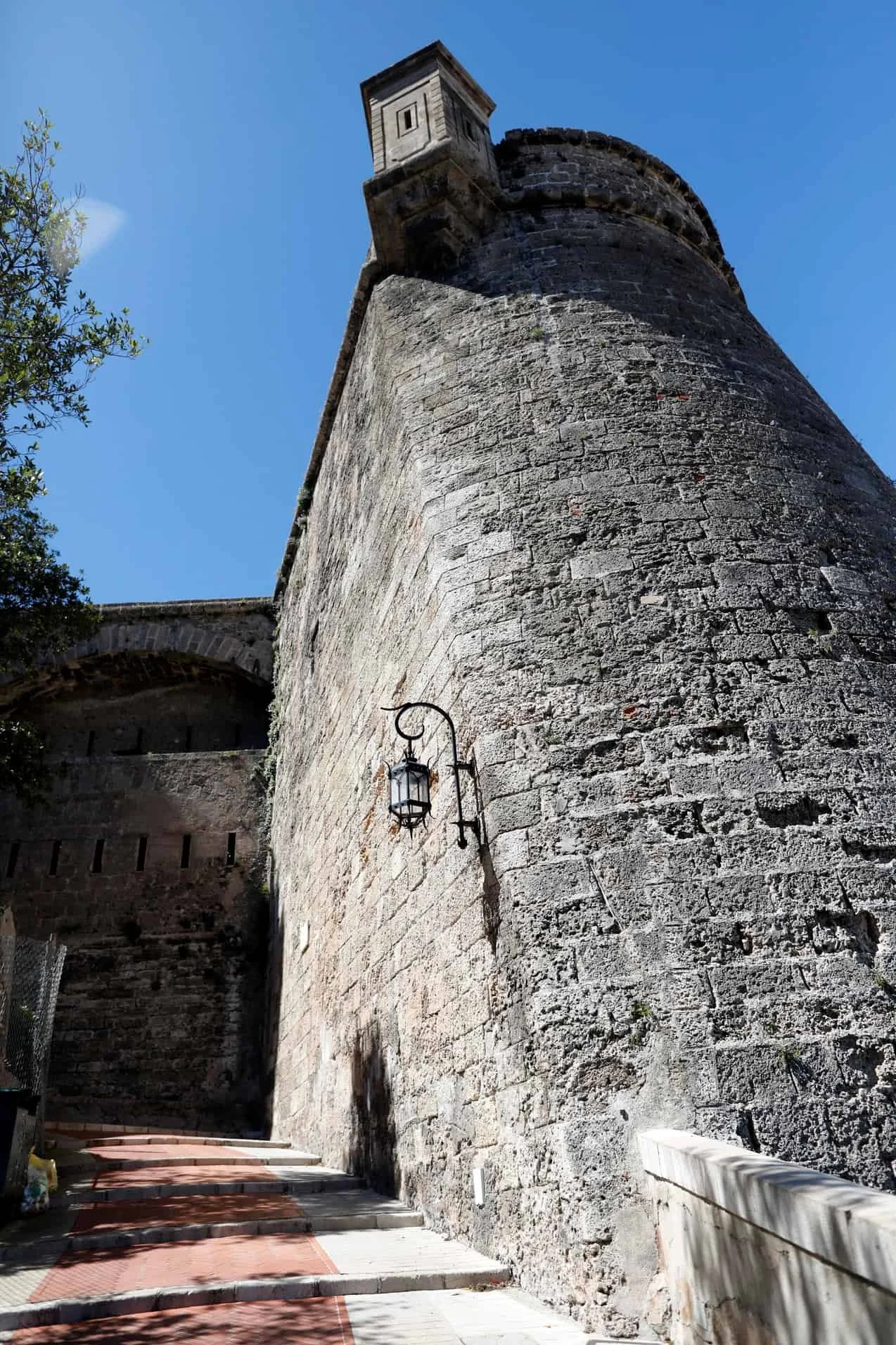
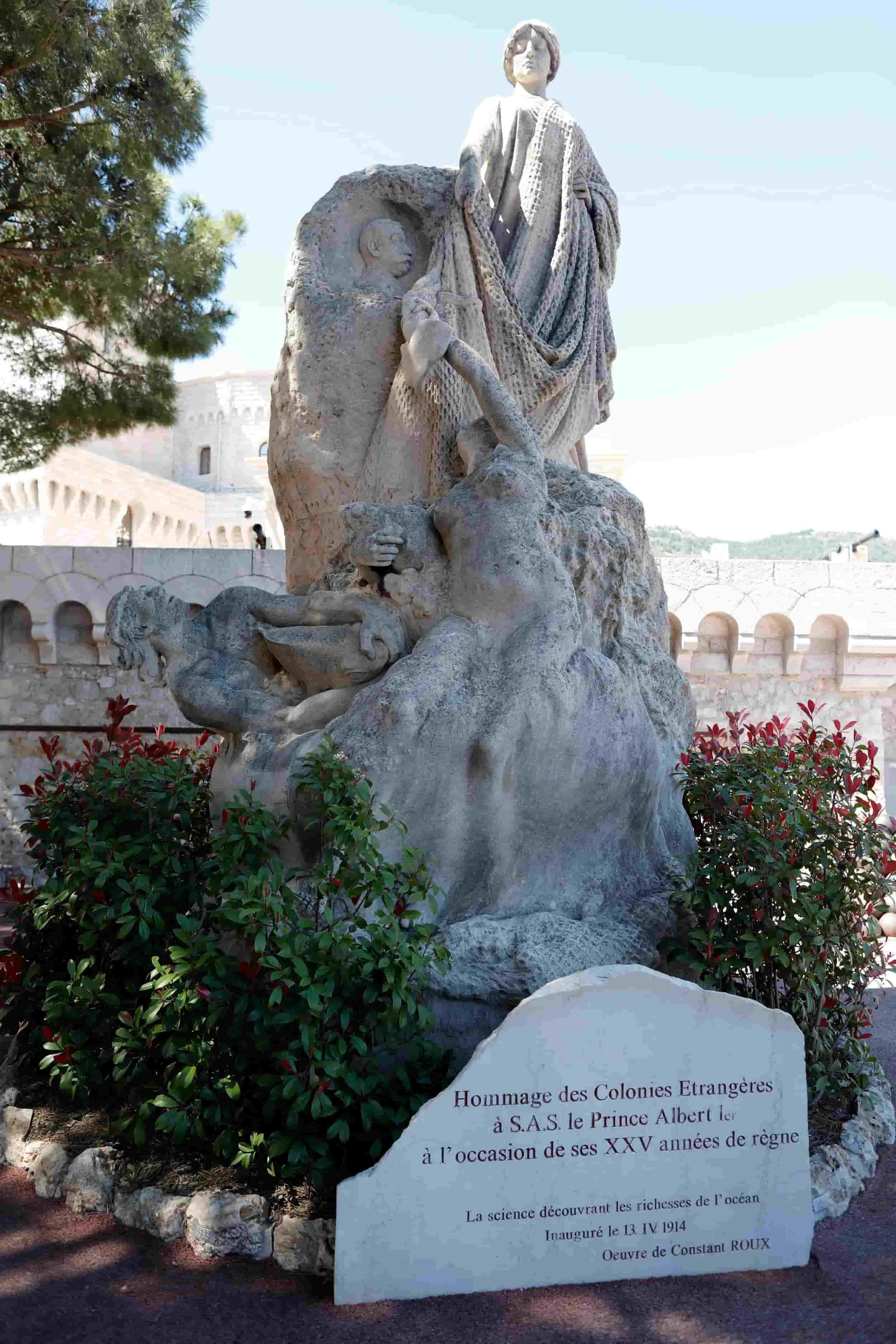
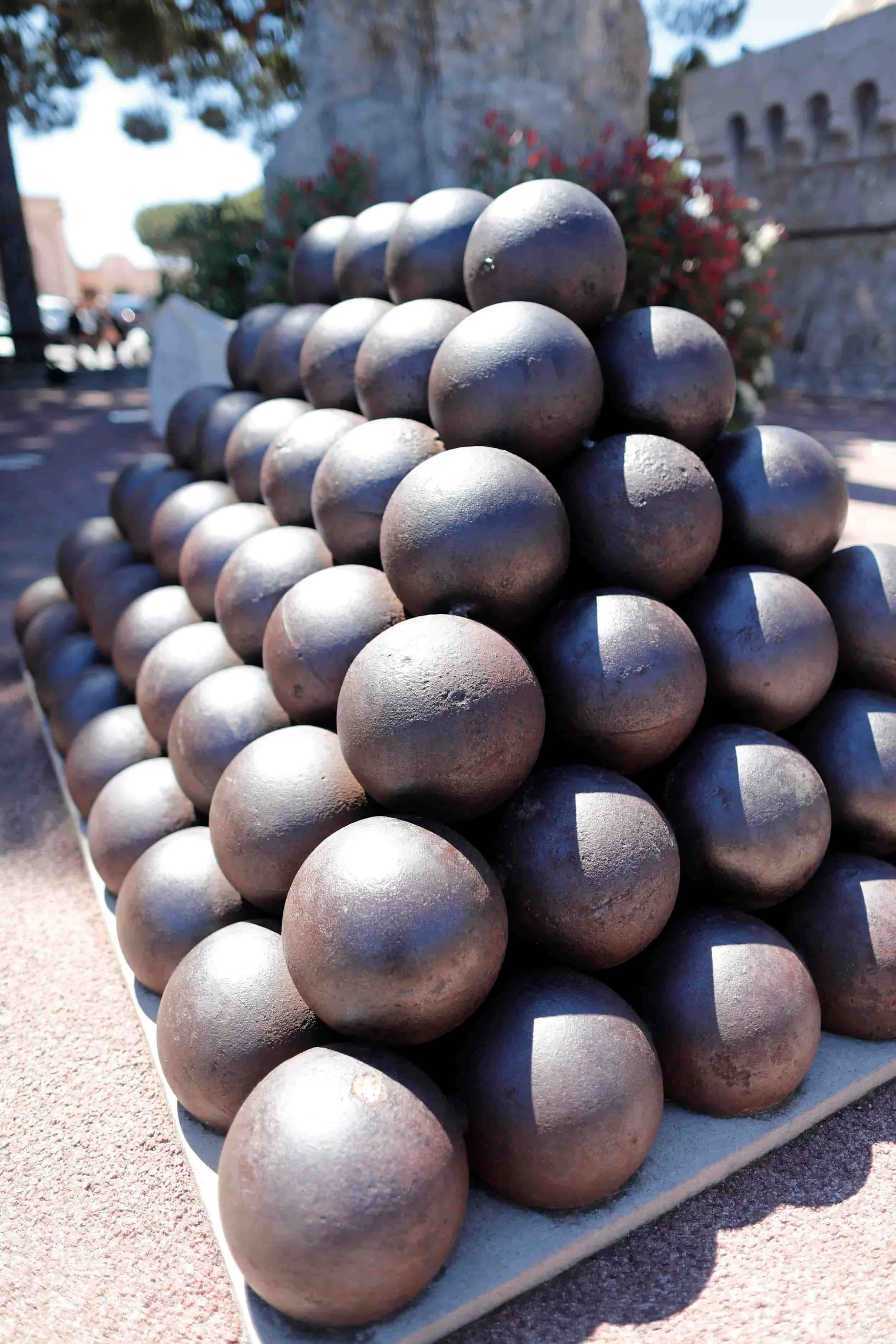
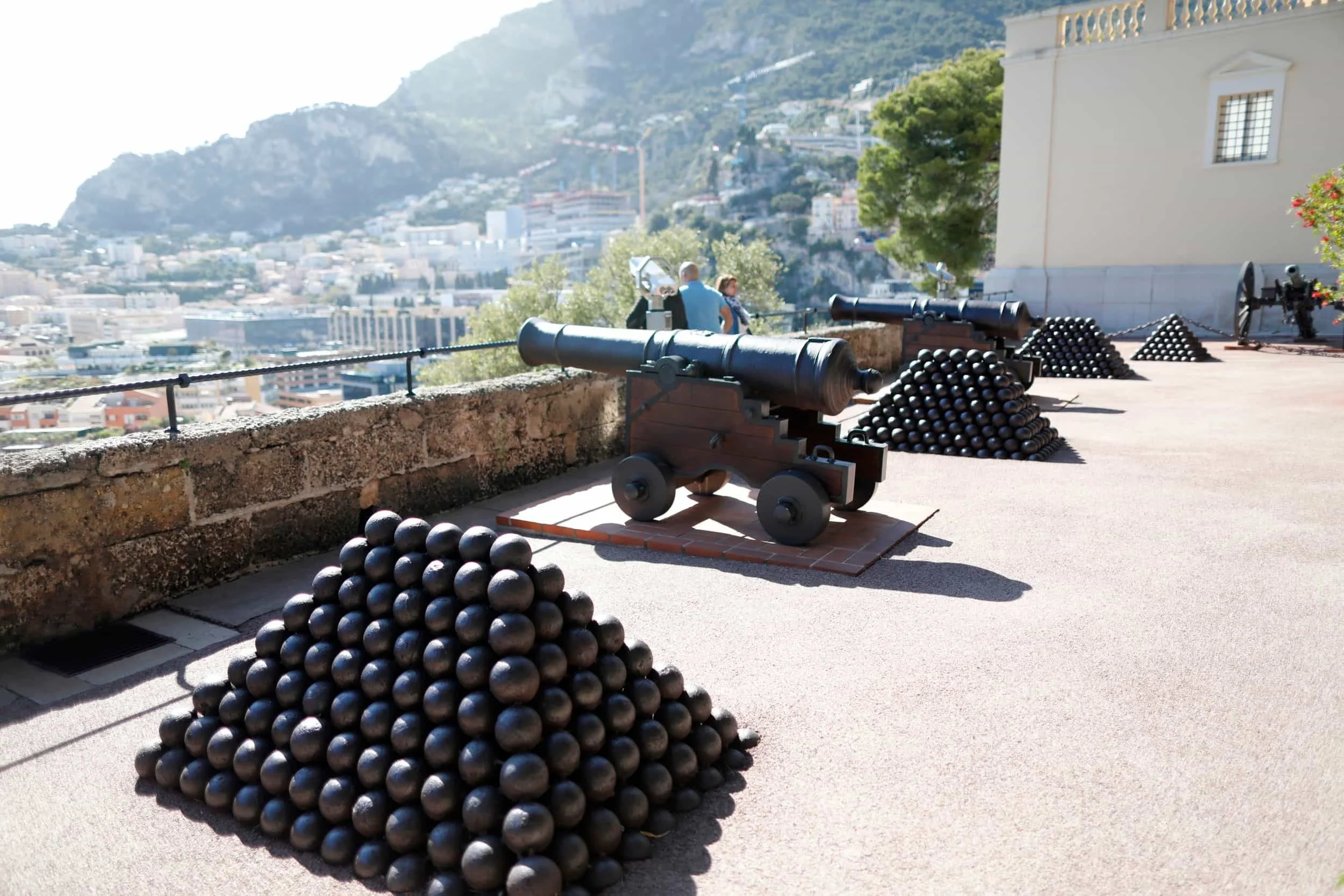
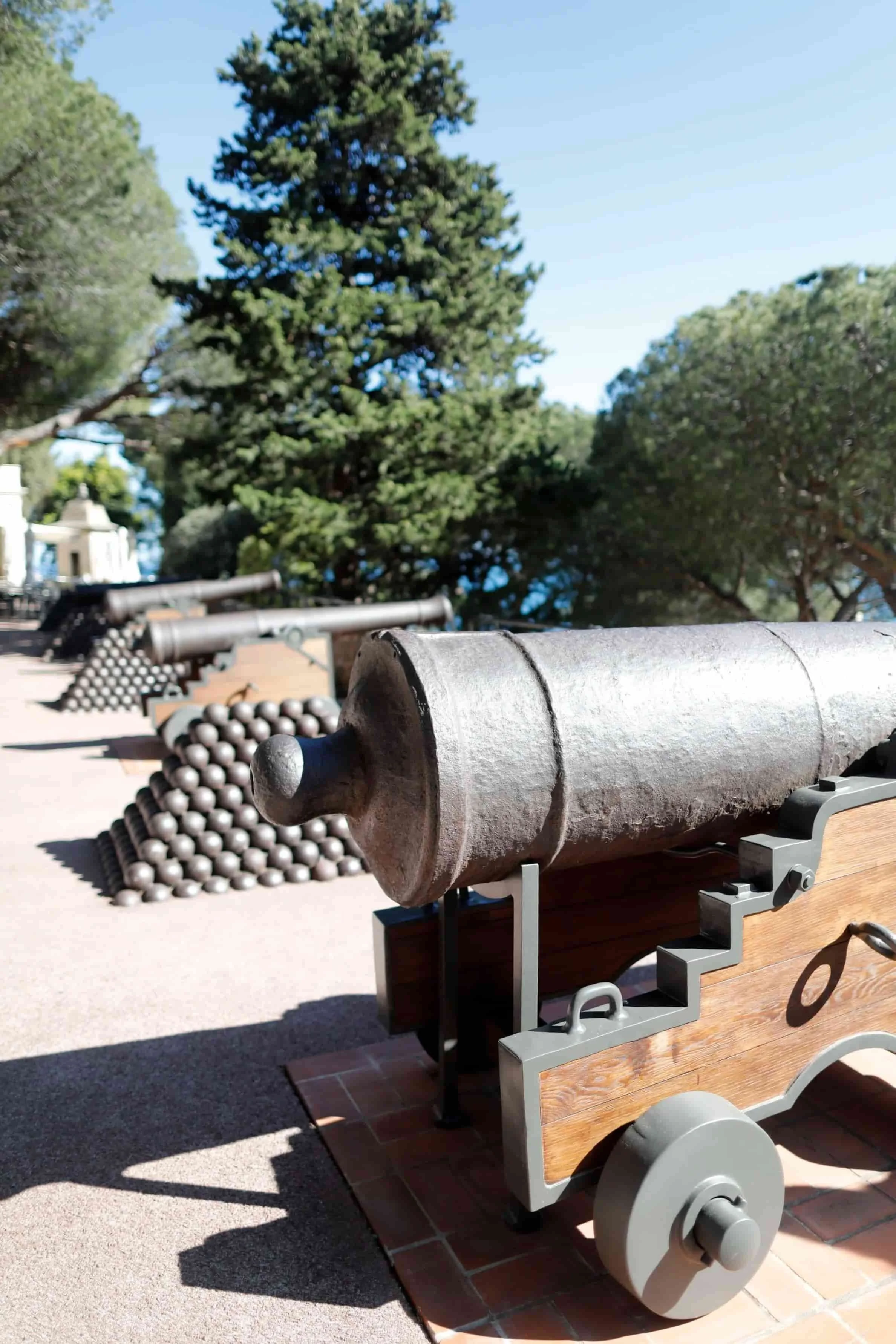
Take some time to explore the edges of Le Rocher, where the views open dramatically across Monaco and the coastline below. This is also where you’ll encounter some of the statues, monuments and historic cannons scattered around the fortified hilltop.
The cannons feel particularly appropriate here. Surrounded by stone walls and pointed toward the sea, they’re a reminder that Le Rocher wasn’t chosen simply for its views. This was a strategic position overlooking the water and the approaches to Monaco long before it became associated with royal glamour.
And the views are worth lingering over.
From one side, Port Hercule spreads out below, filled with yachts and larger ships and surrounded by the dense city rising behind it. Its scale is especially striking from above, with the harbor opening broadly toward the Mediterranean.
Continue around Le Rocher and the view shifts to Port de Fontvieille — the smaller, more sheltered marina you’ve already explored from water level and from the Esplanade Rainier III. From up here, its shape and relationship to the cliffs become even clearer.
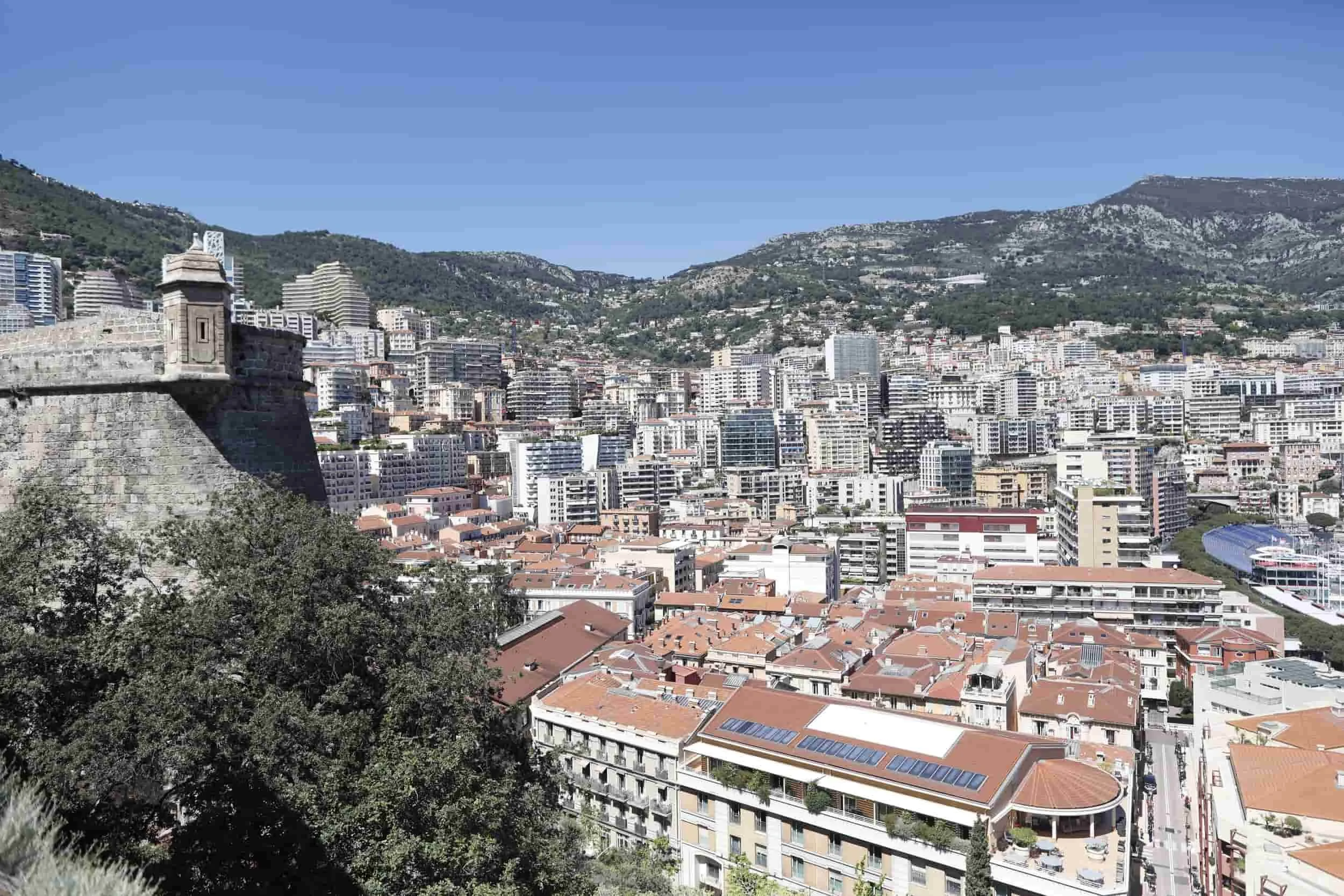
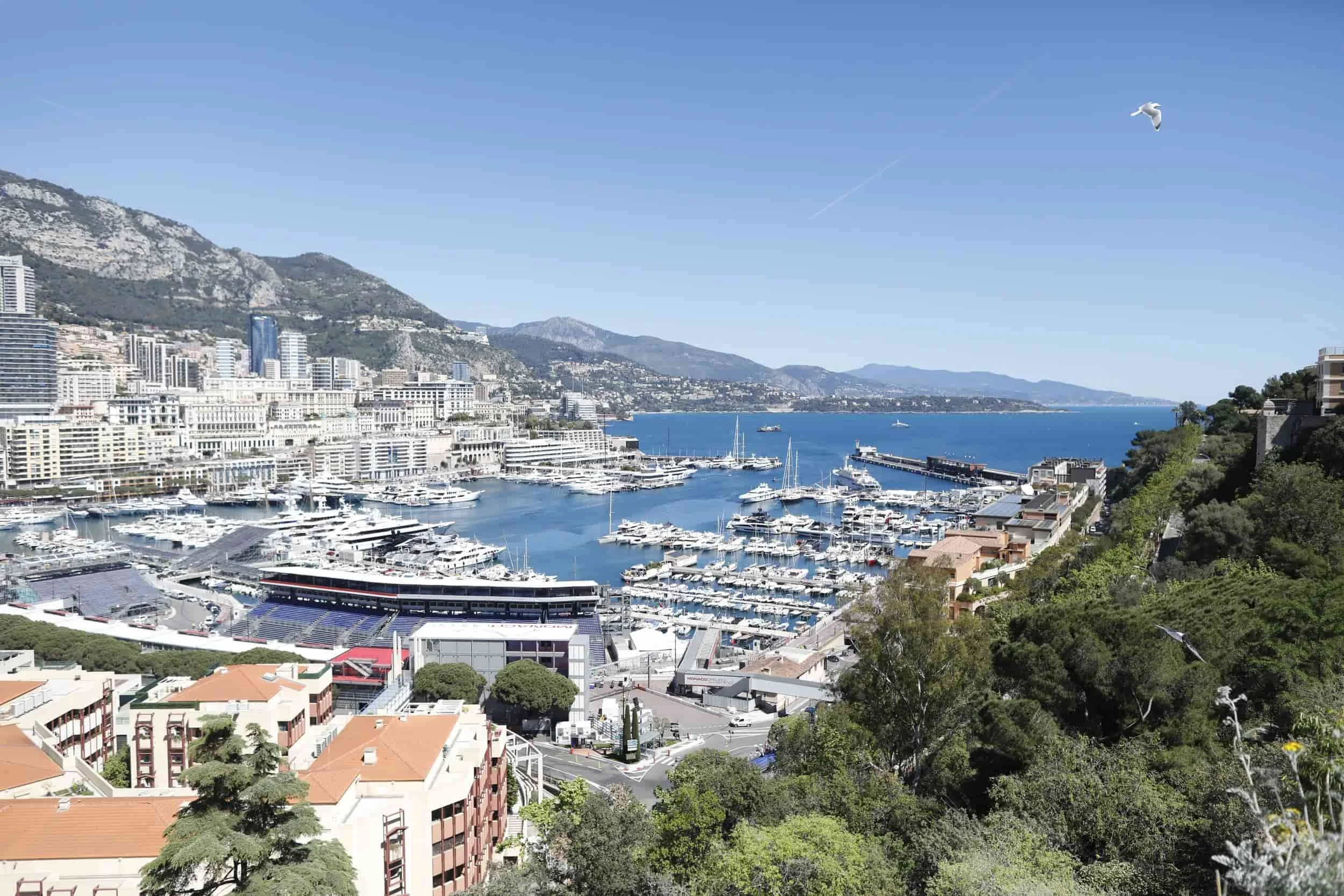
Seeing the two harbors from above highlights just how different they are: Port Hercule feels expansive and busy, while Fontvieille sits tucked beneath the rock, compact and protected. Together, they reveal two very different sides of Monaco’s relationship with the sea.
Seeing both from above also makes Le Rocher itself easier to understand. The historic old town occupies this elevated piece of land between two very different waterfronts, with the palace positioned at its strategic heart.
Place du Palais
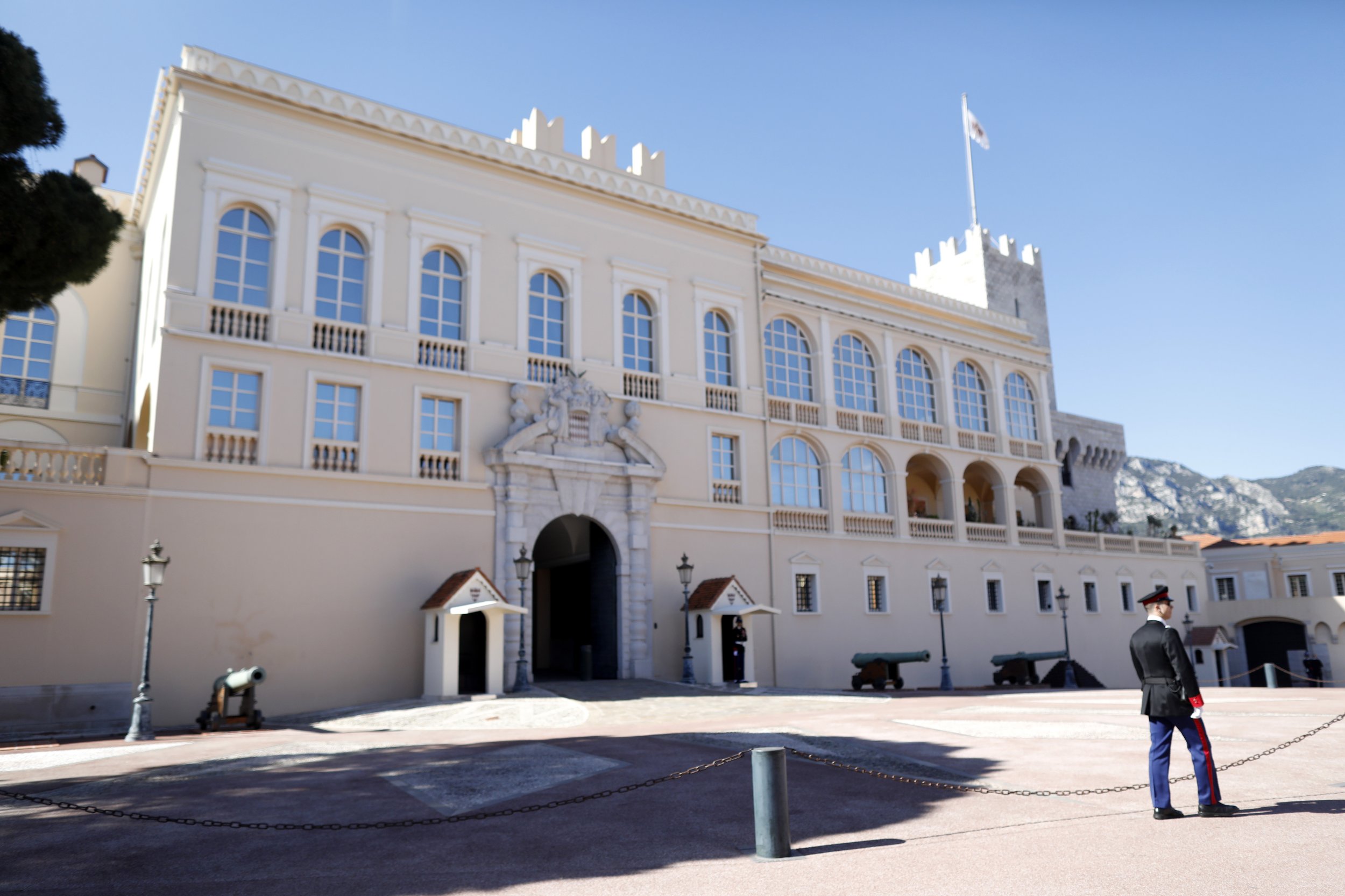
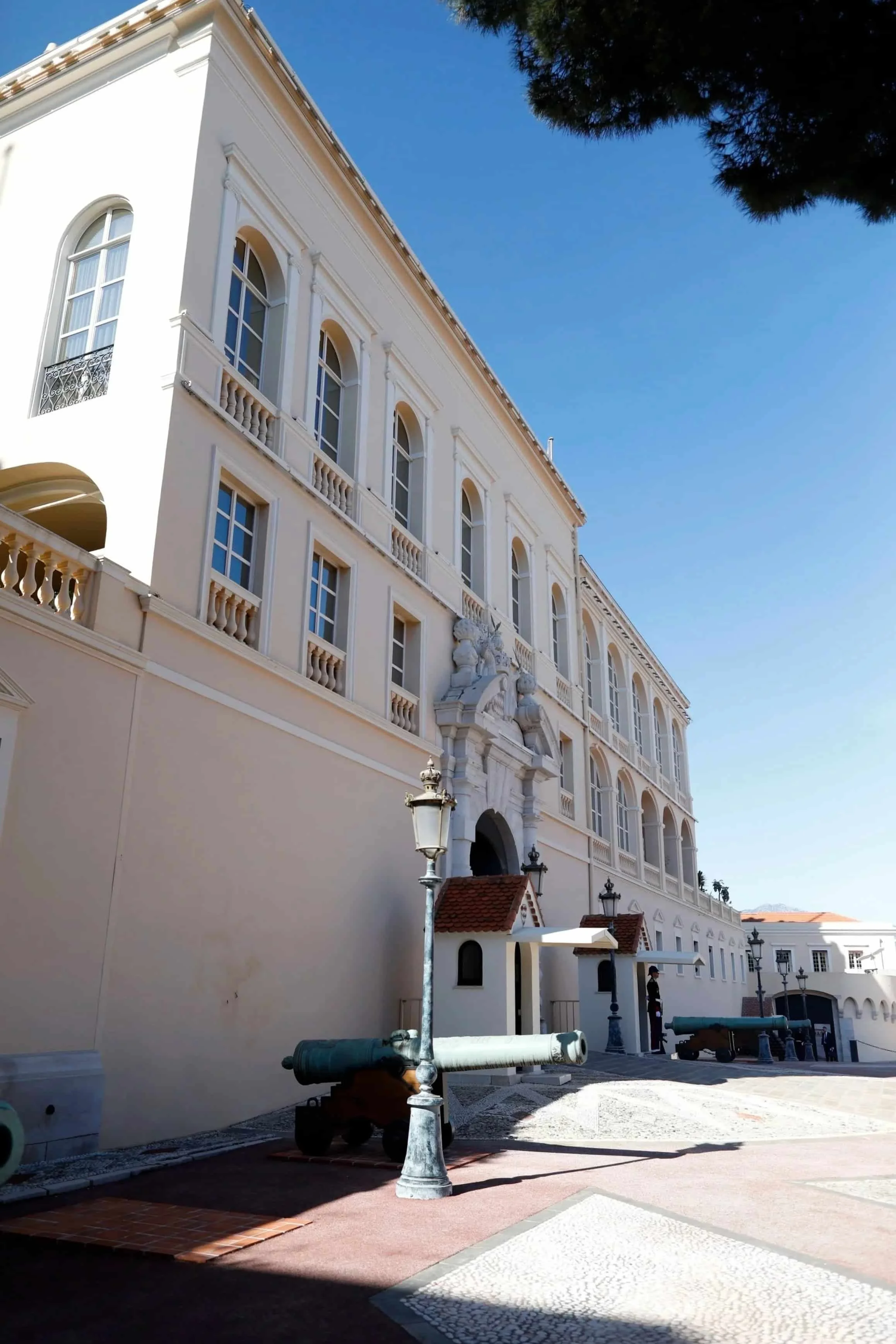
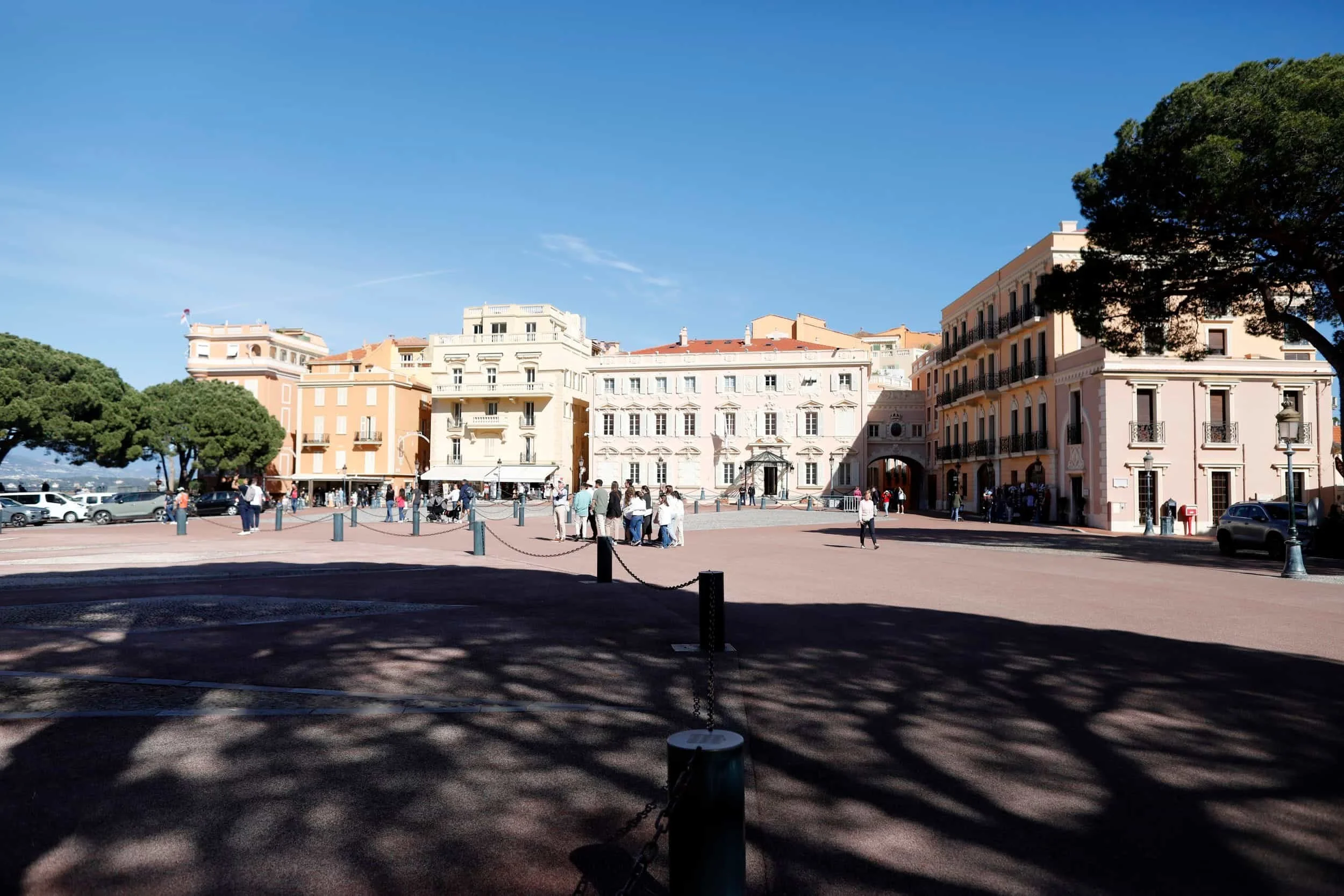
Eventually, the route brings you around to Place du Palais, the broad square in front of the Prince’s Palace.
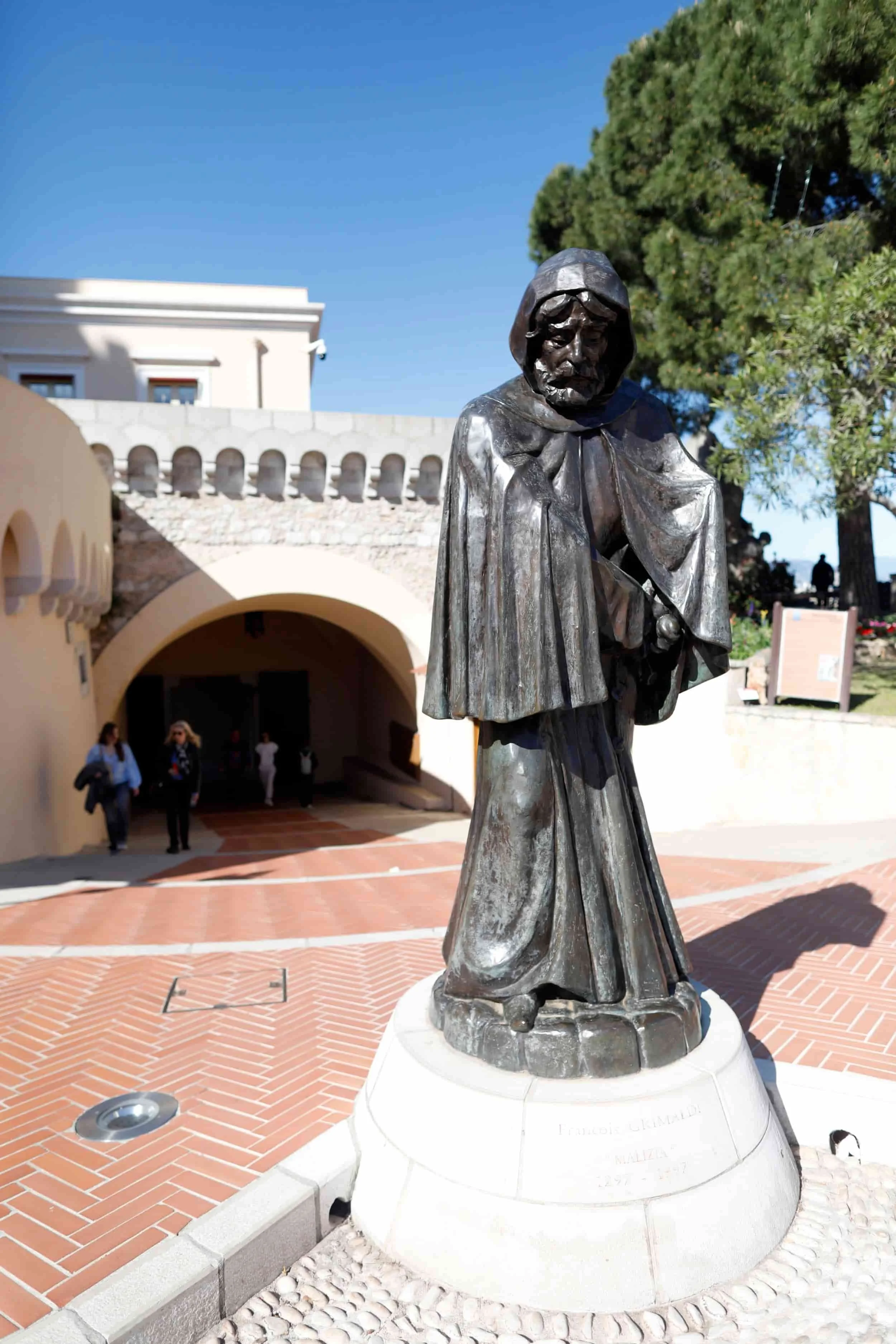
The palace began as a Genoese fortress in the 13th century, but its most memorable story begins in 1297.
According to tradition, François Grimaldi approached the fortress with a small group of men disguised as Franciscan monks. Once admitted through the gates, they seized the stronghold. The Grimaldis would lose and regain control of Monaco in the years that followed, but the event became the beginning of a dynasty that has ruled the principality for more than seven centuries.
That story remains part of Monaco’s identity today. Two sword-bearing monks appear on the Grimaldi coat of arms, a reference to the disguise supposedly used during the capture of the fortress.
And the Grimaldi family history comes with another, considerably darker story: the so-called Grimaldi curse.
According to legend, Rainier I — François Grimaldi’s cousin — wronged a Flemish woman in the early 14th century, who retaliated by cursing his descendants to never find happiness in marriage. Another version attributes the curse to a witch condemned to death by Rainier. There’s no historical evidence that such a curse exists, of course, and even the origin story varies, but centuries of complicated Grimaldi marriages and family tragedies have kept the legend alive.
It’s an intriguing bit of Monaco lore to carry with you while standing outside the family palace: a dynasty whose history contains both a fortress captured by men disguised as monks and a supposed centuries-old curse.
Knowing the history makes the palace’s position feel even more significant. This wasn’t originally a royal residence placed on a beautiful hilltop — it was a fortress controlling an extraordinarily valuable piece of coastline. Over the centuries, the Grimaldis transformed it into the palace seen today.
The relatively restrained exterior still hints at those fortified origins, especially after walking the perimeter of Le Rocher and seeing the cannons and defensive position for yourself.
🎟️ Want to Go Inside? | The State Apartments at the Prince’s Palace are open to visitors seasonally. I missed them simply because I didn’t realize touring the palace was an option, so check current opening dates and book ahead if you want to see beyond the palace façade. The interiors look incredible.
What I’d Do Differently
The palace’s State Apartments can be toured when open to the public, something I didn’t realize when I visited. That’s one experience I’d add on a return trip.
I also missed the Changing of the Guard outside the palace. Neither needs to dictate the entire day but if they interest you, check the current palace opening and ceremony schedules before arriving rather than finding out afterward — as I did.
Before leaving Place du Palais, take another look over the edges of Le Rocher. Port Hercule and the dense layers of Monaco beyond it offer yet another version of the city from above.
Then begin the walk back down.
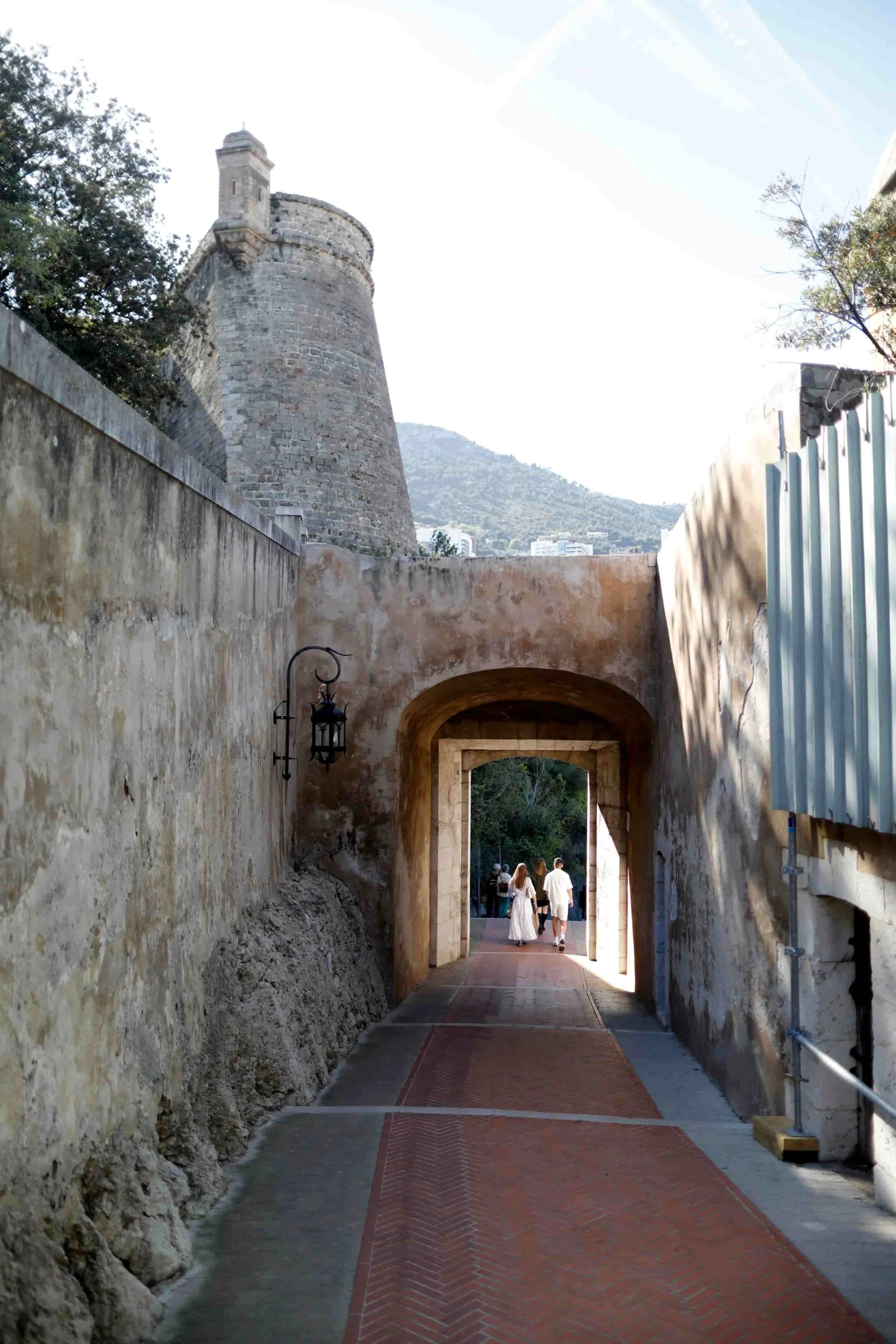
After seeing Monaco from the waterfront, climbing above both harbors and circling the top of Le Rocher, the descent feels different from the climb. The streets, tunnels, terraces and water below are no longer simply a beautiful tangle — you've started to understand how this tiny place fits together.
💡 My Tip | Give Le Rocher more time than simply walking up, photographing the palace and leaving. Explore the edges first, stop for the views, monuments and cannons, then make your way to Place du Palais. The hilltop is part of the experience, not just the route to the palace.
Monaco Cathedral
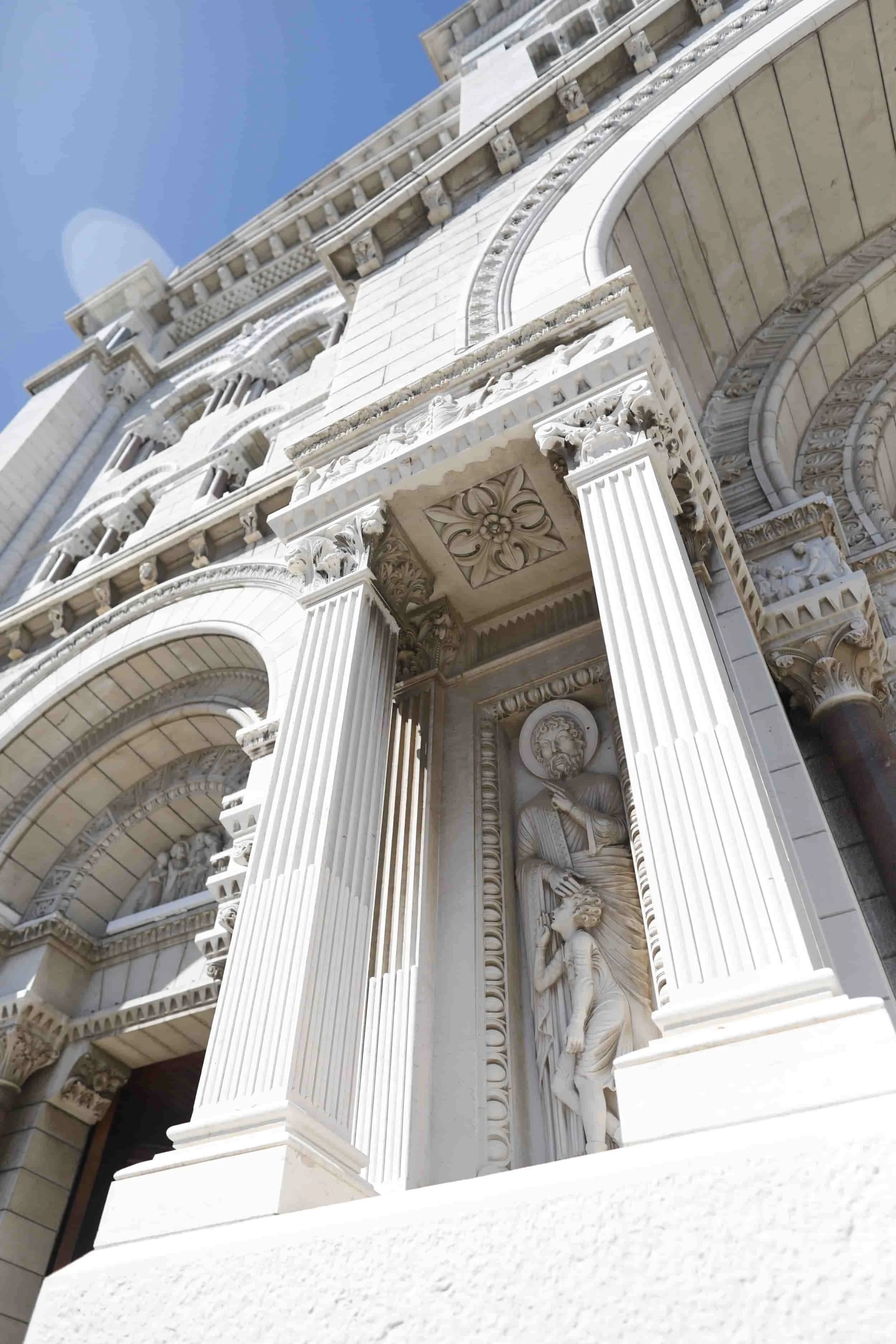
Continue through Monaco-Ville and Monaco Cathedral appears among the streets of Le Rocher, its pale stone façade standing apart from the denser buildings surrounding it.
Officially the Cathedral of Our Lady Immaculate, the church stands on the site of an earlier 13th-century church dedicated to Saint Nicholas. The current cathedral was completed in the early 20th century and remains Monaco's principal Catholic church as well as an important part of the Grimaldi family's history.
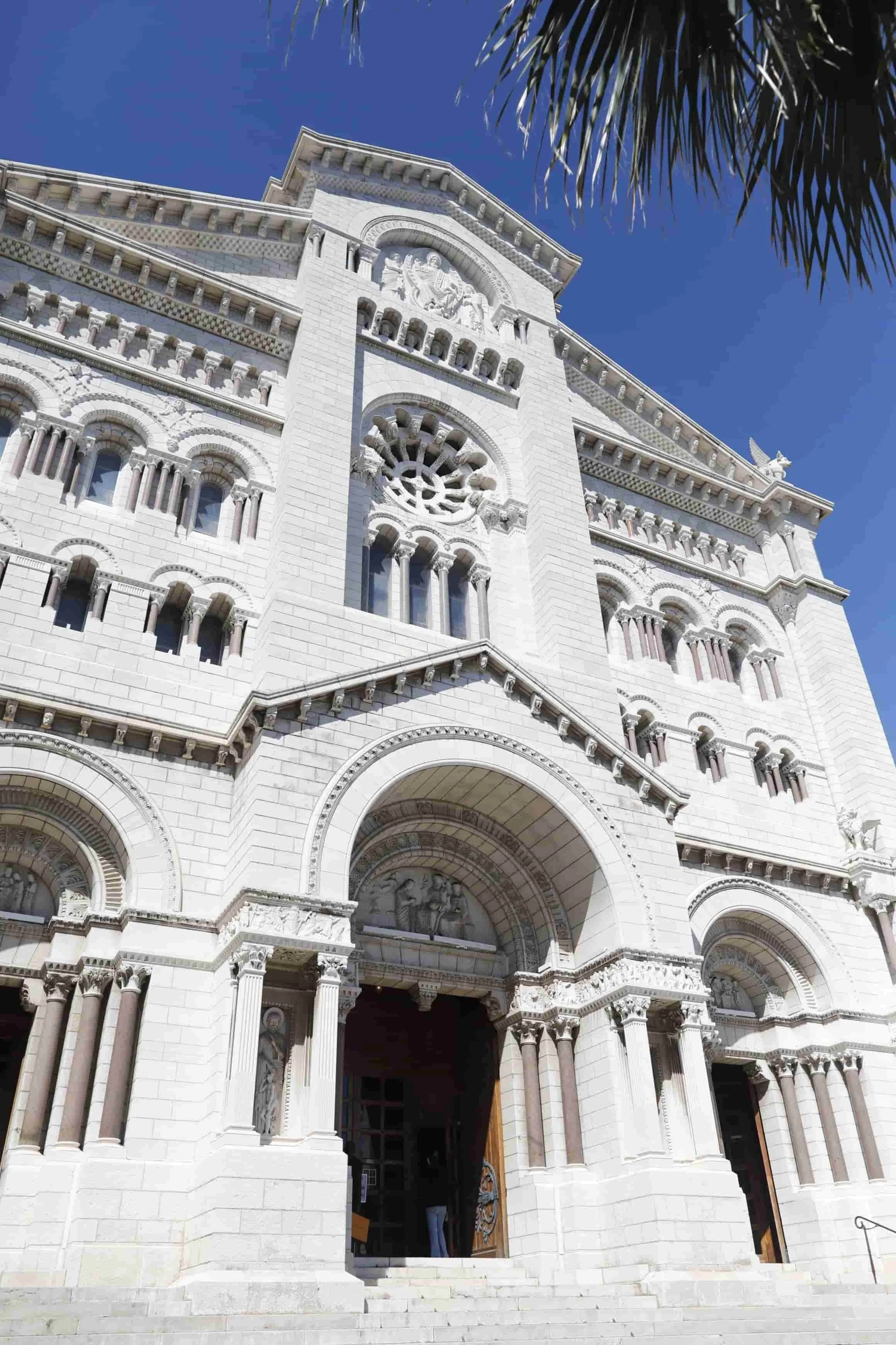
Before heading inside, take a moment with the exterior. The cathedral combines Romanesque and Byzantine influences, with a large rose window, carved details around the entrance and pale stone that gives the building a much lighter presence than the fortified architecture around the palace.
Inside, the scale shifts again.
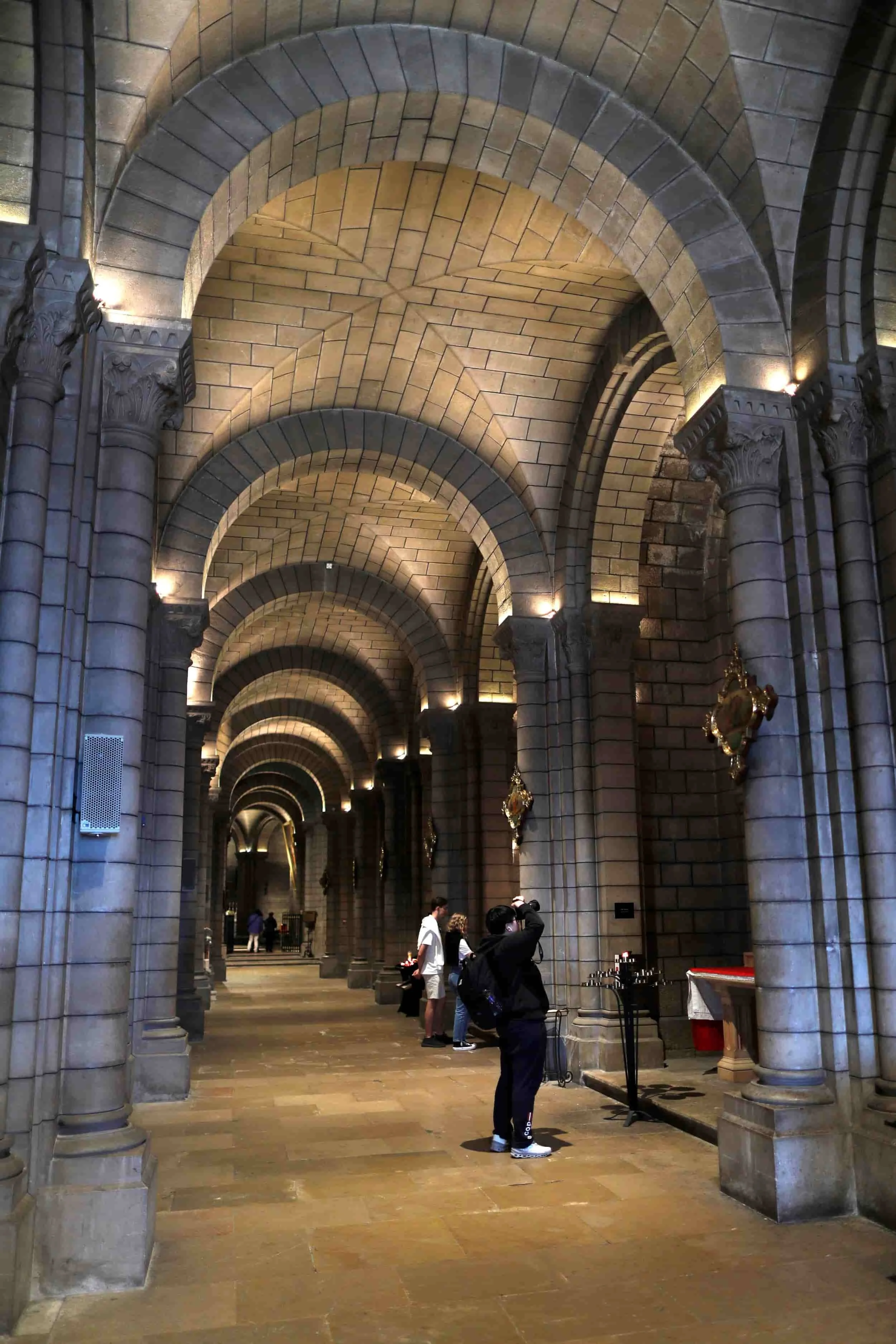
Vaulted ceilings rise above marble floors, side chapels and an ornate altar, while stained glass brings color into an otherwise restrained palette of pale stone. After the open views and bright Mediterranean light outside, the interior feels noticeably quieter.
But one of the most significant reasons people visit Monaco Cathedral lies farther inside.
The Grimaldi Tombs
The cathedral is the final resting place of generations of the Grimaldi family, connecting directly back to the dynasty whose story begins just a short walk away at the Prince's Palace.
Among them are Prince Rainier III and Princess Grace of Monaco — Grace Kelly.
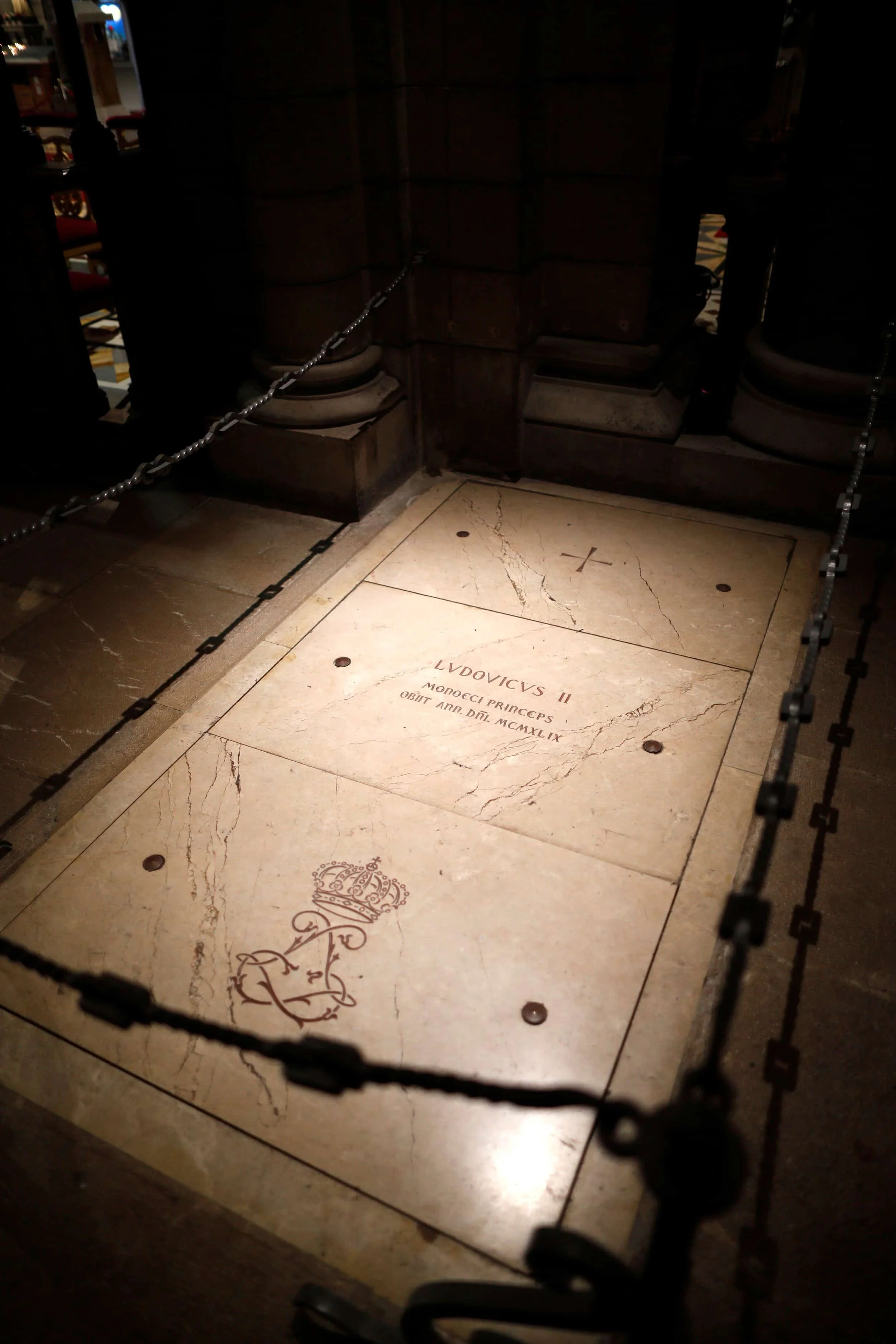
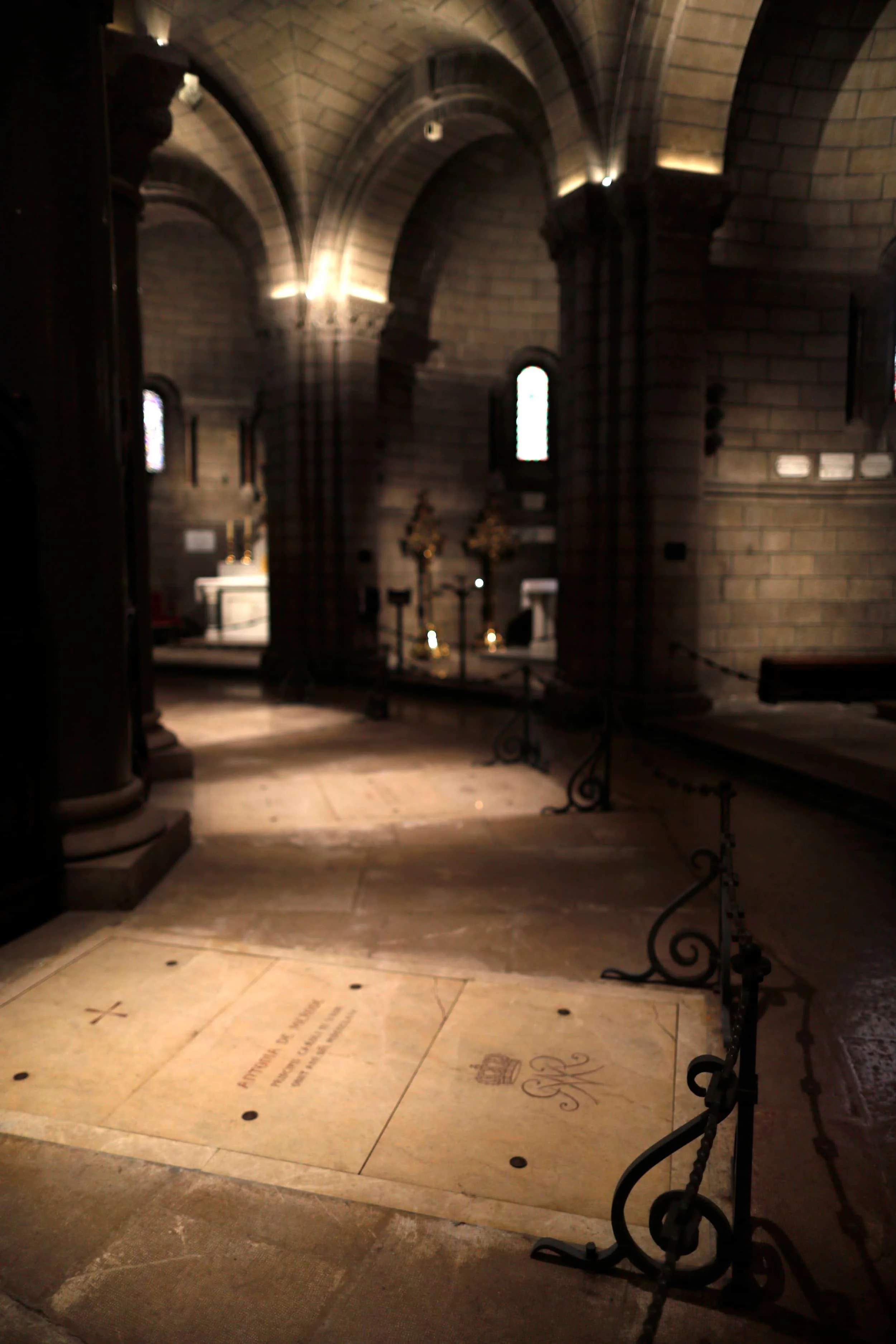
Their tombs are remarkably simple compared with the mythology surrounding Monaco's royal family. Flowers are often left nearby and the surrounding chapels and memorials give this part of the cathedral a much more contemplative atmosphere than you might expect in one of Monaco's most visited landmarks.
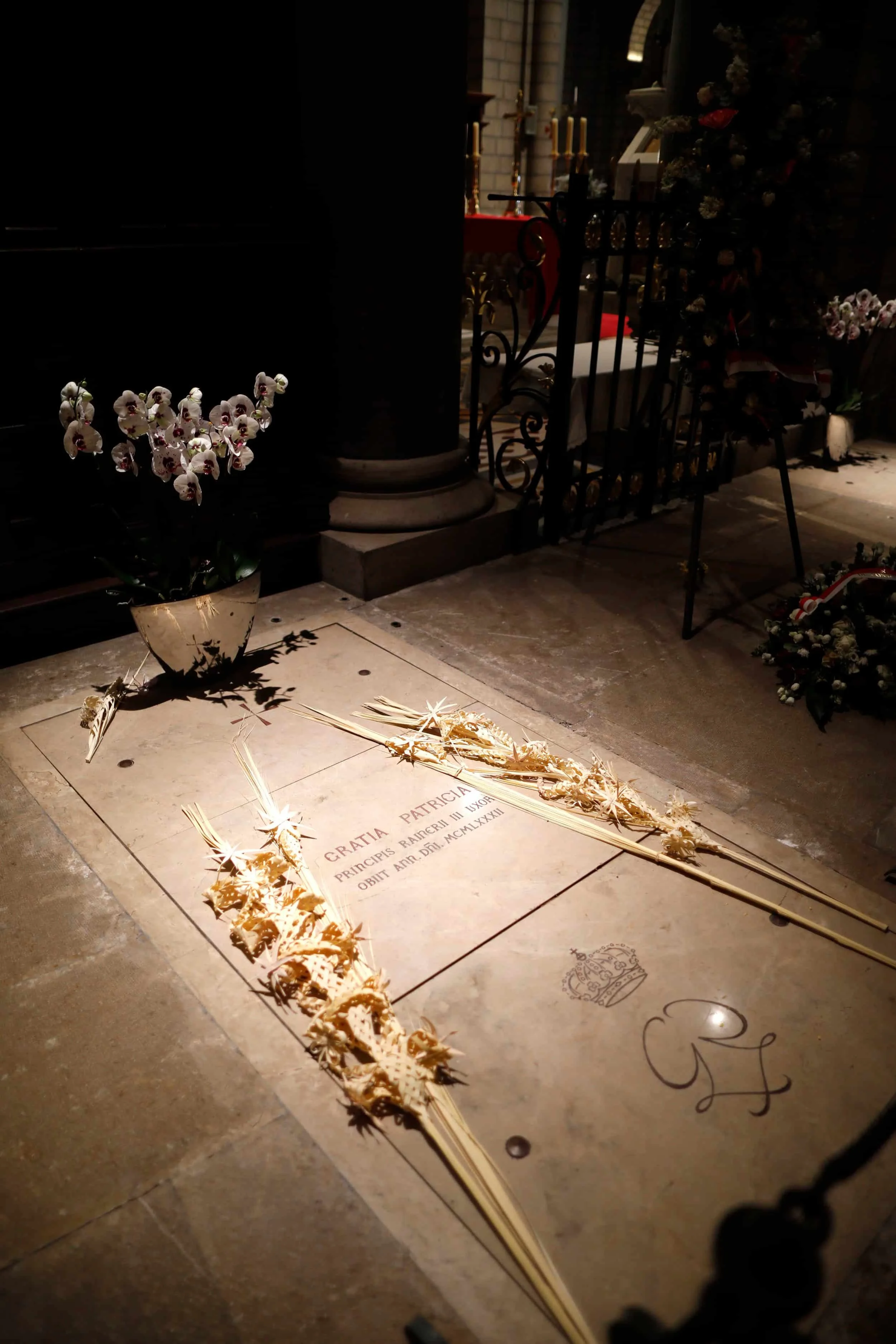
After learning about the Grimaldis at the palace — from François Grimaldi's legendary capture of the fortress to the stories and folklore that followed the family for centuries — seeing where generations of the dynasty are buried adds another layer to that history.
And Grace Kelly's presence gives it a particularly recognizable modern chapter. The Hollywood actress married Prince Rainier III in this cathedral in 1956, becoming Princess Grace of Monaco; after her death in 1982, she was buried here. Prince Rainier was laid to rest beside her following his death in 2005.
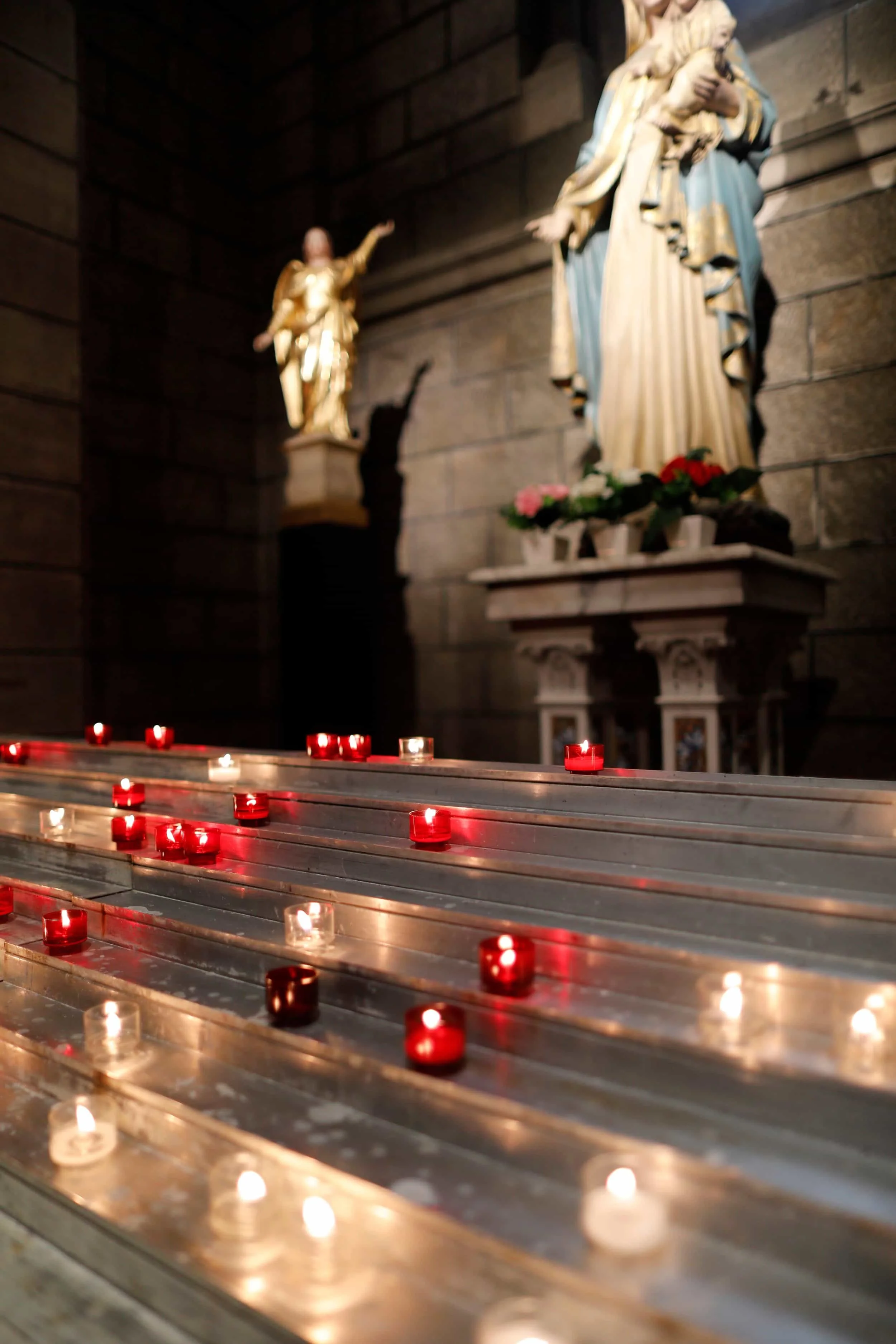
You don't need long to visit but it's worth stepping inside while exploring Le Rocher. The cathedral brings together architecture, faith and the Grimaldi story in a way that makes it much more than another beautiful church on a sightseeing route.
💡 My Tip | Monaco Cathedral is still an active place of worship, so visit respectfully and keep voices low. Give yourself time to walk through the side chapels and find the Grimaldi tombs rather than only looking at the main altar.
Oceanographic Museum of Monaco
Perched dramatically on the edge of Le Rocher, the Oceanographic Museum of Monaco is one of those buildings where the setting is almost as compelling as what waits inside.
The museum rises directly from the cliff above the Mediterranean, an imposing pale-stone building that seems improbably attached to the rock. After walking through the tighter streets of Monaco-Ville, suddenly finding this monumental façade at the edge of the sea makes quite an impression.
And its location is no accident.
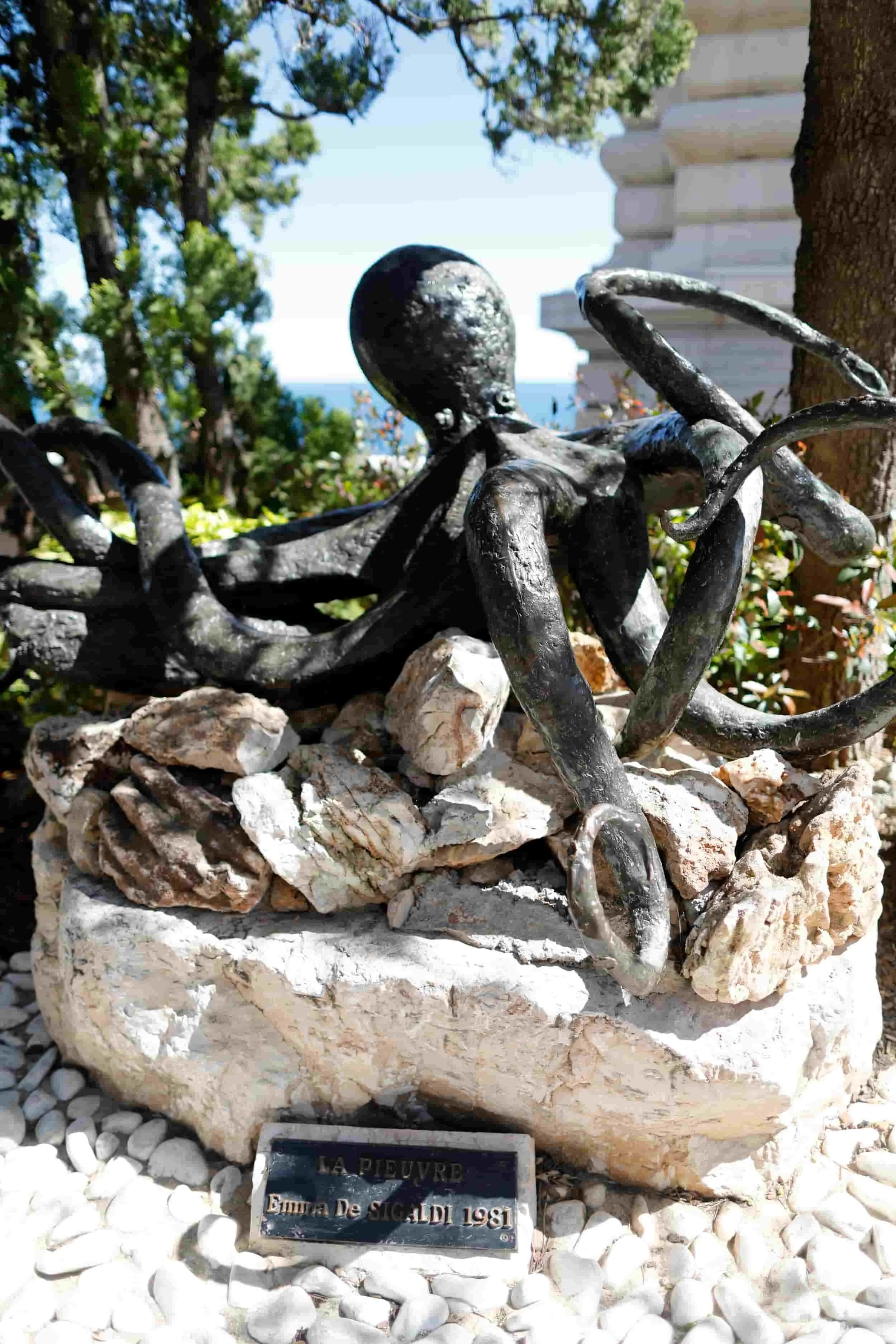
The museum was founded by Prince Albert I of Monaco, a passionate oceanographer and explorer who devoted much of his life to studying the sea. Opened in 1910, it was created not simply as an aquarium but as a place dedicated to ocean science, research and education.
There's a much bigger story behind Monaco's relationship with the sea — and Prince Albert I's role in it — but I'll save that rabbit hole for my deeper dive into Monaco's maritime history.
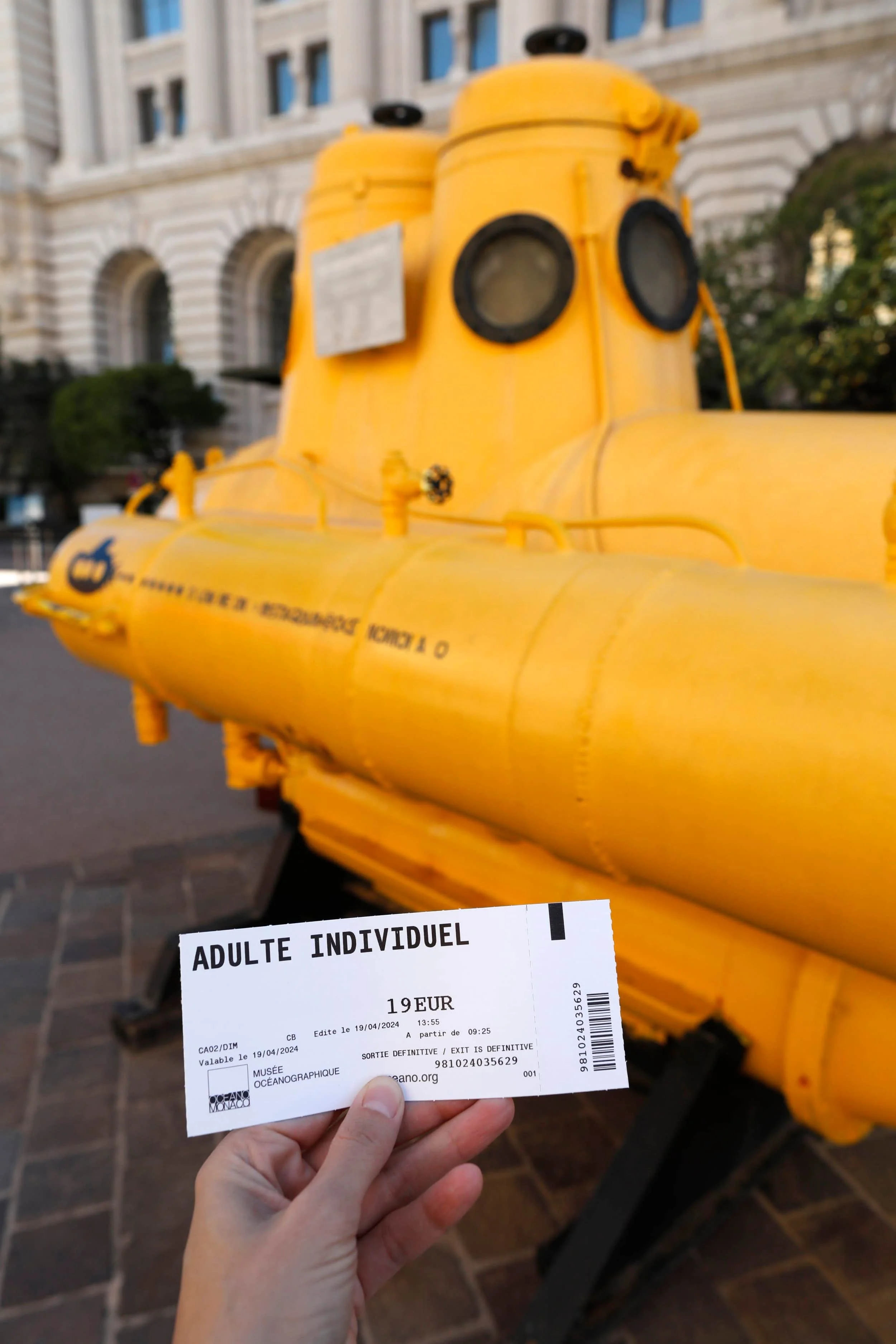
Inside the Museum
Step inside and the experience shifts from the monumental architecture to the ocean itself.
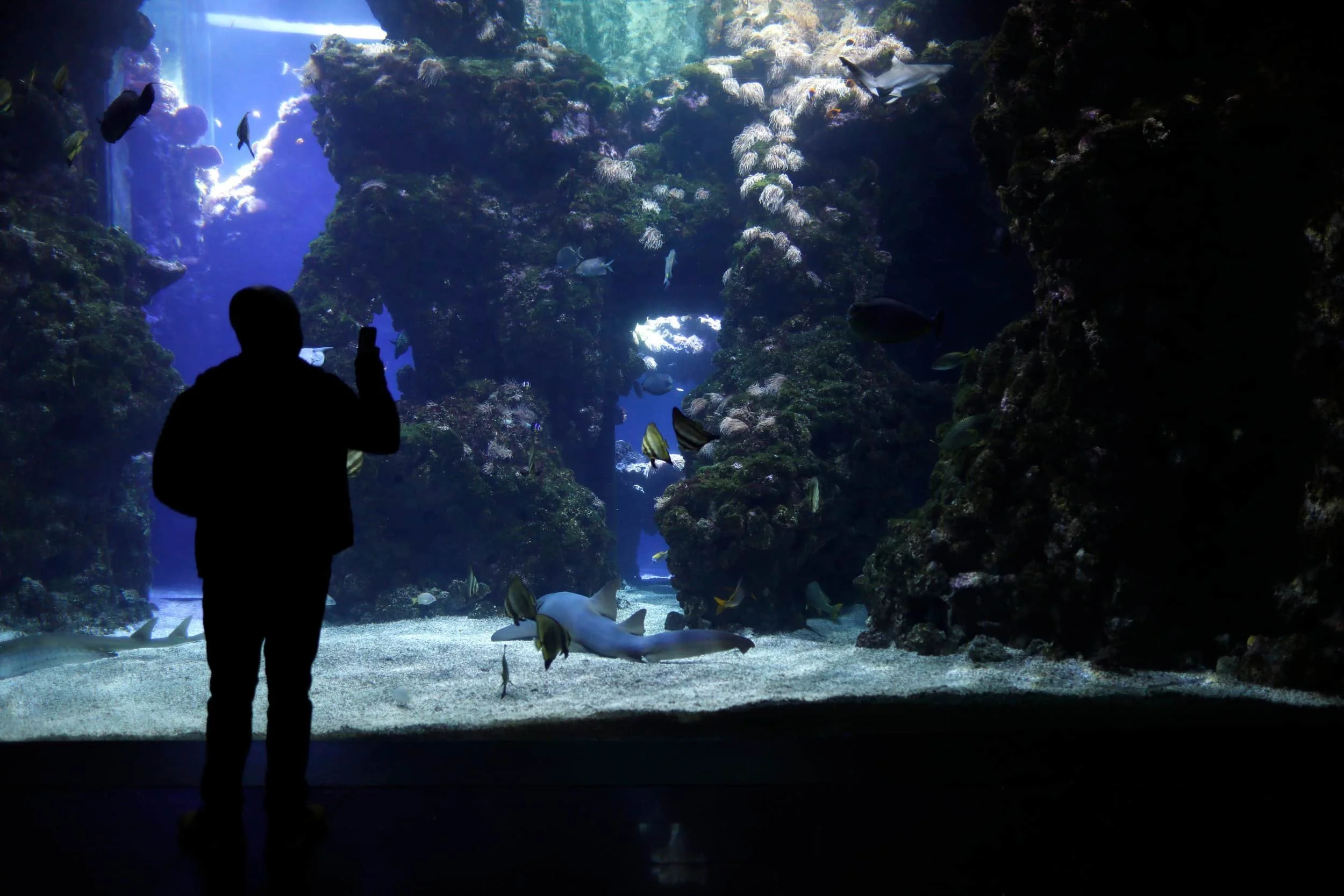
Aquariums bring you face-to-face with marine life from different environments, while exhibitions explore the science, biodiversity and conservation of the world's oceans. Rather than trying to rush through everything, give yourself time to actually watch what's happening inside the tanks. Some of the smallest details can be far more interesting than simply moving from one display to the next.
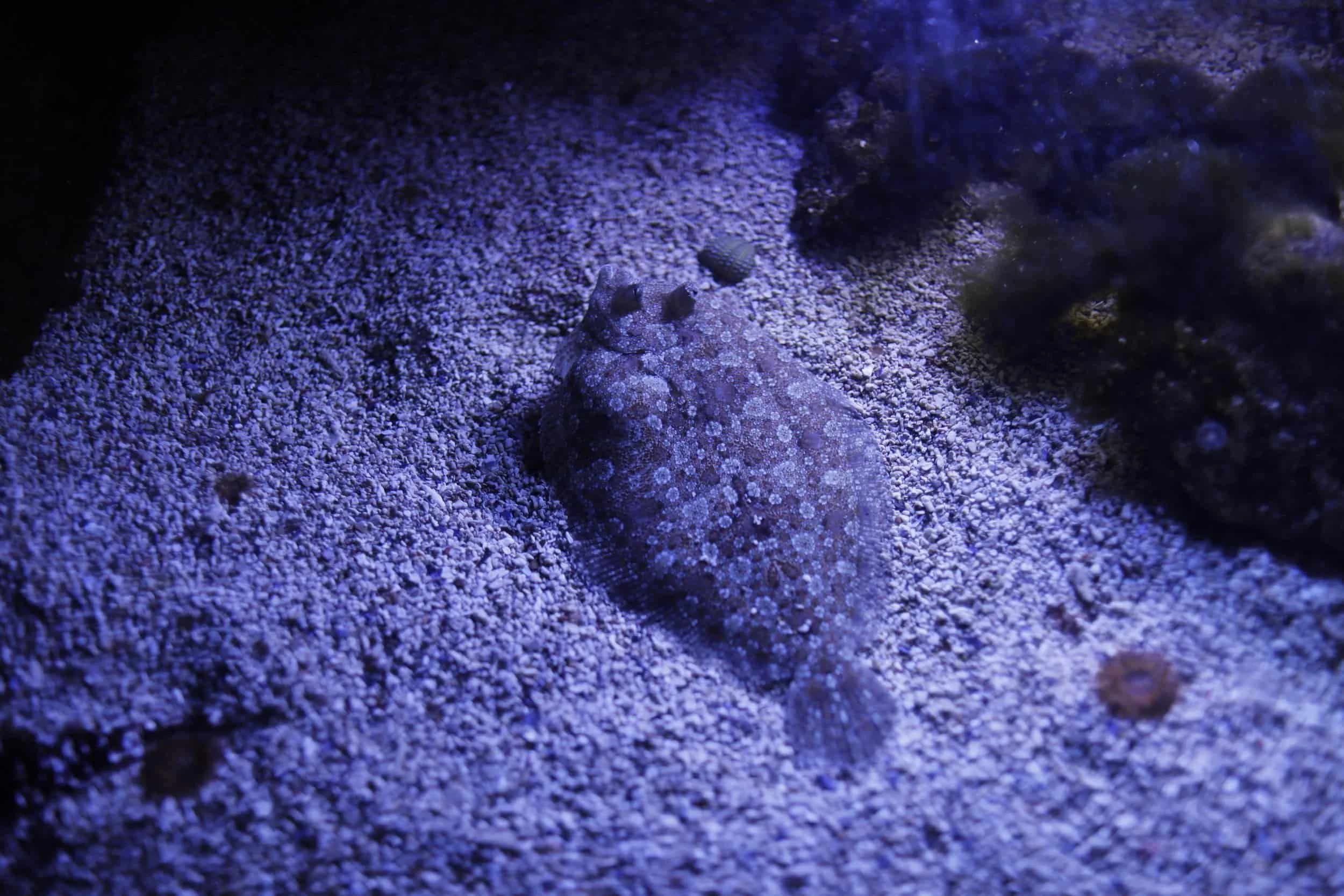
The museum also carries its history into the interiors. This isn't a sleek contemporary aquarium dropped into Monaco; you're moving through an institution with more than a century of scientific exploration behind it, and the architecture continually reminds you of that.
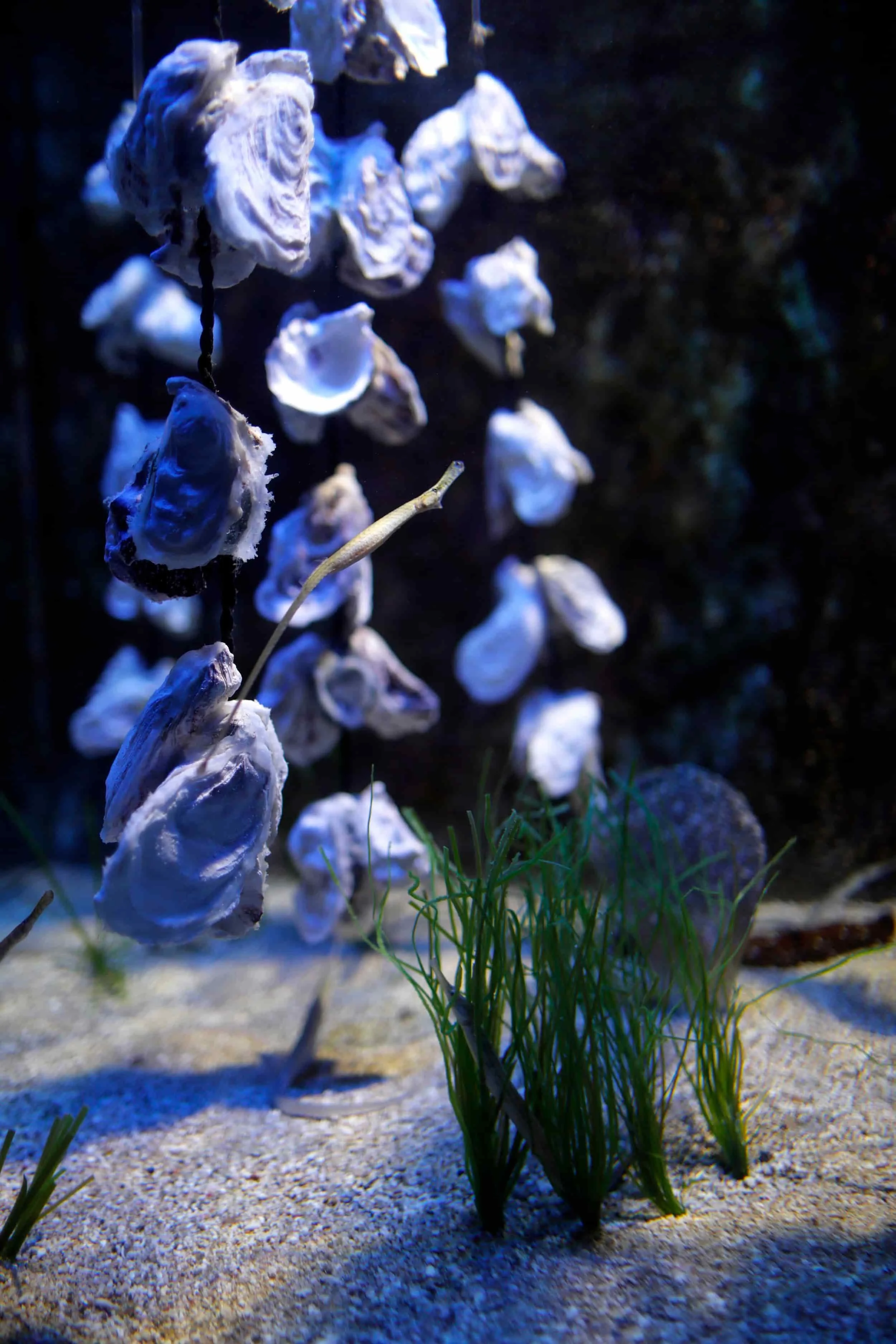
That combination is what makes the museum particularly interesting: part aquarium, part natural-history museum and part monument to Monaco's long fascination with the sea.
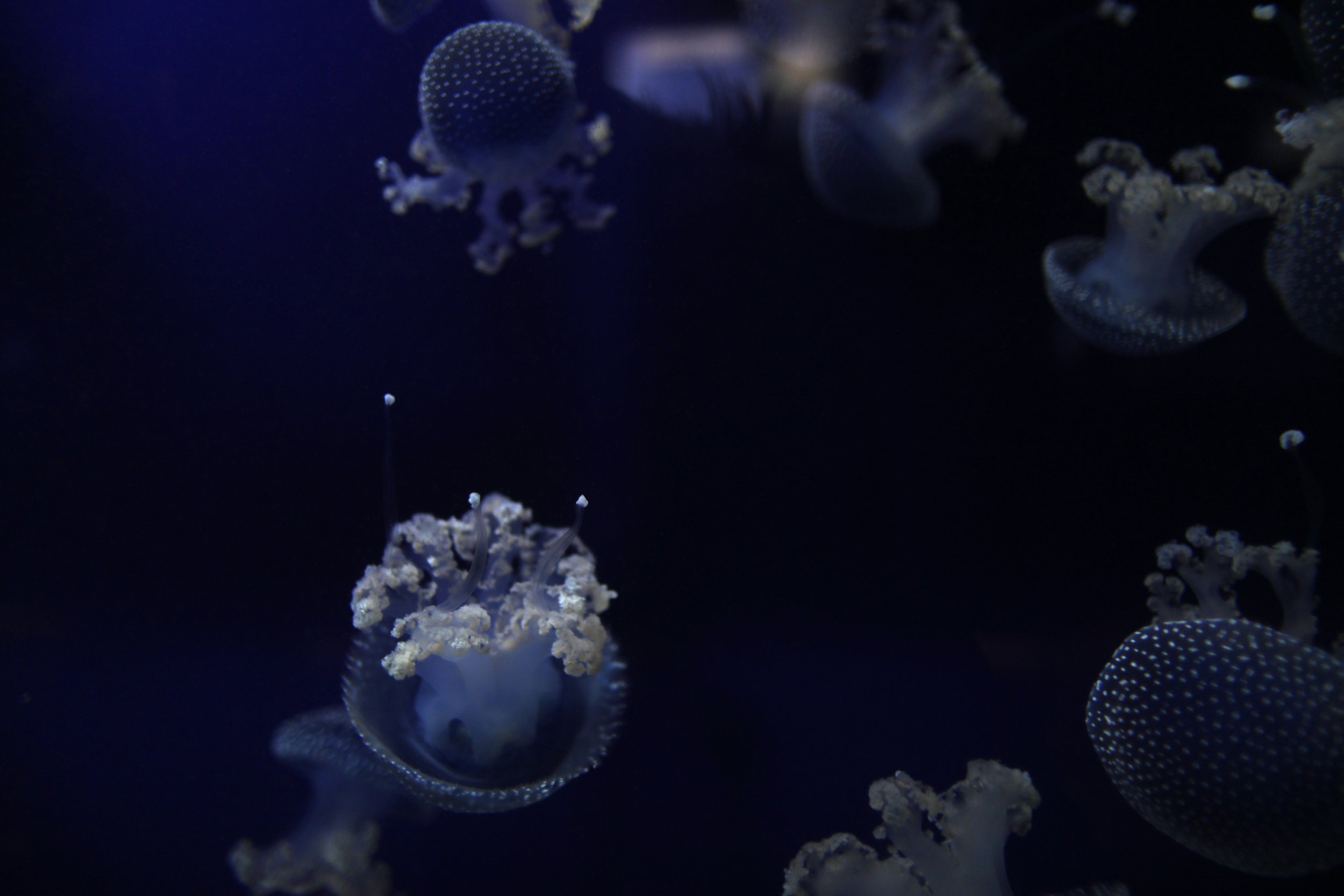
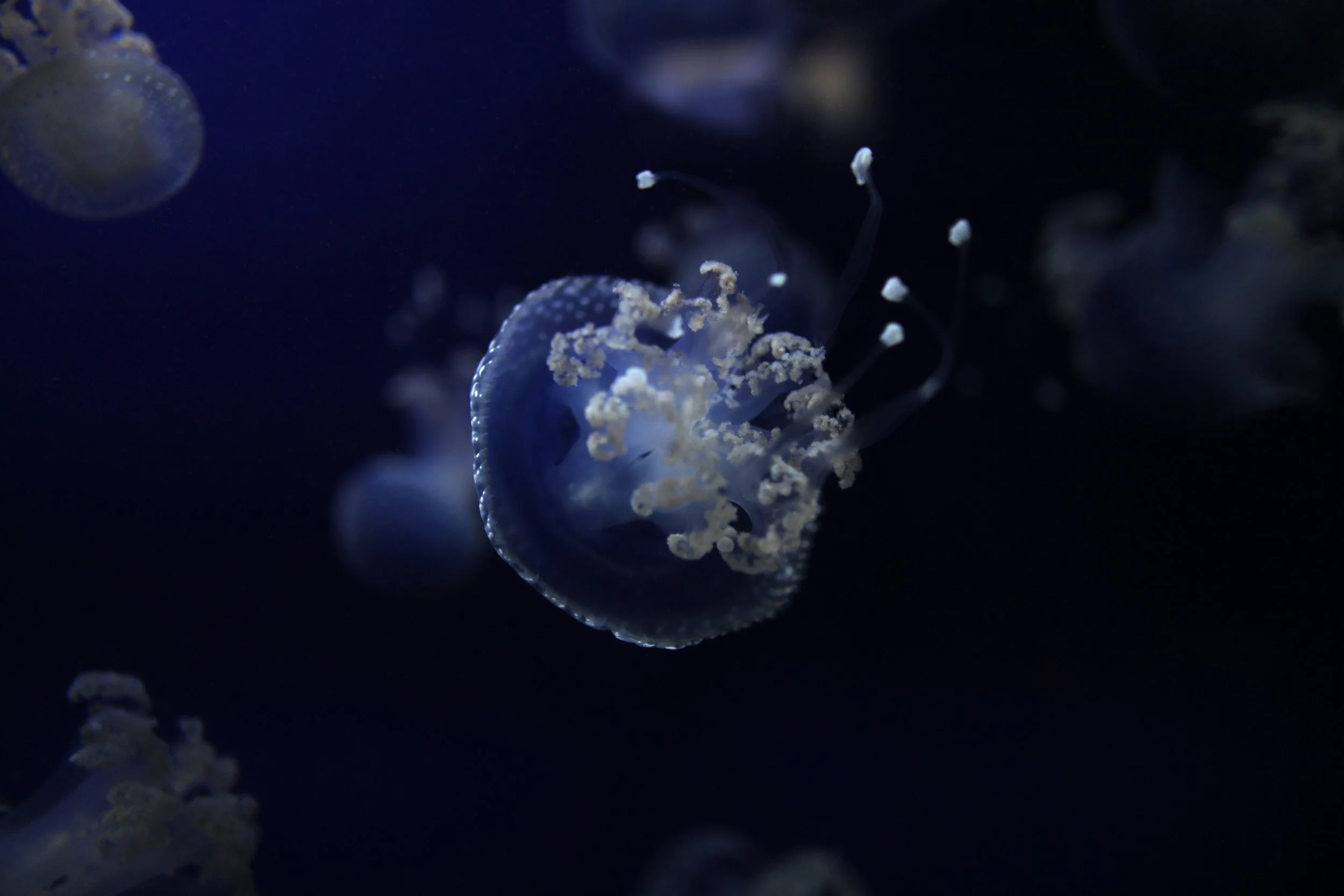
Don't Forget to Look Outside
Before leaving, return your attention to the setting.
From this side of Le Rocher, the Mediterranean stretches out below the museum, reinforcing just how extraordinary its position really is. By this point in the day, you've already seen Monaco's relationship with the water from Port de Fontvieille, Port Hercule and the viewpoints around the palace. Here, the connection becomes something else entirely: the sea isn't simply part of the view; it's the reason the museum exists.
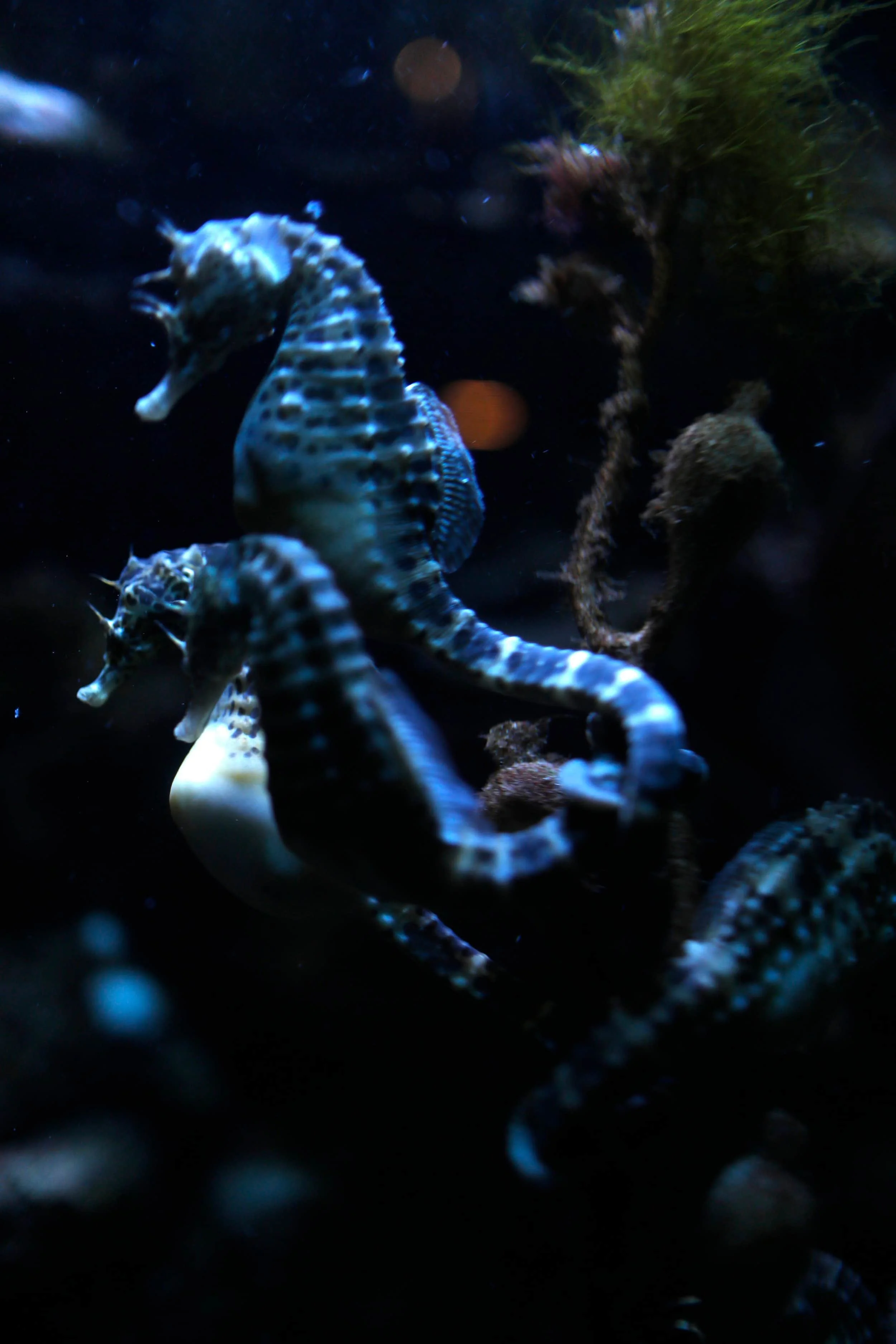
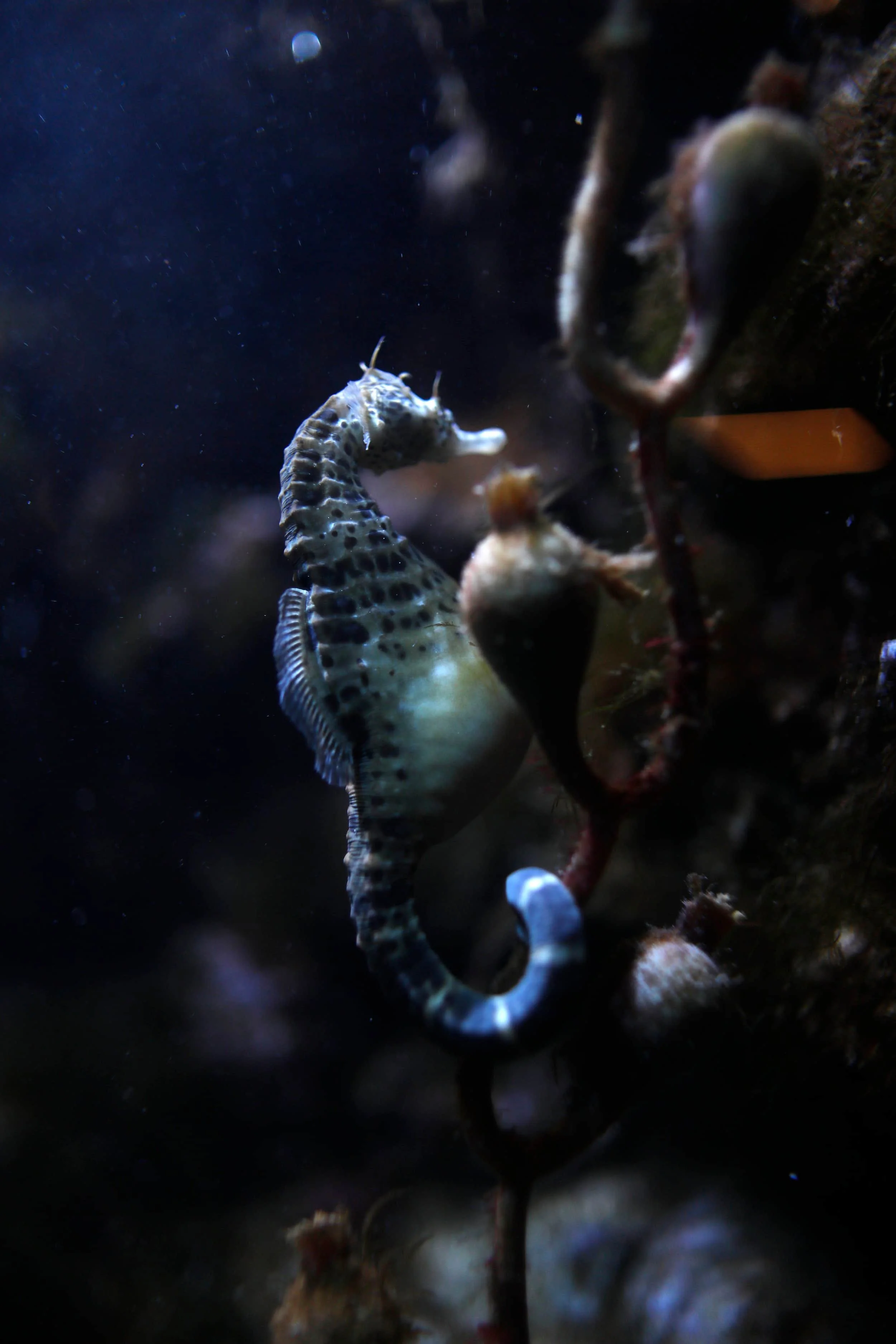
For anyone deciding what to do in Monaco, the Oceanographic Museum is one of the stops I'd give real time rather than squeezing into an already packed itinerary. Even if aquariums aren't usually at the top of your list, the combination of marine life, history, architecture and setting makes this one quite different.
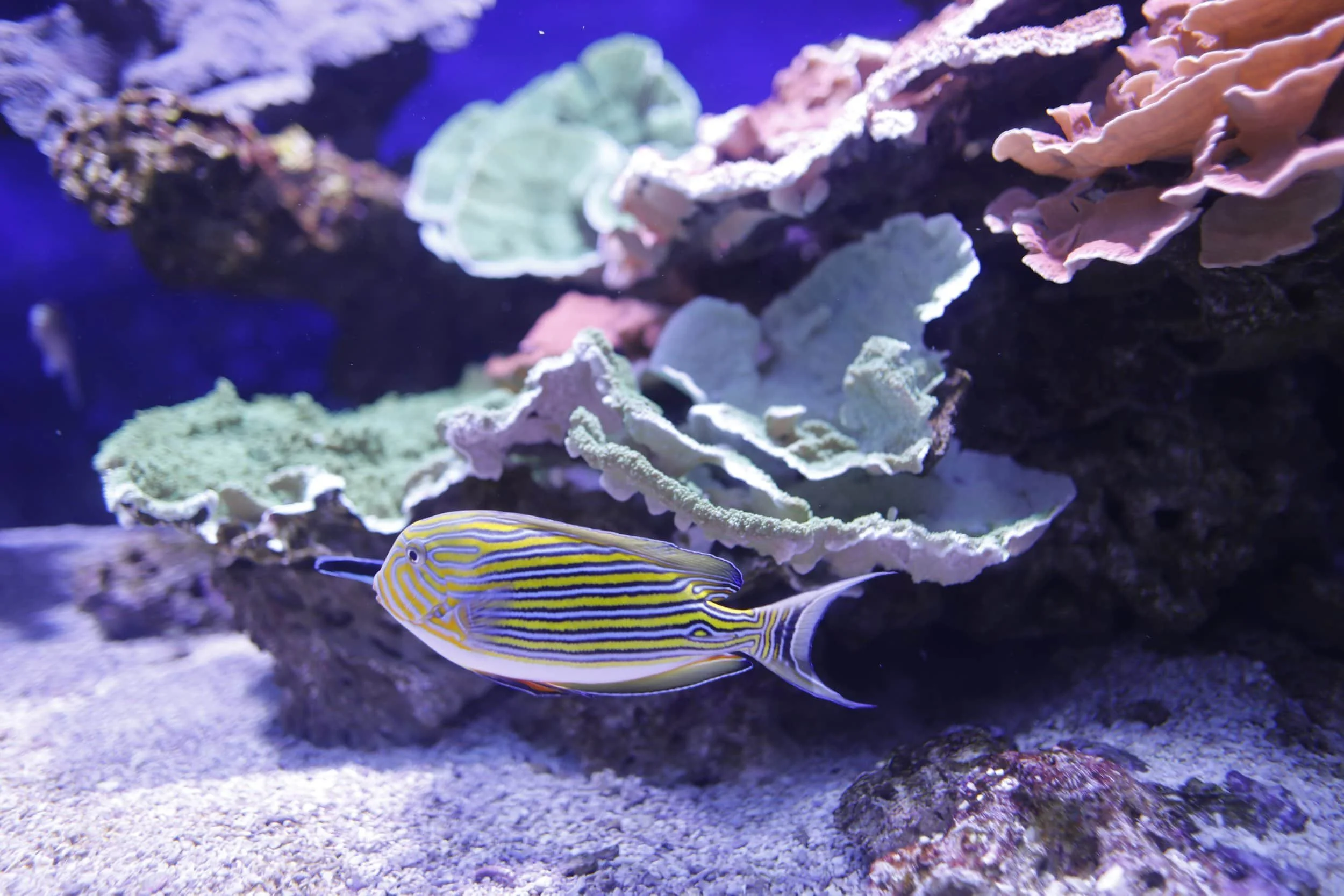
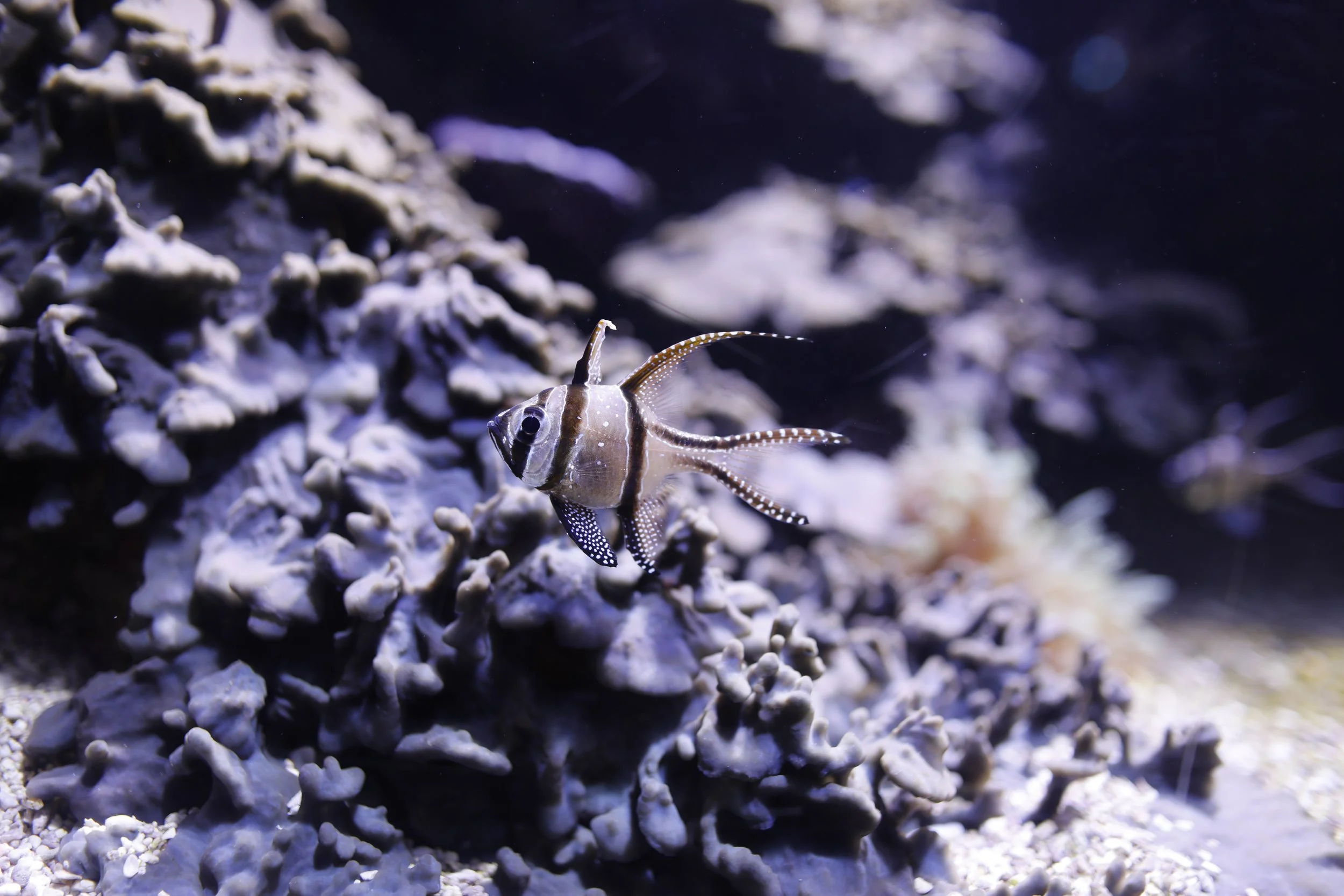
💡 My Tip | Give yourself enough time for both the museum and the building itself — and bring a light layer. It was surprisingly chilly inside when I visited, especially compared with the warmth outside. You’ll be much happier lingering over the exhibits if you’re comfortable.
Want to go deeper? Monaco's connection with the Mediterranean stretches far beyond the museum. Explore my guide to Monaco's maritime history, including Prince Albert I's oceanographic legacy and the principality's relationship with the sea.
Monaco-Ville
Between the major landmarks of Le Rocher, leave some time for Monaco-Ville itself.
The historic old town is compact and mostly pedestrian, with narrow streets winding between closely packed buildings, restaurants and small shops. After exploring the palace, cathedral and Oceanographic Museum, there doesn't need to be another major destination waiting at the end of every street. Wandering is part of the experience.
Food is difficult to ignore along the way. Gelato, pastries and other treats fill display cases facing the streets, offering plenty of possibilities for lunch — or another snack you hadn't necessarily planned on.
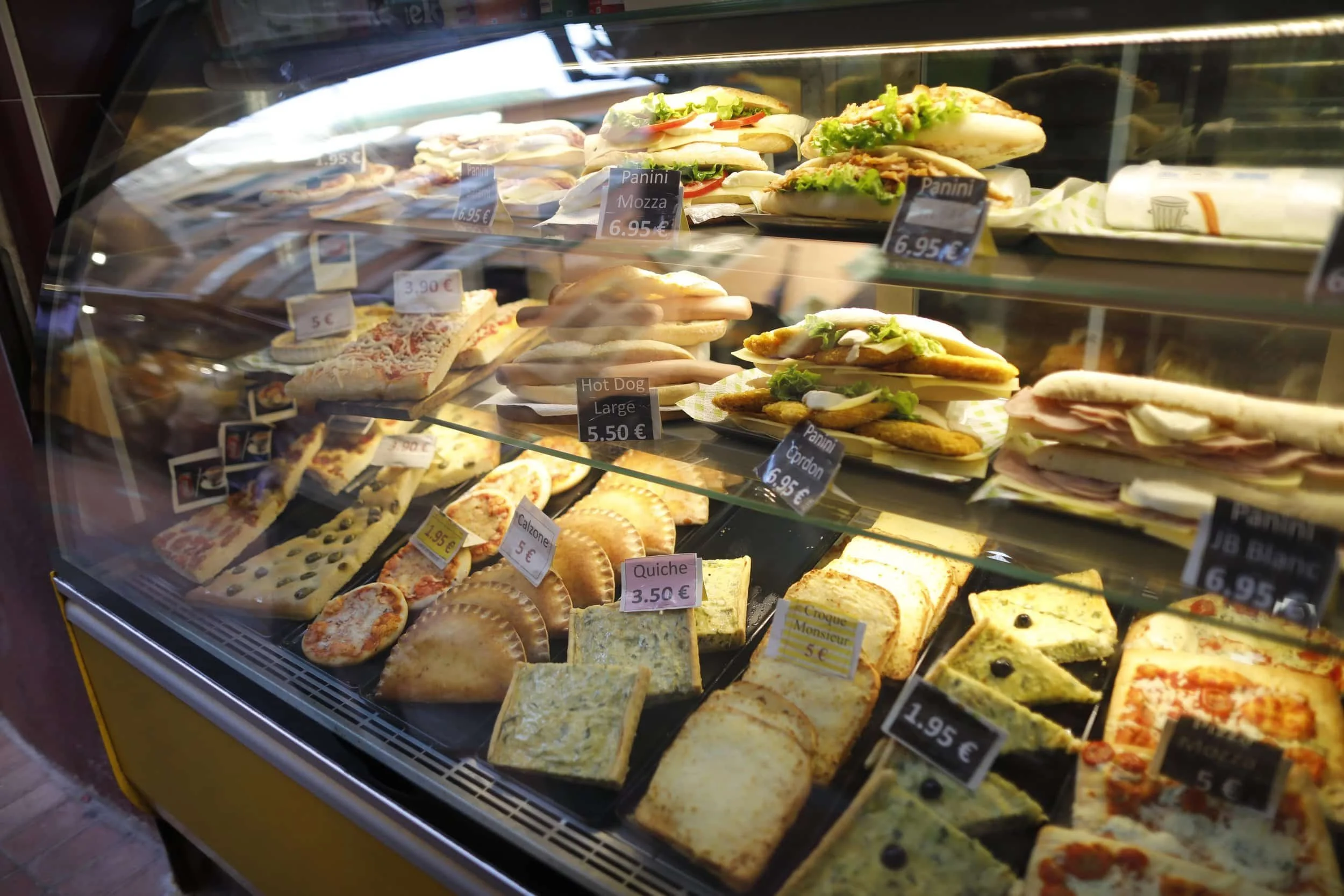

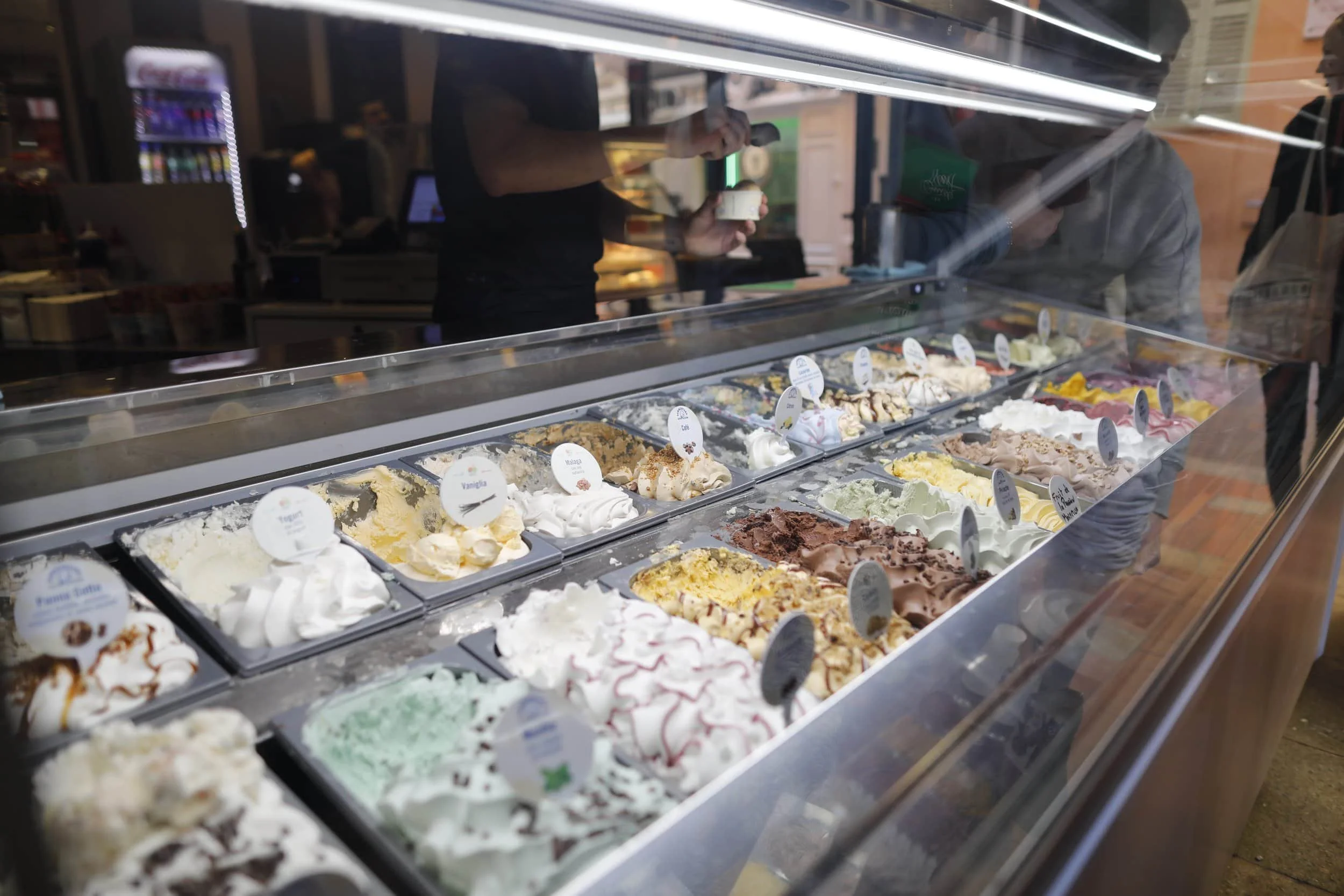
Rather than planning every stop in advance, take some time to look around and see what catches your attention. Monaco-Ville is small enough to wander without much of an agenda, and there is always another street, shop window or tempting display around the corner.
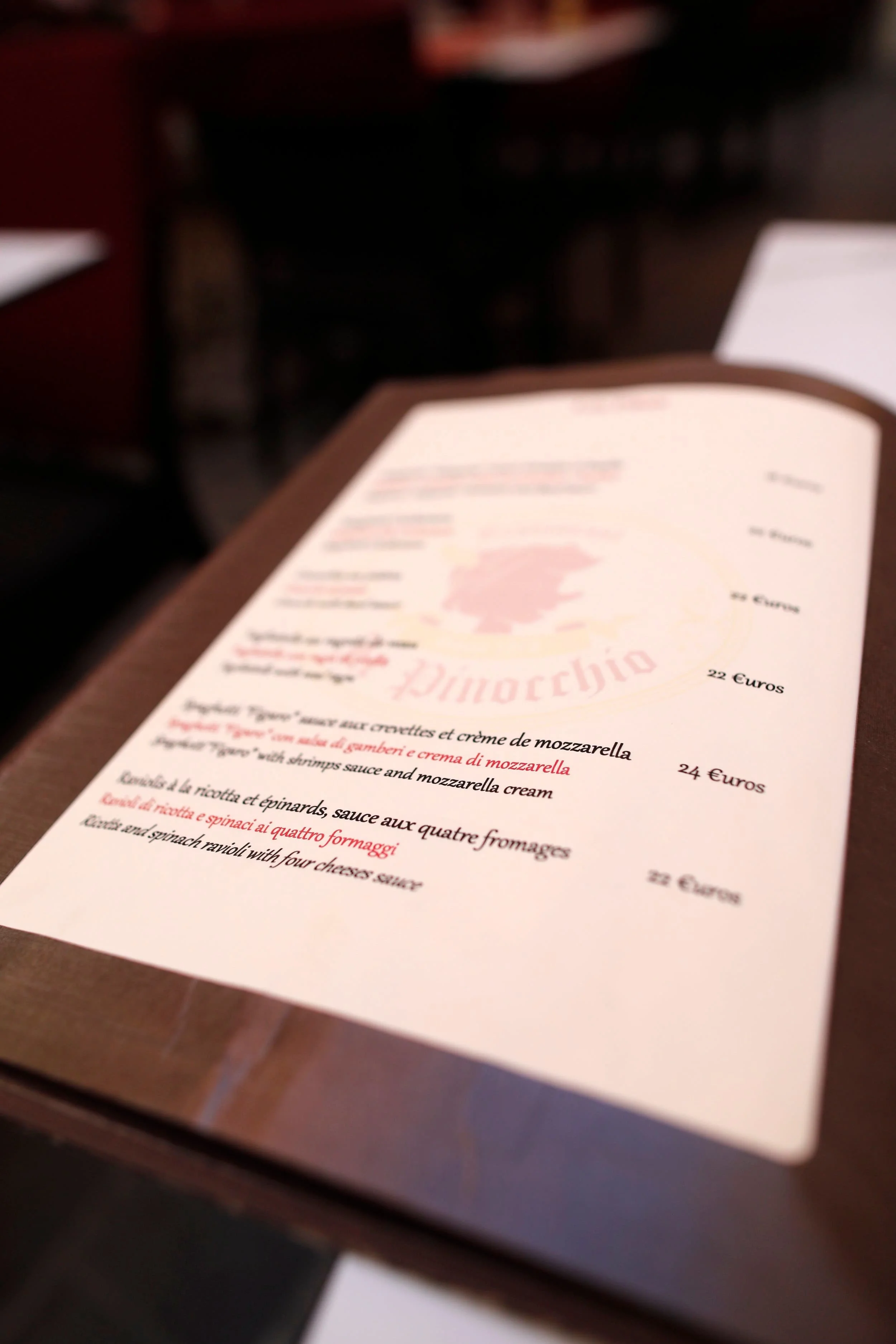
Lunch at Le Pinocchio
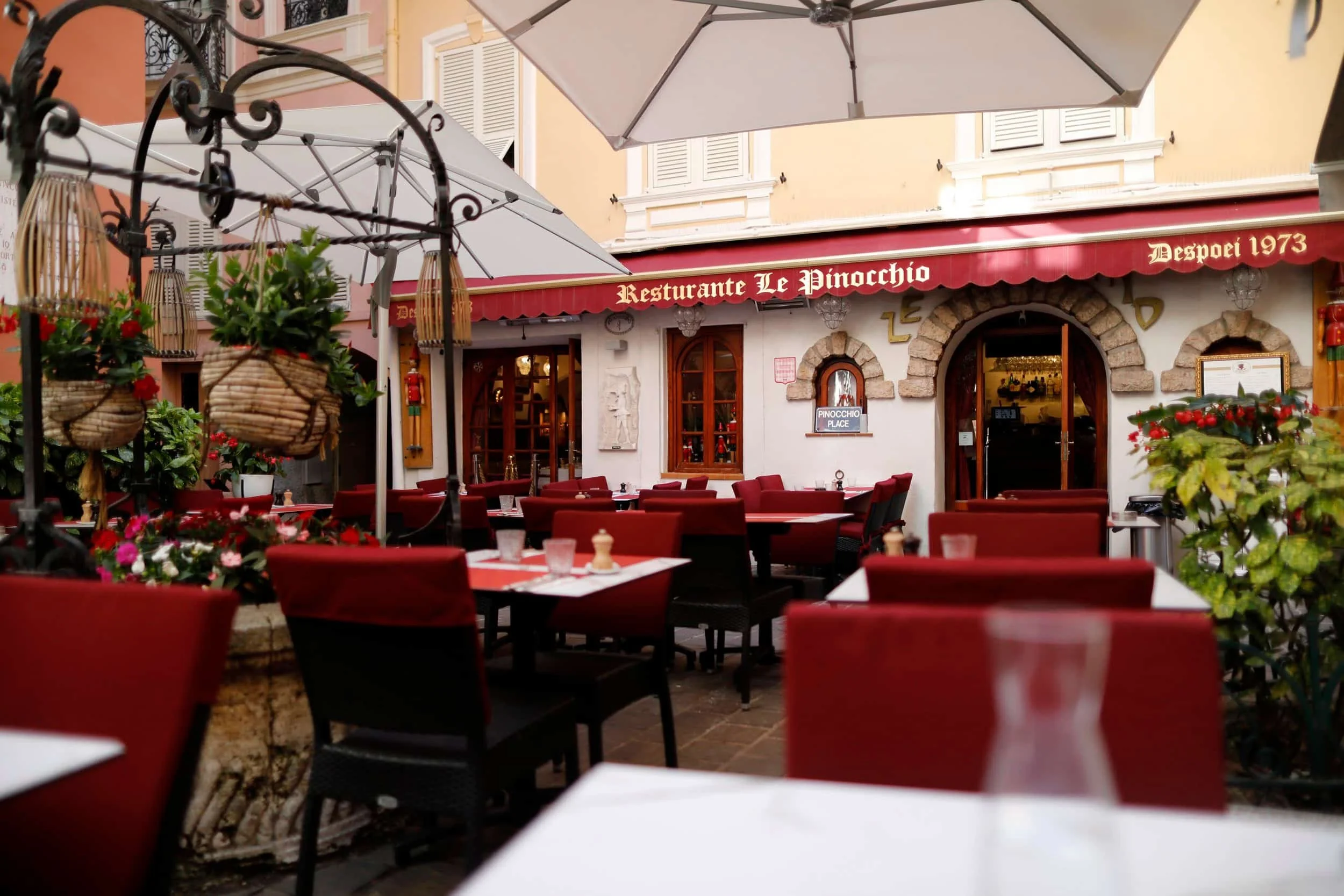
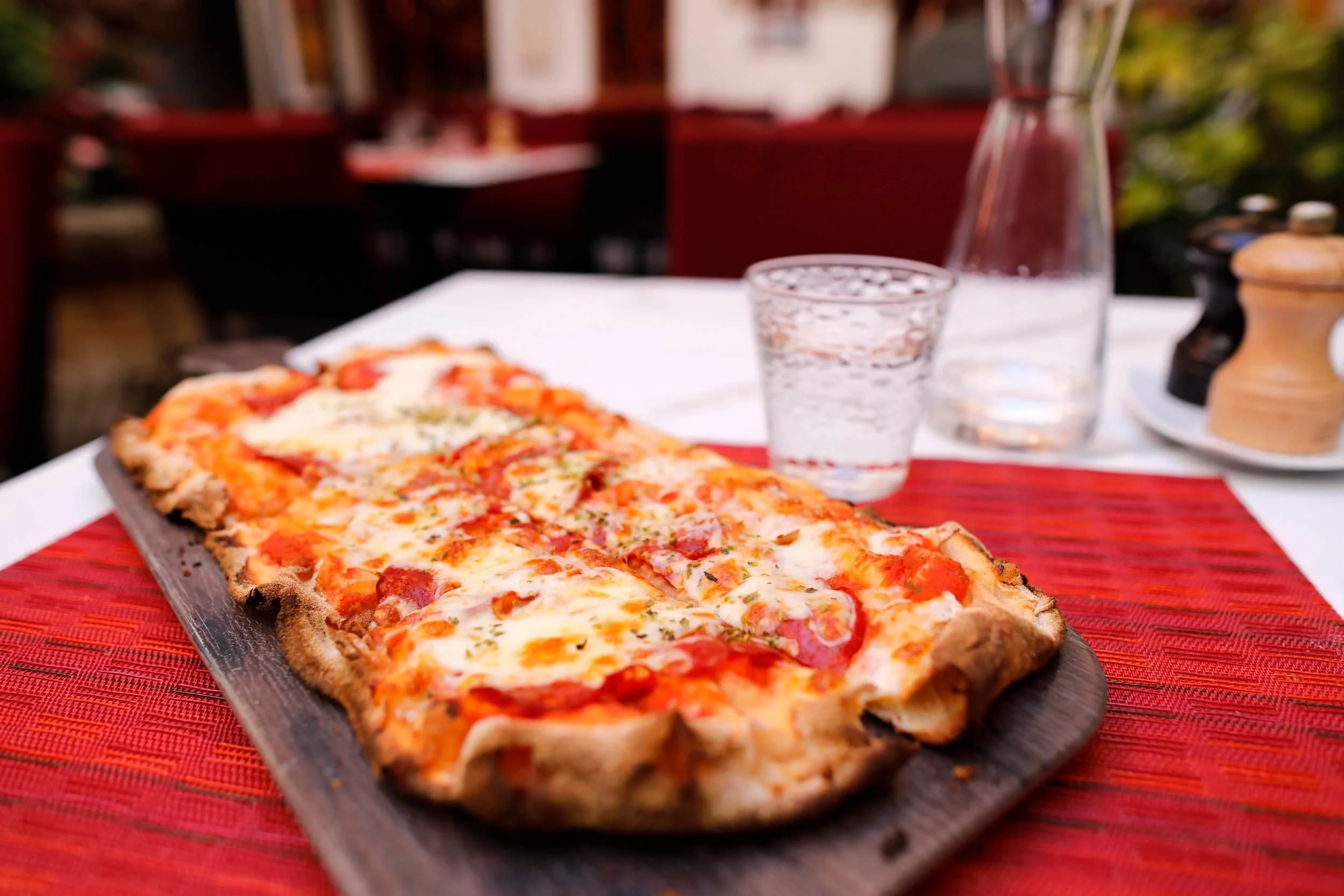
When you're ready for lunch, restaurants are tucked throughout the old town. Le Pinocchio was my choice — a casual spot for pizza before continuing through Monaco-Ville.
The pizza was crispy, satisfying and exactly what was needed after spending much of the day walking and climbing around Le Rocher. Sometimes a simple lunch and a chance to sit down for a while is all you need.
The more memorable part came at the end.
When I asked to take the leftover pizza with me, the staff seemed mildly horrified by the request. Cultural difference? Restaurant preference? An offense against pizza etiquette? Hard to say.
The leftovers came with me anyway.
Back outside, continue through the narrow streets between colorful façades, shop windows and little passages. The palace, cathedral and museum may bring you up to Le Rocher but these smaller discoveries give you a reason not to rush away.
La Maison du Limoncello
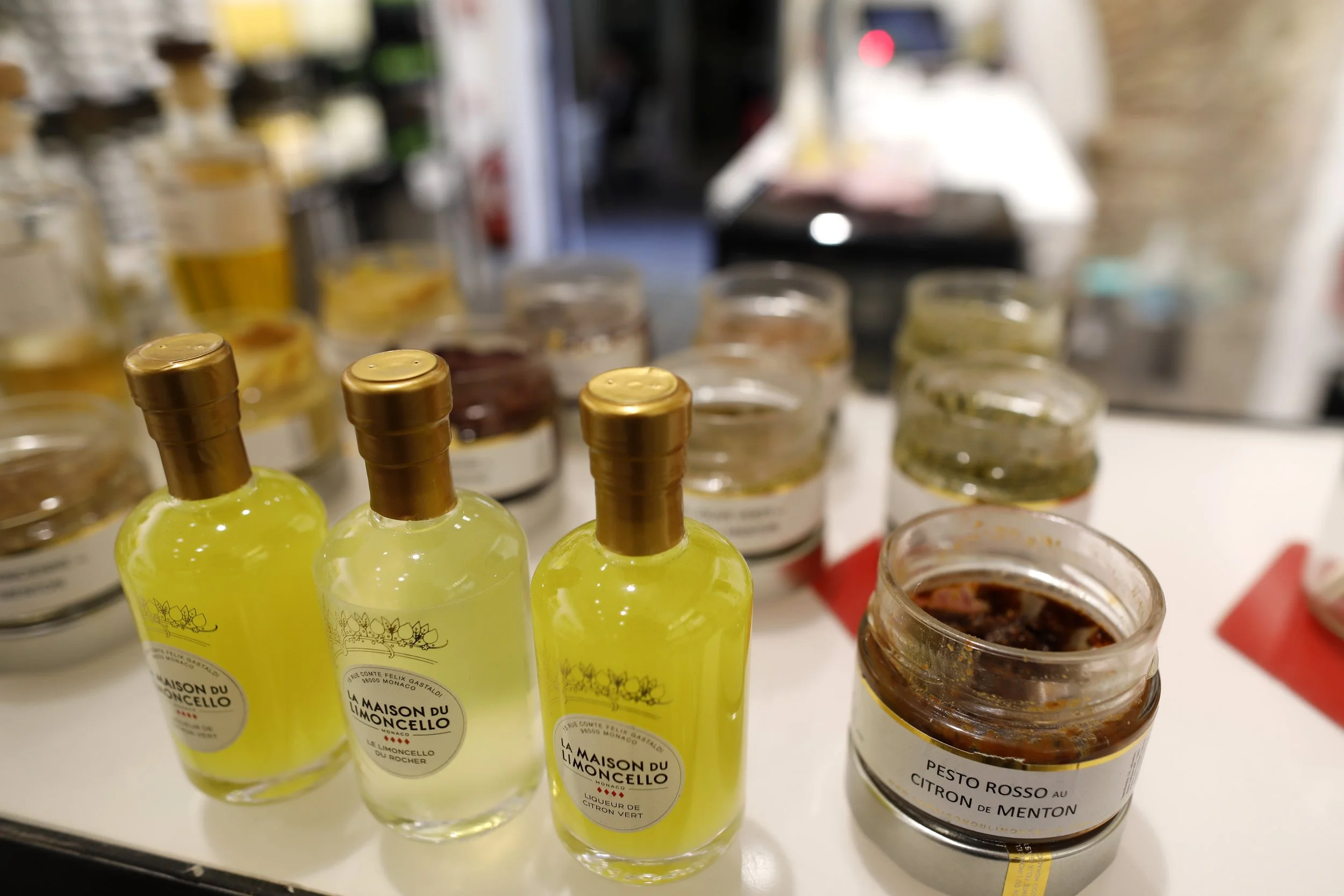
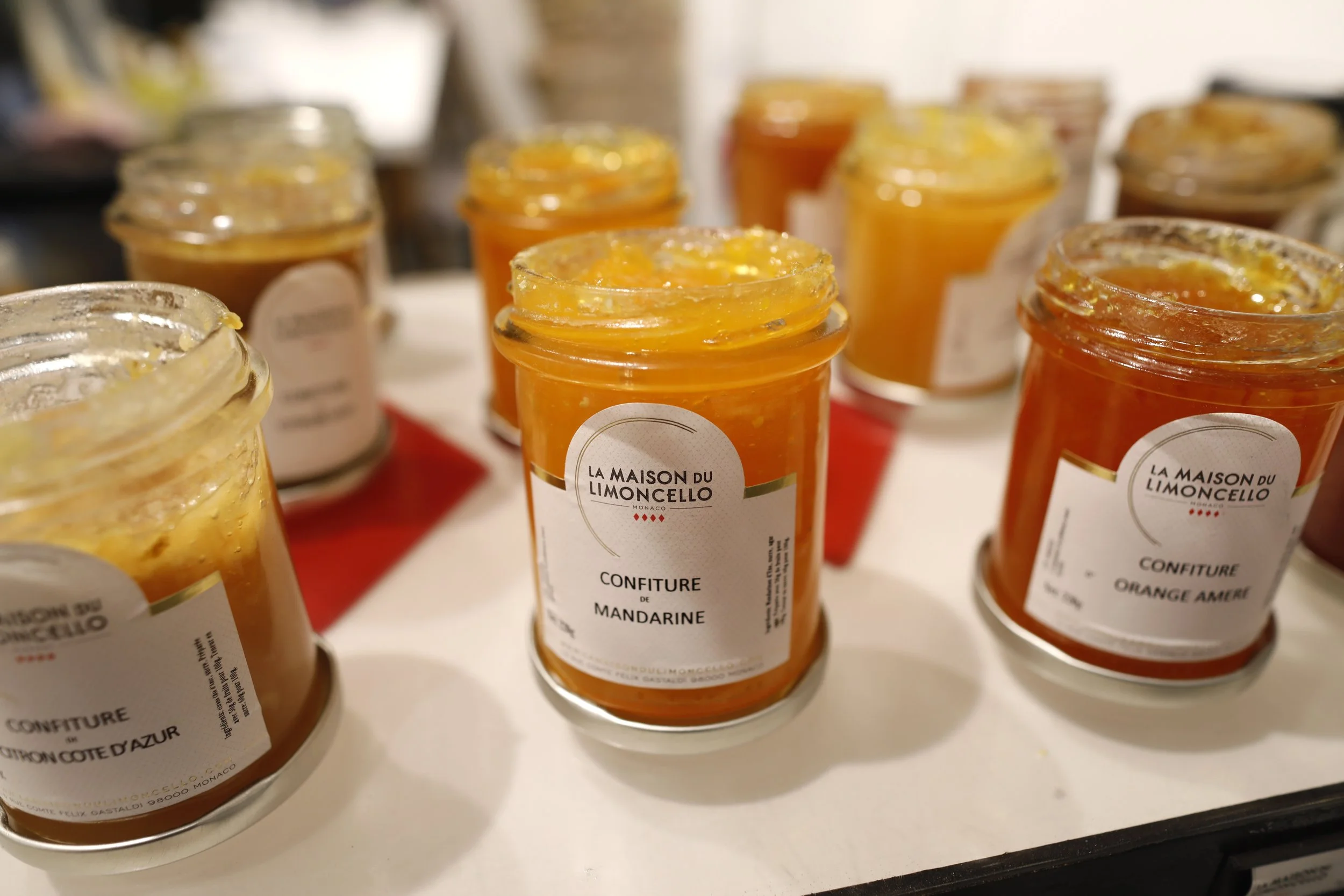
One of the small discoveries along the way is La Maison du Limoncello, a tiny shop filled with limoncello, chocolates and citrus treats.
It would be easy to simply walk past but the woman working inside called me in to have a look. She was busy helping several people at once, yet somehow kept making time for everyone — offering samples, answering questions and making the little shop feel genuinely welcoming.
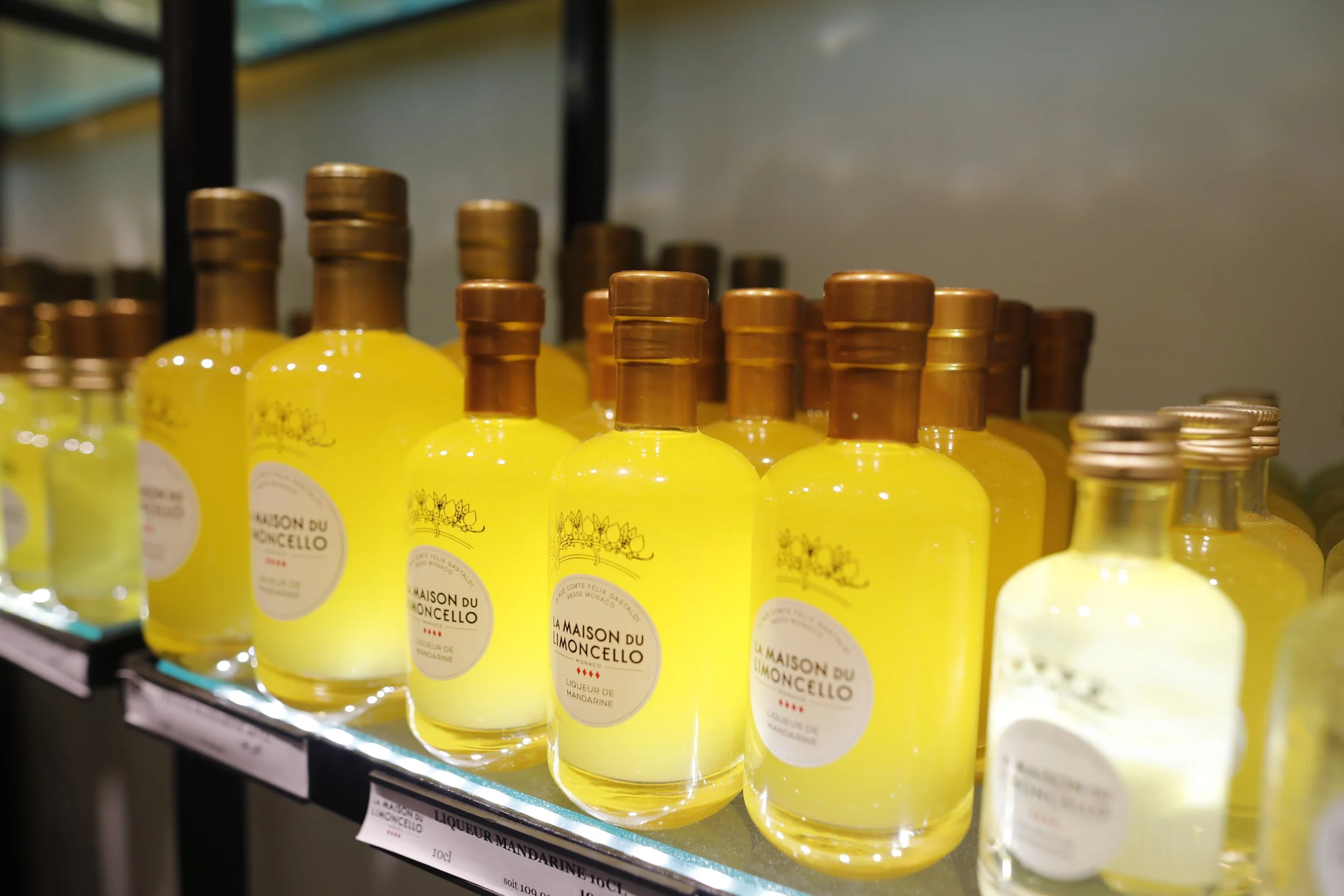
That invitation turns a passing glance into one of those unplanned travel moments that sticks with you. Sample some of the limoncello and sweets, browse the shelves and see what catches your attention. Even with a shop full of people, the experience never felt rushed.
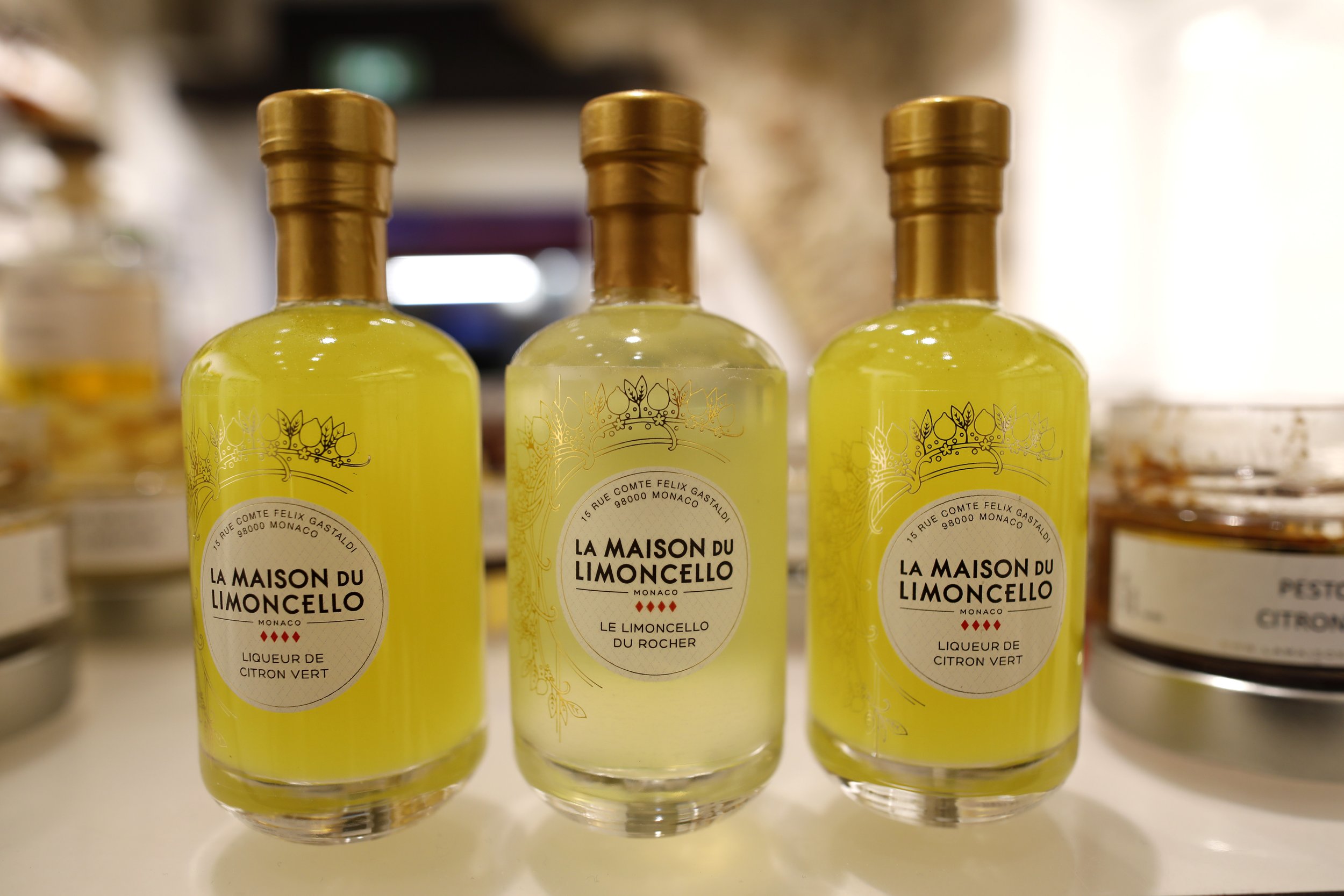
After the scale and grandeur of Monaco's palace, cathedral and Oceanographic Museum, there's something especially memorable about a small, personal interaction like this. Monaco-Ville isn't only its headline sights; sometimes it's the person who calls you in from the alleyway and makes time for you once you're there.
💡 My Tip | Don't rush through Monaco-Ville simply to connect the major landmarks. Leave time for lunch, gelato, small shops and whatever catches your attention along the way. Some of the most enjoyable moments here are the ones you don't specifically plan for.
Searching for Jardin Exotique
If Monaco's different levels haven't confused you yet, trying to reach Jardin Exotique might do it.
The famous garden was one place I really wanted to see, so I set off through the hills trying to find it. There was even a sign pointing toward Jardin Exotique. Surely, I was getting close.
Not exactly.
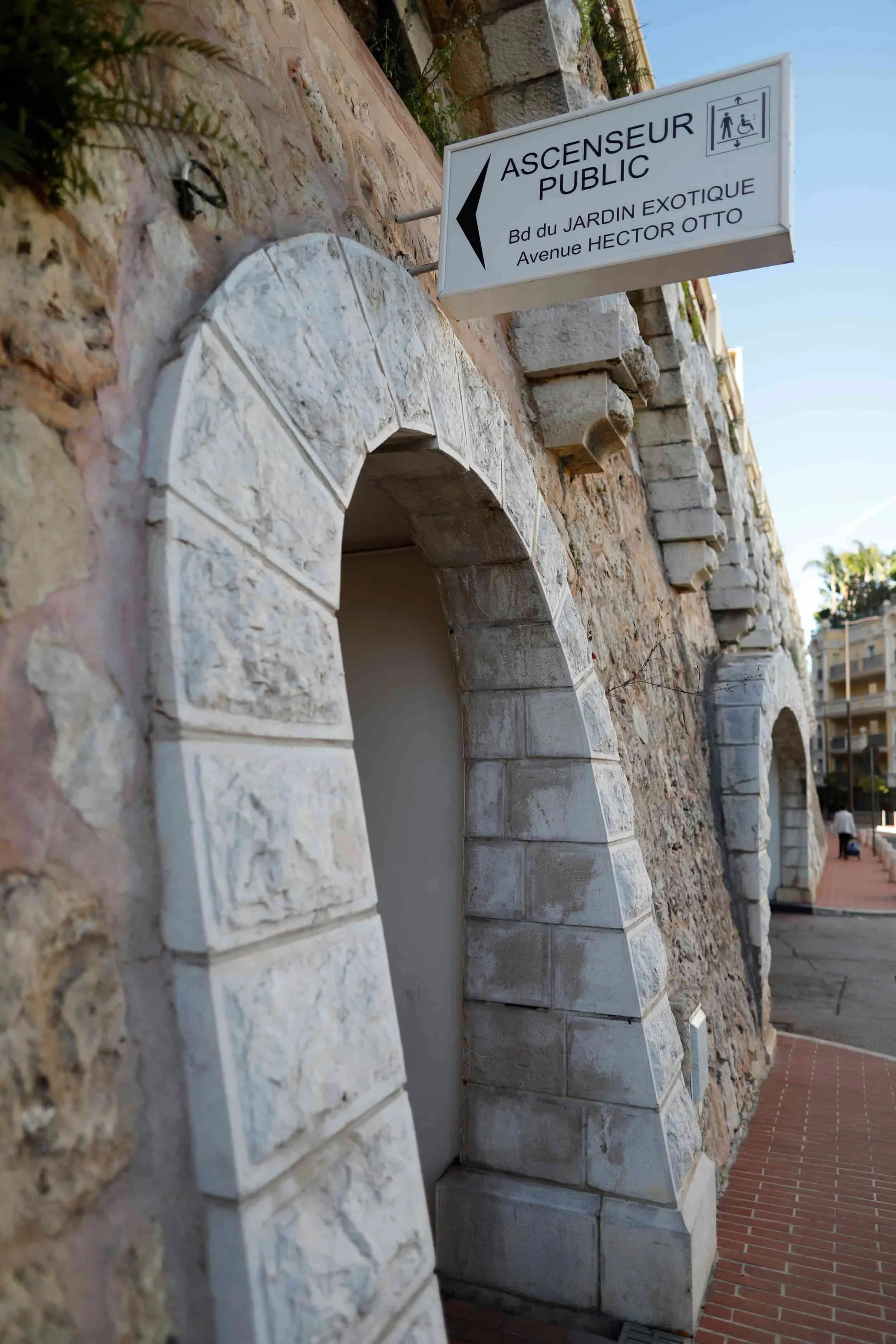
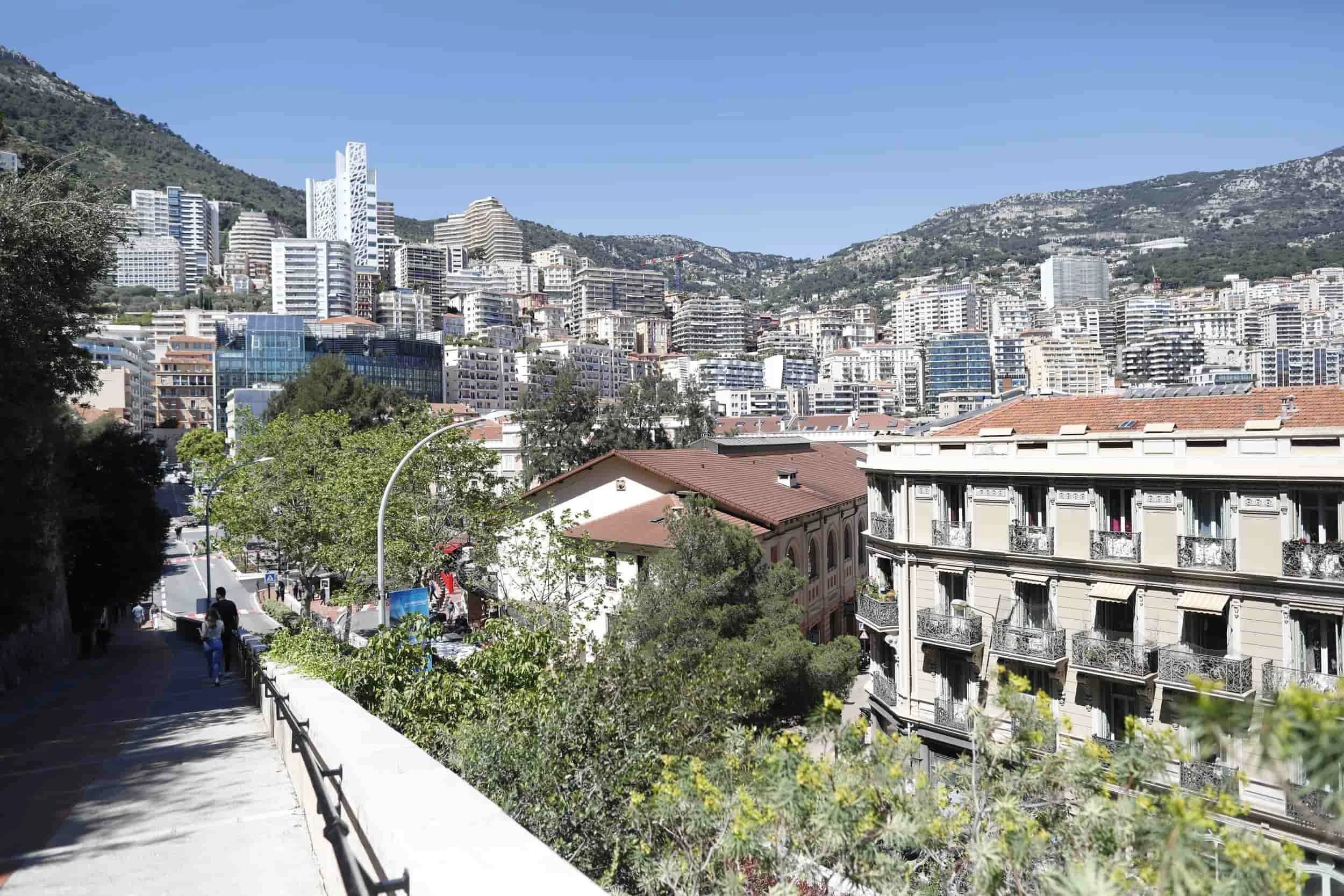
Monaco becomes particularly tricky to navigate as you move higher into the city. A destination can look incredibly close on a map while actually sitting on a completely different level, and the route between the two isn't always obvious. Streets lead into staircases, staircases disappear into tunnels and passageways and suddenly you're somewhere above — or below — where you thought you were going.
That's essentially what happened here.
I kept following what seemed like the right direction, climbing stairs and working through the different levels but Jardin Exotique remained strangely elusive.
Instead, I found Parc Princesse Antoinette.
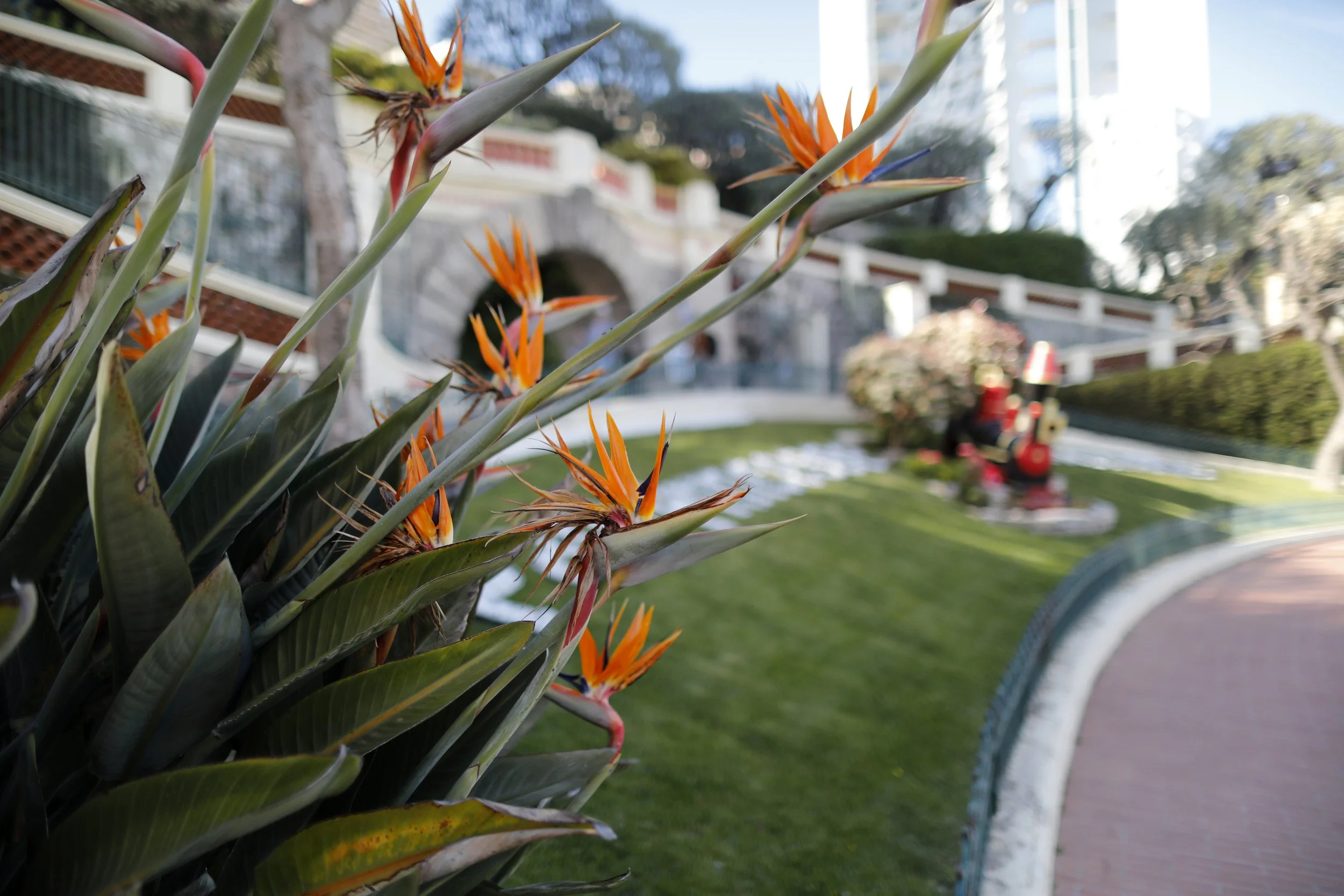
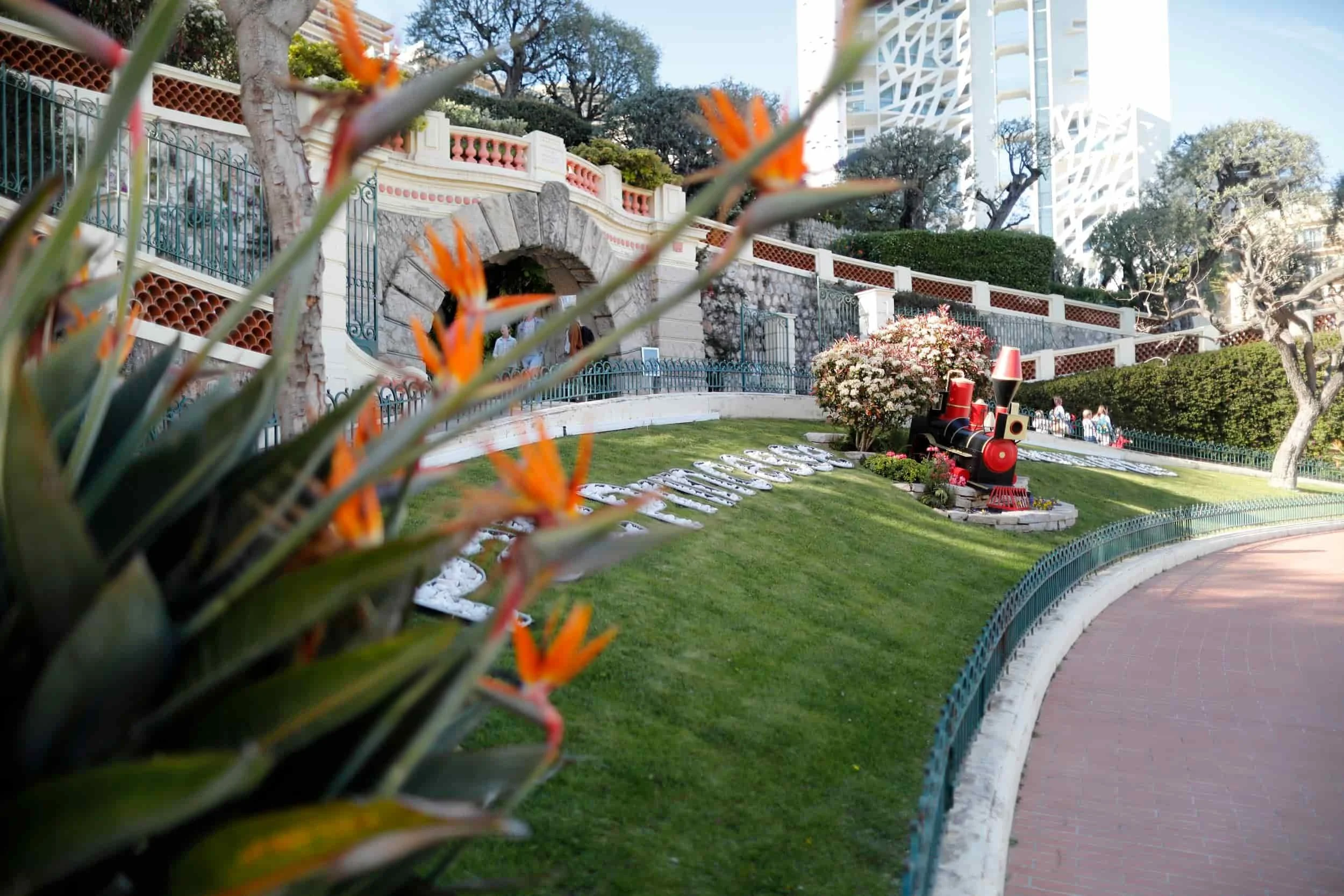
Set into the hills above Monaco, the park became an unexpected pause in what was increasingly turning into a failed search for the garden I was actually trying to find.
And sometimes that's the upside of getting lost here. Monaco is so compressed that a wrong turn doesn't necessarily lead to nothing. It can lead to another garden, another staircase or an entirely different view of the city.
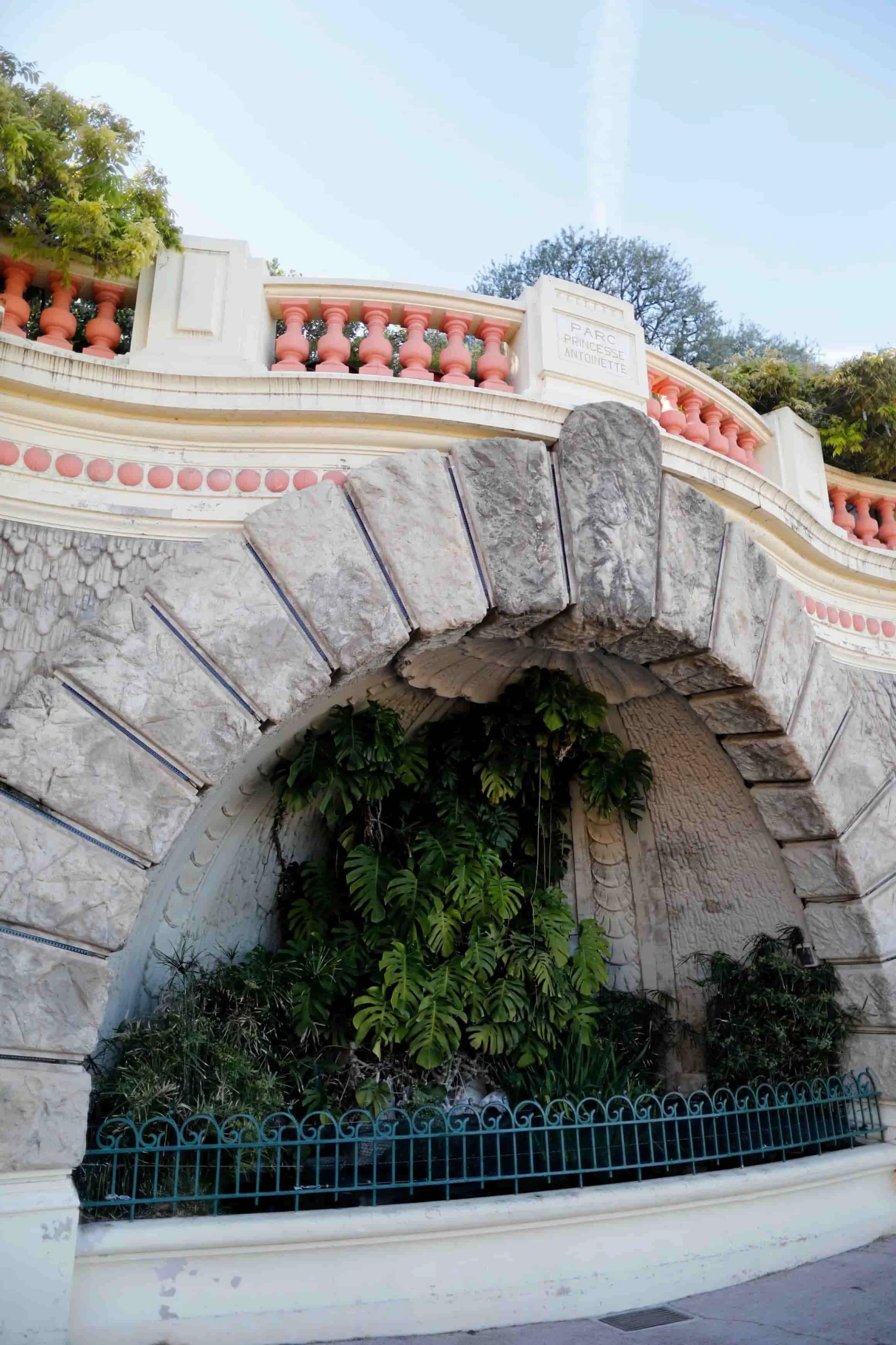
Continue higher and the greenery begins to give way to broader views across Monaco.
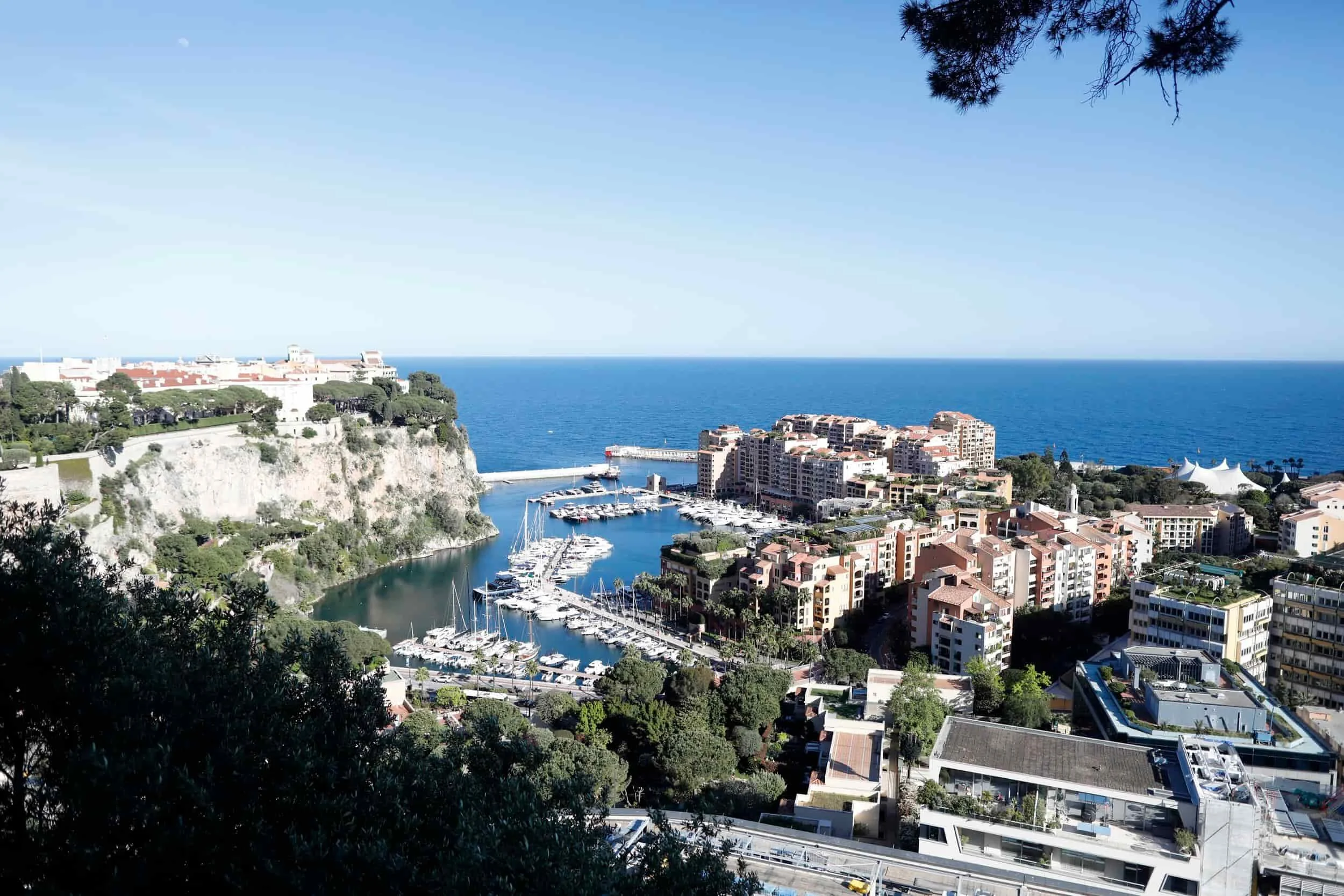
From up here, the city you've been walking through all day begins to look completely different. Buildings stack down the hillside toward the Mediterranean, roads and terraces occupy seemingly impossible pieces of land and the density of Monaco becomes much easier to understand from above.
It also becomes obvious why navigating it from a flat map can be so confusing.
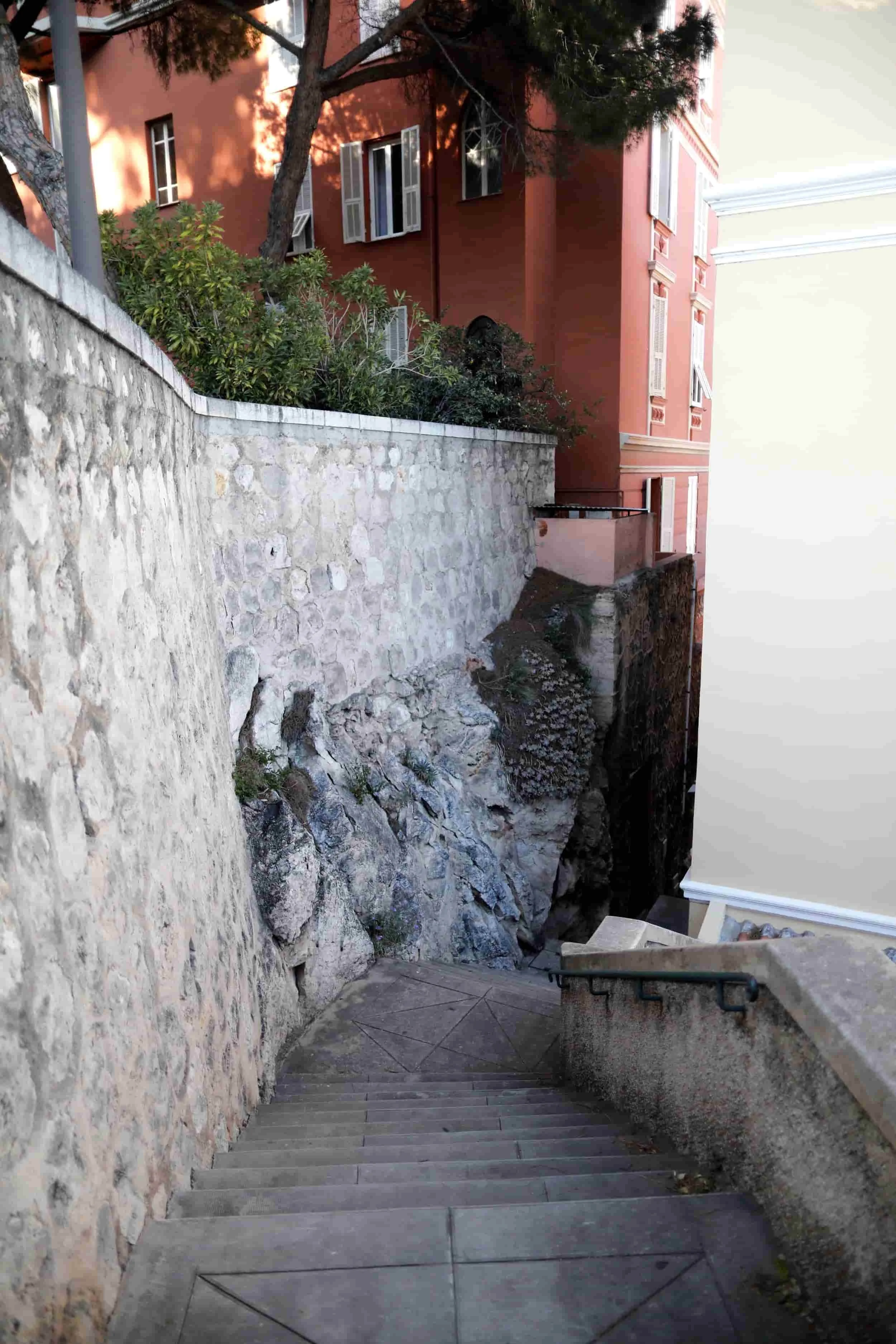
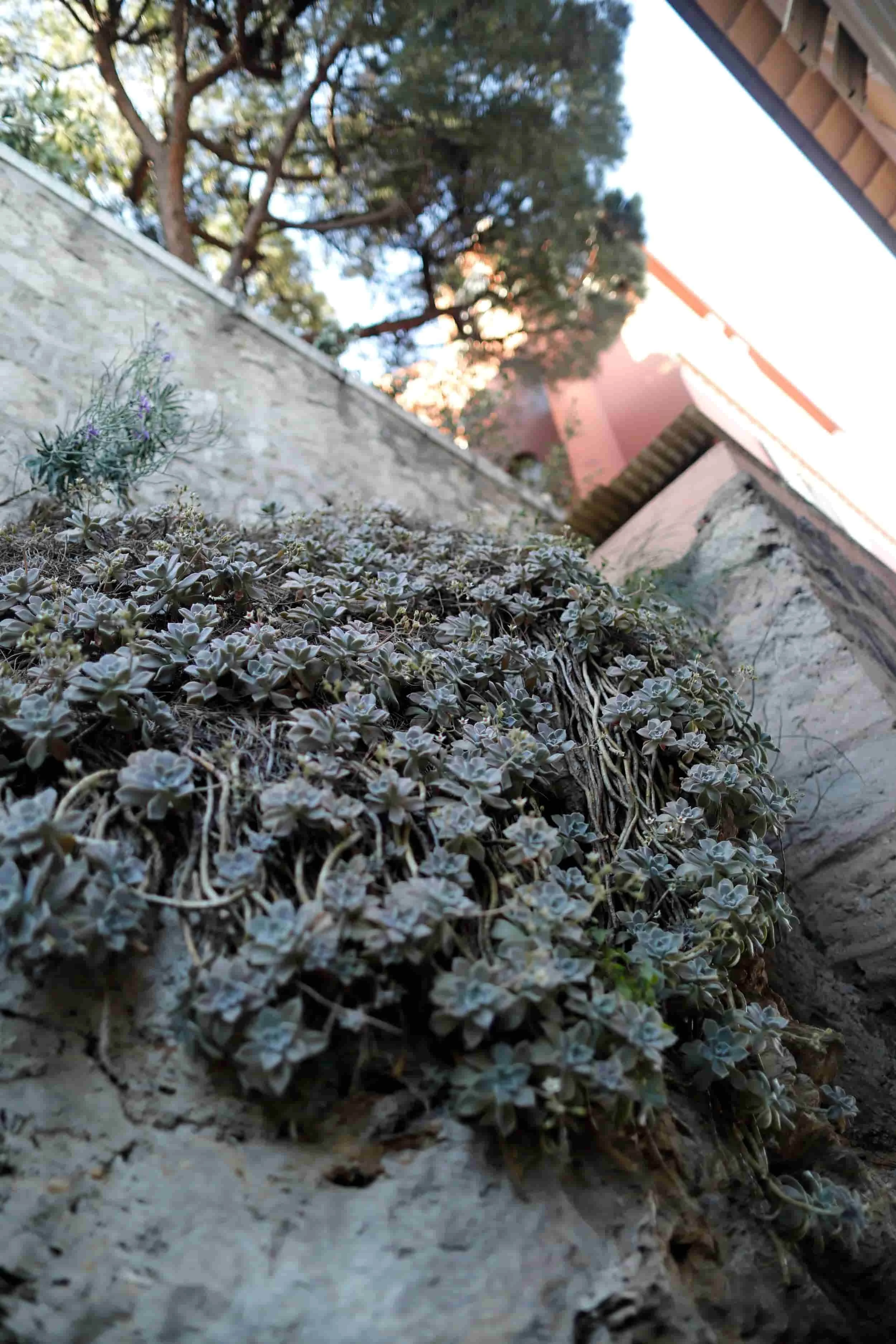
The farther I wandered, the less certain I became that I was heading anywhere near Jardin Exotique.
At some point, finding the garden gave way to simply finding my way through the hills. More stairs. More levels. More turns that looked promising and somehow didn't lead where expected.
And, eventually, I had to admit defeat.
I never found Jardin Exotique.
That's one miss I'm genuinely sad about. The cliffside botanical garden was high on my list and knowing I apparently got close enough to find a sign pointing toward it makes the failure slightly more painful.
But the attempt also gave me one of the clearest impressions of Monaco itself.
This is a place that makes far more sense in section than in plan. Streets stack above one another, tunnels cut through the hills, stairs connect levels that don't appear connected on a map and gardens emerge in spaces you didn't realize were there.
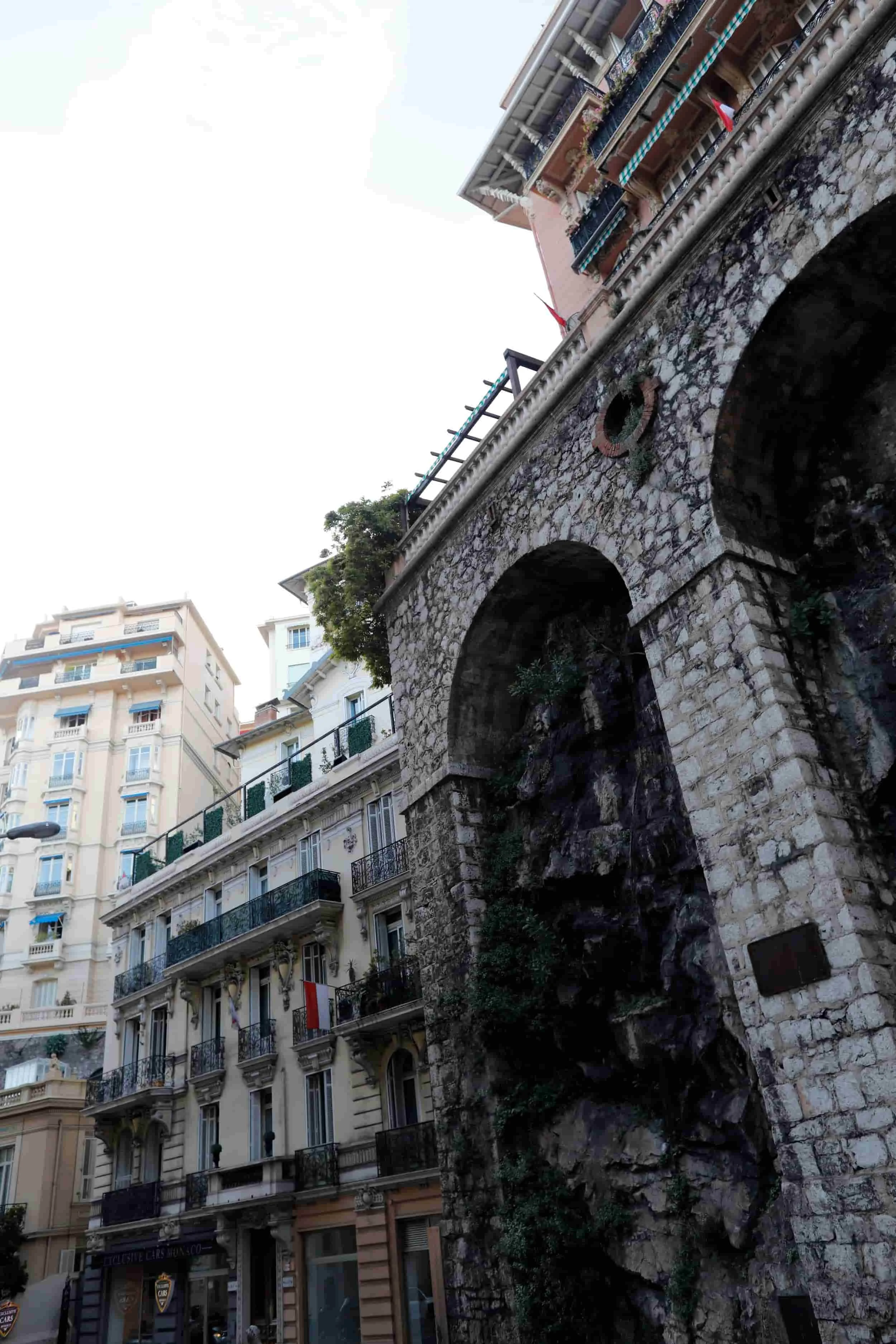
Sometimes you'll find exactly what you're looking for.
And sometimes you'll find Parc Princesse Antoinette, a view over Monaco and absolutely no Jardin Exotique whatsoever.
💡 My Tip | Don't underestimate Monaco's elevation when planning what to do in Monaco. Two places that look close together on a map may sit on completely different levels. Use the public elevators and escalators when you can, allow extra time — and if Jardin Exotique is important to you, plan the route before you start climbing. Learn from me.
✨ Don’t Miss | If you successfully make it to Jardin Exotique, don’t stop at the plants and views. The garden also includes Grotte de l’Observatoire, a natural limestone cave filled with stalactites and stalagmites that descends beneath the hillside. Check current access and tour times before you go.
My Bibimbap Moment
Every destination adds another ingredient to our life's recipe, sometimes by turning our expectations completely on their head. I arrived in Monaco expecting one thing and found something much more charming — a maze of historic streets, beautiful gardens, a lively market, tucked-away cafés and a waterfront steeped in maritime history. Between the old town, the harbor, the gardens and the food, Monaco revealed a much softer side than I had imagined. Here's the ingredient this little corner of the Mediterranean added to my Bibimbap Life.
Today’s Bibimbap Recipe
🥢 Flavor: Charming
🌿 Ingredient: Unexpected
❤️ Best Memory: Musée Océanographique de Monaco
🎒 Take With You: Sometimes a place becomes more memorable when it doesn't match the picture we arrived with. Leave room for a destination to surprise you in its own way.
When I think back on Monaco, I remember the little things more than the spectacle — the winding streets of Monaco-Ville, boats tucked into the harbor, flowers and greenery spilling through the gardens, a delicious bite from the market and the quiet beauty of places that carried centuries of history. I arrived with a very different picture of Monaco in my mind and I'm glad the city had the chance to replace it with something of its own. Beneath the polished exterior, I found a place that felt surprisingly sweet, historic and full of character. Sometimes, the best travel experiences are the ones that gently prove our first impressions wrong.
Monaco Travel Essentials
Monaco is tiny but exploring it isn’t quite as simple as its size suggests. The principality is built across steep hills and multiple levels, so places that appear close together on a map can involve stairs, tunnels, elevators and considerably more walking than expected.
It’s easy to visit from Nice in a day but give yourself enough time to explore beyond the headline sights and move between the waterfront and the neighborhoods above. Comfortable shoes, a little understanding of Monaco’s public elevators and a flexible route go a long way here. The distances are short but the journey between them is part of the experience.
When to Go
Late spring and early fall are generally the best times to visit Monaco, with warm Mediterranean weather that makes walking, harbor views and outdoor exploring especially enjoyable. Just pay close attention to Monaco’s event calendar — major events can have an outsized impact on such a small destination.
Spring | Pleasant but Check the Calendar: April and early May can be a great time for comfortable sightseeing before the summer heat. The Monaco Grand Prix, typically held in May, transforms the principality and brings significantly larger crowds, traffic disruptions and higher accommodation prices. Go specifically for the atmosphere — or plan around it.
Summer | Hottest & Busiest: July and August bring hot weather, busy streets and peak Riviera prices. It’s a lively time to visit but not necessarily the best choice if your priority is comfortably exploring Monaco on foot.
Fall | Warm & More Relaxed: September and October offer a particularly nice balance of warm weather and generally fewer summer vacation crowds, making this one of the periods I’d consider first for sightseeing.
Winter | Quietest: November through March is cooler and generally quieter. You’ll lose some of the classic warm-weather Riviera atmosphere and some seasonal businesses may reduce their hours but it can work well if sightseeing matters more than beach weather.
⚠️ Good to Know | Monaco’s major events can affect far more than hotel prices. Because the principality is so compact, events such as the Grand Prix can change traffic, access and how easily you move around. Check the event calendar before booking, even if you aren’t planning to attend.
How to Get There
Nice is the easiest gateway to Monaco, whether you're visiting for the day or continuing along the French Riviera. Nice Côte d'Azur Airport is the closest major airport and from central Nice you can reach Monaco easily by train or bus.
Train | Quickest & Easiest: Take the regional TER train from Nice-Ville to Monaco–Monte-Carlo. The journey averages about 20 minutes, with frequent departures throughout the day. For most travelers coming from Nice, this is the simplest option.
Bus | Scenic & Budget-Friendly: ZOU! Line 600 connects Nice, Monaco and Menton along the coast. It takes longer than the train but gives you more of the Riviera scenery along the way.
Car | Most Flexible: Driving makes the most sense if Monaco is part of a larger Riviera road trip. For a simple day trip from Nice, traffic and parking make it less convenient than the train.
💡 My Tip | Learn from my mistake and take the train from Nice. I took an Uber to Monaco thinking it would be the easiest option, then caught the train back to Nice and immediately realized I should have taken it both ways. It was simple, fast and much more economical.
Where to Stay
For a day trip to Monaco, Nice is the base I’d choose. You’ll have far more places to stay, a wider range of prices and restaurants and an easy train connection that makes getting to Monaco surprisingly simple.
Staying overnight in Monaco is more about the experience itself. It gives you the chance to enjoy the principality after many day-trippers have left and wake up surrounded by the harbor, hills and architecture you've come to explore — but expect accommodation to be considerably more expensive.
Where I Stayed in Nice
For design, space & a furry roommate — Architect-Designed Apartment
Nice was my base for this trip and this beautifully designed apartment gave me much more space than a traditional hotel room while still making Monaco an easy day trip. The thoughtful interiors were an obvious bonus but the real star may have been Neomaya, the resident cat — a silk-coated beauty with impossibly long fur and mesmerizing green eyes.
Where I’d Stay in Monaco
Monaco isn’t somewhere I’d automatically choose to stay overnight, especially with Nice so close. But if waking up in the principality is part of the experience you want, these are the two places I’d consider — one relatively understated and waterfront-focused, the other pure Monaco indulgence.
For harbor views without the full Monaco splurge — Boutique Hotel Miramar
If I were spending the night in Monaco, Boutique Hotel Miramar would be my more approachable choice. Its position overlooking Port Hercule puts the harbor right outside your door, with Monte Carlo and much of central Monaco within easy reach. The rooms are contemporary and relatively simple but the waterfront setting is the real draw — a chance to stay in the heart of Monaco without automatically jumping to one of its grand luxury hotels.
If money were no object — Hôtel Hermitage Monte-Carlo
If you're going to splurge on the full Monaco experience, this is where I'd be tempted to do it. Hôtel Hermitage is one of the principality's grand historic hotels, with Belle Époque architecture, ornate interiors and a location right in Monte Carlo. It's undeniably extravagant — and priced accordingly — but for a special occasion or a night when the hotel itself is part of the experience, this is the kind of Monaco stay I'd choose.
Additional Options
Want to stay in Monaco?
If Miramar and Hôtel Hermitage aren't quite right, browse more stays around Monaco and neighboring Beausoleil. Staying within the principality gives you more time to explore after the day-trip crowds thin out, while Beausoleil broadens your options while keeping Monte Carlo close.
Want to stay in Nice?
For most French Riviera trips, Nice would still be my first choice as a home base. You'll have a much wider range of hotels and apartments, plenty to explore before and after your Monaco day trip and easy train connections along the coast. Look around Vieux Nice for atmosphere and walkability, the Port for restaurants and waterfront life or Libération and the Musicians' Quarter for a slightly more residential feel.
Prefer a place of your own in Nice?
If you'd rather have more space, a kitchen or somewhere that feels a little more like home, Nice has plenty of vacation rentals that make an easy base for exploring both the city and Monaco.
How to Get Around
Monaco is compact enough to explore largely on foot but its size is deceptive. The principality climbs steeply away from the waterfront, with streets stacked across different levels, so getting somewhere can involve more stairs, tunnels and elevation changes than the map suggests.
Walking | Best for Exploring: Most of the major sights are close enough to connect on foot and walking is one of the best ways to experience Monaco’s waterfront, gardens and different neighborhoods. Just remember that a short distance on a map doesn’t necessarily mean a short or straightforward walk.
Public Elevators & Escalators | Save Your Legs: Free public elevators, escalators and pedestrian passages connect many of Monaco’s different levels. Look for signs marked Ascenseur Public as you explore — they can save you a considerable climb and sometimes provide a much more direct route than the street.
Bus | Useful for Longer Climbs: Monaco’s local bus network is handy when you want to cover more ground or avoid another steep walk, particularly when moving between the waterfront and higher parts of the principality.
💡 My Tip | Don’t navigate Monaco as though it were flat. I learned this while unsuccessfully trying to find Jardin Exotique: two places can look incredibly close on a map while sitting on completely different levels. Pay attention to elevators, tunnels and stairways rather than relying only on the route shown on your phone.
How Long to Stay
One full day works surprisingly well for Monaco, especially if you’re staying in Nice and want to experience the principality as a day trip. It gives you enough time to explore Le Rocher, visit the palace and Oceanographic Museum, wander Monaco-Ville, spend time around the harbors and take in a few of those elevated views without needing to stay overnight.
Two days makes more sense if you want a slower pace, plan to visit several museums and gardens, want time for Monte Carlo or simply like leaving room to wander. And, based on my experience, that extra time might finally get you to Jardin Exotique without becoming hopelessly lost somewhere in the hills.
💡 My Tip | If you only have one day, start early and resist the urge to pack in every attraction. Monaco is small enough to see a lot but the hills, stairs and different levels make getting around slower than the distances on a map suggest.
Tours & Day Trips
Monaco is easy to explore independently, especially from Nice, but a guided experience can be worthwhile if you want more historical context or would rather leave the transportation and planning to someone else.
From Nice, half- and full-day tours often pair Monaco and Monte Carlo with other Riviera stops such as Èze, making them particularly useful if you have limited time and want to see more of the coast in a single day. If Monaco is your main focus, consider traveling there independently by train and joining a walking tour once you arrive — you’ll have more freedom to explore at your own pace without spending part of the day moving between destinations.
I explored Monaco independently, which gave me plenty of time to wander (and, occasionally, get completely lost) but there were definitely moments when more historical and local context would have added to the experience.
Want to Visit Monaco & Èze from Nice?
If you’re short on time or don’t want to coordinate transportation, a guided trip from Nice can combine Monaco, Monte Carlo and Èze into one Riviera day. It’s a good option if you want a broader introduction to the area rather than spending the entire day exploring Monaco independently.
Explore Monaco day trips from Nice →
Want More Context While Exploring Monaco?
If you’re getting to Monaco on your own, consider a walking or small-group tour once you arrive. A guide can add context to Monaco-Ville, the Grimaldi family, Prince’s Palace, Monte Carlo and the unusual way the principality developed across such a small, steep piece of land — while still leaving part of the day free to explore on your own.
Good to Know
Monaco is polished and easy to visit but a few small things are worth knowing before you spend the day exploring.
Comfortable Shoes: You’ll likely walk much more than Monaco’s tiny size suggests and stairs and steep climbs are part of exploring. Wear shoes you’re comfortable spending the day in, especially if you plan to explore Le Rocher and the neighborhoods above the waterfront.
Dress Codes: Casual clothes are perfectly appropriate for sightseeing but some of Monaco’s more formal restaurants, hotels and casino spaces have their own dress requirements. If Monte Carlo nightlife or the Casino de Monte-Carlo is part of your plan, check the current dress code before you go rather than assuming sightseeing clothes will work everywhere.
Money: Monaco uses the euro (€). Cards are widely useful but carrying a small amount of cash can still be handy for minor purchases.
Language: French is Monaco’s official language, although English is commonly spoken in hotels, restaurants and other visitor-facing places. A few basic French phrases are still useful — and appreciated.
✨ Don’t Miss | Monaco is more than Monte Carlo. Make time for Le Rocher, the waterfront and the views from different elevations. Seeing the principality from both sea level and above is one of the best ways to understand how unusually it is built.
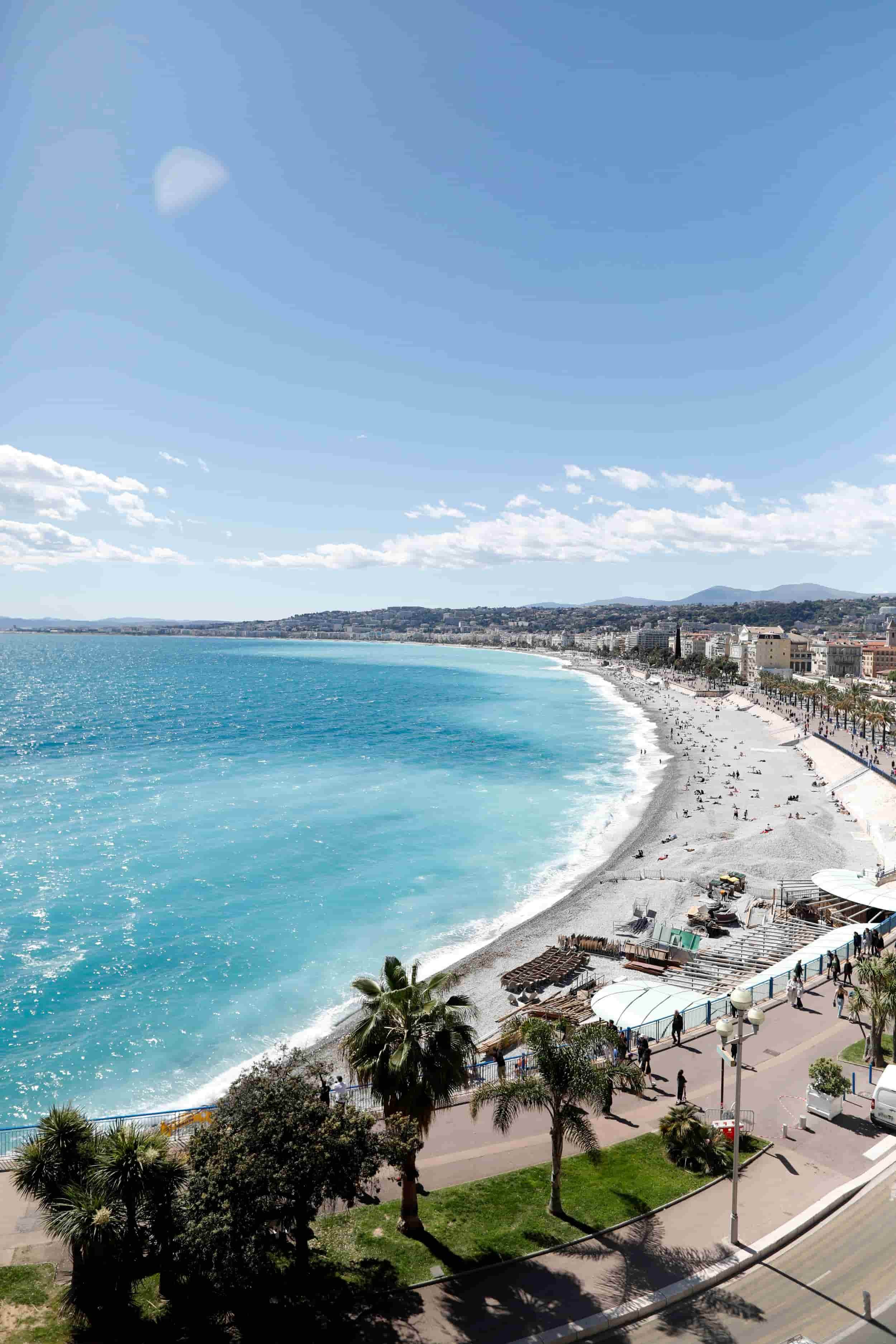

A personal guide to where to eat in Nice, France, from sunny café breakfasts and local specialties to markets, pastries and memorable meals worth seeking out.