British Channel Island of Jersey: A Charming Coastal Escape
Explore the best things to do on the British Channel Island of Jersey with this travel guide: dramatic coastal cliffs, charming historic towns, fresh seafood & a unique blend of British and French culture.
Updated | October 2026
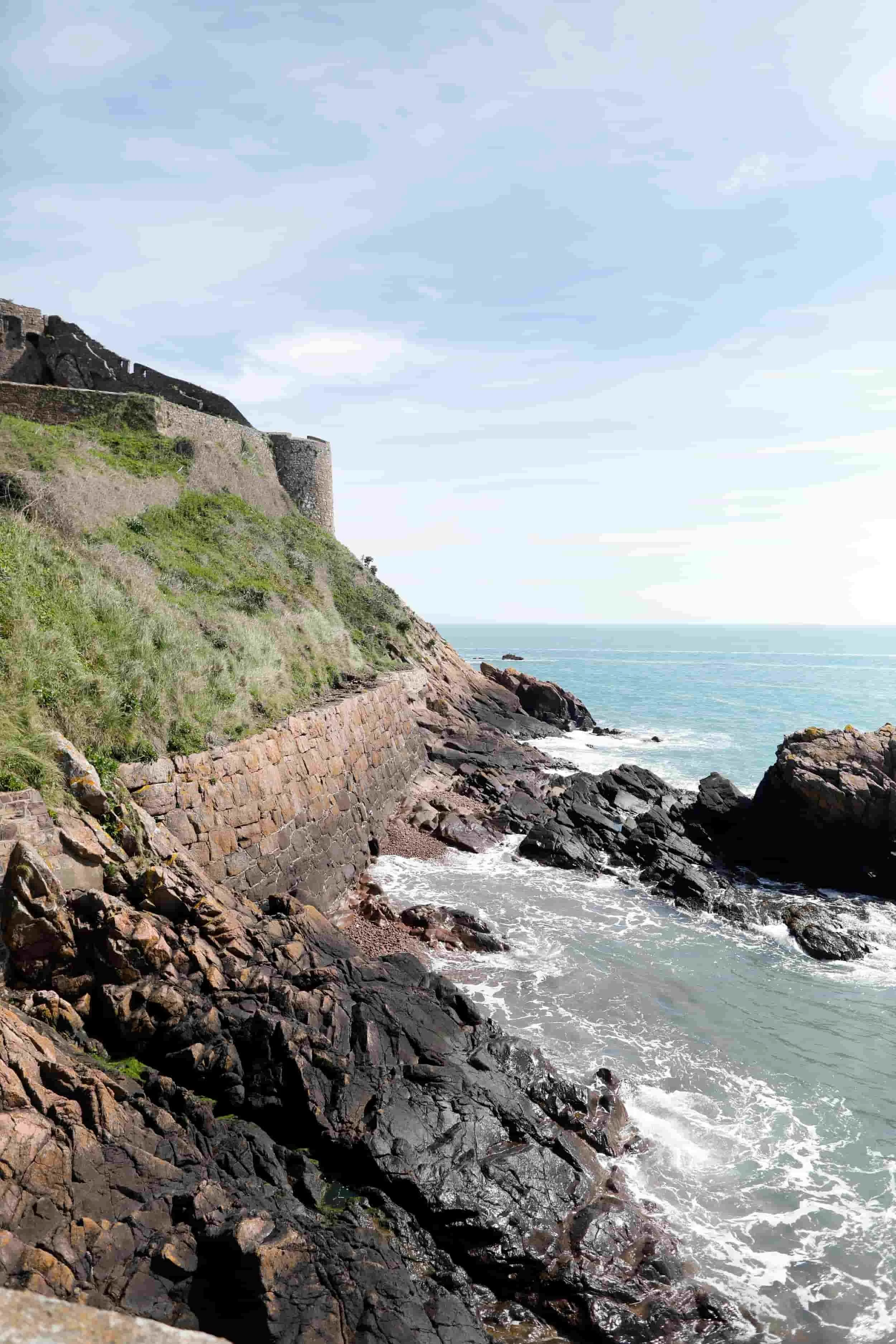
Why You’ll Fall in Love With Jersey Island
Sitting between England and France, the British Channel Island of Jersey packs an incredible amount into a relatively small place. There are long sandy beaches and dramatic cliffs, tiny villages, historic fortifications, excellent seafood and a landscape shaped by some of the largest tidal ranges in the world.
But what makes Jersey especially interesting is how many different stories overlap here.
The island is a British Crown Dependency, yet France sits just across the water and centuries of Norman influence are still woven into its culture, place names and food. Medieval castles overlook fishing harbors, remnants of the German occupation sit beneath the countryside and the coast seems to change every few hours as the tide moves in and out.
Then there are the simpler pleasures: wandering through Gorey with Mont Orgueil rising above the harbor, eating seafood beside the water, discovering Jersey's famous potatoes or finding a quiet stretch of coast with nowhere in particular to be.
I arrived on the British Channel Island of Jersey knowing surprisingly little about it. That ended up being part of the appeal. Jersey is beautiful, certainly, but it was everything beneath that first impression — the history, food, changing coastline and unexpected details — that made me want to keep looking a little closer.
At a Glance
📍 Destination: British Channel Island of Jersey
🕒 Time Needed: 3-4 days
💰 Budget: £180-£300/day ($240-$400 USD)
👟 Walking Level: Mild
🌤️ Best Season: Summer (June-August)
☕️ Don’t Miss: Gorey Castle and Jersey War Tunnels
🖤 Perfect For: Food lovers, history buffs and outdoor enthusiasts
My Bibimbap Moment
This trip added: Discovery.
Jersey added the ingredient of discovery to my Bibimbap Life. I arrived knowing very little about the island and found myself charmed by nearly every turn — the magical setting of Gorey and its castle, fresh seafood and comforting potatoes, the beautiful grounds of the zoo and the simple pleasure of wandering somewhere completely unfamiliar. But Jersey also revealed a more sobering side through its War Tunnels, where the island's experience during the occupation became impossible to see as distant history. It was that unexpected mix of beauty, history, food and everyday island life that made Jersey so much more interesting than I had imagined.
My Two-Week England, Wales, Jersey, France & Monaco Itinerary
The British Channel Island of Jersey wasn't the most obvious stop on this two-week trip — and that's exactly why it became one of the most interesting.
The journey began in England — London, followed by a train west to Cardiff and a few days exploring Wales, including the colorful seaside town of Tenby. From there, the route took a less conventional turn: instead of heading directly to France, I flew to Jersey for a few days on the island.
My route: London → Cardiff → Tenby → Jersey → Saint-Malo → Nantes → Nice → Monaco
Jersey ended up being a fascinating transition between the two halves of the trip. The island has its own identity and history but its position between Britain and France means you'll encounter influences from both — making it feel connected to the places on either side without quite belonging to either.
From Jersey, I continued by ferry to France — Saint-Malo, spending the night inside the old walled city before traveling onward to Nantes. The final stretch moved south to Nice, with a day trip to Monaco before flying home.
If you're planning a similar route, don't overlook the British Channel Island of Jersey simply because it requires an extra flight or ferry. Building the island into the journey made the crossing from Britain to France part of the experience rather than just another transportation day.
Explore
Here’s where the journey will take us.
01 | Things to Do on Jersey
02 | When to Go
03 | How to Get There
04 | Where to Stay
05 | How to Get Around
06 | How Long to Stay
07 | Tours & Day Trips
08 | Good to Know
Travel More | Jersey Travel Guides
What to Do on the British Channel Island of Jersey — Places Worth Exploring
For such a small island, Jersey gives you a surprising amount to explore. You can wander a fishing village beneath a medieval castle, step inside tunnels left from the German occupation, spend an afternoon learning about wildlife conservation or simply follow the coast and see where you end up.
What I liked most was the variety. A morning could begin beside the sea and lead somewhere completely different by afternoon — and the distances between places are short enough that you don't have to choose just one side of the island each day.
The places below were some of my favorite experiences on the British Channel Island of Jersey but this isn't meant to be a checklist. Leave some room between the bigger sights for beaches, villages, food and whatever catches your attention along the way.
Make the Journey to Jersey Part of the Experience
Just a short flight from London, reaching the British Channel Island of Jersey is a surprisingly quick transition from city to island.
The flight from London Gatwick takes around 35 minutes in the air, with green fields and stretches of rugged coastline appearing below as you descend. From my window, there was even a glimpse of neighboring Guernsey — and the immediate temptation to somehow squeeze another Channel Island into an already full itinerary.
It didn't happen. But that's one of the pleasures of travel: one place has a habit of introducing you to the next.
From the airport, a taxi ride toward Grouville, on Jersey's east side, passes through Saint Helier and offers an early look at just how much is packed onto the island. Even better, my driver quickly turned into an unofficial tour guide.
Grouville worked beautifully as a quieter base near the coast but it’s only one option. If you’re deciding where to base yourself on the British Channel Island of Jersey, keep reading for more areas and places to stay.
By the time we reached Grouville, he'd enthusiastically mapped out much of the stay: Mont Orgueil nearby, the Jersey War Tunnels and a day at Jersey Zoo. The west side, he warned, might be pushing it.
He was right. La Corbière Lighthouse would have to wait for another trip.
It was an unexpectedly perfect introduction to Jersey. Arrive with a loose plan and you may find the island starts filling in the details for you.
⚠️ Good to Know | It's tempting to add Guernsey while you're already in the Channel Islands but don't automatically treat it as a quick side trip. Give it enough time to be more than a rushed add-on and check current ferry schedules before building it into your itinerary.
Gorey’s Long Beach
If you're staying around Grouville or Gorey, one of the pleasures of this side of the island is having the coast right outside your door.
Gorey's Long Beach stretches along Jersey's east coast, with a broad expanse of sand and wooden groynes reaching toward the water. Follow the shoreline north and Mont Orgueil Castle eventually comes into view above Gorey Harbour — an almost improbable backdrop to an otherwise quiet walk along the beach.

This was one of my first real introductions to the British Channel Island of Jersey and also to something that would become impossible to ignore while exploring it: the tide.


Jersey has one of the world's largest tidal ranges, and the difference between high and low tide can completely change the coastline. Sand and rocks disappear beneath the water, boats that were floating hours earlier can end up resting on the exposed seabed and familiar stretches of shoreline suddenly seem much larger.

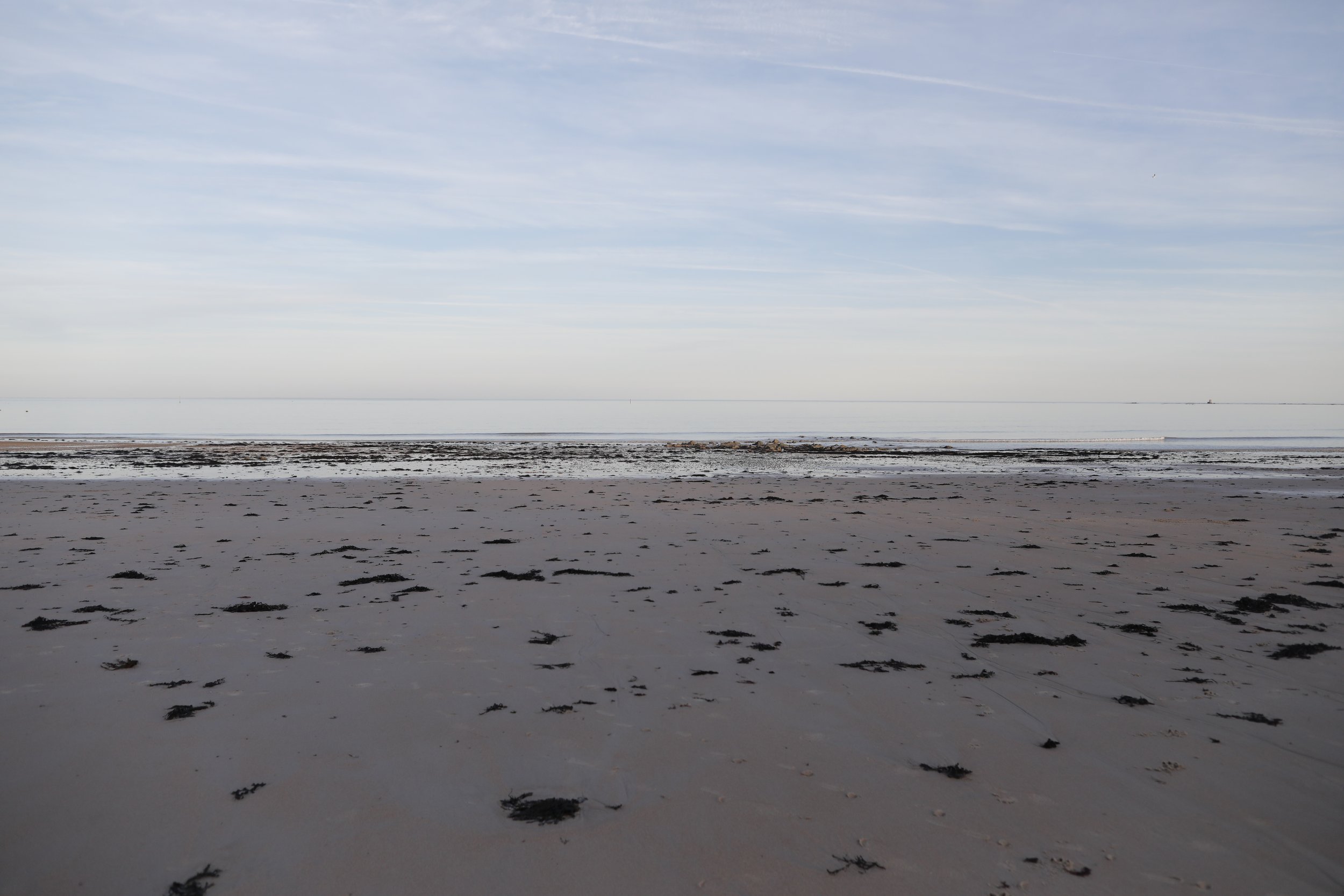
You don't necessarily need to do anything at Gorey's Long Beach. Walk for a while, watch how the coast changes and keep going toward the harbor if you have time. Part of what I loved about staying on this side of Jersey was being able to experience the beach as part of an ordinary day rather than treating it as another attraction to check off.

And with a medieval castle waiting at the far end of the shoreline, ordinary is relative.

Along the beach, keep an eye out for the sign about Jersey’s oyster farming industry. It’s a small detail but one that connects the coastline to the island’s food culture — the waters around Grouville are also working waters, used to cultivate oysters and other shellfish.
At this point, it was mostly an interesting bit of local context. Soon enough, I’d be much more interested in the eating part.

💡 My Tip | Check the tide times while you're on Jersey and, if you can, see this part of the coast at different stages of the tide. The changing waterline is part of experiencing the island, not just something happening in the background.
Gorey Beach Promenade
Continue along the coast toward Gorey Harbour, where the beach gives way to a waterfront promenade lined with restaurants and small boats gathered beneath Mont Orgueil Castle.
If you're staying nearby, this is an especially lovely place to end the day. Find a table facing the water, order something from the sea and leave enough time to watch what happens around the harbor as the tide changes.
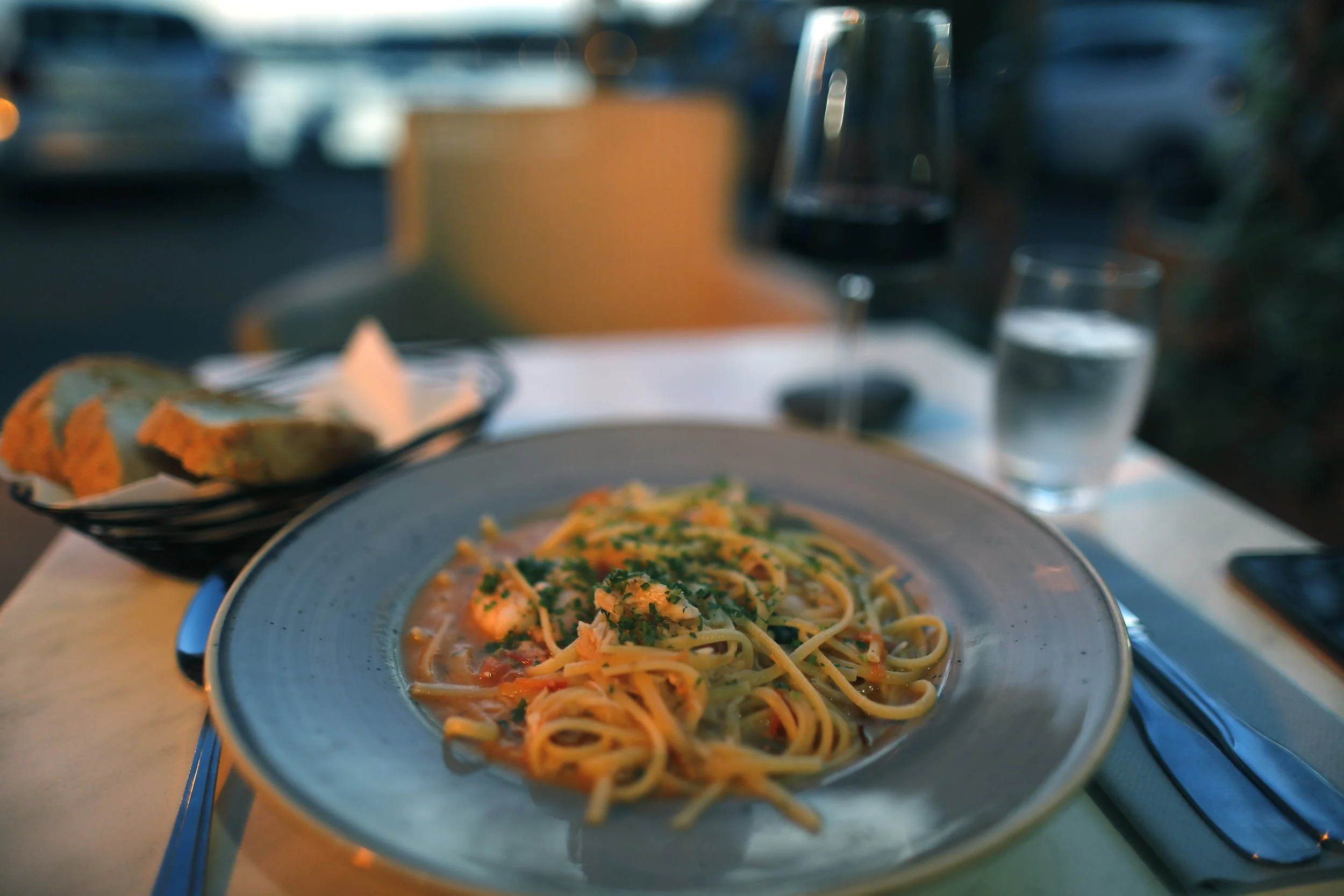
My dinner was at Feast, a tiny waterfront restaurant that has since closed. The crab and king prawn linguine, warm French bread with butter and a glass of red wine were exactly what I'd hoped to eat beside the water on the British Channel Island of Jersey.
After spotting the oyster farming sign along Gorey's Long Beach earlier, dinner felt like the natural continuation of the story. Here, the sea isn't simply scenery — it has shaped what the island grows, catches and eats.


Where I’d Eat in Gorey Now
Since Feast is no longer there, Sumas and The Moorings are two places I'd look at for a return visit. Both keep you around Gorey, making it easy to pair dinner with time along the harbor rather than leaving the area just as evening settles in.
⚠️ Good to Know | Restaurants change often — hours, menus and even openings can shift between trips. Always check current details before you go.

Watch the Harbor Change with the Tide
Jersey's enormous tidal range becomes particularly easy to understand around Gorey Harbour.
At low tide, the water pulls far enough away that boats can be left resting on the exposed seabed. As the tide returns, the harbor gradually fills again until those same boats are floating beside the quay.
It's such a simple thing but watching that transformation made the tides feel much more tangible than reading about them ever could.


The changing water completely alters the view, too. Exposed sand and harbor floor disappear, reflections return and suddenly boats are sitting on water where, not long before, there appeared to be none.
There's really nothing you need to do with this moment. Stay for dinner, linger along the promenade and watch the harbor rearrange itself.
💡 My Tip | If you're eating around Gorey Harbour, check the tide times and try to catch the waterfront at a different stage than you saw earlier in the day. Seeing the same coastline transformed by the tide became one of my favorite small discoveries on Jersey.
Gorey Village
Before heading up to Mont Orgueil Castle, spend a little time in Gorey Village, just inland from the harbor. It's small, easy to explore on foot and a good place to slow down over breakfast before the day's bigger sightseeing begins.

Breakfast at The Kitchen Gorey
My morning started at The Kitchen Gorey, a relaxed little café with tables inside and out. Order at the counter, grab a sunny spot outside if the weather cooperates and settle in before continuing toward the castle.
Breakfast was buttermilk pancakes with fresh fruit and maple syrup, a side of ham, fresh orange juice and a chai latte — exactly the kind of substantial breakfast I want before spending the next few hours climbing castle stairs.
The café itself was unfussy and comfortable, which suited Gorey perfectly. It wasn't a destination meal that needed to become the event of the day; it was simply a really good breakfast in a village I was already enjoying exploring.

A Little Shopping Along the Way
A few doors down, I found Éclat, also known as Amorphia, a tiny independent boutique filled with clothing, handmade jewelry, handbags and small pieces that felt far more interesting than conventional souvenirs.
I ended up spending quite a while talking with the owner while looking for something to bring home. Those small, unplanned interactions are often what I remember most about shopping while traveling — especially when the shop gives you some sense of the person behind everything you're looking at.
The physical shop has since closed but Éclat/Amorphia continues to appear at markets and craft fairs around Jersey, so it's still worth keeping an eye out while you're on the island.
Breakfast, a little shopping and then a medieval castle looming above the harbor — Gorey made for a pretty good morning on the British Channel Island of Jersey.
💡 My Tip | Don't rush straight from the beach to Mont Orgueil. Give yourself a little time for Gorey itself, especially in the morning. Breakfast and a wander through the village make an easy lead-in to a few hours exploring the castle.
Mont Orgueil Castle
Rising above Gorey Harbour, Mont Orgueil Castle — often called Gorey Castle — is impossible to separate from the experience of this side of Jersey. You've already seen it from the beach, the harbor and the village. Now it's time to climb up and see what's behind those walls.

The fortress has guarded Jersey's eastern coast for more than 800 years, positioned to defend the island at a time when France — visible across the water on a clear day — posed a very real threat. Its French name, Mont Orgueil, translates to “Mount Pride,” while in Jèrriais, Jersey's traditional language, it is known as lé Vièr Châté, or “the old castle.”

For centuries, Mont Orgueil served as Jersey's principal fortress. But as artillery developed, its location became increasingly vulnerable, and the island's defensive focus eventually shifted to Elizabeth Castle near Saint Helier.

Inside Mont Orgueil
This is where the castle really surprised me.
Rather than a single grand interior, Mont Orgueil unfolds through wards, towers, narrow passages, stone staircases and rooms tucked unexpectedly into the fortress. You keep climbing, turning a corner and finding somewhere else to explore.
Remnants of the castle's defensive history are everywhere. The Lower Ward once served as an administrative center, while structures such as the Cornish Bastion, Prison Tower and Mount Gate reveal how the fortress was expanded and adapted over centuries.

But it wasn't only the military history that stayed with me. Inside, historical objects and unexpected art installations sit against heavy stone walls, bringing a completely different layer to the experience. That contrast — between fortress architecture, strange little rooms, historical displays and art — made the castle feel much more alive than I expected.

And then there are the views.
From the upper levels, Gorey Harbour and the coastline spread out below, making the castle's location suddenly make sense. What looked dramatic from the beach becomes strategic from above: this fortress was watching the water.

Of all the castles I've explored while traveling, Mont Orgueil remains one of my favorites. Not because it's the biggest or most elaborate but because exploring it feels genuinely exploratory. Staircases disappear around corners, passages lead somewhere unexpected and there always seems to be another room above — or below — the one you just left.

Give yourself time to get a little lost.
💡 My Tip | Allow roughly 1½–3 hours for Mont Orgueil, depending on how much you like castles, history and poking around old stone passageways. I fall firmly into the poke around every passageway camp, so I'd err toward more time.
Want to explore further? I'm putting together a dedicated guide to Mont Orgueil Castle, including more of its history, interiors, art, architecture and what to know before visiting.
Jersey War Tunnels
The Jersey War Tunnels reveal a side of the island that's difficult to reconcile with the beaches, villages and quiet coastline you've been exploring.
Jersey was occupied by German forces from 1940 until the end of World War II in Europe in 1945. As part of Hitler's fortification of the Channel Islands, an enormous network of tunnels was excavated into the hillside here, much of the work carried out by forced and slave laborers brought to the island from across Europe.

More than 5,000 laborers were involved in constructing the complex. The tunnels extend almost a kilometer through the hillside and were originally intended as protection against Allied bombardment before part of the complex was converted into an underground hospital in 1943.
Today, those same passageways contain an exhibition telling the story of Jersey under German occupation.

Life Under Occupation
What stayed with me most wasn't military strategy. It was how thoroughly occupation entered ordinary life.
Before German forces arrived, islanders faced an extraordinary decision: leave Jersey or remain and live under occupation. Those who stayed saw everyday routines gradually transformed by curfews, blackouts, identification requirements, restrictions on movement and increasingly severe rationing.
As the war continued, food and fuel became scarcer. After D-Day in 1944, the Channel Islands were largely cut off from German supply lines, making the final months of the occupation particularly difficult.
The exhibition tells those larger events through individual lives and everyday objects rather than history alone.

When I entered, I was given a small card connected to someone who had lived through the occupation. Following that person's story through the tunnels made everything feel far less abstract. Decisions about staying or leaving, finding food, following — or resisting — new rules and simply getting through another day suddenly belonged to an actual person.
That's what the Jersey War Tunnels do particularly well. They bring an enormous historical event down to human scale.

Resistance, Survival & Liberation
The exhibition also doesn't reduce islanders' experiences to a single story.
There were acts of resistance and remarkable courage but also collaboration, suspicion and impossible compromises. People adapted however they could, finding ways to stretch food, repair clothing, create fuel and maintain some sense of normal life while freedoms steadily disappeared.
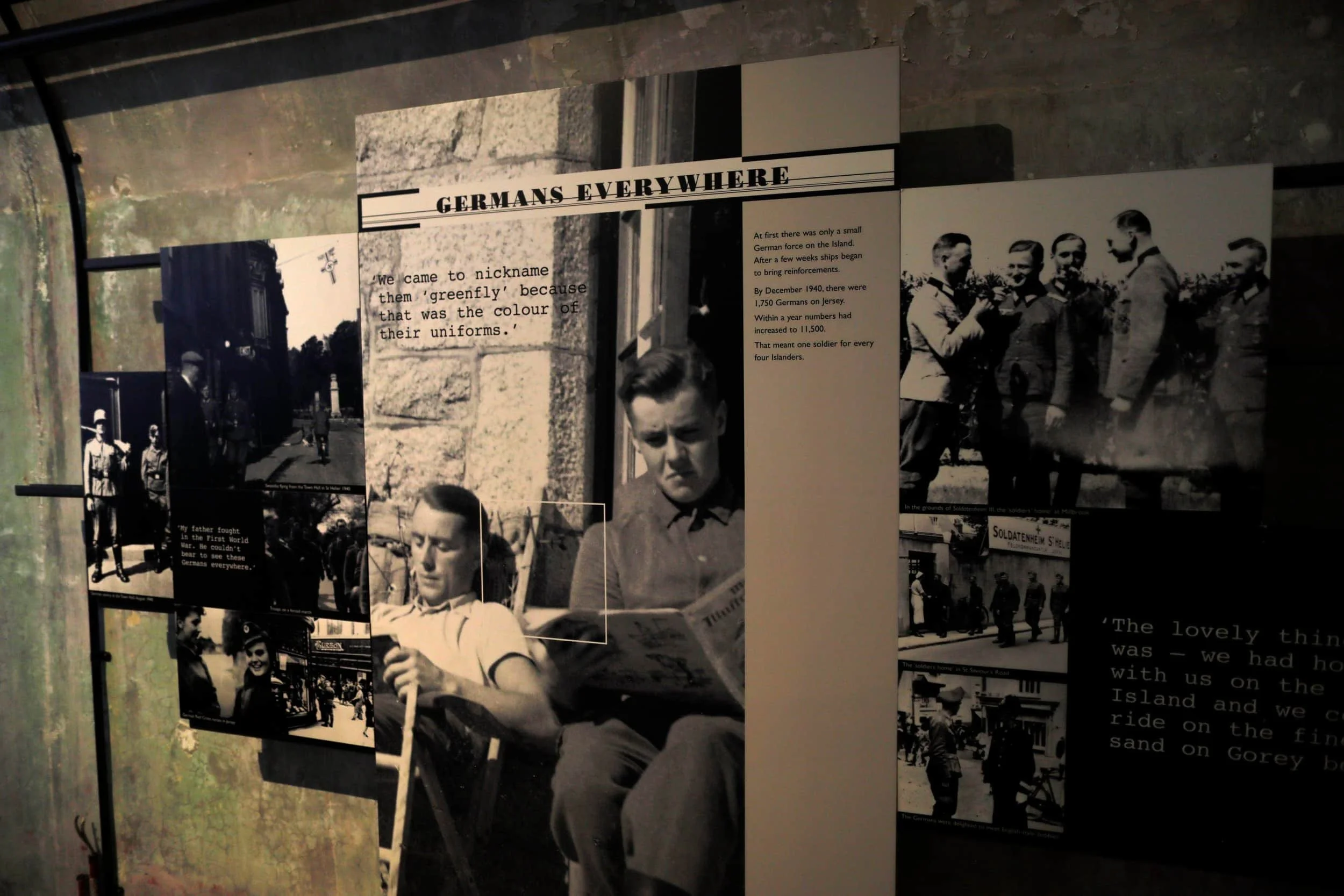
A recreated wartime home was particularly effective at showing that quieter side of occupation. Seeing rationed supplies and improvised everyday objects made the experience less about dates and military movements and more about what five years of occupation meant inside someone's home.

Jersey was finally liberated on May 9, 1945, a date still commemorated on the island as Liberation Day.
Walking back out of the tunnels, the Jersey waiting outside felt different from the one I'd entered from.
Until then, much of my experience on the British Channel Island of Jersey had been coastline, seafood, villages and a medieval castle overlooking the harbor. The War Tunnels added something much heavier beneath that beauty — and made the island far more interesting to me because of it.
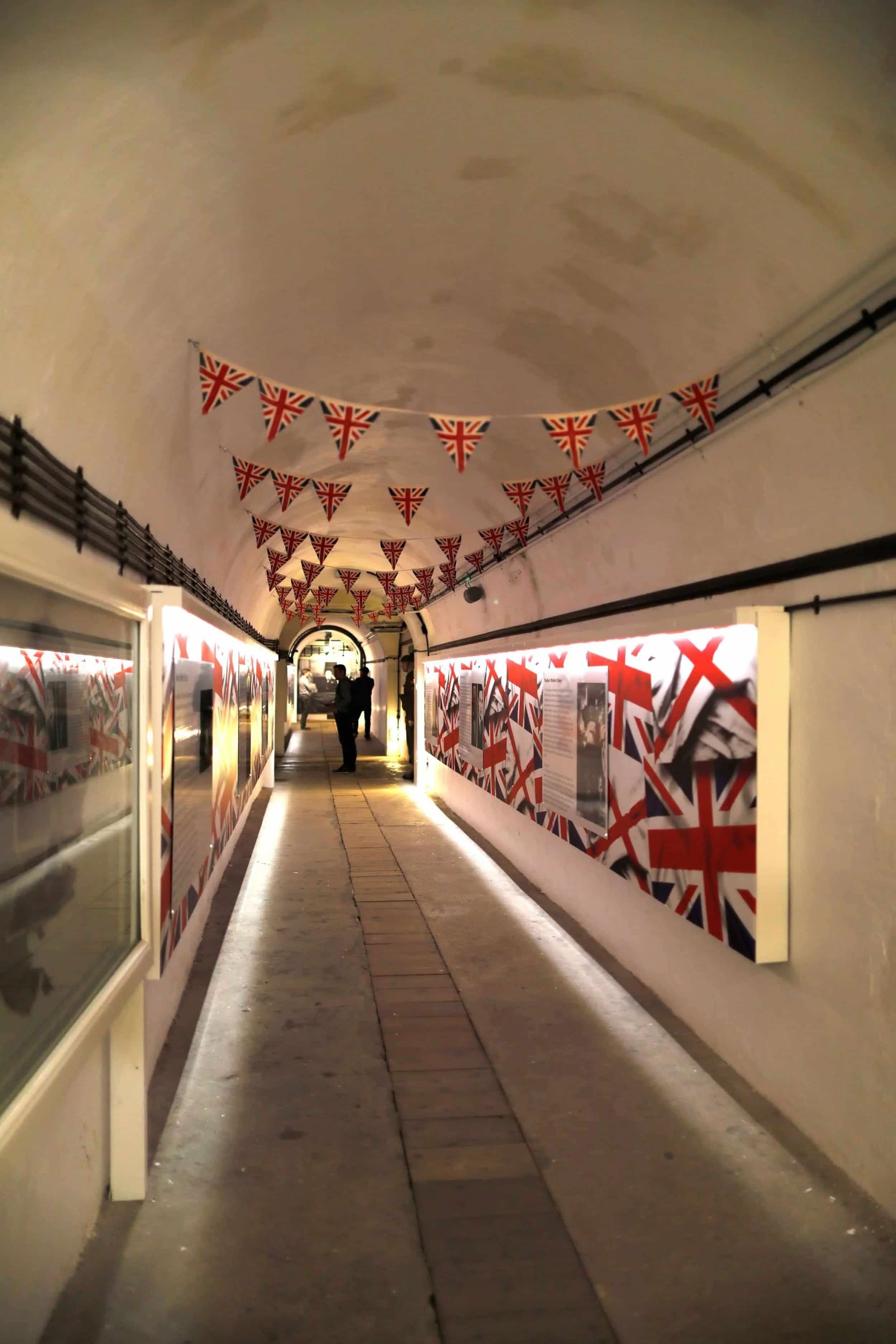
💡 My Tip | Give yourself at least two hours here. This isn't somewhere I'd squeeze between other stops; there's a lot to read, absorb and think about.
⚠️ Good to Know | The tunnels are underground, enclosed and intentionally atmospheric. Current opening hours, admission prices and transportation can change, so check the Jersey War Tunnels directly before your visit.
Want to explore further? I'm putting together a dedicated guide to the Jersey War Tunnels, with more of the occupation history, exhibition experience and practical details for planning your visit.
Saint Helier
Jersey's capital, Saint Helier, feels noticeably different after the quieter coastline and villages around Gorey. This is the island's main town and commercial center, with shops, restaurants, historic streets and the main bus station all concentrated into a compact, walkable center.
I didn't spend my time here trying to cover every sight. The place I most wanted to explore was Central Market — partly for the food but also because markets are one of my favorite ways to get a quick sense of a place.

Central Market
In the middle of Saint Helier, Central Market has been operating from its current site since the late 19th century. The Victorian market hall is worth seeing in its own right, with an iron-and-glass structure wrapped around a central courtyard and fountain.
But this isn't simply a historic building preserved for visitors. It's still a working market.

Stalls fill the interior with produce, flowers, baked goods, cheeses and other local products, making it an easy place to browse without needing much of an agenda. If you've been wondering where to look for some of Jersey's food specialties, this is a good place to start.

And after seeing oyster farming along the coast and eating seafood beside Gorey Harbour, I liked seeing another piece of the island's food culture here.


The flower stalls were what caught my attention first. Against all that Victorian ironwork, the abundance of plants and flowers gives the market an almost greenhouse-like quality in places.

Then there's the fountain.
Set at the center of the market, the ornate fountain surrounded by greenery is one of those details that makes the building feel like much more than somewhere to buy groceries. Between the ironwork, glass overhead, plants spilling around the fountain and layers of stalls surrounding it, there's a lot to look at before you've bought a thing.

For me, that was the appeal of Central Market. It offered a glimpse of everyday life on the British Channel Island of Jersey but in a space with enough history and character to make simply wandering around worthwhile.

💡 My Tip | Central Market is compact, so you don't need to build an entire day around it. Pair it with time wandering central Saint Helier, lunch or coffee nearby or use it as an easy stop before catching a bus elsewhere on the island.
Samphire
If food is a major part of how you travel, save room for one really good dinner in Saint Helier.
For me, that was Samphire.
I arrived right when the doors opened without a reservation and nearly didn't get a table. Thankfully, they managed to squeeze me in — a lucky break because this ended up being one of my favorite meals on the British Channel Island of Jersey.

The Space
Before anything arrived at the table, I loved the restaurant itself.
Samphire is polished and contemporary but still warm, with dark wood, leather, low lighting and a moodier palette than I expected after spending so much of the trip around Jersey's bright coastline.
Put more simply: it's sexy.

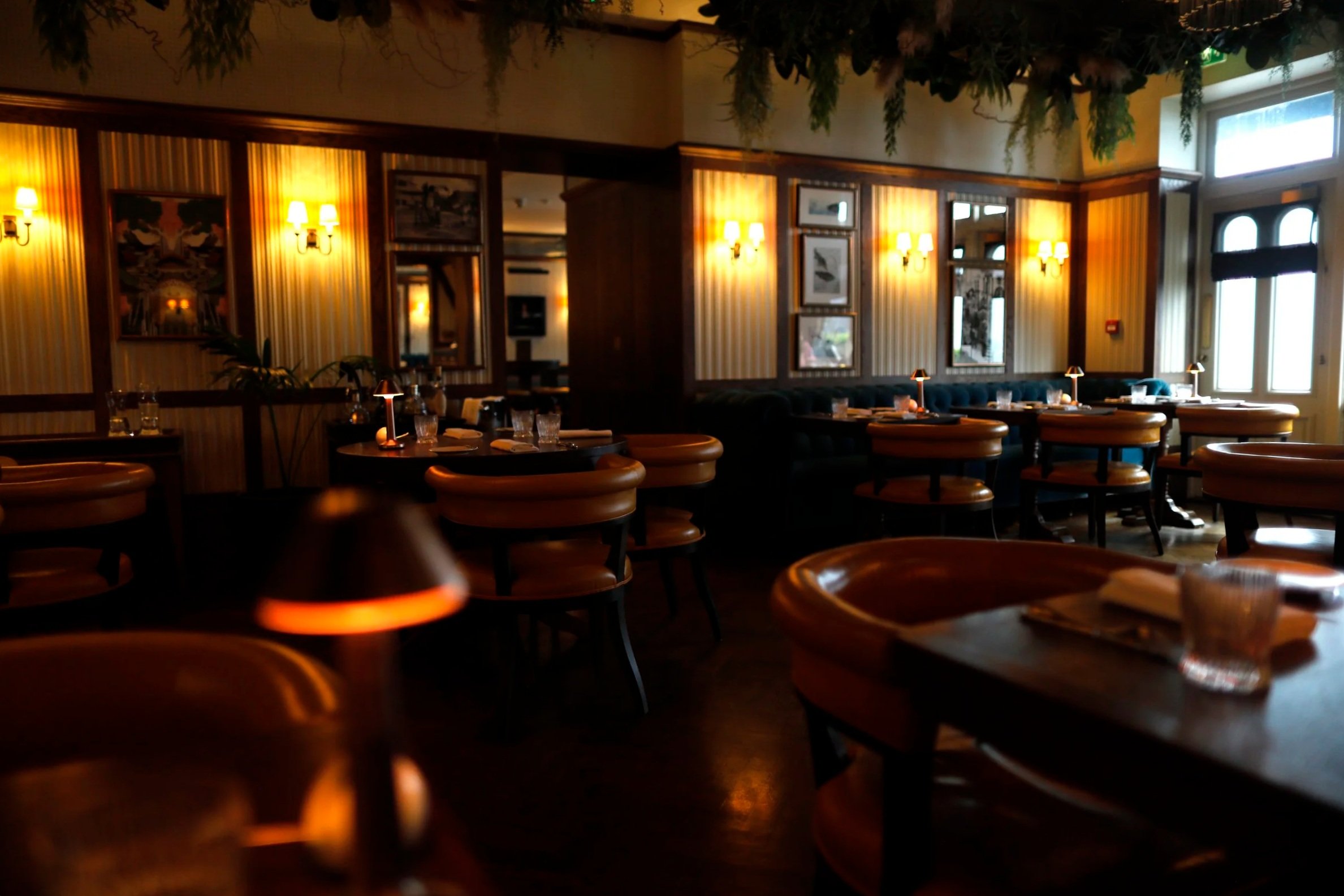
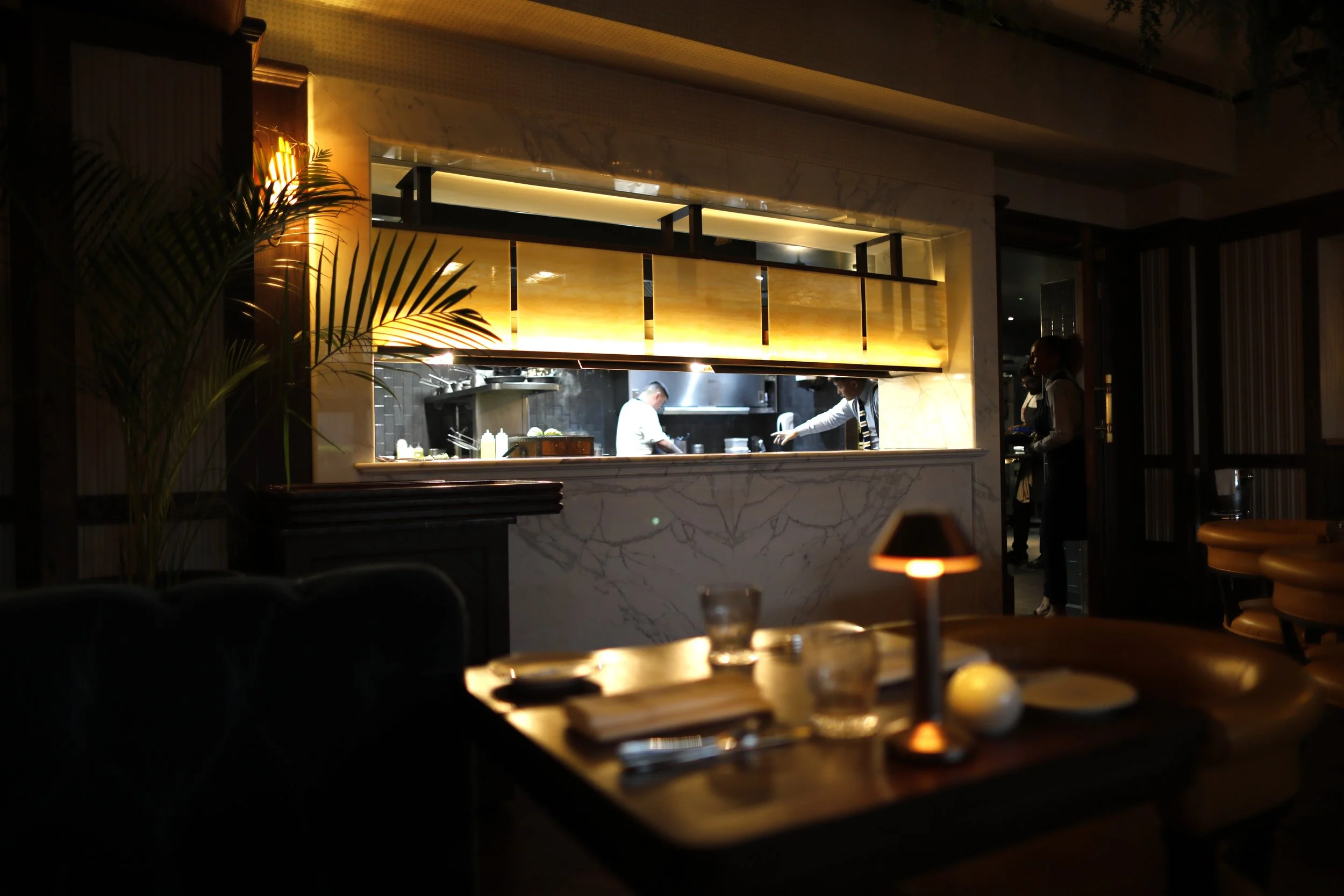
I was seated in the second dining room with a view toward the kitchen and could watch some of the movement between the kitchen and dining room throughout the meal. It's the kind of interior that makes you want to settle in rather than rush through dinner.
The Meal
An Old Fashioned started things off, followed by a warm roll with salted butter — the sort of small beginning that immediately tells you you're probably in very good hands.
The menu draws heavily from the produce and seafood around Jersey, and choosing wasn't particularly easy. There were plenty of things I wanted to order but after spending the trip surrounded by the sea, I stayed with it.

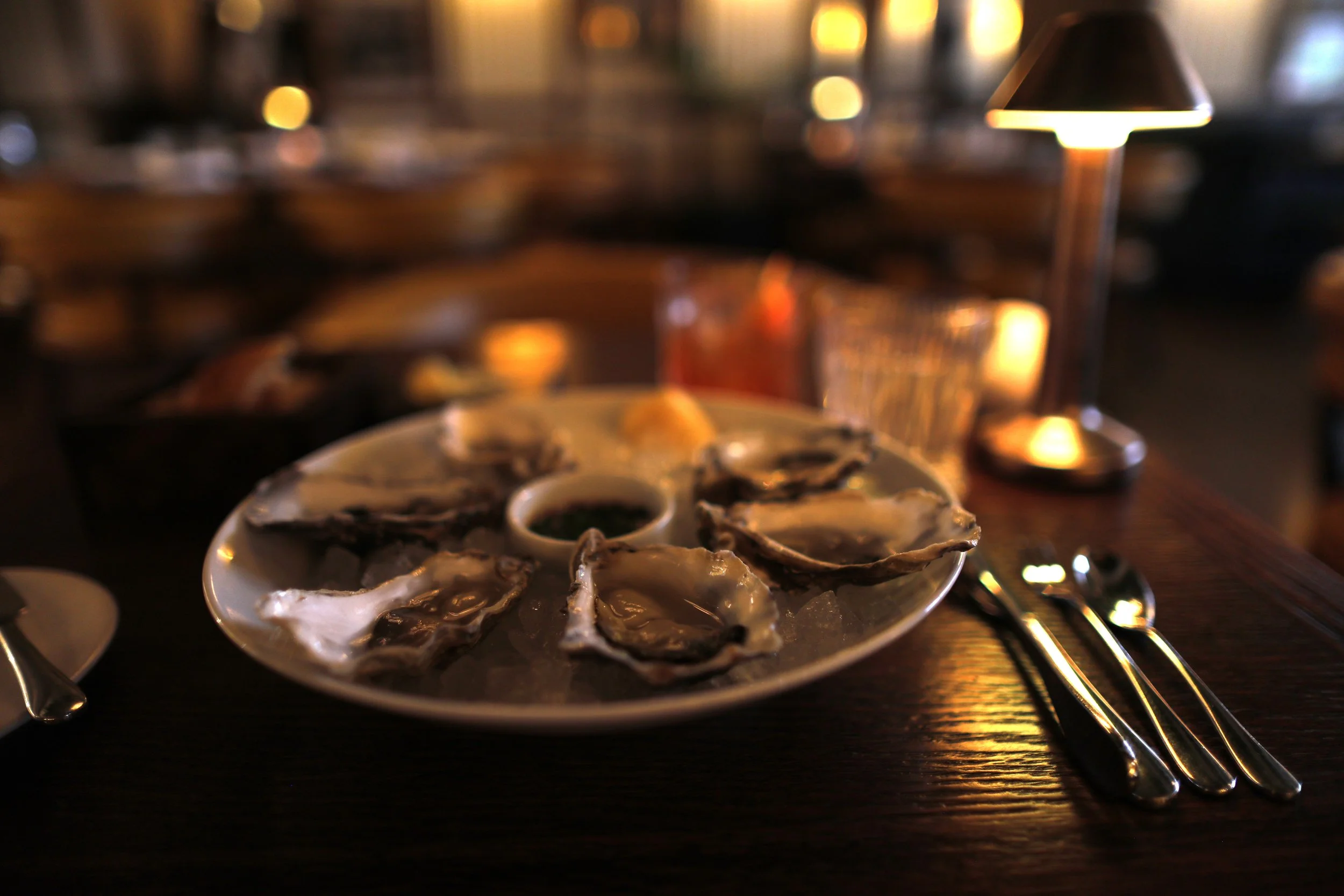
First came the oysters with maple and shallot vinaigrette.
Then Jersey sea bream with grilled local shellfish, wild garlic and bouillabaisse. The broth was rich and comforting, the shellfish added another layer of flavor and the whole dish felt rooted in exactly where I was eating it.
And, finally, I got to try something I'd been seeing referenced around the island from the beginning: Jersey Royals.
These small potatoes are one of Jersey's best-known foods, grown on the island and protected under the Jersey Royal name. Mine arrived simply prepared with butter and herbs — and they didn't need much else.
Sometimes the thing a destination is famous for really is worth ordering.
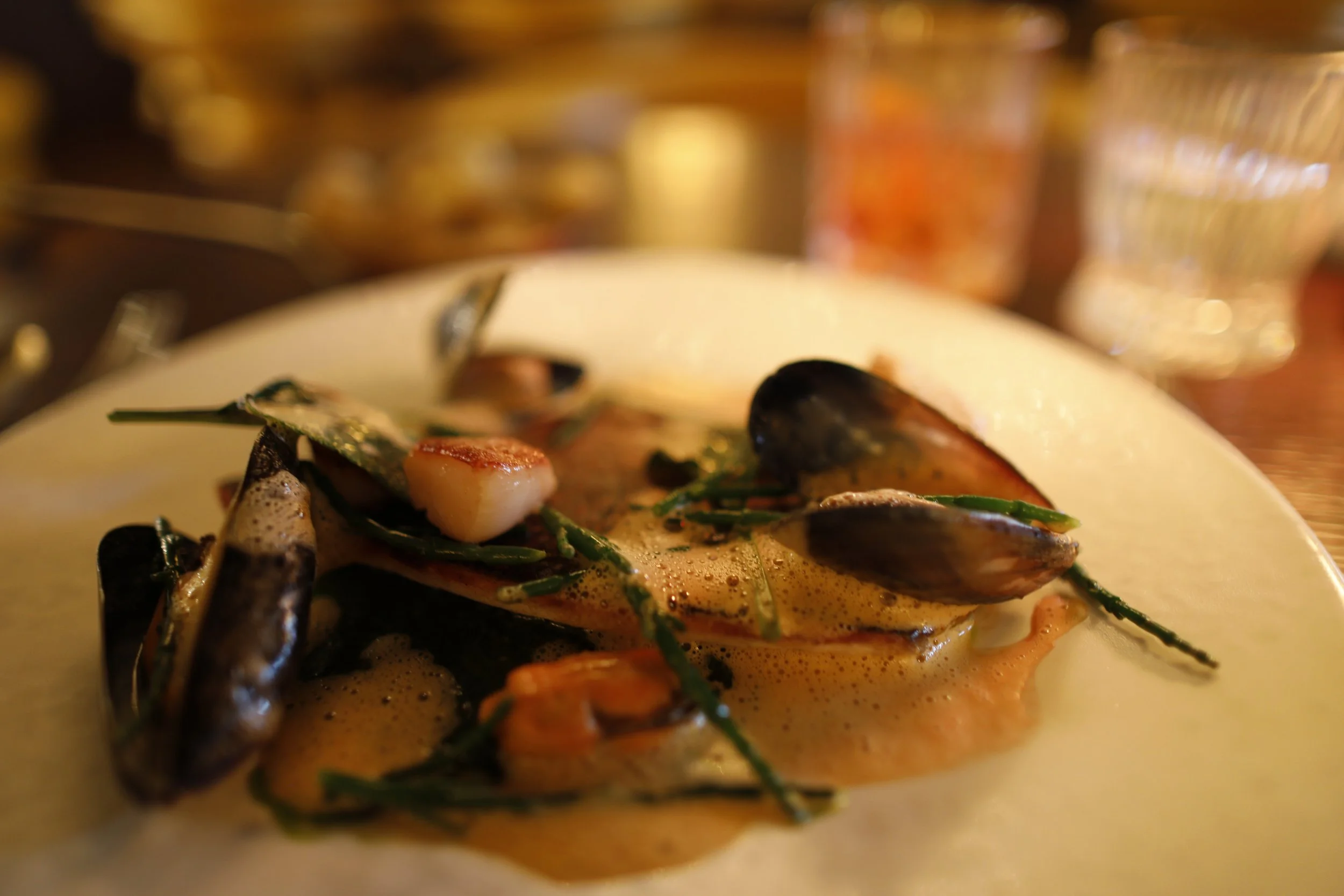
Dessert was a pineapple soufflé with coconut ice cream and pineapple caramel. It leaned sweeter than I usually prefer but it was beautifully done and a memorable way to finish the meal.
After the oysters, sea bream, local shellfish and Jersey Royals, Samphire felt like more than simply a great restaurant. It brought together a lot of what I'd been noticing elsewhere on Jersey — the working coastline, local produce and the island's relationship with the sea — and put it all on one table.

💡 My Tip | Make a reservation. I arrived exactly at opening and was lucky to get a table without one; I wouldn't count on that happening again.
⚠️ Good to Know | Restaurants change — menus, chefs, hours and even openings can shift between trips. Check Samphire's current menu and reservation details before you go.
Jersey Zoo
A zoo wasn't necessarily what I expected to become one of my favorite stops on Jersey but Jersey Zoo is a little different.
Founded in 1959 by naturalist and author Gerald Durrell, the zoo is home to the Durrell Wildlife Conservation Trust and was created with a much bigger ambition than simply putting animals on display. Durrell wanted to prevent species from disappearing altogether, particularly animals that received little attention from larger conservation organizations.
That mission still shapes the experience today.
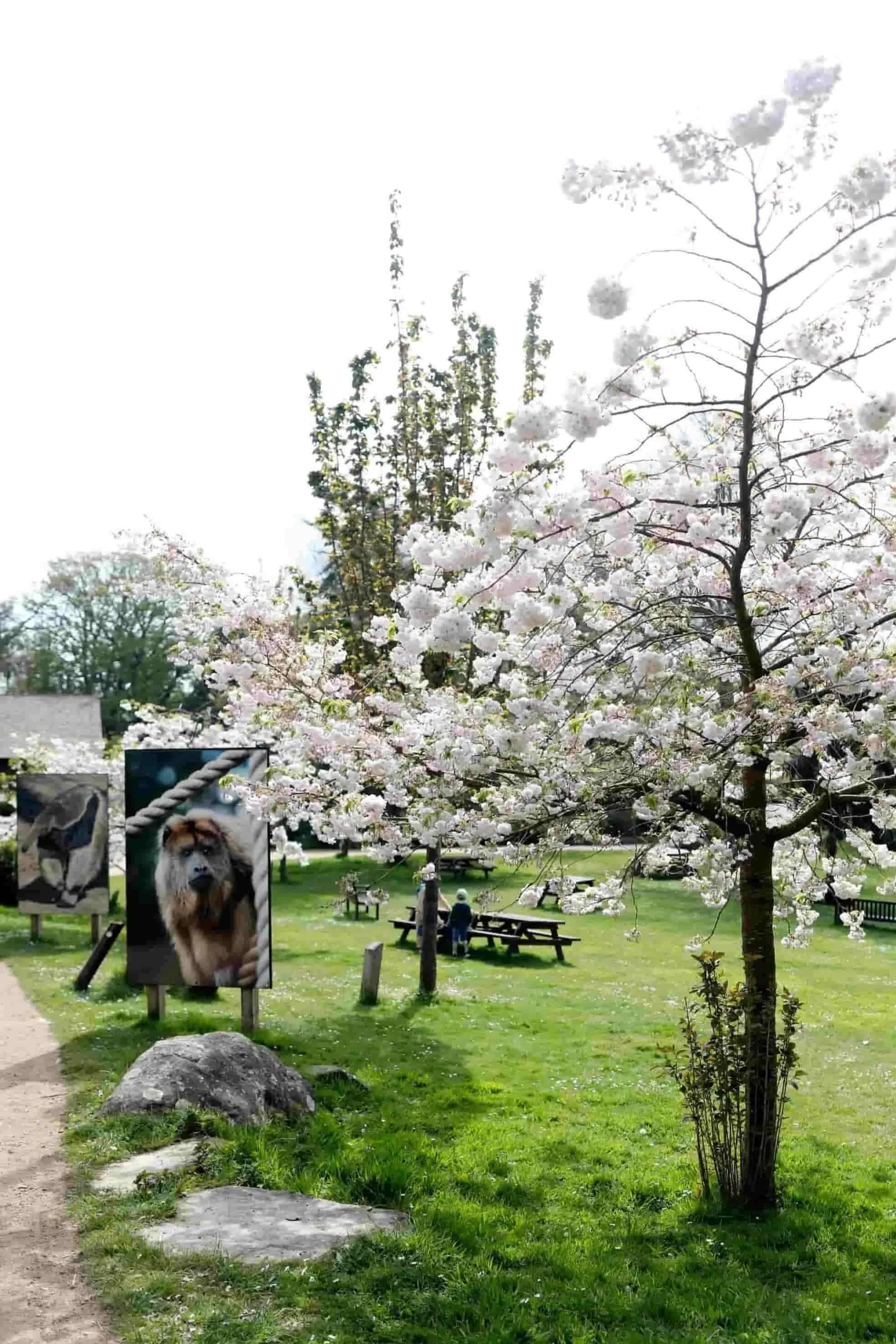
Rather than trying to collect as many recognizable animals as possible, Jersey Zoo focuses heavily on threatened species and conservation breeding, with work extending far beyond the zoo itself. That context made walking through the grounds feel less like moving from exhibit to exhibit and more like learning why each species was there in the first place.
It also didn't hurt that I visited during cherry blossom season. Pink blossoms scattered across the green grounds made an already beautiful setting even better.

A Different Kind of Zoo
One of the things I appreciated most was the amount of space and planting throughout the grounds.
Paths wind through trees and gardens between habitats, and sometimes you actually have to stop and look for the animals rather than finding them immediately pressed against a viewing window.

I liked that.

Some of my favorite moments came from simply standing still and watching. The gorillas and orangutans were difficult to pull myself away from, especially once you started noticing their interactions rather than just looking for the best photograph.

And then there were the geladas.
Watching the group interact was fascinating — the kind of exhibit where a quick glance easily turns into twenty minutes because something is always happening between them. If you have the time, this is one of those places where lingering pays off.

Some animals are harder to miss than others. The flamingos bring an almost ridiculous burst of color to all the surrounding green — the kind of scene that makes you stop even if you've seen flamingos plenty of times before.

Then there are the meerkats, which require very little introduction. Watching them pop up, stand guard and interact with one another is exactly as entertaining as you'd expect. They're also a good excuse to slow down — stay for a few minutes instead of snapping a photo and moving on.


Much easier to overlook, but far rarer, is the northern bald ibis. With its bare red head, long curved bill and dark, almost iridescent feathers, it's an unusual-looking bird — and an endangered species that brings Jersey Zoo's conservation mission into sharper focus.
And it's a good reminder that some of the most important animals here aren't necessarily the showiest.

The Golden Guernsey goats add a little Channel Island connection of their own. Originally from neighboring Guernsey, this rare breed is known for its warm golden coat — and, frankly, they're ridiculously photogenic and a little silly.
But I don't think you need to arrive with a list of animals you have to see. Part of what I enjoyed about Jersey Zoo was not knowing exactly what I'd find next.

And sometimes the challenge is simply finding the animal at all.
One thing I appreciated about Jersey Zoo was that animals weren't always positioned neatly in front of a viewing area. The planting and habitats sometimes make you stop, look and wait.
Can you spot the monkey?

My Favorite Stops: The Amphibian & Reptile House, Bat House & Butterfly House
One of my favorites was the Reptile and Amphibian House. It's easy for tiny frogs to get overshadowed by gorillas and orangutans but this is actually one of the places where Jersey Zoo's conservation work becomes especially interesting.
Amphibians are among the world's most threatened animals and Durrell has decades of experience working to protect them. That includes species from around the world as well as the Jersey agile frog, a locally critically endangered species found nowhere else in the British Isles.
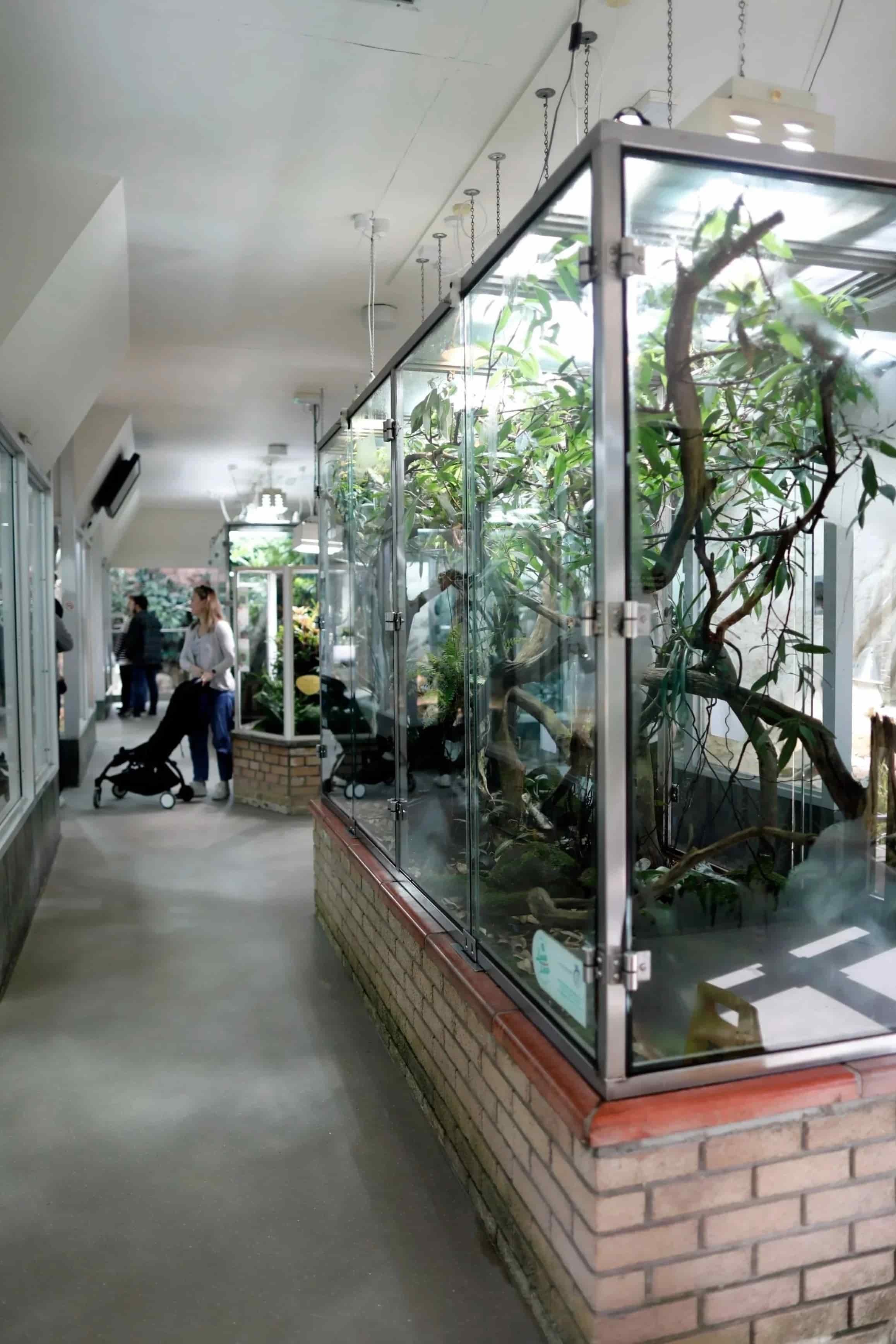
Inside, look for the brilliantly colored poison dart frogs and the wonderfully named mountain chicken frog — a large, increasingly rare Caribbean frog that Durrell has played an important role in protecting and breeding.
I really loved this part of the zoo. The animals are smaller and sometimes much harder to spot, which makes you slow down and actually search through the habitats rather than moving quickly from one enclosure to the next.
It's another good example of what makes Jersey Zoo different: some of its most important residents are also some of its easiest to overlook.
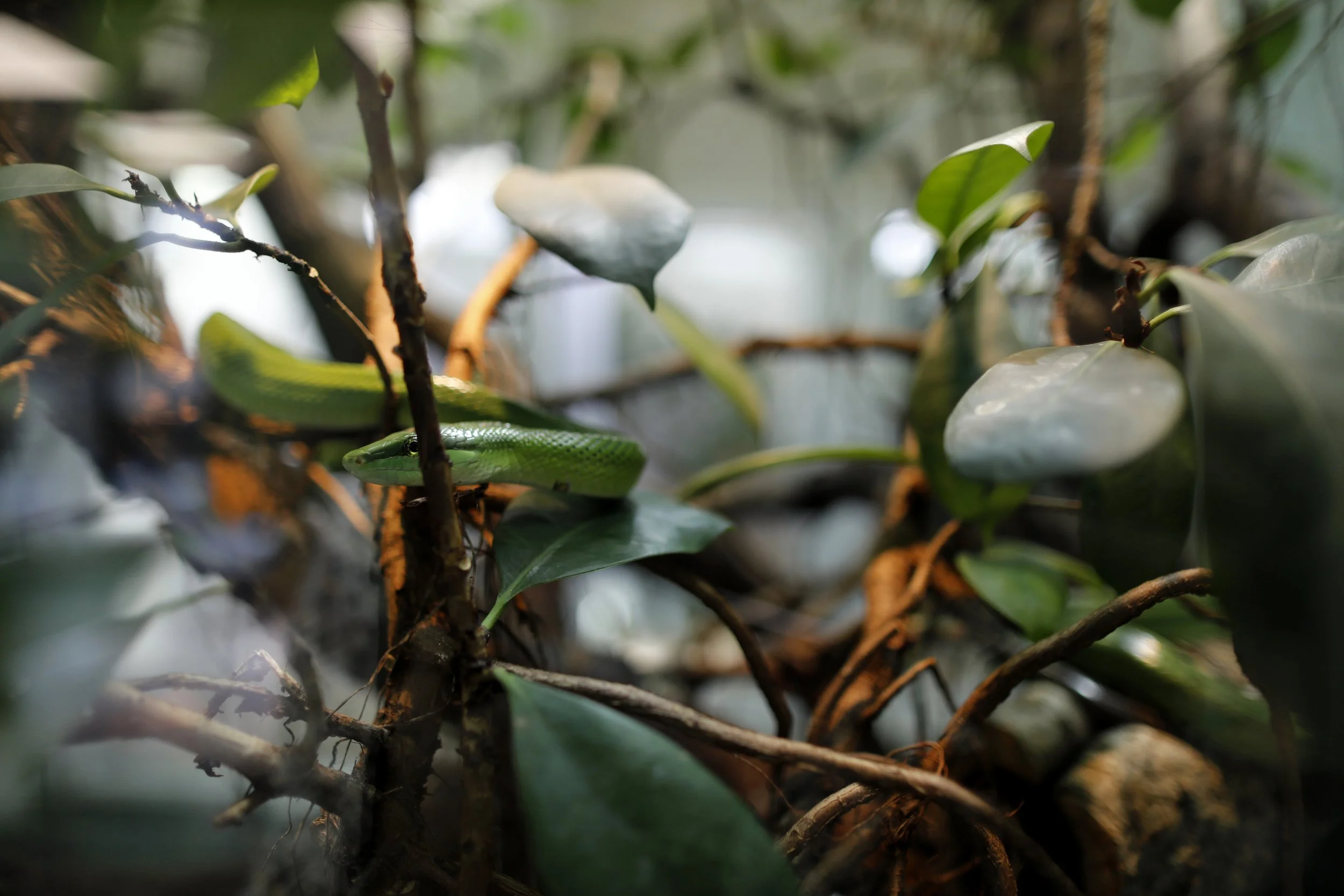

As for the rest of the animals I'd stopped to watch along the way, two more of my favorite experiences at Jersey Zoo were actually the bat house and butterfly house.
The bat house was especially memorable. Walking into the darkened space and having bats within a few feet is completely different from viewing them through glass. Once your eyes adjust, you start catching movement overhead and around the room — and realizing just how close they are.
It was a little eerie, a little chaotic and very cool. Easily one of my favorite parts of the zoo.

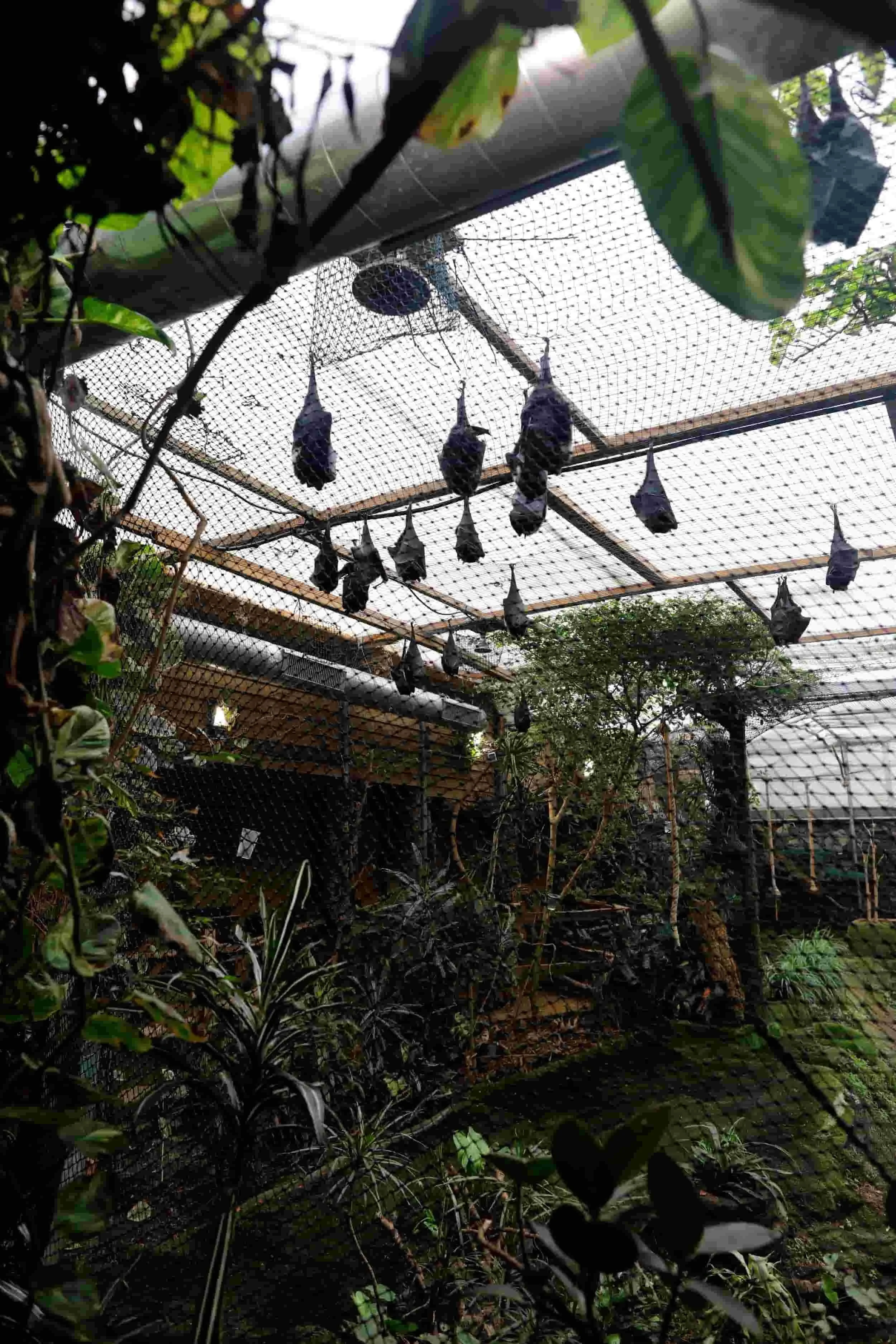
The butterfly house was almost the opposite experience: warm, lush and filled with butterflies moving freely among the plants. Rather than searching for an animal somewhere in the distance, you're suddenly right inside the habitat with them.
I loved the contrast between the two. One dark and slightly strange; the other bright, tropical and delicate. Both made you feel less like you were standing outside an exhibit looking in — and more like you'd briefly stepped inside another environment.
There was also a rather adorable Aldabra giant tortoise hanging out among all that tropical greenery. I don't remember venturing into the neighboring Tortoise Tunnel but apparently I should have — the purpose-built habitat is home to four giant tortoises: Helen, Mike, Biggy and Twiggy.
And “giant” isn't an exaggeration. Biggy weighs more than 200 kg (440 pounds), making him the heaviest individual animal at Jersey Zoo.


The Tortoise Tunnel sits directly beside the Butterfly Kaleidoscope and maintains its own warm, humid tropical environment, with outdoor access for the tortoises when Jersey's weather cooperates. So if you're already visiting the butterflies, it's an easy one to add — even if I apparently got distracted by the cute tortoise before I made it that far.
⚠️ Good to Know | The Butterfly House is very humid — great for the butterflies, less great for your camera. If you're carrying a DSLR or mirrorless camera, expect your lens to fog almost immediately when you step inside. Mine did, so don't count on getting those perfectly crisp butterfly photos you've been imagining. Sometimes the camera just has to sit this one out.

More Than the Animals
The conservation story is what gives Jersey Zoo its real weight.
Throughout the grounds, information about habitat loss, endangered species, breeding programs and Durrell's conservation work provides context for what you're seeing. The zoo's work reaches beyond the British Channel Island of Jersey, supporting species and ecosystems around the world.
You can engage with as much of that information as you want but I'd give yourself enough time to read some of it. Understanding why these particular animals are here makes the experience much more interesting than simply moving from one enclosure to another.

And don't underestimate the grounds themselves. Between the planting, winding paths, open habitats and — if your timing is lucky — cherry blossoms, this is somewhere I'd happily spend several hours.
💡 My Tip | Don't rush Jersey Zoo or try to photograph every animal. Give yourself time to watch. Some of my favorite moments came from staying at one habitat long enough to notice the interactions I'd have missed if I'd immediately moved on.
📍 Good to Know | Animals aren't always visible or active, and that's part of the experience. Current opening hours, admission, talks and animal information can change, so check Jersey Zoo directly before your visit.
My Bibimbap Moment
Every destination adds another ingredient to our life's recipe and sometimes the most memorable places are the ones we knew almost nothing about before arriving. Staying near the beach, surrounded by salty air, charming coastal scenery and the easy rhythm of island life, Jersey quickly began to feel like a little world of its own. I loved discovering its food, history, wildlife and seaside villages without any real expectations of what I'd find. Here's the ingredient Jersey added to my Bibimbap Life.
Today’s Bibimbap Recipe
🥢 Flavor: Storybook
🌿 Ingredient: Discovery
❤️ Best Memory: Discovering Gorey castle
🎒 Take With You: There is something special about going somewhere you know almost nothing about. Sometimes the places we don't expect much from are the ones that leave the most room to be surprised.
When I think back on Jersey, I remember the feeling of discovering somewhere that hadn't been on my mental map at all. I remember the ferry ride, the salty air, wandering through Gorey, the castle rising above the harbor and meals that felt wonderfully rooted in the island. Then there were the War Tunnels — a much quieter and heavier experience that added another layer to everything I'd seen. Perhaps that's what made Jersey so memorable: it wasn't just charming. It had stories, contrasts and corners I never knew were waiting for me. I loved that it surprised me.
Jersey Travel Essentials
Jersey may be a small island but there's plenty to discover between its dramatic coastline, historic castles, quiet countryside and charming seaside villages. Sitting just off the coast of France, it's easily reached by ferry from the UK or France, with flights connecting it to several British cities. Give yourself at least three or four days to explore beyond St. Helier, from Mont Orgueil Castle and the sweeping sands of St. Ouen's Bay to the island's coastal walking trails. Renting a car offers the most flexibility, although public buses connect many of the main sights. If you're continuing to France by ferry, leave some flexibility in your itinerary, as crossings can be affected by cancellations and changing weather conditions.
When to Go
Late spring through early fall is the best time to visit Jersey, especially if you want to spend plenty of time outdoors exploring the coast, beaches and villages. The island’s weather can be changeable even in summer, though, so it’s worth packing for a little of everything.
Spring | Quieter & Good for Exploring: April through June brings longer days, milder weather and fewer peak-season visitors. May and June are particularly appealing for walking, cycling and exploring the coast before the busiest summer period.
Summer | Warmest & Busiest: July and August offer the warmest weather and longest days, with beaches, outdoor activities and seasonal attractions in full swing. It’s also the busiest and generally most expensive time to visit, so book accommodation ahead.
Fall | Mild & More Relaxed: September can be a particularly good compromise, with lingering warmth and fewer summer crowds. As you move further into October, expect cooler temperatures, shorter days and increasingly changeable weather.
Winter | Quietest: November through March is cooler, wetter and windier, with fewer visitors and some seasonal businesses operating reduced hours or closing altogether. Jersey’s coastline can still be beautiful in winter but this is a very different experience from a warm-weather island trip.
💡 My Tip | Whatever time of year you visit, bring layers and something waterproof. Jersey’s island weather can shift quickly and conditions along the coast can feel very different from those inland.
How to Get There
Being an island, Jersey requires either a flight or ferry — but it's surprisingly easy to reach, particularly from the UK and northern France.
By Air: Flying is usually the quickest option. Jersey Airport has direct connections with numerous UK cities, including several London airports, as well as seasonal and direct routes to European cities such as Amsterdam, Paris and Dublin.
I flew from London Gatwick to Jersey, a short hop that took around 35 minutes in the air. If you're building Jersey into a longer UK itinerary, flying makes it easy to add the island without sacrificing an entire travel day.
By Ferry: Arriving by sea makes particular sense if Jersey is part of a trip through northern France or if you're traveling with a car. Current DFDS routes connect Jersey with Saint-Malo, Portsmouth and Poole, with additional ferry connections available to Guernsey and other French ports.
This is also how Jersey fit so neatly into my own route. After exploring the island, I continued by ferry to Saint-Malo, turning the crossing into the bridge between the British and French portions of the trip.
💡 My Tip | Choose based on the larger journey rather than treating Jersey as an isolated destination. Fly in and ferry out — or vice versa. Jersey's position between Britain and France makes it a particularly interesting addition to a multi-stop European itinerary.
ℹ️ Good to Know | Ferry crossings between Jersey and France can be affected by last-minute cancellations. My sailing was cancelled and locals mentioned that low passenger numbers sometimes contribute to these disruptions, not just poor weather. Confirm your sailing before departure and allow some flexibility if you're making onward travel connections.
Where to Stay
Where you stay on the British Channel Island of Jersey can shape the trip more than you might expect. The island is small but each area offers a different experience — from the convenience of Saint Helier to beach days around St. Brelade or a quieter stay near Gorey and the east coast.
I stayed in Grouville, which I loved for its quieter pace, easy access to the beach and proximity to Gorey and Mont Orgueil Castle. But it isn't necessarily the best base for everyone. If I were choosing where to stay in Jersey, these are the areas I'd consider:
Saint Helier | Best for convenience, restaurants and public transportation: Jersey's capital puts you close to Central Market, the waterfront and Liberation Station, making it particularly practical if you're exploring without a car.
Gorey & Grouville | Best for a quieter coastal stay with plenty of character: You'll be close to Gorey's Long Beach, the harbor, village and Mont Orgueil Castle, while still having bus connections to Saint Helier and other parts of the island. This is where I stayed.
St. Brelade | Best for a beach-focused trip: St. Brelade's Bay is one of Jersey's best-known stretches of sand, making this a good choice if you want the coast to be a bigger part of your stay.
Jersey Countryside | Best for peace, space and a slower experience: Look beyond the main towns for country hotels, guesthouses and more secluded stays — but consider renting a car or checking nearby bus connections before booking.
Where I Stayed
For a Quiet East Coast Base — My Grouville Airbnb
I stayed in a small Airbnb studio in Grouville, close to the beach and just south of Gorey. I loved being based on this quieter side of the island, where I could walk along the coast toward Gorey Harbour and Mont Orgueil Castle while still having access to the rest of Jersey by bus or taxi.
For me, it offered a nice balance: removed from the busier center of Saint Helier without feeling completely isolated.
Where I’d Stay
If I were planning another trip to Jersey, these are a few places that would make my shortlist — each for a slightly different kind of stay.
For a Secluded Coastal Escape — Undercliff Guest House
Tucked along Jersey's north coast, Undercliff Guest House appeals to me for a completely different reason than staying in town: this is the option I'd choose for peace, greenery and a more tucked-away island experience. It feels particularly suited to a slower trip where coastal walks and quiet mornings are part of the plan.
For Gorey Harbour — The Moorings Hotel & Restaurant
If I wanted to return to the east side but stay right in the middle of Gorey, The Moorings would be high on my list. Its position along the harbor puts the beach, village, restaurants and Mont Orgueil Castle within easy reach — and I'd happily trade a little convenience elsewhere on the island for waking up to this part of Jersey.
Having a well-regarded restaurant downstairs doesn't hurt either.
Additional Options
Prefer a place of your own?
A vacation rental makes a lot of sense on Jersey, particularly if you prefer a little more space, a kitchen or a stay tucked into one of the island's residential and coastal areas. This is also a good way to look beyond conventional hotels and find something closer to the kind of stay I chose in Grouville.
Browse all vacation rentals on Jersey →
For a Splurge — The Panorama
For something more special, The Panorama is the kind of stay I'd save for a splurge. Its elevated position and expansive coastal views make the setting part of the experience — exactly the sort of place I'd consider when the accommodation itself deserves to be one of the memorable parts of the trip.
How to Get Around
Jersey is small but that doesn't necessarily mean getting everywhere is quick. Buses make it very possible to explore without a car, while renting one gives you considerably more freedom for beaches, smaller villages and less accessible parts of the island.
Bus: Jersey's bus network connects through Liberation Station in Saint Helier, with routes reaching places including Gorey, Jersey Zoo and the Jersey War Tunnels. I used buses for much of my trip and appreciated not having to navigate the island's narrow roads or worry about parking, although journeys could be slow. If you're staying outside Saint Helier, check the routes near your accommodation before booking.
Rental Car: A car gives you the most flexibility, particularly for exploring the coastline or fitting several stops into one day. Jersey drives on the left and some country lanes are very narrow. If you only need that freedom for part of your trip, consider renting a car for a day or two rather than your entire stay.
Walking & Cycling: Saint Helier, Gorey and other individual areas are easy to explore on foot. Some of my favorite stretches were simply walking between Gorey's beach, harbor, village and Mont Orgueil Castle. Bikes and e-bikes are another option for exploring farther but don't assume the entire island is flat — it’s not — and always check tide times before heading onto coastal routes.
Taxi: Taxis are useful for airport and ferry transfers, evenings out or filling gaps in the bus network. My taxi driver from the airport to Grouville unexpectedly became my first Jersey guide, helping me map out much of the trip before I'd even reached my accommodation. They're convenient but I wouldn't rely on them for every journey if you're watching your budget.
📍 Good to Know | Choose where you stay and how you'll get around together. A quiet coastal or countryside stay can be wonderful but much less convenient if you're relying on public transportation and every outing requires a connection through Saint Helier.
How Long to Stay
For a first visit to the British Channel Island of Jersey, 3–4 days is a sweet spot. The island is compact but there's more here than its size suggests — and some of the best moments come from not rushing between sights.
With three days, you can explore Gorey and Mont Orgueil Castle, spend time at the Jersey War Tunnels, wander Saint Helier and Central Market, and give Jersey Zoo the better part of a day. Four days gives you more breathing room for the coastline, beaches, long meals and some of the island you haven't planned around a major attraction.
2 days: Enough for a quick introduction but you'll need to be selective.
3–4 days: Best for a first trip, with time for the major sights and some slower exploring.
5+ days: Ideal if you want beach time, coastal walks, smaller villages or day trips — and the freedom to plan around Jersey's tides rather than constantly watching the clock.
If I returned, I'd choose the longer stay. There were still parts of the island I didn't reach, particularly the west coast, and Jersey turned out to be one of those places where having nowhere in particular to be for a few hours is part of the appeal.
Tours & Day Trips
Jersey is easy to explore independently but a guided experience can help you reach parts of the island you might otherwise miss — or add more context to the history and landscapes you've already encountered. From coastal boat trips and island-wide tours to WWII history and excursions beyond Jersey, these are a few options worth considering if you have extra time or prefer to let someone else handle the logistics.
Good to Know
A few things are worth knowing before visiting the British Channel Island of Jersey, particularly when it comes to entry requirements, tides and a few island quirks.
ID & Entry Requirements: Jersey is part of the Common Travel Area but it is not part of the United Kingdom. Entry requirements depend on your nationality and where you're arriving from, so check the current requirements before traveling — particularly if you're combining Jersey with France, as I did.
Watch the Tides: Jersey has one of the world's largest tidal ranges and you've probably already noticed how dramatically it transforms the coastline. This isn't only something interesting to watch: tides can affect access to beaches, causeways and offshore landmarks. Always check the tide times before heading onto exposed coastal areas.
Currency: Jersey issues its own currency, the Jersey pound, which is equal in value to the British pound. UK notes and coins are accepted on the island and cards are widely used. Jersey currency, however, can be difficult to spend once you leave the island, so avoid taking home a wallet full of it unless you want a souvenir.
Green Lanes: If you're driving or cycling, look out for Jersey's Green Lanes. These quieter country roads have a 15 mph speed limit, with priority given to pedestrians, cyclists and horse riders. They're also a lovely way to experience the island away from the busier main roads.
Weather: Even in warmer months, island weather can change quickly — particularly around the coast. A sunny morning doesn't necessarily mean a warm, still afternoon, so having a light layer with you is rarely a bad idea.
🌍 One Last Thing | Jersey may feel distinctly British in some ways but it has its own identity, government, history and traditions. It's a Crown Dependency rather than part of the UK — one of the many things that makes this little island between Britain and France so interesting.
A guide to sunlit beaches and dramatic cliffs of the British Channel Island of Jersey, where charming villages, fresh seafood and secret coastal trails await.