Best Things to Do on the Isle of Jersey: Escape in the Heart of the English Channel
Best things to do in Jersey: uncover dramatic coastal cliffs, charming historic towns, fresh seafood & unique blend of British and French culture with this travel guide.
Why Visit the Island of Jersey
Poised like a secret between England and France, Jersey — formally the Bailiwick of Jersey — feels more like a beloved painting than a country. It’s the largest and southernmost of the Channel Islands, a compact patch of land just 10 miles across and five miles tall, sitting a whisper south of England and only 12 miles from the French coast.
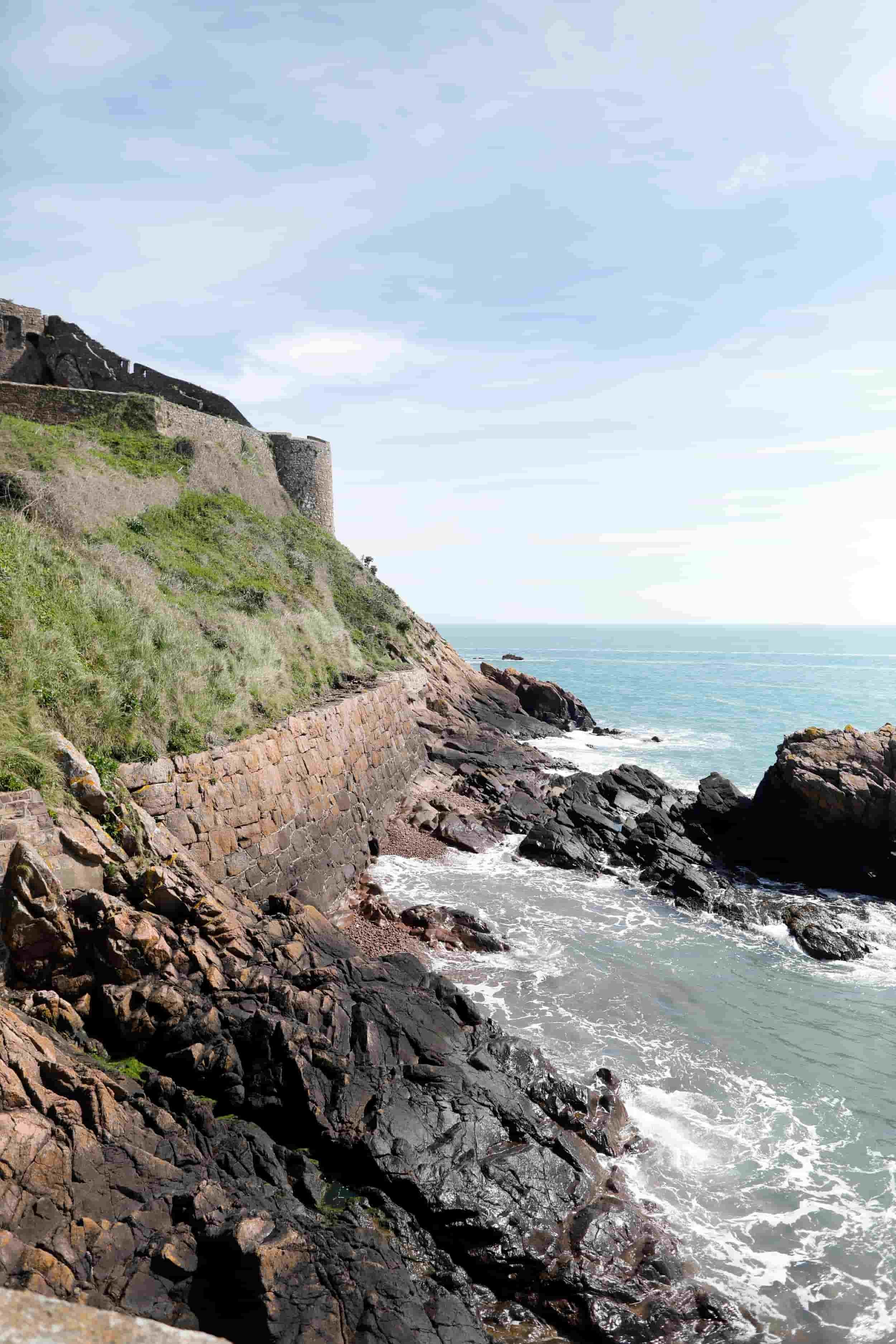
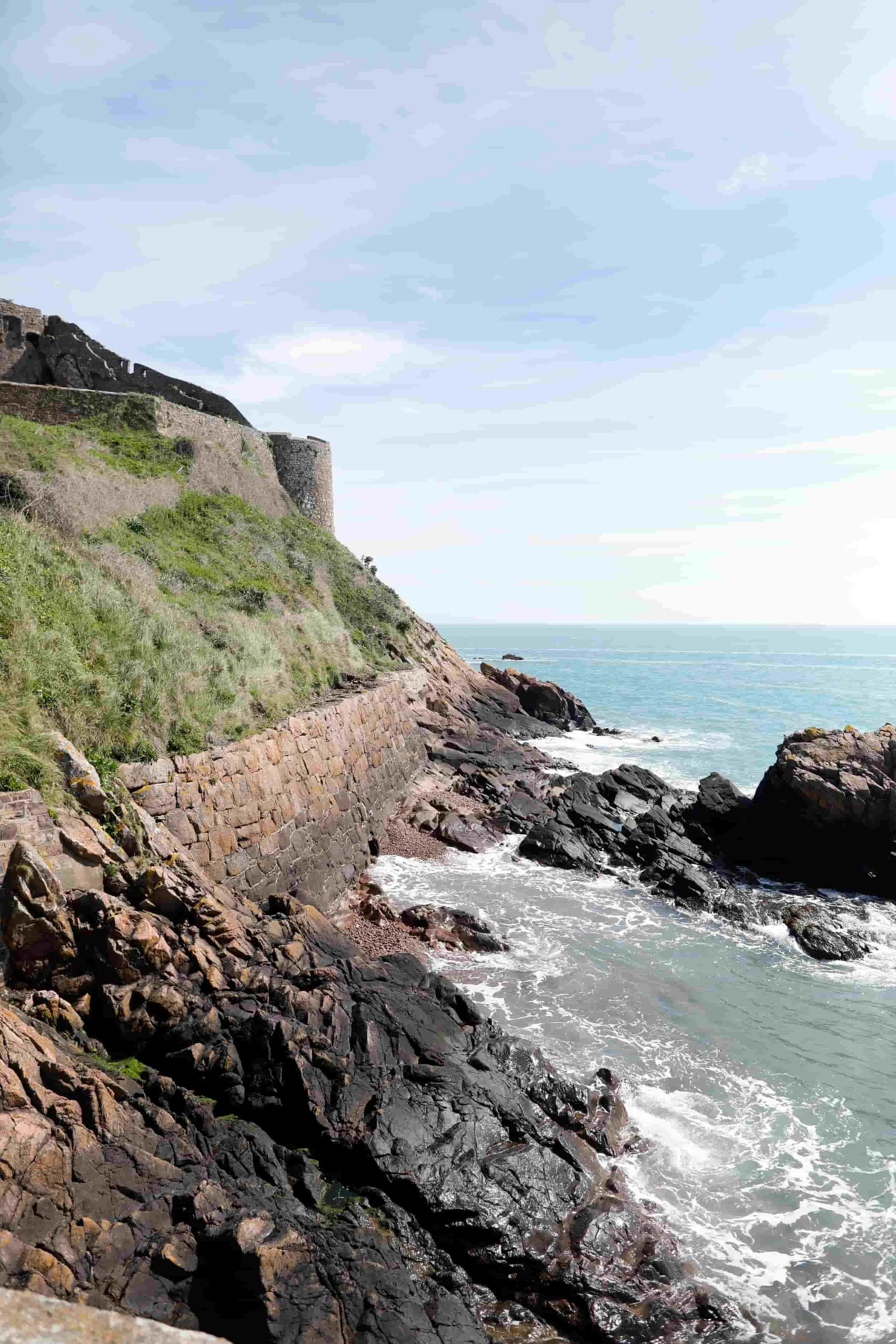
St. Helier, the island’s lively capital, hugs the southern shore, where brightly painted cafés and waterfront strolls make for easy, unhurried days. The island itself is a gentle plateau cut by sloping valleys that tumble toward the sea, revealing a coastline that never tires of surprising you — sheer cliffs that soar close to 500 feet, tucked sandy bays that invite barefoot exploration and capes that beg you to pause and watch the tide rearrange the world.
Food here feels like a warm local secret: seafood so fresh it tastes of the harbor and potatoes that have earned their own quiet reputation. Lace those meals between walks along picture-perfect trails and visits to storied sites — castles, forts and lighthouses that whisper of centuries past — and Jersey becomes a compact, irresistible escape where history, nature and great food meet on every corner.
Two-Week Travel Itinerary
My trip to Jersey began with a classic introduction: England and a few days soaking up London’s endless energy and familiar icons. From there, I turned west to Wales, where Cardiff’s maze of historic arcades felt like a mystery waiting to be discovered and the pastel-fronted charm of Tenby offered brisk sea air and picture‑perfect harbors.
Back through London, I boarded a short flight to the English Channel and landed on the Isle of Jersey — a compact island with big personality. After exploring its cliffs and coastal lanes, I hopped a ferry south to France and spent a golden evening wandering Saint‑Malo’s ramparts, where the tide and stonework seem to tell stories at every turn.
Continuing south by train, I arrived in Nantes, the “City of the Dukes,” whose blend of riverside art and bold architecture felt delightfully unexpected. My next flight carried me east to Nice la Belle, where palm‑lined promenades and Mediterranean light made for perfect late‑afternoon strolls. To cap the journey, I took a day trip to Monaco — the Riviera’s glinting playground — and watched yachts bob in a harbor that sparkles like a postcard.
What’s Inside | Roadmap
01 | Reach the Isle of Jersey
02 | Stroll the sands of Gorey Long Beach
03 | Savor a sea of delights seaside
04 | Visit the quaint village of Gorey
05 | Admire the timeless charm of Gorey Castle
06 | Dig into the hidden stories of the Jersey War Tunnels
07 | Uncover the irresistible appeal of the capital city, Saint Helier
08 | Relish an unforgettable meal at Samphire
09 | Let loose at Jersey Zoo
Read On | Craving a closer look at Mont Orgueil? Don’t miss Mont Orgueil: Jersey’s Timeless Cliffside Castle — coming soon; for a deeper, more immersive account of wartime life and memory, watch for Jersey War Tunnels: A Quiet Walk Through Occupation, Resistance & Memory — arriving shortly
Best Things to Do in Jersey — Charming Must‑Dos & Hidden Gems
A visit to the Isle of Jersey feels like stepping into a movie where rugged cliffs meet silky beaches and centuries of history whisper from stone lanes. You can cycle quiet country lanes, discover wartime tunnels and taste fresh seafood and creamy Jersey milk in cozy cafés — all within easy reach. It’s the kind of place that rewards slow travel: lingering on a sunset beach, chatting with friendly locals and finding a hidden garden or castle around every bend.
01 | Arrive on the Isle of Jersey
Just a short hop from London, Jersey feels like a secret waiting to be discovered — an island of windswept cliffs, pastel harbors and quiet lanes where time slows and the sea always calls.
The 35-minute hop from London Gatwick to Jersey feels almost like a blink — one minute you’re over the Channel, the next you’re descending toward emerald fields and rugged coastline. From my window, I even caught a glimpse of neighboring Guernsey, sitting like a distant promise of another adventure that's all too hard to squeeze into a short Jersey trip.
Tip | If time allows, hop over to Guernsey but make sure to allow a few extra days onto your itinerary as ferries can be slow and unpredictable. Rugged coastal cliffs, sandy beaches, historic WWII sites, charming stone cottages and fresh seafood markets await on Guernsey.
After you taxi to the stand and collect your bags, jump into a taxi bound for your stay — mine was in Grouville on the island’s gentle east side. The drive slips through Saint Helier, Jersey’s compact capital and it’s there — looking out at terraced houses, harbors and rolling lanes— that you finally understand the island’s true scale. It’s larger than I’d imagined; the idea of walking its entirety instantly felt charmingly absurd. Still, the taxi ride itself was barely 15 minutes and cost around €30, a small price for an easy, scenic introduction to island life.
My driver turned into an instant tour guide, pointing out the lay of the land with a warm grin. He warned me that a hop over to Guernsey would mean an overnight stay and a gamble on ferry schedules — not exactly dependable but possible. Then, as if delighted by the chance to play travel planner, he mapped out the rest of my days with confident enthusiasm. His itinerary felt just right: a morning at the castle near my lodgings, an afternoon exploring the Jersey Tunnels and a follow-up day reserved for the zoo. He even gently conceded that squeezing in the island’s west side might be a stretch. Regrettably, no lighthouse for me (La Corbière Lighthouse).
After he dropped me at my Airbnb, I flung my bag onto the floor, stepped outside and let the new neighborhood breathe into me — the sort of quiet little scene that makes you eager to wander and see what stories the streets will tell.
Tip | Book a cozy Airbnb for your Jersey stay — it’s the perfect way to live like a local, discover tucked-away cafes and wake up to the gentle rhythm of island life. Choose a sea‑view cottage for sunrise strolls, a historic townhouse in St. Helier for easy wandering or a quiet countryside retreat to recharge between adventures.
02 | Wander the Sands of Gorey Long Beach
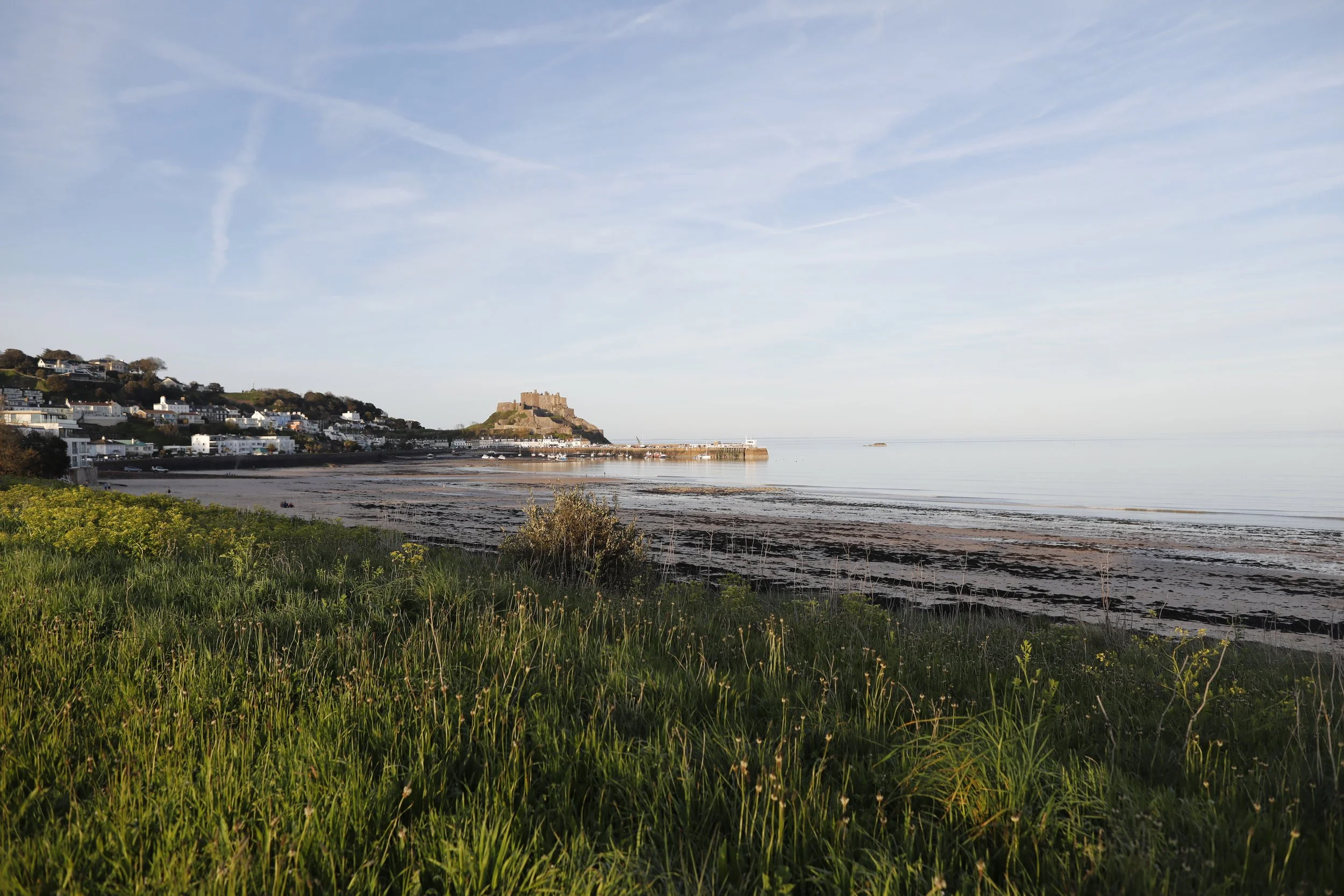
Gorey’s Long Beach unfolds like a flawless scene — a wide sweep of pale sand dotted with weathered wooden seawalls that stretch into the sea, breaking the waves in neat, rhythmic lines. Walking along the shore, the air feels brisk and salt-sweet, carrying the distant call of gulls and the muffled chatter from families and dog-walkers. The underfoot changes from firm, damp sand near the water to softer, golden drifts higher up, so each step has a quiet, satisfying give. Small rock pools mirror the sky, home to anemones and crabs that peek out waiting to be discovered.
Families and lovers lounge and laughe, turning the shore into a gentle, bustling mosaic of summer. At the beach’s far end, a shaded promenade lined with cozy seaside cafés and little restaurants invites slow strolls and lingering coffees, while a wooden pier reaches out into the shimmering sea. Perched above the whole scene like a storybook guardian, a graceful castle watches over the tiny town, its turrets catching the light and promising old-world charm around every corner.
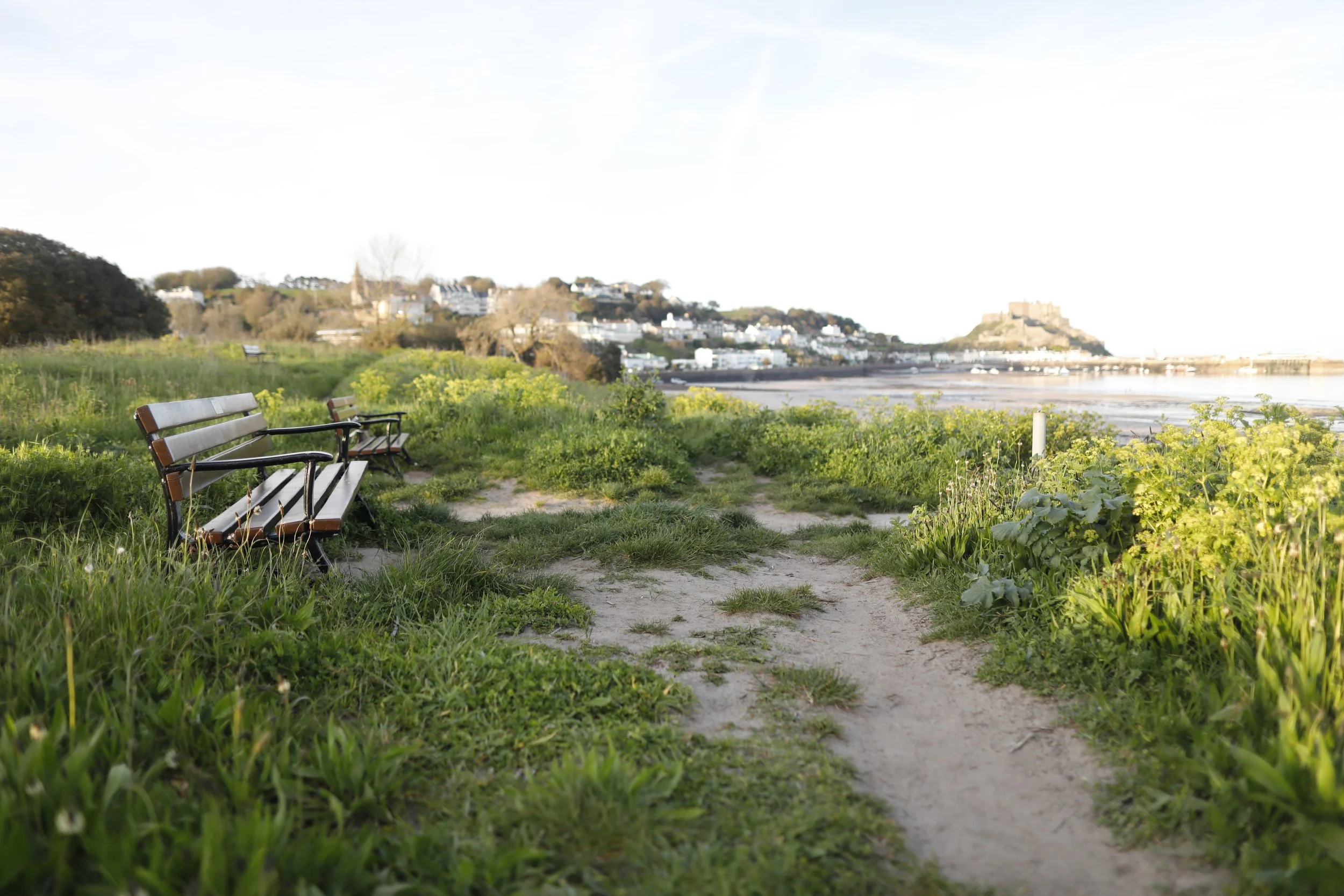
The village behind the beach adds a cozy, lived-in charm. Pastel-fronted houses and a scattering of cafés and tearooms invite you to stop for a hot drink and a slice of something homemade, while local shops sell everything from sailing gear to jars of homemade jam. There’s an easy rhythm here: anglers casting lines from the shore, children building sandcastles with treaty-like seriousness and couples strolling hand in hand, taking in the ever-changing light.
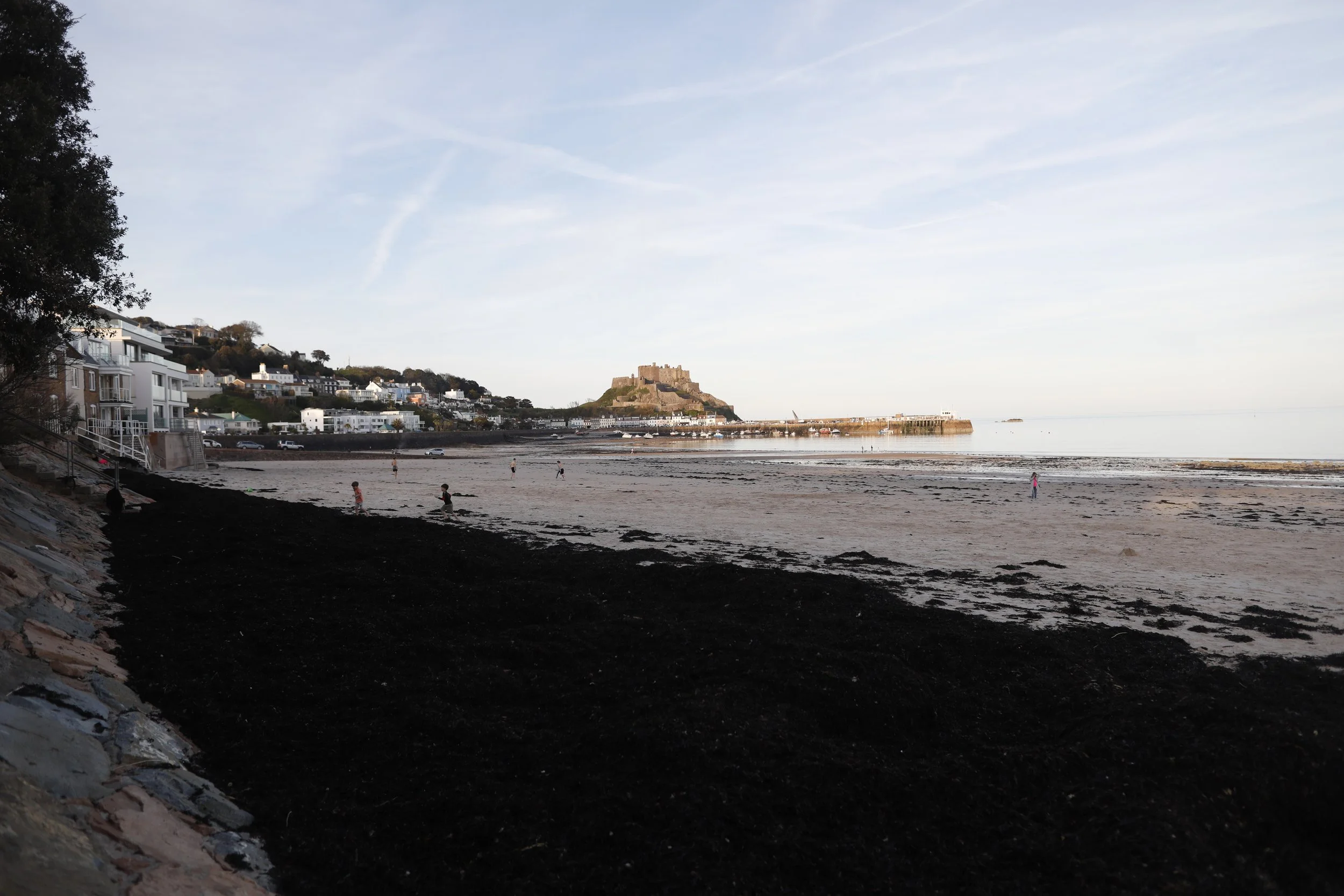
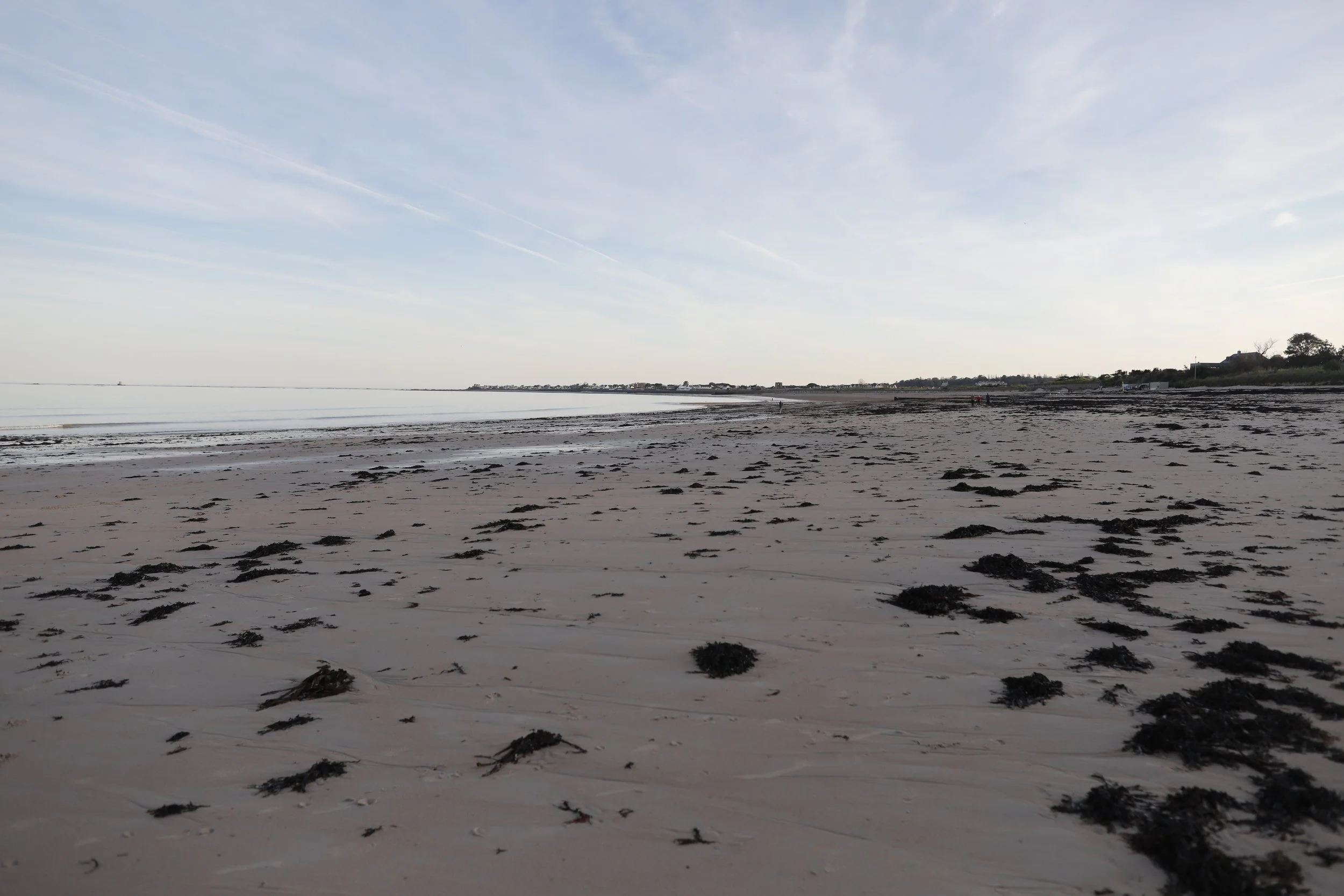
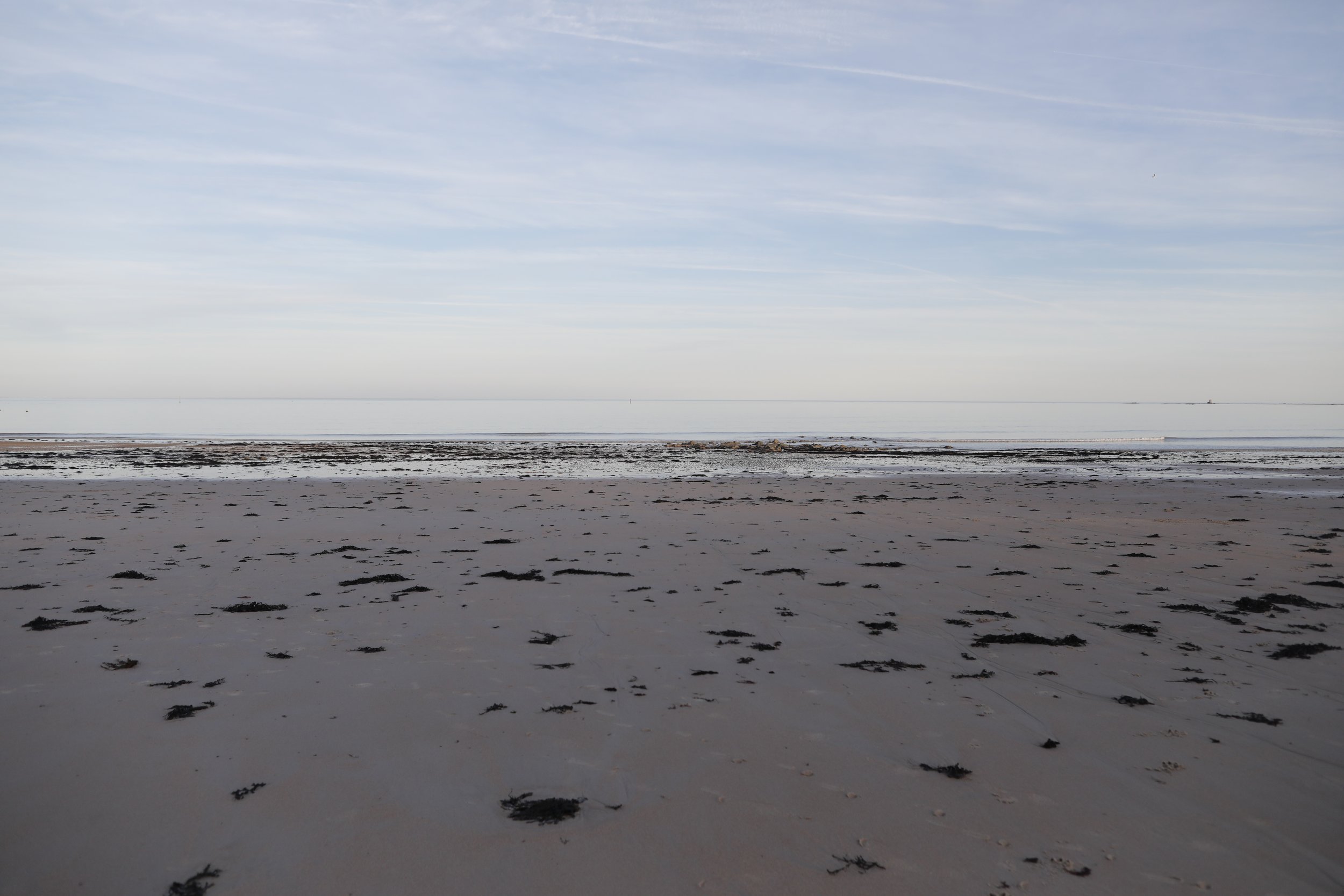
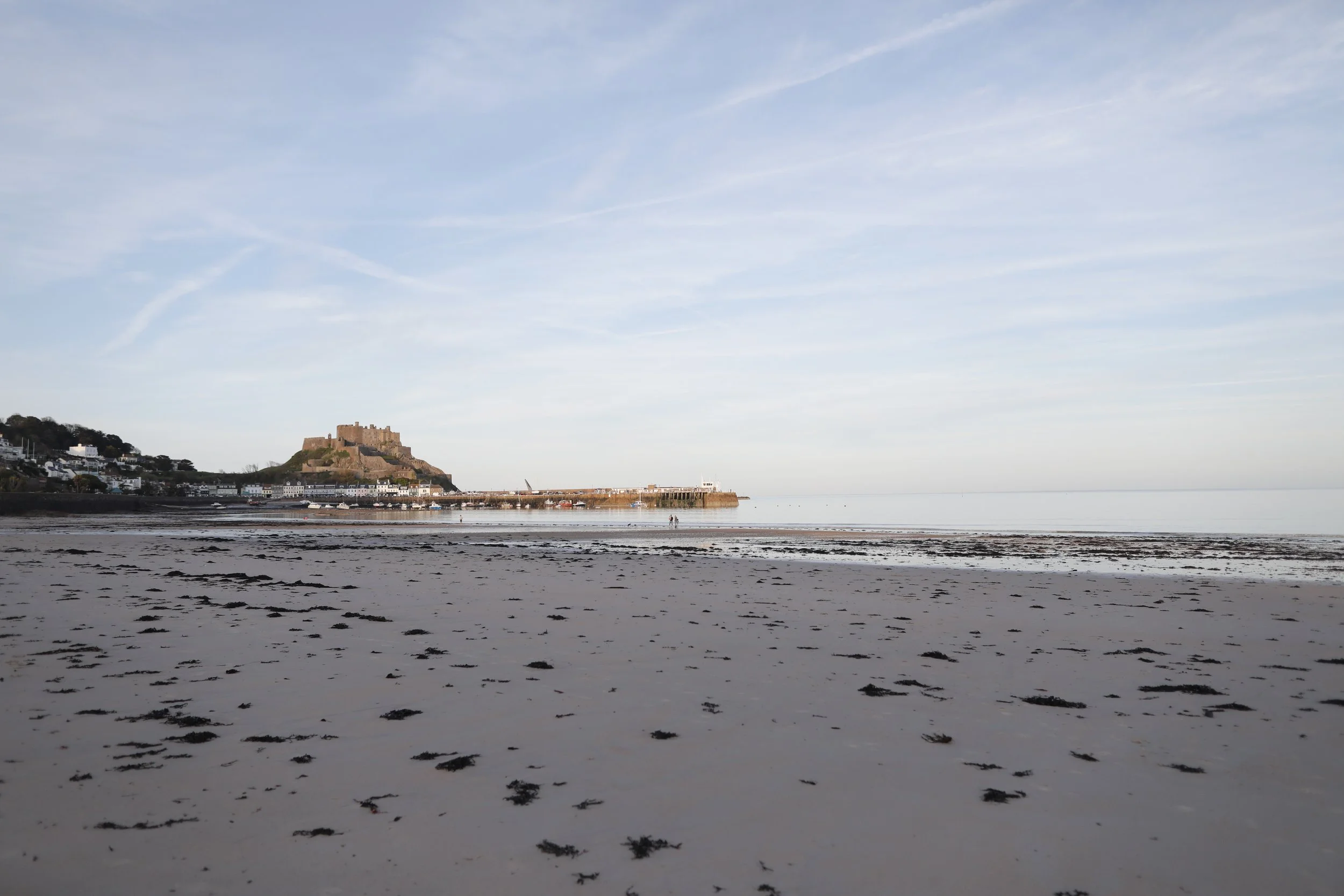
Tides at Gorey can be decisive, revealing more of the pebbles and rocky outcrops at low tide and drawing the sea right up close at high. Tide pools expand and contract, unmasking marine life and changing the landscape with each pull and surge. It’s a place where time seems tied to the tide — set your pace to its ebb and flow and you’ll feel the island’s calm wash over you.

Evening brings a softer palette as the sun slips toward the horizon. The long beach takes on a gentle hush; the sea turns pewter or gilded, depending on the weather’s mood and the jetties become silhouettes against the sky. Keep walking and you’ll find quiet corners to sit and watch the light fade, accompanied only by the steady, reassuring applause of the waves.
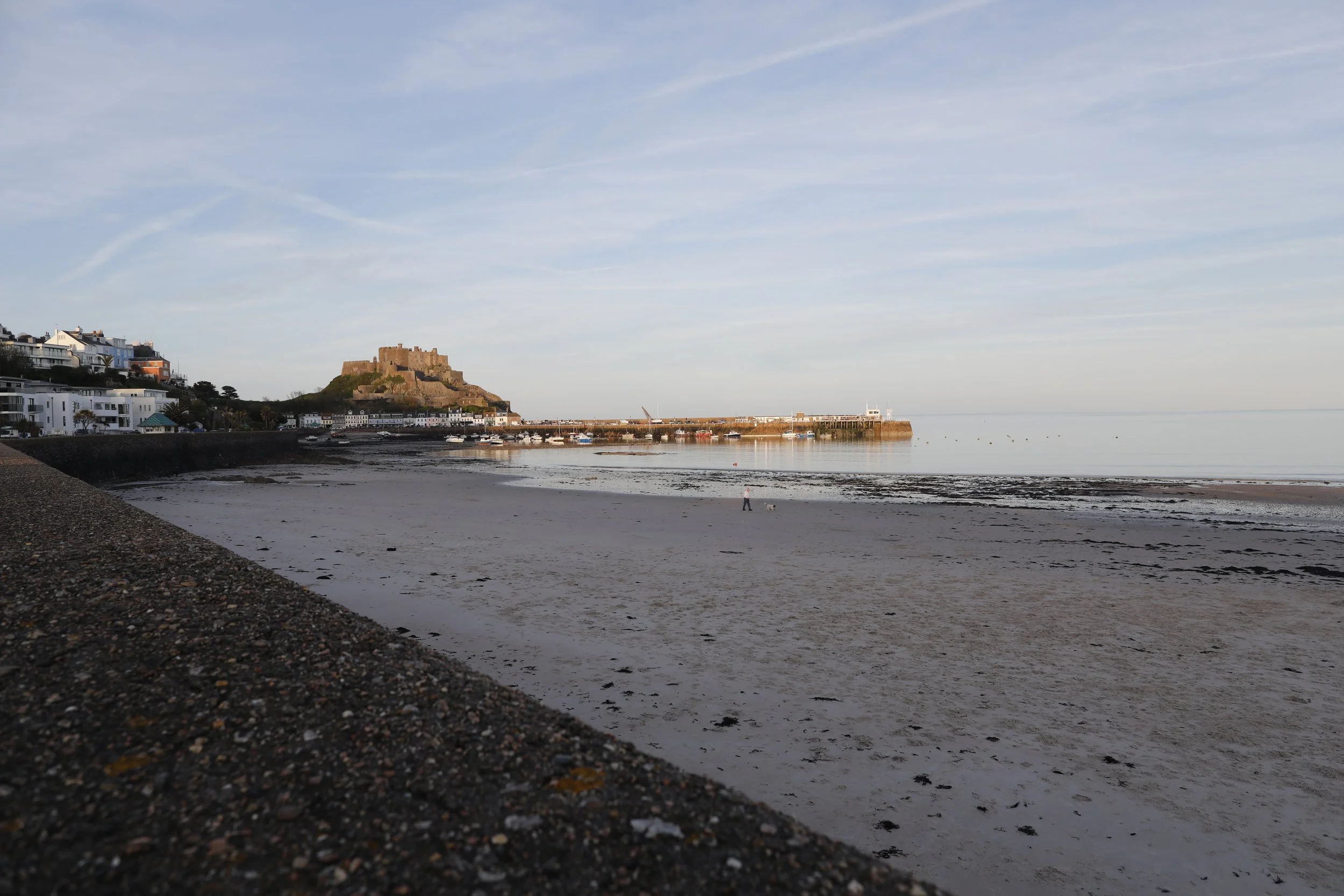
Being so close to the sea makes you think of, well, seafood — and on the Isle of Jersey that thought quickly turns into a small, delicious obsession. Walk any harbor on an early morning and you’ll find fishermen hauling in the day’s catch: glistening crabs clinging to wire pots, velvet-shelled scallops fanned like tiny suns and plump lobsters that look as if they’ve just stepped out of a painter’s palette.
Down at the quayside markets, oysters arrive in stacks — Jersey’s delicate flat oysters are briny and cool, best savored with nothing more than a squeeze of lemon and the sound of gulls overhead. Mussels are heaped in blue buckets, their deep shells hiding sweet, briny meat that sings when steamed with garlic and white wine. The local plaice and brill (both flatfishes) are filleted and sold whole, their pale, buttery flesh perfect for frying in a cast-iron pan or wrapping in seaweed for a seaside picnic.
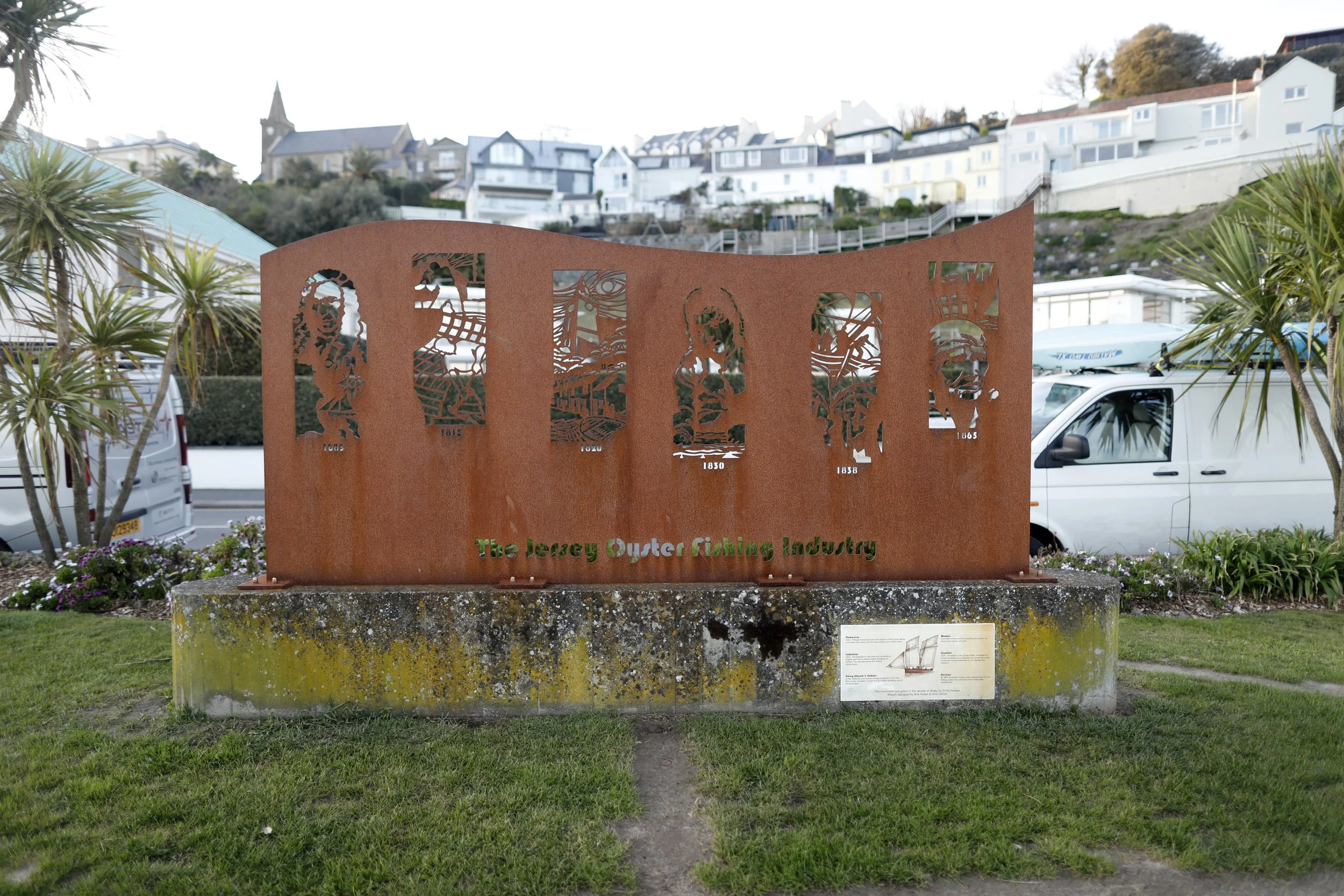
For something heartier, seek out the lobster shacks and family-run eateries where crustaceans are boiled to a rich red and served with drawn butter; there’s a satisfying, communal feel to cracking shells at a picnic table while the tide laps nearby. Don’t miss the tangy, smoky winkles — similar to snails — tiny periwinkles picked from the rocks and eaten straight from their shells with a cocktail stick. And when you catch sight of the fishing boats returning at dusk, their decks heavy with brown crabs and the dark, speckled bodies of conger eels, you’ll understand why Jersey’s culinary identity is so inseparable from the sea.
The best part? The seafood here is as fresh as it gets: often caught that morning, sometimes prepared within hours. Whether you’re tucking into a bowl of chowder by the harbor, ordering a seafood platter to share or sampling oysters at a market stall, Jersey turns a seaside moment into a memorable feast.
03 | Savor a Sea of Delights Seaside
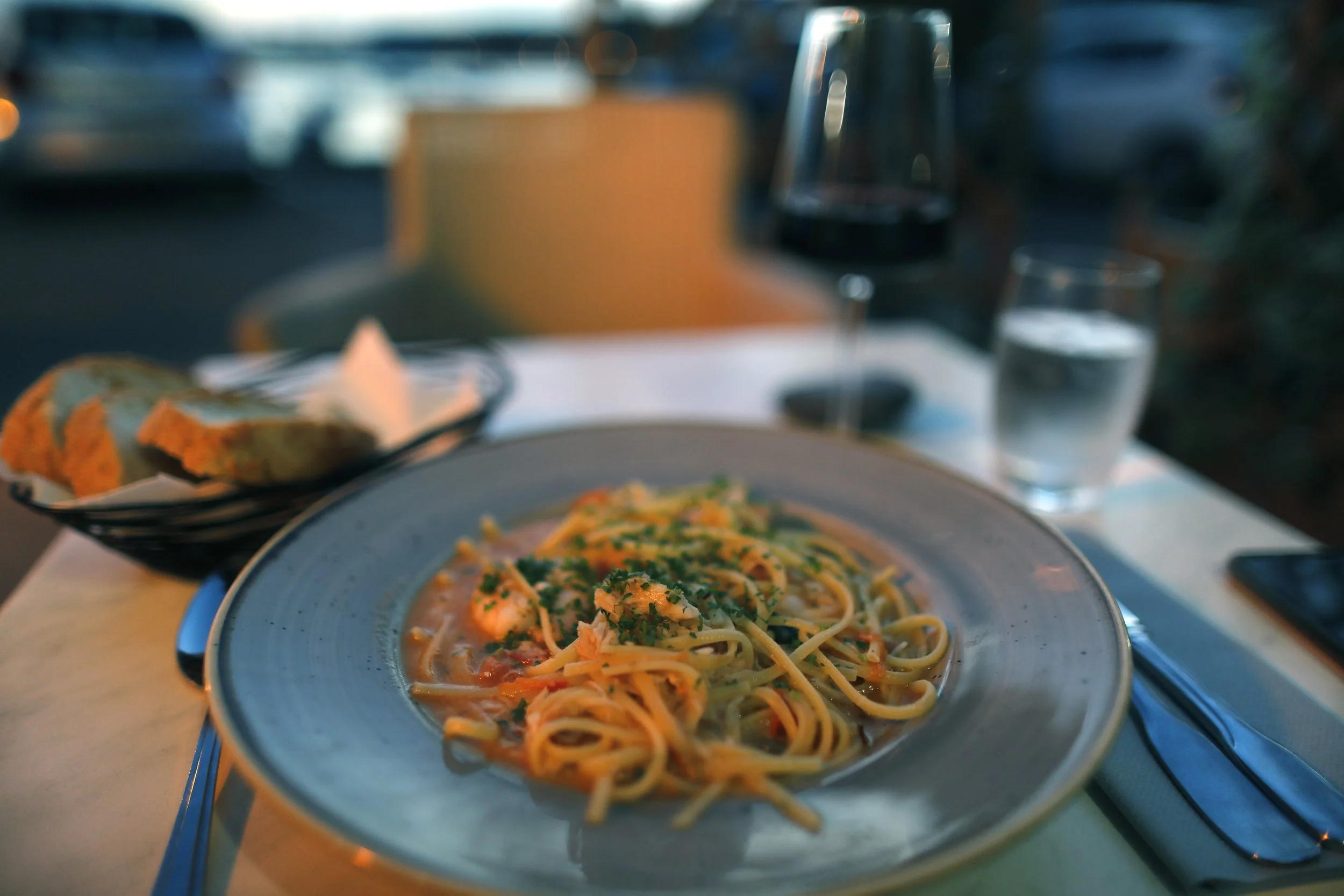
Hungry and looking for a place to linger? Park yourself in the bay at Feast (sadly closed since), a seafood-forward spot tucked right on the strip and take a table outside where the sea breeze does half the seasoning. The service can drift at a leisurely pace — which, on a night when time isn’t pressing, only adds to the unhurried charm. Order something that celebrates the local catch: I went for crab and king prawn linguine, paired with warm slices of homemade French bread and butter and a glass of Merlot to toast the view. Simple, salty and utterly comforting.
Tip | Since Feast has closed, consider the cozy Sumas Restaurant or the charming waterfront dining at The Moorings Hotel and Restaurant.
Watching the tide pull back at the beach is a little like watching a well-rehearsed seaside magic trick. One moment the shoreline is a wide, sleepy expanse of sand scattered with boats lying on their sides as if mid-nap; the next, the water returns with a cheerful, punctual rush, lifting each hull upright and setting them gently against the retaining wall as if arranging guests for a seaside portrait. The sudden, tidy transformation — boats righted, quay lapped by the tide — feels delightfully theatrical, a reminder of the coast’s quiet rhythms and the small, dependable wonders of island life.
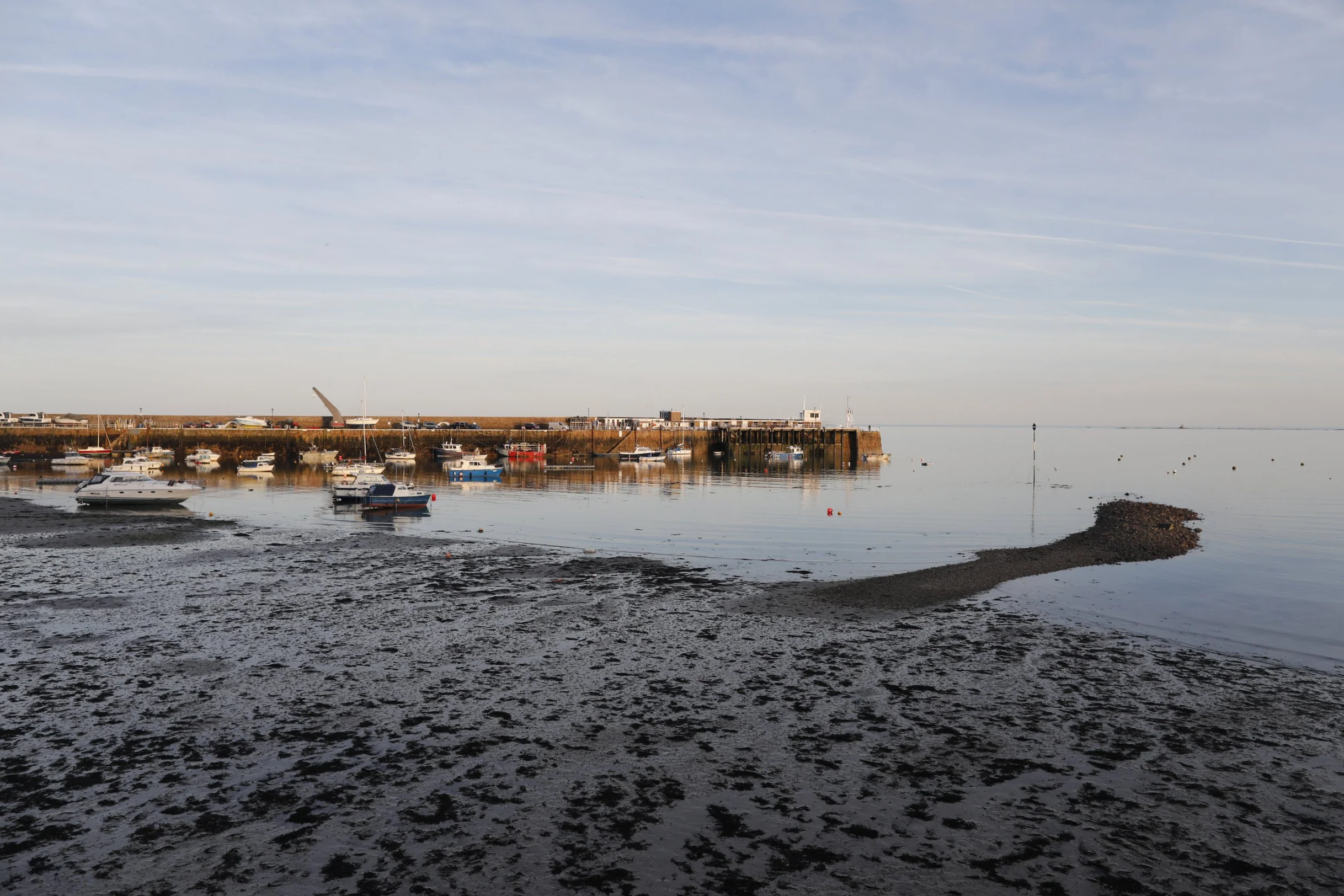
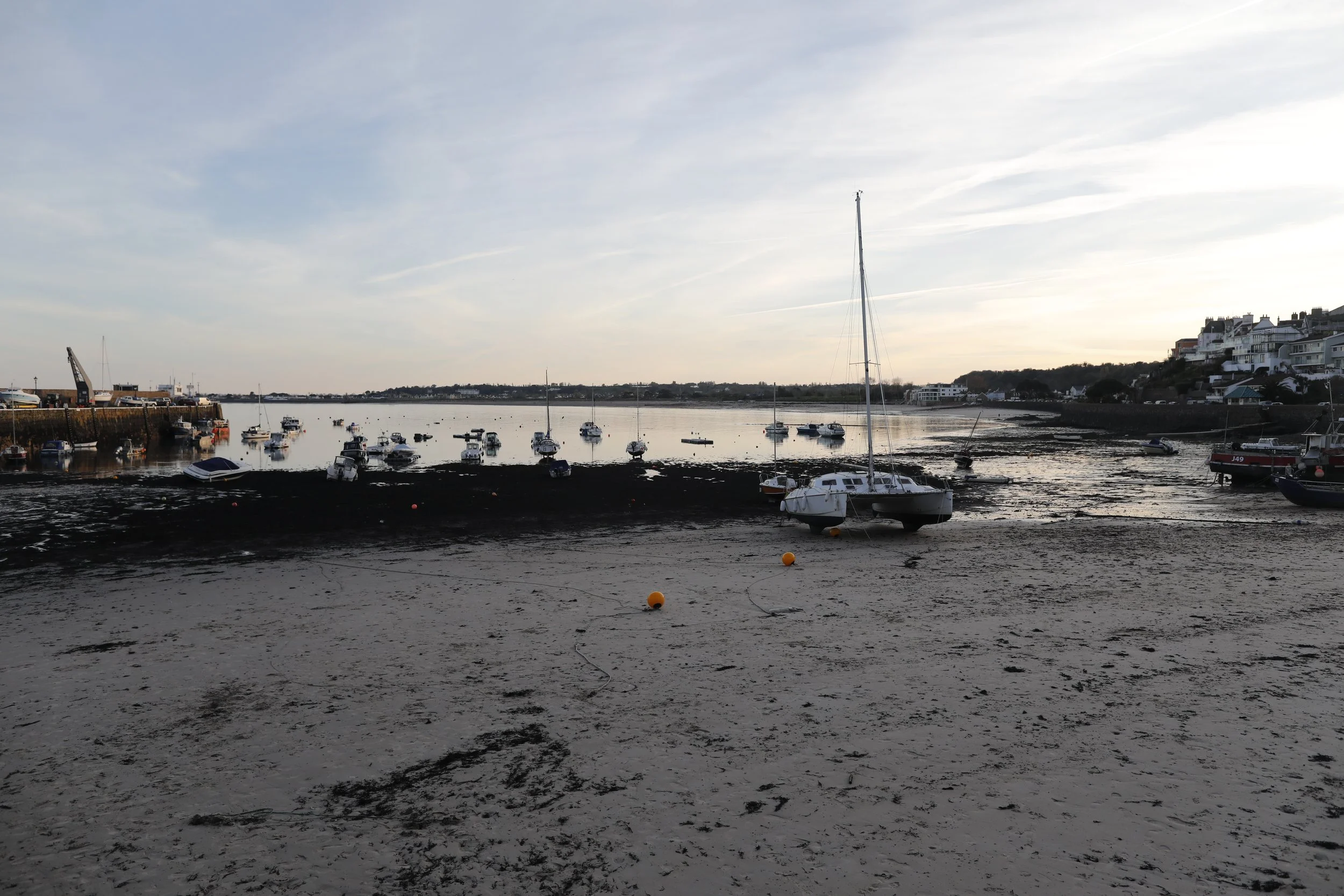
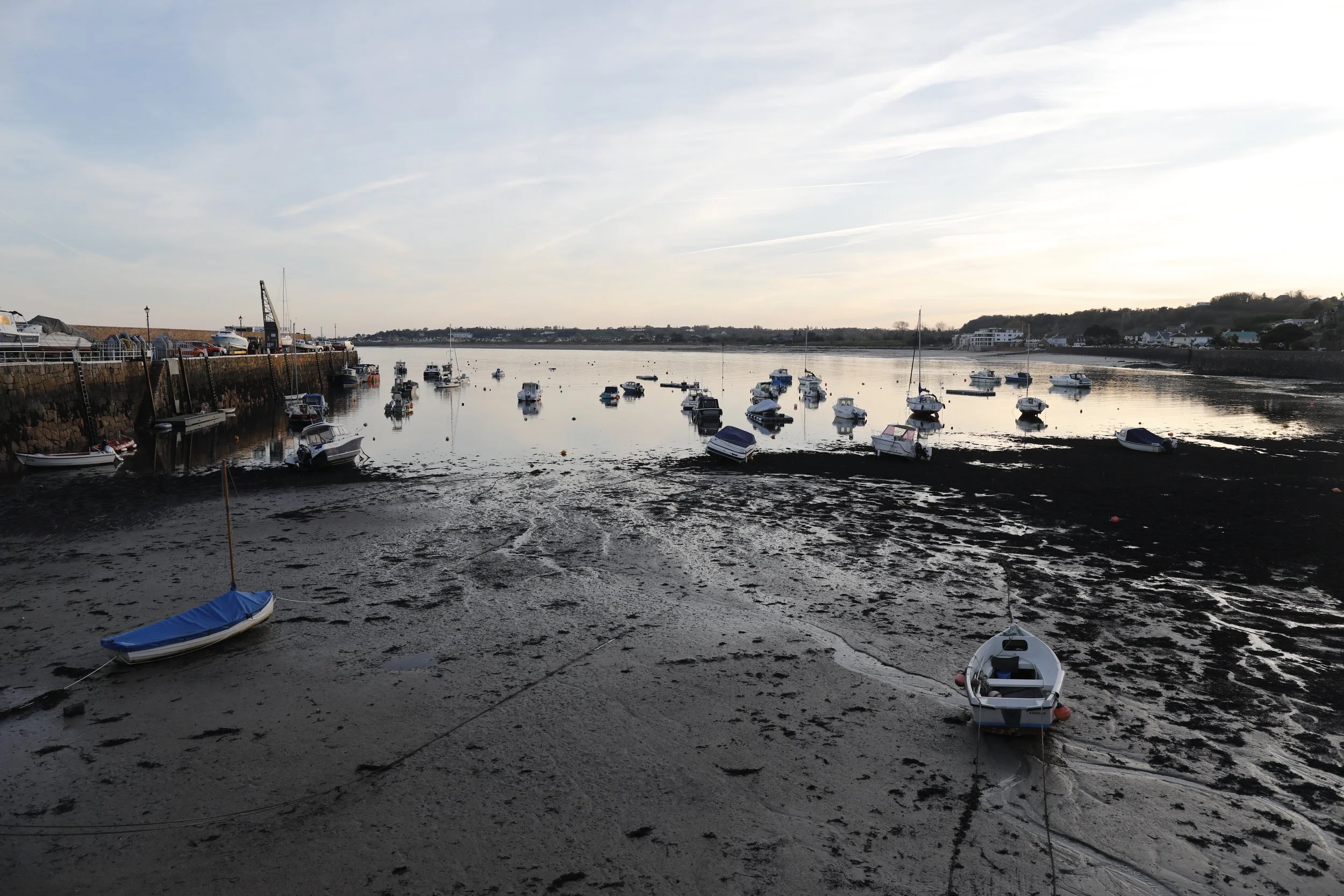
The bay nearby becomes a sheet of pale blues and pinks. Fishing boats drift lazily, their silhouettes perfect and patient against the glow. Seagulls wheel in loose choreography, calling out in plaintive bursts that sound almost conversational — part commentary, part request. Reflections of cottages and their chimneys tremble on the water, as if the sea itself were trying on new colors for the evening.
As the sun dips, the temperature folds into relief: a cool breeze carries the faint, comforting tang of seaweed and salt, mixed with the softer, more domestic smells from the shore — wood smoke from a distant chimney, the buttery promise of chips from a takeaway. Conversation thins into a collective inhalation. People turn to watch, the moment doing what good sunsets do best: it slows things, makes time negotiable for a few heartbeats.

With any luck, the evening unfolds like a scene from a movie. A simple trattoria delivers an unforgettable plate of pasta: tender strands soaked in a sauce that carries deep, comforting flavor, accompanied by seafood that tastes of the sea with every bite. Portions generous enough for lingering over, yet irresistible — many diners would find themselves trying to squeeze out every last forkful before surrendering to fullness and wrapping the remainder to take away.
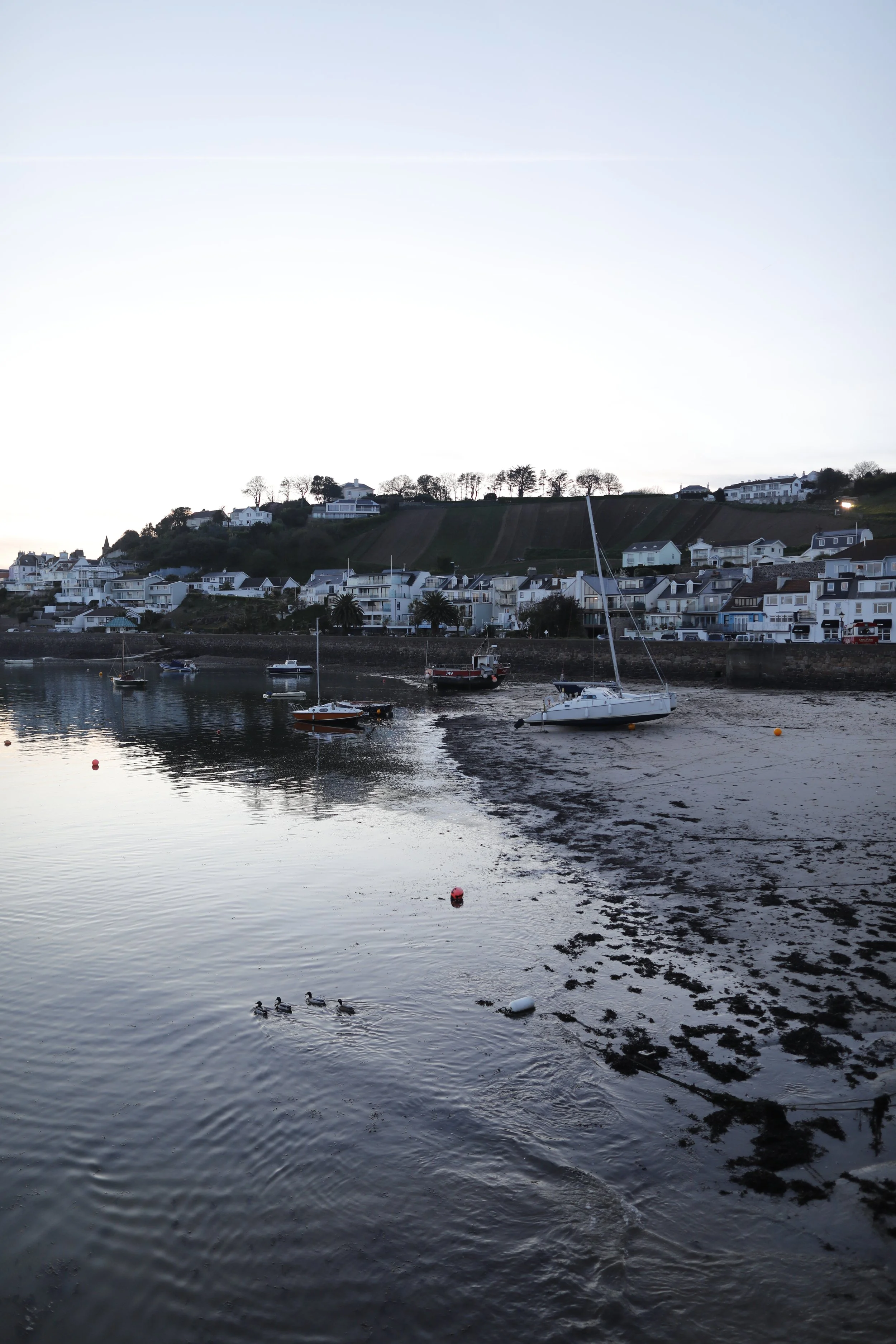
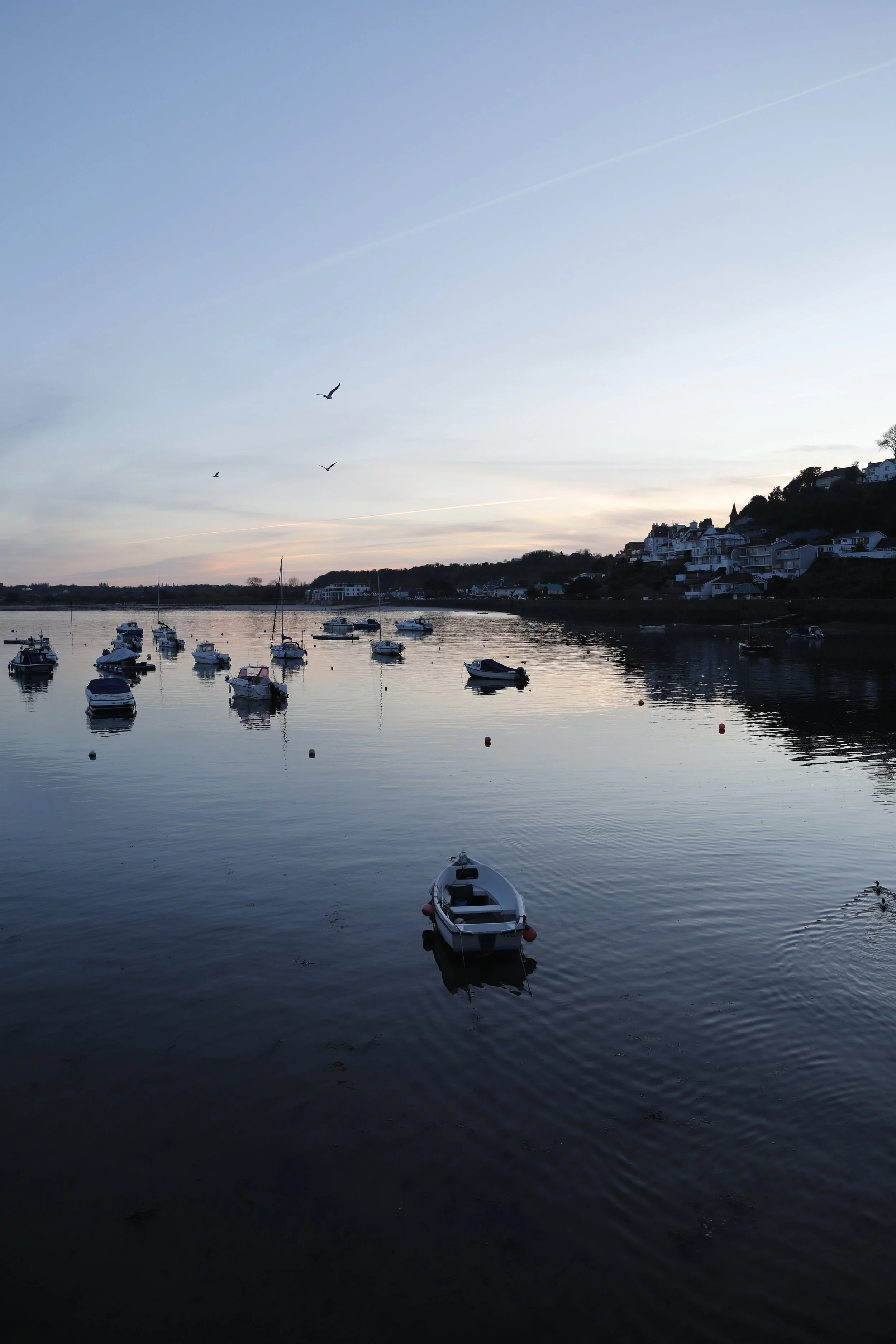
Gorey Beach at sunset is an unpretentious kind of theater: no grand drama, just the steady, inevitable beauty of light yielding to dusk. It’s the sort of place that invites you to stand still for a moment, to let the small, luminous details — glinting shells, distant laughter, the hush of water — add up into a memory you’ll return to again and again.
The sunset performs its slow, colorful exodus. Hues shift across the sky — lavender, rose and soft orange — casting a soft glow over silky waters and shuttered windows. As the temperature dips and shadows lengthen, the mood turned cozily brisk. For those who prefer to avoid a nighttime trek, this is the moment to make a gentle retreat to a nearby room or studio, where a warm bed and the comfort of a quiet night await.
Tip | If you plan to linger after sunset, tuck a light coverup into your bag to hold off the cool sea breeze. Also, if your accommodation is within walking distance, bring a small flashlight — these rustic streets take on a magical, shadowy mood after dark.
04 | Visit the Quaint Village Gorey
Sunlight spills over the rooftops as the day begins with a short walk toward the castle but a narrow lane leads instead into the sweet little cluster known as Gorey Village. Quaint shops and sleepy cafés spill onto the street and one of those morning charms is The Kitchen — a friendly, unpretentious spot with both indoor coziness and sunlit outdoor tables, where you order at the counter and settle in to watch village life unfold.
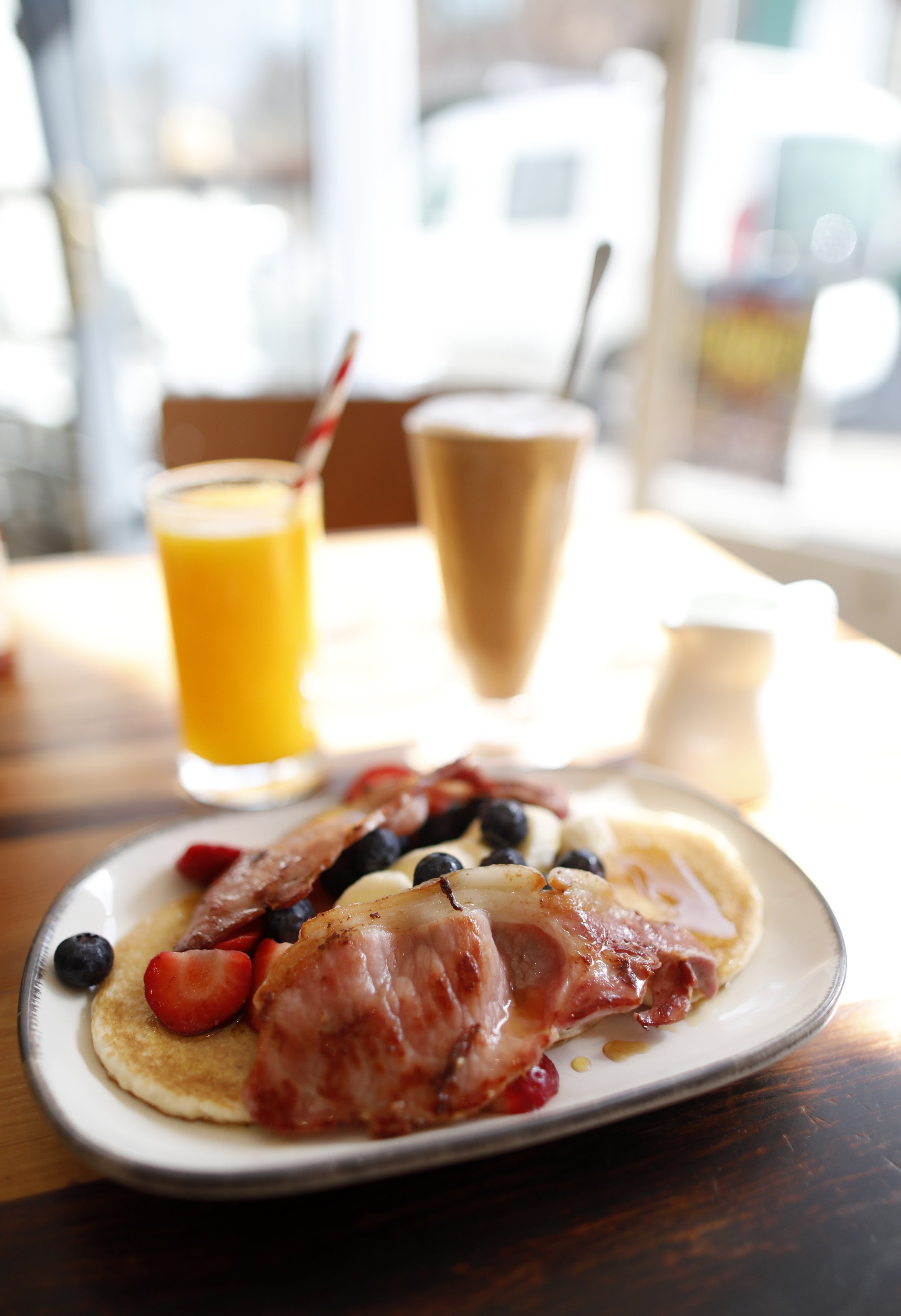
Breakfast arrives like a scene from a movie: pillowy buttermilk pancakes crowned with fresh fruit and a generous drizzle of maple syrup, accompanied by a side of salty ham, a glass of bright, freshly squeezed orange juice and a warm, spiced chai latte. Simple, satisfying and perfectly portioned — the kind of morning meal that sets the tone for a day of wandering.

Just a few doors down sits Éclat, a tiny boutique brimming with clothes, jewelry, handbags and a delightful array of little treasures. The owner greets you like an old friend — on my visit we whiled away a happy stretch of time chatting as I hunted for the perfect souvenir.
05 | Admire the Timeless Charm of Gorey Castle
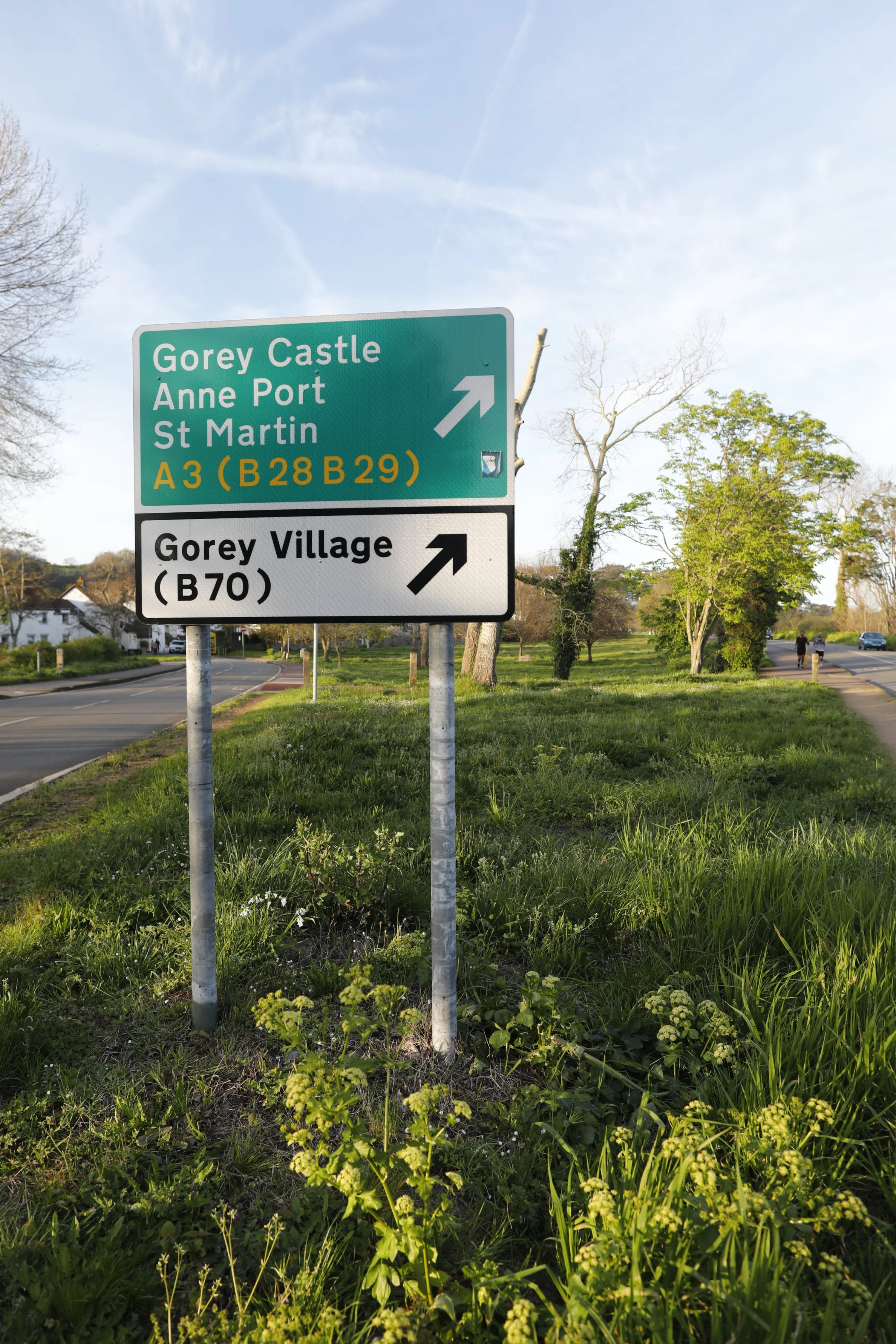
When you’re ready to move on, it’s an easy 10-minute stroll toward Gorey Pier along the sandy beach; from there, climb the stone steps into the castle for sweeping views and a major dose of history.
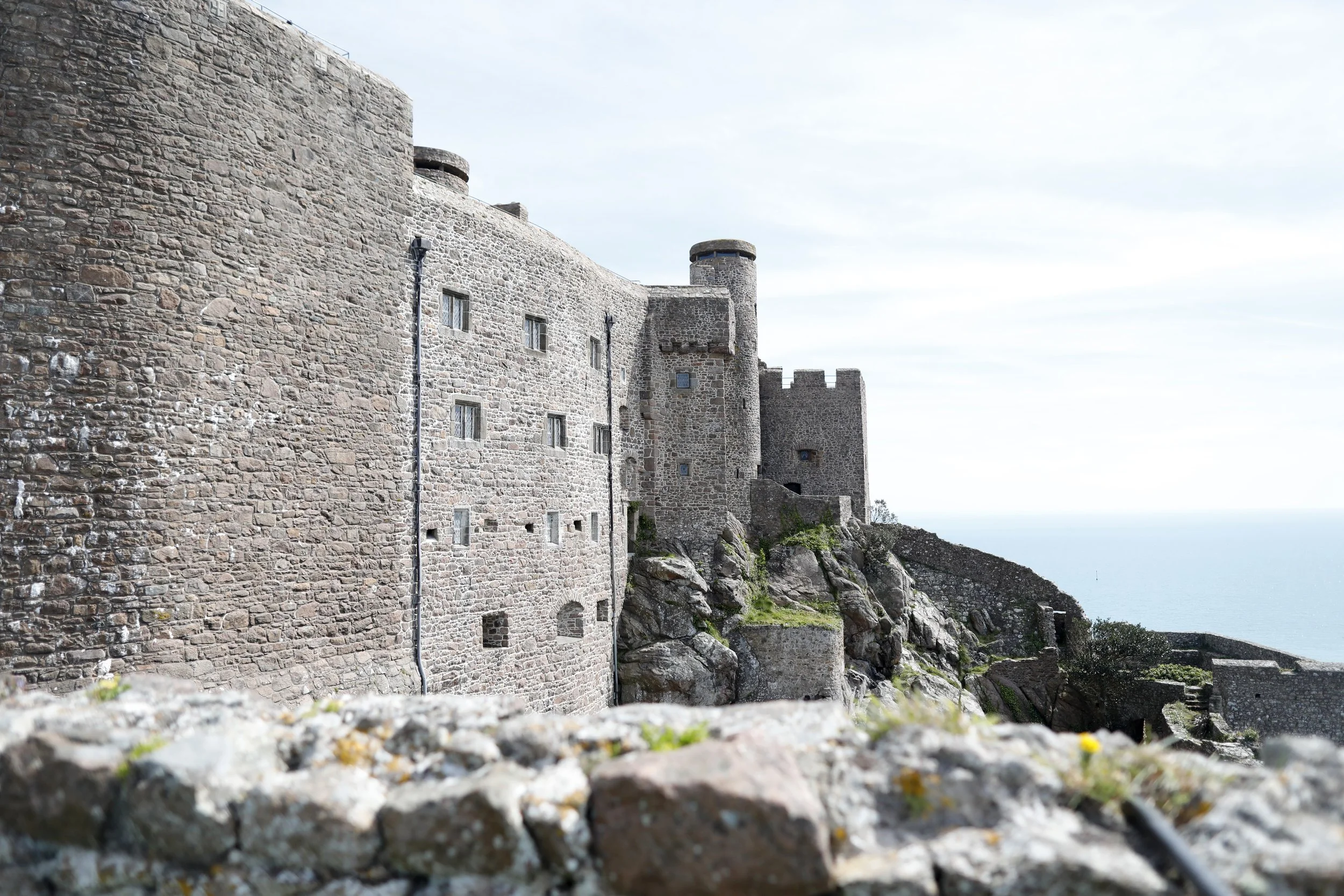
Perched like a proud guard above the little fishing port of Gorey, Mont Orgueil — or simply Gorey Castle — has watched over Jersey for more than 800 years. Its stone walls and towers rise dramatically from the shoreline, a reminder of a time when castles were both home and stronghold. To Jèrriais speakers, those who still speak the island’s native tongue, the fortress is affectionately called lé Vièr Châté — “the old castle” — while its name in French, Mont Orgueil, literally means “Mount Pride.”
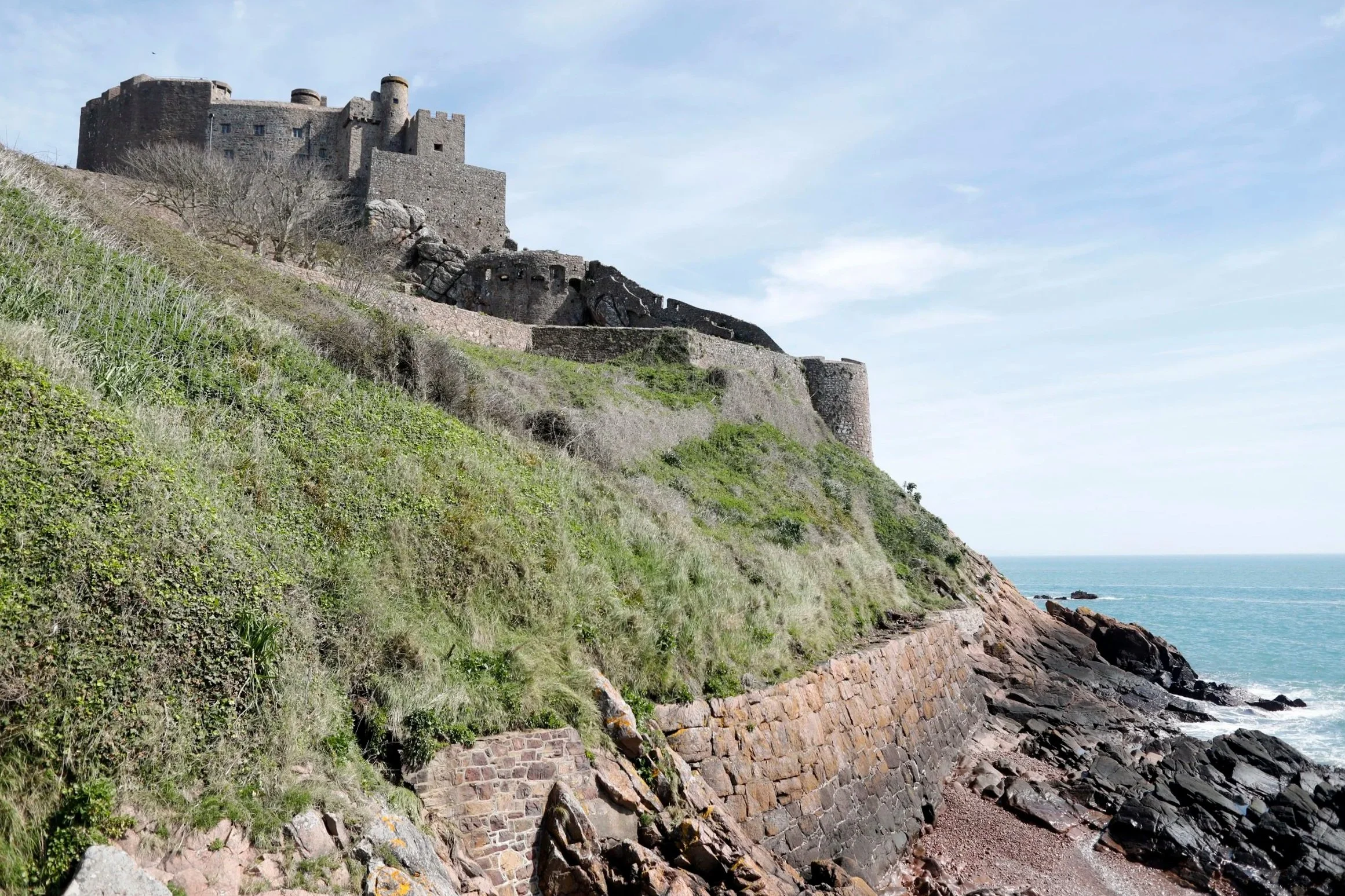
Wandering the ramparts, it’s easy to see why the castle became such a potent symbol of Jersey identity. Built and expanded across centuries, it’s one of the finest surviving examples of a medieval fortress in the region: arrow slits, thick curtain walls and narrow passages that spark the imagination. The name Mont Orgeuil first appears in a 1462 survey from the period of French occupation, a small historical footnote that hints at the island’s layered past.
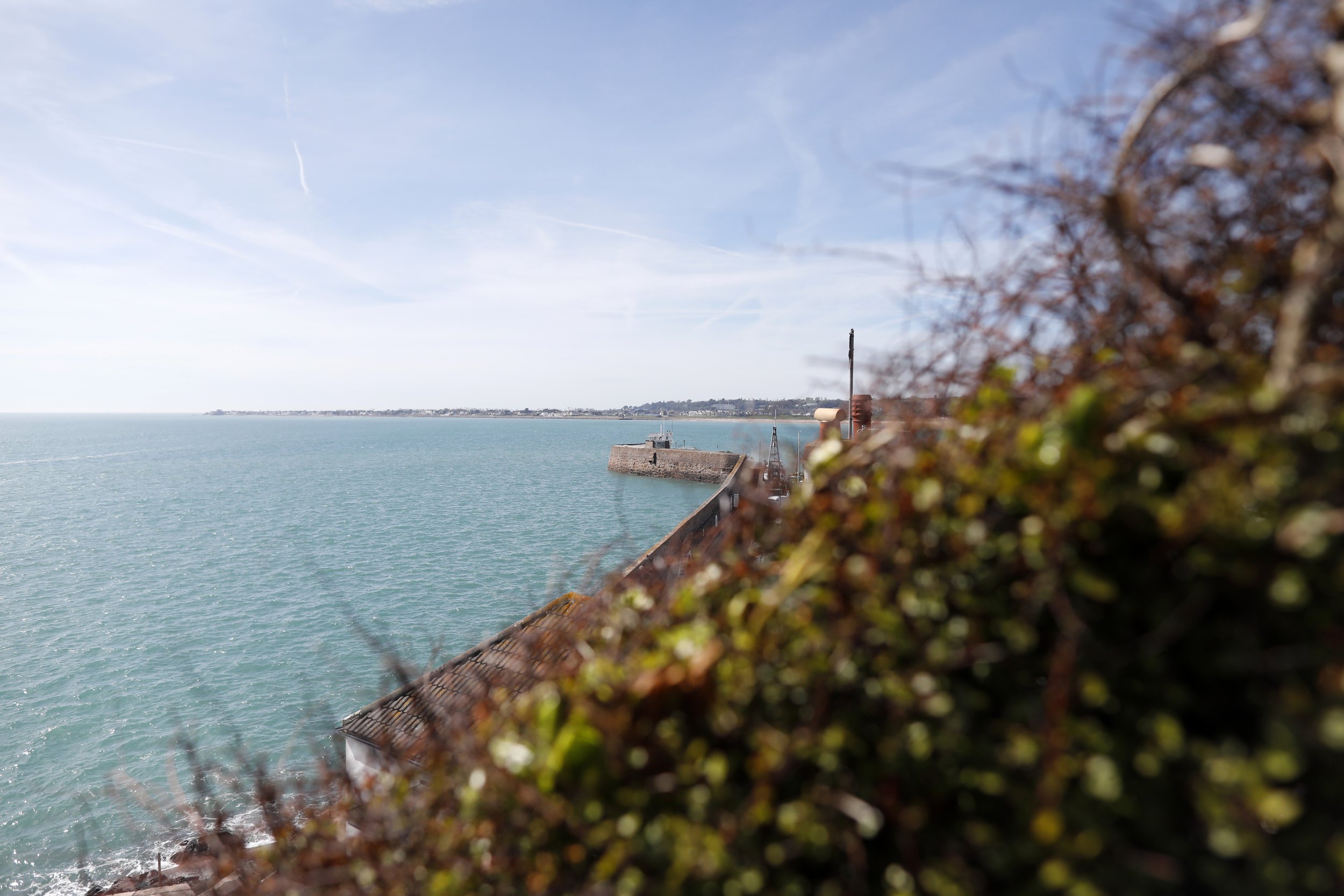
For generations, the castle was the seat of royal authority on Jersey — the island’s main fortress — until the more modern Elizabeth Castle took over that role in 1594. Today, Mont Orgueil is less a place of defense than a storyteller, where every turret and courtyard seems to whisper tales of sieges, sea journeys and everyday life in centuries past. Stand on the battlements at dusk and watch the fishing boats in Gorey below: the view honors Jersey’s maritime heritage, framed by the steadfast stones of a very proud mount.
Step onto the castle grounds and follow the rocky steps that wind along the water’s edge. Each step lifts you closer to the heart of the fortress, until you arrive in a sunlit courtyard that feels like an invitation — a gentle introduction to the castle’s stories and secrets waiting just beyond its ancient walls. With the kind of storybook charm that makes you want to linger, Mont Orgueil leaves nothing to be desired.
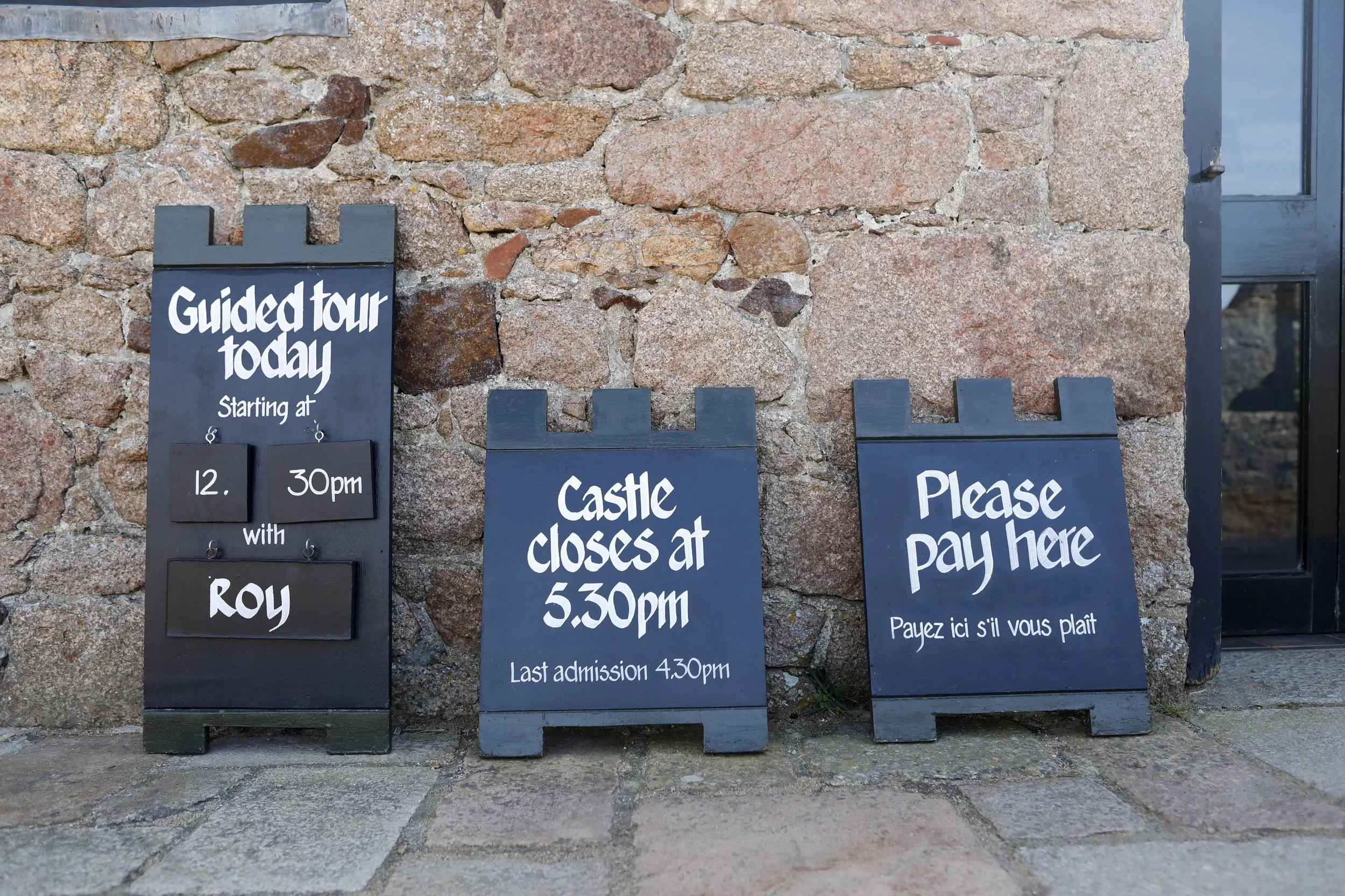
Ticketing is simple: adults pay full fare, with reduced prices for seniors, students and children. Families and small groups can often snag package deals. Rates can change with the season or special events, so it’s worth checking ahead. Locals and heritage members frequently receive concessions and very young children are usually admitted free. Tickets are available at the castle, the official box office or visitor centers — but for busy times and special experiences, booking in advance is a good idea.
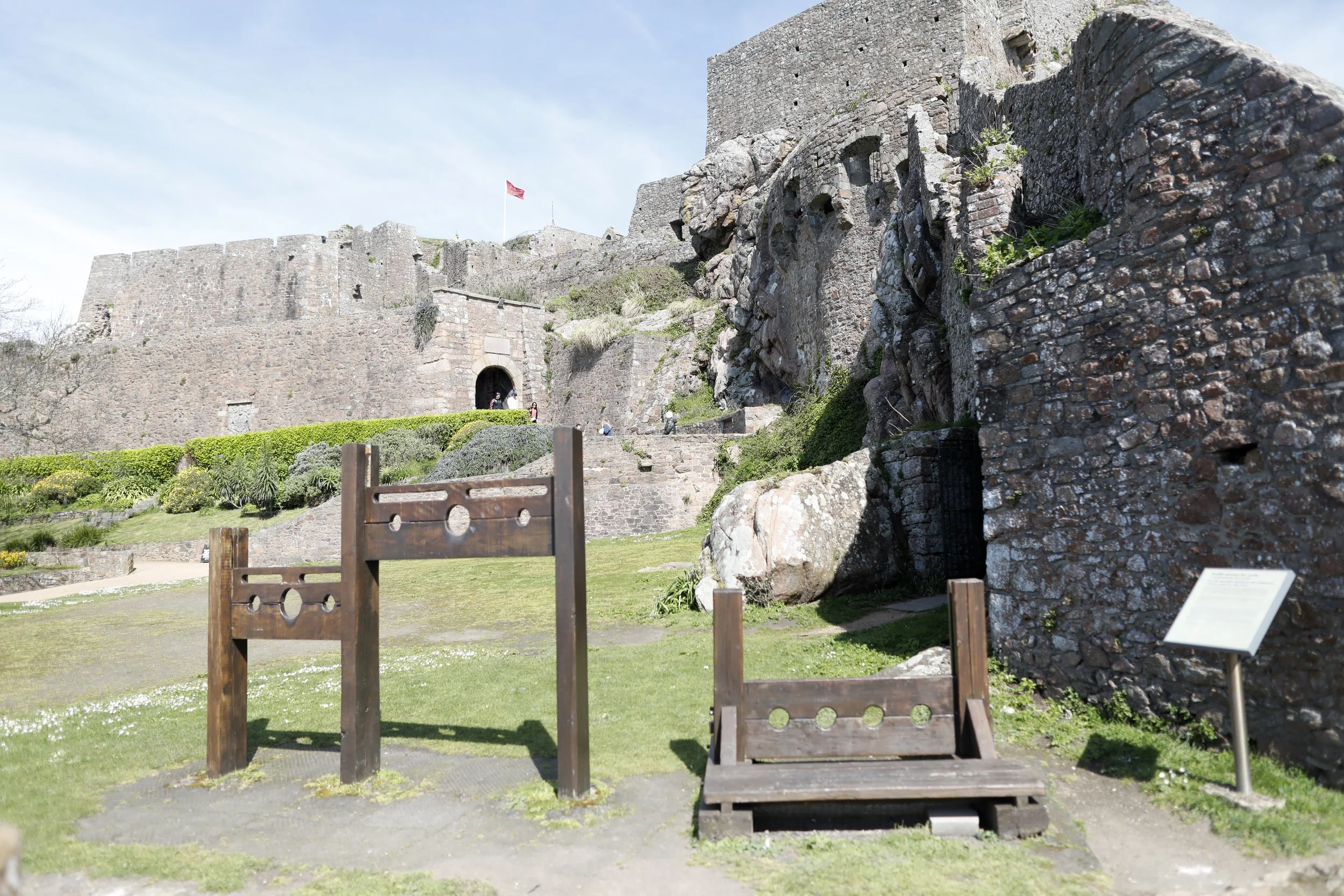
Pay the £16.90 entrance fee, then treat yourself to a little café snack — perfect fuel before a castle wander. Pop into the restroom, step through the gate and enter the atmospheric Lower Ward.
Tip | Mont Orgueil Castle can be explored in about 1.5 to 3 hours, depending on how deeply you want to explore but don’t miss the castle’s one-of-a-kind art displays and secret corners — they’re small treasures waiting to be discovered.
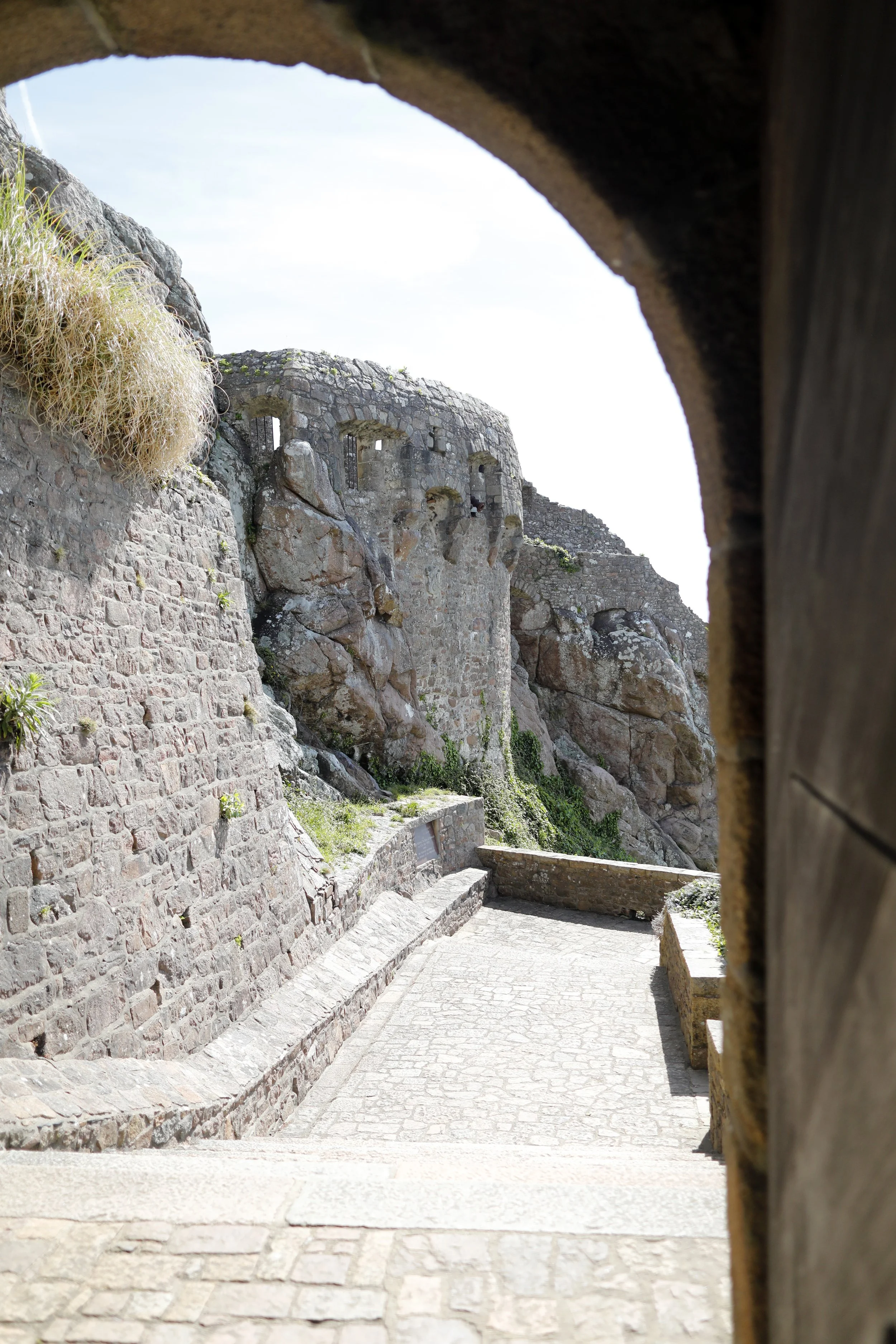
Castles here are arranged in a series of Wards, each one stepping up and peering over the one below like a row of watchful sentinels. The Lower Ward was once the administrative heart: courthouses and other civic buildings clustered here, some standing well into the 19th century. Pause and imagine the bustle that once filled these stone rooms.
Keep an eye out for the Cornish Bastion, a compact, stubborn relic raised in 1547 and named for its builder, Henry Cornish. Petite but proud, it once carried three small cannons that kept the Lower Ward in check — an intimate, almost domestic reminder of how the need for defense shaped even the coziest corners of the fortress.
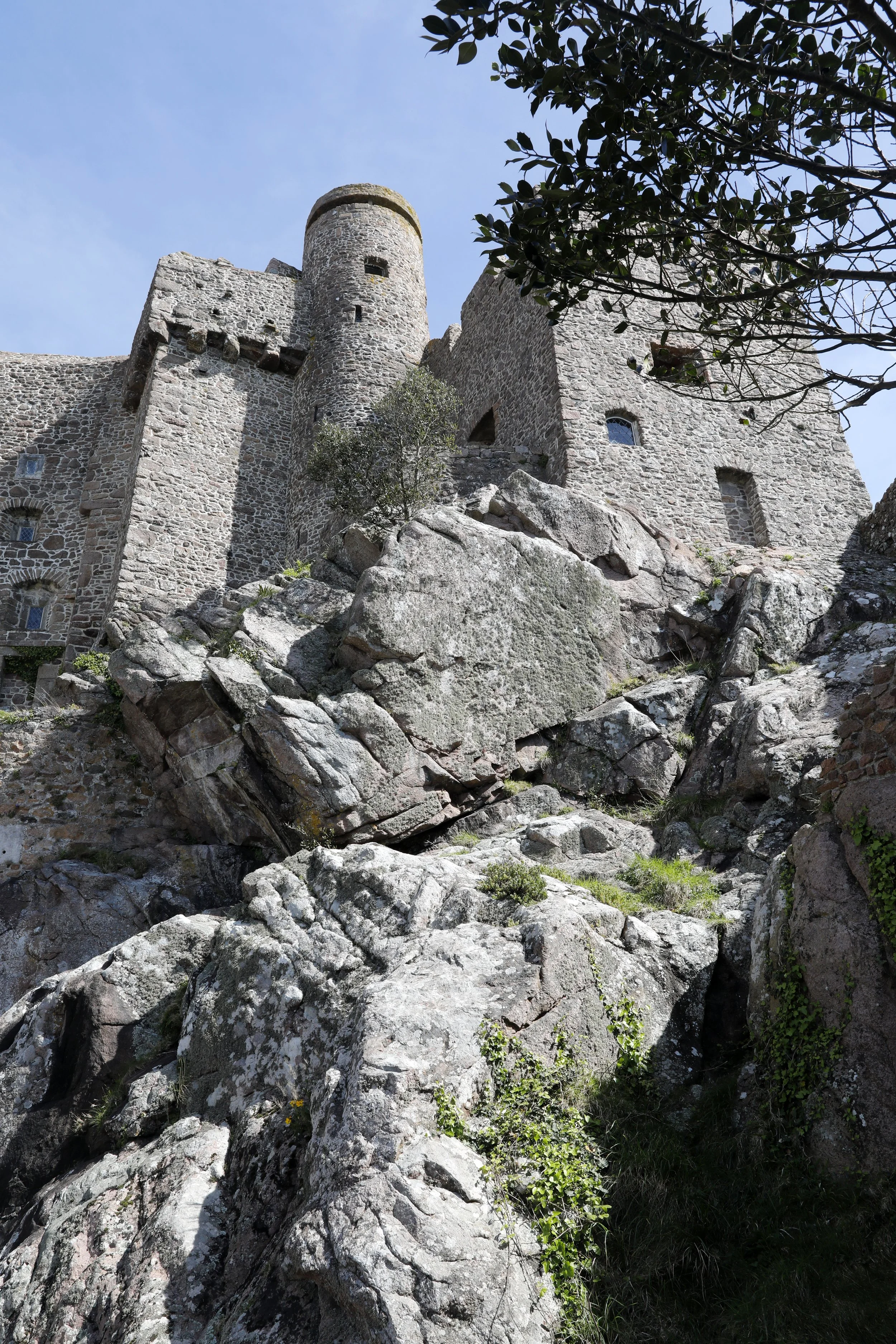
Access to the Cornish bastion is a little journey through time, beginning in the Middle Ward and winding through the Prison Tower. On approach you can almost trace the tower’s two lives: the squat medieval block on the left and, seamlessly joined to its side, a later 16th-century extension. In the 1600s, the tower’s quieter stones echoed with the footsteps of the island’s prisoners, while outside its walls cannon emplacements kept a wary watch over the bay below.
A short stroll further brings you to the Mount Gate, the castle’s final portal. Built in the 15th century as a two-storey gatehouse, it opens the way up to the Upper Ward and the Keep — an architectural invitation to climb higher into the castle’s layered past.
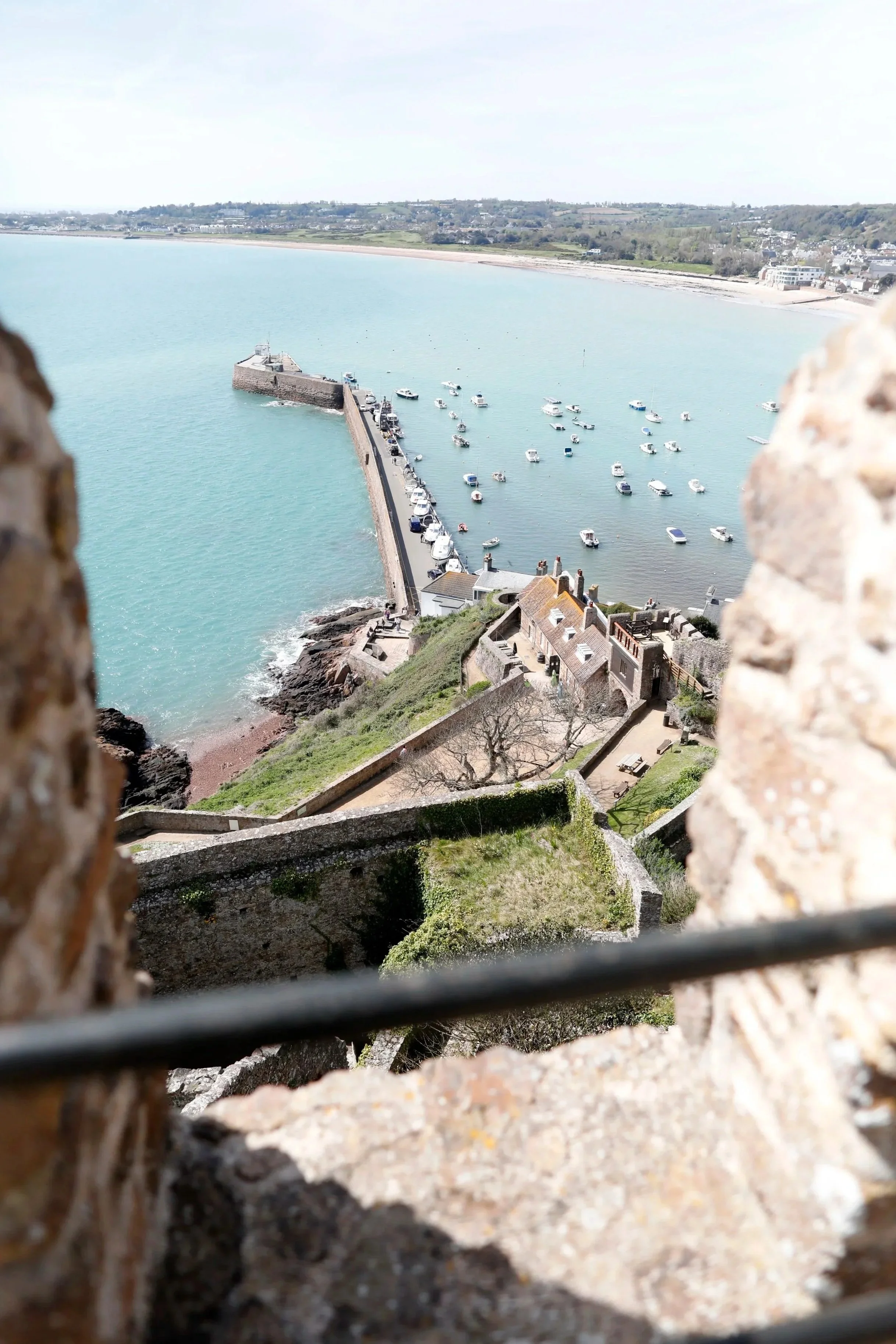
From the top of Mont Orgueil Castle, the island of Jersey unfolds like a patchwork of sea and land, each view framed by centuries-old battlements. To the east, the English Channel stretches into a glittering horizon, its surface changing from glassy blue to slate gray depending on the weather and tide. Fishing boats and the occasional ferry cut slow, bright trails across the water, while offshore rocks and tidal currents cast shifting patterns of foam. On clear days, the Channel looks endless; on stormy ones, it becomes a dramatic, roiling backdrop that heightens the fortress’s sense of isolation and purpose.
My favorite part — inside, the Castle houses a striking array of artistic expressions that trace the island’s layered history, from medieval stone carvings and heraldic shields to later-period portraits and decorative plasterwork introduced during the castle’s various restorations. Visitors can find evocative murals and wall paintings in select chambers that depict religious and chivalric themes, while intricately carved wooden fittings and painted ceilings reflect the tastes of successive occupants. Displayed arms and armor, together with finely crafted tapestries and embroidered textiles, add texture and color to the austere stone interiors and interpretive installations bridge the historical pieces with contemporary conservation efforts. The overall effect is a dialogue between functional military architecture and curated artistic objects that illuminate both everyday life and elite identity across centuries at Mont Orgueil.
Truly, I found the castle to be the most beguiling one I’ve ever explored. A maze of winding staircases and secret rooms unfurls at every turn, leading to tucked-away treasures, surprising art displays and stories that make the stone feel alive.
06 | Explore the Hidden Stories of the Jersey War Tunnels
There’s a quiet, heavy kind of magic tucked into the Jersey countryside — the kind that settles in your chest the moment you climb the grassy slope and find the yawning mouth of the war tunnels. The Jersey War Tunnels are less a tourist attraction and more a time capsule: carved by thousands of forced laborers during the island’s five-year occupation, they hold stories of courage, suffering and the stubborn human impulse to survive.
Tip | Catch the #8 or #28 bus from the main station in St Helier, Liberation Station, to reach just outside the Jersey War Tunnels and vice versa — an easy, scenic hop from the heart of the town to history.

The site opens daily at 10 a.m., with the last entry at 2:30 p.m., and adult tickets are £19 (available online or at the door). Getting there is straightforward: you can catch a bus from St. Helier’s main station and enjoy a pleasant ride through island scenery before arriving at the tunnels’ entrance.
Tip | Plan for at least two hours to take in the Jersey War Tunnels.
Walking through the passageways, it’s easy to imagine the lives that moved through them. The complex burrows 165 feet into the hillside and stretches for nearly 3,250 feet — a humbling scale when you think of more than 5,000 people digging by hand. Originally intended to shield German troops from Allied air raids, the tunnels were later converted into an emergency hospital in 1943. Today, a thoughtful exhibition fills those dim corridors, tracing Jersey’s wartime arc from quiet resistance to rationed hardship and, finally, liberation.
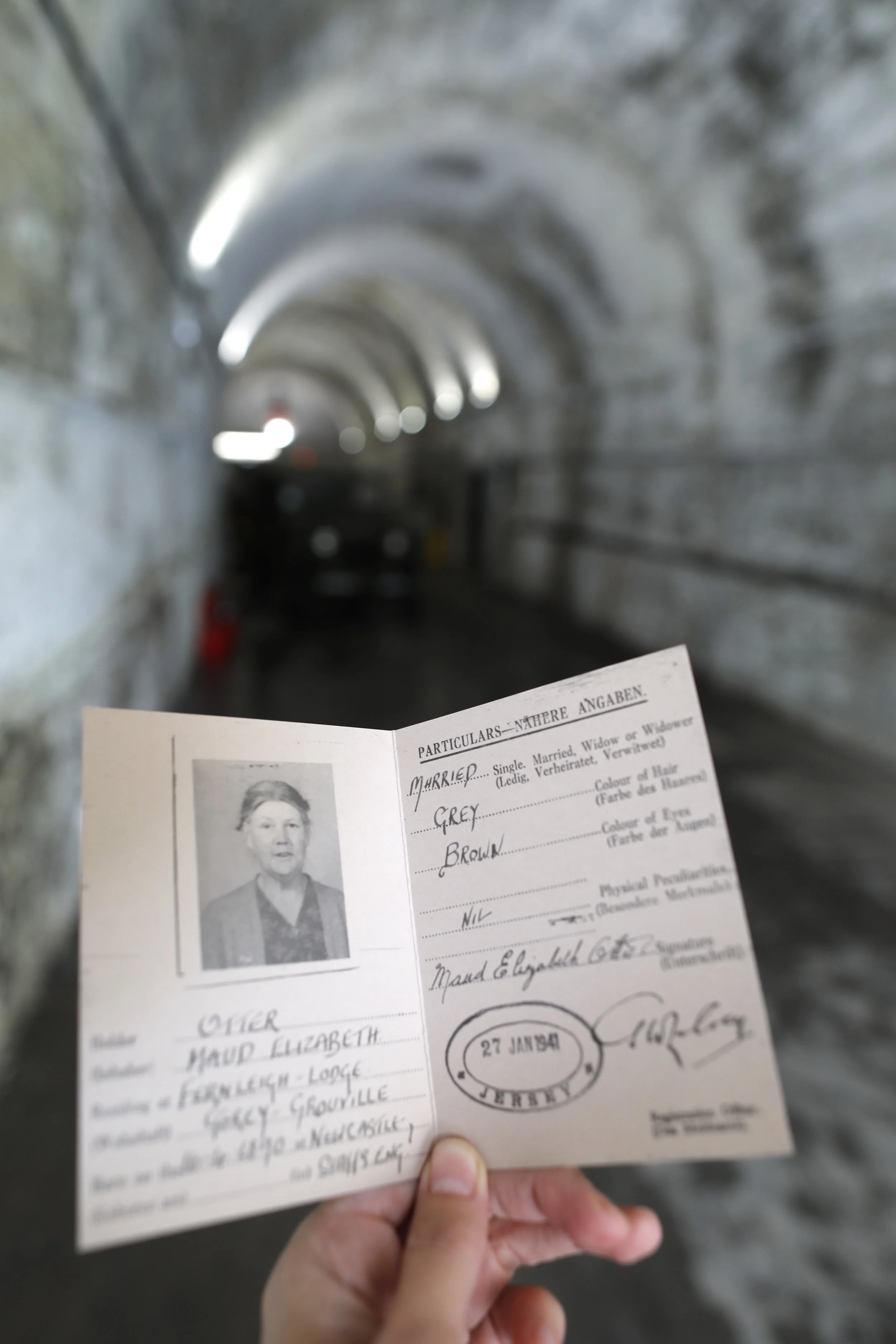
After purchasing your entry ticket, you’ll receive a small slip of paper — a peek into the life of one local who lived through the occupation. Tuck it into your pocket and follow the tunnel path to uncover their story, step by quiet step. Enter through a white arch cut into the hillside and let the journey unfold: it feels almost unreal.

The first displays gently set the scene — everyday Jersey life, until the sudden, staggering announcement that the UK would not be defending the Channel Islands. Visitors learn about the impossible choice facing residents: stay and face the occupation or leave everything behind. Both options carried heart‑stopping risk and walking those tunnels brings the weight of that decision to life in a way a history book never could.
When the first waves of German troops drifted onto Jersey’s shores, the island held its breath. Fear threaded through the quiet lanes as neighbors tried to make sense of strangers in uniform and the sudden rearrangement of daily life. Gradually, the occupying forces built up — infantry settling in, radio masts and anti-aircraft guns punctuating the skyline, and a tenuous link forming with occupied Normandy. British servicemen on leave were quietly rounded up and ordinary routines were reframed by curfew times and whispered precautions.

Yet alongside the tension came an odd, almost surreal contrast. For many of the soldiers, Jersey felt like a surprise—green fields, stocked markets and a gentle coastline after months of scarcity. They explored, socialized and cherished small comforts with the urgent appetite of people who’d been denied them for too long. For a while, the island seemed to offer them a borrowed idyll: laughter in cafés, the simple pleasure of fresh bread, sunsets over the sea.
That fragile ease, however, was only a veneer. The early indulgence gradually gave way to the harsh realities of occupation, as resources were stretched and the island’s freedoms narrowed. Walking Jersey’s lanes today, you can still sense both sides of that story: the pastoral beauty that once welcomed strangers and the quieter, older memory of how quickly abundance can be consumed.
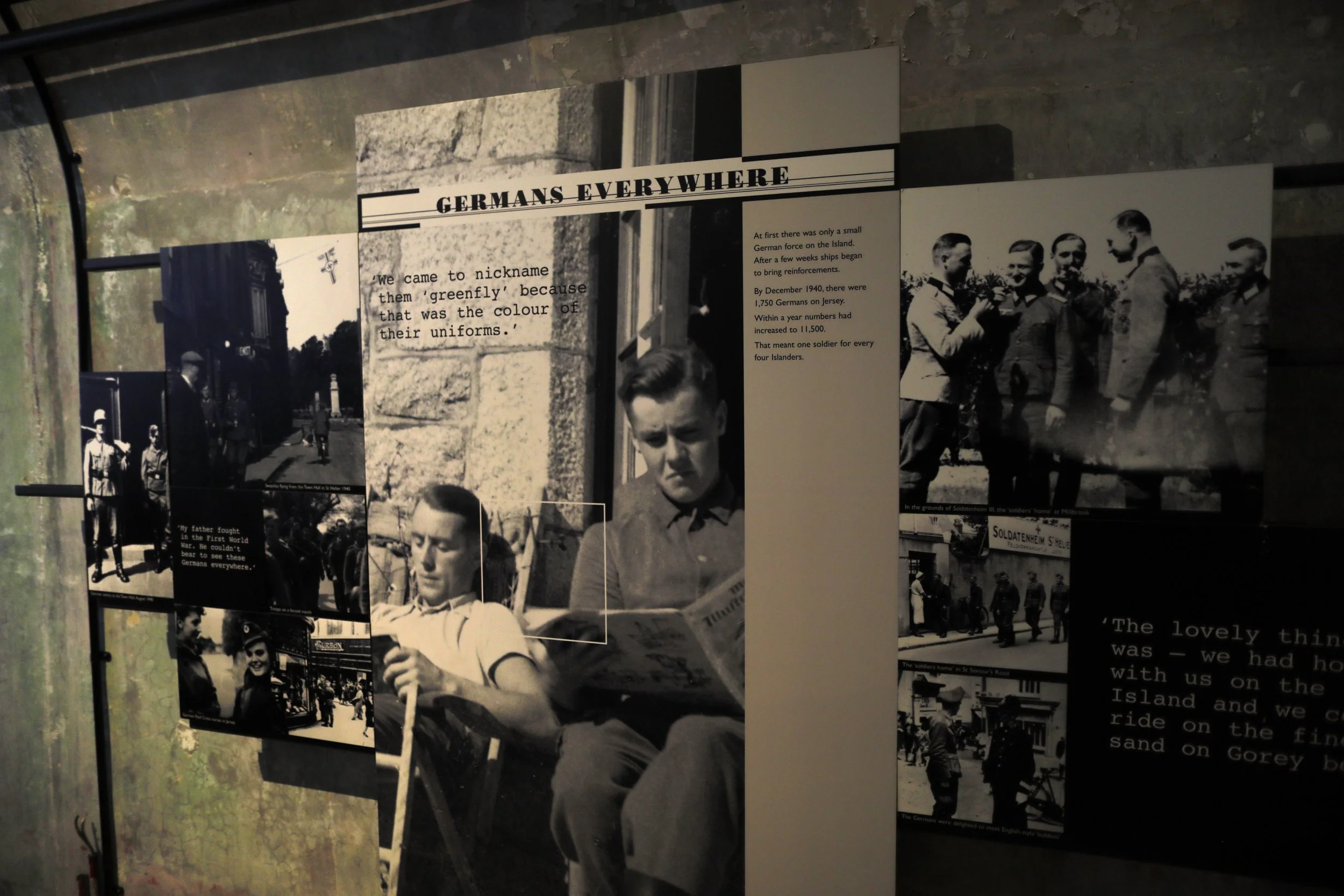
Though overt violence was rare, the German command soon threaded itself into the rhythm of island life, changing the small freedoms that had long made Jersey feel like a sheltered pocket of normalcy. The first signs were deceptively mundane: new edicts tucked into the morning papers, posters nailed to lamp posts and the steady drum of announcements that made people glance twice at routines they had never thought twice about.
The laws themselves were a strange, bureaucratic choreography. Curfews reshaped evenings into punctual disappearances from the streets; blackouts turned windows into blank canvases and sent neighbors leaning closer together in whispered conversation. Restrictions on movement and the requirement to carry identification at all times made travel beyond one’s parish an exercise in paperwork and patience. Rationing rewrote the island’s menus — luxury items vanished and even simple pleasures had to be measured and counted. Public gatherings were curtailed; celebrations that once spilled into lanes and marketplaces were reduced to quiet, private moments. And for those who relied on boats and coastal trade, controls over maritime activity tightened like a net, altering livelihoods as surely as laws.
The occupation left everyday life on the island quietly, stubbornly altered — but Islanders found ways to keep warmth, comfort and a sense of home alive. A recreated Jersey home from those years captures that resilience: patched clothing hung beside carefully rationed cups, improvised stoves whispering of evenings spent sharing stories by a small, steadied fire. People learned to be inventive in the sweetest, smallest ways — turning unexpected finds into food, fashion or fuel — and those small acts of creativity became a kind of defiant routine.
Not everything, of course, was romantic. As hardships deepened, tensions crept in. Friendships frayed, gossip flourished and the once-tight-knit community sometimes turned wary of its own. In a place where informing could bring reward, whispers felt heavy and trust became a precious commodity. Yet alongside suspicion there was a quieter current: neighbors slipping a spare slice of bread through a gate, hands joined to help a family in need. Cooperation and quiet resistance lived side by side — daily moral choices that shaped how people survived.

The final year of occupation is told with particular poignancy. After D-Day, supply lines were severed and the islanders endured hunger, fear and the slow erosion of hope. The last months felt endless, without word of an end to the conflict — the museum captures that mood with personal letters, ration books and testimony that make the desperation unmistakable.
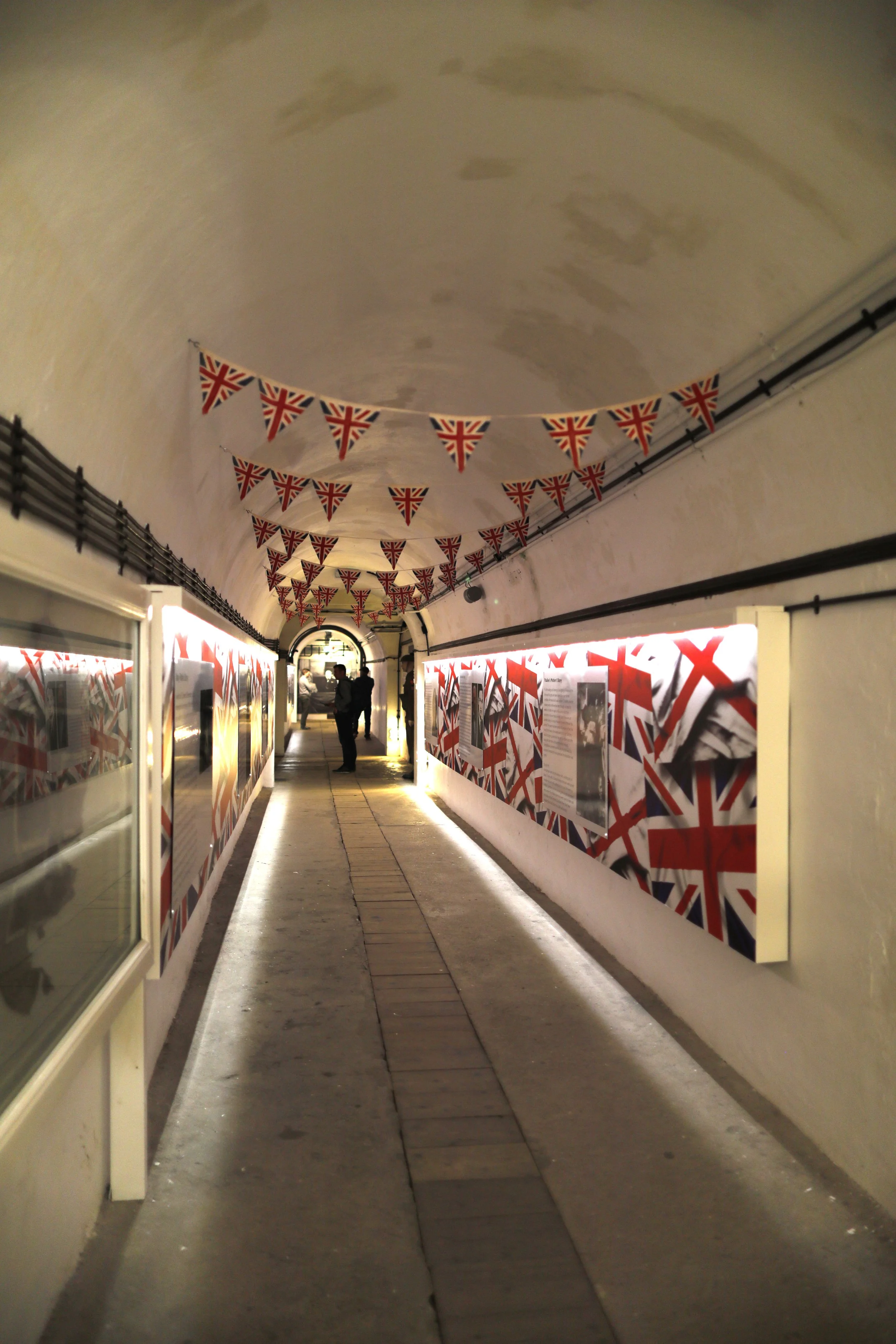
Then comes May 9, 1945, a date that still sparkles in local memory. British forces arrived and the island erupted in relief and joy — a liberation that transformed sorrow into celebration. Today, that day is marked with a public holiday and annual events that blend remembrance with gratitude and visiting the island lets you witness both the scars of occupation and the resilience that followed.
07 | Discover the Irresistible Appeal of Saint Helier
St. Helier, Jersey’s bustling capital, shelters more than a third of the island’s residents. The island’s sole town and largest settlement takes its name from a Frankish missionary said to have been martyred there in 555. What began as a modest fishing village clustered around the parish church — where royal courts convened in the 13th century — has since blossomed into a lively hub of markets, boutiques and charming cafés and restaurants.
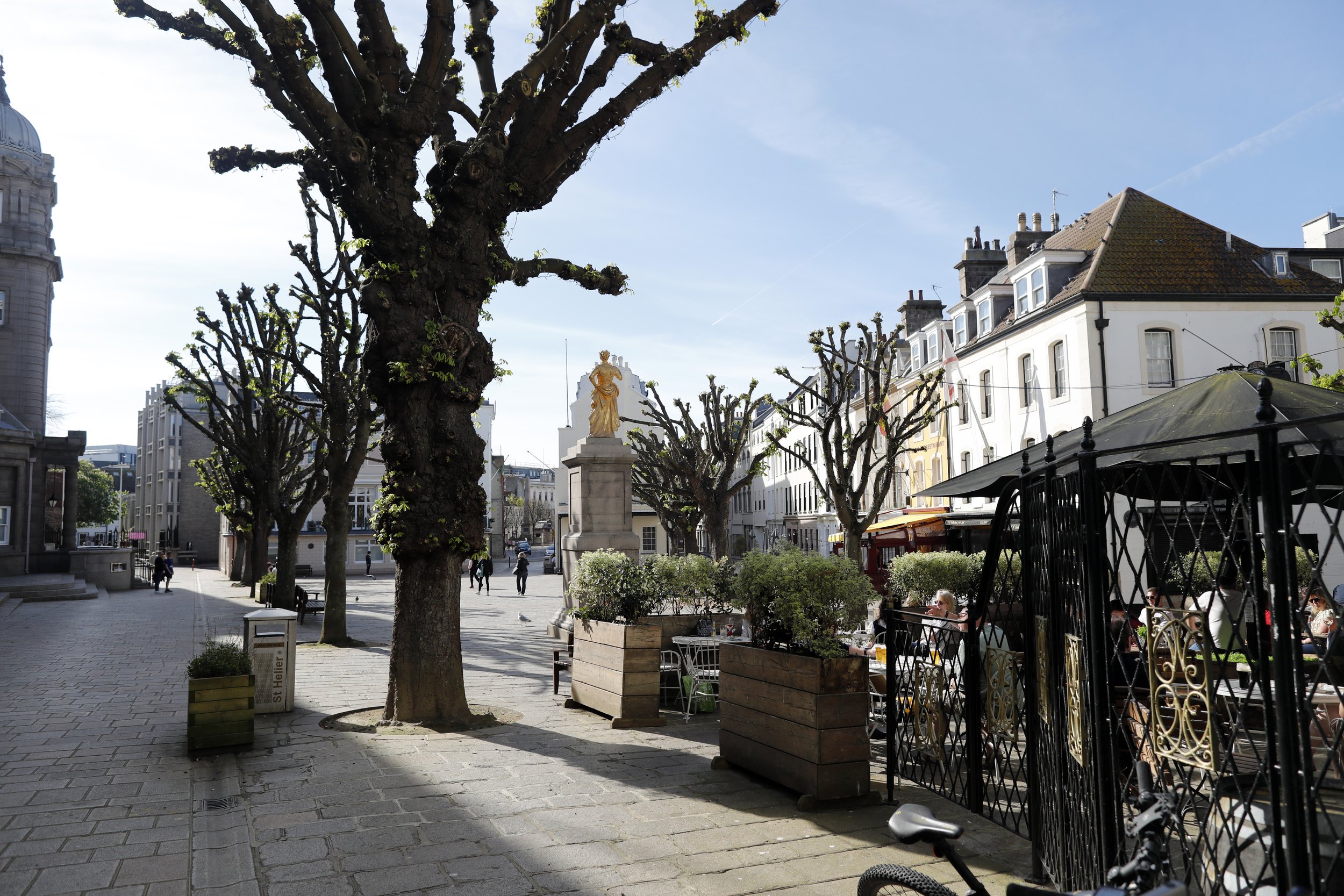
Central Market is a lively covered market housed in a striking Victorian iron-and-glass building that dates back to the late 19th century. Located just a few minutes walk from the main bus station, near the waterfront and the town’s commercial center, it serves as a focal point for local life, offering fresh produce, seafood, flowers, baked goods and a variety of specialty stalls selling cheeses, charcuterie and artisan products.
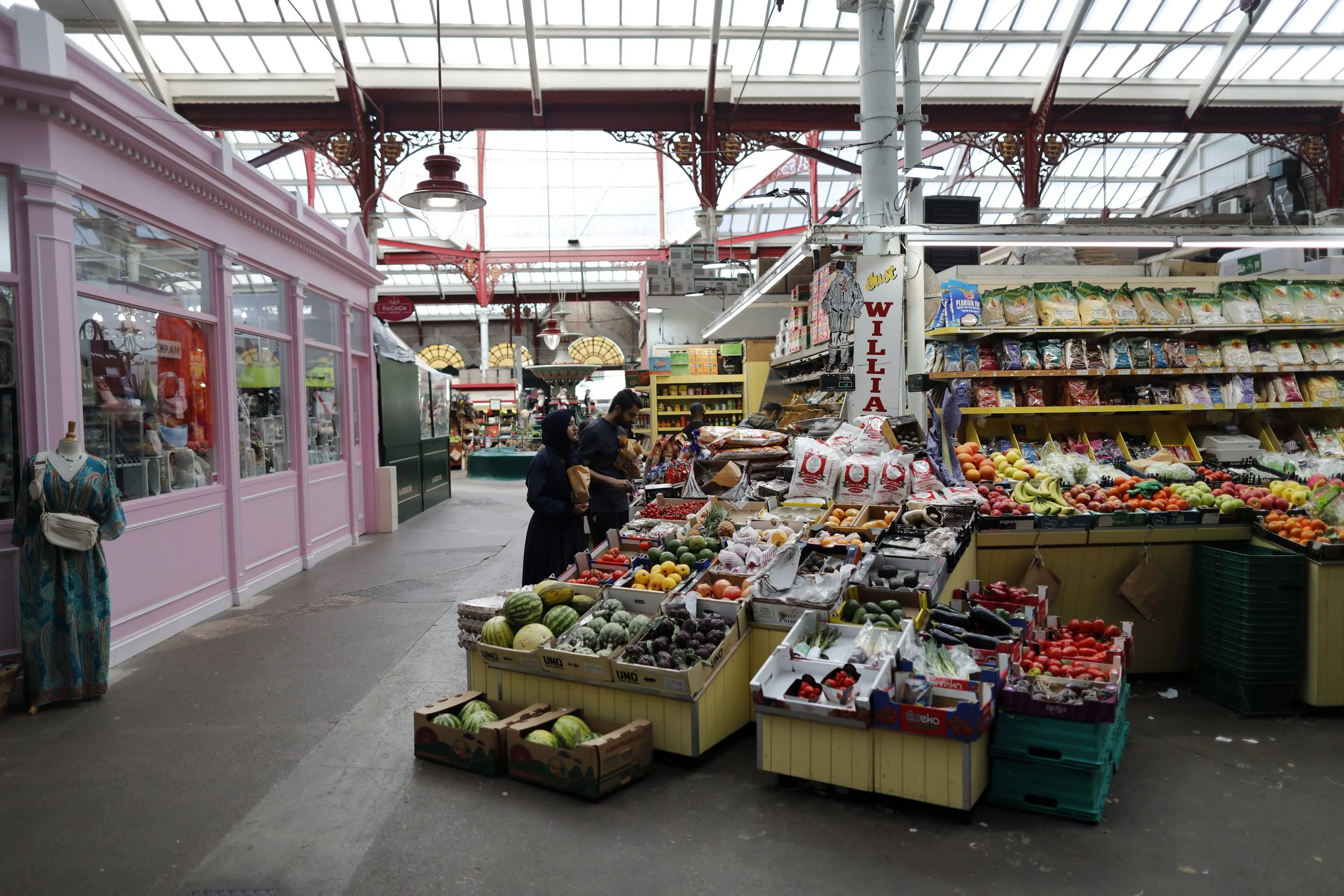
Vendors range from long-established family businesses to newer independent traders, giving the market a mix of traditional Jersey fare and contemporary offerings. Mornings are best for the widest selection and the freshest catches; weekends can be busy with both residents and visitors browsing stalls or picking up ready-to-eat items. The market also hosts occasional events and seasonal displays, reflecting the island’s food culture and community spirit.
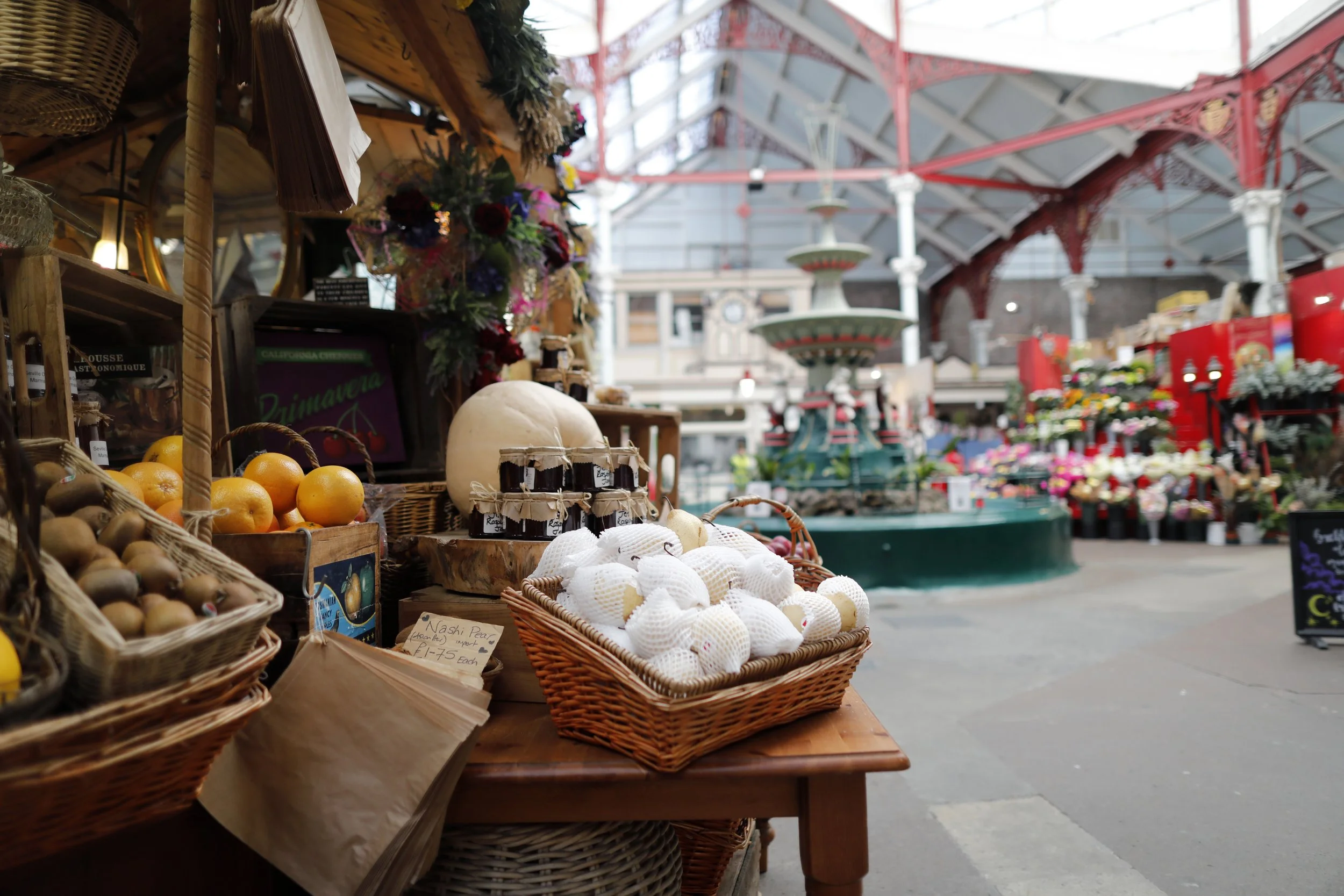
Practical details: the market is compact and easy to walk, with accessible entrances and nearby parking and public-transport links in St. Helier. It’s a good stop for sampling local specialties like Jersey Royal potatoes, island cheeses and fresh seafood while experiencing a slice of daily life in Jersey.
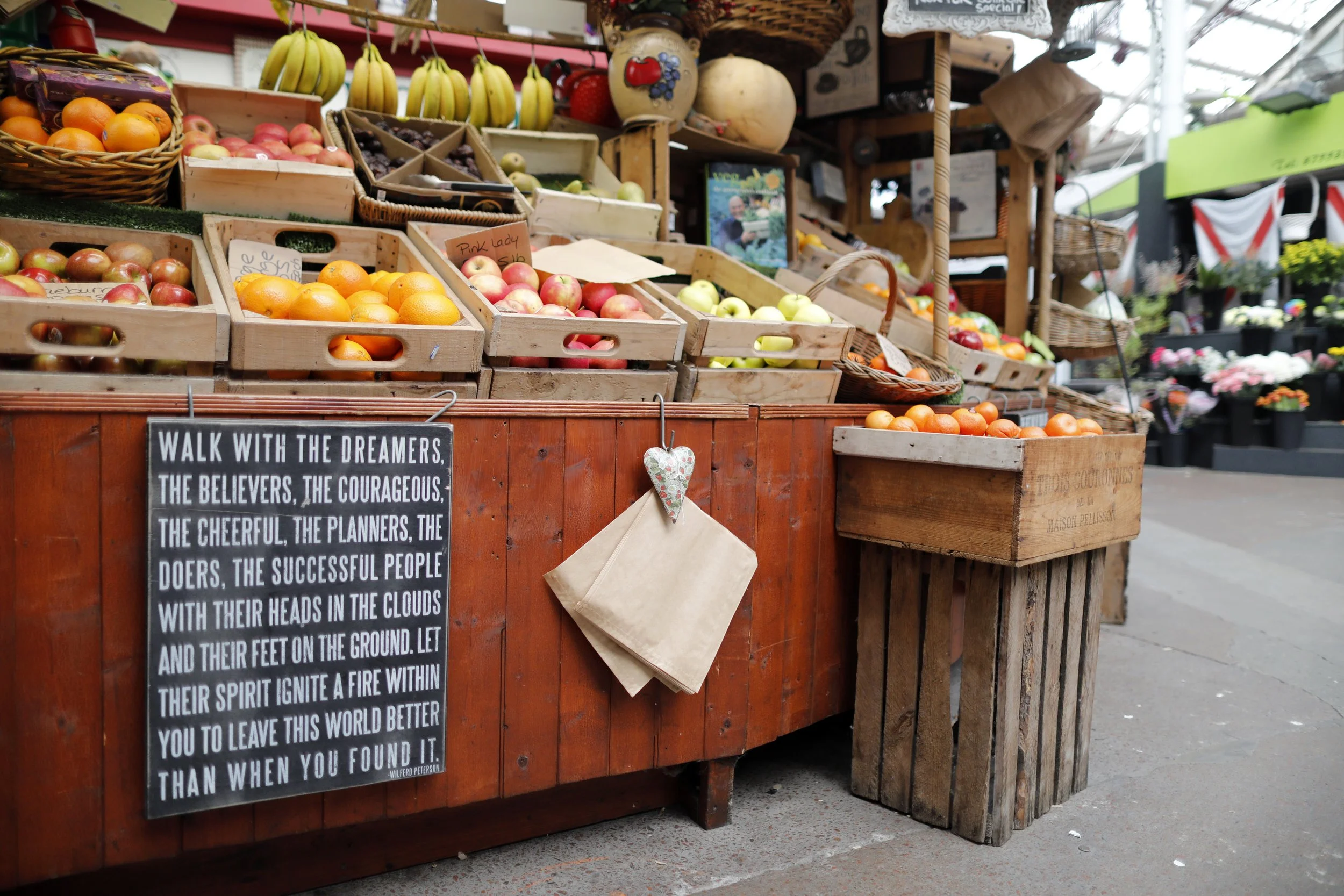

The flower stalls steal the show — buckets overflowing with peonies and ranunculus, sprays of eucalyptus and unexpected pops of wildflowers that smell faintly of rain. The rest of Central Market hums with the steady business of everyday life: fishmongers calling out the morning catch, a baker arranging crusty loaves, market-goers bargaining for Jersey potatoes. It’s not a grand spectacle but in those floral bursts and the gentle chaos around them, I found the market’s quiet charm — a place where color and routine met, and where a simple stroll feels like meeting the island itself.

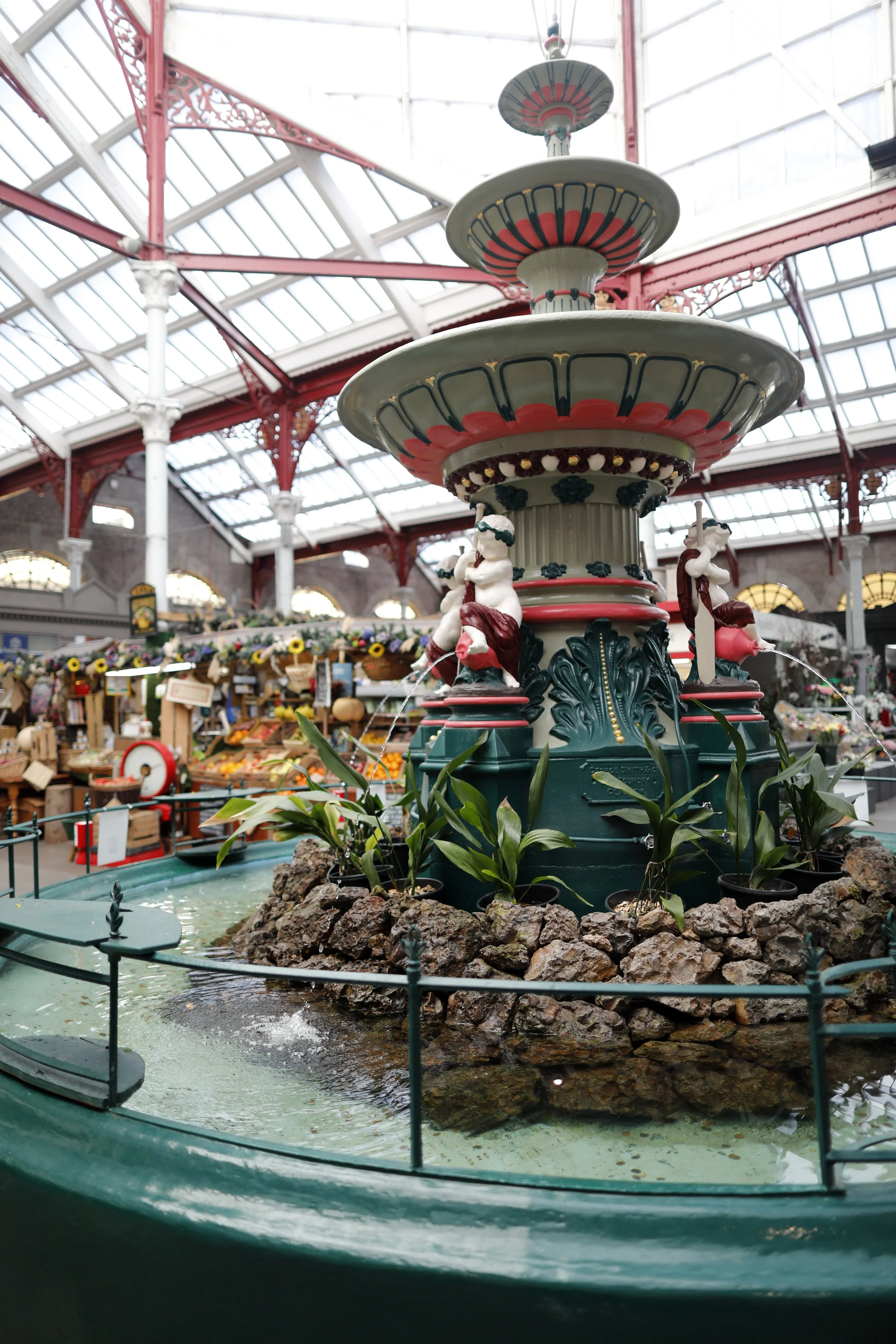
At the heart of the market rises a graceful, tiered fountain — its stone basins draped in greenery, tiny figures peeking out between ferns and trailing vines. Water tinkles gently over edges, drawing locals and visitors alike to linger, sip coffee and watch the rhythm of St. Helier unfold around it.
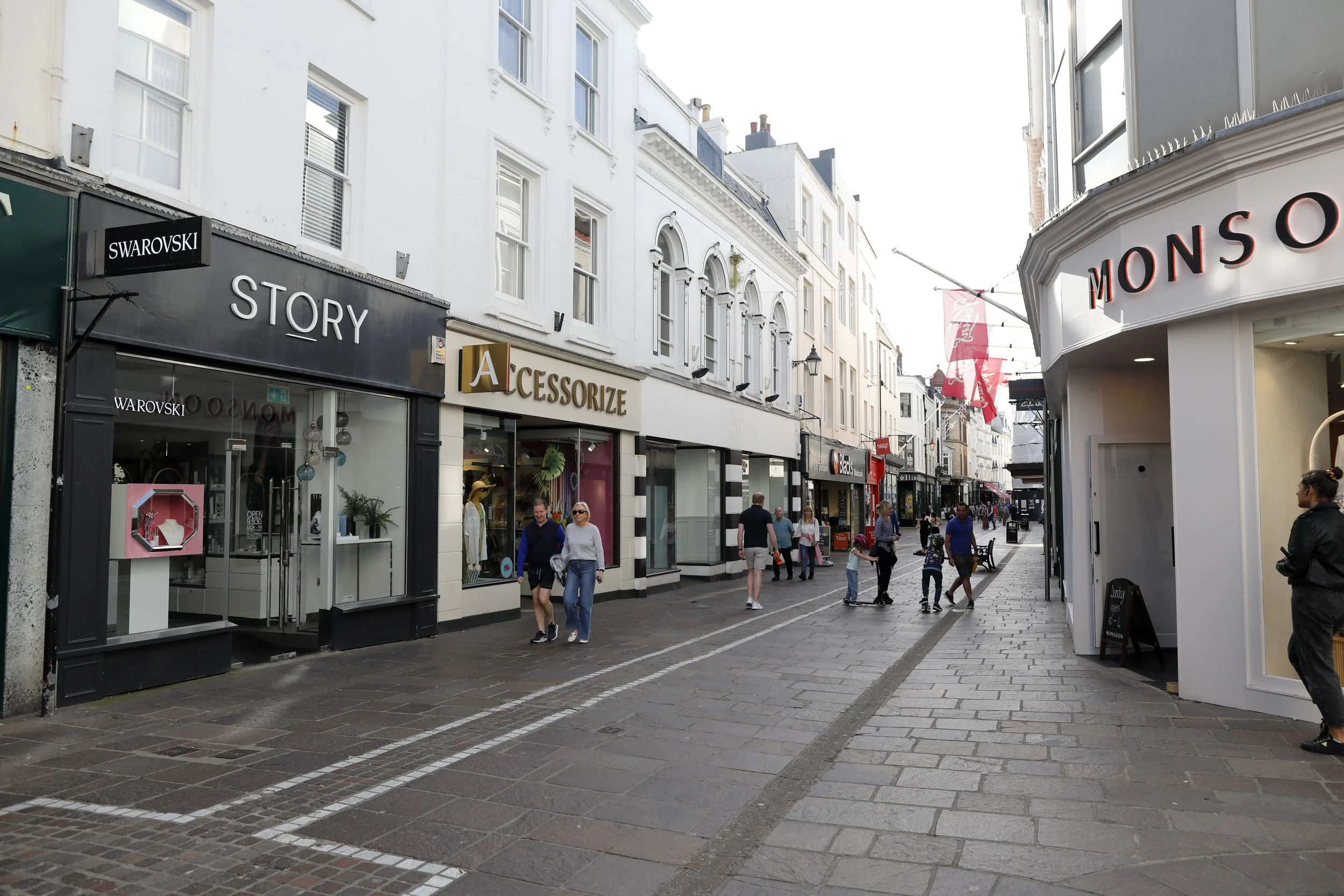
Nearby, downtown unfolds like a seaside storybook: narrow stone streets ripple with character, framed by a mix of boutique shops and sunlit cafés. Independent retailers spill colorful wares onto the sidewalks, while cozy coffee houses offer steaming cups and a front-row seat to the easy rhythm of locals wandering past. The air carries a faint salt breeze and the sound of friendly chatter, making every stroll feel quietly celebratory.
Downtown also offers a diverse mix of dining options, from cozy cafés and traditional British pubs to upscale seafood restaurants and modern bistros serving international and Jersey-inspired cuisine. You’ll also find casual takeaway spots, artisan bakeries and a growing number of trendy fusion and farm-to-table eateries.
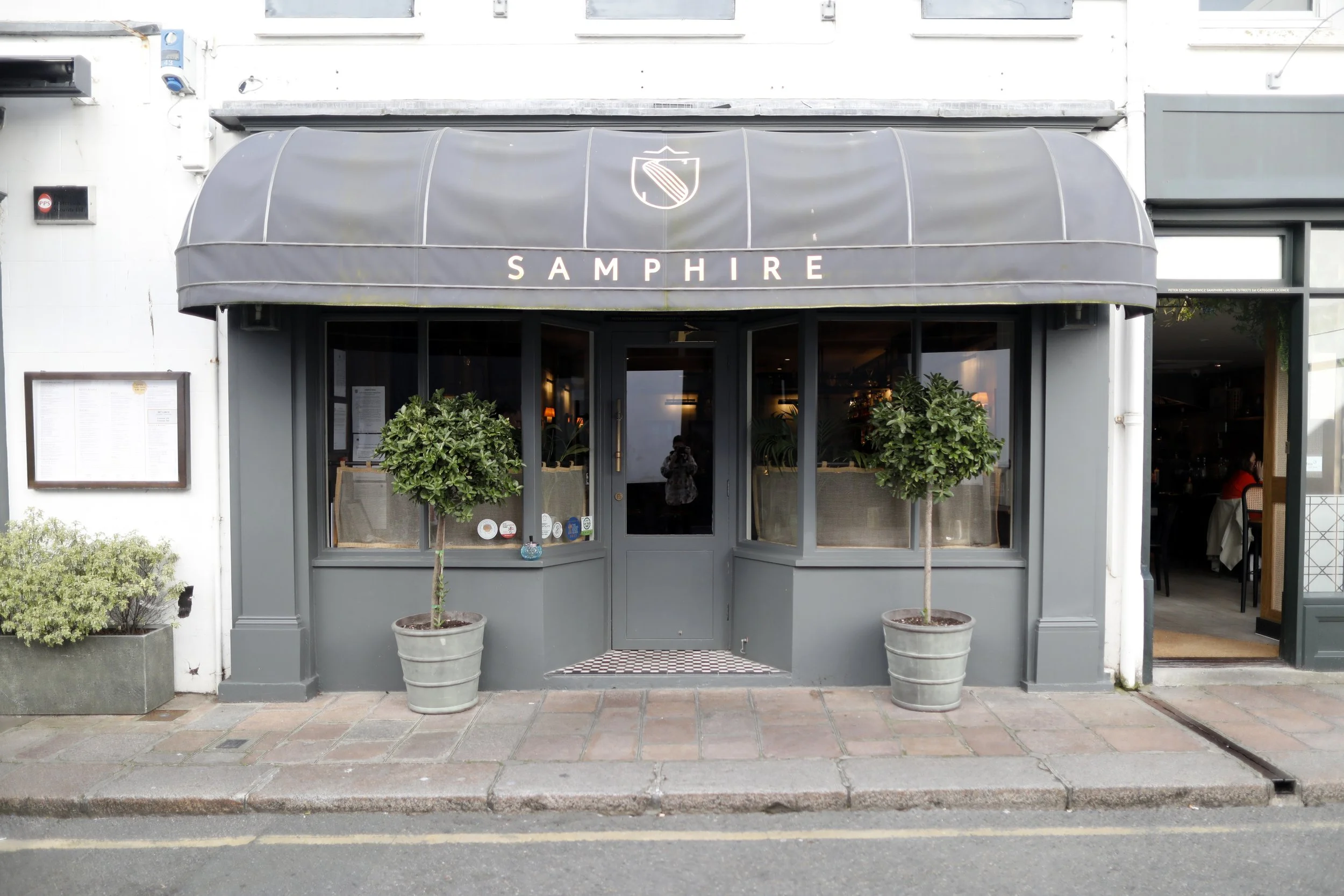
08 | Relish an Unforgettable Meal at Samphire
Waiting until the doors open feels like the last polite pause before a much-anticipated rendezvous. Samphire greets you with the easy confidence of a seaside town brought indoors — polished yet unpretentious, where every detail whispers a fondness for the region’s harvest. Under Head Chef Tom Radiguet’s eye, the kitchen turns local produce into small acts of celebration: contemporary dishes that feel both considered and delightfully unfussy. Complementing the food is a cocktail list as inventive as it is drinkable, each sip designed to sing alongside the plate. Samphire manages that rare travel pleasure — refined flavors served with a warm, welcoming nudge.
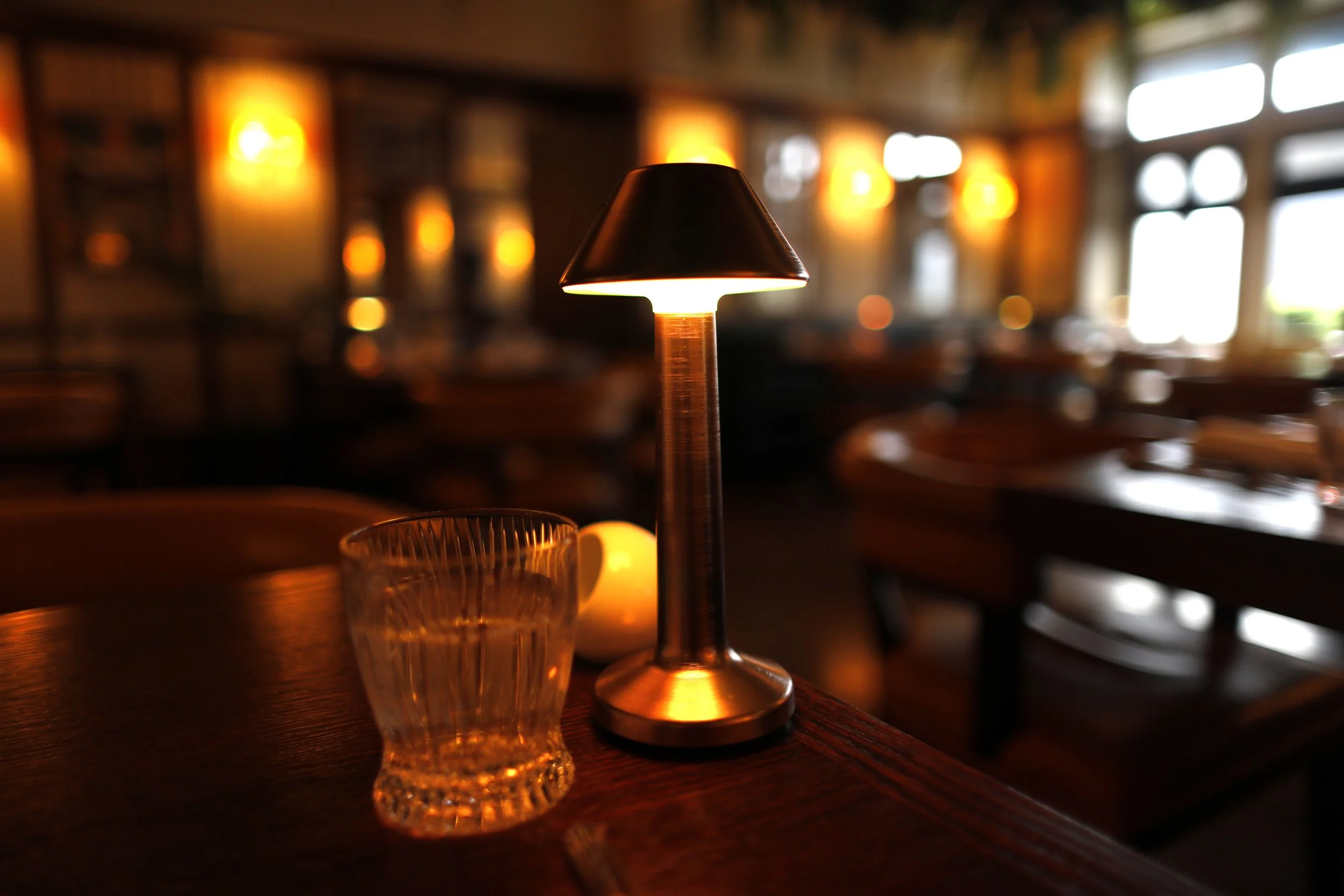
Walking through the door feels like slipping into a deliciously private world — a sensuous dining den where honeyed leather, warm pools of moody light and deep, polished wood wrap around you like a well-loved coat. The air hums with low conversation and the promise of something memorable; every corner seems curated for whispered conversations and lingering bites.
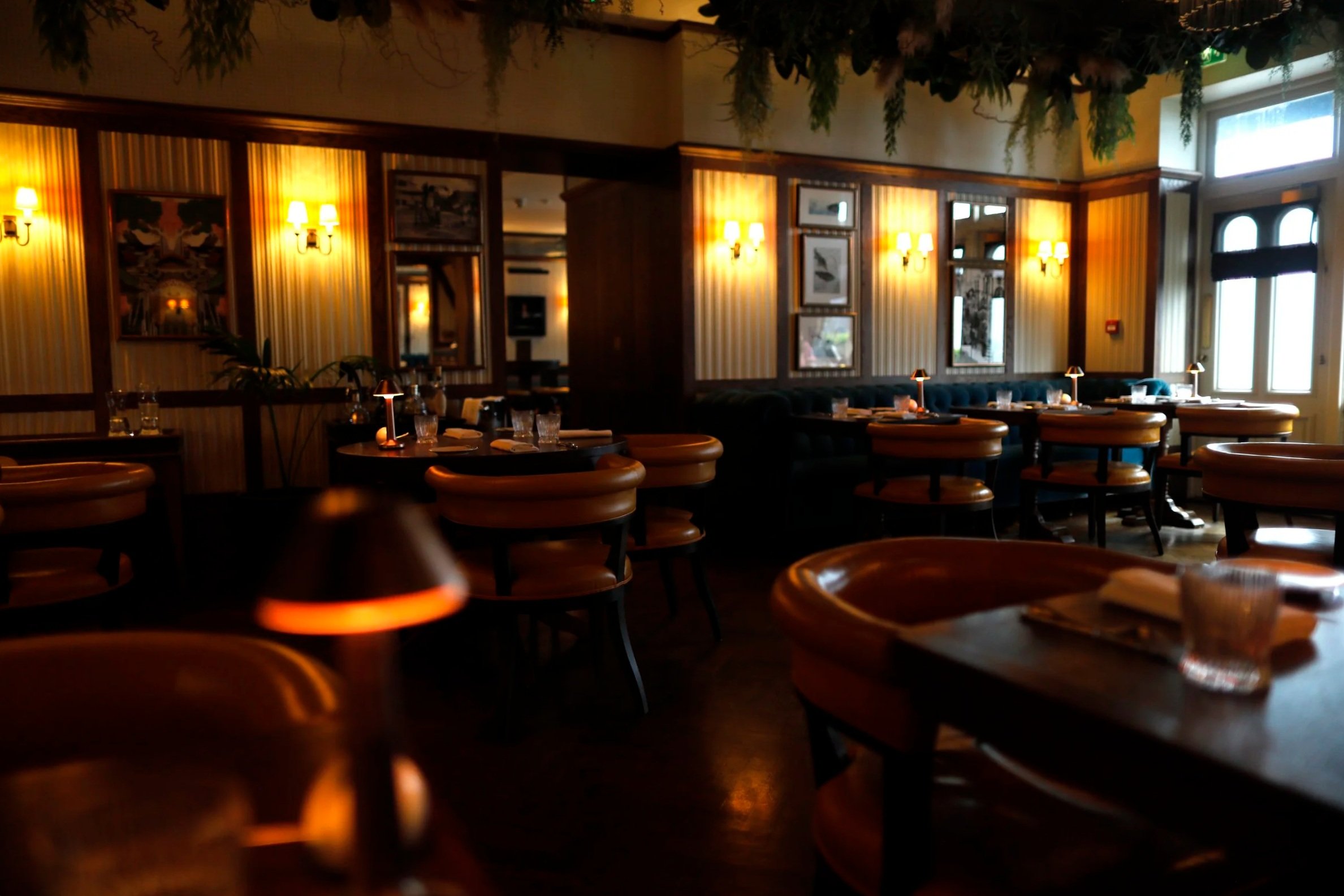
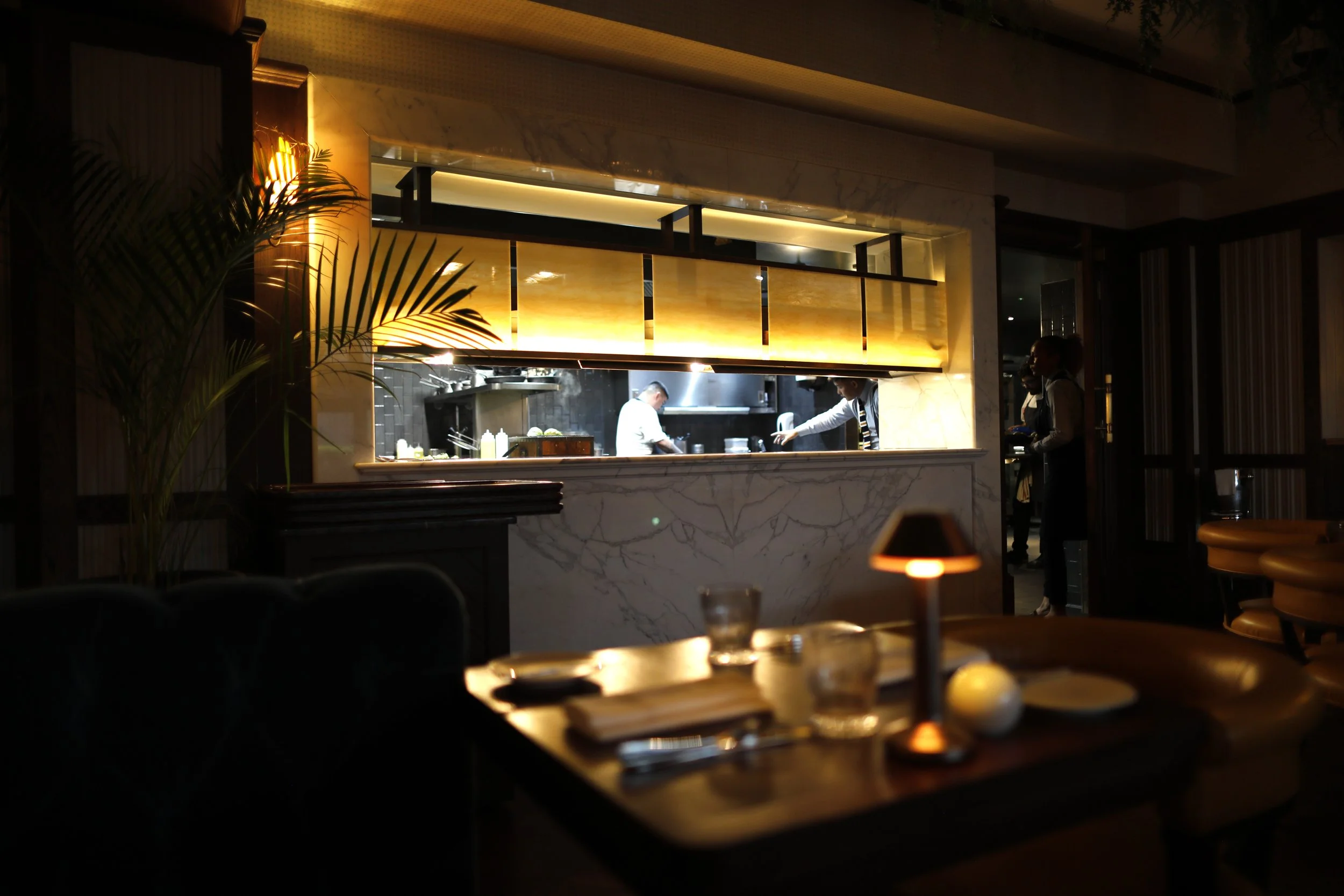
Settle into the second dining room, a cozy spot that feels like a front-row seat to the restaurant’s quiet choreography. From my table, I watched the kitchen hum with activity and glimpsed the gentle flow of the dining area — chefs moving with purpose, plates arriving like small curated stories and fellow diners sharing the same soft anticipation.
Begin the evening with an Old Fashioned, served exactly as it should be — balanced, smooth and instantly reassuring — and a warm, freshly baked roll that arrives alongside a pat of softly salted butter that melts the moment it meets the bread. Small pleasures like these set the tone for a meal that celebrates simple, well-executed flavors with a calm, refined charm.

Dinner reads like a love letter to the sea and the farmed pantry that surrounds Jersey. The menu unfurls a parade of tempting dishes — each one calling from the plate — so choosing feels like having to pick a favorite star in a constellation.
Pages tease with a creamy burrata di bufala, cured swordfish ceviche, truffle linguine, Scottish smoked salmon and the prized Jersey hand‑dived scallops — dishes that promise the island’s best flavors in every bite. If the menu is anything to go by, Samphire is where local produce and coastal generosity meet on the plate.
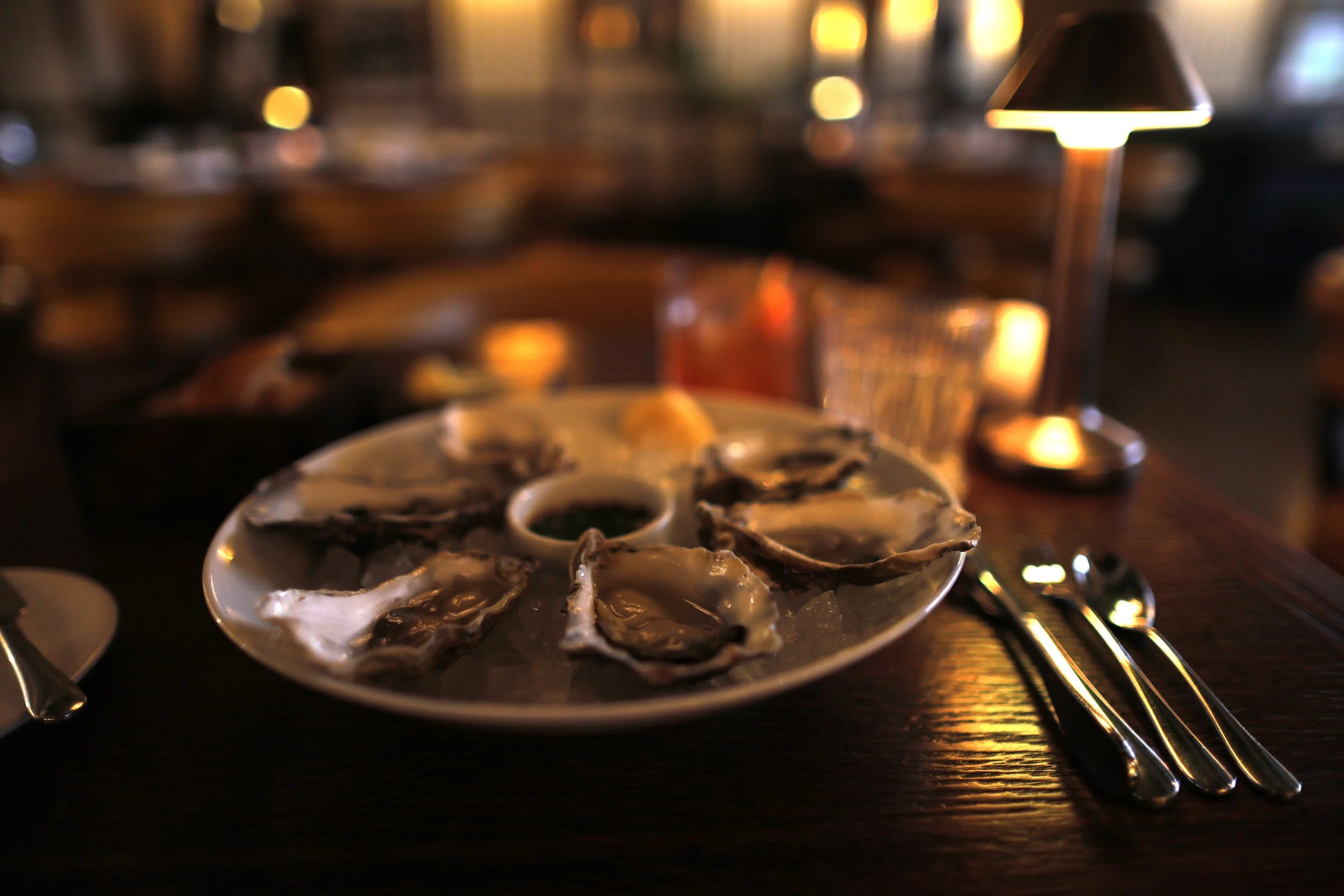
Oysters arrived first: briny and feather-light, each one a tiny taste of the sea, their briny perfume brightened by a maple and shallot vinaigrette that made each mouthful sing. I stayed with the ocean for the main course — Jersey sea bream crowned with grilled local shellfish, flecks of wild garlic and a fragrant bouillabaisse. The dish felt like a sweet promise to the island: the broth deep and comforting, the shellfish adding smoky sweetness on top and the whole plate balanced between rustic warmth and polished seaside finesse.
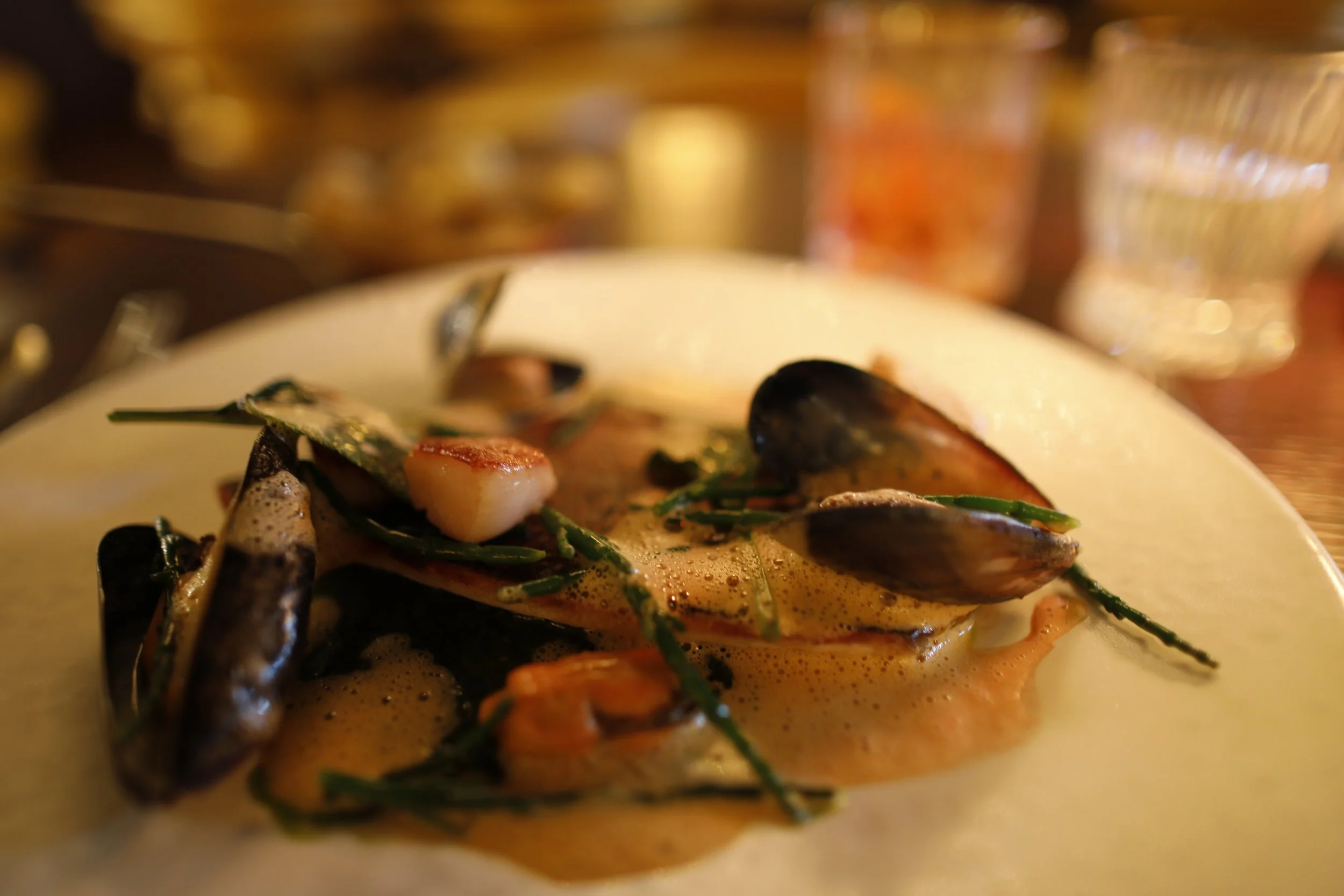
Amid the sea-salted air and cheerful clink of glasses, one tempting accompaniment steals the spotlight: a side of Jersey Royals. These small, sun-kissed potatoes — grown only on Jersey and protected by a Designation of Origin — arrive at the table with an irresistible simplicity. The variety, known as International Kidney, is the island’s pride and its largest crop export and here it’s treated with the reverence it deserves: simply steamed until tender, finished with a generous knob of butter and a scatter of fresh herbs. The result is humble, comforting, and utterly delicious — an elegant reminder that some of the finest flavors come from the most straightforward preparations.
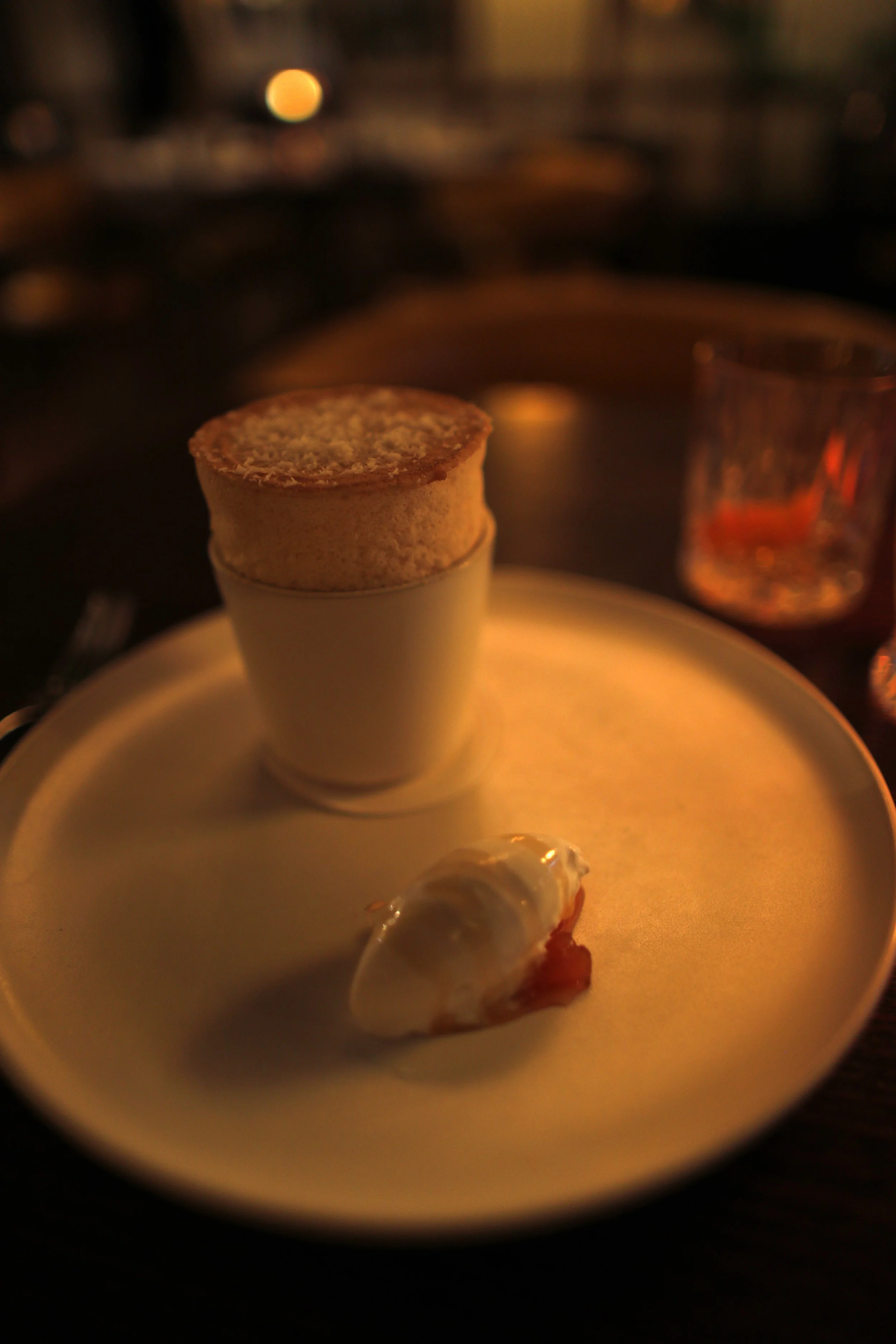
End your evening on a bright note with the pineapple soufflé: light as air, it arrives crowned with fresh coconut ice cream and a ribbon of pineapple caramel. The combination is deliciously tropical — perhaps a touch sweeter than some might prefer — but utterly transportive. Samphire in St. Helier doesn’t merely dish up food; it crafts intimate, beautifully composed moments that linger long after the last forkful.
09 | Go Wild at the Jersey Zoo
The Jersey Zoo, formally known as the Durrell Wildlife Conservation Trust’s zoo on the island of Jersey, is a compact but influential conservation institution that blends immersive visitor experiences with serious species-saving work. Founded in 1959 by naturalist Gerald Durrell, the zoo was created with the explicit mission of rescuing endangered species and reintroducing them to the wild. Unlike larger metropolitan zoos, Jersey Zoo focuses its efforts on smaller-scale, targeted breeding and conservation programs for animals that are under-represented in global protection efforts, particularly reptiles, birds and small mammals from around the world.
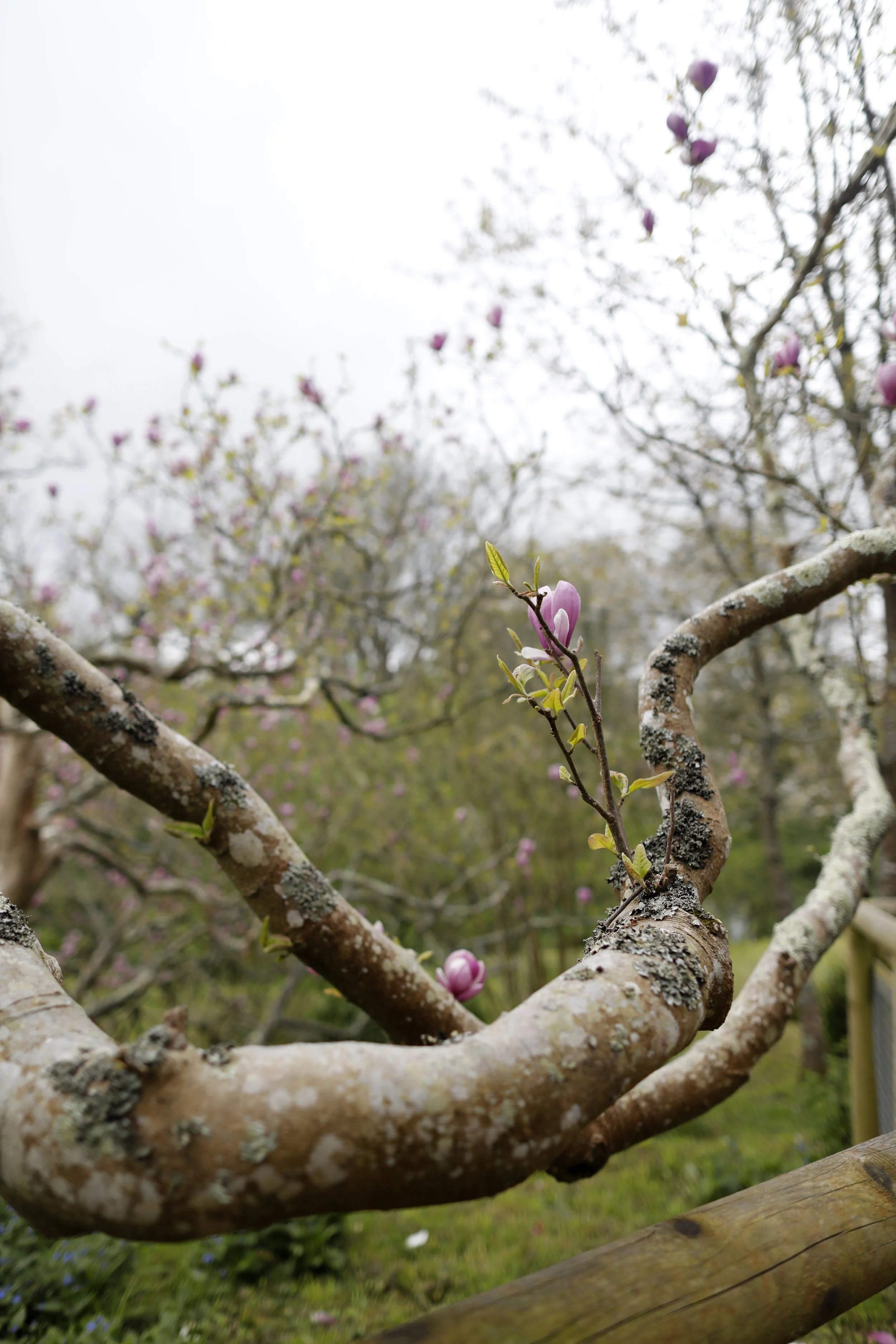
And, it sure doesn’t hurt visiting the zoo during cherry blossom season — late March through April.
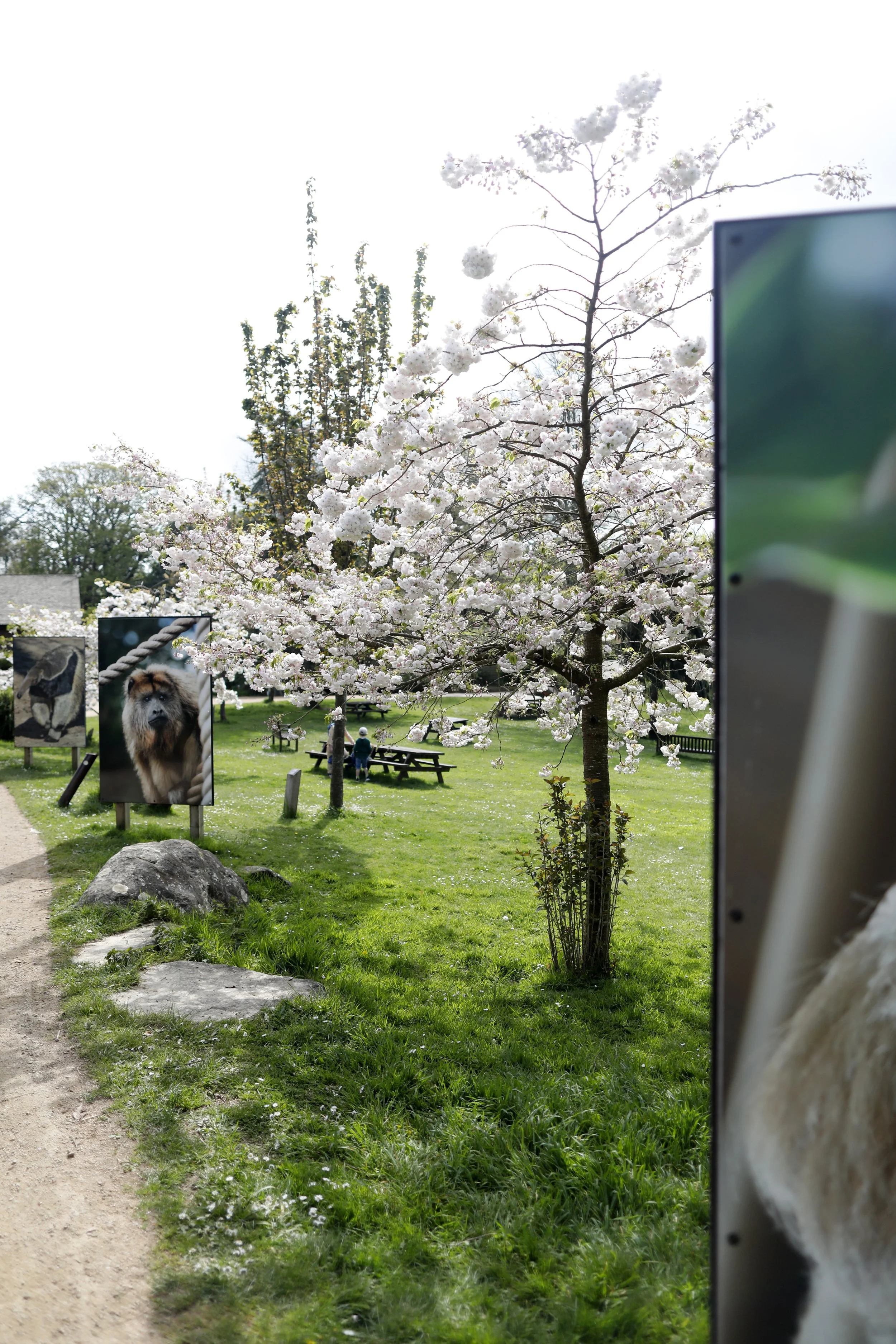
Walking through the zoo, visitors encounter thoughtfully designed enclosures that aim to replicate natural habitats and encourage natural behaviors. The layout encourages discovery rather than spectacle: meandering paths, dense planting and carefully placed viewing points create a sense of closeness between guests and animals while minimizing stress for the residents. Interpretive signage and keeper talks emphasize the stories behind each species — why they are threatened, what conservation measures are underway and how visitors can support wider conservation efforts. This educational focus is central to the zoo’s identity, positioning it as both a learning resource and a call to action.
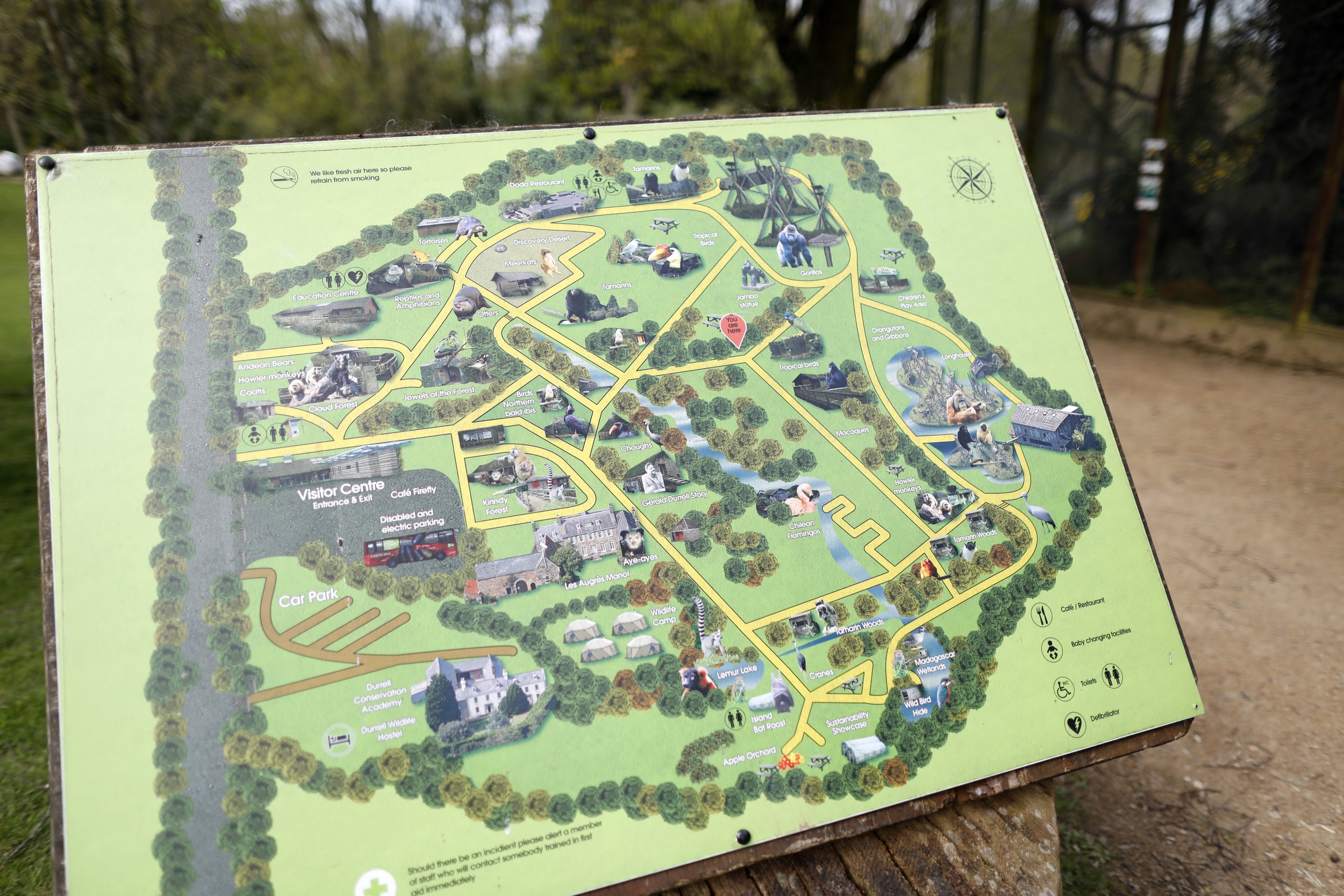
The zoo is organized into habitat-based zones that mirror regional ecosystems — temperate woodlands, coastal cliffs, tropical glasshouse and a nocturnal house — allowing animals to live in environments tailored to their needs. Exhibits are arranged along a clear looped pathway with signage that explains species behavior, conservation status and feeding schedules. Dedicated areas for education, research and veterinary care are situated near the center, while interactive play and picnic spaces are positioned toward the entrance for families. Seasonal programming and rotating exhibits help manage visitor flow and highlight different conservation themes throughout the year.
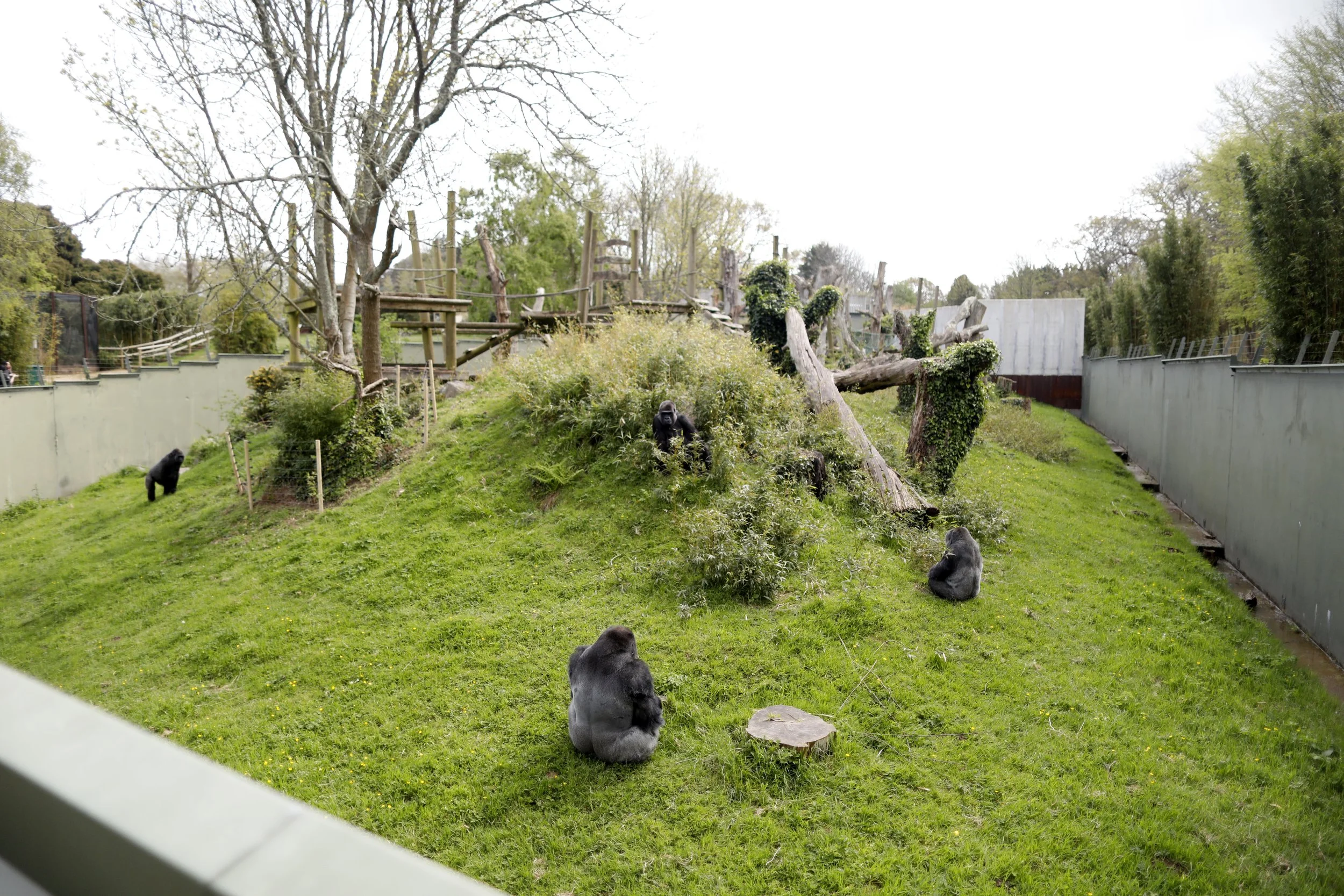
The gorillas are a quietly powerful presence, offering visitors a close-up look at one of our closest animal relatives. Housed in thoughtfully designed enclosures that prioritize naturalistic features and enrichment, the troop typically includes a dominant silverback, several adult females and younger offspring. Keepers emphasize social dynamics and behavioral enrichment, so you’ll often see the gorillas engaged in foraging, nest-building or gentle grooming rather than pacing or repetitive behavior.
Interpretive signage and keeper talks provide context about each individual’s history, conservation status and the broader threats facing wild gorilla populations — habitat loss, poaching and disease. Jersey Zoo is part of coordinated breeding and conservation programs, contributing to research and public education aimed at protecting gorillas in the wild. Photography is usually allowed from designated viewing areas; early morning or late afternoon visits often yield the most natural, active behaviors. Respectful, quiet observation gives the best chance to appreciate their intelligence, social bonds and subtle emotional expressions.
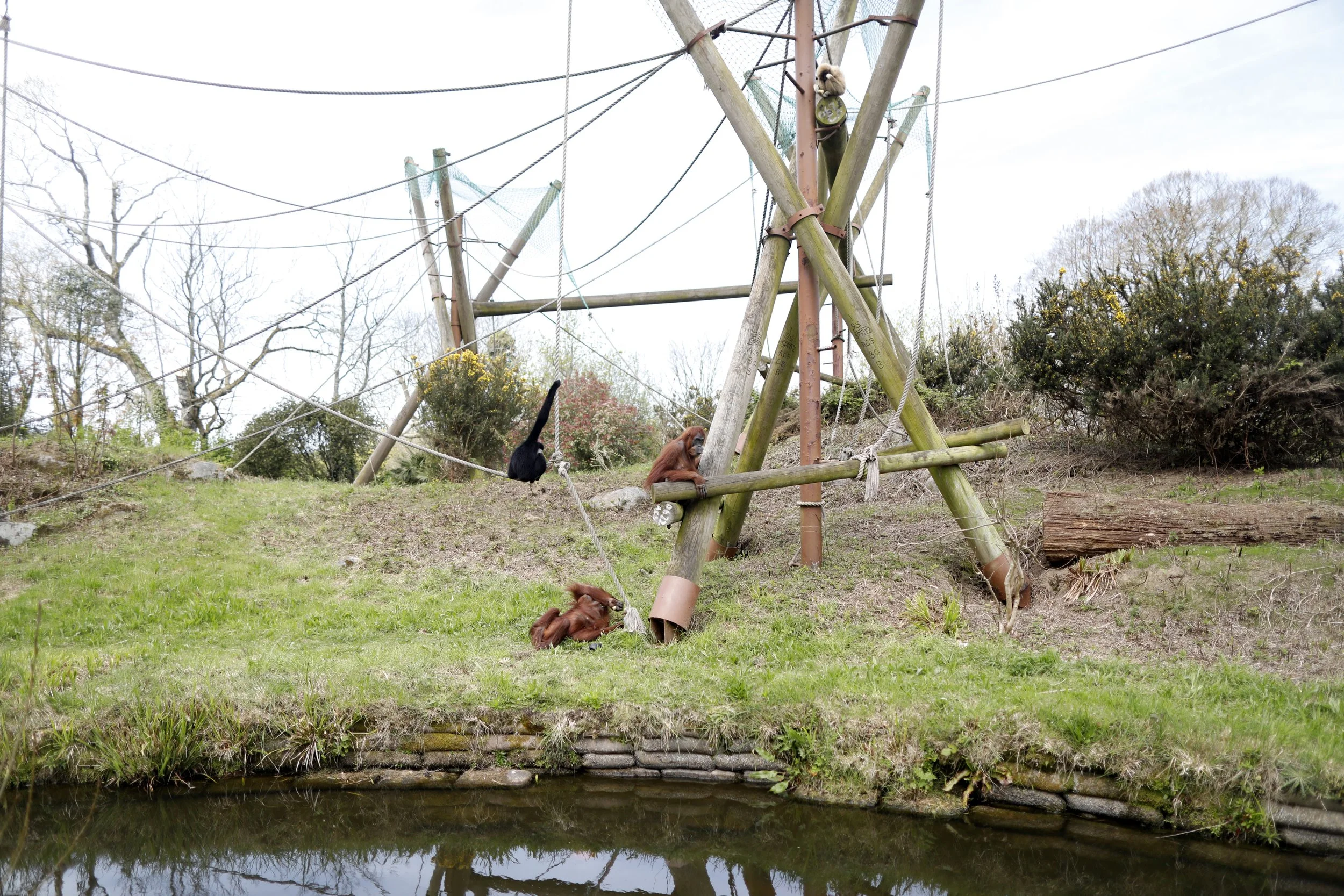
Jersey Zoo’s orangutans are a highlight of the island’s conservation-focused collection. Emphasizing captive breeding, rehabilitation and public education; the zoo’s work with orangutans reflects those priorities. The orangutans live in thoughtfully designed enclosures that encourage natural behaviors — climbing, foraging and nest-building — through complex climbing structures, ropes and enrichment devices.
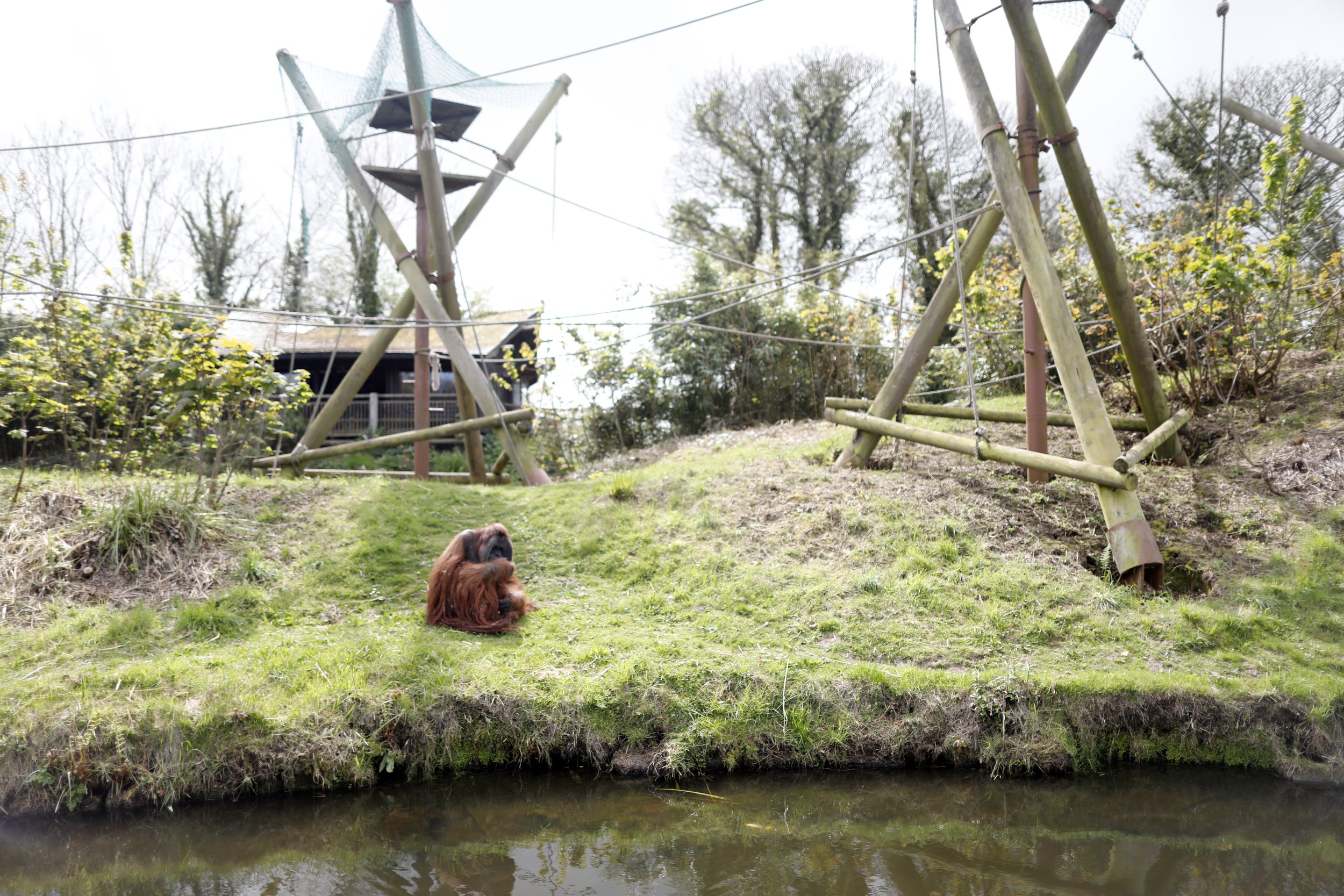
The team at the zoo works on both in-situ and ex-situ conservation efforts. Ex-situ programs help maintain genetically healthy populations and provide opportunities for research into orangutan behavior and husbandry. Enrichment and positive reinforcement training are used to support mental stimulation and cooperative veterinary care, reducing stress during health checks. Educational talks and keeper interactions aim to raise visitor awareness about threats in the wild, especially habitat loss and illegal wildlife trade.
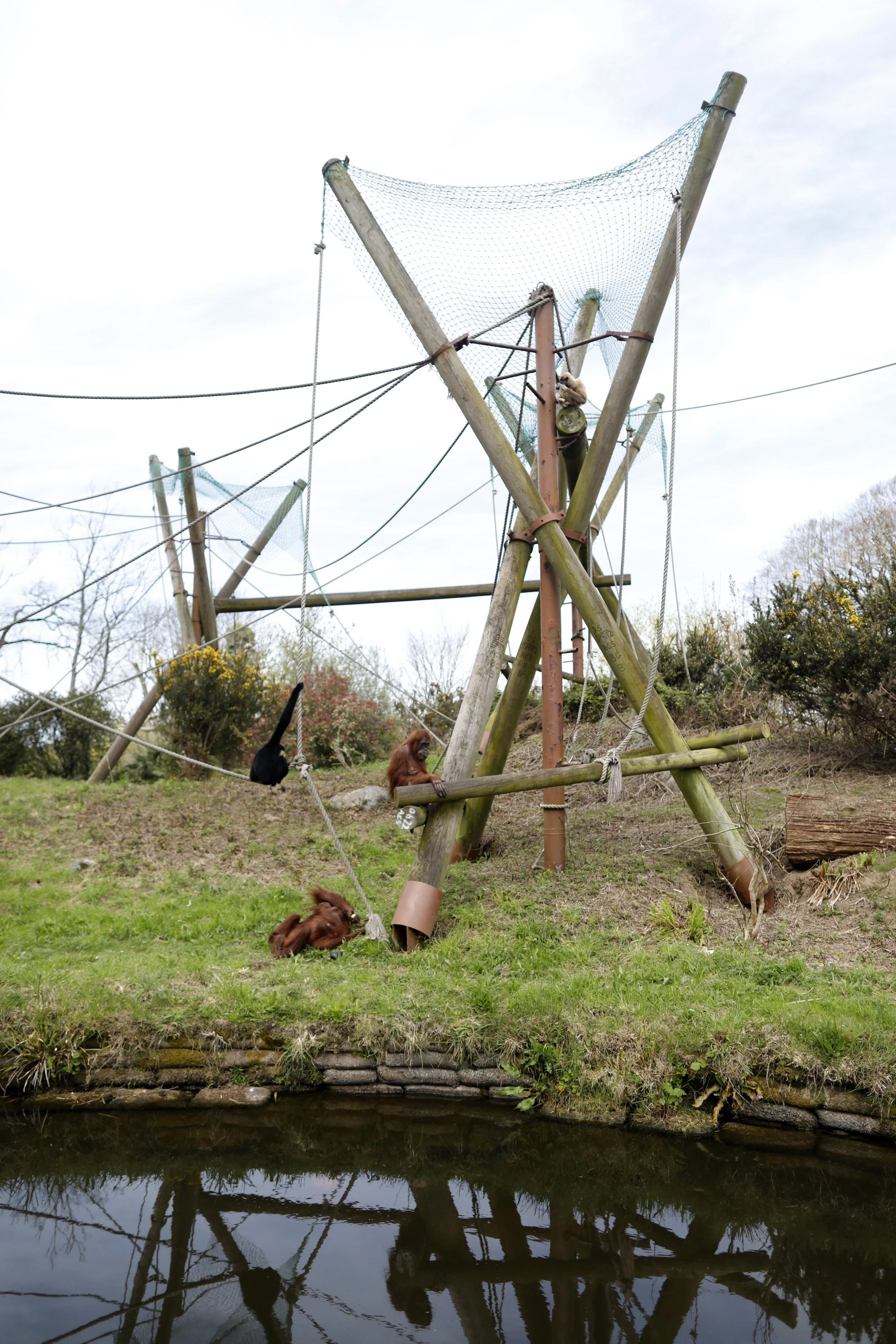
Visitors often get to observe the orangutans’ slow, deliberate movements and their intelligence: tool use, problem-solving and social interactions are common. The zoo’s approach balances animal welfare with conservation messaging, making the orangutan exhibit both informative and engaging while contributing to broader efforts to protect these endangered great apes.
The gelada is a captivating sight: a grass-eating primate native to the Ethiopian highlands, often mistaken for a baboon but belonging to its own genus, Theropithecus. You’ll typically see a small group displaying their social behaviors — grooming, chest-baring and the distinctive lip-flipping facial expressions. Males have impressive manes and the characteristic red hourglass-shaped patch on their chest, which plays a role in social signaling and mating.
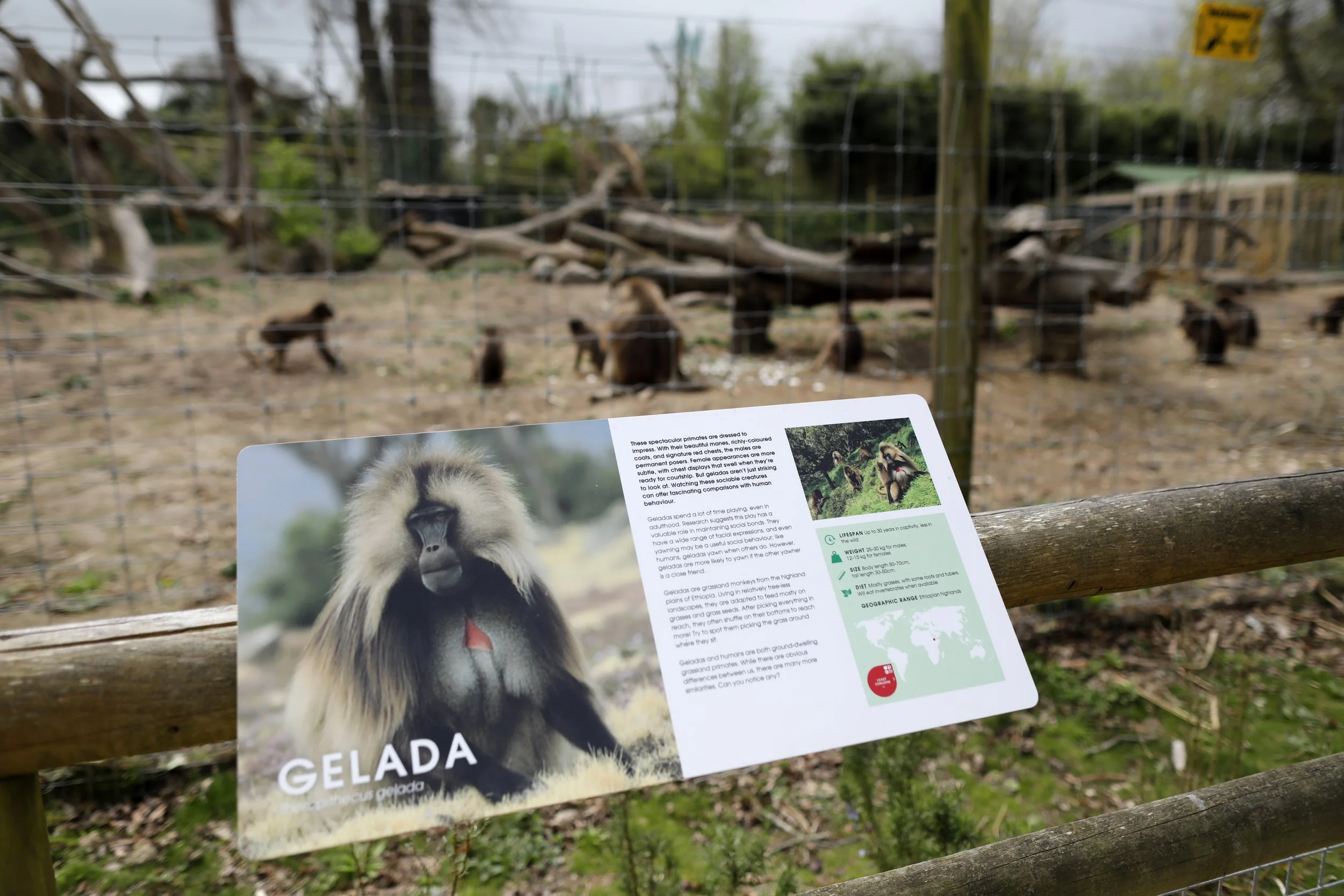
The zoo’s care for geladas focuses on replicating their natural environment as much as possible: rocky terrain, elevated viewing platforms and grazing areas with plenty of grass. Keep an eye on group dynamics — gelada societies are complex, with harems led by dominant males and multi-level associations that can include bachelor groups. The zoo’s education signage usually highlights conservation issues too: habitat loss in the Ethiopian Highlands and the species’ reliance on intact grassland ecosystems.
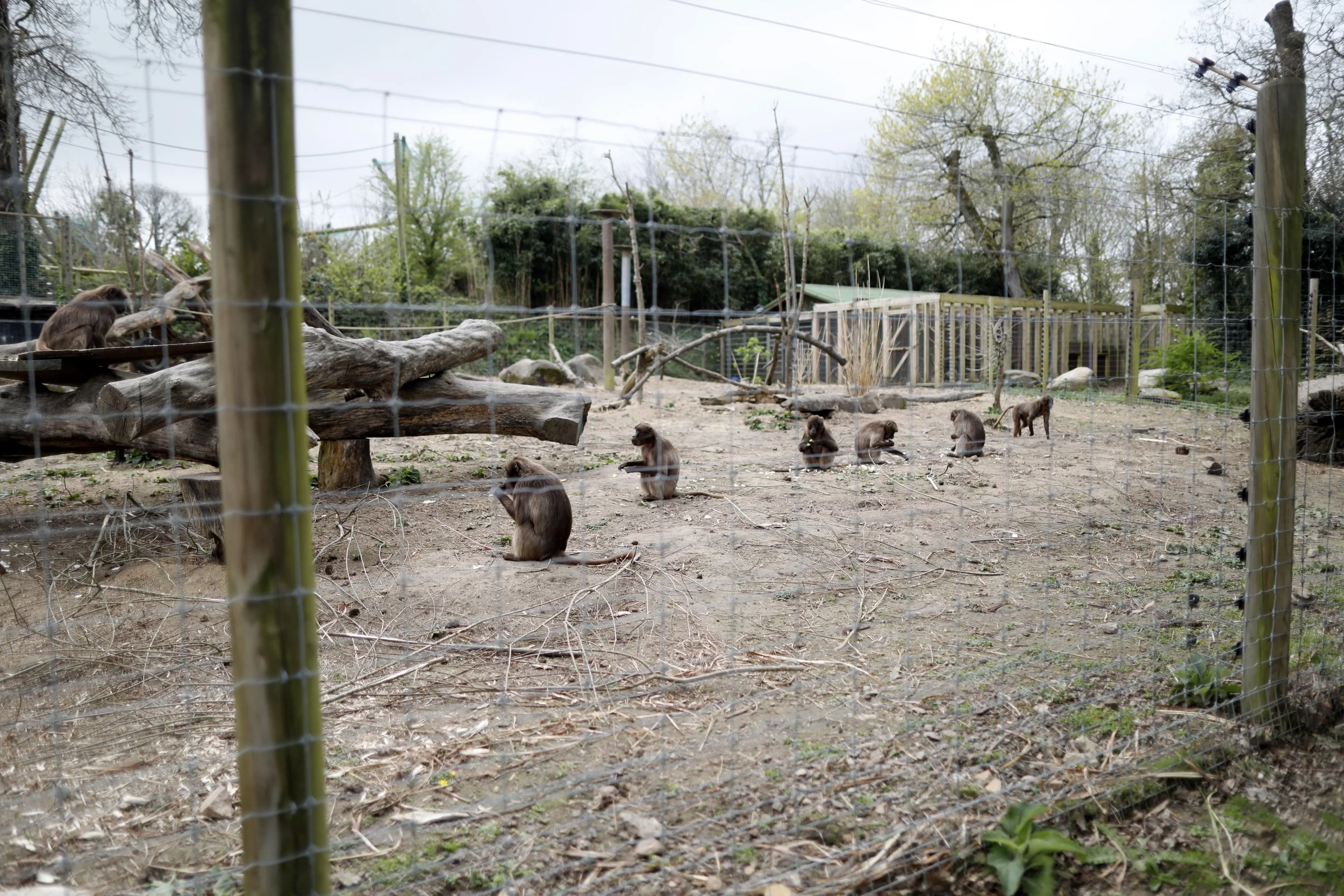
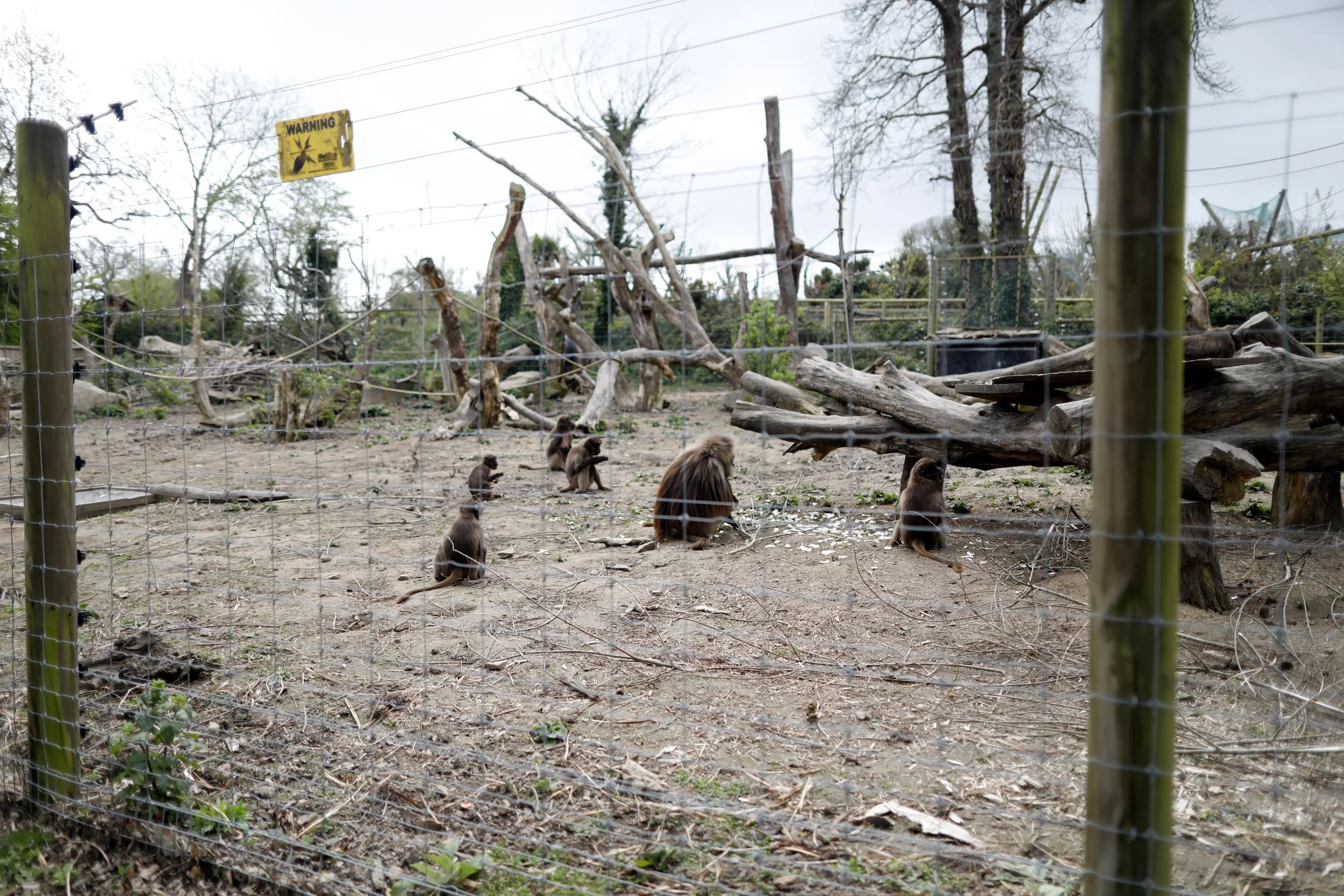
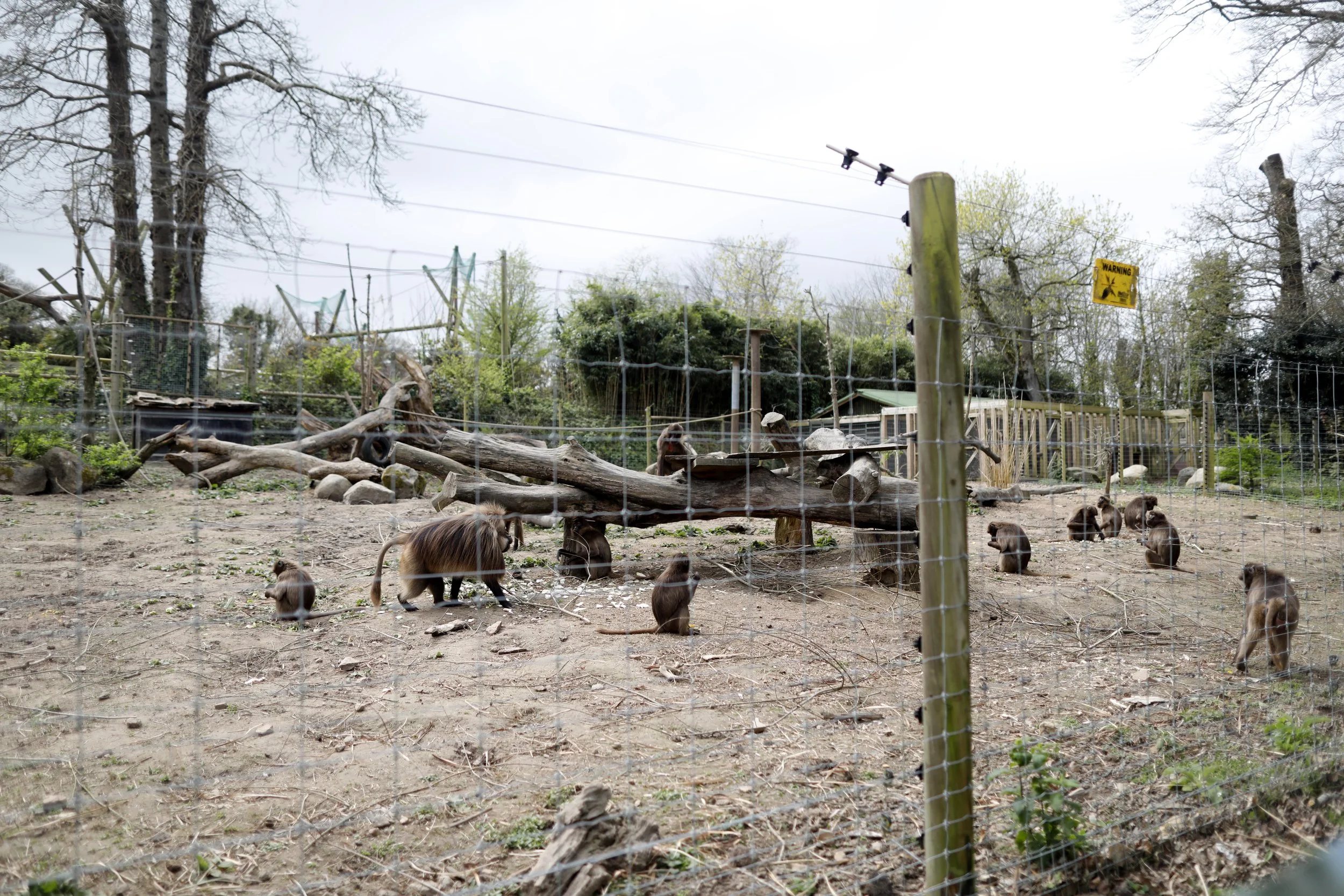
If you visit, allow time to watch their social interactions rather than just a quick glance — geladas are most interesting when they’re active and interacting. Staff talks or scheduled feedings are good opportunities to learn more about their behavior and the zoo’s role in conservation and research.
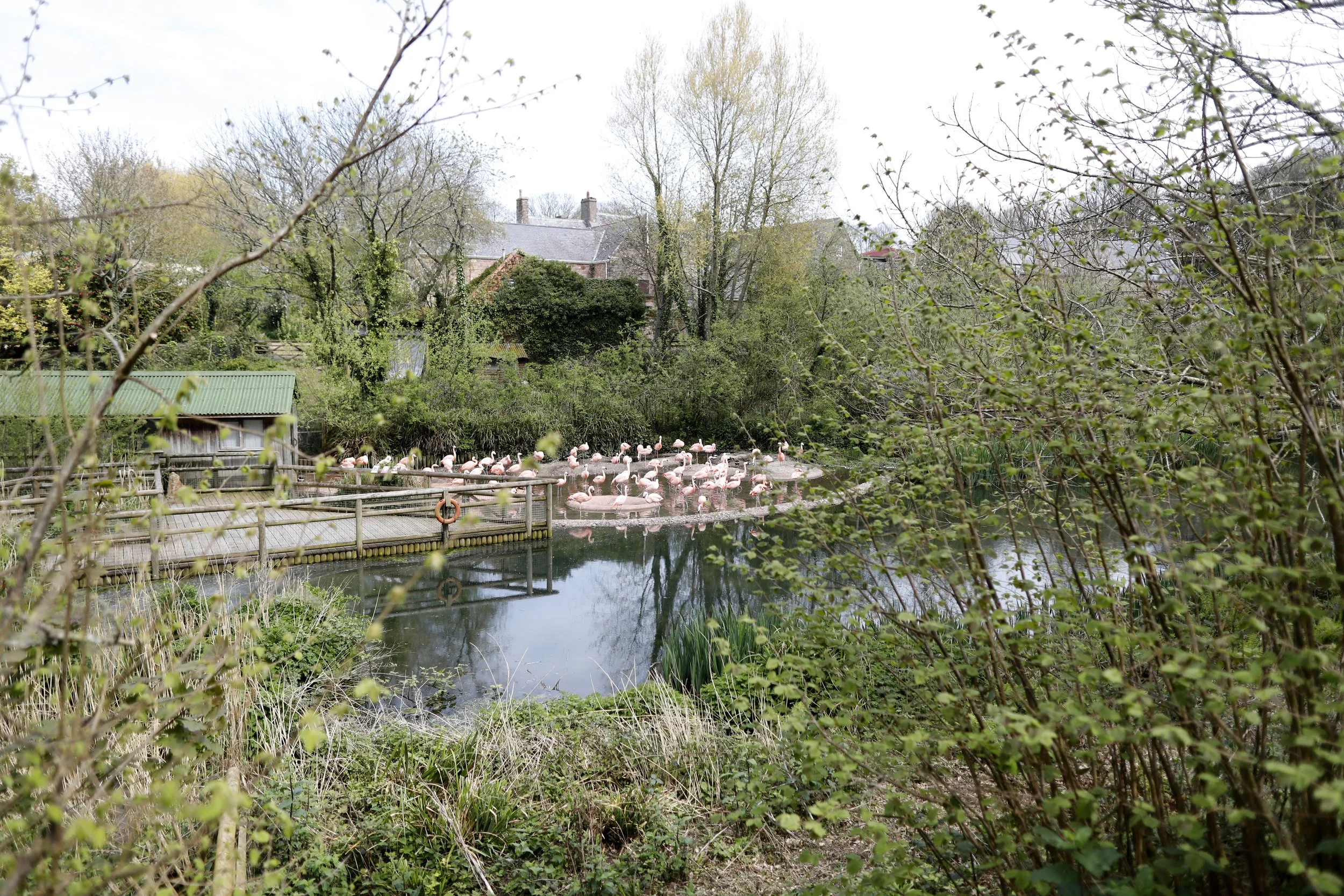
The zoo’s flamingos are a bright, engaging highlight of the park. The flock — mostly Chilean and greater flamingos — thrives in a spacious, carefully managed lagoon that mimics their natural wetland habitat. Visitors often spot them standing on one leg, preening or feeding in shallow water while staff maintain water quality and provide a diet rich in carotenoids to keep their feathers vibrantly pink.
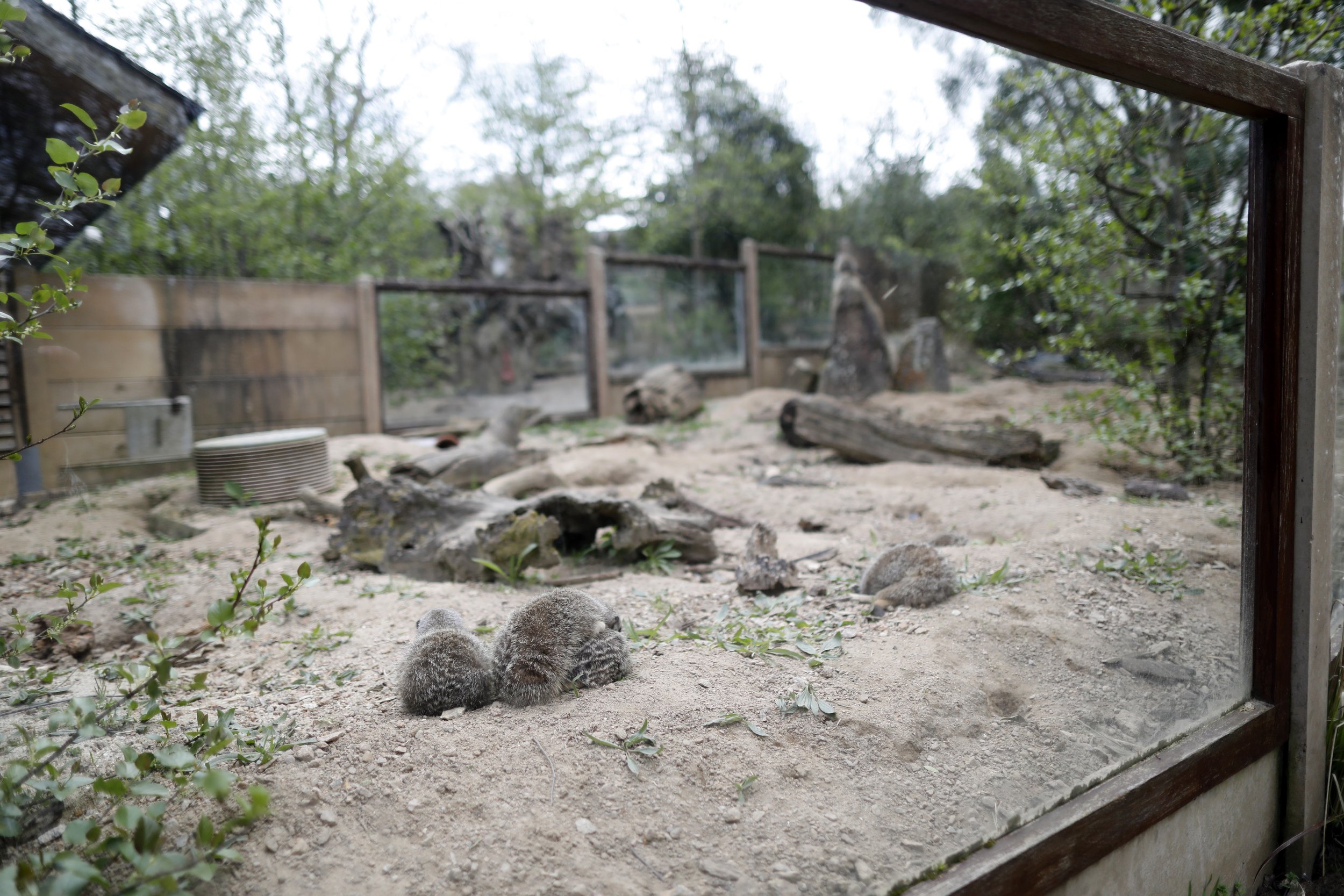
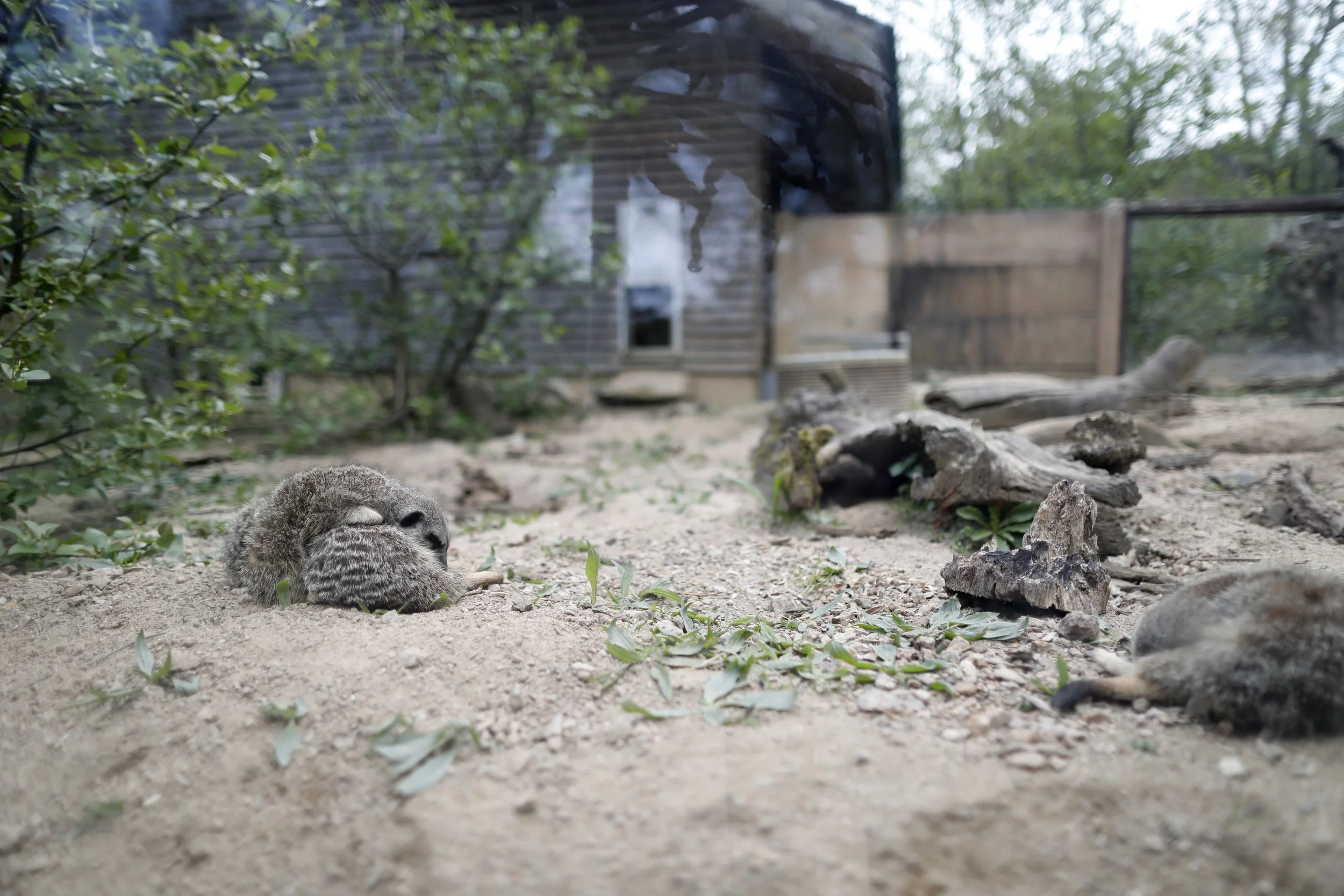
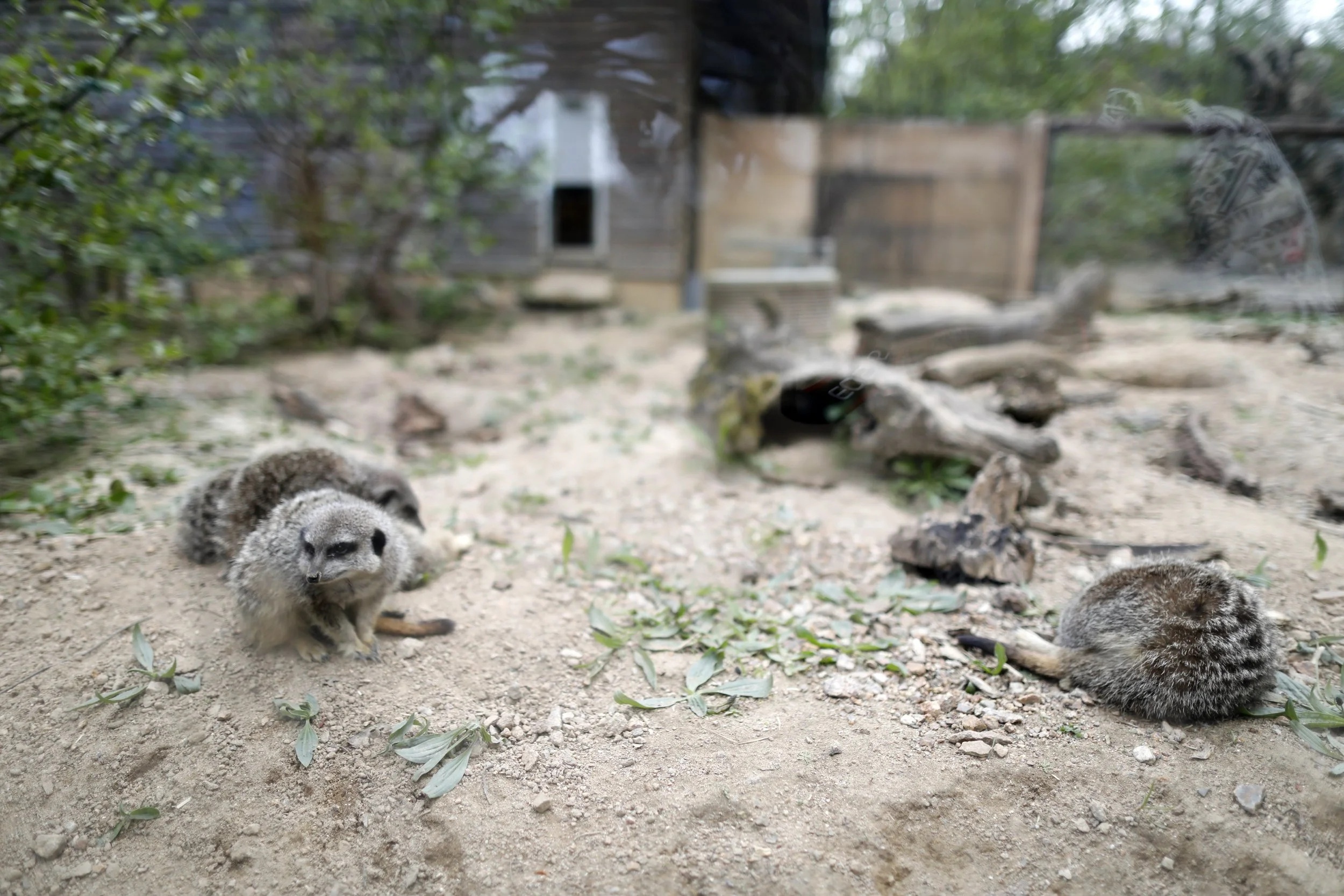
The zoo’s meerkats are a lively, social highlight of the park. Housed in a spacious, well-designed enclosure that mimics their natural arid habitat, the colony displays the characteristic cooperative behaviors — sentries standing upright to scan for danger, group foraging and communal care of pups. Visitors often see them popping up on termite-mound-like mounds or weaving through tunnels and rock work, which gives a great view of their curious, energetic personalities.
Besides being regarded for its conservation work with endangered species, the zoo is known for aviary and bird collections reflecting that focus. Visitors can expect a mix of native and exotic species, many part of captive-breeding or rewilding programs.
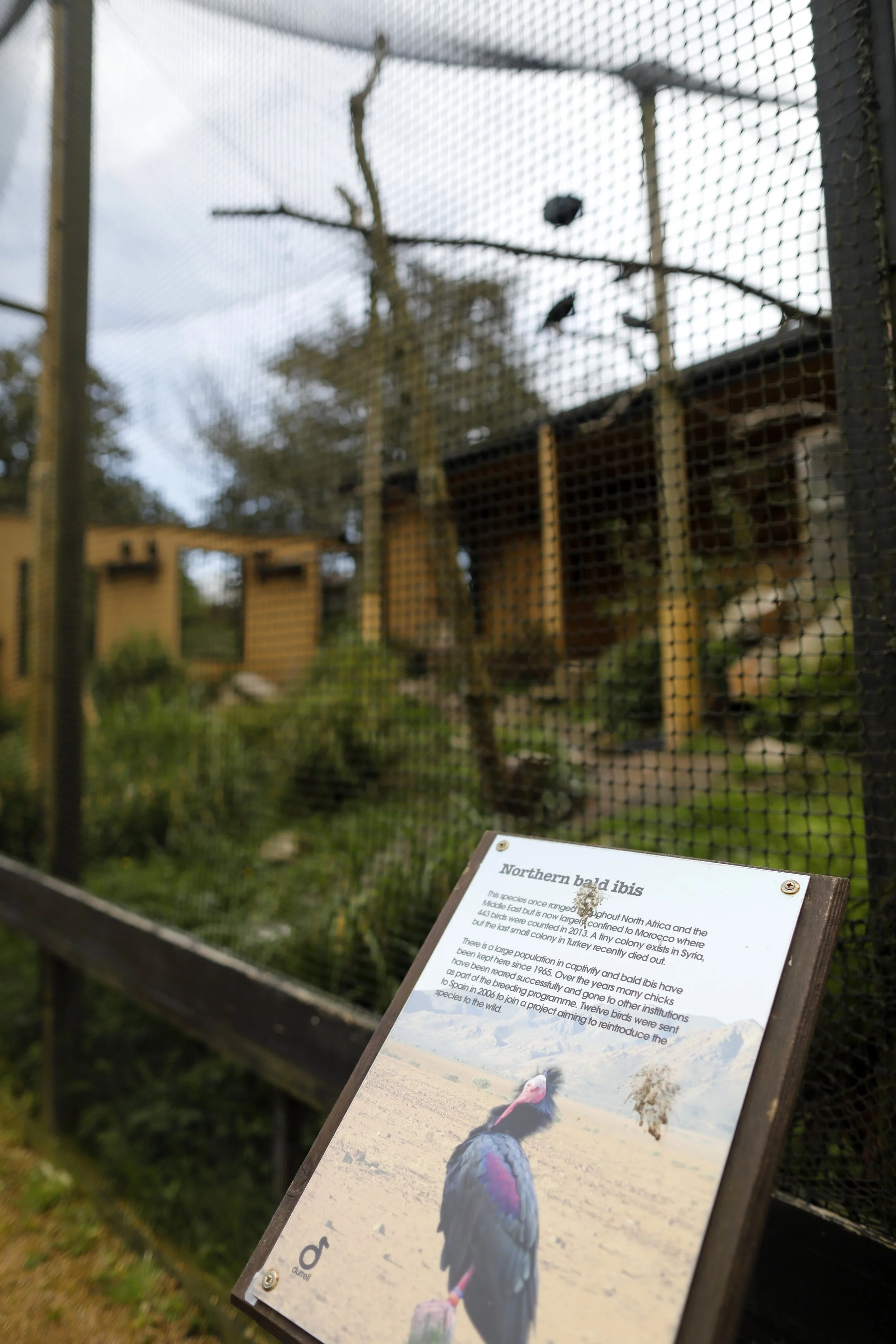
Key birds you’ll encounter include conservation-focused passerines and finches — historically used in Durrell’s island restoration projects — Mauritius kestrels and echo/parakeet-related species, parrots and parakeets kept in international breeding collaborations for captive-breeding and genetic management and small collections of waterfowl (ducks, geese and other wetland birds) shown in the zoo’s wetland habitats and sometimes tied to conservation efforts. Raptors like owls and hawks appear in talks and displays, with some kept for rehabilitation, education and breeding.
Gamebirds and pheasants (Galliformes) are held for breeding programs and to showcase their variety of form and color. Free-living native British birds — robins, blue tits, great tits, blackbirds, chaffinches, wrens and common gulls — frequent the grounds and woodlands; they’re not exhibits but add to the site’s birdlife. Durrell’s island-focused conservation work has involved species from Mauritius, New Caledonia, the Seychelles and Madagascar, so you may see island-endemic birds (or their modern analogues like parakeets, pigeons and small passerines) featured in breeding and reintroduction projects.
The Golden Guernsey is a small, strikingly colored goat known for its warm, golden to reddish-brown coat and gentle disposition. This rare breed originated on the island of Guernsey and is prized for its friendly nature, manageable size and good milk production. At Jersey Zoo, the Golden Guernsey often serves as an ambassador animal — visitors find it approachable and photogenic, making it popular for close-up viewing and educational encounters.

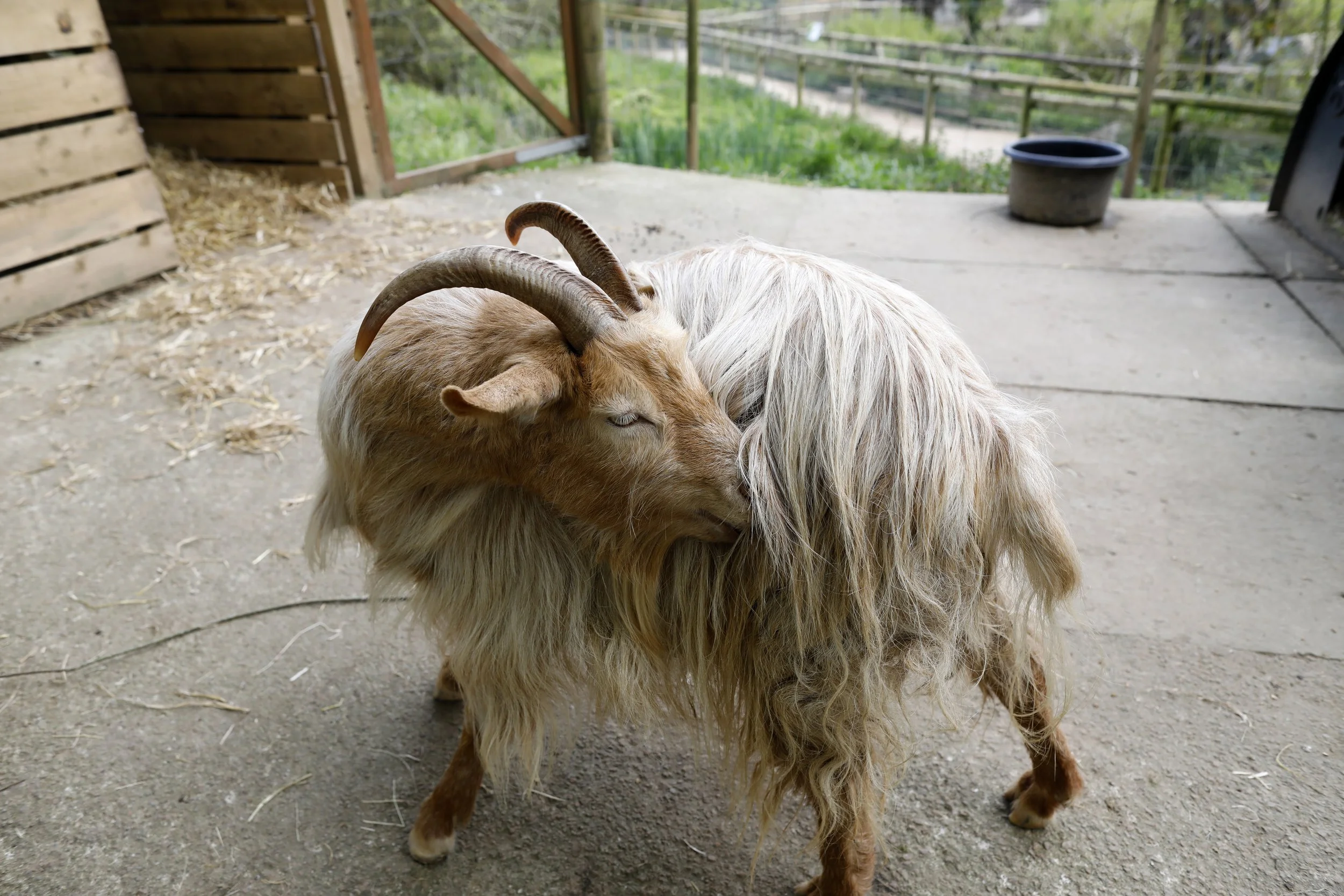
Physically, Golden Guernseys are compact with fine features, short ears and horns that may be small or absent depending on whether they’re disbudded. Their coat color ranges from pale cream to deep caramel, sometimes with lighter markings on the face and legs. They’re hardy animals suited to the island climate and do well on mixed pasture.
Behaviorally, Golden Guernseys are calm, curious and social. They form strong bonds within their herd and with keepers, which makes them easy to handle during feeding demonstrations and public talks. Their temperament and manageable size also make them good candidates for family-friendly experiences — children and adults alike enjoy watching them browse, play and interact.
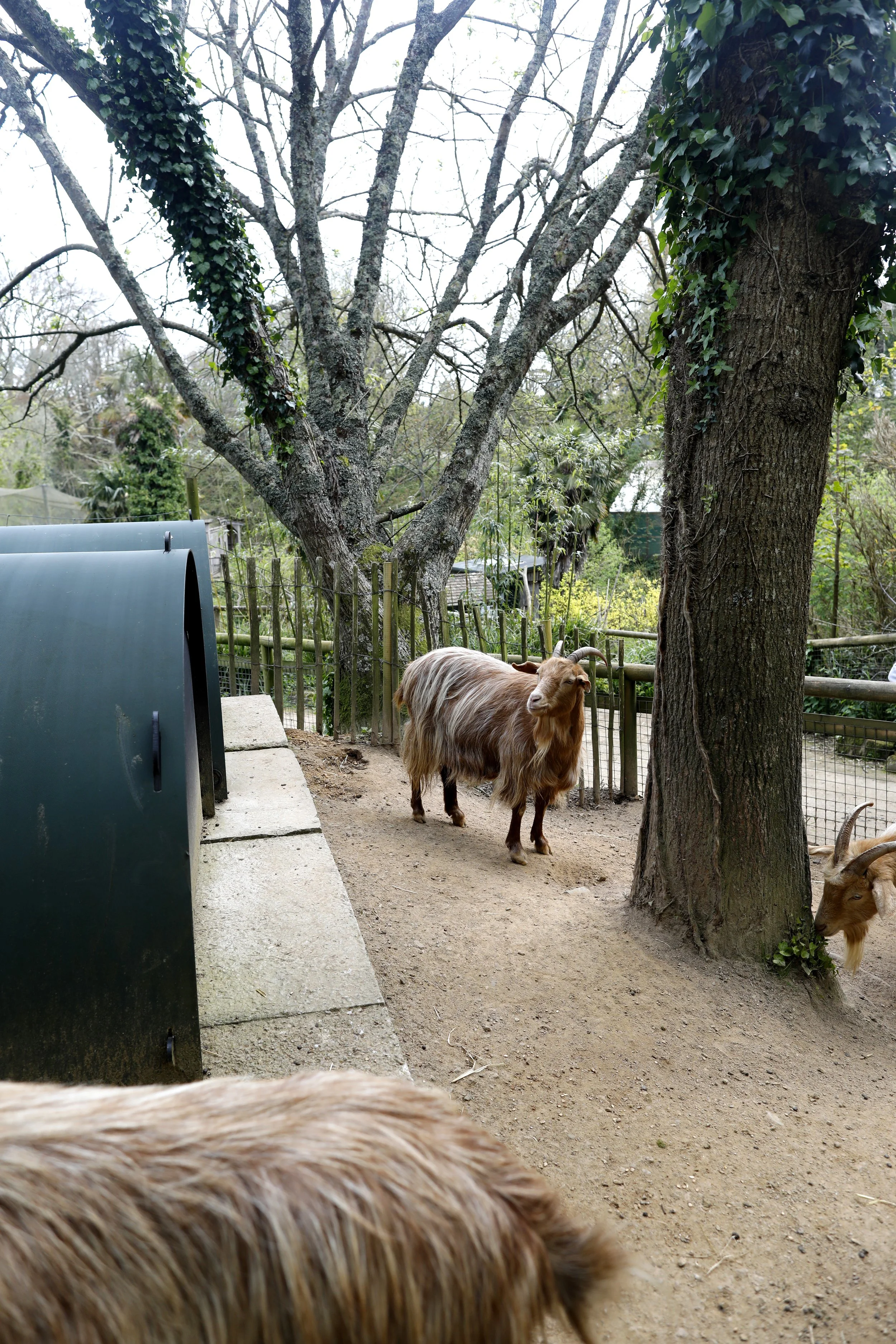
Conservation and education are key parts of Jersey Zoo’s work with rare breeds like the Golden Guernsey. By keeping and showcasing these goats, the zoo helps raise awareness about agricultural biodiversity and the importance of preserving traditional livestock breeds. Visitors leave with a better appreciation for the animal’s role in farming history, the challenges facing rare-breed conservation and simple ways to support such efforts — starting with learning, spreading the word or choosing products from conservation-minded farms.
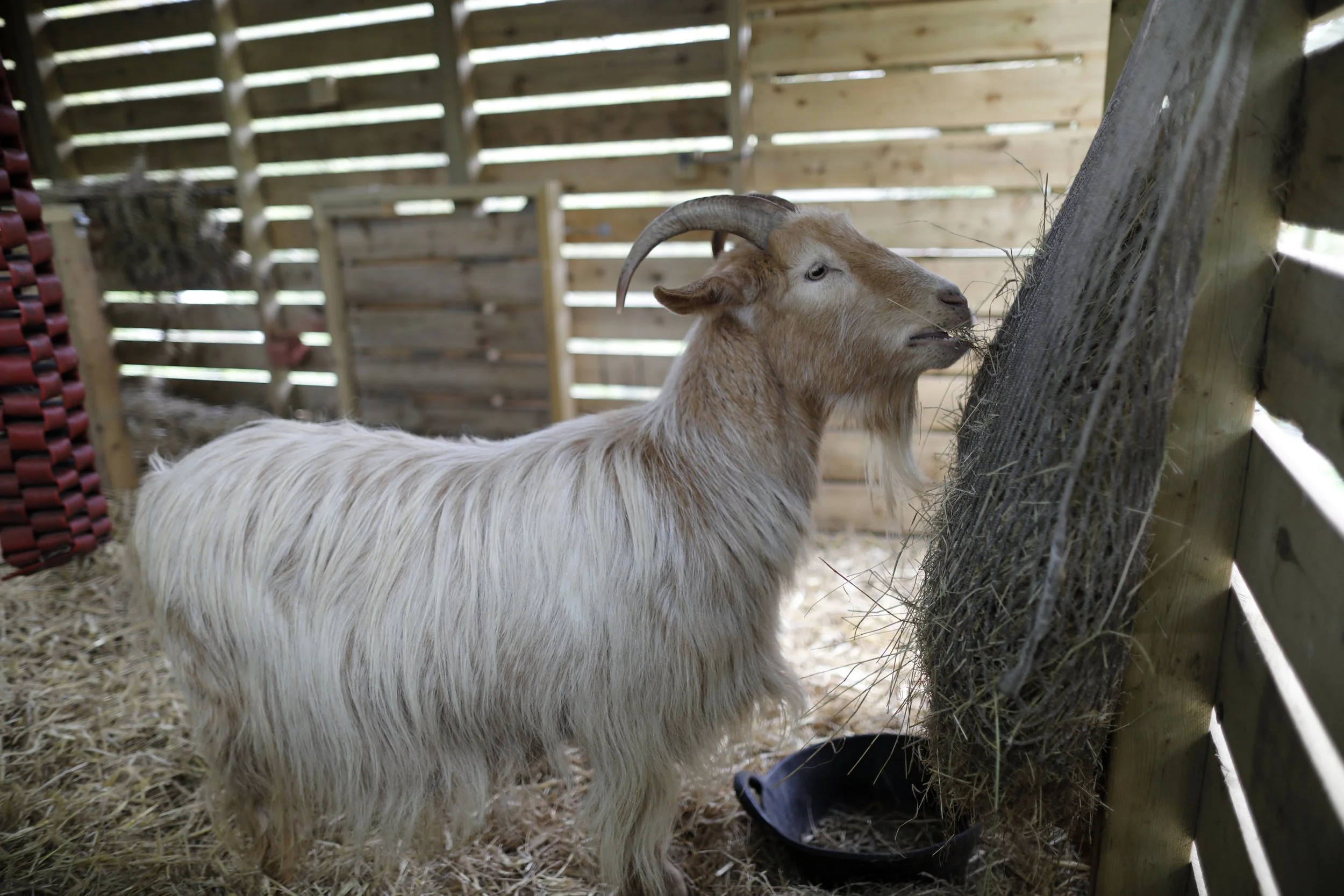
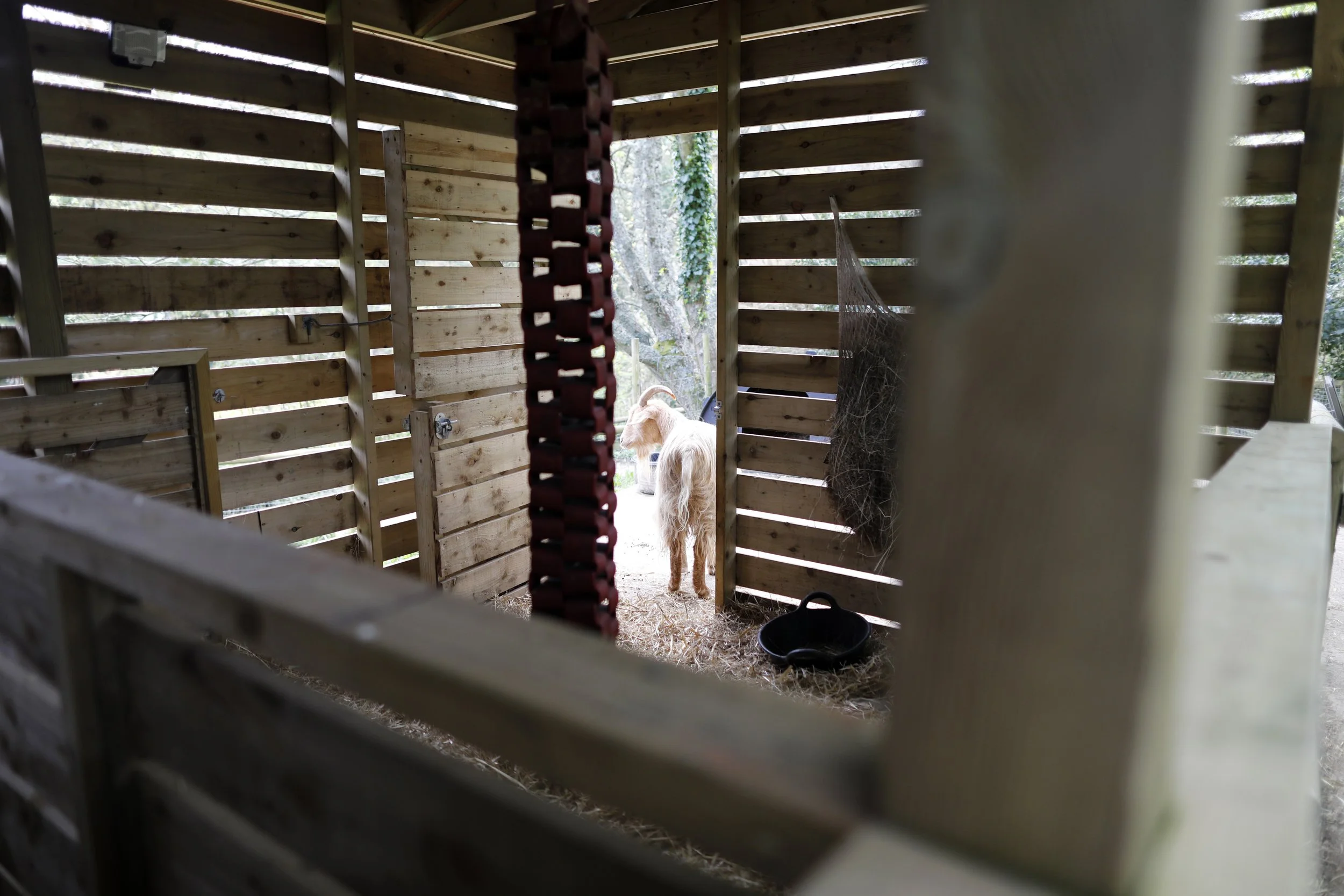
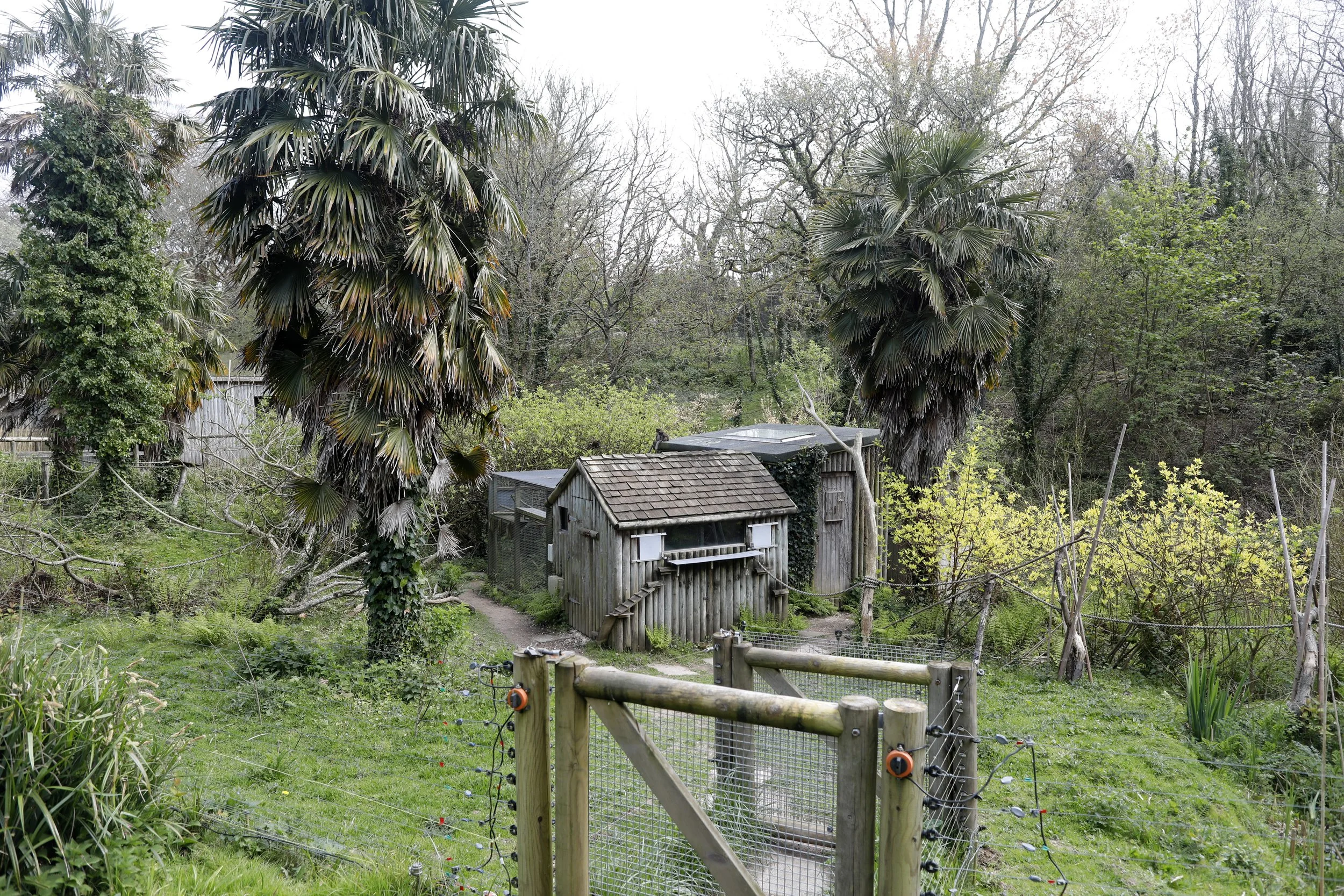
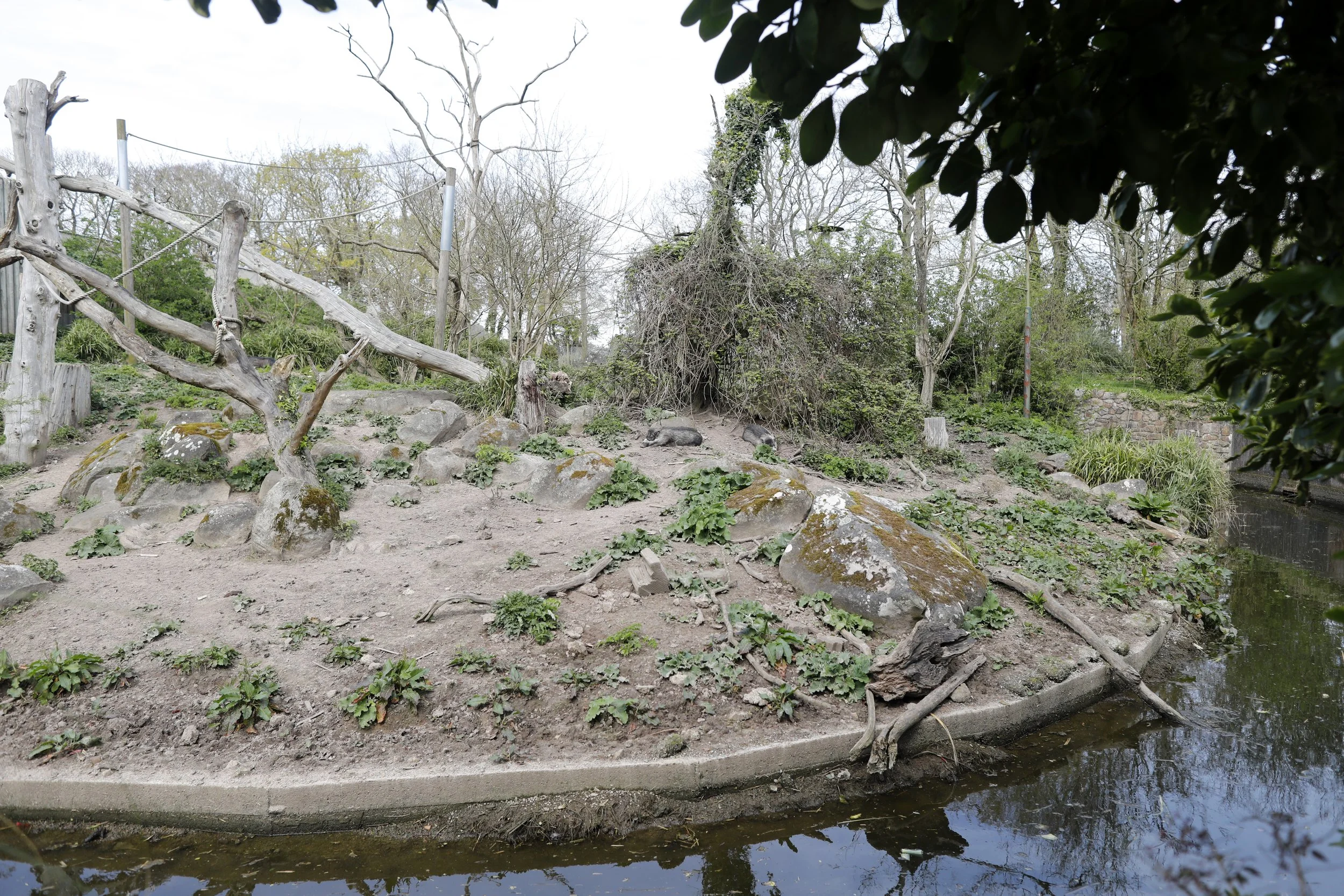
Some of the most charming exhibits are the wide-open habitats that invite a bit of exploration — you often have to scan the landscape to spot the animals. These spacious enclosures are designed to mimic natural environments: rolling grasslands for grazing species, mixed-woodland areas for shy mammals and birds and rocky, water-featured zones for species that prefer cliffs and streams. The result is a more authentic, immersive experience where animals move and hide as they would in the wild, rewarding patient visitors with unexpected sightings and a stronger sense of connection to each habitat.
Can you find the monkeys below?
The Amphibian House is a compact, humid space designed to showcase the island’s and the world’s most fascinating frogs, newts, salamanders and caecilians. Housed in a temperature- and humidity-controlled environment, the exhibit emphasizes the delicate needs of amphibians — moist microclimates, varied aquatic and terrestrial zones and plenty of hiding places — so visitors can see natural behaviors like climbing, burrowing and calling.
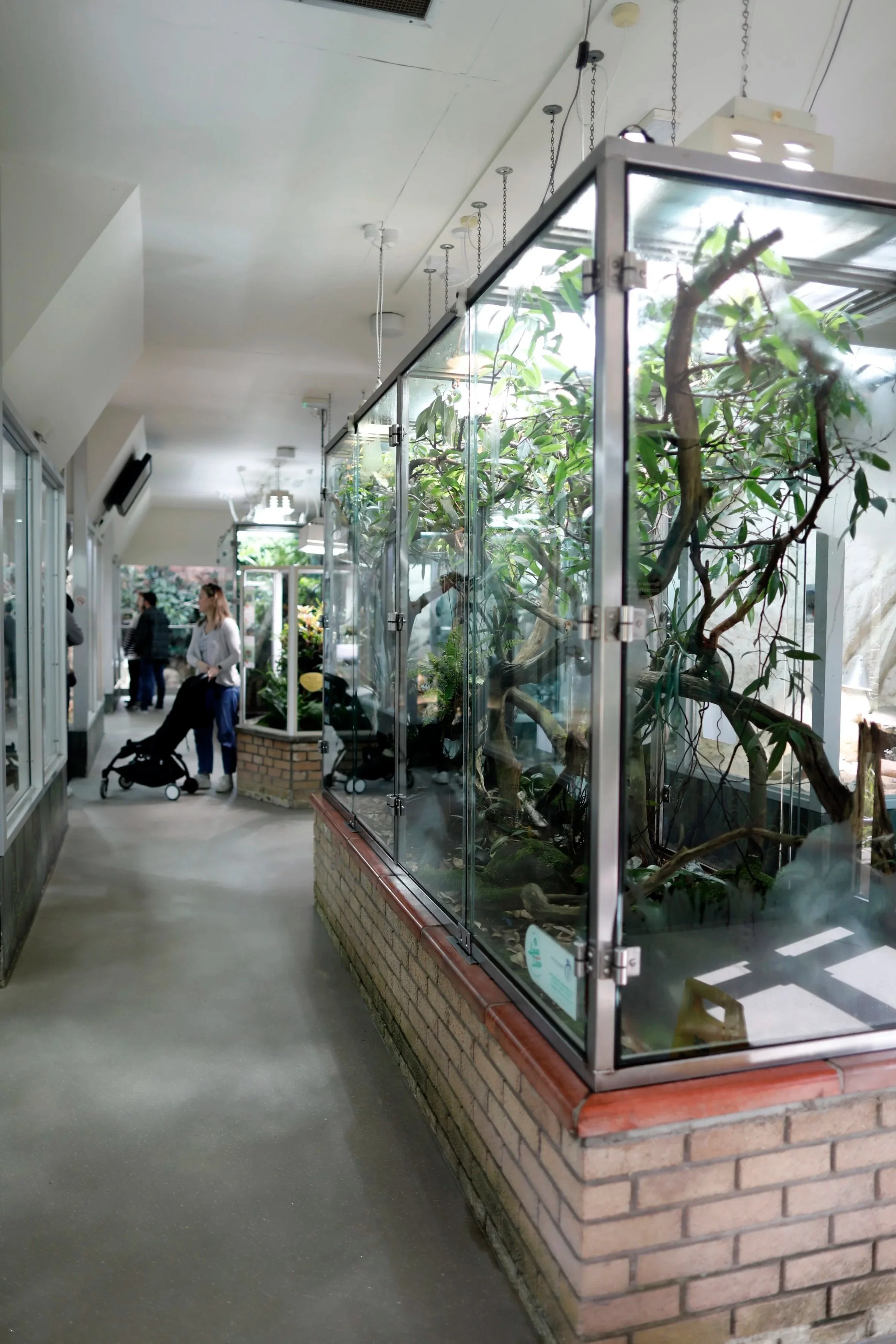
Display tanks are planted and layered to mimic native habitats: rainforest leaf litter and bromeliads for tree frogs, shallow streams and pools for aquatic species and mossy, dark retreats for crepuscular or burrowing types. Informational panels highlight conservation issues central to the zoo’s mission, such as habitat loss, disease (notably chytridiomycosis) and captive-breeding programs aimed at species recovery. Keepers occasionally run feeding or husbandry talks that explain care routines and conservation breeding efforts.
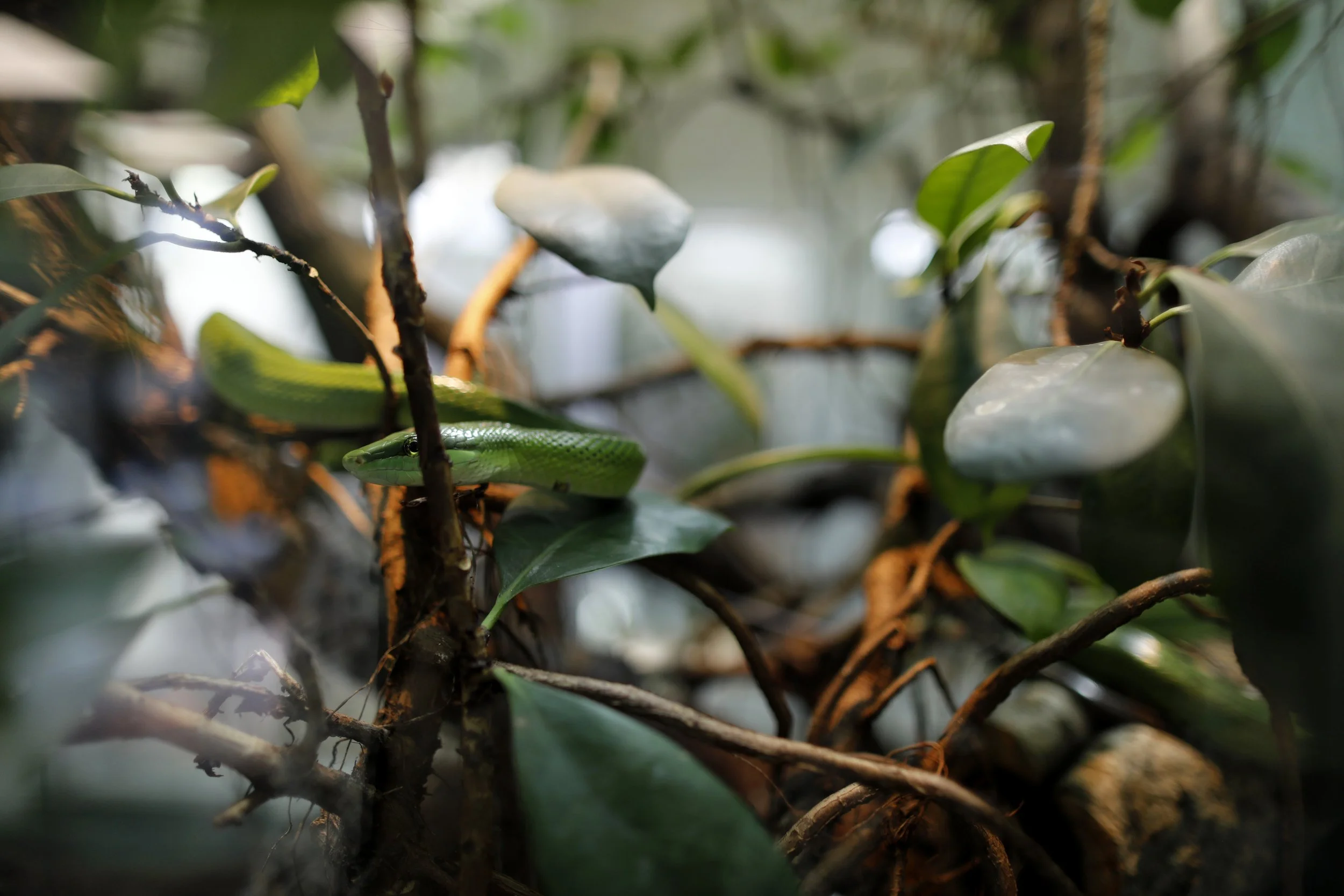
The atmosphere is intimate and contemplative — dim lighting, gentle trickling water and close-up viewing — so visitors often leave with a better appreciation for amphibians’ ecological roles and the fragile conditions many species face in the wild.
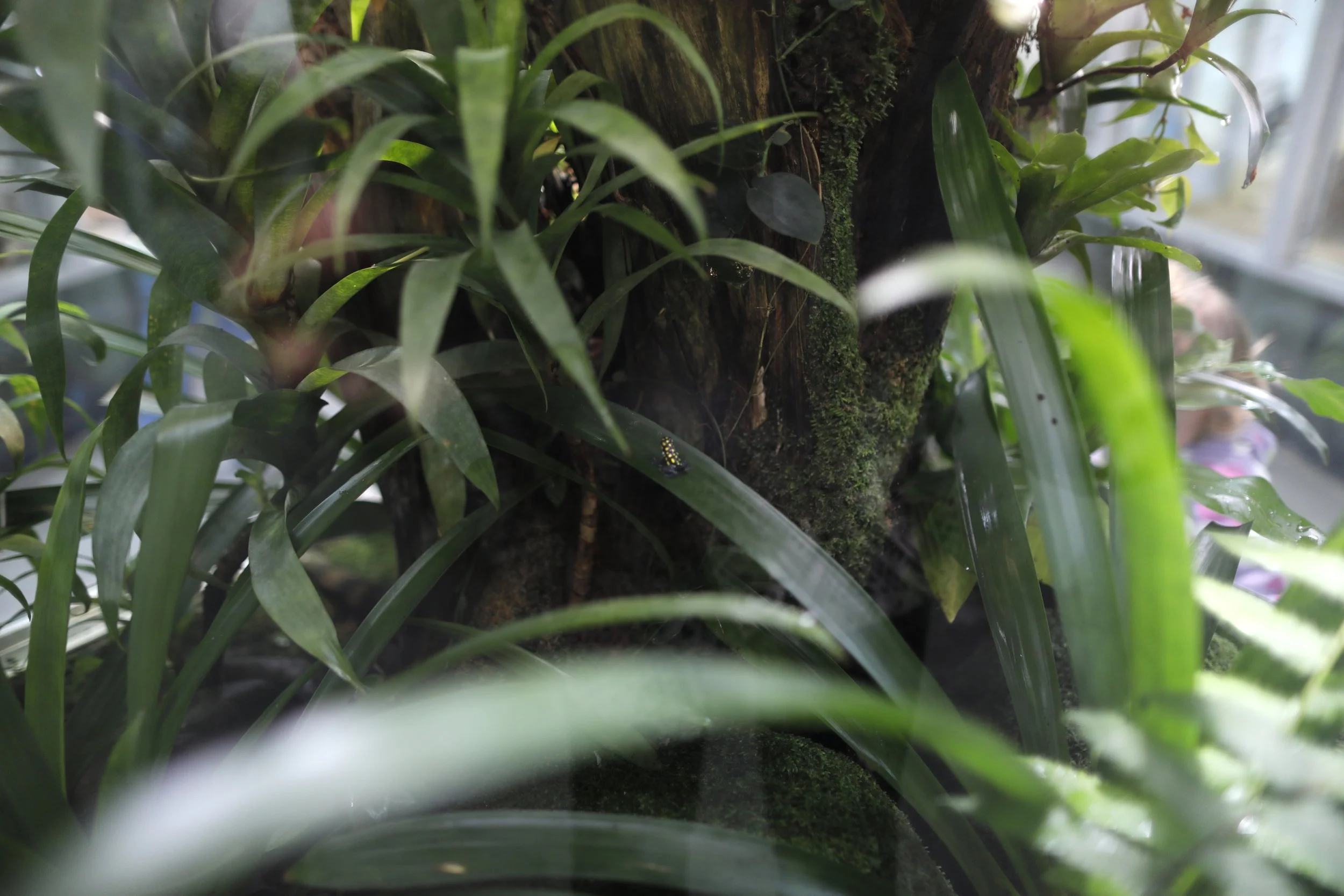
The Visayan warty pig is a compact, striking example of conservation in action. Native to the central Philippines, this critically endangered species is smaller than many wild pigs and characterized by coarse dark hair, compact bodies and the small facial “warts” that give the species its common name. Jersey Zoo’s team focuses on captive breeding, public education and raising awareness about the threats these pigs face in the wild — primarily habitat loss, hunting and hybridization with domestic pigs.
Visitors can observe the pigs’ social behavior: sows lead family groups while boars are more solitary or form loose associations. Enclosures are designed to allow rooting, wallowing and close viewing, with naturalistic substrates and hiding spots that encourage species-typical activity. Keepers often provide enrichment through foraging puzzles and scent trails to stimulate the pigs’ strong snout-driven curiosity.
The two-toed sloth is a calm, slow-moving presence that draws steady interest from visitors. Smaller and slightly more active than its three-toed counterpart, this species has a rounded face, prominent eyes and two long, curved digits on each forelimb that help it cling to branches. At the zoo, keepers design enclosures with elevated platforms, sturdy branches and varied foliage to encourage natural climbing and resting behaviors while ensuring temperature and humidity mimic its native tropical environment.
Feeding typically includes a mix of leafy greens, vegetables and specially prepared browse; sloths have a low-metabolism digestive system, so meals are given in modest portions and monitored closely. Public talks or keeper demonstrations at Jersey Zoo often highlight the sloth’s specialized diet, slow digestion (which can take weeks) and unique adaptations like low muscle mass and a specialized gut microbiome for fermenting leaves.
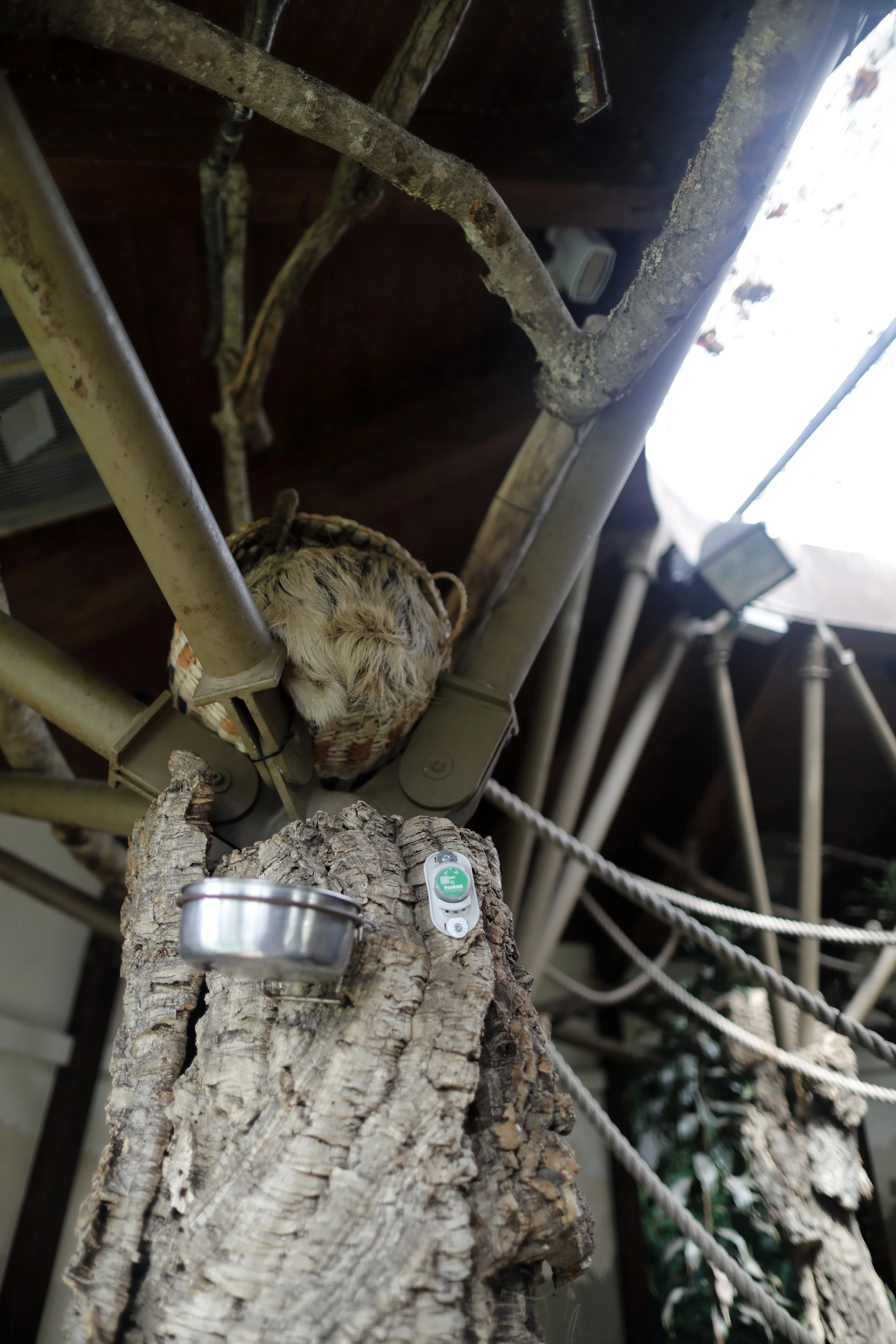
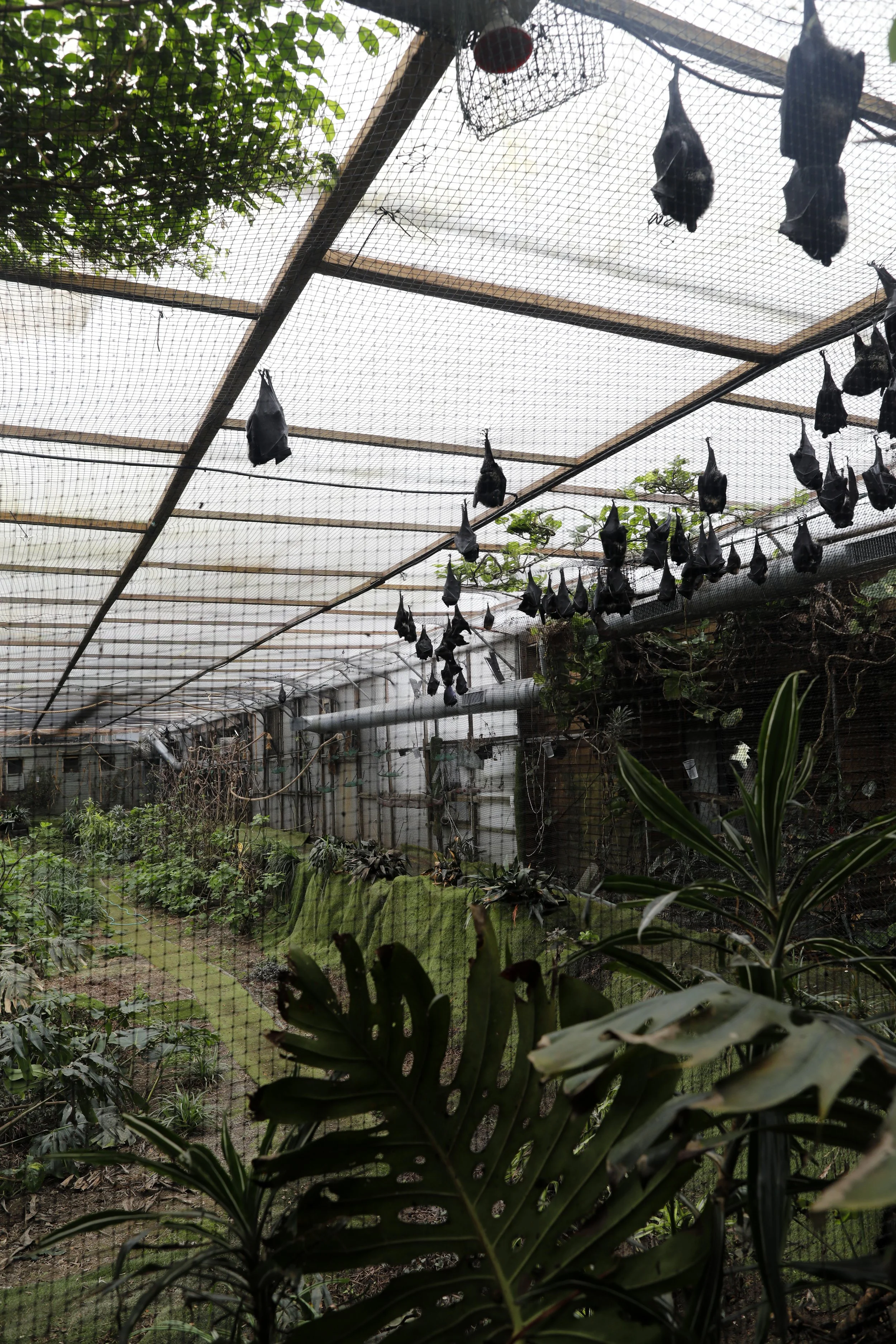
One of the most captivating exhibits at the zoo is the bat house, a thoughtfully designed space devoted to fruit bats. Housed in a dim, temperature-controlled enclosure that mimics their natural tropical environment, the exhibit allows visitors to observe these large, graceful mammals as they roost and fly. The bats — primarily species of flying foxes — are recognizable by their fox-like faces, long wingspans and keen, curious eyes.
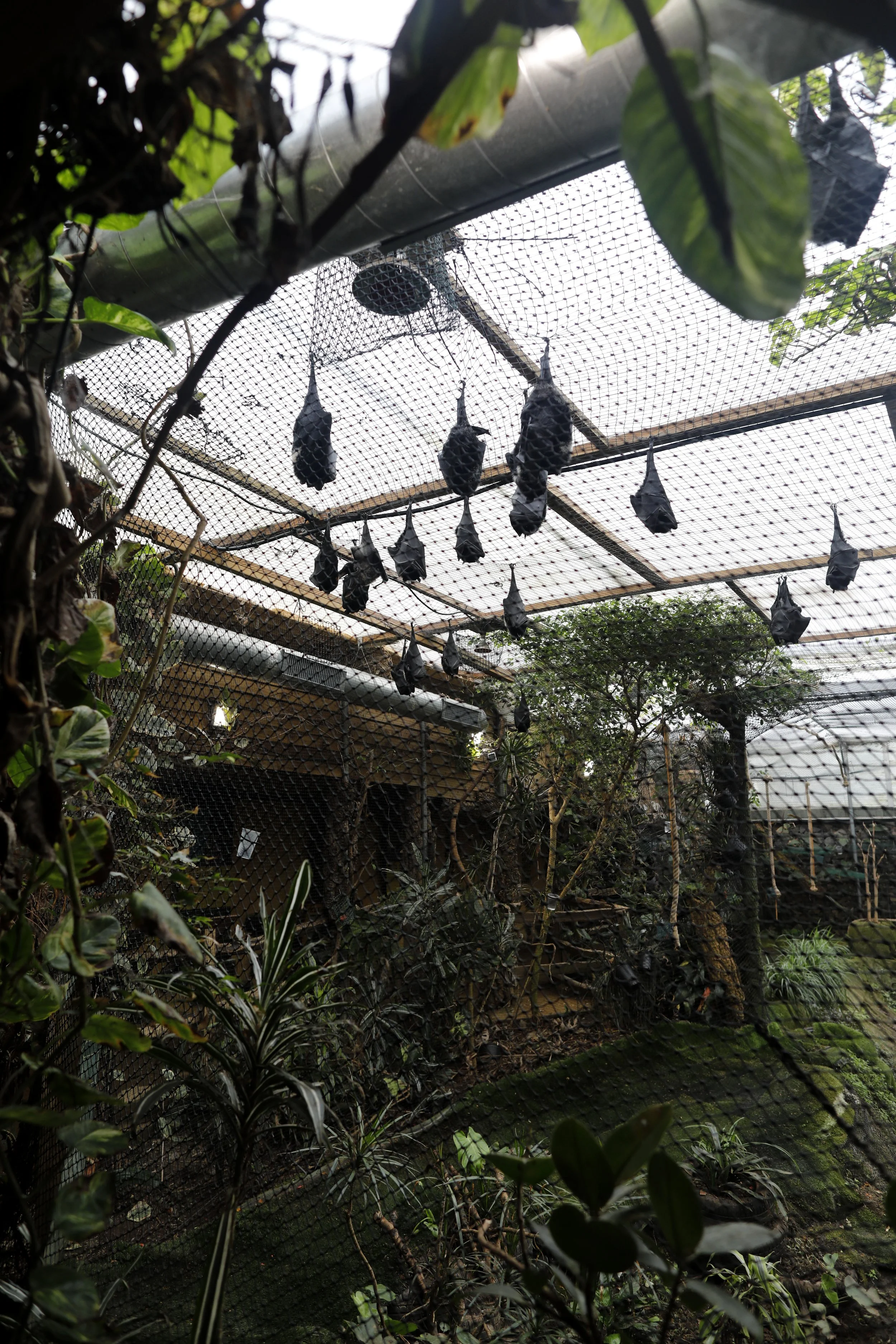
Educational signage explains their role as pollinators and seed dispersers, highlighting how fruit bats support tropical ecosystems and local agriculture by spreading seeds and pollen over wide areas. The zoo’s keepers provide scheduled keeper talks and feeding demonstrations that give insight into the bats’ diets (mainly fruit and nectar), social behaviour and conservation status. These sessions often cover threats they face in the wild, such as habitat loss and hunting, and describe Jersey Zoo’s involvement in research and conservation programs aimed at protecting bat populations.
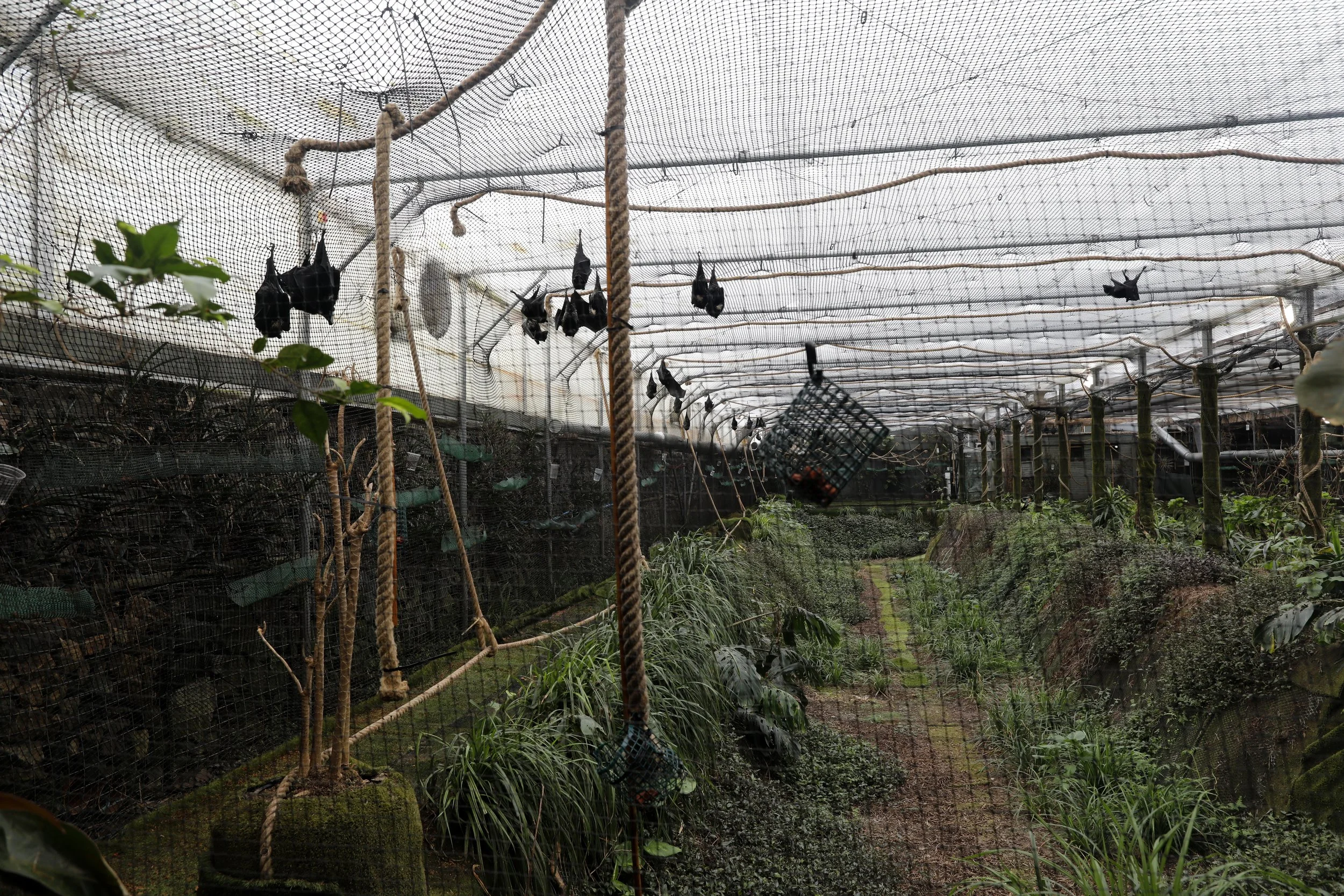
The bat house design balances animal welfare and visitor experience: elevated roosting platforms, vegetation and quiet resting zones contribute to the bats’ comfort, while viewing windows and low lighting reduce disturbance. For visitors, the exhibit offers a rare close-up look at an often-misunderstood group of animals, accompanied by practical tips — such as why it’s important not to tap on glass or use flash photography — to ensure both visitors and bats remain calm and safe.
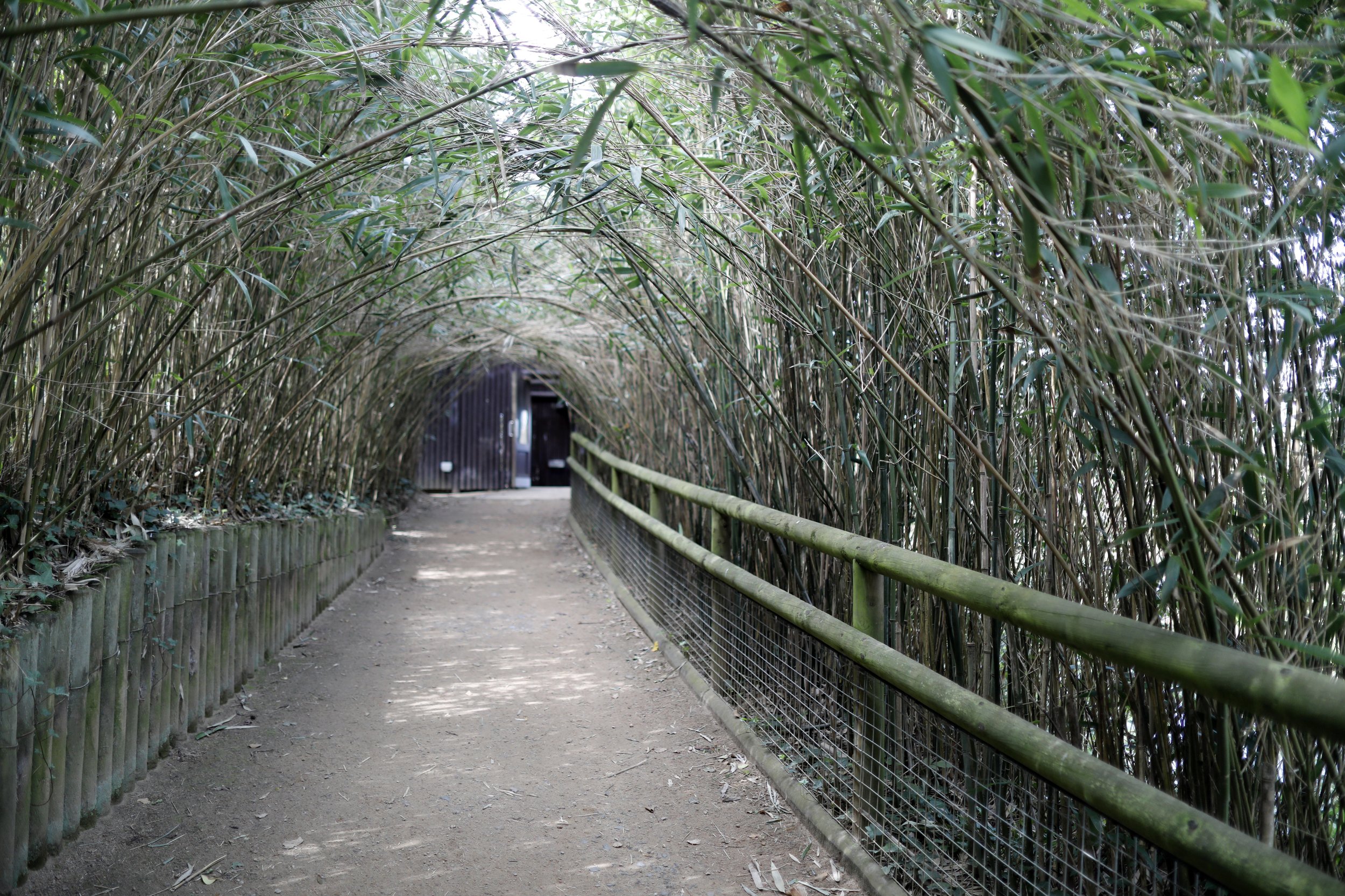
Another must-see exhibit is the butterfly house. Step through a chain‑link archway and enter a humid, tropical microclimate where vibrant wings flicker all around you. Paths wind between lush, heat-loving plants — bromeliads, orchids and dense ferns — that provide nectar sources and resting spots for dozens of species. Keep an eye out for common visitors like the orange and black monarch-like butterflies, delicate swallowtails with their long tails and iridescent blue morphos that flash as they catch the light.
Tip | Handle cameras with care — the butterfly house is steamy and lenses fog up quickly (hence my lesser quality phone images).
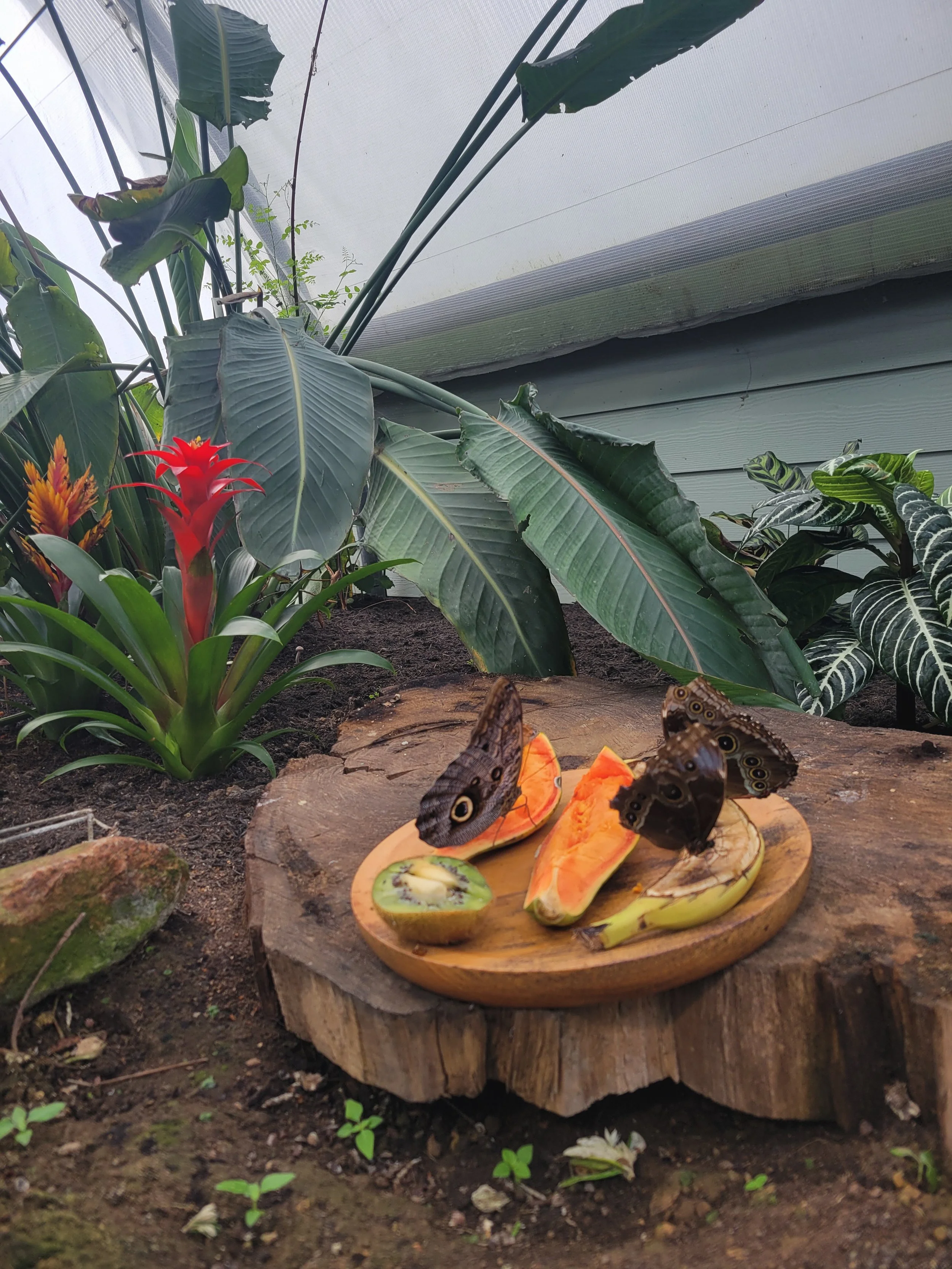
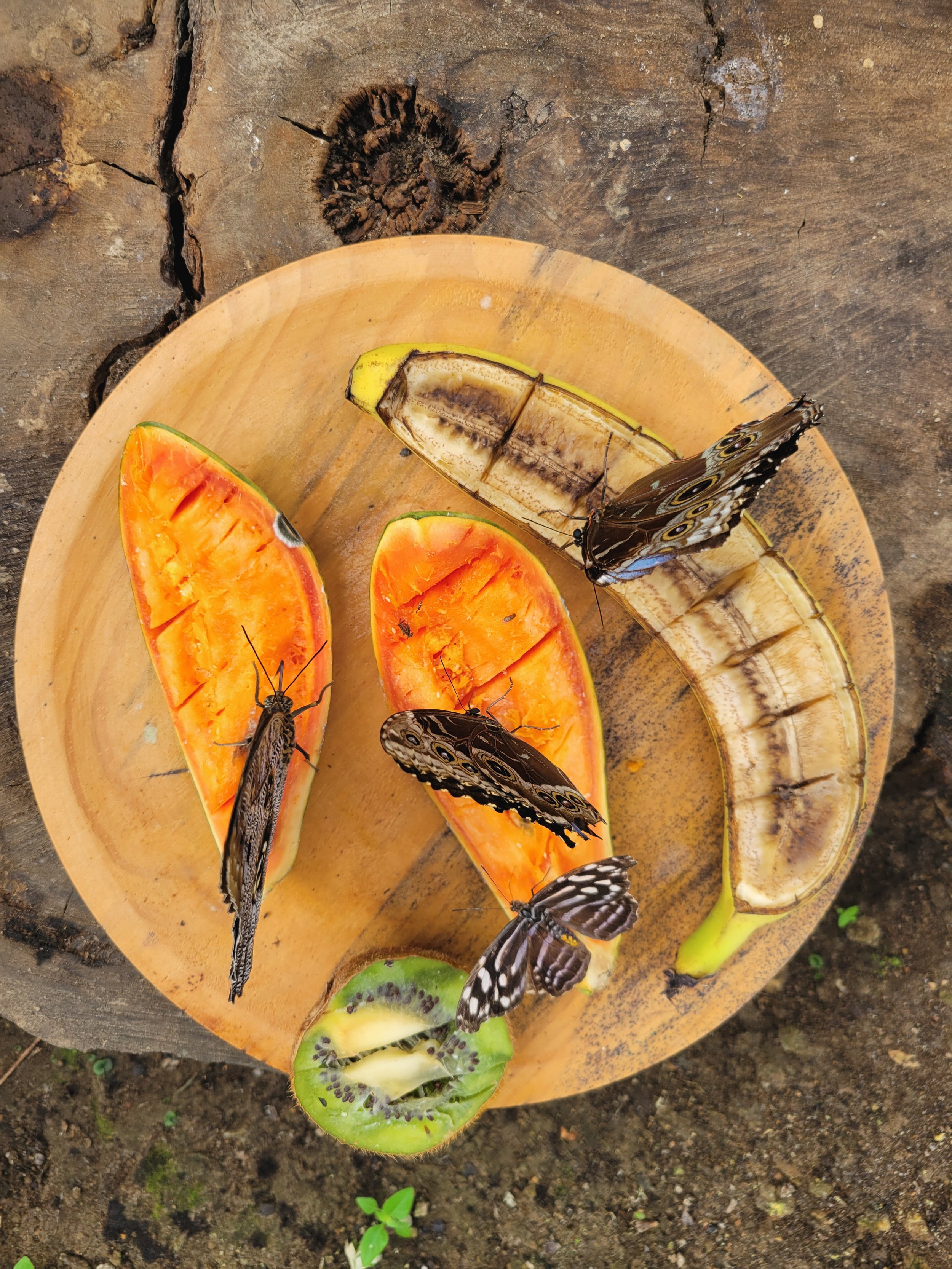
Interpretive panels explain the butterflies’ life cycles and the conservation work behind the scenes, including breeding and habitat restoration efforts. Staff sometimes release freshly emerged butterflies, so you might witness wings drying and the first tentative flights.
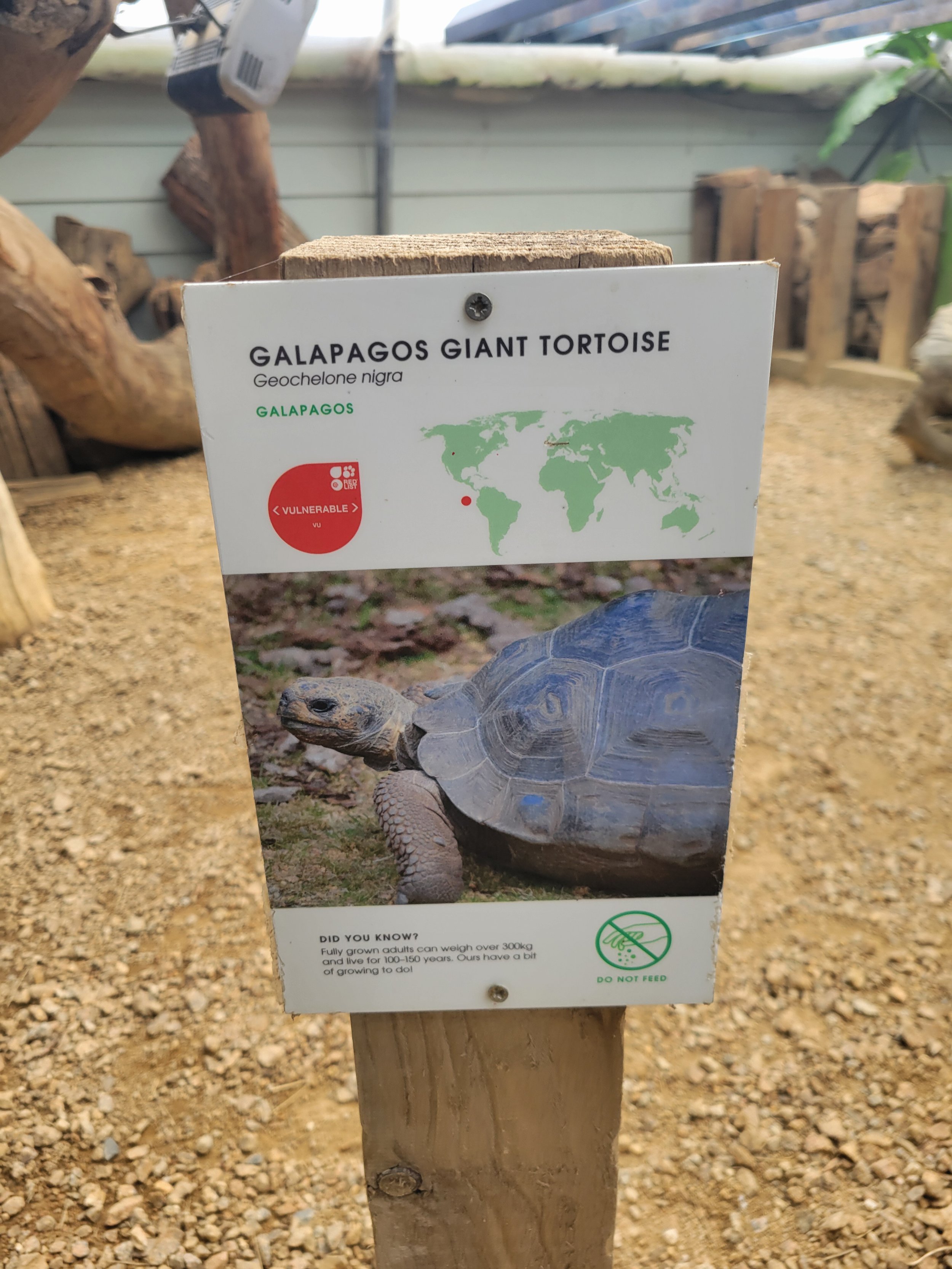
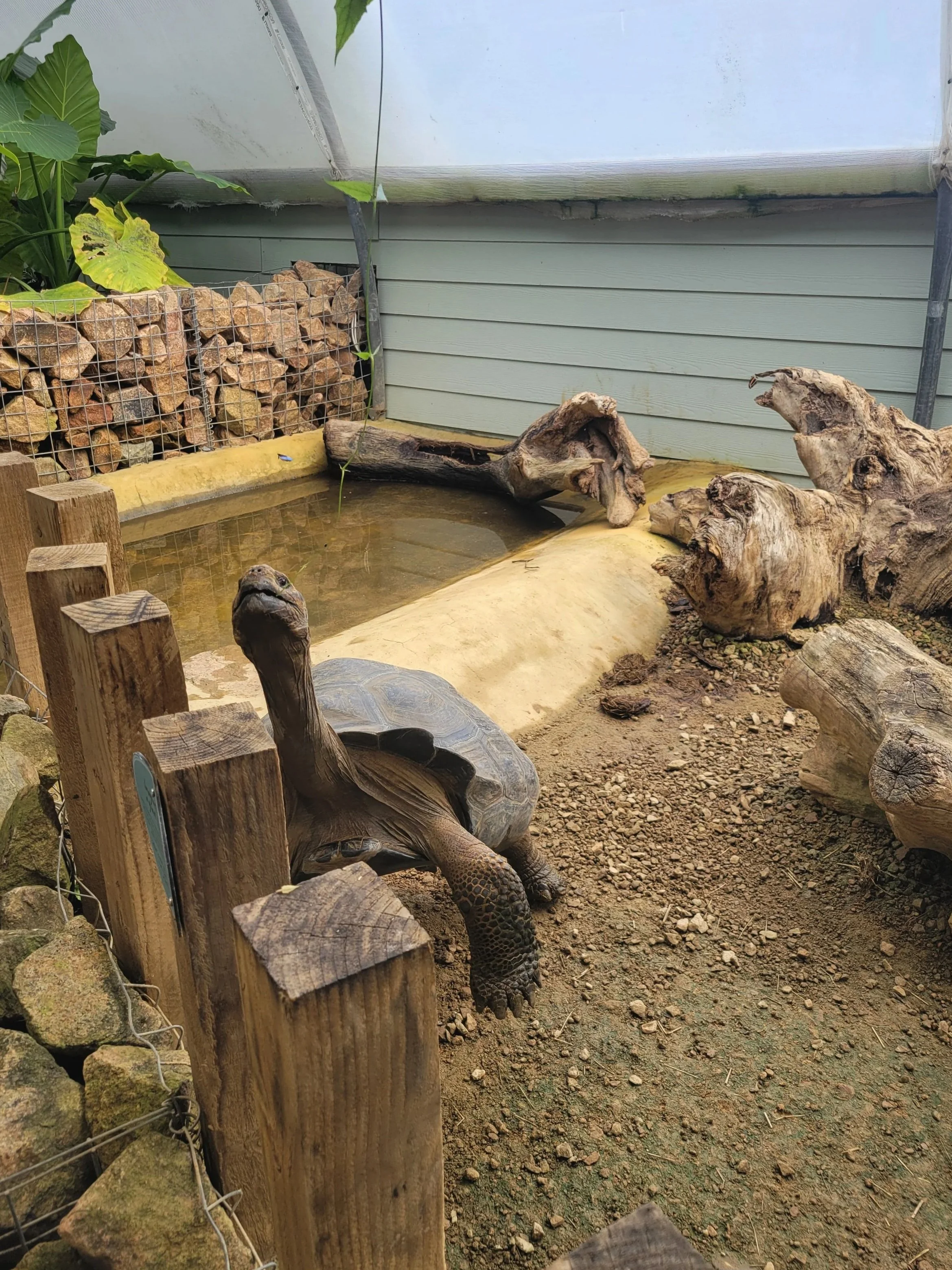
The enclosure’s humidity also supports surprising cohabitants: a few Galápagos giant tortoises move slowly through shaded corners, their calm presence offering a striking contrast to the fluttering activity above.
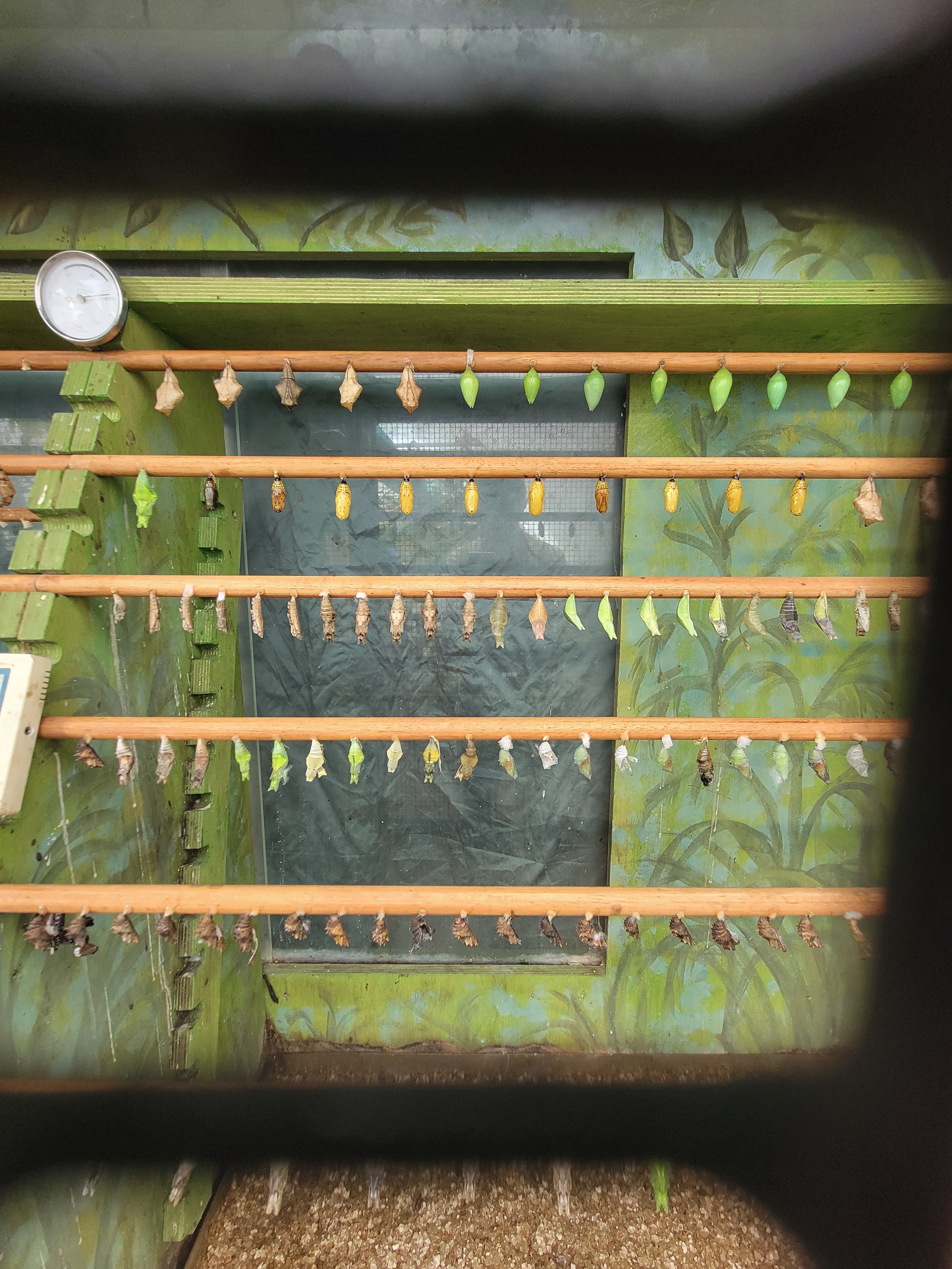

Benches placed along the paths give you a chance to sit quietly and let butterflies land on nearby flowers — or occasionally on you — making for a peaceful, immersive experience that’s both educational and utterly enchanting. I was almost sad to leave the butterfly exhibit empty-handed — wishing I could have tucked a tiny winged friend into my pocket to keep the magic with me.