Plitviče Lakes National Park: A First-Timer’s Travel Guide
Follow wooden pathways past cascading waterfalls, emerald lakes and mist-covered forests in Croatia's Plitvice Lakes National Park — a landscape where water, color and nature create something extraordinary.
Updated | October 2026
Why Visit Plitviče Lakes National Park: A Landscape Shaped by Water
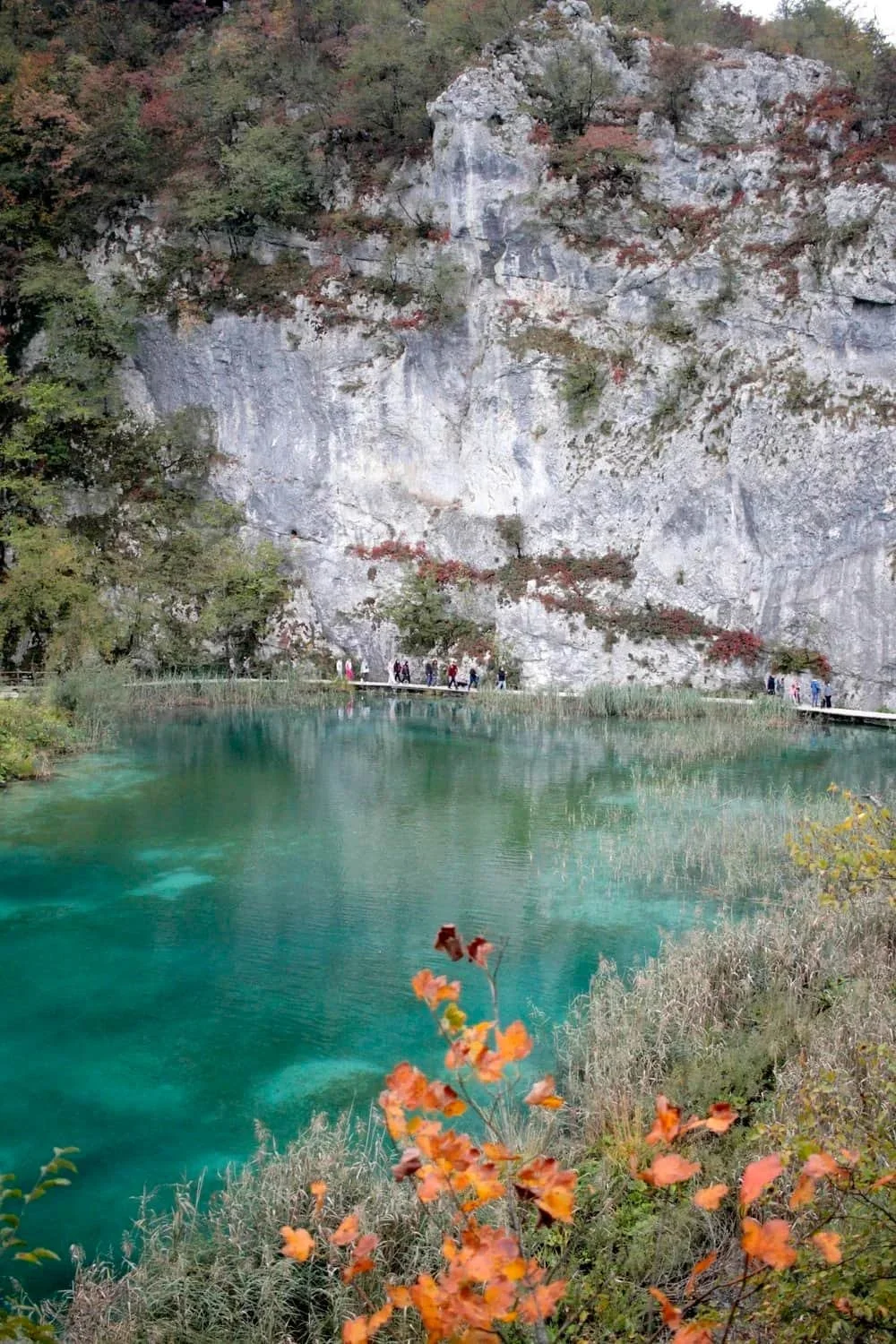
Hidden among the forested hills of central Croatia, Plitviče Lakes National Park (pronounced “pleet-veet-sa”) is a remarkable landscape of cascading waterfalls, turquoise lakes and lush woodland. Covering approximately 114 square miles (296 sq km), it's Croatia's oldest national park, established in 1949, and has been recognized as a UNESCO World Heritage Site since 1979. At its heart are 16 interconnected lakes, where water flows over natural limestone barriers, creating an extraordinary series of pools, cascades and waterfalls.
What makes Plitviče particularly fascinating is that the landscape is constantly evolving. Over thousands of years, mineral-rich water has deposited tufa, a porous form of limestone that gradually builds natural barriers between the lakes. These formations shape the waterfalls, redirect the flow of water and contribute to the park's distinctive terraced appearance. The lakes themselves shift between shades of emerald, turquoise and deep blue, depending on the minerals, microorganisms, sunlight and viewing angle.
A network of wooden boardwalks and forest trails winds through the park, sometimes passing directly above the water and beneath the spray of waterfalls. The 12 Upper Lakes and four Lower Lakes offer distinctly different landscapes, from peaceful, forest-framed pools to dramatic cascades descending into a limestone canyon. Electric boats and panoramic shuttle vehicles connect different sections, making it possible to experience much of the park while choosing a route that suits your time and energy.
There's something particularly captivating about how the landscape unfolds here. One moment you're walking through a quiet stretch of forest; the next, the trees open to reveal brilliant blue water or an entire hillside spilling into waterfalls. It's a place where geology, movement and color come together in a way that feels almost deliberately composed — even though nature has been doing the designing for thousands of years.
At a Glance
📍 Destination: Plitviče Lakes National Park, Croatia
🕒 Time Needed: Half to full day (4–8 hours)
💰 Budget: Approximately €10–€40 entrance fee, depending on season
👟 Walking Level: Easy to moderate, depending on your route
🌤️ Best Season: Late spring (May–June) & early autumn (September–October)
💦 Don't Miss: Panoramic canyon views, turquoise lakes & cascading waterfalls
🖤 Perfect For: Nature lovers, photographers & scenic hikers
My Bibimbap Moment
This trip added: Enchantment.
Plitviče Lakes National Park added the ingredient of enchantment to my Bibimbap Life. There were moments when I stopped trying to take it all in and simply stood there watching the water move. The reflections, the changing leaves, the sound of the falls and the little wooden paths curving through it all made the entire place feel suspended somewhere between real and imagined.
My Two-Week Balkans Itinerary: Croatia, Bosnia & Herzegovina and Montenegro
A couple of times a year, I escape for a few weeks of adventure, thoughtfully piecing together an itinerary that fits my mood, energy and budget. I love covering plenty of ground while still leaving room for the slower moments, unexpected detours and little discoveries along the way. This two-week journey through Croatia and Montenegro, with an unplanned stop in Bosnia and Herzegovina, was exactly that kind of adventure.
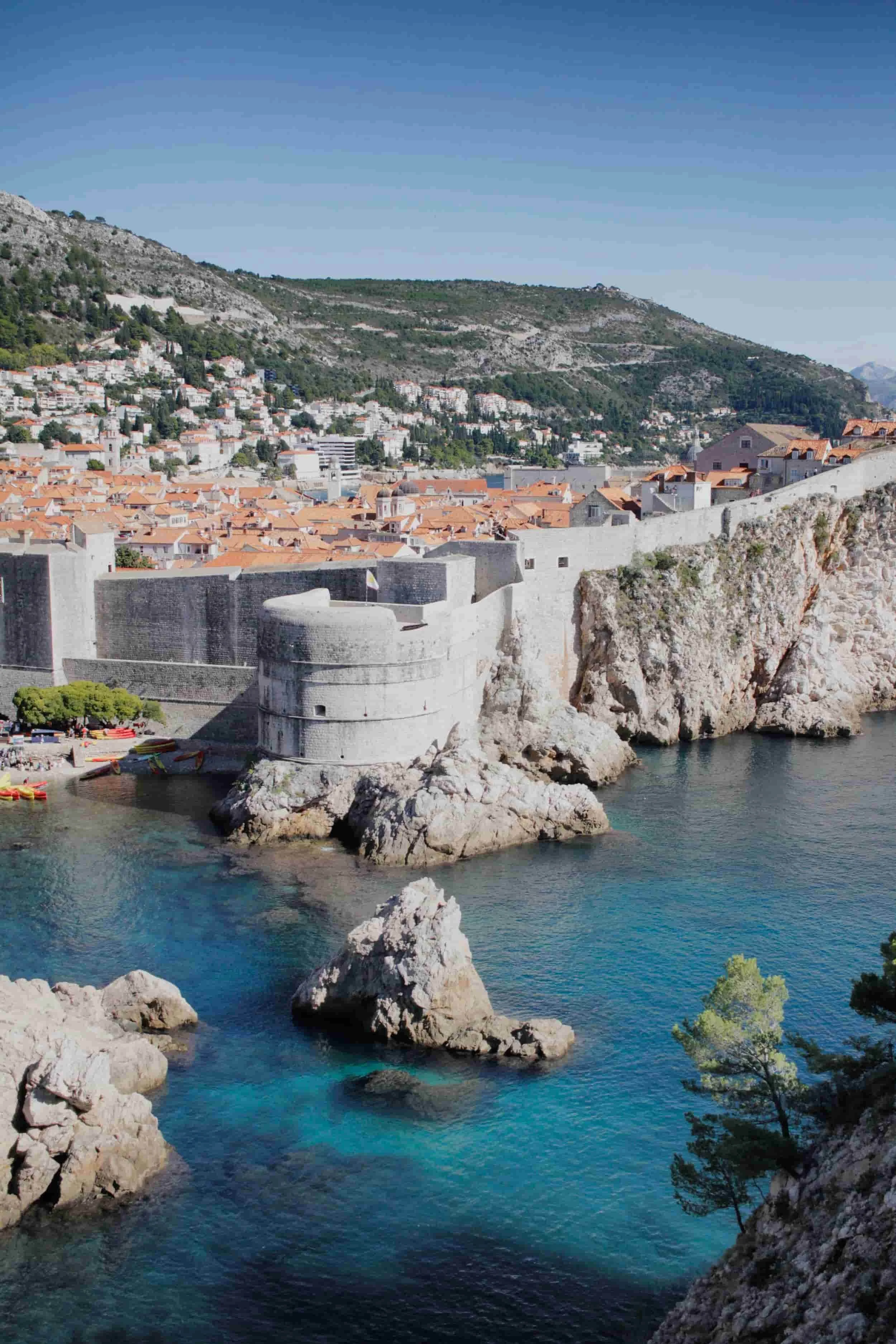
The trip began in Dubrovnik, the Pearl of the Adriatic, with its medieval walls and beautiful coastal setting. An unexpected day trip across the border took me to Mostar, Bosnia and Herzegovina, where Ottoman architecture, cobblestone streets and the iconic Stari Most bridge offered a fascinating change of scenery.
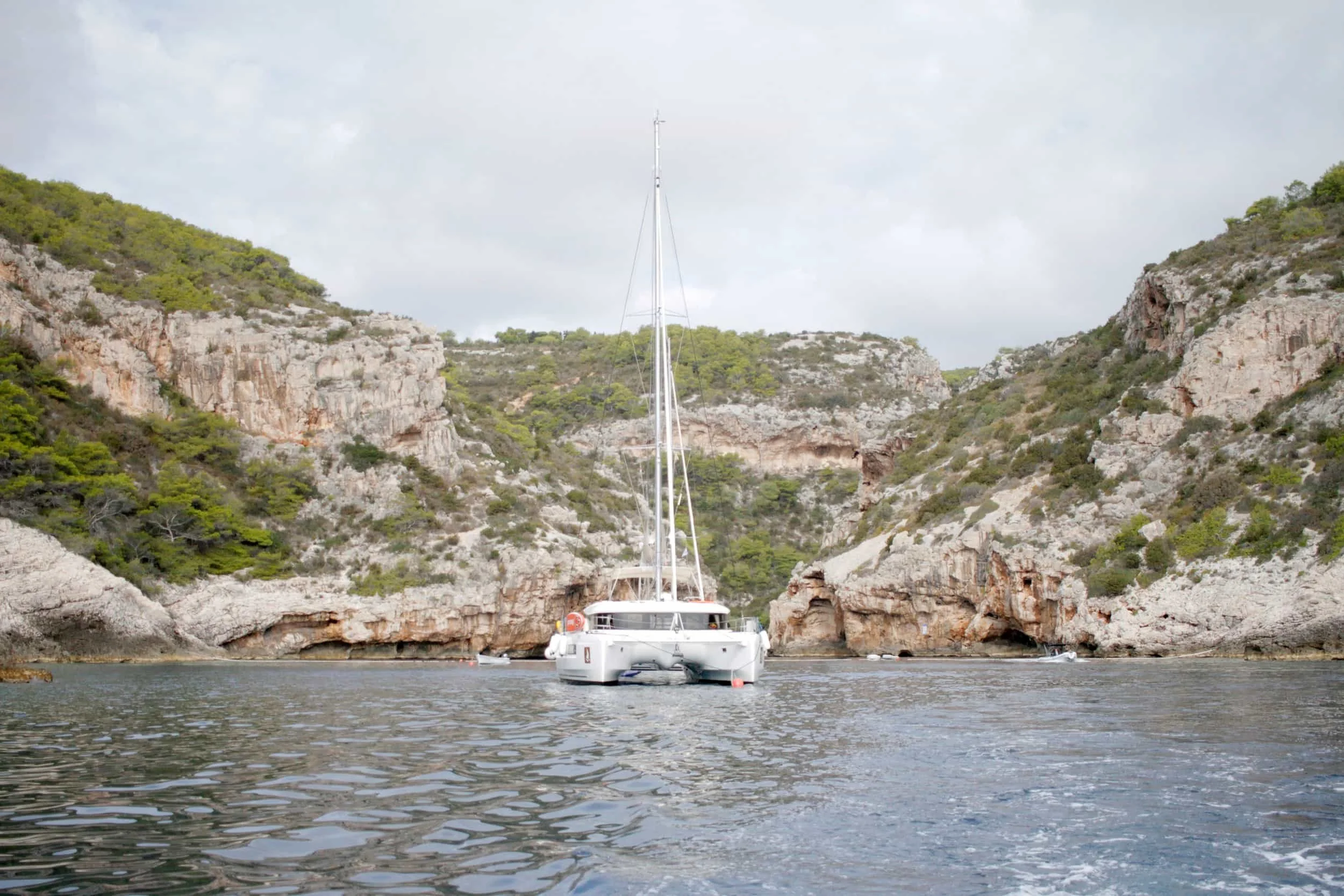
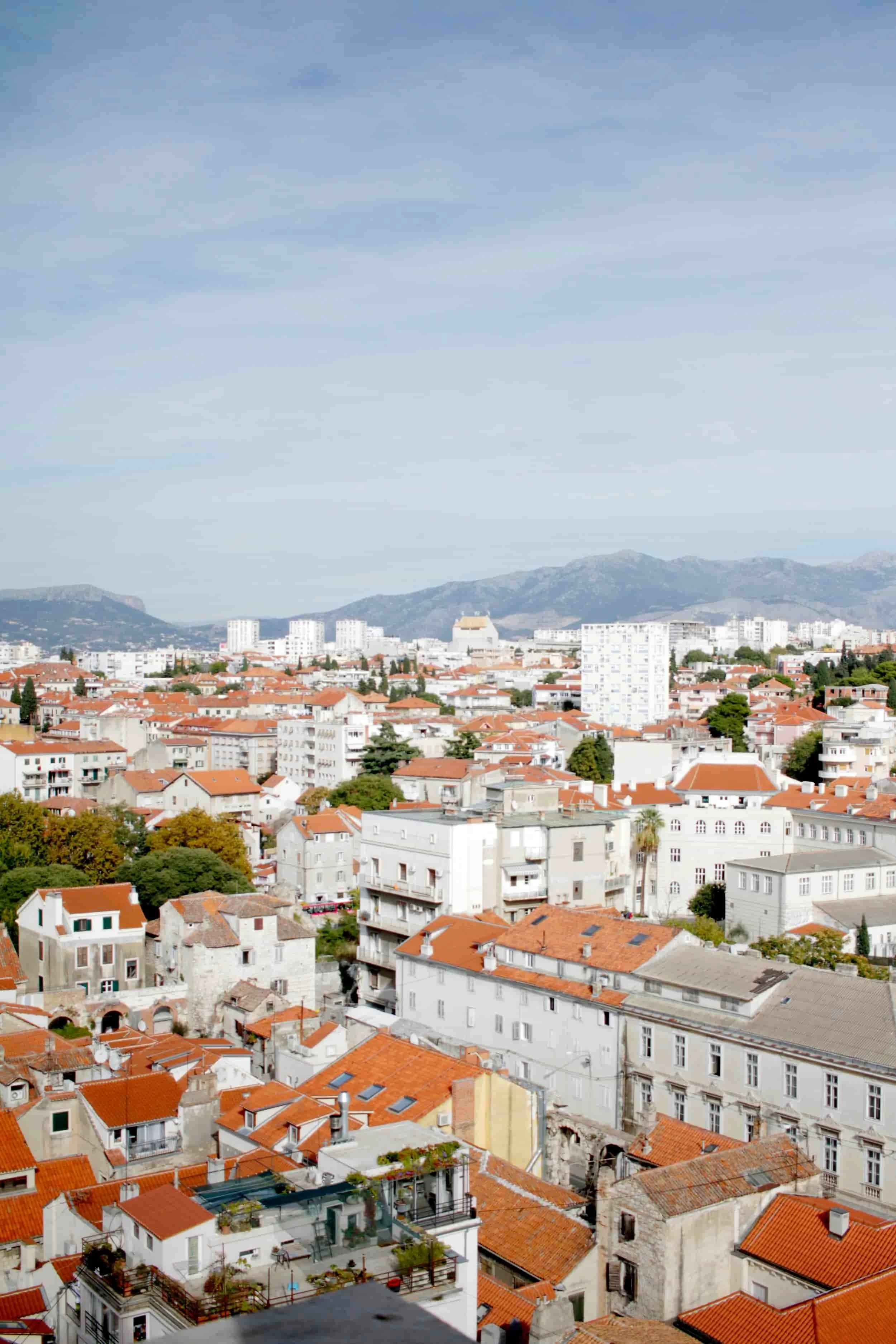
From Dubrovnik, I traveled north by ferry to Split, where ancient Roman architecture is woven into everyday life. A day of island-hopping brought me to the brilliant blue waters of the Blue Cave, the dramatic cliffs of Stiniva Cove, the quiet beauty of Budikovac and the lively island of Hvar. Heading inland, Plitviče Lakes National Park revealed an entirely different side of Croatia, trading the Adriatic coastline for forest trails, turquoise lakes and cascading waterfalls. After passing through Zagreb, I flew to Podgorica to begin the Montenegro portion of the trip.
In Montenegro, I wandered the medieval streets of Kotor before exploring the country's dramatic northern landscapes, including Durmitor National Park, Tara Canyon and Ostrog Monastery. Other adventures led to Lovćen National Park and its mountaintop mausoleum, the historic Royal Old Capital of Cetinje and the peaceful waters of Skadar Lake. From coastal towns and ancient cities to mountain landscapes and hidden lakes, each destination offered something completely different — and made the journey feel much bigger than two weeks.
My route: Dubrovnik → Mostar → Split → Plitviče Lakes → Kotor
Explore
A journey through lakes, waterfalls and forest trails.
Experience: Exploring Plitviče Lakes National Park
Location: Plitvička Jezera, central Croatia
Entrance: Josipa Jovića 19; choose Entrance 1 (North) or Entrance 2 (South)
Hours: Open year-round; entrance hours and transport schedules vary by season
Duration: Allow 4–6 hours or 6–8 hours for longer walking routes
Cost: Adult admission €10–€40, depending on season and entry time; children under 7 enter free
What to Bring: Comfortable walking shoes, layers, rain gear, water, snacks & sunscreen
Amenities: Restrooms, cafés, visitor information, souvenir shops, parking & luggage storage
Don't Miss: Panoramic views of the Lower Lakes canyon & Veliki Slap (Great Waterfall)
Bonus: Electric boat ride across Lake Kozjak and panoramic shuttle transport, included with admission on applicable routes
Good to Know: Book tickets in advance and arrive at your selected entrance during your reserved entry window
Travel More | Croatia Travel Guides
Plitviče Lakes National Park: Must-See Sights & Activities
Among the most beautiful places in Croatia, Plitviče Lakes National Park is a landscape best experienced on foot. Wooden boardwalks wind between turquoise lakes, cascading waterfalls and dense forests, revealing a new perspective around nearly every bend. From the dramatic limestone canyon of the Lower Lakes to the quieter, forest-framed waters of the Upper Lakes, each section offers something different to discover.
Exploring the Plitviče Lakes walking trails is one of the best things to do in Croatia for nature lovers, photographers and anyone who appreciates a remarkable landscape. Whether you're following the water's edge, pausing at a panoramic overlook or crossing Lake Kozjak by electric boat, the experience is as much about the journey between the sights as the destinations themselves.
Before you set off, you'll also find my Plitviče Lakes travel essentials toward the end of this guide, with tips on when to visit, how to get there, which walking trails to choose and where to stay nearby — everything you need to plan your own adventure among the lakes and waterfalls.
Step Through the Park Gates & Choose a Route
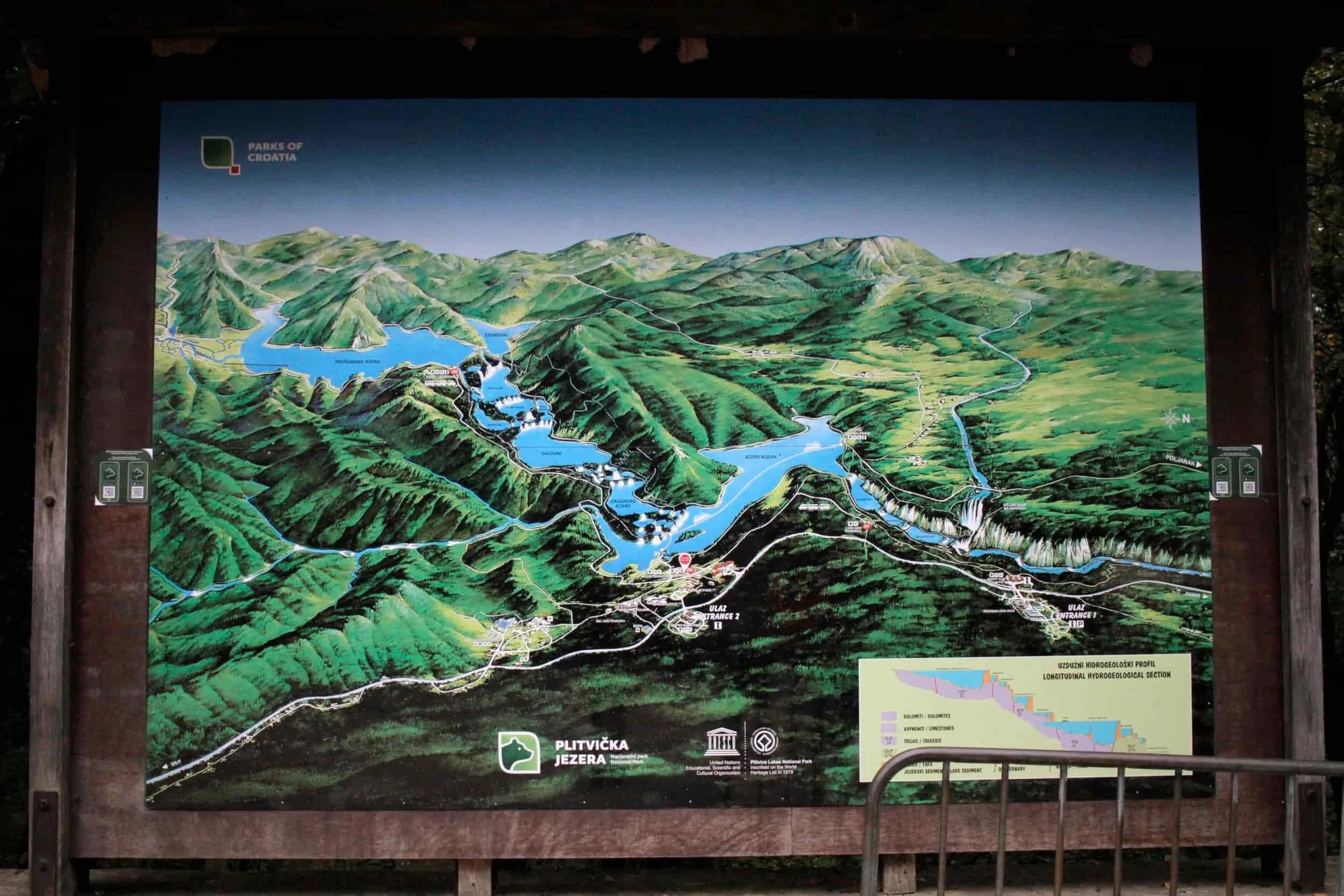
Before setting out to explore Plitviče Lakes National Park, you'll need to decide where to begin. The park has two main entrances, each offering a different starting point for its network of walking trails. Entrance 1 is particularly popular with first-time visitors, offering dramatic views over the Lower Lakes canyon and access to Veliki Slap (Great Waterfall). Entrance 2 is a convenient starting point for exploring the Upper Lakes, with access to the park's panoramic shuttle and electric boat connections.
Our guided tour set off from Split early in the morning and traveled the 2.5 hours north-northwest to reach the park. We began at Entrance 2, where cool, damp October air greeted us as we stepped off the bus. I pulled on my rain jacket, checked my camera and gathered my snacks and water before meeting our guide, Clara. After a quick briefing, we were ready to make our way into the park.
💡 My Tip | Choosing the best entrance to Plitviče Lakes depends on your route, available time and which lakes you want to explore first. Entrance 1 is ideal for starting with the Lower Lakes and Great Waterfall, while Entrance 2 works well for itineraries beginning in the Upper Lakes.
Before boarding the panoramic shuttle, Clara shared a few fascinating details about the landscape and wildlife. Beyond the famous waterfalls and turquoise lakes, Plitviče protects an extensive forest ecosystem, with caves, birds, butterflies, bats and larger mammals, including wolves, Eurasian lynx and brown bears. Most of these animals are rarely encountered along the busy visitor trails but their presence is a reminder that the park is much more than its celebrated lakes.
Clara also explained our schedule and meeting point, making sure everyone knew when to return. With so many interconnected trails and transport options, keeping track of your route is important, especially when exploring independently.

The park offers eight official sightseeing programs, generally labeled A, B, C and K from Entrance 1 and E, F, H and K from Entrance 2. These combine walking trails with electric boat crossings and panoramic shuttle rides, depending on the program. Routes range from shorter visits focused on one section of the park to longer excursions exploring both the Upper and Lower Lakes.

For our visit, we followed Route H, beginning with a shuttle ride toward the Upper Lakes before continuing on foot through the waterfalls and forest. Later, we'd cross Lake Kozjak by electric boat and make our way toward the Lower Lakes — a wonderful way to experience the contrast between the park's two distinct landscapes.
ℹ️ Good to Know | Book your entrance ticket in advance through the official Plitvice Lakes National Park website. Tickets are issued for a selected entrance and entry time, and some routes or transport services may be affected by weather and seasonal conditions.
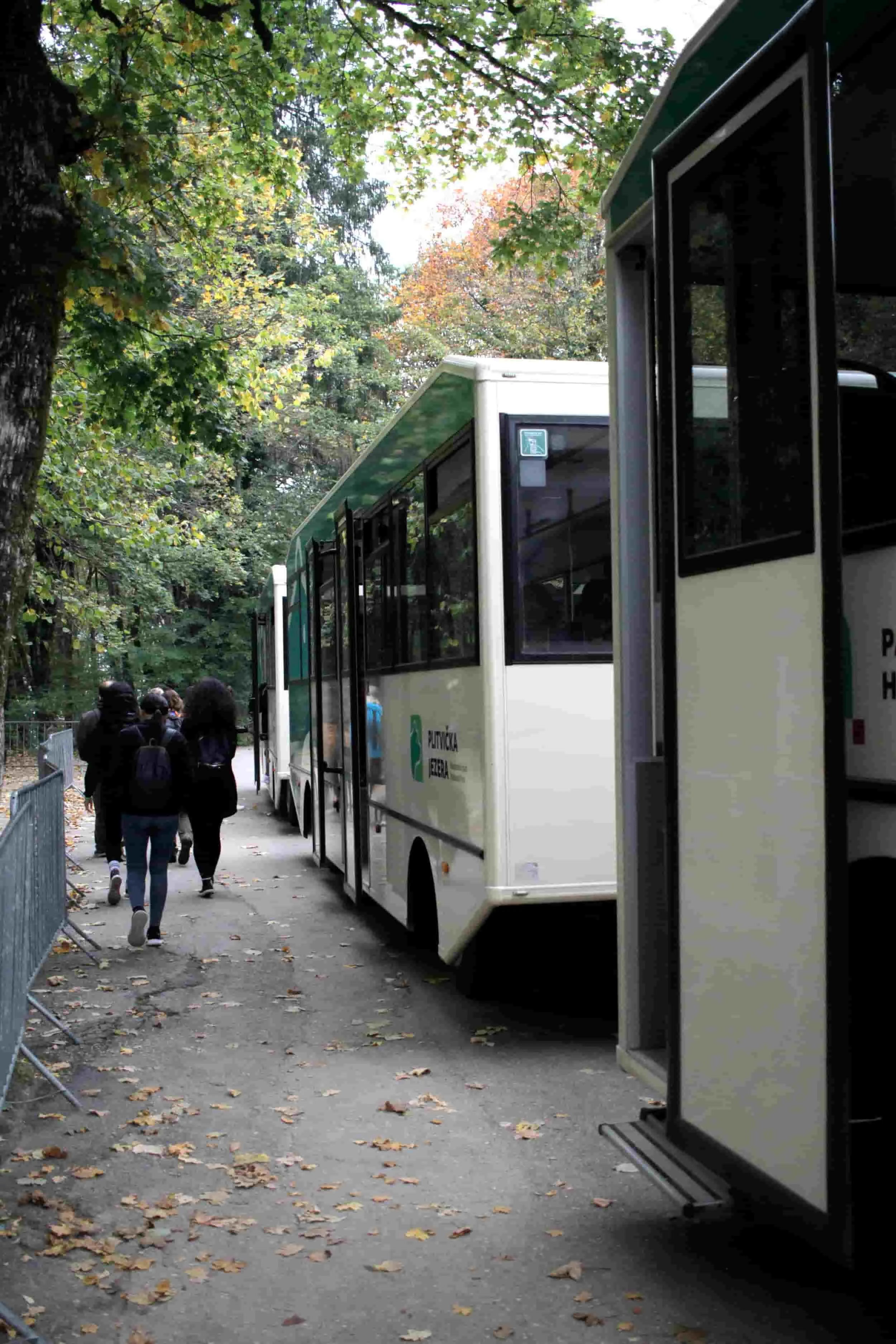
Protecting the park is just as important as enjoying it. Visitors must stay on marked trails and boardwalks, avoid disturbing wildlife or vegetation and leave the lakes untouched — swimming is prohibited. The wooden walkways can become slippery after rain, so comfortable shoes with good traction are essential.
With our route established and the shuttle waiting, it was time to leave the entrance behind and head into the forest toward the Upper Lakes.
Hike the Upper Lakes: Waterfalls, Boardwalks & Forest Trails
Our journey along Route H began with a panoramic shuttle ride from Station 2 to Station 3, near the Upper Lakes. From there, we set off on foot through a landscape of forested hills, terraced lakes and waterfalls, eventually making our way toward Lake Kozjak.
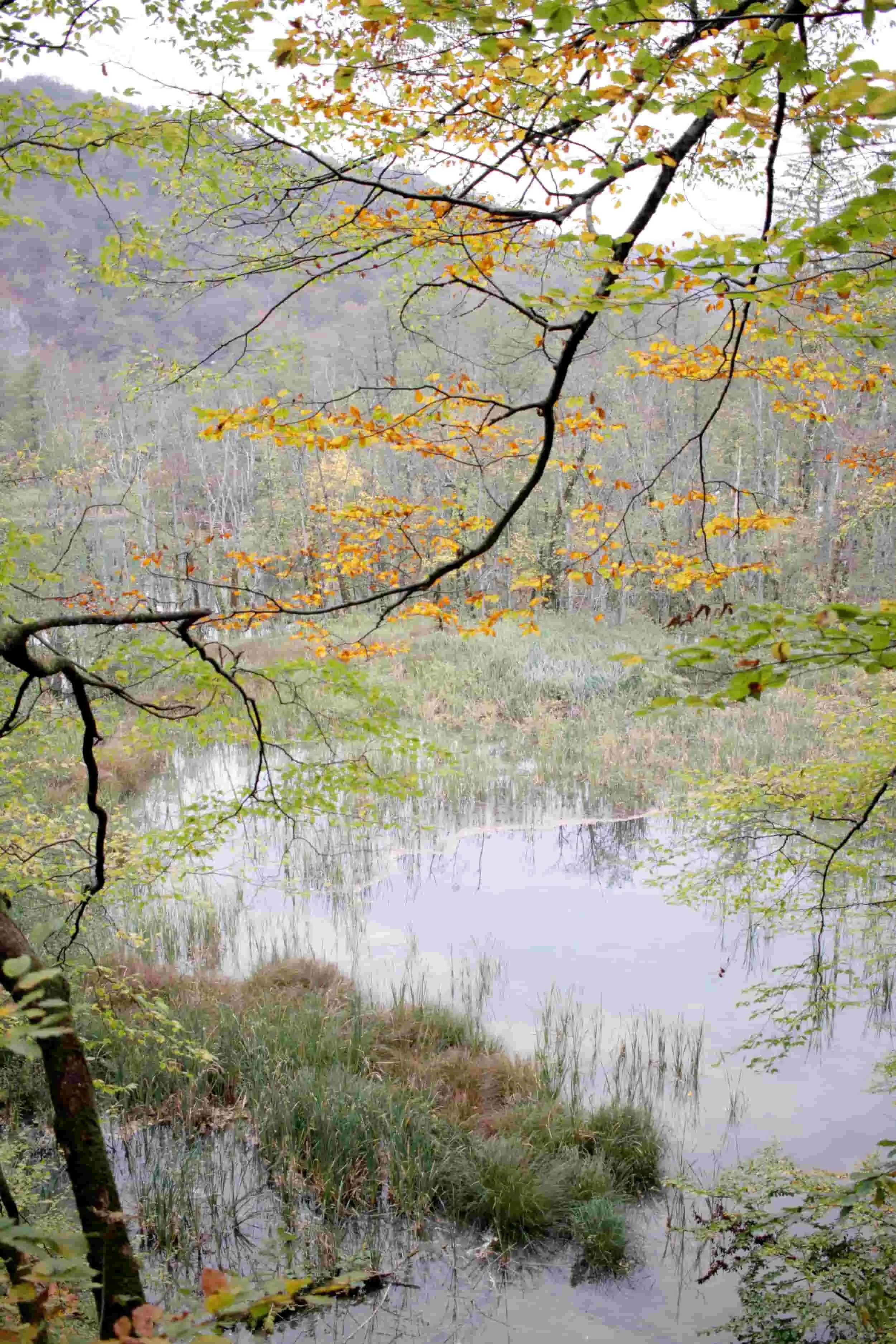
The 12 Upper Lakes of Plitviče sit on largely impermeable dolomite bedrock, with natural tufa barriers separating one basin from the next. Compared with the dramatic limestone canyon of the Lower Lakes, this part of the park feels more expansive and sheltered by forest. In October, the changing leaves added layers of amber, rust and gold to an already remarkable palette of greens and blues.
Prošćansko Lake: The Beginning of the Upper Lakes
The highest of the Upper Lakes, Prošćansko Jezero, is also the second-largest lake in the park. Covering approximately 168 acres (68 hectares) and reaching depths of around 121 feet (37 meters), its broad surface takes on a darker green appearance than many of the shallower lakes farther downstream.
Surrounded by thick woodland, Prošćansko introduces the quieter character of the Upper Lakes. Its depth, forested edges and changing reflections create a beautiful contrast with the smaller, brighter turquoise pools that follow.
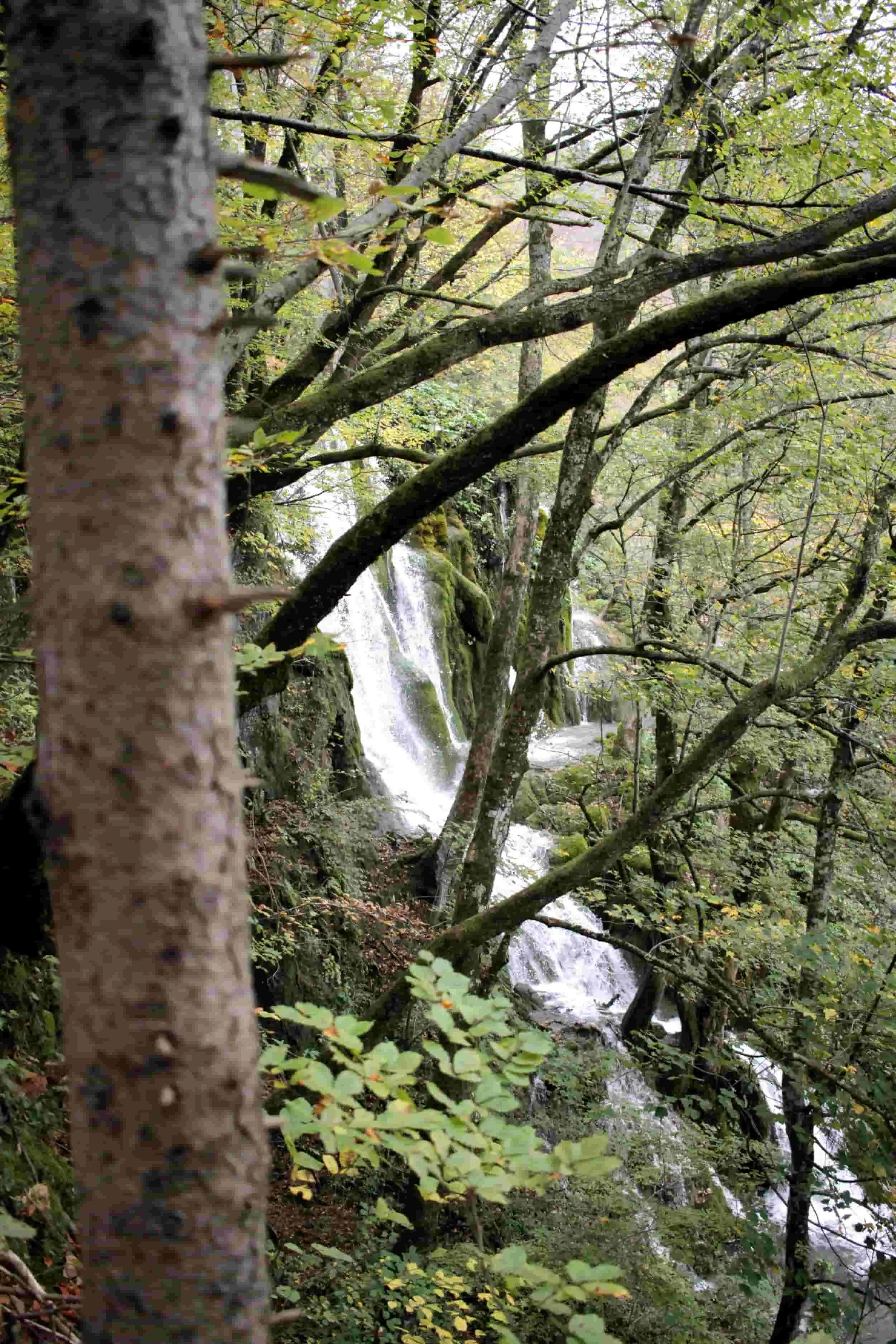
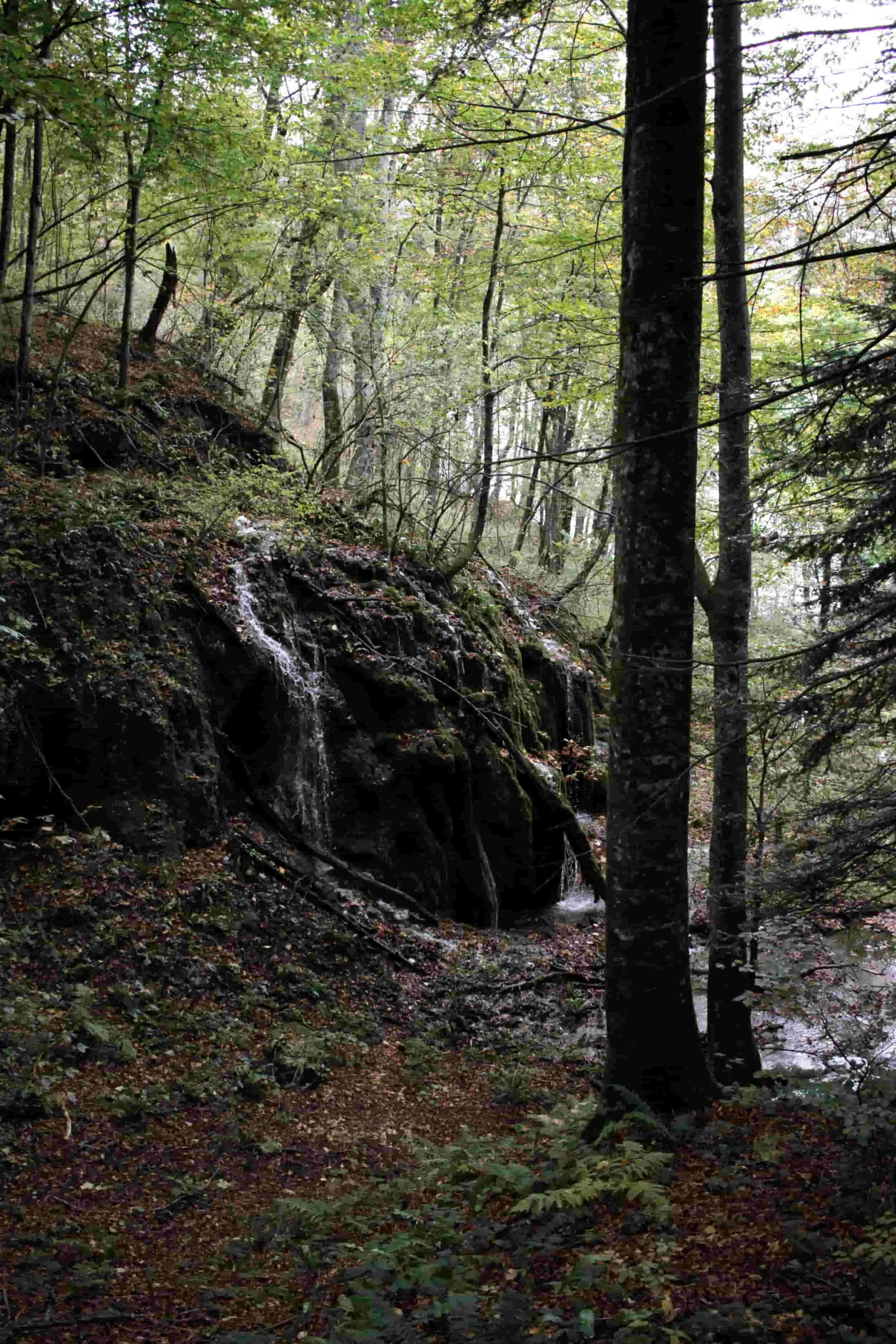
As we continued along the forest trails, the sound of moving water became a constant companion. Small cascades slipped between moss-covered rocks, while narrow streams worked their way through ferns and fallen leaves. The combination of autumn foliage and flowing water made even the stretches between the larger lakes worth slowing down for.
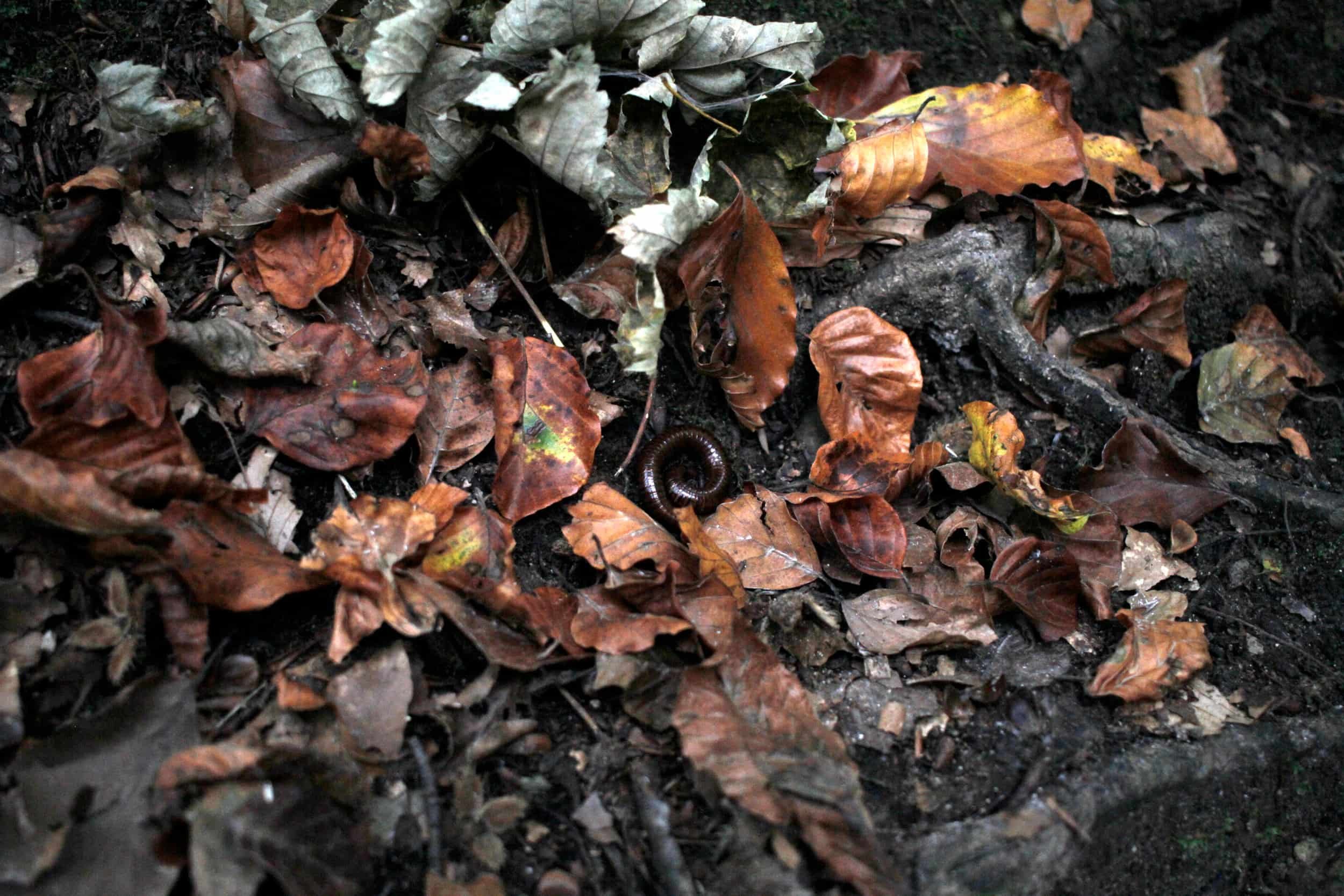
One of my favorite little discoveries had nothing to do with the waterfalls. Among the fallen leaves, I spotted a curious centipede-like creature, its coloring almost perfectly matched to the warm browns and oranges scattered across the forest floor. It's a reminder to look down occasionally — there's plenty happening beyond the spectacular views.
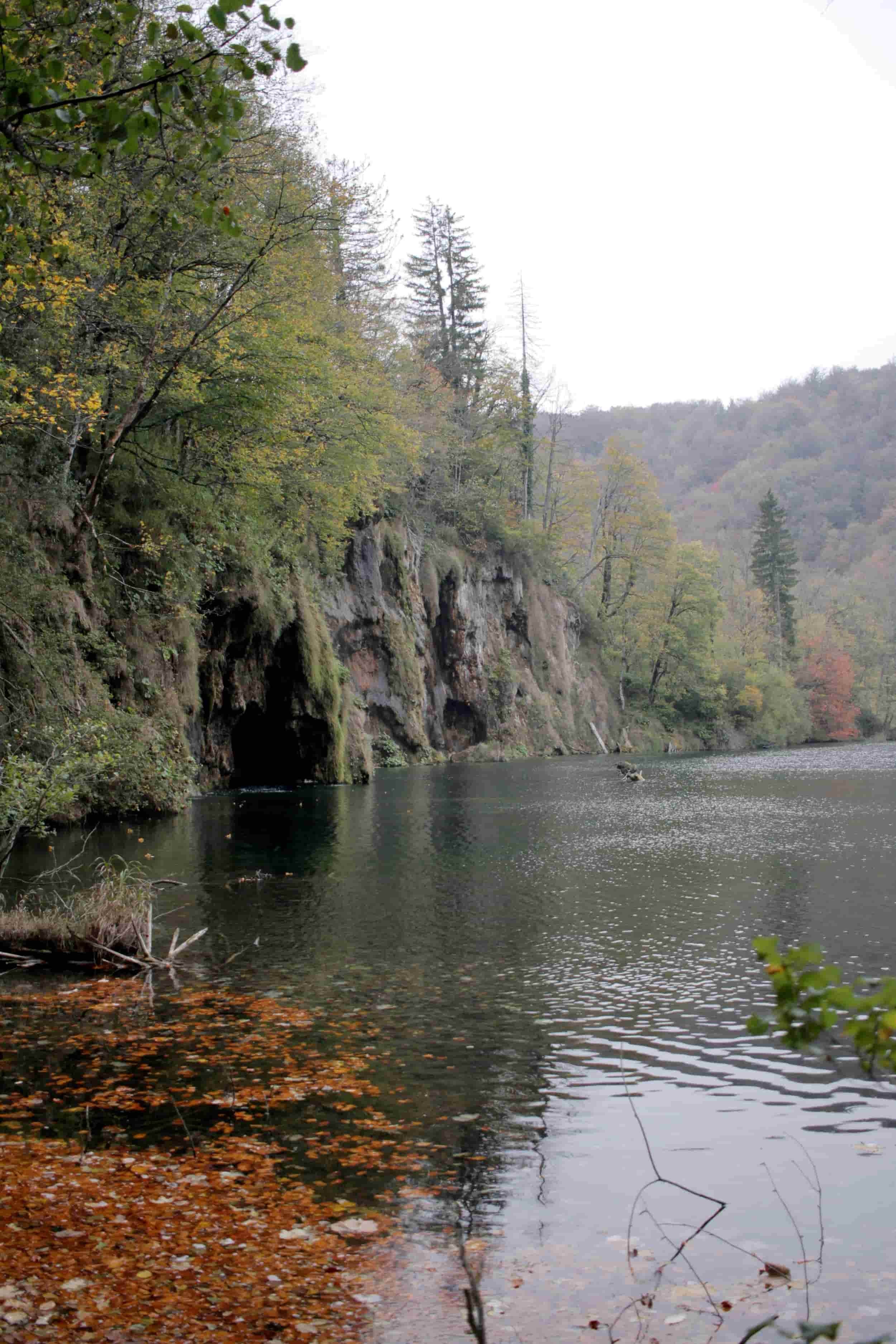
Ciginovac Lake: A Quiet Corner of Plitviče
The second-highest lake in the system, Ciginovac Jezero, covers approximately 17 acres (7 hectares) and reaches depths of around 36 feet (11 meters). Its western shoreline is bordered by dense forest, while a steeper hillside rises along the northern edge.
Natural travertine formations help shape the lake, including an area of collapsed deposits along its southeastern shore. At the downstream end, water continues toward Okrugljak, following the interconnected system that makes Plitviče so fascinating.
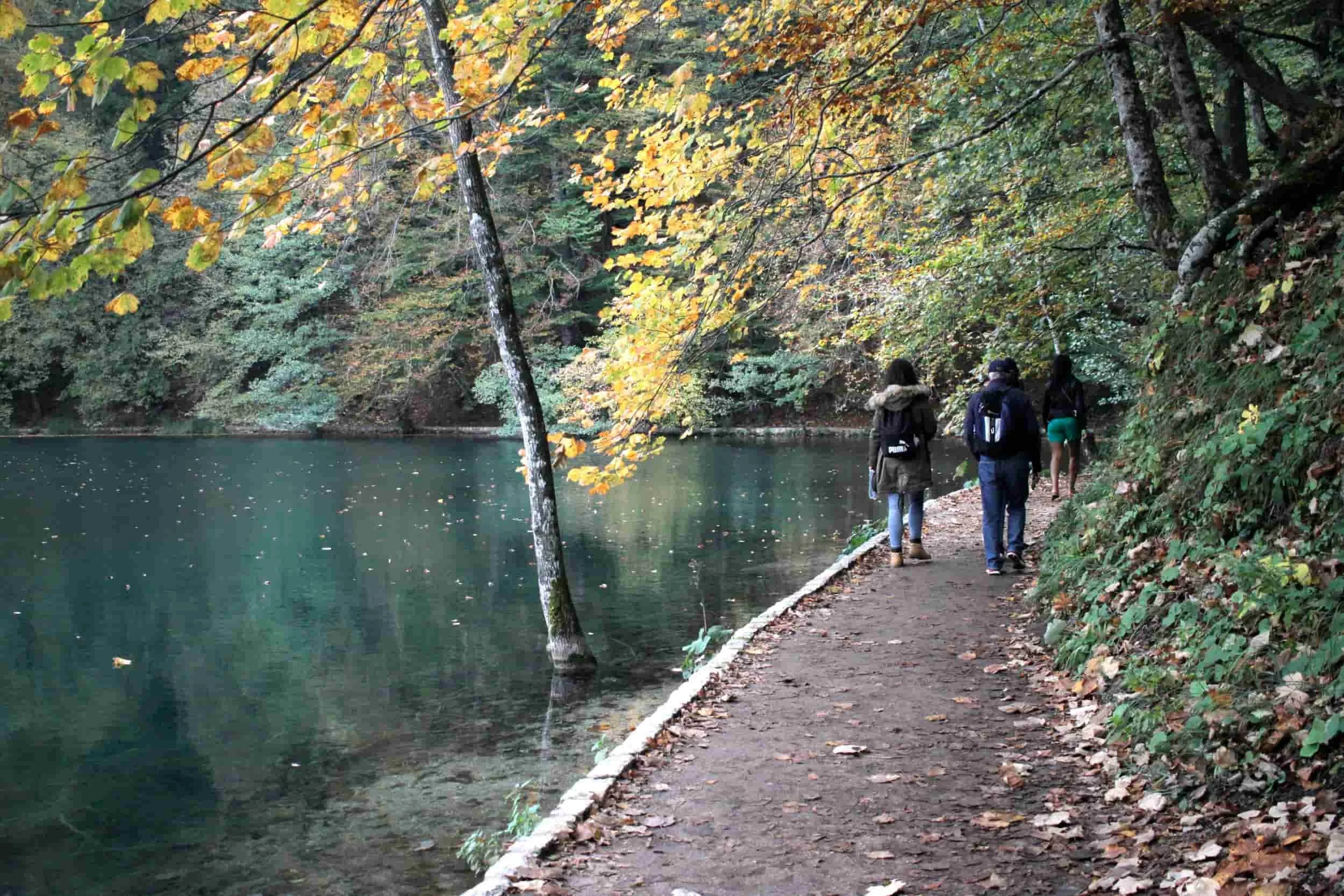
Following Clara along the walkways, we came close enough to the water to see tiny fish moving beneath the surface. Even more fascinating were the submerged tree trunks, their branches still visible through the remarkably clear water. Against the turquoise depths, they looked almost like underwater sculptures.
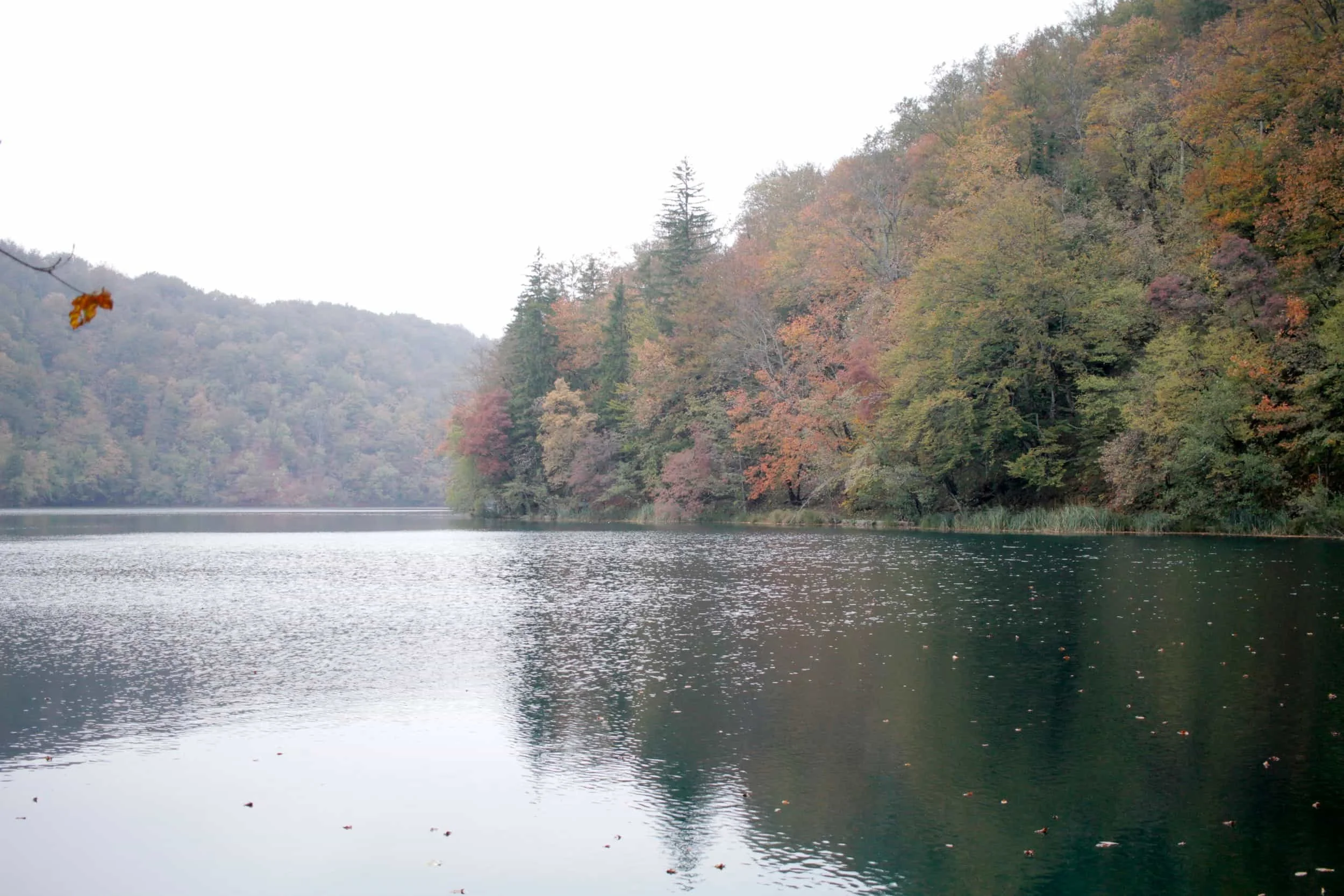
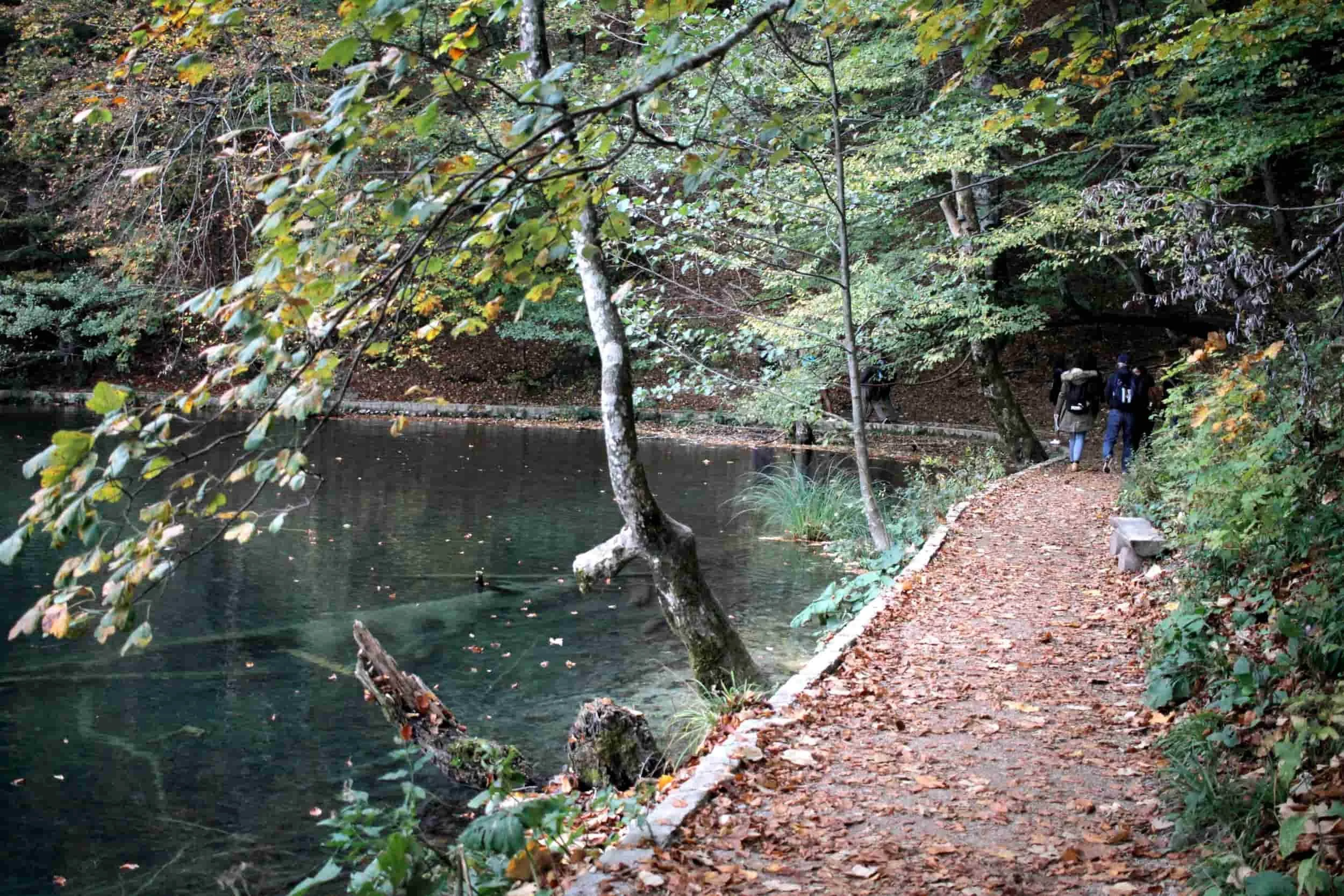
What I especially loved was how the perspective kept changing. From one angle, the water appeared almost transparent, revealing submerged branches and pale stone beneath the surface. A few steps farther along, the same lake could look deep emerald, reflecting the trees and October sky. The walkways themselves become part of the experience, creating an intimate connection with a landscape that would otherwise be difficult to explore so closely.
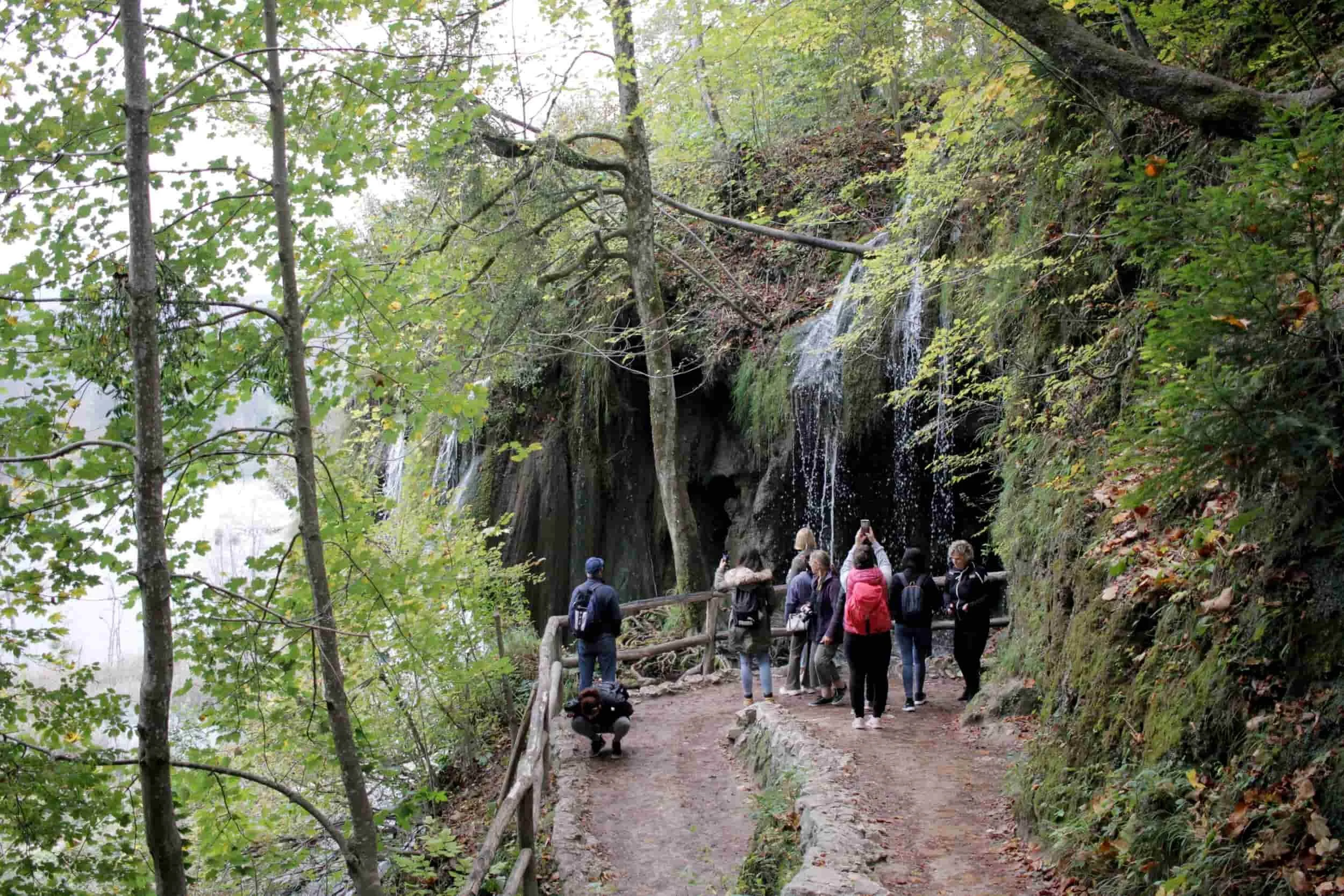
Soon, the sound of rushing water grew louder, and the trail opened toward a beautiful cascade spilling over a rounded, moss-covered rock face. Water streamed across the natural contours, breaking into fine spray before collecting in the pool below.
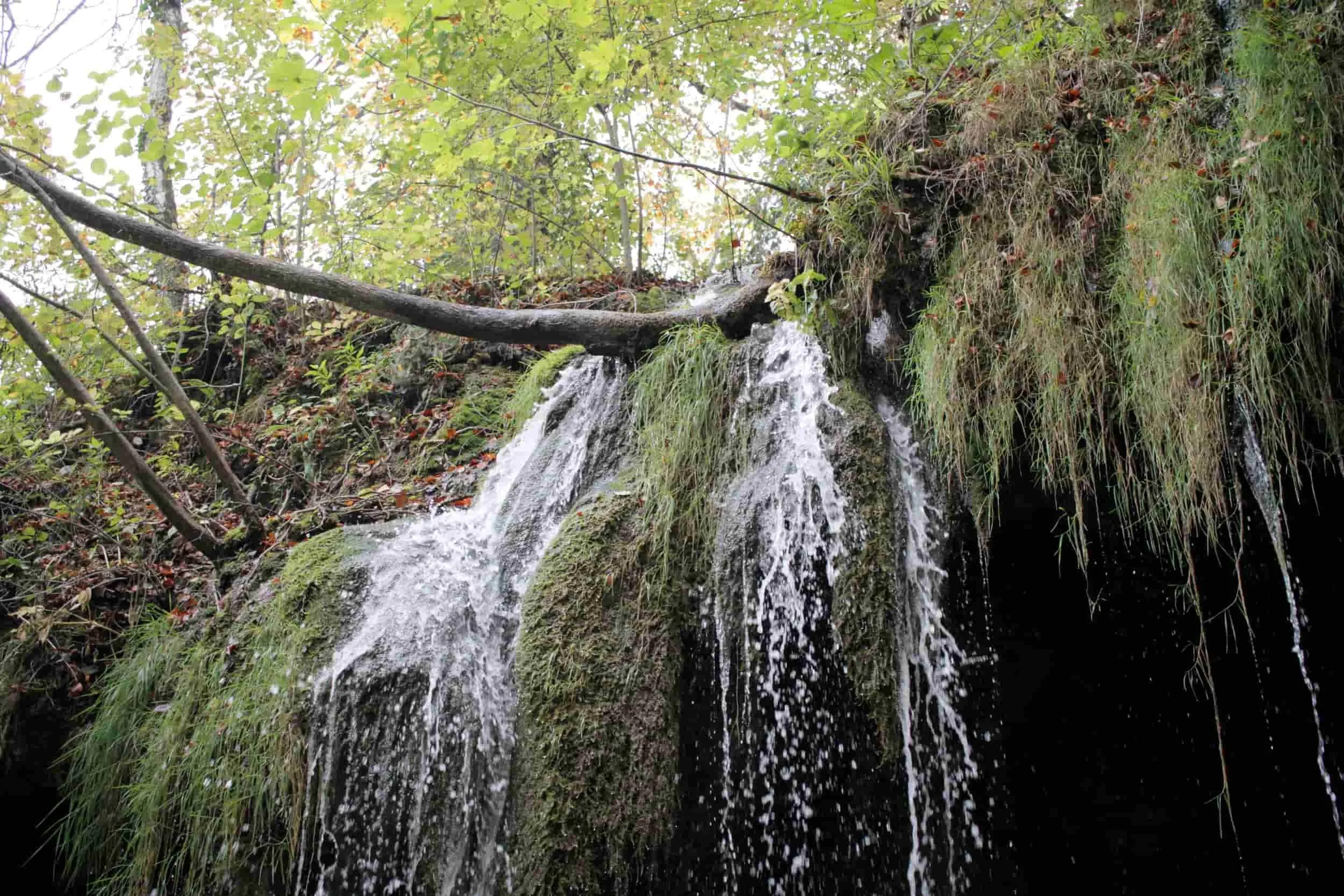
Okrugljak, Veliko & Malo Lakes: A Chain of Cascades
Okrugljak Jezero is one of the deeper Upper Lakes, reaching approximately 49 feet (15 meters). Its aquamarine water is framed by natural stone, vegetation and wooden pathways, with water continuing downstream toward the smaller lakes.
What makes this stretch especially interesting is how quickly the scenery changes. A broad, reflective pool gives way to a narrow cascade, then another lake appears just beyond the trees.
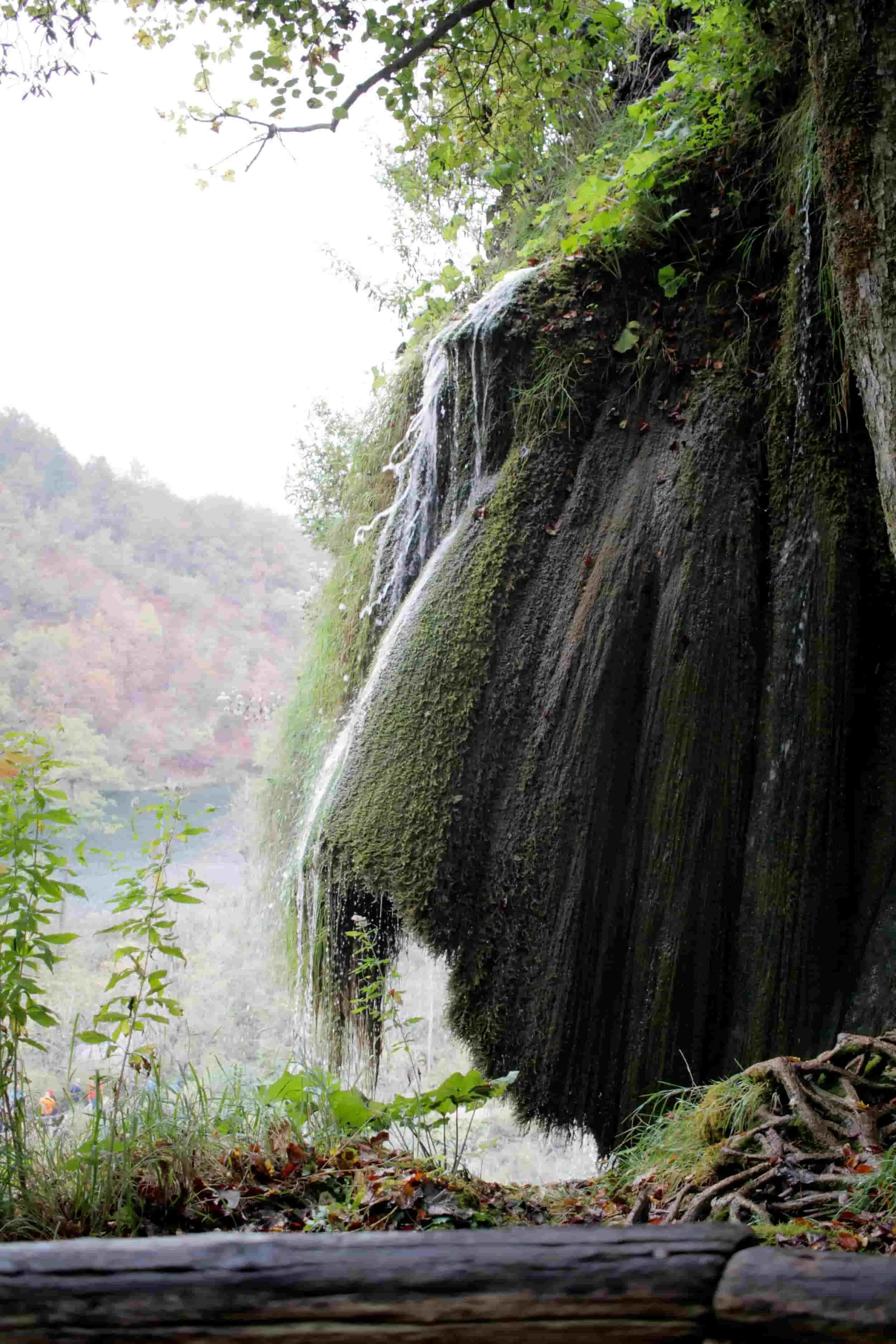
Veliko Jezero, meaning Big Lake, is actually relatively small, covering approximately five acres (2 hectares). Its shallow water takes on beautiful shades of pale turquoise and yellow-green, contrasting with the darker forest surrounding the lake.
What makes this part of the Upper Lakes particularly interesting is the way the water moves through a succession of smaller basins. Rather than one dramatic waterfall, the landscape is composed of quieter transitions — low natural barriers, shallow pools and gentle cascades that gradually carry the water downstream. It's a lovely example of the intricate, layered geography that makes Plitviče so unusual.
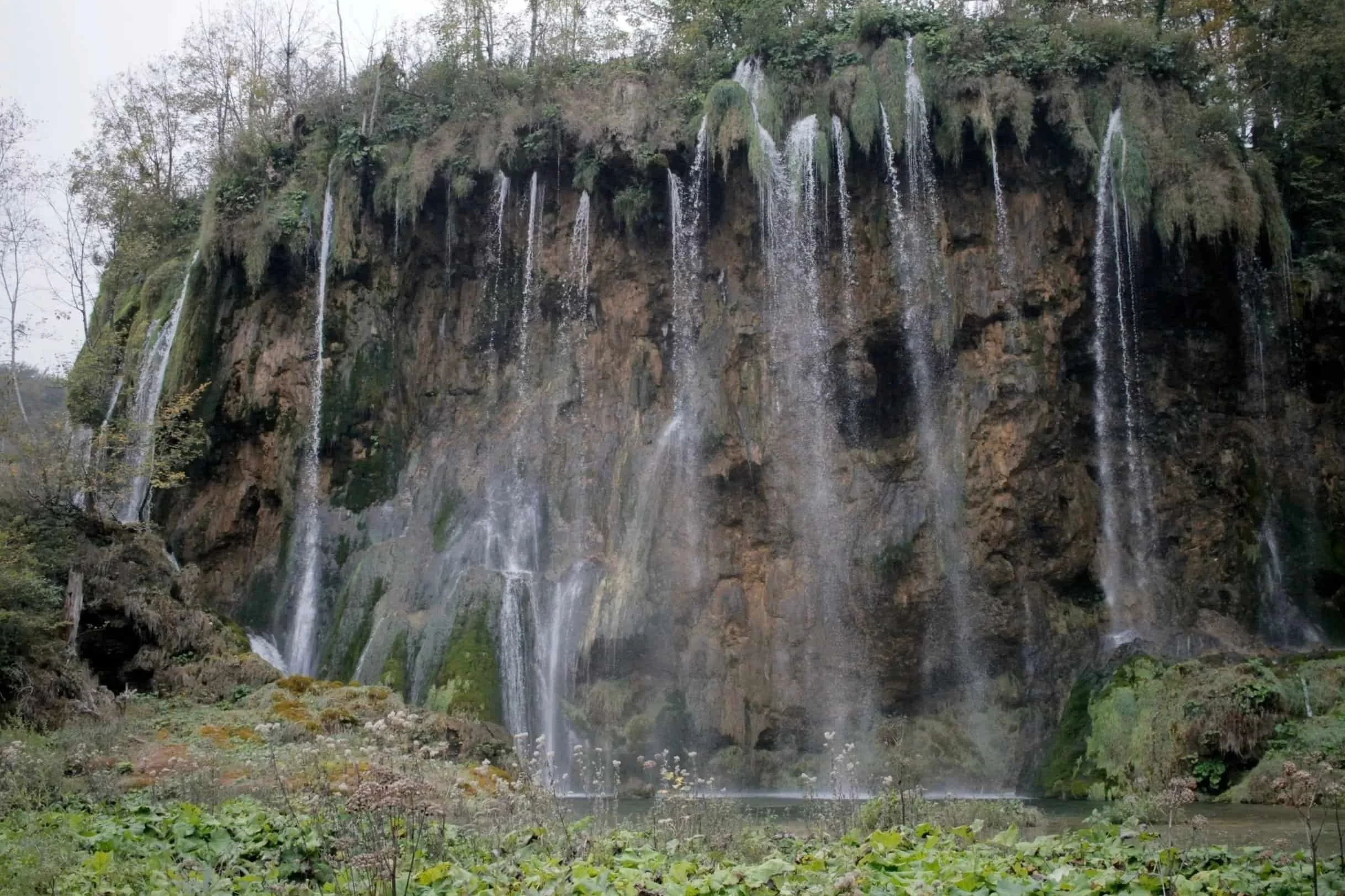
From Veliko, the water continues through Malo Jezero and Vir Jezero, a closely connected series of smaller basins separated by natural tufa barriers. Malo reaches depths of approximately 30 feet (9 meters), while Vir is the smallest of the park's 16 named lakes.
Despite their modest size, these lakes are an important part of the Upper Lakes' character. Their narrow channels and closely spaced waterfalls create a landscape that feels almost woven together, with water constantly moving from one level to the next. Following the boardwalks, it's fascinating to see how even small changes in elevation can create an entirely new pool, cascade or waterfall.
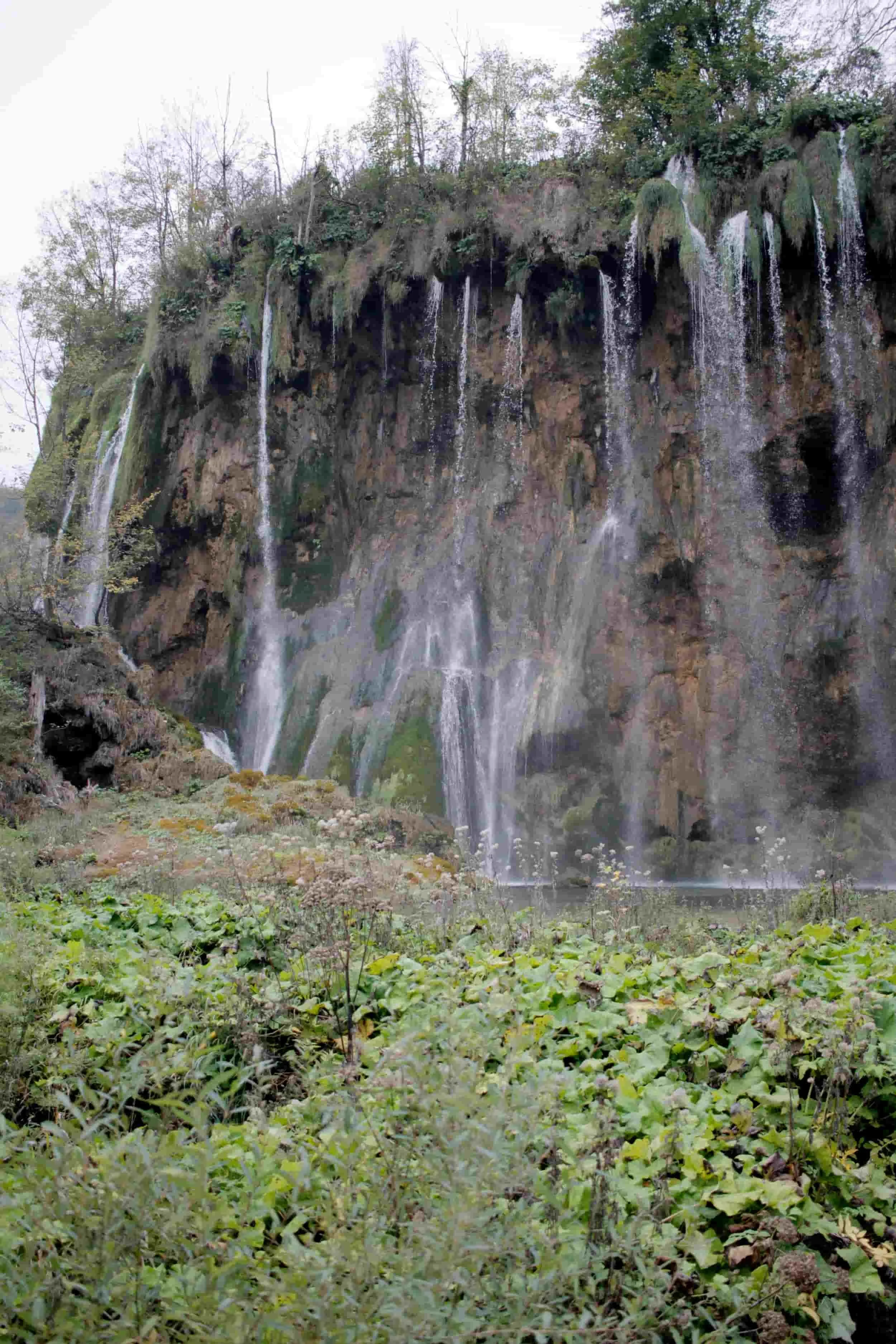
The wooden boardwalks are one of the most distinctive features of exploring Plitviče Lakes National Park. Rather than simply observing the landscape from a distance, the pathways bring you directly into it — crossing narrow channels, tracing the edges of turquoise pools and winding through the forest beside waterfalls.
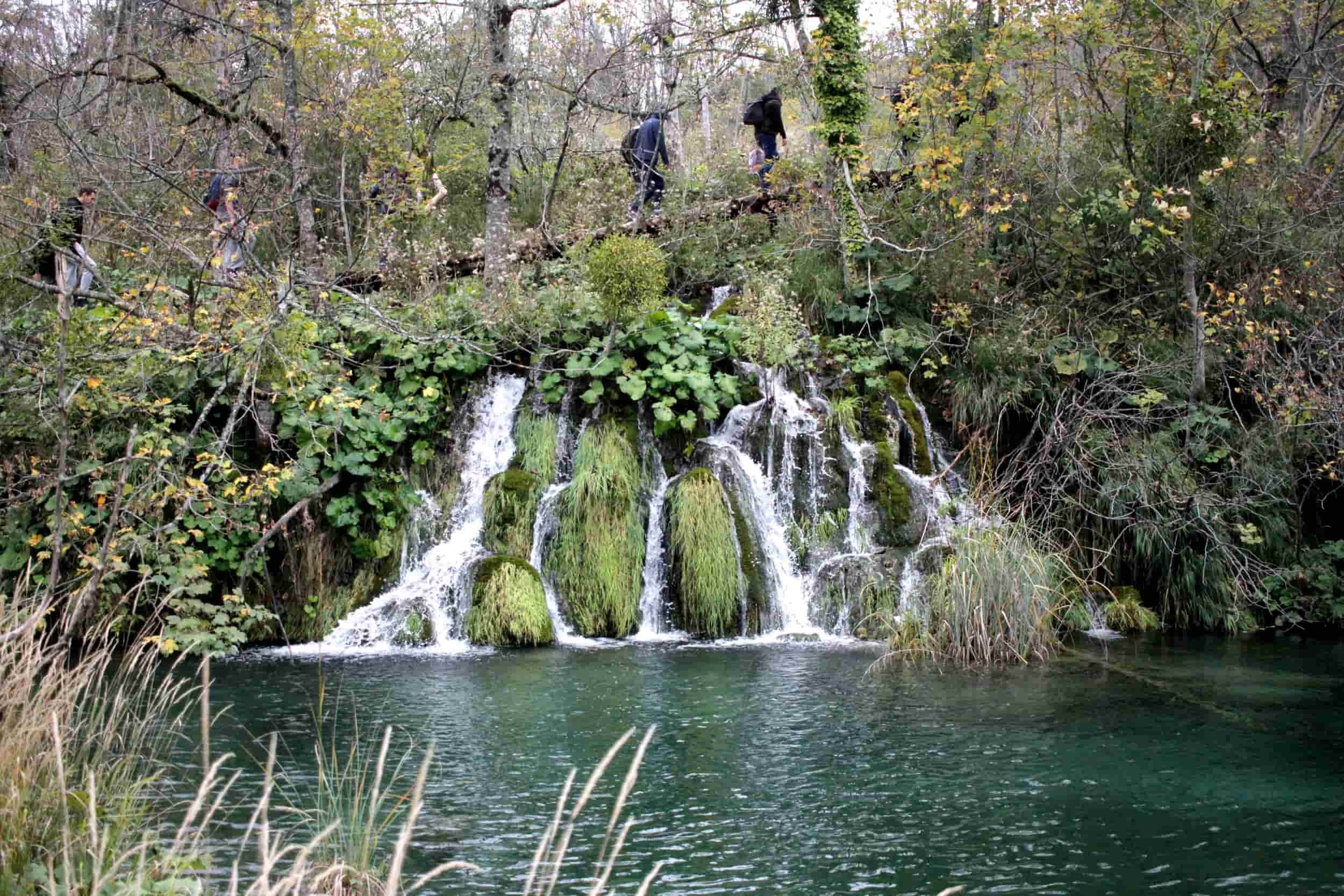
Some of the most beautiful moments along this stretch came from the smaller waterfalls rather than the largest ones. Water spilled over natural limestone ledges in countless narrow streams, catching the light as it dropped into the pools below. In places, the rock formations created little recesses and shadowed openings behind the falling water.
It's easy to understand why the park's tufa barriers are so important. They aren't simply rocks dividing the lakes; they're continually developing formations that influence the shape, height and movement of the waterfalls.
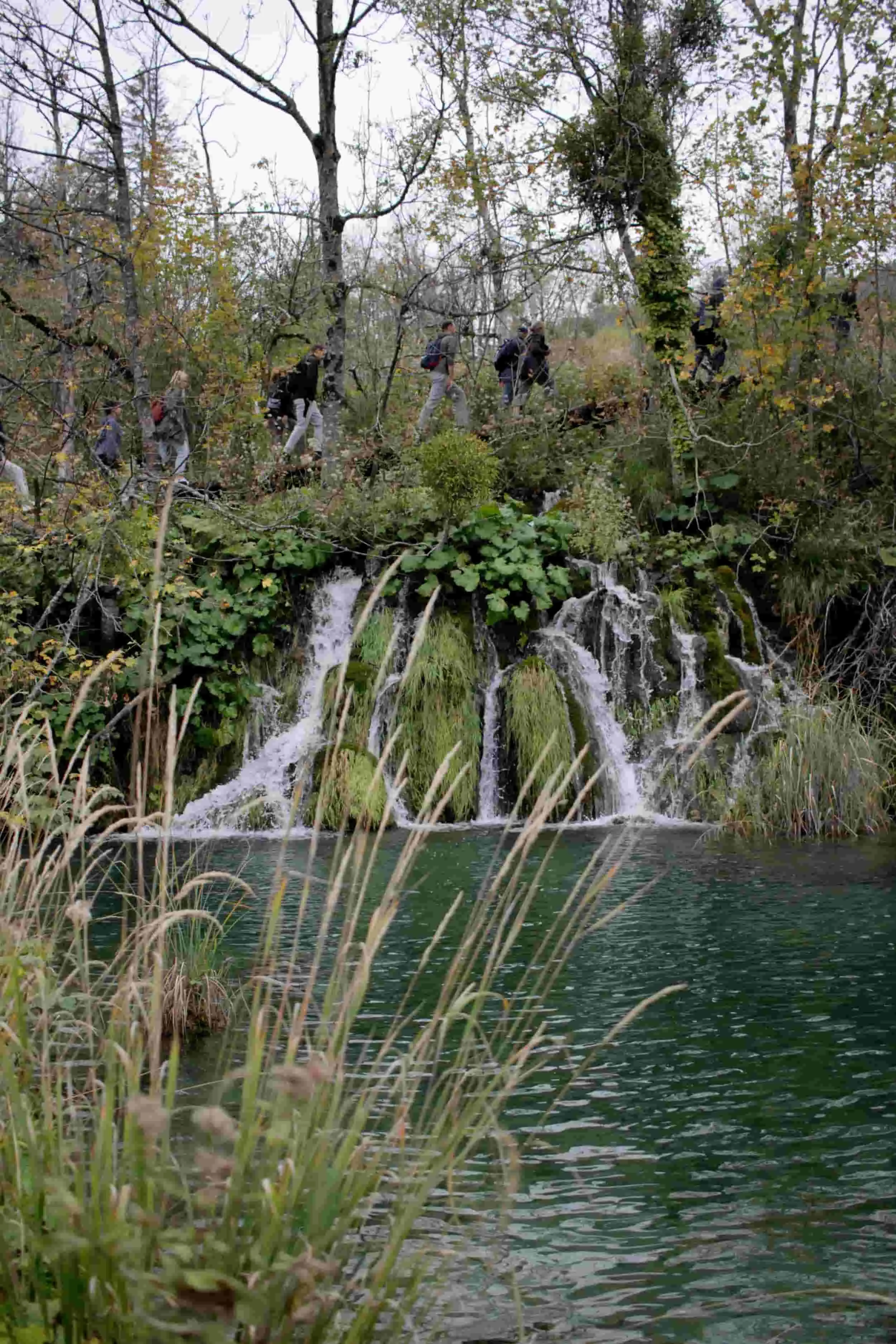
Galovac Lake: Dramatic Waterfalls & Layered Landscapes
Farther along the Upper Lakes, Galovac Jezero introduces some of the most impressive waterfalls in this part of Plitviče. Covering approximately 30 acres (12 hectares), the lake sits beneath wooded slopes and pale dolomite cliffs.
Along the eastern side of Galovac, the landscape becomes especially dramatic around Veliki Prštavac and Mali Prštavac, two of the Upper Lakes' most impressive waterfalls. Water spills over broad tufa formations, separating into smaller streams as it moves across moss-covered rock and vegetation.
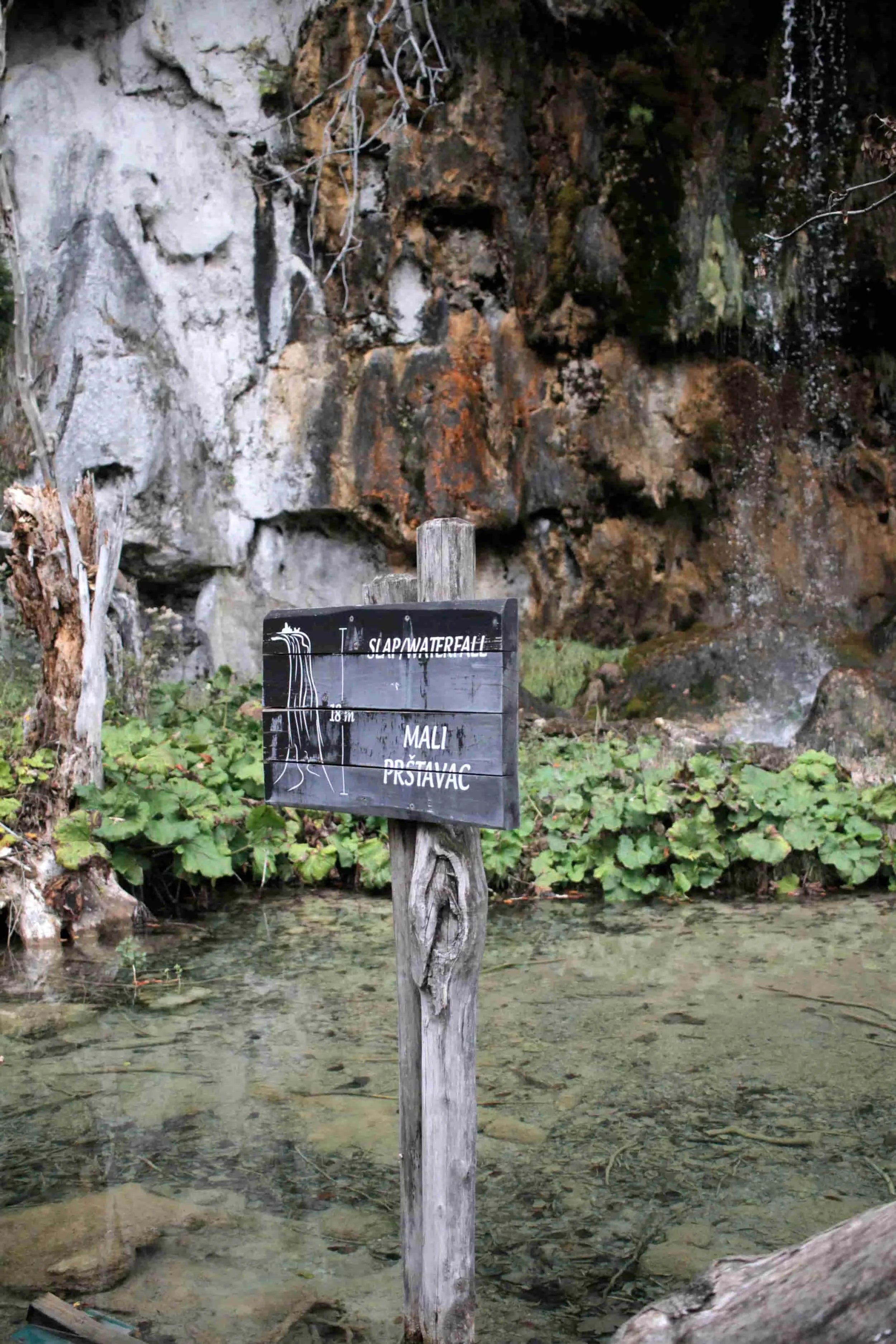
Rather than falling as a single uninterrupted curtain, these cascades spread across the contours of the landscape, creating layers of movement, texture and color. It's one of the places where the natural architecture of Plitviče becomes particularly apparent: water, stone and plant life working together to shape an intricate series of terraces and waterfalls.
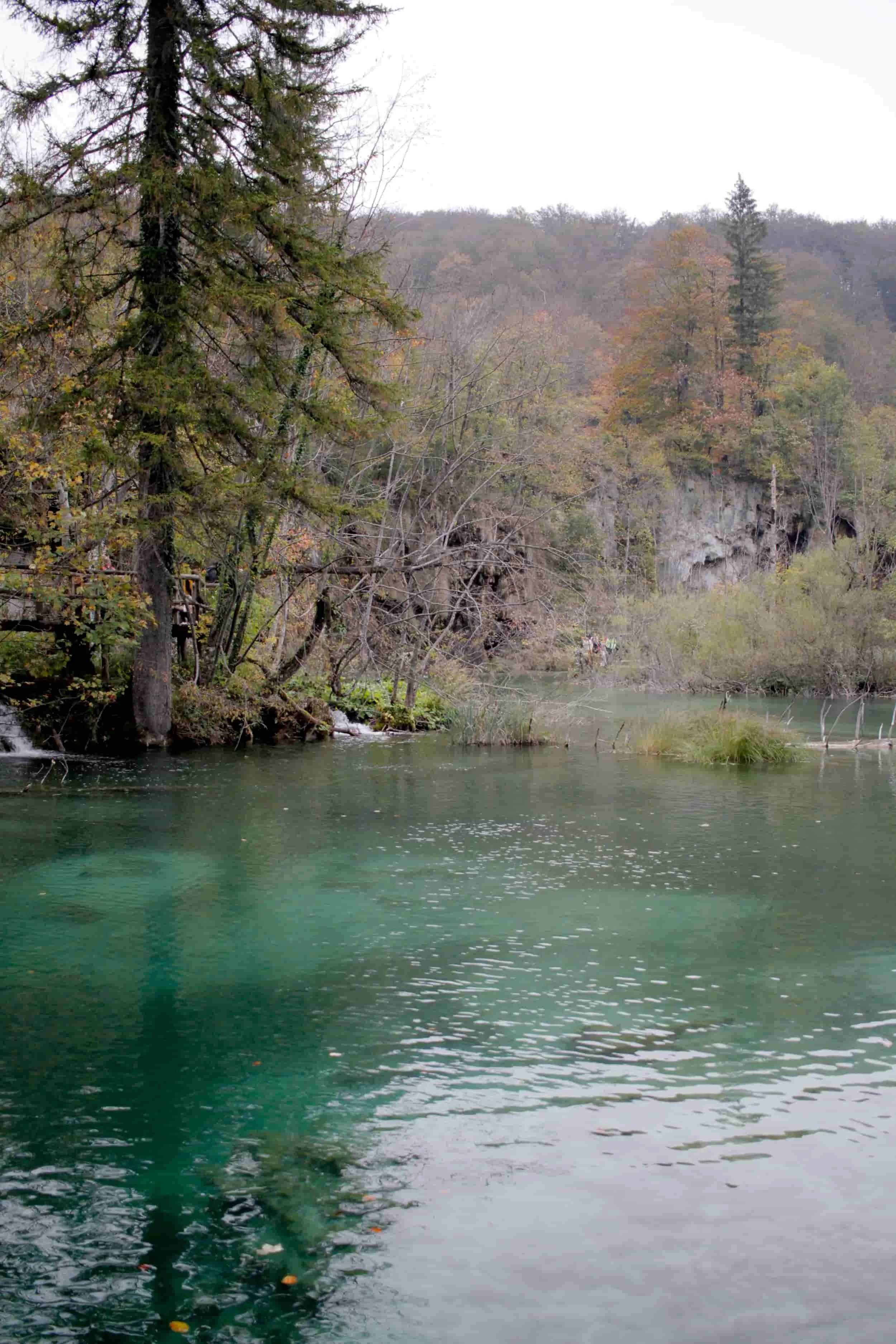
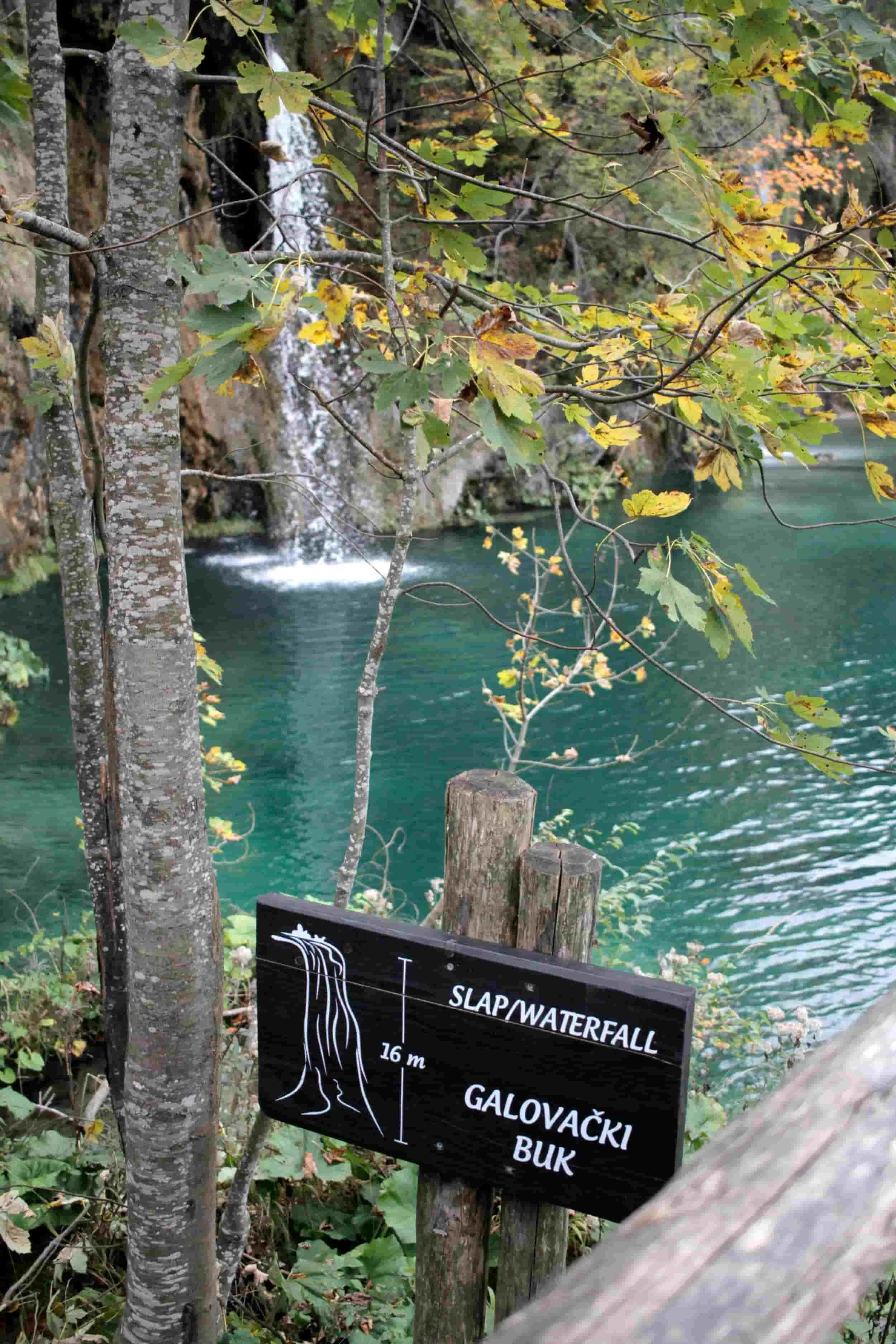
Another notable feature is Galovački Buk, a waterfall approximately 52 feet (16 meters) high. Surrounded by woodland, its flowing water and layered rock formations make this one of the particularly photogenic stretches of the Upper Lakes.
The nearby Tomićev pogled viewpoint offers another perspective over the landscape, although access to individual viewpoints depends on the walking route and current trail conditions.
Milino & Gradinsko Lakes: Unusual Colors Beneath the Surface
Milino Jezero is a small, shallow lake between Galovac and Gradinsko. With its reeds, moss and surrounding vegetation, it feels more like a quiet transition between the larger bodies of water.
The next lake, Gradinsko Jezero, is particularly interesting for its changing colors and underwater formations. Covering approximately 20 acres (8 hectares), it has an irregular shape, with shallower areas appearing pale turquoise or milky white while deeper sections turn dark green.
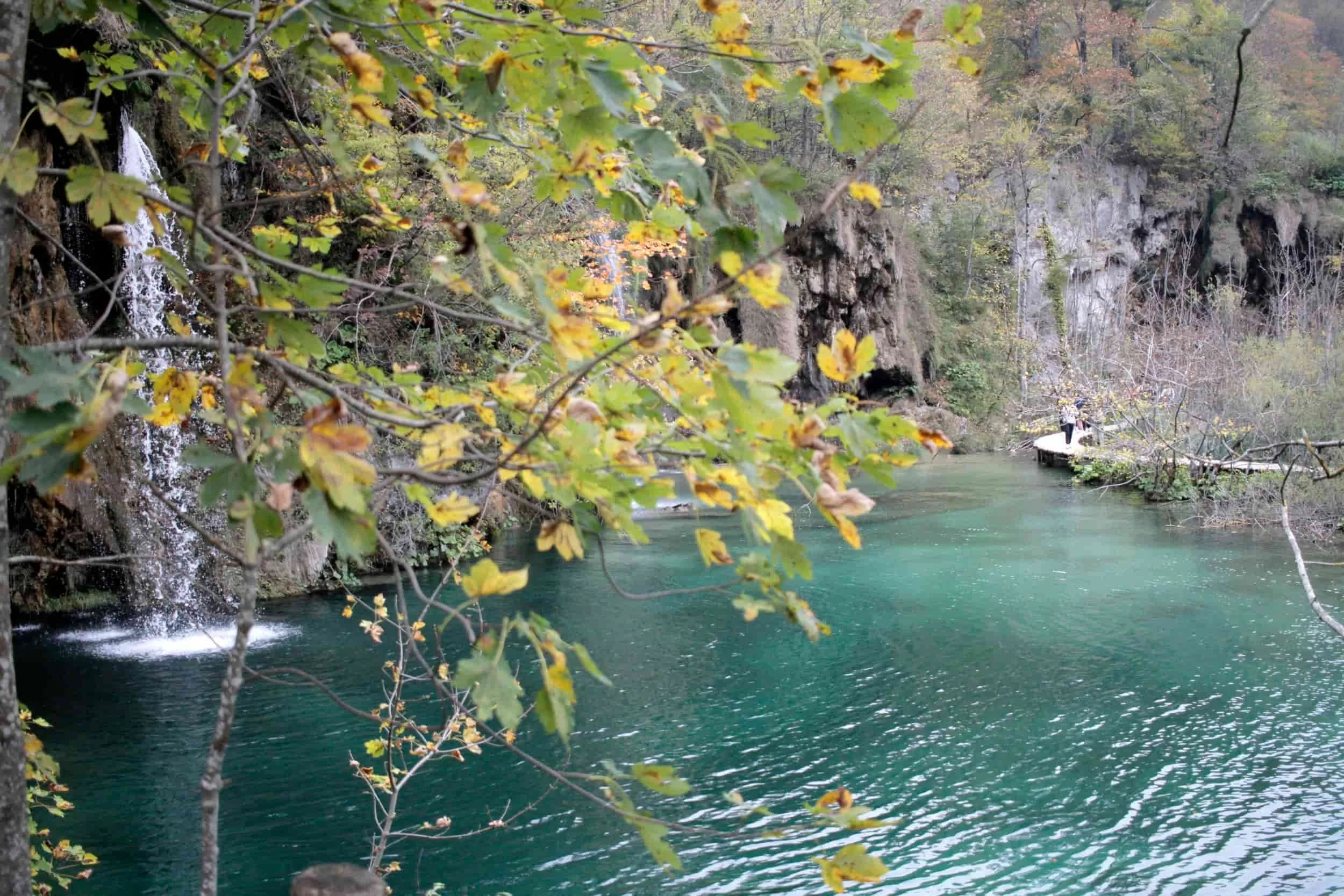
One of its most fascinating features is the remains of an older, submerged travertine barrier. These formations reveal how the lake system has changed over time, as natural dams develop, collapse or become submerged.
The pale deposits visible beneath the water are sometimes called bjelar, referring to the light-colored travertine mud. Along with the reflections of the surrounding trees and the occasional duck moving across the surface, they make Gradinsko a beautiful place to appreciate the smaller details of the landscape.
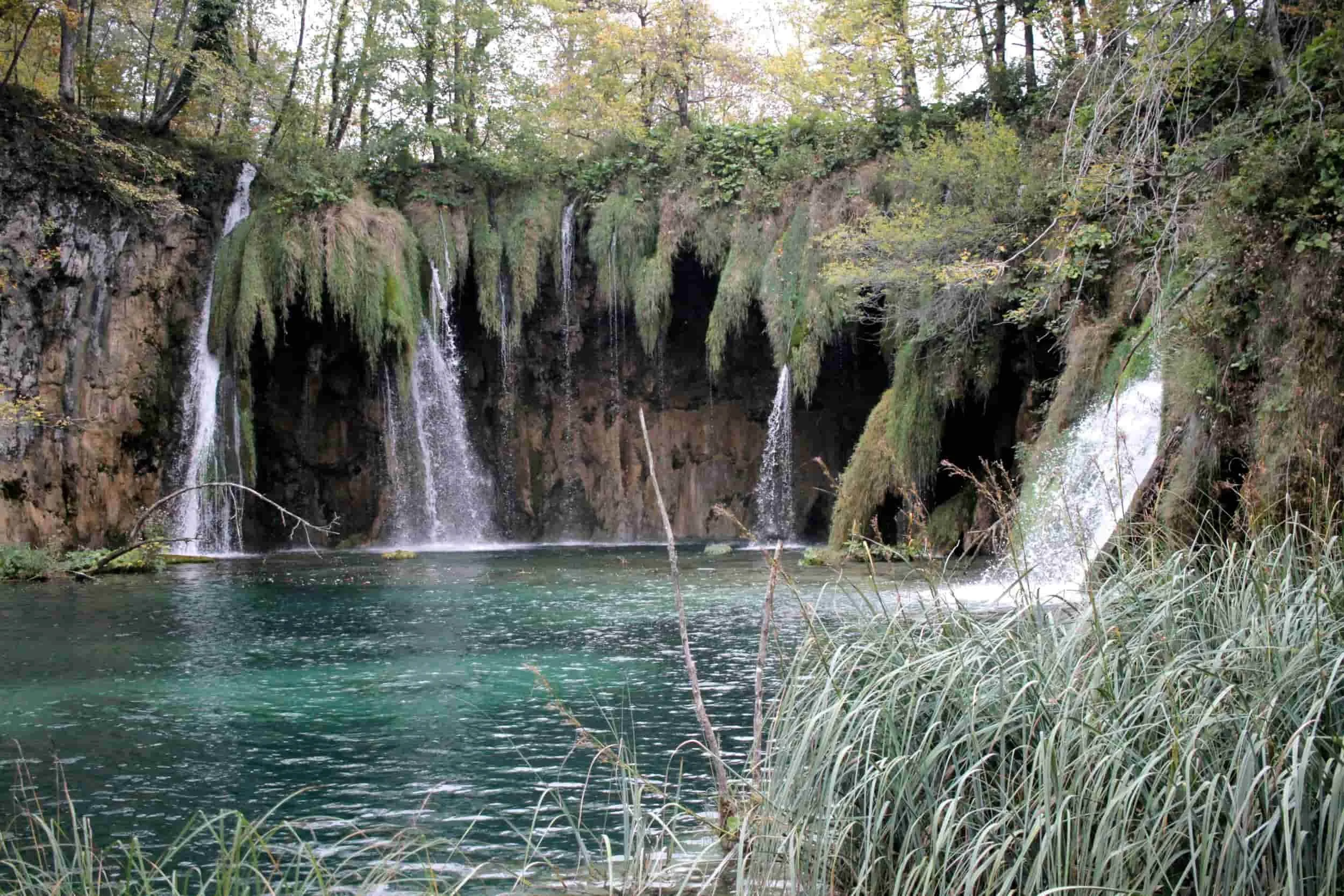
Continuing through the Upper Lakes, the walking trails offer more views of the surrounding cascades, including the impressive Veliki Prštavac and Mali Prštavac waterfalls. From different points along the route, the water appears to emerge directly from the forest, spilling over pale limestone and disappearing into pools framed by dense vegetation.
This stretch is particularly beautiful for its contrasts. The dark green woodland provides a backdrop for the white waterfalls, while the clear lakes reflect the changing autumn colors. It's also a reminder that some of the best views in Plitviče aren't necessarily at a designated viewpoint — they appear unexpectedly as the trail winds through the landscape.
Burgeti Lakes: The Final Stretch Toward Kozjak
The Burgeti Lakes are a collection of small, interconnected pools separated by delicate travertine barriers. Among them are Veliki Burget and Mali Burget, whose shallow waters and surrounding greenery create a more intimate landscape than the larger lakes upstream.
From here, the water continues toward Lake Kozjak, the largest lake in Plitviče and the next stage of our journey.
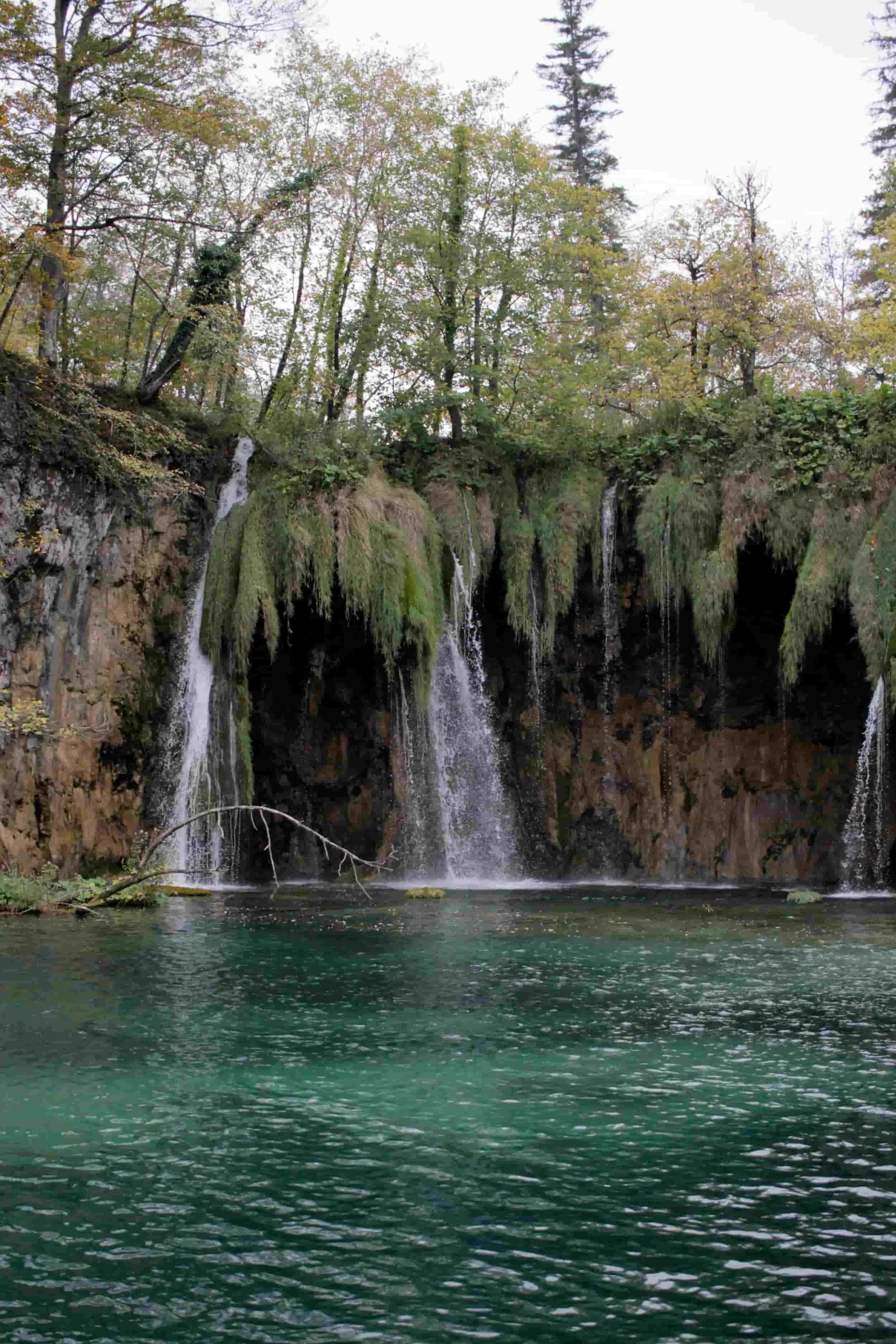
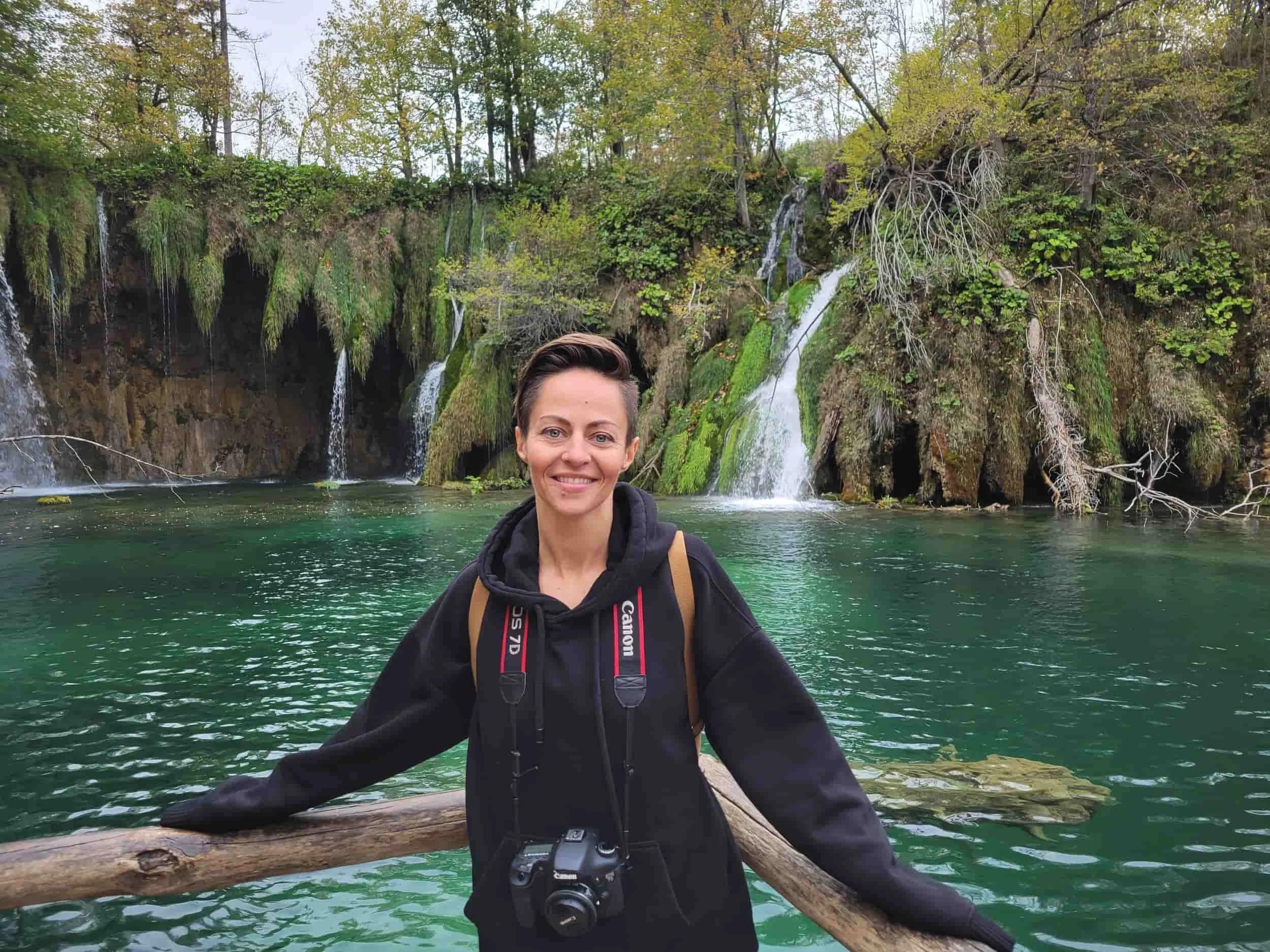
The final stretch before Kozjak was one of those places where I wanted to linger. Turquoise water flowed beside the boardwalk, so clear and inviting that I caught myself imagining how refreshing it would feel to slip off my shoes and step in.
Of course, swimming and entering the lakes are prohibited to protect this fragile ecosystem. So I stayed on the wooden pathway, camera in hand, appreciating the extraordinary colors from above.
With the Upper Lakes behind us, it was time to cross Kozjak and continue toward the dramatic Lower Lakes.
Float Across Kozjak Lake & Grab a Bite
After winding through the Upper Lakes, we arrived at Kozjak Lake (Kozjak Jezero), the largest and deepest of Plitviče's 16 lakes. Covering more than 200 acres (81 hectares) and reaching depths of approximately 154 feet (47 meters), Kozjak feels noticeably different from the smaller, cascading pools we'd just explored. Its broad, forest-framed surface stretches into the distance, shifting between deep green and turquoise depending on the light.
Kozjak also has an interesting geological history. Thousands of years ago, two separate lakes were divided by a natural tufa barrier. As the downstream barrier grew, rising water eventually submerged the older formation, merging the two basins into one. Remnants of that ancient divide remain beneath the surface near Matijaševića Draga Bay — another example of how the landscape of Plitviče Lakes National Park continues to evolve.
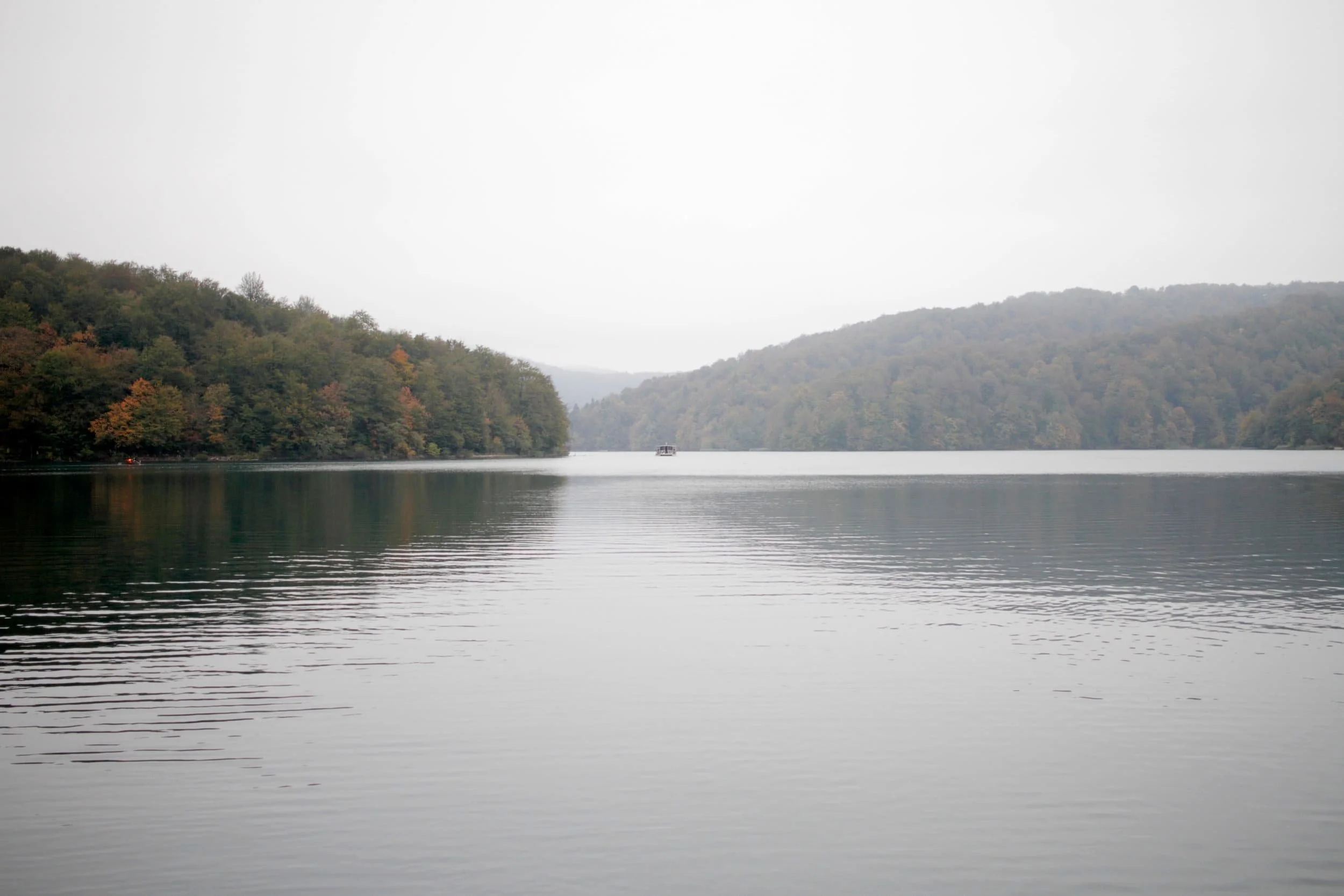
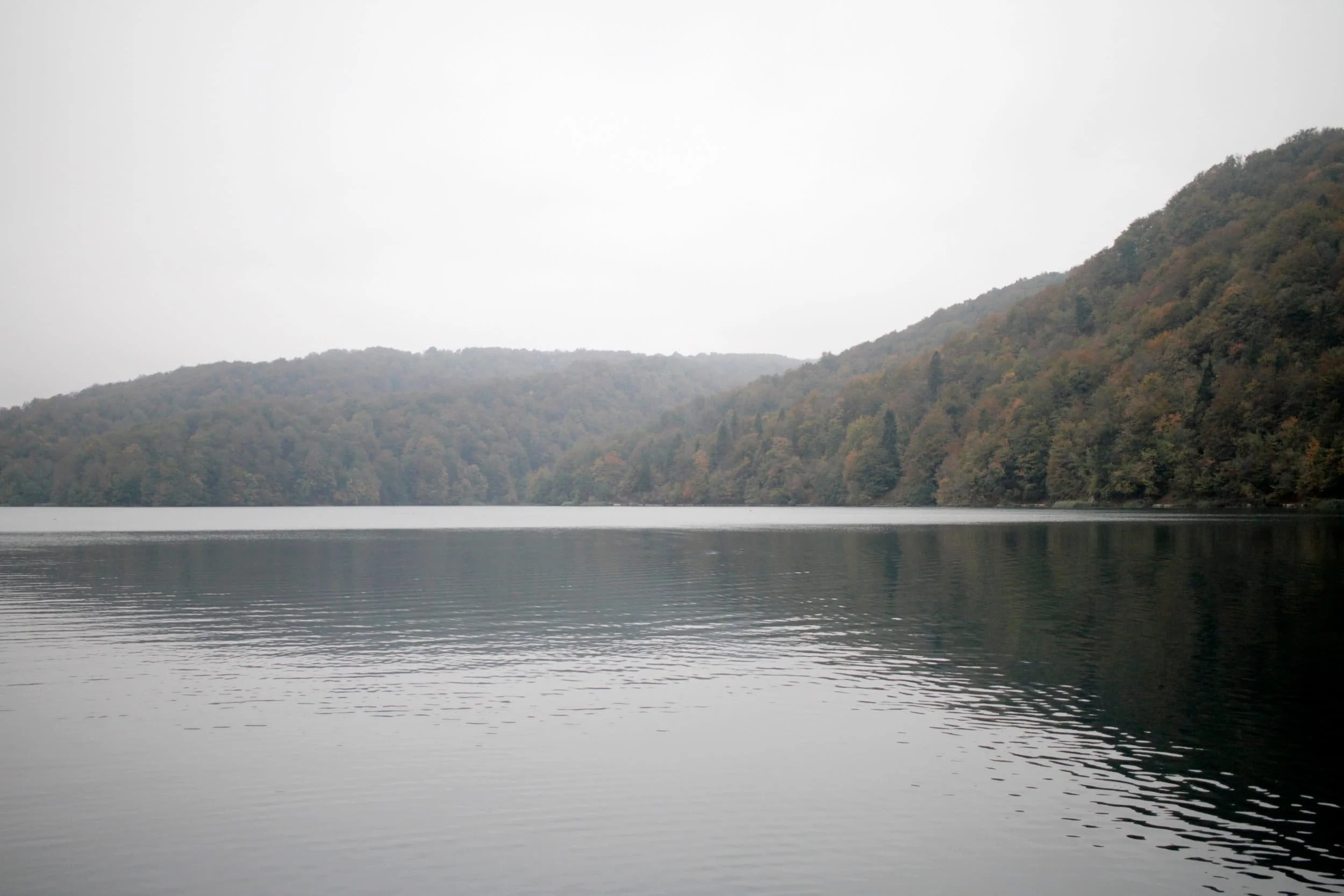
Near the center of Kozjak sits Štefanijin otok, a small, wooded island and one of the park's more unusual features. The lake's long, narrow shape and surrounding forest create a quieter, more expansive atmosphere than the waterfalls upstream. From the shoreline, it's easy to appreciate the contrast between the densely layered Upper Lakes and this wide stretch of open water.
Although Kozjak appears peaceful, it remains part of the same interconnected system. Water continues downstream toward Milanovac, the first of the Lower Lakes, where the landscape begins its dramatic descent into the limestone canyon.
Crossing Kozjak Lake by Electric Boat
Our next stop was the electric boat crossing, included with admission on applicable park routes. Clara guided us toward the boarding area, where a surprisingly long queue had formed despite the gray October sky. Plitviče is one of Croatia's most popular natural attractions, and even outside the summer season, the boat crossings can become busy.
The boats operate between designated docks on Kozjak, connecting different walking routes through the park. For visitors following Route H, the crossing provides a convenient transition from the Upper Lakes toward the Lower Lakes without having to walk the entire shoreline.
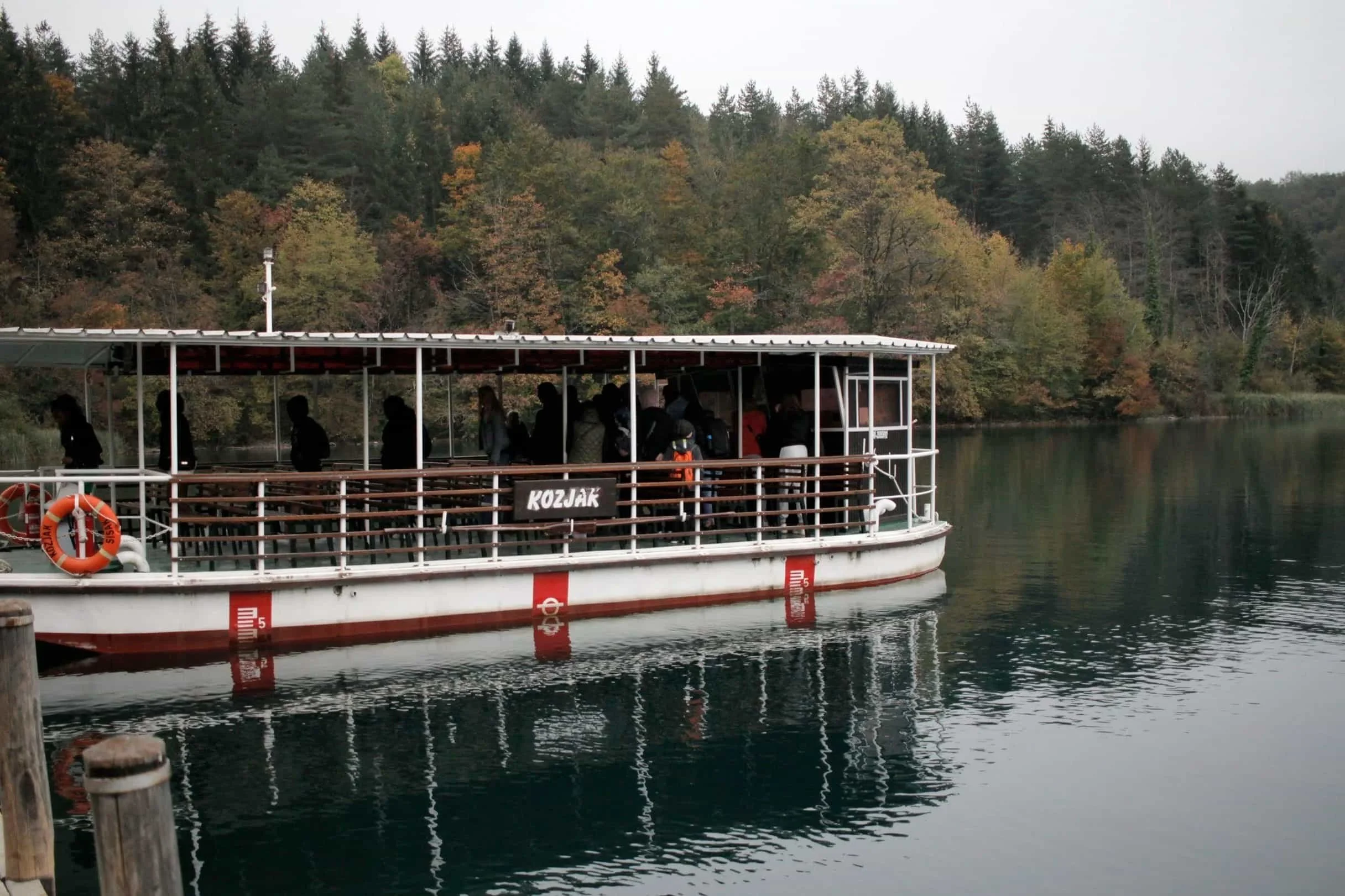
Eventually, we boarded and settled in for the ride. After hours of following narrow wooden pathways, it was lovely to experience the landscape from the water itself. The electric boat moved quietly across the lake, leaving soft ripples behind as the forested shores slipped past.
A Coffee & Lunch Break Before the Lower Lakes
Once we reached the opposite shore, we had a little time to recharge before continuing with Clara. After several hours of walking in the cool, damp weather, a hot coffee, something to eat and a restroom break were more than welcome.
There are a handful of cafés and casual food stops around the park's main visitor areas but the selection is fairly basic. Depending on the location and season, you may find sandwiches, pizza, burgers, pastries and drinks rather than a wide variety of freshly prepared meals.
💡 My Tip | Bring your own lunch and snacks, especially if you have dietary restrictions or prefer something beyond the park's limited food options. It's also worth carrying enough water for your chosen walking route.

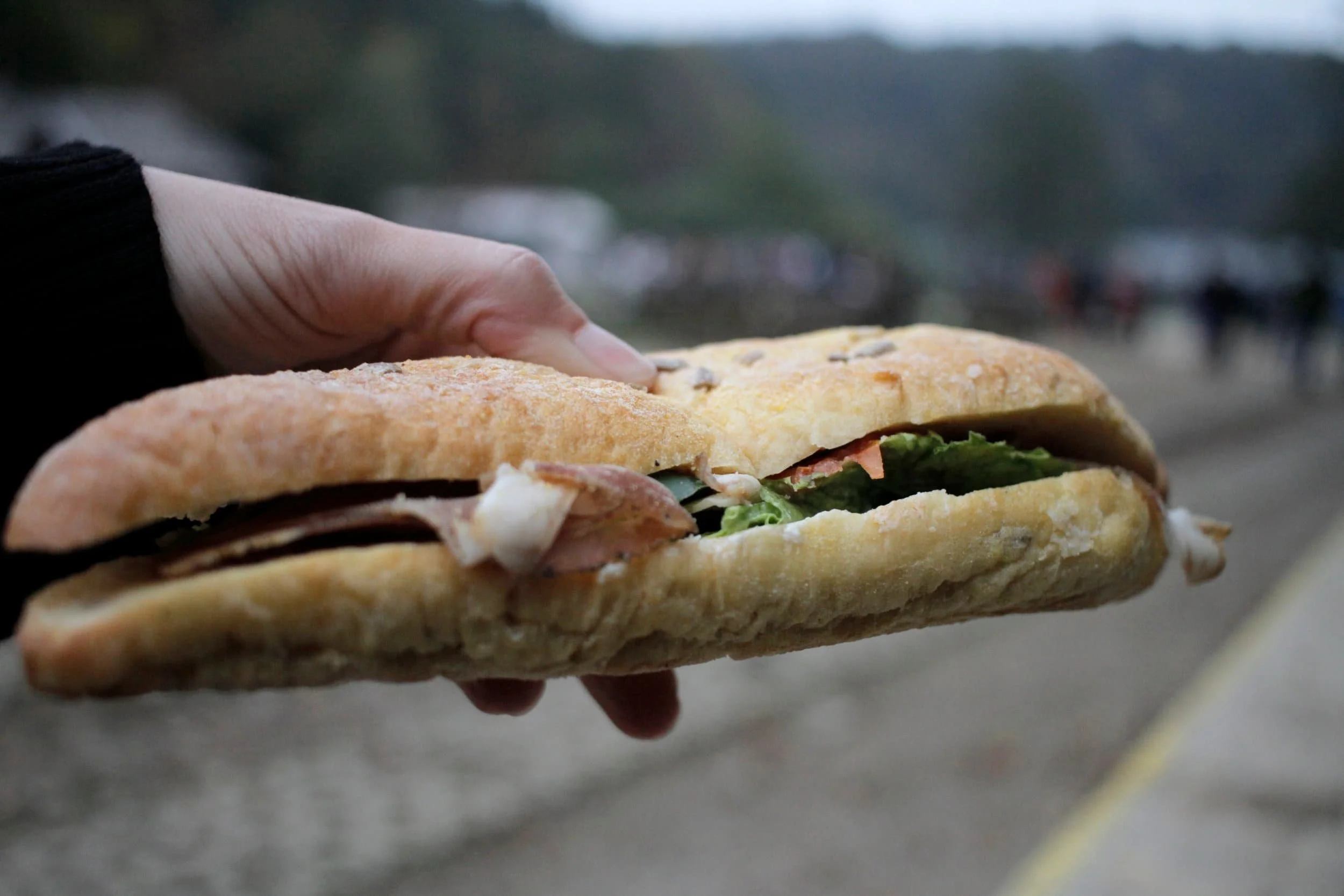
I found a place to sit and wrapped my hands around a steaming cup of coffee, grateful for a few minutes out of the chilly air. The pause was simple but lovely — a chance to rest my feet, warm up and take in the slower rhythm of the park before heading back onto the trails.
Luckily, I'd packed a sandwich, which turned out to be exactly what I needed. Between the cool October weather, the walking and the excitement of exploring the lakes, having something familiar and filling in my bag made the break that much better.
With lunch finished and a little warmth restored, we gathered with Clara and continued toward the Lower Lakes of Plitviče, where the landscape would change once again — from broad, forested waters to steep limestone cliffs and some of the park's most spectacular waterfalls.
Explore the Lower Lakes: Limestone Canyons & Dramatic Waterfalls
The Lower Lakes of Plitviče — Milanovac, Gavanovac, Kaluđerovac and Novakovića Brod — reveal a different side of the national park. Unlike the forest-framed Upper Lakes, these four interconnected basins sit within a dramatic limestone canyon, where steep cliffs rise approximately 130 feet (40 meters) above the water. Natural tufa barriers separate the lakes, creating a remarkable sequence of waterfalls and turquoise pools.
Following the wooden boardwalks through the canyon brings you remarkably close to the water. Moss clings to the rock faces, cascades spill between the lakes and the narrow pathways offer an ever-changing perspective. Farther downstream, the landscape reaches its dramatic conclusion at Sastavci and Veliki Slap, two of the most memorable waterfall sights in Croatia.
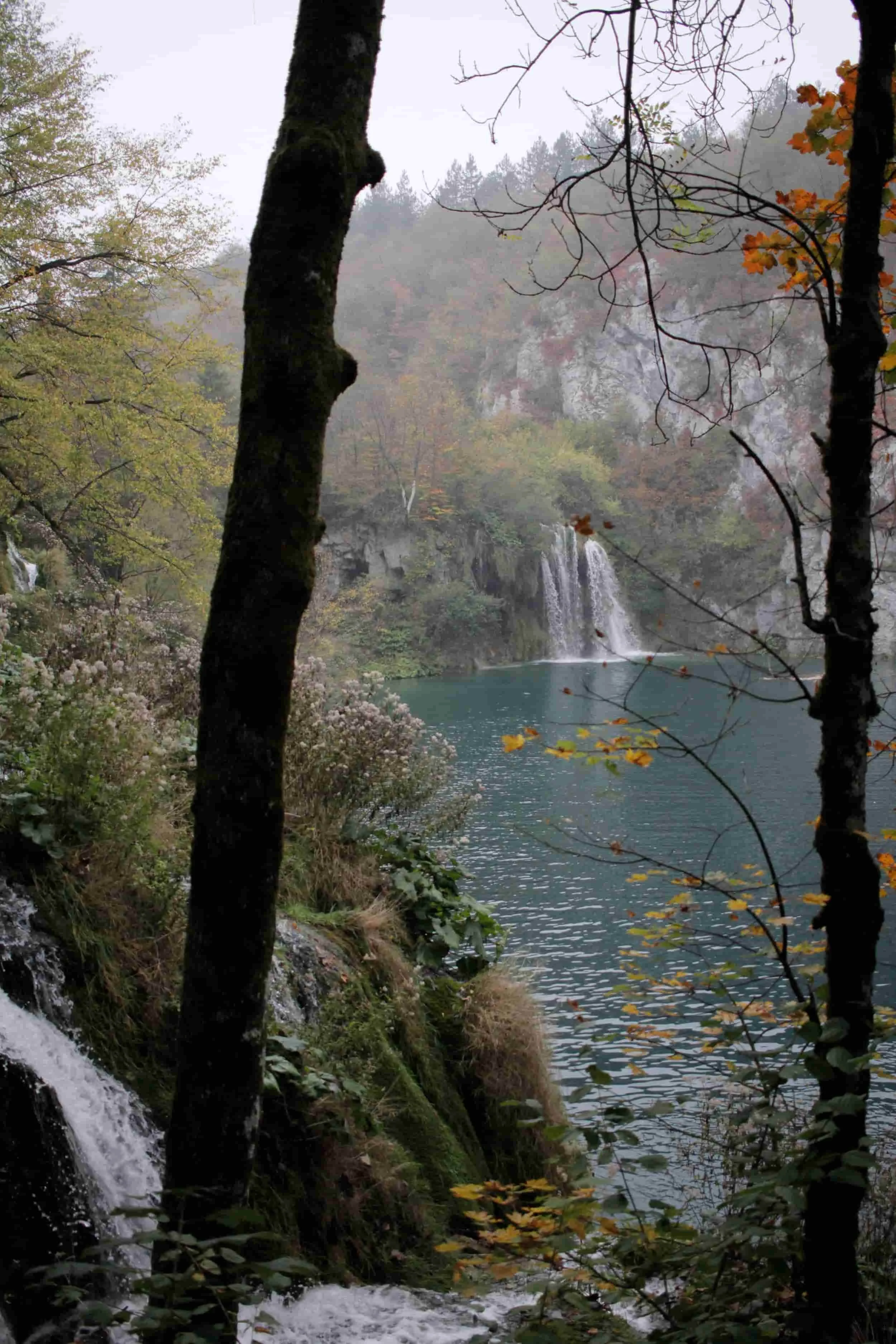
Milanovac Jezero is the first and highest of the four Lower Lakes, covering nearly eight acres (3.2 hectares) and reaching depths of approximately 60 feet (18 meters). Although much smaller than Kozjak, it's the largest of the Lower Lakes, with a long, narrow shape framed by forest and towering limestone walls.
Water enters from Kozjak over Milanovački Slap, a waterfall approximately 30 feet (9 meters) high. The name is associated with local milling history, recalling a time when the movement of water served a practical purpose as well as shaping the landscape. Today, the cascade introduces visitors to the dramatic change in elevation that defines the Lower Lakes.
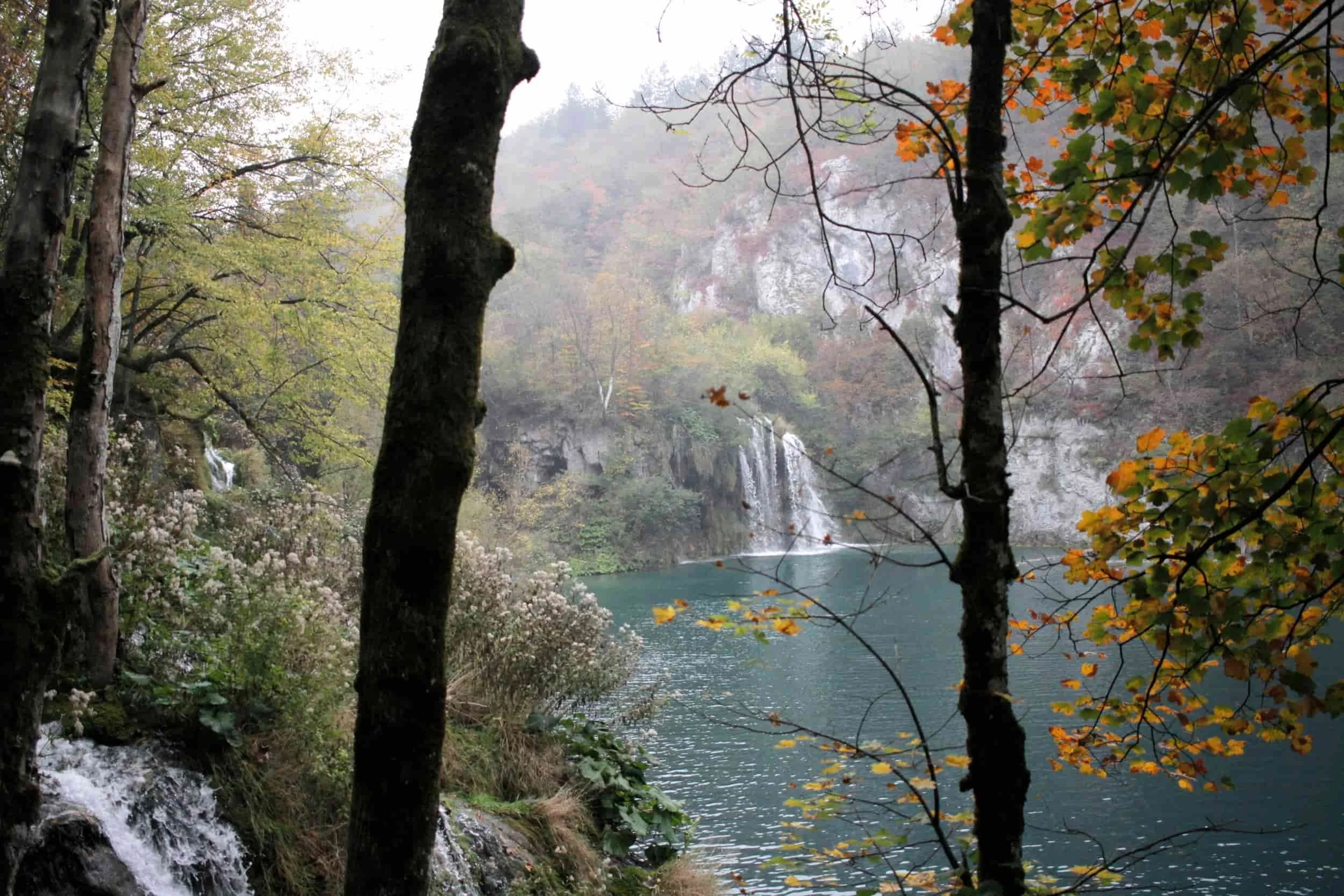
Milanovac sits deep within the canyon, surrounded by rocky walls that rise above the water. The lower walking trail follows the shoreline, offering close views of the lake and its waterfalls, while higher paths along the canyon rim reveal a completely different perspective.
The contrast is especially beautiful in autumn. Golden leaves soften the gray limestone, and the water shifts between pale turquoise, emerald and deeper blue as the light changes. From above, the lake's elongated shape and surrounding cliffs become part of a much larger composition — one of the reasons the Plitviče Lakes viewpoints are every bit as memorable as the waterfalls themselves.
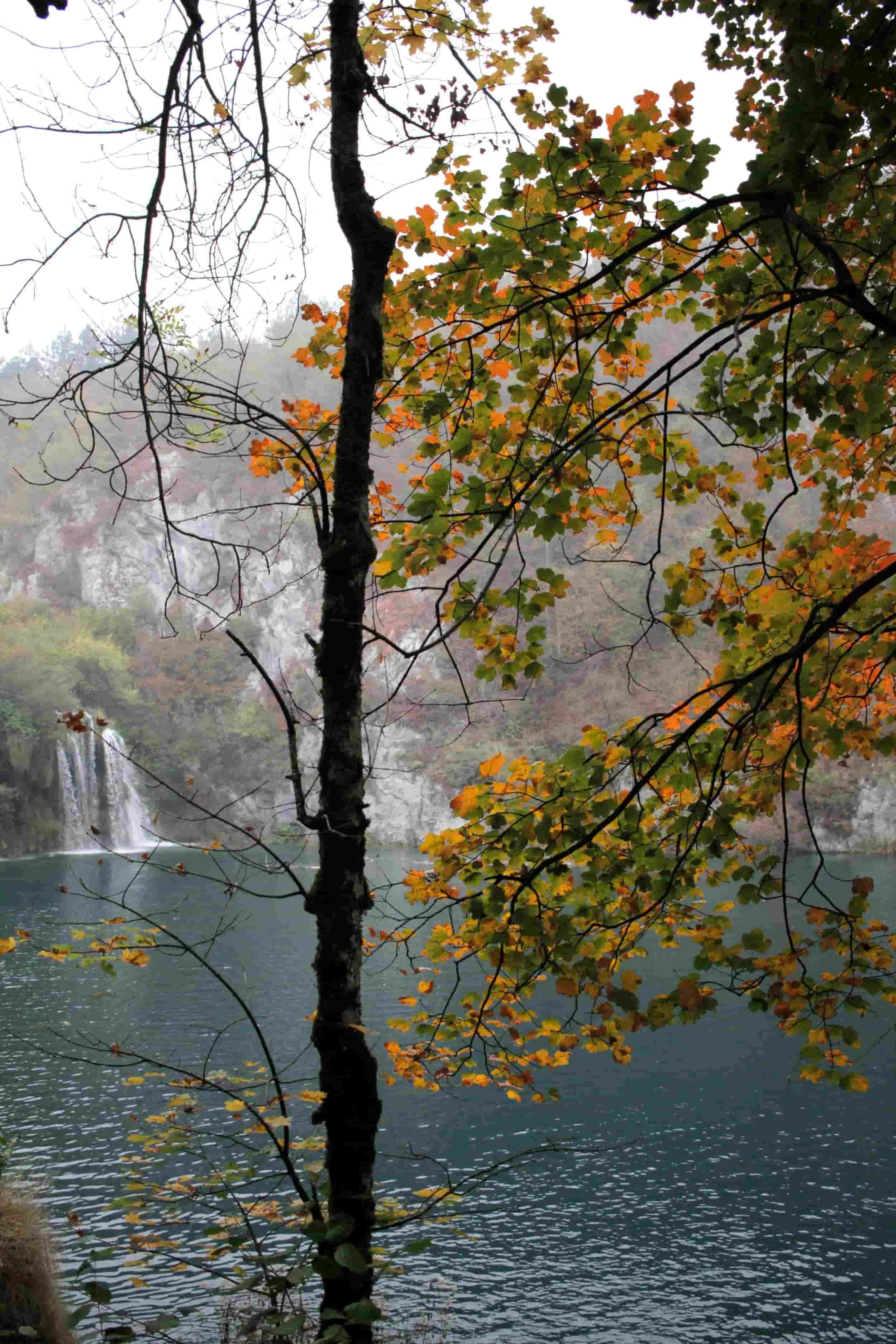
At the downstream end of Milanovac, water spills over another natural tufa barrier toward Gavanovac Lake. The change in elevation creates a beautiful series of smaller cascades, with water slipping across moss-covered rock before gathering in the next turquoise basin.
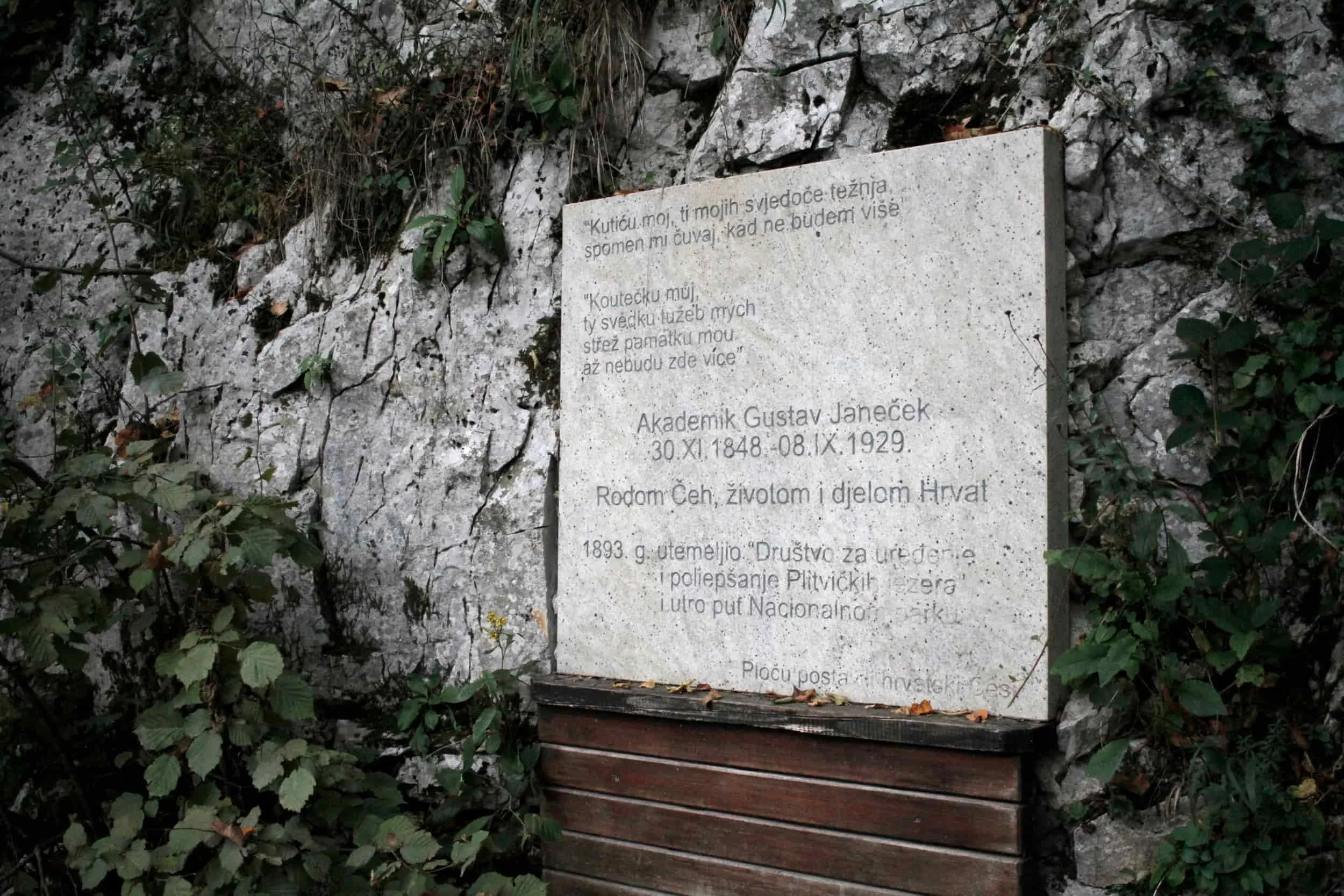
Gavanovac Jezero, also called Gavanovo, is the second of the Lower Lakes. Covering roughly two acres (0.8 hectares) and reaching depths of around 30 feet (9 meters), it's a smaller, more enclosed body of water surrounded by steep canyon walls.
The lake receives water from Milanovac through a series of cascades that include the Milke Trnine Waterfalls, named in honor of the Croatian opera singer Milka Trnina. The waterfalls create a lovely contrast between the still surface of the lake and the constant movement of water along its edges.
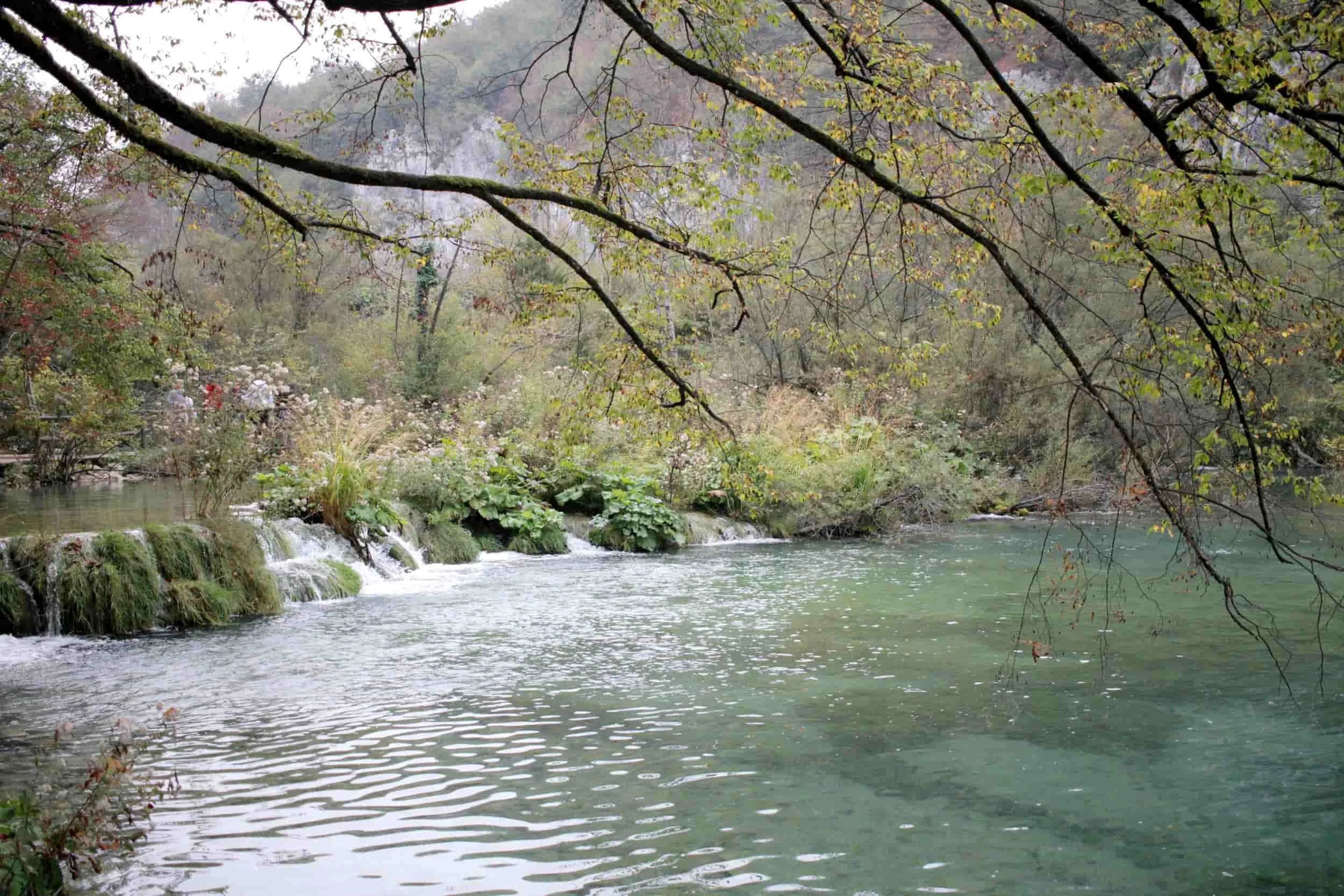
Local folklore adds another layer to Gavanovac's character. Its name is associated with the legend of Gavan, a figure connected with wealth and greed in regional storytelling. Although the details vary, the legend gives this small lake an intriguing connection to the cultural history of the area.
The wooden walkway follows the canyon through a landscape of mossy rock, clear water and small waterfalls. Higher trails offer sweeping views over the interconnected lakes, revealing how the narrow basins fit together within the surrounding limestone cliffs.
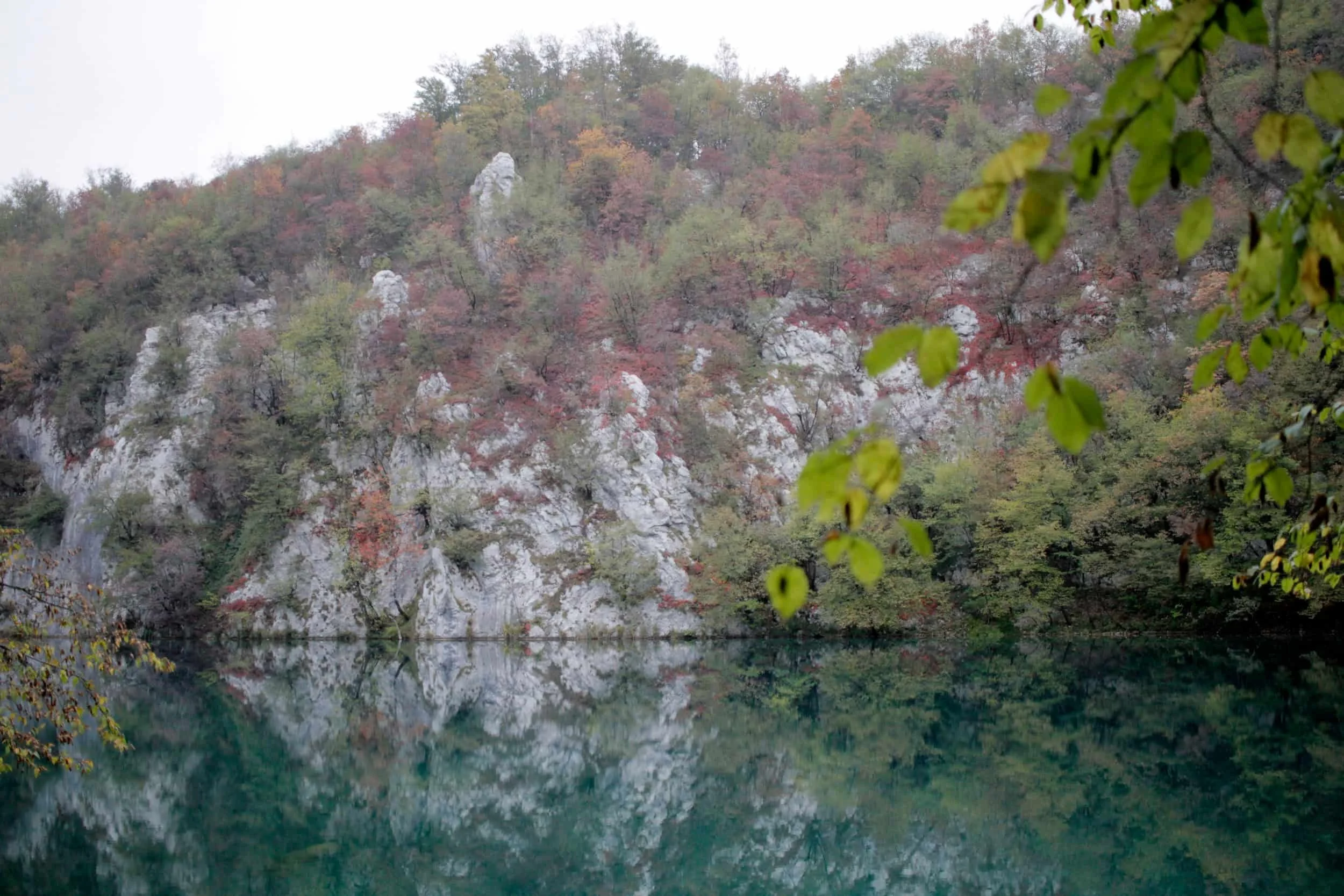
Between Gavanovac and Kaluđerovac, the Velike Kaskade (Great Cascades) spill across a broad natural tufa barrier. Rather than falling in one uninterrupted drop, the water separates into numerous smaller streams, creating a layered curtain of white against the green vegetation and pale stone.
This is one of the most beautiful examples of how the waterfalls at Plitviče are shaped by the terrain itself. The water follows the contours of the growing tufa formations, creating countless small channels and cascades before reaching the lake below.
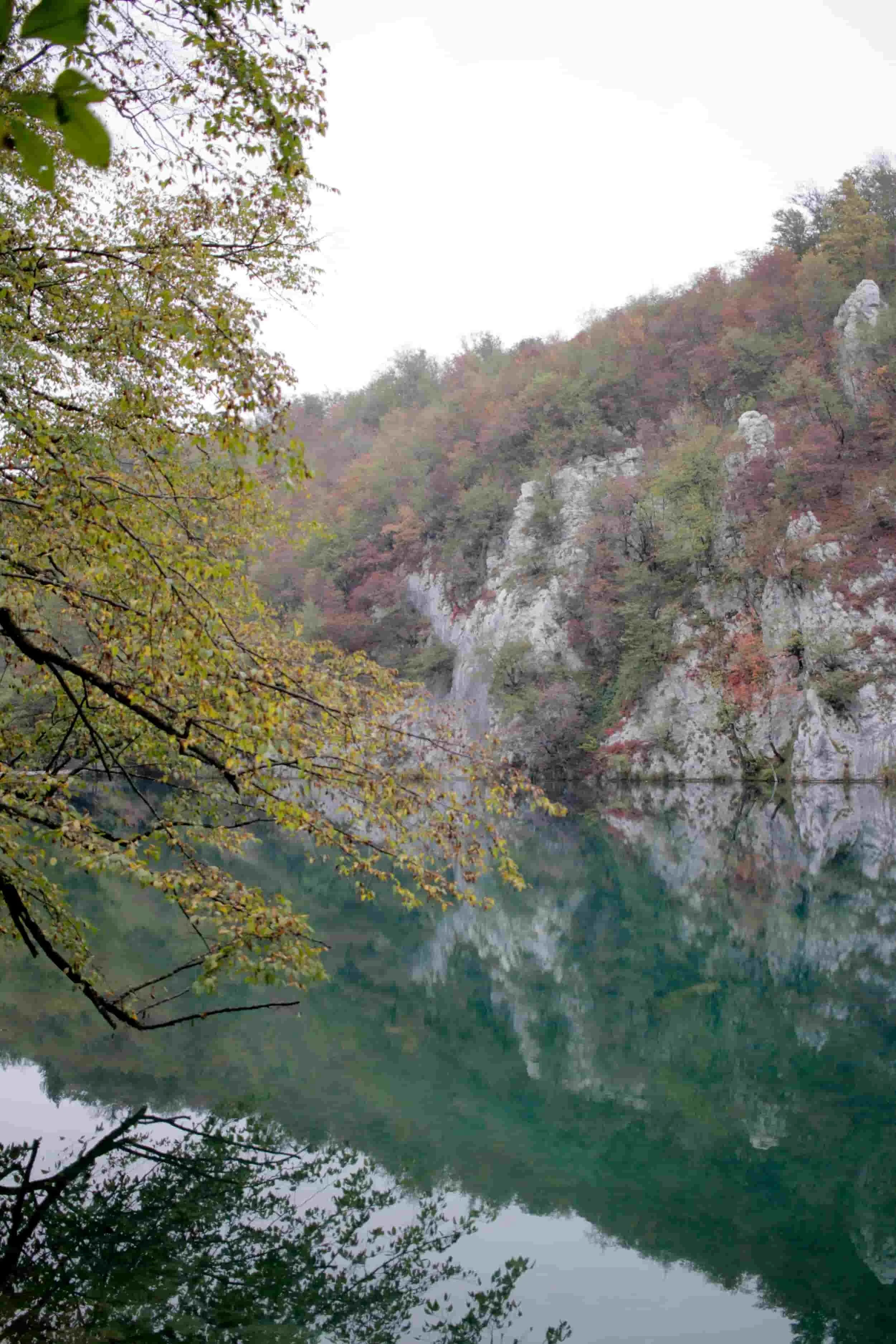
Continuing through the Lower Lakes, Clara guided us toward one of the park's most celebrated sights: Veliki Slap, the Great Waterfall. Near the bottom of the lake system, the Sastavci cascades bring together water flowing out of Novakovića Brod and water descending from the Plitvica stream. This meeting of waters marks the beginning of the Korana River.
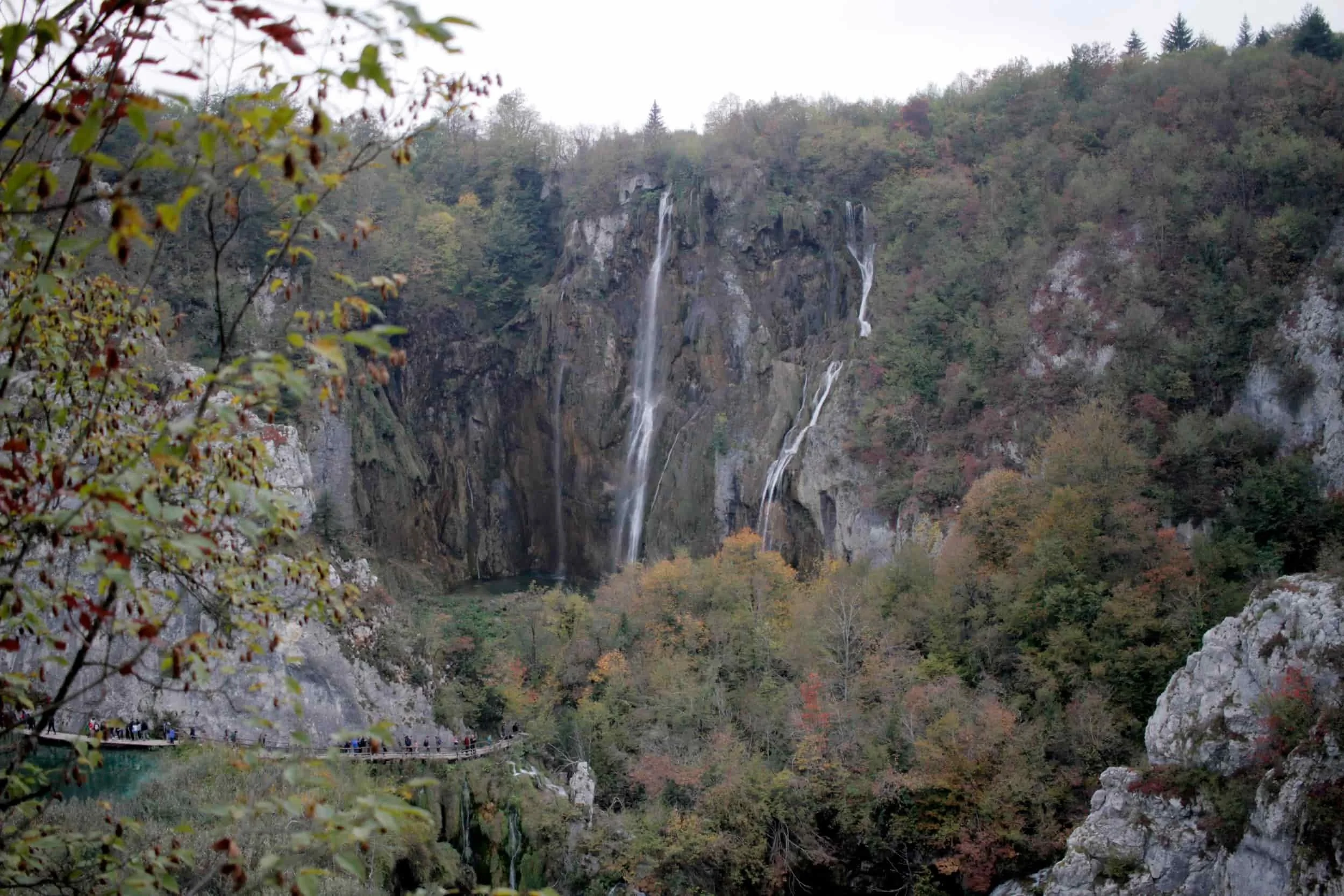
Rising approximately 255 feet (78 meters), Veliki Slap is the tallest waterfall in Plitviče Lakes National Park. Unlike many of the park's cascades, which form where one lake overflows into another, Veliki Slap is fed by the Plitvica stream (Plitvica Potok), which plunges over the limestone cliff into the canyon below. Together, the falls create one of the most dramatic landscapes in the park.
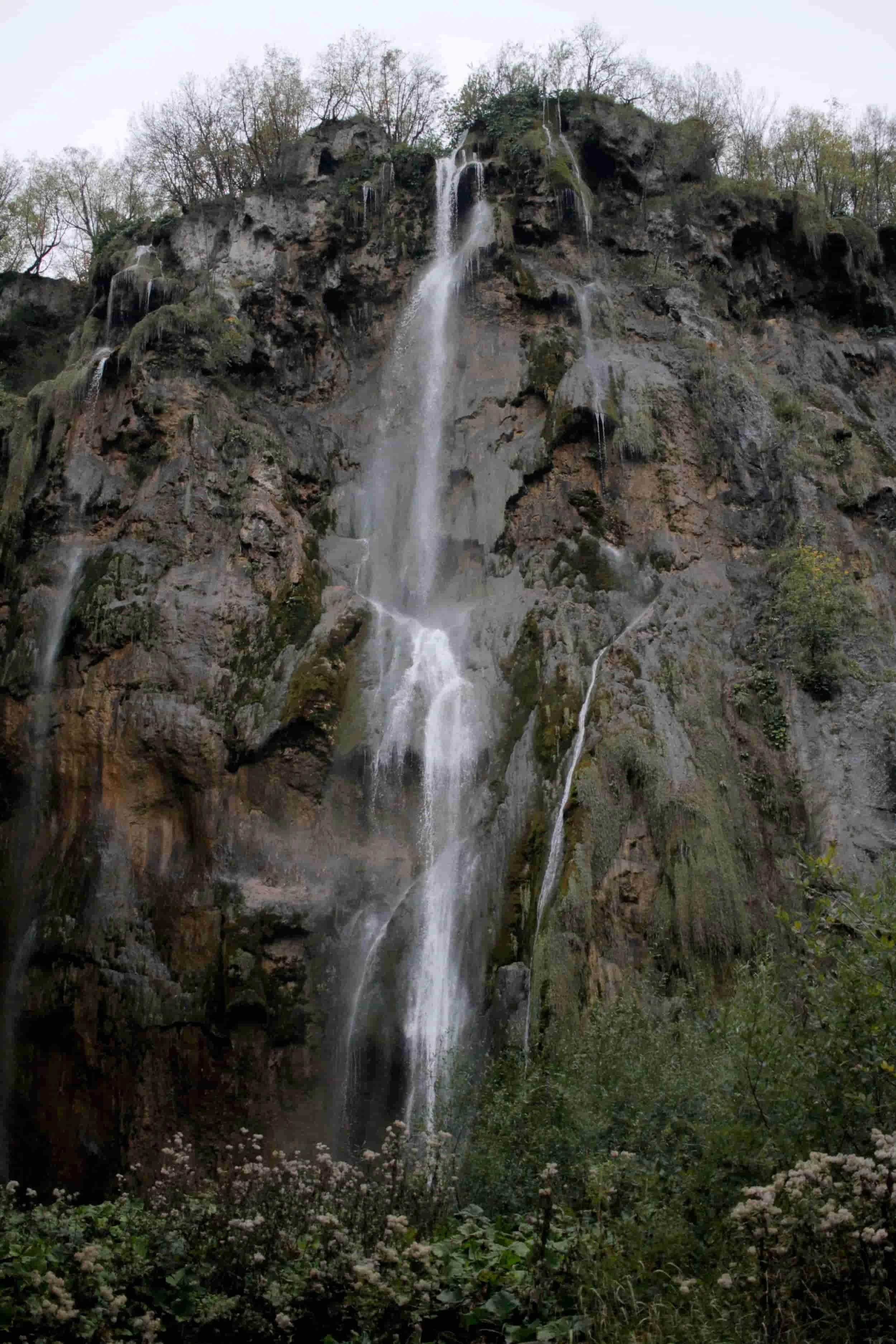
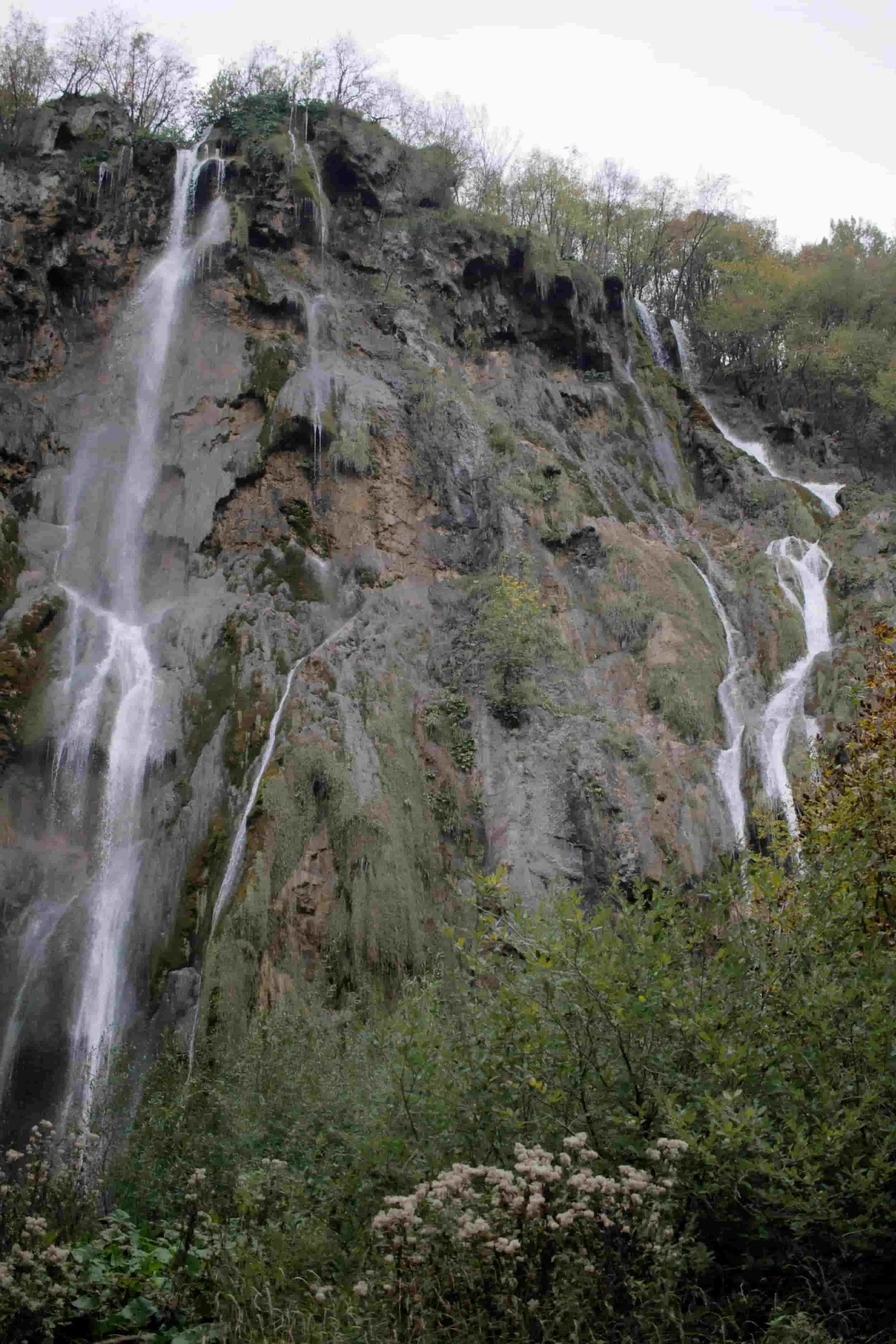
What makes Veliki Slap particularly interesting is its separate water source. The Plitvica stream travels through the surrounding landscape before reaching the canyon's edge, where it drops almost vertically into the valley. Most of the other waterfalls in the park are created by water moving between the terraced lakes.
This distinction makes Veliki Slap an important part of the park's hydrology, as well as one of its most recognizable landmarks. From the walking trails, the height of the surrounding cliff and the sheer volume of falling water make an unforgettable impression.
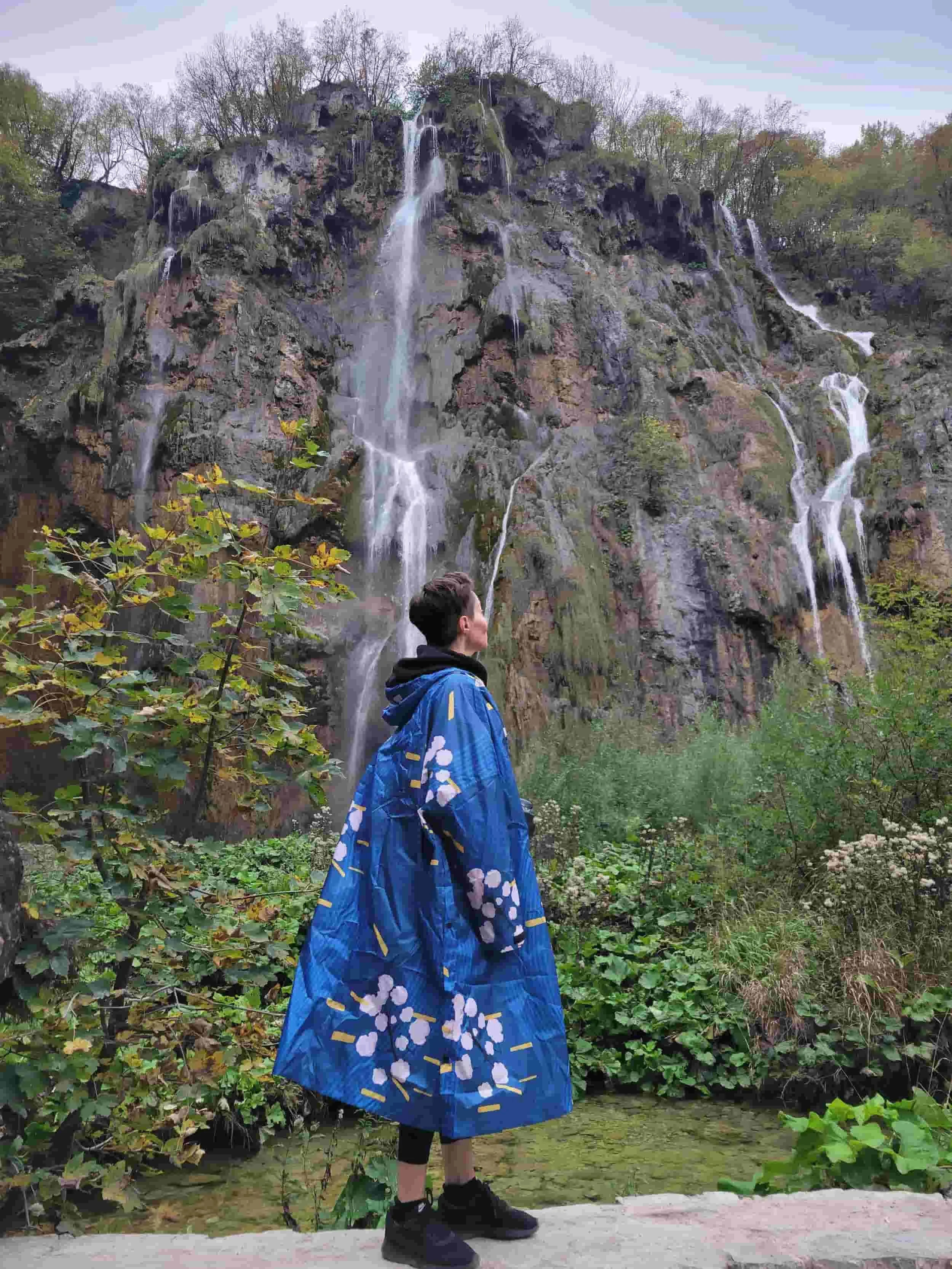
The appearance of Veliki Slap changes dramatically throughout the year. Following heavy rain or snowmelt, the waterfall can become particularly powerful, sending a broad curtain of water over the cliff and filling the canyon with mist. During drier periods, the flow may narrow, revealing more of the textured limestone behind it.
Winter brings another transformation, when freezing temperatures can create impressive ice formations around the waterfall. The surrounding trails and viewpoints may be restricted during icy conditions but the contrast between frozen rock, snow and flowing water makes Plitviče a remarkable landscape in every season.
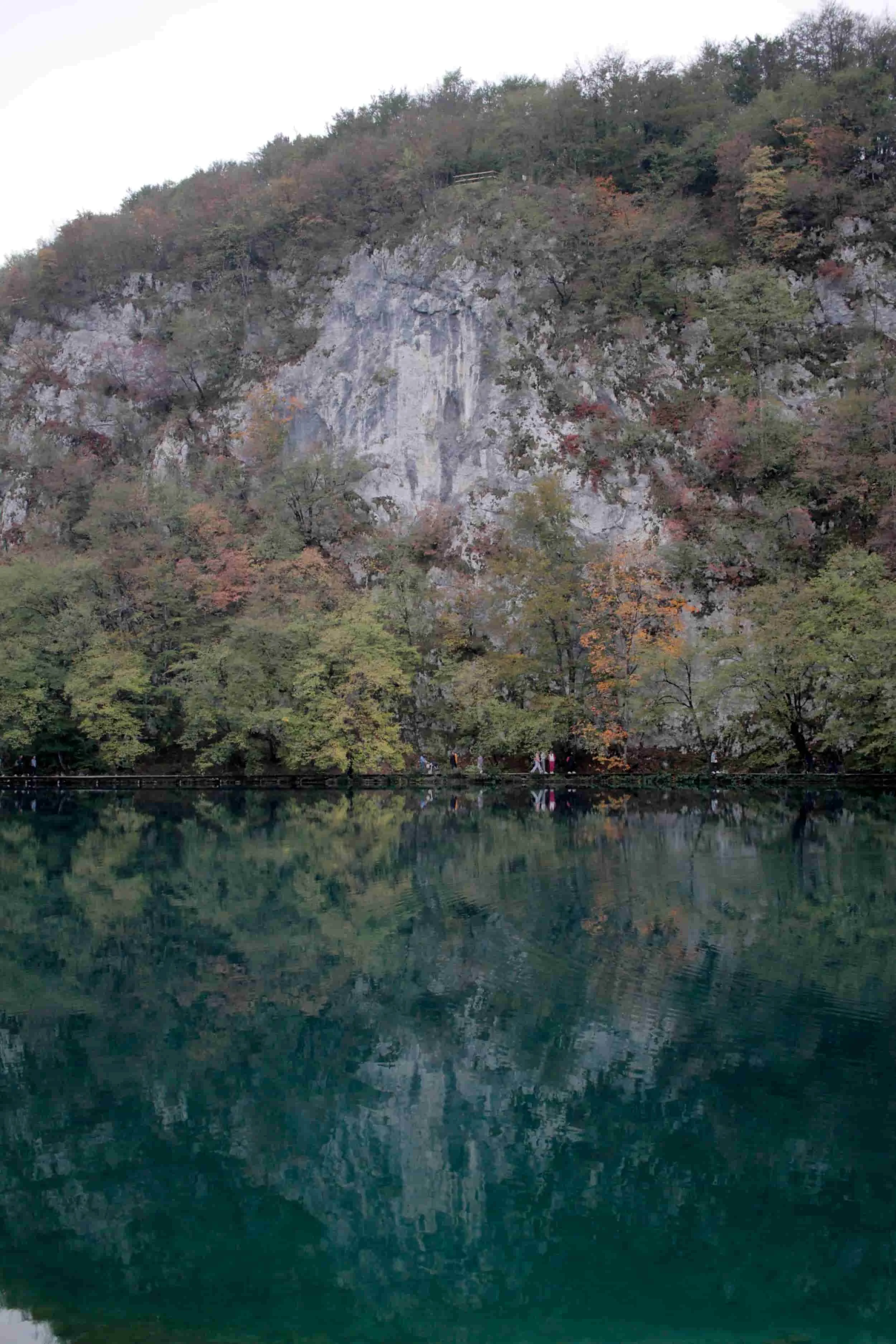
Kaluđerovac Jezero is the third of the Lower Lakes, covering approximately five acres (2 hectares) and reaching depths of around 46 feet (14 meters). Water flows into the lake from Gavanovac over the Great Cascades, collecting in a beautiful turquoise basin surrounded by steep limestone cliffs.
The lake's name is connected to kaluđer, the Croatian word for monk, and local tradition tells of a solitary monk who lived in nearby Šupljara Cave. The story adds an interesting human dimension to a landscape otherwise defined by geological processes and natural formations.
Along the shoreline, the water is remarkably clear, offering glimpses of fish beneath the surface. The combination of towering rock walls, shifting reflections and the gentle movement of water makes this one of the most picturesque stretches of the Lower Lakes.
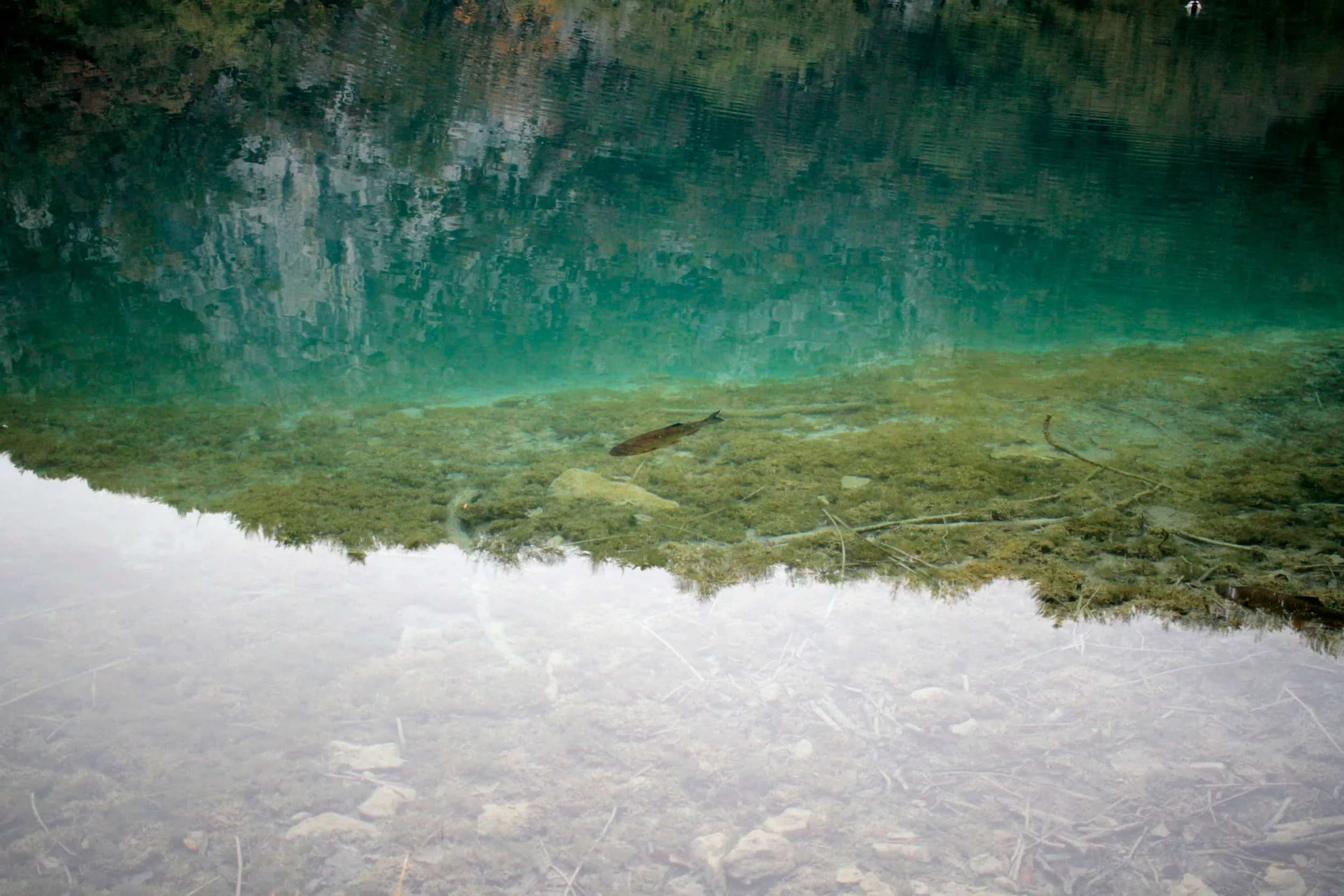
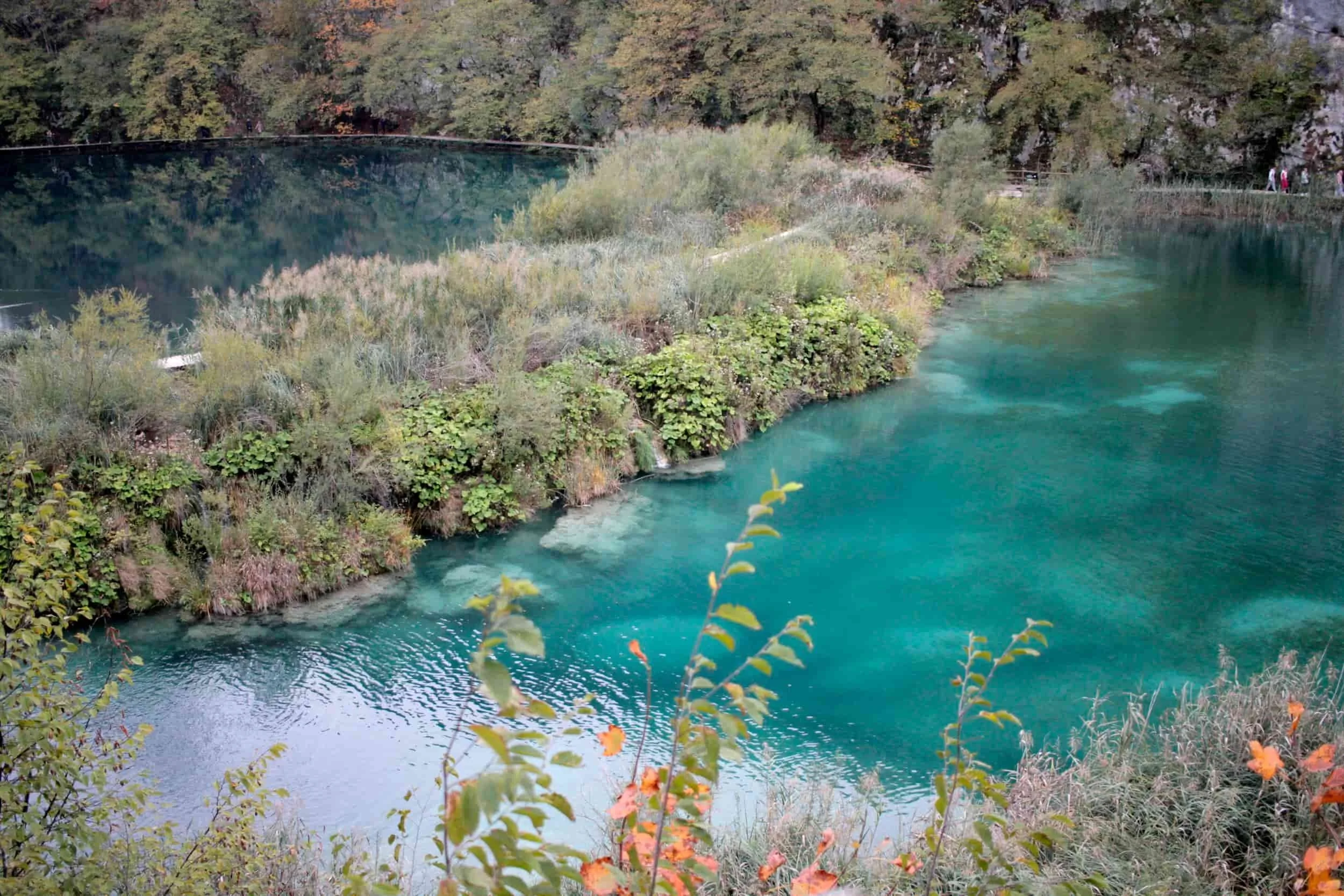
Kaluđerovac sits beneath some of the canyon's steepest cliffs, which rise more than 130 feet (40 meters) above the lake. Along the shoreline, a low travertine barrier separates the water from Novakovića Brod, the final lake in the system.
The wooden boardwalk follows this natural terrace, bringing visitors close to the shallow, transparent water and the small cascades that connect the two lakes. It's a particularly beautiful stretch for photography, with the turquoise pools below and the towering limestone walls above.
📸 Photo Tip | Some of the best panoramic views of the Lower Lakes are found along the higher canyon trails. If your route allows, make time for an overlook as well as the boardwalks at water level.
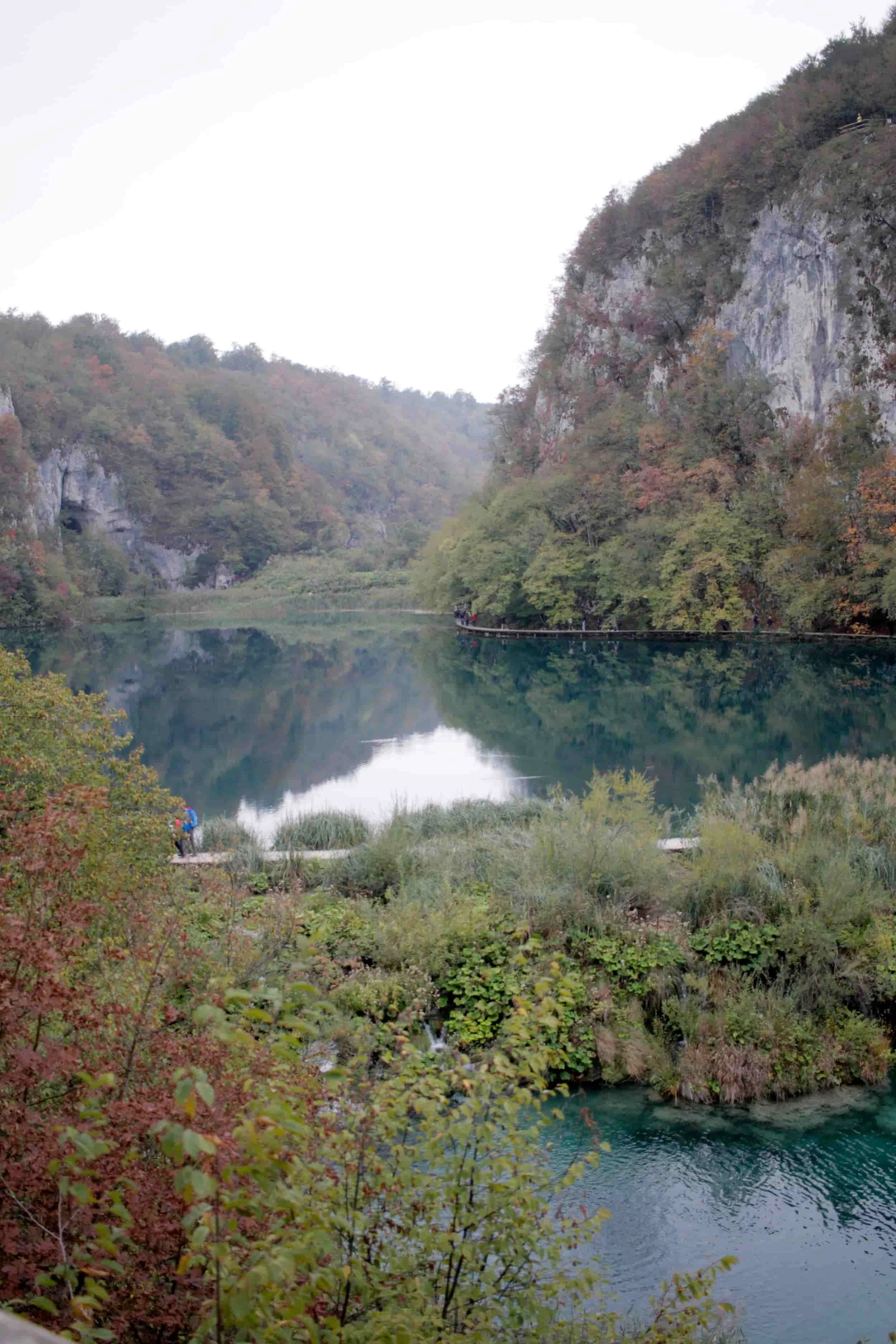
Novakovića Brod is the smallest and lowest of Plitviče's 16 named lakes, covering roughly one acre (0.4 hectares) and reaching depths of approximately 10 feet (3 meters). Despite its size, it plays an important role in the lake system, collecting water from Kaluđerovac before the flow continues toward Sastavci.
A low tufa barrier separates the two lakes, creating a delicate series of miniature waterfalls. Wooden walkways cross nearby, offering close views of the water as it moves through the natural limestone formations.
The lake's name is associated with a local ferryman named Novaković, reflecting the human history woven into the park's landscape. From here, water continues toward the Sastavci cascades and the beginning of the Korana River, completing the remarkable journey through the Lower Lakes.
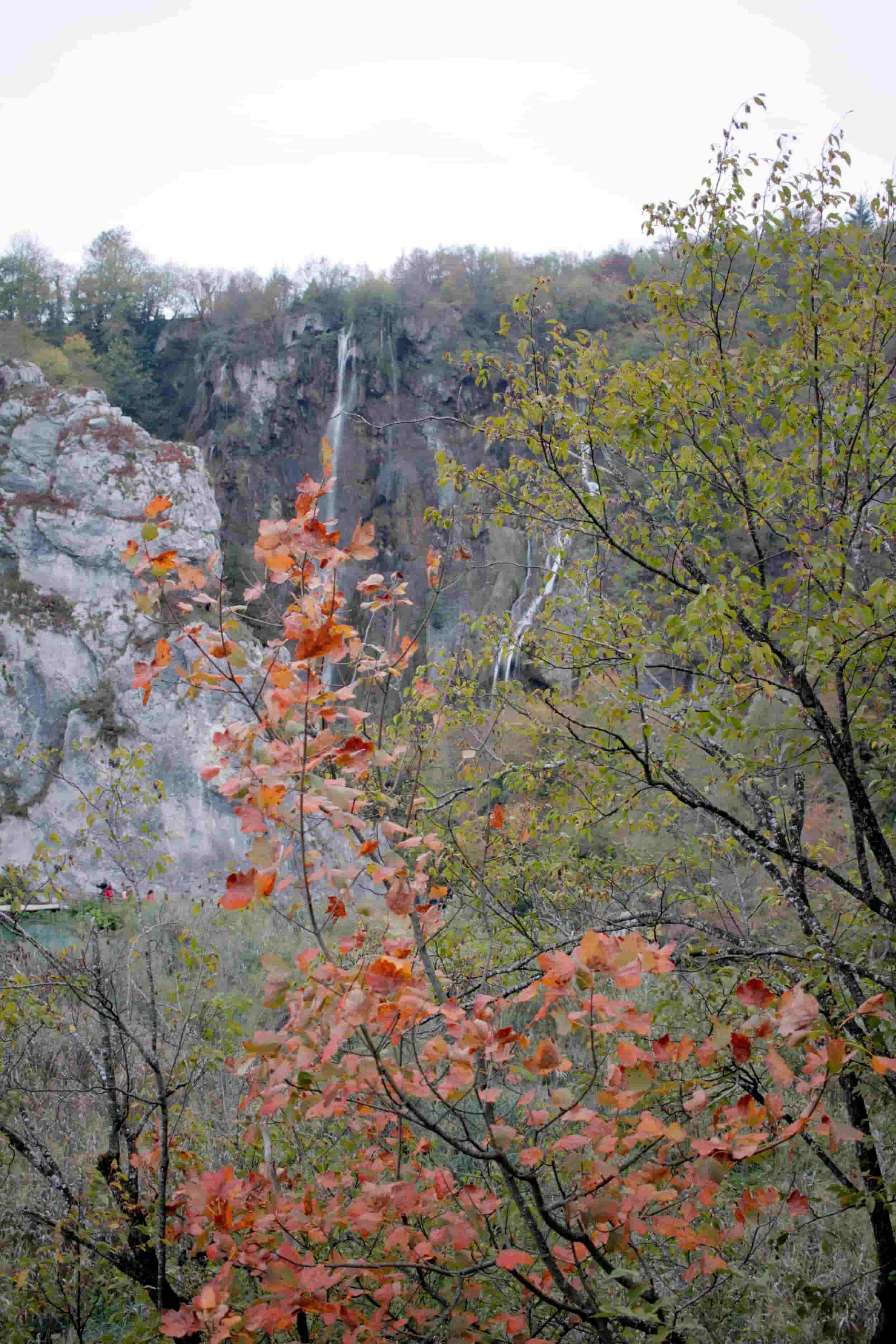
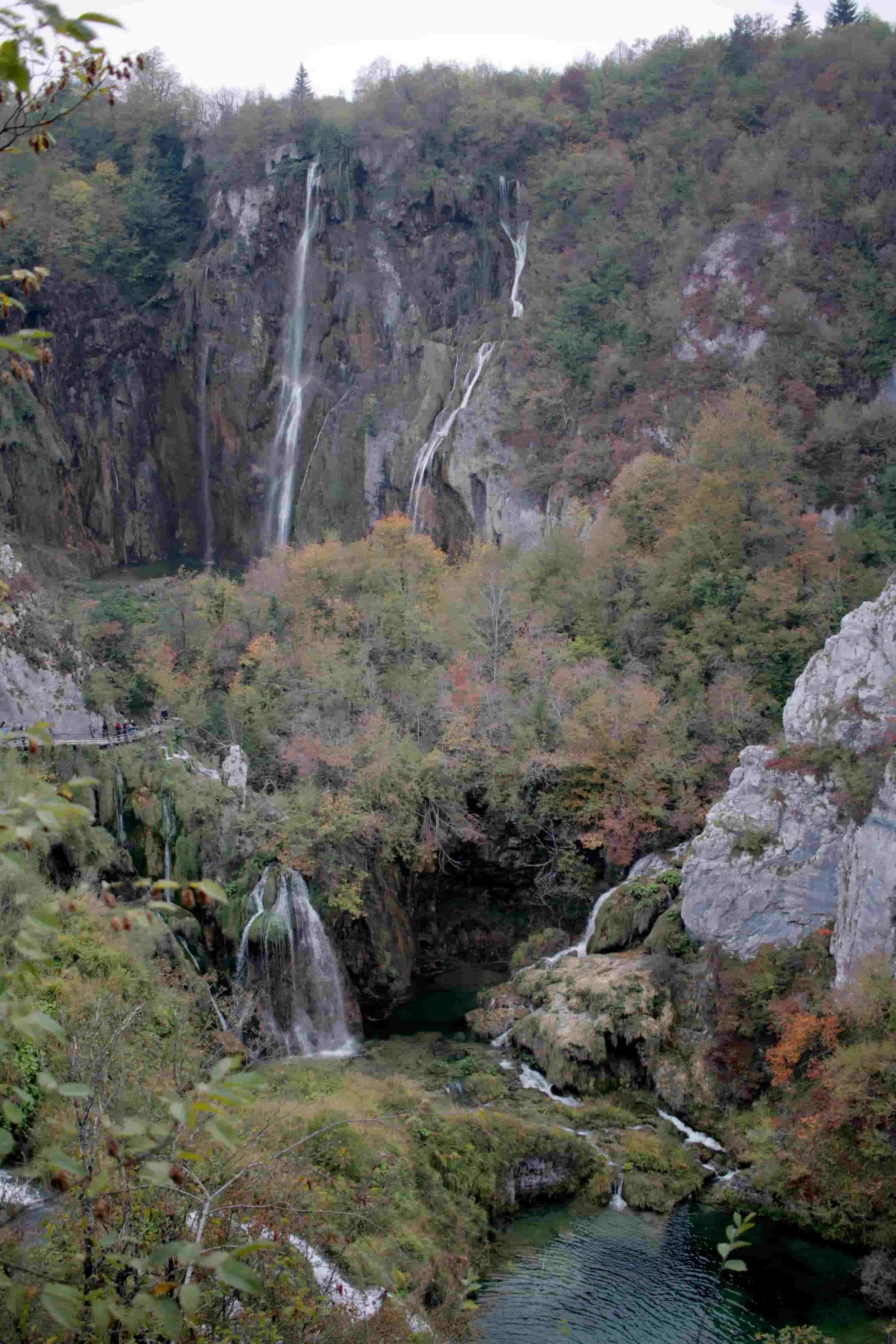
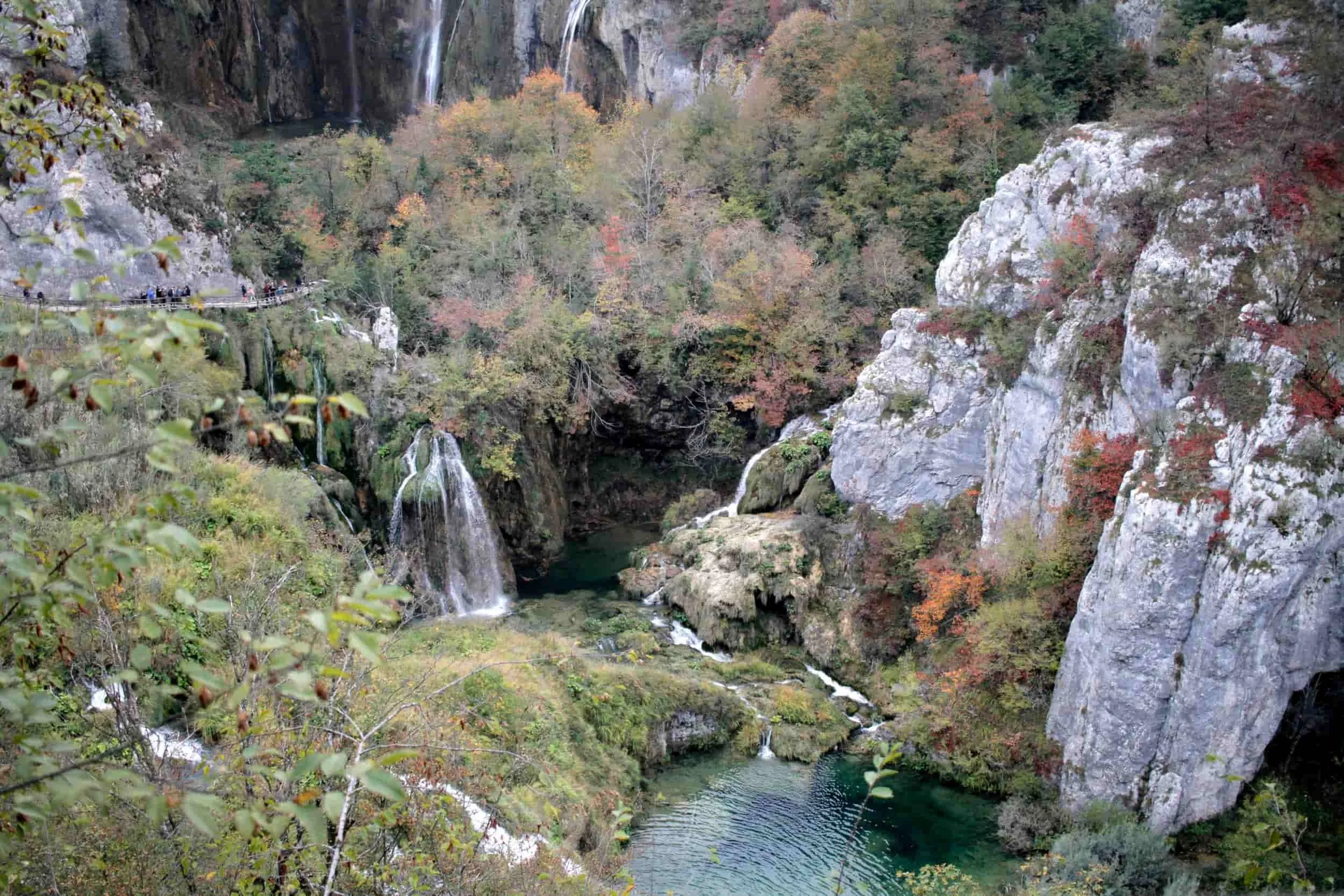
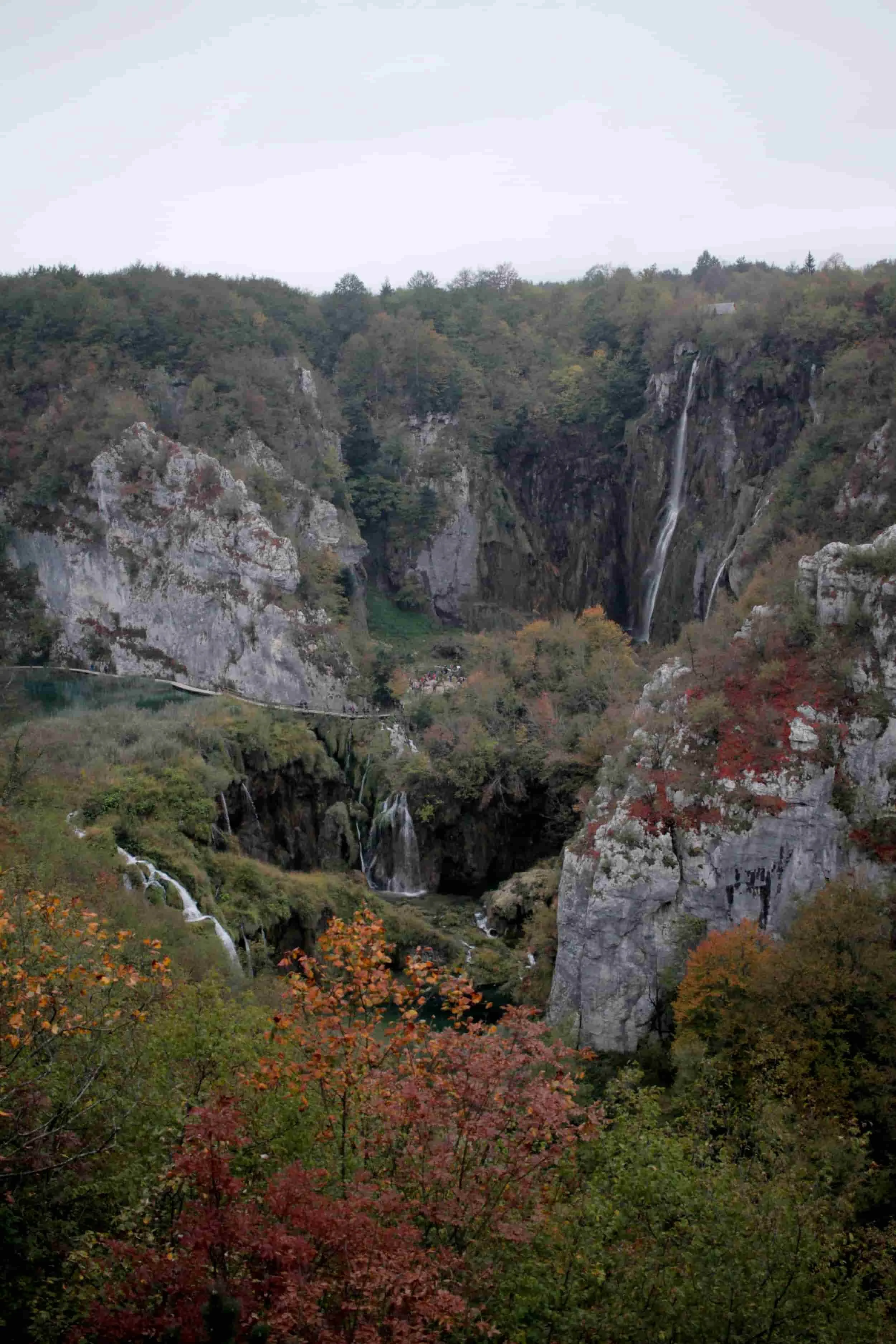
From the higher canyon viewpoints, the Lower Lakes reveal their extraordinary arrangement. Novakovića Brod, Kaluđerovac and the Sastavci waterfalls appear together beneath the steep limestone cliffs, with narrow turquoise pools connected by ribbons of white water.
For me, these elevated views were among the most memorable moments of the entire visit. After spending hours following the wooden boardwalks at water level, seeing the lakes from above revealed the scale and intricate structure of the landscape. The contrast between the forest, pale rock and brilliant blue-green water was almost difficult to believe.
One of the most fascinating things about Plitviče Lakes National Park is that its waterfalls and natural barriers are still forming. Mineral-rich water carries dissolved calcium carbonate through the limestone landscape. As the water flows over mosses, microorganisms and existing rock formations, calcium carbonate can gradually accumulate, creating new layers of porous tufa.
Under favorable conditions, these deposits can grow by around 0.4 inches (1 cm) per year, although the rate varies considerably across the park. Over centuries, the formations develop into natural dams that divide the water into lakes, channels and waterfalls.
It's an extraordinary process: the same flowing water that gradually erodes the landscape also helps build it. The lakes aren't fixed features but part of an evolving system shaped by geology, biology and time.
Looking closely at the waterfalls, you can begin to appreciate how much of the landscape is constantly changing. Water finds new channels across the tufa, small deposits accumulate around moss and vegetation and older formations can gradually weaken or collapse.
These processes happen on a timescale that's difficult to appreciate during a single visit, yet they're responsible for the extraordinary arrangement of lakes and cascades that makes Plitviče one of Croatia's most remarkable natural attractions. Even the smallest waterfall is part of a much larger geological story.
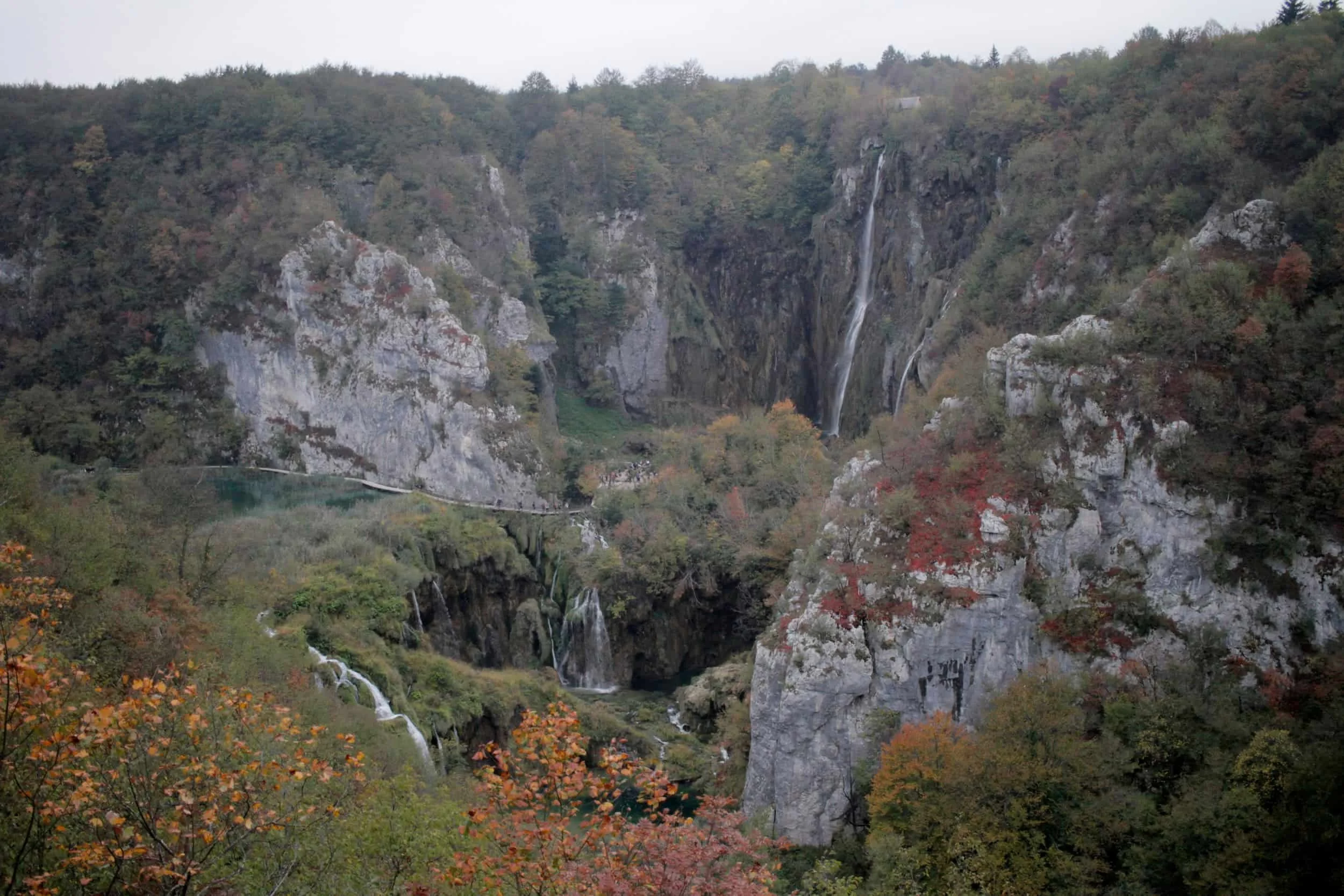
Exploring the Upper and Lower Lakes of Plitviče National Park was one of the highlights of my journey through Croatia. The wooden boardwalks, changing autumn colors and seemingly endless waterfalls created a landscape unlike anywhere I'd visited before. But it was the panoramic views from above the Lower Lakes canyon that stayed with me most — seeing the water and limestone formations come together in such an extraordinary natural composition.
ℹ️ Good to Know | Plitviče uses timed-entry tickets and limits admission to help manage visitor numbers. Book ahead through the official national park website, particularly during busy travel periods, and check current entrance and trail availability before arriving.
Bonus: A Cozy Stay Near Plitviče Lakes at B&B Plitviče Hill
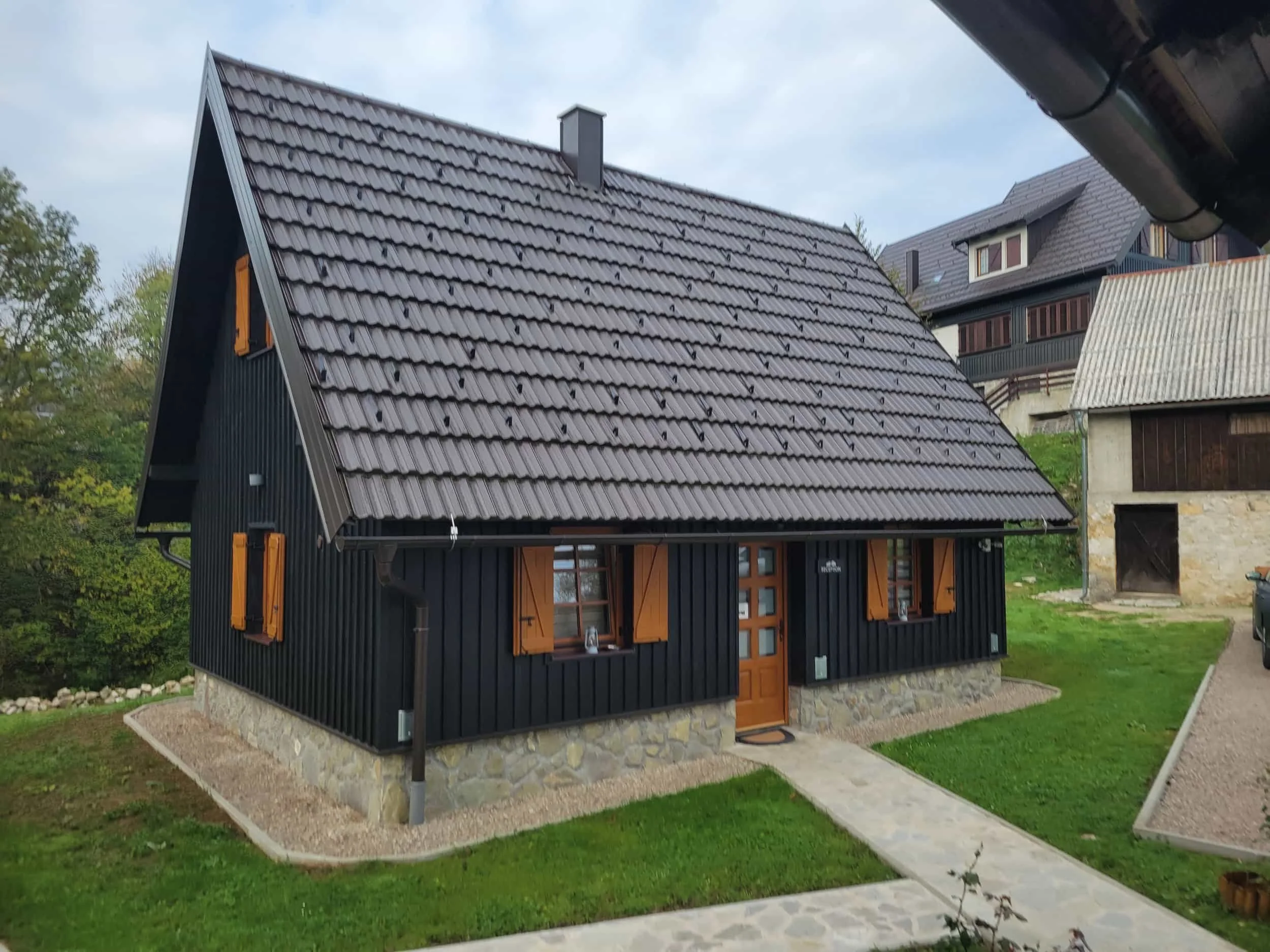
Rather than rushing back to Split after exploring Plitviče Lakes National Park, I'd arranged to spend two nights nearby before continuing my journey toward Kotor, Montenegro. I'd booked a charming little cabin at B&B Plitviče Hill, tucked into the surrounding countryside — exactly the kind of peaceful retreat I was craving after a full day of hiking.
After saying goodbye to Clara and the rest of our tour group, I was met at the park by my incredibly kind host, who offered to drive me back to the property. It was such a thoughtful gesture, especially since transportation around the smaller villages can be limited. Arriving to the warmth of a wooden cabin and its inviting porch felt like a wonderful contrast to the chilly October afternoon.
After hours of wandering damp forest trails and wooden boardwalks, I couldn't have been happier to settle into my little cabin. The natural wood, warm interior and simple comforts made it feel wonderfully welcoming — somewhere to put down my bags, warm up and enjoy a little quiet.
One of the benefits of staying near Plitviče Lakes National Park is having time to experience the surrounding countryside beyond the busy visitor trails. Instead of spending several more hours traveling after a long day, I could slow down and enjoy the peaceful atmosphere of this rural corner of Croatia.
That evening, I headed to Plitvice Falls Cottage, a nearby bed and breakfast serving dinner. I ended up being the only diner, which made the evening feel wonderfully intimate. Unable to decide between the fish dishes, I ordered both sea bass and trout fillets — and the sea bass was easily my favorite. Delicate, flaky and beautifully seasoned, it was exactly the kind of satisfying meal I wanted after a day outdoors.
The fish came with rustic potatoes, a crisp salad, warm bread and homemade tzatziki, followed by a soothing cup of mint tea. Nothing overly elaborate, just fresh, comforting food served in a quiet setting. After a day surrounded by waterfalls and forest, it felt like the perfect way to end the evening.
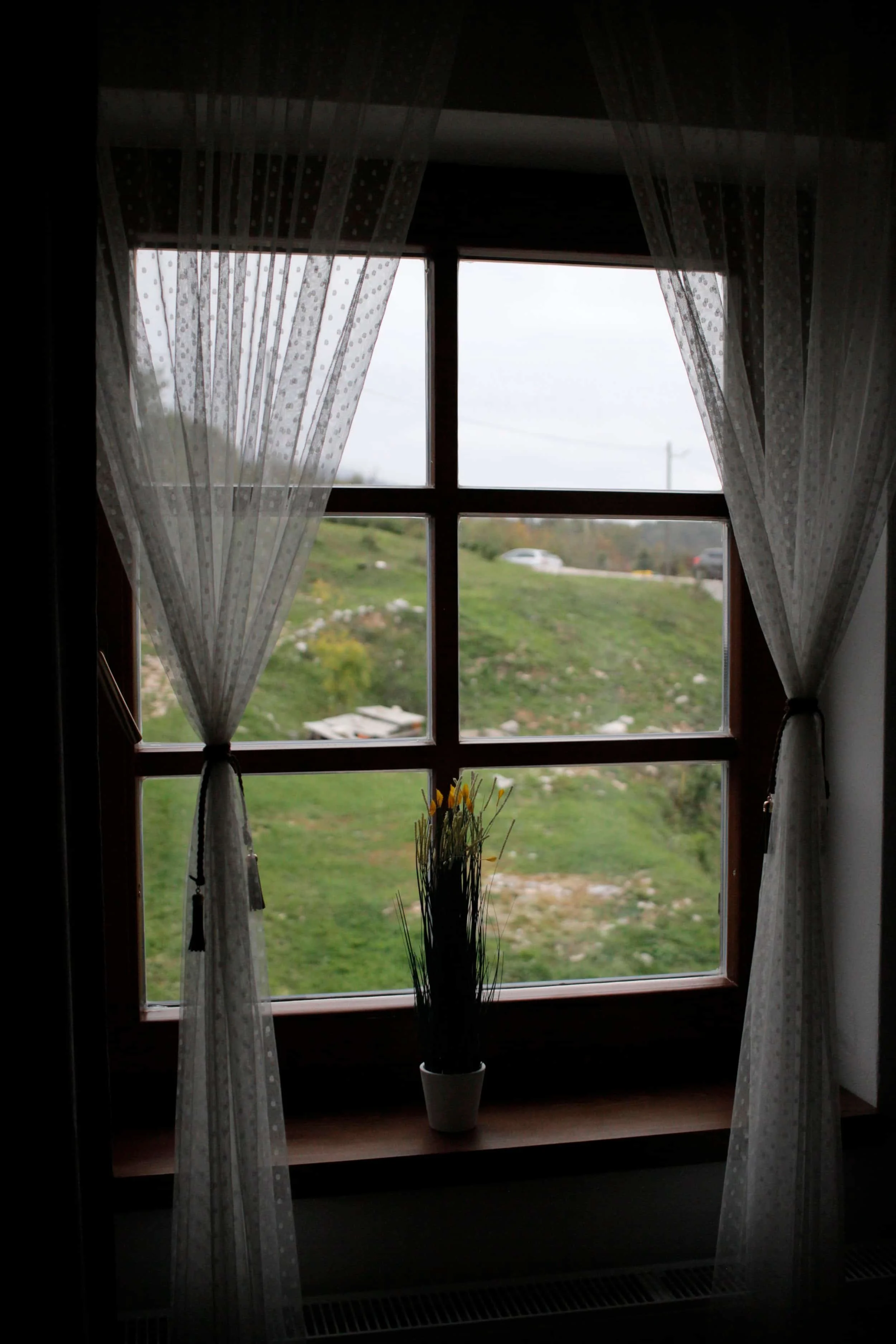
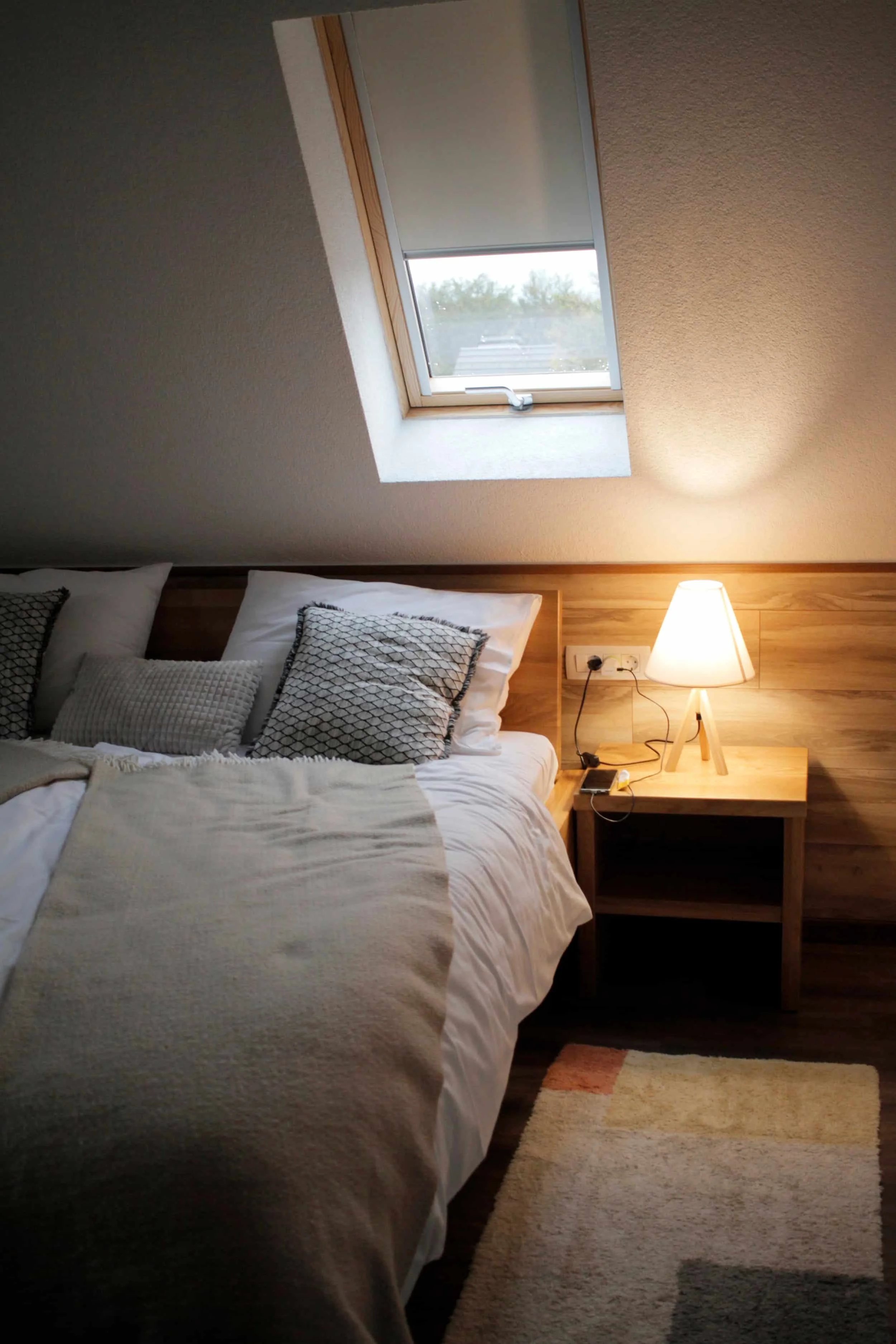
The remainder of my stay was deliberately slow. I spent time tucked away in the cabin, enjoying the warmth and quiet after several busy days traveling through Croatia. Mornings began with a generous continental breakfast of little pancakes, Nutella, meats and cheeses, cucumber, tomato, crusty bread, hard-boiled eggs and hot coffee — a lovely, unhurried start to the day.
I'd hoped to visit a nearby reindeer farm but it was closed during my stay. Instead of trying to fill every available hour, I embraced the opportunity to rest. Sometimes the unexpected pauses become just as valuable as the adventures themselves, particularly during a busy two-week itinerary.
After my final night at B&B Plitviče Hill, it was time to continue toward Kotor, Montenegro, traveling through Zagreb and onward to Dubrovnik before crossing the border. I was leaving with beautiful memories of Plitviče's waterfalls, a couple of peaceful nights in the countryside and renewed energy for the next chapter of my Balkans adventure.
💡 My Tip | If your Croatia itinerary allows, consider spending a night or two near Plitviče Lakes rather than treating the park solely as a day trip. It's a more relaxed way to experience the area, especially if you're continuing to another destination. Just arrange transportation with your accommodation in advance, as local taxis and public transport can be limited.
My Bibimbap Moment
Some places are beautiful in a way you can understand immediately. Others feel almost impossible to describe because there is simply too much happening at once. Plitviče Lakes was one of those places for me. In October, the forest was glowing with autumn color, rain hung softly in the air and water seemed to appear from everywhere — rushing beneath the boardwalks, spilling over limestone, gathering into turquoise pools and tumbling into waterfall after waterfall. I had never seen a landscape quite like it and walking through it felt a little like wandering into a dream.
Today’s Bibimbap Recipe
🥢 Flavor: Dreamlike
🌿 Ingredient: Enchantment
❤️ Best Memory: The endless succession of waterfalls and the unforgettable moment of seeing the turquoise lakes winding through the canyon from above
🎒 Take With You: Some places stay with you because they feel unlike anywhere you've been before. Plitviče was one of those places — a landscape I could photograph, walk through and admire but never quite fully explain.
Even the little imperfections became part of the memory. The food around the park wasn't anything to write home about, so my packed sandwich became lunch on a chilly, rainy day. Somehow, it felt fitting. The weather softened the colors, deepened the reflections and made the waterfalls feel even more secluded. By the time I reached the higher viewpoints overlooking the canyon, I realized those were the moments I would remember most — not just the scale of the park but the feeling of being completely surrounded by water and forest.
Plitviče wasn't simply a place I visited. For a few hours, it felt like stepping somewhere the natural world had been allowed to become completely itself.
Plitviče Lakes National Park Travel Essentials
Planning a visit to Plitviče Lakes National Park? A little preparation goes a long way, especially when it comes to choosing the right season, booking tickets and deciding which walking trails to explore. Whether you're visiting Plitviče Lakes from Split or Zagreb or including the park in a longer Croatia itinerary, these travel essentials cover everything you need to plan your visit, from transportation and accommodation to practical tips for making the most of your time among the lakes and waterfalls.
When to Go
Plitviče Lakes National Park is beautiful year-round but each season offers a different experience. Spring brings powerful waterfalls and fresh greenery, summer fills the forests with lush foliage and autumn transforms the landscape with brilliant shades of gold, orange and red. Winter can be equally spectacular, with snow-covered trails and frozen waterfalls, although some routes may be closed.
Best Time of Year
May and June are wonderful for abundant waterfalls, mild temperatures and fewer crowds than peak summer. September and October offer cooler hiking weather and beautiful autumn colors, especially later in October. July and August are the busiest months, with higher ticket prices and crowded boardwalks.
Best Time of Day
Aim for the earliest available entry time, ideally around 7:00–8:00 AM during seasons when the park opens that early. You'll enjoy quieter trails and softer morning light before the larger day-trip groups arrive from Split and Zagreb. Opening hours vary throughout the year, so check the official schedule before planning your visit.
💡 My Tip | I visited in October, and the autumn colors against the turquoise lakes were extraordinary. The weather was cool and damp, so bring layers and a waterproof jacket, even if the forecast looks promising.
How to Get There
Plitviče Lakes National Park is located in central Croatia, making it accessible from Split, Zagreb and Zadar. Whether you're planning an independent visit or joining an organized tour, getting to the park is relatively straightforward. Renting a car offers the most flexibility, particularly if you're staying overnight or including Plitviče in a longer Croatia or Balkans itinerary.
Car: Renting a car is the easiest way to explore Plitviče Lakes independently. Allow approximately 2.5–3 hours from Split, 2–2.5 hours from Zagreb or 1.5–2 hours from Zadar, depending on traffic and road conditions. The A1 motorway provides a convenient route for much of the journey, followed by regional roads toward the park. Paid parking is available at both main entrances, with rates varying by season.
Bus: Traveling independently without a car is possible using intercity buses from Split, Zagreb or Zadar. Buses from Split typically take around 3.5–5 hours, depending on the route and number of stops. Services stop near the park entrances but schedules and availability vary by season. Check your return departure carefully, especially if you're planning a same-day visit.
Organized Tour: Guided day trips are available from Split, Zagreb and Zadar, typically combining round-trip transportation with time to explore the park's lakes, waterfalls and walking trails. Some include a guide throughout the visit, while others allow independent exploration after arrival. Check whether park admission is included in the tour price, as this varies by operator.
💡 My Tip | If your itinerary allows, consider spending a night near Plitviče rather than rushing back to the city. You'll have more time to explore and enjoy the surrounding countryside. If you're traveling without a car, arrange transportation between the park and your accommodation in advance, as local taxis and public transport can be limited.
Where to Stay
While many travelers visit Plitviče Lakes National Park on a day trip from Split or Zagreb, staying nearby offers a more relaxed way to experience this beautiful corner of Croatia. The surrounding villages are home to cozy cabins, family-run guesthouses and boutique accommodations, many surrounded by forests and quiet countryside.
I spent two nights near the park, and it was exactly the break I needed after several busy days traveling through Croatia. Rather than returning to Split with my tour group, I stayed in the countryside before continuing my journey toward Montenegro. If your itinerary allows, I'd recommend doing something similar, particularly if you want to enjoy the park without a long return journey.
Where I Stayed Near Plitviče Lakes
For a cozy countryside escape — B&B Plitviče Hill
I stayed in a charming wooden cabin at B&B Plitviče Hill, where warm interiors, peaceful surroundings and a welcoming host made it feel like a little retreat after a day exploring the waterfalls. My host even picked me up from the park, which was incredibly helpful since I was traveling without a car. It was a lovely place to slow down, enjoy a generous breakfast and recharge before continuing my Balkans adventure.
Where I'd Stay Near Plitviče Lakes
For boutique comfort & a memorable dinner — Plitvice Falls Cottage
Having enjoyed dinner here during my stay, Plitvice Falls Cottage would be one of my first choices if I returned. This family-run property in Plitvica Selo offers comfortable boutique-style rooms, a peaceful countryside setting and an emphasis on warm hospitality. It's also conveniently located near the park's Plitvica Selo access point, making it appealing for travelers who want to spend more time exploring the lakes.
For a small guesthouse close to the trails — Villa Mukinja
If easy park access is your priority, Villa Mukinja is worth considering. This family-run guesthouse in Mukinje is approximately a 10-minute walk from Entrance 2 and offers just six rooms, a garden, a Finnish sauna and an outdoor hot tub. The atmosphere feels more personal than a conventional hotel, with the added convenience of being able to walk to the park.
Additional Options
Want to stay close to the park entrances?
Look around Plitvička Jezera, Mukinje, Rastovača and Plitvica Selo for guesthouses and small hotels near the national park. These areas are especially convenient if you're planning an early start, although it's important to check the actual distance to your selected entrance rather than relying on the property's general location.
Browse stays near Plitviče Lakes →
Prefer a private cabin or apartment?
If you'd rather have your own space, a kitchen or somewhere to unwind after a day of hiking, the countryside around Plitviče has a variety of cabins, apartments and vacation rentals. These can be particularly appealing for a longer stay, especially if you're traveling by car.
Browse vacation rentals near Plitviče Lakes →
💡 My Tip | If you're visiting without a rental car, check whether your accommodation offers park transfers or is genuinely within walking distance of an entrance. The surrounding villages are spread out, and transportation can be difficult to arrange at short notice.
How Long to Stay
Plan for at least 4–6 hours to explore Plitviče Lakes National Park, although a full day of 6–8 hours is ideal if you want to experience both the Upper and Lower Lakes without rushing. The park offers several marked walking routes, ranging from shorter scenic loops to longer trails that include the waterfalls, forest pathways, panoramic viewpoints and an electric boat ride across Kozjak Lake.
Half Day (4–6 Hours): Perfect if you're short on time or visiting as part of a day trip from Split or Zagreb. Choose a route that focuses on the Lower Lakes and Great Waterfall or one that combines highlights of both lake systems.
Full Day (6–8 Hours): My recommendation for first-time visitors. You'll have more time to explore the Upper and Lower Lakes, enjoy the boat crossing, stop for photographs and take in the canyon views without feeling rushed.
Overnight (1–2 Nights): Ideal if you're traveling independently, want an early start or are including Plitviče in a longer Croatia itinerary. Staying nearby gives you time to enjoy the surrounding countryside rather than spending most of your day traveling between destinations.
💡 My Tip | I visited on a guided day tour from Split but arranged to stay near the park for two nights instead of returning with the group. It was a wonderful way to balance a full day of hiking with a little downtime before continuing my journey toward Montenegro. If your schedule allows, I'd recommend at least one night nearby.
Which Plitviče Lakes Walking Trail Should You Choose?
With 16 interconnected lakes, cascading waterfalls and miles of forest pathways, choosing the right walking route is one of the most important parts of planning your visit to Plitviče Lakes National Park. The park offers several designated sightseeing programs, identified by letters, that combine walking trails with electric boats and panoramic shuttles.
Entrance 1 is closest to the dramatic Lower Lakes canyon and Veliki Slap (Great Waterfall), while Entrance 2 provides convenient access to the Upper Lakes and Kozjak Lake. Both entrances offer routes that explore different portions of the park.
Popular Walking Programs:
Program A — Lower Lakes Highlights: Approximately 2–3 hours, covering 2.2 miles (3.5 km). A shorter route featuring the Lower Lakes and Great Waterfall.
Program B — Lower Lakes & Boat Ride: Approximately 3–4 hours, covering 2.5 miles (4 km). Adds a scenic electric boat crossing of Kozjak Lake.
Program C — Upper & Lower Lakes: Approximately 4–6 hours, covering 5 miles (8 km). A comprehensive route from Entrance 1, combining both lake systems with boat and shuttle transportation.
Program E — Upper Lakes: Approximately 2–3 hours, covering 3.2 miles (5.2 km). A shorter option from Entrance 2 focusing on the forested Upper Lakes.
Program H — Upper & Lower Lakes: Approximately 4–6 hours, covering 5.5 miles (8.9 km). Begins at Entrance 2 and explores both lake systems using walking trails, an electric boat and panoramic shuttle.
Program K — Full-Park Walking Route: Approximately 6–8 hours, covering 11.4 miles (18.3 km). A more demanding route for visitors who want to explore extensively on foot.
💡 My Tip | I followed Program H from Entrance 2 with our guide, Clara. It was a wonderful way to experience both the Upper and Lower Lakes, including the boat crossing on Kozjak. For first-time visitors with a full day available, Programs C and H are particularly good options.
ℹ️ Good to Know | Follow the wooden signs marked with your selected program letter and check the official Plitviče Lakes National Park website for current route maps, distances and seasonal closures. Some walking programs or transportation services may be unavailable at certain times of year.
Tours & Day Trips
There are several ways to explore Plitviče Lakes National Park, whether you're traveling independently or prefer an organized experience. Guided day trips from Split, Zagreb and Zadar typically include transportation to the park, with options for exploring the Upper and Lower Lakes, walking along the wooden boardwalks and visiting the spectacular waterfalls.
For this trip, I joined a small-group excursion from Split with Pelican Tours Split. Our guide, Clara, brought humor and local insight to the experience, and the tour operator kindly accommodated my plans to stay near the park rather than return to Split with the group. It was a convenient way to explore Plitviče without renting a car, while still allowing me to continue my Balkans itinerary independently.
Want to Explore Plitviče Lakes on a Day Trip from Split?
If you're staying along Croatia's Dalmatian coast, a guided day trip from Split is one of the easiest ways to experience Plitviče Lakes National Park. Tours typically include round-trip transportation and time to explore the waterfalls, turquoise lakes and forest trails, making it possible to visit this extraordinary landscape without coordinating buses or renting a car.
Explore Plitviče Lakes day trips from Split →
Want to Explore Plitviče Lakes from Somewhere Else in Croatia?
Plitviče is also accessible on organized day trips from Zagreb and Zadar, making it easy to include one of Croatia's most beautiful national parks in a longer itinerary. Some excursions combine the lakes with Rastoke, a picturesque village known for its historic watermills and cascading waterfalls, offering another glimpse of the region's remarkable relationship with water.
What to Bring
Exploring Plitviče Lakes National Park means spending several hours outdoors, often moving between shaded forests, open boardwalks and misty waterfalls. Weather can change quickly, especially in spring and autumn, so packing a few essentials will help keep you comfortable along the walking trails.
Comfortable Walking Shoes: Supportive sneakers or hiking shoes with good traction are essential. Wooden boardwalks, stone steps and forest paths can become slippery when wet, particularly near waterfalls.
Waterproof Jacket & Layers: Bring a lightweight rain jacket and an extra layer, even if the forecast looks clear. Temperatures can be noticeably cooler beneath the forest canopy, and mist or rain can make the trails feel chilly.
Water & Snacks: Carry a reusable water bottle and a few snacks to keep your energy up. Food outlets are available in designated areas but options can be limited along the longer walking routes.
Packed Lunch: If you're planning a full day exploring the Upper and Lower Lakes, consider bringing a sandwich or simple picnic. It gives you more flexibility and saves time waiting at busy cafés.
Sunscreen & Sunglasses: Some stretches of the park are shaded, while others are exposed to direct sunlight, particularly around the lakes and open viewpoints.
Phone, Camera & Portable Charger: With endless waterfalls, turquoise lakes and beautiful canyon views, you'll likely be taking plenty of photographs. A portable charger is especially useful if you're also using your phone for maps and navigation.
💡 My Tip | I visited in October, when the autumn colors were incredible but the weather was cool and damp. A waterproof outer layer and comfortable shoes made all the difference. I was also glad I'd picked up a sandwich during our morning journey from Split — an easy way to enjoy lunch without interrupting the walk.
Good to Know
A little advance planning can make exploring Plitviče Lakes National Park much easier. From timed-entry tickets to seasonal trail closures, these practical details will help you navigate the park and make the most of your visit.
Book Tickets in Advance: Admission is limited by entrance and time slot, so reserve your tickets through the official Plitviče Lakes website, especially during summer and weekends. Select Entrance 1 or Entrance 2 when booking and arrive within your designated entry window. There's no fixed requirement to book ahead but popular times can sell out; two days in advance during slow season is common, while several weeks to a month is necessary during peak season.
Choose Your Walking Route: The park offers several marked sightseeing programs, ranging from shorter walks around the Lower Lakes to longer routes exploring both the Upper and Lower Lakes. Routes vary by entrance, distance and available transportation, so choose one that suits your time and energy.
Check Seasonal Access: Plitviče is open year-round but some trails, entrances, electric boats and panoramic shuttle services may be unavailable due to weather or seasonal conditions. Check the park's official updates before arriving.
Know the Park Rules: Swimming in the lakes is prohibited, and visitors must remain on designated trails and boardwalks. Drones are restricted, and pets must be kept on a leash. These protections help preserve the delicate tufa formations and surrounding ecosystems.
Use Official Maps: Download or save the park's official walking-route maps before your visit. Mobile reception may be inconsistent in some areas, and posted trail signs are useful for following your selected route. Check the official website for current visitor information rather than relying solely on a mobile app.
Getting Around the Park: Plitviče is explored primarily on foot along marked walking trails and wooden boardwalks. Electric boats cross Kozjak Lake, while panoramic shuttles connect designated stops, making it easier to explore both the Upper and Lower Lakes. Both services are included with park admission when operating and are incorporated into specific sightseeing routes, rather than serving as unlimited transportation throughout the park.
Bonus: How to Travel from Plitviče Lakes to Kotor, Montenegro
Traveling from Plitviče Lakes National Park to Kotor, Montenegro, without a rental car was one of the more complicated logistical challenges of my two-week Balkans itinerary. What looks like a relatively straightforward journey on a map required a combination of buses, taxis and a flight, taking approximately 24 hours from start to finish.
If you're planning to explore Croatia and Montenegro on the same trip, here's the exact route I took.
My Route: Plitviče Lakes → Kotor, Montenegro
Plitviče Lakes → Zagreb Bus Terminal: Approximately 2 hours by bus.
Zagreb Bus Terminal → Zagreb Airport: Approximately 20 minutes by taxi.
Zagreb Airport → Dubrovnik Airport: Approximately 1 hour by plane.
Dubrovnik Airport → Dubrovnik Bus Terminal: Approximately 20 minutes by taxi.
Dubrovnik Bus Terminal → Kotor Bus Terminal: Approximately 3 hours by bus, including the border crossing in my experience.
Kotor Bus Terminal → Accommodation: Approximately 15 minutes on foot to my hotel.
Although the individual connections weren't particularly long, coordinating departure times, transfers and the international border crossing made this a full travel day. It wasn't the simplest route but it allowed me to continue my journey through the Balkans without renting a car.
✈️ Travel Tip | If you're combining Croatia and Montenegro in one itinerary, research onward transportation before booking your accommodations. Allow generous time between connections, particularly when crossing the Croatia–Montenegro border, where delays can vary considerably. A rental car or private transfer may offer a more direct alternative, depending on your route and budget.
Explore Plitviče Lakes National Park, one of the most beautiful places in Croatia, with emerald lakes, cascading waterfalls and wooden walkways in this travel guide.