Beyond the famous bowing deer of Nara Park lies a deeper story of spirituality, wildlife and centuries of coexistence.
Published | November 2026
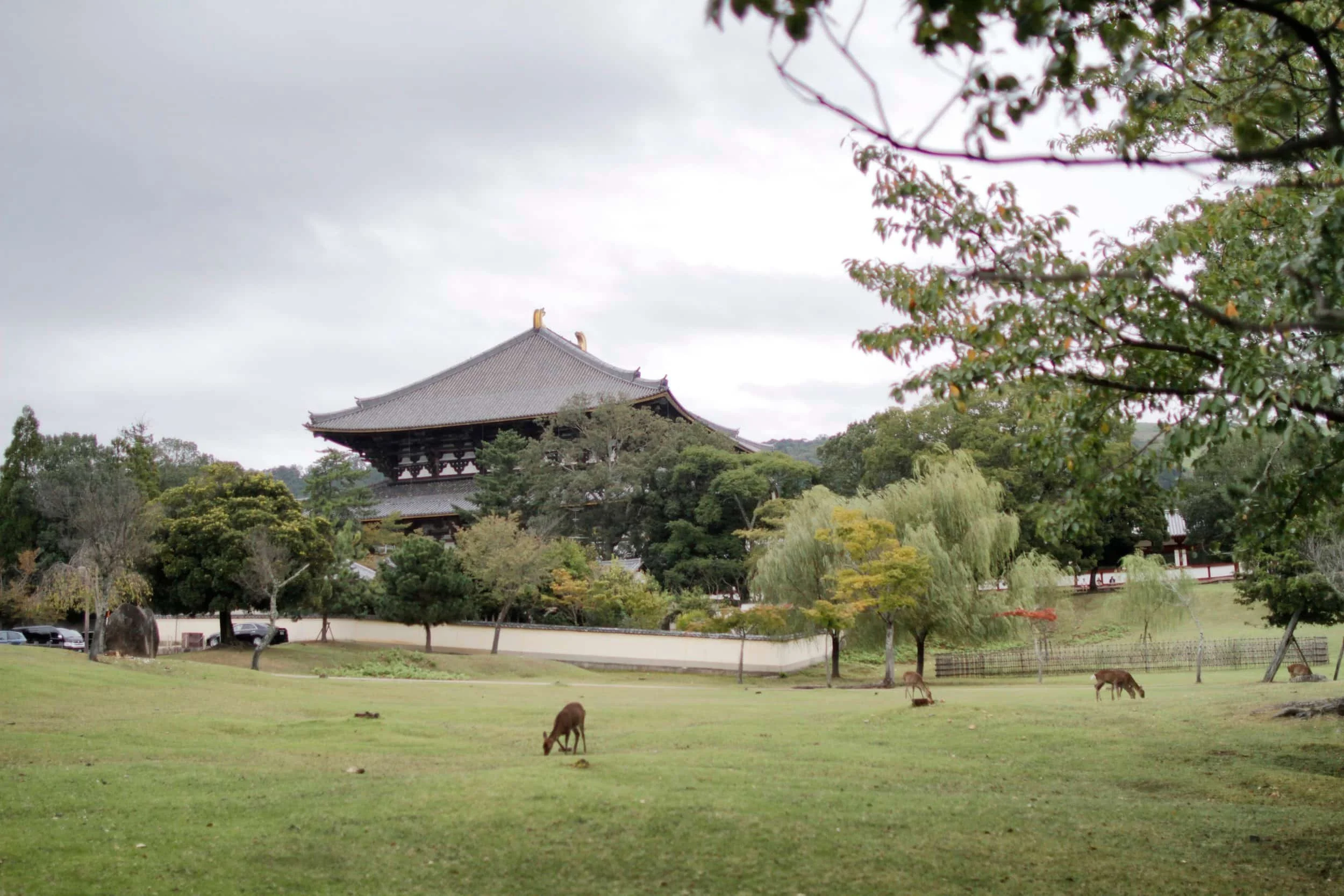
Why the Sacred Deer of Nara Are So Special
Imagine wandering through an ancient Japanese city where wild deer stroll alongside pedestrians, lounge beneath centuries-old temples and occasionally bow in anticipation of a little snack. In Nara, Japan, these curious creatures are as much a part of the city's identity as its sacred architecture.
According to Shinto legend, a deity arrived in Nara riding a white deer, establishing a connection between these animals and the spiritual world that has endured for centuries. Once revered as divine messengers of the gods, the wild sika deer of Nara Park remain an integral part of the city's cultural heritage.
Beyond their famous bowing behavior, the Nara deer have wonderfully individual personalities. Some are gentle and inquisitive, others are playful and a few have rather questionable manners. Spend enough time among them and you'll discover there's far more to these beautiful creatures than their enthusiasm for deer crackers.
What makes Nara so special is the opportunity to experience the intersection of wildlife, spirituality and everyday life. Whether you're drawn to ancient Japanese traditions or simply love observing animals in their natural surroundings, spending time among the sacred deer of Nara offers one of Japan's more unusual and endearing cultural experiences.
Nara Deer at a Glance
📍 Destination: Nara Park, Nara, Japan
🕒 Time Needed: 2–4 hours
💰 Admission: Free (deer crackers sold separately)
👟 Walking Level: Easy to moderate
🍁 Best Season: Spring (March–May) & Autumn (October–November)
🦌 Known For: Sacred sika deer, bowing behavior & Shinto traditions
🌿 Don’t Miss: Kasuga Taisha Shrine & the quieter corners of Nara Park
🖤 Perfect For: Wildlife lovers, cultural enthusiasts & nature photographers
My Bibimbap Moment
This trip added: Reverence.
The sacred deer of Nara added the ingredient of reverence to My Bibimbap Life. What intrigued me most about these beautiful creatures was not just their presence but the place they occupy within Japanese culture. I loved seeing them wander freely through sacred temple grounds and busy city streets, seemingly unaware of the spiritual significance bestowed upon them centuries ago.
There's something beautiful about a culture that recognizes the sacred in the natural world. While I was initially thrilled with the novelty of feeding the deer, I found even more satisfaction in observing them — their little interactions, their curious personalities and the ease with which they went about their lives. Perhaps reverence doesn't always require an elaborate ritual. Sometimes it's as simple as appreciating another living creature without asking anything of it in return.
My Ten-Day Japan Travel Itinerary
Despite having spent much of the previous decade traveling throughout Southeast Asia, I found my solo trip to Japan to be an entirely different experience. It was a country I'd wanted to visit for years, though navigating some of its cultural customs and unwritten rules proved more challenging than I'd anticipated.
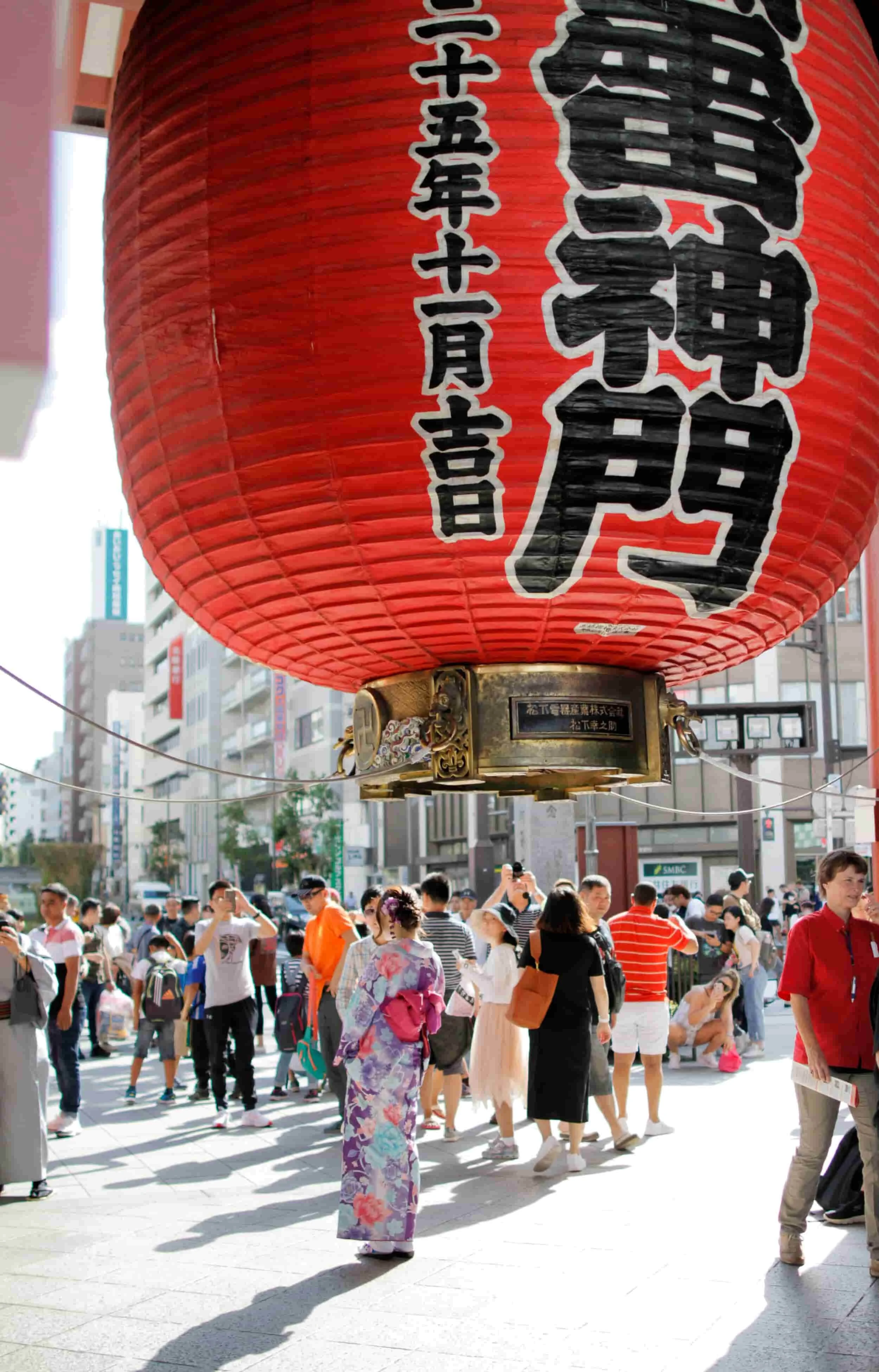
My journey began in Tokyo, Japan's capital and one of the world's largest metropolitan areas.
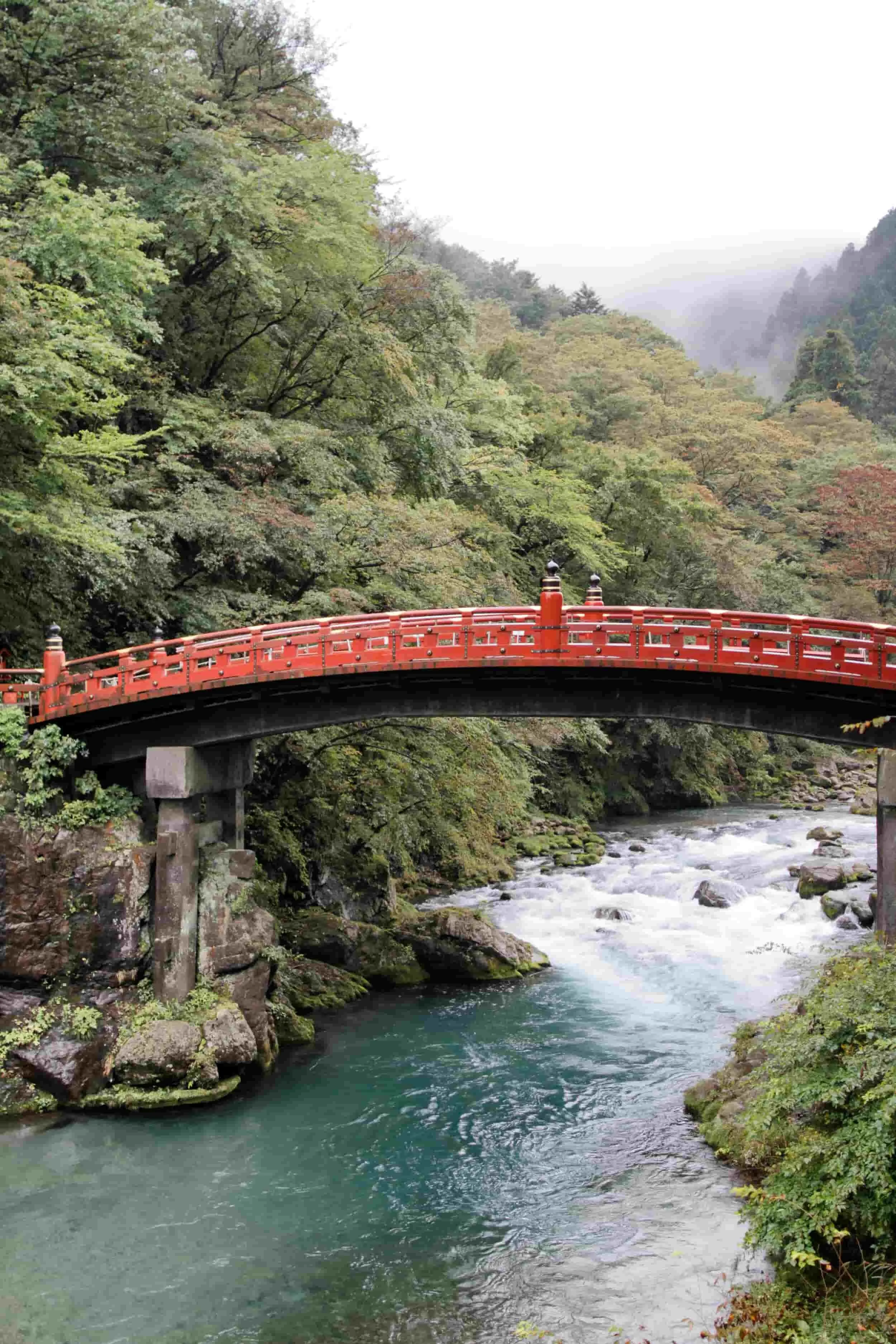
From there, I traveled north into the rainy, forested mountains of Nikkō for some much-needed mountain worship.
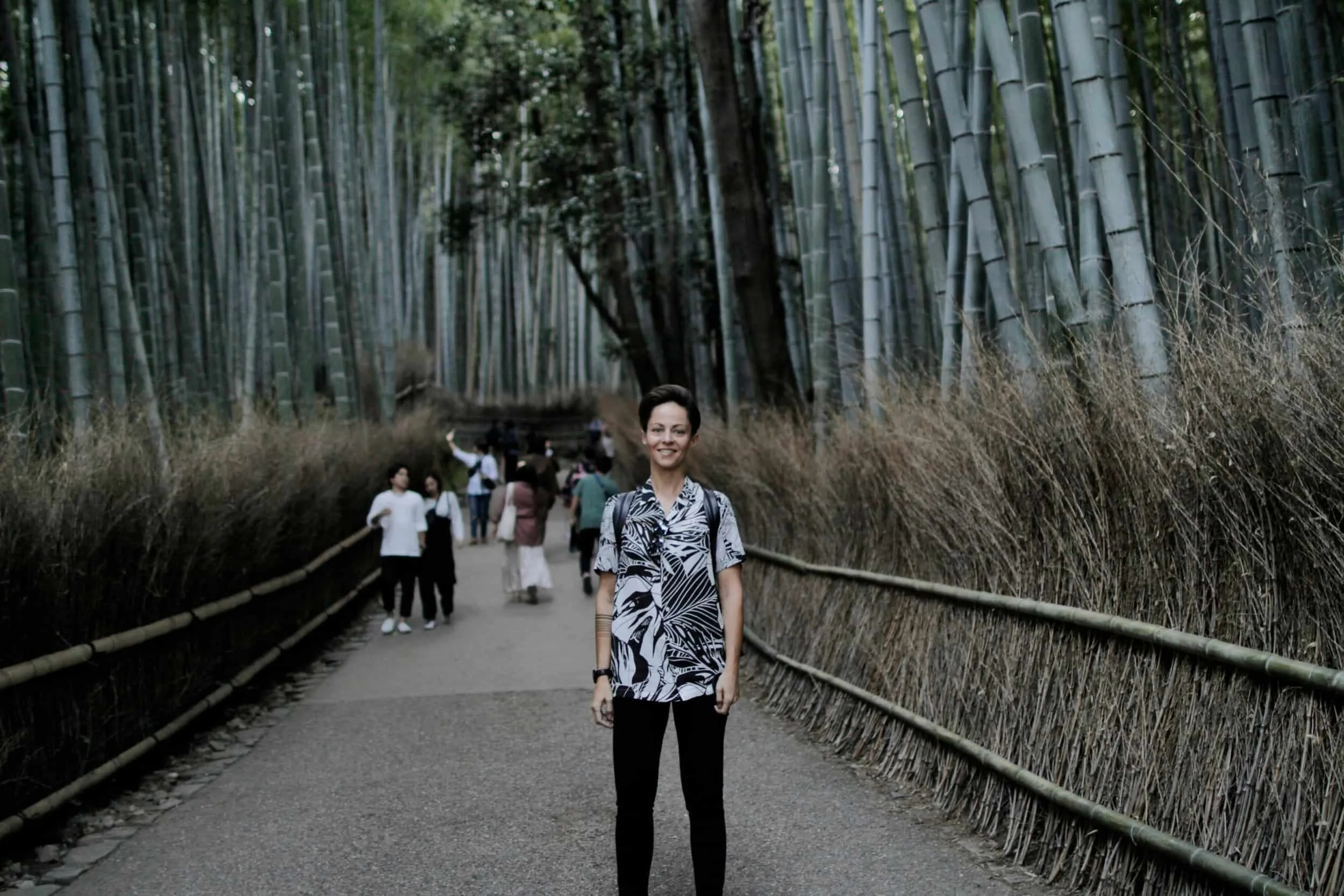
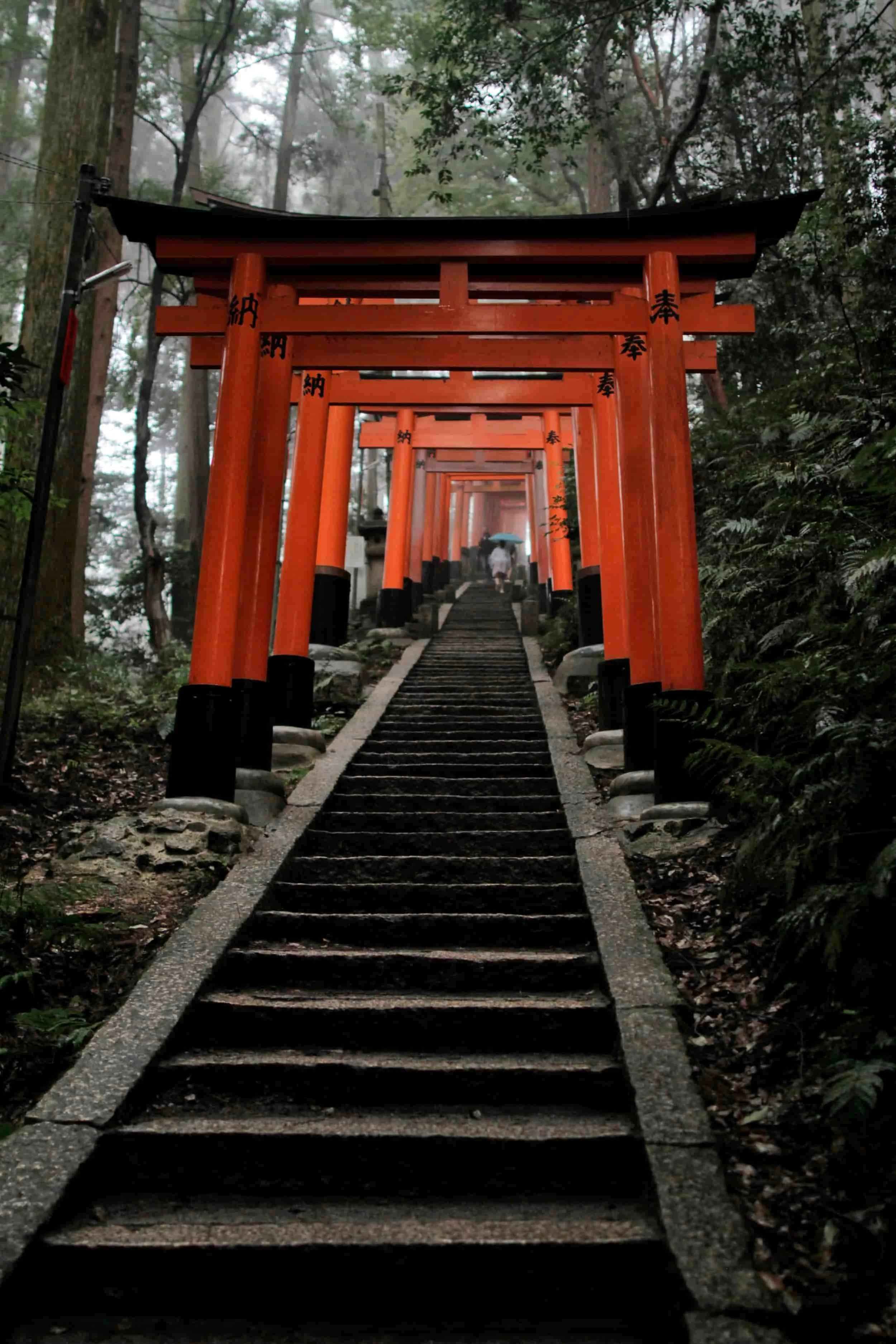
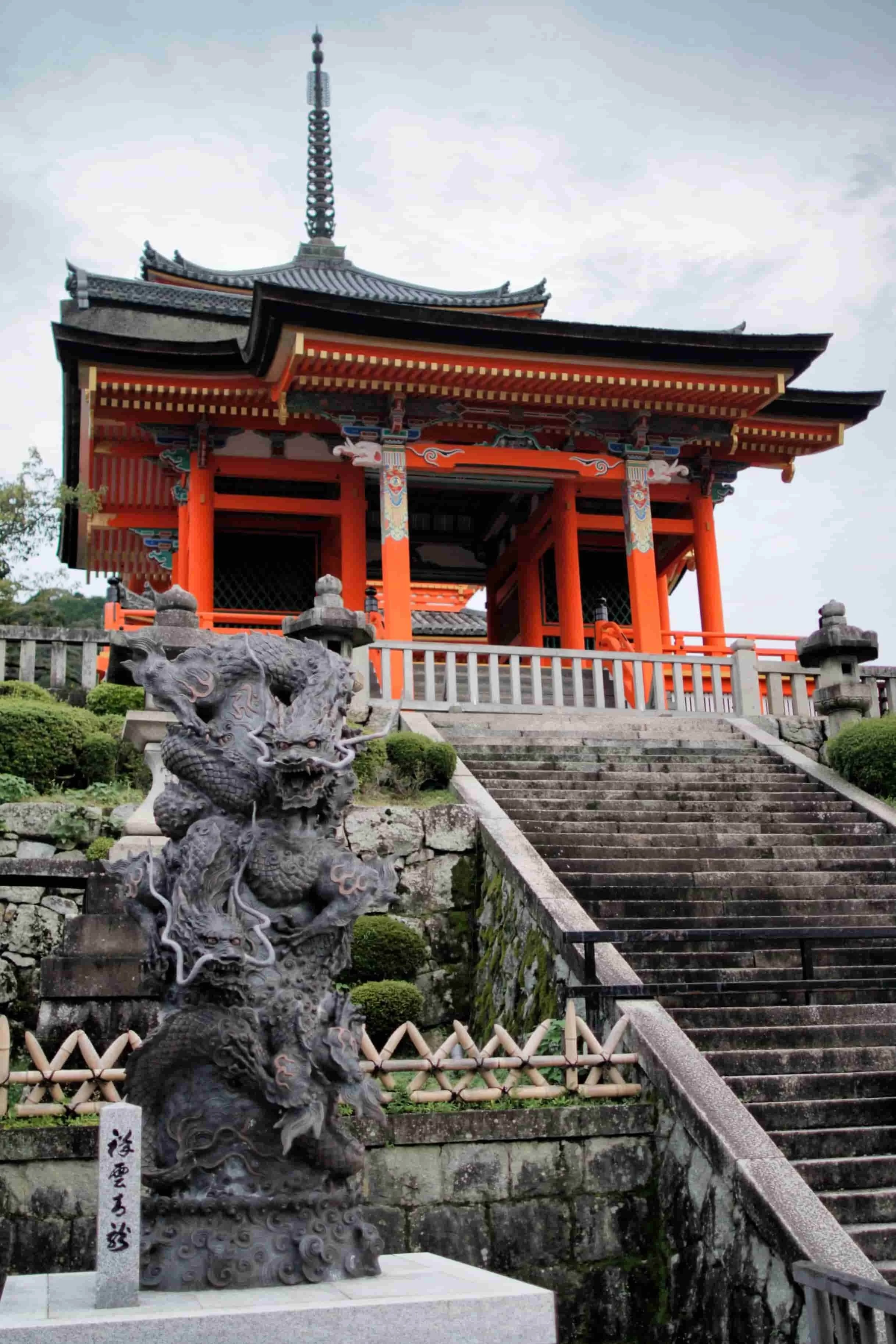
Next came Kyoto, where I immersed myself in Japan's beautiful temples, traditional gardens and geisha culture. Kyoto also served as my base for exploring the thousands of torii gates at Fushimi Inari Taisha, the emerald-green bamboo forests of Arashiyama and the ancient capital of Nara.
Of all these experiences, spending time among the sacred deer of Nara was one of the more endearing. Easily accessible from both Kyoto and Osaka, Nara offers a wonderful opportunity to explore the relationship between Japanese culture, spirituality and the natural world.
Ten days barely scratched the surface of what Japan has to offer. And I left with an ever-growing list of places I'd love to explore on a second trip.
My Route: Tokyo → Nikkō → Kyoto → Fushimi Inari → Arashiyama → Nara
Explore
Here’s where the journey will take us.
THE EXPERIENCE
The Sacred Deer of Nara
The Legend of the White Deer · Messengers of the Gods · Centuries of Protection
Getting to Know the Nara Deer
Japanese Sika Deer · Seasonal Changes · Understanding Their Behavior
Feeding the Deer of Nara Park
Traditional Deer Crackers · Why the Deer Bow · My Encounters · Feeding Responsibly
Beyond the Boundaries of Nara Park
Wildlife in the City Streets · Quieter Encounters · The Art of Coexistence
Preserving Nara’s Sacred Deer
Traditional Deer Calling · Antler-Cutting Ceremony · Conservation & Modern Challenges
THE ESSENTIALS
When to Go
Where to Find the Nara Deer
How Long to Stay
Tours & Experiences
Good to Know
KEEP EXPLORING
Destination Guide | Nara Travel Guide
Kyoto Experiences | Kyoto Travel Guide · Arashiyama Bamboo Grove · Fushimi Inari Taisha
Travel Tips | Japan Travel Tips
Travel More | Japan Travel Guides
Exploring Nara Deer Park: Beyond the Famous Bowing Deer
The famous Nara deer are more than an unusual wildlife attraction. For centuries, these wild sika deer have occupied a unique place in Japanese culture, wandering freely among ancient Buddhist temples, sacred Shinto shrines and the everyday streets of Nara. Their presence tells a much deeper story about the relationship between spirituality, wildlife and Japanese society.
While I was initially drawn to Nara Park by the novelty of its bowing deer, I became equally intrigued by their individual personalities, their playful interactions and the way they coexist with people. From the ancient legends surrounding their sacred status to the traditions that continue to protect them today, there's much to discover about these beautiful creatures beyond their enthusiasm for a handful of crackers.
The Sacred Deer of Nara
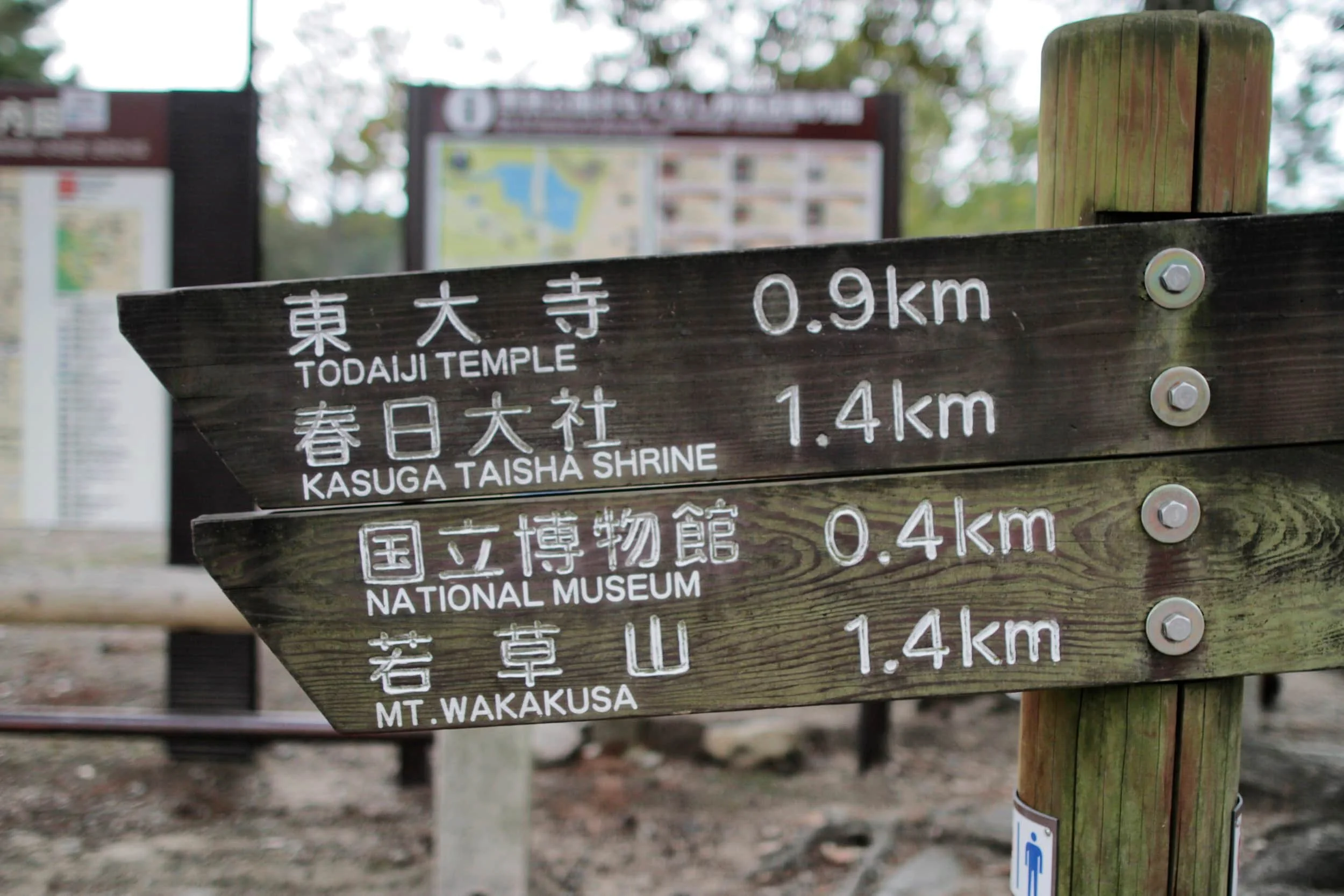
Situated at the foot of Mount Wakakusa, Nara Park, or Nara Kōen (奈良公園), was established in 1880 and is one of Japan's oldest public parks. Its expansive grassy areas and wooded landscapes hold some of Nara's most important cultural landmarks, including Tōdai-ji Temple, Kasuga Taisha Shrine and Kōfuku-ji Temple.
Long before the park was established, however, the surrounding landscape was home to the wild deer that have become synonymous with Nara. While the monumental architecture offers a glimpse into Japan's Buddhist and Shinto heritage, the presence of the sacred Nara deer tells an equally important story about the spiritual significance of the natural world.
The sacred status of the Nara deer can be traced back to an ancient Shinto legend associated with the founding of Kasuga Taisha Shrine in 768. According to the legend, Takemikazuchi-no-Mikoto, a deity associated with thunder and martial strength, traveled from Kashima Shrine in present-day Ibaraki Prefecture to Mount Mikasa in Nara, riding on a white deer.
In Shinto, the indigenous religious tradition of Japan, spiritual importance is often given to elements of the natural world, from mountains and ancient trees to certain animals. The deer of Nara came to be regarded as shinroku, or sacred deer, revered as messengers of the gods rather than gods themselves. This distinction is important in understanding the relationship between these animals and the people of Nara.
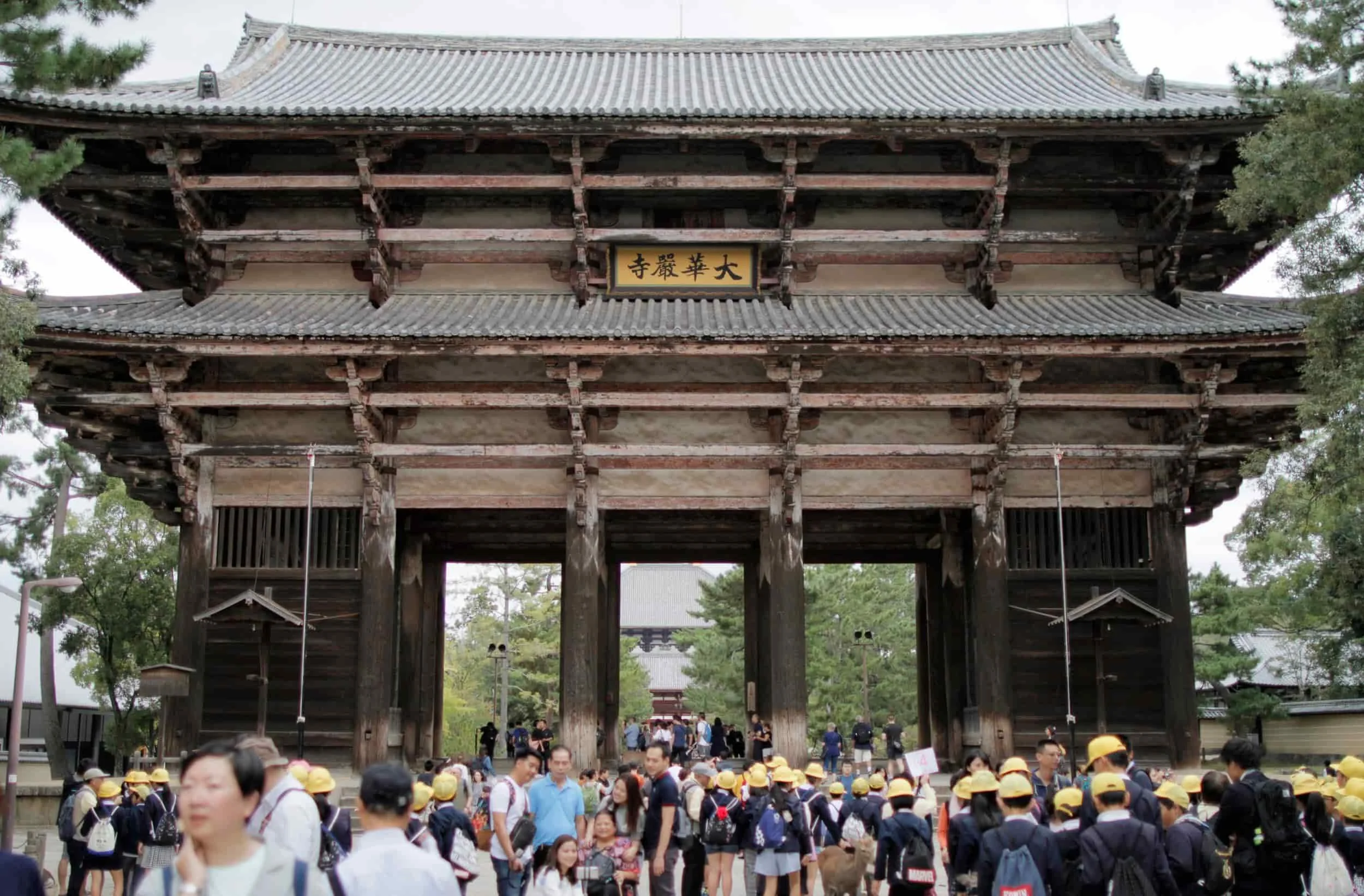
For centuries, the sacred status of the Nara deer afforded them much protection. During the medieval period, harming or killing a deer could result in severe punishment under the religious authorities of Kasuga Taisha and Kōfuku-ji. Their protection continued into the Edo period under the local magistrate.
As Japan underwent major political and social changes during the Meiji period, the protection of the deer gradually became more formalized through local organizations. Their population suffered sizeable losses during the Second World War and followed food shortages, with fewer than 80 deer remaining at the end of the war.
Through renewed conservation efforts, the population began to recover. In 1957, the Nara deer were officially designated a National Natural Monument of Japan, recognizing their cultural and ecological importance and providing them with legal protection.
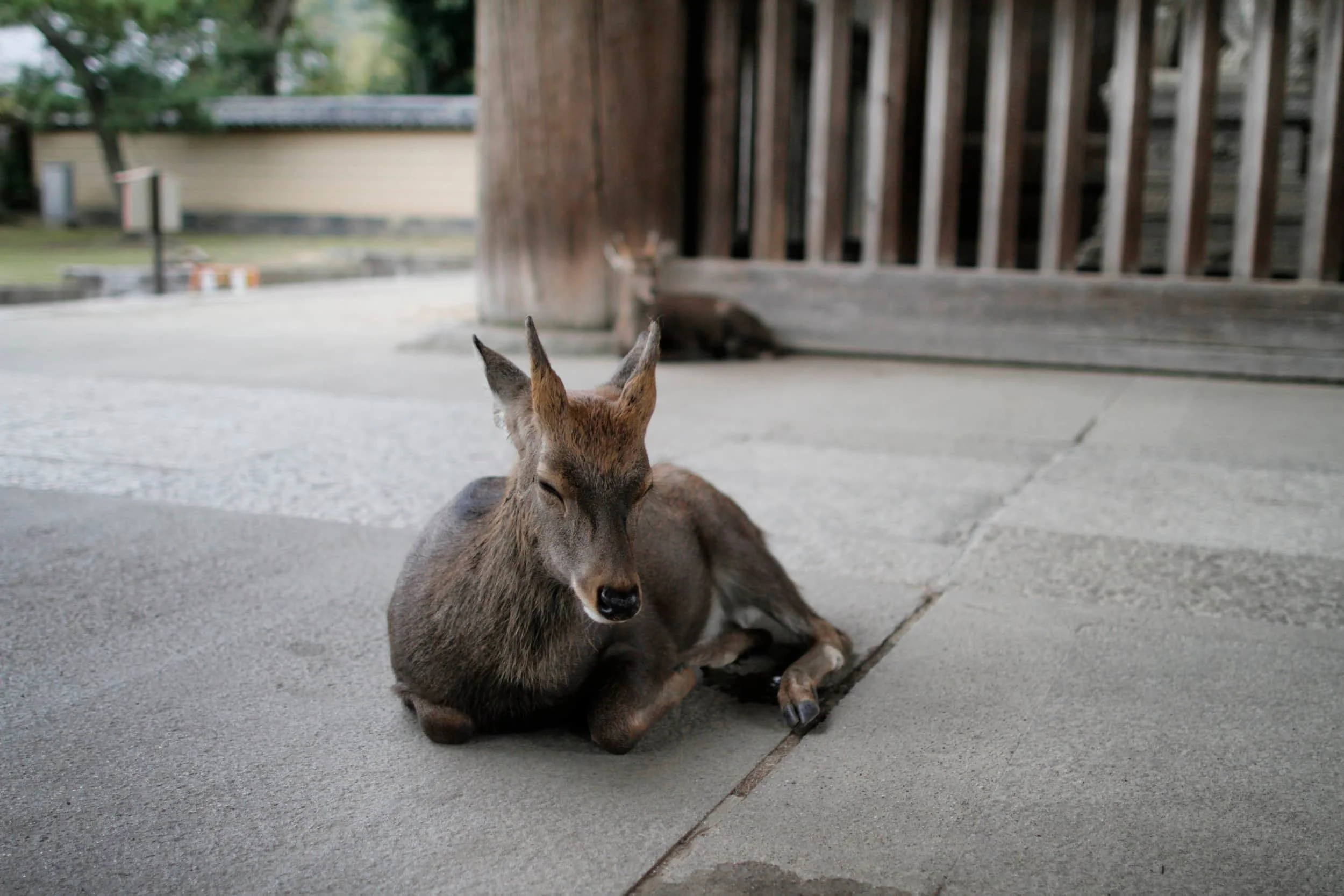
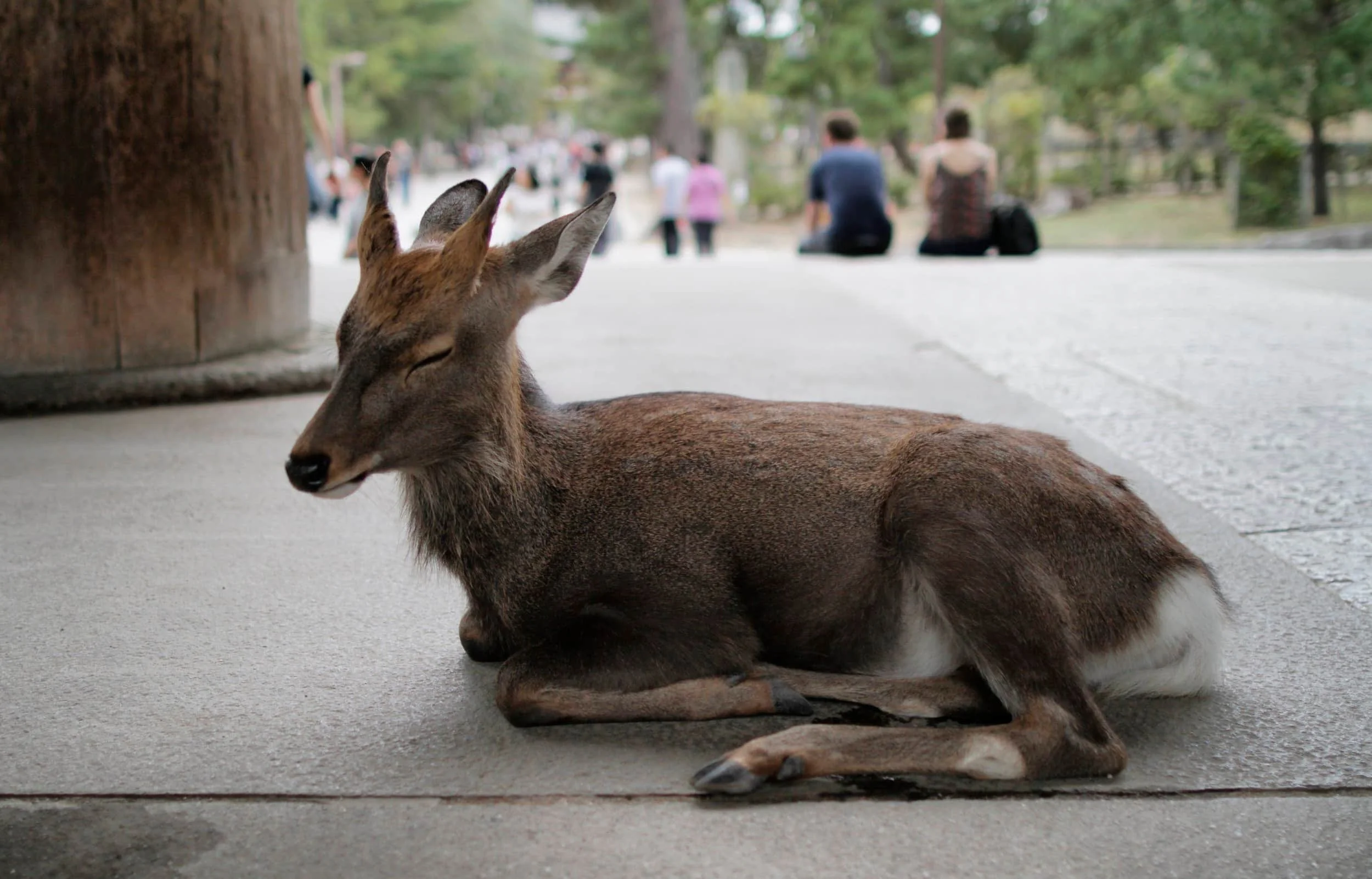
Today, the spiritual significance of the Nara deer can still be seen in the artwork, decorative motifs and religious symbolism associated with Kasuga Taisha. The deer have become an enduring symbol of the city, their likenesses appearing throughout Nara.
What I found so endearing was how unassuming these creatures were in the middle of such an incredible group of sacred architecture. Completely oblivious to the history and symbolism around them, they were simply going about their day — eating, sleeping or playing. And while their cultural significance makes them unique, they're equally interesting for what they are — wild animals with their own personalities, instincts and social behaviors.
Getting to Know the Nara Deer
Known as Japanese sika deer (Cervus nippon), these beautiful creatures belong to a species native to Japan and other parts of East Asia. The name sika comes from the Japanese word shika (鹿), meaning deer.
Although sika deer live in other regions of Japan, the population of Nara Park is genetically distinct from other nearby populations. Researchers attribute this distinction, in part, to centuries of protection that allowed an ancient lineage of deer to survive in Nara.
Unlike domesticated animals, the Nara deer are free to roam, forage and socialize as they would in the wild. Their familiarity with people makes observing them quite easy, allowing visitors a wonderful opportunity to appreciate their physical features and natural behaviors.
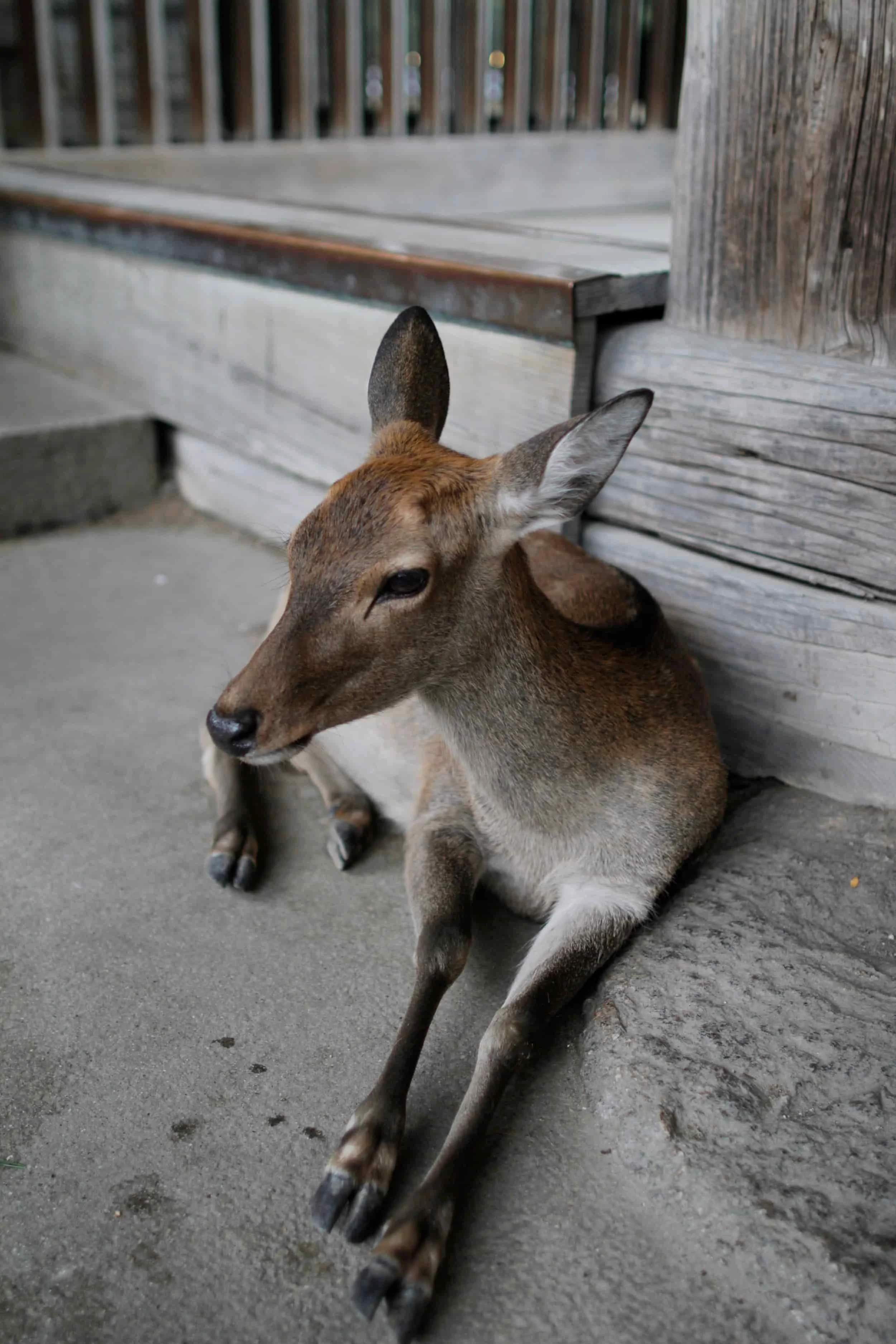
One of the things I loved most about photographing the Nara deer was noticing the subtle variations in their coloring and markings. Their appearance changes quite a bit throughout the year, with reddish-brown coats covered in white spots during the warmer months giving way to thicker, grayish-brown coats as winter approaches.
The males also undergo an annual cycle of antler growth. Mature males usually shed their antlers in March, with new ones beginning to grow in spring. During this period, the developing antlers are covered in a soft, velvety tissue that gives the nutrients needed for growth. By late summer, the antlers have hardened and the velvet begins to shed.
These seasonal changes mean that visiting Nara Park at different times of the year can give quite different opportunities for photography.
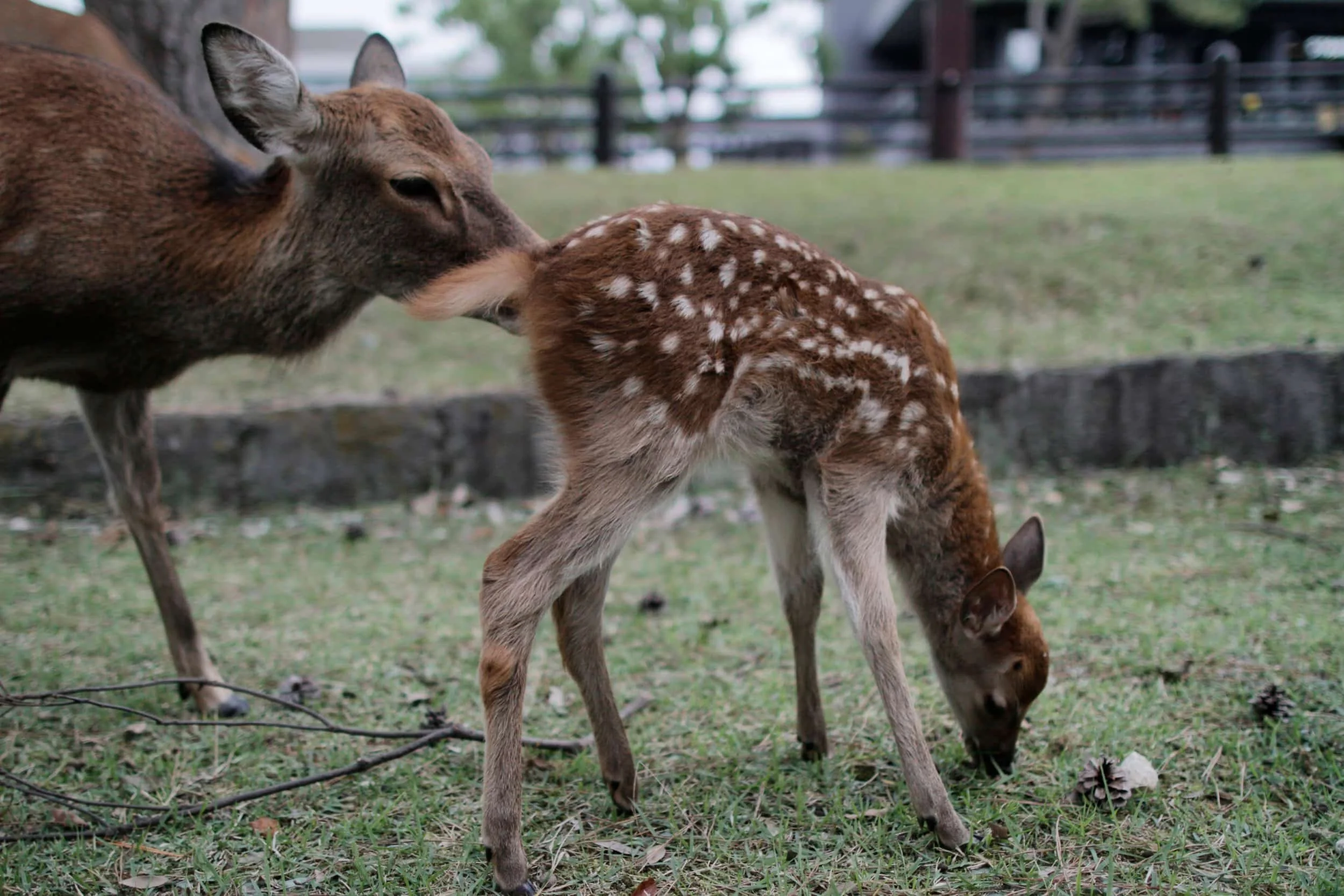
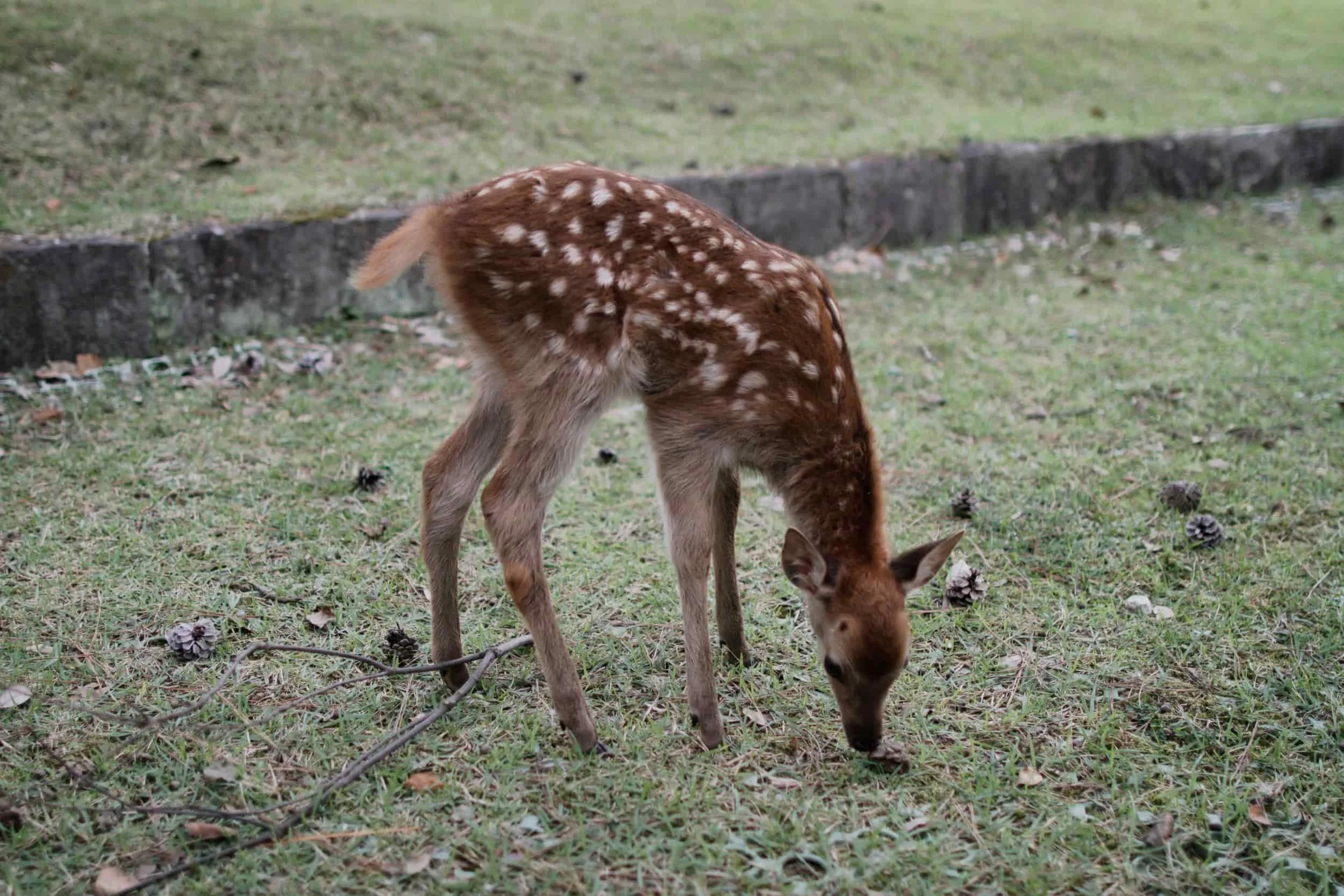
The sweetest of the Nara deer are definitely the little fawns. Fawning season generally runs from mid-May through July, with most births occurring around June. The unique white spots on their coats give natural camouflage, helping them blend into the dappled light of the surrounding vegetation.
I really enjoyed watching the little ones alongside their mothers, learning to balance on those long, clumsy limbs and eating large amounts of grass. The more playful deer would run and leap across the grassy areas, moving so quickly and effortlessly that it was tough to keep up with them.
As sweet as the fawns are, it's important to observe them from a distance. Mother deer are protective of their young and a seemingly unattended fawn hasn't necessarily been abandoned. Resist the temptation to approach or touch.
Beyond their interactions with visitors, the Nara deer lead surprisingly seasonal lives. During spring and summer, they spend much of their time grazing on the park's grasses. As autumn arrives, their diet shifts to include more fallen leaves and acorns. During the colder winter months, they're typically less active and spend more time resting.
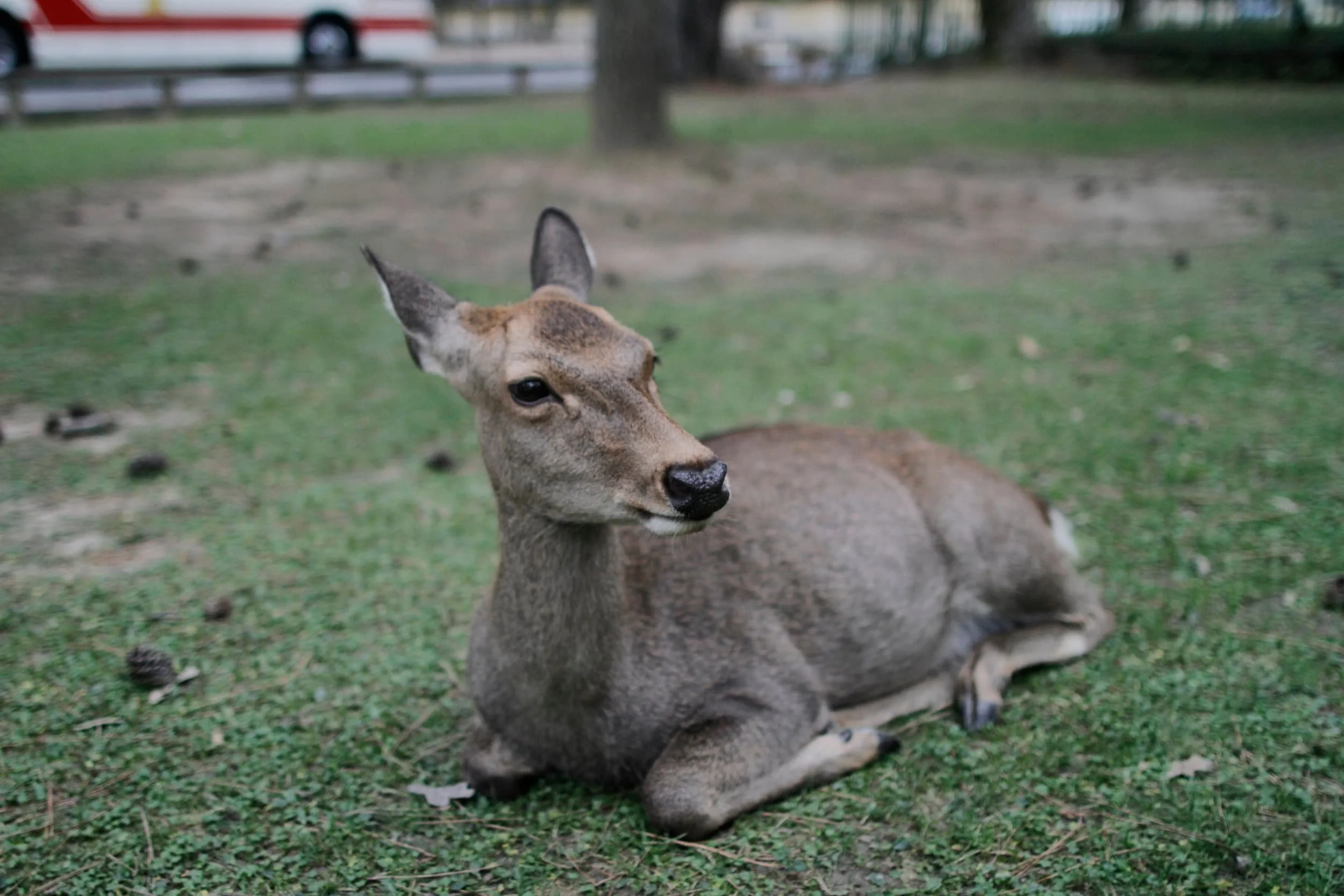
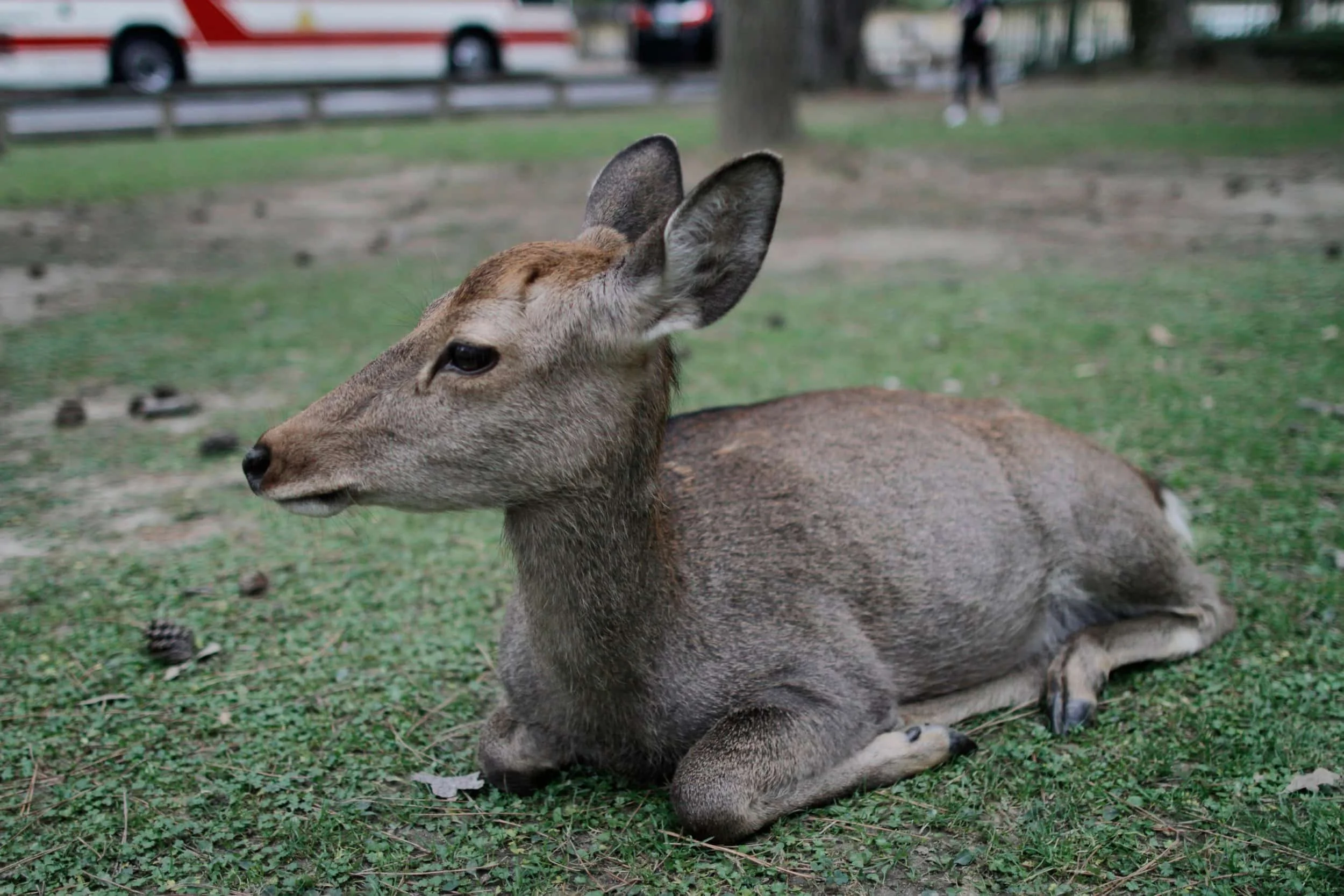
Autumn also marks the rutting season, when males compete for breeding opportunities. Stags may become territorial, vocalize more frequently and engage in confrontations with other males. Their behavior during this period is much less predictable, even with deer comfortable with human presence.
Spend a little time away from the busiest areas of Nara Park and you'll have a better opportunity to observe these natural rhythms without the distractions of people and food.
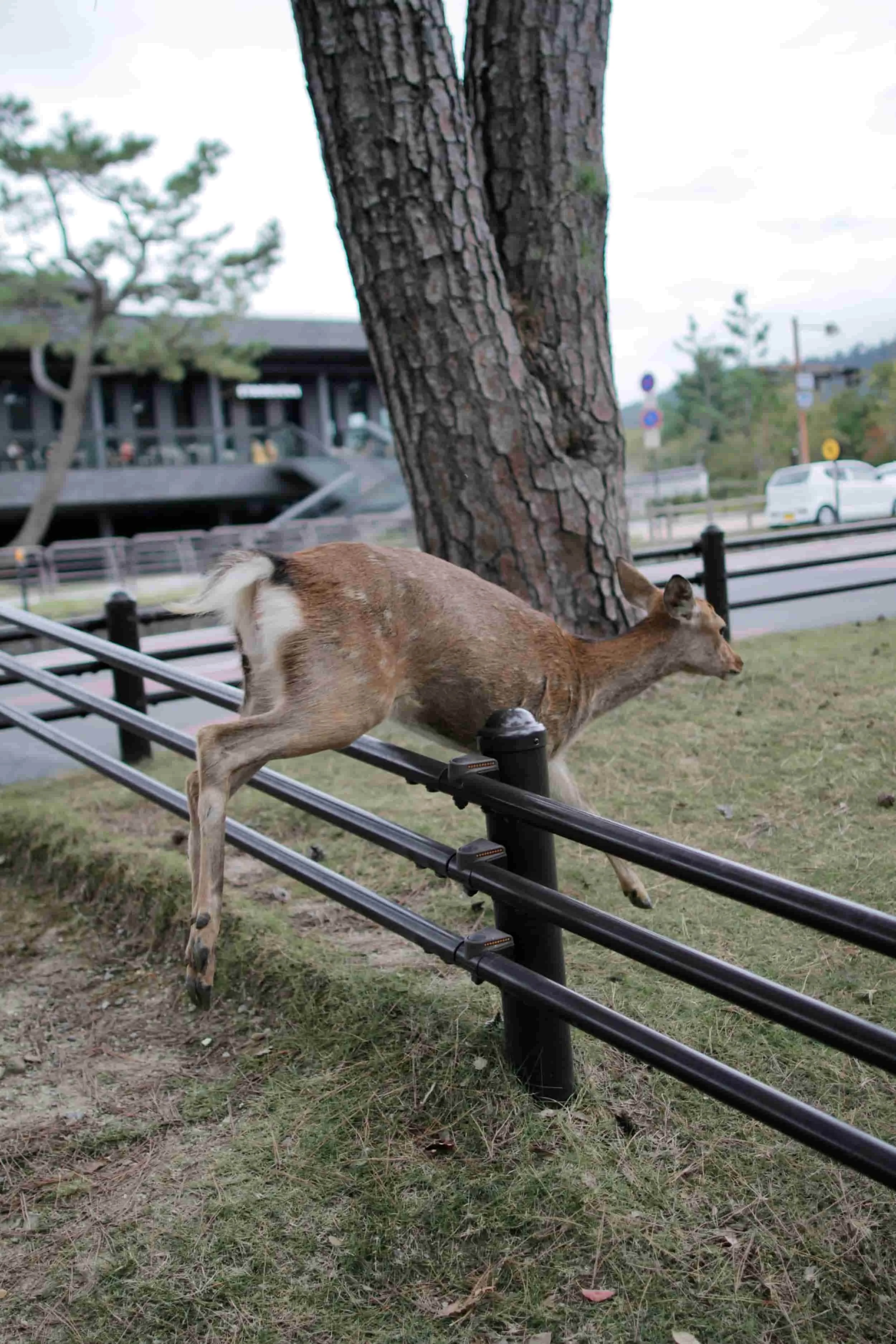
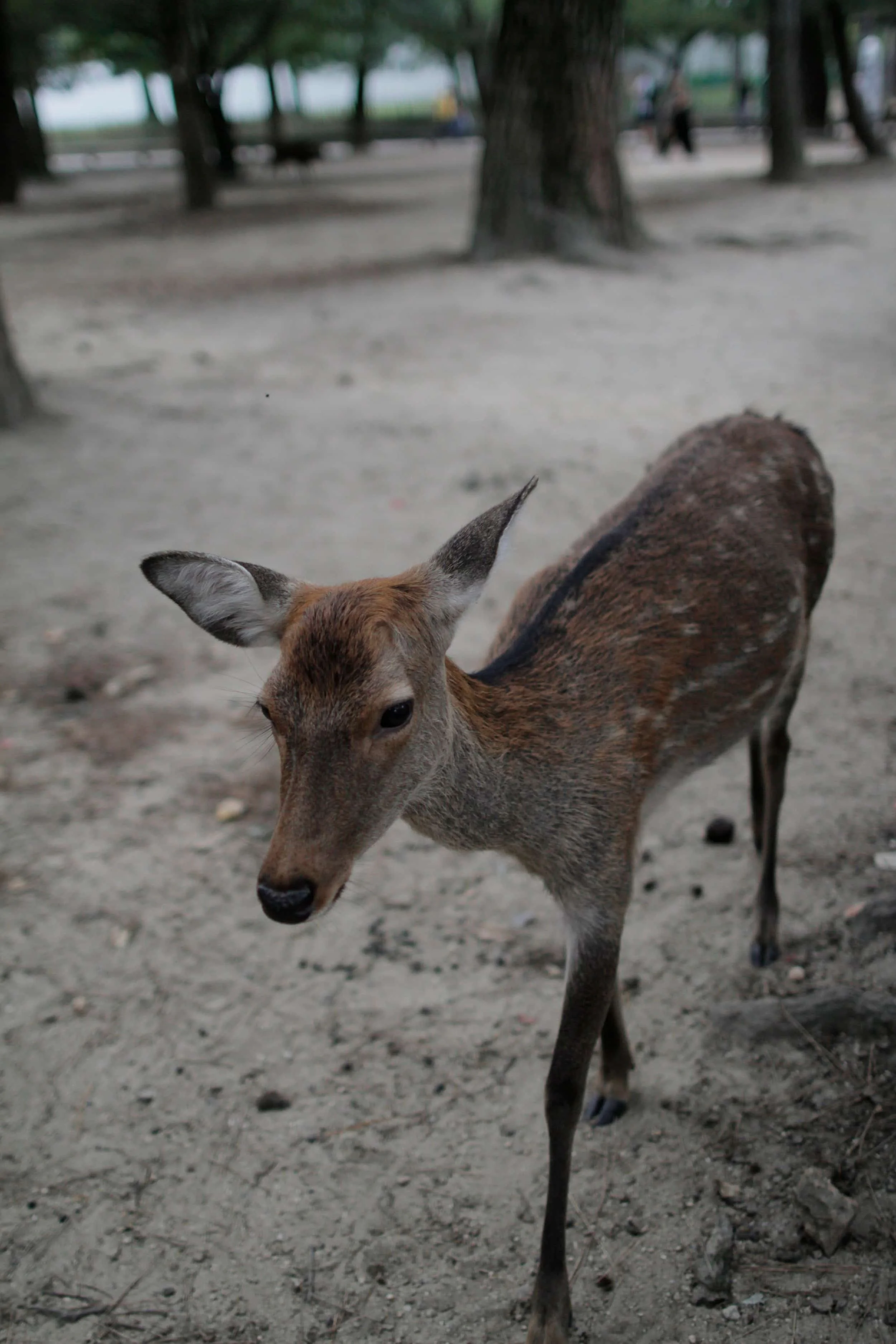
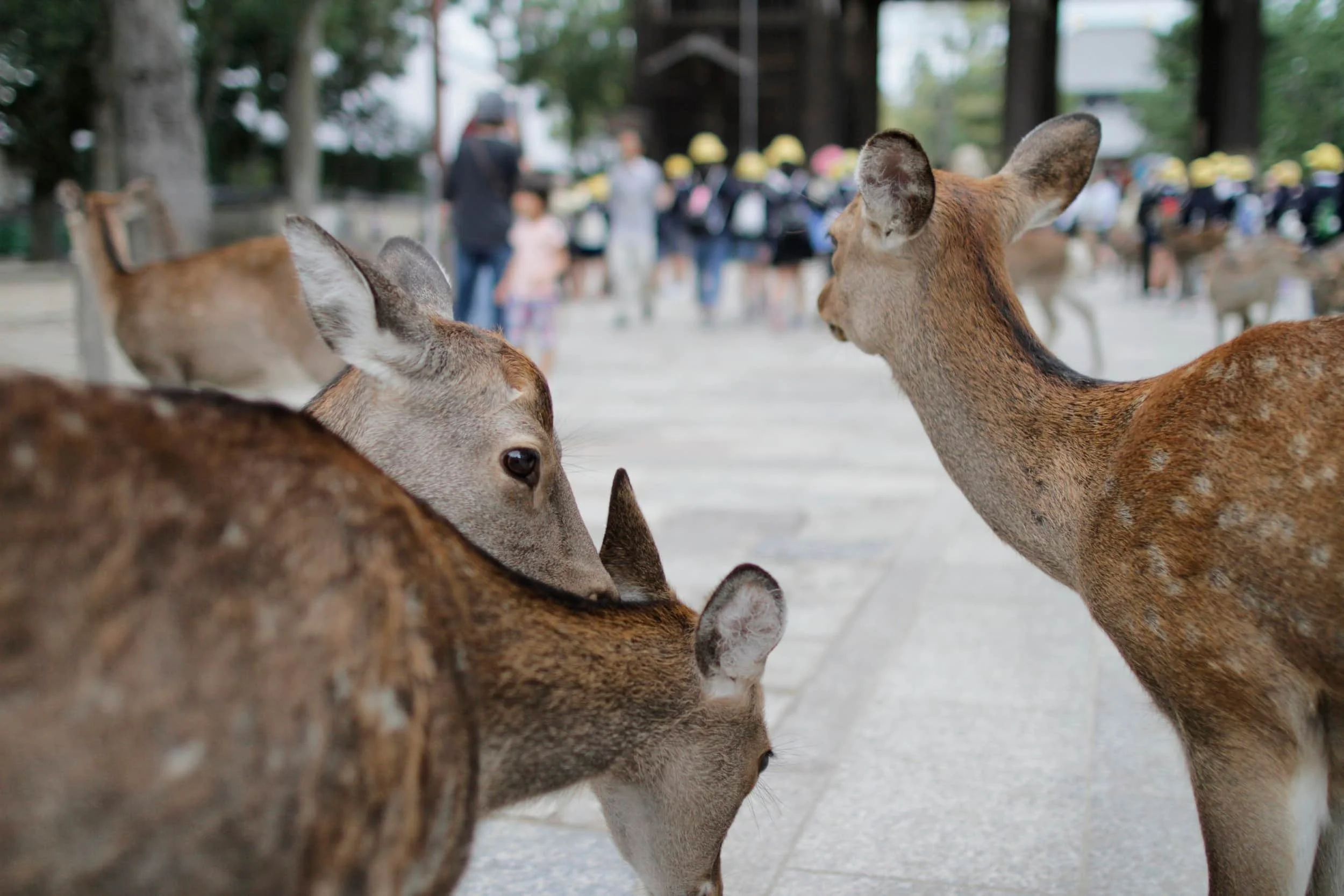
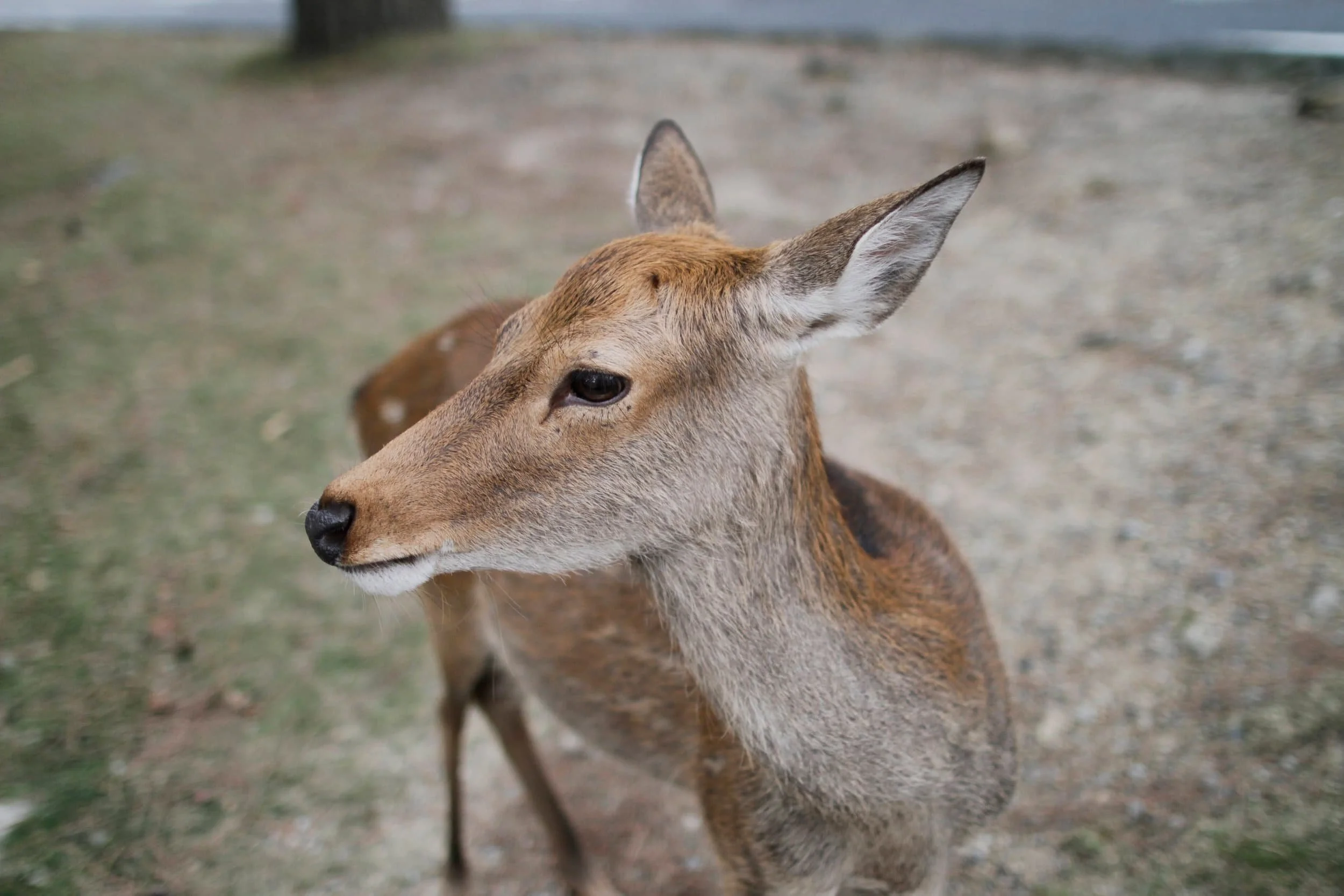
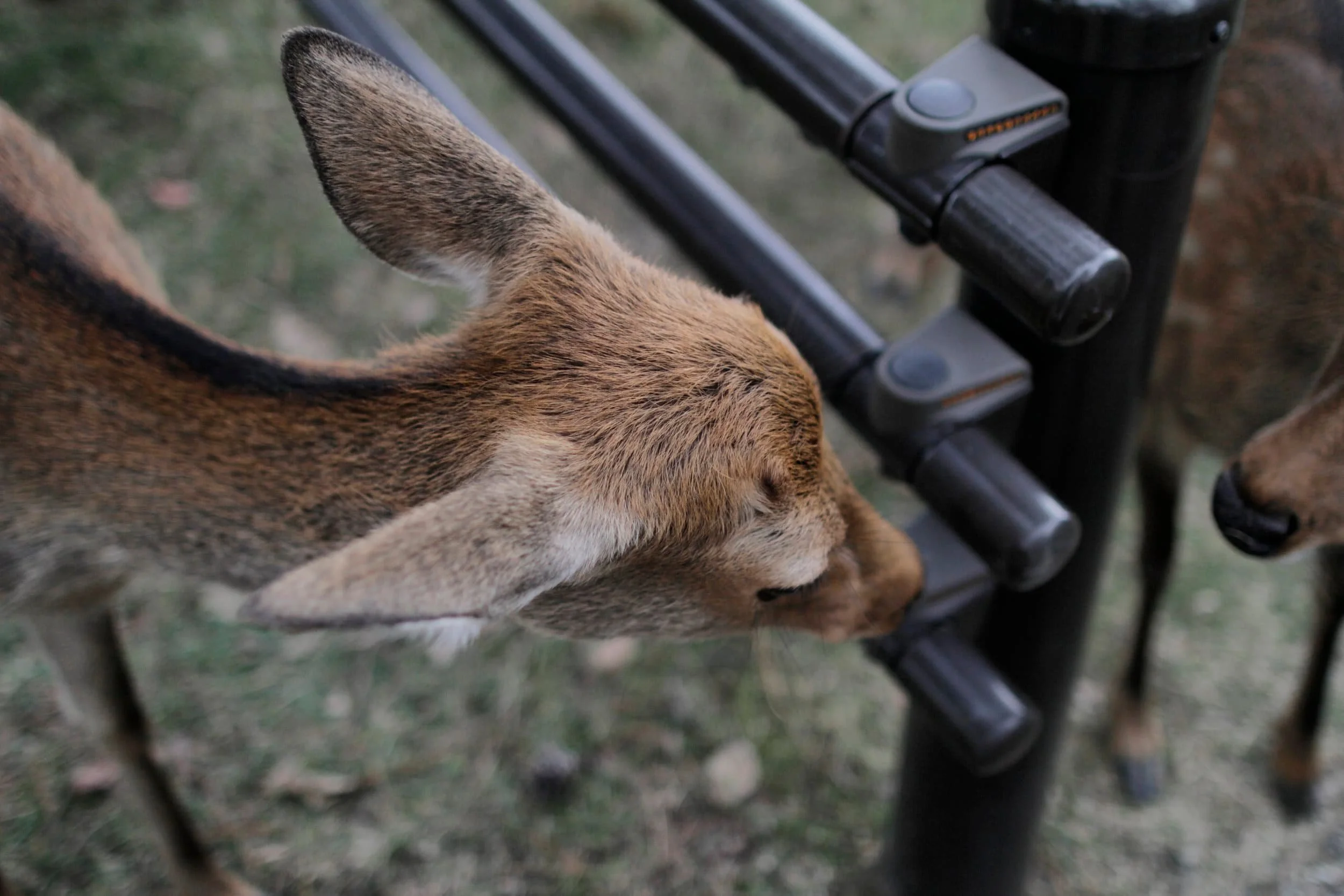
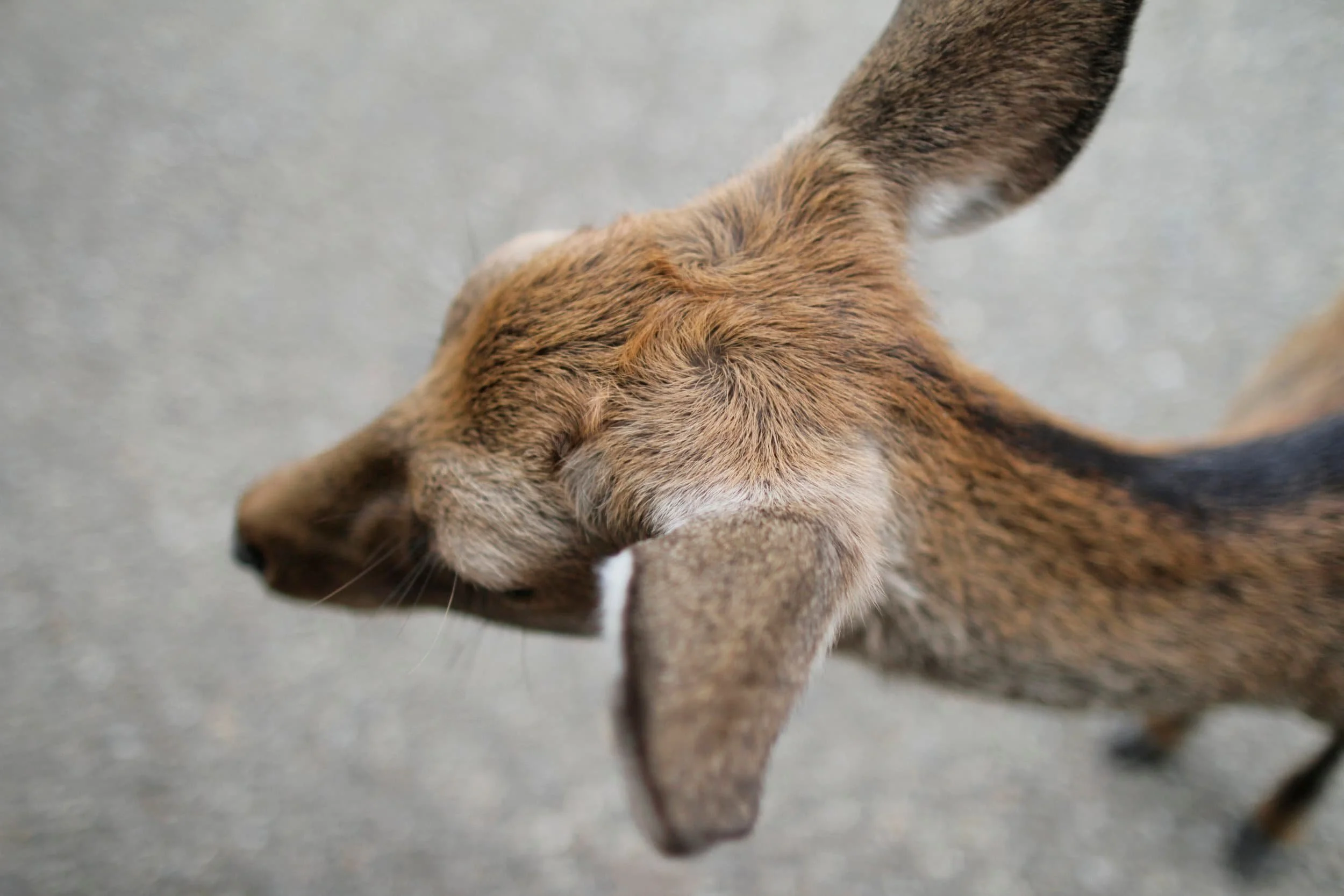
What I found most entertaining about spending time with the Nara deer was getting to know their individual personalities. Some were gentle and inquisitive, others a bit more skittish and a few seemed entirely indifferent to my presence at all. I could have spent hours photographing their expressions alone.
Of course, those personalities became much more clear once food entered the equation. For many visitors, feeding the deer is one of the most anticipated experiences in Nara Park. But there's a little more to this seemingly simple exchange than handing over a cracker.
Feeding the Deer of Nara Park
Throughout Nara Park, you'll find little stands selling stacks of round, golden-brown crackers known as shika senbei (鹿せんべい). At first glance, I thought they were snacks for visitors but these little crackers are made specifically for the park's four-legged inhabitants — and they’re not gluten free, anyway.
The tradition of feeding deer crackers in Nara dates back to the Edo period (1603–1867). Made from a simple combination of wheat flour, rice bran and water, they're prepared without added sugar or seasonings. While the deer get their primary nutrition from the natural vegetation in the park, these crackers are an occasional treat.
Shika senbei are the only food visitors are allowed to feed the Nara deer, with a portion of the proceeds going to their ongoing protection.
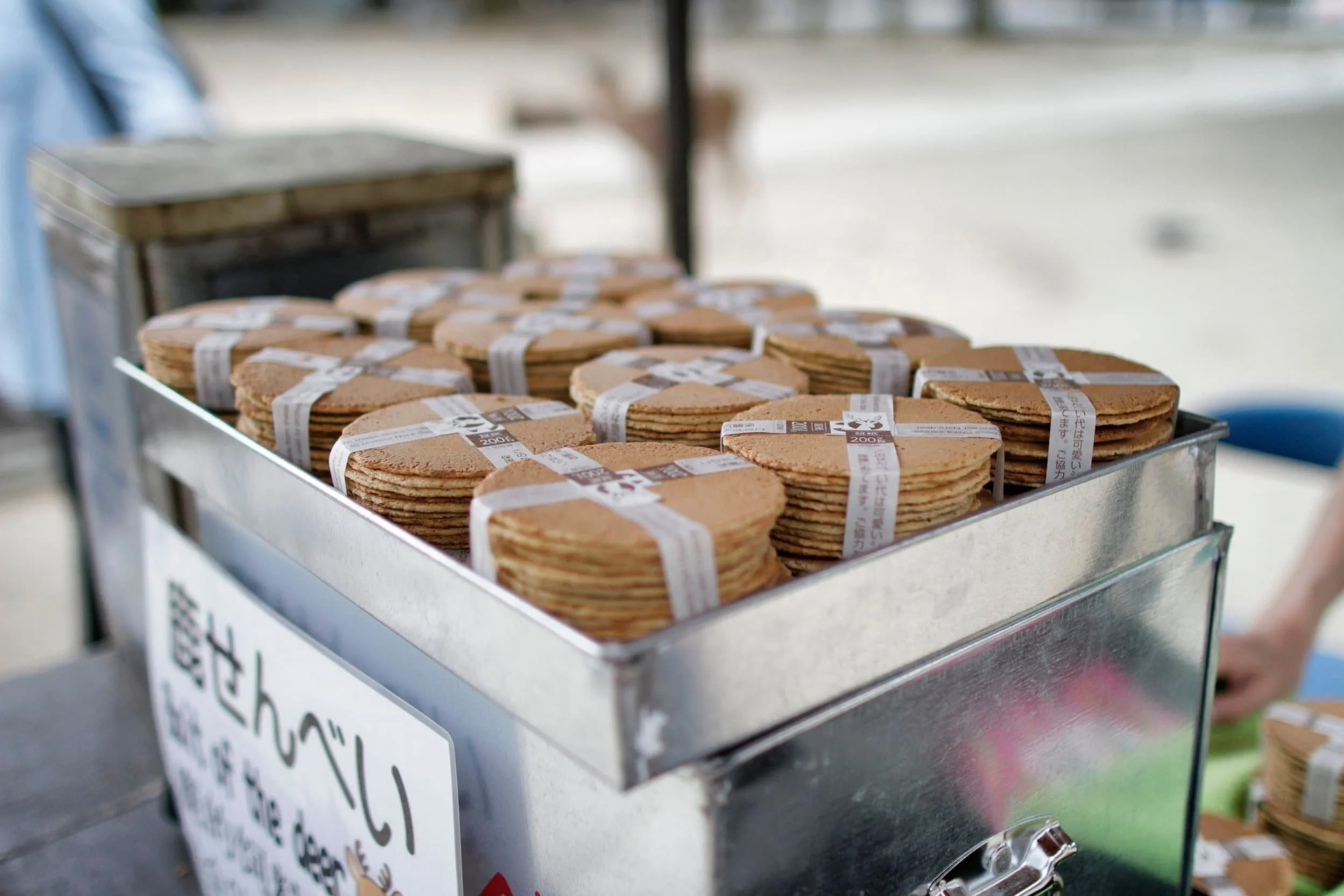
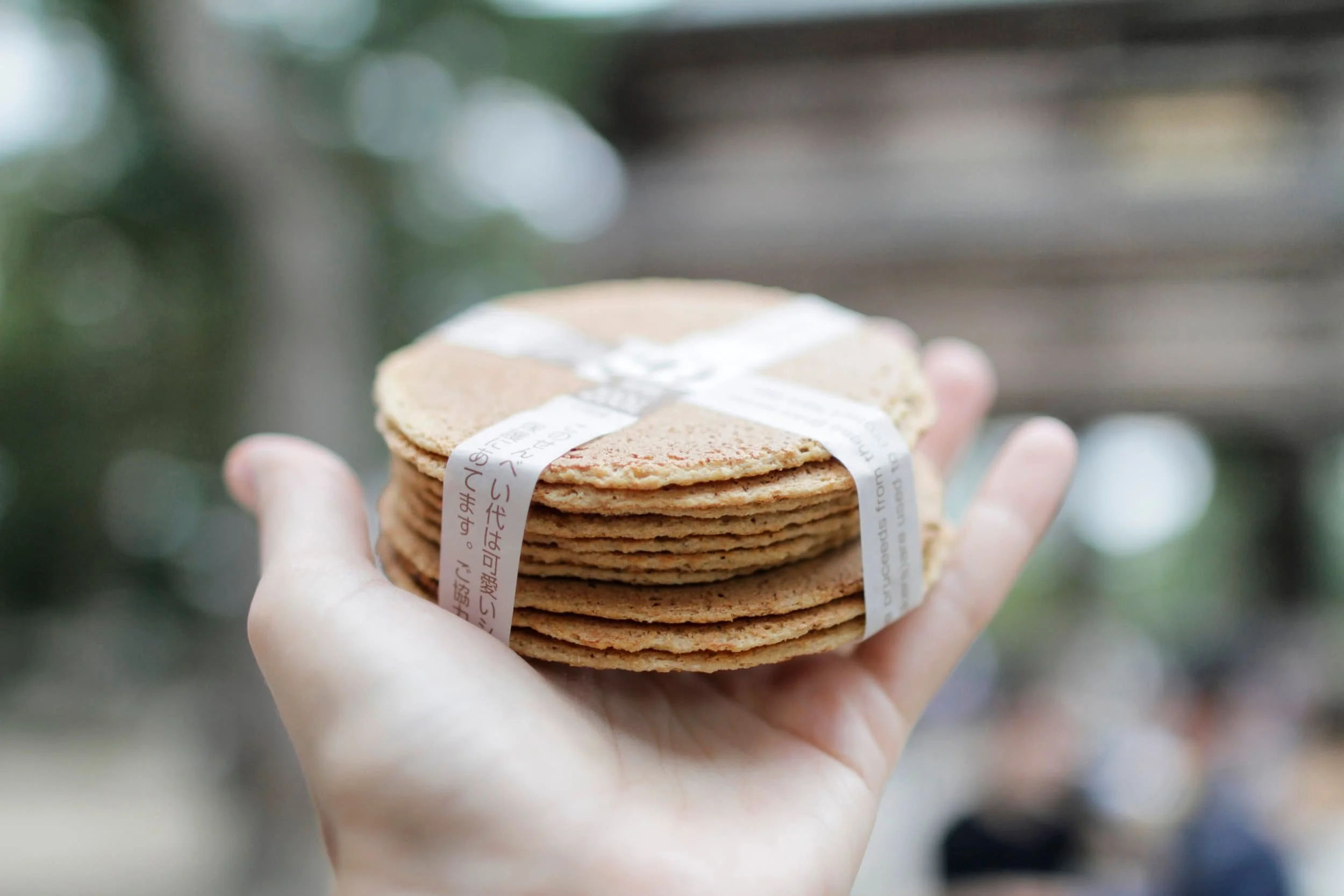
Even the packaging of the deer crackers caught my eye. I appreciated the little details of their presentation, though I probably spent a bit too much time admiring them, oblivious to the attention my purchase was attracting.
Maybe the most famous trait of the Nara deer is their tendency to bow. In a country where bowing is deeply ingrained in everyday social etiquette, it's tempting to give a similar sense of politeness to these creatures. Their behavior, however, is better understood as a learned connection between lowering their heads and receiving food.
Not every deer bows and the gesture isn’t necessarily a sign of friendliness. Some of the deer are much more patient than others, as I was about to discover.
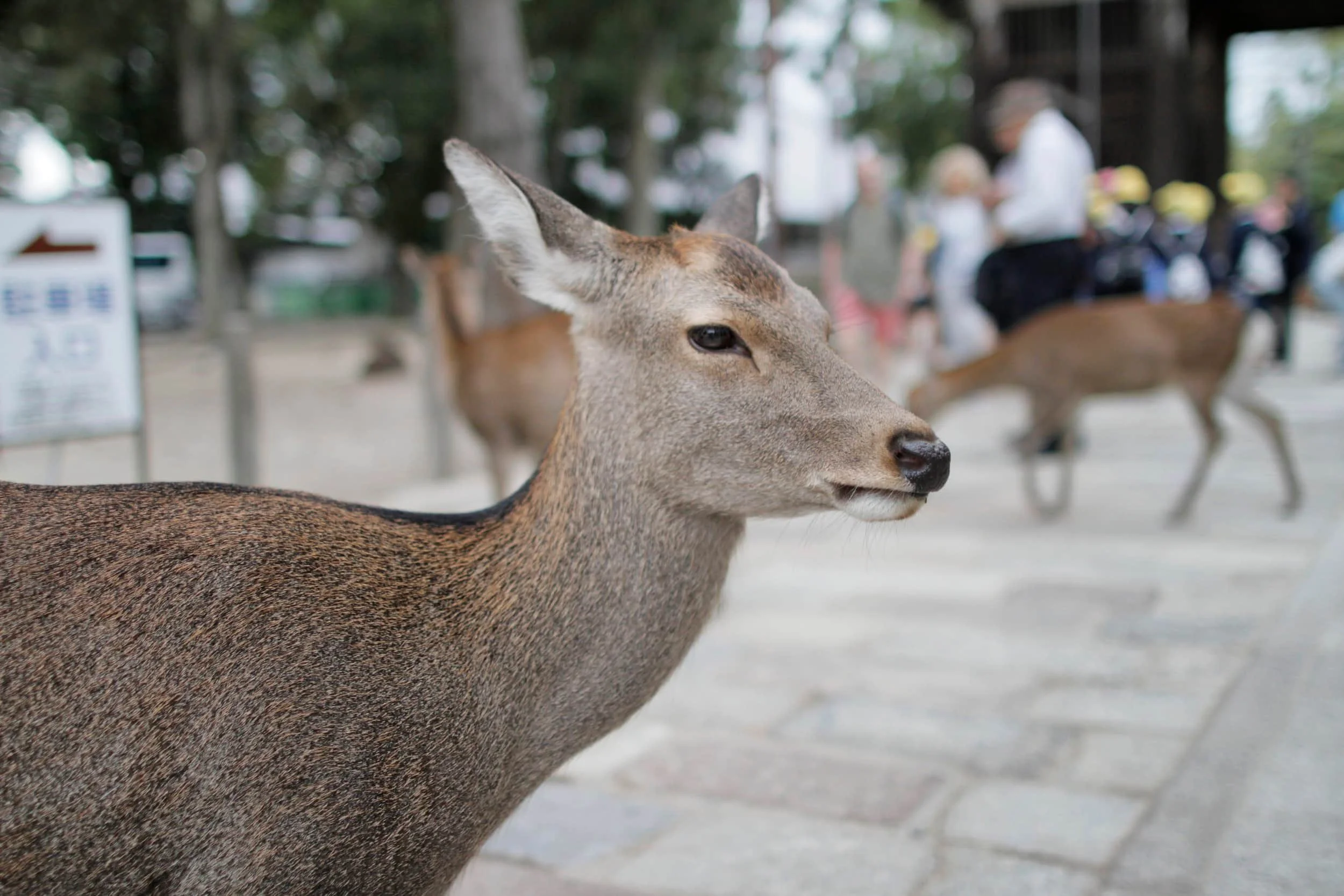
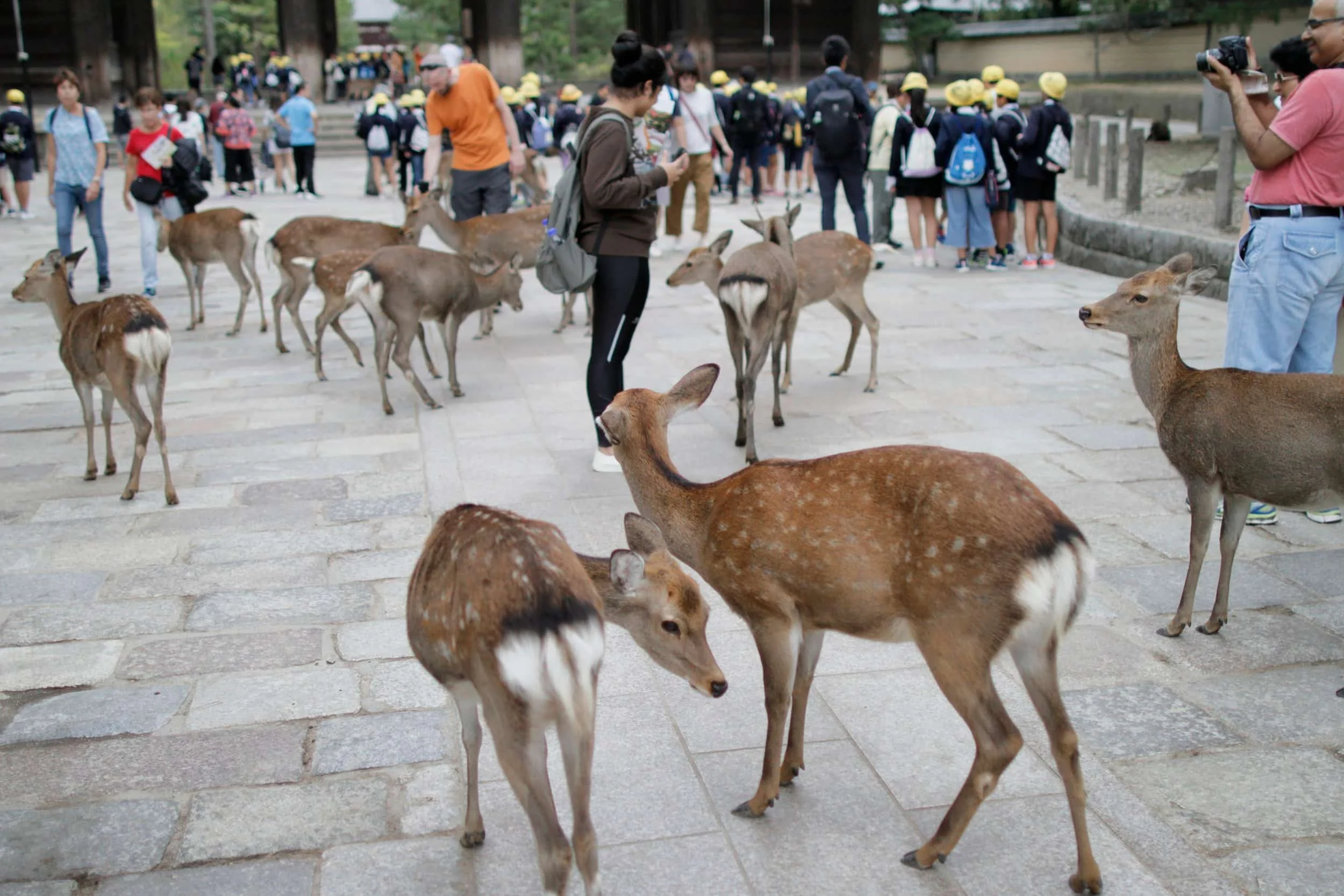
It didn't take long for word of my stash of crackers to spread. The deer seemed to appear from every direction, some politely bowing their heads while others got rid of the formalities altogether. A few were determined to help themselves before I'd even had a chance to open the crackers.
As much as I enjoyed the novelty of bowing to a deer and having it bow in return, I quickly learned that taking too long to produce the goods wasn't appreciated. One really persistent deer began to bite me on the backside. Apparently, my skills at giving away crackers left something to be desired.
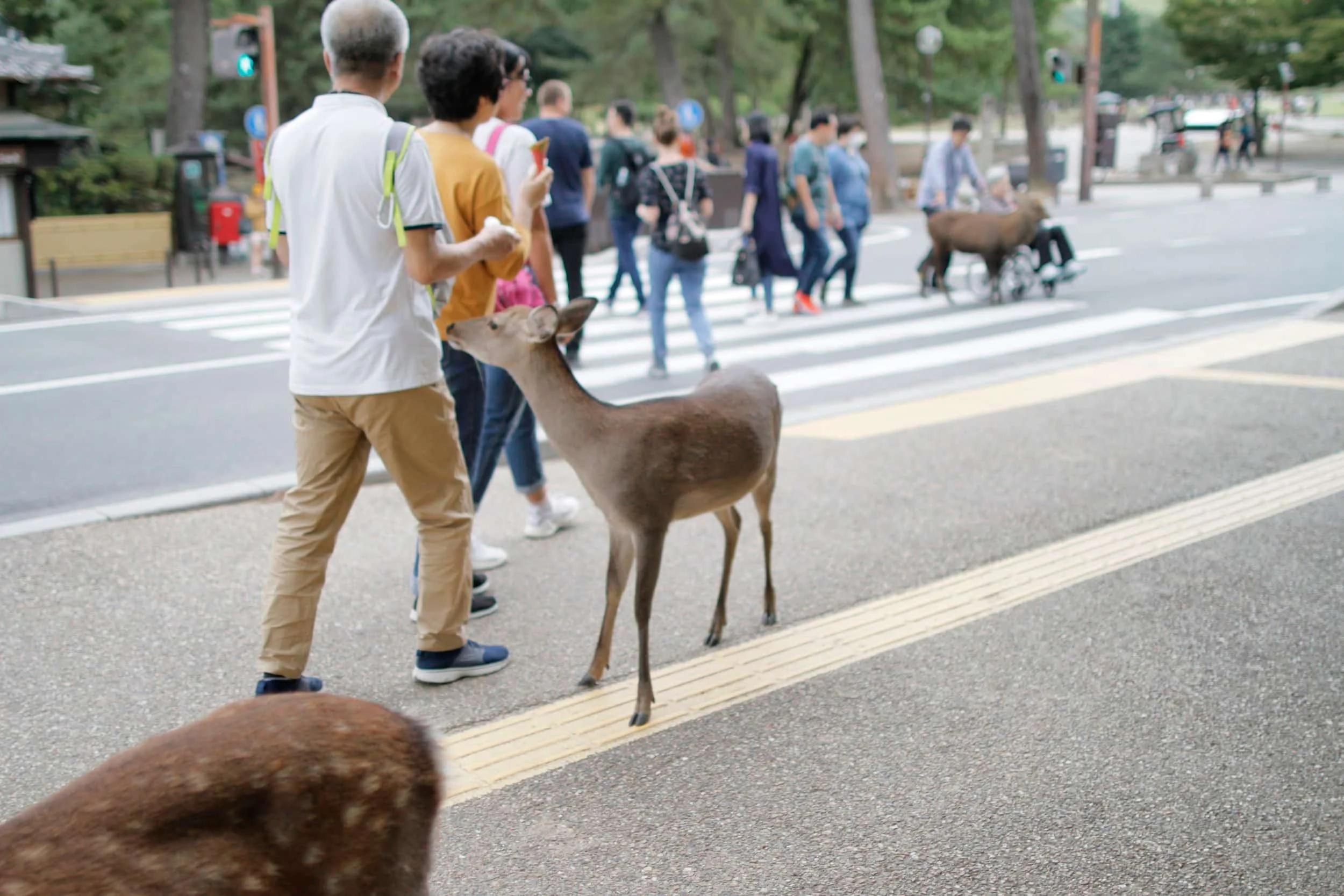
Once I'd exhausted my supply, I decided it was time for a little treat of my own. A delicious white peach ice cream seemed like the perfect reward for surviving my first encounter with the hungry Nara deer. This was one snack I had absolutely no intention of sharing.

Despite their familiarity with people, the Nara deer are still wild animals. If you choose to join in this centuries-old tradition, there are a few things to keep in mind for both your safety and the well-being of the deer.
Feed only shika senbei. Human snacks, bread, fruits and vegetables can be harmful or disrupt their natural feeding habits.
Offer one cracker at a time. Avoid withholding food to encourage repeated bowing or teasing the deer for photographs.
Secure your belongings. Maps, brochures and plastic bags can easily be mistaken for food.
Be mindful of your surroundings. Avoid feeding deer near roads and keep young children close.
Show your empty hands. Once you've run out of crackers, hold out your empty palms to signal that feeding time is over.
A bundle of ten deer crackers costs around ¥200 ($1–$2 USD). You can buy them from vendors throughout Nara Park.
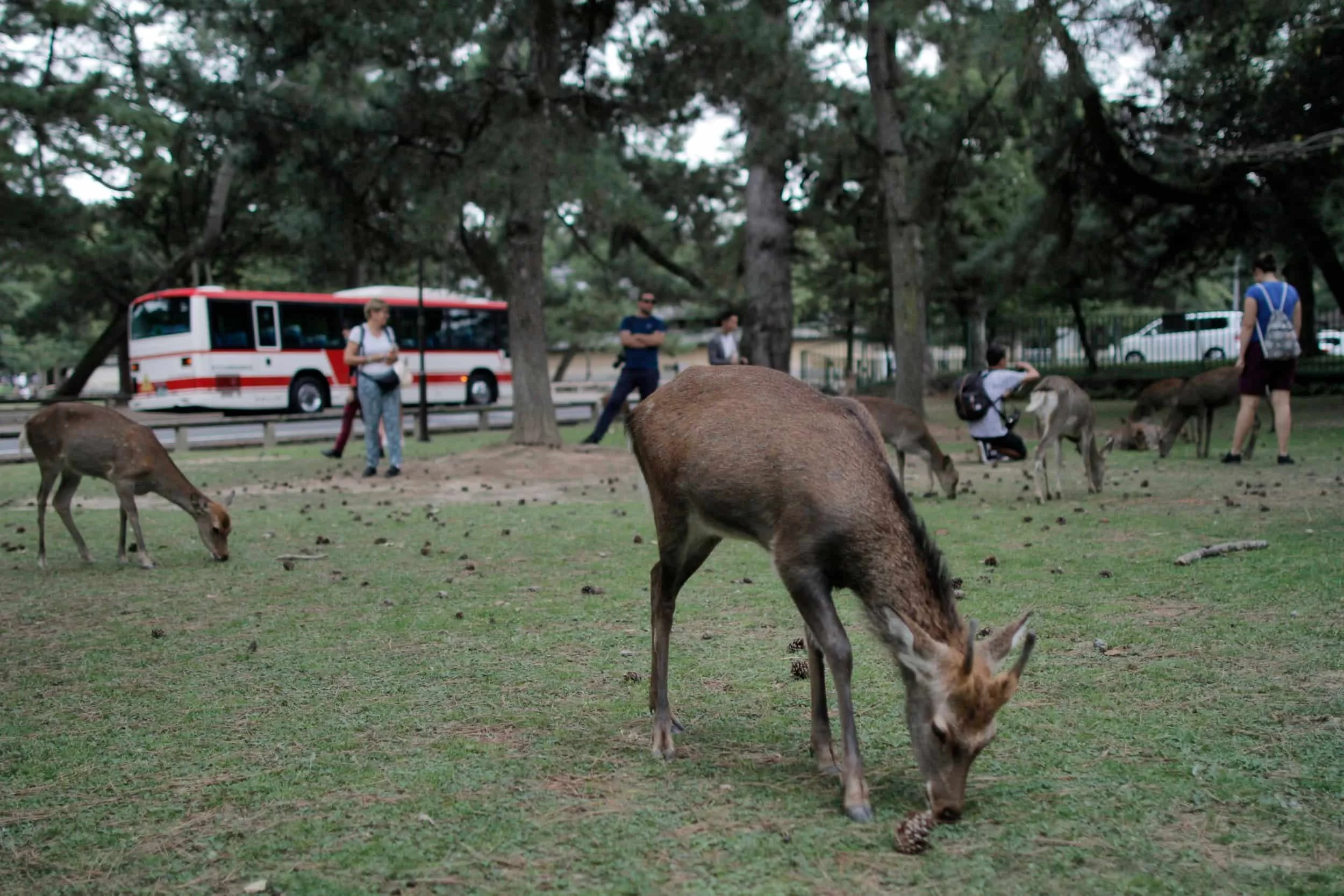
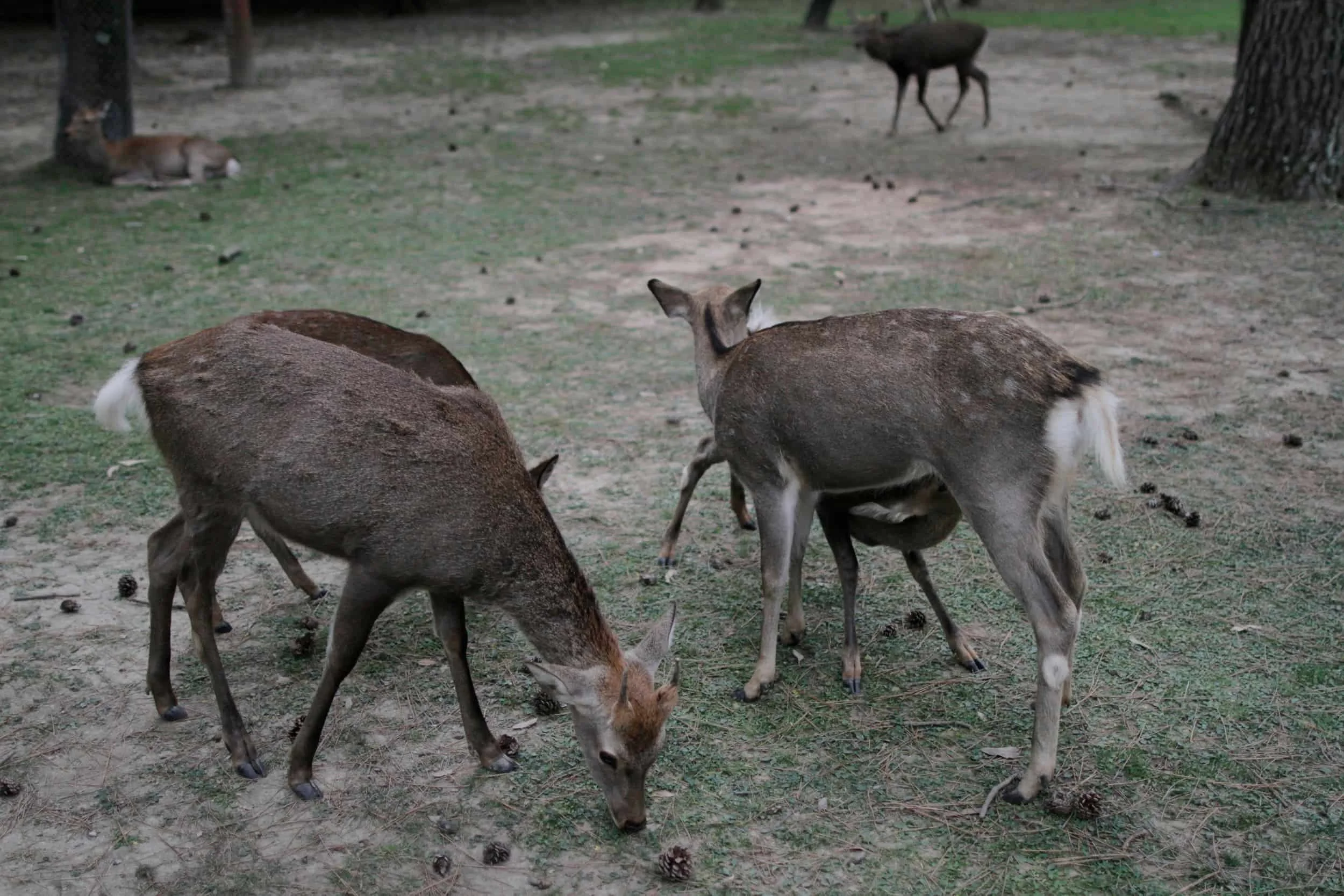
While feeding the Nara deer has become something of a tradition for visitors, it's certainly not a prerequisite for enjoying their company. In fact, once my crackers were gone, I found the experience much more relaxing.
Without the distraction of food, I could spend more time observing their interactions with one another and photographing their curious expressions. Some of my favorite encounters happened well away from the cracker vendors, in places where the boundaries between the park and the city itself became difficult to distinguish.
Beyond the Boundaries of Nara Park
Maybe one of the most interesting things about the Nara deer is how much their territory overlaps with the city's everyday public spaces. Unlike many wildlife experiences where set boundaries separate animals from people, the space between Nara Park and the surrounding urban environment is much less defined.
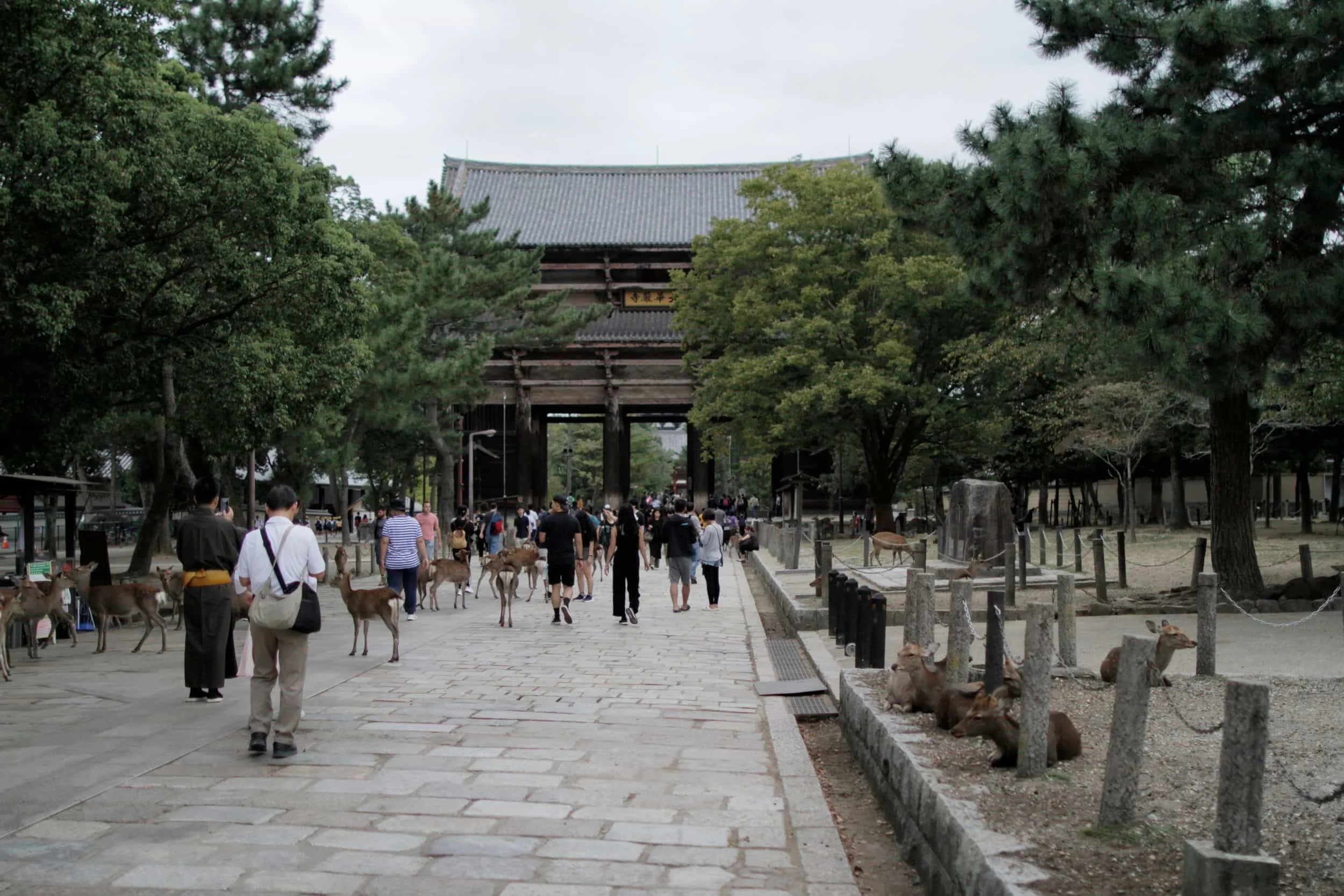
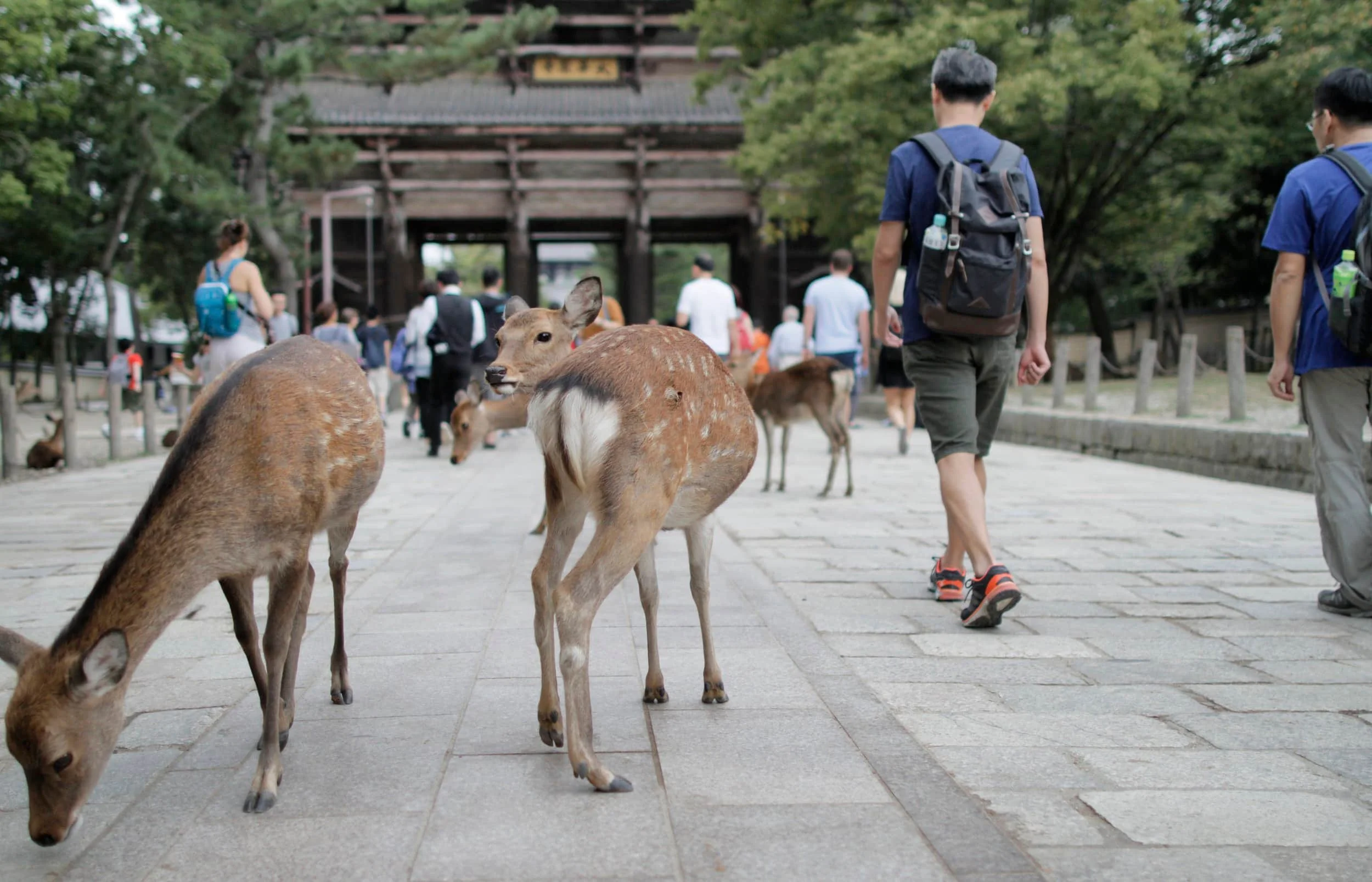
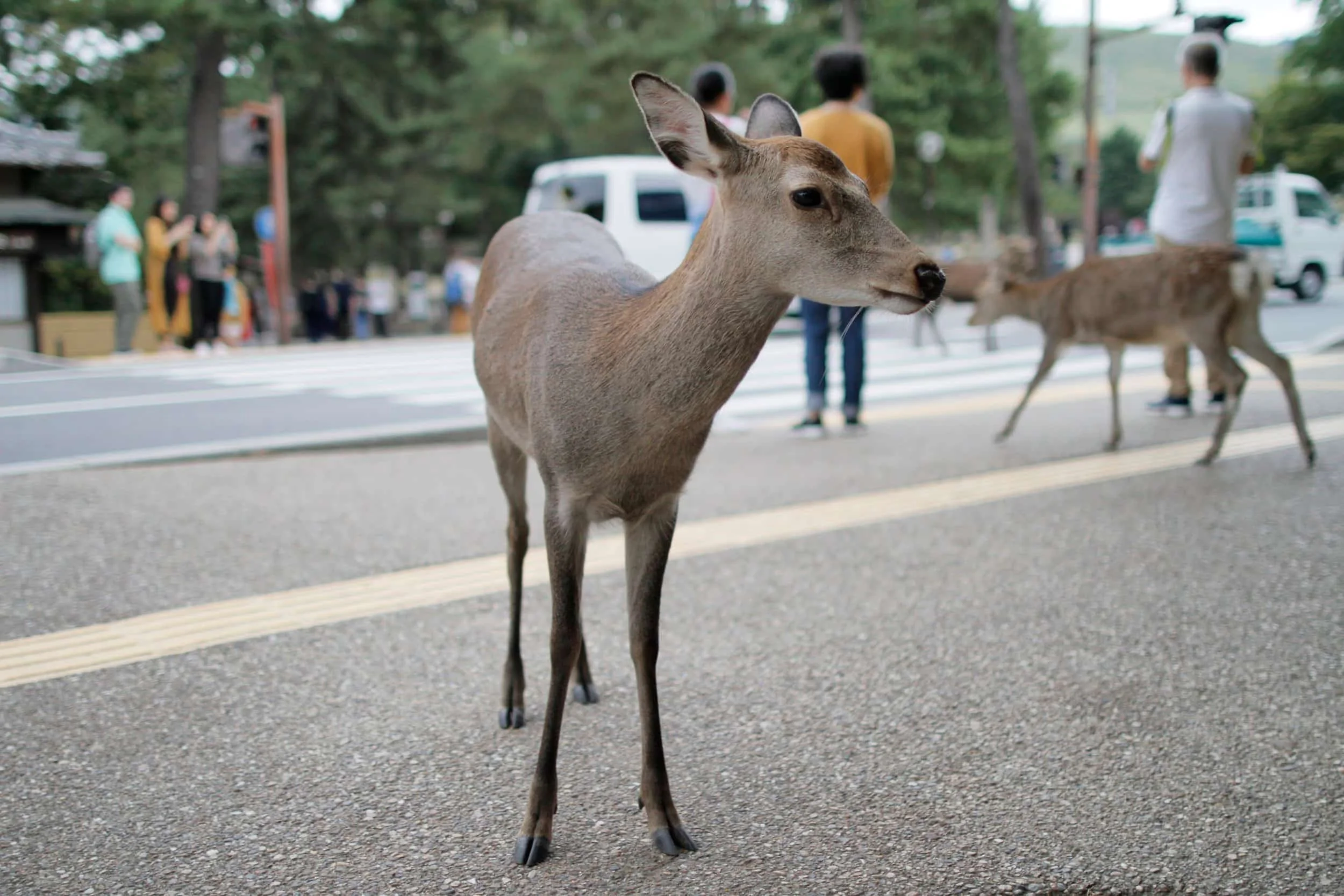
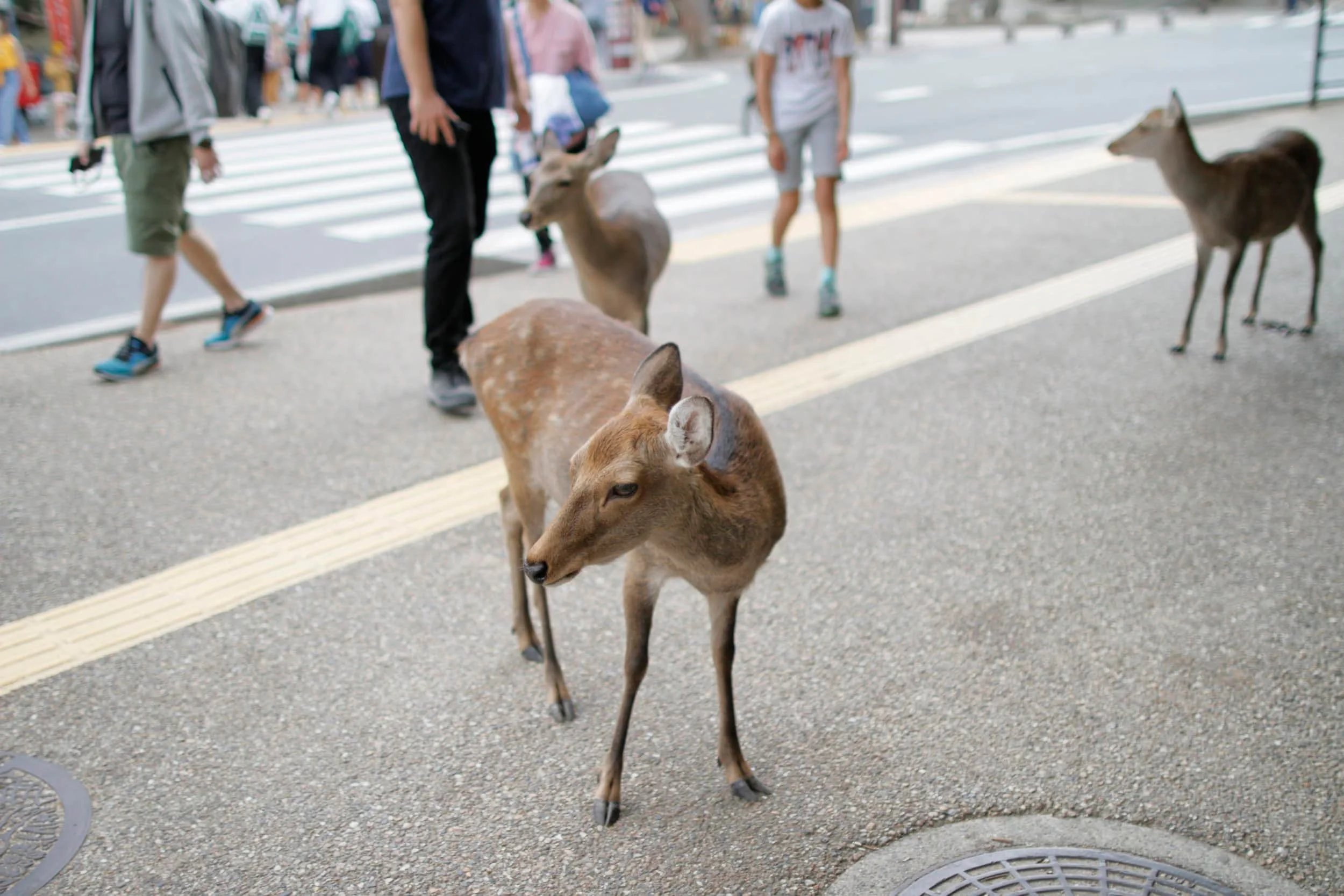
The deer would pop their heads out from behind fences or plop themselves down in the middle of the sidewalk. They were walking, standing and sitting in every spot imaginable, halting traffic at times or blocking entrances to temples. Even along the streets lined with little shops and food vendors, there was no shortage of four-legged pedestrians.
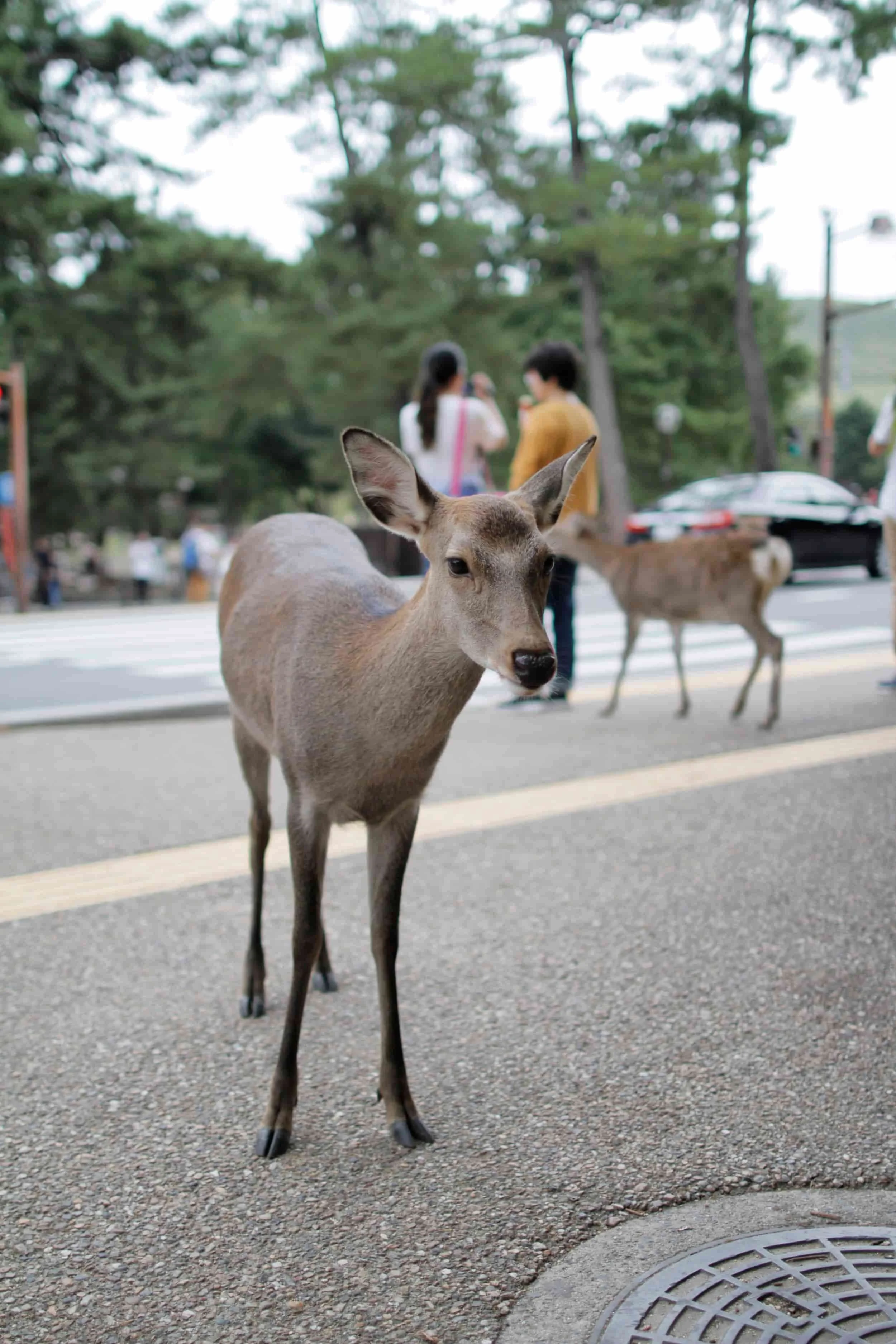
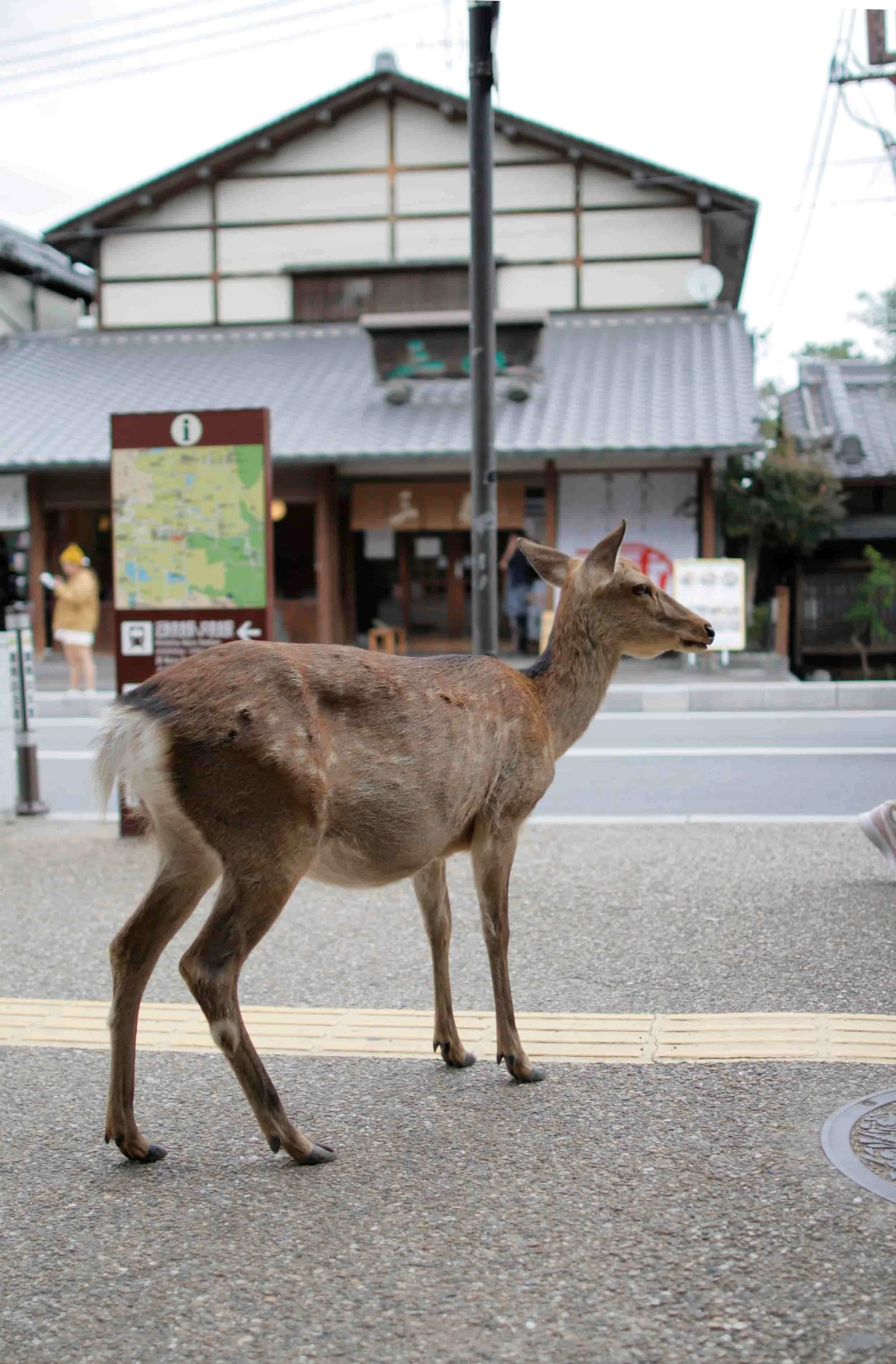
Move away from the main paths of Nara Park and you'll discover little pockets of greenery where the deer are perfectly happy going about their day. I found them tucked into garden beds, lounging beneath trees and occupying little patches of grass between pedestrian walkways.
As a designer, I'm always curious about how spaces are occupied and experienced. In Nara, I found myself paying just as much attention to how the deer occupied these spaces as the people did. A landscaped median became a comfortable resting spot, a shaded garden offered a little respite and a temple courtyard became a gathering place. The deer seemed to have their own interpretation of the city's public spaces.
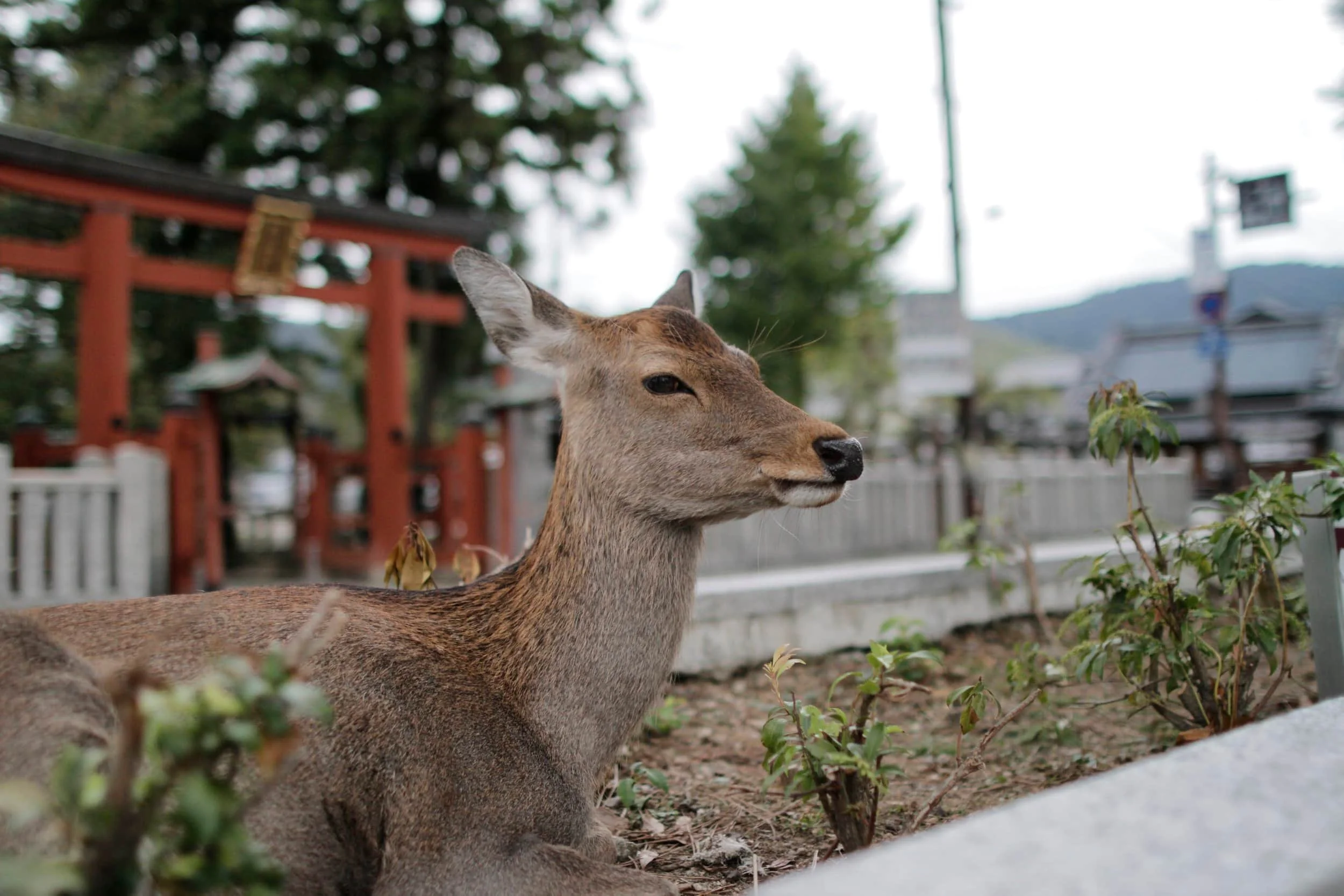
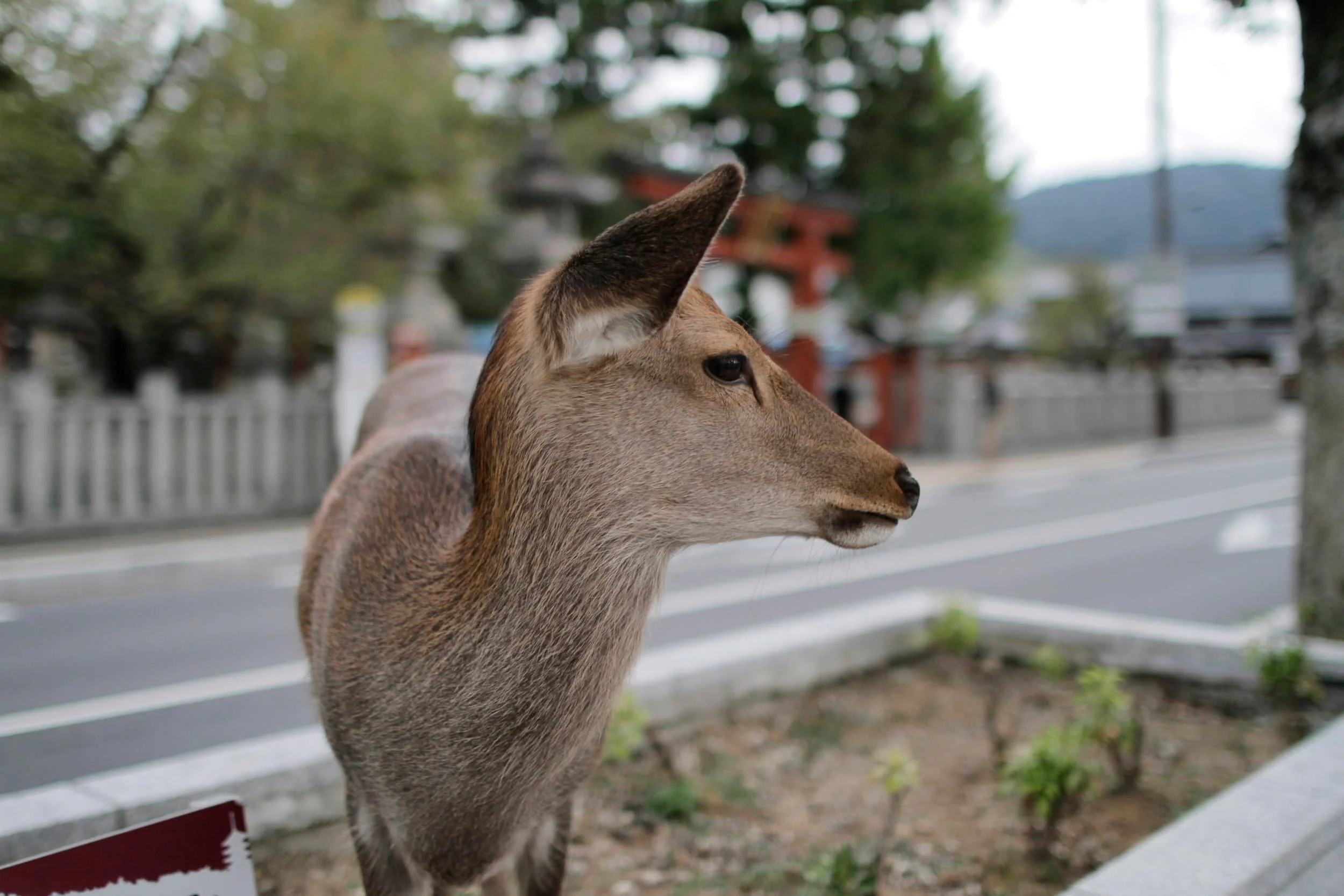
What makes Nara such an interesting place to explore is the closeness of its sacred, natural and urban environments. Ancient trees, traditional timber buildings, stone pathways and modern storefronts form a uniquely mixed habitat for the Nara deer.
I really enjoyed watching the everyday interactions between the deer and the people around them. While visitors would often stop to photograph them, others simply continued about their day, maneuvering around a deer much as they would another pedestrian.
Of course, sharing urban spaces with wild animals comes with its own set of challenges. Drivers must be mindful of deer crossing the roads, businesses must contend with curious visitors and the deer themselves must navigate an environment increasingly shaped by human activity.
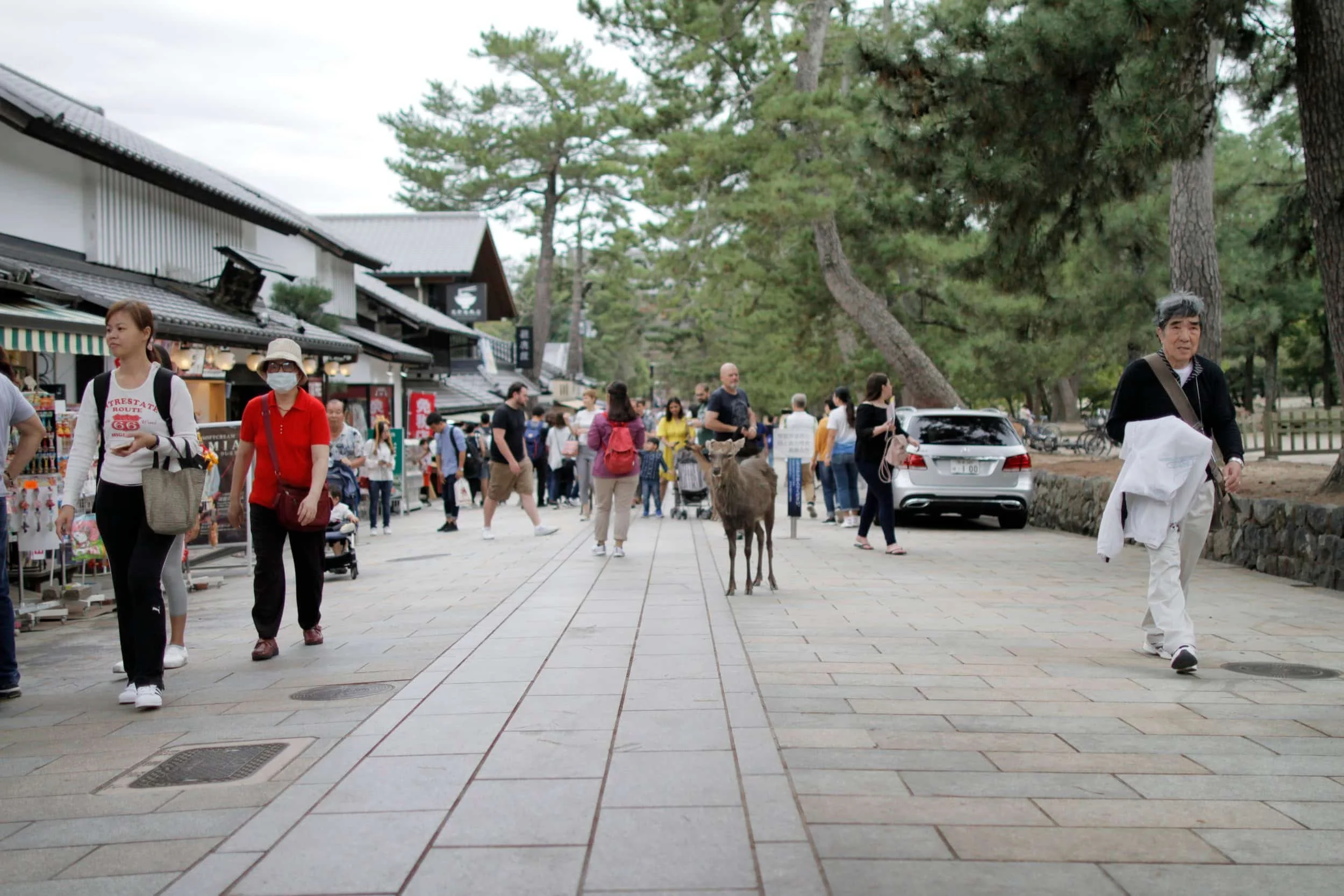
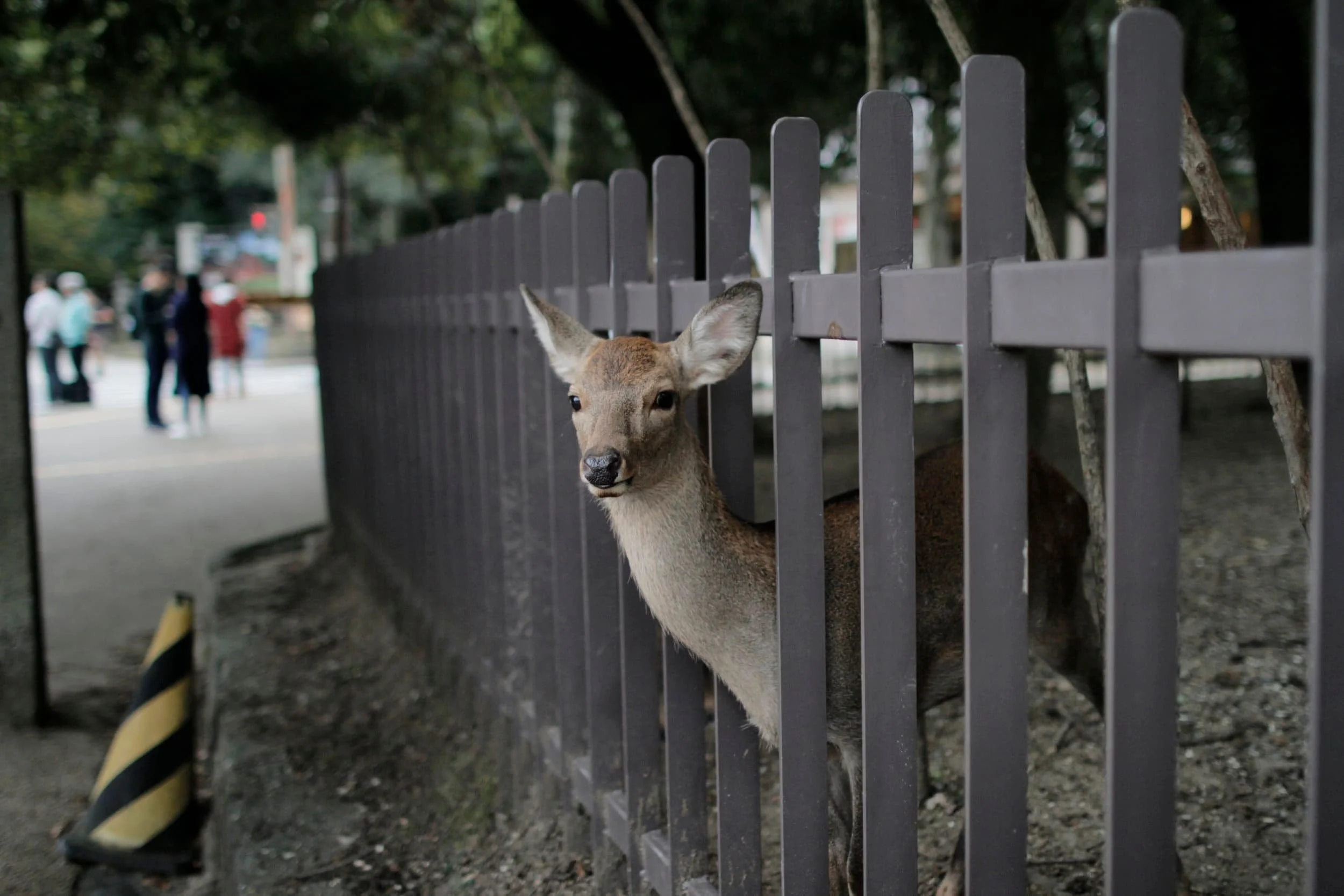
Coming from Los Angeles, where an encounter with a coyote or skunk is cause for a quick change of direction, I found the relationship between the Nara deer and the city especially interesting. It raises some thoughtful questions about how we design our cities, whose needs we consider and how much space we leave for the natural world.
The continued presence of the Nara deer is no accident. Generations of local residents have played a role in their protection, developing traditions and conservation practices that have allowed this unusual relationship to endure. Preserving it, however, requires an ongoing effort from both the local community and those of us who come to visit.
Preserving Nara’s Sacred Deer
Over the centuries, several traditions have developed around the protection and management of the Nara deer. One of the more unusual is shikayose (鹿寄せ), or deer calling, a tradition that began in 1892 to commemorate the opening of the Roku-en deer protection facility.
The practice takes place in Tobihino, an wide open grassy area within the grounds of Kasuga Taisha Shrine. A member of the Nara Deer Preservation Foundation plays a passage from the fifth movement of Beethoven's Sixth Symphony, Pastoral, on a natural horn. Recognizing the familiar sound, deer emerge from the surrounding forest and gather in anticipation of a handful of acorns.
The tradition continues today, with seasonal gatherings offering visitors an opportunity to learn about the deer and their relationship with the local community. Likely the last thing you'd expect to hear in the wooded landscapes of an ancient Japanese capital is a little Beethoven.
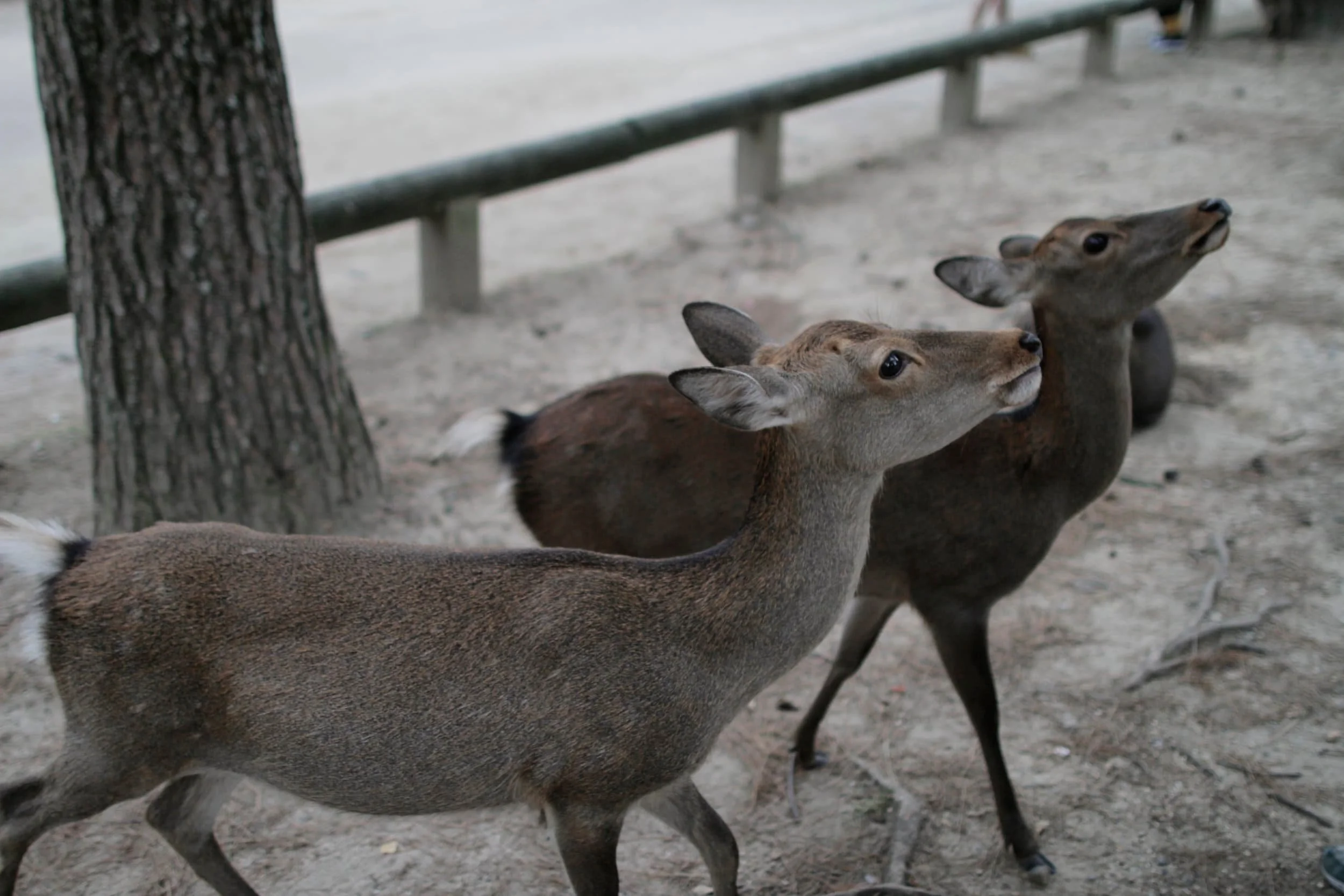
Another of Nara's longstanding traditions is shika no tsunokiri (鹿の角切り), the annual deer antler-cutting ceremony. Dating back to the 17th century, the practice was introduced to reduce injuries to both people and deer during the autumn mating season.
Following a Shinto ritual, experienced handlers known as seko capture and restrain selected male deer within an enclosed arena, where their antlers are removed. By this time of year, the antlers have hardened and no longer contain the active blood supply that supported their growth. They naturally regrow the following year.
The ceremony gives an interesting glimpse into where religious traditions and wildlife management meet. While its cultural significance is clear, the experience of watching wild animals being caught and restrained may not be comfortable for everyone. It's worth understanding what's involved before deciding whether to attend.
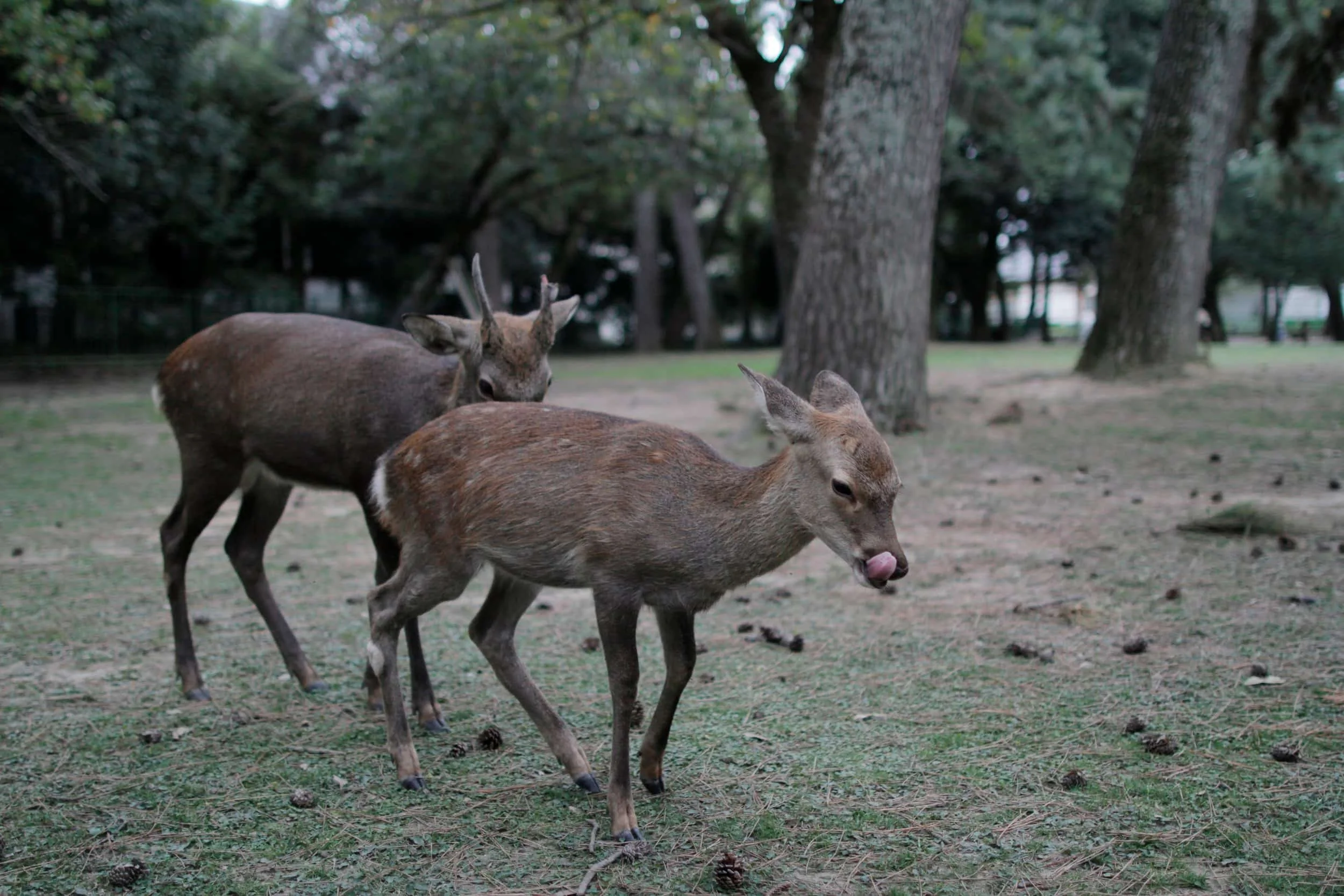
Tucked within the wooded grounds near Kasuga Taisha Shrine is Roku-en (鹿苑), a facility operated by the Nara Deer Preservation Foundation. Besides caring for sick and injured deer, the facility provides a protected environment for expectant mothers to give birth and raise their young.
Each June, Roku-en holds a special public viewing event where visitors can watch the newborn fawns from designated viewing areas and learn more about their early development. The mothers and their young usually stay in the protected enclosure until around mid-July.
Outside of special events, visitors can explore the facility's educational exhibits and learn about the ecology, history and ongoing protection of the Nara deer. It's a nice addition to your visit if you're interested in understanding what goes into caring for this unique wildlife population.
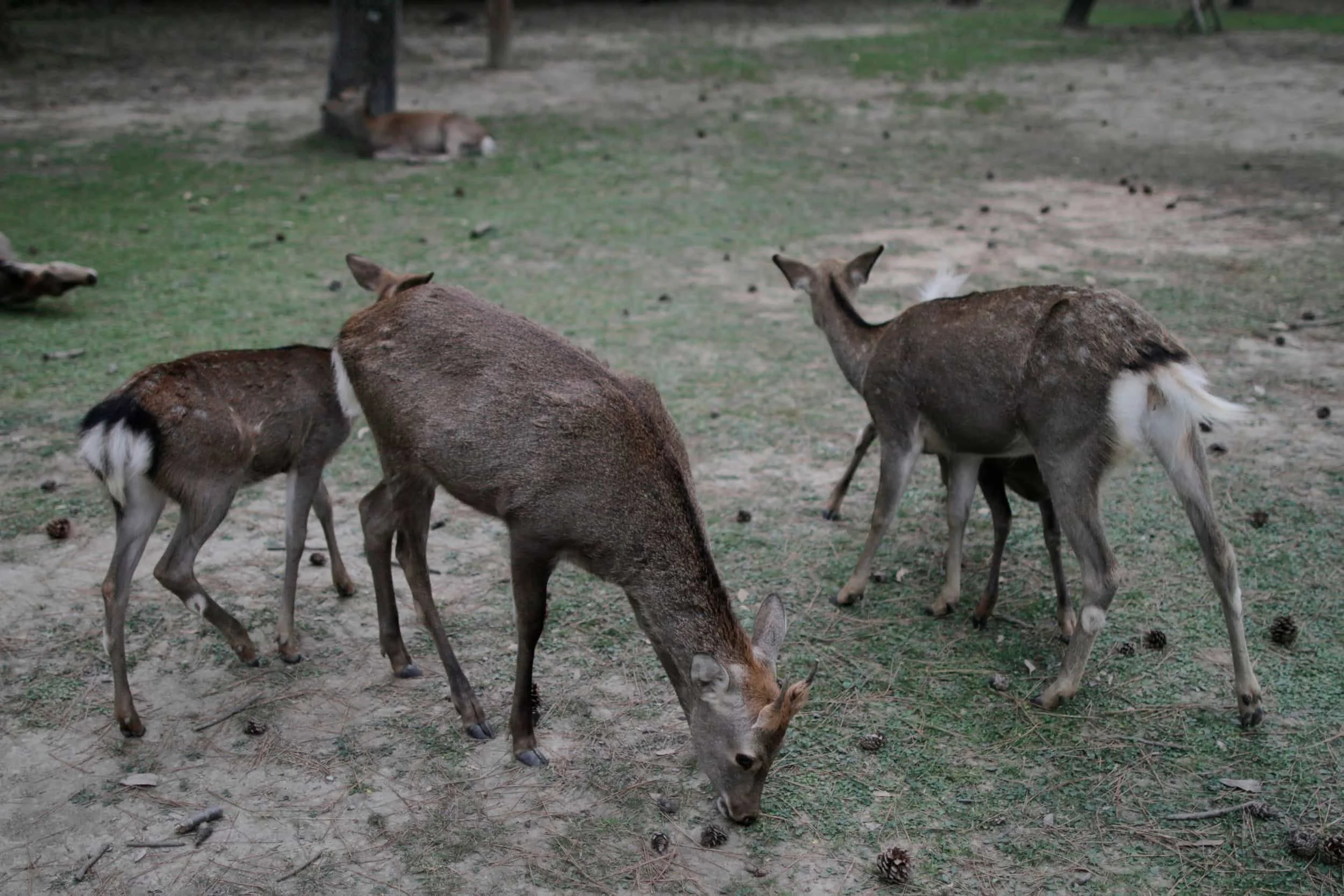
The protection of the Nara deer reaches well beyond the preservation of these centuries-old traditions. Besides rescuing and treating injured animals, the Nara Deer Preservation Foundation conducts annual population surveys, monitors the health of the deer and works to keep their natural habitat.
According to the foundation's July 2026 survey, 1,687 wild deer call Nara Park home, compared to 1,105 in 2021. While the recovery of the deer population since the Second World War is exciting, managing a growing wildlife population within an urban environment presents its own challenges.
Traffic accidents, the accidental ingestion of plastic and other trash, inappropriate interactions with visitors and damage to farmland outside the park are some of the concerns facing conservationists today. The foundation works with local authorities and volunteers to address these issues through habitat protection, education and public awareness.
If you'd like to learn more about their work or contribute to the ongoing protection of the deer, visit the Nara Deer Preservation Foundation.
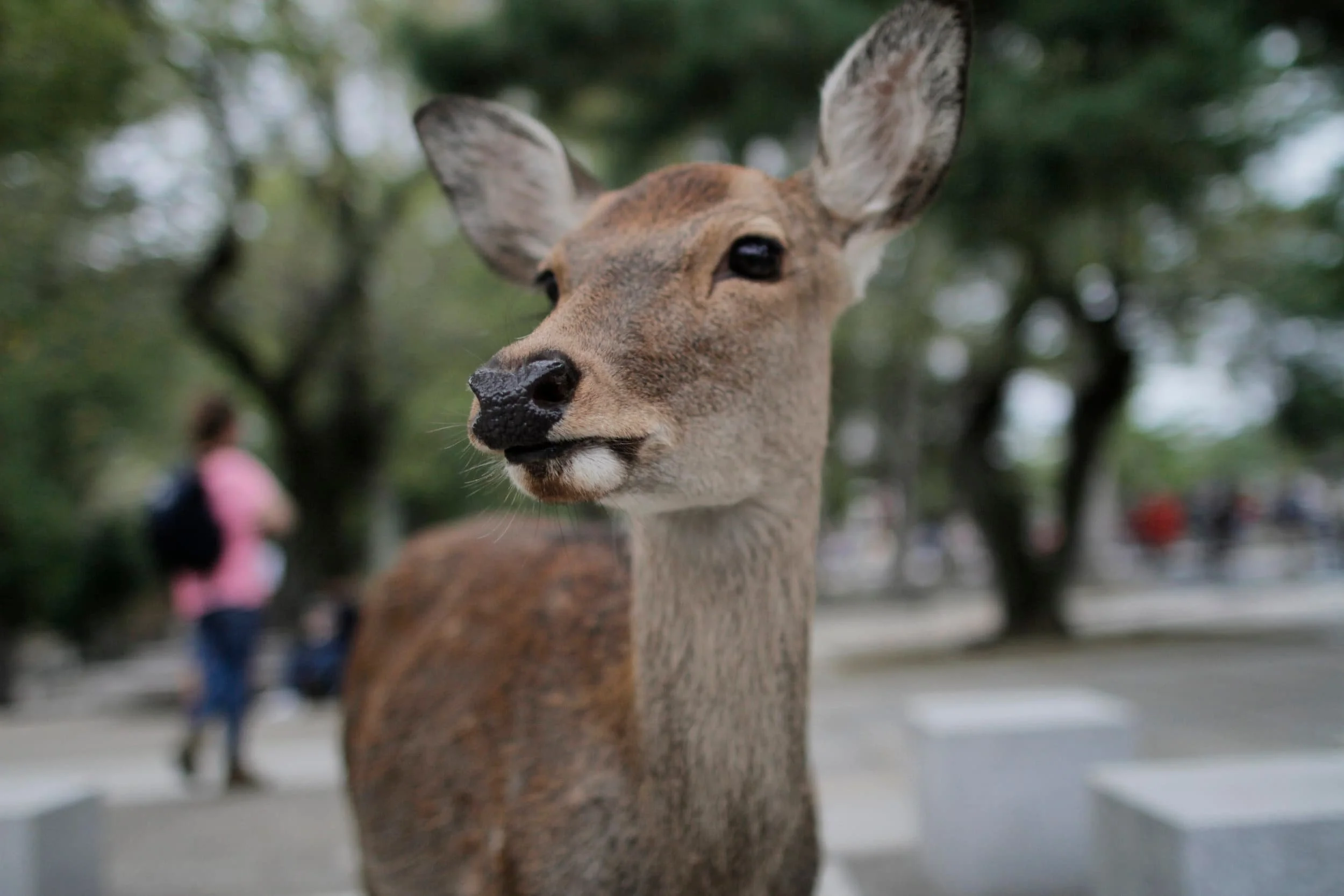
Of all the photographs I took during my time in Nara, I find myself most drawn to those of the deer simply going about their lives. Their gentle (or mischievous) expressions, their interactions with one another and the ease with which they occupied the spaces around them. As entertaining as my initial encounters were, these quieter moments gave me a greater appreciation for the animals themselves.
There's something worth preserving about a place where wild animals are so deeply woven into the cultural identity of a city. As visitors, we have the privilege of experiencing a relationship that has taken centuries to develop. With that privilege comes a little responsibility. Appreciate the deer for what they are, respect their space and allow them the freedom to be wild.
My Bibimbap Moment
Every destination adds another ingredient to our life's recipe, sometimes by introducing us to a different way of seeing the world. While the playful personalities of the Nara deer initially captured my attention, it was their place within Japanese culture that intrigued me most. I loved discovering how centuries of spiritual beliefs have shaped the relationship between these wild creatures and the people who share their home. Here's the ingredient this sacred corner of Japan added to My Bibimbap Life.
Today's Bibimbap Recipe
🥢 Flavor: Spiritual
🌿 Ingredient: Reverence
❤️ Best Memory: Watching the deer wander freely between ancient temples, wooded grounds and busy city streets.
🎒 Take With You: There are many ways to experience the sacred, and some of them are found in nature.
When I think back on the sacred deer of Nara, I'm still fascinated by how naturally they occupied the city's spaces, seemingly unaware of the spiritual significance bestowed upon them centuries ago. As a designer, I found myself considering how differently we might approach the design of our own cities if we placed greater cultural value on the wildlife that inhabits them. There's something beautiful about a society that recognizes the sacred in the natural world. Reverence was the ingredient I took home, a reminder that appreciating another living creature doesn't always require anything of it in return.
Nara Deer Park Travel Essentials
One of the wonderful things about visiting the Nara deer is that there's no prescribed route or structured wildlife experience. The deer roam freely throughout Nara Park and the surrounding streets, making it easy to explore independently and at your own pace.
I'd recommend allowing yourself a few hours to move beyond the popular feeding areas, explore the wooded pathways and spend some time just observing the deer. If you're interested in Nara's cultural traditions, consider planning your visit around one of the seasonal events.
Rather than approaching Nara Park with a checklist of things to see, give yourself the freedom to wander. Wildlife rarely operates on our schedule, and that's part of what makes the experience so enjoyable.
When to Go
The Nara deer can be observed year-round, though each season gives a slightly different wildlife experience. Spring and autumn are ideal for comfortable temperatures and beautiful natural backdrops, while summer offers the opportunity to see the youngest members of the herd.
Spring (March to May) brings cherry blossoms, fresh greenery and the beginnings of new antler growth. It's a beautiful time for wildlife photography, especially when the cherry trees are in bloom, though expect larger crowds.
Summer (June to August) offers the best opportunity to see young fawns and the unique spotted coats of the sika deer. Temperatures and humidity can be high, so consider exploring during the cooler morning hours.
Autumn (September to November) brings beautiful shades of red, gold and burnt orange throughout Nara Park. This also aligns with the deer mating season, when males can become more territorial and unpredictable. Give them plenty of space.
Winter (December to February) gives a quieter experience with fewer visitors. The deer have developed their thicker winter coats and the muted landscape gives a different backdrop for wildlife photography.
💡 My Tip | Arrive early in the morning for quieter encounters with the Nara deer, before the busiest feeding areas fill with visitors. If you're interested in wildlife photography, the softer morning light is an added bonus.
Where to Find the Nara Deer
Located in Japan's Kansai region, Nara Park is easily accessible by train from both Kyoto and Osaka, with journeys generally taking less than an hour. Kintetsu Nara Station is the most convenient arrival point, just a short walk from the park.
While the deer roam freely throughout Nara, a few areas are especially worth exploring:
Tōdai-ji Temple & Nandaimon Gate: One of the busiest gathering areas for the Nara deer, with several cracker vendors and opportunities to observe their famous bowing behavior.
Kasuga Taisha Shrine & Tobihino: Wooded pathways, stone lanterns and expansive grassy areas give beautiful natural settings for watching and photographing the deer.
Mount Wakakusa: The grassy areas near the base of the mountain give a more open landscape where you can see the deer grazing and interacting with one another.
Kōfuku-ji Temple & the Surrounding Streets: A beautiful place to appreciate the unusual relationship between the Nara deer, historic architecture and everyday urban life.
For more detailed transportation information, accommodation recommendations and other places worth exploring, see my Nara, Japan Travel Guide.
💡 My Tip | Don't spend all your time around the main feeding areas. Follow the smaller pathways and explore the grounds behind Tōdai-ji's Great Buddha Hall, where I enjoyed some gentler encounters with the deer away from the crowds.
How Long to Stay
I'd recommend allowing two to four hours in Nara Park to watch the deer, explore their natural surroundings and appreciate their relationship with the city's sacred spaces.
If you only have a couple of hours, concentrate on the areas surrounding Tōdai-ji Temple and Nandaimon Gate, where the Nara deer are especially abundant.
With half a day, explore farther into the wooded grounds surrounding Kasuga Taisha Shrine and the grassy areas of Tobihino. This gives more time for wildlife observation, photography and quieter encounters away from the crowds.
If you're a wildlife enthusiast or enjoy photography, a full day is definitely worth considering, especially if your visit coincides with one of Nara's traditional deer-related events.
💡 My Tip | Give yourself time to linger in one spot rather than constantly moving between locations. I found the deer just as entertaining to watch interacting with one another as they were interacting with people.
Tours & Experiences
While it's easy to explore Nara Park independently, a knowledgeable local guide can offer a deeper understanding of the religious beliefs, cultural traditions and conservation efforts surrounding the Nara deer. A guided walking tour of Nara Park is a great introduction to the sacred spaces these animals inhabit and their centuries-old relationship with the local community.
Explore Nara Park
From guided nature walks to private temple and shrine tours, discover the cultural significance of the Nara deer while exploring the historic landscapes they call home.
Explore more Nara Park tours →
For a more immersive cultural experience, consider planning your visit around traditional deer calling (shikayose) or the seasonal viewing of newborn fawns at Roku-en. These experiences give a different perspective on the relationship between the deer and the people responsible for their protection. Check the Nara Deer Preservation Foundation for upcoming events and seasonal schedules.
Discover Nara on a Guided Day Trip
If you're based in Kyoto or Osaka, an organized day trip can be a convenient way to explore Nara's sacred sites and encounter its famous deer. Consider a private or small-group tour that allows greater flexibility to explore the quieter areas of the park.
💡 My Tip | When choosing a wildlife experience, look for locally guided tours that prioritize animal welfare, respectful observation and cultural understanding. Avoid experiences that encourage excessive feeding or interactions purely for the sake of a photograph.
Good to Know
Nara Park is free to explore, though individual temples, shrines and seasonal events may charge admission. Carry some Japanese yen for deer crackers and purchases from smaller vendors.
Let the deer approach you. Avoid chasing, touching or cornering them, even if they appear comfortable around people. Be especially mindful when visiting with young children, as the deer can become quite assertive around food.
Practice respectful wildlife photography. A zoom lens allows you to capture beautiful expressions and little details without intruding on the deer's personal space. Avoid using food to lure them into a particular setting or pose.
Wear comfortable walking shoes and bring drinking water, especially during the warmer months. Nara Park is filled with a variety of terrain, from paved walkways and open grassy areas to uneven stone paths and wooded trails.
Keep your belongings and trash secure. The deer aren't terribly discerning about what constitutes a snack. Plastic packaging, paper and other discarded items can pose serious health risks if ingested.
Remember that many of the areas inhabited by the Nara deer are also active places of worship. Be mindful of religious customs, observe photography restrictions and respect the quieter atmosphere of the sacred spaces.
🌍 One Last Thing | In Shinto traditions, the natural and spiritual worlds are closely intertwined. The Nara deer are a living expression of that relationship, revered for centuries as messengers of the gods. When exploring Nara Park, remember that you're not just visiting a wildlife destination but entering a sacred cultural landscape where nature and spirituality share a common home.

Discover the sacred Nara deer of Japan, their ancient Shinto origins, famous bowing traditions and how to responsibly interact with wildlife in Nara Park.