7 Essential Japan Travel Tips for First-Timers - What to Know
Jetting off to Japan? Let this travel guide charm you with everything you need to know before you arrive in this enchanting country.
Updated | June 2026
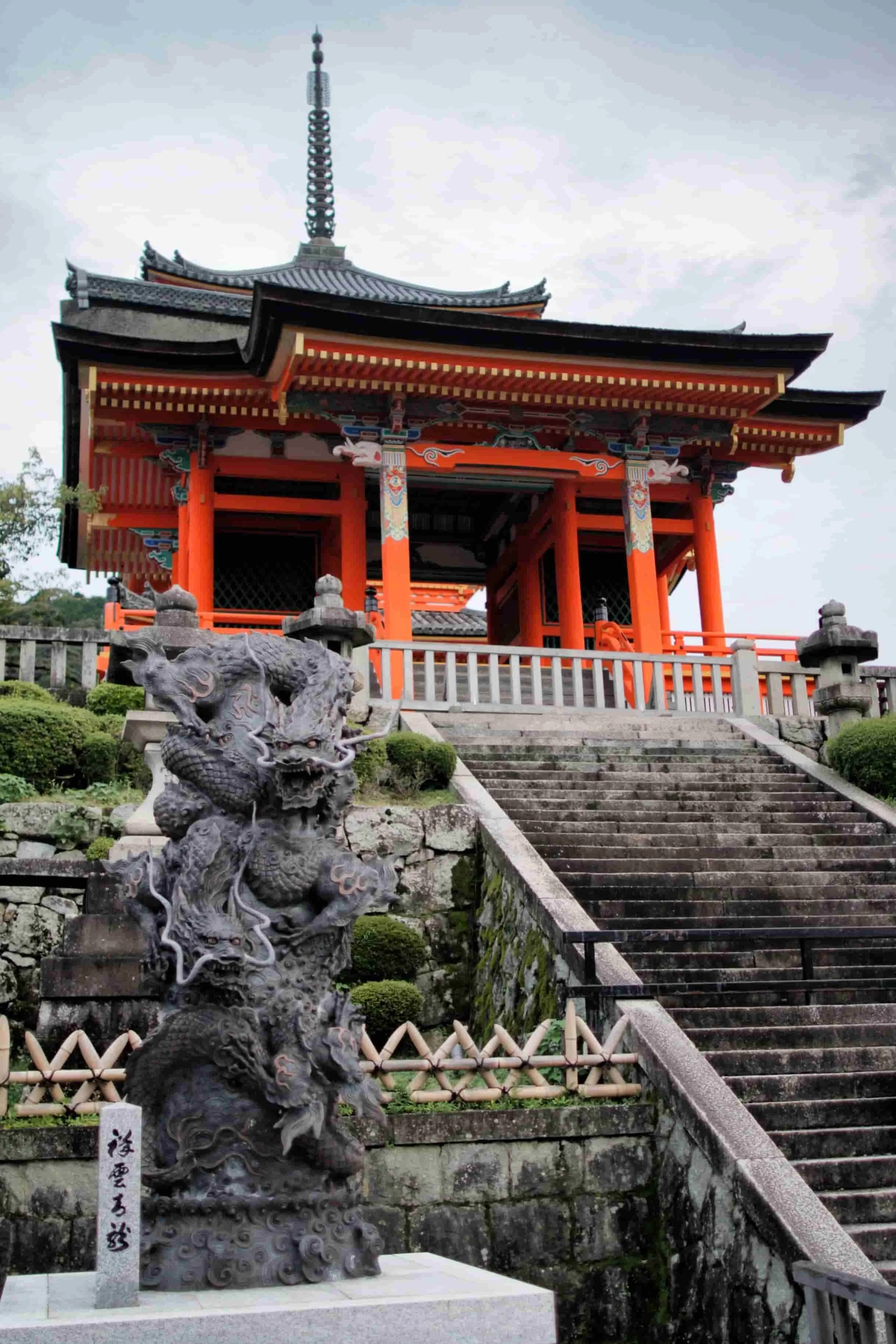
Why Visit Japan — Temples Whisper, Neon Hums & Every Meal Becomes a Memory with These Insider Travel Tips
While I lived and taught in South Korea, I managed to wander through almost every country in Southeast Asia — yet I kept postponing Japan, like a delicious but daunting dish I wasn’t ready to taste. After ten years of daydreaming, my birthday finally gave me the perfect reason to take the plunge.
True to form, Japan turned out to be a beautifully challenging solo adventure. Even with careful research and a trusty data connection, so much felt teasingly out of reach: a long, narrow country with distances that stretch, a culture where English isn’t always the main language and popular spots brimming with fellow travelers.
I came away enchanted but a little famished — for both food and experiences — wishing I’d arranged my itinerary differently, despite the prep I’d done. Explore my Japan travel tips below to make your upcoming adventure smoother — and jump over to the blog for deeper dives into each destination.
Ten-Day Travel Itinerary
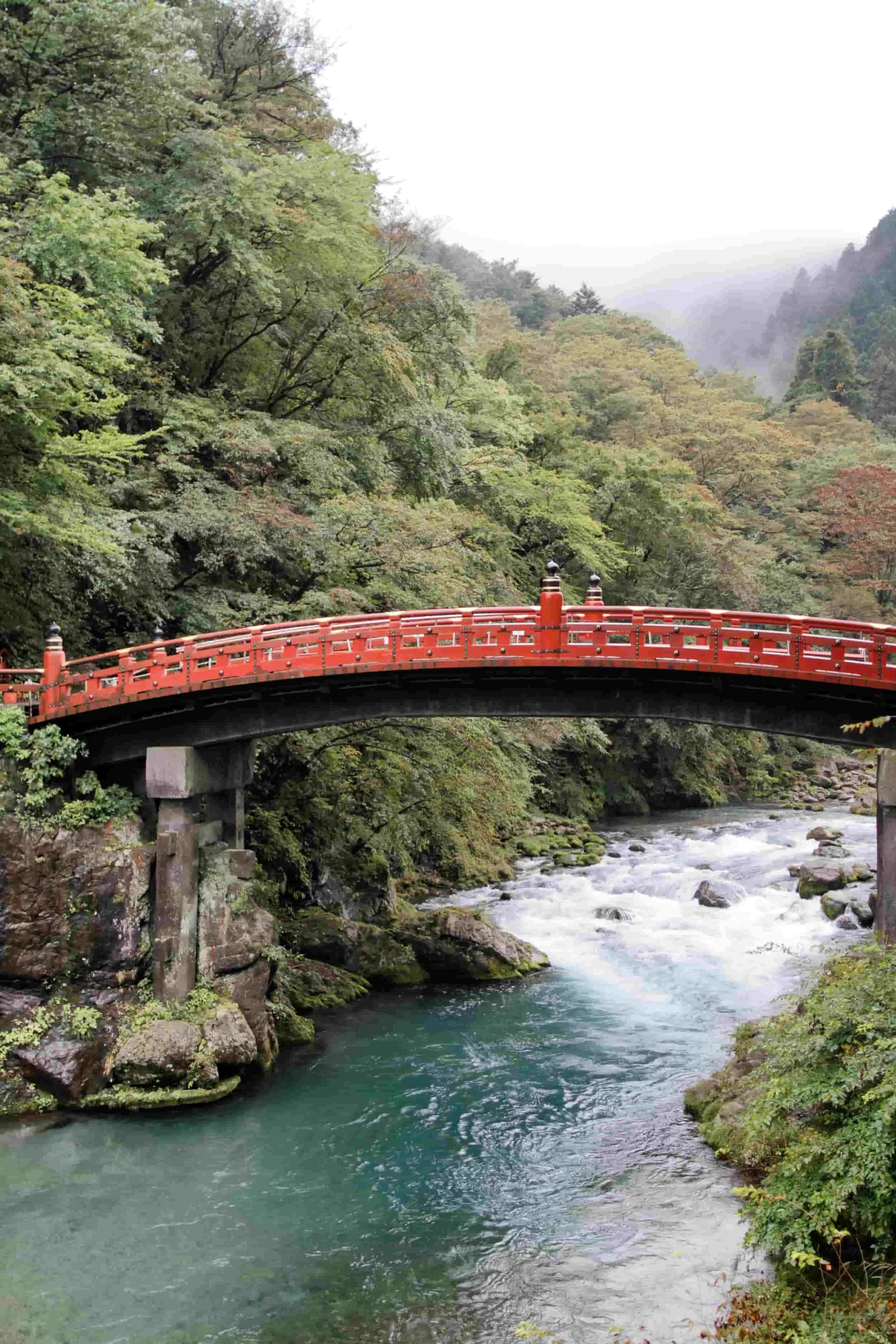
My first stop in Japan was Tokyo — a vast, buzzing metropolis where neon skyscrapers and tranquil temples coexist in delightful contrast. From the city’s kinetic energy, I slipped away for a day of mountain worship in the forested heights of Nikkō, a peaceful reminder of Japan’s quieter side.
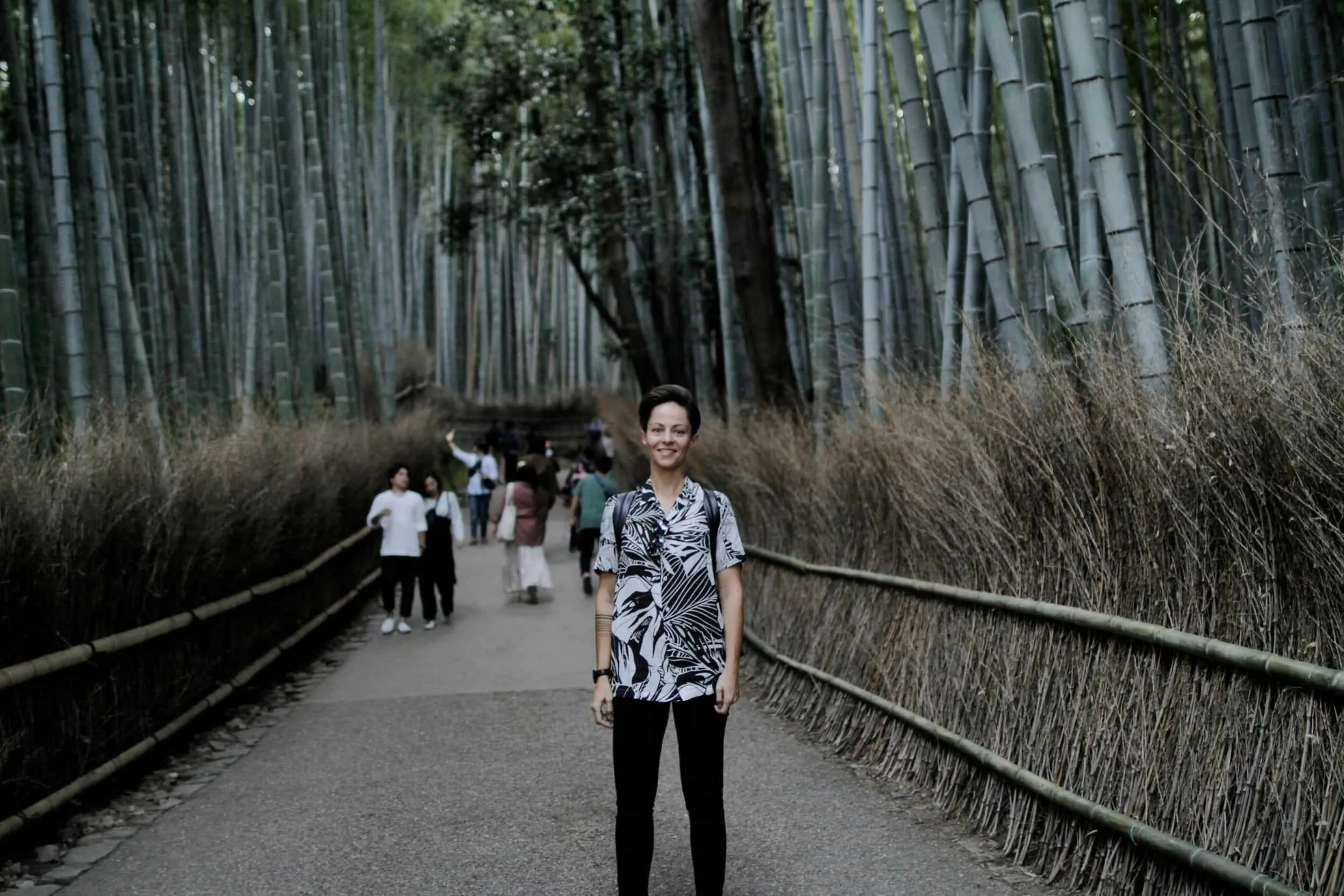
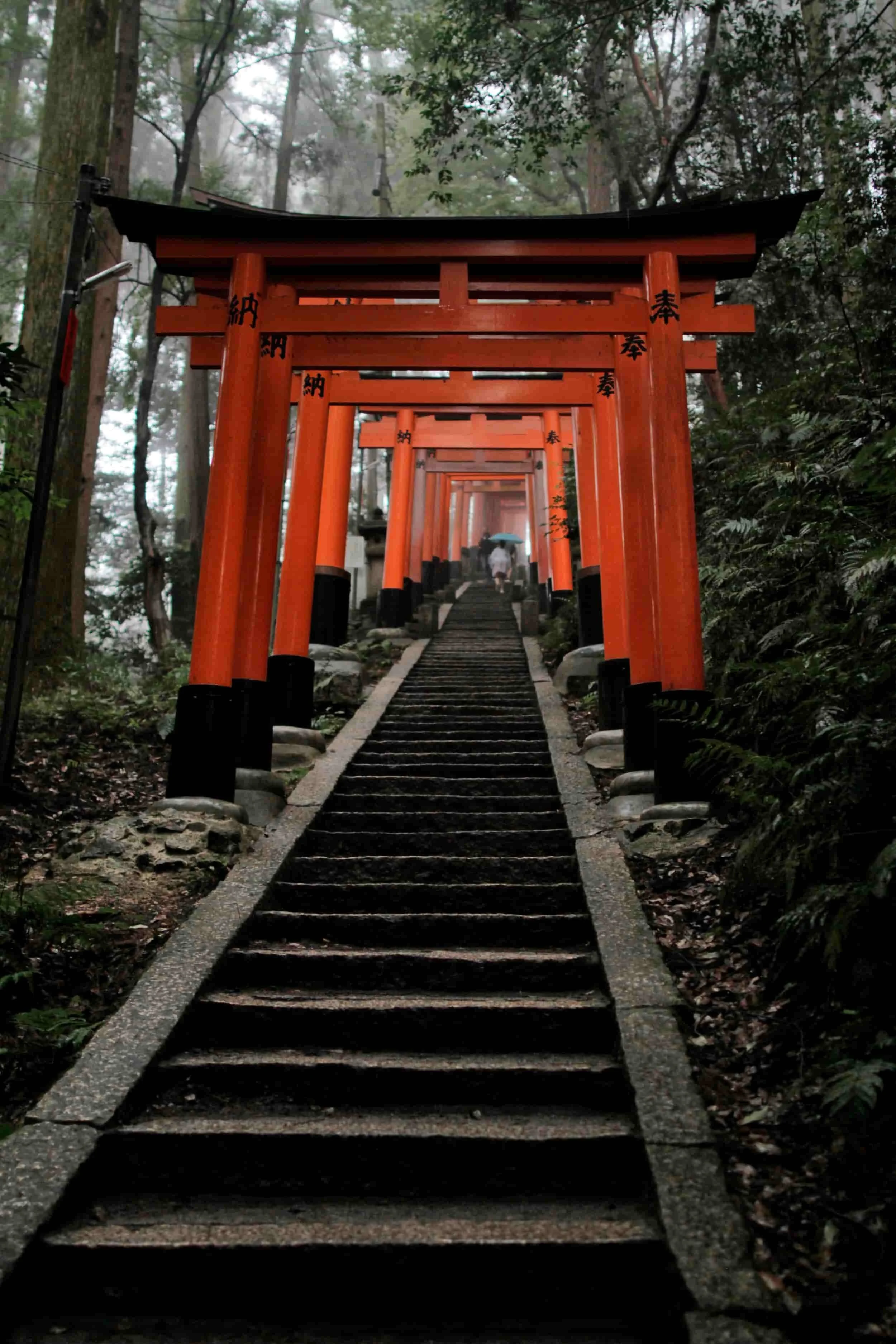
Next came Kyoto, about three hours west by bullet train, where every corner feels lifted from a painting. I lost myself among the endless vermilion torii of Fushimi Inari, wandered through the shimmering bamboo groves of Arashiyama and spent a gentle afternoon watching the inquisitive deer roam the sacred spaces of Nara.
Japan Travel Tips
01 | Tricky transportation
02 | Picturesque but swarming with tourists
03 | Wildly unpredictable weather
04 | Deliciously irresistible food
05 | Limitless shopping
06 | Politeness rules
07 | The essentials — when to visit, entry, currency, language & more
Read On | Find all your Japan travel guides here — Japan Travel Guides
Japan Rules - What to Know Before You Go to Japan
Stepping into Japan for the first time feels like stepping into a perfectly choreographed surprise — learn the transit etiquette, brace for crowds and sudden weather and reward yourself with unforgettable food and world-class shopping. Follow the rules, move with the flow and you’ll discover that even the chaos is beautifully ordered.
01 | Tricky Transportation

Japan feels enormous — roughly the size of California — it’s even possible to ride the bullet train nearly 12 hours from one end to the other reaching speeds of 200 mph. But its this complex network of transit systems that really surprise you: efficient but intricate. Even after ten days weaving through stations, I wouldn’t claim to have fully mastered it — not even close.
Broadly speaking, public transit in Japan includes buses, regular subway lines and the high-speed Shinkansen network run by Japan Railways.
Everyday Local Travel
For everyday local travel, pick up an IC card like Suica or PASMO for around ¥500 ($3 USD) from a station vending machine and load it with credit. Once you’ve got credit, tap your card to enter the train station or bus and tap again to exit; the correct fare is automatically deducted.
Note, there is a distinction between loading a physical IC card and a digital one like Apple or Google Wallet.
You can only load physical IC cards like Welcome Suica or regular PASMO/Suica with cash at station ticket machines or convenience stores (7‑Eleven, Lawson, FamilyMart), as credit or debit cards aren’t accepted for loading.
Digital IC cards in your phone’s Apple or Google Wallet can’t be topped up with cash but you can easily load and reload them — think Mobile Suica, PASMO or ICOCA — using a credit or debit card right from your smartphone.
Long Distance Intercity Travel
Alternatively, for longer journeys, hop aboard the graceful Shinkansen and move across the country in comfort. The JR network shines on journeys of about 100 to 500 miles — think Tokyo to Osaka — where it’s often quicker and far more hassle-free than flying.
This system can feel a bit bewildering and fares aren’t exactly gentle on the wallet. You can buy single tickets as you go or opt for a Japan Rail Pass in 7-, 14- or 21-day options. I preordered a seven-day pass weeks before my trip for about $300 USD and received a voucher by mail that had to be exchanged for the actual pass once I landed.
Soon, I discovered only major stations and airports handle activations and when you activate, you must pick the first day your pass will be valid — so if your itinerary is loose, deciding when to start can become a small logistical puzzle.
Once your pass is activated, have it stamped at a gate and be sure to show it to the attendant every time you travel — they’ll need to confirm the dates manually. Keep in mind, the JR Pass counts full calendar days, not 24-hour blocks, so even a late-night first ride will use up that entire day.
The JR Pass sounded like a dream — until I learned its little caveats. It won’t work on the Nozomi and Mizuho trains and a handful of Express services, despite what the website implies. More than once, I hopped aboard only to have a conductor glide past, ticket-check in hand, kindly informing me I was on the wrong train and would either need to buy an extra ticket or hop off at the next stop.
Travel Lessons from Japan: What I Learned on the Go
The country is vast and even with high‑speed trains, travel can feel leisurely and unpredictable. Build in extra time for delays and detours — things usually take longer than you expect. Day trips from hubs like Kyoto can stretch into marathon days, so consider lingering in smaller towns and moving region to region instead. For the way I traveled, the Rail Pass ultimately didn’t pay off.
I’d planned to use Kyoto as a cozy home base for day trips but most destinations turned out to be too far to do justice in a single day, despite the glowing recommendations. The idea of racing three or four hours each way just to catch a return train before nightfall felt more exhausting than adventurous.
If I’d been moving between cities more often, the JR Pass might have paid for itself. As it was, it felt like a missed opportunity. Next time, I’ll embrace the slower rhythm: linger in out-of-the-way towns overnight instead of banking on long, rushed day trips from big hubs like Kyoto.
Tip | However you travel in Japan, embrace a few missteps and a calm curiosity — some stations feel endless and getting delightfully lost is part of the adventure but overall, focus on IC cards for local travel and the Rail Pass if you’re planning on a lot of long distance travel.
02 | Picturesque but Swarming With Tourists

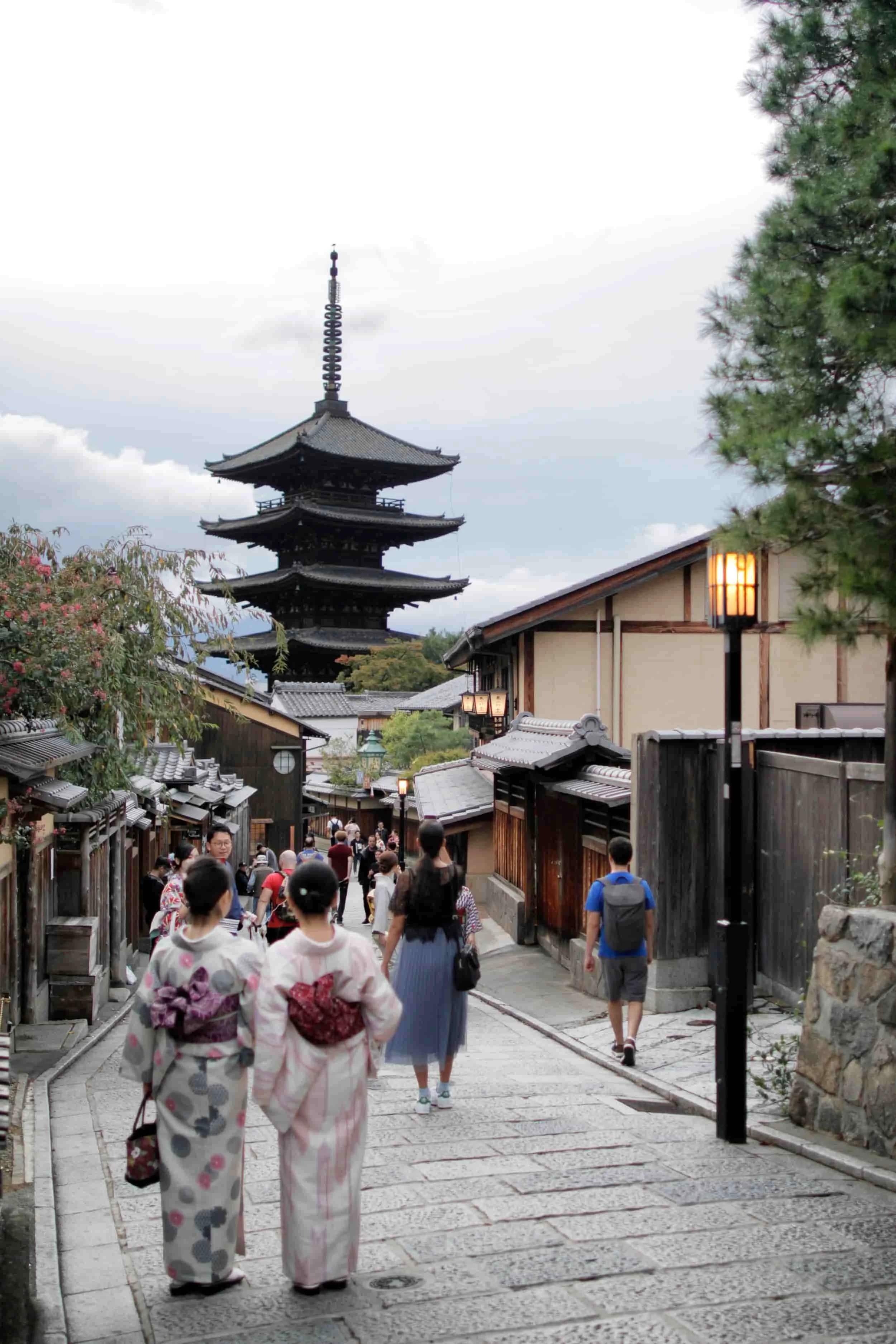
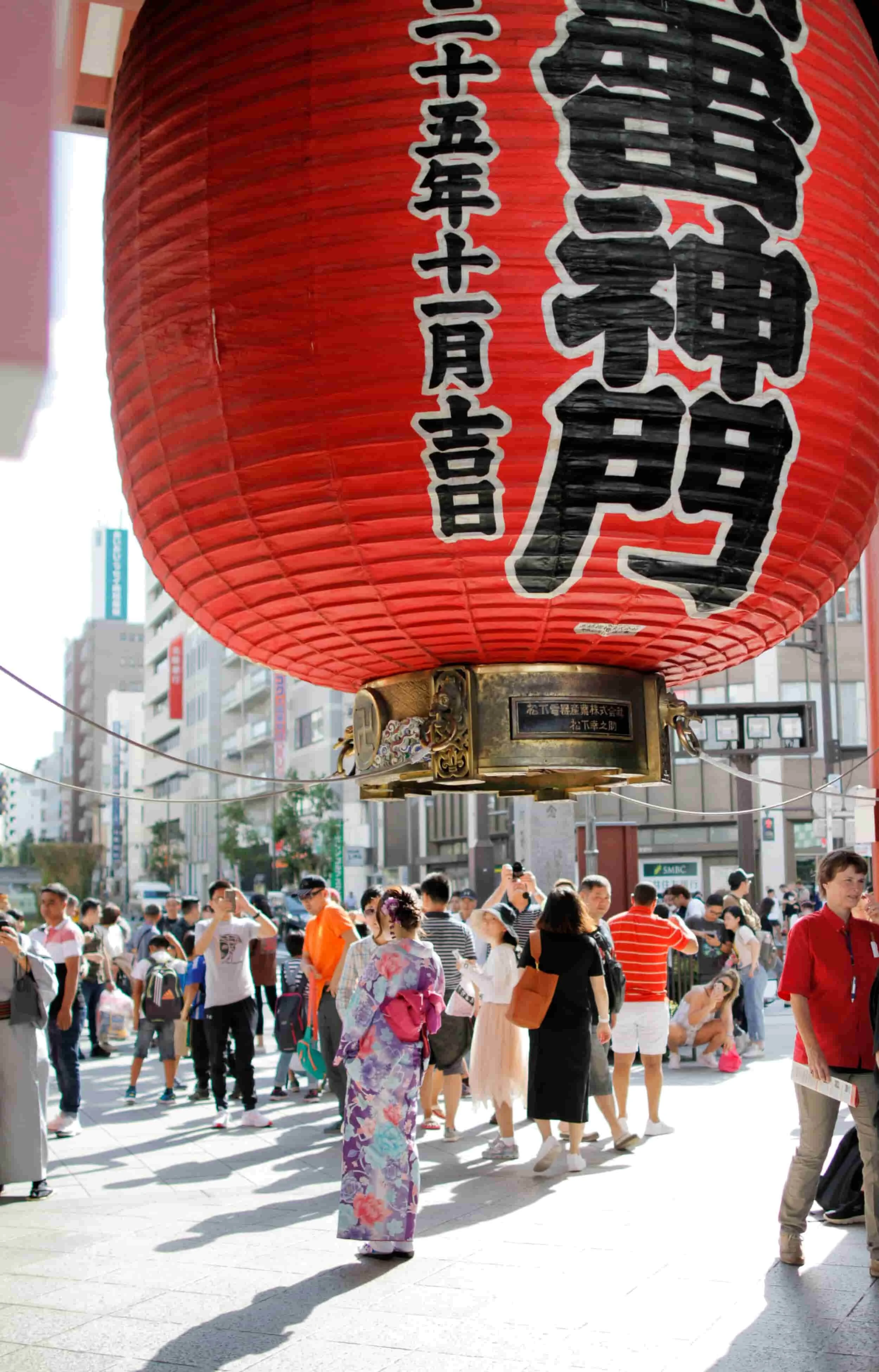
Japan felt alive at every turn. Tokyo, in particular, was a whirlwind of locals and visitors — by day two I’d had my fill of neon and nonstop motion. Kyoto, however, was a gentler surprise: calmer streets, quiet temples and a sense of history that breathed from every alleyway rather than towering glass.
Even so, the famous spots were often swarmed. My little reprieve came at dusk, when the crowds thinned and the city softened; only then could I steal a nearly-empty frame for a photo or wander without an accidental elbow to the ribs. Back home, I discovered why: I’d arrived during a Chinese holiday. Lesson learned — next time I’ll time my trip more carefully.
Tip | If you’d like to avoid the crowds, check which countries are celebrating holidays during your trip — then plan around them for a quieter, more authentic experience.
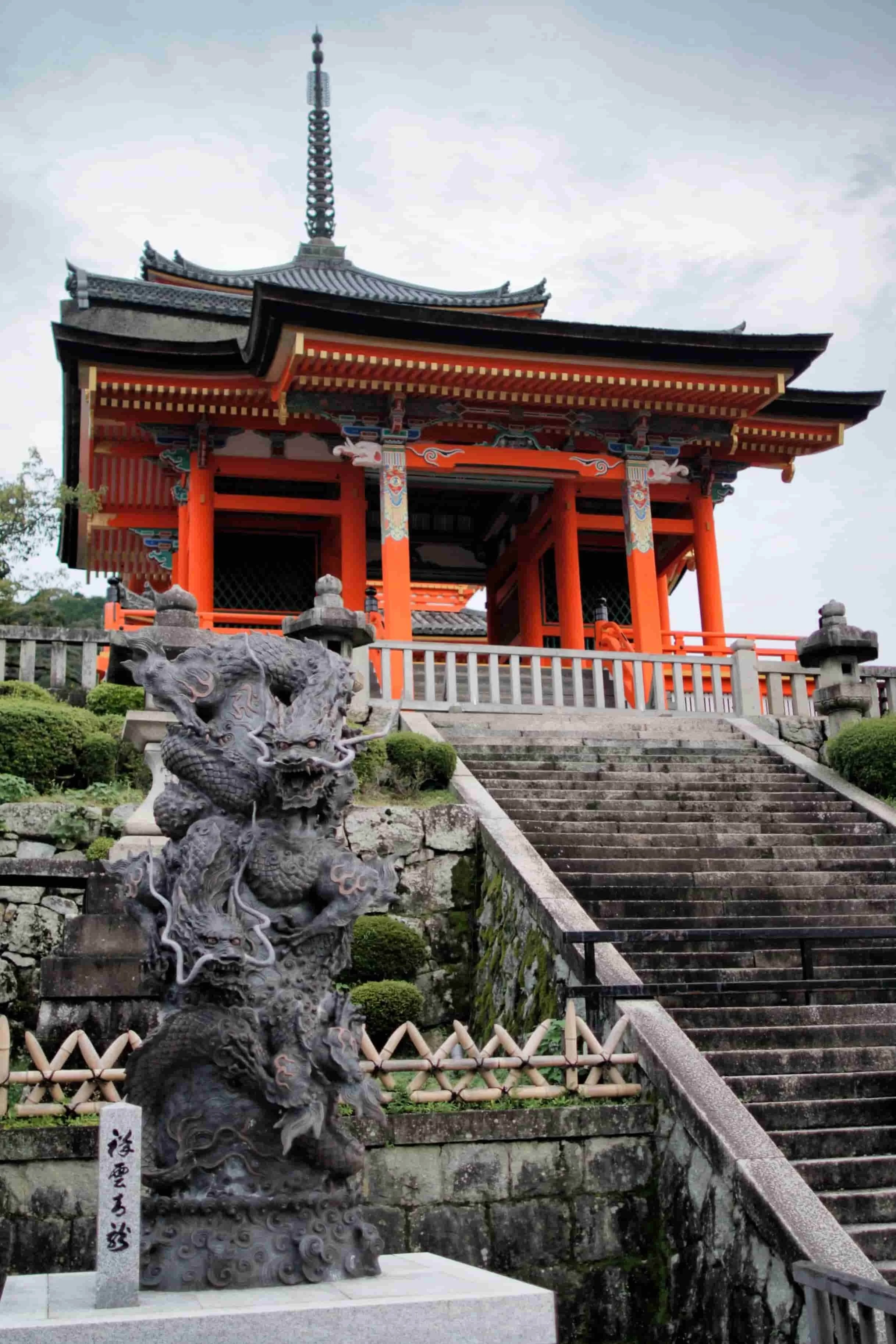
Despite the crowds, Kyoto felt endlessly enchanting. I lost myself beneath the 10,000 vermilion torii of Fushimi Inari Taisha, wandered the whispering bamboo groves of Arashiyama and took a day trip to Nara that felt like stepping into a fairytale. And north of Tokyo, the mountain town of Nikkō surprised me with its quiet grandeur — small, serene and absolutely worth the journey.
03 | Wildly Unpredictable Weather

Japan wears the sky like a wardrobe — each region and season brings its own mood. Spring unfurls cherry blossoms that scent the air with fleeting sweetness, while summer layers humid festivals, fireworks and sudden tropical downpours. Autumn paints mountains in fiery reds and golds that invite slow, scenic train rides; winter blankets Hokkaido in deep, powdery snow perfect for hot springs and quiet ryokan nights. Weather here isn’t just backdrop — it’s part of the itinerary, turning every trip into a series of small, memorable transformations.
Traveling during my October birthday always brings weather plot twists but Japan outdid itself. One moment the sun poured down, warming everything to nearly 90°F and feeling impossibly summery; the next, a storm would sweep in and veil the world in soft mist or steady rain.
My final days were spent sidestepping Typhoon Hagibis — a bit dramatic but mercifully the neighborhoods I stayed in escaped major damage and transport resumed soon after the storm moved on.
04 | Deliciously Irresistible Food

The food in Japan was absolutely incredible and I was lucky to stumble upon so many unexpected treats — though not everything went exactly as planned. More than once I set out hunting a particular dish and wound up a little disappointed when reality didn’t match the picture in my head.
Shabu-shabu was a perfect example. Having fallen in love with that steamy Korean hot pot while living in Korea, I was thrilled to be in Japan — its birthplace — and imagined happily dipping thin slices of beef into bubbling broth. Instead, finding a single-serving portion proved impossible. The one place I thought might deliver brought me a comforting bowl of noodles and meat rather than the interactive hot pot I’d been craving. Close but not quite.
I had the same bittersweet luck with kaiseki, the elegant multi-course meal I’d been dreaming of. Every enchanting-sounding restaurant was booked for days, leaving me to admire the art from afar and promise myself I’d plan better next time.
Tip | Book a table at a nice kaiseki restaurant ahead of time — they tend to fill up fast.
Ramen stole the show — and yes, I happily surrendered to the gluten. Some of the best bowls hide in tiny kitchens barely ten feet wide. You slip through the doorway, choose your meal from a vending machine, edge past folks slurping their noodles, hand your ticket to the chef and wait as the steam and aromas build. Finish your bowl with a sprinkle of sesame, a dash of vinegar or a hit of chili sauce to lift the flavors. I loved it so much I went back three times.
Kamameshi, literally “kettle rice,” arrives in an iron pot called a kama. It used to be shared straight from the pot but this time the whole comforting, slightly crisp-bottomed pot was mine. It’s not a quickie — expect about a 20-minute wait after ordering — but the patience pays off. For a little indulgence, add shrimp.
Sushi was everywhere — fresh, beautiful and exactly what I had hoped for. If you love seafood, wander through Nishiki Market in Kyoto or the fish market in Tokyo: trays of salmon, octopus, tuna, crab, uni and more gleam under the lights. Warning: your wallet won’t stand a chance — but honestly, when the choices are this good, who’s counting?
Breakfast proved trickier but I found a few delights. In Tokyo, seek out the tiny Shinpachi Shokudo (sadly, they’re temporarily closed but here’s to hoping they return). It’s famed for a fish-forward morning set and it’s wonderful — but to my surprise they also do a comforting miso soup with rice, fried eggs and bacon. The fish breakfast was stellar, too, so you really can’t go wrong. As an alternate, try Ginza Choshoku Lab or Komeda's Coffee — or search for authentic yakizakana (charcoal-grilled fish) and traditional teishoku (set meals).
A Happy Pancake in Kyoto is worth the early wake-up — lines often form before the doors open. They take about 20 minutes to prepare each plate of airy, cloud-like pancakes; the matcha version is especially heavenly. If you’re short on time, you’ll find bakeries and coffee shops every few blocks but don’t expect a toasted bagel with cream cheese — here they sometimes bake the “cheese” into the bagel and serve it cold. Also, be mindful: eating while strolling the streets can sometimes draw disapproving looks.
Sweets are everywhere. Ice cream, donuts, candy and boba seemed to call from every corner and matcha was the star — matcha gelato, matcha honeyed nuts, matcha lattes, matcha marshmallows, matcha pancakes... I tried them all. I also fell for taiyaki, the crisp, fish-shaped cakes usually filled with sweet azuki bean paste.
And for adults, don’t skip the sake: with so many varieties it can be hard to choose but a little tasting goes a long way toward finding a favorite.
05 | Limitless Shopping
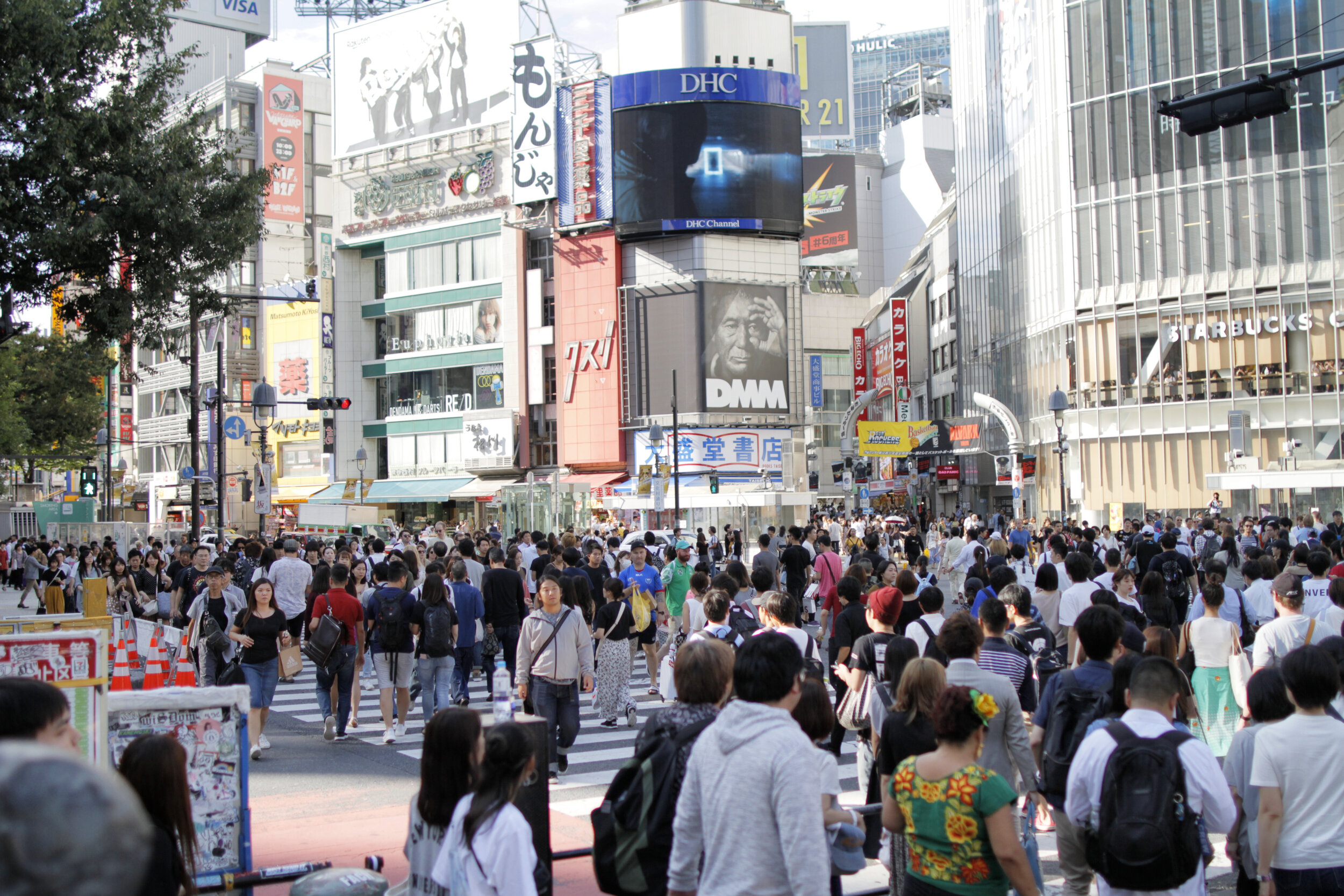
Whether you favor high-end labels or one-of-a-kind keepsakes, Japan delivers in spades. One of my perfect Tokyo days started at the iconic Shibuya Crossing, where a blur of people and storefronts creates its own kind of theater. A pleasant 20-minute stroll toward Harajuku leads you onto Takeshita Street — a whimsical, colorful lane that manages to spark delight even if Lolita fashion isn’t your thing.
In Kyoto, don’t miss Teramachi Street. This lively indoor-outdoor arcade hums with a mix of old and new: think vintage kimonos, delicate ceramics, matcha sweets and elegant sensu (folding fans) alongside unexpected finds like secondhand fashions, army-surplus treasures, beauty goods, leather pieces, stationery, hats and sporty sneakers. My happiest find was Sous Sous, where I walked away with modern men’s kimono pants, a sleek trench and a chic envelope-style black leather bag — souvenirs that still make me smile when I pull them out of the closet.
Prices can run a bit high, but they’re fair — and most major stores offer tax-free shopping if you show your passport at checkout, so tuck it into your bag before you head out. A few stalls and market shops still prefer cash, though, so keep some yen on hand for those charming, old-school purchases.
Tip | A few select stores only accept cash, especially in the market, so keep some yen handy.
06 | Politeness Rules
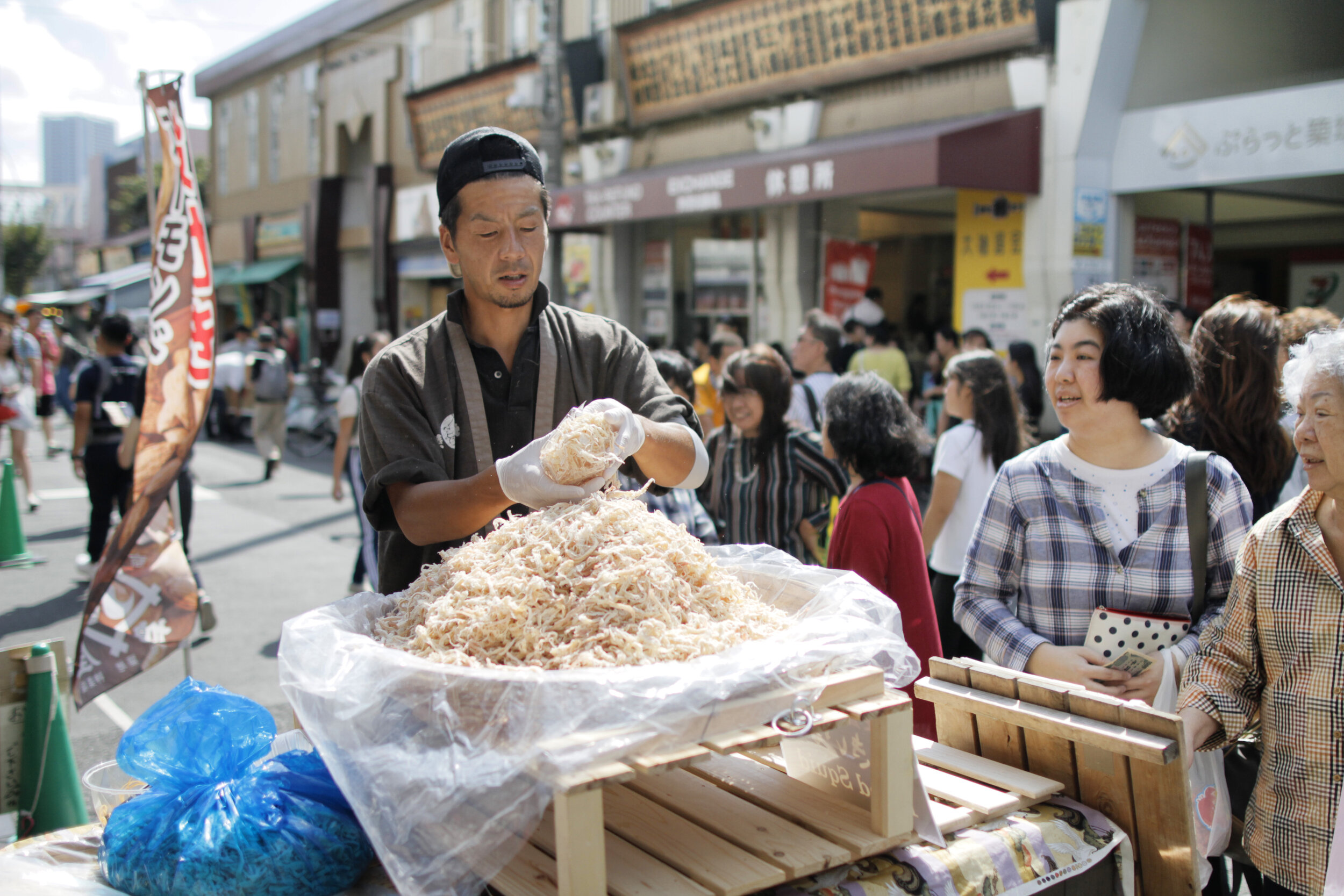
Packing your sense of curiosity? Japan rewards the polite, prepared and present — here are the polite “rules” that make travel smoother and more joyful.
Bow, don’t hug: Light bows are common; mirror the greeting and you’ll fit right in.
Learn two phrases: “Arigato” (thank you) and “Sumimasen” (excuse me/sorry) — they open doors and hearts.
Cash matters: Credit cards work in cities but many shops, temples and smaller towns prefer yen.
Shoes off, always check: Remove shoes at homes, some ryokan, temples and certain restaurants. Look for a genkan (entry) or a shoe rack.
Queue like a pro: Lines form politely and patiently — stand in line and follow signs for boarding trains.
Don’t talk loudly on trains: Keep phone calls off; use text or quiet conversation. It’s about shared calm.
Eat mindfully: Don’t walk-and-eat in most places; in izakayas and casual spots it’s fine. Slurping noodles is a compliment.
Respect onsen rules: No tattoos in many baths (ask or find tattoo-friendly onsen), wash thoroughly before entering and tie hair up.
Follow trash rules: Public bins are rare; carry your trash and separate burnable/non-burnable where indicated.
Photography etiquette: Ask before shooting people, especially in shrines and obey signs at sacred sites.
Why this matters: Japan’s unspoken choreography creates a peaceful, efficient travel experience. Follow these simple rules and you’ll be welcomed, photographed less awkwardly and remembered for your respect.
Ready to go? Pack a small etiquette cheat-sheet, a bit of cash and an appetite for order, kindness and incredible food.
07 | The Essentials — When to Visit, Entry, Currency, Language & More
Japan greets travelers with a graceful blend of ancient tradition and precise modernity, and a little preparation goes a long way toward savoring both. Start with a relaxed mindset: punctual trains, tidy streets and respectful customs set a calm rhythm for moving through cities and countryside alike. Allow time for wandering small neighborhoods, popping into neighborhood shops and lingering at temples and cafes; those unplanned moments often become the most memorable.
Best Time to Visit | Spring — especially late March through early April — wins many hearts with cherry blossoms, mild weather and lively festivals. Fall — October through early December — rivals it with crisp air, fiery maple leaves and fewer crowds. For snow lovers, January and February bring powdery skiing in Hokkaido and tranquil snowy landscapes. For budget travelers and those seeking fewer tourists, the rainy season in June or the quieter winter shoulder months (November and March) can be surprisingly rewarding.
Entry | Arriving in Japan is straightforward. Most visitors receive a short-term stay stamp or sticker after a brief passport and customs check. Whether you need a visa before arrival depends on your nationality and the purpose of your trip. Citizens of many countries — including the United States, Canada, Australia, New Zealand, most EU countries and several others — can enter visa-free for short stays for tourism, business or visiting family. Nationals of countries not on Japan’s visa-exemption list must apply for an appropriate visa in advance.
Long-term stays, work, student and certain transit or special-purpose visits also require visas issued prior to travel; standard single-entry temporary visas typically cost around ¥3,000 to 6,000 (about $20–40 USD/EUR), while multiple-entry or longer-term visas and work or student visas can carry higher fees or administrative costs. Fees and exact requirements vary by nationality and visa type, so check the consulate’s current fee schedule before applying.
Bring photocopies or digital scans of your passport, return/onward ticket and any hotel reservations or invitation letters to speed through immigration. Be prepared to declare large amounts of currency and certain goods at customs. Electronic passport gates are available for travelers from participating countries, which can shorten processing times for eligible passport holders.
Check official site for visa and travel information here — electronic visa — or for general information here.
Currency | Japan uses the yen, an enduring currency marked by coins and bills. You’ll find the yen easy to use across cities and countryside alike, from tiny ramen shops to gleaming Tokyo department stores. Compared with major currencies, the yen sits in a favorable spot for travelers, often stretching your dollars further for food, transit and everyday purchases while still making high-end experiences reasonably accessible.
Language | The official language of Japan is Japanese, a graceful language of delicate syllables and layered politeness that opens doors to warm local smiles and richer moments — from busy markets to tranquil tea houses — when you learn a few simple phrases.
Money | Money in Japan still relies heavily on cash, so carry a reasonable amount for daily expenses, small shops and rural areas where cards may not be accepted. ATMs inside 7-Eleven convenience stores and post offices are the most reliable for international cards, while major city hotels, department stores and many restaurants accept credit cards.
Tipping is not customary and can be confusing — polite refusal or simply thanking someone is the expected response. Keep bills and coins organized in a small wallet for convenience and note that contactless payment systems like Suica and Pasmo cards are widely used for transit and small purchases.
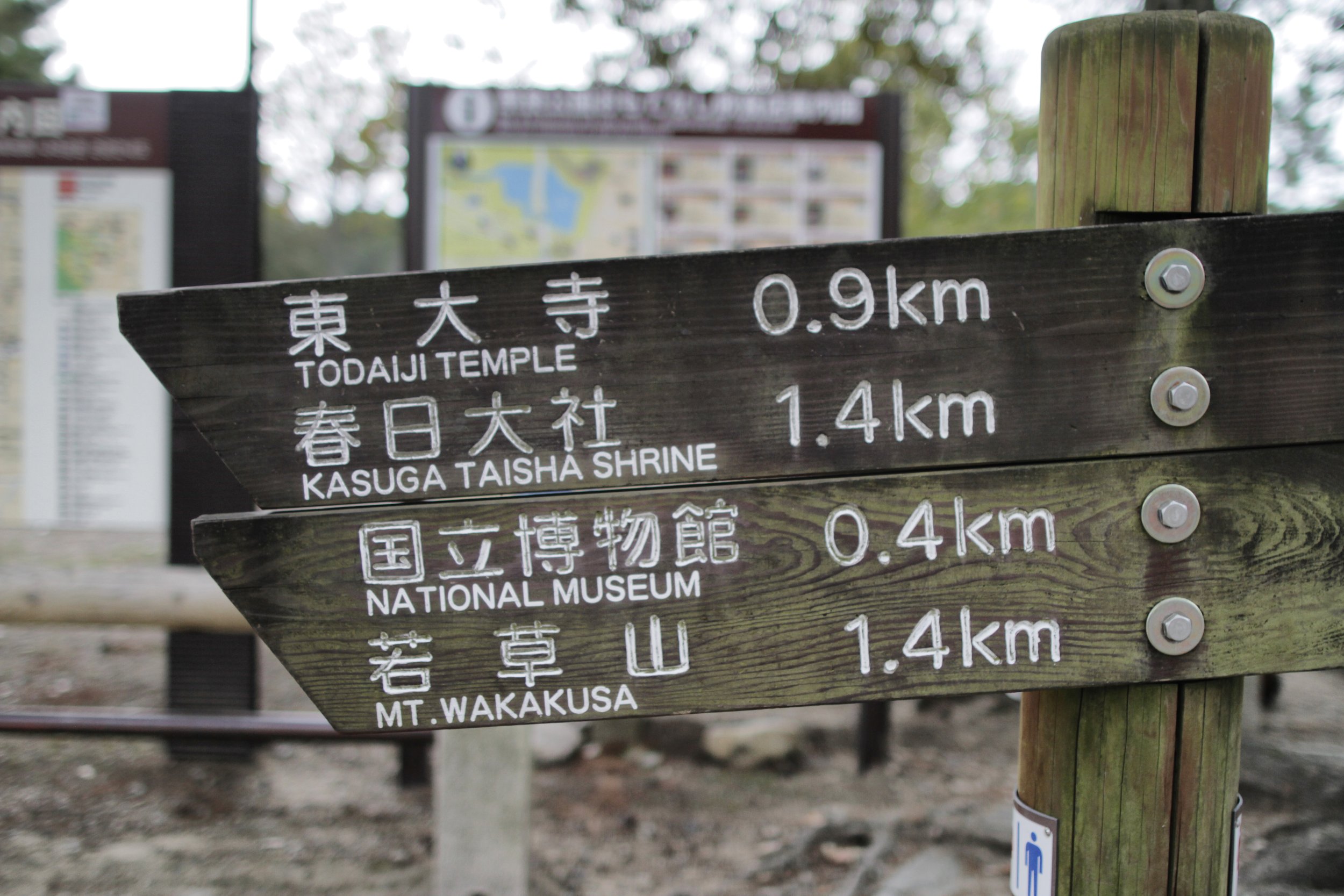
Navigation | Navigation in Japan is famously efficient. Trains and subways form a dense, punctual network; download an app that shows route options and platform information, and practice reading station names in both English and Japanese characters to make transfers easier.
For rural exploration, renting a car gives access to remote shrines and coastal roads but be mindful of narrow lanes and parking rules.
Walking is often the fastest way to discover local streets — look for small signs, map codes or ask staff at stations for the best exit. Service is helpful and often offered proactively, so don’t hesitate to ask for directions if you need them.
Packing | Packing for Japan depends on season but plan for comfort and modesty. Lightweight, layered clothing is ideal for spring and fall, a sturdy umbrella and breathable fabrics are essentials for the humid summer and a warm coat and appropriate footwear are important for winter.
Comfortable walking shoes are a must — many neighborhoods and attractions encourage shoe removal in homes and some traditional ryokan, so bring easy on/off footwear and thick socks. Include a compact power adapter for Type A outlets, portable charger, reusable face mask if you prefer one and a small daypack to carry water, snacks and any purchases.
Best Practices | Best practices while traveling help you blend in and show respect: observe quiet carriage rules on trains, queue politely, remove shoes where requested and avoid eating while walking.
Photography is generally fine in public but watch for signs prohibiting photos inside certain temples or museums and always be considerate when photographing people. Keep noise low on public transport, dispose of trash properly — public bins can be scarce so carry a small bag for your waste.
Key Phrases| Learning a few key phrases opens doors and warms interactions. A cheerful “konnichiwa” (hello) and “arigatou gozaimasu” (thank you very much) go a long way, while “sumimasen” works as an excuse me/thank you/I'm sorry multitool.
“Onegaishimasu” is useful when requesting something politely and “wakarimasen” means I don’t understand — handy when you need help. A polite bow and smiling tone often communicate more than perfect pronunciation and most people appreciate the effort even if your Japanese is simple.
And that’s everything I wish I’d known before my trip to Japan. It still amazes me that I gather the courage to cross the globe solo but that’s exactly what I love about it: every journey surprises and stretches me in new ways. If I’m fortunate, I’ll keep growing, learning and marveling at this wonderfully wild world.
Located in Japan’s Kansai region just south of Kyoto and east of Osaka, Nara is a true hidden gem. It's home to many early emperor palaces, large Shinto shrines and over 1,200 wild and hungry deer that roam freely.