A Day Trip to El Yunque National Forest from San Juan PR
Lose yourself for a sunlit day in El Yunque National Forest — hike misty trails to thunderous waterfalls, wander ancient banyan groves and cool off beneath emerald canopies with panoramic views that make every step feel like a small, joyful discovery.
Published | August 2026
Why El Yunque Should Be Next on Your Travel Bucket List
Puerto Rico charms with a warm blend of old-world colonial streets, vibrant Afro-Caribbean rhythms and island hospitality that feels like a welcome back even on a first visit. Colorful buildings line cobblestone plazas where coffee aromas mingle with the sea breeze; late-night salsa pours from open windows while food stalls serve glowing plates of mofongo and arroz con gandules.
The island’s compact size makes it easy to hop from historic San Juan to sun-drenched beaches, bioluminescent bays and quiet mountain towns, all held together by a proud culture that sings in Spanish and gestures in smiles. Chances are you’ll find yourself in lively San Juan — and from there, a day trip to the emerald wonder of El Yunque National Forest is a must.
El Yunque National Forest is a visit worth planning for anyone who loves lush, immersive nature without long treks to reach it. As the only tropical rainforest in the U.S. National Forest System, it offers cascading waterfalls, a dense canopy of orchids and ferns and short, rewarding trails that lead to sweeping views and cooling natural pools.
The air is thick with bird calls and the scent of wet earth, making even a short walk feel like a welcome reset; it's a place to discover rare wildlife, photograph dramatic mist-draped ridges or simply linger beneath ancient trees and remember why wild places matter.
At a Glance
📍 Destination: El Yunque National Forest, Puerto Rico
🕒 Time Needed: 3-6 hours
💰 Budget: Approximately $15-$50 self drive or $75-$130 guided
👟 Walking Level: Mild to strenuous
🌤️ Best Season: Dry season (December-April)
☕️ Don’t Miss: Fresh forest fruit
🖤 Perfect For: Nature lovers and hiking enthusiasts
My Bibimbap Moment
This trip added: Playfulness.
El Yunque added the ingredient of playfulness to my Bibimbap Life. Somewhere between scrambling over boulders, leaping into the cool waters of Charco El Hippie and laughing through the rainforest, I stopped thinking about doing things the "right" way and simply enjoyed the moment. The day ended with fresh seafood at Luquillo Beach, where the pace slowed but the feeling remained. It reminded me that some of the best travel memories aren't carefully planned — they're the ones where we let ourselves be a little more carefree than usual.
My One-Week Puerto Rico Itinerary
My trip to Puerto Rico started in Old San Juan, where we based ourselves before exploring farther around the island. One of our days took us into El Yunque National Forest, trading colorful streets and historic architecture for rainforest, waterfalls and mountain roads surprisingly close to the city.
From San Juan, we continued by ferry to Vieques, where we spent a few slower days exploring beaches, spotting free-roaming horses and visiting the bioluminescent bay at night. Vieques also had a personal connection for me: my grandparents once did a Mormon mission there, so I had heard their stories about the island long before I finally had the chance to experience it myself.
It was a relatively simple Puerto Rico itinerary — San Juan, El Yunque and Vieques — but each gave me a completely different perspective on the island.
My route: San Juan → El Yunque → Vieques
Explore
Here’s where the journey will take us.
Location | 18.33959° N, 65.76421° W Carr. 191, Km 4.2, Bo. Barcelona, Río Grande, Puerto Rico
What to Bring | Hiking shoes, swimsuit, towel, bug spray, water, dry bag
Duration | Allow 5-6 hours roundtrip from San Juan
Distance | 1-5 hours depending on trail
Difficulty Level | Mild to strenuous
When | Dry season (December to April)
Cost | $8 USD to enter El Portal Visitor Center; free to enter main forest and trails
Travel More | Puerto Rico Travel Guides
El Yunque National Forest: A Charming Day Trip from San Juan PR
Mist rises like a soft veil through the emerald canopy of El Yunque National Forest, where every trail feels like a secret path into the heart of Puerto Rico — waterfalls drum a steady lullaby, coquí frogs punctuate the air with their tiny, cheerful calls and sunlight filters through giant tree ferns to paint the forest floor in dappled gold.
Walking here is a gentle feast for the senses: the air tastes clean and earthy, orchids and bromeliads cling to trunks like ornaments and each lookout offers a new, breathtaking vista of misty peaks and distant, turquoise coastline. Whether you’re pausing to cool off in a hidden pool or following a cloud-shrouded ridge, El Yunque invites a slow, wide-eyed kind of wonder that stays with you long after you leave.
About El Yunque National Forest: A Lush Tropical Escape
El Yunque National Forest rises out of northeastern Puerto Rico like a green cathedral, dense with cloud-kissed canopy, fern-lined trails and the constant song of tropical birds and coquí frogs. At just over 28,000 acres, it’s the only tropical rainforest in the U.S. National Forest System, a compact but astonishingly biodiverse landscape where moss-draped trees, bromeliads, orchids and giant tree ferns create layers of living texture. Mist clings to ridgelines and waterfalls tumble through granite ravines, turning ordinary hikes into intimate encounters with an ancient, humid world.
The forest’s human history is long and layered. Taíno people revered this place for centuries before European contact, calling the mountains home and honoring local spirits. Spanish colonial records later documented its rivers and timber and the 19th and early 20th centuries saw varied uses and protections as Puerto Rico’s landscape transformed.
In 1903, the land was designated a forest reserve and over decades it evolved into the federally managed El Yunque National Forest, preserving both natural resources and cultural memory. Today, the forest is a touchstone of Puerto Rican identity and a living laboratory for conservation, education and climate research — designated as the Luquillo Biosphere Reserve in 1976 under UNESCO's Man and the Biosphere (MAB) Program.
El Yunque’s compact size misrepresents its ecological importance. Elevations range from near sea level to about 3,494 feet (1,065 meters) at El Toro Peak and that variation creates several distinct ecological zones within a short distance — coastal subtropical forest, lower montane rainforest and cloud forest.
This range supports many endemic species, including the Puerto Rican parrot (once nearly extinct), the Puerto Rican boa and countless endemic plants. Water is central to El Yunque’s character: its rivers and streams feed communities downstream and sustain a complex web of life within the forest.
Visiting El Yunque feels like stepping into a storybook — trail signs point to La Mina Falls and Mount Britton Tower, while narrow roads curve through tunnels of green. Rainstorms can arrive suddenly, turning trails slick and amplifying the forest’s scents and sounds but they also renew the lushness that makes El Yunque uniquely vibrant.
For locals and travelers alike, the forest offers both quiet reflection and invigorating adventure, a reminder of nature’s resilience and the importance of protecting places that connect culture, history and biodiversity.
Must-See Sites of El Yunque National Forest
Lush, mist-draped trails lead you past towering tabonuco and ceiba trees, where colorful coquí frogs call from the understory and orchids cling to mossy branches. You’ll find thundering waterfalls and crystal-clear pools — La Mina and Juan Diego are crowd favorites — perfect for a refreshing dip after a humid hike. Scenic overlooks like the Yokahú and Mt. Britton towers offer sweeping views of the forest canopy and distant coastline, while hidden streams and panoramic ridgelines reward those who explore beyond the main paths.
Waterfalls & Natural Pools
La Coca Falls: A prominent 85-foot (26-meter) waterfall right off PR-Highway 191 that is easily accessible and great for photos.
Juan Diego Falls: A series of cascading falls and pools via a short, more intimate trail.
La Mina Falls: A graceful 35-foot (10.5-meter) waterfall that tumbles over large volcanic rocks into a cool, refreshing natural pool.
Angelito Trail: A short, family-friendly walk leading to a refreshing river swim hole.
Baño Grande: A historic, large man-made stone pool surrounded by dense forest.
Observation Towers and Peaks
Yokahú Tower: A 69-foot (21-meter) stone observation tower off the main road offering wide 360-degree views of the forest canopy and ocean.
Mount Britton Tower: A historic, castle-like mountaintop tower built in the 1930s with a spiral staircase leading to sweeping panoramic views.
El Yunque Peak: One of the highest points in the forest, offering rewarding views on clear days.
Visitor Center
El Portal de El Yunque: The main visitor hub at the base of the forest featuring interactive ecological exhibits, paved accessible walks and a cafe.
💡 Local Tip | If you’re booking a tour, make sure it includes your must-sees — and if it doesn’t, craft your own itinerary with a private guide for a truly personal adventure. Use this list of authorized tour operators to find exactly what you’re looking for.
Which El Yunque Trail Is Perfect for You?
Lace up your shoes and choose your pace: El Yunque welcomes wanderers with a variety of trails that range from gentle strolls to more intense climbs. Easy paths twist beneath cathedral-like palms and beside tinkling streams, perfect for relaxed birdwatching and lingering over orchids.
Moderate routes weave steeper grades and rocky steps with rewarding viewpoints and hidden waterfalls tucked into the rainforest. For those craving a challenge, strenuous trails push through thick canopy and slick roots, culminating in breathtaking summits where the island opens below — effort well worth the dramatic payoff.
Easy Trails
La Mina Trail | 0.7 Miles (1.1 Km) One Way | 45–60 Minutes Round Trip: A short, well-marked path that threads through lush subtropical rainforest and ends at La Mina Falls. Expect stone steps, wooden bridges and a steady chorus of coquí frogs and birds. The footing can be slick after rain but the payoff is a cool plunge pool framed by ferns and moss-covered boulders. This trail pairs well with a relaxed picnic and a quick swim if conditions allow.
Big Tree Trail | 0.5 Miles (0.8 Km) Loop | 30–45 Minutes: A gentle boardwalk and compacted soil lead past some of El Yunque’s oldest and largest trees, including the famed Cupey and Palo Colorado. Interpretive signs explain the ecology along the way, making it an ideal choice for families, birders or anyone curious about rainforest layers without committing to a long hike. Shade and frequent stops make this an easy, restorative stroll.
Moderate Trails
Mt. Britton Trail | 1.5 Miles (2.4 Km) Round Trip | 1–1.5 Hours: This trail climbs steadily to the historic Mt. Britton Tower, rewarding hikers with panoramic views of the forest canopy and, on clear days, the distant coastline. The path alternates between rocky steps and soft leaf litter; some switchbacks make the ascent moderate but manageable. Bring a light jacket — the summit can be cool and misty — and a camera for the scenic overlooks.
Juan Diego Trail to Yokahú Tower | 1.2–1.6 Miles (1.9-2.6 Km) Round Trip | 1–1.5 Hours Depending on Route: Expect mixed terrain: packed earth, stairs and occasional rocky sections. The highlight is reaching Yokahú Tower, where wide vistas open above the treetops. Along the way, you’ll pass streams and dense plant life and you may spot endemic birds and curious tree frogs. It’s a satisfying half-day option that balances effort and reward.
Challenging Trails
El Yunque Peak Trail | 2.5–3 Miles (4-4.8 Km) Round Trip | 2–3 Hours: This is the steepest, most strenuous maintained trail in the park, climbing to one of the highest points in El Yunque. Footing becomes rockier and roots more exposed as you gain elevation; sections can be muddy and slick. The forest changes character with altitude, offering a chance to see rare flora and sweeping views from the summit on clearer days. Hikers should be prepared with proper shoes, water and layered clothing.
El Toro/La Coca Loop | 4–6 Miles (6.4-9.7 Km) | 3–5 Hours Depending on Chosen Connectors & Pace: Combining trails and lesser-maintained connectors, this choice is for experienced hikers seeking solitude and varied terrain: steep ascents, narrow ridgelines, stream crossings and dense understory. Navigation may be less straightforward than on primary trails, so bring a map, charged phone or GPS and expect a full day of exertion and rich natural rewards — waterfalls, remote viewpoints and encounters with the park’s quieter wildlife.
What to Expect on Any Trail
The rainforest is changeable — sudden showers, mist and cooler temperatures at elevation are normal. All trails offer abundant plant life, vibrant bird song and the constant background of trickling water. Trails can be muddy and roots or rocks create uneven footing, so sturdy shoes with traction are recommended. Bring water, insect repellent and a light rain layer; leave time to pause and listen — some of El Yunque’s best moments come in quiet observation of the forest rather than racing between landmarks.
Hike Into El Yunque National Forest — A Guided Tour from Viejo San Juan to Charco El Hippie
If you book a tour from San Juan, you’ll usually meet your guide early in the morning in Plaza Colón. We met ours — Carlos — as the city was stretching awake, after a quick café con leche and a pastry at Cafetería Mallorca. The drive to El Yunque takes about an hour and a half and along the way your guide will likely pull over at a roadside fruit stand. Grab a banana or two — they’re the perfect fuel for a short rainforest hike.
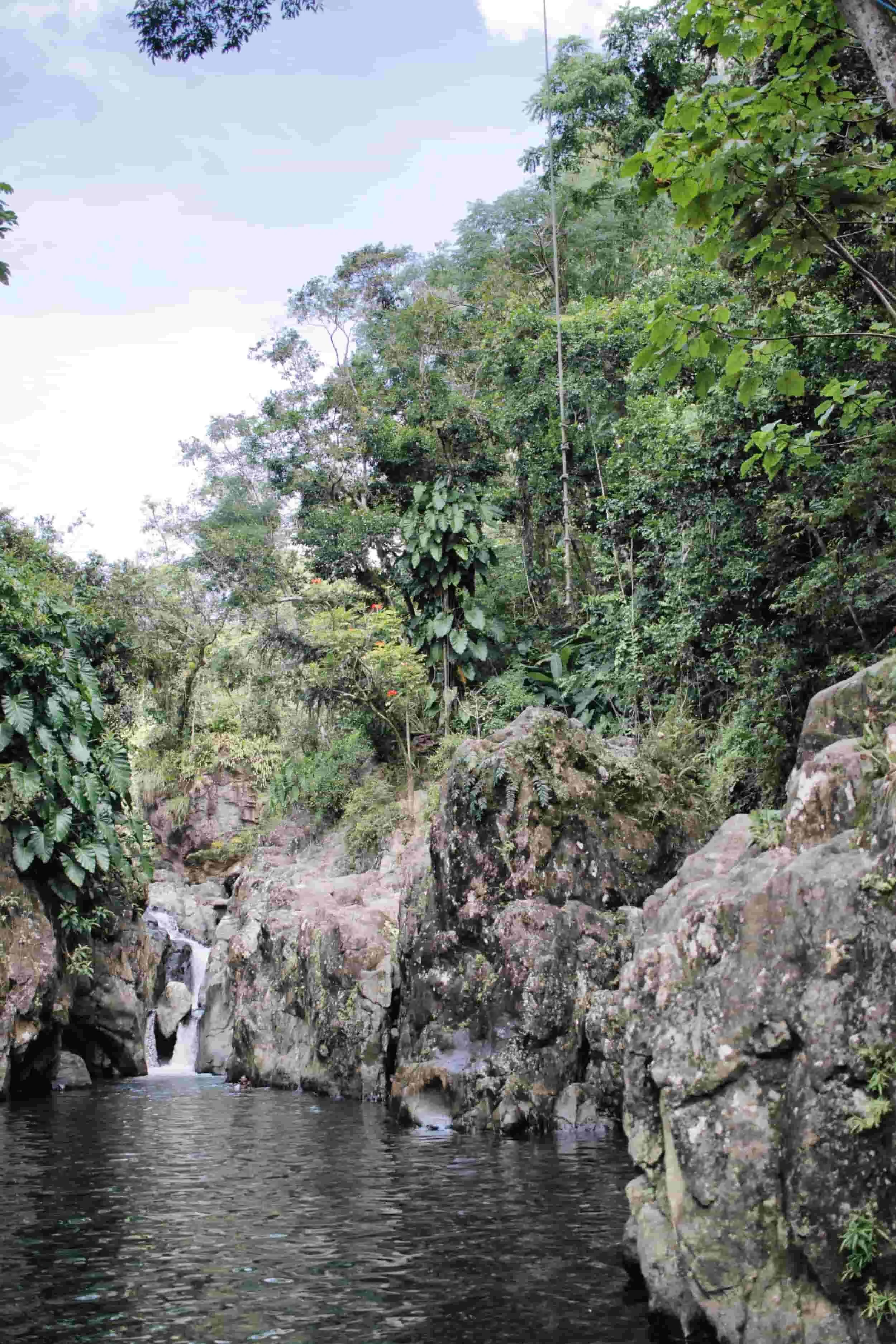
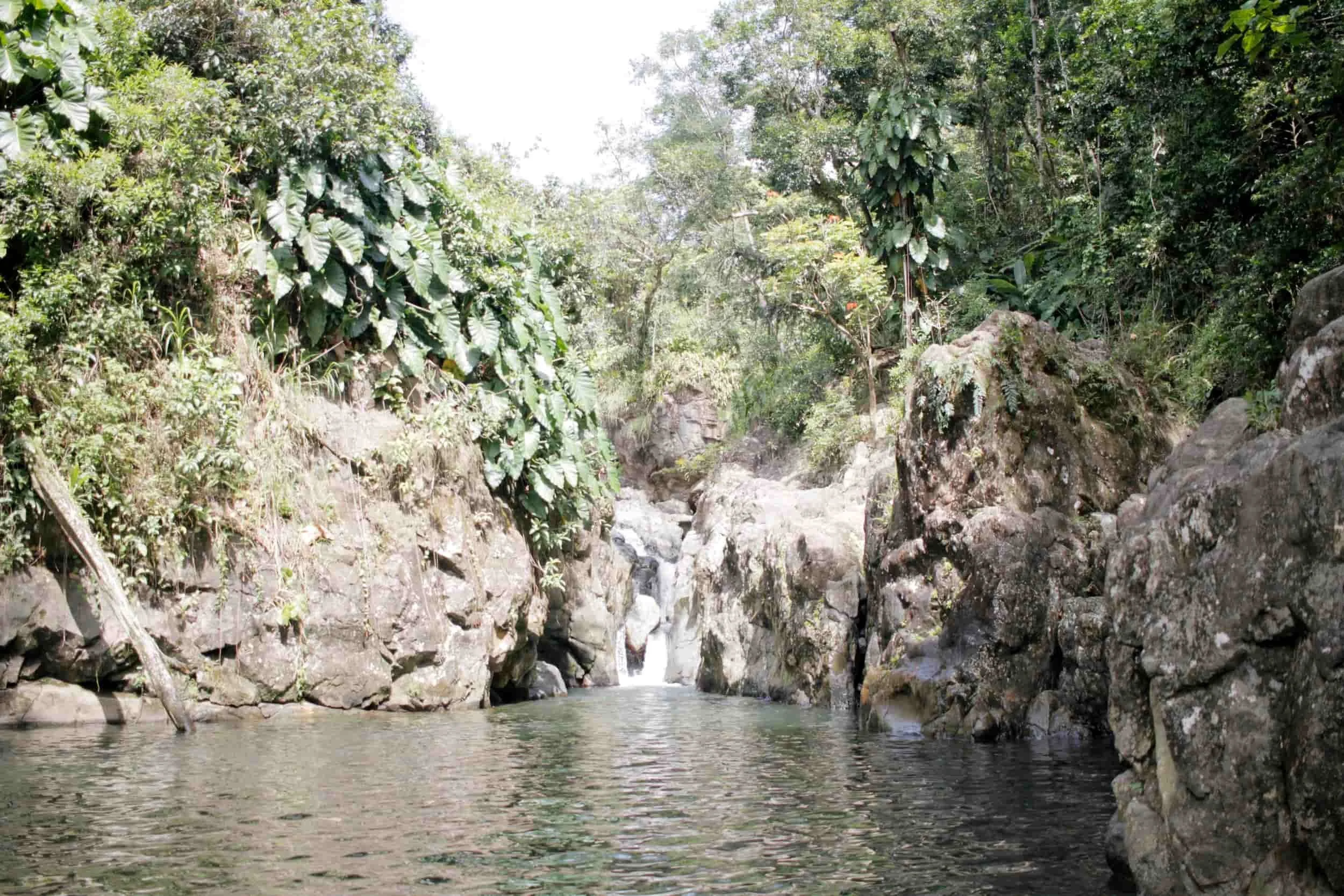
Depending on which trail your guide takes, your experience can feel quite different. Our tour headed to Charco El Hippie, a popular natural pool on the Río Blanco where visitors swim and leap from surrounding boulders. You’ll pass a manned park entrance and then wind up a less-traveled road that almost feels like a back entrance to the forest.
As your vehicle stops and everyone unloads, your guide leads you down a muddy path. After 10–15 minutes, you’ll come to a small waterfall and a river. If you’re game, you can scramble up the rocks alongside the water toward a higher fall — the climb is slippery and a little challenging but it only lasts a short time.
💡 Local Tip | Trails can be particularly muddy, especially after rain, so expect to be covered in mud on your way in.
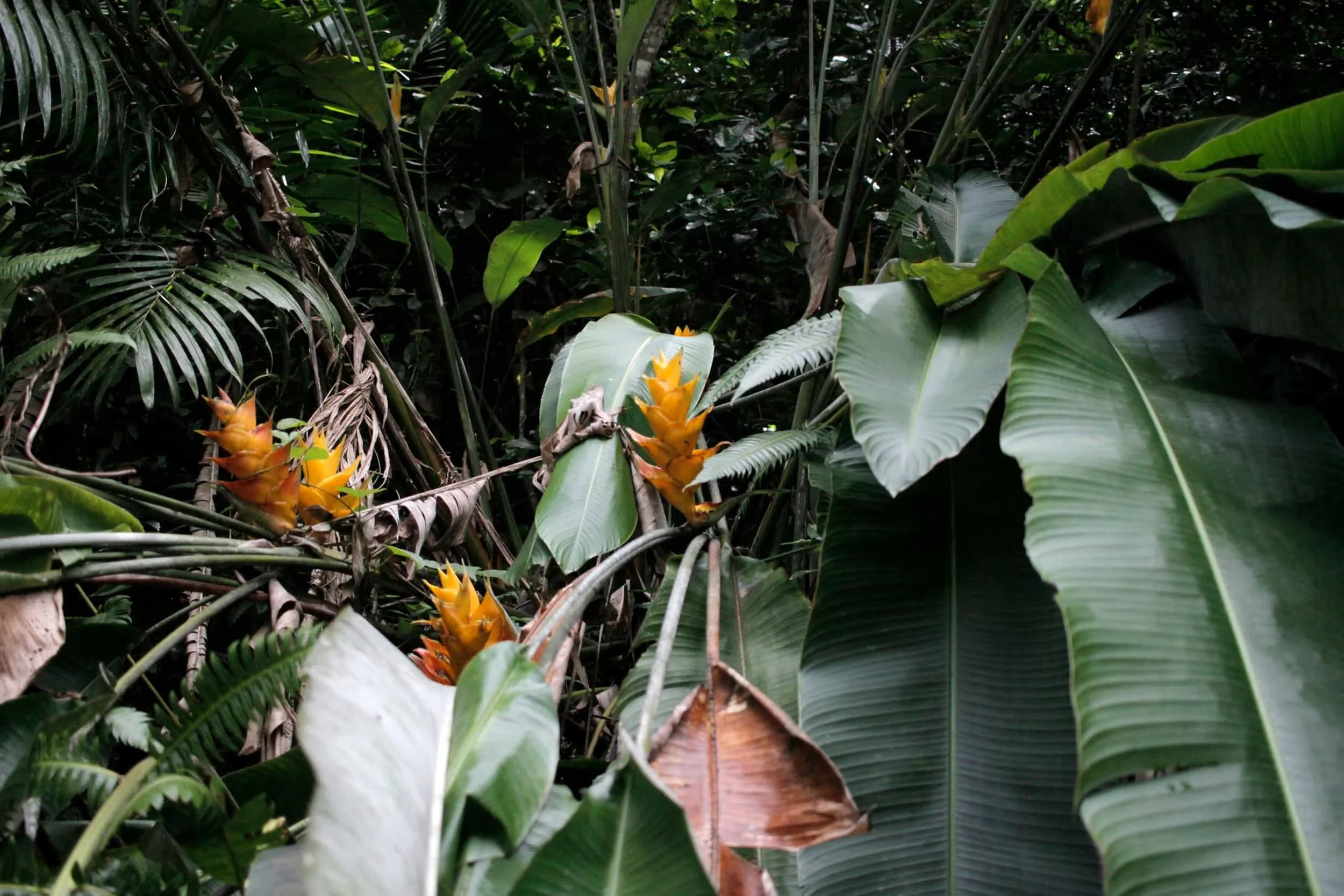
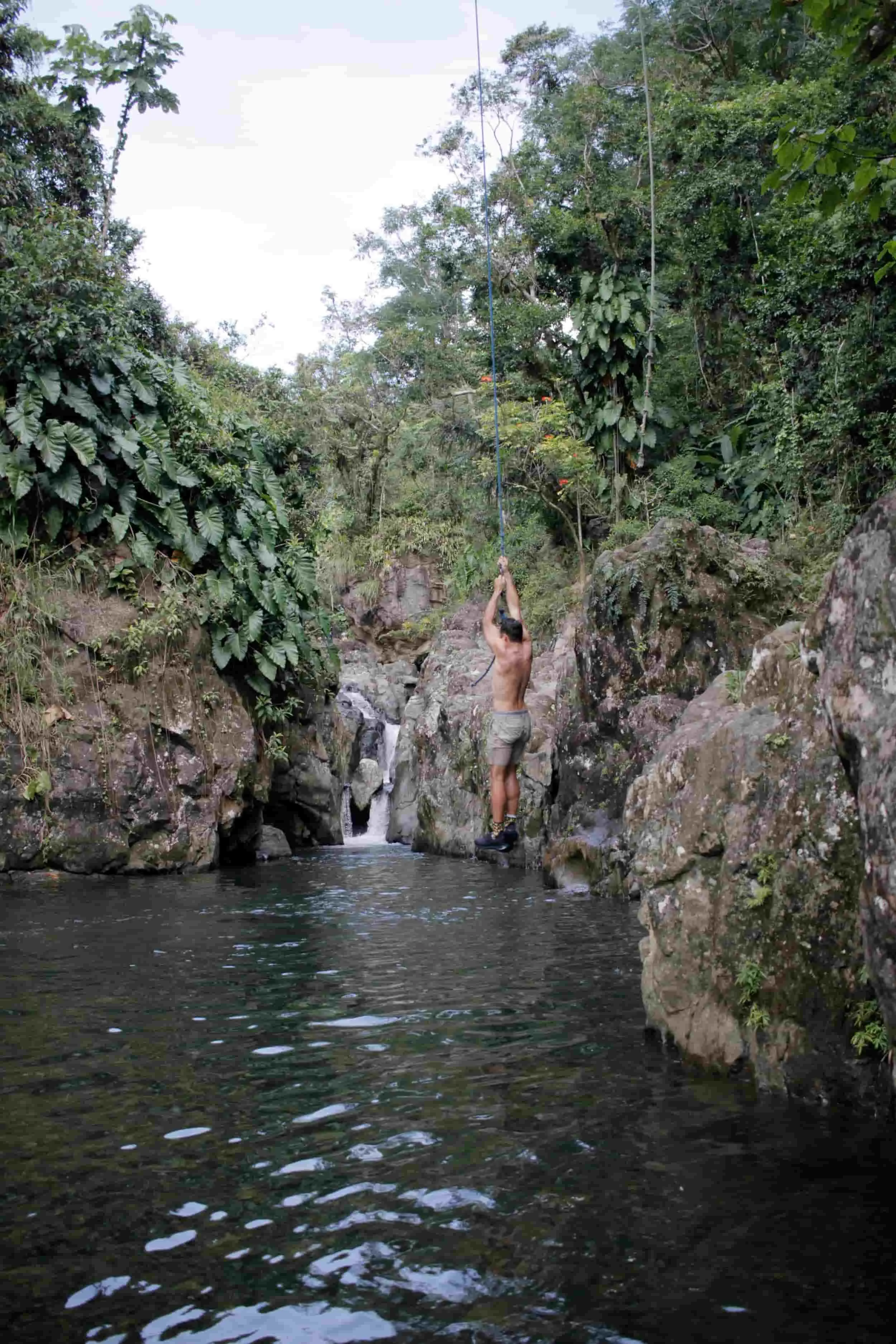
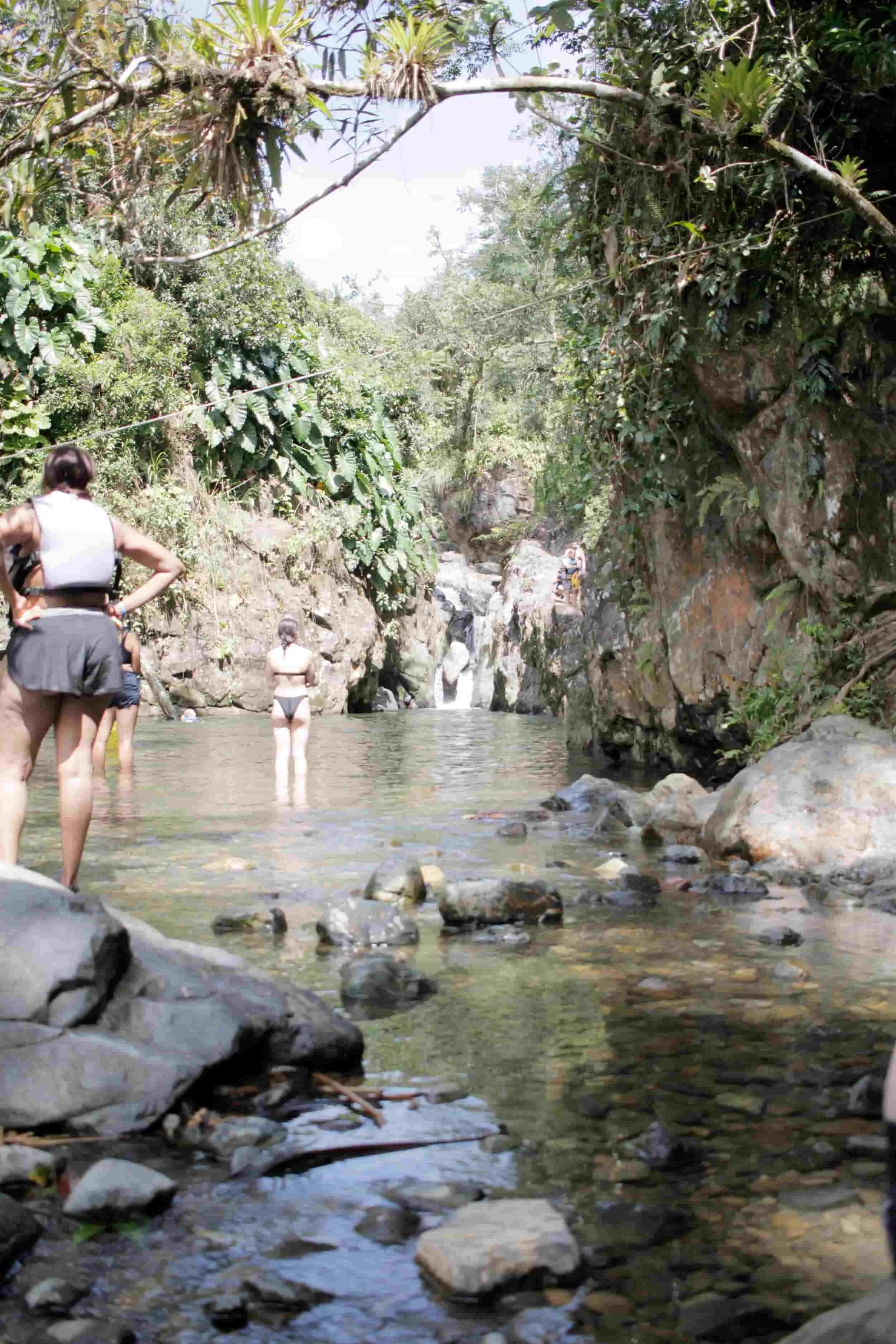
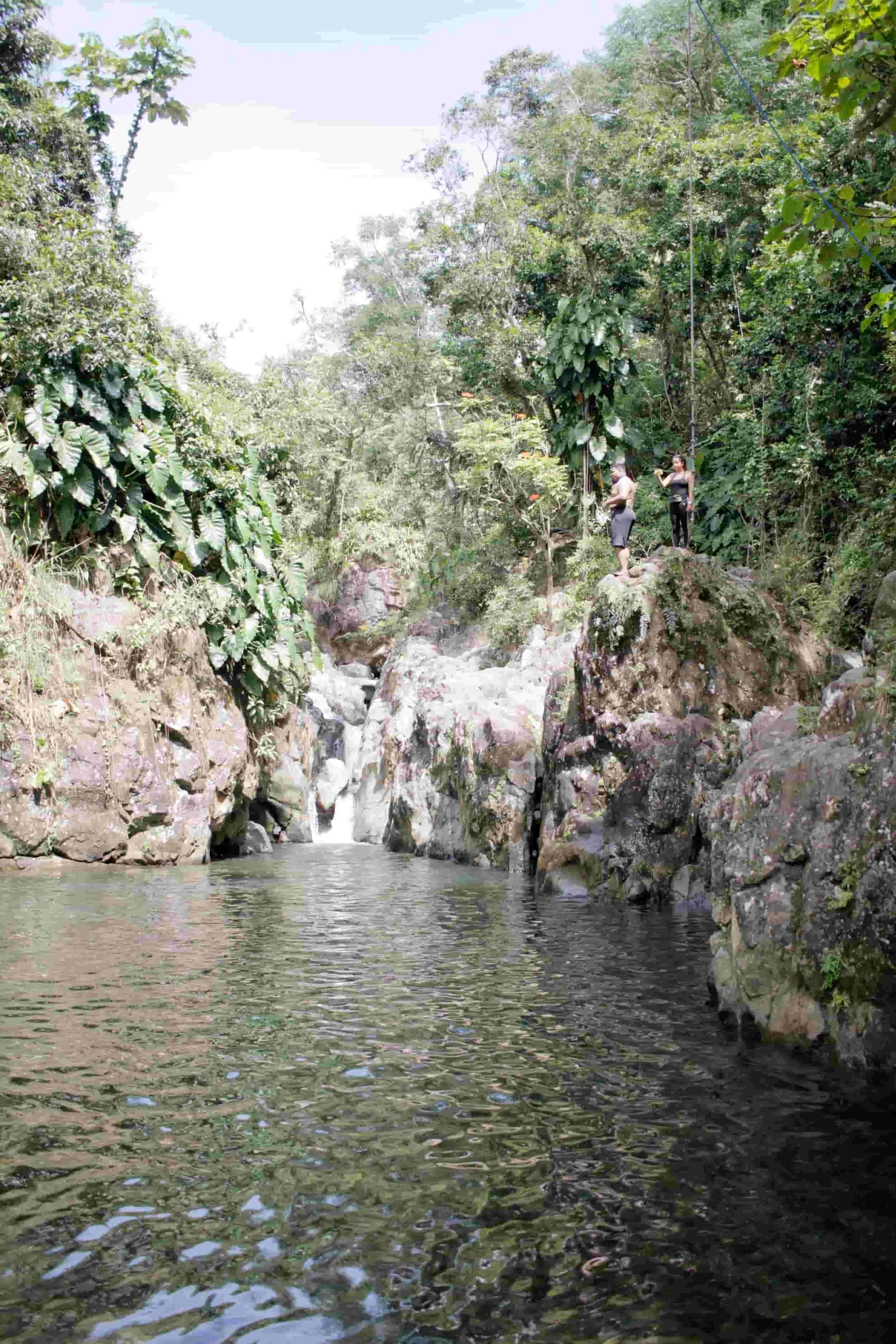
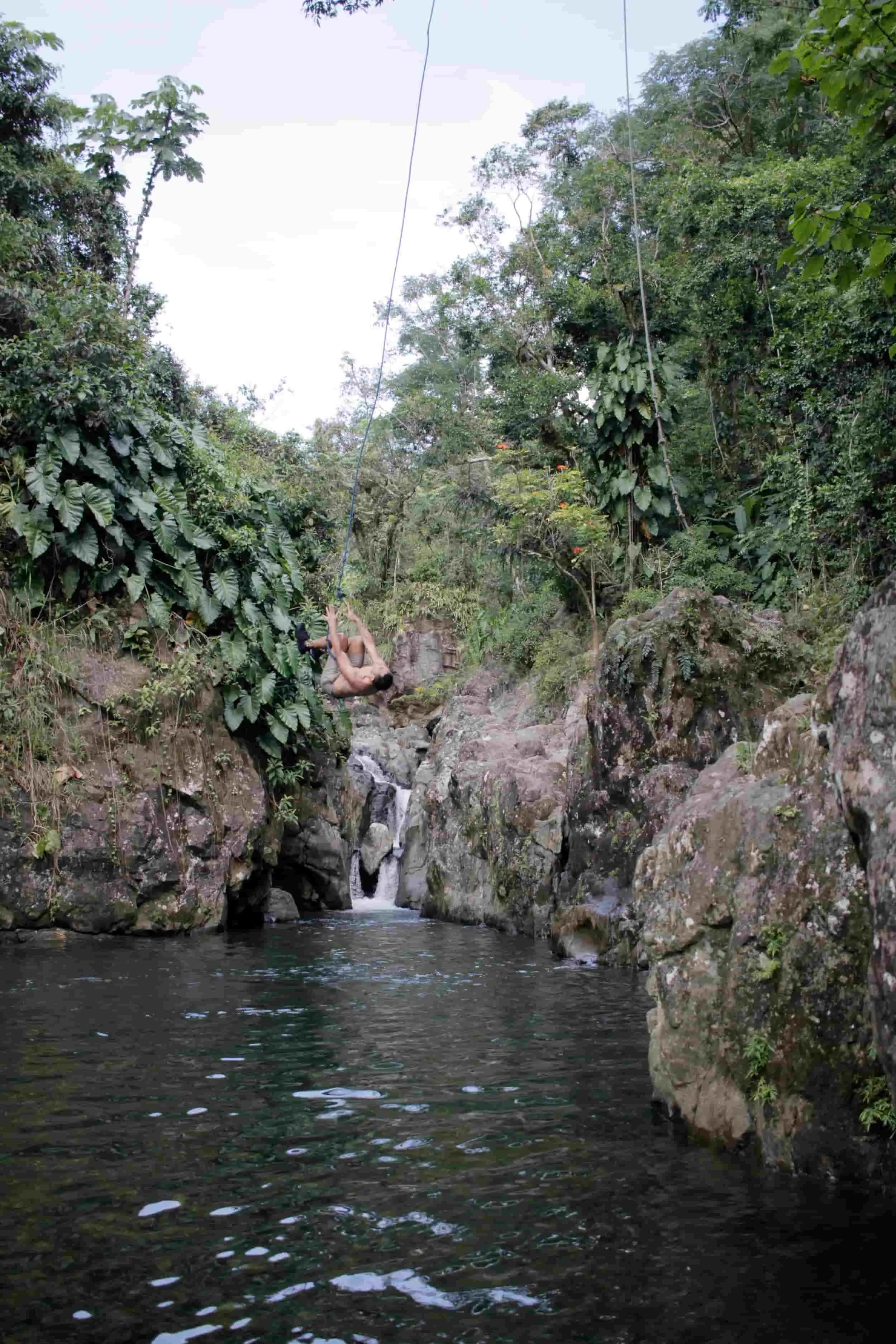
At the upper pool, there may be a handful of other visitors but it doesn’t feel too crowded. People spread out on the rocks, nibble snacks, swim in the cool pools and take turns on the rope swings. Whether your outing is a gentle riverside dip or a more adventurous climb to a higher cascade, Charco El Hippie makes for a refreshing, joyful slice of El Yunque.
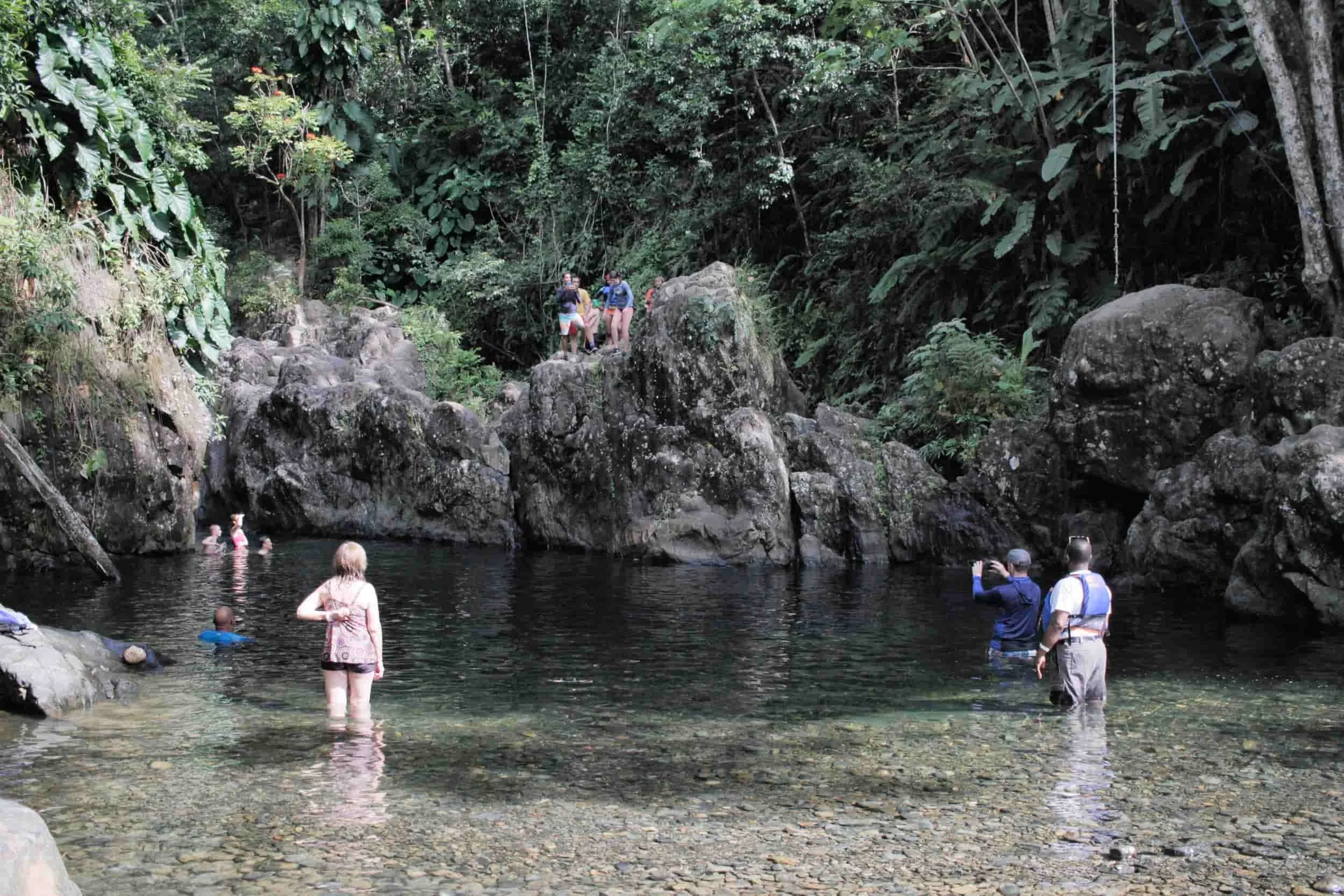
Your first test is to slide down a waterfall — it’s super steep with a sharp drop at the end. Our guide, Carlos, told us to lie flat and hug yourself. After you splash, wait on the right while everyone else takes their turn, then swim under the curtain of water and climb back up. Wow — it felt incredible. Rinse and repeat — go back up for another round.
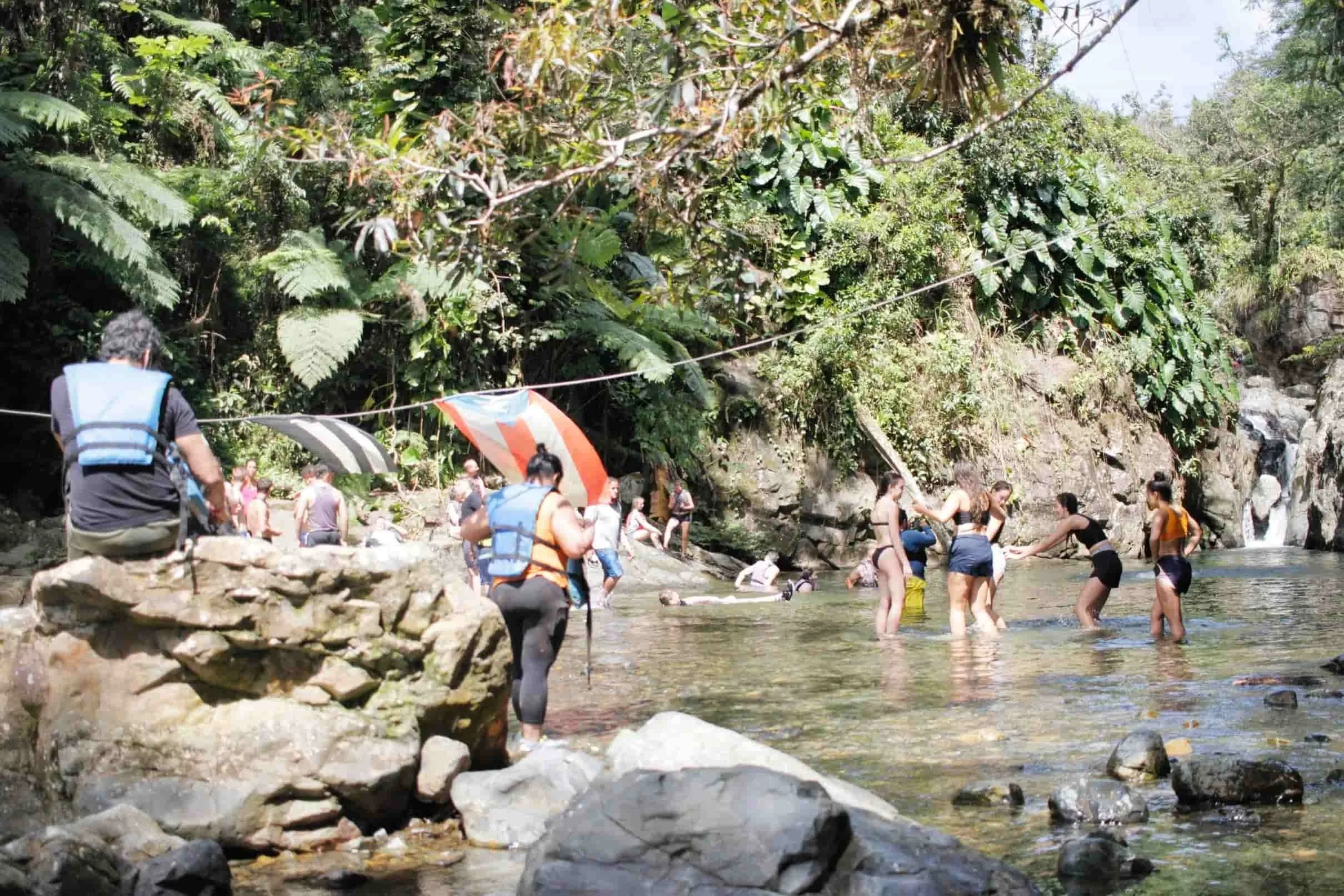
Next, you can head to the lower slide where more tourists gather. This one is longer and less steep but noticeably bumpier; the jolts sting a bit, so you might only try it once.
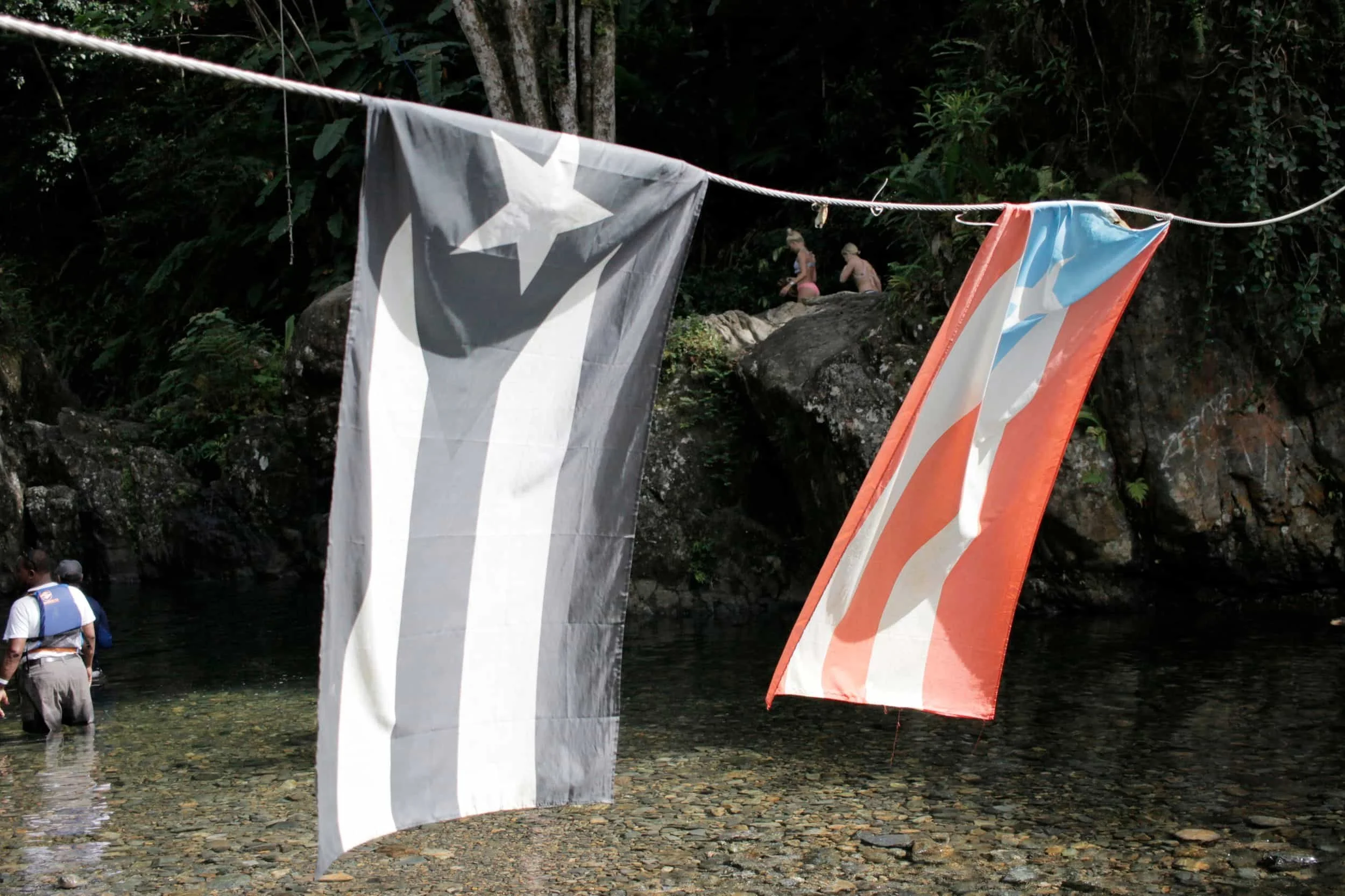
The last and scariest option is a mini cliff about 15 feet (4.5 meters) high or a rope swing that lets you release into the pool. Feeling brave, we chose the cliff jump. It’s terrifying at first but once you do it, it’s not so bad — and the thrill is definitely worth it.
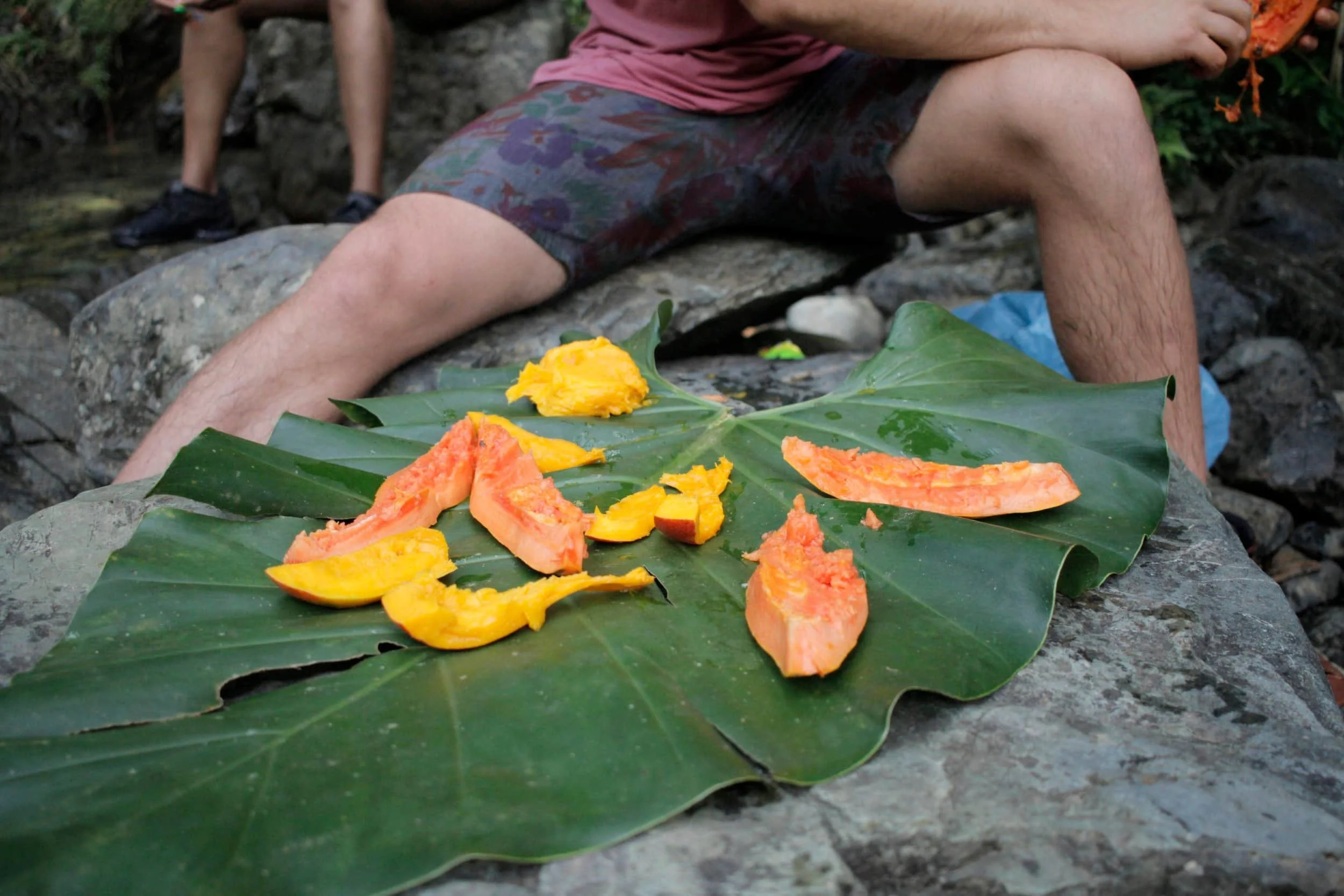
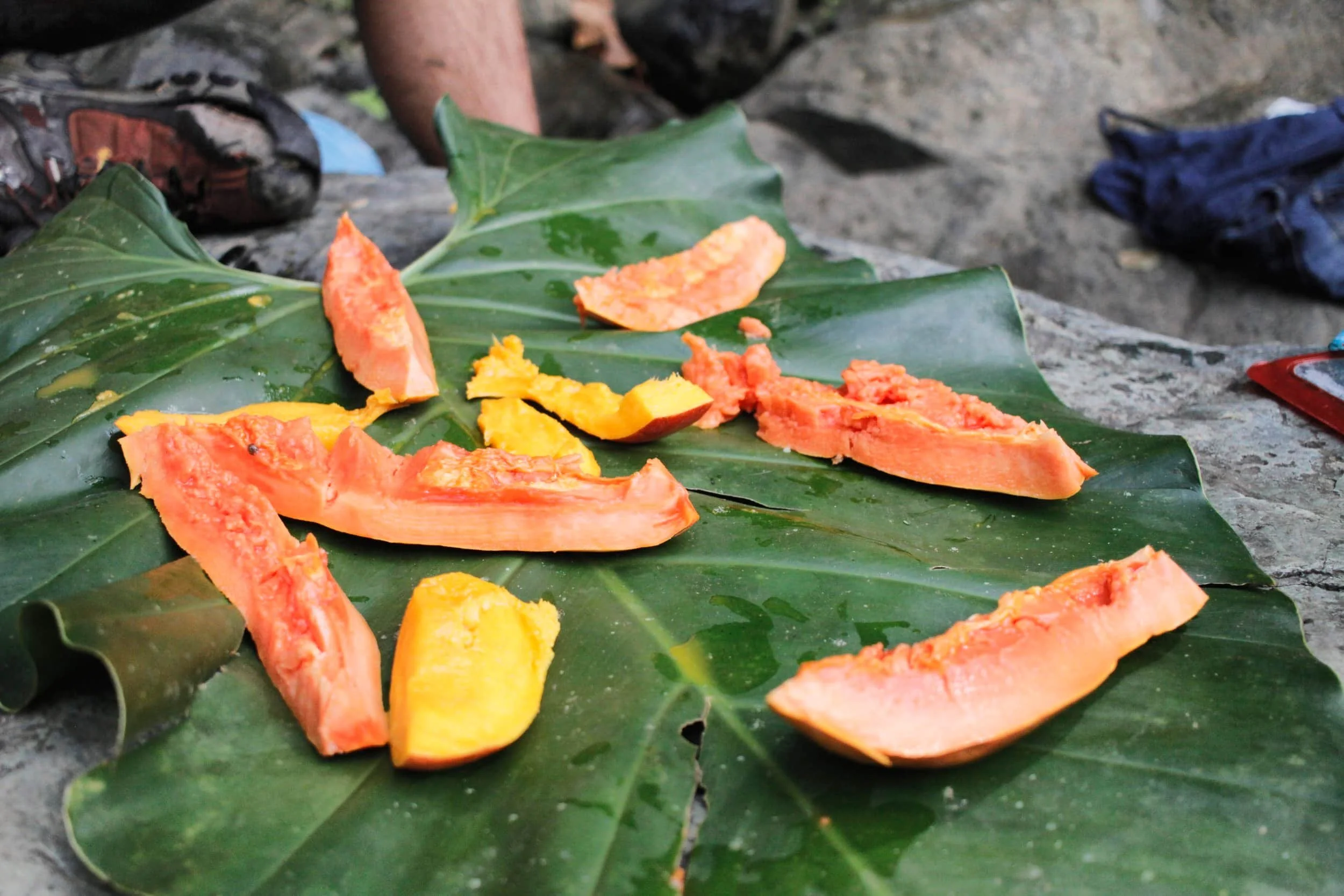
After the adrenaline rush, sink onto the rocks by the water’s edge and snack on sweet mango and papaya, letting the breeze and the gentle splash of the stream settle you. It’s a lovely moment — yet I couldn’t help but wish we’d pushed farther into the forest.
Most of all, El Yunque rewards curiosity: walkways weave through the treetops, trails lead to La Mina waterfall and up Mount Britton and a higher trek brings you into the otherworldly dwarf forest. In the south, ancient Taíno petroglyphs peek out of the landscape and all around you might spot tree frogs and bright birds. Don’t be afraid to dive in and get a little muddy.
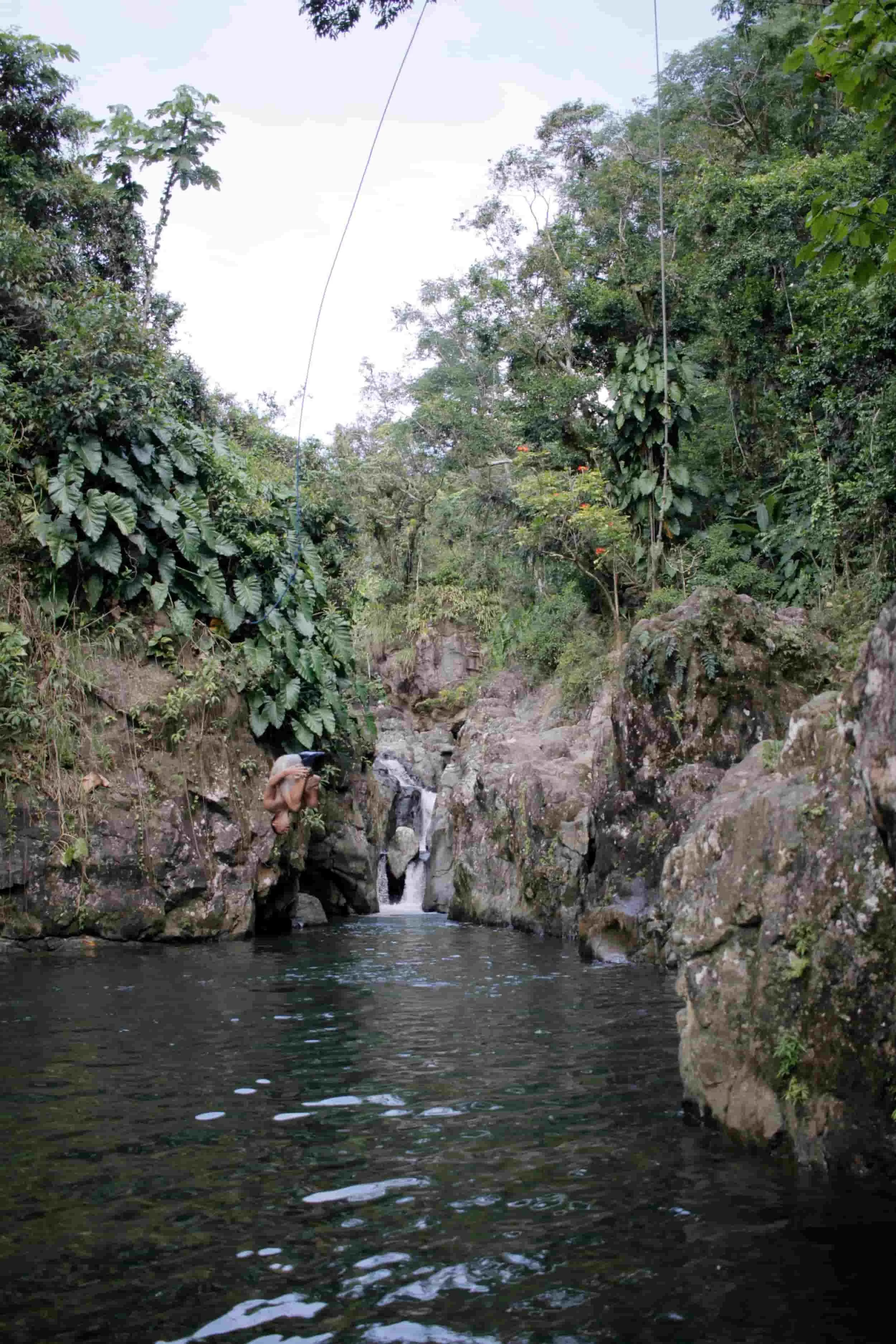
💡 Local Tip | Looking back, I realized there was so much more to discover than we managed to see. If guided tours are your thing, shop around to find one that goes deeper into the park. Or take control — rent or hire a car and drive the hour to the forest yourself. Just remember to reserve your entry ticket in advance; they’re limited and often sell out. Tickets cost only $2 USD, cover an entire car and can be booked up to 30 days ahead here.
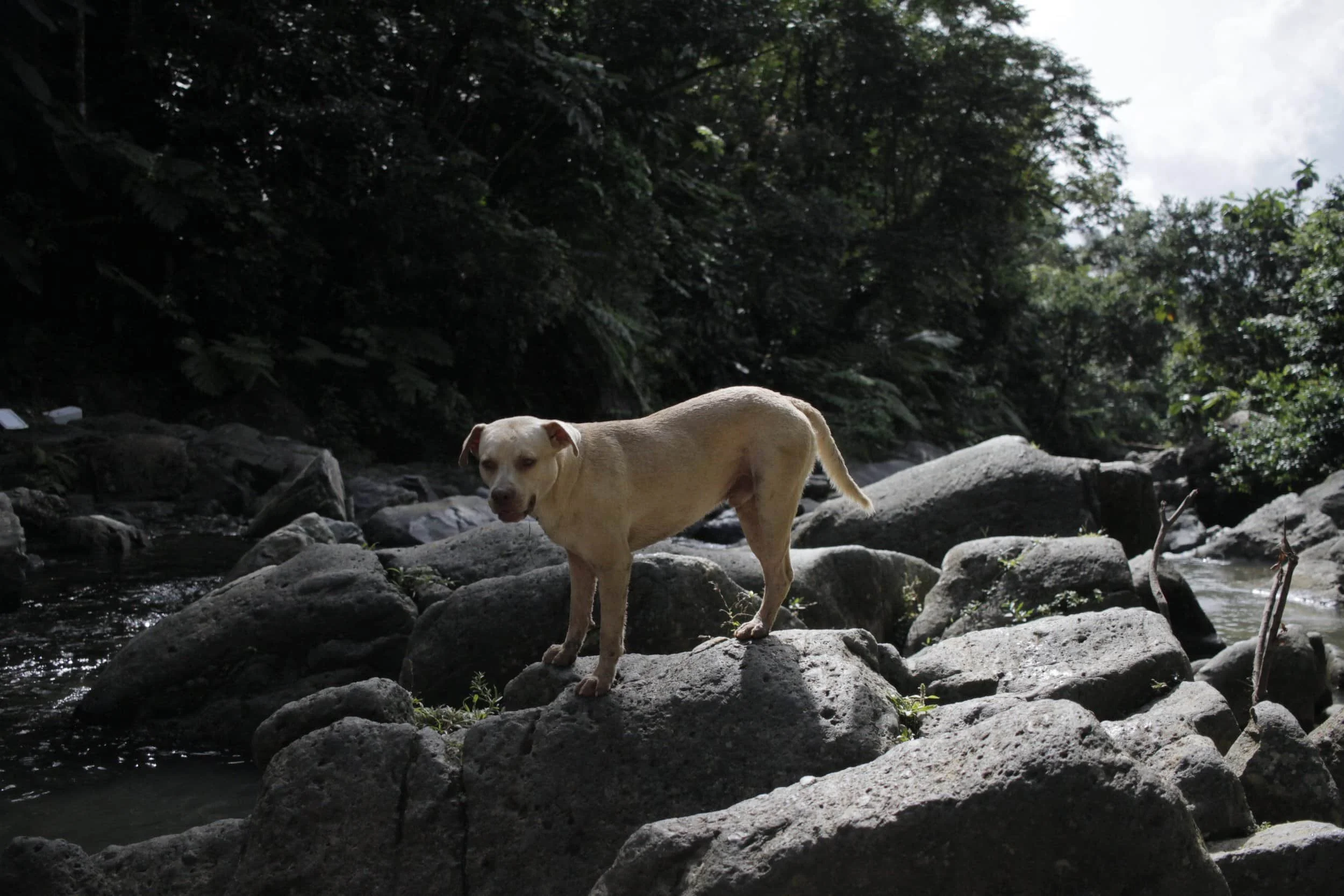
After lingering a while among El Yunque’s pools and lush forest, our guide rounded us up and steered us toward Luquillo Beach for a long-awaited, proper lunch.
Sun, Surf & Shrimp: Lunch at Luquillo Beach After Exploring El Yunque
The road out of El Yunque feels like a soft exhale: misty mountain ferns give way to lower palms and suddenly the Atlantic sparkles ahead. Luquillo Beach (Playa La Monserrate) sits about 25–30 minutes east of El Yunque’s main trailheads by car, depending on traffic and which trail you came from — roughly a 12–15 mile (20 km) drive that snakes down from the rainforest into coastal light. The route is an easy, scenic transition from emerald canopy to open shore; it’s one of those drives where every turn reveals a new shade of green or blue.
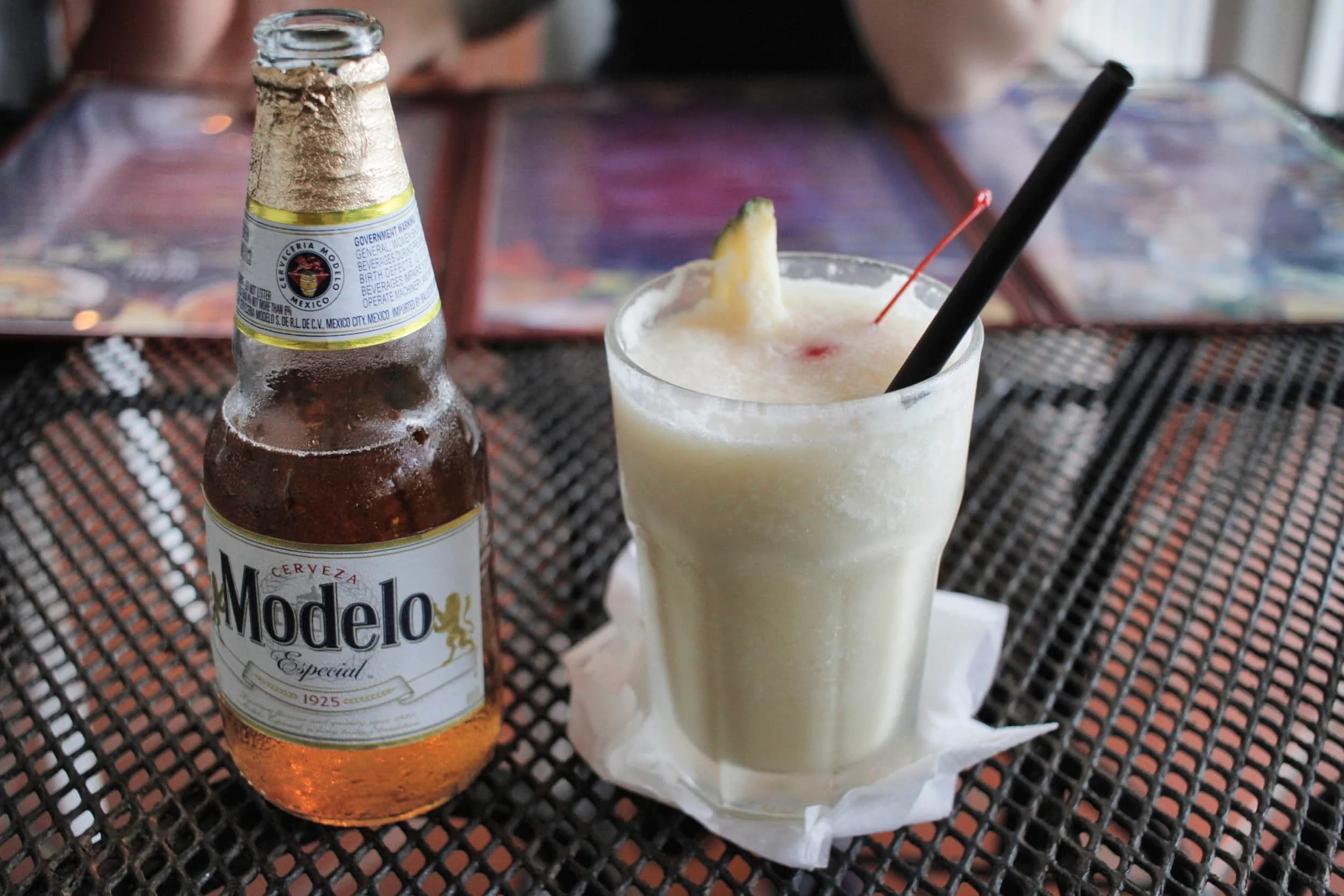
Luquillo is classic Puerto Rican beach life: a long, golden crescent of sand backed by coconut palms and a line of food stalls and restaurants along the road. The sand is soft and gradually sloped, good for wading and families, though currents can pick up on windier days so watch the flags.
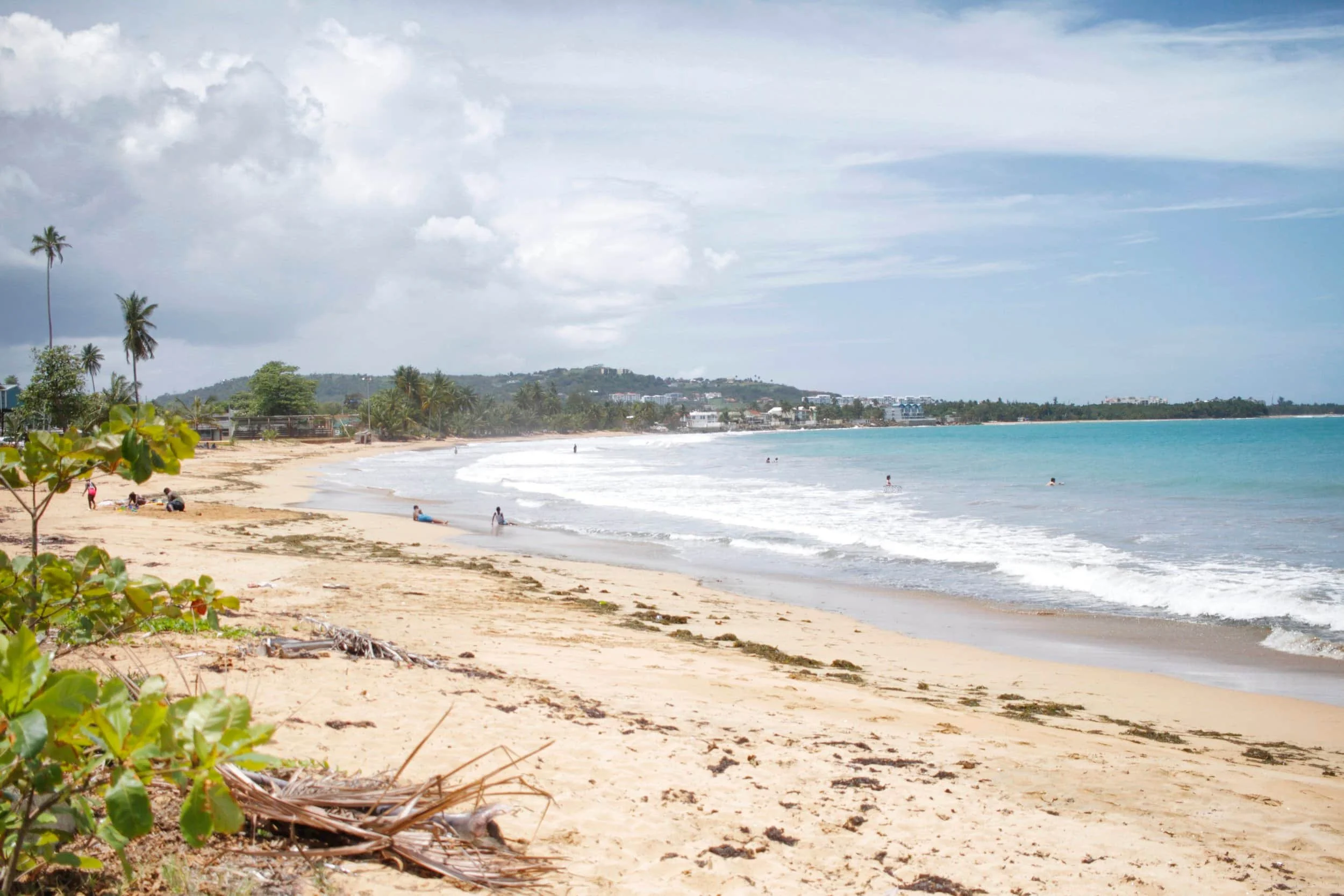
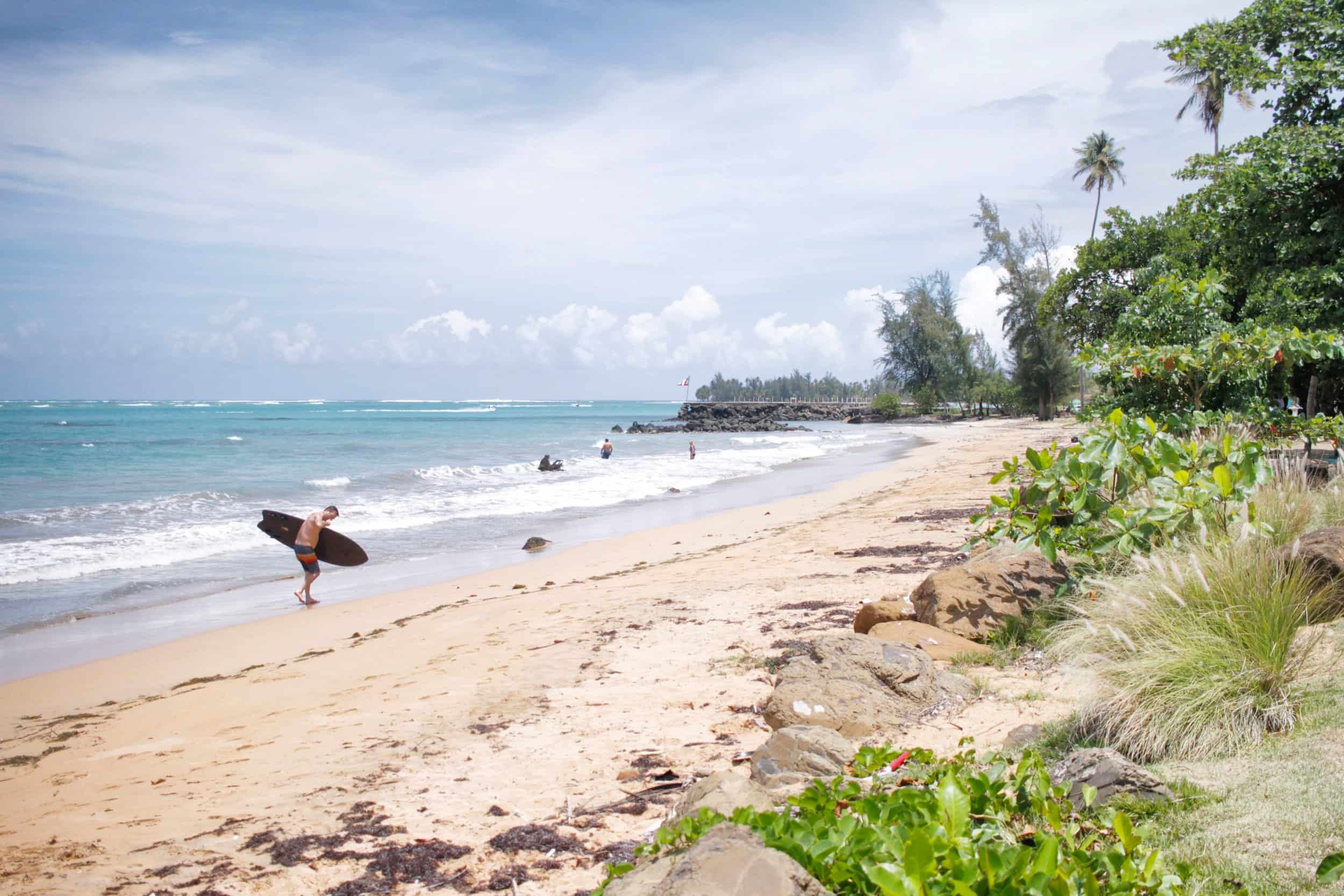
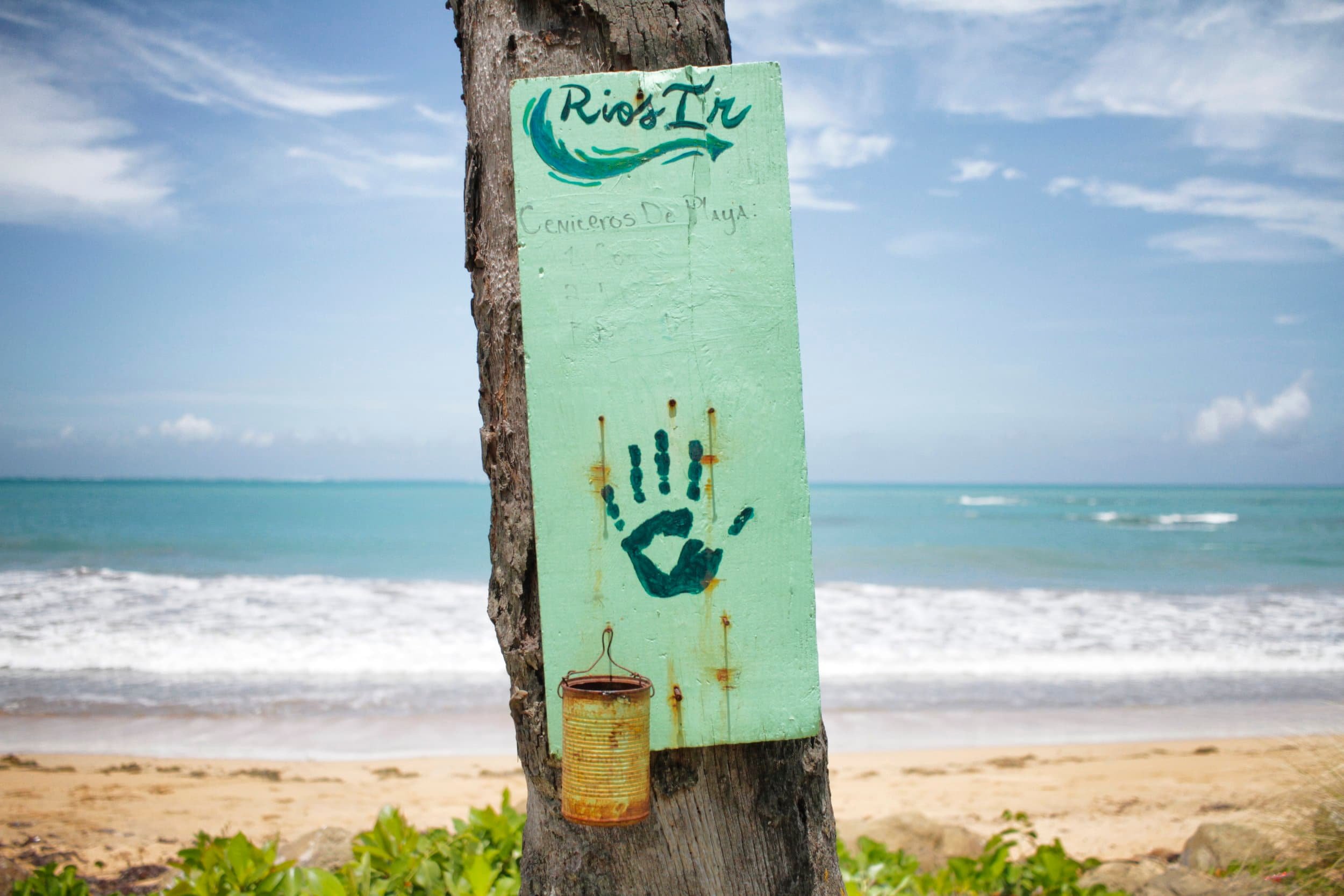
Facilities are visitor-friendly — restrooms, showers and lifeguards during peak hours — and there’s plenty of shaded spots for picnics if you want to rest after swimming.
The real draw for lunch is the stalls: an open-air food row where you can order fresh seafood prepared several ways. Expect fried whole snapper, grilled fish, shrimp mofongo and garlic-shrimp platters alongside Puerto Rican staples like tostones, alcapurrias and arroz mamposteao.
Many stalls offer ceviche, lobster when in season and cold cocktails or coconut water to wash everything down. The vibe is casual and cheerful — grab a table under the palms, order directly at the counter and watch fishermen’s boats drift by while the plates arrive steaming.
⚠️ Good to Know | Mofongo is a famous Puerto Rican national dish made from fried green plantains mashed with garlic, olive oil and crispy pork rinds.
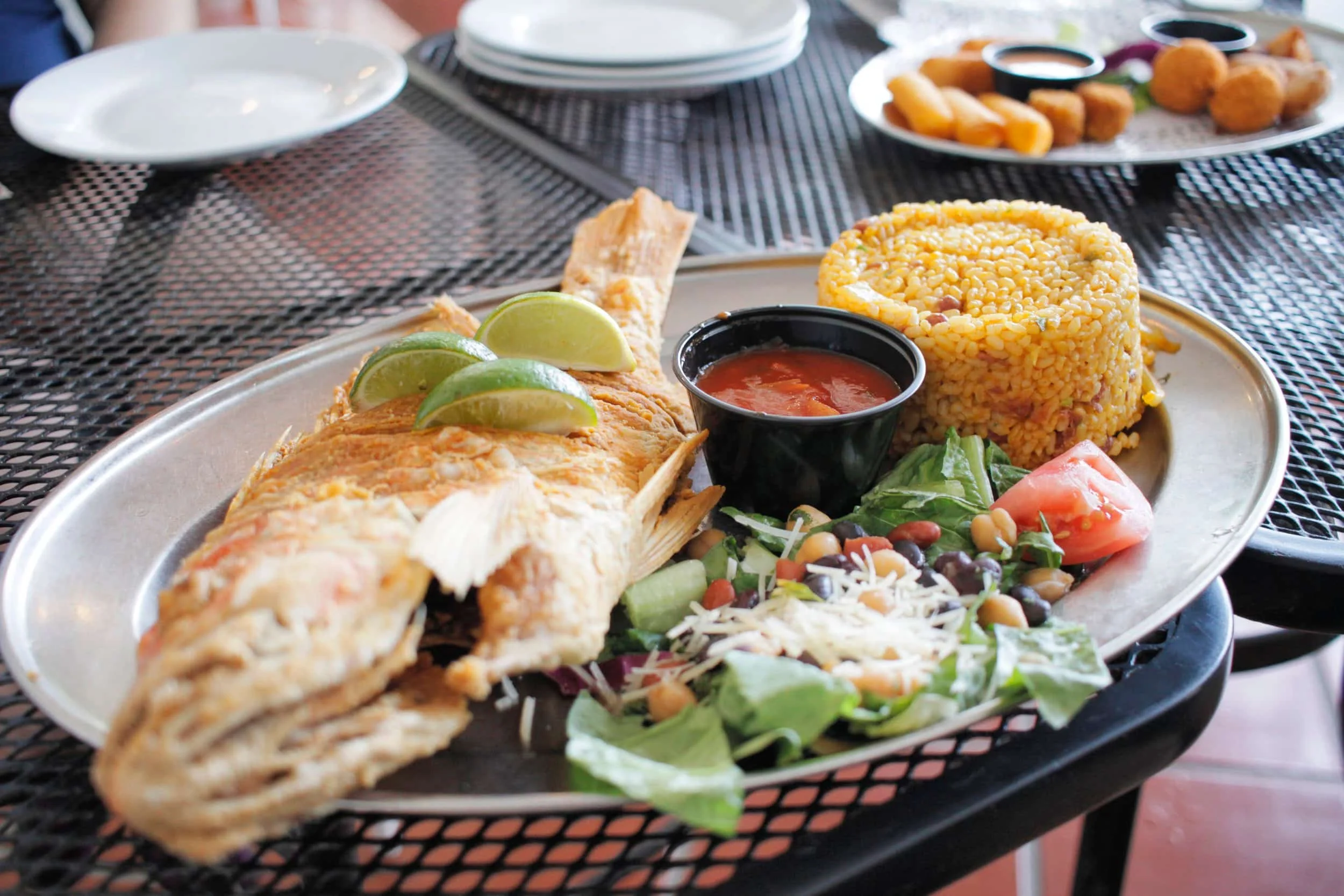
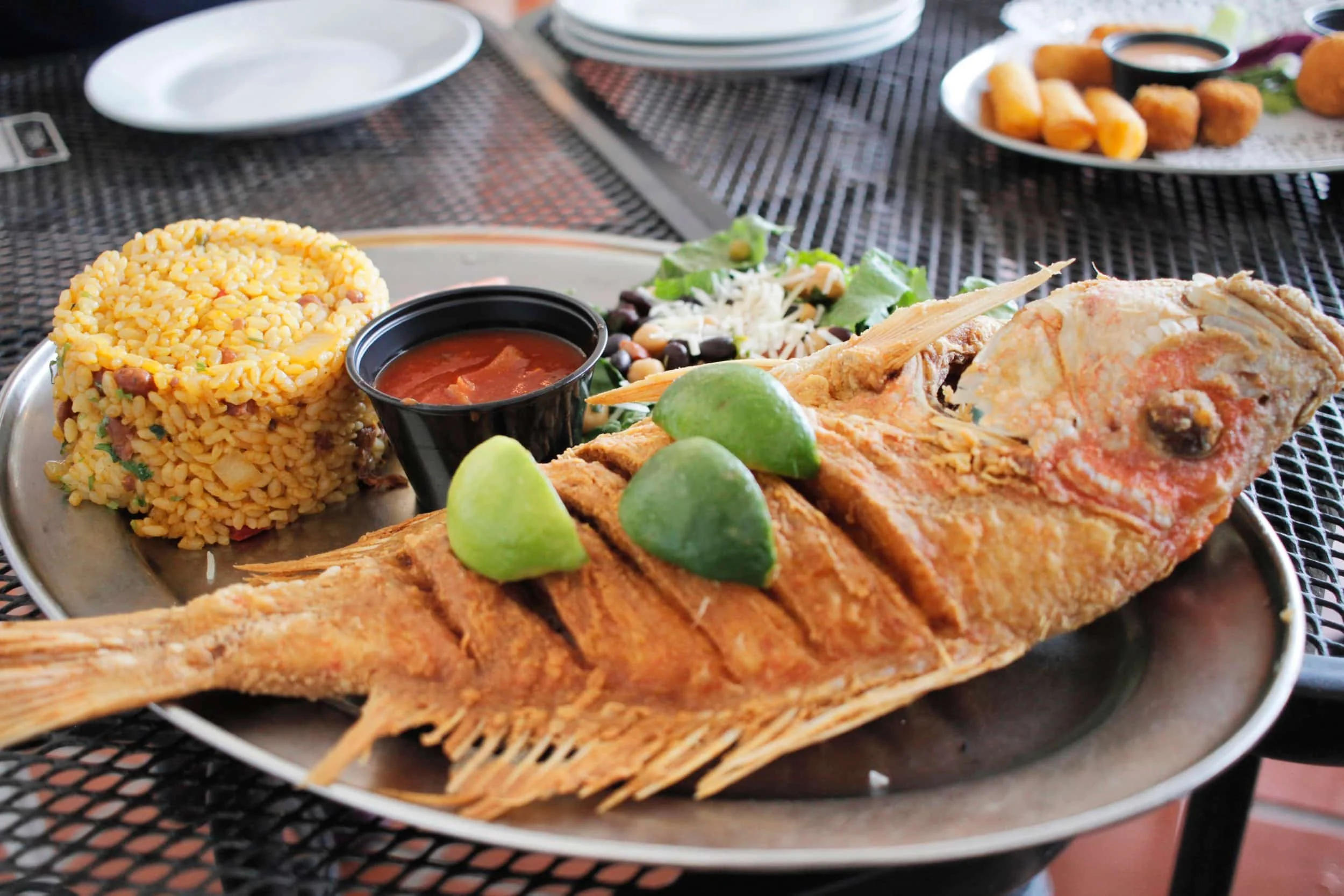
For a small recommendation, follow the locals’ lead: try a seafood mofongo or a garlic shrimp; both showcase the island flavors without fuss. If you’d like a quieter spot after lunch, walk east along the beach past the main parking area where the crowds thin and you can find stretches of sand with fewer umbrellas.
💡 Local Tip | Don’t sleep on the whole snapper.
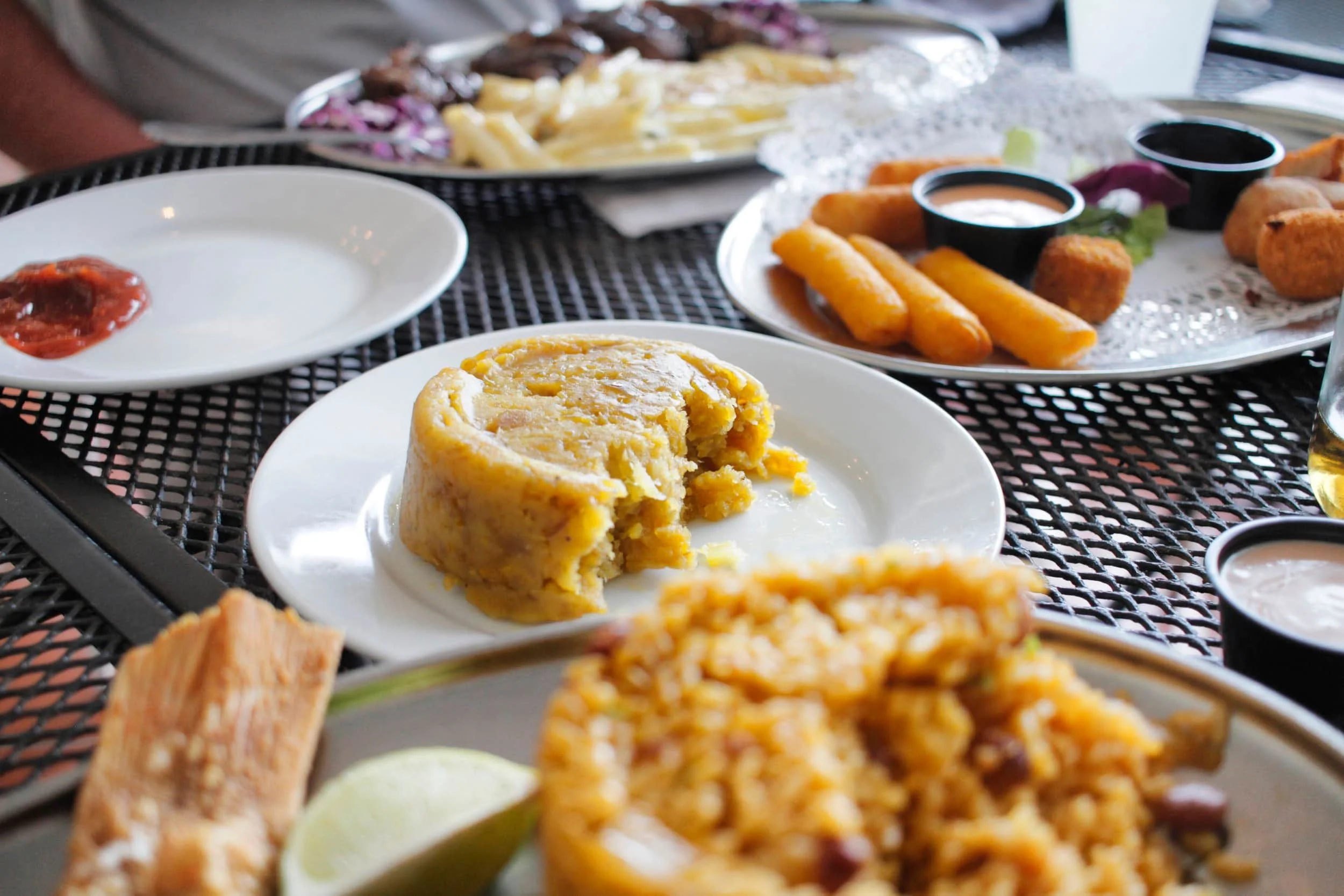
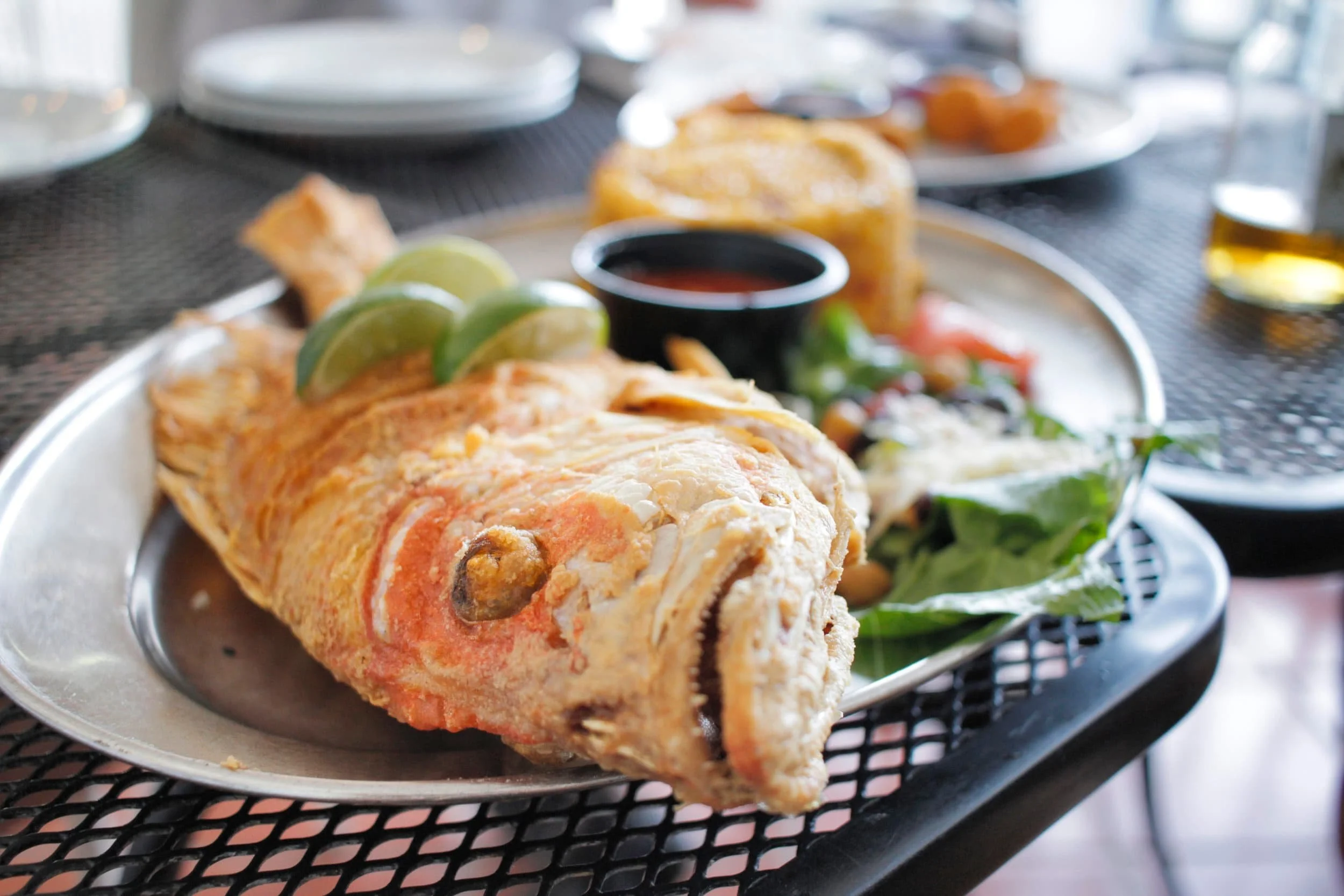
Bring reef-safe sunscreen and a light towel; the sun can be deceptively strong after the cool canopy of El Yunque. With rainforest mist still clinging to your hair and the taste of lime-spritzed fish on your lips, Luquillo makes for the perfect, relaxed ending to a morning of hiking.
After a relaxed lunch of fresh seafood and frosty drinks, return to San Juan to unwind — and save your energy because the warm tropical evening will soon pull you back outside.
My Bibimbap Moment
Every destination adds another ingredient to our life's recipe, often revealing a side of ourselves we don't experience every day. My adventure through El Yunque National Forest and along Puerto Rico's northeastern coast brought back something I hadn't realized I'd been missing. Here's the ingredient it added to my Bibimbap Life.
Today’s Bibimbap Recipe
🥢 Flavor: Adventurous
🌿 Ingredient: Playfulness
❤️ Best Memory: Plunging into the cool waters of Charco El Hippie
🎒 Take With You: Some of life's best moments begin with saying "why not?" Hold on to the version of yourself that laughs a little louder, jumps in anyway and isn't afraid to get a little muddy.
When I think back on El Yunque, I don't remember the itinerary as much as the feeling. I remember cool water on a hot day, muddy shoes, contagious laughter and the simple joy of embracing whatever came next. It wasn't a day about checking off attractions — it was about rediscovering the fun of being fully immersed in an adventure. Somehow, that's the feeling that has stayed with me long after leaving Puerto Rico.
El Yunque Travel Essentials
Visiting El Yunque National Forest is an easy escape from San Juan but a little planning will make the day much smoother. The rainforest has its own rhythm — weather changes quickly, roads wind through the mountains and trail or recreation-area access can vary — so this isn’t a place where I’d build an overly rigid itinerary.
Start early, give yourself plenty of time and come prepared to get a little wet. Whether you’re driving yourself or joining a tour, leave some flexibility for waterfalls, viewpoints, trails and the inevitable stops when the rainforest gives you a reason to linger.
When to Go to El Yunque National Forest
Early morning, just after first light, is the sweetest time to wander El Yunque — mist clings to the trees, birdsong threads through the canopy and the trails feel newly washed and quieted. Visit between late fall and early spring (November through March) for cooler temperatures, lower humidity and the best chance of clear vistas; avoid the peak summer heat and hurricane season if you prefer drier days. For waterfalls at their fullest, plan a visit after a few days of rain in the shoulder seasons — just bring a light rain jacket and waterproof shoes.
Time of Year
December to April (Drier & Milder): Features the most pleasant temperatures (typically in the mid-to-high 70s) and lower humidity, though it is also the peak tourist season with larger crowds.
June to November (Rainier & Hurricane Season): Brings higher humidity, frequent downpours and unpredictable tropical storms, though the forest remains open and is less crowded.
Time of Day
Early Morning (7:30 AM – 9:00 AM): Best for beating the crowds, finding open parking spaces and enjoying cooler temperatures with clear weather.
Midday to Afternoon: Parking lots often fill up completely and gates may temporarily close, plus heavy rain and thunderstorms are much more frequent.
How to Get There — San Juan PR to El Yunque National Forest
To reach El Yunque National Forest, you can rent a car and drive yourself up winding mountain roads, which gives you the freedom to stop at scenic overlooks and linger by waterfalls. If you prefer to relax and learn as you go, join a guided tour — many tours pair the forest with a local lunch or additional stops like a river swim, botanical garden or a visit to a coastal lookout. Both options offer easy access to the lush trails and misty canopy that make El Yunque so special.
💡 Local Tip | One quick tip when choosing a tour: itineraries vary — some weave in multiple hikes and waterfall swims, while others stick to just a few stops — so pick one that matches your appetite for adventure. Our tour was wonderful but in hindsight I’d have loved to wander deeper into the forest and linger at more than a single scenic spot.
Going on Your Own (Rental Car)
Drive time: About 45 minutes to 1 hour from San Juan east along PR-3 and PR-191.
Cost: Free entry to the main forest (El Portal Visitor Center costs about $8–$10 per person).
Flexibility: Total control over your schedule, stops and time spent at sites like Yokahu Tower or La Coca Falls.
Logistics: No advance reservations are needed but entry is first-come, first-served based on parking. You must arrive early before gates or lots fill up. Cell service drops inside the park, so you must download offline maps beforehand.
Going with a Guided Tour
Transportation: Round-trip pickup and drop-off included from major hotels or meeting points in San Juan.
Cost: Varies by operator (typically ranges from $75 to $130+ per person depending on activities).
Experience: Led by an expert guide who handles navigation, parking and shares local history and safety tips.
Logistics: Eliminates the need to rent a car or worry about the steep, winding mountain roads. Often bundles extra experiences like river sliding, rope swings or rope-adventures outside standard public zones.
Optional Add-ons: Post-rainforest trips down to Luquillo Beach and local food stalls.
What to Wear & Pack on Your El Yunque Adventure
Light, quick-drying layers are your best friend — think a moisture-wicking tee, a light long-sleeve for sheltering from sun and bugs and a packable rain jacket (showers can appear without warning). Sturdy waterproof hiking shoes with good grip will keep you steady on slippery roots and muddy trails; bring breathable socks and a small towel for damp moments.
Pack a daypack with plenty of water, high-energy snacks, sunscreen, insect repellent, a hat and a portable phone charger for photos of waterfalls and vistas. A lightweight pair of binoculars and a waterproof zip pouch for your essentials add the perfect touch to a day exploring El Yunque.
What to Wear
Swimsuit: Put this on underneath your clothes so you are ready for natural pools and waterfalls.
Quick-Dry Clothing: Choose athletic shirts, nylon shorts or light hiking pants instead of heavy cotton.
Closed-Toe Shoes: Wear sturdy sneakers, water shoes with high traction or muddy-terrain shoes. Avoid smooth-soled shoes or flip-flops, as trails are slick.
💡 Local Tip | Closed toe grippy shoes are essential — they will get wet and muddy.
What to Pack
Rain Gear: Pack a light rain jacket, poncho or compact umbrella for sudden downpours.
Water & Snacks: Bring plenty of drinking water to stay hydrated in the heavy humidity.
Dry Bag & Extras: Keep a dry bag for electronics, plus a towel and a full change of clothes to leave in your car.
💡 Local Tip | Take extra care with pricey camera gear. I left mine tucked in my bag while I went for a swim and when I came back someone had either stepped on the bag or tossed it — the result was a sadly cracked camera body.
Where to Stay
San Juan is the most common home base for a day trip to El Yunque National Forest, keeping you close to restaurants, nightlife and convenient rental-car pickup. For a lively, walkable stay, choose Old San Juan, where colorful colonial streets, boutique hotels and guesthouses put you minutes from historic forts and waterfront views. Condado and Isla Verde offer beachfront hotels and condo rentals if you prefer ocean breezes and easy beach access before heading east. For a quieter, more local feel, consider Santurce, Ocean Park or Miramar, where smaller hotels and apartment-style stays put you close to coffee shops, restaurants and neighborhood life while still making El Yunque an easy day trip.
Where I Stayed
For history & location — Hotel El Convento
This is where I stayed in San Juan and its location in the heart of Old San Juan made it an ideal base for exploring the city on foot. Set within a historic former convent, it has the kind of architecture, character and sense of place that made the stay feel connected to the history and character of Old San Juan rather than like just another hotel.
Where I’d Stay
If I were choosing something different next time, I’d look beyond the larger beachfront hotels for smaller stays with a little more personality. These are a few I’d consider for their design, location and more intimate feel.
For a quiet stay near the beach — Ayana Inn PR
A small, stylish inn in Ocean Park with a relaxed, residential feel, putting you within a short walk of the beach while offering a quieter alternative to the larger resorts of Condado and Isla Verde.
For design & character — Patio Elba Suites
A restored historic property in Santurce where original tilework, soaring ceilings and Spanish architectural details meet contemporary interiors, plus apartment-style suites that give you a little more room to settle in.
For a polished boutique stay — Don Rafa Boutique Hotel & Residences
An elevated option in Miramar, Don Rafa pairs eclectic mid-century-inspired interiors with spacious rooms and residences — great if you want something design-forward with a little more polish and comfort.
Additional Options
Prefer a place of your own?
If you’d rather have an apartment or house, extra space or your own kitchen, browse vacation rentals around San Juan for a stay that feels a little more like home.
Browse San Juan vacation rentals →
Want more options?
If none of these quite fit, browse more San Juan stays to find the neighborhood, style and price point that works best for your trip.
How to Get Around
San Juan is super easy to explore: hop on the colorful public buses for a budget-friendly ride through Old San Juan and beyond, flag down an Uber or taxi when you want door-to-door convenience or rent a car for scenic drives to El Yunque and neighboring beaches.
In the historic district, wandering on foot is the real joy — cobblestone streets, pastel buildings and tucked-away cafés reveal themselves at a leisurely pace — while bike rentals and narrated walking tours offer local stories and shortcuts that make every corner feel like a small discovery.
How Long to Stay
San Juan deserves at least three full days to wander Old San Juan’s colorful streets, sample roadside fritters and linger over sunset views from Castillo San Cristóbal. Add a few more days if you can — it gives you time to hop a short ferry or flight to Vieques for pristine beaches, bioluminescent bays and a quieter island pace that feels worlds away from the city.
Tours & Day Trips
Guided rainforest hikes lead you along misty trails past towering tabonuco trees and hidden waterfalls, with naturalist guides pointing out coquí frogs, native orchids and panoramic overlooks. Canopy zipline tours add a thrill, letting you sail above the canopy for unique bird’s-eye views of the lush valley.
For a gentler pace, scenic drives and guided tram tours explore the park’s historic Visitor Center, La Mina Falls and the Río Blanco picnic areas, while customized eco-tours and night walks reveal nocturnal wildlife and the rainforest’s magical glow.
Want to Explore El Yunque by Tour?
El Yunque is easy to visit but going with a local guide can add so much more to the experience — from finding the best trails and swimming spots to understanding the rainforest beyond what you see along the way. If you'd rather leave the logistics to someone else, look for a small-group tour with plenty of time to actually explore.
Good to Know
Download Offline Maps: Cell service can become unreliable as you head into the rainforest. Download your route before you leave and don’t rely entirely on having service once you’re inside El Yunque.
Rain Changes Things Quickly: This is a tropical rainforest and conditions can shift fast. Trails, rocks and roads may become slippery after a downpour, so slow down and be prepared to adjust your plans.
Be Careful Around Rivers: Heavy rain can cause water levels to rise quickly. Avoid entering rivers or swimming holes during heavy rain and if conditions begin changing, get out of the water and move to a safe area.
Stay on Marked Trails: Stick to designated trails and recreation areas. It protects the rainforest and keeps you away from unstable terrain, steep drop-offs and other hazards that may not be obvious.
Check Conditions Before You Go: Trail, road and recreation-area access can change because of weather, maintenance or other conditions. Check current forest alerts before heading out rather than assuming everything will be accessible.
Lose yourself for a sun-dappled day in El Yunque — where misty waterfalls, emerald trails and the call of coquí frogs turn a simple hike into a soulful island escape.