What Is Interior Design? The Art & Science of Space
There's more to good design than meets the eye.

The Spaces That Shape Us
We experience interior design every day, often without realizing it. It's in the way natural light fills a room, how a space guides us from one place to another and the subtle details that make us feel comfortable, curious or completely out of place. Good design shapes how we experience the world, influencing everything from our mood and behavior to how we connect with the people around us.
But what is interior design, really? It's about much more than choosing furniture or finding the perfect paint color. It's a thoughtful balance of creativity, psychology, function and technical expertise, bringing together the art and science of creating spaces that work as beautifully as they feel. Whether it's a home, a hospital or a place you've stumbled upon halfway around the world, every space tells a story. And understanding the design behind it can change the way you see it.
Explore
A closer look at the ideas, influences and decisions that shape the spaces around us.
01 | What Is Interior Design?
02 | Interior Design vs. Decorating
03 | How I Found My Way Into Design
04 | What Interior Designers Actually Do
Beyond the Surface
What is interior design, beyond beautiful rooms and carefully chosen finishes? Explore the creativity, psychology and technical thinking behind the spaces we inhabit, and discover how thoughtful design shapes the way we live, feel and experience the world.
What Is Interior Design?
Interior design gives a space its personality. It's what makes a small café feel intimate, a minimalist loft feel calm or a busy workplace feel surprisingly comfortable. It influences how we experience a room from the moment we enter, whether that's through natural light, the arrangement of furniture or simply how easily we can find our way around.
Designers work with a familiar set of elements: light and shadow, scale and proportion, color and contrast, pattern and texture, rhythm and balance. Individually, these choices might seem small but together they establish the character of a space and influence how people feel and behave within it.
Of course, a beautiful space isn't necessarily a well-designed one. Beneath the visual details is something equally important: function. How people move through a room, which spaces need to connect and how each area supports its intended use are all fundamental design decisions. When those relationships don't work, people find ways around them, often creating awkward layouts or daily frustrations that could have been avoided with better planning.
This relationship between purpose and appearance is captured by the principle “form follows function.” Coined by American architect Louis Sullivan, an influential figure in early modern architecture and a mentor to Frank Lloyd Wright, the phrase suggests that the shape and organization of a space should respond to what it's designed to do.
That doesn't mean function should come at the expense of beauty. Quite the opposite. Some of the most successful interiors are those where the practical decisions are so thoughtfully integrated that you barely notice them.
Interior design is ultimately about creating spaces that work for the people using them, balancing aesthetics, function and human experience. And while the finished result might look effortless, there's usually a great deal of planning behind it.
Interior Design vs. Decorating
Interior design and interior decorating are often used interchangeably but they're not quite the same thing. Both contribute to how a space looks and feels, although the biggest difference is the scope of the work happening behind the scenes.
Interior decorating focuses primarily on the visual character of an existing space. Think furniture, color palettes, window treatments, artwork and the finishing touches that make a room feel complete. A talented decorator can completely transform an interior without changing its layout or underlying systems.
Interior design goes further, considering how a space is planned, built and used. Designers think about circulation, room relationships, accessibility, lighting, acoustics and the technical requirements that support each function. Depending on the project, that means coordinating with architects, engineers and other specialists on everything from plumbing and electrical systems to heating, ventilation, air conditioning (HVAC), audiovisual technology and security.
While architects typically take the lead on a building's structure, exterior and core systems, interior designers focus on the spaces within. Their responsibilities often overlap, particularly when it comes to planning, accessibility and building systems. The best projects happen when those disciplines work together from the beginning rather than treating the interior as something to figure out later.
Even selecting finishes involves more than choosing what looks good. Carpet, paint, glass, tile, terrazzo, fabrics, wood and stone all need to work together aesthetically but they also have to meet practical requirements. A beautiful floor might be completely wrong for a busy hospital corridor if it can't withstand constant traffic, cleaning or the movement of heavy equipment.
Then there are the details of how materials actually come together. Where does the tile stop? How does the flooring transition between rooms? What happens when two materials meet at an awkward corner? These are the seemingly minor decisions that can make an interior feel considered or poorly resolved. They're also the kinds of details that occasionally keep me up at night.
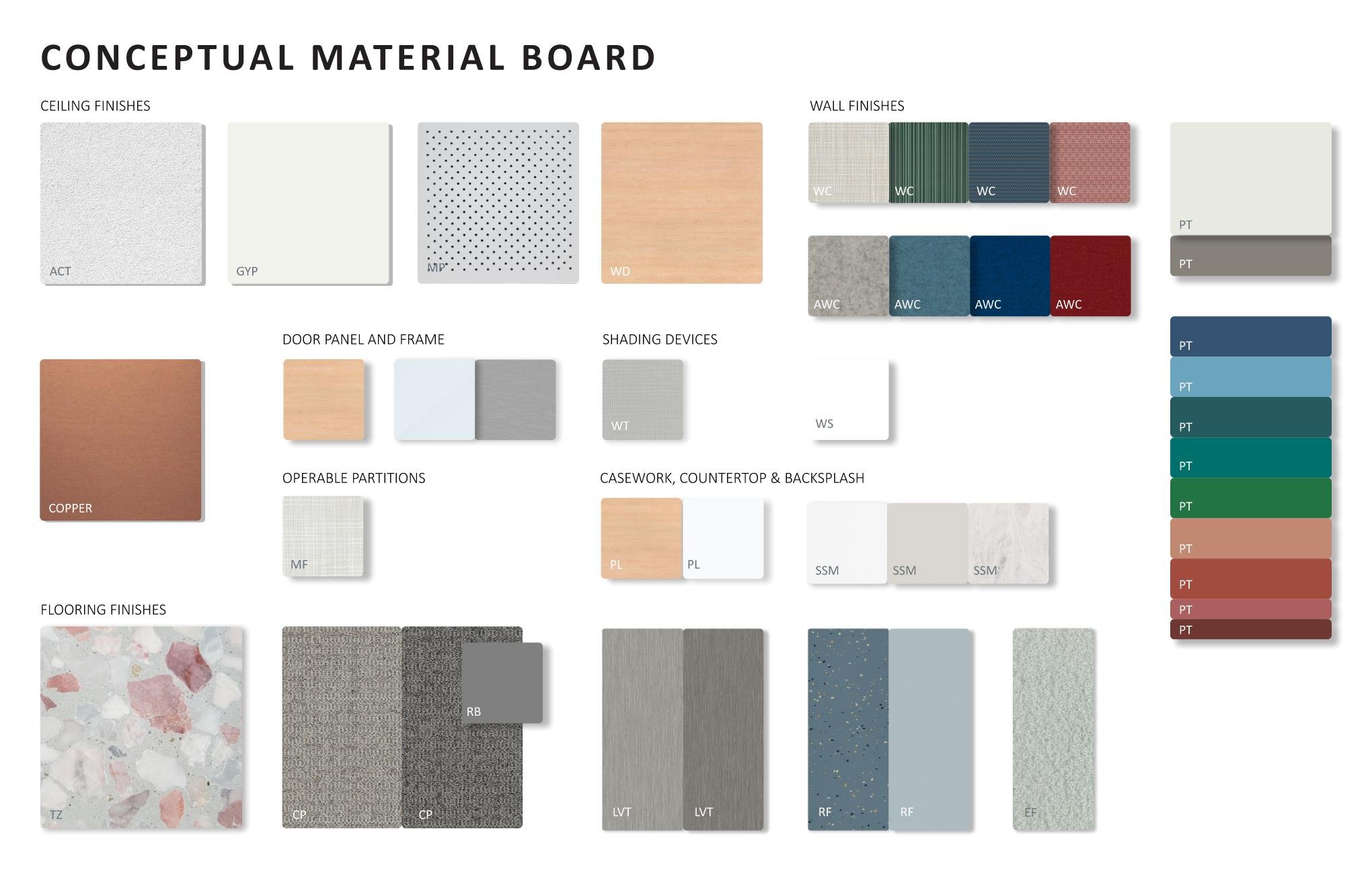
Materials must also meet applicable safety standards, fit the budget and be available when construction needs them. Durability, maintenance and environmental impact matter just as much as color and texture. A finish isn't successful simply because it's beautiful. It has to be appropriate for the space and the people using it.
This is also why I prefer interior designers to be involved from the earliest stages of a project. When we're part of the initial planning, we can influence layouts, anticipate technical requirements and help avoid expensive changes later. Bring us in only when construction is nearly complete, and many of the decisions that shape the experience of a space have already been made.
Ultimately, decorating helps bring a space to life, while interior design helps determine how that space works in the first place. The two aren't mutually exclusive, and a successful interior often benefits from both. The distinction is understanding just how much thought goes into a space before anyone starts choosing the throw pillows.
How I Found My Way Into Design
People often ask how I got into interior design but looking back, it feels like I've been surrounded by it my entire life. My dad studied medicine, ventured into explosives engineering and eventually worked on airbags at General Motors. Through it all, he's been a builder and inventor at heart. He designed additions to nearly every house we lived in, built zip lines and go-karts for us kids and even constructed a full-size halfpipe in the backyard. These days, he's usually tinkering with something or flying his four-person Cessna. Needless to say, the smell of sawdust was a familiar part of my childhood.
My four younger brothers followed similarly creative, hands-on paths. Brandon founded Well Made, a woodworking and home-goods brand whose products have even made it into Target. Jay studied aeronautical engineering, worked at NASA and is now transitioning into architecture. Jon built and sold a tree-trimming business before moving into Decked Out, while Tim turned years of mechanical and metalwork experience into Knowlden's Garage. Apparently, none of us were particularly interested in sitting still.
My own interests leaned toward the more visual side of things. I was constantly rearranging my bedroom, experimenting with furniture layouts and repainting the walls whenever a new color caught my attention. I even remember nervously using my first credit card at Pier 1 to buy something I was convinced would pull the whole room together.
But my path into design wasn't exactly direct.
I earned a Bachelor's degree in Marketing before moving to South Korea to teach English. Living abroad gave me the opportunity to travel, experience different cultures and figure out what I wanted to do next. Eventually, I realized I wanted a career that combined creativity with something more tangible.
Interior design felt like the natural choice, even if it took me a while to get there.
Master of Fine Arts in Interior Design
By the time I decided to pursue design professionally, I wasn't particularly interested in starting another four-year undergraduate degree. I began researching accelerated master's programs and found only a handful of two-year options, including schools in Canada, Florence and Chicago.
Florence was tempting but financing an international degree proved complicated. I ultimately chose Harrington College of Design in Chicago, which has since become part of Columbia College Chicago. Being closer to my family in Michigan and my brother in Chicago was an added bonus.
The two-year program was intense. We covered the history of interior design and architecture, drafting, conceptual sketching, space planning, construction, sustainability and building codes, alongside software such as SketchUp, AutoCAD, Rhino and Revit.
It was also heavily focused on design theory rather than the everyday realities of professional practice. I learned how to develop concepts and think critically about space but translating that knowledge into an actual job took some figuring out.
A master's degree gave me the foundation but working in the industry is where I really learned how to be a designer.
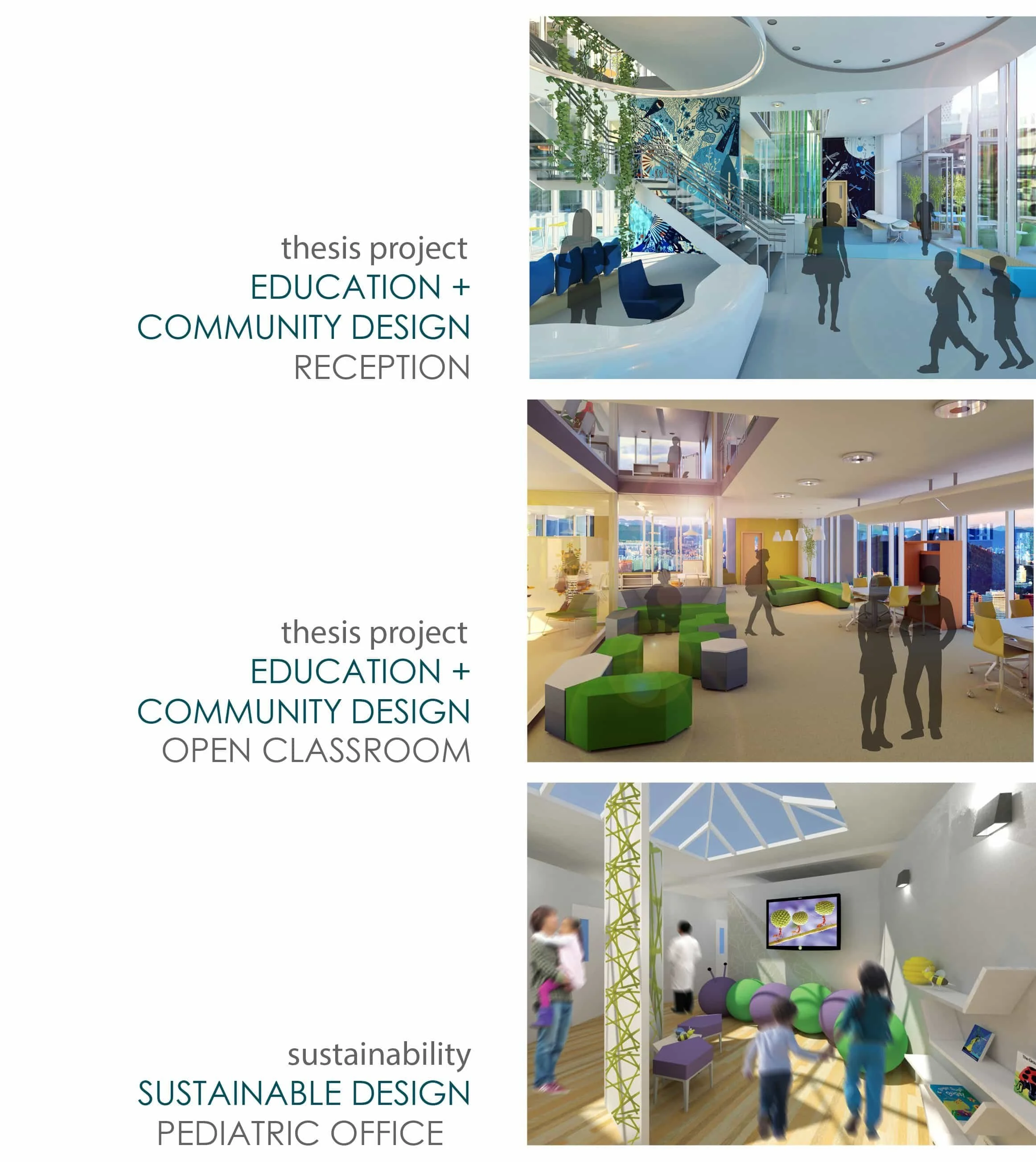
Finding My Feet in the Industry
My first design job was at SCB, an architecture and design firm in Chicago with an impressive portfolio and a decidedly old-school office culture. I learned a tremendous amount but the experience was rough. There was little trust, plenty of public criticism and an atmosphere that made asking questions feel like admitting defeat. Not exactly the environment you'd hope for when starting an entirely new career.
After spending so much time and money changing direction, I genuinely wondered if I'd made a mistake. I'd finally found something I wanted to do, only to question whether I belonged in the industry at all.
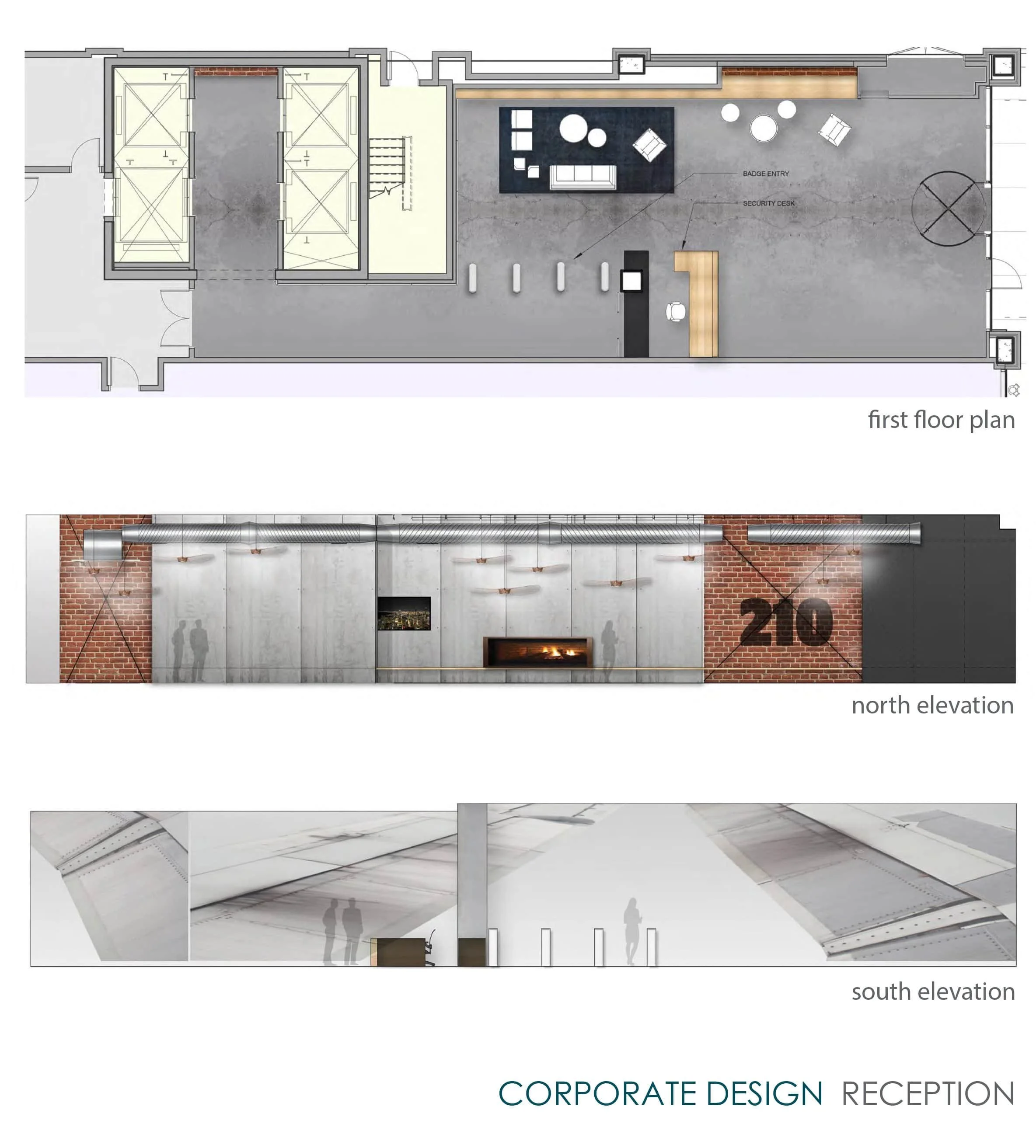
Fortunately, my next job was at a smaller, more relaxed firm, where I spent about a year before moving to Los Angeles and landing my current position. That change in environment made a difference. I began to understand that struggling in one workplace didn't necessarily mean I'd chosen the wrong profession.
Looking back, I'm glad I didn't give up. I still love the creative side of design but I've developed an equally strong appreciation for the problem-solving, technical coordination and collaboration that happen behind the scenes. And perhaps most importantly, I've learned that the people you work with can shape your experience of a profession just as much as the work itself.
What Interior Designers Actually Do
An interior designer's job involves a lot more than selecting finishes and arranging furniture. Depending on the project, we're involved in everything from early space planning and concept development to technical drawings, material specifications and construction coordination. Some days are spent exploring ideas and sketching layouts. Others involve reviewing drawings, solving problems with engineers or figuring out why something that worked perfectly on paper isn't quite working on-site.
The goal is to turn a client's needs into a space that functions well, feels intentional and can actually be built.
Residential & Commercial Interior Design
Interior designers generally work in two broad areas: residential and commercial design.
Residential designers focus on homes, where personal routines, comfort and lifestyle shape many of the decisions. Commercial design covers a much wider range of environments, including workplaces, restaurants, hotels, retail spaces, healthcare facilities and educational institutions.
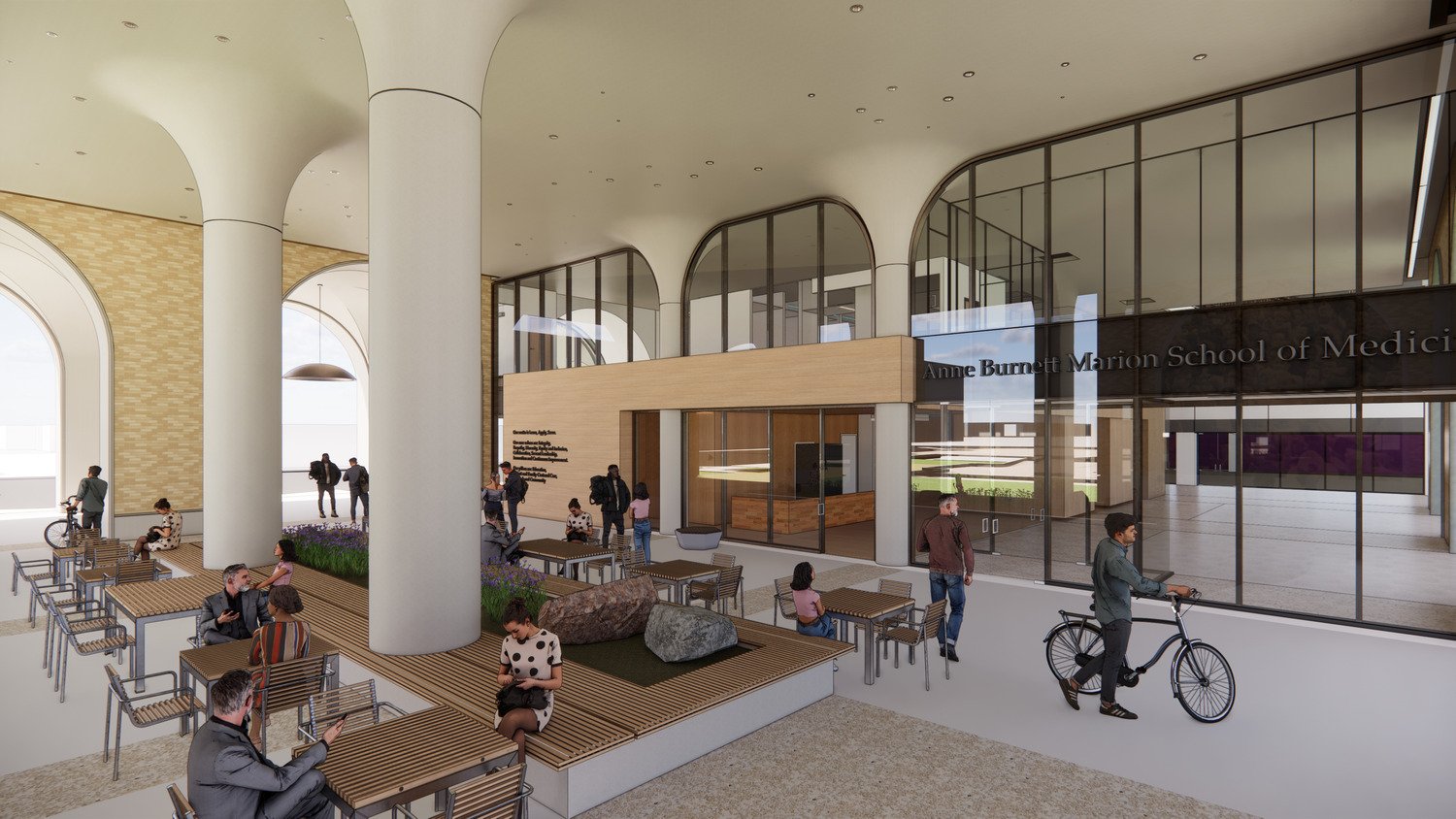
I work primarily in commercial interior design, particularly medical education. These projects often combine classrooms, simulation labs, clinical spaces, offices and shared amenities within a single building. Each environment has different requirements but they still need to function together and feel like part of a cohesive whole.
It's an interesting balance. A space designed for students to practice clinical procedures has very different priorities from a lounge where they can decompress between classes. Both need to work, and both deserve the same attention to detail.
Balancing Creativity with Reality
Every project begins with possibilities but those possibilities have to work within a budget, schedule and set of practical constraints.
Interior designers collaborate with architects, engineers, consultants, contractors and clients to coordinate the many decisions that shape a project. We're also responsible for making sure the design intent carries through as those decisions become increasingly detailed.
And things change. A material might be discontinued, a product could have a 16-week lead time or something unexpected might be discovered during construction. That beautiful Italian tile you spent weeks selecting? Suddenly unavailable when the contractor needs it.
Sometimes the solution is straightforward. Other times, it means revisiting the design, finding an alternative and making sure the change doesn't create problems elsewhere.
Good design requires creativity but getting it built requires flexibility, communication and a fair amount of problem-solving.
Materials, Furniture & the Details
Beyond the overall layout and concept, interior designers make decisions about the individual elements that bring a space together.
This includes selecting and specifying materials, developing finish details, coordinating lighting and working with furniture, fixtures and equipment, often referred to as FF&E.
FF&E can include desks, seating, tables, storage, decorative lighting and specialized equipment, depending on the project. Sometimes the interior designer selects these items directly. On larger projects, a dedicated furniture specialist may handle portions of the work.
Either way, the designer needs to understand how everything fits together. A beautifully planned room won't function very well if the furniture blocks circulation, the outlets are in the wrong place or the equipment doesn't fit.
Much of this work happens long before construction begins. It's also why detailed drawings and coordination are such an important part of the profession.
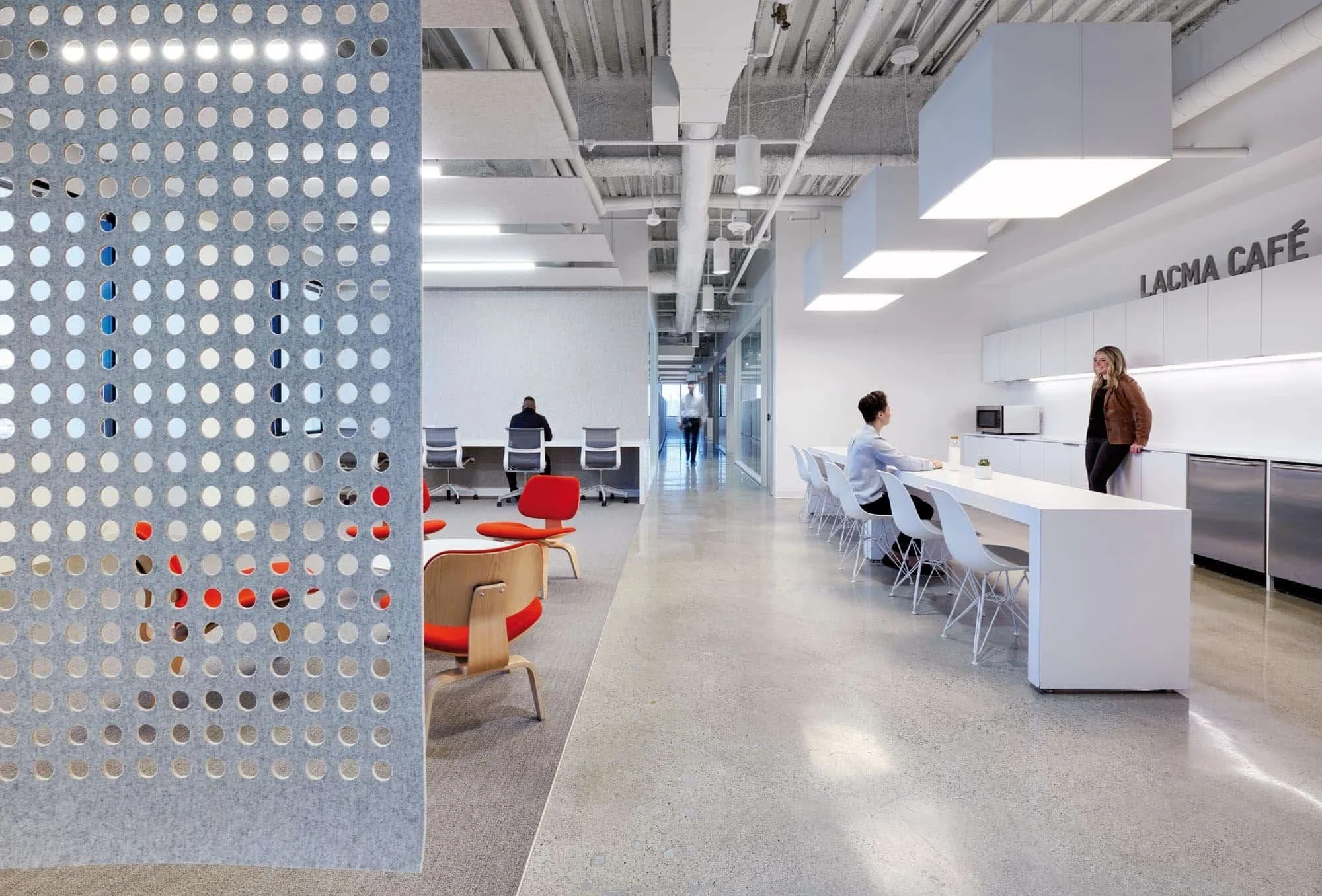
Designing Around People
For all the technical requirements, interior design ultimately comes back to the people who use a space.
Before deciding what something should look like, designers need to understand how it will be experienced. That means asking questions that aren't always obvious at first:
Movement: How will people navigate the space, and which rooms need to connect?
Light: Where is natural light most valuable, and how should artificial lighting support different activities?
Comfort: What levels of privacy, noise and activity are appropriate for each environment?
Materials: Will the finishes be durable, safe, sustainable and practical to maintain?
Accessibility: How can the space accommodate different physical, sensory and cognitive needs?
Technology: What equipment, lighting controls, security and communication systems need to be integrated?
Adaptability: How might the space need to change as people's needs evolve?
These questions influence everything from the earliest floor plans to the smallest construction details. They're also why two spaces with similar finishes can feel completely different once you're actually using them.
The most successful interiors aren't necessarily the ones that demand attention. They're the ones that make everyday experiences easier, more comfortable and more meaningful.
And while the finished space is what people remember, there's an entire process of research, planning, design development and construction behind it.
The Interior Design Process: From Concept to Construction
Every finished space begins with a series of decisions, from understanding a client's needs and exploring initial concepts to developing detailed drawings and overseeing construction. Each phase builds on the last, turning an idea into something tangible.
Curious how it all comes together? Take a closer look at the five phases of the interior design process, including the drawings, decisions and inevitable challenges involved in bringing a project to life.
Explore the Interior Design Process → Coming soon

Setting out on my third career and finally feeling confident. But what is interior design, anyway? Discover what it really involves, why it matters and what it isn’t.