Secrets of Cardiff UK: A Charming Guide to Cardiff Castle
Step into Cardiff Castle’s fairy-tale battlements & Victorian grandeur with this travel guide, where history, sweeping city views & unexpected corners invite you to wander, wonder & linger.
Published | August 2026
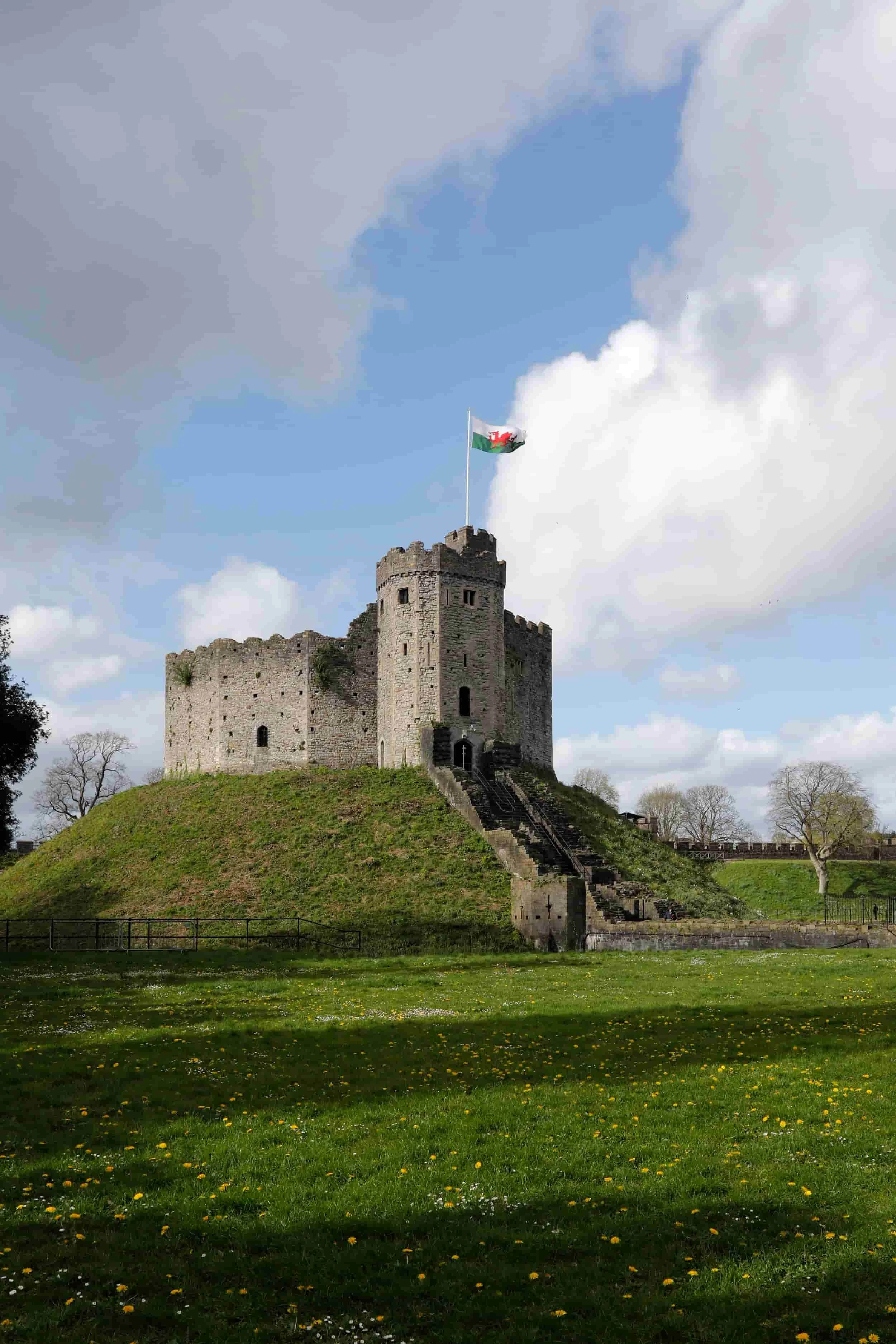
Why You’ll Fall in Love with Cardiff & its Castle: A Must-Visit on Any Wales Adventure to Cardiff UK
Cardiff beckons with a rich blend of old-world charm and modern vibrancy that makes it a pleasure to explore on foot. From the lively waterfront of Cardiff Bay to the leafy avenues of Roath and the buzzing eateries around the castle, the city offers a fresh, accessible take on Welsh culture — arts, music and culinary treats are never far away. Whether you’re drawn to cozy pubs, indie bookshops or open-air markets, Cardiff UK feels like a small capital with big personality, where friendly locals and surprising discoveries around every corner make it easy to feel at home.
Cardiff Castle sits at the city’s heart, a storied fortress where Norman keep, Victorian Gothic revival and Roman foundations coexist in striking harmony. Wandering its battlements and sumptuous interiors reveals layers of history — from medieval defense to lavish 19th-century design — while the surrounding park provides a peaceful green retreat. Visiting Cardiff Castle is a chance to step into Wales’s past without leaving the city center, offering panoramic views, evocative rooms and enough architectural drama to satisfy both history buffs and casual strollers alike.
At a Glance
📍 Destination: Cardiff, Wales
🕒 Time Needed: 2-3 hours
💰 Budget: £16.50 adults and £11 children
👟 Walking Level: Mild
🌤️ Best Season: Summer (June-August) or late Spring (April-May)
☕️ Don’t Miss: Wartime Air-Raid Shelters
🖤 Perfect For: History lovers, culture seekers and families
My Bibimbap Moment
This trip added: Imagination.
Cardiff Castle added the ingredient of imagination to my Bibimbap Life. Every part of the castle seemed to open onto a different world. The ornate apartments were filled with intricate carvings, stained glass and details that made it easy to imagine the lives once lived there. Outside, the castle itself felt wonderfully different — rustic, sturdy and quietly imposing, rising above the green grounds at the center of the city.
Then came the wartime tunnels, damp and eerie, with recorded evacuation warnings echoing through the space. For a few hours, I moved between centuries of history, from medieval stone to Victorian grandeur and the unsettling reminders of war. Even the rain that finally sent me away felt like part of the atmosphere.
My Two-Week England, Wales, Jersey, France & Monaco Itinerary
This two-week trip took me from London through Wales and the Channel Islands before continuing into France and ending on the French Riviera. It sounds like a lot of ground to cover but traveling mostly by train and ferry made the journey feel surprisingly connected — and each stop was completely different from the one before it.
I started in England — London — before taking the train west to Cardiff in Wales, where I spent time exploring the city’s historic arcades, food scene and, of course, Cardiff Castle. From there, I continued to the colorful seaside town of Tenby before briefly returning to London.
Next came Jersey, followed by a ferry to France and an unexpected overnight stay in Saint-Malo — a detour that ended up being one of my favorite surprises of the trip. From there, I continued to Nantes, a city I knew relatively little about beforehand and ended up loving for its mix of historic architecture, art and wonderfully unexpected creativity.
For the final stretch, I headed south to Nice, using the French Riviera as a base for sunshine, Mediterranean food and exploring farther along the coast, including a trip to Monaco.
It was an ambitious two weeks but I loved how different each part of the journey felt — from rainy days and medieval history in Wales to island coastlines, French cities and the Mediterranean. Cardiff was only one stop along the way but it ended up being one I remember particularly fondly.
My route: London → Cardiff → Tenby → London → Jersey → Saint-Malo → Nantes → Nice → Monaco
Explore
Within these walls.
What | Cardiff Castle
Location | 51.482208° N -3.181301° W Cardiff, Wales, UK
Address | Castle Street, Cardiff, CF10 3RB
Hours | 7 days a week, Monday to Friday 10 AM - 5 PM and Saturday/Sunday 9 AM - 5 PM (excluding Dec 25, 26 & Jan 1)
Duration | Allow 2-3 hours
Cost | £16.50 for adults and £11 for children; public square is free to enter
What to Bring | Walking shoes, rain jacket and camera
Amenities | Visitor centre, restrooms, audio and guided tours and family amenities
Don’t Miss | Arab Room in Herbert Tower, Wartime Tunnels and Roman Chariot Corner
Bonus | On-site cafe and gift shop
Must Know | No on-site parking
Travel More | Wales Travel Guides
Cardiff Castle Beckons: Exploring Cardiff UK & Its Grand Centerpiece
Nestled in the vibrant heart of Cardiff, UK, Cardiff Castle stands as a spellbinding centerpiece where 2,000 years of history meet lush Victorian-era gardens and soaring Gothic revival towers, inviting visitors to wander through Roman walls, a Norman keep and lavishly decorated state rooms that glitter with intricate plasterwork and medieval-inspired murals.
Beyond the castle’s dramatic battlements, the city of Cardiff, Wales unfolds with a lively waterfront, cozy cafes and cultural gems, making a short stroll from the castle’s park enough to sample local cuisine, modern art and warm Welsh hospitality — all framing a perfect day of exploration centered on one unforgettable fortress.
Cardiff Castle & Firing Line Museum
Carved in the heart of Cardiff’s city center, Cardiff Castle sits like a storybook come to life, surrounded by sweeping parkland that invites you to pause and wander. Its Romanesque walls and whimsical towers whisper of 2,000 years of history — from a 1st-century Roman fort to the Norman stronghold founded after William the Conqueror’s arrival. Parts of that ancient fort were even lovingly reconstructed in the 20th century, weaving old stones and modern restoration into the castle’s fabric.
Open every day of the year, Cardiff Castle welcomes wanderers with free access to its sweeping grounds — though if you want to step fully into history and explore its inner treasures, a ticket at the Visitor Centre gets you inside. Start there, pick up your ticket, then head downstairs to the Firing Line Museum, where the stories of The Queen’s Dragoon Guards and The Royal Welsh unfold across a rich collection of exhibits and artifacts. Then, move on to explore the inner grounds.
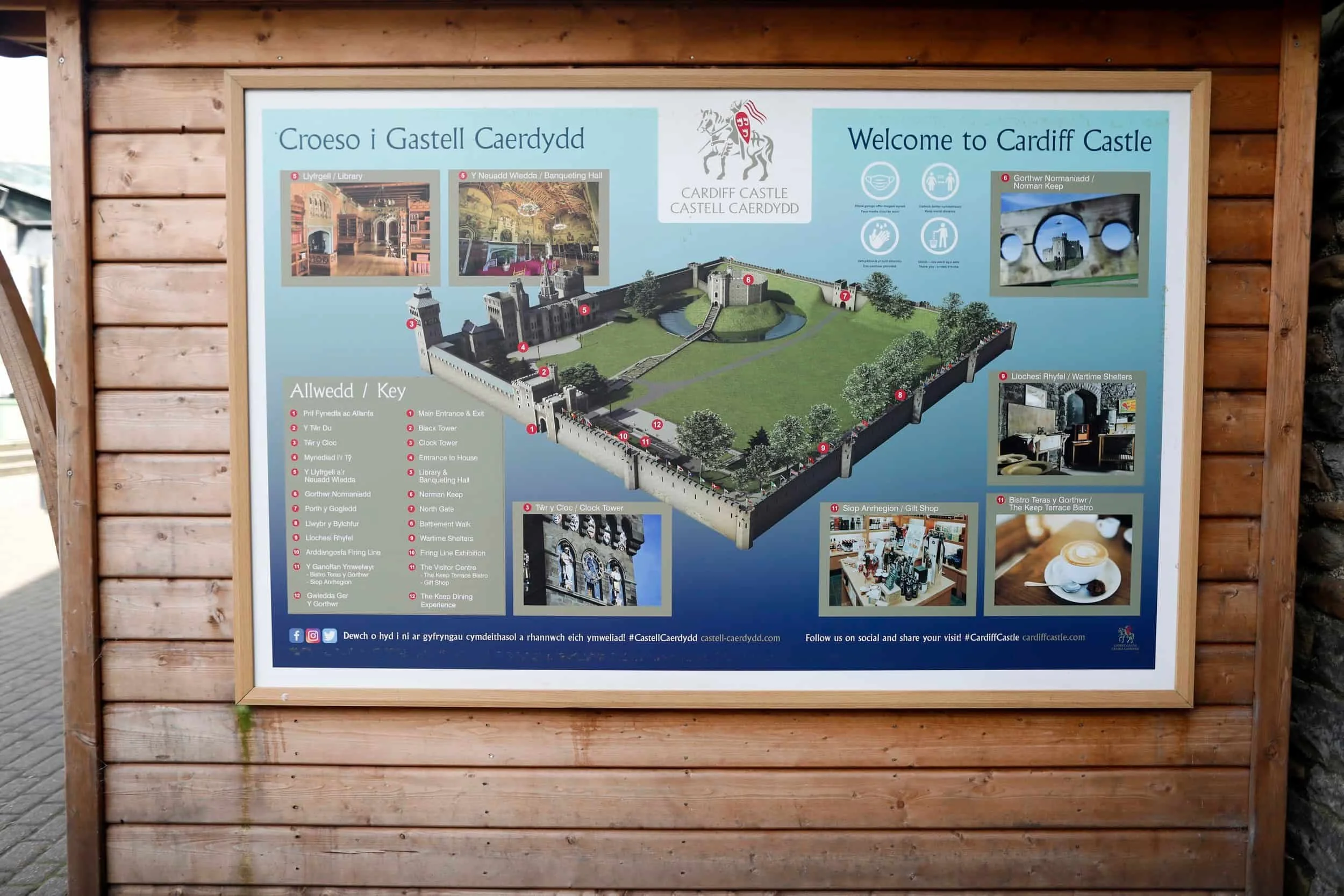
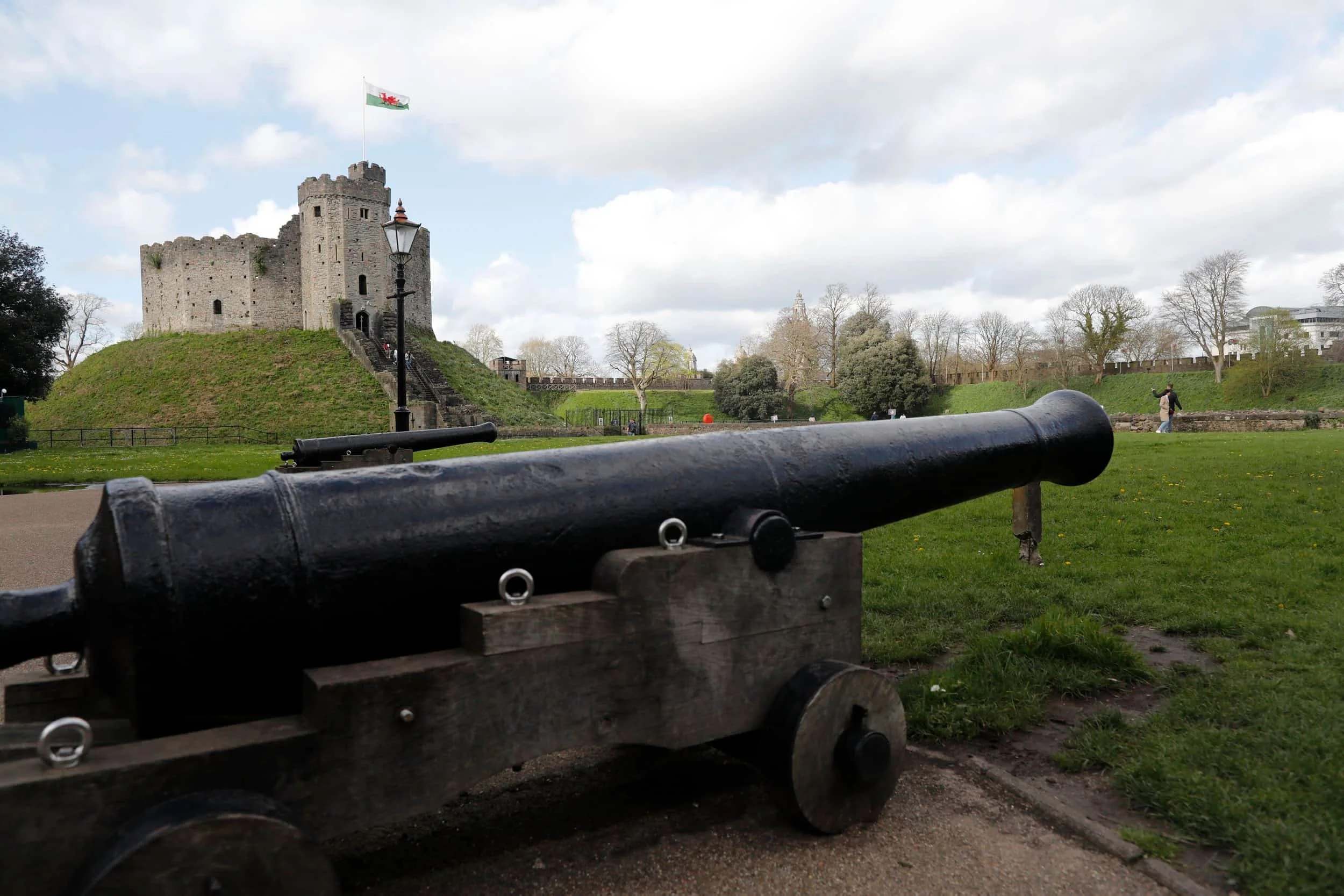
Once you pass through the gate, the castle becomes a playground for curious minds. Scale the stout Norman Keep for panoramic views that put the surrounding city in miniature. Pause by the life-size replica medieval trebuchet — a theatrical reminder of siegecraft that I somehow managed to miss on my visit. Wander through the sumptuous Castle Apartments, once home to one of the wealthiest men in the world; the lavish rooms feel like sets from a period drama.
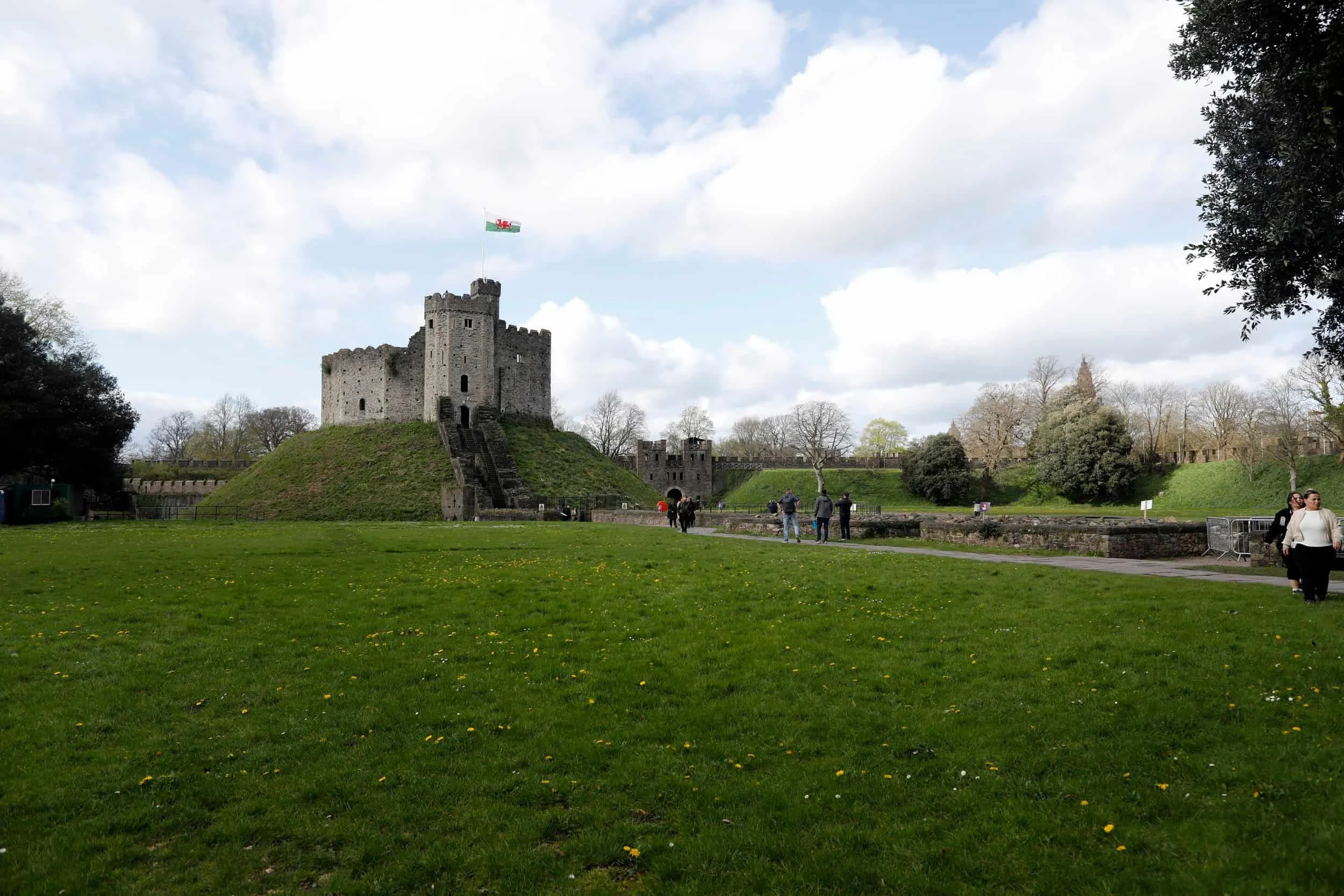
Outside the castle, history keeps revealing itself in unexpected corners where Roman remains whisper of ancient roots: the charmingly named Chariot Corner and the stark Wartime Shelters that tell quieter, grittier stories. When you’re ready to breathe, follow the Battlement Walks for sweeping vistas or drift into nearby Bute Park for a gentle, leafy lullaby — perfect places to let the castle’s echoes settle into your day.
Castle Apartments
The Victorian Apartments at Cardiff Castle are residential wings with beginnings that reach back to the 1400s but centuries of additions and reinvention have given them a layered, storybook quality.
By the 1580s, when the Earls of Pembroke could finally trade constant vigilance for creature comforts, they set about turning the castle into a lavish home. Time and tastes tugged the place in new directions and by 1766, when the Bute family took over, parts of the house had slipped into neglect. Lord Bute brought in architect Henry Holland and his father-in-law to tear down, rebuild and reimagine.
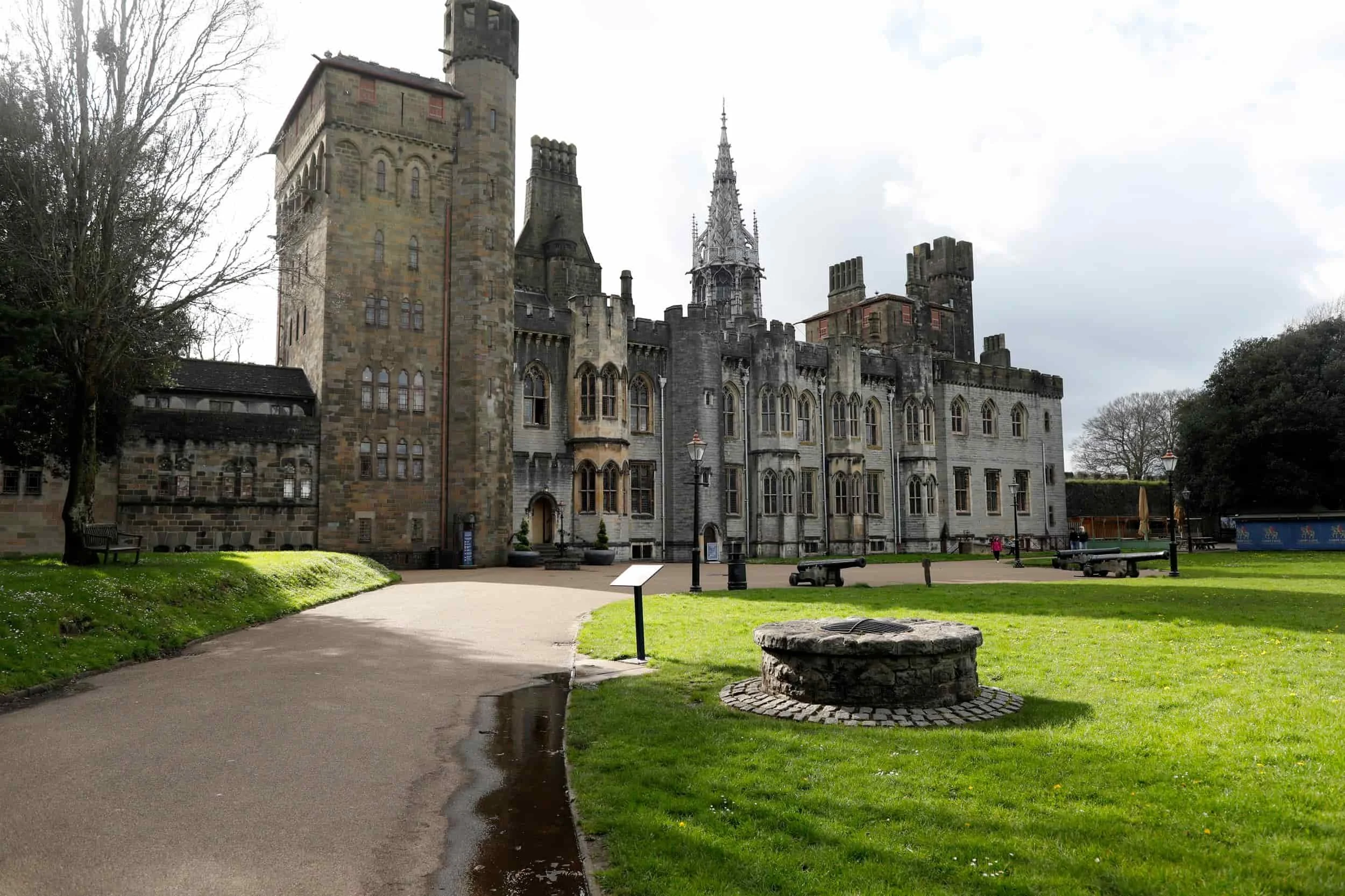
The real magic began in 1865, when the 3rd Marquess of Bute teamed up with William Burges, an artist-architect whose imagination seemed to dwell in a romantic past. The pair, both fascinated by medieval grandeur, set out to craft a fantasy palace, sparing no expense.
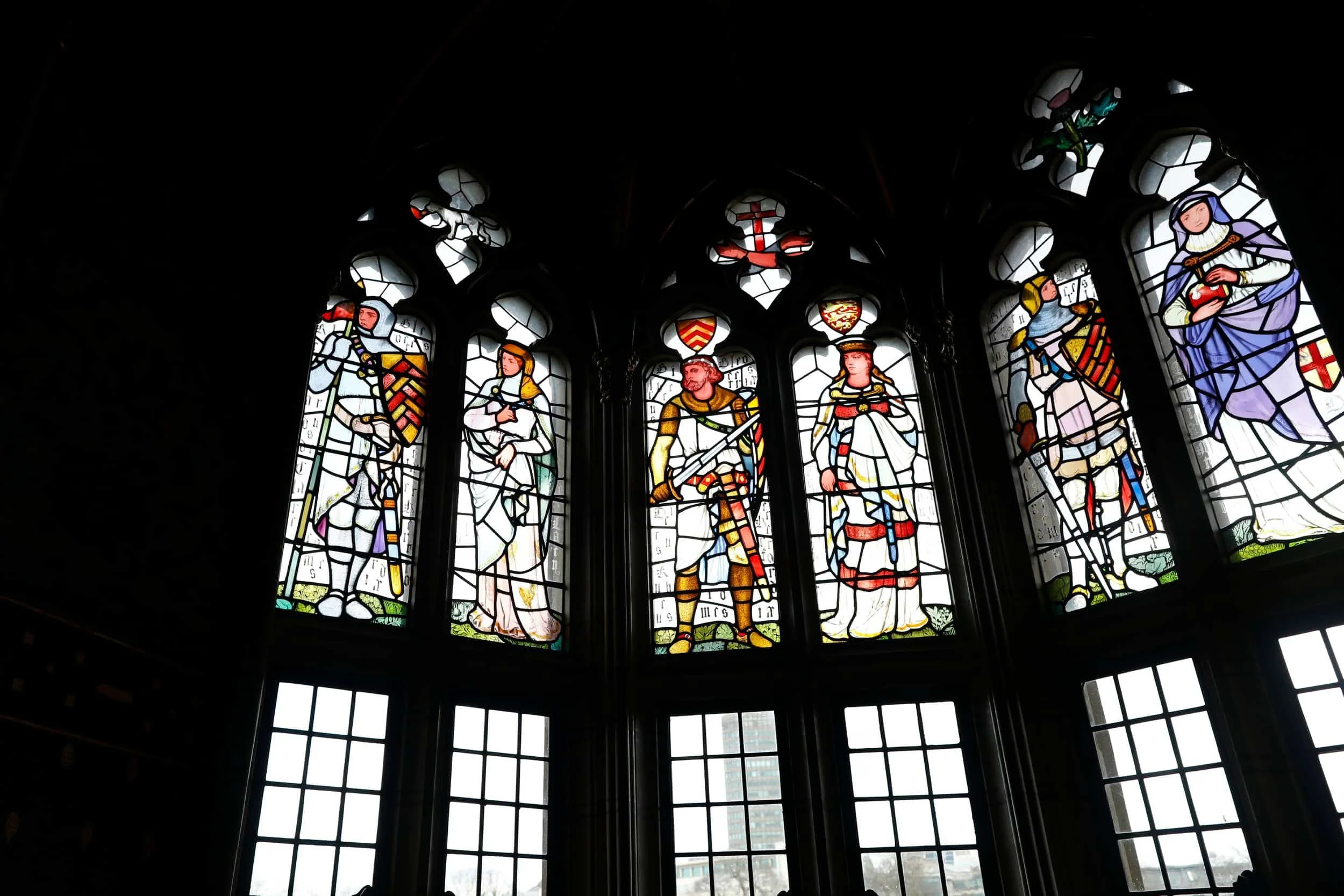
Walking through the apartments today feels like stepping into one of their dreams: a gothic feast of opulent murals, gilded surfaces that catch the light, painstaking wood carvings, jewel-toned stained glass and smooth, pale marble. Every corner whispers of obsession with history, turned into breathtaking, theatrical beauty.
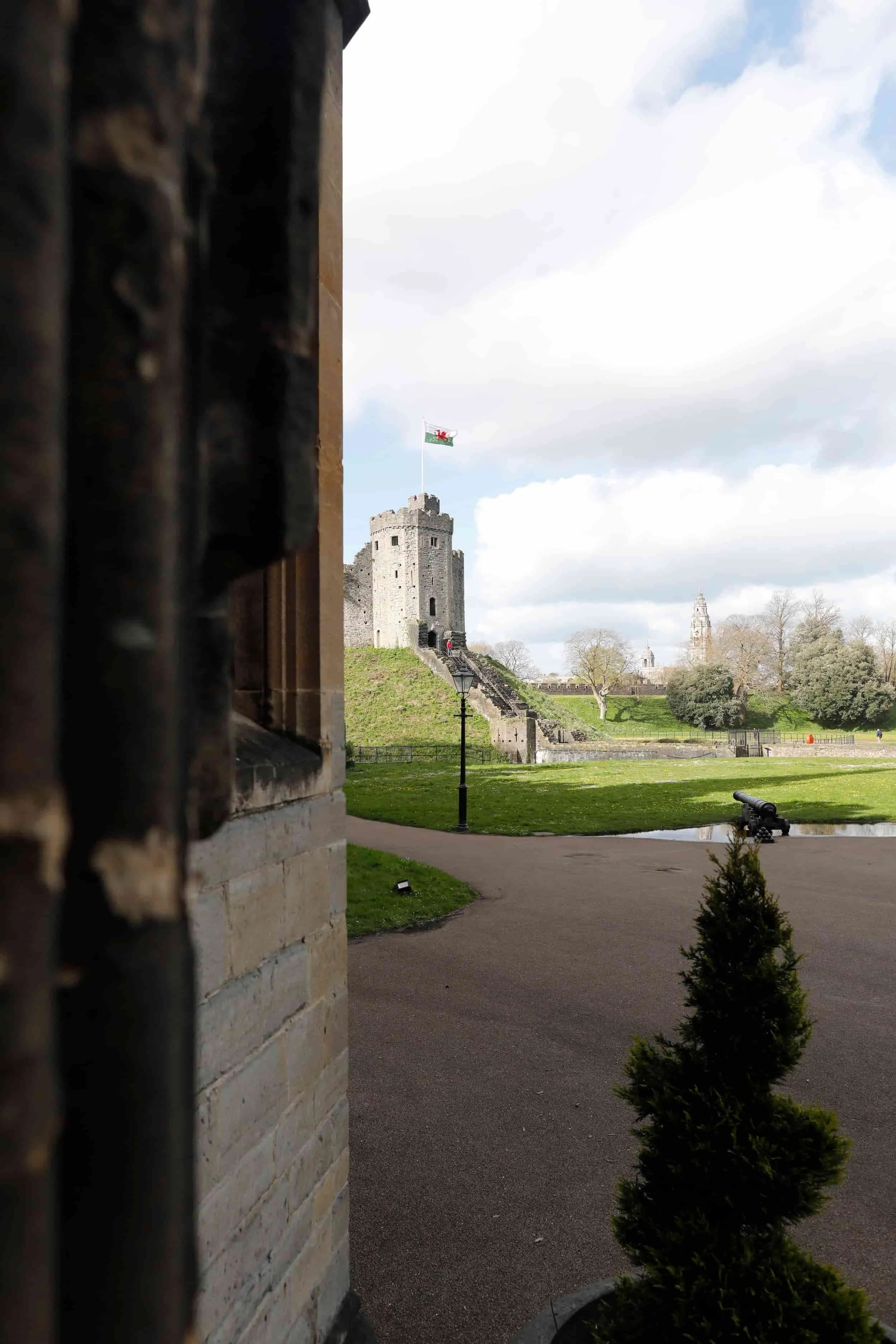
Lord Bute’s study still holds the silence of mapped plans and quiet contemplation, while the Guest Tower promises secrets and surprise views from its narrow windows. Each room has a personality: the Arab Room with its exotic flair, the cosy Nursery and the grand Banqueting Hall where echoes of laughter must still linger. The Dining Room, Drawing Room and Library invite slow conversation and page-turning afternoons and the bedrooms for Lady and Lord Bute are intimate, quietly elegant retreats.
The Banqueting Hall is the jewel of the house — the largest chamber, sitting in the oldest part of the castle. Its bones reach back to the 15th century but the walls have been dressed in Victorian finery: a tapestry of surface designs, ornate ceiling work and polished floors that marry medieval strength with Victorian glamour. Standing there, you can feel centuries layered on top of one another, each era leaving its own beautiful mark.
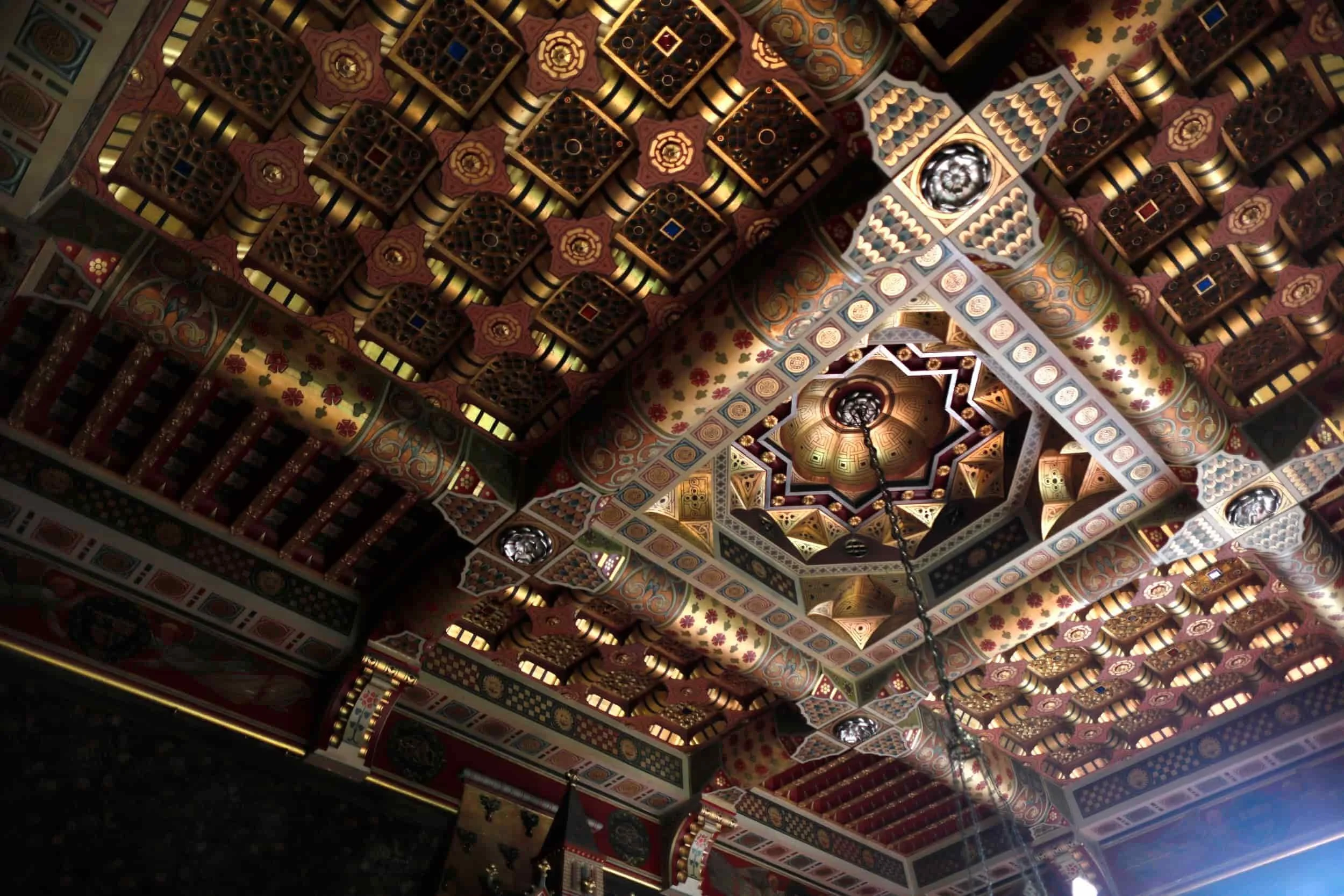
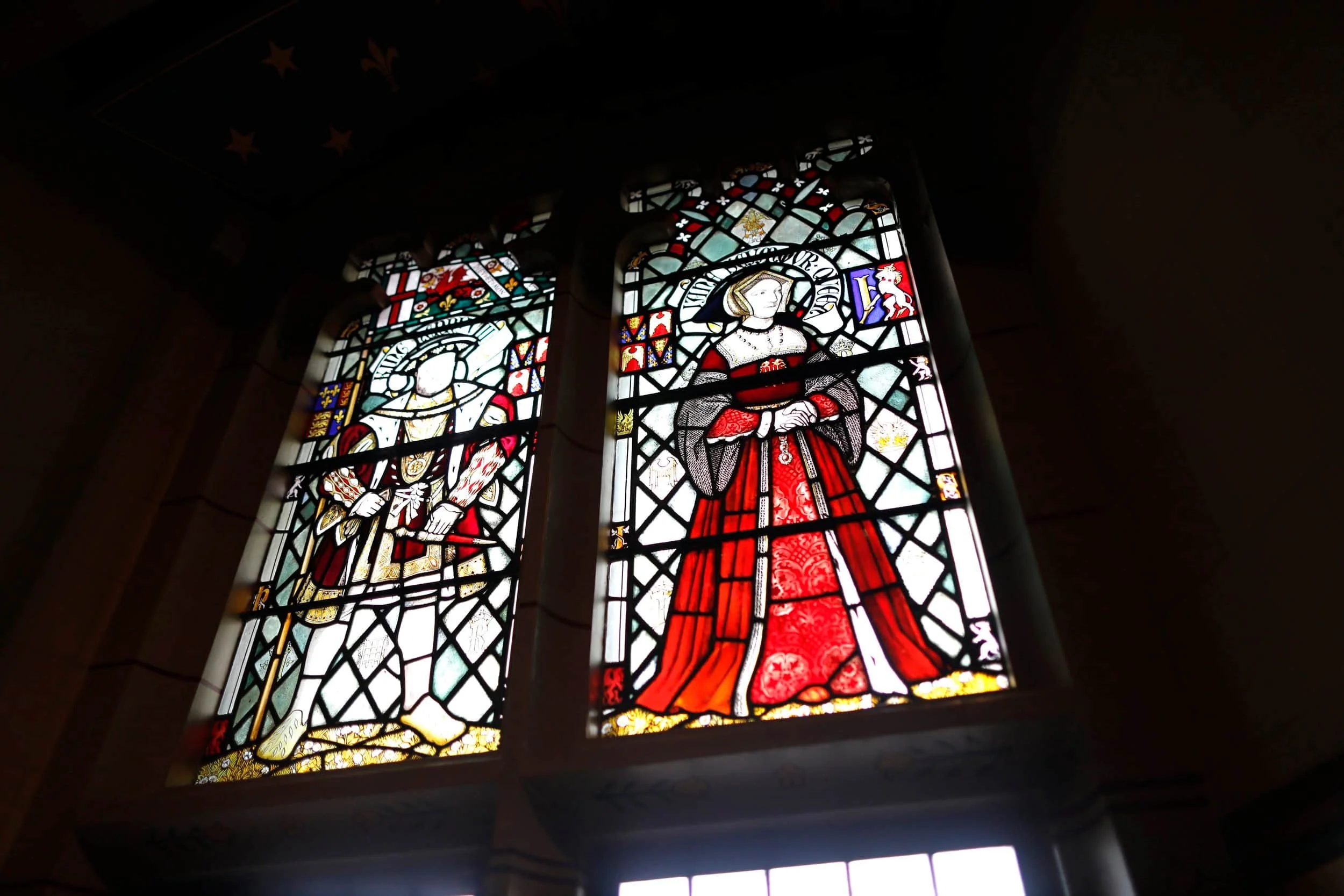
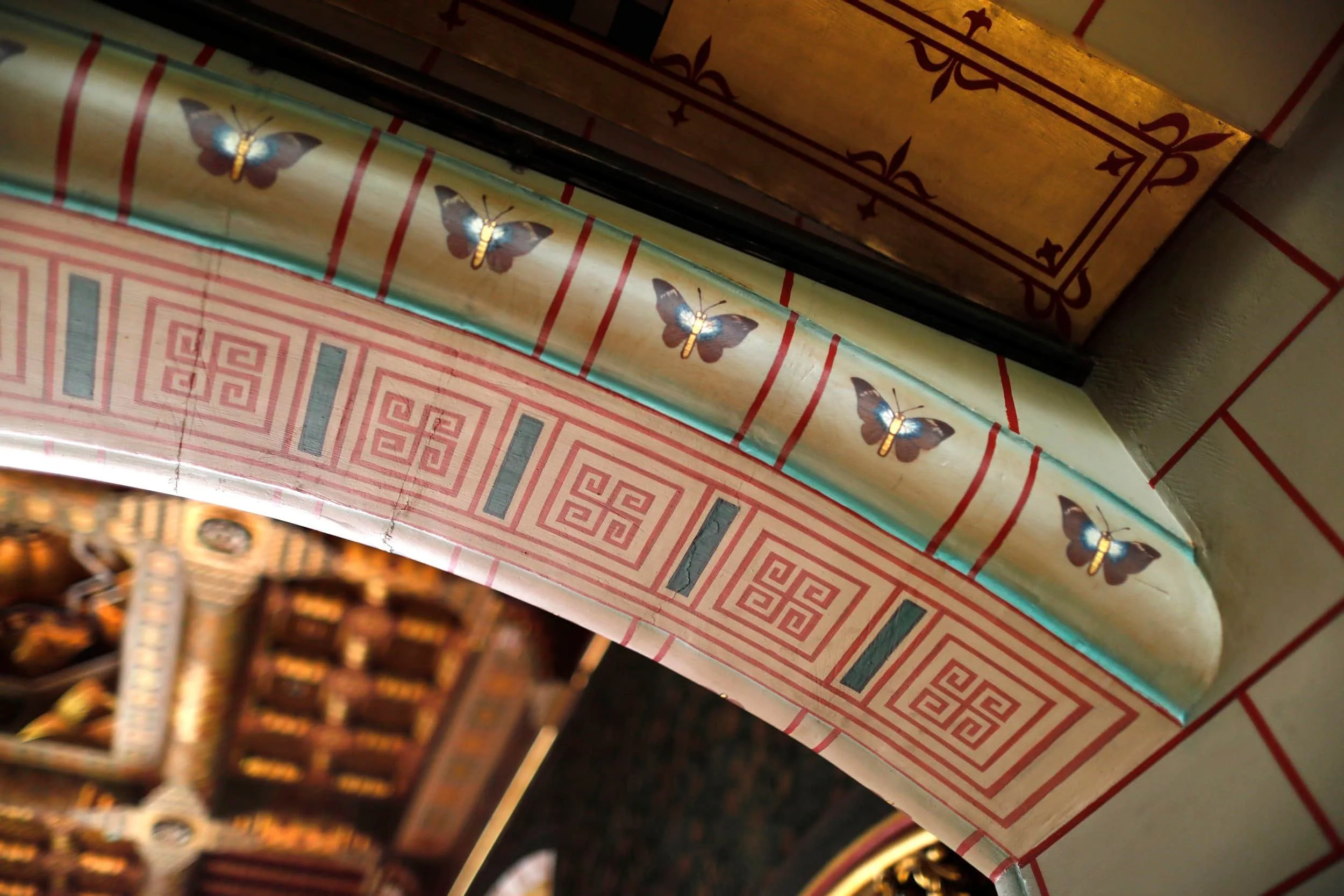
My favorite was the Arab Room — one of William Burges’s last creations, completed in 1881, the year he died. Step beneath its ceiling and you understand why people pause here: a muqarnas canopy, shimmering like carved honeycomb, folds overhead. The word muqarnas — “horn” or “ridge” — hints at the many tiny, ornamental nodules that catch the light and draw the eye into ever-smaller, perfectly arranged shapes.
Unlike the stone and plaster versions seen in mosques and madrasas, this muqarnas is crafted from wood, each surface painted and gilded with gold leaf. Up close, the detail feels almost impossible: miniature vaults within vaults, a three-dimensional geometry somehow playful and solemn at once. In a quiet room filled with history, that ceiling is the kind of thing that makes you stop, tilt your head and breathe it all in.
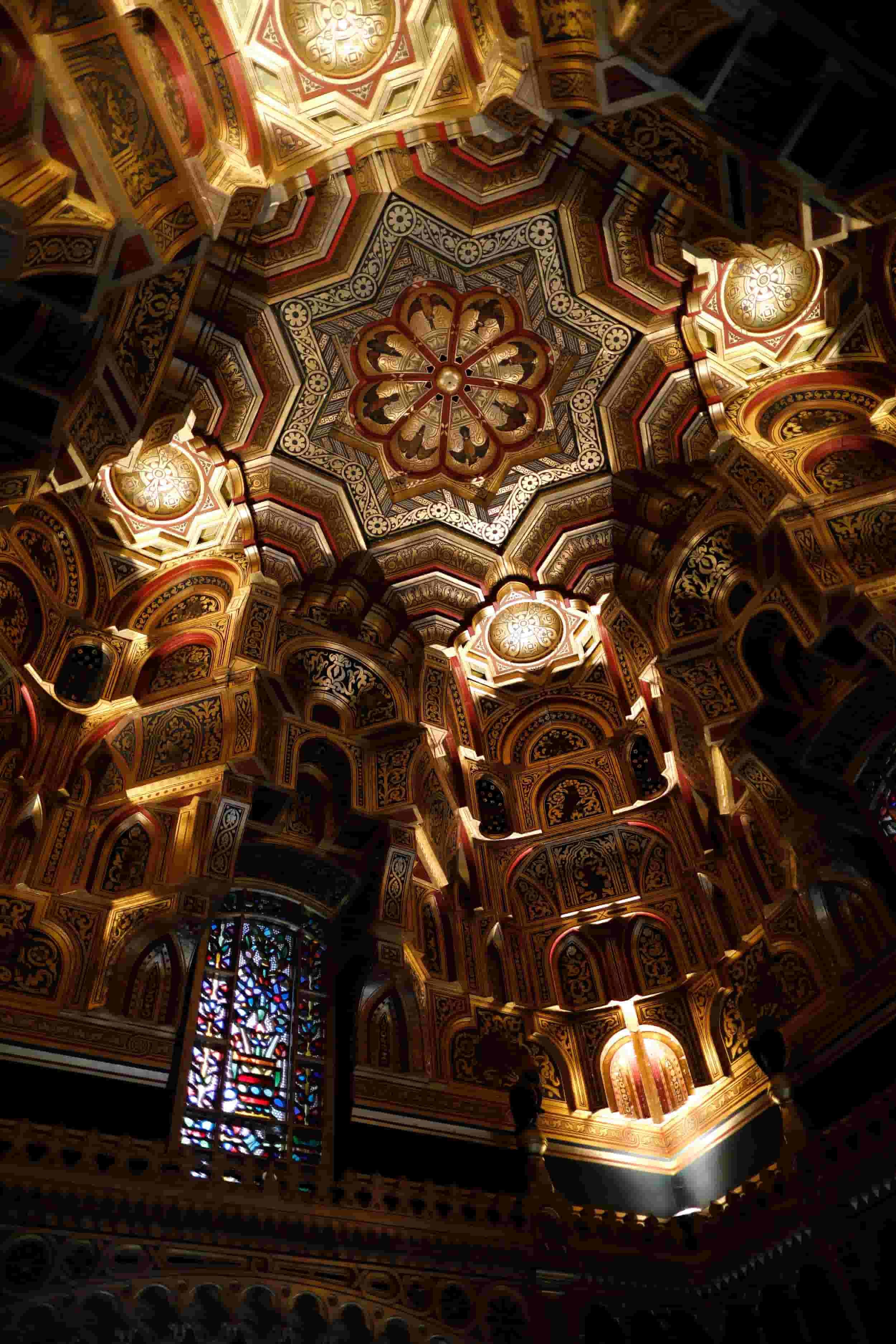
The shapes are mesmerizing, like a gentle optical illusion that invites the eye to wander. Sunlight and shadow dance across the room in slow choreography, turning every corner into a small revelation. The space carries a quiet, almost spiritual hush that feels both calming and uplifting. I was also very much taken with the large stained-glass windows — jewel-toned panels that pour rich, saturated color into the room and make everything glow with a kind of reverent warmth.
Norman Keep
A cool, crisp breeze nudges toward the castle, sending a quiet invitation. What secrets wait behind those storied stone walls and what views would be revealed from the tower — rolling fields, a maze of tiny rooftops, a river glinting in the distance?
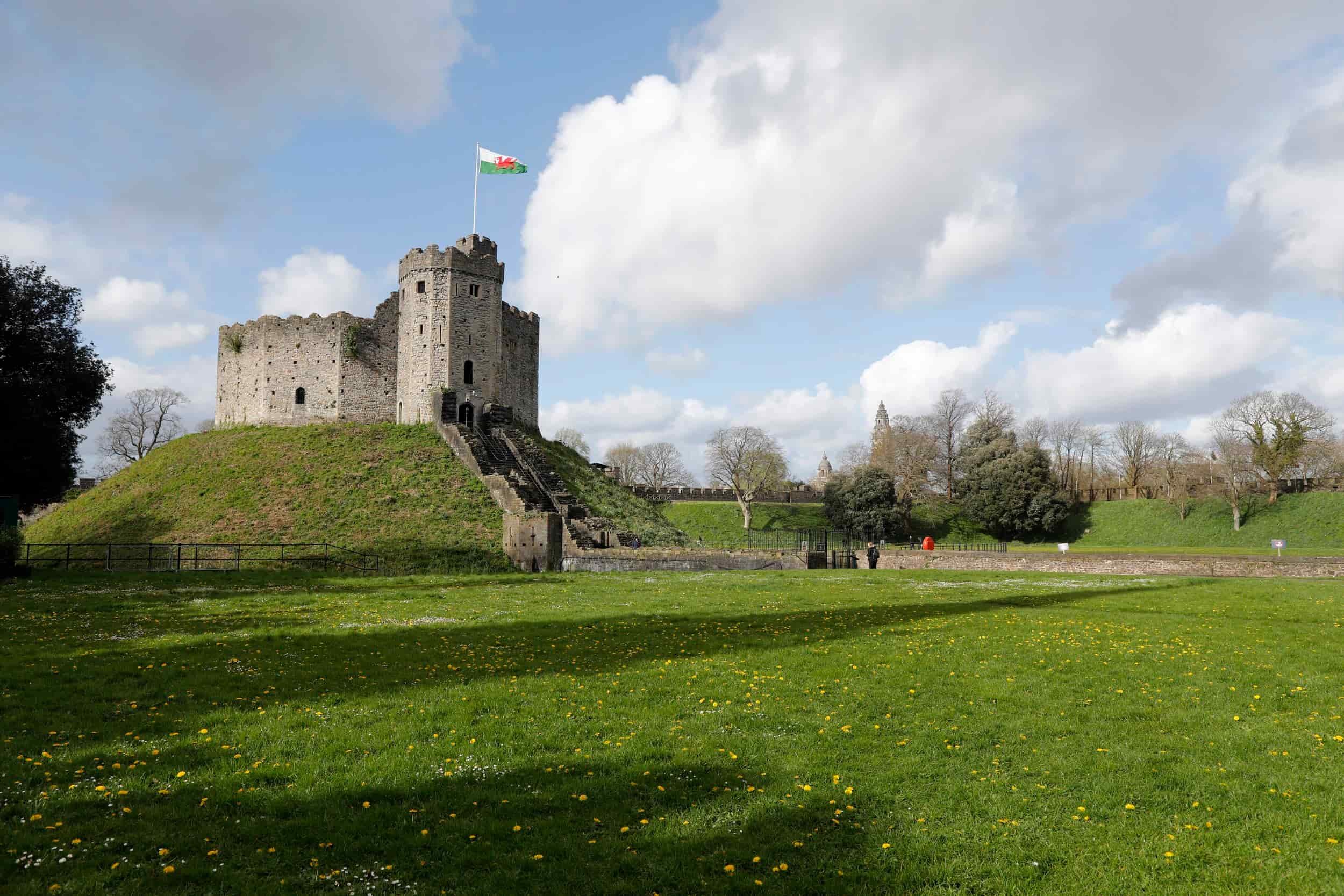
The grounds are a classic motte-and-bailey: two simple yet beguiling parts. The motte is the raised mound — often shaped by human hands — crowned with a keep, its silhouette bold against the sky. Below, the bailey spreads out: an enclosed courtyard that once hummed with daily life.
Imagine narrow lanes of timbered houses, kitchens sending up constant smoke, chapels chiming and stores and workshops busy with trade. The bailey was the castle’s beating heart, a small village within walls where people lived, worked and kept the stronghold running. Standing there, it’s easy to picture the past folding into the present, each stone holding a story waiting to be discovered.
The very first Roman fort in Cardiff UK was likely established at the end of the 50’s AD on a strategic site that offered easy access to the sea. Its original intention was presumably to aid in subduing the local tribe know as the Silures. Archaeological excavations indicate that a series of four forts, each a different size, occupied the present site at different times.
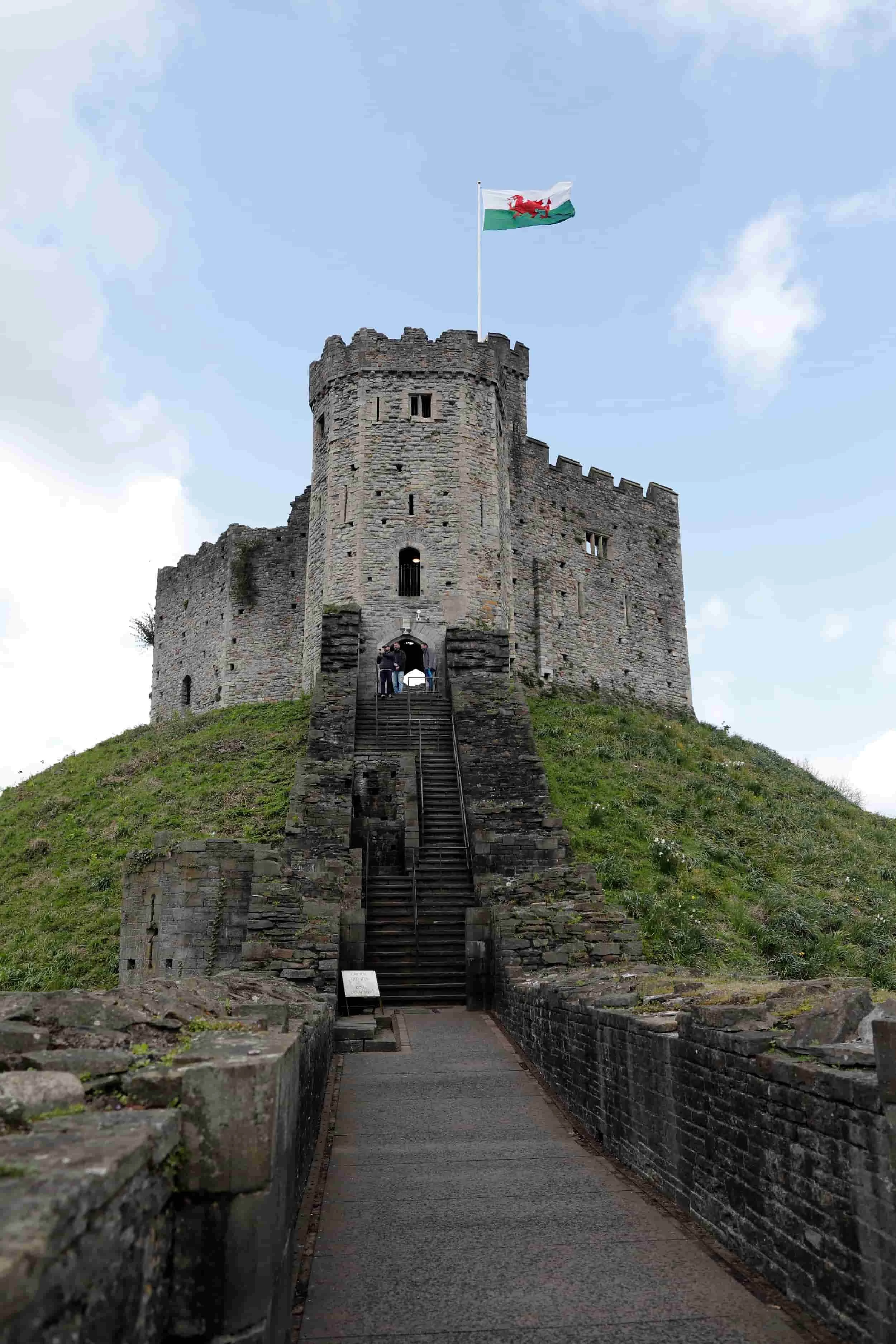
The last fort was hewn from stone, its sturdy Roman walls rising as a quiet testimony to another age. Time and tides may have emptied the garrison after Rome’s decline but life lingered nearby. The little settlement that grew up beside the river kept the memory alive — its name, Caer-Taff, still whispers “fort on the Taff,” a small, enduring link between past and present.
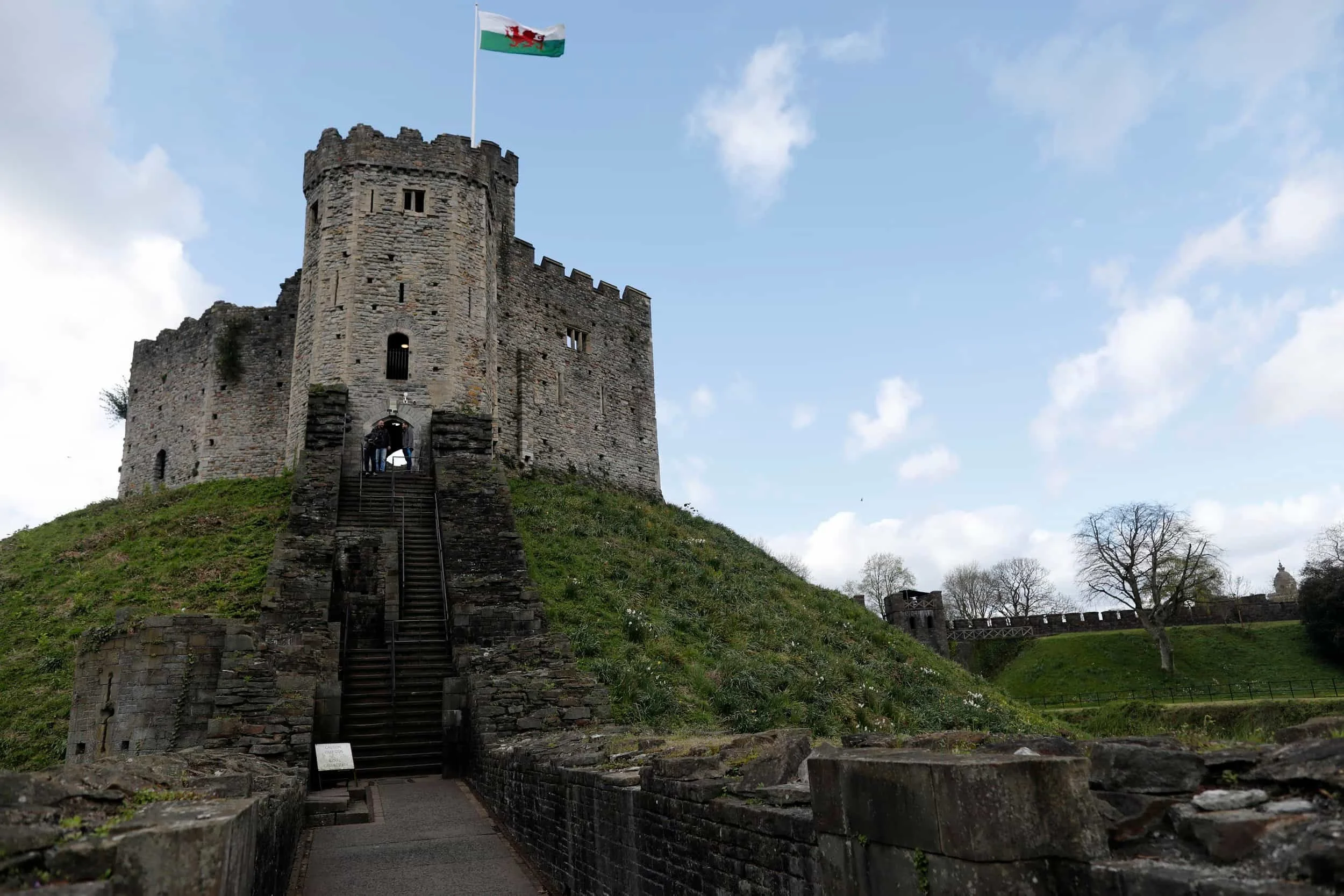
After the Norman conquest, a new keep rose where a Roman fort once stood, as if layering centuries of stories in stone. Robert FitzHamon, the Norman lord of Gloucester, first crowned the motte with a timber stronghold — likely a wooden tower that marked the beginning of the site’s medieval rebirth.
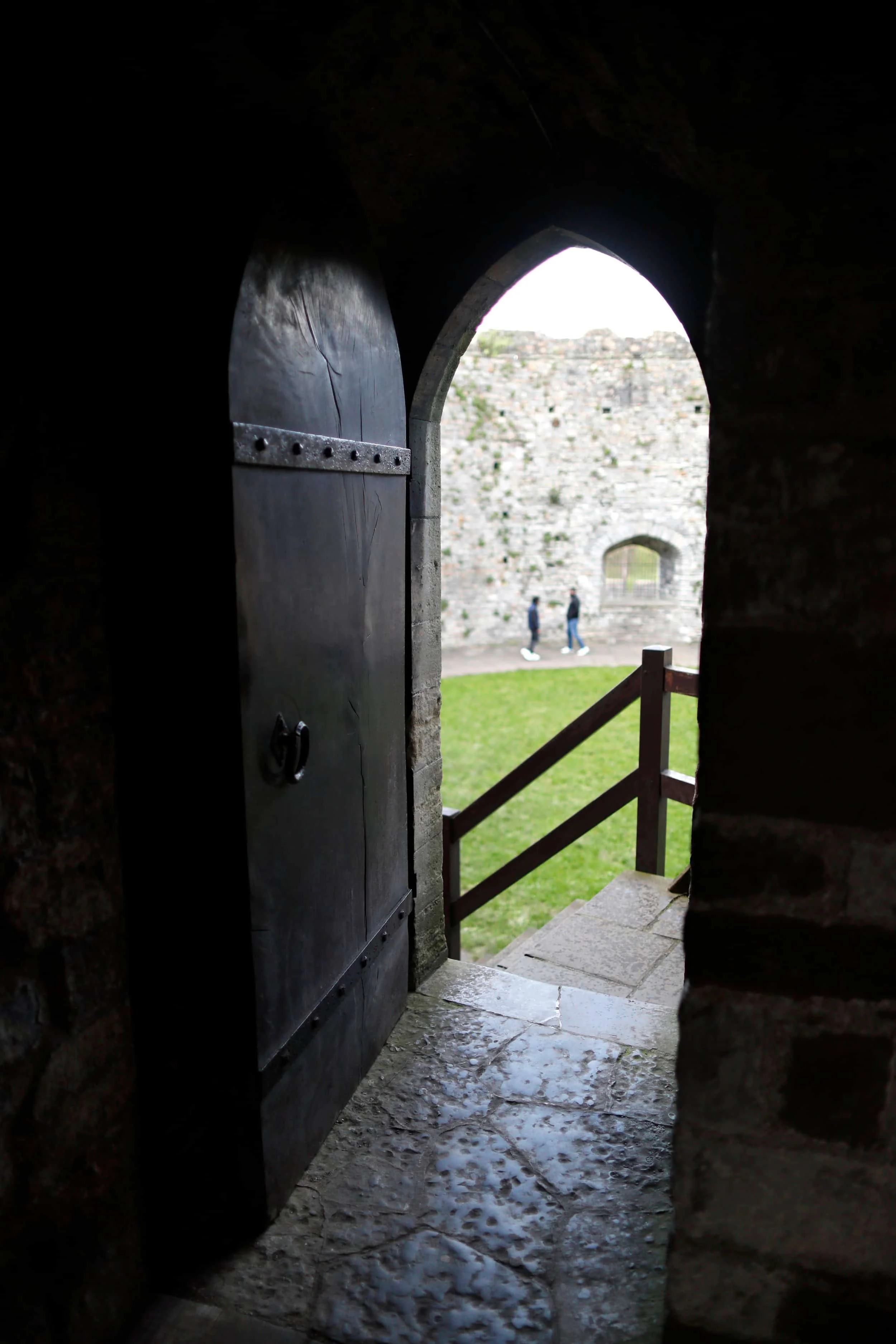
Over the centuries, the castle grew like a tall tale — new medieval walls and cozy dwellings added bit by bit, each layer of stone whispering stories of the families who lived within. In 1766, a marriage handed the keys to the Bute family and their mark would be felt far beyond the castle gates. John Crichton-Stuart, the 2nd Marquess of Bute, helped transform nearby Cardiff into a powerhouse of coal export, turning a sleepy port into a global hub.
His son, John, the 3rd Marquess, inherited both the castle and the family fortune — and by the 1860s was said to be the richest man in the world. Standing beneath those ancient ramparts today, it’s easy to imagine the echoes of ambition and industry that reshaped a region and left such an improbably grand legacy.
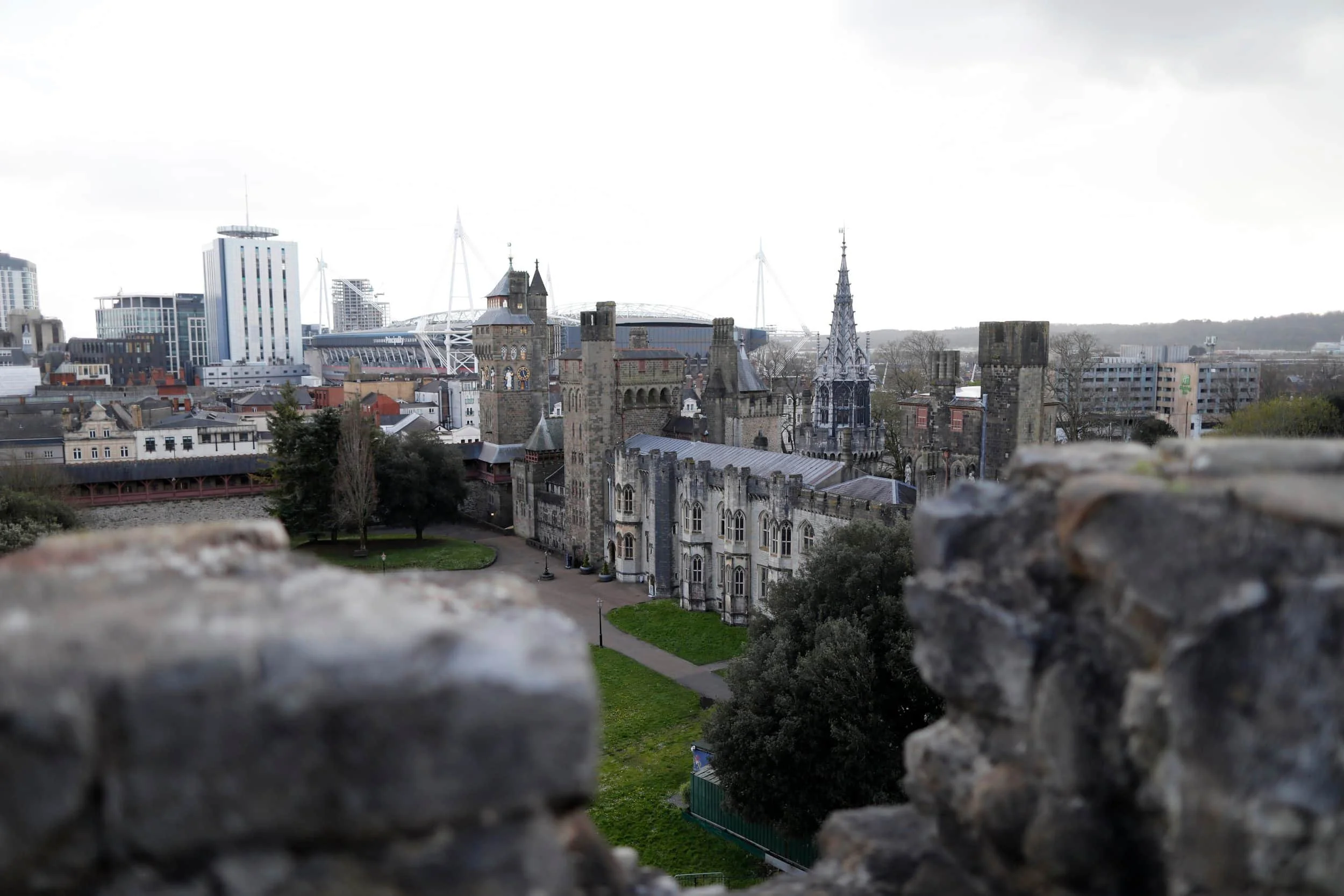
Standing atop the most recognizable feature of Cardiff Castle — its striking twelve-sided Keep — it feels as if the city unfolds beneath you like a well worn map. From that lofty viewpoint, the whole courtyard reveals itself and beyond it, the pulse of Cardiff stretches toward the horizon.
This Keep, the finest example of its kind in Wales, is a classic “shell” Keep: a robust stone shell forming a protective embrace around the smaller buildings once nested inside. Imagine early 12th-century masons, under the watch of Robert Consul, Earl of Gloucester, replacing the old timber defenses with this resolute stone heart. The walls seem to hold memories of long-ago life — and darker chapters too. For eight years the Keep doubled as a prison for Duke Robert of Normandy, the eldest son of William the Conqueror, who died here in 1134 at the age of eighty.

The Keep rises atop an artificial motte more than 35 feet (10 meters) high, its summit stretching over 100 feet (30 meters) across like a natural little kingdom. From the very top, the views unfold endlessly — a sweeping panorama that, on a clear day, reaches north to the fairytale silhouette of Castell Coch, that 19th‑century Gothic Revival dream perched above the village of Tongwynlais.
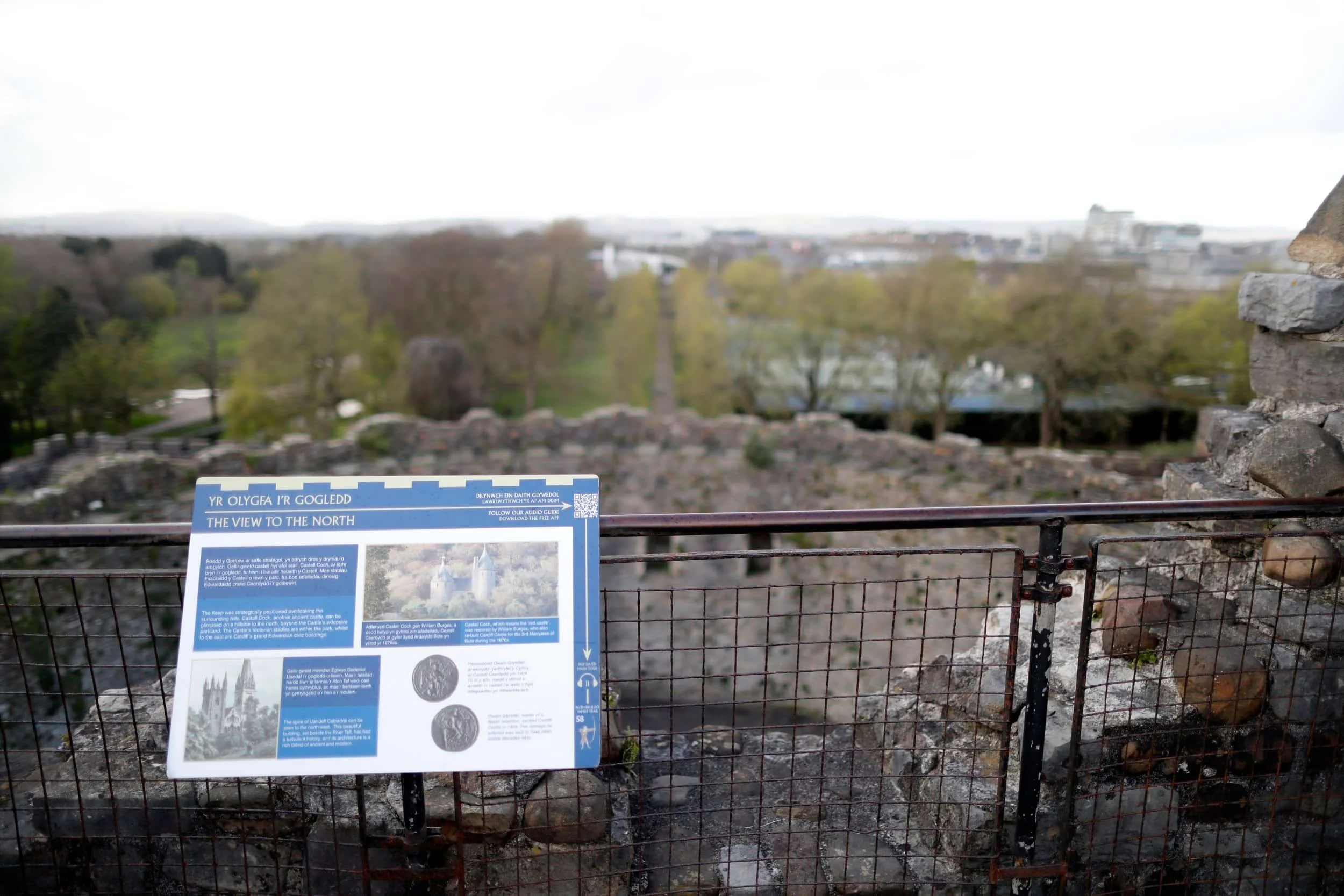
Additions in the 13th and 14th centuries gave the place a touch of medieval drama: a gatehouse rose beside the moat, its stone staircase winding up to a sturdy stone bridge that took the place of the old timber drawbridge. Imagine crossing that bridge centuries ago, the water sparkling below and the gatehouse looming above. Time, however, has its own plans — the gatehouse itself was taken down in the 18th century, leaving only the story and the stones to whisper of its once-grand entrance.
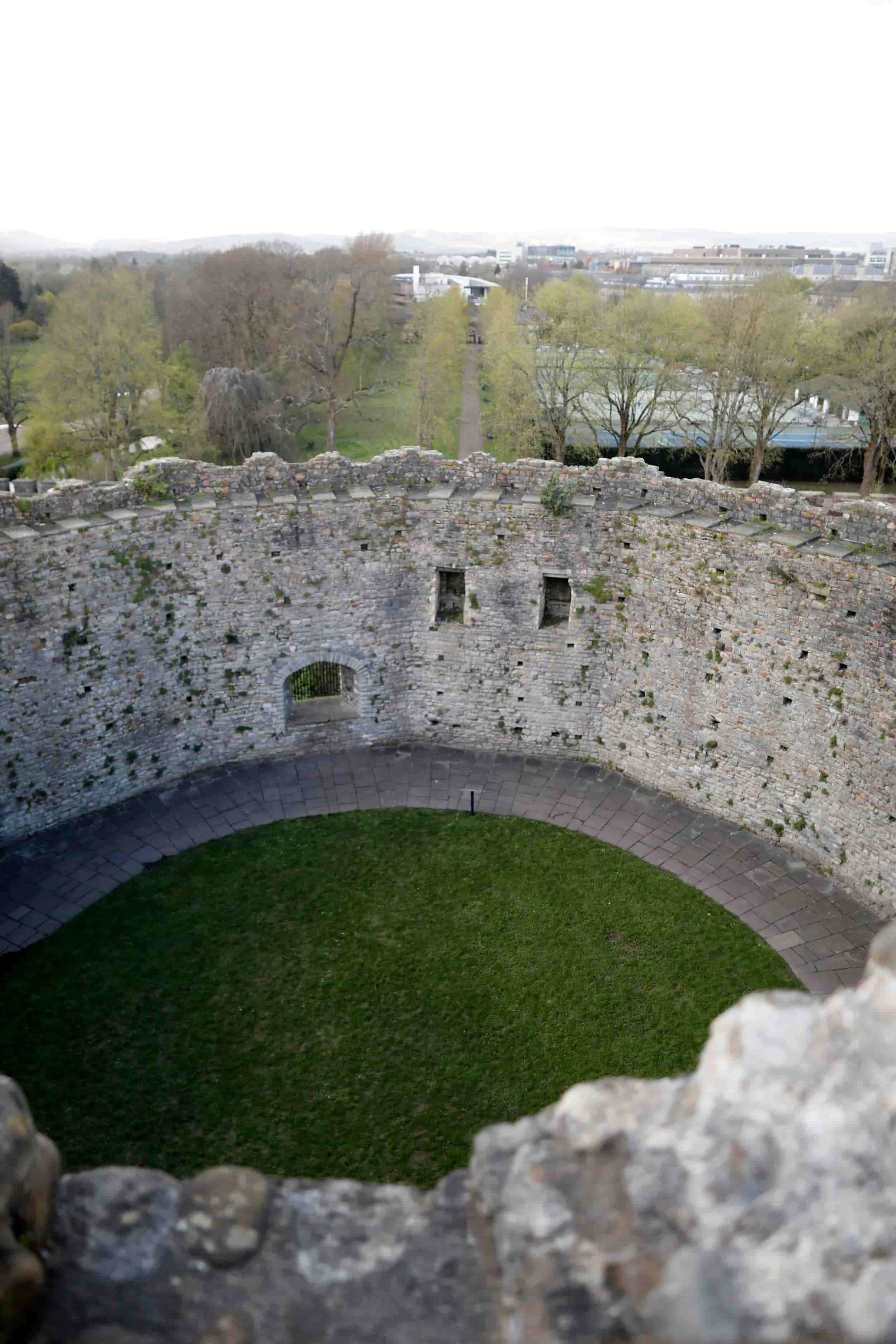
Some of the loveliest views open onto a small circular courtyard eased behind the Keep. Its lines are unexpectedly spare compared with the rest of the castle — a calm, pared-back heart among the stone grandeur. Green shoots push up between the flagstones and in that quiet, sunlit pocket the place feels peaceful, as if the castle itself is taking a breath.
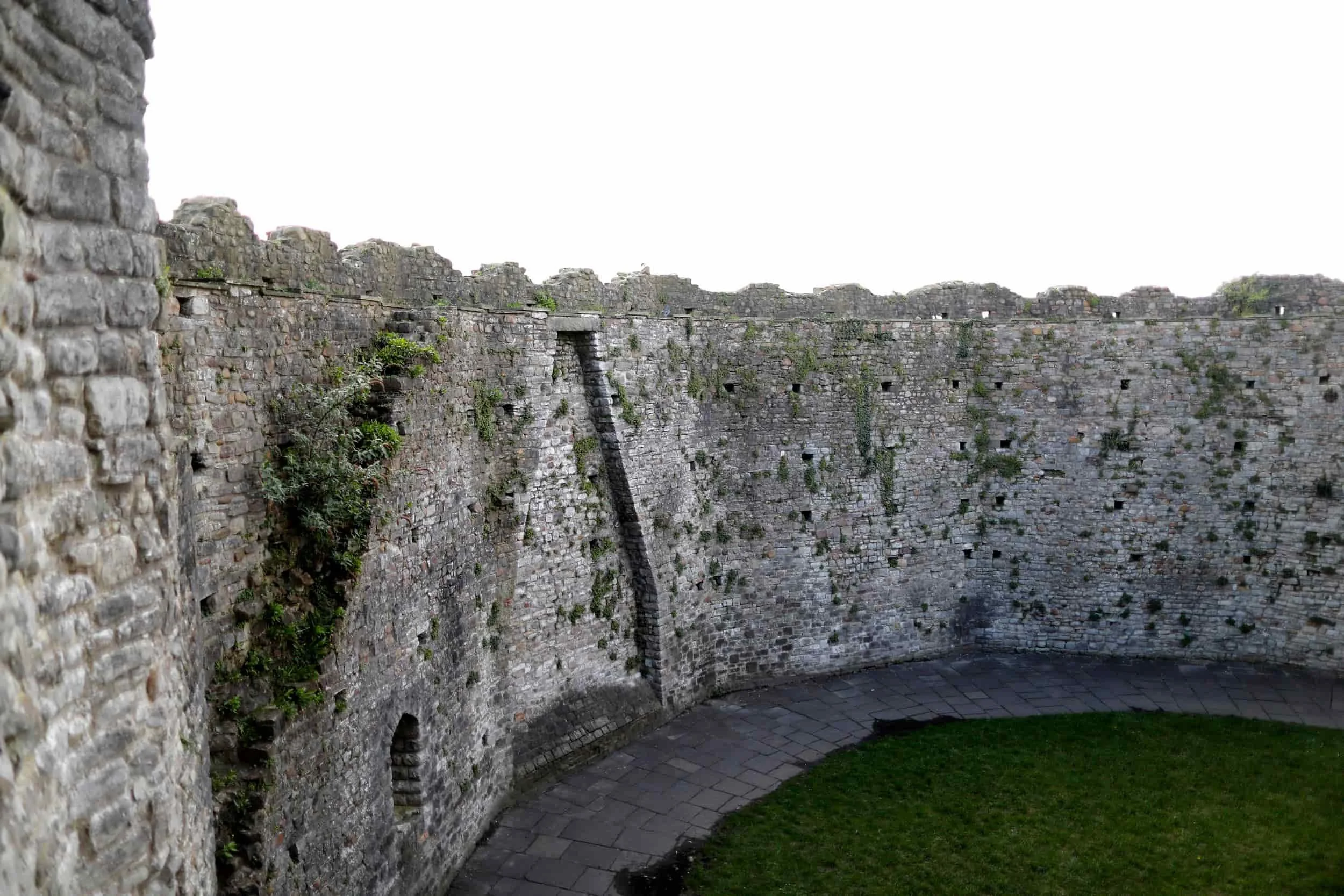
A short climb of roughly 50 steep stone steps leads to the Keep’s entrance and a few more await you if you want to reach the viewing platform. The ascent is a little breath-stealing but every heave and pause is rewarded — once you stand atop the castle, the world expands beneath you in a way that makes the effort feel part of the adventure.
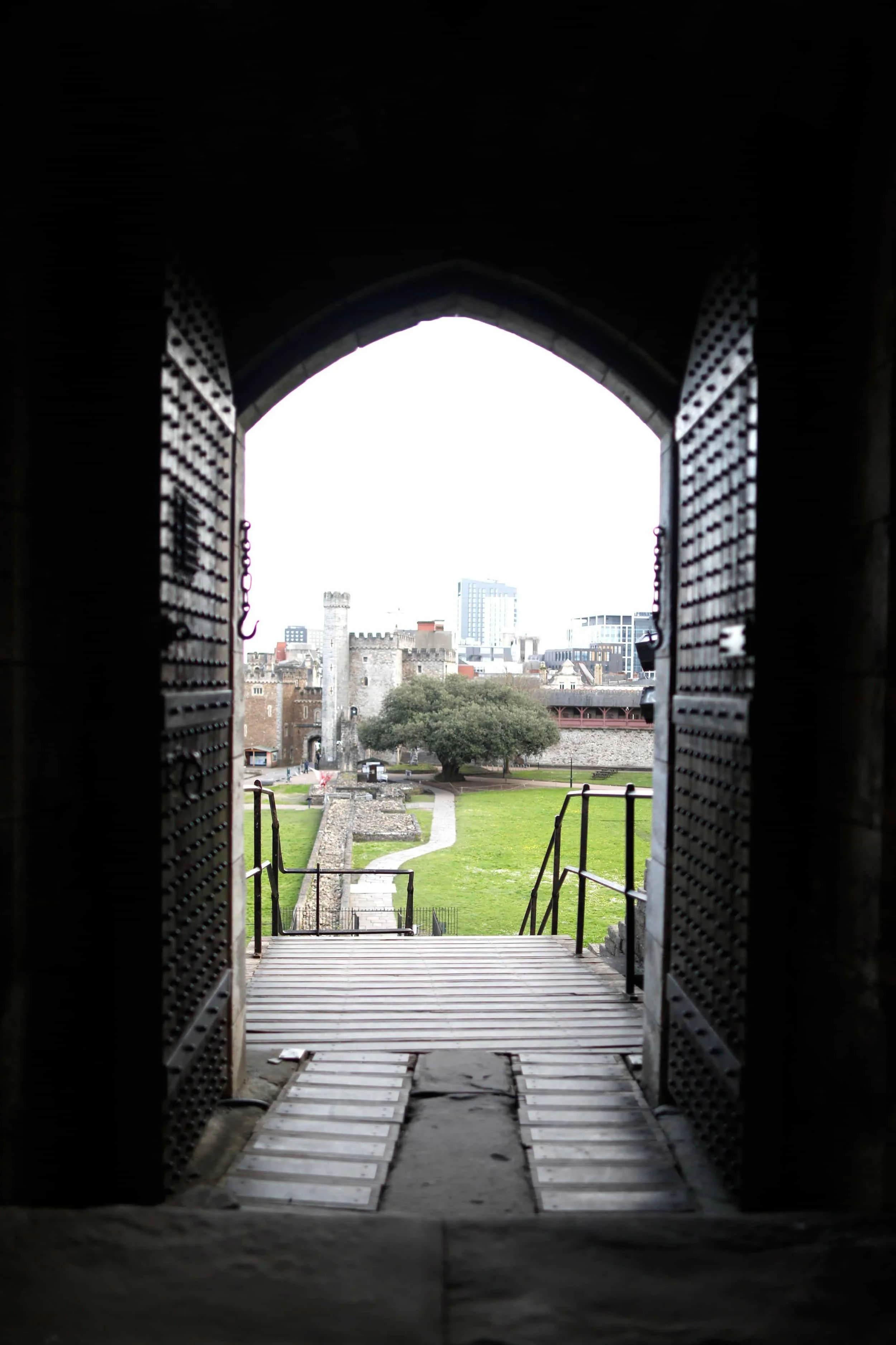
Even after nearly a thousand years, the Keep still steals the show — a silent, towering presence that dominates the landscape and feels certain to stand proud for at least another thousand.
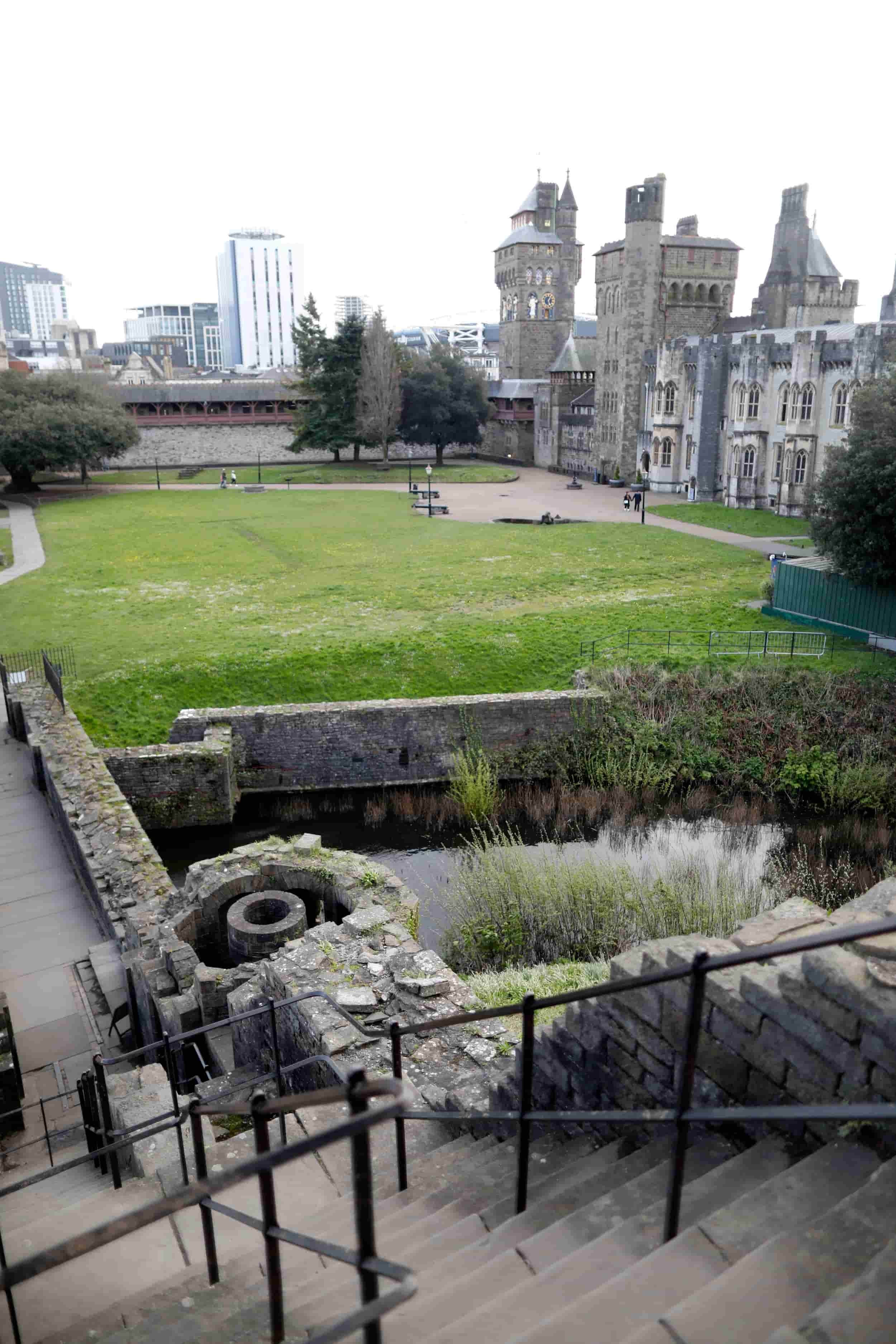
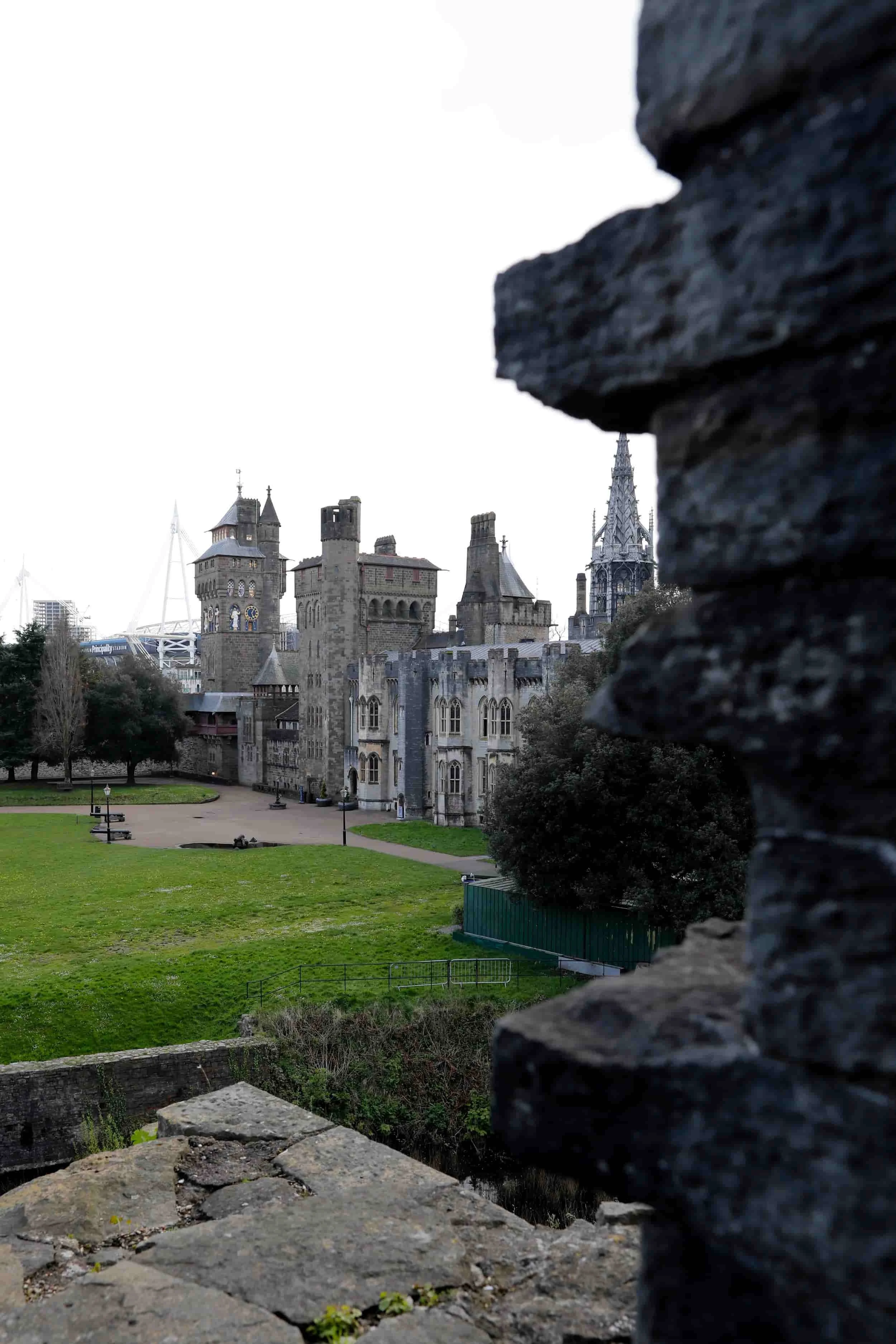
Inside, don’t miss the keeps quirky decorative touches — heraldic motifs, carved stone grotesques and a surprisingly intimate spiral stair — a reminder that this is as much a storyteller’s stage as it is a fortress; lingering there at dusk, when the light softens the masonry and the city hums below, you’re left with the pleasing sense that the keep doesn’t just guard Cardiff’s past — it invites you to imagine its many lives.
Wartime Air Raid Shelters
Hidden within the castle’s medieval ramparts lies a secret that feels plucked from a fable: a network of tunnels. Their gentle calm and cool stone tell of a different era — World War II — when these passages became refuge. When air-raid sirens split the sky, up to 1,800 city residents would hurry into eight separate sections of the walls, finding shelter from the chaos above.
Imagine the scramble, softened by purpose-built ramps that let people flow down into safety with surprising ease. Inside, the walls held entire miniature communities: dormitory bunks for sleeping, tucked-away kitchens filling the air with comforting scents, discreet toilets and even first-aid posts ready to tend the wounded. Walking there today, you can still sense how ordinary life was quietly preserved inside ancient stone.
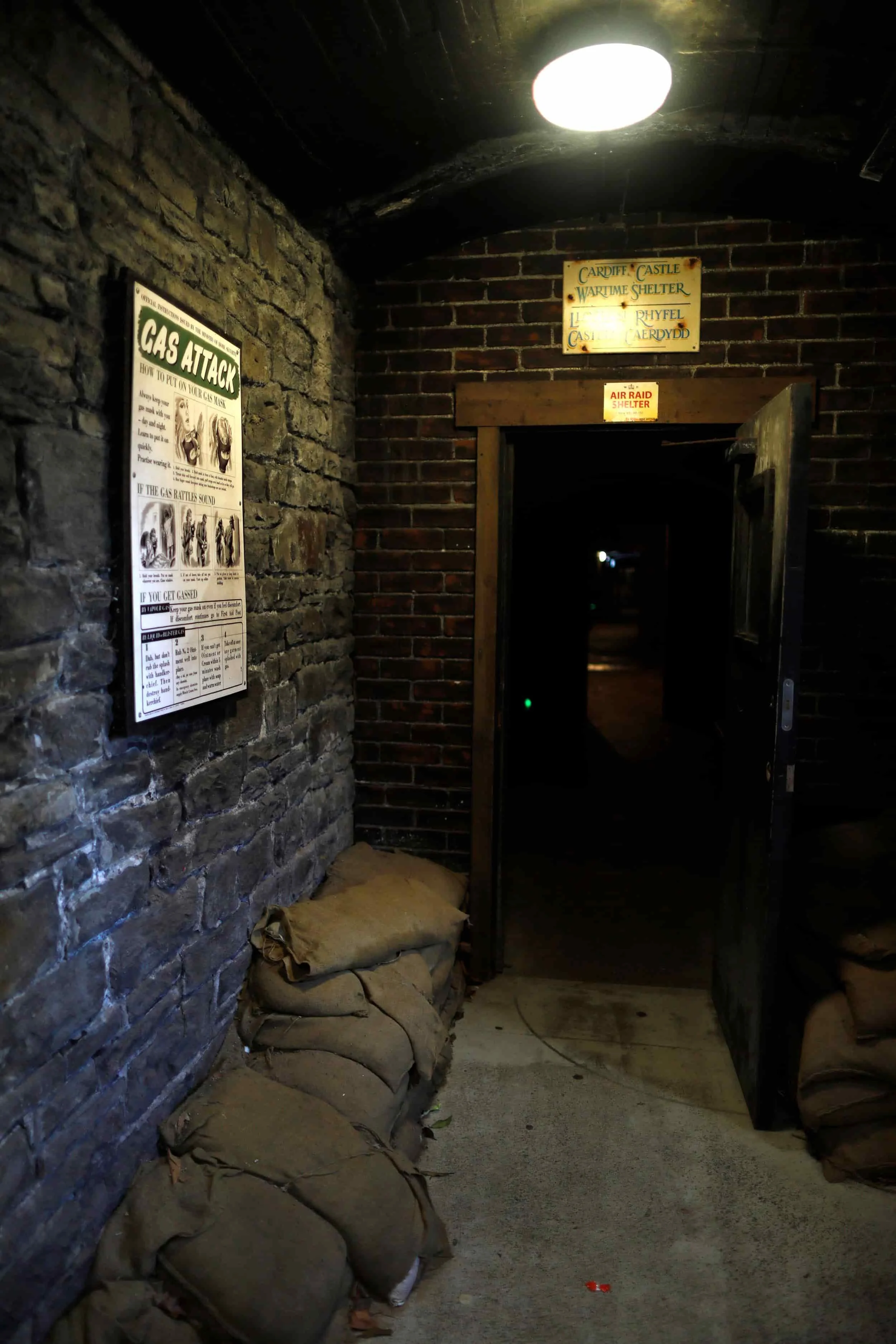
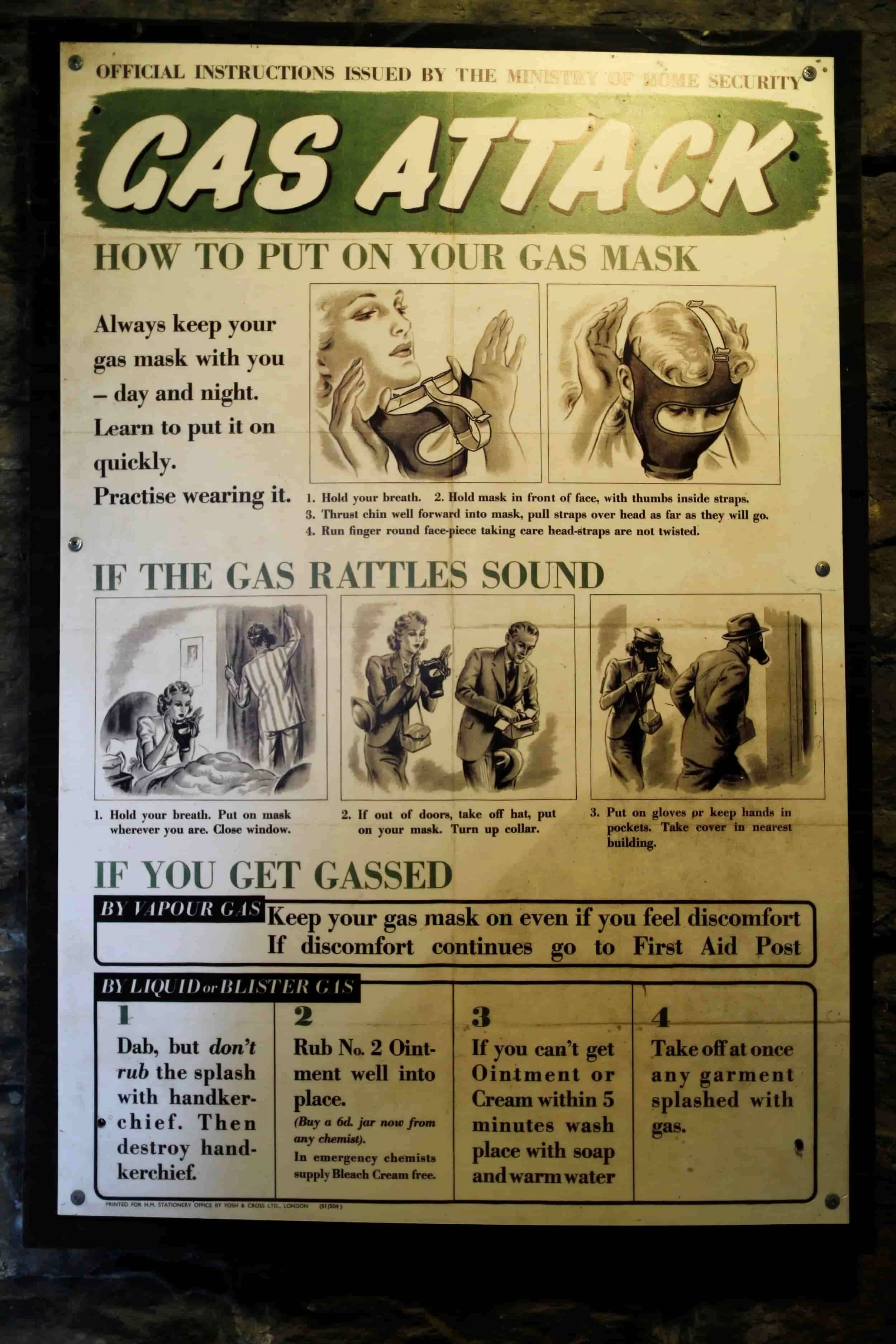
The castle even played a role in wartime ingenuity: its ramparts once anchored massive barrage balloons that floated above the city like silent, watchful guardians. These unmanned, tethered giants were deployed to shield streets and buildings from aerial attack, their gentle silhouettes a striking — if unexpected — addition to the historic skyline.
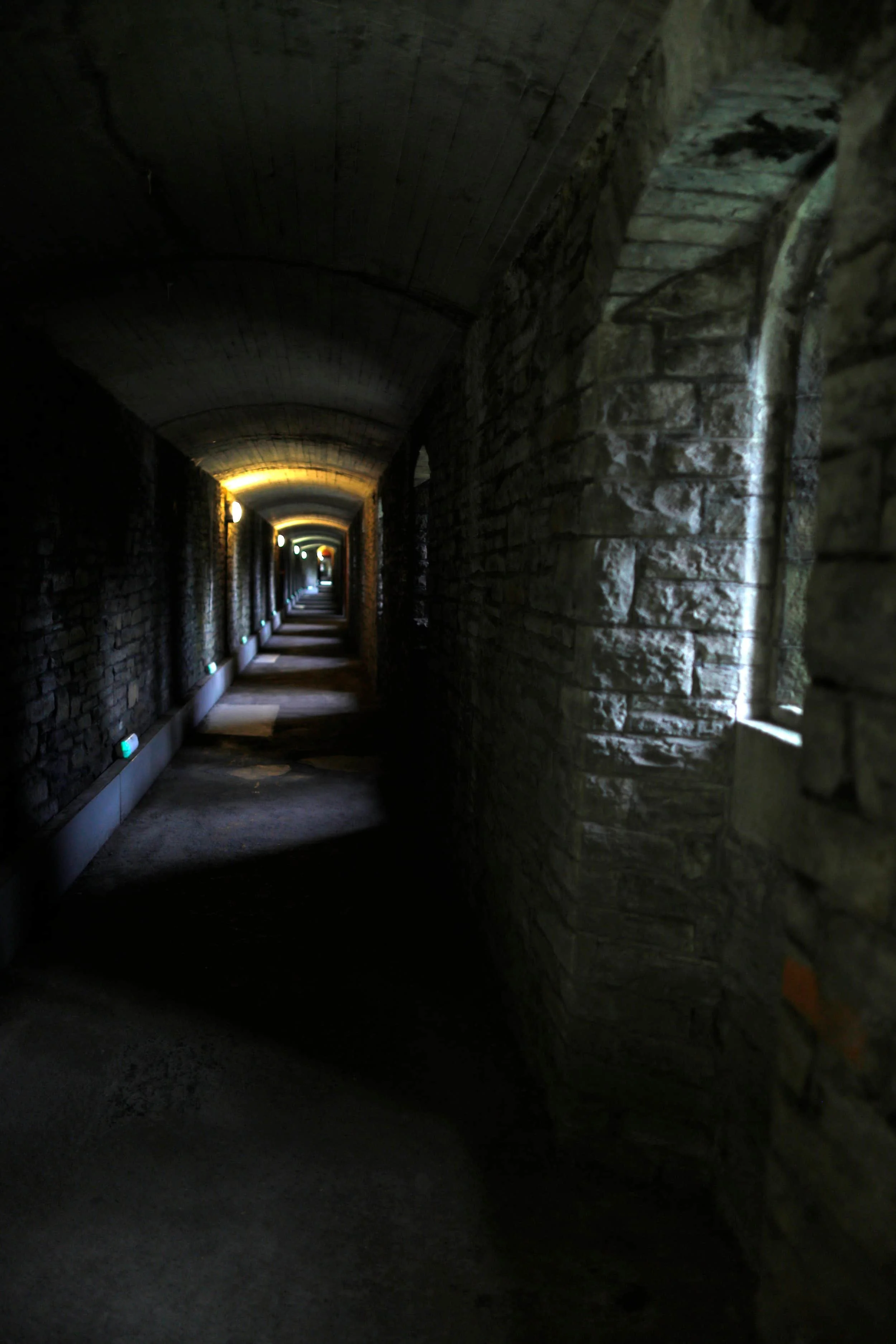
Today the tunnels feel like stepping into a war torn memory. As I wandered their narrow corridors, booming speakers overtook the air with wartime announcements — urgent, clipped warnings that once guided frightened crowds — interrupted every few minutes by piercing sirens.
Weathered posters lined the walls, offering curt advice on how to act during a gas attack or what a mealtime routine might look like. Add the cool, damp air and the tunnel’s soft, dim glow and the whole scene was equal parts haunting and humbling — an intimate, unsettling reminder of the lives that once moved through these very passages.
Roman Chariot Corner
Tucked beneath the south-east tower of Cardiff Castle, the Roman Chariot Corner is a captivating mural by Frank Abraham, commissioned by Cardiff City Council and completed between 1981 and 1983. Built from cement and plaster and finished in metallic gold paint, the mural’s finely rendered chariots, horses and figures sweep across the stone in vivid scenes that evoke the drama of early first-century Roman processions and invasions.
The artwork depicts the local Silurian village life and the Silures watching the invading Roman fleet approach, with men working in an armory and the tribe gathering to defend their land; visitors can admire the intricate brushwork and subtle weathering that lend the piece a timeless charm — a hidden gem that brings a touch of Roman splendor to the castle’s medieval walls.
Battlement Walks
Rounding out a visit to Cardiff Castle before the skies open, take a leisurely stroll along the Battlement Walk toward the north gate. The path traces three sides of the castle’s outer defenses — beginning at the south wall, curving around the east and finishing at the north gate — offering a nice mix of views and history. Imagine Roman legionaries once pacing these very ramparts, keeping vigilant watch over the settlement below.
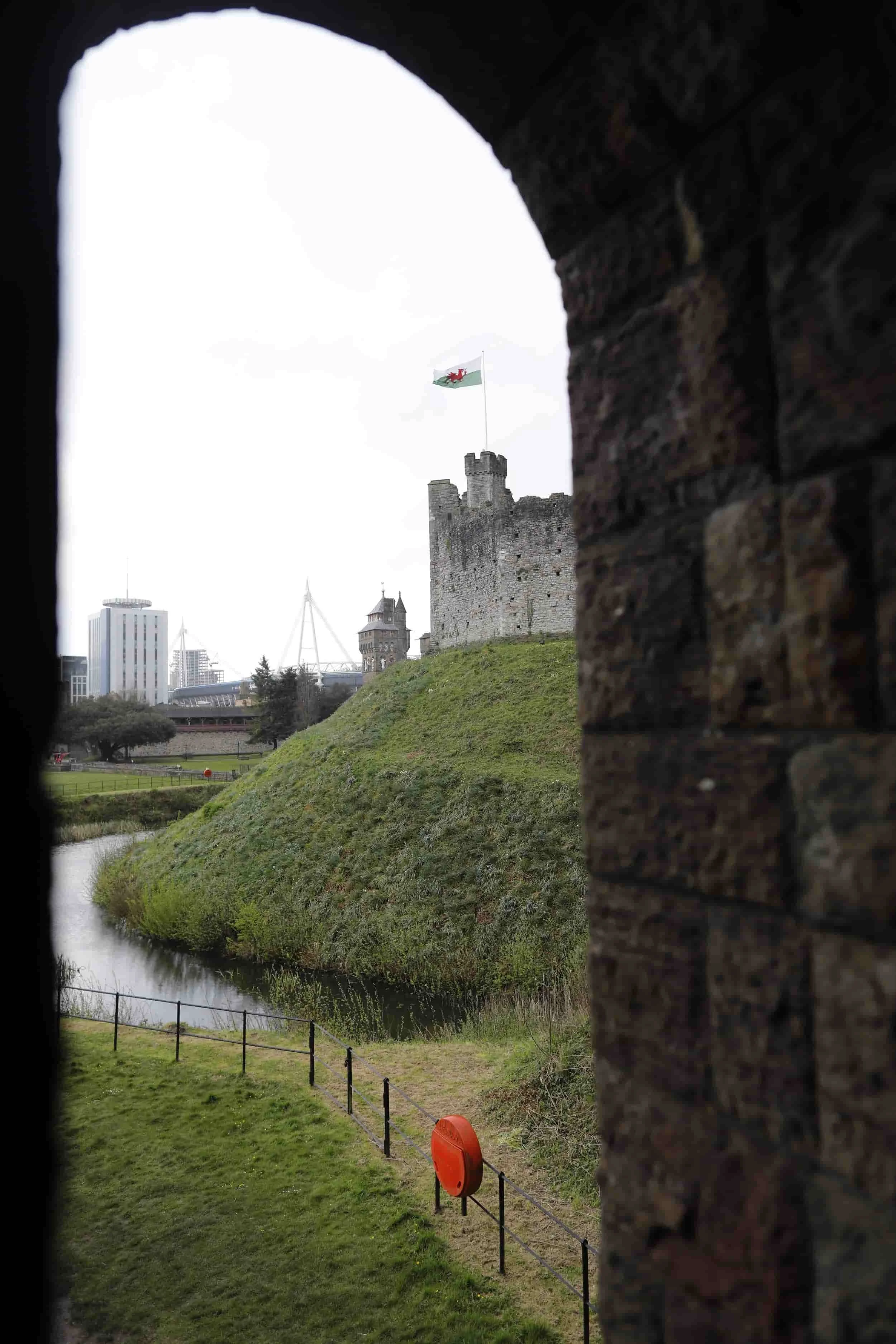
Cardiff’s Roman story has a lovely twist: it lay hidden for centuries until 1888, when Lord Bute’s workmen, removing Norman earthworks to make way for a new tower, stumbled upon ancient masonry. As excavations continued, the Roman walls revealed themselves and the 3rd Marquess made the surprising decision to abandon his tower plans and restore the fort instead.
Work resumed in 1897 on top of the original Roman foundations, a project that reached completion under the 4th Marquess in 1923. Today, the Battlement Walk lets you literally tread the layers of history — Roman stones beneath Victorian ambitions — while you take in the castle’s commanding views.
My Bibimbap Moment
Every destination adds another ingredient to our life's recipe and sometimes a few hours in one place can carry you through centuries of stories. Right in the heart of Cardiff, surrounded by green space and the energy of the city, Cardiff Castle offered far more than I expected — from richly decorated apartments and intricate stained glass to formidable medieval walls, sweeping views and dark wartime tunnels. Here's the ingredient this remarkable piece of Welsh history added to my Bibimbap Life.
Today’s Bibimbap Recipe
🥢 Flavor: Atmospheric
🌿 Ingredient: Imagination
❤️ Best Memory: Discovering the site’s hidden corners
🎒 Take With You: Some places hold so many stories that a few hours can feel like stepping briefly into another world.
When I think back on Cardiff Castle, I remember how many different feelings could exist within one place. There was the beauty of the apartments, the solidity of the castle walls, the peaceful views over the city and then the sudden unease of standing in the dark tunnels as wartime warnings played overhead. Each space seemed to belong to a different chapter of the castle's story. I only spent a few hours there but it felt like much longer. By the time the rain finally pushed me out, I had fallen completely under its spell.
Cardiff Castle Travel Essentials
Cardiff Castle sits right in the heart of the city, making it one of the easiest places to work into a day of exploring Cardiff. But don’t let its central location fool you into treating it as a quick stop — there’s considerably more tucked behind those walls than you might expect.
Give yourself enough time to explore without rushing, check which areas or tours are included with your ticket and wear comfortable shoes for the climb up to the keep. Its location also makes it easy to pair your visit with Bute Park, Cardiff’s historic arcades or the city center before continuing on with your day.
When to Go
The best time to visit Cardiff Castle is in late spring when Cardiff, Wales bursts into blossom and the warm, golden light makes the battlements feel like a fairytale come to life.
Hours: Open 7 days a week (generally 10:00 AM – 5:00 PM on weekdays and 9:00 AM – 5:00 PM on weekends, with shorter winter hours from November to February).
Best Time: Visit mid-week during school term-time or right at opening to avoid weekend and holiday rushes. Always check their event calendar before going, as major concerts at the castle or games at the nearby Principality Stadium can alter hours or close parts of the site.
How to Get There
From the busy Cardiff UK train station, wander through the castle’s green Bute Park gardens and you'll soon find the towering stone walls of Cardiff Castle welcoming you like a storybook landmark.
Location: Right in the heart of Cardiff city center on Castle Street.
Walking/Transit: It is a short, 10-to-15 minute walk from Cardiff Central railway and bus stations.
Driving: There is no on-site parking. Use nearby city center parking facilities like the NCP Greyfriars or Westgate Street lots or check for local park-and-ride options.
Where to Stay
Cardiff’s best places to stay blend history, culture and easy access to attractions: the Civic Centre and Roath offer leafy streets, elegant Victorian terraces and proximity to museums and Cardiff University; the lively city center and St. Mary Street suit first-time visitors who want shopping, nightlife and waterfront attractions within a short walk.
Cardiff Bay is perfect for waterside dining, modern architecture and a relaxed seaside vibe with the Wales Millennium Centre as a focal point; Pontcanna charms with boutique cafés, independent shops and quiet canalside walks for a more local feel; and for those who prefer village calm with quick transport links, Penarth across the estuary provides handsome seafront promenades and a quieter base not far from the capital.
Where I Stayed
For being in the middle of everything — Airbnb double room
This is where I stayed in Cardiff and I loved it — the home is full of personality and thoughtful, quirky design details, the location makes exploring the city incredibly easy and the warm, interesting host made the stay feel even more memorable.
Where I’d Stay
I found Cardiff much more suited to a cozy apartment or character-filled stay than a big hotel. There’s something about having your own little place to come home to after a rainy day exploring the city that just fits here. These are a few of my favorite picks for stays that feel a little more personal, comfortable and connected to the city.
For something small but charming — Cardiff Bungalow
A cozy, centrally located Cardiff bungalow with a private garden and easy access to Cardiff Castle, Cardiff Bay and the city center — great if you want the space and independence of a home rather than a traditional hotel.
For a quieter stay — Designer Cardiff Apartment
Modern, bright and clean, this stylish apartment in leafy Pontcanna gives you a quieter, more neighborhood-like stay while still keeping Cardiff’s city center within easy reach.
Additional Options
Prefer a private suite with character?
This spacious, self-contained suite inside a Victorian villa gives you the privacy of your own space — including a kitchen and bathroom — with the character of staying in a Cardiff home.
Want more options?
If you’re looking for something specific, browse more stays to find the location, style and price point that works best for your trip.
Tickets & Costs
A visit to Cardiff Castle feels like stepping into a fantasy — adult tickets are modestly priced, with reduced rates for seniors and children and family tickets available to make exploring the battlements and lavish rooms easy on the wallet.
Standard Admission: Costs around £16.50 for adults and £11 for children, covering the Castle Apartments, Norman Keep, battlements, wartime air-raid shelters and the Firing Line military museum.
House Tours: Highly recommended by reviewers, a guided 50-minute tour exploring the lavish Victorian Gothic interiors costs a small extra fee and must be booked on-site or alongside your entry.
Key Sights & Highlights
Cardiff Wales’s Castle rises like a storybook fortress in the heart of the city — wander the dramatic Norman keep for sweeping views, stroll through the lavishly decorated Victorian apartments to see ornate plasterwork and medieval armor and lose yourself in the peaceful, tree-lined Bute Park. Don’t miss the atmospheric wartime tunnels beneath the castle and the charming Clock Tower framed by manicured gardens — every corner blends centuries of history with unmistakable charm.
The Castle Apartments: Designed by architect William Burges for the 3rd Marquess of Bute, these lavish Gothic Revival rooms feature stunning wood carvings, rich gilding and vivid murals.
The Norman Keep: Perched high on a grassy mound (motte), this 12th-century stone shell keep offers panoramic views across the castle grounds and the city of Cardiff.
The Roman Fort Wall: Visitors can see the excavated remnants of the original 3rd-century Roman walls, identifiable by their distinct alternating bands of red brick and stone.
Wartime Shelters: Carved into the thick castle walls, these underground tunnels served as air-raid shelters for hundreds of local residents during World War II.
Roman Chariot Corner: A gold-painted cement and plaster mural located beneath the south-east tower of Cardiff Castle.
The Firing Line Museum: This museum showcases 300 years of military history, memorabilia and stories from two famous Welsh regiments: The Royal Welsh and 1st The Queen's Dragoon Guards.
The Battlement Walk: Walking along the top of the defensive walls provides a unique perspective of the castle's medieval and Victorian architectural layers.
Bute Park: A stunning 130-acre public park located directly behind Cardiff Castle in the heart of Cardiff, Wales.
The Animal Wall: Located on the southern boundary along Castle Street, this famous wall features carved stone animals designed by William Burges.
Tours & Day Trips
Cardiff Castle is easy to explore independently but guided tours are also available for travelers who want a little more structure and context. Depending on the experience, you can focus specifically on the castle or combine it with other Cardiff highlights.
Want to See More of Cardiff Castle than I Did?
I explored Cardiff Castle on my own and loved having the freedom to wander but I realized afterward that I’d missed a few areas along the way. If I were visiting again, I’d consider a guided tour — the kind of experience that can reveal the stories, architectural details and tucked-away spaces that are easy to pass by on your own.
Explore Cardiff Castle tours →
Finished Exploring Cardiff Castle?
There’s plenty more to discover beyond the castle walls. If you’re looking for what to do next, a guided tour is an easy way to experience another side of Cardiff — from its history and hidden corners to local food, culture and city life.
Good to Know
There’s More Than the Keep: Cardiff Castle layers nearly 2,000 years of history into one site, from Roman walls and the medieval Norman Keep to elaborate Victorian interiors and wartime shelters. Give yourself time to explore beyond the most obvious landmarks.
Not Everything May Be Included: Some rooms, tours or special areas may require an additional ticket or guided visit. Check what’s included with your admission before arriving if there’s something specific you want to see.
Expect Stairs: Reaching the top of the Norman Keep involves a steep climb and other historic areas can include narrow staircases and uneven surfaces. You can still experience plenty of the castle without climbing everything.
You Can See Part of It for Free: Some areas around the castle entrance, including the café and gift shop, can be accessed without a full admission ticket — useful if you simply want a quick look before deciding whether to go inside.
Check What’s Happening: Cardiff Castle hosts events throughout the year, which can affect access to parts of the grounds or change the atmosphere considerably. Check the castle calendar before your visit.
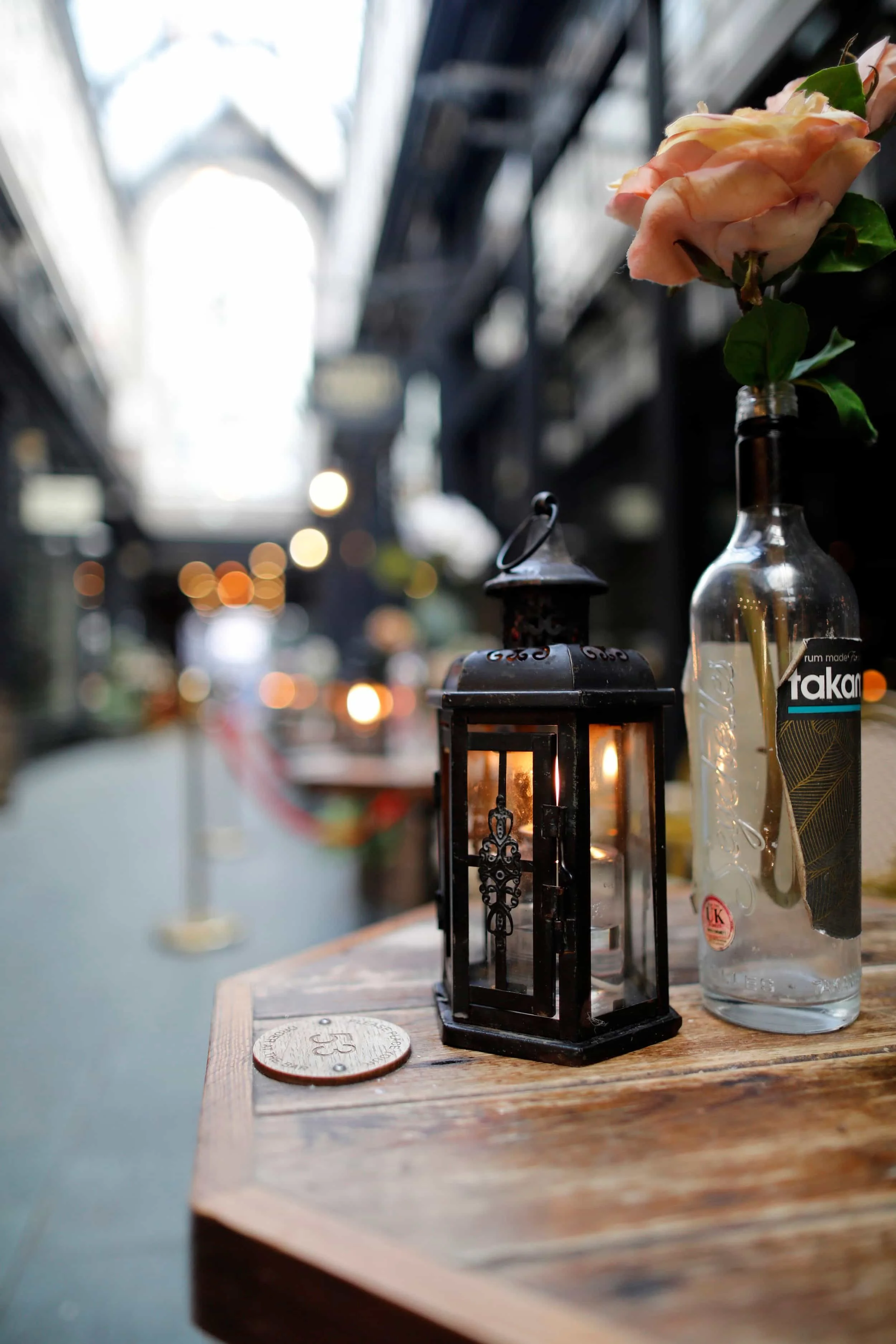
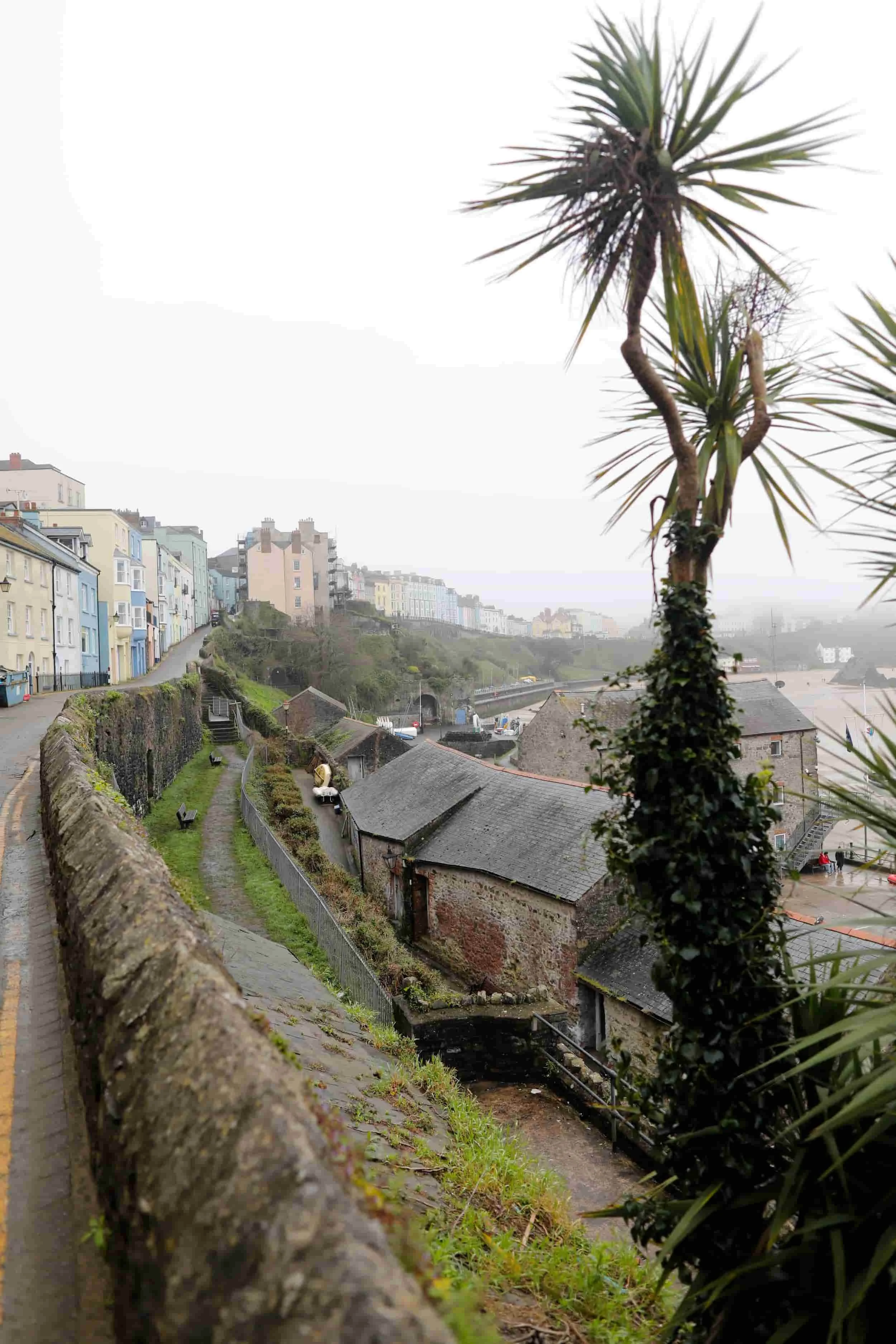
Step back in time at Cardiff Castle in Cardiff UK, where Roman walls, Gothic towers and Victorian interiors set amid a green oasis in the heart of the city.