Chasing Waterfalls in Cienfuegos
Best things to do in Cienfuegos: explore Cuba’s natural beauty, well-preserved French-influenced architecture & vibrant cultural scene with this travel guide.
Why Visit Cuba
Cuba, officially the Republic of Cuba, is an island country comprised of the island of Cuba, Isla de la Juventud, archipelagos and 4,195 islands and cays surrounding the main island.
Though mostly unknown to many, Cuba is one rich in friendly faces, diverse landscapes, vibrant art and music and tasty cuisine. Sadly, with a rocky past, the country still feels just out of reach, with many of its people suffering even today.
Located on Bahía de Cienfuegos, a bay on Cuba’s southern coast 90 minutes from Trinidad, Cienfuegos is most known for its elegant, well-preserved French colonial architecture and status as a major Cuban seaport for products like sugarcane, coffee and tobacco. Rich in culture, fresh seafood and oozing with charm, this town had it all.
Ten-Day Travel Itinerary
With 10 days to spend in Cuba and so much to see, our flight landed in the country’s capital of Old Havana where we explored its historic colonial architecture, vibrant culture and revolutionary iconography (think, symbols of rebellion).
After a few days, we were off to the beautiful cobblestone streets of Trinidad to indulge in well-preserved colonial architecture, a lively music scene and scenic landscapes of sprawling valleys and beaches.
The gorgeous waterfalls, beaches and historic town square of Cienfuegos followed.
And finally, we slowed our pace to enjoy the incredible mogote hills and caves of Viñales Valley near the western end of the island.
What’s Inside | Roadmap
01 | Arrive in Cienfuegos
02 | Rough it at the Botanical Garden of Cienfuegos
03 | Unwind at Rancho Luna Beach
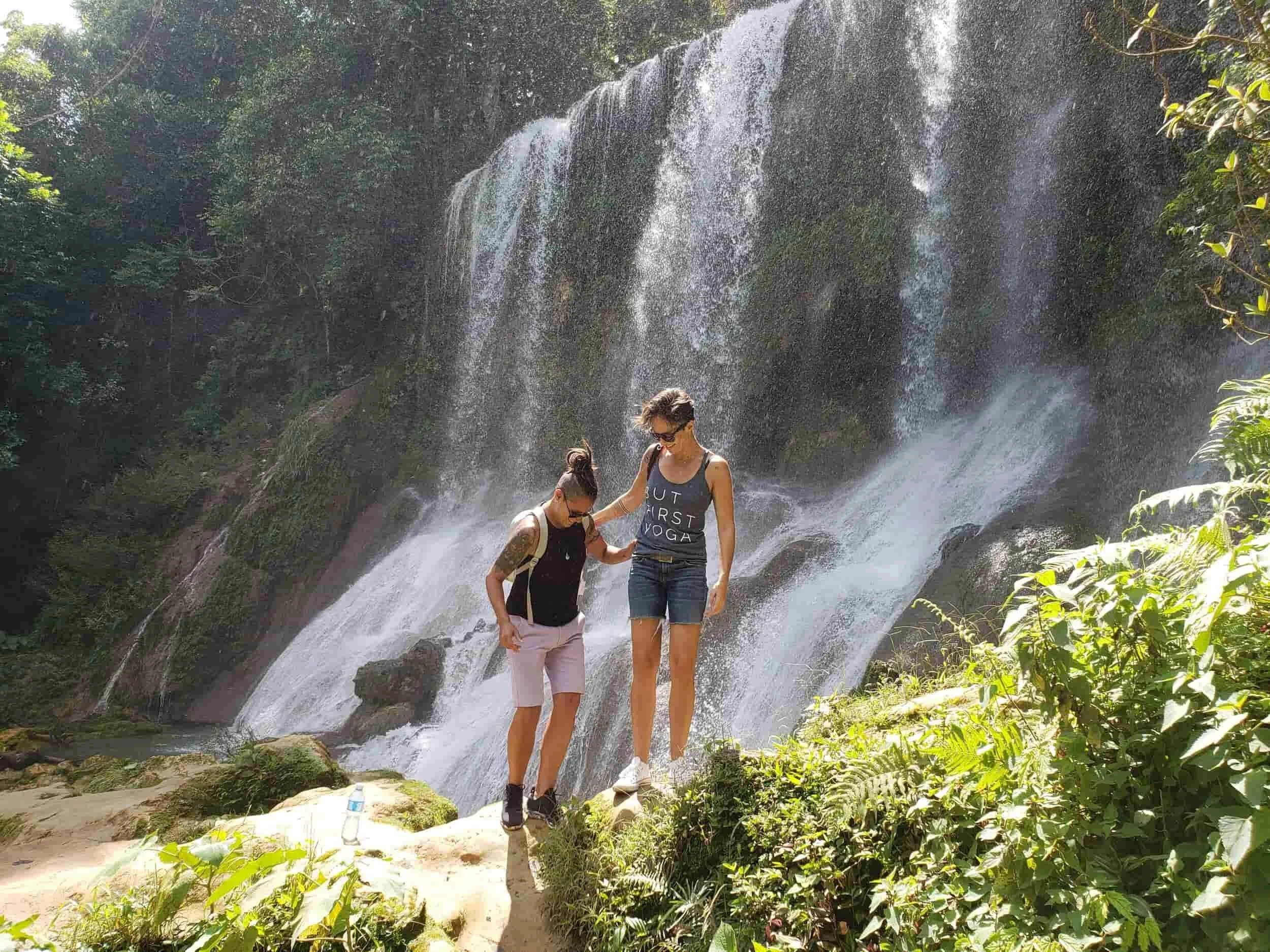
04 | Chase waterfalls at El Nicho
05 | Wander the historic central square of Cienfuegos
06 | Appreciate Bay of Cienfuegos
Read On | Discover more Cuban destinations here: Cuba Travel Guides
Best Things to Do in Cienfuegos
Wander Cienfuegos’ graceful seaside boulevards and pastel plazas where French-inspired architecture, verdant parks and the warm hum of Cuban life invite slow discovery. Lose yourself in sunset strolls along the Malecón, lingering over fresh seafood and live music that make every corner feel like a well-kept secret.
01 | Arrive in Cienfuegos
After a few soggy days in Trinidad, Cienfuegos was up next. A “colectivo” arrived at our hostel in Trinidad and drove us to Cienfuegos for 15 CUC each ($15 USD). Upon arrival, we checked in to our new homestay, Hostal las Gemelas.
Tip / Hire a collectivo for affordable but convenient transportation in Cuba. A colectivo is a shared taxi, often a classic American car or van, that provides a more flexible and convenient alternative to public buses. It’s a form of public transportation where multiple passengers pay for individual seats to travel on a fixed route or to a shared destination, departing only once all seats are filled.
Our time at Hostal las Gemelas was our favorite stay in Cuba. The family was so kind and hospitable and helped us find activities, taxi cabs and even prepared delicious home-cooked meals. The accommodations were clean, private and comfortable, located just a few blocks from the city center (but still count on a taxi to get to the beach and El Nicho, a must see). We even became pretty friendly with the young couple, daughter and son in law, who were at our stay. And as we departed, I left them with many of my belongings. We continued to be in touch over the years and several years later, they finally escaped Cuba to arrive in the States.
Tip / Before arriving in Cuba, I read lots about what to bring for the families as it’s near impossible for locals to get their hands on many everyday items. I pulled together toiletry kits to leave with all the families we stayed with but when I fell in love with this homestay, I ended up leaving shoes, clothes, perfume and many other special items behind for them to enjoy.
Tip / When bringing items for families in Cuba, prioritize medications and first-aid supplies, followed by toiletries, household items like bedding and towels, and food and snacks. Other useful items include children's toys and school supplies, batteries, rechargeable electronics and clothing, as many of these are hard to find and will be greatly appreciated. I’ve also heard that spices are in high demand.
02 | Rough It at the Botanical Garden of Cienfuegos
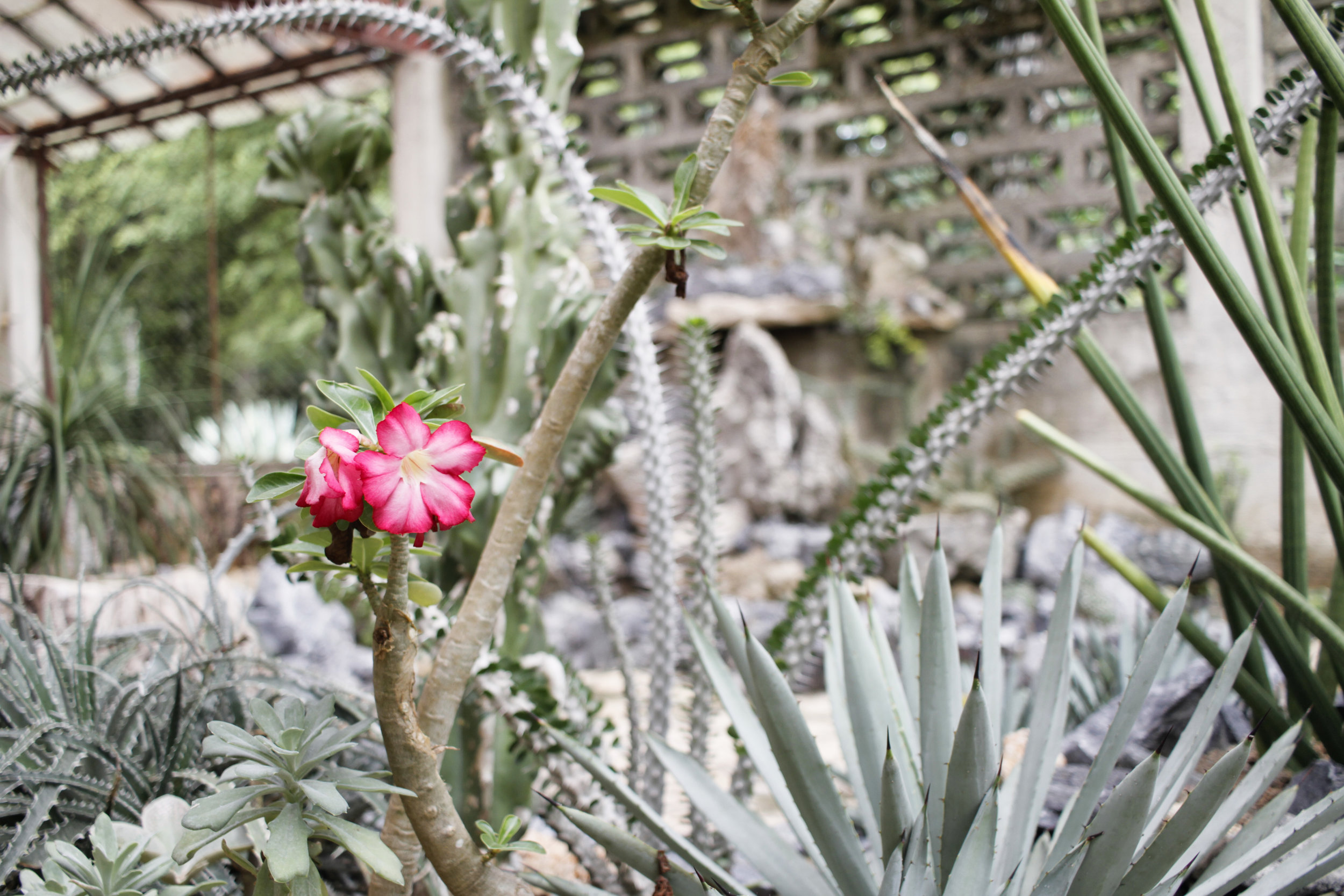
With no time to waste first up was the Botanical Garden of Cienfuegos located 20 minutes outside of the city. A small entrance fee of 2.50 CUC was collected and we made our way down a long windy road until reaching the main entrance. Inside, there was a tiny palm and cactus house but not too much else.

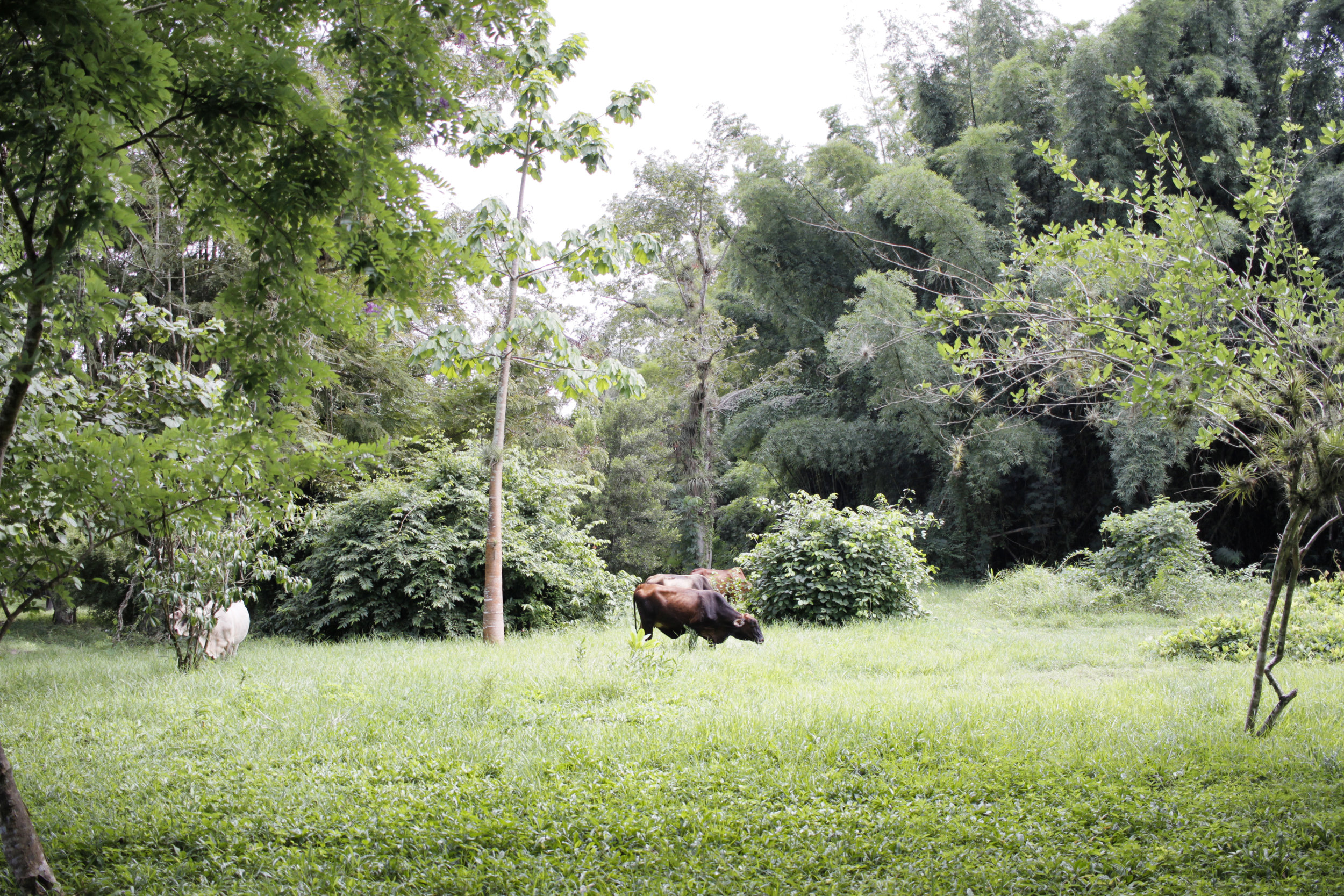
Not seeing any clear direction, we were told to enter a grassy path and “keep right”. With that, we disappeared into the woods, almost immediately losing our way. The weather was incredibly hot and muggy and mosquitoes were eating us alive. To make matters worse, there weren’t any signs or paths, only cattle.

Unfortunately, it was really frustrating and not a spot I’d recommend. Maybe due to the rainy season or high expectations but the gardens seemed better to “tour” by car as they felt more like someone’s wild backyard rather than a well-kept garden.
Tip / Be prepared to rough it at the gardens and definitely bring bug spray.
03 | Unwind at Rancho Luna Beach
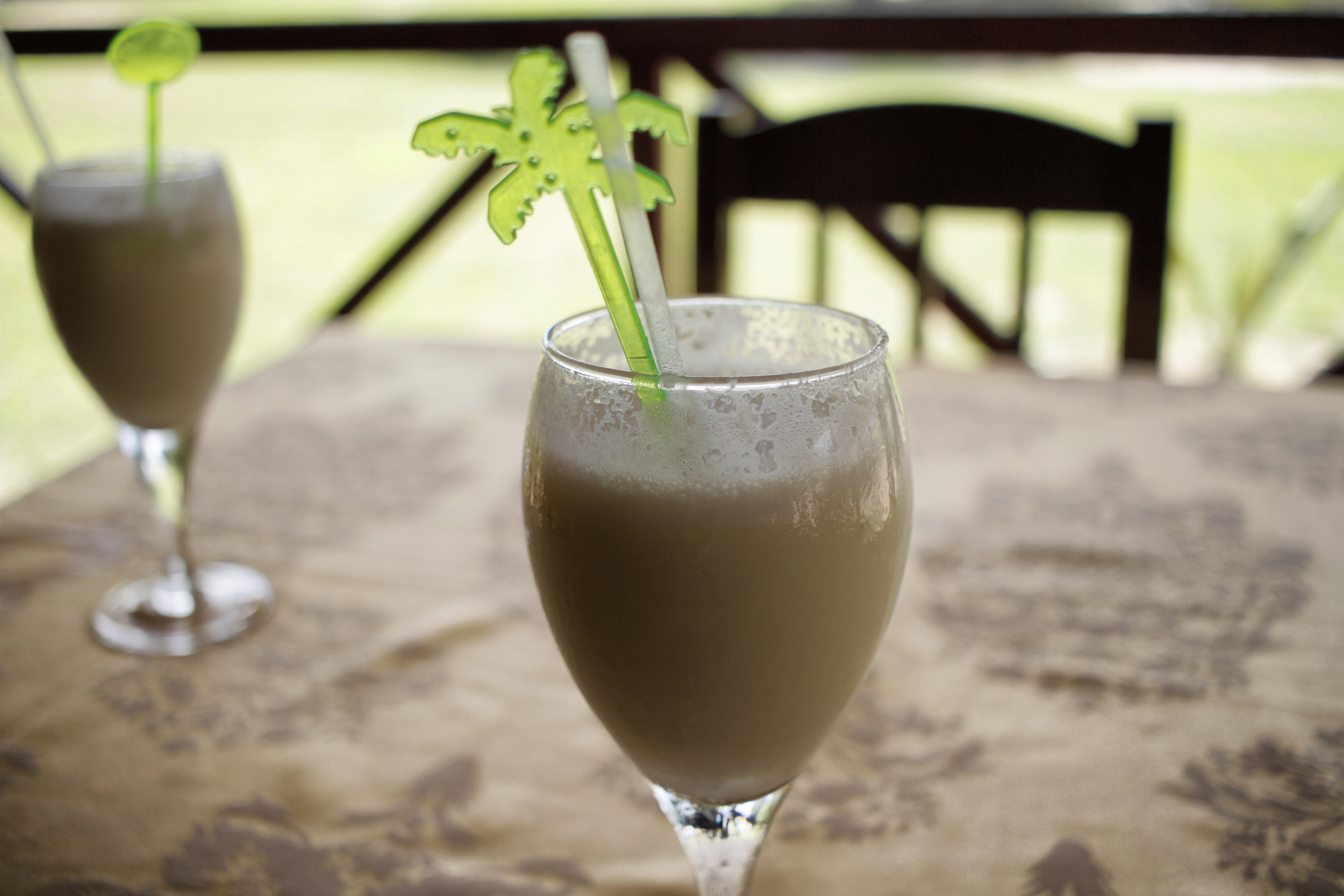
After such a rough morning at the botanical gardens, the beach sounded ideal. Rancho Luna Beach was a short drive away, just 20 minutes and exactly what we needed. Before settling into the sand, we had a delicious lunch of shrimp, fish, rice and beans with piña coladas.
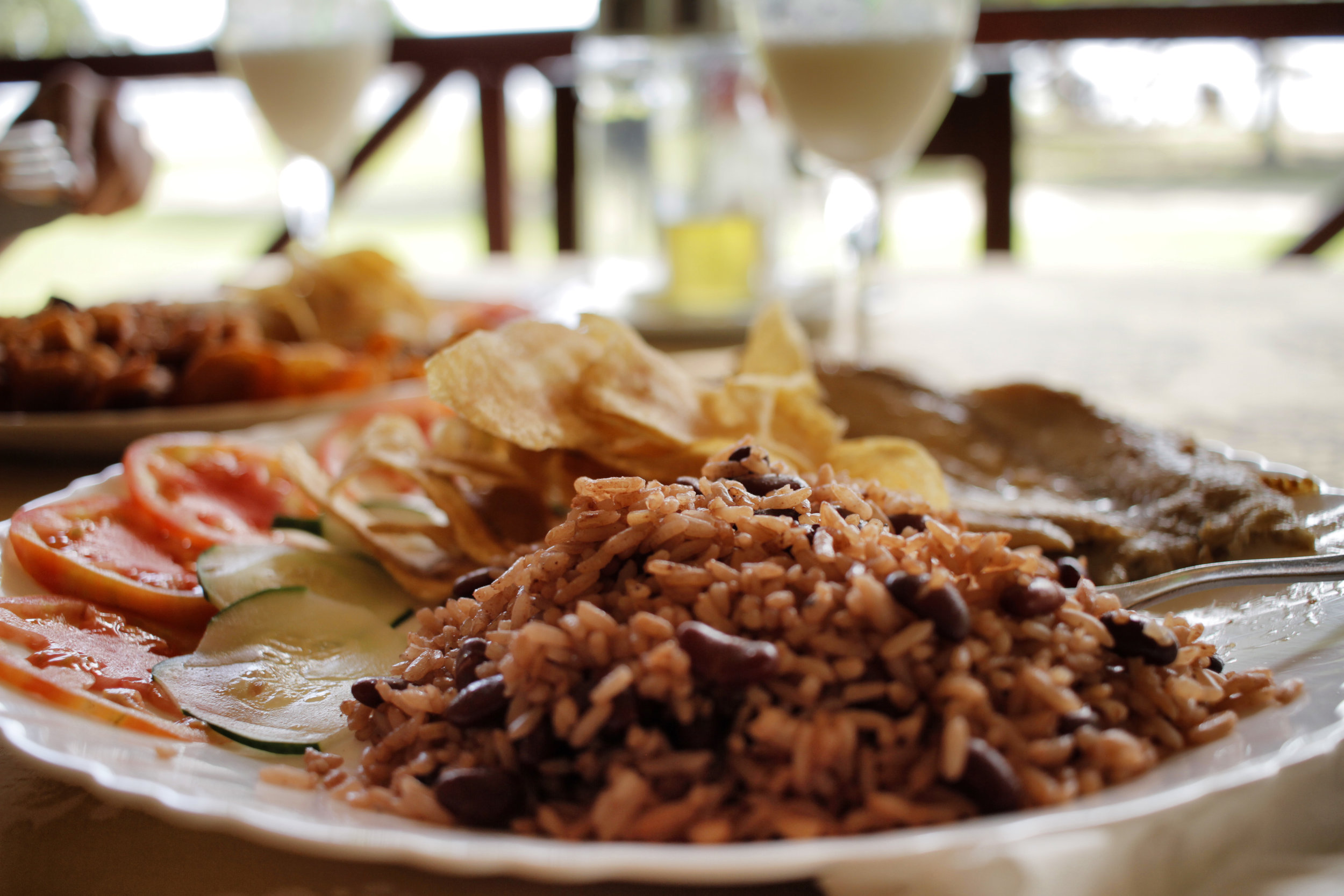
The beach was gorgeous and fairly empty. The warm ocean water was refreshing and we enjoyed the weather for a few relaxing hours.

Eventually, it began to cool as the sun set.
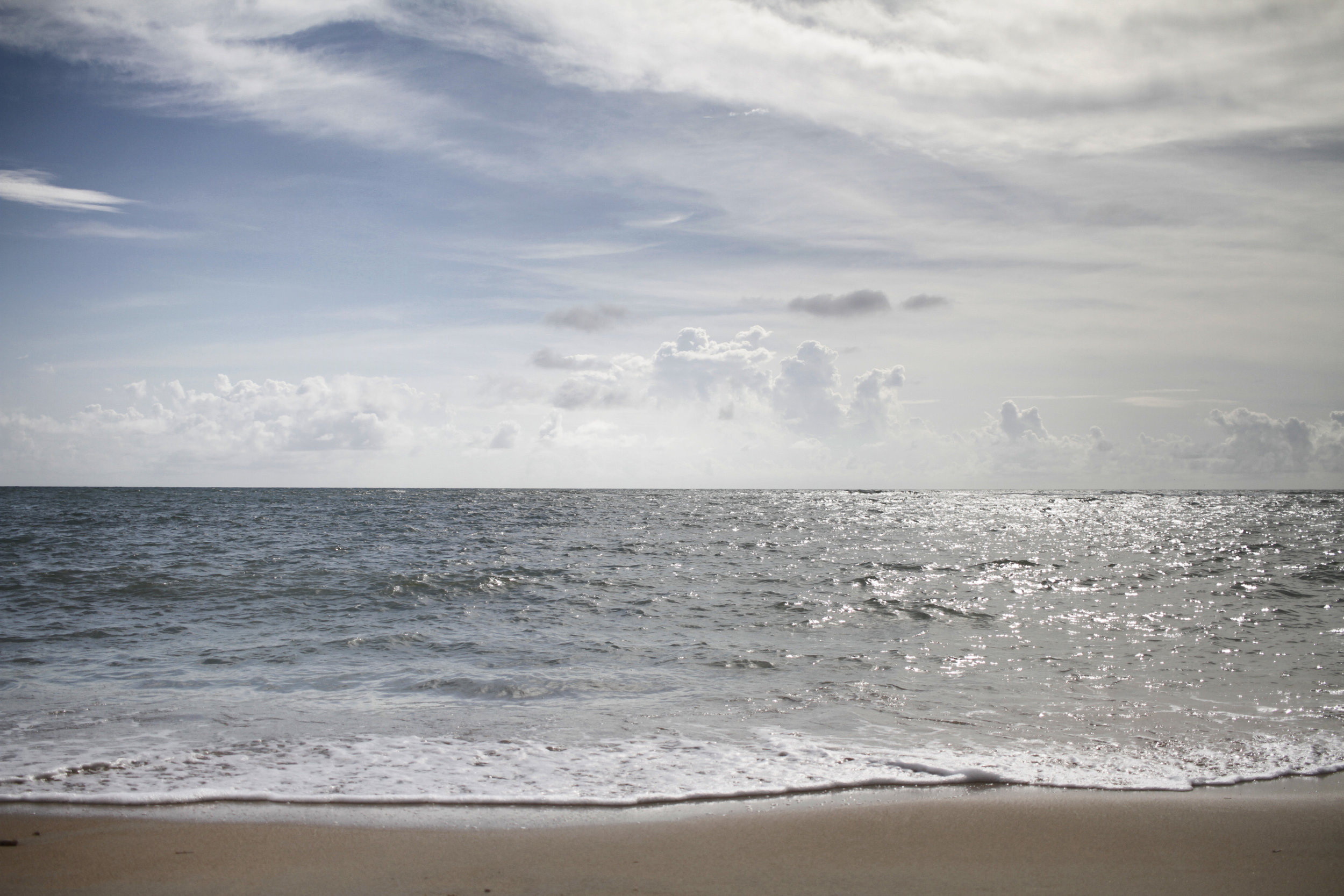
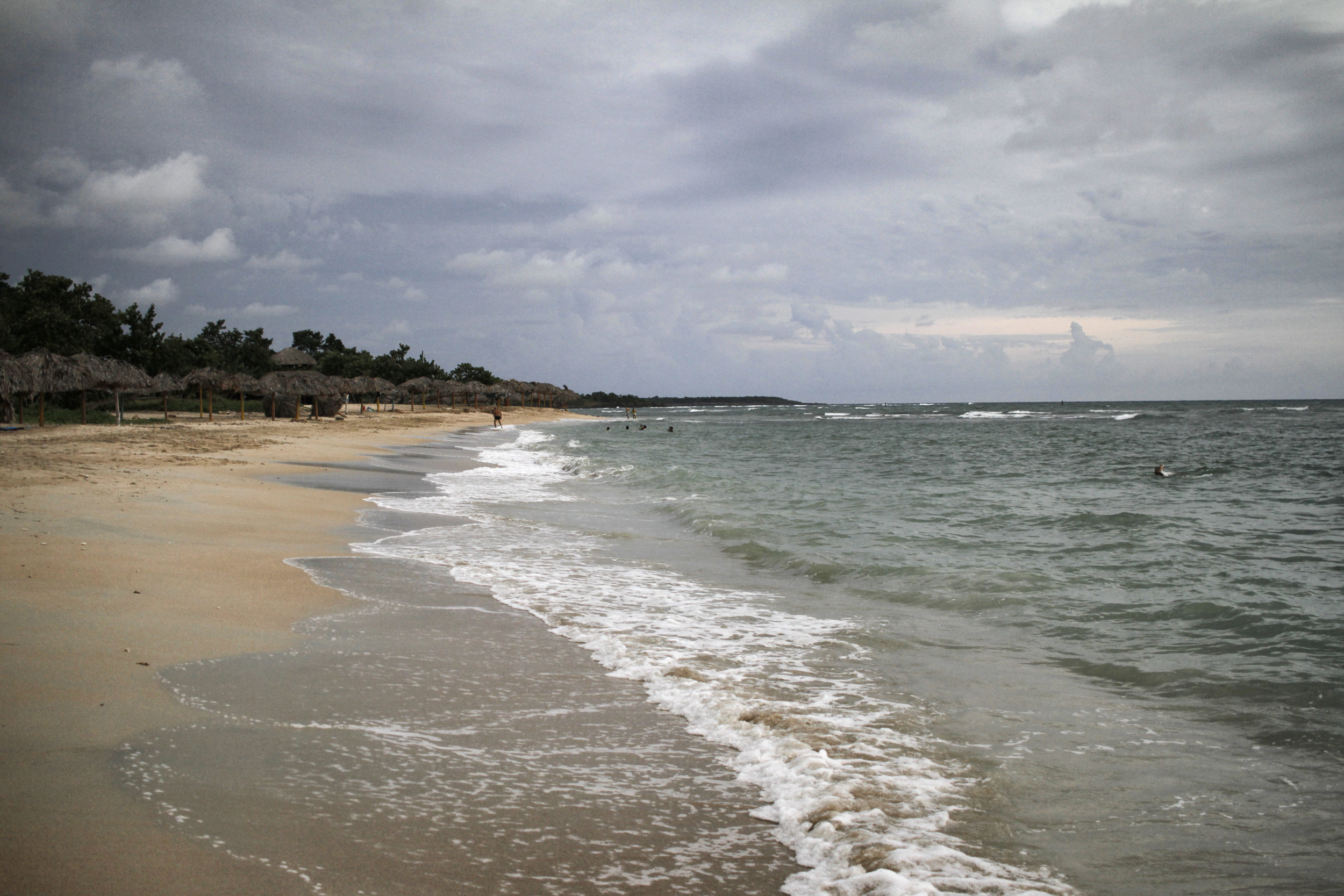
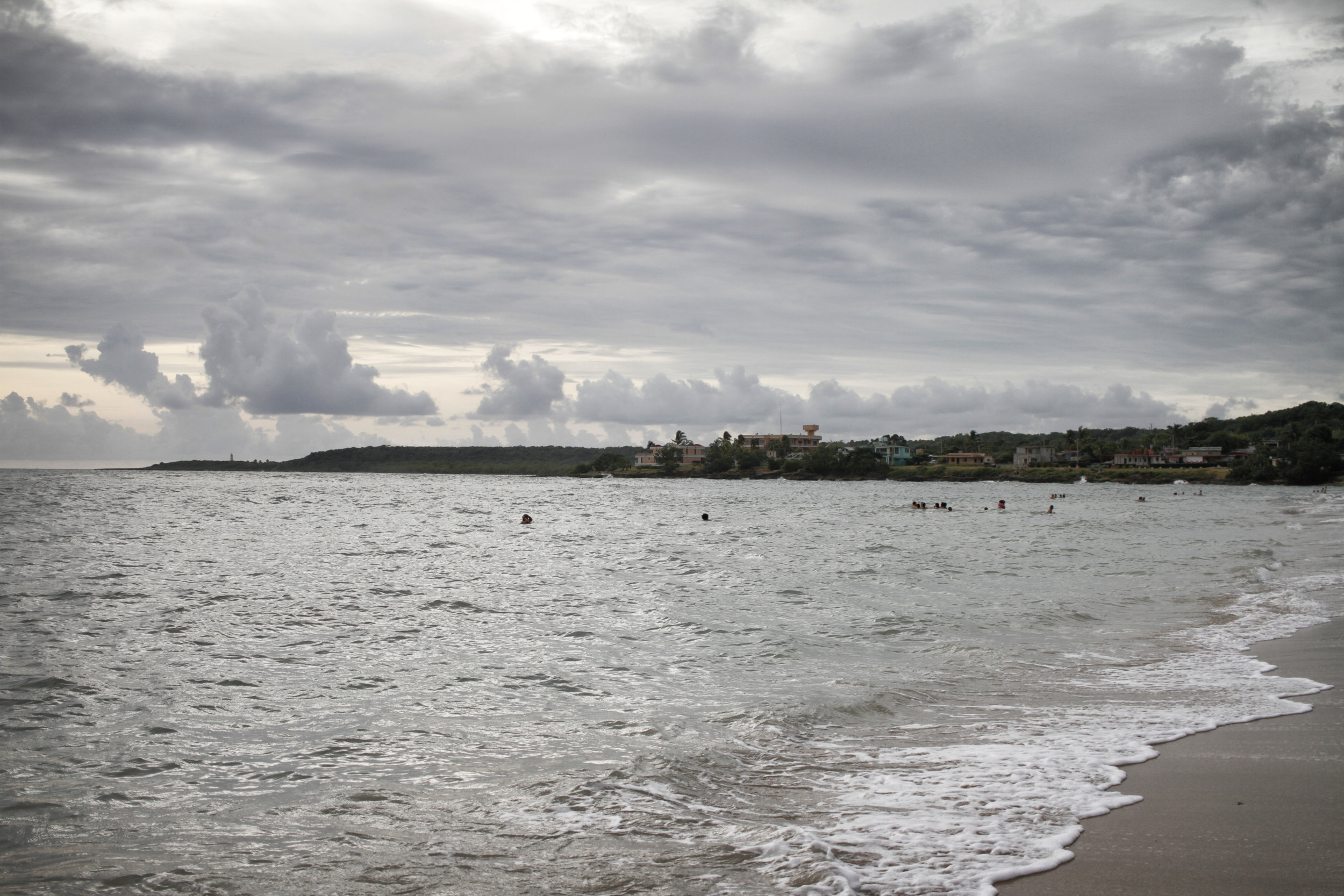
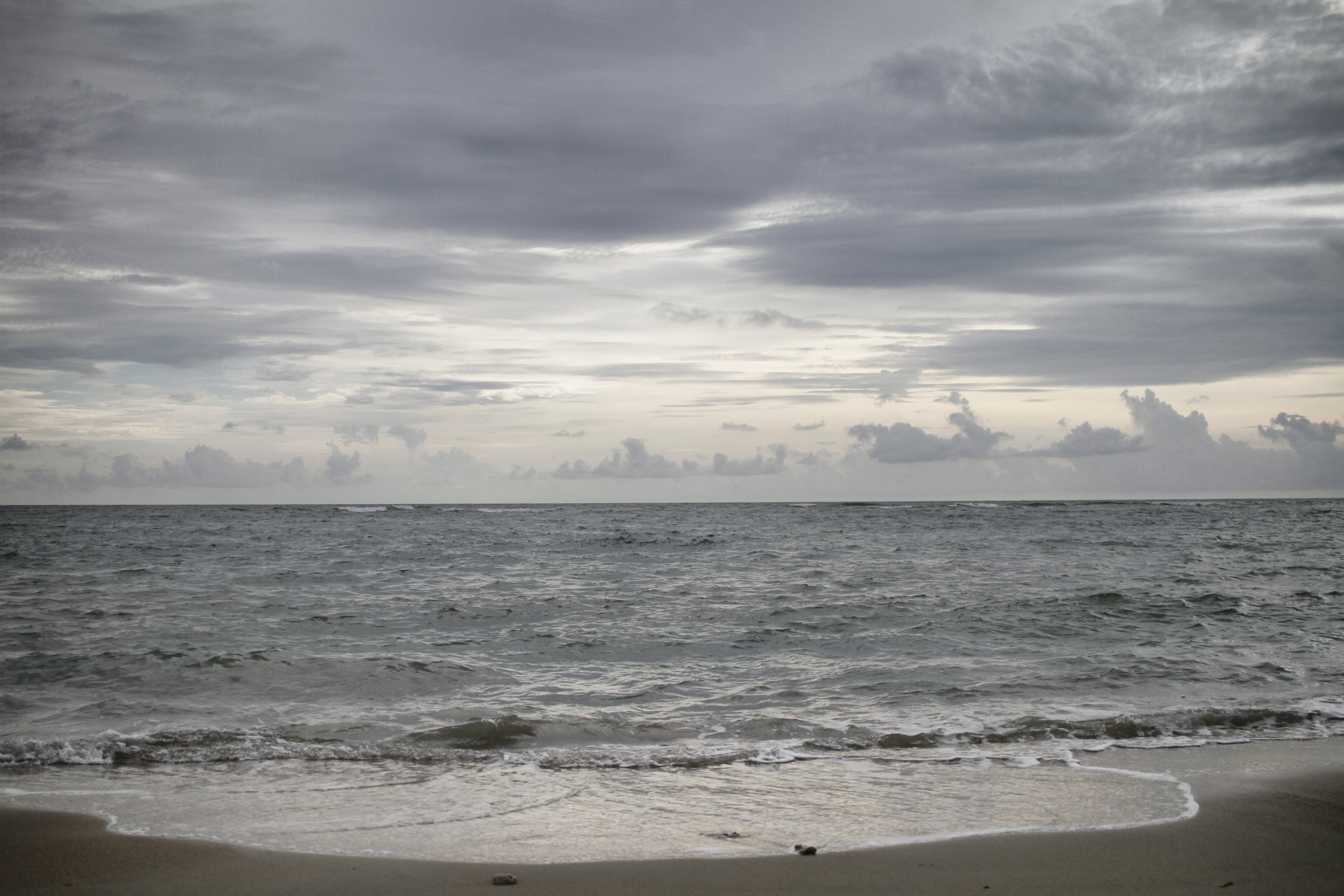
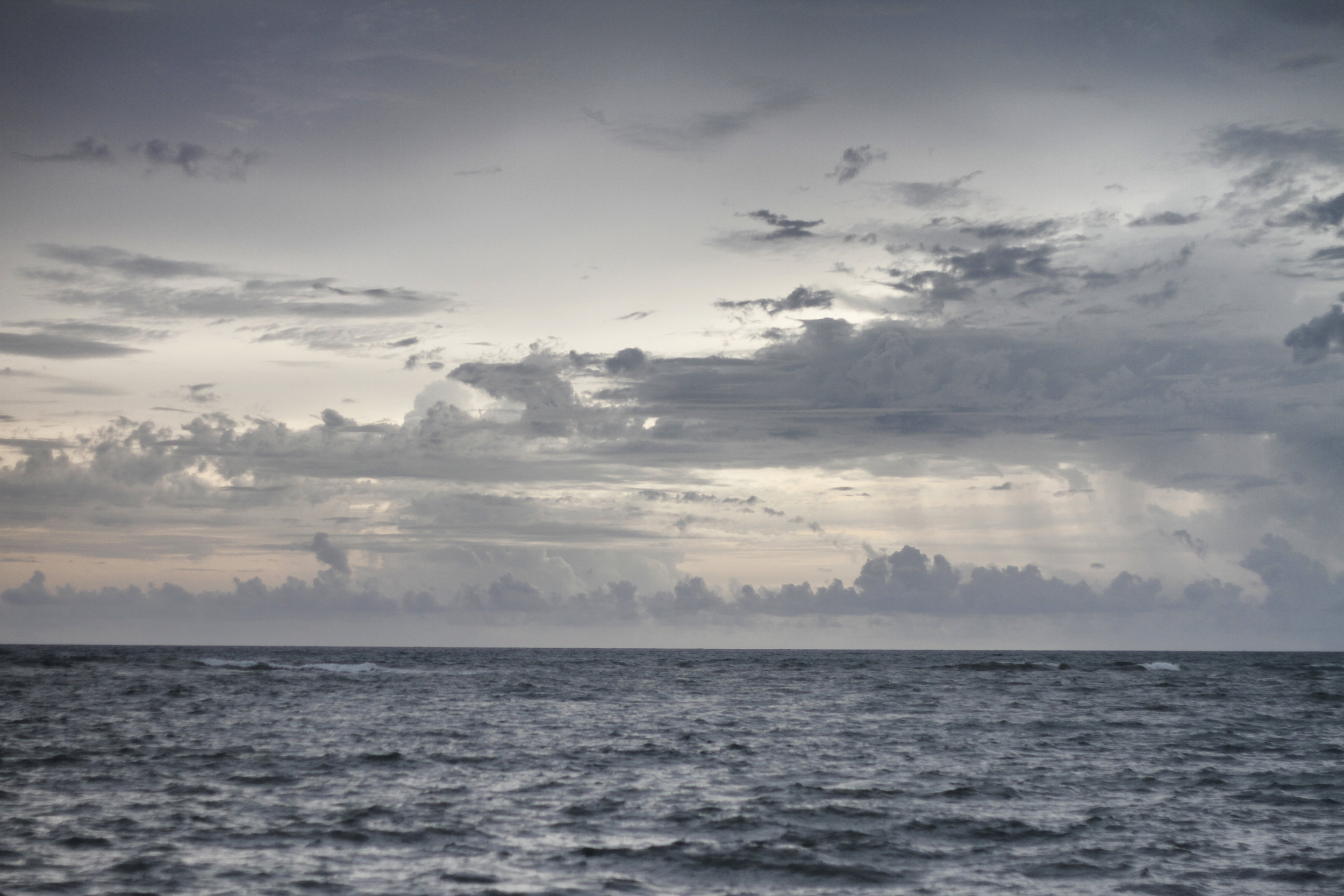
The beach was super peaceful and it’s always really nice to have one all to yourself. Clouds rolled in and created a gorgeous view.
Back at the homestay, our hosts prepared a delicious dinner of vegetable soup, pork, chicken, rice, pumpkin and veggies (avocado & mushroom) with flan and chocolate ice cream for dessert. It was such a nice treat and we welcomed a home-cooked meal after so many nights eating out.
04 | Chase Waterfalls at El Nicho
The next morning a delicious breakfast of tiny arepas (elephant ears) with honey, scrambled eggs, ham, cheese, bread, fruit (banana, papaya & watermelon), mango juice and coffee was prepared.
With full bellies, it was time to hike El Nicho. A taxi picked us up at our hostel and began the 90 minute drive. The waterfalls and natural pools of El Nicho sit inside the Gran Parque Natural Topes de Collantes, a forest-covered park extending across the Sierra Escambray mountain range in central Cuba.

Our driver was very kind, stopping along the way to enjoy the view and take a few photos. During the drive we passed farms growing all kinds of fruit, coffee and sugar cane. We even stopped to grab a few citrus fruits.

Arriving at El Nicho, our driver explained it would take about two hours to hike up and back down the mountain. Also, it’s a good idea to bring a swimsuit although swim at your own risk due to icy cold water.

Upon entering the park, the guides gave us a really hard time about not having our passports. It wasn’t clear if they were telling the truth about needing them to enter or if they were looking for a “tip.” After convincing them we weren’t a risk (in Spanish) they let us enter by paying the 10 CUC entrance fee ($10 USD).
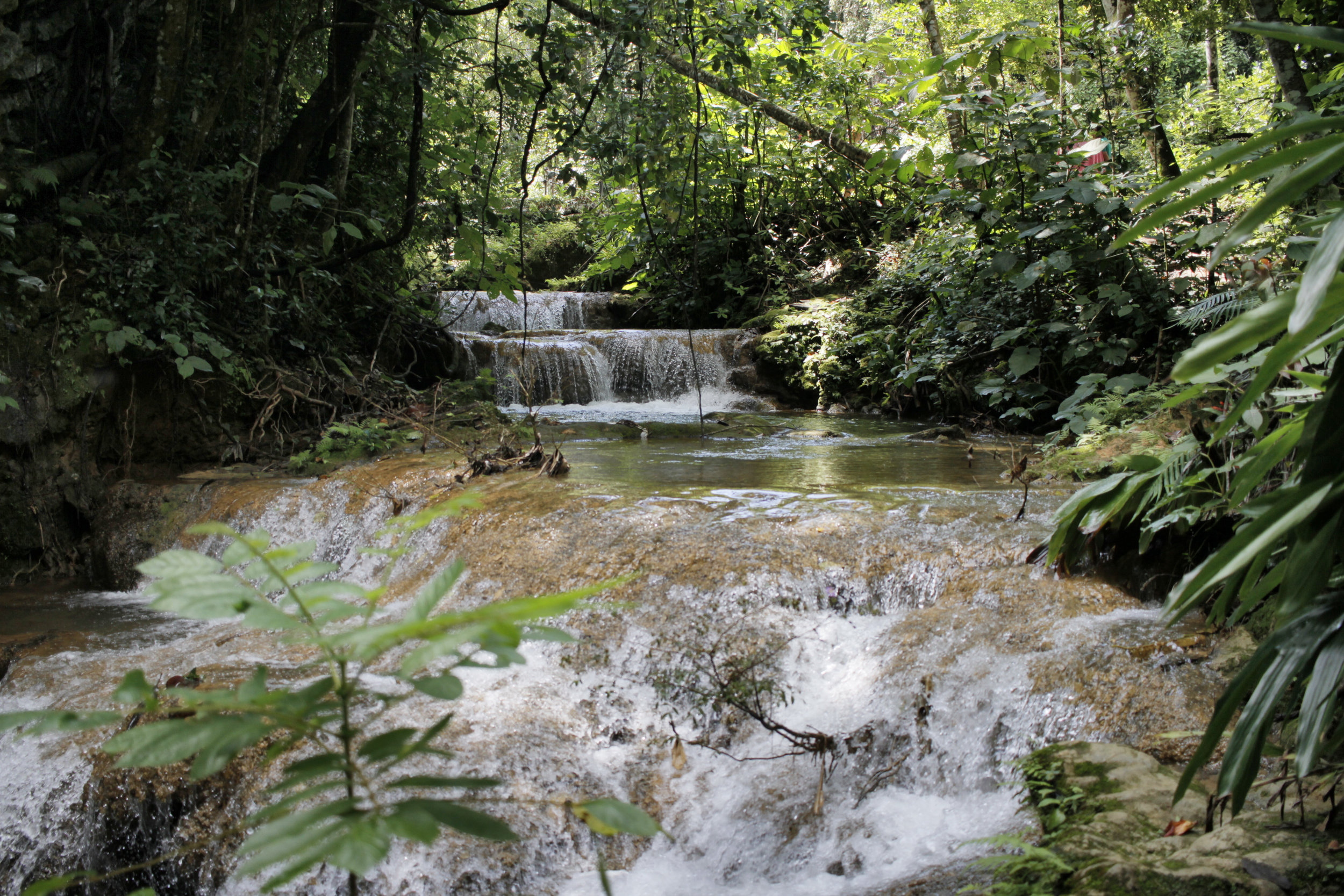
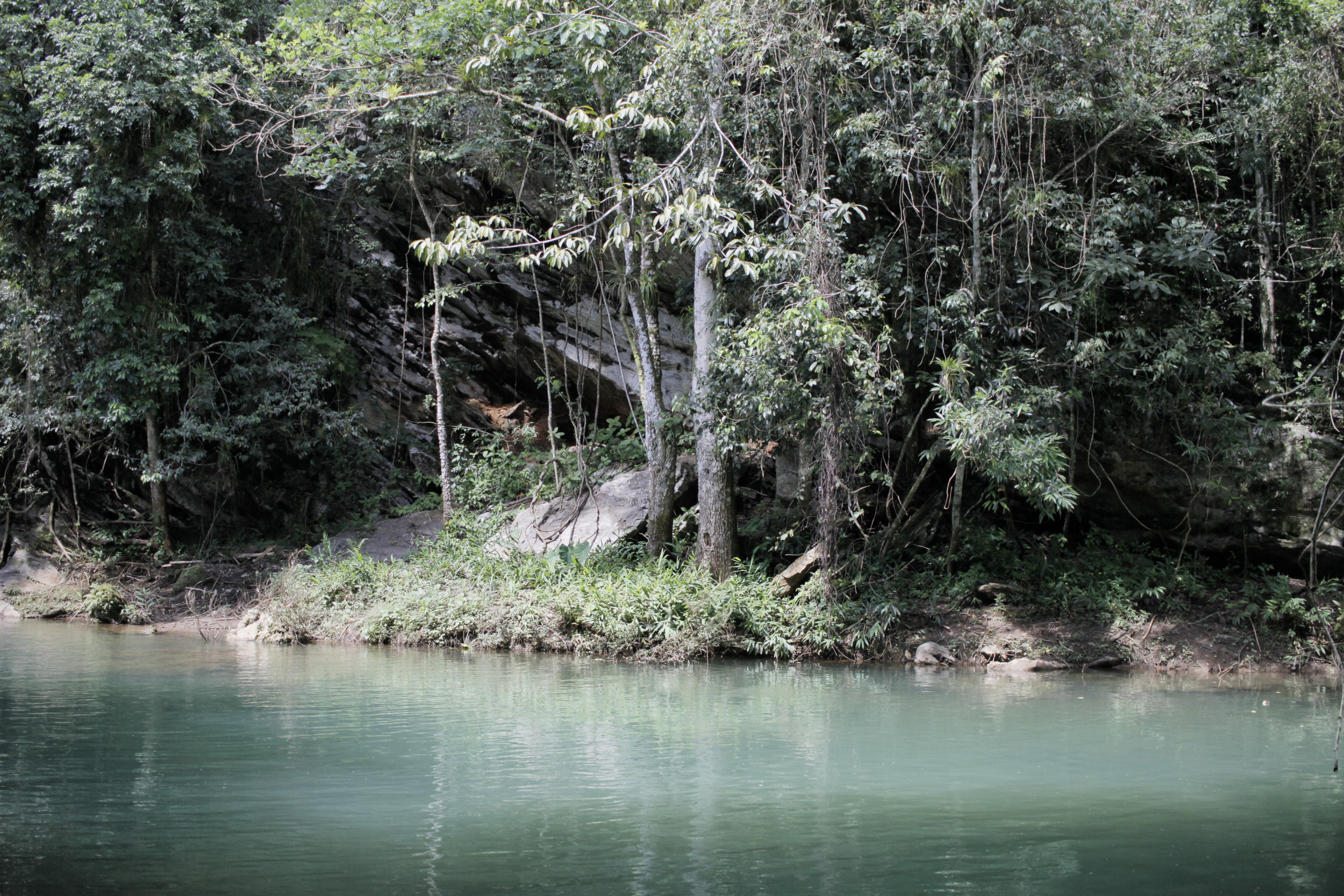
The hike up was fairly easy and there were multiple spots to pause and take in the views. Almost immediately there was a small pool of water where some were swimming but we chose to keep it moving.
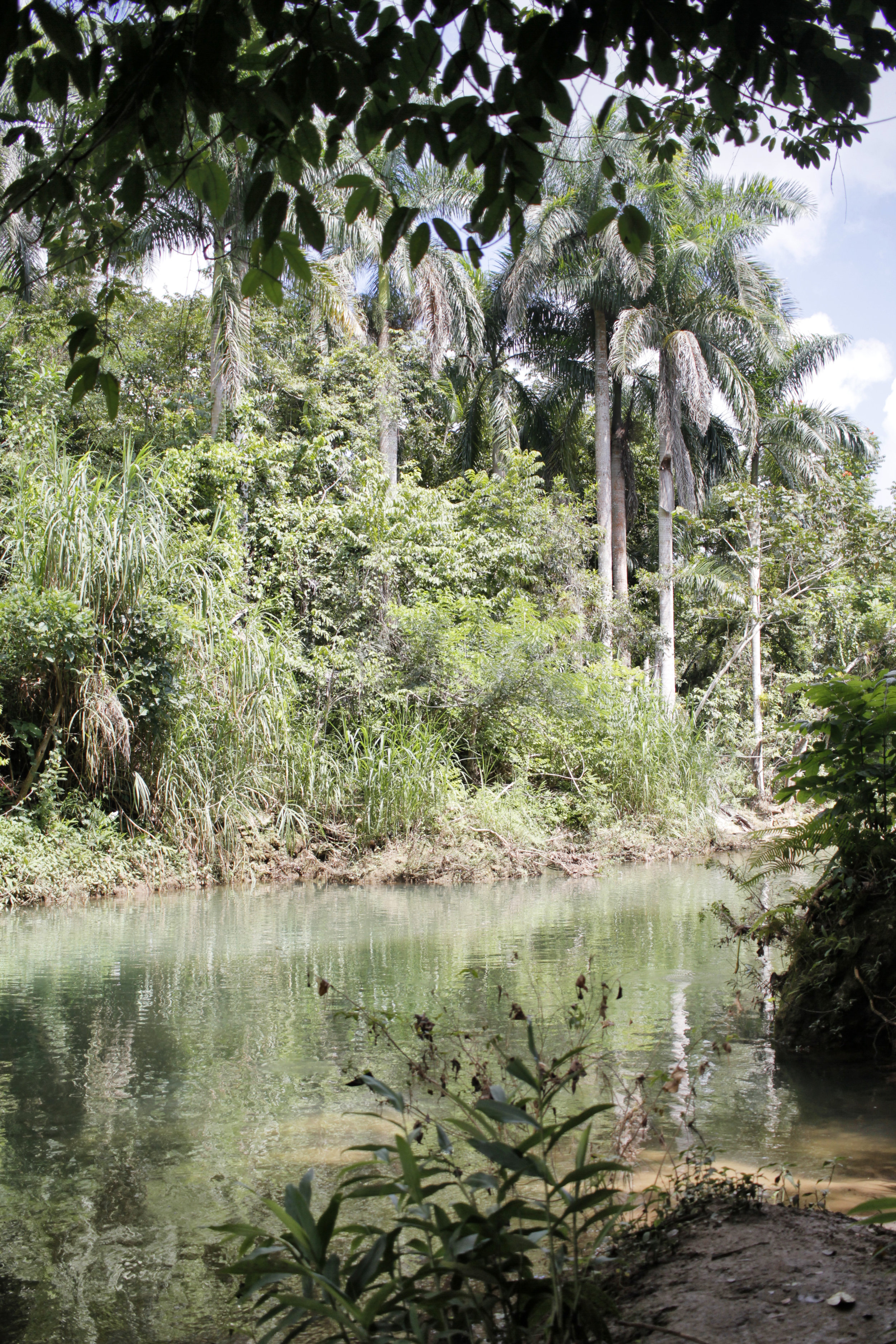
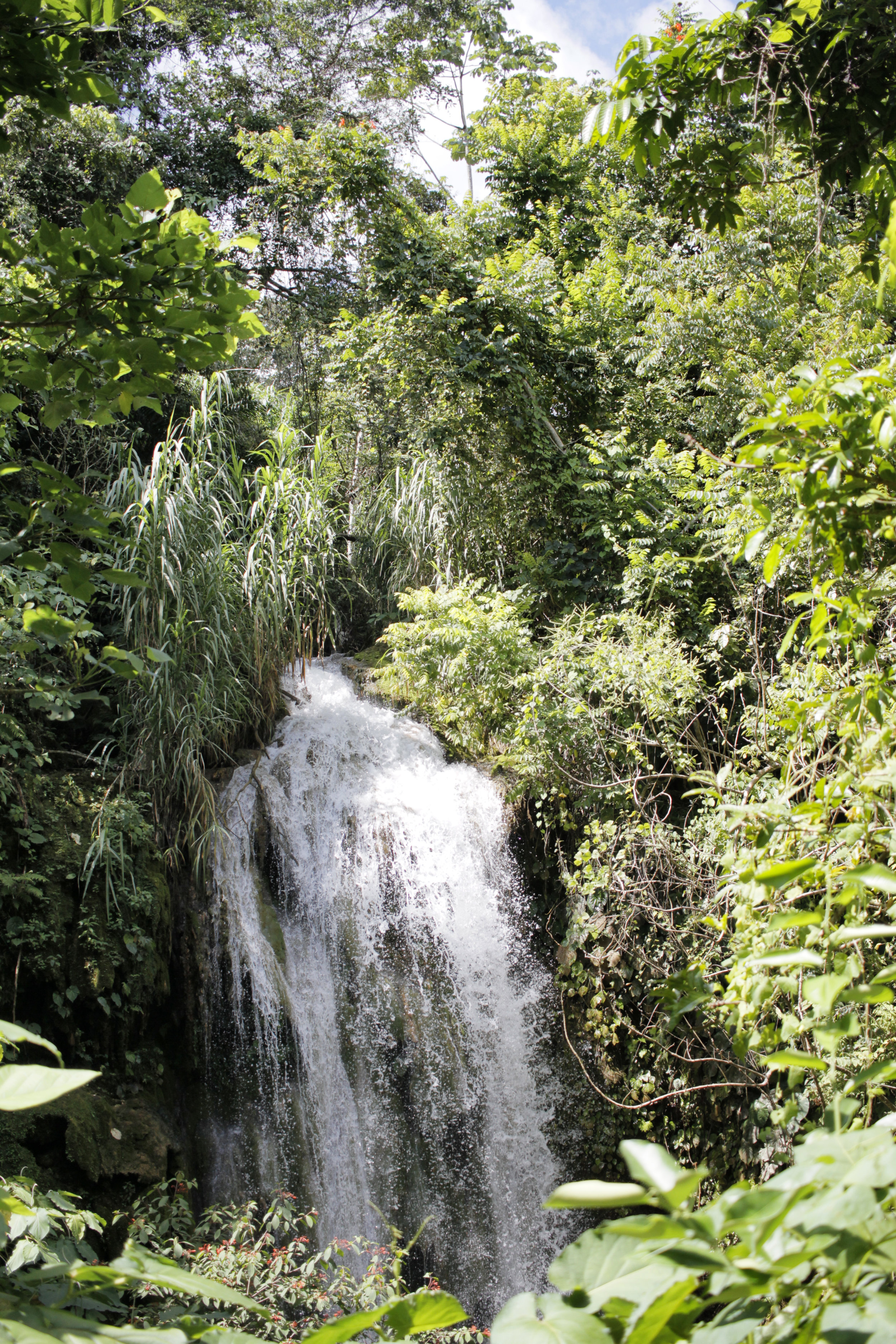
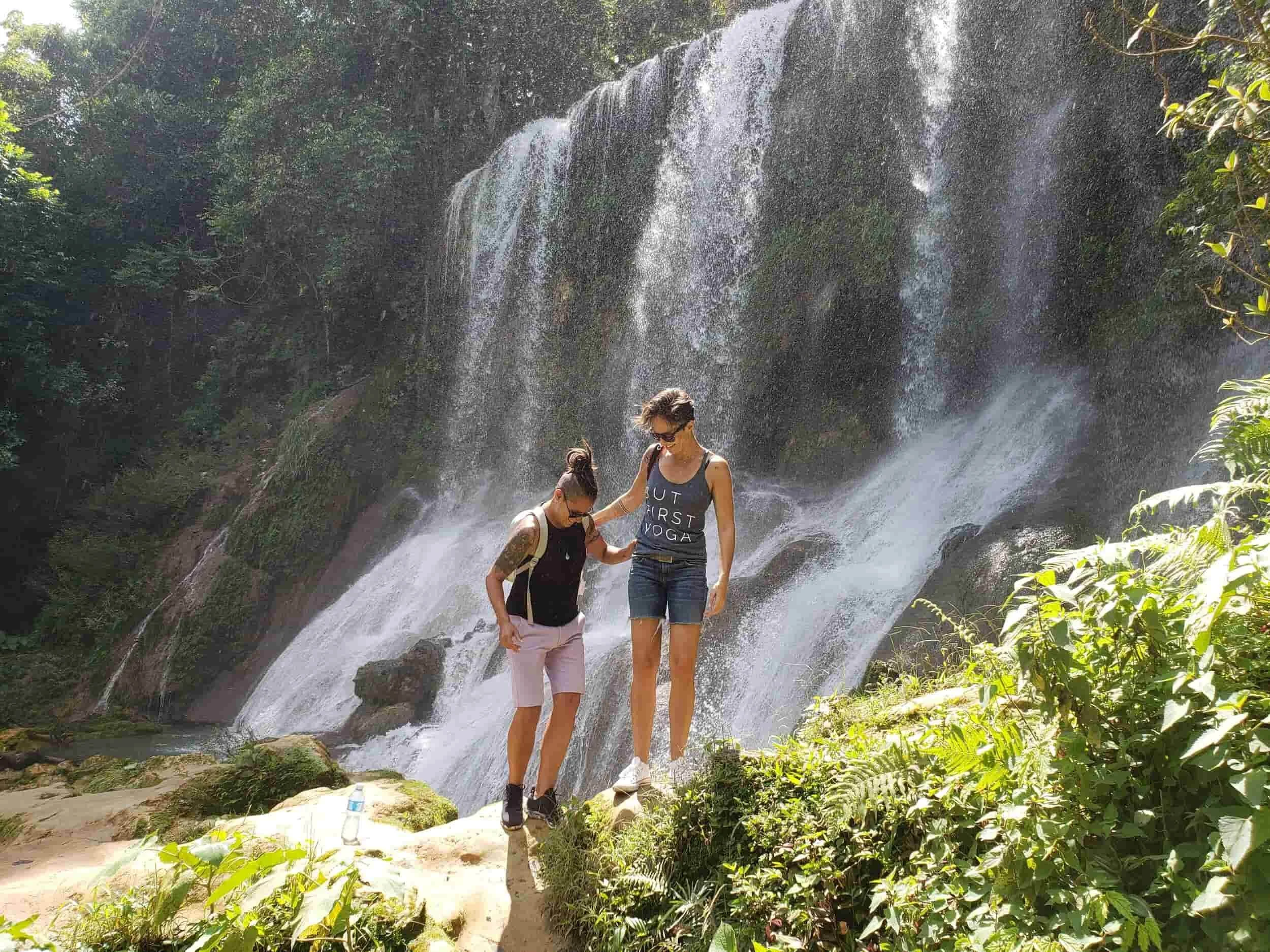
A short while later we reached a huge waterfall on the left-hand side and a few smaller falls hidden behind trees on the right. It felt like every few minutes we’d bump into another waterfall. It was really nice to find them so easily and not struggle in the process.

The mountain had a clear path to follow including small bridges and stairs made of dirt and stones. Other tourists were enjoying the hike but it was not overcrowded. The weather held out and was gorgeous all day. It couldn't have been a more beautiful experience.
After an hour or so we reached the top of the mountain. The hike turned out to be a loop so we could either return back down the same way or continue on the loop. At the highest point, there was an incredible view of the entire valley below.
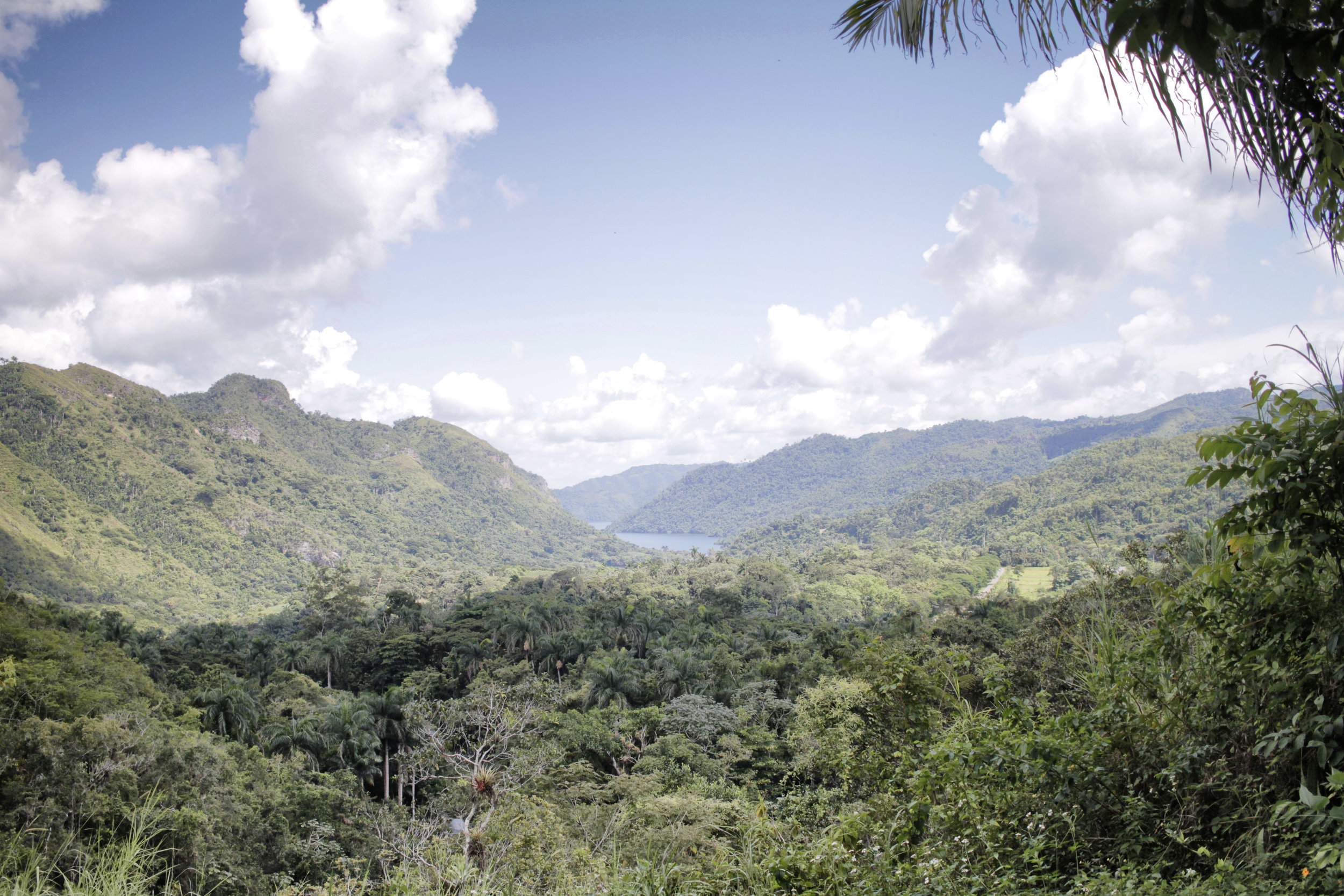
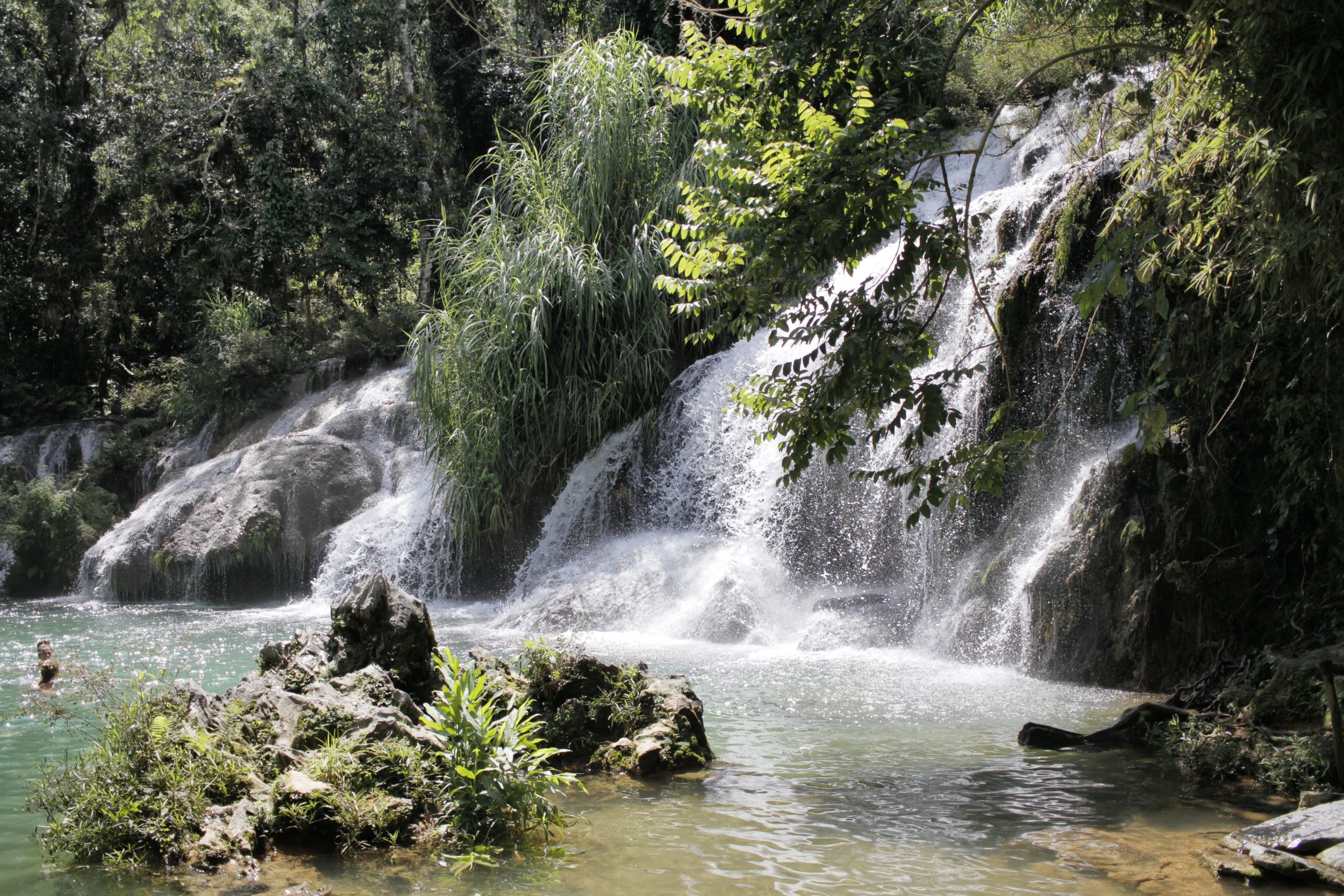
Just below the highest point there was a large waterfall and shallow pool. This was really the only spot that was super busy so we passed back around on our way down hoping it had cleared a bit. Hikers were still resting and cooling off in the water but many had turned back down the mountain.


On the way down, we noticed even more flowers and plants in bloom. The white ginger, the national flower of Cuba, smelled beautiful and resembled a flying butterfly.

As the hike came to an end, we were starving. Our taxi driver took us down the road to La Casa del Campesino for lunch. It was packed but after a short wait we sat down and ordered fruit, mixed rice, salad, fried chicken with coconut and mint drinks.
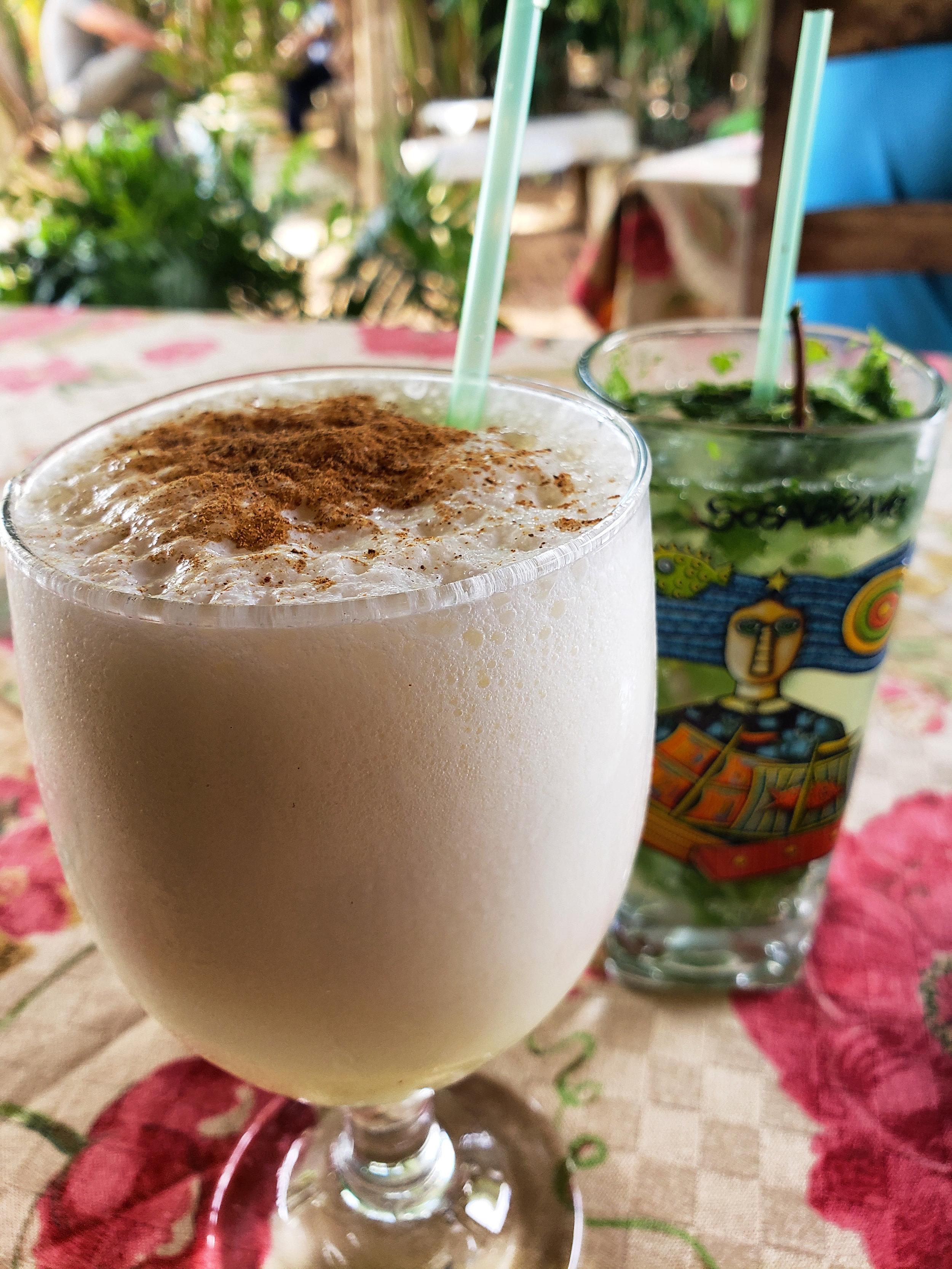
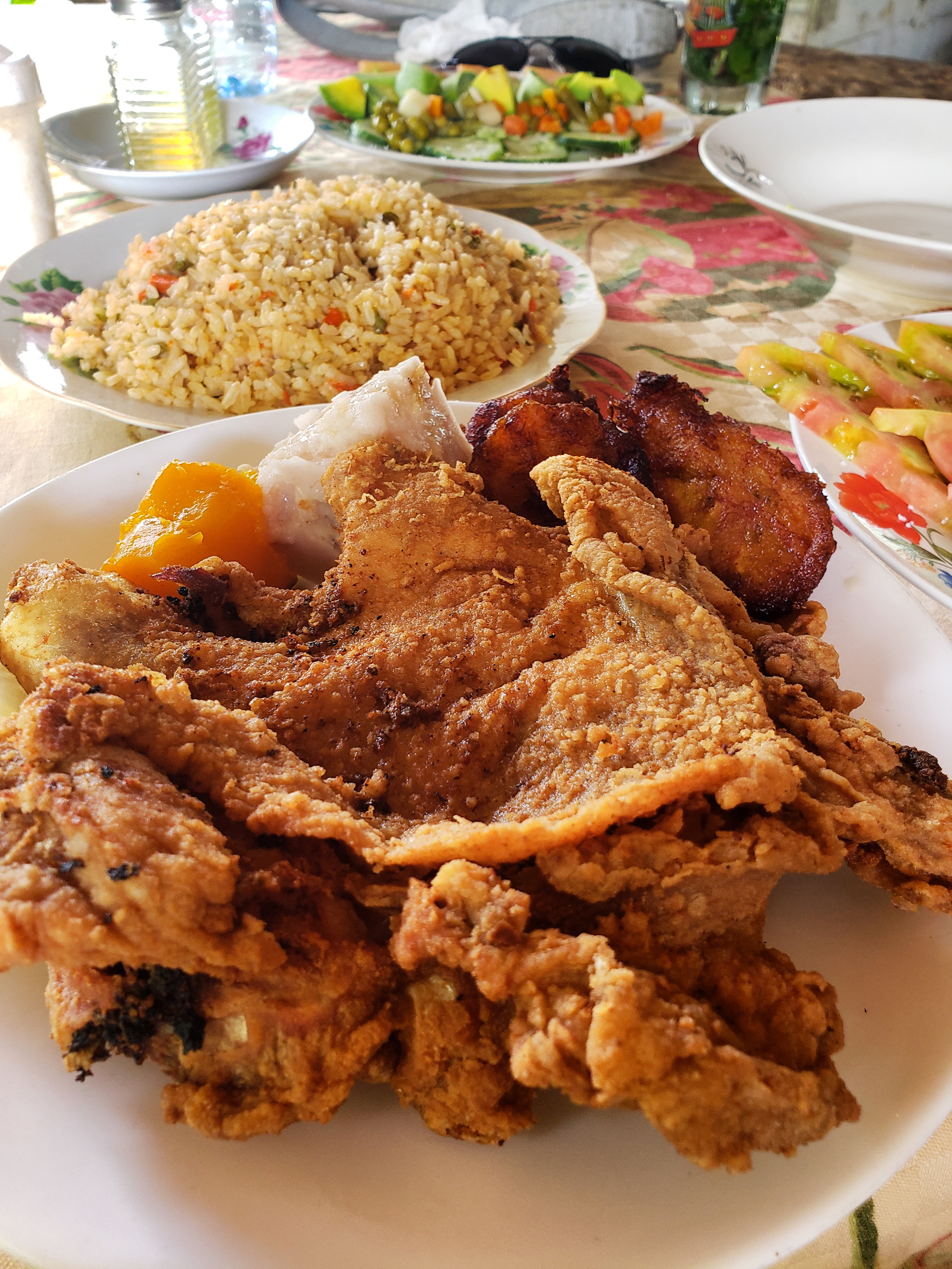
Everything was incredible, especially the fried chicken. As we were leaving, our driver suggested we pick up a bag of local coffee beans from the restaurant for only $3 USD.
05 | Wander the Historic Central Square of Cienfuegos
After chowing down, we made our way back into the city where an afternoon rain held us up but eventually it was time to explore central square, Parque José Martí, and Bahía de Cienfuegos.
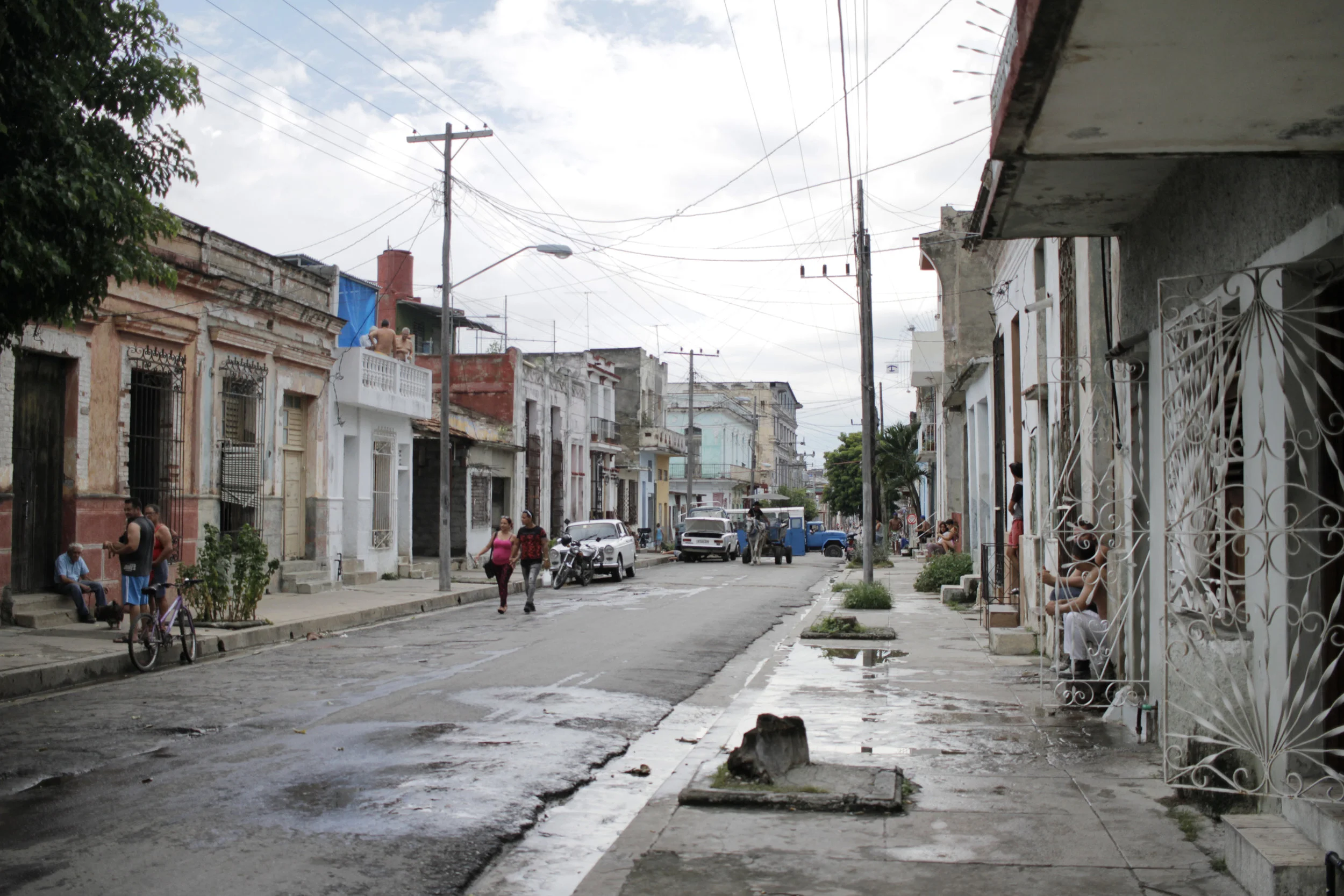
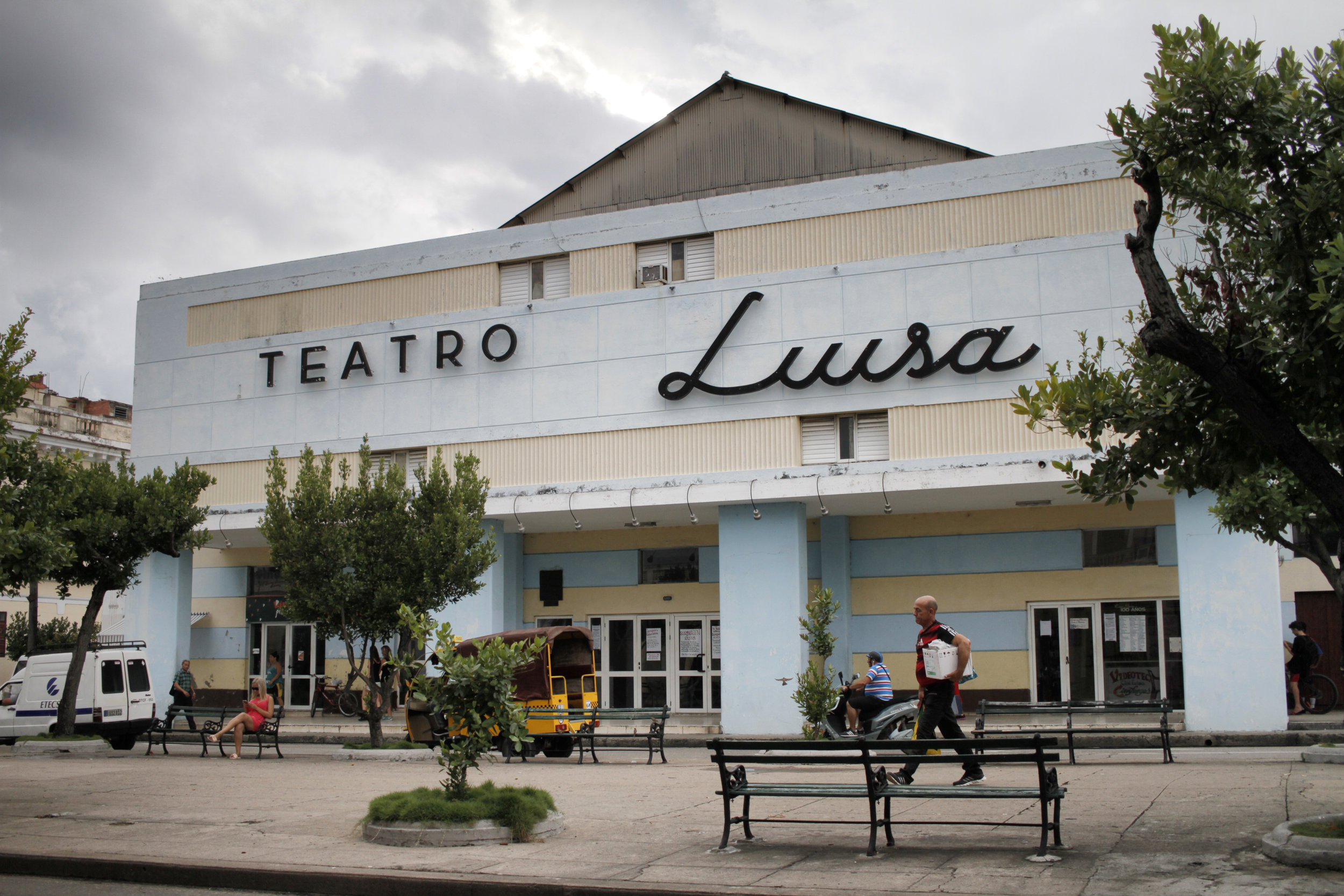
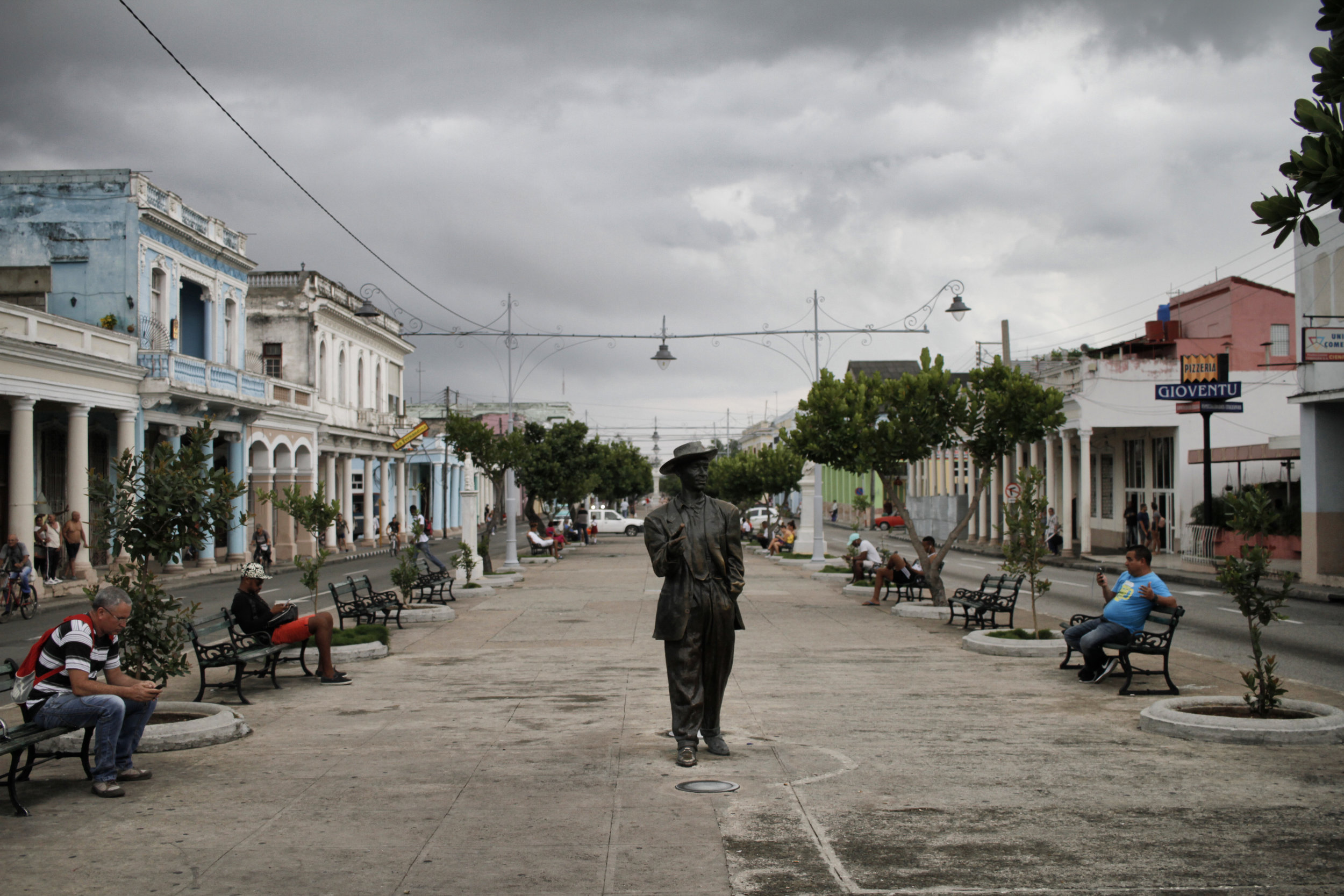
The square was just a few minutes walk from our home stay and on the way we began to get a feel for the city. It felt small and gritty but welcoming. The overcast skies created a moody damp atmosphere and the pops of color only added to the town’s charm.
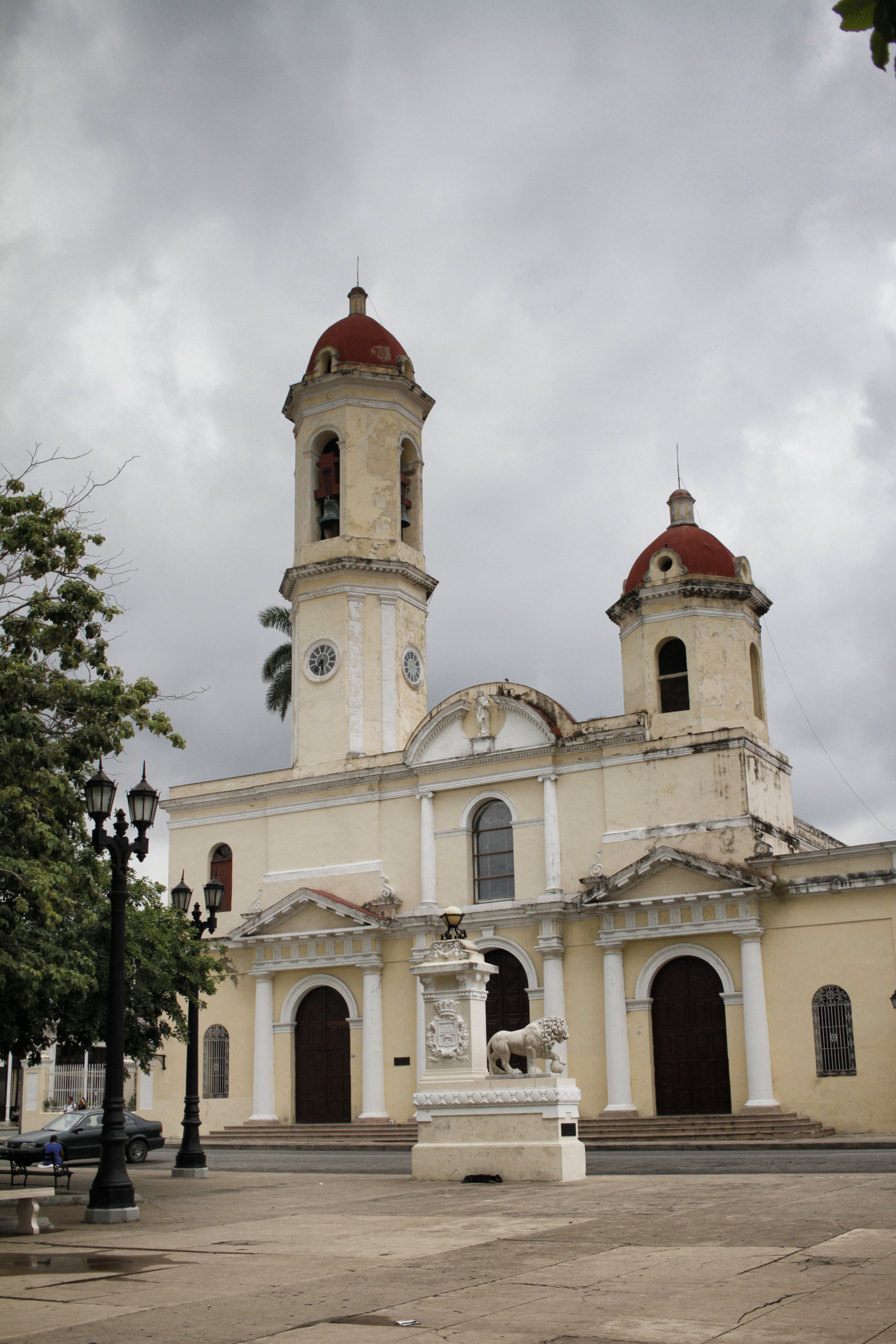
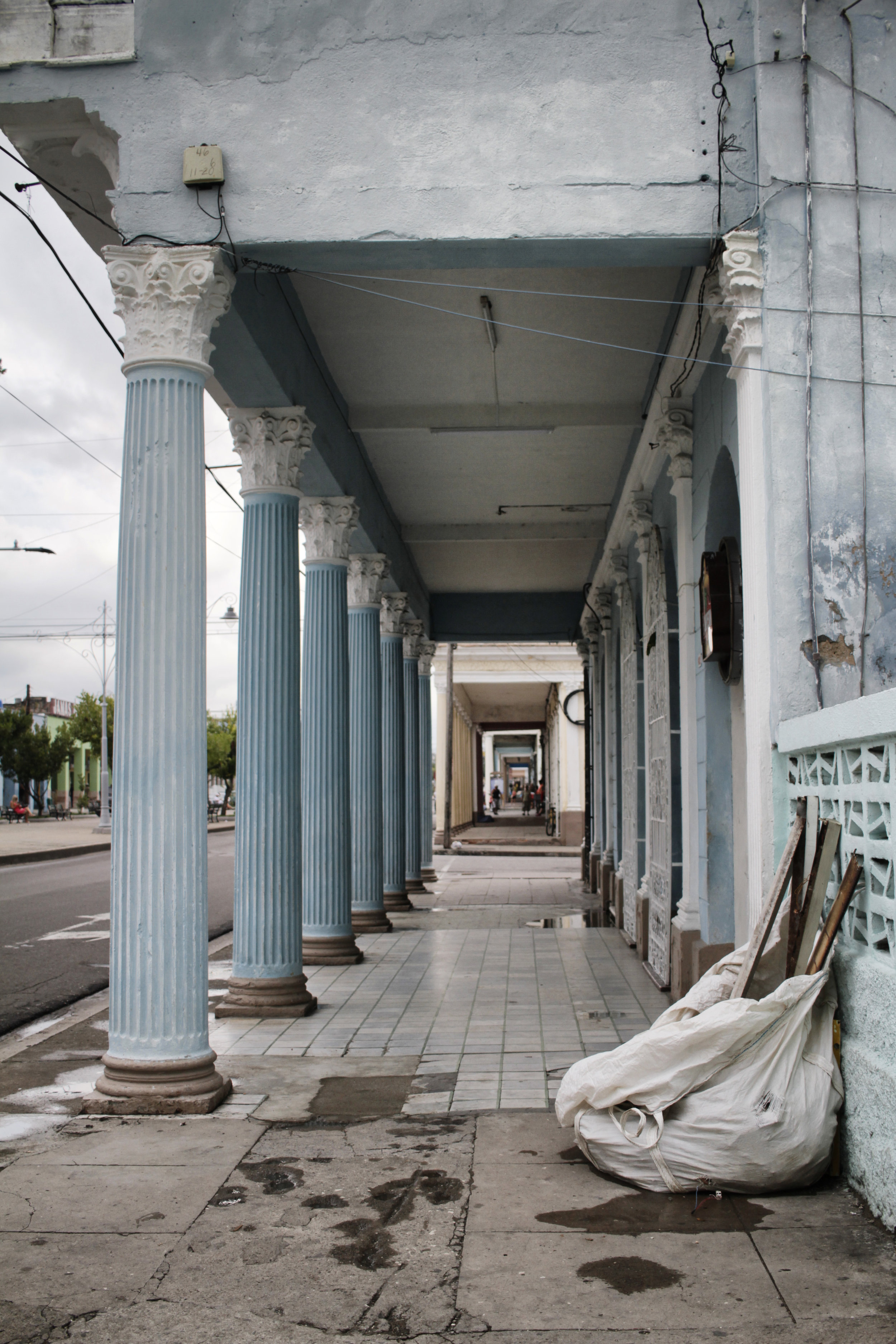
The main town square in Cienfuegos is Parque José Martí, a National Monument and the heart of the city's historic center. José Martí is considered a national hero and was a Cuban poet, essayist, journalist, translator, professor and publisher.
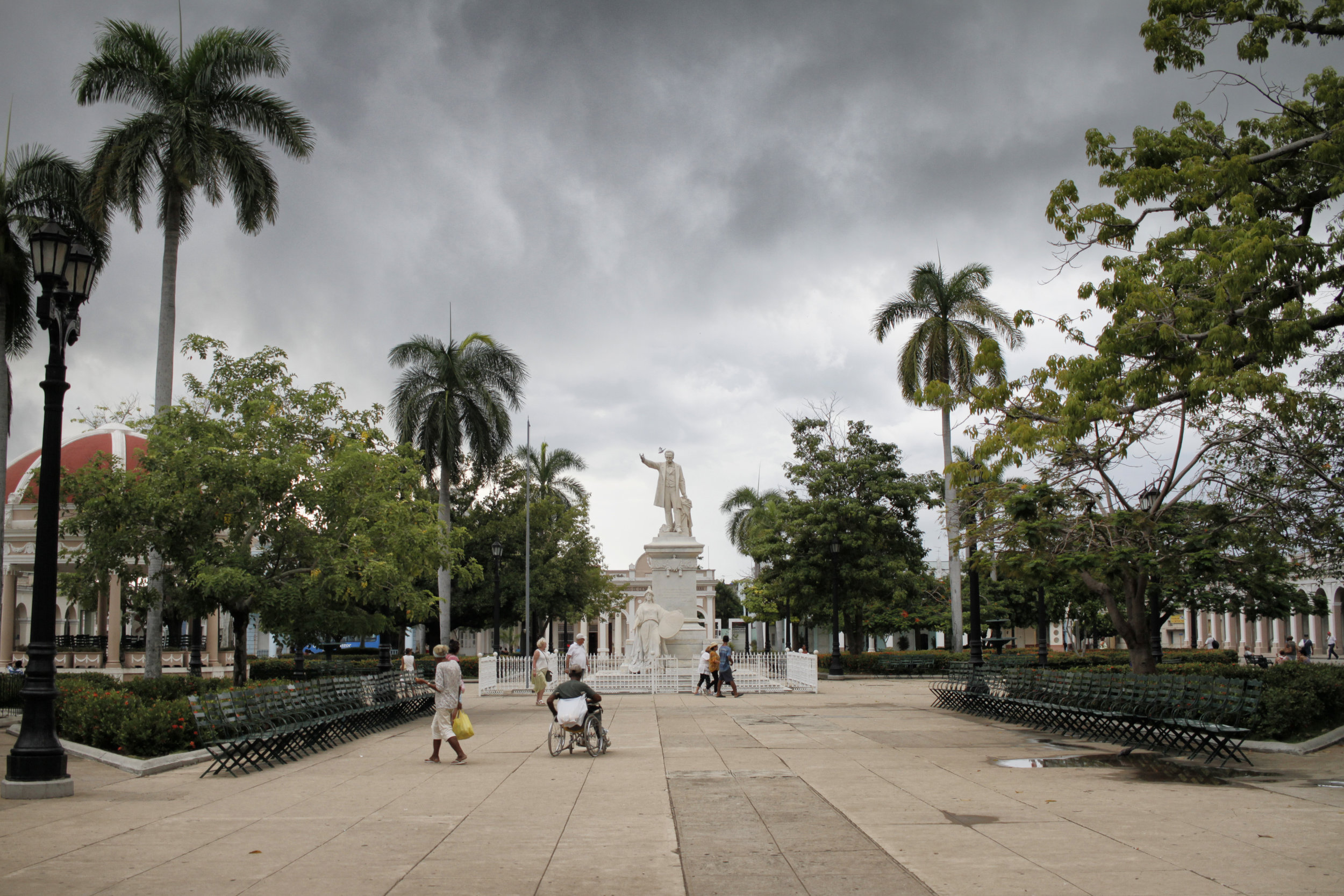
At the square’s center stands a José Martí memorial that is surrounded by important buildings like the Cathedral de la Purisima Concepción and Palacio de Gobierno. The square is known for its well-preserved 19th-century neoclassical architecture and is a vibrant hub for relaxation, strolling and enjoying the city's rich history and culture. Strangely, during our visit, the square felt mostly deserted. We had imagined it to be bustling with vendors, locals and restaurants but not too much was going on.
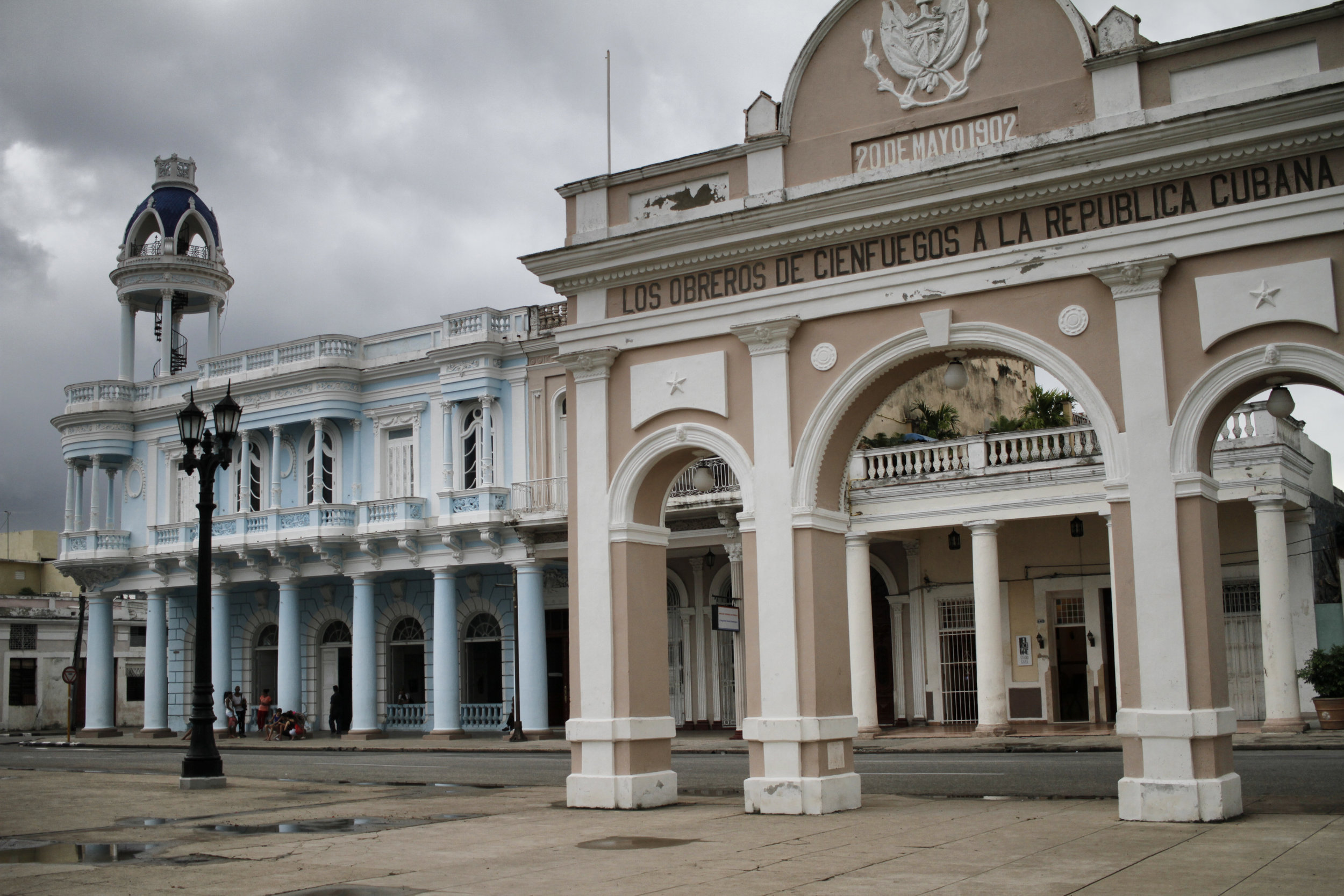
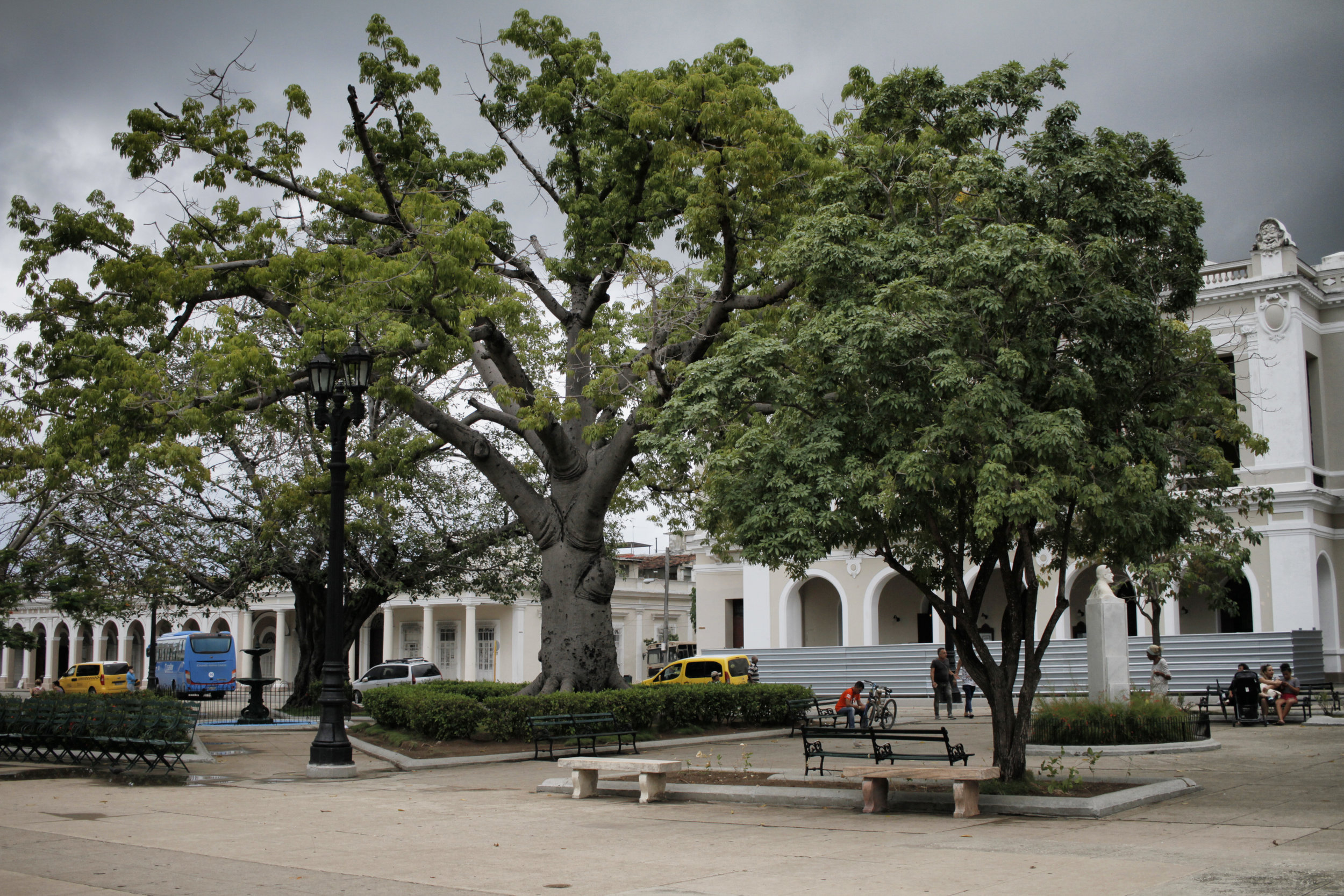
In the year 2005, UNESCO inscribed the Urban Historic Centre of Cienfuegos on the World Heritage list, praising Cienfuegos as the best surviving example of early 19th century Spanish Enlightenment urban planning. The downtown area has six buildings from 1819-1850, 327 from 1851-1900 and 1,188 buildings from the 20th century. There’s no other place in the Caribbean that has such a remarkable number of Neoclassical buildings.
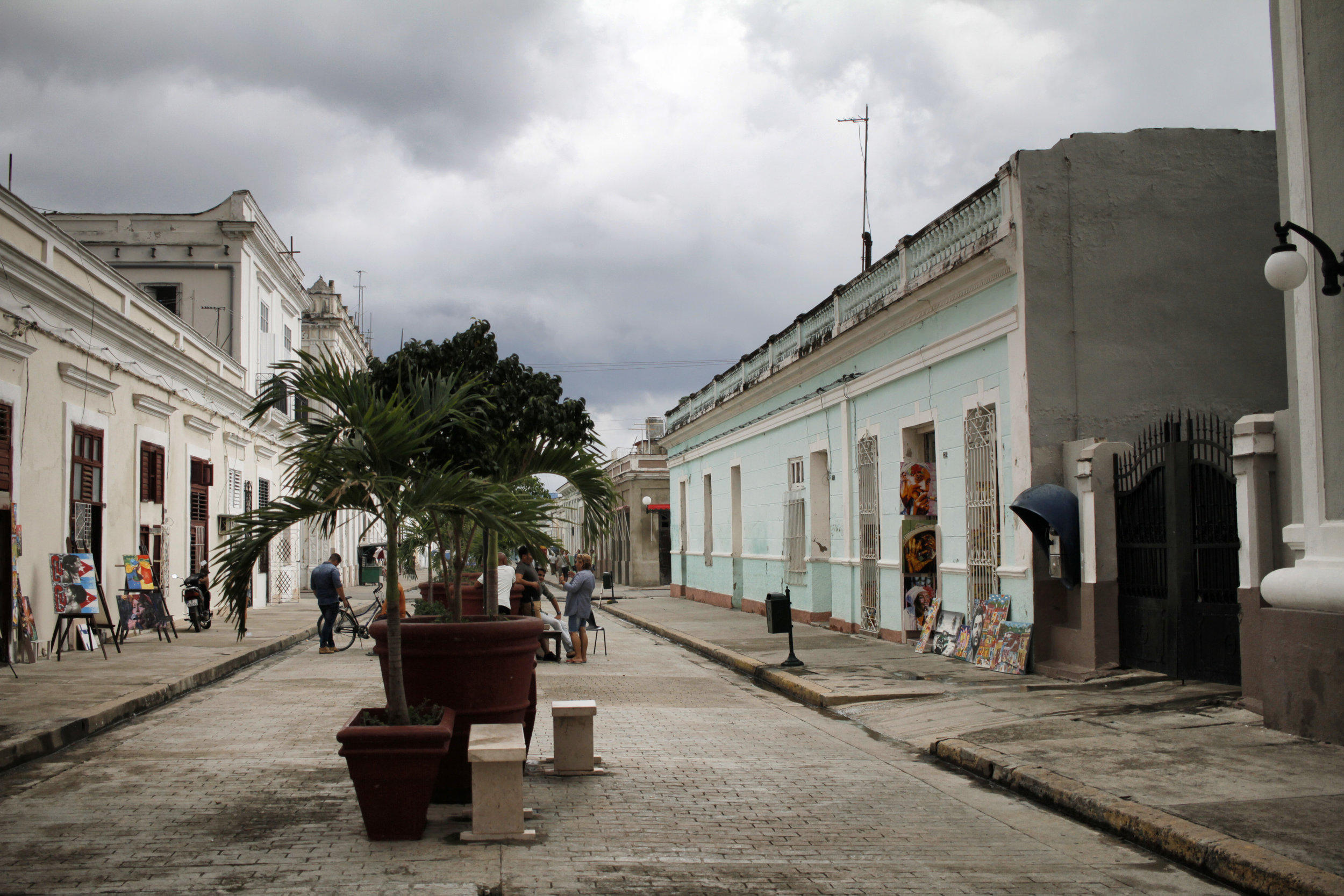
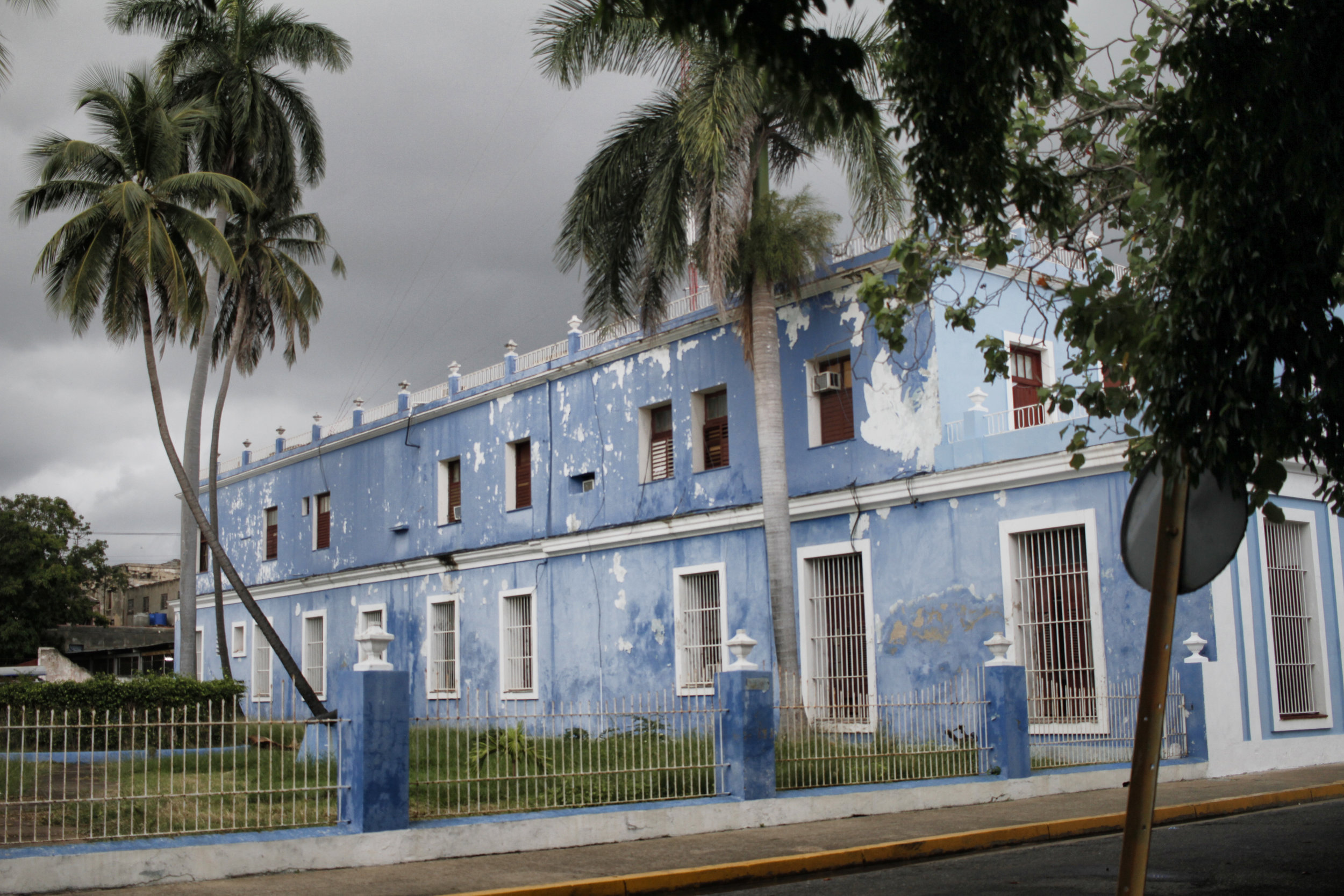
My favorite part about the square and historical buildings was absolutely the color story they offered, plaster in soft hues of blues, greens and yellows set against deep saturated greens of the palms and other plant life.
06 | Appreciate Bay of Cienfuegos
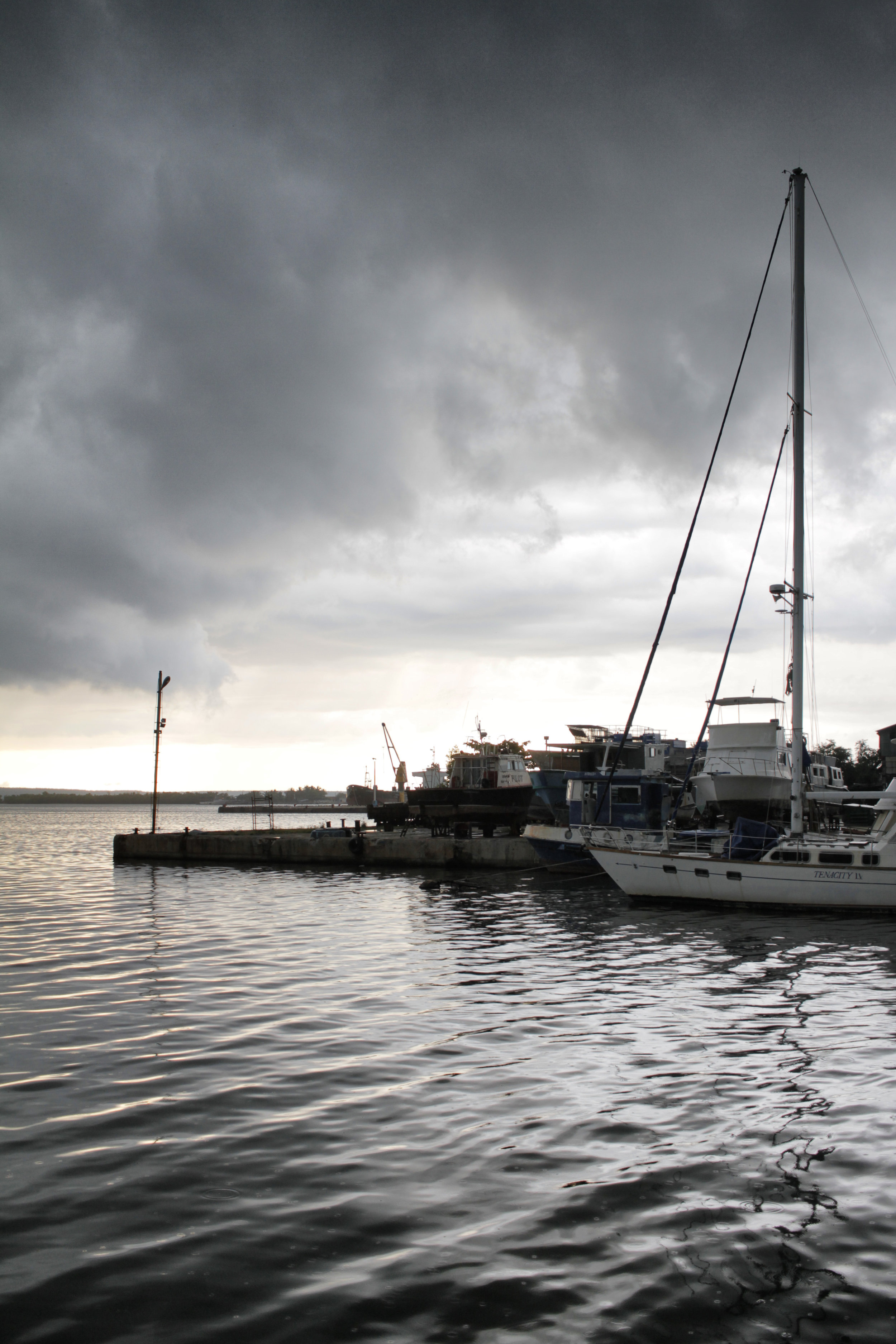
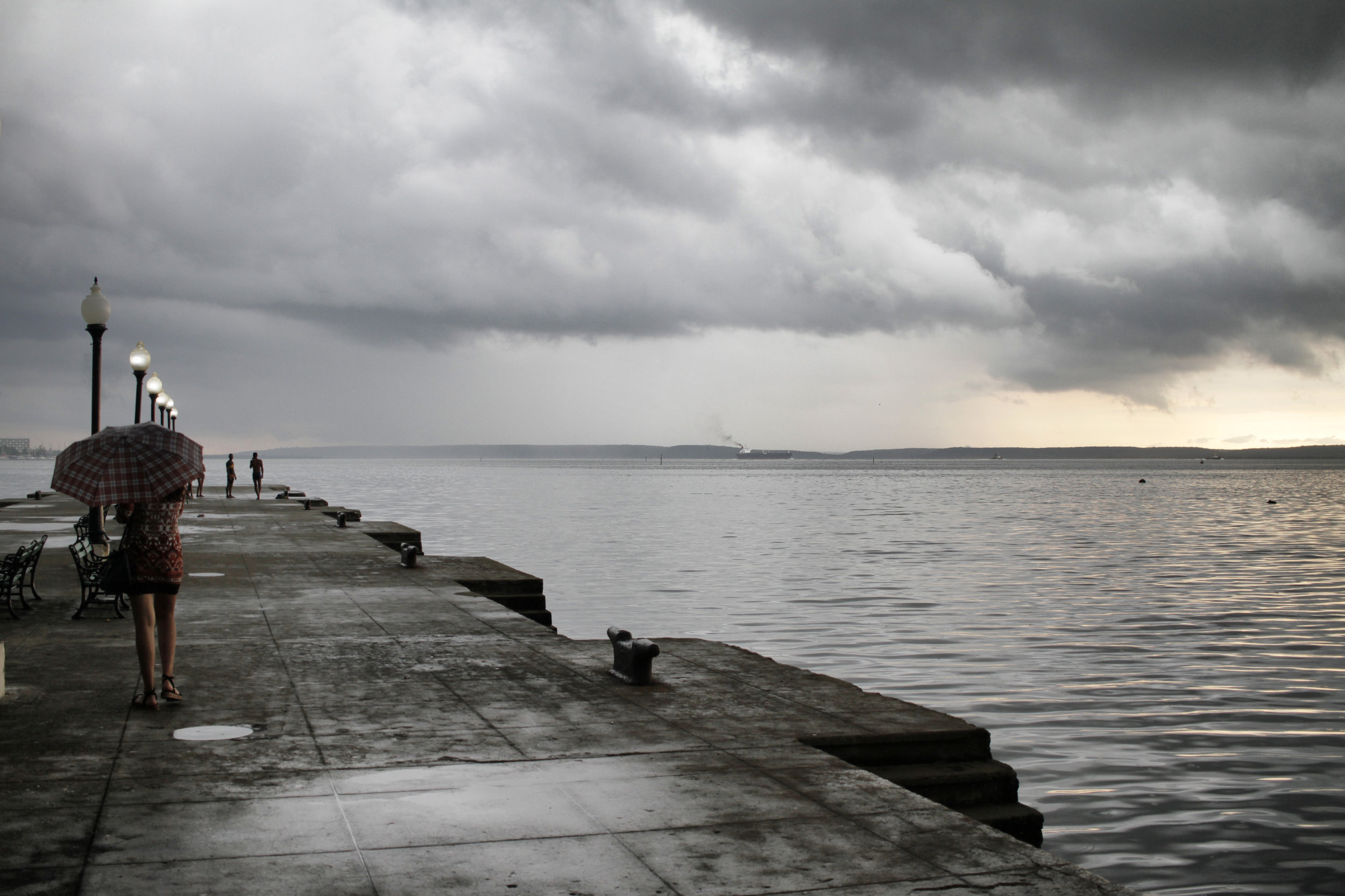
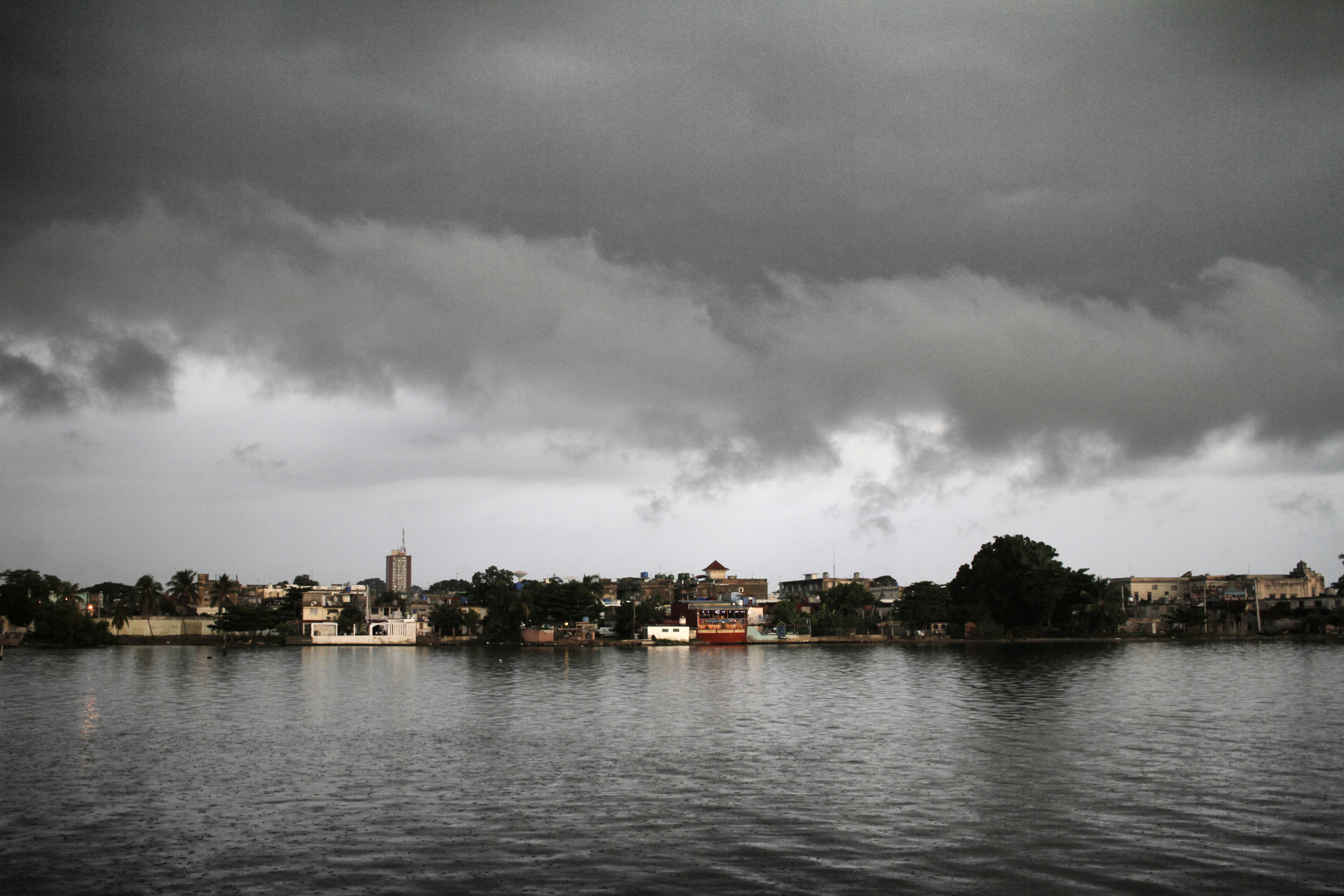
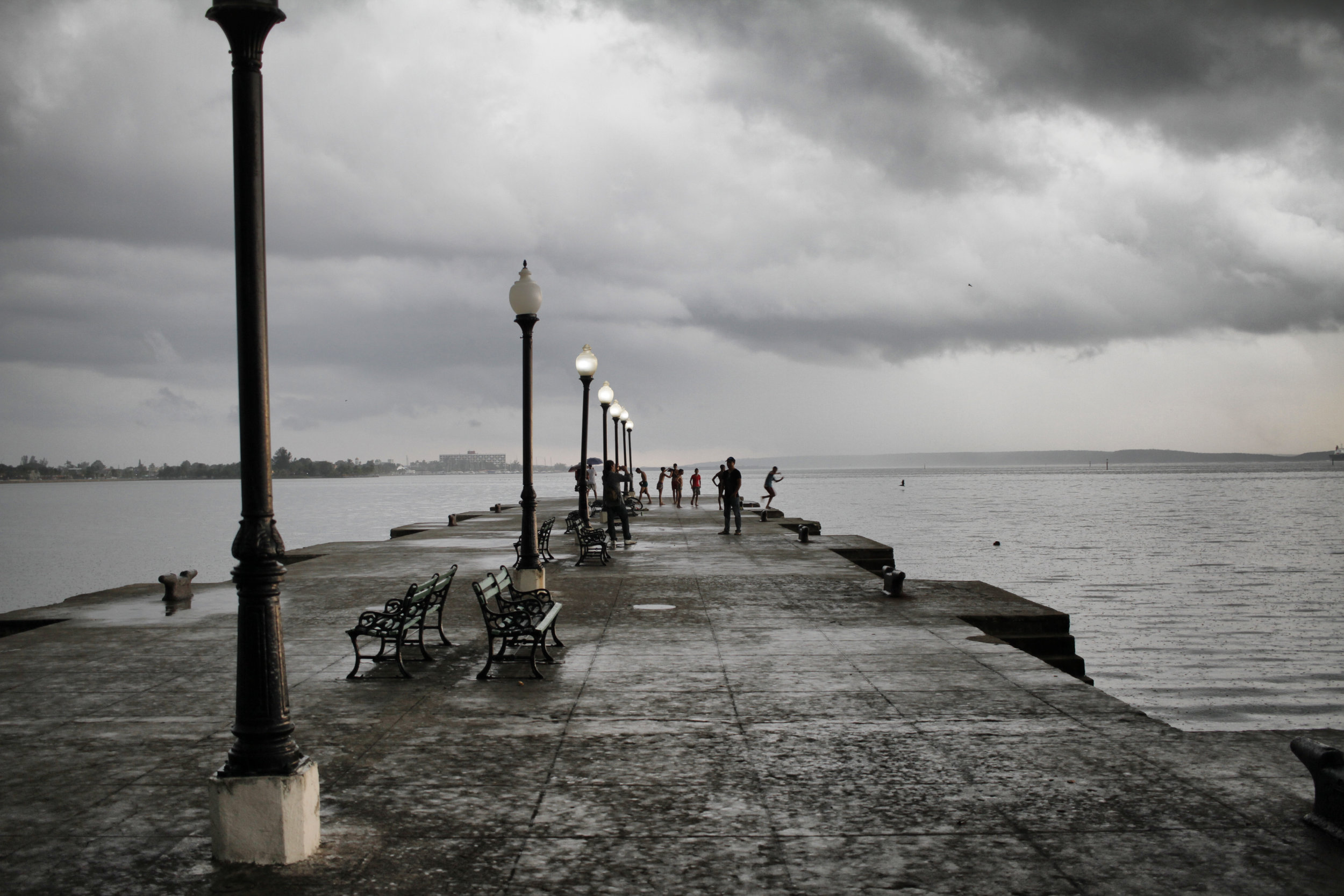
Opening up into the Caribbean Sea, the Bay of Cienfuegos was right down the street from central square. We found a fisherman working and a group of kids jumping into the water just as it began to rain. The skies became dark and moody but the bay was gorgeous.
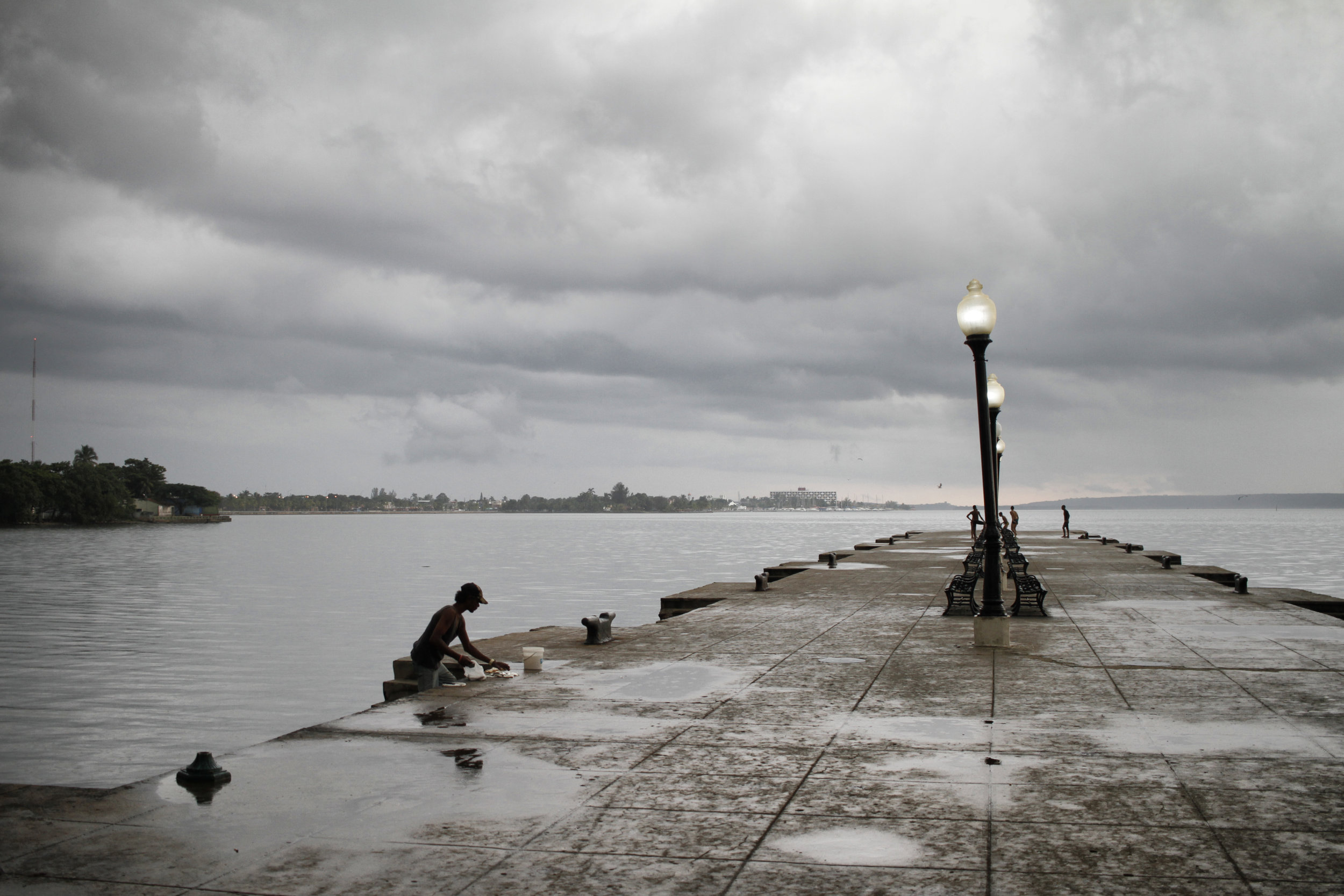
We stayed as long as we could before it began to pour down from the skies. An instant flood rushed through the streets as we returned to our home stay.
In the morning was our final destination, Viñales Valley, a small town in western Cuba known for its green botanical gardens and rocky limestone hills and caves.
Viñales a small town west of Havana with green rolling hills planted with fruit, vegetables, coffee and tobacco. It’s known for steep limestone hills called mogotes which dot the landscape and gardens full of palms and orchids.