SOUTH KOREA
South Korea — where misty mountain temples and pale-pink cherry blossoms meet neon skylines and palm-fringed islands.
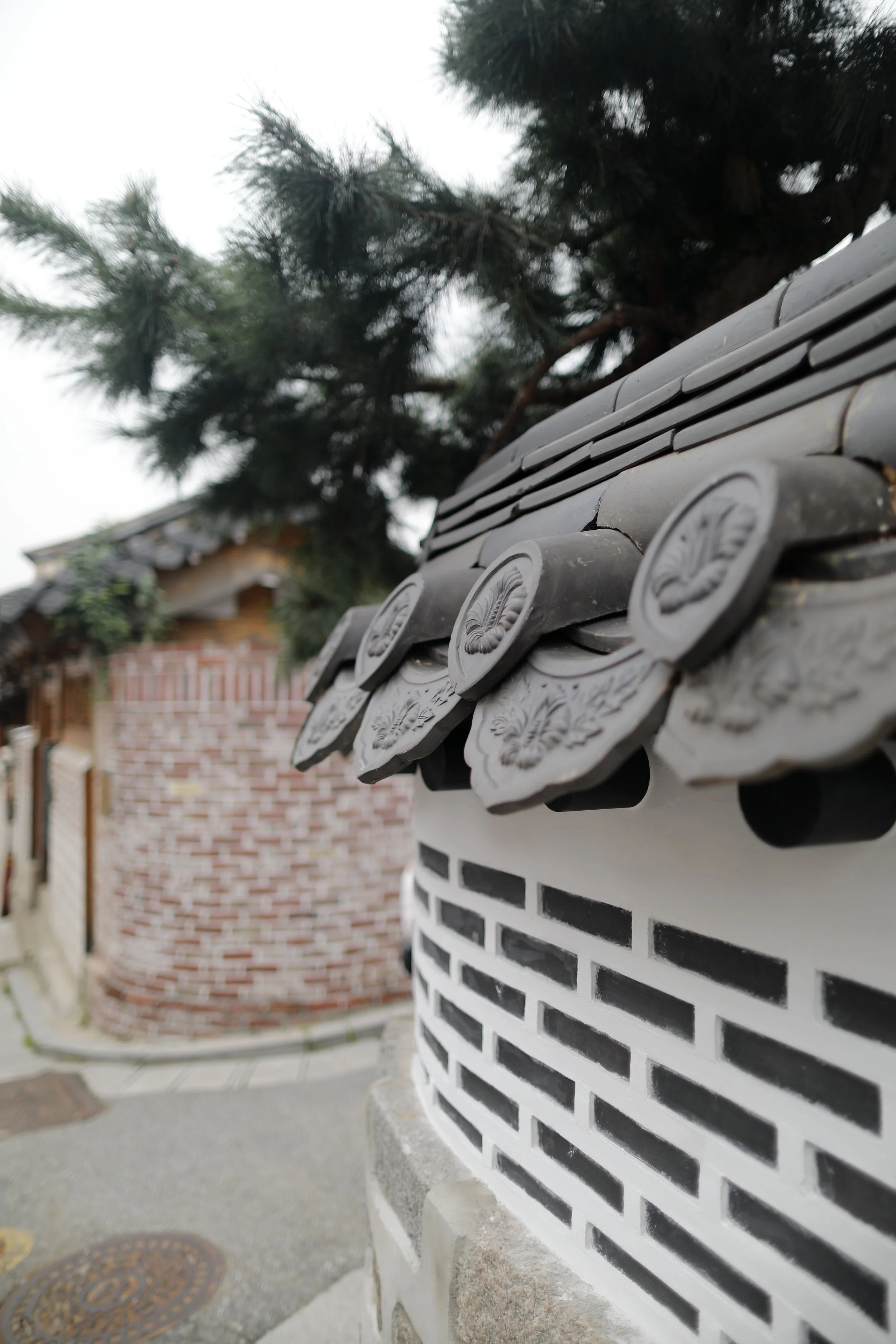
Tucked into the southern half of the Korean Peninsula opposite one of the world’s most fortified borders, South Korea blends reminders of recent history with a forward-looking energy. Wander centuries-old Buddhist temples, stroll dreamlike cherry-tree avenues in spring or wake to salty air in sleepy coastal fishing villages. Travel farther to subtropical isles with palm beaches and jagged rock formations or dive into bustling Seoul, where neon skyscrapers, ancient palaces and tranquil hanoks share the skyline.
Korean culture extends worldwide: K-pop’s precision and K-dramas’ emotion captivate global audiences, while the cuisine — from fiery kimchi and sizzling BBQ to delicate rice cakes and smoky seafood stews — offers a delicious gateway to tradition. Ancient rituals and cutting-edge innovation coexist here, creating a warm, layered experience that stays with you long after you leave.
South Korea Travel Guides
Coming soon…
Who
Warm, resilient and deeply communal, the people of South Korea blend centuries-old Confucian traditions with a passionate drive for innovation, honoring ancestral rituals and family ties while leading in technology, pop culture and design. Their hospitality, fierce work ethic and lively love of food, music and storytelling make everyday life both comforting and vibrant.
What
Bustling Seoul blends neon-lit skyscrapers, centuries-old palaces and narrow alleys filled with street food, while the countryside offers misty mountains, terraced rice fields and seaside cliffs dotted with fishing villages. Expect seasonal extremes — cherry blossoms and green spring, humid summers, vivid autumn foliage and snowy winters — plus warm, efficient transport and a culture that balances ancient tradition with modern innovation.
When
Spring (April–June) and autumn (September–November) are the most delightful times to visit South Korea, when cherry blossoms or fiery foliage paint the landscape and mild weather makes exploring temples, markets and mountains a true pleasure. For fewer crowds and lower prices, aim for late autumn or the shoulder weeks of spring.
Where
Seoul dazzles with its blend of ancient palaces and cutting‑edge neighborhoods like Insadong, Bukchon, Hongdae and Gangnam, while Busan offers rugged beaches, seafood markets and the scenic Haeundae and Gamcheon Culture Village. For quieter exploration, head to Gyeongju’s historical sites, Jeju Island’s volcanic landscapes and coastal trails and the verdant tea fields and temples of Boseong and the Seoraksan region for hiking.
How
Fly into Incheon or Gimpo airports — both offer frequent international connections — and take the efficient AREX train, airport limousine bus or a short domestic flight to reach cities across South Korea. Once there, travel easily by Korea’s punctual subway and KTX high-speed trains, intercity buses and affordable domestic flights, with taxis and regional ferries filling in for local explorations.